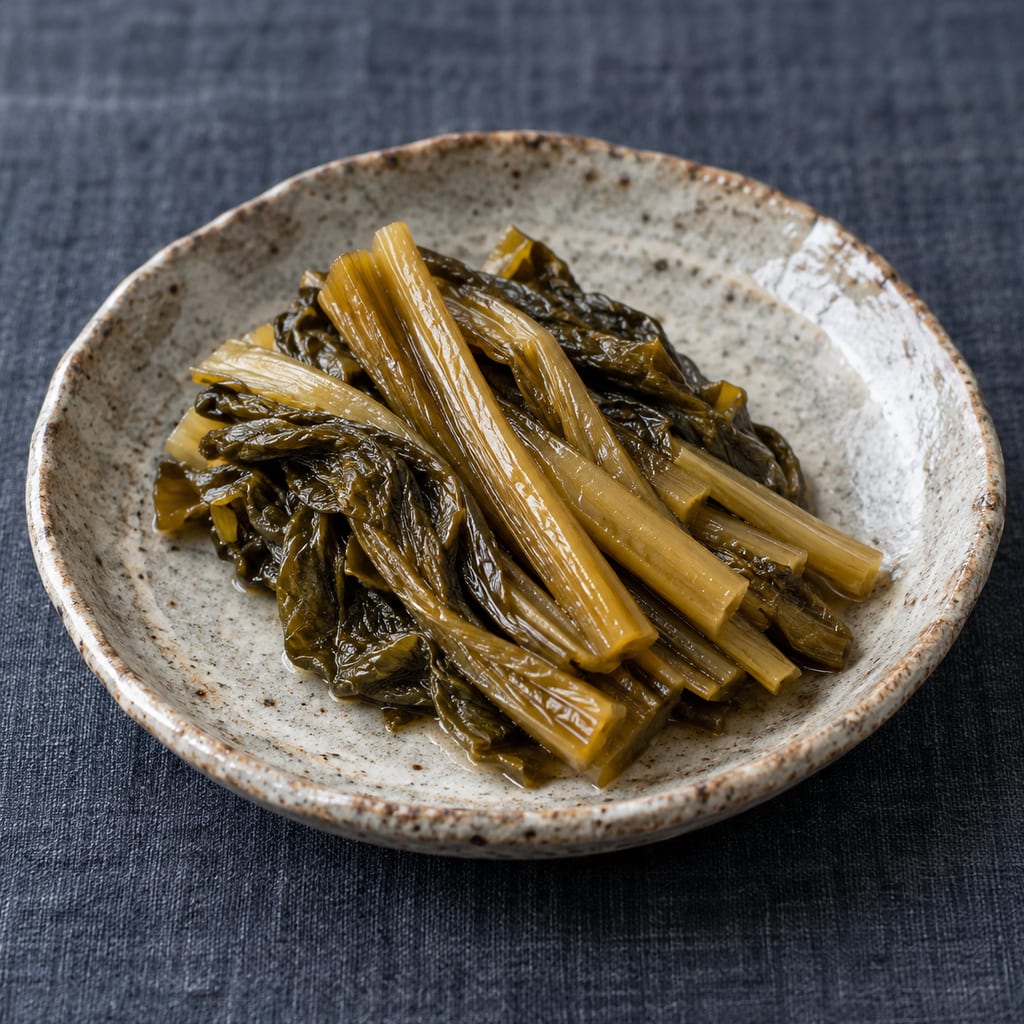
Aso takanazuke
Takana mustard greens from Aso in Kumamoto are salted and pressed into a fresh spring pickle, or aged into a sour furuzuke that is fried and mixed into takana rice.
 FermenteaWhere food goes to change
山葵漬け · Wasabi-zuke · Wasabizuke · わさび漬け · 山葵漬け
A Shizuoka pickle of finely chopped wasabi stems and roots, salted, squeezed and kneaded into sweetened sake lees, then rested airtight for two to three days until pungent.
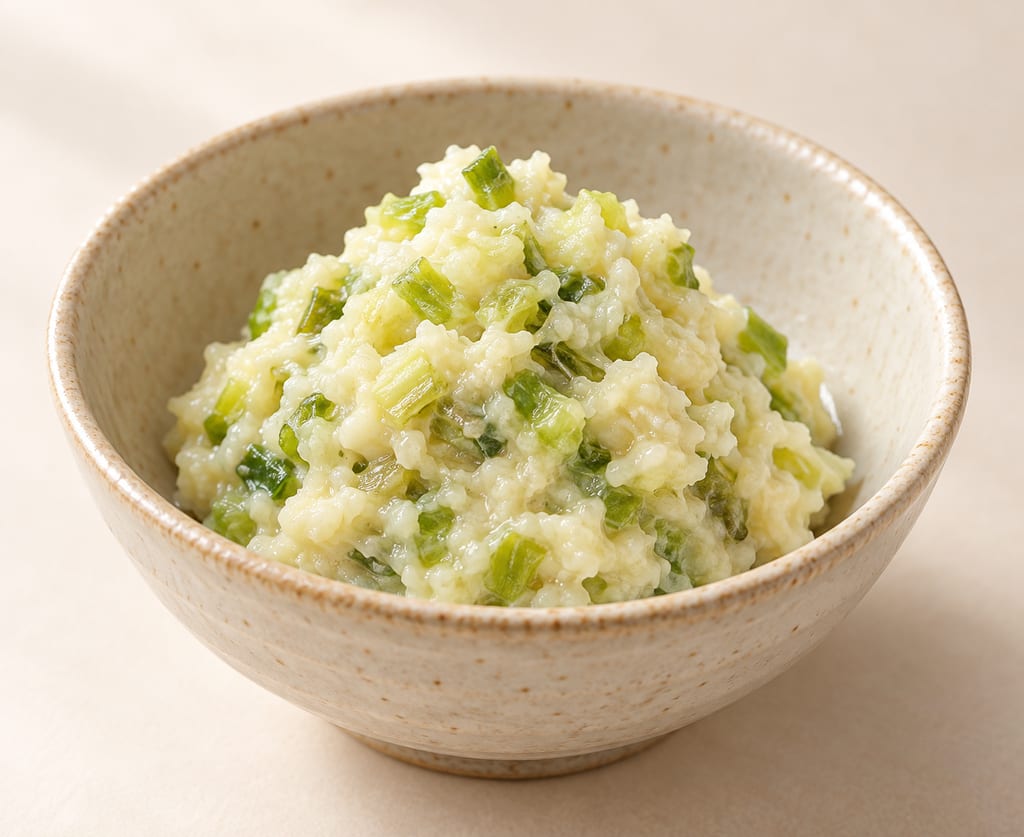
Wasabi-zuke (山葵漬け) is the wasabi pickle of Shizuoka. Fresh wasabi stems and roots are chopped fine, salted overnight, squeezed dry and kneaded into sake lees, the pale, sweet-smelling solids left after sake is pressed. After two or three days in a sealed container the mixture turns pungent and is ready: a green-flecked, sticky paste that is eaten in small amounts.
It is not freshly grated wasabi and it is not the tube paste sold for sushi. The heat comes from chopped wasabi tissue held in lees, and the lees add sweetness and a sake aroma that grated wasabi does not have. MAFF describes it as a dish mainly enjoyed by adults for that combination of sharp heat and rich lees flavour.
Shizuoka's water-wasabi grows in terraced beds of clear, flowing spring water. MAFF's regional-cuisine entry says wild wasabi from Mount Butsudani (Ariga-Higashiki, Shizuoka City) was planted by a spring in the Keicho era (1596-1615), and that cultivation spread to the Izu area in the mid-18th century. The tatami-ishi ("tatami stone") method of laying stones in the bed, developed in Naka-Izu, then carried the crop across the prefecture. The Japanese page adds that Tokugawa Ieyasu, who spent his later years at Sunpu Castle, reportedly banned taking wasabi out of the Ariga-Higashiki area. These are local accounts rather than a single documented origin.
The pickle itself is later. It is said to have begun when it was sold at Shizuoka Station, which opened in 1889 (Meiji 22), and it is still a popular souvenir as well as an everyday household side dish. MAFF names three parts of the prefecture: the Shizuoka City area, the Izu Peninsula, and the Gotemba and Oyama area in the east.
Shizuoka is not the only wasabi landscape. Azumino in Nagano grew its industry in spring-fed channels cut into land that had been pear orchards, between the Meiji period and the mid-Taisho period. The Shizuoka pickle belongs to the first of these traditions; the Azumino accounts describe cultivation, not this recipe.
Wasabi's heat is not present in the intact plant. It is made when the tissue is cut or crushed, so chopping into pieces of about 3 mm is what gives the pickle its pungency. The page says the pungency develops over the two to three days in the sealed container, which is why the finished pickle is described as ready when it becomes pungent rather than when a fixed time has passed.
The overnight salting and the squeeze serve texture and flavour: salt draws water out of the chopped tissue and the cloth wring removes it, so the wasabi can be worked into the lees without thinning them. Sugar and a pinch of salt are kneaded into the lees first, and sake is added a little at a time to loosen them to a workable paste.
If the finished pickle is too fierce, MAFF suggests leaving the lid slightly open so some of the heat escapes. That is a flavour adjustment, not a safety step.
The English MAFF page says to blanch the chopped wasabi with 2% salt, while the Japanese page says to rub it with 2% salt and leave it overnight. The Japanese wording does not mention blanching, and the overnight rest of at least six hours is in both. Neither page says what the 2% is a percentage of, so a salt weight cannot be worked out from the 450 g of wasabi. The method above follows the shared steps and records the difference rather than choosing one.
Wasabi-zuke is eaten all year, spooned onto hot rice or served as a snack, and the Japanese page pairs it with sake. A little goes a long way. It is sold widely in Shizuoka supermarkets, food shops and station souvenir stalls, and MAFF notes that recipes vary by region and household.
The pages give no refrigeration instruction, shelf life, acidity or water-activity figure. They do not say the pickle ferments; sake lees are a product of fermentation, but nothing read shows a fermentation going on inside this mixture, so the page does not call it fermented. Treat the 2 to 3 days as the time to reach pungency, not as a keeping time, and keep the pickle cold unless you have a source that says otherwise.
MAFF traces Shizuoka wasabi to the Keicho era (1596-1615) and says the pickle began when it was sold at Shizuoka Station, opened in 1889.
Scaling: source batch only
The sources give no storage temperature, shelf life, acidity or water-activity target for the finished pickle. Treat it as a short-term preparation and refrigerate it unless a source you trust says otherwise; this page does not establish a safe storage time.
Smell, taste or pungency never shows that a pickle is safe to eat.
MAFF lists the Shizuoka City area, the Izu Peninsula and the Gotemba and Oyama area; the sources do not name one town of origin.
Takana mustard greens from Aso in Kumamoto are salted and pressed into a fresh spring pickle, or aged into a sour furuzuke that is fried and mixed into takana rice.
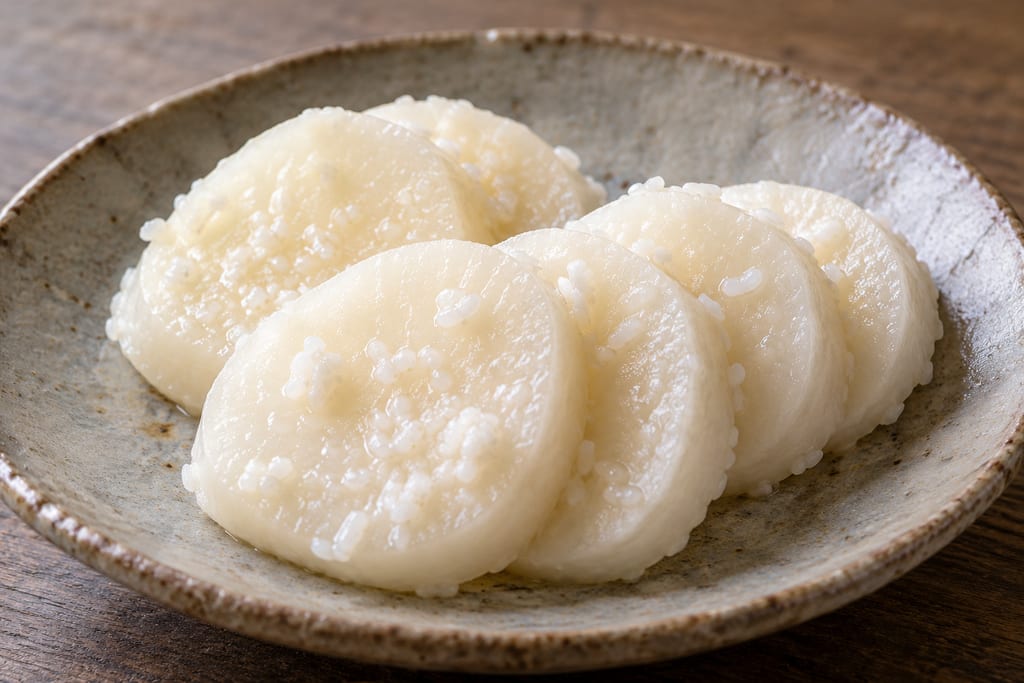
A sweet, crisp Japanese daikon pickle from Tokyo's Nihonbashi district, made by salting fresh radish and dressing it in rice koji, sugar or koji amazake without the heavy drying used for takuan.
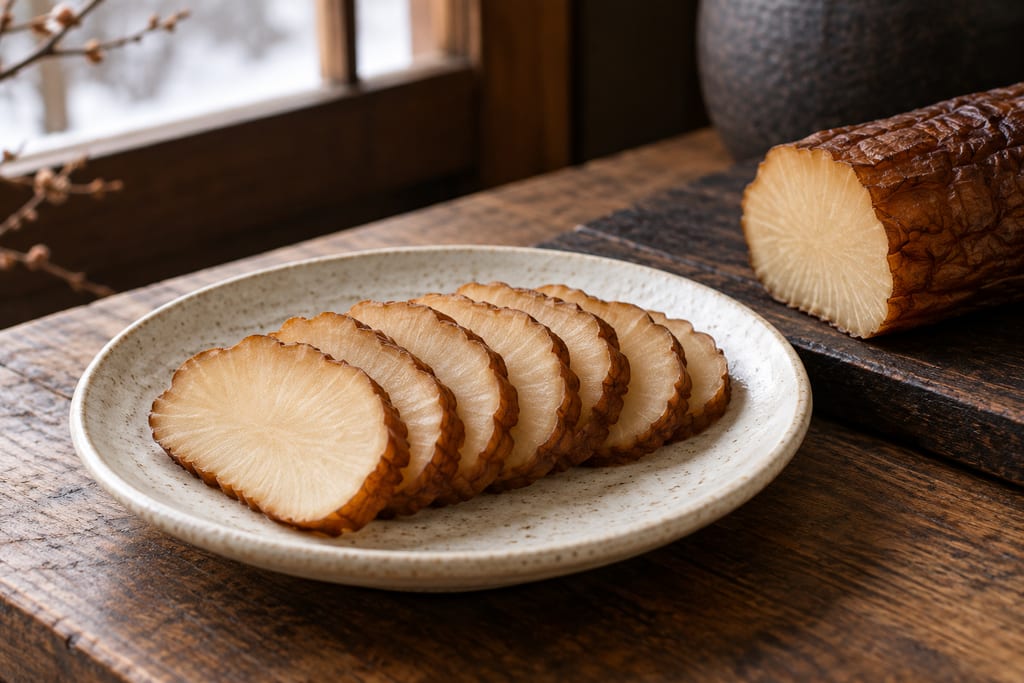
Iburigakko is Akita pickled daikon dried with smoke before it is fermented in rice bran.
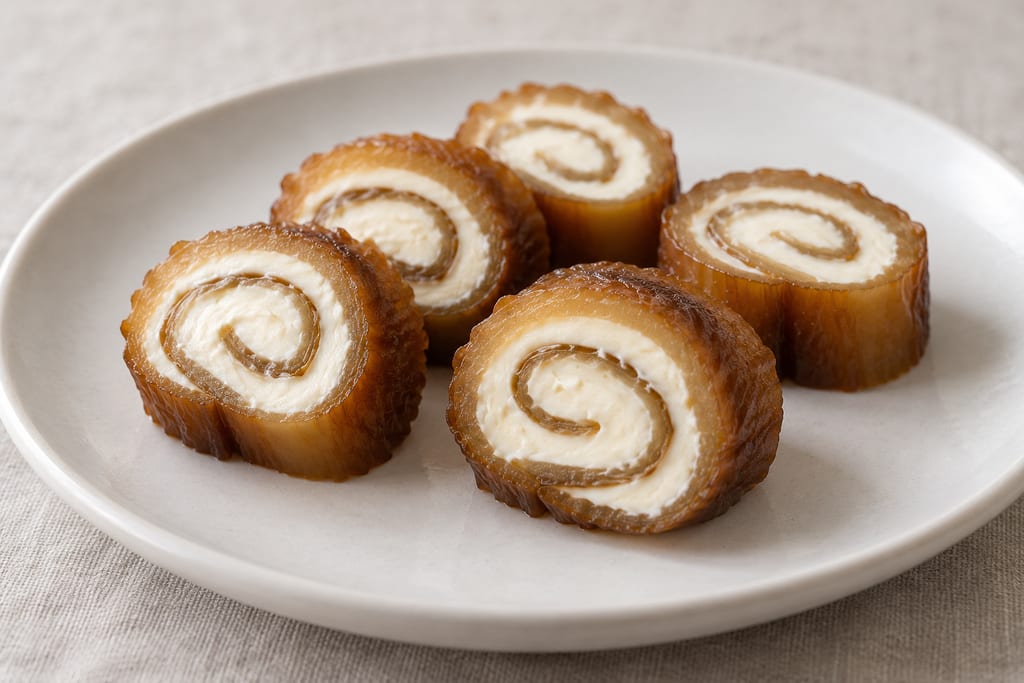
A Morinaga snack pairs thin ribbons of iburigakko with cream cheese, then chills the roll before cutting it into portions.
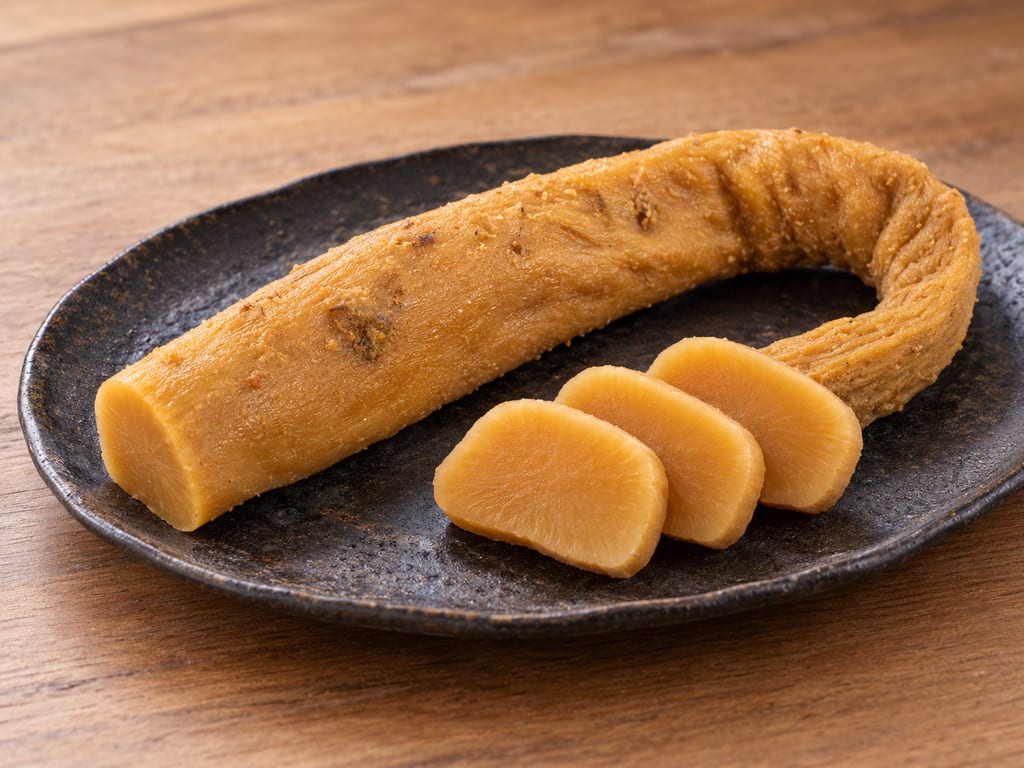
Regional takuan from Ise City, Mie, made with Misono daikon dried on a rack, then matured in a weighted barrel of rice bran and salt for months to years.
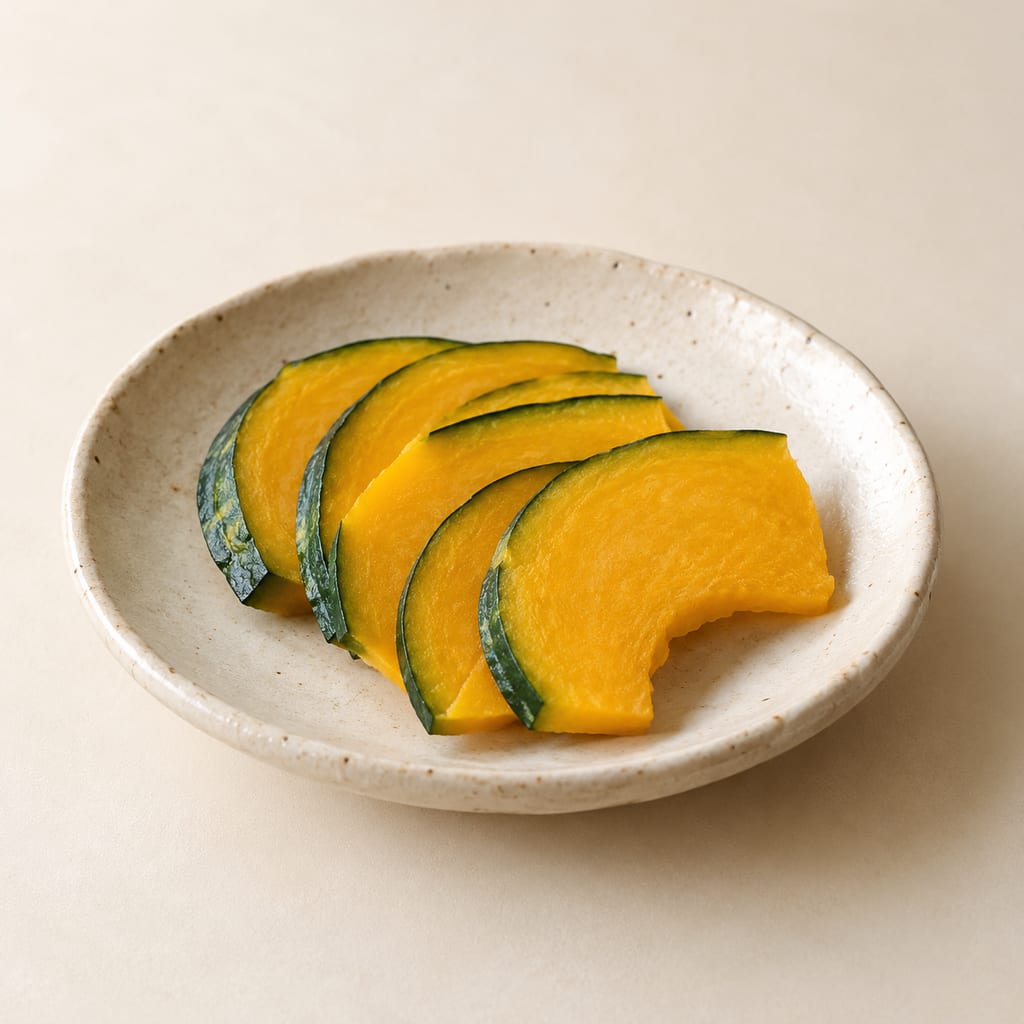
Kabocha no nukazuke: Refrigerated commercial fermented bed; use removed portions the same day.

Foods embedded in salty fermented miso paste, which transfers salt and fermentation products into them; misozuke uses an already transformed medium rather than a fresh vegetable brine.
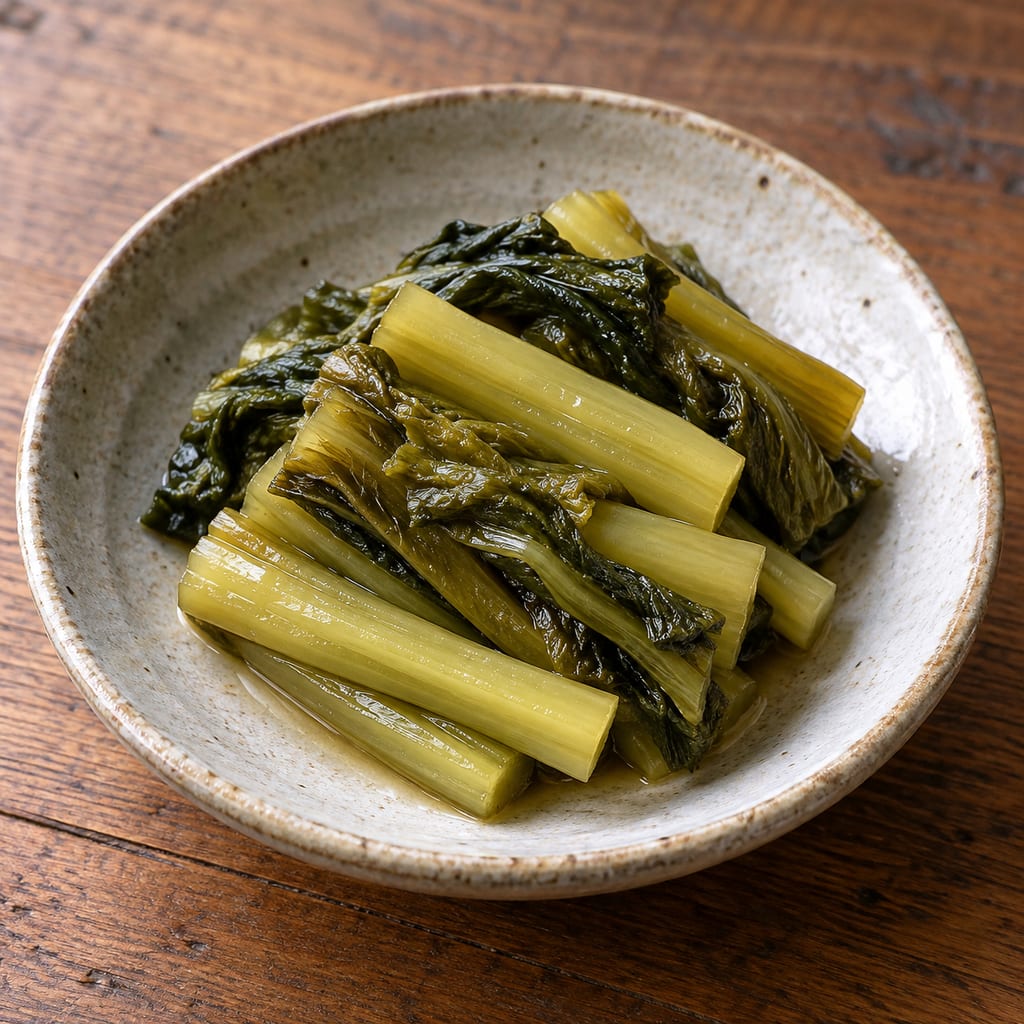
Nozawana greens salted in a barrel and weighted overnight, a Nagano household pickle sampled after about two weeks and soured by a month.
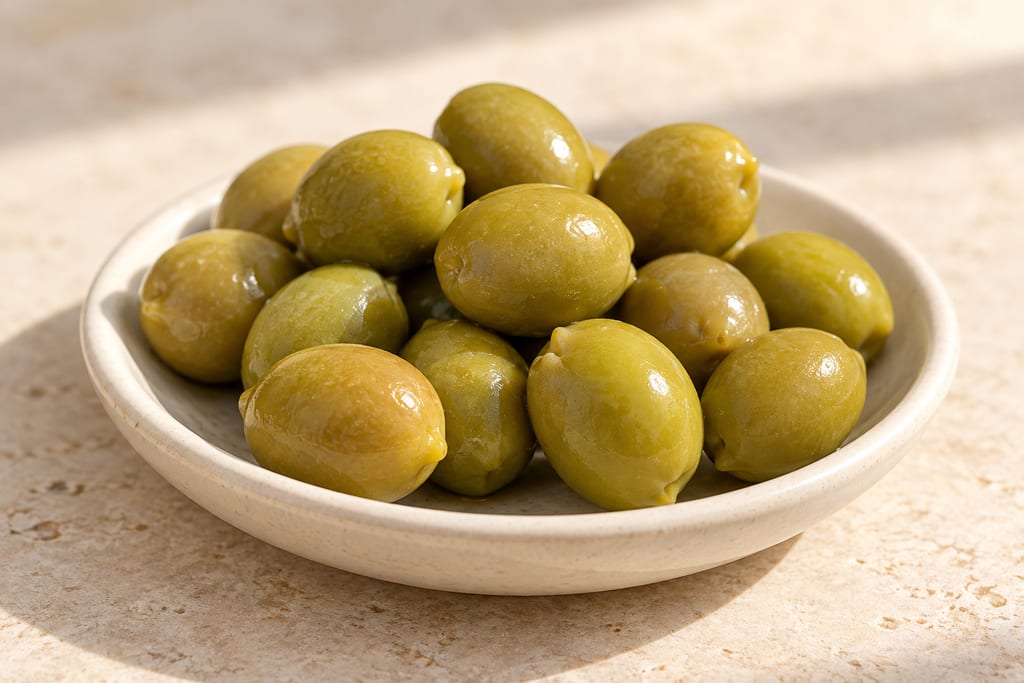
A Portuguese table-olive product from the Negrinha cultivar in northeastern Portugal, sold in three commercial styles, two of them brined fermentations and one oxidised to black.
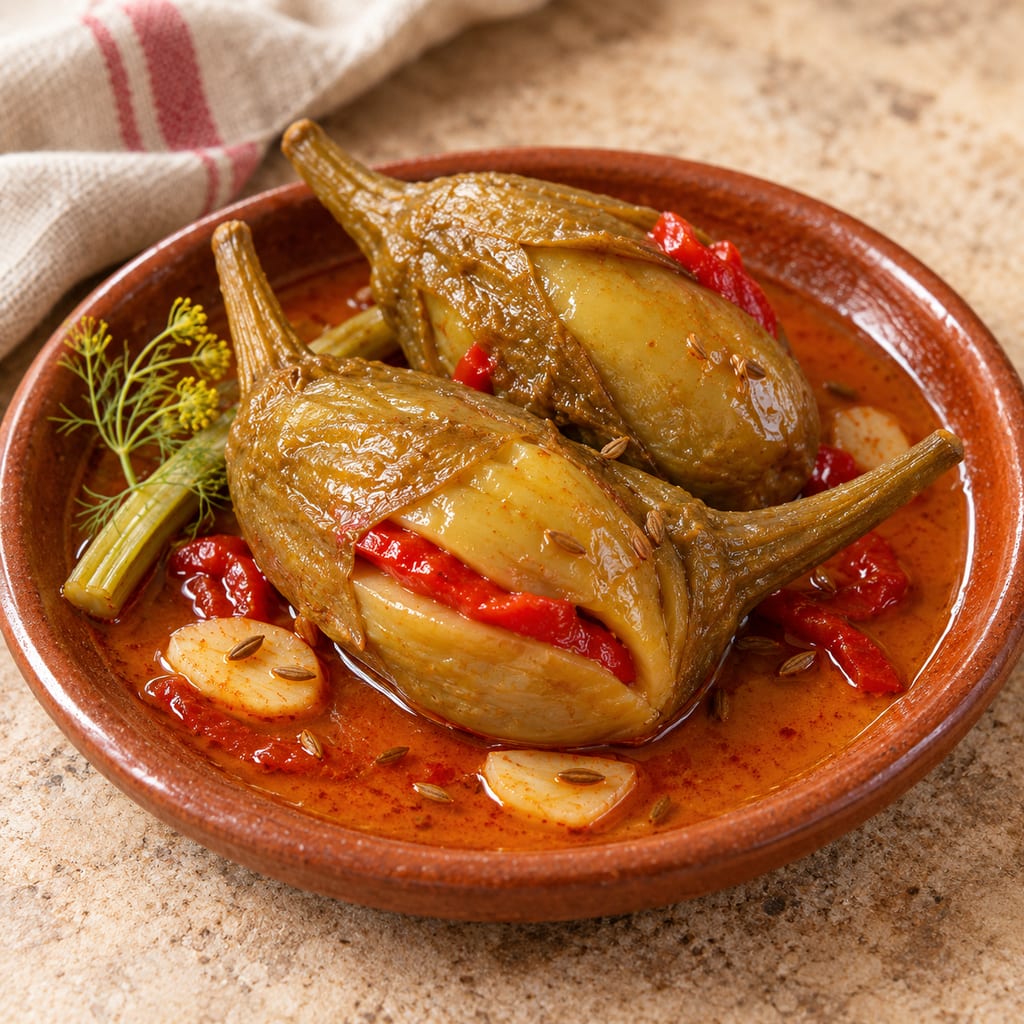
A protected aubergine preserve from Ciudad Real in Spain: tender fruit of the local Dealmagro variety, cooked briefly and then fermented in a vinegared, paprika-seasoned dressing.
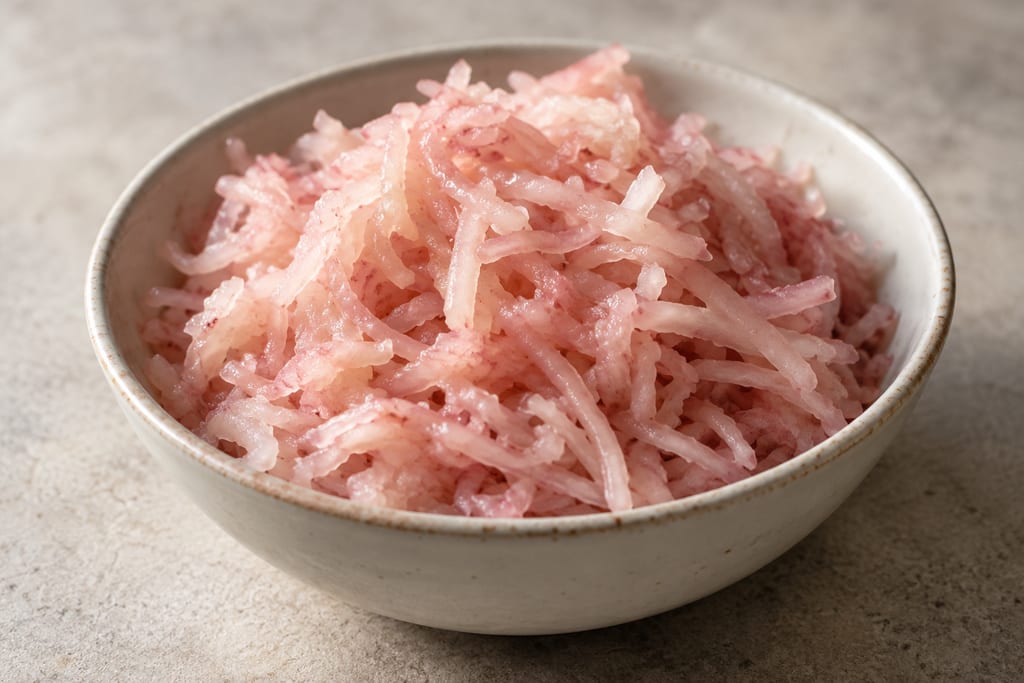
Source-specific Brovada DOP producer method for Friuli Venezia Giulia turnips and red-grape marc. This records a regulated producer process; it is not a validated home-scale recipe.
An industrial fermentation patio places factory-made fiberglass-reinforced polyester olive tanks below floor level, with drainage and transfer infrastructure arranged around the buried vessels.
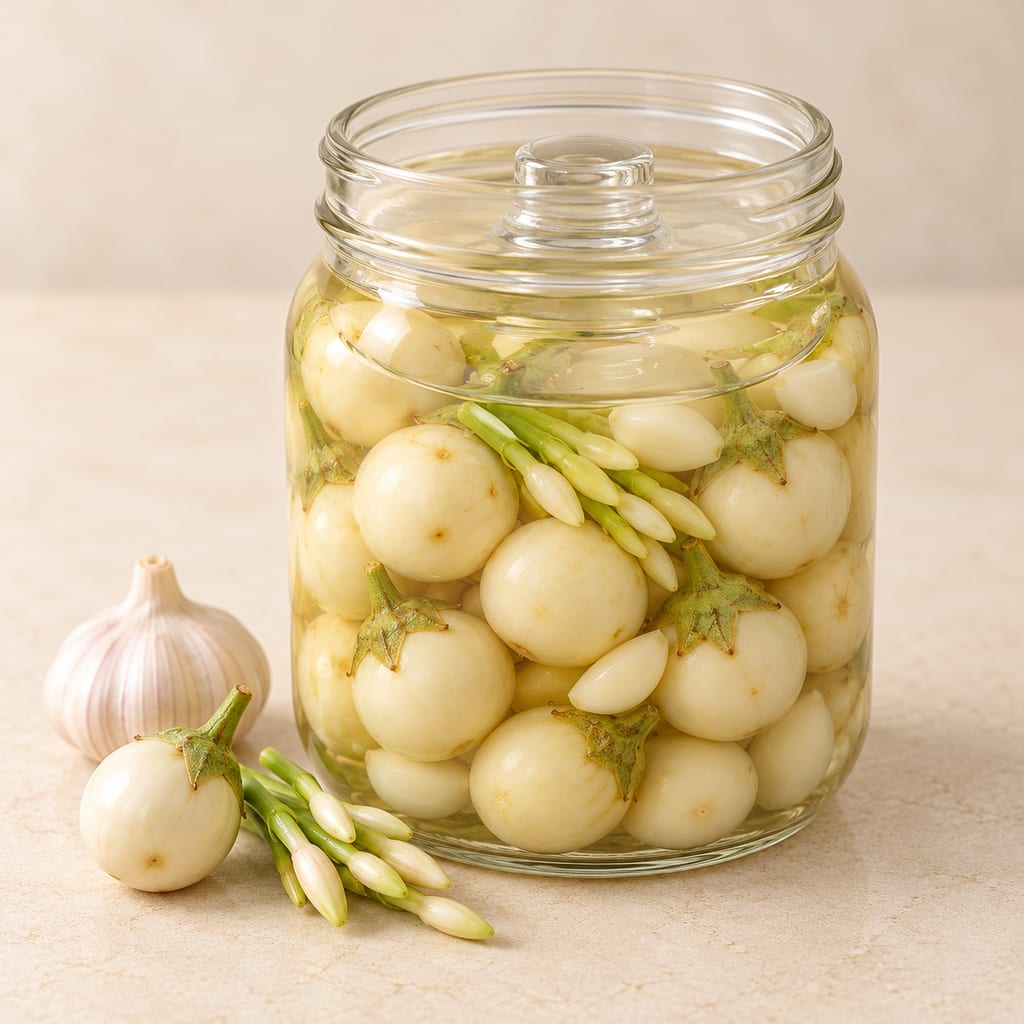
Vietnamese salted and fermented small eggplant, dried on the day of purchase, then held submerged in warm salty water with garlic and galingale flower for a week or longer.
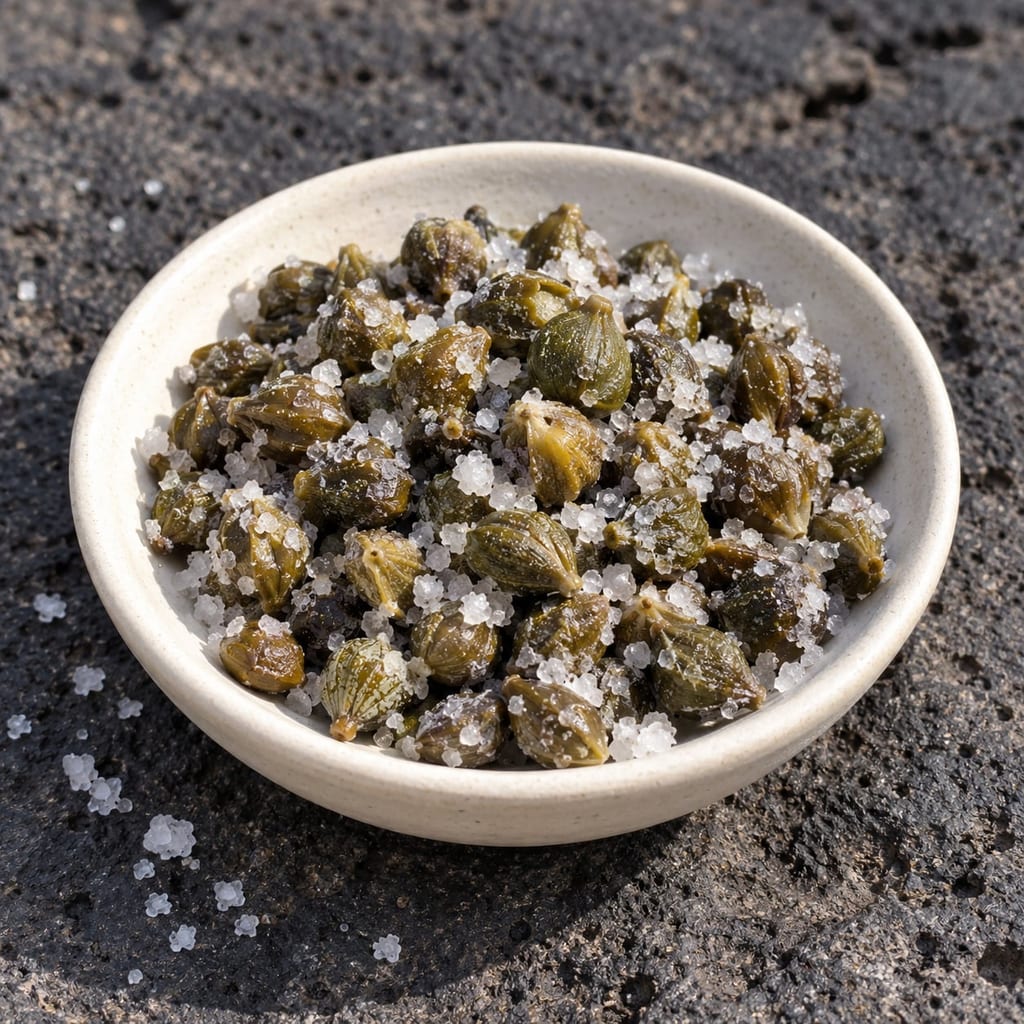
A protected Sicilian product: unopened caper buds from the island of Pantelleria, dry-salted with sea salt in a two-stage process that encourages lactic fermentation.
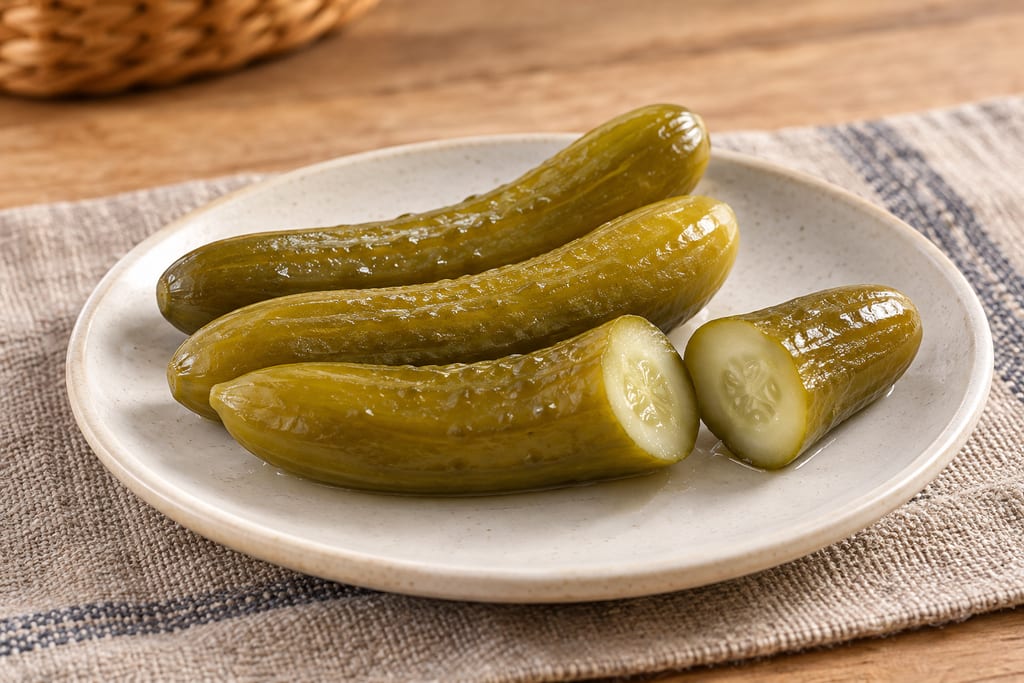
Çubuk turşusu is a registered pickle from Çubuk district in Ankara. Its cucumber variant is sold as Salatalık Turşusu, and a commercial specification sets its brine and room-temperature period.
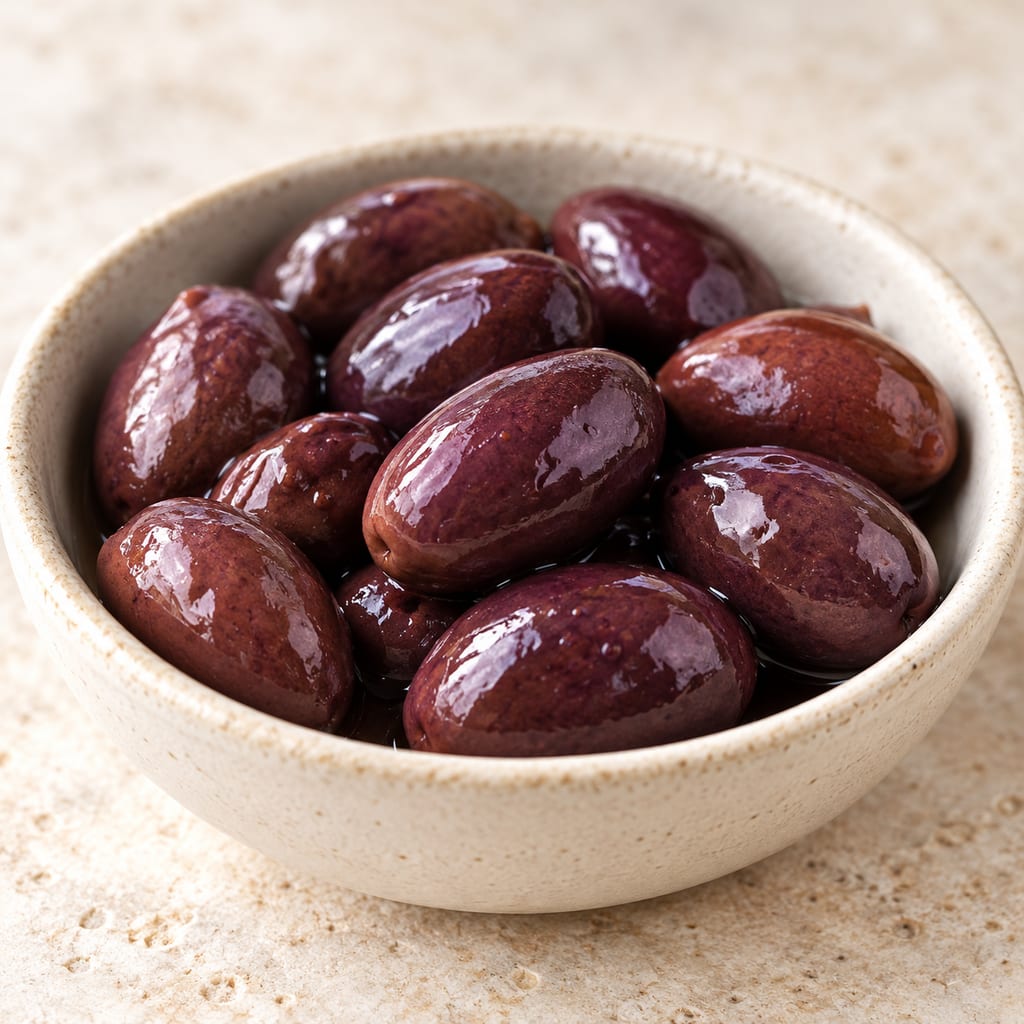
Elia Kalamatas is a Messinia table olive of the Kalamon variety, picked before full ripeness and fermented in brine for six to nine months; it is a PDO product, not a generic black olive.

A Cap-Pelé boucanière is an Acadian herring-smoking building. The documented Willie Niles example is a one-storey wood-frame structure with a ridge smoke vent and interior bays for hanging fish-bearing cannes.

Achcharu is a family of Sri Lankan vinegar pickles made with mixed vegetables or seasonal fruit and a piquant spice dressing. This version is a quick, refrigerated, non-fermented mixed-vegetable pickle.

The acocote is a long, hollowed and dried gourd used to draw aguamiel from a mature maguey. It is a harvesting tool: the sap is transferred to a separate vessel before it ferments into pulque.

Adrak murabba preserves young ginger in sugar syrup, a sweet South Asian preparation recorded in Indian cookery and food-processing sources.

Parkia biglobosa seeds are fermented into regional West African seasonings, including nététou, iru, dawadawa and soumbala. The yellow fruit pulp is a separate food, and names and methods vary by place.

Japanese reddish-brown vinegar from sake lees matured about three years, turned to vinegar by acetic bacteria; the vinegar of Handa and Edomae sushi rice.

A refined common-wheat flour blended for a broad range of baking; its protein and behavior vary with wheat, milling and market.

The almond mushroom, Agaricus subrufescens, was cultivated in eastern North America in the 1800s, lost its market, and returned as a cultivated mushroom from Brazil, where it is grown under several names.
No community contributions have been published for this entry yet.
Sign in to contribute. Published comments and photos are free to read.
MAFF (Ministry of Agriculture, Forestry and Fisheries, Japan)Method · History
Wasabi zuke | Our Regional CuisinesIngredients for two: 250 g sake lees, 450 g wasabi stems and roots, sugar and sake as needed, a pinch of salt.
Method: chop to about 3 mm, salt with 2% salt overnight (at least 6 hours), squeeze, knead with the lees, rest airtight 2 to 3 days.
If too hot, leave the lid slightly open.
Eaten year-round with hot rice or as a snack; region and 1889 Shizuoka Station tradition; recipes vary by region and household.
Cited in: What it is; Where it comes from; Why the method works as it does; Two readings of the salting step; Eating it; What the sources do not establish
MAFFMethod · History
山葵漬け(わさびづけ) 静岡県 | うちの郷土料理Japanese parallel: rub with 2% salt and rest overnight; no blanching.
Wasabi cultivation traced to the Keicho era; spread to Izu in the mid-18th century; the tatami-ishi method developed in Naka-Izu.
Tokugawa Ieyasu reportedly banned taking wasabi out of the Ariga-Higashiki area.
Served on hot rice or as a snack with sake; a common household side dish and souvenir.
Cited in: What it is; Where it comes from; Why the method works as it does; Two readings of the salting step; Eating it; What the sources do not establish
Government of JapanHistory
Wasabi Cultivated in Clear-flowing WaterWasabi grown in clear-flowing water in Shizuoka and Azumino.
Cited in: Where it comes from
Azumino CityHistory
ワサビ田開拓Azumino's wasabi fields replaced pear orchards between the Meiji period and the mid-Taisho period, using spring-water drainage.
Cited in: Where it comes from