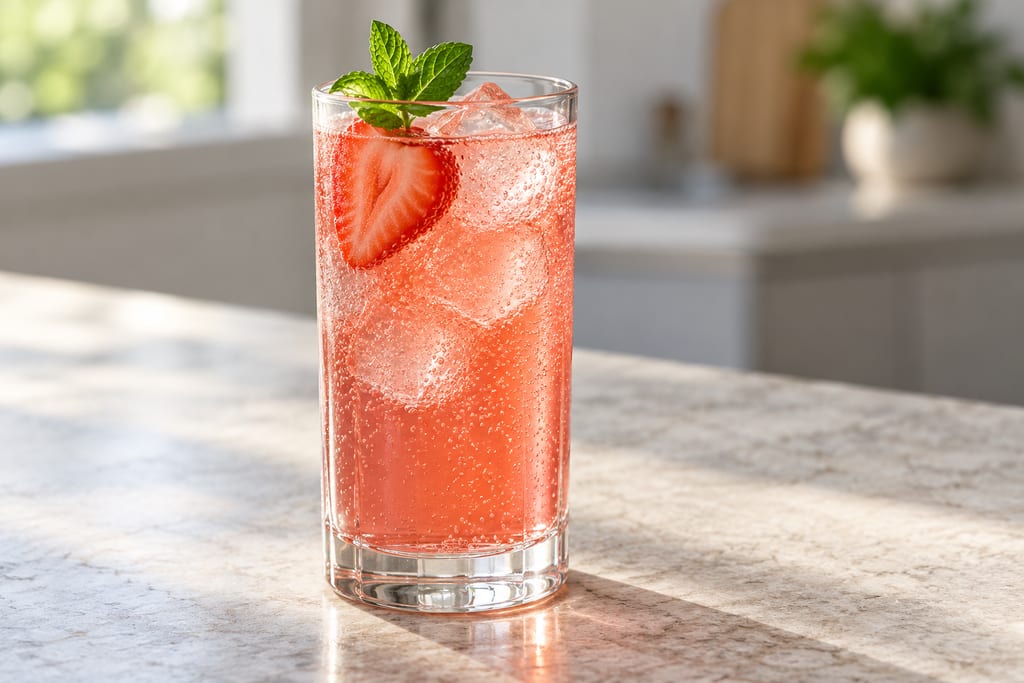
Carbonated cordial, shrub or juice
A cold finished drink charged with carbon dioxide in a home carbonator that accepts liquids other than water. Carbonating is not fermentation and does not preserve the drink.
 FermenteaWhere food goes to change
سکنجبین · Sekanjabin · Sikanjabin · Serkangabin · Oxymel · Shrub · Drinking vinegar · Kahu sekanjabin
Vinegar syrups in two parts: the 13th-century Andalusian sikanjabin quoted in full, then a modern cold fruit shrub and a mint sekanjabin kept in the refrigerator.
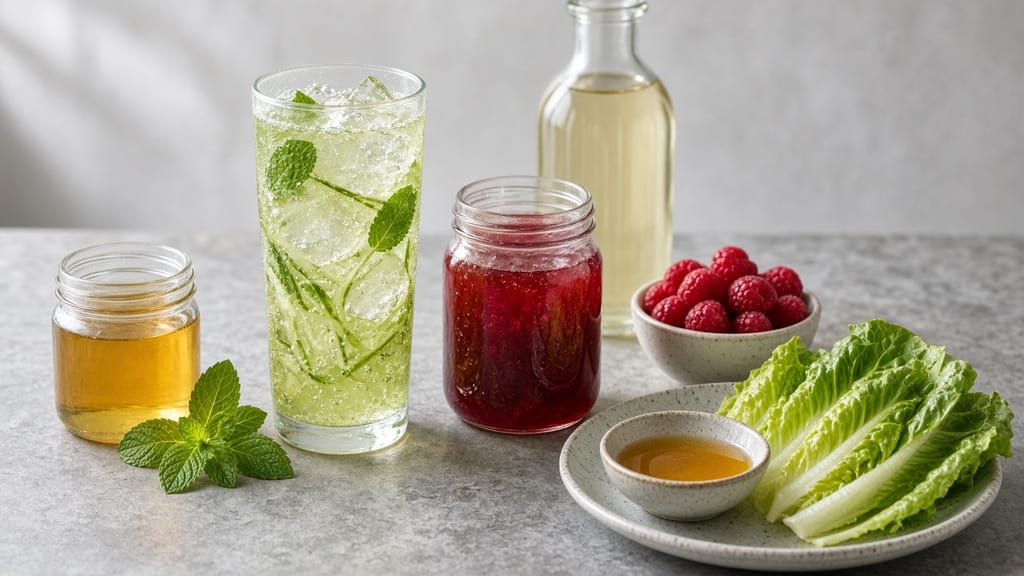
A shrub is a fruit syrup sharpened with vinegar. Sekanjabin is the Persian version, sugar and vinegar boiled with mint. Both end up in the same place: a spoonful in a tall glass of sparkling water, sour first and sweet second, with a smell of fruit or mint that plain sugar syrup never has.
This page is in two parts. Part one is the oldest written sikanjabin recipe we could find, from a 13th-century cookbook of al-Andalus, printed in full and then read line by line. Part two is the modern kitchen: a cold fruit shrub made in the refrigerator, and a mint sekanjabin from a current Iranian recipe, both kept cold.
In Persian the drink is سکنجبین, sekanjabin. The current Iranian recipe used here names an older form, serkangabin, made with honey instead of sugar; serke is vinegar. The English translation of the Andalusian cookbook writes sikanjabin and adds the word oxymel in brackets, the old apothecary name for vinegar and honey.
Shrub is the English word. Maine's extension service traces shrubs to Colonial New England, where cider vinegar was easier to get than lemons and limes. Modern bars sell the same thing as drinking vinegar.
The recipe below is from an anonymous cookbook written in al-Andalus, Muslim Spain, in the 13th century, in Charles Perry's English translation as printed in Cariadoc's Miscellany (page A-74). It is quoted in full:
"Syrup of Simple Sikanjabin (Oxymel). Take a ratl of strong vinegar and mix it with two ratls of sugar, and cook all this until it takes the form of a syrup. Drink an uqiya of this with three of hot water when fasting: it is beneficial for fevers of jaundice, and calms jaundice and cuts the thirst, since sikanjabin syrup is beneficial in phlegmatic fevers: make it with six uqiyas of sour vinegar for a ratl of honey and it is admirable."
That is the whole text. There is no mint, no fruit and no storage advice. The cook weighs vinegar and sugar, boils them until they look like syrup, and the drinker takes one measure of syrup in three measures of hot water.
The ratl and the uqiya are weights, and the recipe gives its proportions in them: one part vinegar to two parts sugar by weight for the syrup, and one part syrup to three parts water for the drink. Those two ratios carry over to a modern kitchen without any conversion.
The editors of the Miscellany read the paragraph as at least two recipes for two medical uses. The sugar syrup is drunk hot, on an empty stomach. The honey version at the end uses a different ratio of sour vinegar to honey and is recommended for phlegmatic fevers. The claims about jaundice and fever belong to medieval humoral medicine and are printed here as history, not advice.
The same cookbook files sikanjabin among a set of fruit syrups made the same way. Its pomegranate syrup takes a ratl of sour and a ratl of sweet pomegranates and adds their juice to two ratls of sugar; its lemon syrup takes a ratl of juice to as much sugar. All are boiled to syrup and kept until needed, then diluted. In other words, the shrub and the sharbat were already one family in the 13th century.
The drink is older than the cookbook. The Miscellany notes that sekanjabin is mentioned in the Fihrist of al-Nadim, written in the tenth century.
The Andalusian syrup has a lot of sugar and a lot of vinegar, and the Miscellany says its own modern sekanjabin keeps without refrigeration. The current Iranian recipe says a cool place or the refrigerator. We could not find a tested shelf life for a cooked sugar and vinegar syrup kept at room temperature, so this page follows the extension guidance for shrubs and syrups: refrigerate and use within a month.
Fruit changes the picture further. A fruit shrub carries fruit juice, which dilutes the sugar and vinegar, and in the modern cold method the fruit is never cooked. That is why the University of Maine recipe keeps the fruit and sugar in the refrigerator from the first day, uses vinegar of a known 5 % acidity, and limits the finished shrub to one month in the refrigerator.
This is the master method, from the University of Maine Cooperative Extension. It works by weight or by volume, as long as fruit and sugar are equal.
Wash fresh fruit under cool running water; frozen fruit is fine, partly thawed. Mash equal parts fruit and sugar together and pour the mash into a sterilised jar. Put the jar in the refrigerator for 2 to 3 days and stir and mash it once a day. The sugar draws the juice out and dissolves into it, much as it does in a Korean cheong, but cold and fast.
Strain the fruit out into a measuring cup and note how much syrup you have. Add half to one part of 5 % vinegar for each part of syrup. Pour into a sterilised jar, label it with the date and keep it in the refrigerator for up to one month.
The source gives no yield, so measure what you strain and work the vinegar out from that. Half a part of vinegar gives a softer shrub, a full part a sharper one.
Any fruit that can be mashed raw with sugar works the same way: raspberries, blackberries, blueberries, strawberries, chopped peaches, chopped rhubarb, cherries with the stones removed. The extension author suggests peach with ginger, blueberry with basil, and strawberry with rhubarb. Herbs and spices go in with the mash and come out with the strain.
Frozen fruit is allowed and useful: the Maine recipe takes it partly thawed, so a bag of summer berries from the freezer makes a winter shrub. Fresh fruit is washed under cool running water first, because nothing in this method is cooked.
Use a vinegar whose label states 5 % acidity, as the Maine recipe asks. Apple cider vinegar is the classic shrub vinegar. For sekanjabin the Iranian recipe gives a choice: grape vinegar for a warmer, rounder flavour, white vinegar for a sharper taste and a paler syrup.
Strength is a matter of taste within the tested range. The Maine author adds half as much vinegar as syrup because she finds equal parts too harsh. Start at half, taste it diluted in sparkling water, and add more next time if you want it sharper.
Keep hot vinegar out of reactive metal. The Iranian recipe warns against keeping hot vinegar in a reactive metal container and says glass is best.
This version is from a current Iranian recipe and makes about 12 glasses. Put 400 g sugar (2 cups) and 250 ml water (1 cup) in a pan and stir over medium heat until the sugar dissolves. When it boils, add 120 ml white or grape vinegar (half a cup). Lower the heat and simmer, without much stirring, for 20 to 30 minutes until slightly thick.
Test a drop on a cold plate. It should stretch a little but not set; it thickens more as it cools. Turn off the heat, push a small bunch of fresh mint (or 1 tablespoon dried) into the syrup, cover the pan and let it cool. Take the mint out and pour the syrup into a clean glass jar. Keep it in the refrigerator and use a clean, dry spoon each time.
The ratio is close to the old one turned around: the Andalusian text uses twice as much sugar as vinegar by weight, the modern one a little over three times as much sugar as vinegar by volume, plus water. If you want it more sour, add a little more vinegar next time.
The honey form is the older name in Persian, serkangabin. The current Iranian recipe says you can make sekanjabin with honey, adding it once the syrup has cooled a little rather than boiling it. The Andalusian cook gives a separate honey ratio, six uqiyas of sour vinegar to a ratl of honey, but no method beyond the word make.
The Miscellany also adapts the Andalusian pomegranate syrup for a modern kitchen: equal volumes of sugar and pomegranate juice cooked down to a thick syrup, diluted one part to 3 to 6 parts hot water. The editors keep it without refrigeration; on this page, as with every cooked syrup here, it goes in the refrigerator and is used within a month. Diluted in sparkling water instead of hot water it makes a sweet, dark red soda with a sour edge.
Seen together, the three are one technique: a sour liquid boiled with sugar or honey until it holds. Vinegar gives sekanjabin, pomegranate juice gives a sharbat, and lemon juice gives the lemon syrup on our citrus page.
For the classic summer glass, stir 2 to 3 tablespoons of sekanjabin into cold water with ice, a spoonful of grated cucumber and a few mint leaves. With cold soda water instead of plain water it becomes a sparkling sekanjabin.
Kahu sekanjabin is the other way to eat it: pour the thick syrup into a bowl and dip crisp leaves of cos lettuce into it. It is a snack, not a drink, and probably the most surprising thing on this page.
A shrub is strong. The Maine extension suggests a few tablespoons in an 8-ounce glass (about 240 ml) of sparkling water. The Andalusian proportion, one part syrup to three of water, makes a much sweeter, sharper drink, closer to a cordial taken hot. The Miscellany dilutes its sekanjabin 5 to 10 parts water to 1 part syrup.
Start at 1 part shrub to 6 parts sparkling water and adjust. Shrubs also top up well with ginger beer, and a splash in a glass of sparkling water with lots of ice is the simplest way to taste a new batch.
Wash the fruit, sterilise the jar, and keep the fruit mash in the refrigerator for the whole steeping time. Label every jar with the date and use it within one month.
If a cooked sekanjabin goes grainy, the Iranian recipe blames over-boiling or an unclean jar and suggests a few drops of lemon juice while cooking. Over-boiling also turns the syrup dark and hard like caramel, and mint boiled in the syrup turns bitter, so add it after the heat is off.
The medieval health claims for sikanjabin are history. None of the sources here tested them.
Storage: the Miscellany says its sekanjabin keeps without refrigeration, the Iranian recipe says a cool place or the refrigerator, and the Maine extension says shrubs and syrups belong in the refrigerator for up to a month. This page follows the extension.
Vinegar: Maine's resource page gives half to one part vinegar per part of syrup, and its blog describes the classic as equal parts fruit, sugar and vinegar while the author herself uses half. The Andalusian sikanjabin is one part vinegar to two of sugar by weight.
Temperature: the medieval drink was taken hot; Iranian restaurants and the modern recipe serve it cold.
Syrup of simple sikanjabin in the Anonymous Andalusian Cookbook (13th century, Perry translation); mention in the Fihrist of al-Nadim (10th century) per Cariadoc's Miscellany; modern extension and Iranian recipes.
Scaling: linear
The fruit is never cooked, so the mash steeps in the refrigerator and the shrub is used within a month.
Hazard sourceThe tested recipe specifies vinegar of 5 % acidity.
Hazard sourceKeep fruit, sugar and finished shrub refrigerated.
Control sourceUse labelled 5 % vinegar.
Control sourceSterilise and label the jar.
Control sourceKeep shrubs and sekanjabin in the refrigerator and use within a month.
The medieval health claims are history, not advice.
Mint sekanjabin with cucumber; kahu sekanjabin.
Syrup of simple sikanjabin in the 13th-century Anonymous Andalusian Cookbook.
Extension fruit shrub method; shrubs traced to Colonial New England.
A cold finished drink charged with carbon dioxide in a home carbonator that accepts liquids other than water. Carbonating is not fermentation and does not preserve the drink.
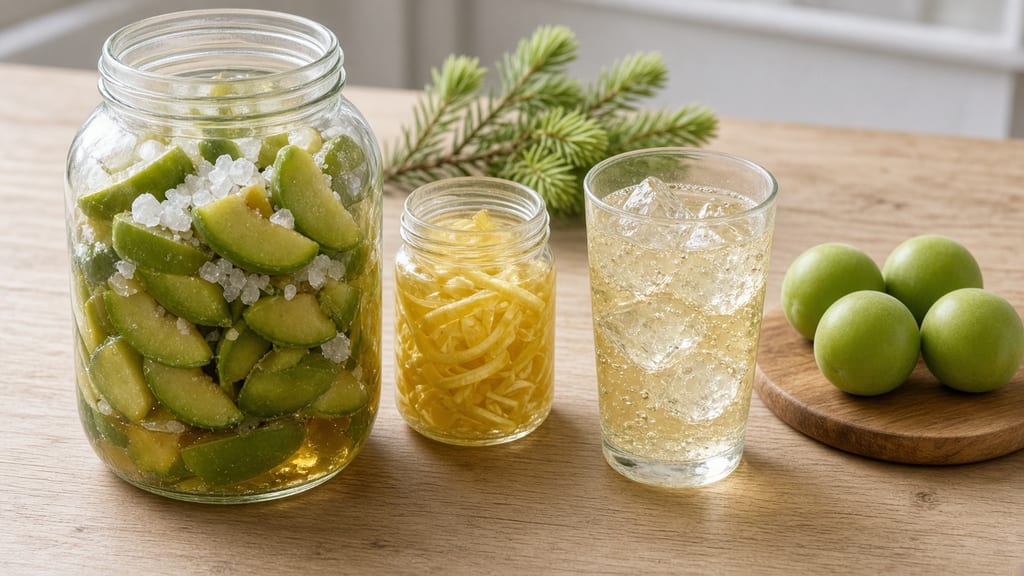
Syrups made without heat by packing fruit or shoots in sugar: Korean maesil-cheong with the ministry's stone-removal steps, frozen Japanese ume syrup, yuja-cheong and Polish pine-shoot syrup.
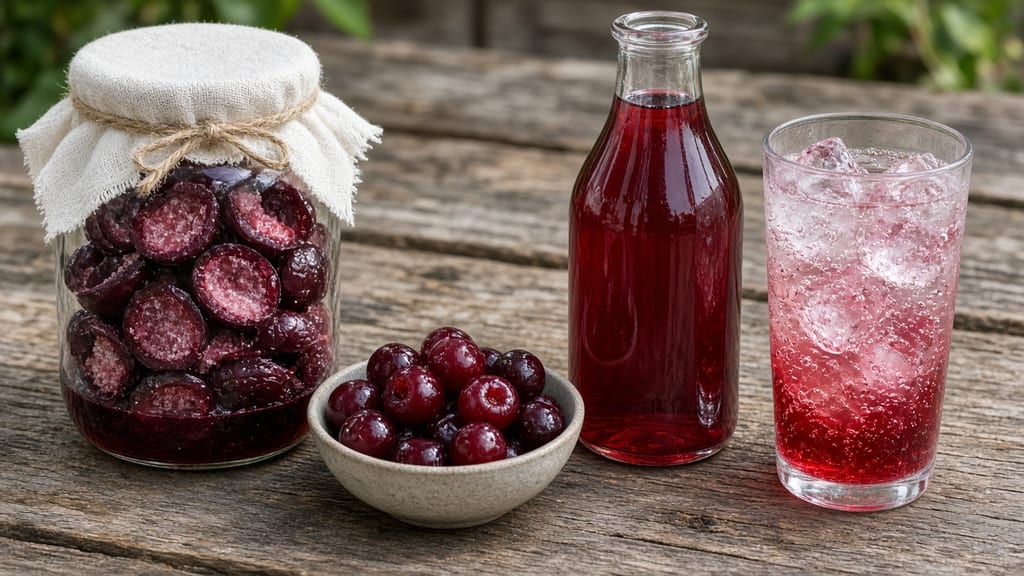
Two sharbats where sugar alone draws the juice: Marathi kokum syrup made in a jar, often in the sun, and Iranian sour cherry syrup drawn overnight in the fridge and boiled briefly.
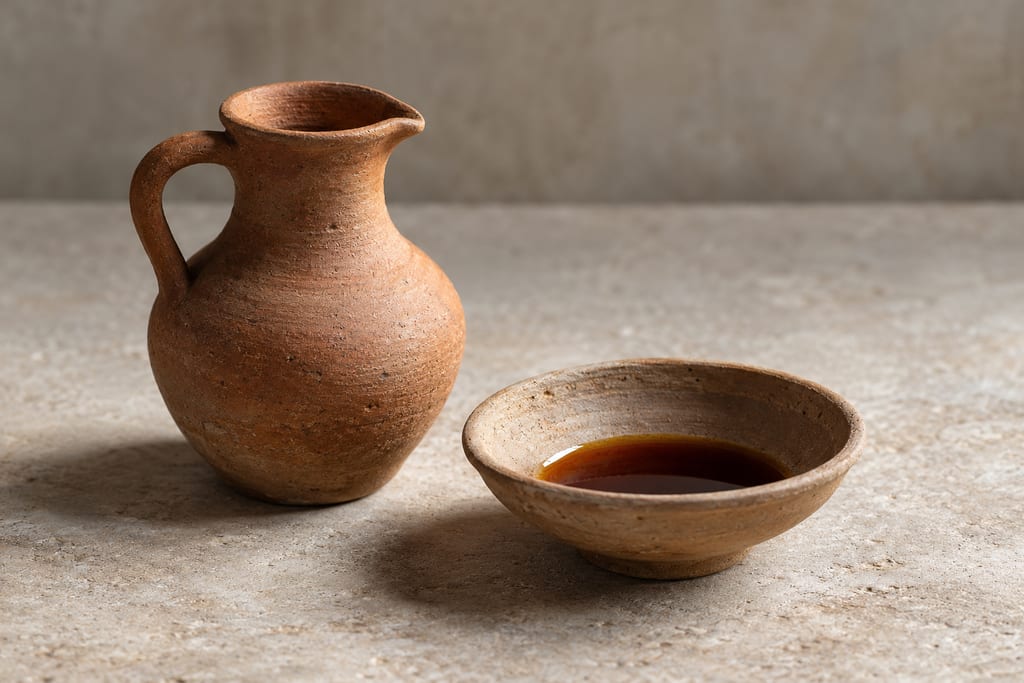
Garum, Greek garos and Latin liquamen, was the fish sauce of the ancient Mediterranean: fish and viscera salted and left in the sun, then drained off as a savoury liquid.
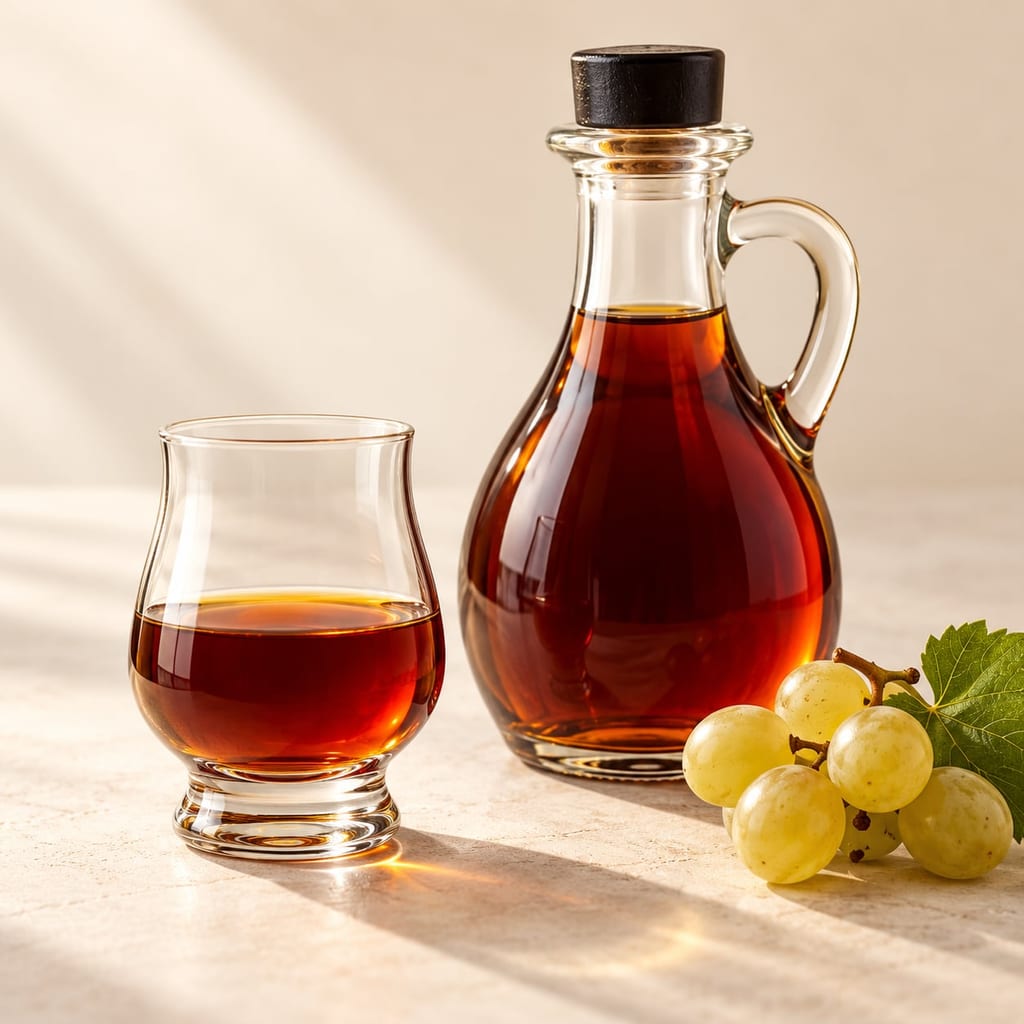
Vinagre de Jerez is made by acetifying eligible Jerez wines and ageing the vinegar in wood. Its protected name belongs to a defined Andalusian zone and a cellar tradition joining wine, oxygen, acetic bacteria and long ageing.
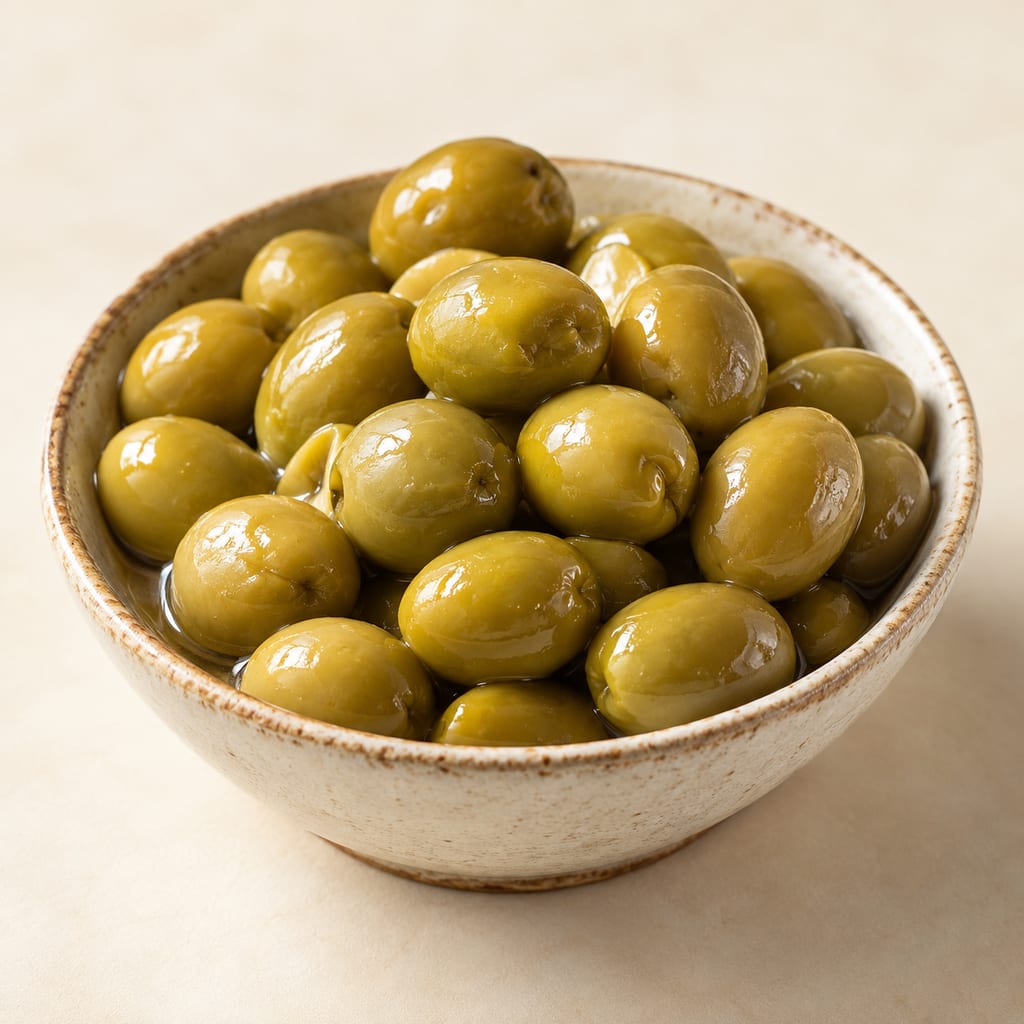
Spanish-style green olives, or Sevillian green olives, are green fruit treated with lye, rinsed, then fermented in brine for two to six months. The household batch here is a UC ANR method.
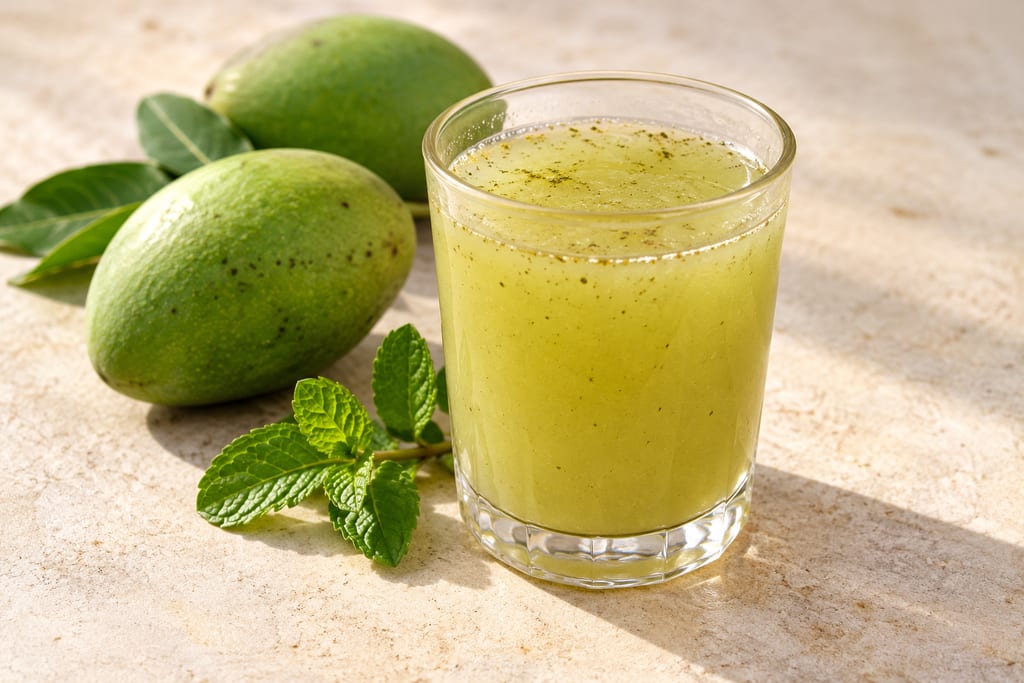
Aam panna is a tart Indian summer drink made by cooking unripe green mango until its flesh softens, then blending the pulp with sweetener, salt and spices and diluting it with water.
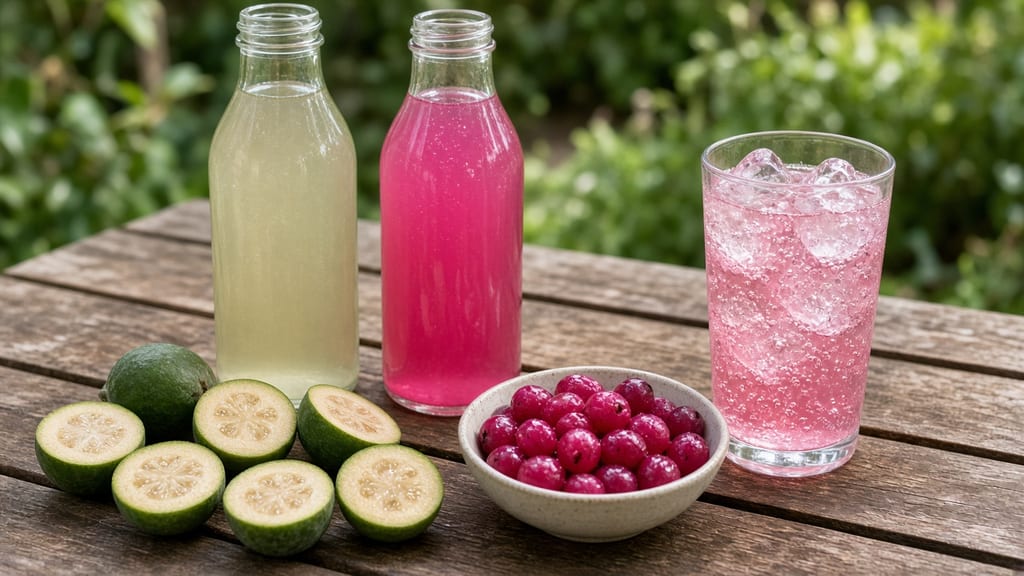
New Zealand feijoa cordial, from the flesh or just the skins, and Australian lilly pilly cordial: fruit, water and sugar heated briefly, strained, and sharpened with lemon and tartaric or citric acid.
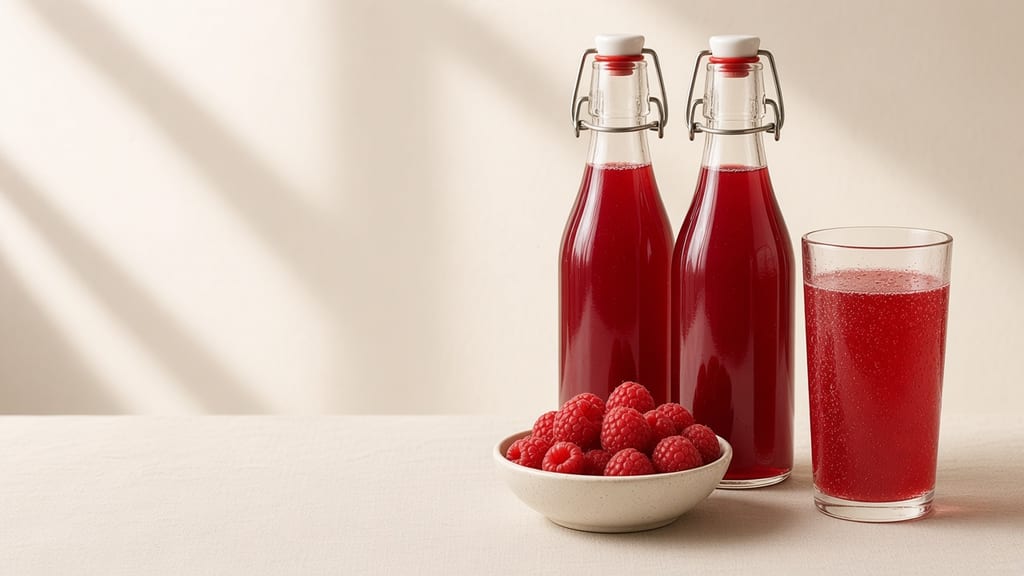
Clear fruit syrup from cooked, dripped berry juice boiled with sugar and canned in a water bath; one tested method for raspberry, strawberry, blueberry, cherry, grape and blackberry.
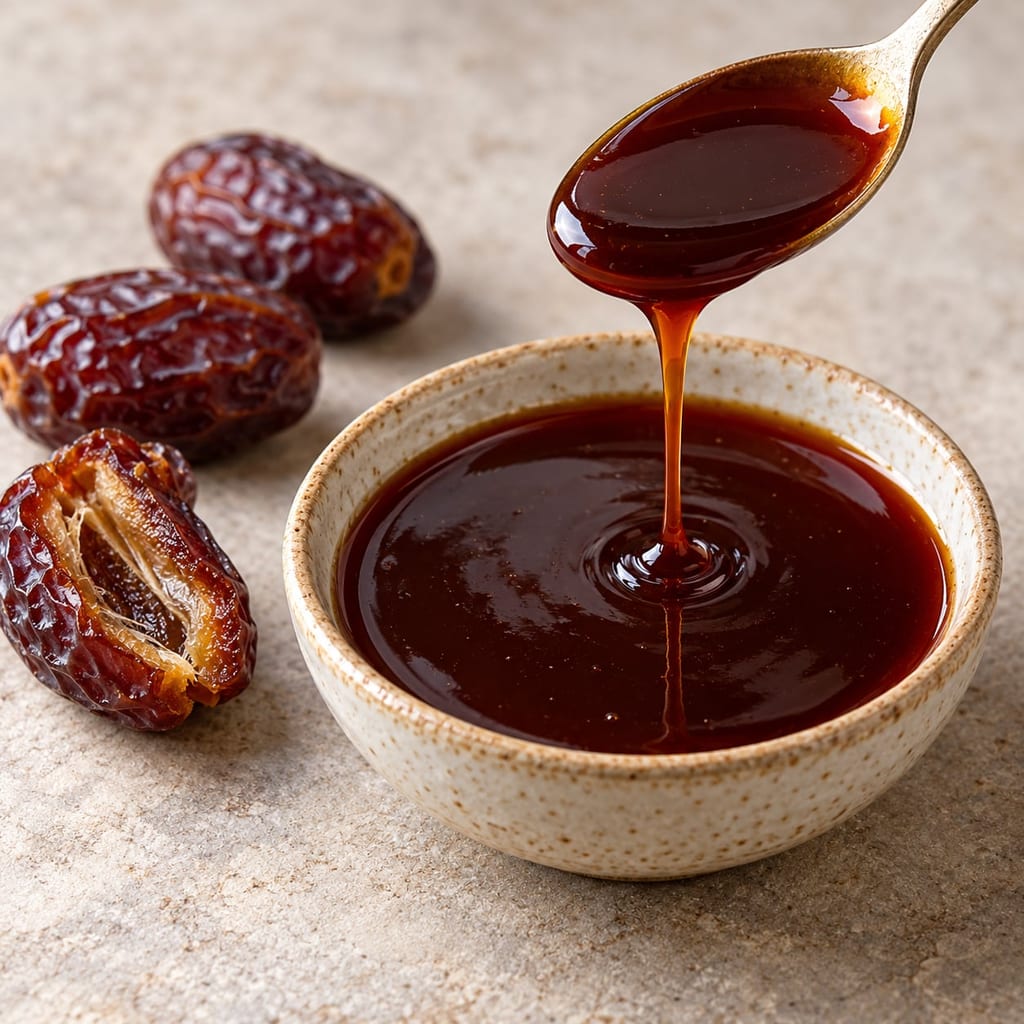
A thick, dark, very sweet syrup made from dates, known as dibs, rub, silan or date molasses. It sweetens tahini and desserts and glazes or sauces savoury dishes across the Middle East and North Africa.
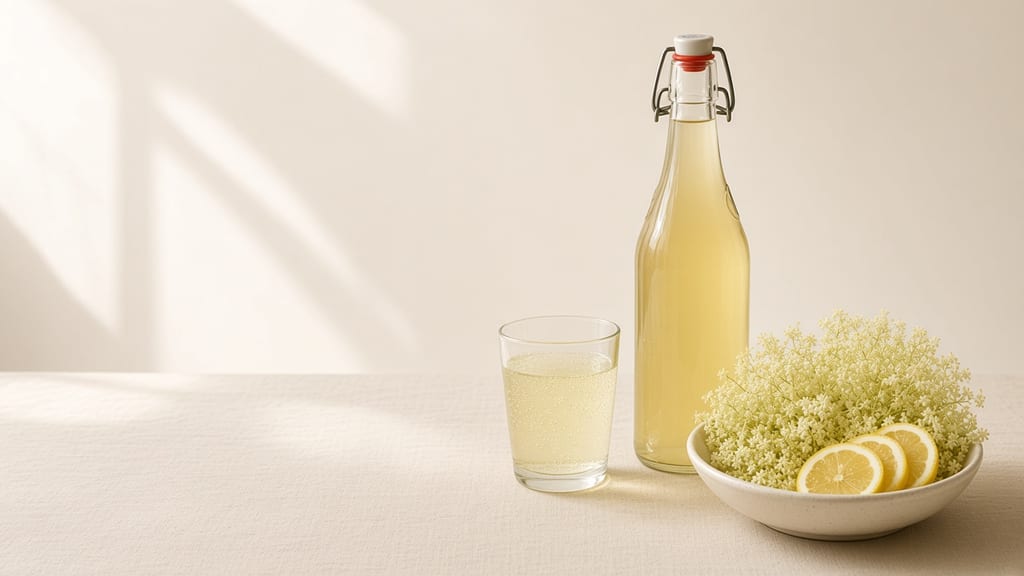
Elderflower heads steeped for one to three days in a lemony sugar syrup, strained and kept cold; the same infusion method flavours syrups with mint, basil, thyme and other herbs.
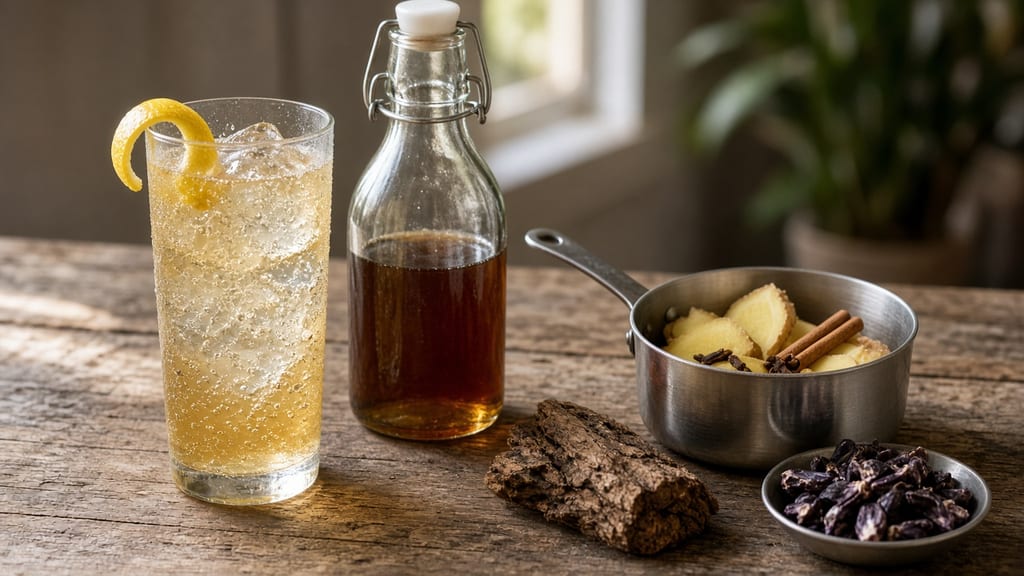
Boiled syrups from hard ingredients: a refrigerated ginger syrup, Trinidad mauby from tree bark, Tamil nannari root syrup, Peruvian purple-corn concentrate and a Turkish spiced sherbet.
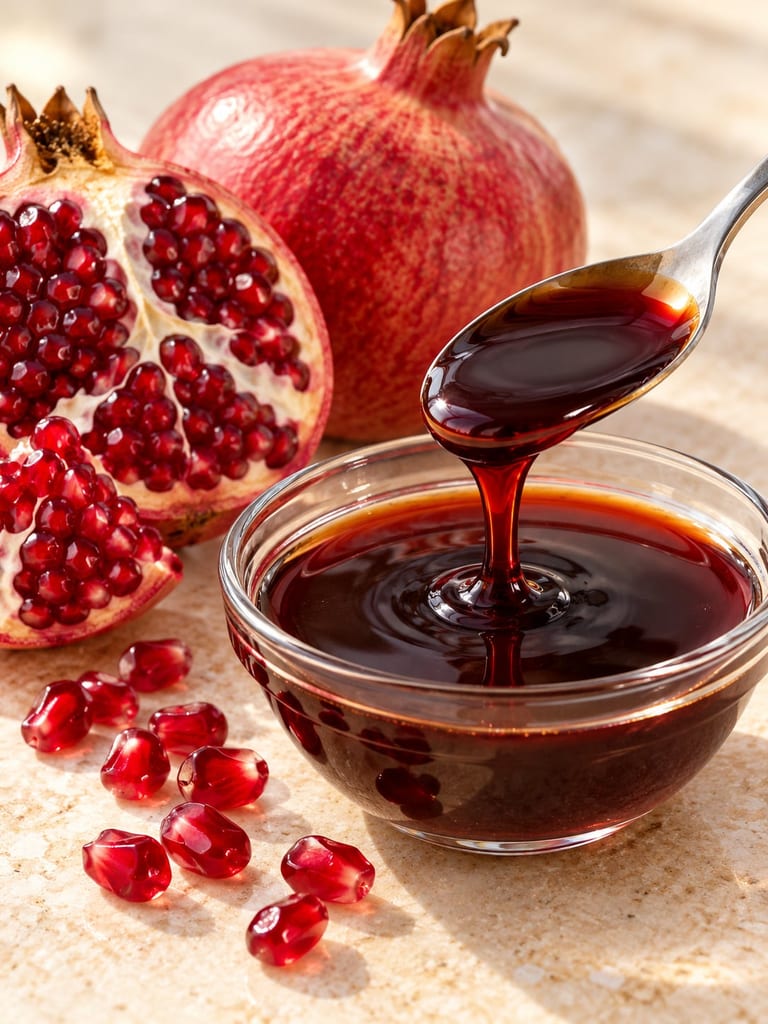
The registered Hatay method presses pomegranate arils and slowly concentrates the strained juice. Its 100 kg source batch and experienced-producer endpoint are retained; no home-scale time or shelf-life is inferred.
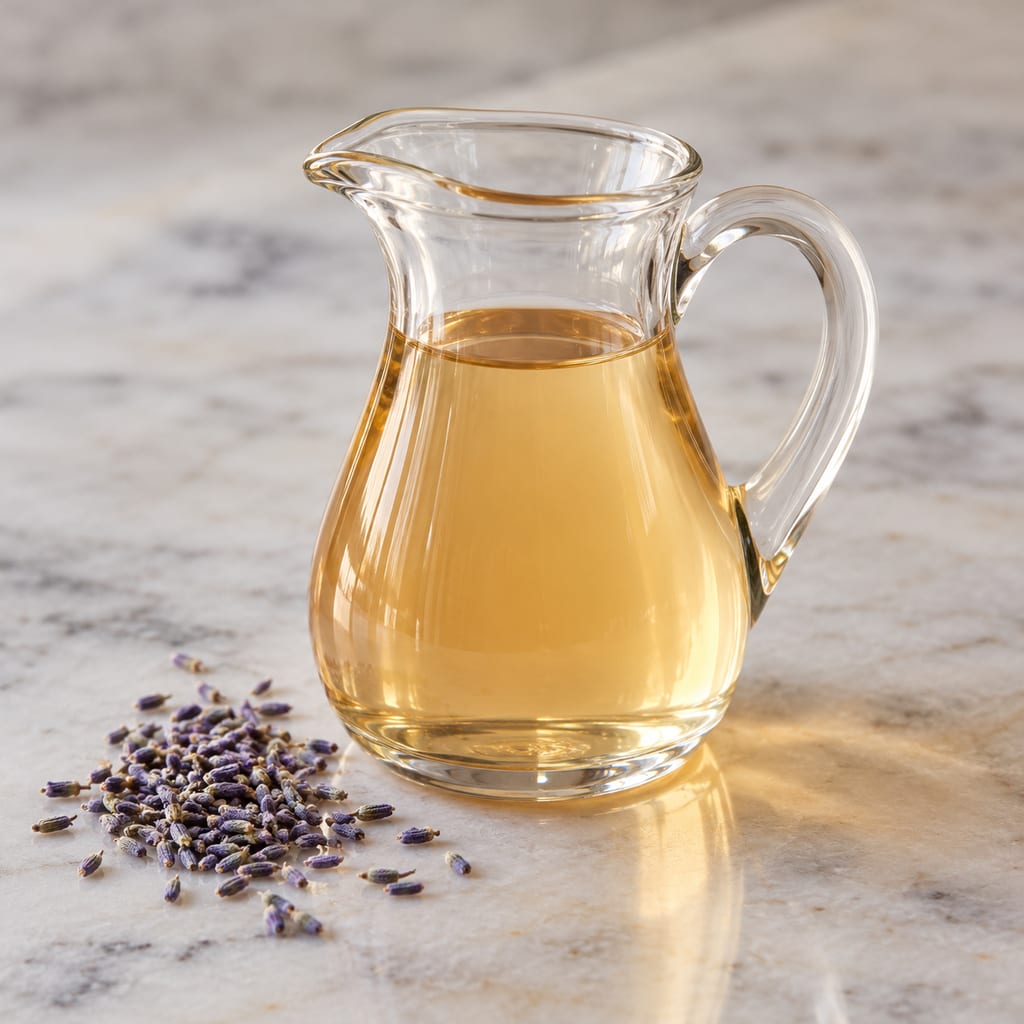
Sugar syrups flavoured by holding botanicals, sugar and water in sealed bags in a 135°F (57°C) water bath for an hour, then cooling and refrigerating; several can share one bath.
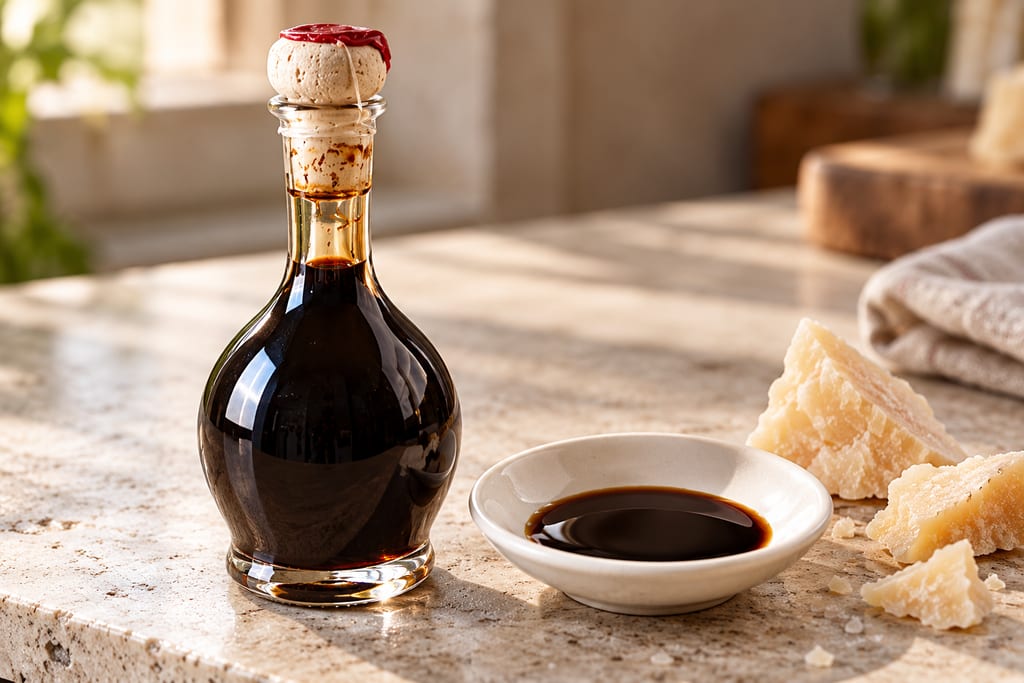
Protected Italian vinegar made only from cooked grape must, fermented and aged in a battery of wooden barrels for at least 12 years: sweet, sharp and syrupy.
Airag is Mongolia’s fermented mare’s-milk drink, traditionally churned with saved starter in a reusable cowhide khokhuur.
Appam, or hoppers, are South Indian and Sri Lankan rice pancakes made from a fermented coconut-and-rice batter and cooked in a curved pan to a crisp lacy rim and a soft, spongy centre.
Auricularia tremellosa is a wood ear fungus of the genus that supplies most dried wood ear sold in China; its own food record is thin, and the culinary practice described here comes from the closely related wood ear species.
Ayran is Turkey’s cold, savoury yogurt drink: plain yogurt is loosened with water and lightly salted, then whisked smooth or aerated into a soft cap of foam.
A thin stone griddle used over an open hearth. Norwegian archaeology documents the established tradition from the early Middle Ages; a Viking-period origin is only a cautious suggestion linked to Shetland.
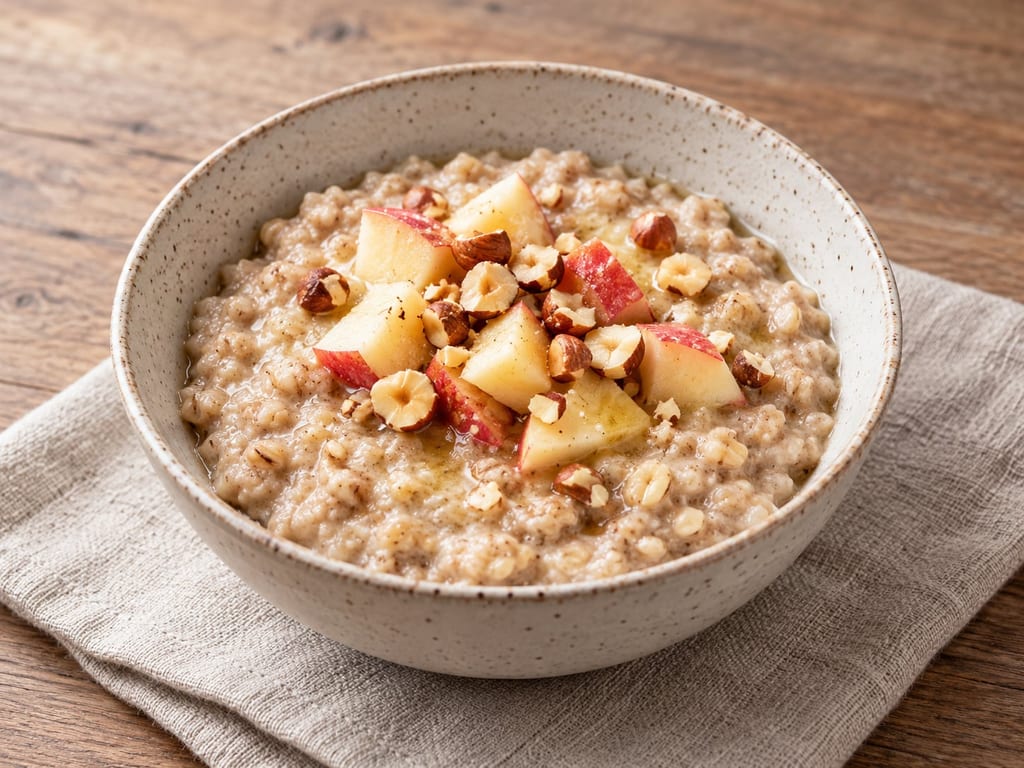
Crushed or milled barley cooked in water until the starch softens and the mixture thickens, the plainest way a northern household turned stored grain into a meal, here with apple and hazelnut.
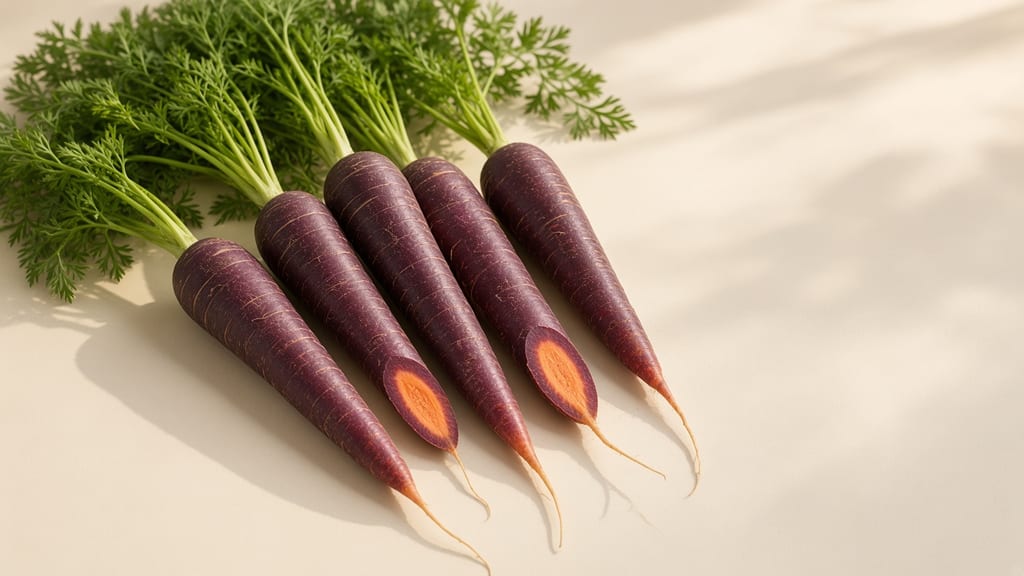
Black carrot is the anthocyanin-pigmented Eastern carrot (Daucus carota var. atrorubens), the purple root that preceded orange types and still colours kanji and şalgam.
No community contributions have been published for this entry yet.
Sign in to contribute. Published comments and photos are free to read.
David Friedman and Elizabeth Cook, Cariadoc's MiscellanyHistory · Method
Cariadoc's Miscellany: Drinks (with Charles Perry's translation of the 13th-century Anonymous Andalusian Cookbook, p. A-74)Syrup of Simple Sikanjabin (Oxymel), Andalusian p. A-74: Take a ratl of strong vinegar and mix it with two ratls of sugar, and cook all this until it takes the form of a syrup.
Drink an uqiya of this with three of hot water when fasting; the text claims it helps fevers of jaundice and cuts the thirst.
A honey version: six uqiyas of sour vinegar for a ratl of honey.
The editors read it as at least two recipes for two medical uses; the first is meant to be drunk hot; modern Iranian restaurants serve sekanjabin cold, often with grated cucumber.
Sekanjabin is mentioned in the Fihrist of al-Nadim, written in the tenth century.
The same cookbook gives syrups of pomegranate (a ratl each of sour and sweet pomegranates, juice added to two ratls of sugar) and of lemon (a ratl of juice to as much sugar), cooked to a syrup.
The Miscellany's modern pomegranate syrup: equal volumes of sugar and pomegranate juice cooked down to a thick syrup, diluted one part to 3 to 6 parts hot water; the editors say it keeps without refrigeration.
The Miscellany's modern sekanjabin, from Claudia Roden: 4 cups sugar dissolved in 2 1/2 cups water, 1 cup wine vinegar added at the boil, simmered half an hour, a handful of mint added off the heat; diluted 5 to 10 parts water to 1 part syrup; the editors say it stores without refrigeration.
Cited in: What this recipe is; Names; Part one: the Andalusian sikanjabin, 13th century; Reading the old recipe; Part two: why the modern recipe is different; Modern recipe: mint sekanjabin; Honey and pomegranate: the rest of the family; Using it in fizzy water; Problems and safety; Where the sources disagree
University of Maine Cooperative ExtensionMethod · Safety
Drinks from the Garden: resources (Fruit Shrub recipe)Fruit shrub: fresh or frozen fruit, partially thawed; sugar; vinegar of 5 % acidity.
Wash fresh fruit under cool running water.
Mash equal parts fruit and sugar together and pour into a sterilised jar.
Let sit in the refrigerator for 2 to 3 days, stirring and mashing every day.
Strain fruit from syrup into a measuring cup; add 1/2 to 1 part vinegar to 1 part syrup.
Label, date and store in a sterilised jar in the refrigerator for up to 1 month.
Cited in: What this recipe is; Part two: why the modern recipe is different; Modern recipe: cold fruit shrub; Which fruits fit this method; Choosing the vinegar; Problems and safety; Where the sources disagree
Kate McCarty, University of Maine Cooperative Extension (Spoonful blog, 15 May 2025)History · Serving · Safety
Drinks from the Garden: Using Fresh Fruit, Vegetables and Herbs in DrinksShrubs are simple syrups with vinegar, a way to preserve fruit and make a tangy sweetened drink.
Made from equal parts fruit, sugar and vinegar, shrubs got their start in Colonial New England, when apple cider vinegar was more readily available than lemon and lime juice.
Suggested flavours: peach-ginger, blueberry-basil, strawberry-rhubarb.
The author adds half as much vinegar as fruit syrup, finding equal vinegar too harsh.
Shrubs are concentrated; a few tablespoons in an 8-ounce glass of sparkling water makes a homemade soda.
Shrubs and simple syrup should be stored in the refrigerator and used within a month.
Cited in: Names; Part two: why the modern recipe is different; Which fruits fit this method; Choosing the vinegar; Using it in fizzy water; Problems and safety; Where the sources disagree
Menujat (Matin Rasouli, 18 Mehr 1405 / 10 October 2026)Method · Serving · Definition
طرز تهیه شربت سکنجبین خانگی (Homemade sekanjabin syrup)Sekanjabin is one of the oldest Iranian sharbats: sugar, vinegar and mint boiled into a thick sweet-sour syrup.
Drunk with iced water and grated cucumber, or as kahu sekanjabin, with lettuce leaves dipped in the thick syrup.
About 12 glasses: 2 cups sugar (about 400 g), 1 cup water (about 250 ml), half a cup white or grape vinegar (about 120 ml), a small bunch of fresh mint or 1 tablespoon dried.
Dissolve sugar in water over medium heat; at the boil add the vinegar; lower the heat and simmer 20 to 30 minutes until slightly thick.
Test a drop on a cold plate: it should stretch a little but not set; the syrup thickens as it cools.
Turn off the heat, push the mint into the syrup, cover and cool; remove the mint and pour into a clean jar.
Serve 2 to 3 tablespoons in a glass of cold water with ice; or with cold soda instead of water.
Grape vinegar gives a warmer flavour, white vinegar a sharper taste and paler colour.
Over-boiling makes the syrup caramel-dark and hard; boiled mint turns bitter and dark; do not keep hot vinegar in a reactive metal container; glass is best.
Keep in a clean closed jar in a cool place or the refrigerator; always use a clean dry spoon.
The older version, serkangabin, is made with honey, added after the syrup cools a little; crystallisation comes from over-boiling or an unclean jar, and a few drops of lemon juice during cooking help prevent it.
Cited in: What this recipe is; Names; Part two: why the modern recipe is different; Choosing the vinegar; Modern recipe: mint sekanjabin; Honey and pomegranate: the rest of the family; Cucumber, lettuce and soda; Problems and safety; Where the sources disagree