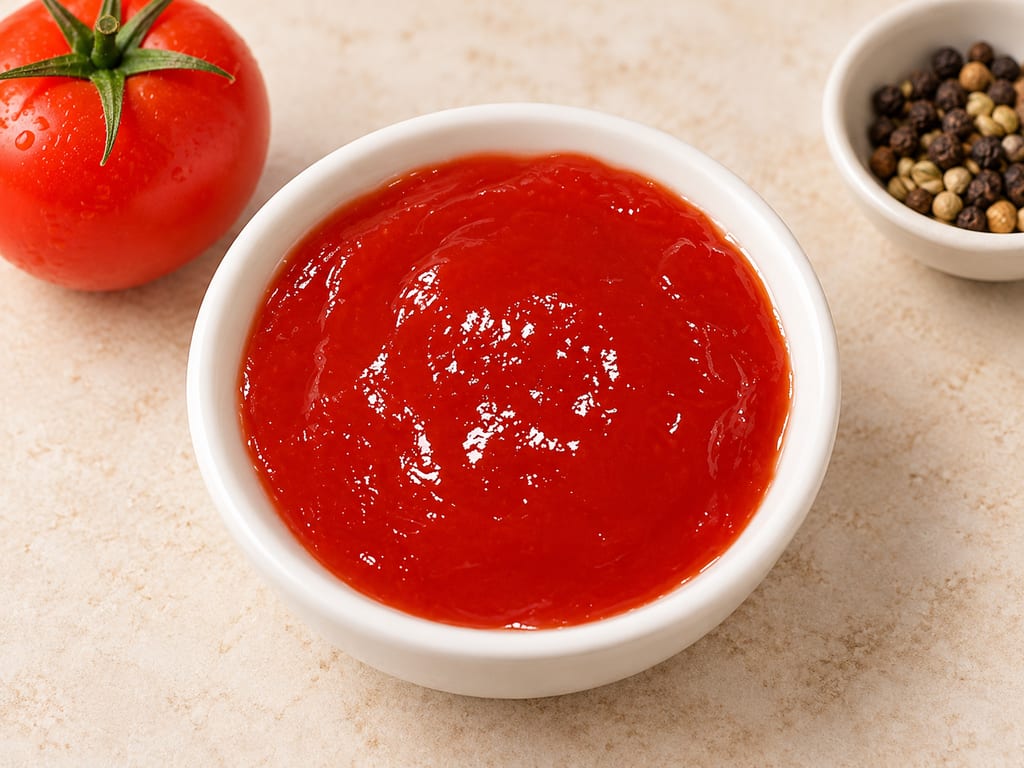
Tomato ketchup
Tomato ketchup is a smooth, sweet-sour tomato sauce whose modern form grew from an older family of savoury ketchups; this version follows a tested home-canning recipe.
 FermenteaWhere food goes to change
Modern method
Tomato ketchup
A smooth tomato ketchup formulated as a 500 g comparison batch using a UK Heinz product label as its target. This original home formula is untested and is not the company recipe or a preserving process.
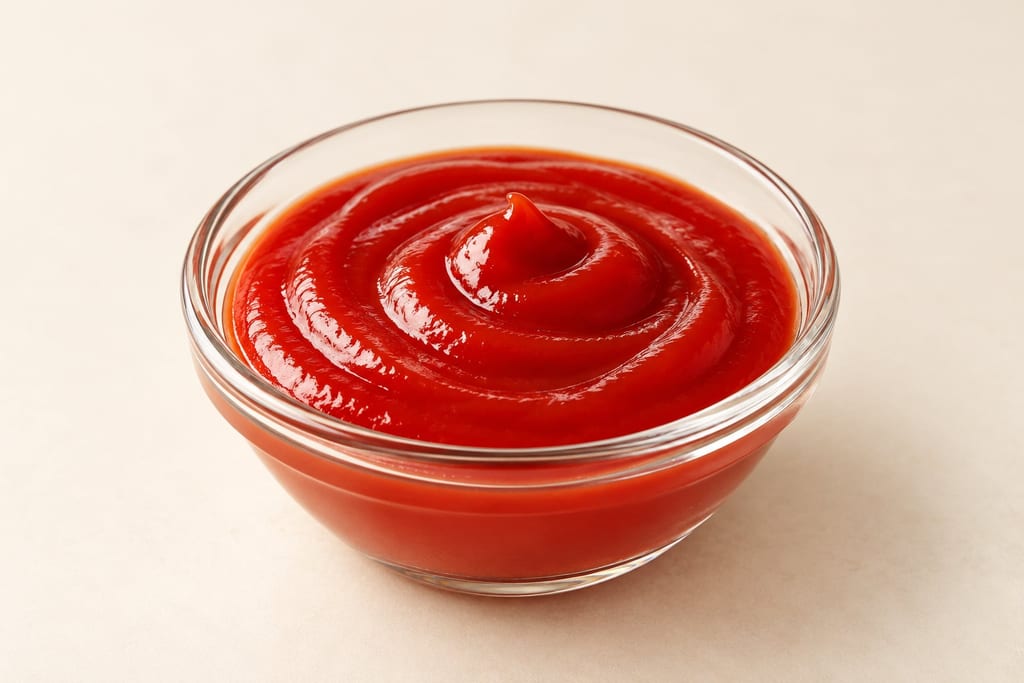
Ketchup is a thick, sweet-sour table sauce. This small batch was written to sit beside one comparison point: a UK Heinz tomato ketchup label. It aims for a smooth commercial style with ingredients available to a home cook. The product label is evidence about the branded item; it does not reveal the manufacturer's complete recipe or manufacturing process.
The formula comes from the supplied research report and is explicitly untested. No kitchen trial, blinded comparison, finished-pH measurement or shelf-life study is recorded. The name identifies its comparison target, not company ownership or endorsement. Read it as a transparent starting formulation for research, not a faithful copy or professionally tested ketchup.
The Heinz UK page lists tomatoes, spirit vinegar, sugar, salt, spice and herb extracts that contain celery, and spice. Heinz To Home reports 148 g tomatoes in each 100 g of ketchup, 22.8 g sugars and 1.8 g salt per 100 g. These figures describe that product and give a useful target for sweetness and salt; they do not give the amounts of vinegar or individual spices used by the manufacturer.
Label values are comparison points, not reverse-engineered ingredient weights. Nutrition declarations are rounded and apply to the product as sold. This home batch starts from a different tomato input and uses its own measured ingredients and short stovetop cook. Similar starting arithmetic cannot establish the finished sauce's composition or show that it matches a bottle.
The recipe uses 150 g plain double-concentrated tomato paste rather than fresh tomatoes. It supplies a tomato base in a small batch without the extensive simmering and straining in the National Center for Home Food Preservation's separate tomato ketchup process. The fixed input also makes it easier to reach a 500 g final mass. Paste brands vary in salt, sugar and solids, so check the selected product's label before mixing.
The report's example calculation shows how a paste label can guide sweetness without treating ketchup sugars as added sugar alone. If a paste has 16 g sugars per 100 g, 150 g contributes about 24 g sugars; 90 g added sugar brings that example to roughly 114 g total before small ingredient contributions. A different paste changes the calculation. These figures are arithmetic estimates, not a laboratory result for this batch.
The tomato paste supplies the main flavour, colour, body and some of the salt and sugar already present in the chosen product. White sugar adds sweetness and softens the vinegar's sharp edge. Fine salt seasons the sauce, but its amount should be reduced if the paste is already salted. The formula gives one starting amount, not a rule for every paste.
White spirit or distilled vinegar labelled 5% acidity brings a clean acidic note. That label describes the vinegar before cooking; it does not establish the finished ketchup's pH. Onion powder adds a savoury note without pieces that would interrupt the smooth texture. Ground allspice and a trace of ground clove are optional experiments, not claims about the branded spice blend. Water loosens the thick paste and later helps set the stated final mass.
Whisk the paste, vinegar, sugar, salt, onion powder, water and any chosen spices before applying heat. This disperses the dense paste and gives dry ingredients a chance to dissolve. Check the bottom and corners of the pan for lumps. Starting with a uniform mixture makes the texture more even; it does not make the process shelf stable.
For a clean comparison, leave the optional spices out of the first batch. The report suggests changing one feature at a time so the cook can tell whether a later difference comes from sweetness, acidity, salt or spice. A label that says “spice” is not evidence for any particular addition, so this recipe does not present allspice or clove as a recovered Heinz ingredient.
Bring the mixture to a gentle simmer and stir as it cooks for about 10 minutes. The short cook blends the flavours and changes the raw taste. No numeric temperature is given, so none is supplied here. A thick sauce can catch on the pan; moderate heat and steady stirring help keep it moving without turning the step into a hard boil.
This step is for flavour. It is not a validated canning schedule, sterilisation process or proof that the sauce can be stored at room temperature. The NCHFP publishes a different ketchup recipe using fresh tomatoes, onions, cider vinegar and whole spices, with a much larger yield, several reduction stages, hot pint jars and elevation-adjusted boiling-water processing. Those controls cannot be transferred to this paste-based formula.
Blend the cooked sauce until smooth. The report allows sieving if a finer finish is wanted. Blending and sieving are texture choices; neither establishes a preservation process. Use equipment intended for hot liquids and follow its safety instructions. Let the mixture settle before weighing so that splashes do not obscure the scale reading.
The stated yield is 500 g after cooking. Evaporation means the final amount of water can vary. If the sauce weighs less than 500 g, stir in enough water to reach that mass. If it weighs more, simmer a little longer and weigh again. This final-mass adjustment follows the report's formula, but it cannot standardise the flavour or acidity of different tomato paste brands.
For a useful sensory comparison, chill the home batch and target bottle equally and taste them side by side in small portions. Compare tomato intensity, sweetness, acidity, salt, spice and smoothness. The branded product is made by a manufacturer under a process that this recipe does not reproduce; texture and flavour may differ. Record those differences rather than claiming a match.
Change one variable in a later trial and note the paste label and ingredient mass. A different paste can change the sugar and salt already present before any extra is added. Use the paste's nutrition panel to estimate its sugar contribution. Do not treat a refractometer's °Brix reading as a direct measure of added sugar: tomato solids and other dissolved ingredients affect that reading too.
This is one 500 g development batch. The report gives no tested scaling rule, so do not multiply the ingredients into a larger quantity. Pot size, evaporation and mixing can change the result, and no study establishes that scaling preserves the same flavour or safety. Keep follow-up experiments at the stated size unless a qualified process review supplies new evidence.
Divide the cooked sauce into small clean containers and cool promptly. General FSA advice says to refrigerate cooked food within one to two hours, keep a fridge between 0 and 5 °C, and eat leftovers within 48 hours or freeze them. Those are general leftover recommendations, not a measured shelf life for this formula. The manufacturer's after-opening date applies to its own product, not homemade ketchup.
This entry records a modern home formulation connected to a UK product label. Its geographic association refers to that comparison target; it does not assign a birthplace to ketchup or claim a British traditional method. The cited product pages describe a contemporary manufactured item, not the history of ketchup as a food.
Heinz describes its own ketchup as a table sauce and suggests it with meals including burgers and chips. Those examples explain the comparison style, not a serving requirement for this batch. The home sauce can be evaluated on its own once chilled, while its untested status and unknown shelf life remain explicit.
This entry records a modern home formulation connected to a UK product label. Its geographic association refers to that comparison target; it does not assign a birthplace to ketchup or claim a British traditional method. No historical source in this tranche establishes when or where the dish began, so the recipe adds no origin story.
Heinz describes its own ketchup as a table sauce and suggests it with meals including burgers and chips. Those examples explain the comparison style, not a serving requirement for this batch. The home sauce can be evaluated on its own once chilled, while its untested status and unknown shelf life remain explicit.
Use the same spoon size and serving temperature for the home sauce and the target bottle. Put a small amount of each on a plain plate or into separate dishes, then note the differences before adding anything to the batch. The UK label provides reference figures for tomato input, sugars and salt, while the US label gives a different sodium-per-serving declaration. Those labels describe products, not a universal ketchup specification.
A small tasting can help describe flavour but cannot measure pH, sugar composition, salt concentration or food safety. If you are testing a seasoning change, reserve only a small portion and keep an unchanged portion beside it. That lets you compare one change at a time without committing the full 500 g batch. Record the product label and its date, because product formulations and package declarations may change.
The paste is the largest source of variation in this formula. Brands can differ in concentration, salt, sugar and texture; the source recipe itself recommends a plain double-concentrated paste and prefers one without added salt. Read the current ingredient and nutrition panels and note the product you used. If the paste is salted, the listed 9 g fine salt may make the result saltier than intended; the report gives no tested universal reduction.
The sugar calculation is an estimate based on the paste's declared sugars. For a paste labelled 16 g sugars per 100 g, 150 g contributes approximately 24 g. Add the formula's 90 g sugar and the batch reaches roughly 114 g before allowing for other ingredients. A label figure is rounded and a different paste changes that estimate. Treat it as a starting calculation, not a guarantee of taste or the final product's measured sugar concentration.
The sauce should be uniform before it goes on the heat. A smooth blend and optional sieve remove texture from the paste and seasonings, while the short simmer may evaporate water. Weighing after cooking keeps the batch anchored to its stated 500 g finish. Add water gradually if the weight is low; if it is high, reduce it a little further and weigh again. Mix thoroughly so the added water does not sit as a thin layer.
The final mass is not an automatic scaling instruction. A larger pan has a different surface area, and a larger batch may heat and evaporate differently. No source in this tranche reports trials at other sizes. Do not multiply the 500 g formula to make a shelf-stable quantity, and do not treat a smooth appearance as proof that every particle or container has been handled safely.
The label does not publish Heinz's complete process. It lists broad ingredient names and selected nutrition figures, but it does not disclose each spice, vinegar amount, cooking sequence, finished pH or factory controls. This home formula uses weights created for a small batch and says plainly where it departs from the label. It is not presented as a reconstruction of confidential company information.
A label comparison cannot certify a recipe, and a favourable tasting cannot validate a preservation process. This formula has not been evaluated for pH, water activity, pathogen control or storage life. No claim is made that it is equivalent to a bottled product. Use the recipe only within its stated refrigerated handling plan, and rely on a separately tested preservation recipe if shelf-stable ketchup is needed.
A modern home formulation directed at the ingredients and nutrition declarations of a UK Heinz tomato ketchup product. It is not a recovered manufacturer formula, a traditional regional recipe or an established historical preparation. This formula is untested.
Yield 500 g · Scaling: source batch only
This untested formula has no measured finished pH or validated shelf-life process. General FSA guidance says chilling slows harmful bacterial growth and gives fridge and leftover guidance.
Hazard sourceCool cooked sauce in small containers and refrigerate within one to two hours. Keep the fridge between 0 and 5 °C and use within 48 hours, or freeze promptly while fresh. These are general leftover controls, not recipe-specific validation.
Control sourceUntested development formulation: no kitchen trial, sensory validation or shelf-life test is recorded.
Not for room-temperature storage or home canning. The short simmer is flavour cooking, not a validated preservation treatment.
The vinegar amount and its labelled acidity do not establish finished sauce pH or shelf stability.
Do not transfer the NCHFP tested canning process to this different formula.
The new home formula uses a UK Heinz label as a comparison target; this is not a claim of origin or a traditional preparation.
Tomato ketchup is a smooth, sweet-sour tomato sauce whose modern form grew from an older family of savoury ketchups; this version follows a tested home-canning recipe.
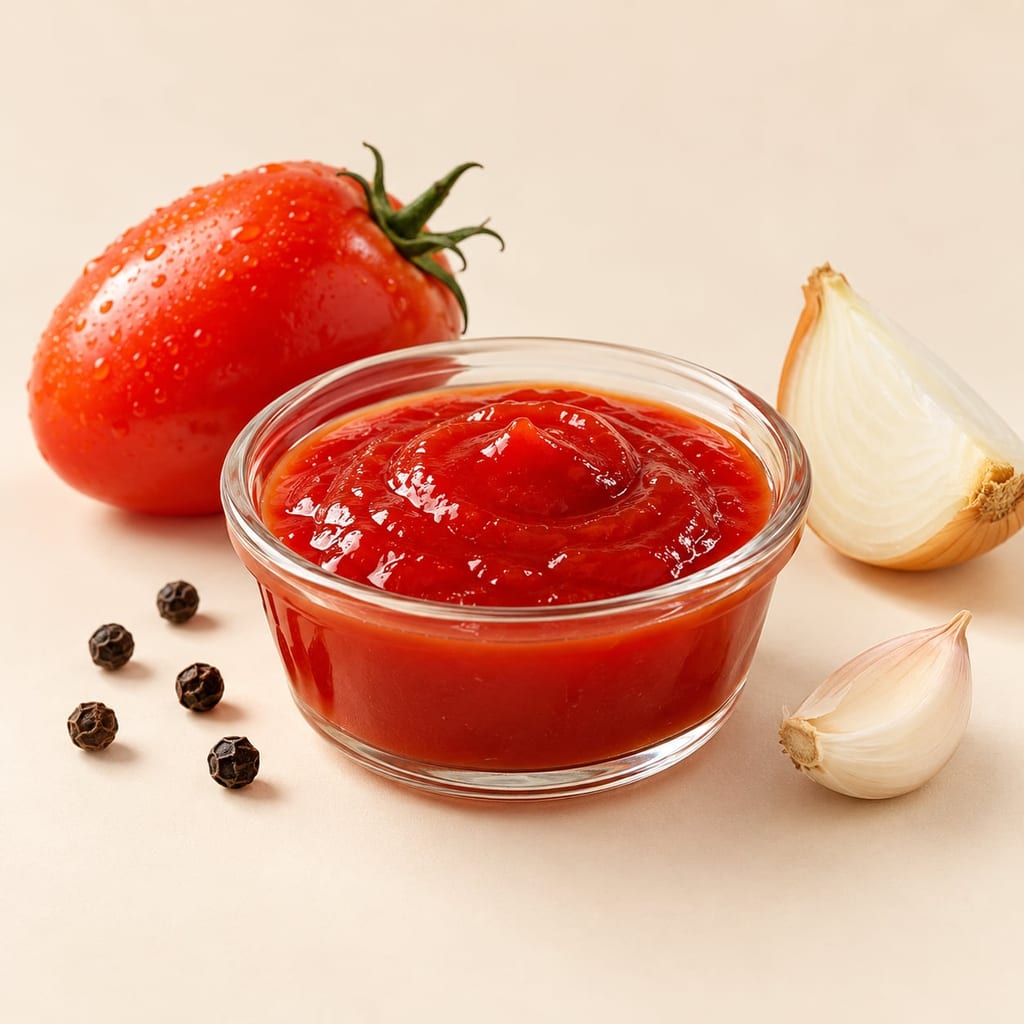
A rounded house ketchup cooked from tinned plum tomatoes, onion, vinegar, sugar and a little warm spice, then blended, sieved and reduced to about 600 g.
A modern, portable stovetop pan with a stainless-steel cooking surface for sauces and other small simmering jobs. Size, cladding, lid, compatibility and care vary by model.

Apple sauce for goose and pork is a plain English accompaniment: cooked apples pulped with water, then sweetened with sugar and finished with a little butter.
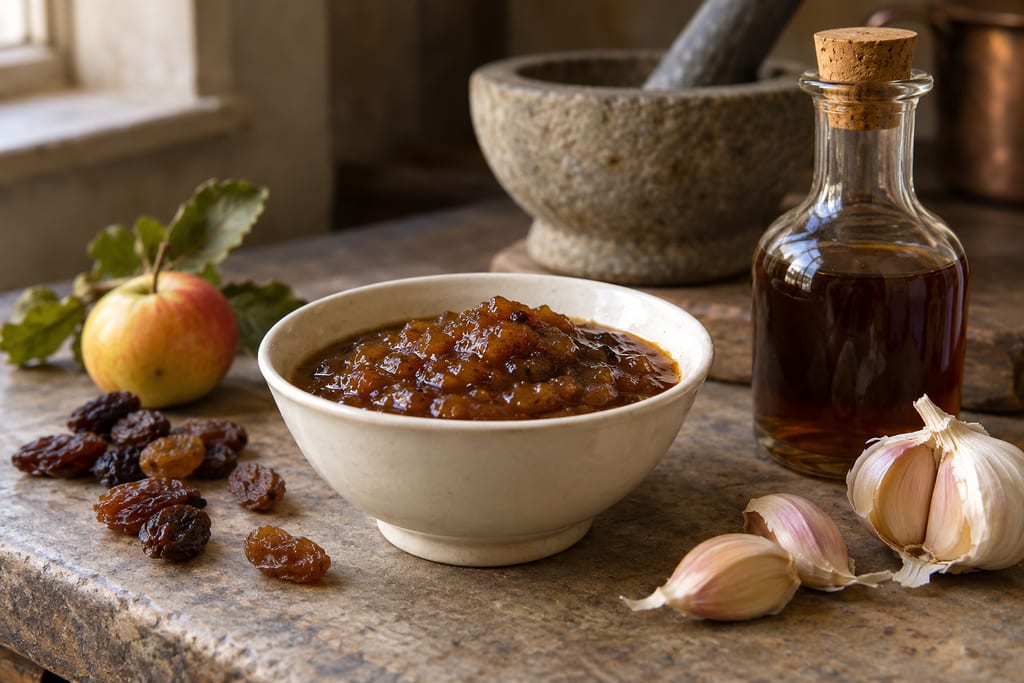
Eliza Acton's Bengal receipt for chetney sauce: stoned raisins and a hard acid fruit pounded with brown sugar, ginger, salt, cayenne and garlic, then thinned with vinegar to the consistence of thick cream.
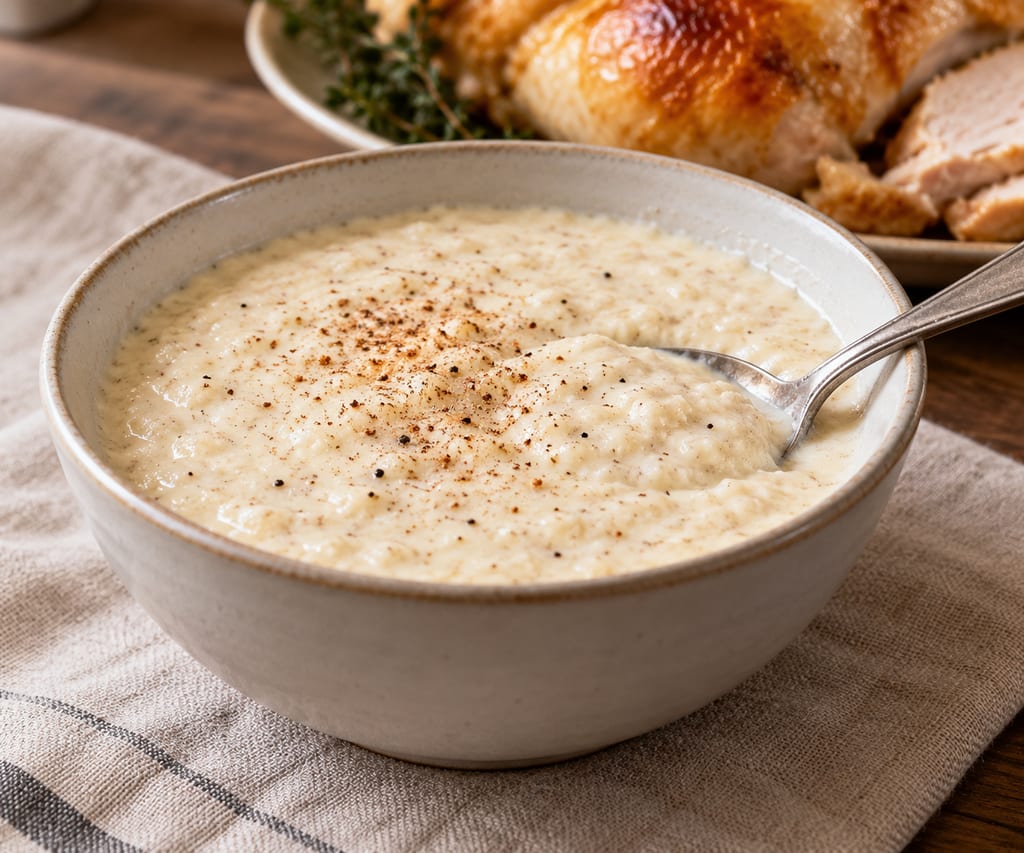
Bread sauce is a British sauce of milk infused with onion, clove and bay, thickened with stale breadcrumbs and finished with butter, served with roast chicken or turkey.
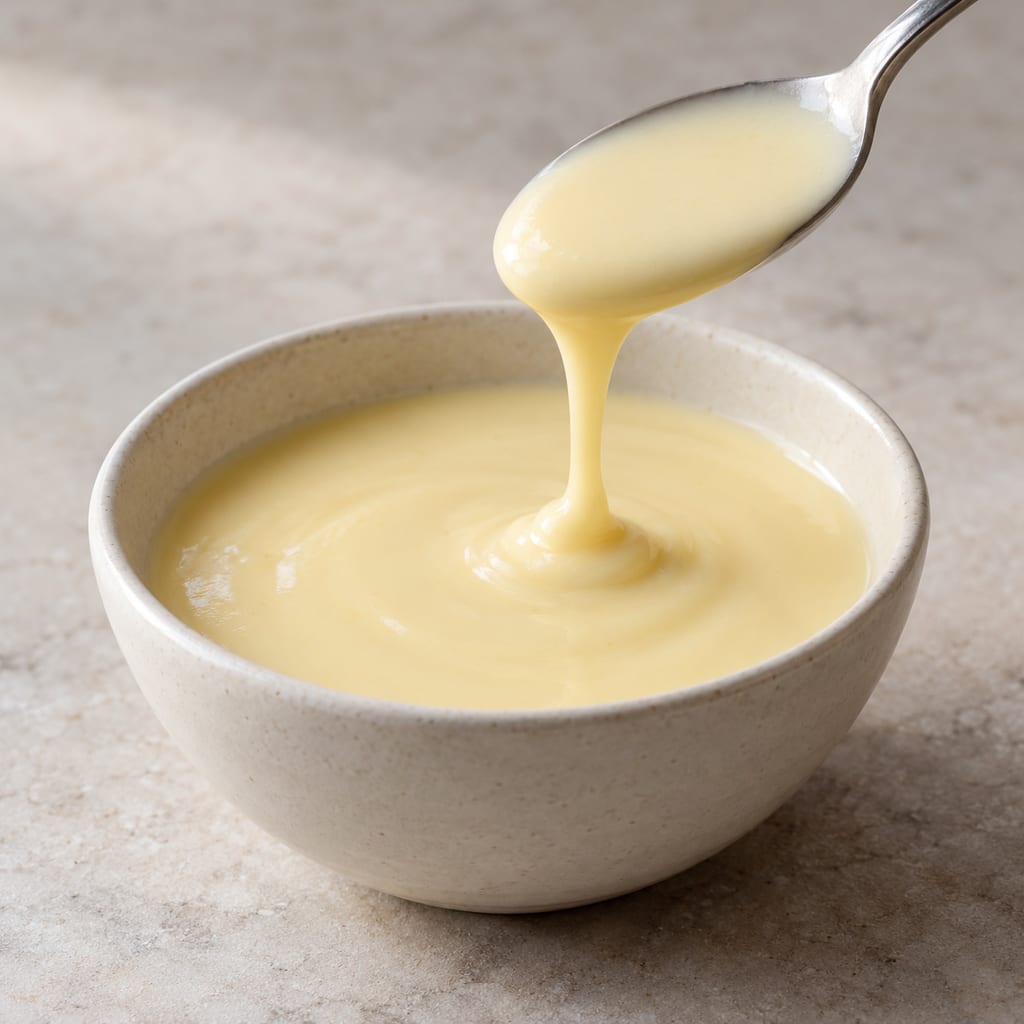
Starch-thickened salad-cream prototype with pasteurised yolk added after cooling; not a Heinz copy. Approximate yield 300 g.

A pourable dessert sauce of brown sugar, butter and cream, with a little corn syrup and salt. It is the sauce form of the butterscotch confection and is made without water, unlike caramel.
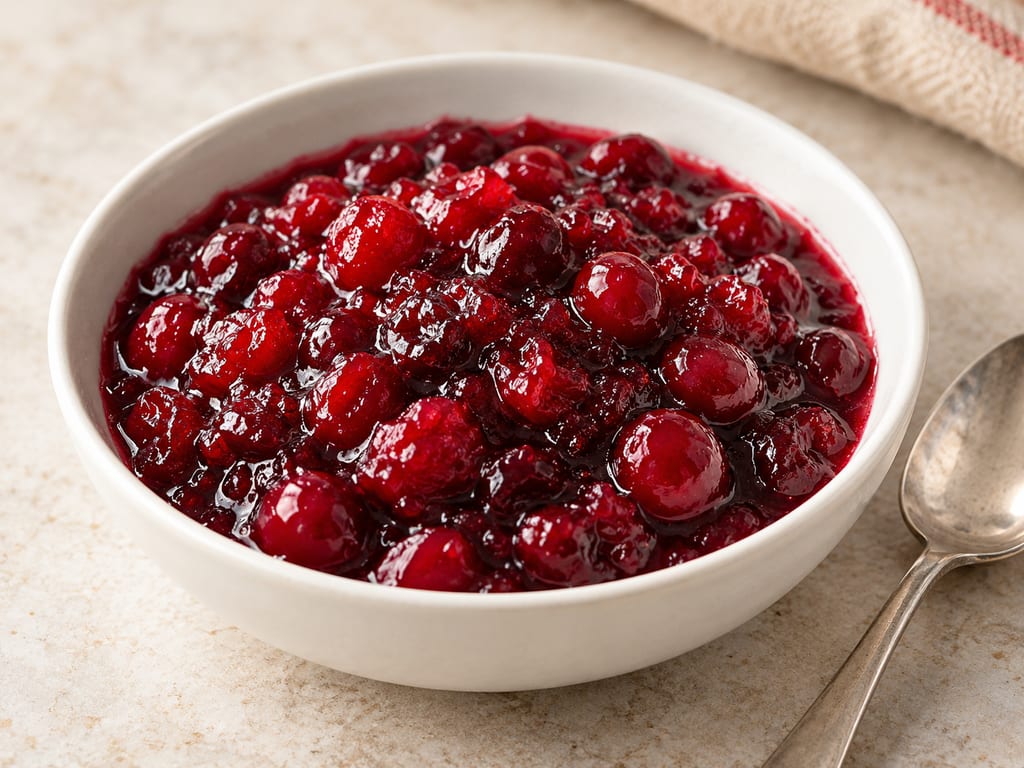
Cranberry sauce is a sauce of cranberries cooked in sugar syrup until the berries burst and thicken, served with roast turkey, pork, chicken and ham.
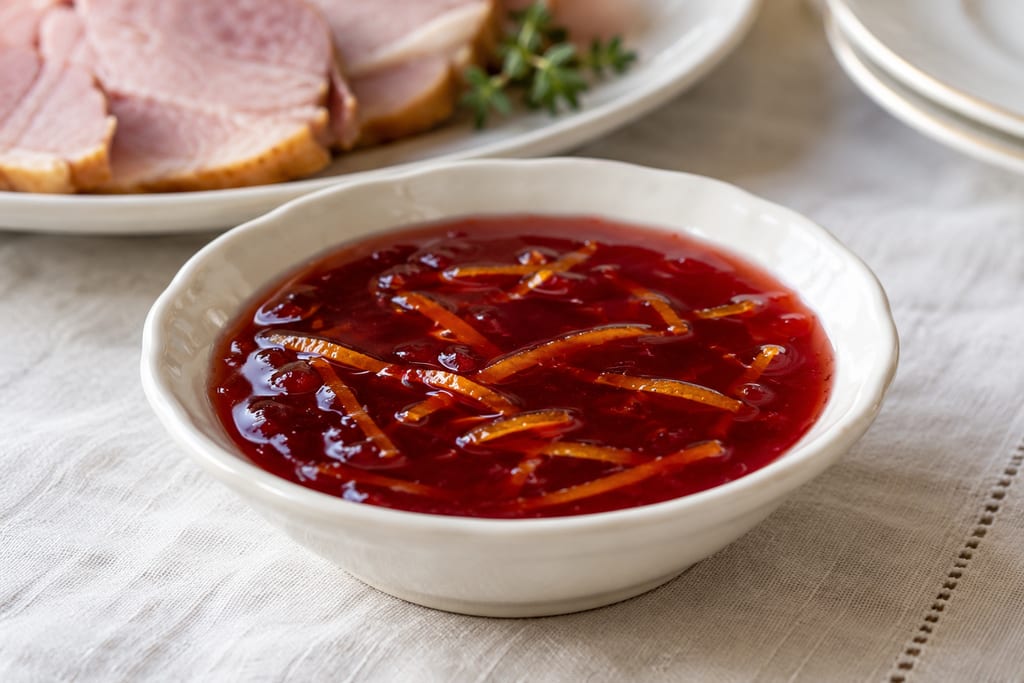
Cumberland sauce is a British condiment of redcurrant jelly, mustard, blanched orange peel and port, traditionally served cold with ham, game and cold meats.
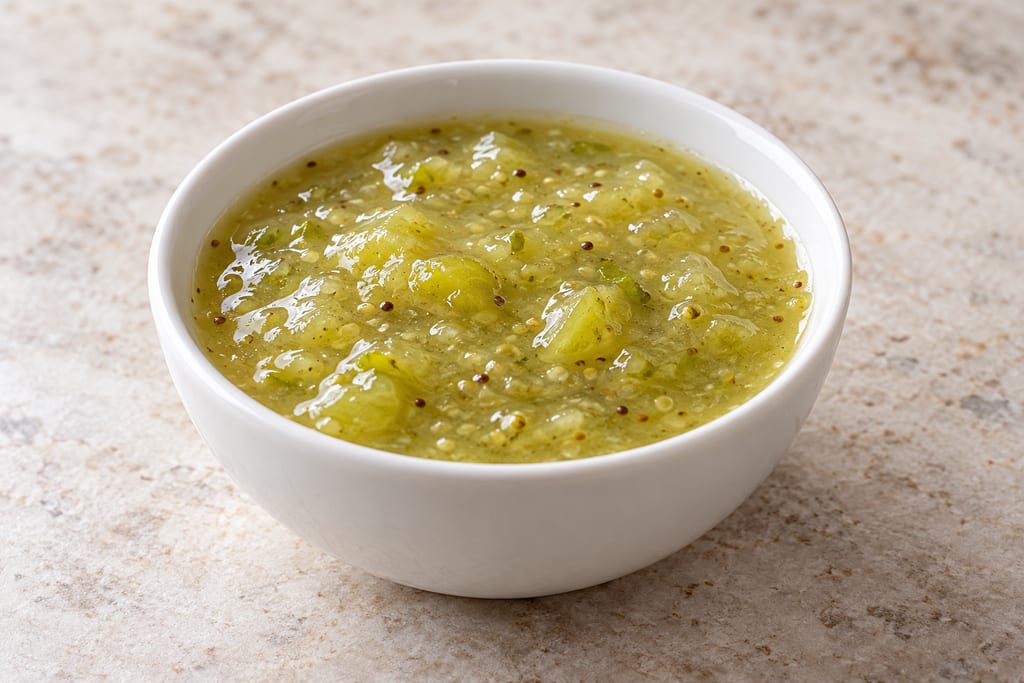
Gooseberry sauce is a soft, tart sauce of cooked green gooseberries, sharpened with wine or vinegar and lightly sweetened, traditionally served with mackerel.

Ajvar is a cooked Balkan pepper preserve built around roasted red peppers, peeled, drained, ground and slowly fried with oil and seasoning. Leskovac’s protected version is a pepper specialty; regional versions vary.

Amlou is a nutty, lightly sweet Moroccan spread of roasted almonds, culinary argan oil and honey. The almonds are ground first, then loosened with oil and sweetened; the balance can range from a thick spread to a dip.

A warm dip of garlic, anchovy and olive oil, often enriched with butter, that Piedmont serves over a flame with raw and cooked vegetables and bread.

A sweet-hot table sauce of ripe banana simmered with vinegar, sugar, onion, garlic and fresh chilli, in the manner of Philippine banana ketchup. An untested development batch of about 500 g.

A Georgian walnut sauce of ground walnuts, garlic, vinegar and spices, thinned with water or broth. It is served with poultry, vegetables and bread, and is the sauce of the dish satsivi.

Byzantine murrī is a cooked imitation of murrī from the medieval Arabic repertoire, made from scorched honey, toasted bread, walnuts, quince, carob and spices rather than from a long grain fermentation.

Caribbean browning is a dark liquid of deeply caramelised sugar, used in small amounts for colour and a smoky, bitter-sweet flavour in stews and black cake.
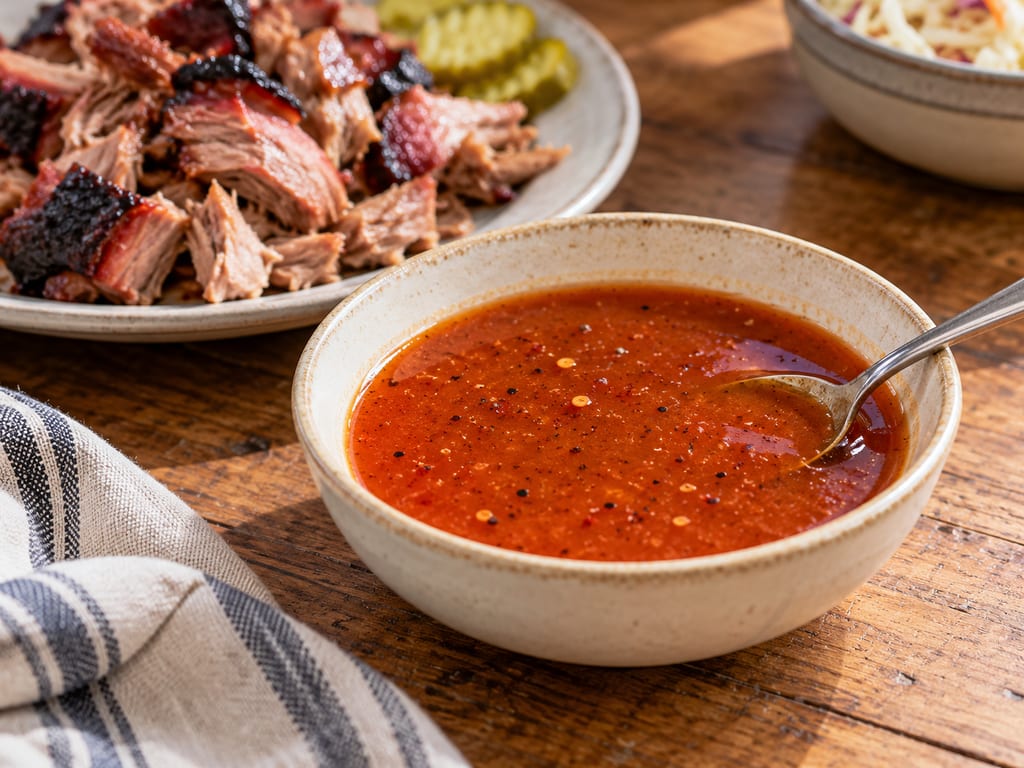
Light tomato barbecue sauce is a thin, sharp South Carolina sauce: a vinegar and pepper base with a small amount of ketchup, sitting between the clear vinegar sauce and the sweeter tomato sauces.

Soft, spreadable Calabrian pork sausage made with a great deal of red chilli and fatty pork, stuffed into natural casings, sometimes smoked and matured while staying soft.

A way to add independent temperature logging to an existing food dehydrator without changing its built-in controls or protections. It is a monitoring method, not a rewiring plan.

Pleurotus cystidiosus is the abalone mushroom, a cultivated oyster-type fungus with dark brown caps that grows more slowly and is more demanding than other Pleurotus species.

A dark, balanced vinegar from Emilia-Romagna made by combining cooked or concentrated grape must with wine vinegar, then acetifying and refining it in wood under a protected specification.

A living dairy inoculum that starts controlled cream fermentation, developing acidity and aroma before sour cream or cultured butter is finished.

A small electric incubator holds jars at a selected temperature for yogurt and other documented warm food preparations. Controls, capacity and vessel arrangement vary by model.

Adygean salt is a seasoned table salt associated with Adygea and the wider North Caucasian culinary tradition. Salt is blended with garlic and a variable selection of herbs and spices; the exact mix depends on the named style and maker.

The African Caesar-group mushroom, Amanita masasiensis, is a wild ectomycorrhizal species of central and southern African woodlands, eaten locally. The genus contains deadly poisonous species, so identification needs care.
No community contributions have been published for this entry yet.
Sign in to contribute. Published comments and photos are free to read.
Heinz (Kraft Heinz UK)Inspiration · Product label
Tomato KetchupProduct label lists tomato, spirit vinegar, sugar, salt, celery-containing spice and herb extracts, and spice; this does not disclose a full company recipe.
Heinz To Home (Kraft Heinz UK)Product label · Comparison
Heinz Tomato Ketchup 460gReports 148 g tomato per 100 g ketchup, 22.8 g sugars and 1.8 g salt per 100 g, plus serving values. These are comparison targets, not measured values for this home formula.
Food Standards Agency, published on GOV.UKSafety
How to chill, freeze and defrost food safelyGeneral advice: fridge 0–5 °C, cool cooked food and refrigerate within one to two hours, divide into small portions, and eat leftovers within 48 hours or freeze. Not validation of this formula.
National Center for Home Food Preservation (University of Georgia)Safety · Comparison
Tomato KetchupA separate tested canning formula uses fresh tomatoes, onions, cider vinegar, whole spices, a defined yield and elevation-adjusted boiling-water processing. Those directions do not validate this different paste-based formula.