


































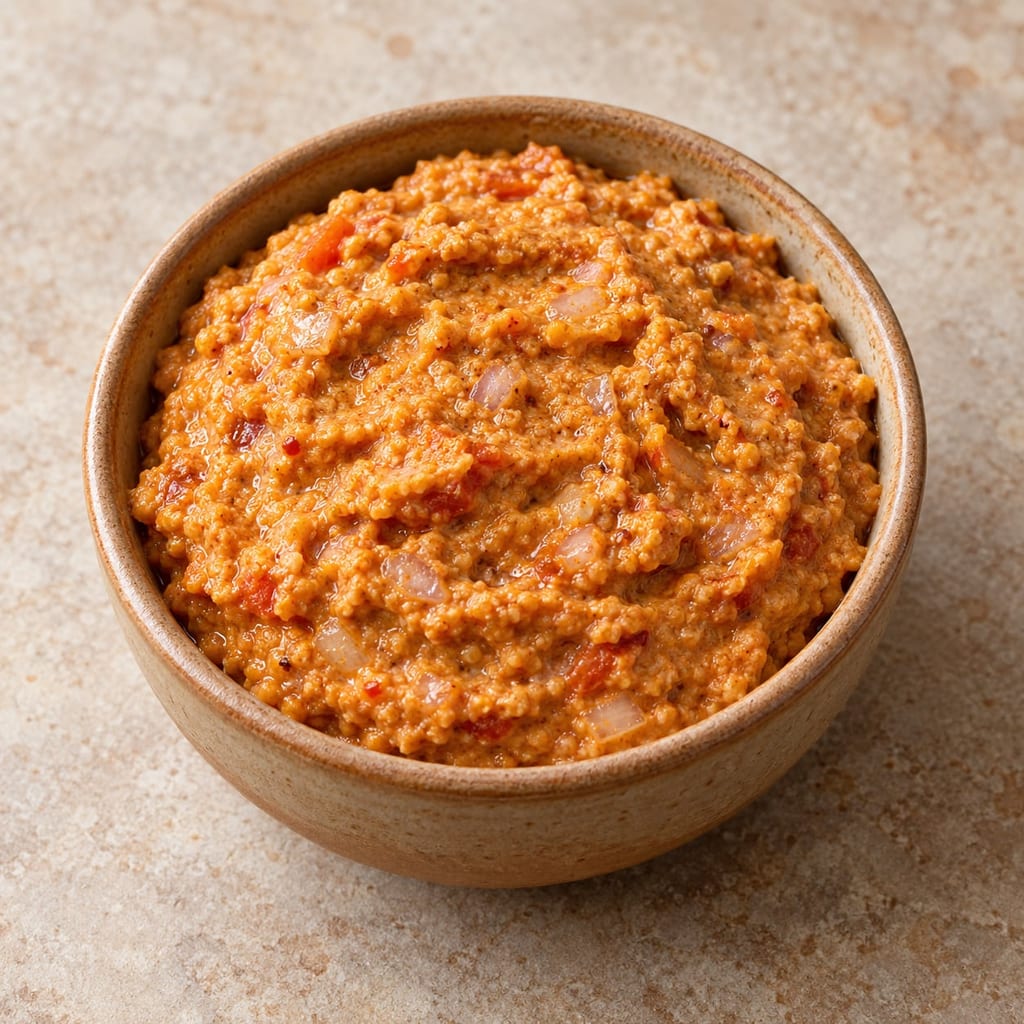
Palli pachadi
A moist Andhra peanut chutney: roasted groundnuts ground with fried dried chillies and tamarind, folded into a roasted tomato-and-spice mix with raw onion, and eaten with khichdi, attu or idli.
 FermenteaWhere food goes to change
1504 records with their sources, across 11 categories.
 Fermented, enzyme-ripened and mixed seasonings55
 Adjacent and excluded3
 Fermented fruit and fruit-derived foods3
 Fruit preserves3
 Legume, seed and plant-protein ferments3
 Koji, mold starters and mold-ripened ferments2
 Vegetable lactic2
 Acid and oil pickles1
 Garum and fish sauces1
A moist Andhra peanut chutney: roasted groundnuts ground with fried dried chillies and tamarind, folded into a roasted tomato-and-spice mix with raw onion, and eaten with khichdi, attu or idli.
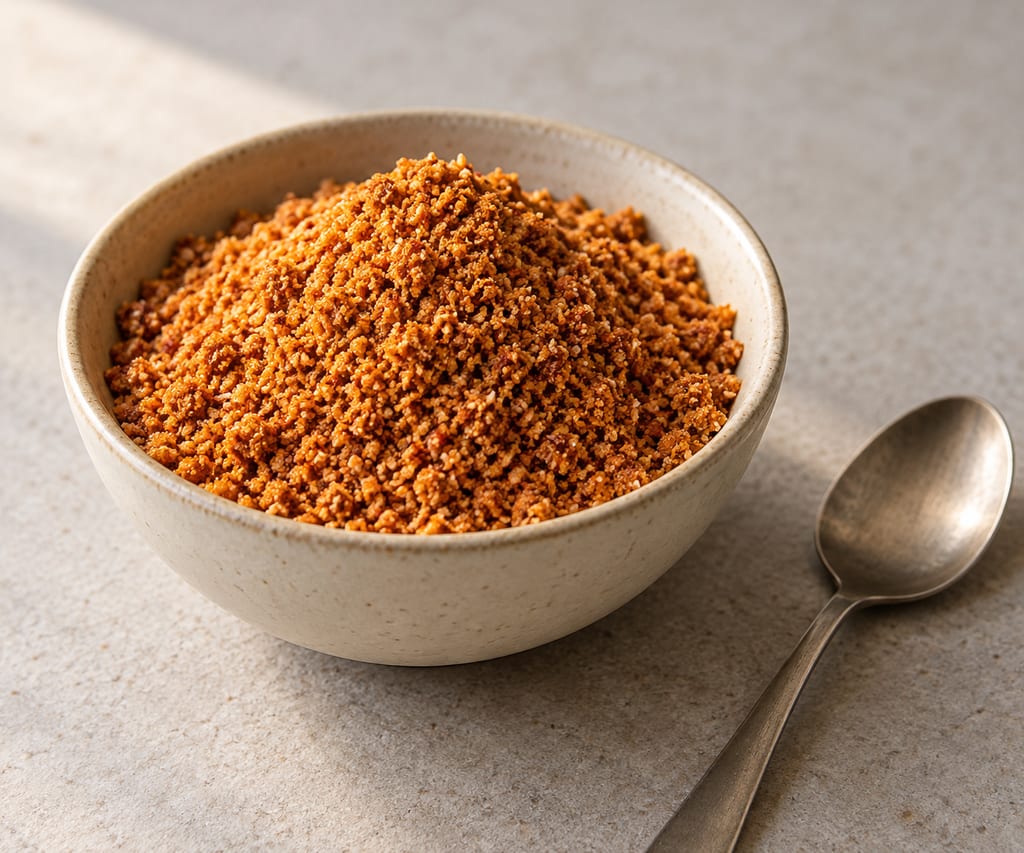
A Maharashtrian dry chutney of slowly roasted sesame and coconut ground fine with garlic, chilli powder, cumin, tamarind and sugar, kept in a bottle and eaten as a winter side.
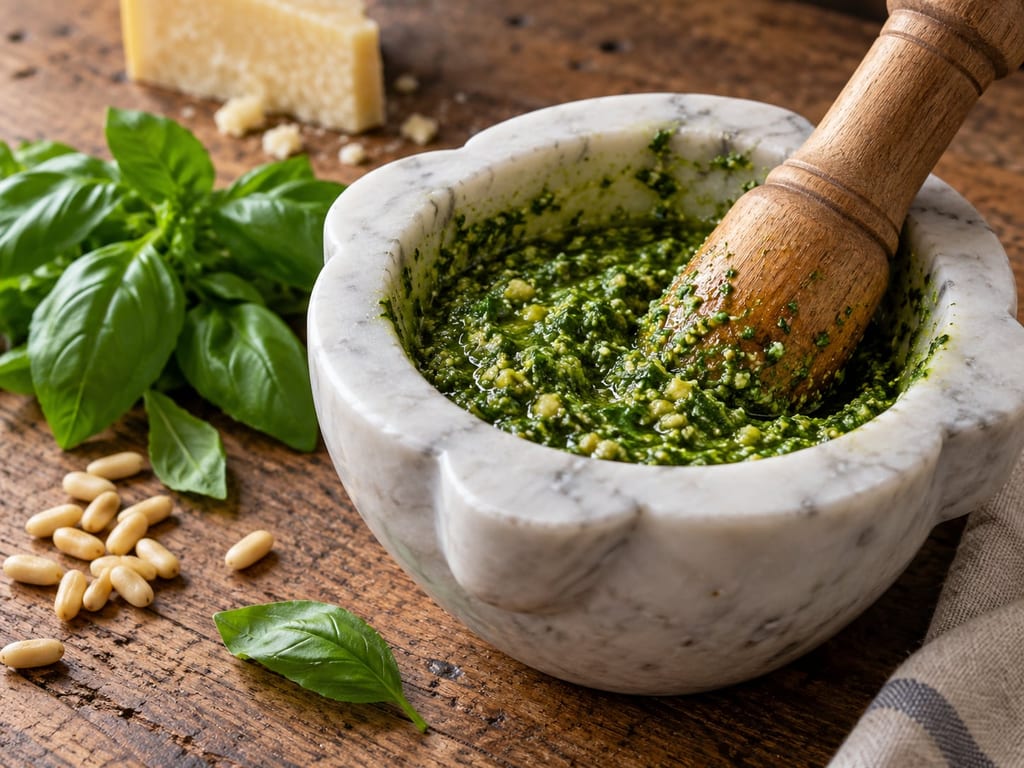
Pesto Genovese is a Ligurian uncooked basil sauce pounded with garlic, pine nuts, salt, hard cheeses and olive oil, traditionally made in a mortar.
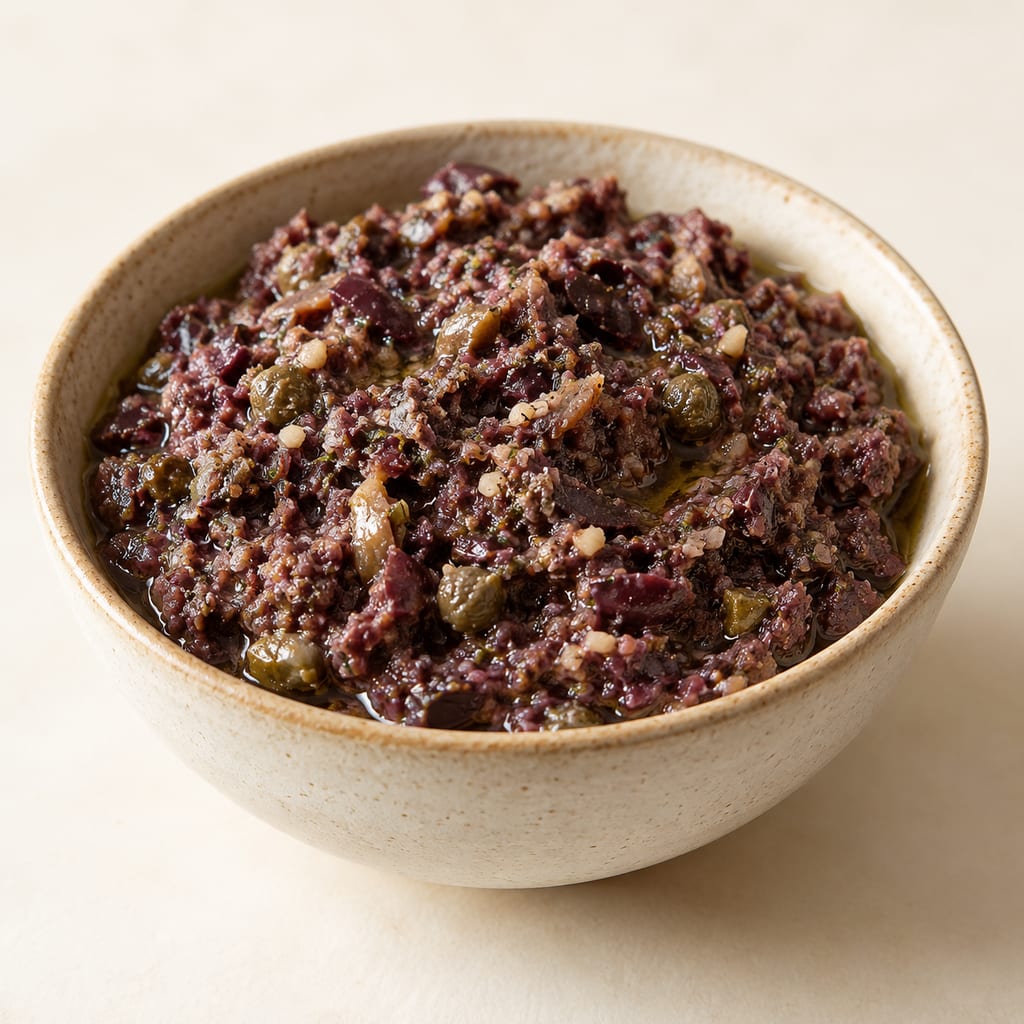
A Provençal olive spread built around olives and capers, with anchovy, garlic, lemon and olive oil in Marseille’s current recipe. Both coarse and finely worked versions are documented.
Japanese vinegar from ripe persimmons: yeast turns the fruit sugar to alcohol and acetic bacteria turn that to acid; made at home in a month and by makers in Wakayama and Nagasaki over several years.
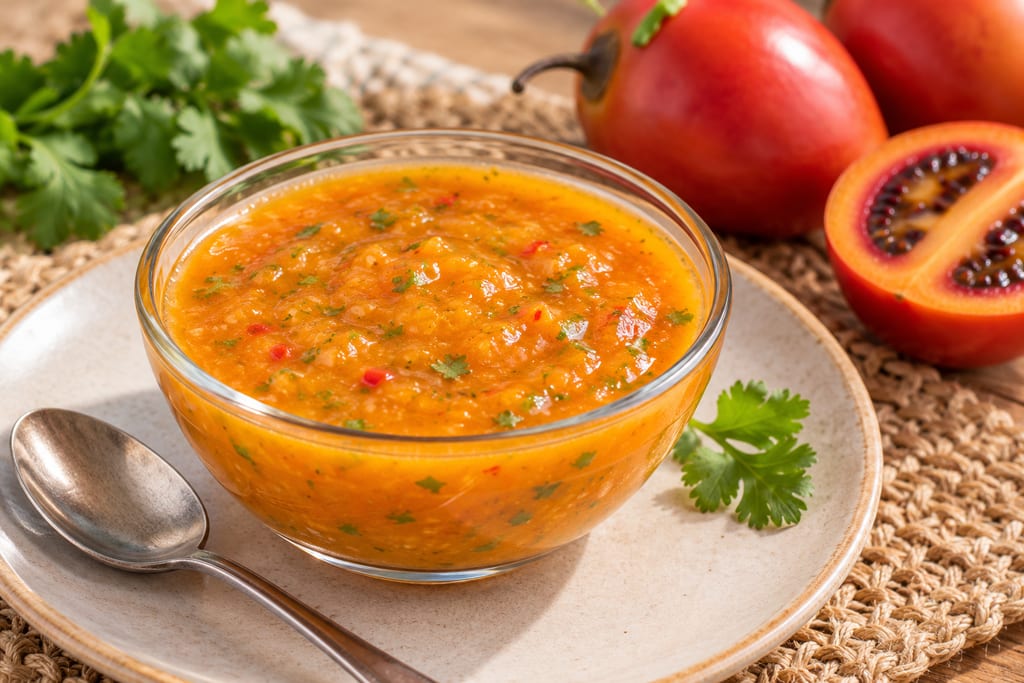
An Ecuadorian hot sauce built on tamarillo, a tart fruit that gives a sharper, fleshier base than ordinary tomato salsa.
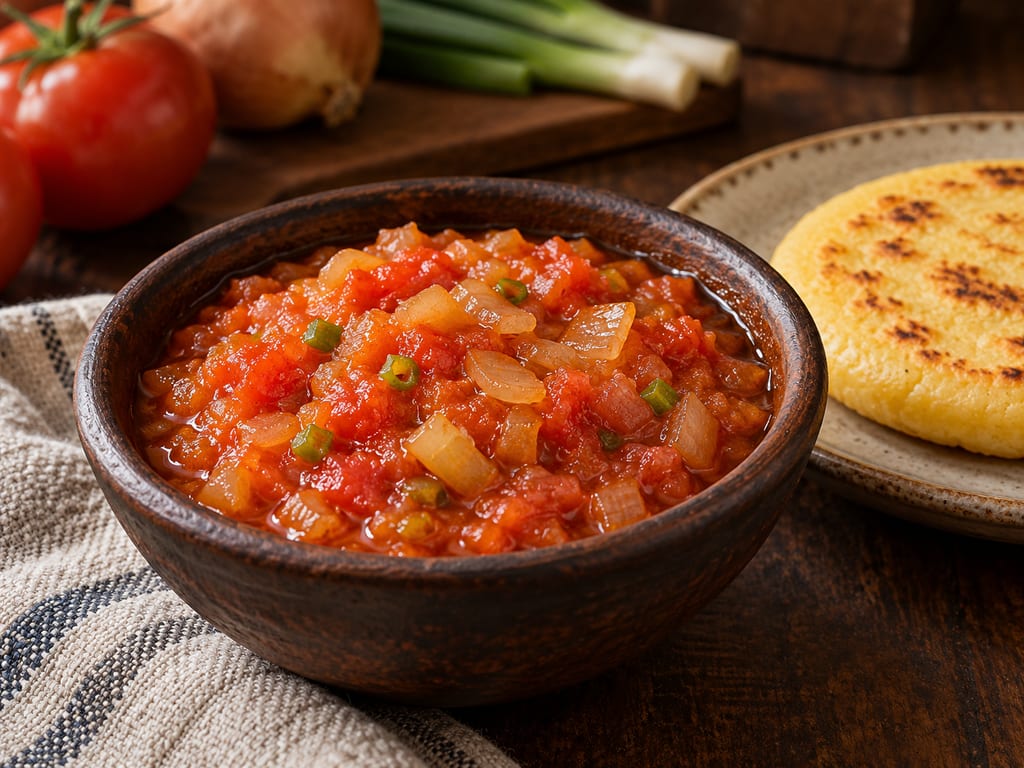
A slow-cooked Colombian sauce of tomato, onion and scallion that serves as the base of many dishes and as a topping for arepas and patacones.
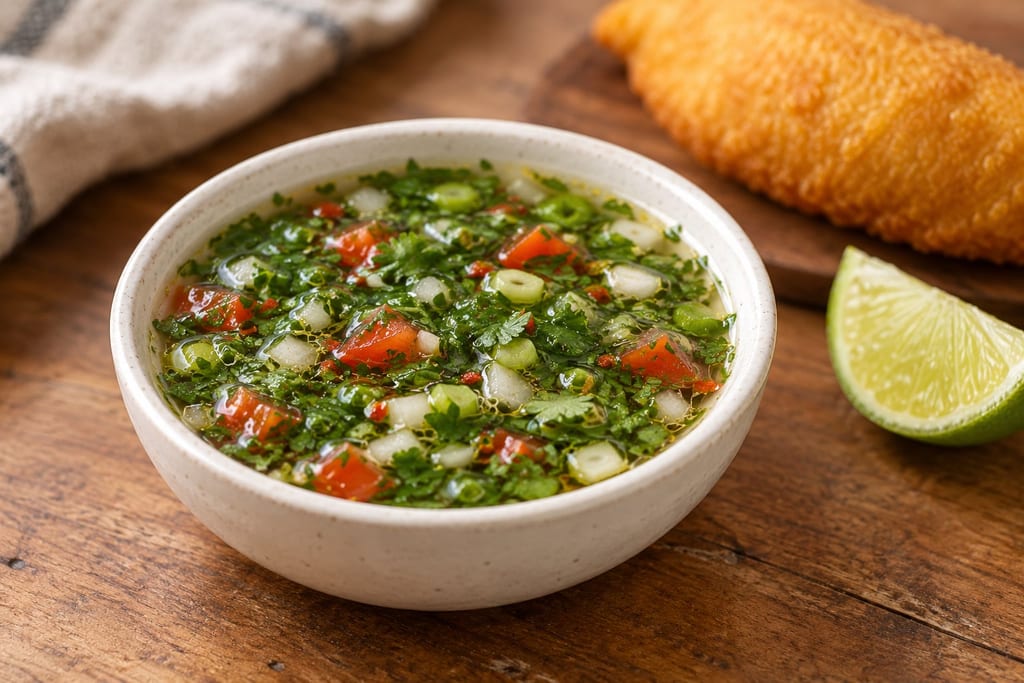
A fresh Colombian table condiment of chopped herbs, scallion and tomato in a vinegar and chile base, served beside fried and filled dishes.
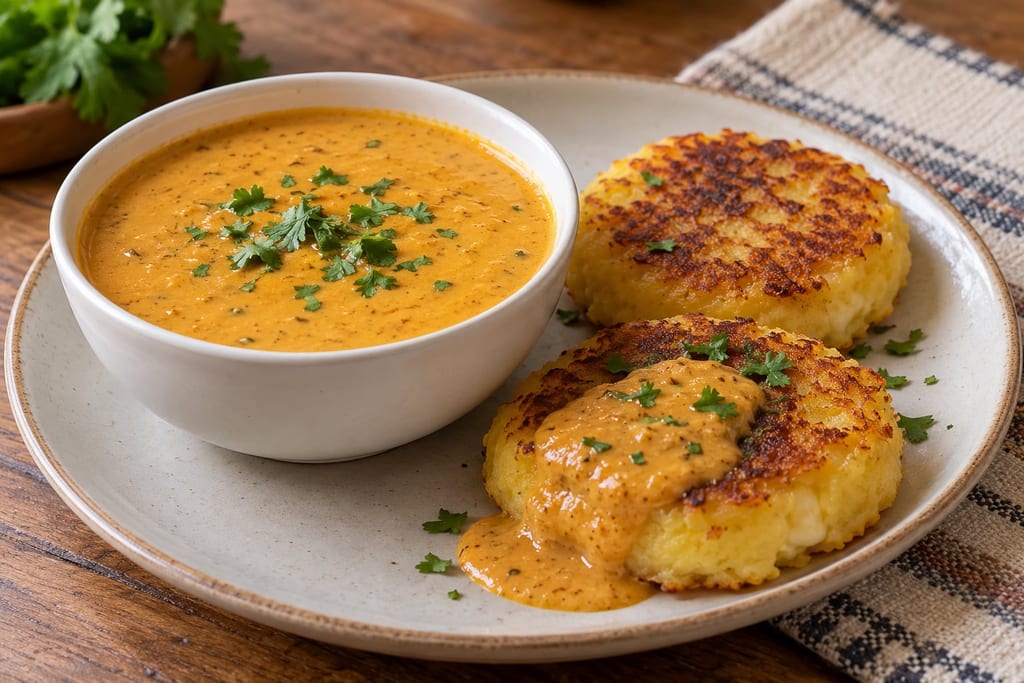
A warm, creamy peanut sauce thickened with milk and seasoned with onion, cumin and achiote, served over potatoes and llapingachos in Ecuador.
Padaek is a Lao salt-fermented freshwater fish paste used as a seasoning and preserved food. This record covers documented uses and safety gaps; it does not offer an unvalidated home method.
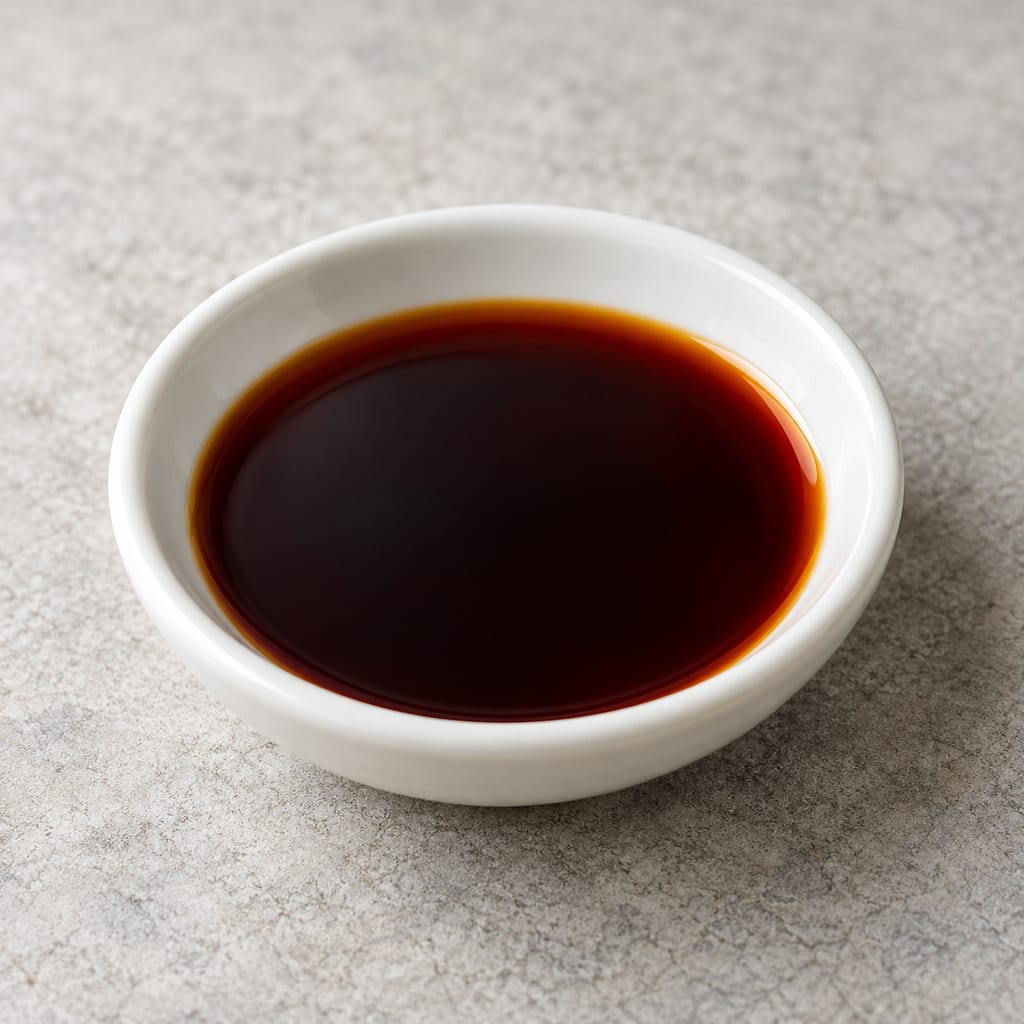
Soy sauce is a salted liquid seasoning made by growing koji mould on soybeans and grain, maturing the mash in brine and pressing out the liquid. Japan's shoyu is the best-documented form.
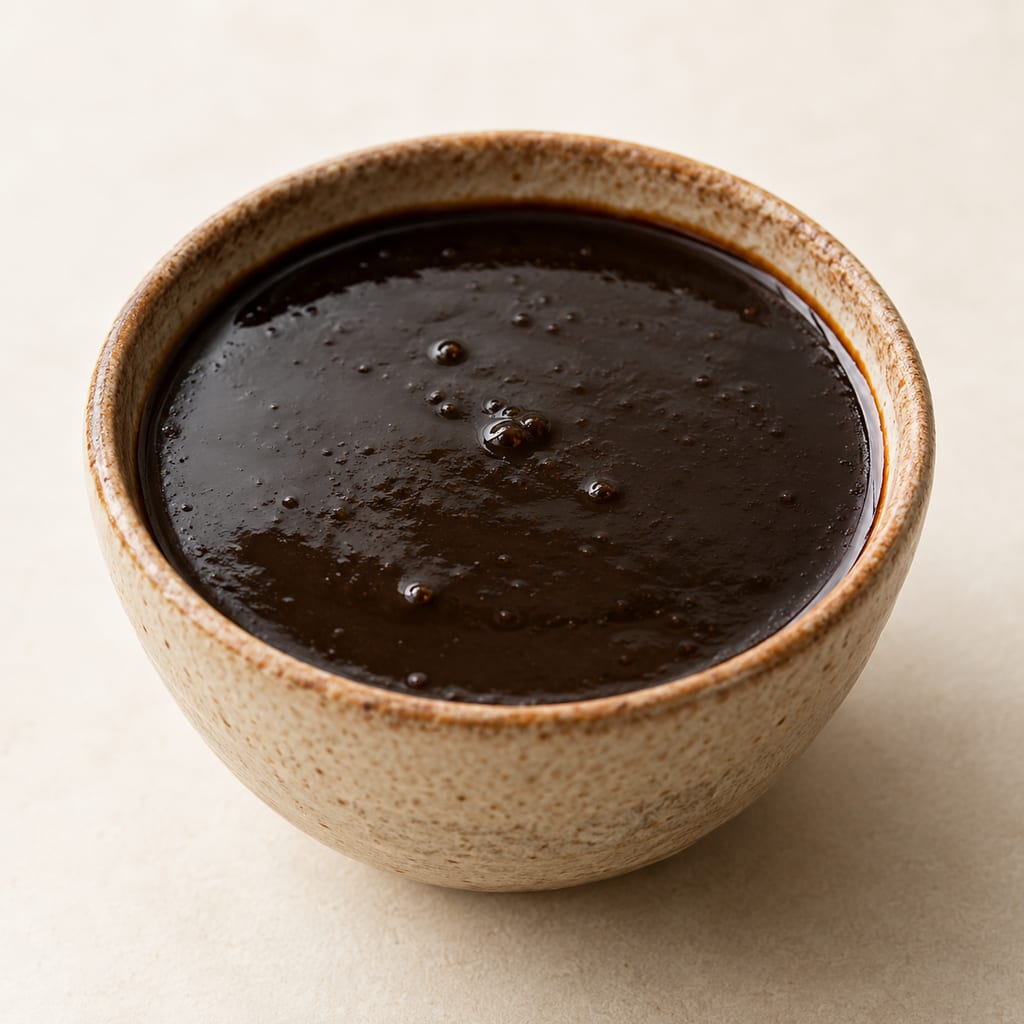
Tucupi negro is a dark, pungent sauce that Amazonian Indigenous women make by pressing bitter cassava, settling its starch and simmering the juice for hours until it thickens.
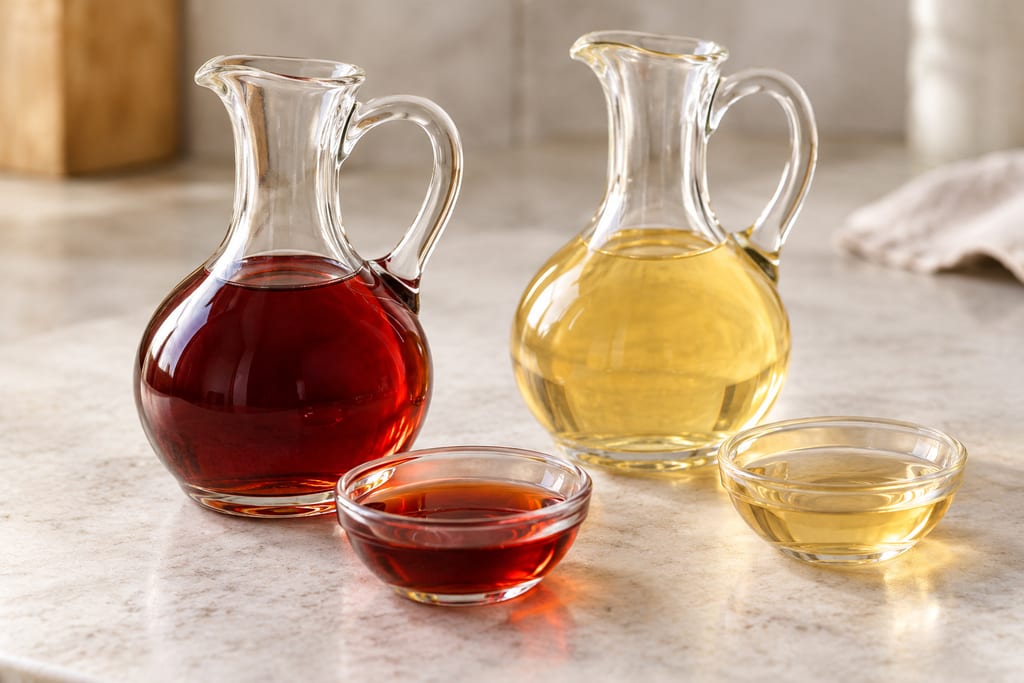
Wine vinegar is made by the aerobic oxidation of wine's alcohol into acetic acid by bacteria, producing a sour, wine-derived condiment used in dressings, sauces, marinades and preserved foods.
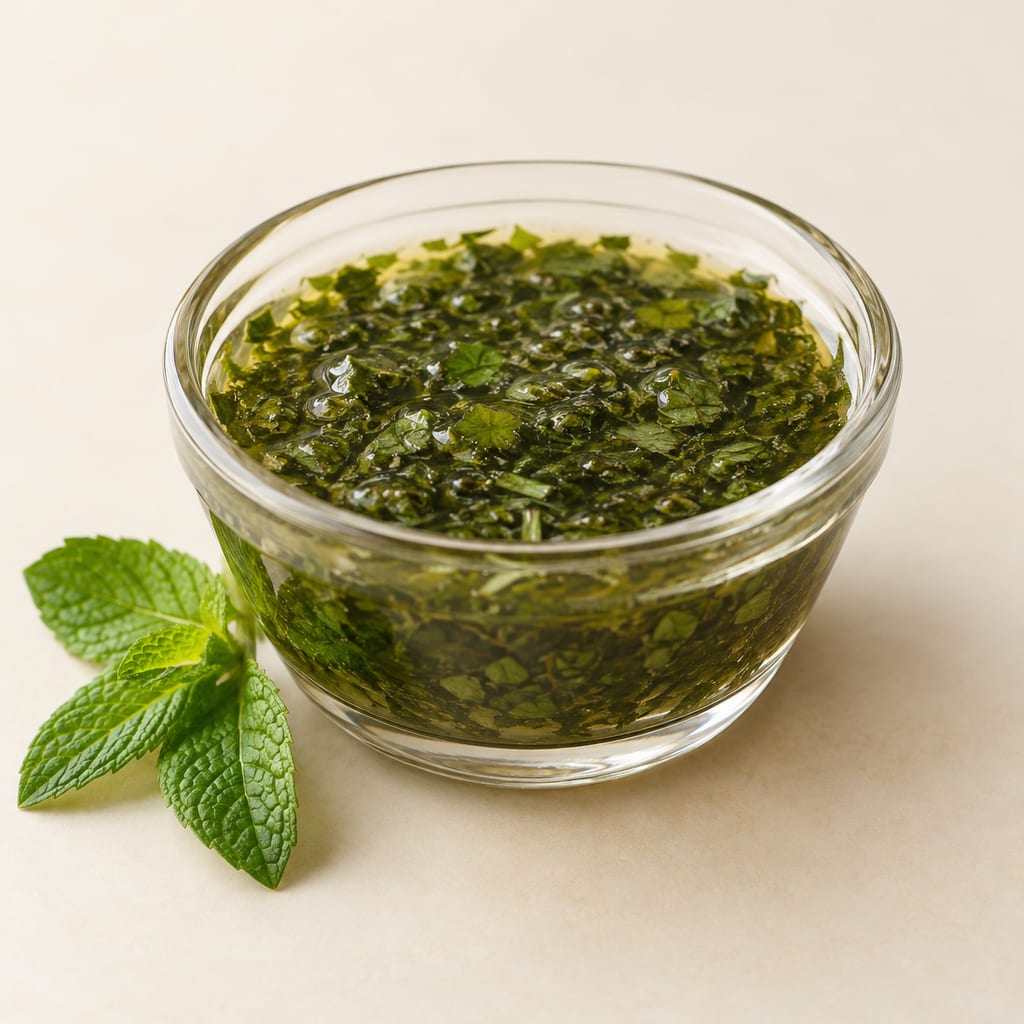
Finely chopped fresh mint steeped in a sweet and sharp liquid of white wine vinegar, sugar and water, the sauce traditionally served with roast lamb in Britain.

Protected Italian vinegar made only from cooked grape must, fermented and aged in a battery of wooden barrels for at least 12 years: sweet, sharp and syrupy.
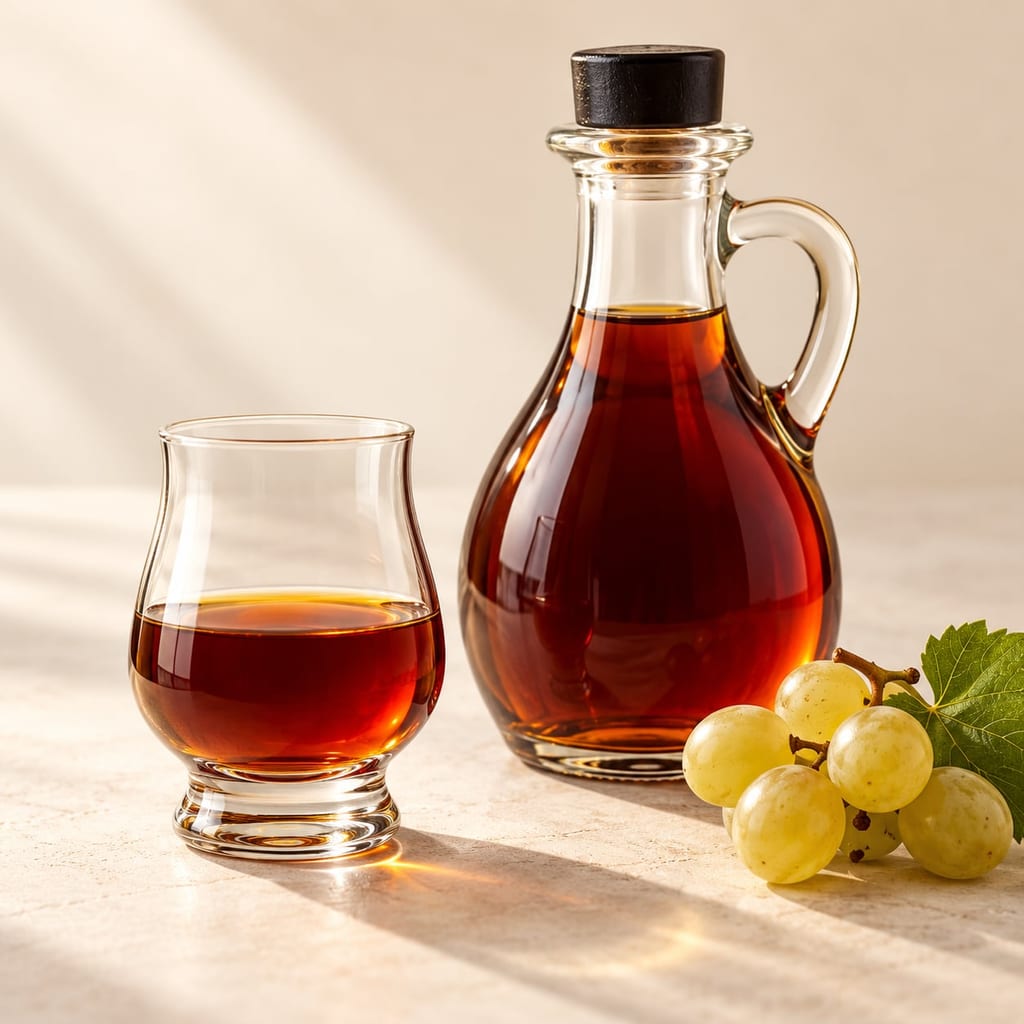
Vinagre de Jerez is made by acetifying eligible Jerez wines and ageing the vinegar in wood. Its protected name belongs to a defined Andalusian zone and a cellar tradition joining wine, oxygen, acetic bacteria and long ageing.
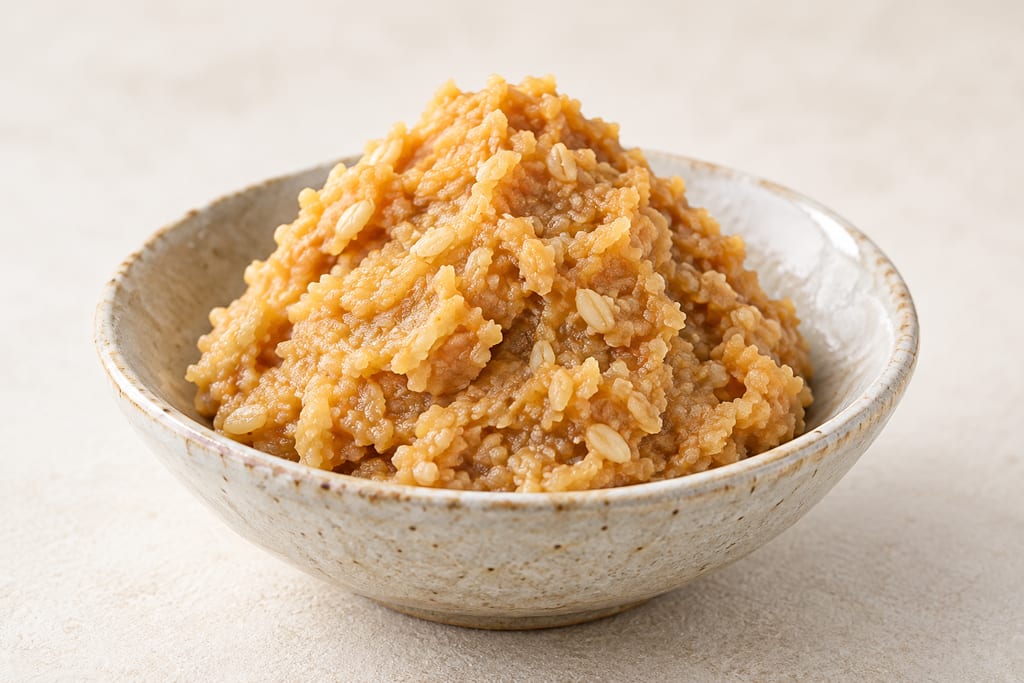
A Japanese soybean paste fermented with barley koji and salt, made mostly in Kyushu, Shikoku and western Japan. It is sweet, savoury and grainy.
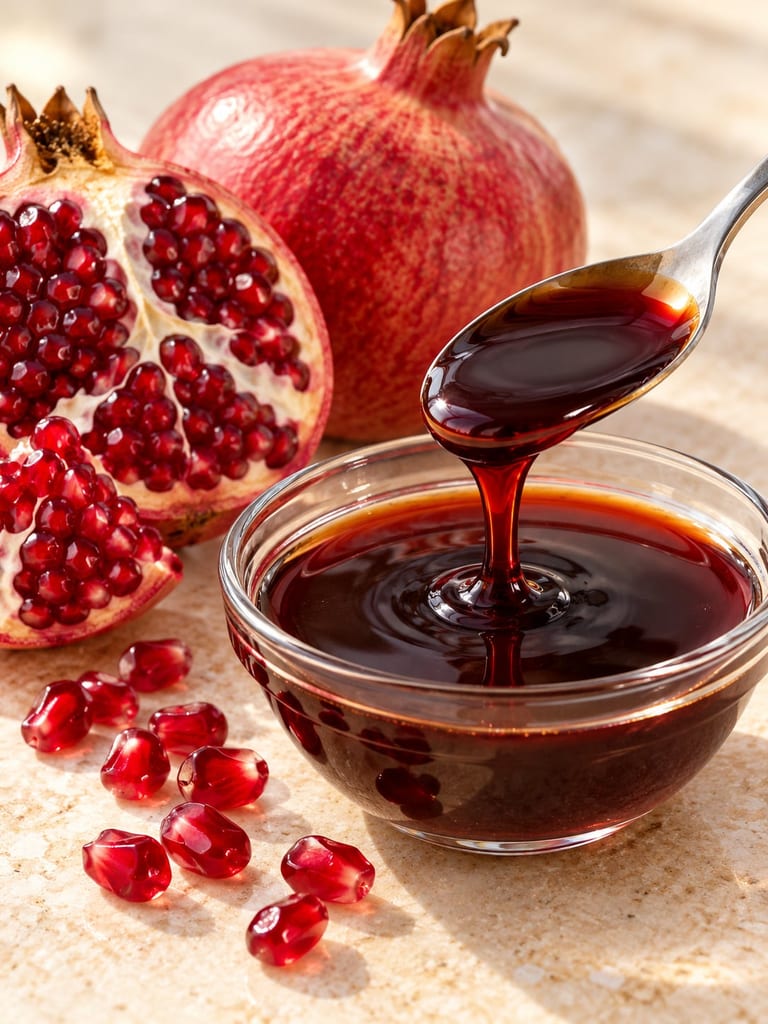
The registered Hatay method presses pomegranate arils and slowly concentrates the strained juice. Its 100 kg source batch and experienced-producer endpoint are retained; no home-scale time or shelf-life is inferred.
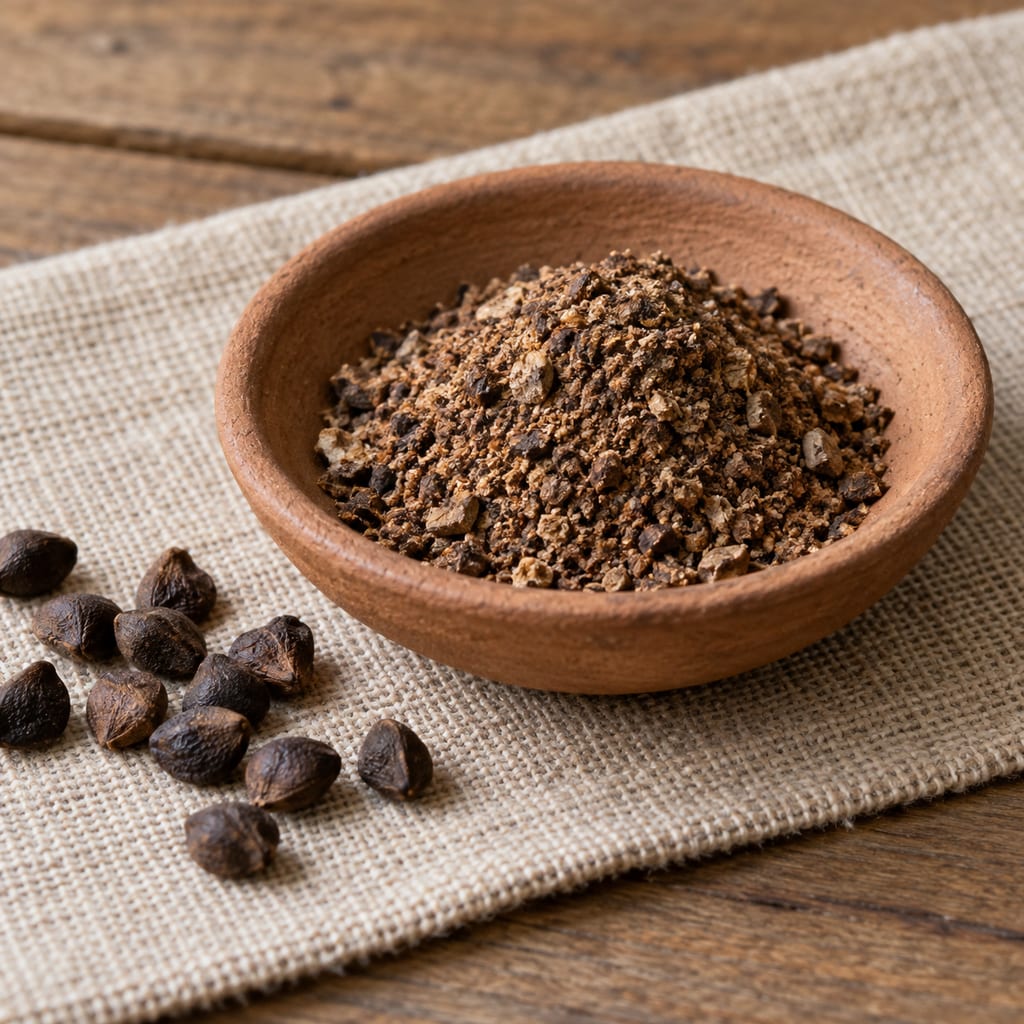
A traditional Beninese inoculum made from fermented roselle, cotton or baobab seeds, rich in bacterial spores, added to cooked African locust beans to speed up fermentation and soften them into sonru.
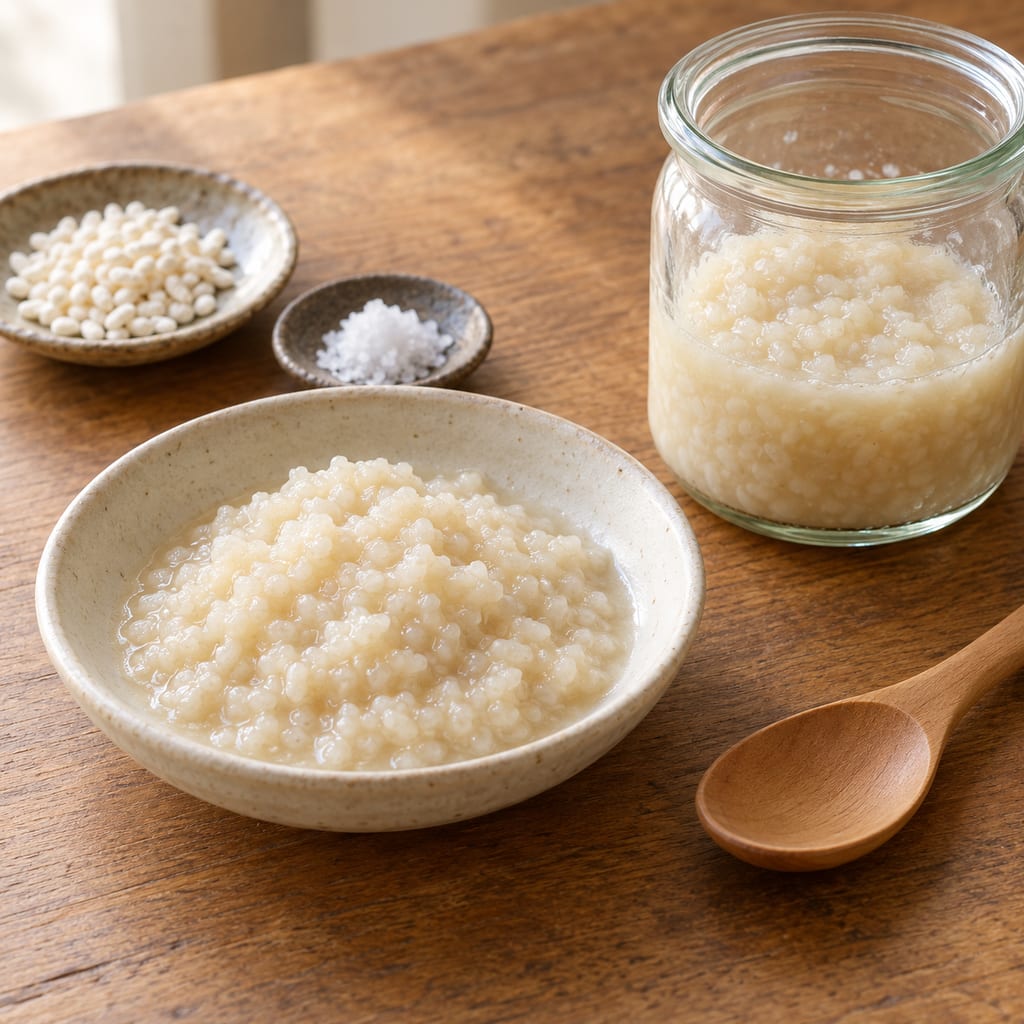
A Japanese seasoning of rice koji, salt and water, left at room temperature until the koji's enzymes and its microbes turn it into a savoury, salty paste for marinades and dressings.
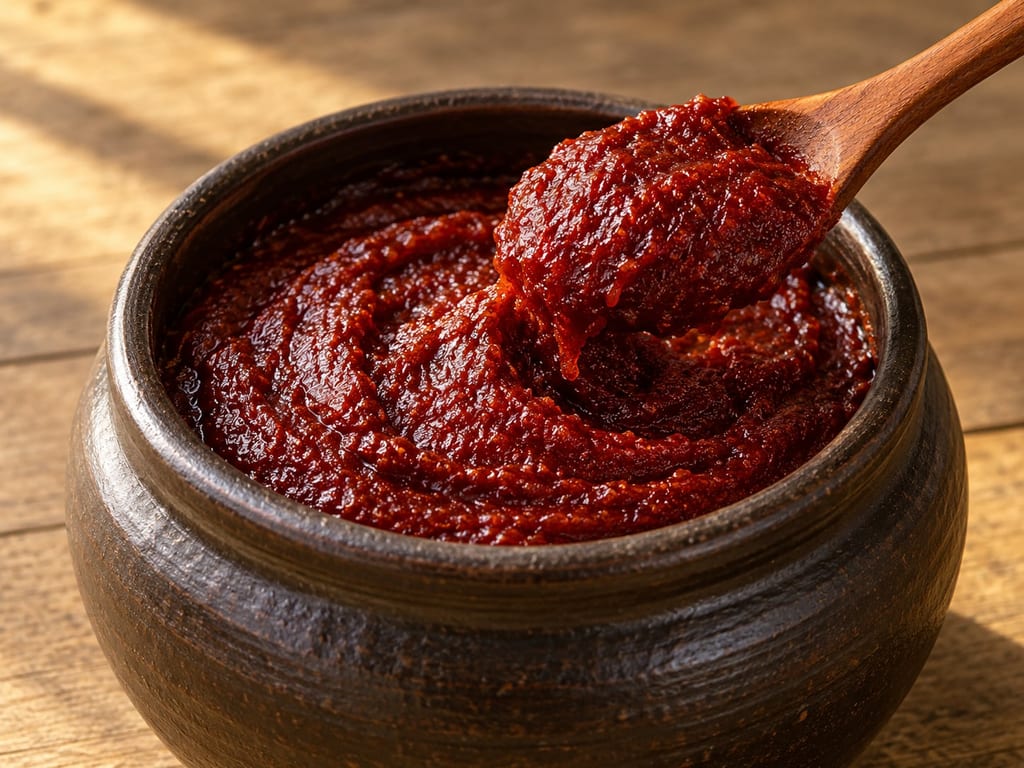
Korea’s sweet, savoury and fiery red paste of glutinous rice, barley-malt enzymes, fermented soybean meju powder and chilli powder, matured in earthenware.

Japanese reddish-brown vinegar from sake lees matured about three years, turned to vinegar by acetic bacteria; the vinegar of Handa and Edomae sushi rice.

A Swedish-style spirit vinegar made by fermenting neutral alcohol with live vinegar bacteria, with a separate guide to commercial ättika strengths.