











































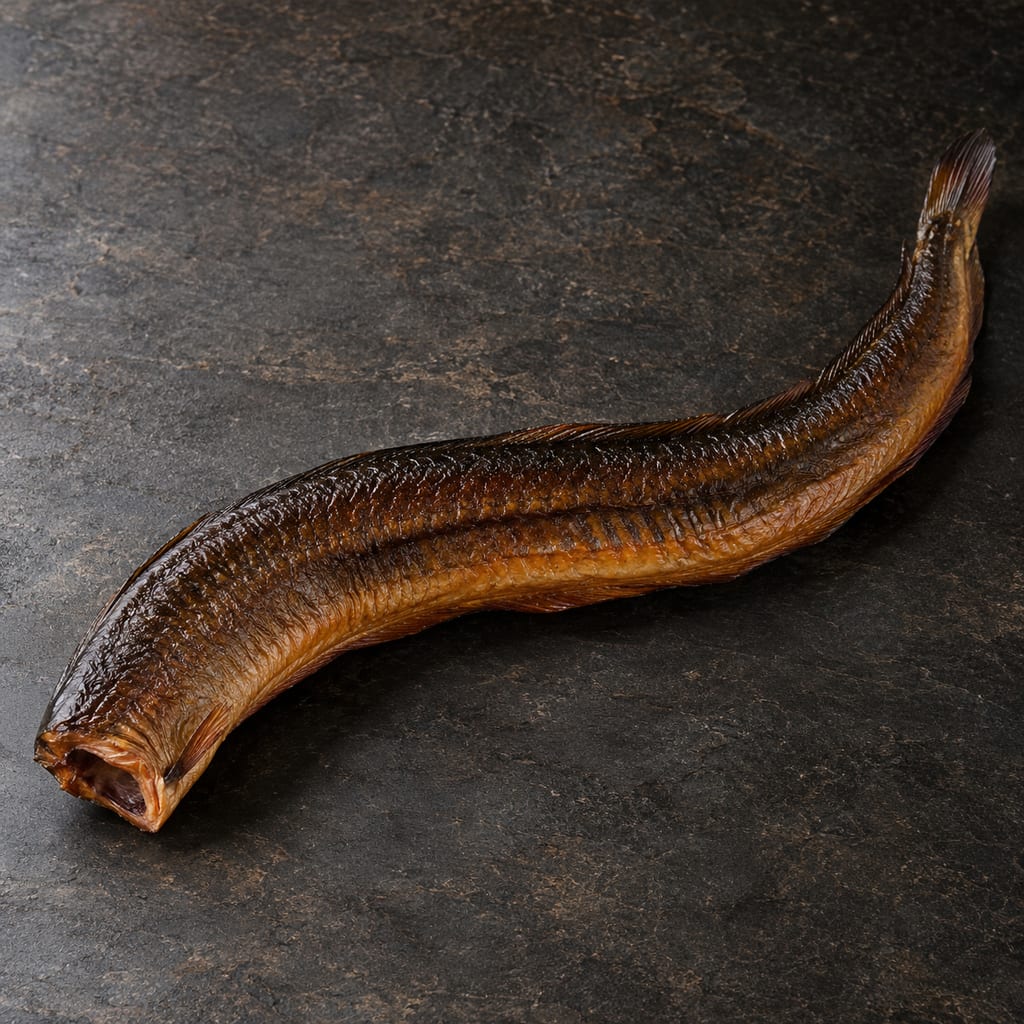
Gunditjmara smoked eel
Short-finned eels, kooyang, smoked for a sustained period in the hollows of large trees at Budj Bim in south-western Victoria, a combined heat, smoke and drying method of the Gunditjmara people.
 FermenteaWhere food goes to change
1504 records with their sources, across 11 categories.
 Fermented, enzyme-ripened and mixed seasonings328
 Fruit preserves10
 Legume, seed and plant-protein ferments10
 Garum and fish sauces8
 Adjacent and excluded7
 Koji, mold starters and mold-ripened ferments4
 Acid and oil pickles3
 Fermented fruit and fruit-derived foods3
 Vegetable lactic3
 Dairy ferments2
 Smoked salted and dried foods2
 Cheese1
 Not yet classified1
 Smoked salted and dried foods51
 Garum and fish sauces26
 Fermented whole fish and seafood17
 Adjacent and excluded4
 Acid and oil pickles2
 Fermented, enzyme-ripened and mixed seasonings1
Short-finned eels, kooyang, smoked for a sustained period in the hollows of large trees at Budj Bim in south-western Victoria, a combined heat, smoke and drying method of the Gunditjmara people.
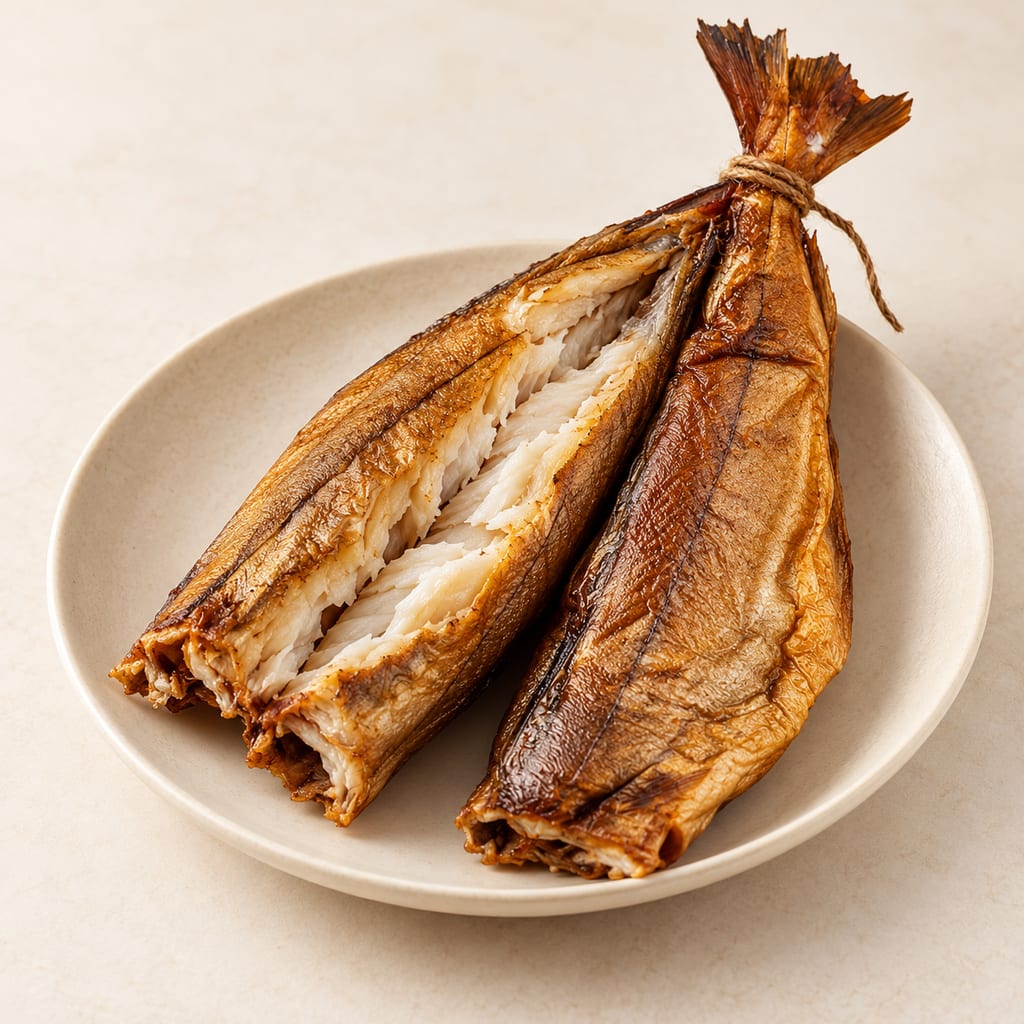
Arbroath smokies are whole haddock dry-salted, paired by the tail and hot-smoked in a protected coastal area. Their recorded history links Auchmithie and Arbroath, though the exact origin is unsettled.
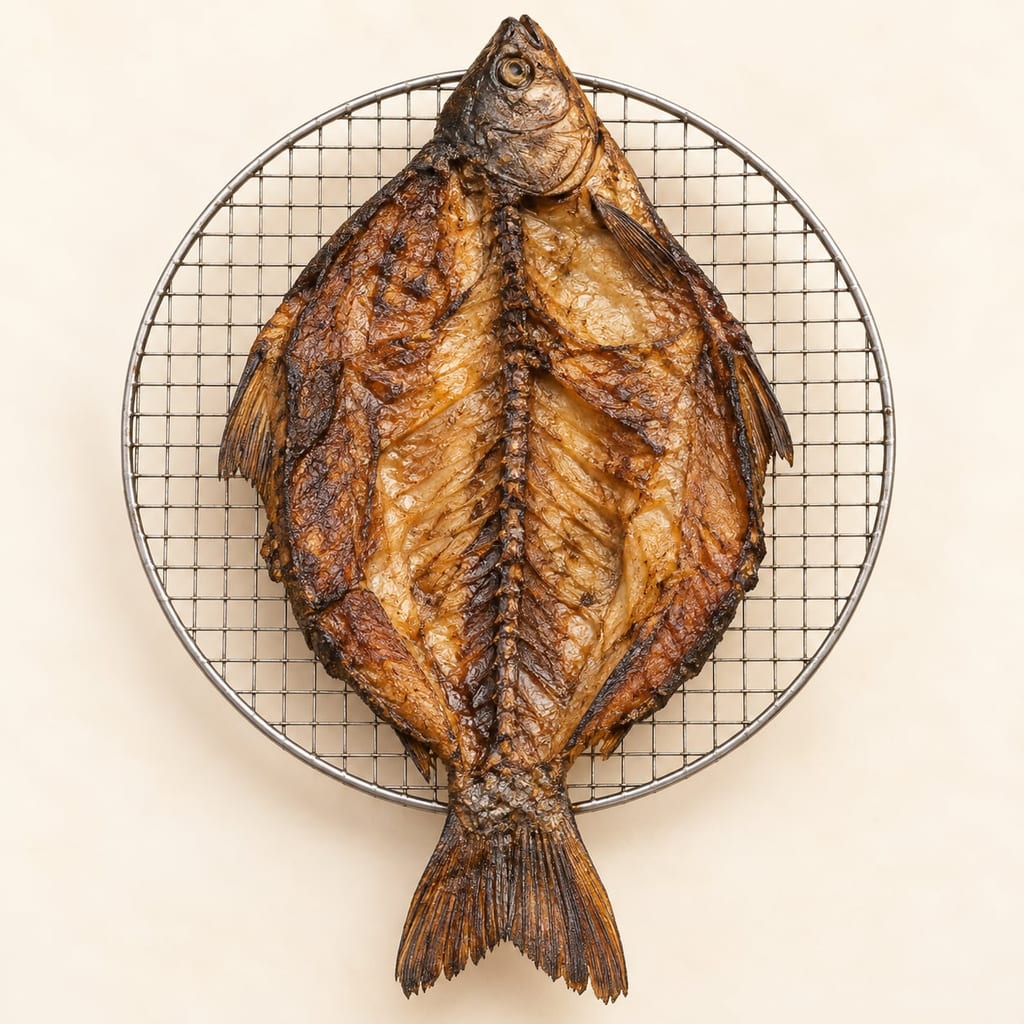
Ngaphak is fish split, flattened and roasted and smoked over an open flame on a wire net or woven bamboo mesh, as practised by fish processors around Loktak Lake in Manipur, India.
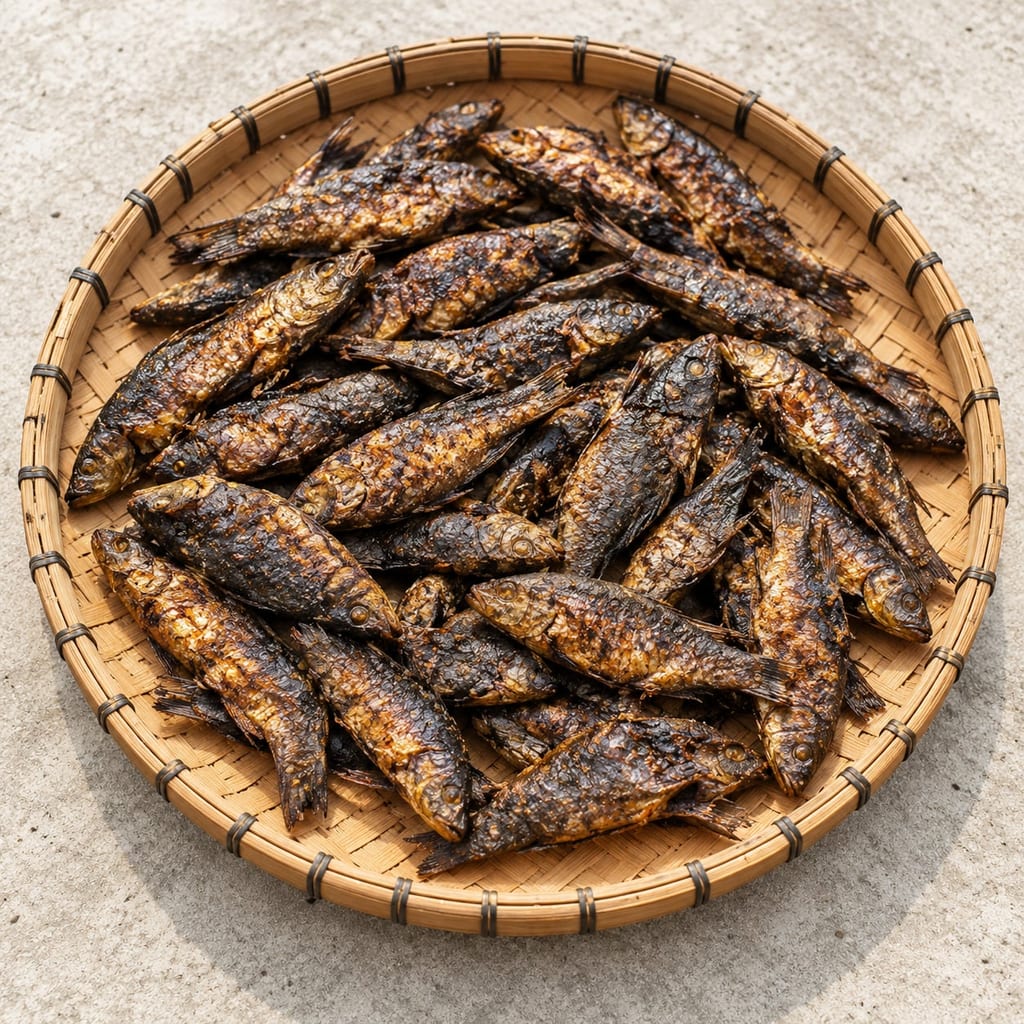
Leirou is fish smoked in a prepared kiln or room by processors around Loktak Lake in Manipur, India, a method the local survey keeps apart from open-flame ngaphak.
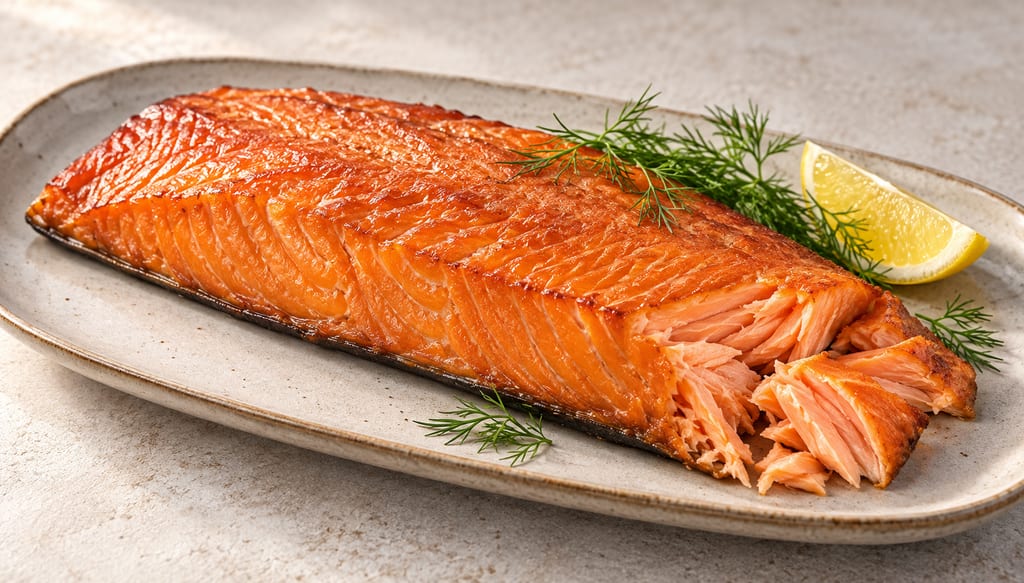
Salmon fillets salted or dry-brined, rested, then cooked and flavoured in a smoker. The method is a cooking process, and the endpoint decides its safety.
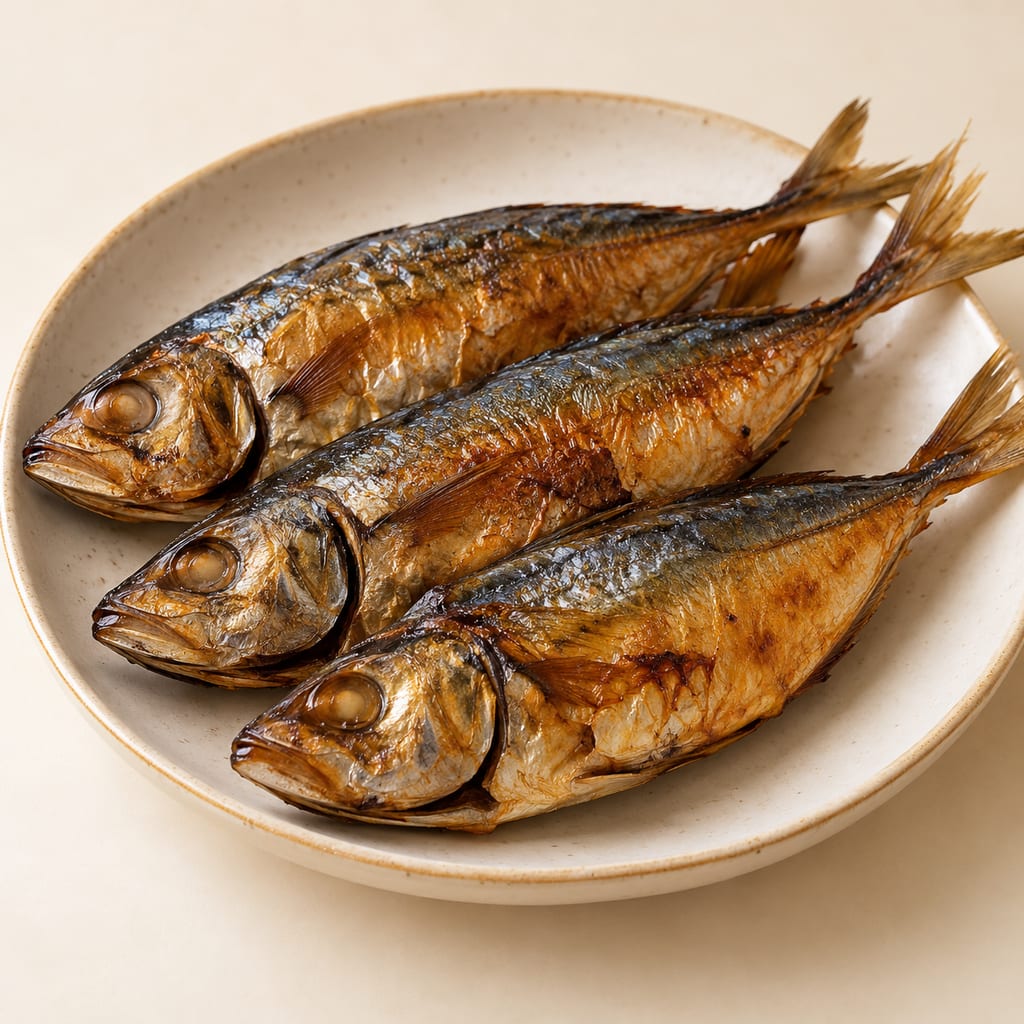
Filipino smoked fish, most often scad, sardinella or milkfish, brined and smoked, and eaten whole or flaked into other dishes.

Japanese skipjack tuna cooked, then repeatedly smoked and dried over a wood fire by the hand-fired tebiyama method into a hard block for shaving into dashi: the first stage of katsuobushi.
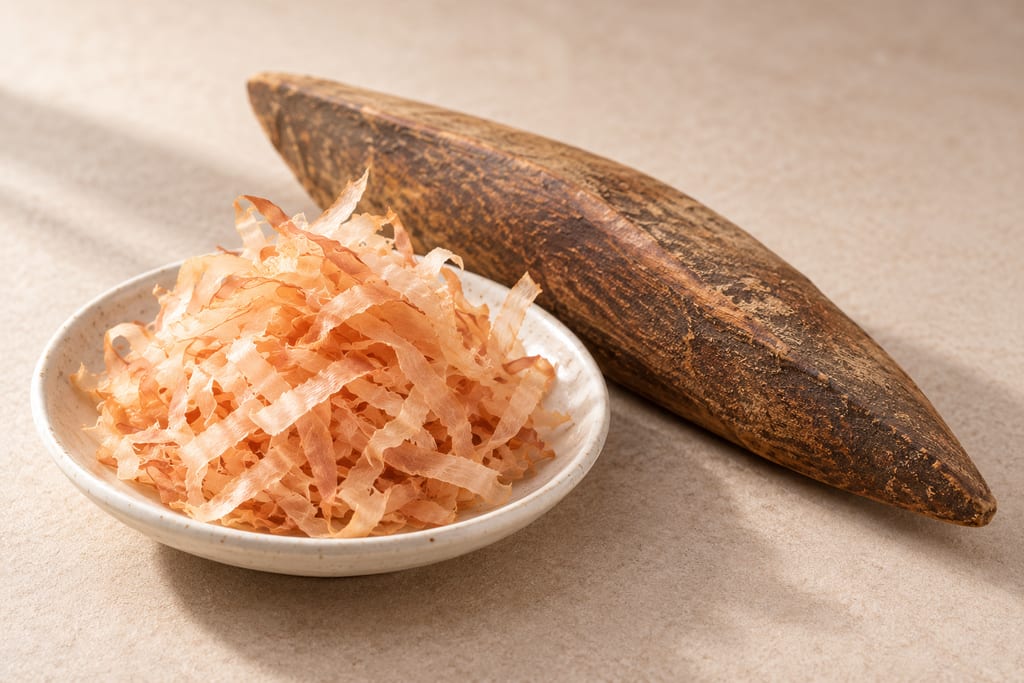
Katsuobushi is skipjack tuna cooked, smoked and dried into a hard block that is shaved into flakes for dashi and toppings. Some styles stop at the smoke-dried stage; others receive carefully managed mold maturation.
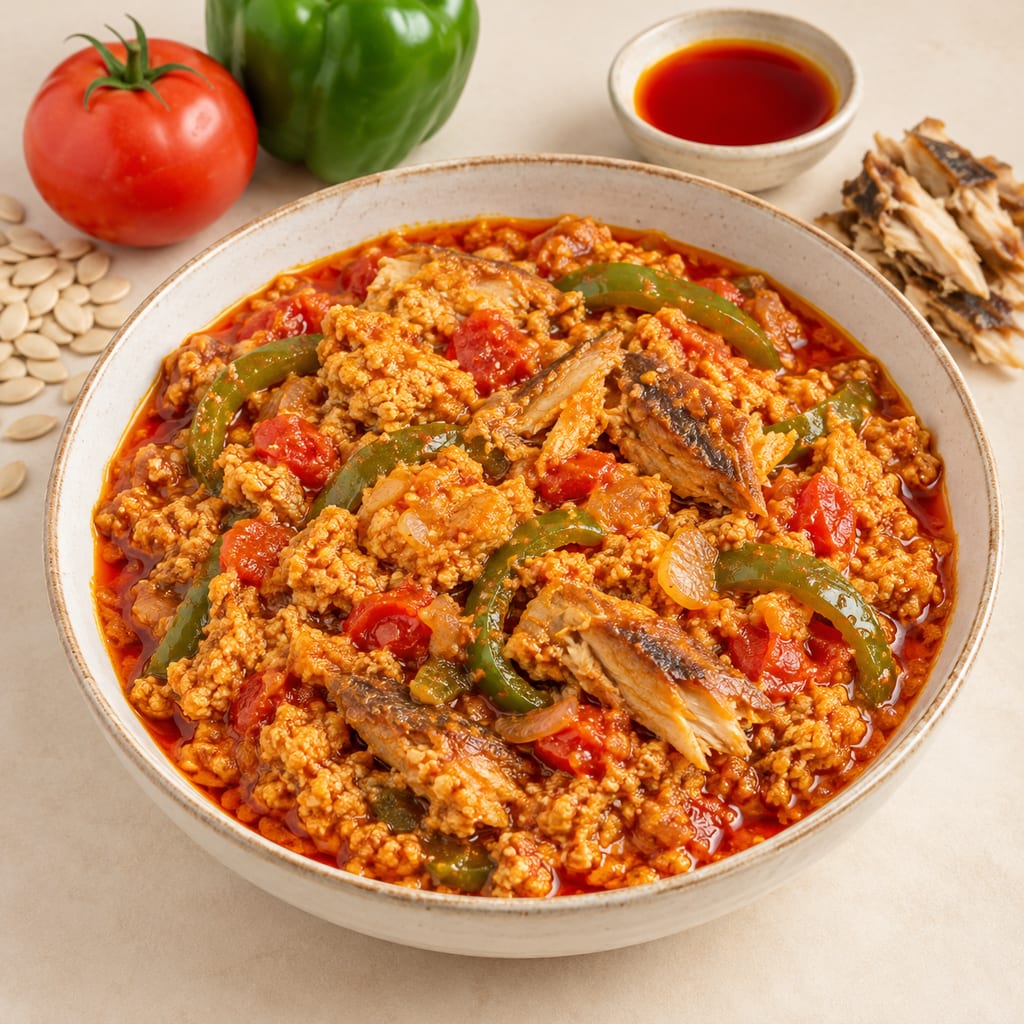
Ghanaian agushie stew combines melon-seed paste with tomatoes, peppers, palm oil and smoked fish, and is served with rice, yam or plantain.
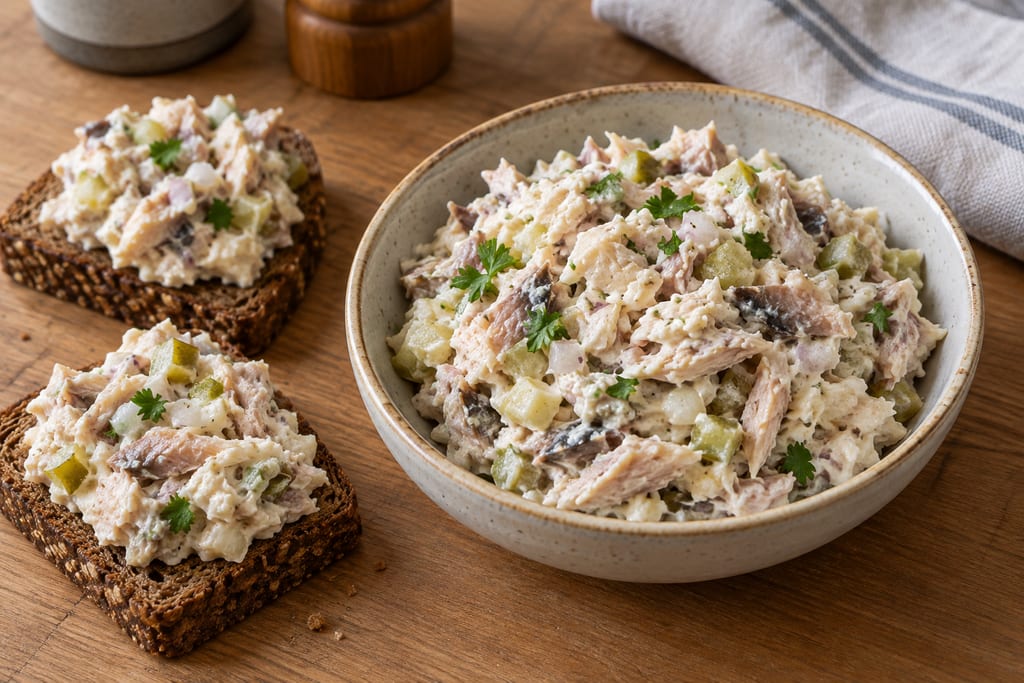
A quick Czech spread folds ready-smoked mackerel into quark, pickles, onion, mustard and lemon for serving with bread.
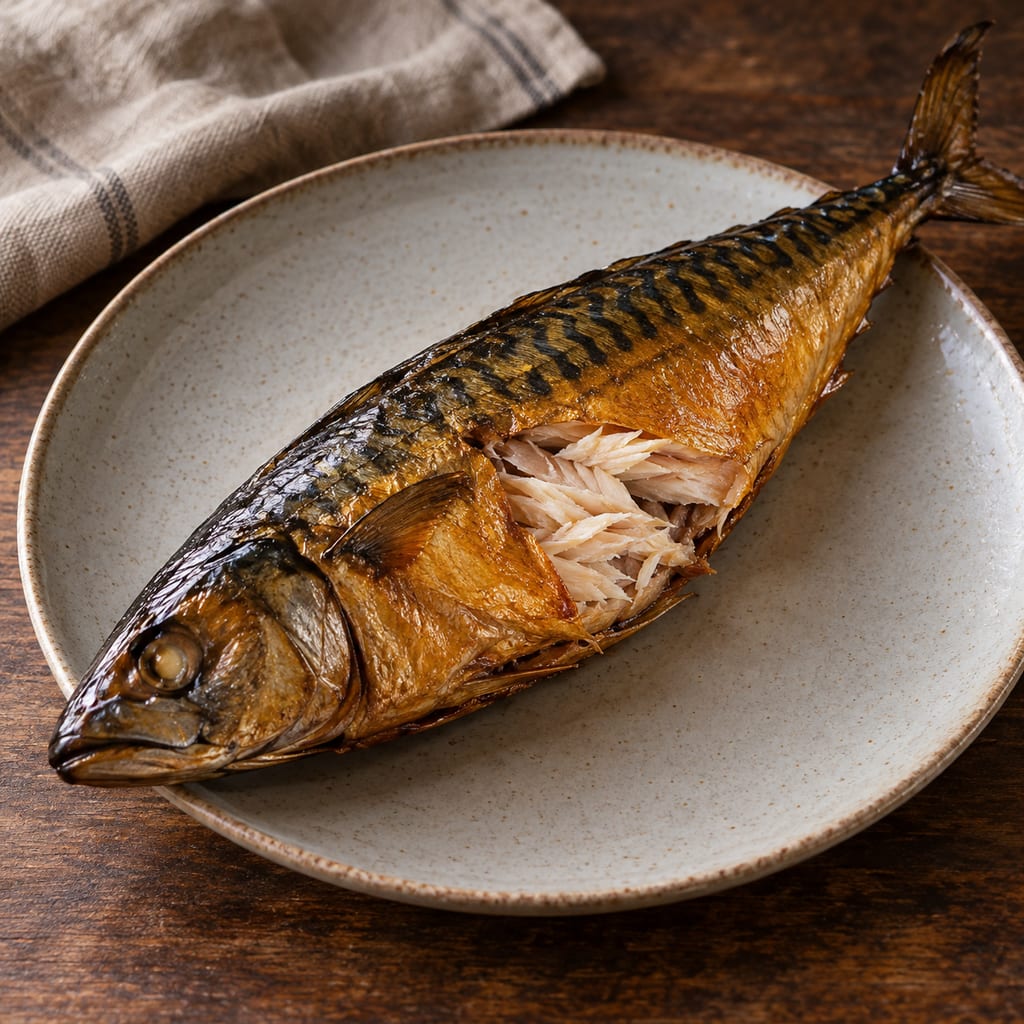
Whole mackerel brined for up to a day, then hot-smoked over beech and alder until the oily flesh takes colour and smoke, in a Czech smokehouse recipe.
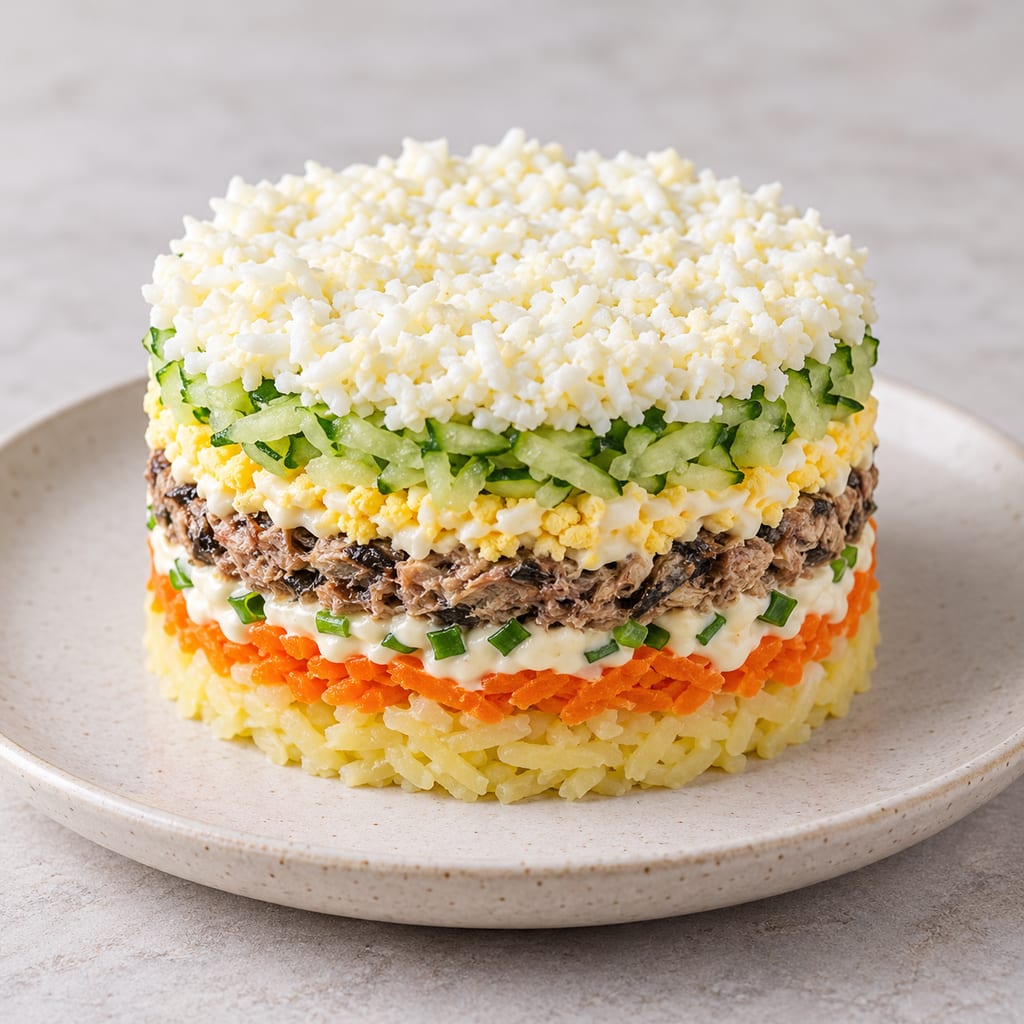
A Latvian Šprotes page’s layered salad uses one can of sprats in oil, grated vegetables and eggs with mayonnaise. The page gives no serving yield, can size or complete vegetable-cooking method.
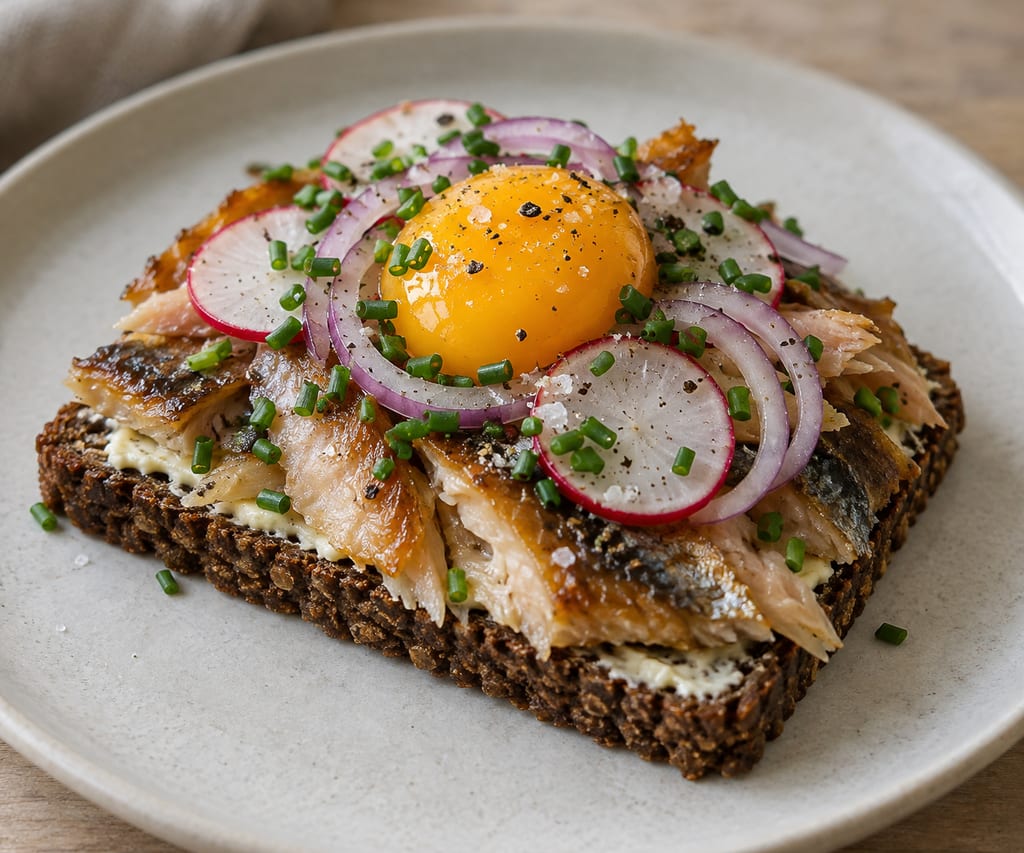
Sol over Gudhjem layers hot-smoked herring and vegetables on buttered rye bread, topped with egg yolk.
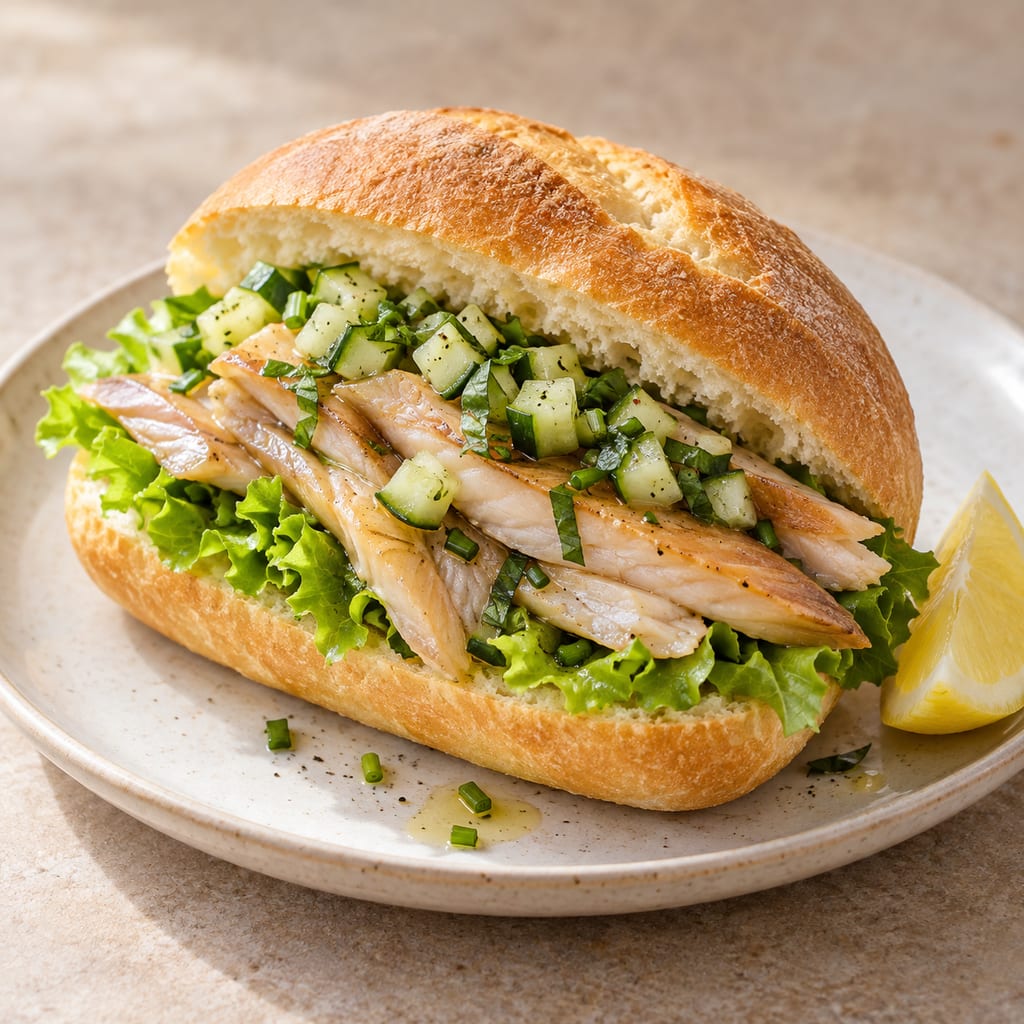
This Dutch lunch roll combines purchased smoked eel with cucumber, basil, lemon dressing and lettuce.
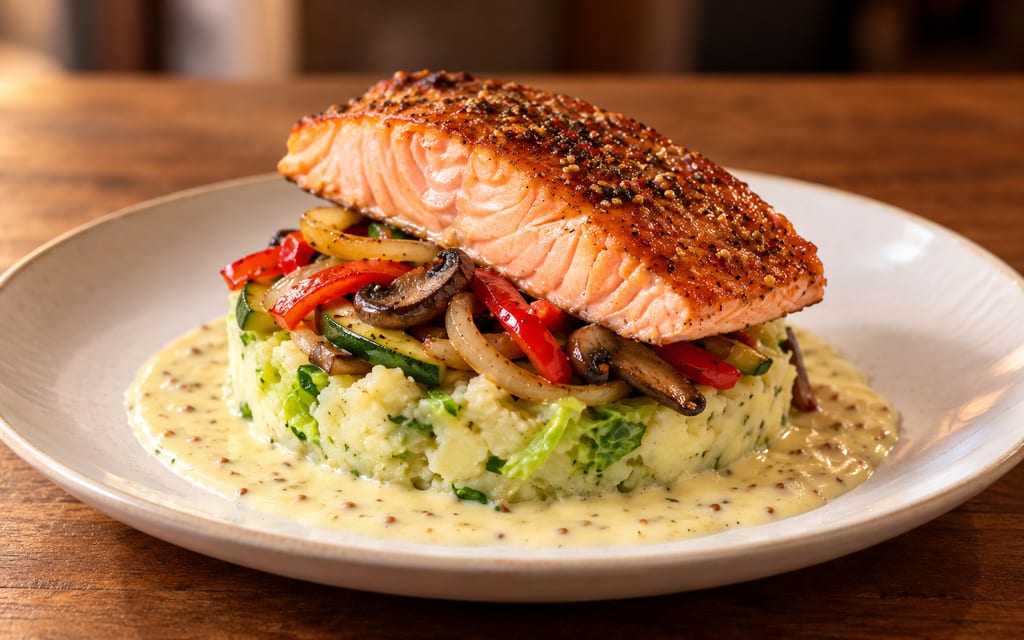
Burren Smokehouse’s colcannon dish serves hot-smoked salmon with mashed potatoes, cabbage, stir-fried vegetables and mustard cream.
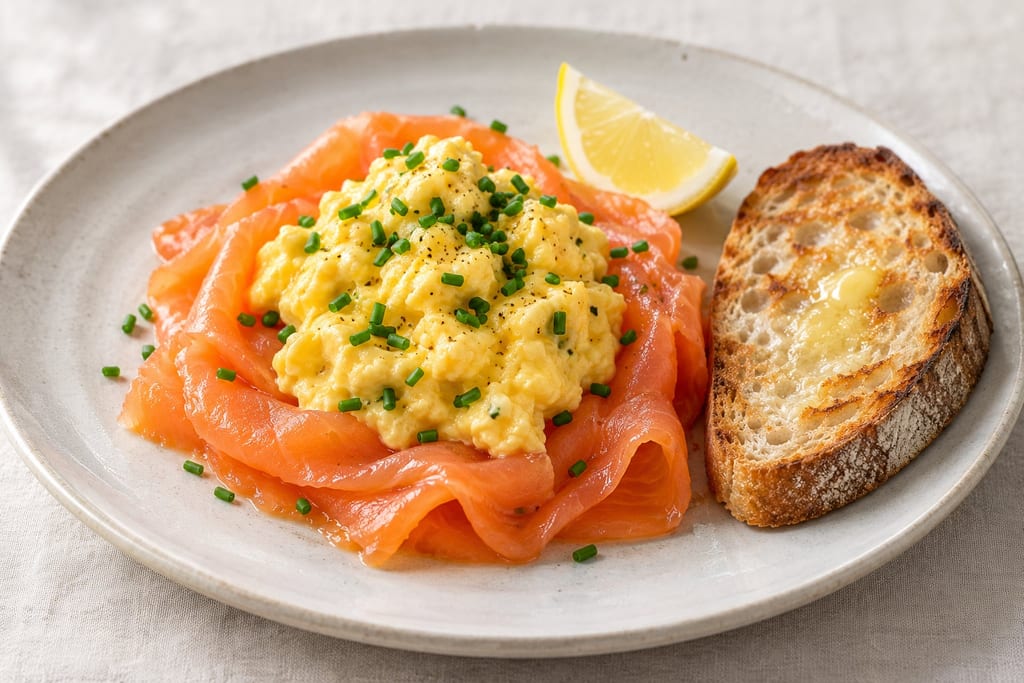
Softly scrambled eggs enriched with cream and butter, served with cold-smoked salmon, chives, lemon and sourdough toast as a British breakfast dish.
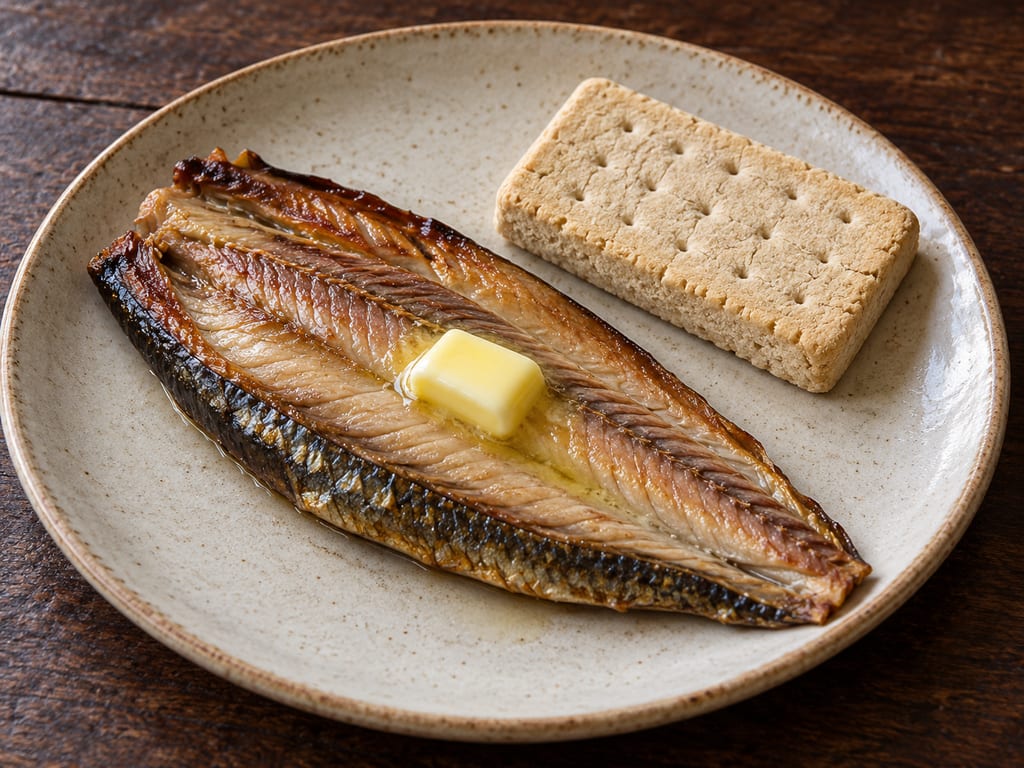
A Victorian way with Great Yarmouth bloaters: the lightly salted, cold-smoked whole herring is broiled and served with fresh butter and a warmed captain's biscuit.
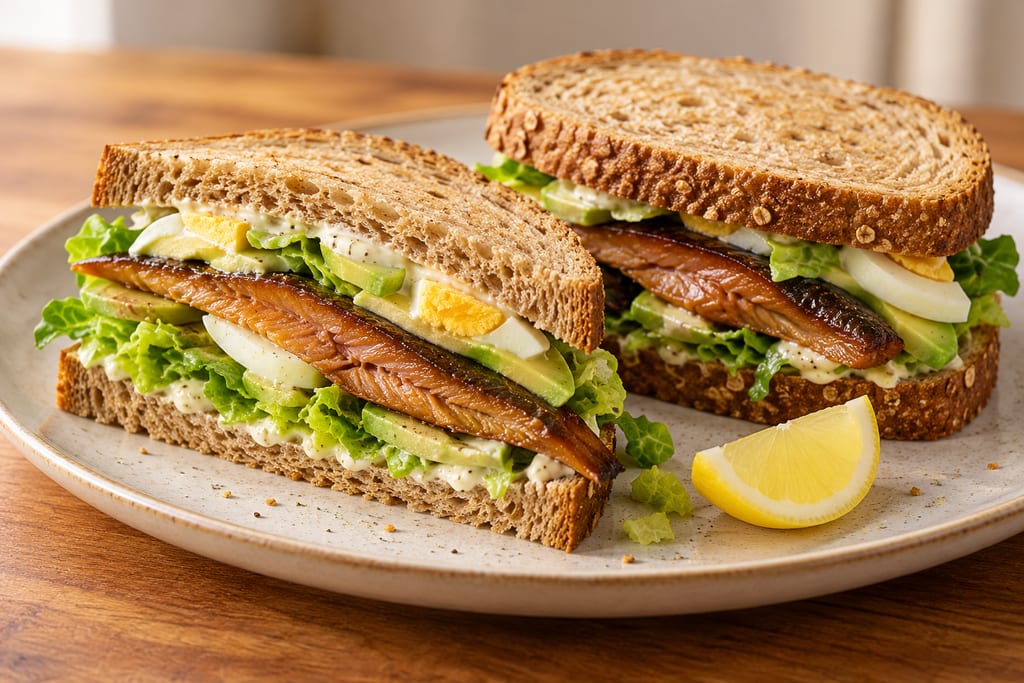
A warm club sandwich of oak-smoked Craster kipper fillets layered with soft-boiled egg, romaine, avocado and lemon mayonnaise on brown bread.
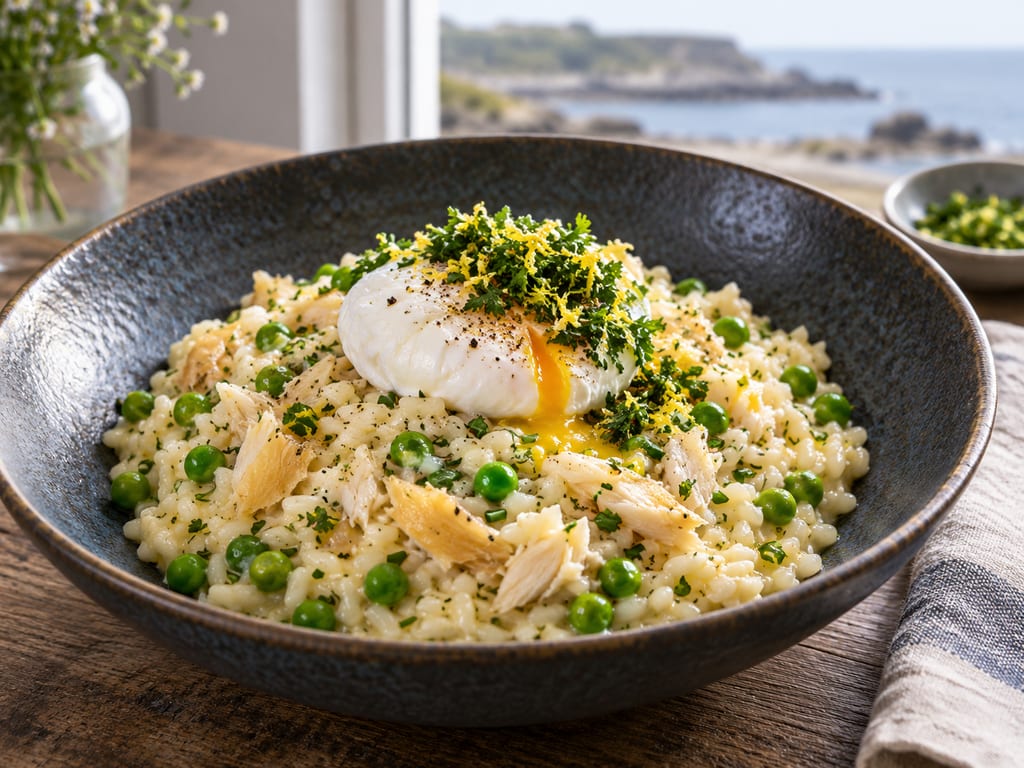
A four-serving risotto published in the 2014 Arbroath Smokie Trail booklet and credited to Hayley Wilkes. It cooks with finished Arbroath smokies; it does not describe smoking fish.
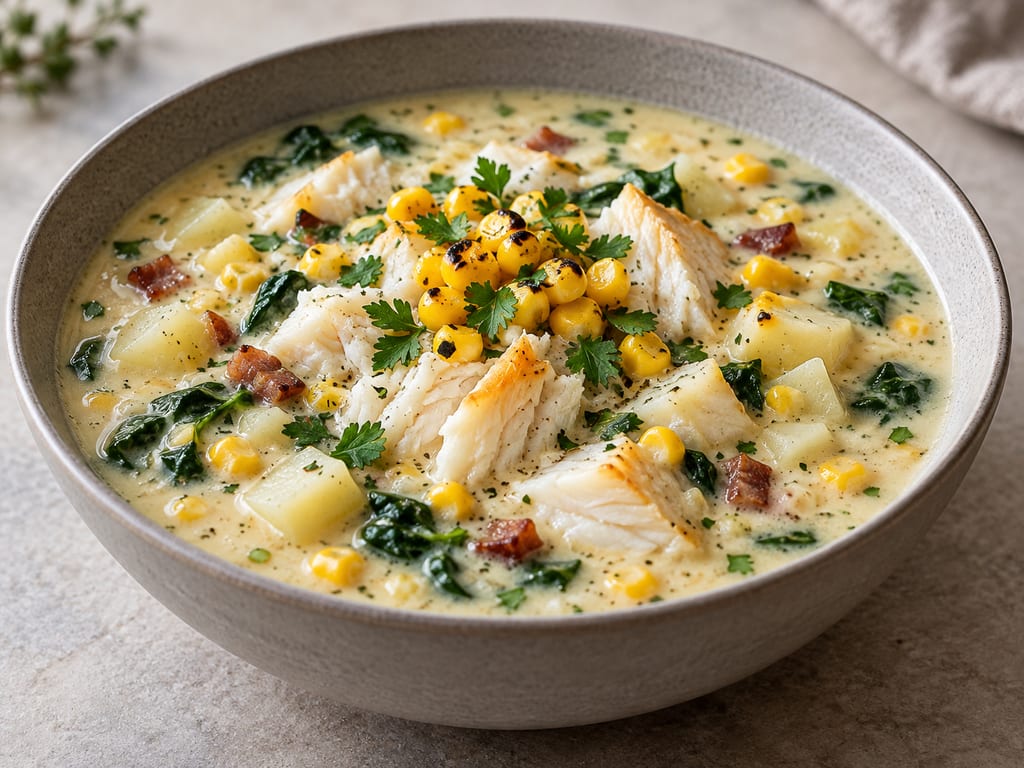
Alfred Enderby’s chowder combines smoked haddock with potato, sweetcorn and spinach in a milk-and-stock broth.