







































Elevated risk
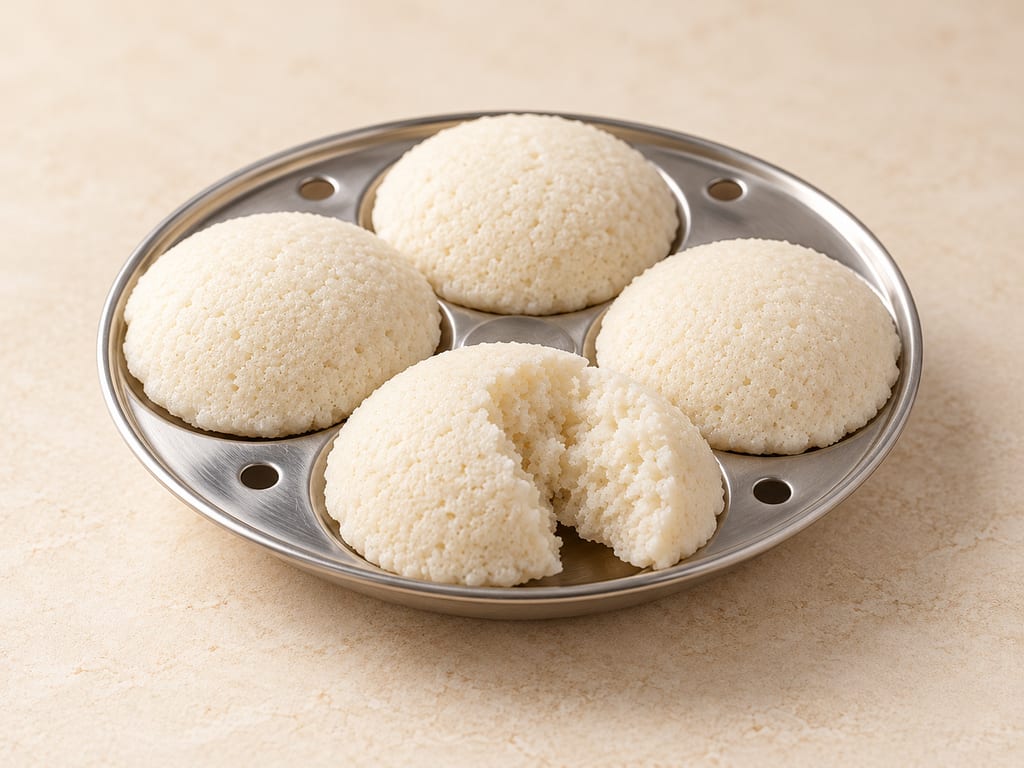
Idli batter
Rice and black gram are soaked separately, ground, salted and fermented into a thick batter for idli. The batter is portioned into moulds and steamed into soft savoury cakes.
 FermenteaWhere food goes to change
1504 records with their sources, across 11 categories.
 Cereal, grain, root and starch fermentations26
 Unfermented breads11
 Koji, mold starters and mold-ripened ferments2
 Beverages1
Rice and black gram are soaked separately, ground, salted and fermented into a thick batter for idli. The batter is portioned into moulds and steamed into soft savoury cakes.
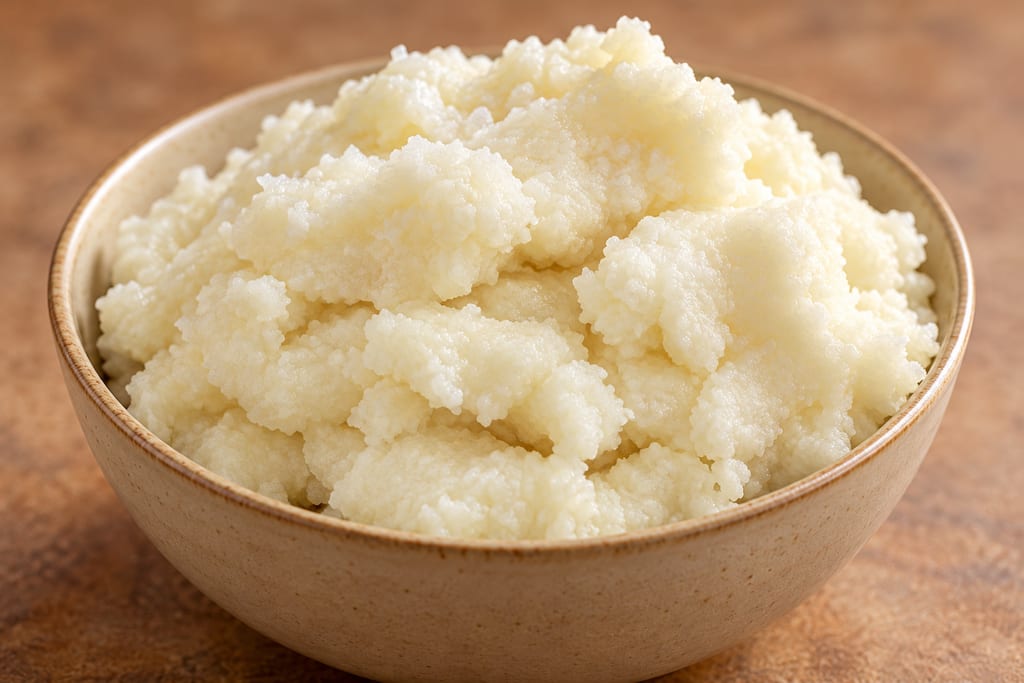
South Africa's maize-meal porridge, which the same white meal turns into a soft breakfast pap, a firm sliceable mound or the separate moist granules of phuthu depending only on water and handling.
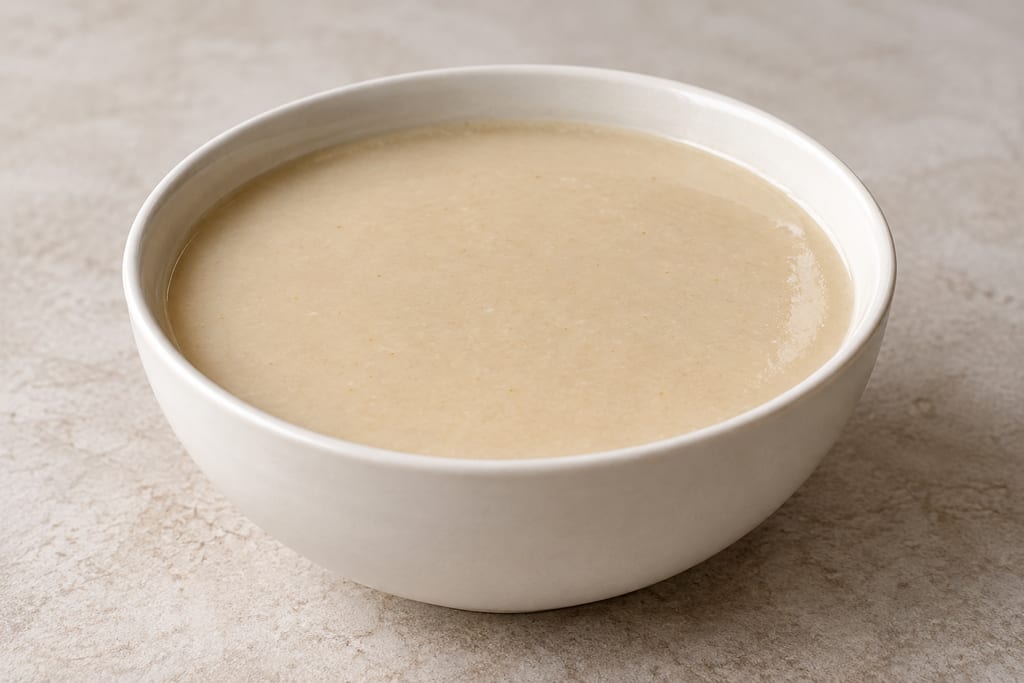
A fermented pearl-millet gruel documented in Ouagadougou, Burkina Faso. Whole grain is soaked, wet-milled and sieved; the settled paste ferments again before it is cooked with its liquid.
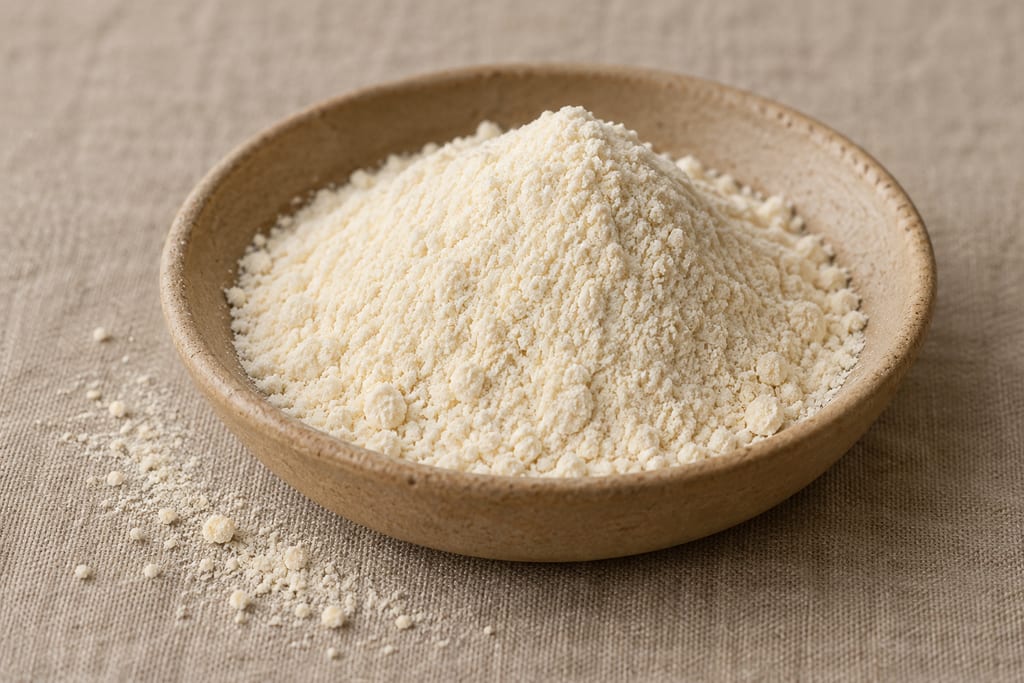
Fermented fuba is an Umbundu maize-flour preparation made by lactic fermentation of dehulled, degermed kernels before milling, sun-drying and sieving.
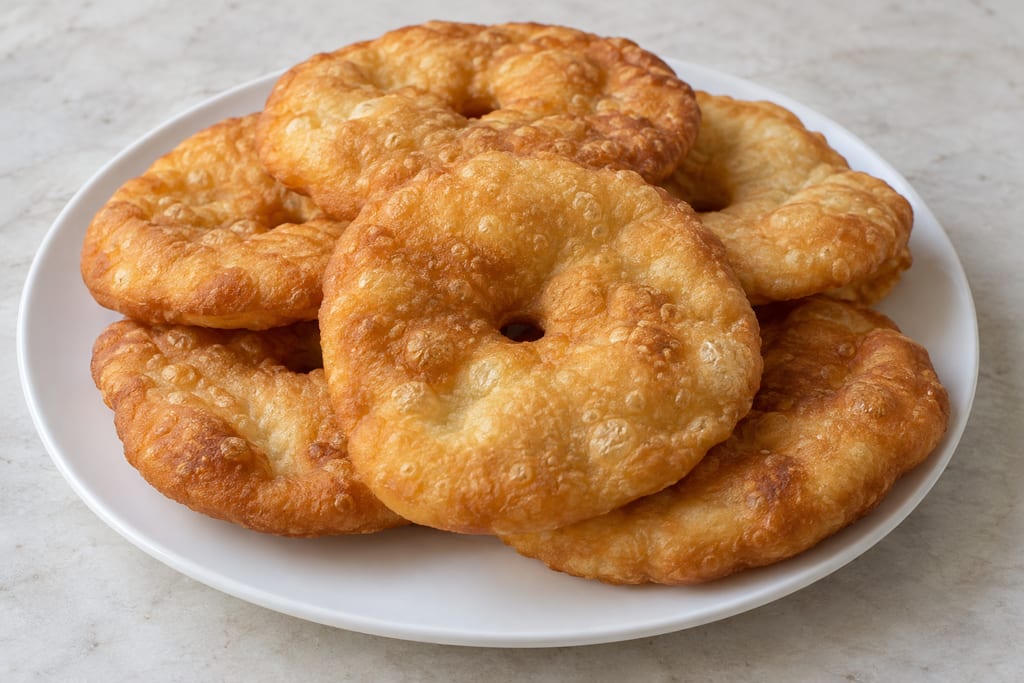
A University of the Republic of Uruguay recipe for ten yeast-raised tortas fritas. The dough rests for an hour, is divided into ten rounds with a hole in each, then fried in fat at 160°C and drained.
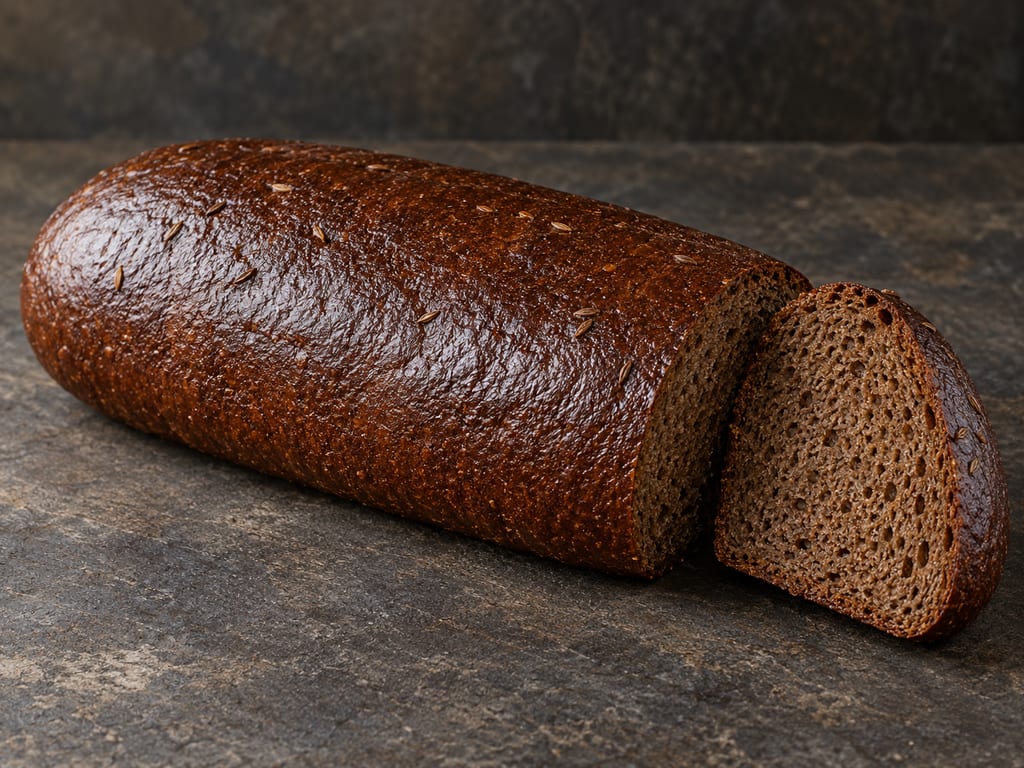
Latvian naturally leavened rye bread made with a hot-water scald of part of the flour, unfermented rye malt and caraway; shaped as long loaves and hearth-baked.
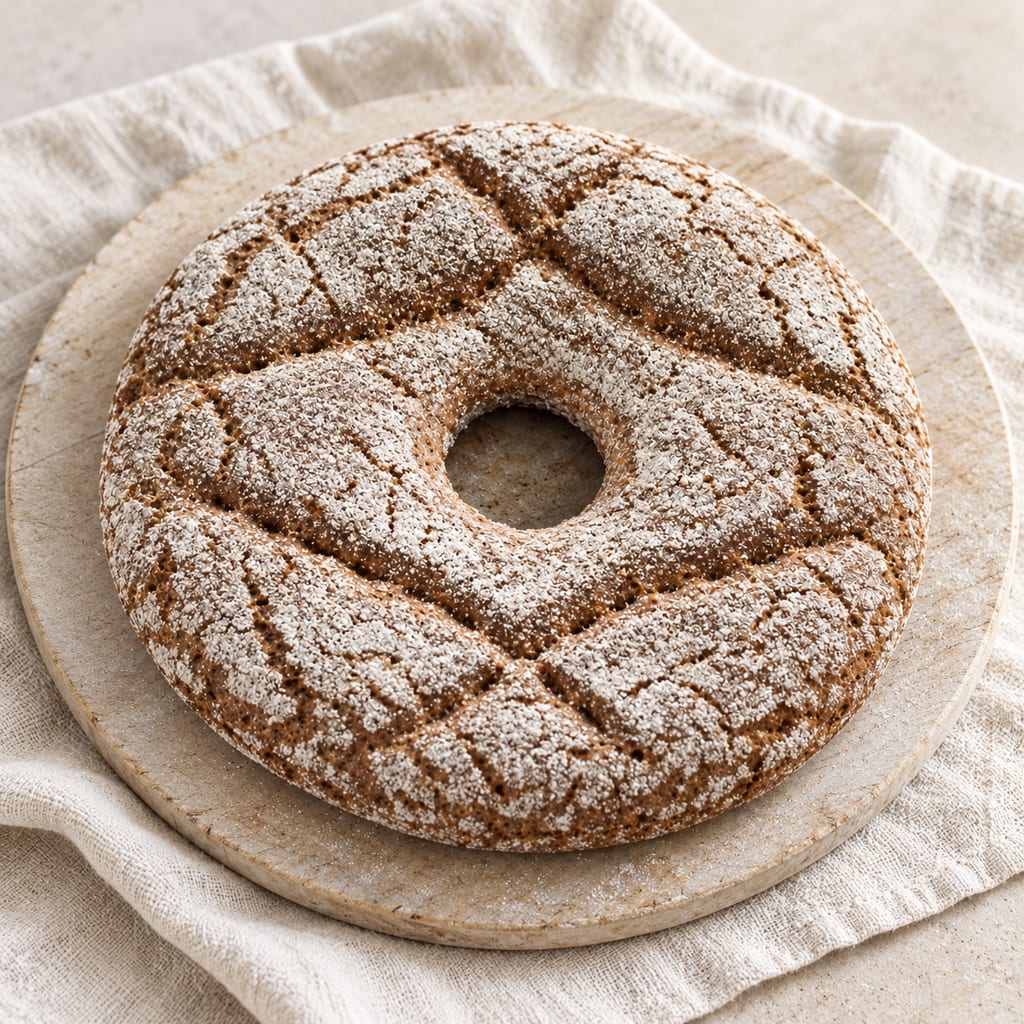
A Finnish rye sourdough shaped here as two flat ring loaves, made from rye flour, water, salt and an established rye leaven.
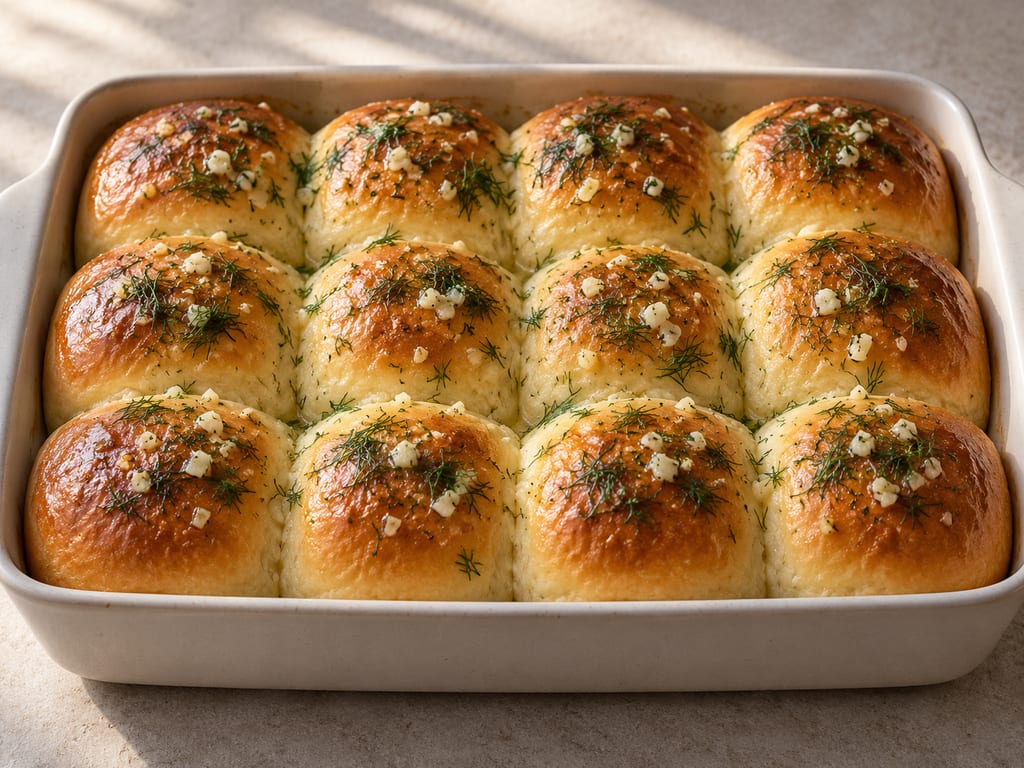
Soft Ukrainian wheat rolls are baked close together and brushed with fresh garlic, dill and oil. This savory garlic-topped baked form is separate from sweet fried pampushky.
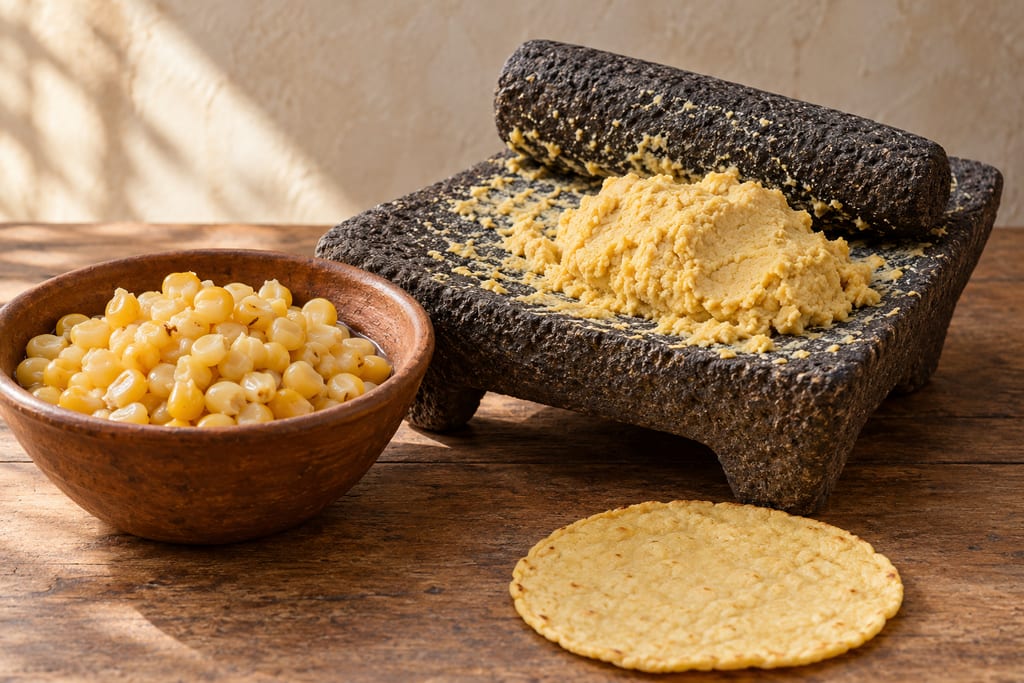
Whole maize cooked and steeped overnight in lime water, washed of its skins and excess lime, then ground into the moist dough used for tortillas.
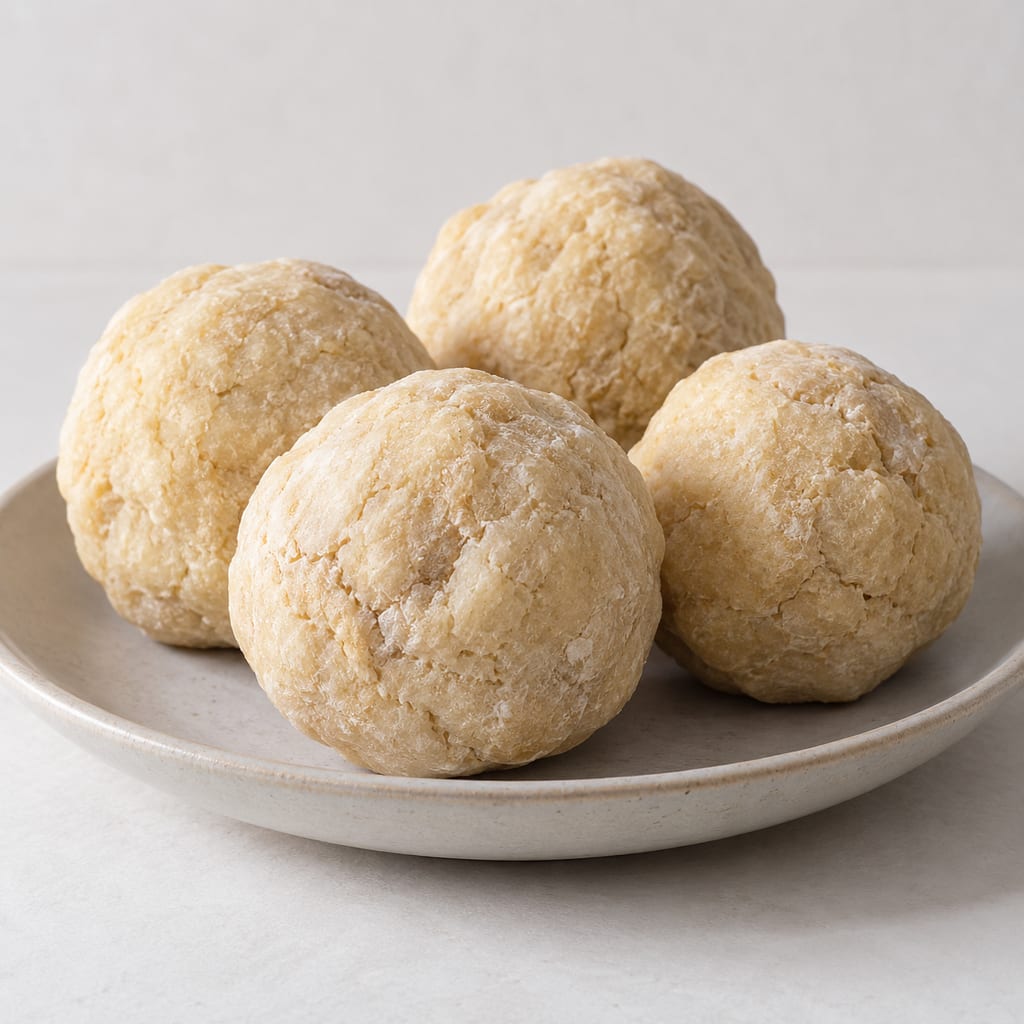
Kumkum is a Cameroonian fermented-cassava preparation described as balls dried over a fireplace and stored or milled into flour. Sources also describe a sun-dried market form; they give no Kumkum-specific safety endpoint.
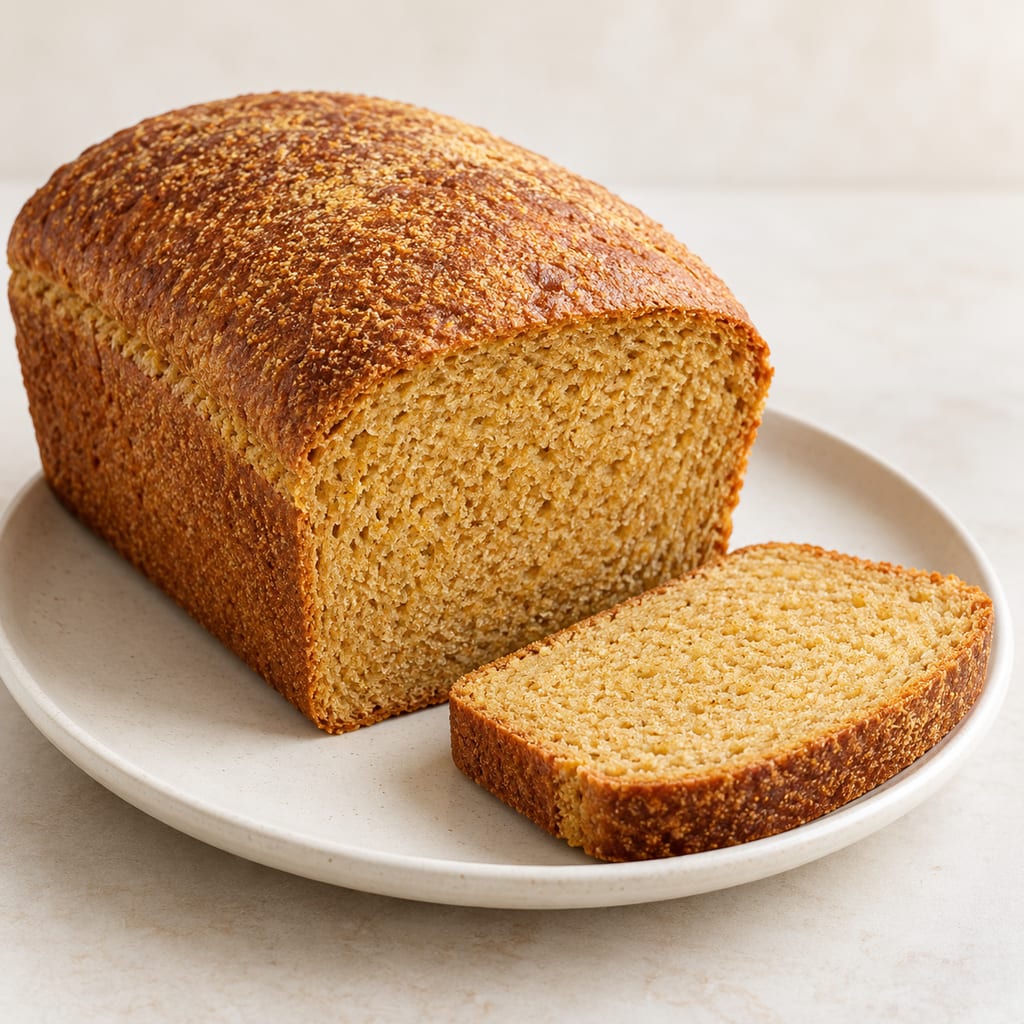
Anadama is a New England yeast loaf made with wheat flour, cornmeal and molasses. Scalded cornmeal enriches the dough, while molasses lends sweetness and a dark crust; it is especially good toasted or beside soup and baked beans.
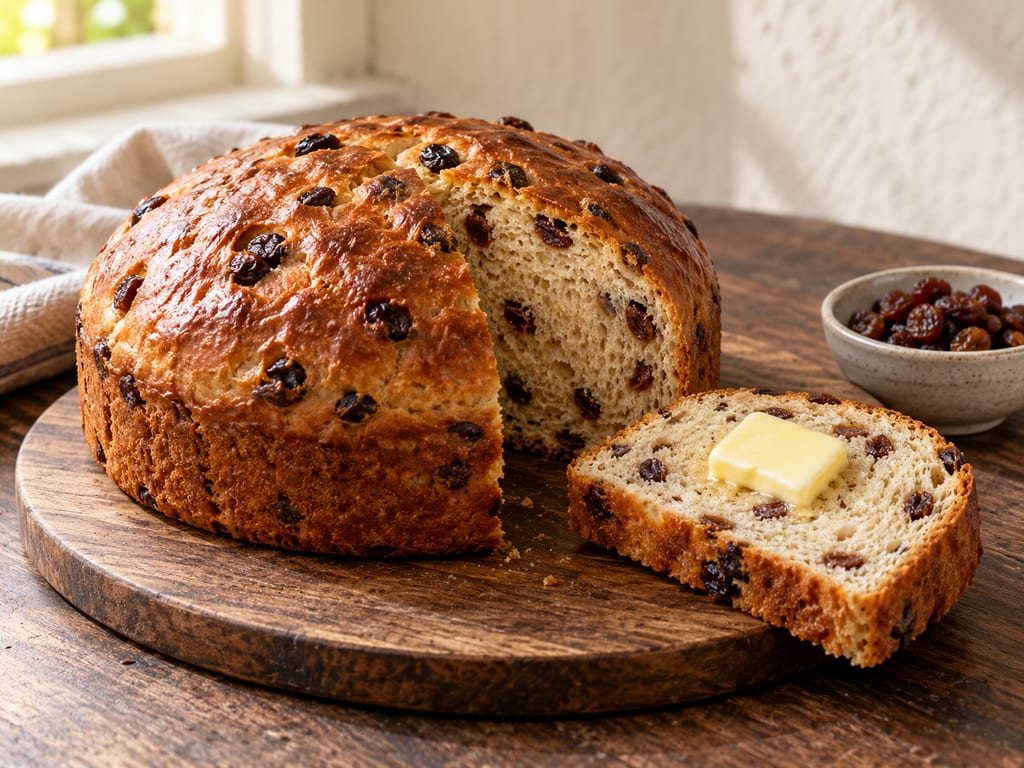
An Irish fruit-studded yeast loaf, associated in a contemporary cultural account with Halloween and often served fresh or toasted with butter.
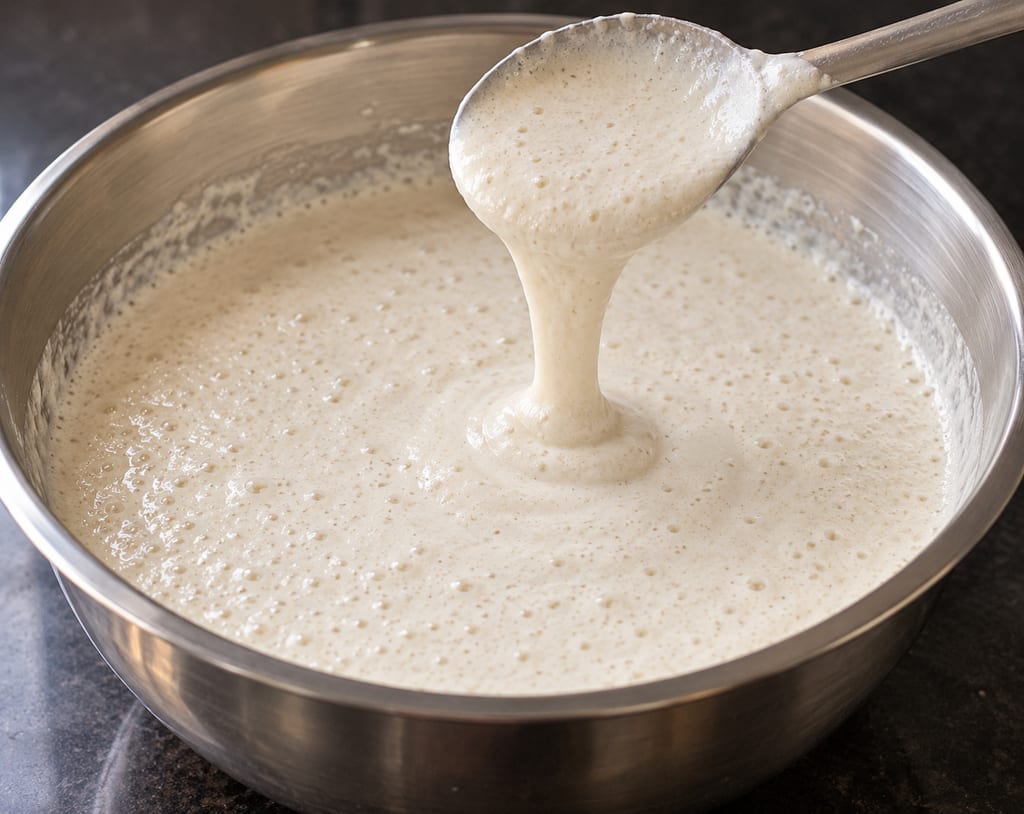
A naturally fermented South Indian rice-and-urad batter, ground fine and spread thin on a hot griddle. Fermentation lightens the batter and develops its gentle tang.
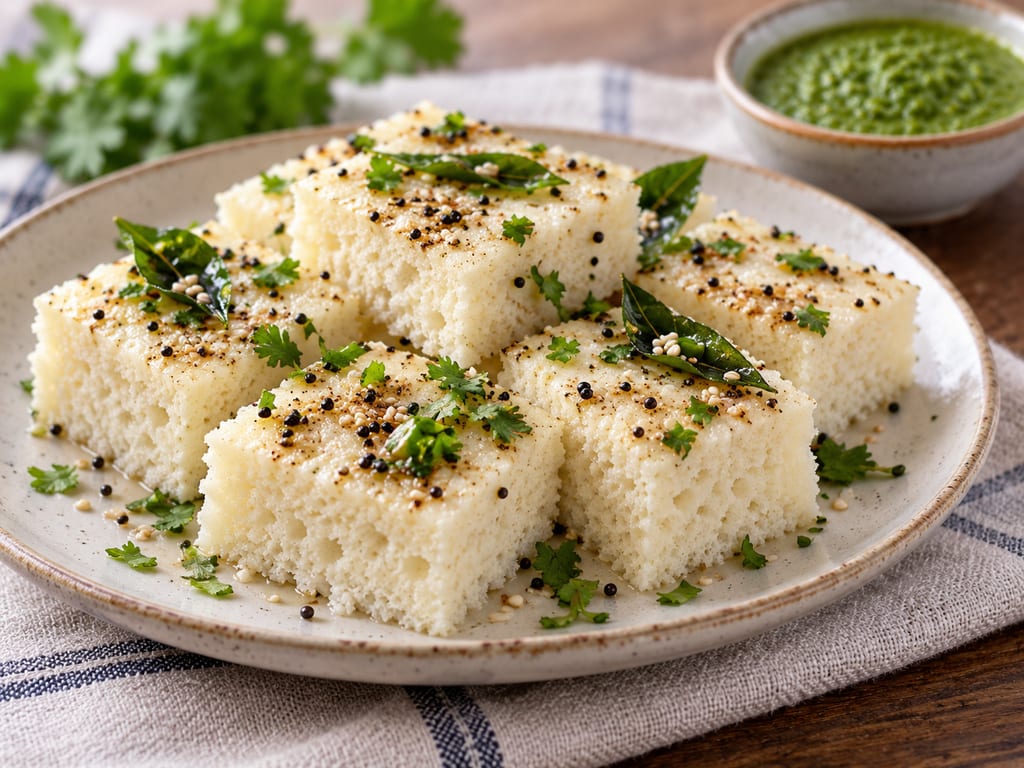
Dhokla is a Gujarati savoury steamed cake made from a fermented rice-and-pulse batter, whose lactic bacteria and yeasts give acidity, aroma and a porous crumb before steaming.
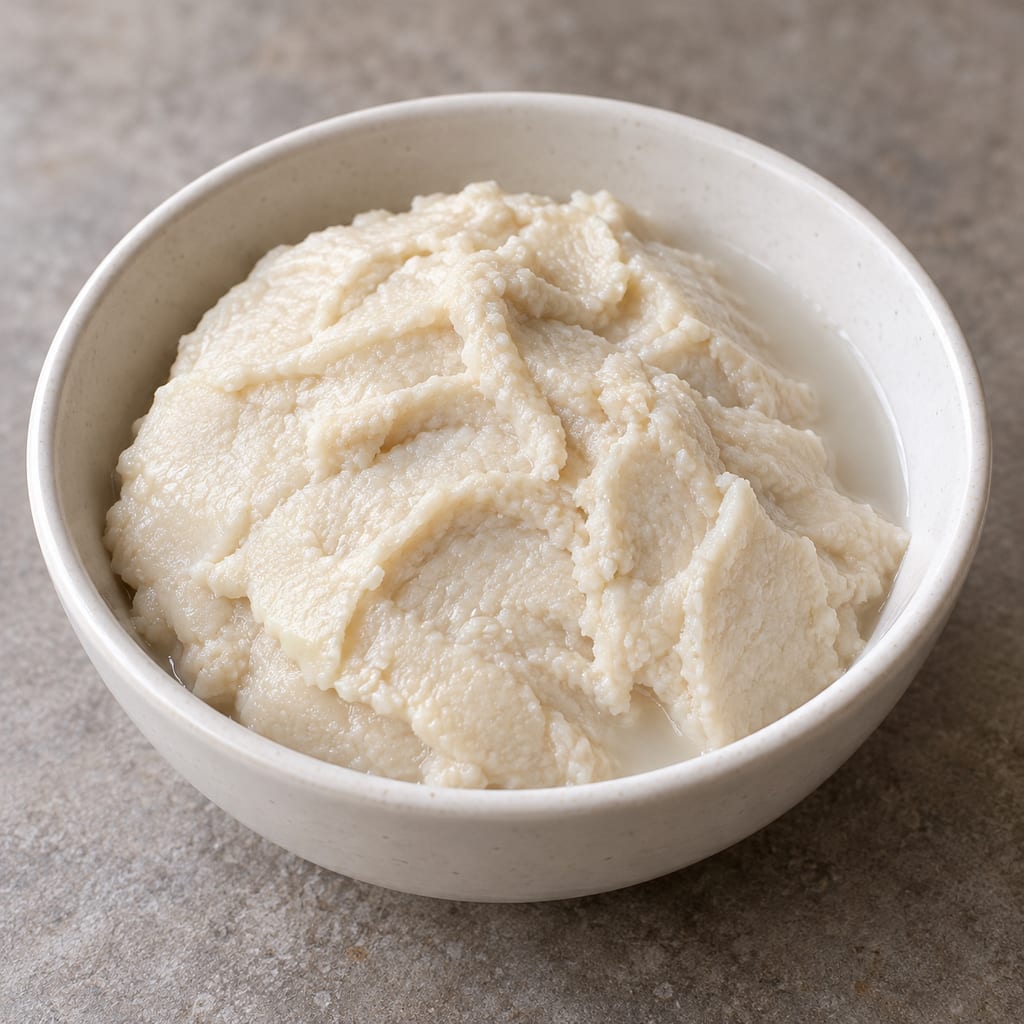
Ogi or akamu is a wet fermented cereal preparation documented in Nigeria and Benin. Grain or maize starch is steeped, milled or sieved, then fermented by process-specific routes; evidence supports no universal method or safety limit.
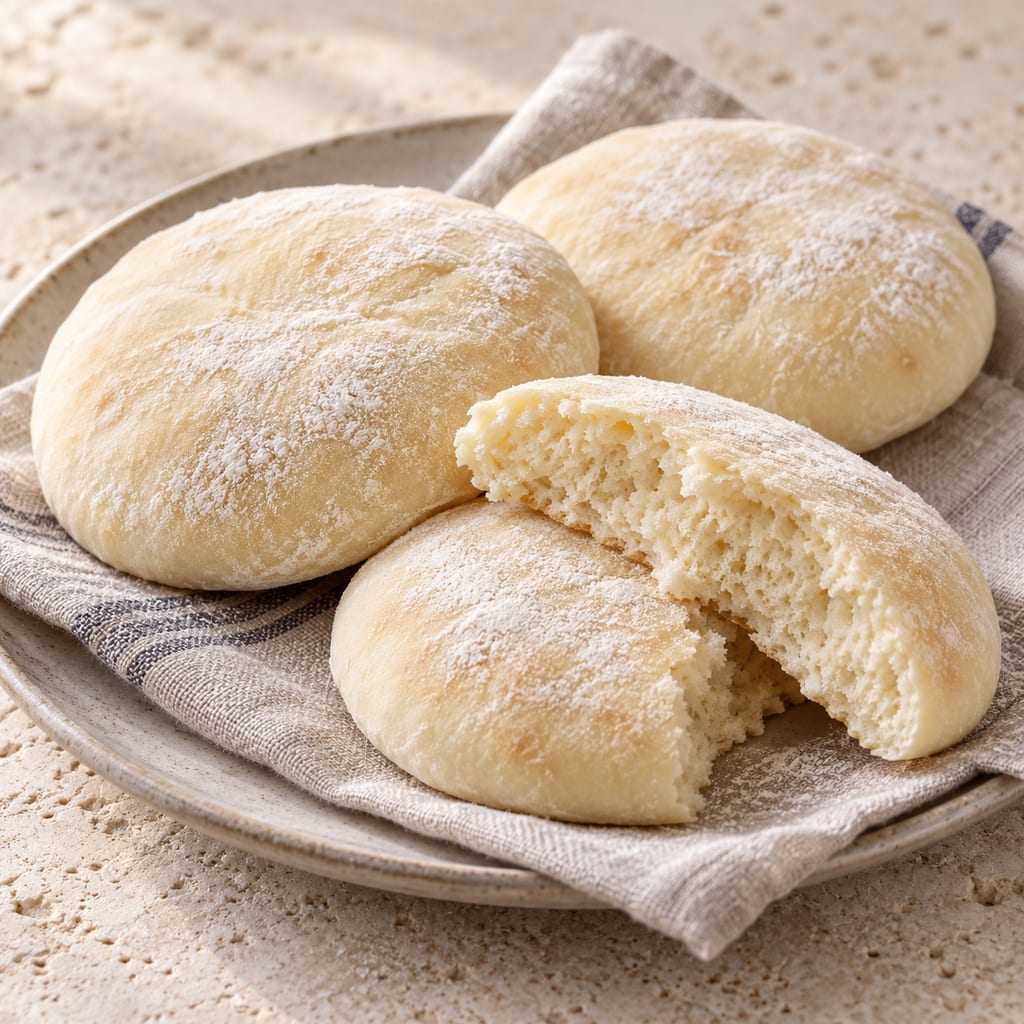
A pale, softly baked, low-profile bread associated with northern France and Tournai. This source-specific household method makes four large faluches; it differs from older accounts of leftover bread dough baked during communal bread baking.
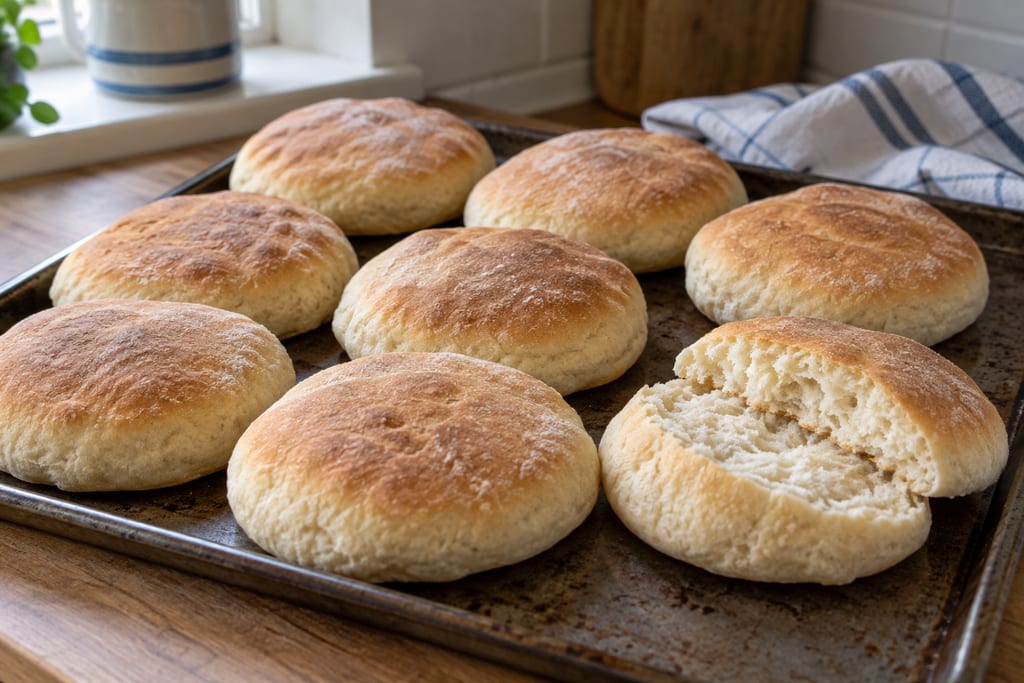
A North East England yeast bread baked as flat round cakes. Terence Laybourne's Newcastle home recipe makes twelve rounds about 1 inch thick and serves them warm.
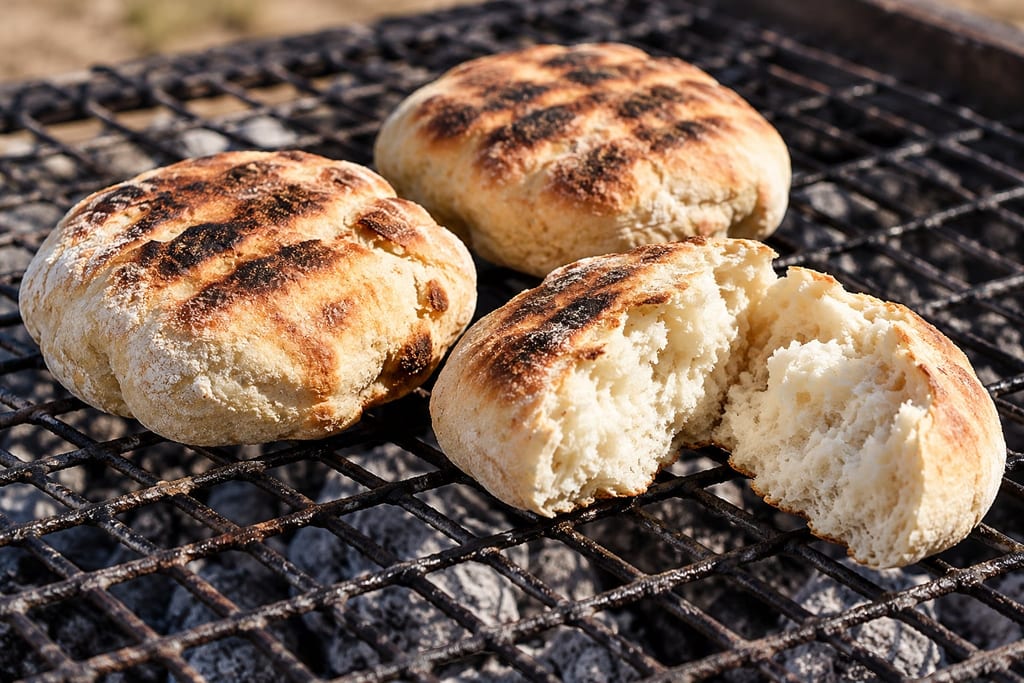
Roosterkoek is a small yeast-raised South African bread cooked over gentle braai coals. This enriched dough rises twice and is turned on the grid until browned and cooked through.
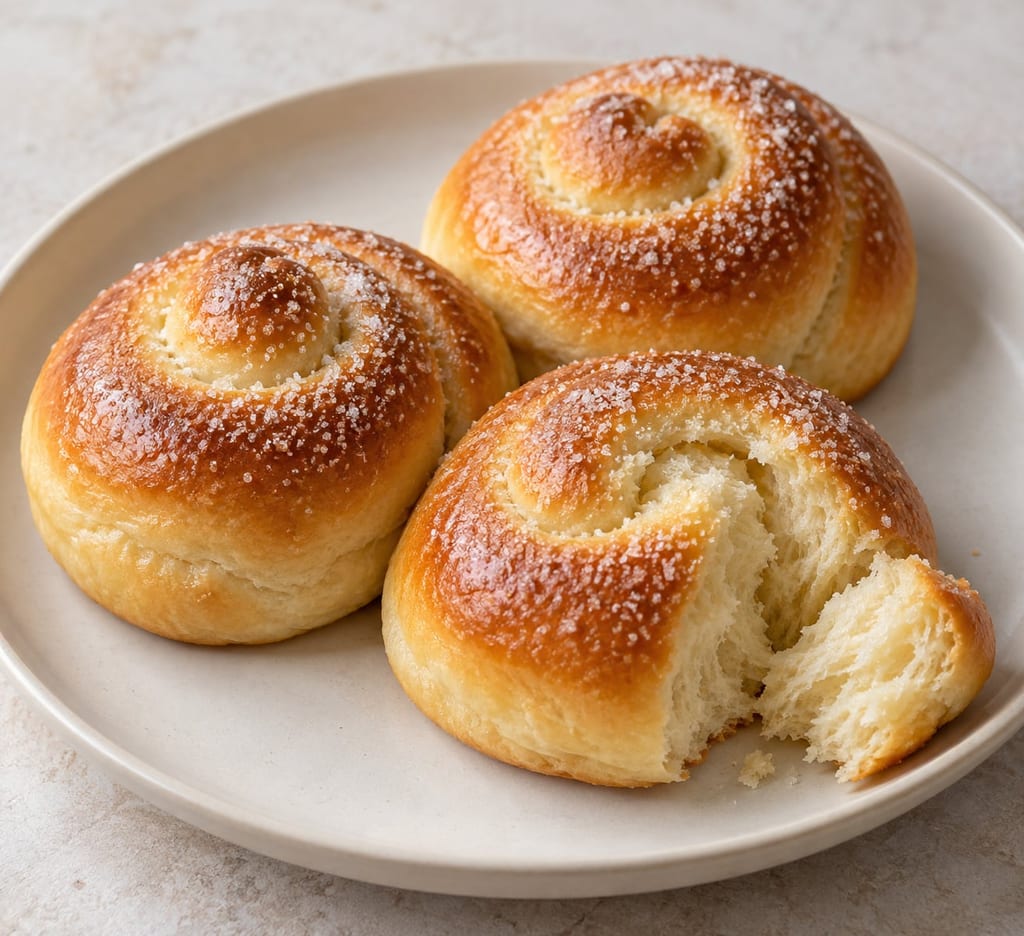
Egyptian sweet wheat rolls shaped into coils or braids, enriched with milk, egg and fat and eaten at breakfast, with tea or milk, and at family celebrations.
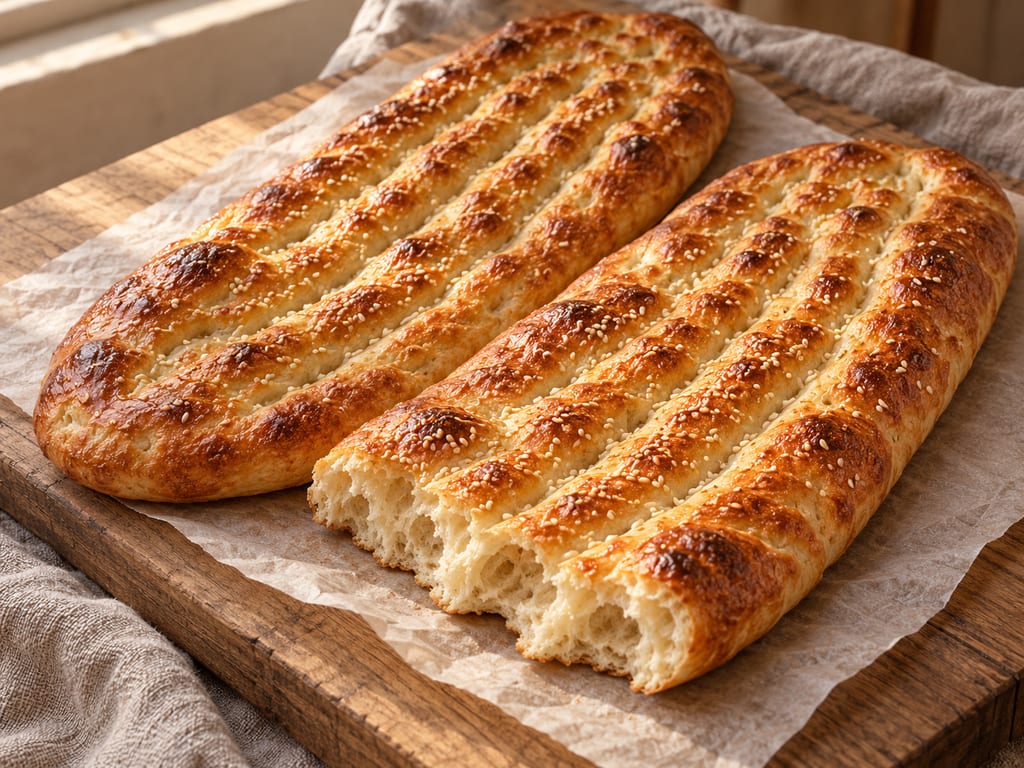
A yeast-raised Iranian flatbread with a crisp roomal-glazed crust, long grooves and a soft interior.
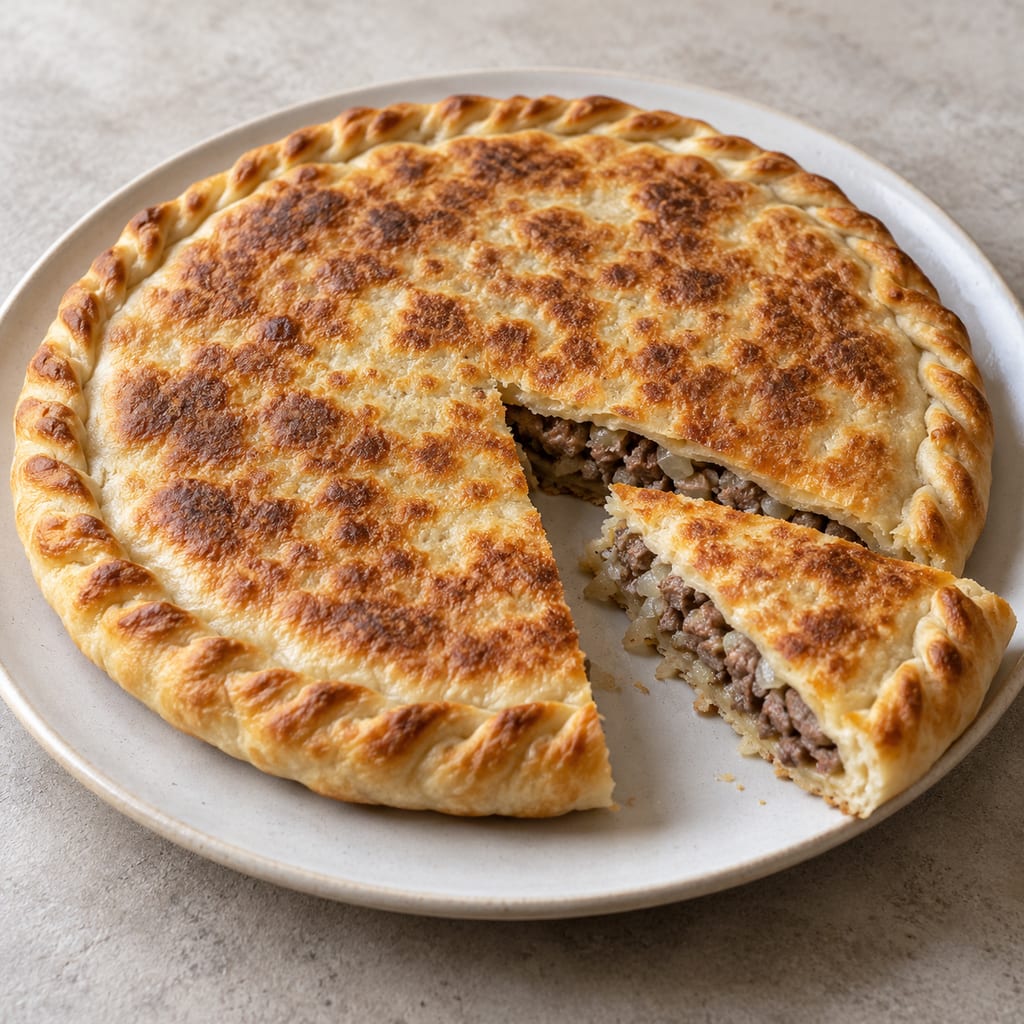
Gosh-naan is a Uyghur meat-filled bread in one family recipe: lamb, onion and cumin are sealed in yeast dough, pan-cooked, and checked at a safe centre temperature.
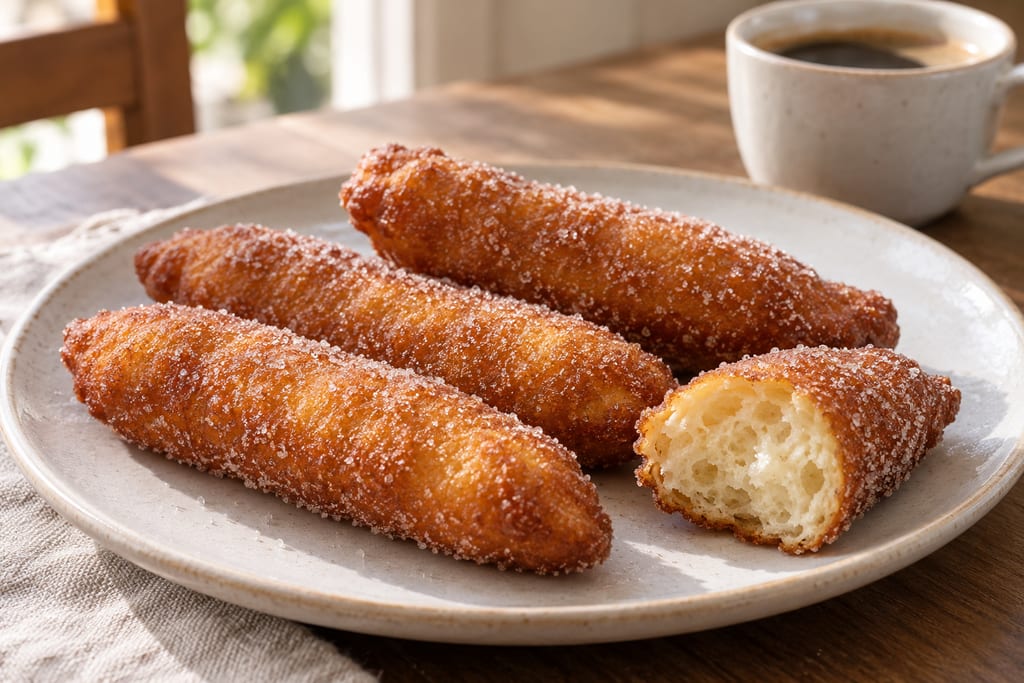
Firi firi is a yeast-raised coconut doughnut piped into long pieces and deep-fried at 170°C, traditionally eaten for breakfast or dessert in Tahiti.

Appam, or hoppers, are South Indian and Sri Lankan rice pancakes made from a fermented coconut-and-rice batter and cooked in a curved pan to a crisp lacy rim and a soft, spongy centre.
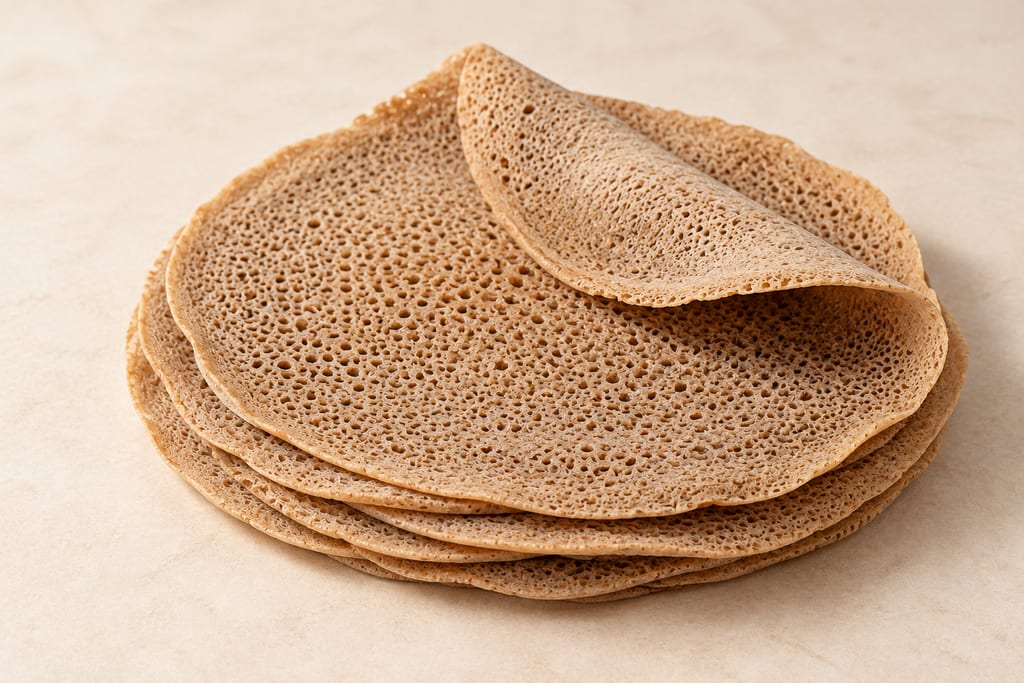
A two-stage Ethiopian teff injera method begins with saved ersho, ferments the main batter beneath refreshed surface water, then adds cooked absit before a final warm rest and griddle baking.
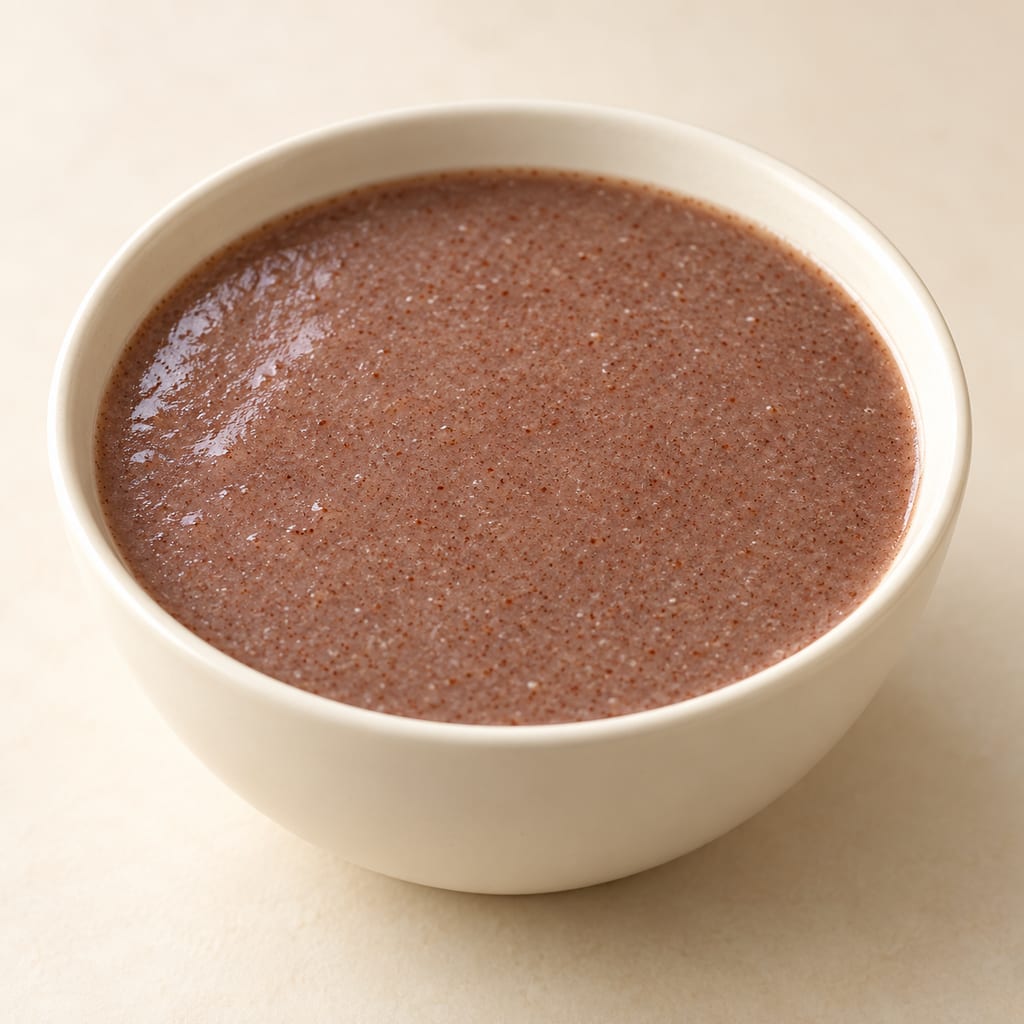
A thin, sour porridge of western Kenya made by fermenting unroasted finger-millet flour in water for a day or two, then diluting it and cooking it through.
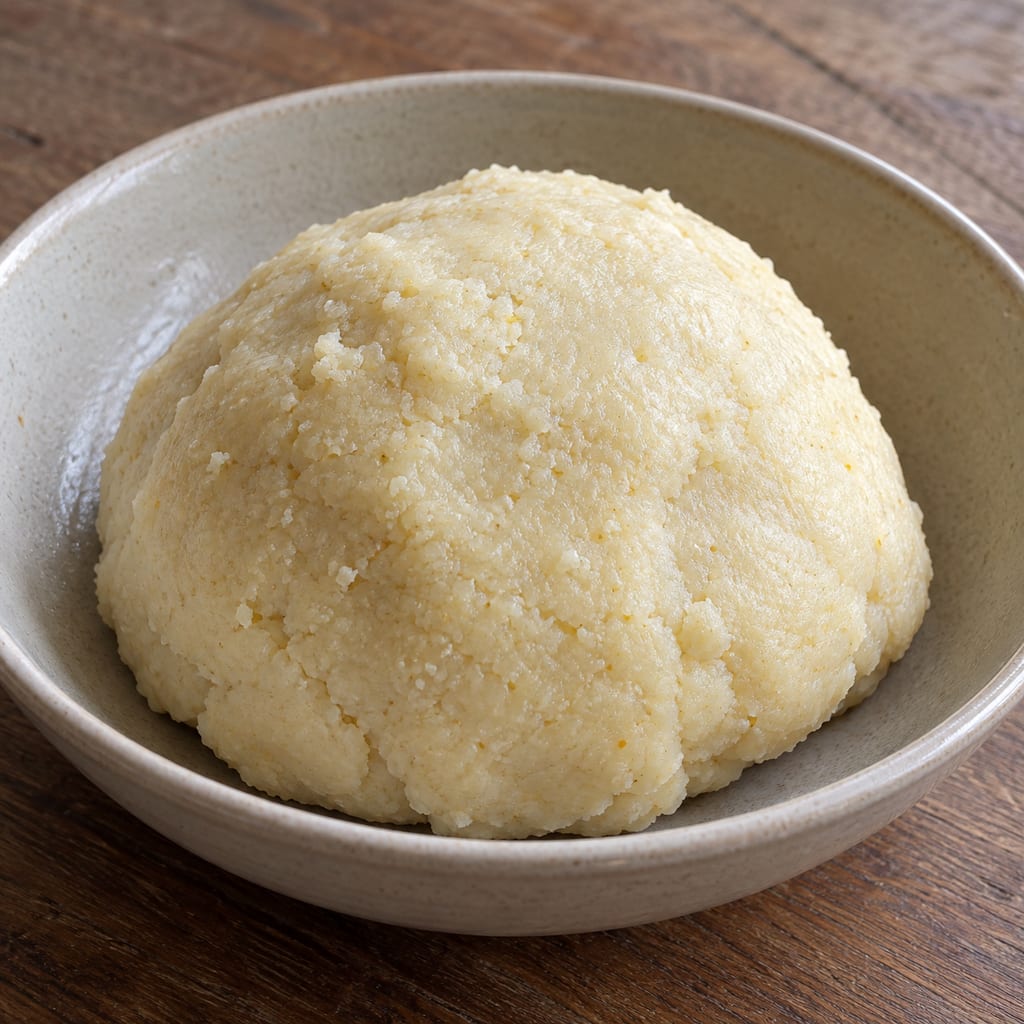
Mawè is a spontaneously fermented maize or other cereal dough from Benin and neighbouring West Africa, soured by lactic bacteria and yeasts and used as the base for cooked pastes, porridges, breads and drinks.