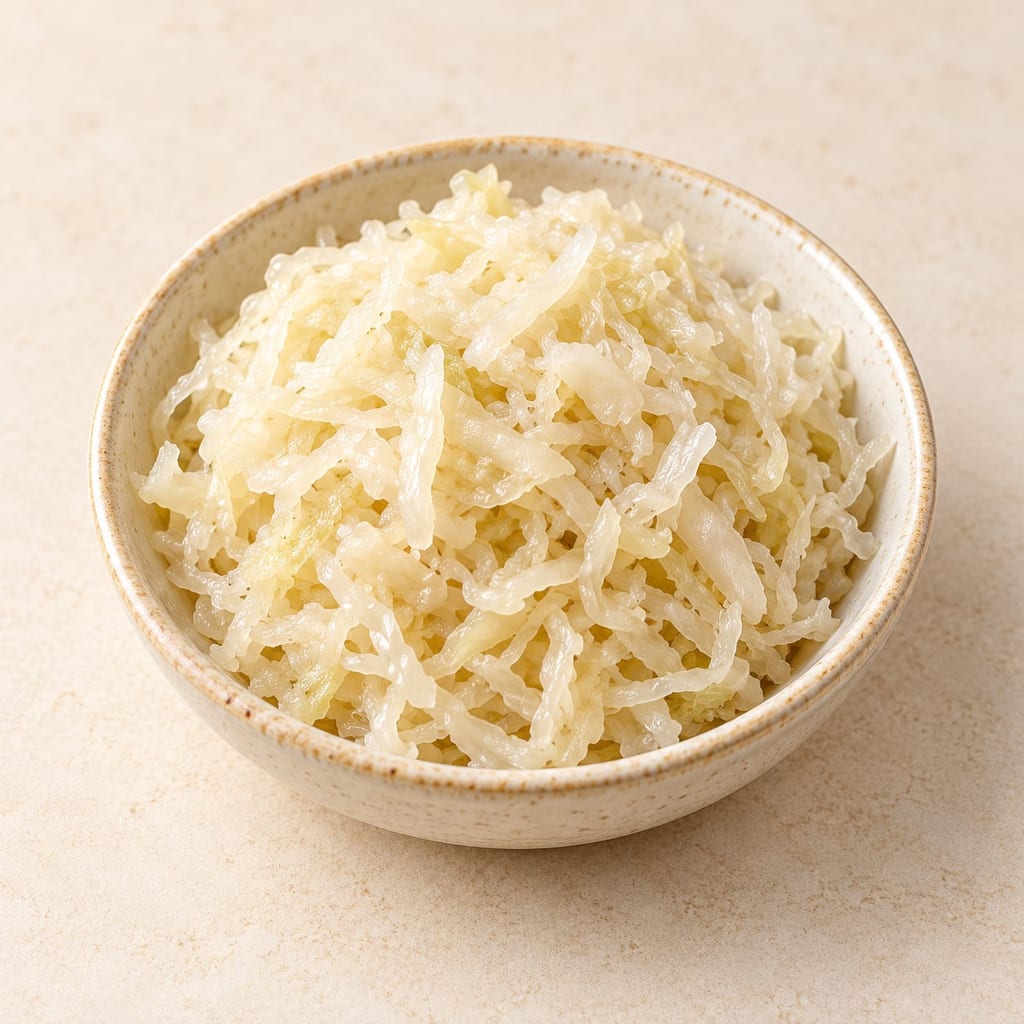
Choucroute d’Alsace
Finely cut cabbage fermented with salt in vats by natural lactic fermentation, a protected Alsatian product sold raw or cooked after fermentation.
 FermenteaWhere food goes to change
Sauergraut · Five-gallon crock sauerkraut · Pennsylvania Dutch crock sauerkraut
Twenty-five pounds of late cabbage salted at 3 tablespoons per 5 lb, packed in a five-gallon crock under a sealed brine bag and left alone until bubbling stops, about four weeks.
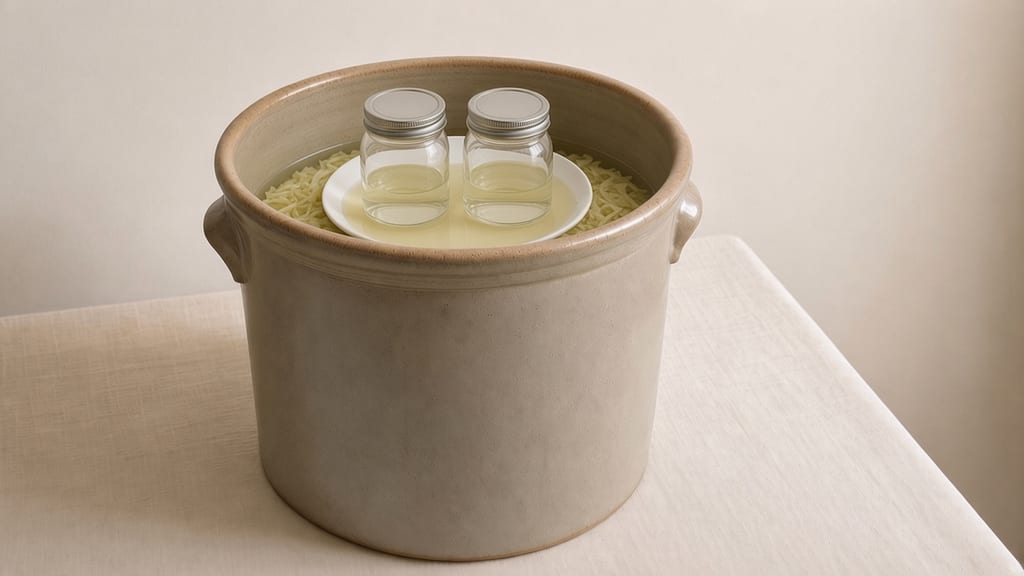
This is the large-batch form of crock sauerkraut: twenty-five pounds of shredded late-season white cabbage, salted at three tablespoons of canning or pickling salt to every five pounds, packed into a five-gallon crock and held under its own brine by a sealed bag of salt water. It follows the tested procedure in Penn State Extension's Let's Preserve guide, and the National Center for Home Food Preservation gives the same ratio and method. Fermentea's white cabbage sauerkraut records the one-gallon crock version of the same procedure. This variant changes the scale, the weight and the way the crock is managed, and it places the method in the Pennsylvania German tradition that carried kraut to Pennsylvania and Maryland.
The finished kraut is pale, sour and crisp, made from nothing but cabbage and salt. About nine quarts come out of the crock, which is enough to cook for a large holiday table and keep the rest in jars through the winter.
Penn State states that a one-gallon stone crock holds five pounds of shredded cabbage and a five-gallon crock holds twenty-five pounds. The salt ratio does not change with the size of the crock. The cabbage still goes in as five separate five-pound portions, each mixed with its own three tablespoons of salt and packed before the next portion is started. Working in measured portions is how the ratio stays exact over a large batch.
The weight is the other change. In a small crock a plate held down with water-filled jars is practical, but jars have to be checked two or three times a week and any scum lifted off. Penn State offers a sealed food-grade plastic bag holding four and a half tablespoons of salt in three quarts of water as an acceptable alternative, and notes that bags sold for roasting or brining turkeys are the right size for five-gallon containers. Laid over the whole surface, the bag keeps every shred under the brine. With a brine bag, both Penn State and the National Center say not to disturb the crock until normal fermentation is complete, when bubbling stops.
In English this is sauerkraut, or simply kraut. In Pennsylvania Dutch it is Sauergraut, the spelling used in the dialect proverbs Alan Keyser collected, and Pennsylvania German has its own words for the tools: the Grauthowwel, or cabbage plane, the Grautschtenner, a tall cedar kraut tub, and the kraut stamper, which Dieffenbach spelled grout-shtemple. In Germany the same tools are the Krauthobel and the Krautstampfer, and northern Germans often say Sauerkohl.
Kraut in a tub or crock is one of the oldest preserving jobs that German-speaking settlers brought to Pennsylvania. In 1786 a Lutheran pastor in Northampton County reported that his parishioners ate sauerkraut, and in 1804 the physician James Mease called it a very fashionable dish among the Germans of Pennsylvania, best with salt pork. Victor Dieffenbach, recalling his grandparents' kitchen in 1952, described the whole household at work: heads trimmed and cored, shredded on the plane, spread in layers of about four inches with coarse salt and rammed with the stamper until the juice rose over the cabbage.
The German originals are kept in museums. The Hennebergisches Museum Kloster Veßra in Thuringia holds a cabbage plane dated 1786, almost a metre long with three blades, and its curator writes that such planes were wedding gifts and were shared between neighbours at kraut-making time. In the Palatinate village of Thaleischweiler-Fröschen, travelling cutters shredded cabbage from September to Christmas, and the kraut stood in stoneware pots in the cellar until the middle of November. Today's extension method keeps the stoneware, the layering and the weight, and replaces the handful of salt with a measured amount.
Penn State recommends disease-free, firm, sweet, mature heads from mid- and late-season crops, and names Bravo, Danish Ballhead, Excalibur, Murdoc, Premium Late Dutch, Late Flat Head and Krautman as good varieties for sauerkraut. Penn State's autumn sauerkraut article adds that home growers should harvest after the first frost, because frost makes the plant produce more sugar, and the extra sugar helps the fermentation. Start within one or two days of harvest; the National Center puts the window at 24 to 48 hours. For a twenty-five-pound batch, buy a little more than twenty-five pounds of whole heads, since outer leaves and cores are discarded. Penn State's guide says a fifty-pound bag of fresh cabbage makes sixteen to twenty quarts of sauerkraut, so half a bag is about right.
Use canning or pickling salt, which is pure sodium chloride without anti-caking agents. The ratio is three level tablespoons per five pounds of shredded cabbage, fifteen tablespoons over the whole batch. The National Center describes this as about a cup in total. Penn State is direct about why the ratio matters: the exact ratio of three tablespoons of salt to five pounds of cabbage controls pathogen growth, and changing the proportions could result in an unsafe product.
Two further brines may be needed. The brine bag takes four and a half tablespoons of salt dissolved in three quarts of water, so that a leak adds brine to the crock and does not dilute it with plain water. If the cabbage's own juice does not cover the cabbage once the crock is packed, top it up with boiled and cooled brine made with one and a half tablespoons of salt per quart of water.
You need a five-gallon stoneware crock or another container of the same size. Penn State calls stone crocks the traditional choice, accepts glass and food-grade plastic, and notes that five-gallon food-grade buckets from restaurants make good fermenting containers. Do not use copper, iron, galvanised metal or lead-glazed crocks. An uncertain container can be lined with a food-grade bag such as a turkey brining bag, but never a garbage bag or bin liner.
Have ready a large bowl or tub for mixing, a scale, a sharp knife or a mandoline or kraut cutter, two large food-grade plastic bags for the brine-bag weight, cheesecloth or a clean kitchen towel to cover the crock, and a cool, steady room where the crock can stand for a month. A full crock is very heavy, so put it in its fermenting place before you start packing.
Work with about five pounds of cabbage at a time. Discard the outer leaves, rinse the heads in cold water and drain. Quarter them, cut out the cores and trim away any worm-damaged or diseased tissue. Shred or slice to the thickness of a quarter, about a sixteenth of an inch or 1.5 millimetres. Weigh out five pounds of shreds.
Put the five pounds of shredded cabbage into the crock, or into a mixing tub if your crock is too narrow to mix in, and add three level tablespoons of canning or pickling salt. Mix thoroughly with clean hands so every shred is coated.
Pack, pound or squeeze the salted cabbage with clean hands until its natural juice rises and covers the surface. A clean wooden stamper does the same job, as it did in Dieffenbach's family.
Shred, weigh, salt and pack the next five-pound portion on top of the first, and continue until all twenty-five pounds are in. Penn State says to stop when the container is filled to within three or four inches of the top. The National Center asks for the rim to be at least four or five inches above the cabbage. Leave the larger gap if your crock allows it. If the crock fills before the last portion is in, put that portion, with its own three tablespoons of salt, in a one-gallon crock, which Penn State says holds five pounds. Do not overfill.
Press the surface flat. The juice should cover the cabbage. If it does not, add boiled and cooled brine made with one and a half tablespoons of salt per quart of water until it does.
Make the brine bag. Dissolve four and a half tablespoons of salt in three quarts of water, pour it into a large food-grade plastic bag, seal it, and set it inside a second bag for strength. Lower it onto the cabbage and work it out to the walls so it covers the whole surface and holds the shreds under the brine. Cover the top of the crock with several layers of clean cheesecloth or a clean towel to keep out airborne mould spores.
Penn State also tests a second cover. Set a plate just small enough to fit inside the crock on the cabbage and weigh it down with two or three clean quart jars filled with water. With jars, check the kraut two or three times a week and remove any scum that forms. Do not cover the cabbage with its own outer leaves. Penn State's autumn guide warns that outer leaves are more likely to carry mould spores.
Keep the crock at 21–23 °C (70–75 °F), the temperature range the USDA recommends. There the kraut is fully fermented in about three to four weeks. At 15–18 °C (60–65 °F) it may take five to six weeks. Below 15 °C (60 °F) it may not ferment at all. The National Center says kraut may become soft above 24 °C (75 °F), and Penn State says that above 26 °C (80 °F) it may soften and spoil. With a brine bag, do not open the crock until bubbling has stopped. Penn State explains that fermentation stops by itself once the acids build up enough to halt further growth.
To have kraut ready for a late-November holiday, count back from the date. At 21–23 °C a crock started in the last days of October will be done in time. Thaleischweiler cooks left theirs in a cool cellar until mid-November, and a cooler room needs the longer six-week allowance.
Penn State describes finished sauerkraut as sour to taste, firm in texture, with brine that is not cloudy and no sign of mould or yeast. Do not taste a batch with mould on the surface, a slimy texture or a bad odour. Fully fermented kraut keeps tightly covered in the refrigerator for several months. For storage at room temperature, can it in a boiling-water canner: the National Center gives 10 minutes for hot-packed pints and 15 for quarts, or 20 and 25 minutes for raw-packed pints and quarts, at up to 1,000 feet, with longer times at higher elevations. Kraut can also be frozen in pint or quart containers with half an inch of headspace.
This recipe ends when the crock is finished, but the cooking traditions are part of why people make a batch this size. The Plough Boy of 1819 printed a Philadelphia woman's method: squeeze the kraut in clean water, put half in the kettle, then the pork, then the rest of the kraut, cover with water and boil about two and a half hours, lifting it out with a brass skimmer because iron turns it black. Pennsylvania Dutch families eat pork and sauerkraut with mashed potatoes on New Year's Day. In Baltimore the kraut goes beside the Thanksgiving turkey, simmered with pork, pigtails, turkey necks, smoked turkey, kielbasa or apples, depending on the family.
Bubbling shows that fermentation is under way, and the extension sources use its end as the sign that the crock is finished. Penn State says fermentation stops by itself because the acids build up until further growth cannot take place. Good kraut is tart to taste and firm, its brine is not cloudy, and it shows no mould or yeast growth. A soft or slimy texture, surface mould or a bad smell mean the batch should be thrown away untasted. Both extension sources link soft kraut to a crock kept too warm.
The salt ratio is the main control, and both extension sources give it as three tablespoons per five pounds. Do not cut the salt, add vegetables or seasonings in amounts that change the weight of the batch, or substitute table salt with additives. Keep everything under brine, because surface exposure lets moulds and yeasts grow. Keep the crock out of rooms that get warmer than about 24 °C (75 °F). If the brine bag leaks, the salt in it keeps the brine from being diluted with plain water, but replace it at once.
Penn State gives no measured pH for this batch. The sources agree on the ratio, the temperatures and the spoilage signs, and those are the limits this record uses. Fermentation workshops sometimes teach a more relaxed approach. The Banner's 2026 report quotes a Baltimore fermenter telling students that washing hands was optional. This recipe follows the extension guides: clean hands, clean equipment and measured salt.
The National Center says kraut may become soft above 24 °C (75 °F), while Penn State puts the softening and spoilage point at 26 °C (80 °F). This record uses the lower figure as its upper limit. Penn State fills the crock to within three or four inches of the top, and the National Center asks for four or five inches of clearance; the larger gap is used here. The National Center's total of about one cup of salt for twenty-five pounds is a rounded figure for fifteen tablespoons. The Center's canning page lists three-quarters of a cup for the same weight, a conflict already recorded in Fermentea's white cabbage sauerkraut. This record follows the per-portion figure of three tablespoons.
Pennsylvania German sauerkraut is recorded in Northampton County in 1786 and called a fashionable dish among Pennsylvania Germans by James Mease in 1804. The measured 5-gallon method is Penn State Extension's current guide.
Yield 9 quart · Scaling: scale only in whole 5 lb portions with 3 tablespoons salt each; 25 lb fills a 5 gallon crock.
Penn State says the exact ratio of 3 tablespoons salt to 5 lb cabbage controls pathogen growth and that changing the proportions could result in an unsafe product.
Hazard sourceCopper, iron, galvanised metal, lead-glazed crocks and non-food bags are excluded by the extension guide.
Hazard sourceCabbage exposed above the brine allows surface mould growth.
Hazard sourceKraut may become soft above 24 °C (75 °F) (NCHFP) and may soften and spoil above 26 °C (80 °F) (Penn State).
Hazard sourceWeigh each 5-lb portion and mix it with 3 level tablespoons of canning or pickling salt.
Control sourceKeep the cabbage under brine with a sealed brine bag of 4½ tablespoons salt in 3 quarts water; top up with 1½ tablespoons salt per quart if needed.
Control sourceFerment at 21–23 °C (70–75 °F) and keep below the softening range.
Control sourceDiscard batches with surface mould, slimy texture or bad odour; refrigerate, can or freeze finished kraut.
Control sourceDo not taste a batch with surface mould, a slimy texture or a bad odour.
No measured pH endpoint is given by the sources; do not infer one.
Professional process validation is not recorded for this Fermentea transcription.
Pennsylvania German tub and crock sauerkraut is recorded from Northampton County in 1786 and Lancaster County in 1797–98; the measured method is Penn State Extension's.
Sauerkraut served with the Thanksgiving turkey; sold in Baltimore by 1843.
Palatine village record of kraut cut by travelling cutters from September to Christmas, layered with salt and juniper in stoneware pots and left in the cellar until mid-November.
Finely cut cabbage fermented with salt in vats by natural lactic fermentation, a protected Alsatian product sold raw or cooked after fermentation.
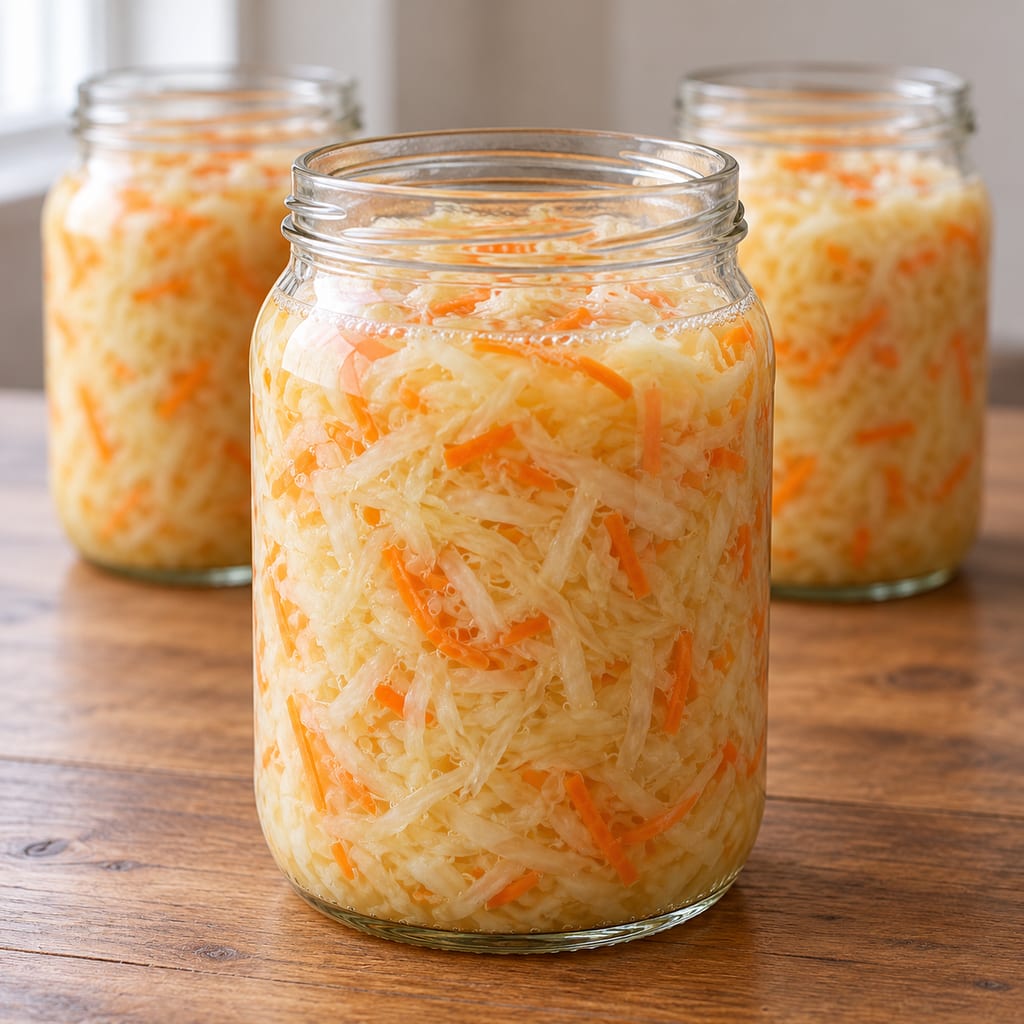
Shredded cabbage and grated carrot are salted to 20 g/kg, rested, packed into three jars and monitored during a creator-reported eight-day fermentation; measured temperature is not given.
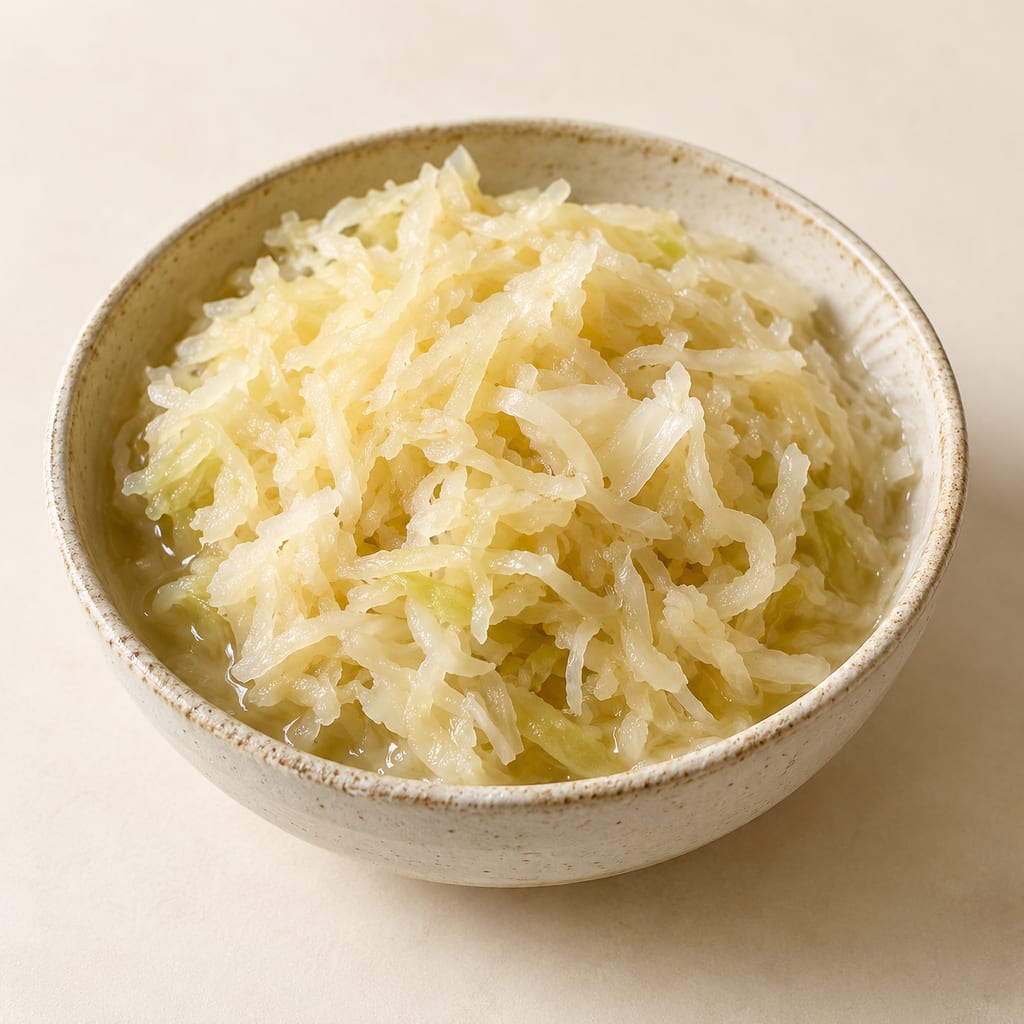
A Penn State Extension crock method mixes 5 lb of shredded cabbage with 3 tablespoons of canning or pickling salt, packs it under its own brine and ferments it in a covered container.
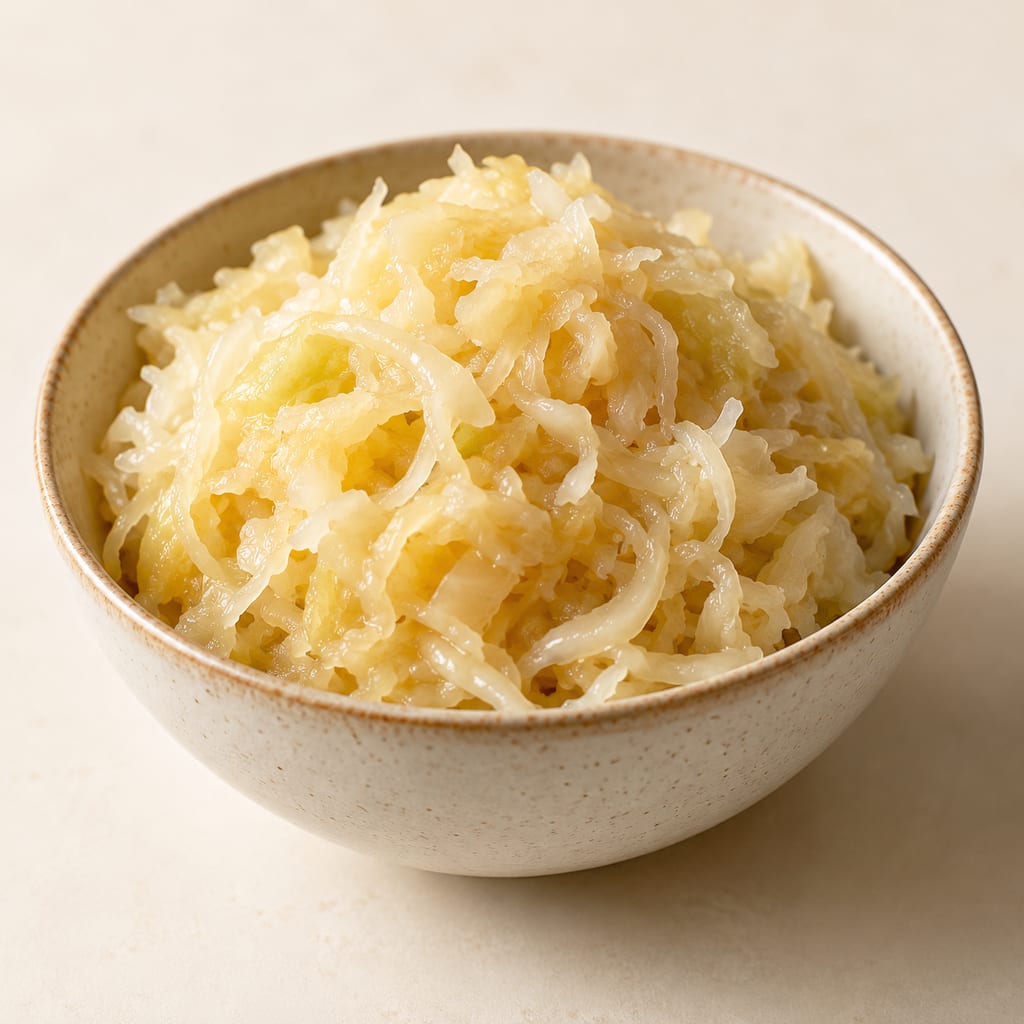
Dutch zuurkool is white cabbage salted and fermented in bulk. The only documented process in the available record is one North Holland producer’s commercial method from 2016.
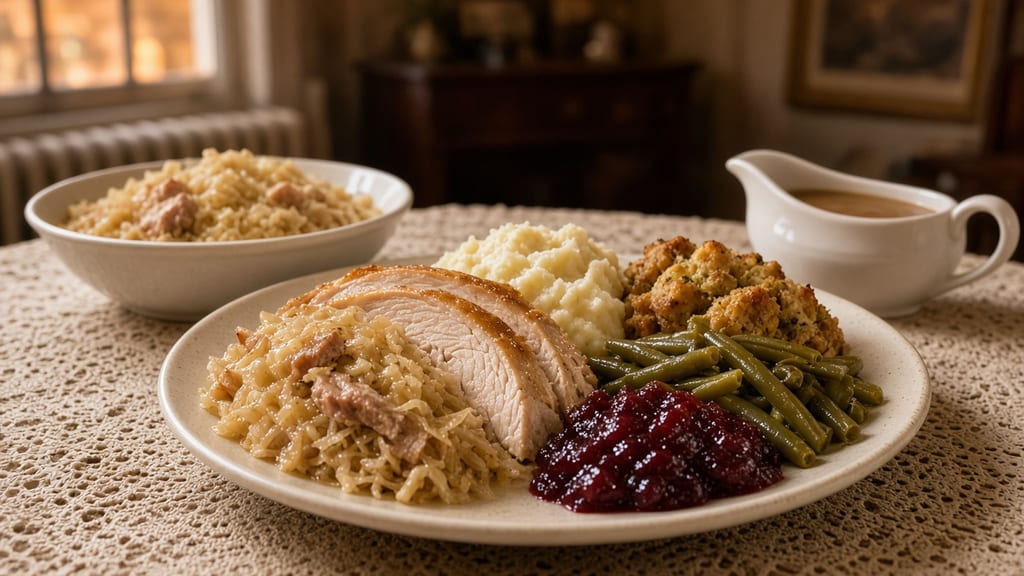
In Baltimore, sauerkraut goes beside the Thanksgiving turkey. The habit runs back through Pennsylvania German kraut tubs, the Bremen emigrant ships and an 1843 advertisement on Howard Street.
Trimmed cucumbers layered with dill and covered with a salt brine containing 5% vinegar, weighted and fermented three to six weeks.
Tomatillos, chiles, onion, lime and herbs are salted and fermented together as a mixed salsa.
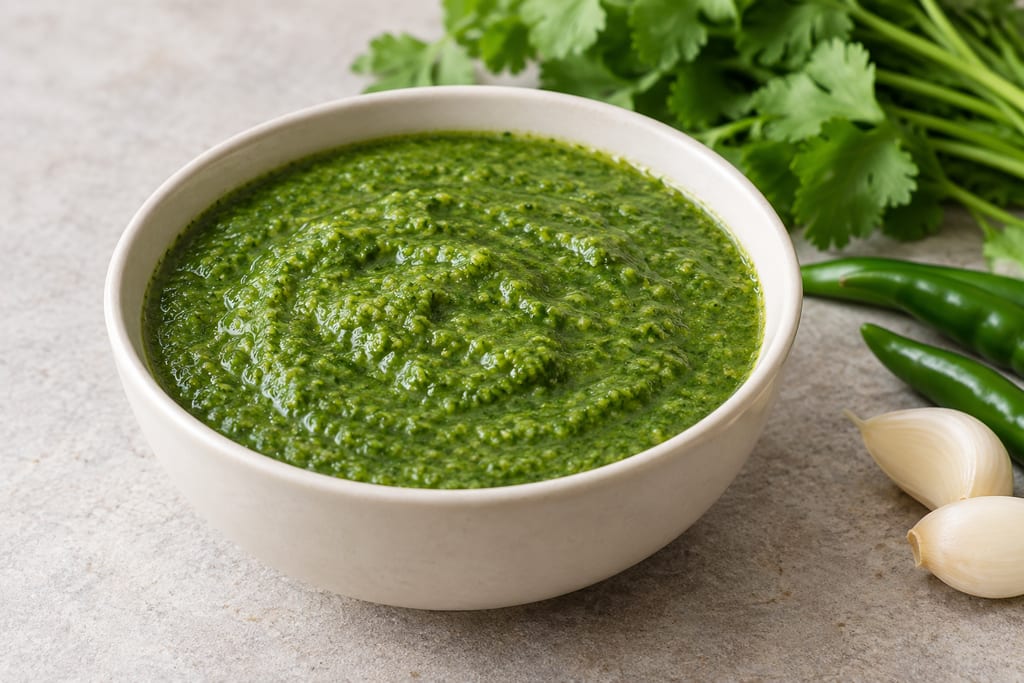
Afghan coriander chatni is a sharp, hot herb sauce with garlic and vinegar. A 2008 Afghanistan manual records green or red pepper and optional walnut; heat and household versions vary.
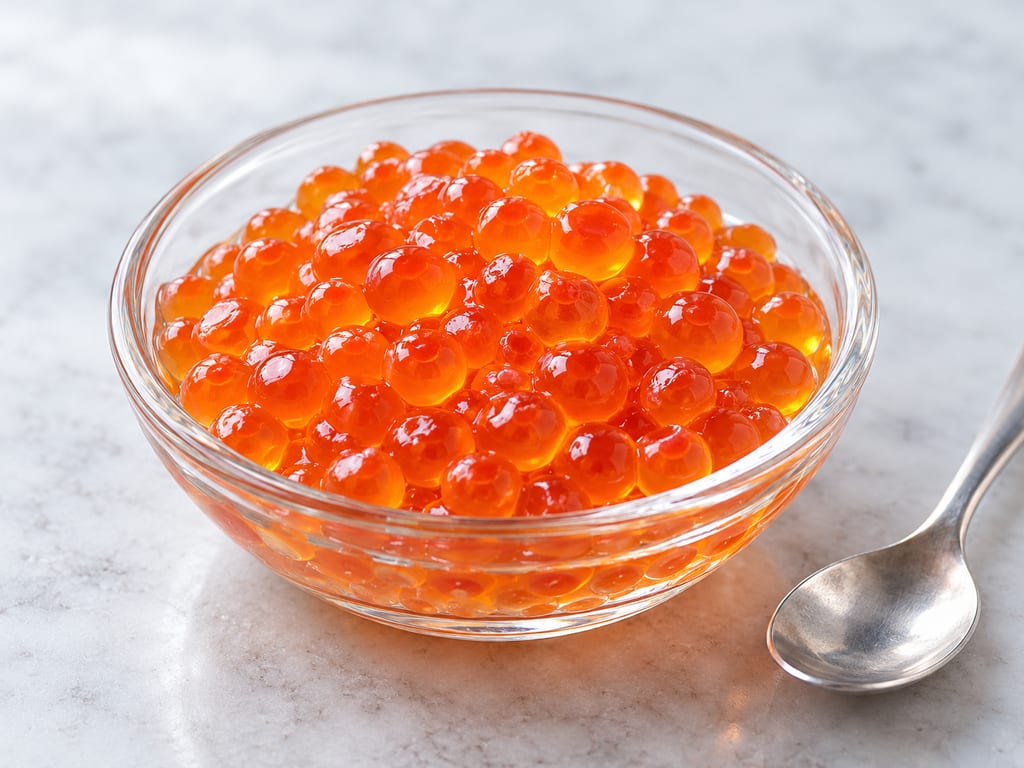
Salmon roe is separated from skeins and treated in two salt-water stages using a University of Alaska Extension formula.

A deep amber-red American ale brewed from pale, Munich, CaraVienne and chocolate malts, bittered with Columbus hops and finished with Amarillo.

Kodiak salmon, halibut and cod cut as seg'aq and hung on an initaq rack to become tamuuq, with kac'amaasaq and kupcuunaq named as different results.

A modern cornmeal-and-wheat cornbread that King Arthur Baking describes as a compromise between Northern and Southern styles. The batter is baked in a pan or as muffins and served warm.
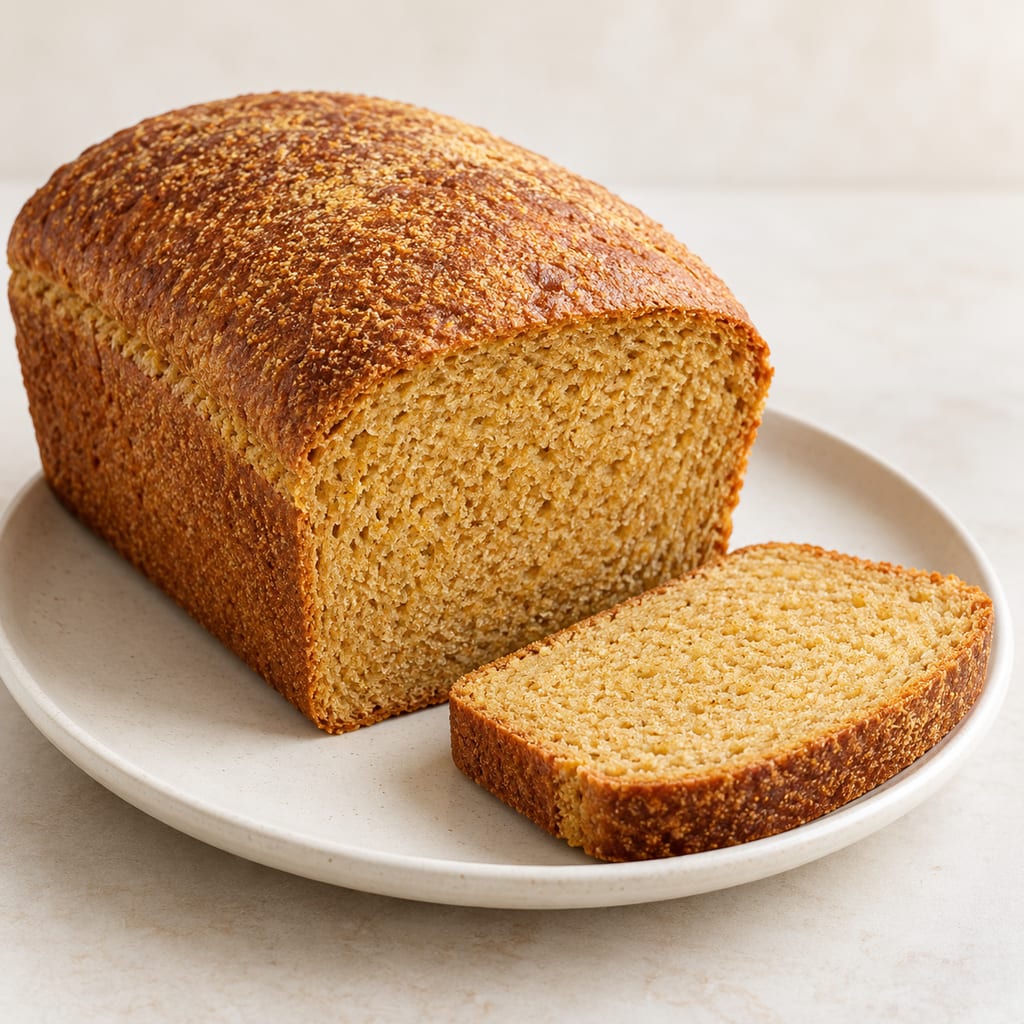
Anadama is a New England yeast loaf made with wheat flour, cornmeal and molasses. Scalded cornmeal enriches the dough, while molasses lends sweetness and a dark crust; it is especially good toasted or beside soup and baked beans.
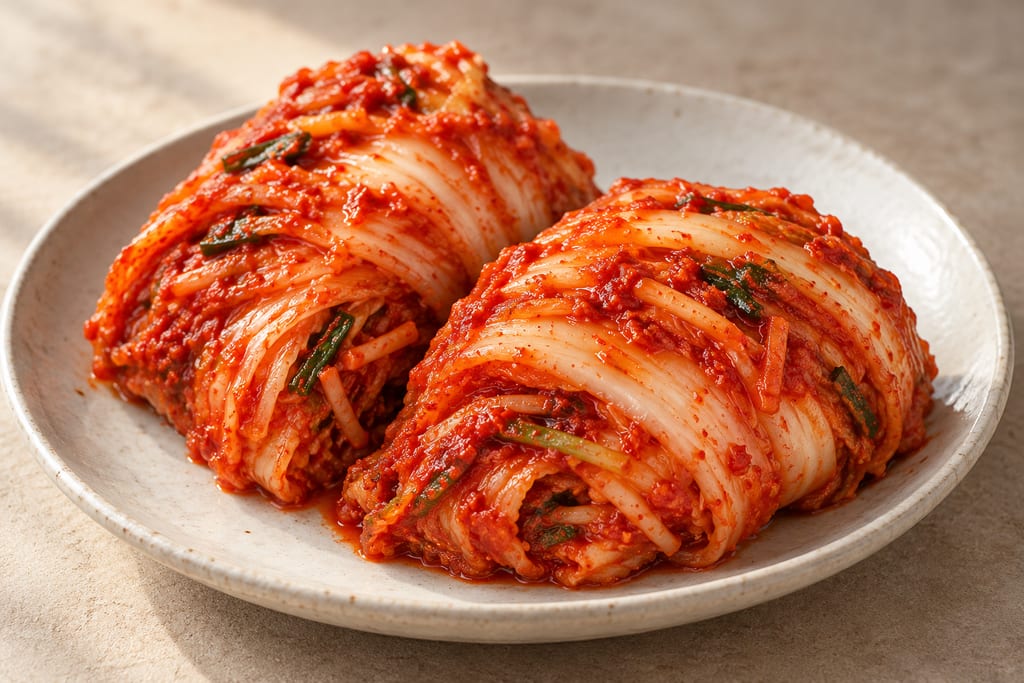
Napa cabbage salted, seasoned with a paste of gochugaru, garlic, ginger and salted seafood, and left to sour through lactic fermentation; Korea's everyday winter preserve.
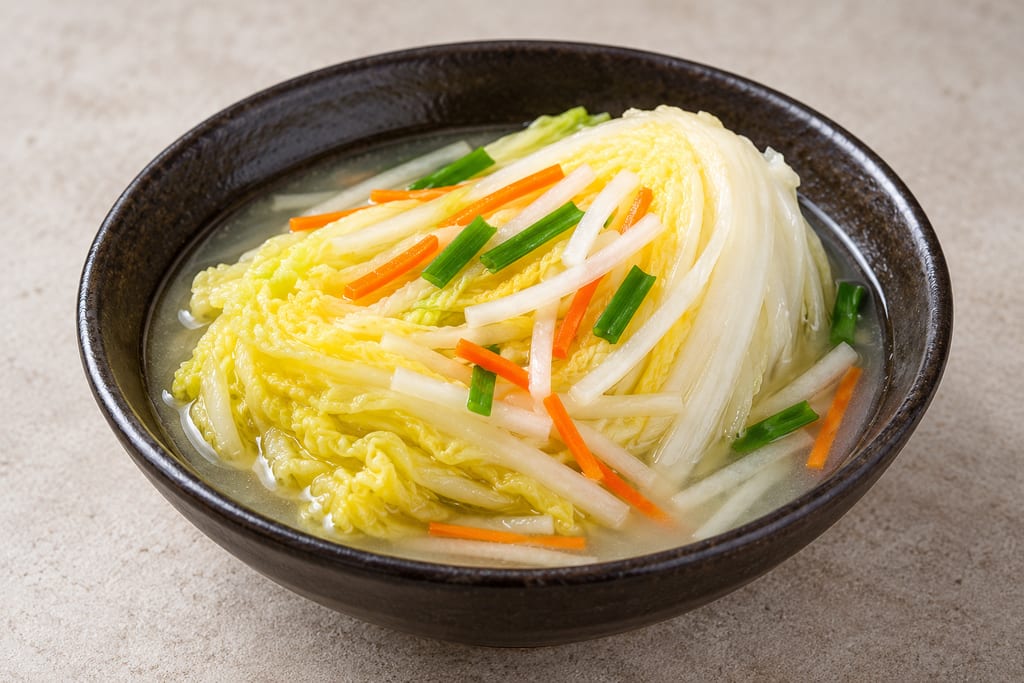
Napa cabbage is brined and filled with pear, radish, alliums, chives and fruit; this Korean kimchi omits red pepper flakes.
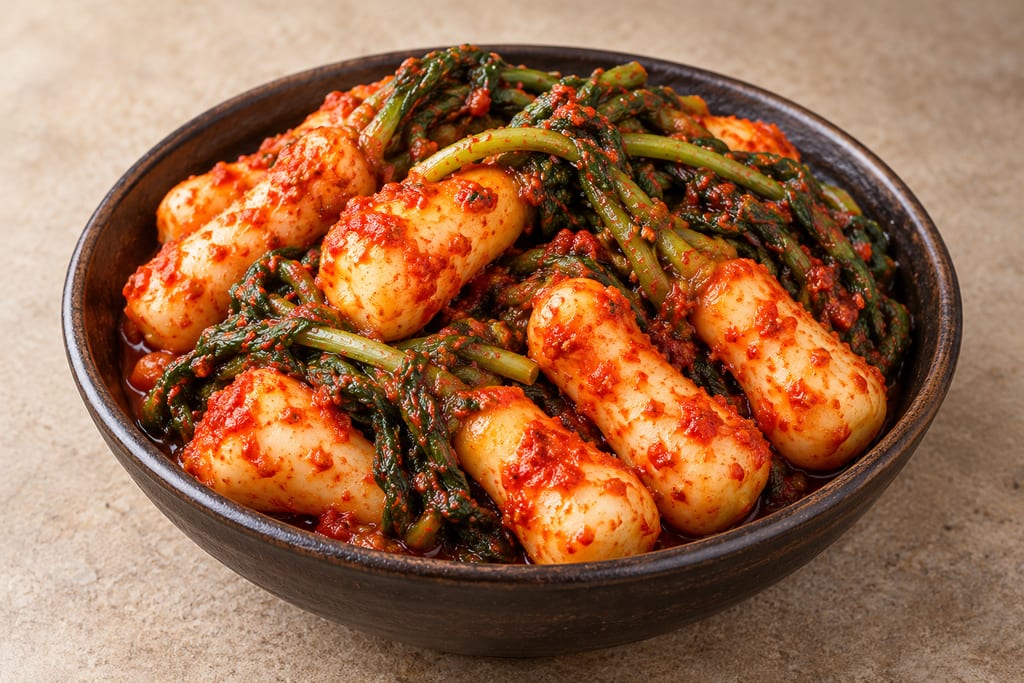
Small ponytail radishes keep their greens attached and ferment in a flour-and-chile seasoning paste.
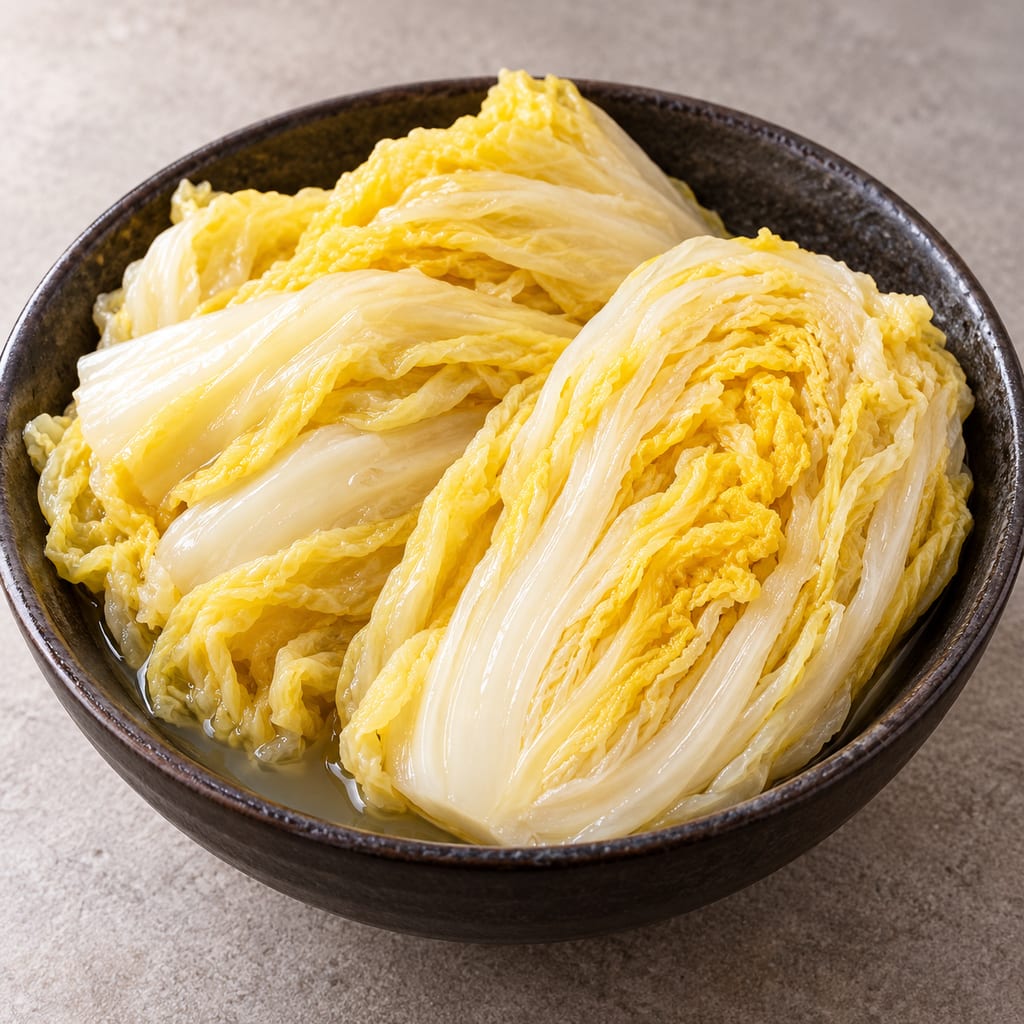
Napa cabbage fermented in a salt brine in Northeast China, traditionally in large ceramic or glass jars, until it turns sour.
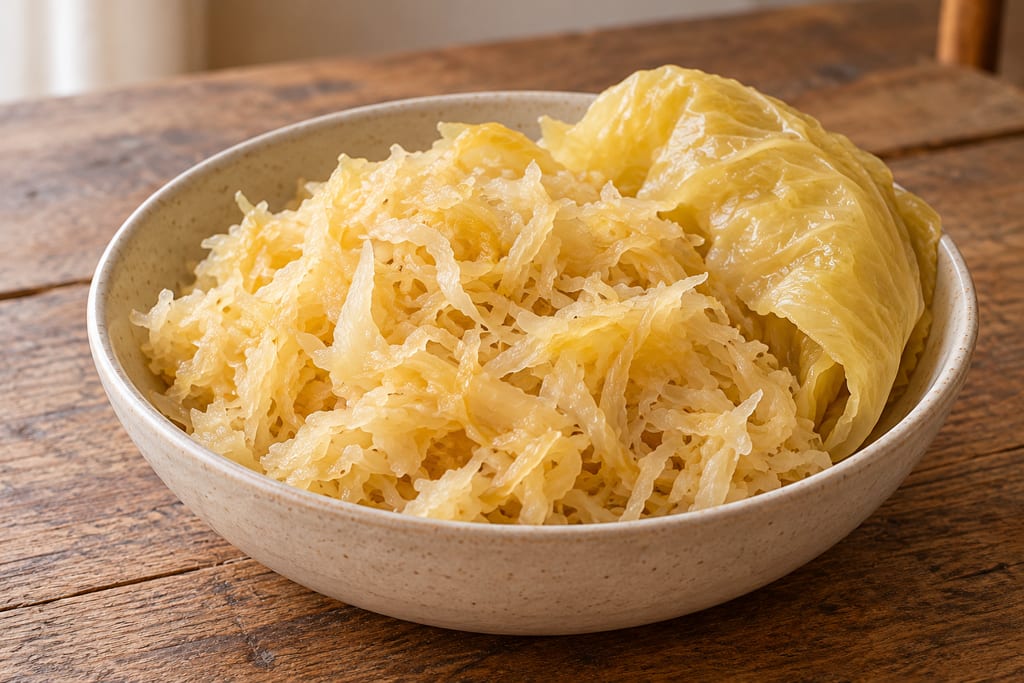
Serbian sour cabbage from the Futog area, made from the autochthonous Futoški cabbage population and registered as a protected product in 2008. It is a subset of general Serbian kiseli kupus.
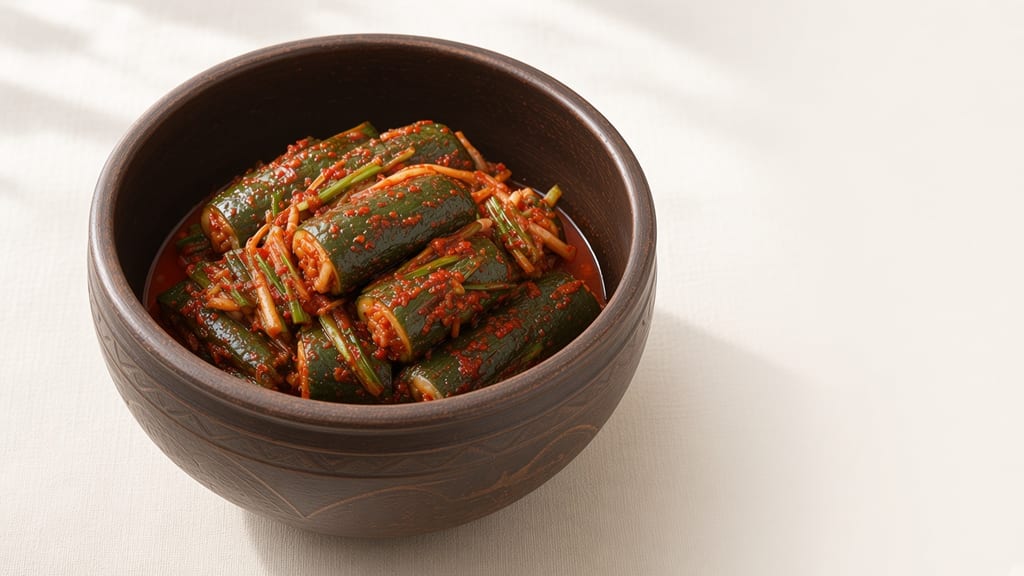
Hwanggwa damjeo is a cucumber kimchi from Yu Jung-rim's Jeungbo sallim gyeongje of 1766. Slit cucumbers are packed with chilli powder and garlic, scalded with hot salted water and sealed overnight.
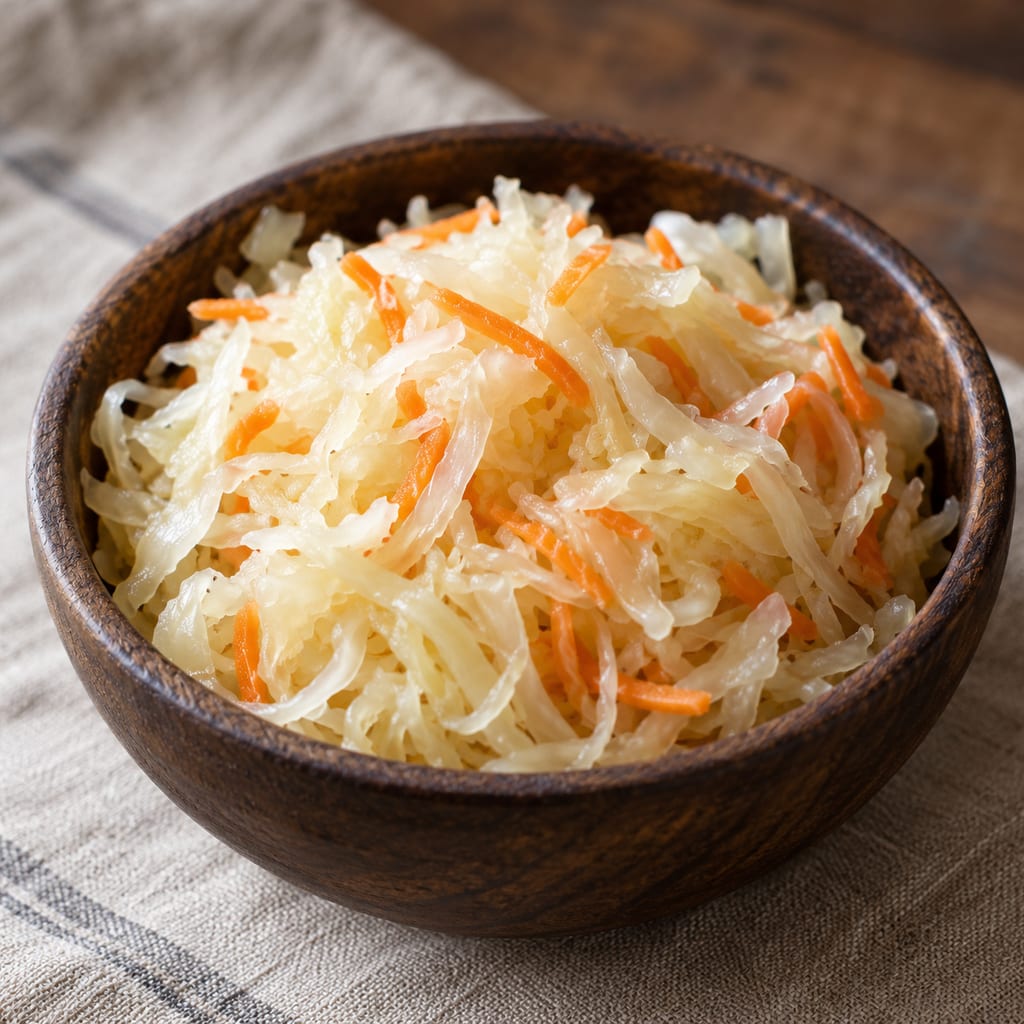
Kapusta kiszona z beczki is barrel-fermented cabbage from the Kołobrzeg area, entered on Poland’s List of Traditional Products in 2008. It is salted and fermented, with raw grated carrot added after souring.
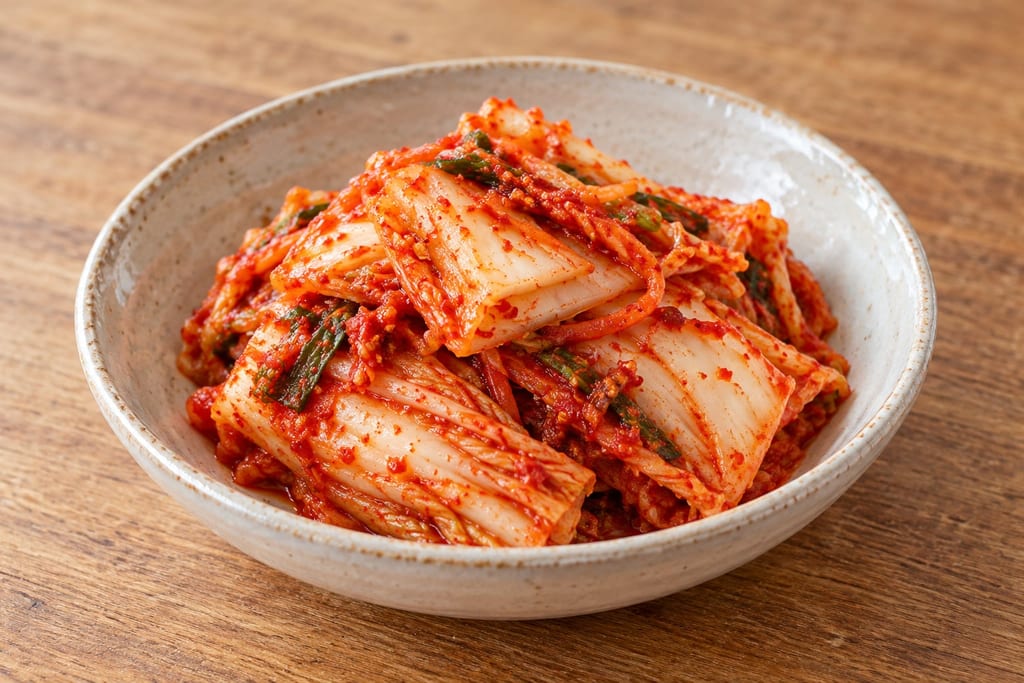
Kimchi is a Korean preserved vegetable food, most often cabbage, salted and seasoned, then fermented by the lactic acid bacteria that arrive with the vegetables. Some studies test added starter cultures, but a home jar is usually spontaneous.

Soft, spreadable Calabrian pork sausage made with a great deal of red chilli and fatty pork, stuffed into natural casings, sometimes smoked and matured while staying soft.

A way to add independent temperature logging to an existing food dehydrator without changing its built-in controls or protections. It is a monitoring method, not a rewiring plan.

Pleurotus cystidiosus is the abalone mushroom, a cultivated oyster-type fungus with dark brown caps that grows more slowly and is more demanding than other Pleurotus species.

A dark, balanced vinegar from Emilia-Romagna made by combining cooked or concentrated grape must with wine vinegar, then acetifying and refining it in wood under a protected specification.

A living dairy inoculum that starts controlled cream fermentation, developing acidity and aroma before sour cream or cultured butter is finished.

A small electric incubator holds jars at a selected temperature for yogurt and other documented warm food preparations. Controls, capacity and vessel arrangement vary by model.

Adygean salt is a seasoned table salt associated with Adygea and the wider North Caucasian culinary tradition. Salt is blended with garlic and a variable selection of herbs and spices; the exact mix depends on the named style and maker.

The African Caesar-group mushroom, Amanita masasiensis, is a wild ectomycorrhizal species of central and southern African woodlands, eaten locally. The genus contains deadly poisonous species, so identification needs care.
No community contributions have been published for this entry yet.
Sign in to contribute. Published comments and photos are free to read.
Penn State ExtensionMethod · Safety
Let's Preserve: Fermentation - Sauerkraut and PicklesA 1-gallon stone crock holds 5 lb of shredded cabbage and a 5-gallon crock holds 25 lb.
Work in 5-lb portions with 3 tablespoons canning or pickling salt each; fill to within 3–4 inches of the top.
The exact ratio controls pathogen growth; changing the proportions could result in an unsafe product.
Brine bag of 4½ tablespoons salt in 3 quarts water; turkey roasting or brining bags fit 5-gallon containers; do not disturb until bubbling ceases.
21–23 °C (70–75 °F) for 3–4 weeks; 15–18 °C (60–65 °F) up to 6 weeks; below 15 °C (60 °F) may not ferment; above 26 °C (80 °F) may soften and spoil.
No copper, iron, galvanised or lead-glazed containers; no garbage bags.
Recommended late varieties; 50 lb fresh cabbage makes 16–20 quarts.
Finished-quality and discard signs; refrigerator, canning and freezing storage.
Cited in: What this recipe is; How it differs from the one-gallon crock; Choosing the cabbage; Salt and water; Equipment; Stage 1: Prepare the cabbage; Stage 2: Salt one portion; Stage 3: Pack until the juice rises; Stage 4: Repeat four more times; Stage 5: Check brine coverage; Stage 6: Weight with a brine bag and cover; Stage 7: Ferment and leave it alone; Stage 8: Judge, store or can; Signs of a healthy fermentation; Problems and safety; Where the sources disagree
National Center for Home Food PreservationMethod · Safety
Sauerkraut25 lb cabbage with 3 tablespoons salt per 5 lb, about 1 cup total; yield about 9 quarts.
Start 24–48 hours after harvest; rim at least 4–5 inches above the cabbage.
1½ tablespoons salt per quart for top-up brine.
USDA recommends 21–23 °C (70–75 °F); 3–4 weeks; 5–6 weeks at 15–18 °C (60–65 °F); may become soft above 24 °C (75 °F).
Boiling-water canner times for hot and raw pack.
Cited in: What this recipe is; How it differs from the one-gallon crock; Choosing the cabbage; Salt and water; Equipment; Stage 2: Salt one portion; Stage 4: Repeat four more times; Stage 5: Check brine coverage; Stage 6: Weight with a brine bag and cover; Stage 7: Ferment and leave it alone; Stage 8: Judge, store or can; Signs of a healthy fermentation; Problems and safety; Where the sources disagree
Alan Keyser, Pennsylvania Dutch At-Home Companion, Mennonite Heritage CenterHistory
SauerkrautErnst 1786, Mease 1804, Plough Boy 1819, Dieffenbach 1952 on Pennsylvania German kraut making.
Grauthowwel, Grautschtenner and the kraut stamper.
1819 cooking method with pork and a brass skimmer.
Cited in: Names; Where the method comes from; Stage 3: Pack until the juice rises; Cooking it for the holiday table
Patrick J. Donmoyer, Pennsylvania HeritageHistory
A Wish, a Dish & a Fish: New Year's Rituals of the Pennsylvania DutchPork and sauerkraut on New Year's Day at the winter butchering.
Cited in: Where the method comes from; Cooking it for the holiday table
Hennebergisches Museum Kloster VeßraHistory
Altbewährt: der KrauthobelKrauthobel dated 1786; wedding gift; shared in villages; layering, stamping and stone weight.
Cited in: Names; Where the method comes from
Heimatlexikon Thaleischweiler-FröschenHistory
KrautschneiderItinerant cabbage cutters from September to Christmas; stoneware pot; cellar until mid-November.
Cited in: Where the method comes from
Deutschsprachige WikipediaReference
SauerkrautGerman names Sauerkohl, Krauthobel, Krautstampfer; about 2 % salt; 2–6 weeks.
Cited in: Names
Old Line PlateHistory
Kapusta And Kilbash (and Sauerkraut for Thanksgiving)Baltimore holiday kraut cooked with pigtails, smoked turkey, turkey necks, pork, apples or kielbasa.
Cited in: Cooking it for the holiday table
The BannerContext
Baltimoreans rediscover the joy of making Thanksgiving sauerkraut from scratchBaltimore Thanksgiving kraut; workshop advice contrasted with extension hygiene guidance.
Cited in: Problems and safety
Penn State ExtensionMethod · Context
Fall Is the Time to Make SauerkrautLate-season cabbage is best; harvest after the first frost, which raises the plant's sugar and helps fermentation.
Outer leaves should not be used as a cover because they are more likely to carry mould spores.
A glass plate with a heavy jar or can, or a bag filled with brine, can hold the cabbage under the brine.
The end of December is when autumn-made sauerkraut finishes fermenting, a practical reason for the New Year's Day dish.
Cited in: Choosing the cabbage; Stage 6: Weight with a brine bag and cover