






































Recipes

1504 records with their sources, across 11 categories.

All grains and starches391Cereal, grain, root and starch fermentations275Unfermented breads105Koji, mold starters and mold-ripened ferments3Not yet classified3Adjacent and excluded1Beverages1Fruit preserves1Smoked salted and dried foods1Tea cocoa and coffee ferments1
Filtered to

Recipes

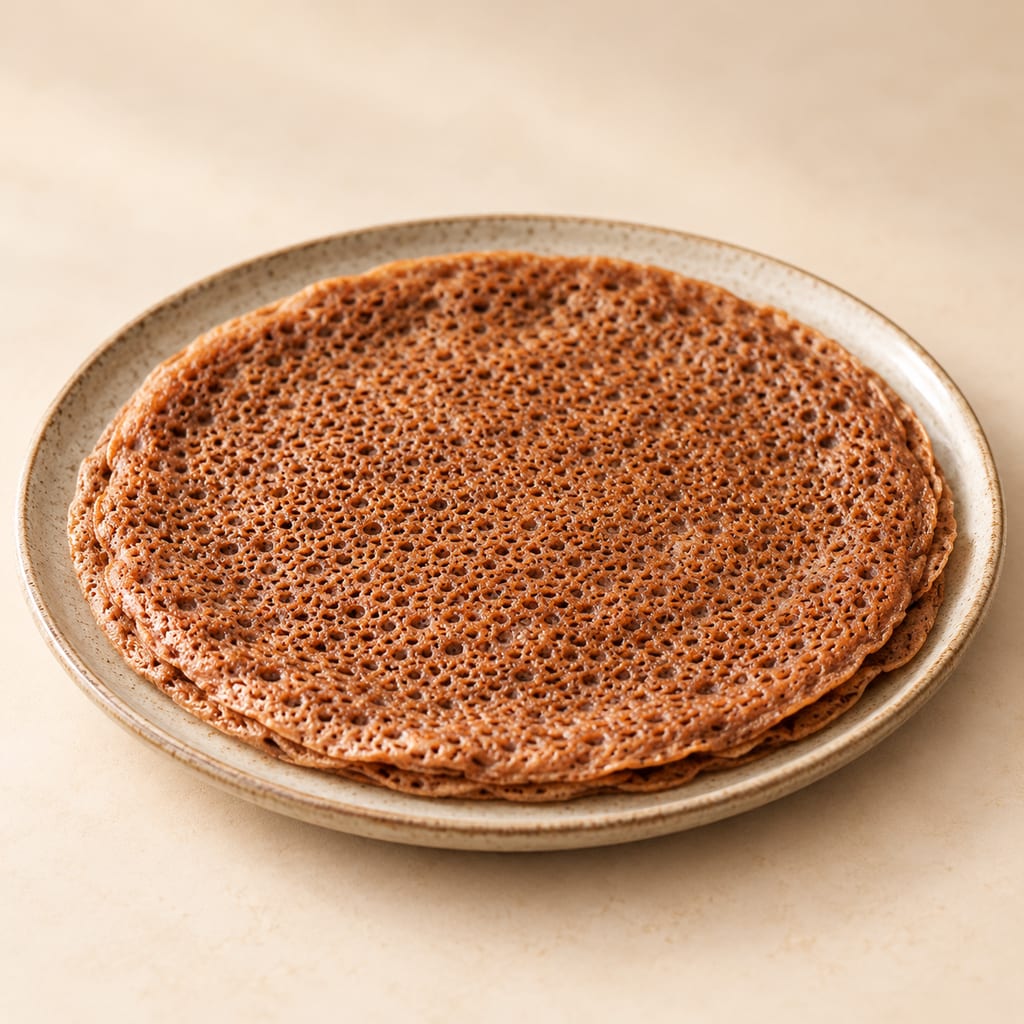
Porous brown teff injera on a ceramic plate.
Elevated risk

Teff injera, 24-hour home method

A modern home adaptation of Ethiopian injera using a 24-hour fermentation window. This method balances traditional souring with accessible ingredients like baking powder or starter cultures to achieve the characteristic porous texture.
Debre Zeyit · Modern method
· Grains and starches
Photograph of Puba (carimã, Brazilian fermented cassava pulp).

Puba (carimã, Brazilian fermented cassava pulp)

A documentary account of puba (carimã), a Brazilian fermented cassava pulp. It records one 1998 study batch and reported uses; it is not a household recipe or a validated cassava-safety method.

Northeastern Brazil
Grains and starches
finished maize porridge

Mieliepap

South Africa's maize-meal porridge, which the same white meal turns into a soft breakfast pap, a firm sliceable mound or the separate moist granules of phuthu depending only on water and handling.

South Africa · Traditional method
· Grains and starches
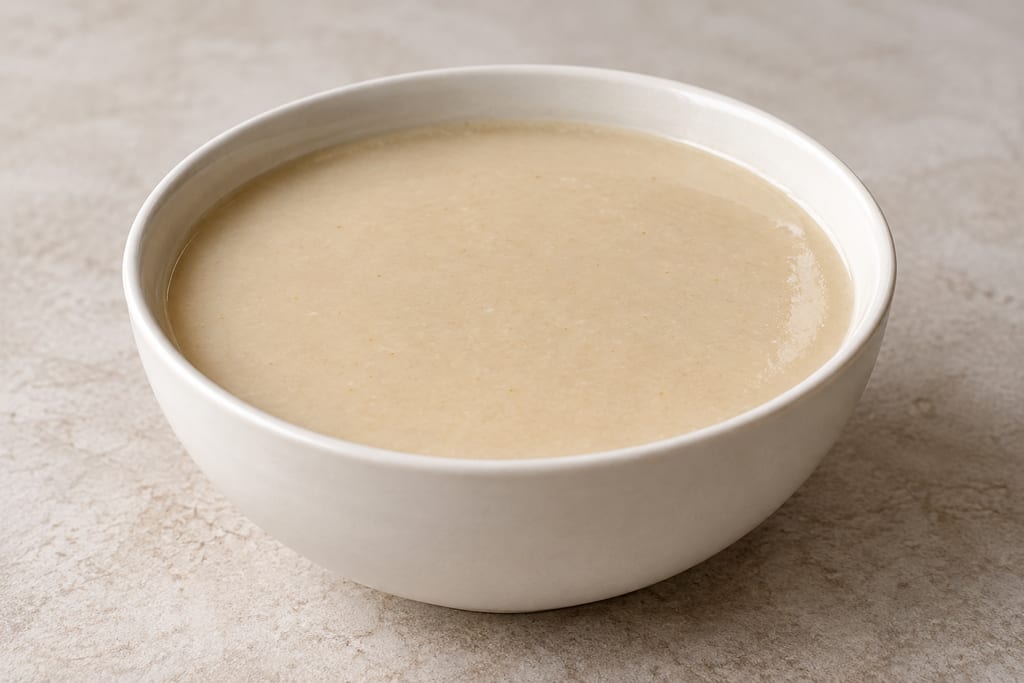
A smooth, fine-textured pearl-millet gruel, cooked and served in a plain bowl. This original illustration follows the documented fluid form of Ben-saalga; it does not depict a specific historical vessel or producer batch.
Elevated risk

Ben-saalga

A fermented pearl-millet gruel documented in Ouagadougou, Burkina Faso. Whole grain is soaked, wet-milled and sieved; the settled paste ferments again before it is cooked with its liquid.

Ouagadougou · Traditional method
· Grains and starches
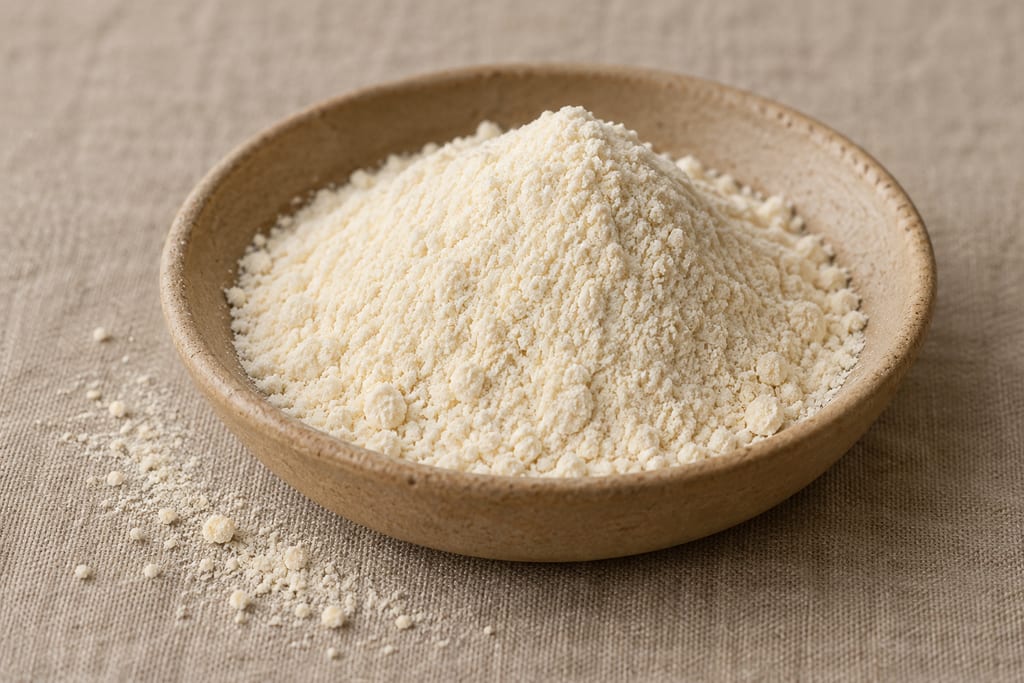
Illustrative still-life of pale maize flour, the milled end form described for fermented fuba; not a photograph of a specific Umbundu batch.
Elevated risk

Fermented fuba (Umbundu maize flour)

Fermented fuba is an Umbundu maize-flour preparation made by lactic fermentation of dehulled, degermed kernels before milling, sun-drying and sieving.

Angola · Traditional method
· Grains and starches
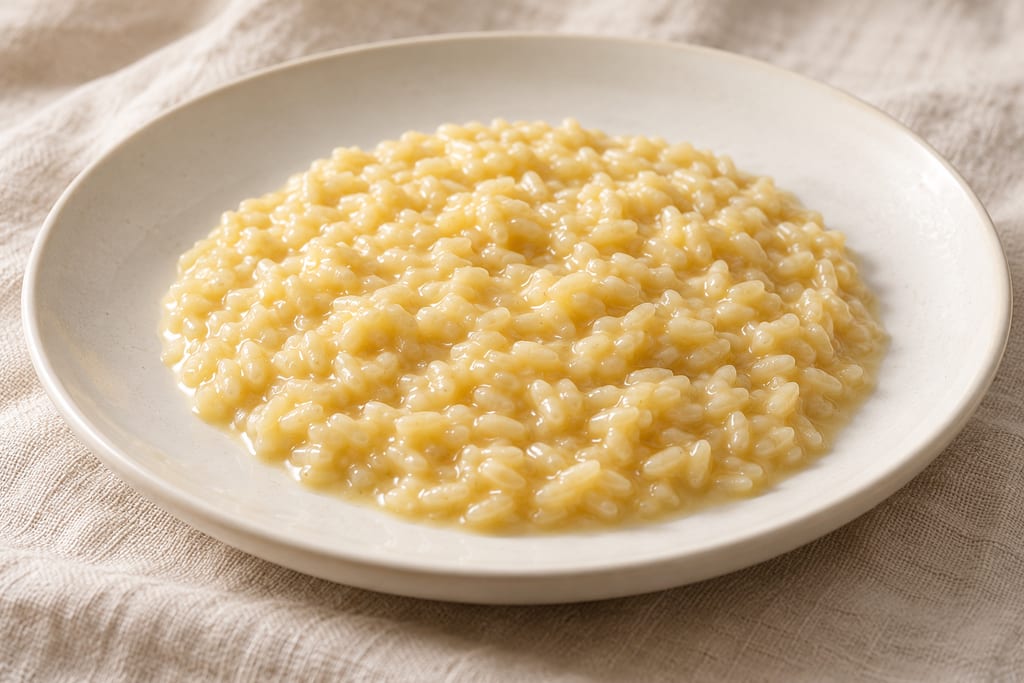
Simple northern Italian risotto with distinct glossy rice grains in a loose Parmesan and butter sauce.

Risotto

A northern Italian rice dish cooked by gradual additions of hot stock, then finished off the heat with butter and cheese for a loose, creamy sauce around distinct, tender grains.

Northern Italy
Grains and starches
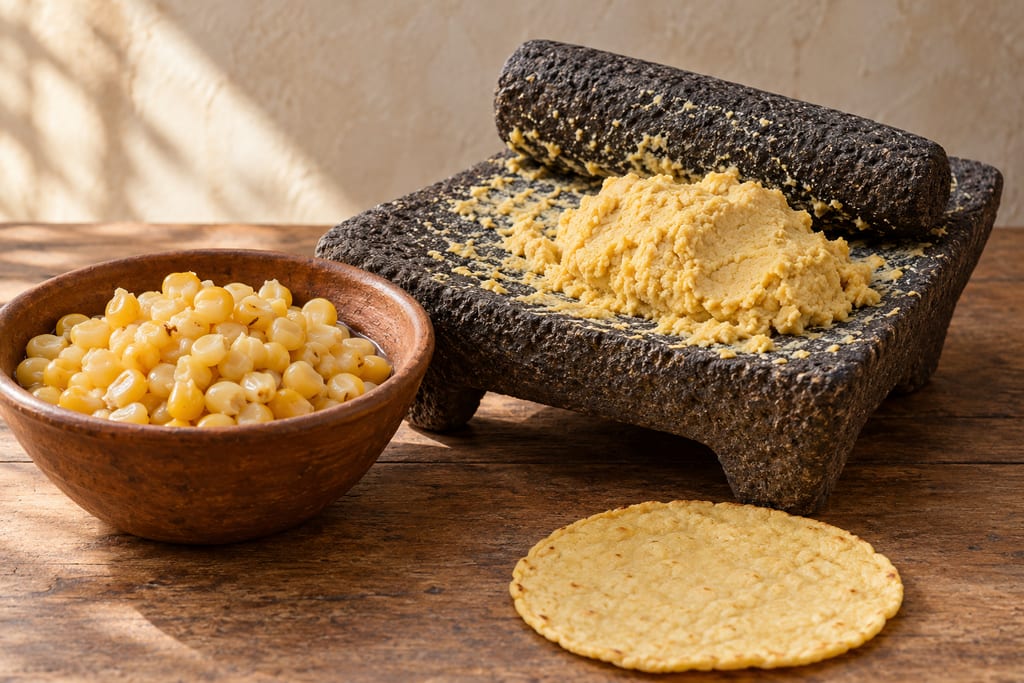
An illustrative still life of rinsed nixtamal kernels, freshly ground masa on a stone metate, and a plain tortilla; not a specific historical scene.

Nixtamal and masa

Whole maize cooked and steeped overnight in lime water, washed of its skins and excess lime, then ground into the moist dough used for tortillas.

Mexico · Traditional method
Grains and starches
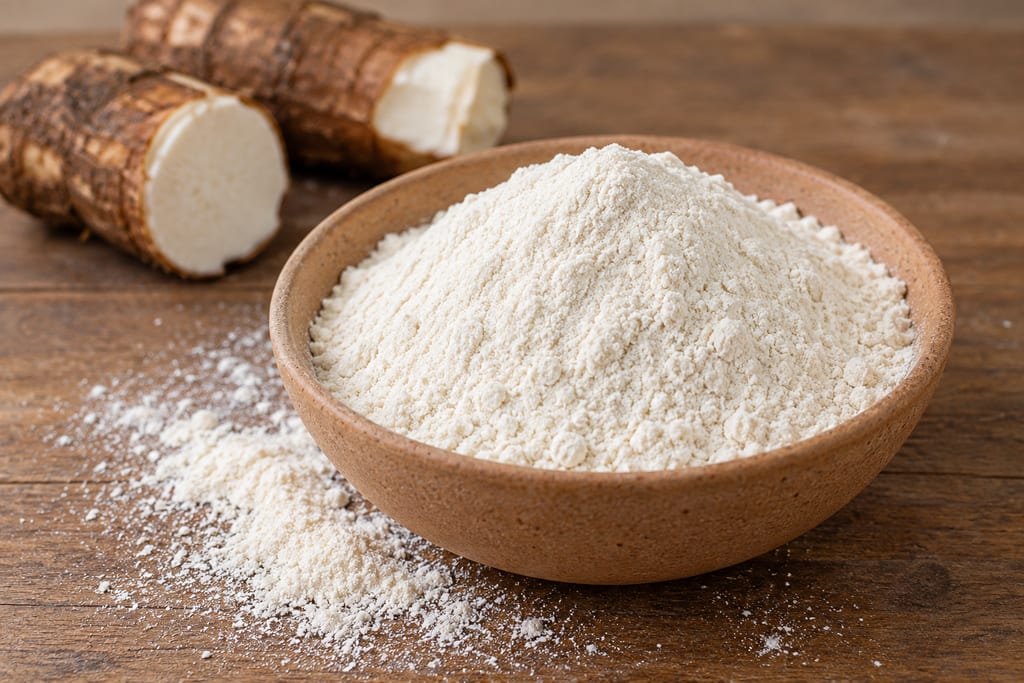
Fine pale Lafun cassava flour in a shallow ceramic bowl, with dried cassava pieces softly out of focus behind it.
Elevated risk

Lafun

Lafun is a Nigerian fermented cassava flour described in historical accounts. This record documents reported processing stages, not a validated household method or a batch-specific cyanogen and moisture safety endpoint.

Nigeria
· Grains and starches
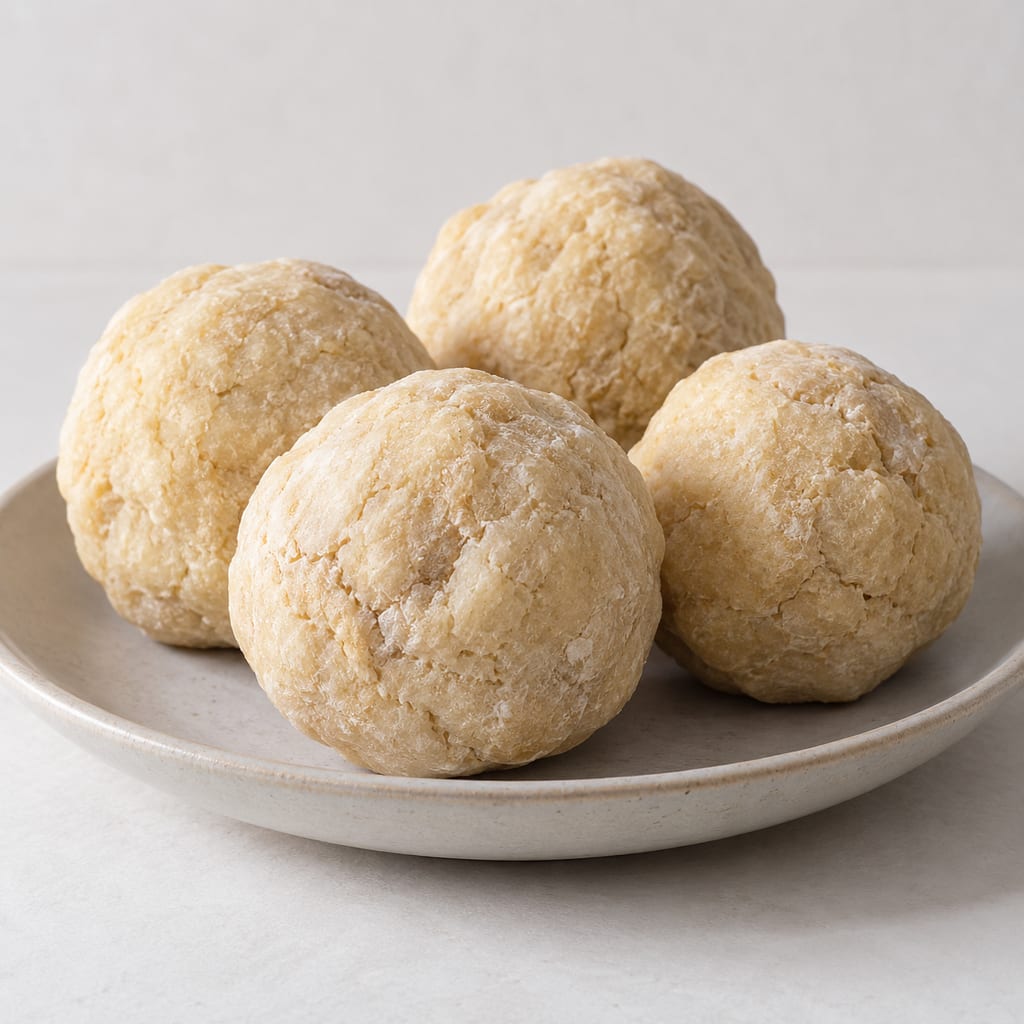
Illustrative rendering of Cameroonian Kumkum as round dried cassava balls described in IITA references; color and surface texture are interpretive because exact appearance is not specified.
High risk

Kumkum

Kumkum is a Cameroonian fermented-cassava preparation described as balls dried over a fireplace and stored or milled into flour. Sources also describe a sun-dried market form; they give no Kumkum-specific safety endpoint.

Cameroon · Traditional method
· Grains and starches
Illustrative serving of off-white eba, molded into a soft dome on a plain plate.

Eba

Eba is a West African dish of cooked gari, stirred into hot water until it forms a thick paste. It is a cooking stage with no new fermentation, served with soup.

Nigeria
Grains and starches
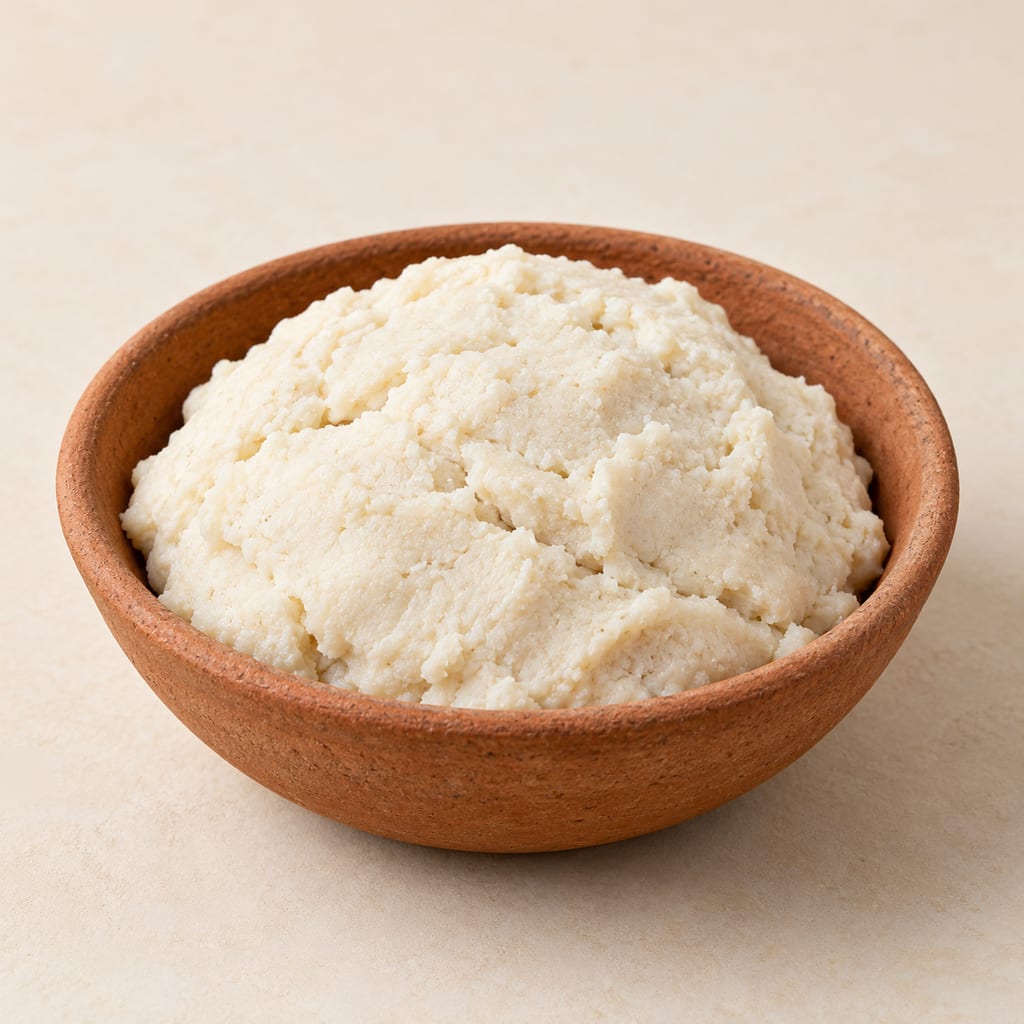
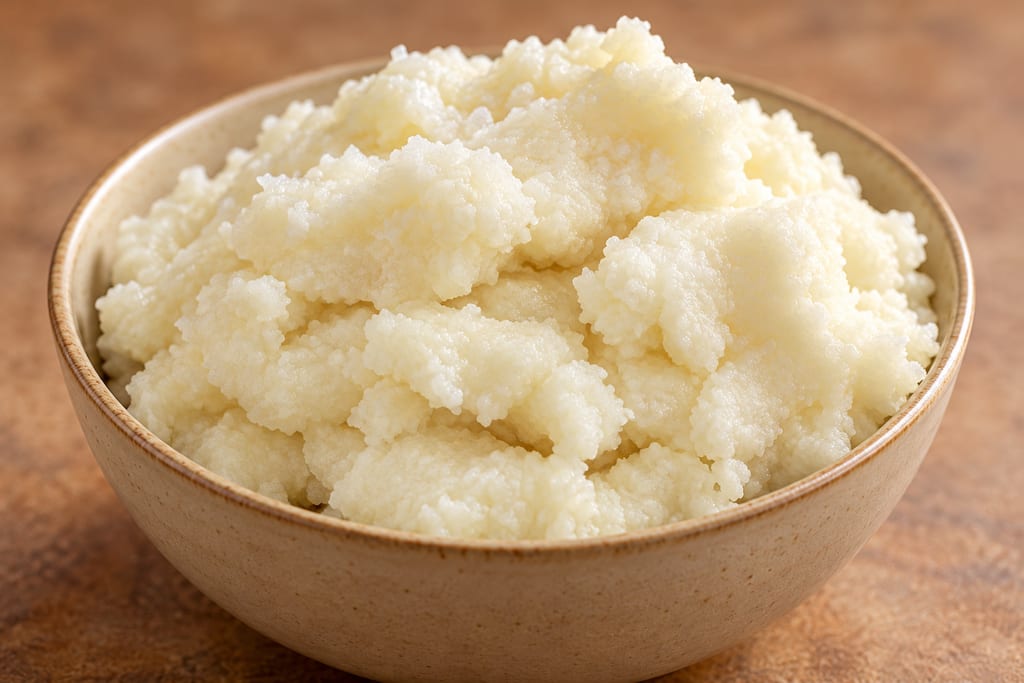
Illustrative pale cream Agbelima fermented cassava dough in a plain shallow earthenware bowl.
Elevated risk

Agbelima (Ghanaian fermented cassava dough)

Ghanaian sour cassava dough fermented with traditional inoculum and drained during fermentation. It is used as a base for cooked foods such as banku and akple; process variants and safety outcomes differ.

Ghana
· Grains and starches
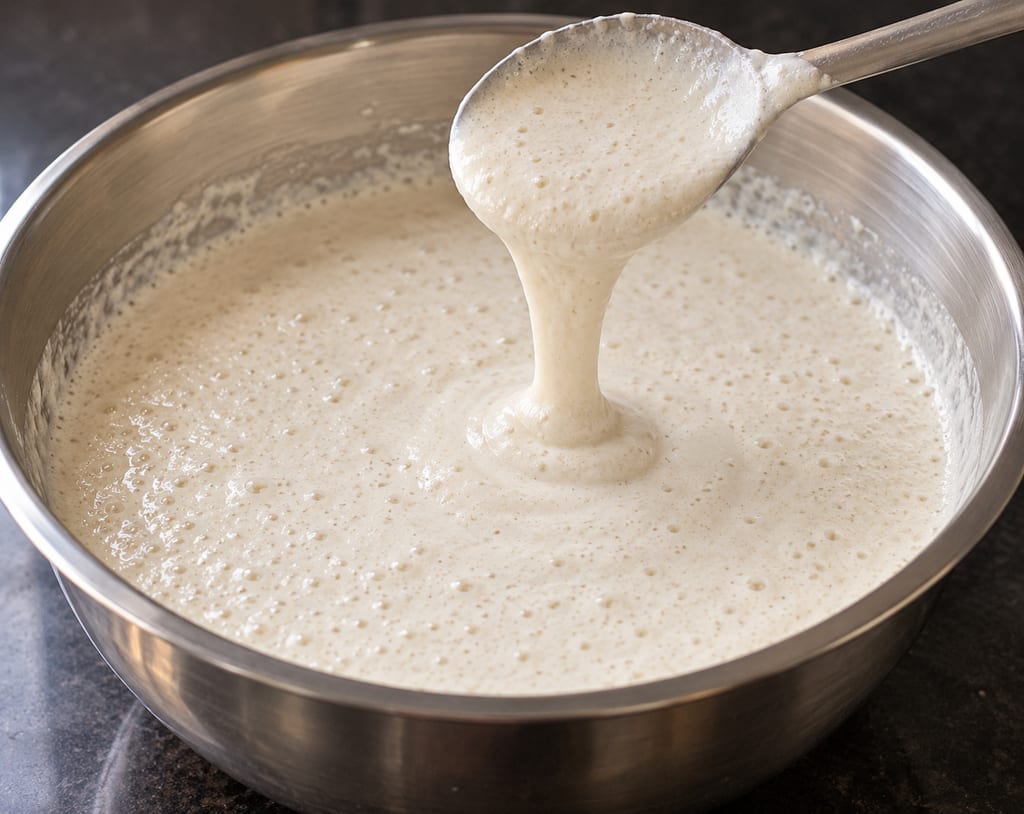
Fermented dosa batter in a stainless-steel bowl, with a spoon showing its pourable consistency.
Elevated risk

Dosa batter

A naturally fermented South Indian rice-and-urad batter, ground fine and spread thin on a hot griddle. Fermentation lightens the batter and develops its gentle tang.

South India · Traditional method
· Grains and starches
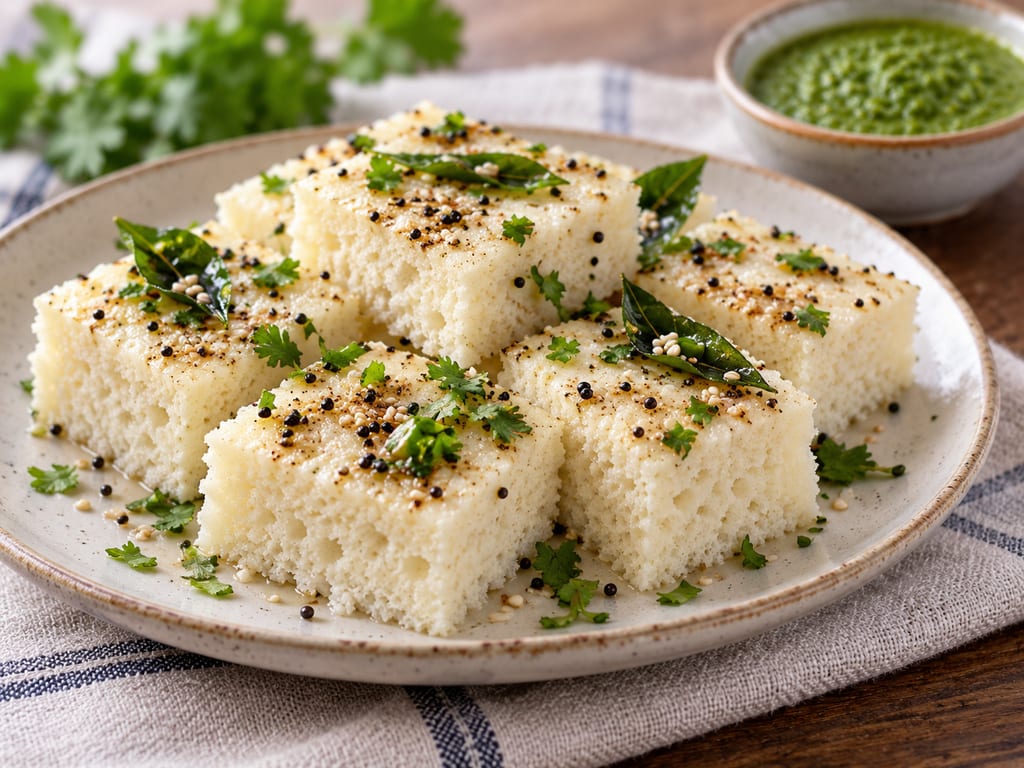
Pale, airy Gujarati khatta dhokla squares topped with mustard seeds, sesame and curry leaves.

Dhokla

Dhokla is a Gujarati savoury steamed cake made from a fermented rice-and-pulse batter, whose lactic bacteria and yeasts give acidity, aroma and a porous crumb before steaming.

Gujarat · Traditional method
· Grains and starches
Thick barley and oat porridge topped with diced apple and chopped hazelnuts in a stoneware bowl.

Barley and oat porridge (Viking Age)

Crushed or milled barley cooked in water until the starch softens and the mixture thickens, the plainest way a northern household turned stored grain into a meal, here with apple and hazelnut.

Sweden · Modern adaptation
· Grains and starches
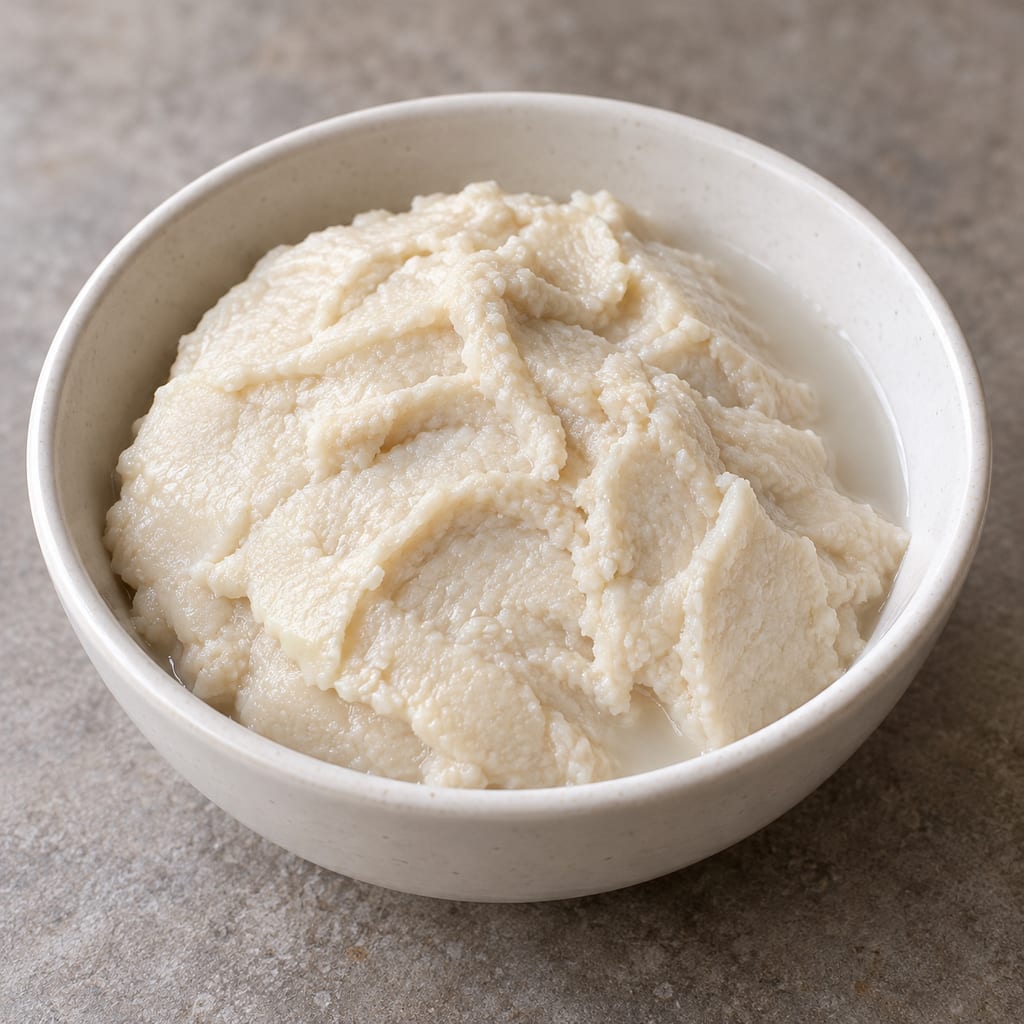
A bowl of thick, off-white fermented maize slurry at the drained settled-paste stage.
Elevated risk

Ogi and akamu, fermented cereal slurry

Ogi or akamu is a wet fermented cereal preparation documented in Nigeria and Benin. Grain or maize starch is steeped, milled or sieved, then fermented by process-specific routes; evidence supports no universal method or safety limit.

Nigeria · Traditional method
· Grains and starches
Steamed attiéké cassava granules served in a shallow cream ceramic bowl.

Attiéké

Ivorian cassava semolina: grated cassava is fermented overnight with a traditional inoculum, pressed, sieved into granules, dried and steamed. Documented in a 2006 field study; no sole original process is established.

Southern Côte d'Ivoire
Grains and starches
A plain appam on a dark plate, its soft center surrounded by a golden, lacy rim.

Appam and hoppers

Appam, or hoppers, are South Indian and Sri Lankan rice pancakes made from a fermented coconut-and-rice batter and cooked in a curved pan to a crisp lacy rim and a soft, spongy centre.

Kerala · Traditional method
· Grains and starches
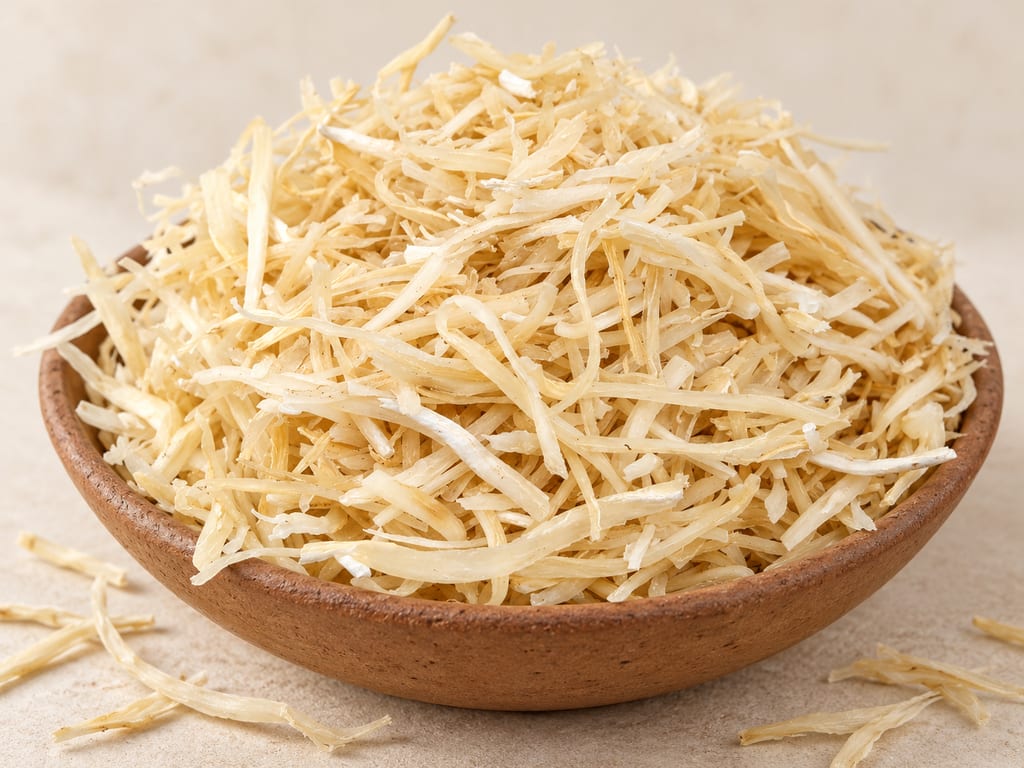
Dried Abacha, pale shredded cassava strips piled in a shallow earthenware bowl.
High risk

Abacha

Abacha is a fermented cassava-strip preparation from southeastern Nigeria, sold wet or dried and later rehydrated for meals such as African salad.

Southeastern Nigeria
Grains and starches
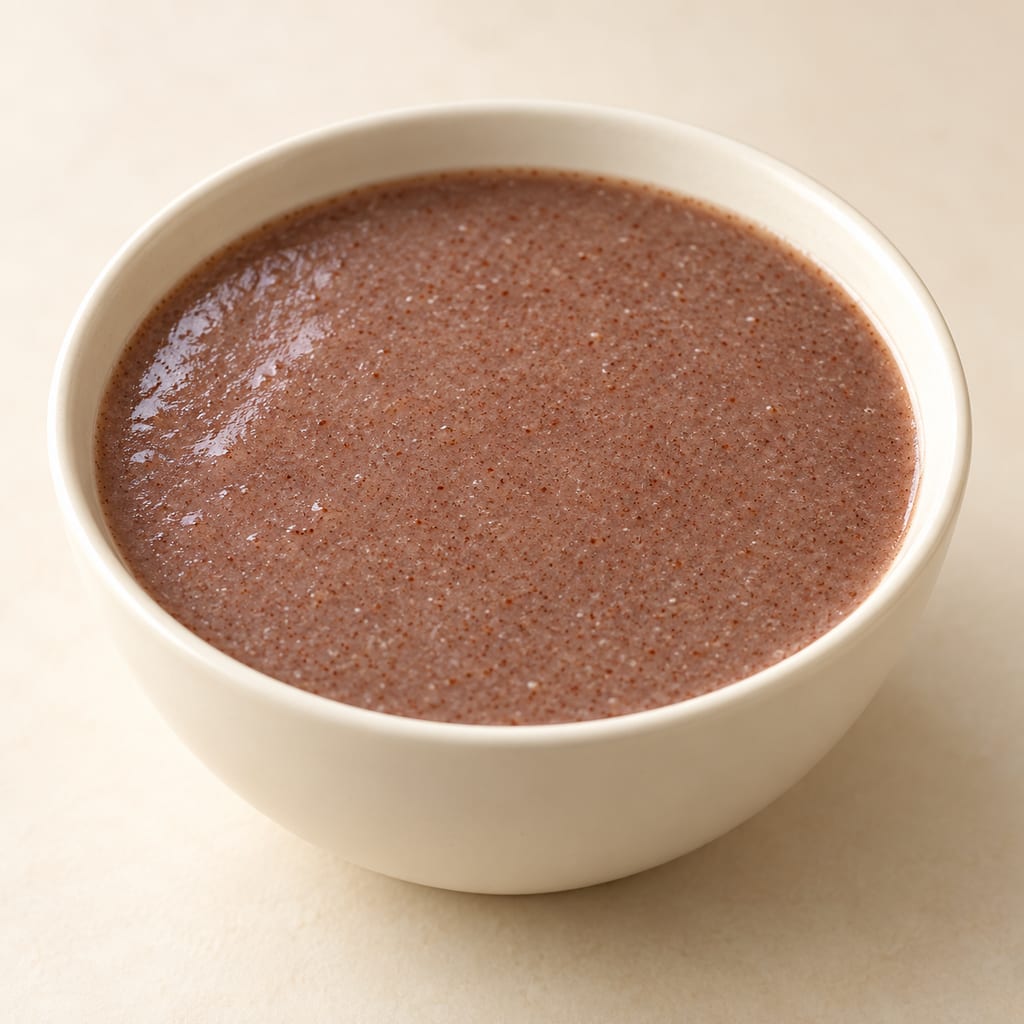
A plain bowl of Western Kenyan fermented finger-millet uji, shown as smooth thin brown porridge.
Elevated risk

Western Kenyan fermented finger-millet uji

A thin, sour porridge of western Kenya made by fermenting unroasted finger-millet flour in water for a day or two, then diluting it and cooking it through.

Western Kenya · Traditional method
· Grains and starches
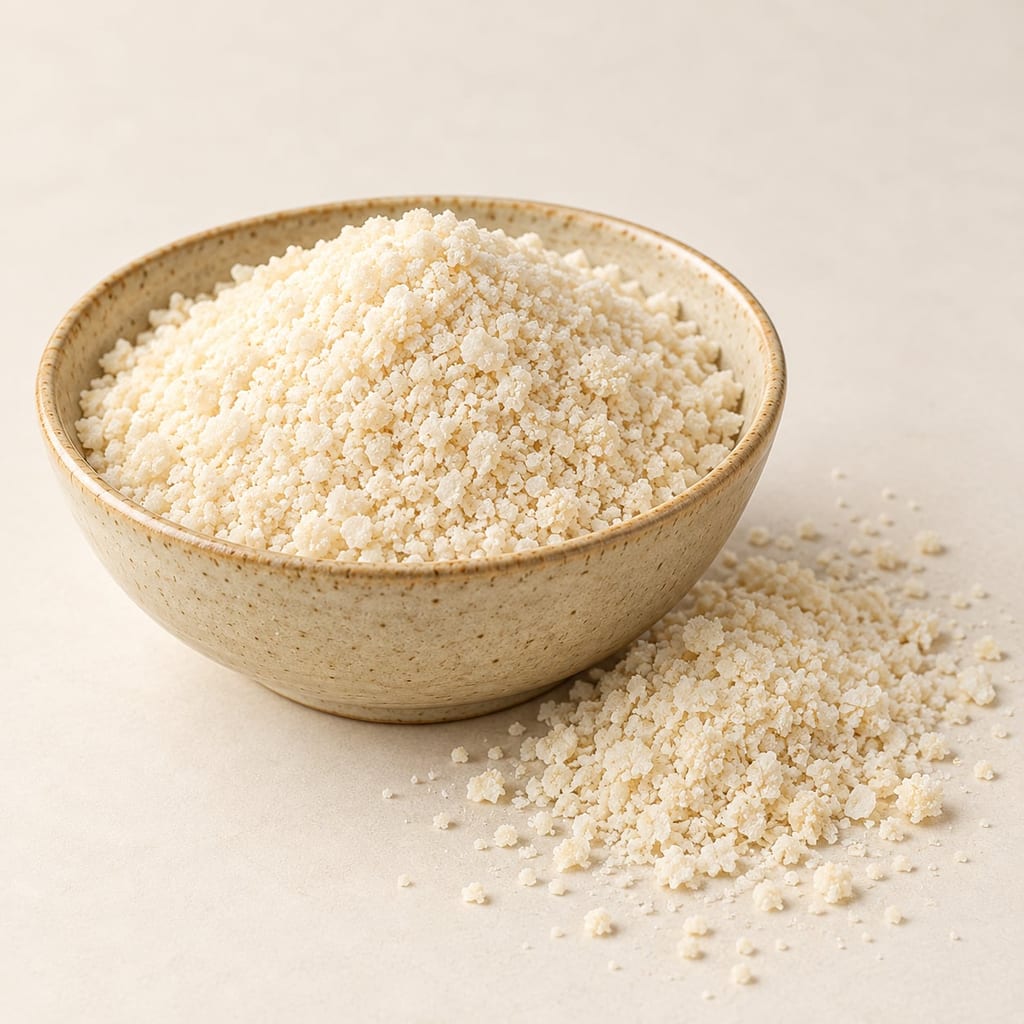
A shallow ceramic bowl and a small loose pile of pale dry white gari granules on a warm cream surface.
Elevated risk

White gari from fermented cassava

White gari is grated cassava fermented for three days, then pressed, sieved and toasted dry into a coarse West African meal eaten soaked or as a stiff porridge.

Benue State, Nigeria · Modern method
· Grains and starches
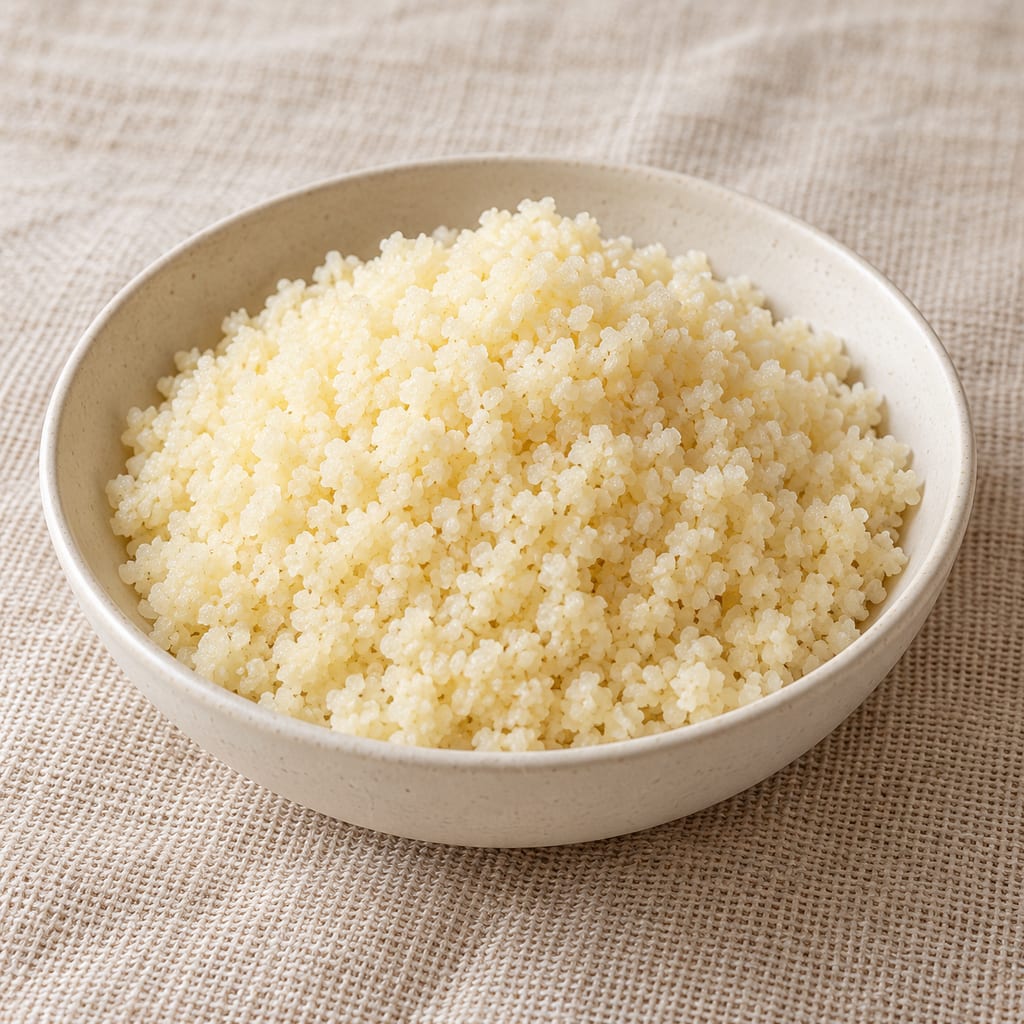
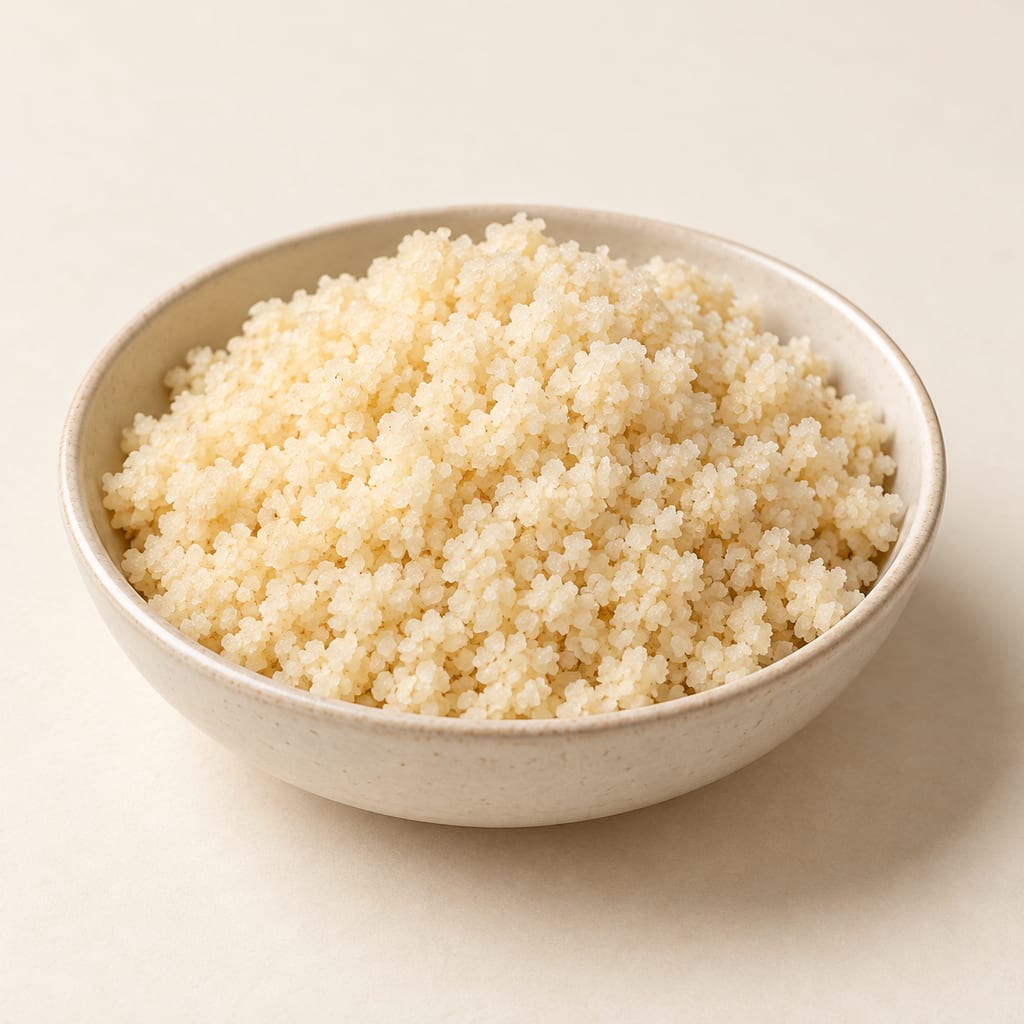
A shallow cream bowl of pale, fluffy steamed Attiéké cassava granules on a warm ivory background.
Elevated risk

Attiéké from fermented cassava pulp

Attiéké is an Ivorian staple of grated cassava fermented with a traditional inoculum, then pressed, sieved, granulated, dried and steamed into fine couscous-like grains.

Côte d’Ivoire · Modern method
· Grains and starches
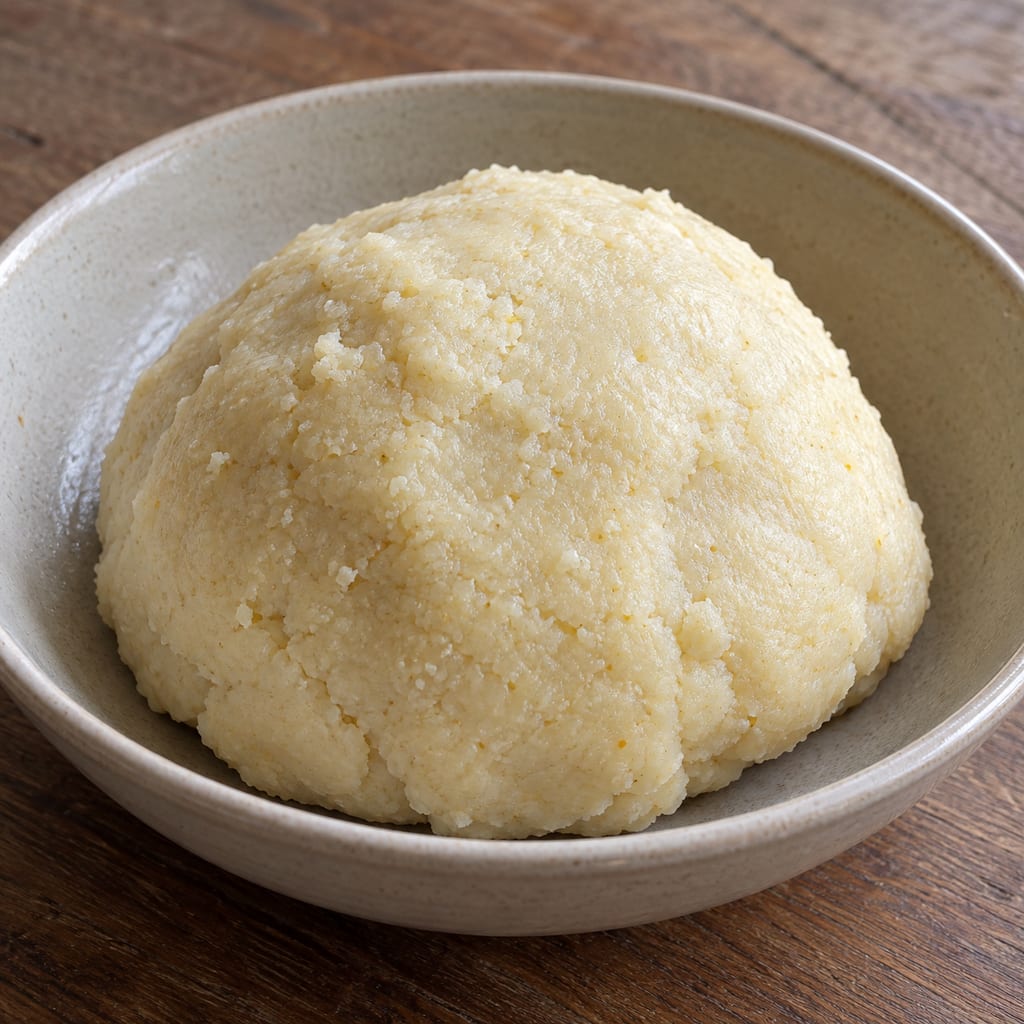
A moist mound of uncooked Mawè, fermented maize dough, in a plain shallow bowl.

Mawè

Mawè is a spontaneously fermented maize or other cereal dough from Benin and neighbouring West Africa, soured by lactic bacteria and yeasts and used as the base for cooked pastes, porridges, breads and drinks.

Benin · Traditional method
· Grains and starches