





































Elevated risk
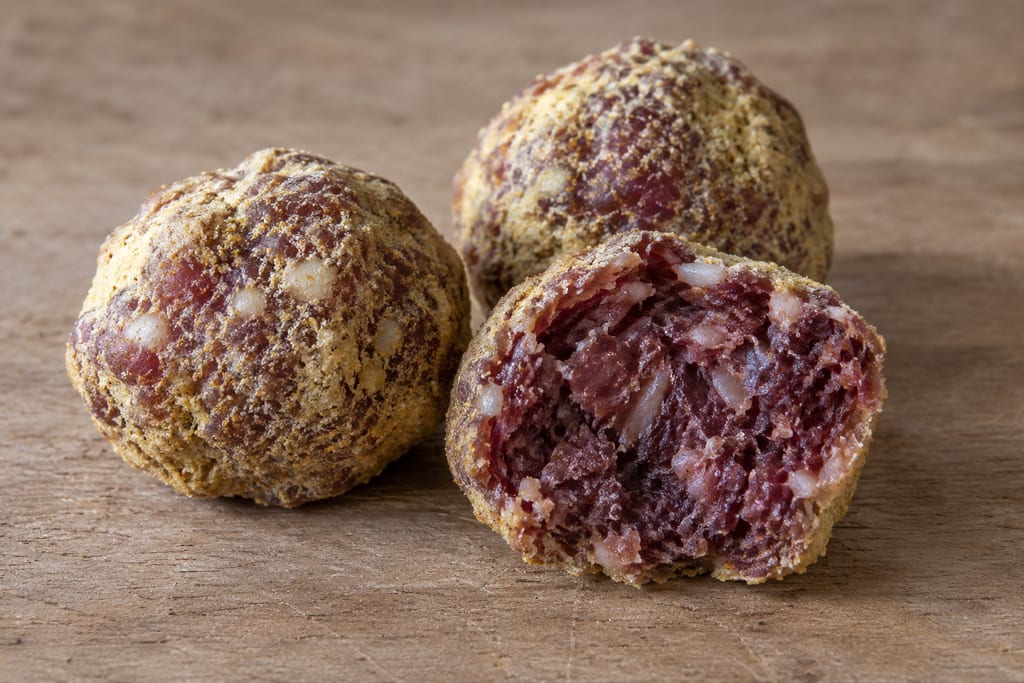
Hogweed barszcz
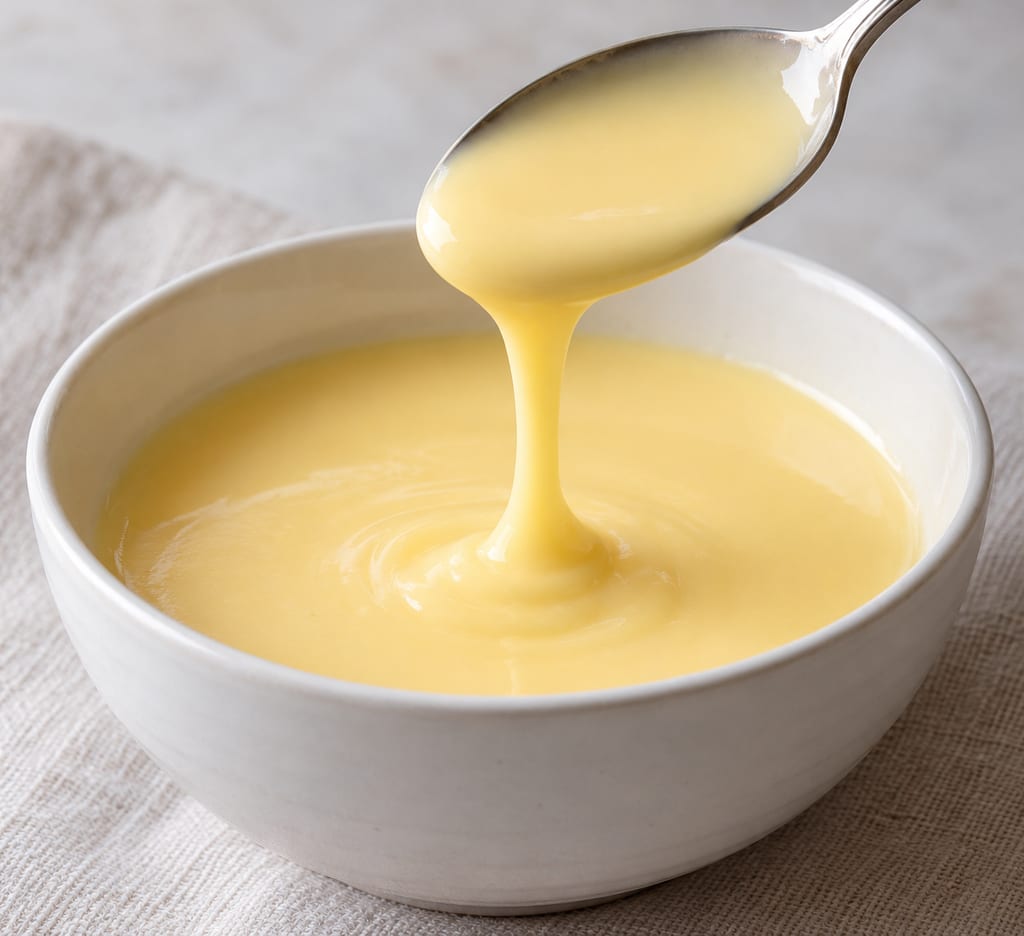
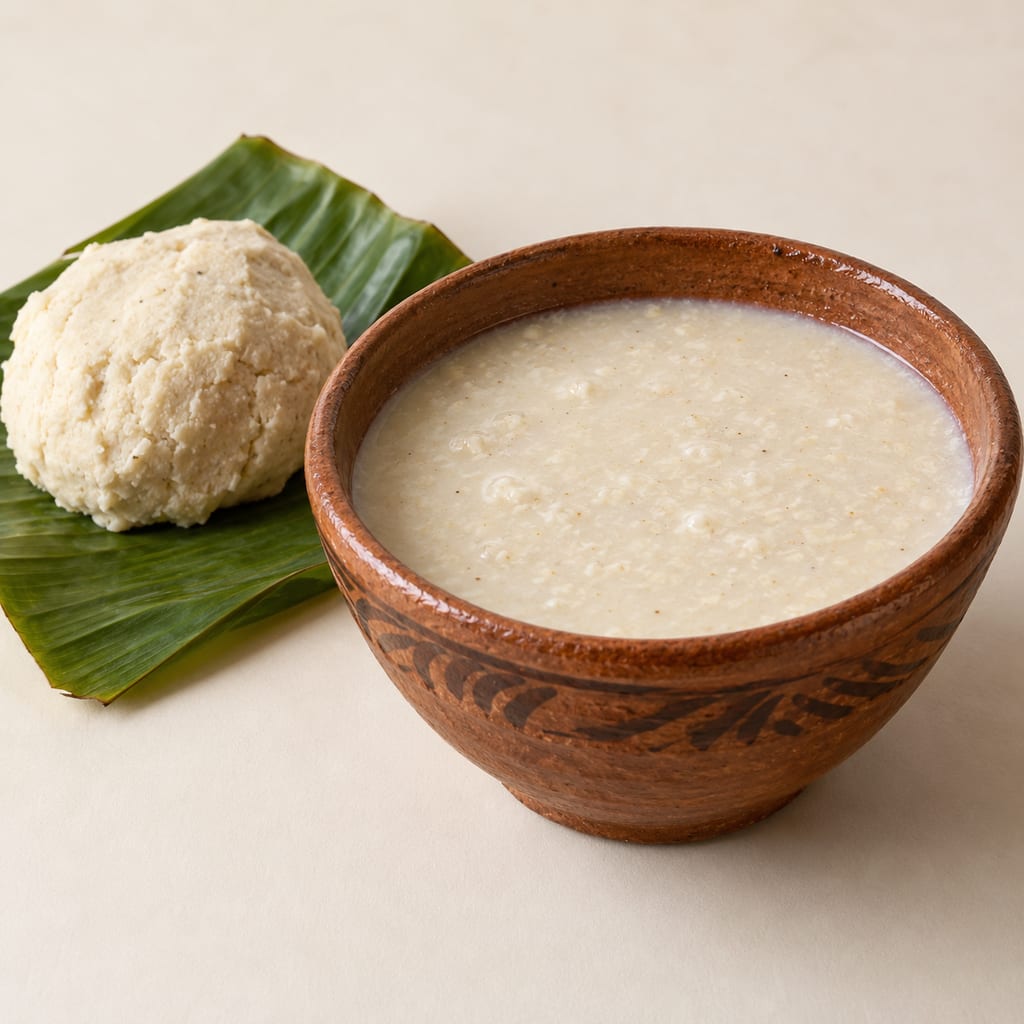
The original Polish barszcz: young hogweed leaves soured in warm water for a few days, then boiled into soup with egg, butter, cream or millet. Recorded from 1595, with warnings about the sap and lookalikes.
 FermenteaWhere food goes to change
1504 records with their sources, across 11 categories.
 Fermented, enzyme-ripened and mixed seasonings328
 Fruit preserves10
 Legume, seed and plant-protein ferments10
 Garum and fish sauces8
 Adjacent and excluded7
 Koji, mold starters and mold-ripened ferments4
 Acid and oil pickles3
 Fermented fruit and fruit-derived foods3
 Vegetable lactic3
 Dairy ferments2
 Smoked salted and dried foods2
 Cheese1
 Not yet classified1
 Lactic-fermented vegetables and shoots93
 Fruit preserves20
 Acid and oil pickles11
 Adjacent and excluded7
 Grain and starch ferments5
 Condiments and enzymatic seasonings4
 Smoked salted and dried foods2
 Not yet classified1
 Unfermented breads1
The original Polish barszcz: young hogweed leaves soured in warm water for a few days, then boiled into soup with egg, butter, cream or millet. Recorded from 1595, with warnings about the sap and lookalikes.
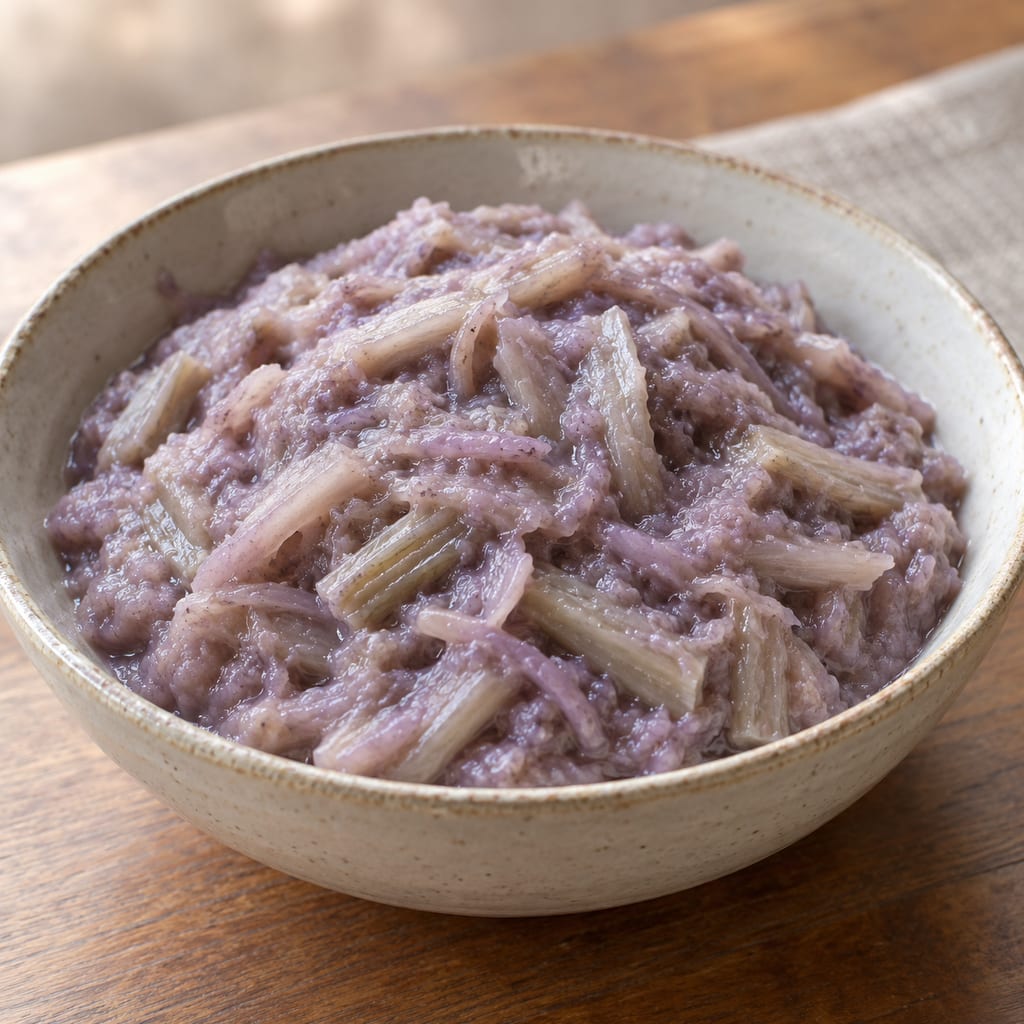
Thai pickle of young taro leaf stalks, salted, kneaded and held in rice-washing water in an earthen jar at room temperature. JIRCAS records it as a home-level product with no validated endpoint.
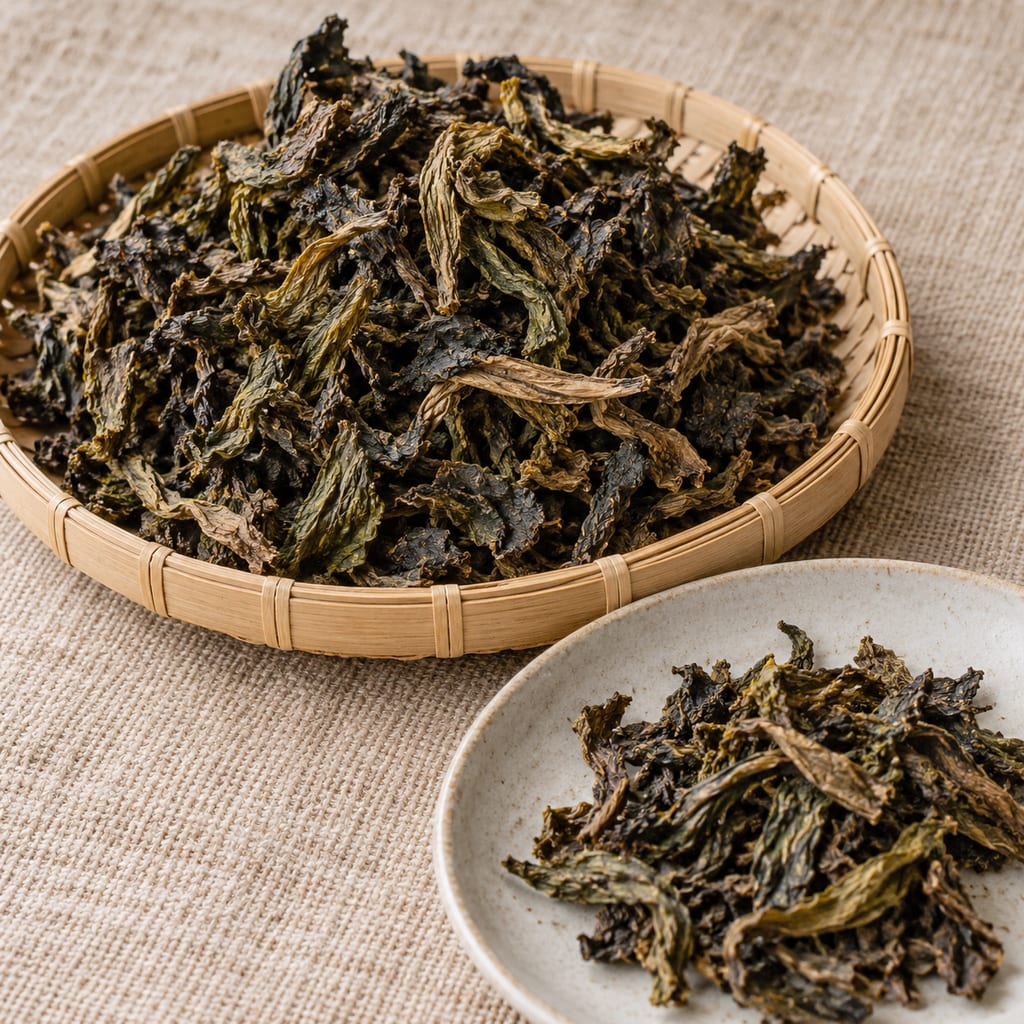
Inziangsang is a Naga fermented food of mustard leaves from Nagaland and Manipur. Crushed, soaked and squeezed leaves ferment for 7 to 10 days, then dry in the sun. A squeezed liquid can be boiled to a concentrate.
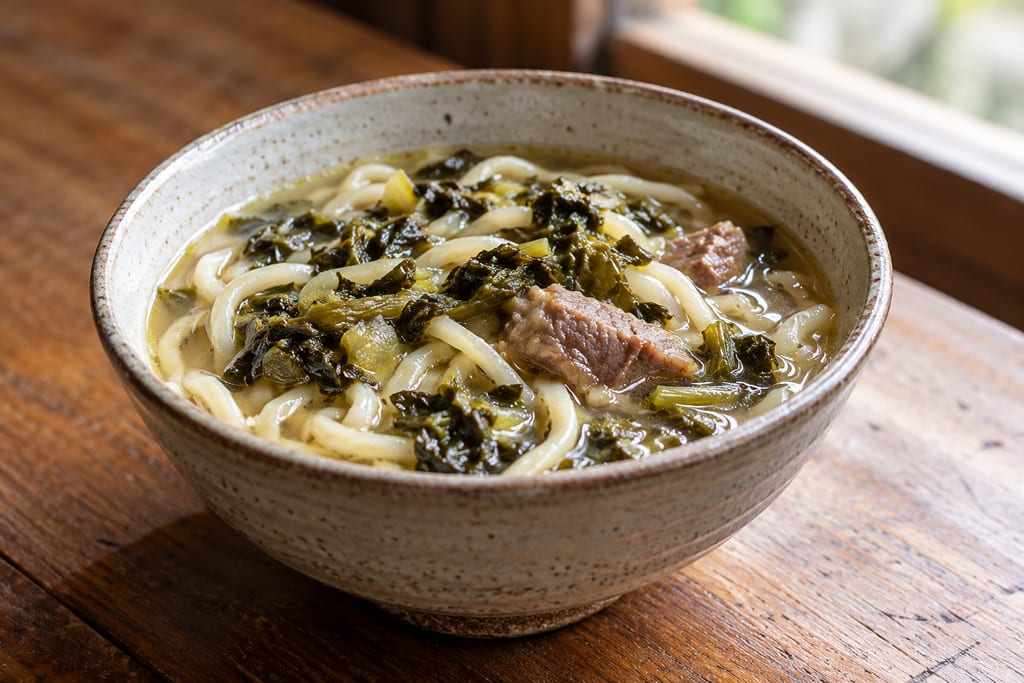
Goyang is a Sherpa fermented wild leafy food of the Darjeeling hills and Sikkim. Rainy-season magane-saag leaves are packed in a bamboo basket, held at room temperature for about a month, then eaten fresh or dried and used in soup.
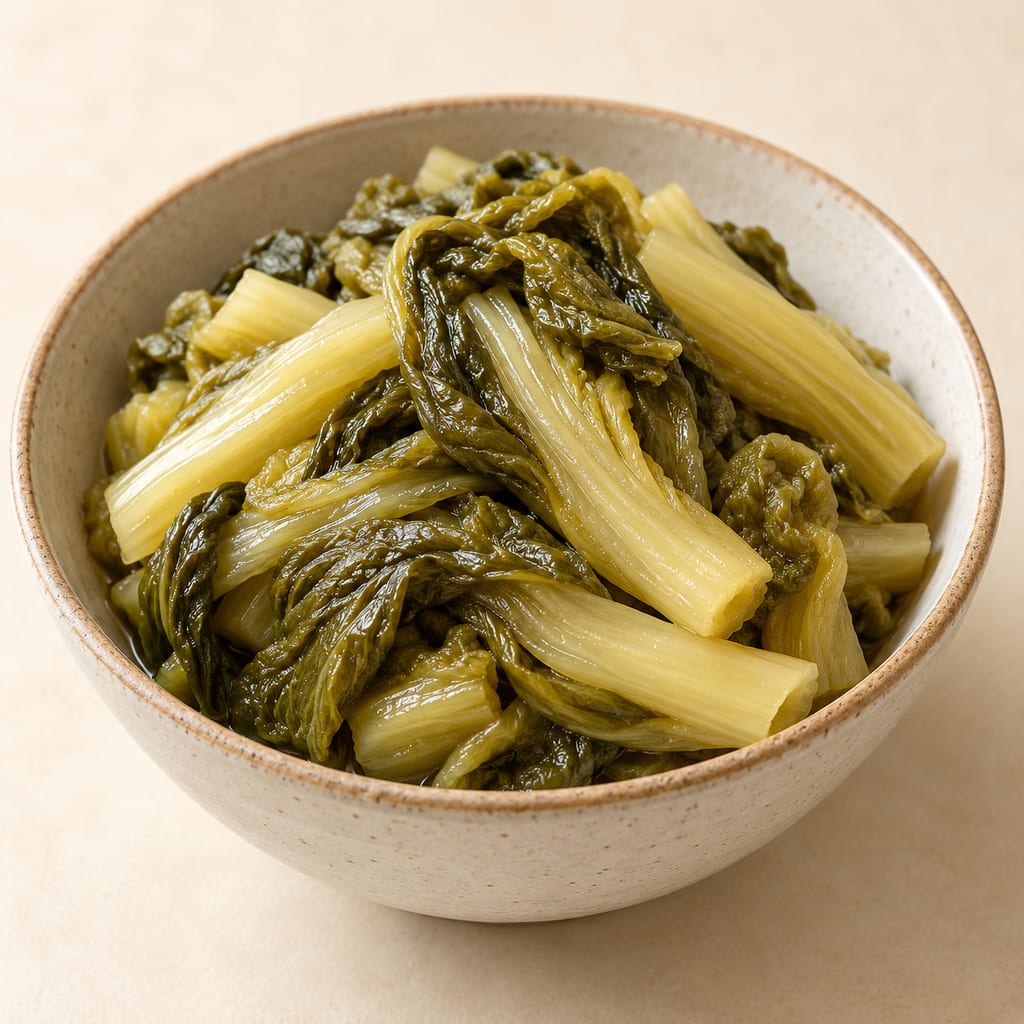
Cambodian pickle of blanched Chinese mustard greens, dried, then packed in a sweet-salt brine. Sold in Phnom Penh markets and made at home. The readiness times in the home recipe are not validated.
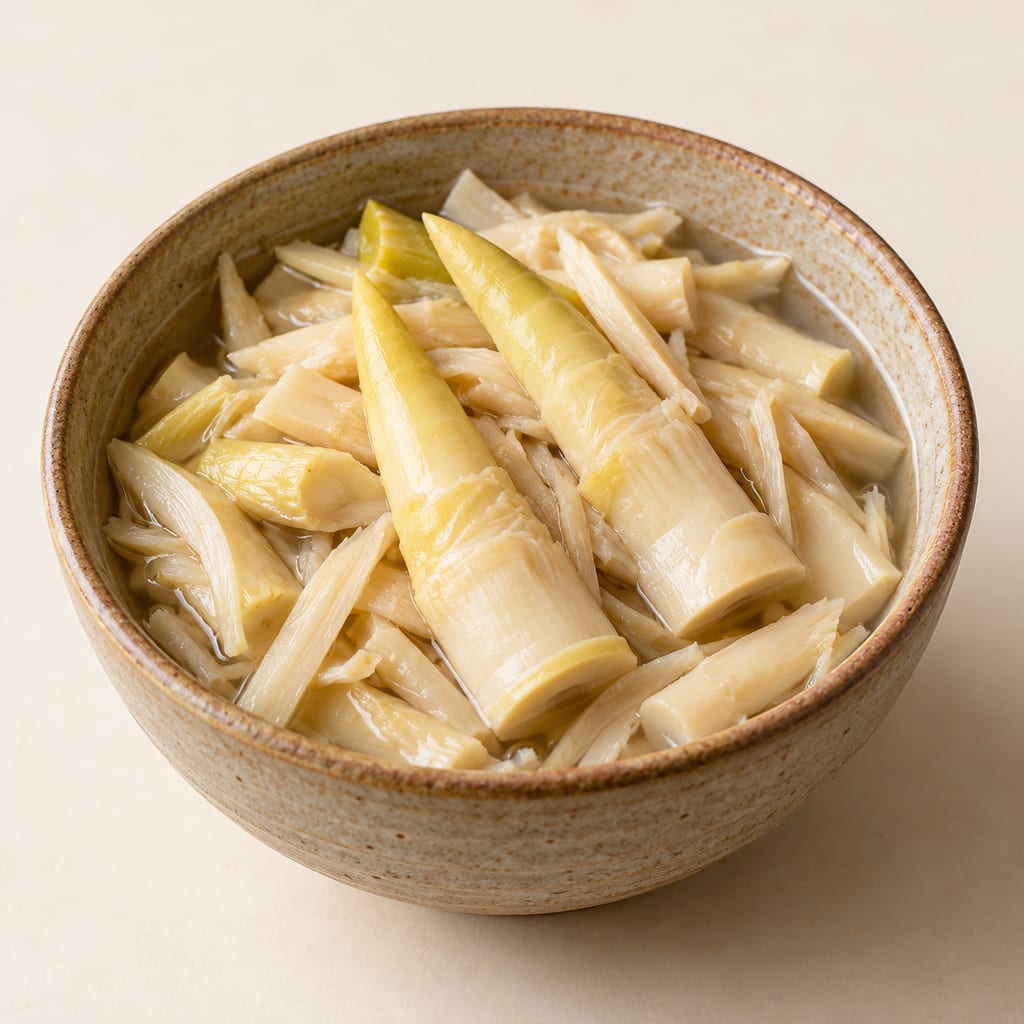
Fermented tender bamboo-shoot tips from Manipur, started with the sour liquid of an earlier batch and eaten in chutneys and curries.
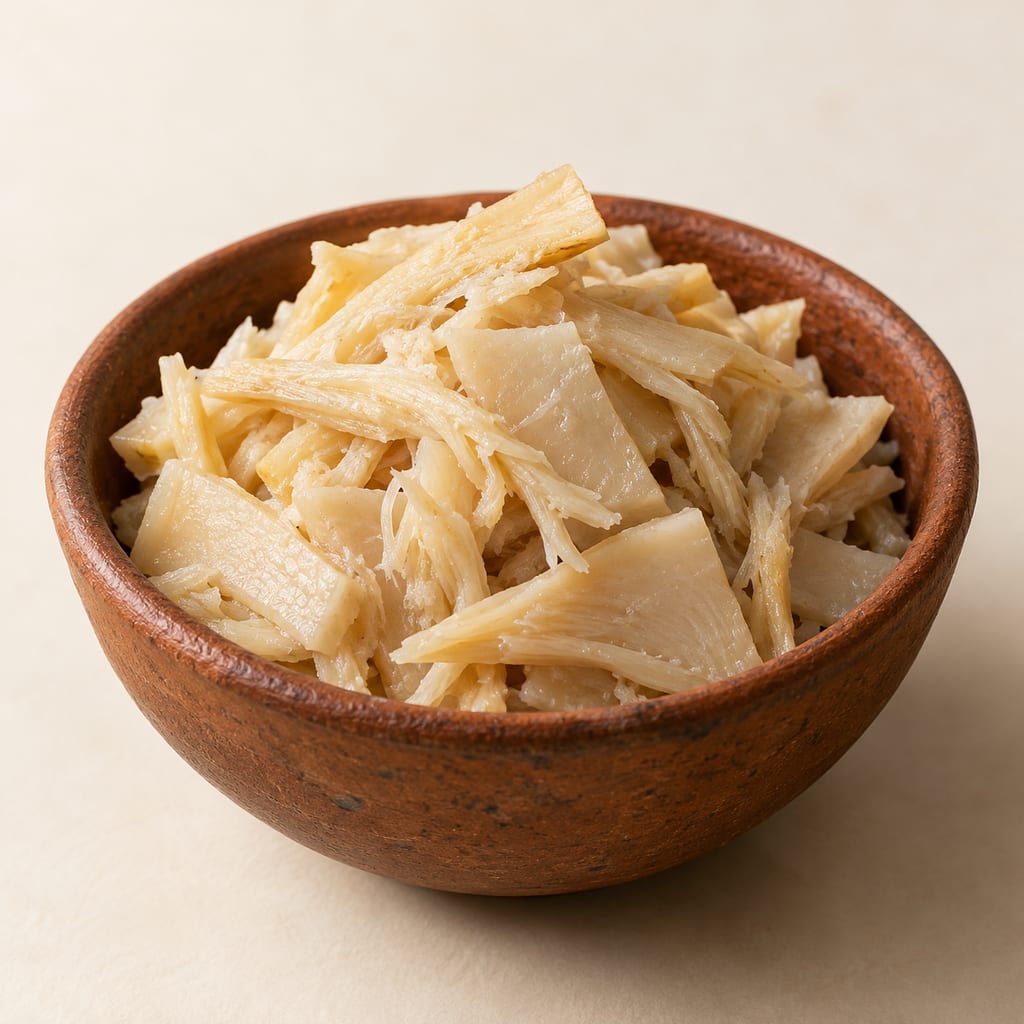
Thin slices of juvenile bamboo shoots fermented for six to twelve months in Manipur, eaten as a sour side dish with rice.
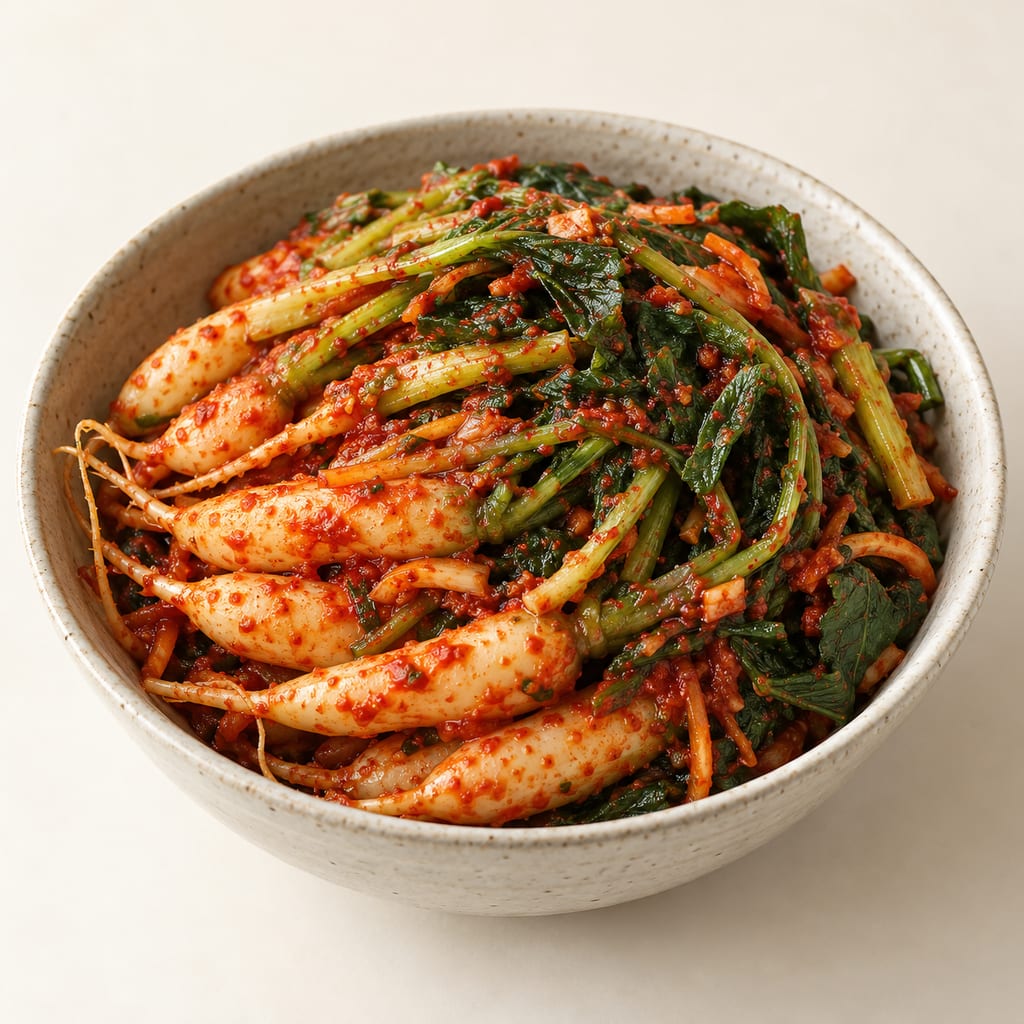
Korean kimchi of young summer radish and its tender leaves, salted, seasoned with chili and aromatics, and held in a container. Water kimchi is a separate form with its own page, veg-0011.
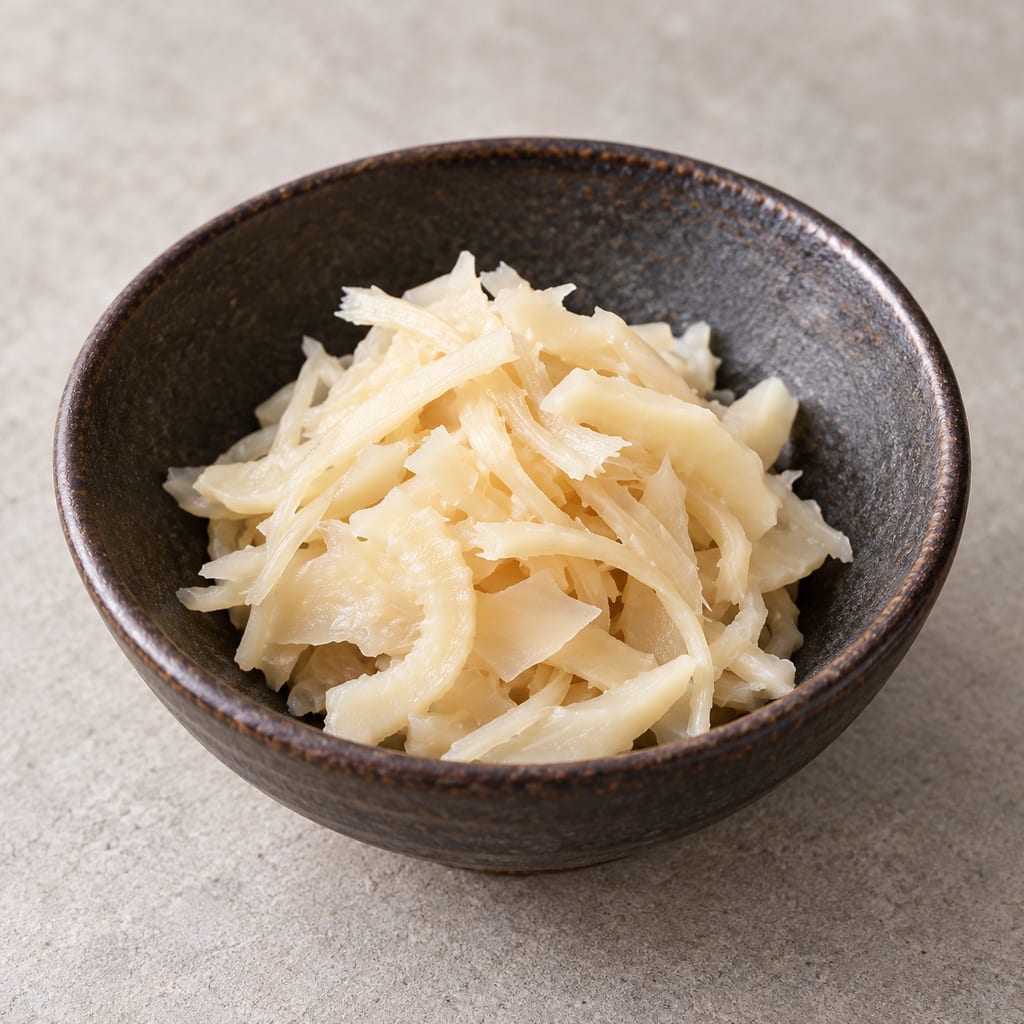
Young Dendrocalamus hamiltonii shoots fermented in a bamboo cylinder in a stream or in a sealed bottle above a kitchen oven, from Khasi households in Meghalaya.
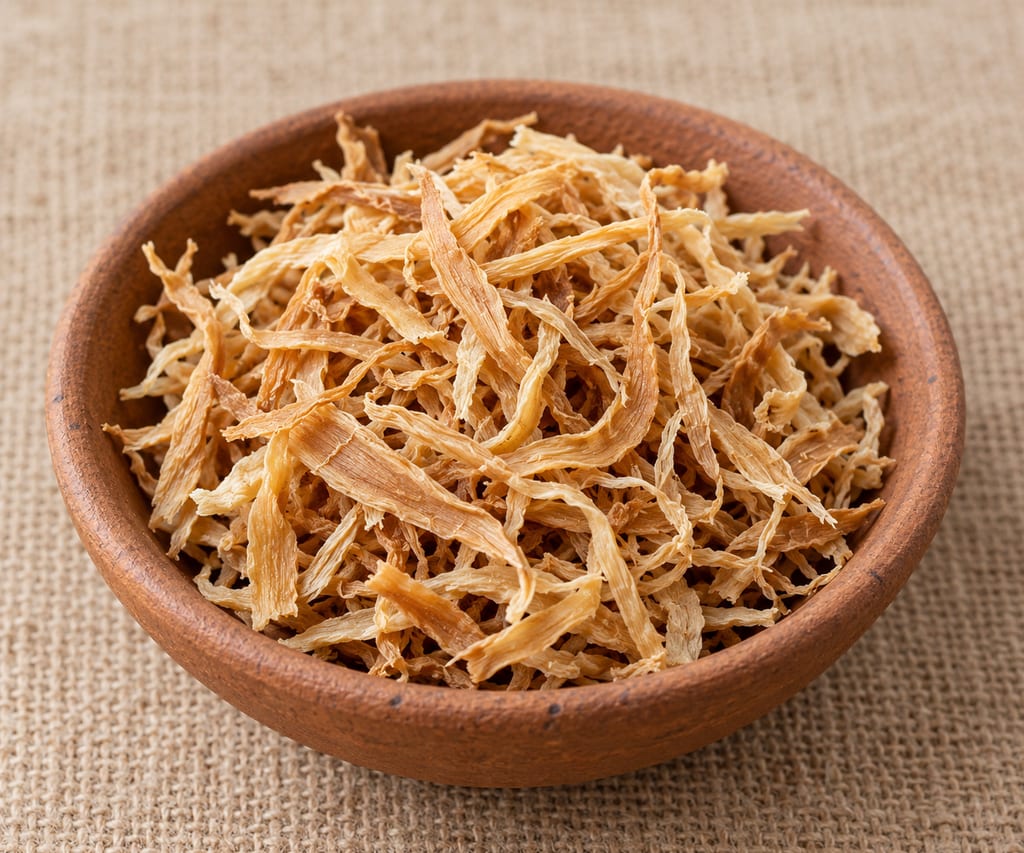
Khorisa is an Assamese fermented bamboo-shoot food. This page records cultural and lab accounts, not a validated home method. FSANZ says shoots must be fully cooked before eating; it does not validate Khorisa or set its cooking time.
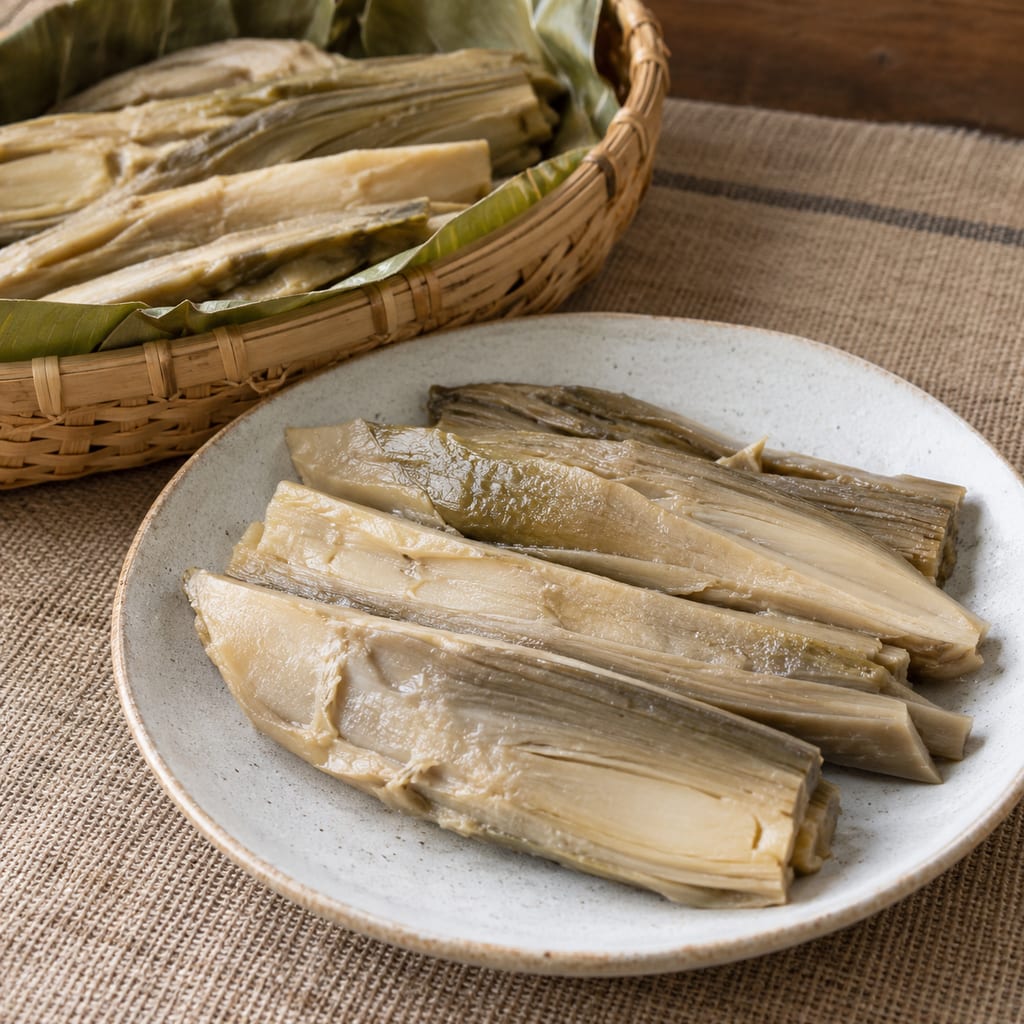
Upper tender bamboo-shoot tips, split or flattened, pit-fermented one to three months in Arunachal Pradesh and eaten in curries.
Pit-fermented bamboo shoots from Arunachal Pradesh, cut smaller and sun-dried for five to ten days, used in curries.
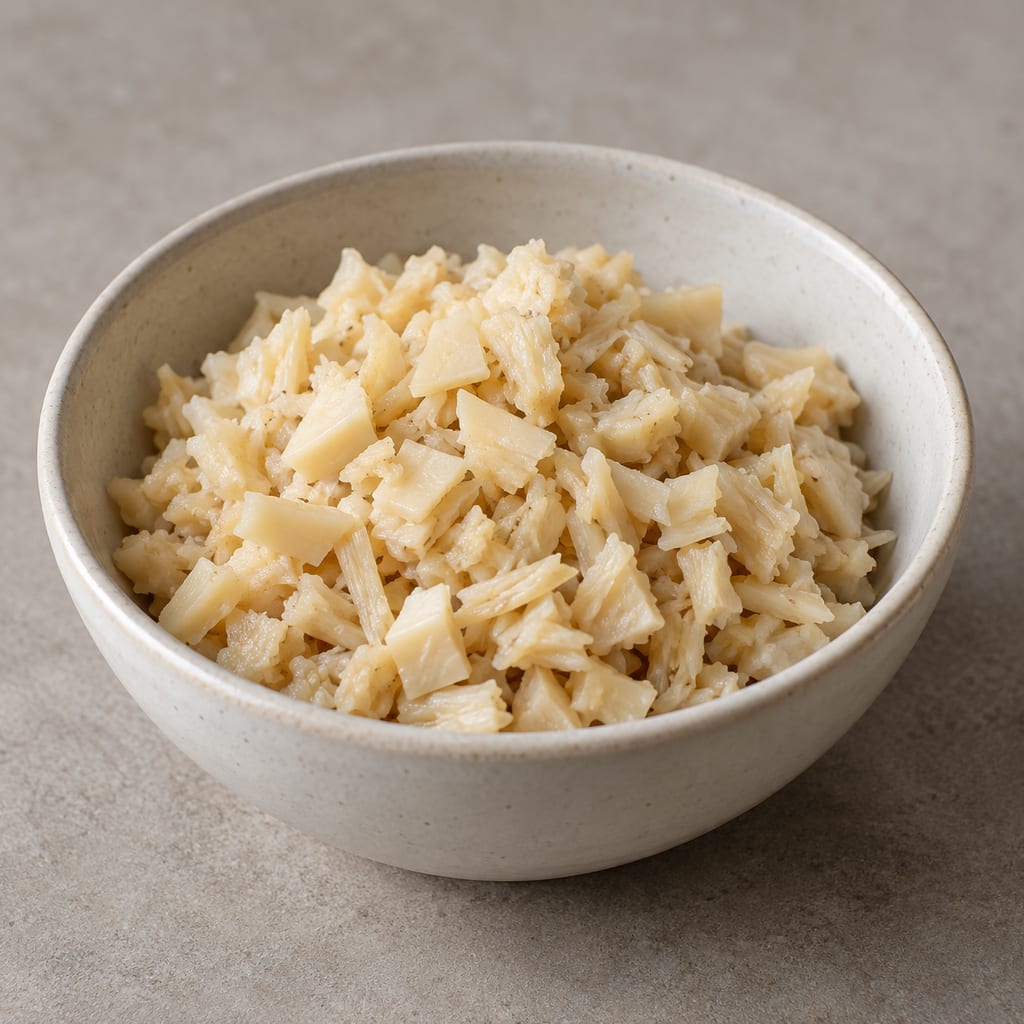
Finely chopped young bamboo shoots packed in leaf-lined baskets, sealed in a forest pit and weighted for one to three months, from Arunachal Pradesh.
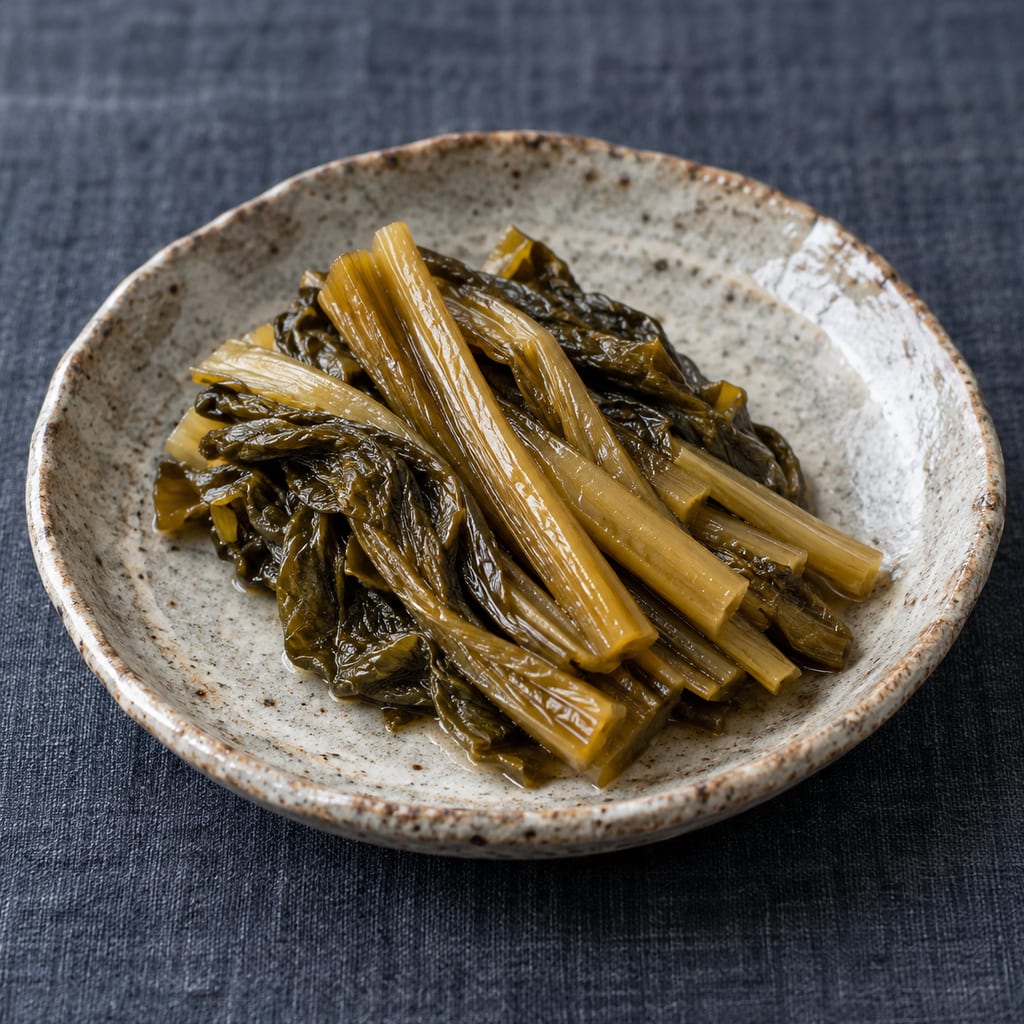
Takana mustard greens from Aso in Kumamoto are salted and pressed into a fresh spring pickle, or aged into a sour furuzuke that is fried and mixed into takana rice.
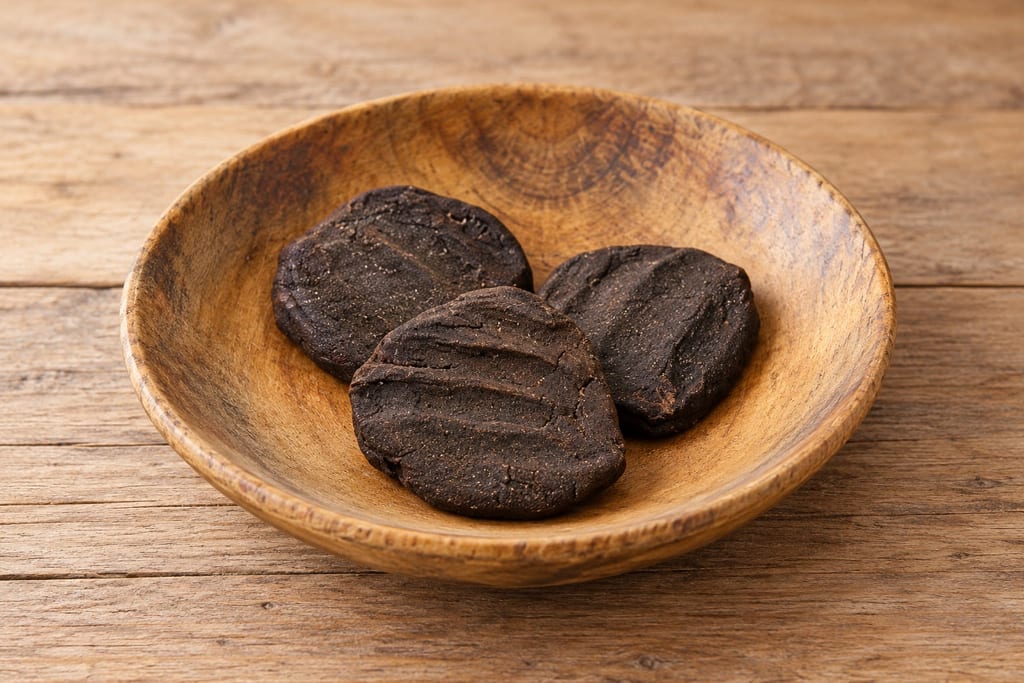
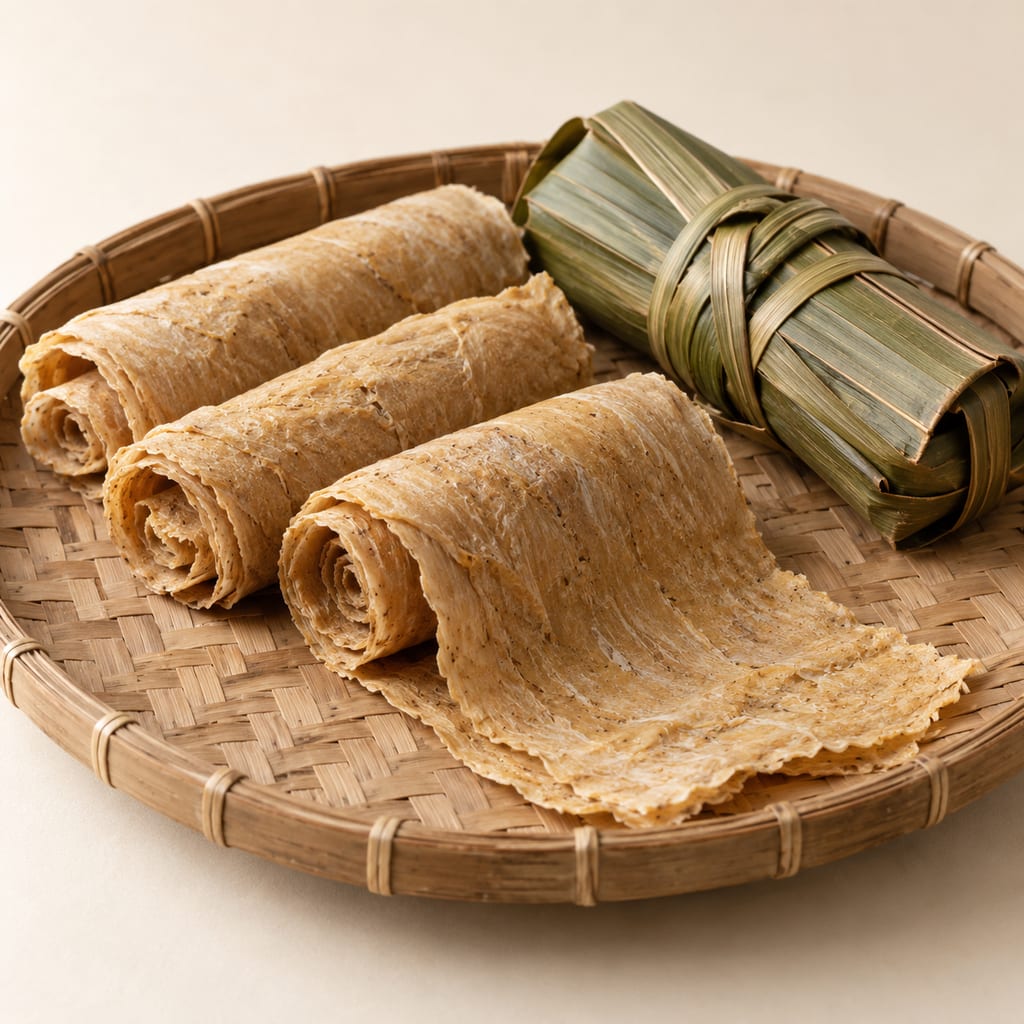
Dried cakes of pounded taro leaves from the Ao Naga in Nagaland, yellowed in a bag, then dried by hot ash or sun and used to flavour meat dishes.
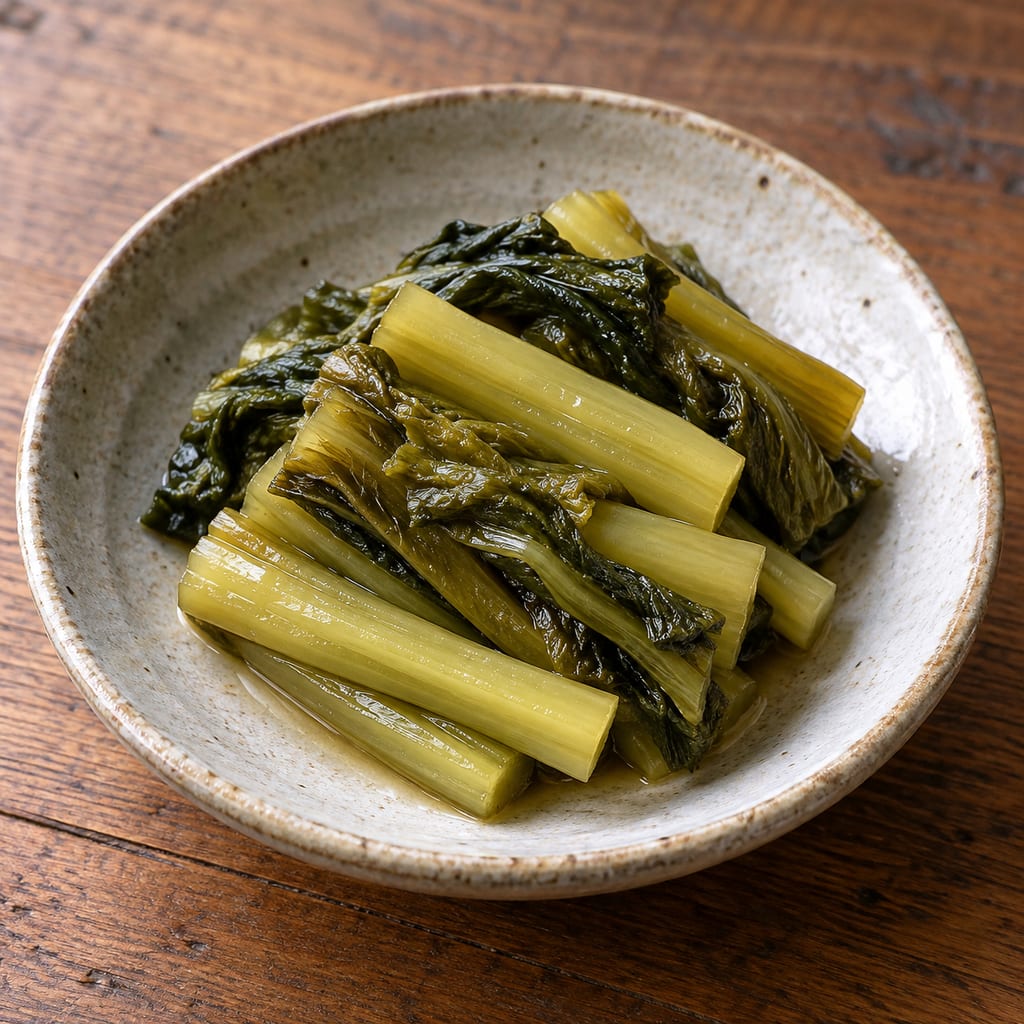
Nozawana greens salted in a barrel and weighted overnight, a Nagano household pickle sampled after about two weeks and soured by a month.
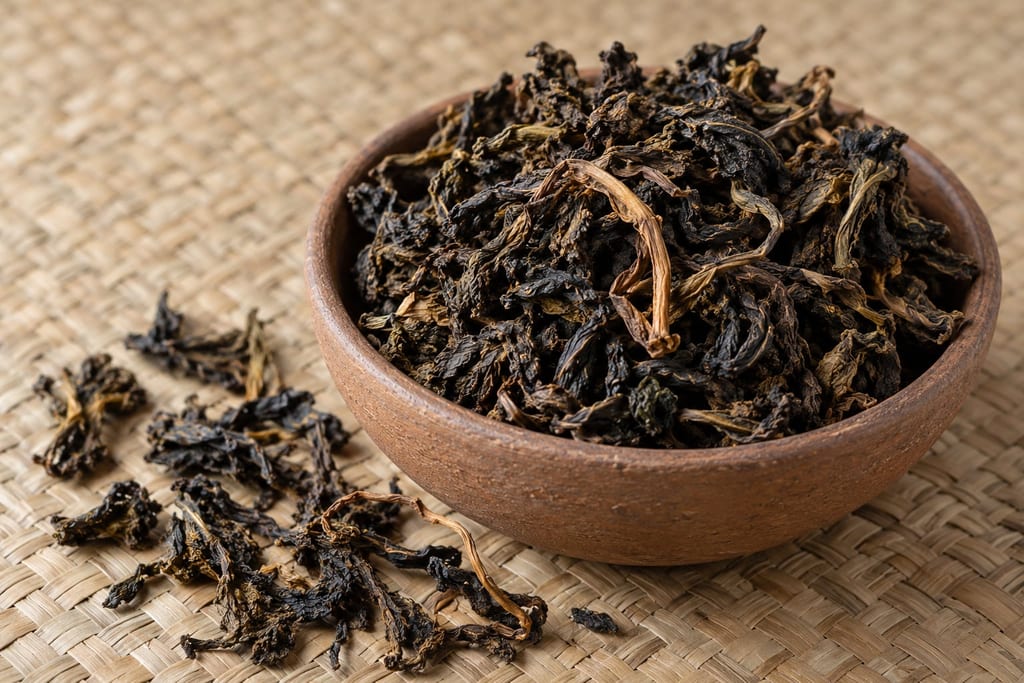
Mustard leaves wilted, bruised and packed tight into an earthenware vessel to sour without salt, then sun-dried into dark tangled pieces that carry Himalayan meals through the year.
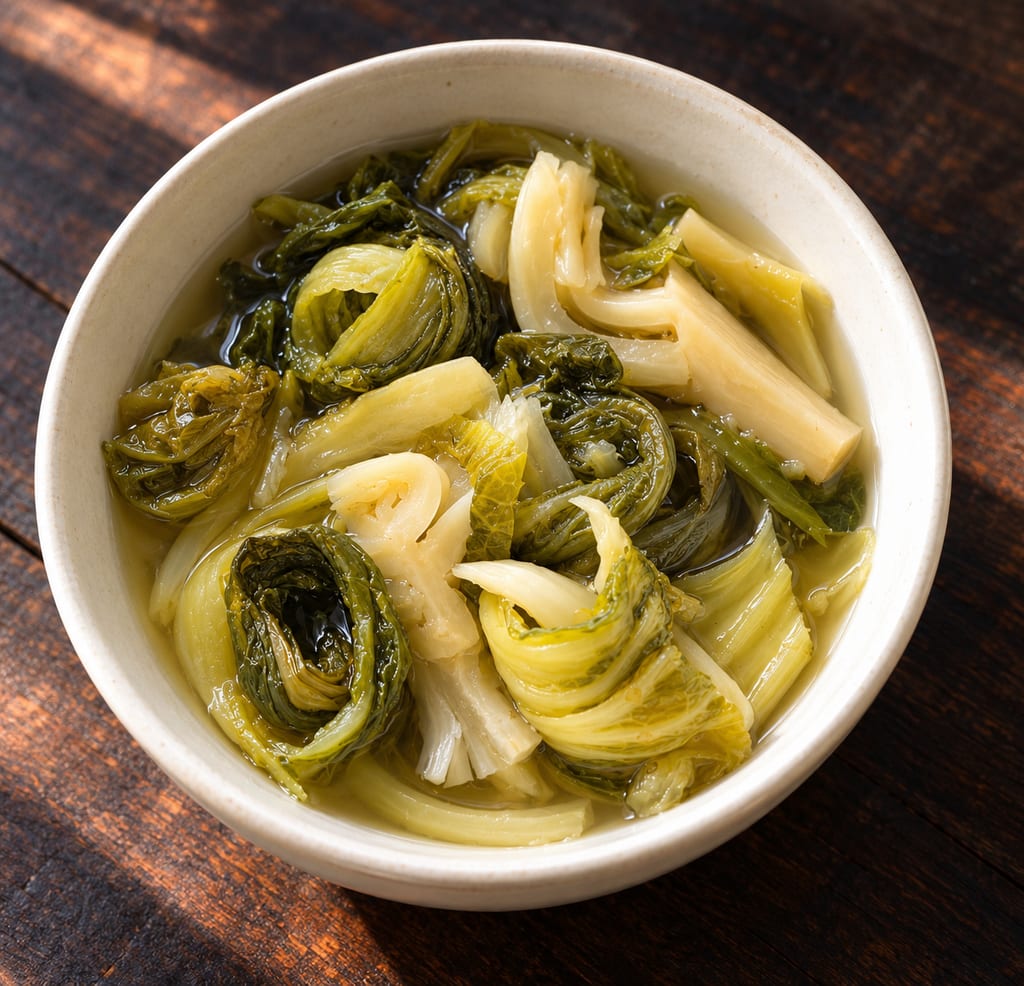
Thai sweet mustard greens wilted in sun, packed in earthenware under a salt and palm-sugar brine with rice-wash water, then sunned three to five days.
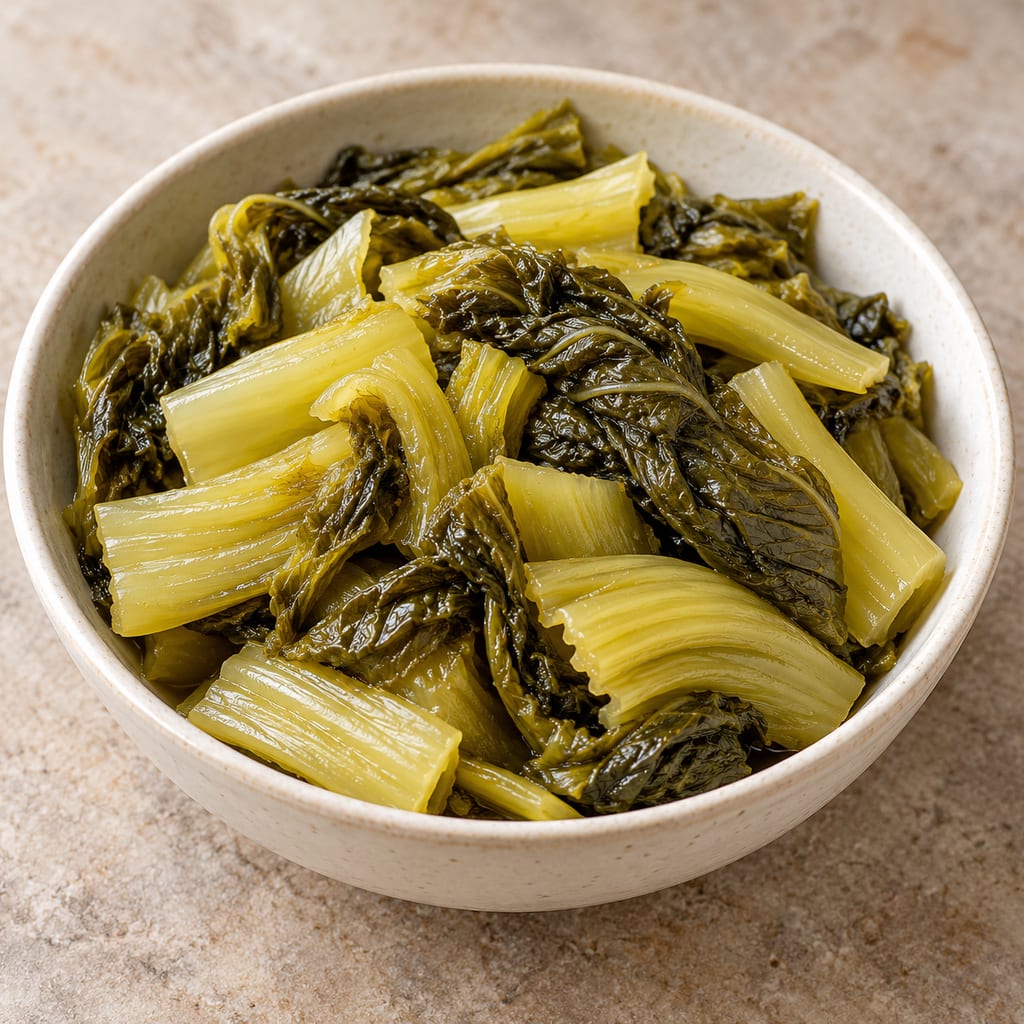
Pak-kaat-dorng is a Thai fermented mustard-green pickle, prepared here by dry-salting and kneading the wilted greens with cooked rice.
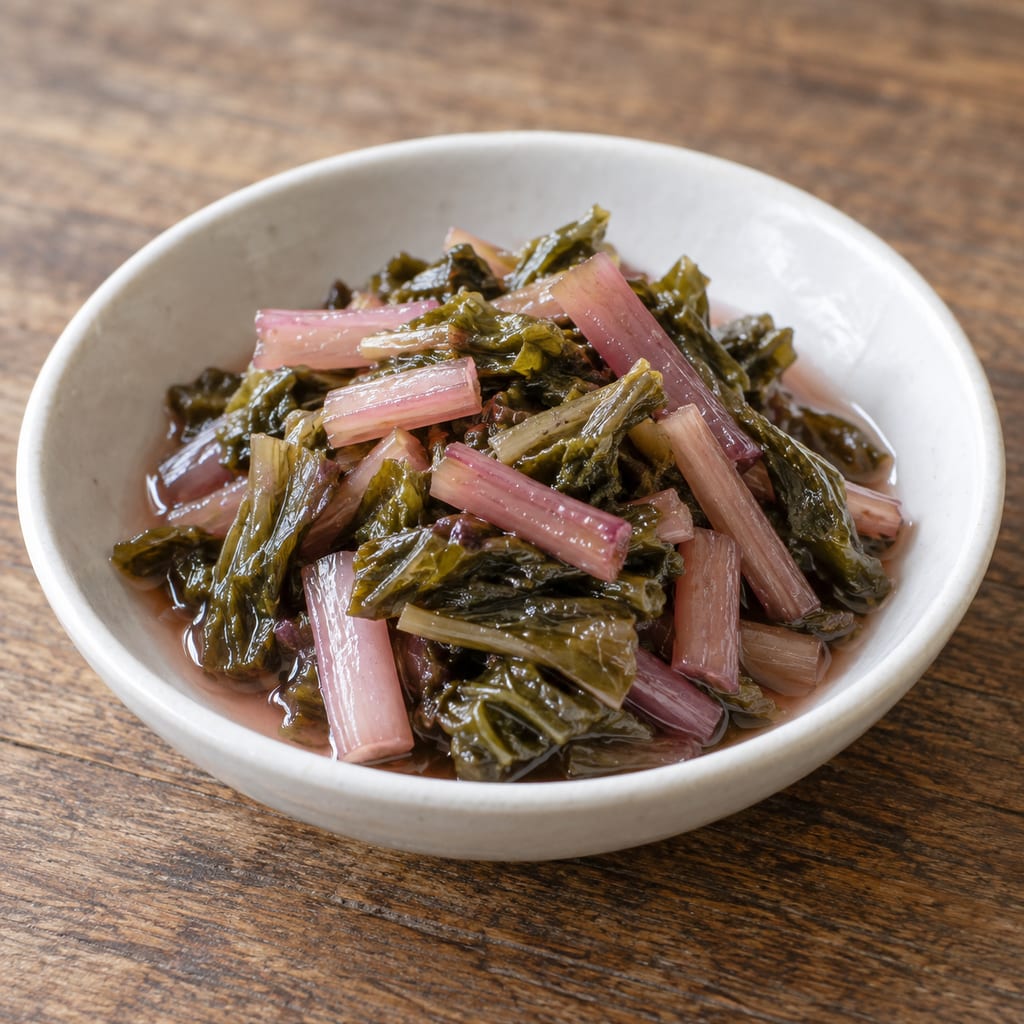
Sunki is a salt-free pickle from Japan's Kiso valley: red-turnip leaves fermented with a retained starter from the previous year's batch.
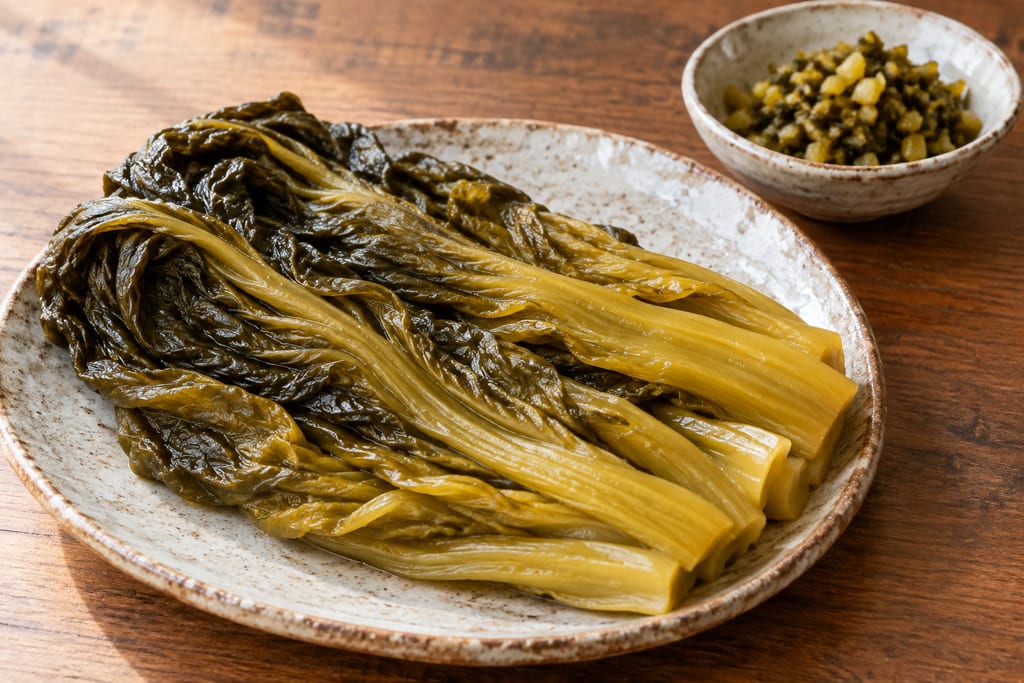
Giant red mustard leaves are dried, layered with salt and chile, pressed in a wooden tub, drained after a week and left through the rainy season.
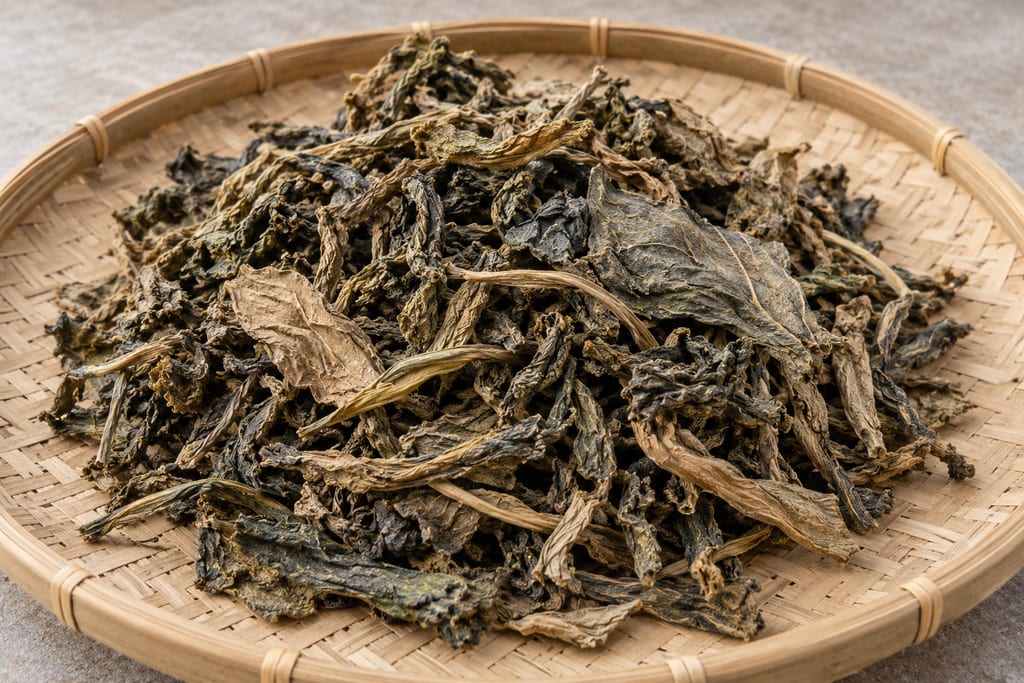
Wilted and shredded Brassica rapa rayo-sag leaves, packed under warm water in earthenware, fermented five to seven days, then sun-dried as Nepali gundruk.
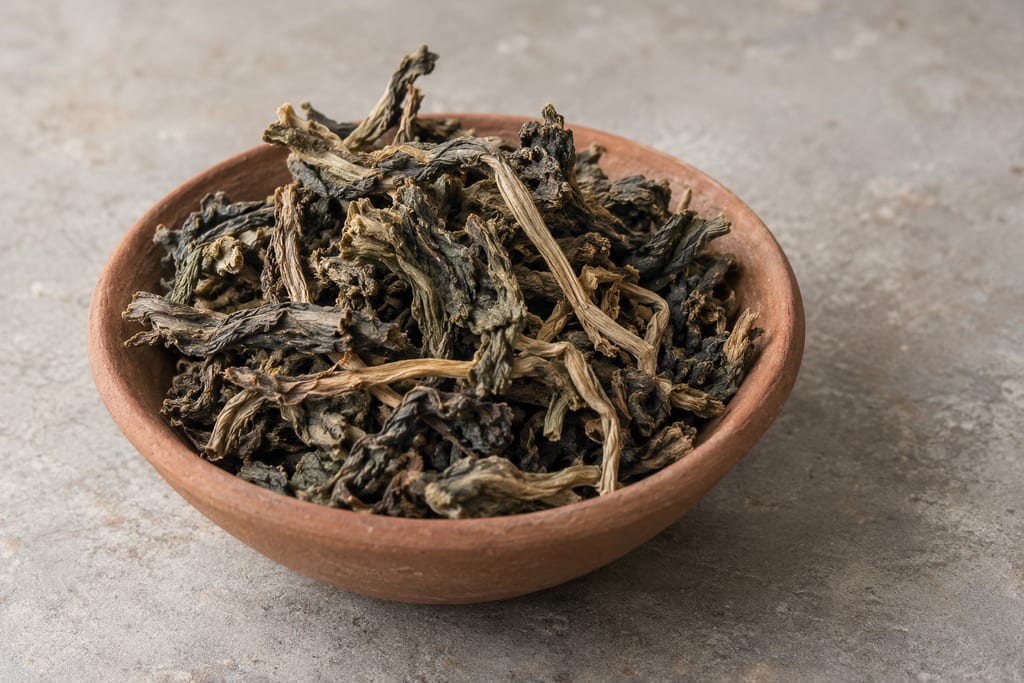
Radish greens wilted, packed into an earthen pot with warm water and fermented without salt, then sun-dried into Nepal's dark, sour gundruk.
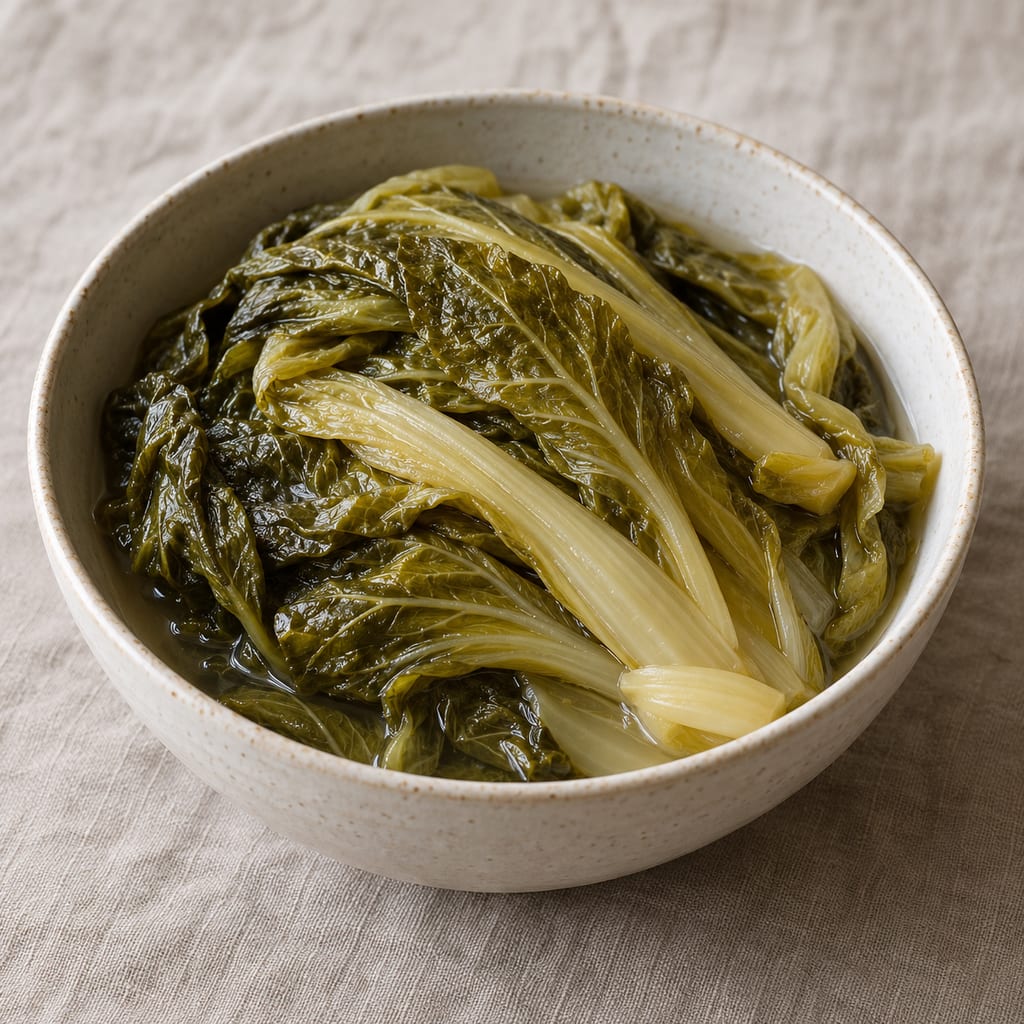
Wilted flat mustard leaves ferment with rice water and salt as a Filipino appetizer and cooking ingredient.
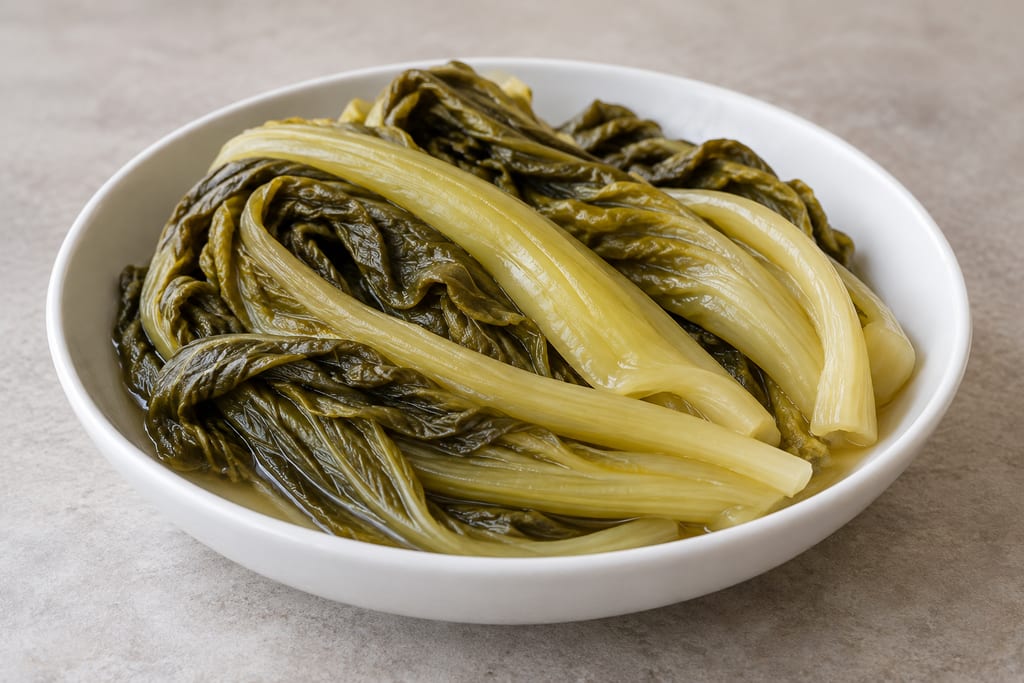
Indonesian salted mustard cabbage, wilted, rubbed with 2.5 to 5% salt by weight, and fermented covered in boiled-rice liquid.
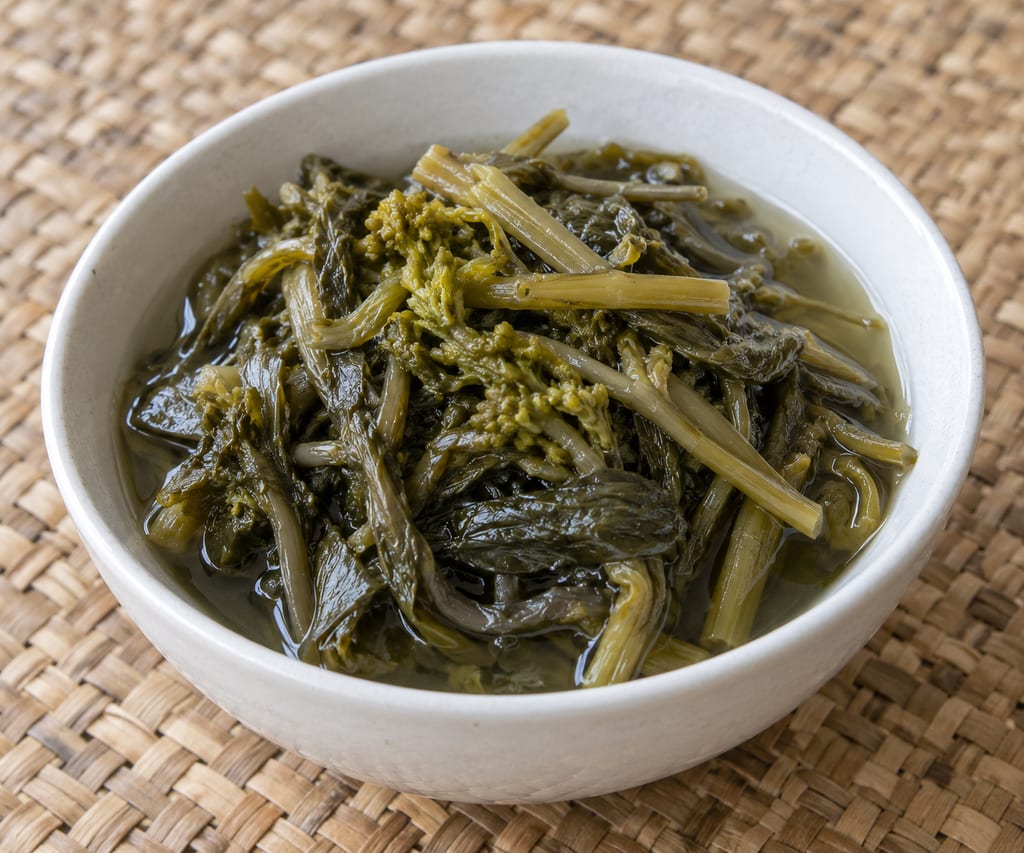
Young spider-flower greens packed with salt and cooked rice and left to sour for a few days; a Thai leafy-vegetable ferment eaten as a sharp side dish.
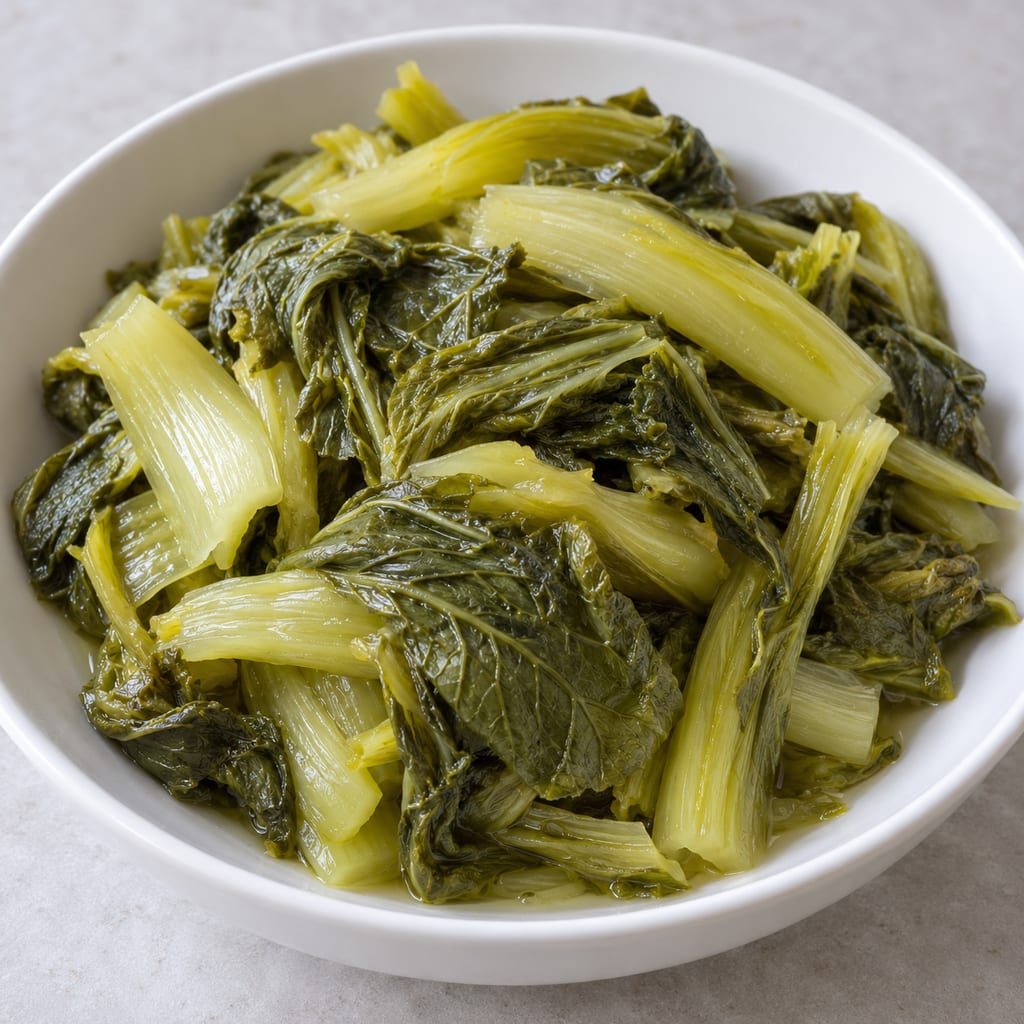
Pak-gard-dong is a Thai mustard-green pickle salted first and drained, then fermented with sugar added to the drained greens.