


















































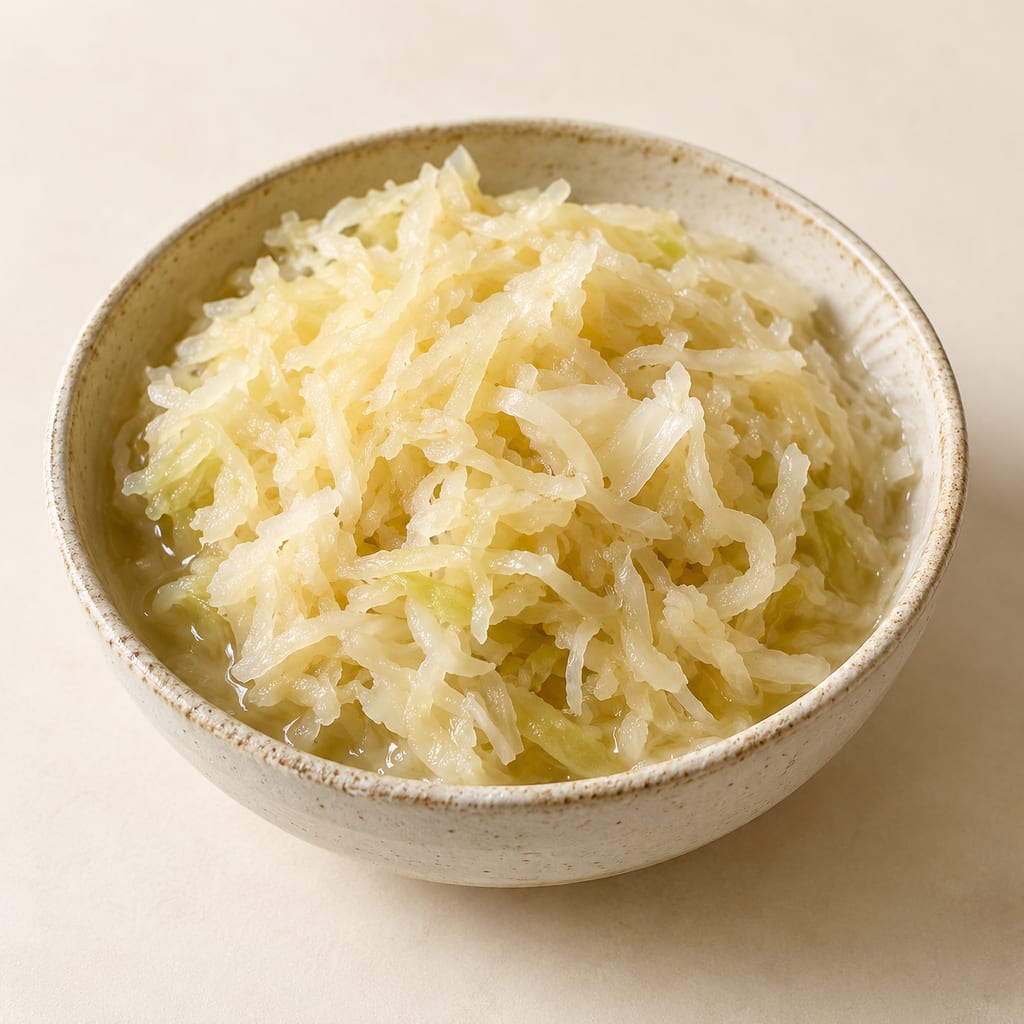
White cabbage sauerkraut
A Penn State Extension crock method mixes 5 lb of shredded cabbage with 3 tablespoons of canning or pickling salt, packs it under its own brine and ferments it in a covered container.
 FermenteaWhere food goes to change
1504 records with their sources, across 11 categories.
 Fermented, enzyme-ripened and mixed seasonings328
 Fruit preserves10
 Legume, seed and plant-protein ferments10
 Garum and fish sauces8
 Adjacent and excluded7
 Koji, mold starters and mold-ripened ferments4
 Acid and oil pickles3
 Fermented fruit and fruit-derived foods3
 Vegetable lactic3
 Dairy ferments2
 Smoked salted and dried foods2
 Cheese1
 Not yet classified1
 Lactic-fermented vegetables and shoots93
 Fruit preserves20
 Acid and oil pickles11
 Adjacent and excluded7
 Grain and starch ferments5
 Condiments and enzymatic seasonings4
 Smoked salted and dried foods2
 Not yet classified1
 Unfermented breads1
A Penn State Extension crock method mixes 5 lb of shredded cabbage with 3 tablespoons of canning or pickling salt, packs it under its own brine and ferments it in a covered container.
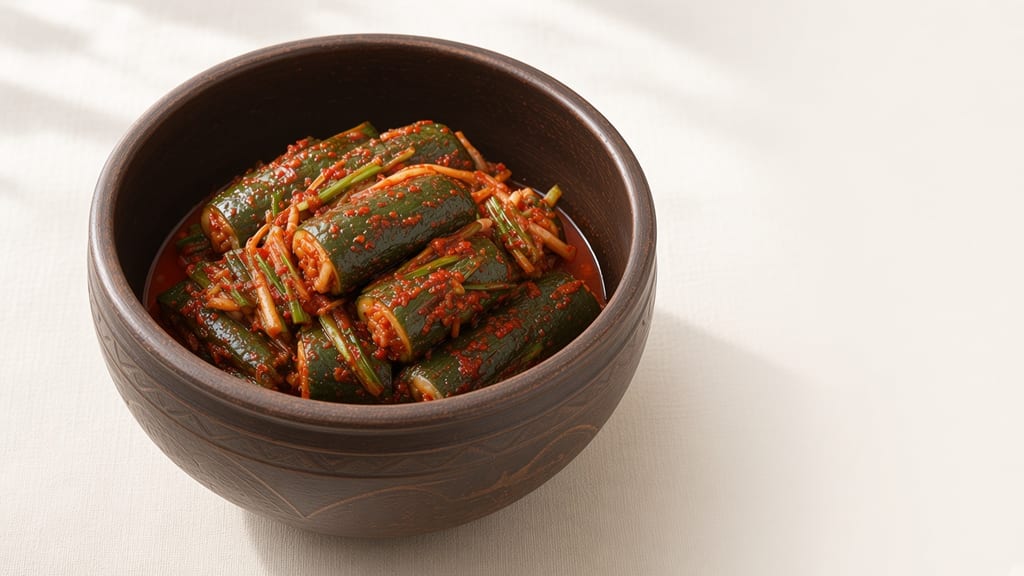
Hwanggwa damjeo is a cucumber kimchi from Yu Jung-rim's Jeungbo sallim gyeongje of 1766. Slit cucumbers are packed with chilli powder and garlic, scalded with hot salted water and sealed overnight.
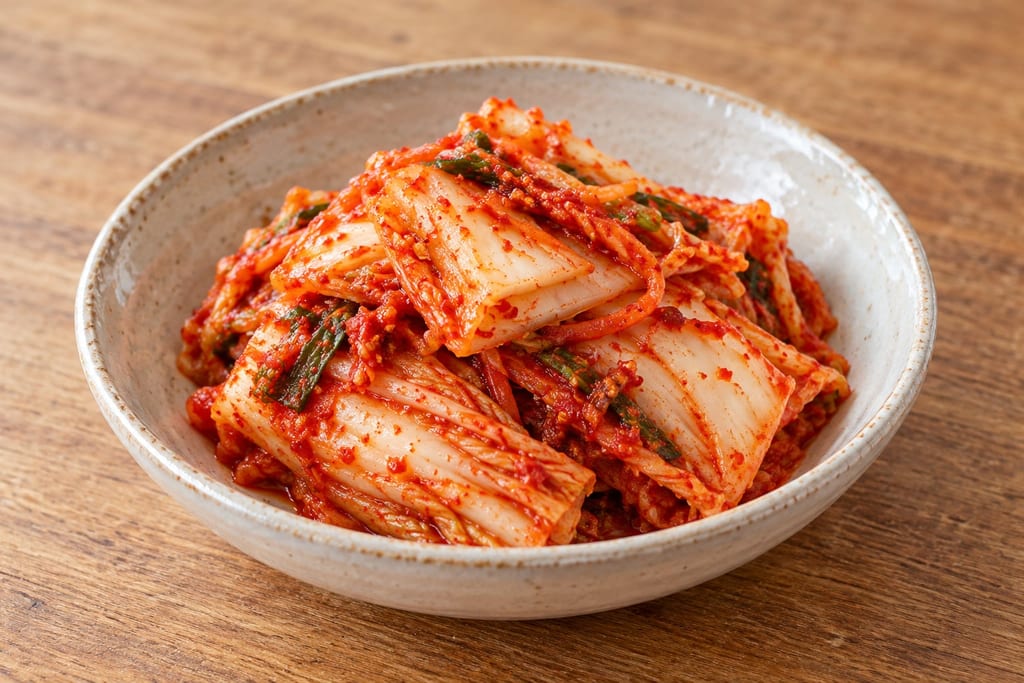
Kimchi is a Korean preserved vegetable food, most often cabbage, salted and seasoned, then fermented by the lactic acid bacteria that arrive with the vegetables. Some studies test added starter cultures, but a home jar is usually spontaneous.
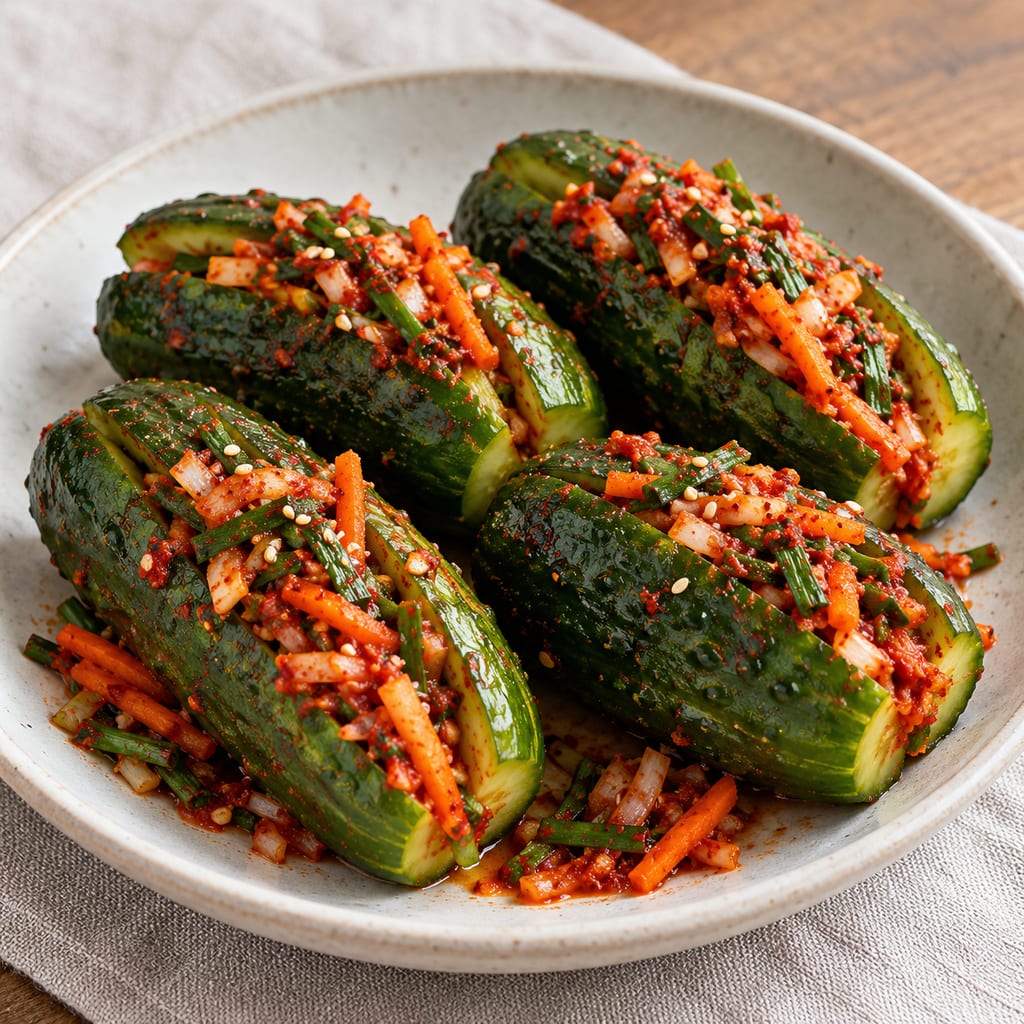
Oi-sobagi is a Korean stuffed cucumber kimchi: salted cucumbers slit and filled with a chive-and-chilli seasoning, eaten fresh or left to ferment.
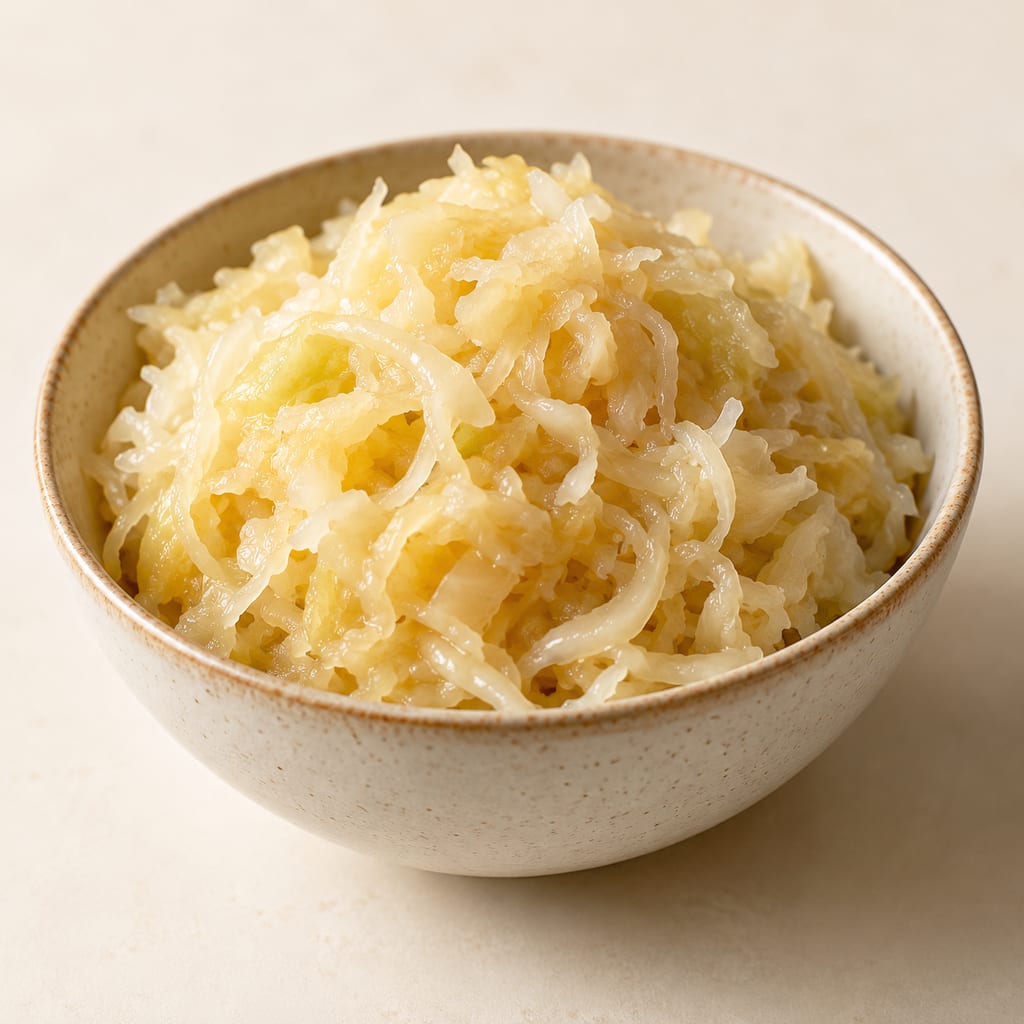
Dutch zuurkool is white cabbage salted and fermented in bulk. The only documented process in the available record is one North Holland producer’s commercial method from 2016.
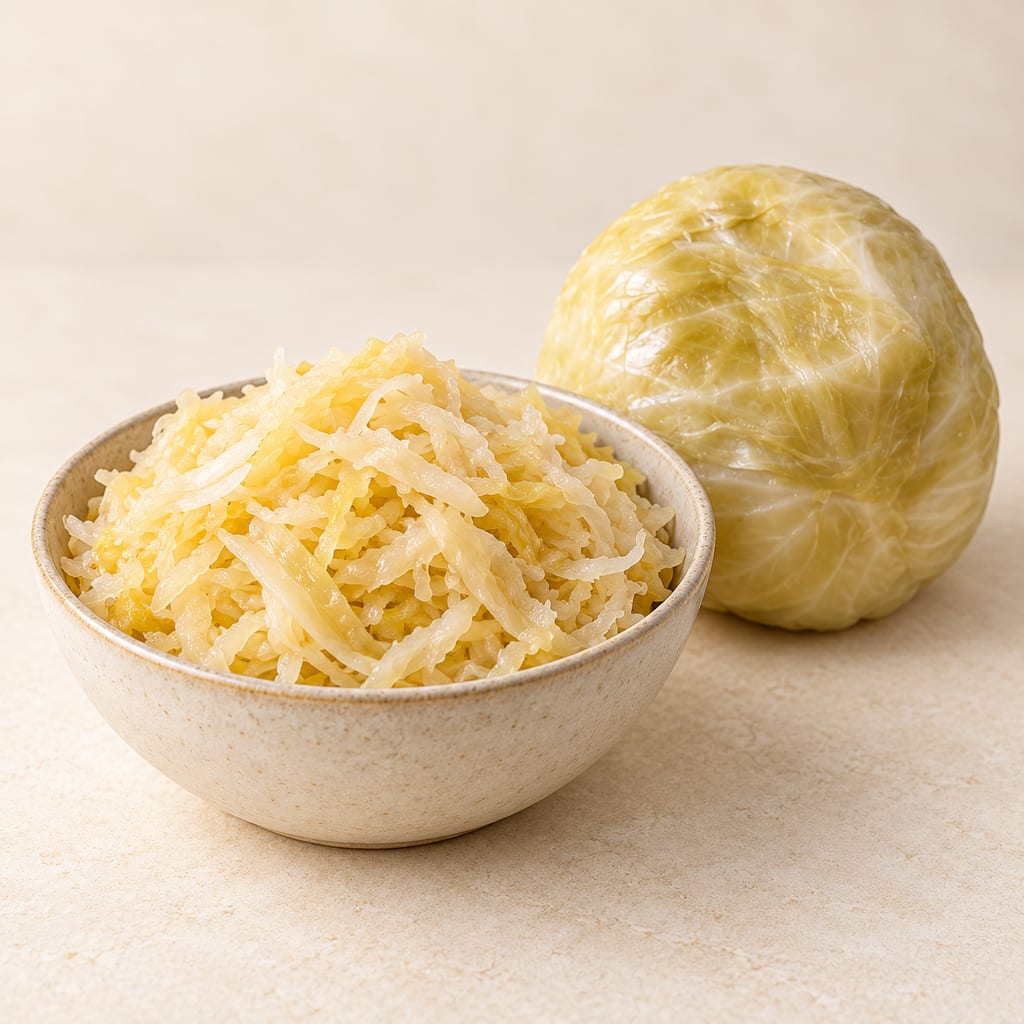
Protected Croatian sauerkraut from the Ogulin area: fresh white cabbage naturally lactic-fermented without preservatives, sold whole or shredded, from registered establishments.
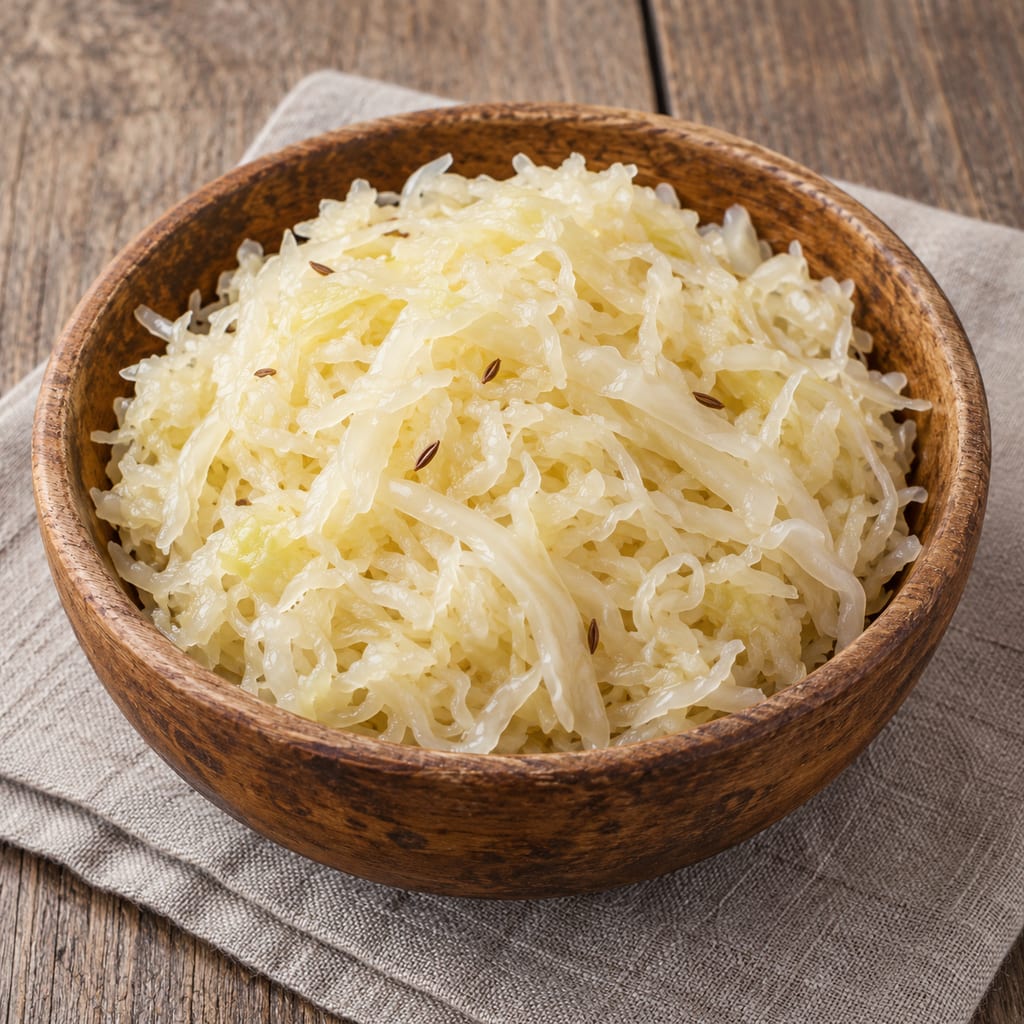
Kysané zeľí is Czech sour cabbage: shredded cabbage layered with salt and caraway and pressed in a wooden barrel. The regional account is descriptive and gives no validated salt ratio or endpoint.
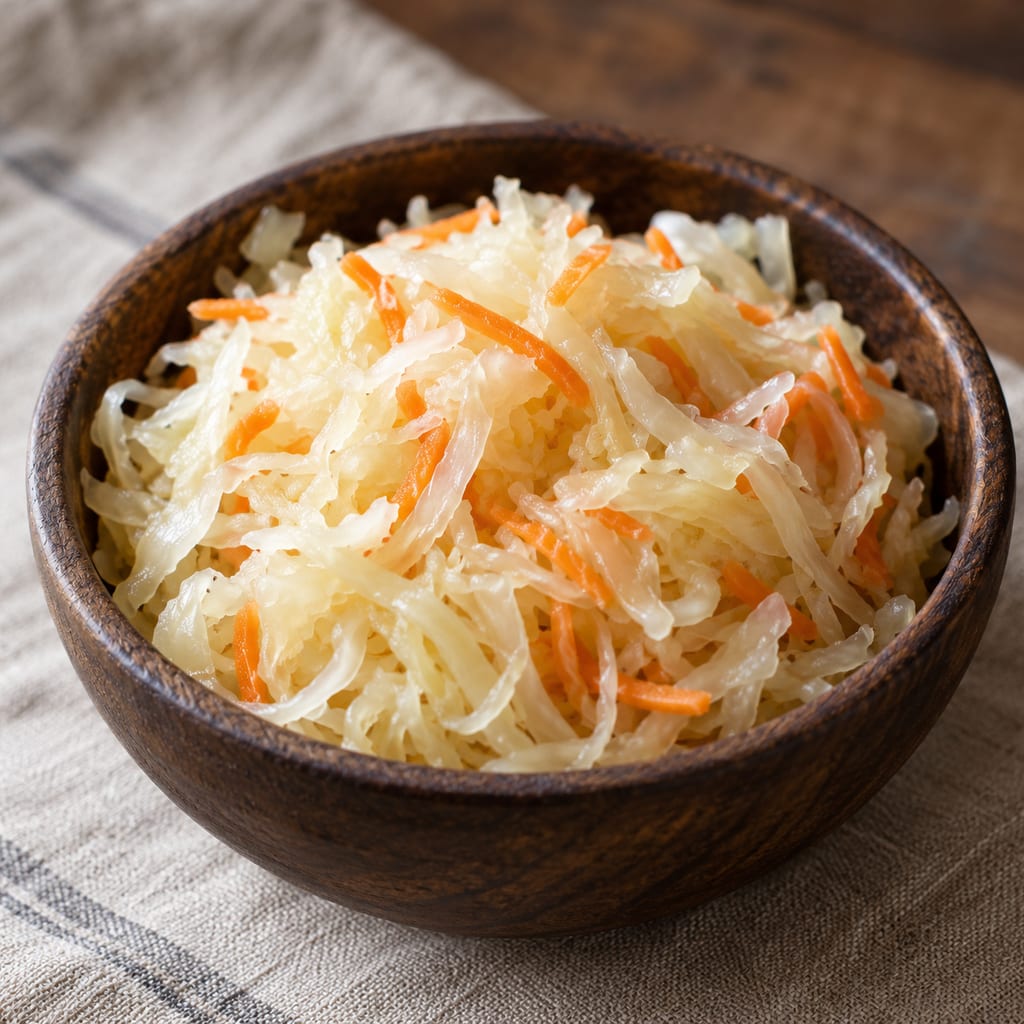
Kapusta kiszona z beczki is barrel-fermented cabbage from the Kołobrzeg area, entered on Poland’s List of Traditional Products in 2008. It is salted and fermented, with raw grated carrot added after souring.
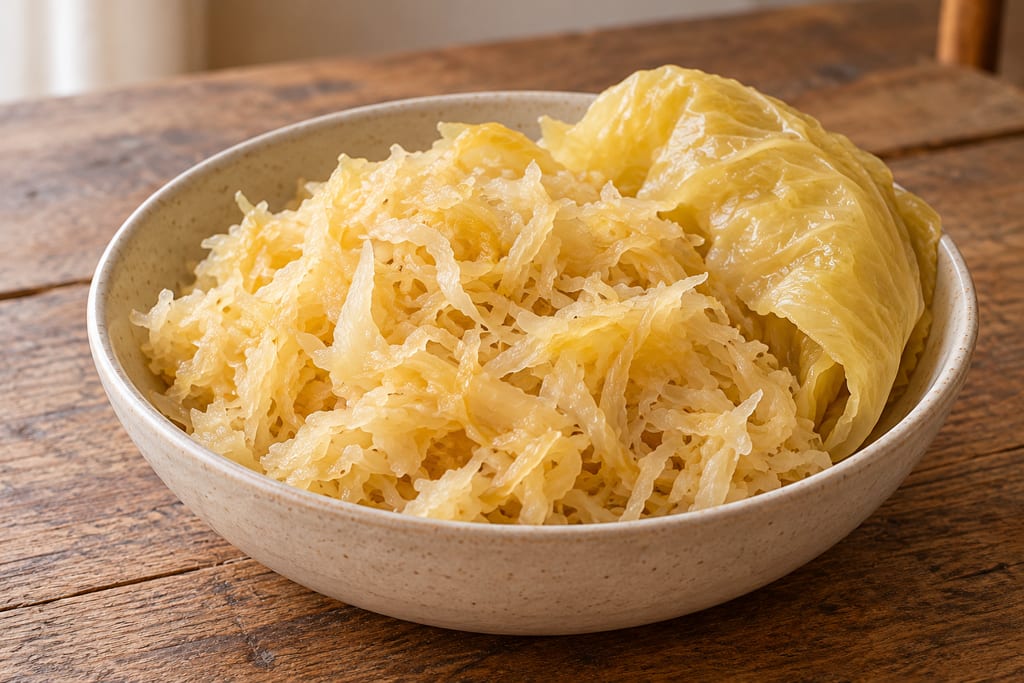
Serbian sour cabbage from the Futog area, made from the autochthonous Futoški cabbage population and registered as a protected product in 2008. It is a subset of general Serbian kiseli kupus.
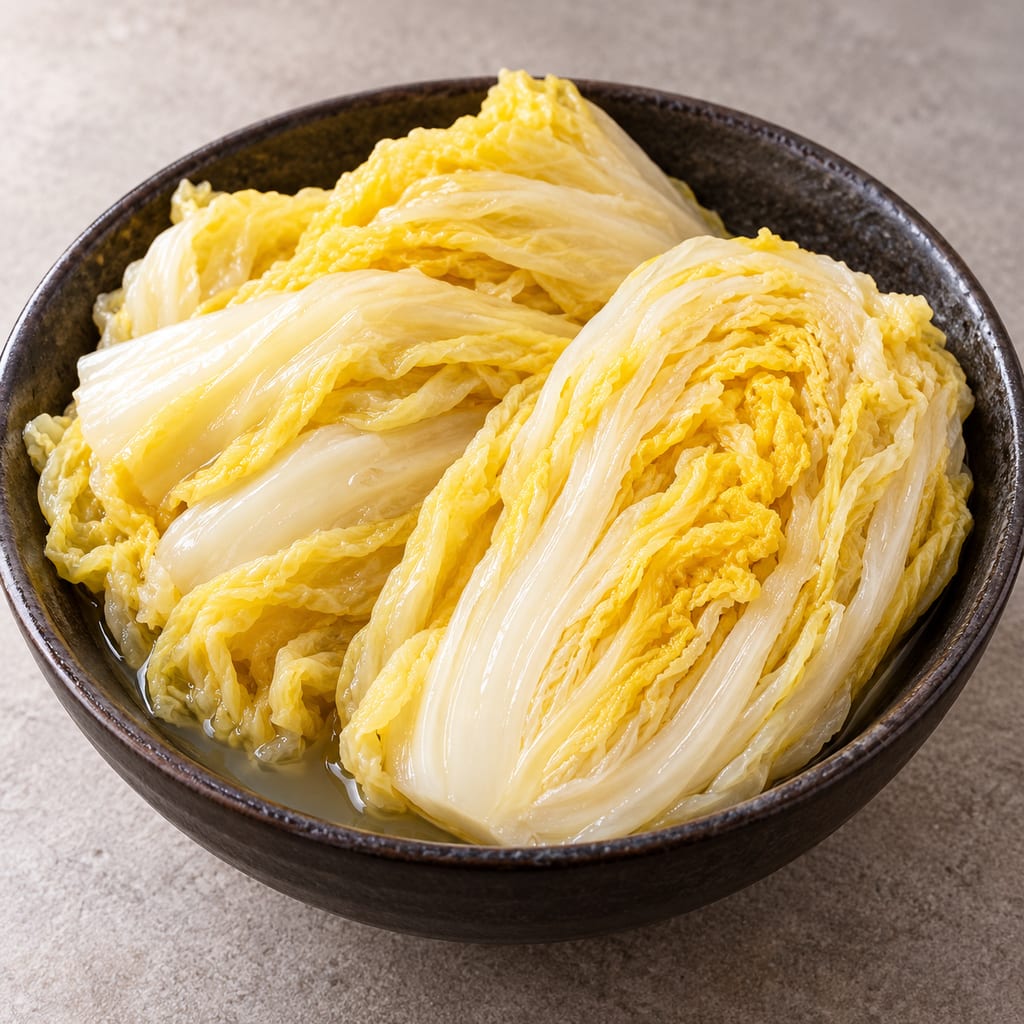
Napa cabbage fermented in a salt brine in Northeast China, traditionally in large ceramic or glass jars, until it turns sour.
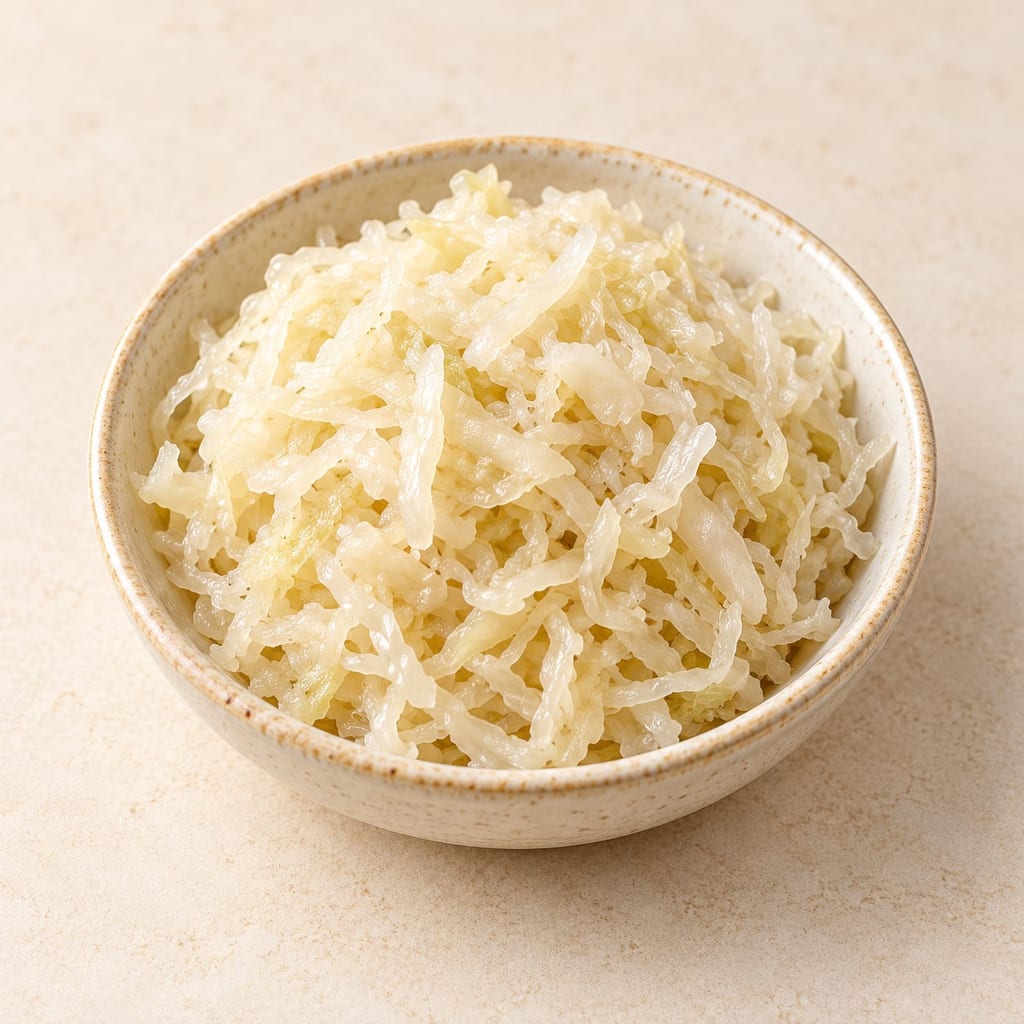
Finely cut cabbage fermented with salt in vats by natural lactic fermentation, a protected Alsatian product sold raw or cooked after fermentation.
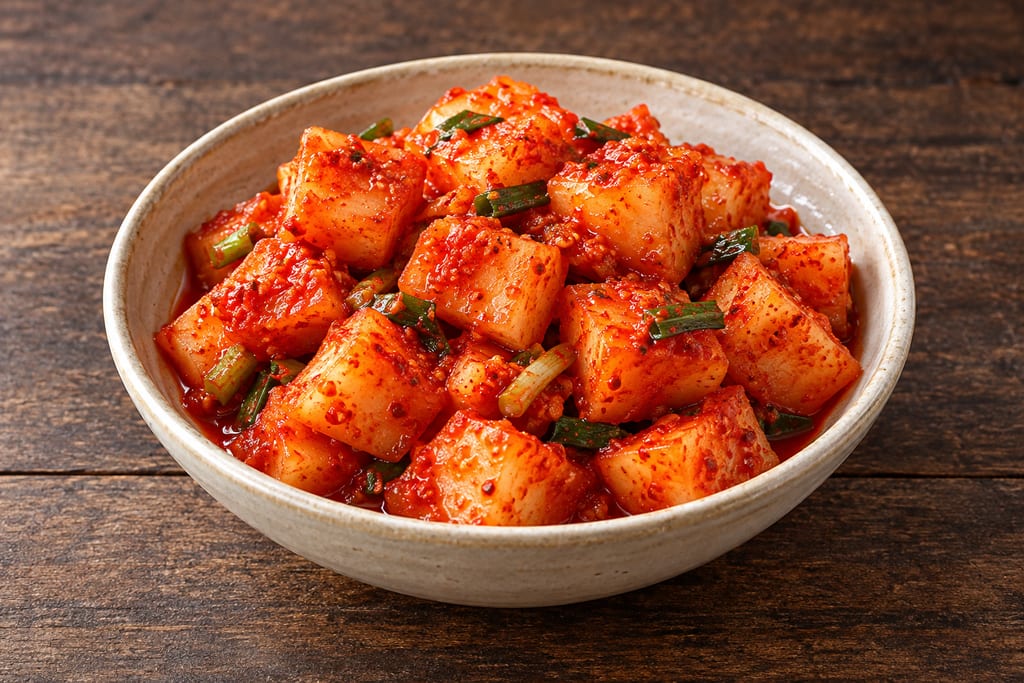
A radish kimchi cut into cubes and seasoned with gochugaru, fish sauce, garlic and ginger, eaten fresh or fermented a few days at room temperature.
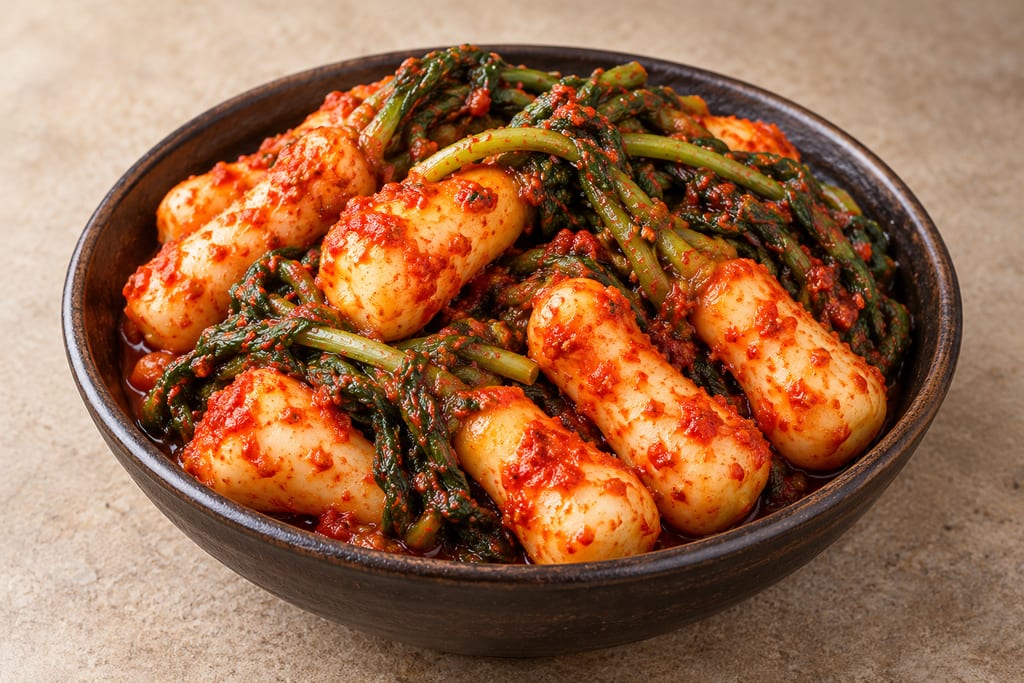
Small ponytail radishes keep their greens attached and ferment in a flour-and-chile seasoning paste.
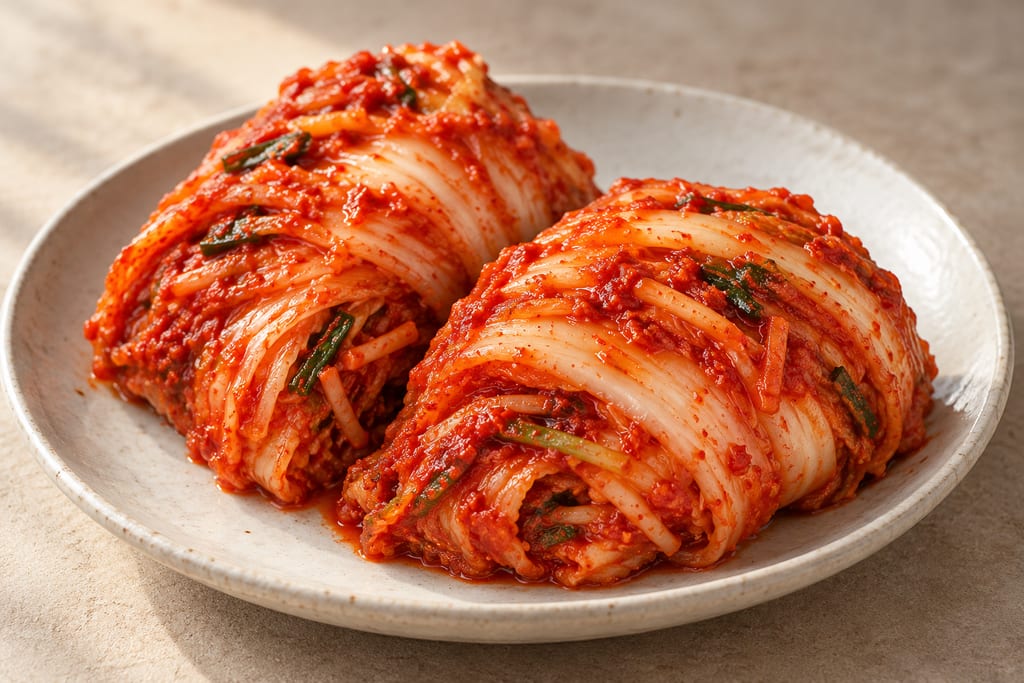
Napa cabbage salted, seasoned with a paste of gochugaru, garlic, ginger and salted seafood, and left to sour through lactic fermentation; Korea's everyday winter preserve.
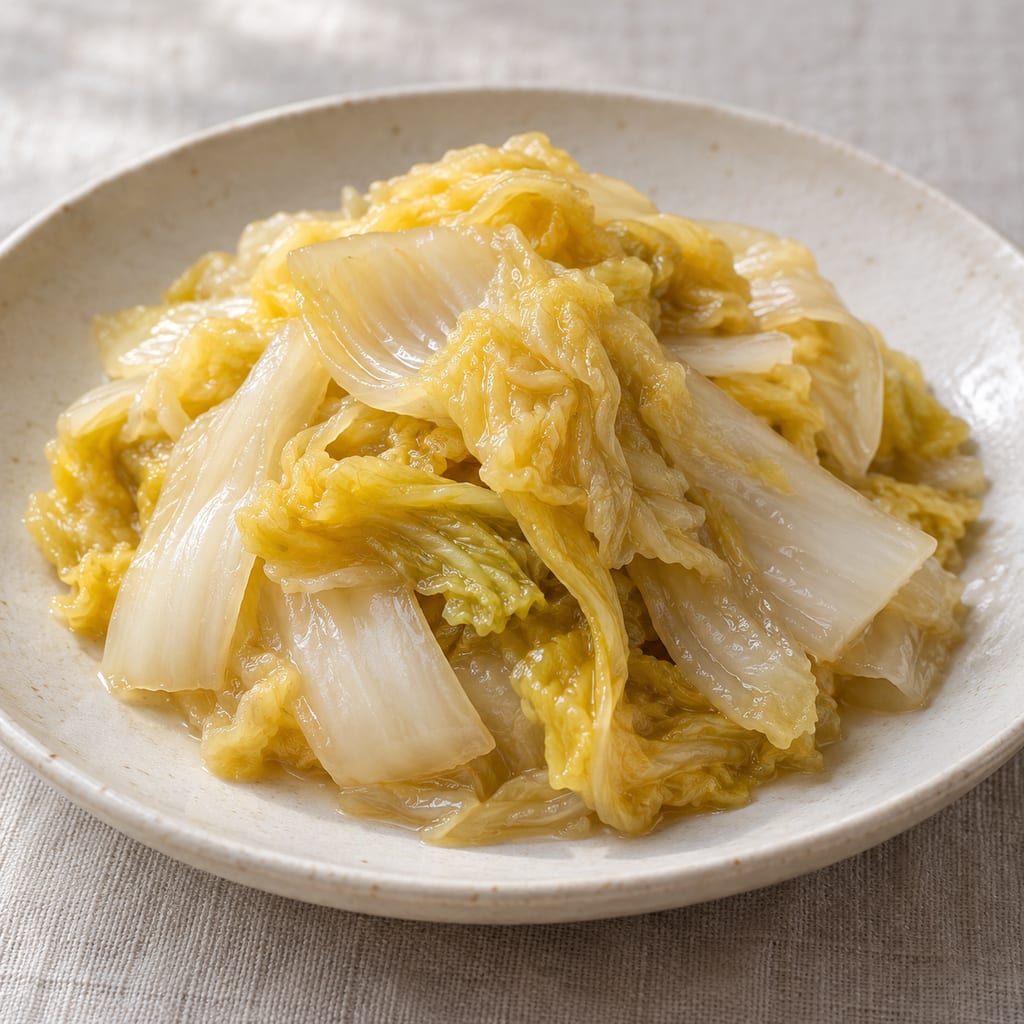
Chinese cabbage or mustard greens salted and held under a weight until lactic fermentation turns them sour; northeastern and southern China keep distinct traditions of it.
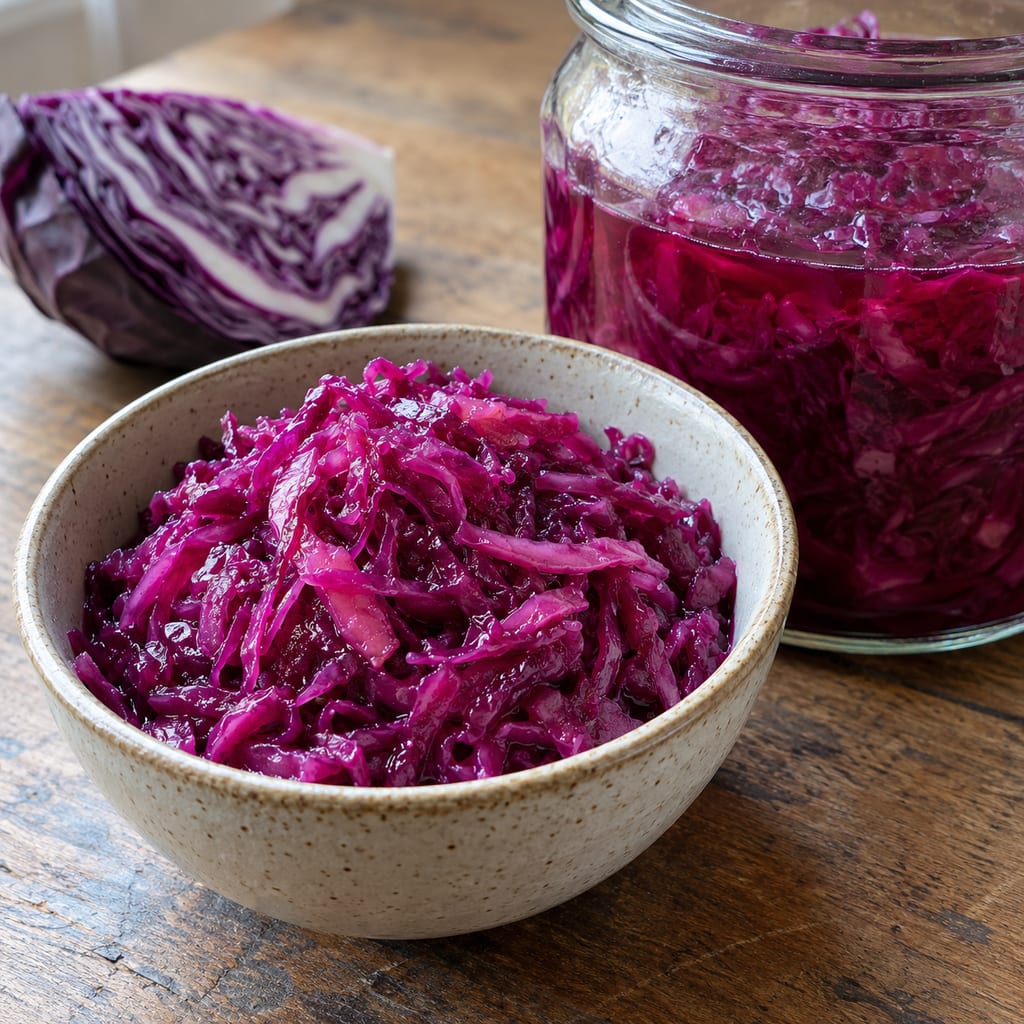
Red cabbage shredded, salted and fermented in its own brine; the pigment gives a deep violet kraut with a sharper flavour than the white-cabbage form.
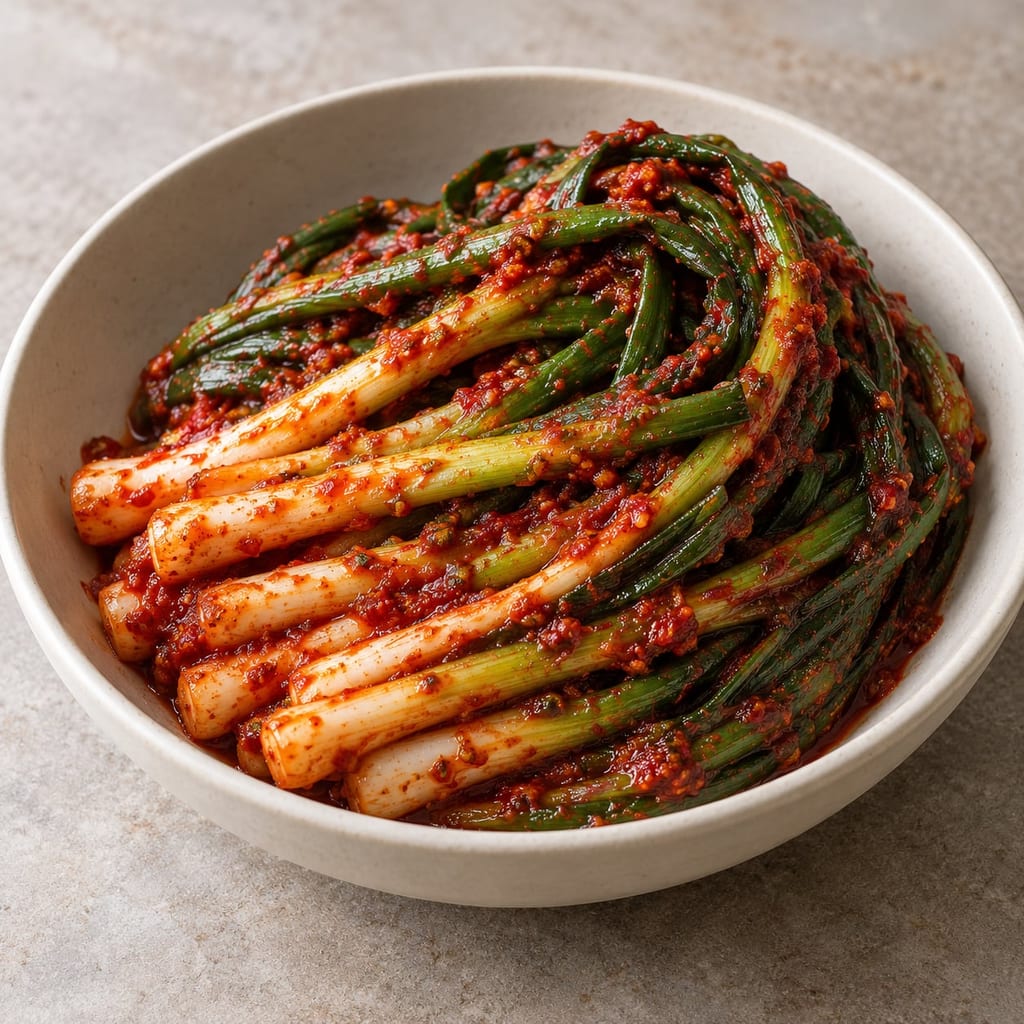
Scallion kimchi coated with fruit, chili, rice paste and salted-seafood seasonings, following one Korean creator’s measured batch.
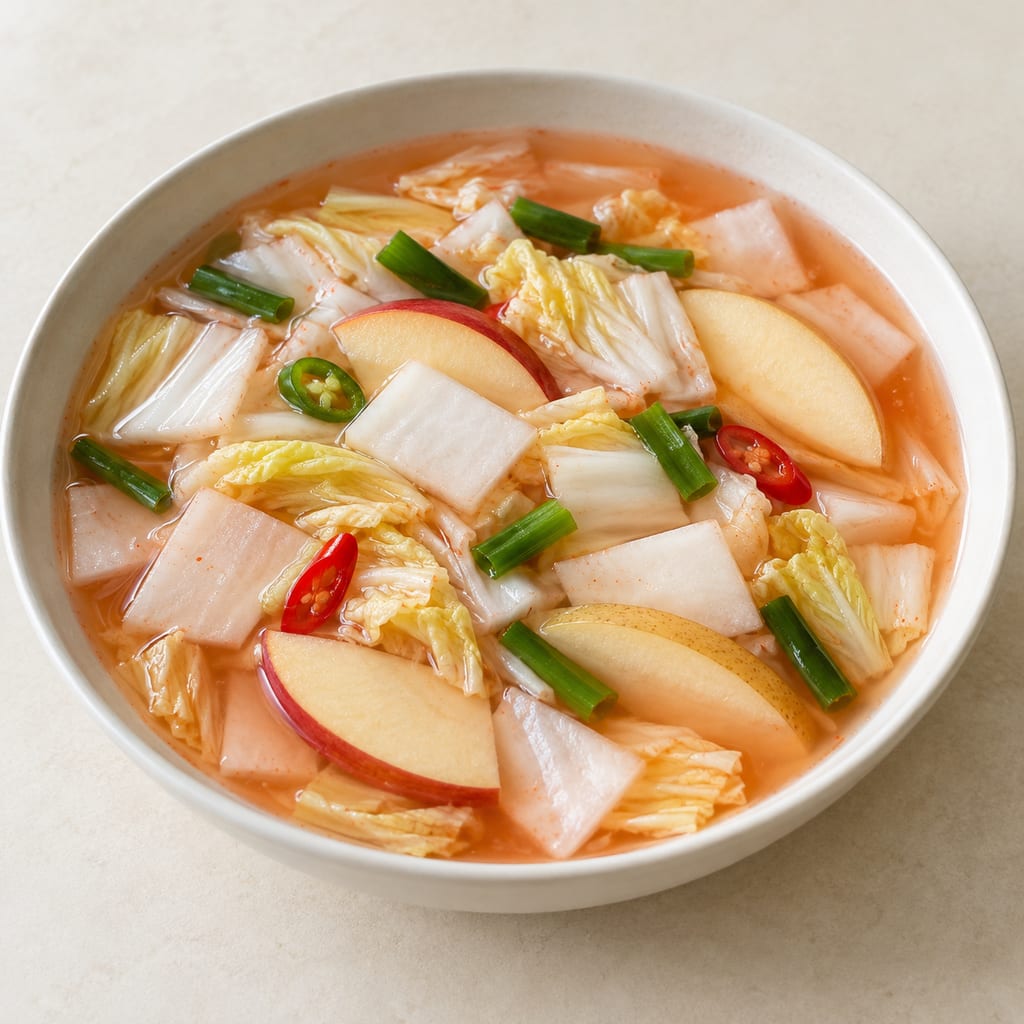
Cabbage-and-radish water kimchi with pear, apple and strained chili broth, following one Korean creator’s batch.
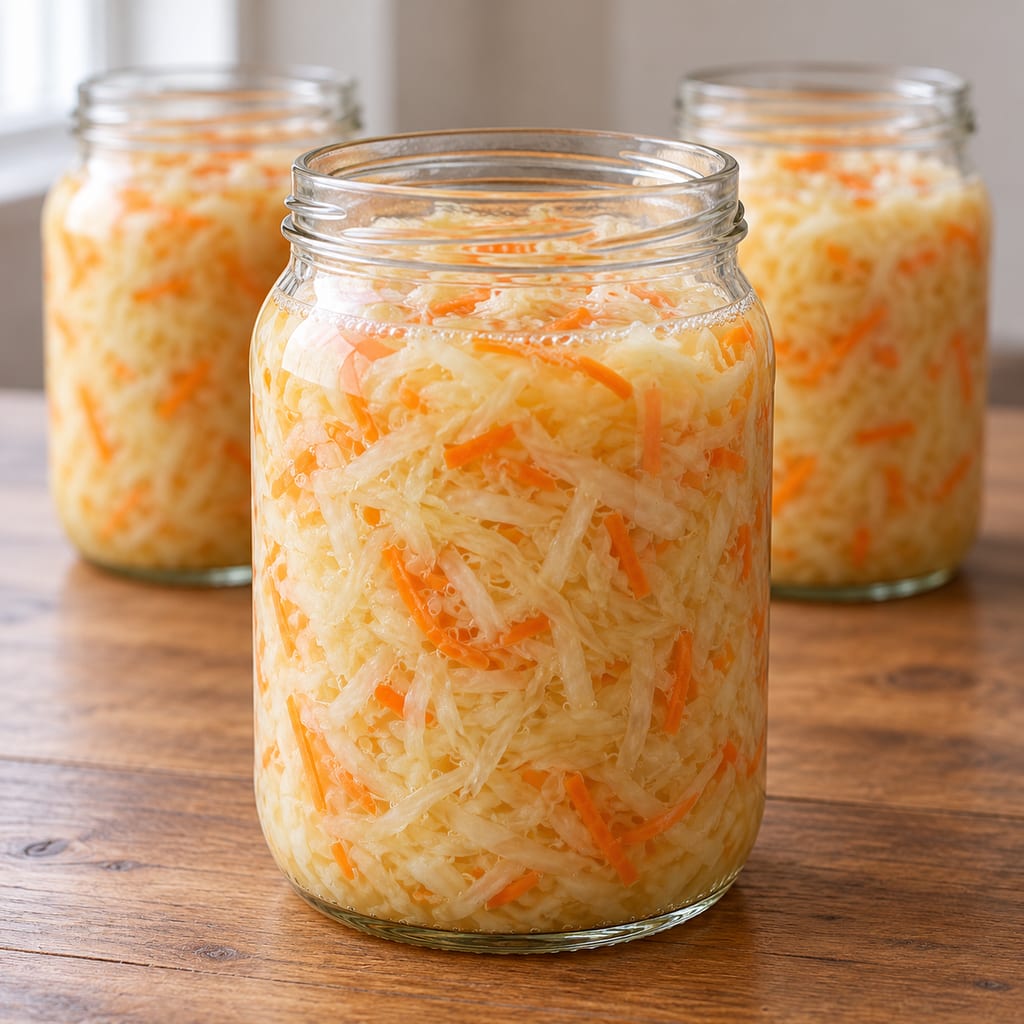
Shredded cabbage and grated carrot are salted to 20 g/kg, rested, packed into three jars and monitored during a creator-reported eight-day fermentation; measured temperature is not given.
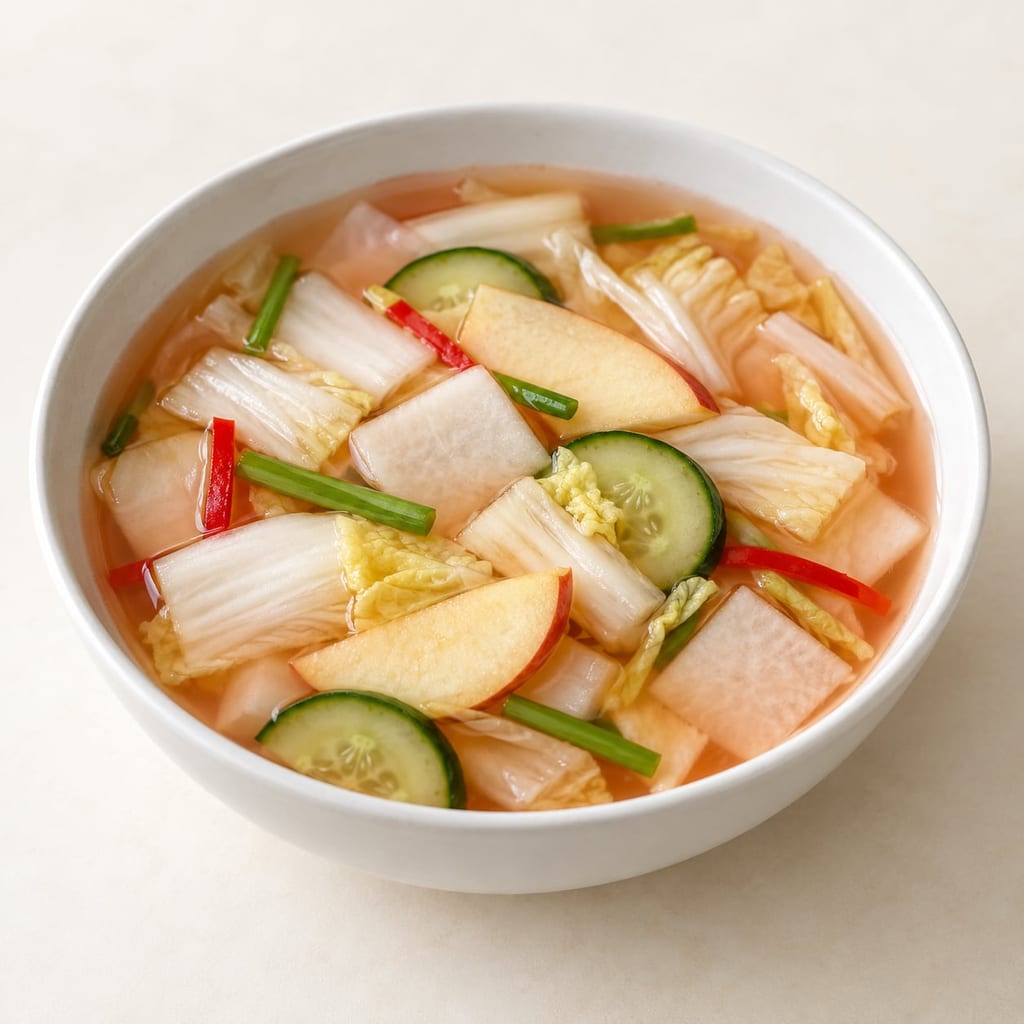
Napa cabbage and radish ferment in a rose-coloured broth with cucumber, apple, pear, alliums and chile.
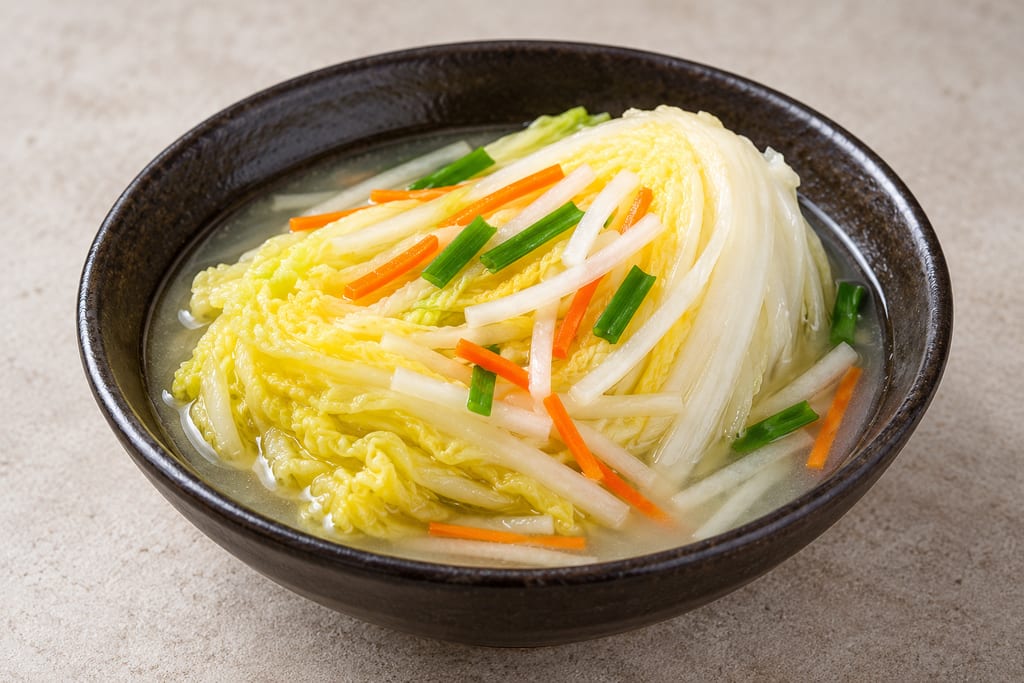
Napa cabbage is brined and filled with pear, radish, alliums, chives and fruit; this Korean kimchi omits red pepper flakes.
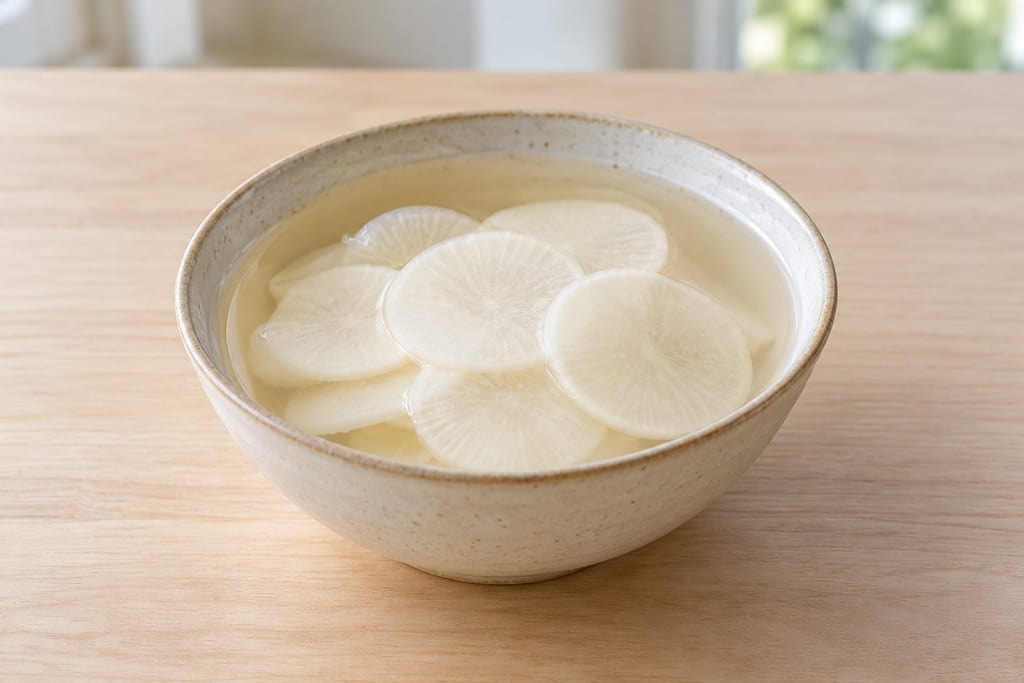
A modern broth-forward radish-water kimchi cooks apples and onion into the fermentation liquid.
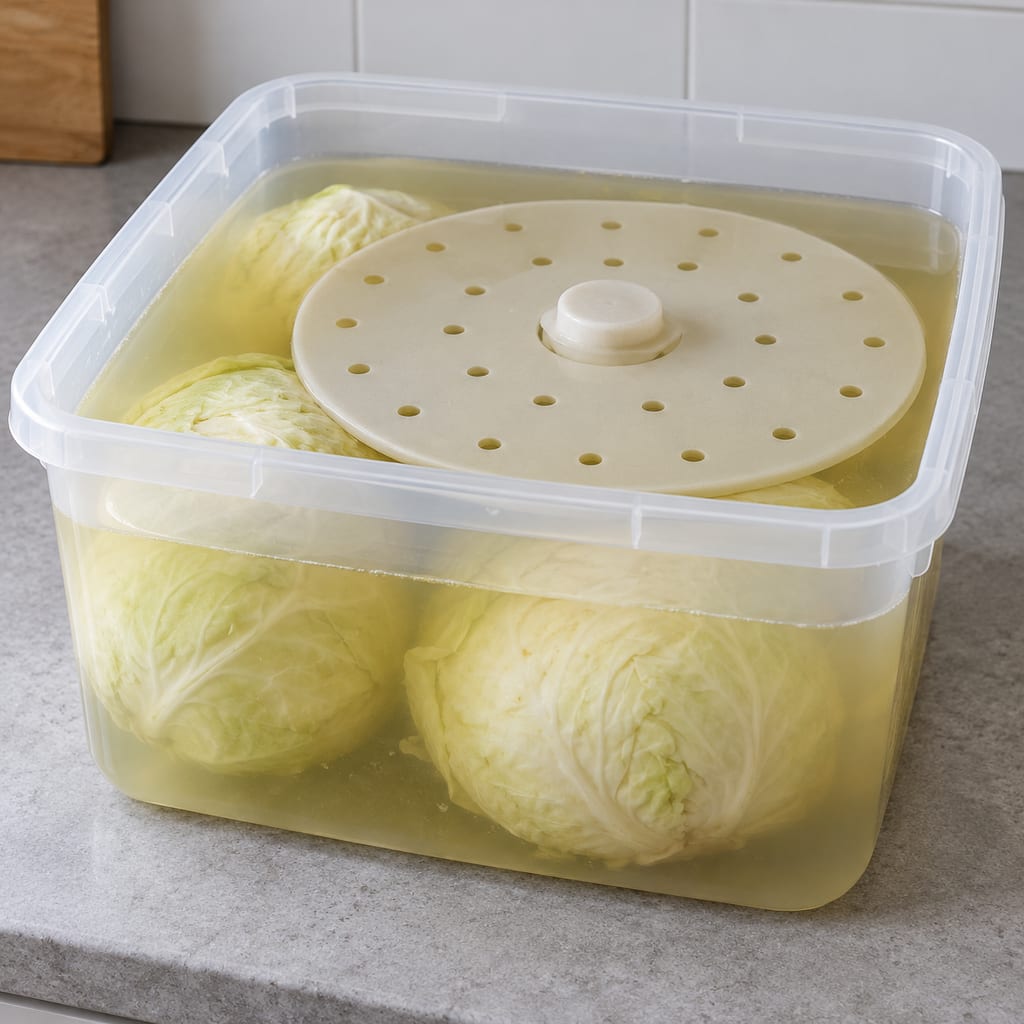
Cored cabbage heads ferment intact or halved under measured brine, with repeated surface checks over six weeks.
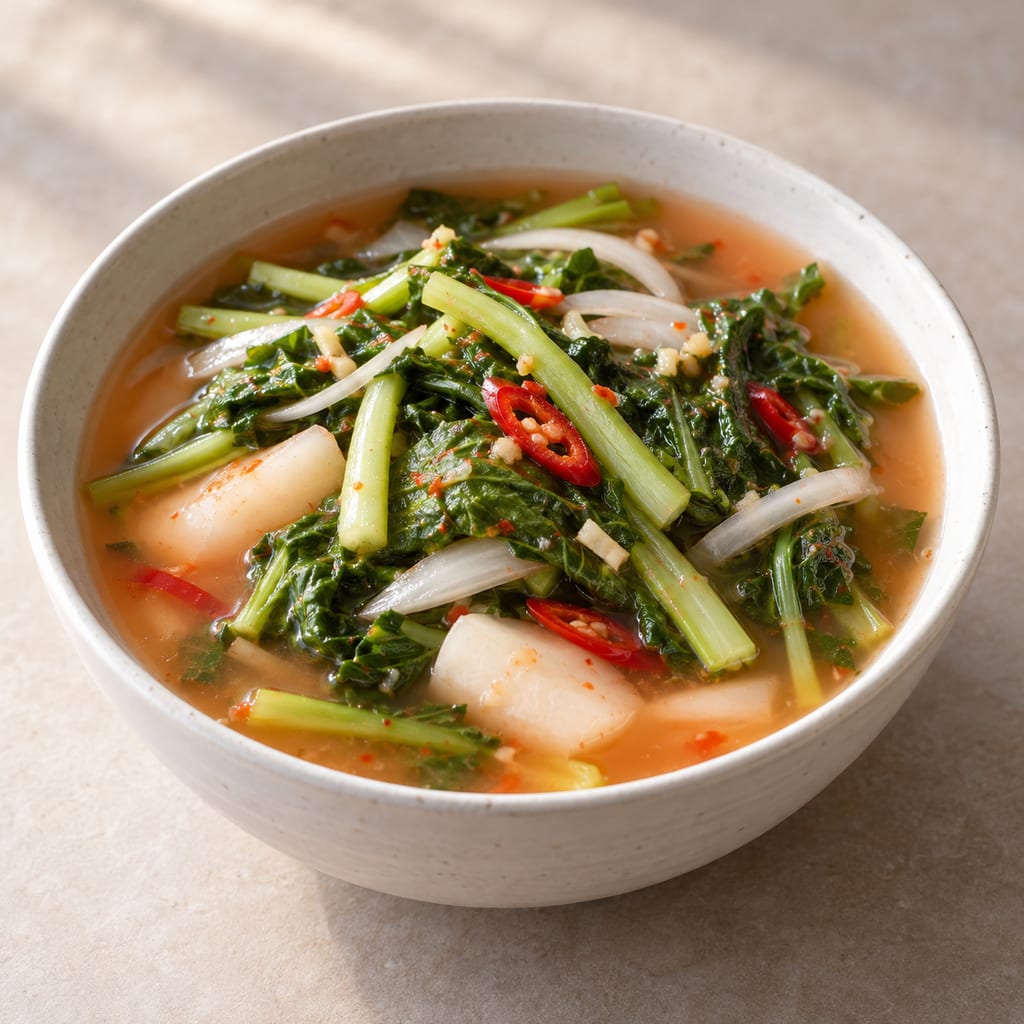
Summer water kimchi of young radish, seasoned with fish sauce and chiles, brined in salted water with cooked flour.
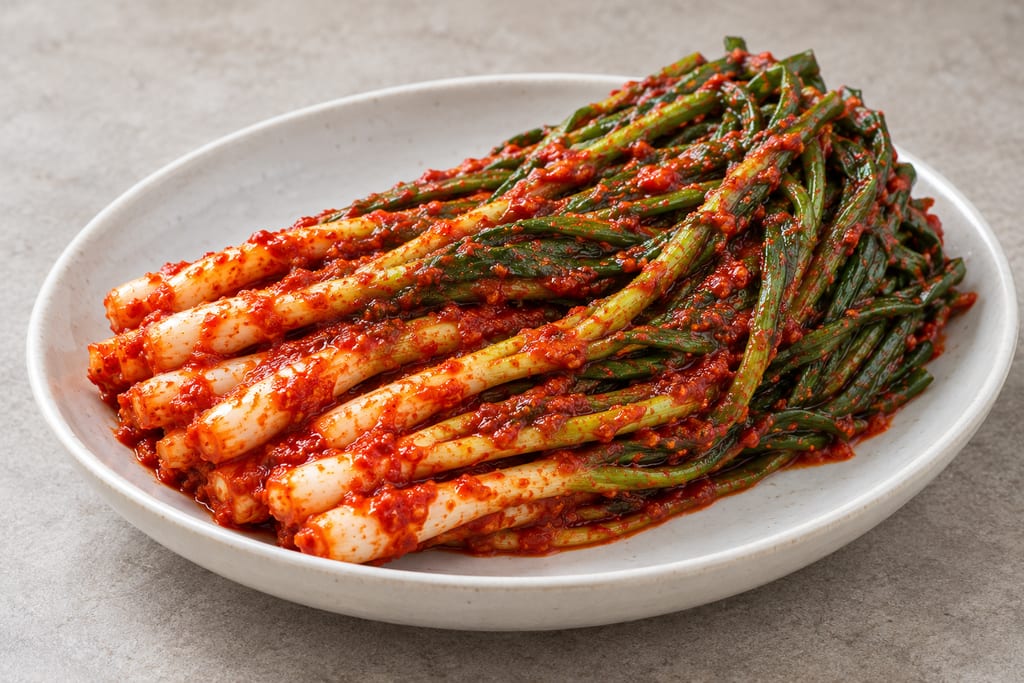
Pa-kimchi is a Korean kimchi of whole green onions salted, dressed with chilli and fish sauce, and fermented until pungent and sour.
Kimchi of salted napa cabbage and daikon with garlic, green onion and red pepper, kept at room temperature one to four days, then refrigerated.