Recipes

1504 records with their sources, across 11 categories.

Filtered to

Recipes

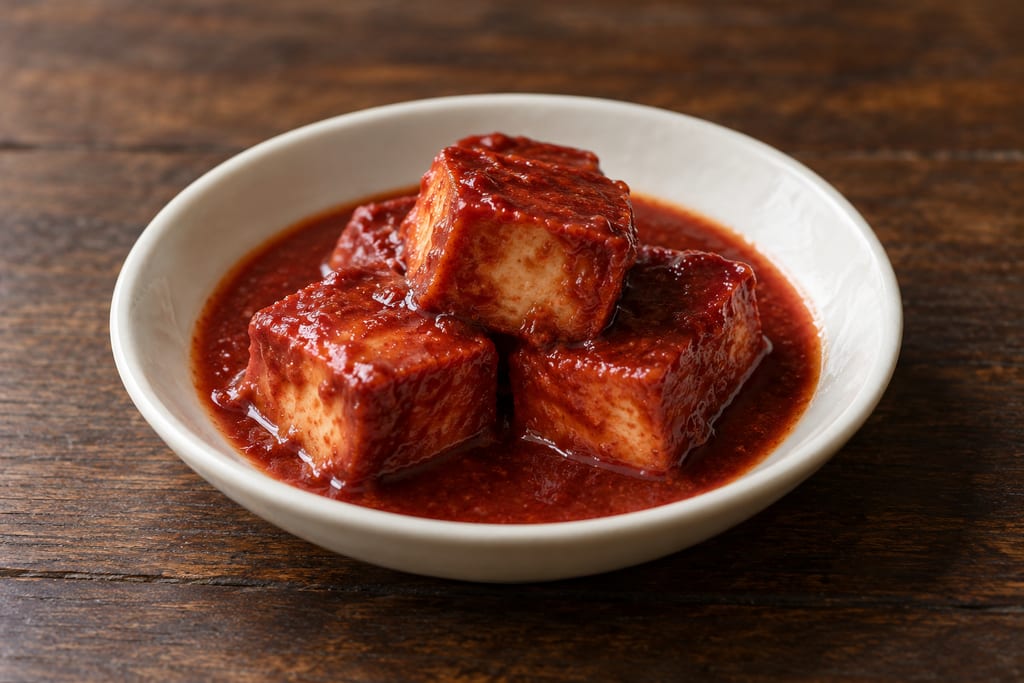
Finished red sufu cubes in glossy brick-red sauce, served in a shallow white porcelain dish
High risk

Red Mucor-ripened sufu

Red sufu is tofu grown with an identified Mucor racemosus mould, salted, seasoned with red pepper and zanthoxylum, then matured under brine for 180 days.

Mouding, Yunnan, China · Modern method
· Legumes and seeds
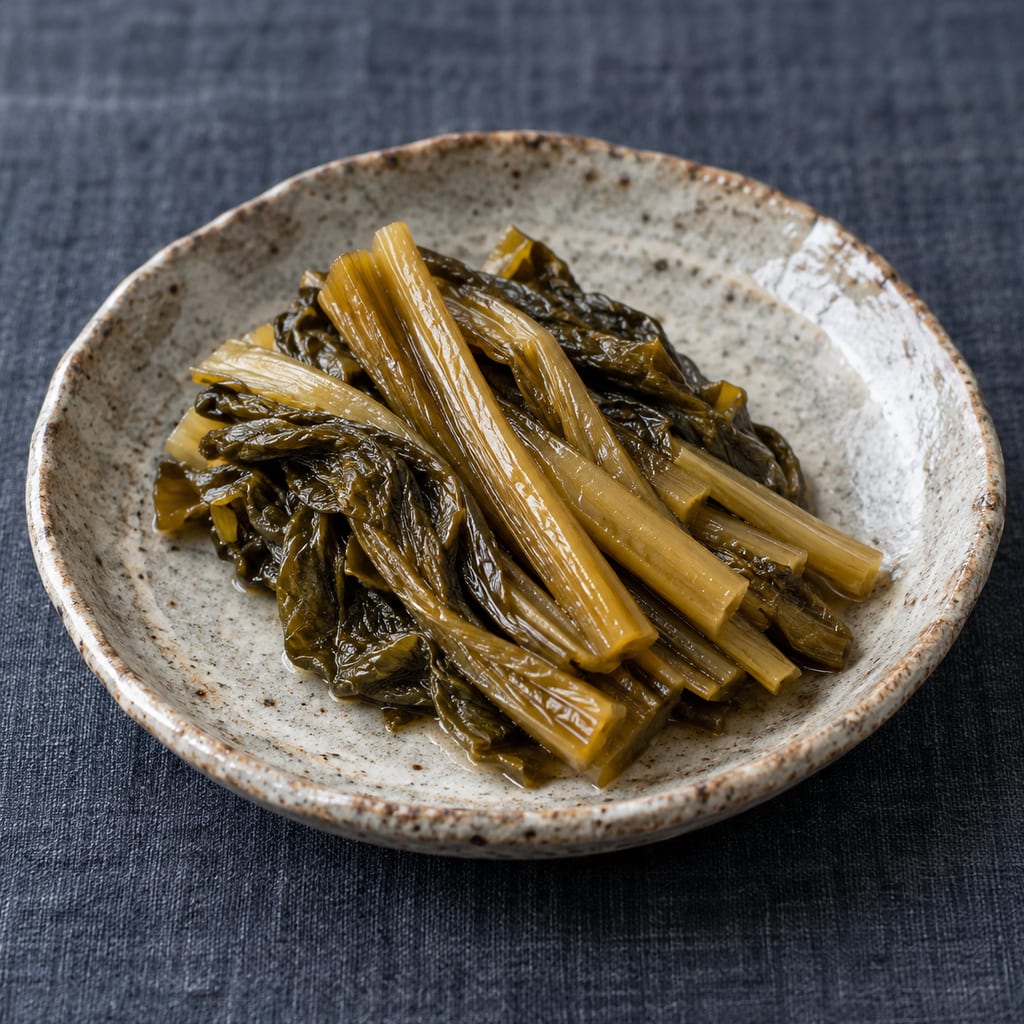
Aso takanazuke furuzuke, the aged mustard-green pickle, served as long olive-green and golden-brown stems and leaves on a ceramic plate.

Aso takanazuke

Takana mustard greens from Aso in Kumamoto are salted and pressed into a fresh spring pickle, or aged into a sour furuzuke that is fried and mixed into takana rice.
Aso, Kumamoto Prefecture
Vegetables
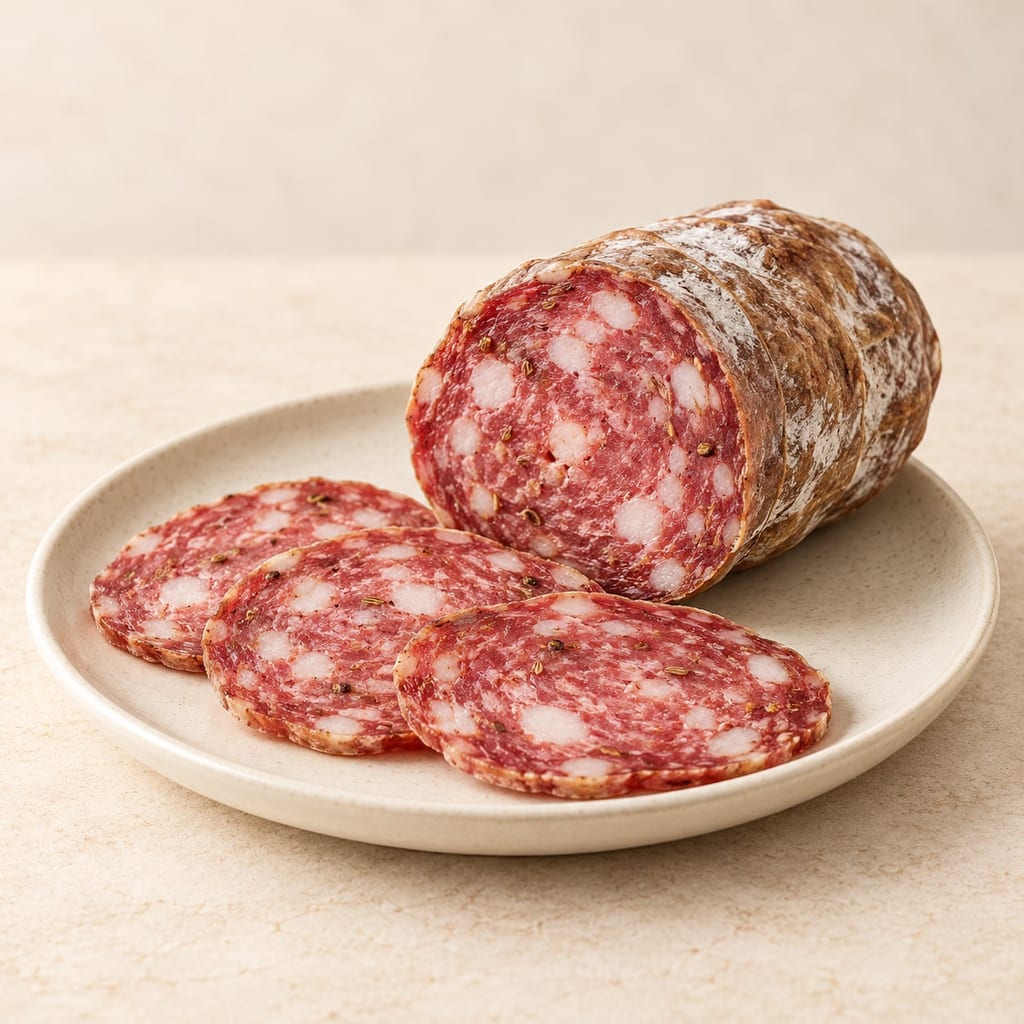
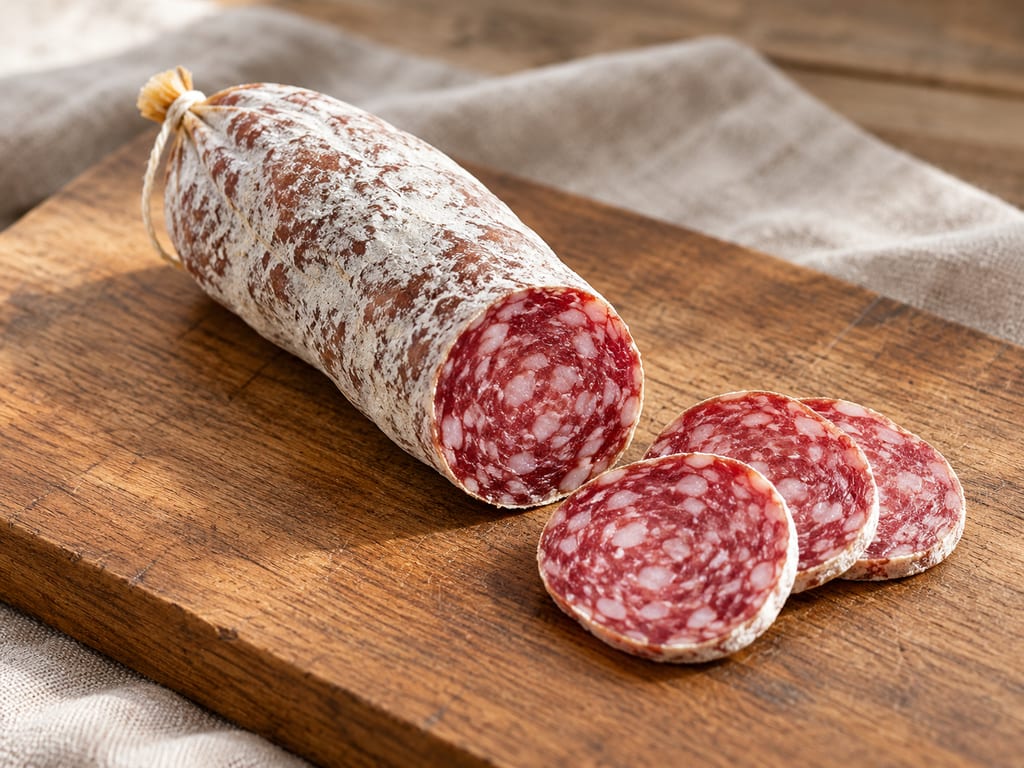
Finocchiona salami section and three slices with irregular pale fat pieces on an ivory plate.
High risk

Finocchiona, starter-cultured

A Tuscan-style fennel salami made with pork and back fat. Toasted fennel, fennel pollen and Sambuca flavor this starter-cultured preparation.
Tuscany, Italy · Modern adaptation
· Meat
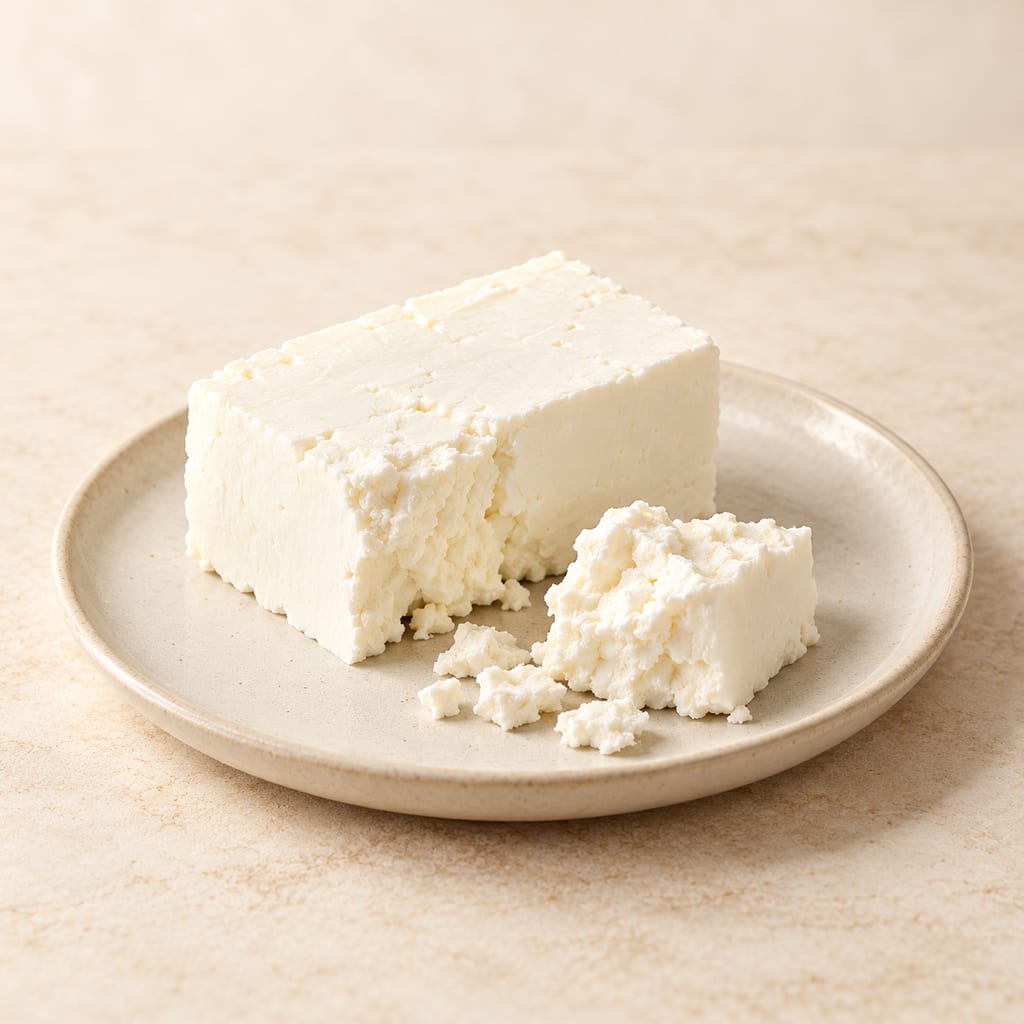
White feta-style cheese block and broken chunk with a few crumbs on an ivory plate.
Elevated risk

Feta-style brined cheese

White cheese made with a lactic starter and rennet, drained without pressing, dry-salted and covered in brine. This home adaptation allows whole milk from different dairy animals.
Greece · Modern adaptation
· Dairy
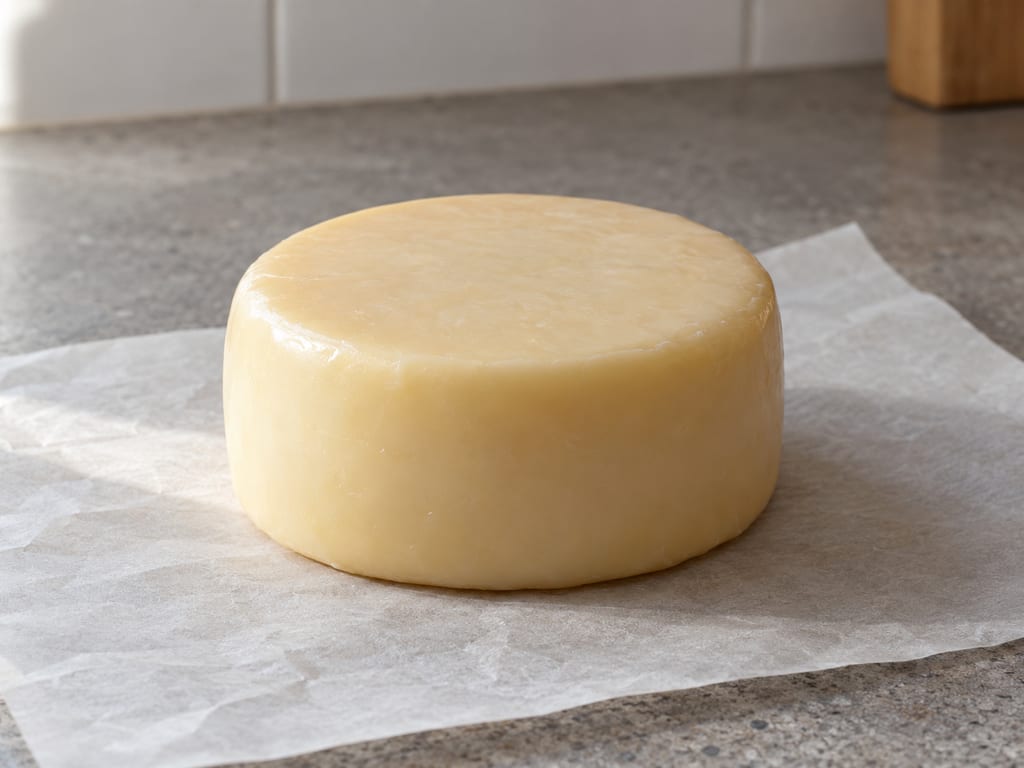
Illustrative whole, paraffin-coated cheese based on the Canadian home-dairy method; the source does not specify its mould shape or interior.
Elevated risk

Semi-soft cheese

A mild whole-milk cheese set with starter and rennet, drained in a mould, dry-salted and ripened. This small-batch method appeared in Canadian home-dairy guidance.
Canada · Modern method
· Dairy
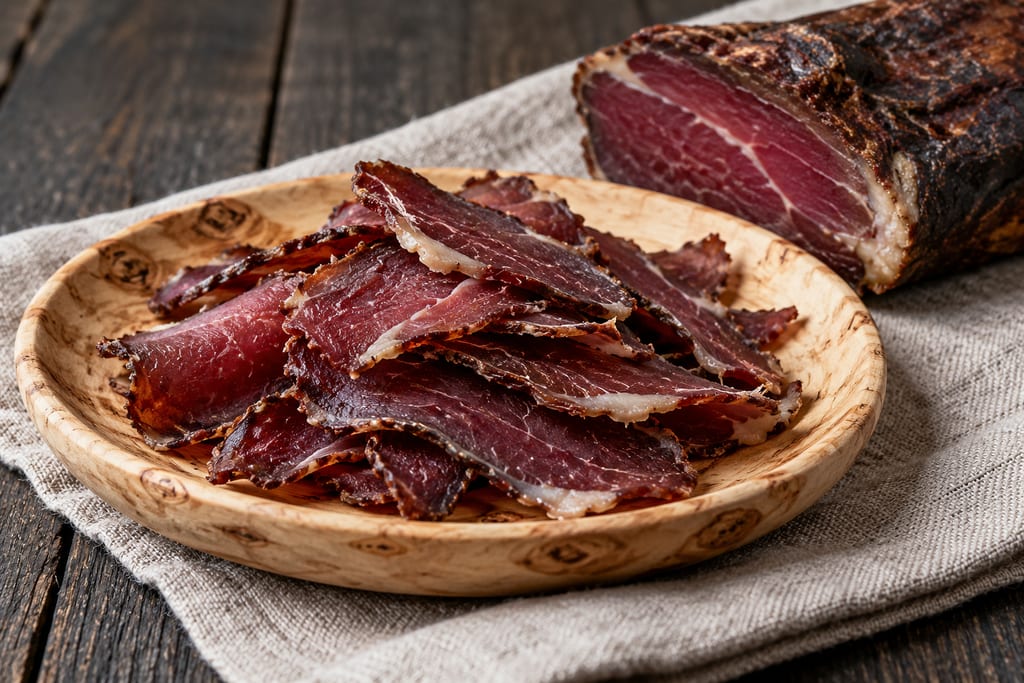
Thin slices of mahogany smoked reindeer meat on a shallow birchwood plate, with a smoked piece behind.
High risk

Suovas

Salted reindeer meat hung in the smoke of a lávvu fire over willow, birch or juniper, then cooled and in some Sámi communities dried outdoors into travelling provisions.
Sápmi · Traditional method
· Meat
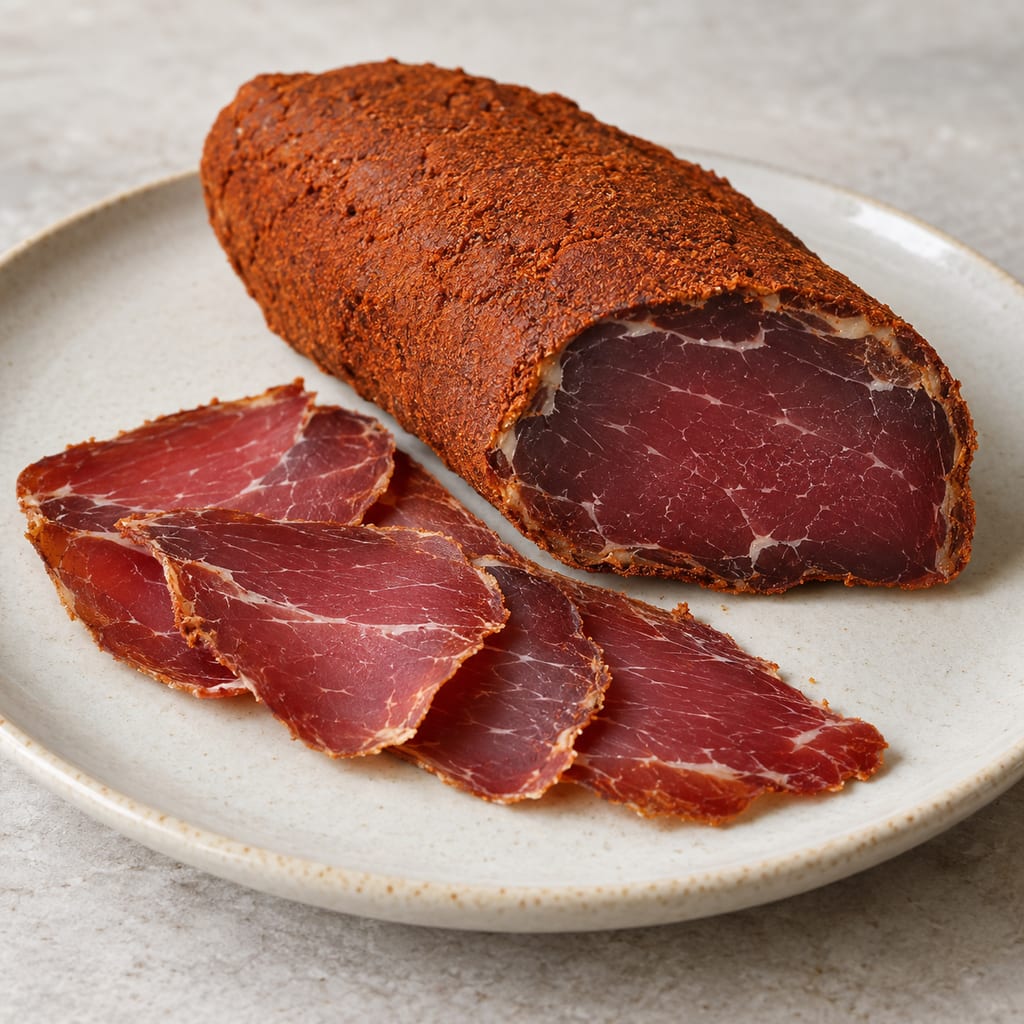
A çemen-coated whole Turkish pastırma cut open to reveal dark ruby cured beef, with thin slices beside it.

Pastırma

Dry-cured beef salted, air-dried and often coated with a spice paste called çemen before it is sold whole or sliced; a Turkish cured meat whose preservation rests on salting and drying.
Türkiye · Traditional method
· Meat
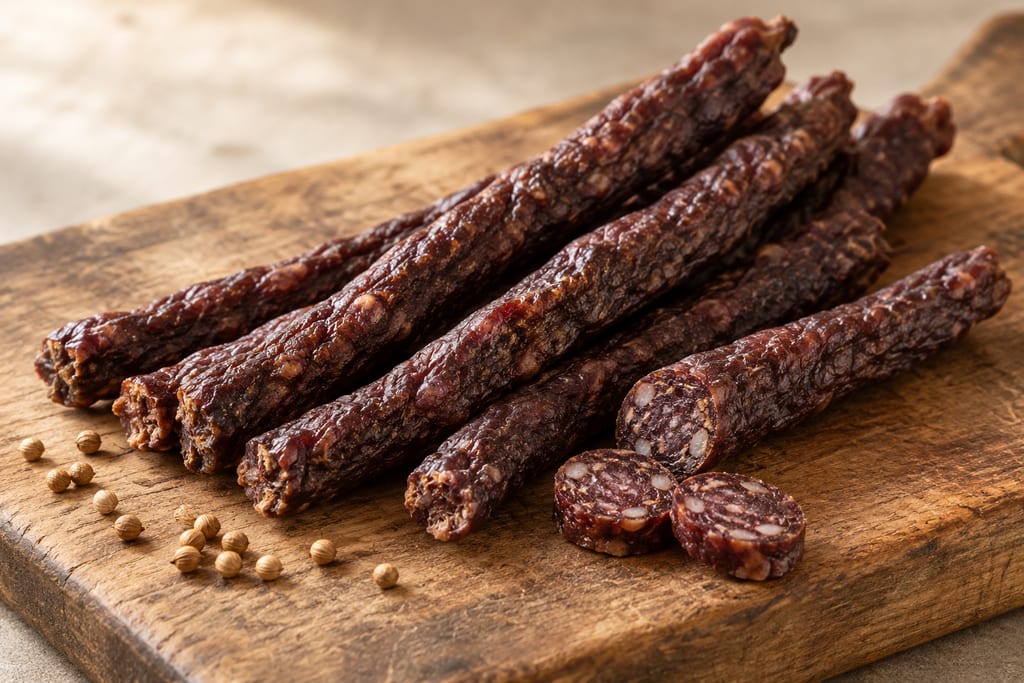
Finished droëwors sticks on a wooden board; one cut piece shows the coarse interior, with a few coriander seeds nearby.
High risk

Droëwors

South Africa's dried sausage: seasoned minced meat in narrow casings, dried until it can be eaten without cooking, which makes it a far more demanding product than fresh boerewors.
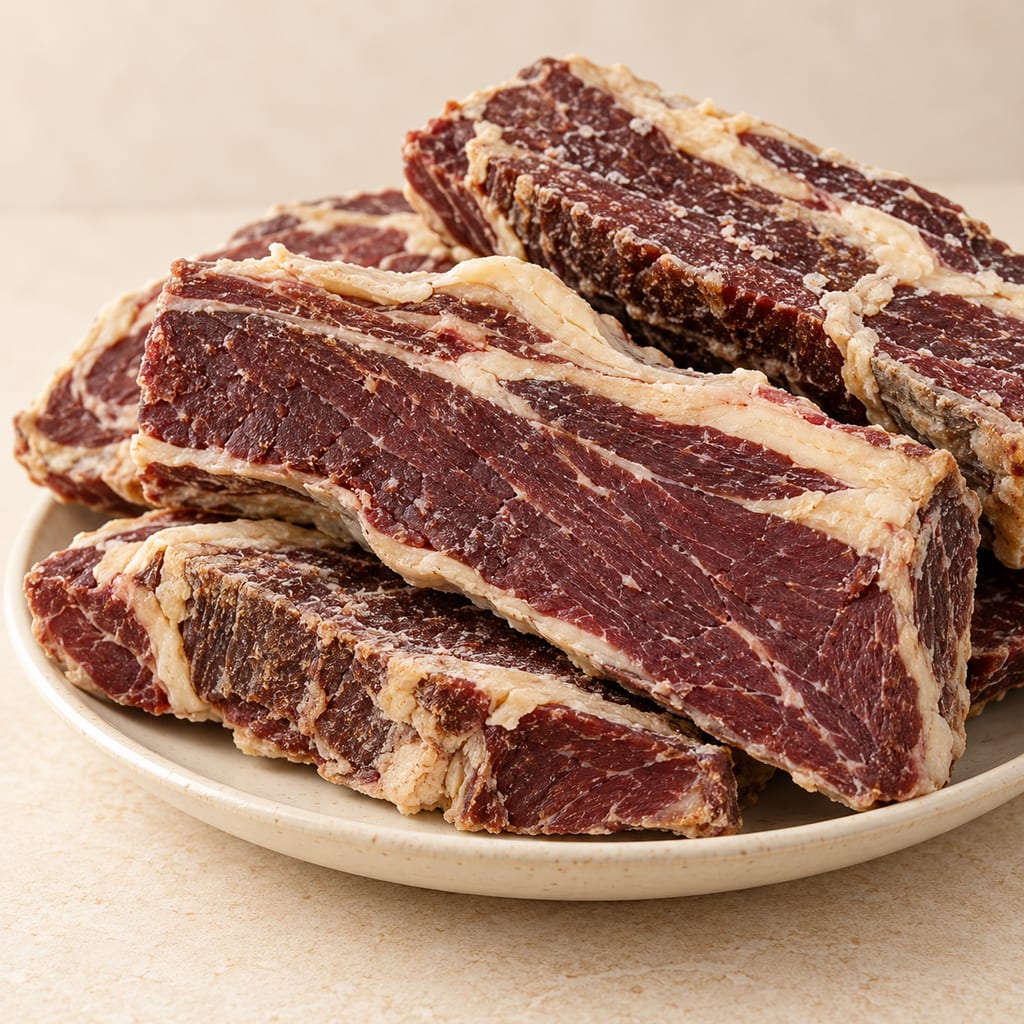
South Africa · Traditional method
· Meat
Brazilian charque, heavily salted and dried beef with a firm dark red-brown surface and pale fat seams, on a plain cream plate.

Charque

Beef salted heavily and dried into a strongly preserved ingredient that is desalted before it is cooked in stews; a Brazilian form of salt-dried meat that keeps far longer than the lightly salted carne-de-sol.
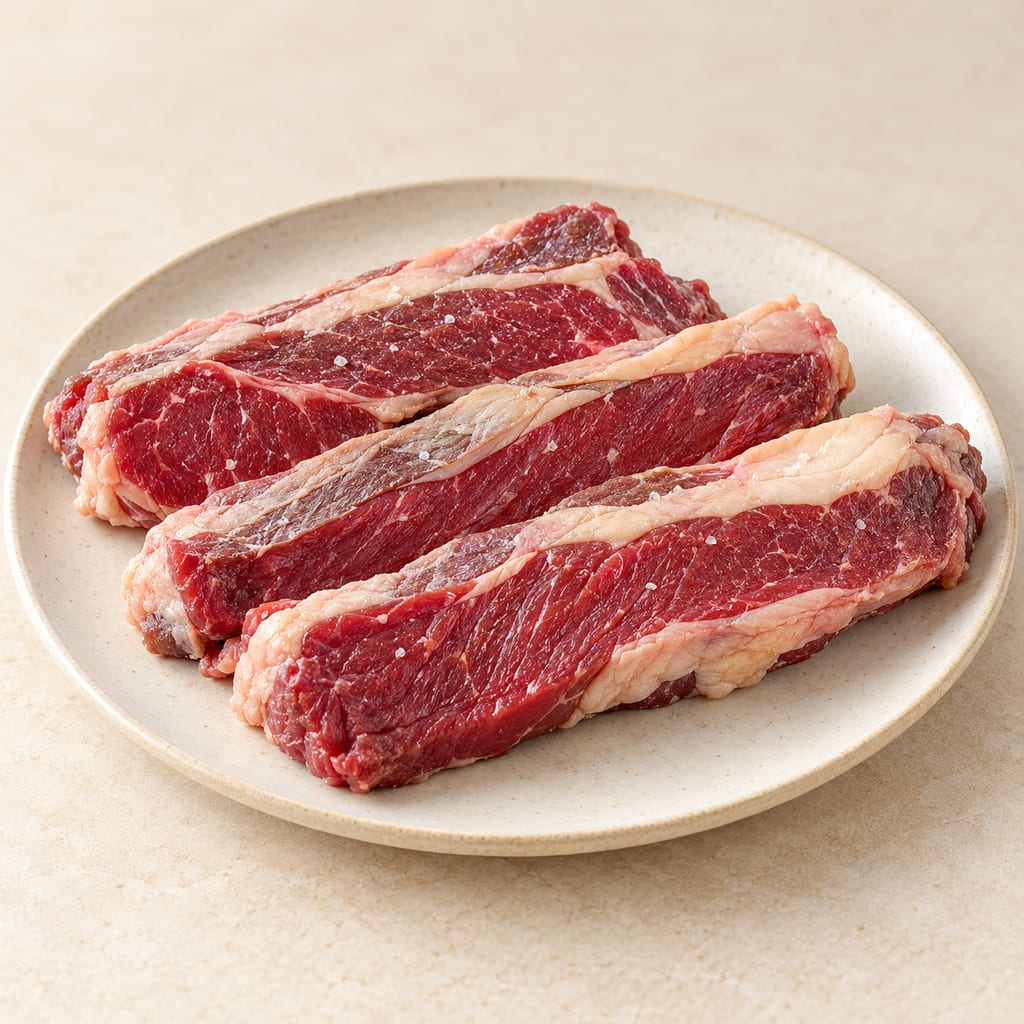
Brazil · Traditional method
· Meat
Lightly salted Brazilian carne de sol, showing a faintly dried surface and moist red interior on a plain ceramic plate.

Carne-de-sol

Beef given limited salt and partial surface drying, a short-keeping Brazilian meat that is much less durable than fully dried charque and is treated as a cold-chain product.

Brazil · Traditional method
· Meat
A small assortment of sliced daikon, cucumber and aubergine miso-zuke on a plain ivory plate; one visual example of the broader method.

Miso-zuke

Foods embedded in salty fermented miso paste, which transfers salt and fermentation products into them; misozuke uses an already transformed medium rather than a fresh vegetable brine.
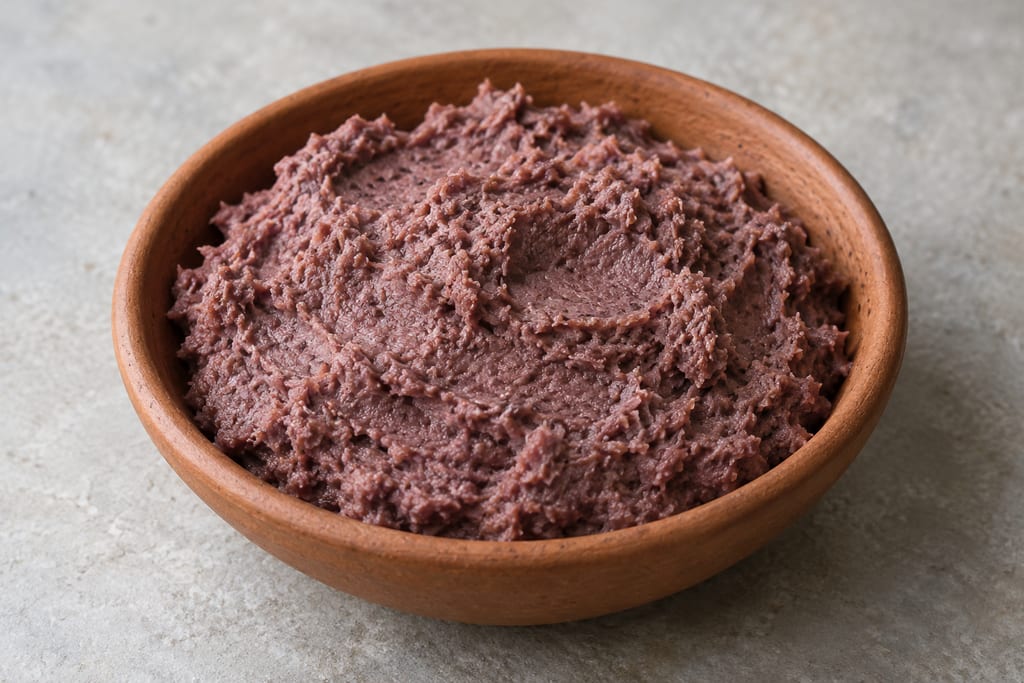
Japan · Traditional method
· Condiments
Illustrative Guimaras guinamos shrimp paste in an earthenware bowl; the image depicts the documented product, not a validated household process.
Elevated risk

Guimaras guinamos

Guinamos is a shrimp paste made on Guimaras in the Philippines: small shrimp salted by hand, sun-dried and trodden by foot until it turns smooth.
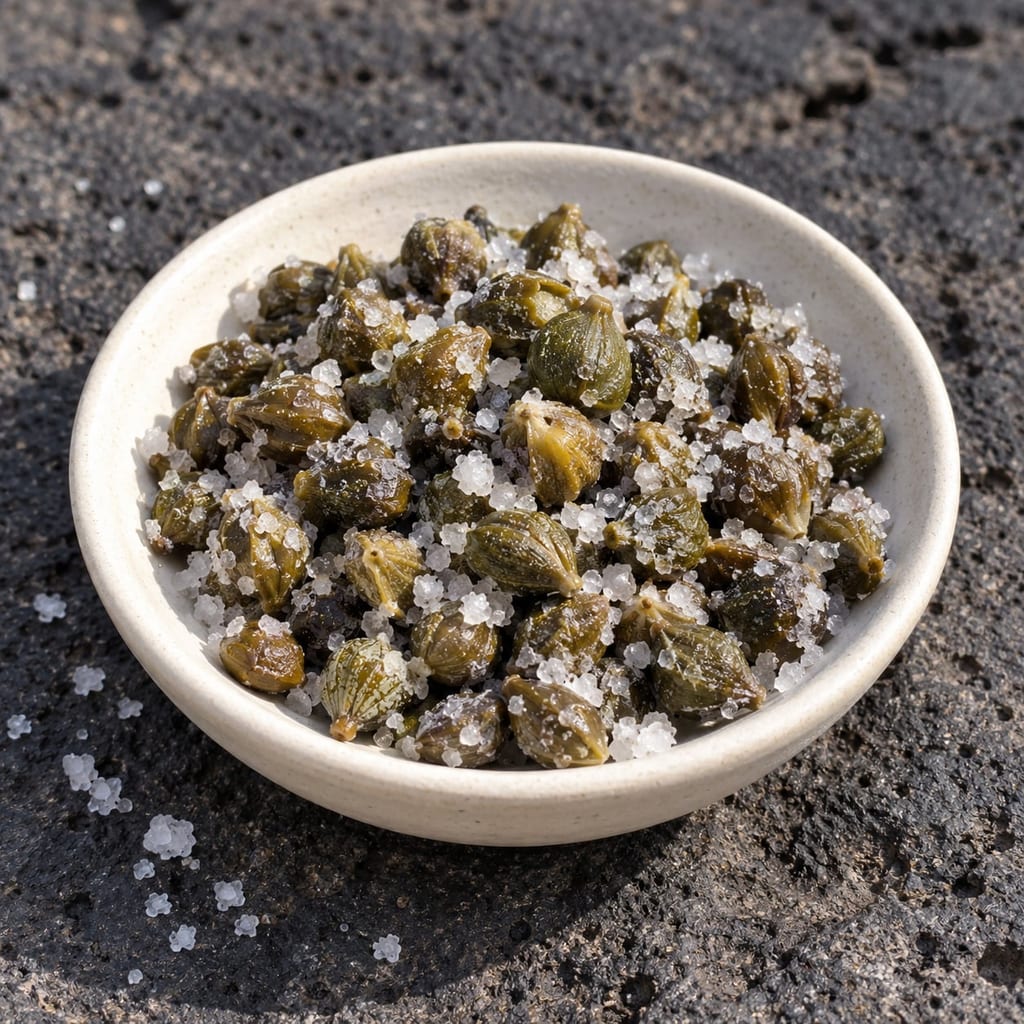
Barangay Morobuan, Jordan, Guimaras
Pantelleria capers preserved in sea salt, served in a shallow ivory dish.

Cappero di Pantelleria

A protected Sicilian product: unopened caper buds from the island of Pantelleria, dry-salted with sea salt in a two-stage process that encourages lactic fermentation.

Pantelleria · Traditional method
Vegetables
Clear golden-amber Vietnamese fish sauce in a plain white ceramic bowl on a warm ivory background.
High risk

Fish sauce

Fish sauce is a clear, salty seasoning made by maturing fish with salt and drawing off the liquid. The broad family includes distinct regional sauces rather than one interchangeable method.

Phú Quốc
· Fish and seafood
A clear glass bottle of amber colatura di alici beside a small wooden Cetara barrel, with anchovies softly out of focus.
High risk

Colatura di alici di Cetara

Colatura di alici is the amber liquid drained from salted anchovies matured in wooden containers in Cetara, on the Amalfi coast of Campania, and sold under a protected designation of origin.
Cetara
Fish and seafood
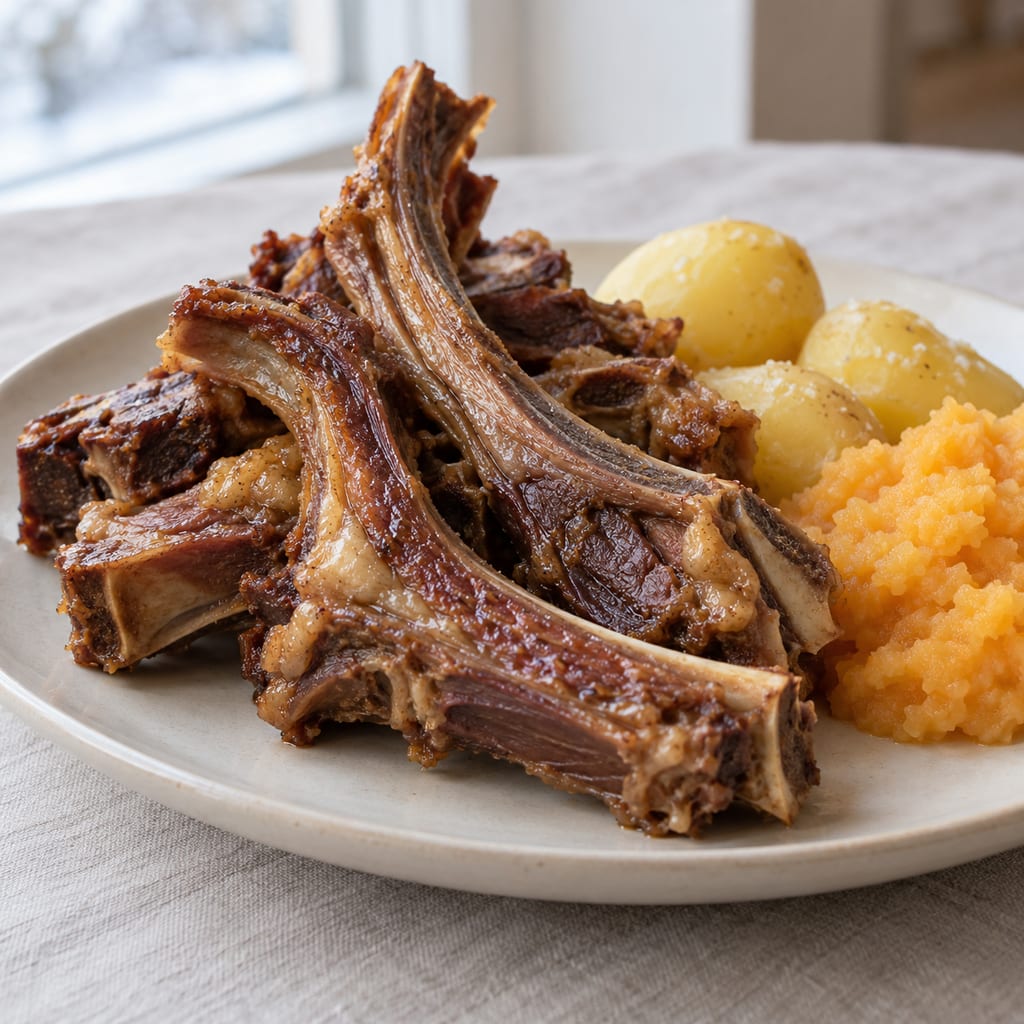
Steamed Norwegian pinnekjøtt lamb ribs with boiled potatoes and kålrotstappe on a plain ceramic plate.
Elevated risk

Norwegian pinnekjøtt

Norwegian Christmas lamb ribs, salted, matured and dried, then soaked and steamed over birch twigs. Smoked and unsmoked versions are both made.
Western Norway (Vestlandet) · Traditional method
· Meat
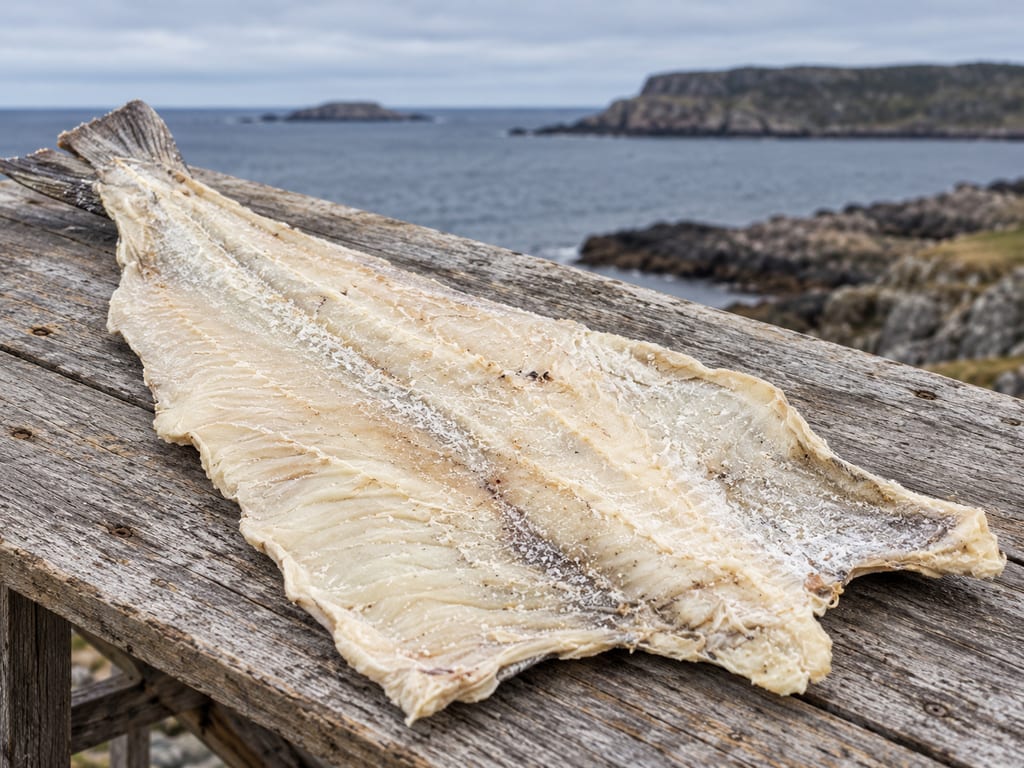
Illustrative finished Newfoundland dried salt cod: a split cod side with a pale, salt-crusted surface on a weathered flake board.
Elevated risk

Newfoundland dried salt cod

Atlantic cod split, salted and dried on raised flakes along the Newfoundland and Labrador shore, manufactured ashore for markets across the Atlantic.
Newfoundland and Labrador · Traditional method
Fish and seafood
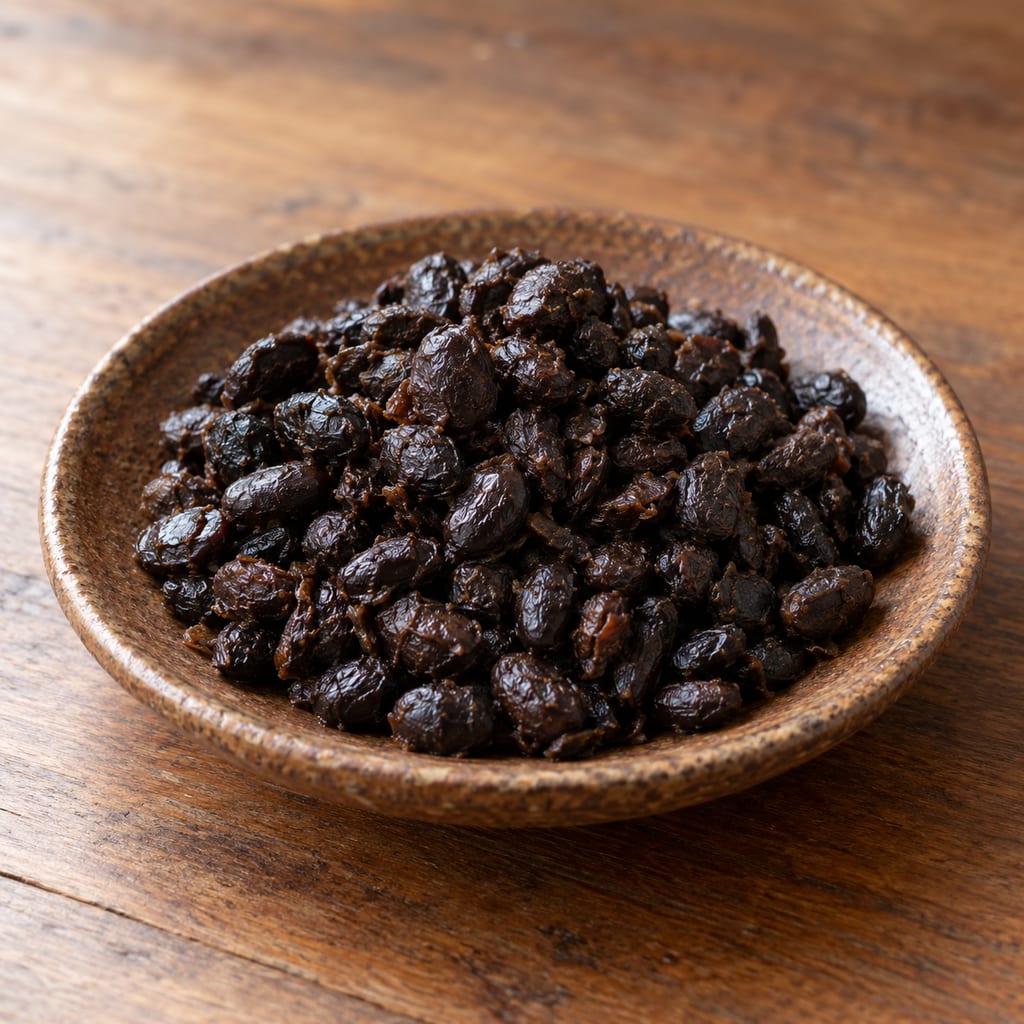
A small ceramic dish holding wrinkled dark brown-black finished Mucor-type douchi beans on a wooden surface.

Mucor-type douchi

A Chinese fermented soybean condiment from Chongqing and Sichuan, made by growing Mucor-type mould on cooked beans, then salting and maturing them into dark, savoury, soft beans with a concentrated aroma.

China · Traditional method
· Legumes and seeds
Photograph of Koikuchi soy sauce.
Elevated risk

Koikuchi soy sauce

Japan's standard all-purpose soy sauce: soybeans and wheat grown over with koji mould, brined, fermented for months, pressed and usually heated into a reddish-brown, savoury liquid.
Japan · Traditional method
· Condiments
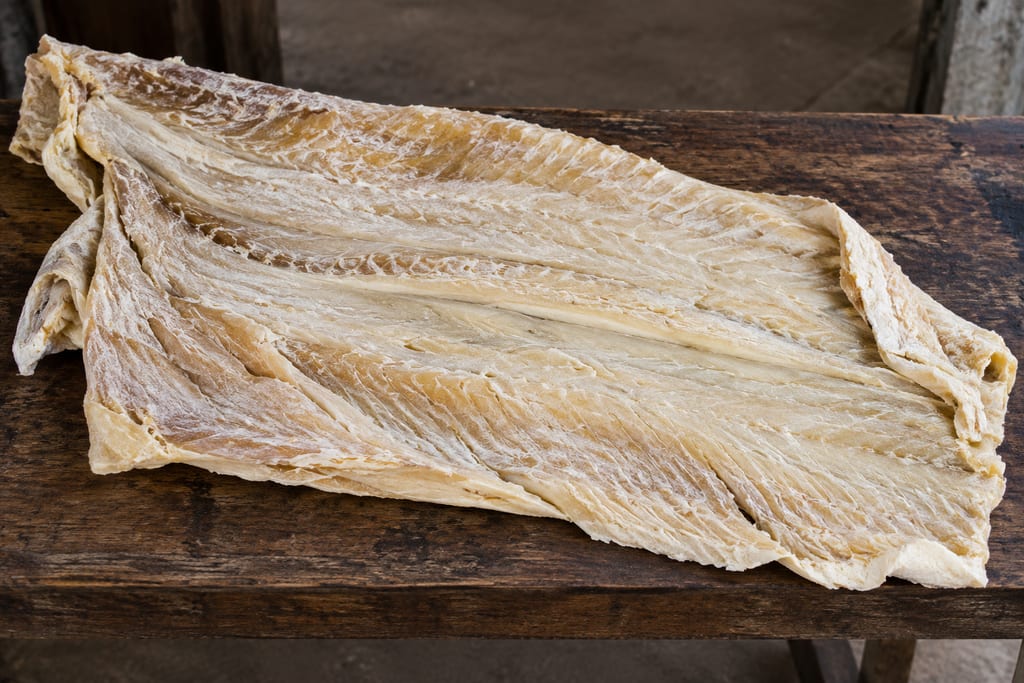
An original illustrative rendering of a broad salted-dried pirarucu manta, pale and firm after salt curing and drying. It follows the documented broad sheet form; it is not a photograph of a particular fish, producer, or batch.
Elevated risk

Salted-dried pirarucu (manta)

Arapaima gigas split into broad mantas, salted, matured for days and dried into the sheets that travel Amazonian river markets as bacalhau da Amazônia.
Brazilian Amazon · Traditional method
Fish and seafood
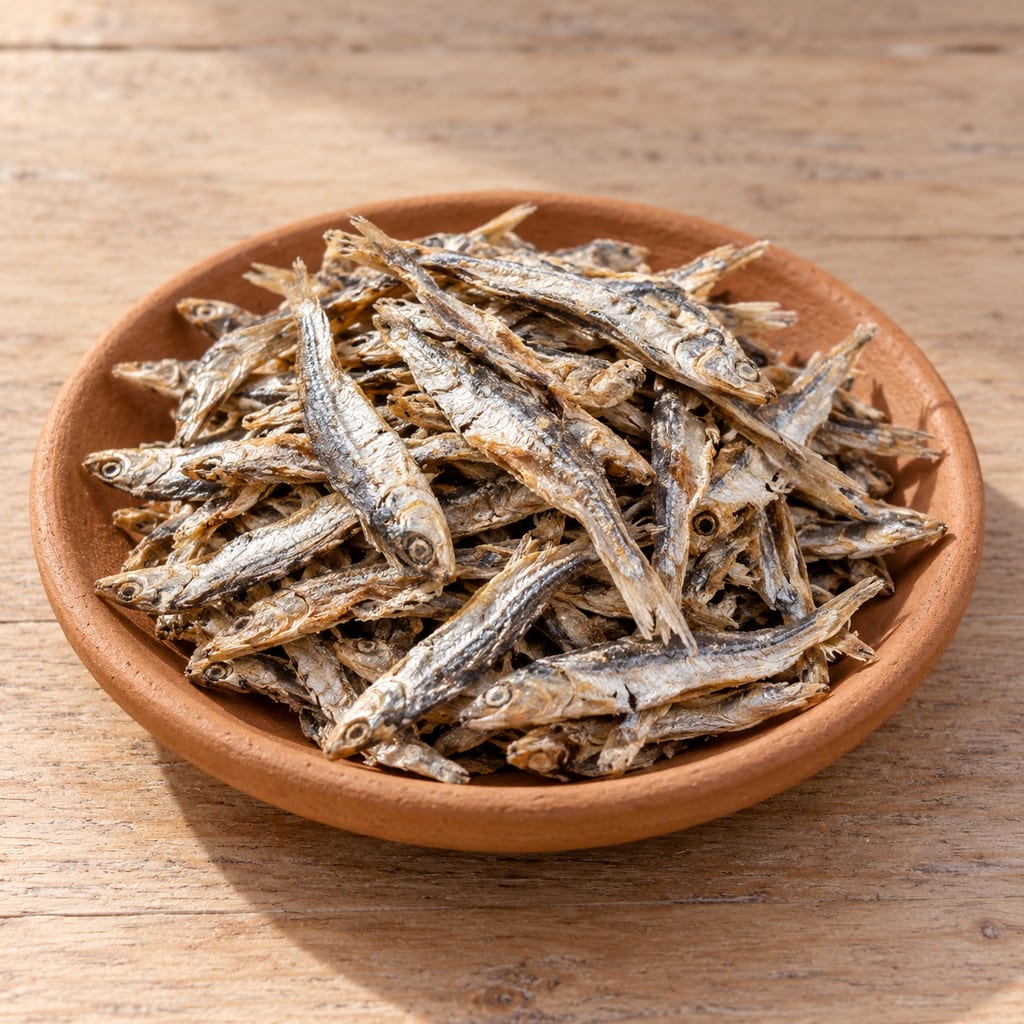
Whole slender, salted and sun-dried Peruvian anchoveta arranged in a shallow unglazed terracotta dish.
Elevated risk

Carquín dried anchoveta

Anchoveta salted, drained of sanguaza and sun-dried on sand or stones at Caleta de Carquín, a technique declared part of Peru's cultural heritage in 2016.
Caleta de Carquín · Traditional method
Fish and seafood
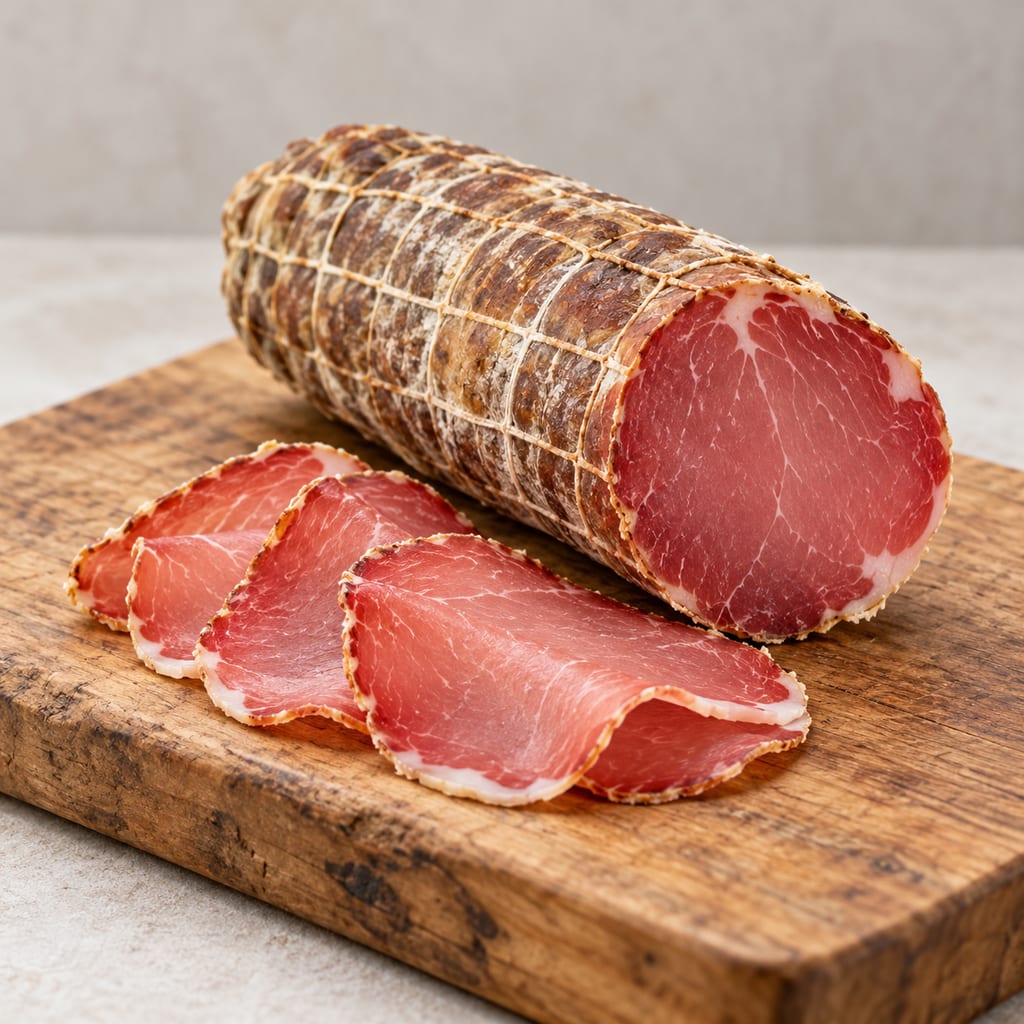
Finished lonzino cured pork loin with its cut end and thin slices on a plain wooden board.
High risk

Lonzino

Documentary account of Italian regional cured-loin traditions, including Tuscan and Marche variations; no home-cure instructions are provided because the published professional methods lack validated safety controls.

San Miniato · Traditional method
· Meat
A clear glass jar of cooked milk-cap mushrooms layered under brine, illustrating Finnish-style salted mushrooms.
High risk

Salted Mushrooms

Salted mushrooms are a traditional wild-mushroom preserve, especially of Finnish and Russian milk caps, made by layering boiled mushrooms with coarse salt or keeping them under brine, and kept cold.
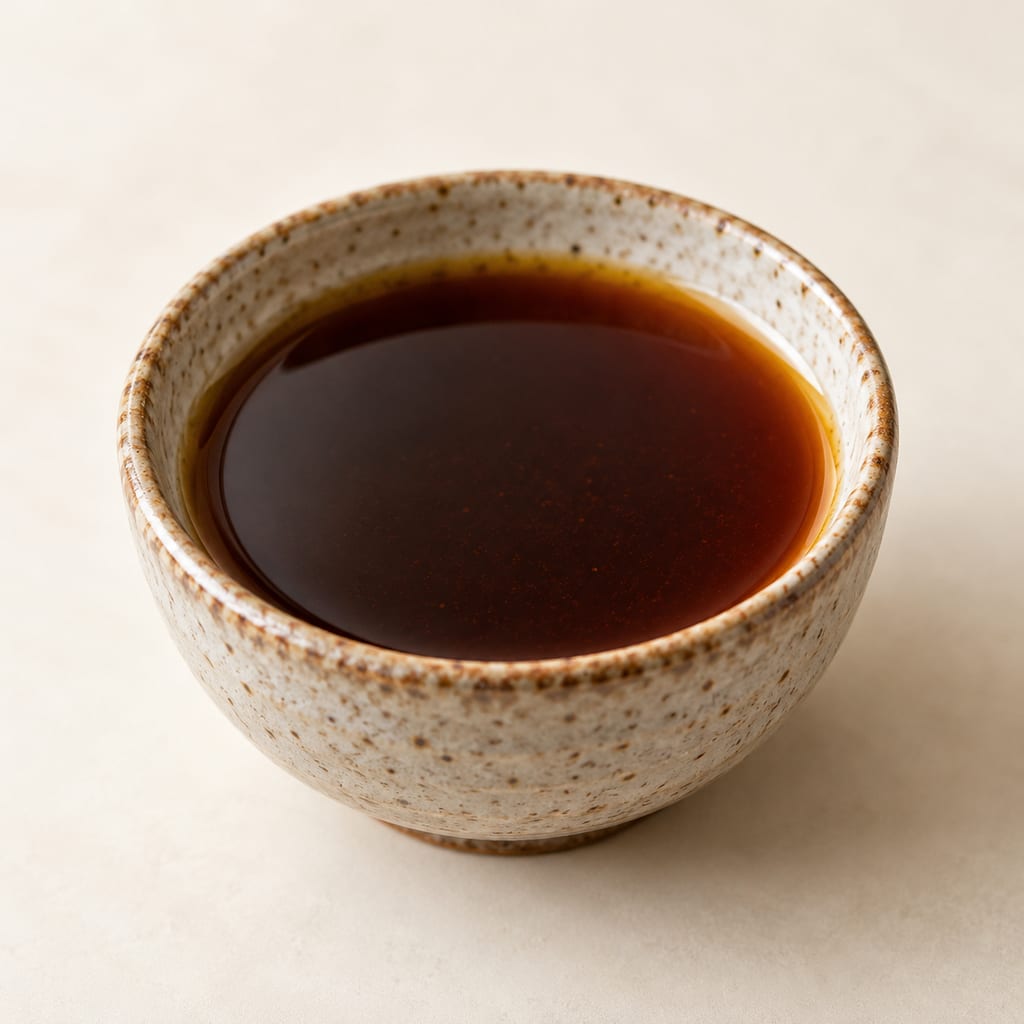
Russia · Traditional method
· Vegetables
Photograph of Mushroom garum (koji garum).
High risk

Mushroom garum (koji garum)

Mushroom garum is a savoury, smoked sauce made by crushing mushrooms with salt and rice koji and letting the mixture brew for months, a modern use of the garum method without fish.
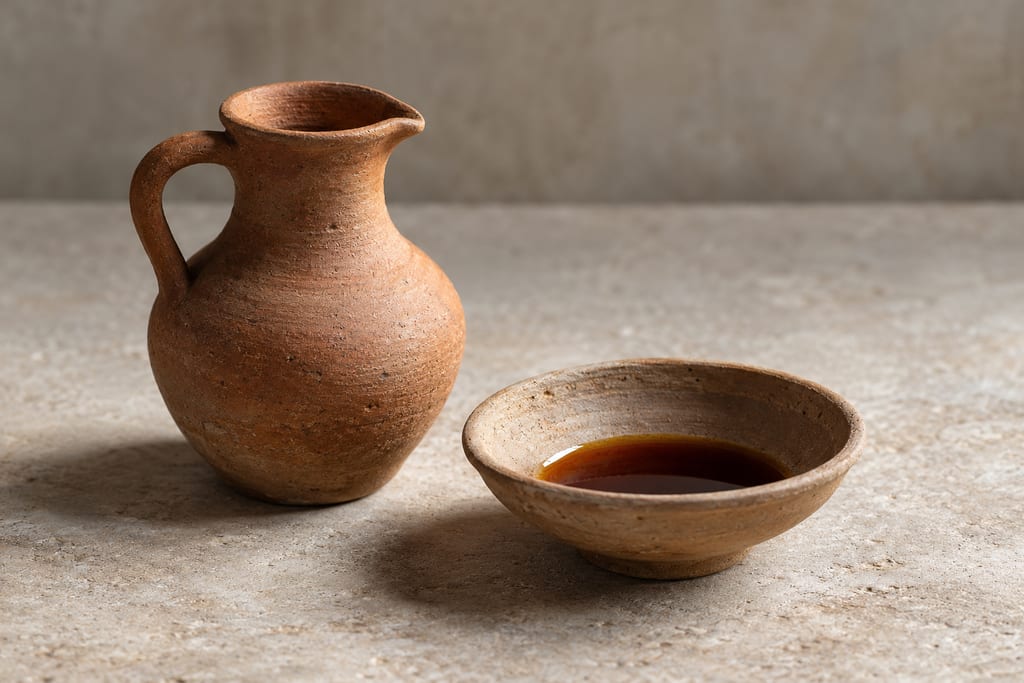
Copenhagen · Modern method
· Condiments
Illustrative still life of a small terracotta vessel and cup of dark amber fish sauce, inspired by ancient Mediterranean artifacts; not a reconstruction of one recipe or period.
High risk

Garum (garos, liquamen)

Garum, Greek garos and Latin liquamen, was the fish sauce of the ancient Mediterranean: fish and viscera salted and left in the sun, then drained off as a savoury liquid.
Greece · Historical attestation
· Fish and seafood
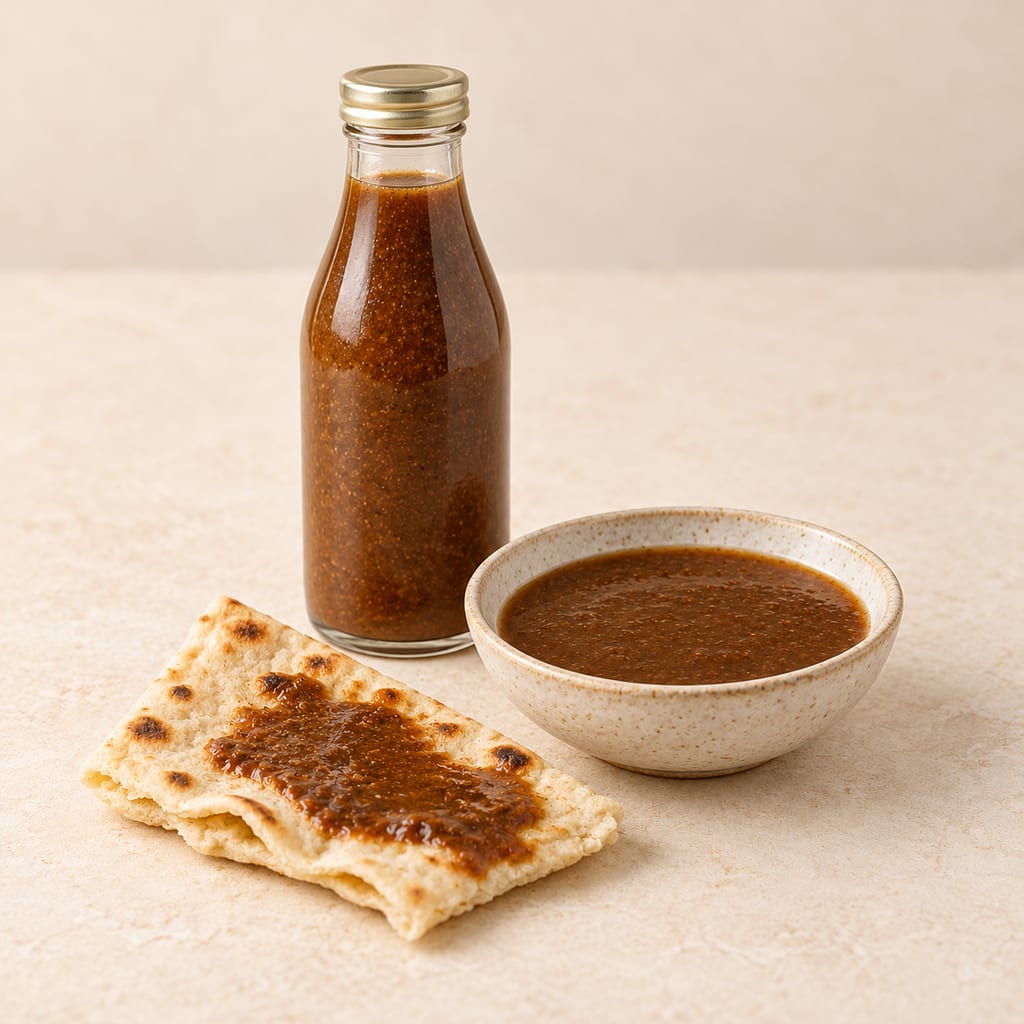
Editorial illustration of Mahyawa as a dark amber fish sauce served beside thin flatbread; the bottle and serving form are approximate, not a documentary record of one regional vessel.
High risk

Mahyawa (mahyaveh)

Mahyawa, also written mahyaveh, is a traditional fish sauce from southern Iran, made by salting small sardines or anchovies in water, maturing them in jars and seasoning the filtered liquid with mustard and spices.
Fars and Hormozgan
Fish and seafood
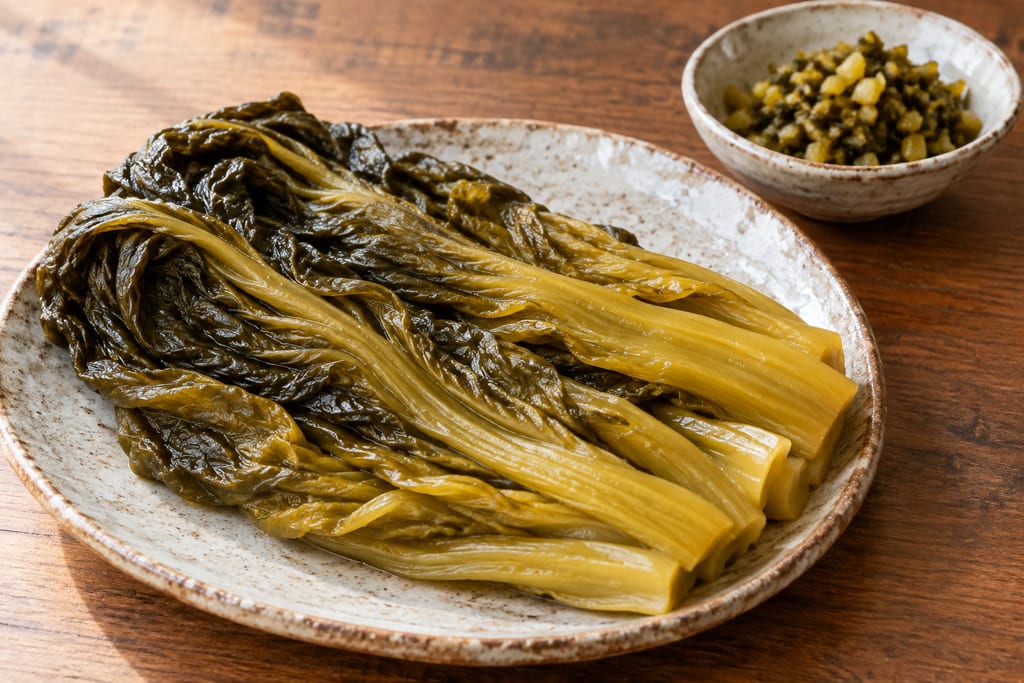
Whole olive-gold Setaka pickled takana leaves with thick stems, alongside finely chopped takana in a small bowl.

Setaka no takana-zuke

Giant red mustard leaves are dried, layered with salt and chile, pressed in a wooden tub, drained after a week and left through the rainy season.
Chikugo Region, Fukuoka, Japan · Traditional method
· Vegetables
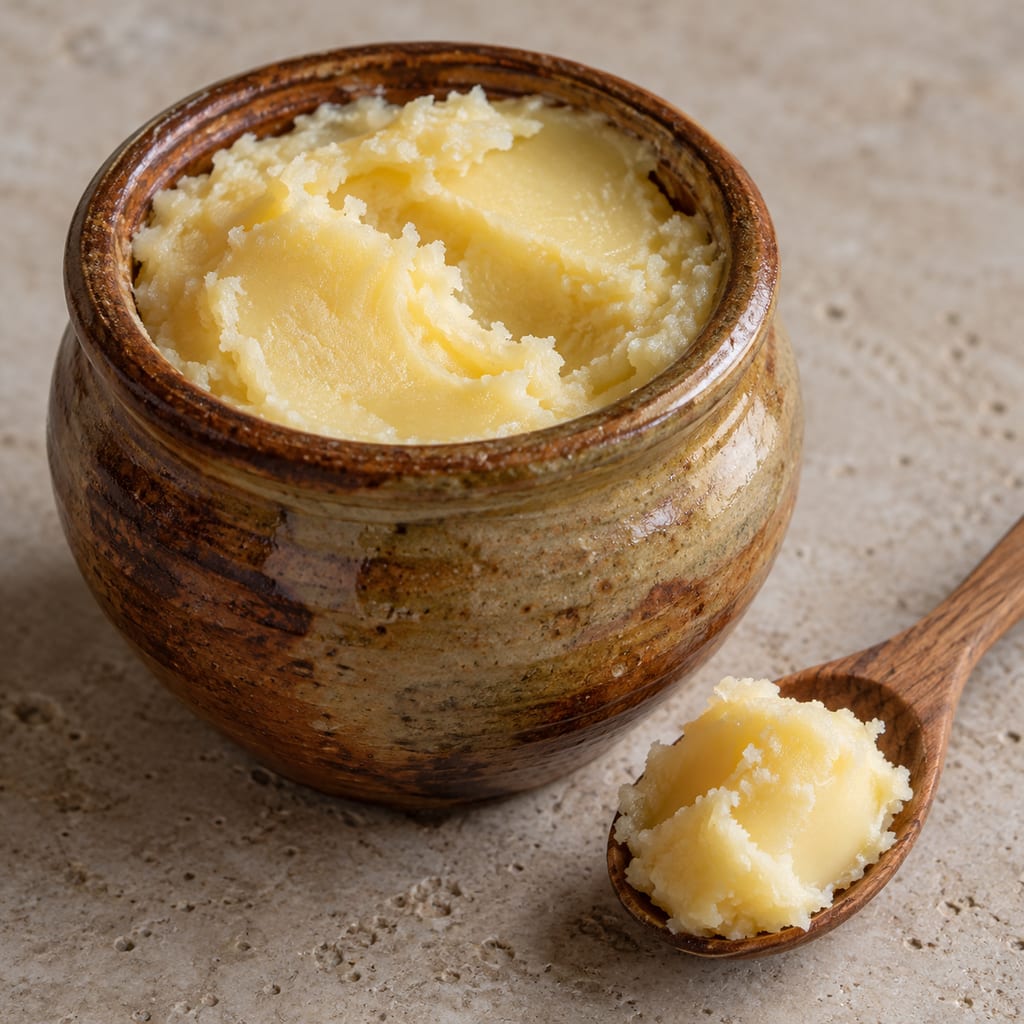
North African matured salted butter (smen) in a crock, with a spoonful showing its thick, spoonable form.
High risk

Smen

North Africa's matured butter: soured milk churned, the butter washed, heavily salted and left for months until lipolysis turns it into a pungent, cheese-like seasoning used a spoonful at a time.
Morocco · Traditional method
· Dairy
An unbranded small Italian cacciatore-style dry-cured salami with pale casing and thin ruby-red slices on a wooden board.
High risk

Cacciatore salami

Small Italian hunter-style salami of lean pork, firm fat, salt, pepper and garlic, mildly acidified and dry-matured; protected as Salamini Italiani alla Cacciatora DOP.
Lombardy · Traditional method
· Meat
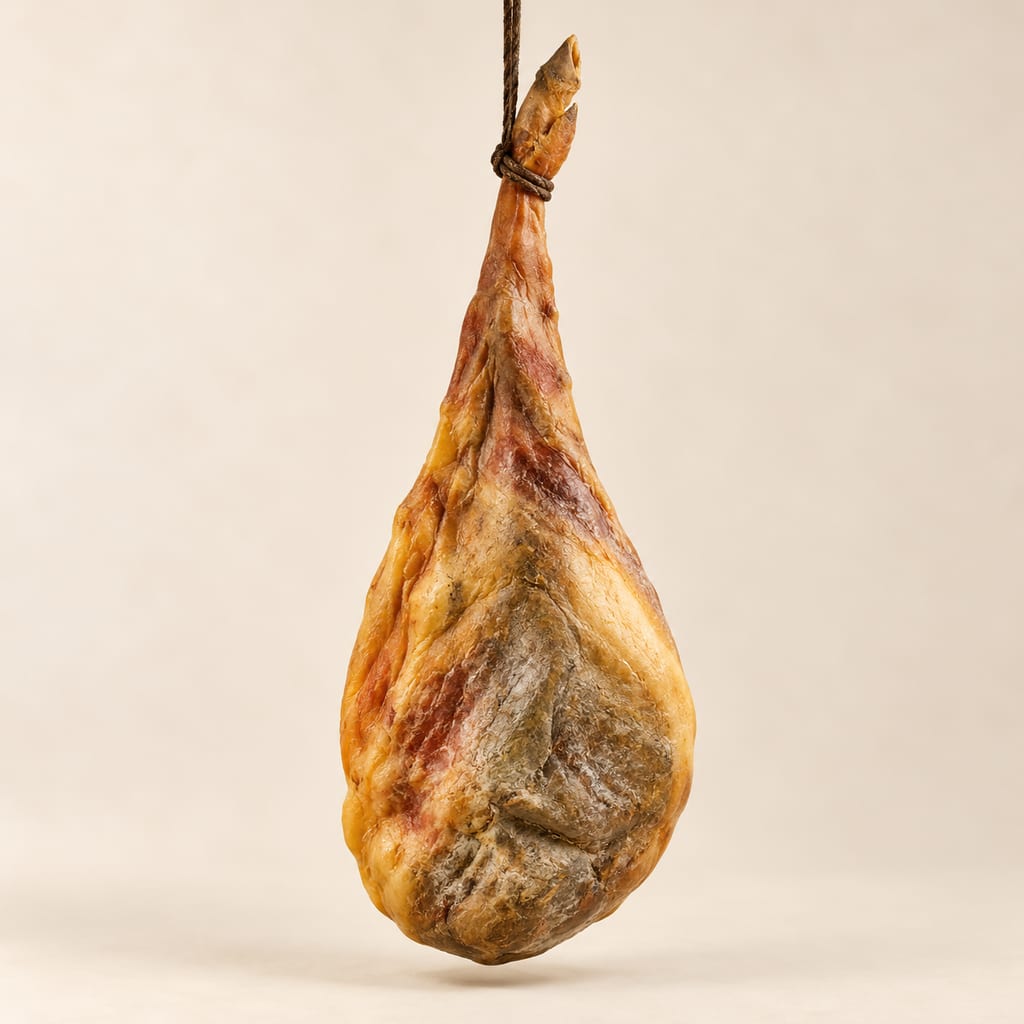
Illustrative category depiction of a whole cured ham; the source does not preserve the exact appearance of Cato's ham.
High risk

Cato’s salted ham

Cato the Elder records a second-century BCE sequence for salting, air-drying, and smoking ham. This historical account is not a validated modern curing protocol.
Historical attestation
· Meat
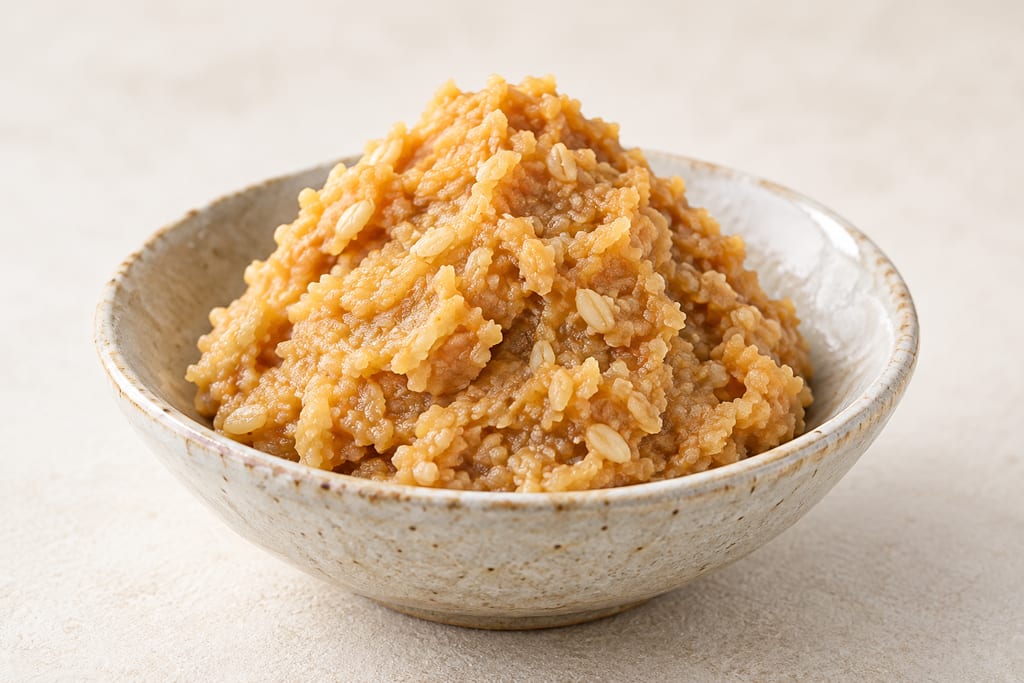
A shallow cream ceramic bowl holds finished golden-brown barley miso, its softly moist coarse paste flecked with visible barley grains.

Barley miso (mugi miso)

A Japanese soybean paste fermented with barley koji and salt, made mostly in Kyushu, Shikoku and western Japan. It is sweet, savoury and grainy.

Kyushu · Traditional method
· Condiments
Cut 'nduja sausage with a smooth, spreadable interior and a portion on bread.
High risk

'Nduja di Spilinga

Soft, spreadable Calabrian pork sausage made with a great deal of red chilli and fatty pork, stuffed into natural casings, sometimes smoked and matured while staying soft.
Spilinga · Traditional method
· Meat
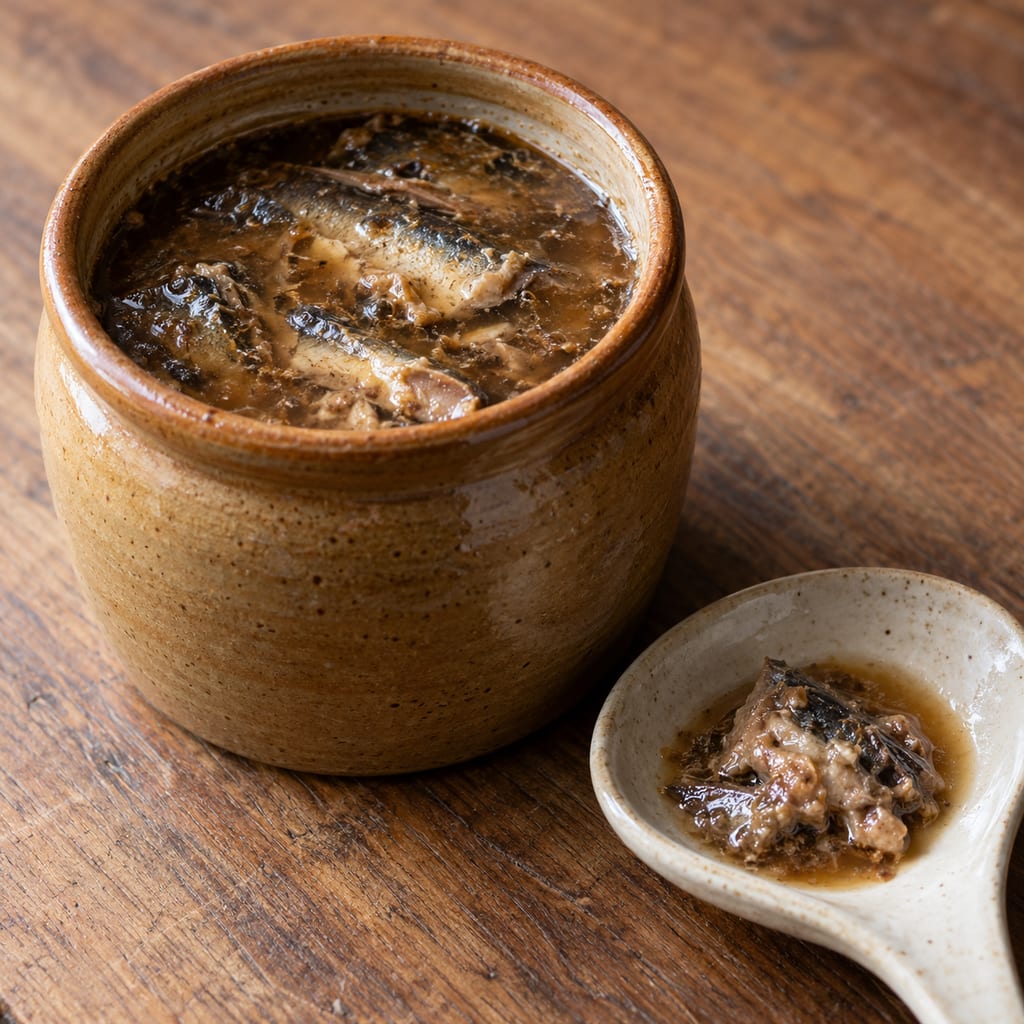
Illustrative pla ra (pla daek), a chunky fermented fish condiment in an earthenware crock; the source batch's roasted-grain addition is unclear.
High risk

Pla ra with roasted grain

A fish batch is washed, mixed with 800 g salt per about 5 kg fish, and packed with an unresolved roasted-grain addition; cleaning weight and storage duration are unclear.
Modern method
· Fish and seafood
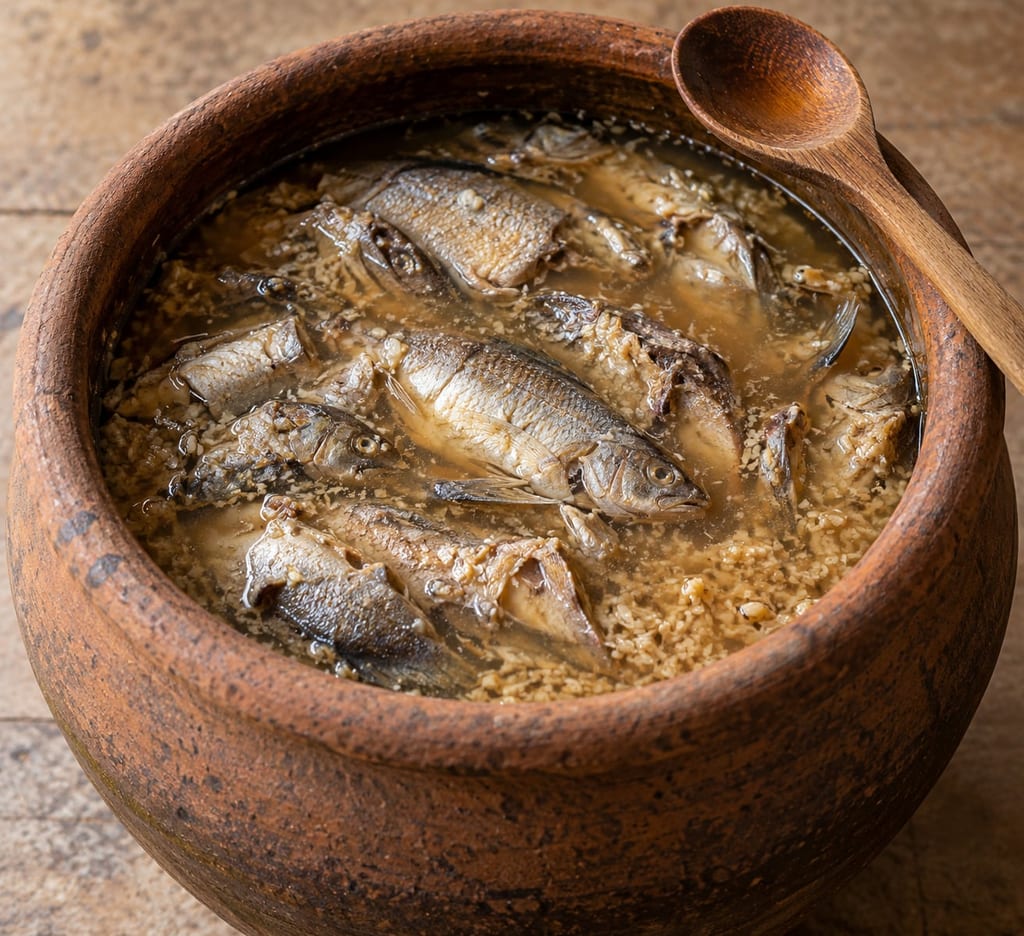
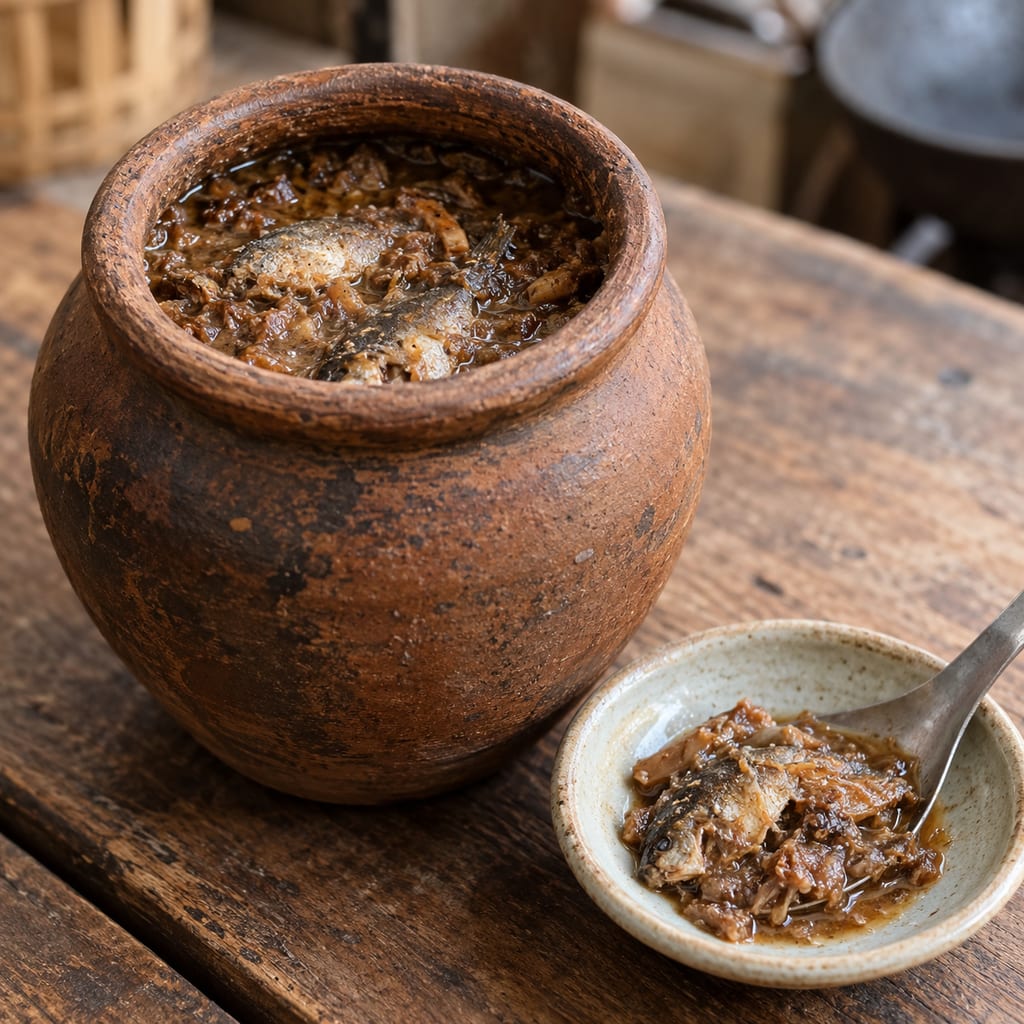
Illustrative Thai pla ra ferment with mixed freshwater fish and toasted rice sediment in an earthenware crock; appearance varies and this is not a photograph of the cited source batch.
High risk

Pla ra with mixed freshwater fish

Mixed freshwater fish are soaked, repeatedly washed, salted and packed with toasted ground paddy rice; the creator gives a 1.5 kg fish batch and an unmeasured ladle dose.
Modern method
· Fish and seafood
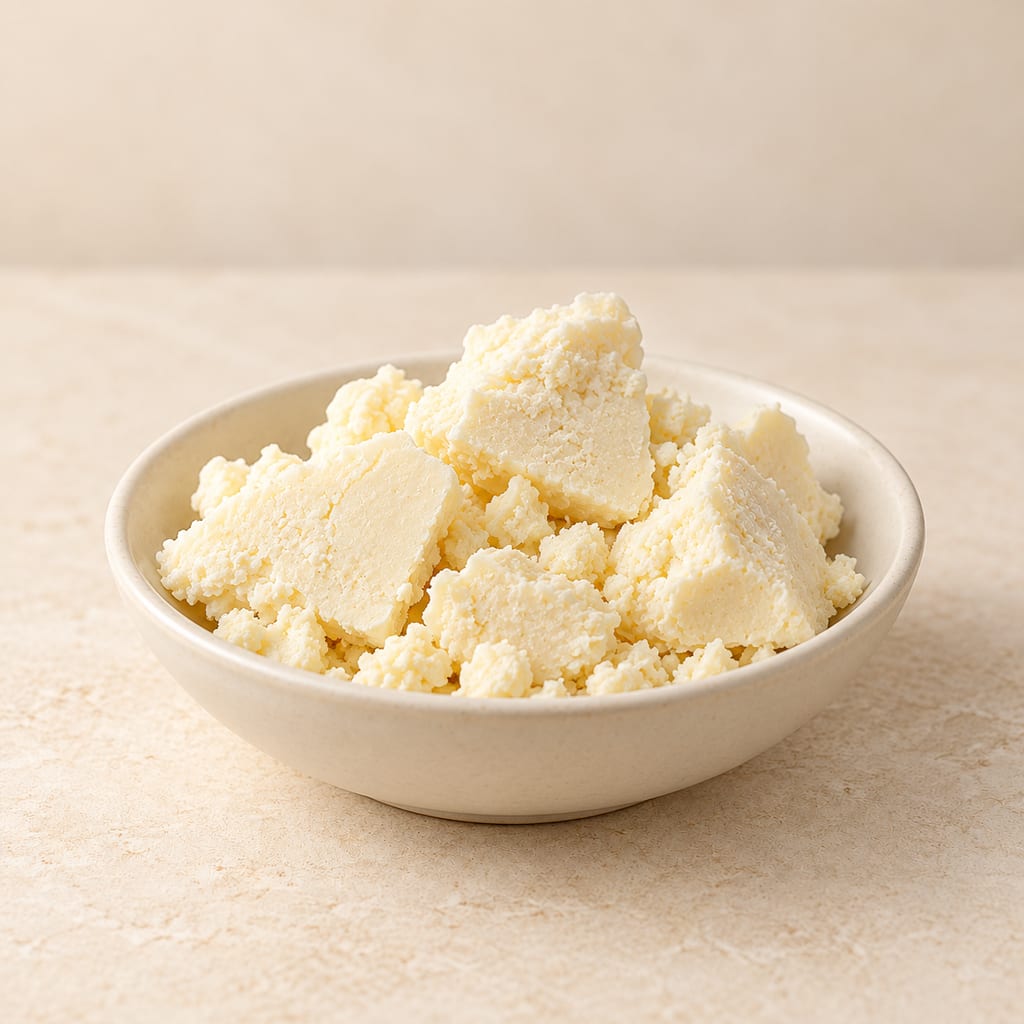
Pale crumbly tulum cheese in irregular pieces and crumbs in an ivory bowl.
High risk

Tulum peyniri, yogurt-cultured method

Tulum peyniri is a Turkish cheese traditionally packed into animal-skin bags to mature. This sheep-milk method adds a thermophilic yogurt culture before renneting, draining and dry salting.
Turkey · Traditional method
· Dairy
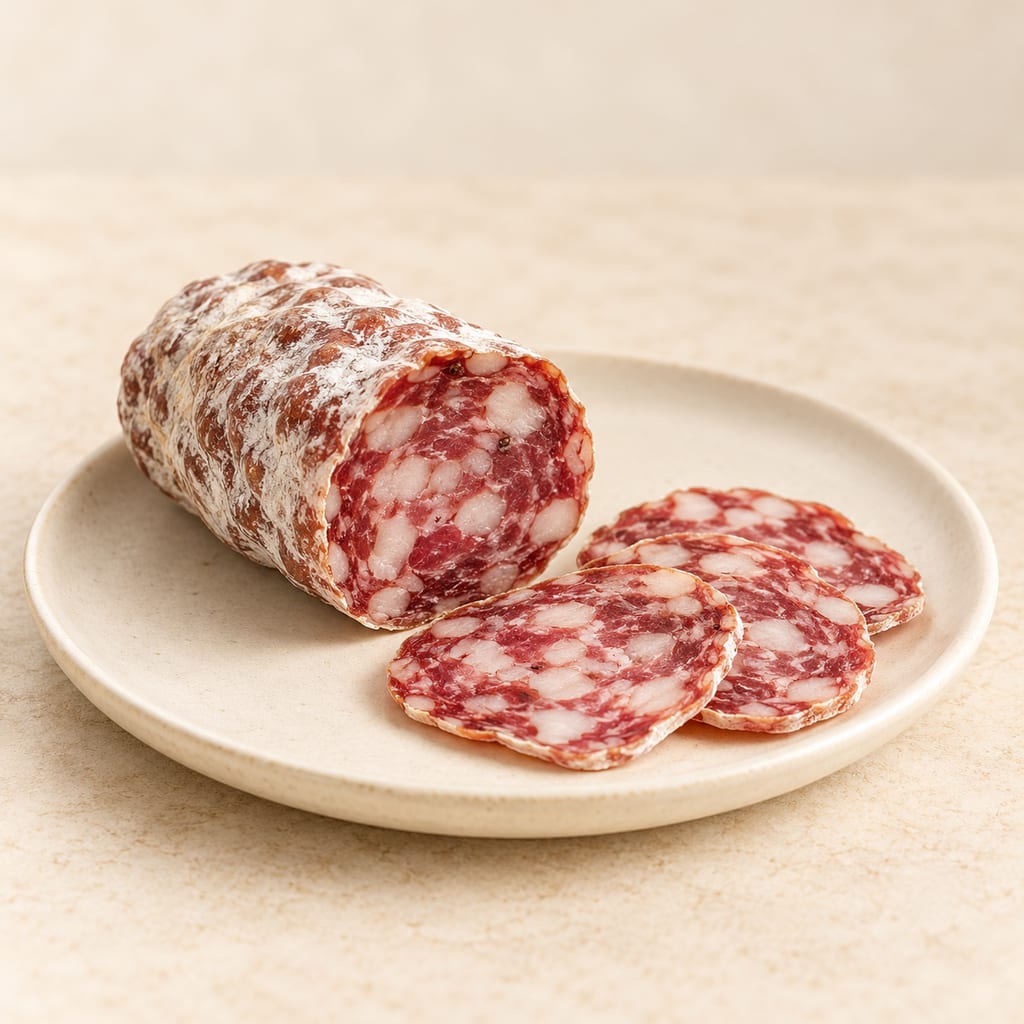
Cut saucisson sec and thin slices with pale fat pieces on an ivory plate.
High risk

Saucisson sec, starter-cultured

Saucisson sec is a French dry sausage of seasoned pork and fat. This version uses Flavor of Italy starter, white wine and an optional Mold 600 surface culture.
France · Modern adaptation
· Meat
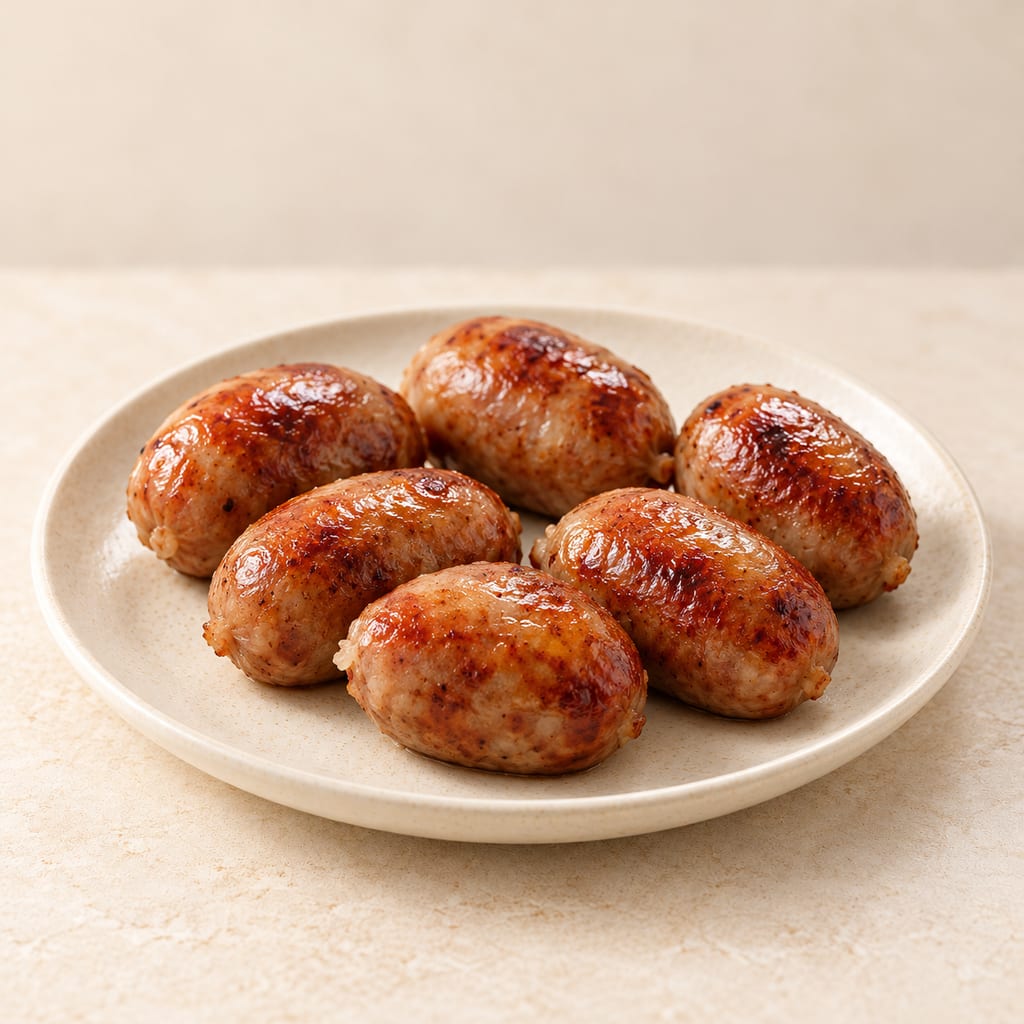
Six short browned sai krok Isan sausage links on an ivory plate.
High risk

Sai krok Isan, starter-cultured

Sai krok Isan is a sour pork-and-rice sausage from northeastern Thailand. This garlic-rich version uses LHP-Dry starter and is cooked after fermentation.
Isan, northeastern Thailand · Modern adaptation
· Meat
Illustrative pla ra (pla daek), a chunky fermented fish condiment in a ceramic jar; not a depiction of the source video batch.
High risk

Pla ra with pla soi and pla koom

Pla soi and pla koom are salted with coarse sea salt, held in bags and packed with later grain additions; the source leaves salt basis, bran dose and part of the sequence unclear.
Modern method
· Fish and seafood
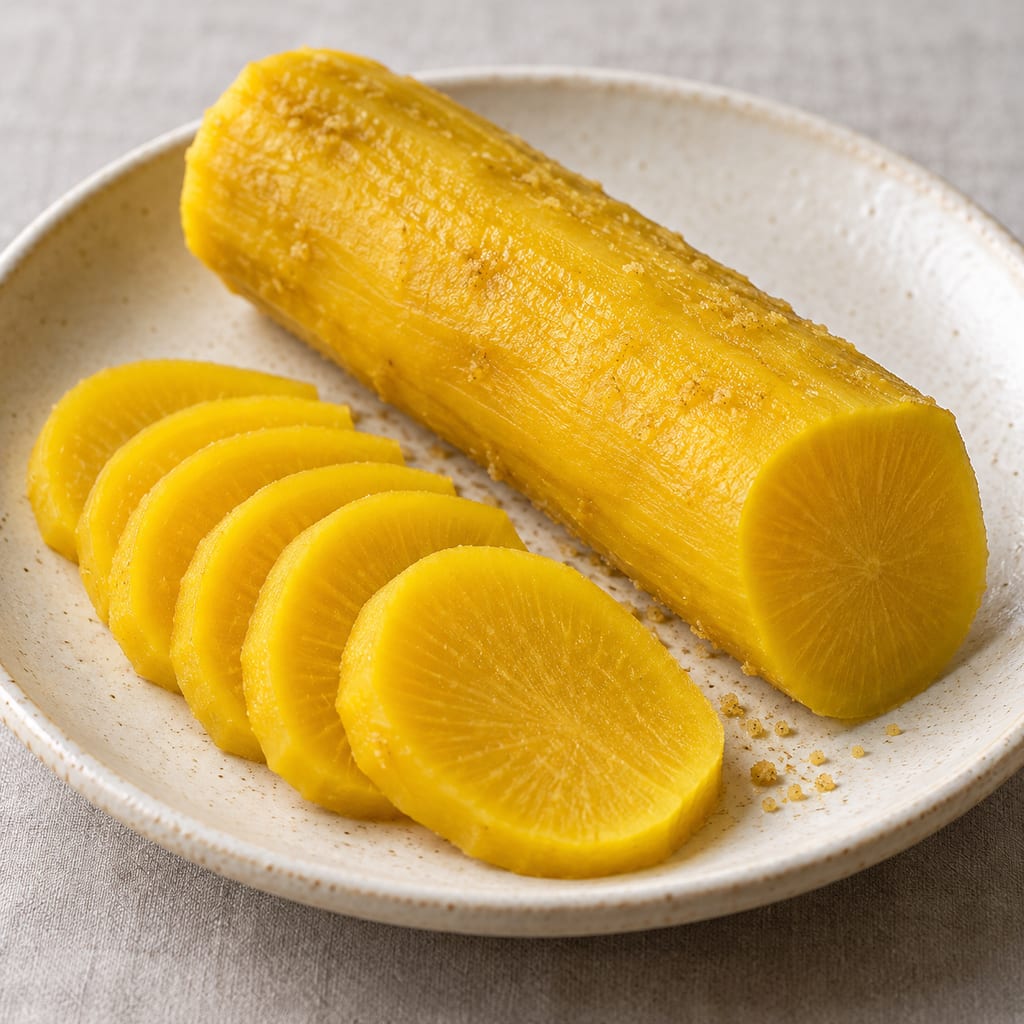
Illustrative finished turmeric-seasoned takuan-zuke, with a firm yellow rice-bran-pickled daikon and several thin slices on a plain ceramic plate.

Takuan (rice-bran fermented daikon)

Daikon is dried until pliable, then layered in seasoned rice bran and pressed for a long fermentation.
Japan · Modern method
· Vegetables
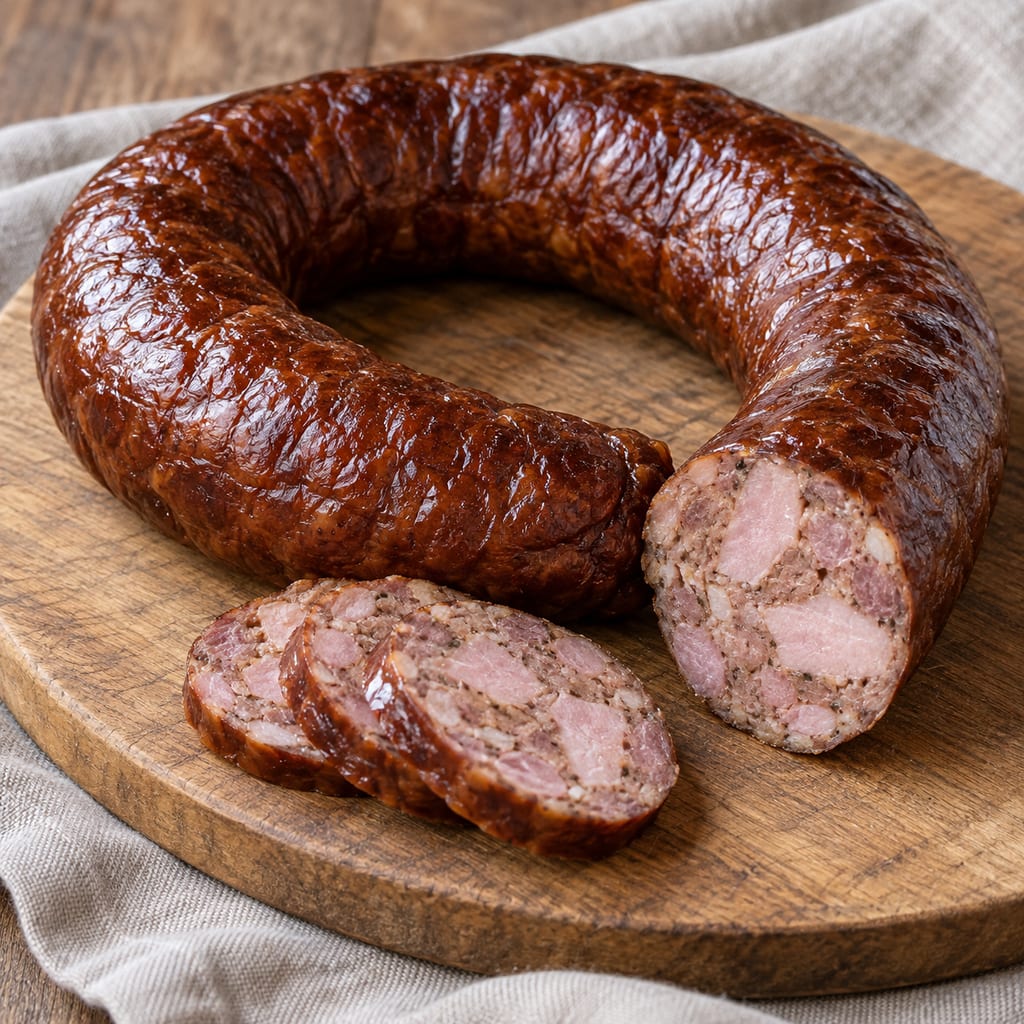
Finished glossy smoked kiełbasa lisiecka ring with large ham pieces visible in its sliced cross-section.
High risk

Kiełbasa lisiecka

A protected pork sausage associated with Liszki and Czernichów; its application describes commercial curing and smoking, not a home batch.

Liszki and Czernichów · Traditional method
Meat