Recipes

1504 records with their sources, across 11 categories.

Filtered to

Recipes

Asturian natural cider being poured from a plain green bottle into a small cider glass.

Sidra natural

Dry, lightly sparkling cider from Asturias in northern Spain, pressed from cider apples, fermented without added sugar, matured through the winter and poured from a height.

Principality of Asturias · Traditional method
· Drinks
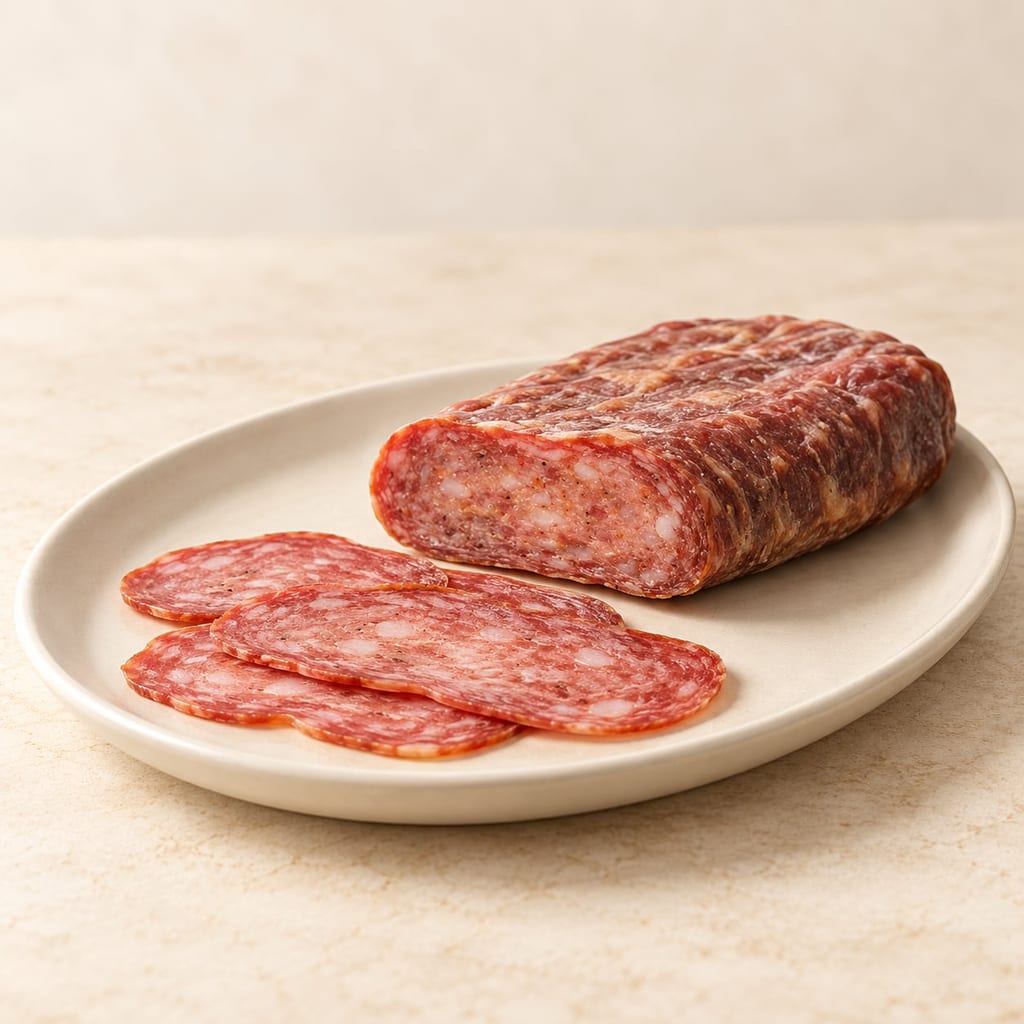
Flattened soppressata section and thin slices on an ivory plate.
High risk

Soppressata di Calabria, starter-cultured

Calabrian soppressata is a flattened pork salami seasoned with pepper and wine. This entry documents a modern starter-cultured adaptation, not household instructions; the process lacks matched pathogen-reduction validation.
Calabria · Modern adaptation
Meat
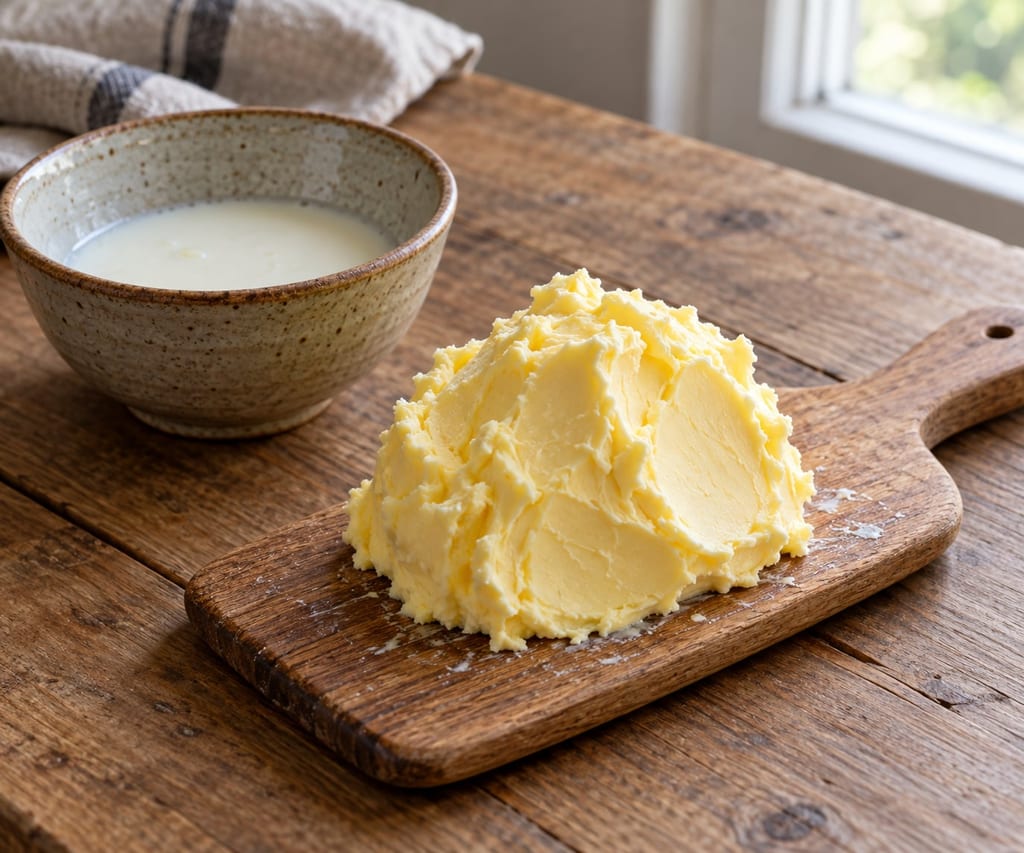
Illustrative modern sweet-cream butter demonstration; not an excavated Viking Age artifact or reconstruction of a specific historical batch.

Viking Age butter

Cream agitated until its fat globules join into a solid mass and release buttermilk, the dairy fat a northern household could concentrate, salt and keep when milk itself would not last.
Dublin · Modern method
· Dairy
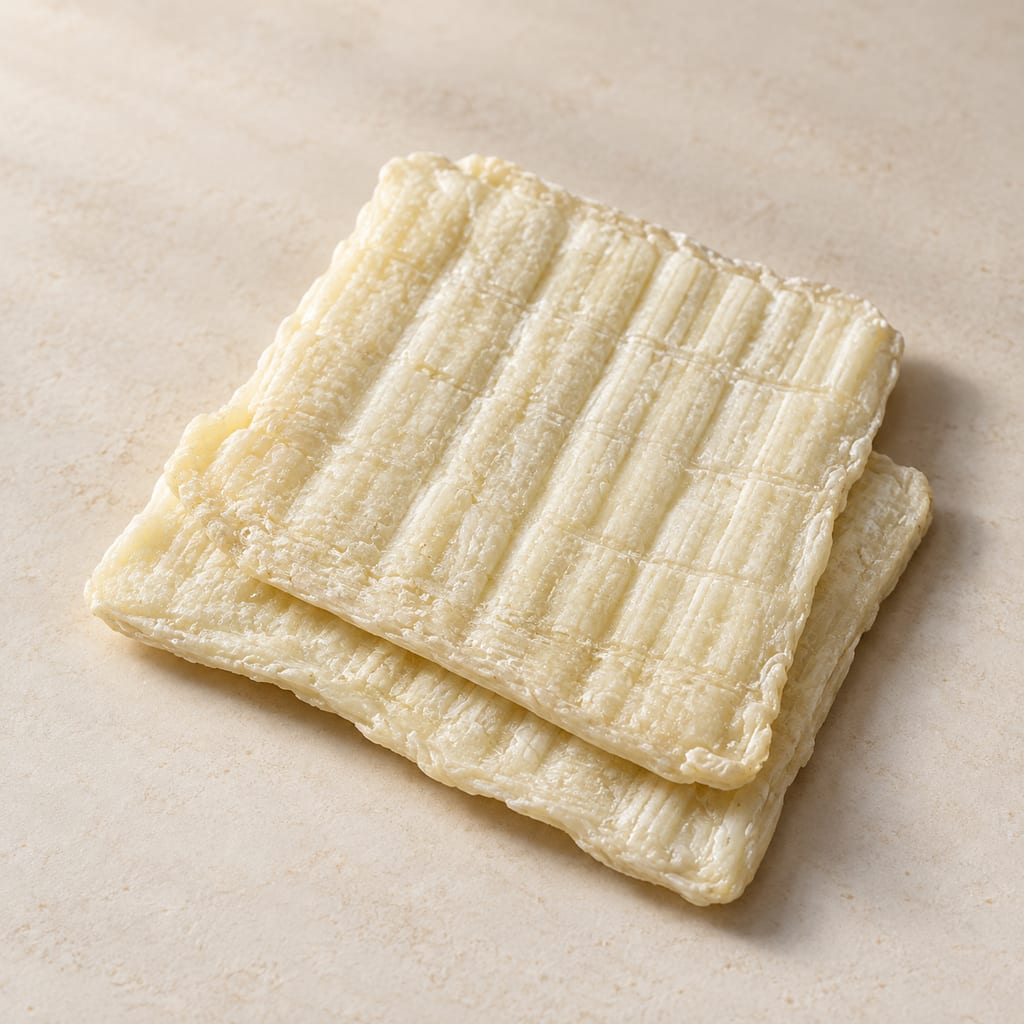
Two thin, pale Tchoukou dried cheese sheets with subtle mat impressions.
Elevated risk

Tchoukou

Tchoukou, also called Tikomart, is a thin, dry Nigerien cheese made to keep seasonal milk for later use. Documented methods use animal rennet, shape drained curd into sheets and dry it.
Niger
· Dairy
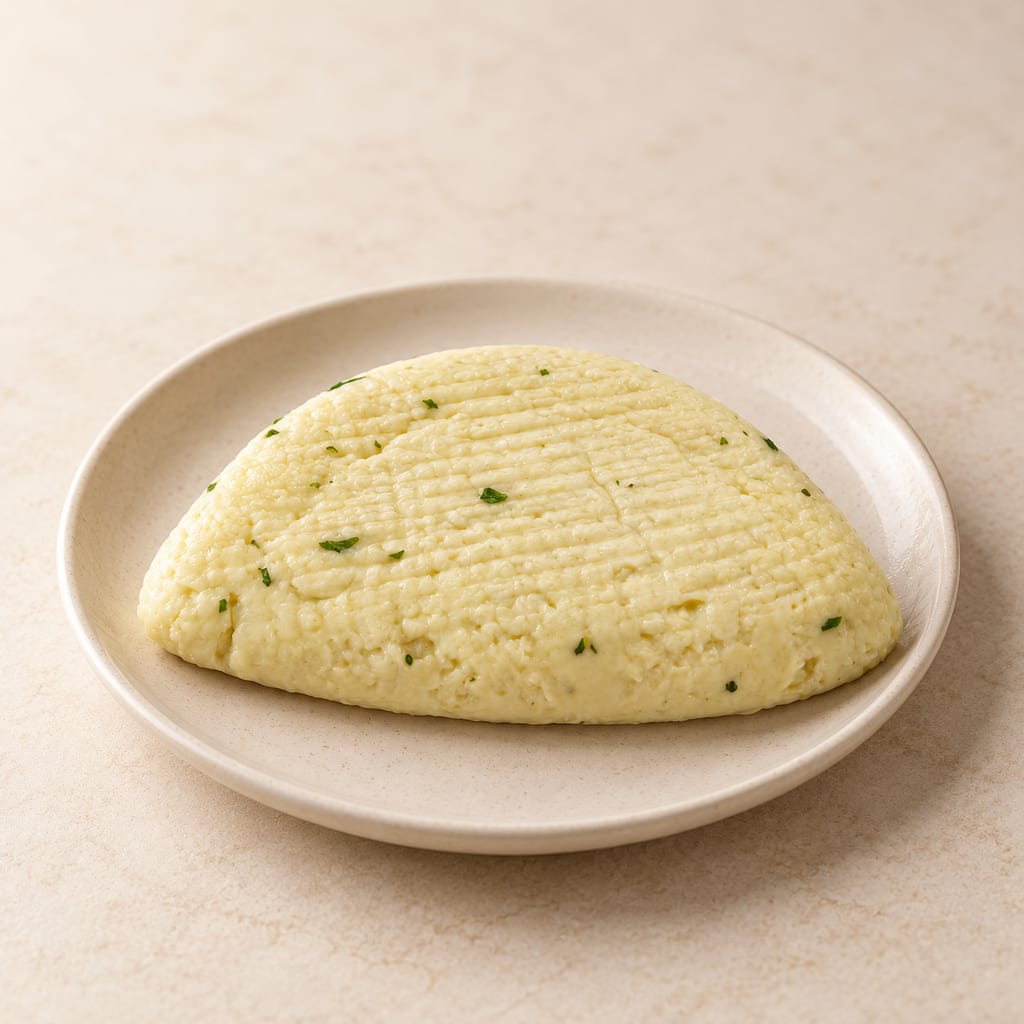
Fresh folded halloumi with faint mat marks and sparse mint flecks on an ivory plate.
Elevated risk

Halloumi, cow-milk method

A firm cow-milk cheese cooked in hot whey, salted and folded with optional mint. This fresh halloumi keeps its shape when grilled or pan-fried.
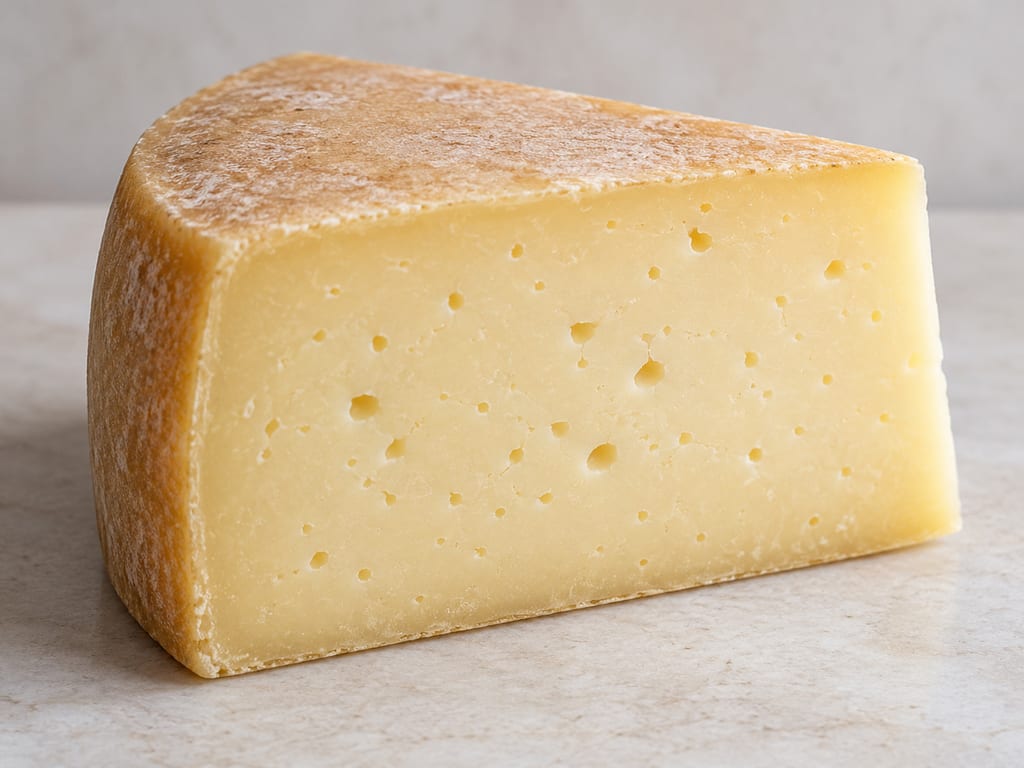
Cyprus · Modern adaptation
· Dairy
Original illustrative photograph of a hard, mature sheep-milk Graviera wedge with a smooth dry rind and rounded internal eyes, reflecting source-documented traits of the Cypriot method; not a photograph of a specific producer or batch.
High risk

Graviera, Cypriot sheep-milk method

This Cypriot graviera is a hard sheep-milk cheese with a dry rind and round eyes. Its curd is heated, pressed and dry-salted before a long cool ripening.
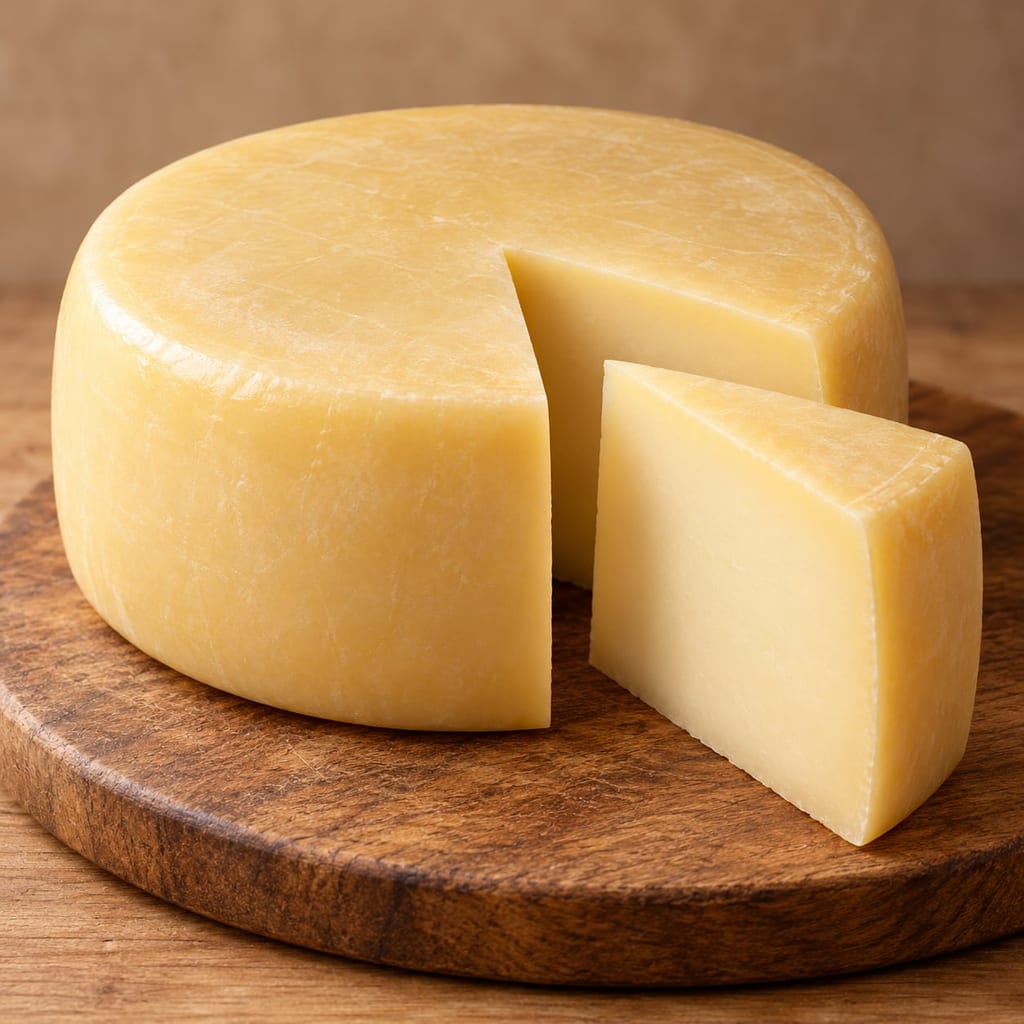
Cyprus · Traditional method
· Dairy
Illustrative traditional-style sheep-milk Kashkaval: a smooth-rinded semi-hard cylindrical cheese wheel with a uniform pale-yellow interior and one cut wedge.
High risk

Kashkaval, traditional sheep-milk method

Kashkaval is a firm sheep-milk cheese whose acidified curd is worked in hot brine. This large-batch method finishes with repeated dry salting, wax coating and cool ripening.
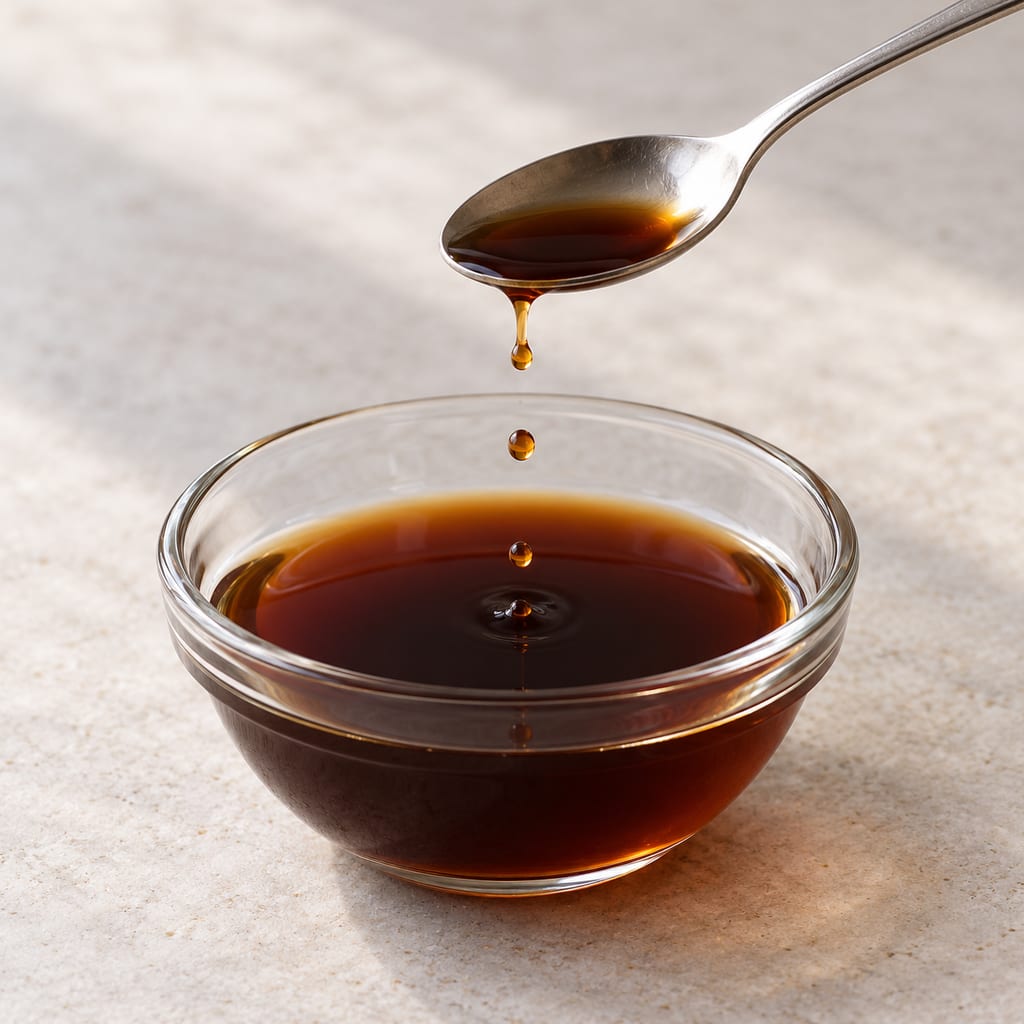
Bulgaria · Traditional method
· Dairy
Illustrative dark-brown strained cooked-bean koji garum, shown as a pourable liquid seasoning in a plain glass bowl.
High risk

Cooked-bean koji garum

Cooked-bean koji garum is a dark liquid seasoning made from soft-cooked beans, rice koji, salt and water. A long warm hold lets koji enzymes break down the mash.
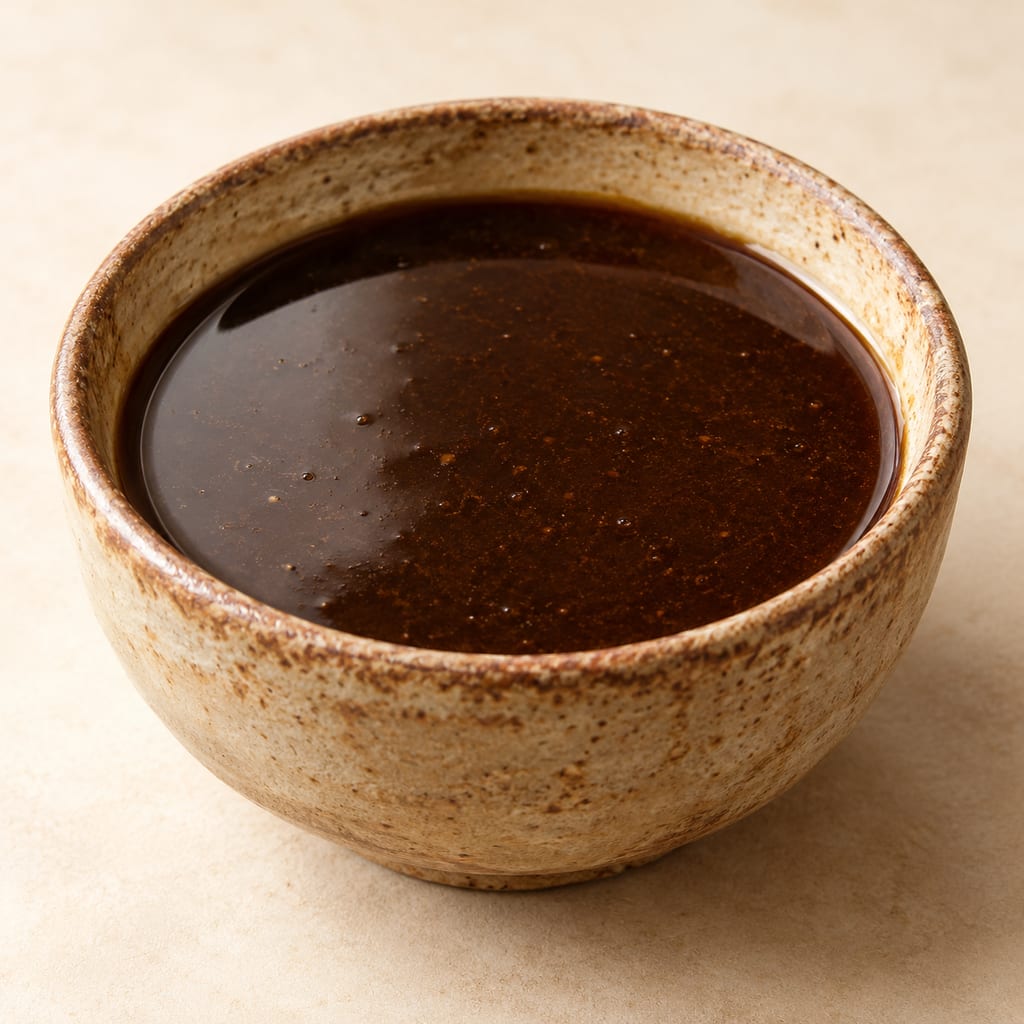
Modern method
· Legumes and seeds
Photograph of Murrī.
High risk

Murrī

A dark, salty fermented condiment of the medieval Arabic kitchen, made from fermented barley and flour, which seasoned dishes where later cooks would use soy sauce, salt or sumac.

Condiments
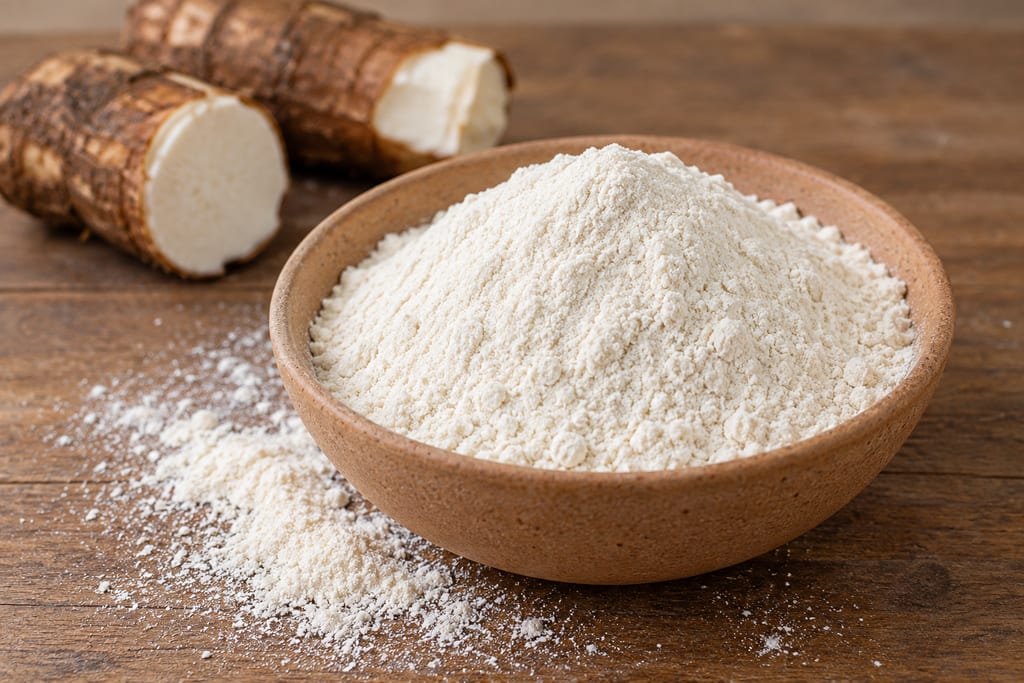
Fine pale Lafun cassava flour in a shallow ceramic bowl, with dried cassava pieces softly out of focus behind it.
Elevated risk

Lafun

Lafun is a Nigerian fermented cassava flour described in historical accounts. This record documents reported processing stages, not a validated household method or a batch-specific cyanogen and moisture safety endpoint.

Nigeria
· Grains and starches
Pan-fried halloumi slices with golden seared surfaces arranged on a plain ceramic plate.
Elevated risk

Halloumi, raw-milk home method

A firm, pressed halloumi-style cheese made here from raw cow milk. Raw milk can carry harmful germs; this documented method is not validated for home production.

Dairy
Illustrative editorial image of strained Gulf shrimp head-and-shell koji garum as an amber-brown liquid seasoning; the published source does not document the actual sauce appearance.
High risk

Gulf shrimp head-and-shell koji garum

Chef Alex Perry makes this modern shrimp garum from Gulf white shrimp heads and shells, koji, water and salt. He holds the mash at 60°C for two months, then strains the liquid for use as a seasoning.
Ocean Springs · Modern method
· Fish and seafood
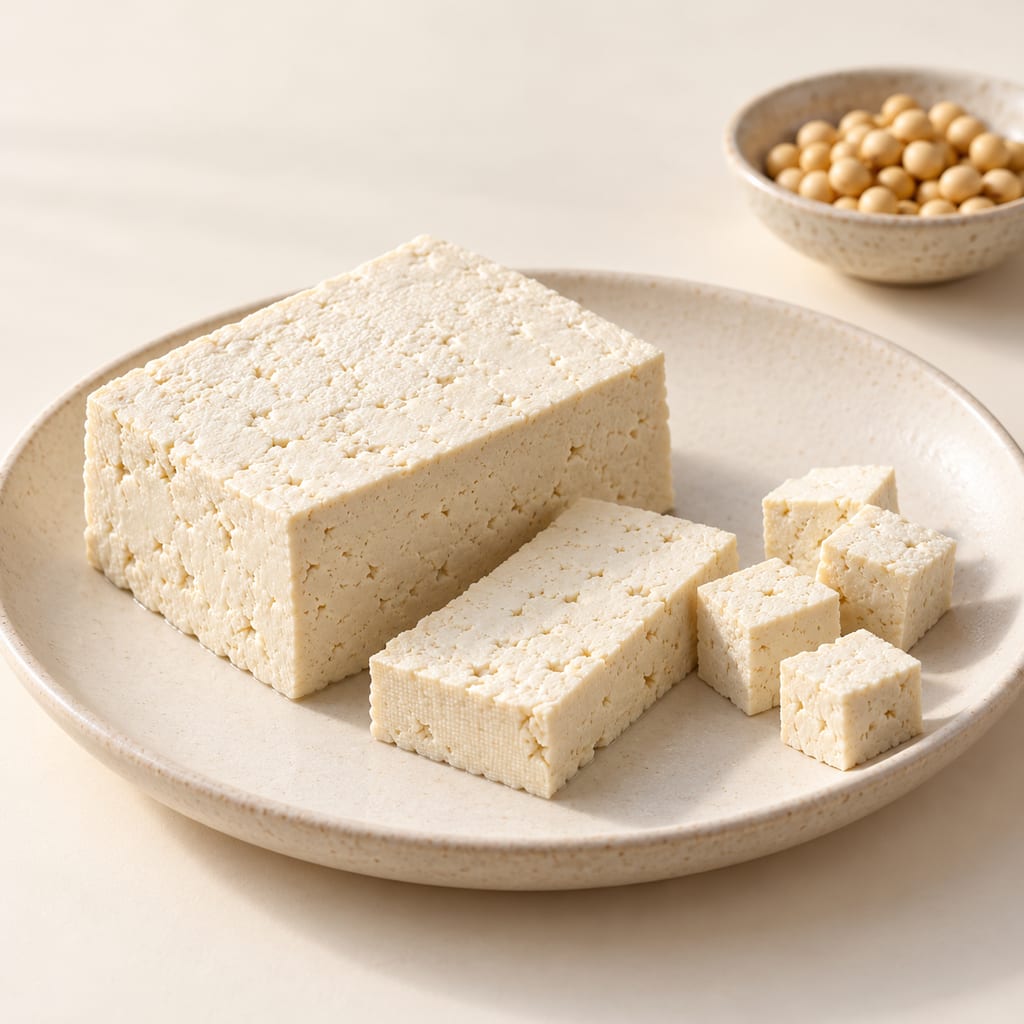
A freshly made firm tofu block, one slice and cubes on an ivory plate, with soybeans in a small dish behind it.

Fresh Firm Tofu

Fresh firm tofu is made by coagulating cooked soybean milk, then draining and pressing the curds into a sliceable block. This version follows a published nigari method and traces tofu’s varied, contested history.

China
· Legumes and seeds
Illustrative still life of yellow-pea koji garum as a dark liquid seasoning, with peas and rice koji as ingredient context; exact batch appearance is not documented.
High risk

Yellow-pea koji garum

Yellow-pea koji garum is a dark liquid seasoning made by holding cooked split peas with rice koji, salt and water while the koji enzymes break down the mash.
Modern method
· Legumes and seeds
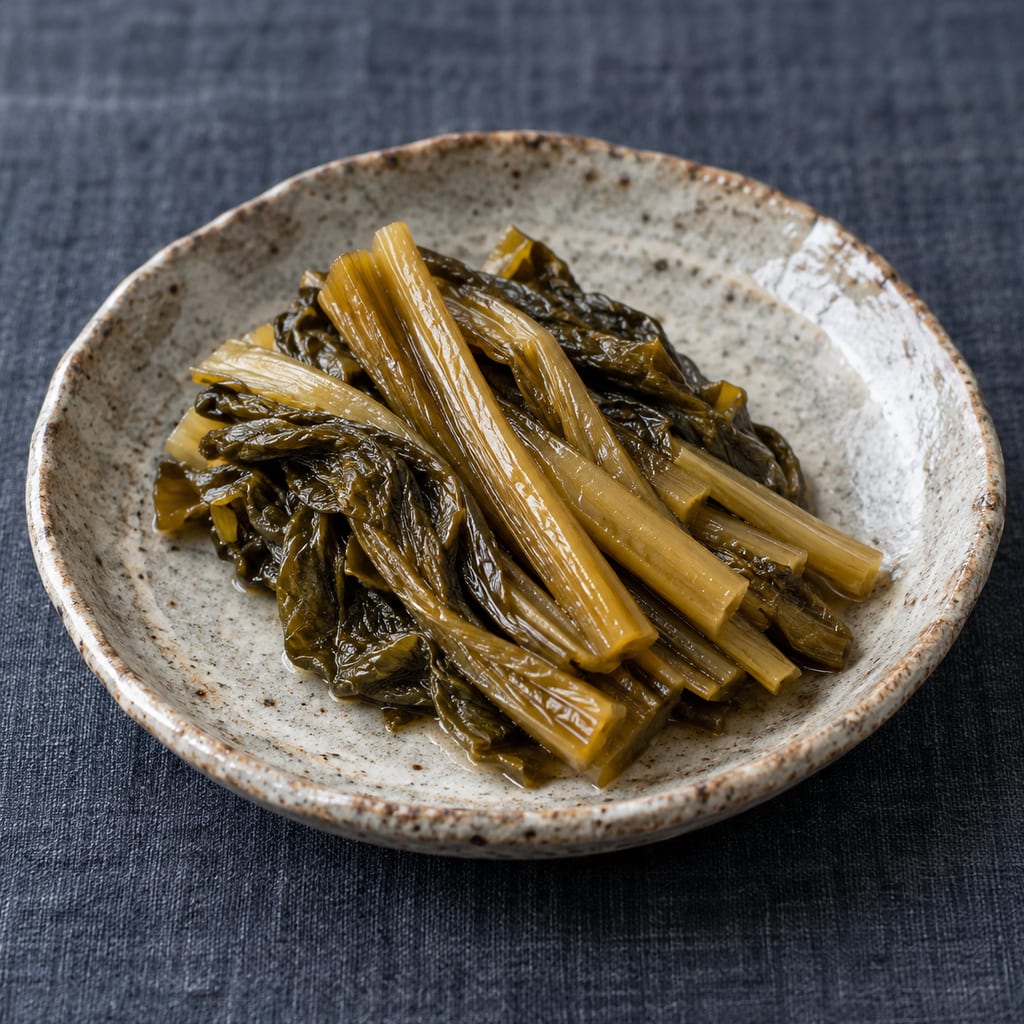
Aso takanazuke furuzuke, the aged mustard-green pickle, served as long olive-green and golden-brown stems and leaves on a ceramic plate.

Aso takanazuke

Takana mustard greens from Aso in Kumamoto are salted and pressed into a fresh spring pickle, or aged into a sour furuzuke that is fried and mixed into takana rice.
Aso, Kumamoto Prefecture
Vegetables
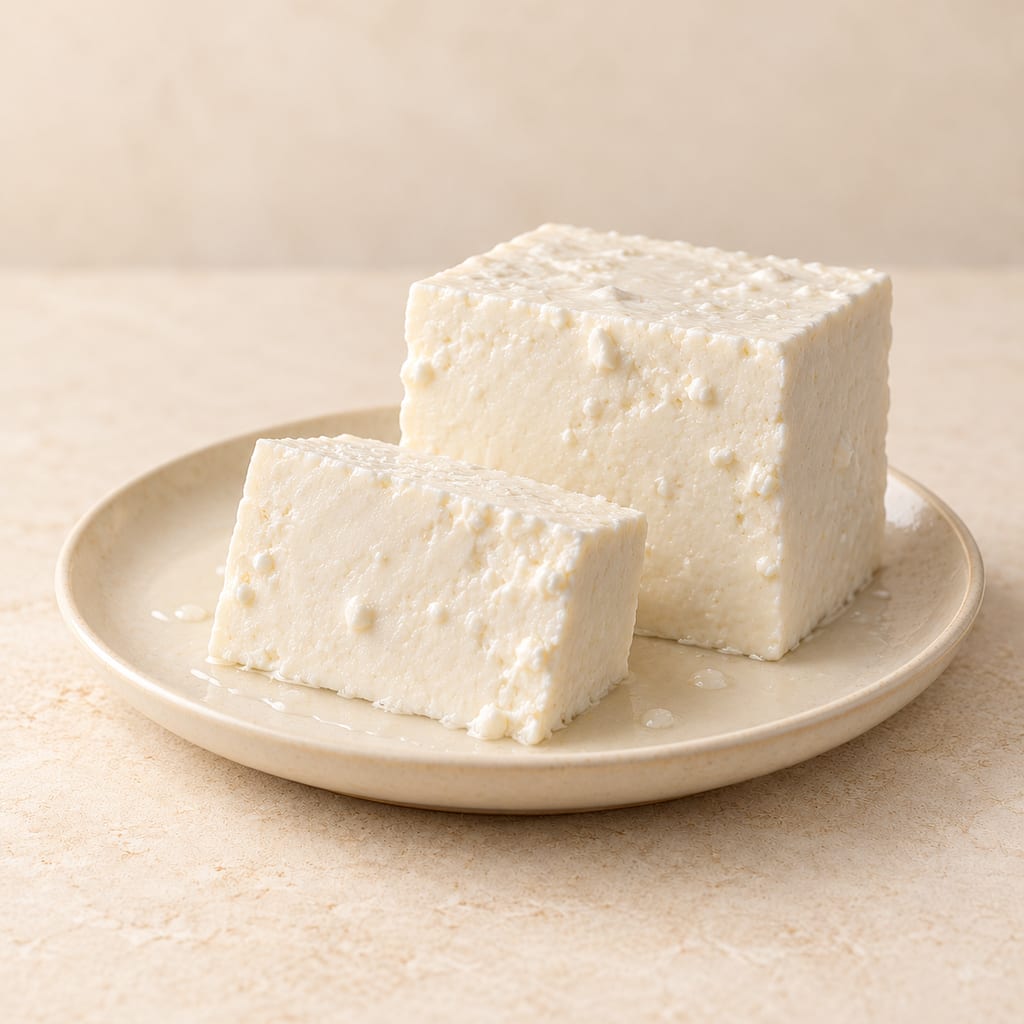
White brine-ripened beyaz peynir in two cut blocks on an ivory plate.

Beyaz peynir

Beyaz peynir is a Turkish white cheese matured in brine. Sheep milk, alone or mixed with other milks, gives a close-textured cheese cut into blocks and packed in cans.

Turkey · Traditional method
· Dairy
A small pool of glossy amber-brown meat-trim koji garum in a plain tasting dish, with an unlabelled glass cruet behind it.
High risk

Meat-trim koji garum

Meat-trim koji garum is a savoury liquid seasoning made by holding meat scraps with rice koji, salt and water at steady warmth before straining the mash.
Czechia · Modern method
· Meat
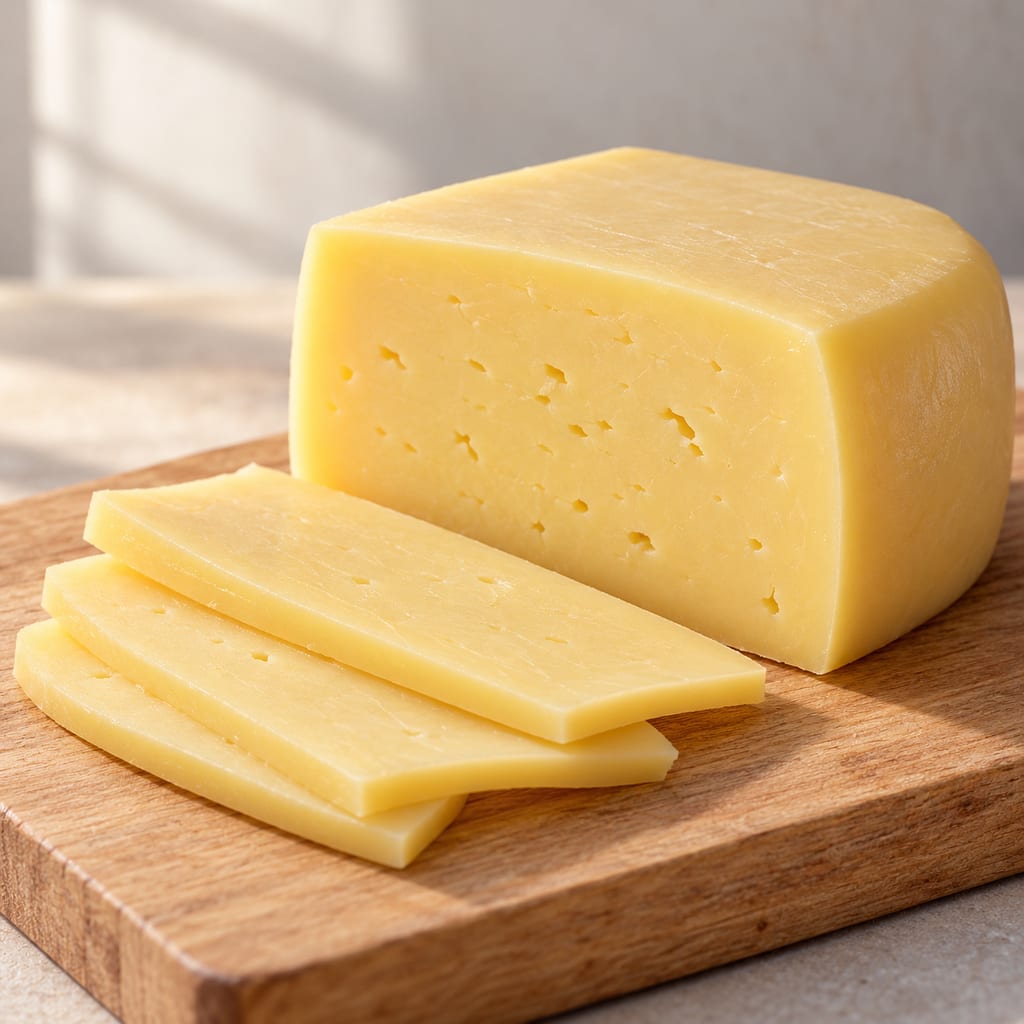
Smooth pale-golden brine-finished kashkaval block with sliced pieces on a wooden board.
Elevated risk

Kashkaval, brine-finished

A yellow stretched-curd cheese made by acidifying, draining and kneading curd in hot brine. This small-batch kashkaval uses a commercial starter and a brine finish.
Bulgaria · Modern adaptation
· Dairy
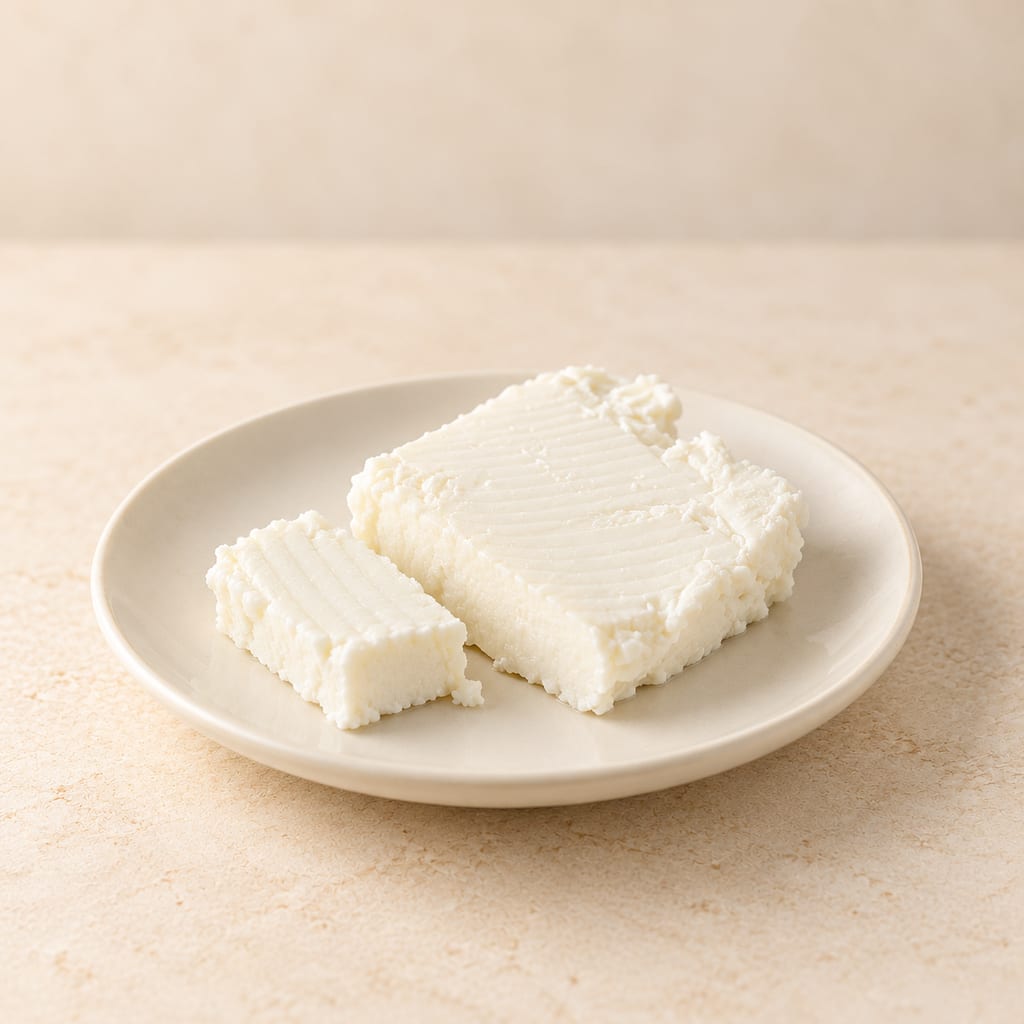
Soft white Domiati cheese in a larger portion and small cut piece on an ivory plate.
High risk

Domiati

Domiati is a soft Egyptian white cheese made by salting milk before renneting. It is eaten fresh or ripened in brine, with cow and buffalo milk used in varying proportions.
Egypt · Traditional method
· Dairy
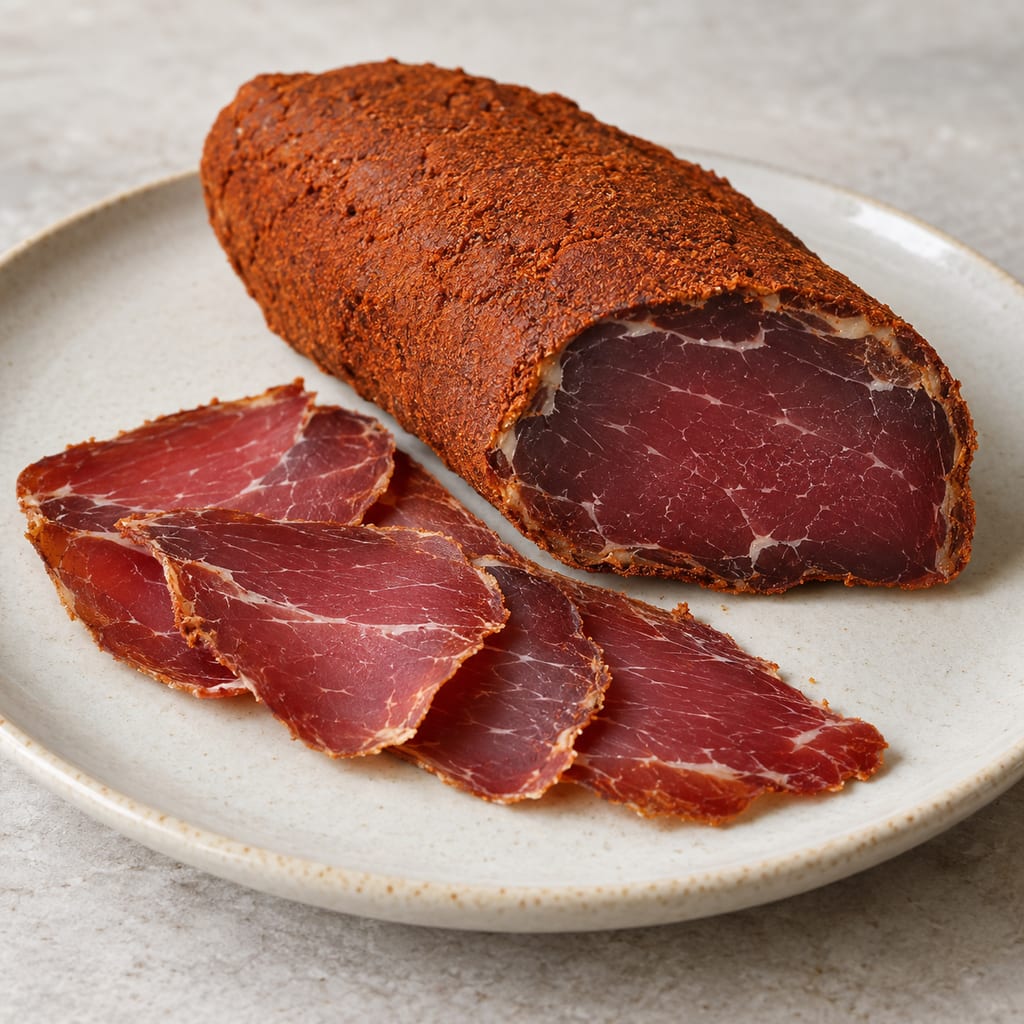
A çemen-coated whole Turkish pastırma cut open to reveal dark ruby cured beef, with thin slices beside it.

Pastırma

Dry-cured beef salted, air-dried and often coated with a spice paste called çemen before it is sold whole or sliced; a Turkish cured meat whose preservation rests on salting and drying.

Türkiye · Traditional method
· Meat
A clear glass bottle of amber colatura di alici beside a small wooden Cetara barrel, with anchovies softly out of focus.
High risk

Colatura di alici di Cetara

Colatura di alici is the amber liquid drained from salted anchovies matured in wooden containers in Cetara, on the Amalfi coast of Campania, and sold under a protected designation of origin.
Cetara
Fish and seafood
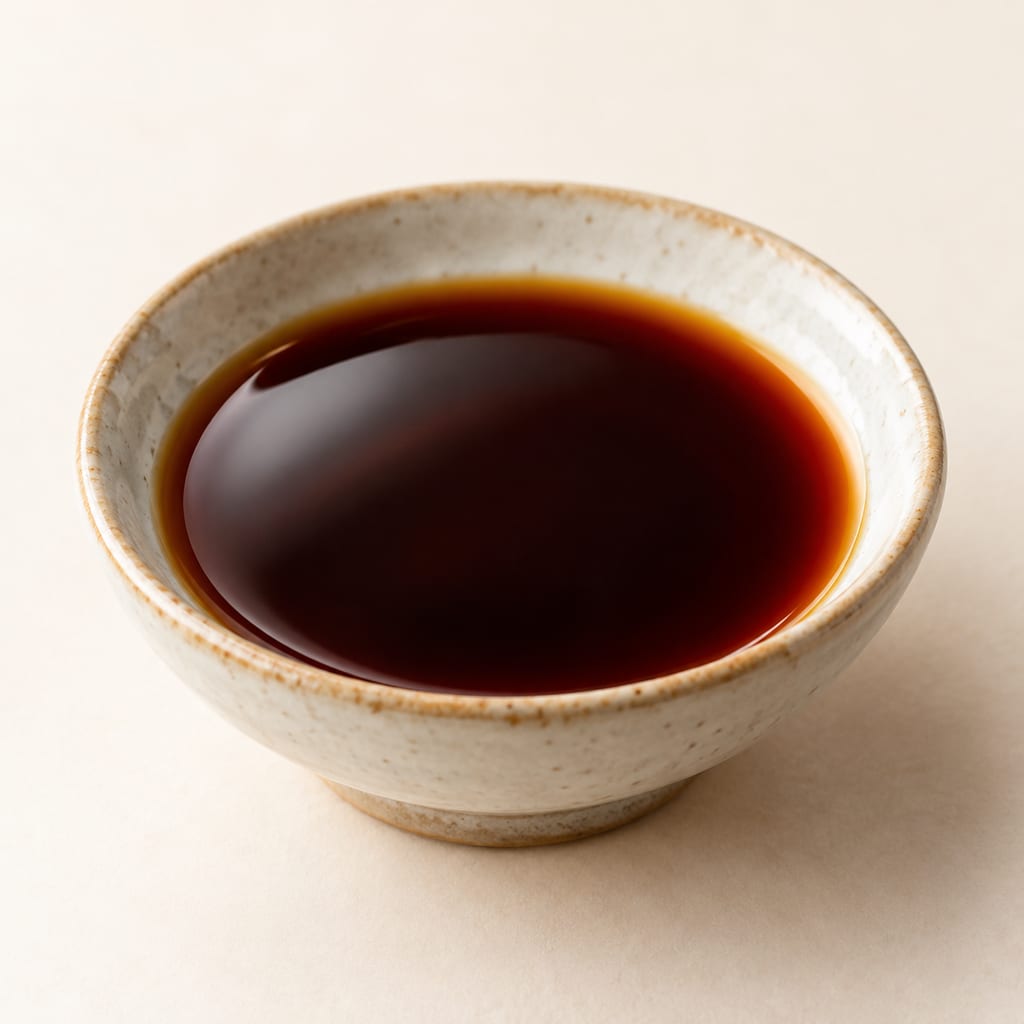
Photograph of Koikuchi soy sauce.
Elevated risk

Koikuchi soy sauce

Japan's standard all-purpose soy sauce: soybeans and wheat grown over with koji mould, brined, fermented for months, pressed and usually heated into a reddish-brown, savoury liquid.
Japan · Traditional method
· Condiments
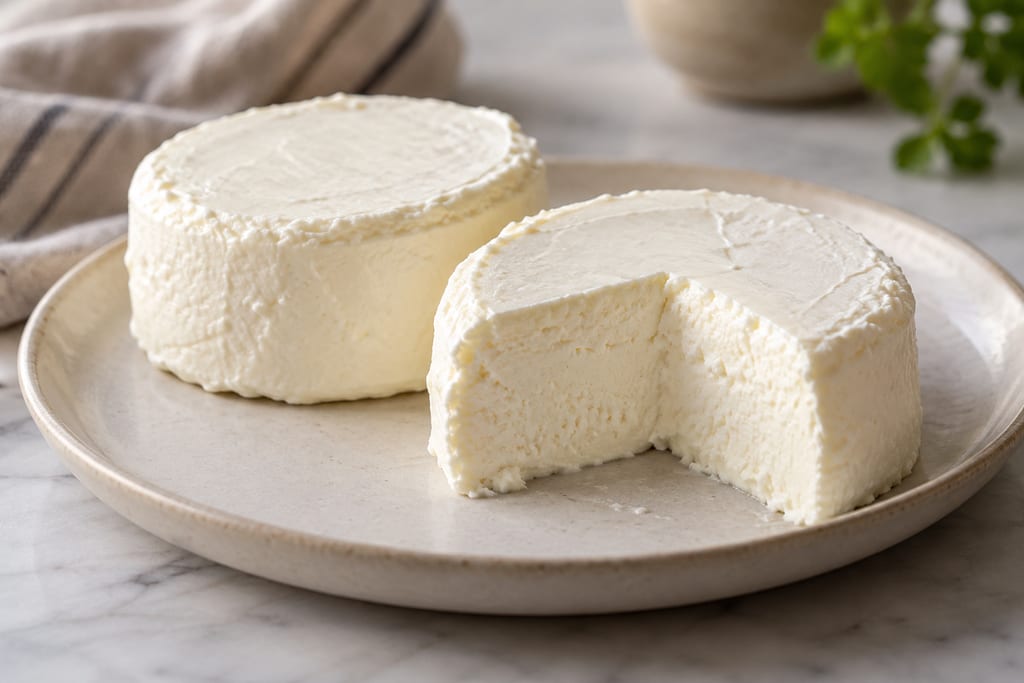
Two small smooth rounds of fresh American Neufchatel-style cheese, one cut to show its moist interior.

Home-style Neufchâtel

Pasteurized milk cultured with buttermilk or yogurt and set with rennet makes this soft, smooth Neufchâtel-style cheese, pressed into small forms and chilled.
New Mexico · Modern adaptation
· Dairy
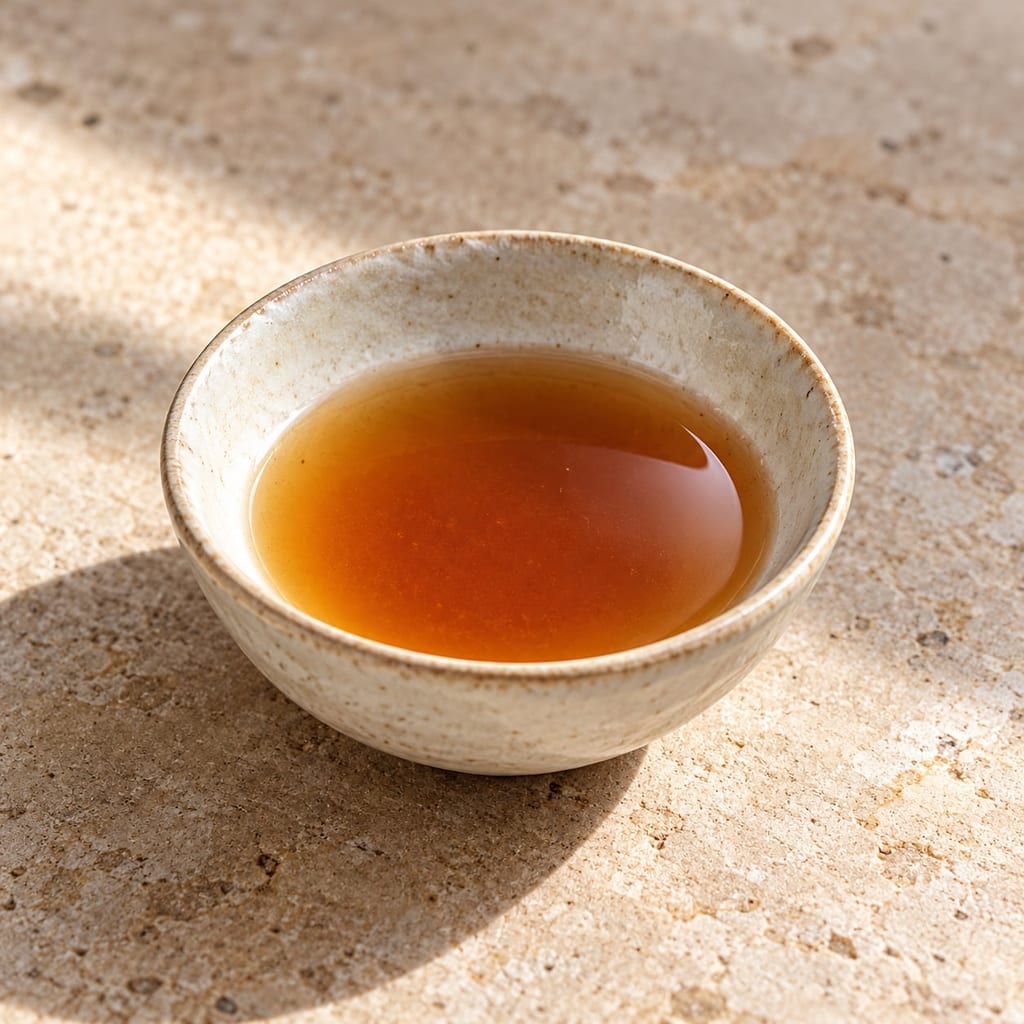
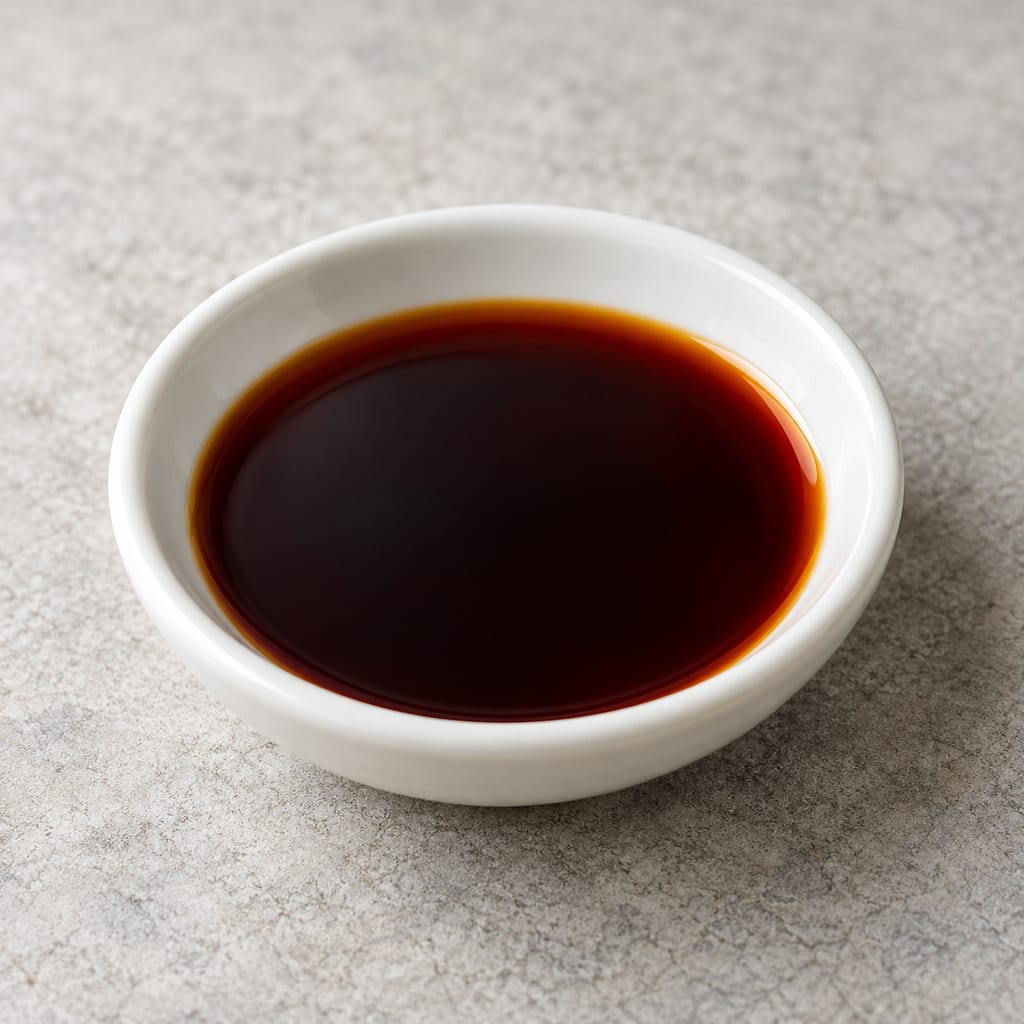
Illustrative soy sauce: a small ceramic dish of thin, translucent, deep reddish-brown seasoning.

Soy sauce

Soy sauce is a salted liquid seasoning made by growing koji mould on soybeans and grain, maturing the mash in brine and pressing out the liquid. Japan's shoyu is the best-documented form.
Japan · Traditional method
· Condiments
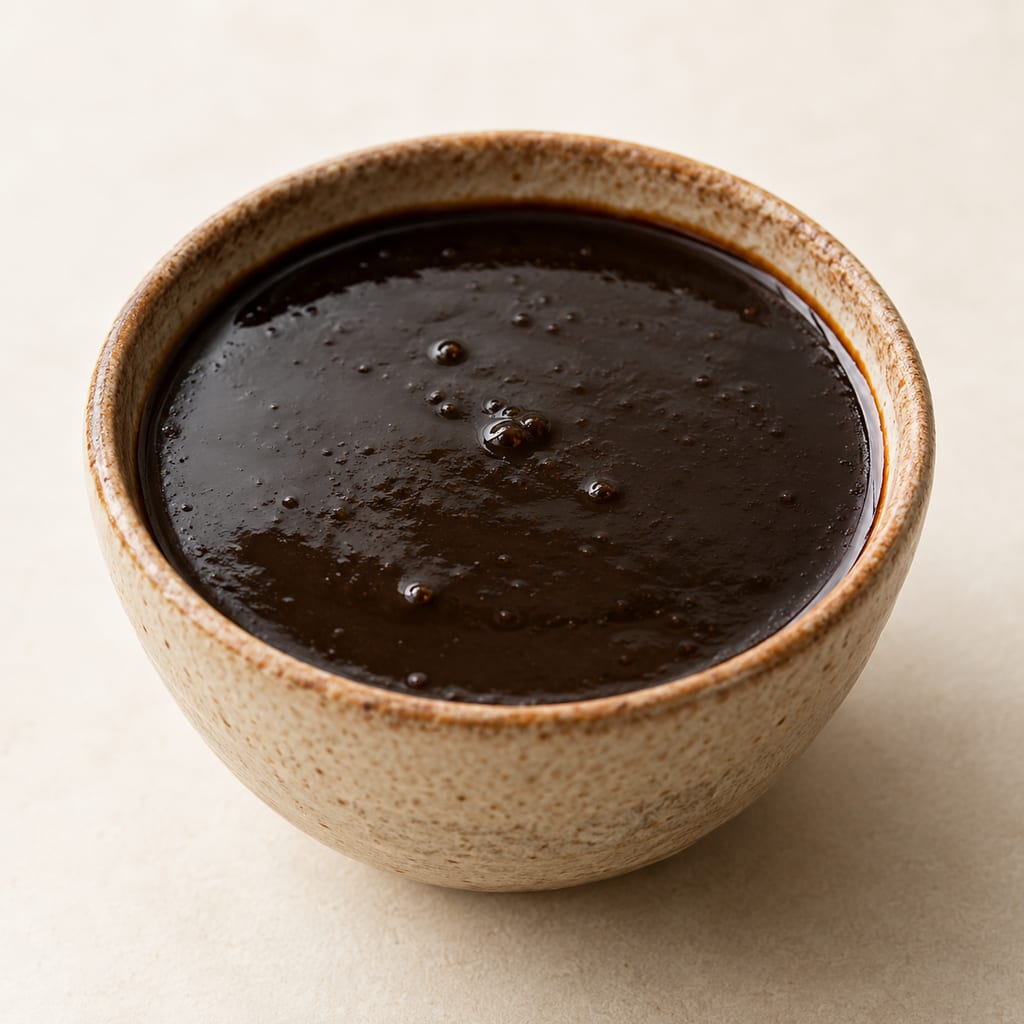
Photograph of Tucupi negro.
High risk

Tucupi negro

Tucupi negro is a dark, pungent sauce that Amazonian Indigenous women make by pressing bitter cassava, settling its starch and simmering the juice for hours until it thickens.
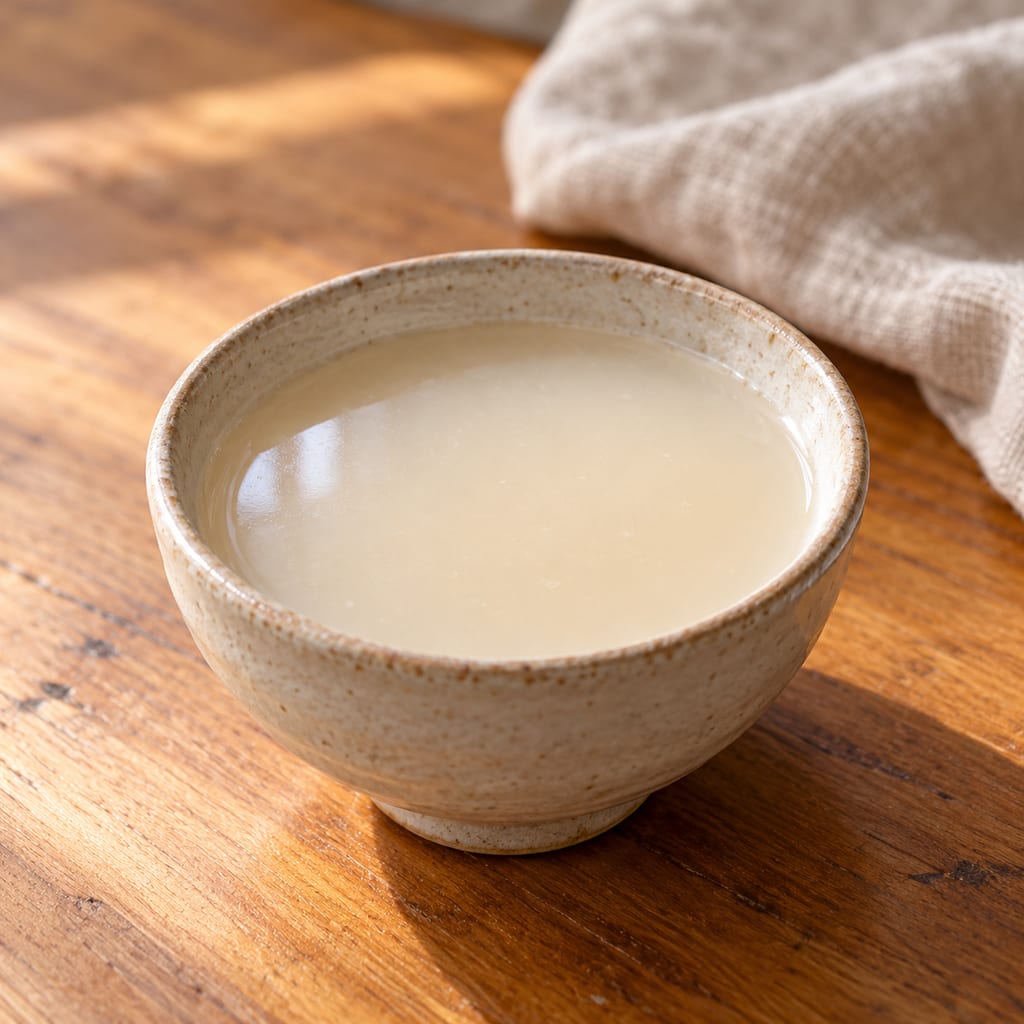
Pucaurquillo, Ampiyacu River, near Iquitos · Traditional method
· Condiments
A small ceramic bowl filled with cloudy pale ivory Korean danyangju rice wine on a warm wooden table.
Elevated risk

Korean danyangju, single-stage nuruk makgeolli

An alcoholic Korean rice drink of steamed glutinous rice and nuruk, mashed in a single stage and fermented for 7 to 14 days.
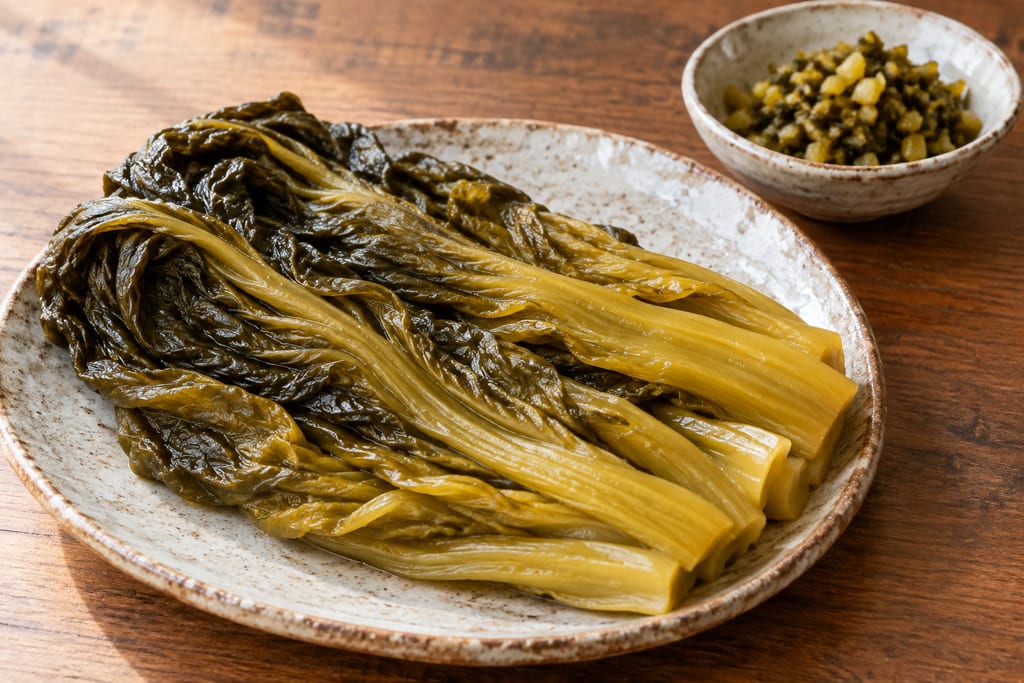
Brooklyn, New York · Modern method
· Drinks
Whole olive-gold Setaka pickled takana leaves with thick stems, alongside finely chopped takana in a small bowl.

Setaka no takana-zuke

Giant red mustard leaves are dried, layered with salt and chile, pressed in a wooden tub, drained after a week and left through the rainy season.
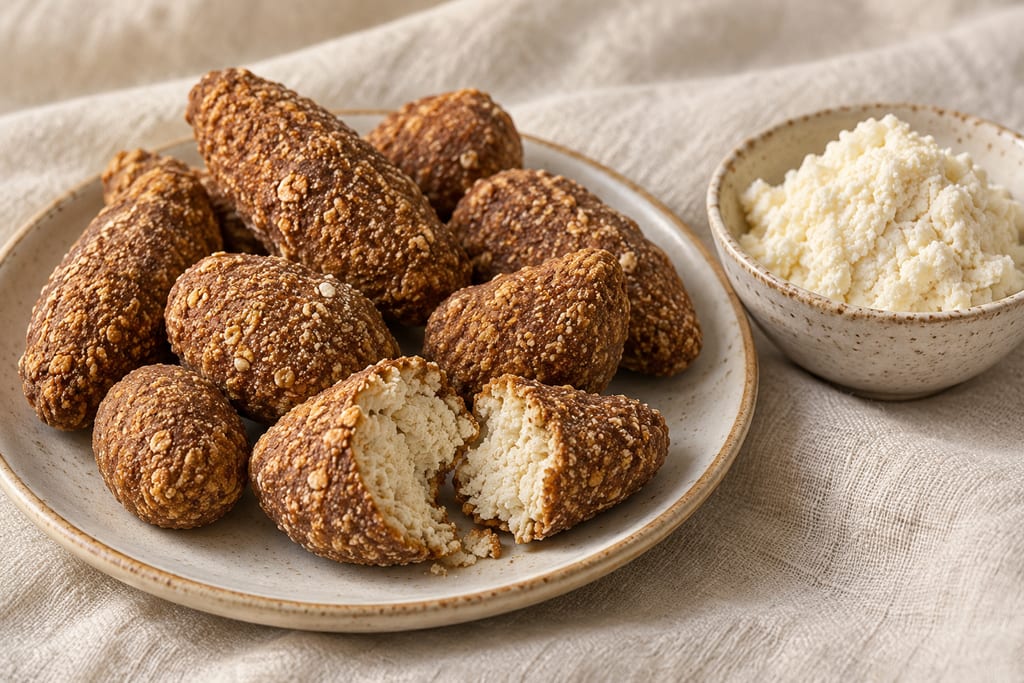
Chikugo Region, Fukuoka, Japan · Traditional method
· Vegetables
Soft ivory Altai aarchi beside irregular golden-brown smoked kurut pieces, one broken to show its pale interior.

Aarchi and kurut (Altai dried curd)

A two-stage Altai dairy preparation: sour chegen is heated into soft aarchi, then portions are drained, pressed and traditionally smoked into firm kurut.

Altai Republic
Dairy
Illustrative still life of pale golden sparkling pear perry, an unlabelled bottle and a pear in a flowering orchard; the bottle and fruit are not a specific producer's product.

Poiré de Domfront

Naturally sparkling perry from the Bas Domfrontais in Normandy, pressed from high-stem orchard pears with at least 40% Plant de Blanc and carbonated by fermentation in the bottle.
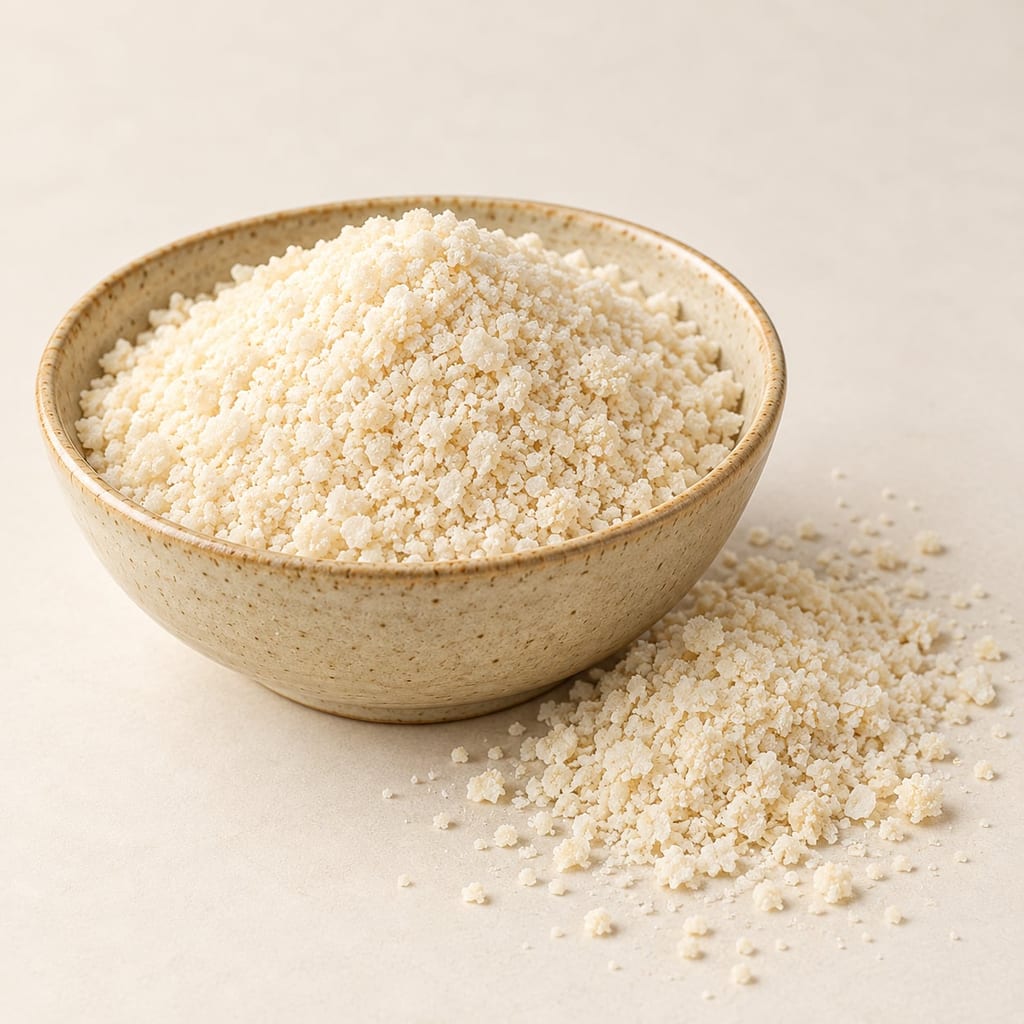
Bas Domfrontais / Passais · Traditional method
· Drinks
A shallow ceramic bowl and a small loose pile of pale dry white gari granules on a warm cream surface.
Elevated risk

White gari from fermented cassava

White gari is grated cassava fermented for three days, then pressed, sieved and toasted dry into a coarse West African meal eaten soaked or as a stiff porridge.
Benue State, Nigeria · Modern method
· Grains and starches
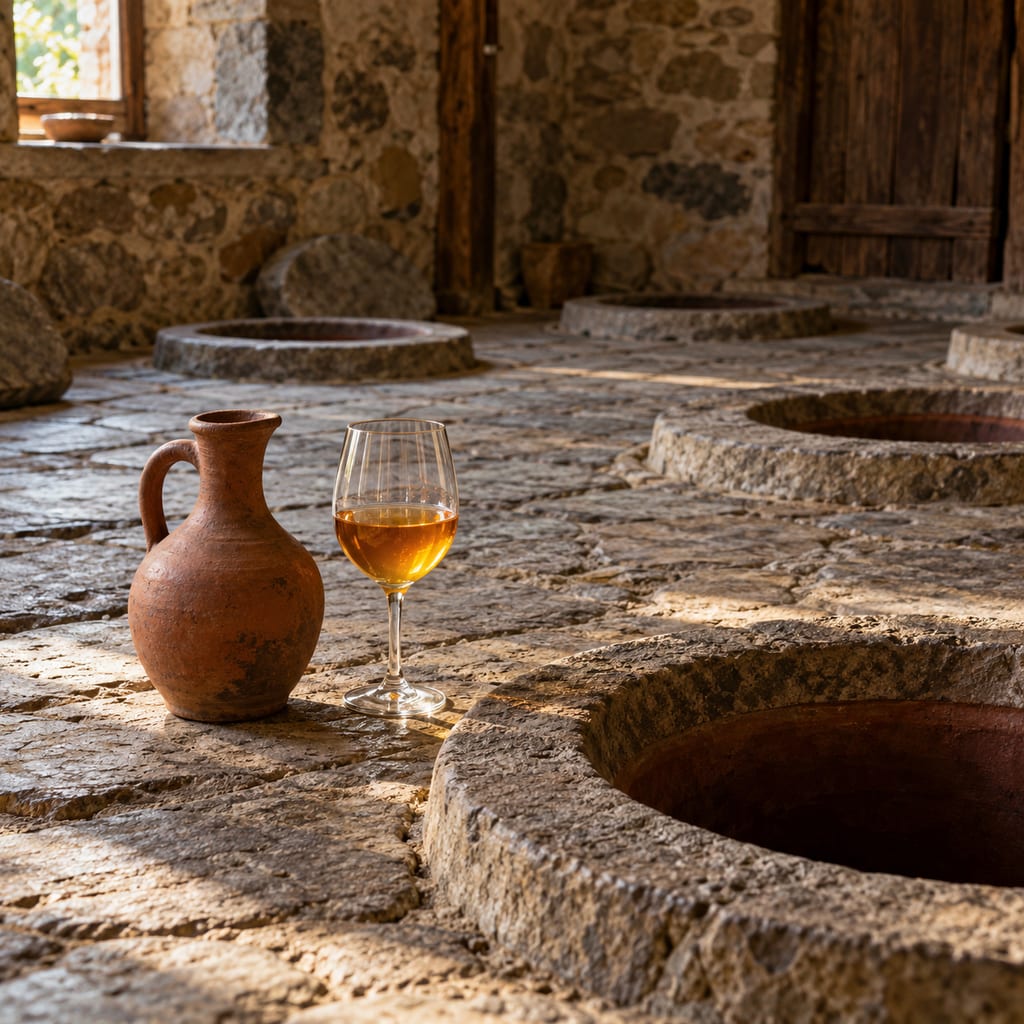
Illustrative Georgian qvevri wine in a glass beside a clay serving jug in a marani with buried qvevri openings visible in the floor.

Qvevri wine

Georgian wine fermented and matured in buried clay vessels called qvevri, usually with grape skins, pips and sometimes stems, in styles from amber to red that differ by region.
Georgia · Traditional method
· Drinks
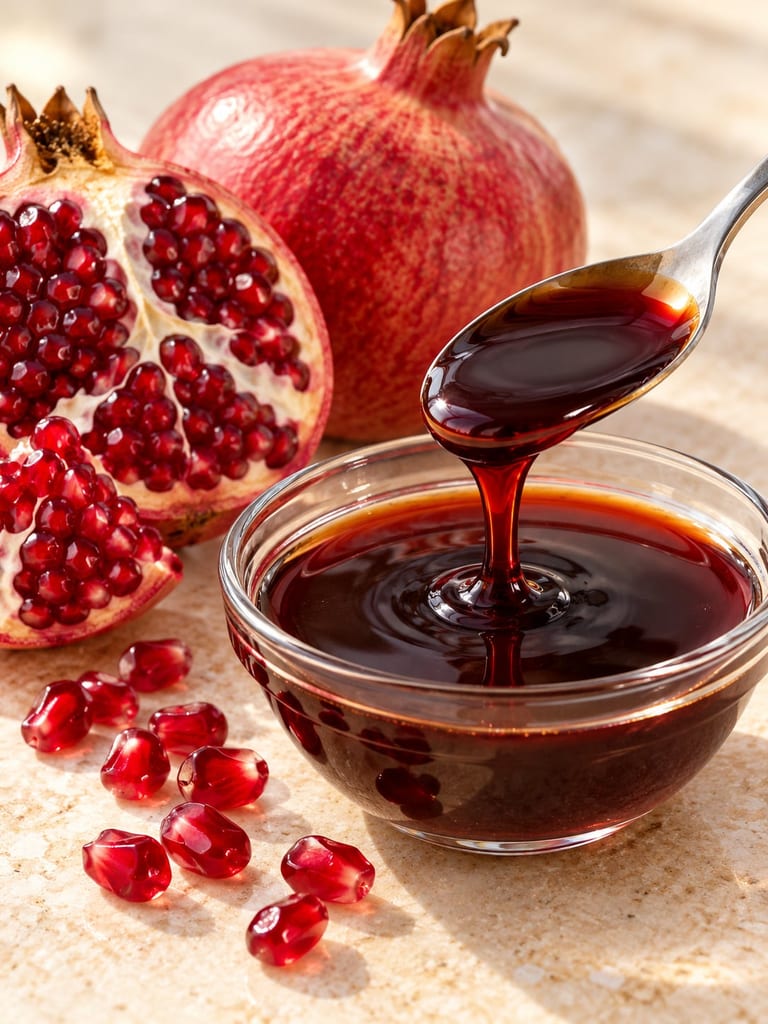
A glossy dark garnet spoonful of Hatay pomegranate sour above a glass bowl, with fresh pomegranates beside it.
Elevated risk

Hatay pomegranate sour (nar ekşisi)

The registered Hatay method presses pomegranate arils and slowly concentrates the strained juice. Its 100 kg source batch and experienced-producer endpoint are retained; no home-scale time or shelf-life is inferred.
Hatay Province · Traditional method
· Condiments
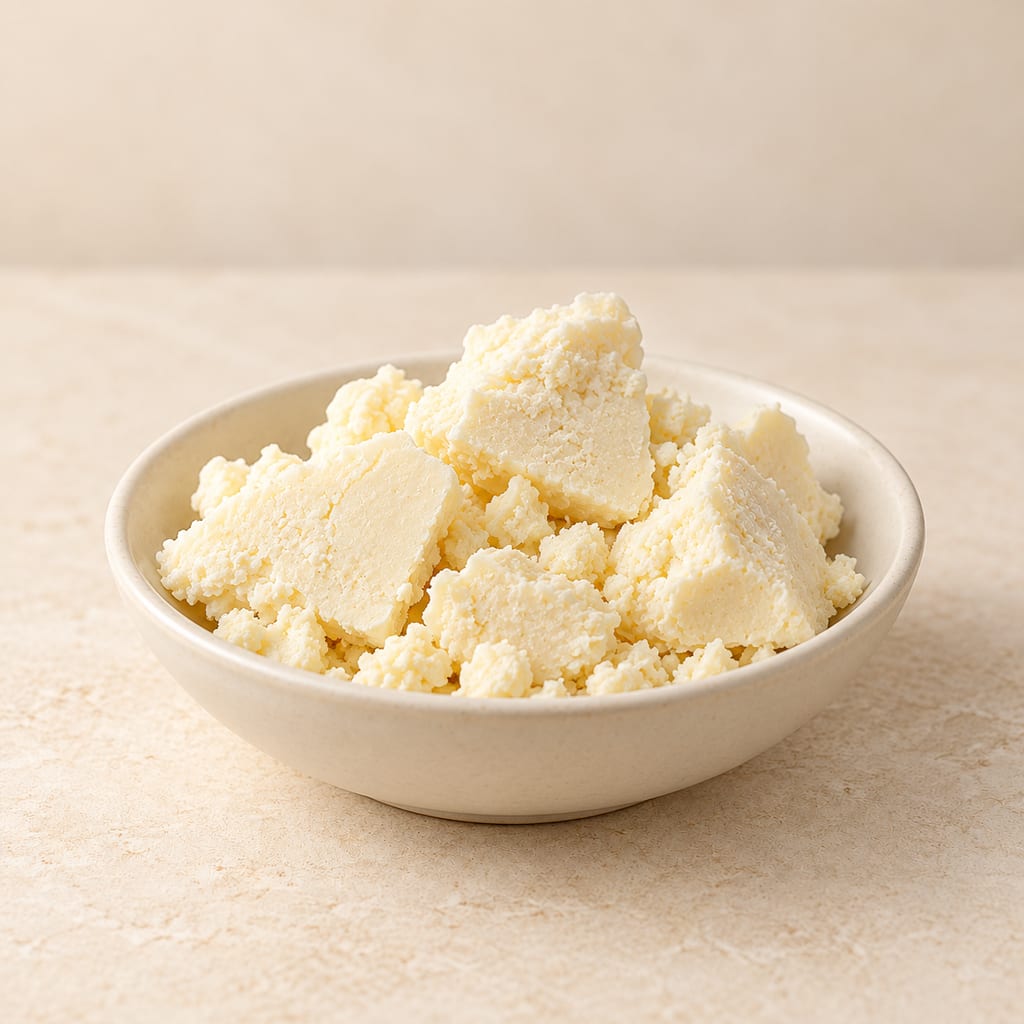
Pale crumbly tulum cheese in irregular pieces and crumbs in an ivory bowl.
High risk

Tulum peyniri, yogurt-cultured method

Tulum peyniri is a Turkish cheese traditionally packed into animal-skin bags to mature. This sheep-milk method adds a thermophilic yogurt culture before renneting, draining and dry salting.
Turkey · Traditional method
· Dairy
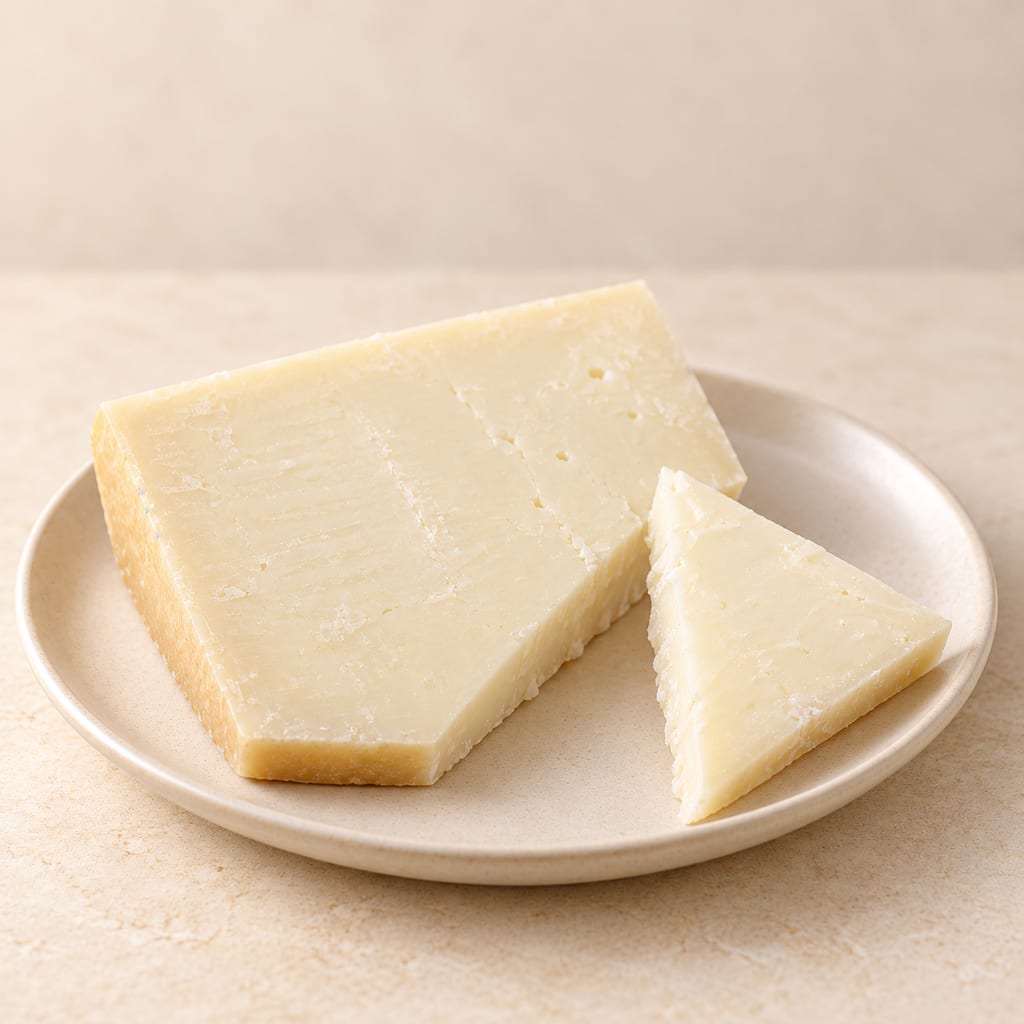
A hard pale kefalotyri slab and triangular cut portion on an ivory plate.
High risk

Kefalotyri, Cypriot method

Kefalotyri is a hard sheep-and-goat-milk cheese made in Cyprus as well as Greece. This Cypriot method cooks and presses the curd, then brines, coats and matures the cheese.
Cyprus · Traditional method
· Dairy
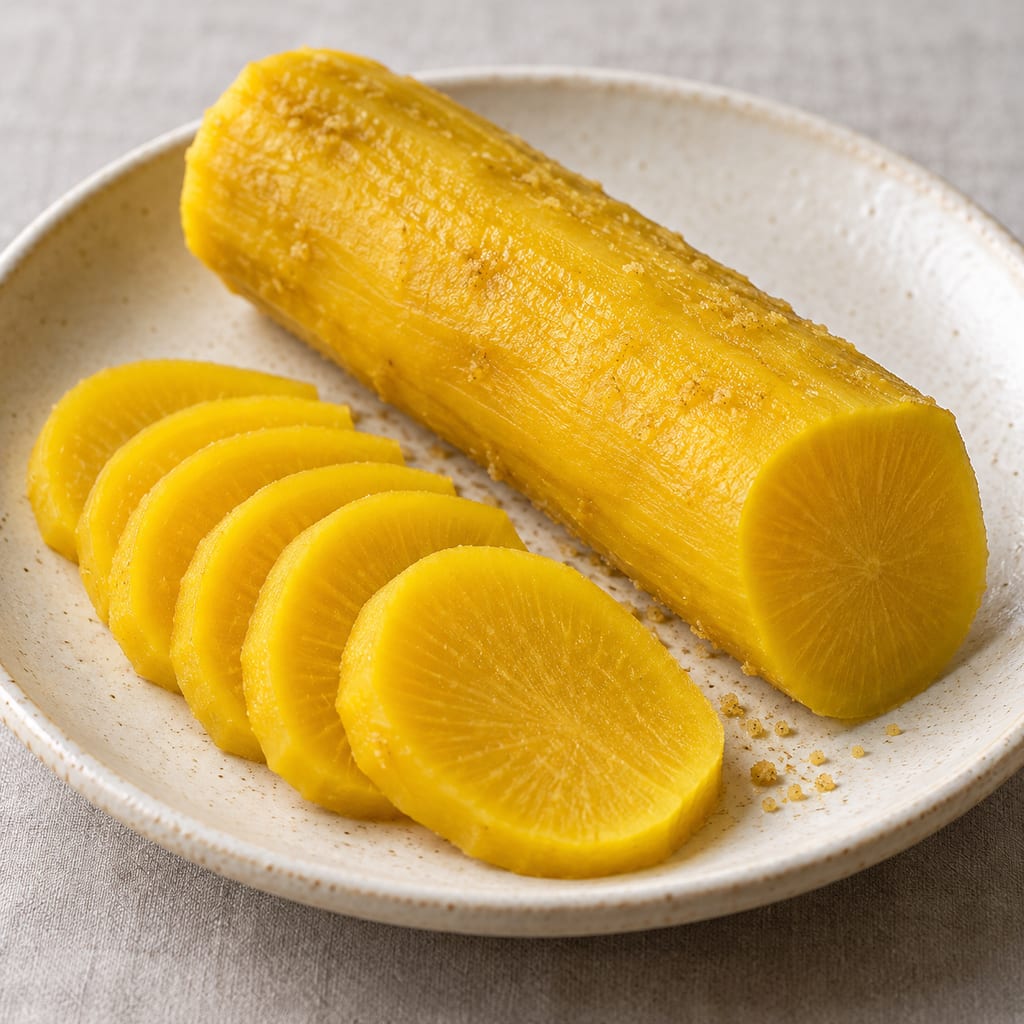
Illustrative finished turmeric-seasoned takuan-zuke, with a firm yellow rice-bran-pickled daikon and several thin slices on a plain ceramic plate.

Takuan (rice-bran fermented daikon)

Daikon is dried until pliable, then layered in seasoned rice bran and pressed for a long fermentation.
Japan · Modern method
· Vegetables
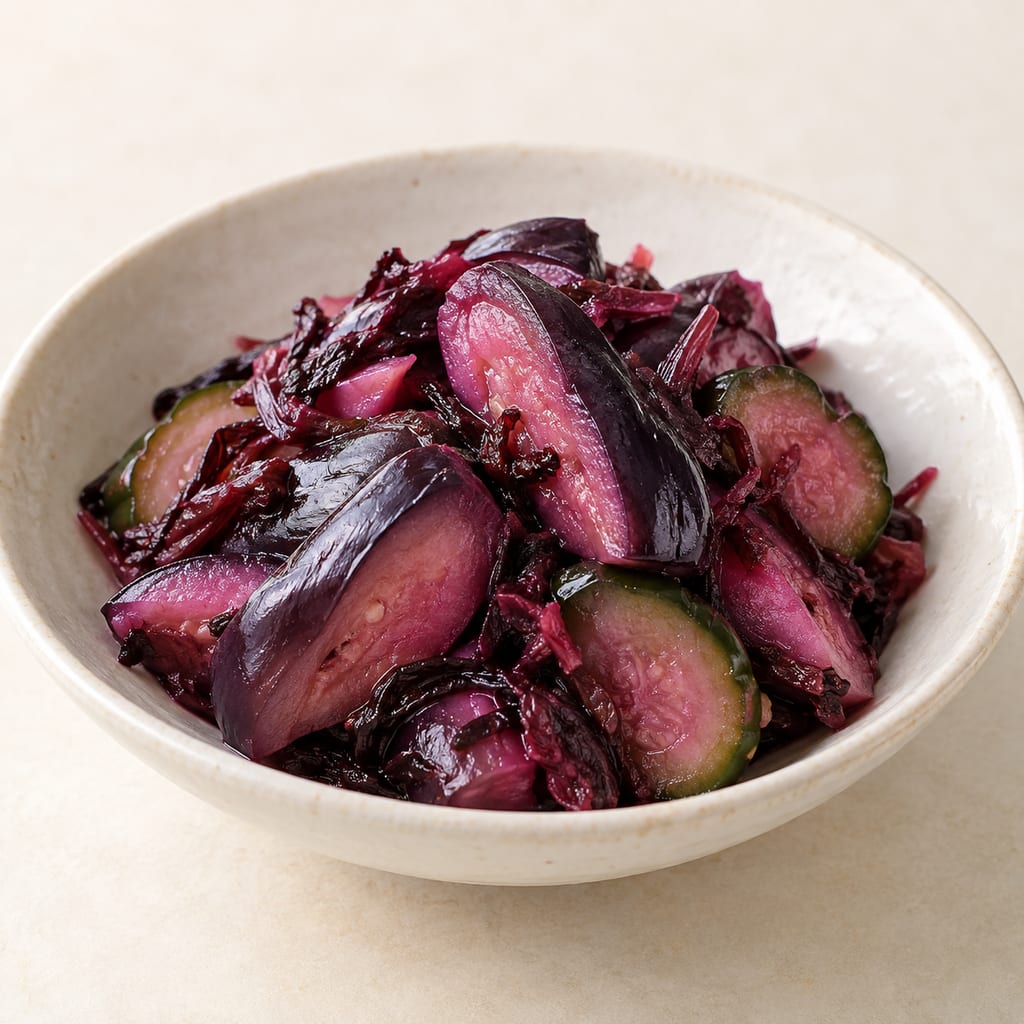
Traditional Kyoto shibazuke: purple perilla-stained eggplant pickle with cucumber in a plain ceramic bowl.

Shibazuke (Kyoto eggplant and perilla pickle)

Eggplant and perilla are layered with cucumber, myoga and chiles, pressed with salt and left to mature into Kyoto’s sour purple pickle.
Kyoto City, Japan · Traditional method
· Vegetables
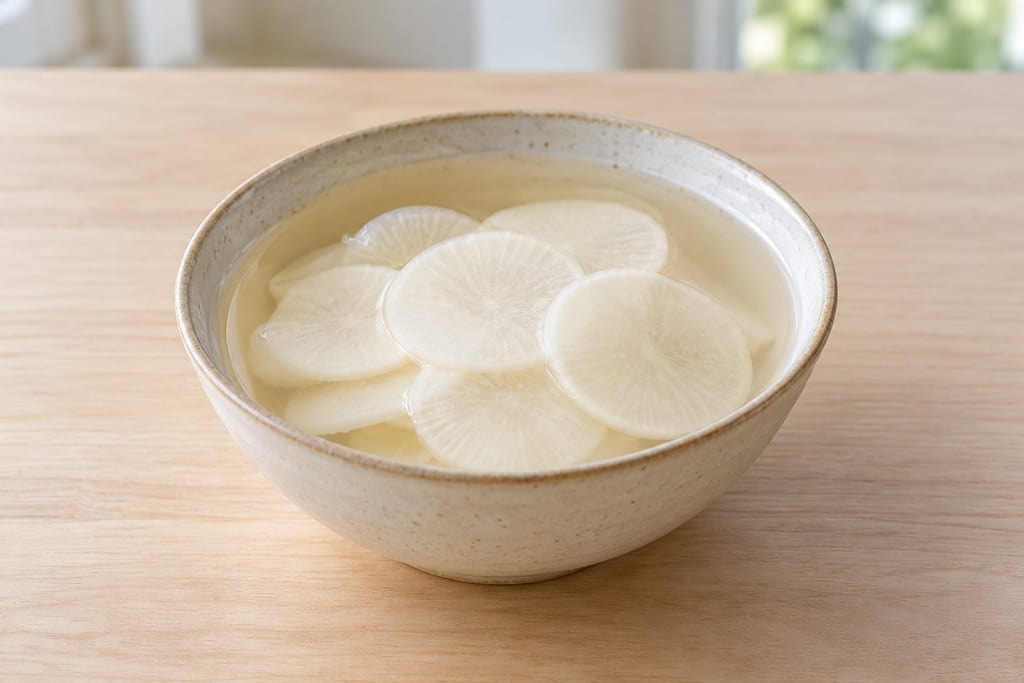
Illustrative serving of quick Dongchimi: thin Korean radish discs in chilled, pale apple-onion broth. Not a photograph of a particular fermentation batch or a validated safety endpoint.

Quick dongchimi with apple broth

A modern broth-forward radish-water kimchi cooks apples and onion into the fermentation liquid.
Korea · Modern method
· Vegetables
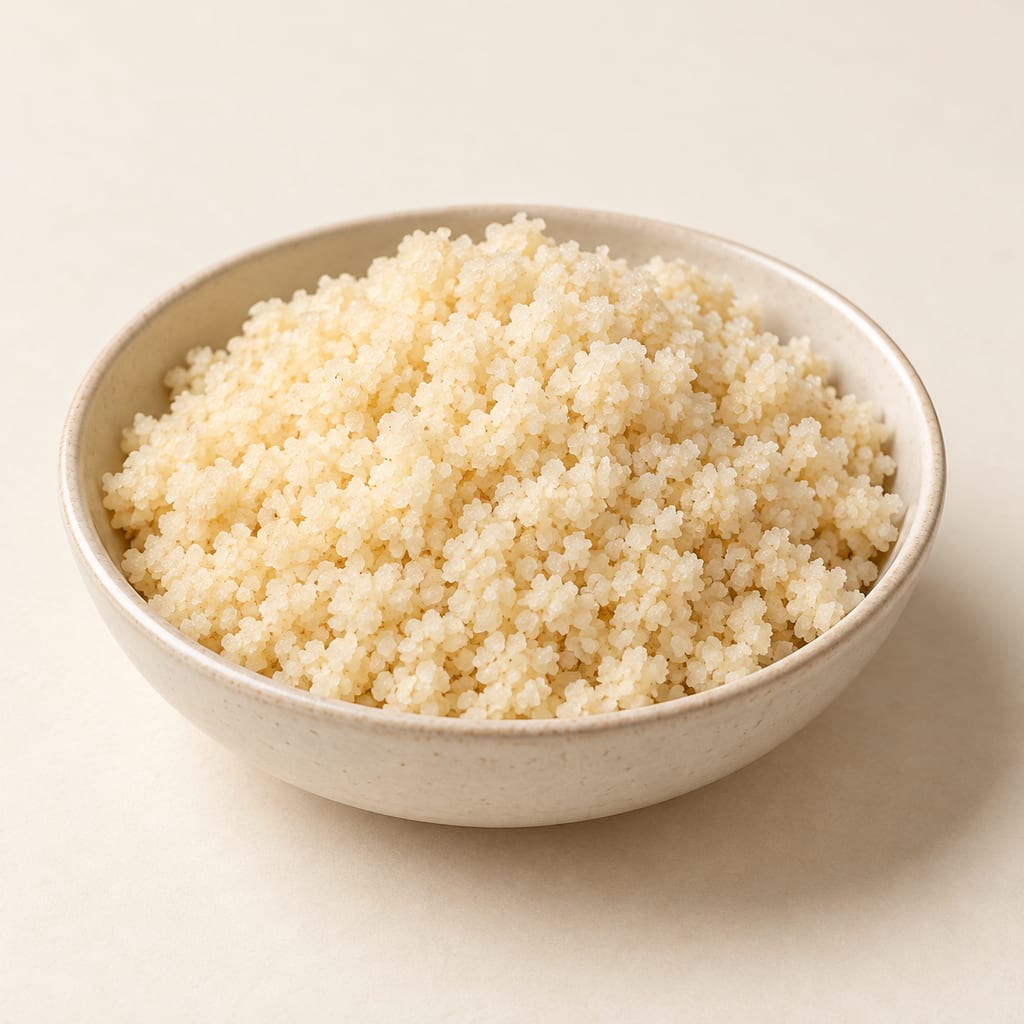
A shallow cream bowl of pale, fluffy steamed Attiéké cassava granules on a warm ivory background.
Elevated risk

Attiéké from fermented cassava pulp

Attiéké is an Ivorian staple of grated cassava fermented with a traditional inoculum, then pressed, sieved, granulated, dried and steamed into fine couscous-like grains.
Côte d’Ivoire · Modern method
· Grains and starches
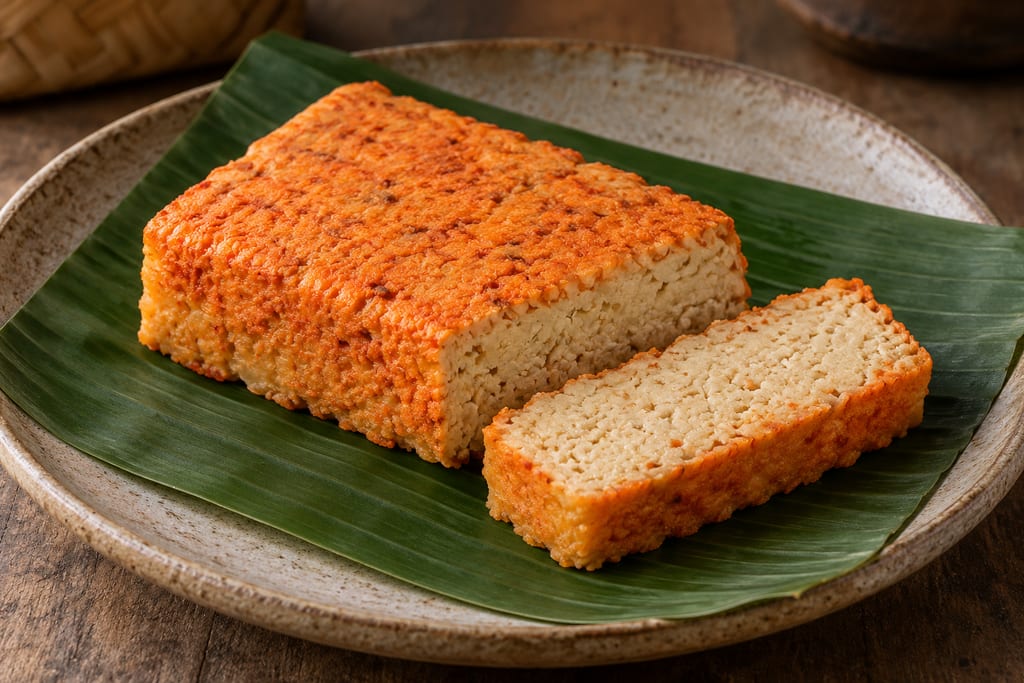
Illustrative red oncom cake from pressed soy pulp, with an orange-red Neurospora-colored surface and pale okara interior; generalized image of the published experimental formulation, not a verified batch.
Elevated risk

Red oncom from okara with Neurospora starter

Red oncom is a West Javanese cake fermented from pressed soy pulp with a Neurospora starter, a little tapioca starch and vinegar. It is a different food from black oncom, made on another substrate with another mould.

West Java, Indonesia · Modern method
· Legumes and seeds