















































Elevated risk
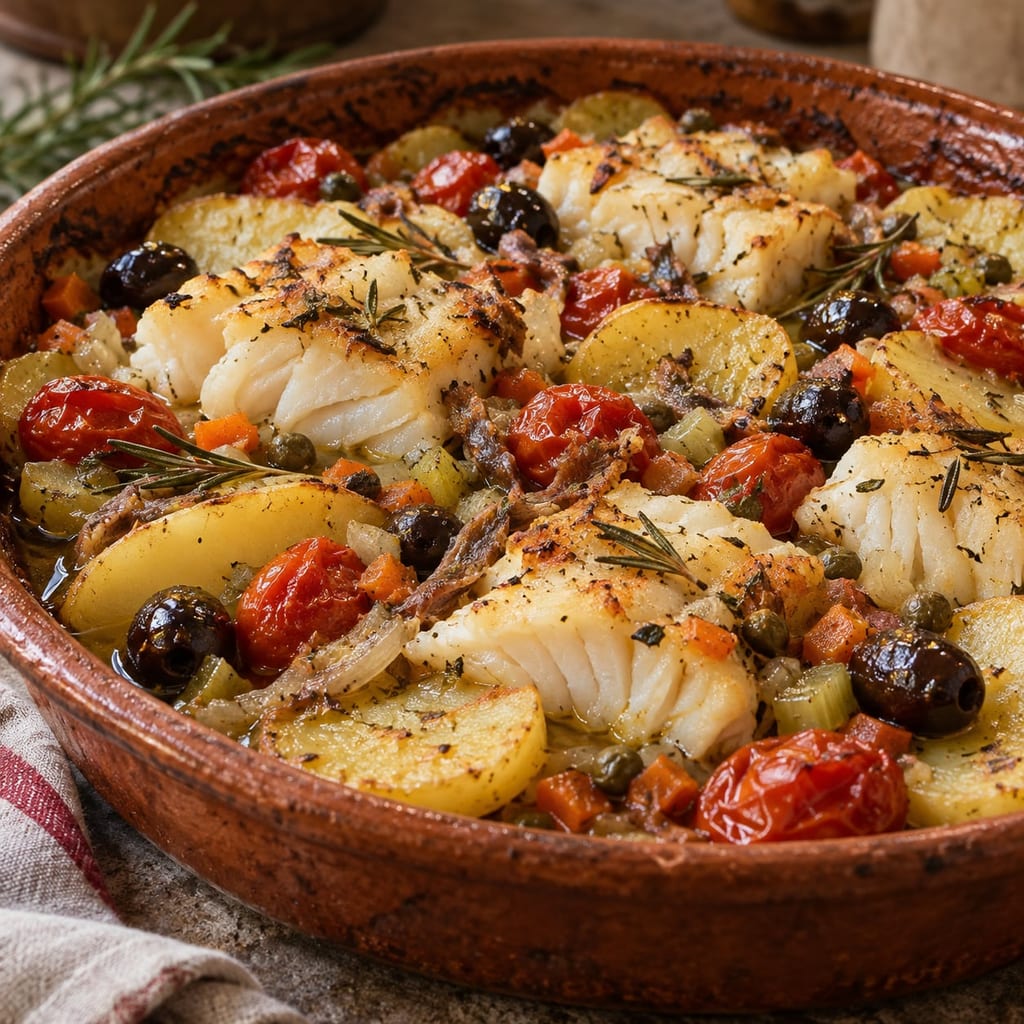
Stoccafisso all'anconitana
Ancona's baked stockfish: thick pieces layered with potatoes, tomatoes, olives, capers and anchovy under olive oil and white wine, cooked slowly in a covered dish.
 FermenteaWhere food goes to change
1504 records with their sources, across 11 categories.
Ancona's baked stockfish: thick pieces layered with potatoes, tomatoes, olives, capers and anchovy under olive oil and white wine, cooked slowly in a covered dish.
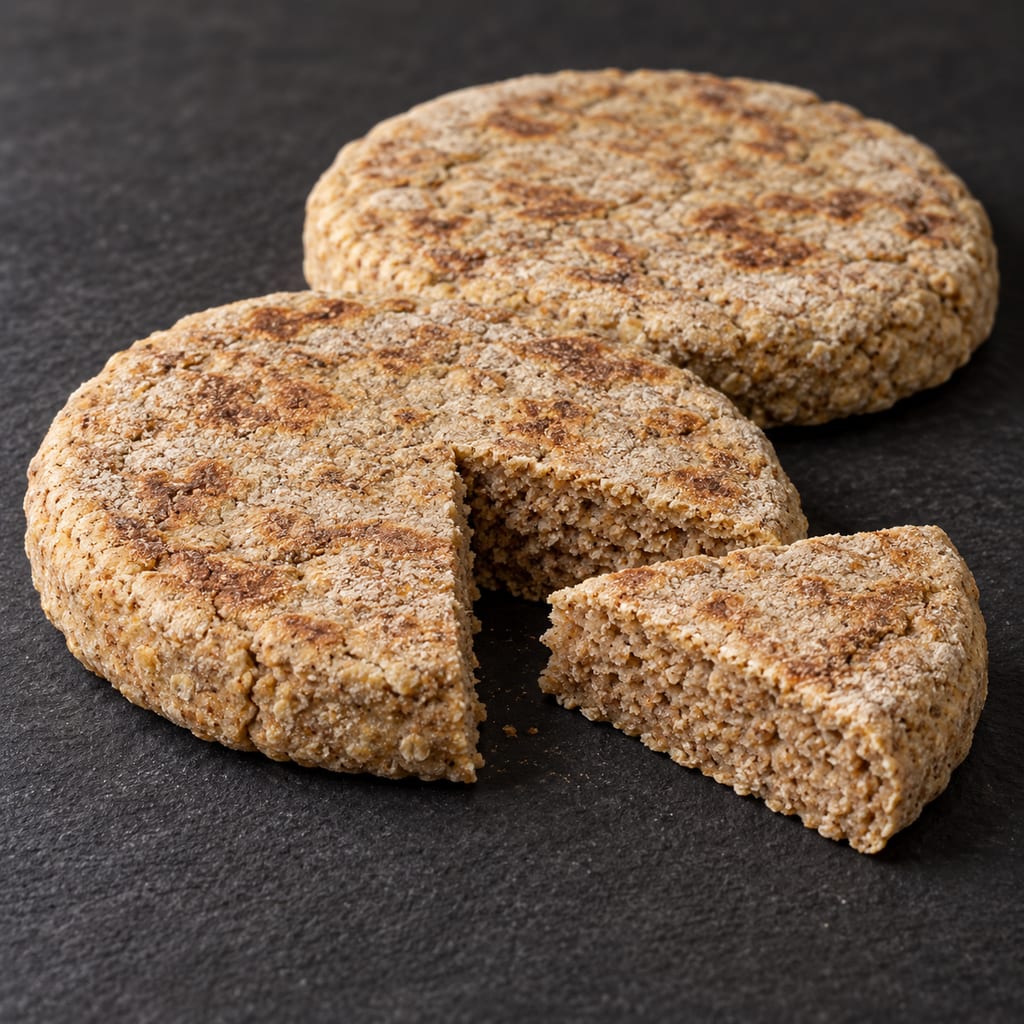
Two round, chemically raised bannocks made with equal weights of white flour and beremeal, barley flour or oat flour, following Anne Johnson's Orkney formula.
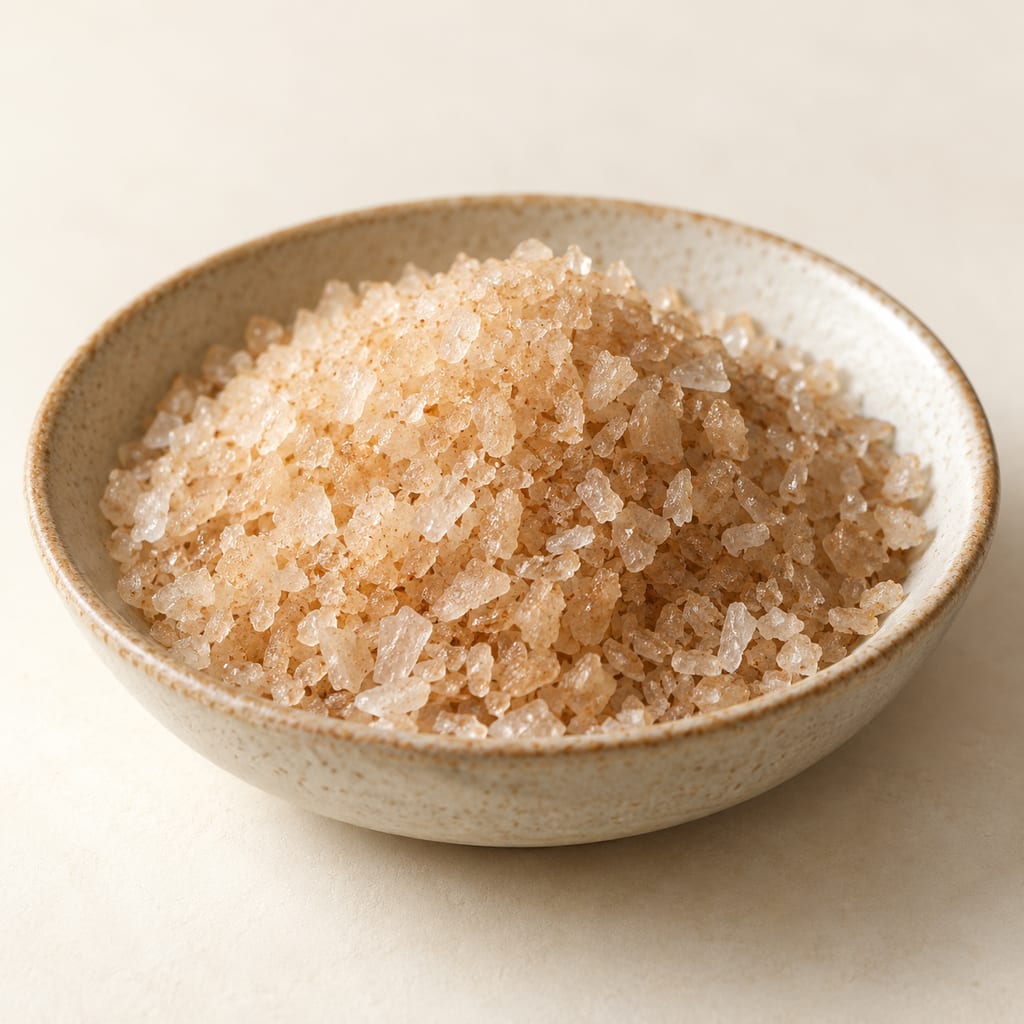
Flaky or coarse sea salt takes on hickory smoke in a pellet grill. A shallow tray lets the smoke reach the crystals before they cool for airtight storage.
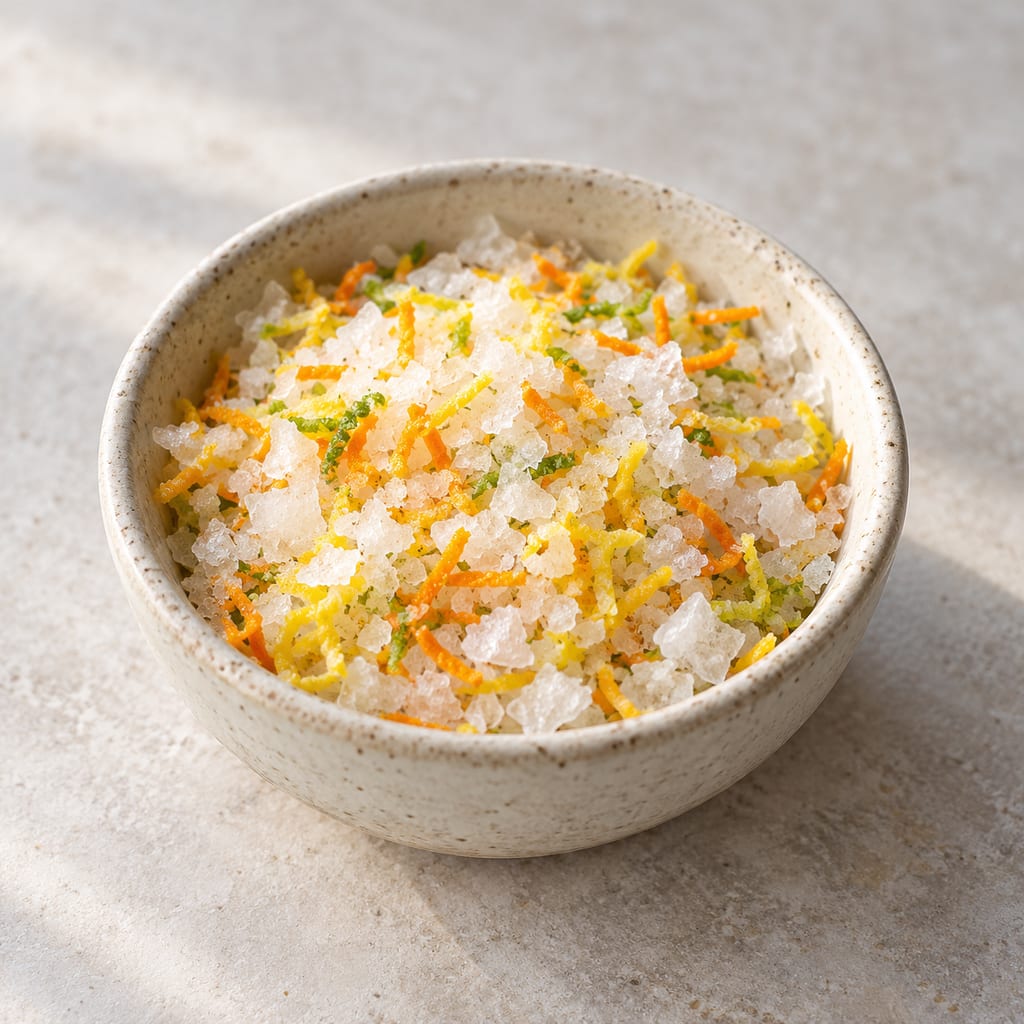
Citrus zest is rubbed into coarse or flake salt and dried on a tray. This peel-based seasoning preserves the chosen citrus aroma without adding juice.
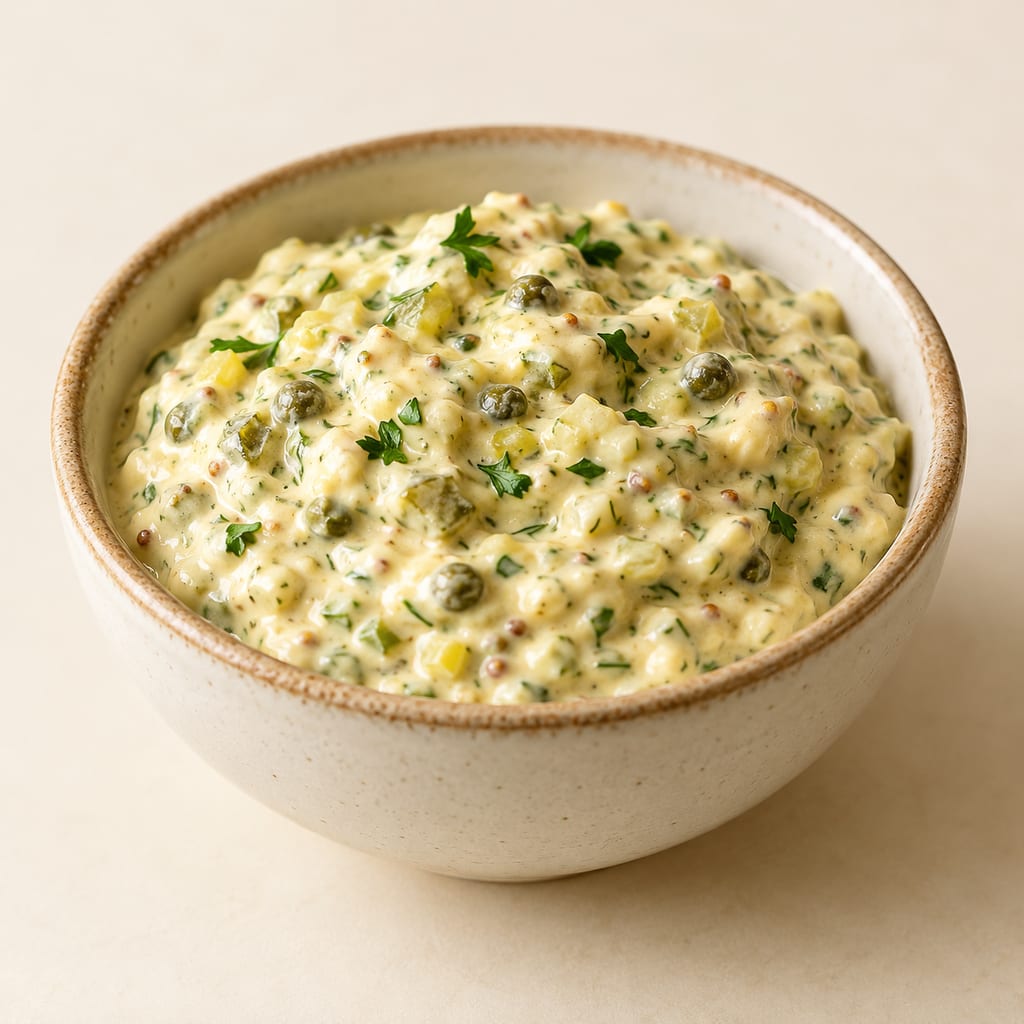
A French cold sauce made from mayonnaise with mustard, capers, cornichons and fresh herbs, served with fish, shellfish and red meats.
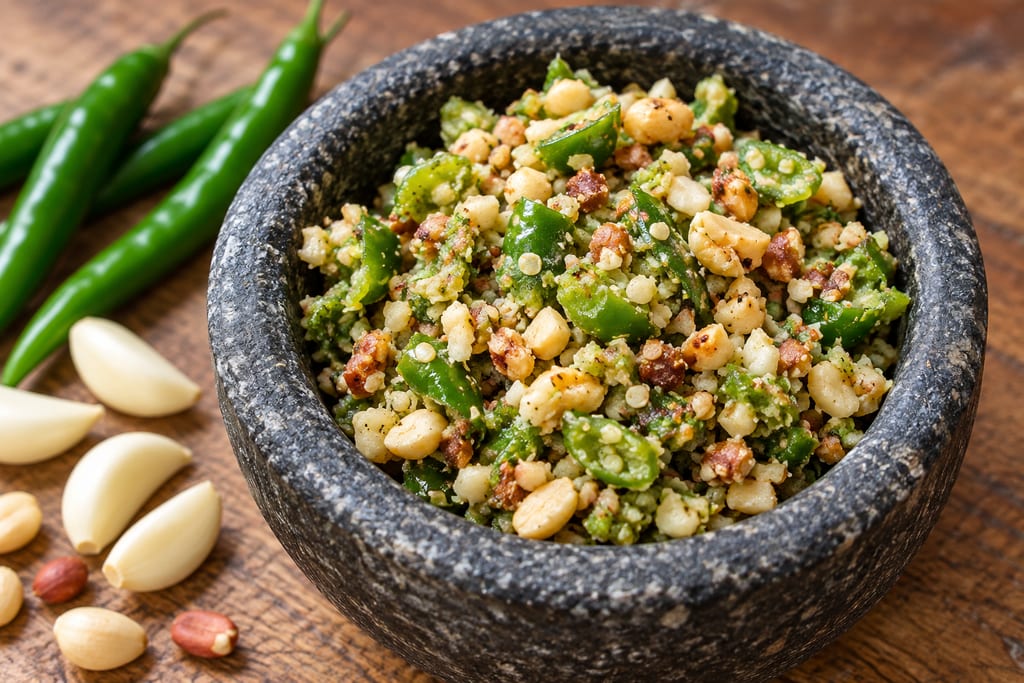
A fresh Maharashtrian thecha of green chillies, peanuts and garlic, roasted separately in the same oil and crushed with salt. Optional coriander joins the pan before grinding; serve with bhakari.
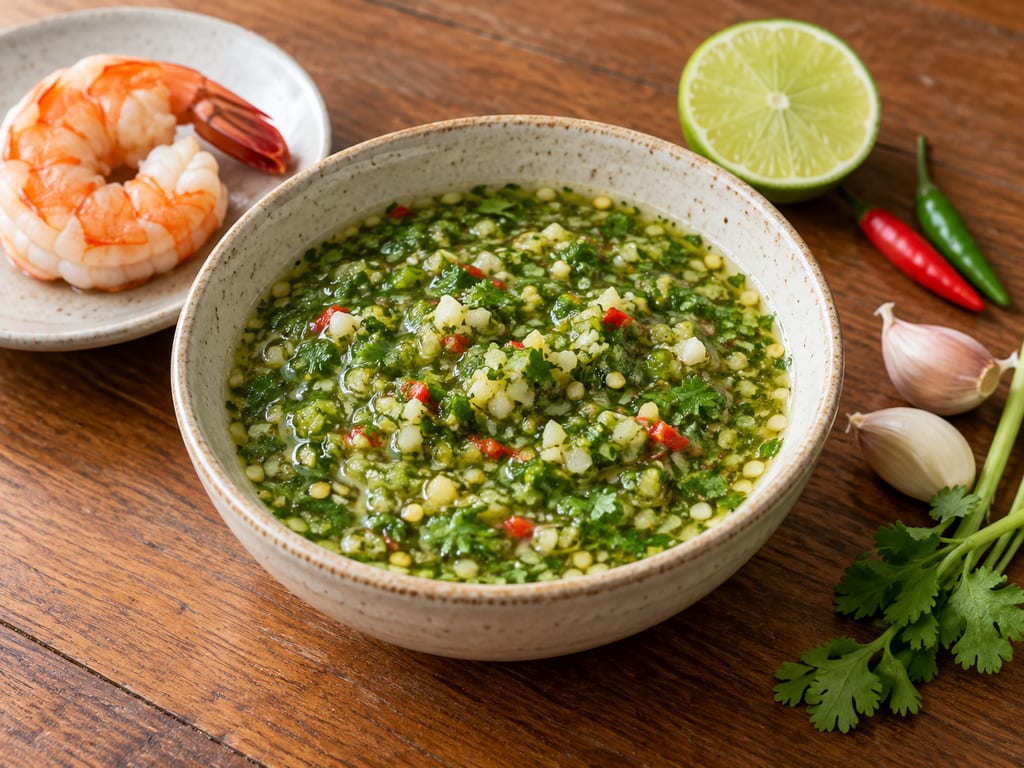
A Thai seafood dipping sauce of chiles, garlic, cilantro stems, fish sauce, lime juice and palm sugar, pounded or briefly blended for a coarse texture.
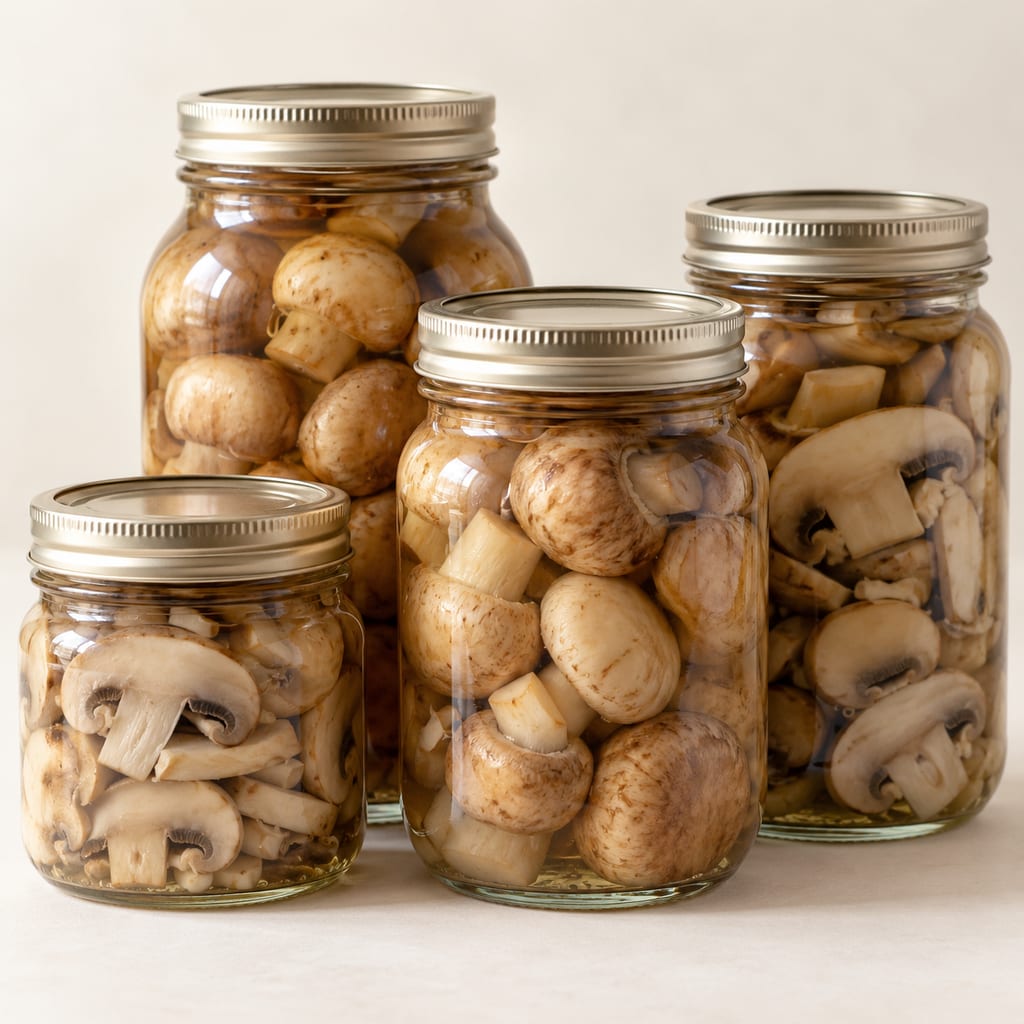
Whole or sliced domestic mushrooms packed hot in jars with fresh water and processed in a pressure canner, the tested home method for a low-acid vegetable.
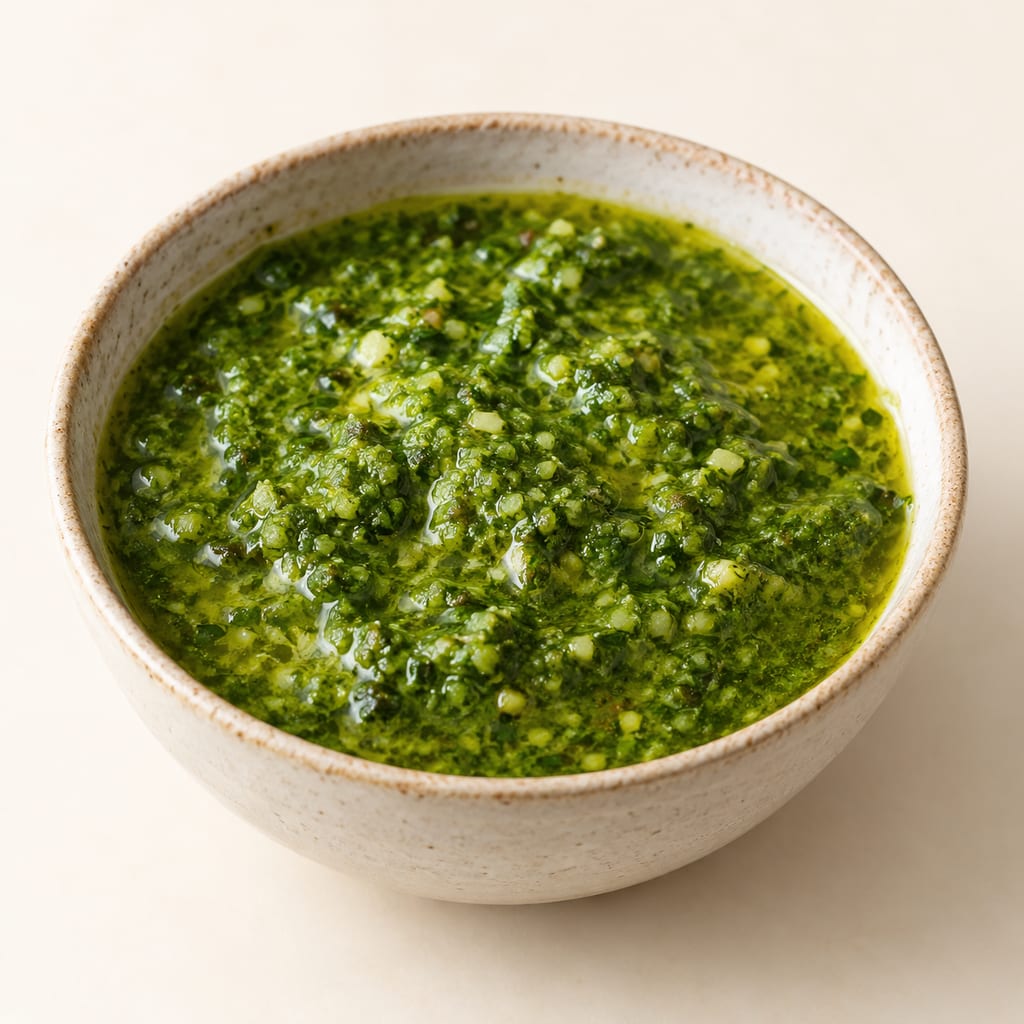
A green sauce of garlic, cumin, green chilli and fresh coriander or parsley in olive oil and vinegar, traditionally served with fish in the Canary Islands.
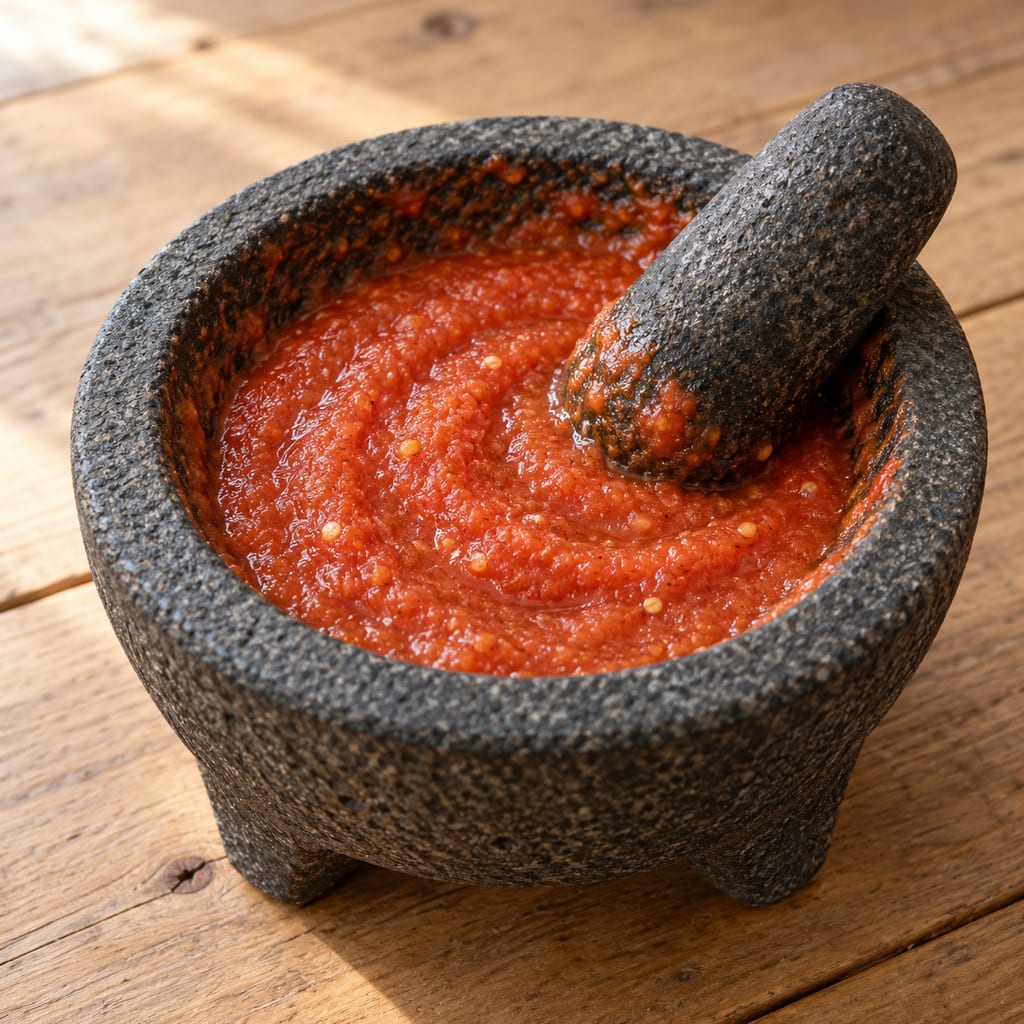
Chancho en piedra is a Chilean sauce of tomato, garlic, cumin and chilli, ground by hand in a stone mortar. Its name refers to the stone, not to pork.
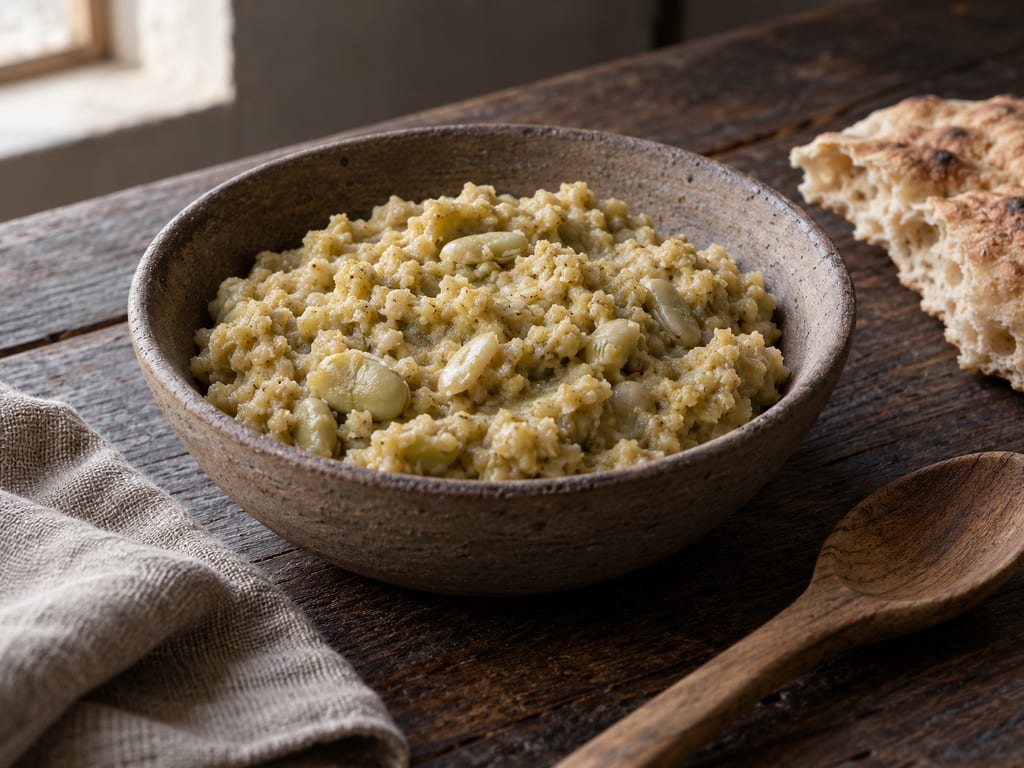
Cooked broad beans crushed to a thick paste with garlic and salt, a museum preparation built on the one European pulse that was already old when the Viking Age began.
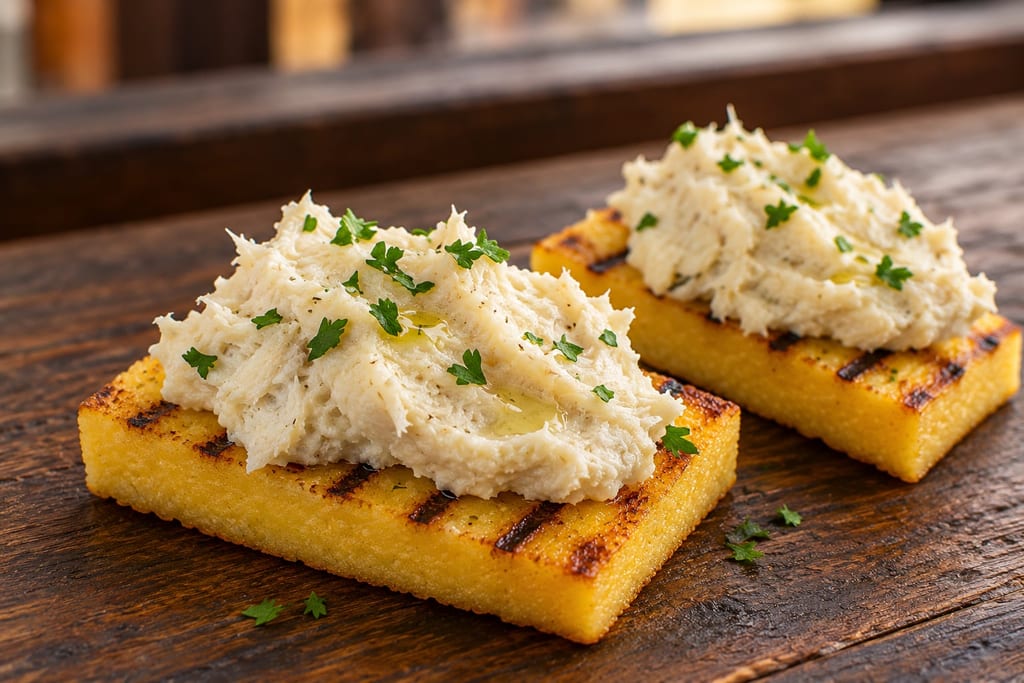
A Venetian cicchetto of cooked unsalted stockfish beaten with oil until it turns into a pale, aerated cream, spooned onto grilled polenta in the city's wine bars.
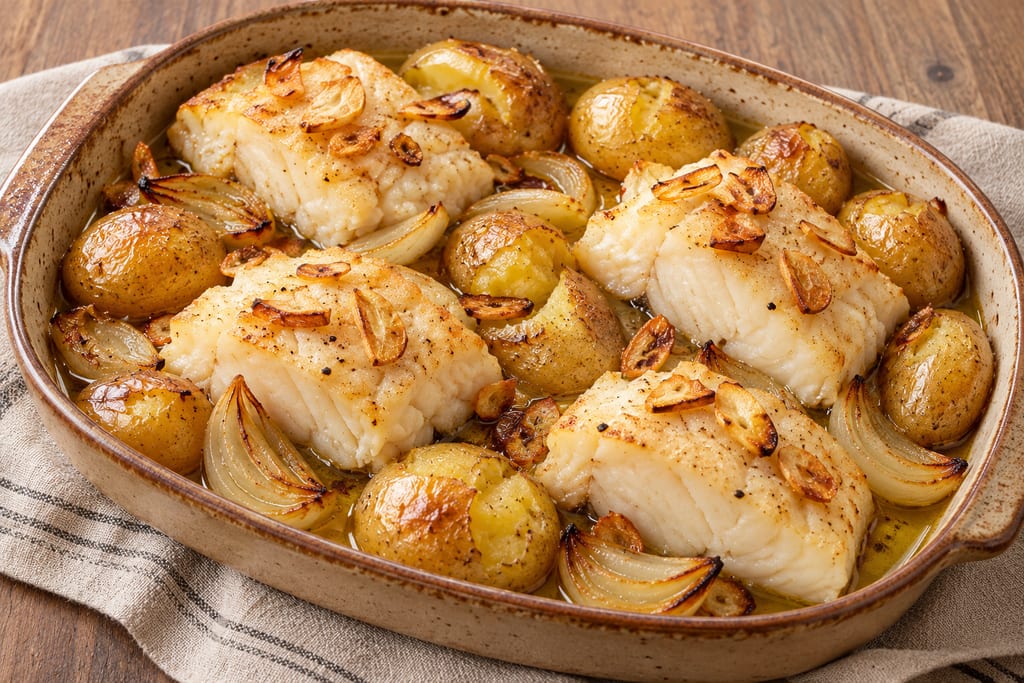
Thick pieces of desalted salt cod roasted in olive oil with garlic and onion, served with small potatoes cooked and then crushed until their skins split.
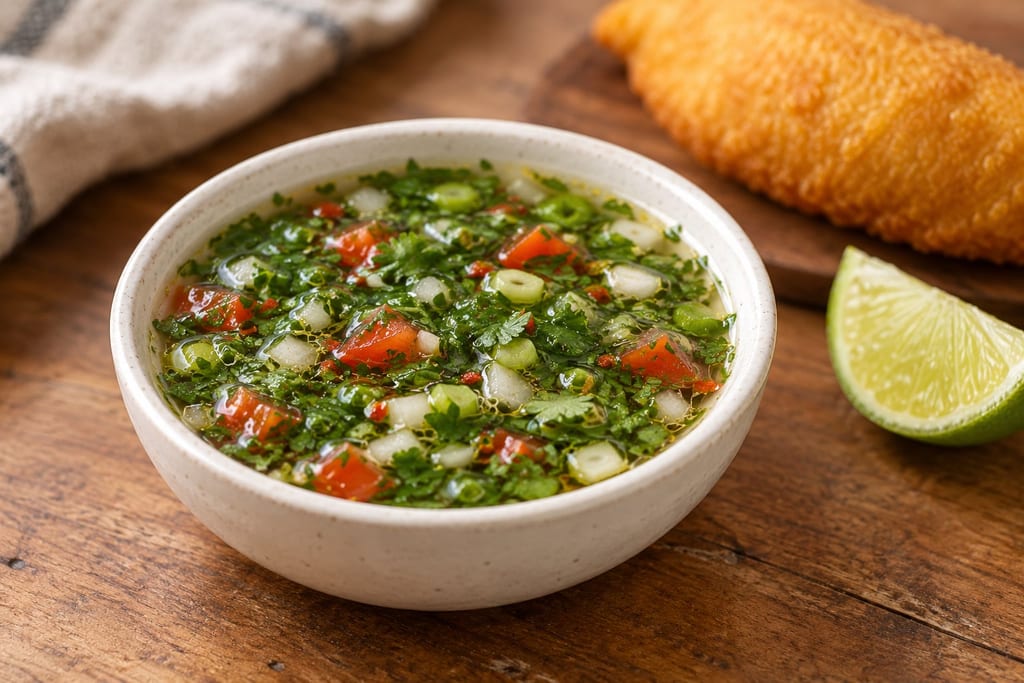
A fresh Colombian table condiment of chopped herbs, scallion and tomato in a vinegar and chile base, served beside fried and filled dishes.
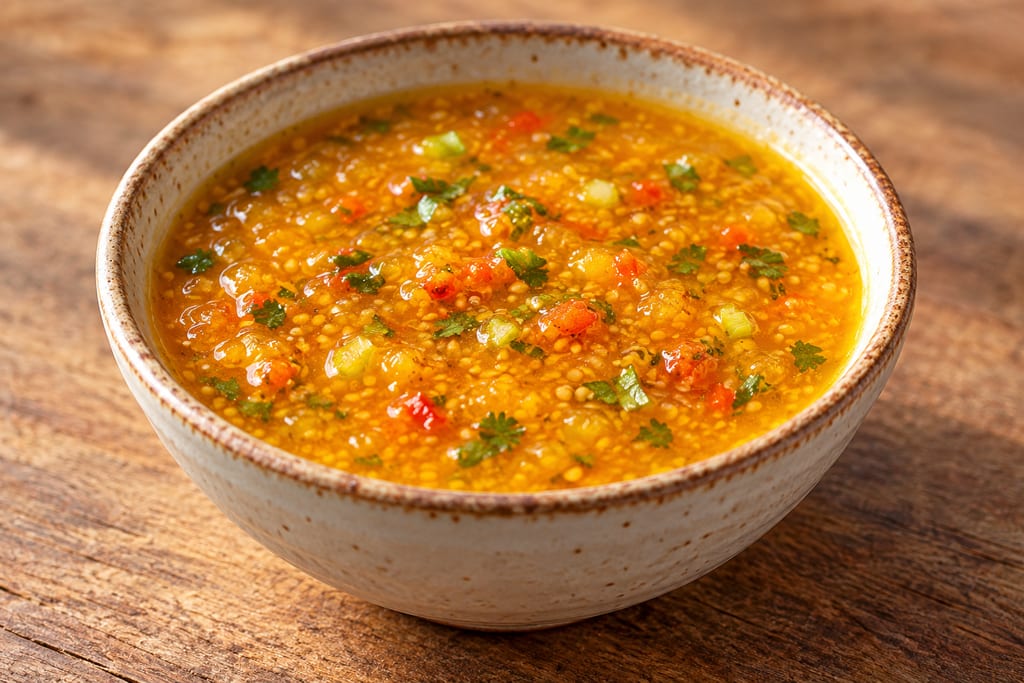
A sweet, tart and spicy Colombian sauce of uchuva, the yellow physalis fruit, with hot pepper, scallion, cilantro and lime.
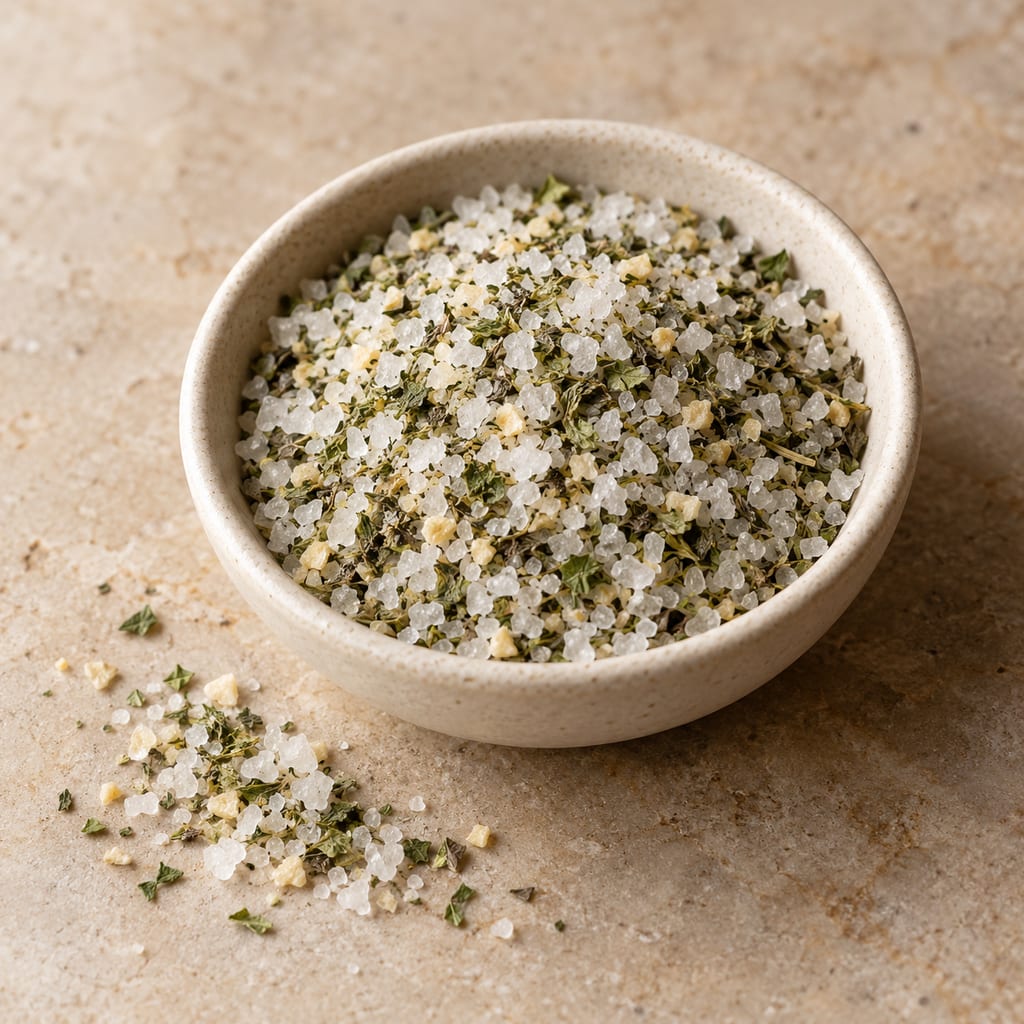
Fresh garlic and pungent herbs are chopped with kosher salt, then dried in the warmth of a switched-off oven. The blend keeps the selected herbs together in one seasoning.
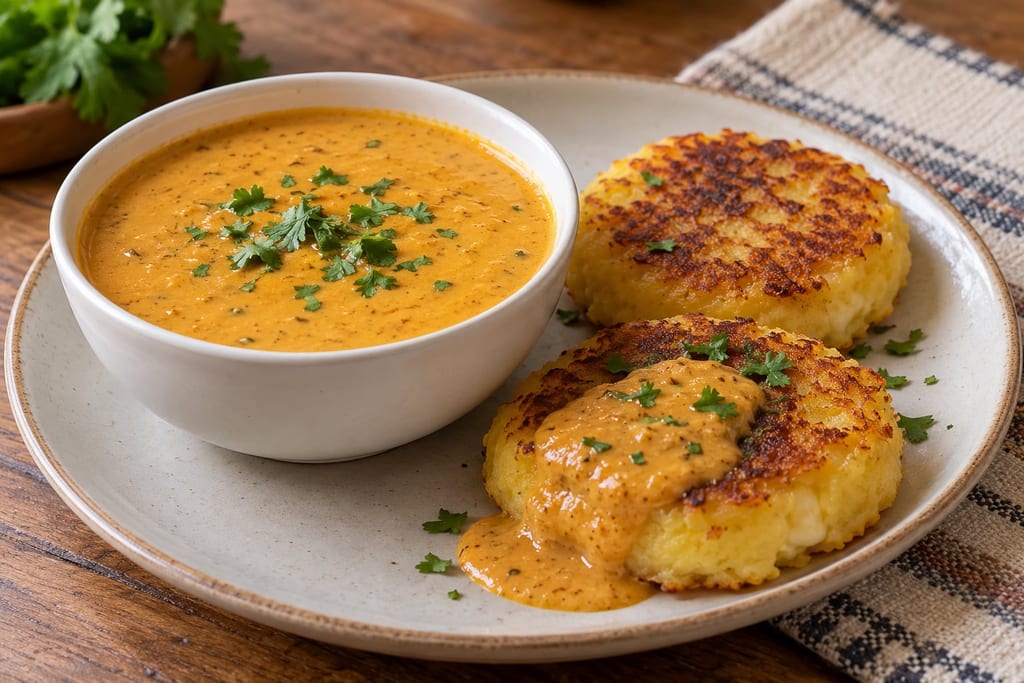
A warm, creamy peanut sauce thickened with milk and seasoned with onion, cumin and achiote, served over potatoes and llapingachos in Ecuador.
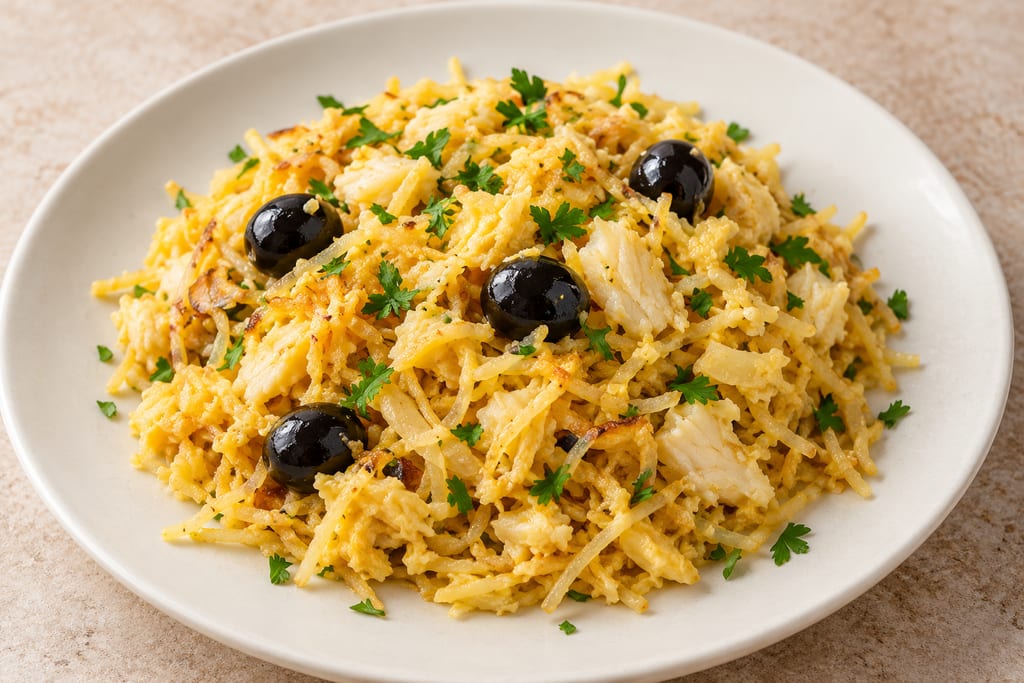
Lisbon's salt cod dish: shredded desalted cod and fine fried potato matchsticks folded through softened onion and bound with beaten egg, finished with parsley and black olives.
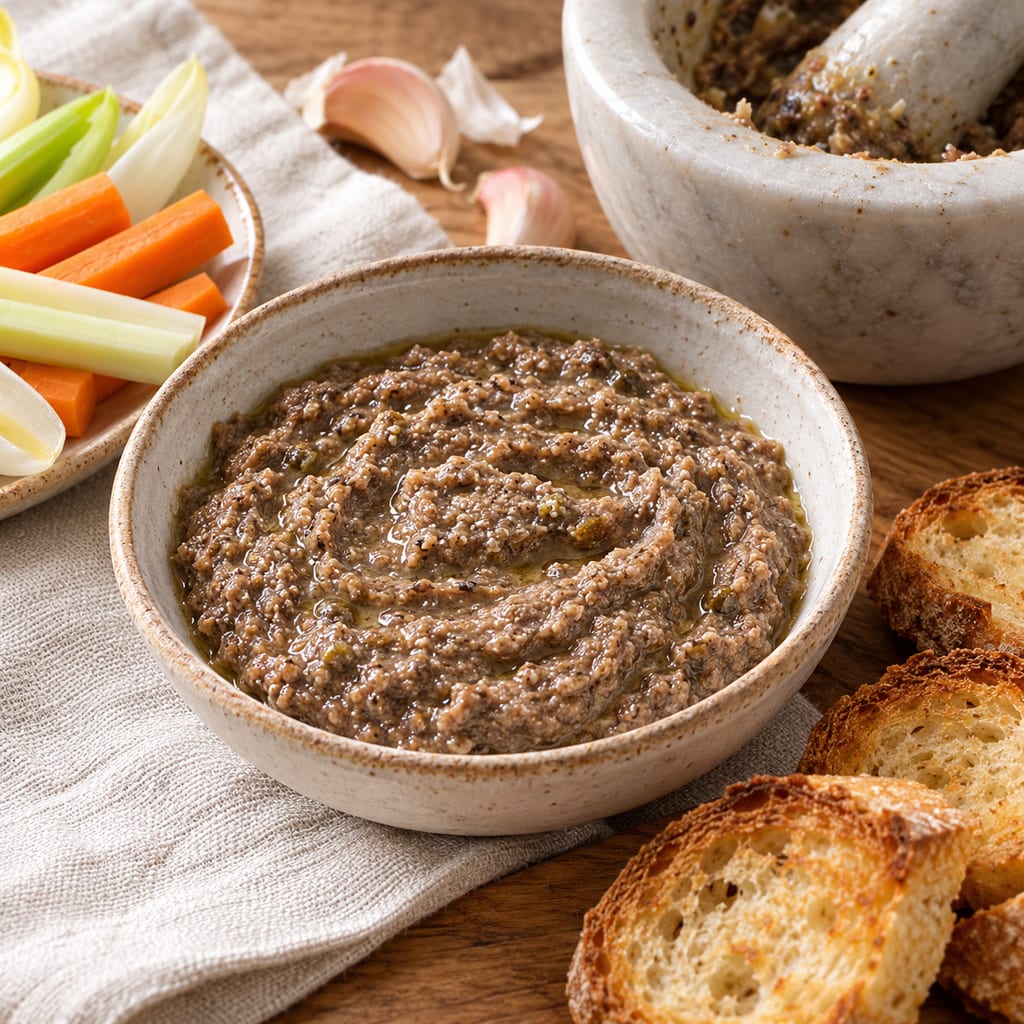
A Provencal dip of anchovies, garlic, capers and olive oil, pounded or blended to a creamy paste and served with raw vegetables, bread and eggs.
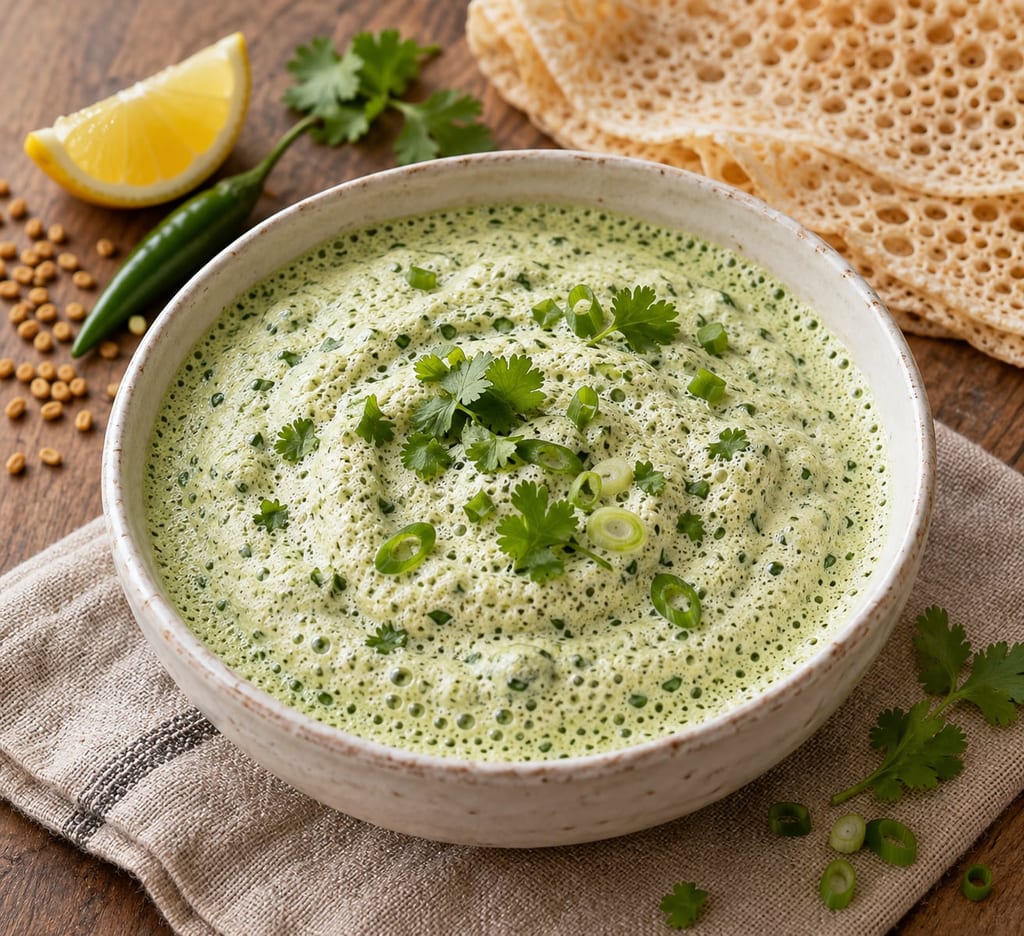
A whipped condiment of soaked ground fenugreek seed, aerated until foamy and finished with herbs, chilli and lemon. It comes from Yemen.
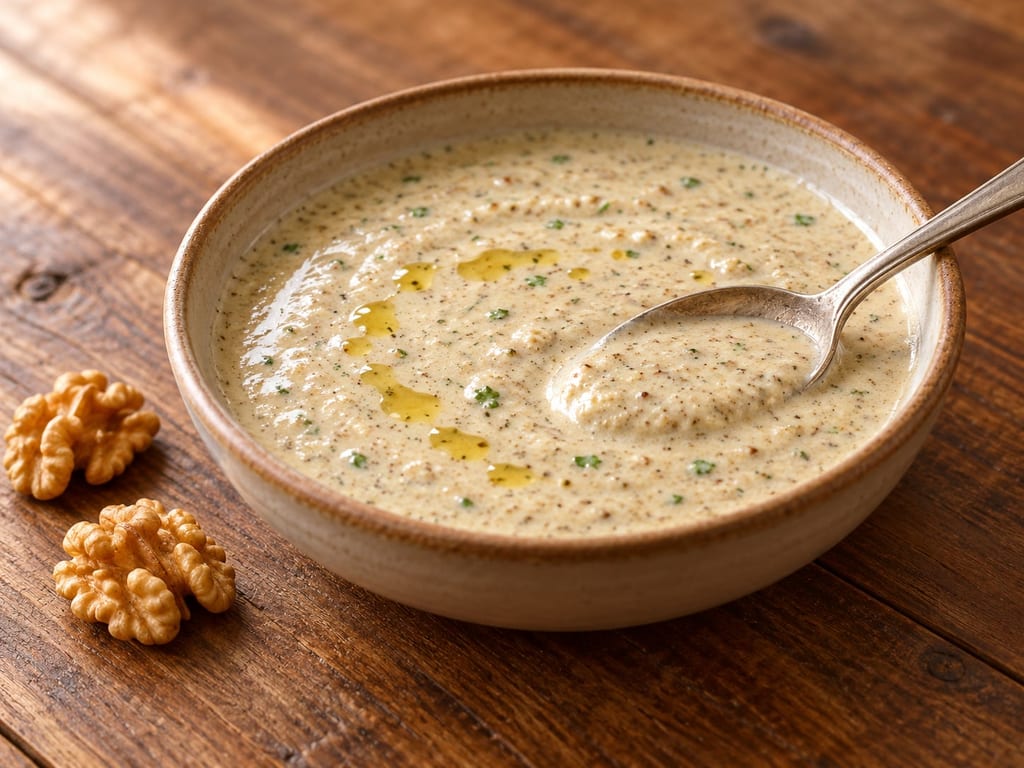
A Georgian walnut sauce of ground walnuts, garlic, vinegar and spices, thinned with water or broth. It is served with poultry, vegetables and bread, and is the sauce of the dish satsivi.
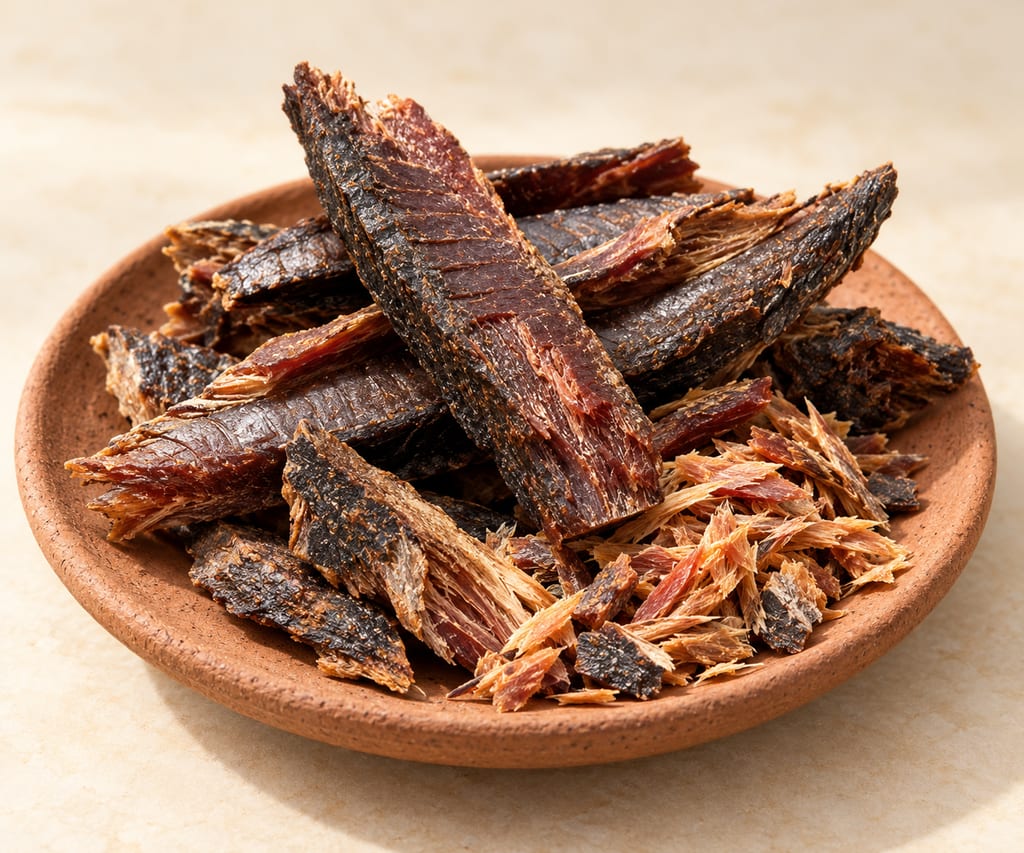
Maldive fish is a hard, smoke-dried tuna product made in the Maldives and traded especially to Sri Lanka, where it is known as umbalakada. Cooks shave or pound it into a concentrated savory seasoning for sambols, curries and other dishes.
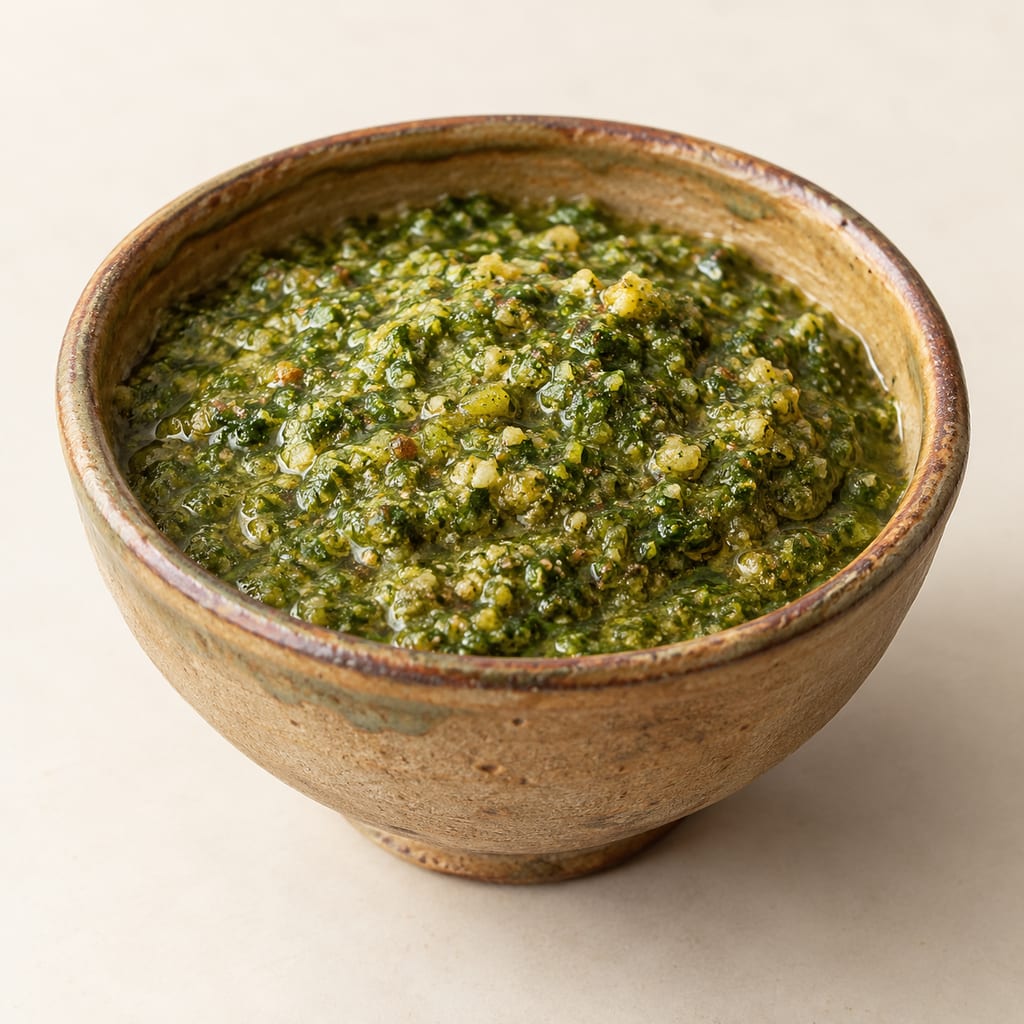
A green herb sauce from The Forme of Cury, about 1390, of parsley, mint, garlic and sage ground with bread, wine, vinegar and warm spices, coloured and flavoured with saffron. It is not fermented.

Japanese skipjack tuna cooked, then repeatedly smoked and dried over a wood fire by the hand-fired tebiyama method into a hard block for shaving into dashi: the first stage of katsuobushi.
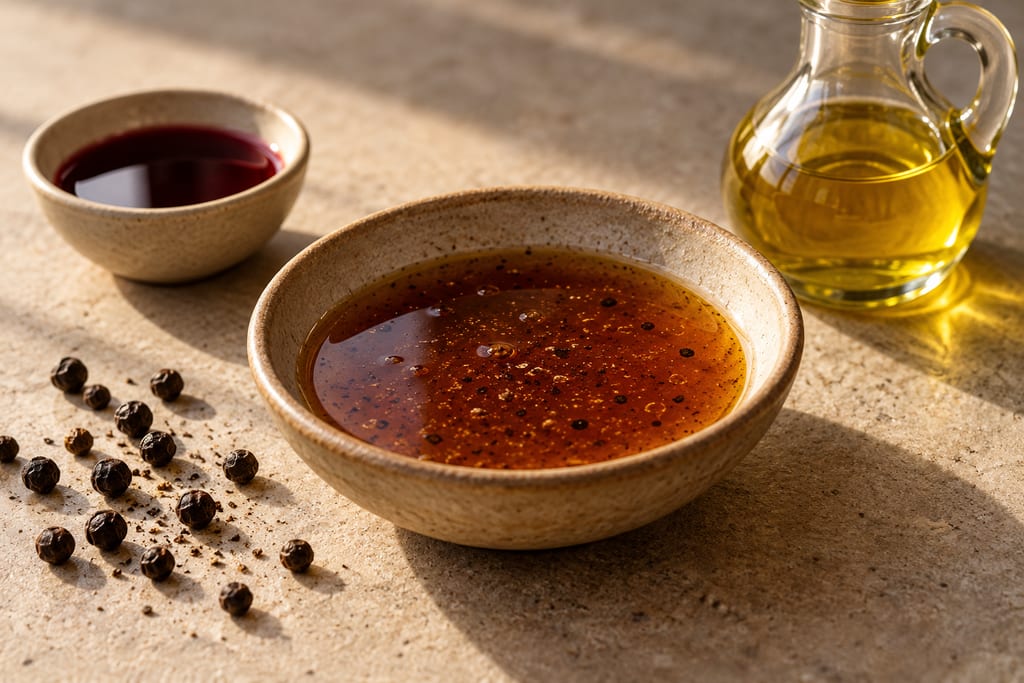
Oenogarum is fish sauce mixed with wine, pepper and often olive oil: a Roman table sauce in the Apicius cookbook, and a reduced, strained sauce in a later medical text.
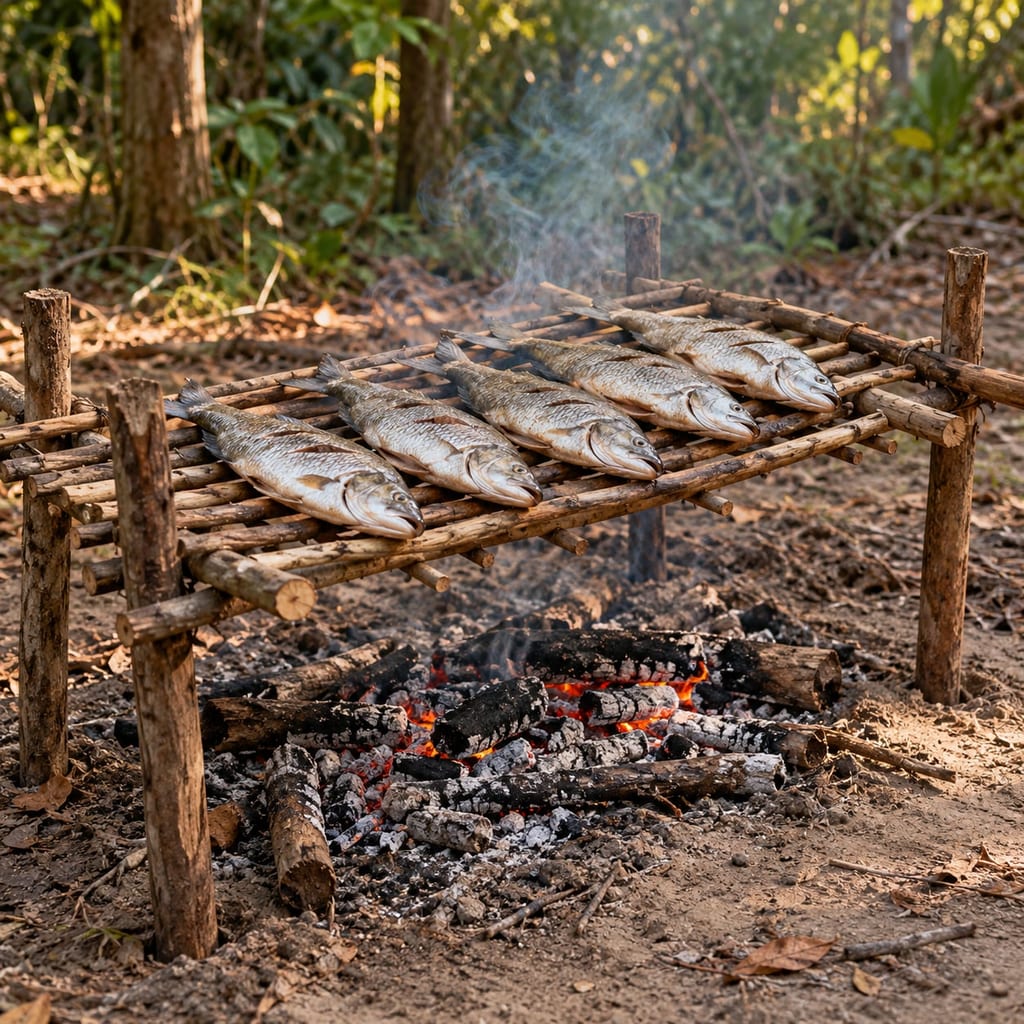
Moquém is the Brazilian Indigenous method of laying meat or fish on a grill of wooden sticks to roast, dry or smoke it, and also the name of the grill itself.

Hi-ire is the Japanese heat treatment of finished sake, about 65 °C, used to stop re-fermentation and souring. Brewers applied it from the Muromachi era.
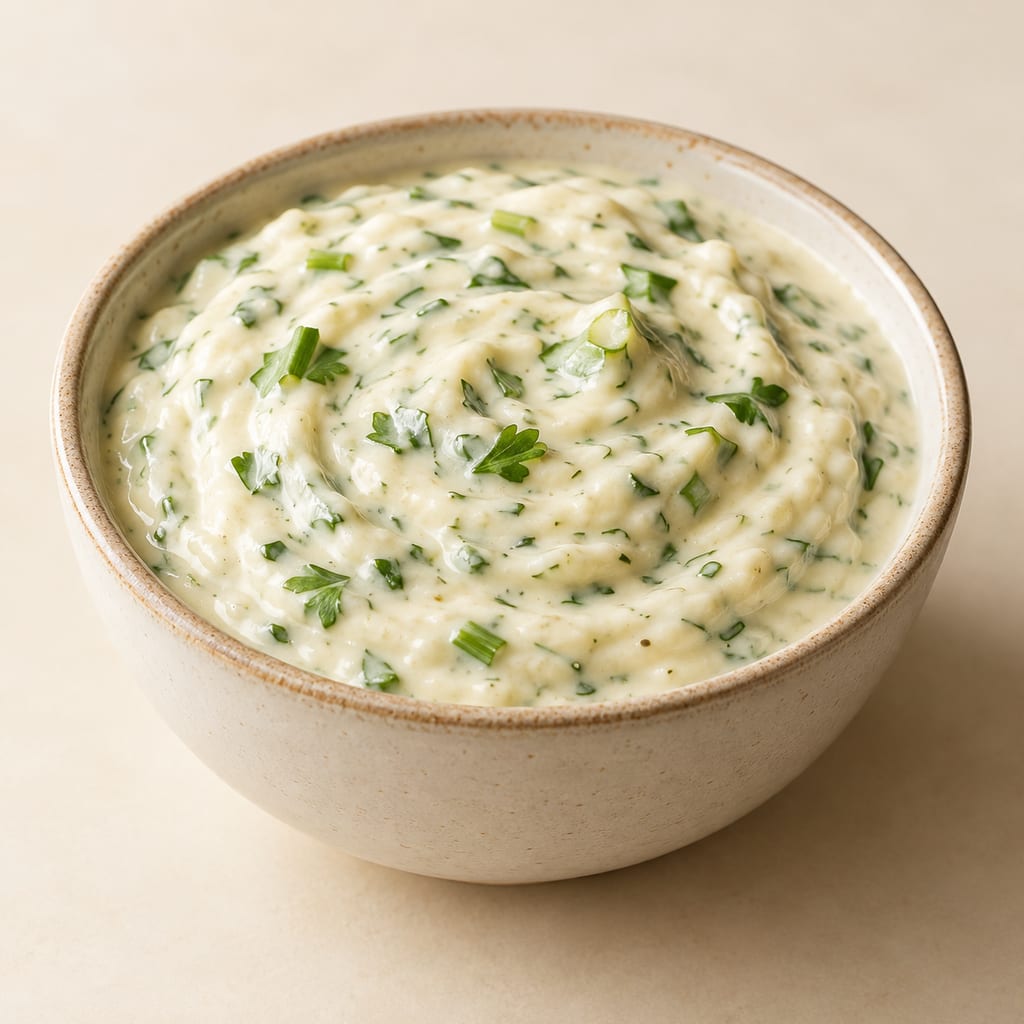
Salsa de ajo is a creamy Venezuelan garlic sauce made from mayonnaise blended with fresh garlic, herbs, green onion and vinegar. It is served with empanadas, arepas and grilled meat.
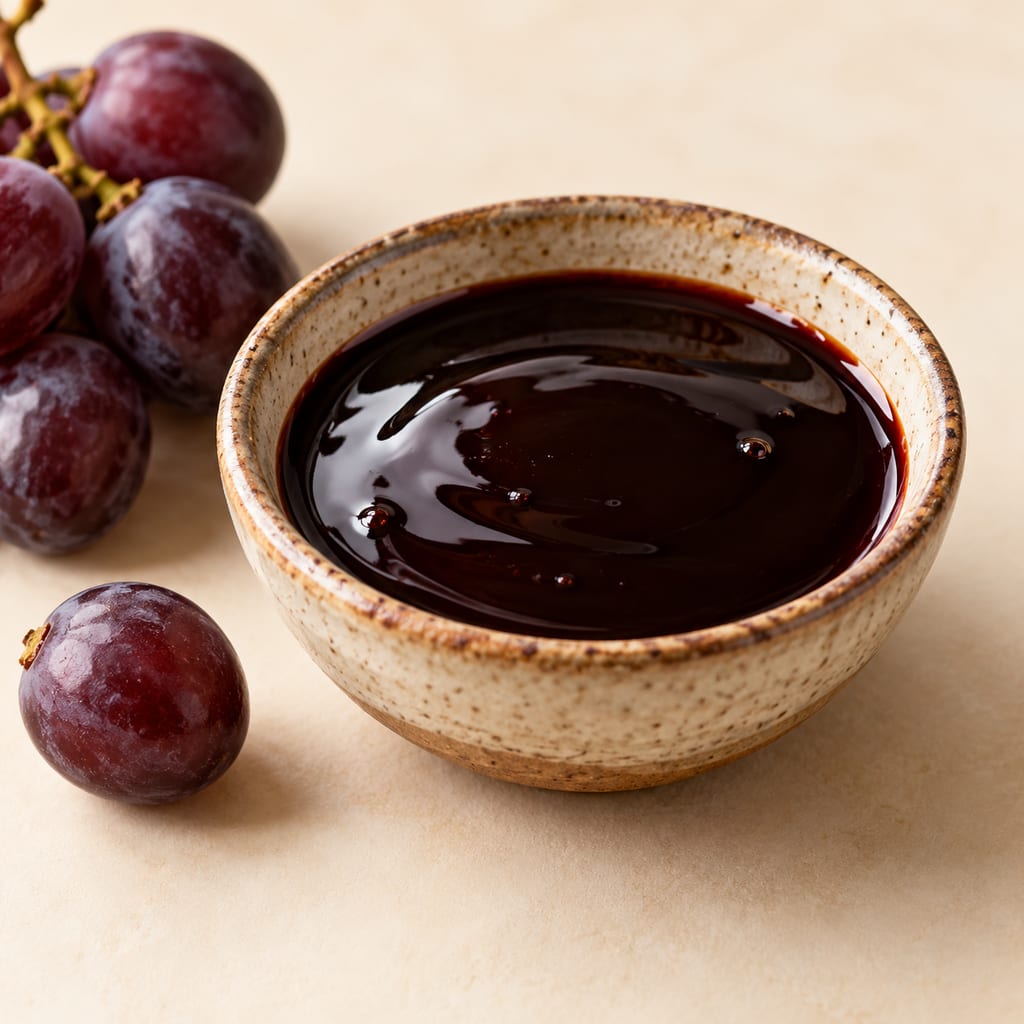
Vincotto is a dark, thick, sweet paste made by slowly cooking down unfermented grape must in rural Italy, used as a seasoning for savoury dishes and desserts.

A mayonnaise sauce with chopped gherkins or capers, herbs and lemon, served with fried and grilled fish. It was named in nineteenth-century France alongside steak tartare.
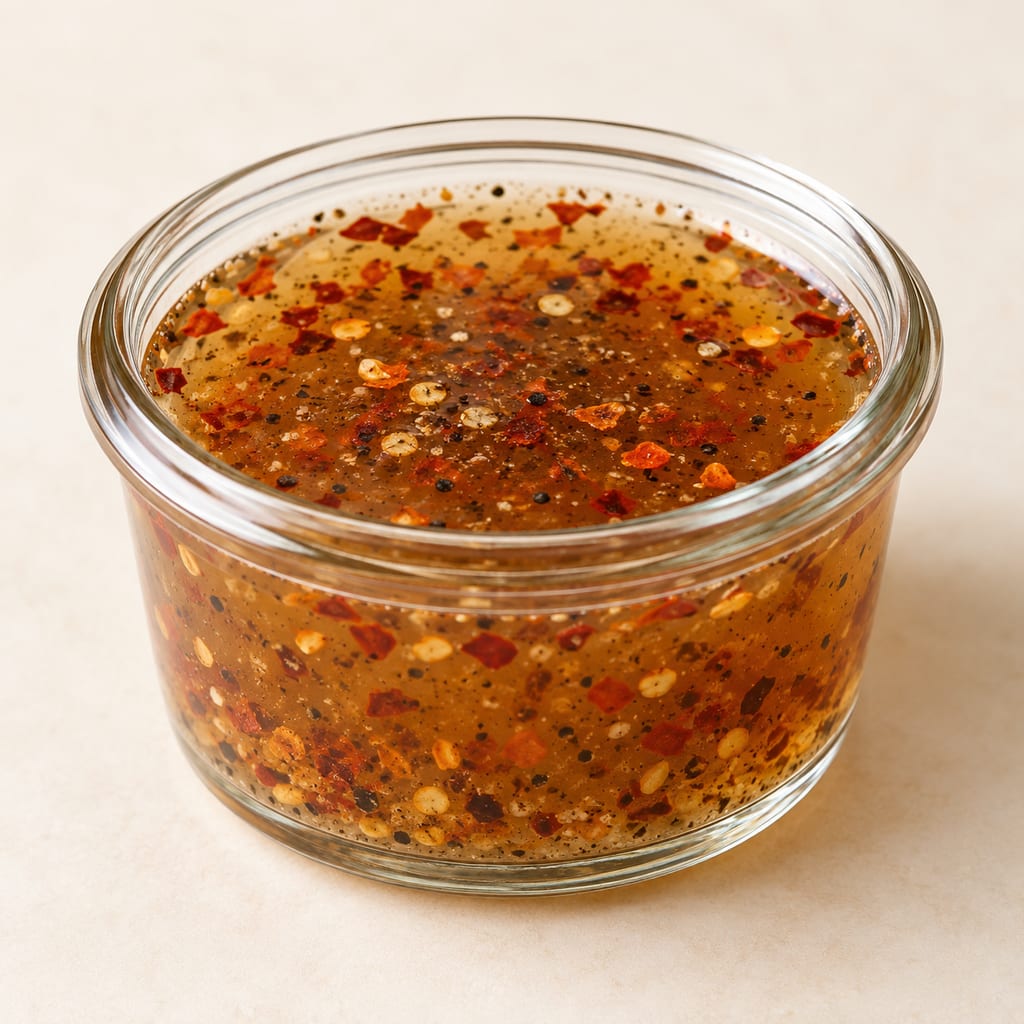
A thin eastern North Carolina sauce of distilled vinegar, pepper flakes, black pepper and salt, mixed cold and used to season chopped or pulled pork.
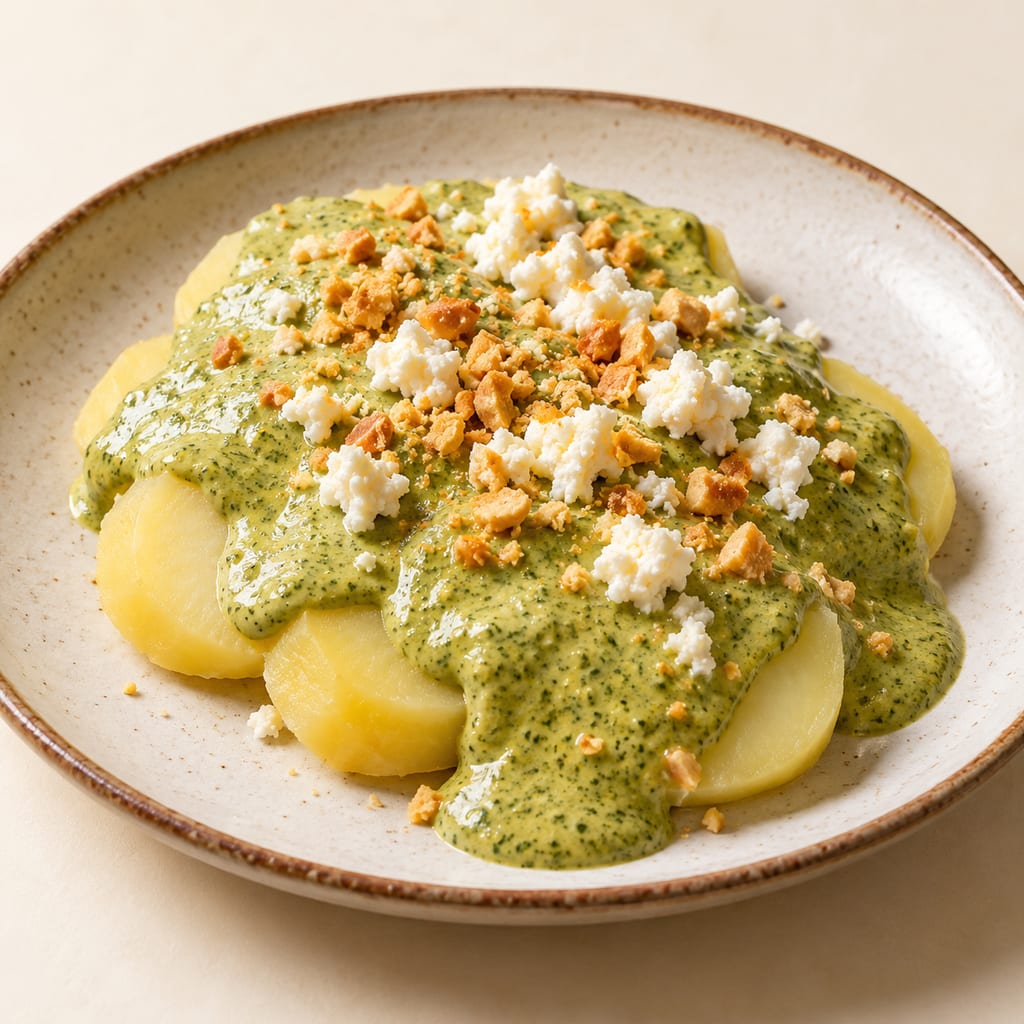
Ocopa is a sauce from Arequipa, Peru, of huacatay, dried mirasol chillies, nuts, fresh cheese and soda crackers. It is usually spooned over boiled potatoes.
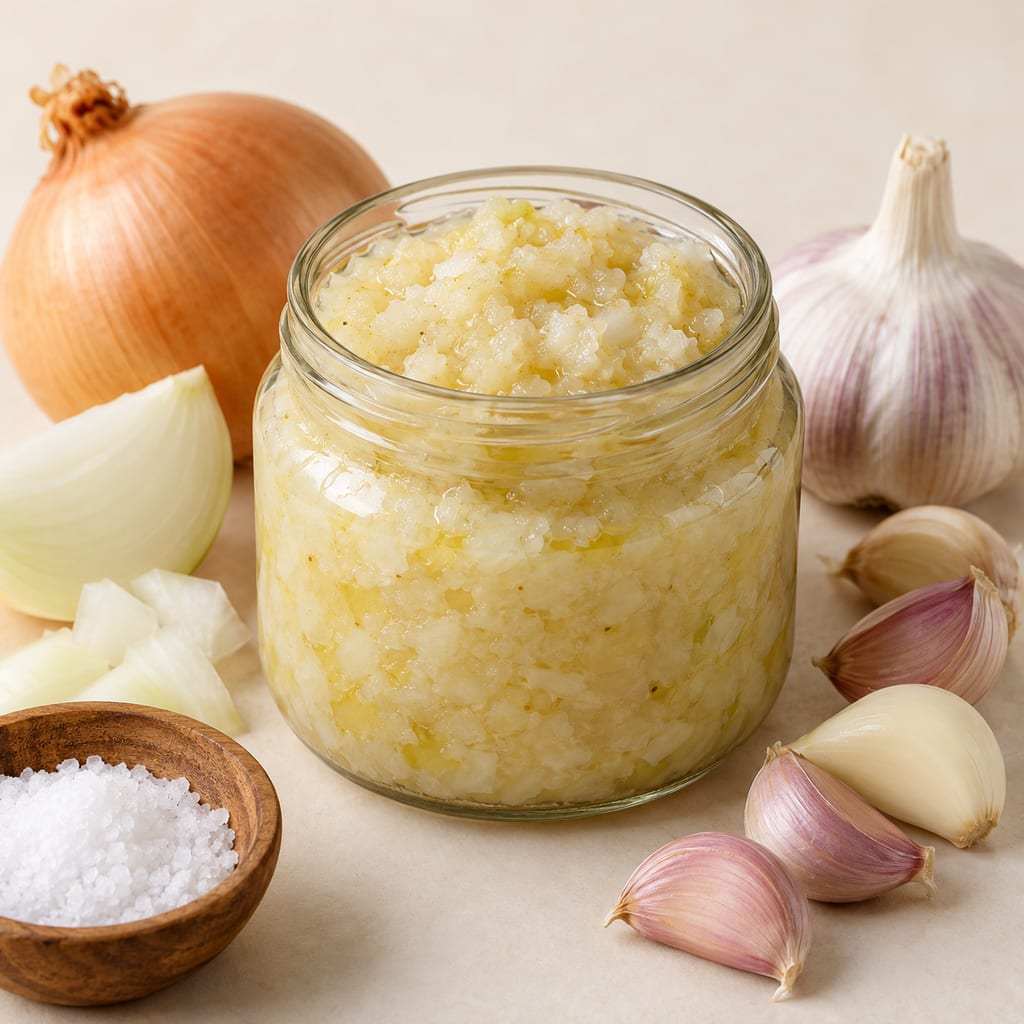
Tempero pronto is a fresh Brazilian paste of garlic, onion and salt, ground with oil and kept ready to start a dish. It is the Brazilian counterpart of sofrito and refogado.
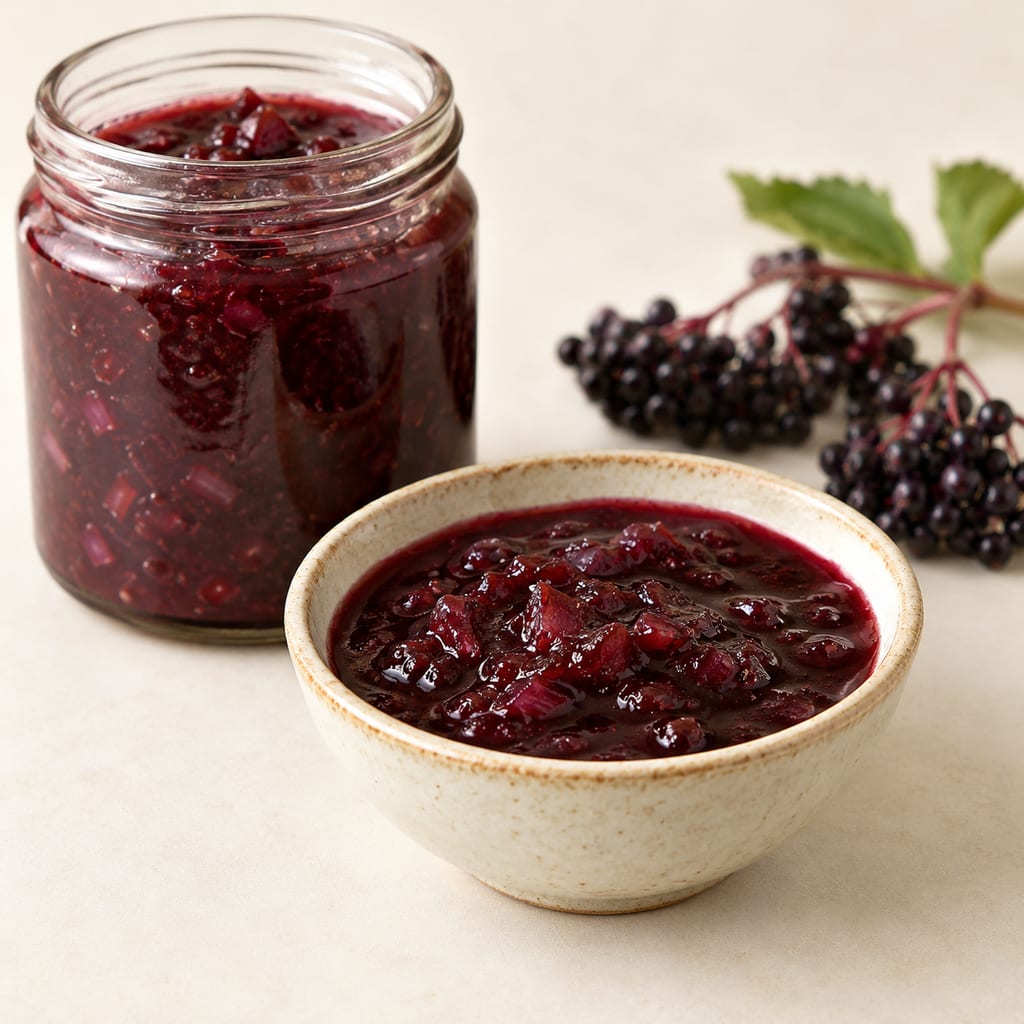
An English elderberry condiment of vinegar, shallots and warm spices, historically called a catsup and tied to Pontac's Head tavern in London.
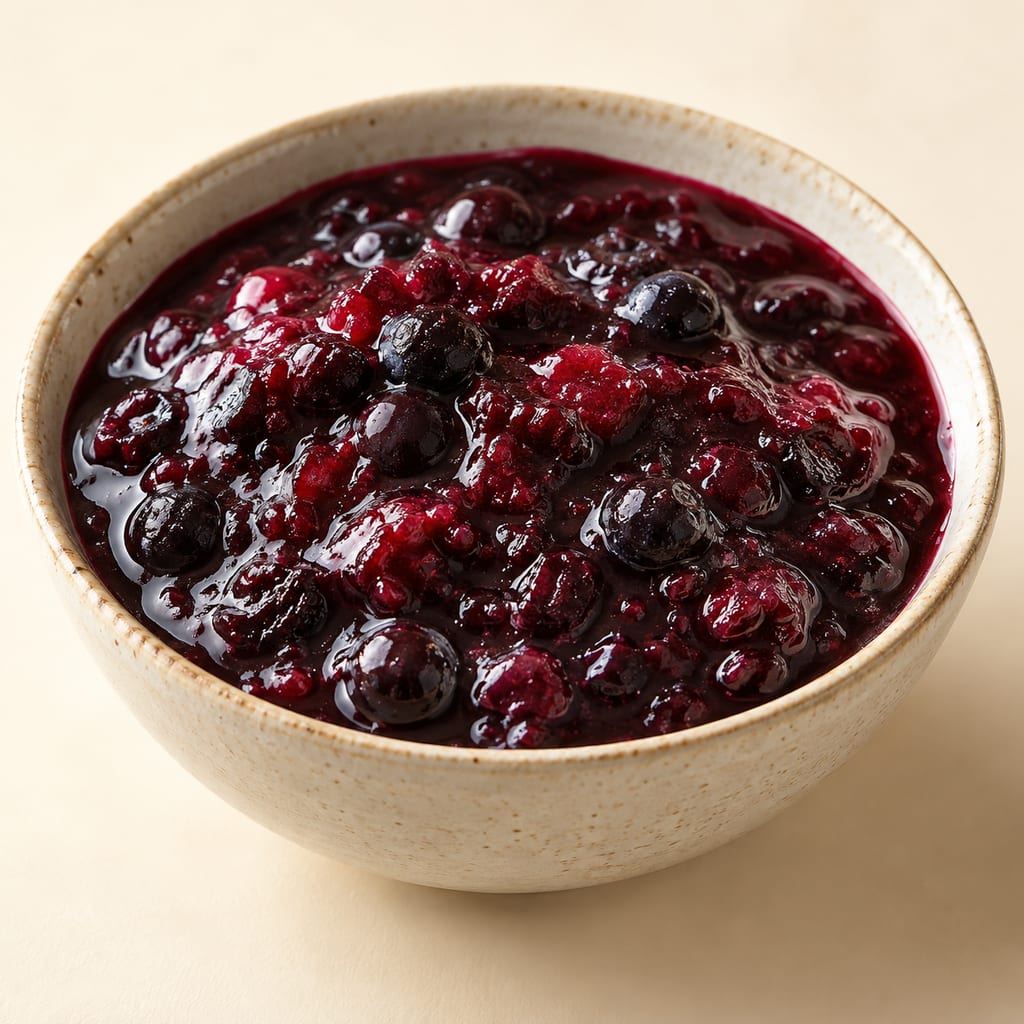
Wojapi is a cooked berry sauce of the Lakota and Dakota peoples of the Northern Plains, traditionally made from pounded chokecherries and today most often made with blueberries and a starch.
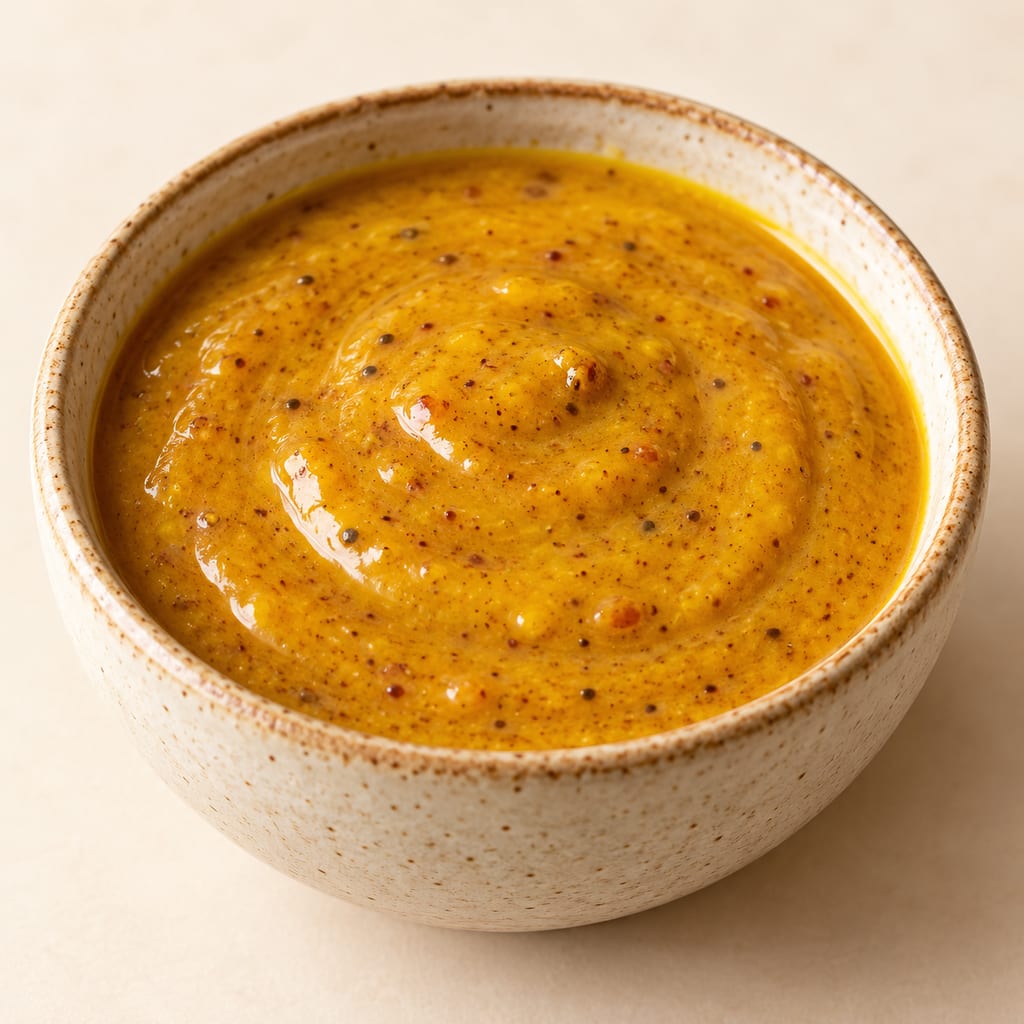
South Carolina mustard barbecue sauce is a yellow-to-golden sauce built on prepared mustard, balanced with vinegar, sweetness and spice, and associated with the Midlands of the state.
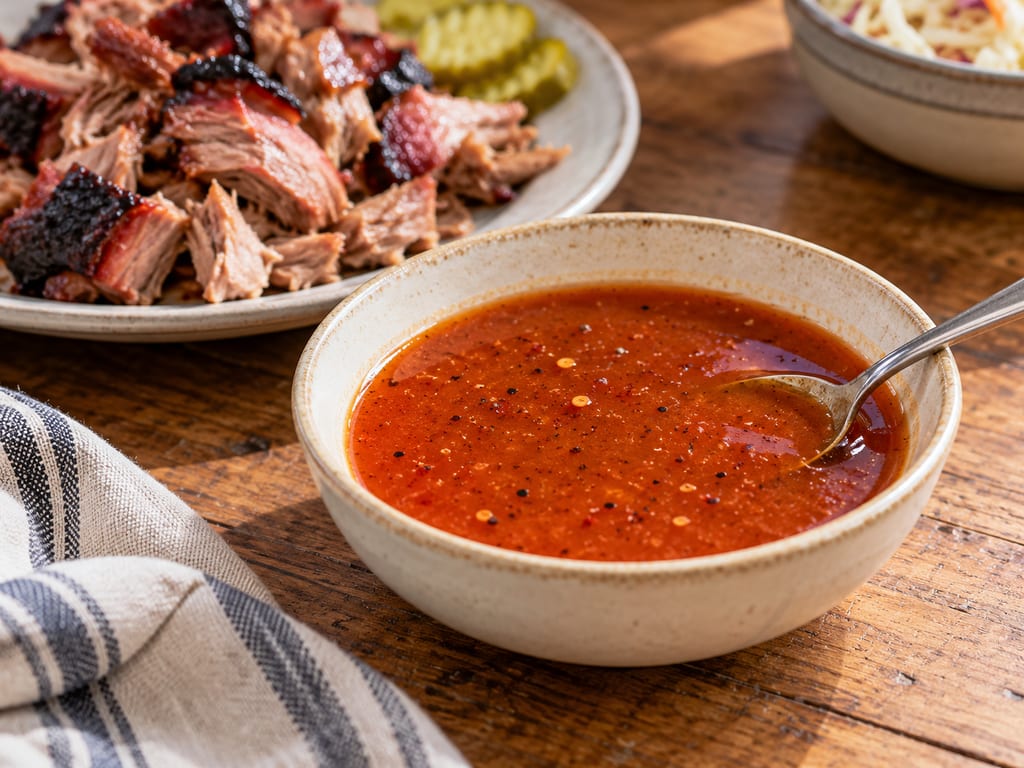
Light tomato barbecue sauce is a thin, sharp South Carolina sauce: a vinegar and pepper base with a small amount of ketchup, sitting between the clear vinegar sauce and the sweeter tomato sauces.
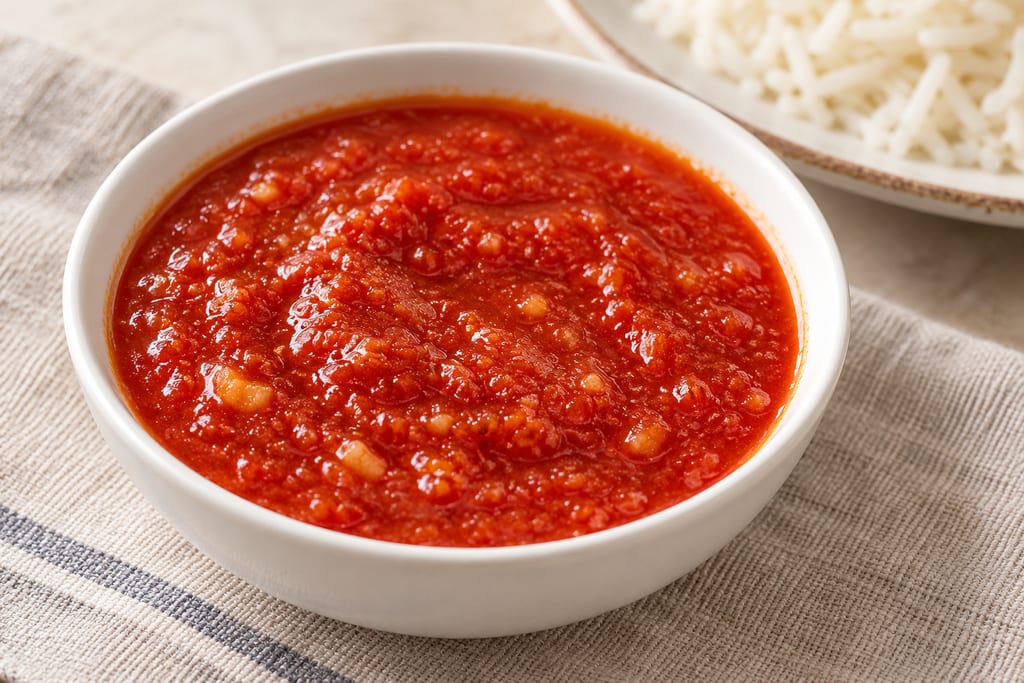
A tomato and garlic sauce from the Gulf, blended raw and then simmered to thicken, eaten with rice.
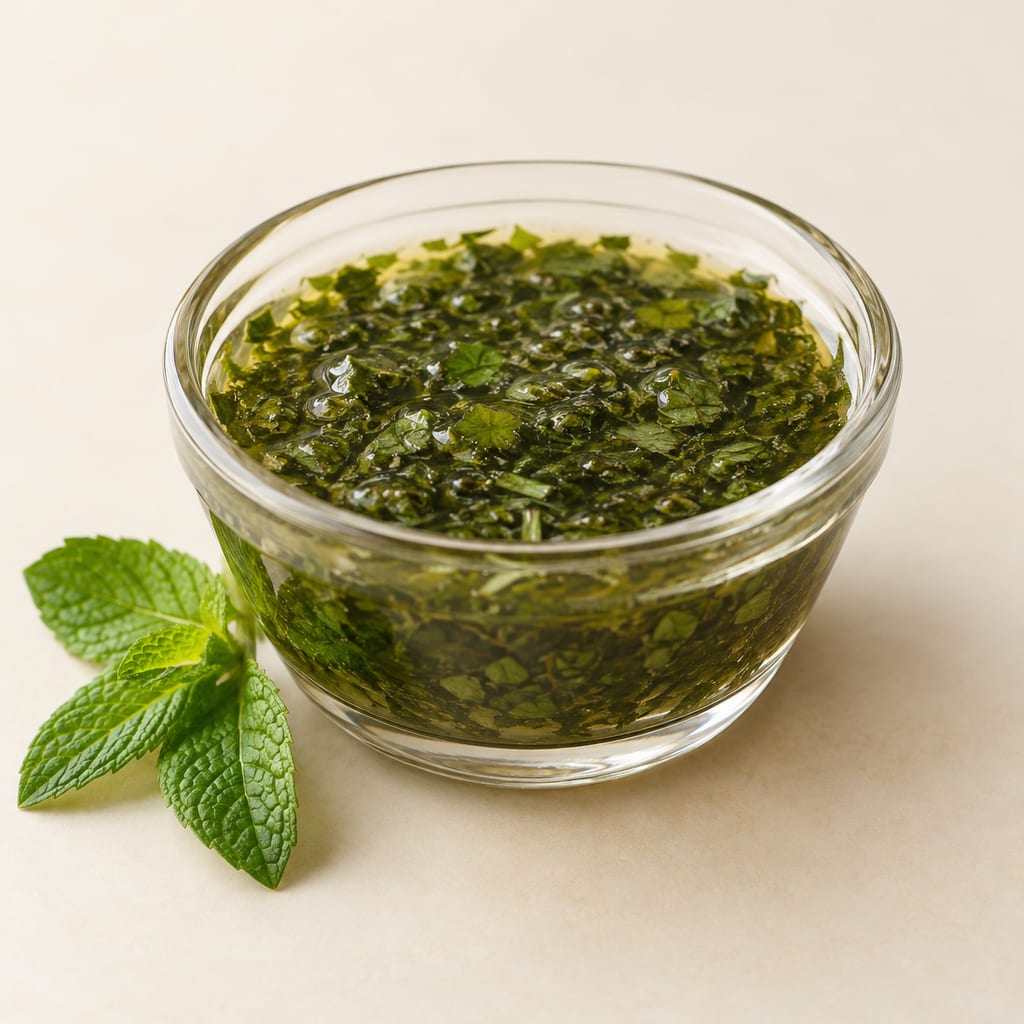
Finely chopped fresh mint steeped in a sweet and sharp liquid of white wine vinegar, sugar and water, the sauce traditionally served with roast lamb in Britain.
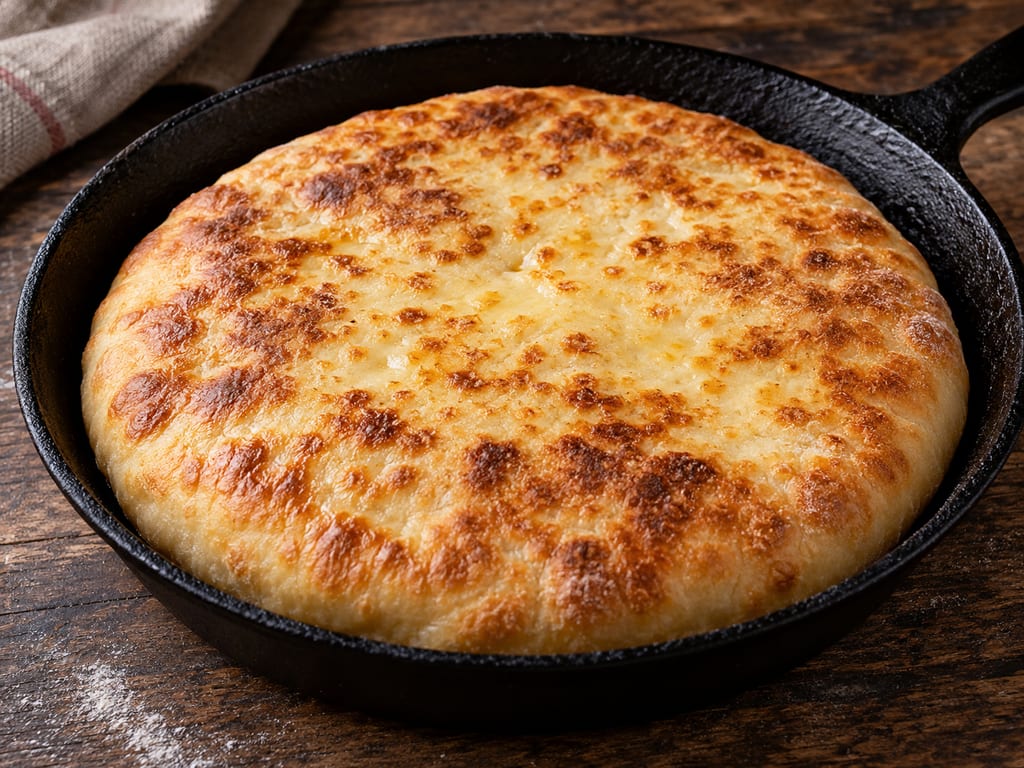
Closed round cheese breads made with sour-cream dough and cooked in a frying pan. This named Gunda version has no added yeast or proofing stage.
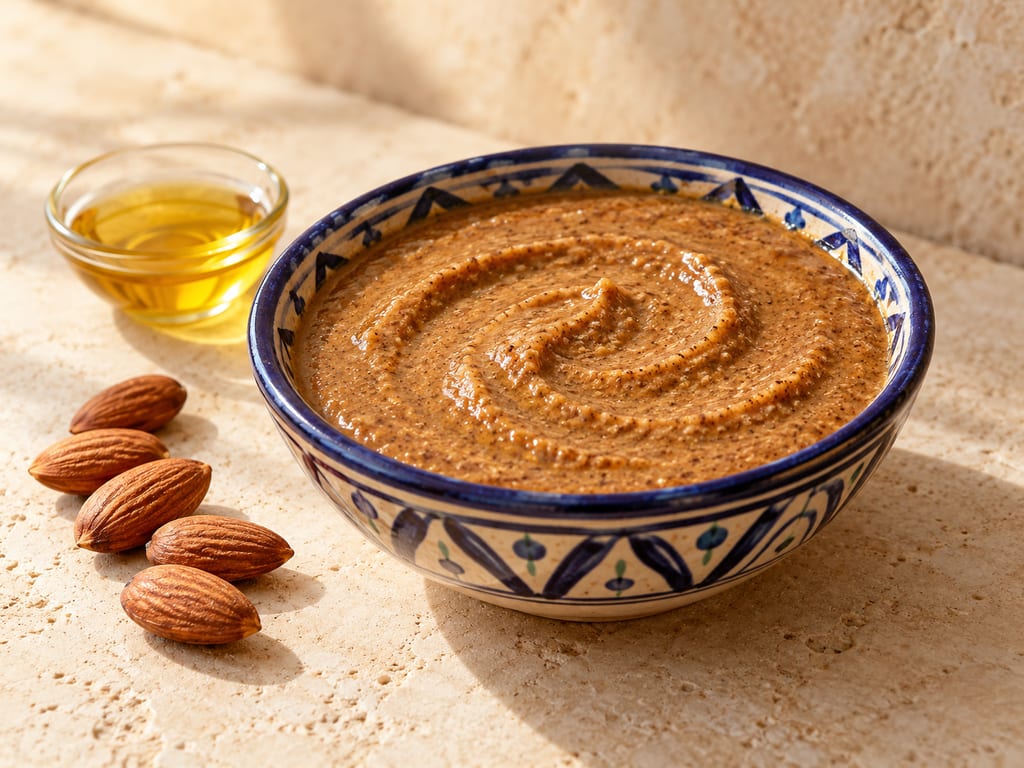
Amlou is a nutty, lightly sweet Moroccan spread of roasted almonds, culinary argan oil and honey. The almonds are ground first, then loosened with oil and sweetened; the balance can range from a thick spread to a dip.
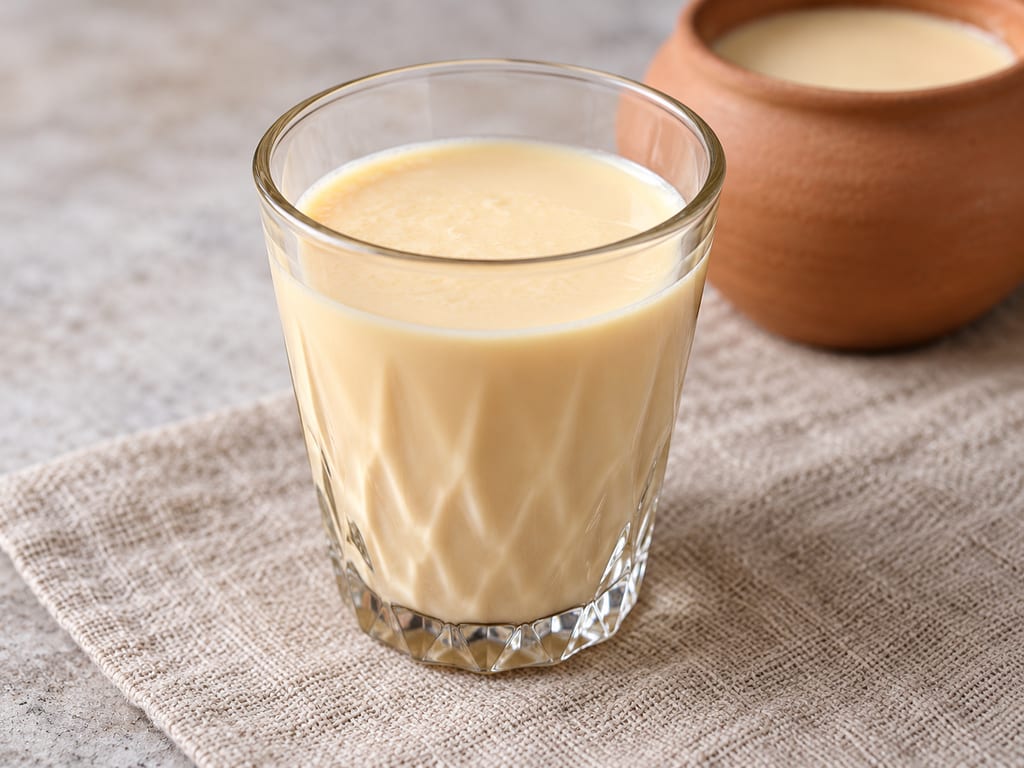
Baked milk is an Eastern European preparation of milk held at high heat for hours until it turns cream-coloured with a cooked, mildly sweet flavour, without any fermentation.
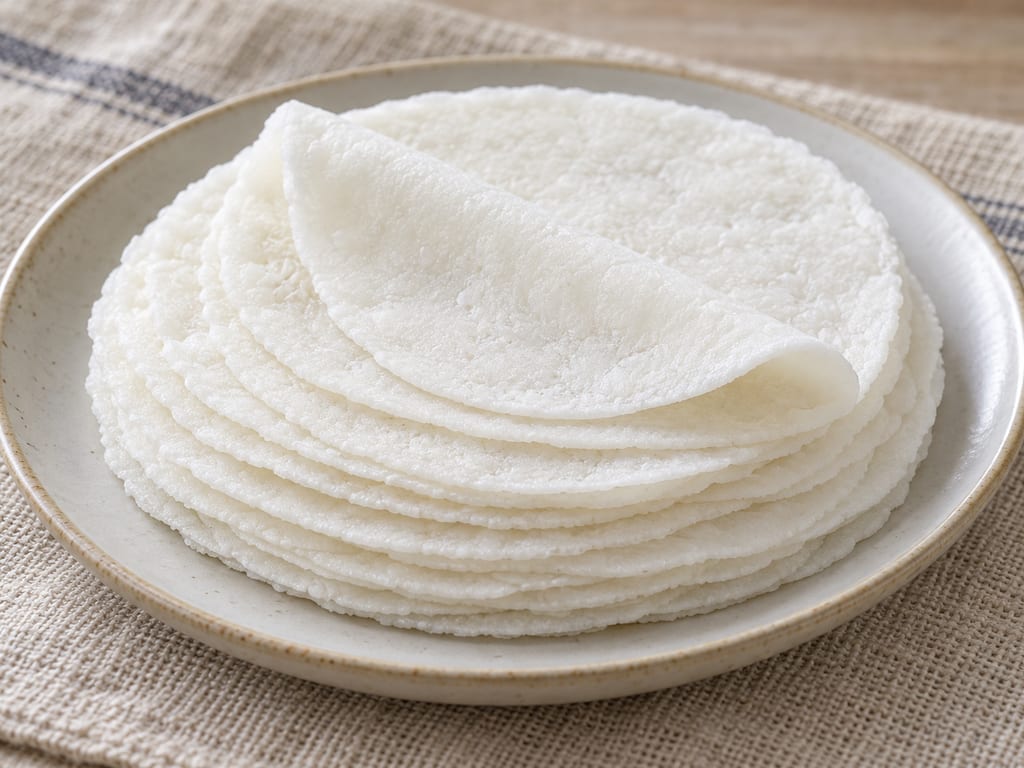
Thin Malabar rice-flour rounds made from roasted rice flour cooked into salted boiling water, kneaded after cooling, and rolled to about 1 mm. They cook on a hot griddle without taking on colour.
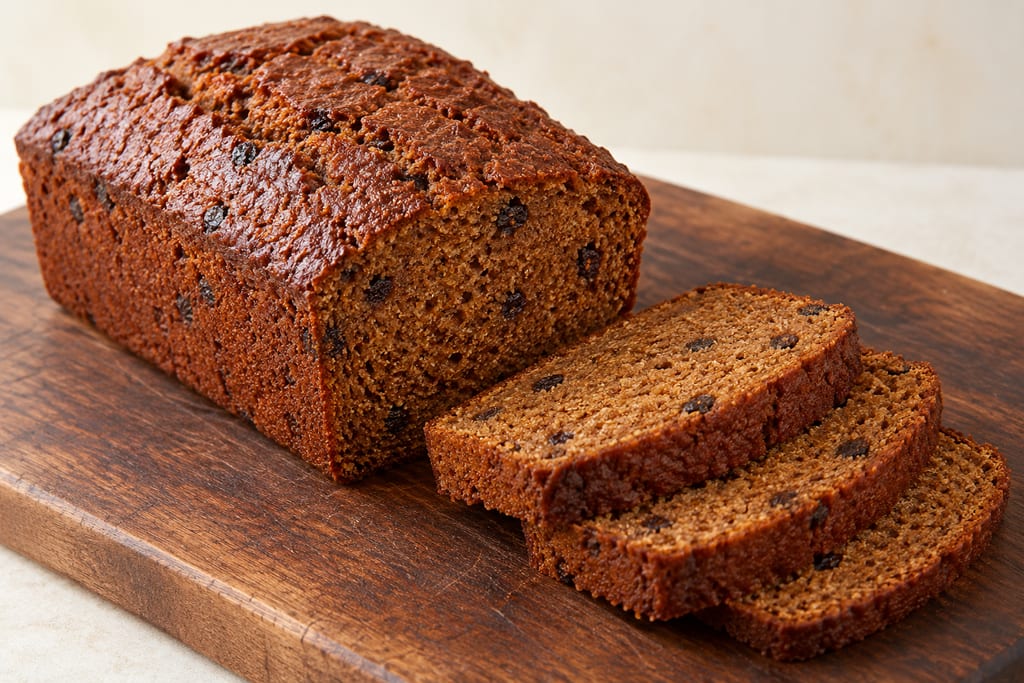
A molasses-sweetened rye, wheat and cornmeal batter that can be steamed on the stovetop or baked in a covered pan.
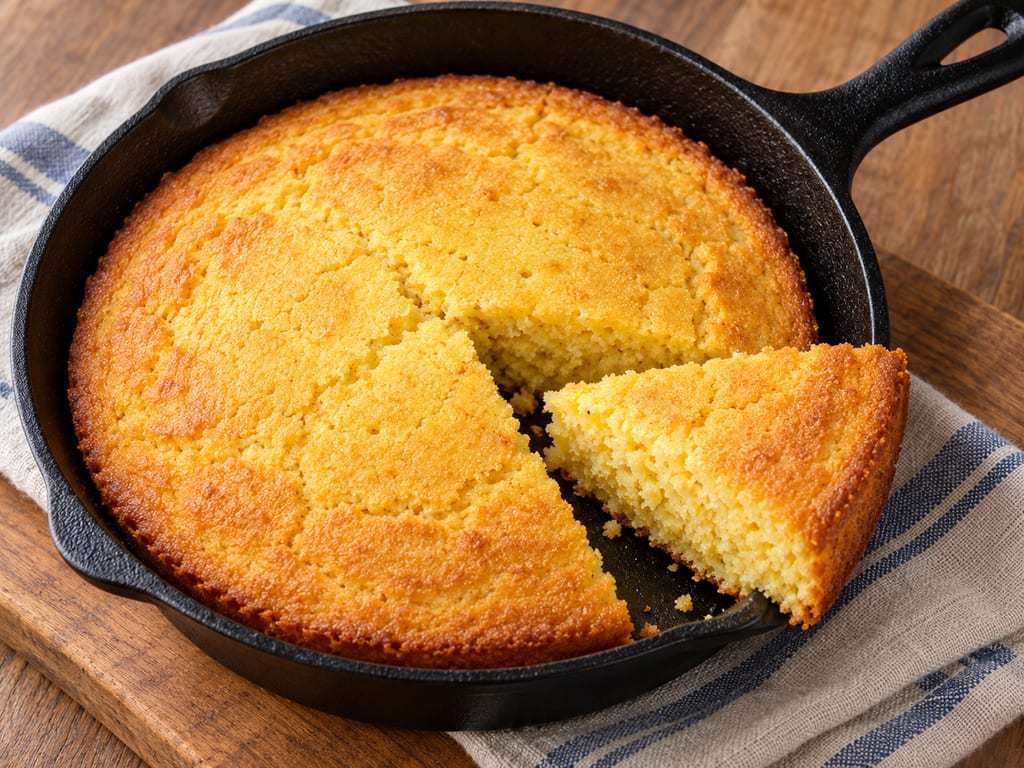
A modern cornmeal-and-wheat cornbread that King Arthur Baking describes as a compromise between Northern and Southern styles. The batter is baked in a pan or as muffins and served warm.
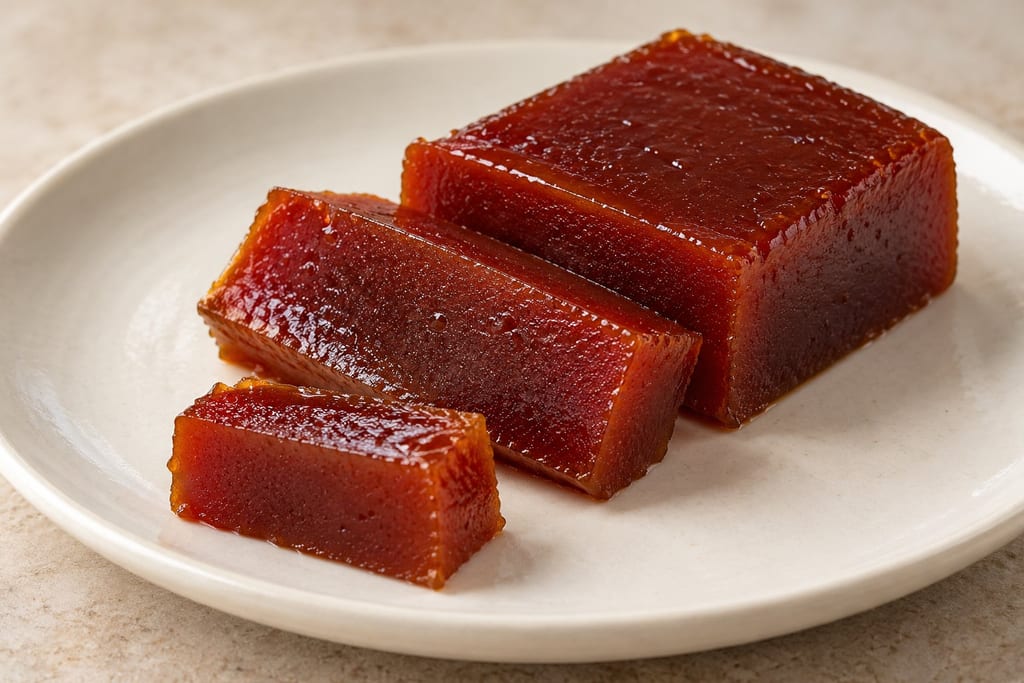
Cooked, sieved guava pulp is reduced with sugar and lime juice to a sliceable paste, then refrigerated. This adapted trial begins with prepared pulp and has no validated canning process or storage duration.
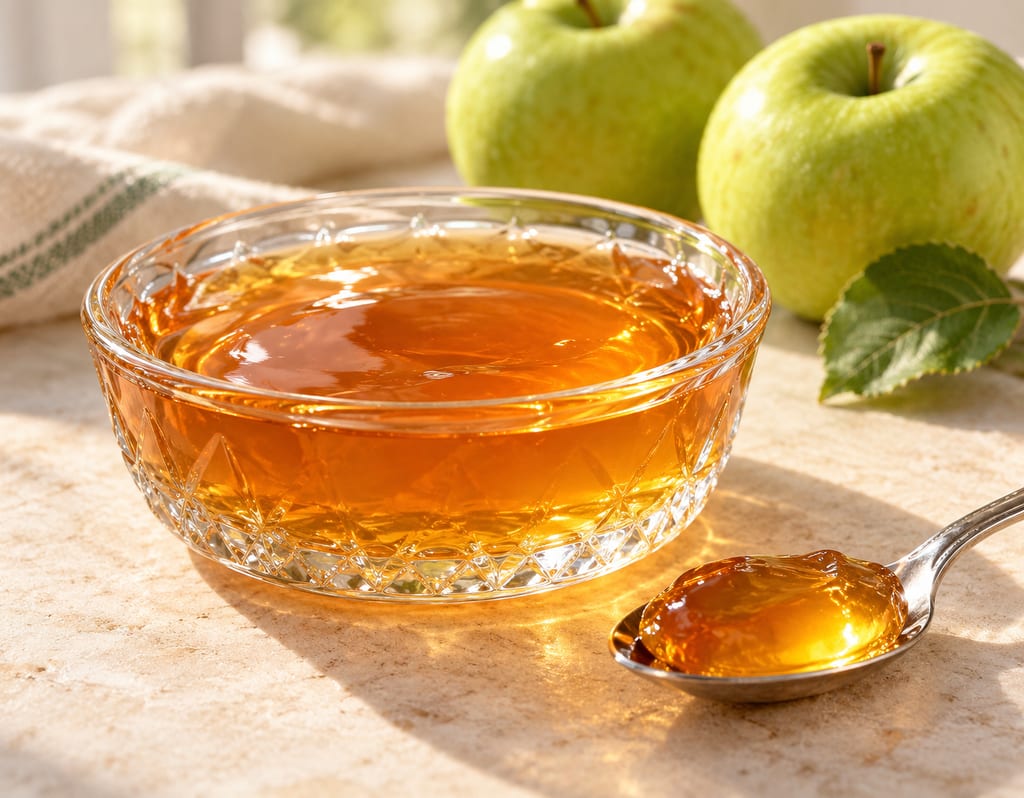
A clear jelly made from tart-apple juice, sugar and optional strained lemon juice. This batch uses a stated fruit-to-water preparation, gel endpoint, hot fill and altitude-adjusted boiling-water process.
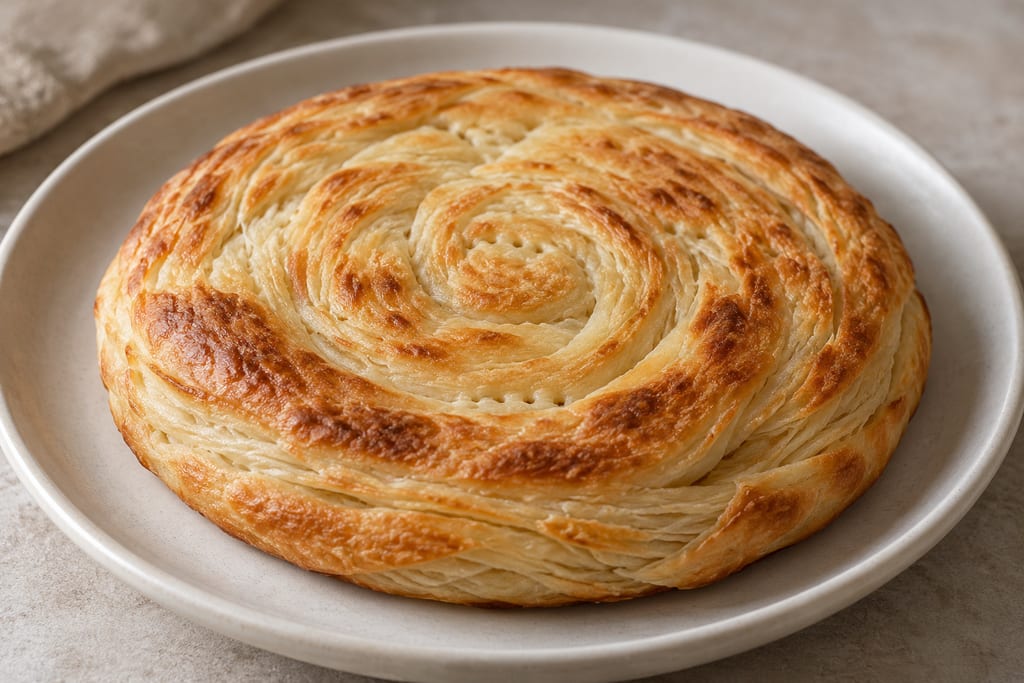
A small Uzbek-style layered flatbread, made with wheat dough and ghee and baked in a home oven.
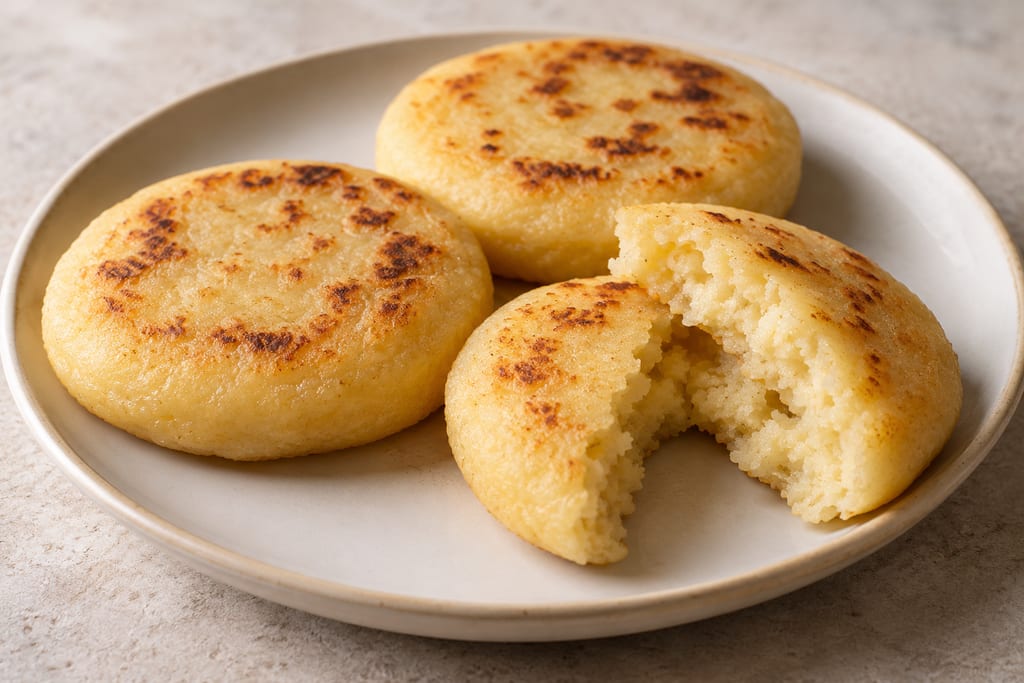
This household version combines precooked corn flour, warm water and salt, then cooks thick rounds on a lightly oiled skillet or griddle. It is one source-specific arepa method, not a universal Colombian or Venezuelan formula.
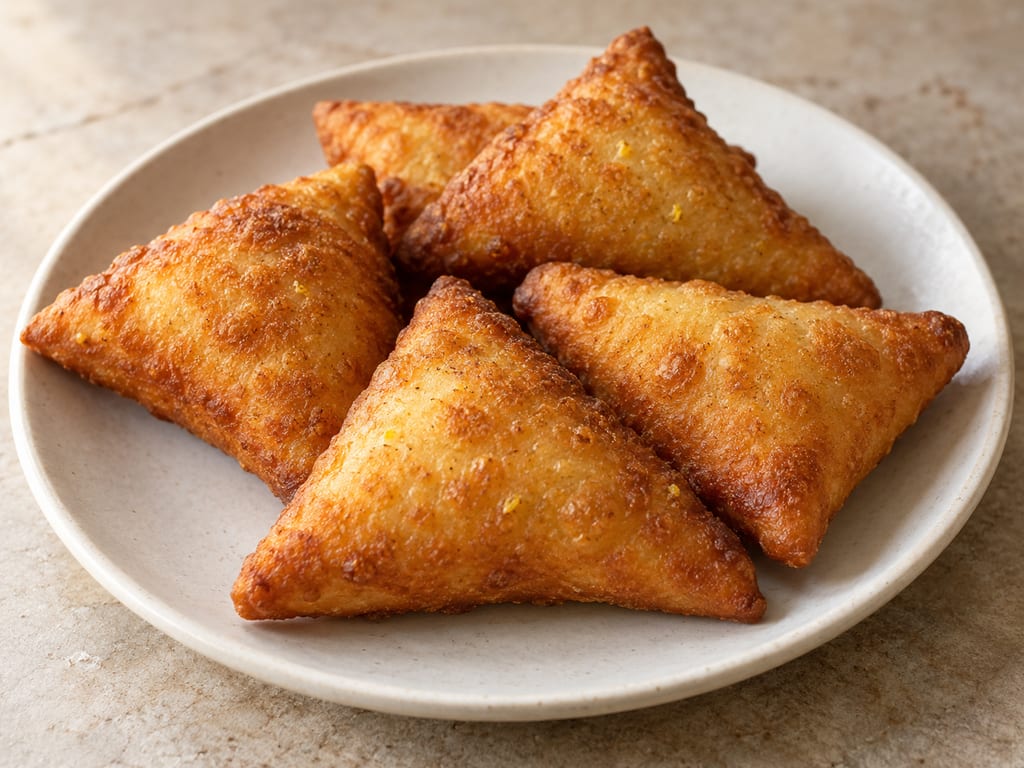
A Kenyan mandazi made with self-raising flour, lemon and optional cardamom, cut into triangles and deep-fried. This baking-powder-raised version is distinct from yeast-raised coastal mahamri.