















































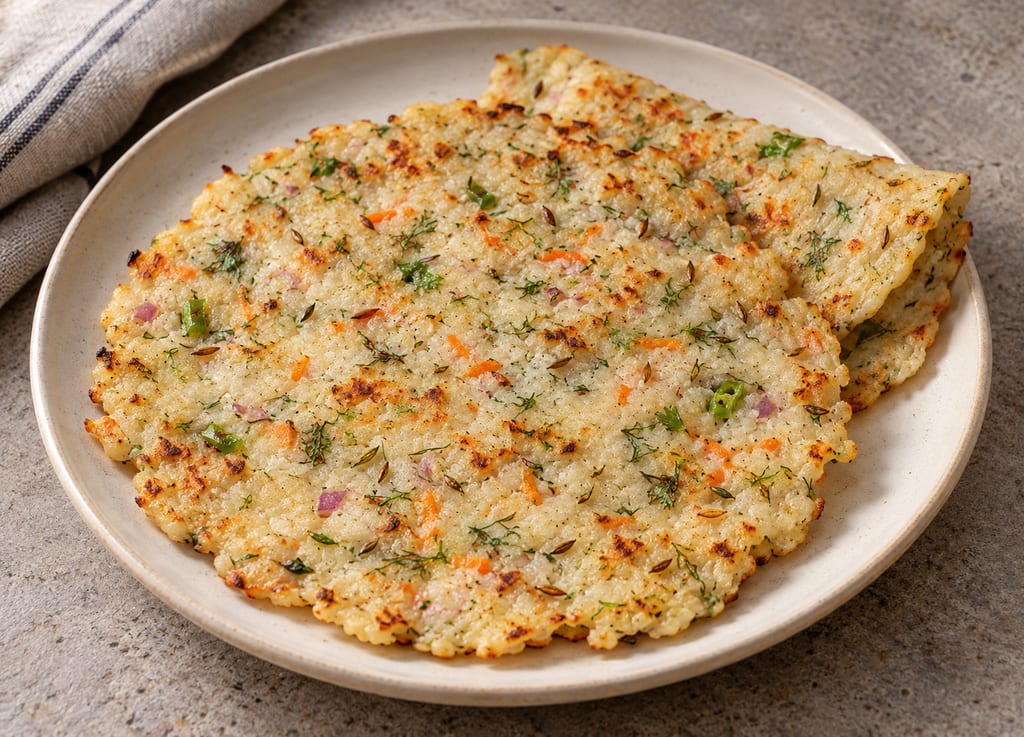
Akki rotti (Karnataka rice-flour flatbread)
This Karnataka-style akki rotti mixes fine rice flour with vegetables, coconut, herbs and spices, then hand-pats and griddle-cooks the dough.
 FermenteaWhere food goes to change
1504 records with their sources, across 11 categories.
This Karnataka-style akki rotti mixes fine rice flour with vegetables, coconut, herbs and spices, then hand-pats and griddle-cooks the dough.
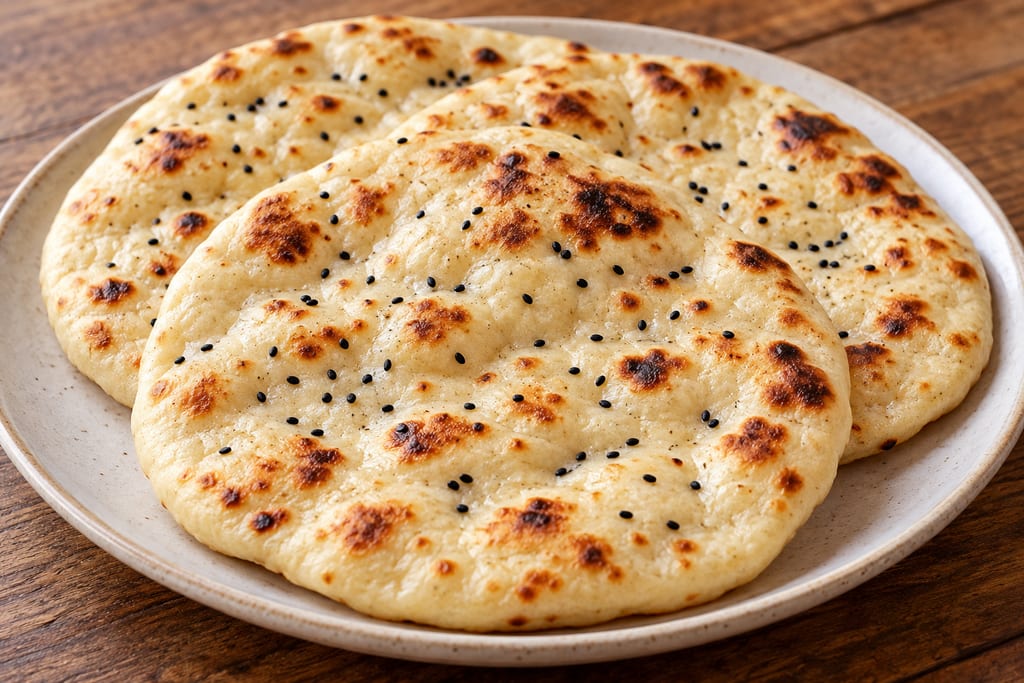
A plain North Indian kulcha uses an all-purpose wheat dough with yogurt, baking powder and soda, then rests and cooks on a hot tawa; optional seeds and roasting fat finish it.
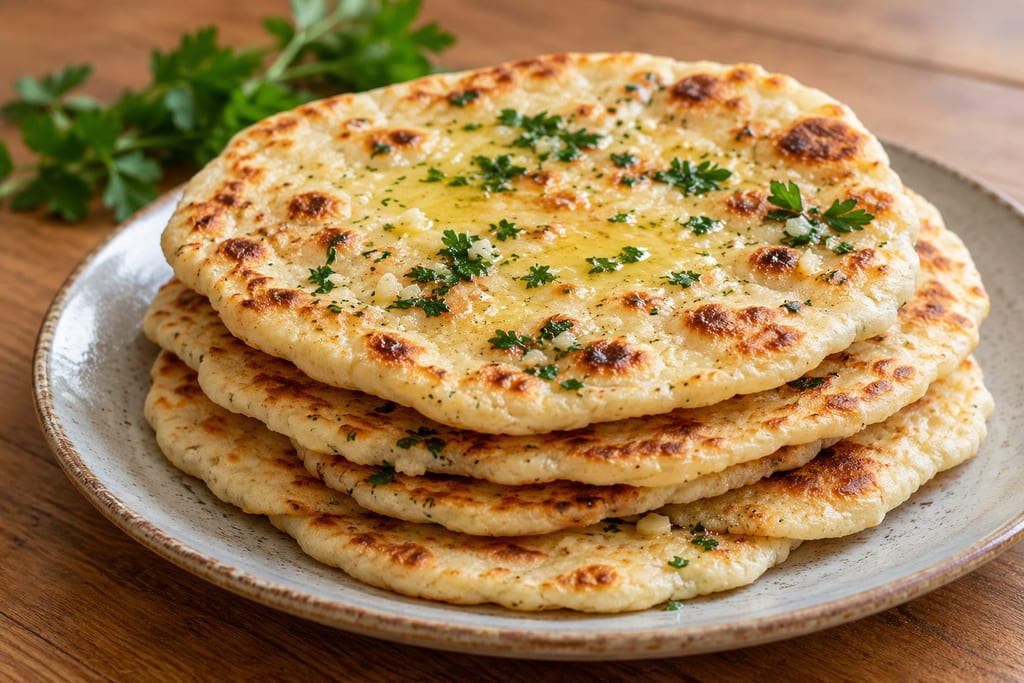
Christall Lowe's whānau takakau is an eight-piece wheat flatbread enriched with milk and oil or butter, rested briefly, then cooked one at a time in a skillet.
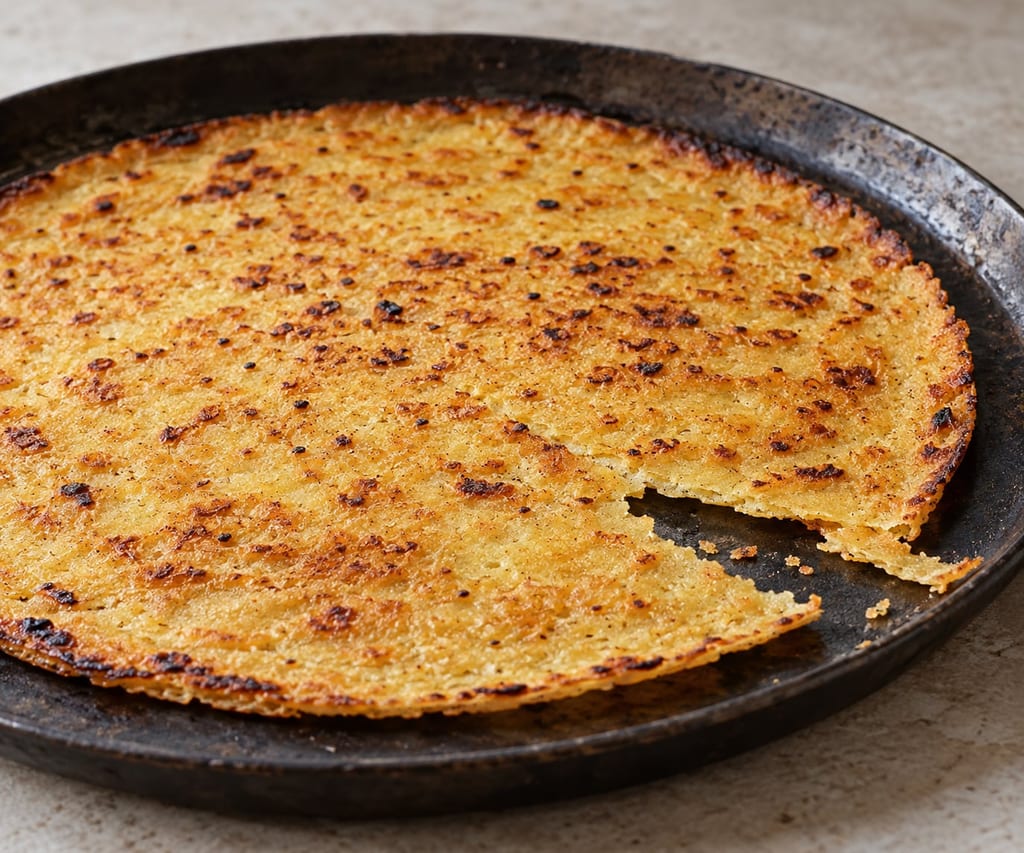
A Nice socca batter of chickpea flour, water, olive oil and salt, spread thin on a 50-centimetre copper plate and baked very hot. This formula is distinct from the Genoese farinata page.
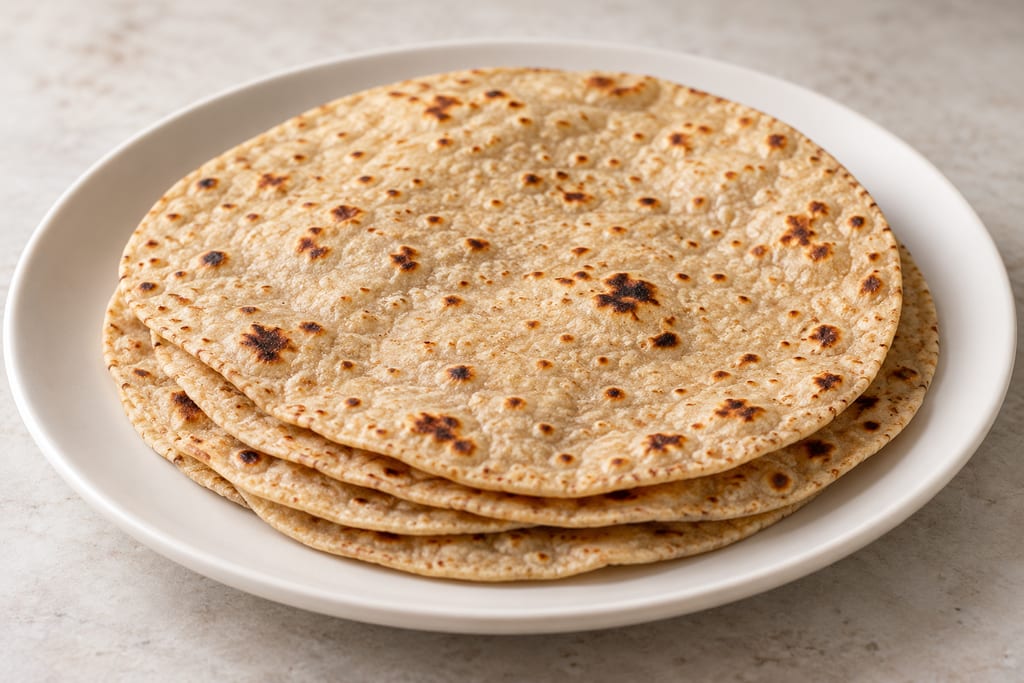
This measured chapati uses whole-wheat atta and water, with salt and oil or ghee optional. Rest the dough, roll it thin and cook through on a hot tawa; it is distinct from the partly cooked, puffed phulka route.
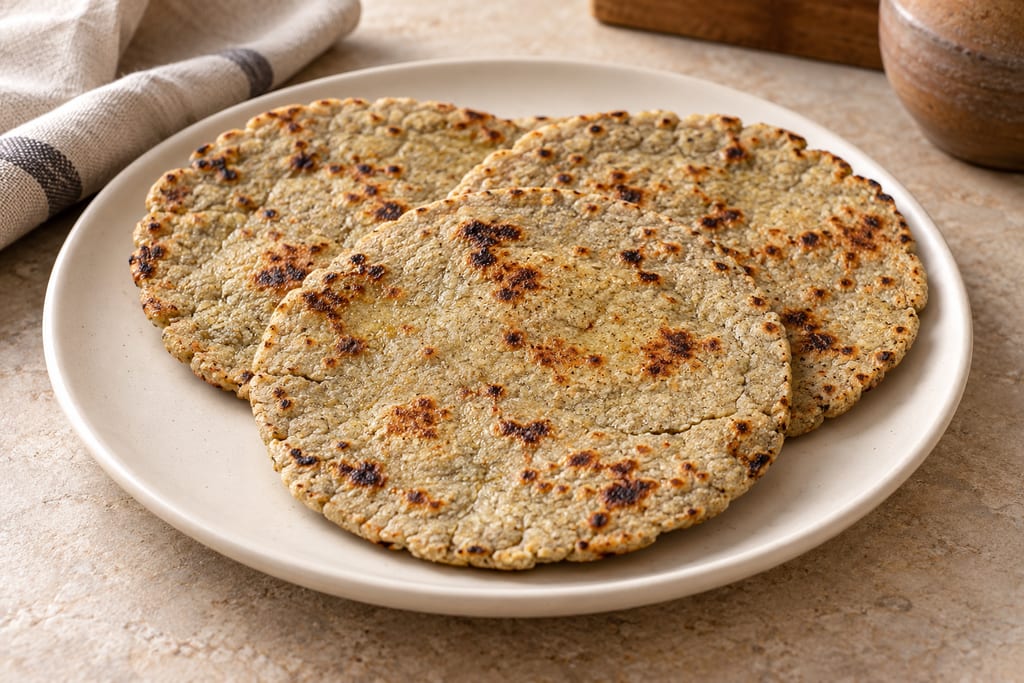
A pearl-millet flatbread shaped between sheets and cooked on a hot tawa. This home batch makes eight.
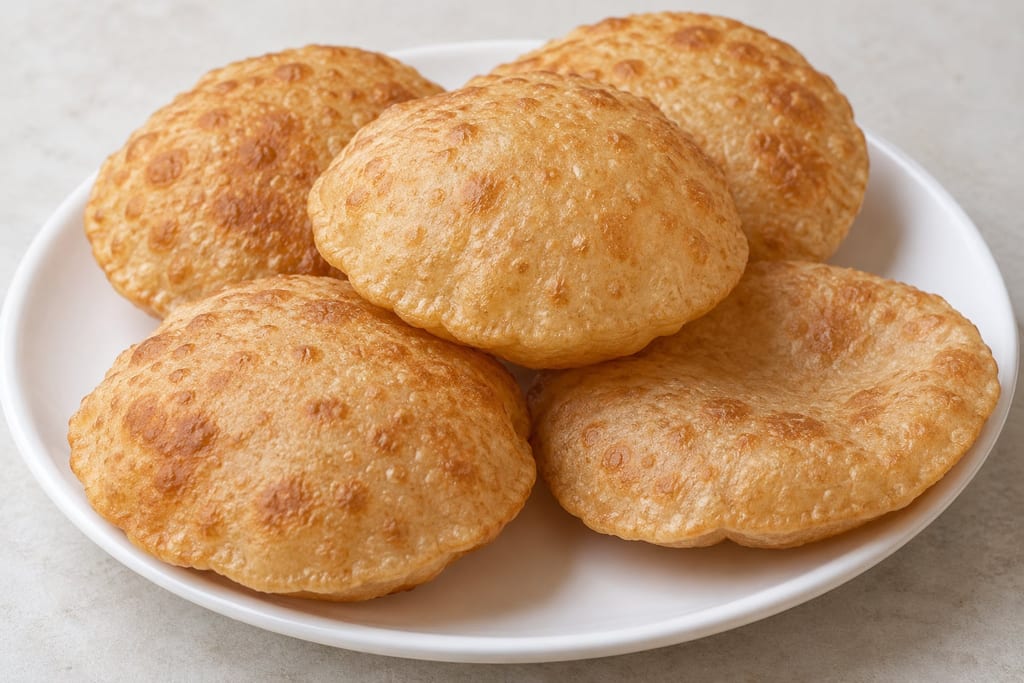
Firm whole-wheat dough rolled into small rounds and deep-fried until puffed. This version is unleavened and distinct from Bengali refined-flour luchi.
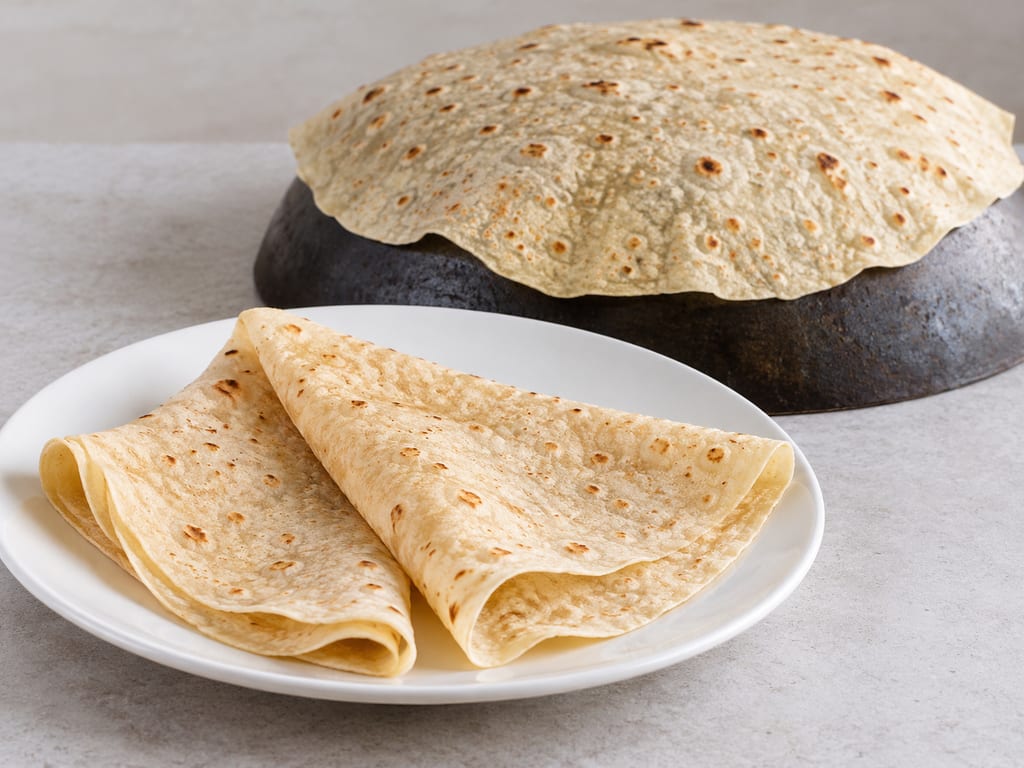
Thin, soft wheat flatbreads rolled wide and cooked quickly on a hot tawa. Their name refers to a handkerchief.
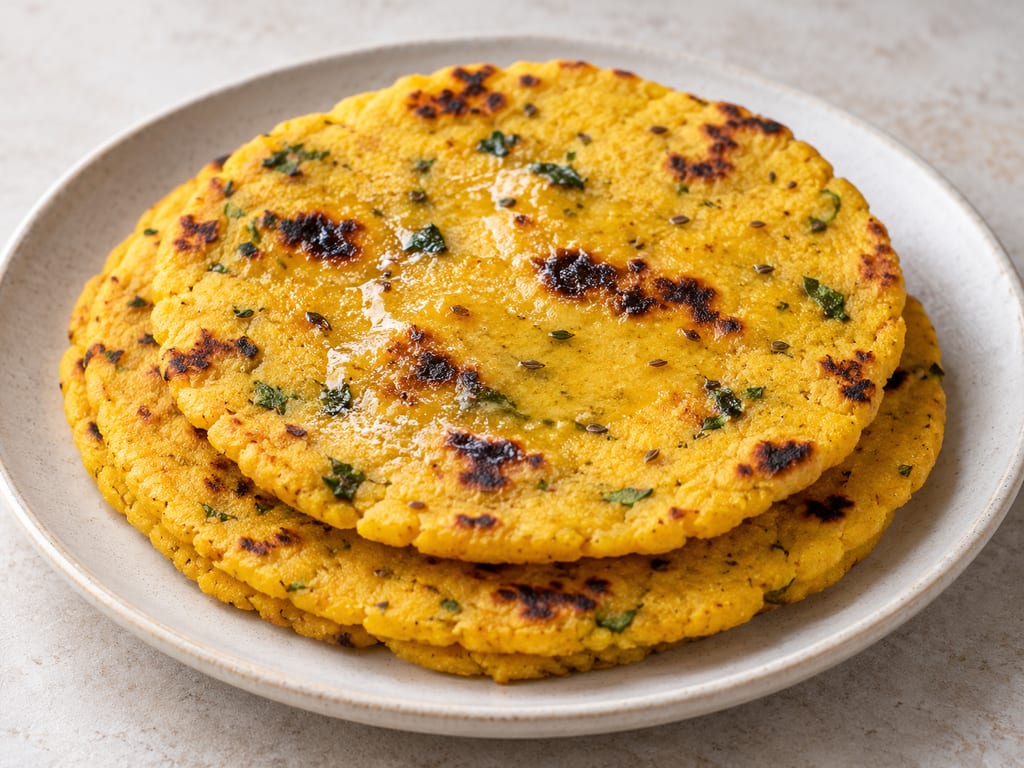
A Punjabi maize-flour flatbread cooked on a tawa. This version adds a little whole-wheat flour and fresh fenugreek.
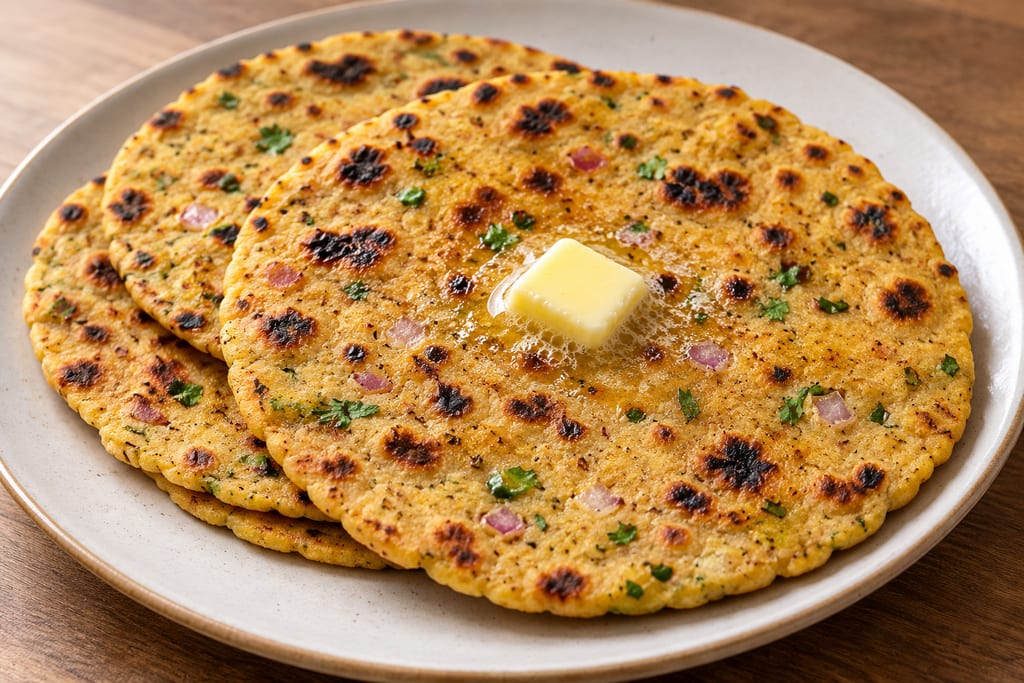
A chickpea-and-wheat flatbread made with spices, onion and herbs, rolled and cooked on a tawa. This batch makes sixteen.
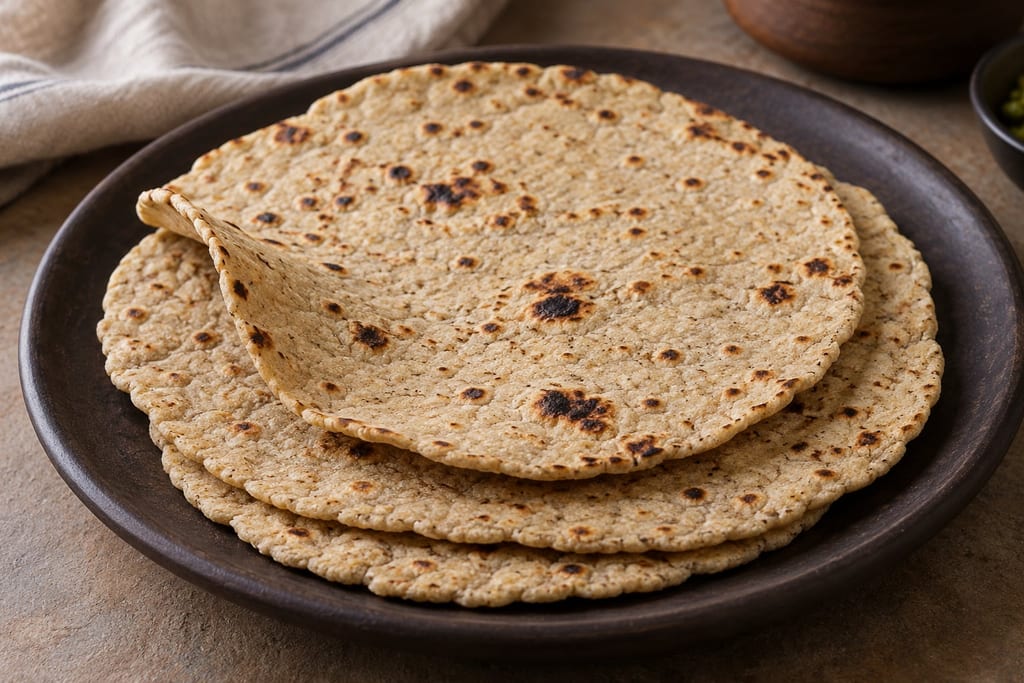
Jowar bhakri is an unleavened sorghum flatbread, hand-patted or gently rolled and griddle-cooked across parts of Maharashtra and Karnataka.
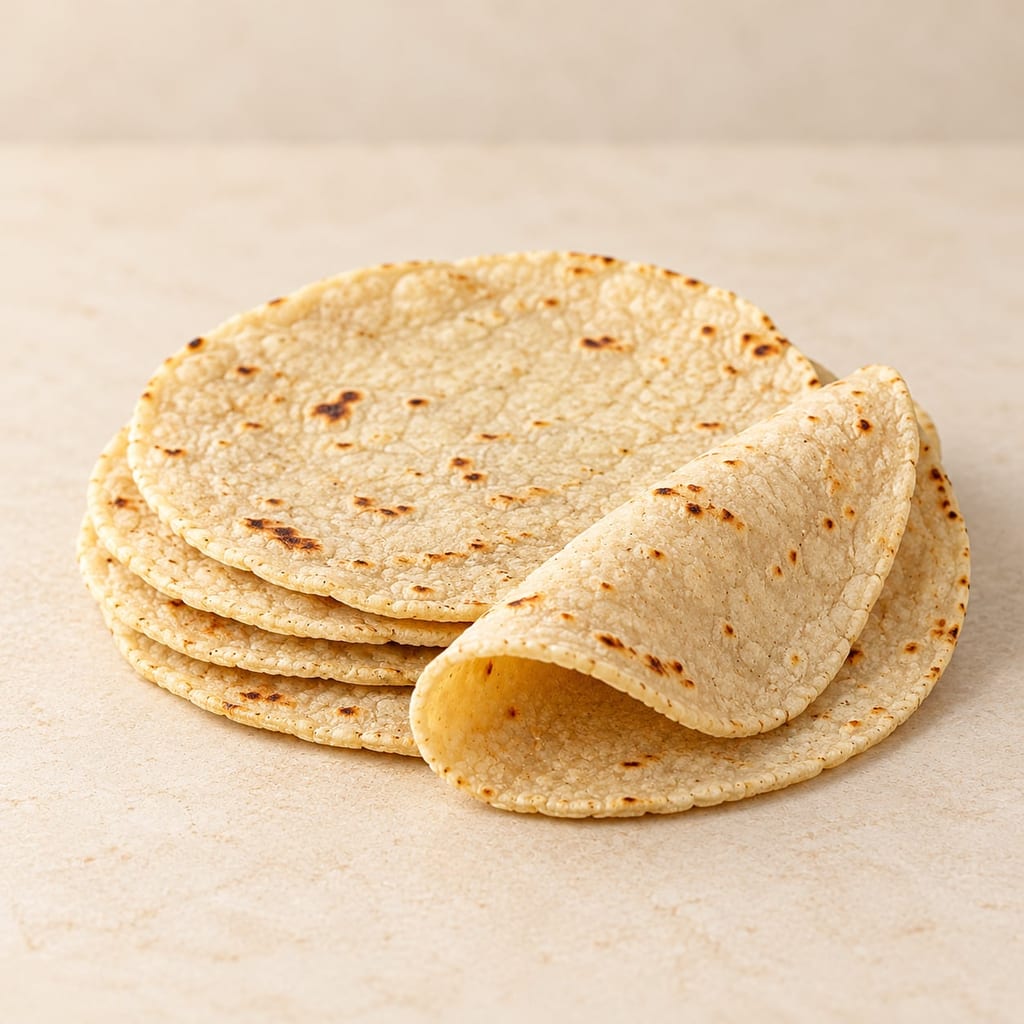
Fresh nixtamalized maize is ground into masa, pressed into thin rounds and cooked on a comal. This Mexican home formula uses food-grade cal viva and makes about 20 tortillas.
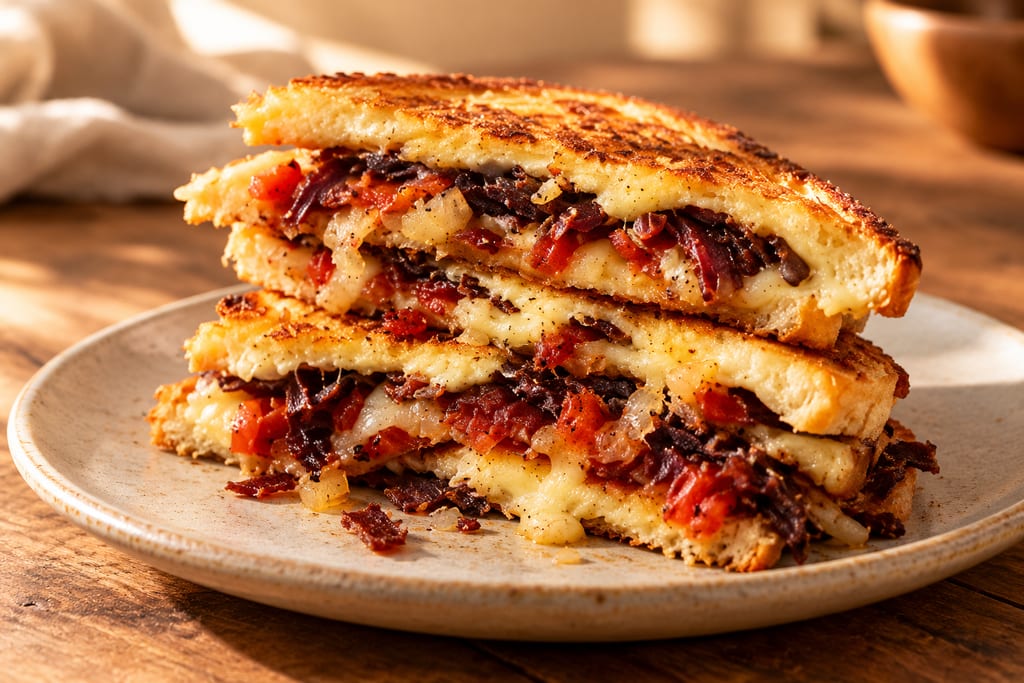
Chopped biltong, sweet onion, cream cheese and Cheddar fill bread toasted in a hinged grid over gentle coals, then finished with biltong dust.
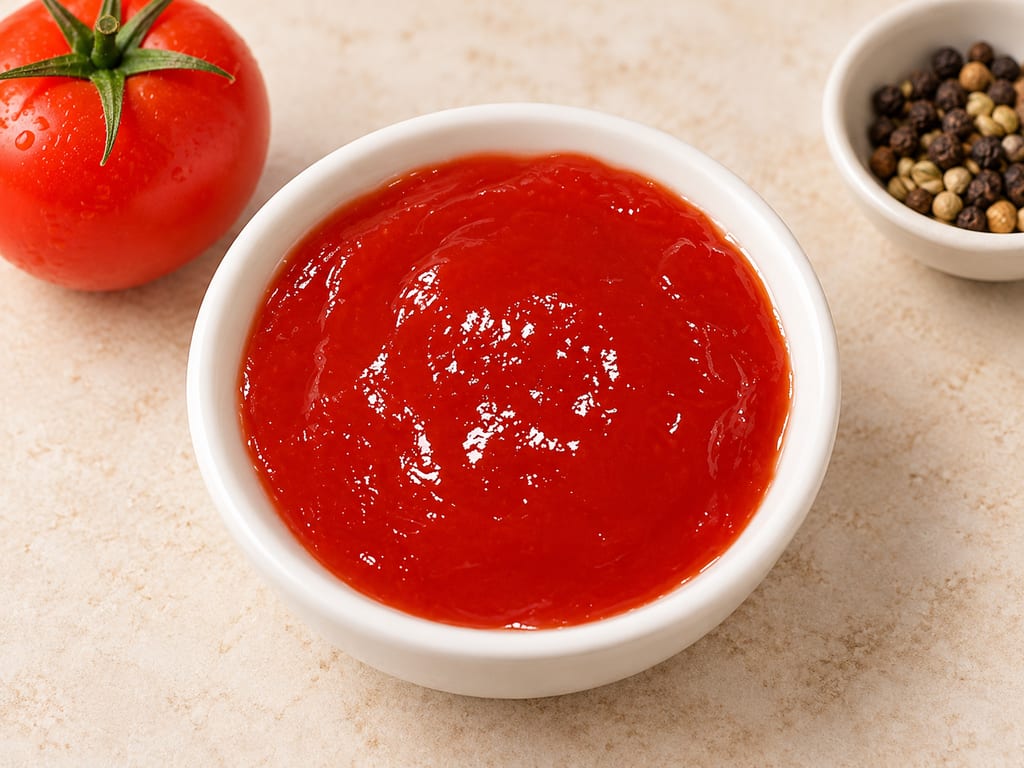
Tomato ketchup is a smooth, sweet-sour tomato sauce whose modern form grew from an older family of savoury ketchups; this version follows a tested home-canning recipe.
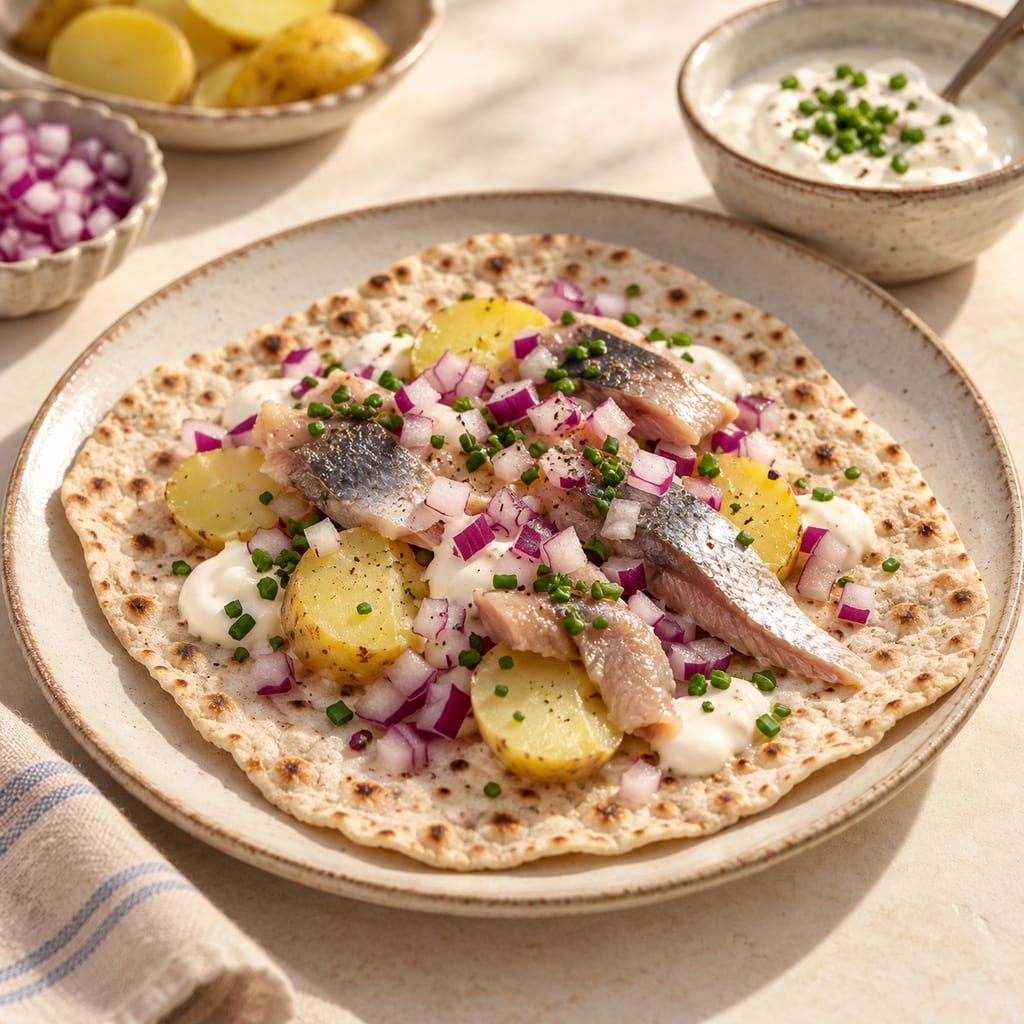
A Swedish late-summer meal of commercially prepared surströmming, tunnbröd, potatoes, onion and cultured cream. This is a serving preparation; the specialist fish fermentation is not made at home here.
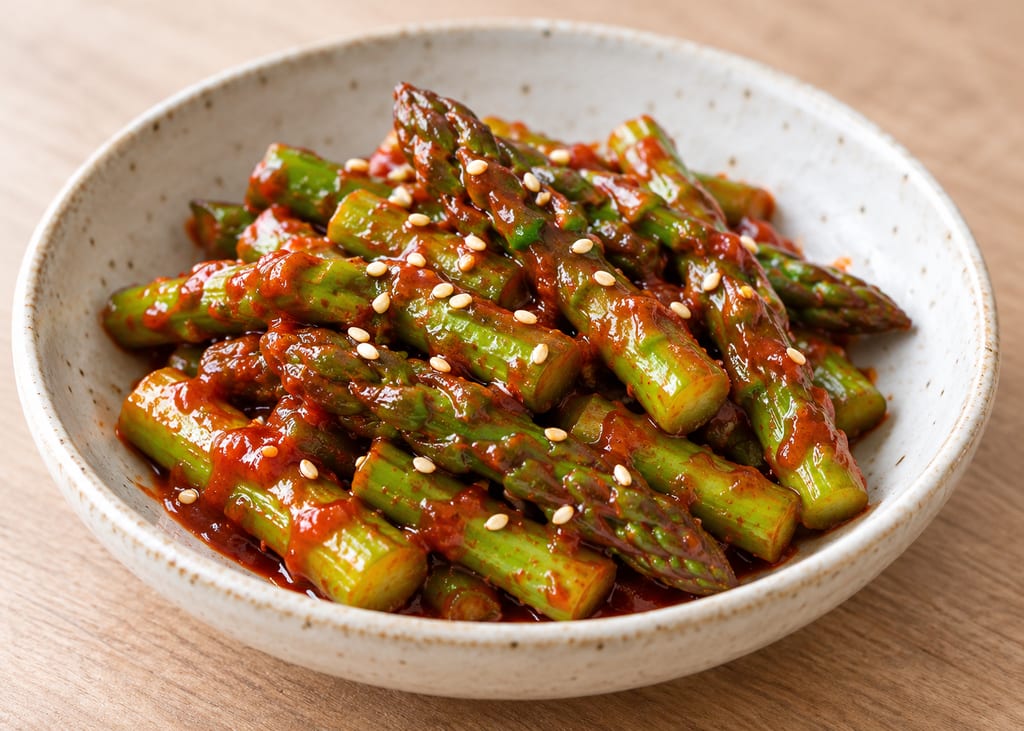
A Korean banchan of blanched asparagus dressed with a sweet-sour cho-gochujang sauce; Hyosun's version cools the spears in ice water before tossing.
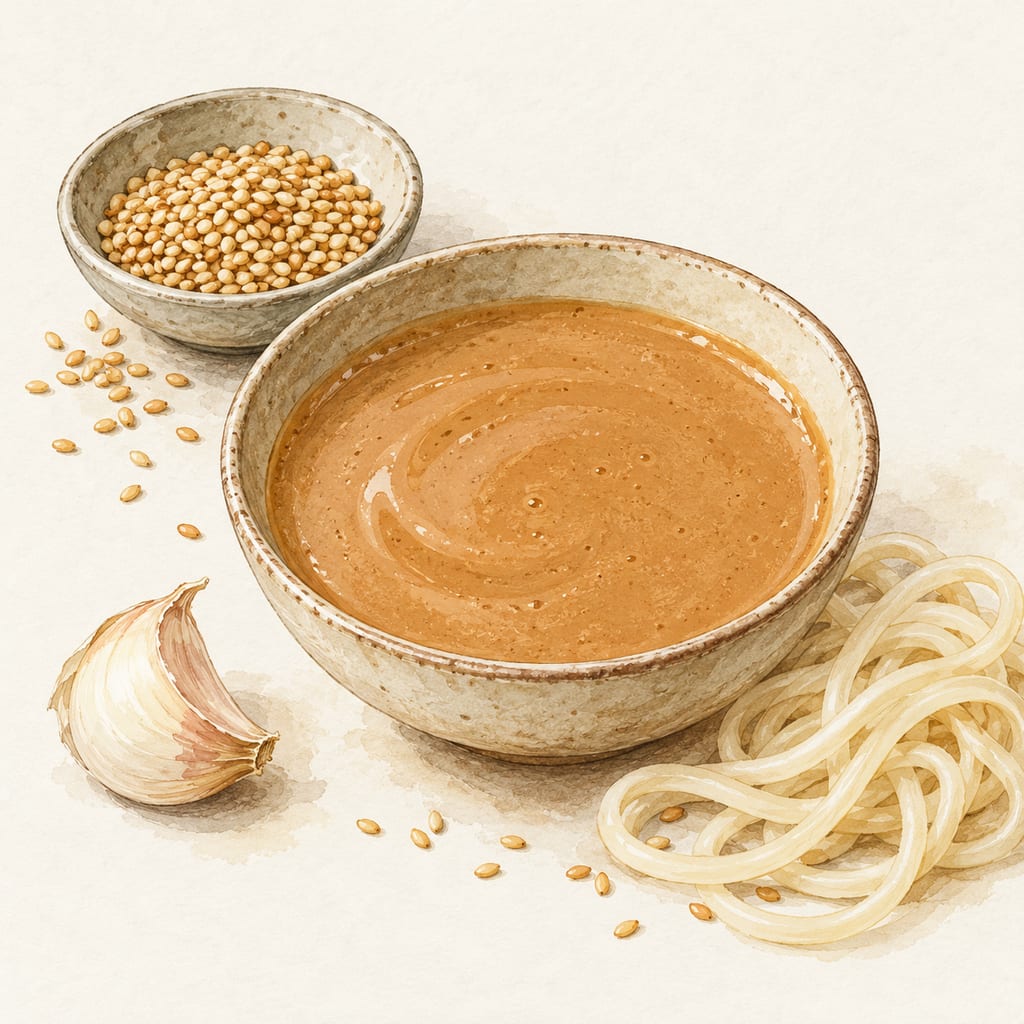
An untested sesame-paste sauce with soy, black vinegar, sugar, sesame oil and garlic, drafted for hot-pot dipping or noodles.
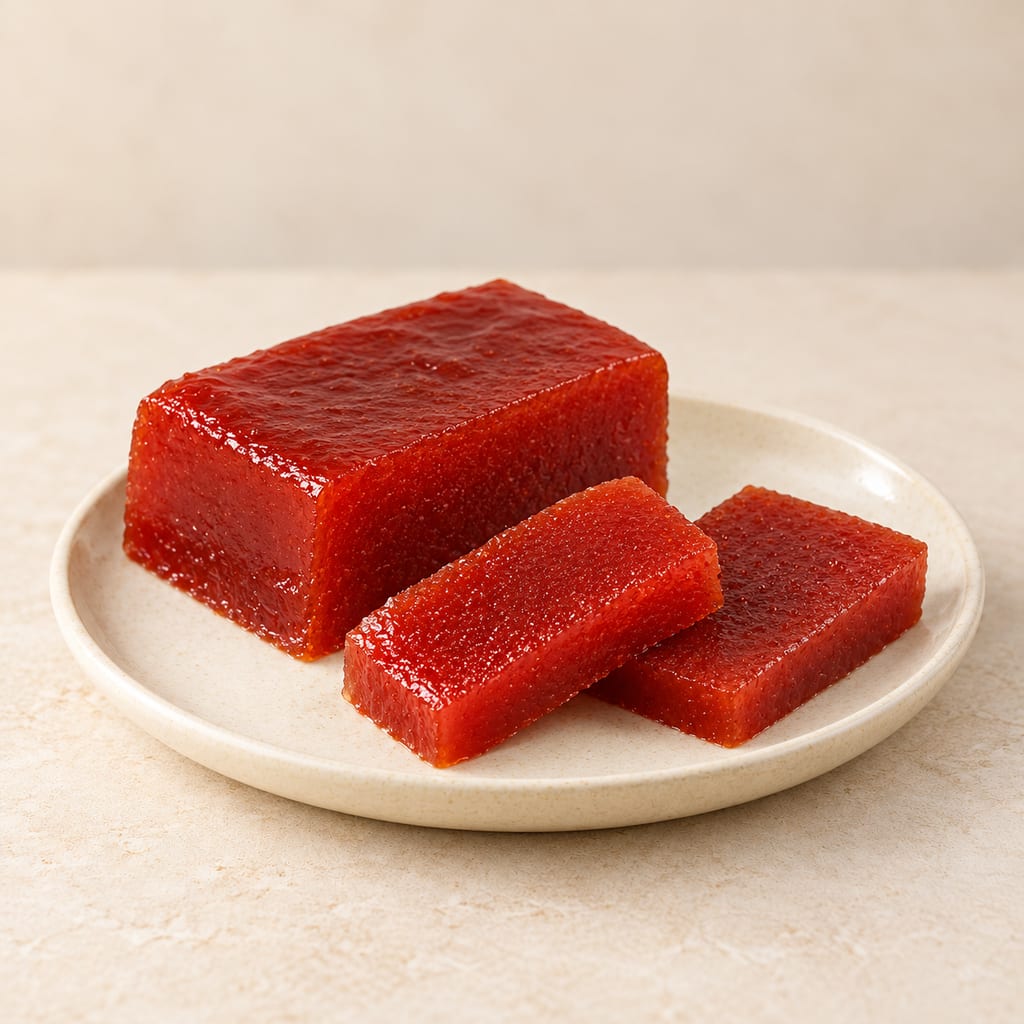
Dulce de membrillo is quince cooked with sugar into a firm paste for slicing. This family method softens the fruit in a pressure cooker, then blends it and leaves it to set.
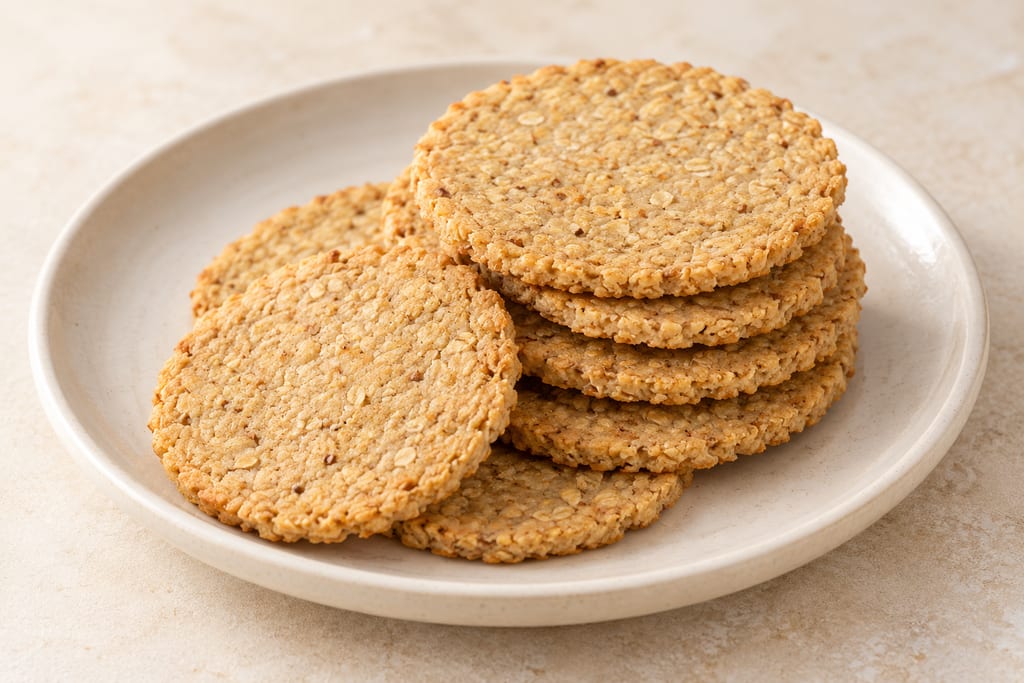
A thin Scottish oatcake of medium oatmeal, butter, salt, bicarbonate of soda and boiling water. This measured oven adaptation differs from older girdle methods and soft, yeasted Staffordshire oatcakes.
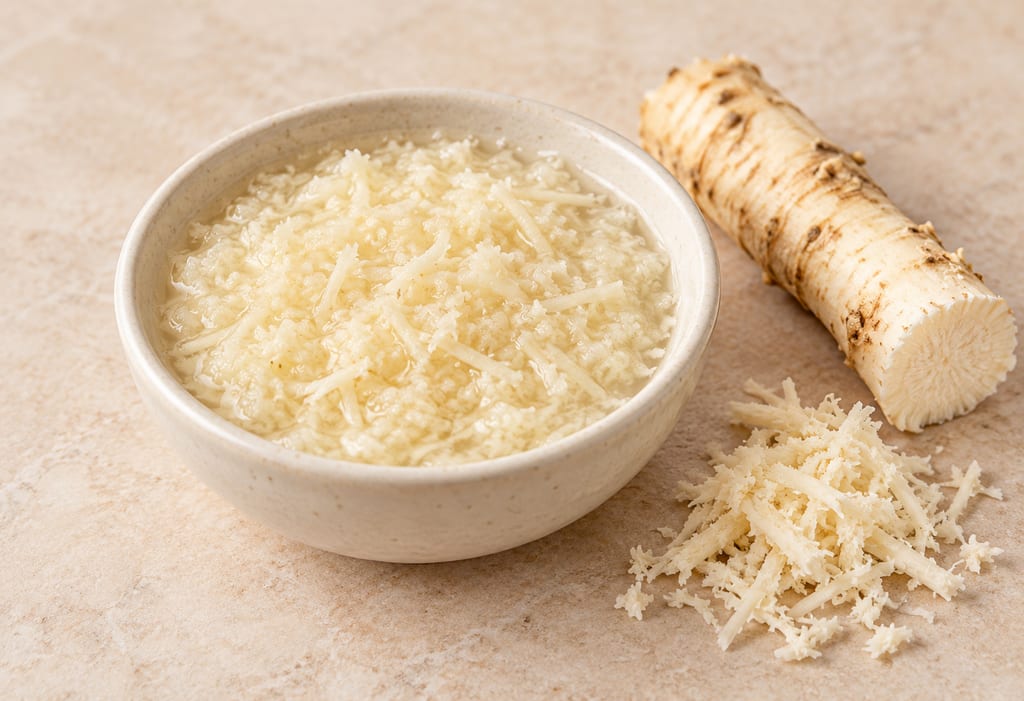
Prepared horseradish is freshly grated horseradish root mixed with vinegar and salt. This refrigerated relish holds the root’s sharp, nasal pungency in a spoonable form.
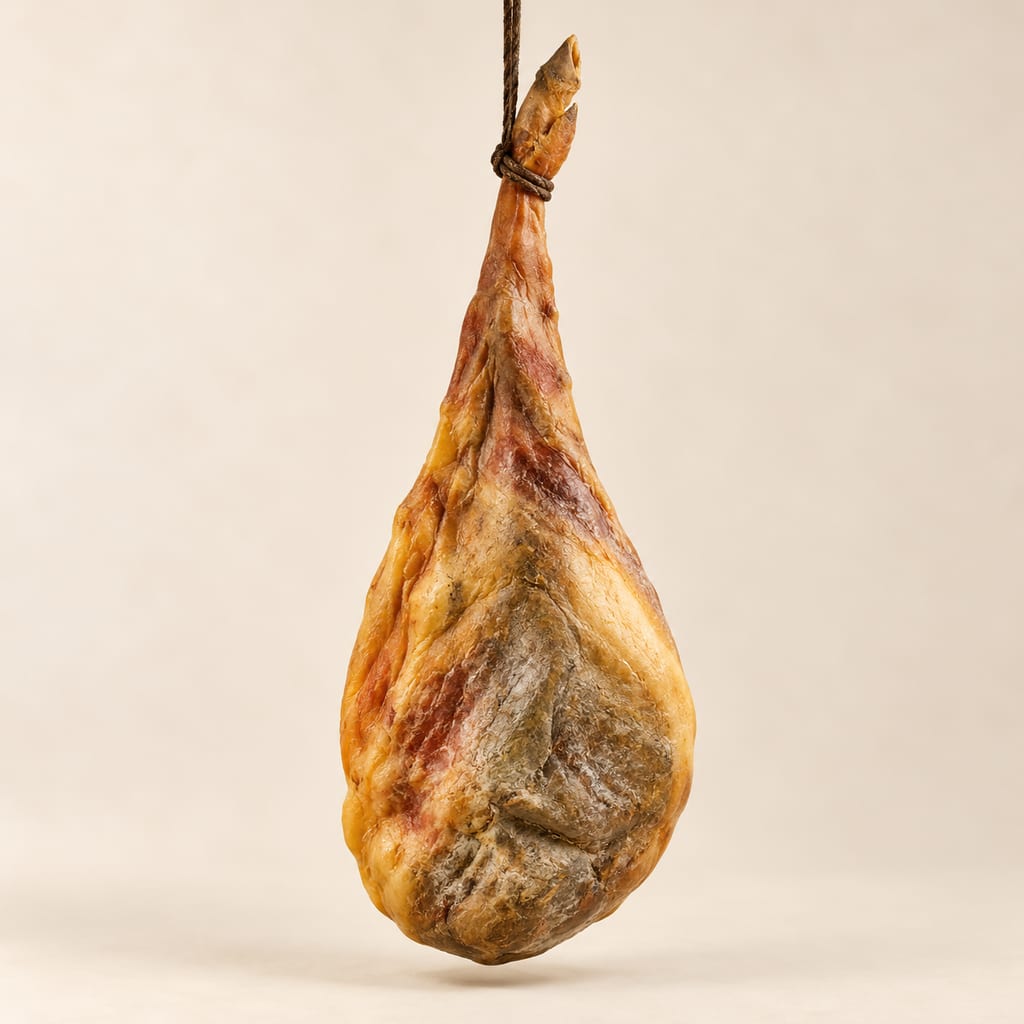
Cato the Elder records a second-century BCE sequence for salting, air-drying, and smoking ham. This historical account is not a validated modern curing protocol.
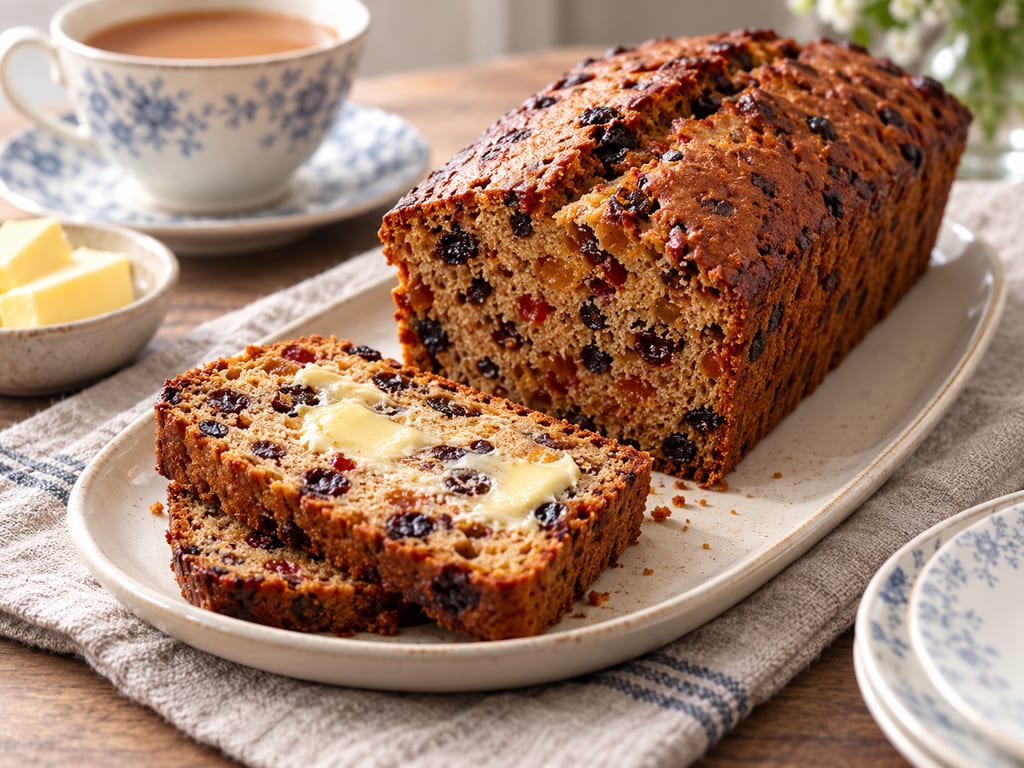
Bara brith is Wales’s speckled fruit loaf, made in both yeasted bread forms and the widely served modern tea-loaf style. This version soaks dried fruit in strong tea before mixing it with self-raising flour, spice, sugar and egg.
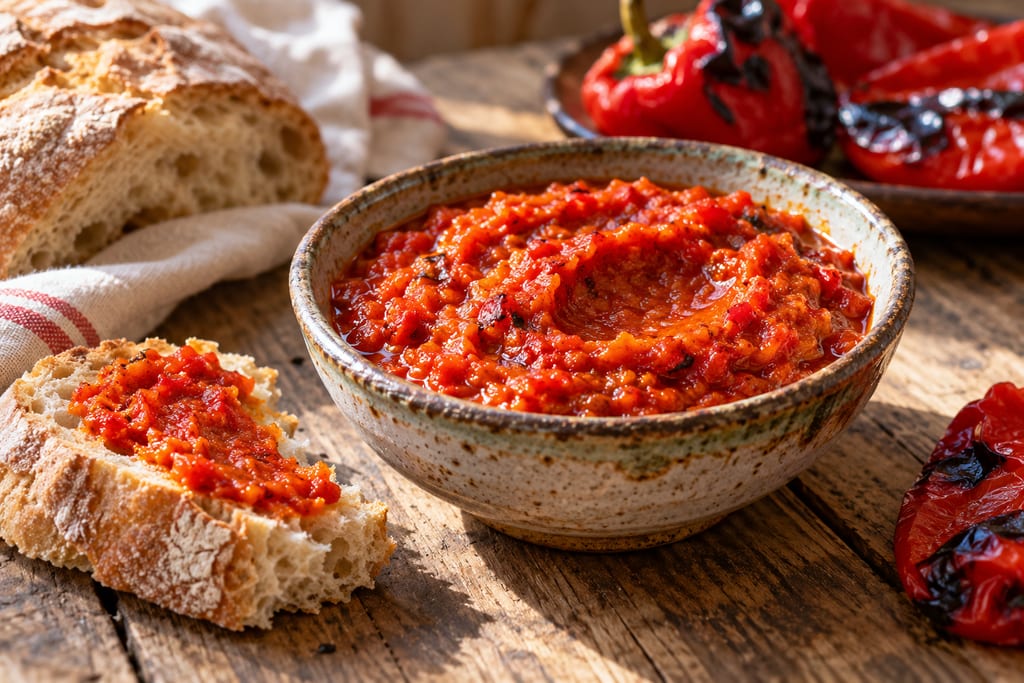
Ajvar is a cooked Balkan pepper preserve built around roasted red peppers, peeled, drained, ground and slowly fried with oil and seasoning. Leskovac’s protected version is a pepper specialty; regional versions vary.
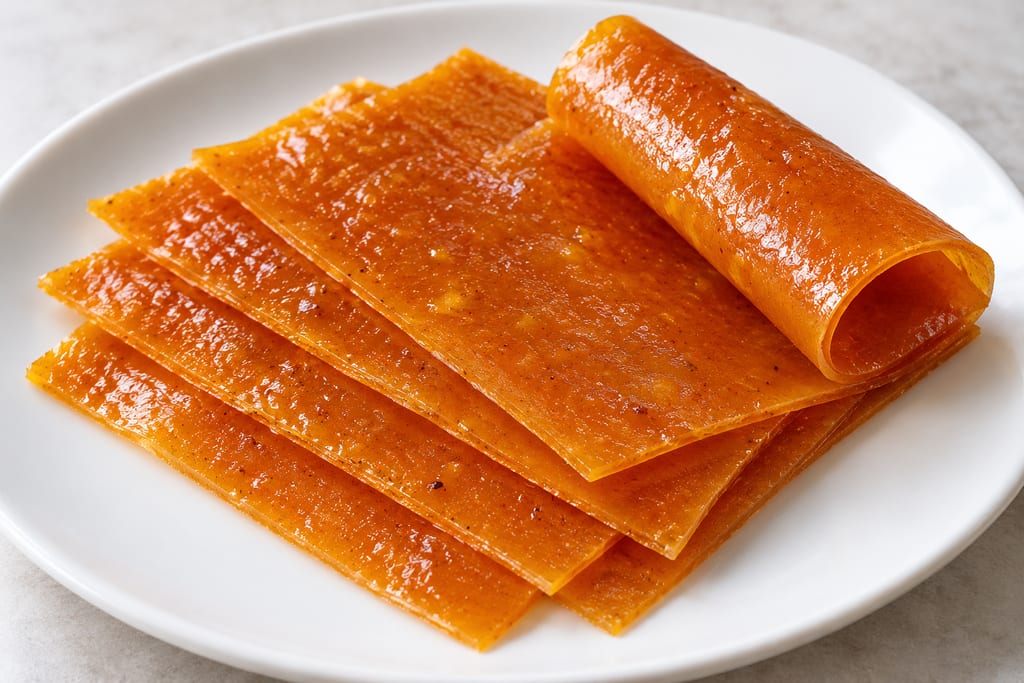
Ripe mango pulp spread thin and dried as a chewy fruit leather. This entry records one controlled unsweetened experiment and distinguishes it from Bengali sun-dried aamshotto and sweetened or spiced variants.
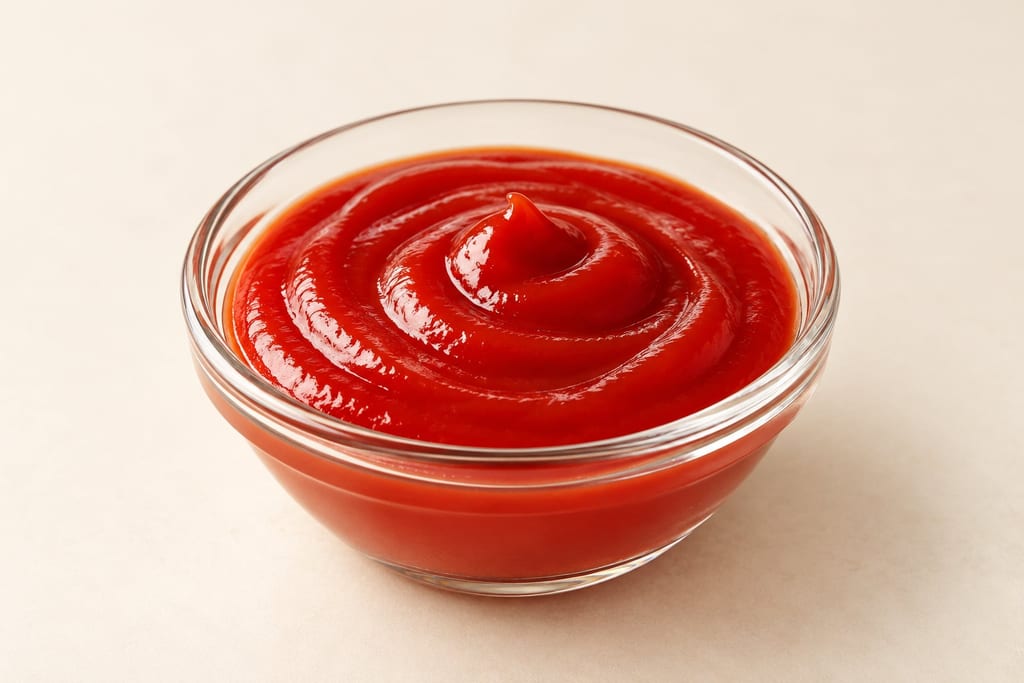
A smooth tomato ketchup formulated as a 500 g comparison batch using a UK Heinz product label as its target. This original home formula is untested and is not the company recipe or a preserving process.

Achcharu is a family of Sri Lankan vinegar pickles made with mixed vegetables or seasonal fruit and a piquant spice dressing. This version is a quick, refrigerated, non-fermented mixed-vegetable pickle.
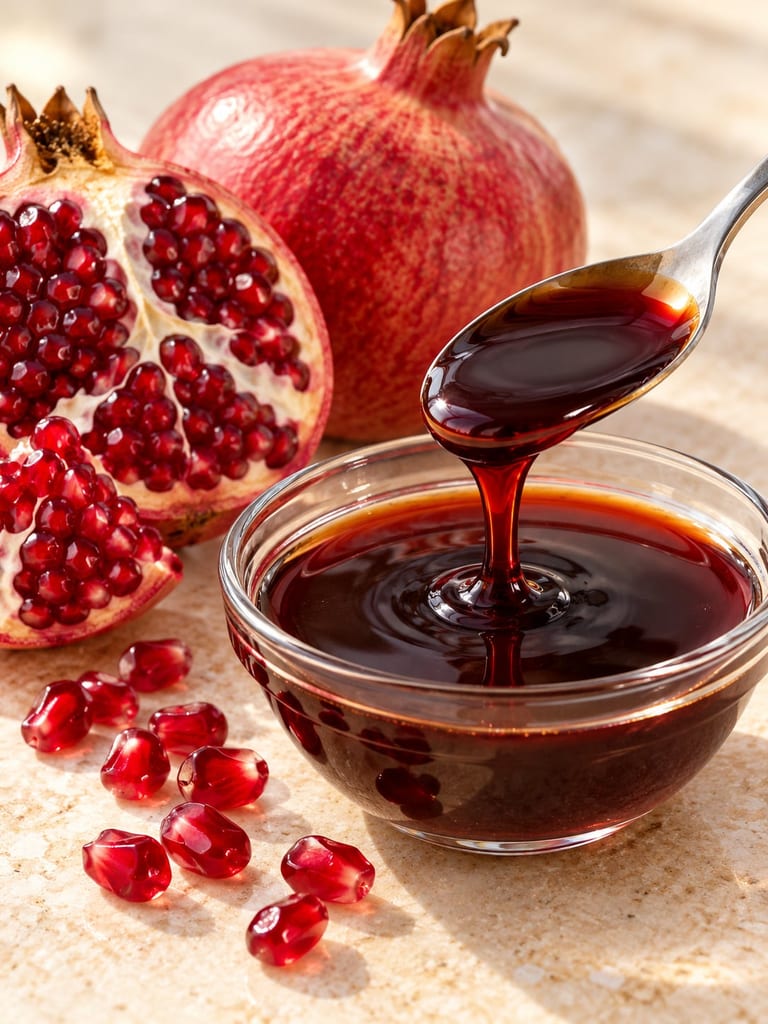
The registered Hatay method presses pomegranate arils and slowly concentrates the strained juice. Its 100 kg source batch and experienced-producer endpoint are retained; no home-scale time or shelf-life is inferred.
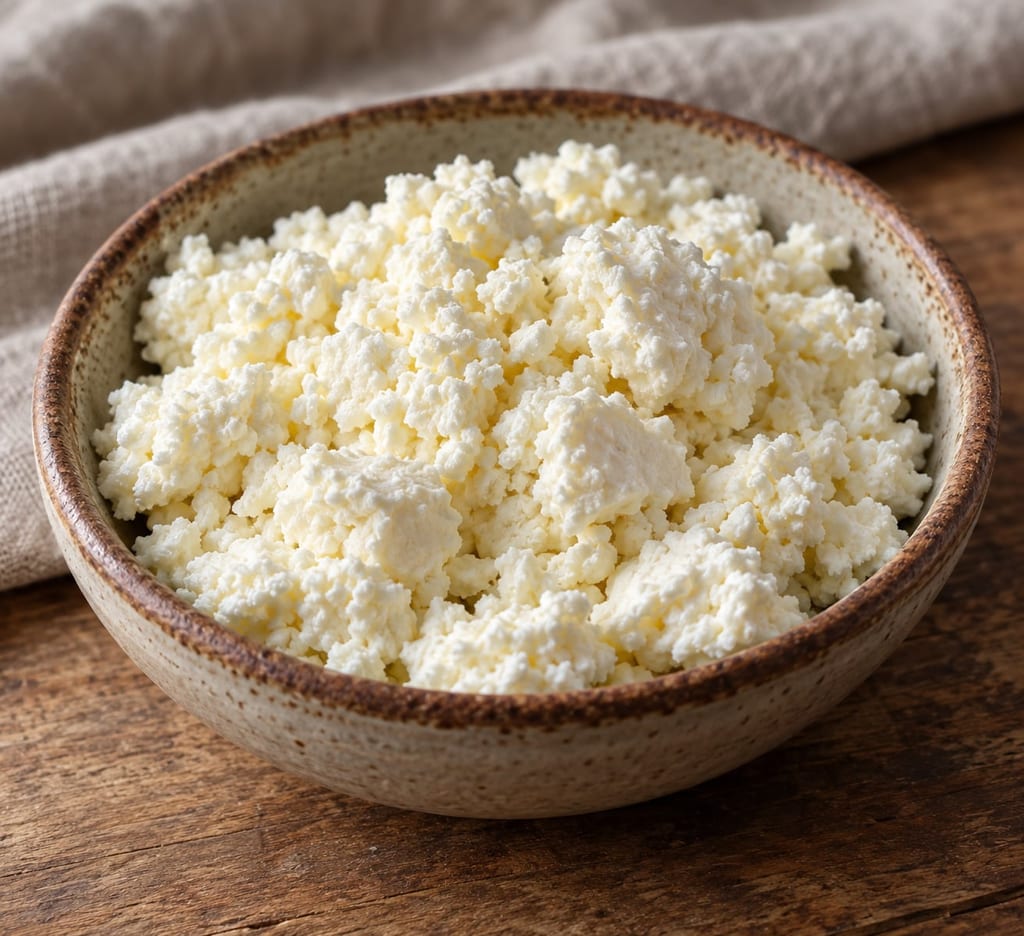
Vurda is a Hutsul whey cheese made by reheating the whey left after budz, often with fresh milk or sour whey, to recover soft pale curds that are lifted out and drained.

Małopolska plums smoked and part-dried over a wood fire in a regional kiln for several days, giving a dark, concentrated fruit with a protected name.

A protected pork sausage associated with Liszki and Czernichów; its application describes commercial curing and smoking, not a home batch.
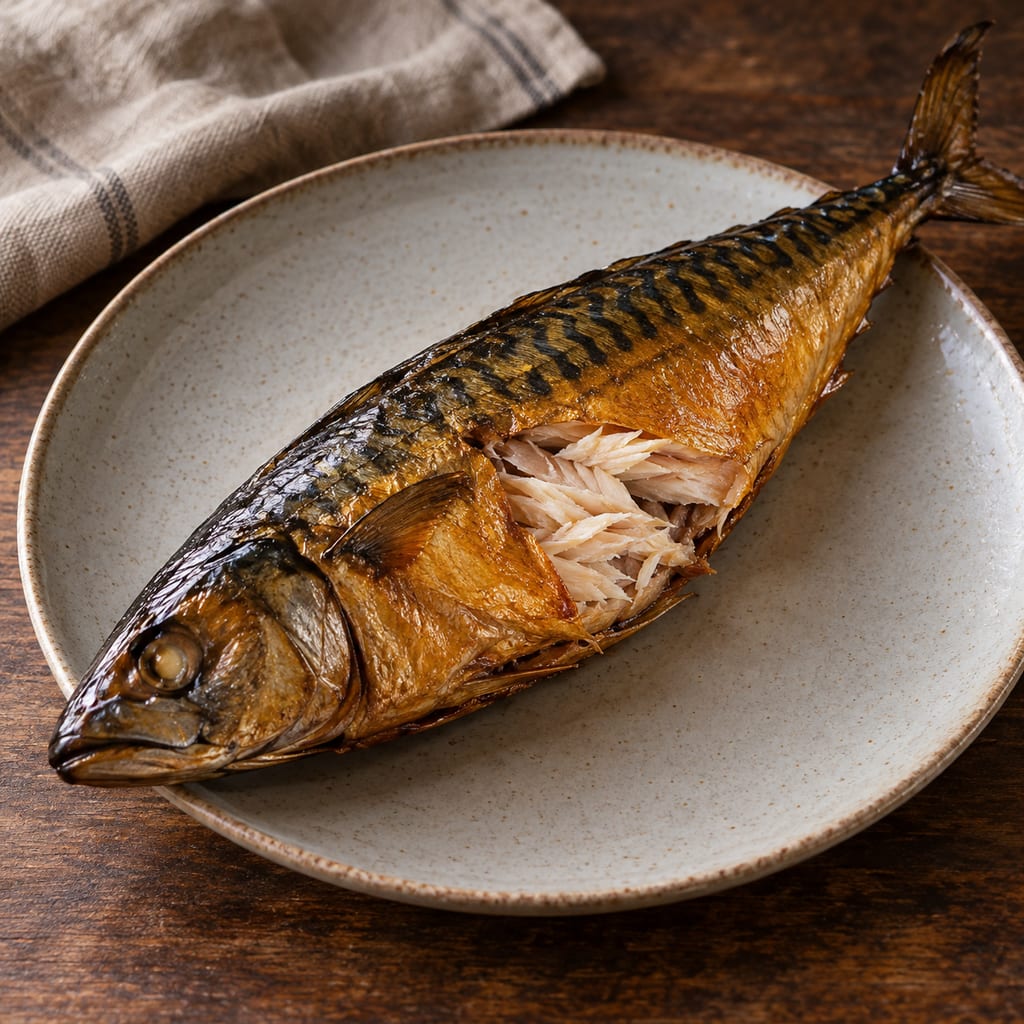
Whole mackerel brined for up to a day, then hot-smoked over beech and alder until the oily flesh takes colour and smoke, in a Czech smokehouse recipe.
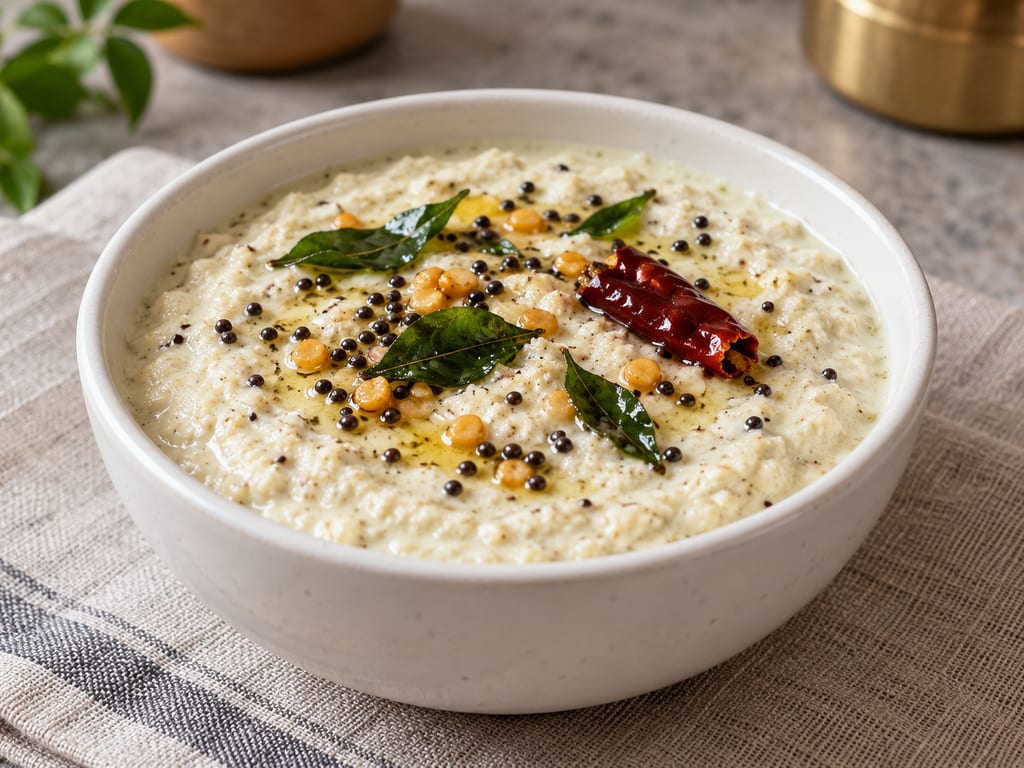
A coconut chutney whose ground base is finished with a separate oil tempering of mustard, urad dal, curry leaves and spices; the author pairs it with South Indian breakfast foods and snacks.
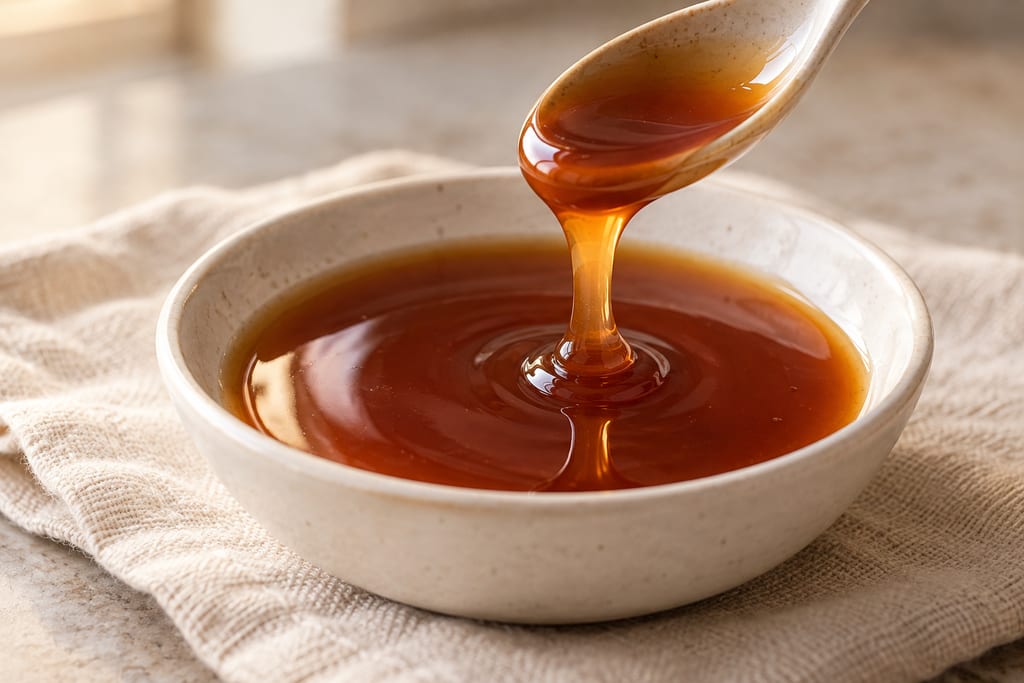
A glossy Japanese glaze thickened with starch, sugar, soy sauce and mirin. Spoon it over cooked rice dumplings while the glaze is still fluid.
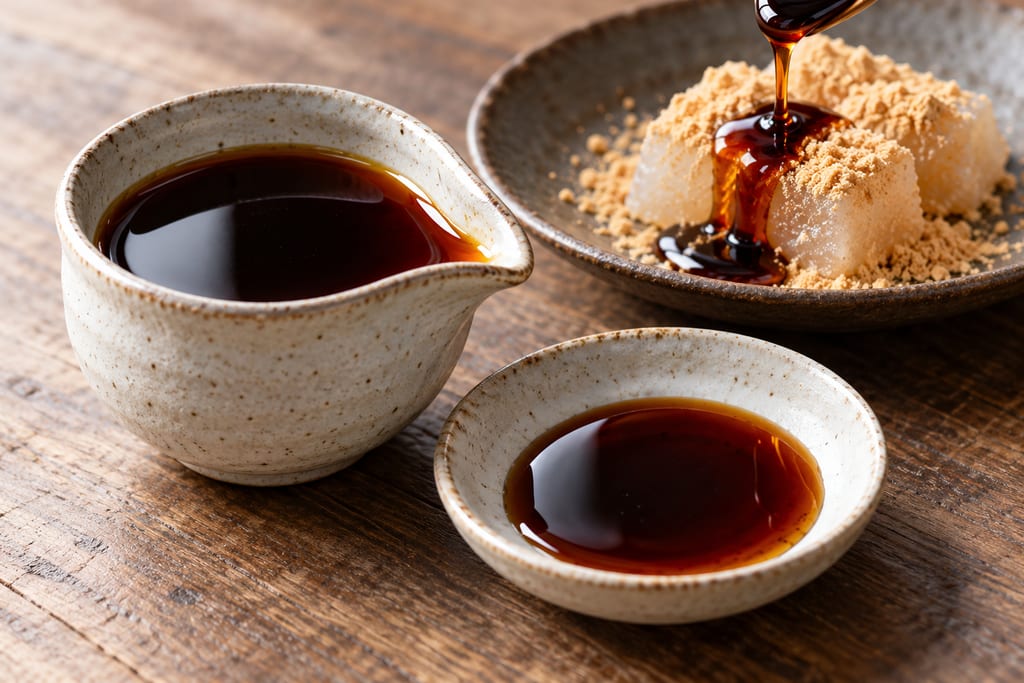
A dark Japanese syrup made by simmering black sugar with water and optional extra sugar. Drizzle it over mochi, ice cream or other desserts.
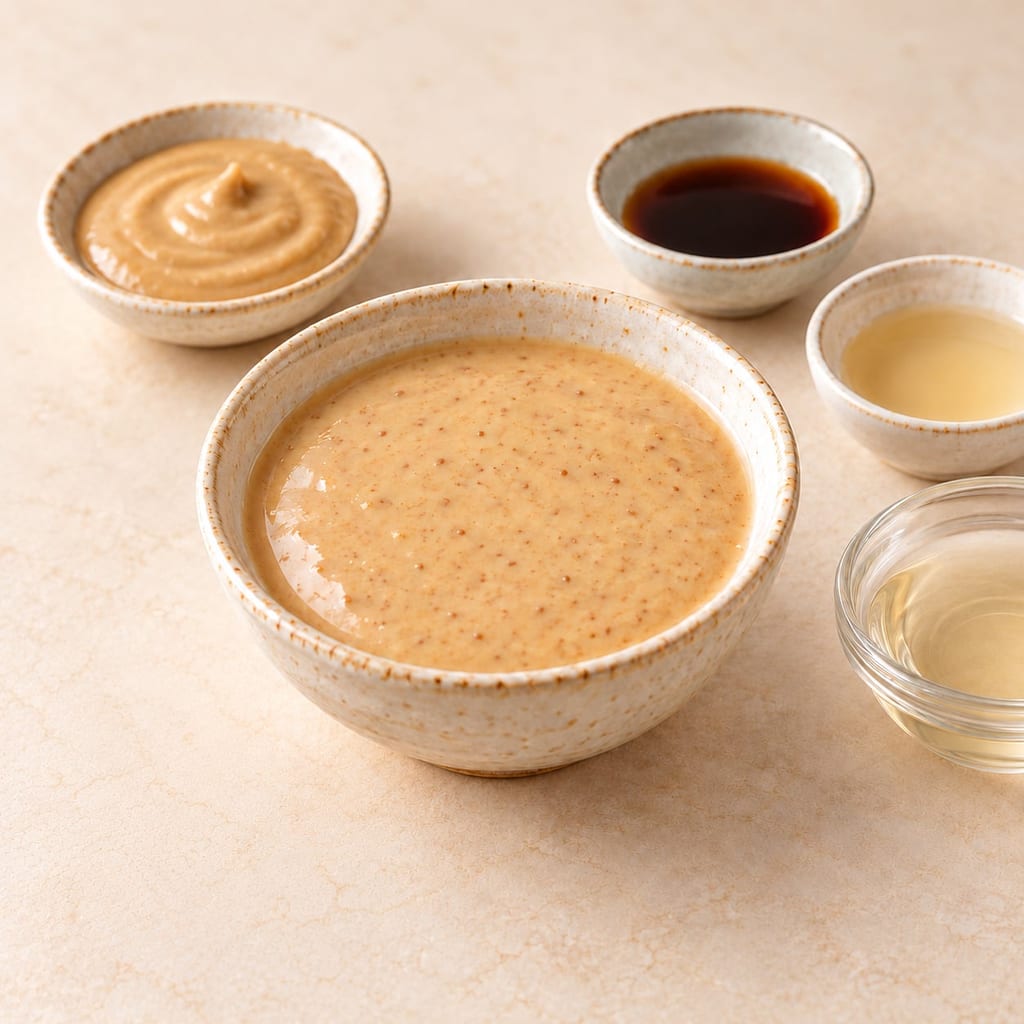
A creamy Japanese sesame dipping sauce with soy, rice vinegar and dashi. Gradual mixing turns the thick sesame paste into a smooth sauce.
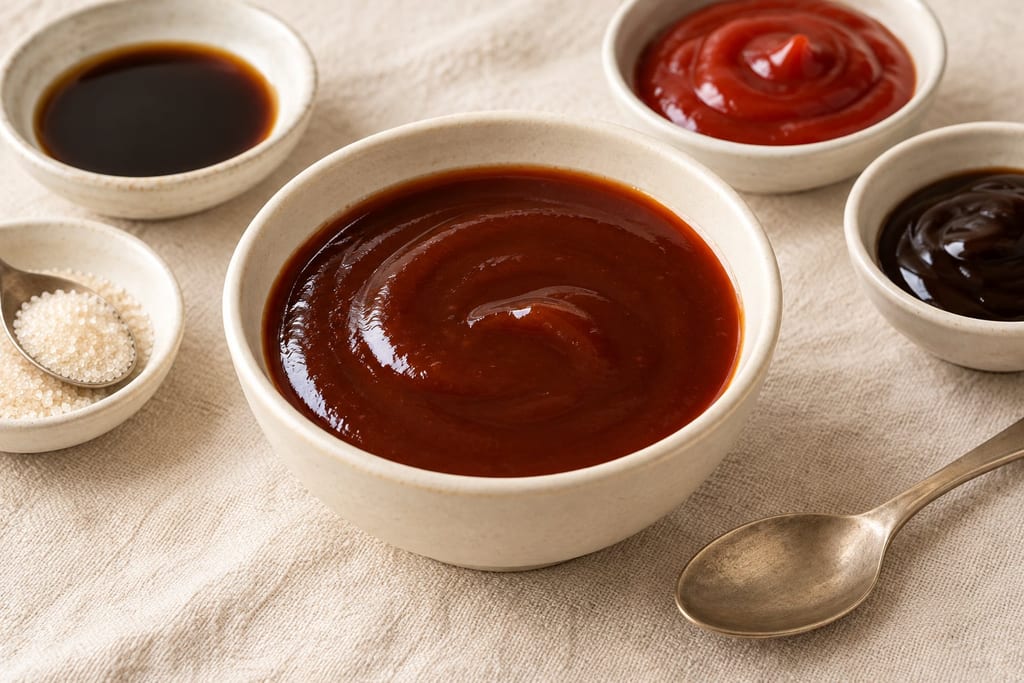
A sweet, tangy Japanese sauce mixed from Worcestershire sauce, ketchup, oyster sauce and sugar. Serve with breaded cutlets or croquettes.

South Africa's spiced fresh sausage family, sold as masala, dhania or Punjab wors: cumin, ginger, garlic and chilli in place of the mild coriander-and-clove seasoning of boerewors.
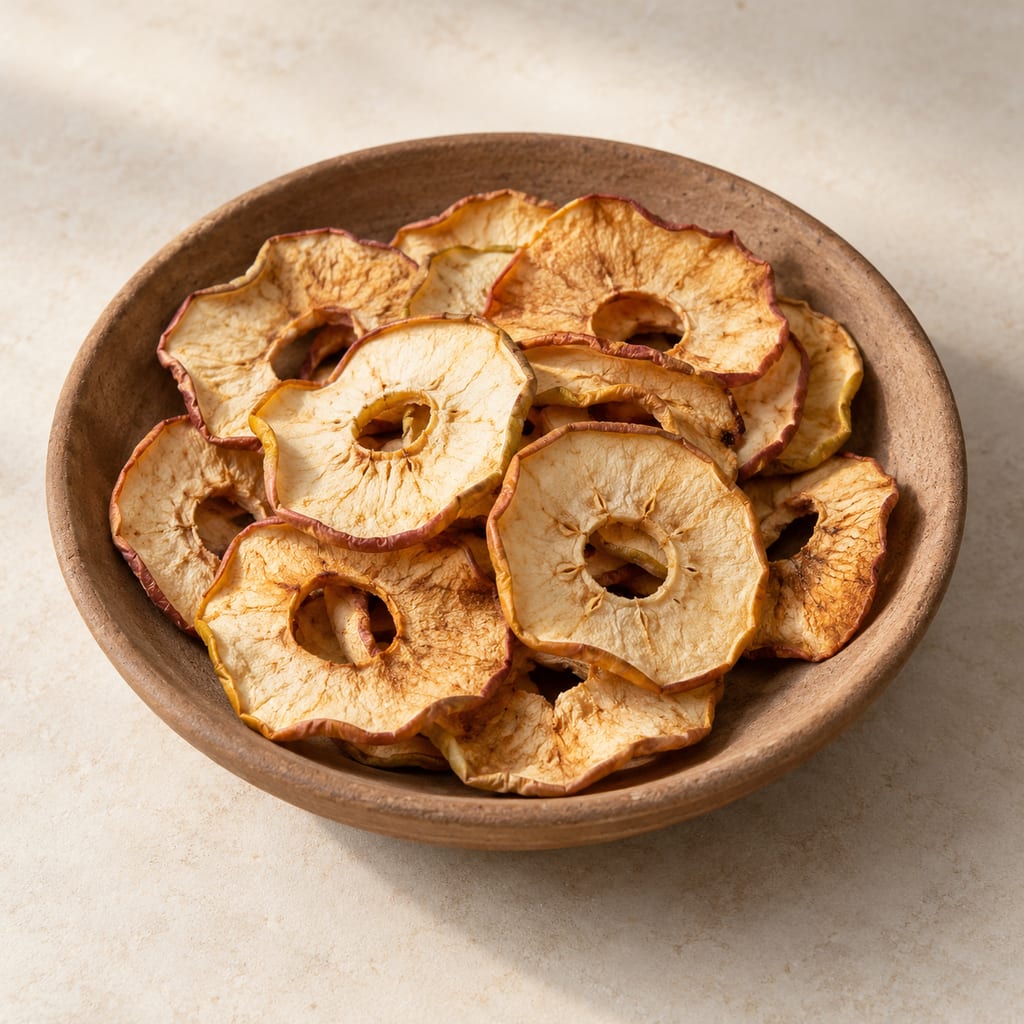
Apple slices dried until most of their water has gone, shrinking and concentrating into leathery or crisp rings, with the modern controls that a plausible old technique turns out to need.
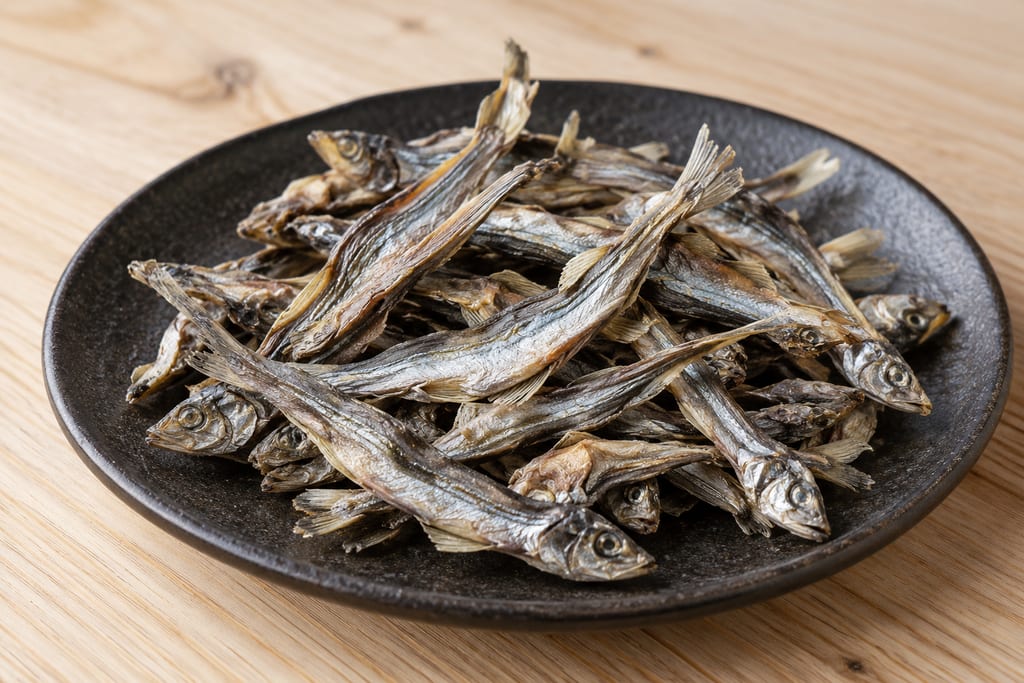
Greenlandic capelin dried whole on rocks, among crowberry vegetation or on buildings, and the microbial research that has made this small fish unusually well studied.
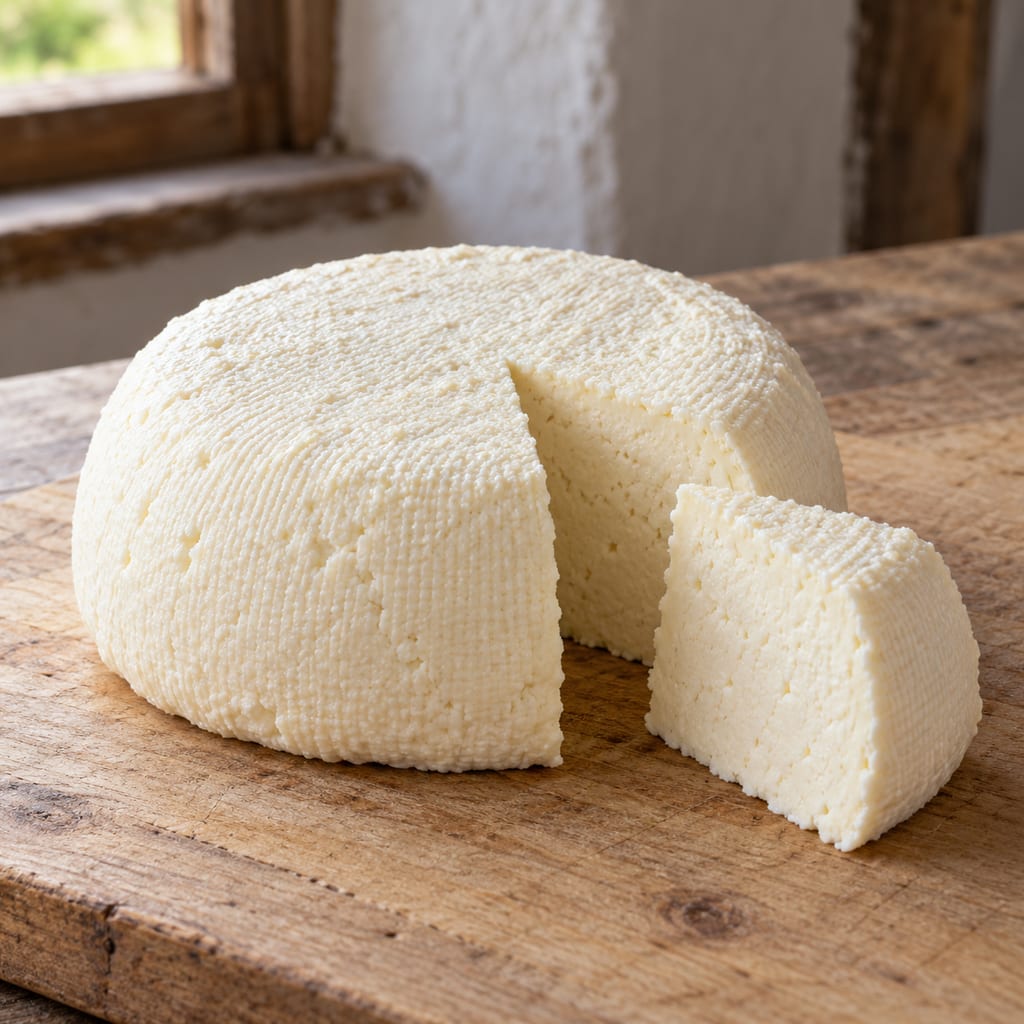
Budz is a traditional Hutsul rennet-set cheese made from sheep, cow or goat milk in the Ukrainian Carpathians, forming a fresh curd that can be eaten, smoked or processed into salted bryndza.

Kodiak salmon, halibut and cod cut as seg'aq and hung on an initaq rack to become tamuuq, with kac'amaasaq and kupcuunaq named as different results.