




Elevated risk
Andong soju
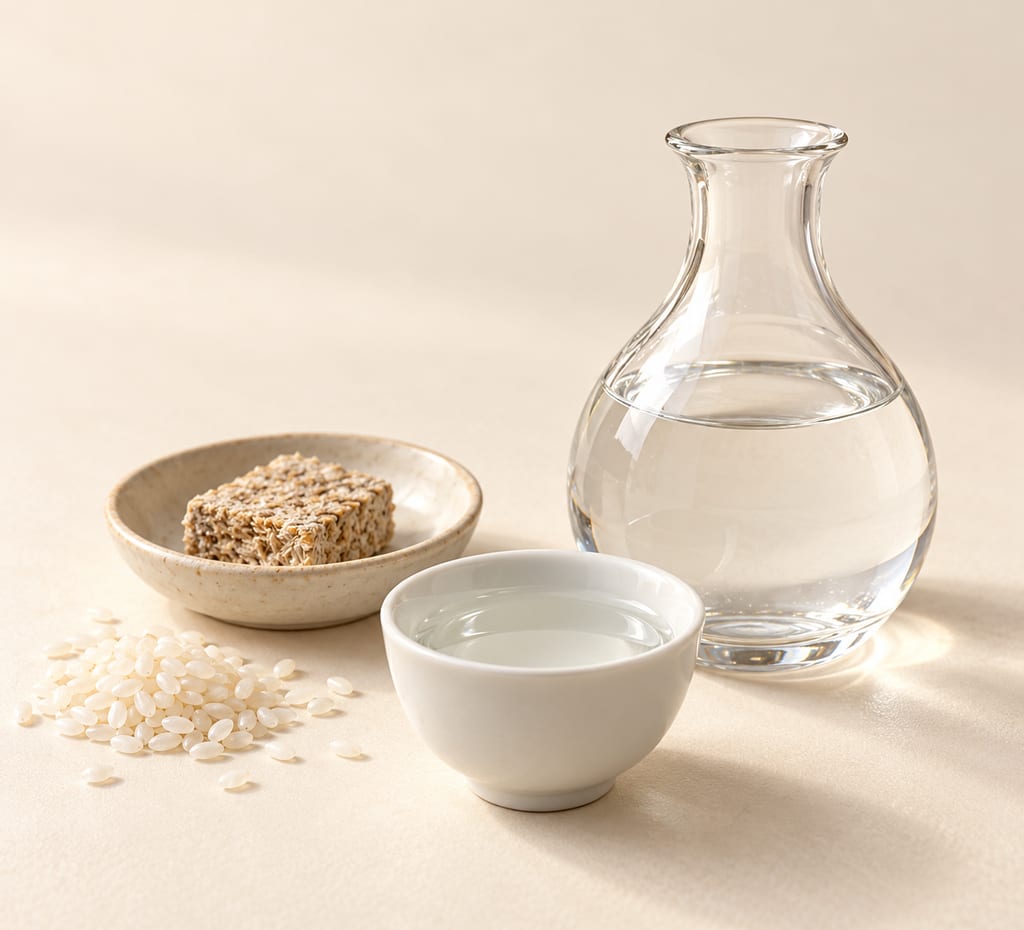
Andong soju is a rice spirit from North Gyeongsang, distilled from steamed rice and wheat nuruk. This method makes the starter before fermenting the rice mash in a jar.
 FermenteaWhere food goes to change
1504 records with their sources, across 11 categories.
Andong soju is a rice spirit from North Gyeongsang, distilled from steamed rice and wheat nuruk. This method makes the starter before fermenting the rice mash in a jar.
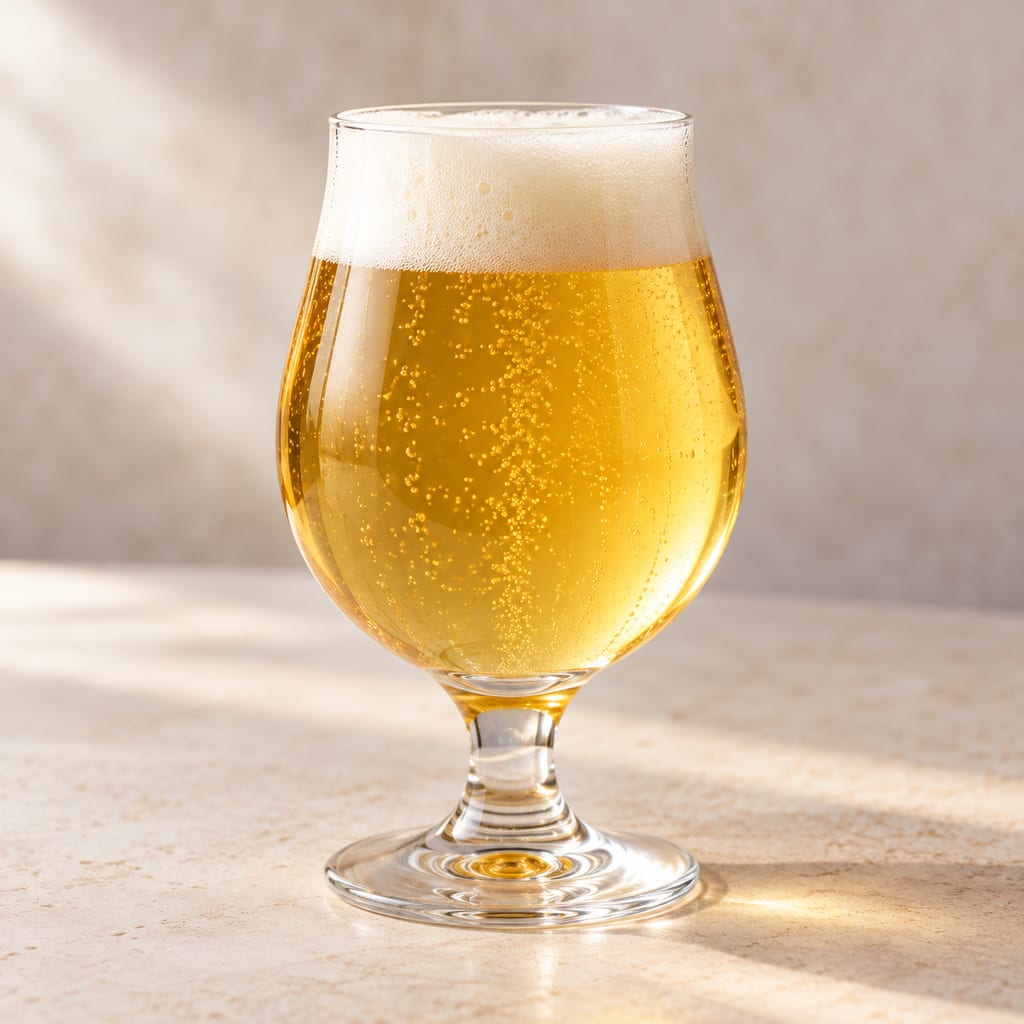
A pale Belgian-style ale with Pilsner and aromatic malts, cane sugar and Saaz hops, fermented under loose foil before an airlock is fitted.
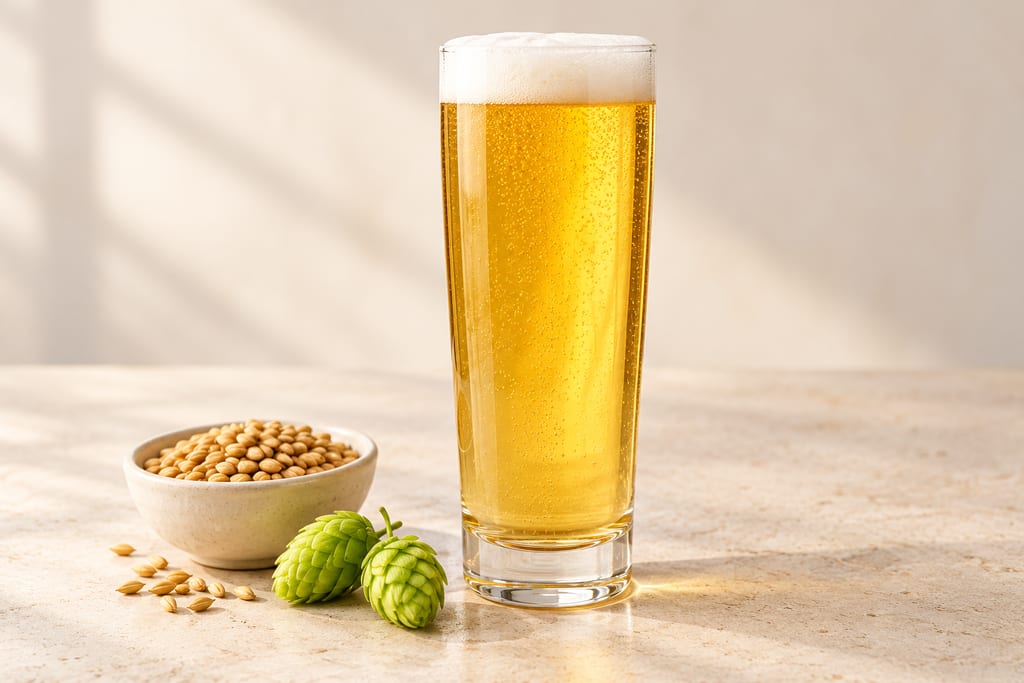
A pale, dry lager with Pilsner malt, Magnum bittering hops and Hallertau Mittelfrüh and Tettnang additions, followed by cold maturation.
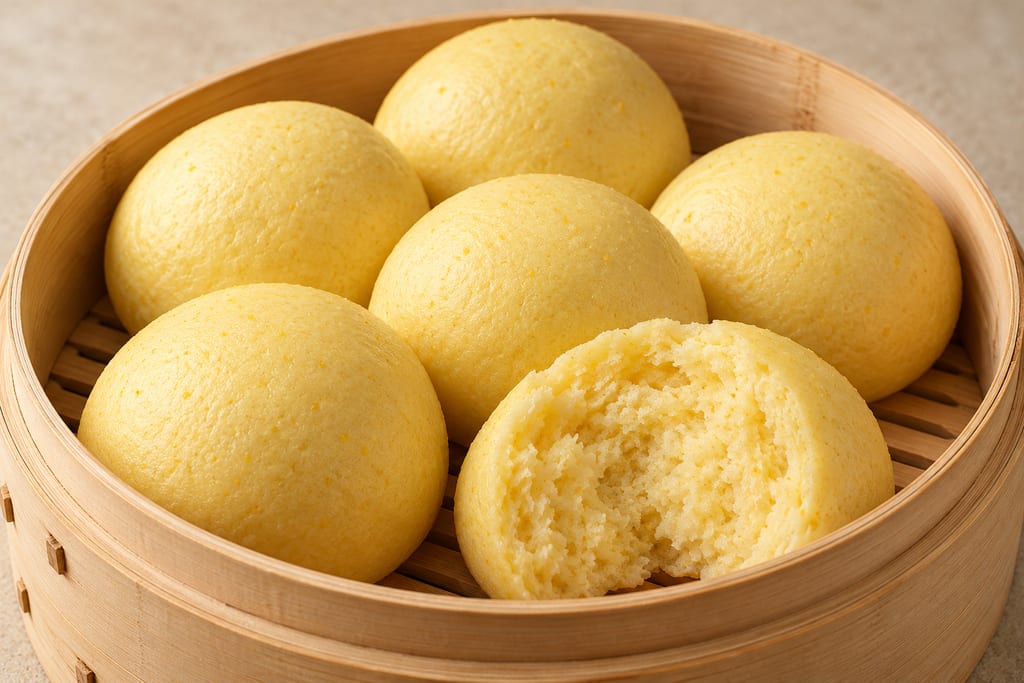
A Chinese cornmeal mantou made with wheat flour, cornmeal, water and yeast. The dough rises until doubled, is shaped into ten rounds, proofed briefly and steamed.
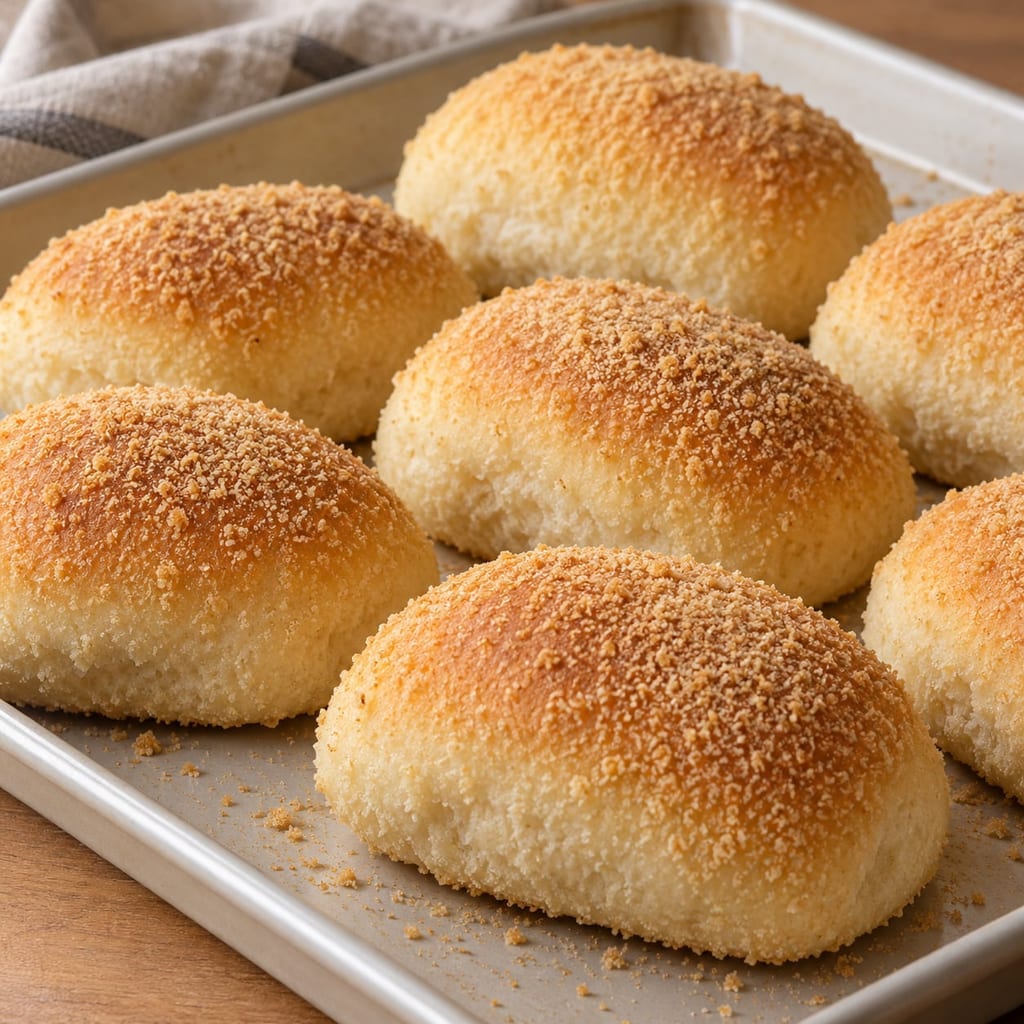
Filipino pandesal made with a neutral-oil wheat dough, folded through a 3½-hour fermentation and coated in breadcrumbs.
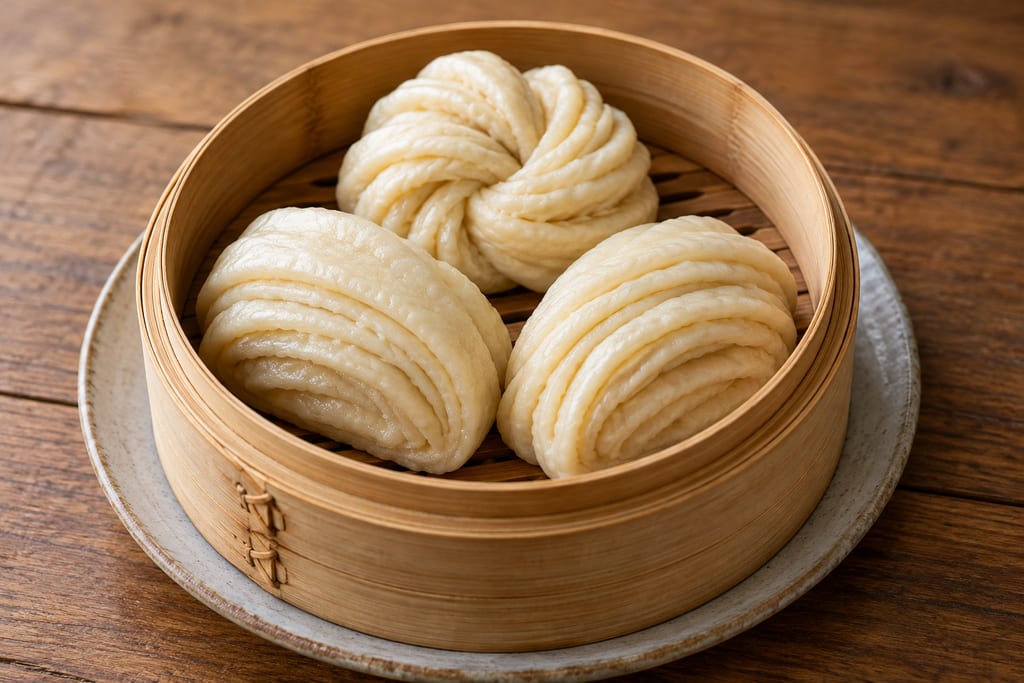
A Tibetan steamed bread made from rolled layers of yeast dough. This egg-free version follows the Taste Tibet method.
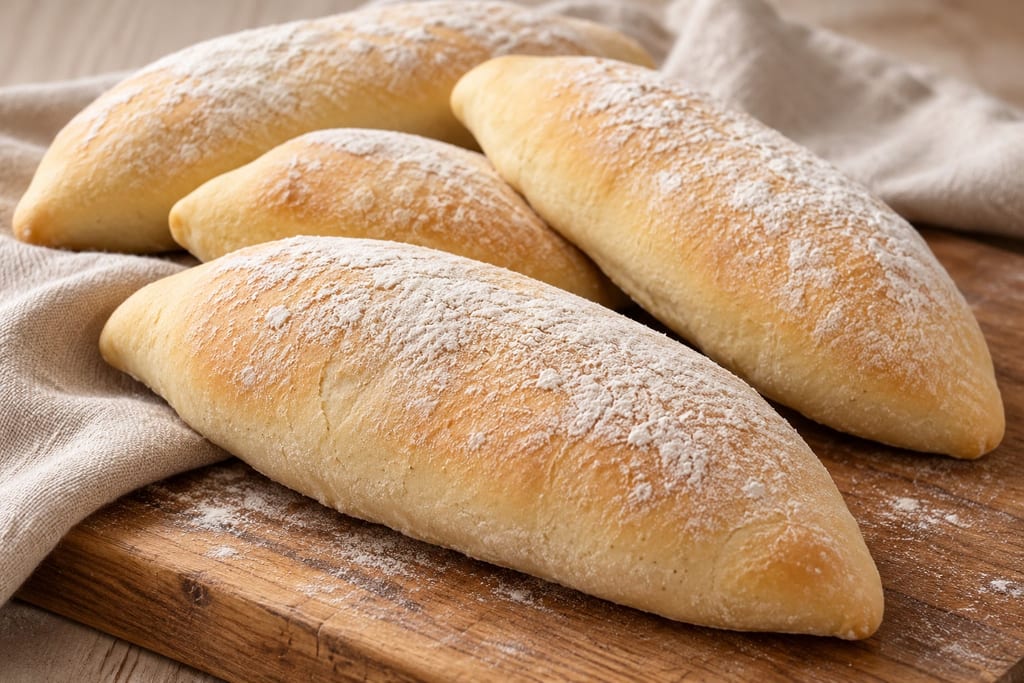
Lightly sweet Ghanaian wheat loaves with nutmeg, a long single proof and a crisp warm crust.
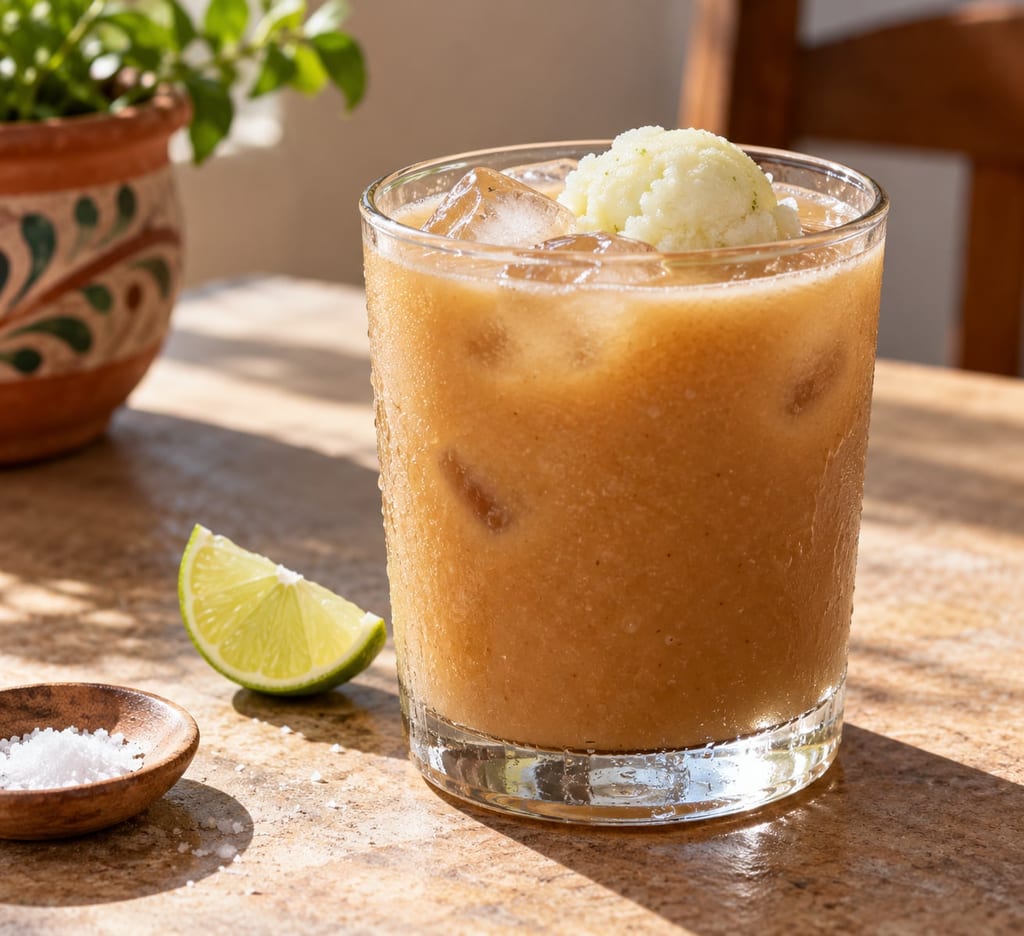
A tart, lightly fermented drink of Jalisco: nixtamalized maize masa cooked with piloncillo and limed, then diluted over ice and salted at serving.
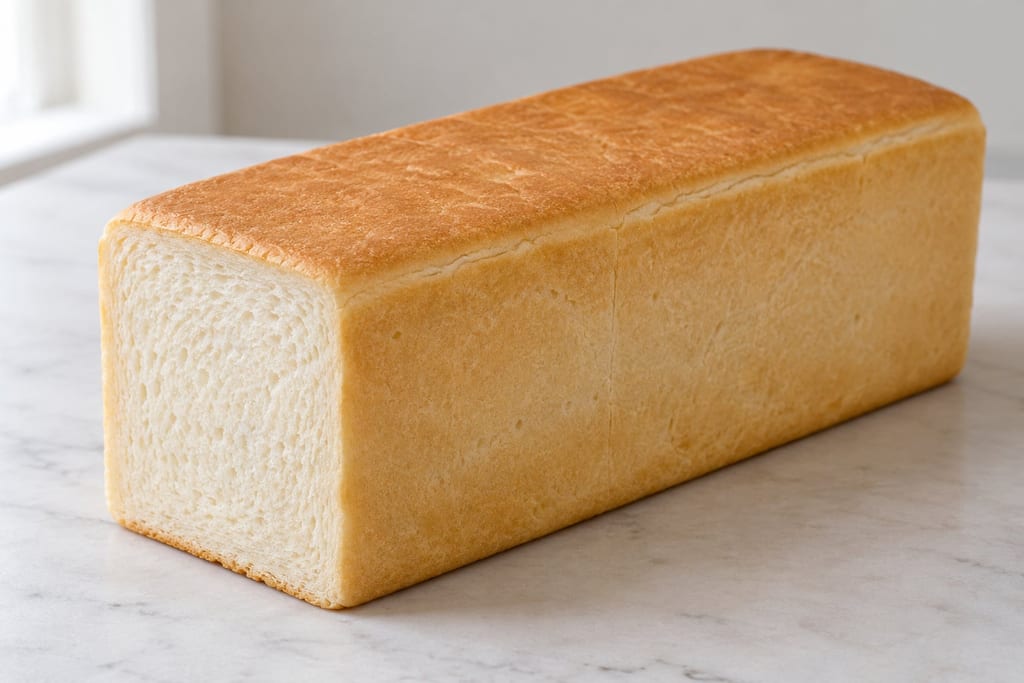
A soft, fine-crumbed pan de miga for thin sandwich slices, made with wheat flour, milk powder, butter and dry yeast in a lidded loaf pan.
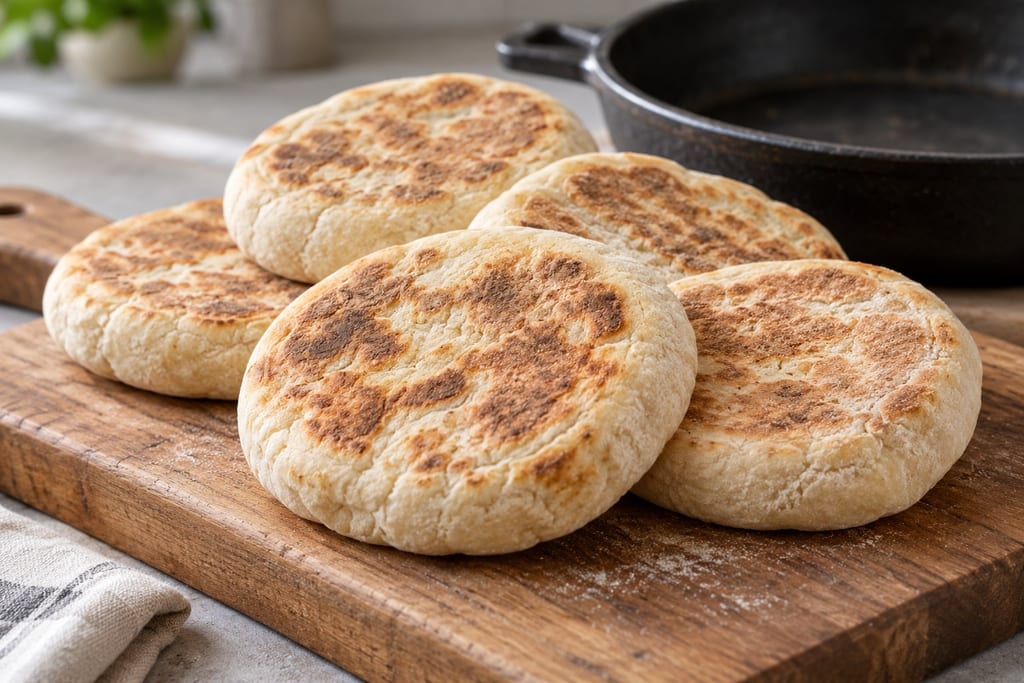
Sweet-potato wheat breads with fresh yeast, browned in a pan and finished in the oven. This is the bread component of Teleculinária's scrambled-egg dish.
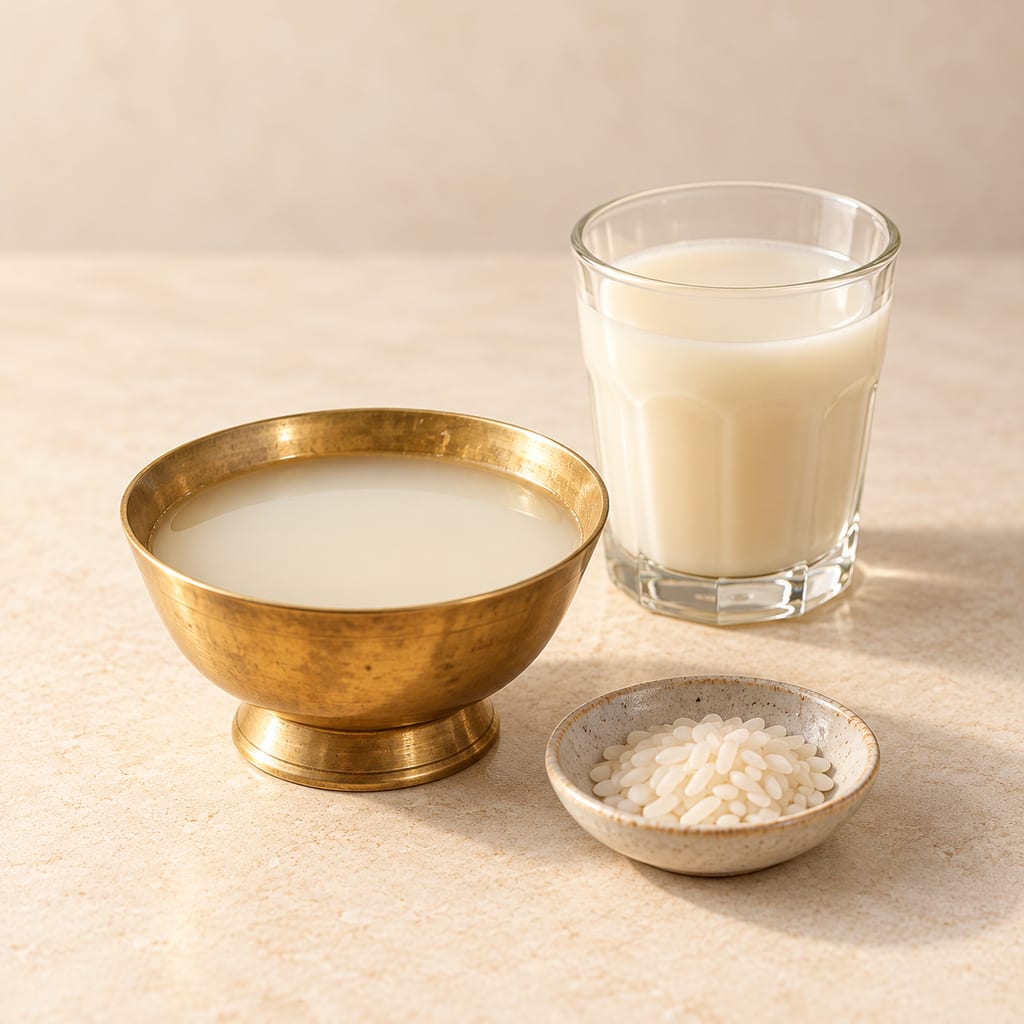
A Kathmandu rice beer in which a marcha starter saccharifies and ferments cooked white rice, the mash later thinned with water for drinking.
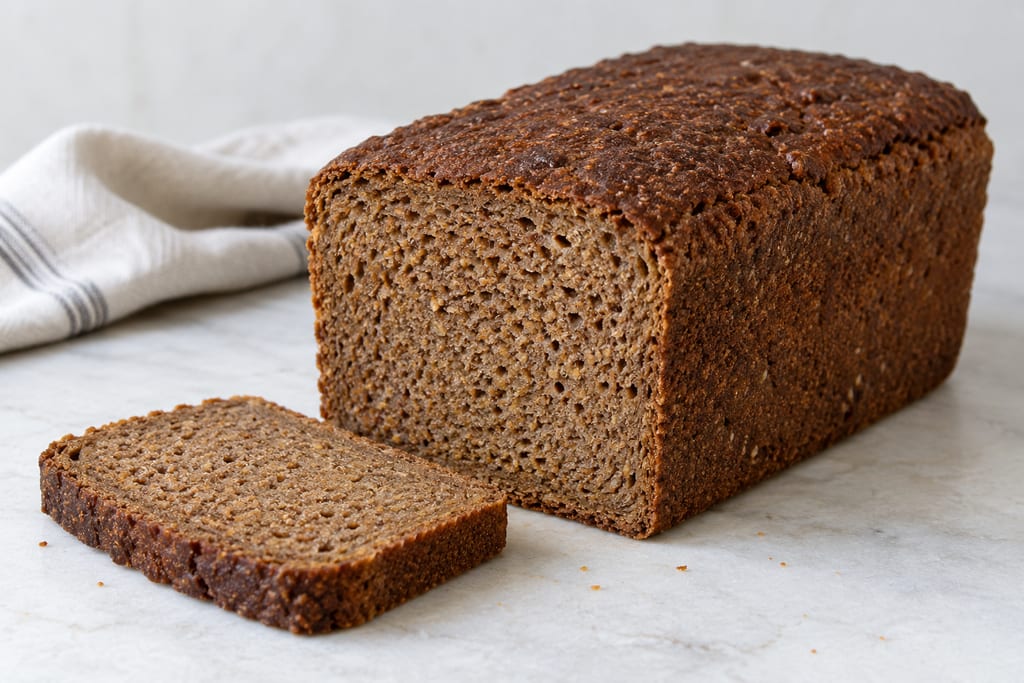
A dense, dark rye-and-wheat loaf with a warm rest and long covered bake. This home version uses a 5-hour oven bake and differs from the protected Westphalian product.
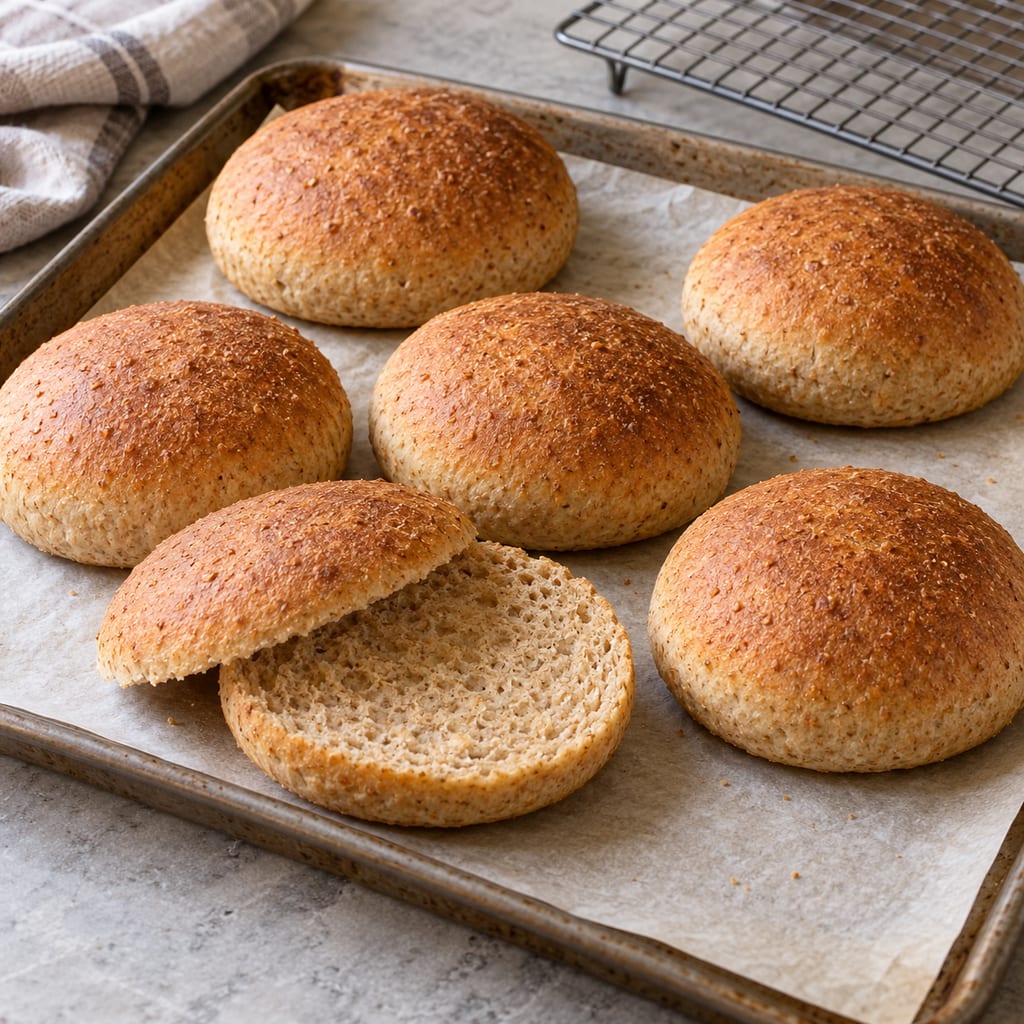
Whole-wheat burger buns gain a soft crumb from potato starch, yeast and a short rise, then bake on a home sheet pan.
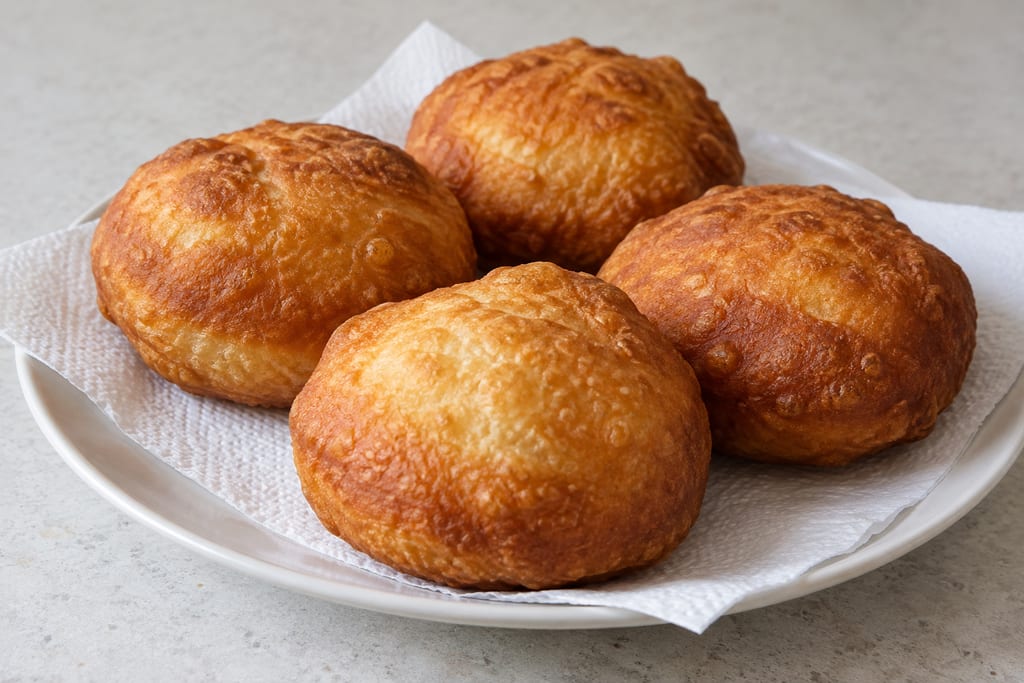
This South African vetkoek batch uses margarine-enriched wheat dough with instant yeast, shaped into 24 portions and deep-fried until golden.
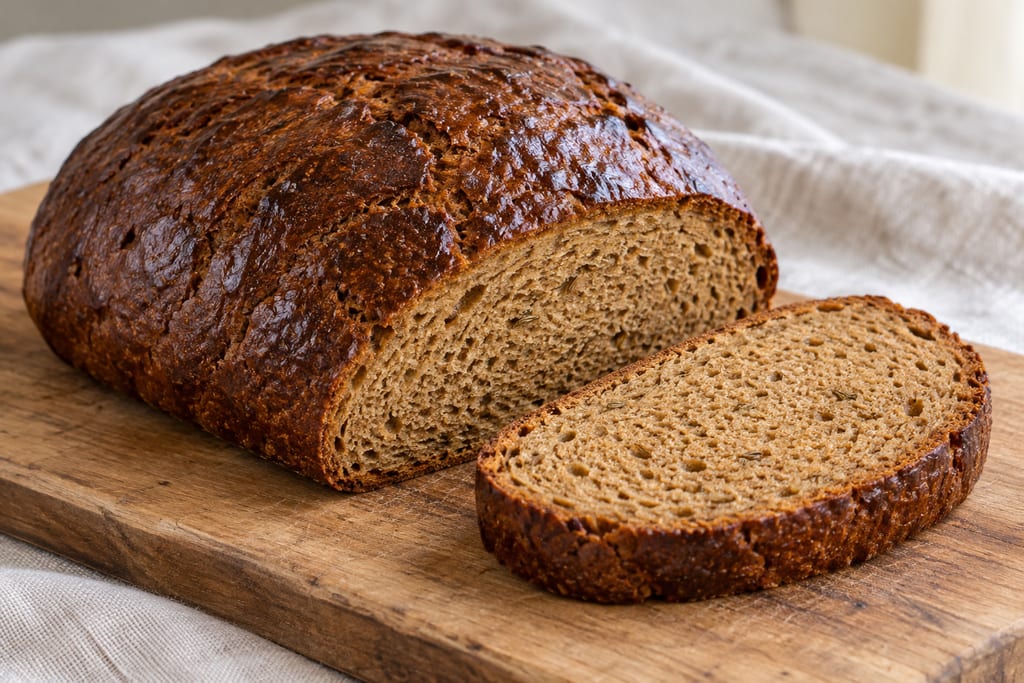
Sirapslimpa is a sweetish Swedish rye-and-wheat loaf with dark syrup, honey, fennel and anise, made with an overnight rye scald and a long room-temperature rise.
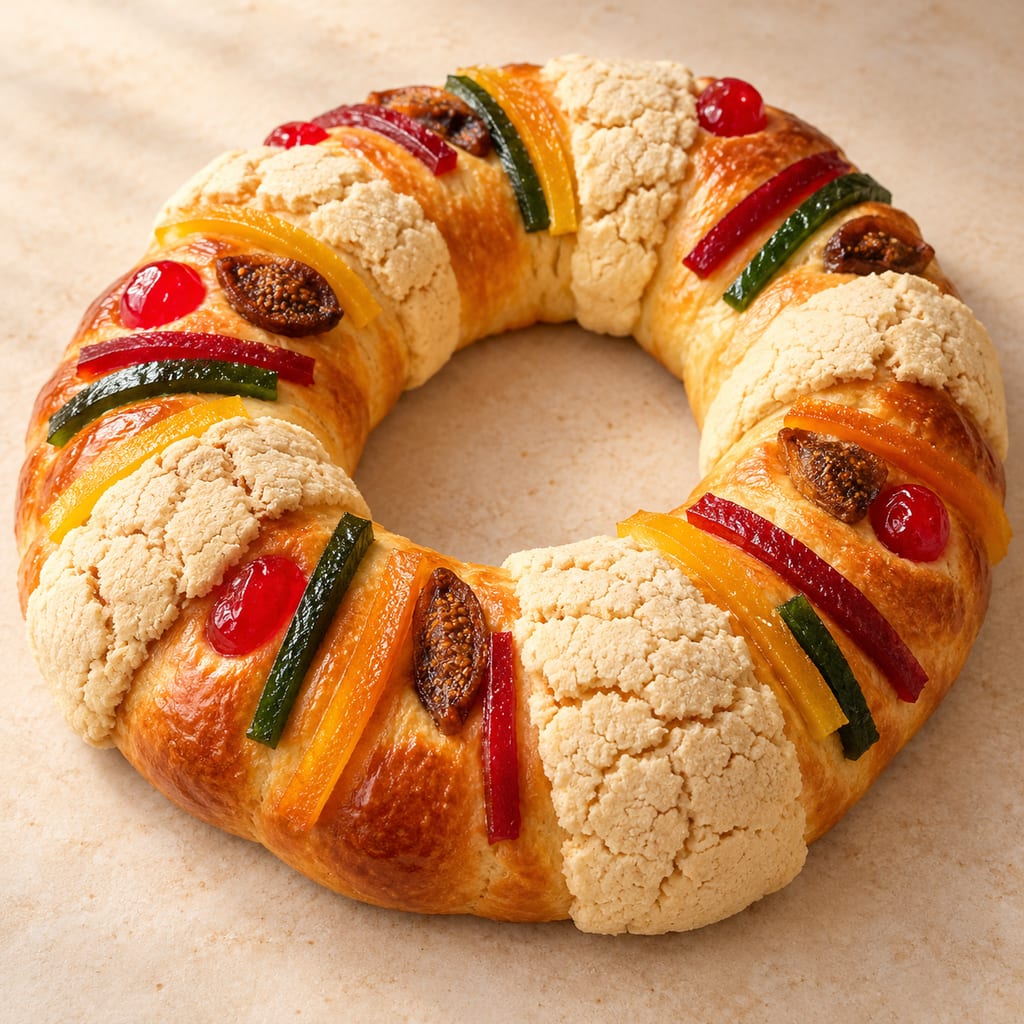
A Mexican Three Kings ring bread made from enriched yeast dough, citrus zest, candied fruit and a flour-and-sugar topping.
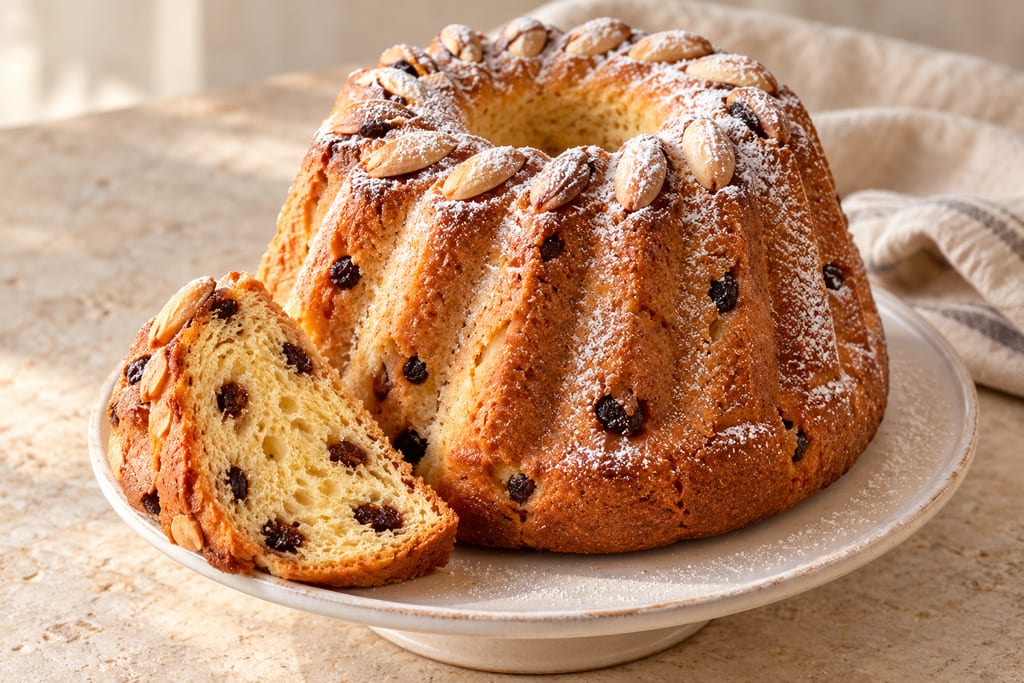
An enriched Alsatian yeast ring with raisins and almonds, kneaded with butter, proofed in a fluted mould and baked until browned.
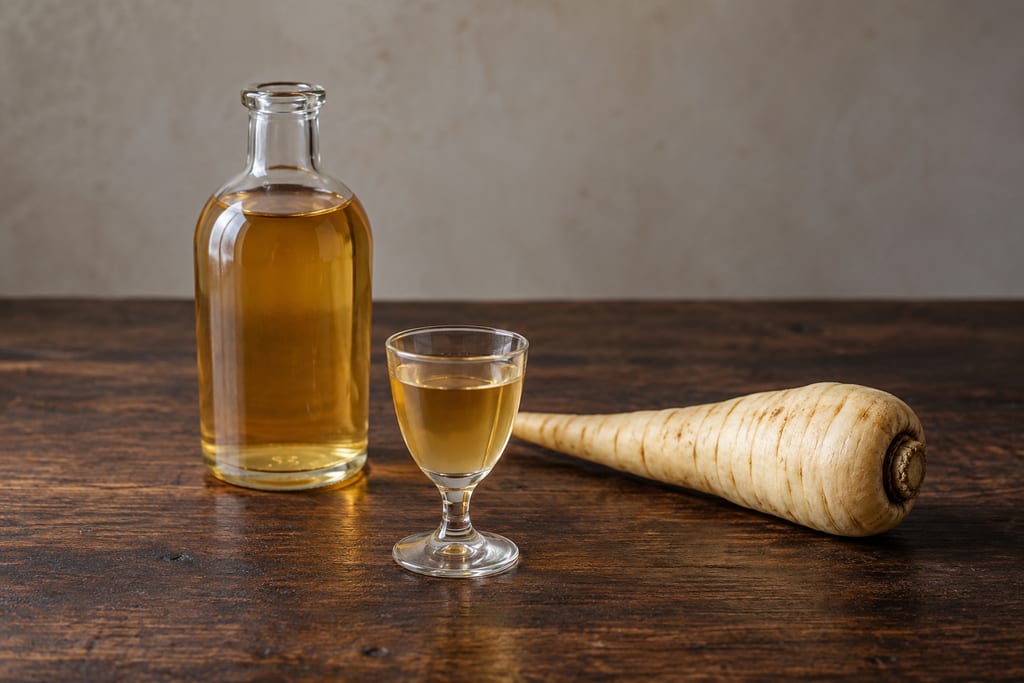
Wright's 1909 compilation records a parsnip wine made from boiled roots, sugar and a little yeast. The liquor spends ten days in a tub, then twelve months in a cask topped up daily only while the wine works over.
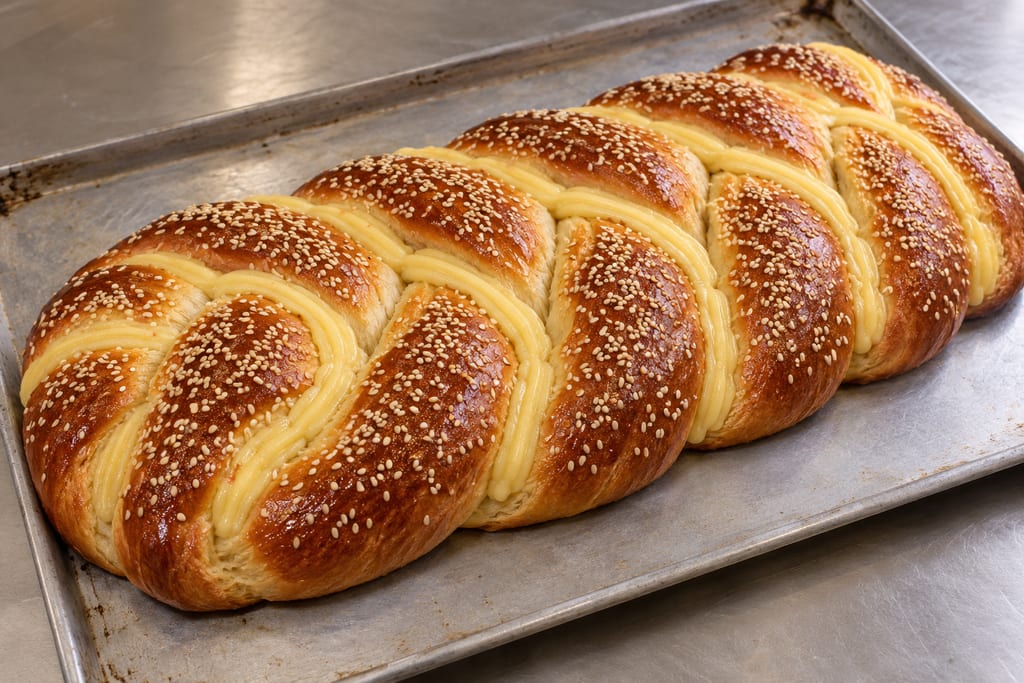
A Mexican sweet, yeast-raised wheat bread shaped as a broad braid or closed zigzag, brushed with egg glaze and decorated with pastry cream and sesame.
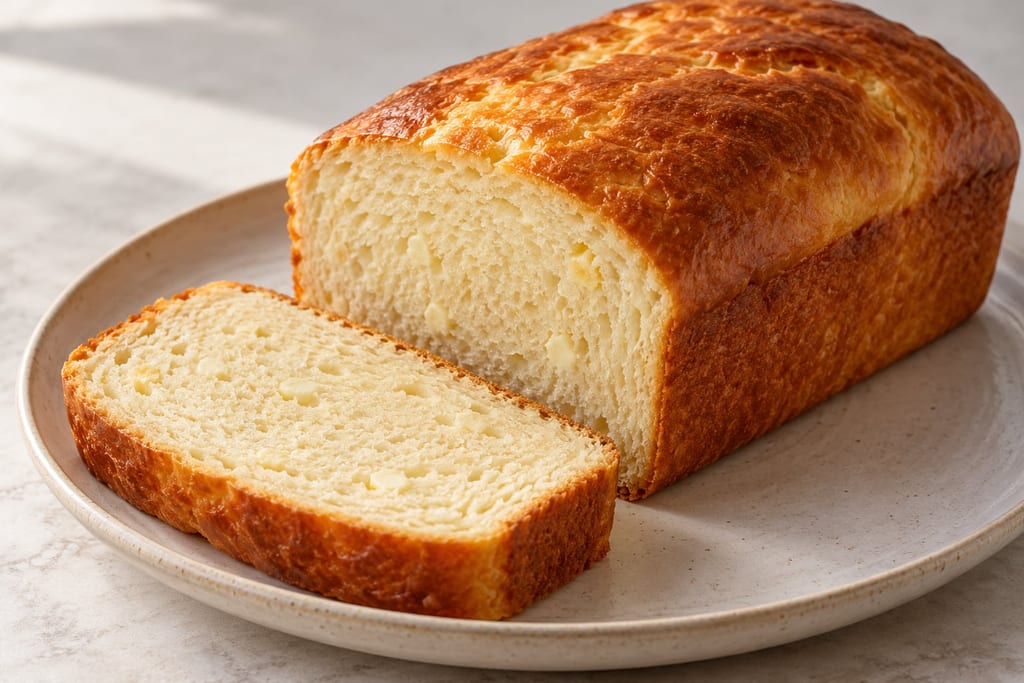
A soft Colombian wheat loaf enriched with milk powder, butter and crumbled fresh cheese.
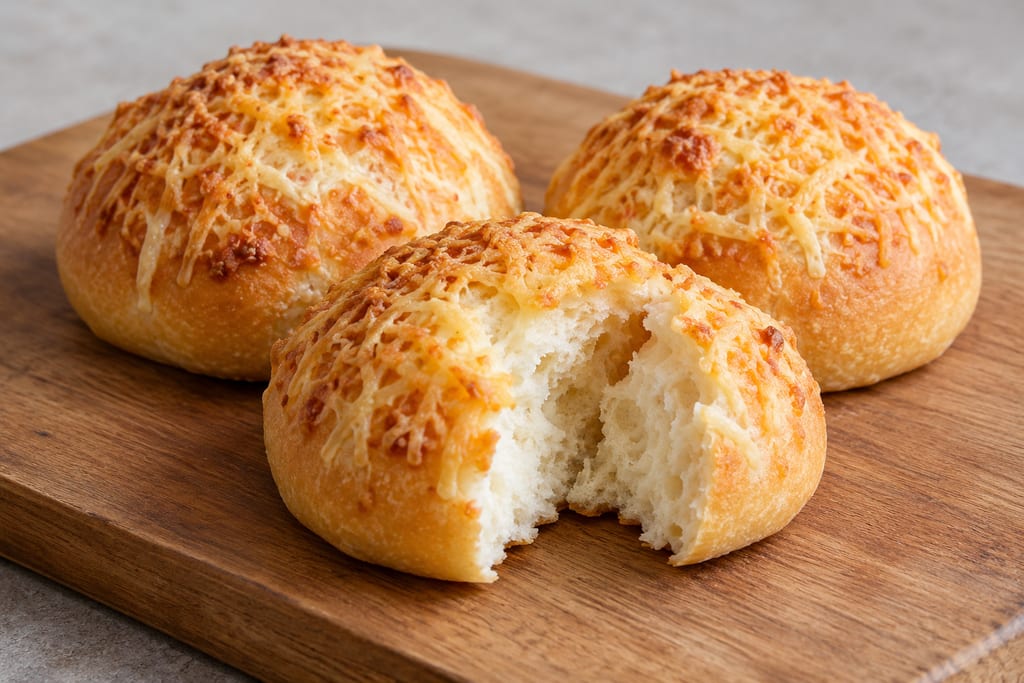
A Potosí yeast bread made with a soft wheat dough and a grated-cheese topping bound with egg yolk and milk.
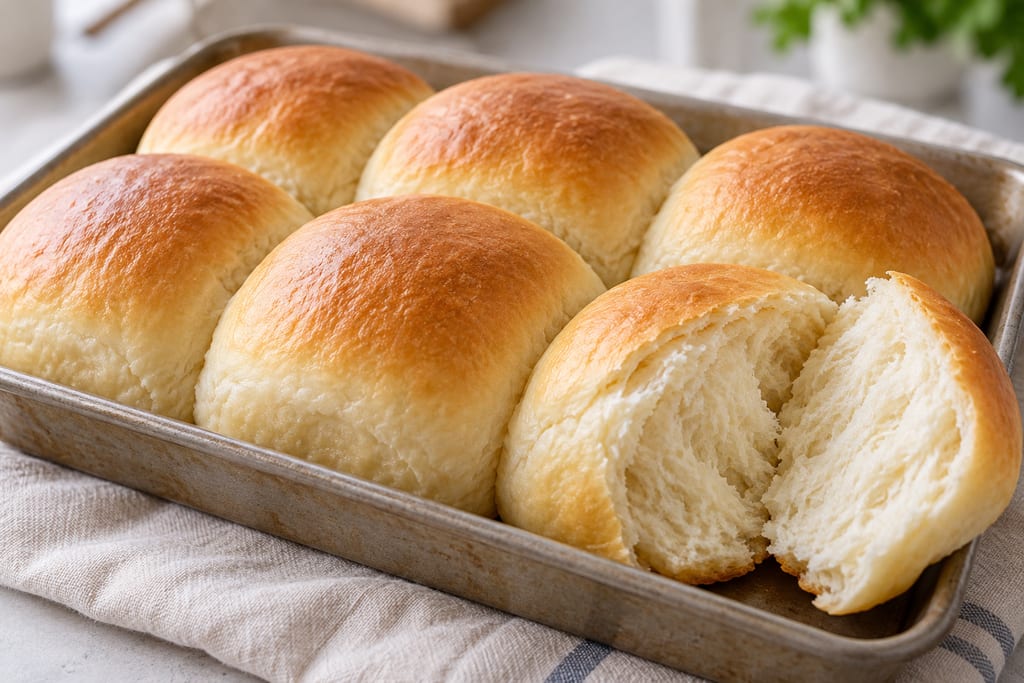
Soft, buttery yeast rolls known in Trinidad and Tobago as hops bread. This batch follows one published family method; local recipes vary in dough and baking technique.
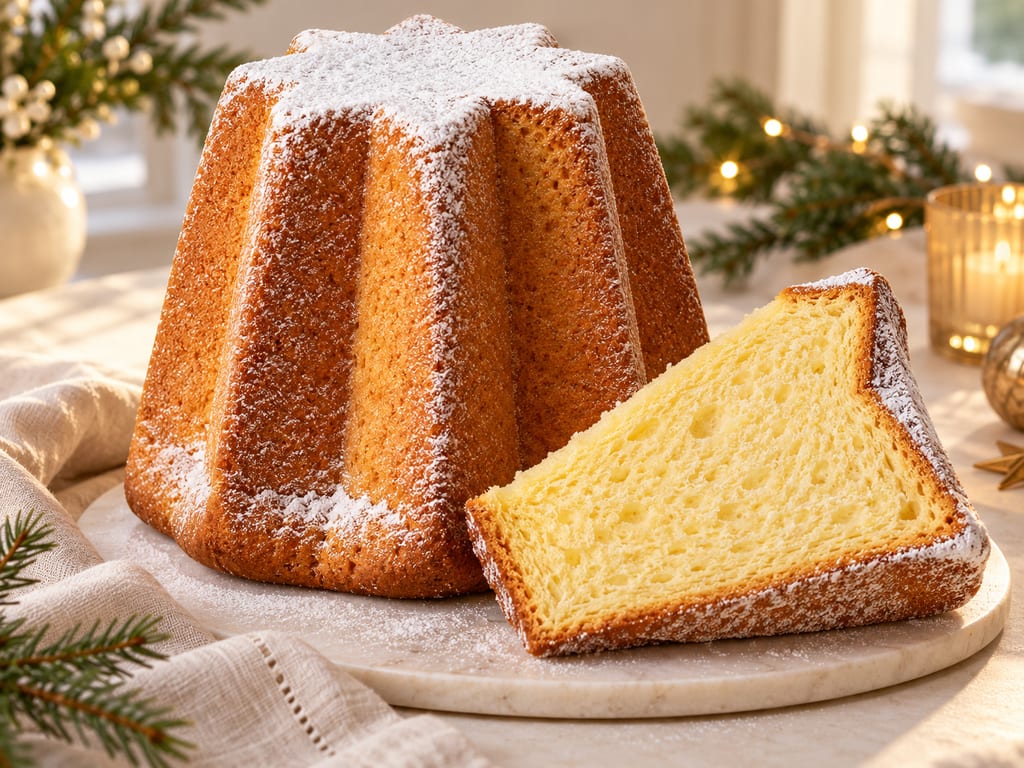
A fruit-free Italian festive enriched bread, baked in a tall star-shaped mould and finished with powdered sugar. This home batch follows one published baker’s-yeast method; it does not represent every pandoro formula.
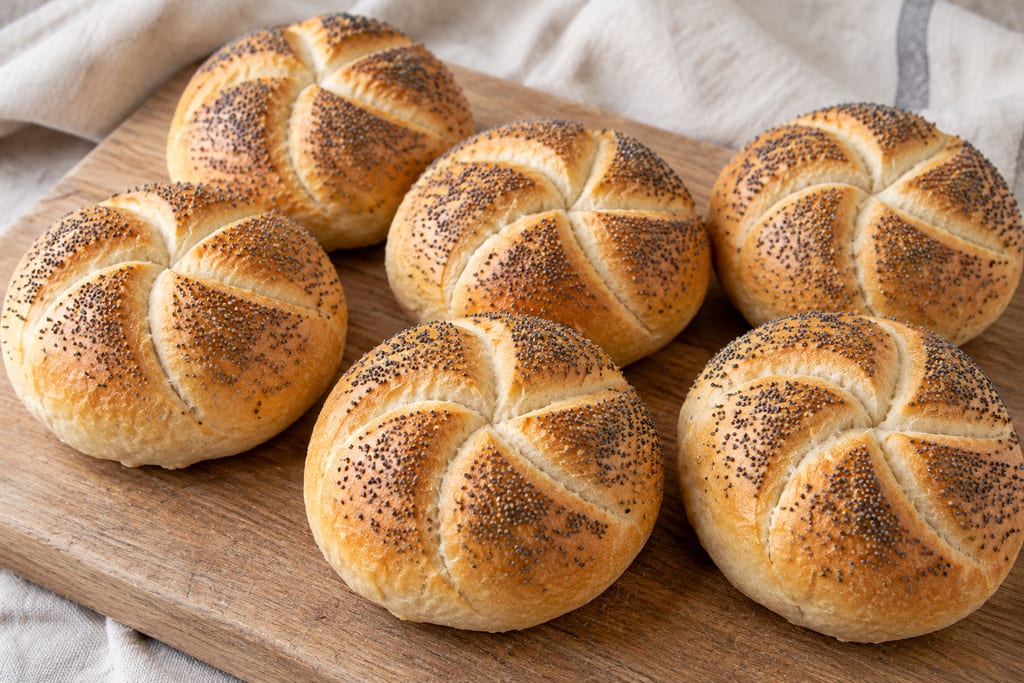
Six stamped yeast rolls with a star-shaped top, brushed with milk and finished with seeds.
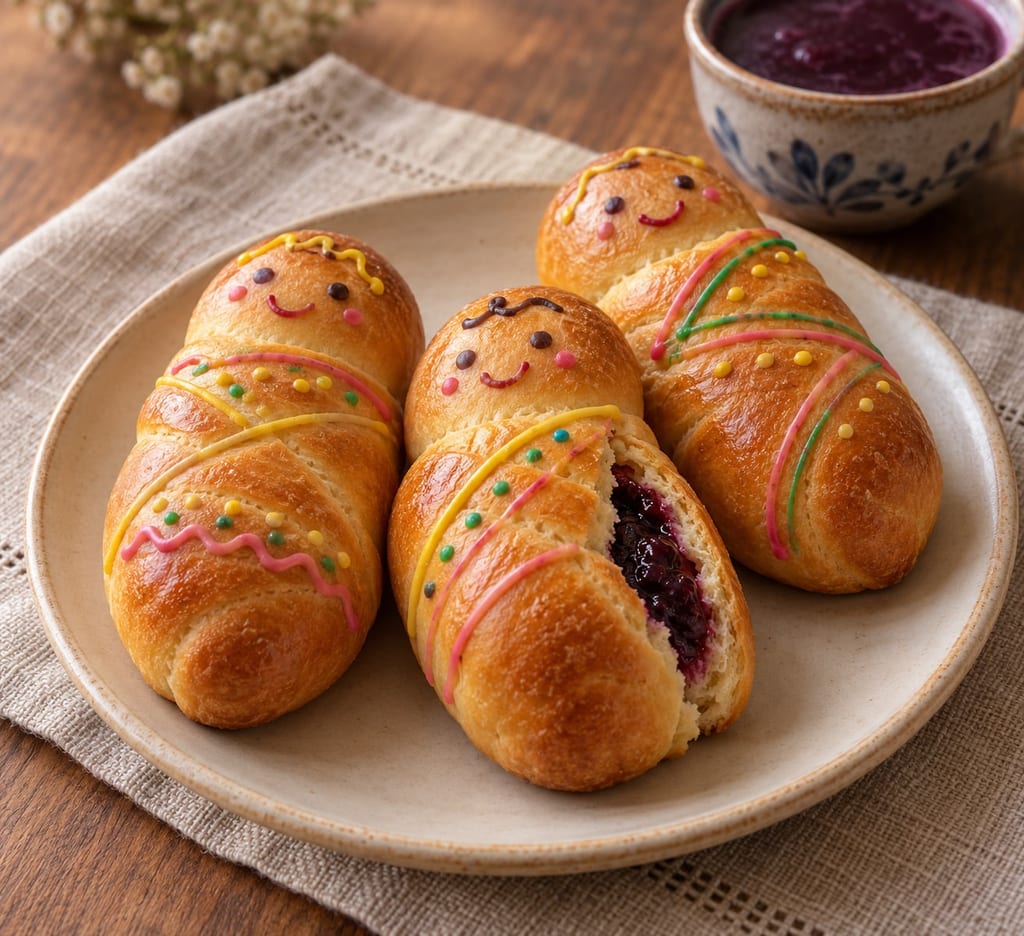
Ecuadorian filled sweet bread figures with a rounded head and wrapped body, made from an enriched yeast dough. This home method shapes small filled ovals, proofs them on trays and serves them with colada morada.
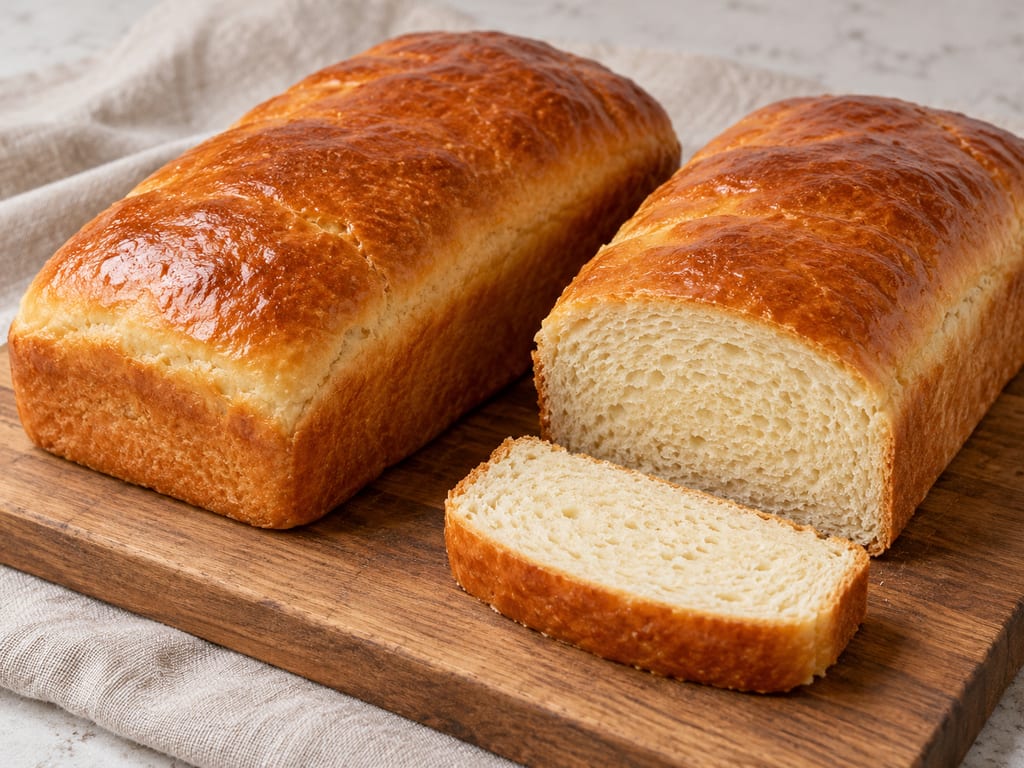
Two Mexican loaves made with pulque, eggs and baker's yeast in a home-oven recipe.
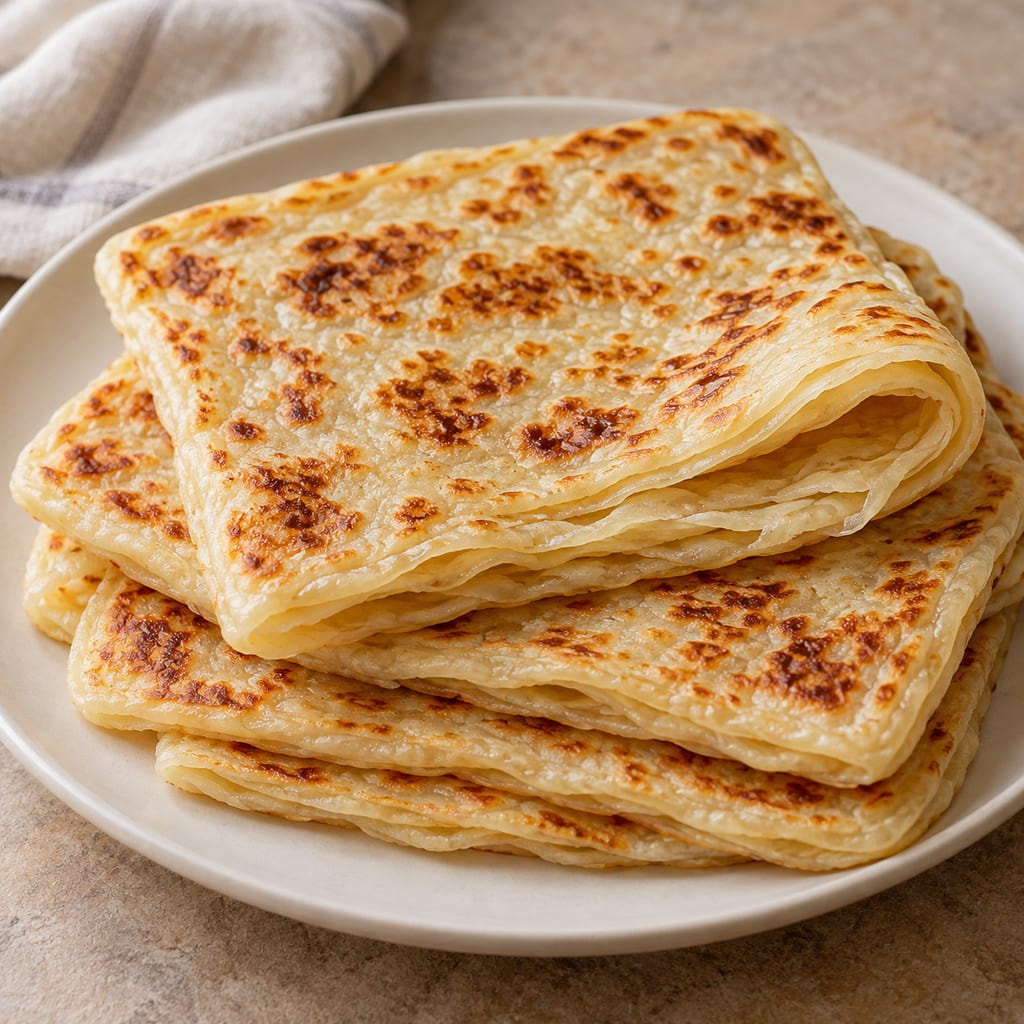
A Tunisian semolina flatbread, stretched with oil, folded into layers and cooked in a pan.
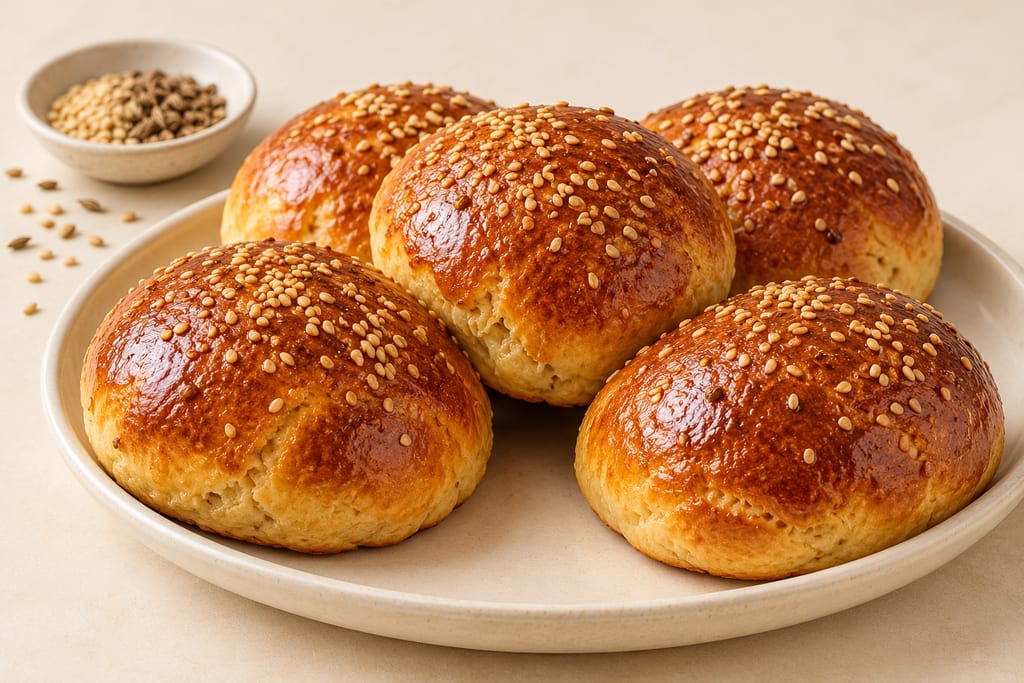
Krachel, also called el gors, are Moroccan sweet yeast rolls scented with anise, sesame and orange flower water. This version follows the three-rise method documented by Christine Benlafquih.
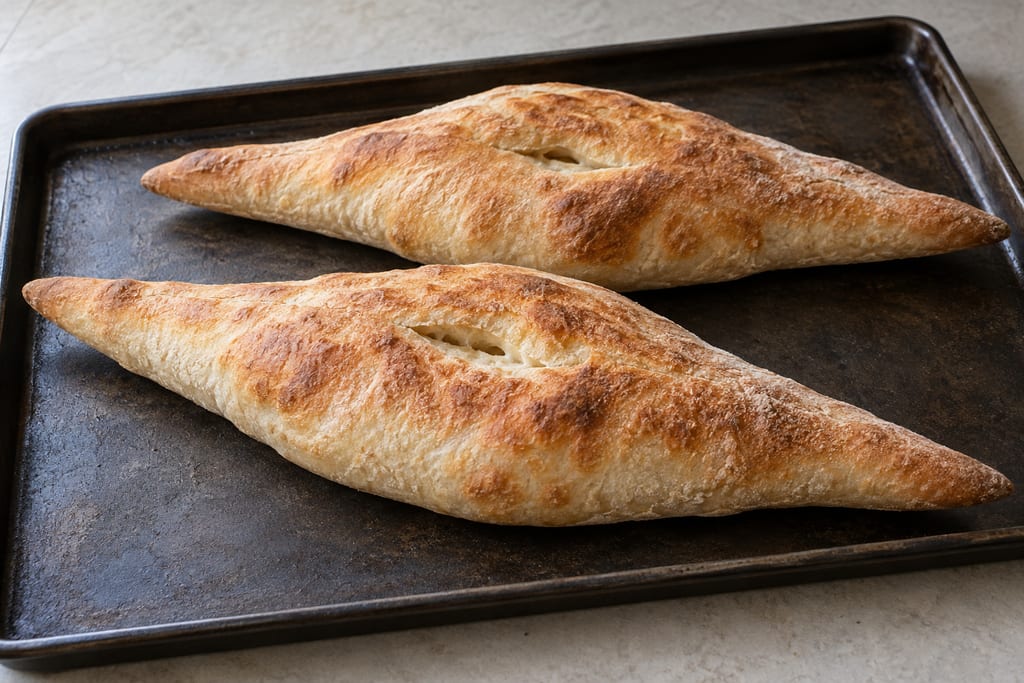
A Georgian pointed flatbread adapted for a domestic oven, made with a simple yeast dough.
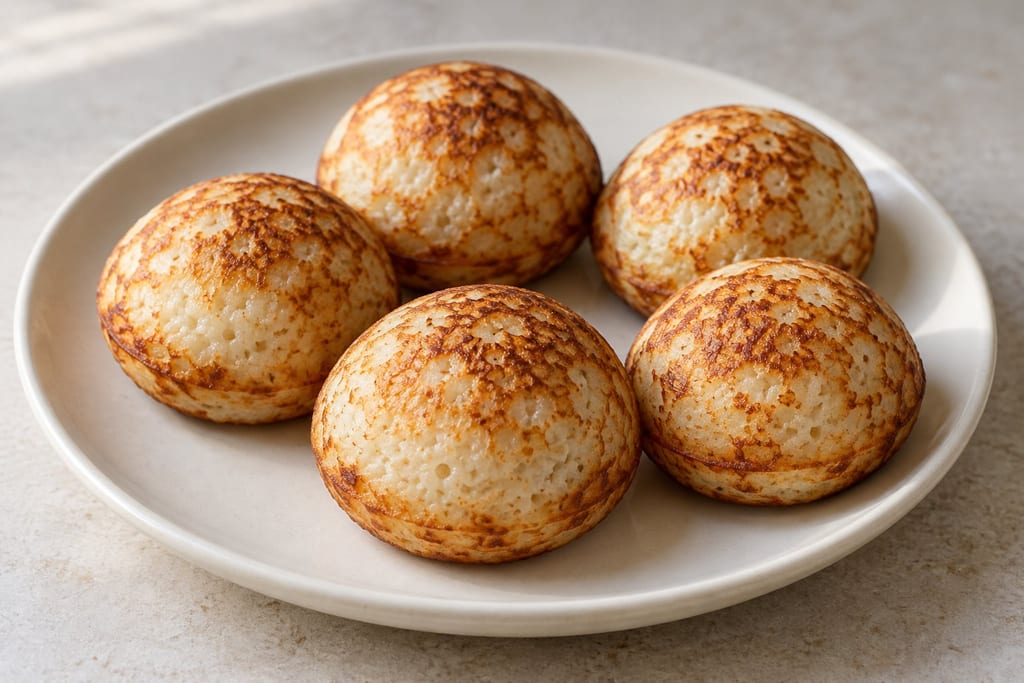
Yeasted rice-and-coconut batter cooks in greased rounded wells into small domed cakes associated with the East African coast.
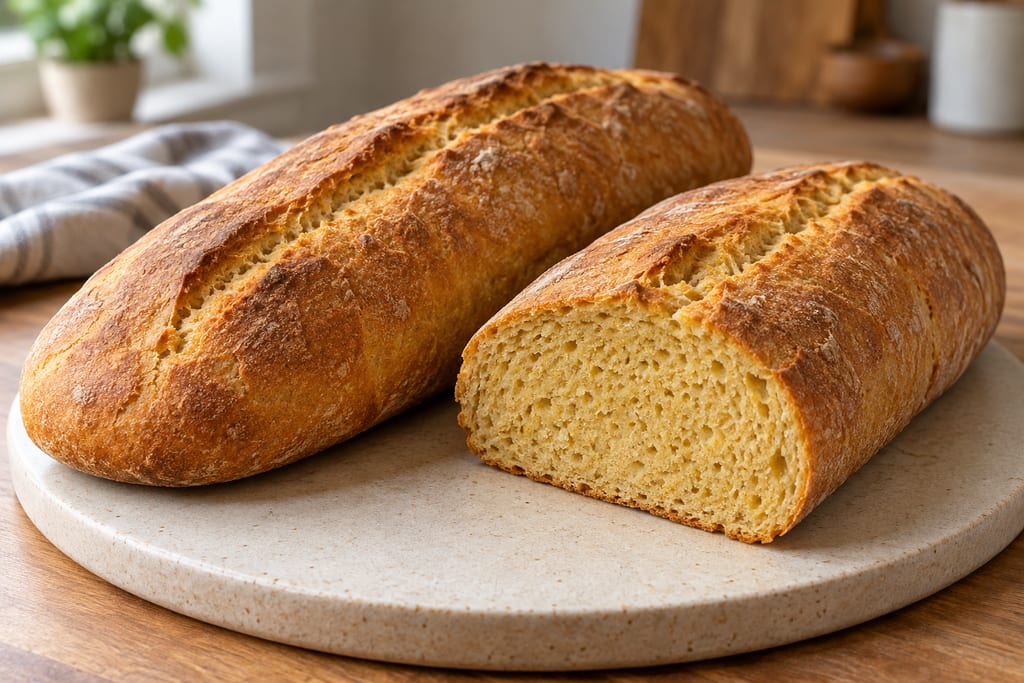
An elongated West African bread with a mixed-flour home-oven formula documented as one version; flour blends and traditional bakery methods vary by place.
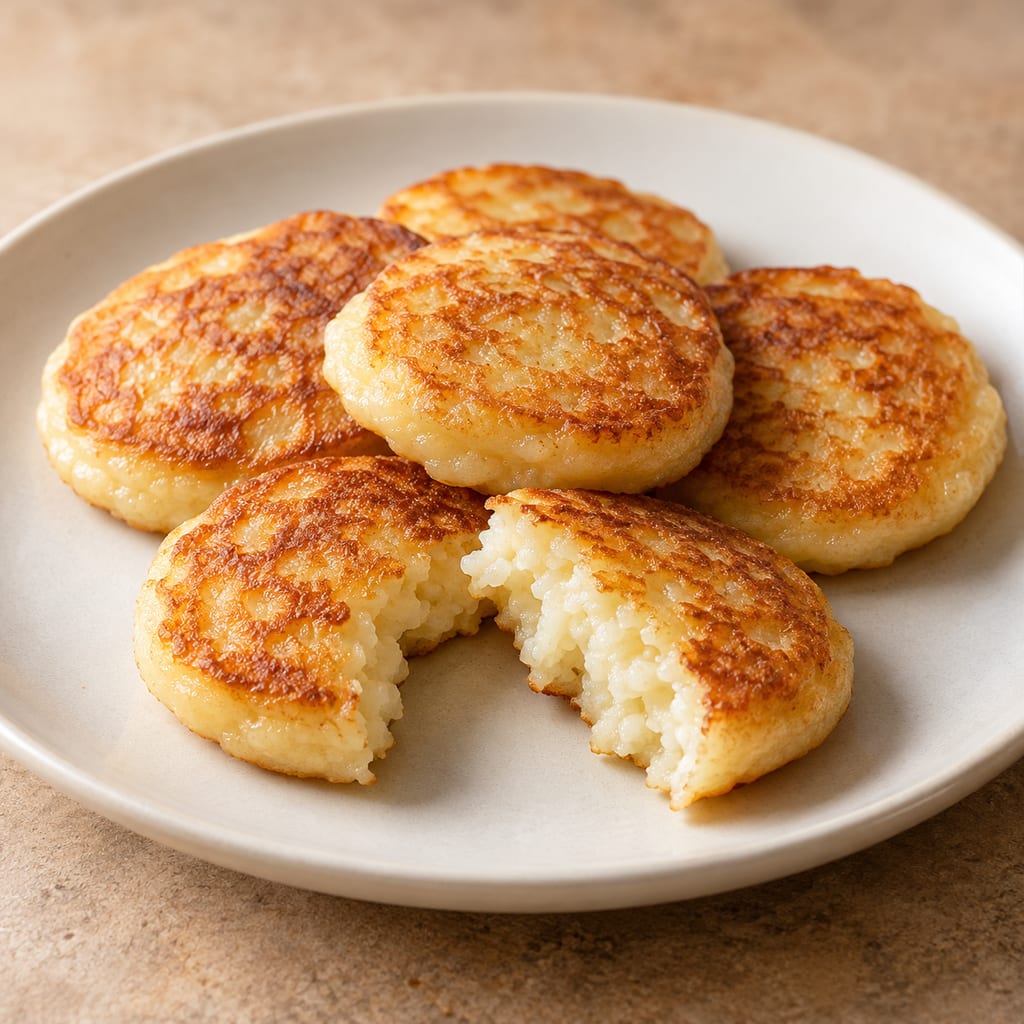
Small, mildly sweet Madagascar-named griddle cakes made from a briefly risen batter of cream of rice, whole-wheat pastry flour, yeast and water.
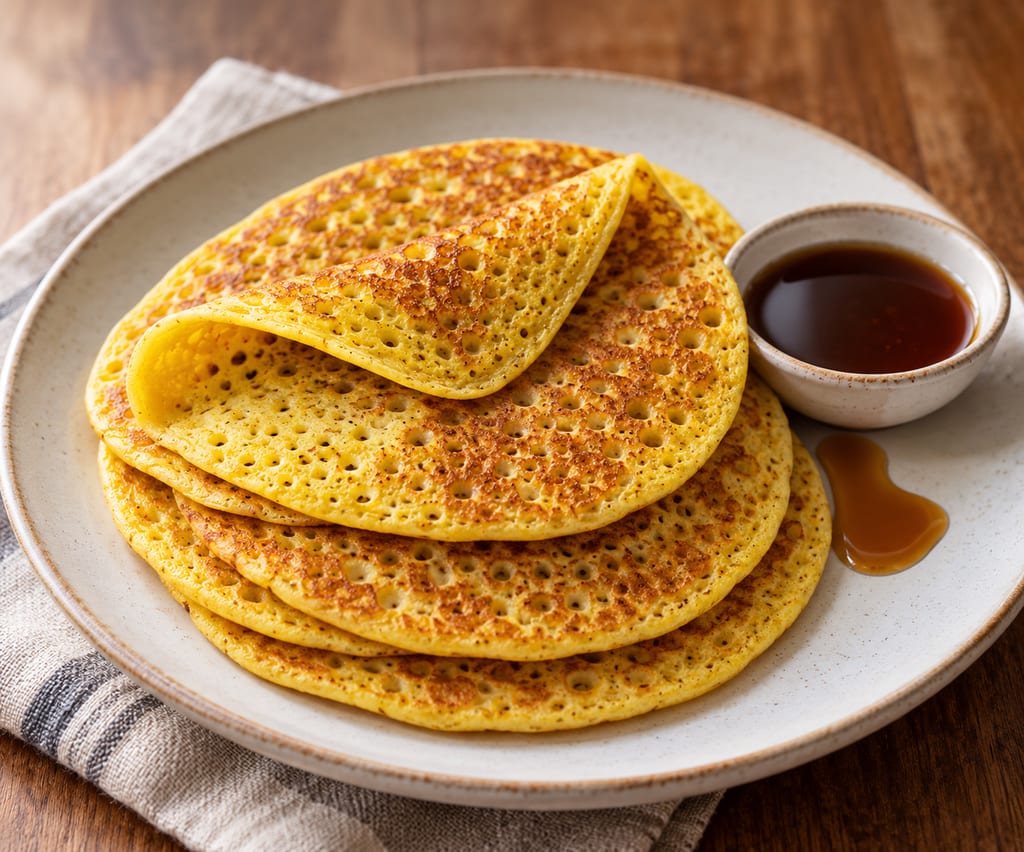
Emirati saffron-and-cardamom pancakes made from a short-rested yeast batter and cooked on both sides.
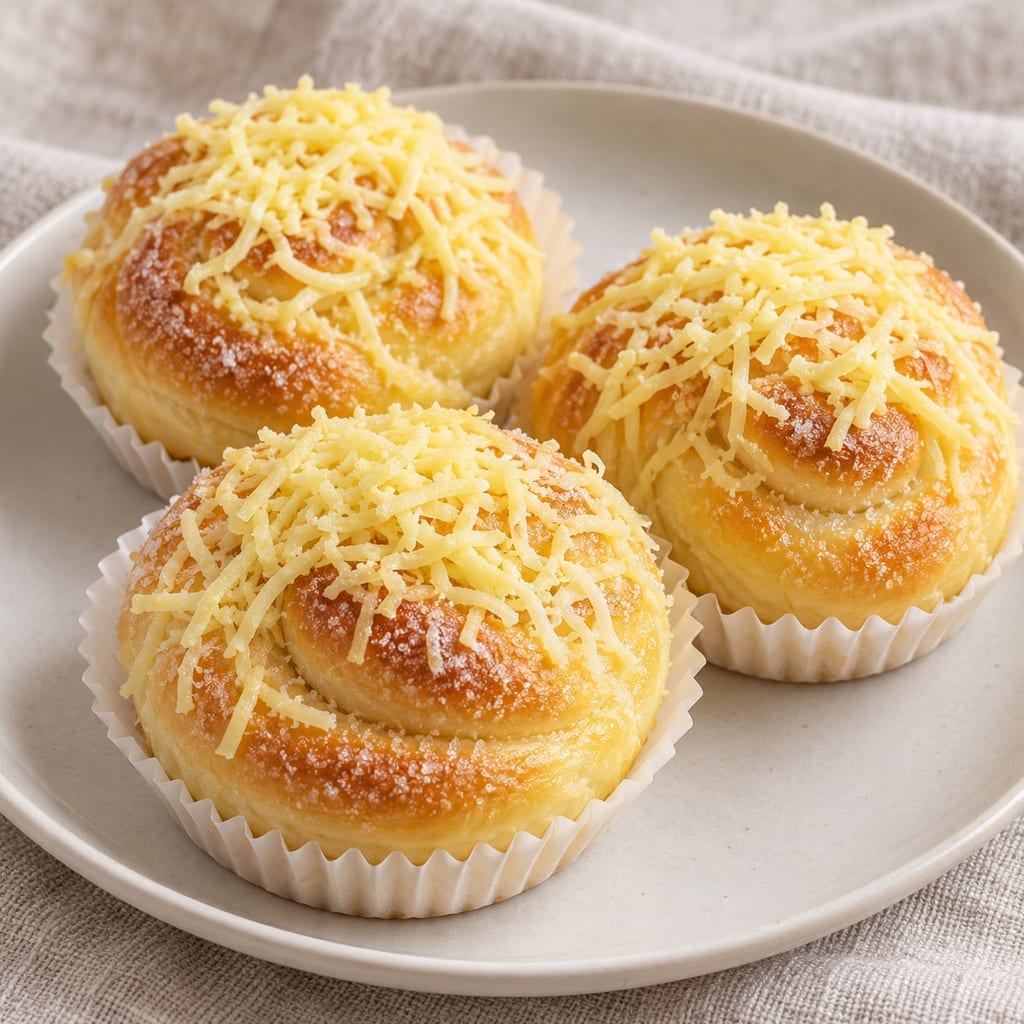
Soft Filipino ensaymada coils use enriched yeast dough, then receive butter, sugar and grated cheese. This modern Filipino version differs from Mallorcan ensaïmada and other Philippine regional formulas.
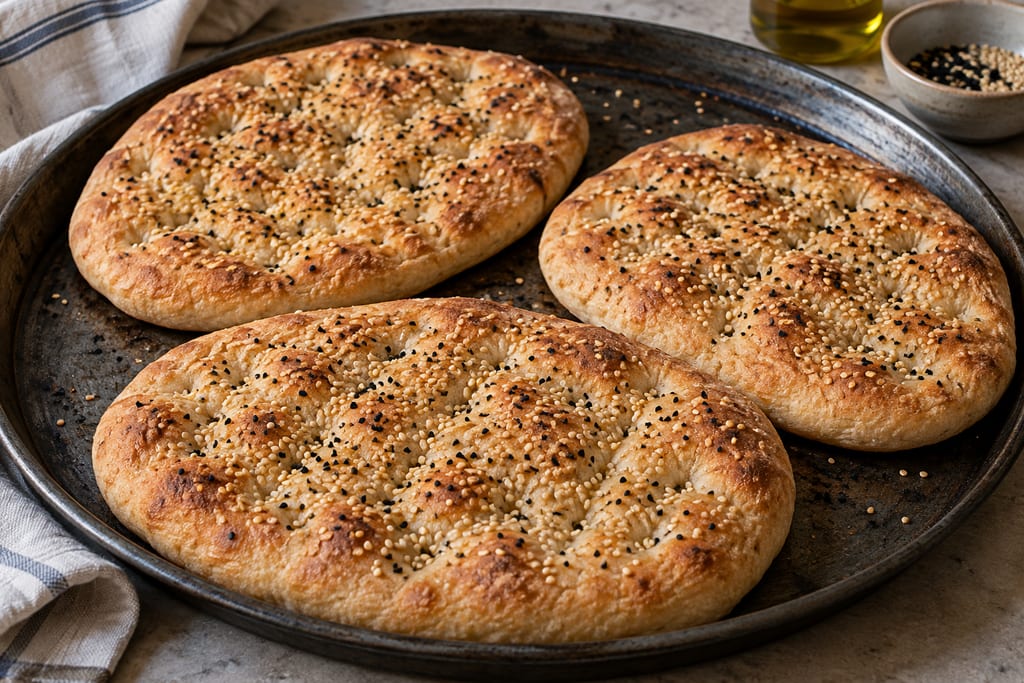
A home-oven interpretation of Saudi tamees, dimpled and topped with sesame and nigella.
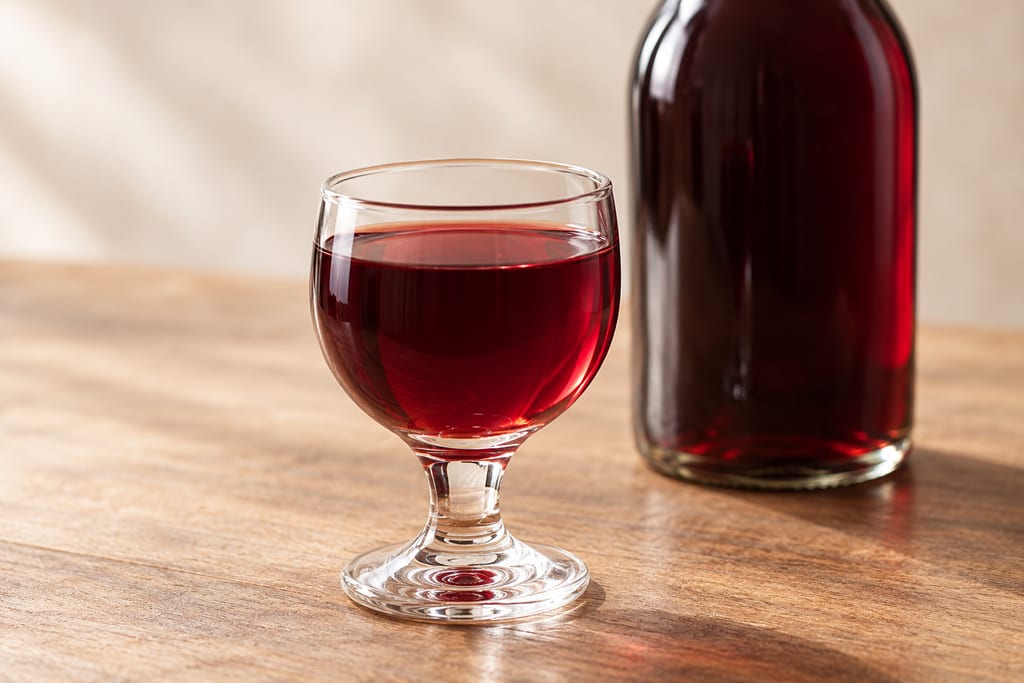
Korean black raspberry wine: crushed bokbunja berries with their seeds, sweetened to 20 °Brix, fermented 15 days at 25 °C with wine yeast, filtered and matured three months.
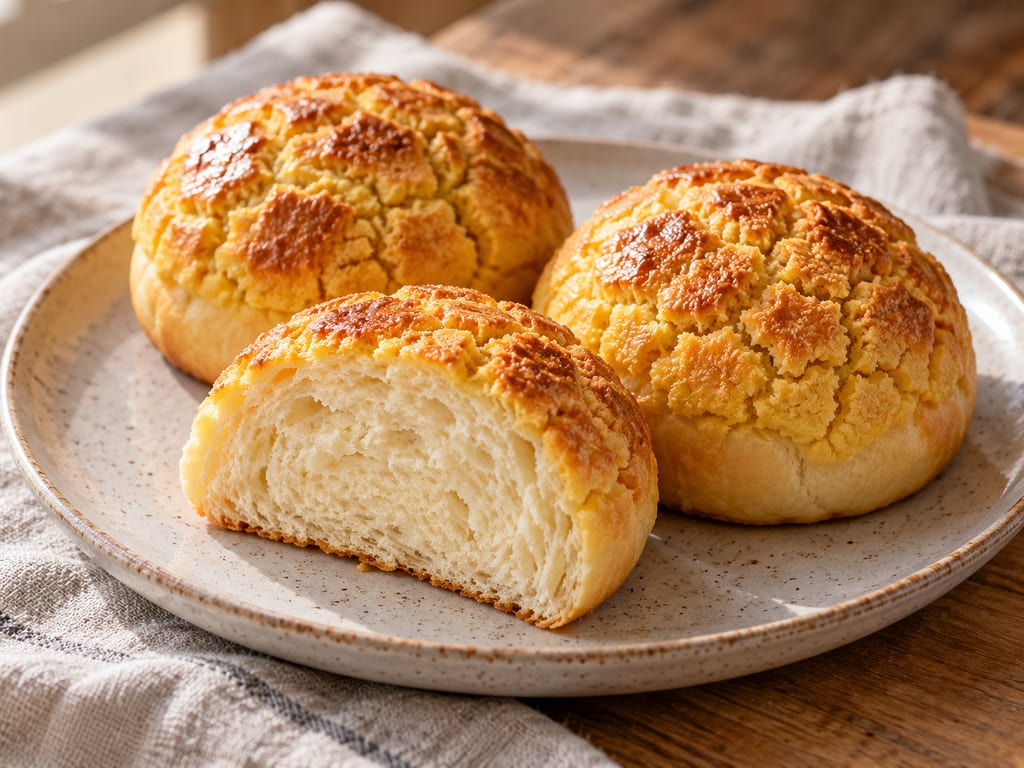
Hong Kong-style pineapple buns have soft yeast dough beneath a crisp, sweet pastry topping.
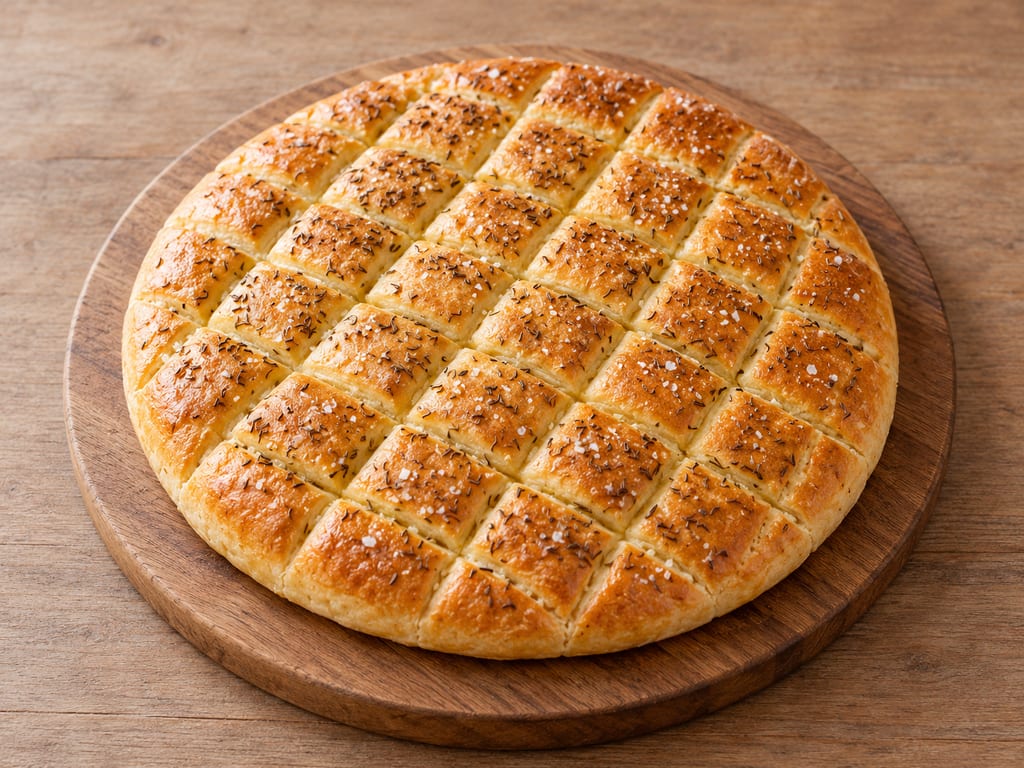
A round Slovenian flatbread scored in a grid and topped with caraway and coarse salt.
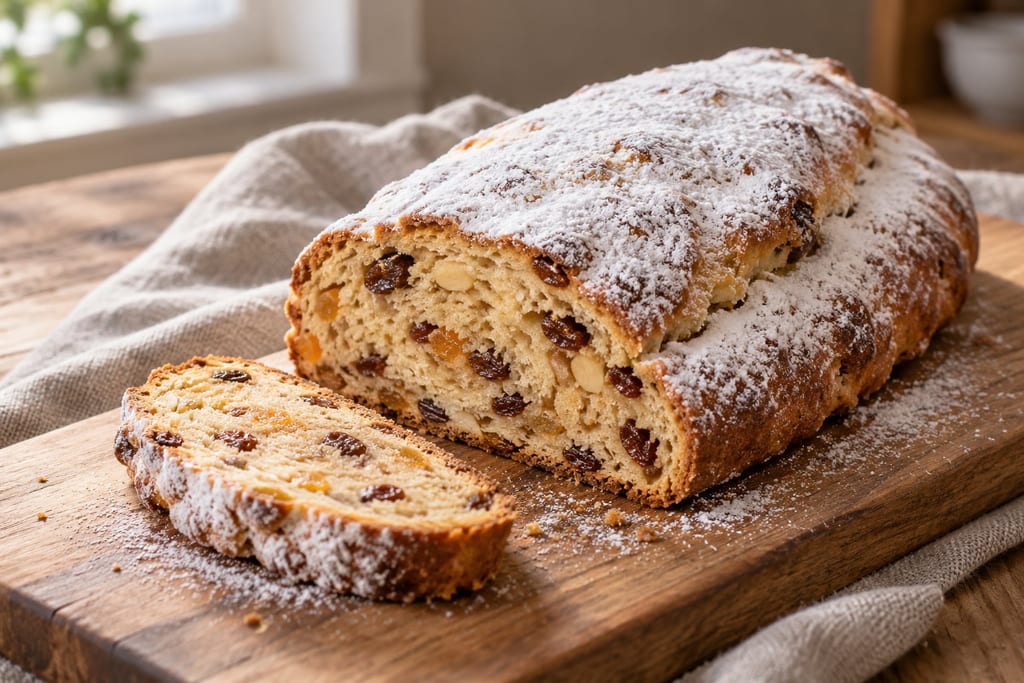
A four-loaf German family Christmas stollen with rum-soaked sultanas, almonds, candied citrus and marzipan, baked in two stages.
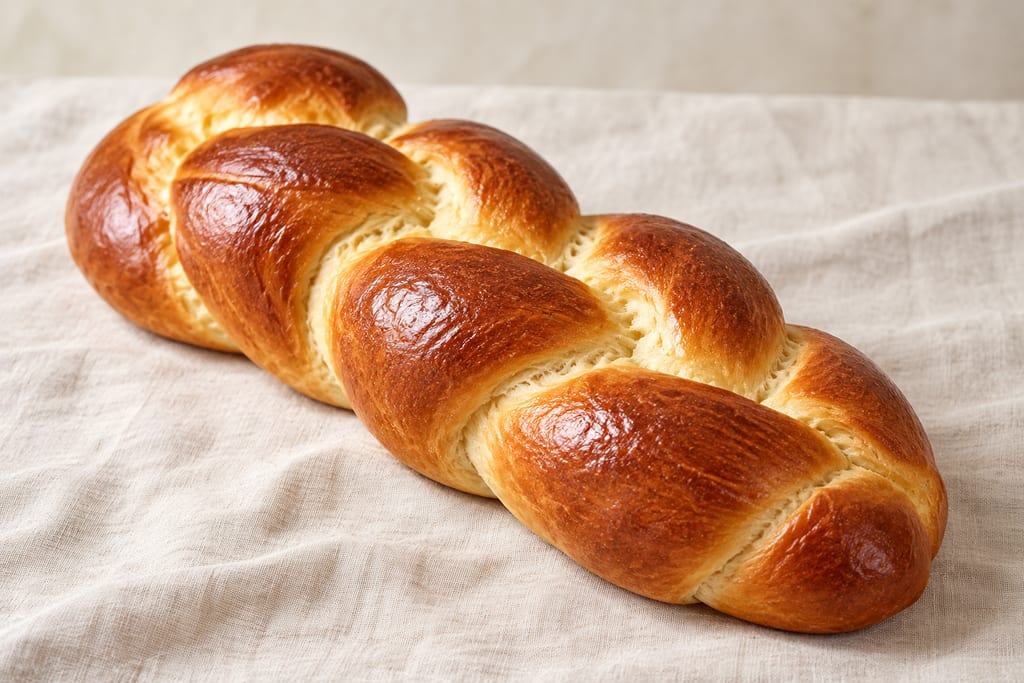
A Swiss braided yeast loaf enriched with milk and butter and brushed with egg yolk.
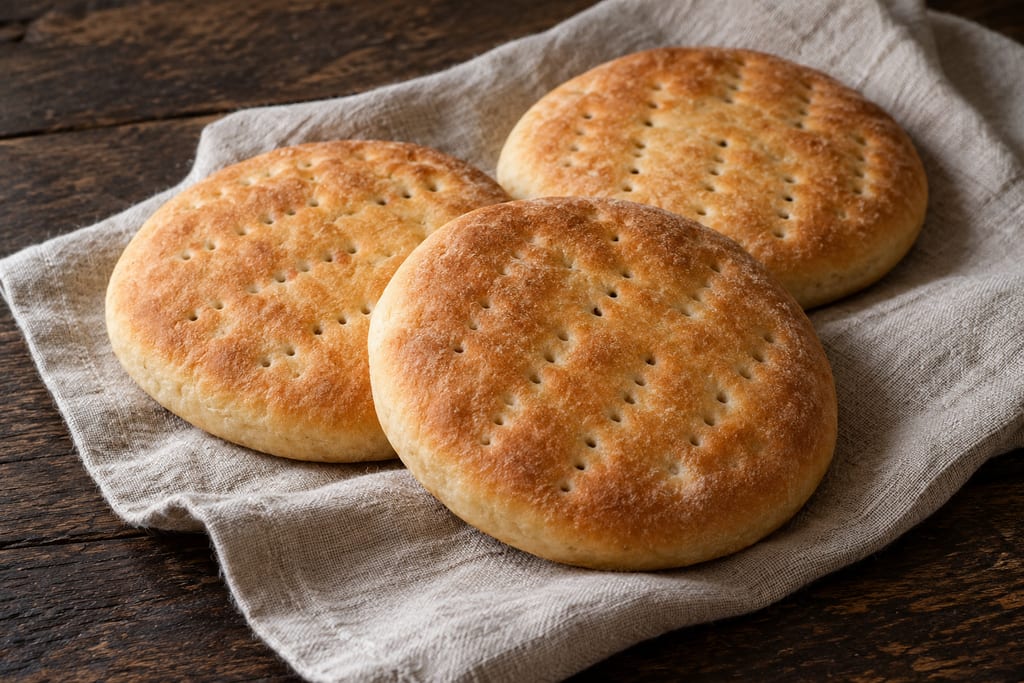
Round Chilean yeast breads made with shortening, rolled and folded, then cut, pricked and baked until golden.
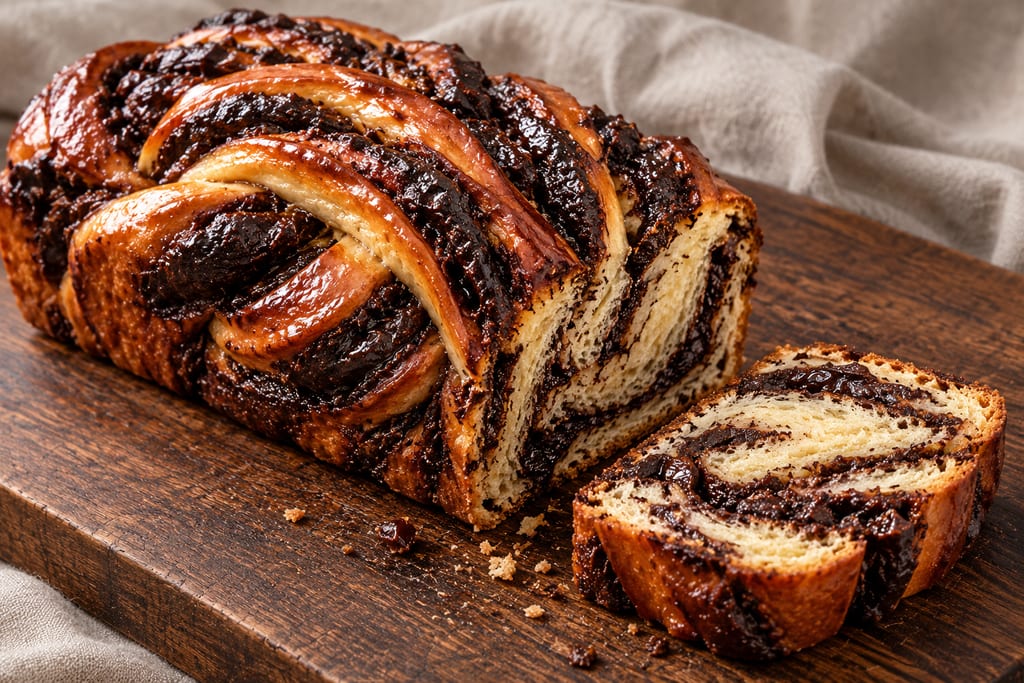
A yeasted enriched dough is rolled with cocoa, chocolate, nuts and cinnamon, twisted into two loaf pans, topped with streusel and baked.
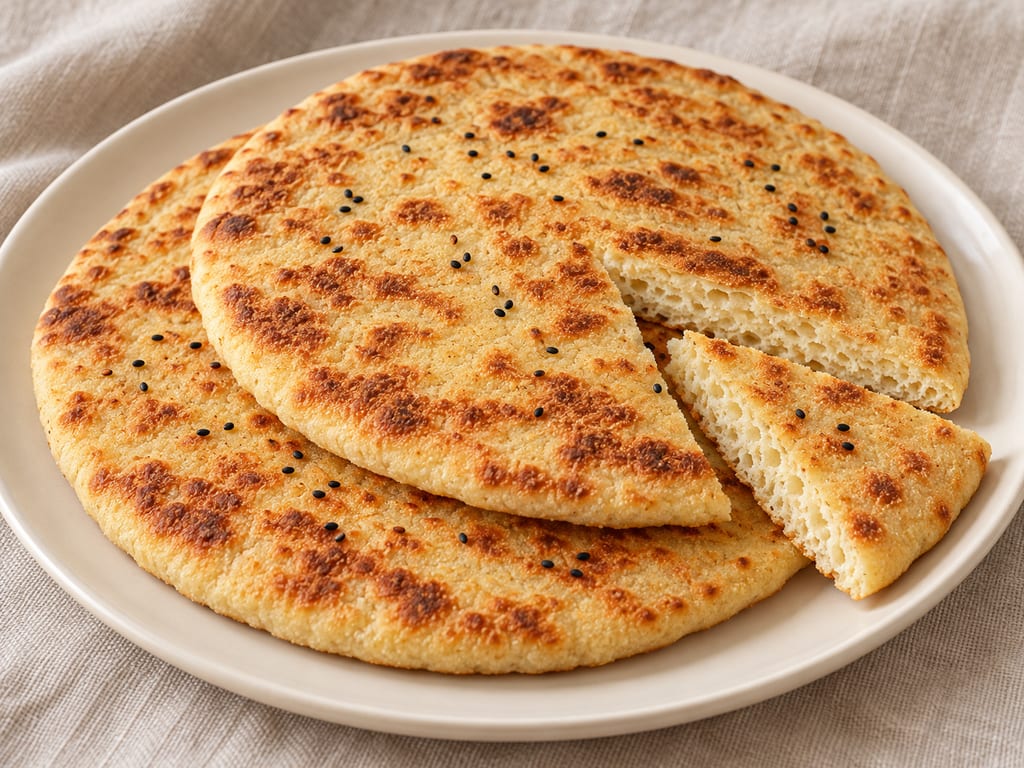
This Algerian semolina and wheat flatbread rises with yeast, browns in an oiled skillet and finishes crisp in the oven. It is the author's leavened adaptation, not the unleavened semolina baseline.
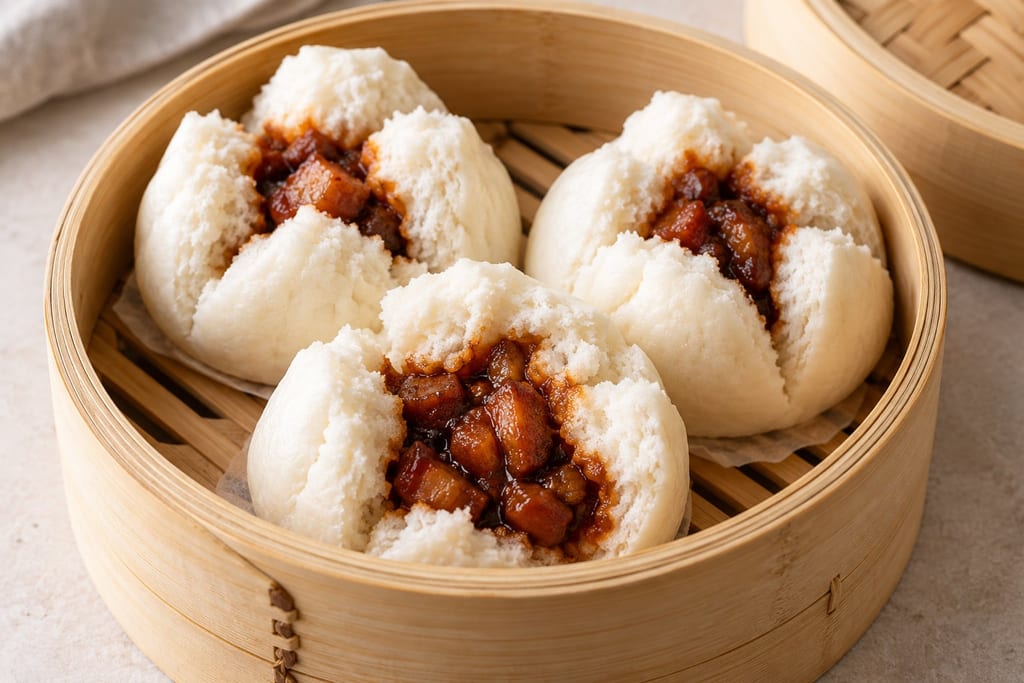
Fourteen fluffy steamed buns filled with cooked char siu and a thickened oyster-soy sauce.
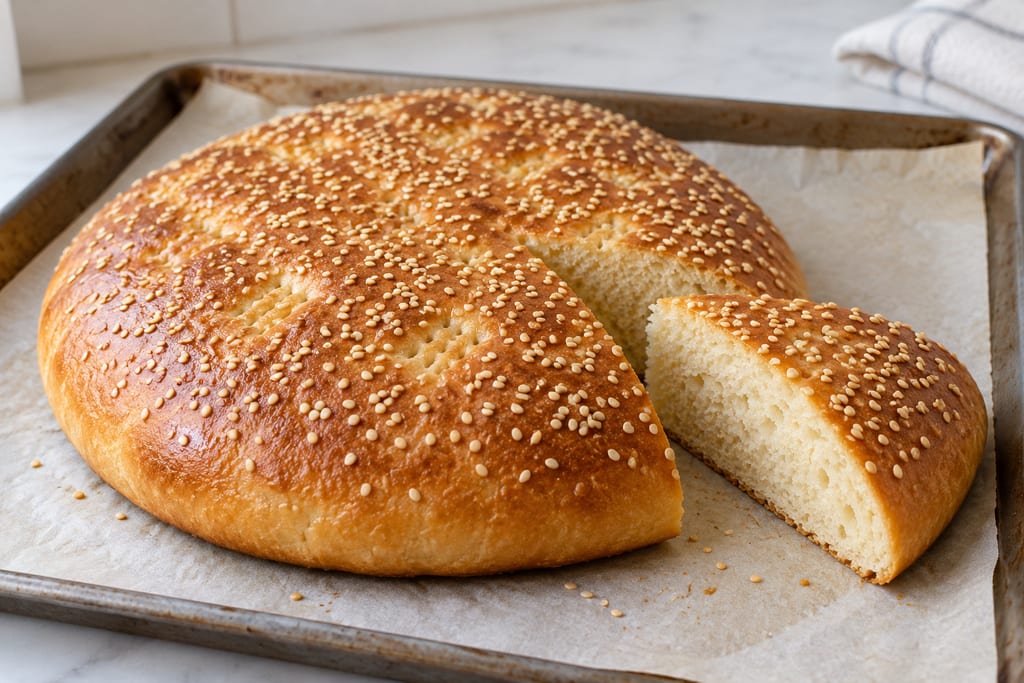
An Algerian round loaf made with semolina, wheat flour, milk, egg and sesame; this source version uses an overnight-free yeast method with three rests and an egg glaze.
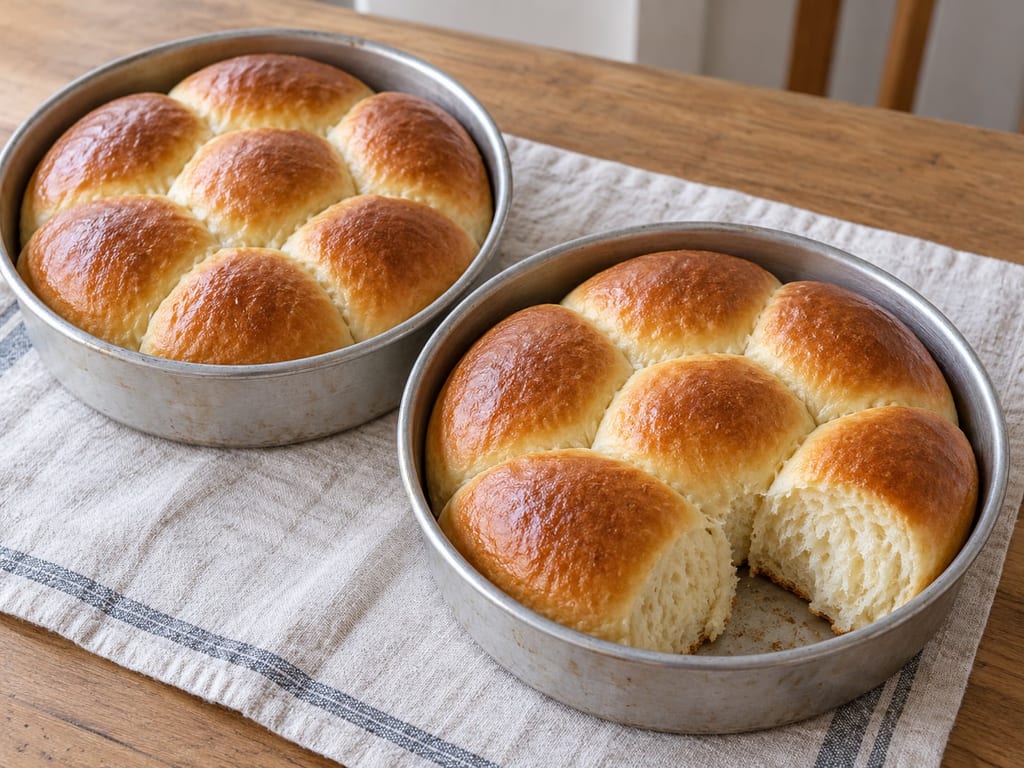
This Hawaiian Electric pão doce is an enriched yeast bread with milk, eggs, melted butter and sugar, baked as two loaves or shaped into small rolls.
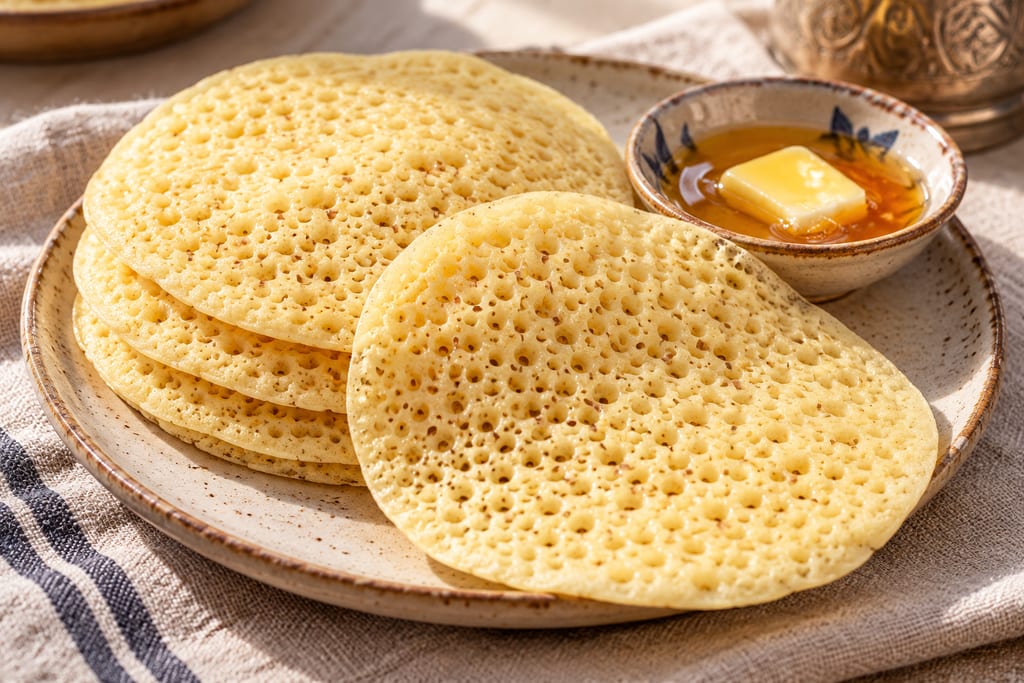
Moroccan semolina pancakes made from a thin yeast batter, rested until foamy and cooked on one side until the surface sets with a honeycomb of holes. This source-specific batch makes sixteen 5-inch pancakes.
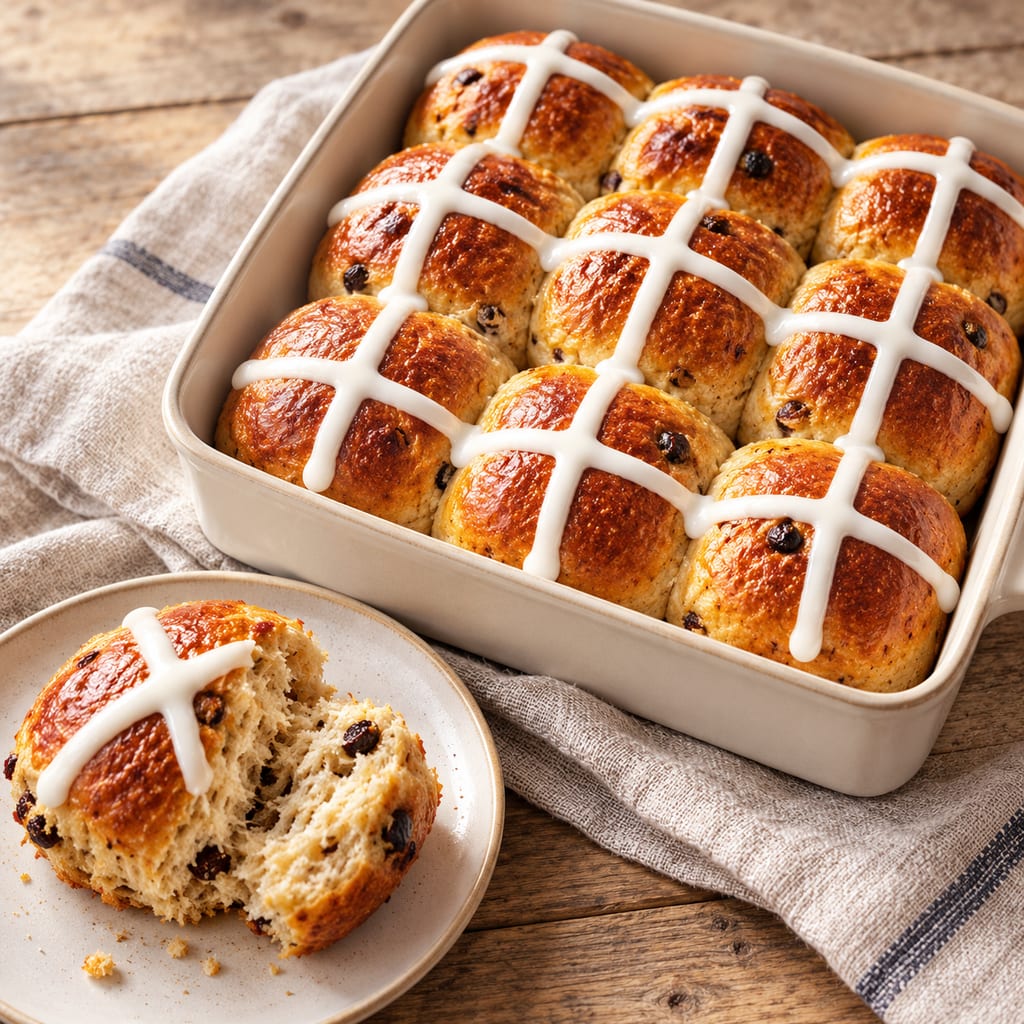
These spiced fruit buns use yeast and baking powder in a soft wheat dough, then receive an icing cross after baking.
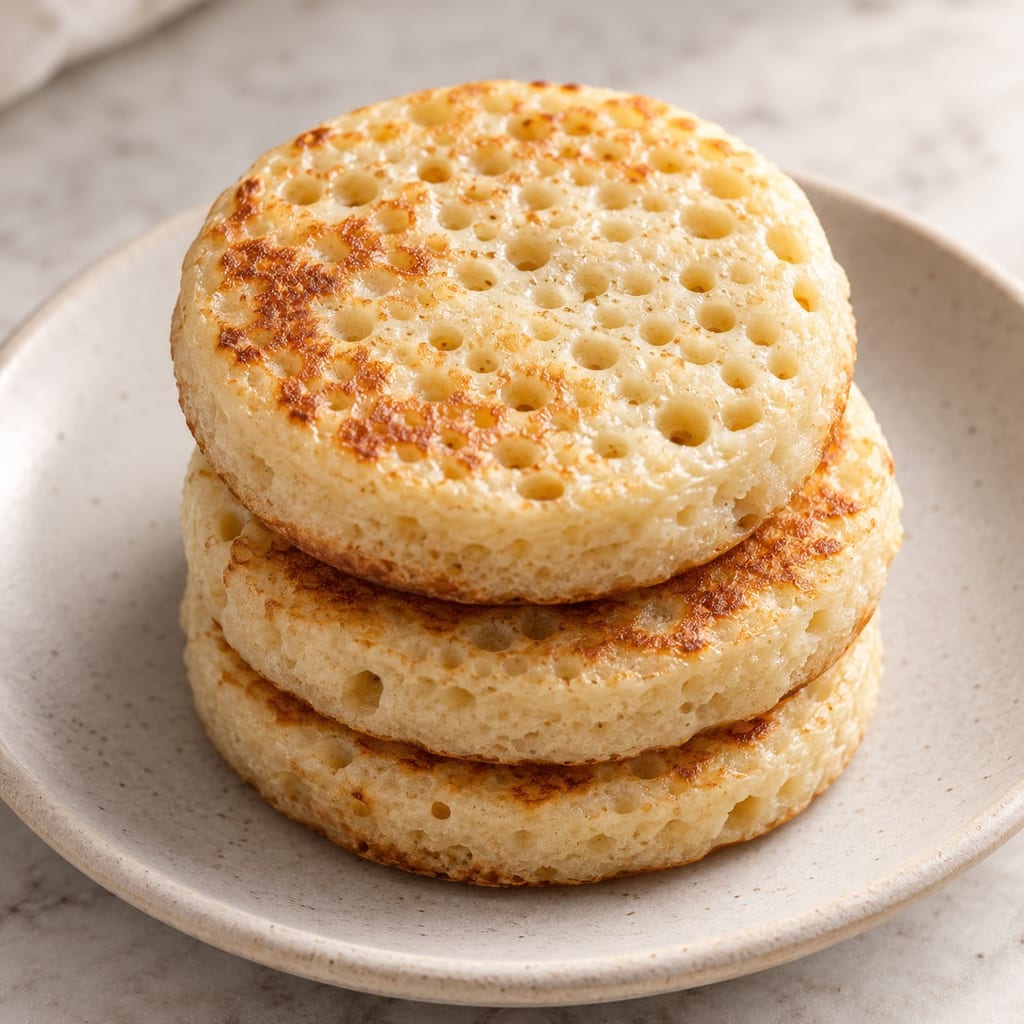
A yeasted milk-and-water batter cooked in greased rings, then turned to finish. This modern formula also includes baking powder.
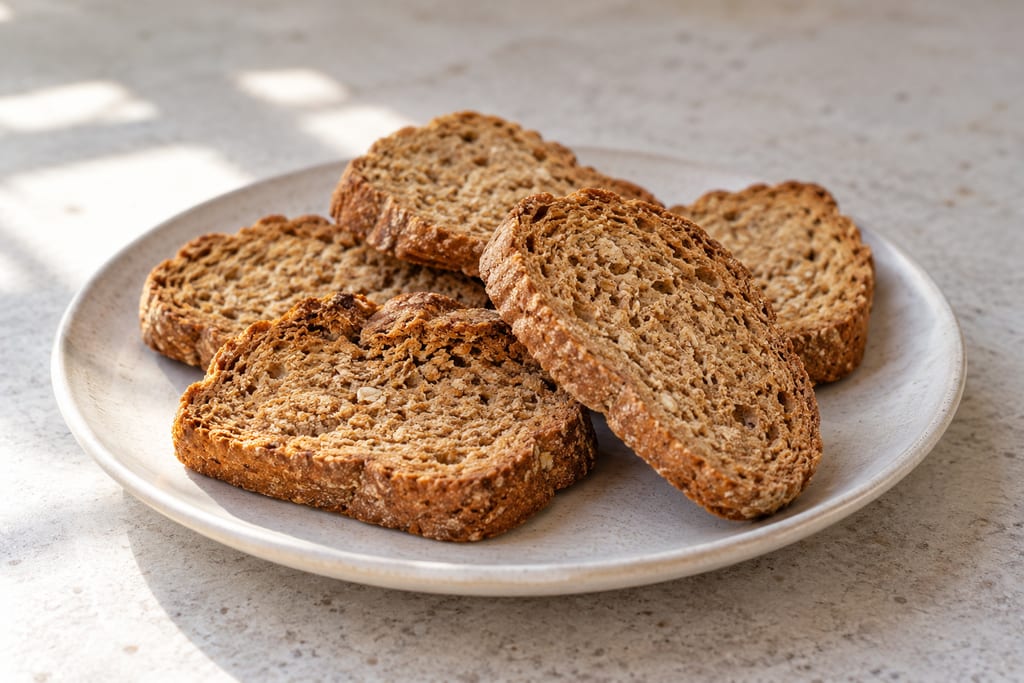
Elena Paravantes gives a modern 50/50 whole-grain barley and wheat rusk recipe, shaped as one scored loaf, baked, separated into slices and dried in a low oven. The second rise has no stated duration.