




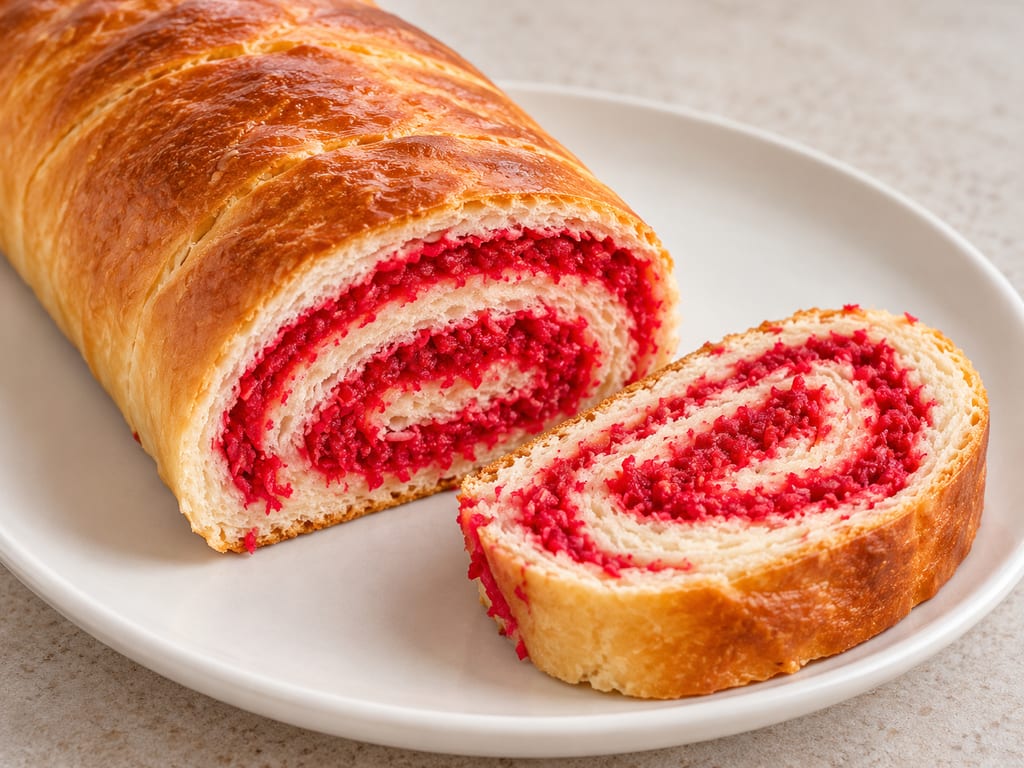
Salara
Salara is a Guyanese sweet bread rolled around red coconut, baked as two loaves and sliced for breakfast, tea or a snack.
 FermenteaWhere food goes to change
1504 records with their sources, across 11 categories.
Salara is a Guyanese sweet bread rolled around red coconut, baked as two loaves and sliced for breakfast, tea or a snack.
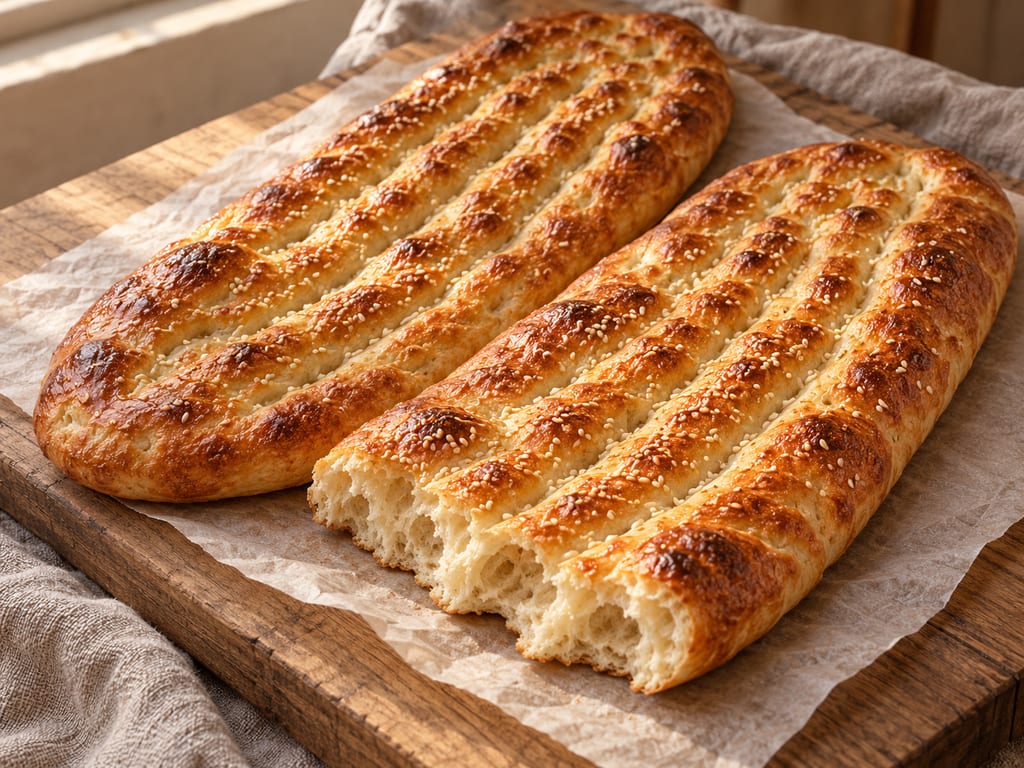
A yeast-raised Iranian flatbread with a crisp roomal-glazed crust, long grooves and a soft interior.
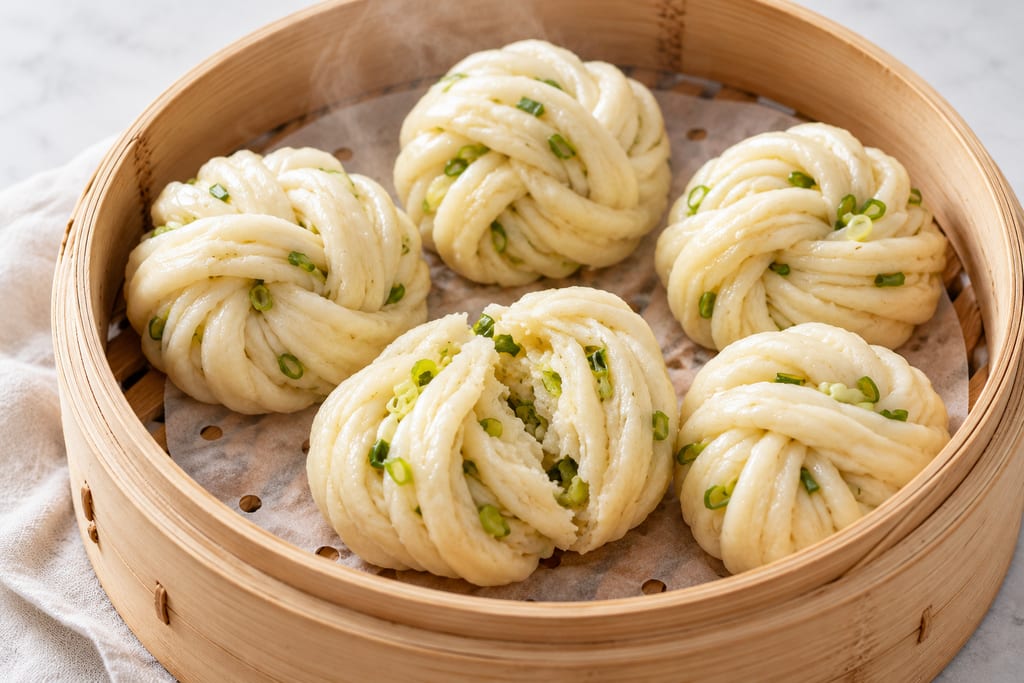
Hua juan are layered wheat rolls shaped into knots and steamed. This version folds scallions and five-spice between the dough layers and makes eight savory buns.
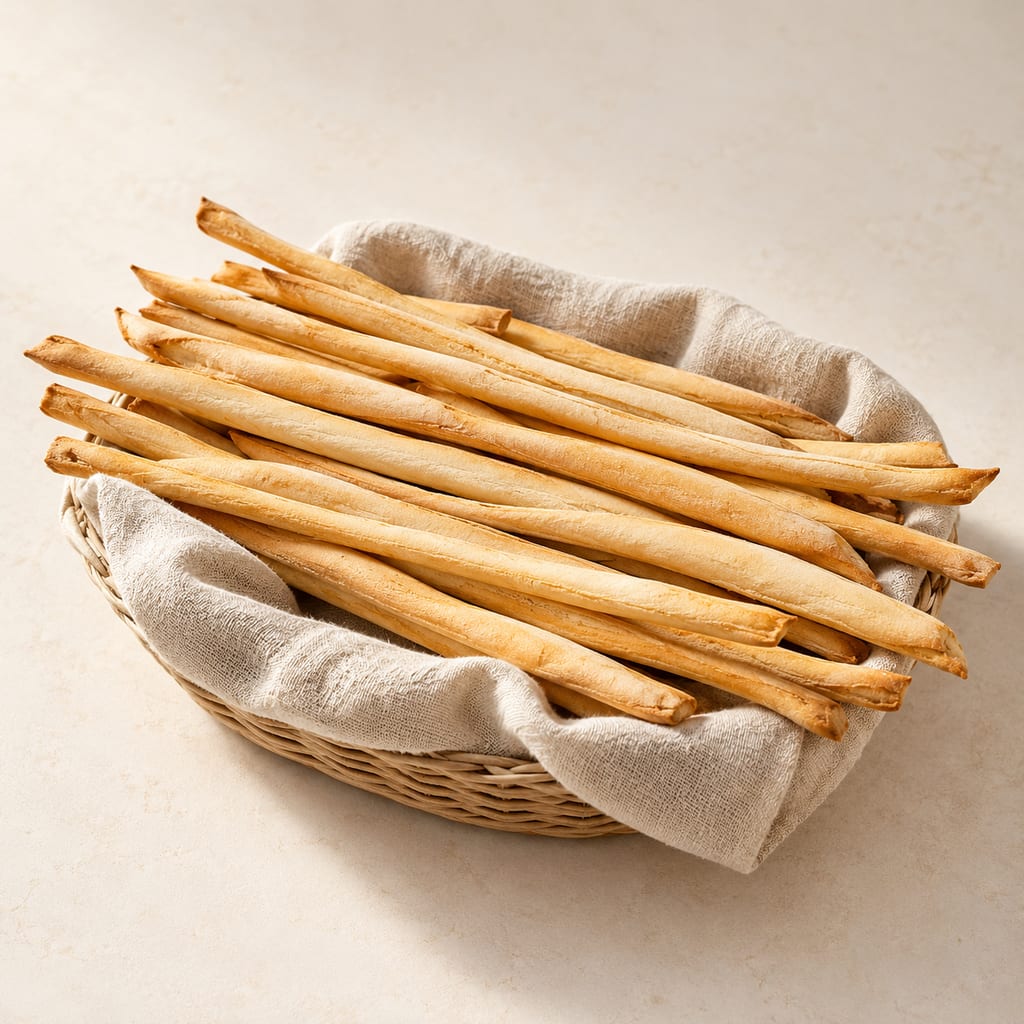
A measured Torino baker’s formula for hand-stretched grissini, baked until crisp and dry.
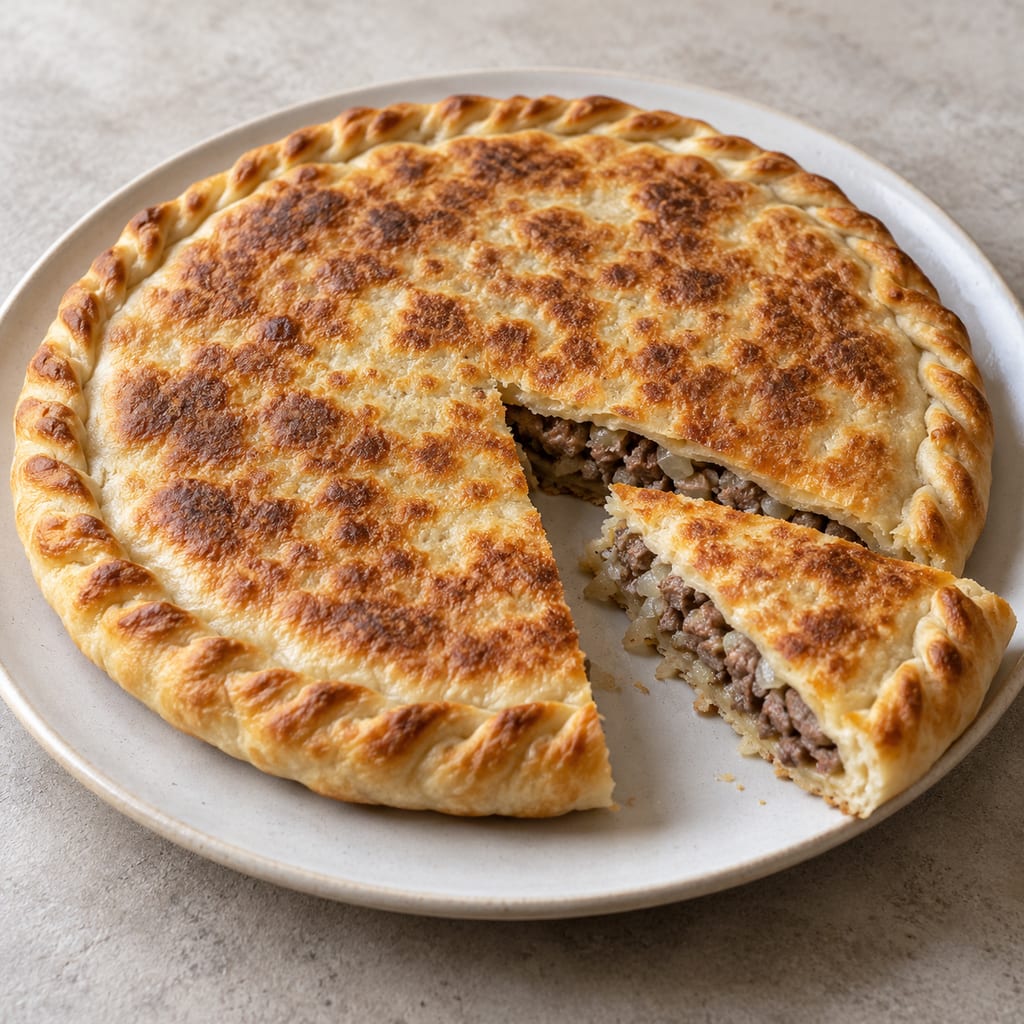
Gosh-naan is a Uyghur meat-filled bread in one family recipe: lamb, onion and cumin are sealed in yeast dough, pan-cooked, and checked at a safe centre temperature.

This Emilia-Romagna home version uses a measured flour-and-milk dough with yeast, shapes it into small diamonds or squares, and fries them in peanut oil.
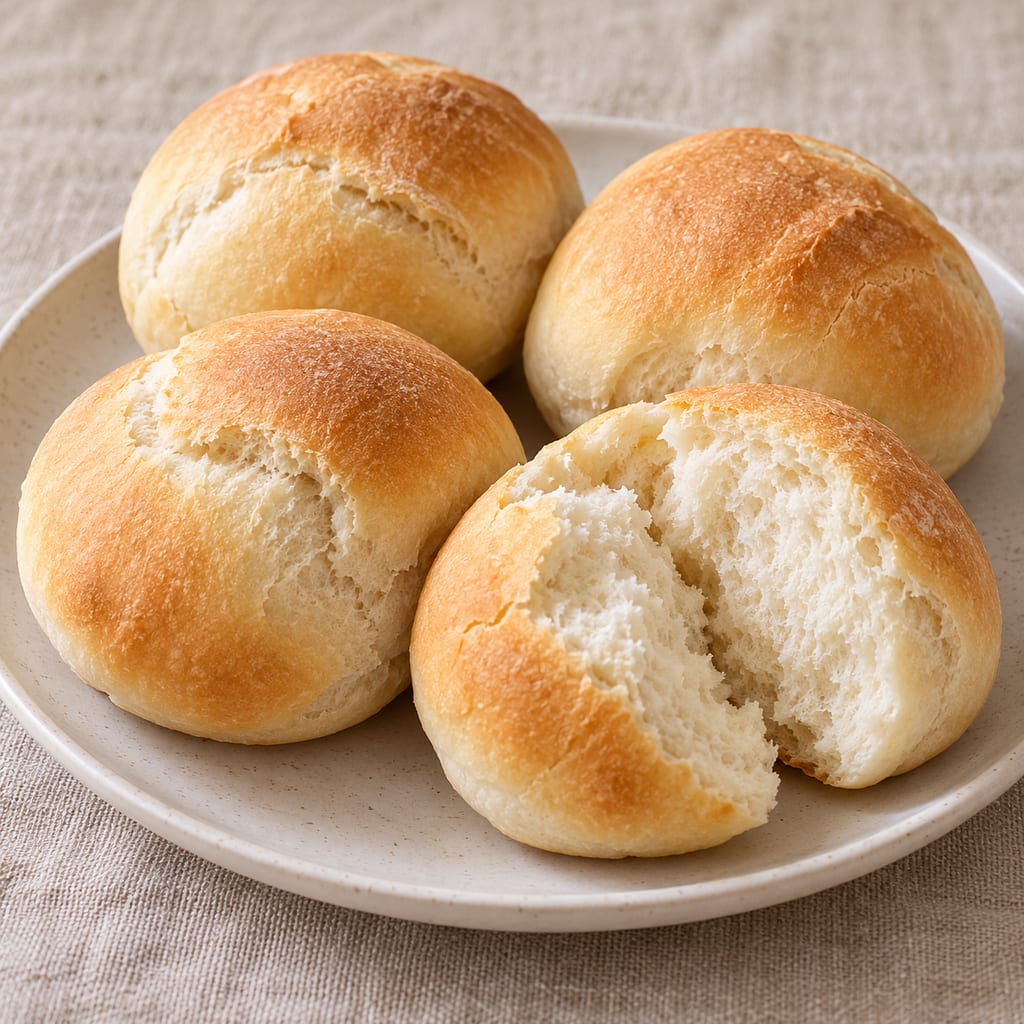
A lightly salted, yeast-raised Barbadian roll, baked in a dozen-roll home batch and often split for cutters.
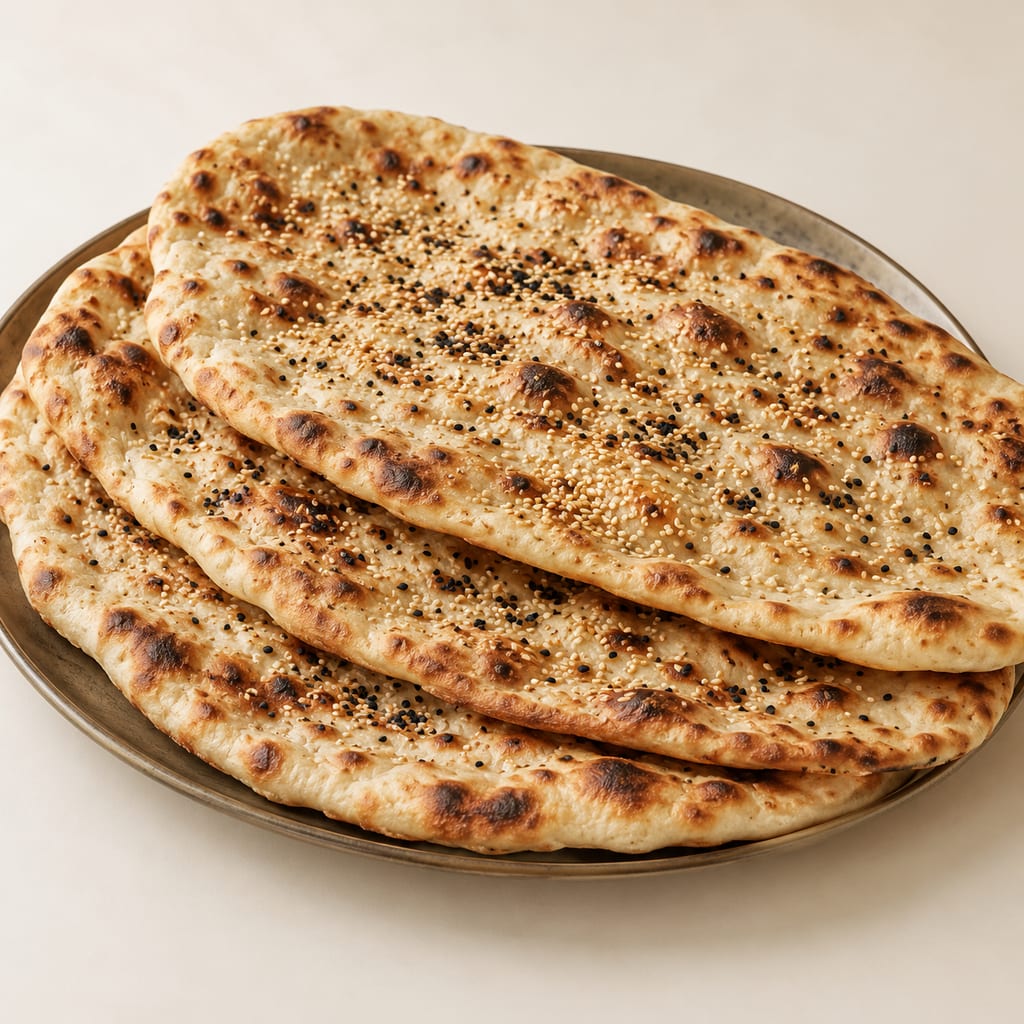
Persian yeast-raised flatbreads, rolled thin, seeded and cooked in a dry skillet.
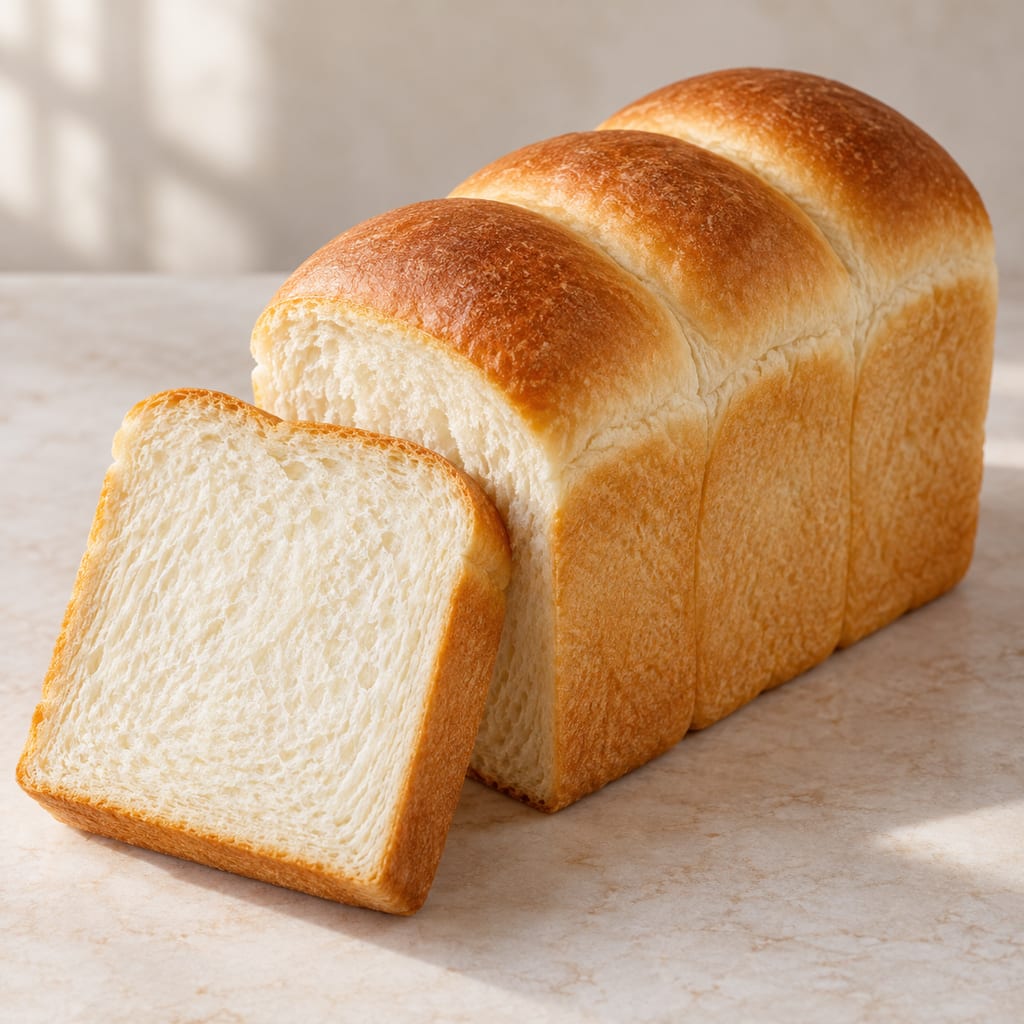
Shokupan is a soft, mildly sweet Japanese wheat loaf served as toast or in sandwiches. This formula makes a square or rounded one-loaf pan bread with a fine, milky crumb.
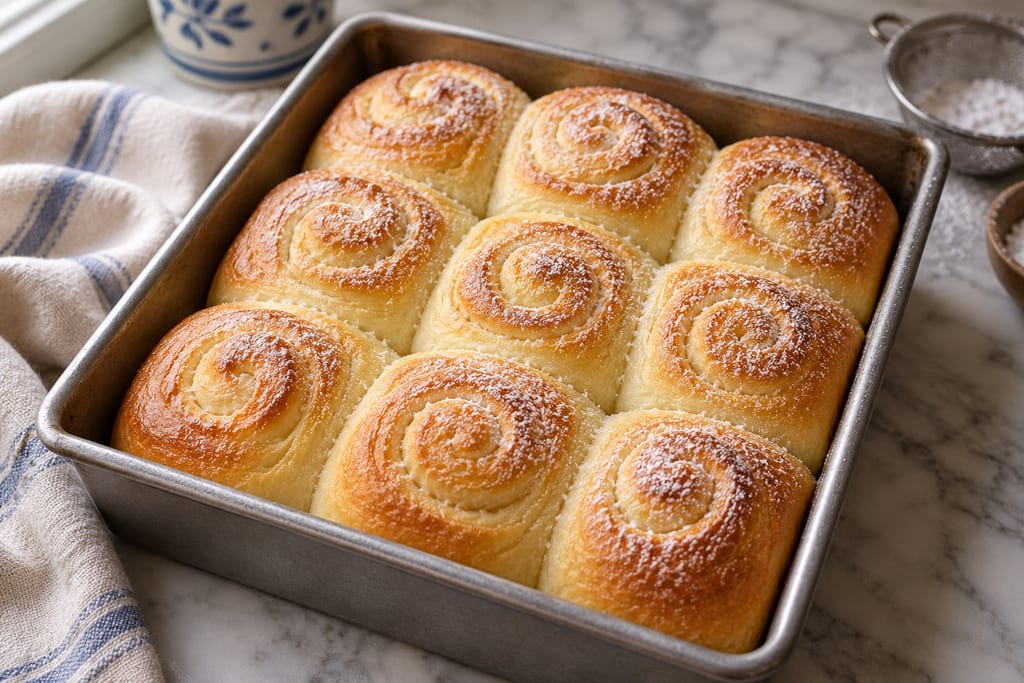
Nine soft Puerto Rican-style sweet rolls, shaped as buttered spirals and dusted with icing sugar.
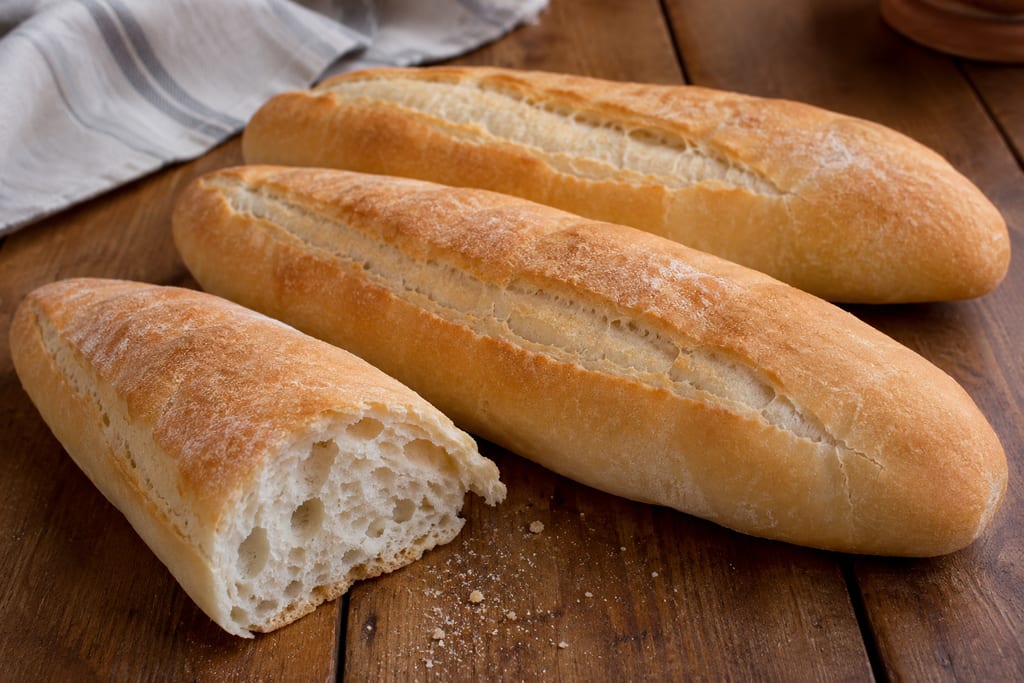
Puerto Rican lean yeast bread shaped as two loaves or eight rolls and baked from a cold oven with a pan of boiling water for steam.
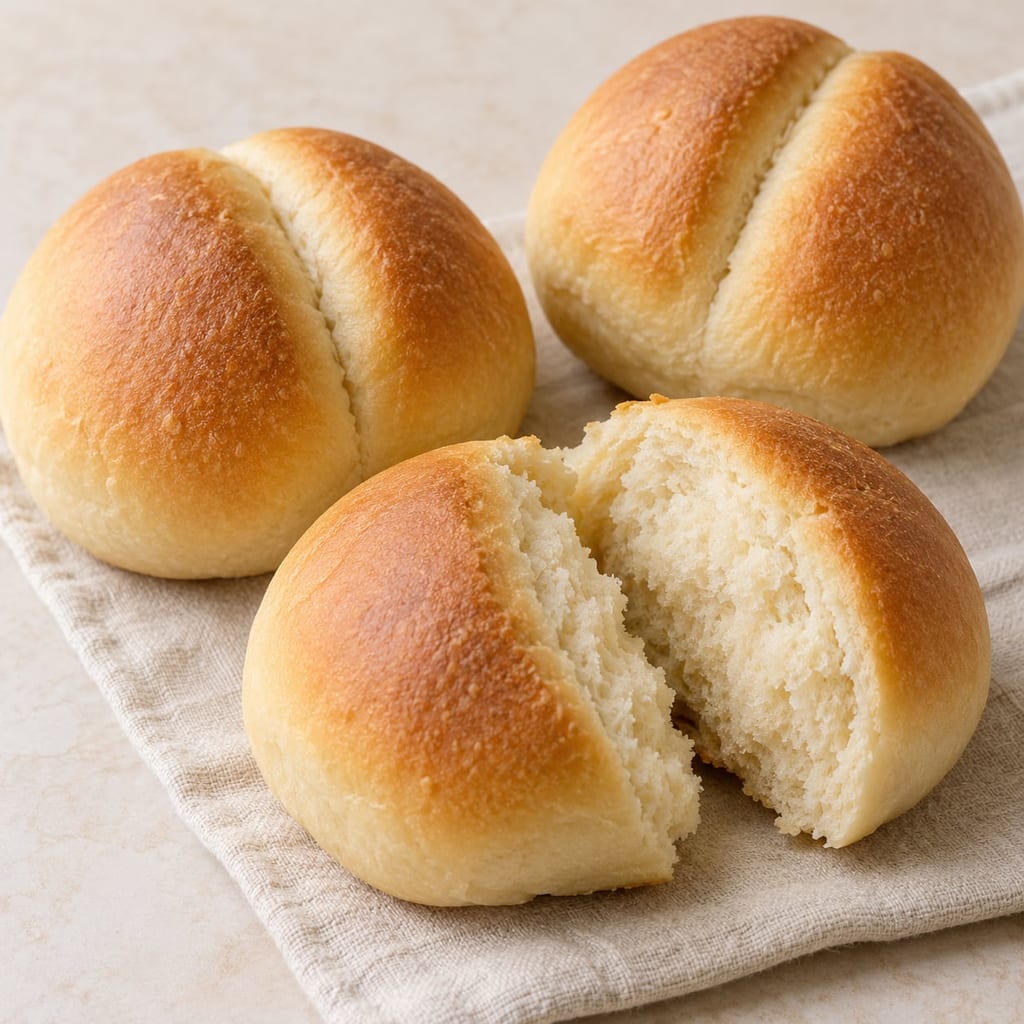
Filipino bakery-style rolls with a dense crumb and a deep central slash, made here as a twelve-roll home batch.
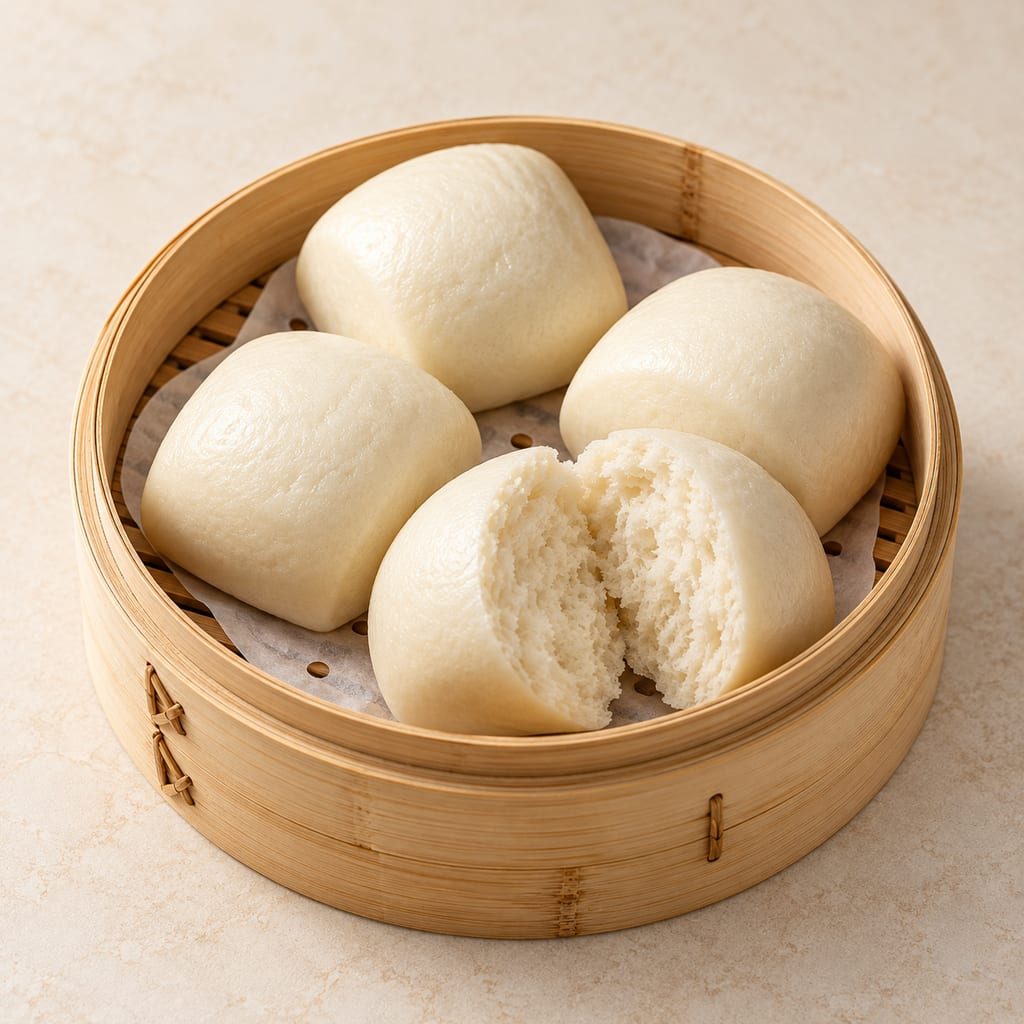
Plain wheat mantou made with yeast and baking powder, then proofed and steamed in a lined basket.
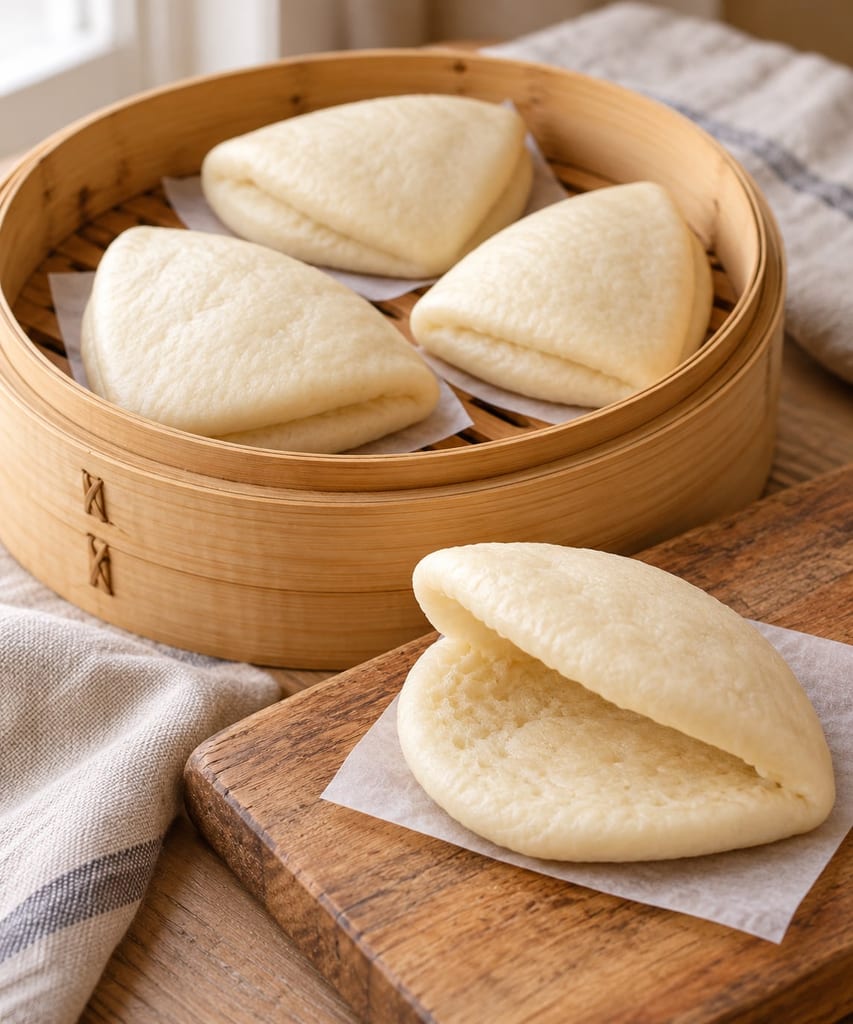
These twelve Chinese lotus-leaf buns are folded wheat-dough pockets steamed empty for filling after cooking. The recipe uses yeast, a little baking soda and cornstarch; it does not include the assembled gua bao sandwich or its fillings.
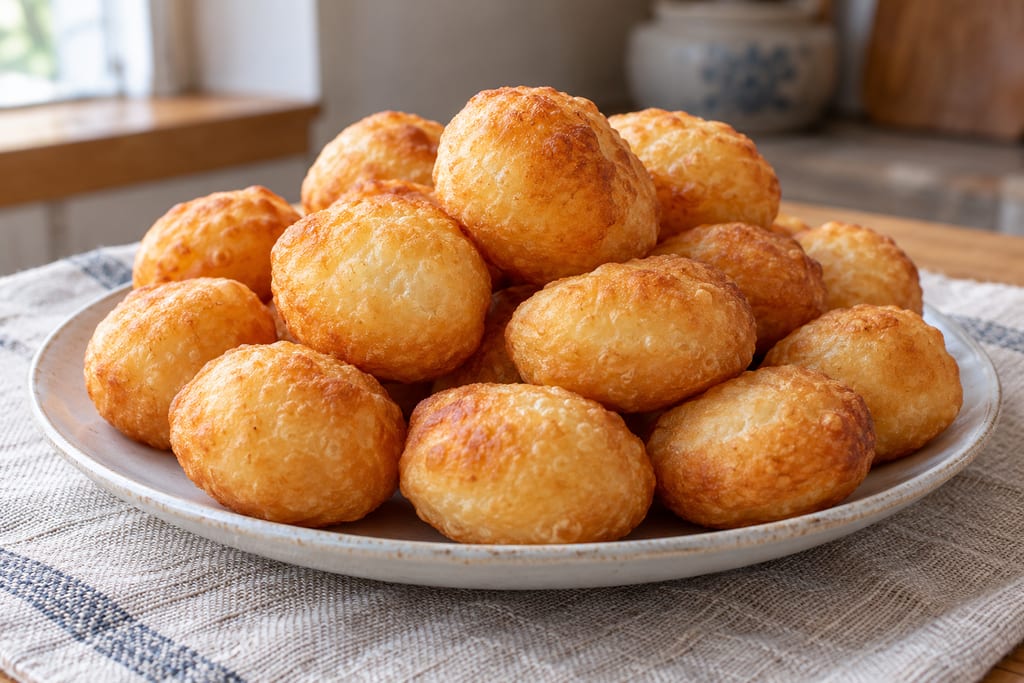
Small rounds of yeasted milk dough, fried in batches. This Kazakh home recipe lists 27 servings.
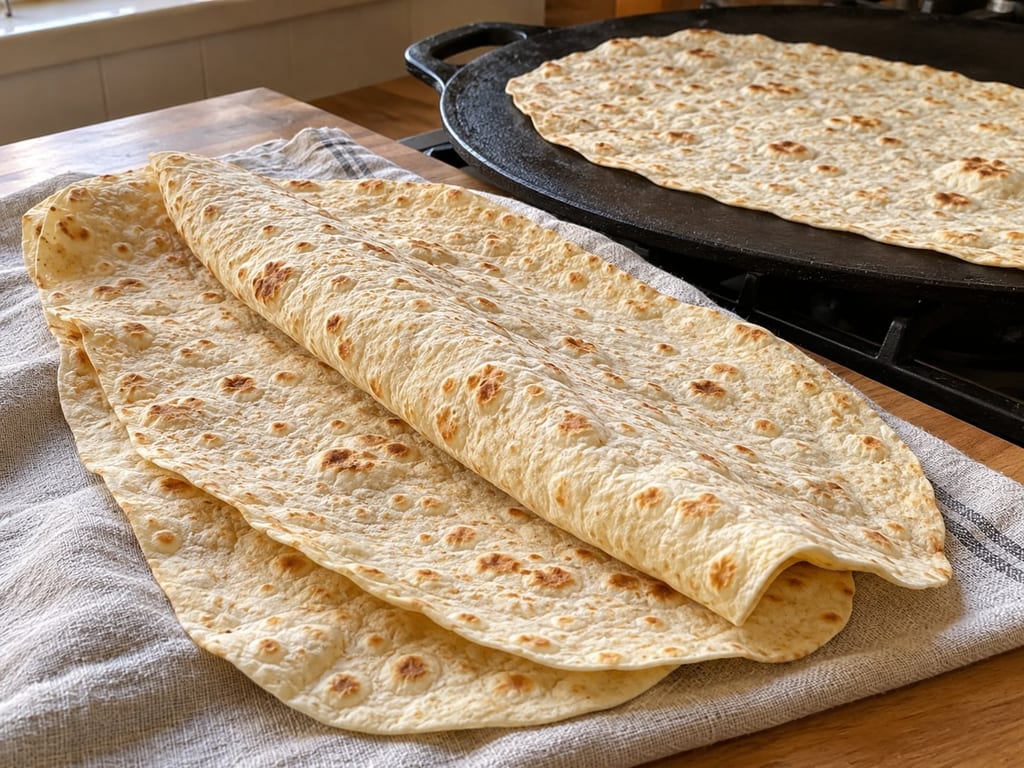
A yeast old-dough lavash method adapted from Armenian baking for the home griddle, producing eight thin, pliable wheat sheets.
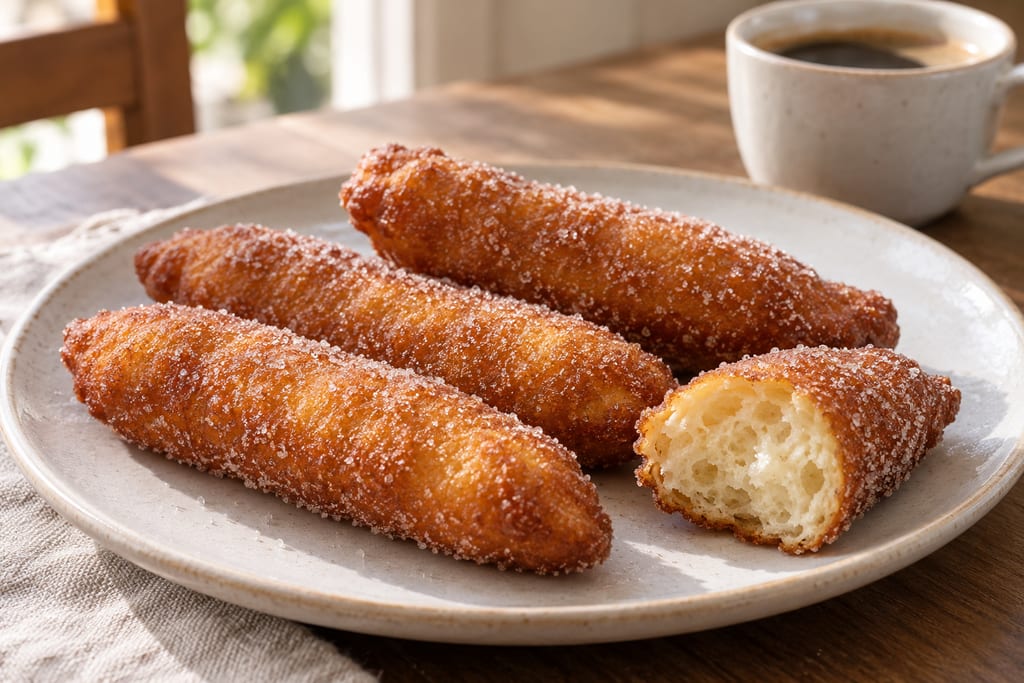
Firi firi is a yeast-raised coconut doughnut piped into long pieces and deep-fried at 170°C, traditionally eaten for breakfast or dessert in Tahiti.
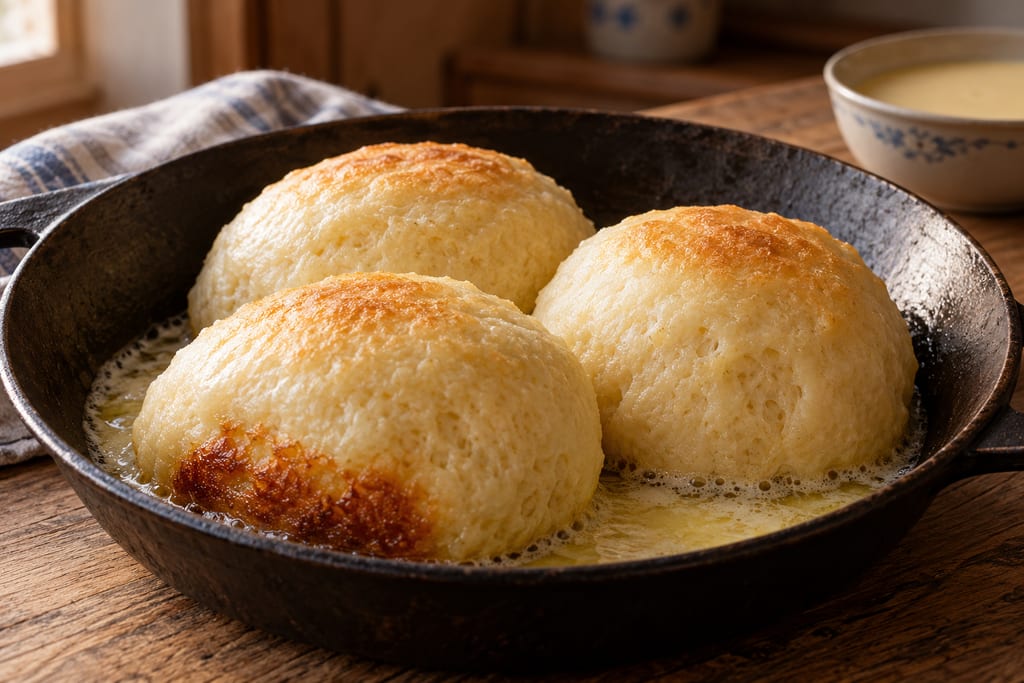
Allgäu Dampfnudeln are enriched wheat buns proofed in a covered casserole and cooked in milk and butter until the liquid nearly cooks away.
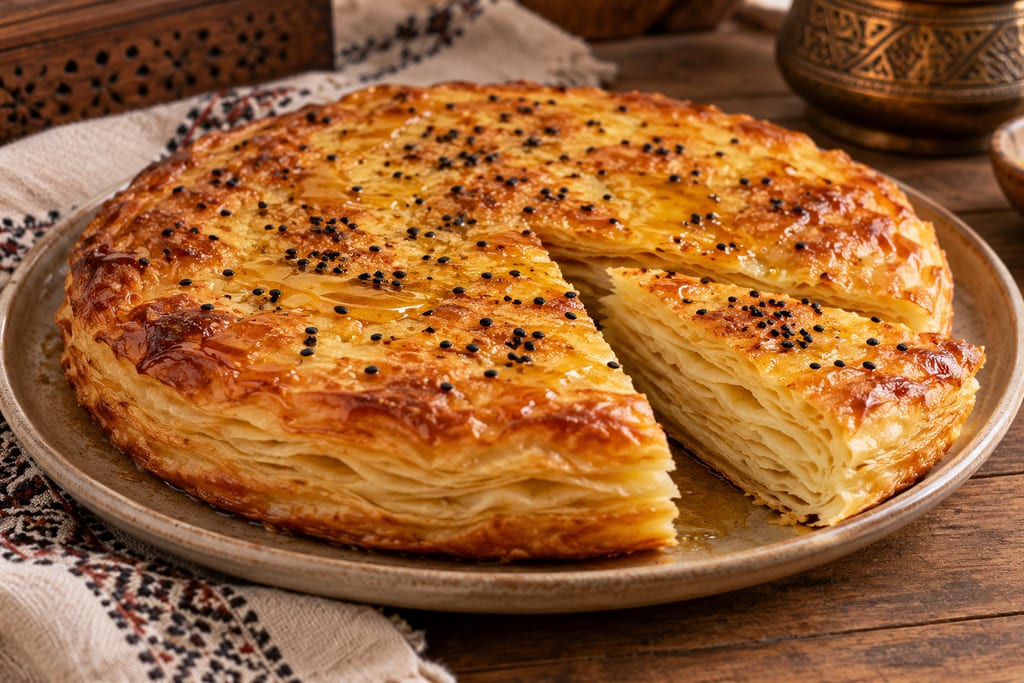
Bint al-sahn is a Yemeni celebration and home bread built from thin, egg-rich yeast dough layers brushed with ghee or butter. This source-specific version makes one round cake, baked until golden and served warm with honey.
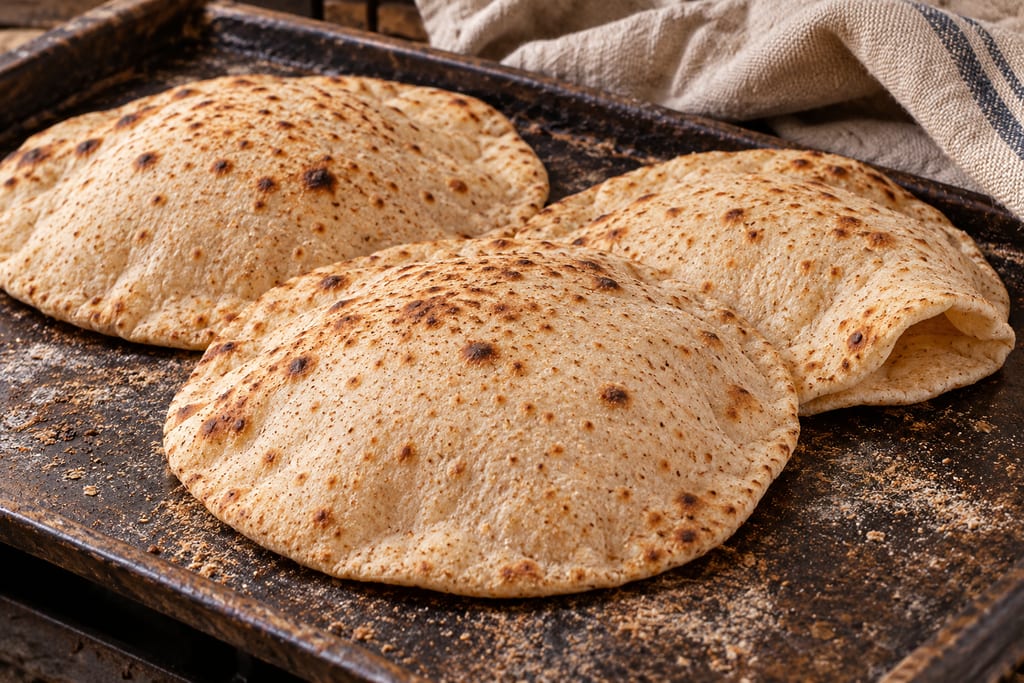
This home adaptation of Egyptian aish baladi uses a refrigerated yeast biga, whole-wheat dough, bran dusting and a very hot baking surface to make 16 pocketed rounds.
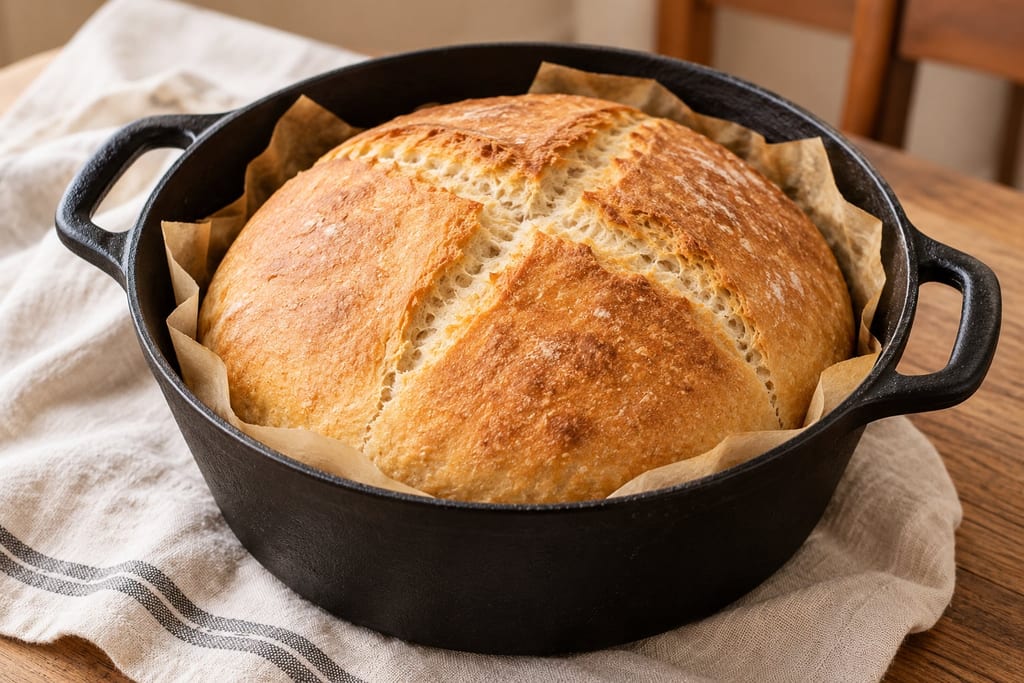
A modern South African potbrood home method: a yeast dough proofs in a 4 L cast-iron pot and bakes covered, then uncovered, in a domestic oven.
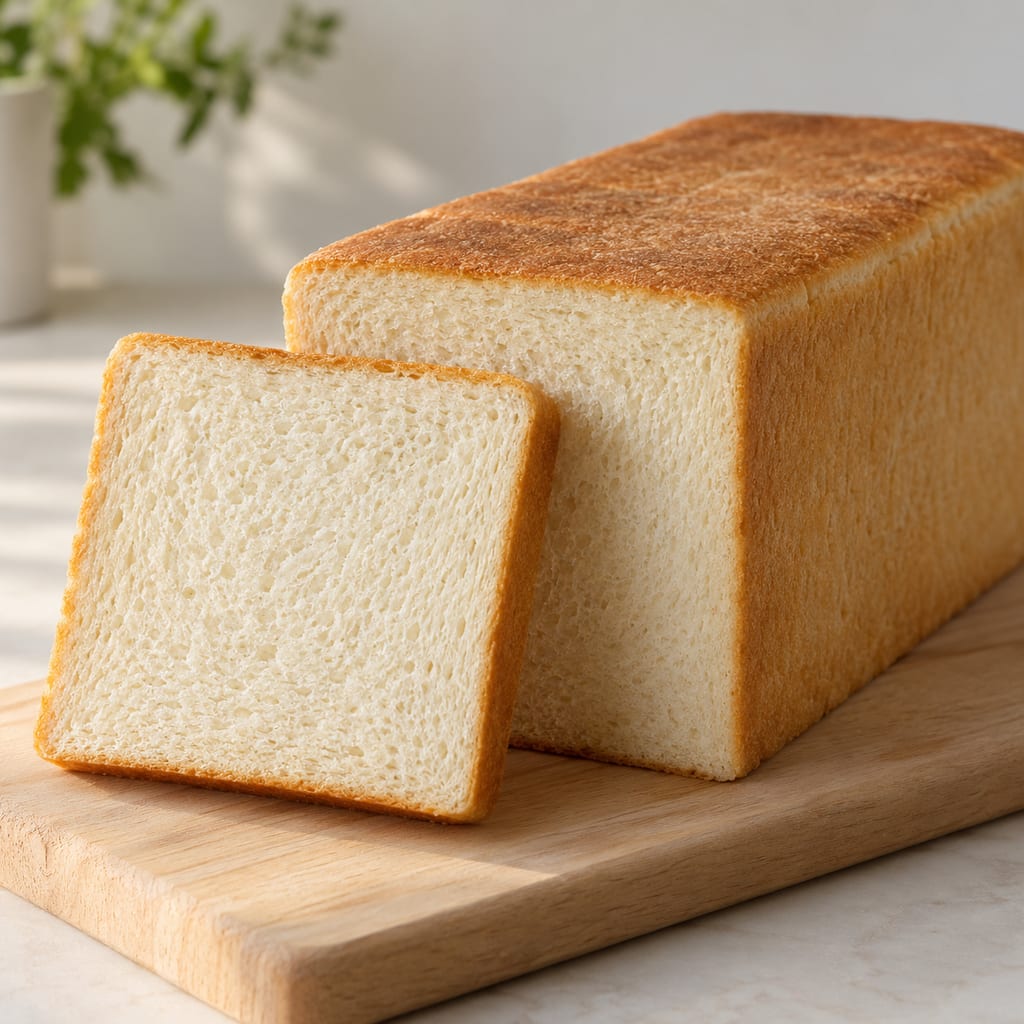
A fine-crumb, enriched wheat loaf baked in a lidded pan for even slices used in sandwiches, toast, French toast and melba toast.
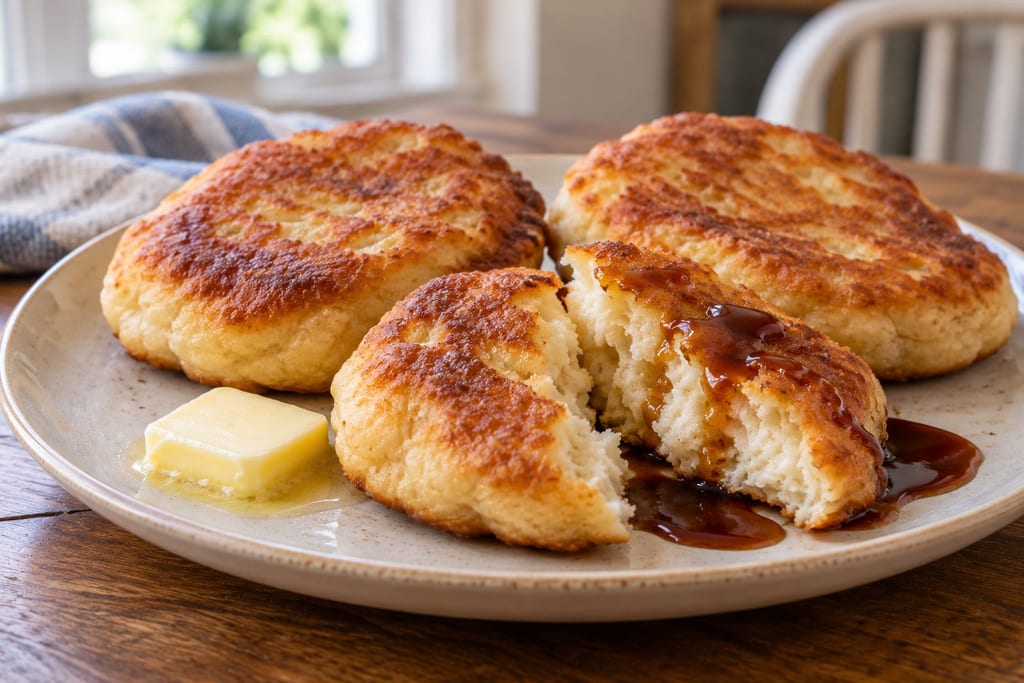
Rounds of leftover yeasted white bread dough, rested and shallow-fried slowly in canola oil; served warm with butter and molasses.
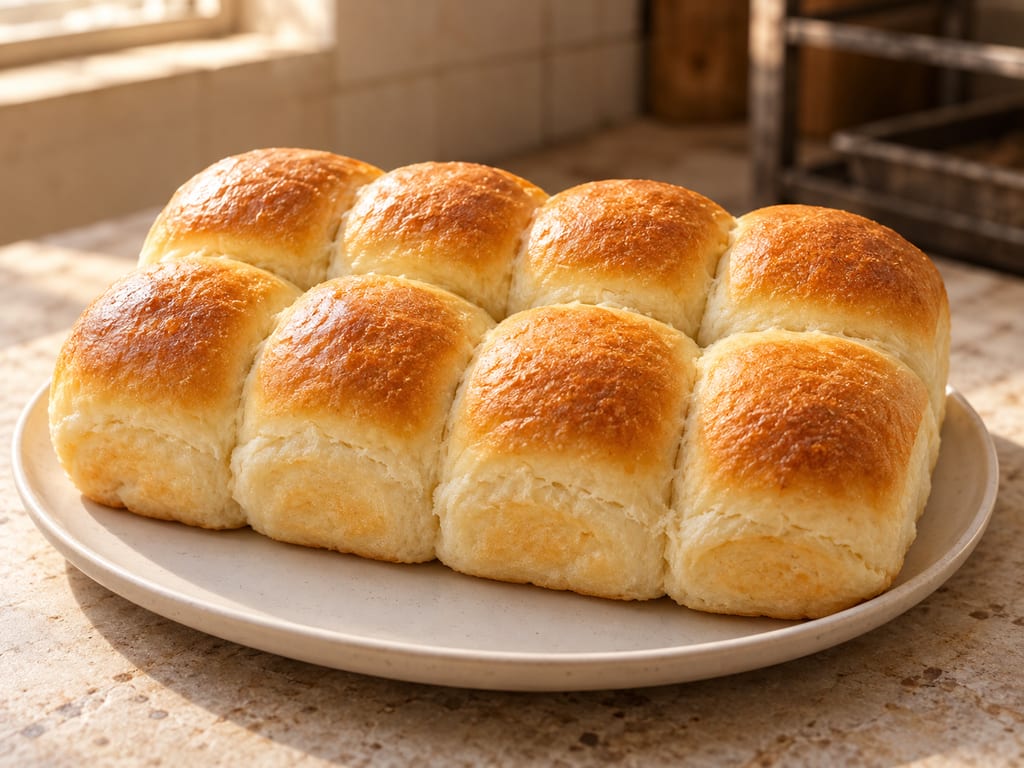
Soft Mumbai-style wheat rolls made with an instant-yeast sponge and baked together. This home batch makes eight.
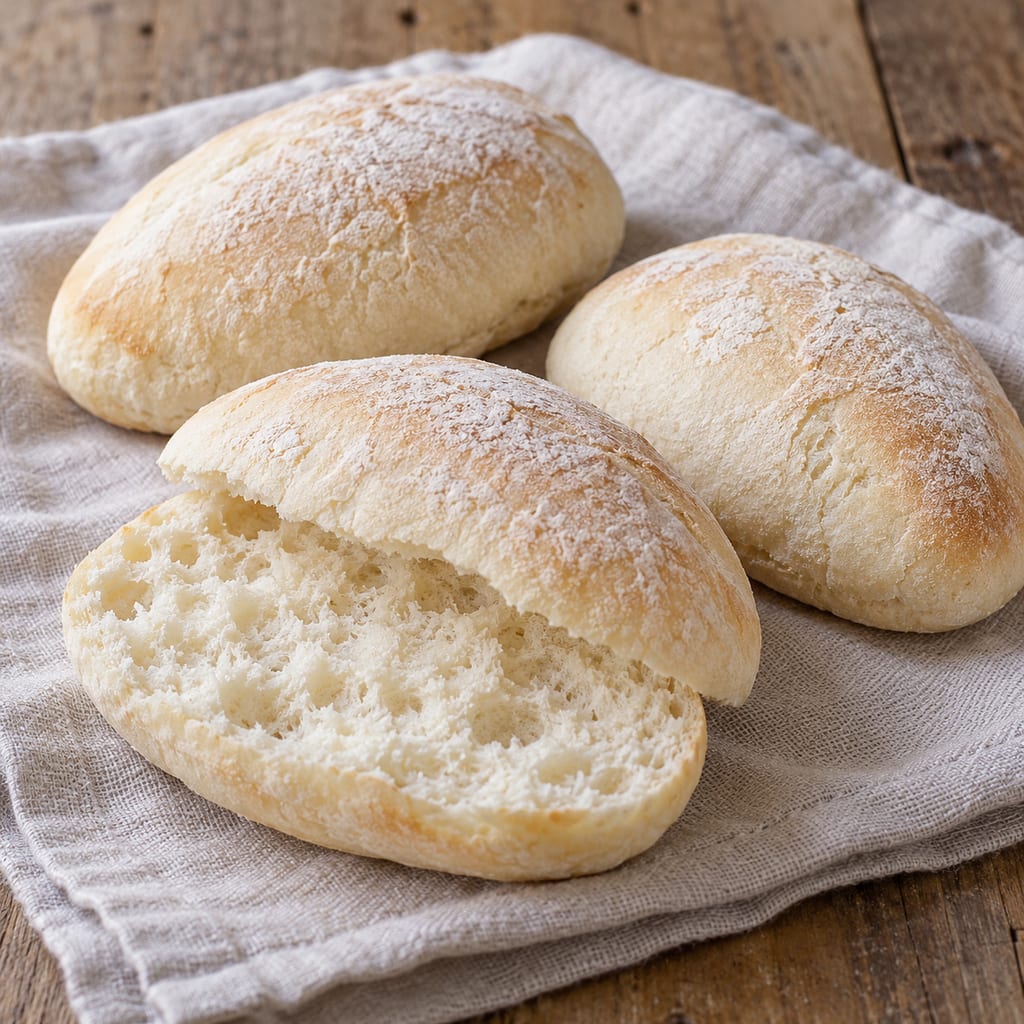
A soft, flattened wheat roll from Antequera, baked pale and often toasted for breakfast or filled as a snack.
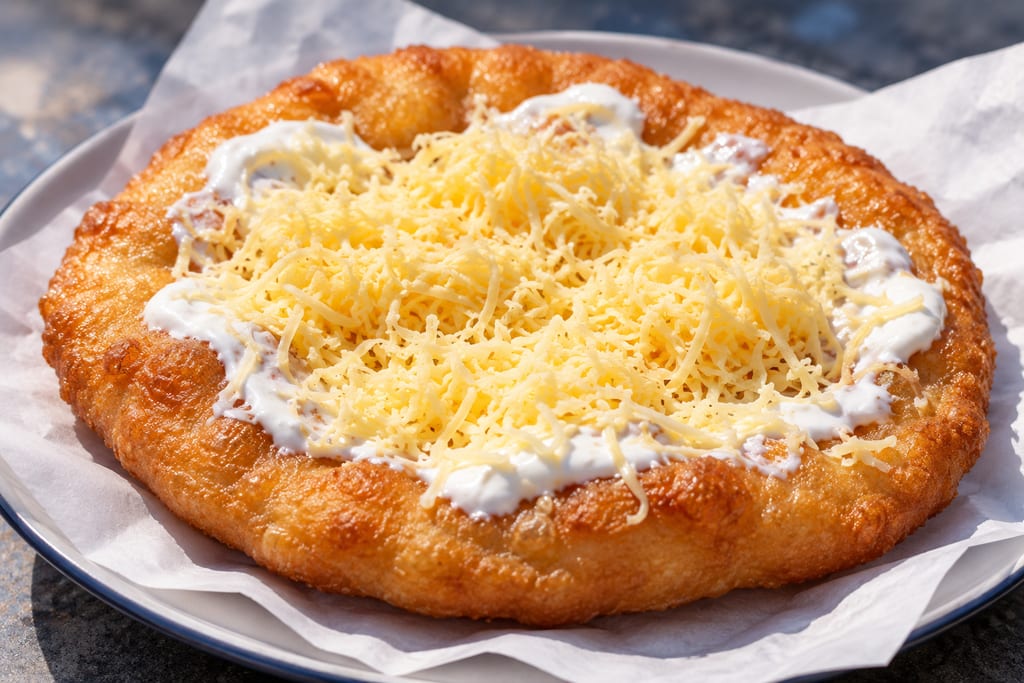
Soft yeast dough is shaped into rounds and fried at 180 °C, then brushed with garlic water and topped with sour cream and grated cheese.
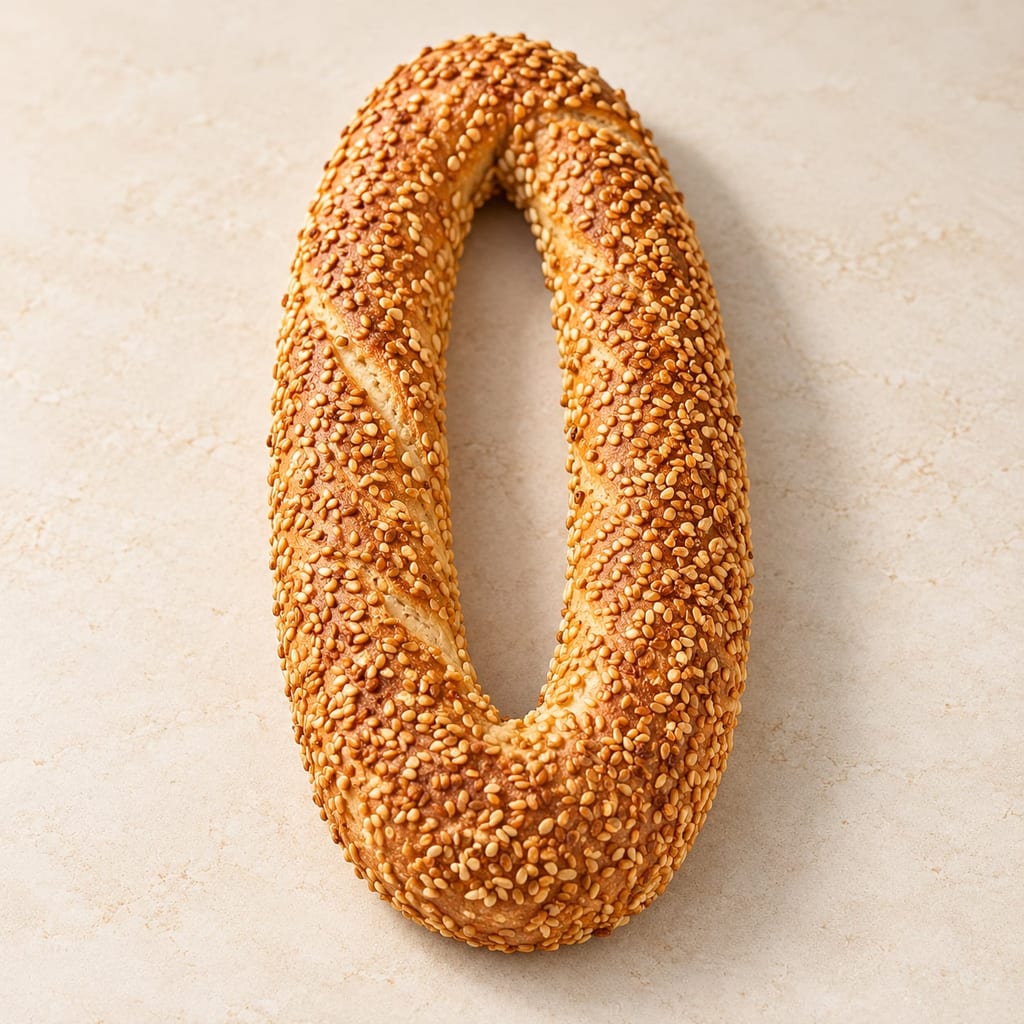
Palestinian milk-enriched wheat rings coated in sesame and grape molasses, shaped into long ovals and baked without a bagel-style boil.
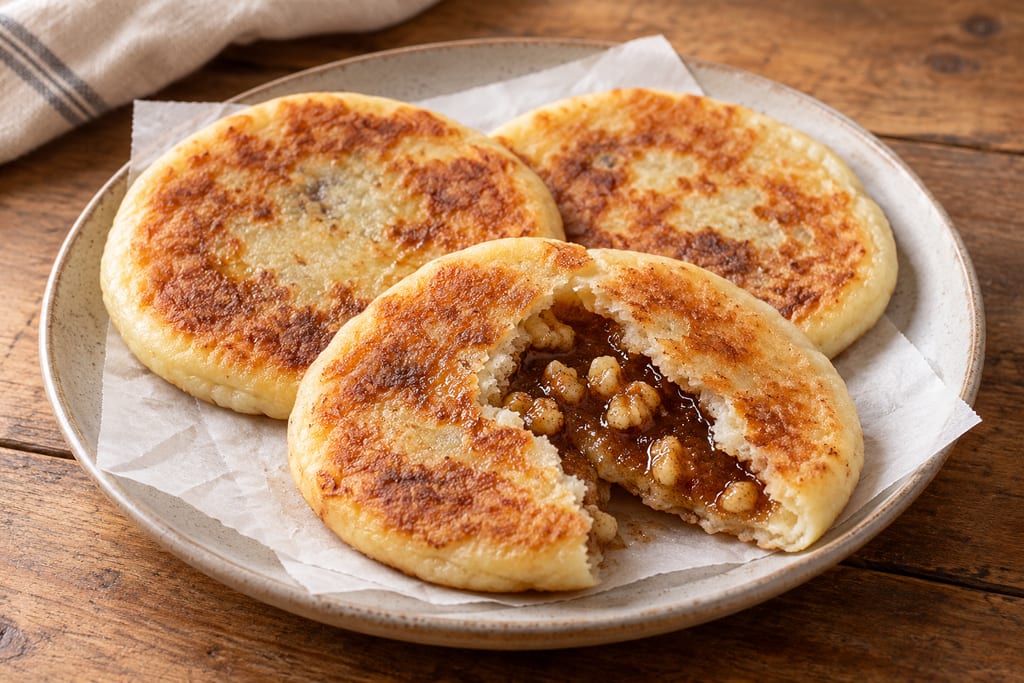
Maangchi’s eight-piece hotteok wraps a brown-sugar, cinnamon and walnut filling in yeast dough, then fries and presses the parcels in a pan.
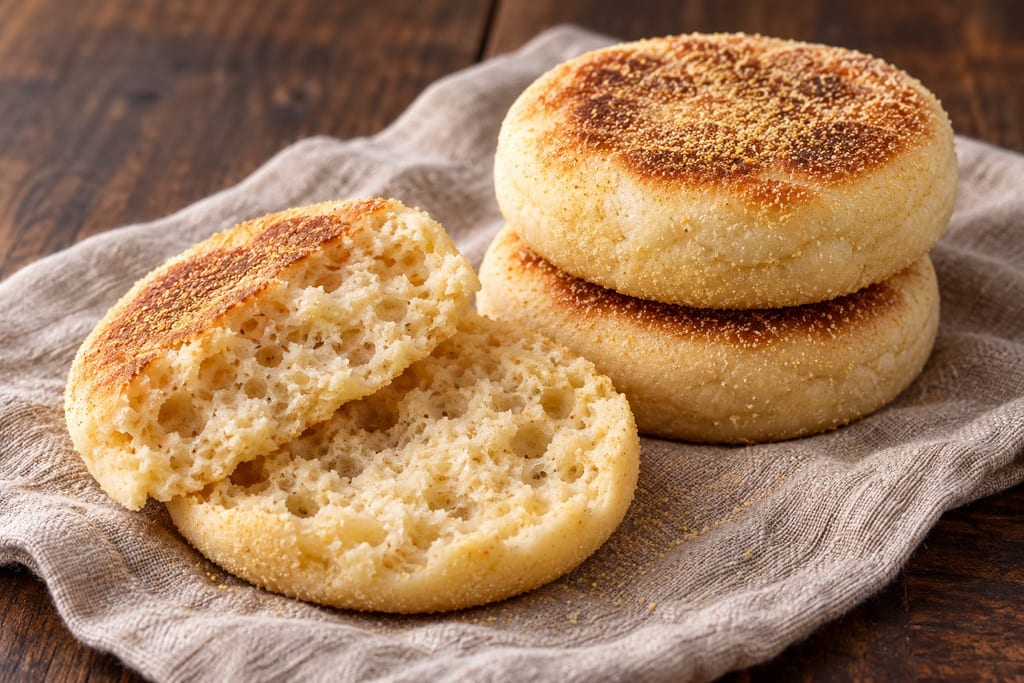
King Arthur’s six-piece English muffin batch uses a yeast preferment, two folds and a skillet or electric griddle; it is distinct from the sourdough-and-yeast version already catalogued.
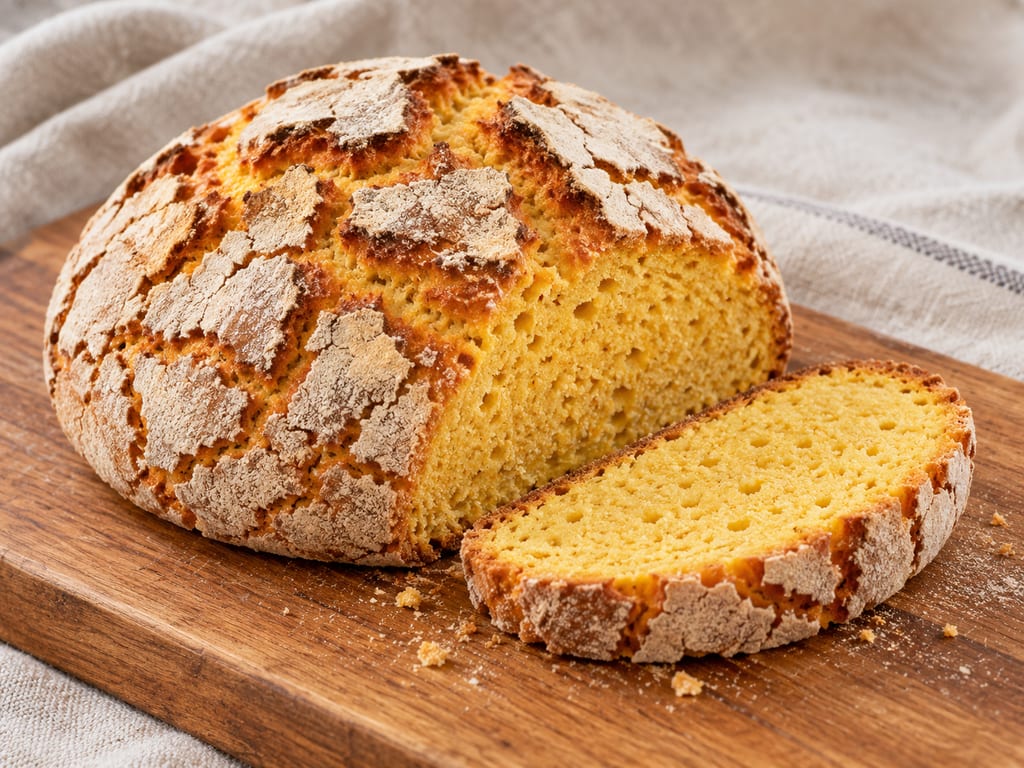
This modern home broa de milho uses scalded maize flour and a wheat-flour yeast sponge; it is distinct from Northern Portuguese maize-and-rye sourdough breads.
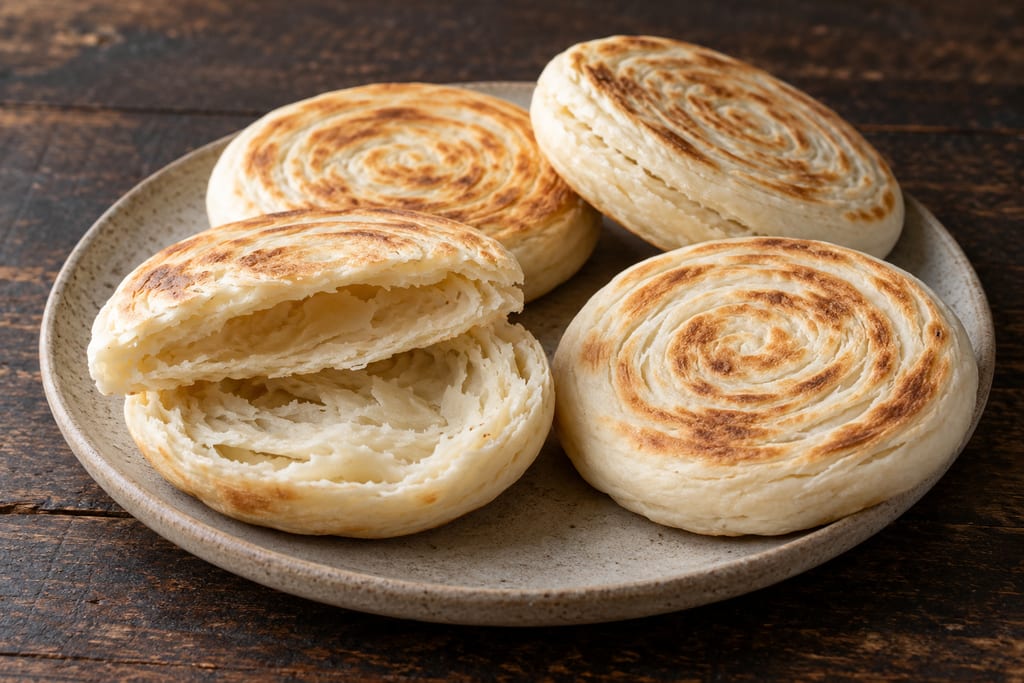
This Shaanxi-associated yeast flatbread uses a simple water dough, coiled shaping and a skillet bake. It is the bread used in roujiamo, not the filled meat dish.
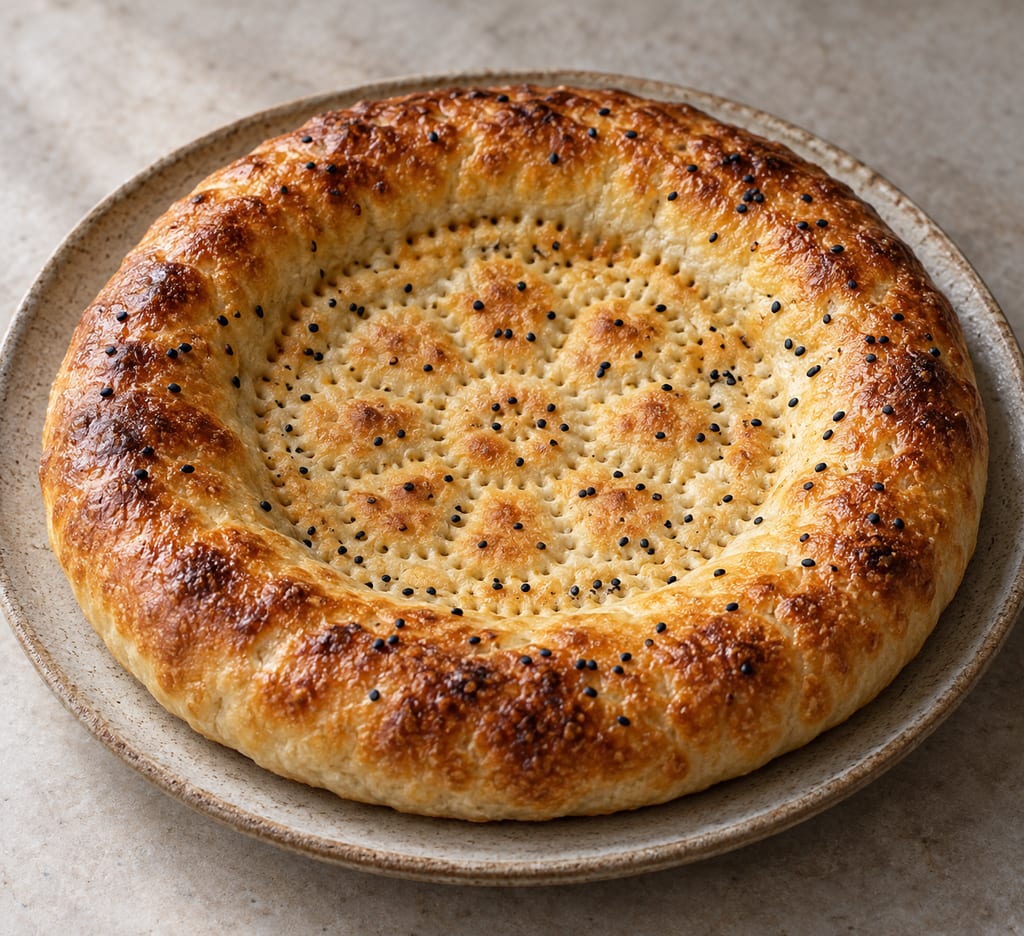
A home-oven adaptation of Central Asian non, with a stamped centre and raised rim. This batch makes one bread.
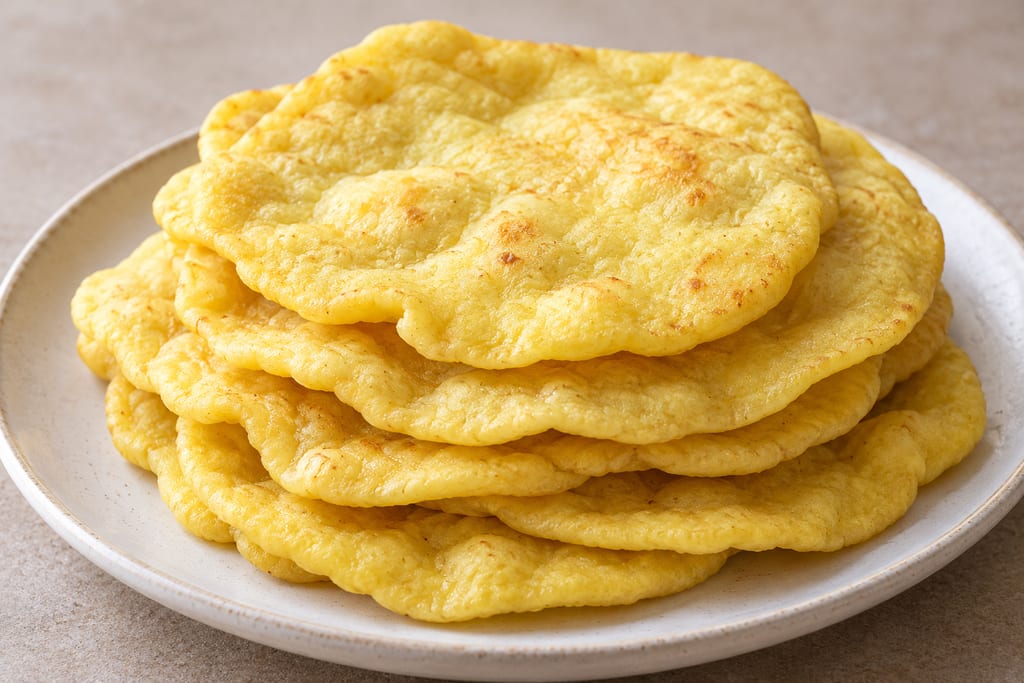
Soft Trinidad bara are thin yeast-raised wheat rounds fried briefly, then paired as two breads around channa and condiments to make doubles.
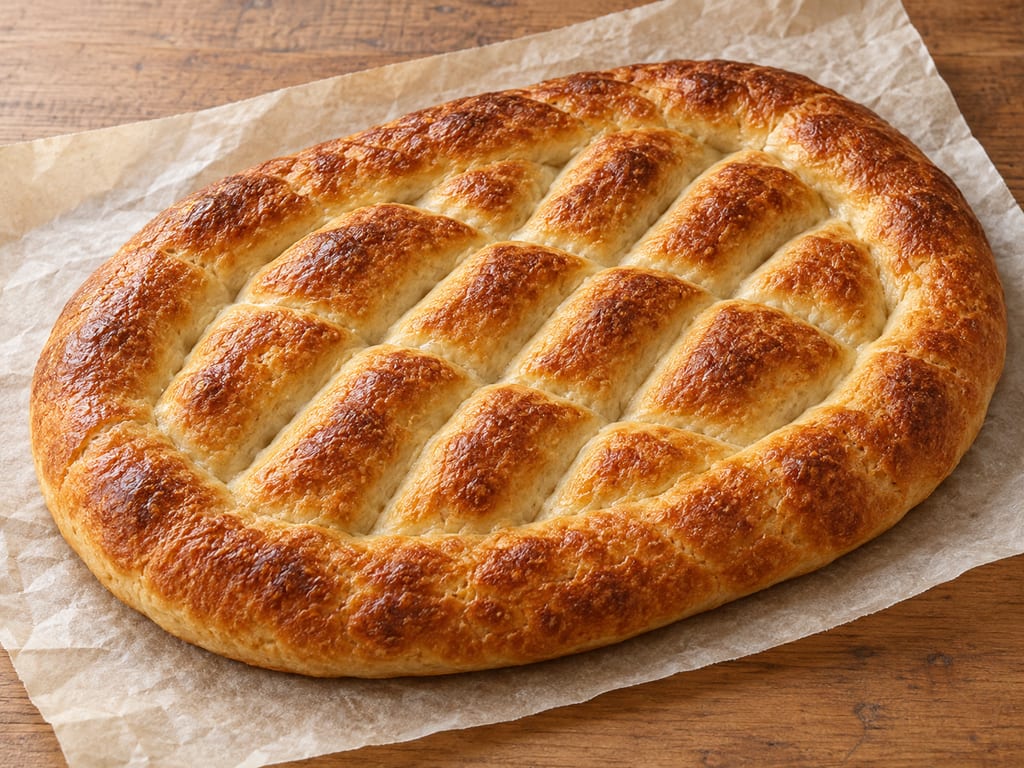
A soft Armenian oval bread with a glossy surface and deep finger grooves, made here with a rye or whole-wheat flour scald and an overnight cold fermentation.
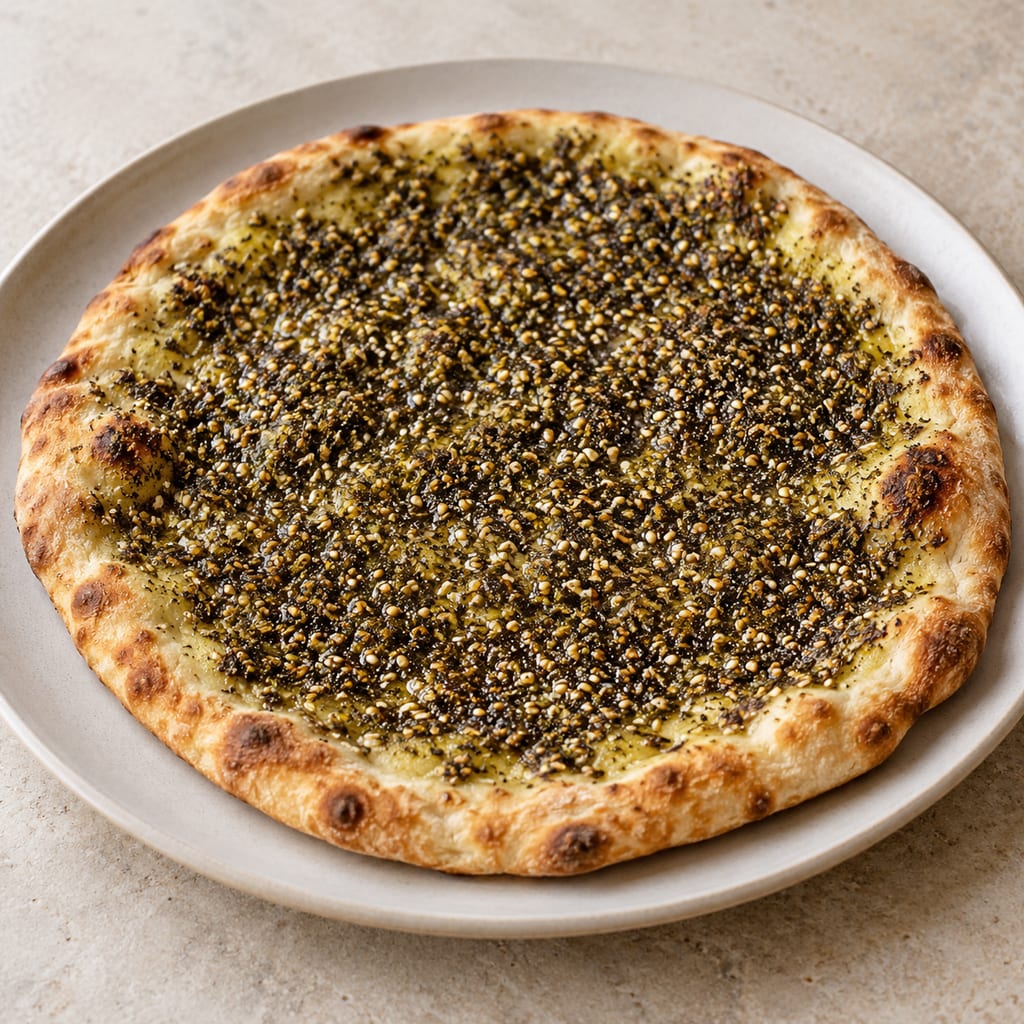
Lebanese za’atar flatbread made from yeast dough, baked on a heated stone or heavy sheet pan until its rim is golden.
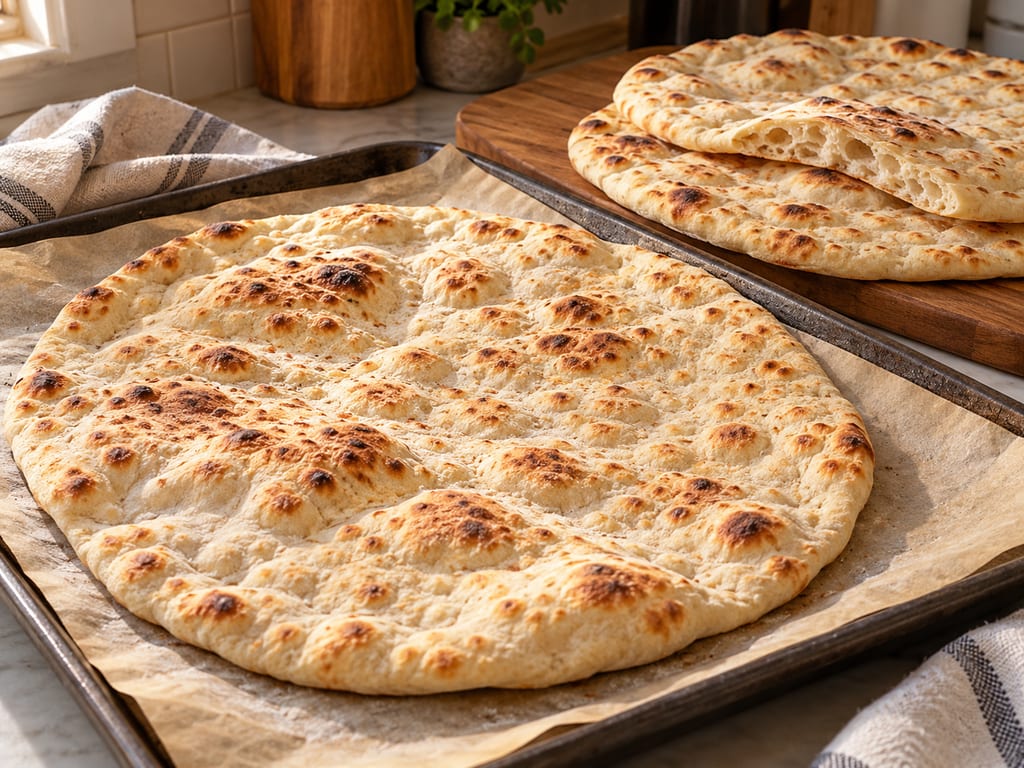
A soft, water-only Iraqi wheat flatbread adapted for a domestic oven with parchment and a preheated baking stone or inverted sheet.
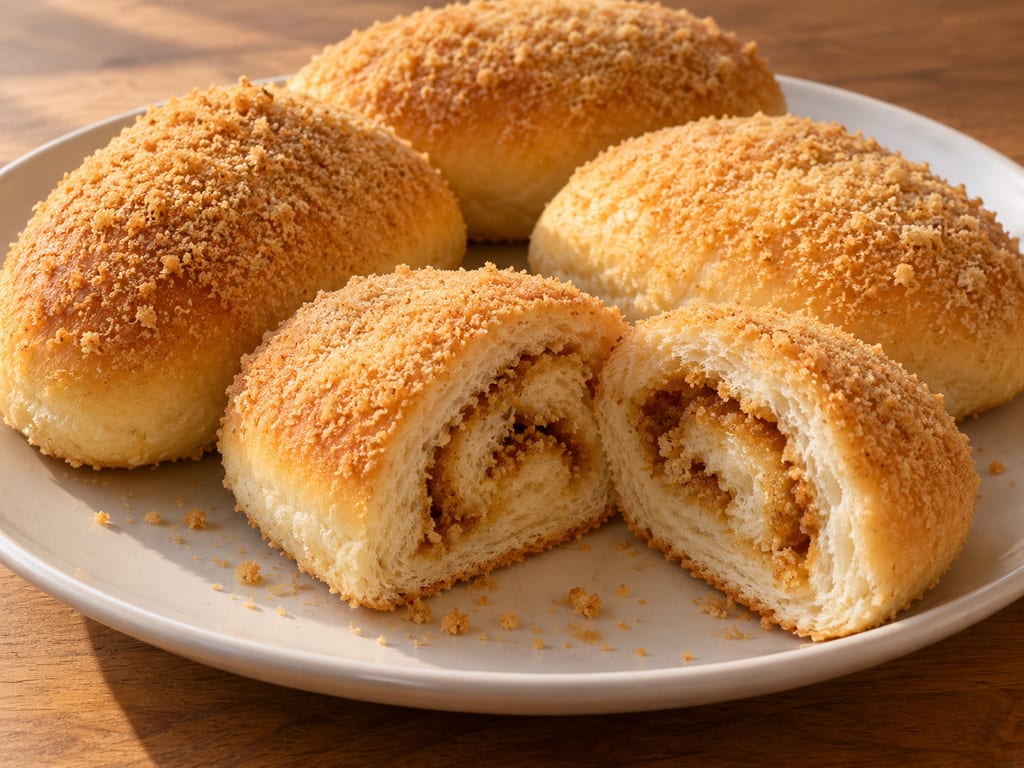
This Manila baker’s Filipino Spanish bread pairs a soft, enriched roll with a buttery brown-sugar breadcrumb filling and a crumb coating.
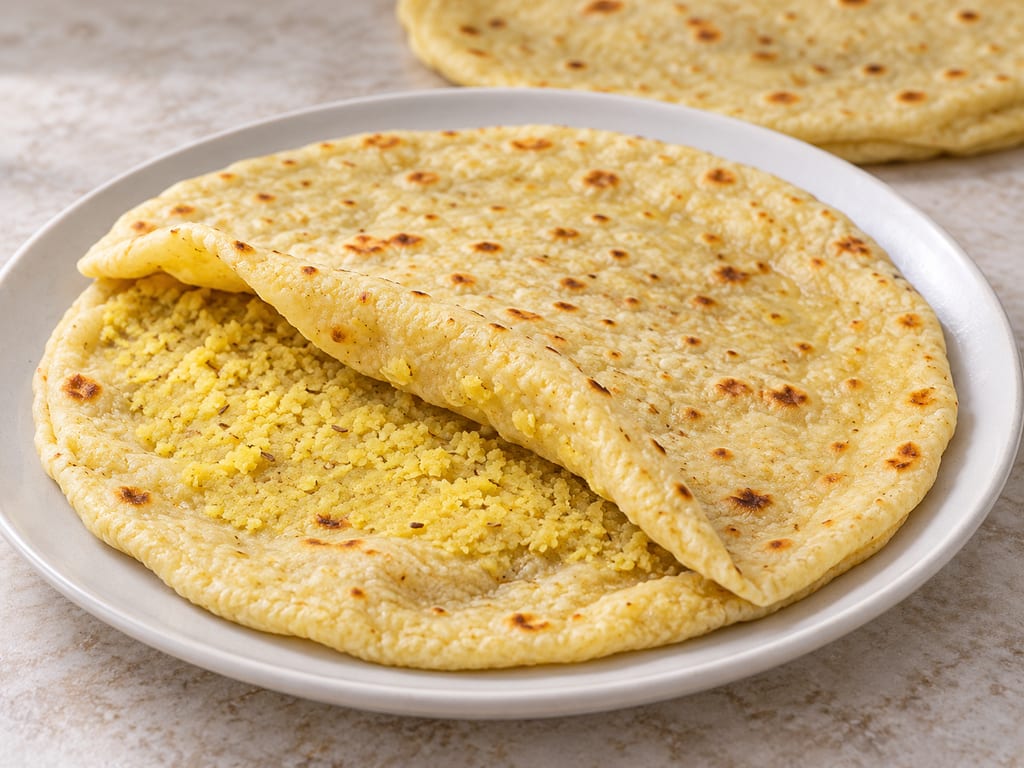
Trinidadian stuffed roti with a fine split-pea filling sealed inside soft wheat dough, rolled thin and cooked on a hot tawa.
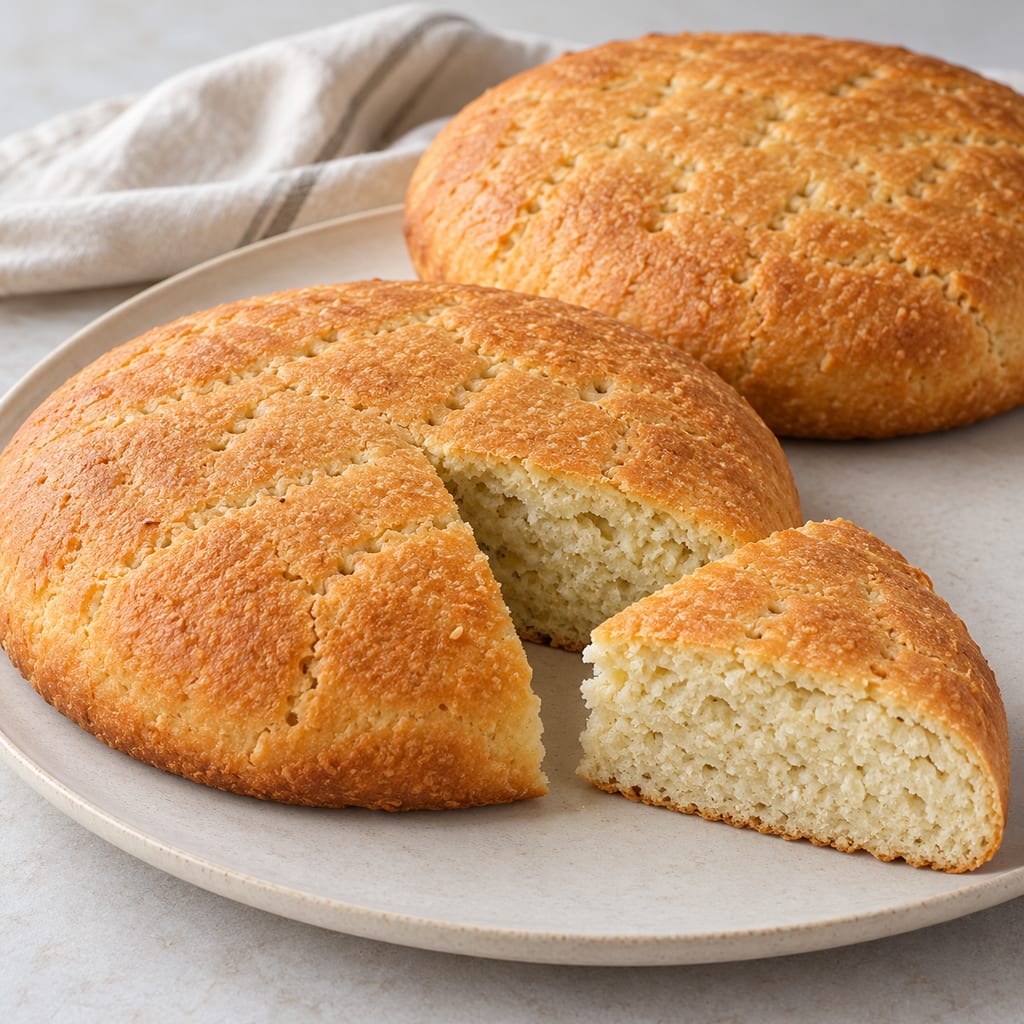
A yeast-raised Trinidadian wheat bread with blended fresh coconut, baked as two thick rounds.
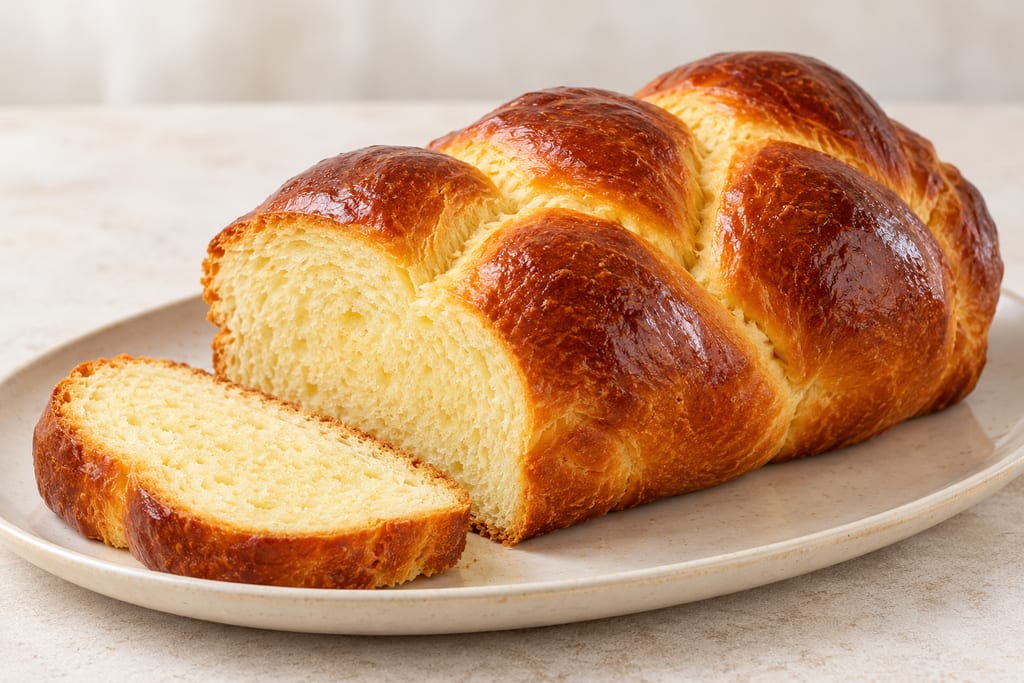
An egg-and-butter-rich yeast dough shaped as one round loaf, two loaves or twelve small brioches, with baking paths that vary by shape.
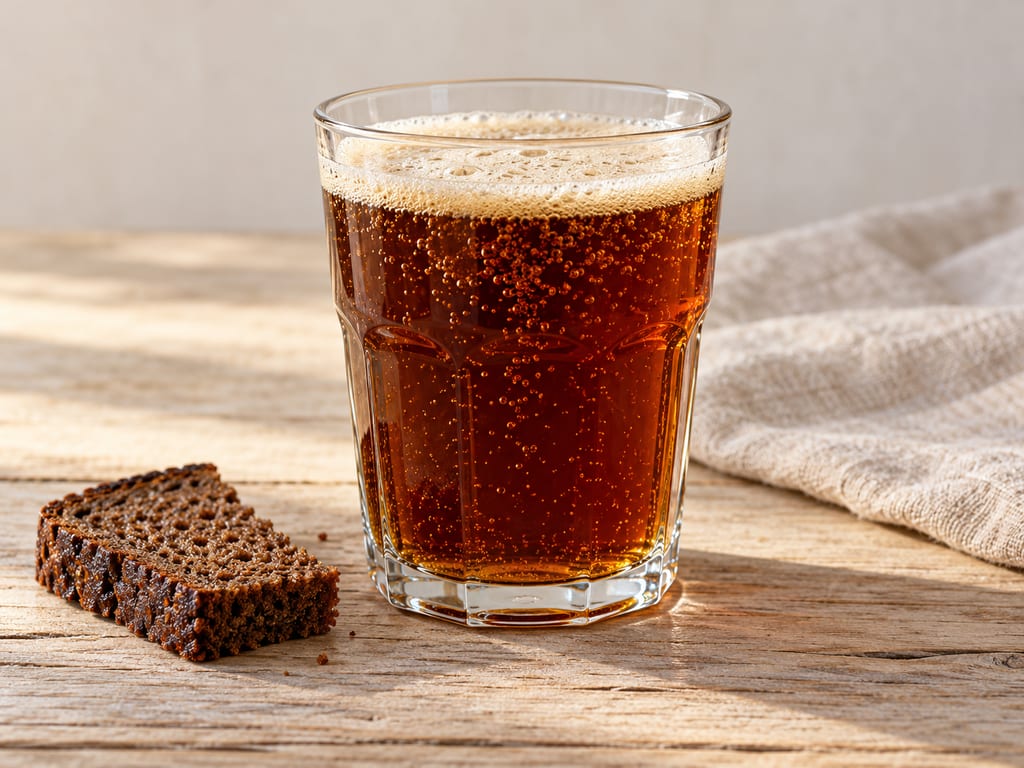
A documentary entry on Latvian rye-bread kvass, preserved from a modern Latvian rye collection. It records a food tradition, not a home-fermentation method.
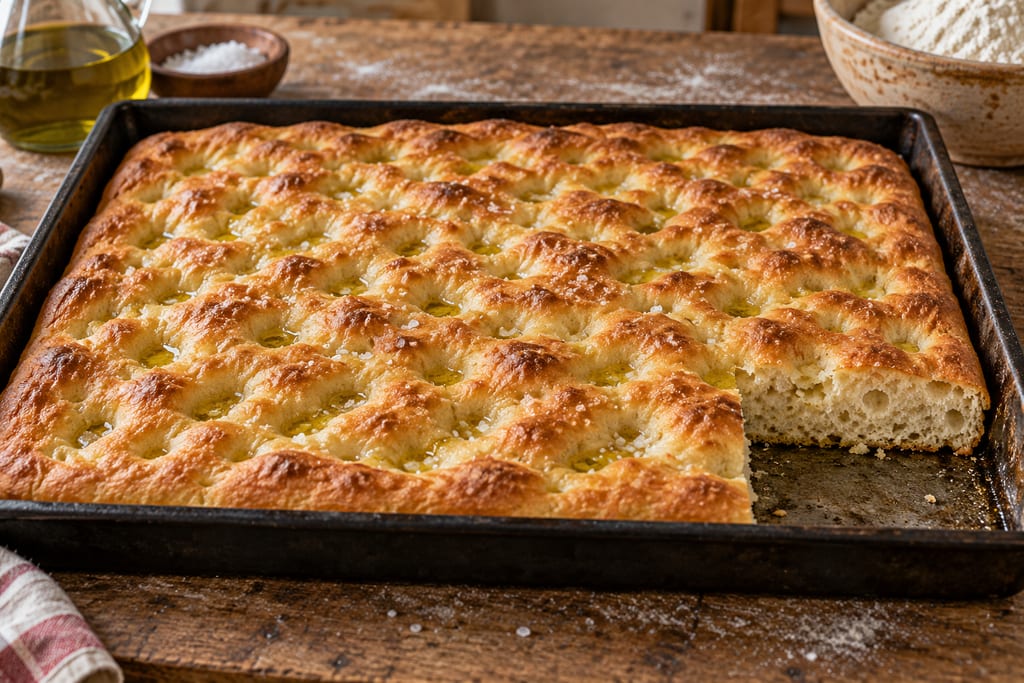
Fresh-yeast focaccia with olive oil and brine in its dimples, made in two 30 × 40 cm trays. It is separate from the sourdough focaccia formula.
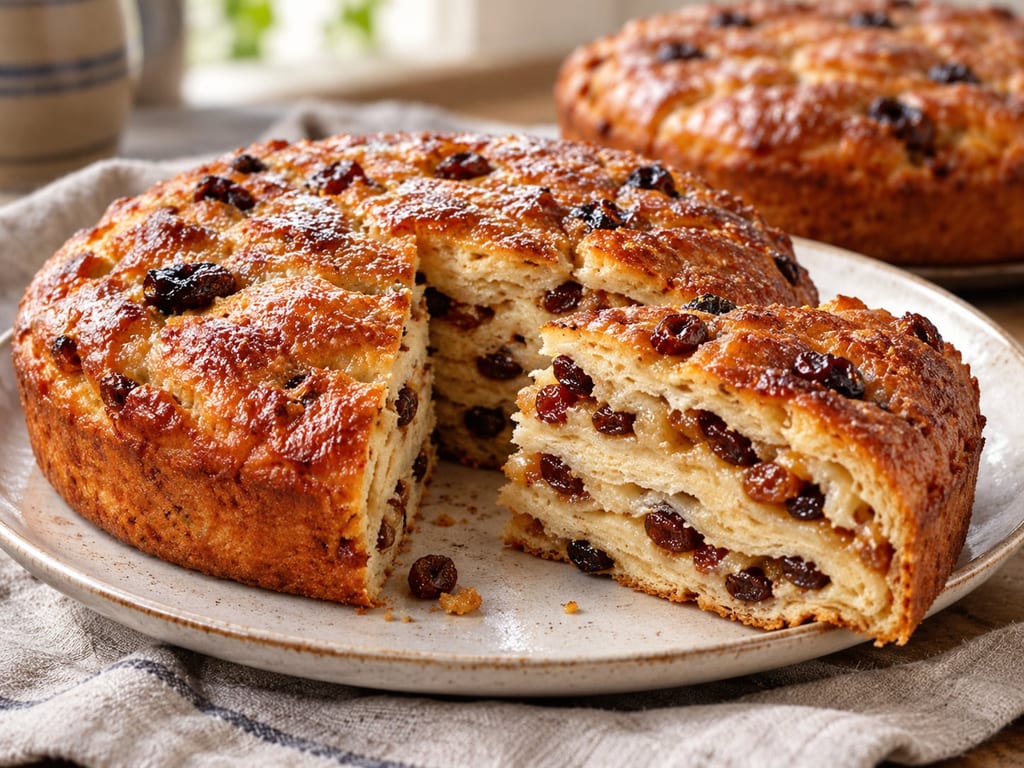
A yeast dough is folded around sweetened lard and dried fruit, then baked in tins until the bottom caramelizes.
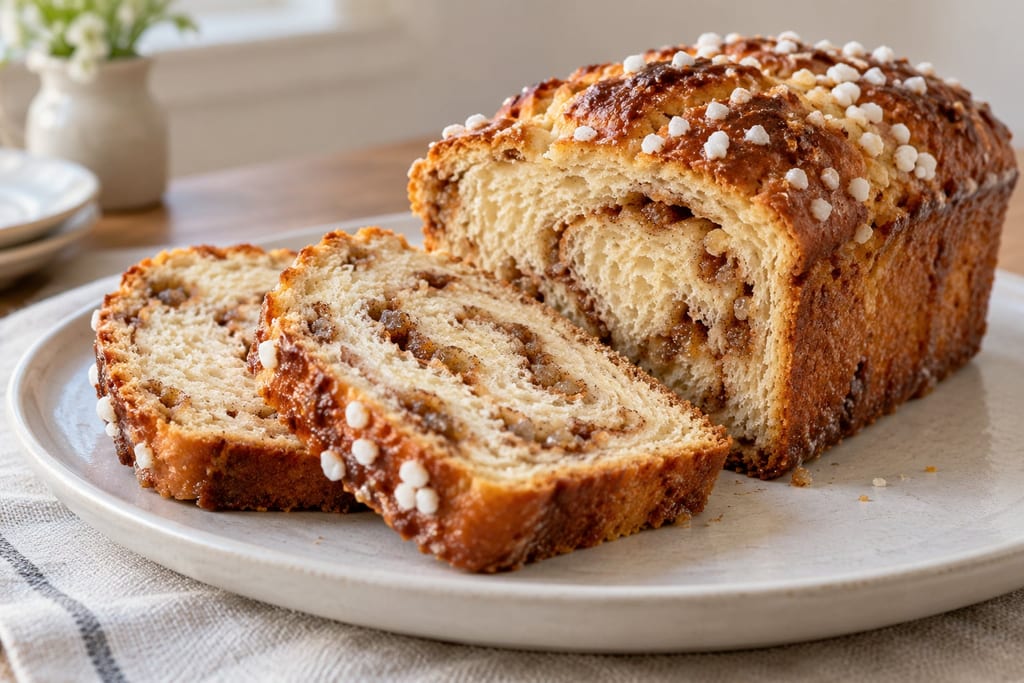
Yeasted sugar bread with cinnamon, pearl sugar and ginger syrup, shaped into two standard loaves or three paper-pan loaves.

This is a process overview, not a complete batch recipe: key quantities, yield and packaging directions are absent. The AHA tutorial uses Hop Hammer Imperial IPA as an example; this page is not that full formulation.

Mead is an alcoholic drink made by fermenting diluted honey with yeast, then racking and ageing it. The honey, not refined sugar, is what makes it mead.
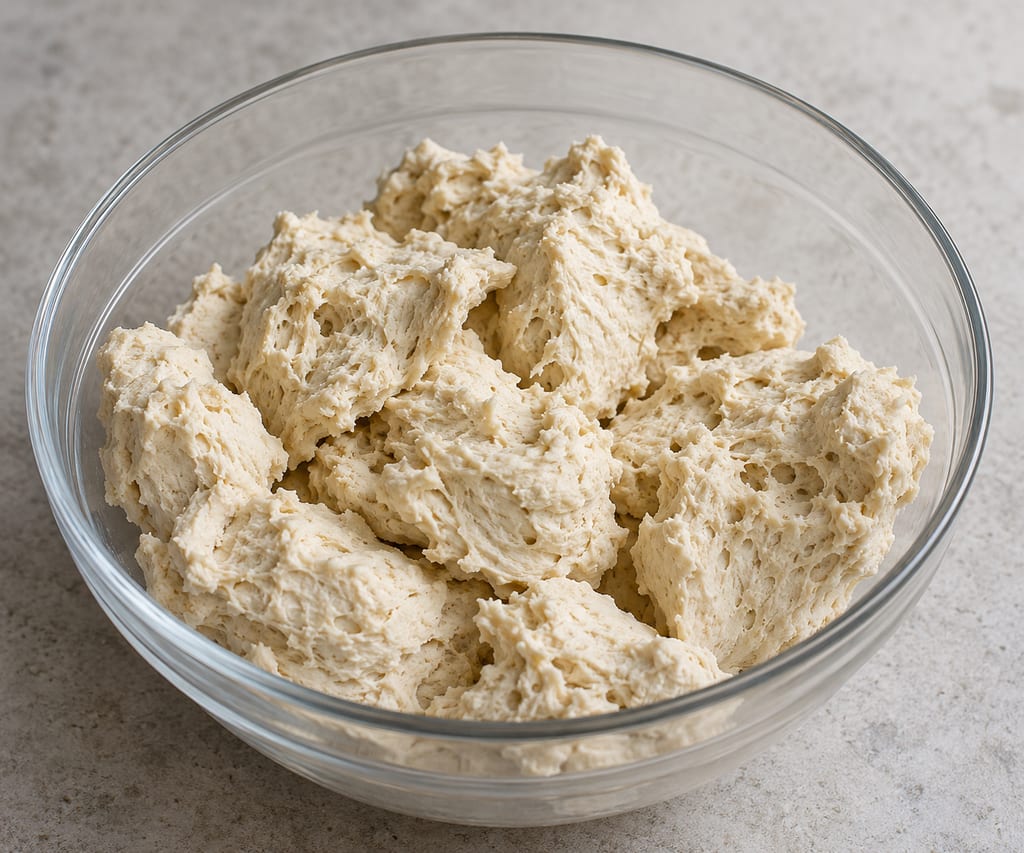
Biga is an Italian bread preferment of flour, water and a little yeast, usually a stiff unsalted mass of about 45 per cent water, fermented ahead and then mixed into the final dough.
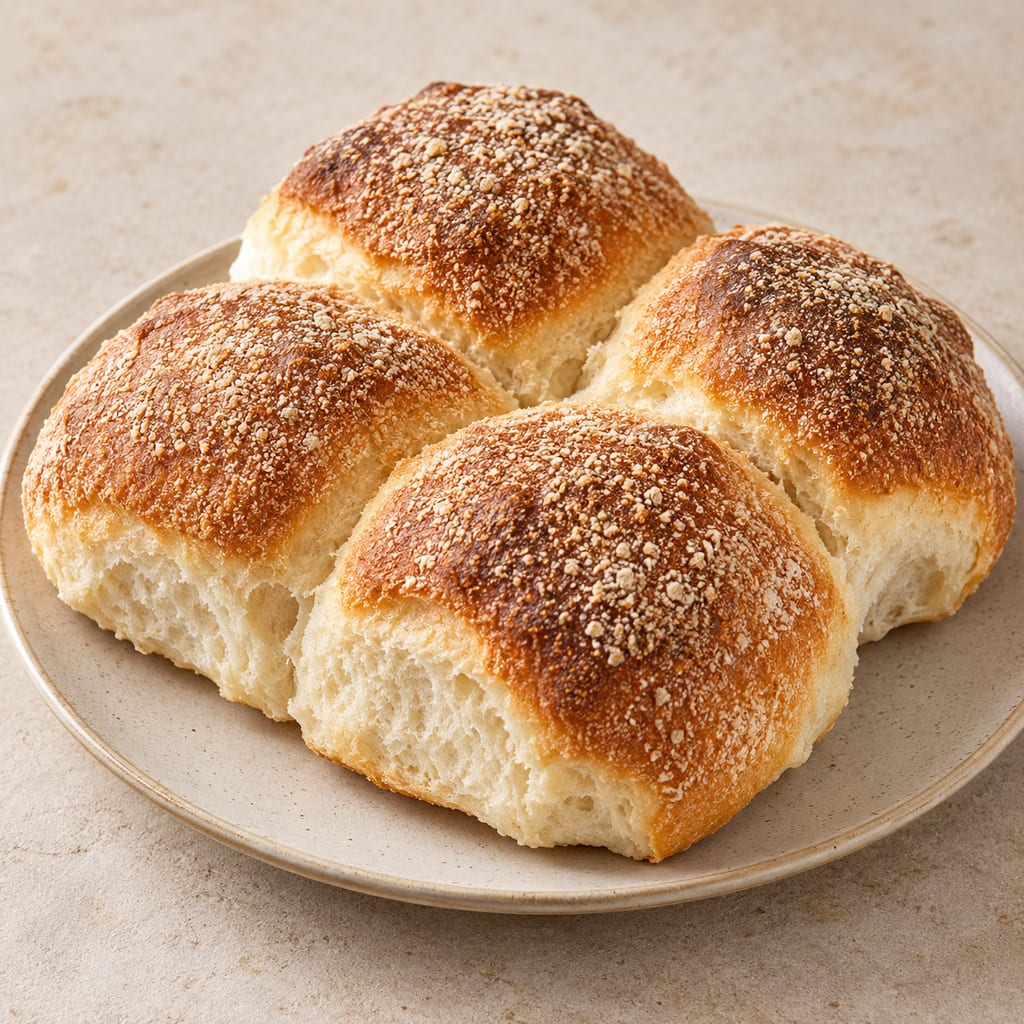
A wet, cold-fermented wheat dough is coated in rice flour and baked close together at high heat for Glasgow-style rolls with a crisp, dark crust and light interior.
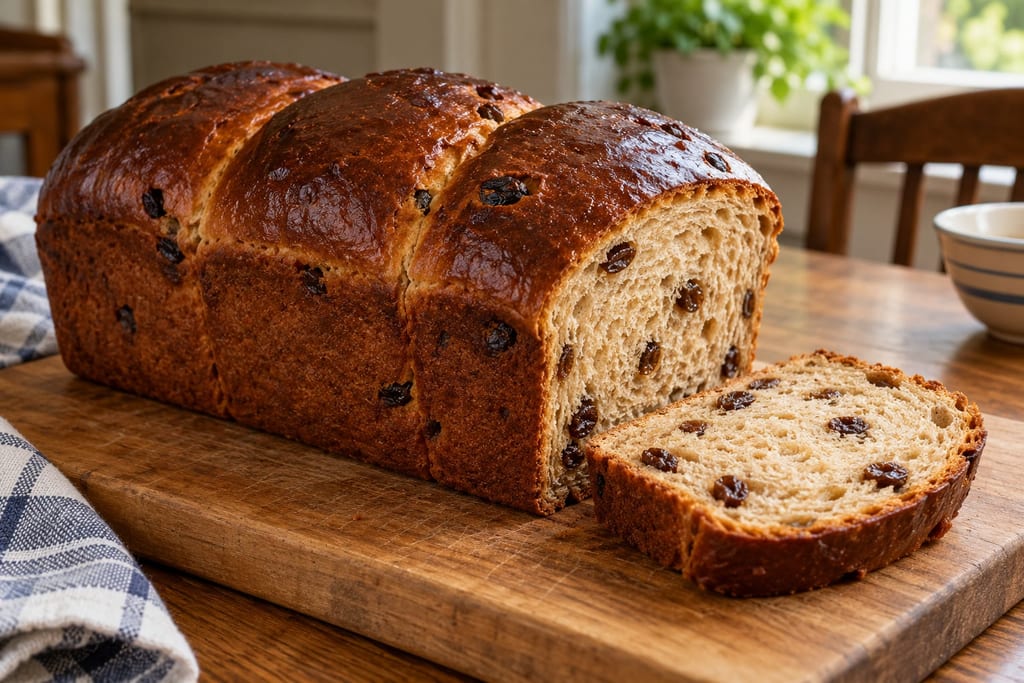
A Newfoundland family-style sweet yeast loaf with molasses, raisins, cinnamon and cloves. This version follows a half-batch adaptation of Nanny Hemeon's family formula; it is not a standard recipe for all Newfoundland households.
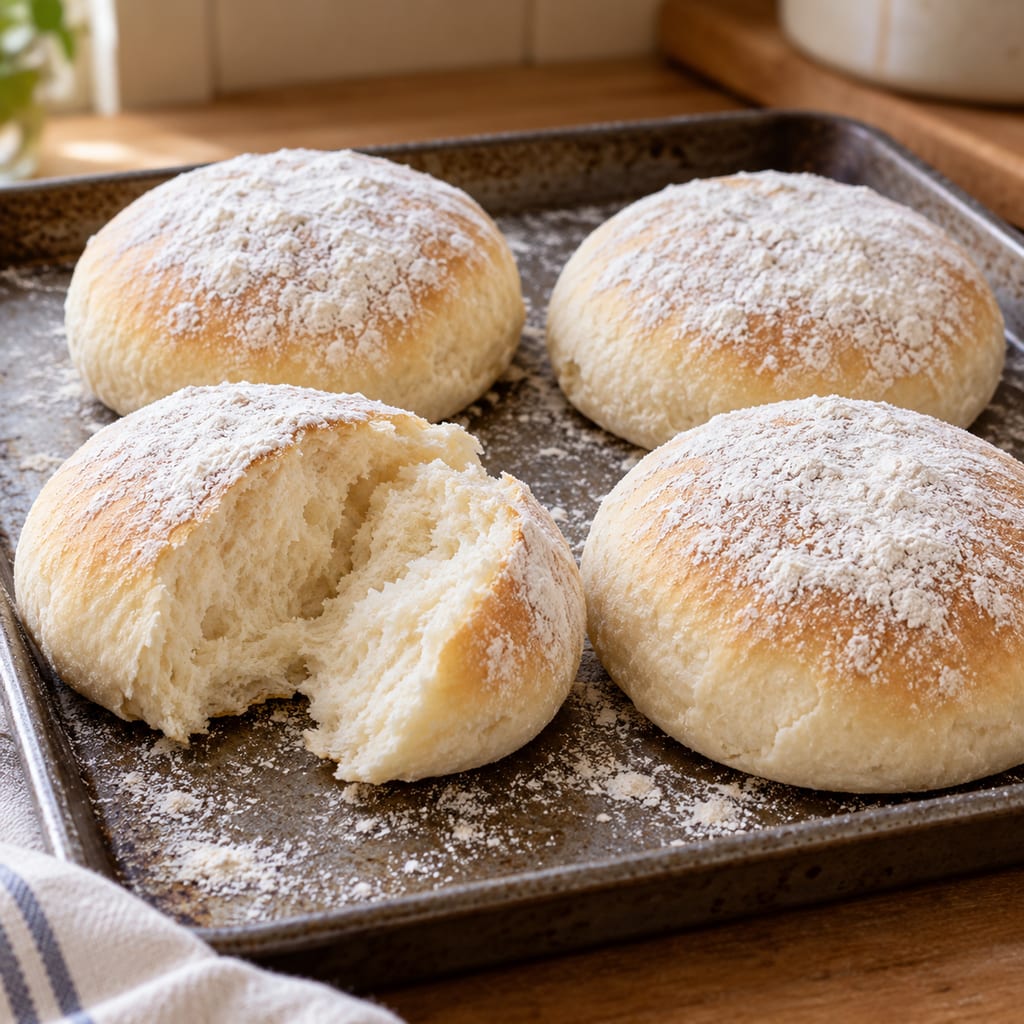
A home adaptation of a measured blaa recipe attributed to Waterford baker Dermot Walsh: plain yeast dough, rounded portions flattened on a tray, generously dusted with flour and baked. Home baking does not confer Waterford Blaa PGI status.