
































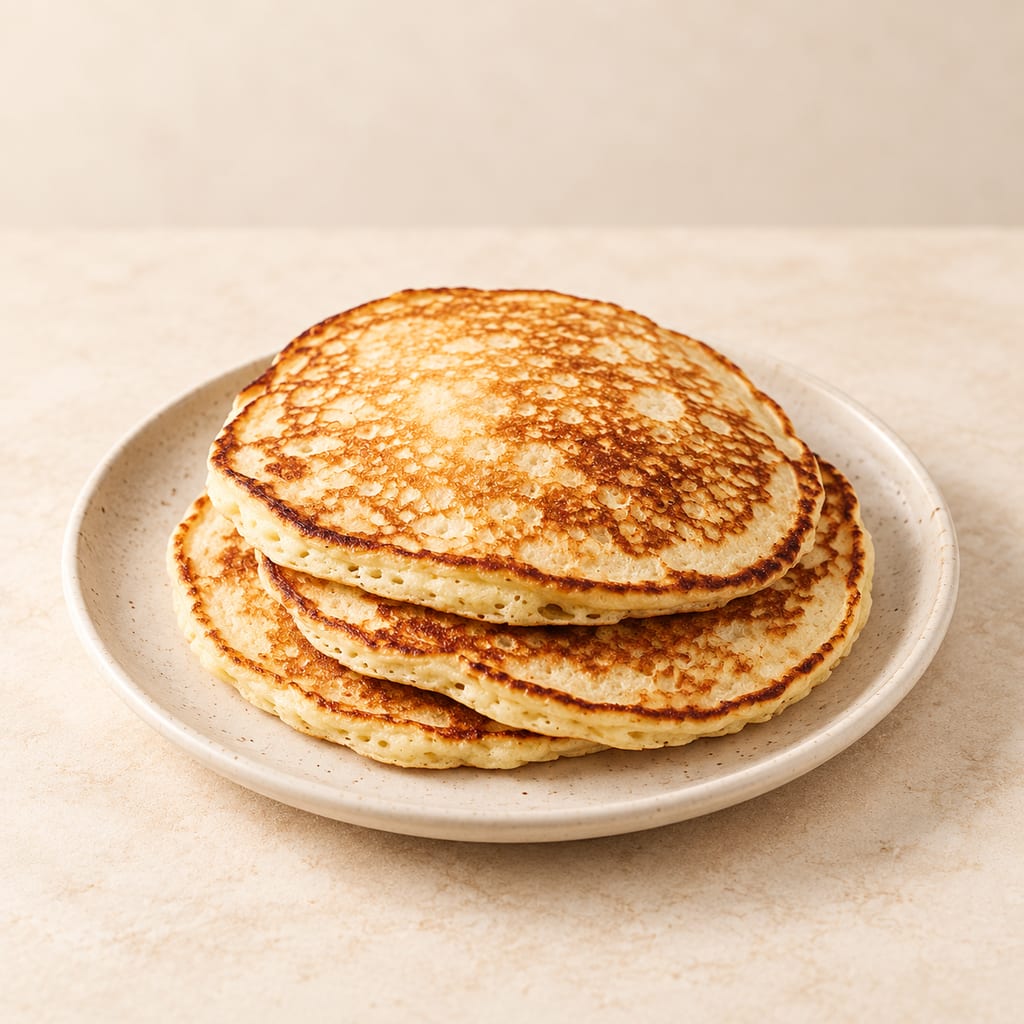
Overnight sourdough pancakes
Buttermilk, flour and sourdough discard rest overnight before eggs and baking soda turn the sponge into a griddle batter. The finished pancakes are tender and lightly tangy.
 FermenteaWhere food goes to change
1507 records with their sources, across 11 categories.
Buttermilk, flour and sourdough discard rest overnight before eggs and baking soda turn the sponge into a griddle batter. The finished pancakes are tender and lightly tangy.
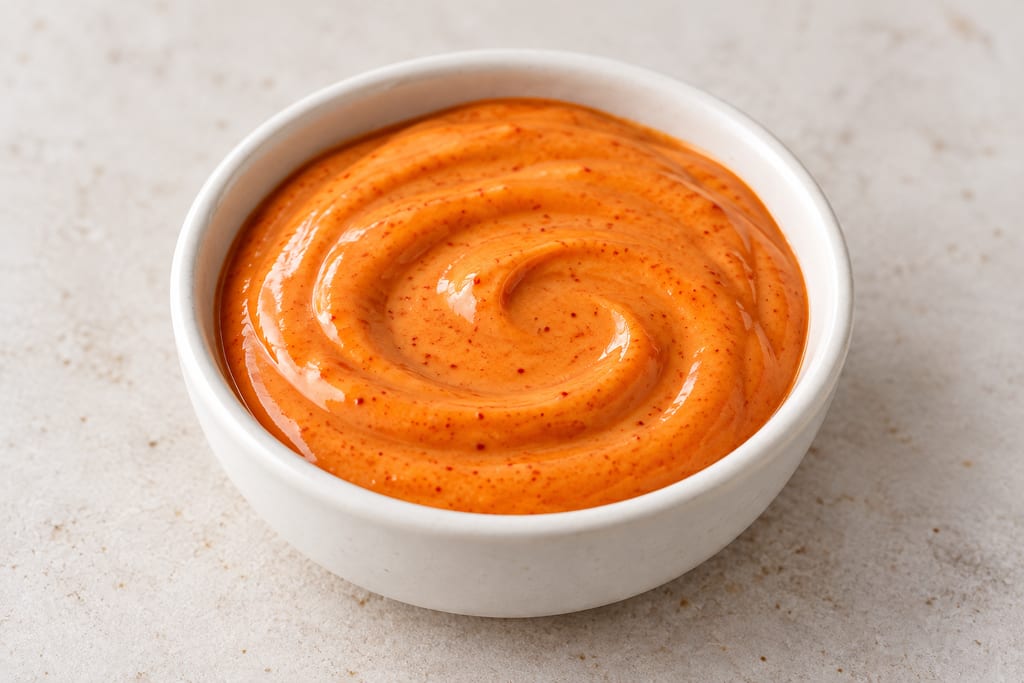
A contemporary, untested mix of finished mayonnaise, gochujang and rice vinegar, with starting amounts per 100 g mayonnaise.
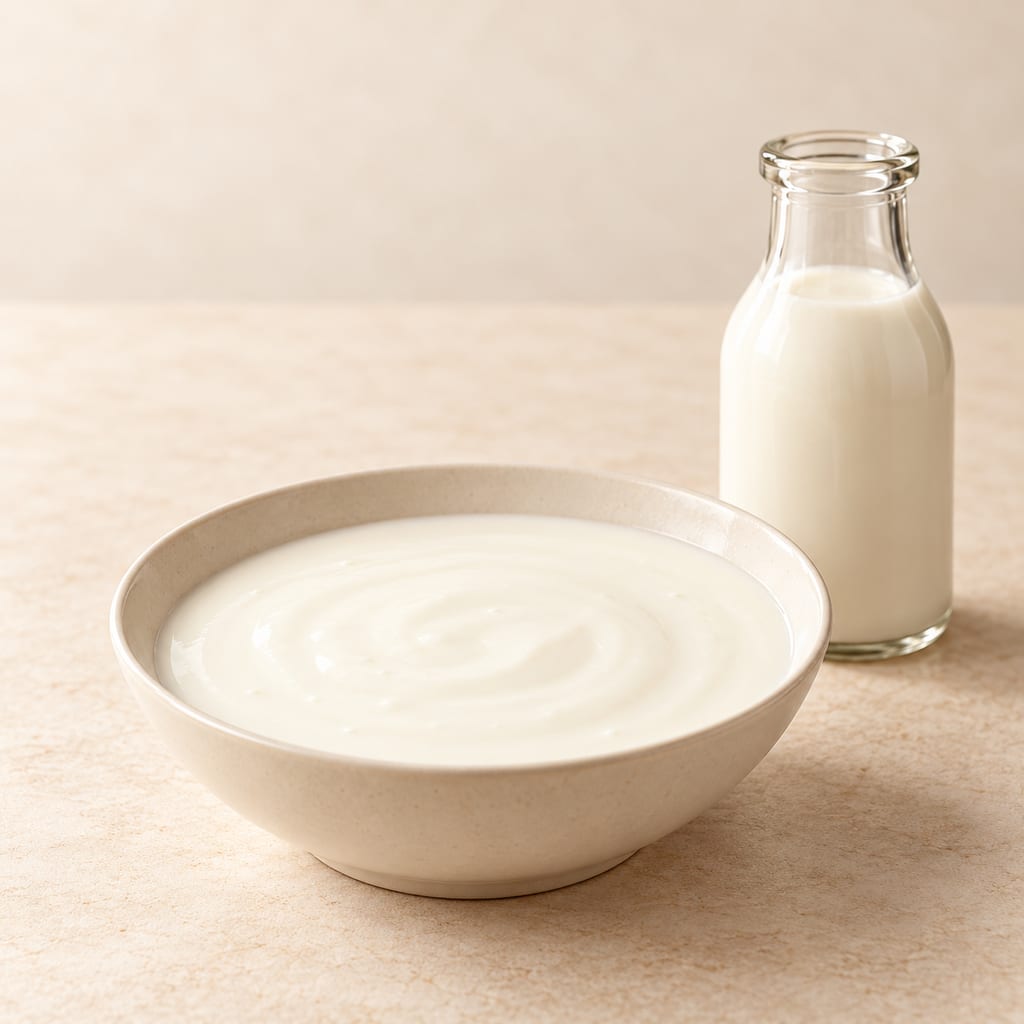
Filmjölk is a Swedish cultured milk with mild acidity and a spoonable body. This recurring batch uses filmjölk from the previous batch to culture fresh milk.
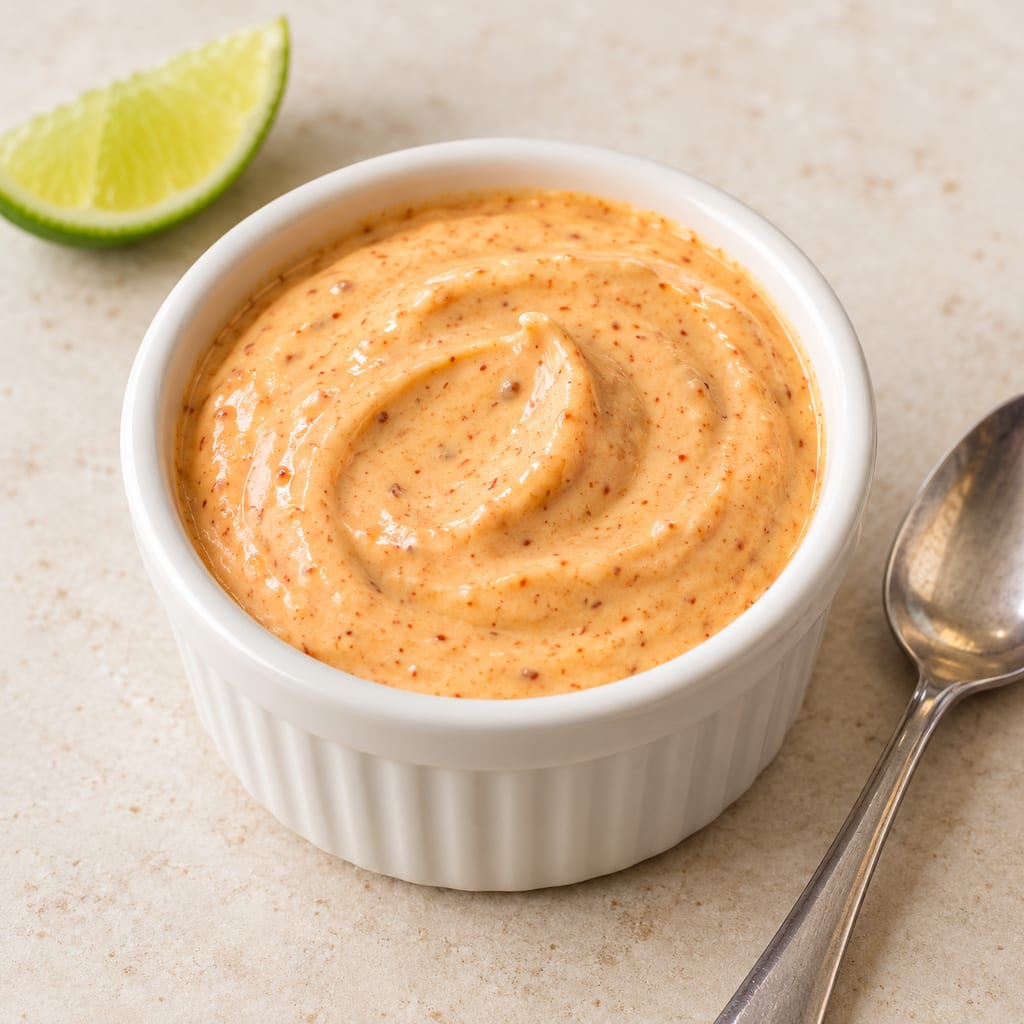
A contemporary, untested mix of finished mayonnaise, mashed canned chipotle in adobo and lime juice, given as starting amounts per 100 g mayonnaise.
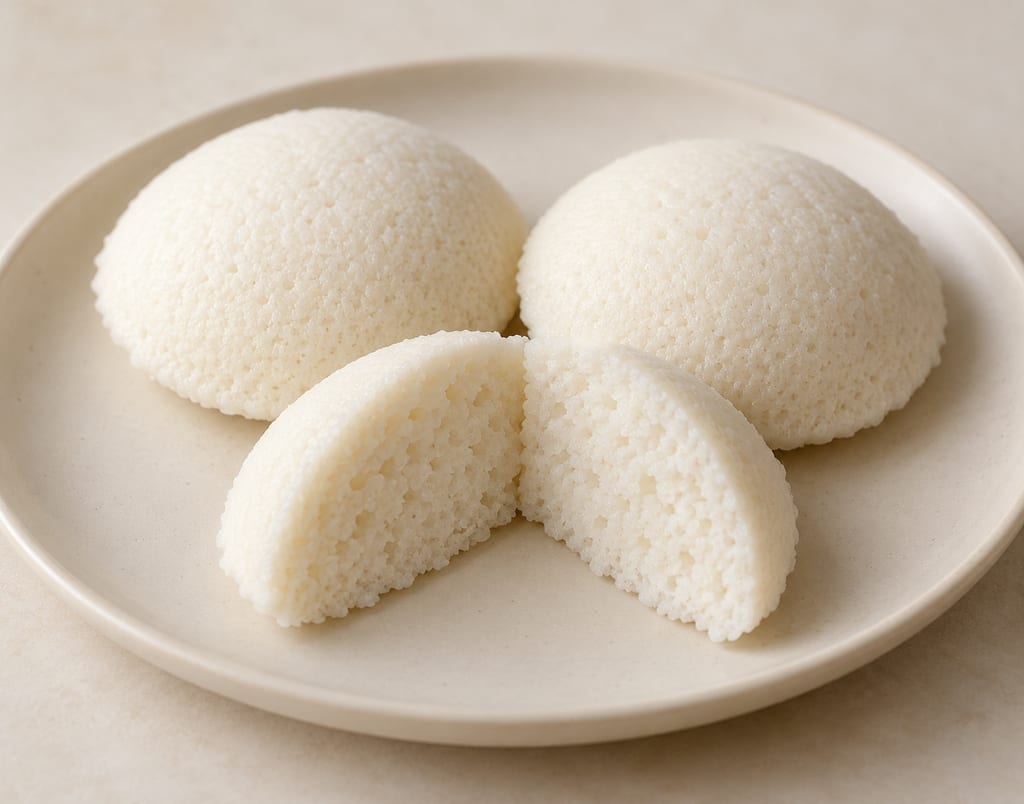
Rice and urad idli uses a source-specific naturally fermented grain and urad batter, then cooks it by steaming in moulds. The creator leaves some process measures unquantified.
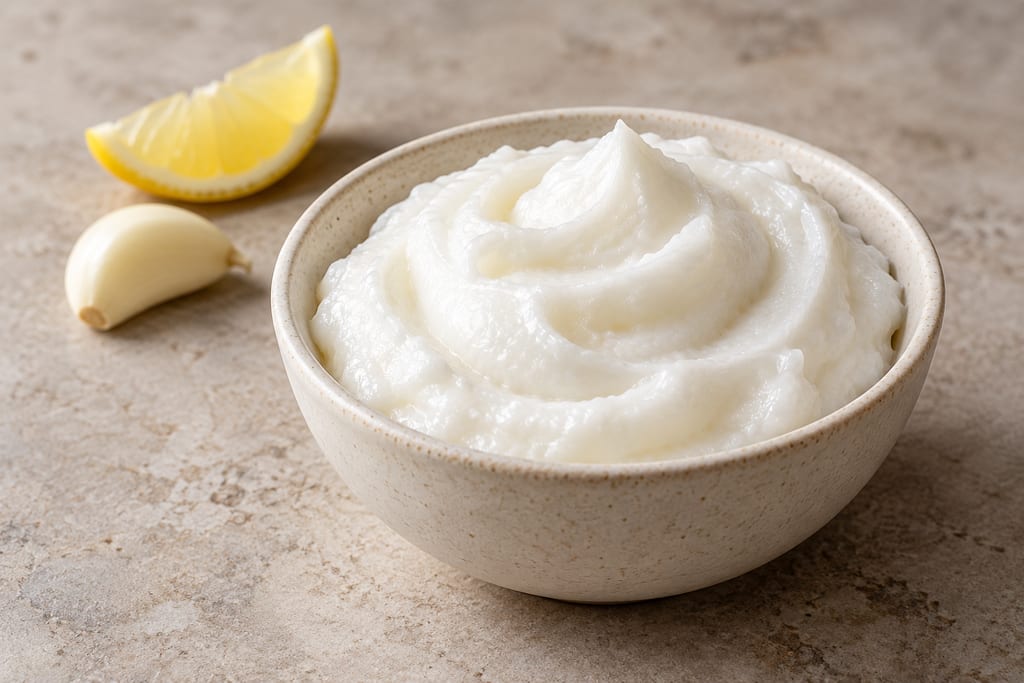
A home-developed garlic emulsion in a Lebanese toum style, with a separately developed ratio. Nominal yield 298 g.
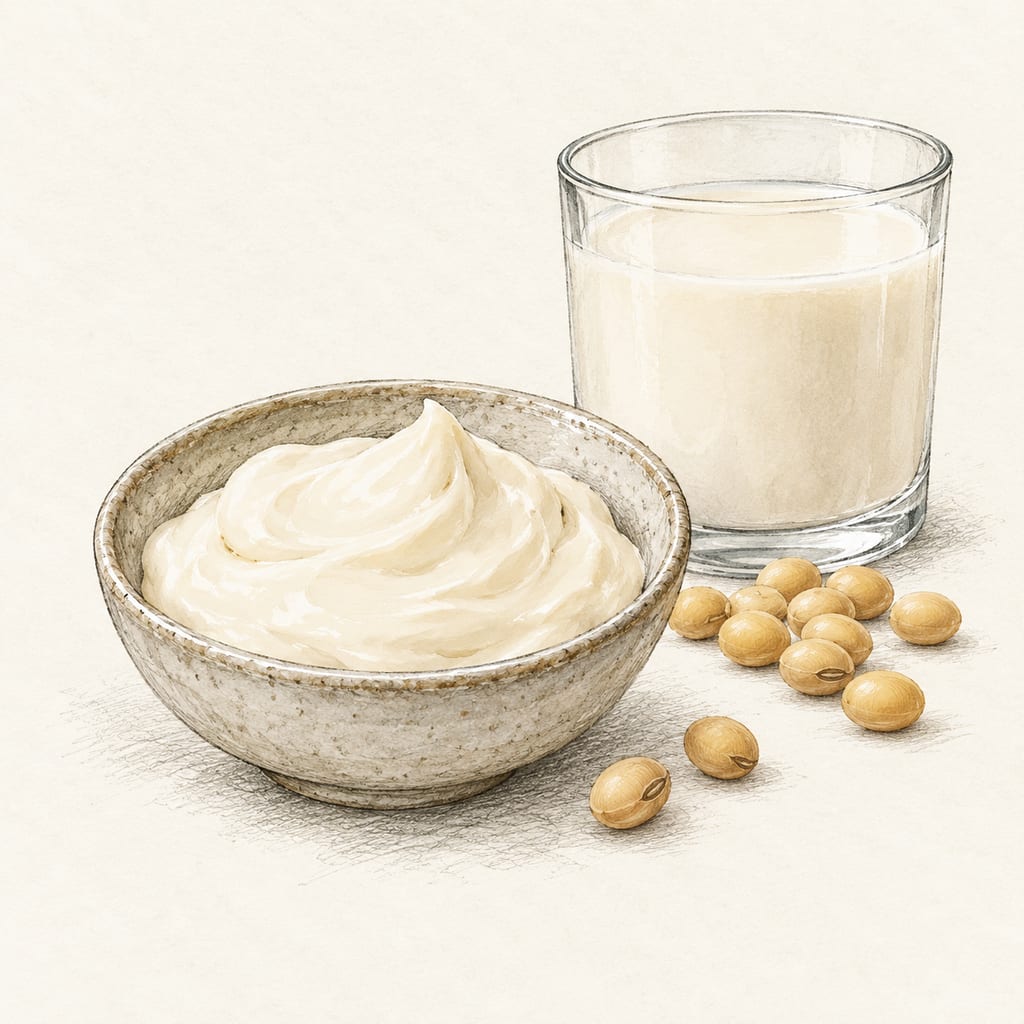
An untested eggless emulsion made by blending unsweetened soy milk with vinegar and Dijon, then slowly adding neutral oil. The 265 g formula has no validated shelf life.
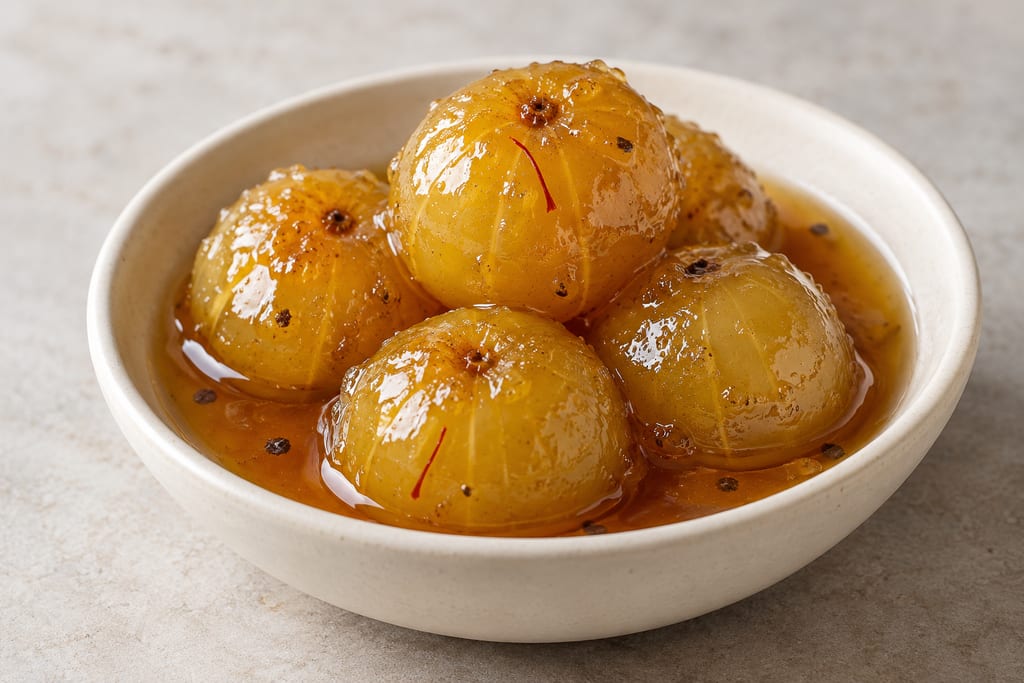
Amla murabba preserves whole Indian gooseberries in a heavy sugar syrup scented with cardamom and sharpened with pepper and black salt. This household method soaks the fruit before cooking.
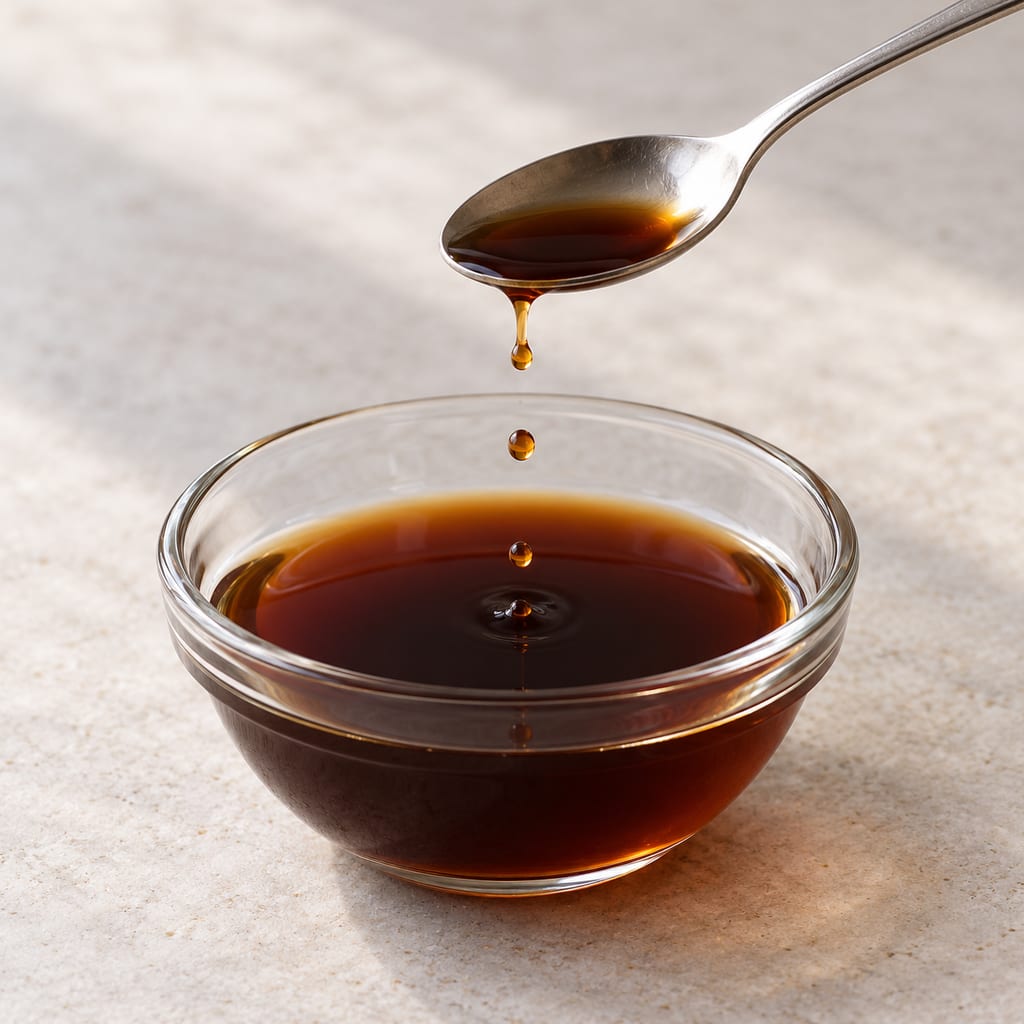
Cooked-bean koji garum is a dark liquid seasoning made from soft-cooked beans, rice koji, salt and water. A long warm hold lets koji enzymes break down the mash.
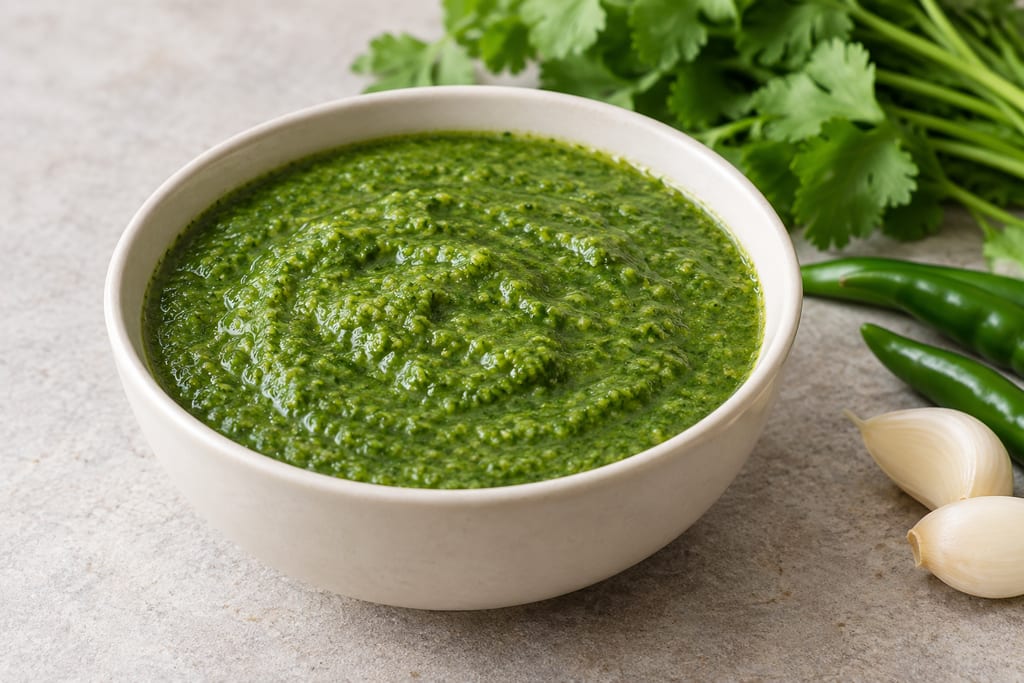
Afghan coriander chatni is a sharp, hot herb sauce with garlic and vinegar. A 2008 Afghanistan manual records green or red pepper and optional walnut; heat and household versions vary.
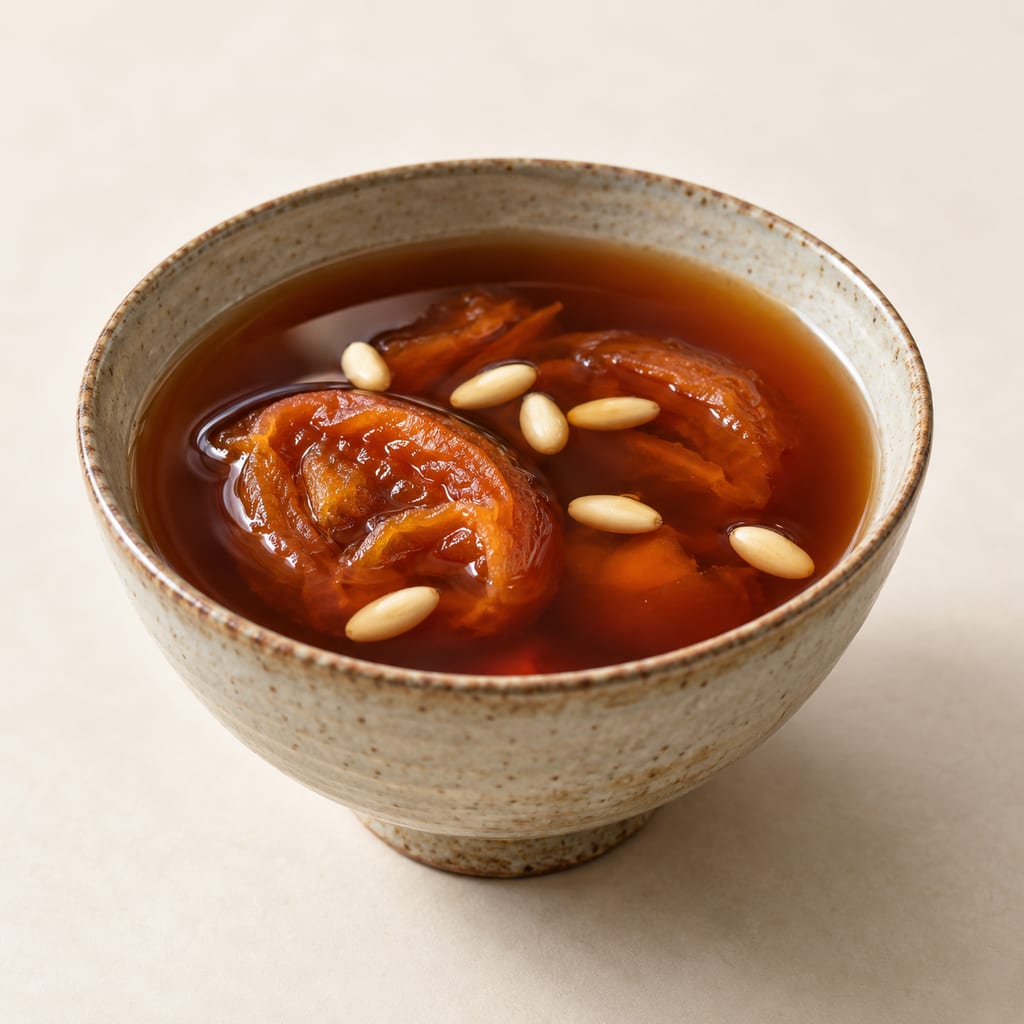
A chilled Korean dessert punch of cinnamon and ginger boiled in water, sweetened and poured over dried persimmons.
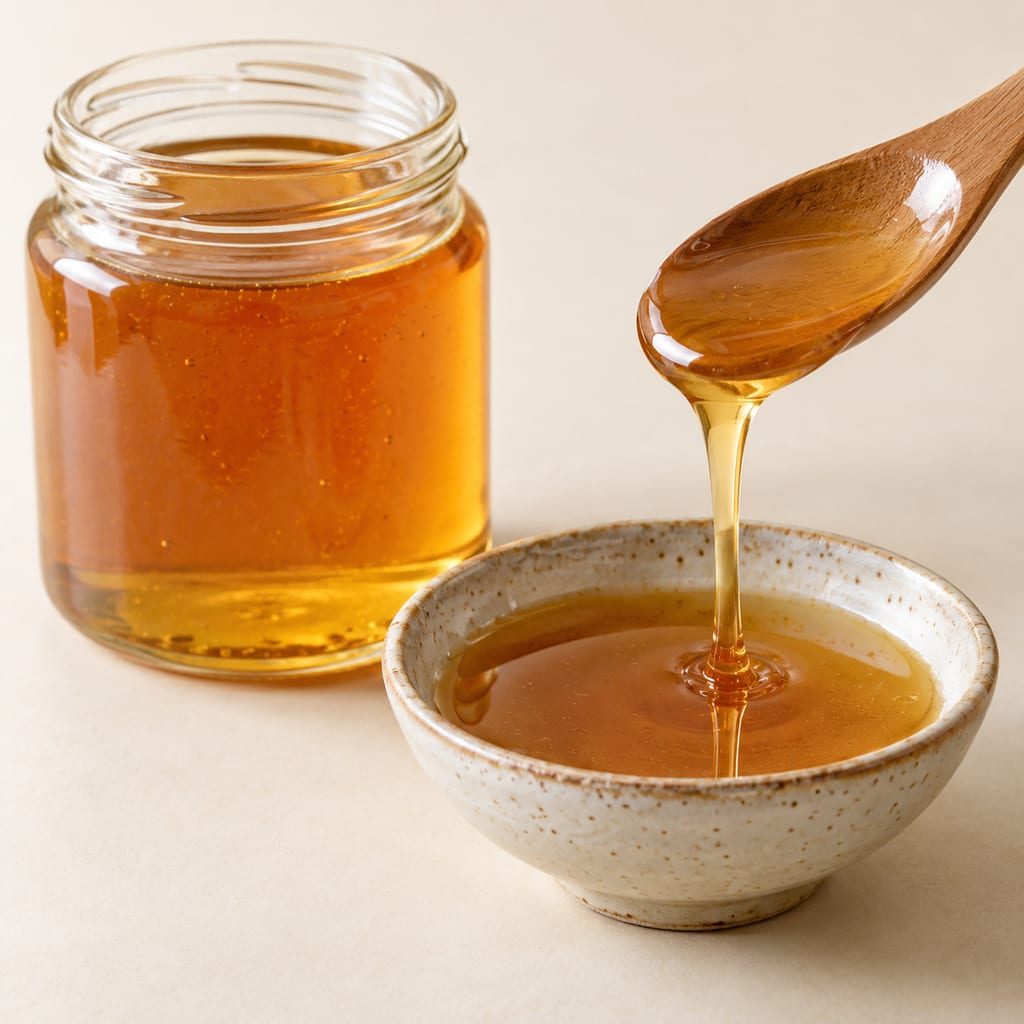
A Korean rice syrup: cooked rice is converted by barley malt in a long warm hold, strained, and the sweet liquid is boiled down until it pours like maple syrup.
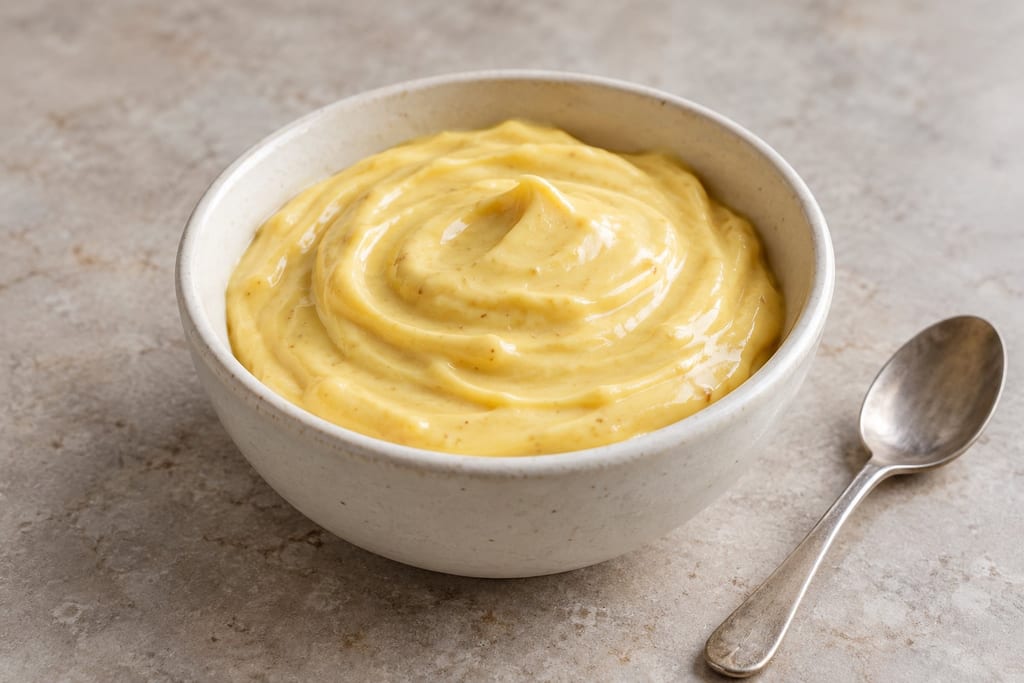
An untested home mayonnaise development formula with more Dijon mustard and no added sugar. A current French-market Dijon mayonnaise informs its flavor direction; this is not that product’s formula.
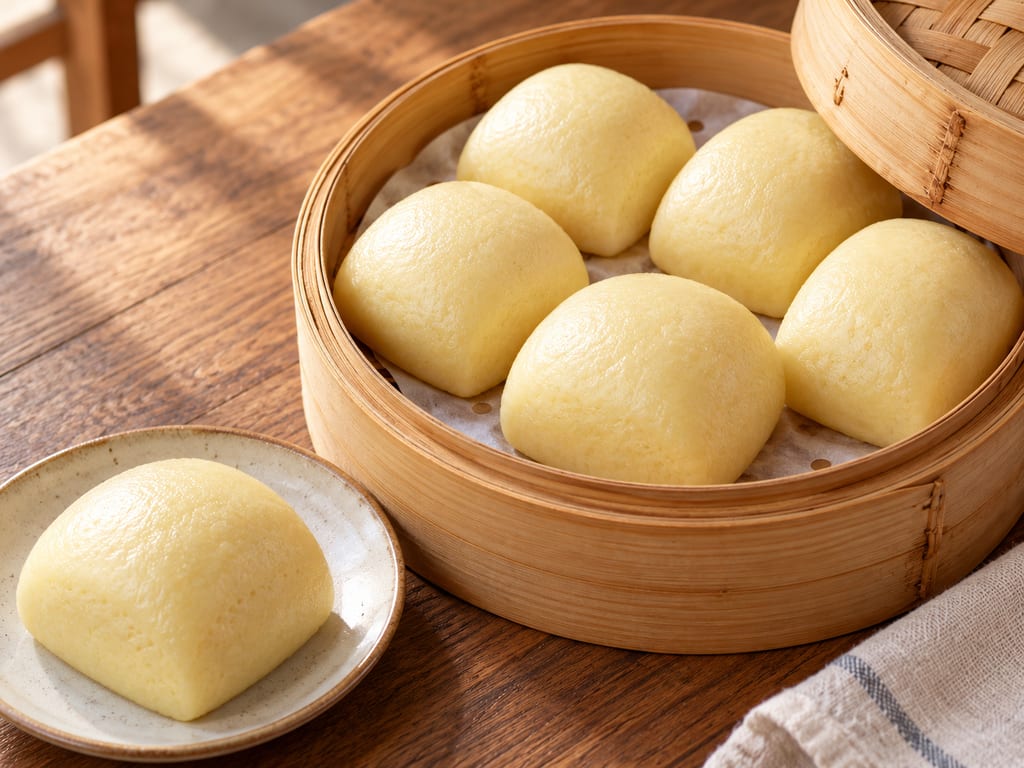
A yeast-raised mantou made with millet flour and wheat flour, hand-shaped and steamed. This measured home method uses a first rise to double, a second proof, and a covered rest after steaming.
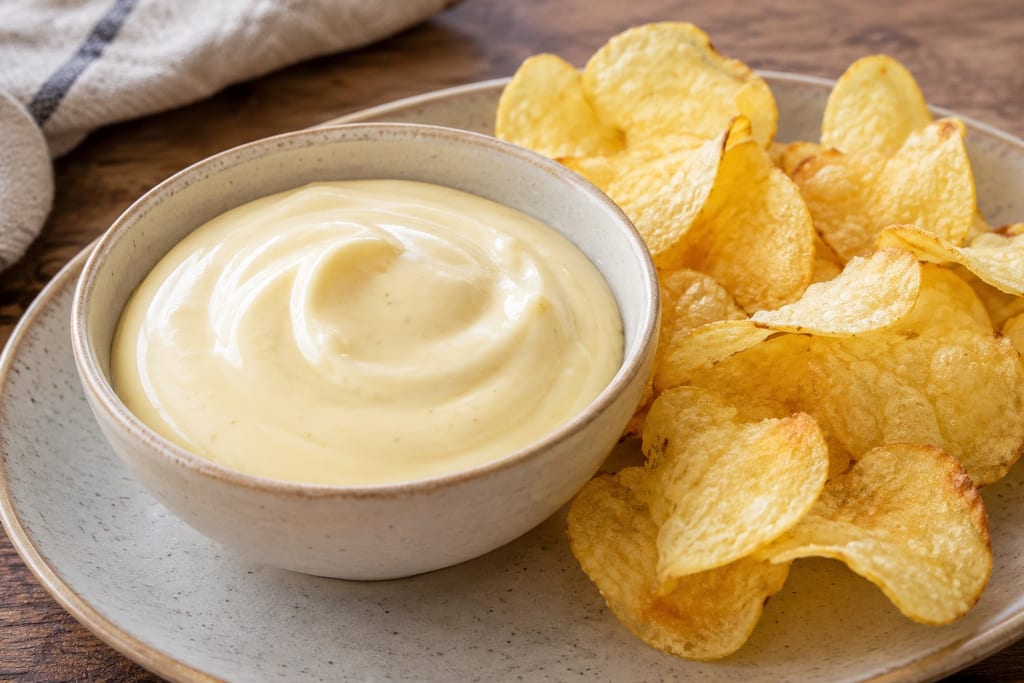
Lower-oil, starch-thickened fritessaus-inspired sauce derived from M13, not a Remia replica. Nominal yield 291 g before cooking loss.
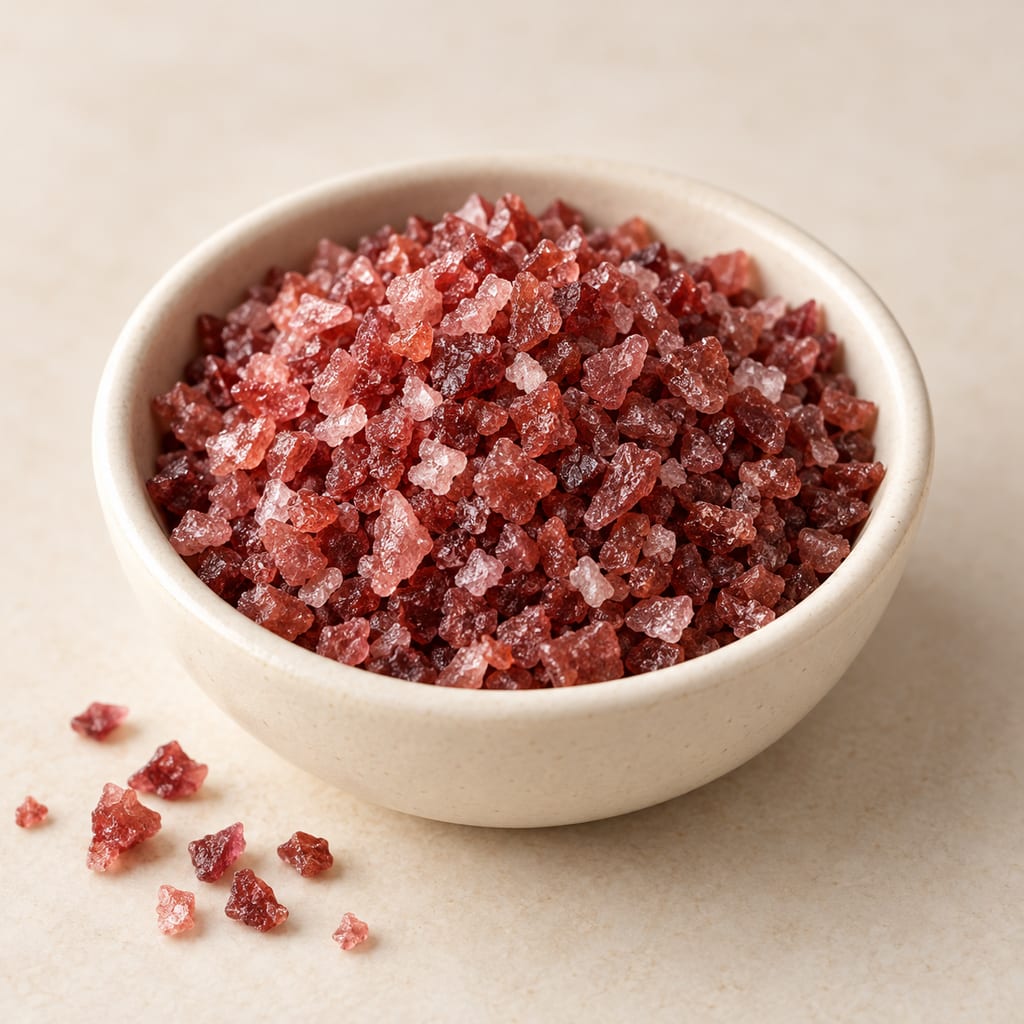
Wine-infused salt is coarse food salt carrying wine colour and aroma after a wine-and-salt mixture is reduced and dried. This version follows a Missouri Wines method at a one-to-three salt-to-wine ratio.
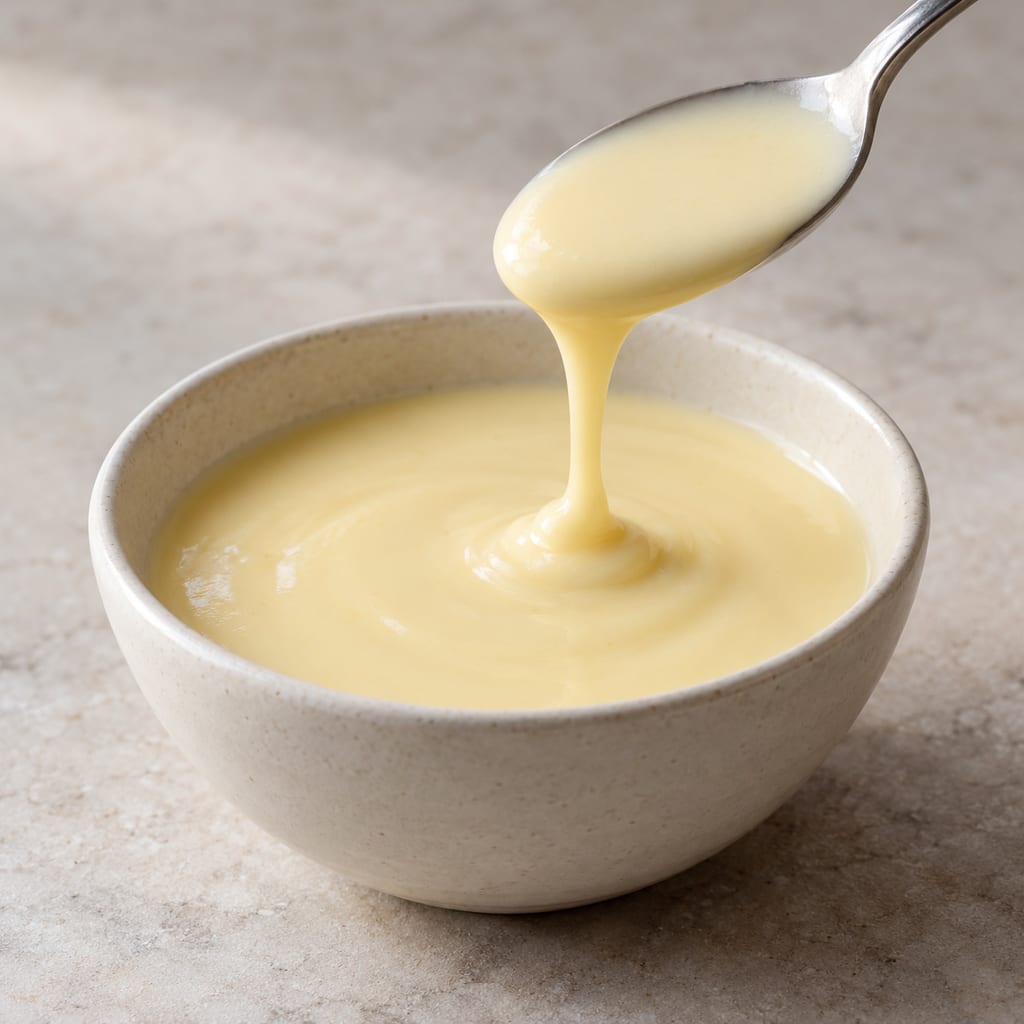
Starch-thickened salad-cream prototype with pasteurised yolk added after cooling; not a Heinz copy. Approximate yield 300 g.
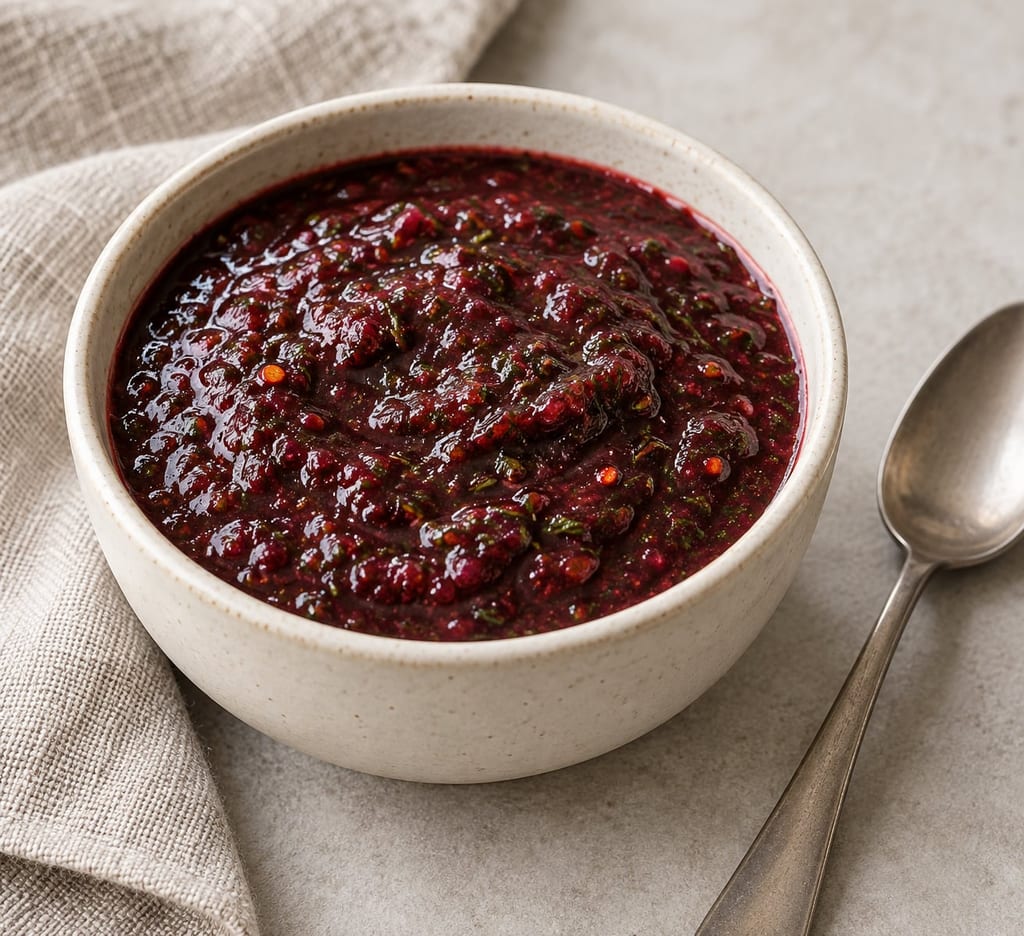
An untested refrigerator sauce inspired by Georgian tkemali. This version uses ordinary mint in place of pennyroyal (ombalo), changing its aroma; it is not a tested preserve.
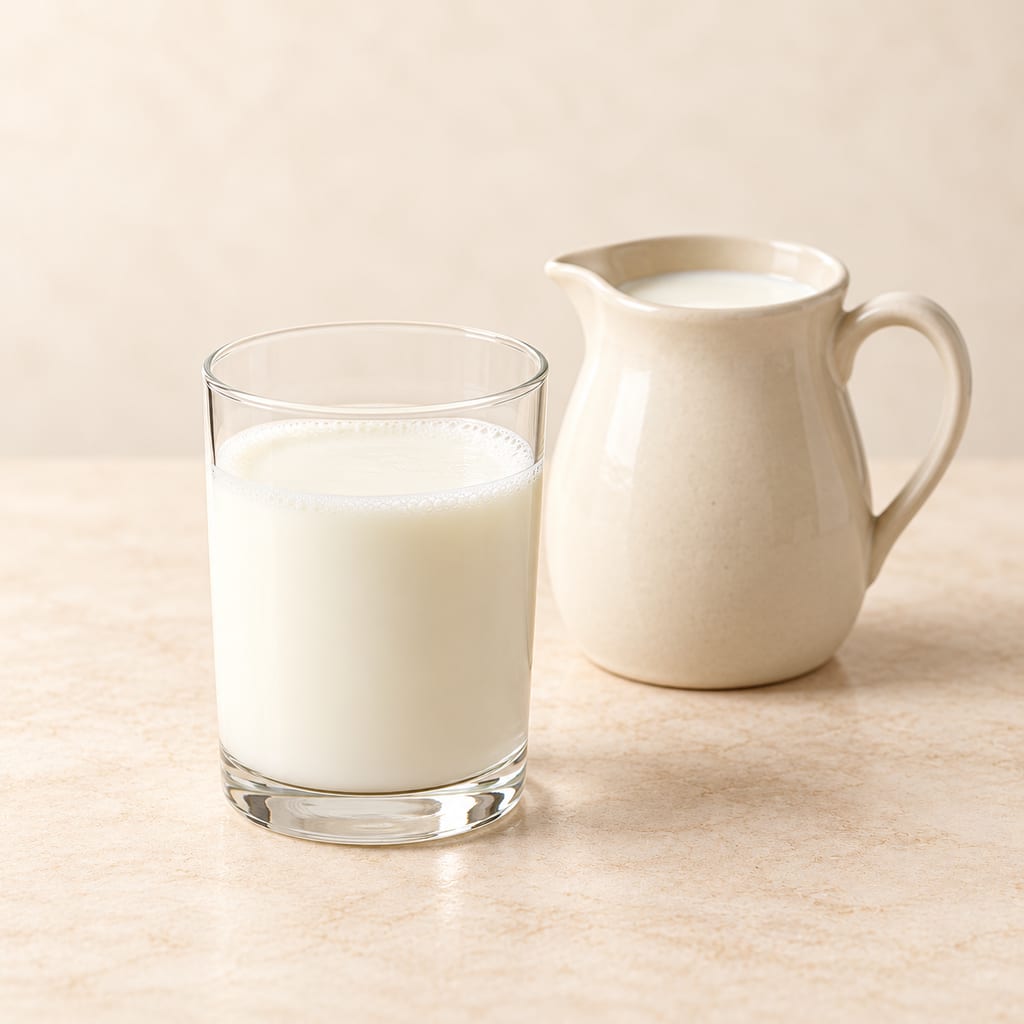
Milk thickened with a packet of buttermilk culture makes a tangy drink and a baking ingredient. This warm-incubated version uses whole milk.
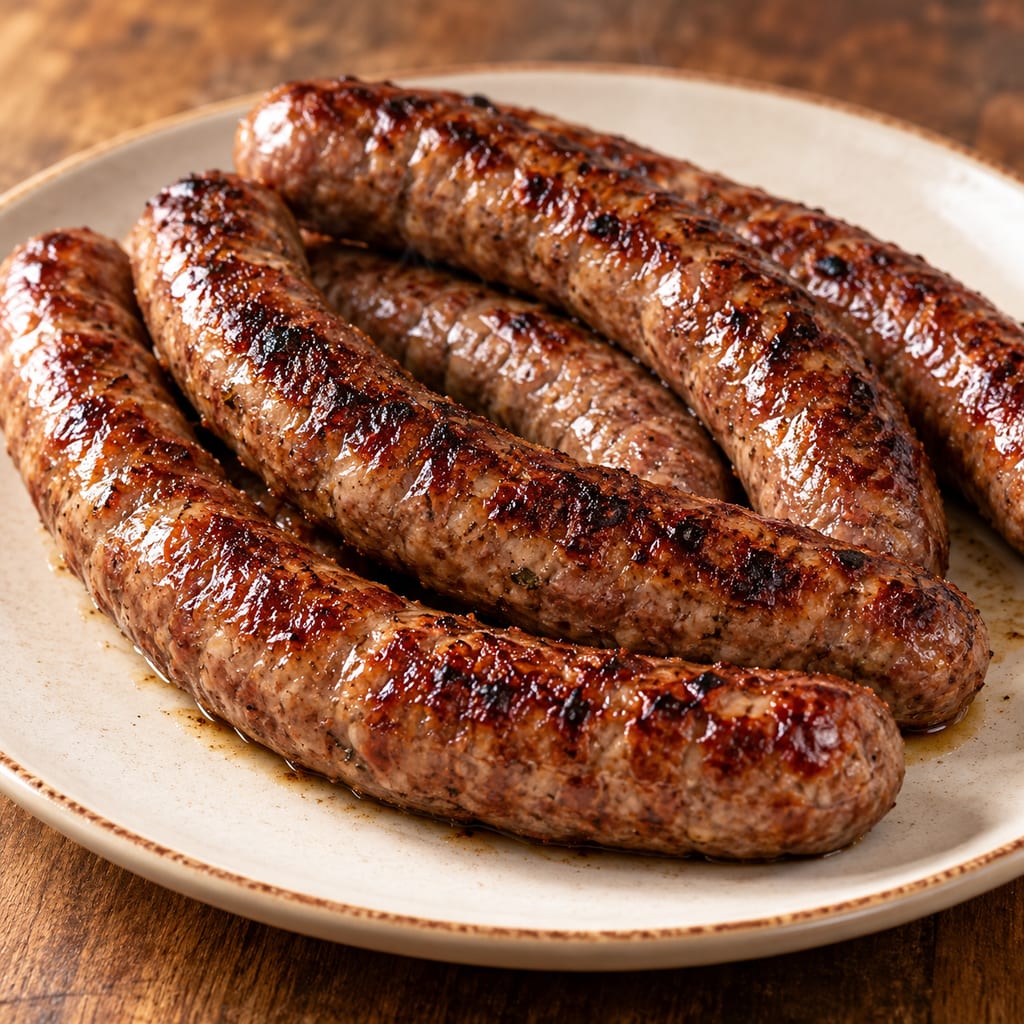
South Africa's regulated grilling-sausage class, looser than boerewors: a minimum of 40% meat, vegetable protein and mechanically recovered meat allowed, and sold raw.
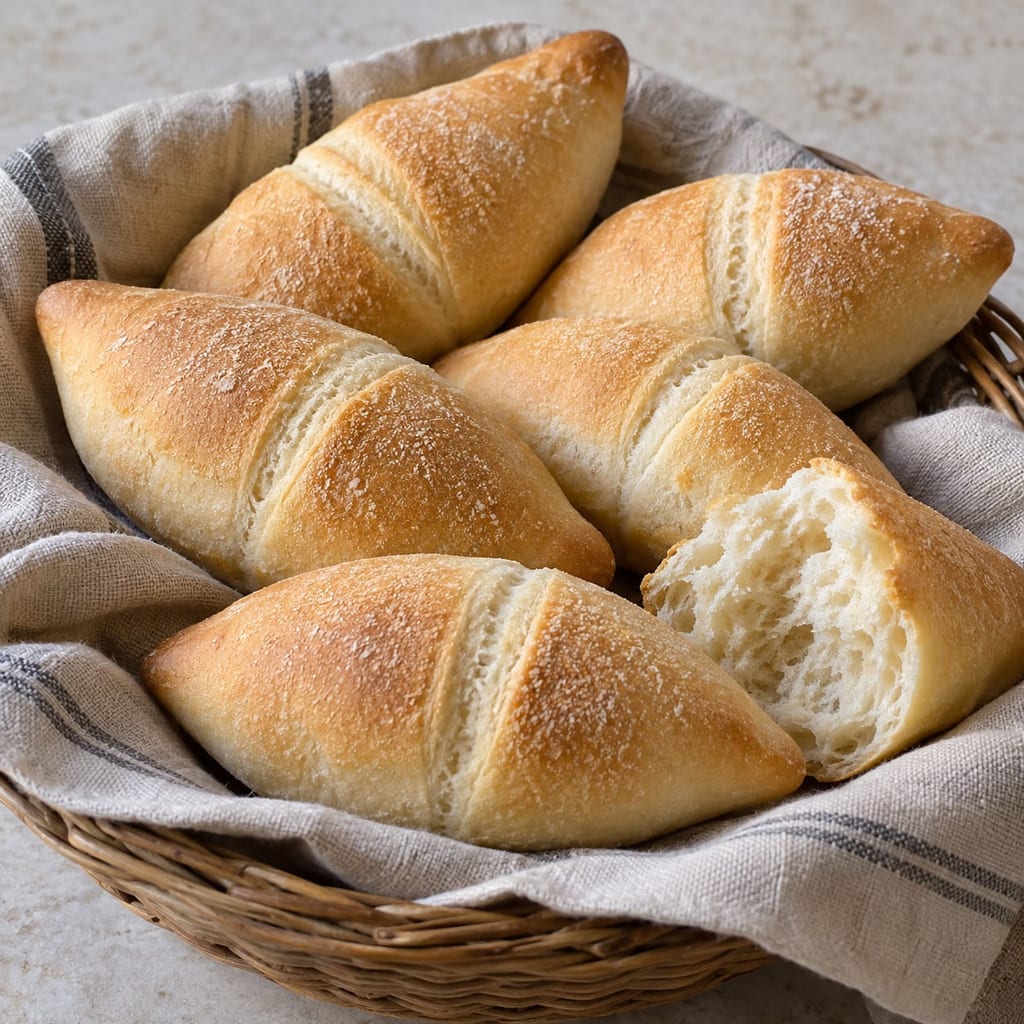
Pointed, yeast-raised Surinamese rolls with a light crumb and a thin crust, shaped with a pressed seam and baked with a semolina coating.
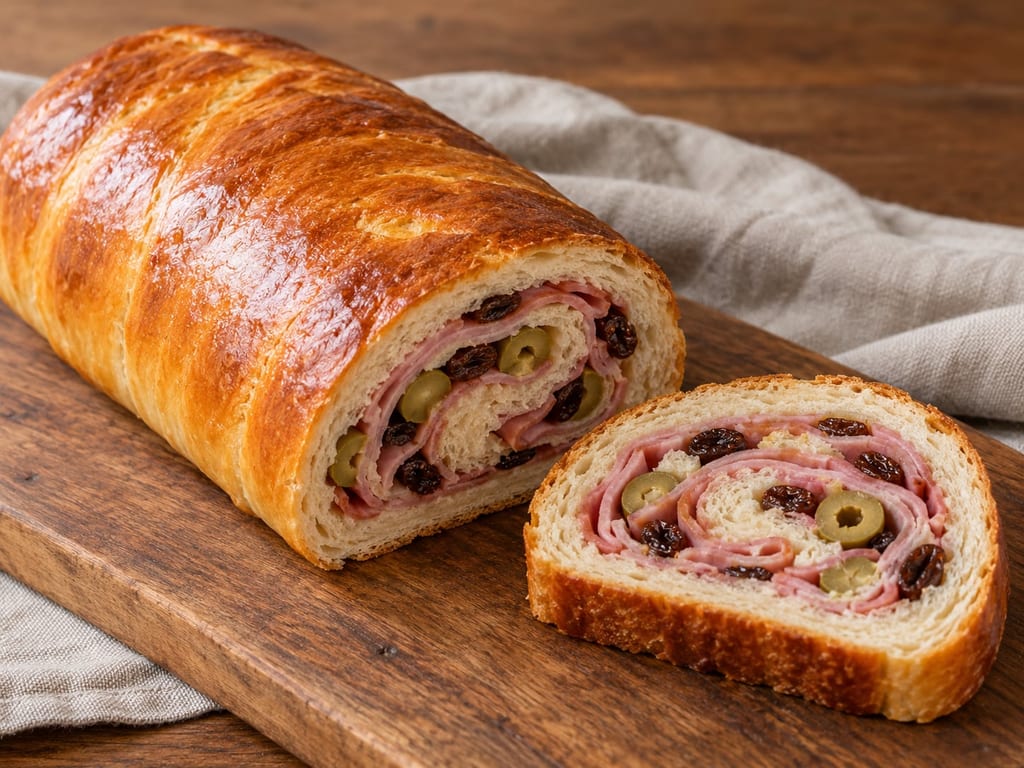
Pan de jamón is a Venezuelan Christmas bread: soft yeast dough rolled around ham, olives and raisins, then baked as a filled loaf.
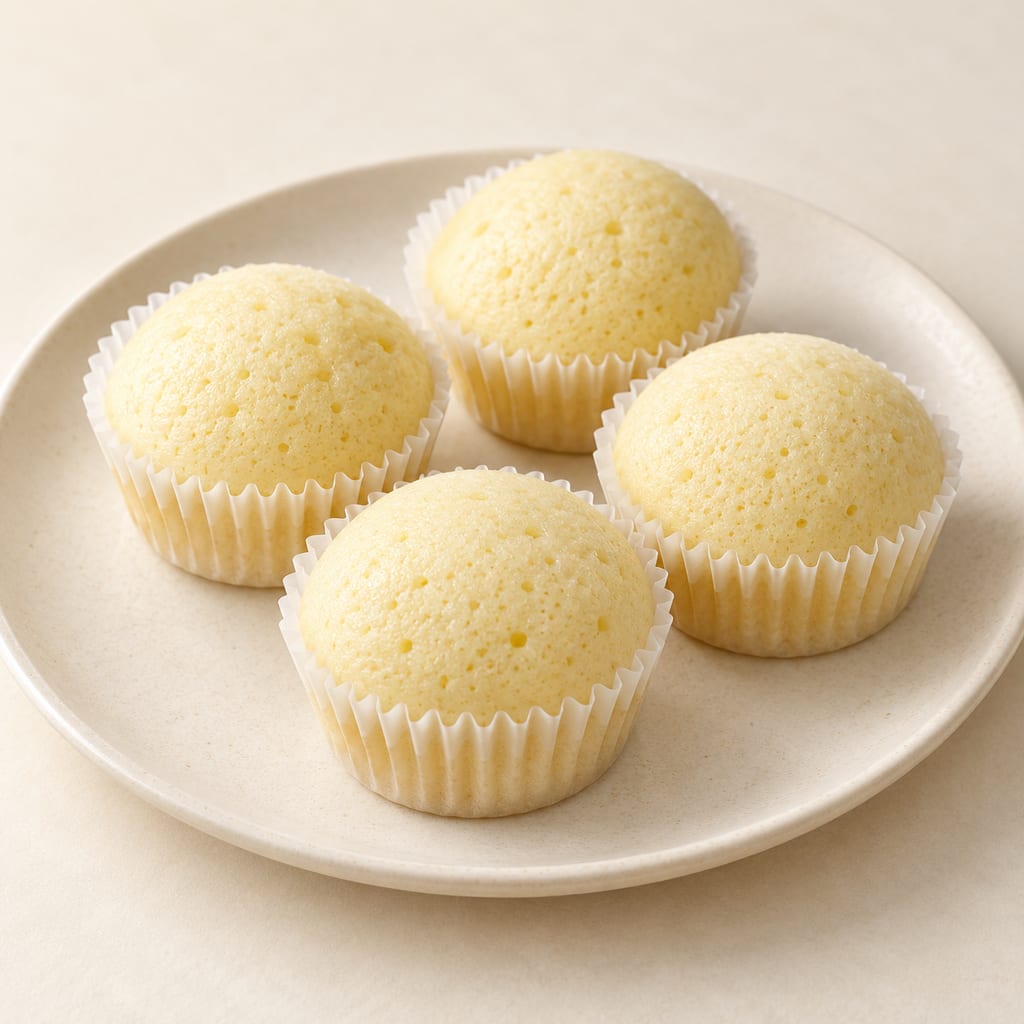
Mushi-pan are Japanese steamed quick cakes made from a lightly sweetened wheat batter raised with baking powder. This four-cake version is cooked in paper-lined ramekins set in a shallow pan of boiling water.

Mauritian molasses rum is a commercial distilled spirit made from fermented sugar-industry molasses. An official ruling describes one 40% ABV Lazy Dodo bottling; the sources do not define a single recipe for the wider product family.
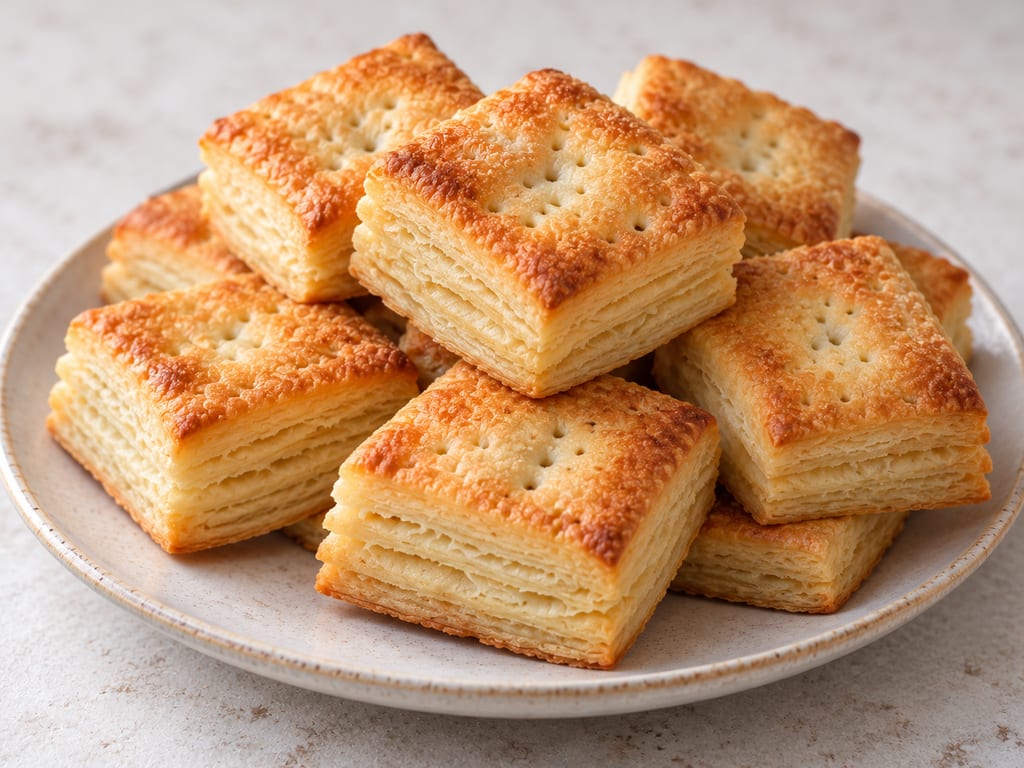
Libritos de grasa are small Argentine laminated yeast rolls made with wheat flour and beef fat, folded into book-like pieces and served with mate.
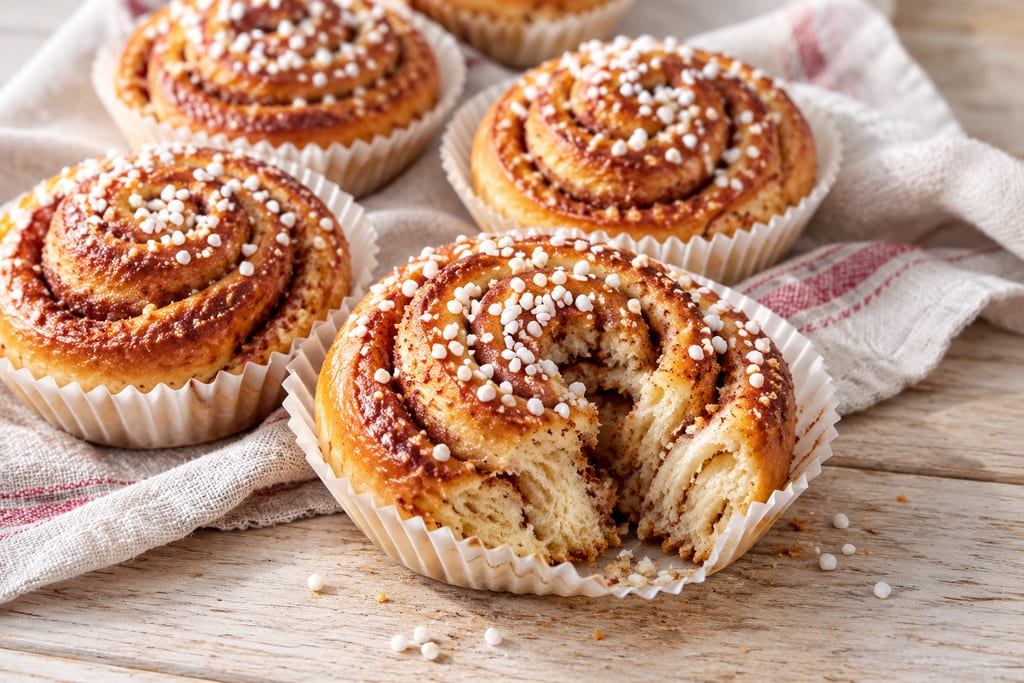
Soft Swedish wheat buns filled with butter, sugar and cinnamon. This 20-bun home batch uses fresh yeast, two short proofs and pearl sugar.
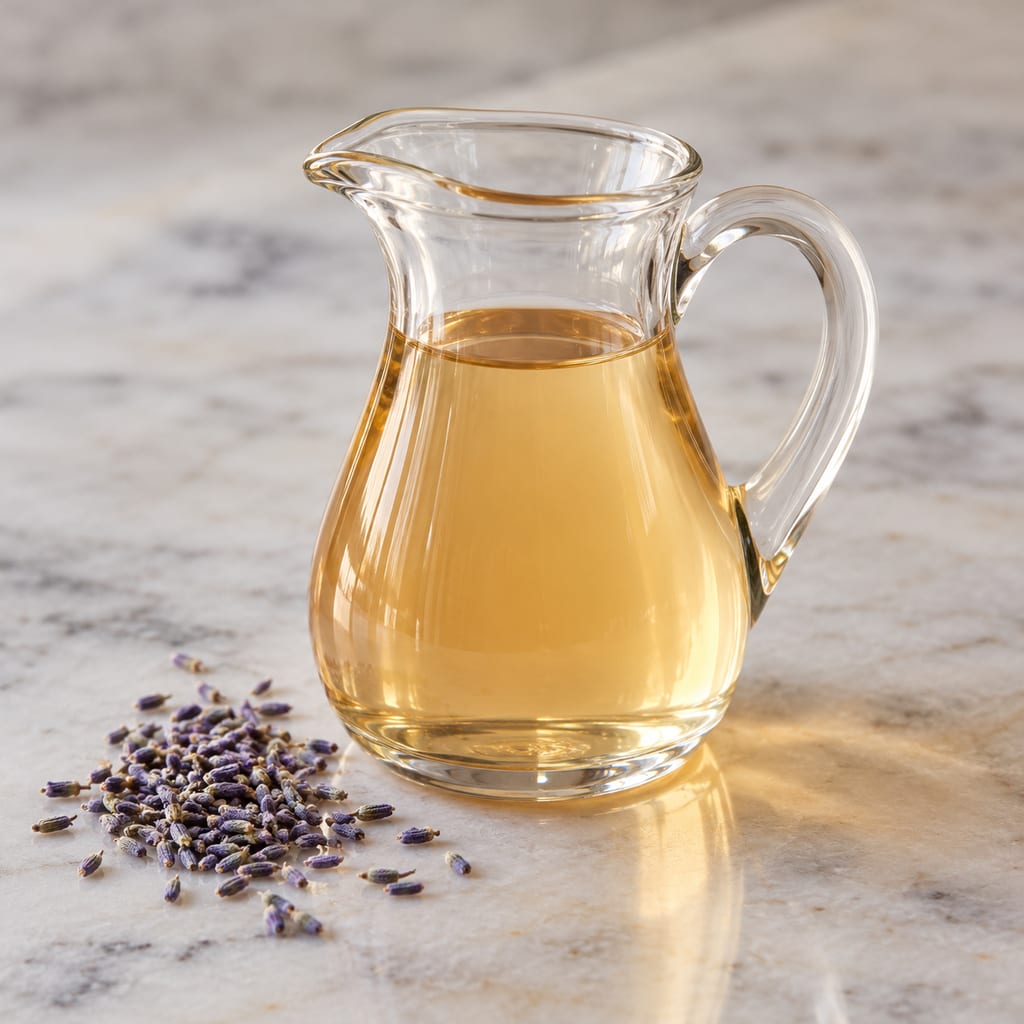
Sugar syrups flavoured by holding botanicals, sugar and water in sealed bags in a 135°F (57°C) water bath for an hour, then cooling and refrigerating; several can share one bath.
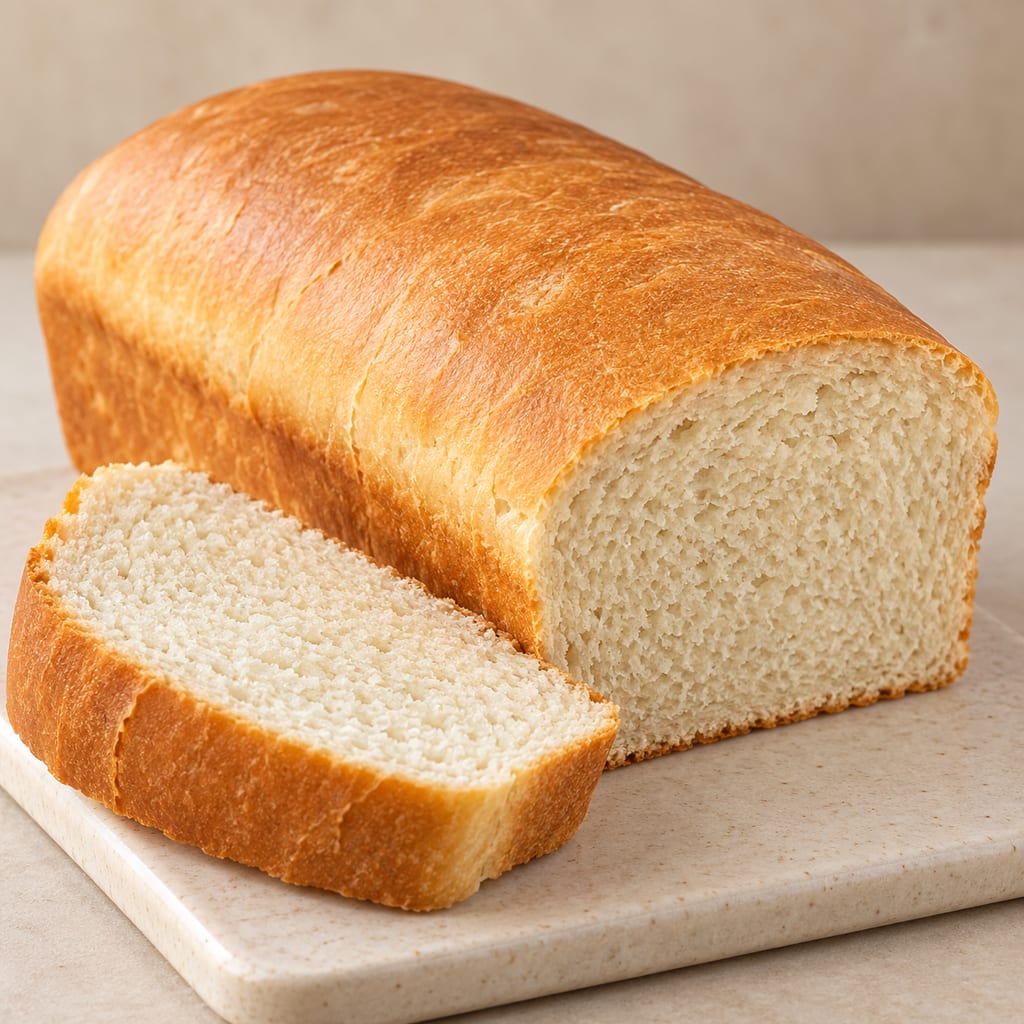
Jamaican hard dough bread is a firm, close-crumbed yeasted wheat loaf with a thicker crust and a soft, chewy interior. Roll the dough tightly and bake it in a loaf tin.
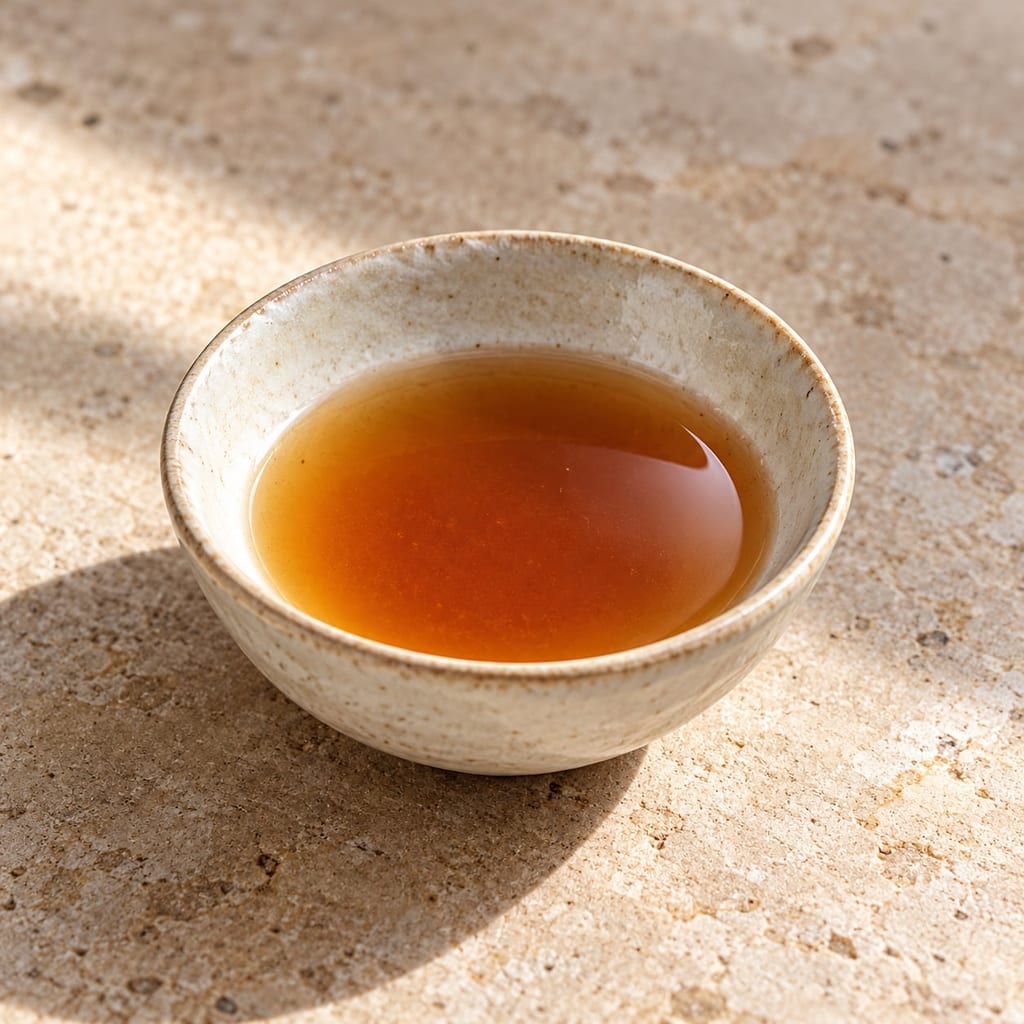
Chef Alex Perry makes this modern shrimp garum from Gulf white shrimp heads and shells, koji, water and salt. He holds the mash at 60°C for two months, then strains the liquid for use as a seasoning.
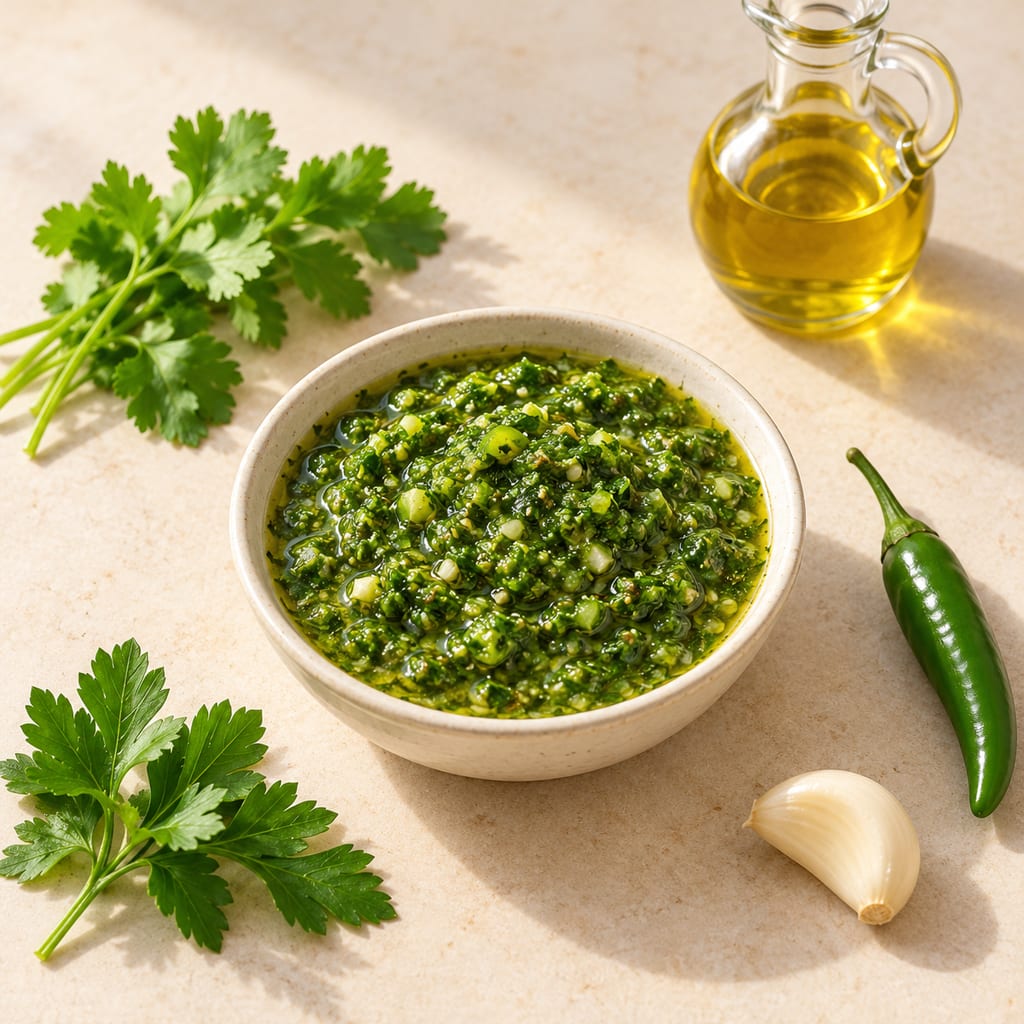
Yemeni zhug inspires this fresh sauce of coriander, parsley and green chilli. Its weighed mild-chilli formula is one contemporary variation, not a canonical household recipe.
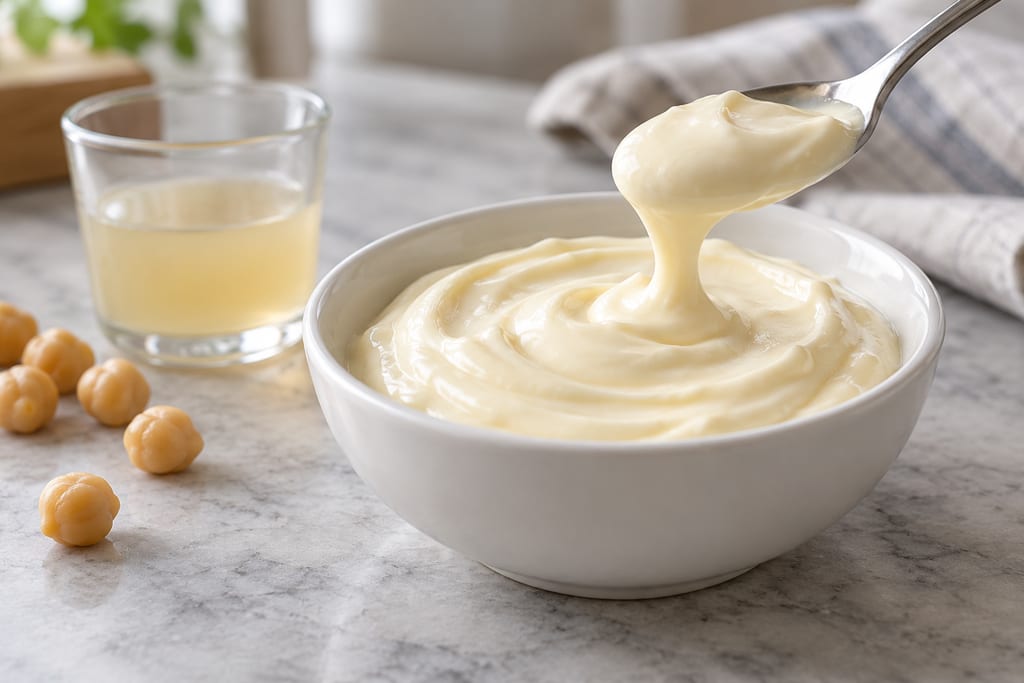
An eggless, untested emulsion made with canned chickpea liquid. Nominal yield 255 g.
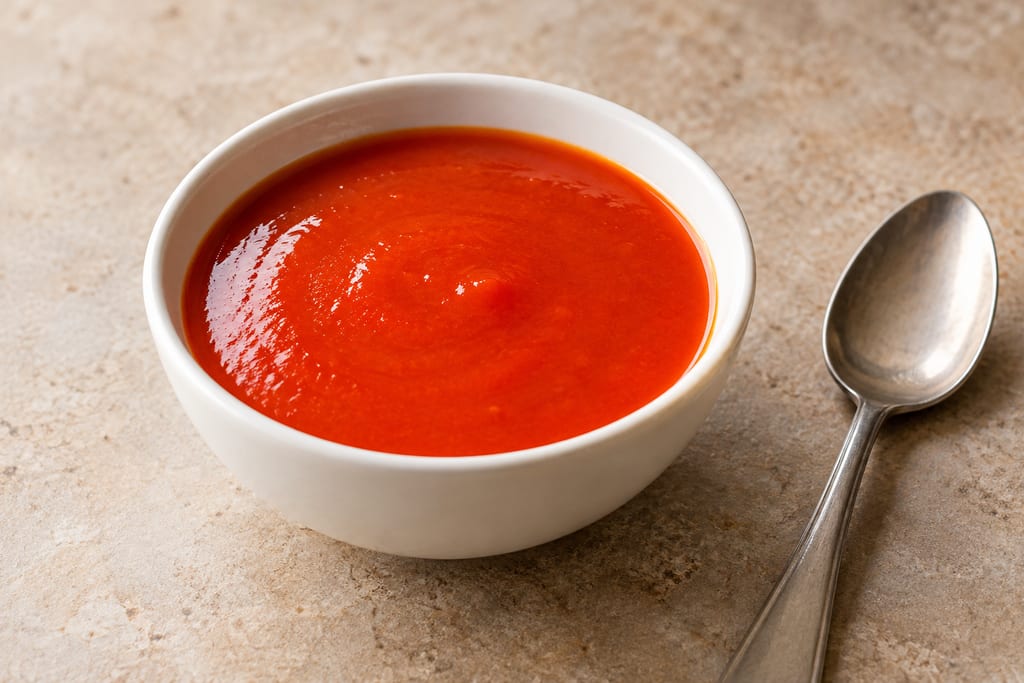
This cooked Vietnamese chilli sauce uses fresh chillies, garlic and tomato for a pourable, sweet-spicy condiment; heat varies with the chillies and how many seeds are removed.
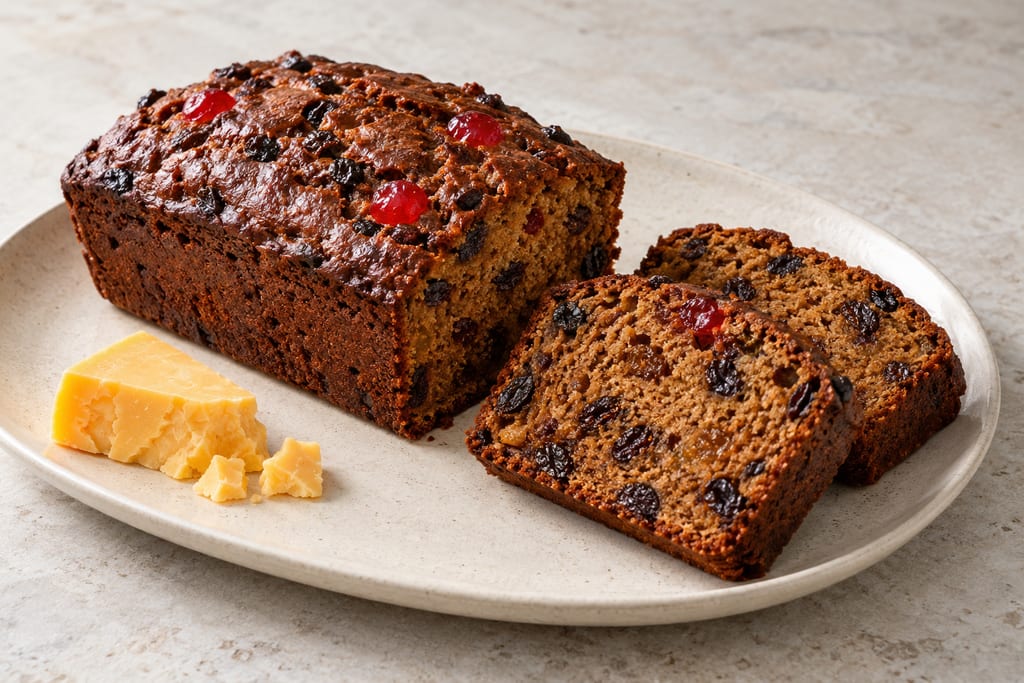
A Jamaican Easter loaf made from a dark, sweet batter of stout, dried fruit and warm spices. This version uses baking powder and a loaf pan; yeast-raised variations are separate preparations.
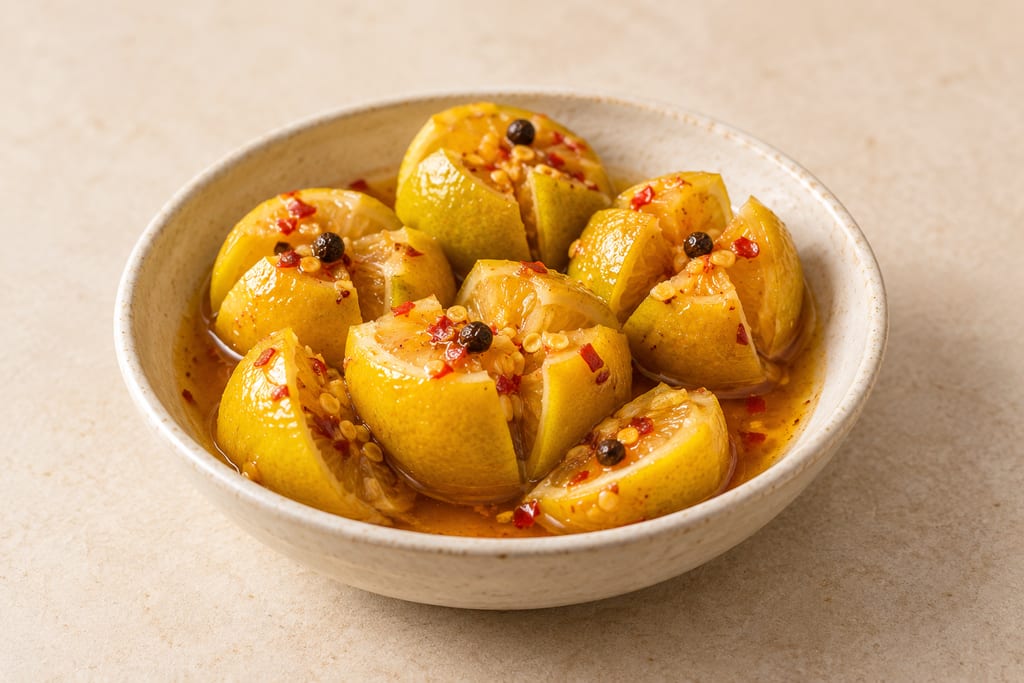
Peter Kuruvita’s published lime pickle stuffs 20 limes with rock salt, then simmers them in vinegar, sugar and chilli before a two-week rest.
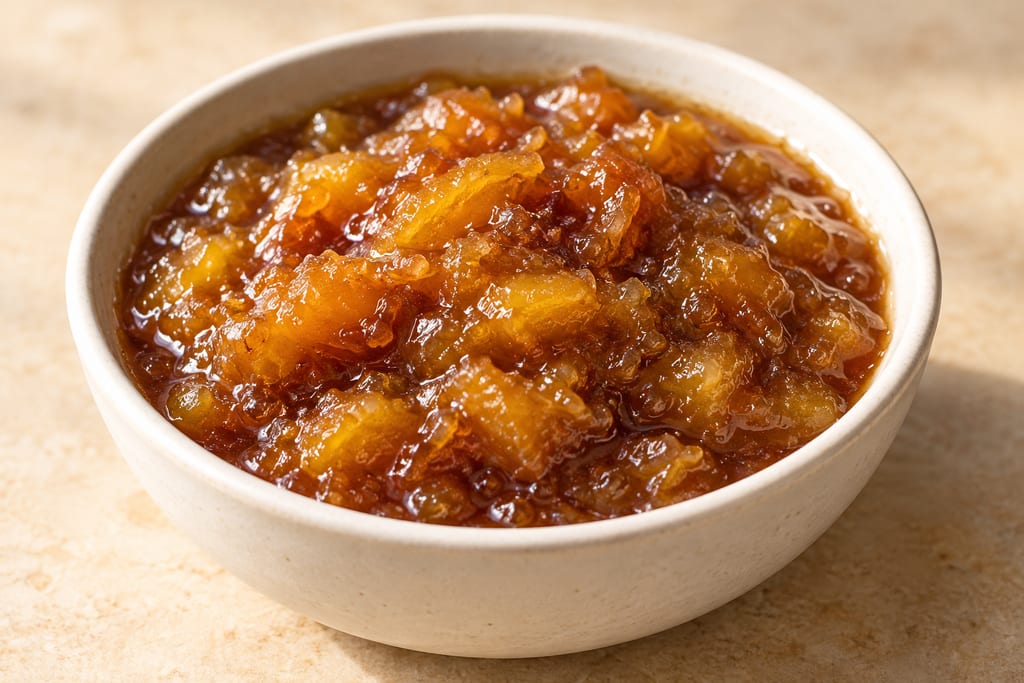
A Suryabinayak municipal recipe cooks ripe lapsi pulp in sugar syrup with cloves, cardamom, cinnamon, sukumel and ginger juice to make a sweet Nepali achar.

Yellow-pea koji garum is a dark liquid seasoning made by holding cooked split peas with rice koji, salt and water while the koji enzymes break down the mash.
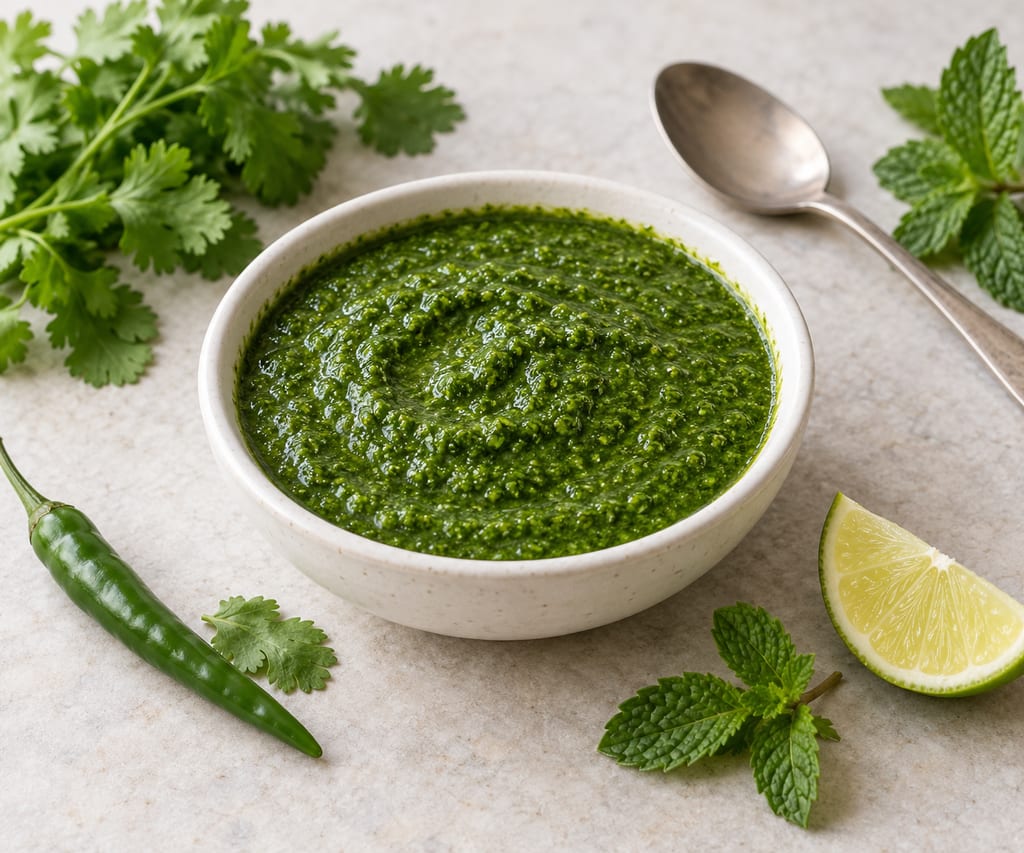
A fresh, uncooked green chutney blended from coriander, mint, chilli and citrus. This measured development batch is untested and intended for prompt serving.

A 2023–2025 proof-of-concept made separate fermented extracts from beef heart and lung with Staphylococcus xylosus and protease. It reports supervised pilot findings, not a validated household method or a blended heart-and-lung formula.
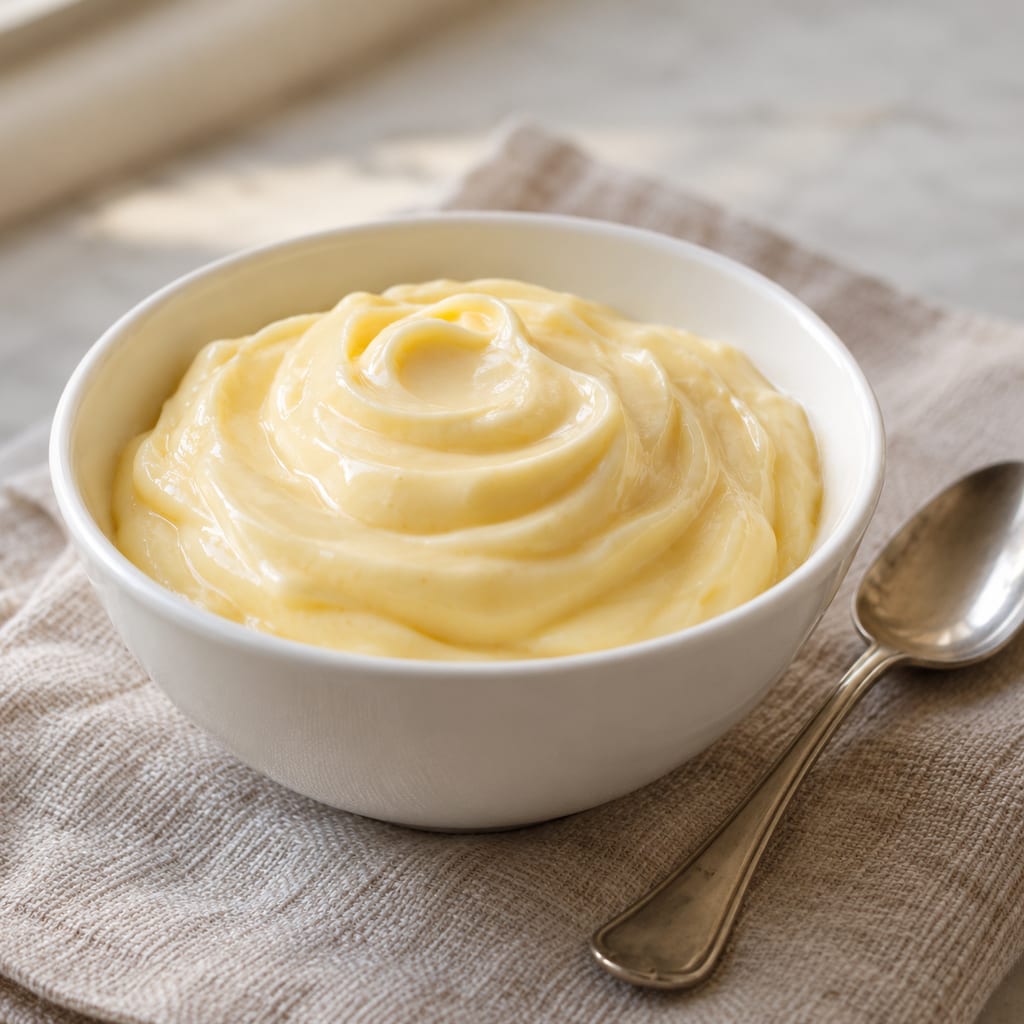
A cooked-yolk mayonnaise documented in the University of Tennessee Extension’s 2007 Egg University Handbook. The egg mixture is heated before oil is emulsified into it.
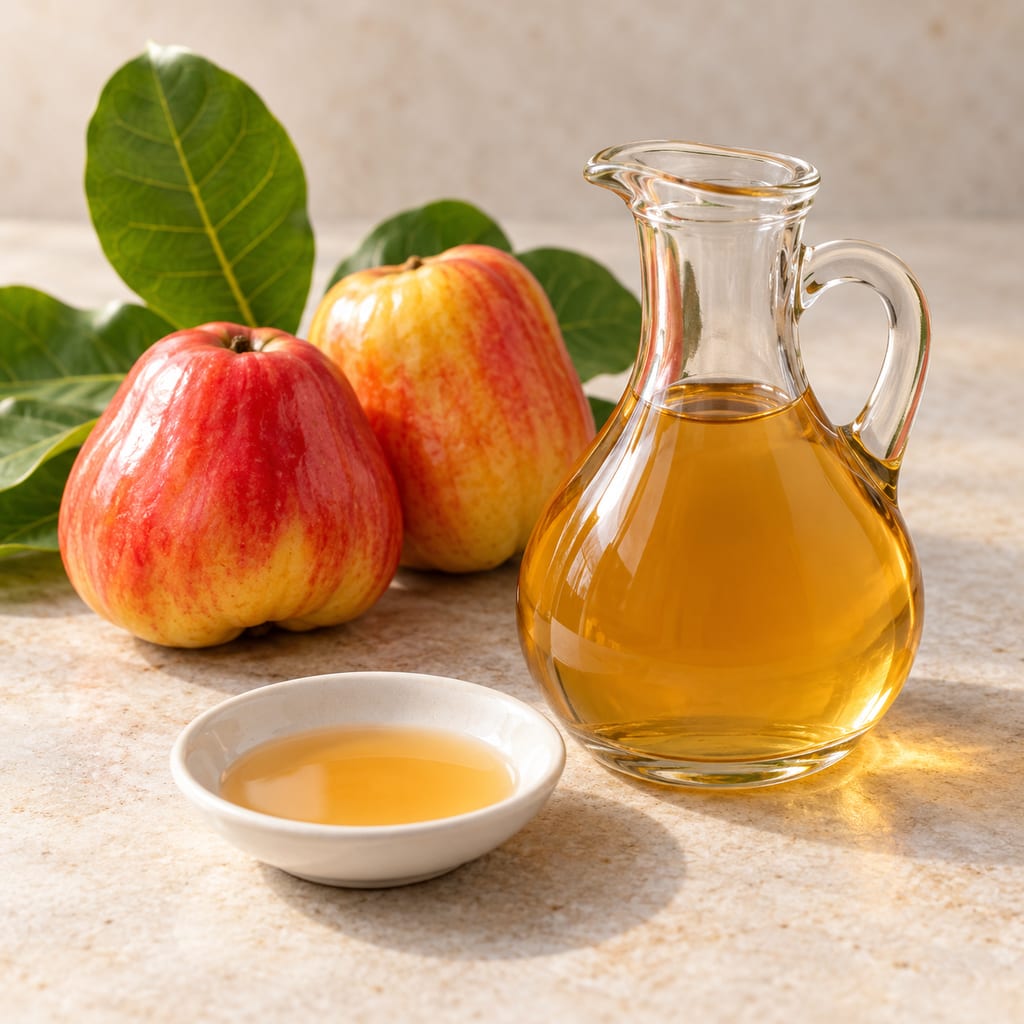
Vinagre de caju is made by fermenting cashew-apple juice into an alcoholic base, then aerating it so acetic bacteria can convert ethanol into acid. Brazilian guidance records the sequence, but not a complete home-scale formula.
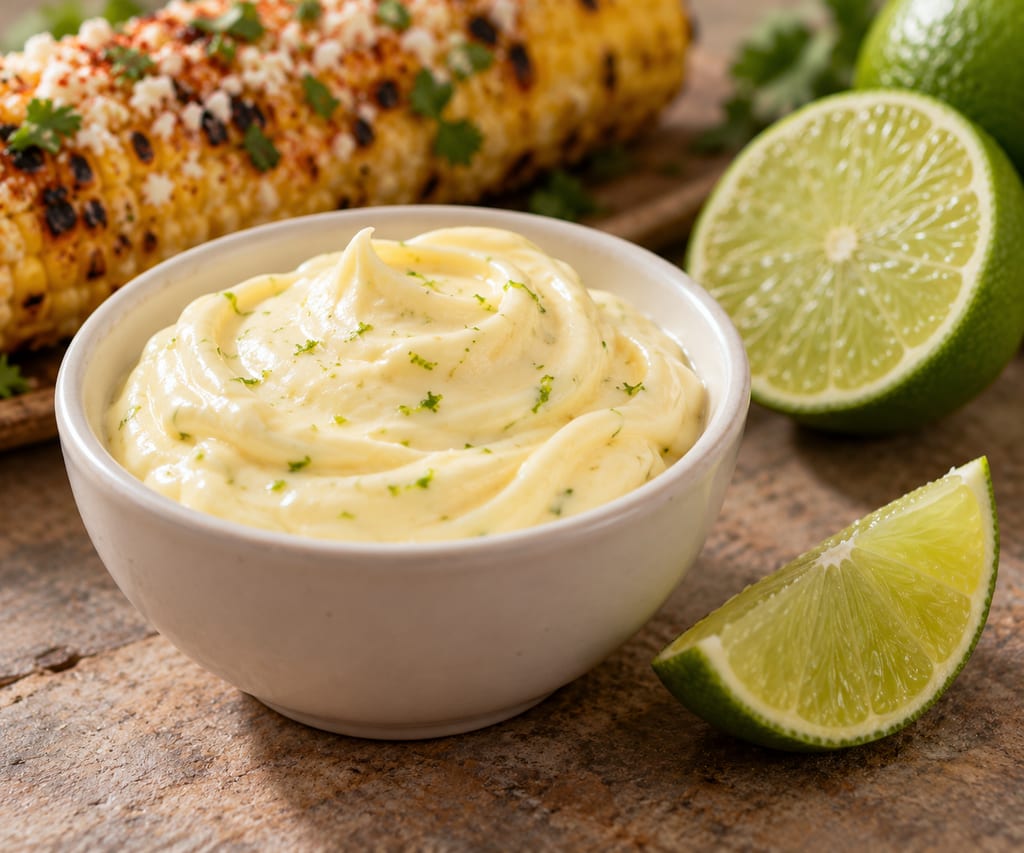
An untested mayonnaise variation that replaces part of a neutral base’s vinegar with lime juice and finishes with optional lime zest.
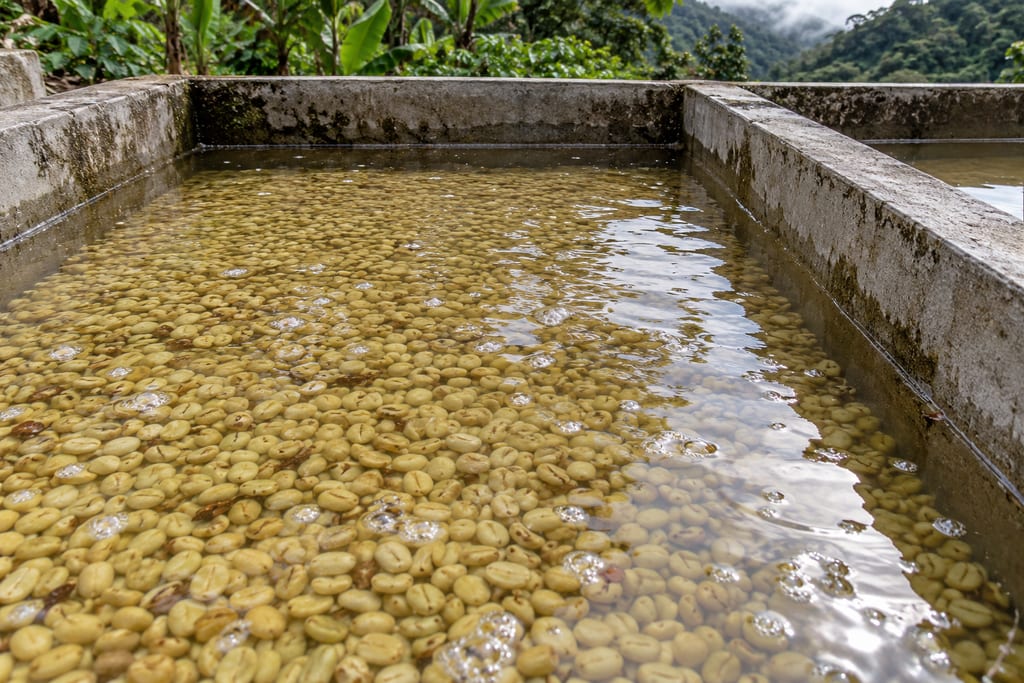
Washed Arabica coffee from Nanegal in Ecuador: depulped beans held under water while microbes and enzymes strip the mucilage, then washed, soaked and sun-dried to green coffee.
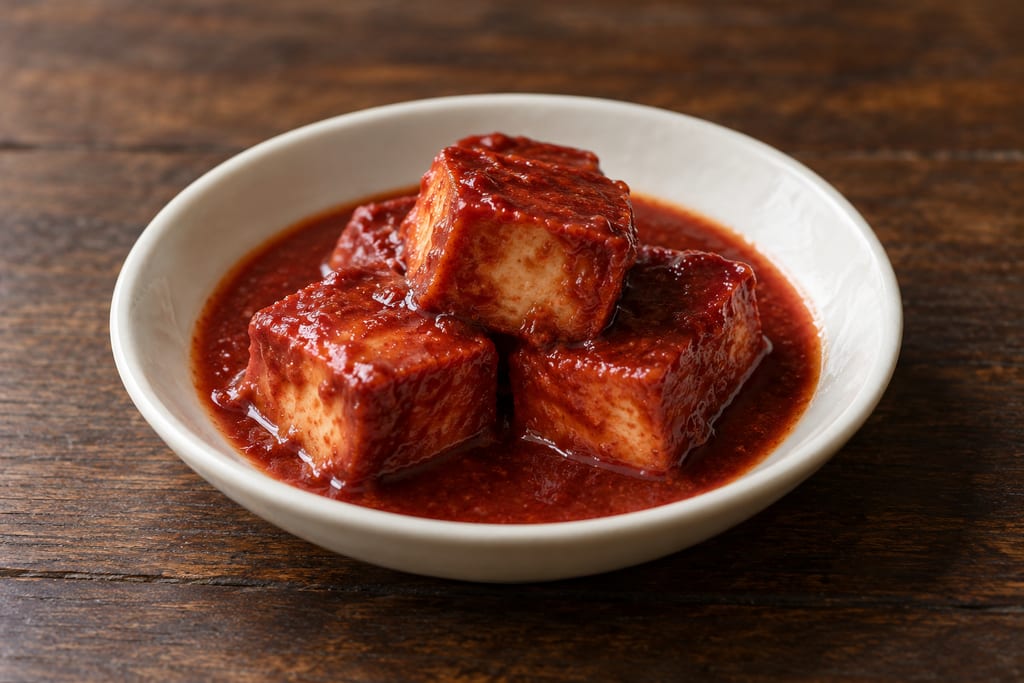
Red sufu is tofu grown with an identified Mucor racemosus mould, salted, seasoned with red pepper and zanthoxylum, then matured under brine for 180 days.
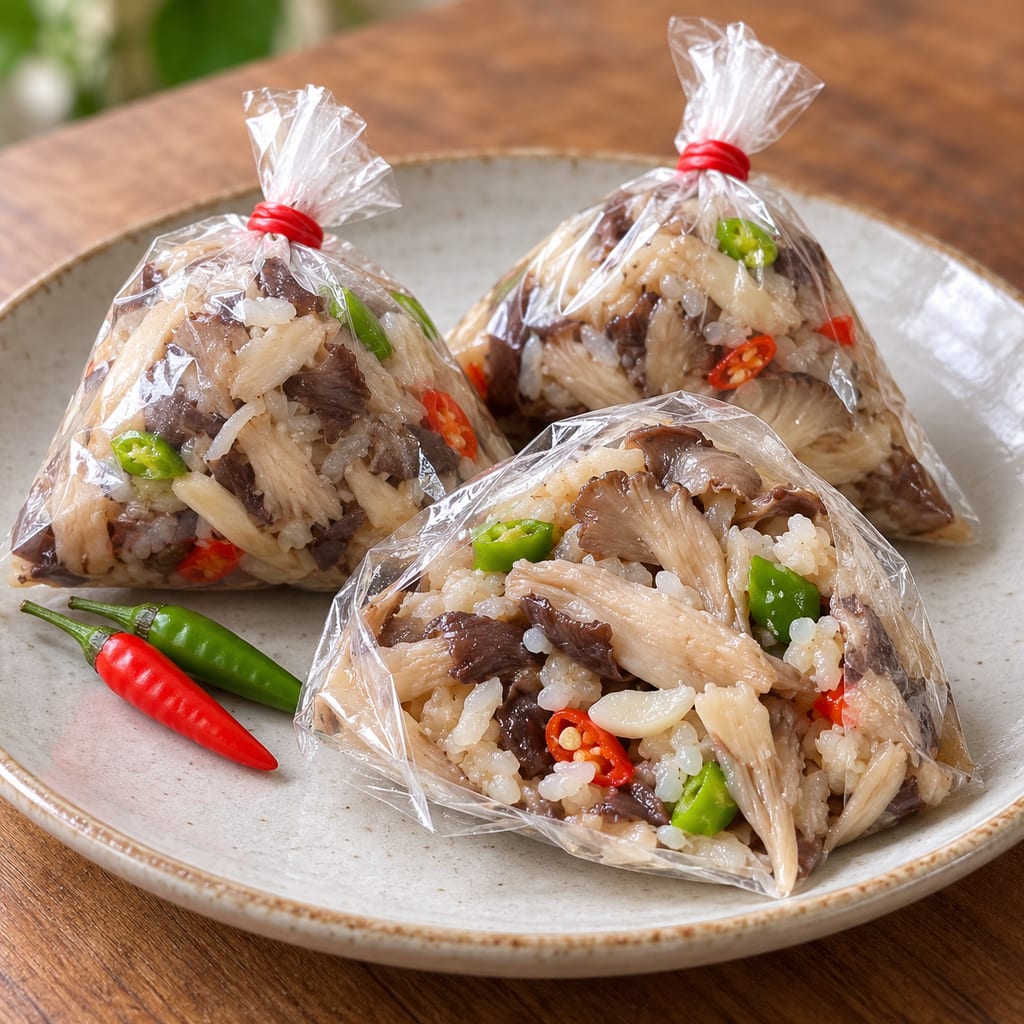
A Thai sour mushroom preparation: shredded steamed oyster mushrooms, cooked rice, garlic and salt packed into small parcels and soured by lactic acid bacteria over a few days.
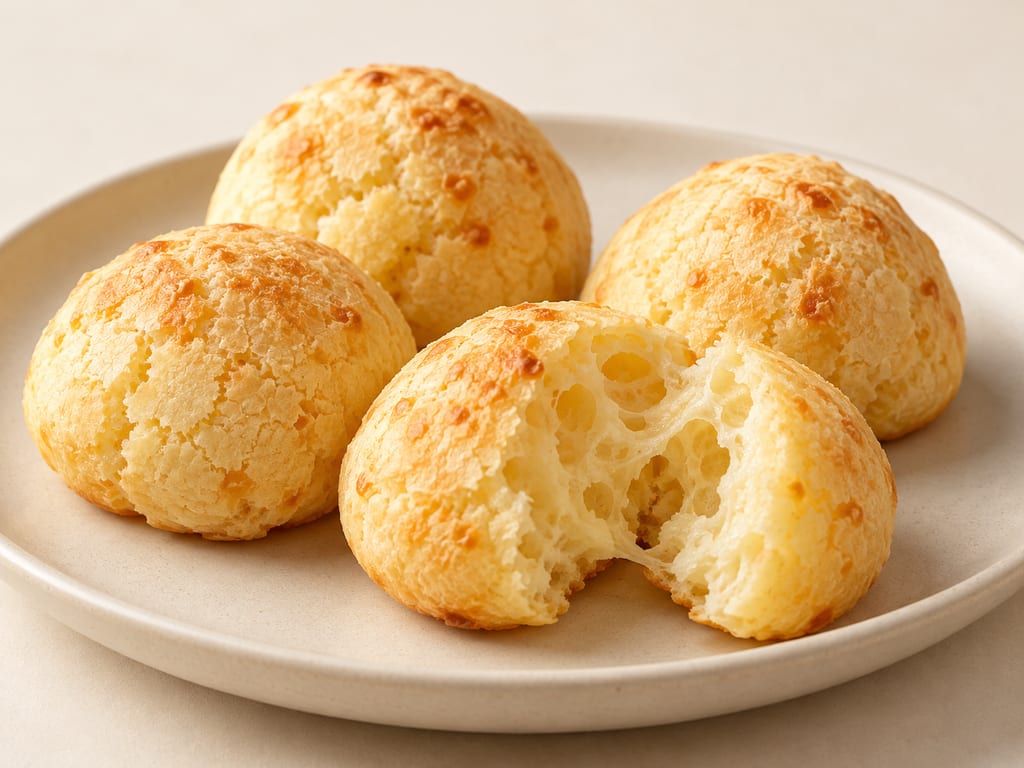
Scooped tapioca-starch buns made by scalding the starch, then beating in garlic, cheese and eggs. This named version has no dough-fermentation stage.
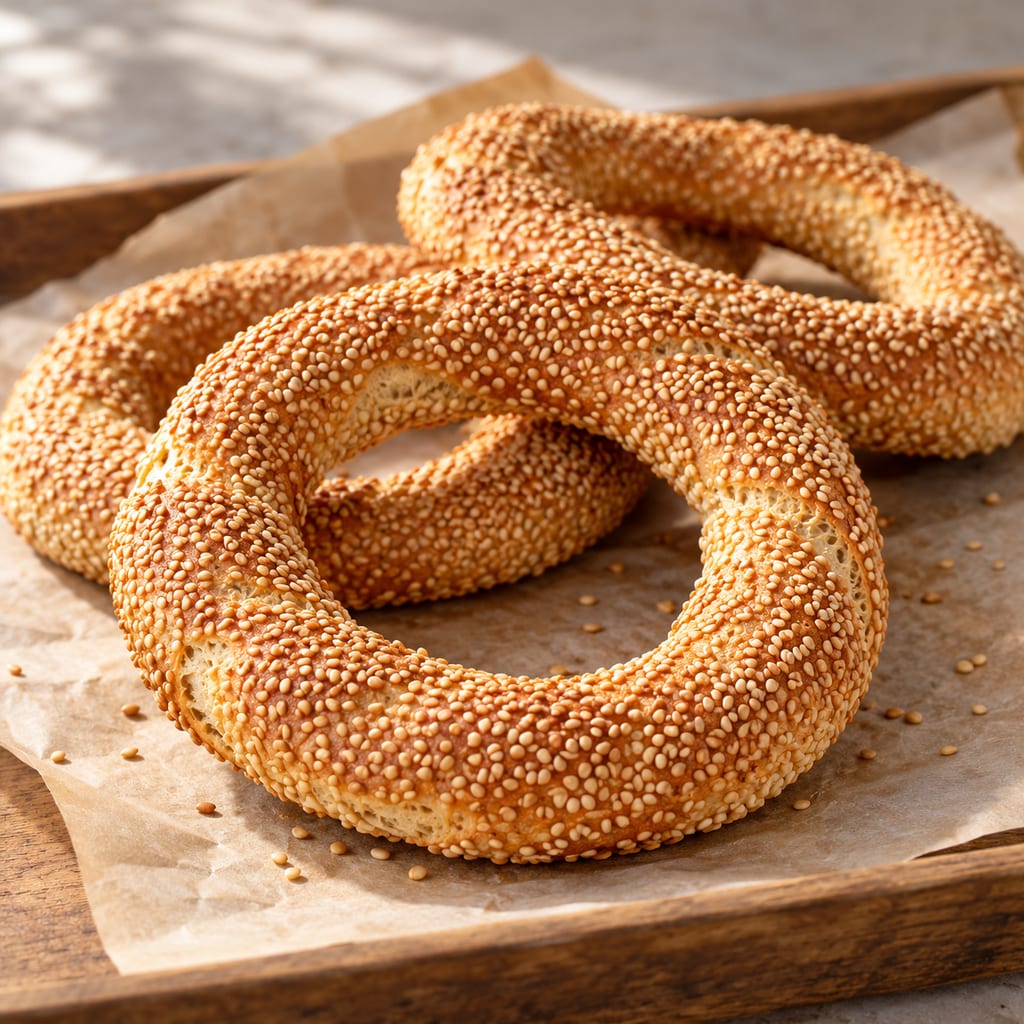
The Thessaloniki City of Gastronomy page gives a 15–18-ring yeast dough, dipped in sweetened water and sesame before baking. Its fresh yeast is listed as one dice without a mass, which remains unresolved.
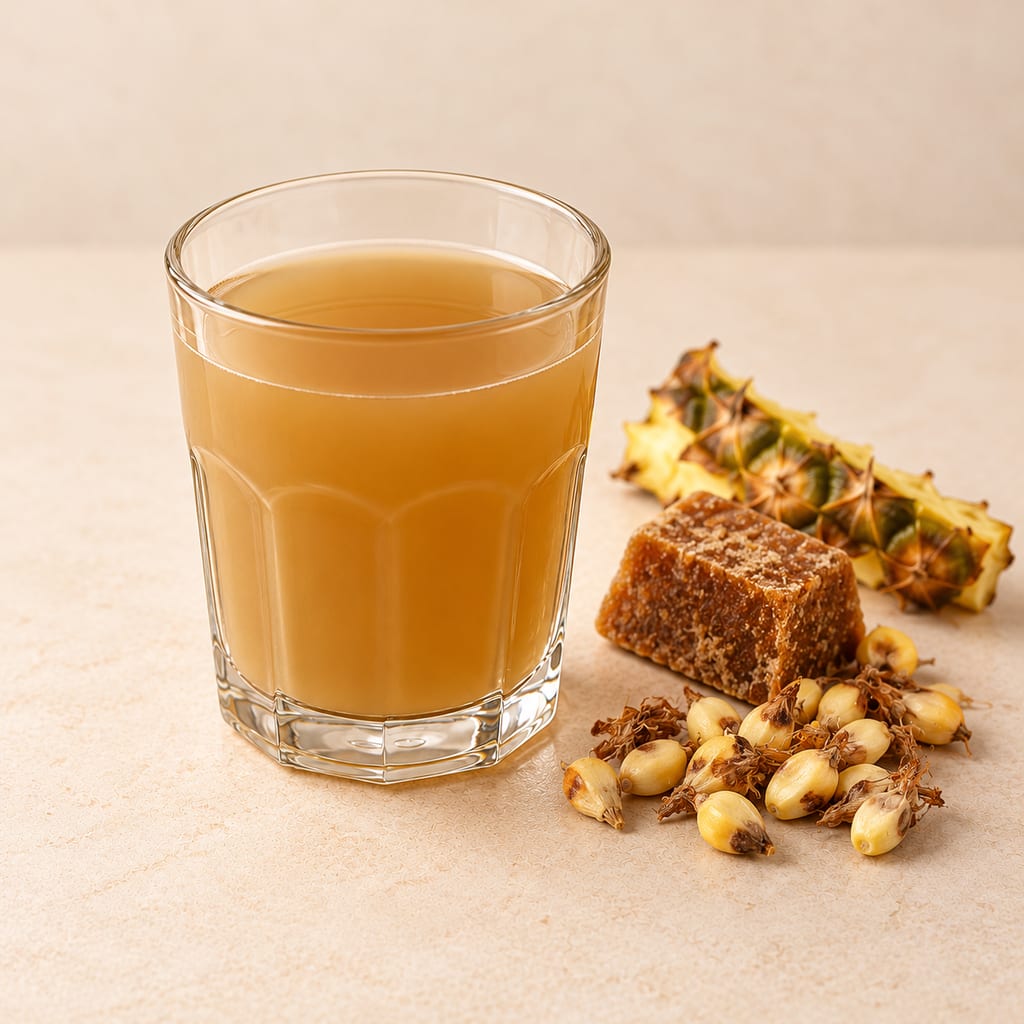
A contemporary Ecuadorian recipe simmers jora flour with spices, then adds panela and pineapple peel before a short spontaneous ferment. Its particular aromatics and measurements belong to this published adaptation.

Meat-trim koji garum is a savoury liquid seasoning made by holding meat scraps with rice koji, salt and water at steady warmth before straining the mash.
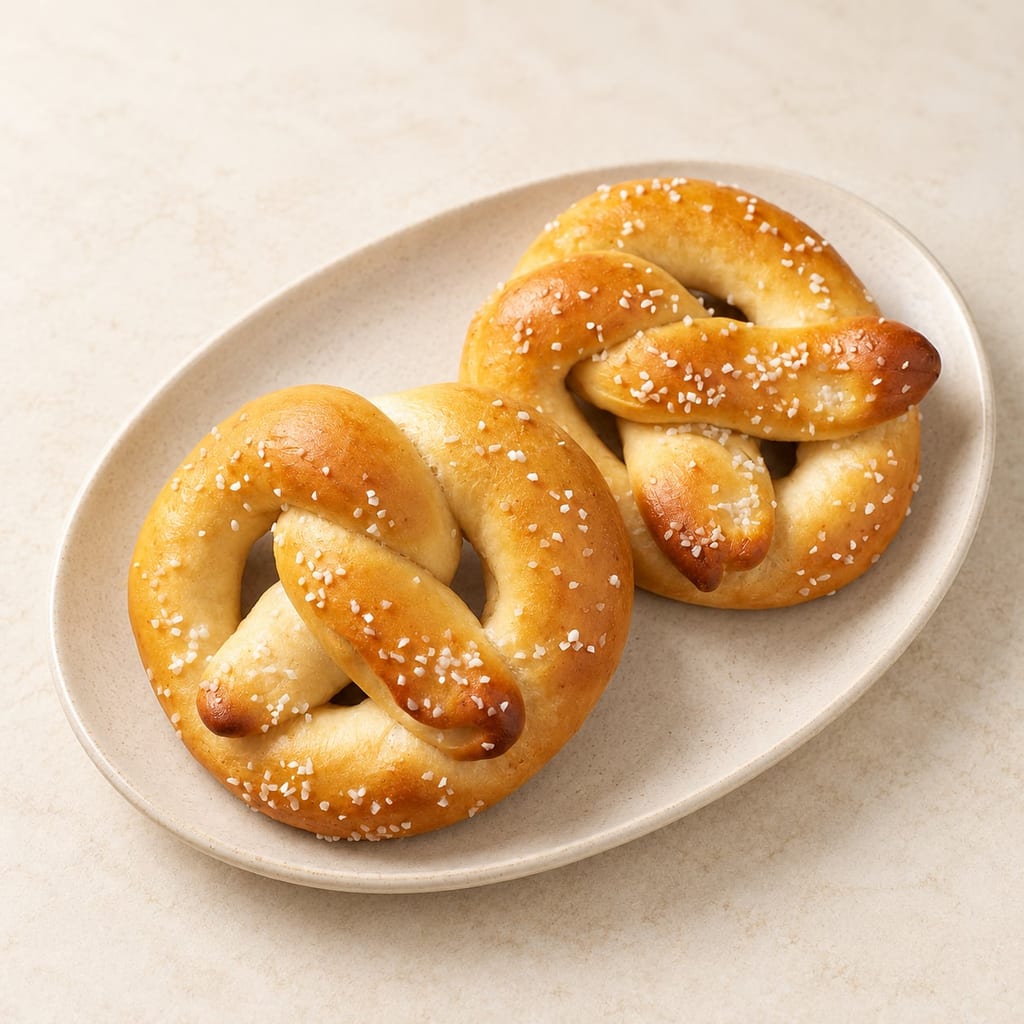
Unfed sourdough starter flavours a soft pretzel dough raised with instant yeast. After a short rest, the dough is shaped, brushed with a sweet wash, salted and baked without a final proof.
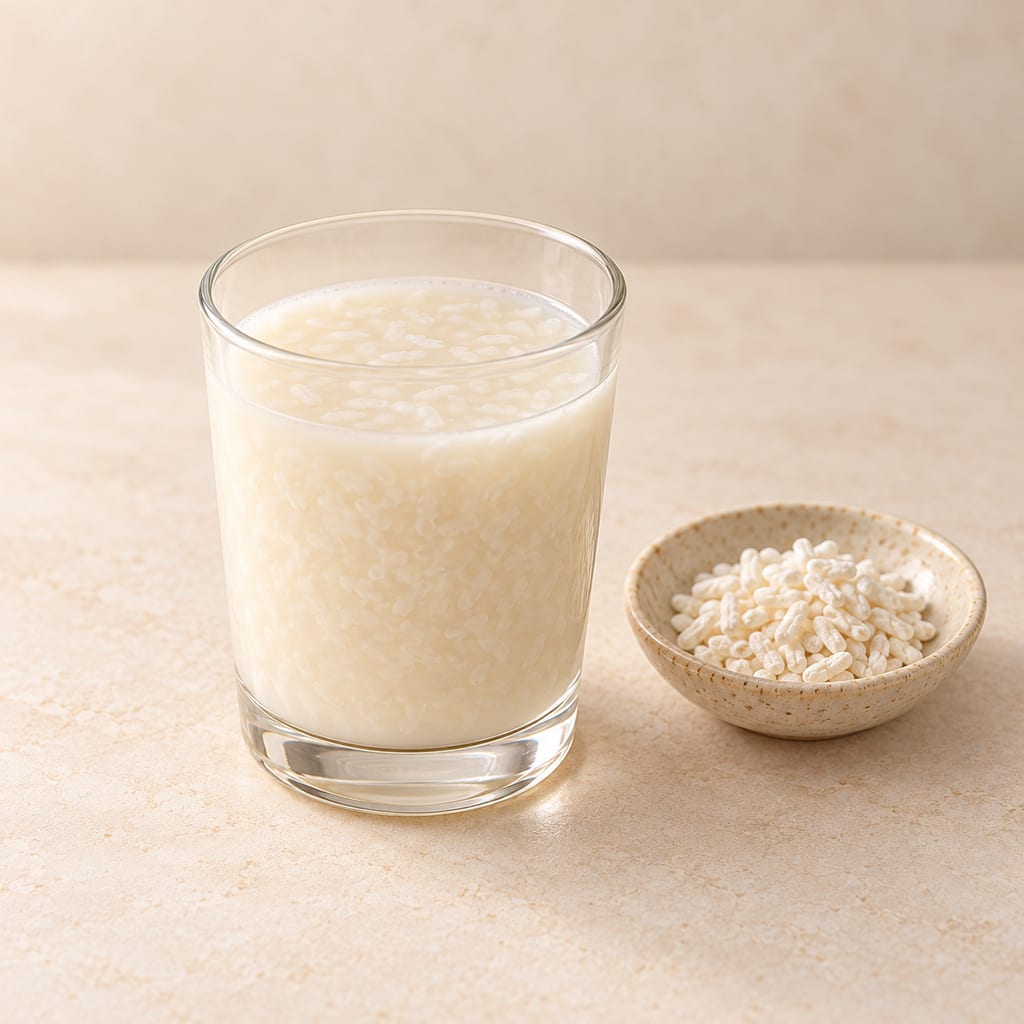
Cooked rice, rice koji and water are held warm for hours so koji enzymes turn the rice starch to sugars, giving a naturally sweet Japanese drink with no added sugar and no second fermentation.