




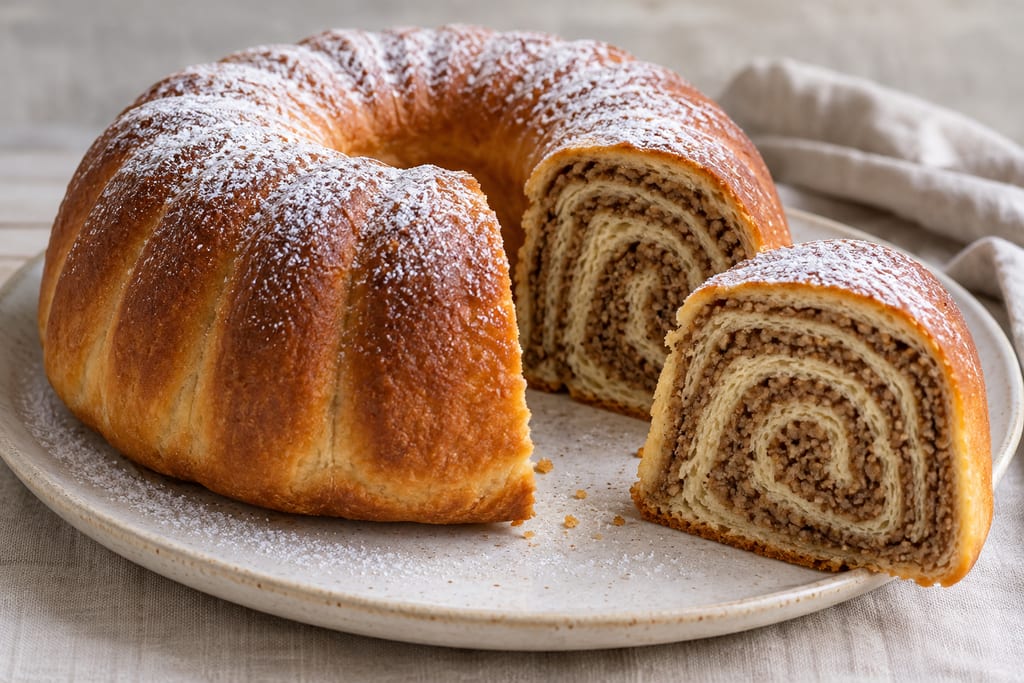
Slovenian walnut potica (home adaptation)
A home adaptation of Slovenia's walnut potica specification: enriched yeast dough is rolled around a cold walnut filling, proofed in a ring mould and baked.
 FermenteaWhere food goes to change
1504 records with their sources, across 11 categories.
A home adaptation of Slovenia's walnut potica specification: enriched yeast dough is rolled around a cold walnut filling, proofed in a ring mould and baked.
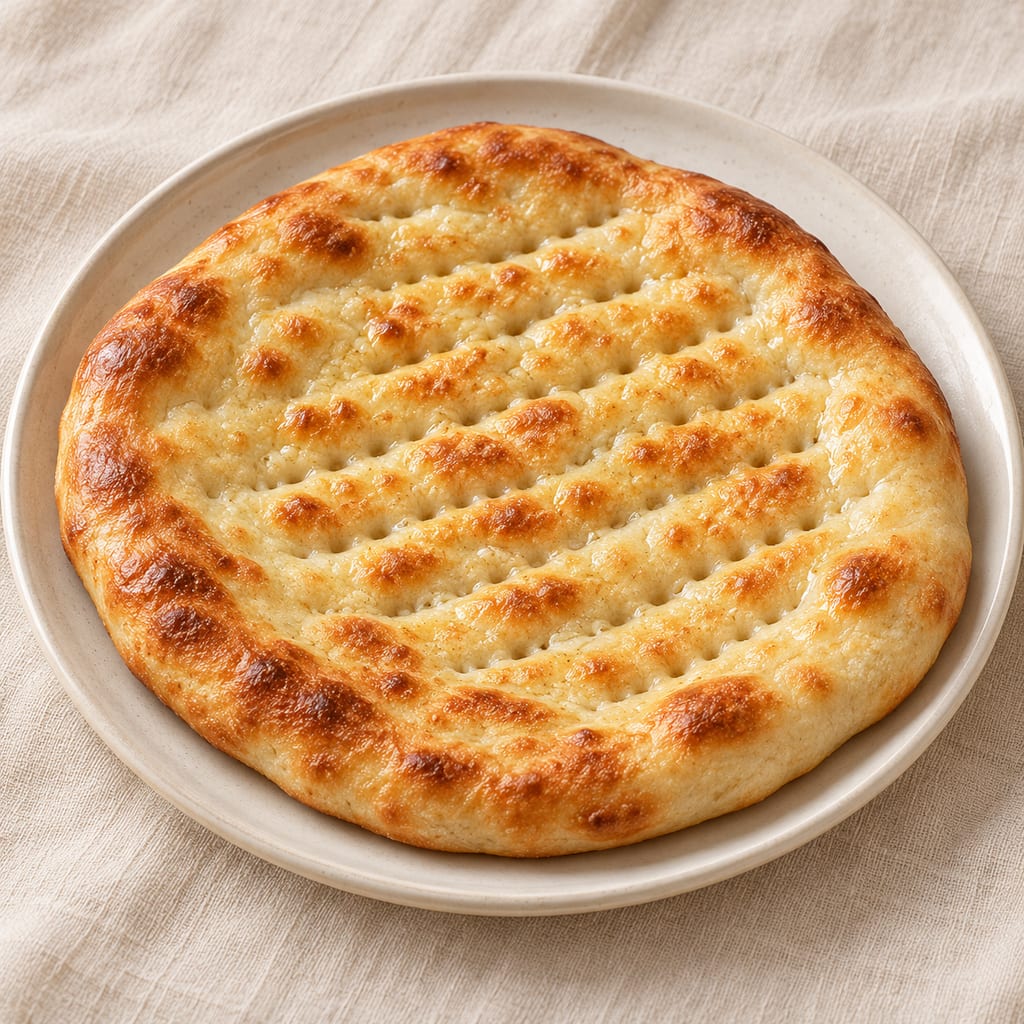
A Pakistani-style enriched yeast naan, marked before baking and finished with butter. This home method serves five.
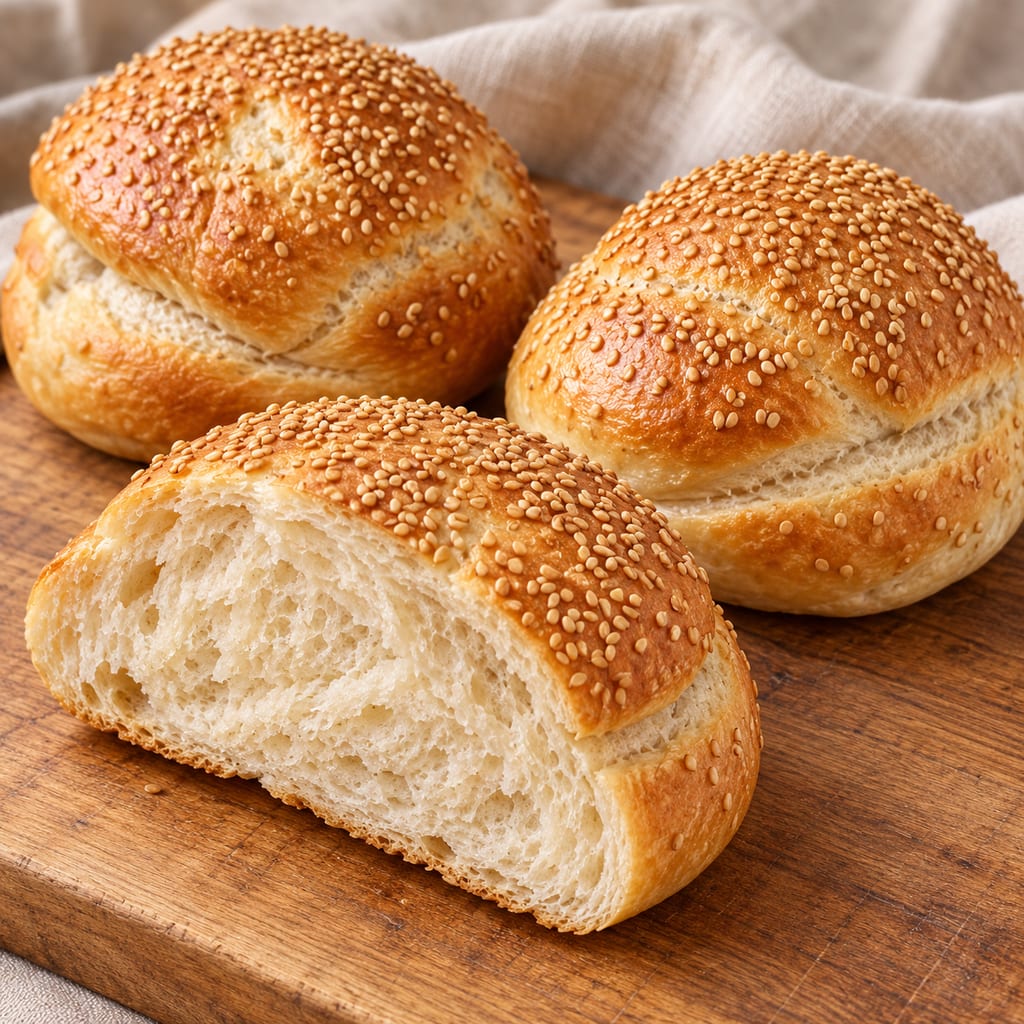
Six large Puebla-style sandwich buns with a sweetened starch glaze and sesame seeds.
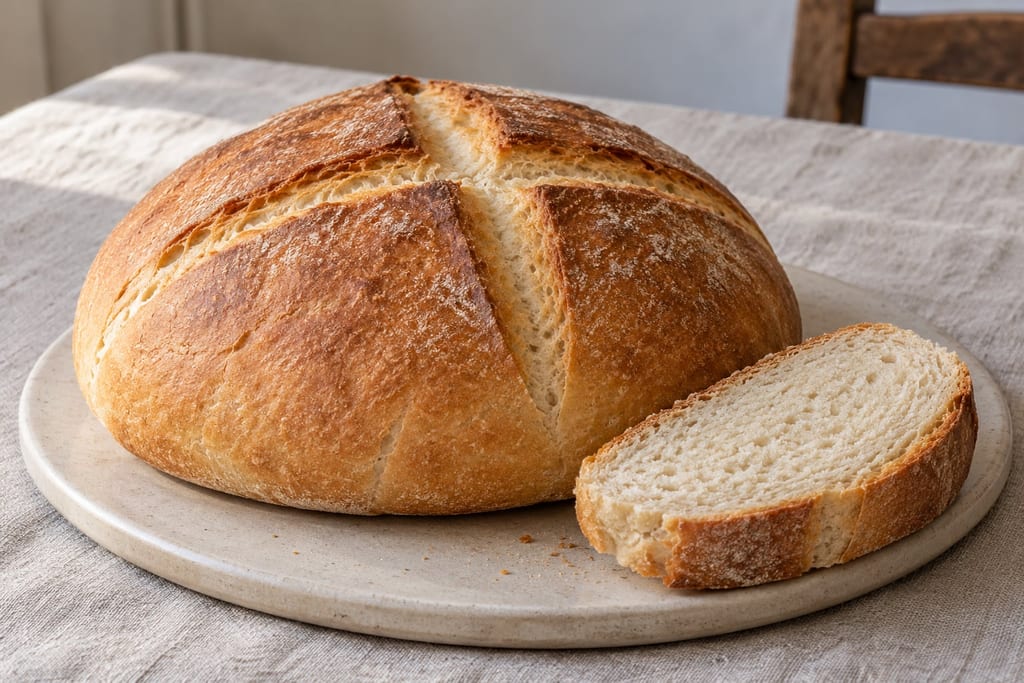
This household Pan de Cruz adaptation uses sourdough and a folded, tight-crumb wheat dough, marked with a cross and baked in a home oven.
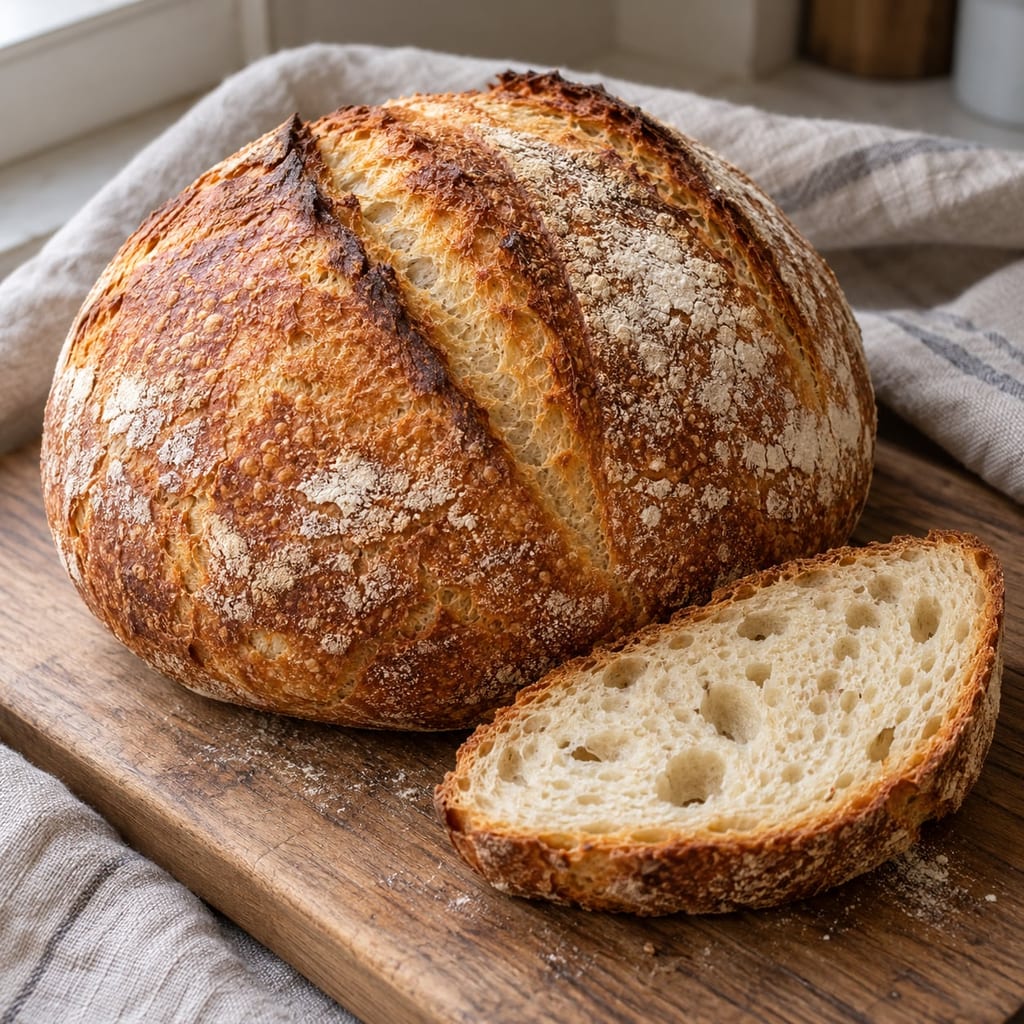
A Catalan country loaf from a tested home recipe, made with a fresh-yeast dough, long rise, hand-shaped round and steamed domestic-oven bake.
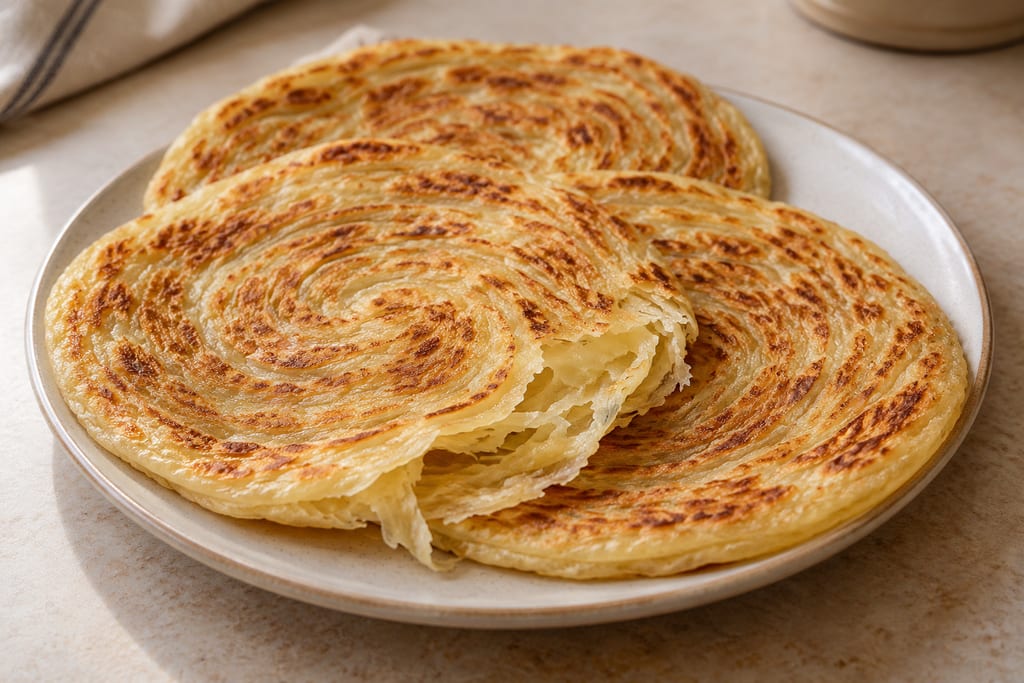
A Moroccan round laminated griddle bread; thin sheets of a lightly yeasted semolina dough are buttered, rolled into layered coils, sliced and flattened.
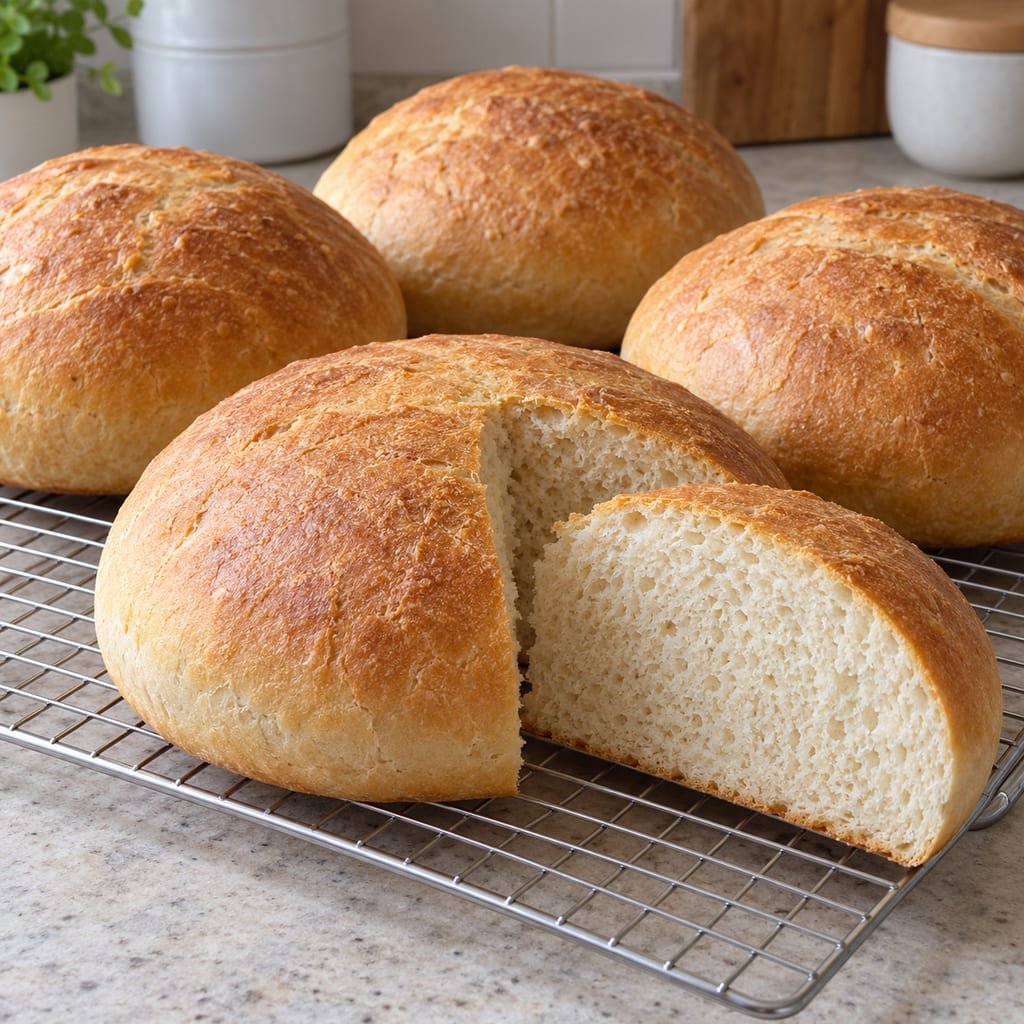
A four-loaf, yeast-raised home-oven version that Navajo Grandma identifies as Jemez Pueblo bread. It is her published adaptation, not a single formula for Pueblo communities or a horno firing protocol.
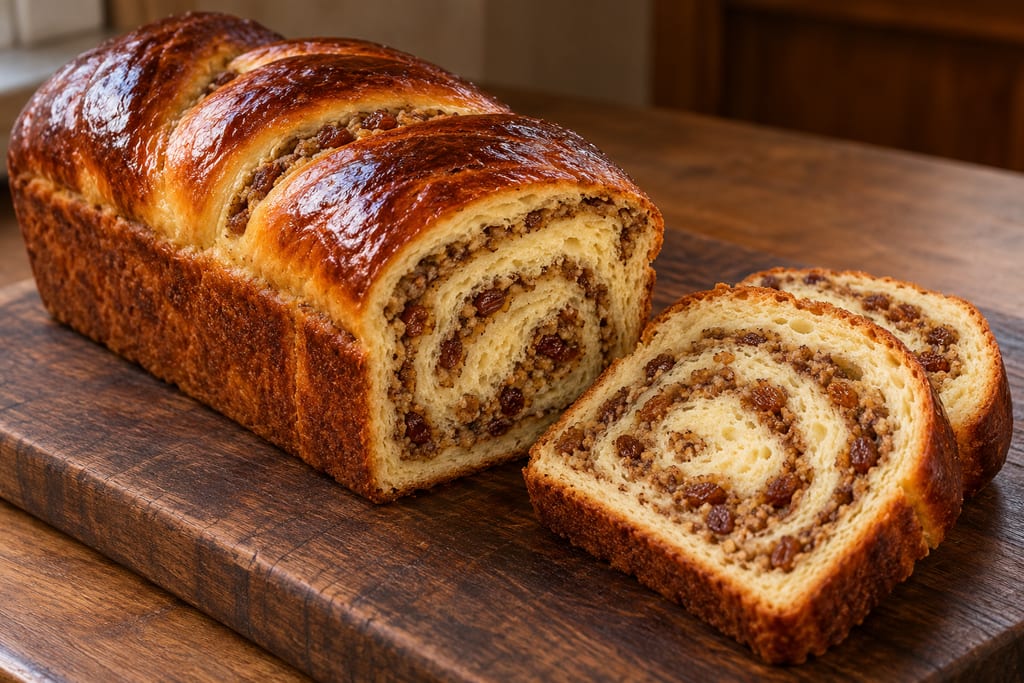
This Romanian cozonac recipe makes two enriched loaves filled with walnuts, sultanas and a whipped egg-white mixture. The dough rises once before filling and again in tins, then bakes in two oven stages.
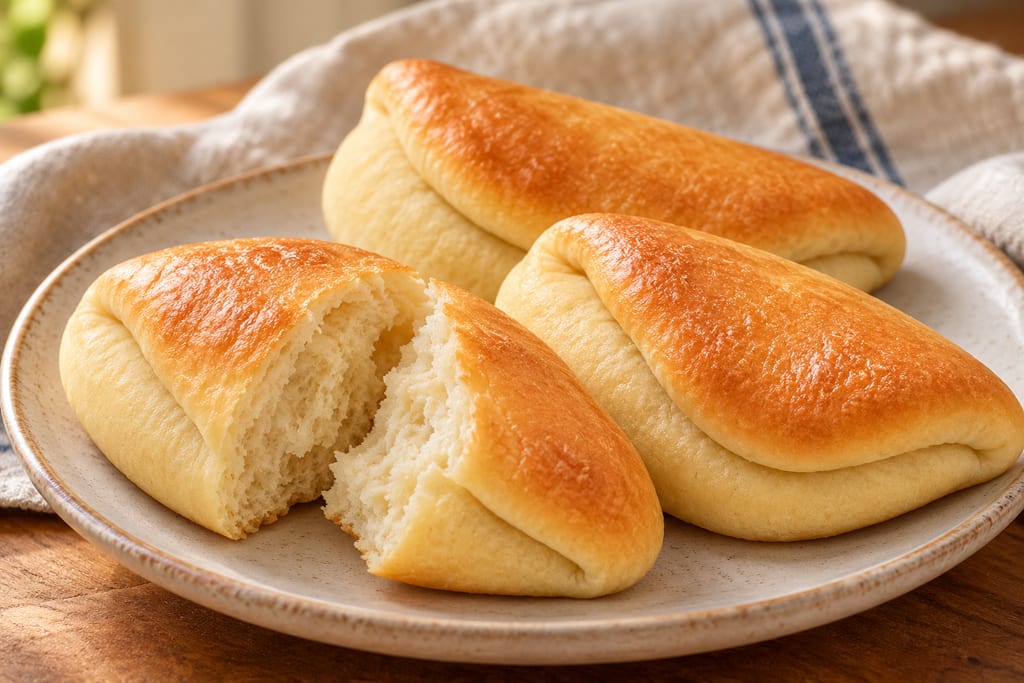
Jamaican-style folded rolls made from sweet coconut-milk yeast dough and brushed with butter.
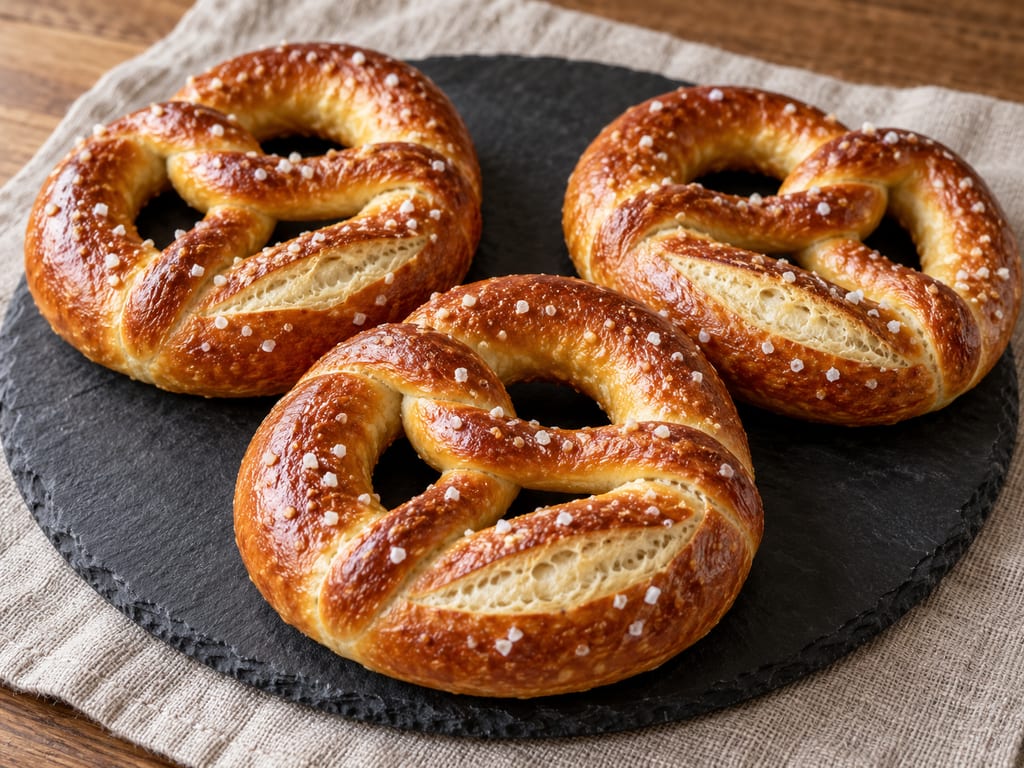
This German-style knot pretzel uses a firm yeast dough, a chilled shape, a one-minute baking-soda bath and a deep bake. The method follows Jeffrey Hamelman's home adaptation for King Arthur Baking.
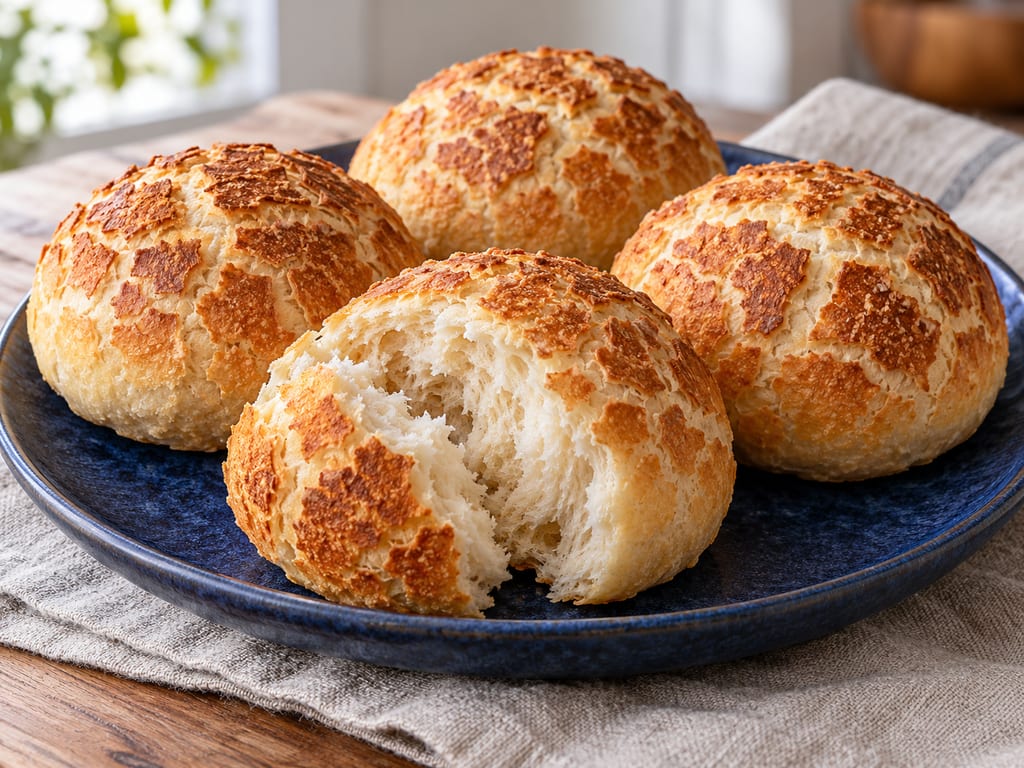
These Dutch-associated wheat rolls carry a yeast-raised rice-flour paste that dries into a split, crunchy crust.
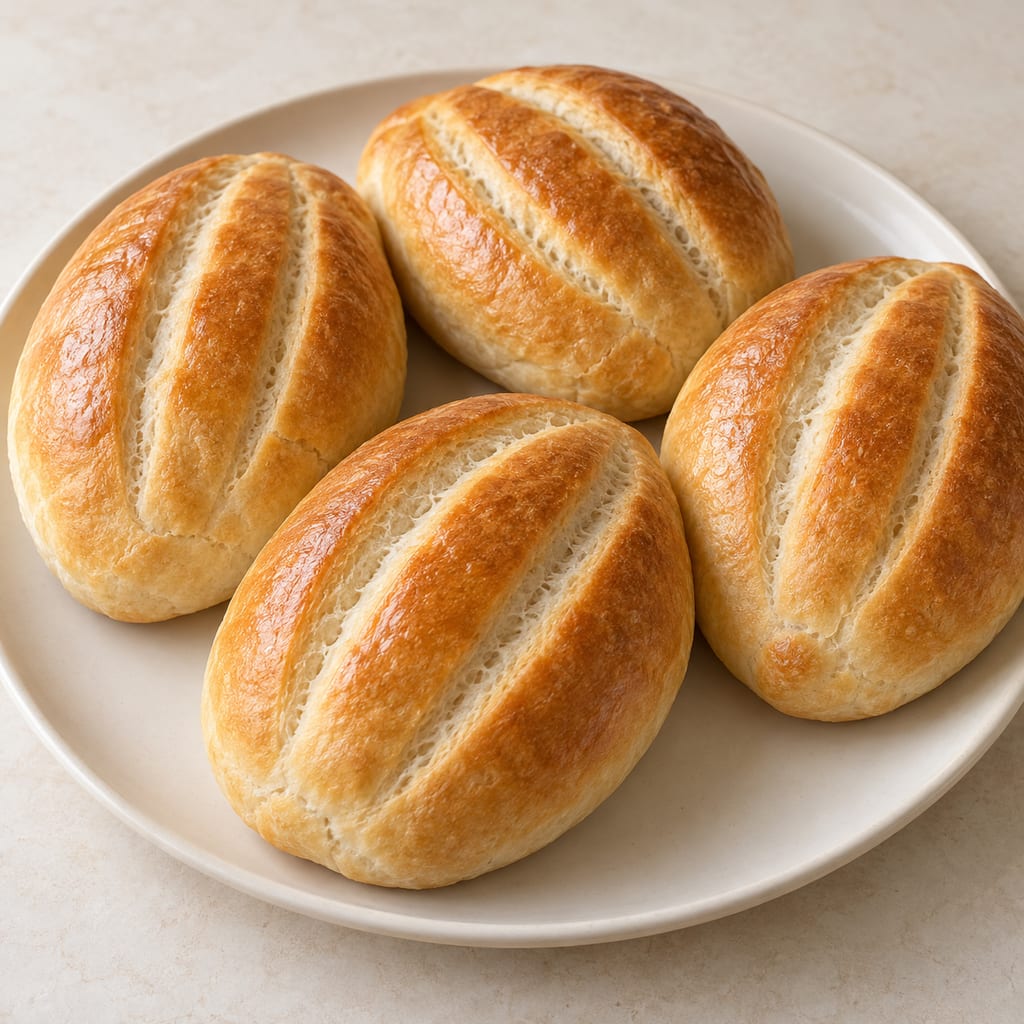
Ten soft Mexican-style sandwich rolls with parallel marks and an egg-washed crust.
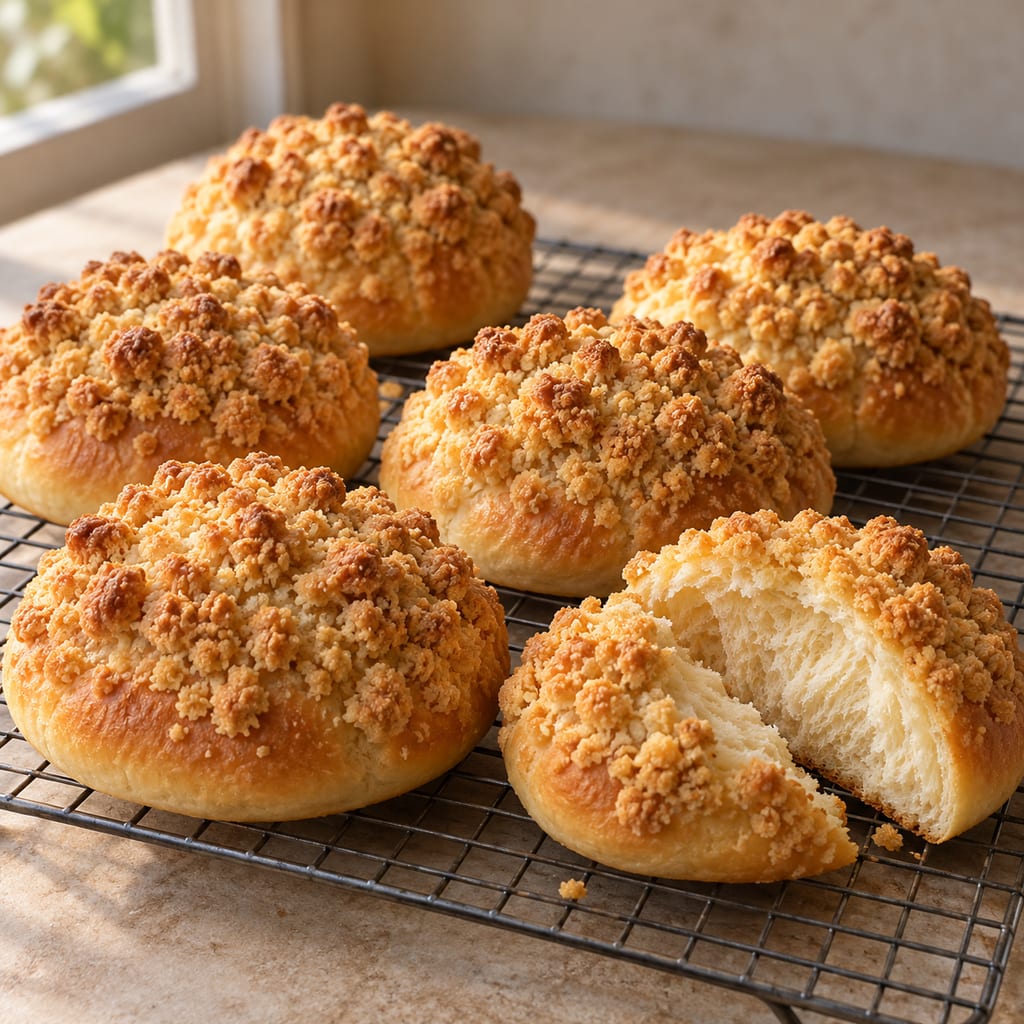
Ten soft, sweet yeast buns with a crisp, peanut butter streusel topping, shaped by hand and baked until golden.

A yeast-leavened Māori fried bread recipe shared by Aunty Gina Harding, with a 12–14 piece batch, two rises and a 165°C fry.
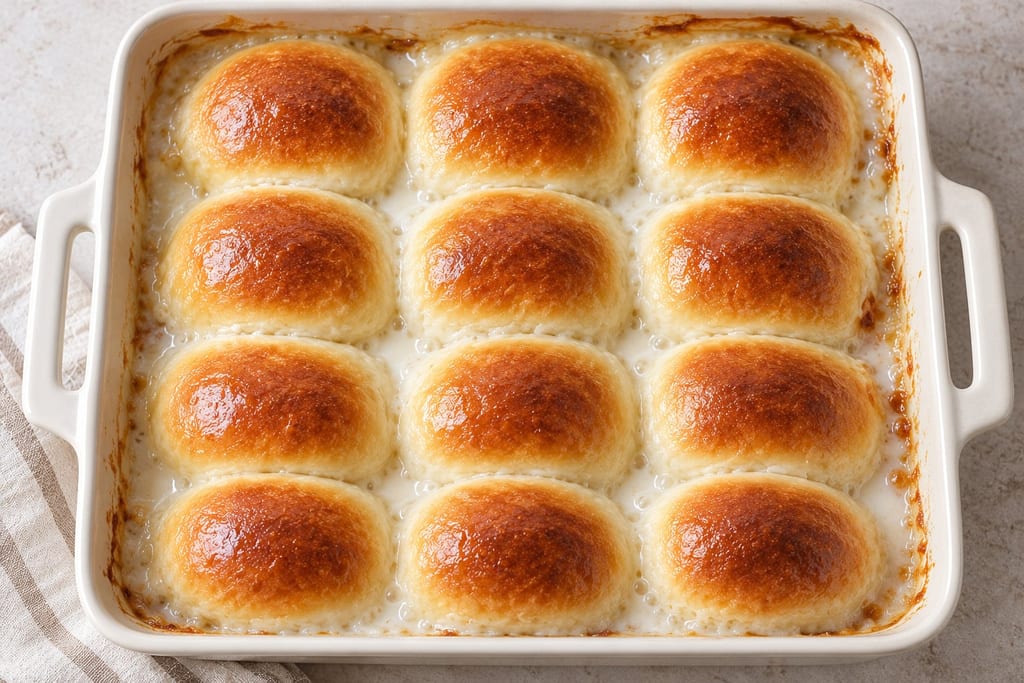
Soft yeast rolls bake beneath sweet coconut sauce in this Polynesian Cultural Center adaptation of a wheat-bread recipe, which yields twelve buns for a shared tray.
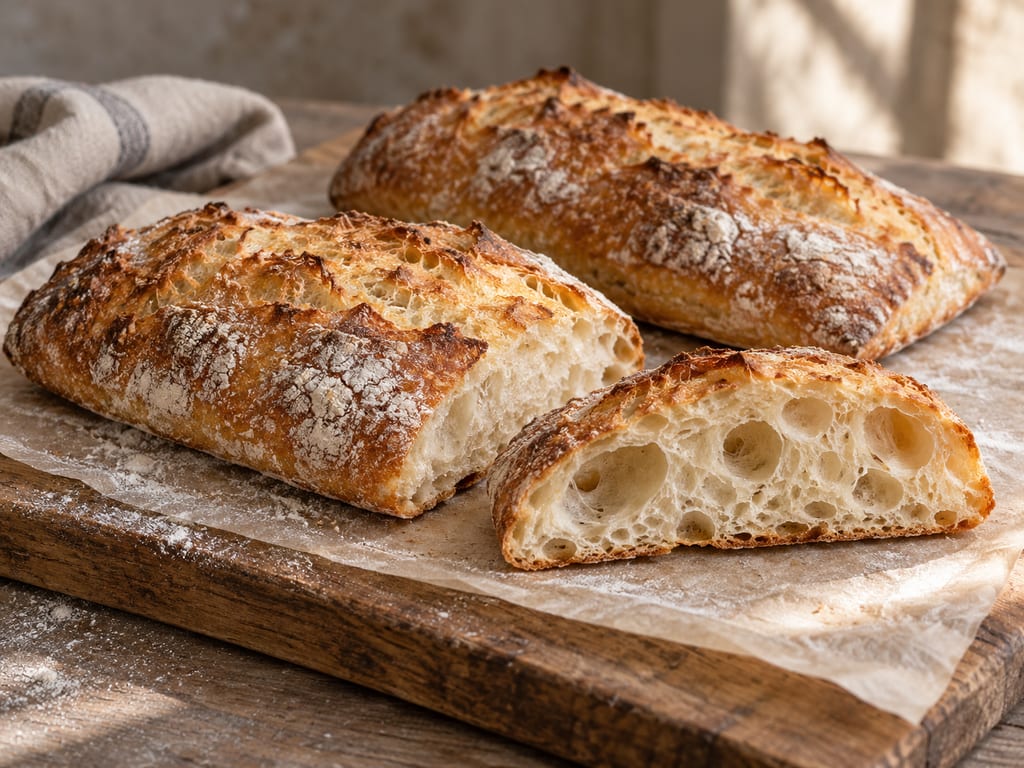
A Catalan-associated wheat loaf with a very wet dough, pan de cristal develops an open crumb through repeated folds and careful handling.
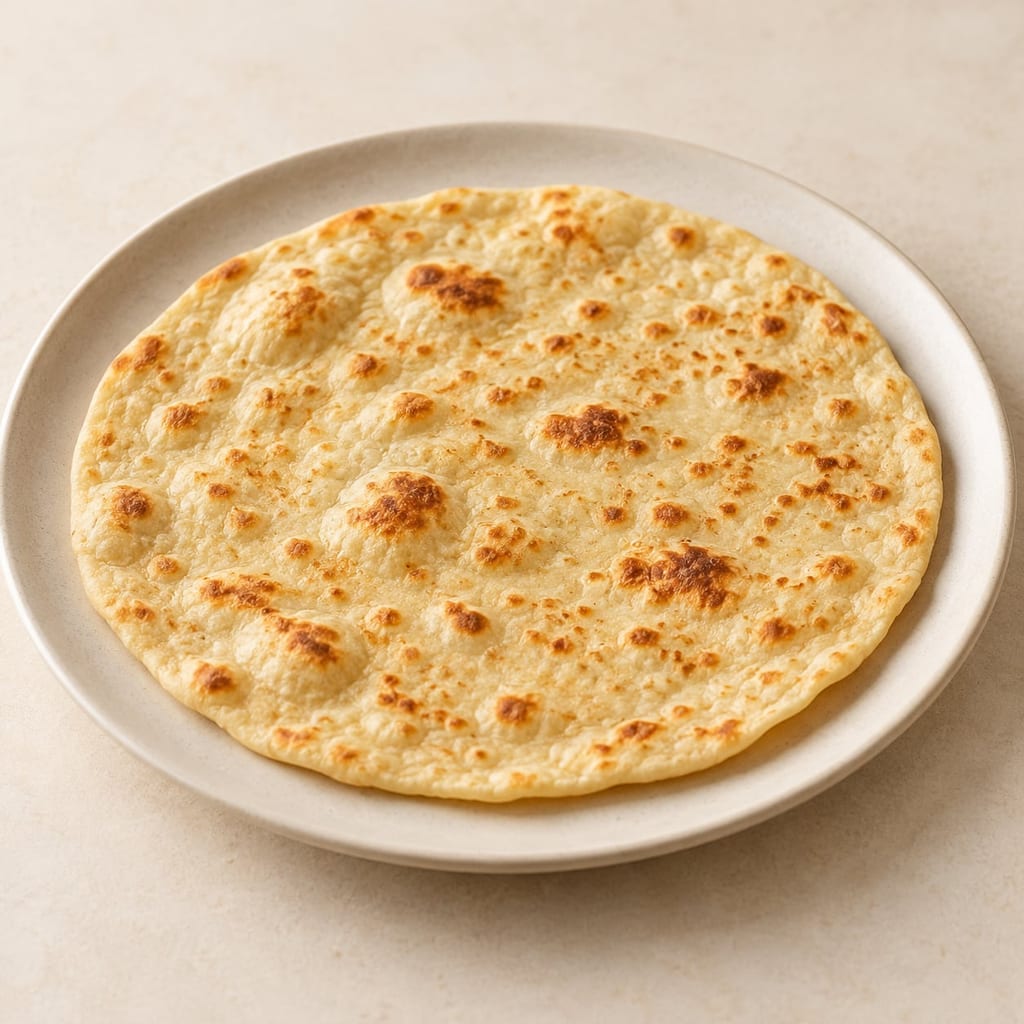
Sandi Wai’s eight-piece Burmese plain naan uses yeast and baking powder, rests for 30 minutes and cooks on a hot nonstick pan without oil.
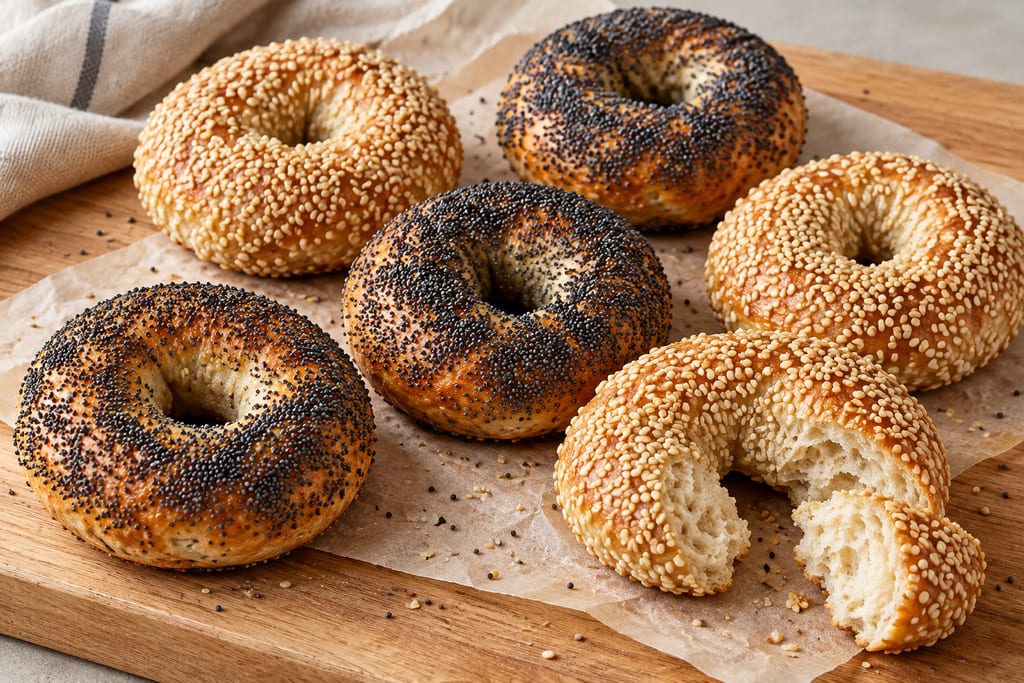
Eight slender Québec-style rings are hand-shaped, simmered in sweetened water, seeded and baked on a preheated stone in this home adaptation.
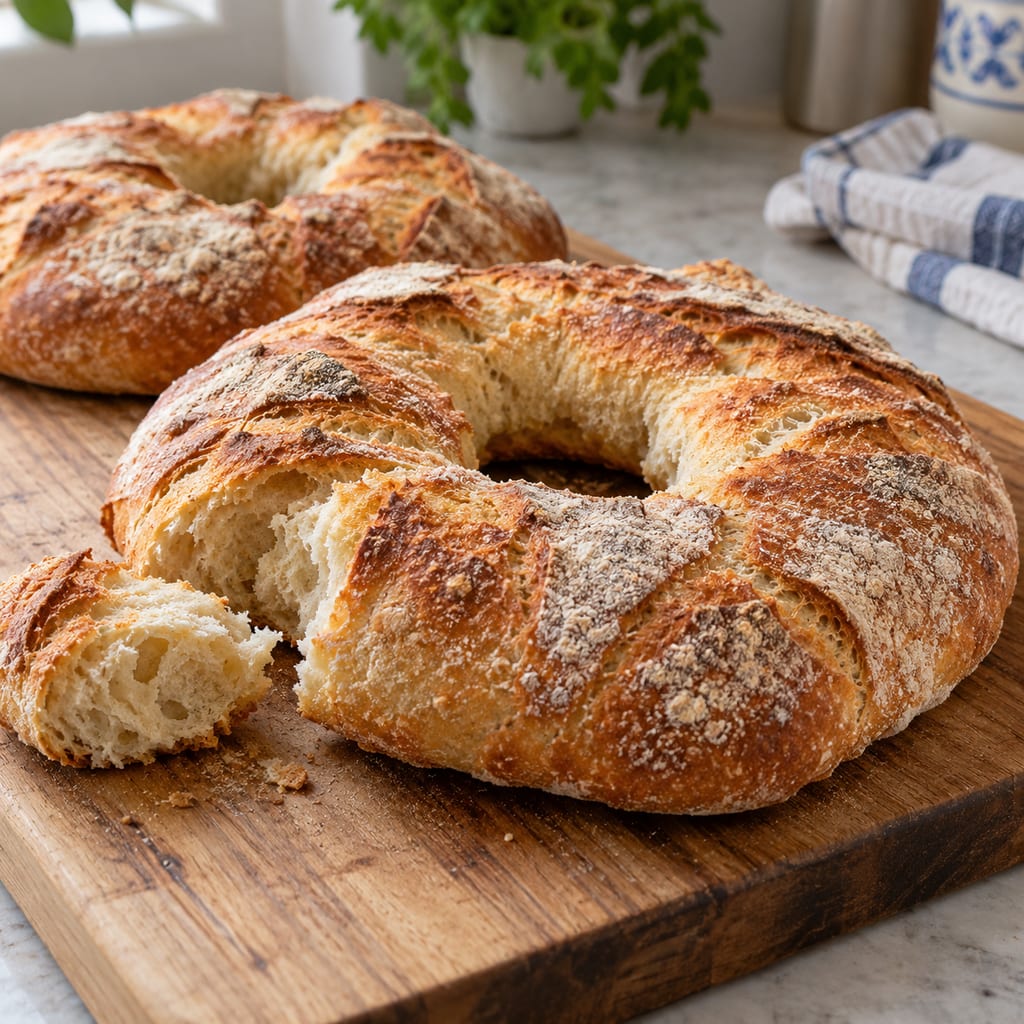
Two flattened Maltese-style ring breads made with dry yeast and baked in a domestic oven.
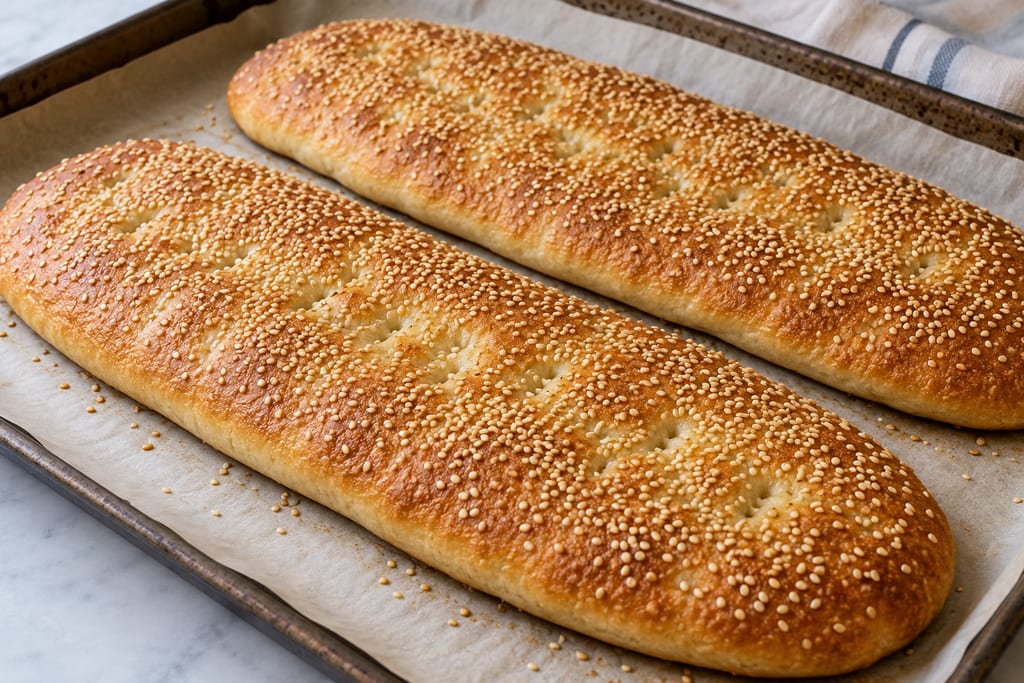
Diane Kochilas’s yeast-raised Lagana makes two wide, sesame-topped loaves for Clean Monday. Her Athens-neighborhood version is distinct from the unleavened Lagana also described in the recipe’s cultural context.
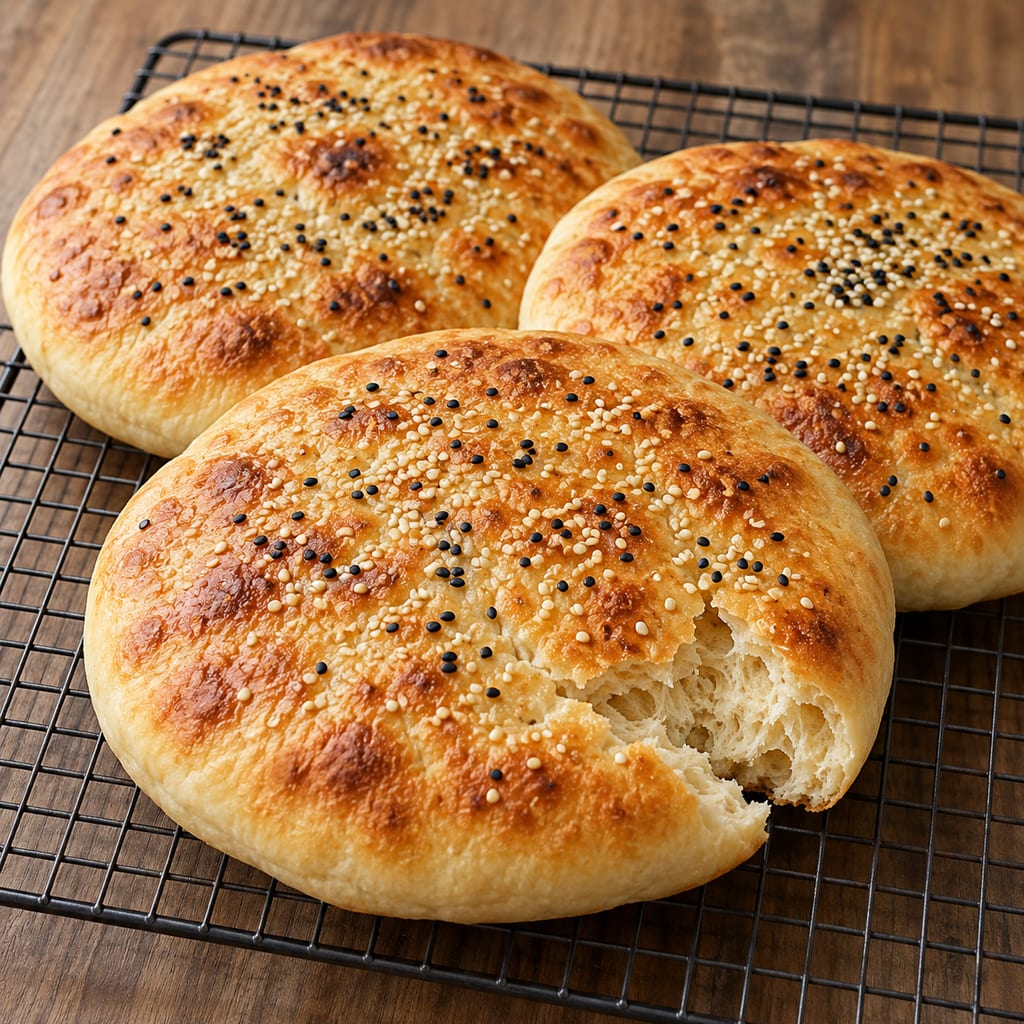
A source-specific Emirati yeast-and-baking-powder bread: soft dough enriched with dry milk is rolled into four rounds and baked briefly in a 550°F oven until it puffs.
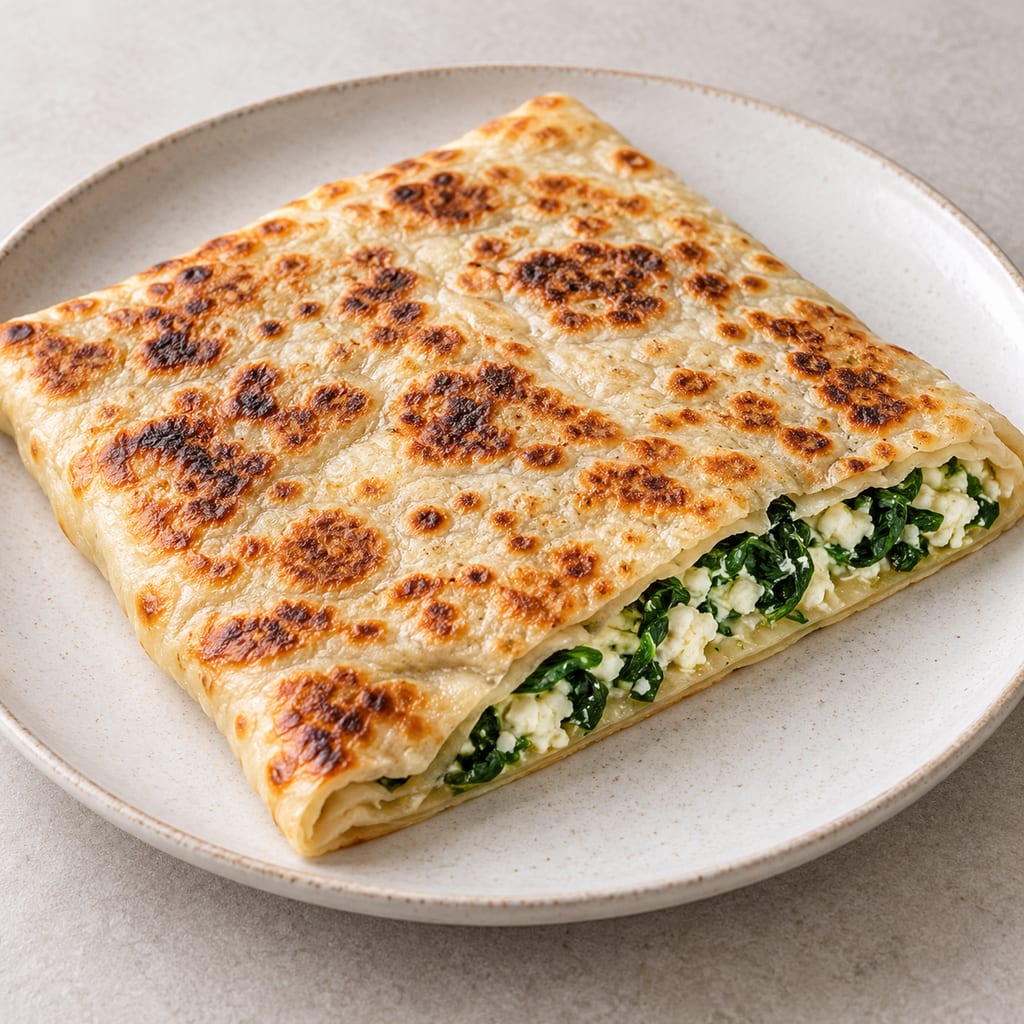
A yeast-and-yogurt dough is rolled into a large thin sheet, filled with spinach, onion and feta, folded closed, then cooked on an oiled griddle. This is Özlem Warren’s spinach-and-cheese family-style version.
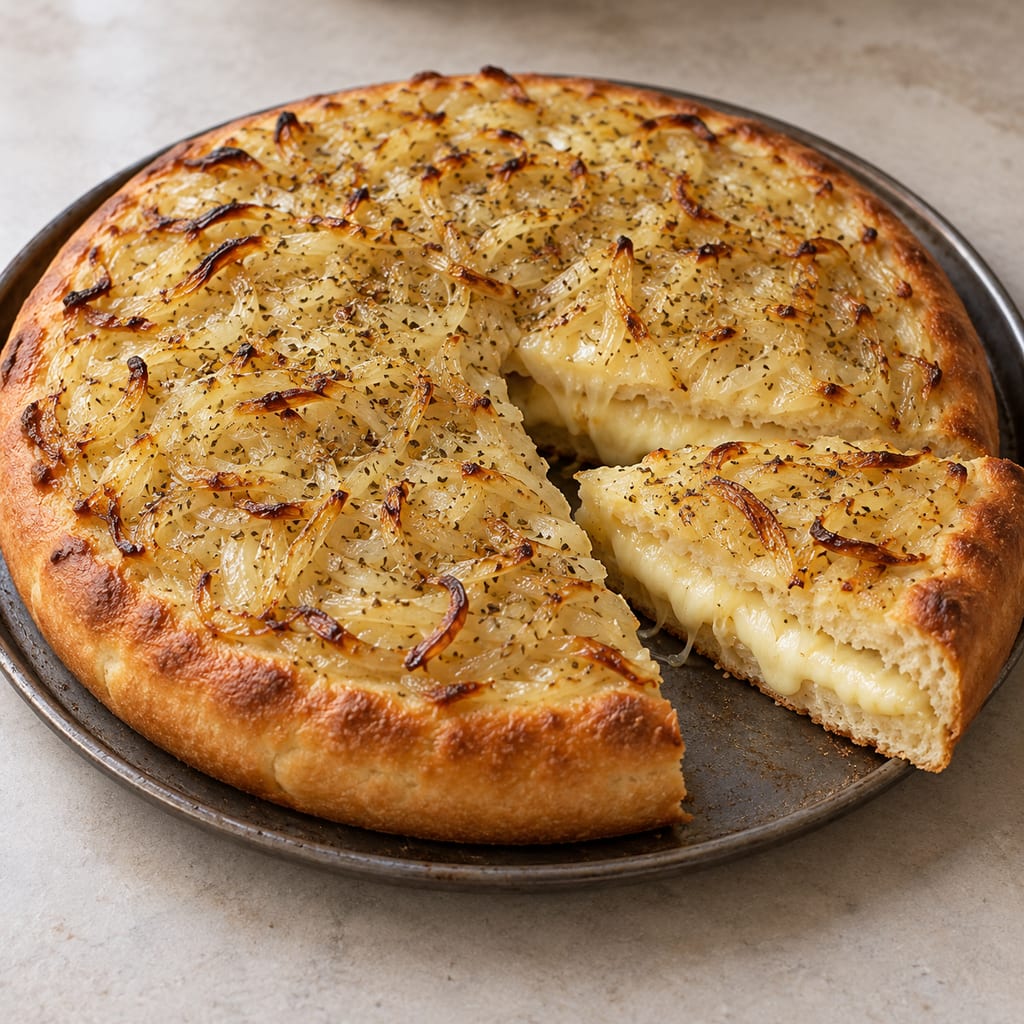
An Argentine-style onion-topped yeast bread with mozzarella and Emmental sealed inside.
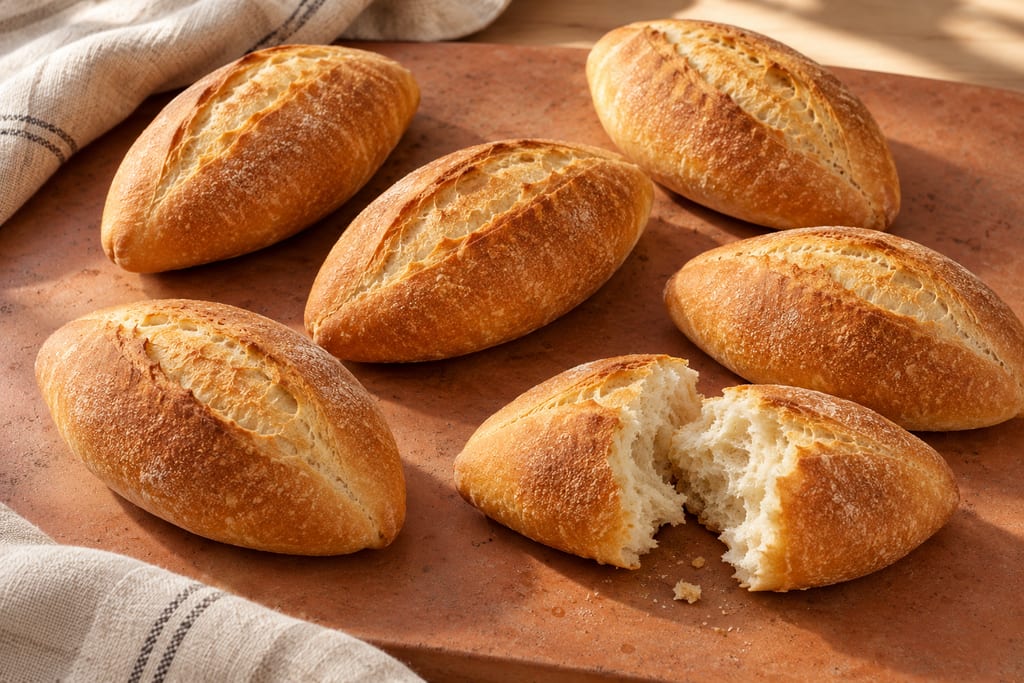
Small, lightly enriched rolls with tapered ends and a scored top; this six-roll formula bakes on a hot stone with steam for a thin, crisp crust.
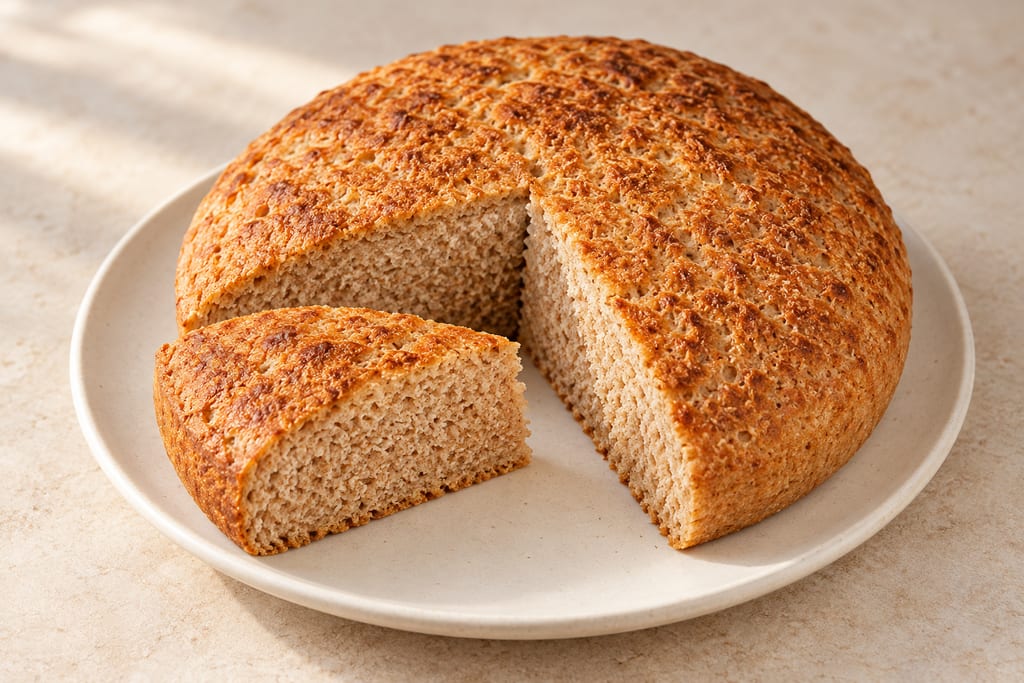
This oven-baked Amdo balep uses yeast, whole-wheat and white flour, a long covered rise and a two-sided bake in a heavy oven-safe pot.
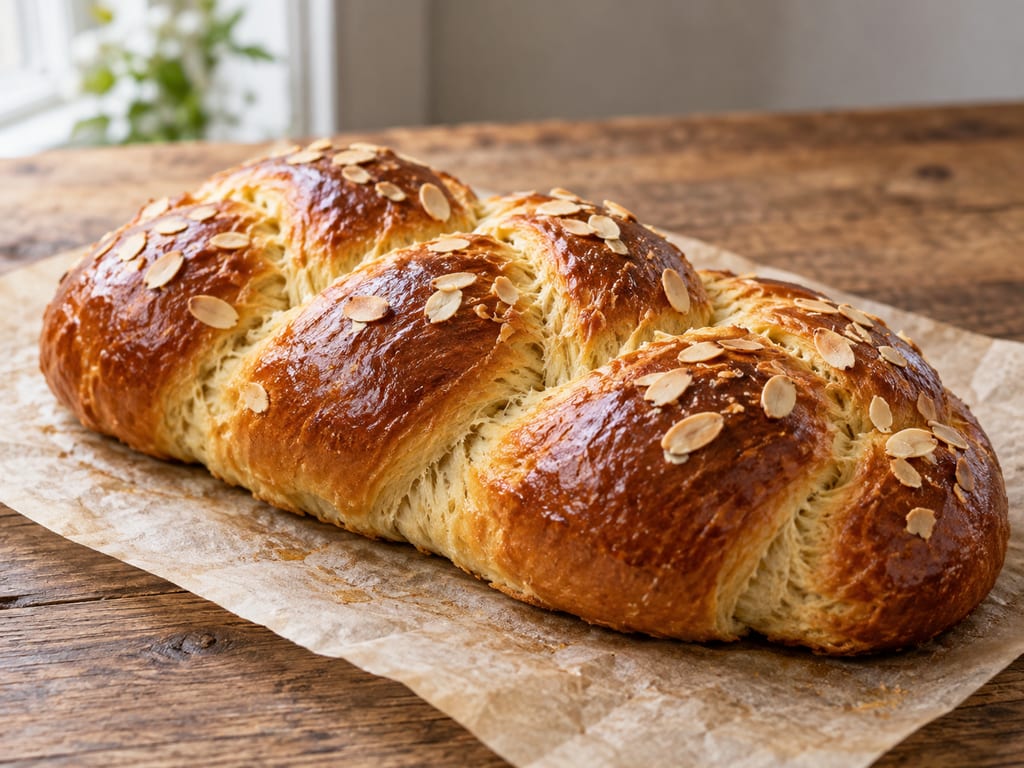
Eli K. Giannopoulos’s recipe makes two braided tsourekia with mastic, mahleb and orange, followed by an optional syrup. It is one modern Greek Easter-bread formula, not a universal regional standard.
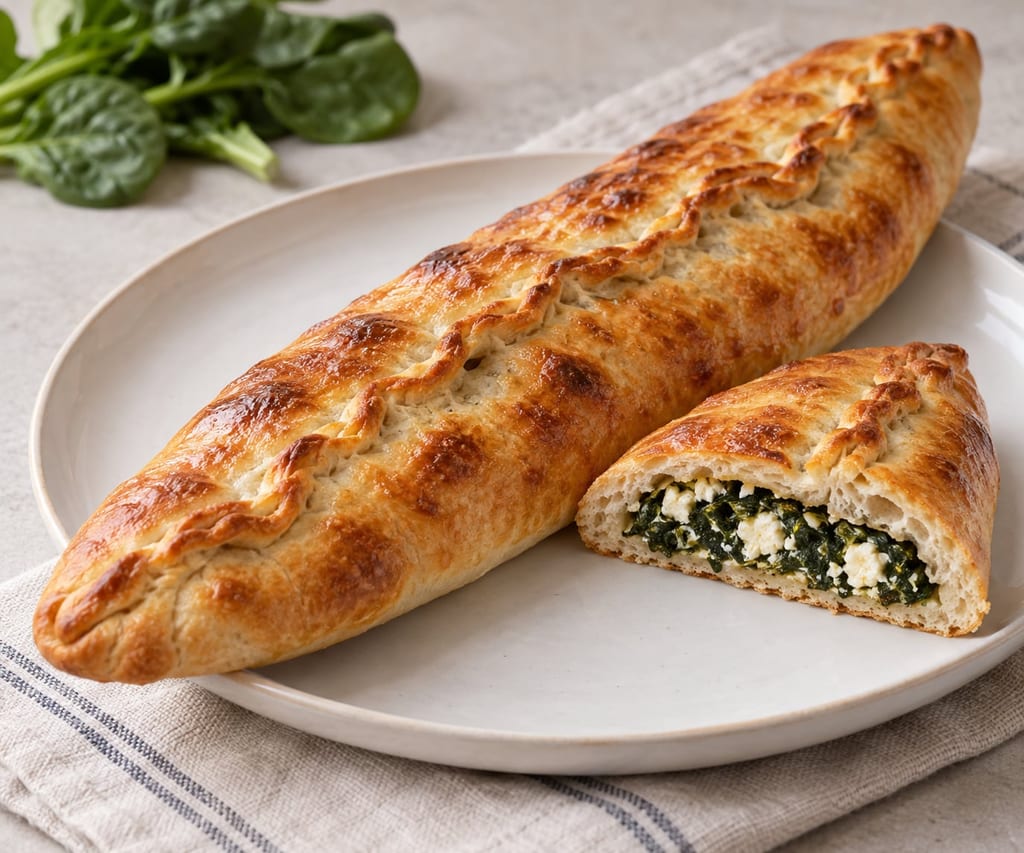
Turkish home-style yeast dough is shaped into closed boats around spinach and cheese, then baked hot until the crust is golden.
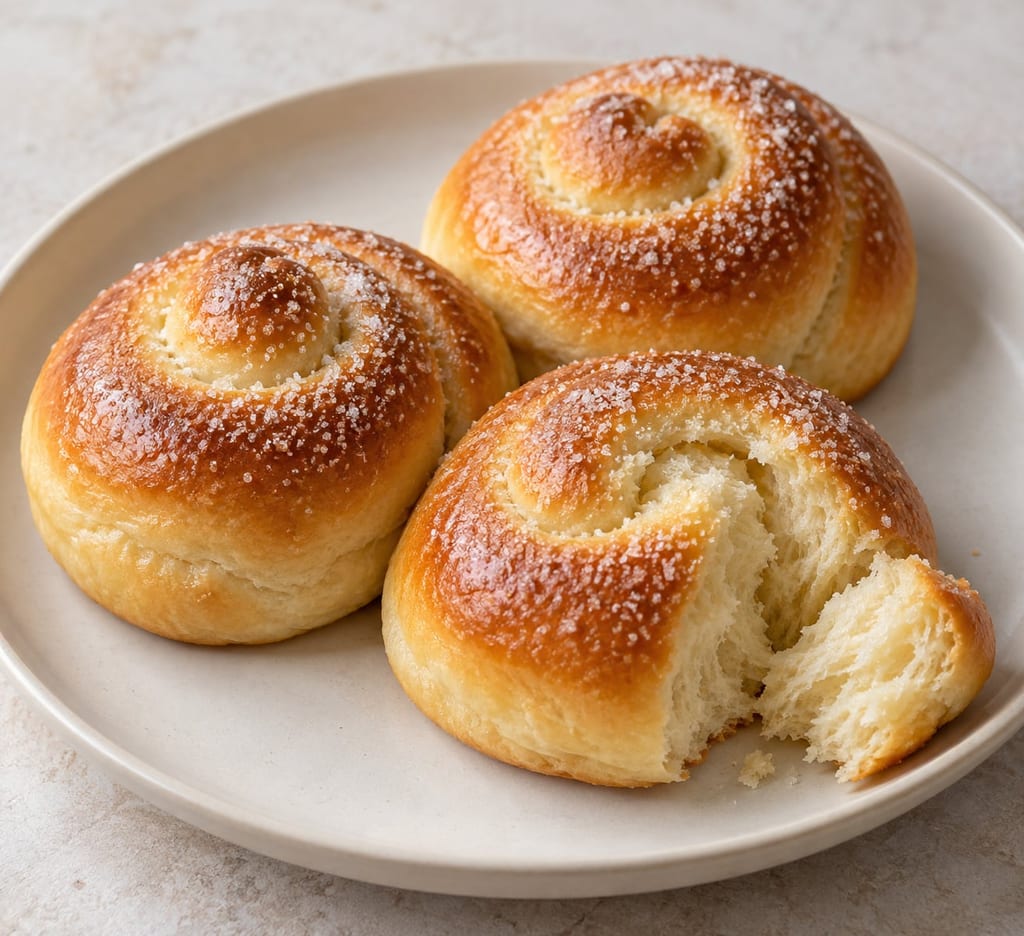
Egyptian sweet wheat rolls shaped into coils or braids, enriched with milk, egg and fat and eaten at breakfast, with tea or milk, and at family celebrations.

Salara is a Guyanese sweet bread rolled around red coconut, baked as two loaves and sliced for breakfast, tea or a snack.
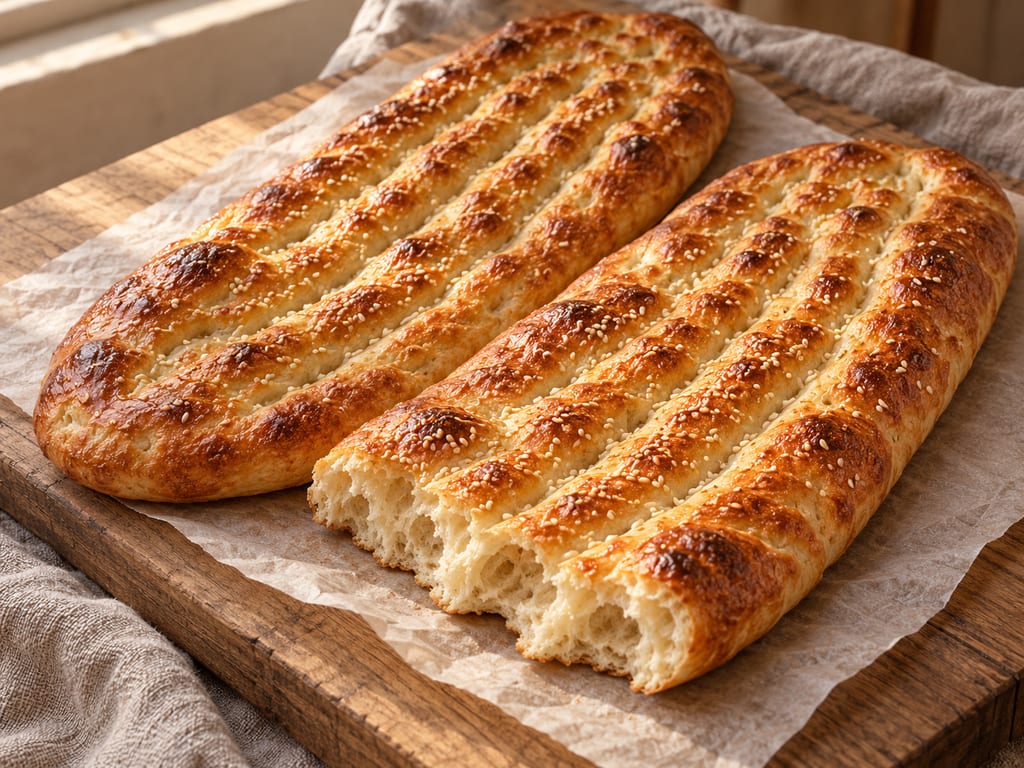
A yeast-raised Iranian flatbread with a crisp roomal-glazed crust, long grooves and a soft interior.
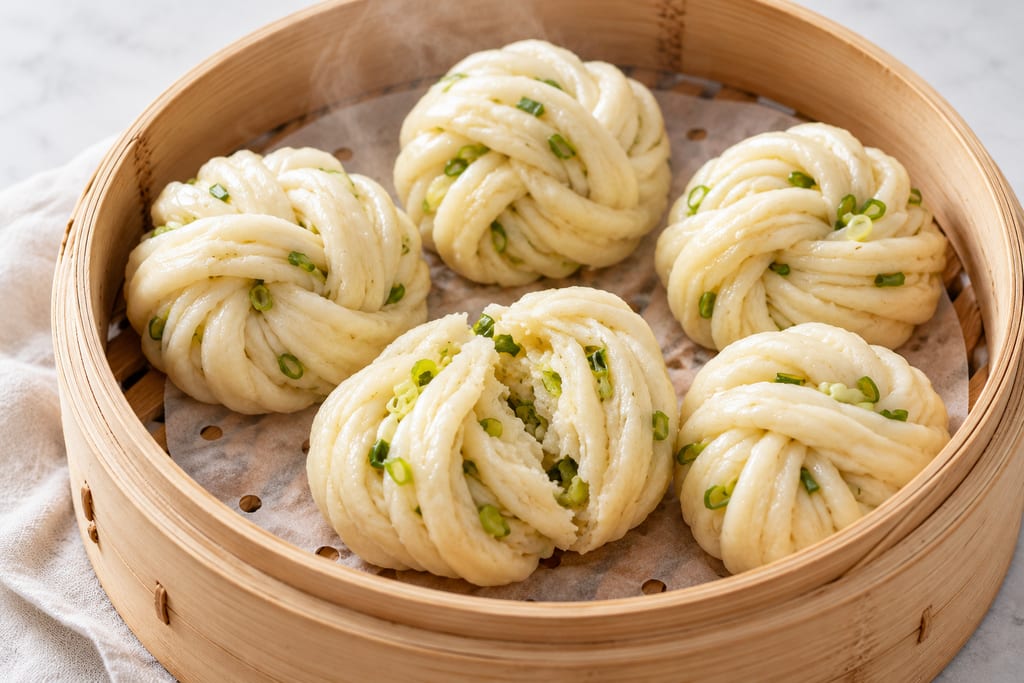
Hua juan are layered wheat rolls shaped into knots and steamed. This version folds scallions and five-spice between the dough layers and makes eight savory buns.
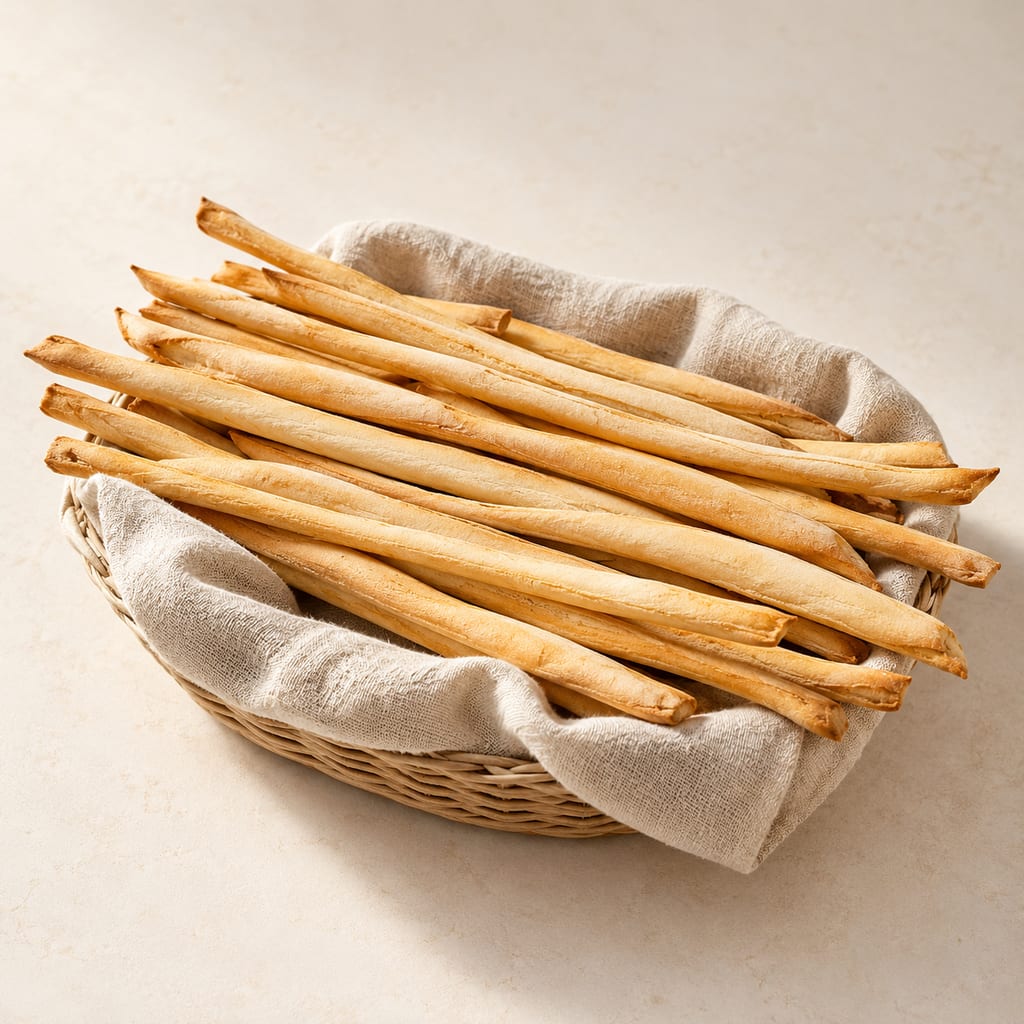
A measured Torino baker’s formula for hand-stretched grissini, baked until crisp and dry.
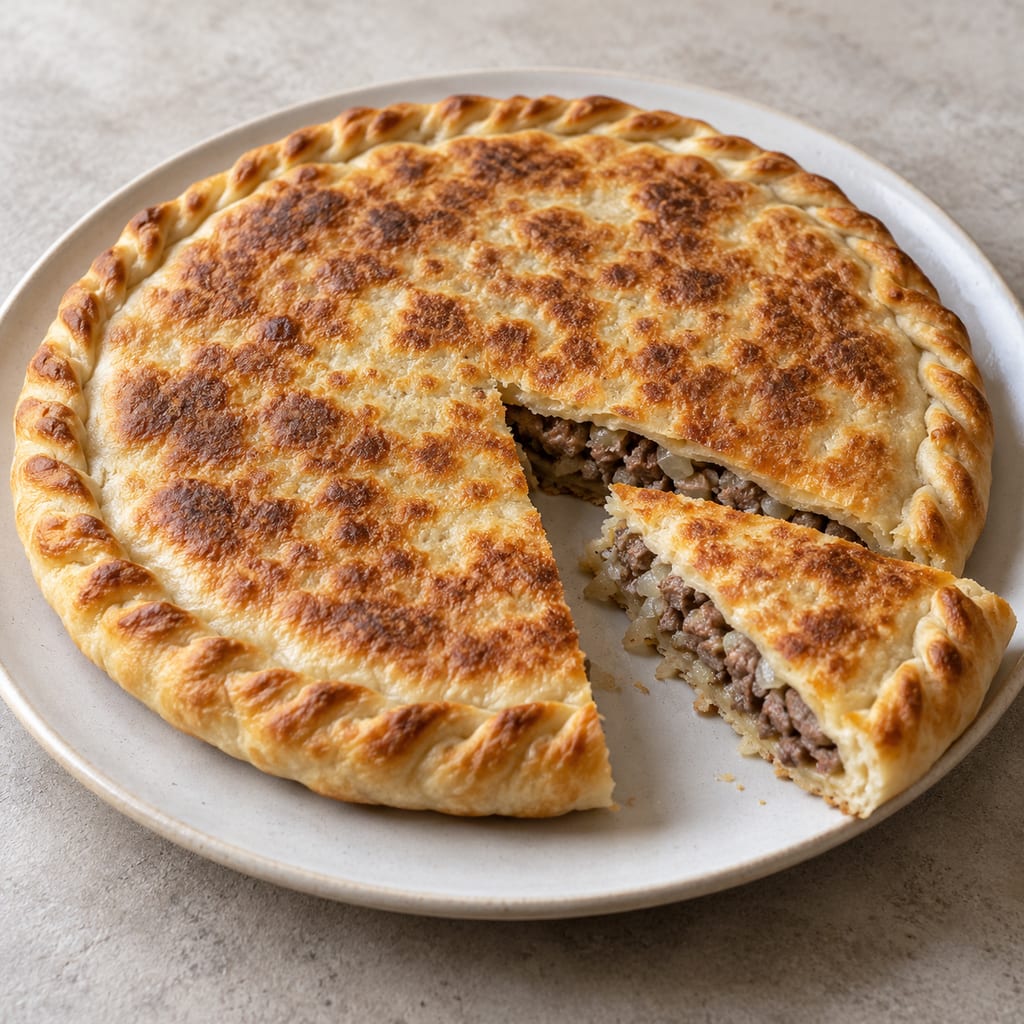
Gosh-naan is a Uyghur meat-filled bread in one family recipe: lamb, onion and cumin are sealed in yeast dough, pan-cooked, and checked at a safe centre temperature.

This Emilia-Romagna home version uses a measured flour-and-milk dough with yeast, shapes it into small diamonds or squares, and fries them in peanut oil.

A lightly salted, yeast-raised Barbadian roll, baked in a dozen-roll home batch and often split for cutters.
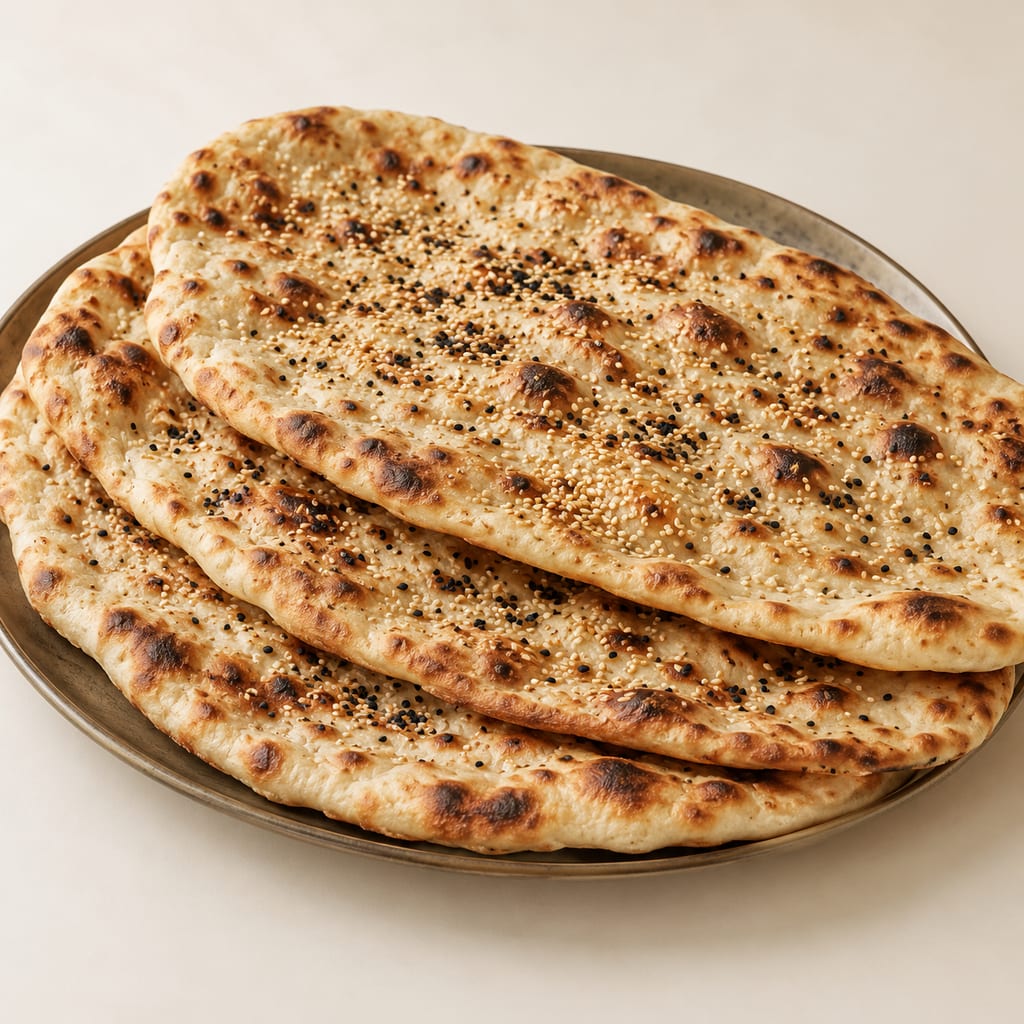
Persian yeast-raised flatbreads, rolled thin, seeded and cooked in a dry skillet.
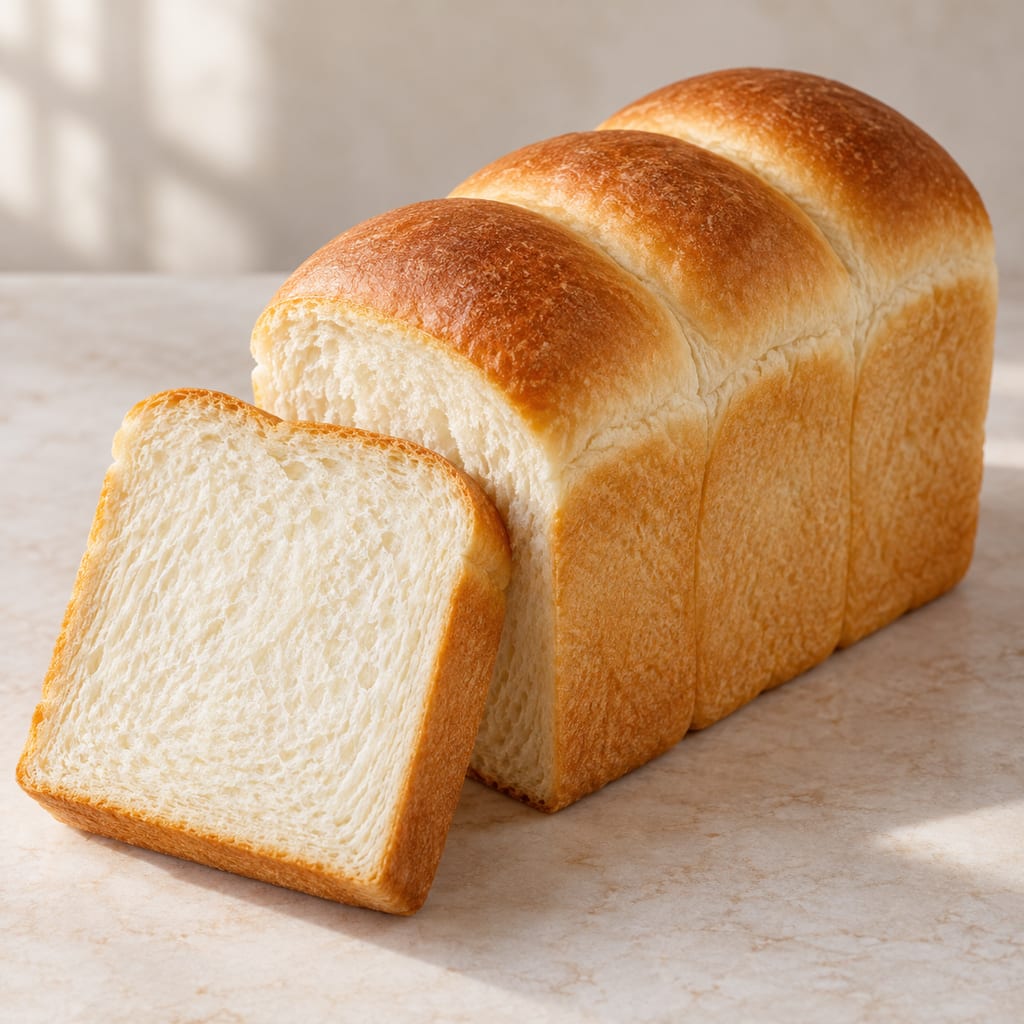
Shokupan is a soft, mildly sweet Japanese wheat loaf served as toast or in sandwiches. This formula makes a square or rounded one-loaf pan bread with a fine, milky crumb.

Nine soft Puerto Rican-style sweet rolls, shaped as buttered spirals and dusted with icing sugar.
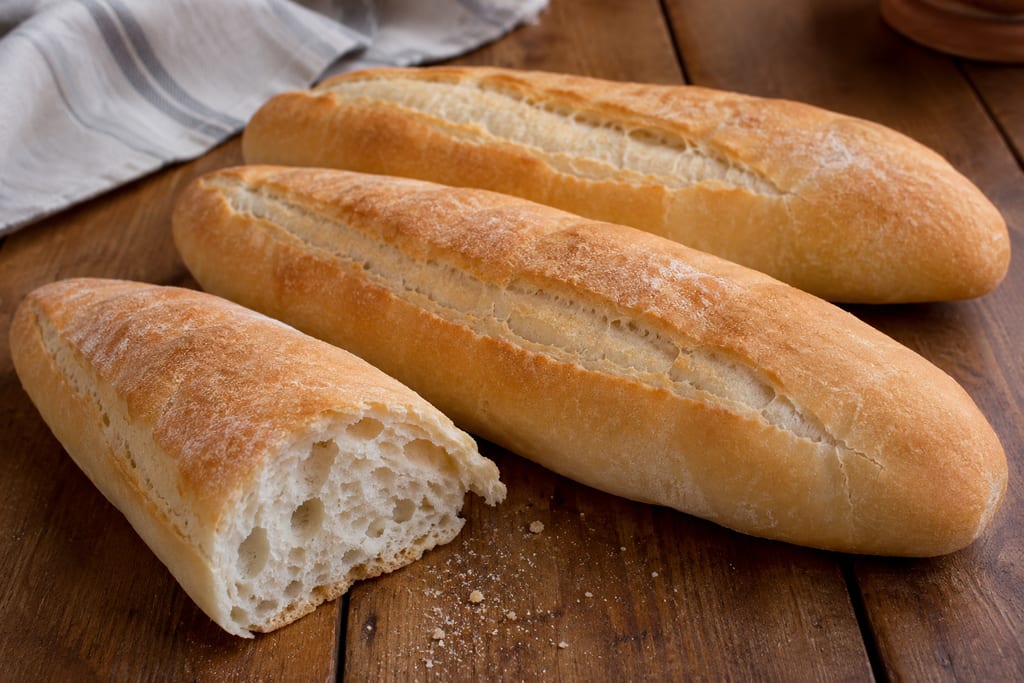
Puerto Rican lean yeast bread shaped as two loaves or eight rolls and baked from a cold oven with a pan of boiling water for steam.
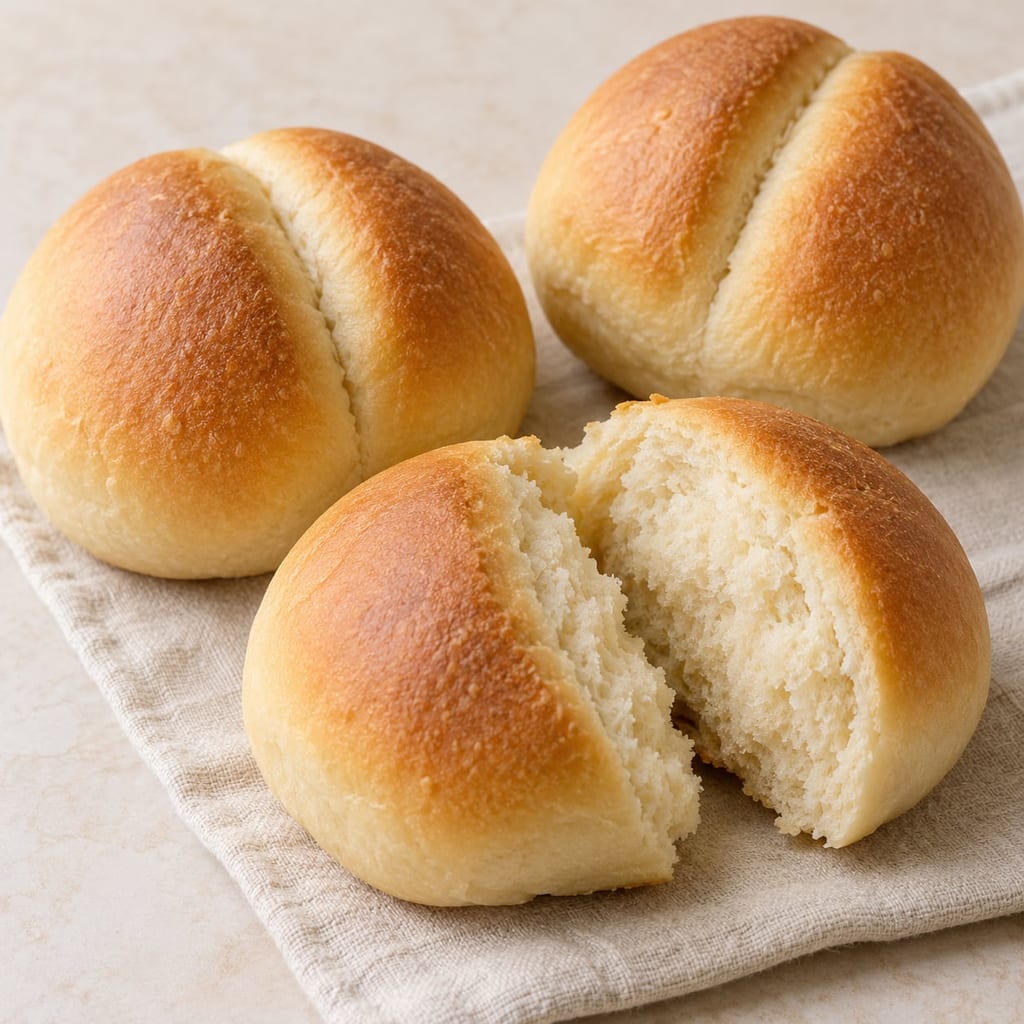
Filipino bakery-style rolls with a dense crumb and a deep central slash, made here as a twelve-roll home batch.
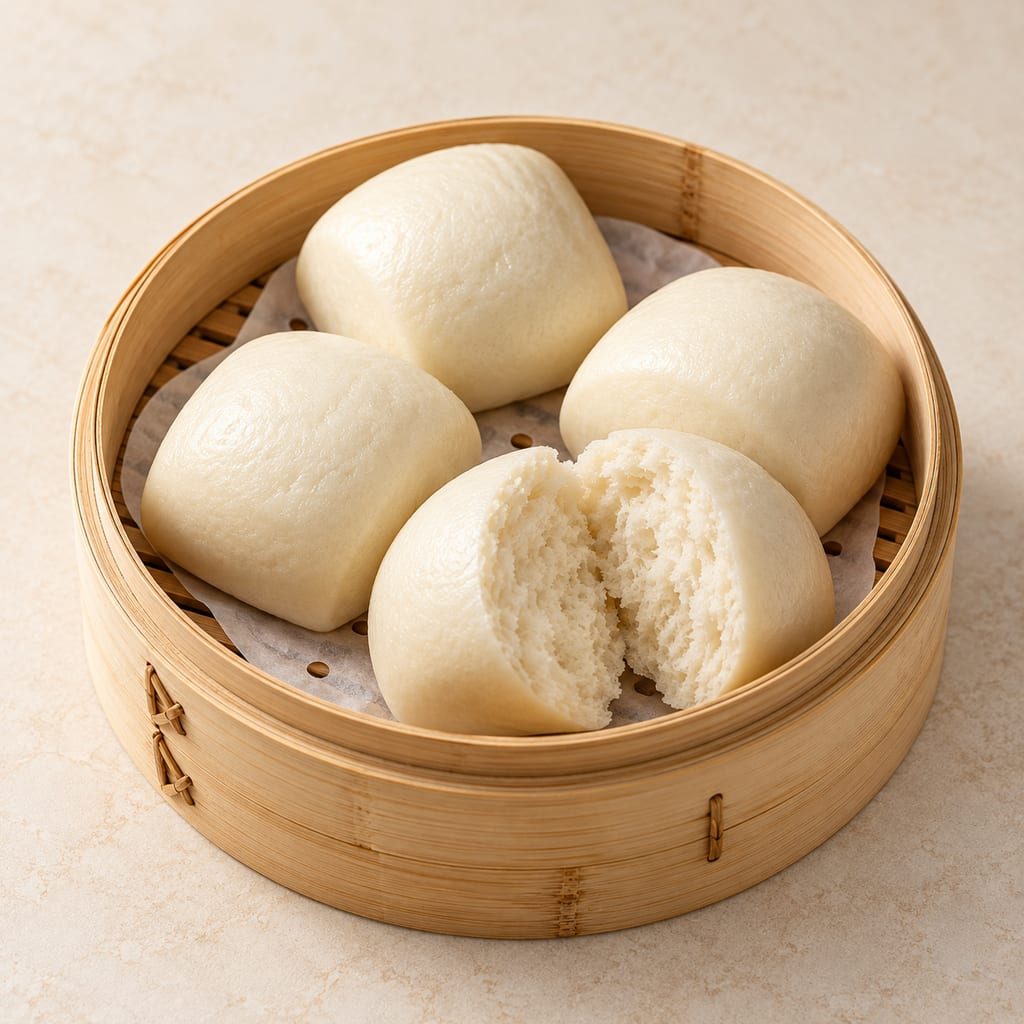
Plain wheat mantou made with yeast and baking powder, then proofed and steamed in a lined basket.
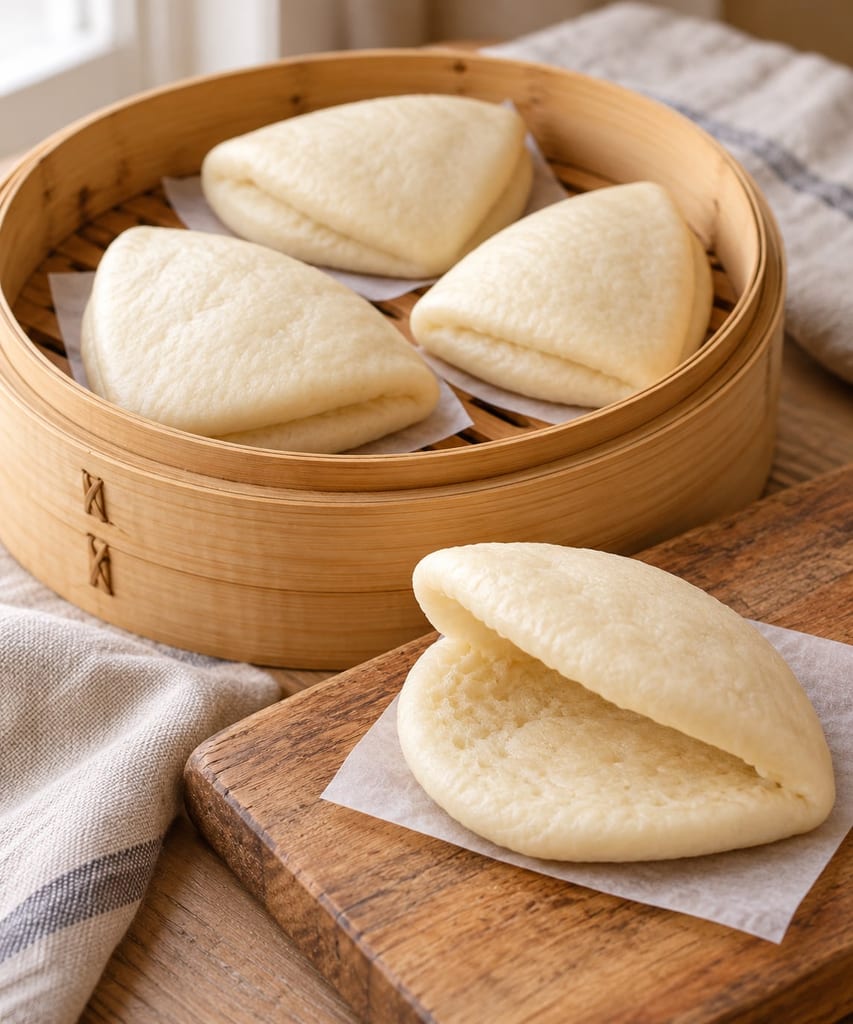
These twelve Chinese lotus-leaf buns are folded wheat-dough pockets steamed empty for filling after cooking. The recipe uses yeast, a little baking soda and cornstarch; it does not include the assembled gua bao sandwich or its fillings.

Small rounds of yeasted milk dough, fried in batches. This Kazakh home recipe lists 27 servings.
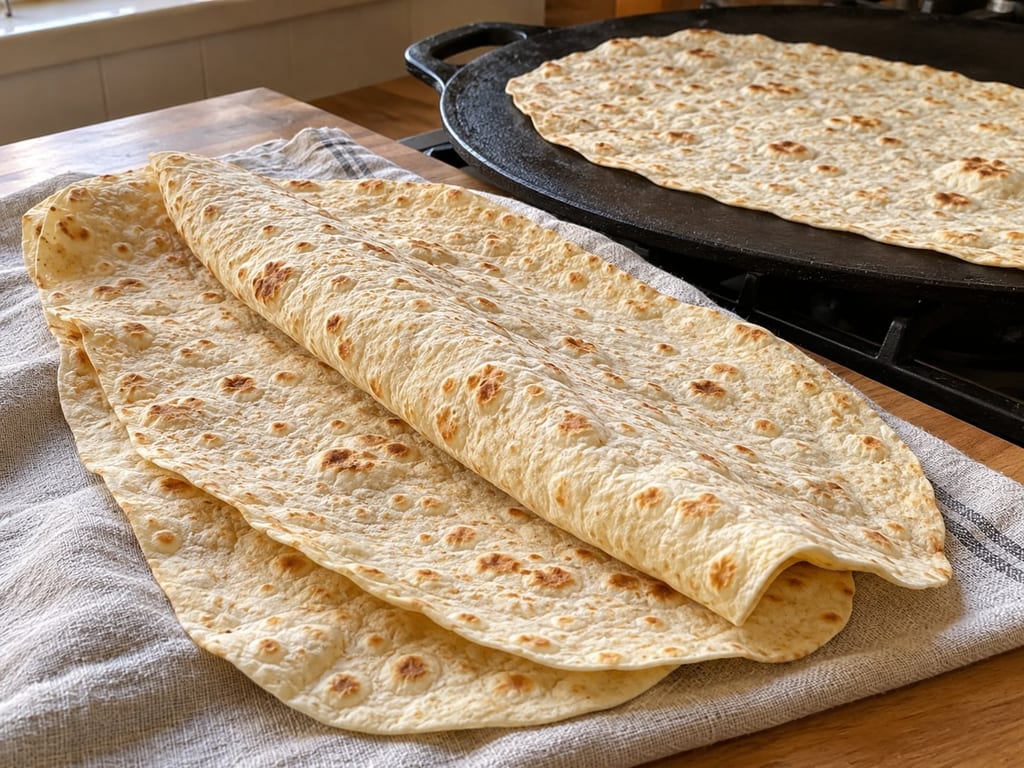
A yeast old-dough lavash method adapted from Armenian baking for the home griddle, producing eight thin, pliable wheat sheets.

Firi firi is a yeast-raised coconut doughnut piped into long pieces and deep-fried at 170°C, traditionally eaten for breakfast or dessert in Tahiti.
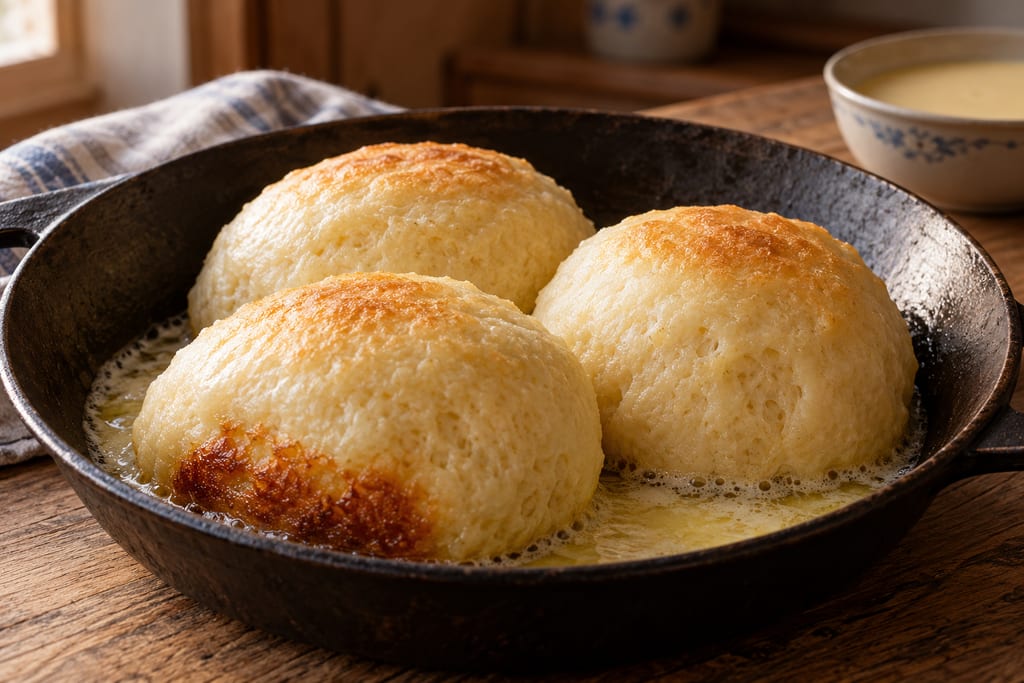
Allgäu Dampfnudeln are enriched wheat buns proofed in a covered casserole and cooked in milk and butter until the liquid nearly cooks away.
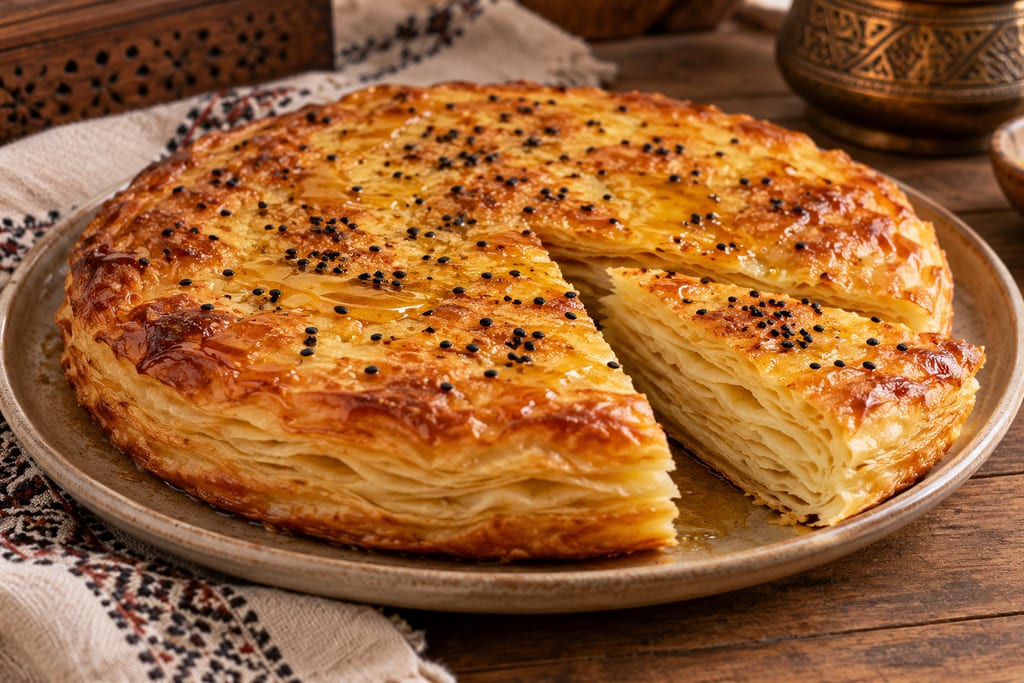
Bint al-sahn is a Yemeni celebration and home bread built from thin, egg-rich yeast dough layers brushed with ghee or butter. This source-specific version makes one round cake, baked until golden and served warm with honey.
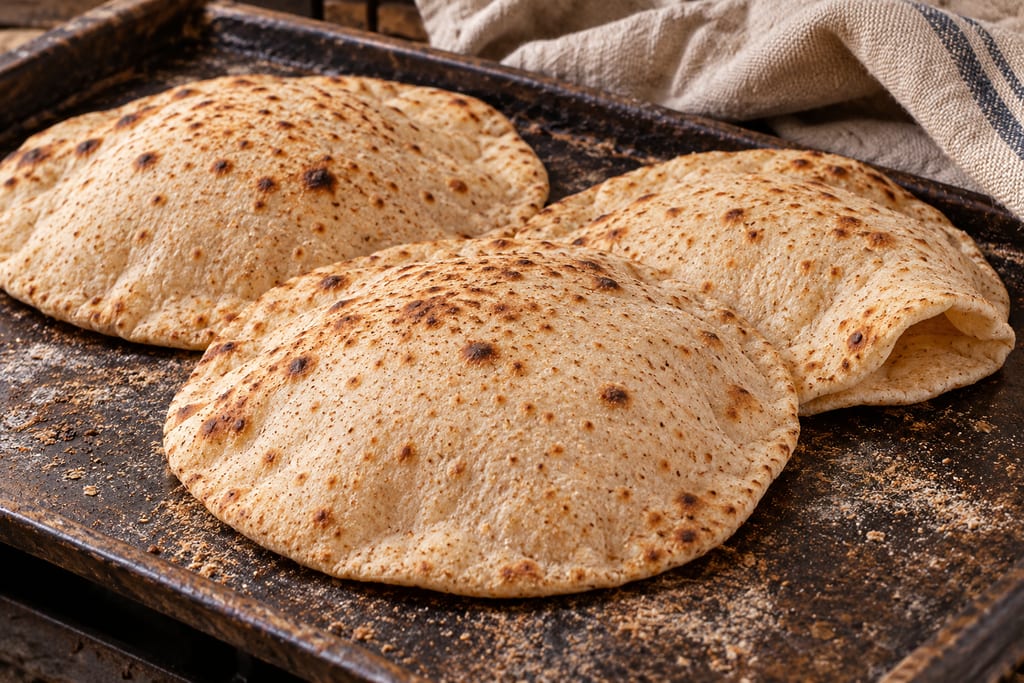
This home adaptation of Egyptian aish baladi uses a refrigerated yeast biga, whole-wheat dough, bran dusting and a very hot baking surface to make 16 pocketed rounds.
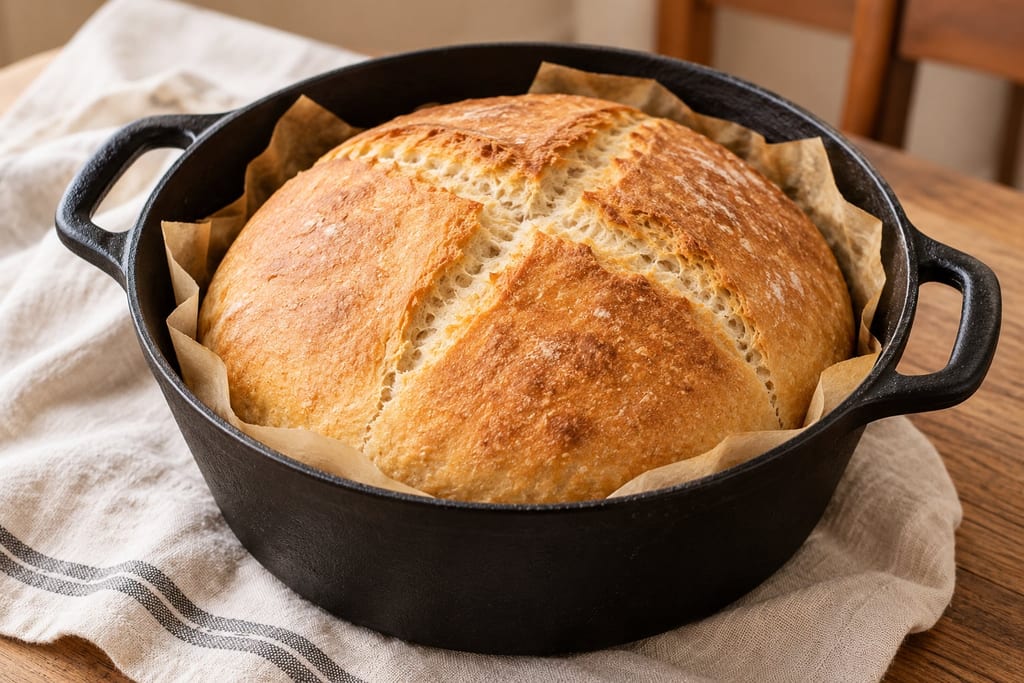
A modern South African potbrood home method: a yeast dough proofs in a 4 L cast-iron pot and bakes covered, then uncovered, in a domestic oven.
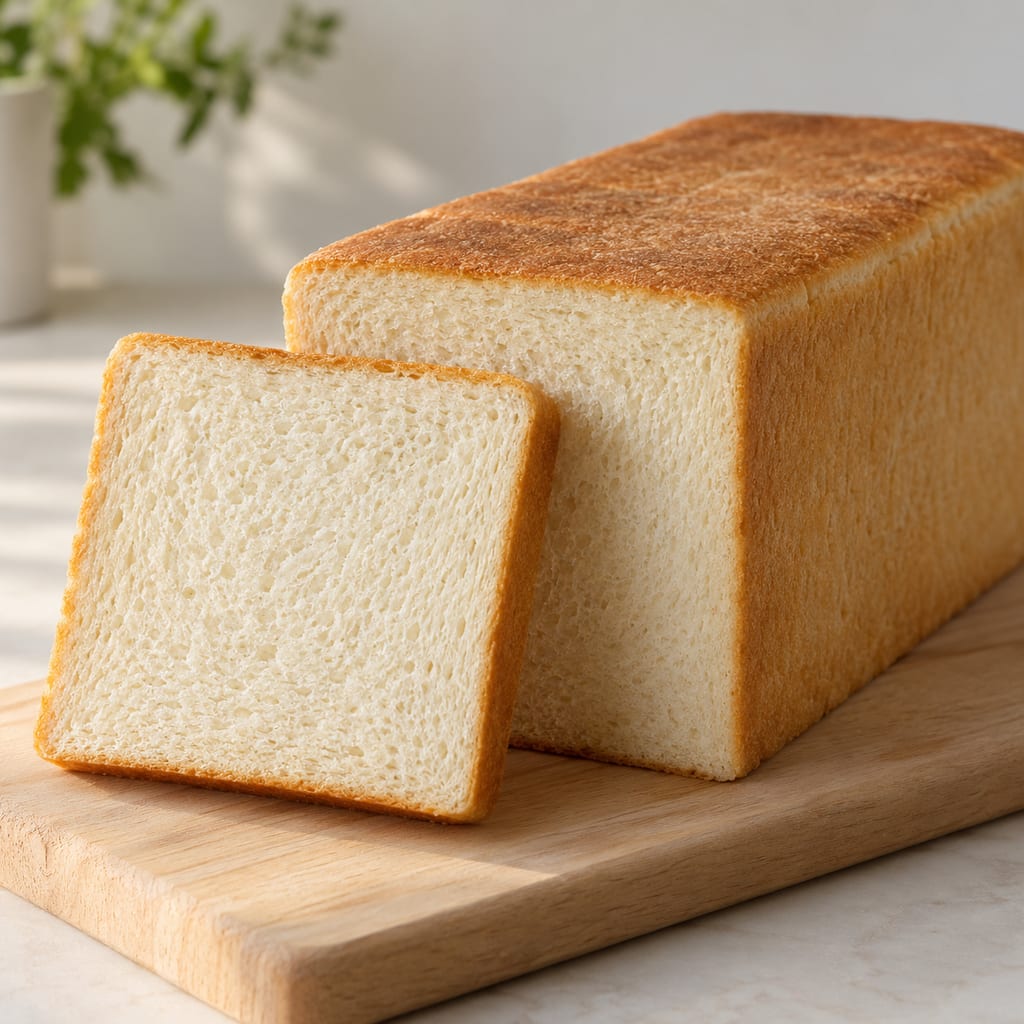
A fine-crumb, enriched wheat loaf baked in a lidded pan for even slices used in sandwiches, toast, French toast and melba toast.