Built structures
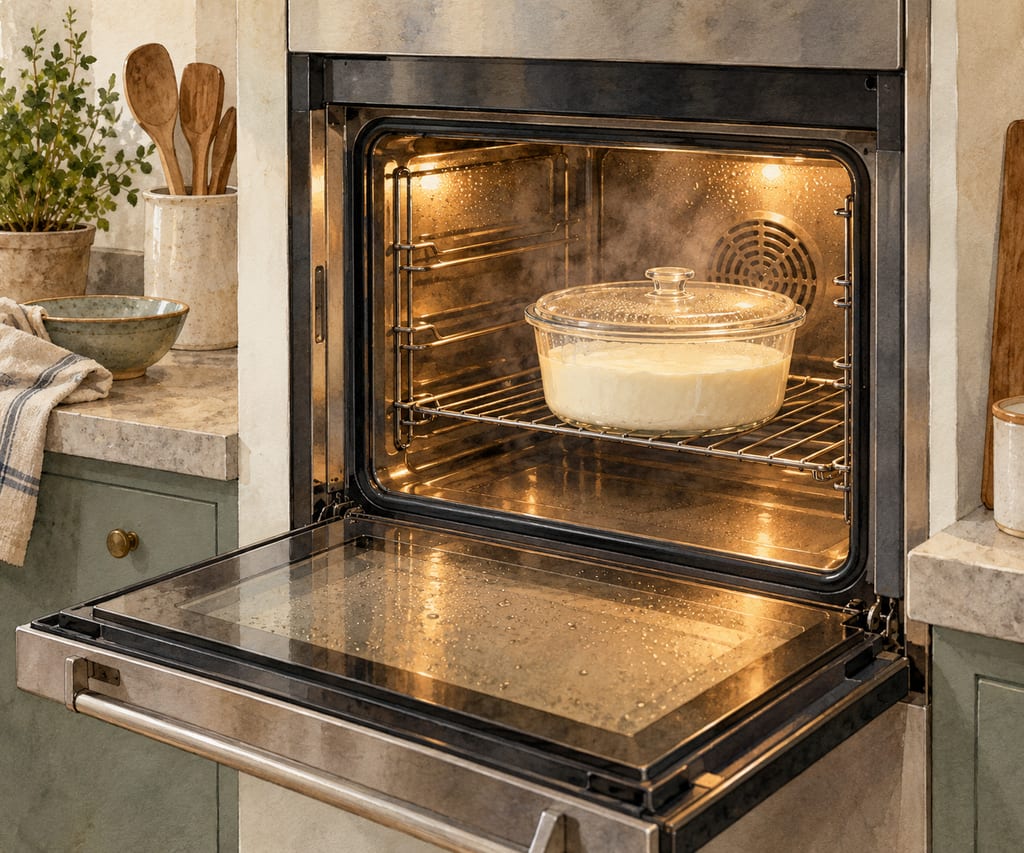
Steam oven as an incubator
A steam oven held at a low setting with the food in a covered container, so cultures incubate in humid, even warmth without drying.
 FermenteaWhere food goes to change
626 sourced equipment pages: vessels, tools, appliances and built structures.
What sets the temperature, the smoke and the air: kettles, incubators, cold stores, smokers and dryers.
A steam oven held at a low setting with the food in a covered container, so cultures incubate in humid, even warmth without drying.
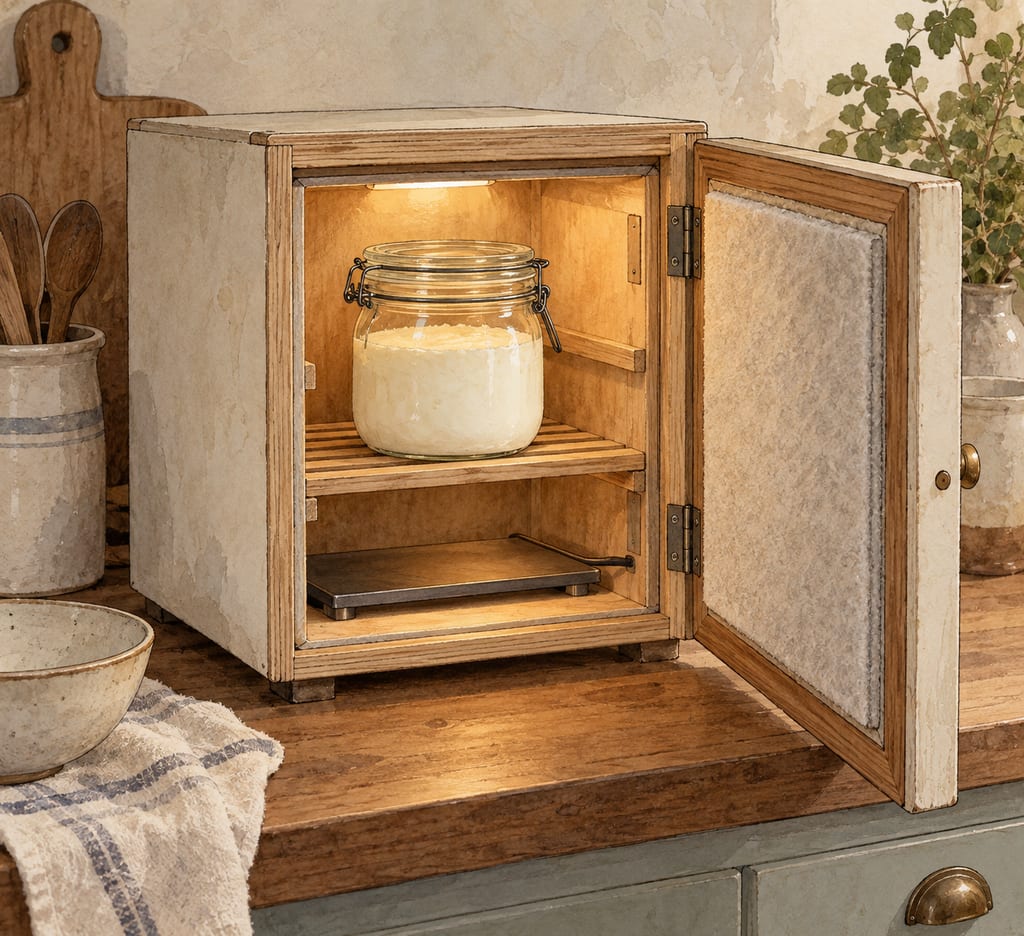
Any warm box, proofer, dehydrator cabinet or adapted fridge whose conditions reach the food through a separate container chosen for that culture.
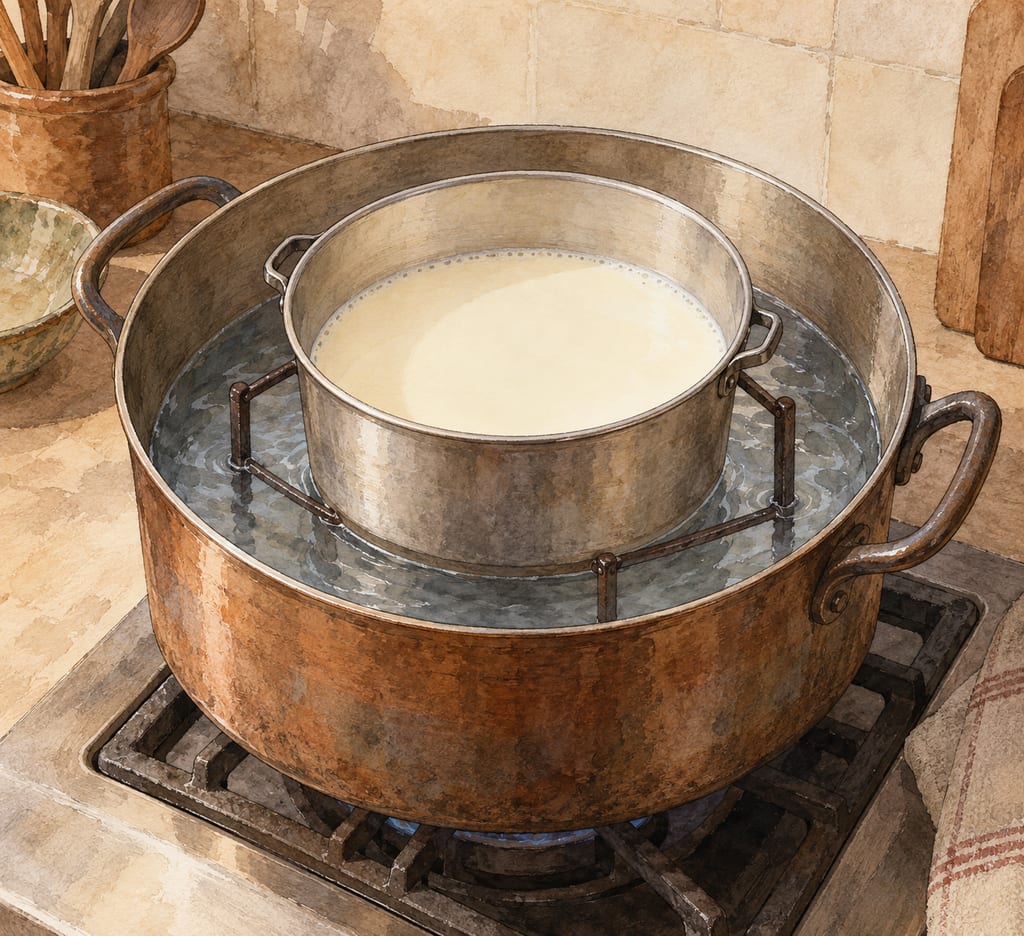
A food pot held at a fixed height inside a larger vessel of controlled hot water: the water distributes heat while the milk or whey inside stays still and away from the heater.
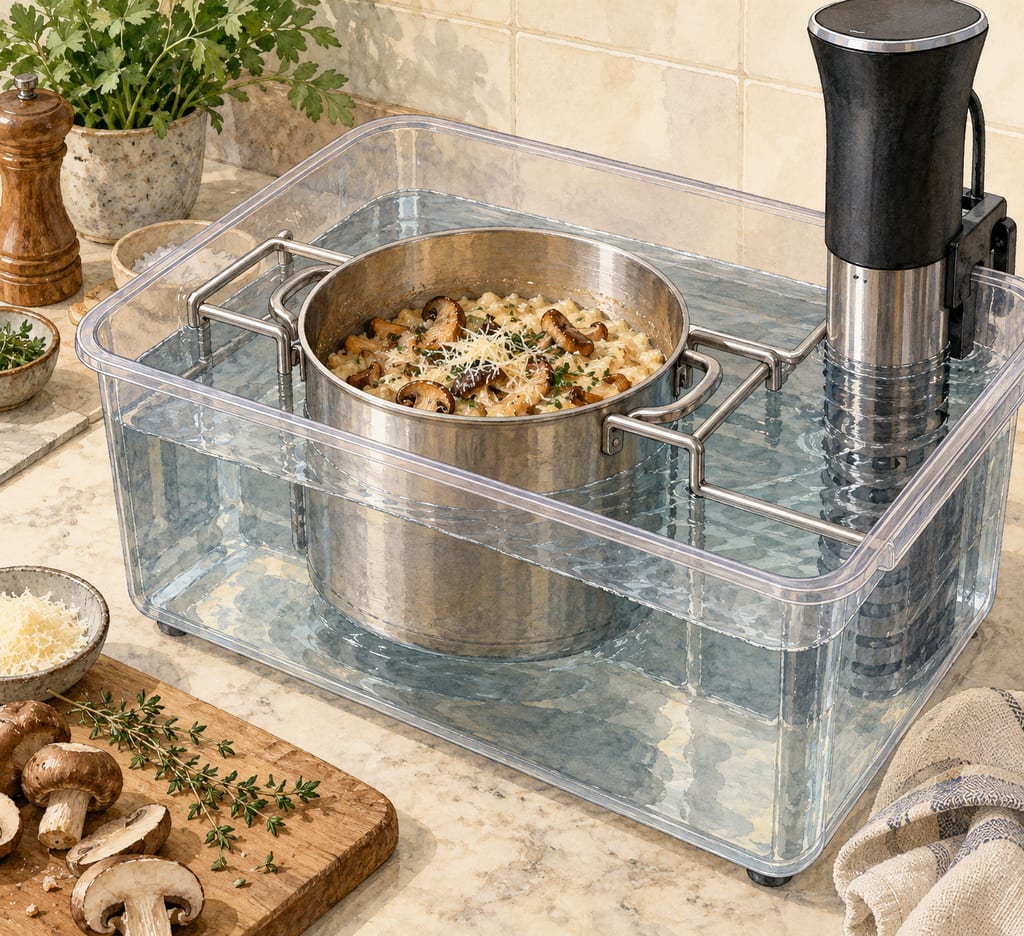
A small open metal pot held on a rack or bridge inside a circulator bath, so food can be stirred, added to or cut while bath water heats it from outside.
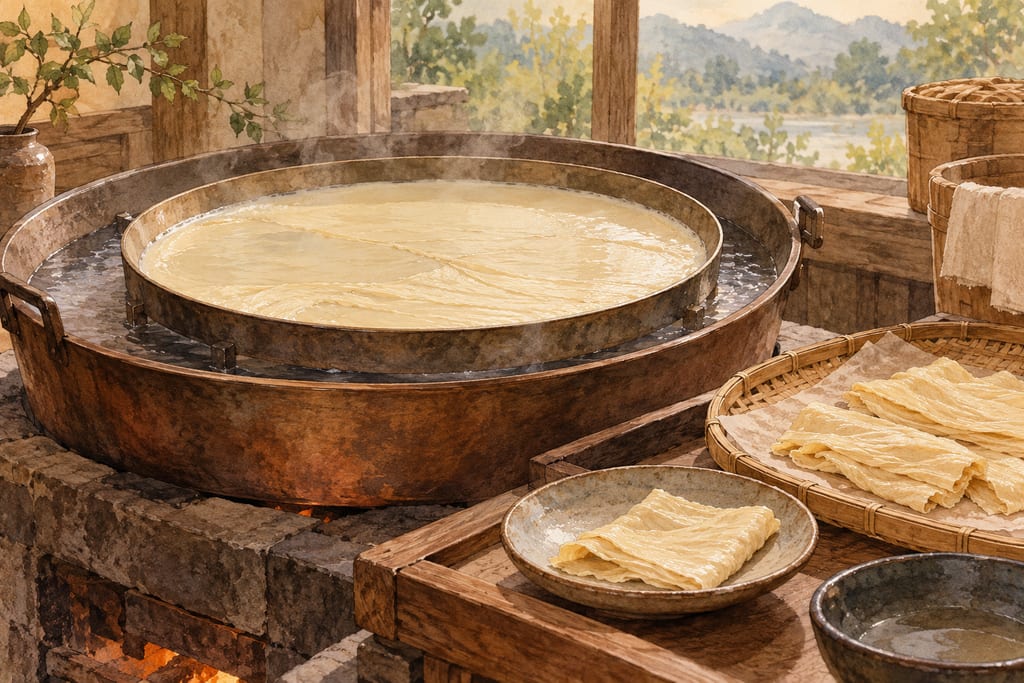
A wide shallow pan of soy milk standing in a controlled hot-water bath, so that the bath heats evenly while the open surface forms film after film of yuba.
A heat-only proofer used in turn for tempeh bags, natto jars, kombucha, yogurt and black garlic, each with its own container, rack and water-tray setting.
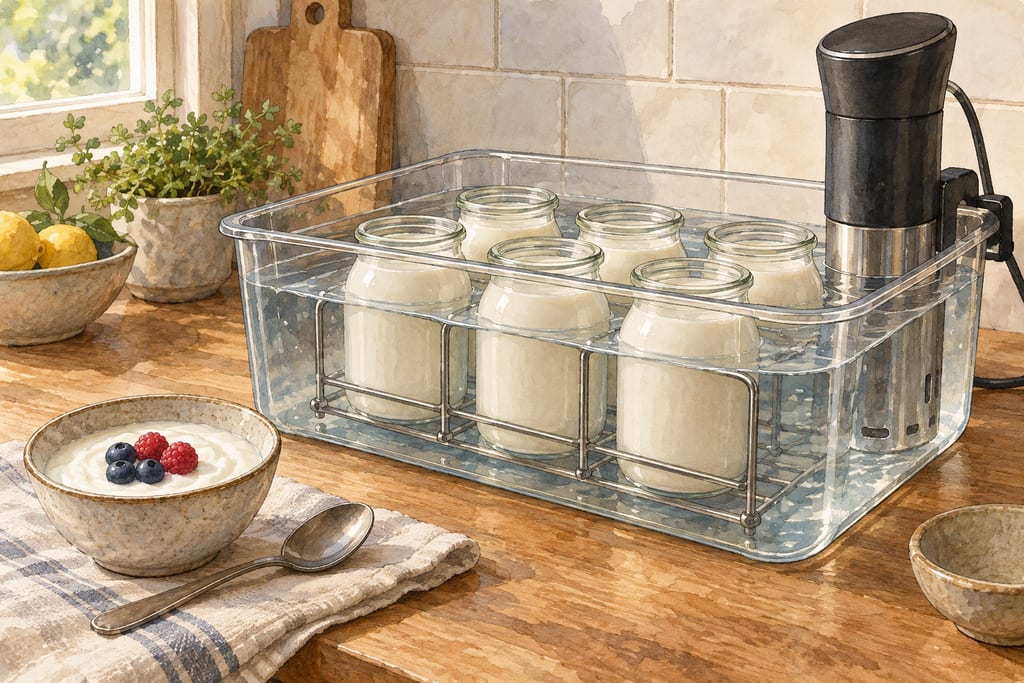
A circulator tank holding a rack of identical jars, so several small batches share one temperature for side-by-side trials of cultures, milks, ratios or flavourings.
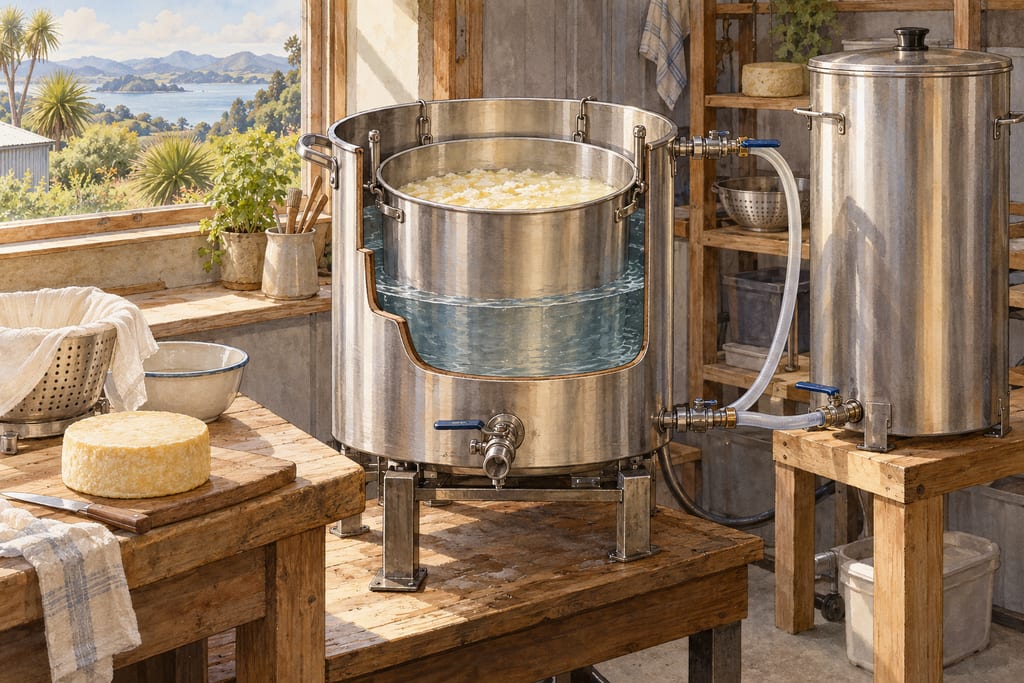
New Zealand home cheesemaker Tony Hamblyn's custom brewery, in which a 50-litre cheese pot hangs in a 70-litre mash tun of circulated hot water; later one tank served purely as hot water.
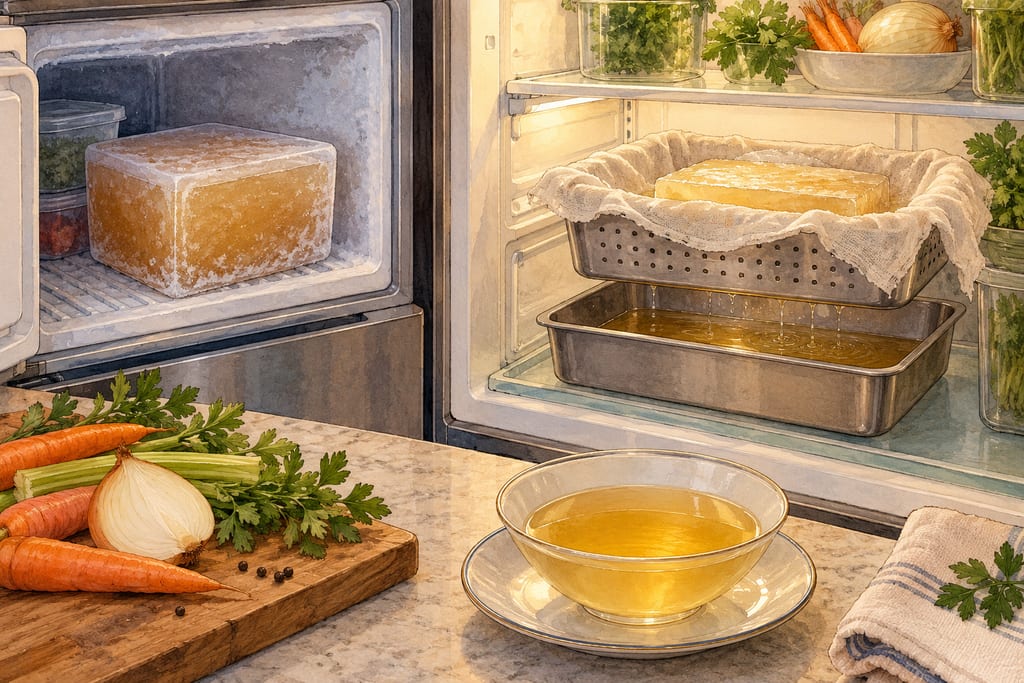
A liquid set with 5 g gelatin per kg is frozen solid, then thawed in the refrigerator in a cheesecloth-lined perforated pan; the drip comes out clear.
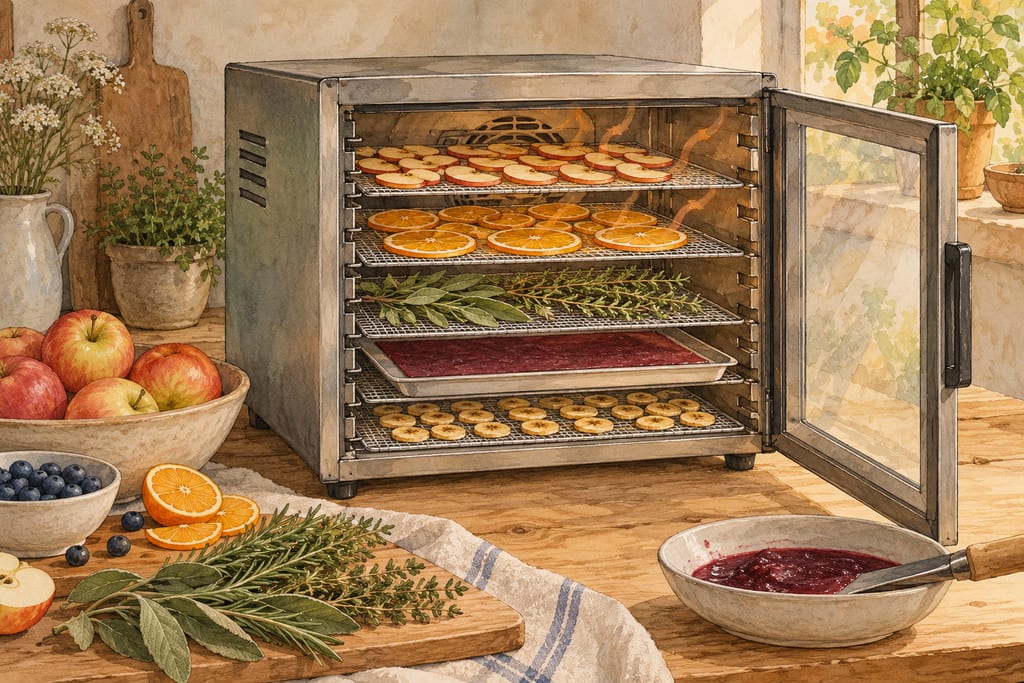
A dehydrator or drying box set up with mesh trays for slices and herbs and solid liners for purées, drying by warm moving air to a recipe's own endpoint.
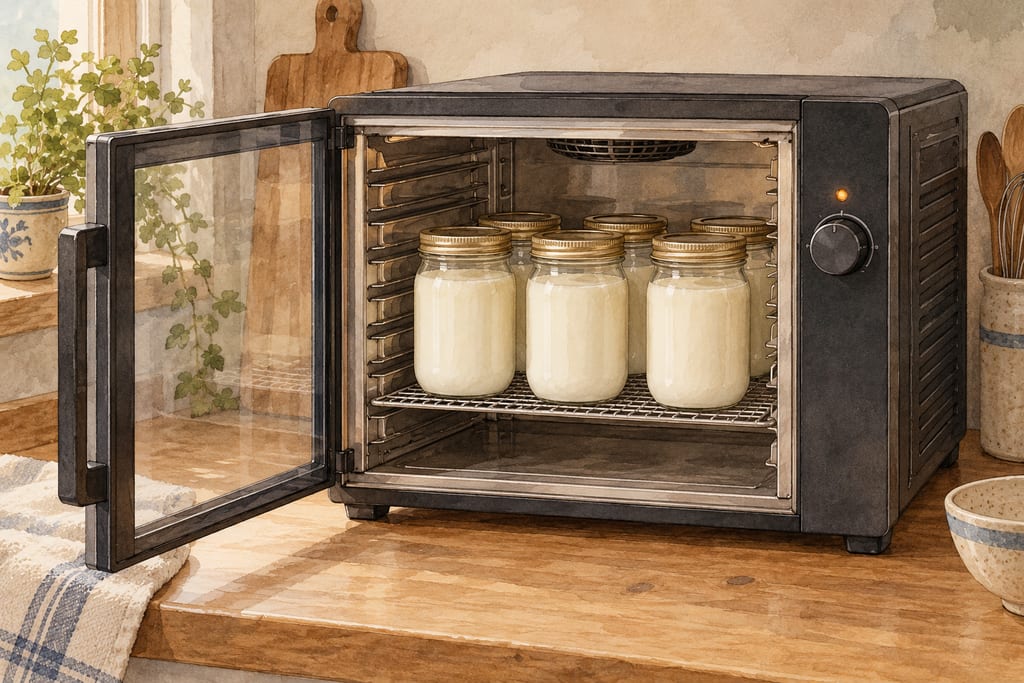
A dehydrator with its trays removed or shelves rearranged, holding capped jars of cultured milk at a low setting so the machine warms but does not dry.
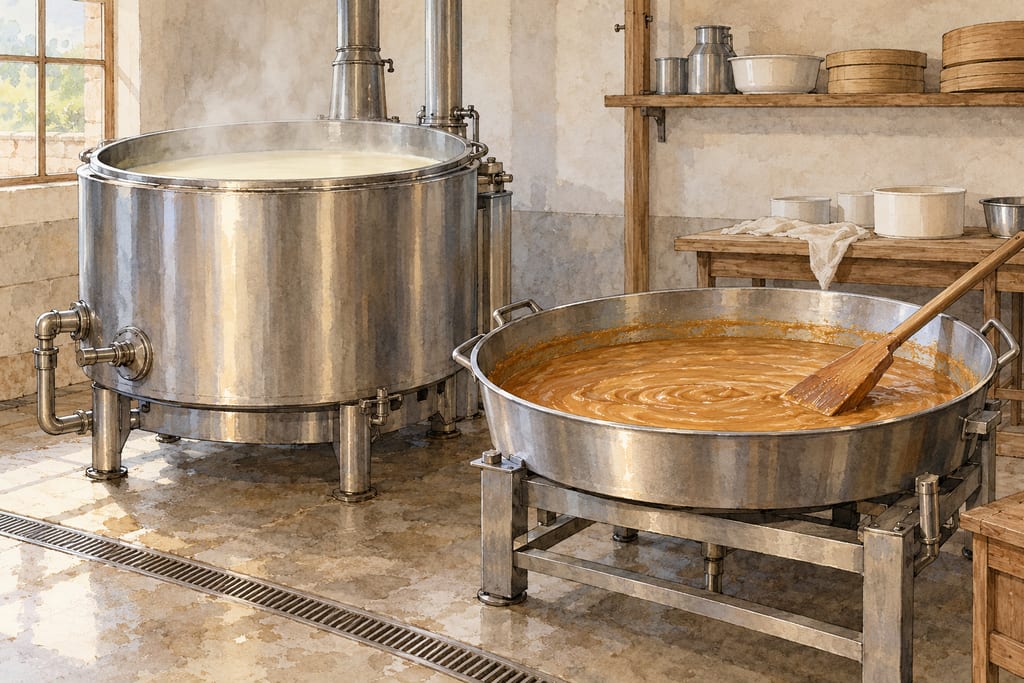
The kettle heats and reduces a large volume of thin liquid such as whey; before it nears the brewer's minimum fill the batch moves to a wide pan for the thick, stirred finish.
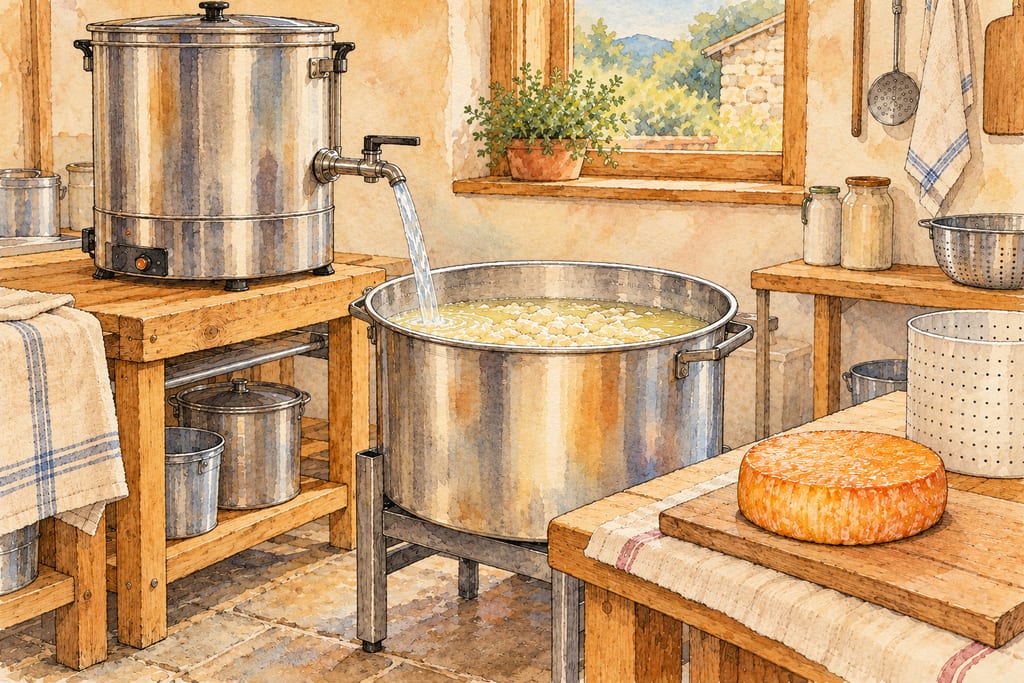
The brewer holds clean water at a set temperature for washed-curd cheeses and other hot-water jobs, beside a separate cheese pot, instead of heating milk directly.
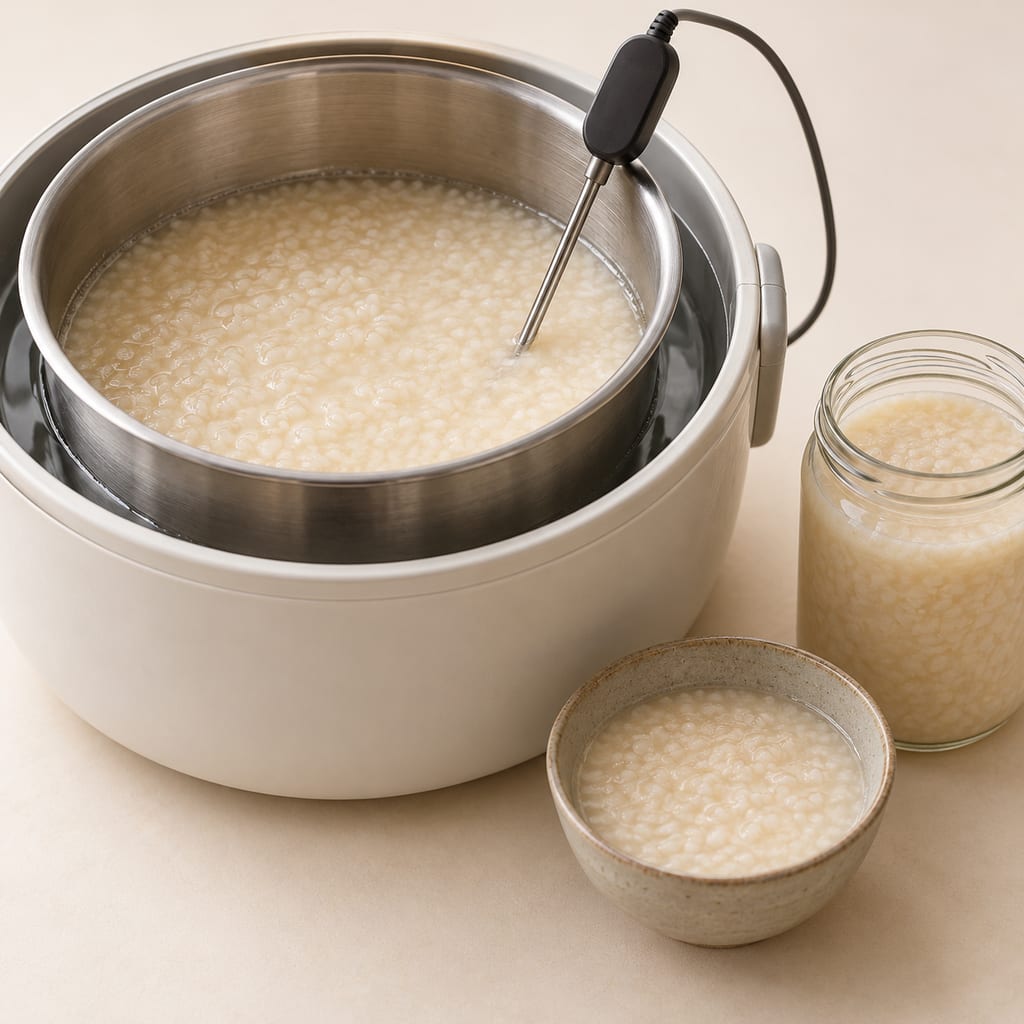
A purpose-rated warm water bath or heated vessel with a food probe, holding rice or sake-lees amazake at the 50 to 60 C range where koji enzymes turn starch into sugar.
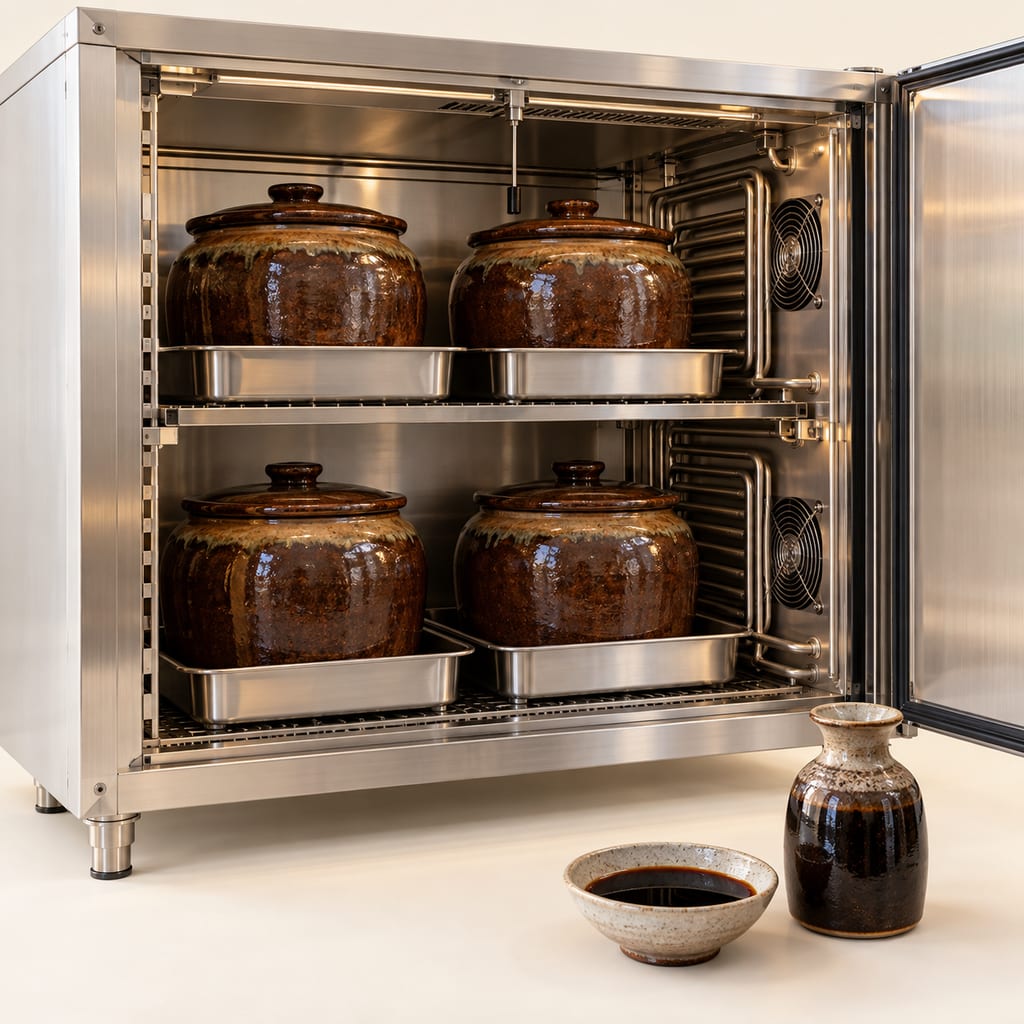
A corrosion-resistant cabinet with trays under brine vessels and gentle indirect heating and cooling, for the moromi stage of soy sauce, where soy koji ages in brine for months.
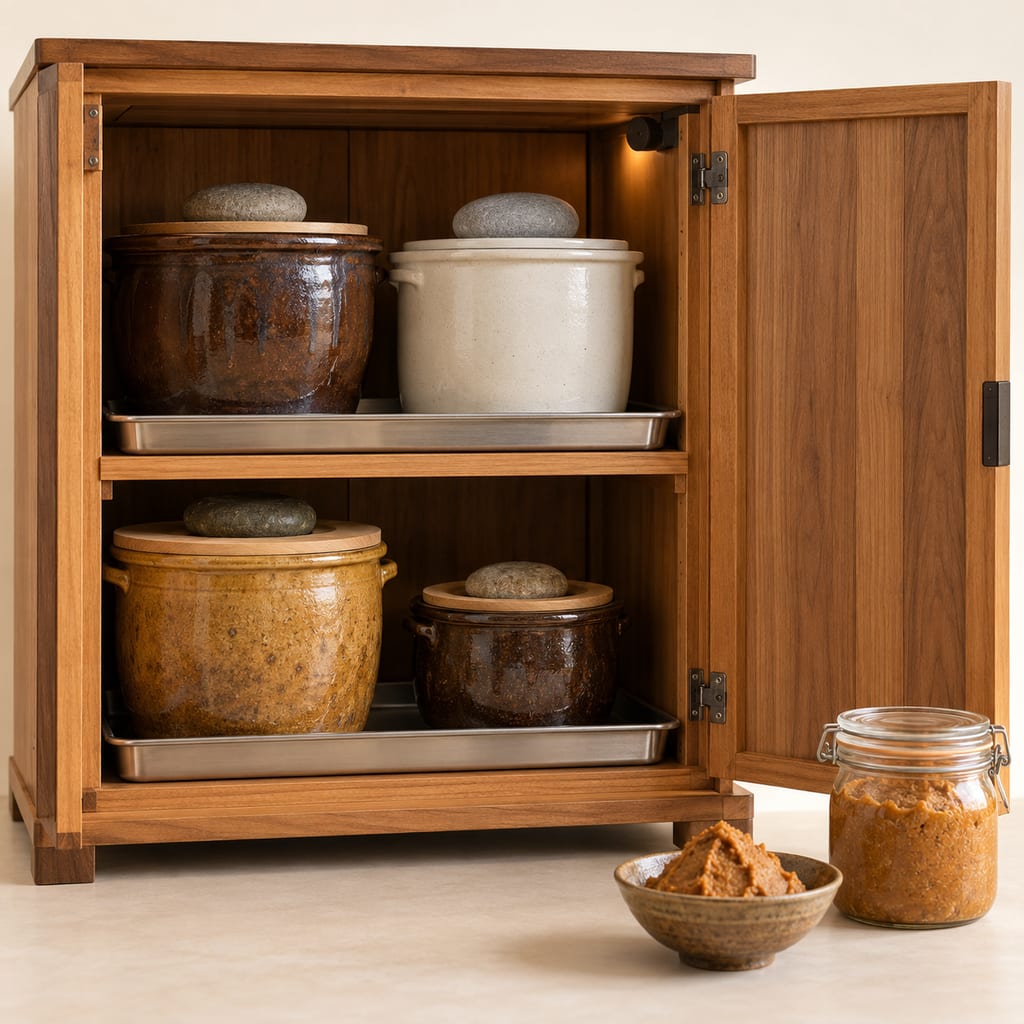
A low-power controlled cupboard for the maturation stage of miso, holding weighted, covered food-safe pots, with spill containment, kept separate from koji production.
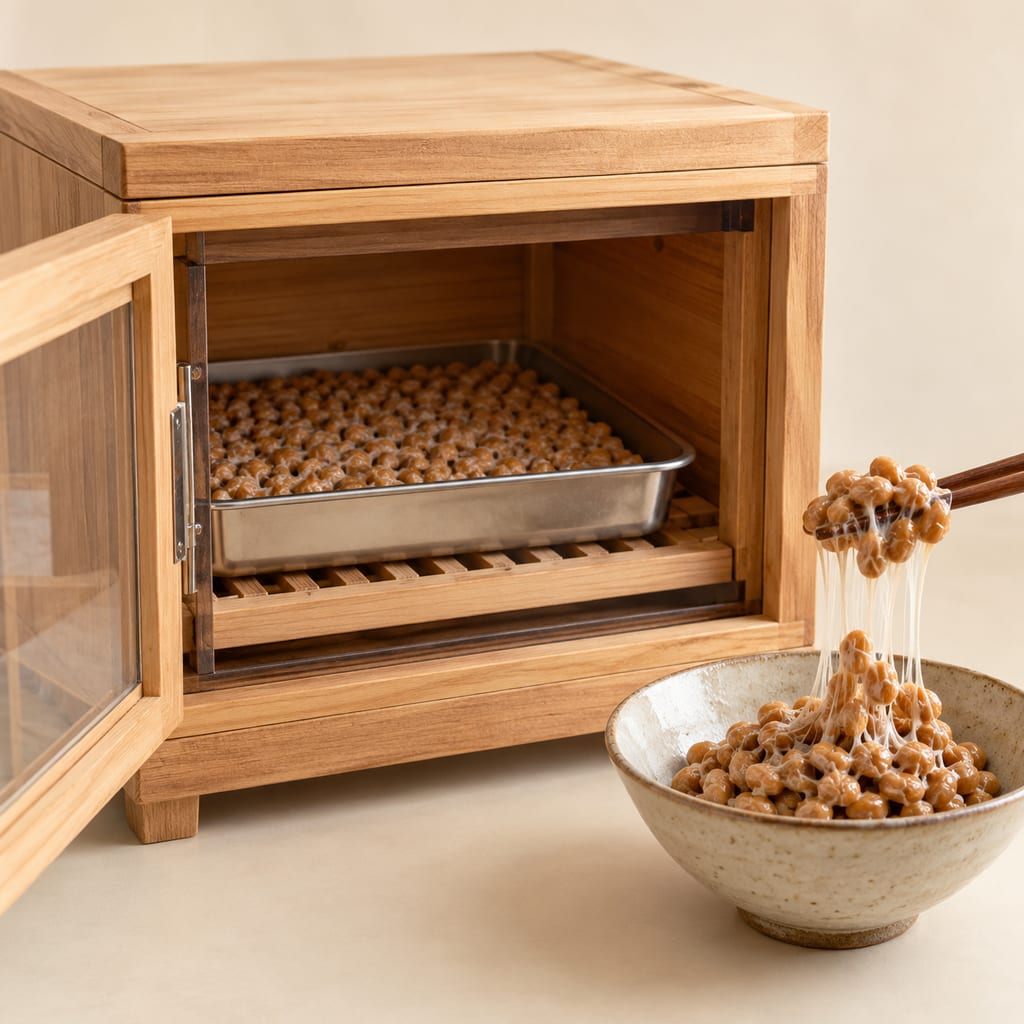
A warm, humid enclosure for natto, the Japanese fermented soybean dish made with Bacillus subtilis, holding it at roughly 35 to 45 C for about a day before cooling.
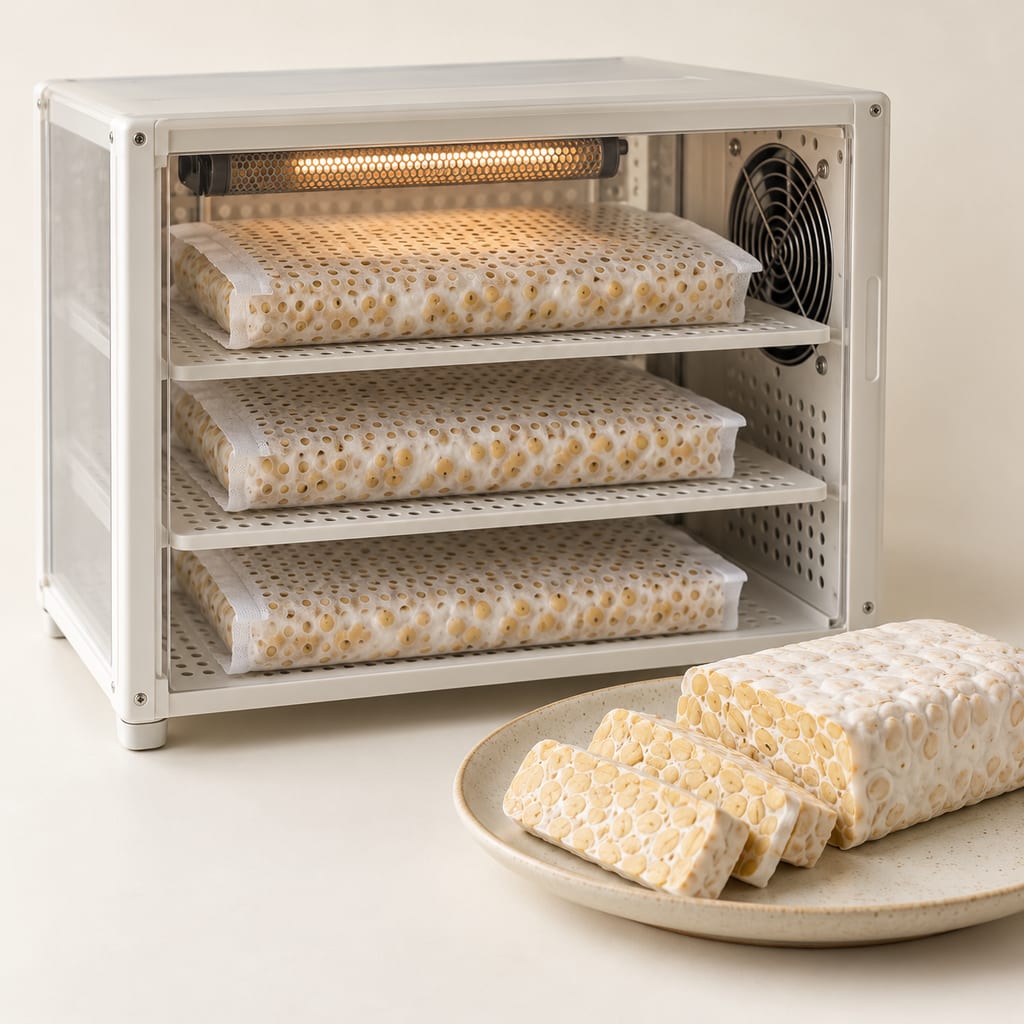
A ventilated, cleanable enclosure with spaced perforated pouches or trays and a gentle heat source, for incubating tempeh, which warms itself as the Rhizopus mould grows.
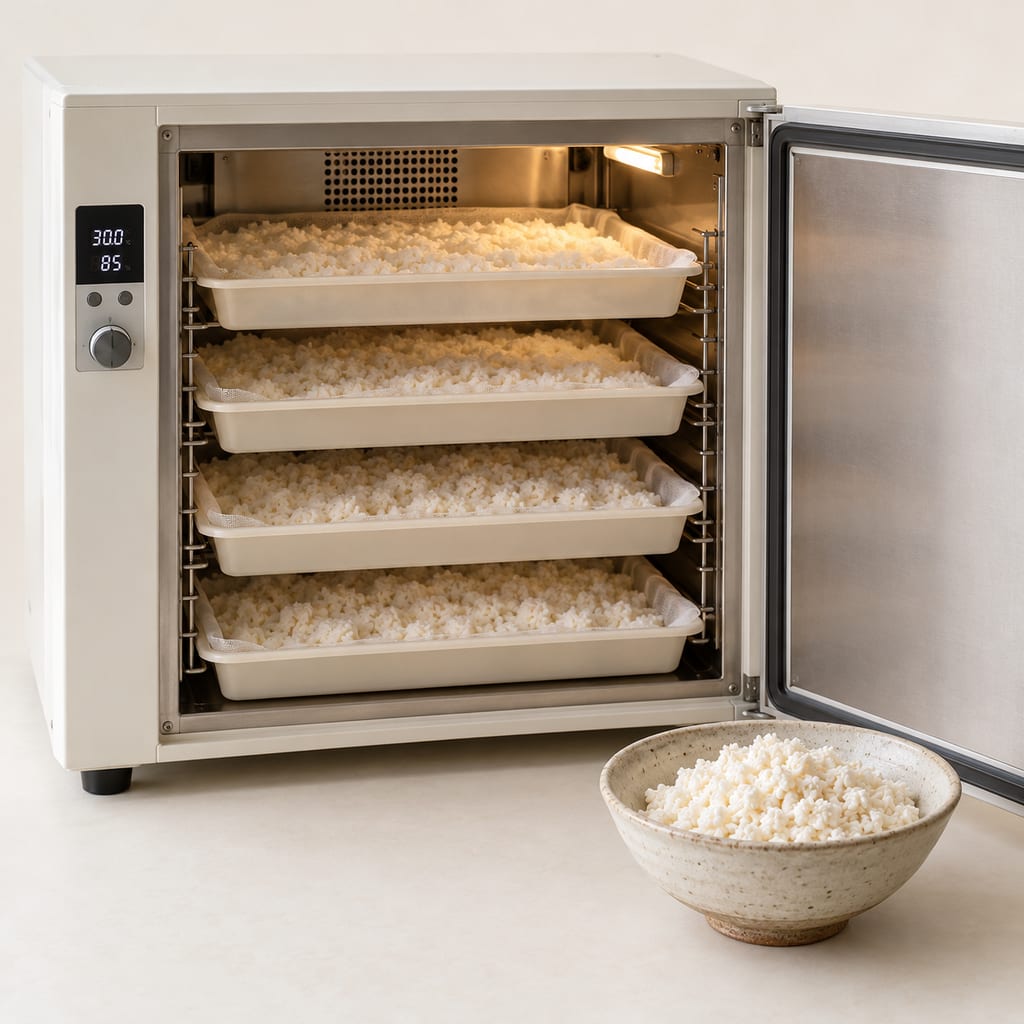
An insulated cabinet with shallow food-safe trays and controlled heat and humidity, for making koji on a grain bed from a commercially supplied culture, in the Japanese manner.
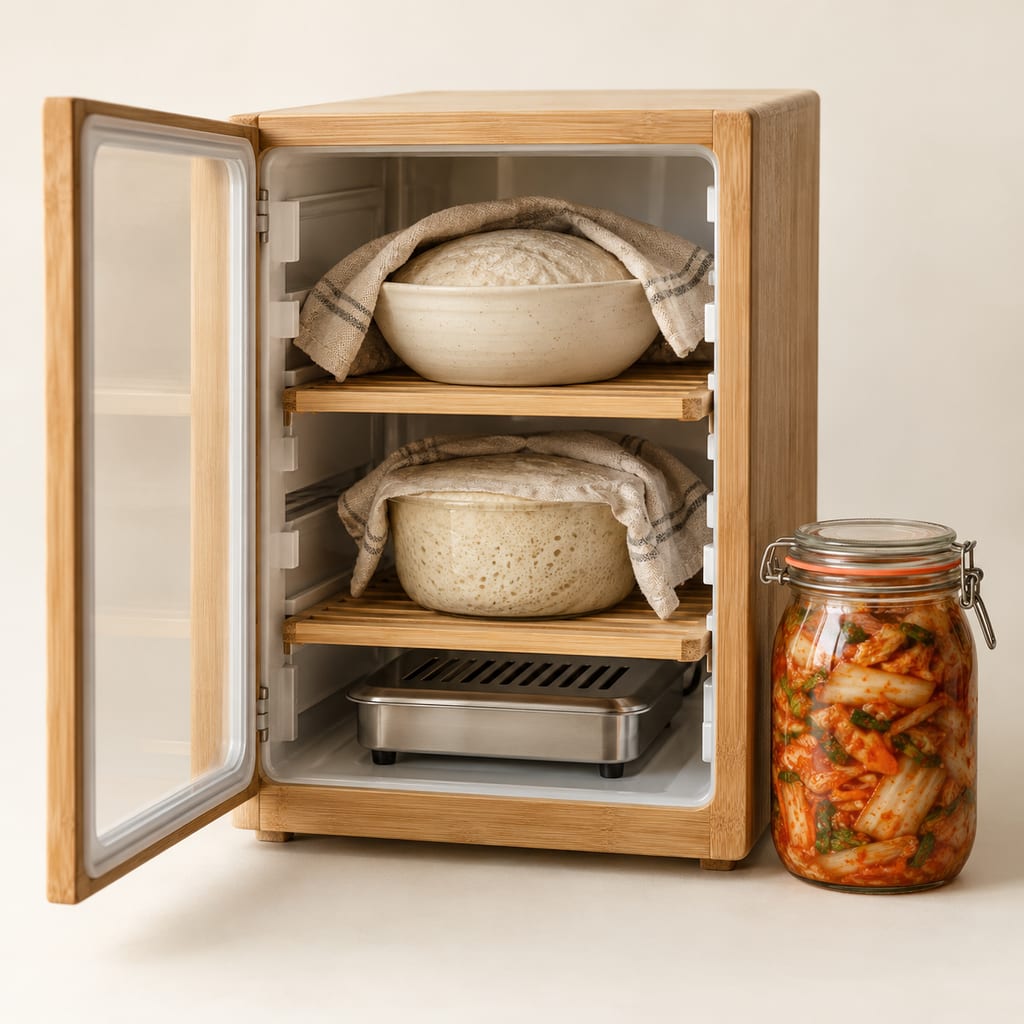
A small washable enclosure with adjustable shelves and a guarded heat source, used for warm fermentation of foods that need a temperature above room level.
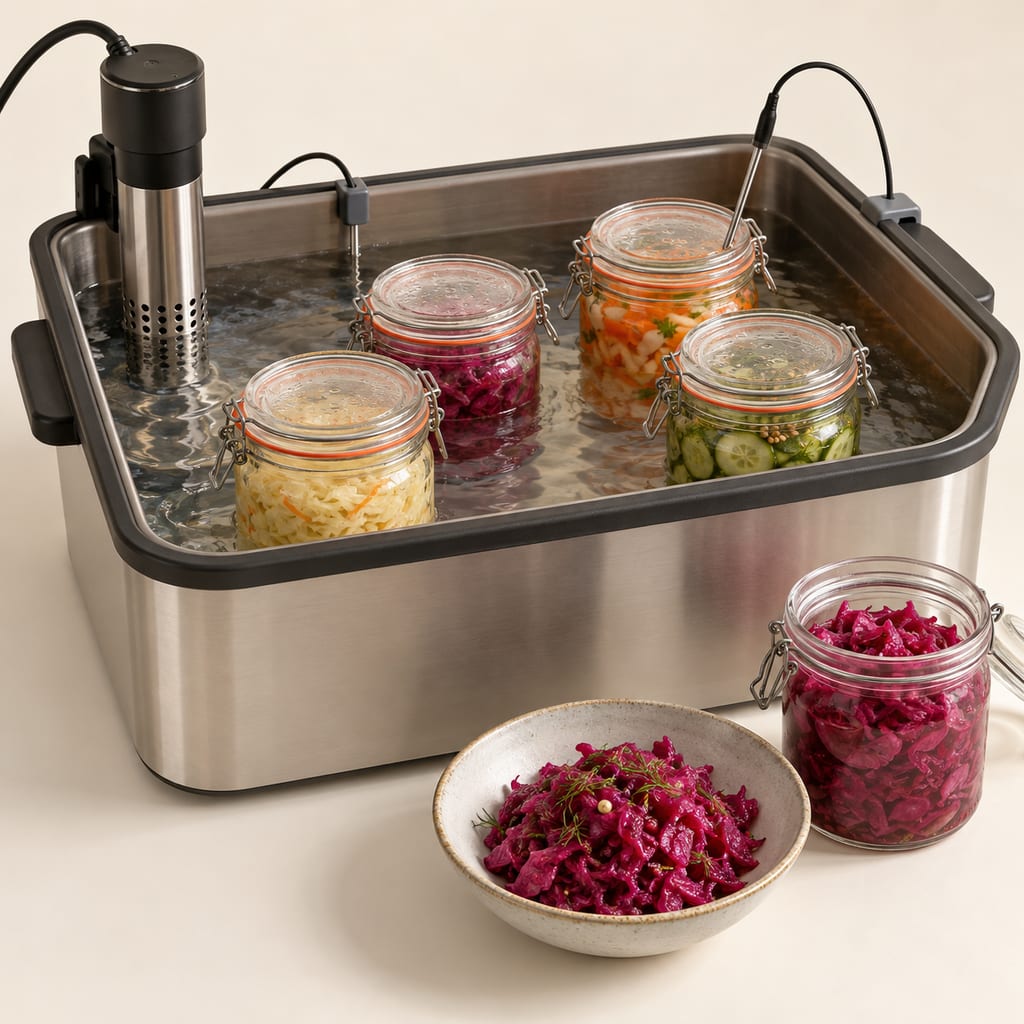
A reusable insulated tub that holds several small covered fermentation vessels upright in heated water, using an immersion heater and separate bath and product probes.
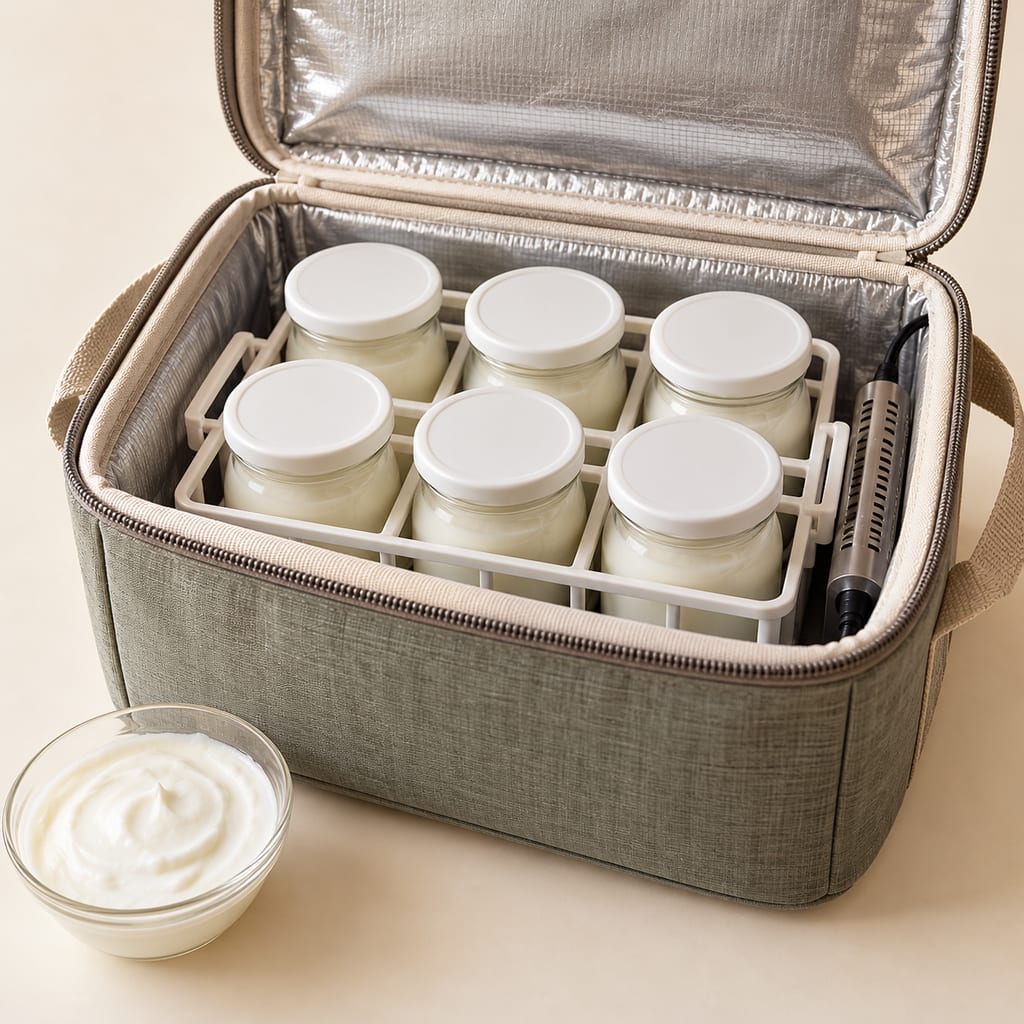
A washable insulated cooler with a removable jar rack and a low-power heater, holding covered yoghurt jars near 110 F (about 43 C) for several hours.
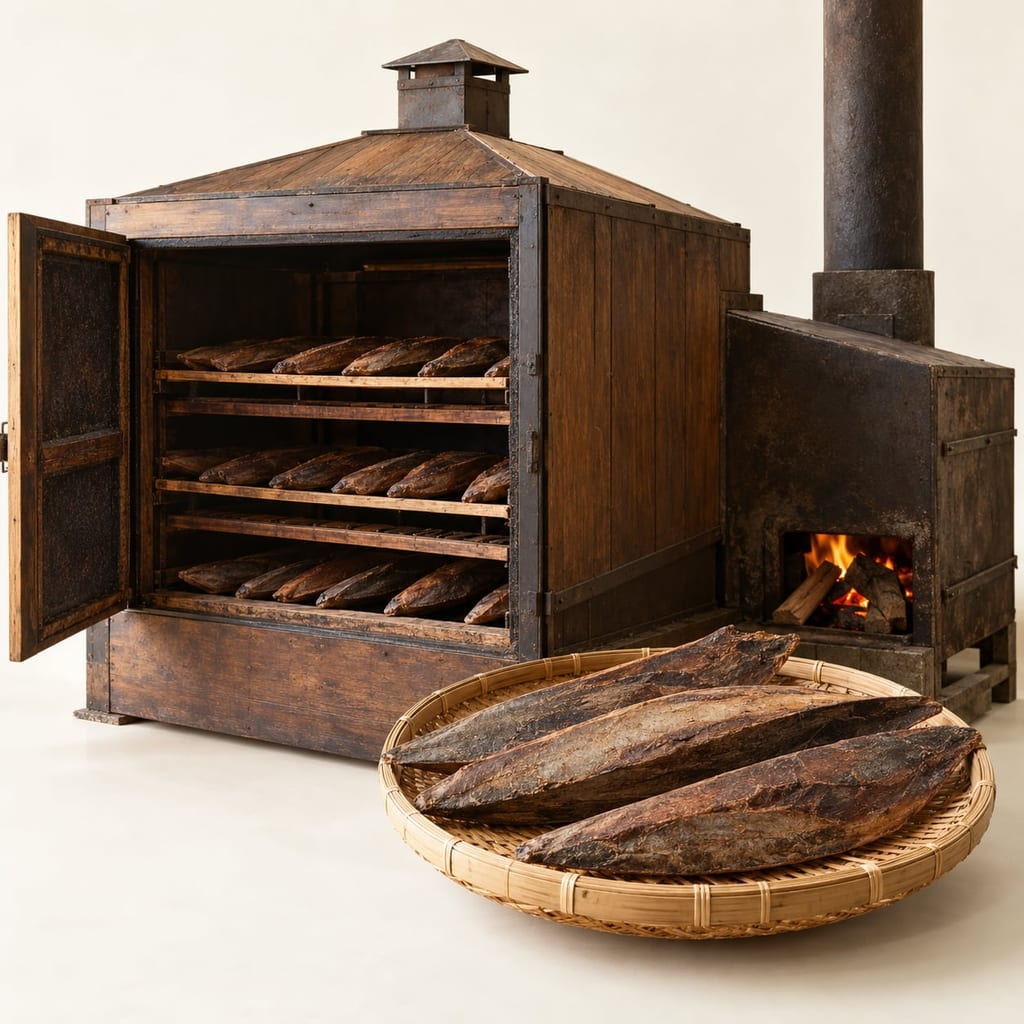
Enclosed cooking, smoking and drying equipment used in the multi-stage process that makes katsuobushi, the dried, smoked and mould-treated bonito of Japan, in repeated stages.
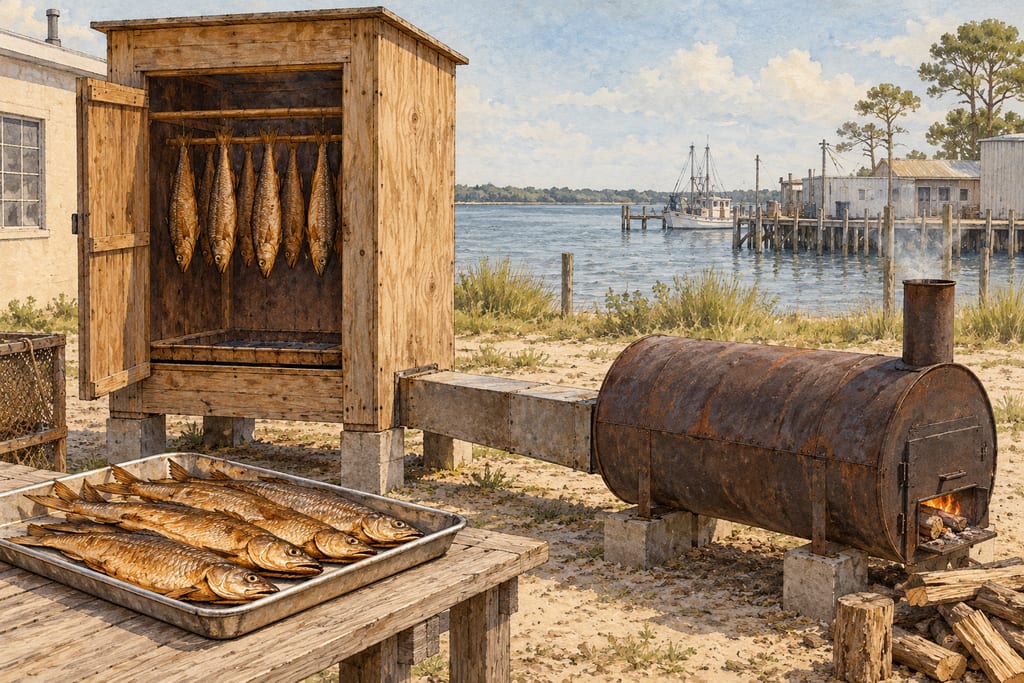
A plywood smoking chamber fed from a separate firebox made of a 55-gallon drum, designed in 1960 at a Pascagoula, Mississippi, fisheries laboratory for smoking mullet.
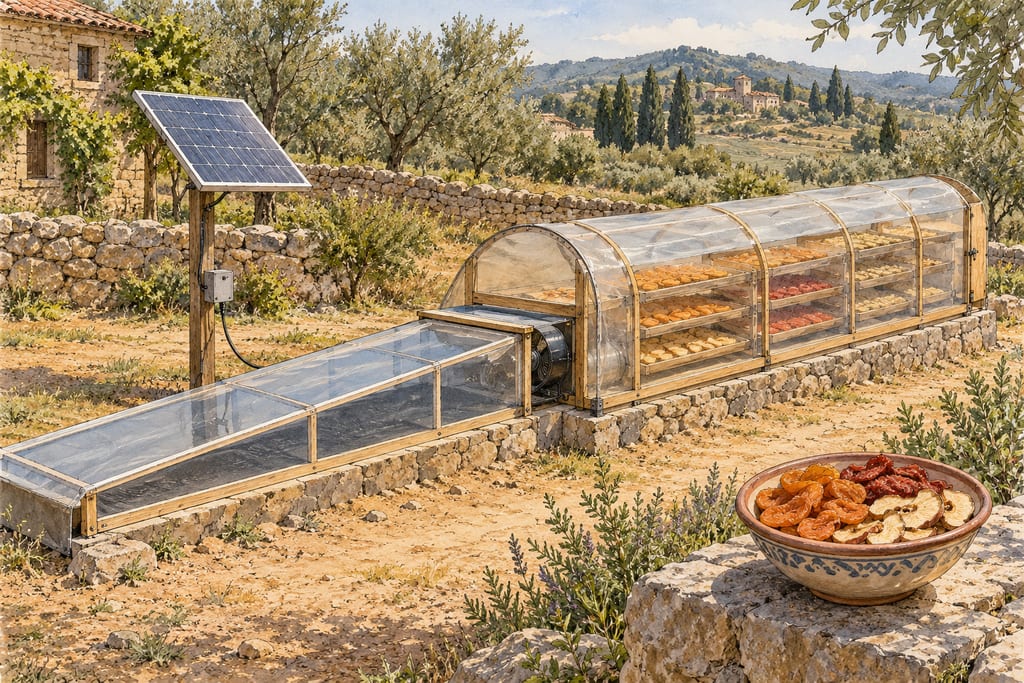
A solar collector feeds a drying tunnel, and a photovoltaic panel powers a fan that moves the warm air over the trays. The Hohenheim-derived design comes in several sizes, which are not interchangeable.
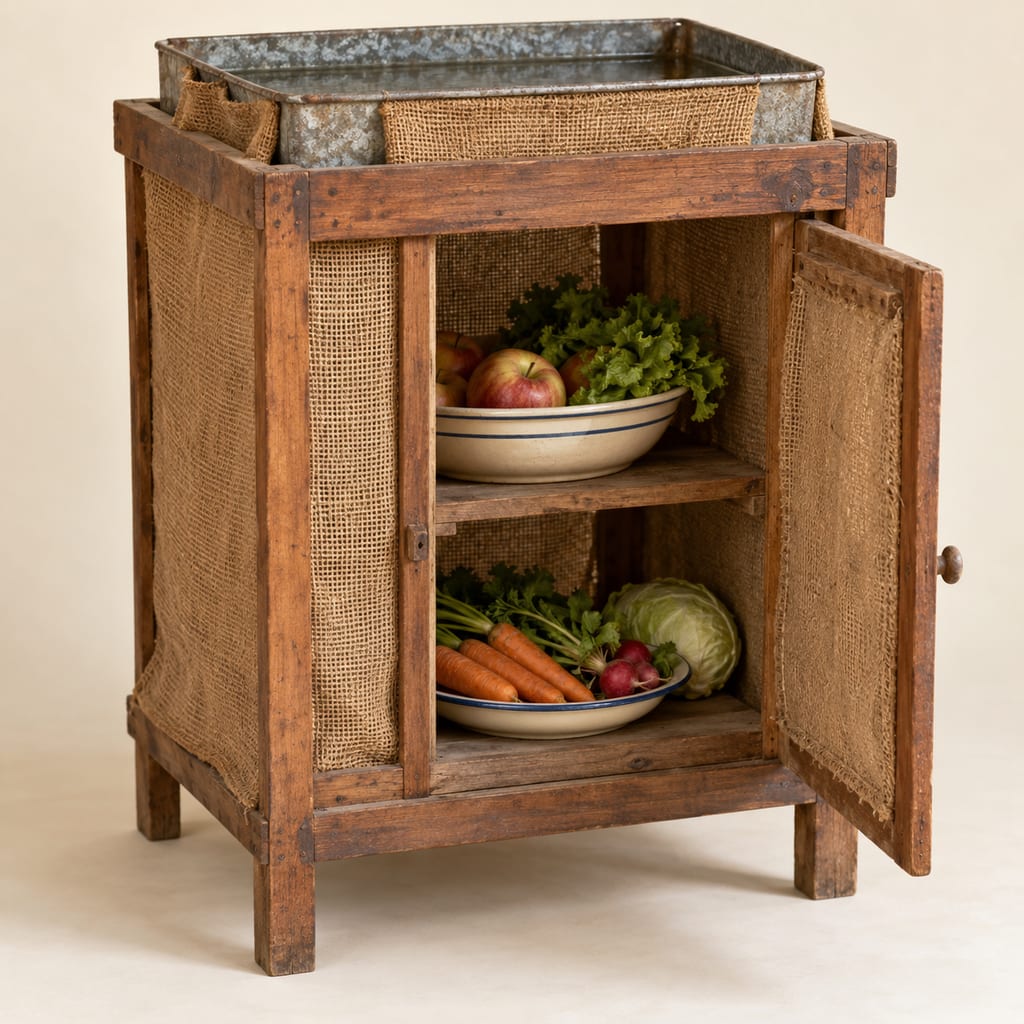
An Australian food cupboard cooled by water evaporating from wet hessian panels, which draws heat from the air inside. It dates from the goldfields of Western Australia in the 1890s.
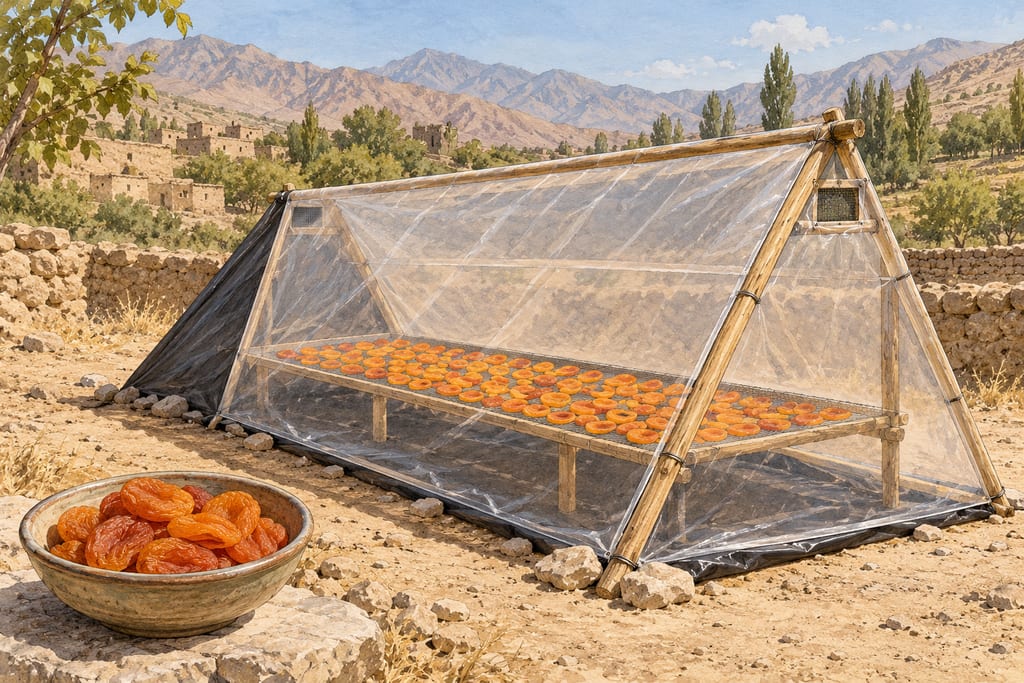
A low-cost, direct solar tent with a black back and ground, a clear front and roof, a raised mesh platform and high exhaust holes. The FAO manual for Afghanistan describes its construction.
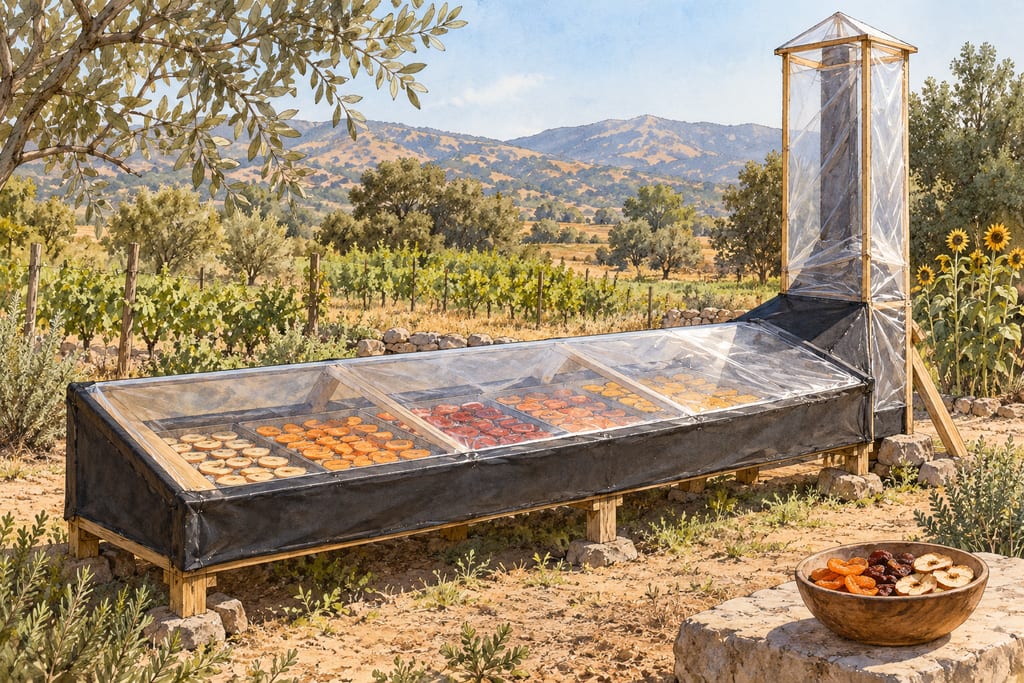
A passive solar dryer built as a long black-covered table with a clear-film chimney that draws air over mesh trays. The University of California Davis 2018 manual gives its cut list and build steps.
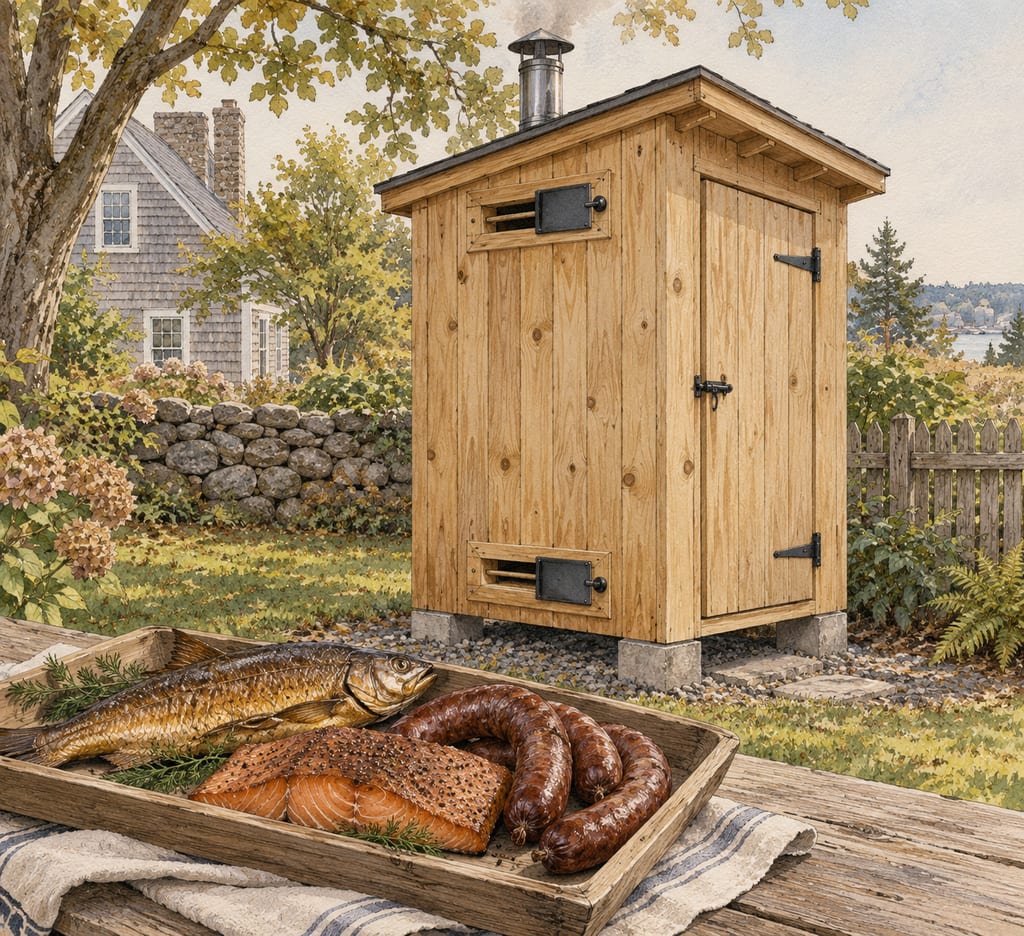
A wood-framed backyard smokehouse built from pine tongue-and-groove boards, with a sloped roof, vent dampers and a door, set out in a Connecticut Extension guide for smoking fish, pork, turkey, jerky and sausage.
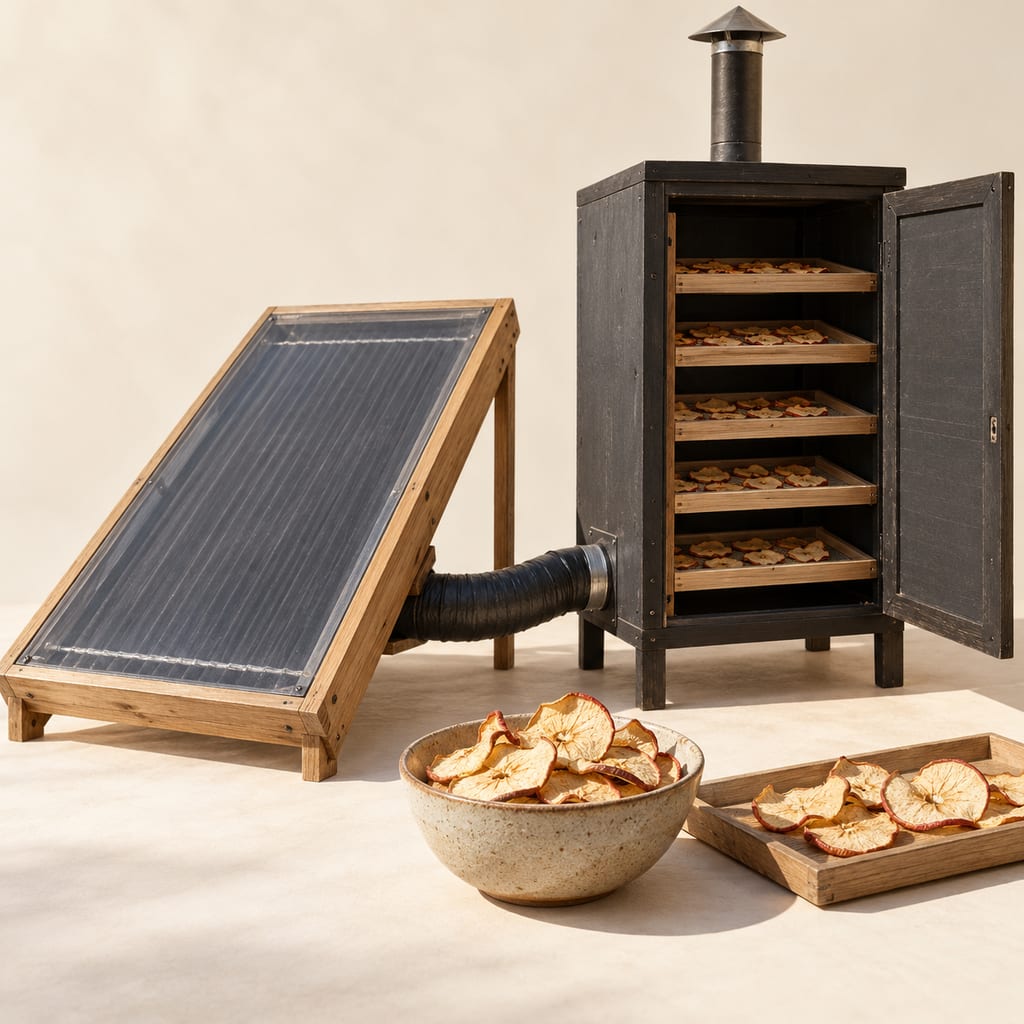
A solar air collector that heats air separately, then passes it through a shaded tray cupboard and out of a chimney. The product never sits in direct sunlight.
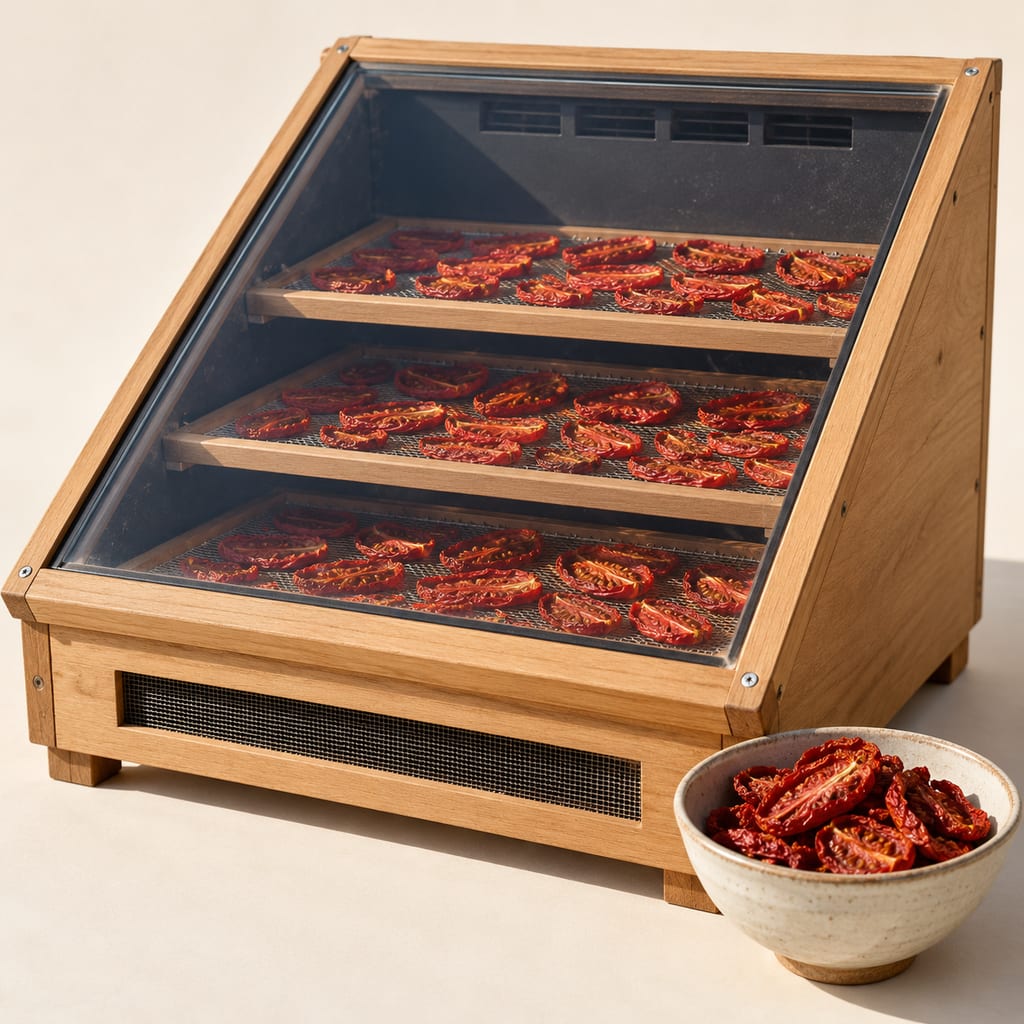
A glazed cabinet in which sunlight passes through a transparent cover onto a dark interior while air moves over mesh trays. The Brace-type cabinet is documented with a dimensioned drawing from 1978.
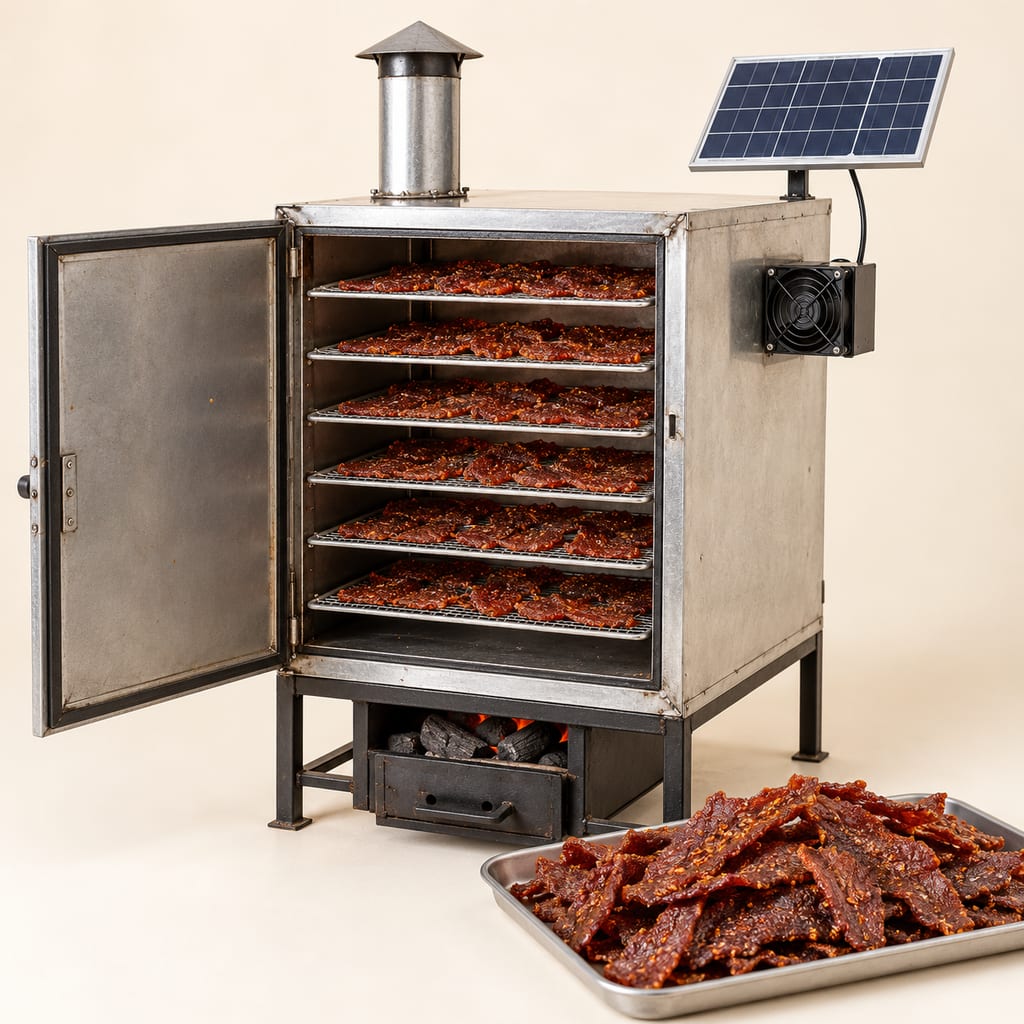
A six-tray charcoal-fired cabinet, modified at Ahmadu Bello University to dry kilishi with insulation, a DC fan on a photovoltaic panel and a relocated chimney.
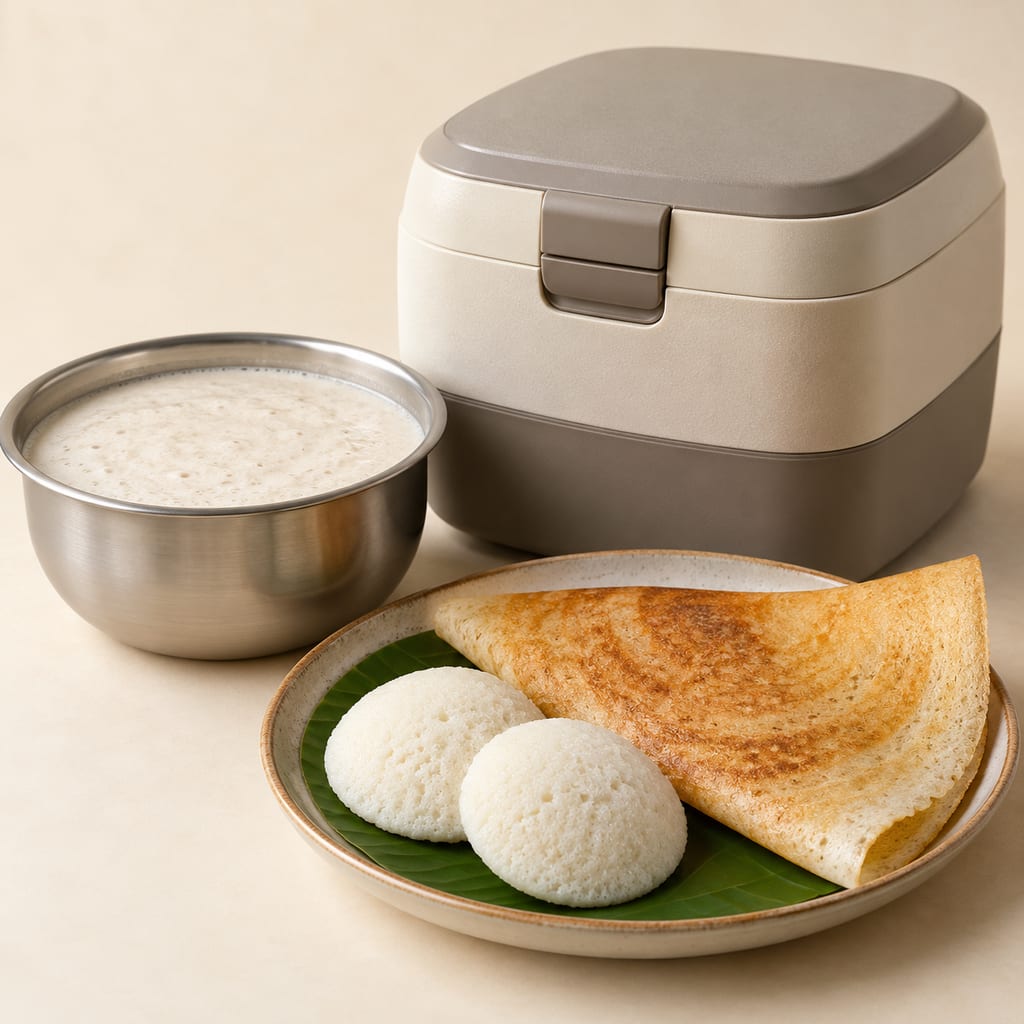
A warm, sheltered spot or closed box used to ferment rice and black gram batter overnight for idli and dosa, where the kitchen runs cool.
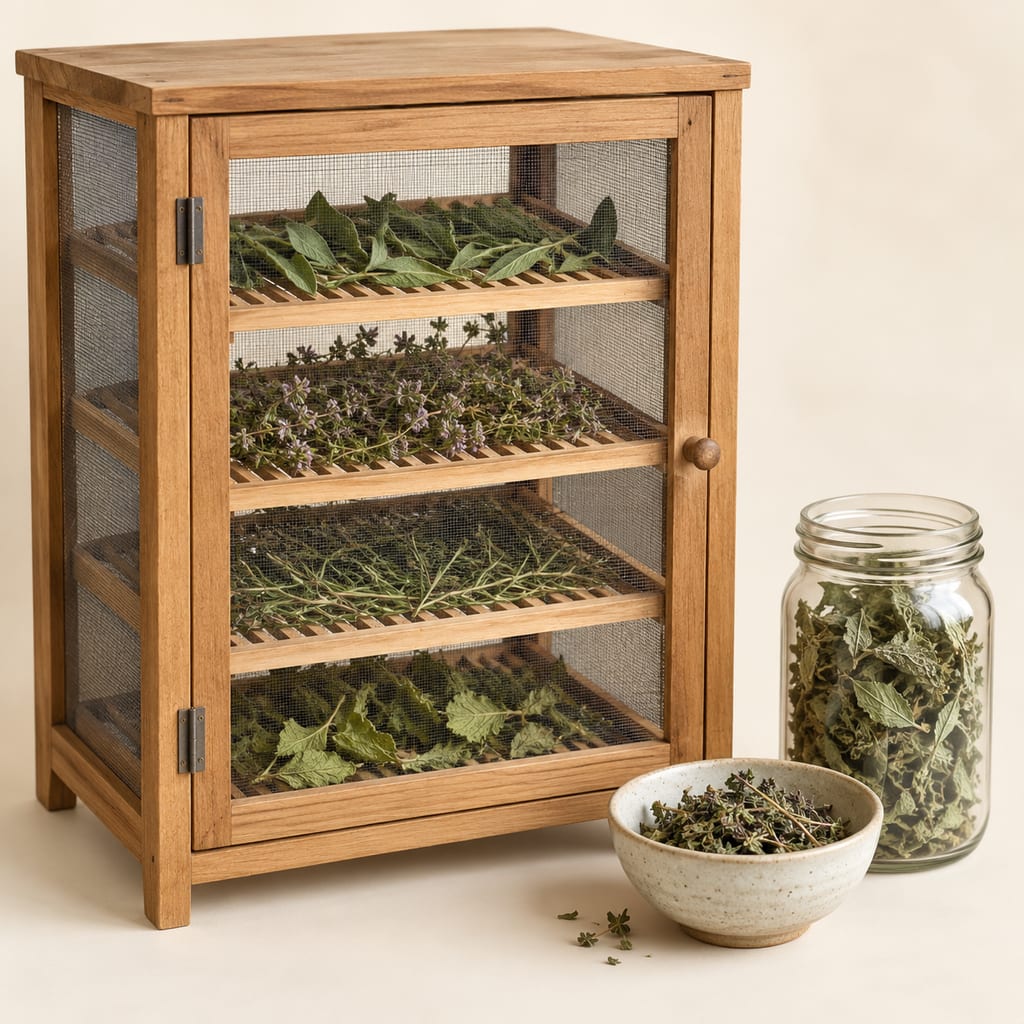
A mesh-fronted cupboard, or a stack of food-suitable trays, that dries herbs and leaves in shade out of rain and direct sun. It needs no heater; a low-power fan is an optional add-on.
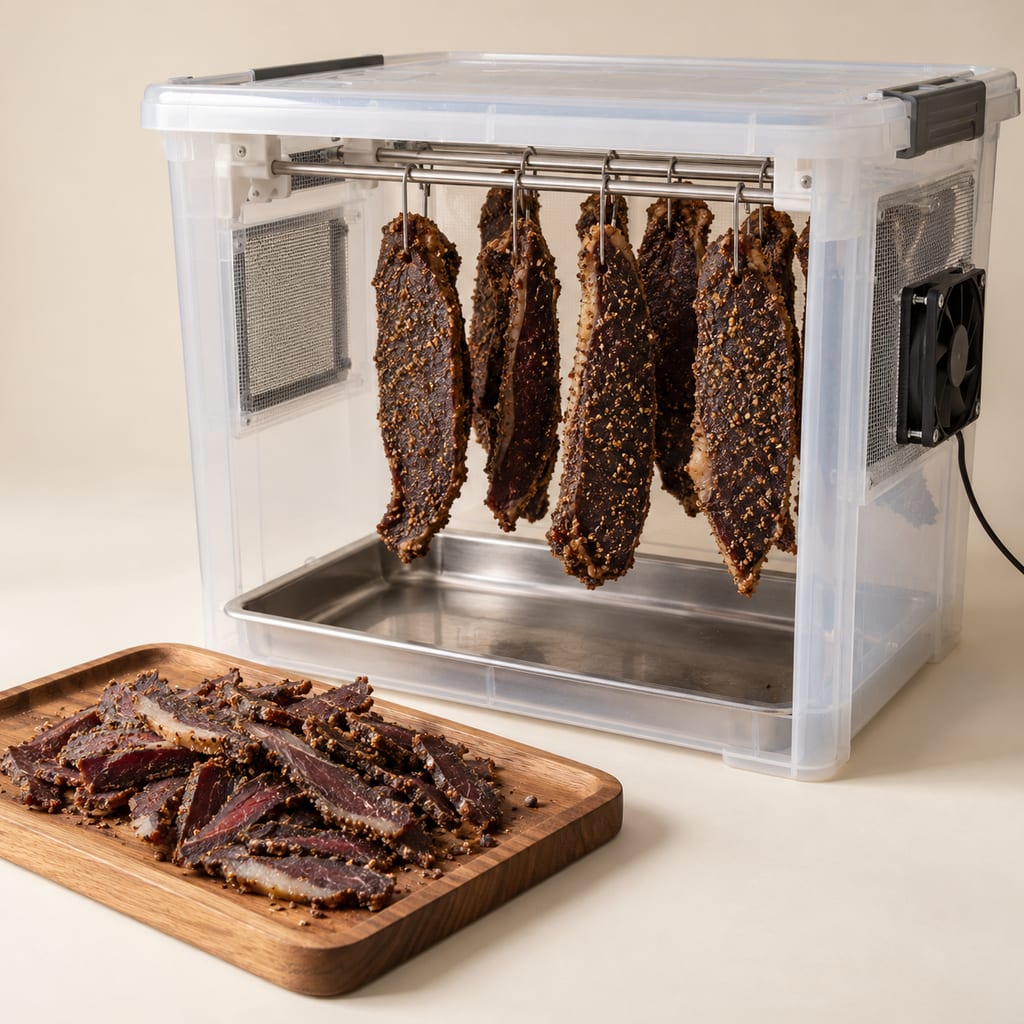
A washable food-grade tote with removable rails, insect screens, a drip tray and a low-voltage extraction fan, a simple dryer for biltong that avoids rebuilding a refrigerator.
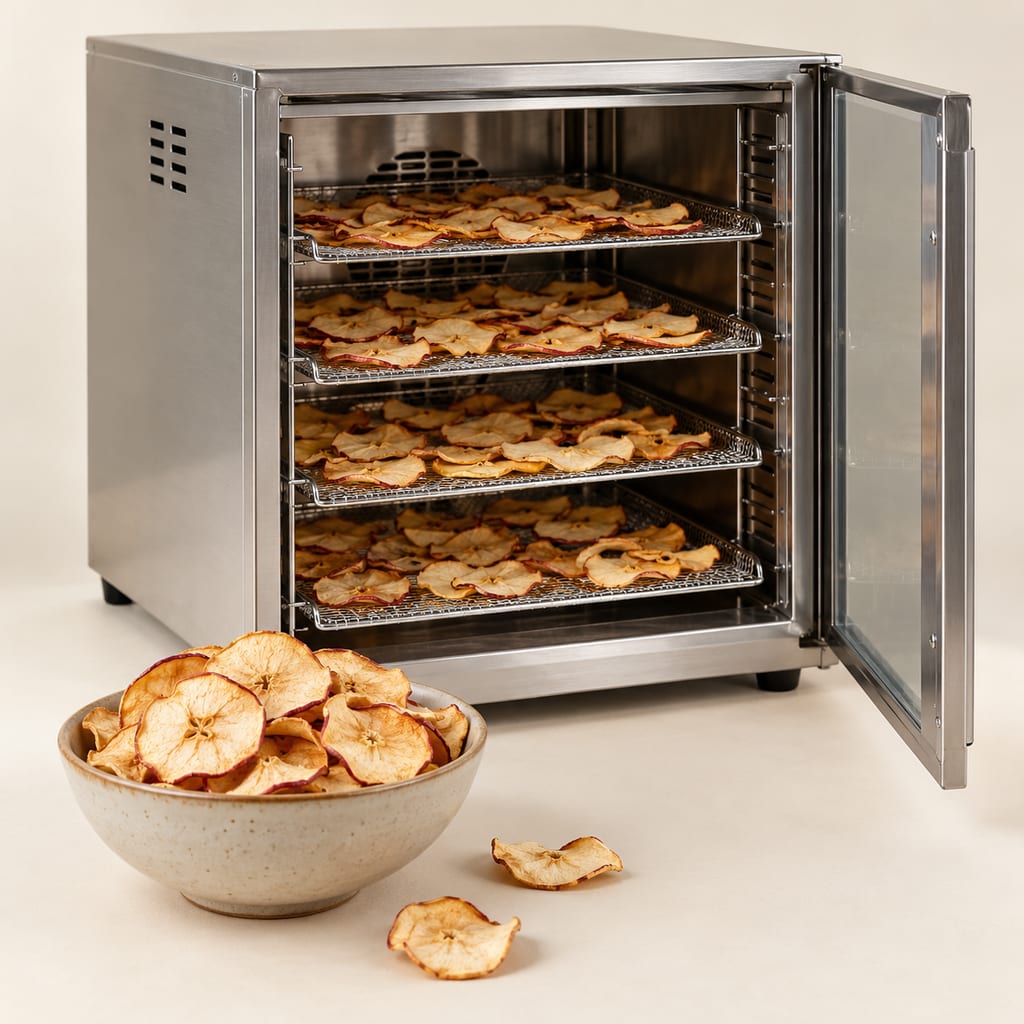
A recirculating drying cabinet that removes moisture from its own air in a separate stage and drains the water away. The sources do not establish how well such a cabinet performs at food-drying conditions.
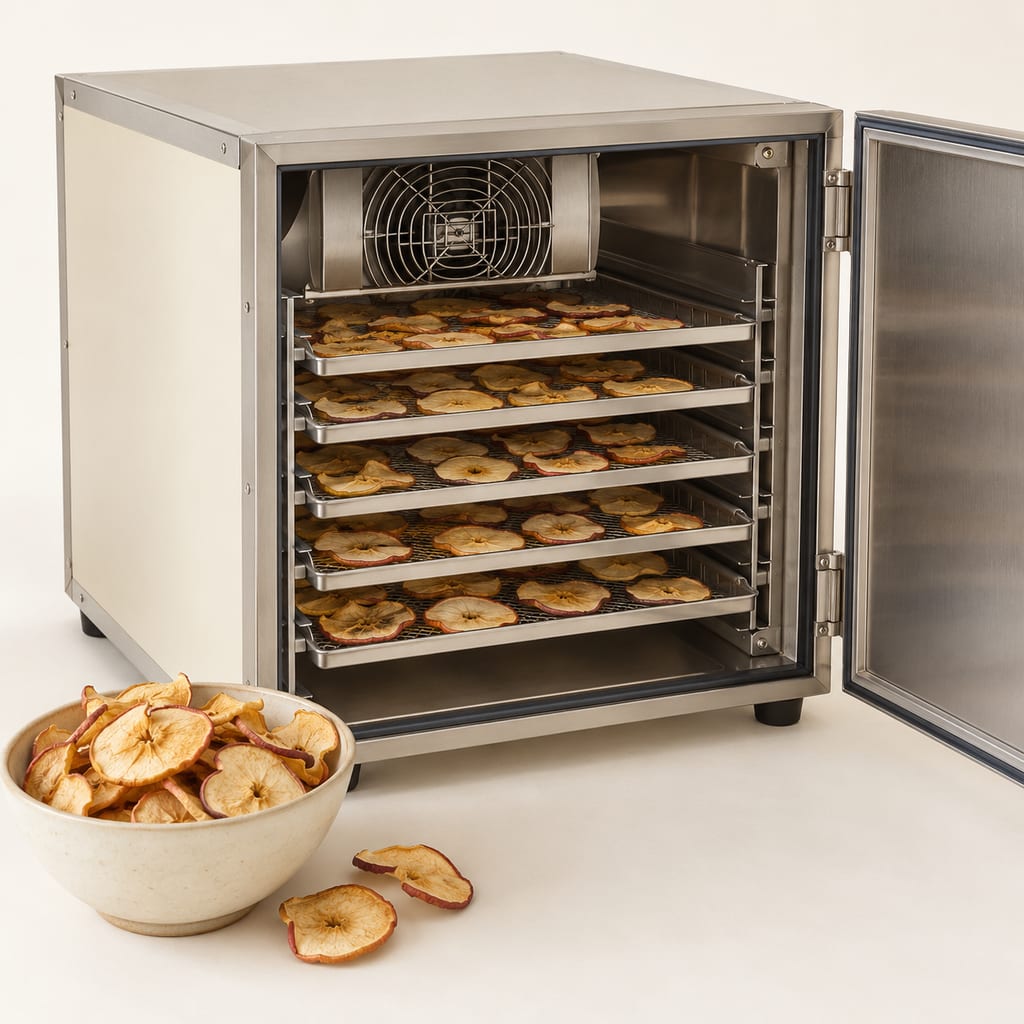
A cleanable insulated cabinet with removable food-suitable trays, a guarded heater and a fan duct. The design is documented as a proposal and has not been tested as a unit.
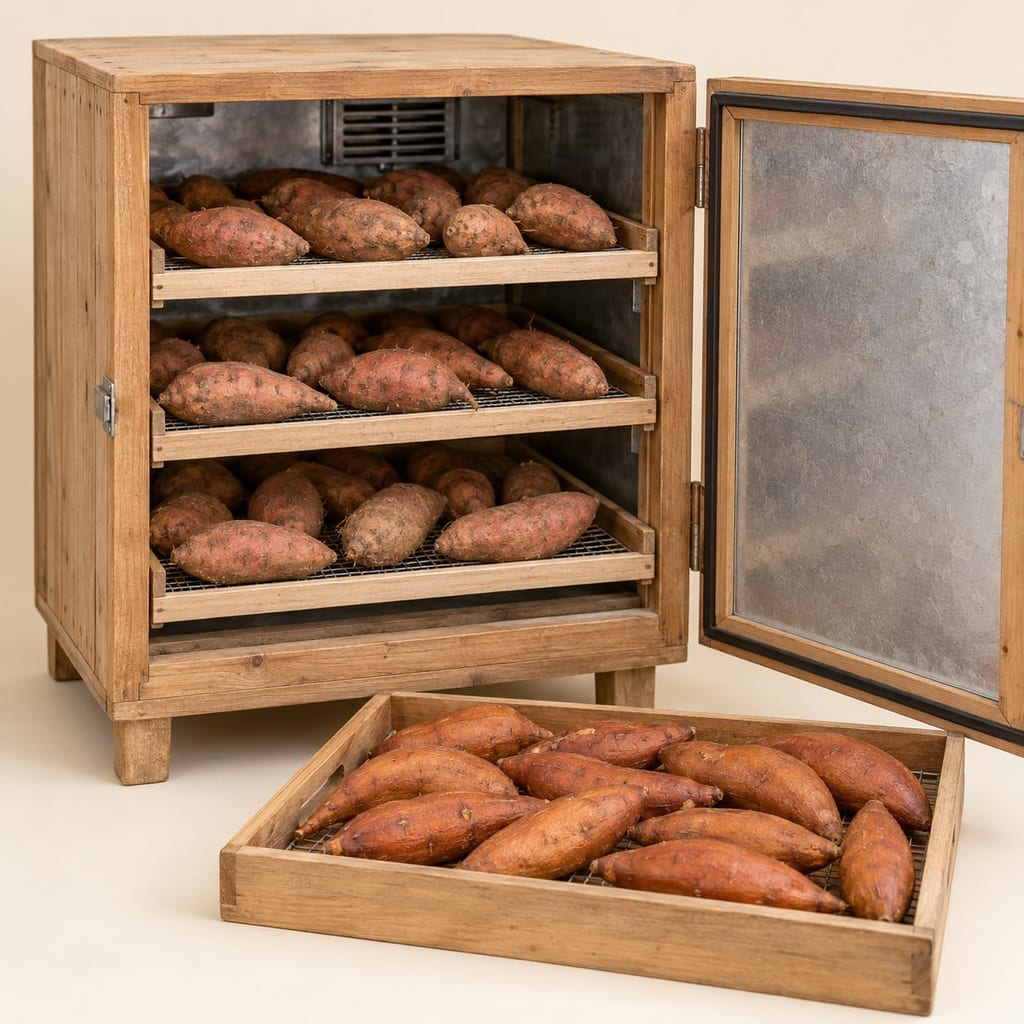
A small enclosure that holds freshly harvested sweet potatoes at high heat and humidity for about a week so the skins harden and wounds heal, before they move to a cooler store.

A way to add independent temperature logging to an existing food dehydrator without changing its built-in controls or protections. It is a monitoring method, not a rewiring plan.
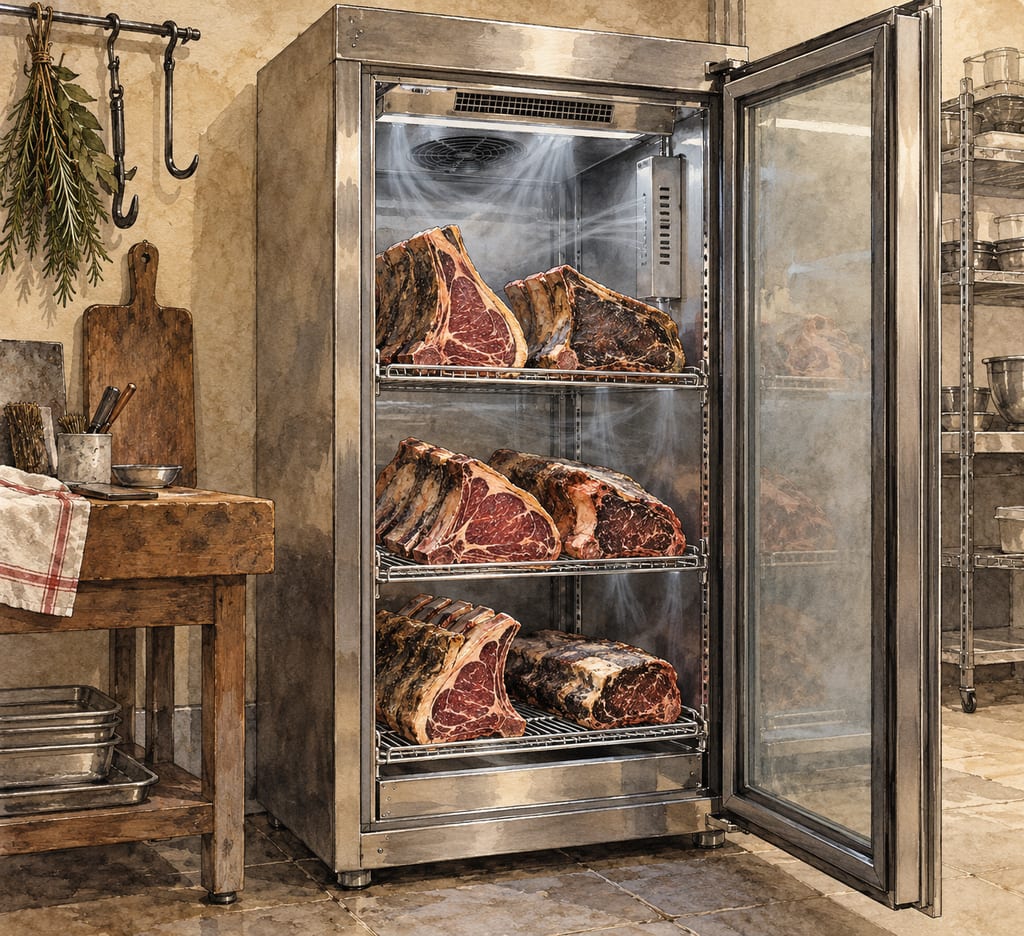
A cold fridge kept only for dry-ageing beef, held at 1 to 3 C with controlled humidity, airflow and handling, so that the meat ages without spoiling.
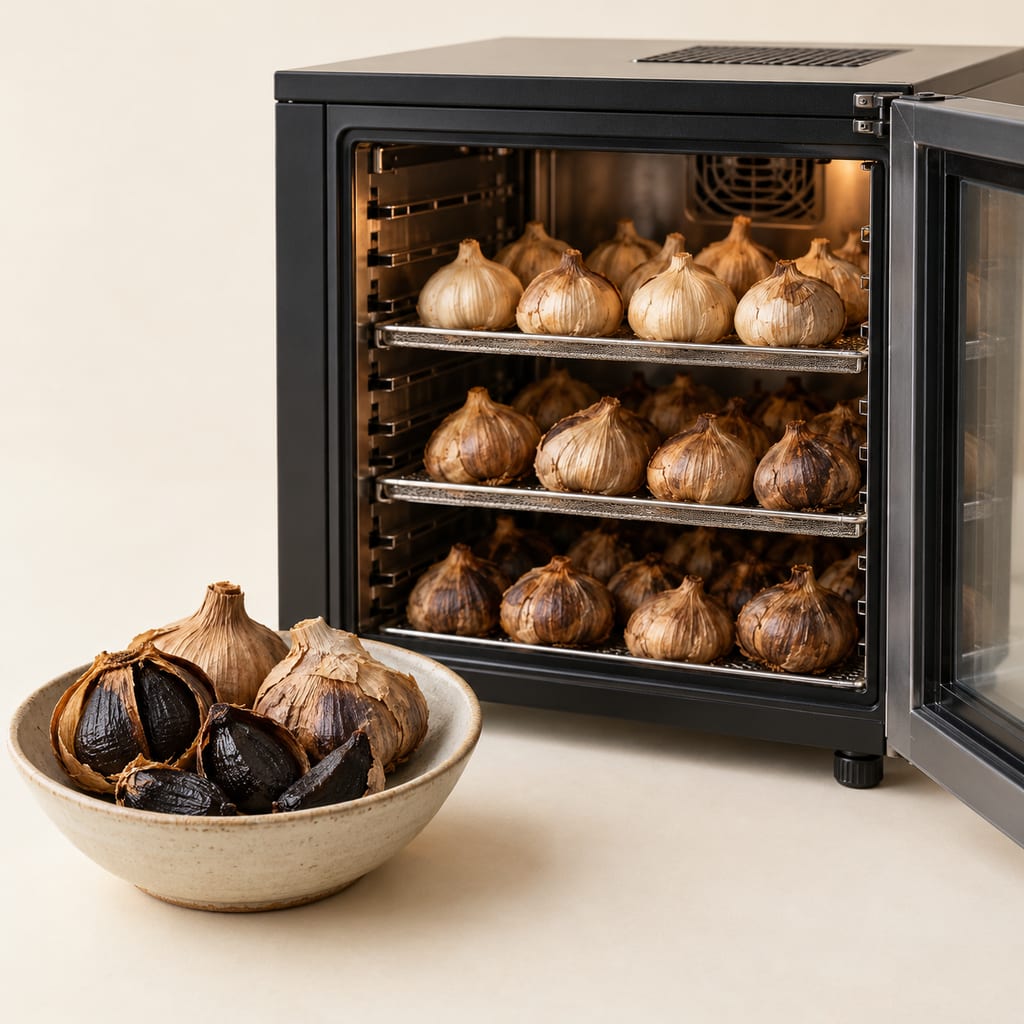
A heated, humidity-controlled cabinet for holding whole garlic at high temperature and humidity while it darkens into black garlic. The change is browning chemistry, not live fermentation.
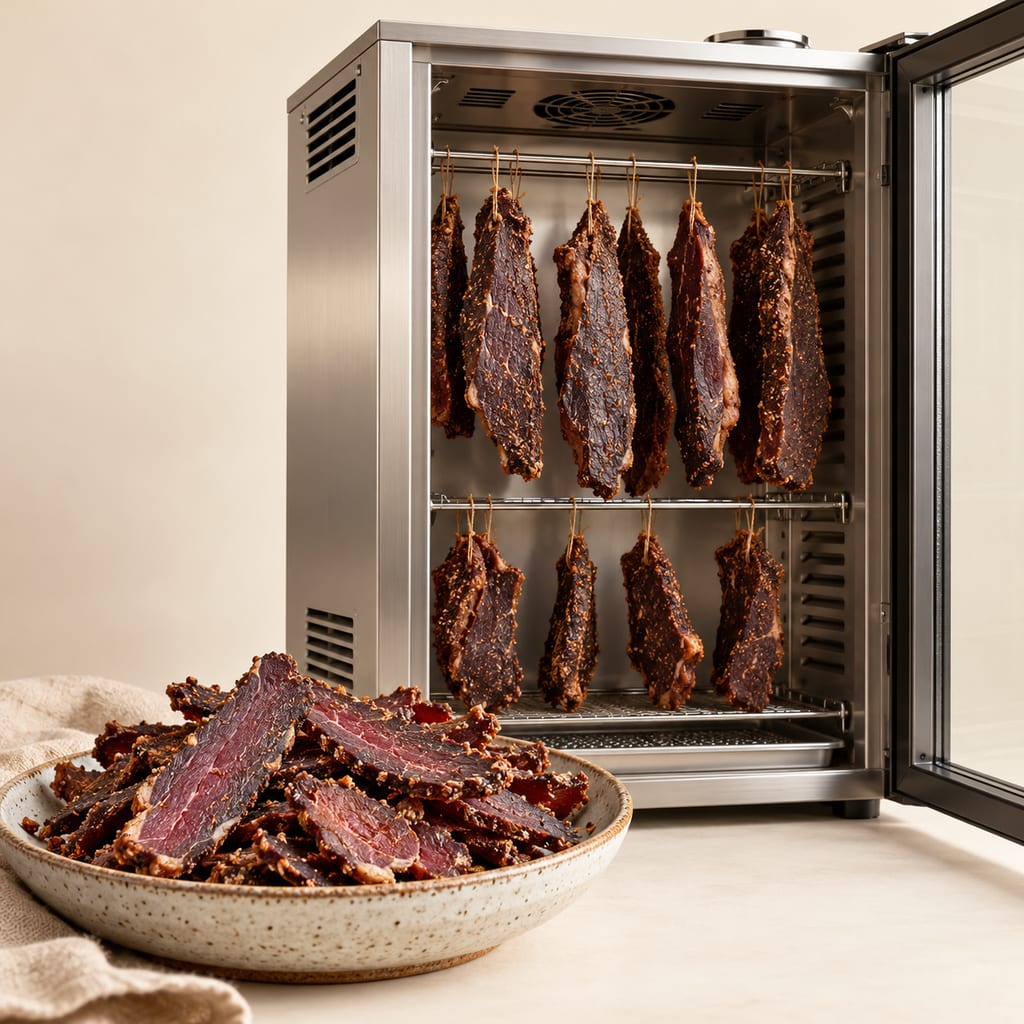
A proposed biltong cabinet that controls air intake, exhaust and recirculation so drying can respond to damp outside air. It is a documented design, not a tested unit.
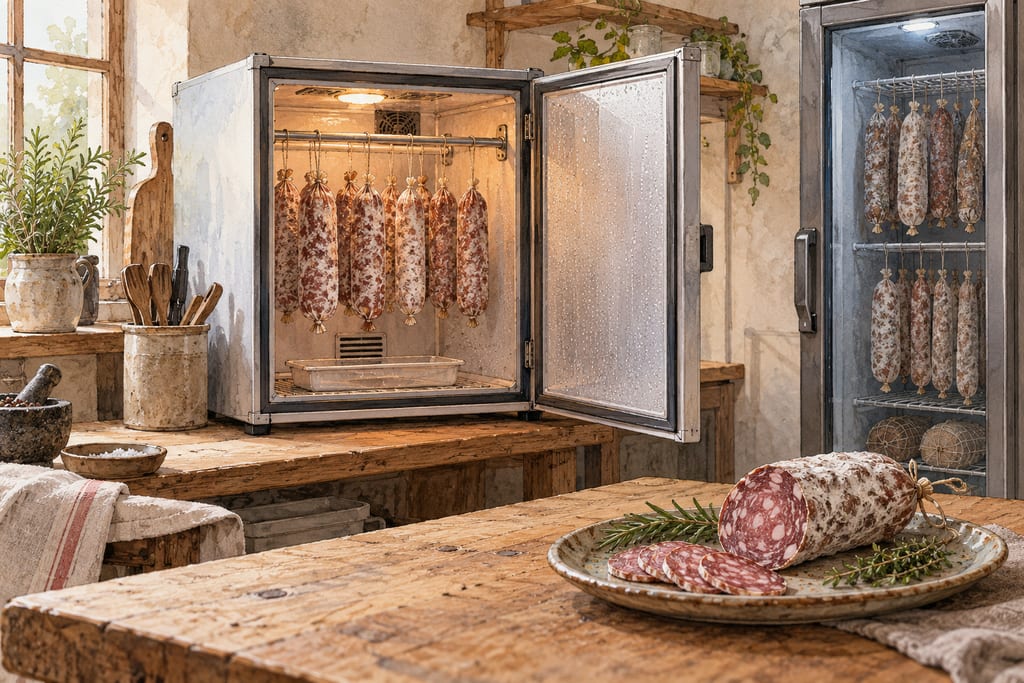
A warm, humid incubator kept apart from the drying fridge, where fermented sausage is held through its fast-culture stage before moving to drying.
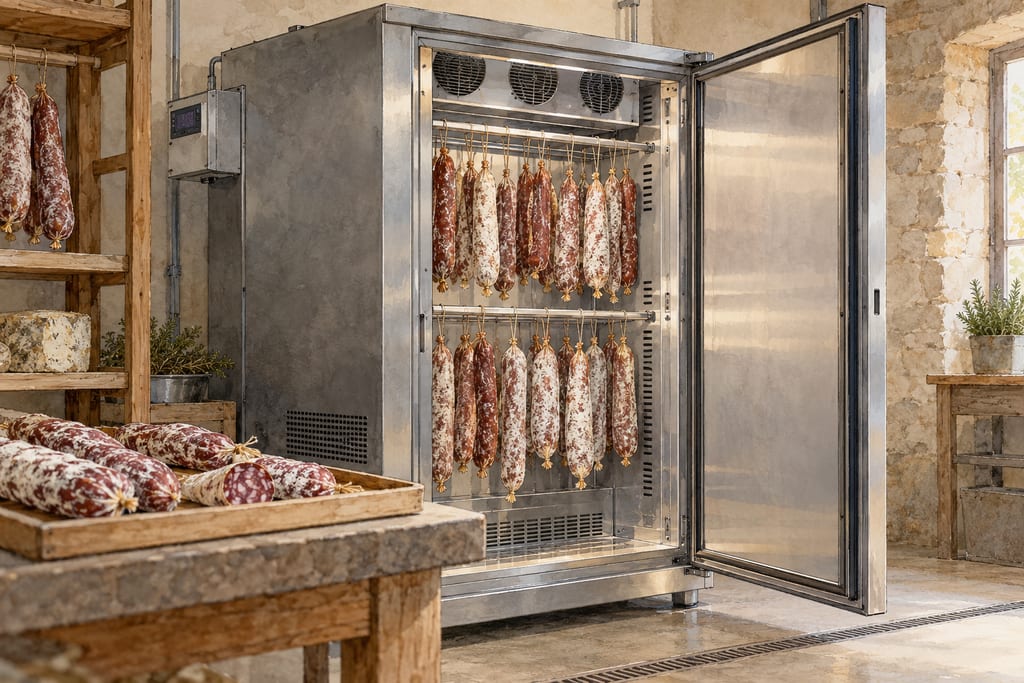
A cabinet that dries fermented sausage after the fermentation stage, with humidity removal, airflow and temperature control, once the product has reached its safe fermented state.
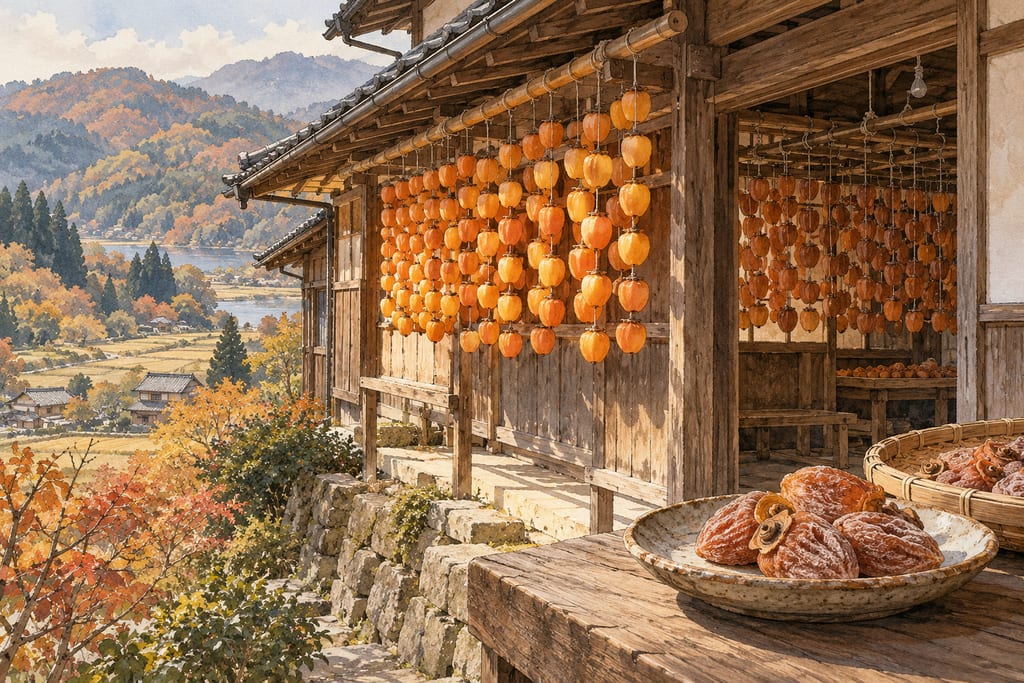
A wooden hut attached to a house in Shimane Prefecture, Japan, where persimmons are hung in the sun and wind and then dried indoors for hoshigaki.
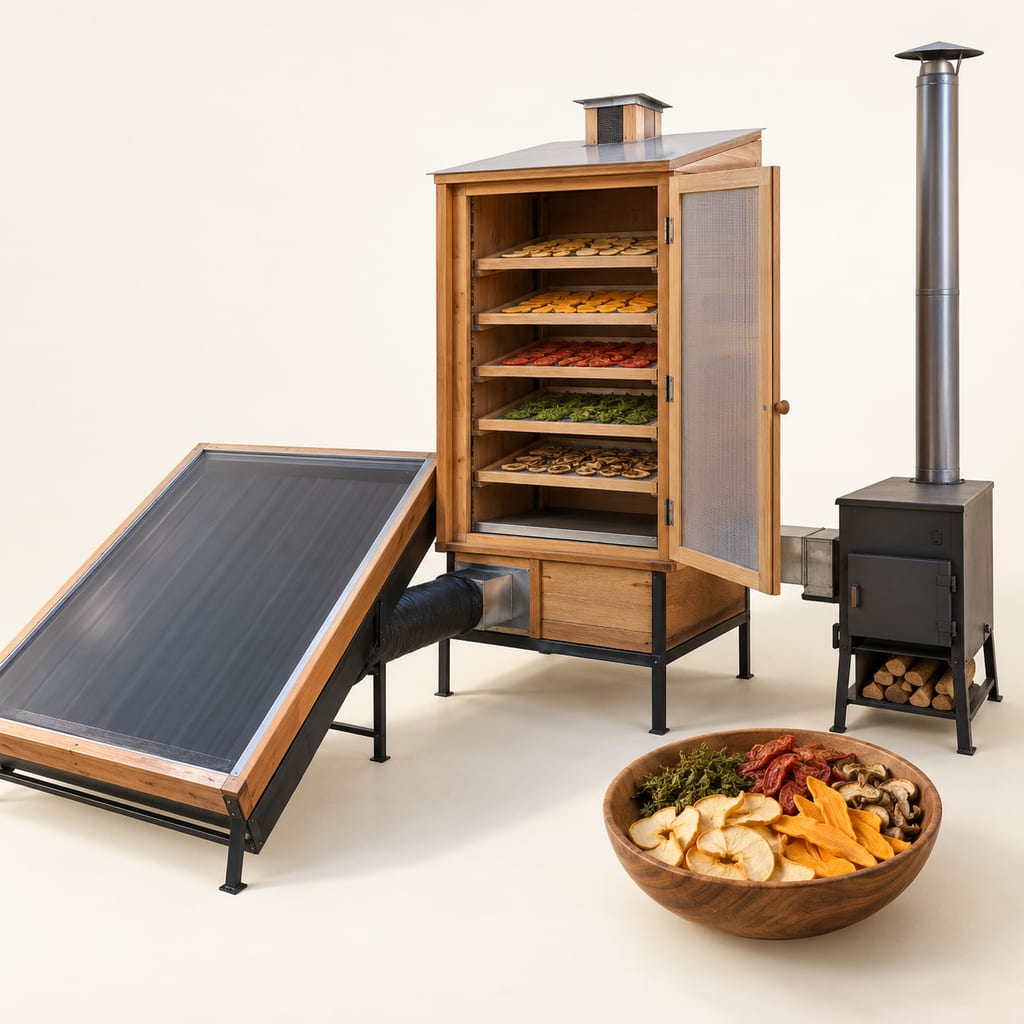
A cabinet dryer that takes its heat from a flat-plate solar collector by day and from a separate biomass stove when the sun is not enough, with the stove's flue kept apart from the drying air.
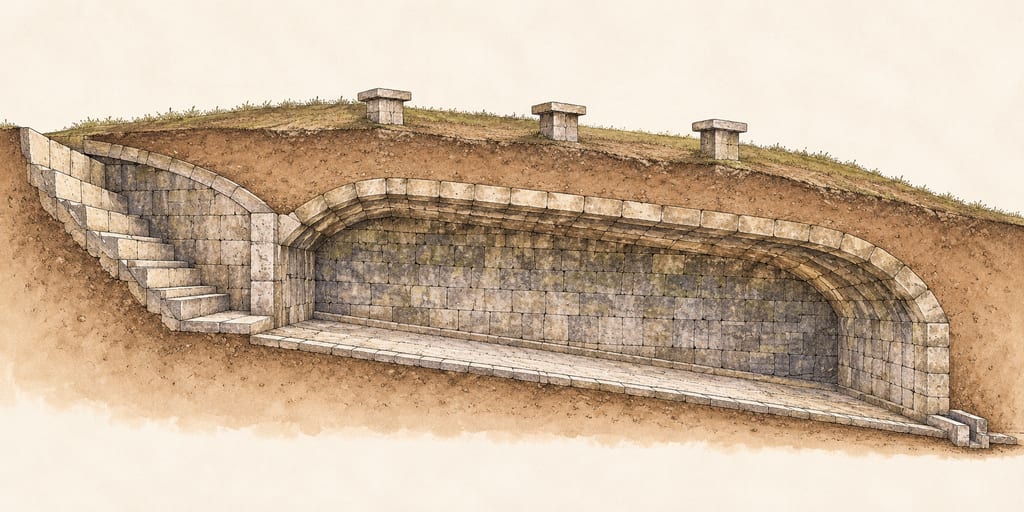
Gyeongju Seokbinggo is a Joseon-era semi-subterranean stone ice store at Wolseong in Gyeongju, Korea. The surviving stone structure dates to 1738 and was moved to its present site four years later.
Show on map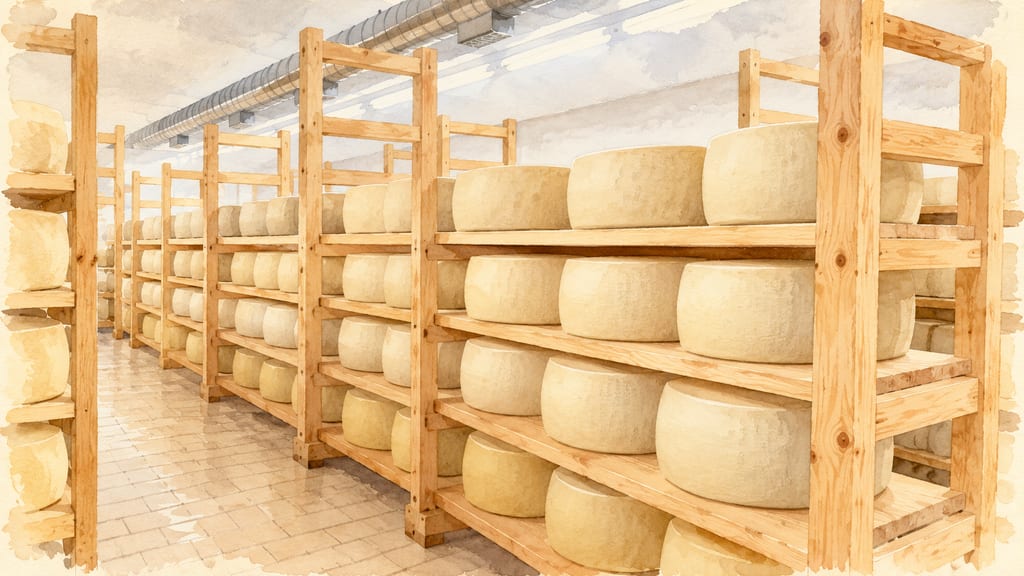
The Baron Tossizza Foundation’s Metsovo cheese factory combines cheesemaking and ripening, with Metsovone smoked after its maturation. Sources document the room used for ripening but not the smoking chamber’s design.
Show on map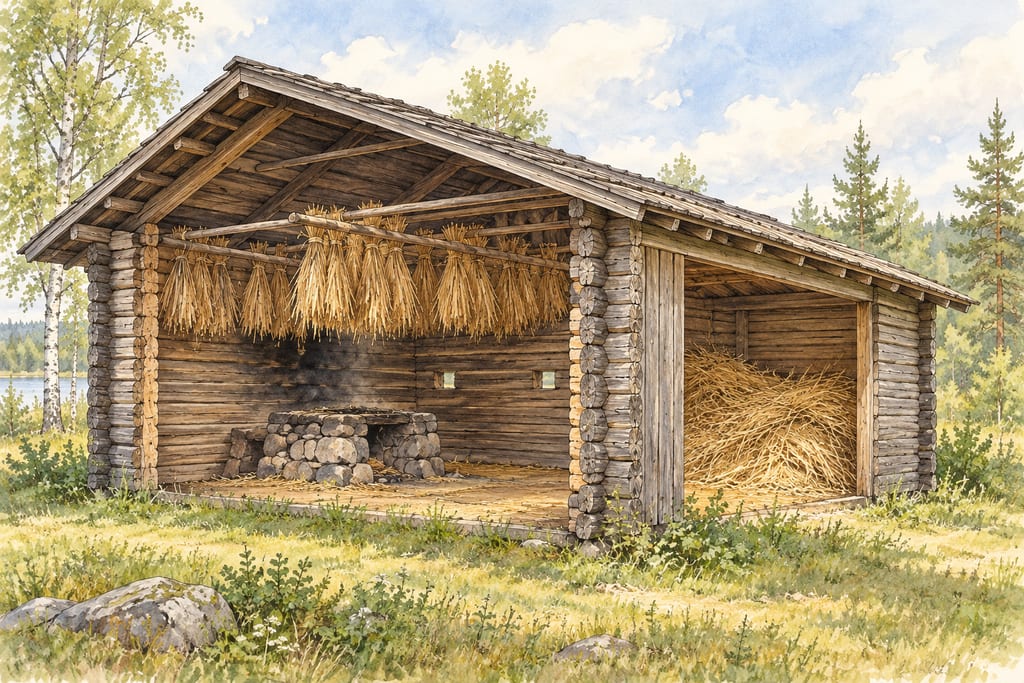
The small Korpela farm riihi, dated to the 1840s, combined a heated grain-drying and threshing room with an annex for straw and chaff.
Show on map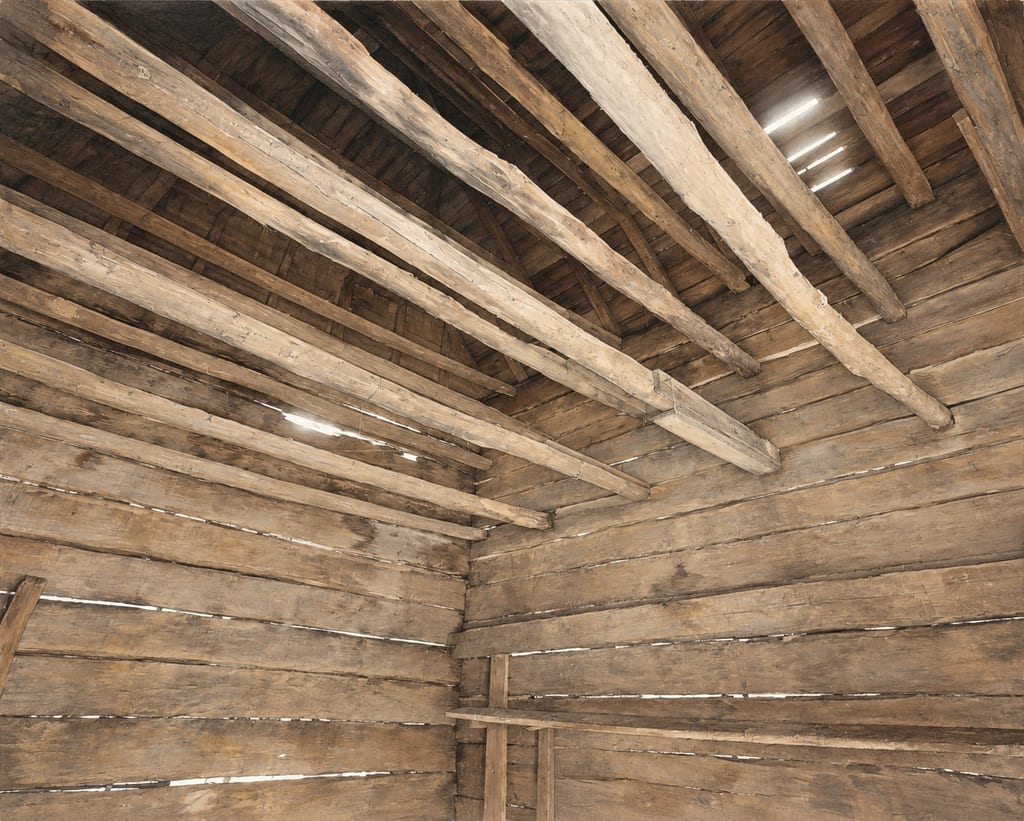
Tidewater Virginia smokehouses were separate buildings for curing and storing meat. Documentary references attest to purpose-built examples by the early eighteenth century; a HABS photograph records one interior at Sherwood Forest.