Built structures
Georgian cheese-smoking chamber
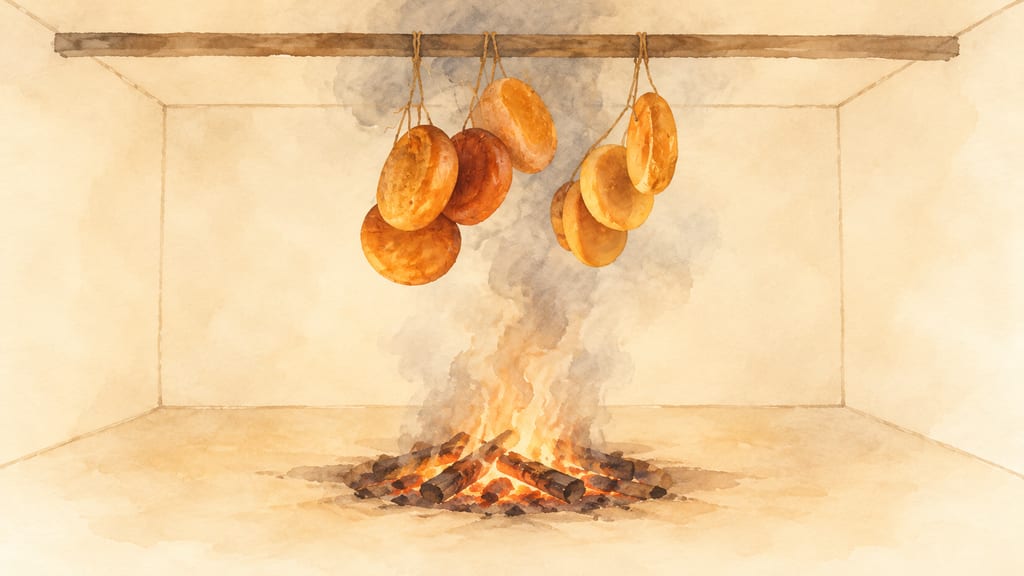
A Georgian Sulguni smoking chamber is a place for the post-salting smoke stage. Sources document both a nationwide product specification and a distinct one-room hut practice in Samegrelo.
 FermenteaWhere food goes to change
626 sourced equipment pages: vessels, tools, appliances and built structures.
What sets the temperature, the smoke and the air: kettles, incubators, cold stores, smokers and dryers.
A Georgian Sulguni smoking chamber is a place for the post-salting smoke stage. Sources document both a nationwide product specification and a distinct one-room hut practice in Samegrelo.
Two South African historical accounts describe biltong hung in a household chimney after initial drying or curing; neither supplies a construction plan or modern processing schedule.
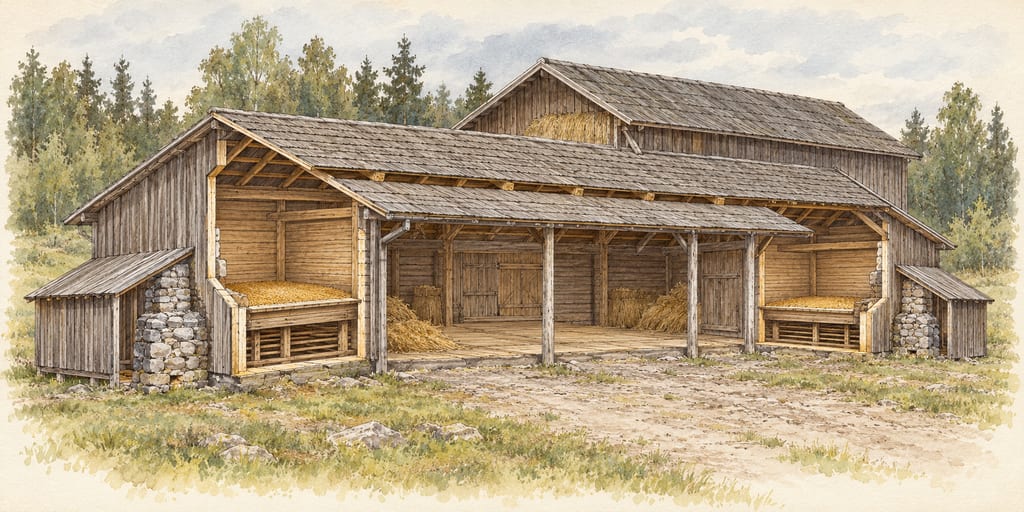
Ypäjä’s 1896 paired riihi has two grain-drying rooms flanking a central threshing room, with each stone stove heated from outside the building.
Show on map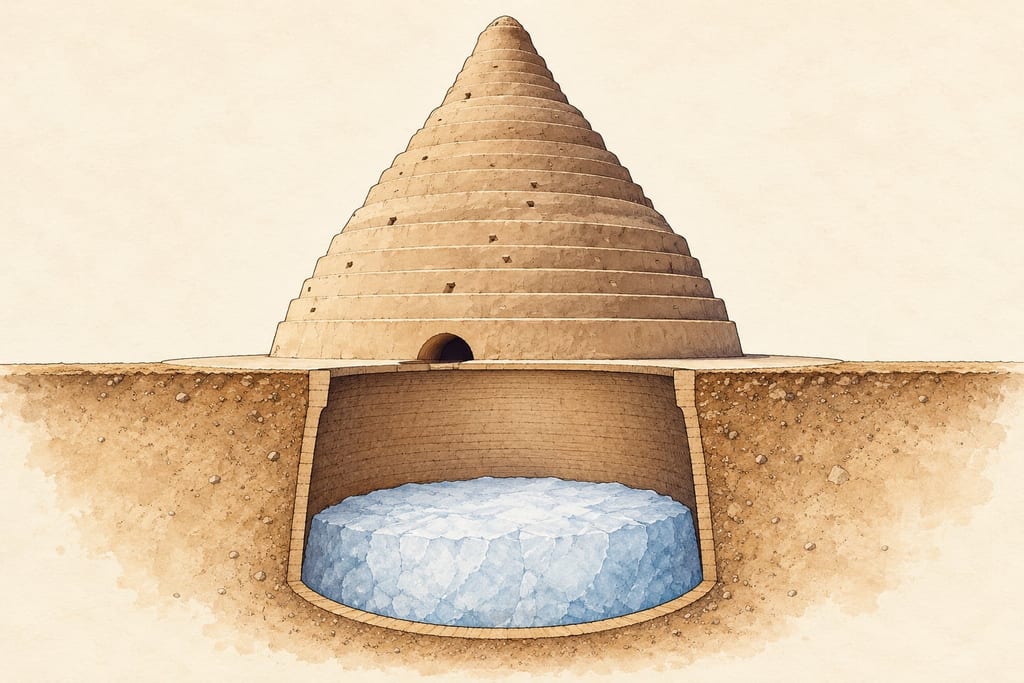
A yakhchāl is an Iranian building or covered pit for storing ice harvested in winter for summer distribution. Its forms vary, and the sources do not show that it was a food cellar.
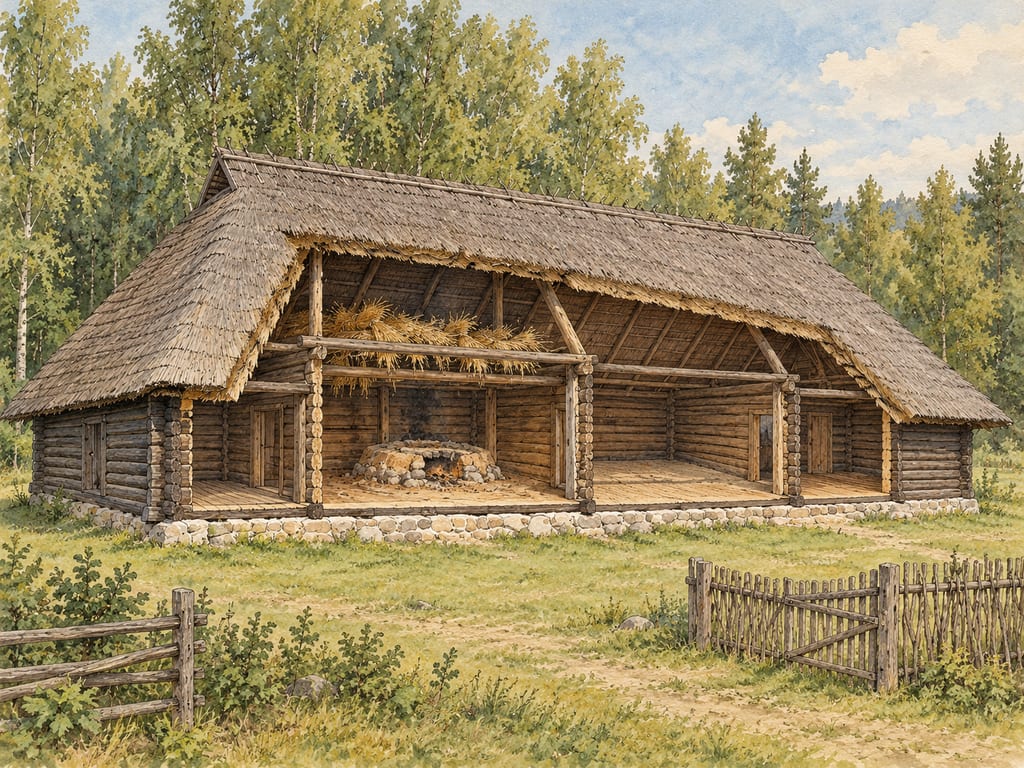
An Estonian barn-dwelling joined a heated grain-drying room to a threshing floor and living spaces under one roof; layouts and later alterations varied.
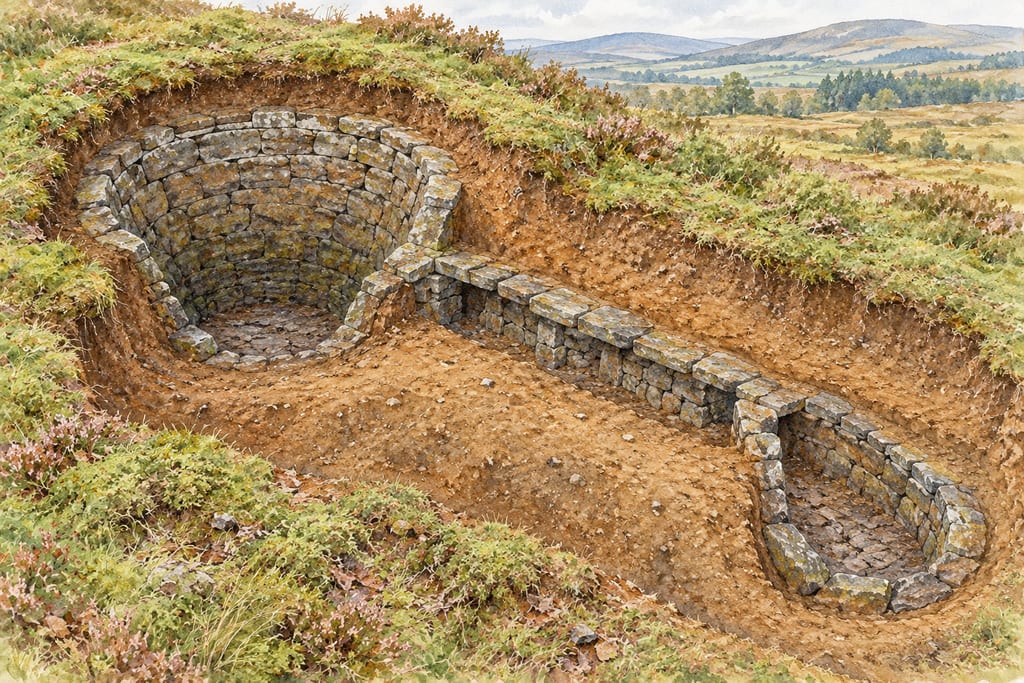
An excavated Scottish grain-drying kiln at Lockerbie Academy, with a deep stone-lined bowl connected by a flue to a separate firepit.
Show on map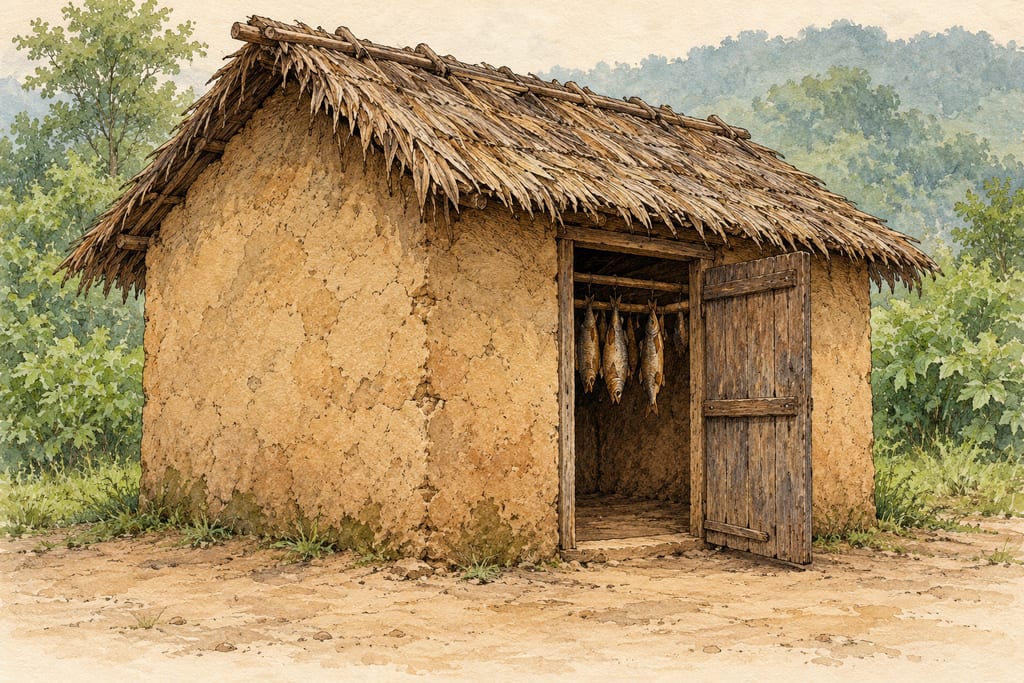
Dudkhāneh is a smokehouse term used in Gilan. A field report documents one fish-smoking workshop at Mobandan; its mud-plastered room and thatched roof are one local example, not a universal plan.
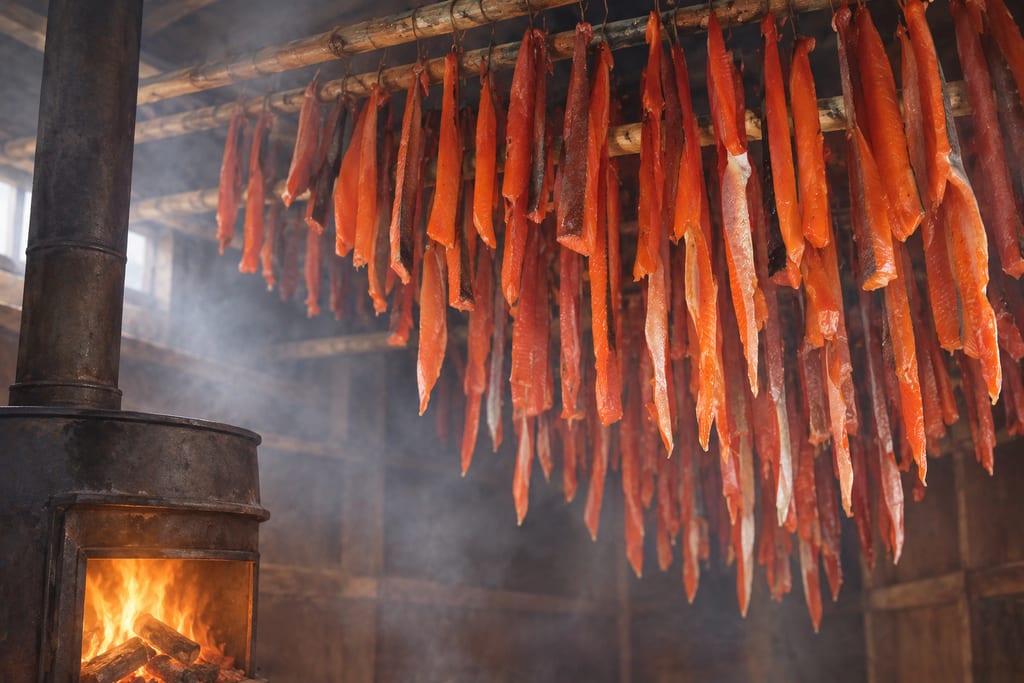
A 2015 report documented a Yup’ik family smokehouse in Bethel, Alaska, where silver salmon strips hung from racks and cottonwood fed a wood stove. It is one household example, not a standard design.
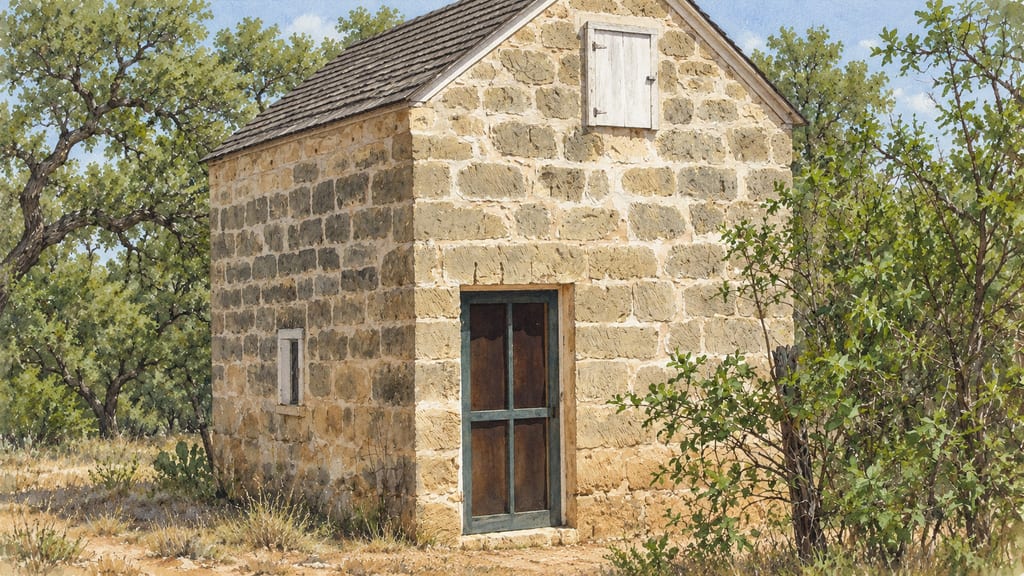
A limestone smokehouse on the Sauer–Beckmann farm near Stonewall, Texas, with a lower smoking room and an upper storage level. Built before 1900, it remains part of a living-history farm.
Show on mapA CIMAV industrial chipotle oven combines solar-heated water and recirculated air with auxiliary gas heat and a separate wood smoker. It differs from Camargo’s traditional open masonry cocedores; reports describe capacity differently.
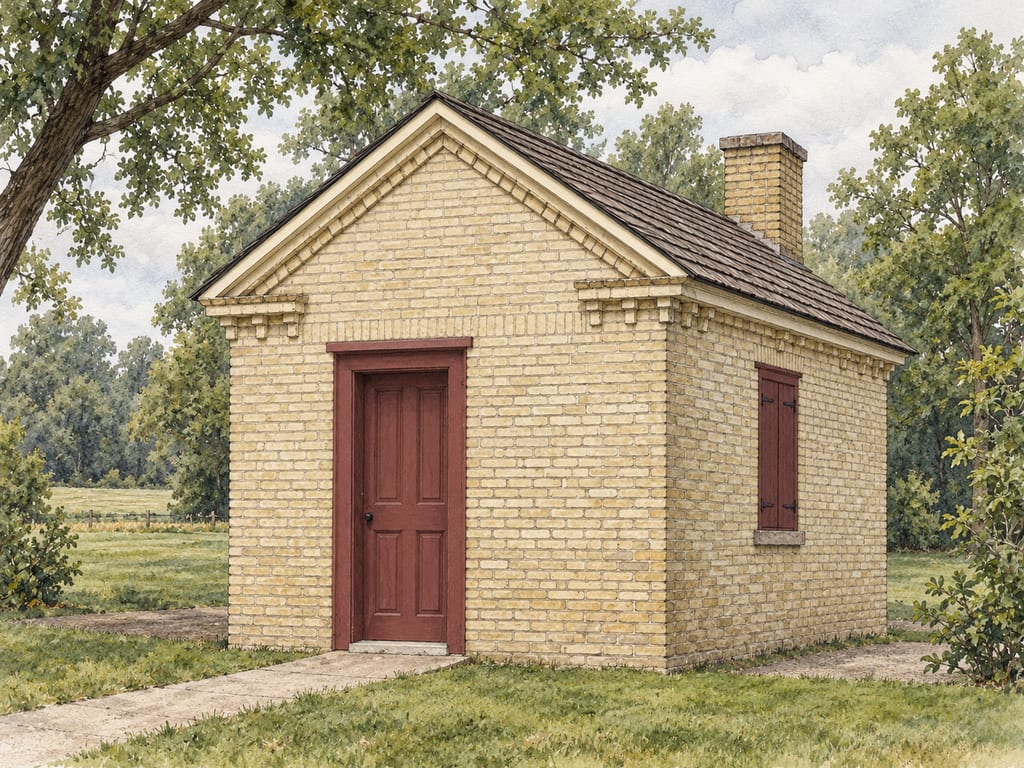
A mid-nineteenth-century brick smokehouse and summer-kitchen building on the former Sunderlage farmstead in Hoffman Estates, Illinois.
Show on map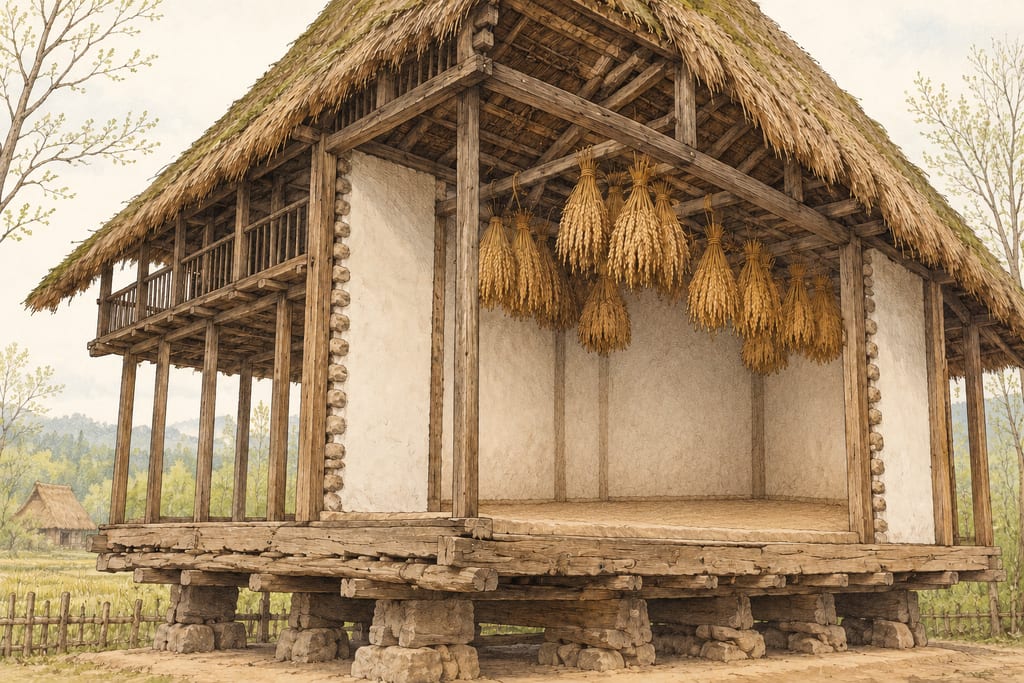
Bojkhāne names a rice-smoking room in some Gilan accounts. It was part of a flexible household room tradition, not a single standardized plan.
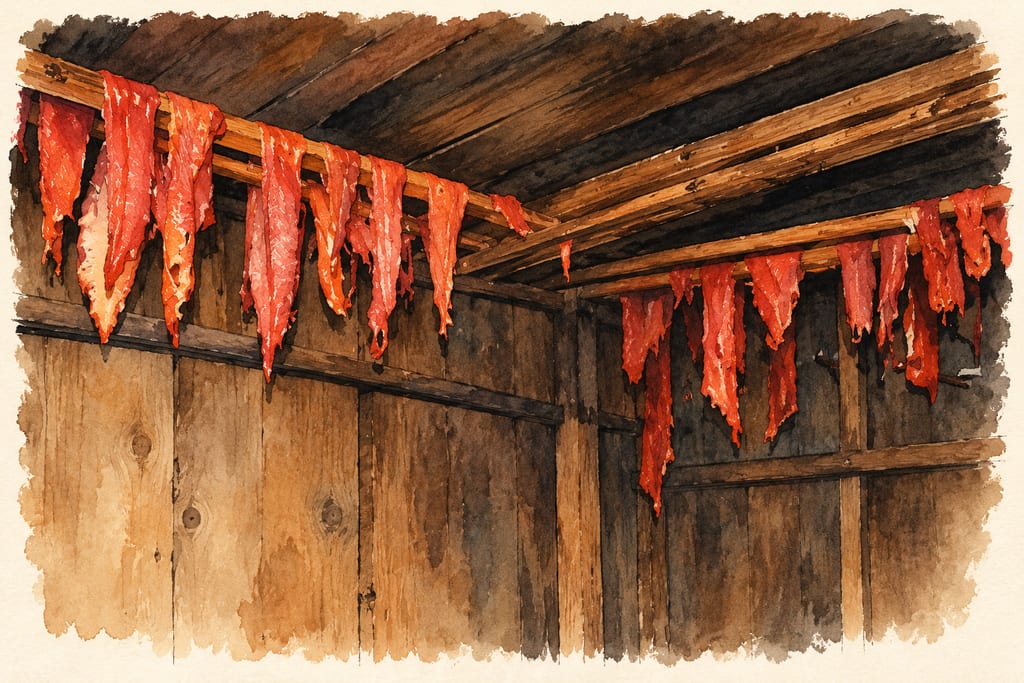
A household smokehouse used for salmon by named Tseshaht and Hesquiaht families near the Somass River. A 2019 report records different supports and smoking outcomes; it gives no standard building plan.
A surviving nineteenth-century stone smokehouse at Craster, Northumberland. Its tall, narrow rooms, hanging racks and roof vents belong to a commercial herring-curing works; the evidence describes this listed building, not a universal smoke
Show on map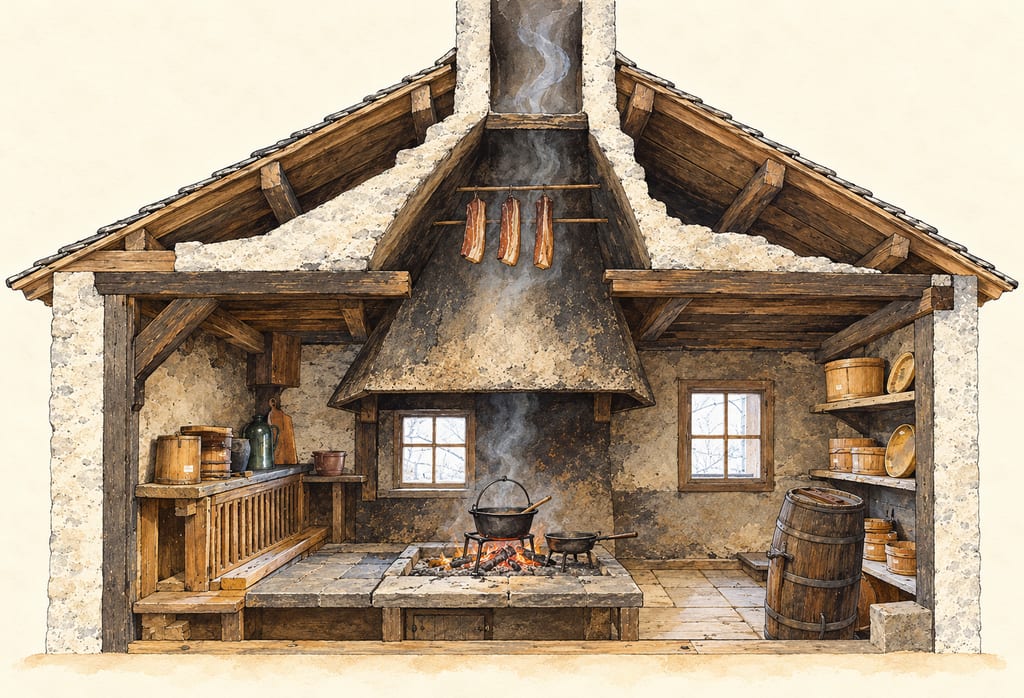
A family of domestic smoking structures that used smoke rising from a hearth: from the Austrian Rauchkuchl spark hood to the Jougne farmhouse meat hood and the Franche-Comté tuyé.
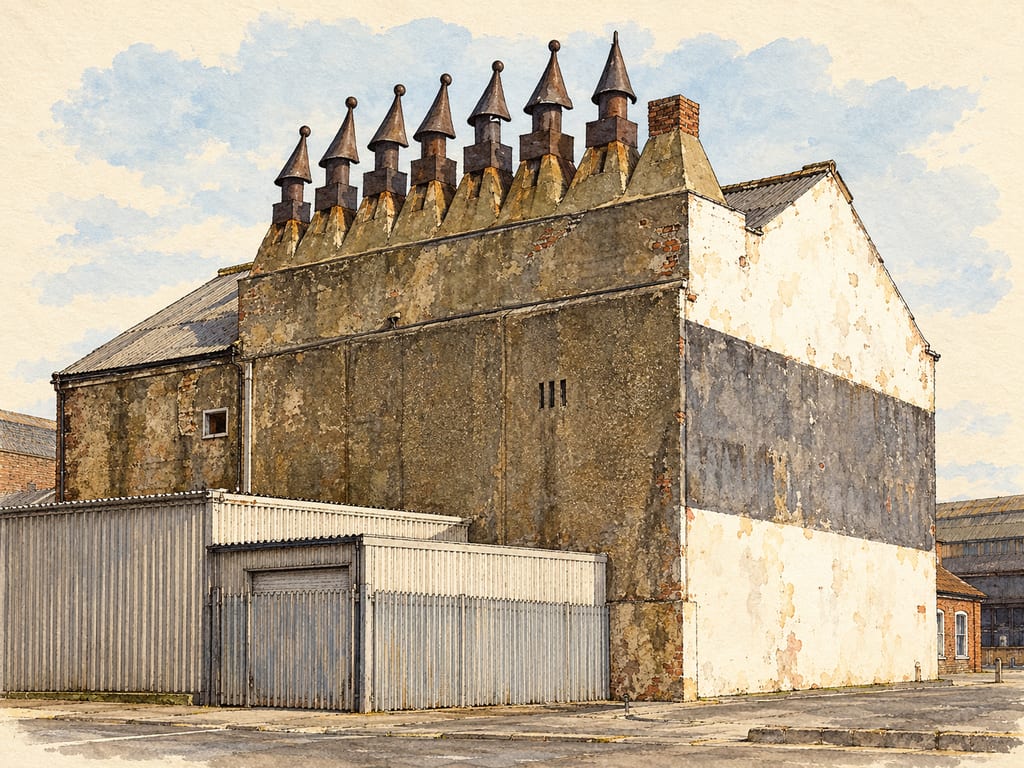
A brick chimney smokehouse associated with Grimsby's traditional fish-curing trade. Individual buildings varied; one working Alfred Enderby example documents tall chimney bays with smoke pits and speats for hanging fish.
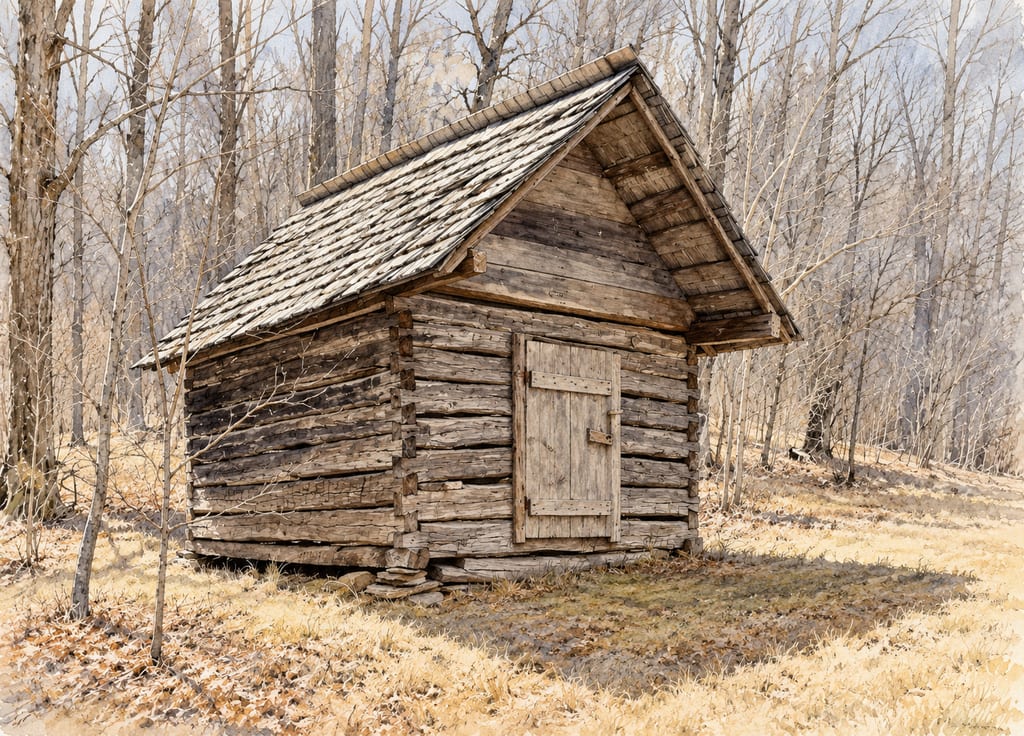
A source-based account of Appalachian meat-curing outbuildings, centered on the Henry Whitehead Place smokehouse at Cades Cove, Tennessee. Regional practice and this one building are kept distinct.
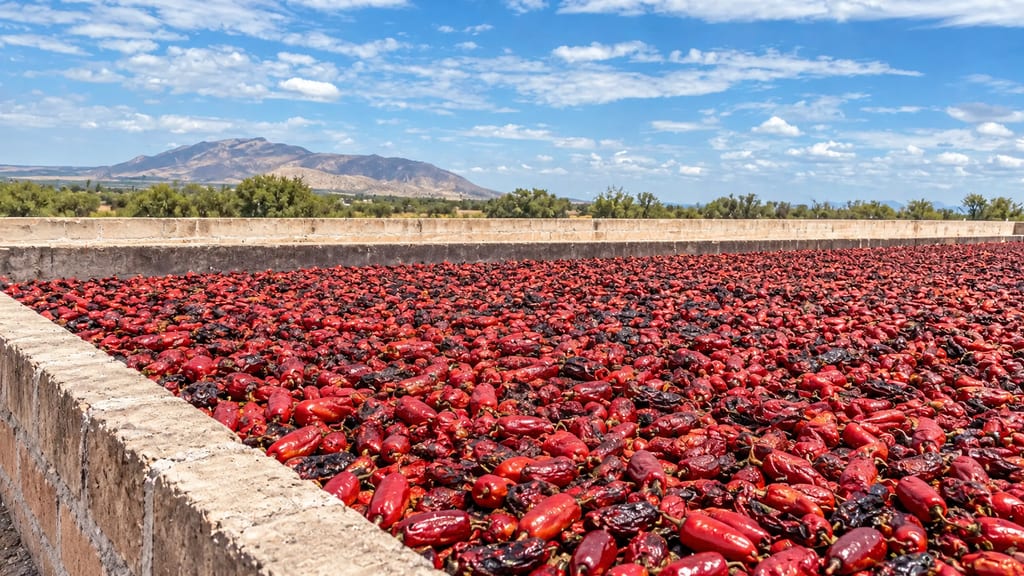
A fixed masonry-and-wood structure used in Camargo to smoke and dry ripe jalapeños into chipotle. Sources give regional dimensions and one separate experimental oven, not a safe construction plan.
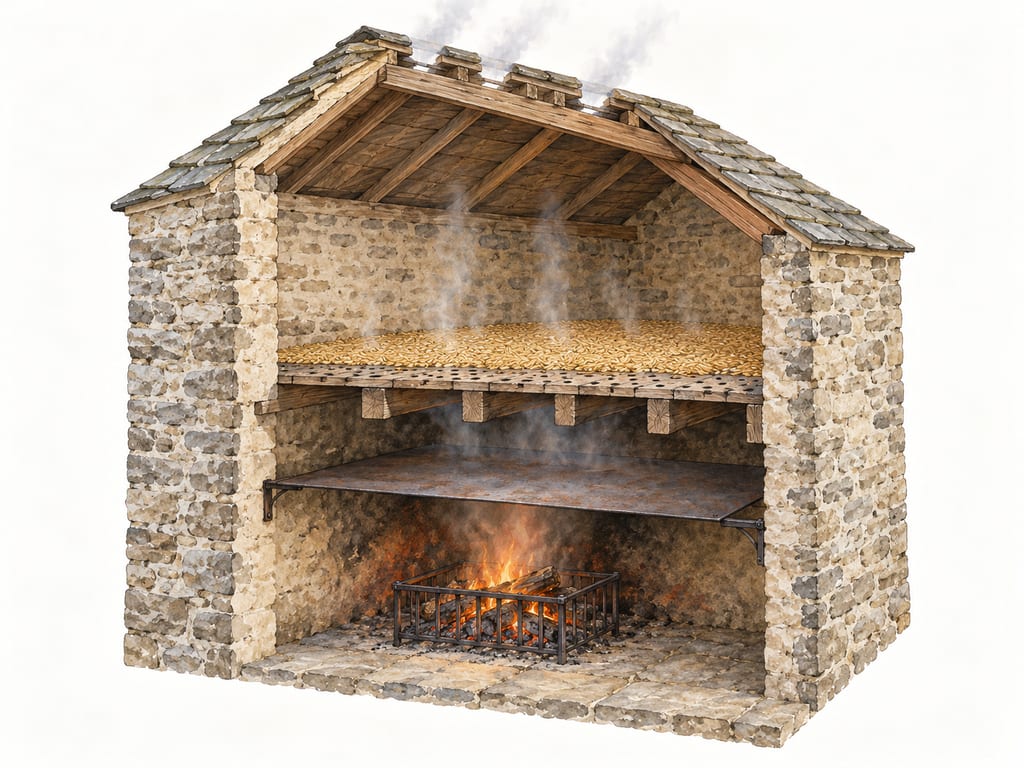
A reconstructed two-level grain-drying kiln at Acorn Bank Watermill in Temple Sowerby, Cumbria. A lower fire grate warms oats on a raised perforated floor; a baffle spreads heat, while smoke historically escaped through the roof ridge.
Show on map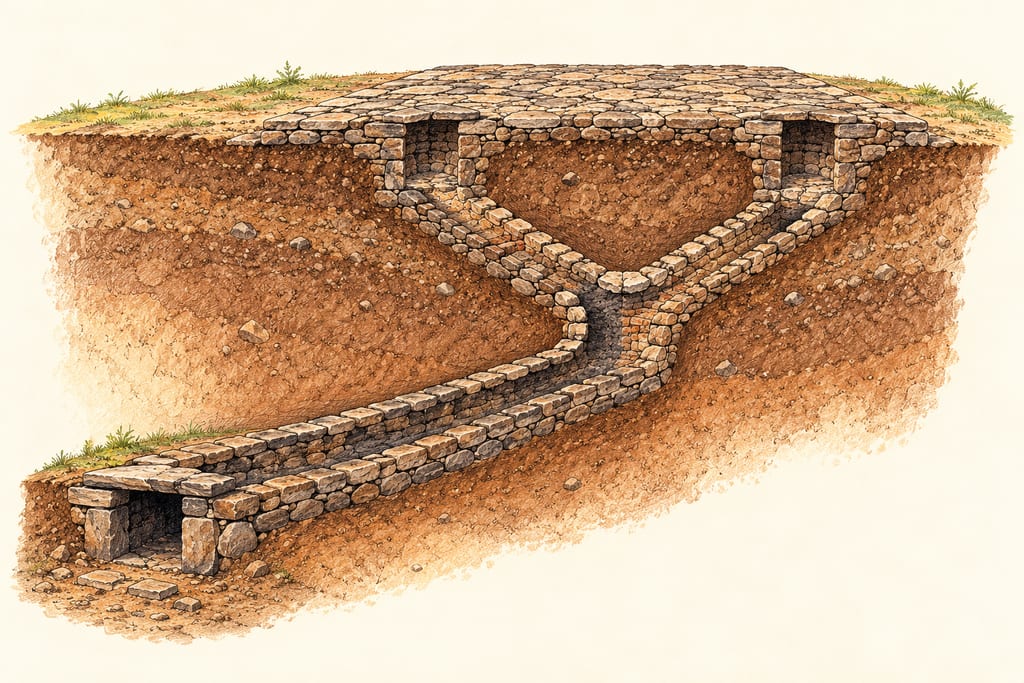
The Barbacuá is a fixed batch dryer for yerba mate. Its documented forms use a raised drying surface warmed by wood fire; one excavated example in Misiones preserves a stone flue below ground.

A Cap-Pelé boucanière is an Acadian herring-smoking building. The documented Willie Niles example is a one-storey wood-frame structure with a ridge smoke vent and interior bays for hanging fish-bearing cannes.
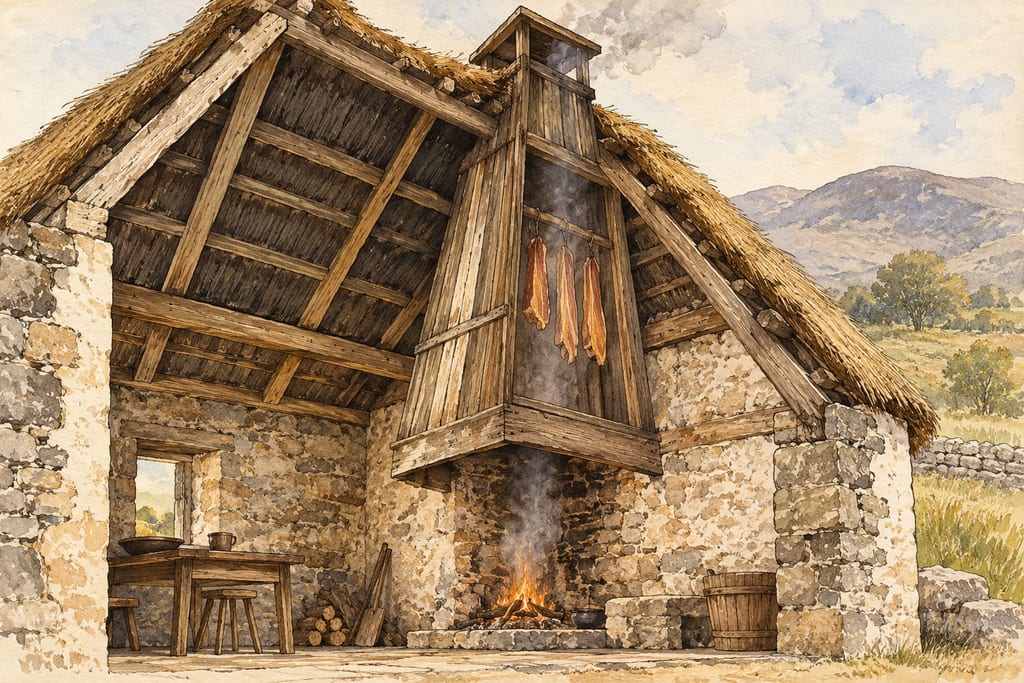
A domestic hearth chimney used to smoke cured meat in historical Scottish practice. It was part of the house, not a freestanding smokehouse, and the surviving chimney forms were varied.
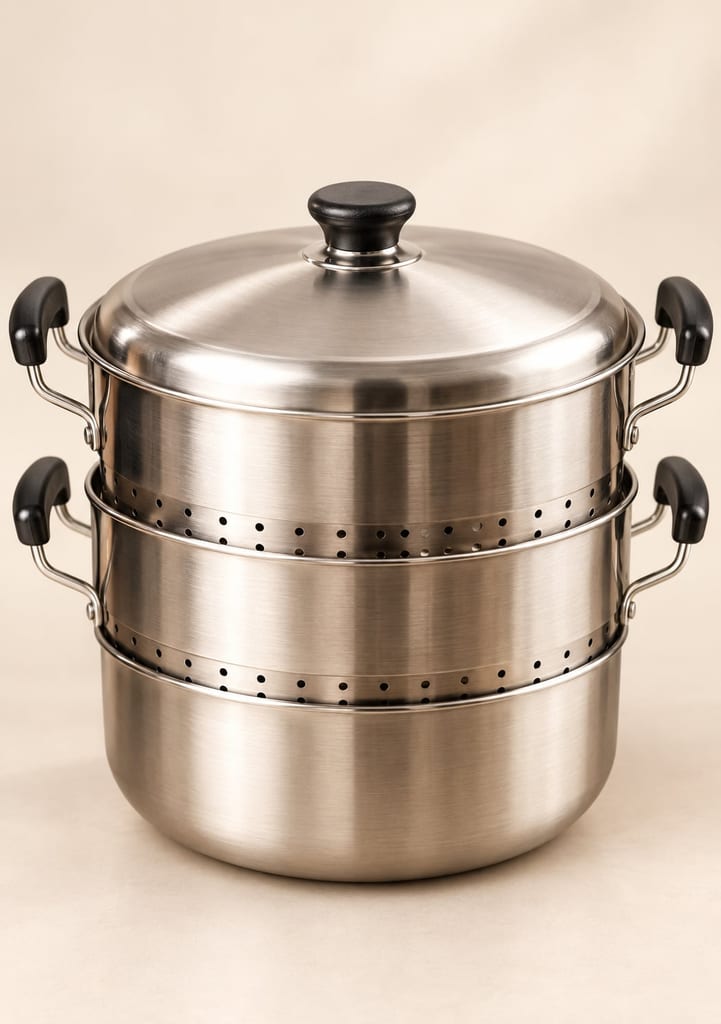
A steamer cooks food above heated water under a cover. The broad term includes improvised pot-and-rack setups, metal tiers and basket steamers; individual forms have different designs and uses.
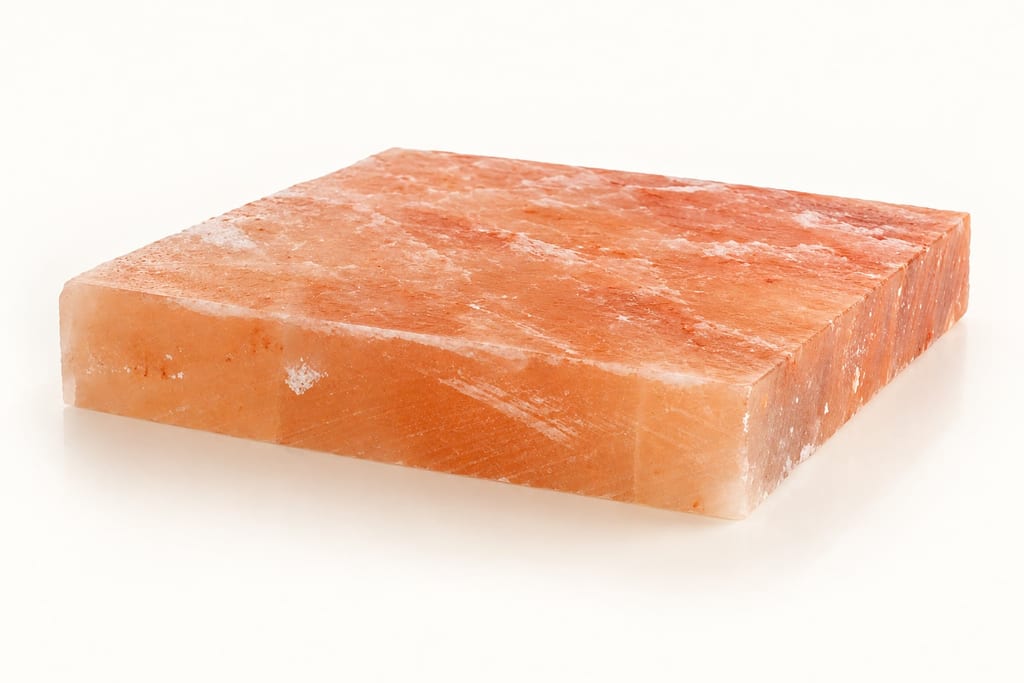
A salt cooking slab is a cut block of food-grade salt used as a heated cooking surface or a chilled serving plate. Its material is edible salt, but a decorative salt block is not automatically suitable for food.
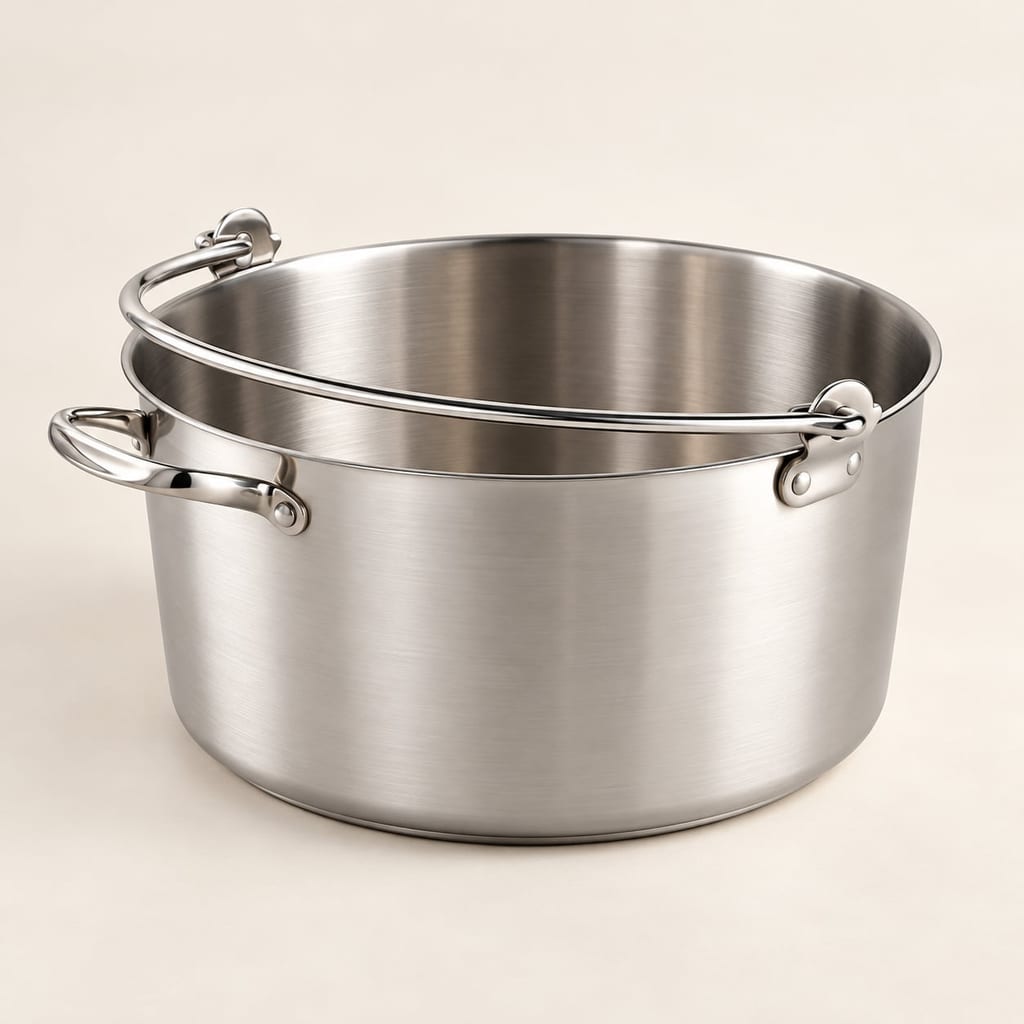
A contemporary, wide-mouthed stainless-steel pan for heating fruit mixtures into jams, marmalades, chutneys and other preserves. Its open surface supports evaporation, while base thickness, capacity and handles vary by model.
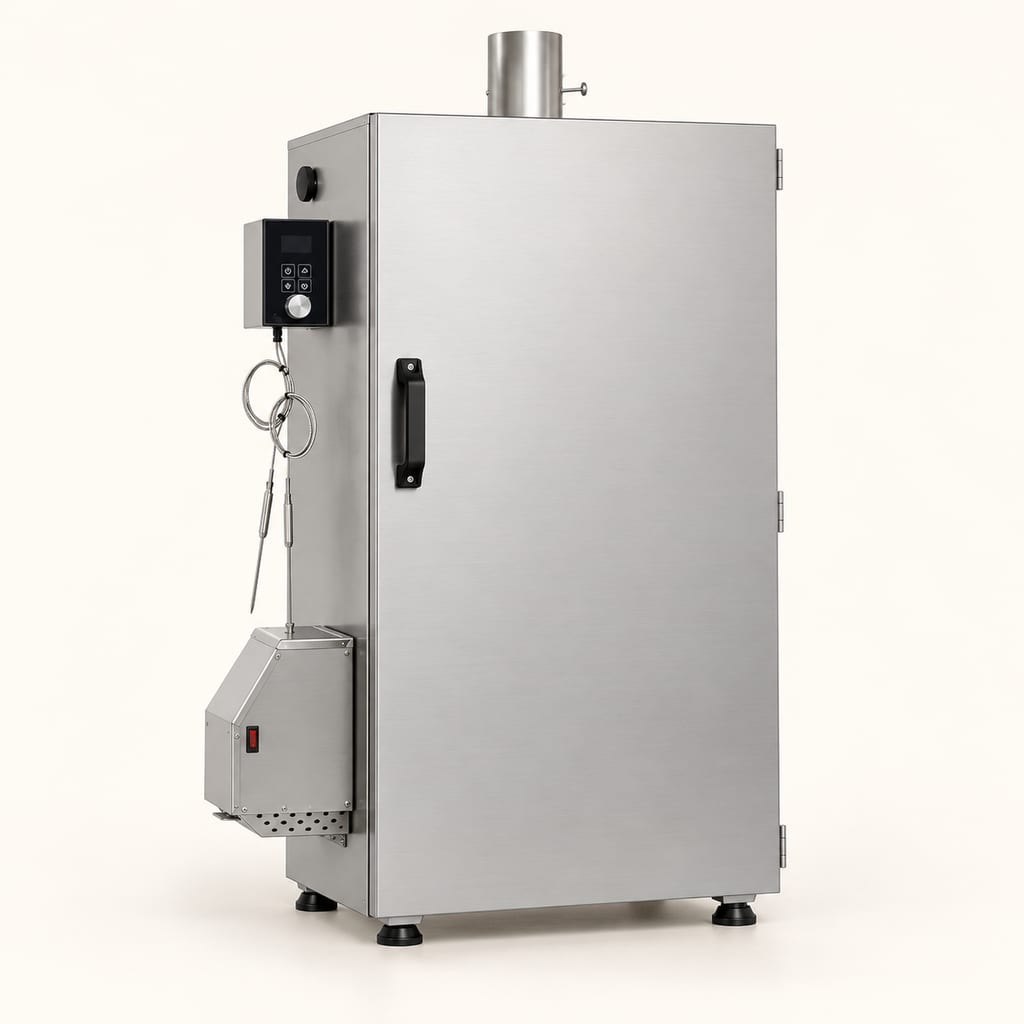
A 150-litre Wi-Fi electric smoking cabinet with a brushed stainless-steel exterior, automatic wood-chip smoke generator and 150°C maximum. Exact model BS150IWUK.
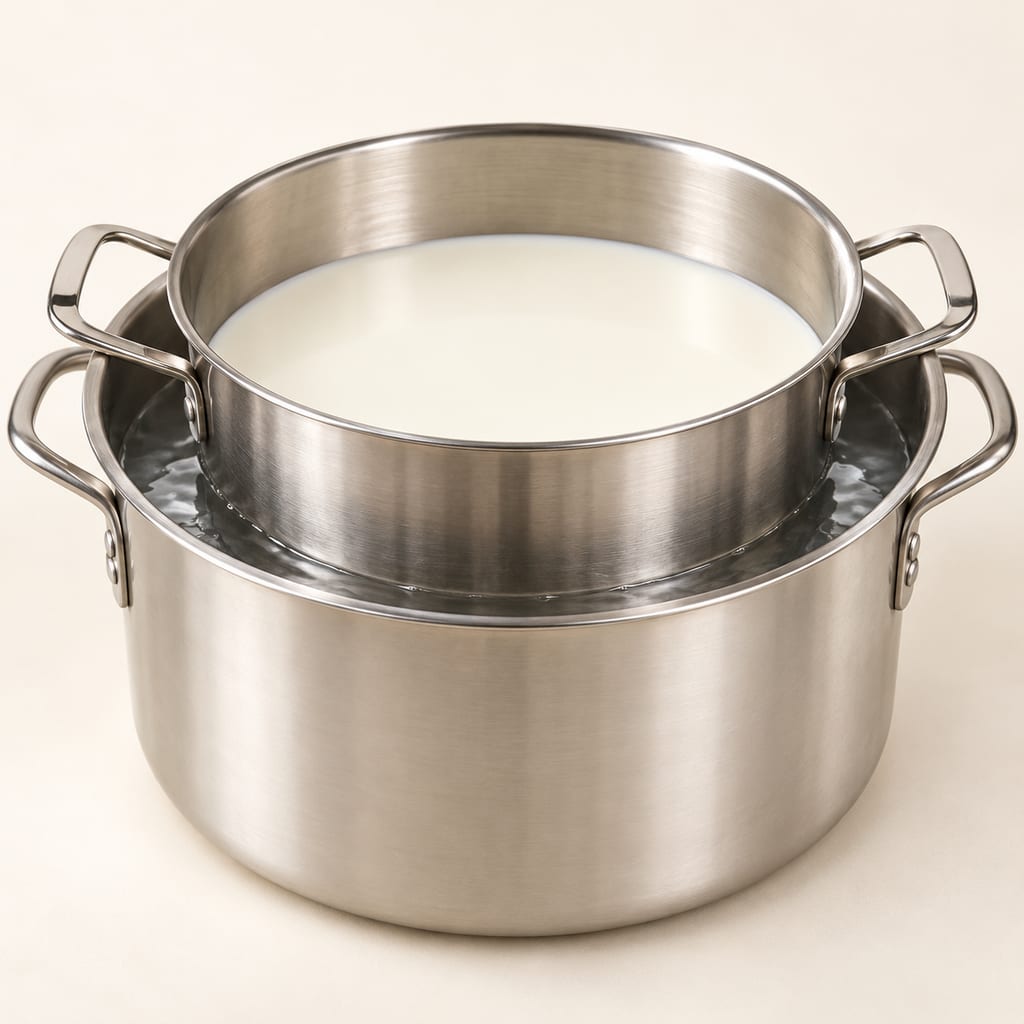
A separate inner pot holds milk or curd while a larger vessel holds hot water. In a documented cheesemaking setup, the inner pot’s handles rest on the outer vessel’s rim; this differs from a rack or trivet bearing a pot from below.
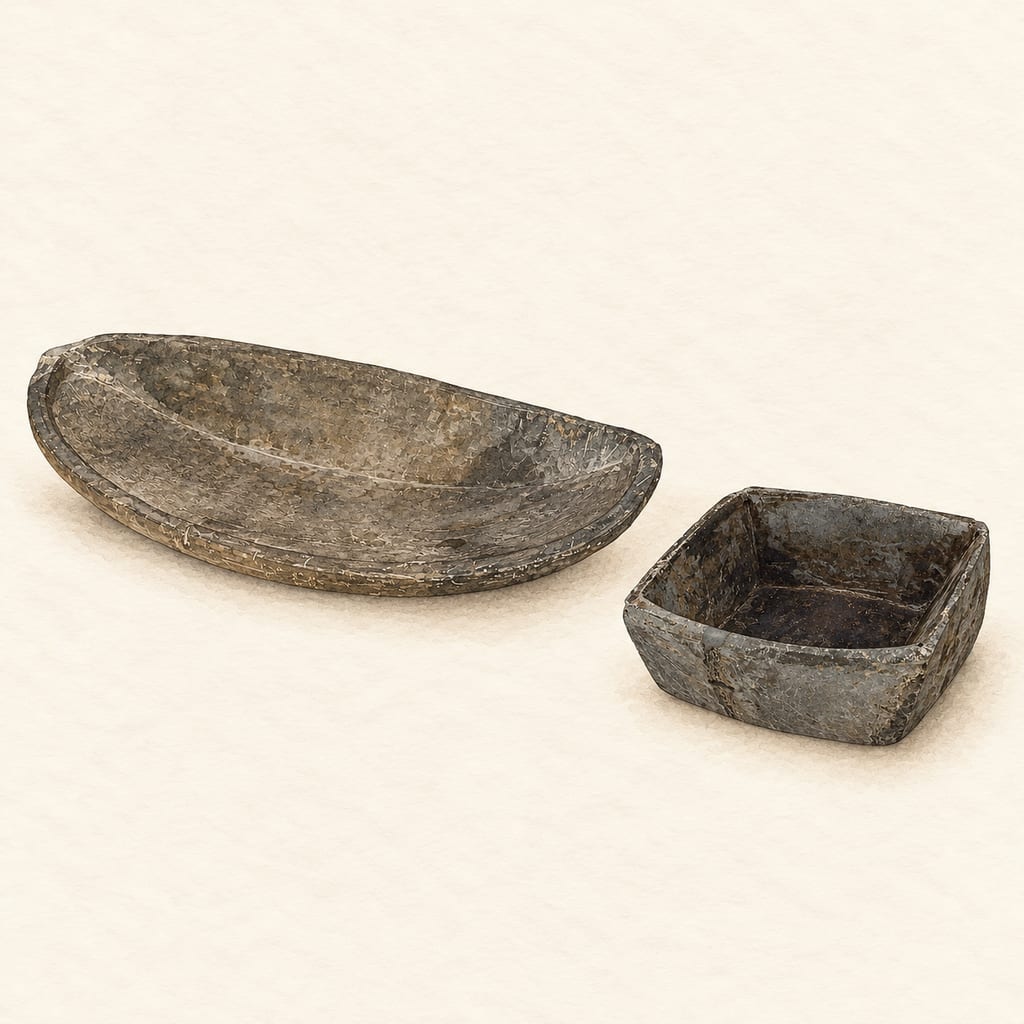
A qulliq oil lamp and a separate ukkusik cooking pot form an Inuit heat-processing pair. Sources document soapstone forms, animal-oil lighting and cooking uses, and museum objects from the Eastern Arctic.
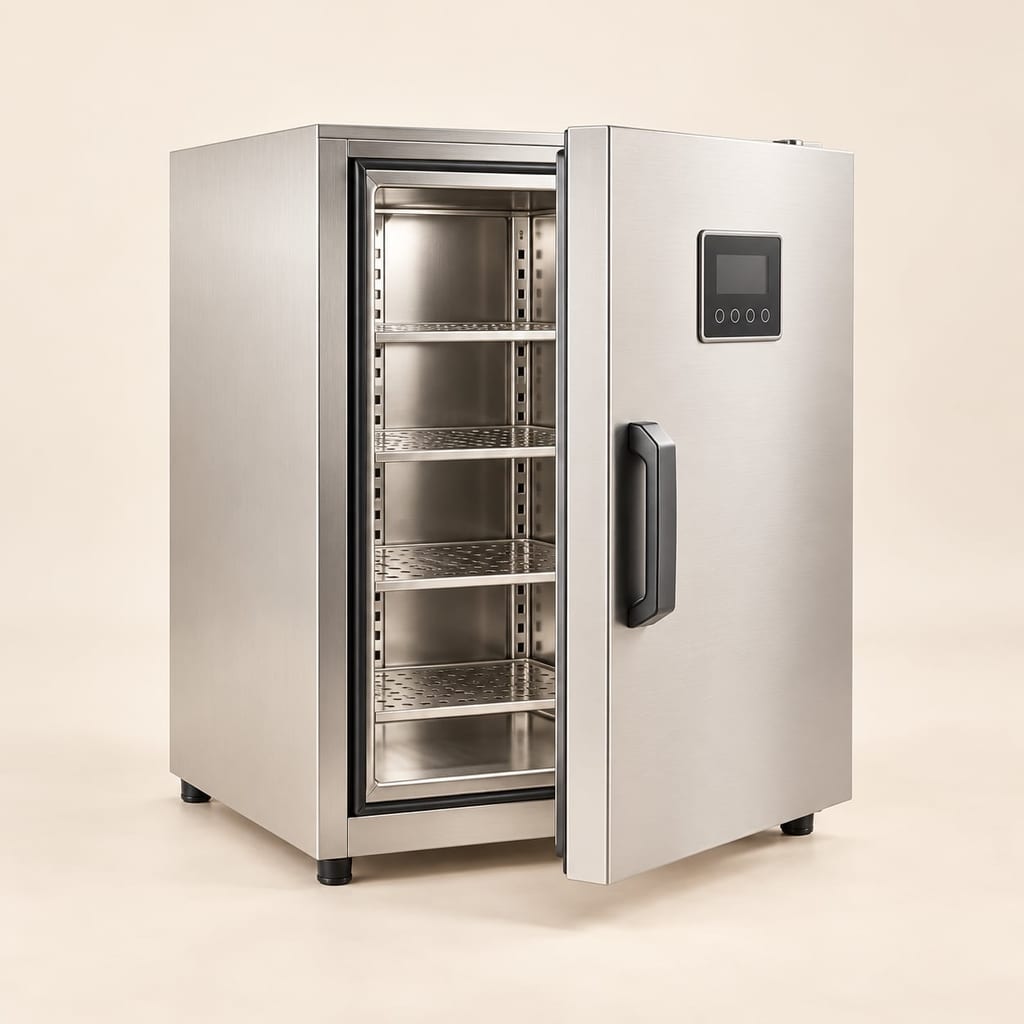
A manufactured cabinet that controls chamber temperature for laboratory samples. Some models add cooling or humidity features; those capabilities are not universal and do not make every unit a food-contact vessel.
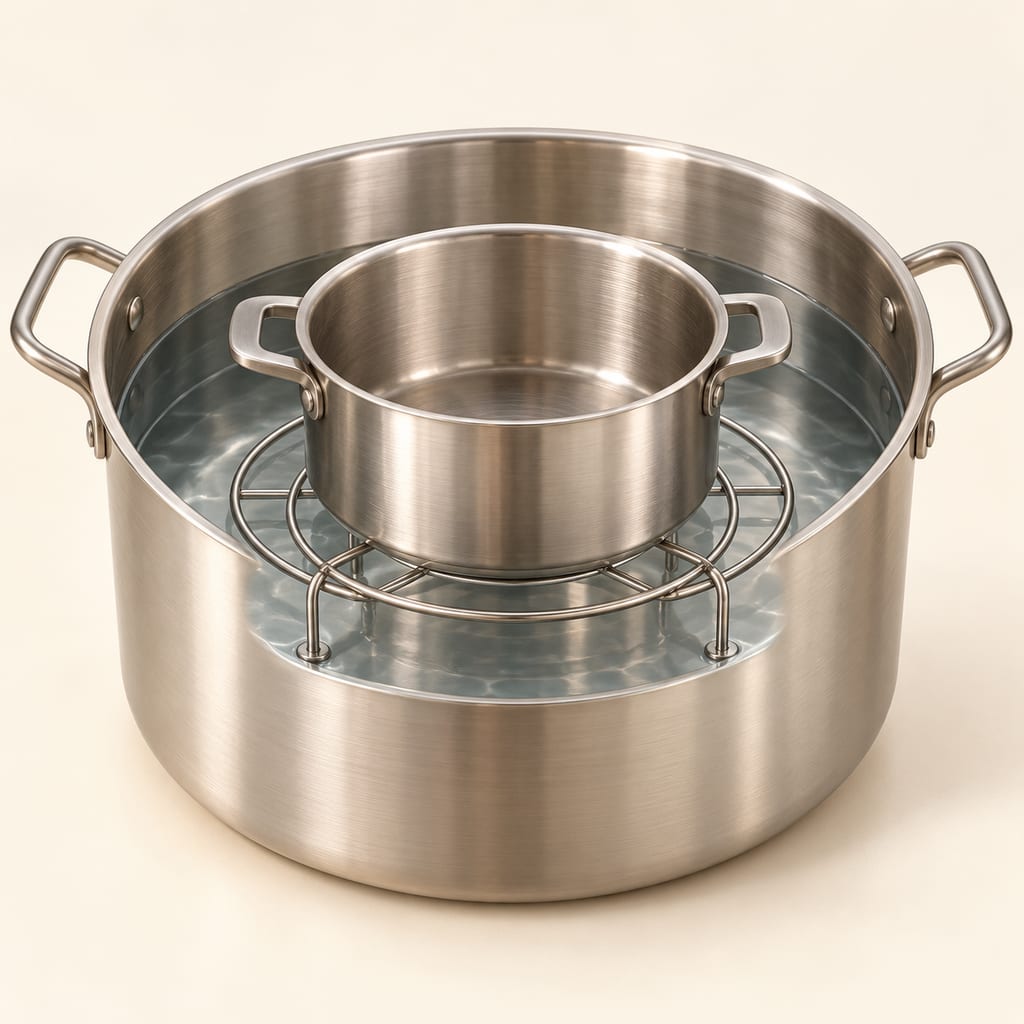
A removable support holds a smaller pot above the floor of a water bath. Racks, bridges and trivets are distinct forms serving this function; none should be confused with a brewer’s false bottom or a pot resting on the outer rim.
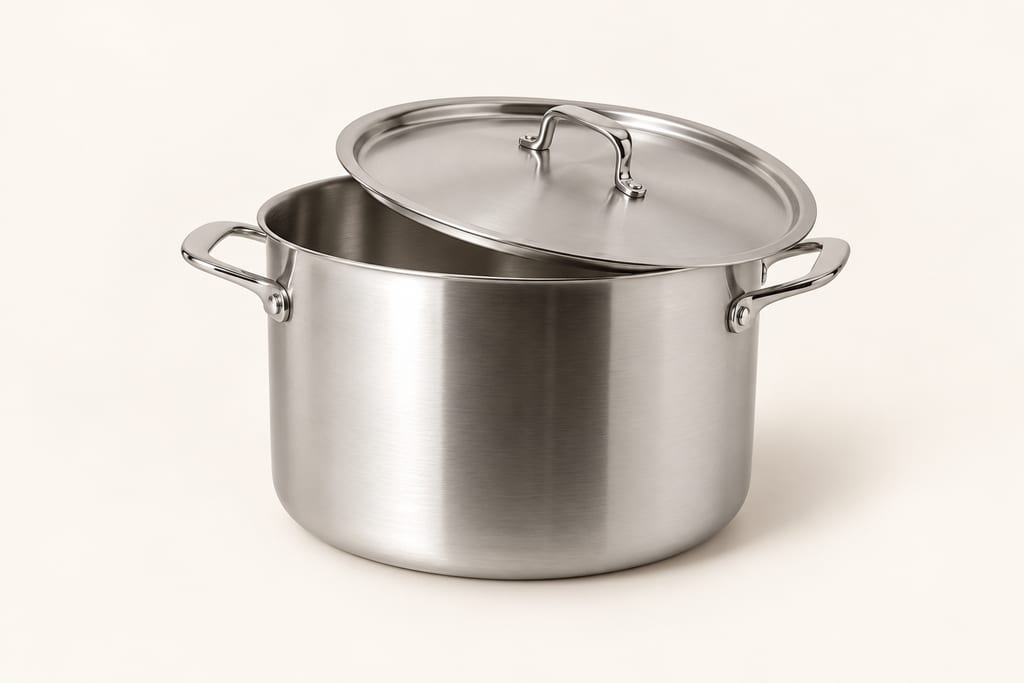
A deep, flat-bottomed household pot gives jam and jelly more room to foam than a shallow preserving pan; capacity, material and heat response vary by model.
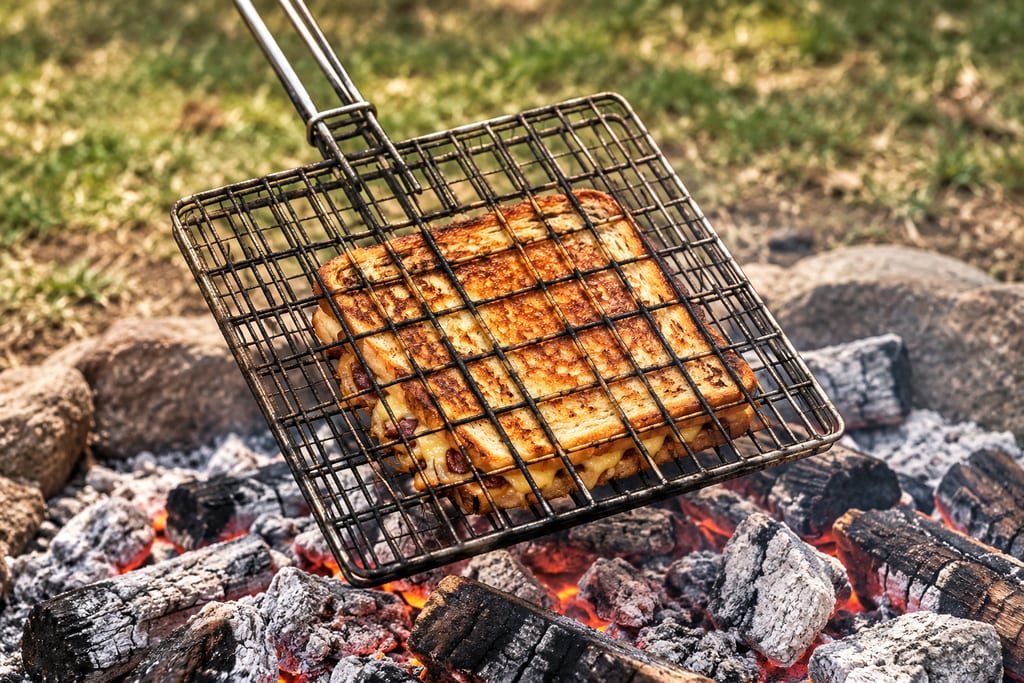
A closed, hinged grid holds food between two cooking faces so a braaier can turn it together over coals. Braaibroodjie recipes specify this tool, but sources do not establish one standard design or size.
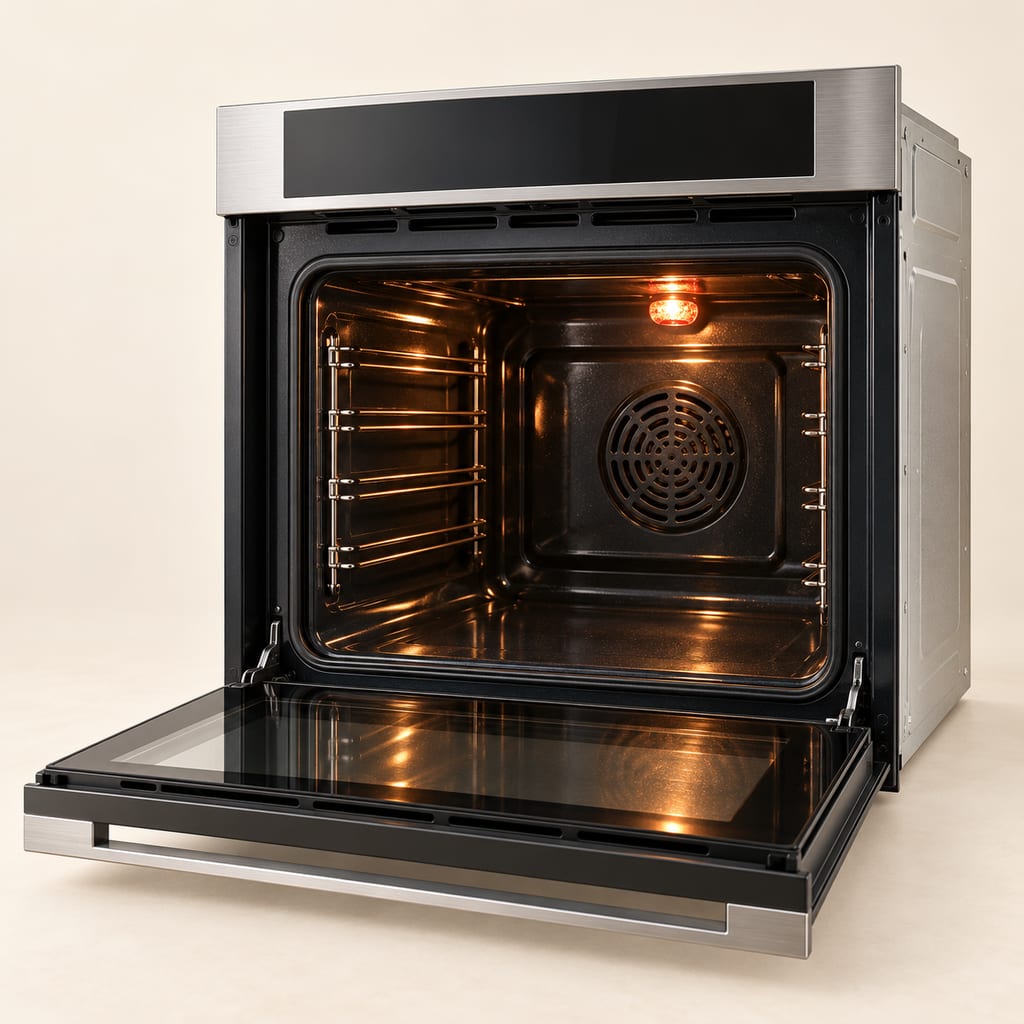
An ordinary oven repurposed as a warm enclosure by using its interior lamp. The cavity is not a calibrated incubator, and lamp output varies by model.
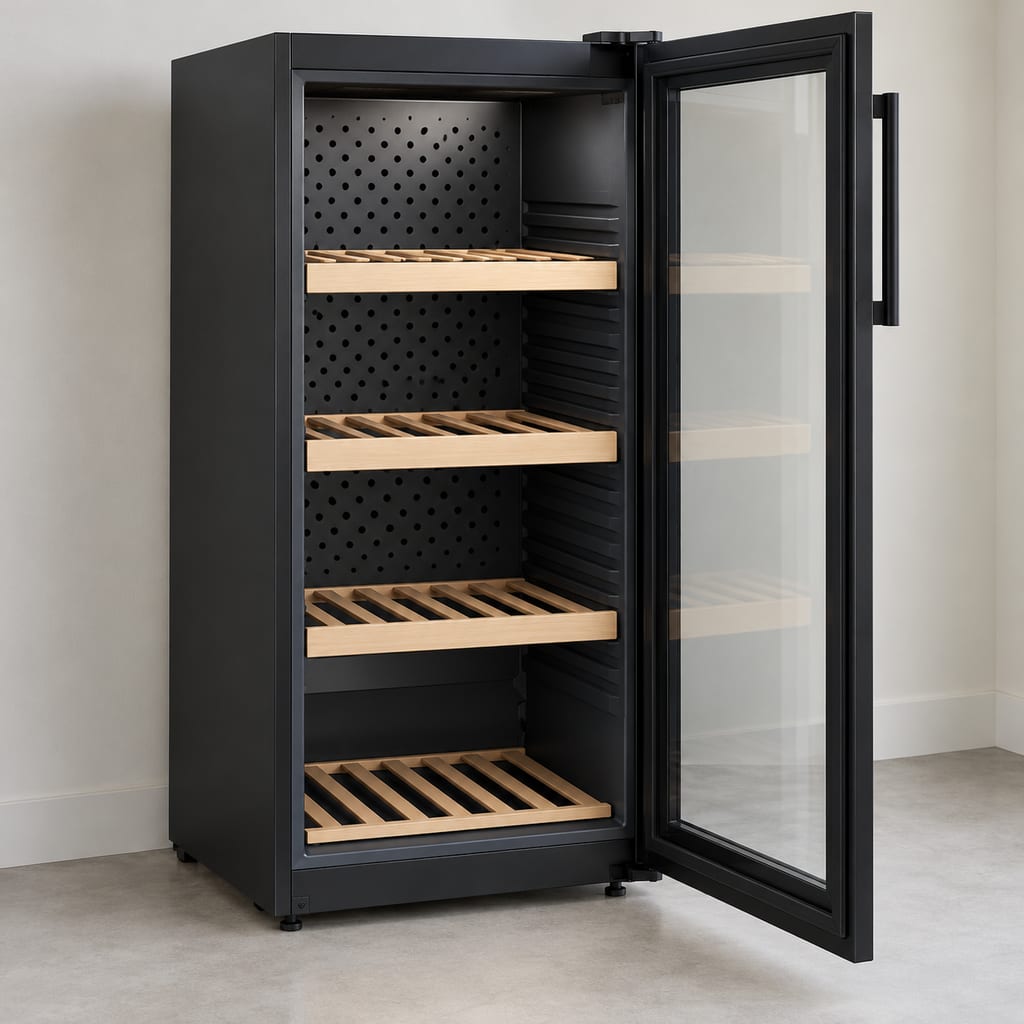
A refrigerator or wine cabinet can provide a cool enclosure for holding or ripening food, but it does not control every condition a ferment or cheese needs. Check temperature, humidity, airflow and cleanable food containers separately.
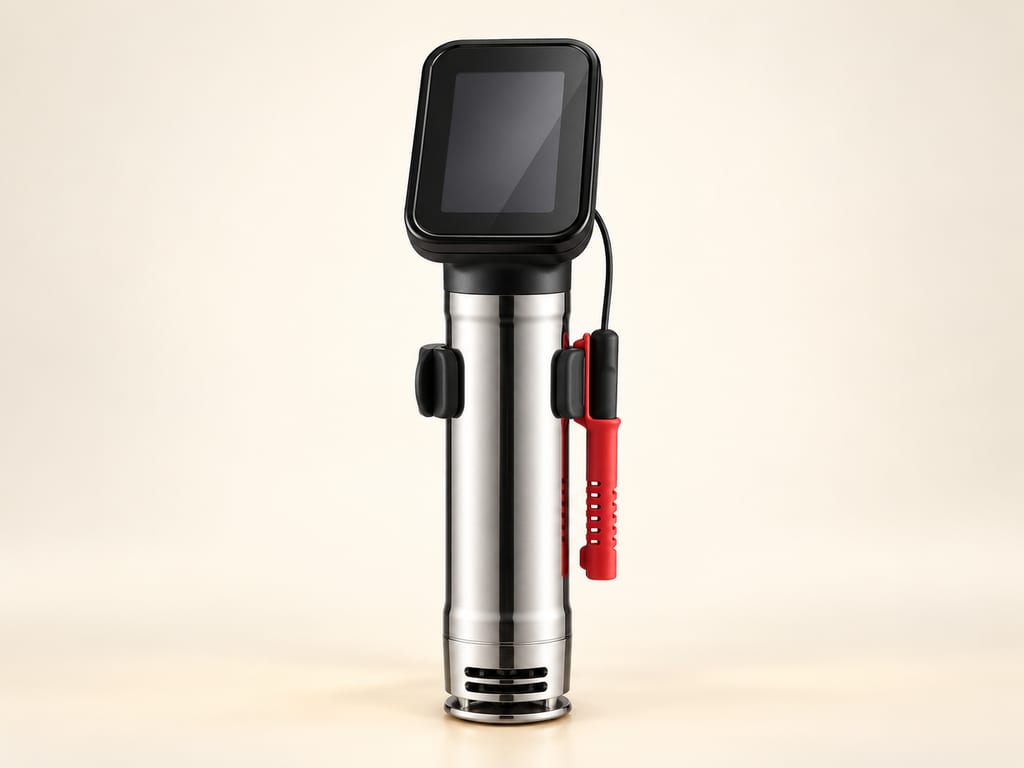
The HydroPro is Breville | PolyScience’s commercial immersion-circulator family: CSV700 HydroPro and CSV750 HydroPro Plus heat and circulate a separate water bath.
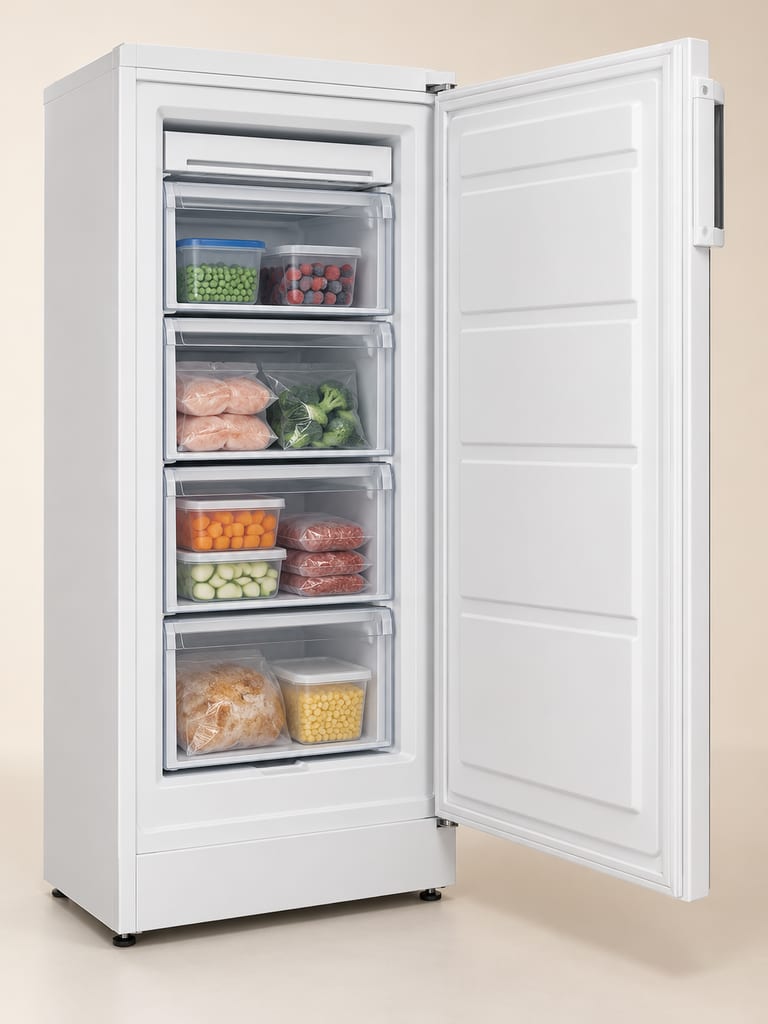
A household freezer holds food in a frozen state for storage and selected texture or separation work; its batch-storage role differs from industrial equipment that freezes individual pieces separately.
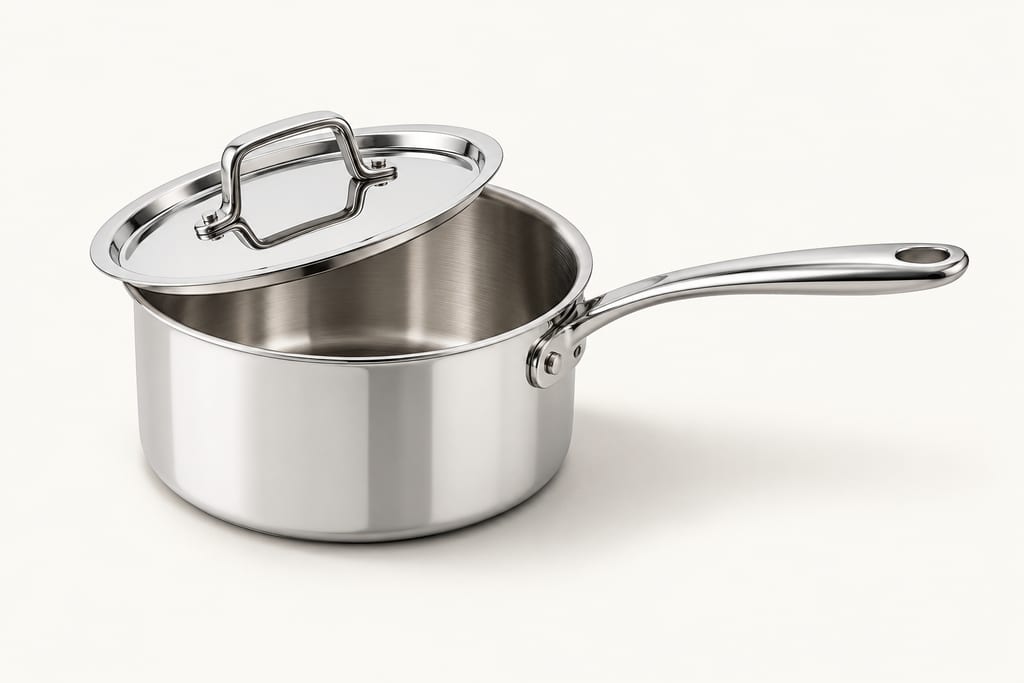
A modern, portable stovetop pan with a stainless-steel cooking surface for sauces and other small simmering jobs. Size, cladding, lid, compatibility and care vary by model.
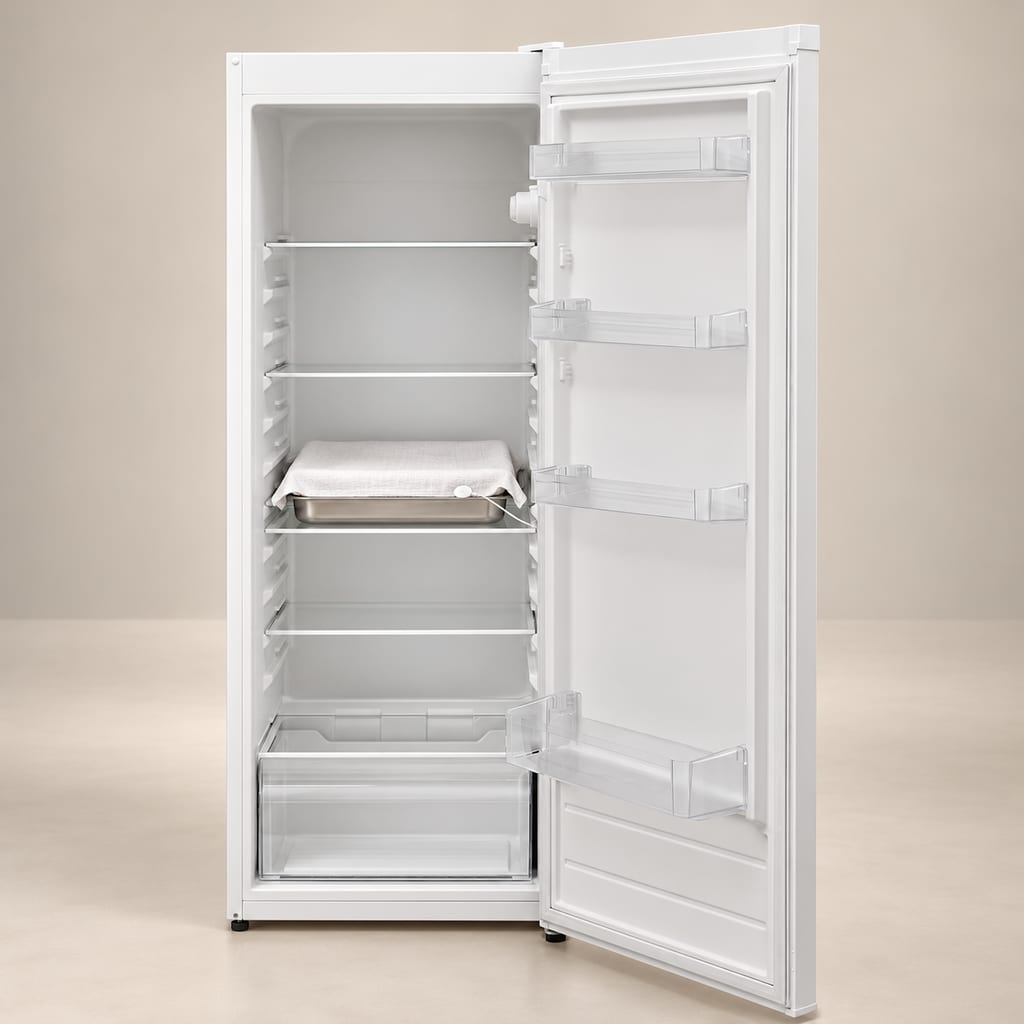
A modified cabinet or switched-off fridge can enclose growing koji. One source documents a heating mat and probe with a PID controller. This modern setup needs monitoring of grain temperature, airflow, condensation and cleanliness.
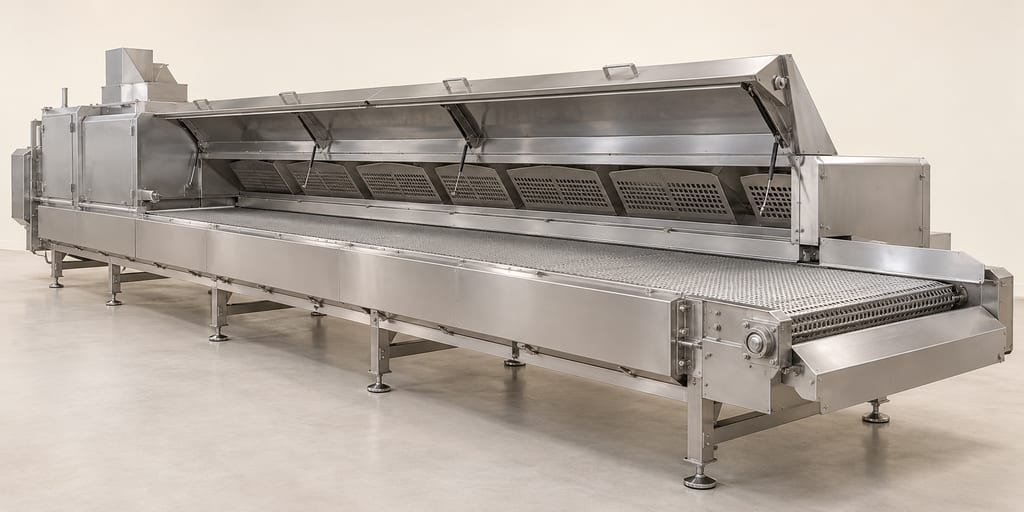
An industrial individual-quick-freezing system freezes small food pieces separately so they remain pourable and portionable. One commercial design moves product across a fluidized bed, where controlled air separates pieces during freezing.
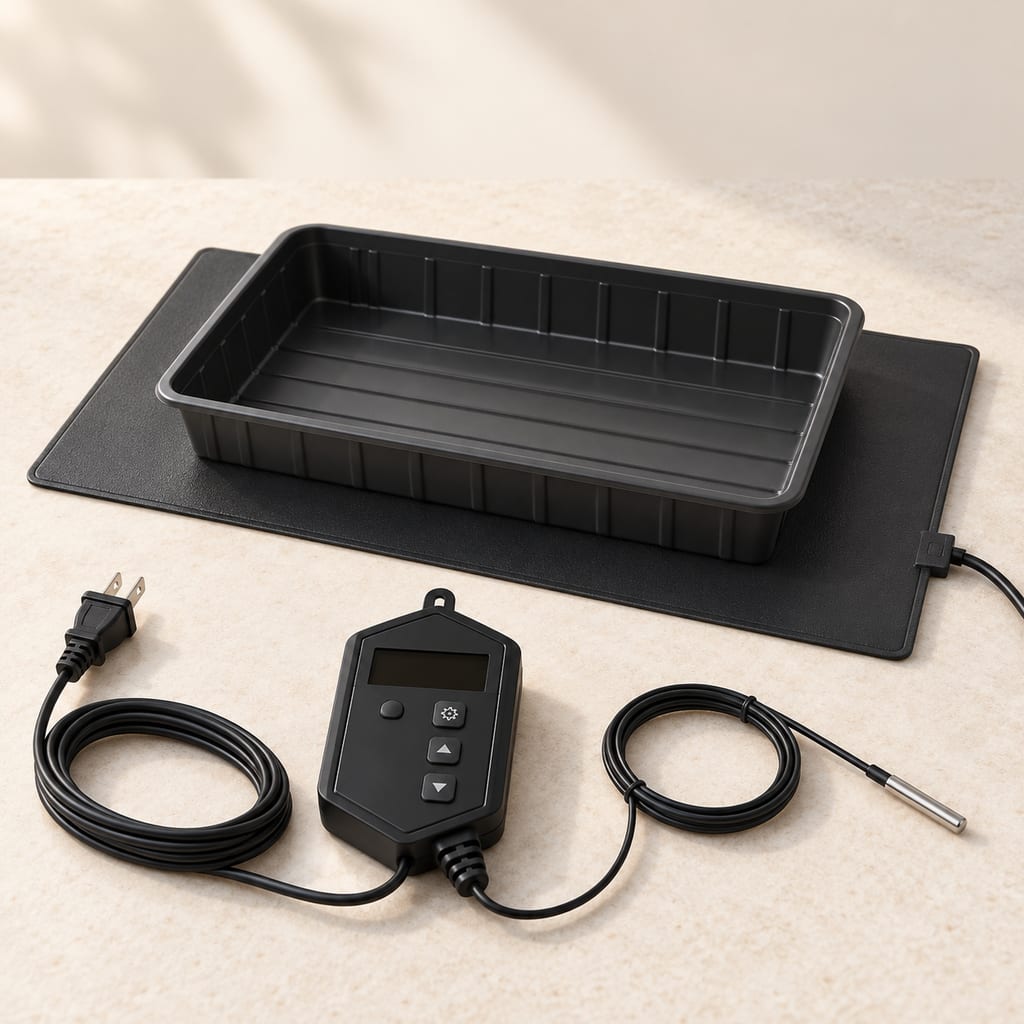
A thin electric mat warms a propagation tray from below; some models use a separate thermostat and probe. One Vivosun manual also gives generic fermentation-heater instructions, but does not validate a particular fermented food or process.
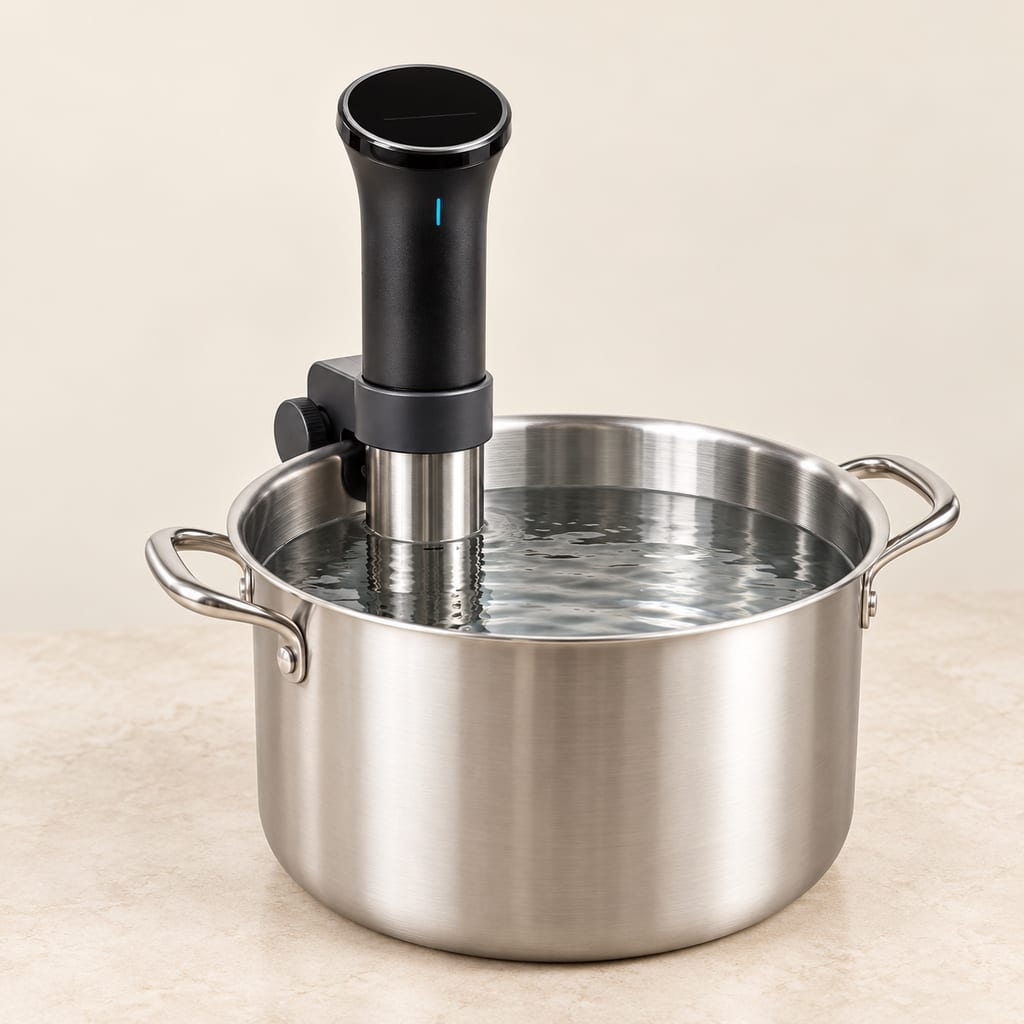
The Anova Precision Cooker 3.0 is a clamp-on electric immersion circulator with a stainless skirt, adjustable clamp and two-line touchscreen. It heats and moves water around food held separately.
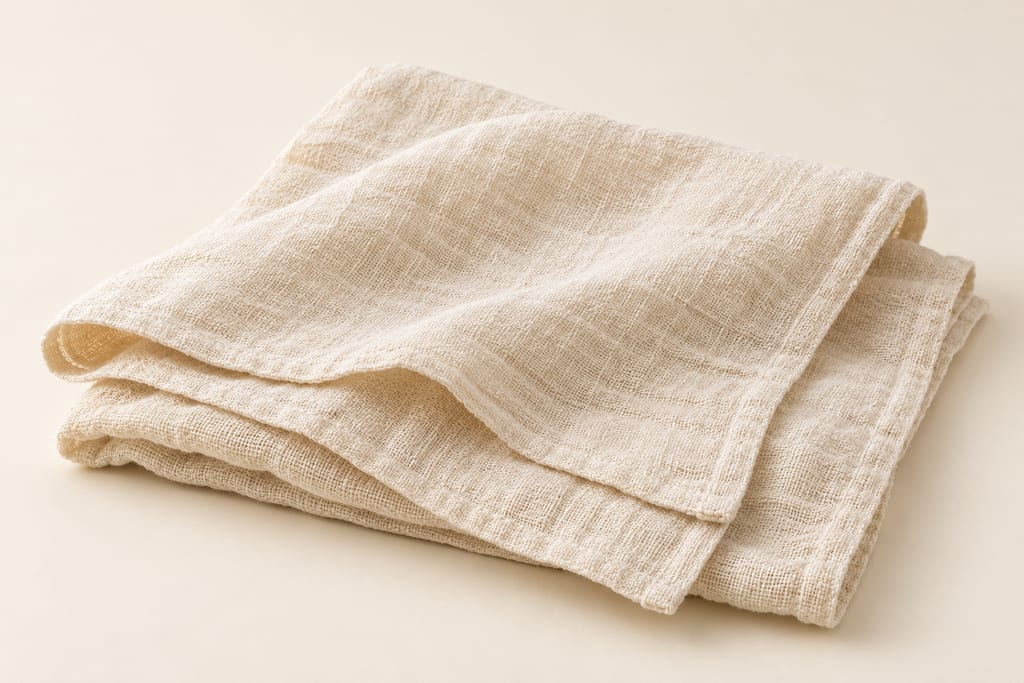
A cloth listed for steaming rice in a rice-koji method and identified as cloth for a koshiki in a brewery-museum caption; its fiber, weave, and size are not specified.
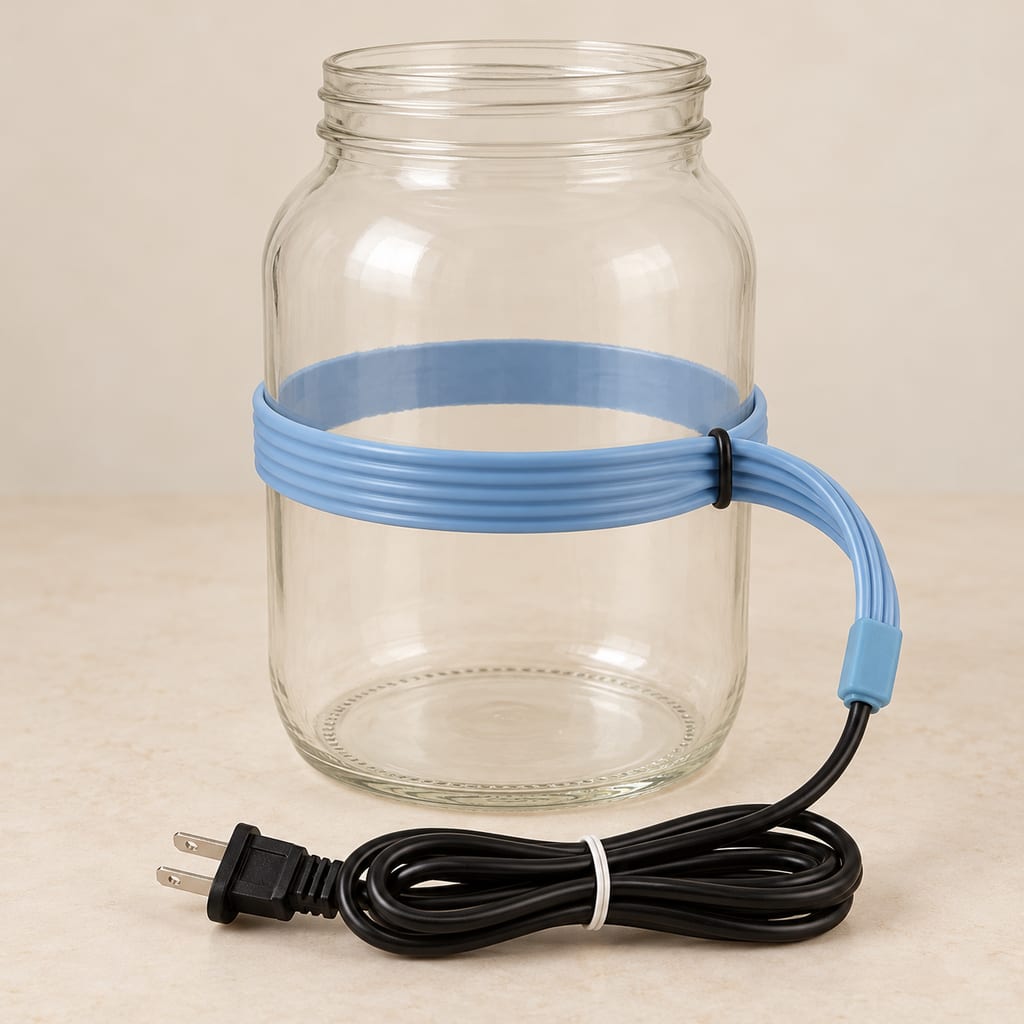
A low-watt electric band warms a fermentation vessel from the outside. Belt position can influence heating, but these examples do not provide a built-in thermostat; electrical ratings and vessel compatibility vary by model.
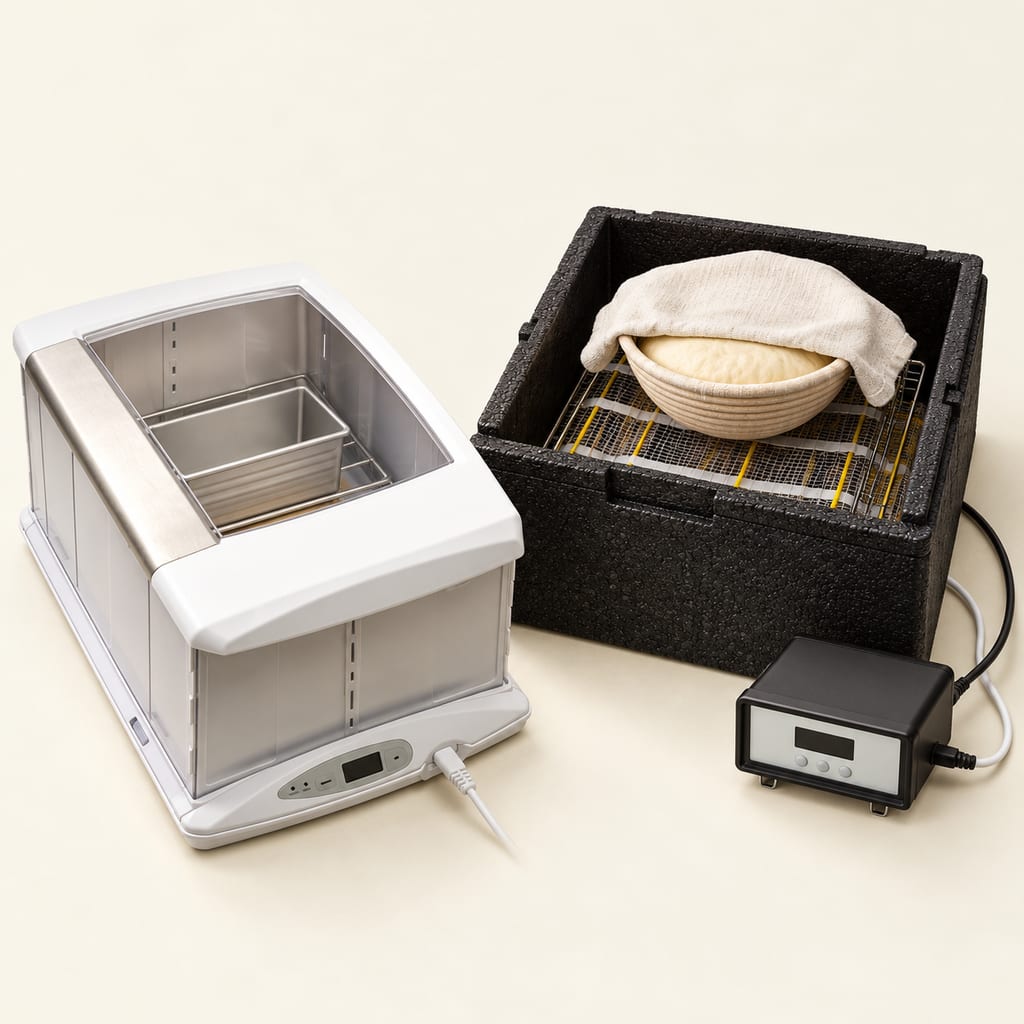
A bread proofer creates a warm, sheltered place for dough to rise. Purpose-built countertop proofers and insulated boxes with separately controlled heat are different designs; neither sets one temperature or proofing time for every dough.
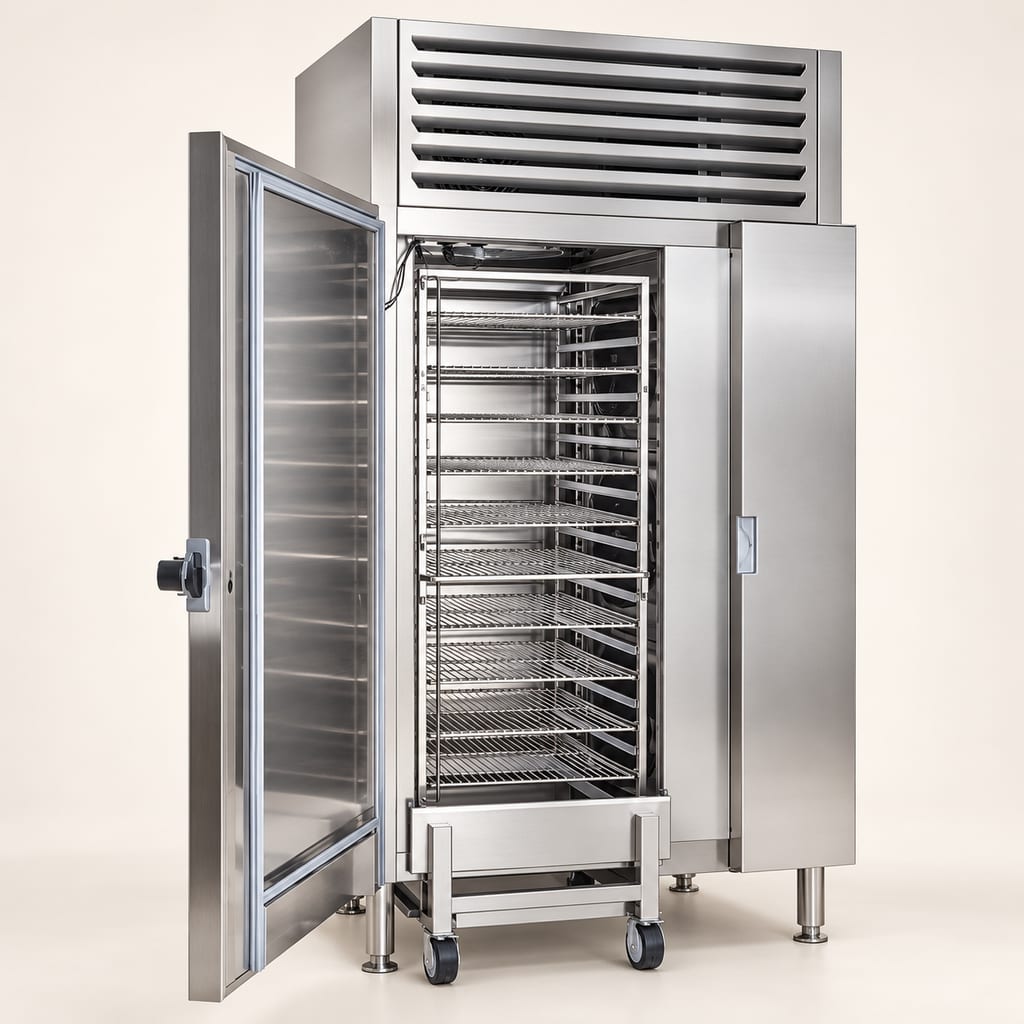
Powered refrigeration equipment that rapidly cools prepared food with cold, moving air. Batch depth, container arrangement and measured cooling performance still matter.
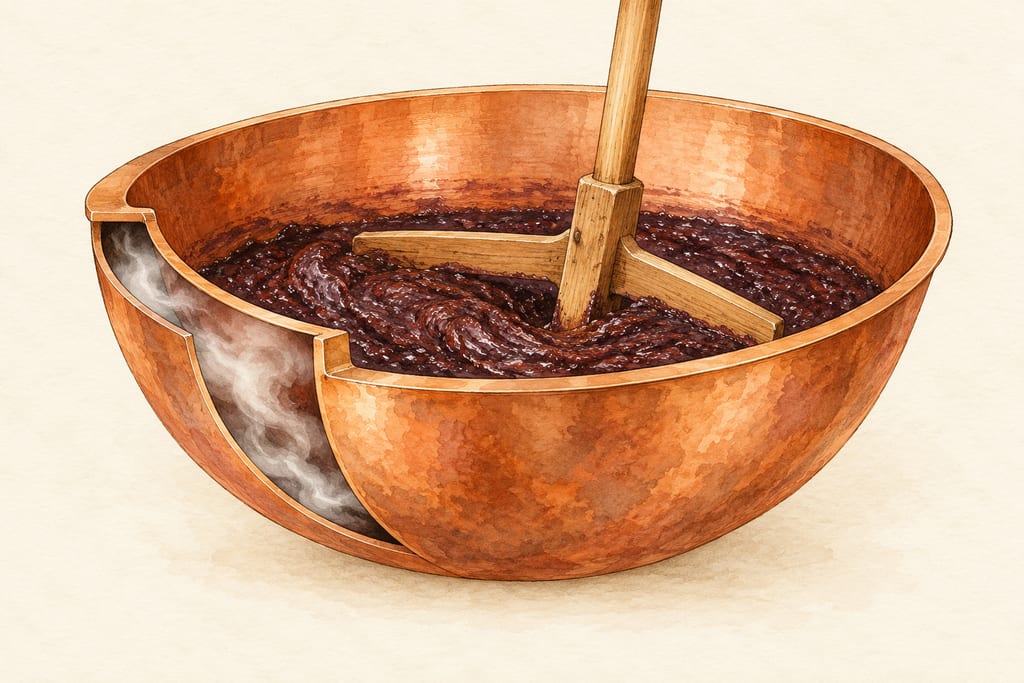
Topoloveni's open vats use steam through a double wall and anchor stirring. DoR reports four double-wall copper cauldrons imported from France for early production; their date and the material of current vats are unknown.
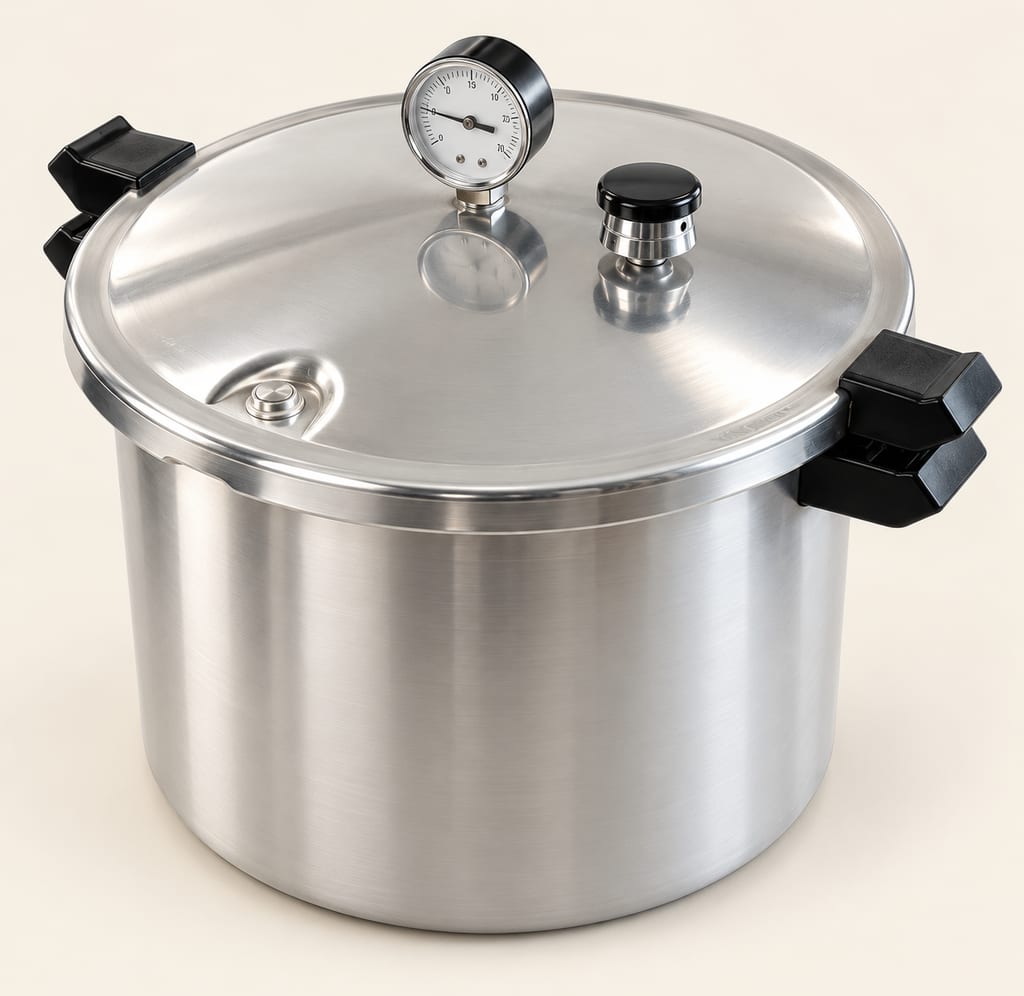
A lidded, vented pressure vessel processes jars at temperatures above the boiling point. For low-acid foods, use the equipment with a tested product-specific process; an ordinary pressure cooker is not a substitute.
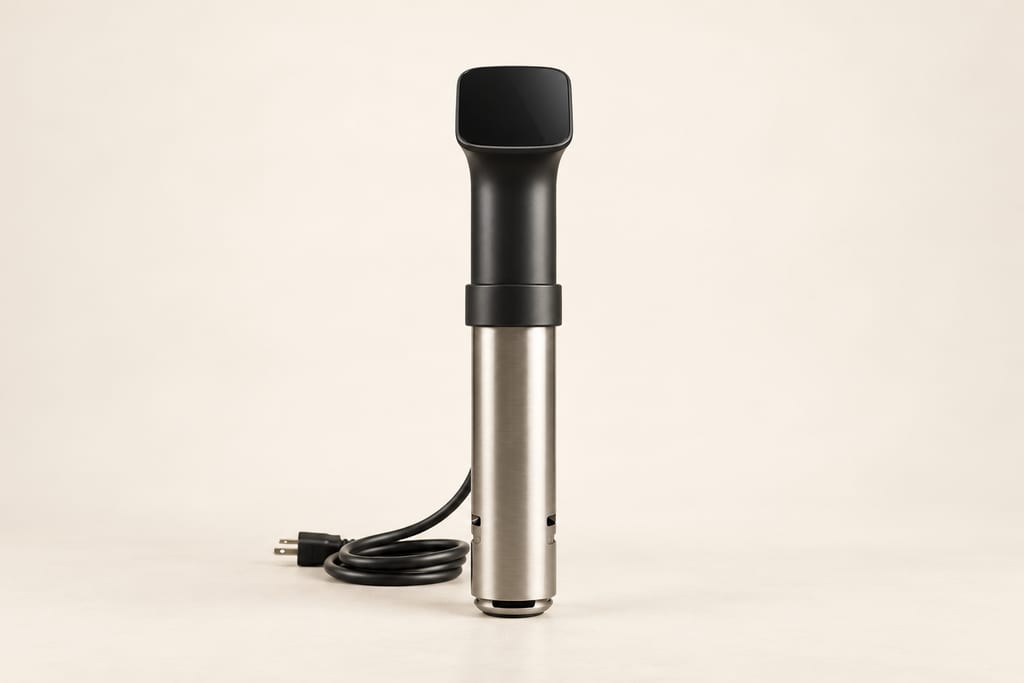
An immersion circulator heats and moves water around food held separately in bags or containers. For fermentation, it can provide a controlled warm bath for jar-based cultures when the recipe and appliance support that use.
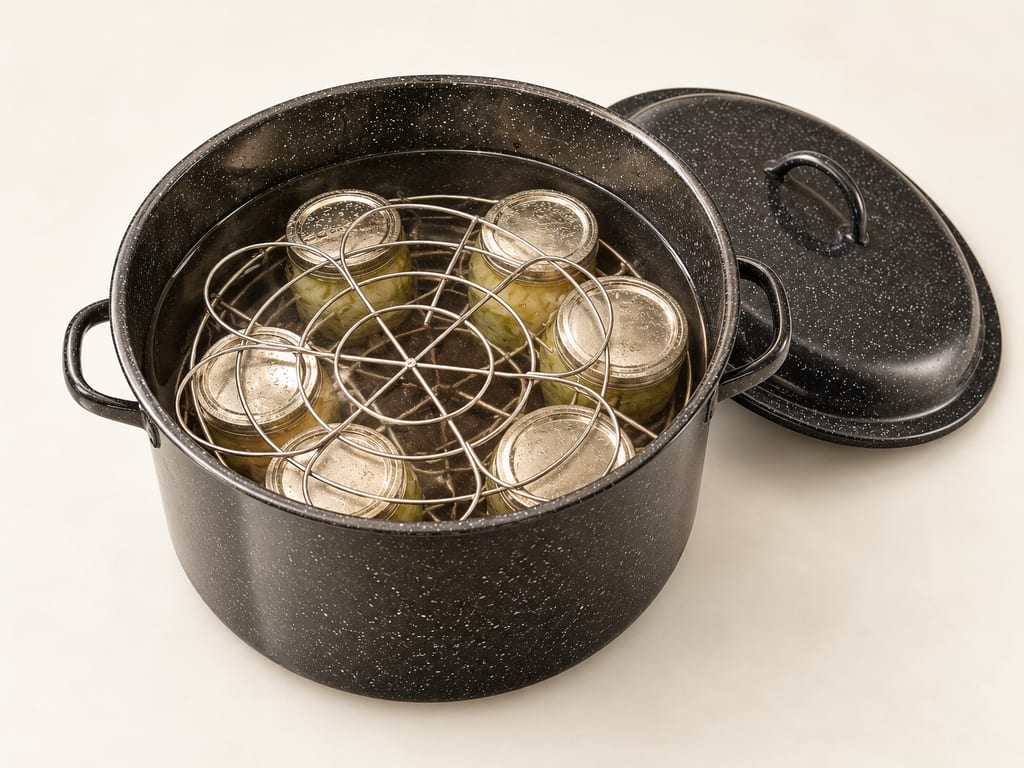
A deep, lidded pot with a removable rack processes jars beneath boiling water. It is intended for foods with tested boiling-water processes; low-acid foods require pressure canning.
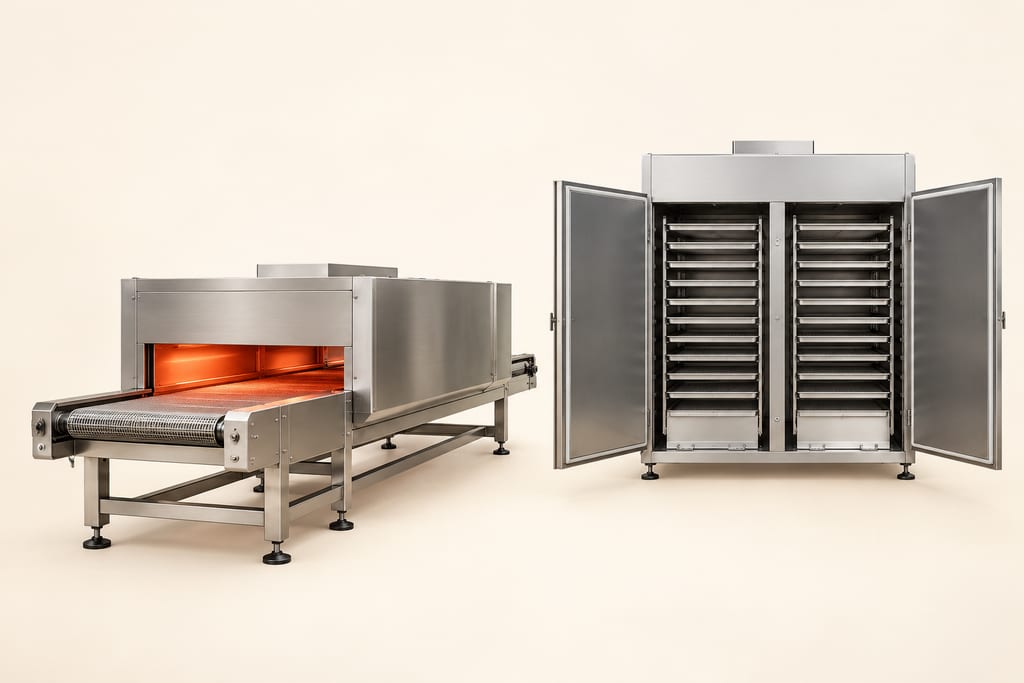
PHilMech's two-stage mango-drying system used intermittent far-infrared conveyor heating before a convection cabinet finish. Its pilot measurements describe one research setup, not a standard specification for every hybrid dryer.