












































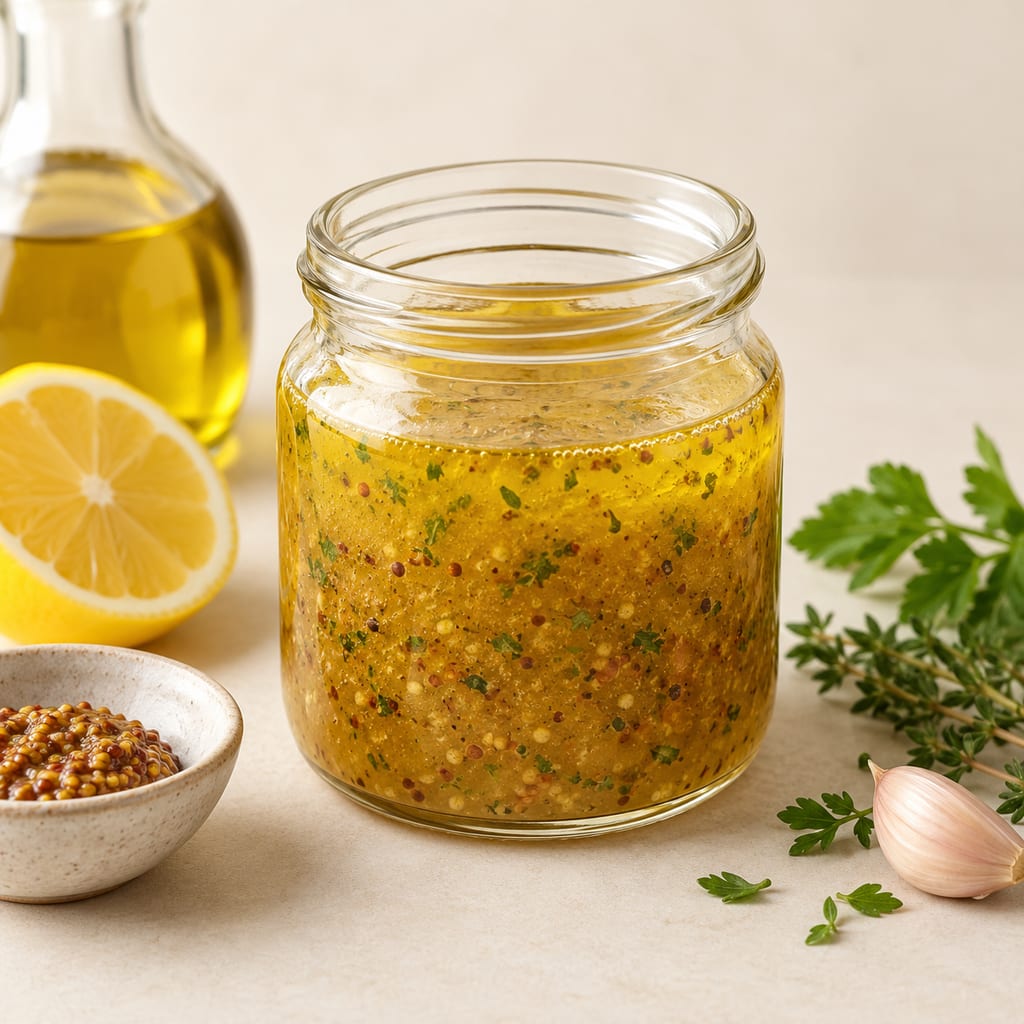
Vinaigrette
A dressing of edible oil whisked with a mild acid, usually vinegar or lemon juice, seasoned with salt, herbs and mustard, used on salads and as a marinade.
 FermenteaWhere food goes to change
1504 records with their sources, across 11 categories.
A dressing of edible oil whisked with a mild acid, usually vinegar or lemon juice, seasoned with salt, herbs and mustard, used on salads and as a marinade.
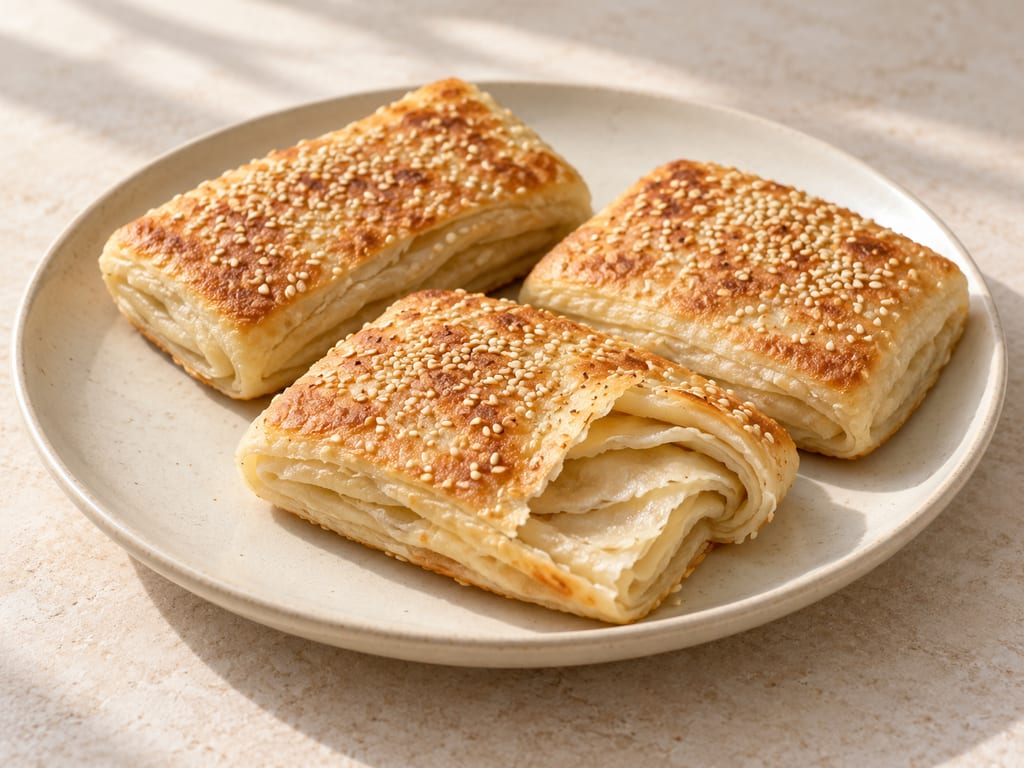
A Taichung family recipe uses a hot-and-cool water dough, vegetable-oil roux, repeated folds and sesame seeds for crisp, layered shaobing.
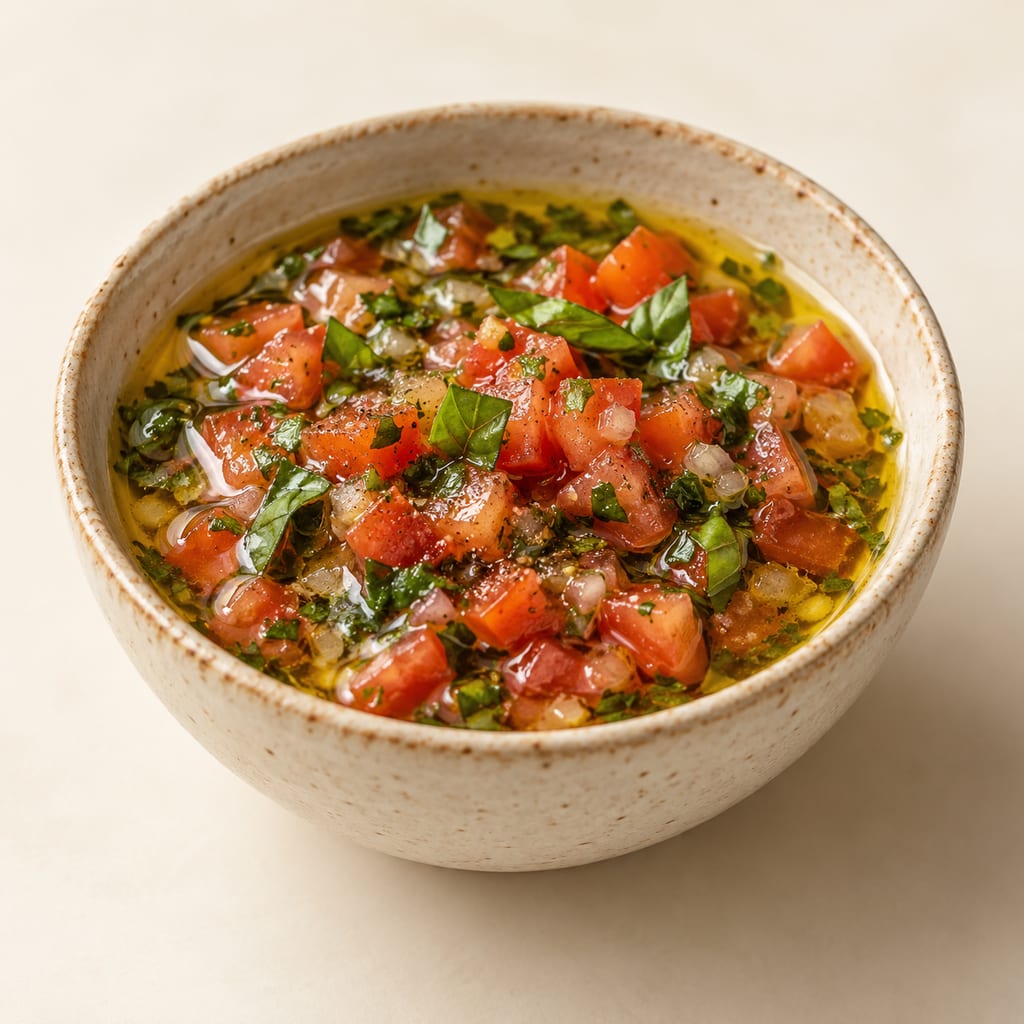
A raw French sauce of olive oil, lemon, chopped tomato and basil, with the herbs infused in the oil, served with fish, shellfish and vegetables.
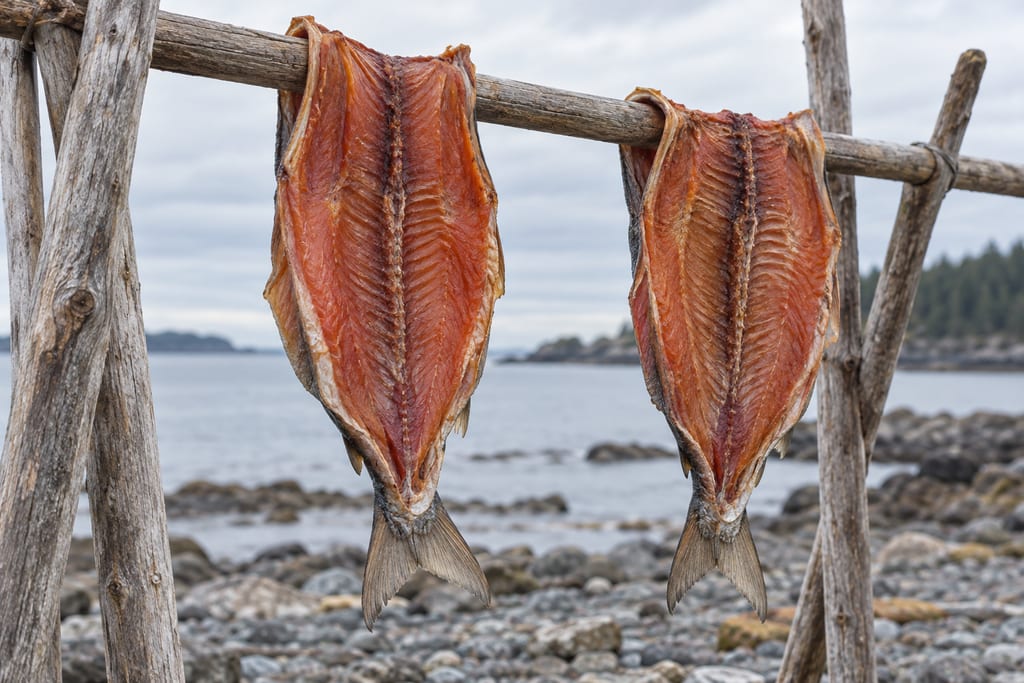
Pacific salmon opened along the backbone and hung on elevated wooden frameworks to air-dry, the winter provision at the centre of Nivkh household fishing on Sakhalin and the Lower Amur.
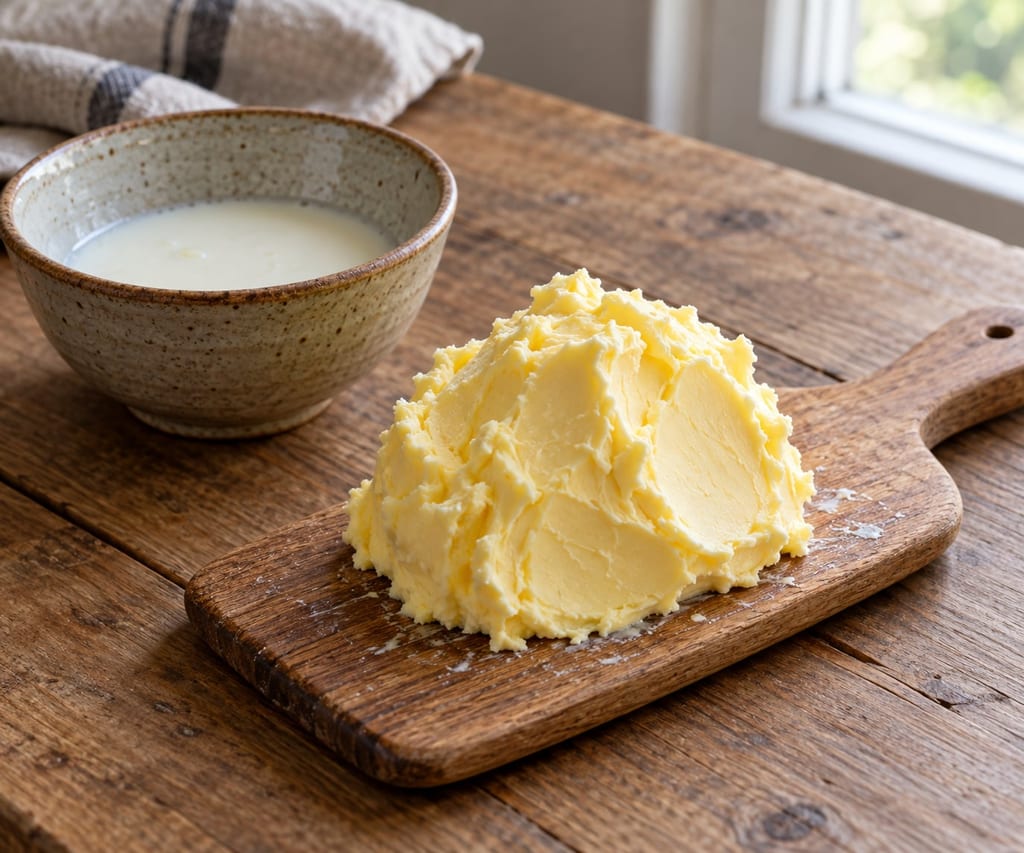
Cream agitated until its fat globules join into a solid mass and release buttermilk, the dairy fat a northern household could concentrate, salt and keep when milk itself would not last.
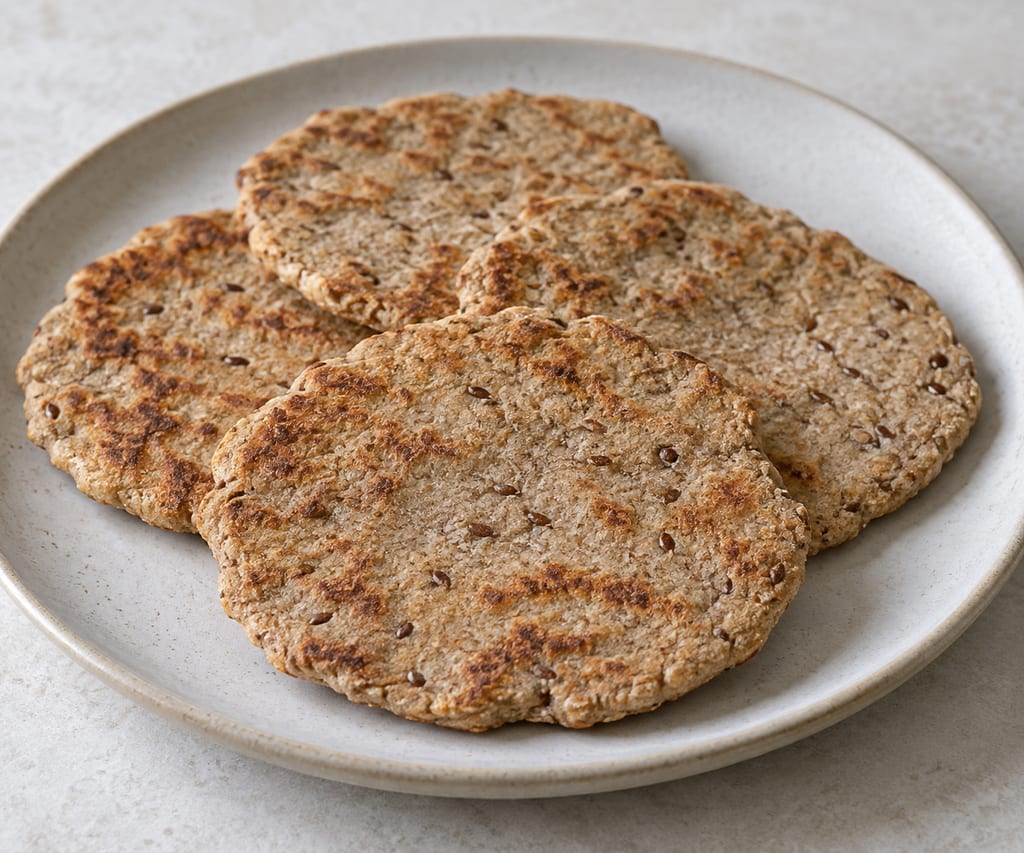
A small, dense cake of ground barley mixed with liquid and cooked against a hot surface, the form a low-gluten northern cereal takes when a household turns stored grain into bread.
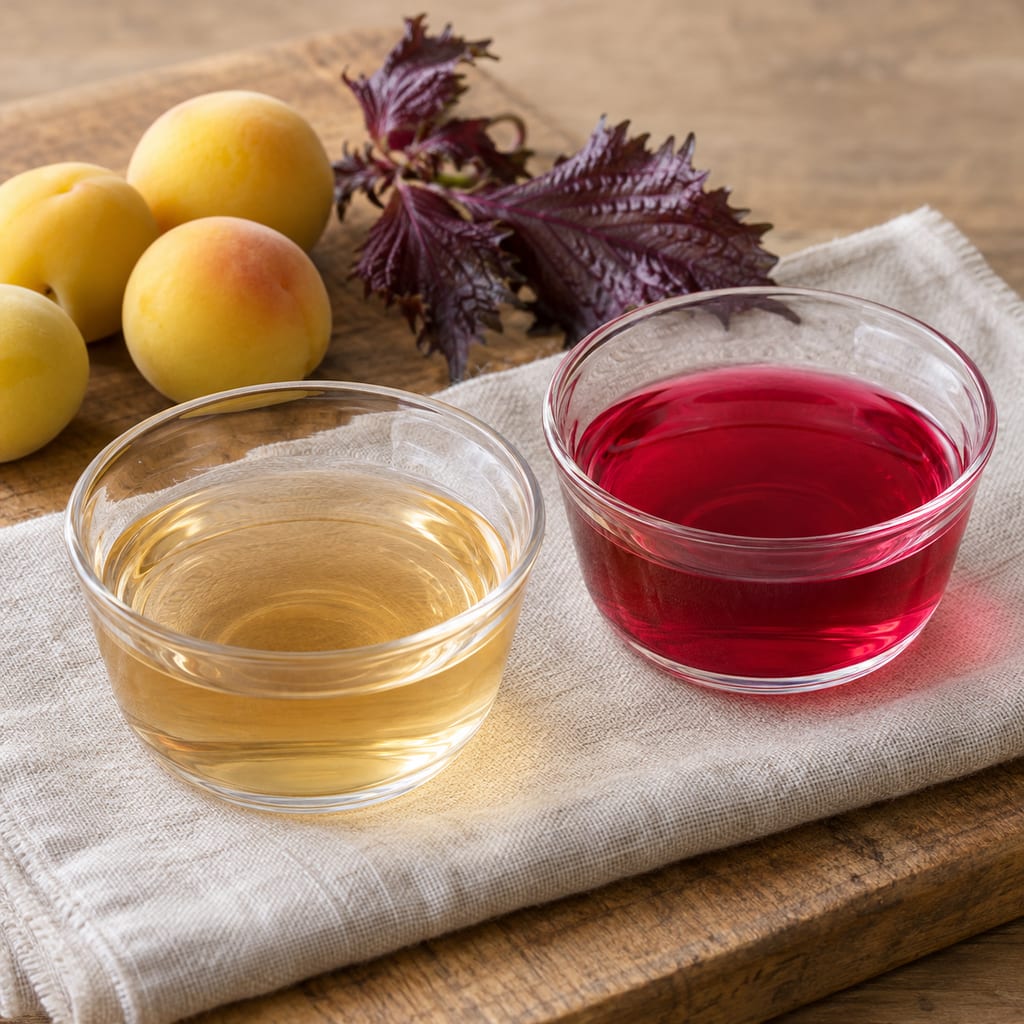
The very salty, sour liquid drawn out of Japanese ume fruit by salt during umeboshi making: acidity from the fruit's citric and malic acid, not from acetic fermentation; white, or red with shiso.
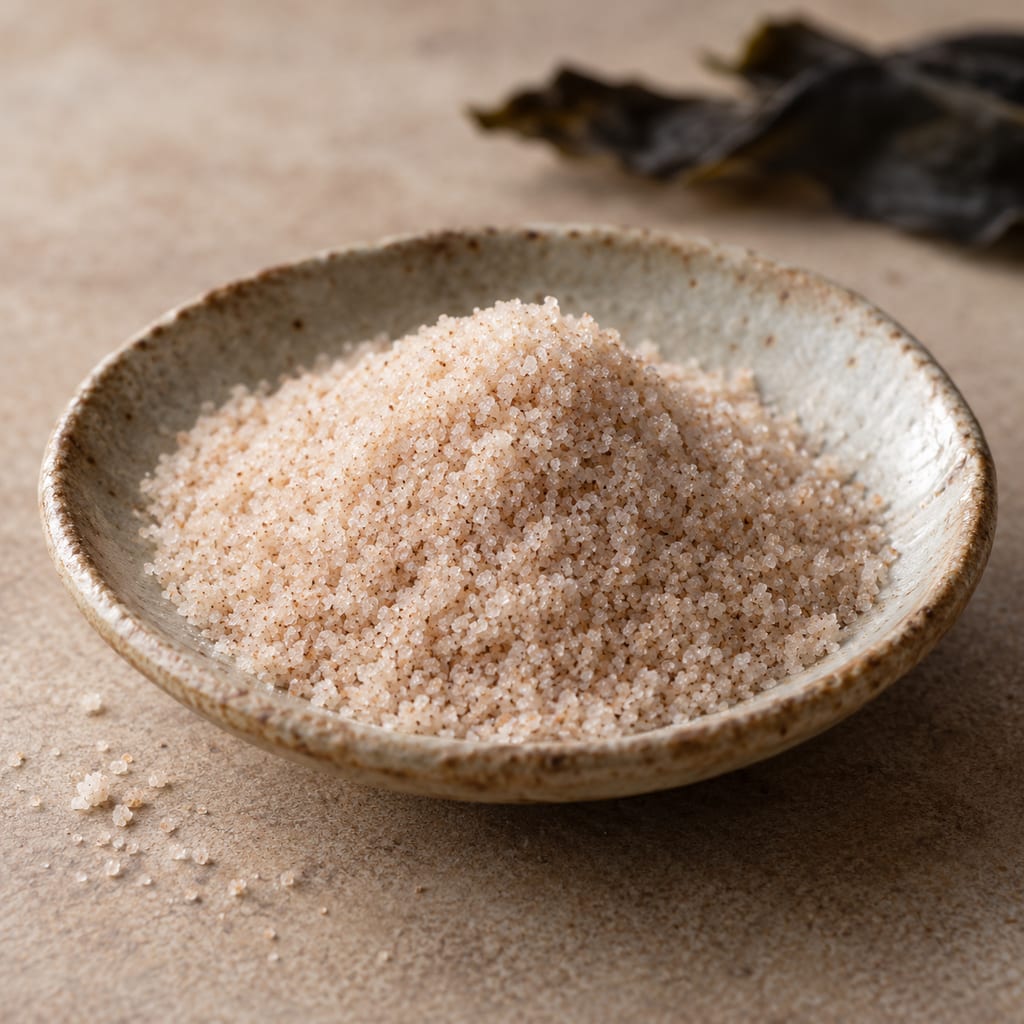
Awaji moshio is a modern Japanese seaweed salt made by TaDa PHILOSOPHY from Awaji Island seawater and seaweed. Its premium process concentrates brine, extracts seaweed flavor, then crystallizes, separates, dries and grades the salt.
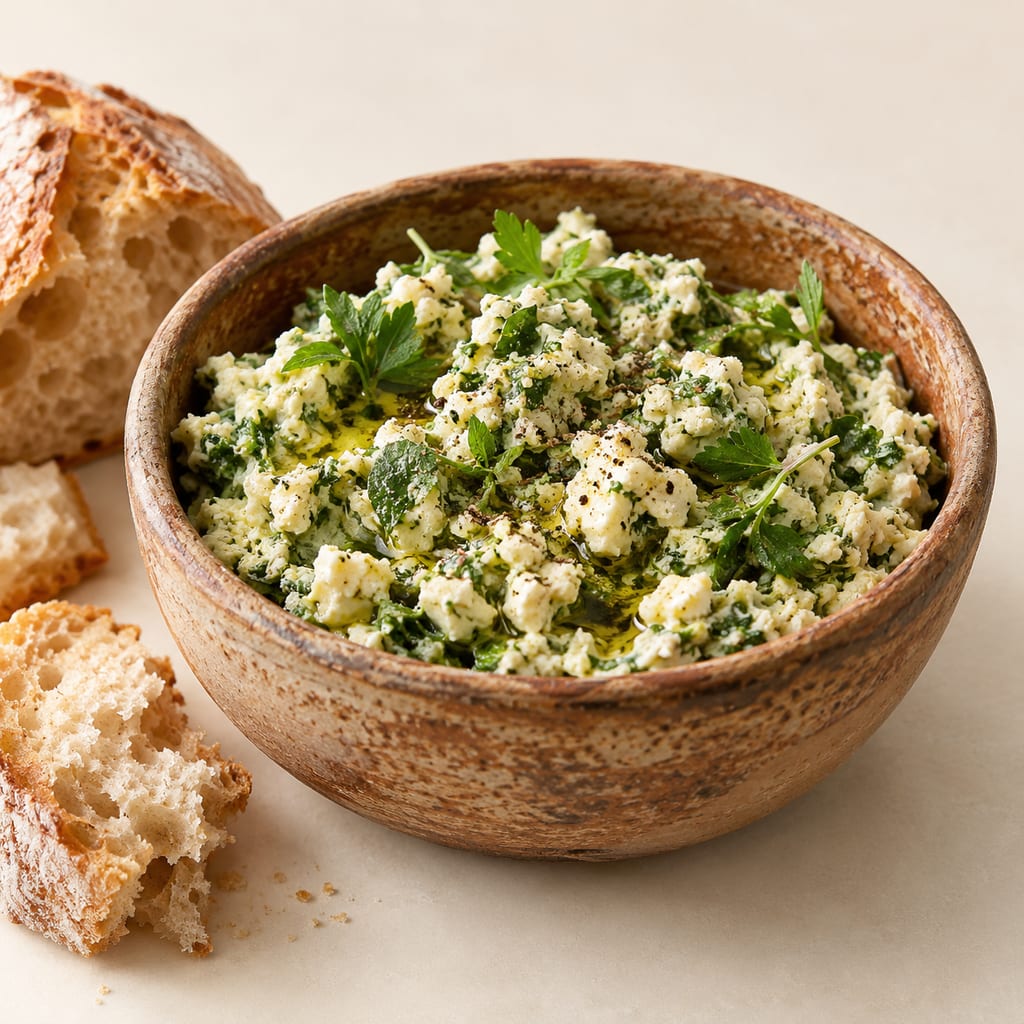
Moretum was a pounded herb and cheese spread of ancient Rome, eaten with bread and named for the mortar in which it was made.
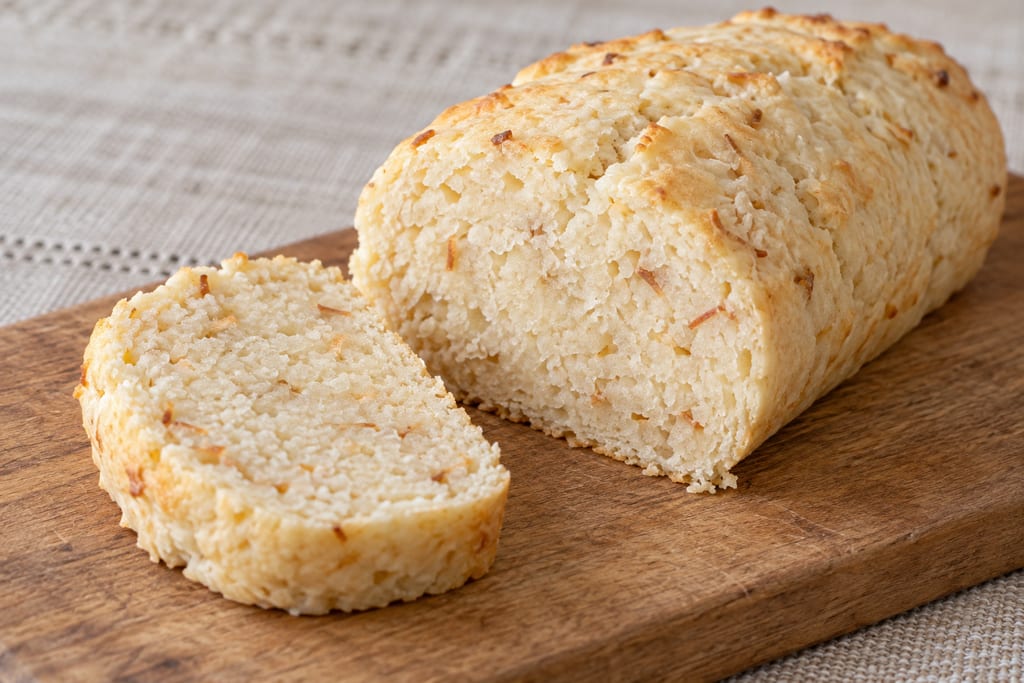
Sweet dough with grated coconut is divided into ten logs, wrapped in foil and baked slowly in this Polynesian Cultural Center version demonstrated by Gina Pasi.
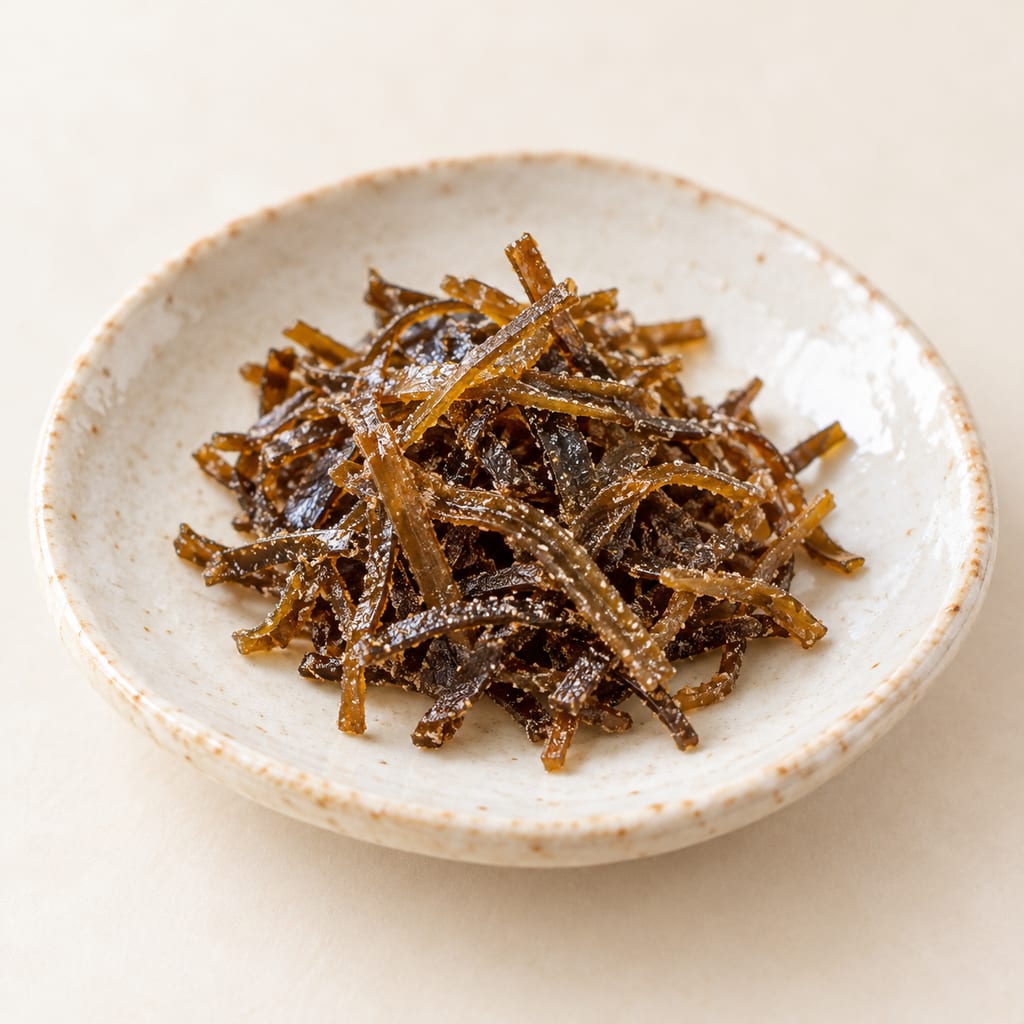
Japanese kelp simmered in soy sauce and seasonings, sometimes dried and salted, eaten with rice or used as an umami seasoning.
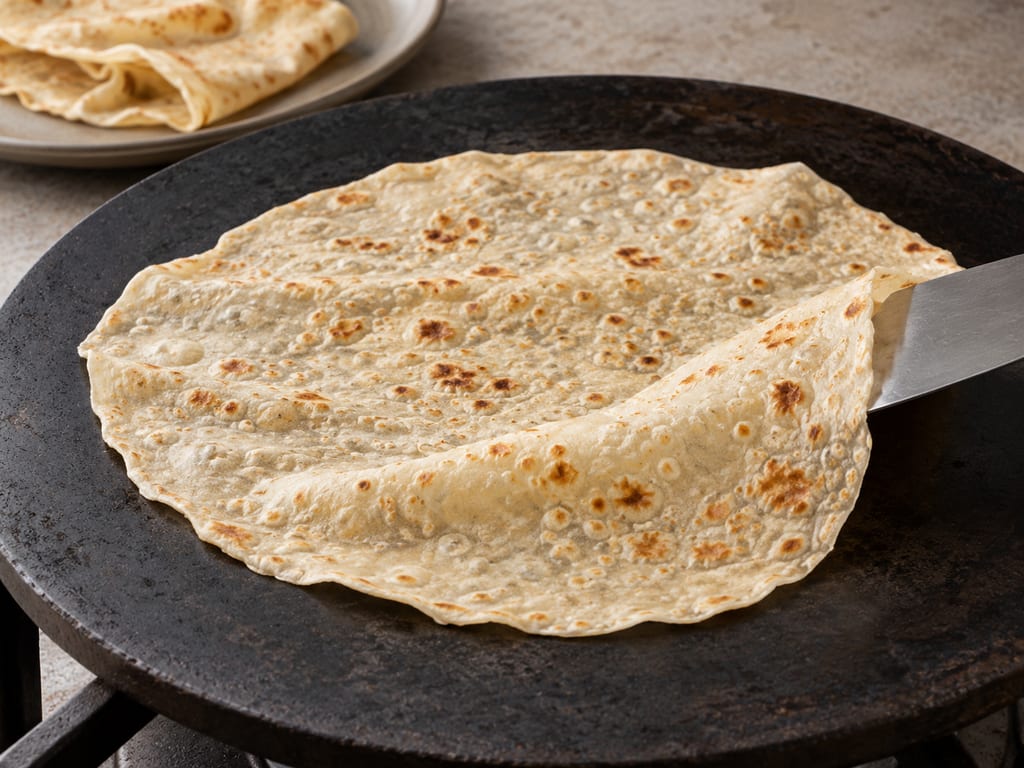
Regag is a thin Emirati wheat bread cooked on an ungreased pan. This measured home method uses a soft dough that rests covered, then gets spread thin with a palette knife or bench scraper.

Panrkhash is an Armenian bread-and-cheese dish associated with Gyumri and Shirak. One published oven-baked version layers lavash and string cheese with butter-sautéed onion and hot water; regional methods vary.
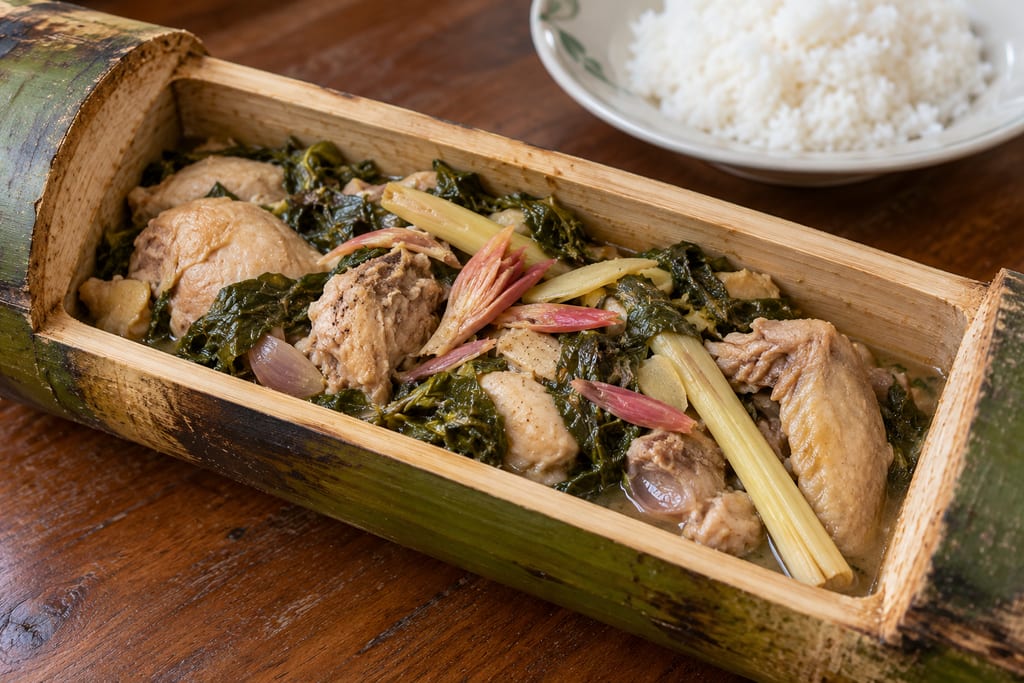
Manuk pansuh is Iban chicken cooked slowly inside a fresh bamboo tube with aromatics and leafy greens. The bamboo holds the food and shapes the steamy, fragrant cooking environment; recipes vary by household and locality.
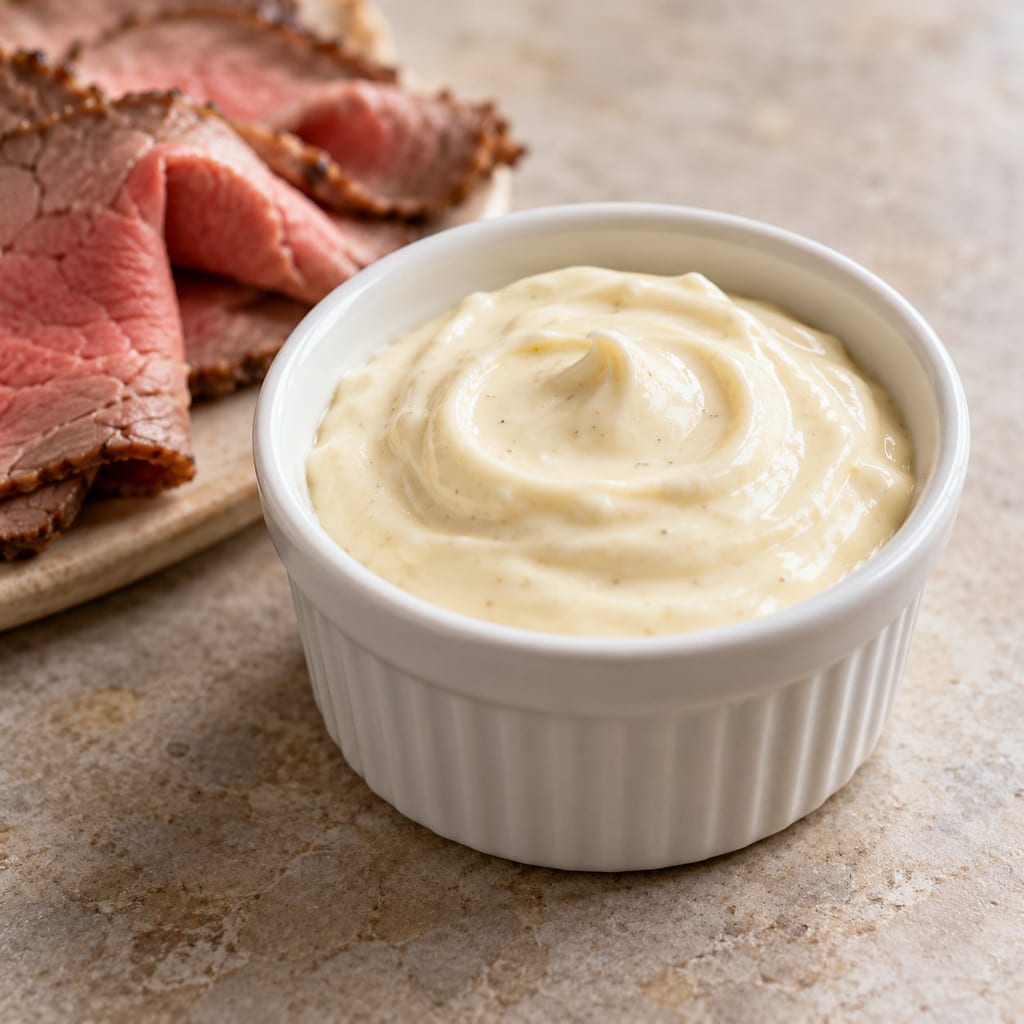
Prepared horseradish and lemon sharpen finished mayonnaise into a fresh accompaniment for roast meat or fish; the archived ratio has not been tested.
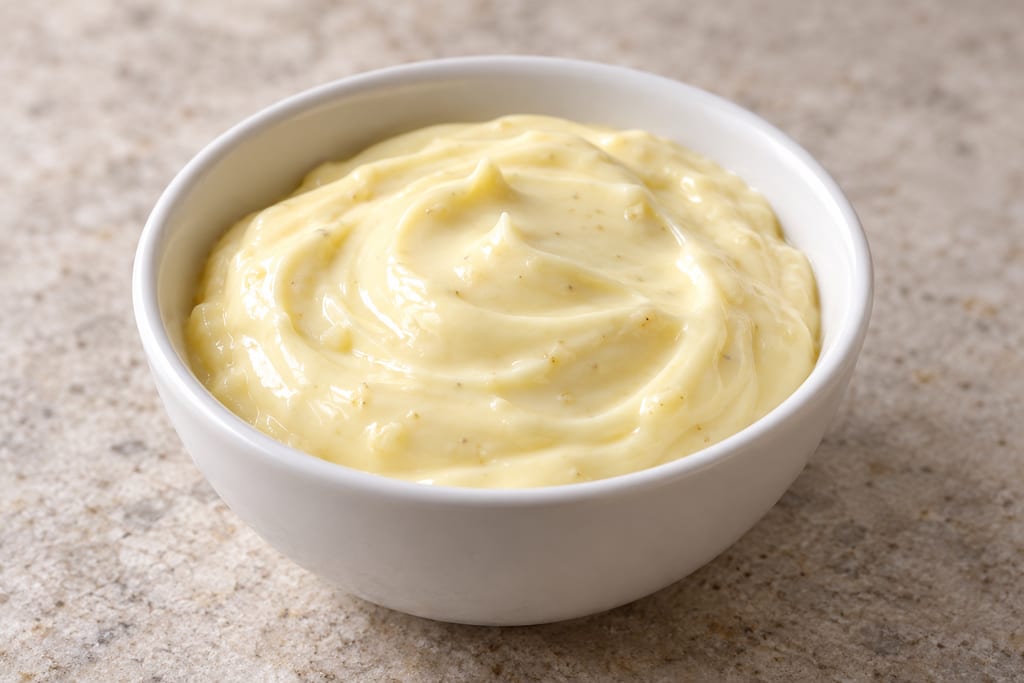
An untested 265 g garlic mayonnaise made by whisking pasteurised yolk with vinegar, water and Dijon, then slowly emulsifying neutral oil with mild extra-virgin olive oil.
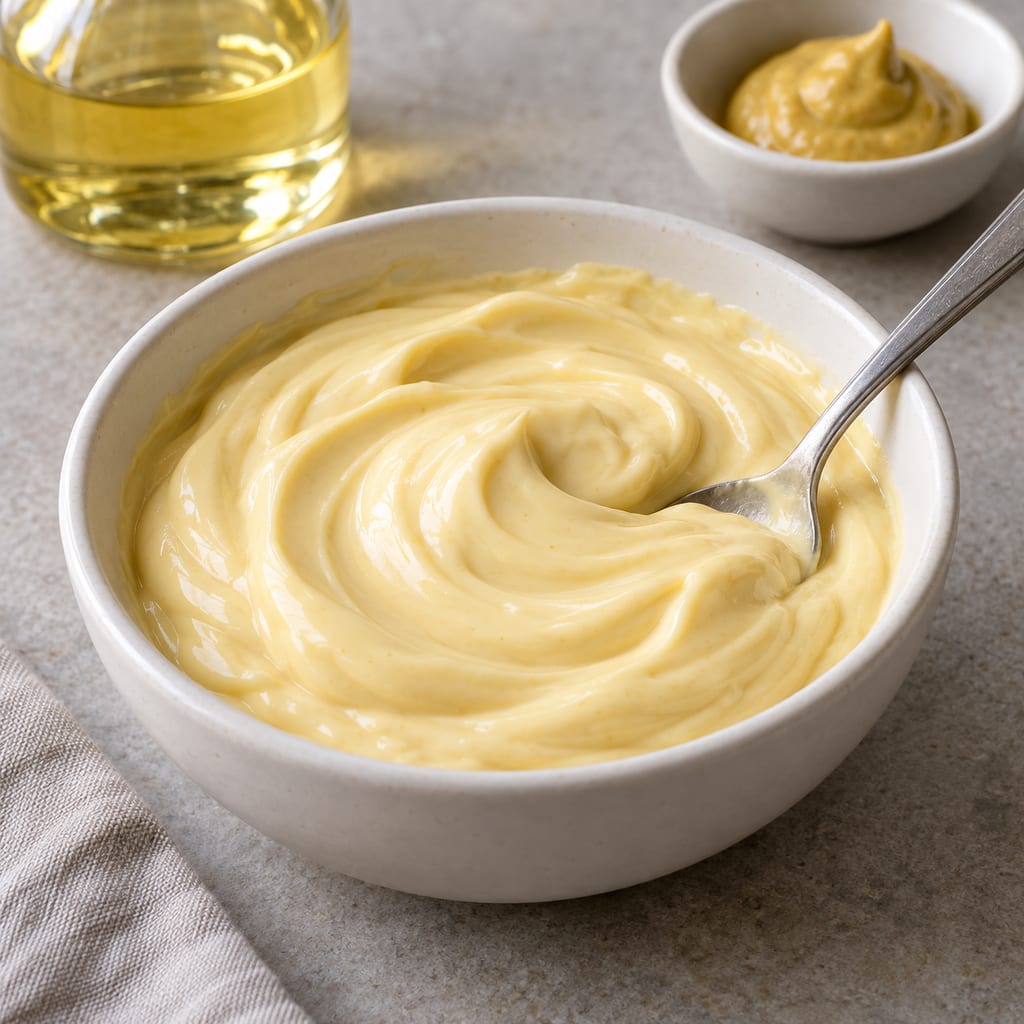
An untested mayonnaise variation made with refined sunflower oil and more Dijon mustard than a neutral base.
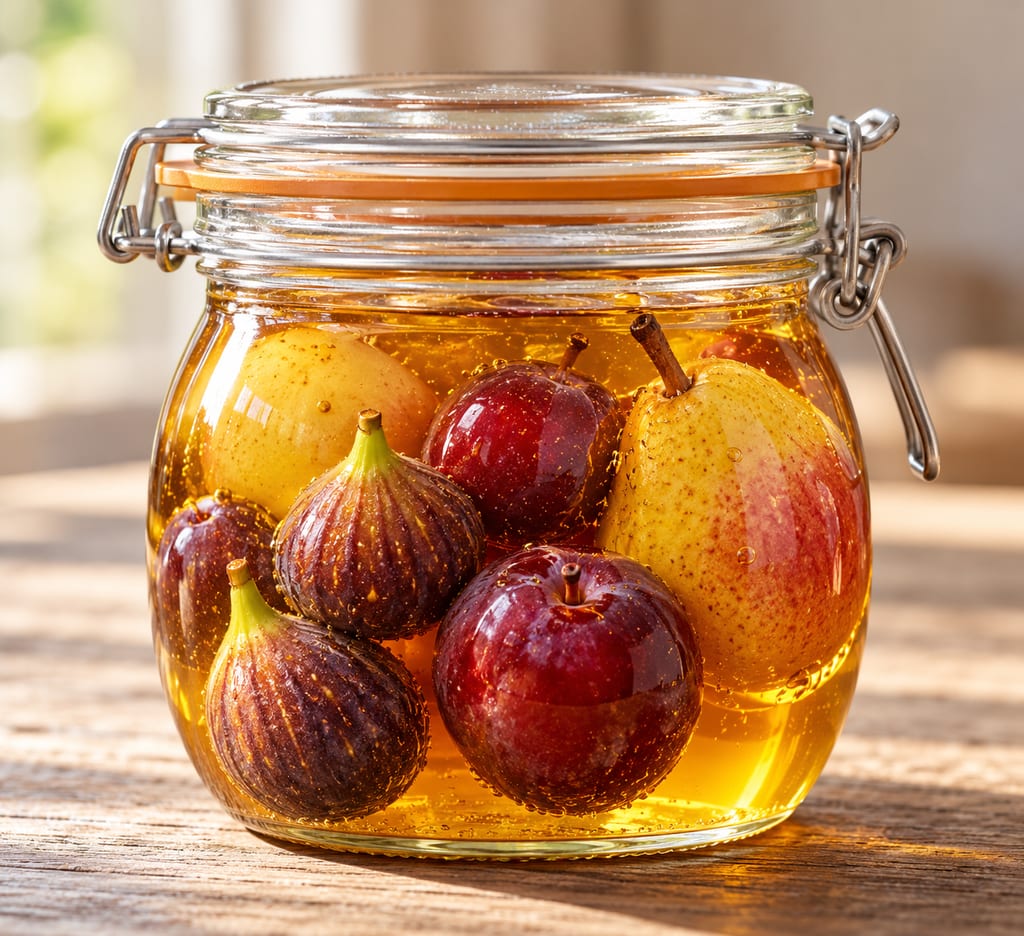
Fruit and some other foods were placed in honey in ancient Mediterranean kitchens. The honey's concentrated sugar does the preserving, and wet ingredients weaken it.
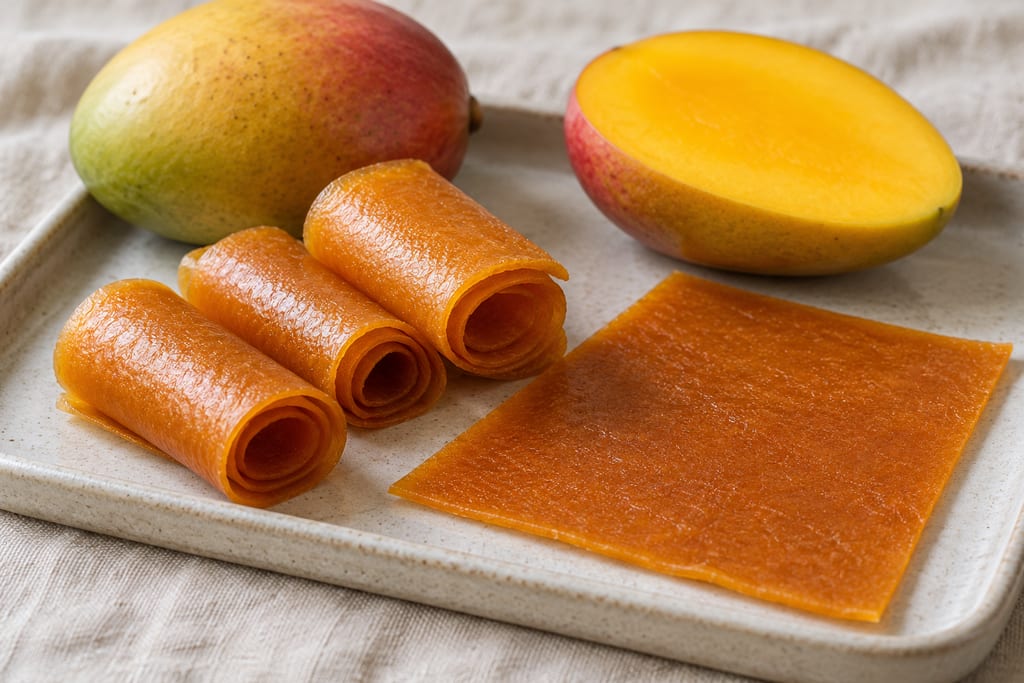
Sieved mango purée with honey and warm spices, spread a quarter inch thick and dried at 140 °F (60 °C) for about 10 hours into a flexible fruit sheet.
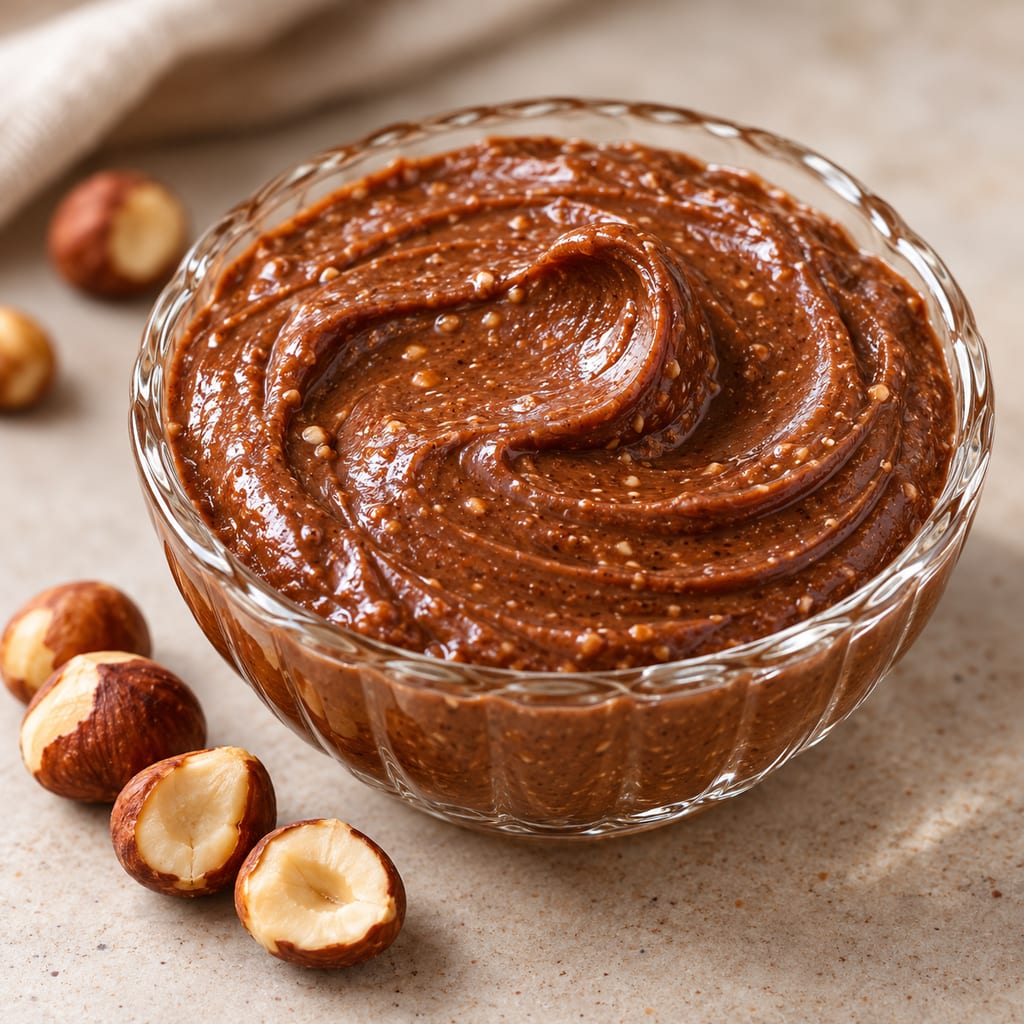
Roasted, skinned hazelnuts refined in a stone melanger into a fluid paste, then sweetened and finished with cocoa as a gianduja-style spread.
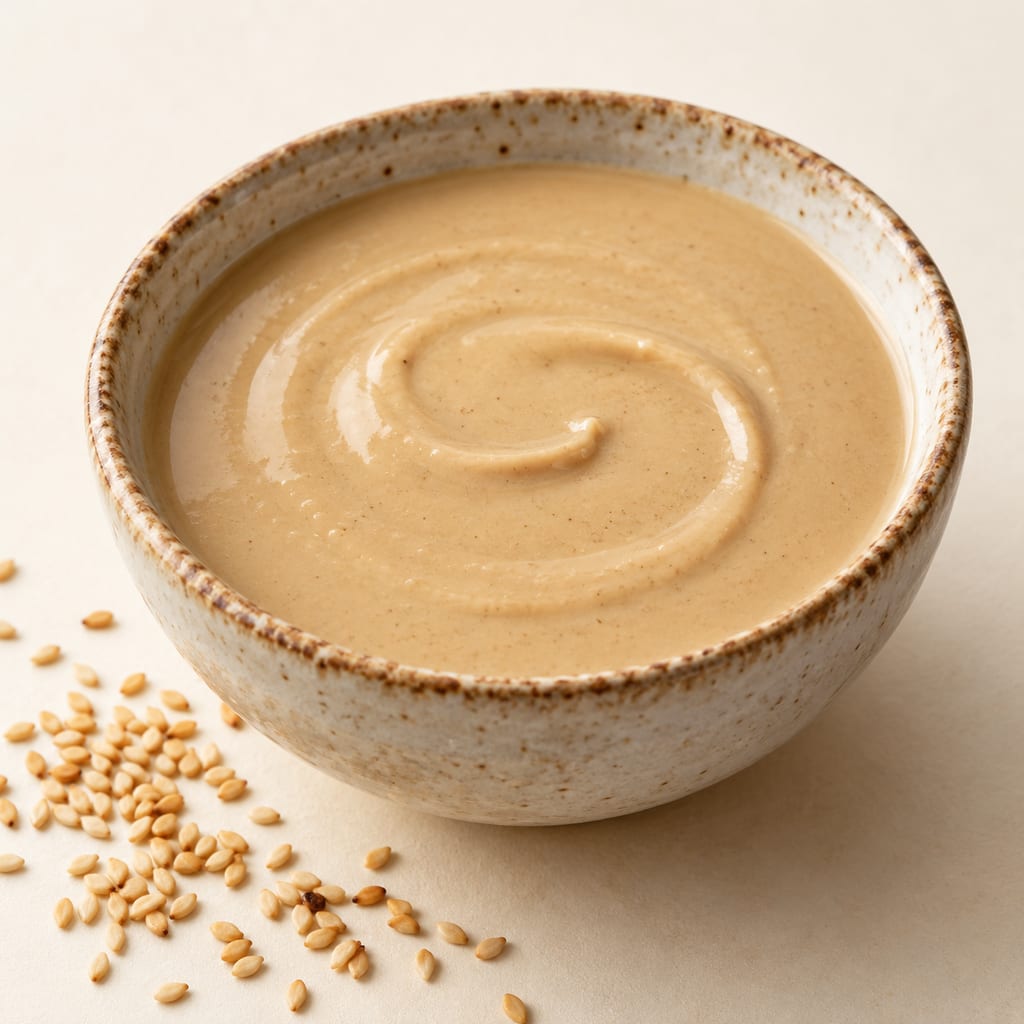
Toasted sesame seeds ground to a pourable paste, made by two manufacturer routes: a high-speed blender in minutes, or a stone chocolate refiner over three hours.
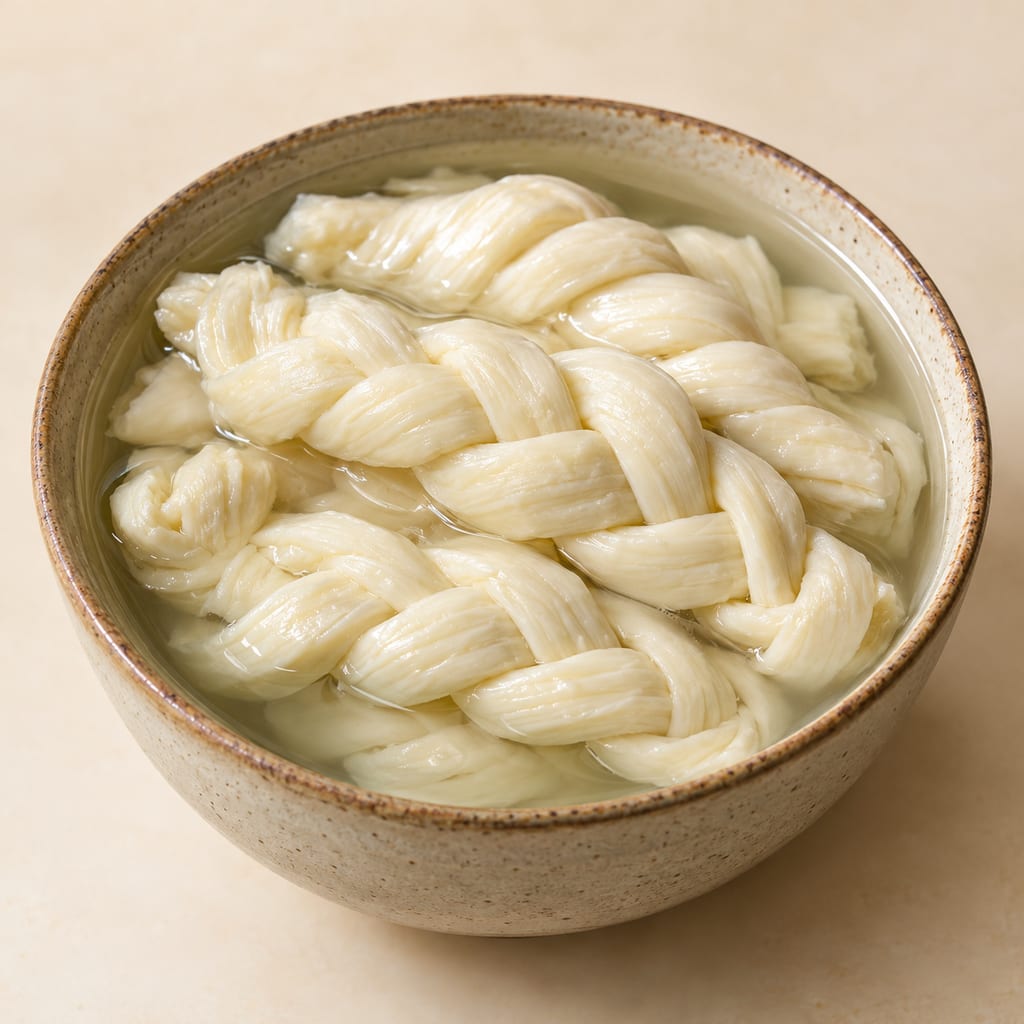
Sudanese braided cheese: curd ladled, salted, cut into strips and braided, then salted in brine and packed into tins filled with brine. A staple kept in brine rather than dried.
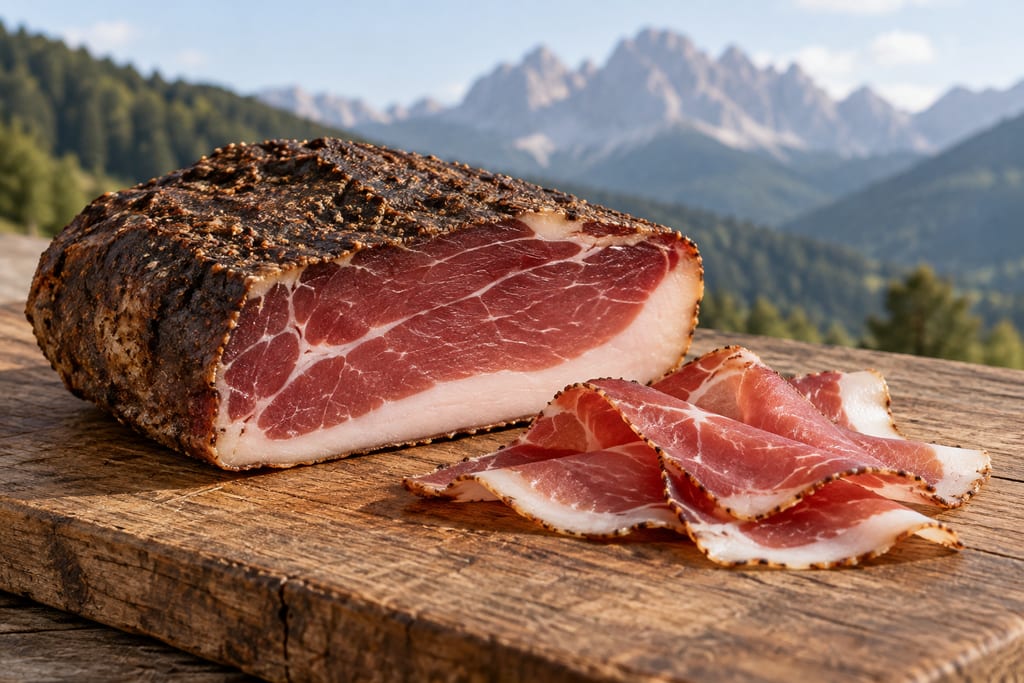
A documentary account of one modern home-video demonstration of Speck-style cured pork. It preserves the food and regional context without presenting the unvalidated cure, smoking and drying sequence as instructions.
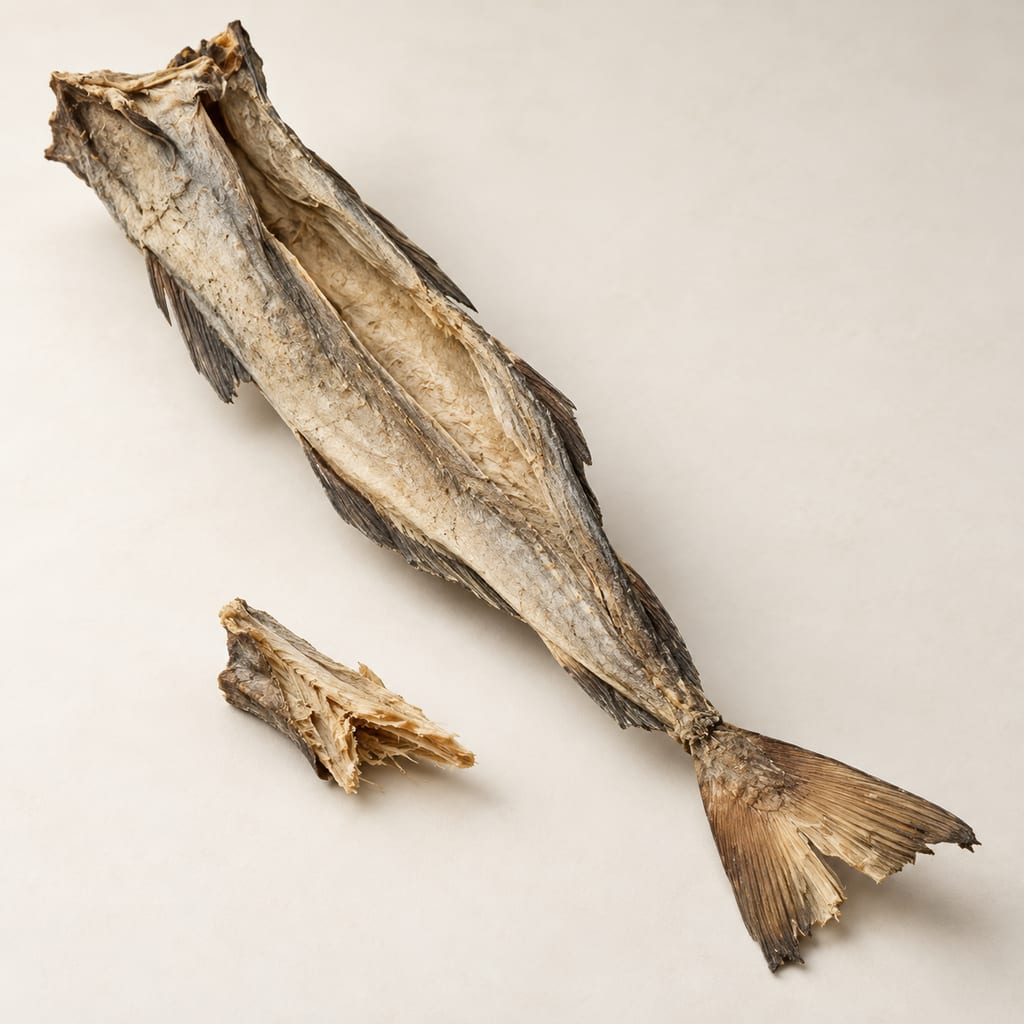
Cod hung on open racks in cold northern air until most of its water has gone, leaving a hard, light, unsalted fish that keeps and travels and must be soaked for days before cooking.
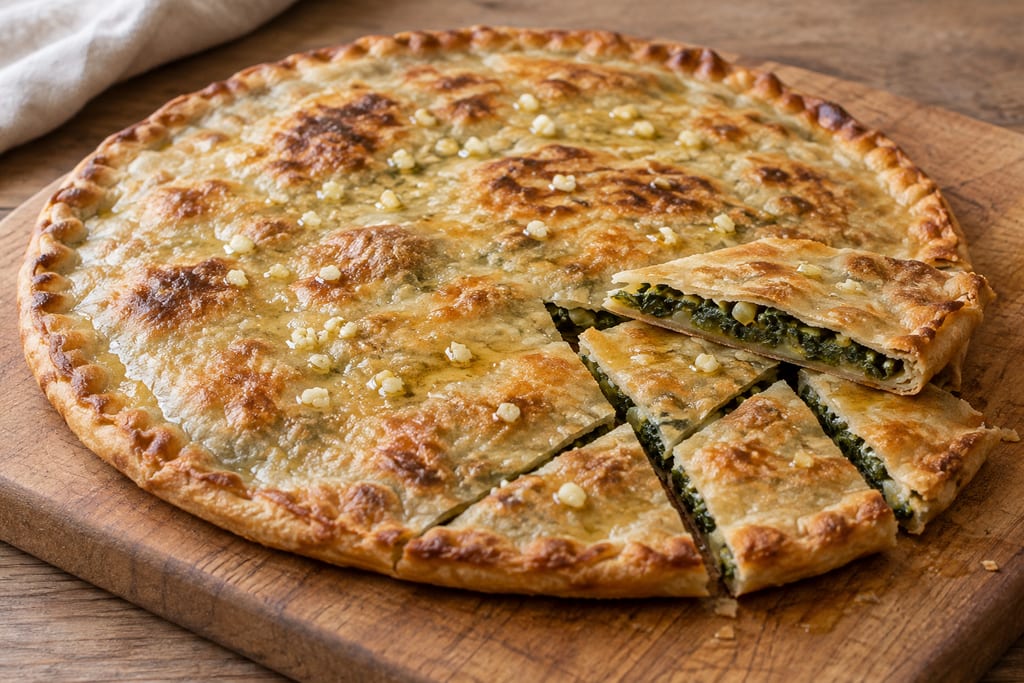
A Croatian chard-filled flatbread baked in a home oven and finished with garlic oil.
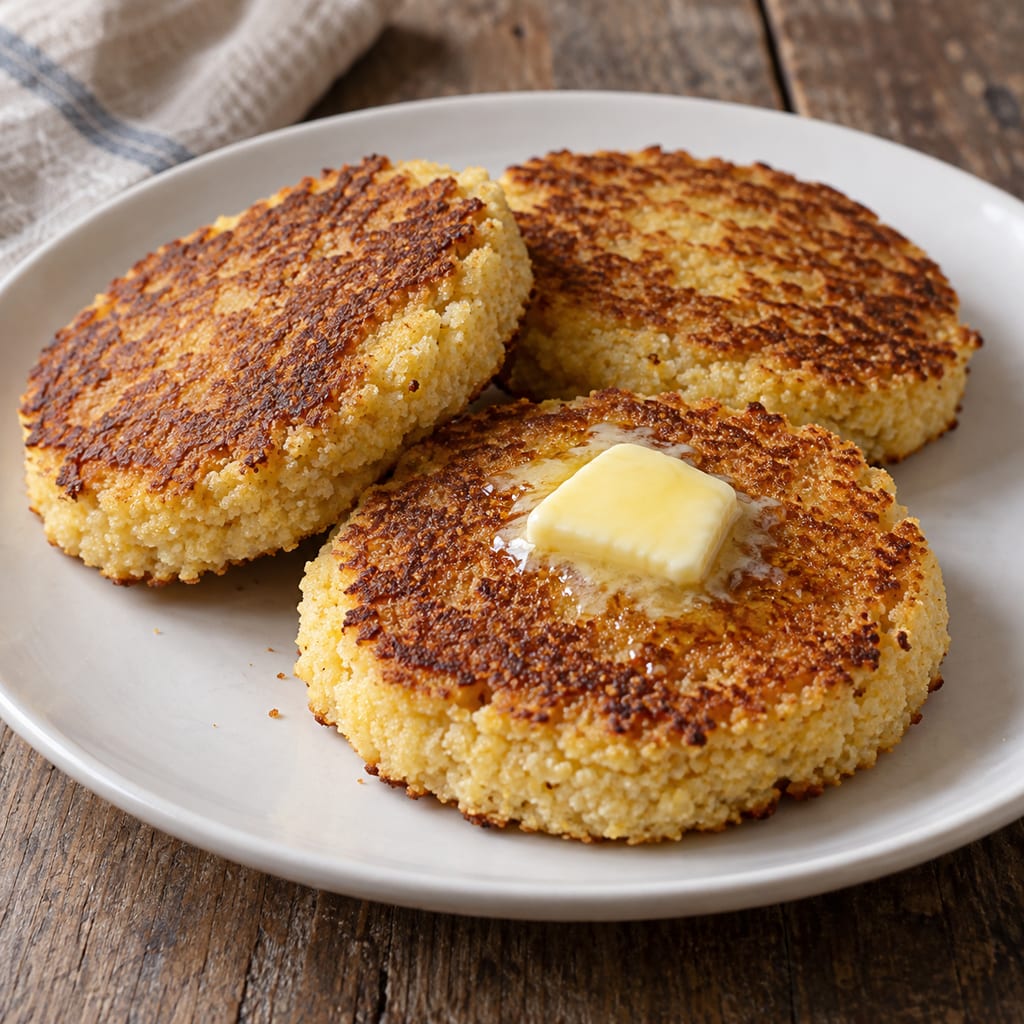
Thicker cornmeal cakes scalded with boiling water and cooked in butter. This South County formula is separate from thin Newport milk-batter cakes and Caribbean wheat breads.
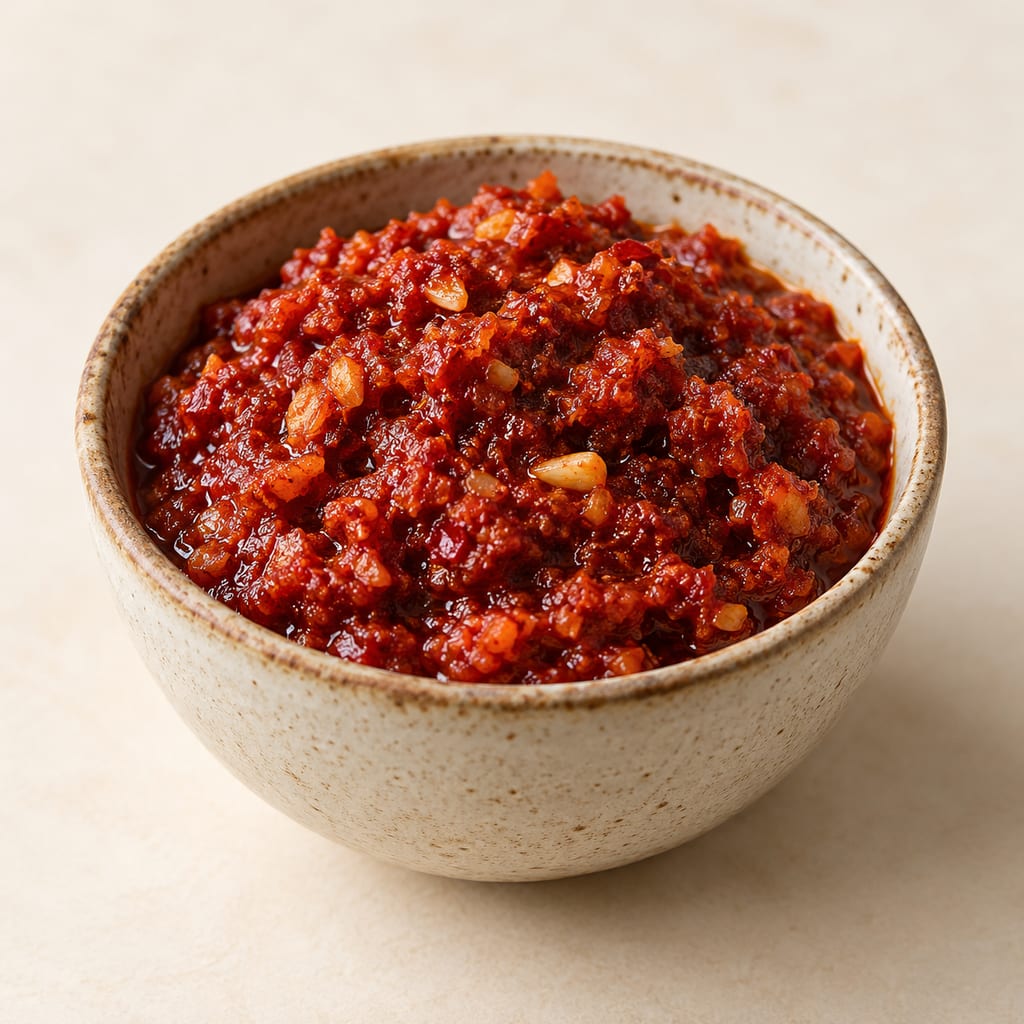
A chilli and garlic paste from the Libyan Jewish community, built on steamed dried peppers, garlic and cumin, now a common condiment in Israel.
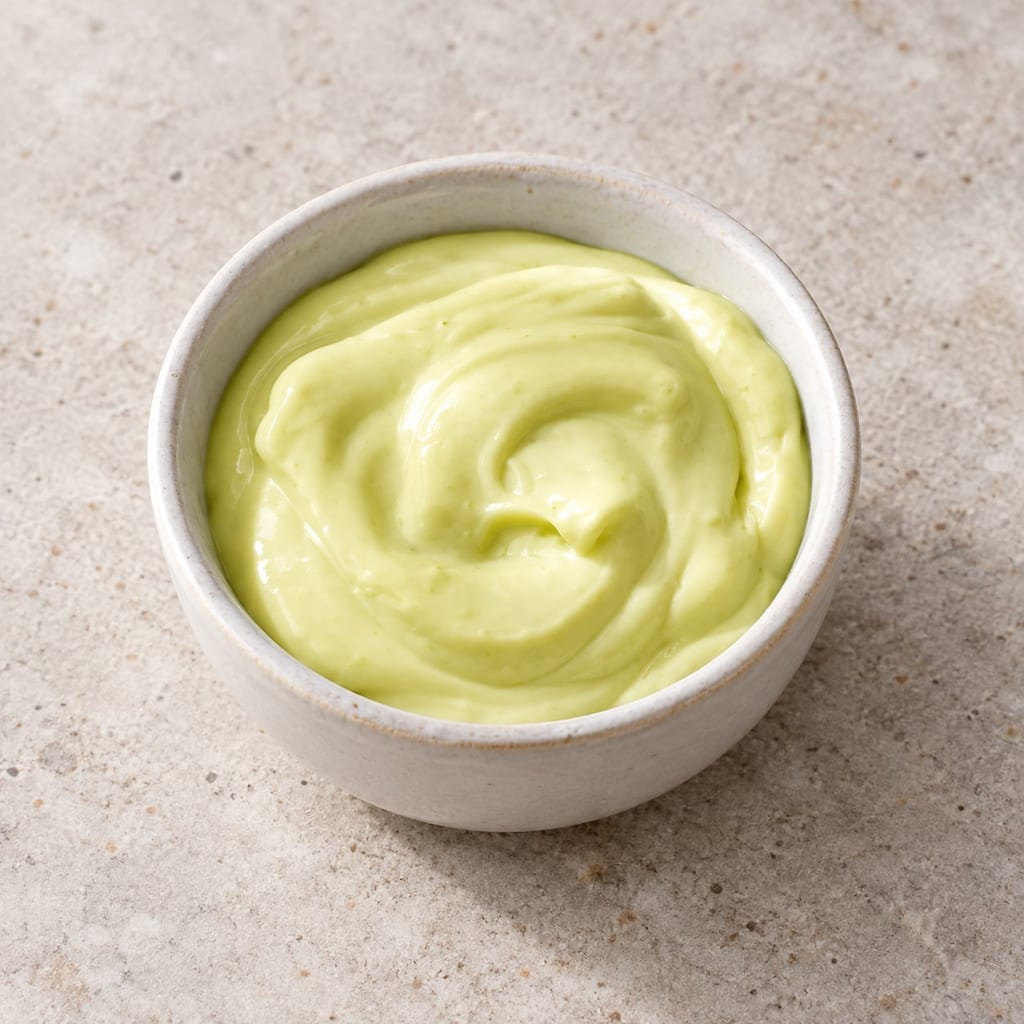
A contemporary, untested mix of finished mayonnaise and prepared wasabi paste, beginning within the archive's 2–4 g range per 100 g mayonnaise.
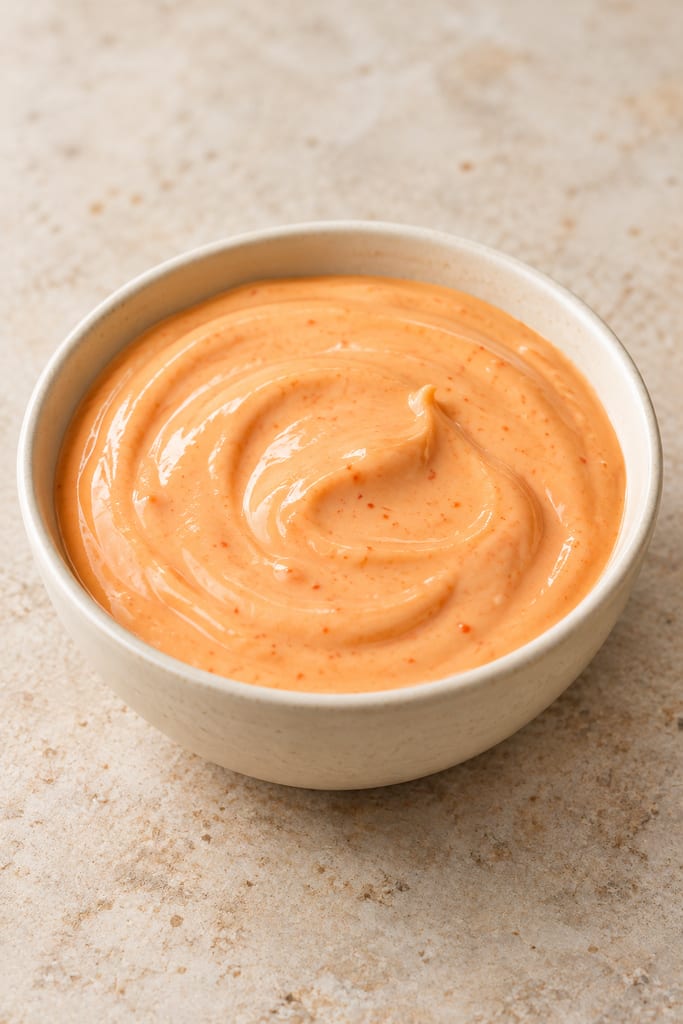
A contemporary, untested mix of finished mayonnaise, sriracha and lime juice, with starting amounts per 100 g mayonnaise.
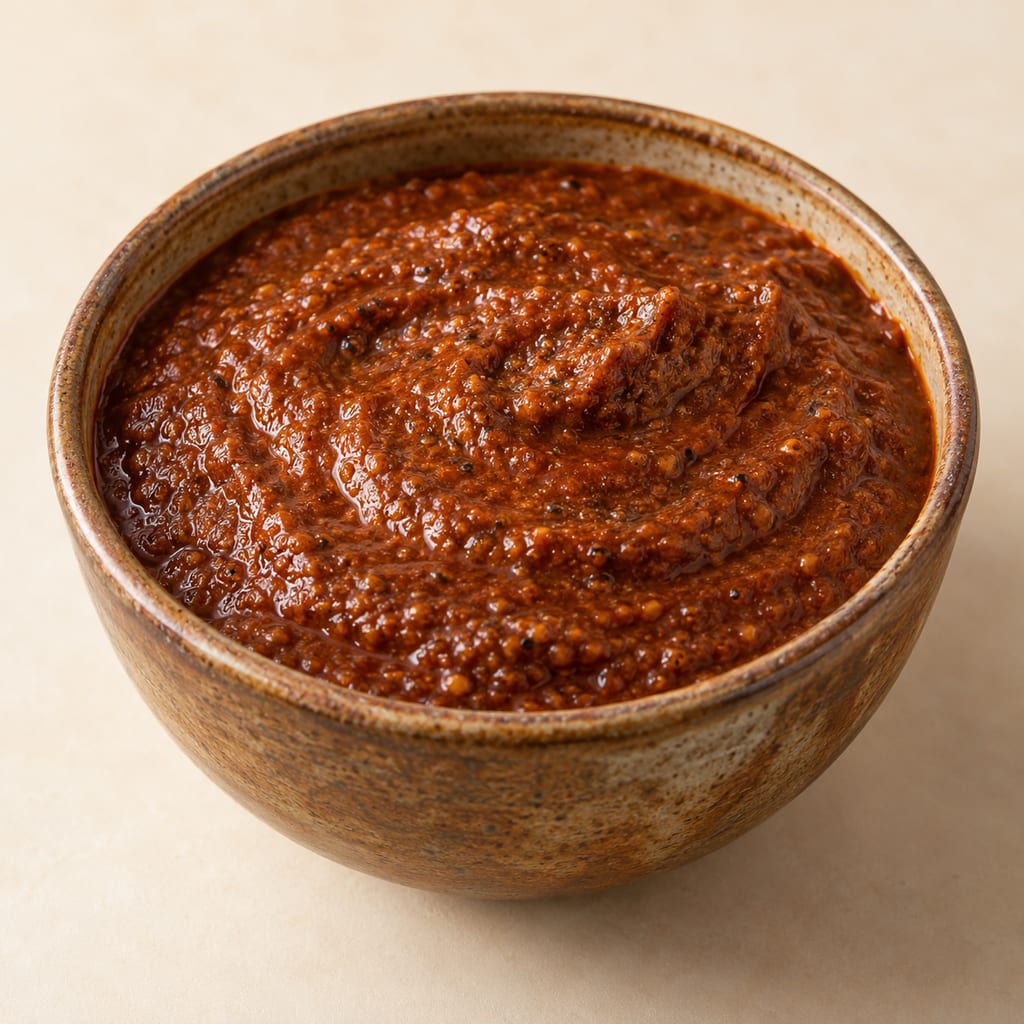
The roasted chile, seed and vegetable sauce that thickens and colours Guatemalan pepián stew.
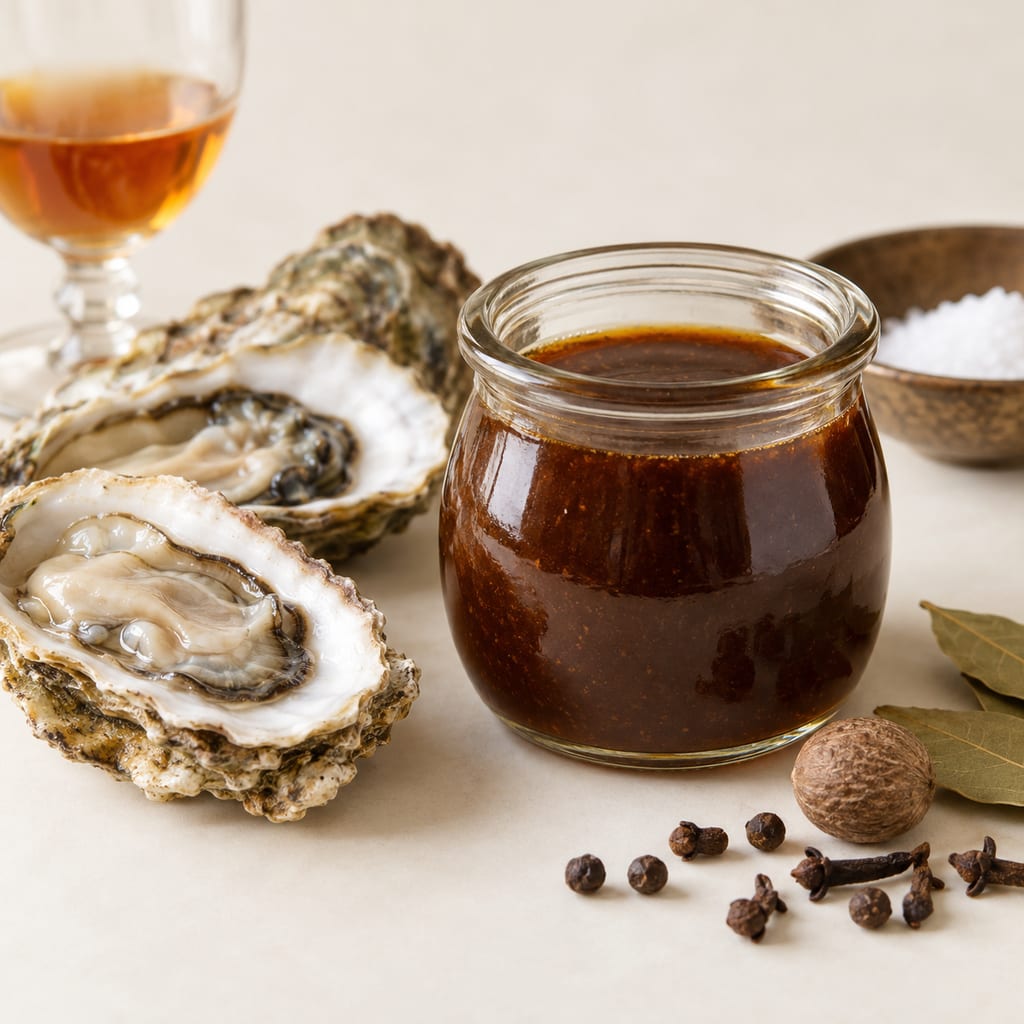
Oyster ketchup is a Victorian English shellfish seasoning documented in Mrs Beeton’s 1861 household manual. The page records the historical formula and serving role as evidence, not as a safe modern recipe.
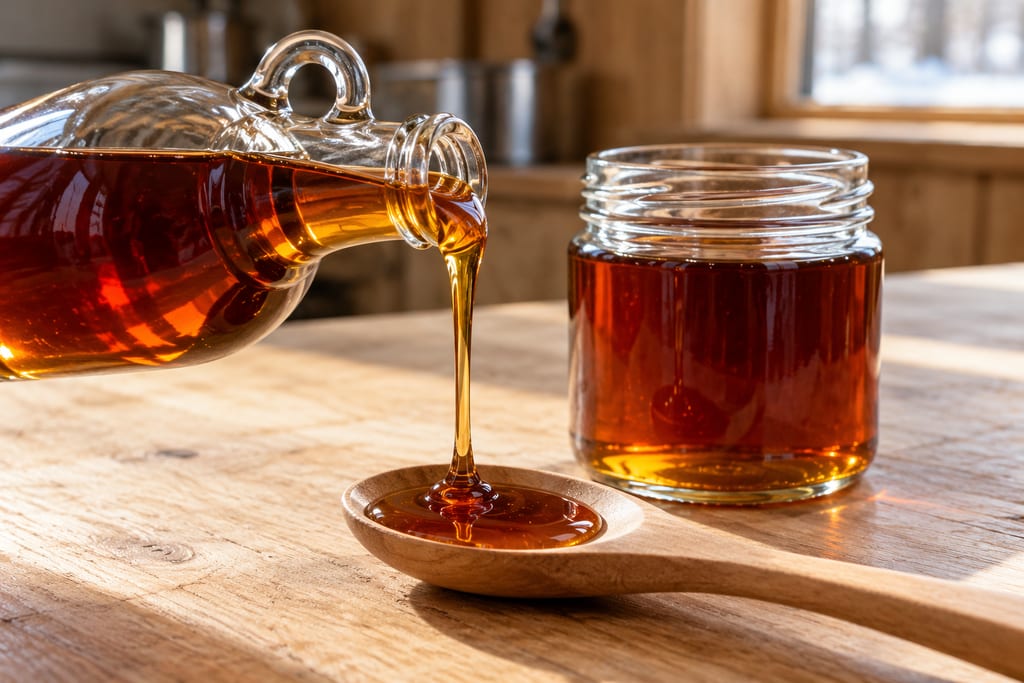
Maple sap of about two percent sugar boiled down in a shallow pan until it reaches syrup density, the sugar concentration the standard defines, then filtered hot and packed hot.
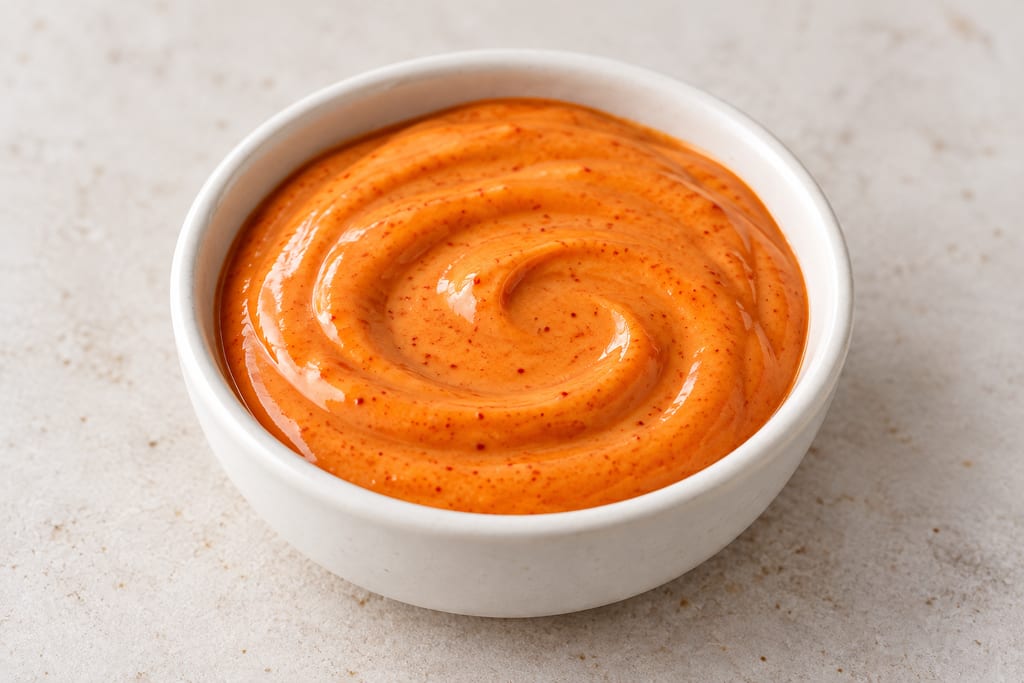
A contemporary, untested mix of finished mayonnaise, gochujang and rice vinegar, with starting amounts per 100 g mayonnaise.
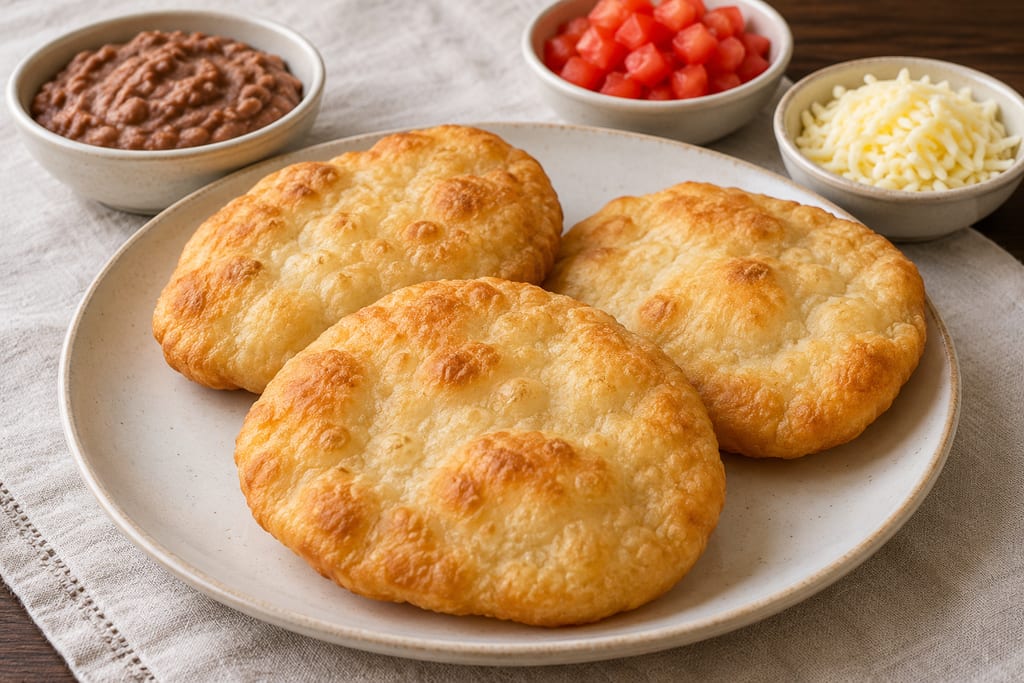
A Belizean fried breakfast bread made from baking-powder dough with evaporated milk, shaped into rounds and fried until golden.
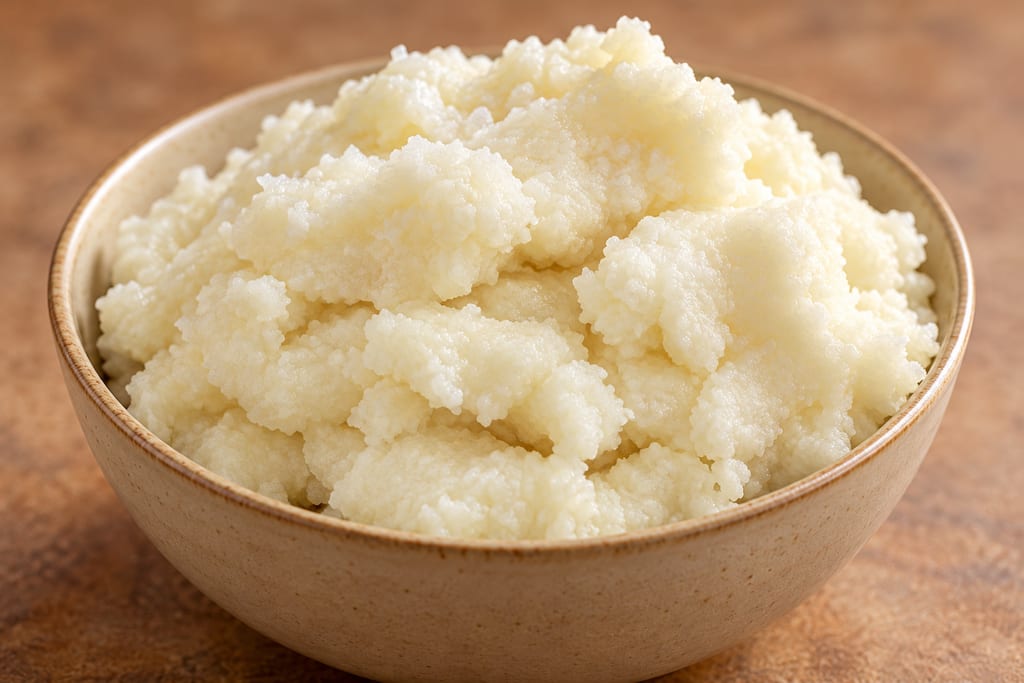
South Africa's maize-meal porridge, which the same white meal turns into a soft breakfast pap, a firm sliceable mound or the separate moist granules of phuthu depending only on water and handling.
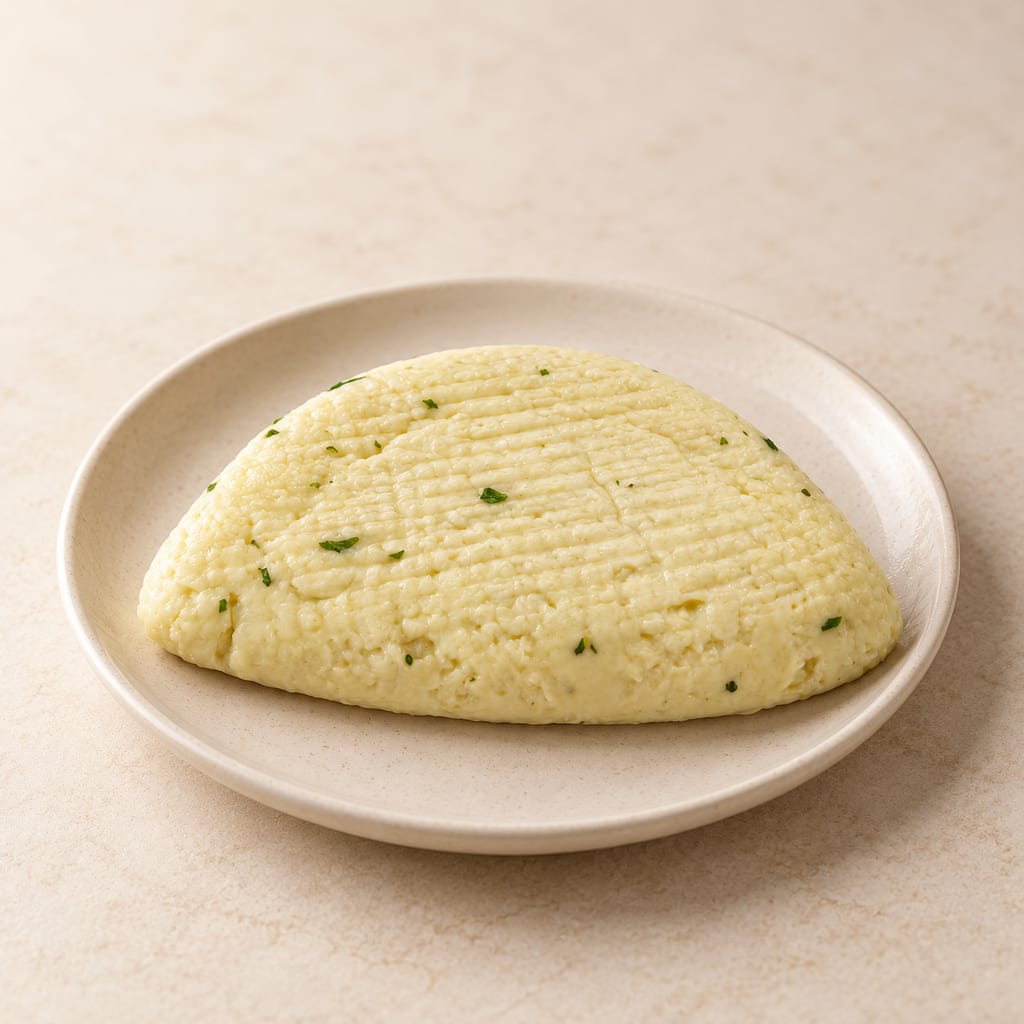
A firm cow-milk cheese cooked in hot whey, salted and folded with optional mint. This fresh halloumi keeps its shape when grilled or pan-fried.
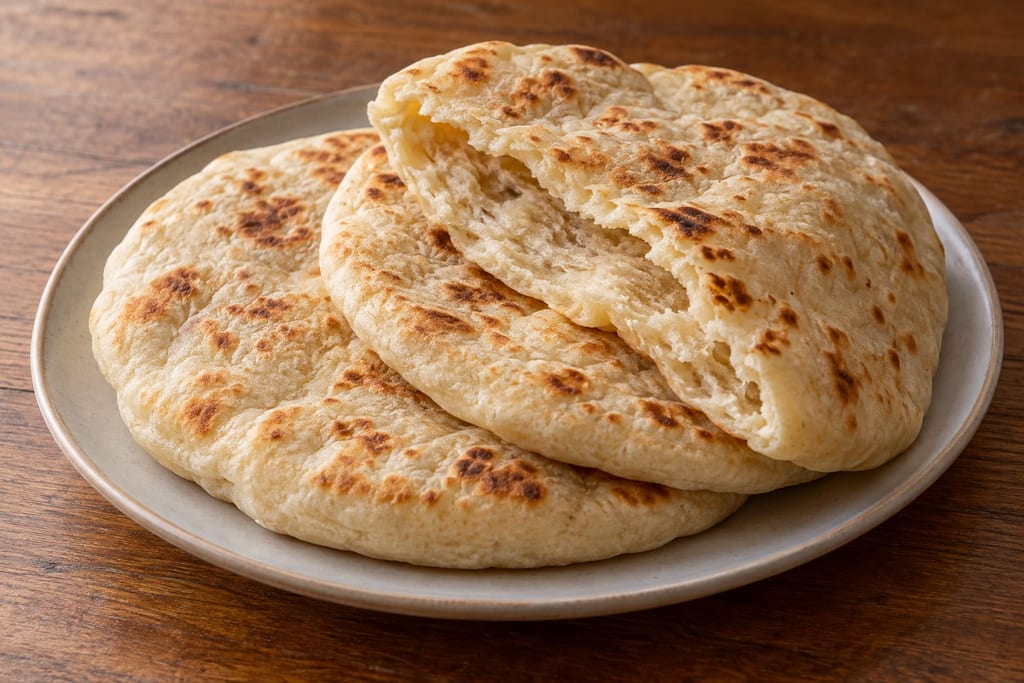
A Trinidad and Tobago baking-powder flatbread cooked on a hot stone, then briefly exposed to direct heat to puff.
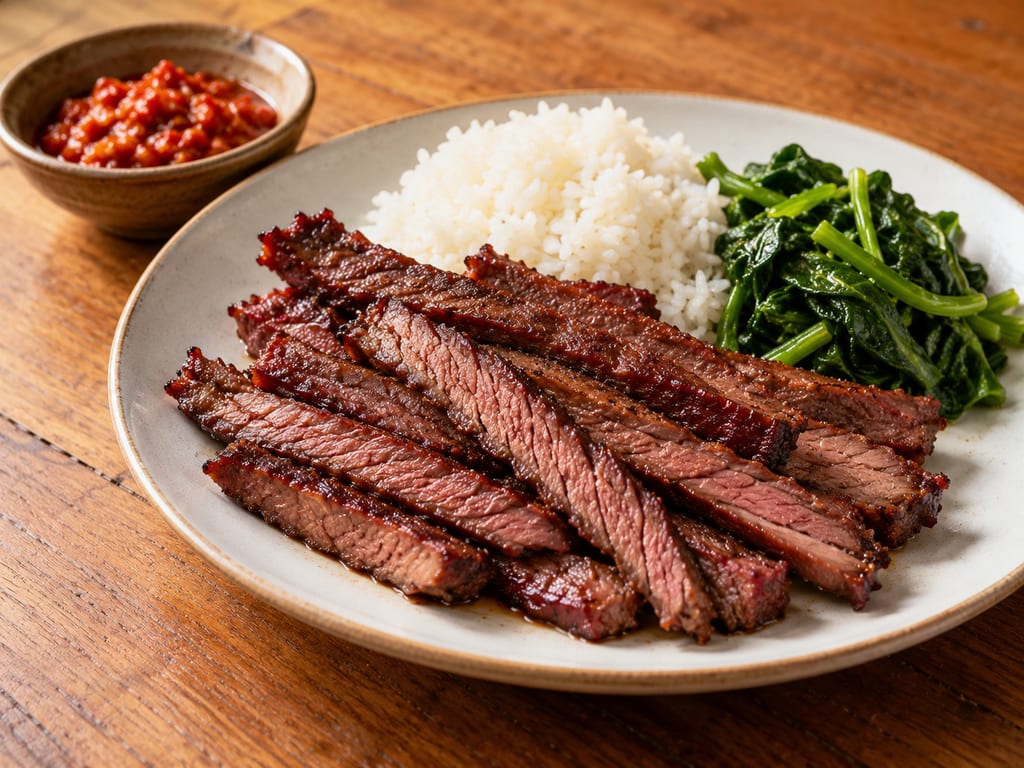
Smoked meat of Timor and Rote in eastern Indonesia: salted strips of beef or pork cooked over kosambi-wood embers under fresh kosambi leaves, served warm with rice, sambal lu'at and greens.
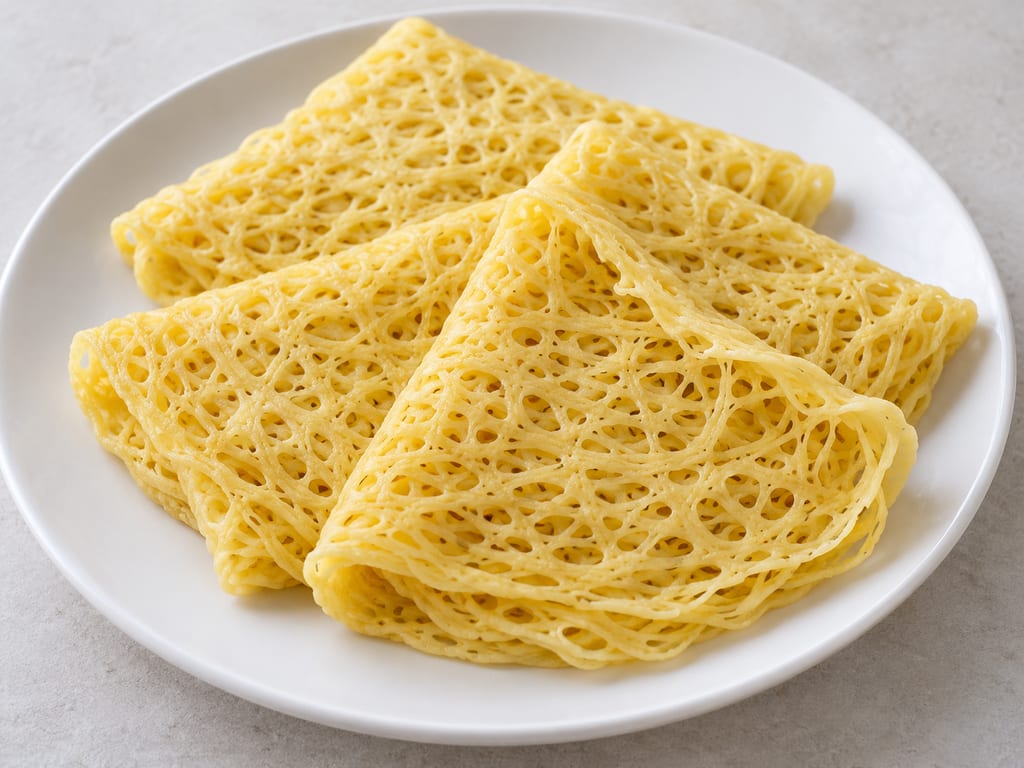
Malaysian lacy pancakes made by pouring coconut-milk batter in a net on a hot pan.
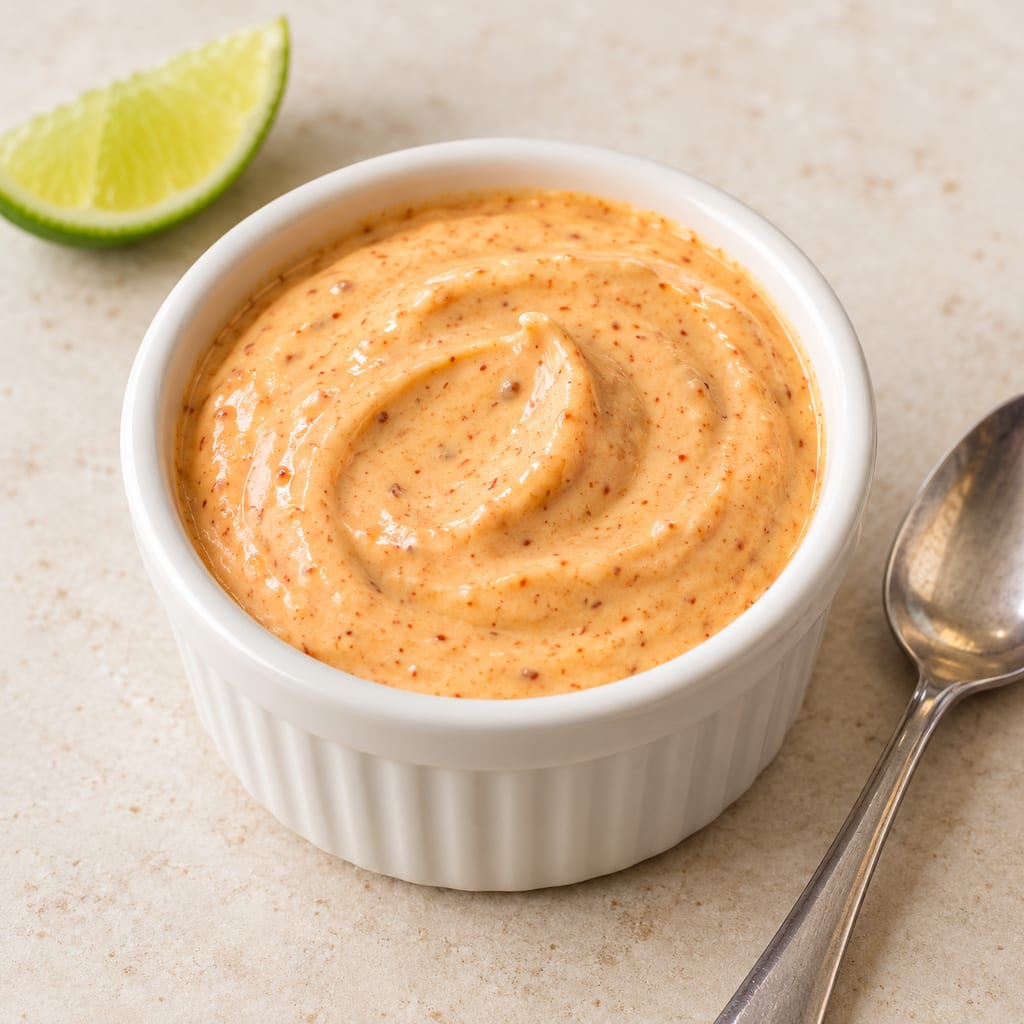
A contemporary, untested mix of finished mayonnaise, mashed canned chipotle in adobo and lime juice, given as starting amounts per 100 g mayonnaise.
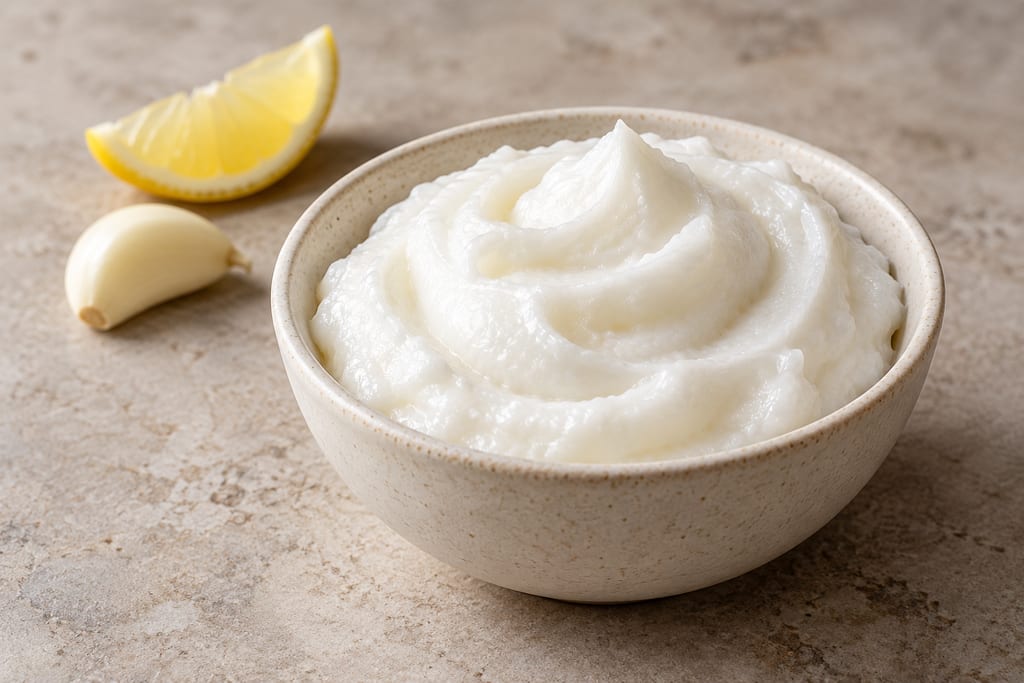
A home-developed garlic emulsion in a Lebanese toum style, with a separately developed ratio. Nominal yield 298 g.
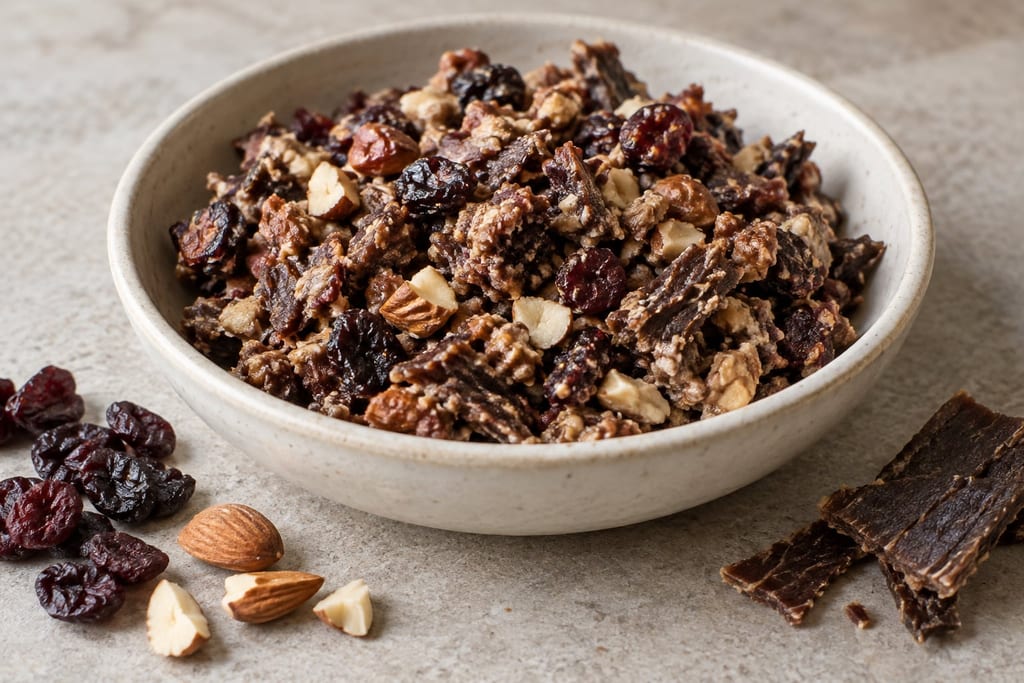
A contemporary recipe published with Valerie Segrest’s permission among recipes from Muckleshoot Nation, combining jerky, dried berries, raw nuts or seeds, and nut butter.
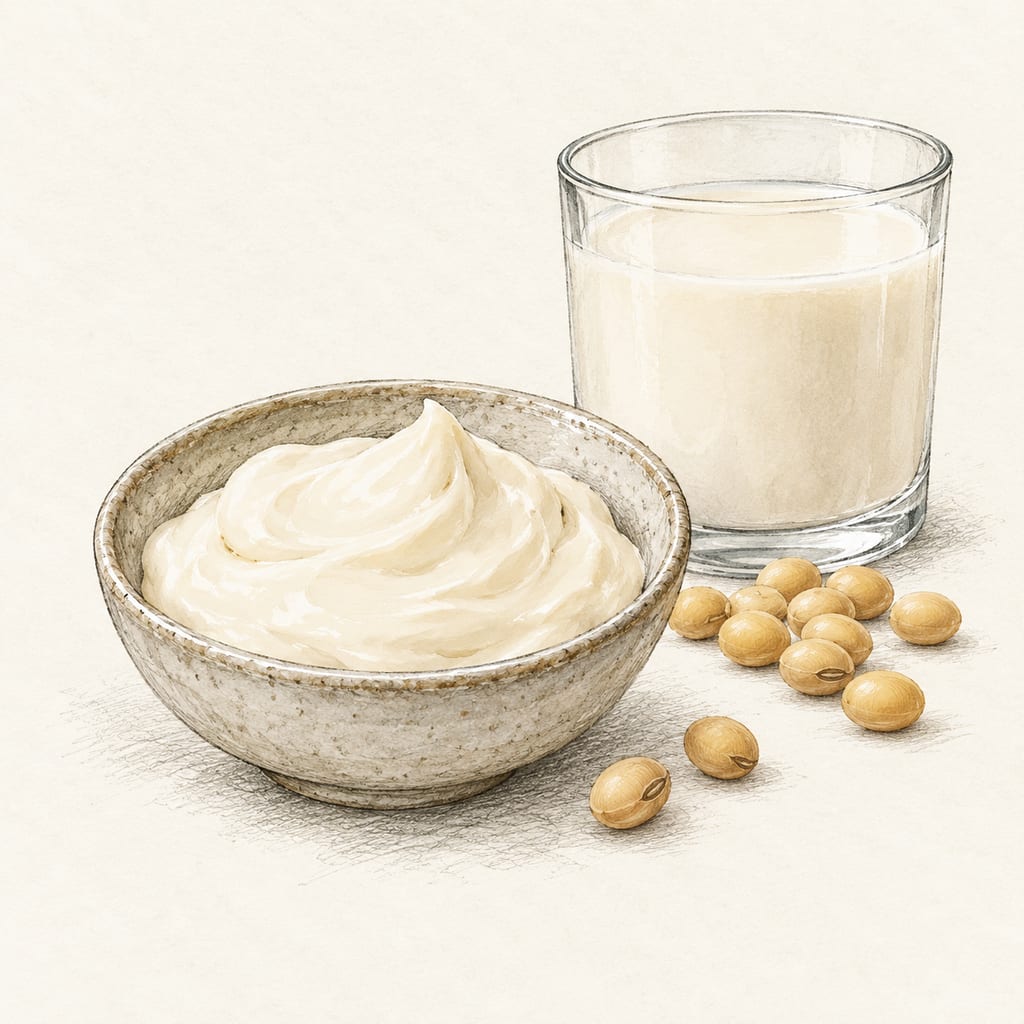
An untested eggless emulsion made by blending unsweetened soy milk with vinegar and Dijon, then slowly adding neutral oil. The 265 g formula has no validated shelf life.
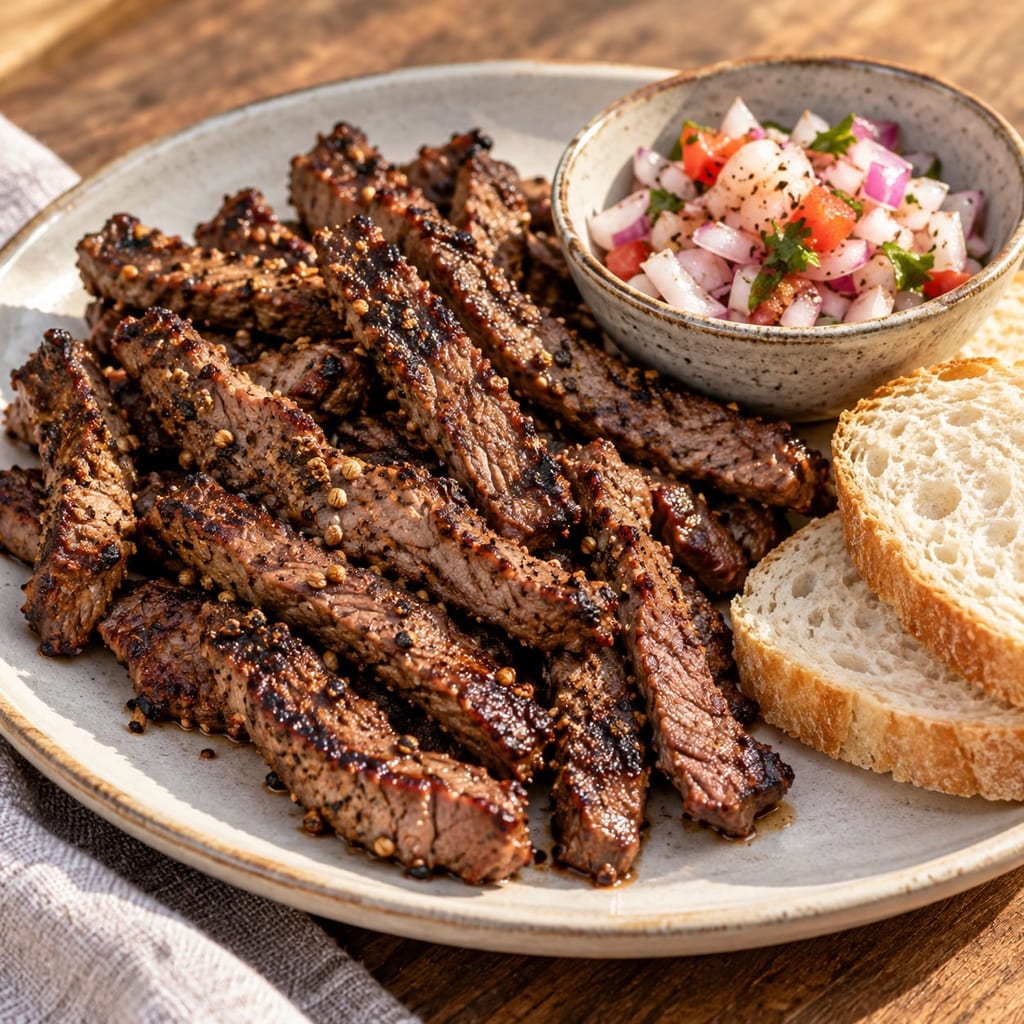
Beef rump takes vinegar, toasted coriander and pepper from the flavour family of tassal, then meets a thermometer-checked braai fire as a fresh-cooked meal.
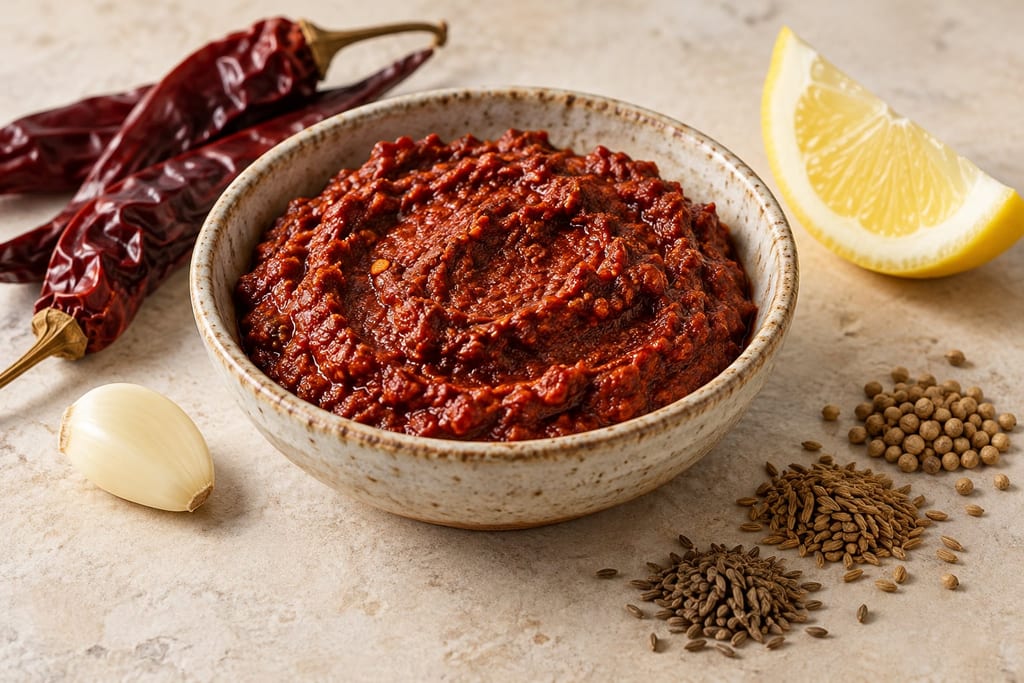
A fresh chilli paste made from rehydrated dried red peppers, garlic, olive oil, lemon and warm spices; this small-batch formula adapts the harissa family rather than reproducing a tested Tunisian method.
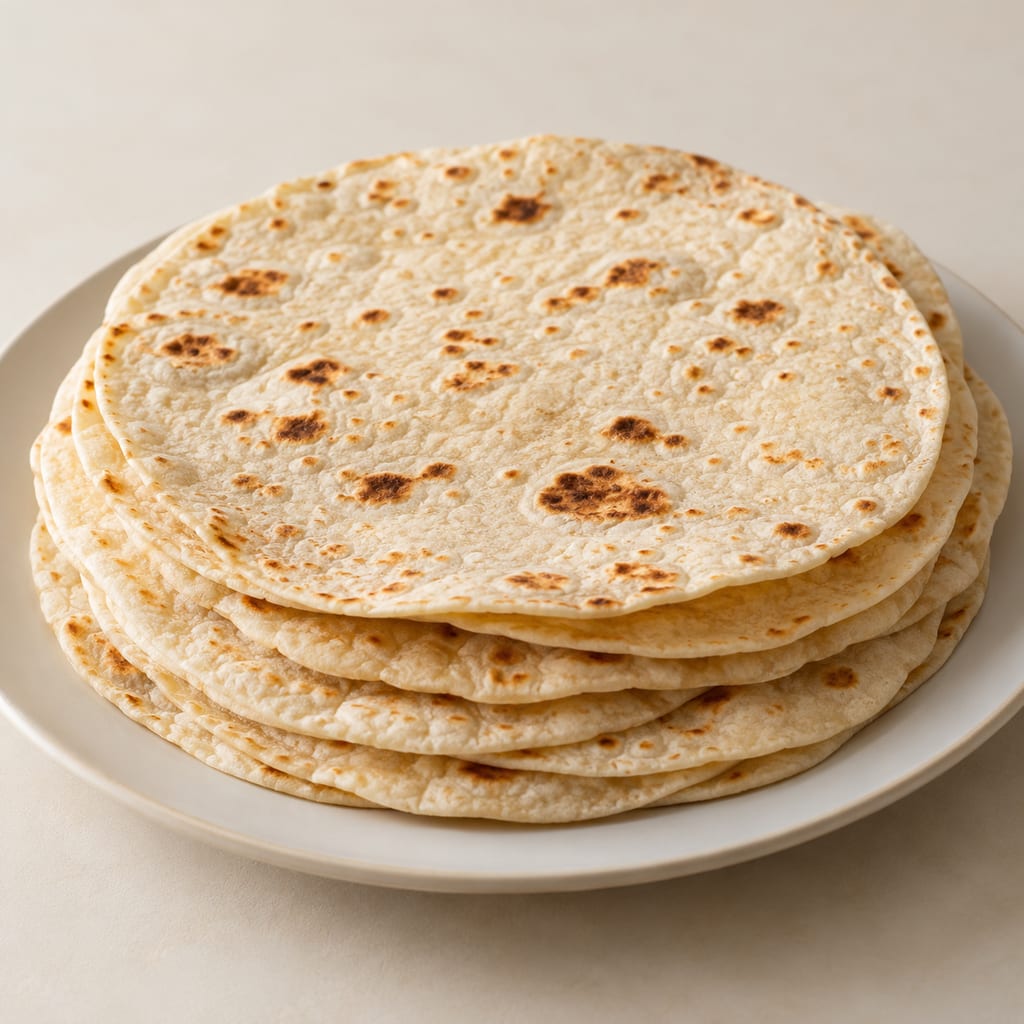
A soft wheat-flour tortilla made with baking powder and a fat, rolled and cooked dry on a hot griddle. The King Arthur version is contemporary and distinct from nixtamalized maize tortillas.
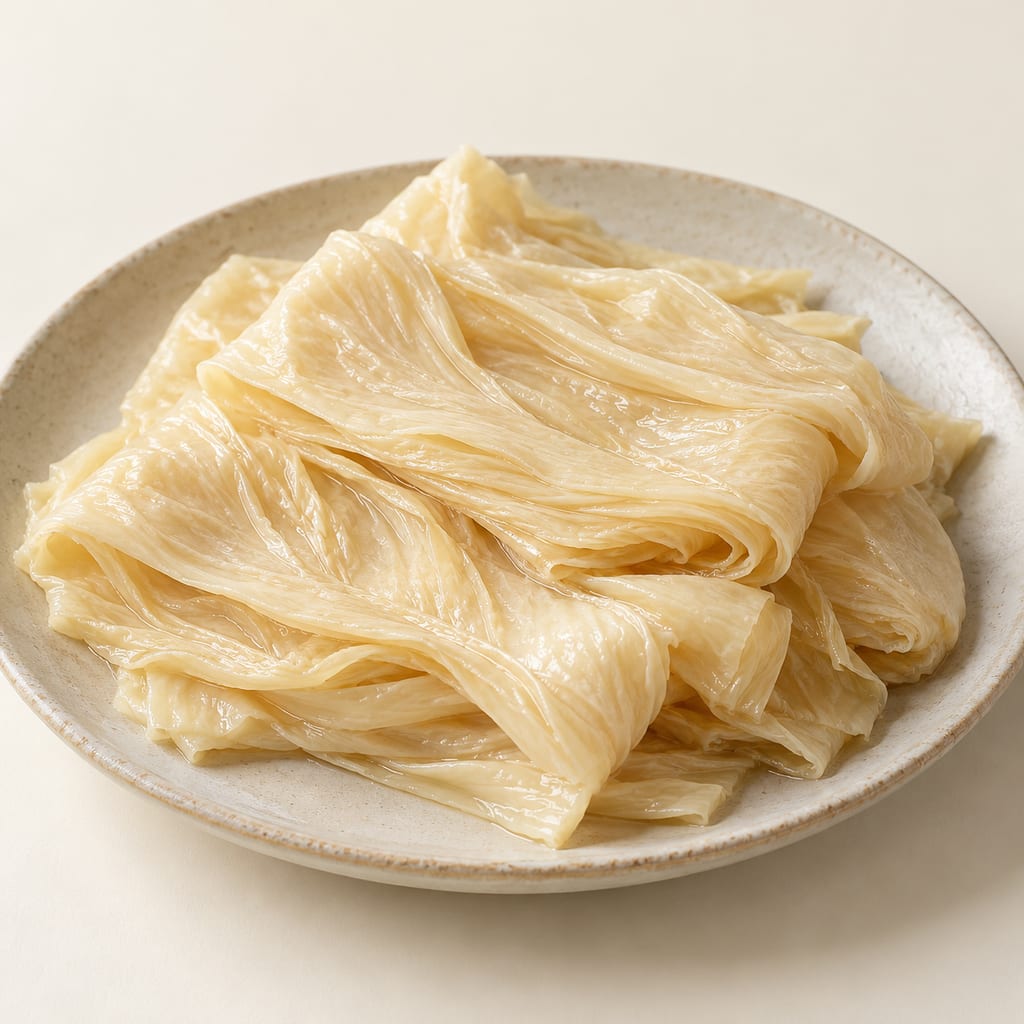
The protein-lipid film that forms on hot soy milk, lifted sheet by sheet from a wide shallow pan; eaten fresh, or dried for later use.
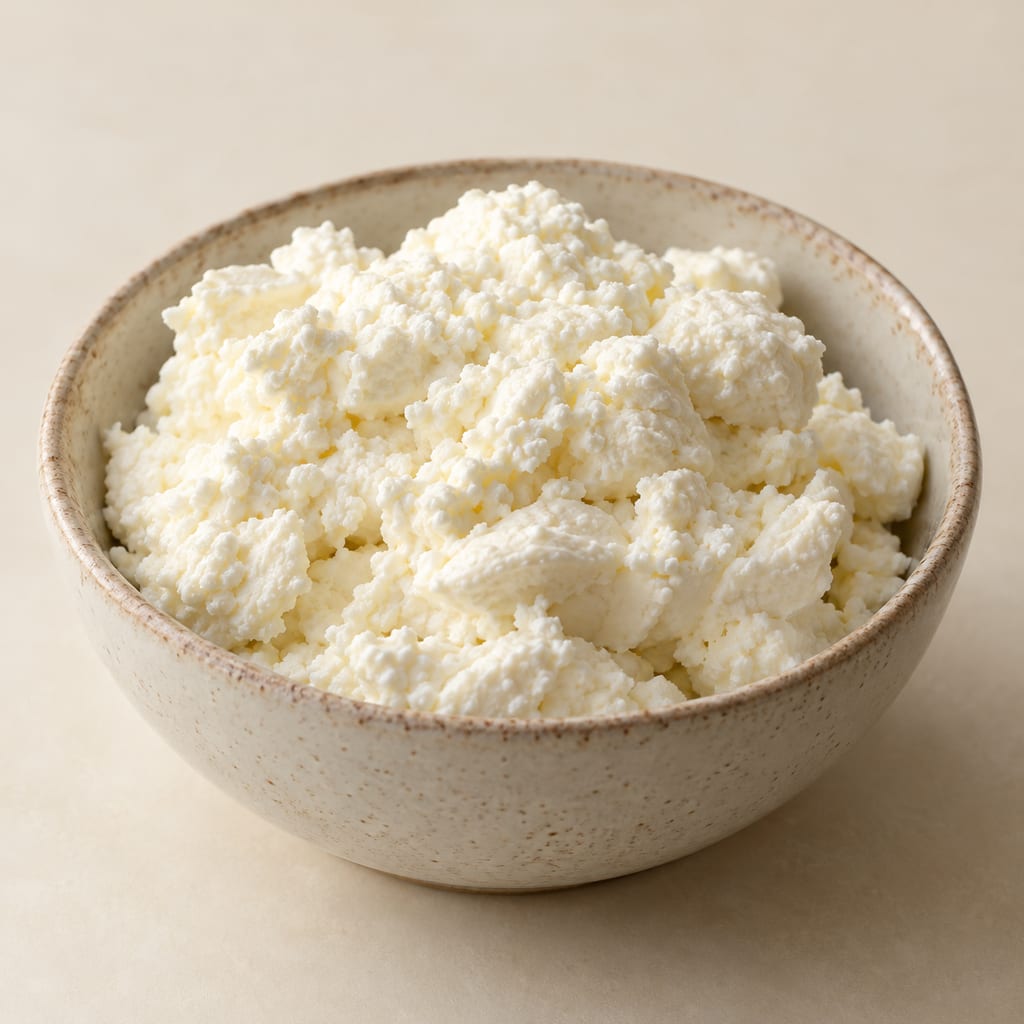
A soft fresh curd made by heating whole milk with acid; distinct from ricotta made by reheating the whey left after a cultured cheese.
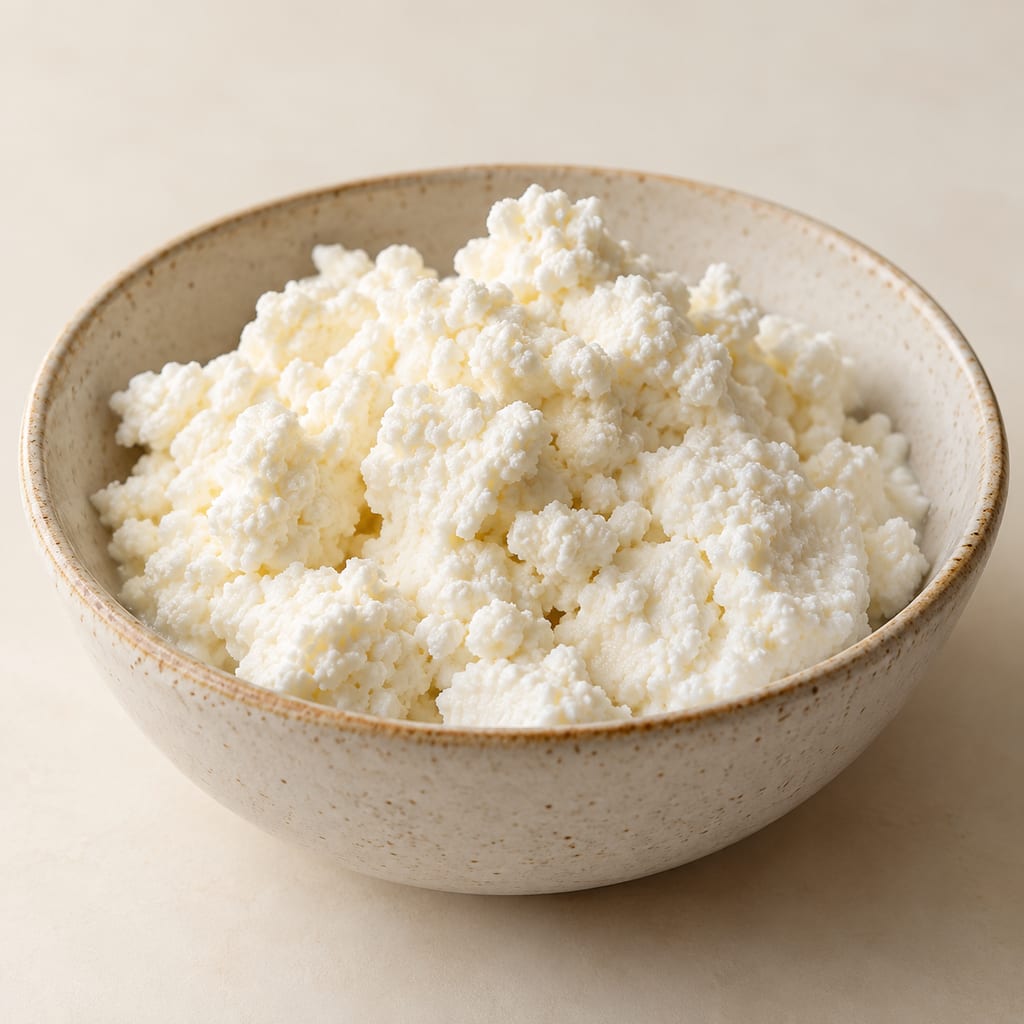
Whey ricotta recovers fine curds from leftover cheesemaking whey, often with added milk, by heating the whey and acidifying it until the curds separate.

Potatoes frozen and thawed as for black chuño, then washed or soaked for a long time before drying, giving a pale highland tuber product with different bitterness and colour.