













































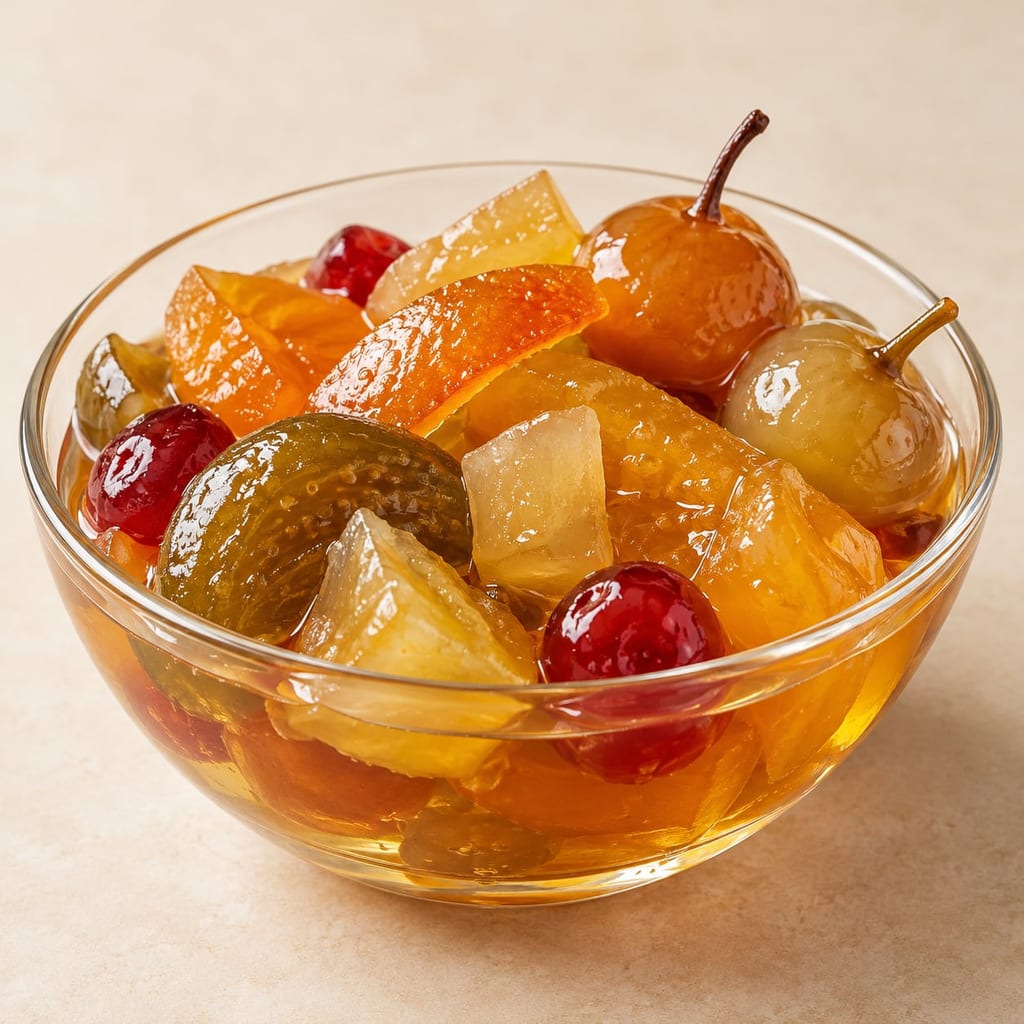
Mostarda di Cremona / Mantova / Voghera
A northern Italian condiment of candied fruit in syrup, flavoured with mustard. Its earliest documented link to Cremona is an 1604 printed recipe, which dates the record, not the invention.
 FermenteaWhere food goes to change
1504 records with their sources, across 11 categories.
A northern Italian condiment of candied fruit in syrup, flavoured with mustard. Its earliest documented link to Cremona is an 1604 printed recipe, which dates the record, not the invention.
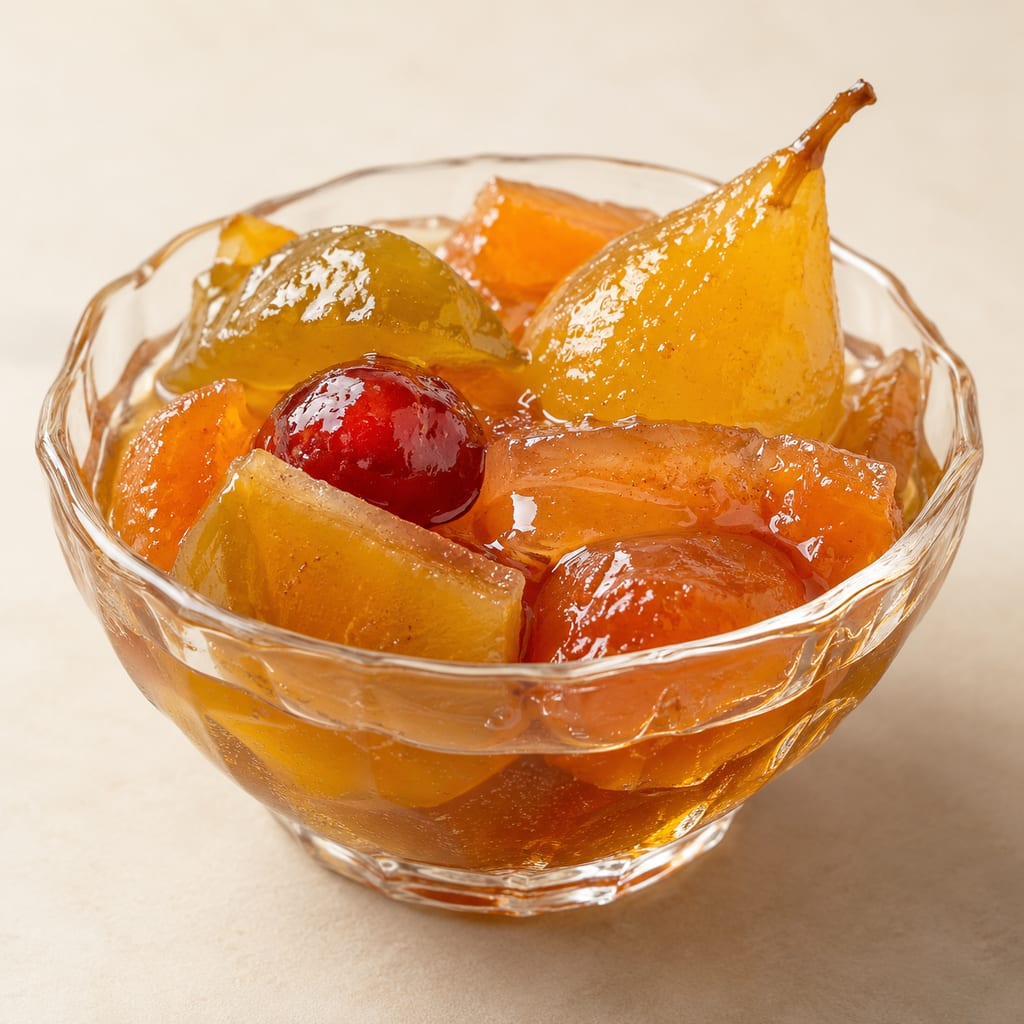
Mostarda is a northern Italian condiment of candied fruit in a mustard-flavoured syrup, served with boiled meats and cheeses.
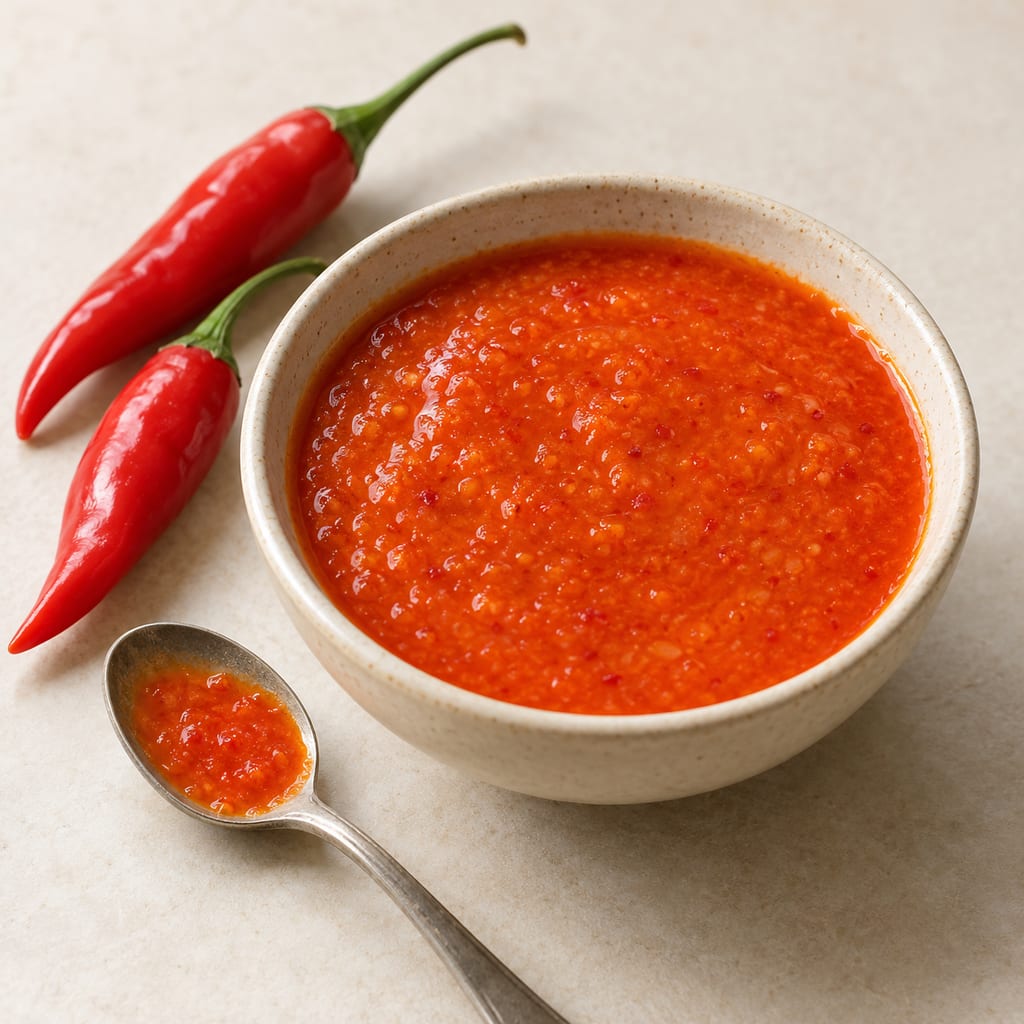
A Brazilian table sauce made from hot peppers, most often dedo-de-moça, cooked briefly with onion, garlic and vinegar and then blended smooth. Household versions differ widely.
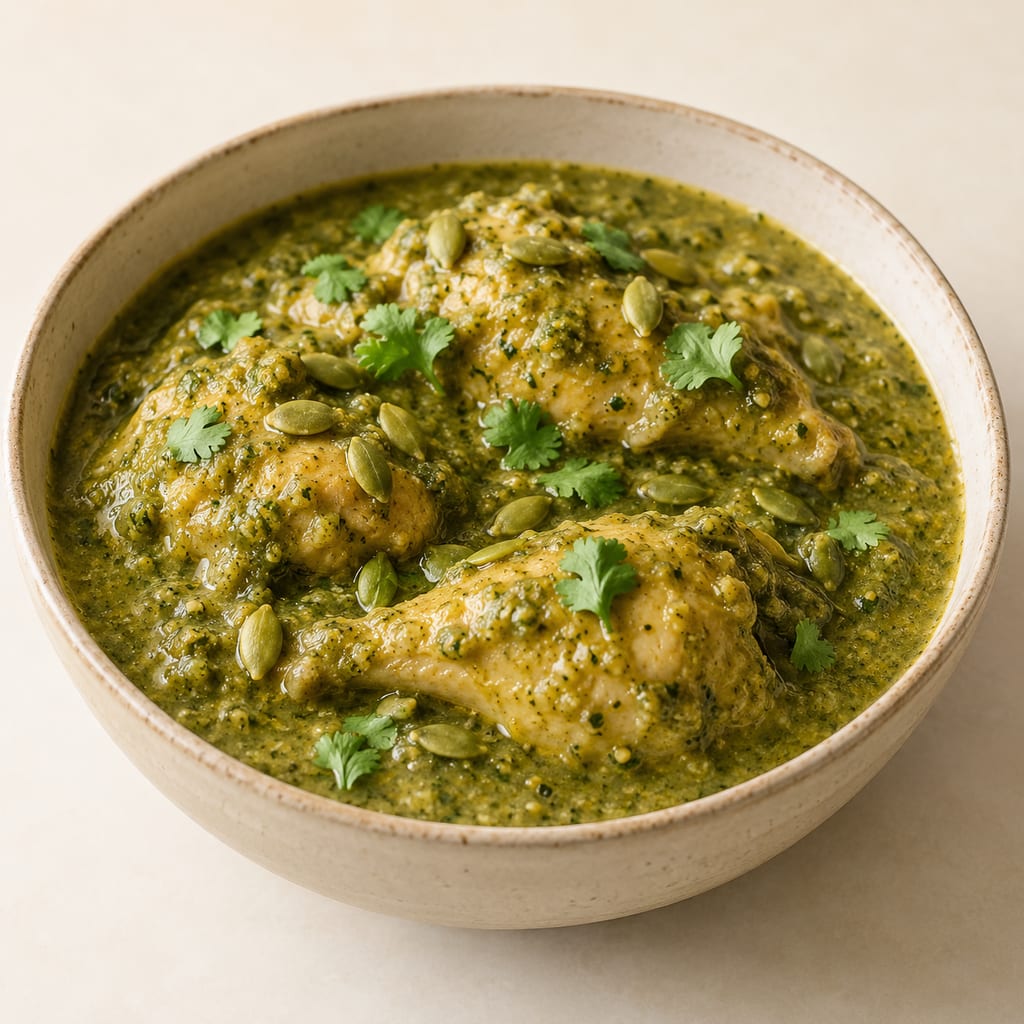
Mole verde is a green mole from Mexico and Oaxaca, built on tomatillos or green tomatoes, fresh herbs such as epazote and hoja santa, and ground pumpkin seeds or masa, with no need to toast dried chiles.
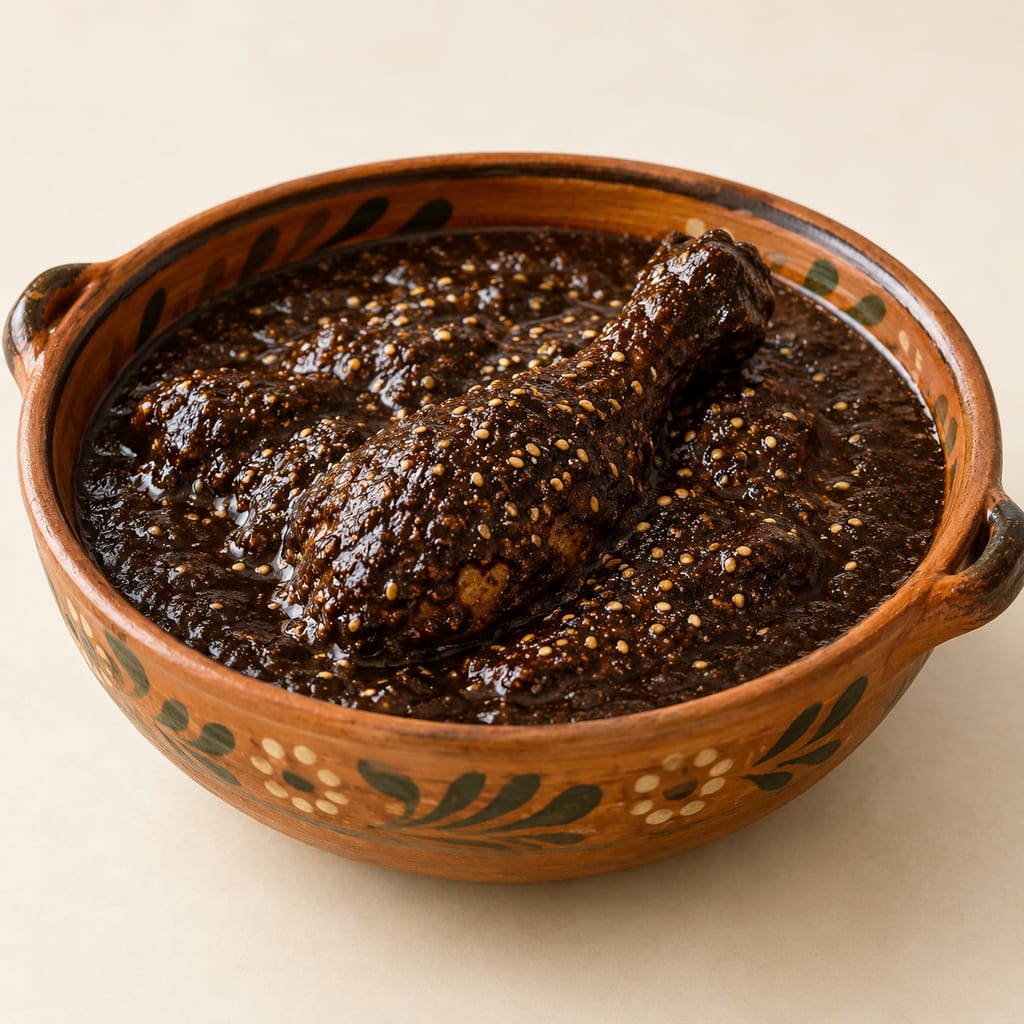
Mole negro is the darkest and most elaborate of Oaxaca's seven moles: dried chiles and seeds are toasted and charred, ground with nuts, spices, bread and chocolate, then fried and simmered into a thick black sauce.
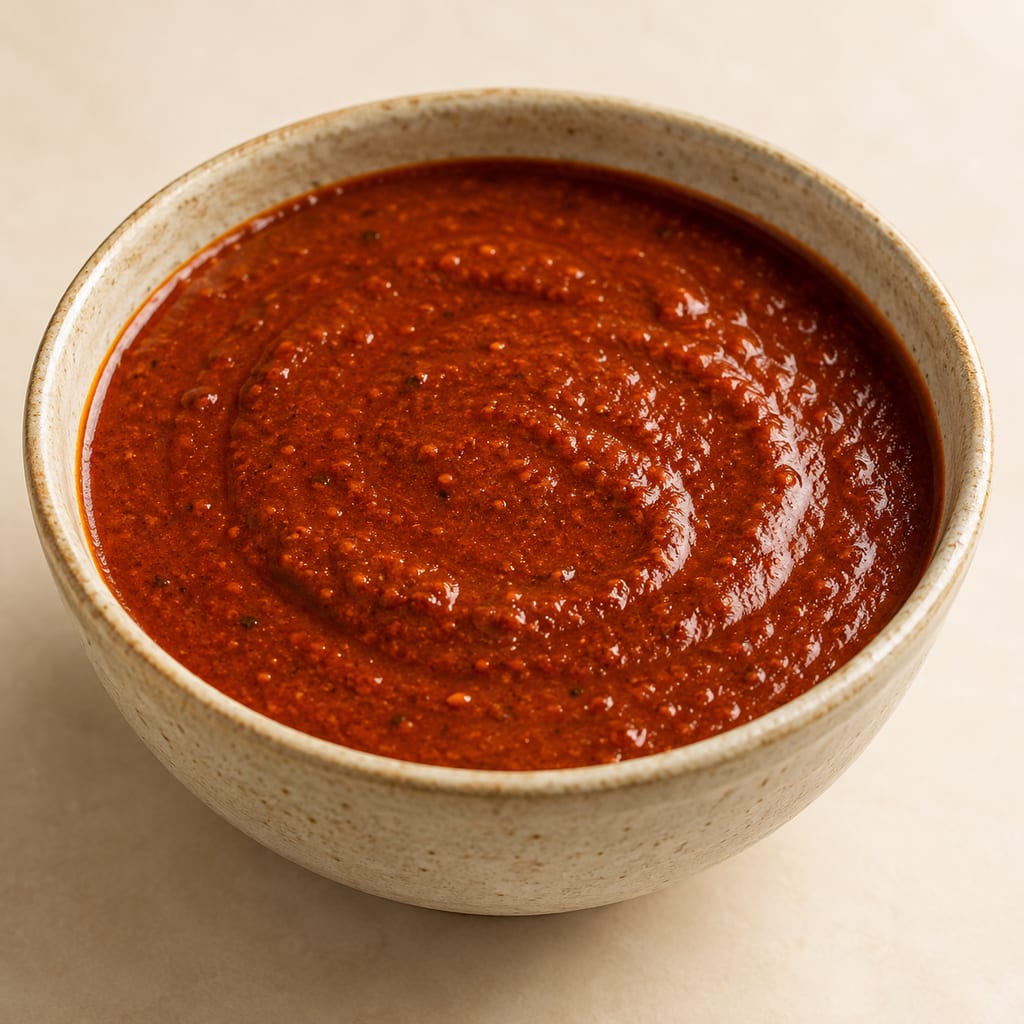
Mole coloradito is one of Oaxaca's seven moles: a brick-red sauce built on ancho chiles and tomato, thickened with ground seeds and nuts and sweetened with fruit, served in a lighter, thinner form than mole negro.
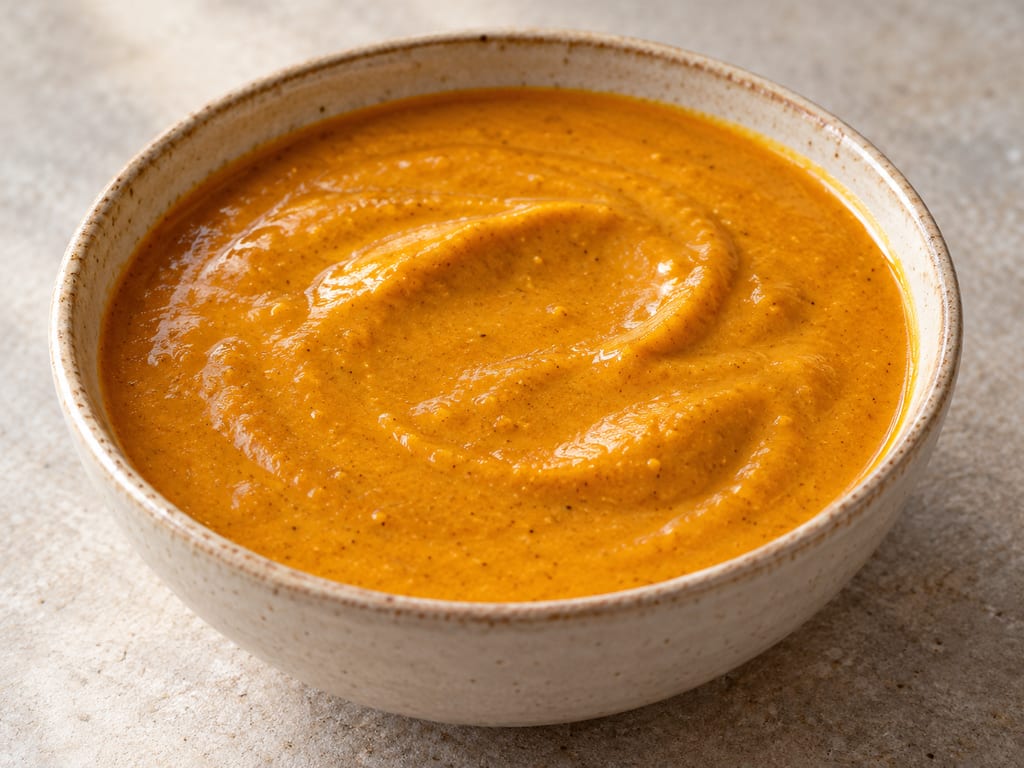
Mole amarillo, also called amarillito, is a yellow to orange Oaxacan mole built on cooked chile purée, thickened with corn masa and flavoured with herbs such as hoja santa, with no chocolate or dense nut mixture.
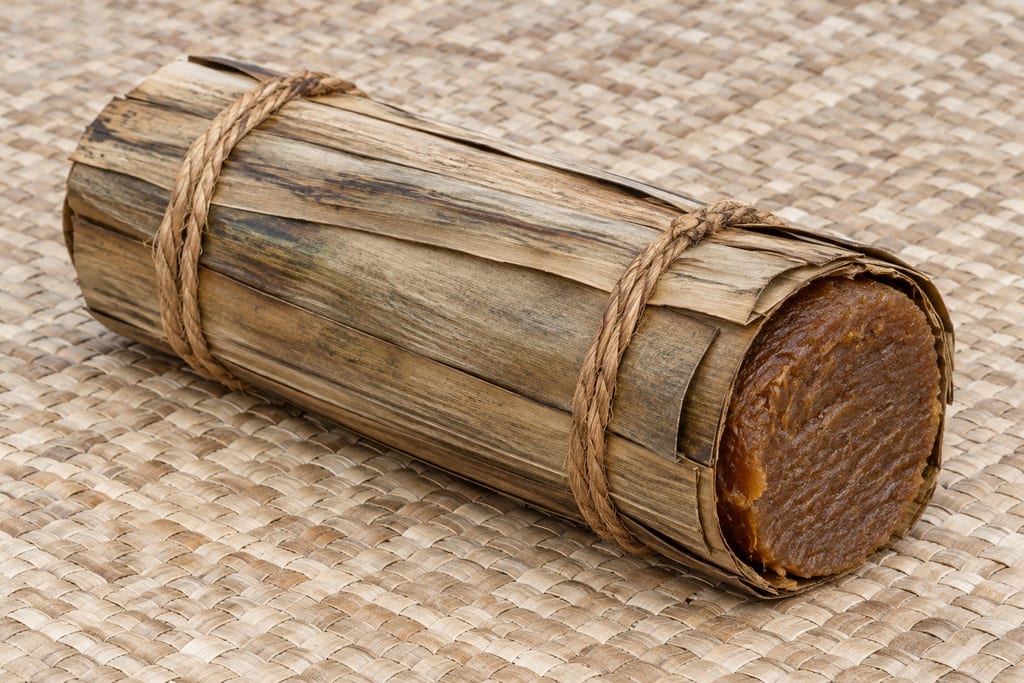
Pandanus fruit cooked, pulped and dried in the sun, then dried further with heat and wrapped for storage in the Marshall Islands.
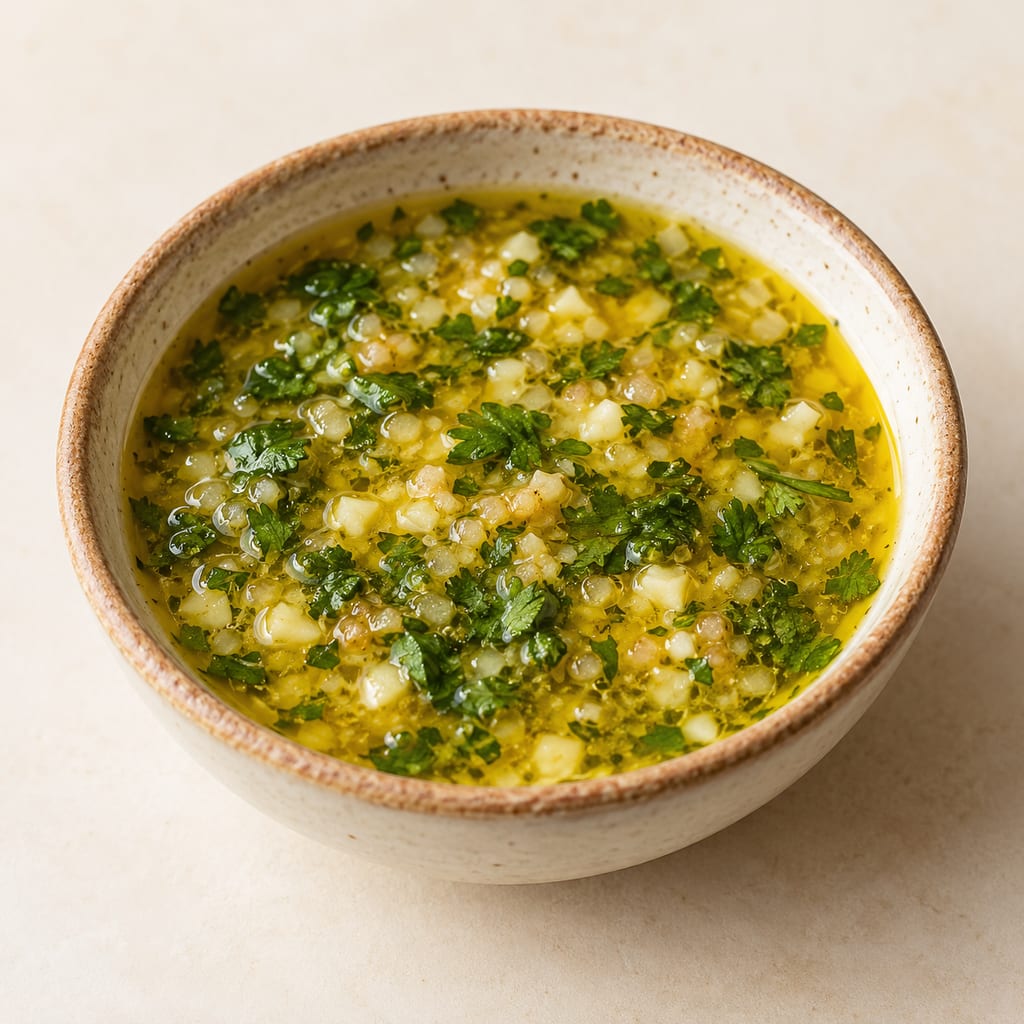
Mojo criollo is a Cuban sauce of garlic and sour orange juice with oil and herbs, used to marinate roast pork and as a dip.
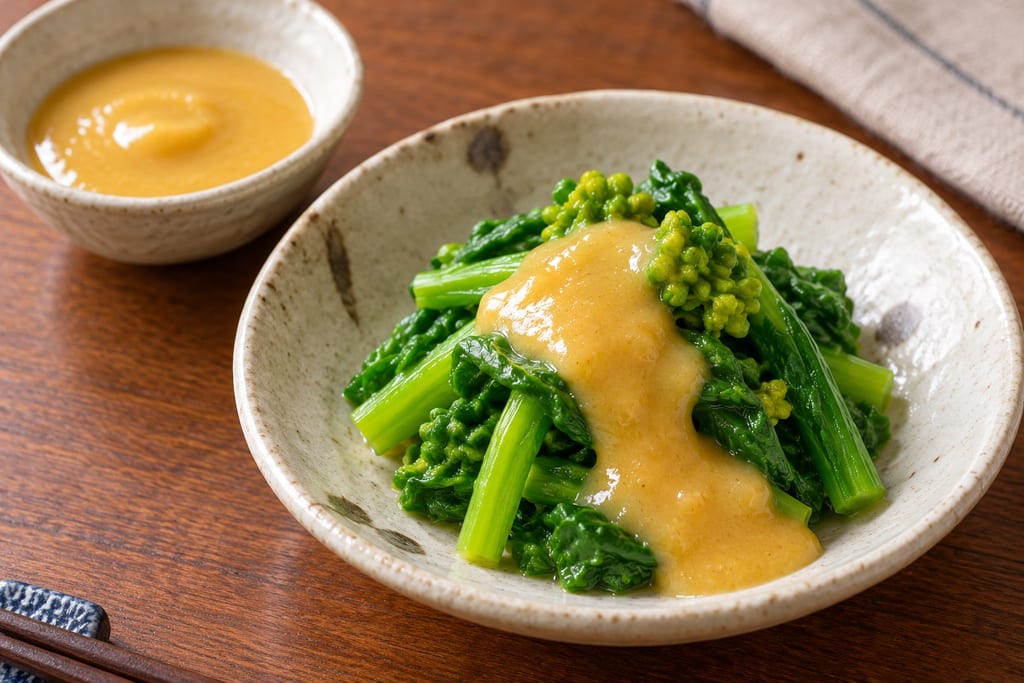
Karashi-su-miso is a smooth Japanese sauce of sweet miso, rice vinegar and hot mustard, stirred together for vegetables, seafood or poached fish.
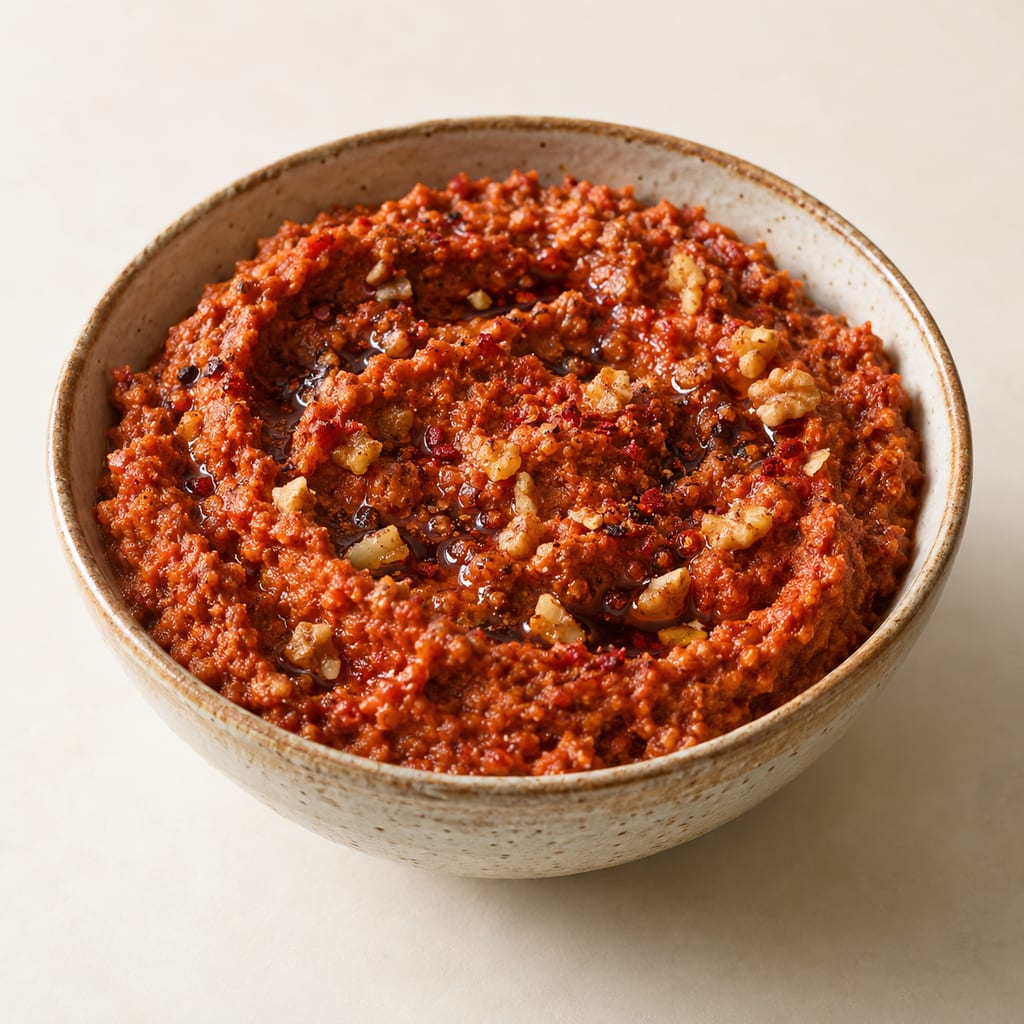
A Syrian red pepper and walnut dip usually linked to Aleppo, thickened with breadcrumbs and sharpened with pomegranate molasses, with Aleppo pepper and cumin.
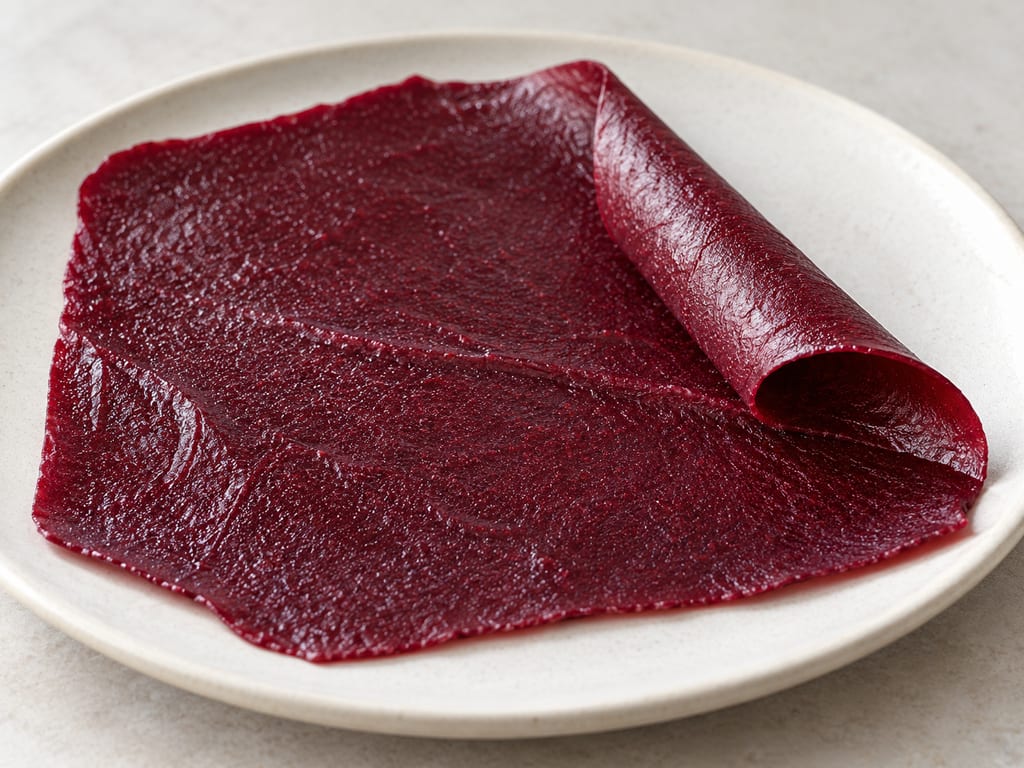
Fruit pulp spread into thin sheets or shaped into cakes and dried, a compact, portable way of keeping fruit in western and central Asia and among Indigenous North Americans.

Merkén is the Mapuche seasoning of dried, smoked and ground ají cacho de cabra chile, sometimes with toasted coriander seed and salt, made in the Maule and La Araucanía regions of Chile.
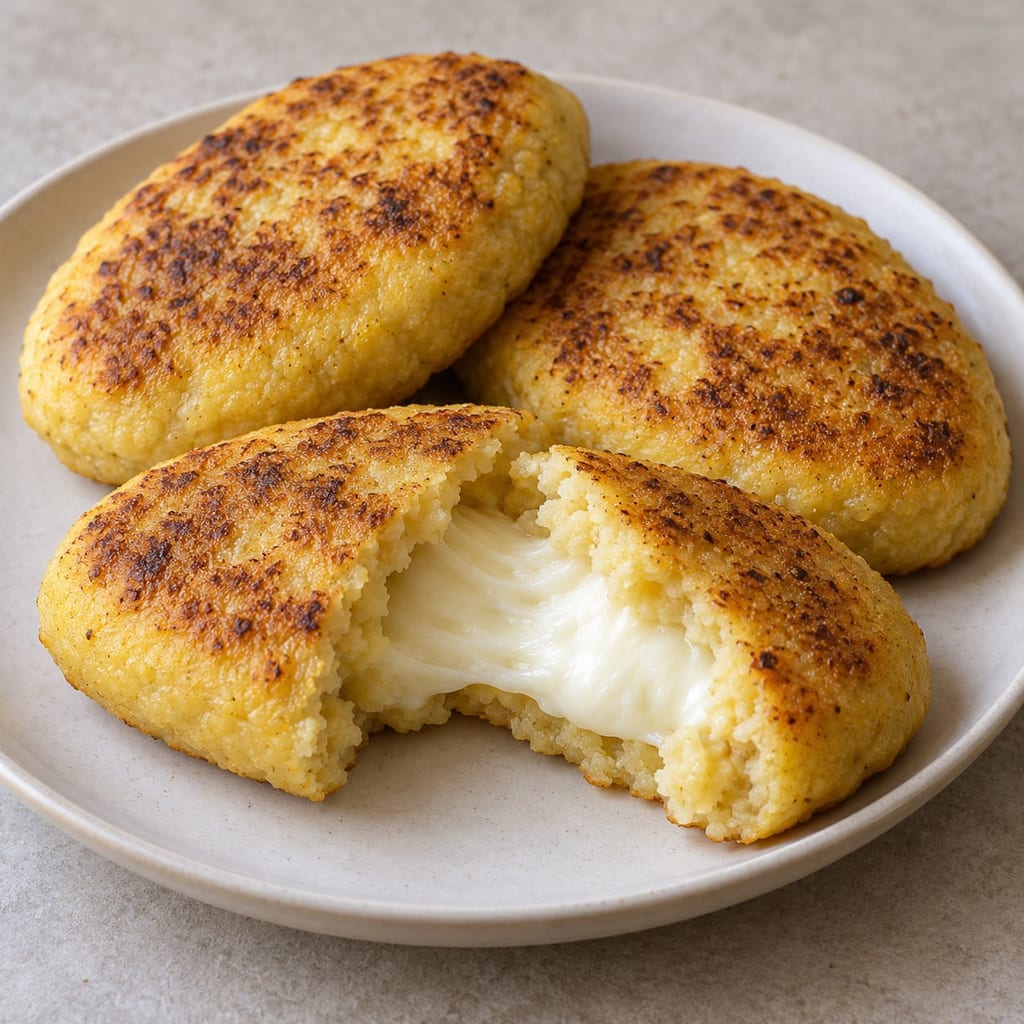
Megrelian chvishtari uses a maize dough with sulguni wrapped around a cheese piece, then cooks covered over low heat in a skillet.
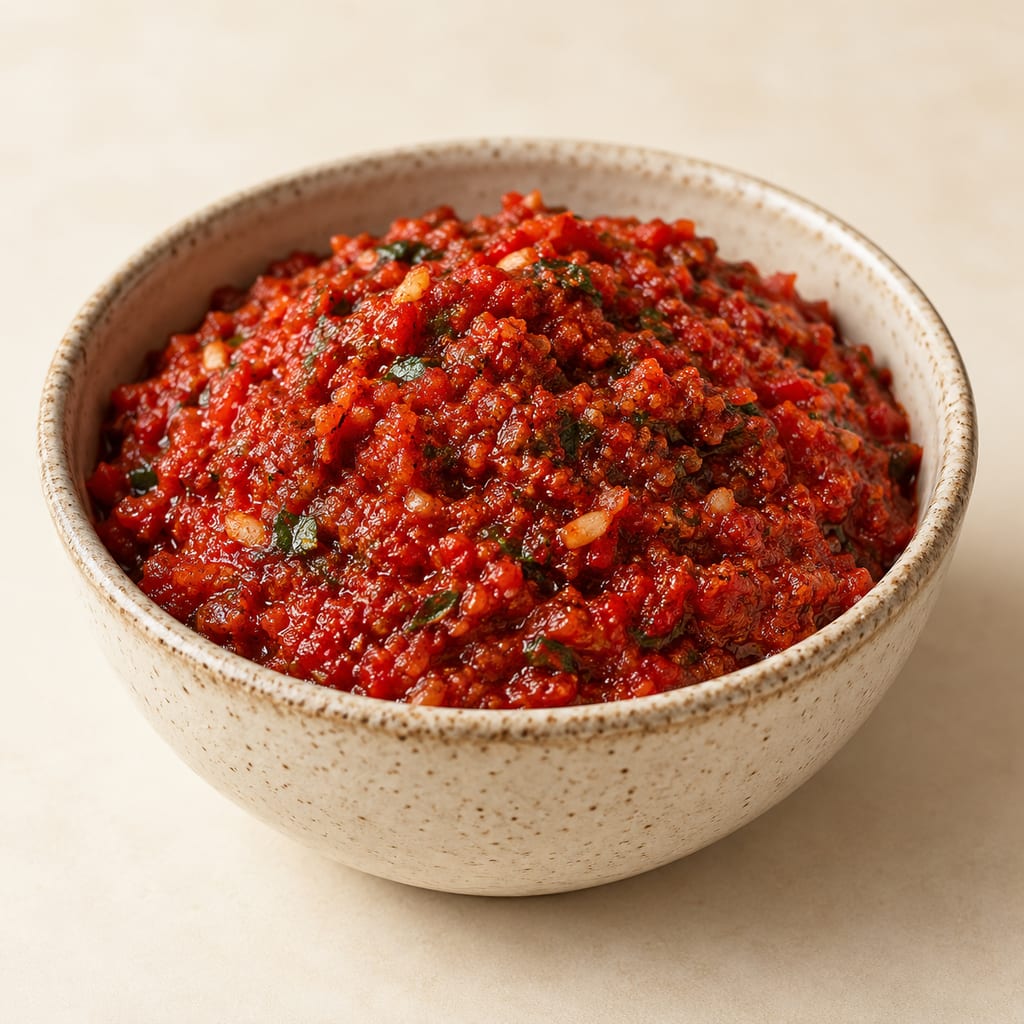
A documented Megrelian red pepper, garlic and herb paste with salt and ground spices. This preparation is mixed, not fermented; its source gives no validated preservation method or shelf life.

Martabak manis is a thick Indonesian griddle pancake with a porous, honeycomb crumb, cooked under a lid and finished with butter and sweet toppings.
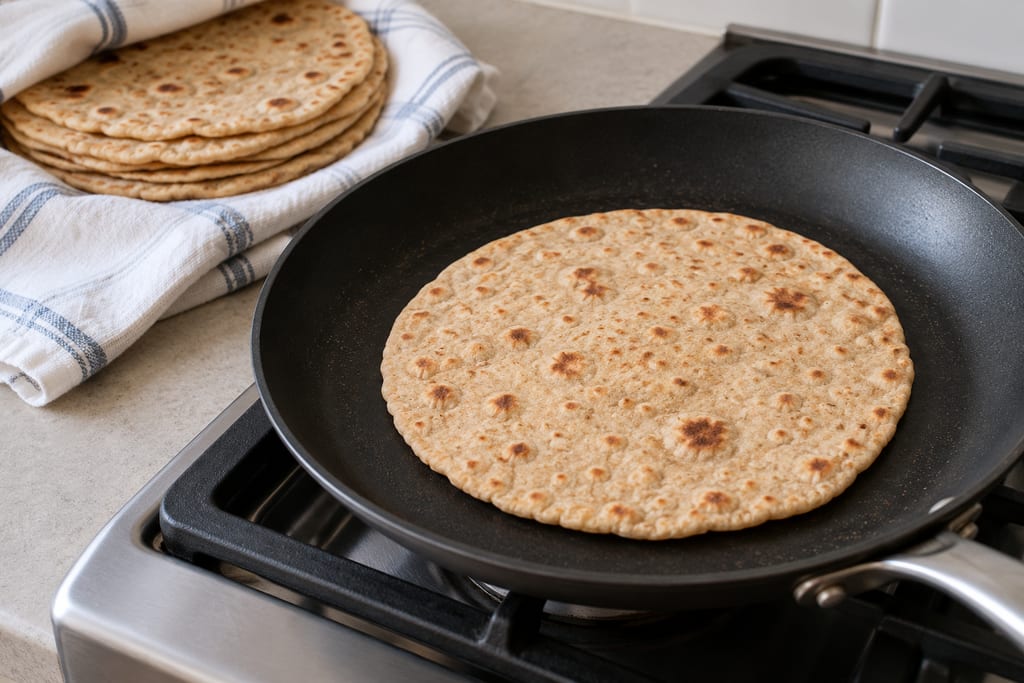
A small home-pan adaptation of Levantine markouk: rested wheat dough rolled into small rounds and cooked quickly on a hot flat pan. It is thicker and smaller than the hand-stretched sheets made on a saj.
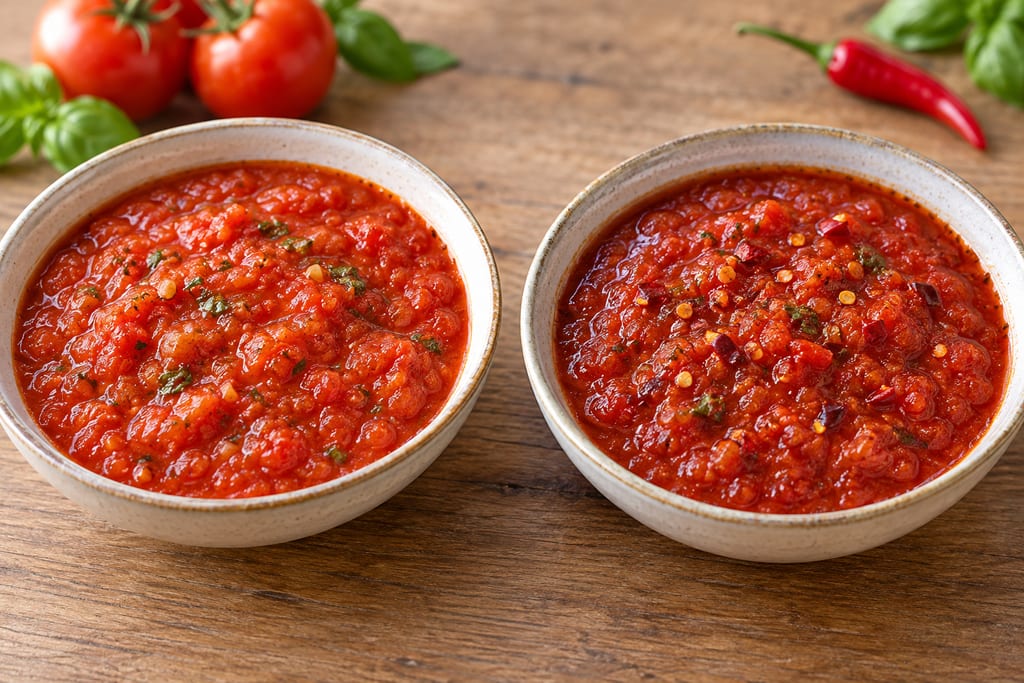
Marinara is a quick Italian-American tomato sauce; arrabbiata is a distinct Roman tomato sauce with red chilli. They share a simple cooked tomato-and-garlic base but are not the same sauce.
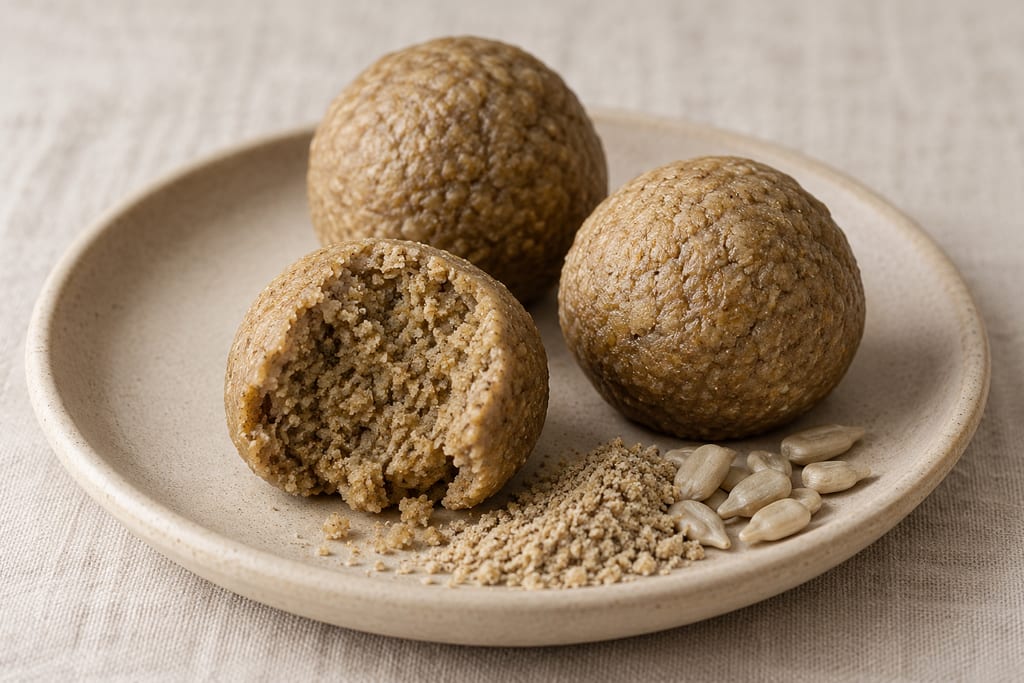
Mapi' are Hidatsa sunflower-seed balls formed from parched meal. This modern, untested kitchen adaptation uses toasted kernels and keeps the historical method distinct.
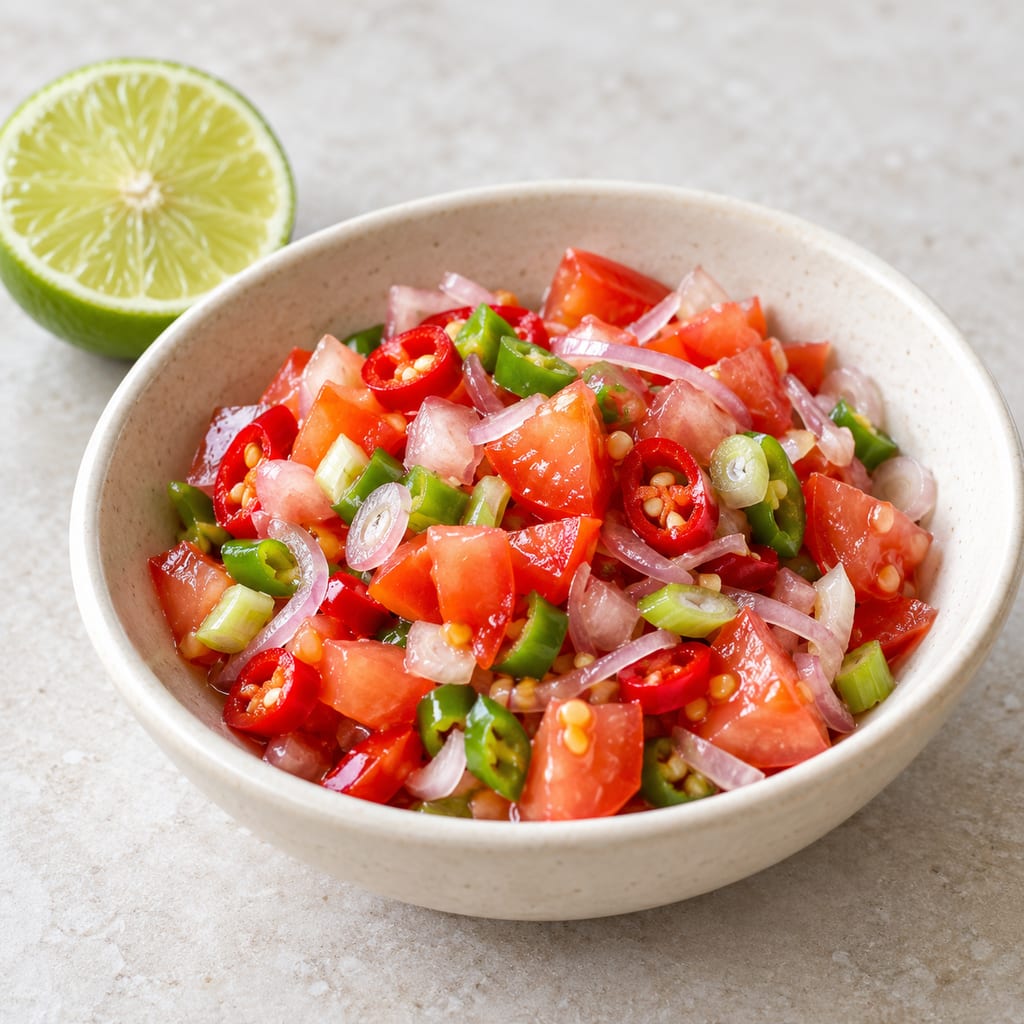
Dabu-dabu is a raw North Sulawesi relish of chopped chillies, shallot, scallion and tomato, dressed with salt and lime juice or coconut oil.
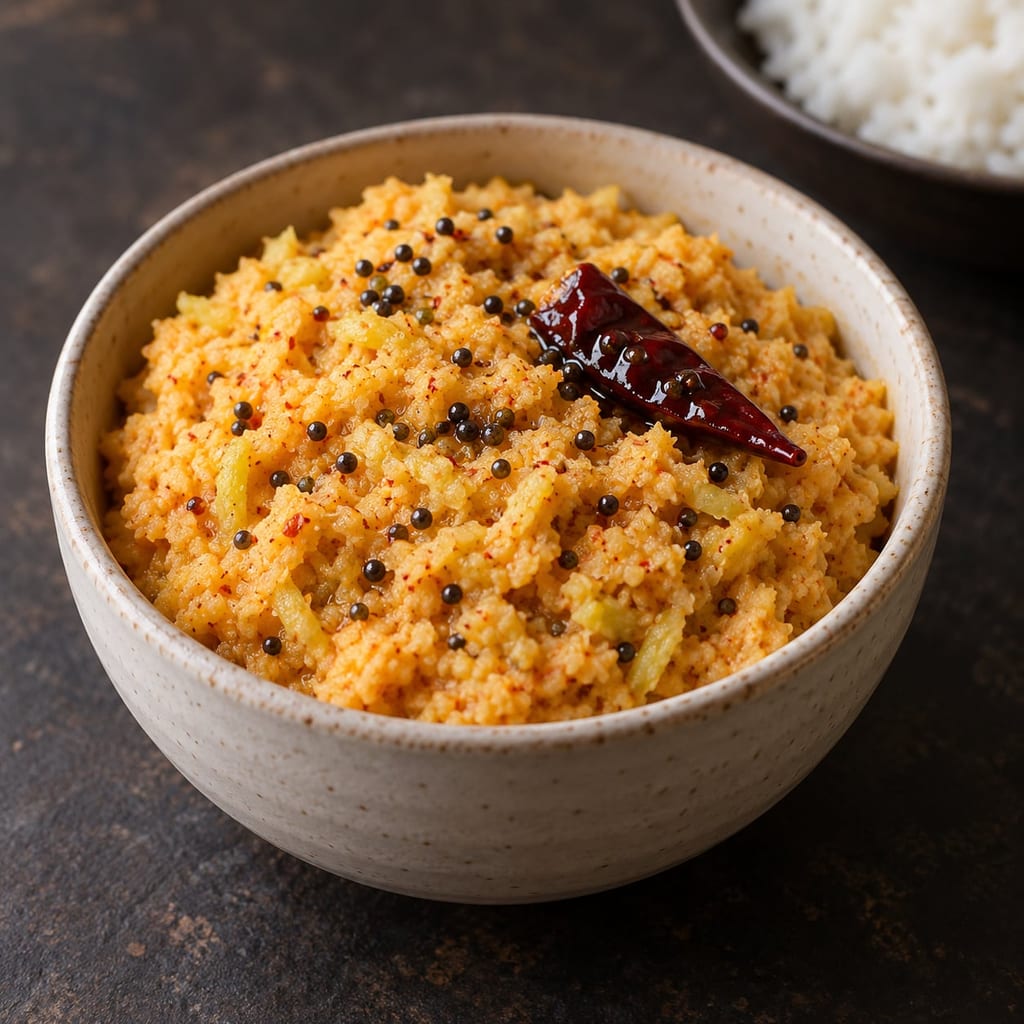
A coarse, sour Andhra chutney of raw mango and fresh coconut ground with browned urad dal and hot chillies, finished with a mustard tempering and eaten with hot rice.
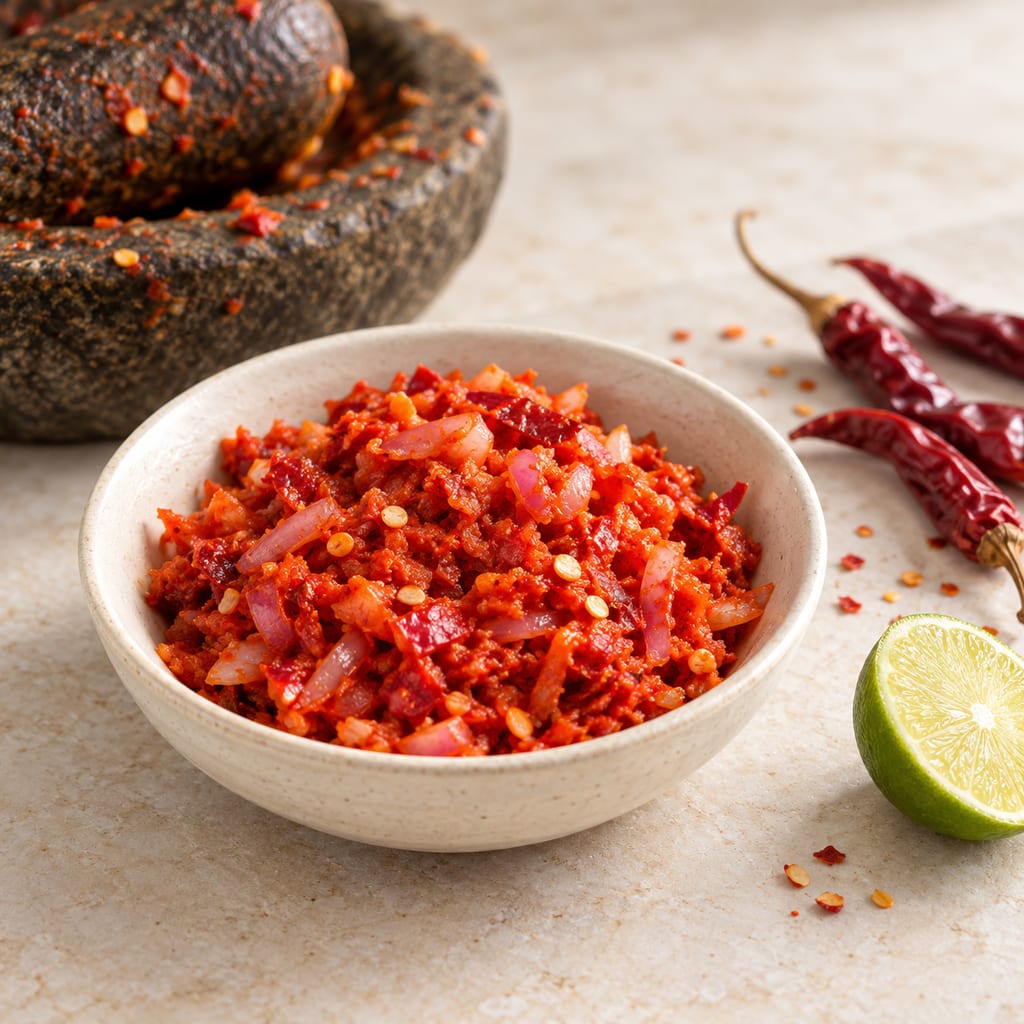
Lunu miris is Sri Lanka's pounded onion and chilli sambol: chilli flakes and red onion crushed with salt and lime, often with Maldive fish, eaten in small amounts with hoppers, pol roti and kiribath.
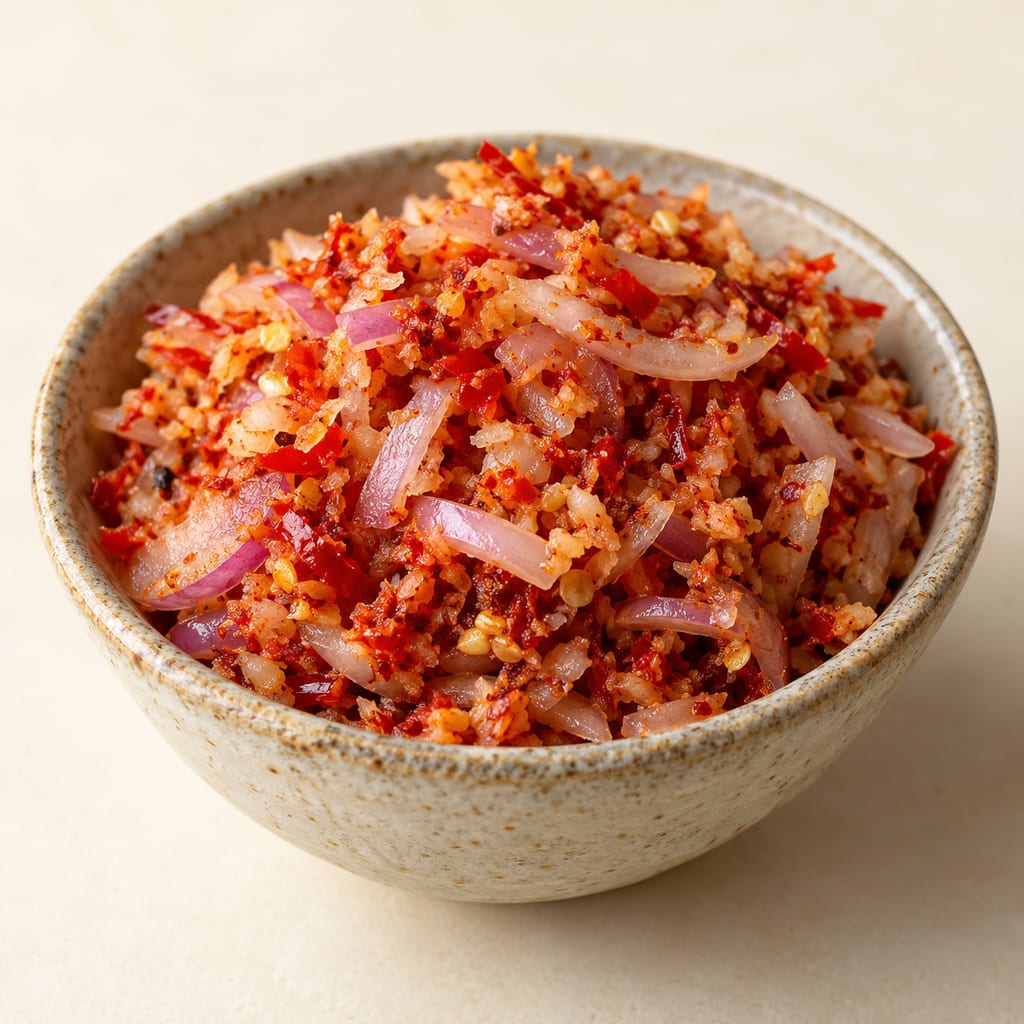
A Sri Lankan lunu miris made by pounding onion and chilli flakes with lime; Maldive fish is optional.
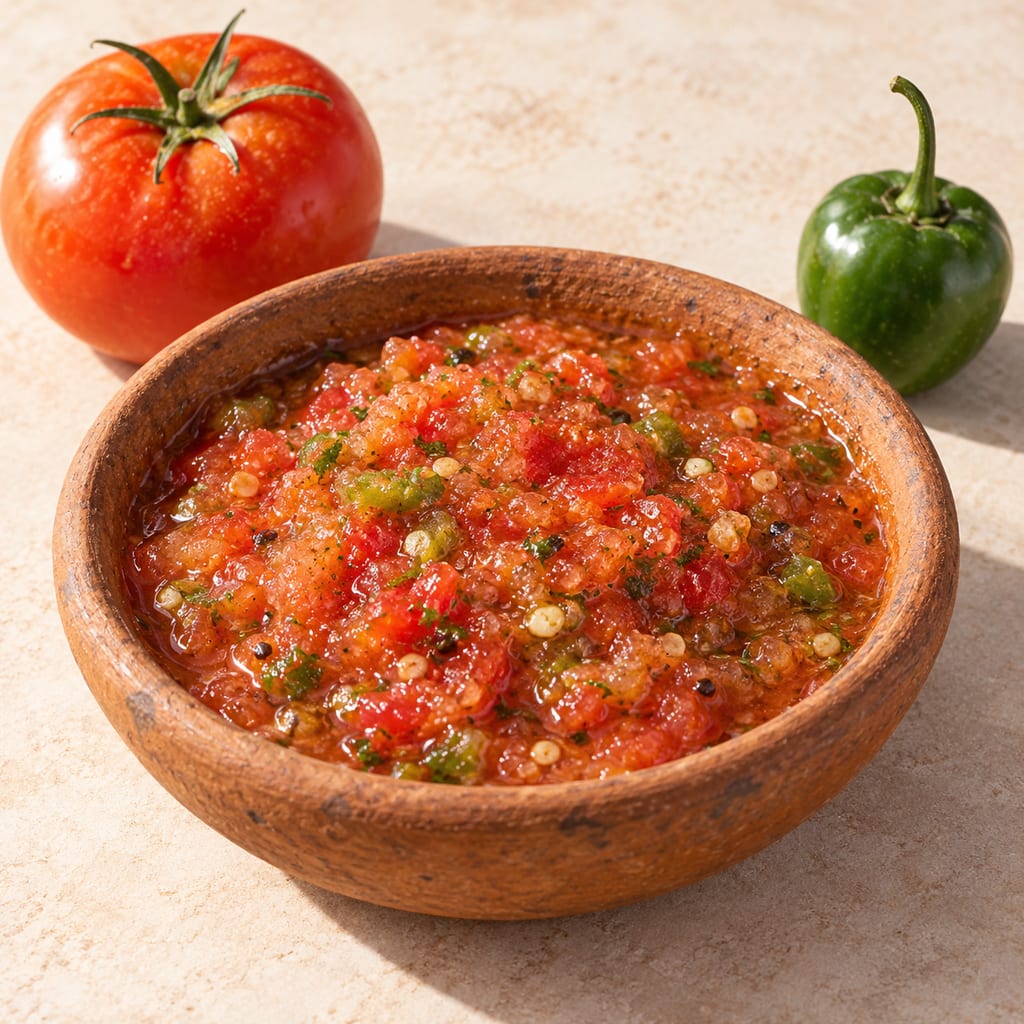
A fresh Bolivian table sauce of tomato, locoto chilli and herbs, following the La Paz municipal formula. Regional preparations vary.
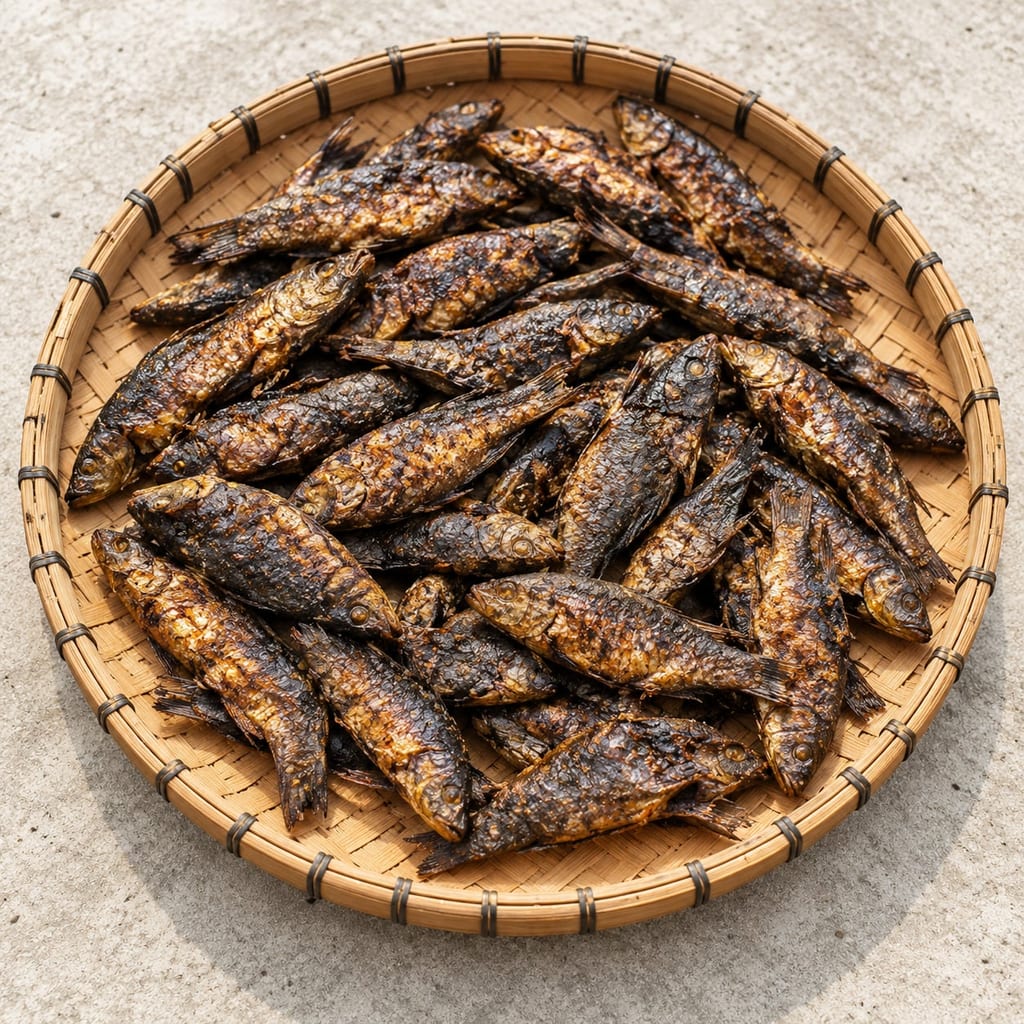
Leirou is fish smoked in a prepared kiln or room by processors around Loktak Lake in Manipur, India, a method the local survey keeps apart from open-flame ngaphak.
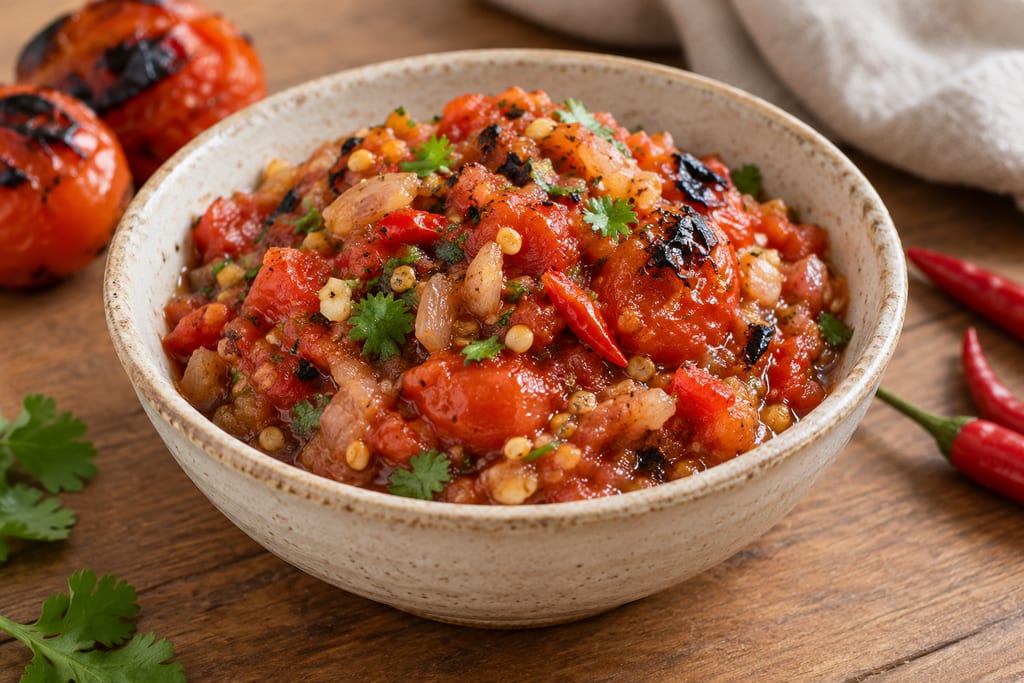
Roasted tomatoes, shallots, garlic and chillies are pounded into a coarse Lao-style dip, then seasoned with fish sauce, optional lime and coriander.
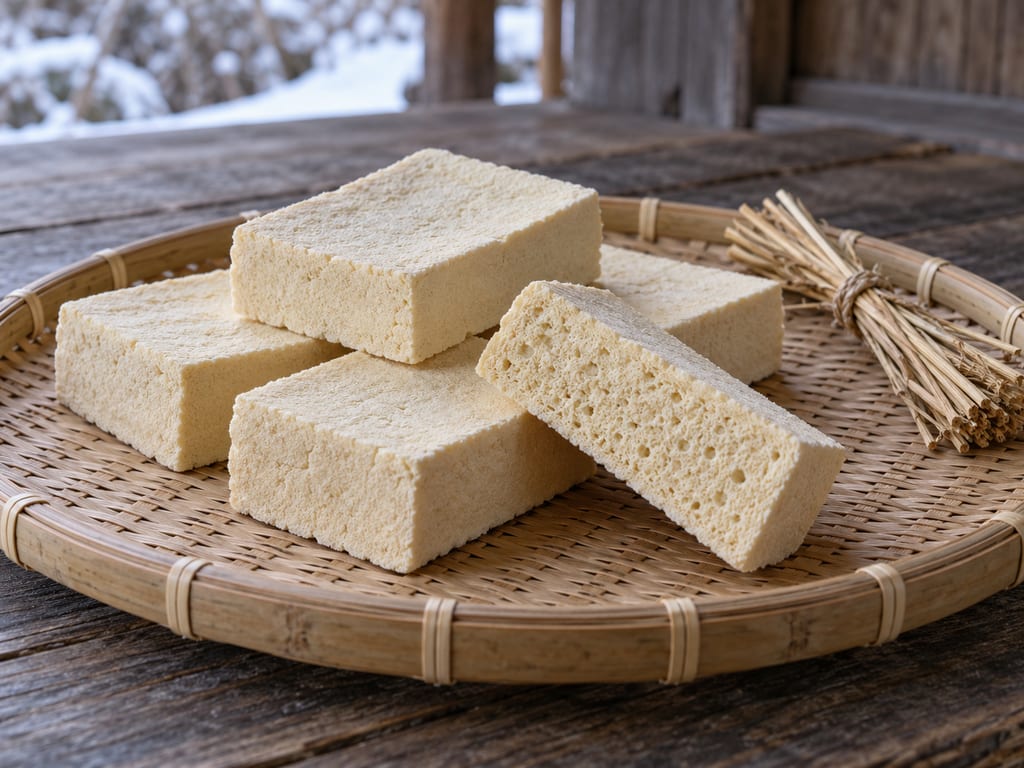
Tofu frozen, thawed, pressed and dried into a porous, durable soybean food; Japanese sources trace the tradition to the late Kamakura period.
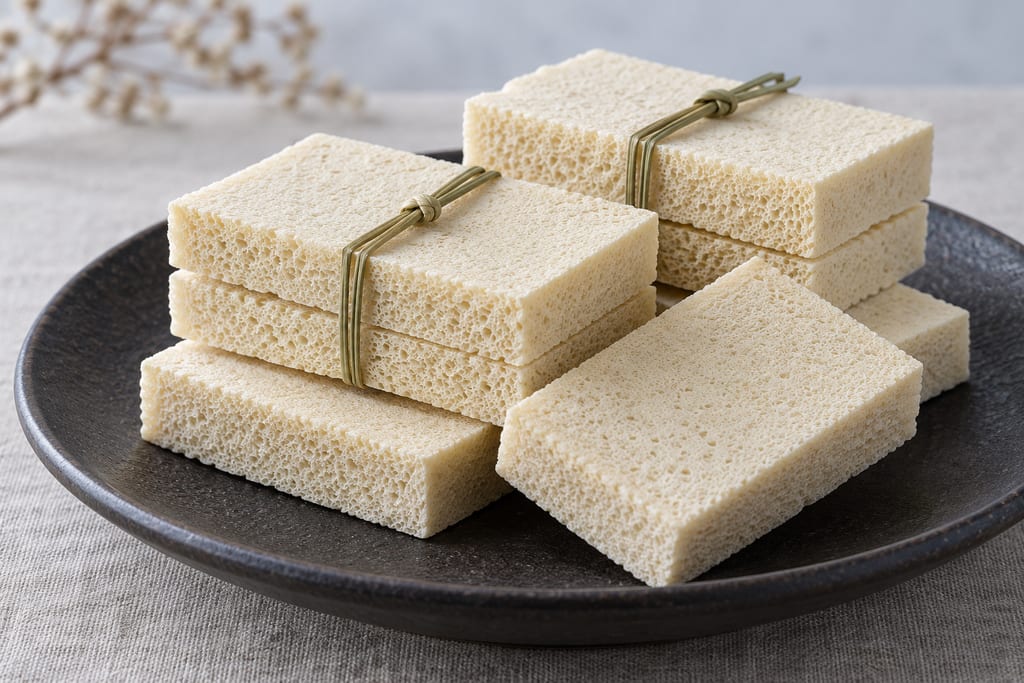
Japanese tofu frozen, aged below freezing, thawed and dried to a light sponge that is simmered in dashi; Iwadeyama makes it in winter air.
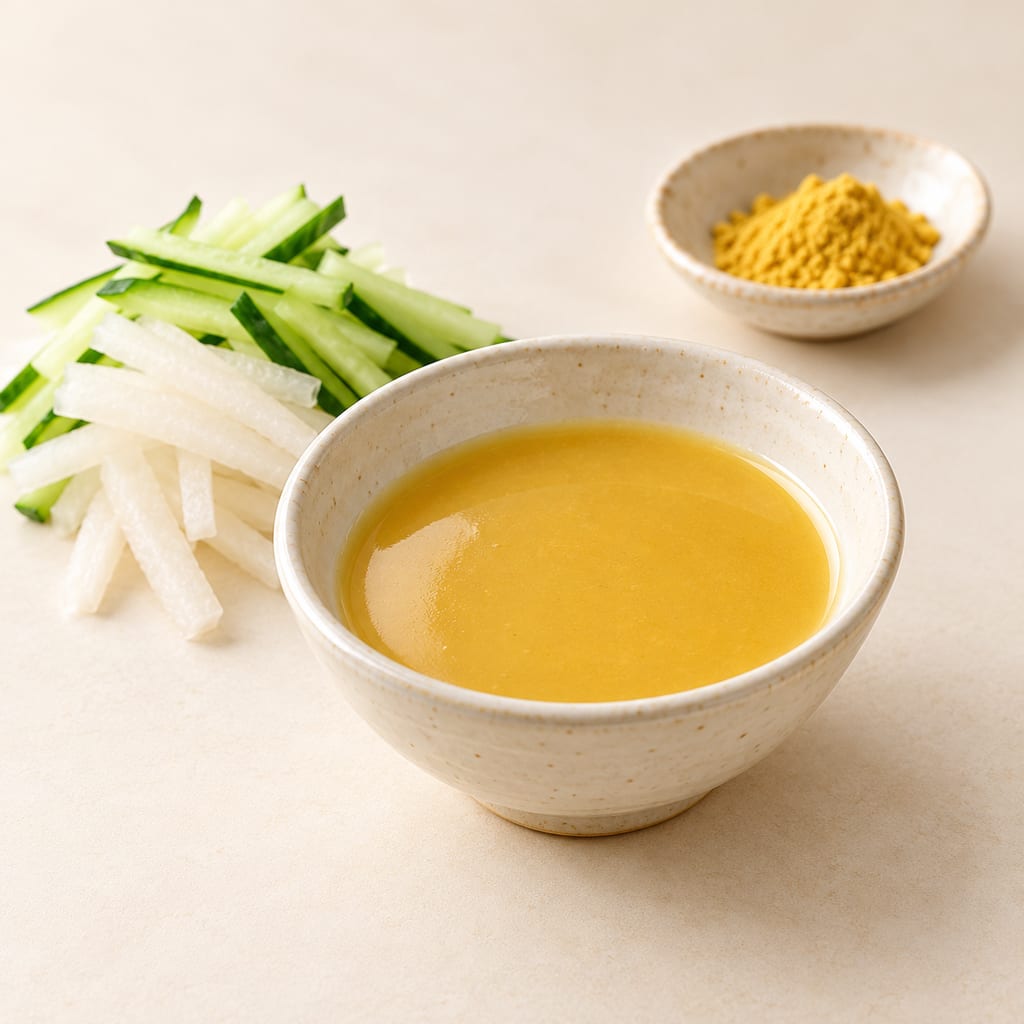
A fresh sweet-sour mustard dressing for cold cucumber and pear or a freshly prepared salad. Its gram-based proportions are original and are not copied from Maangchi’s gyeoja-naengchae recipe.
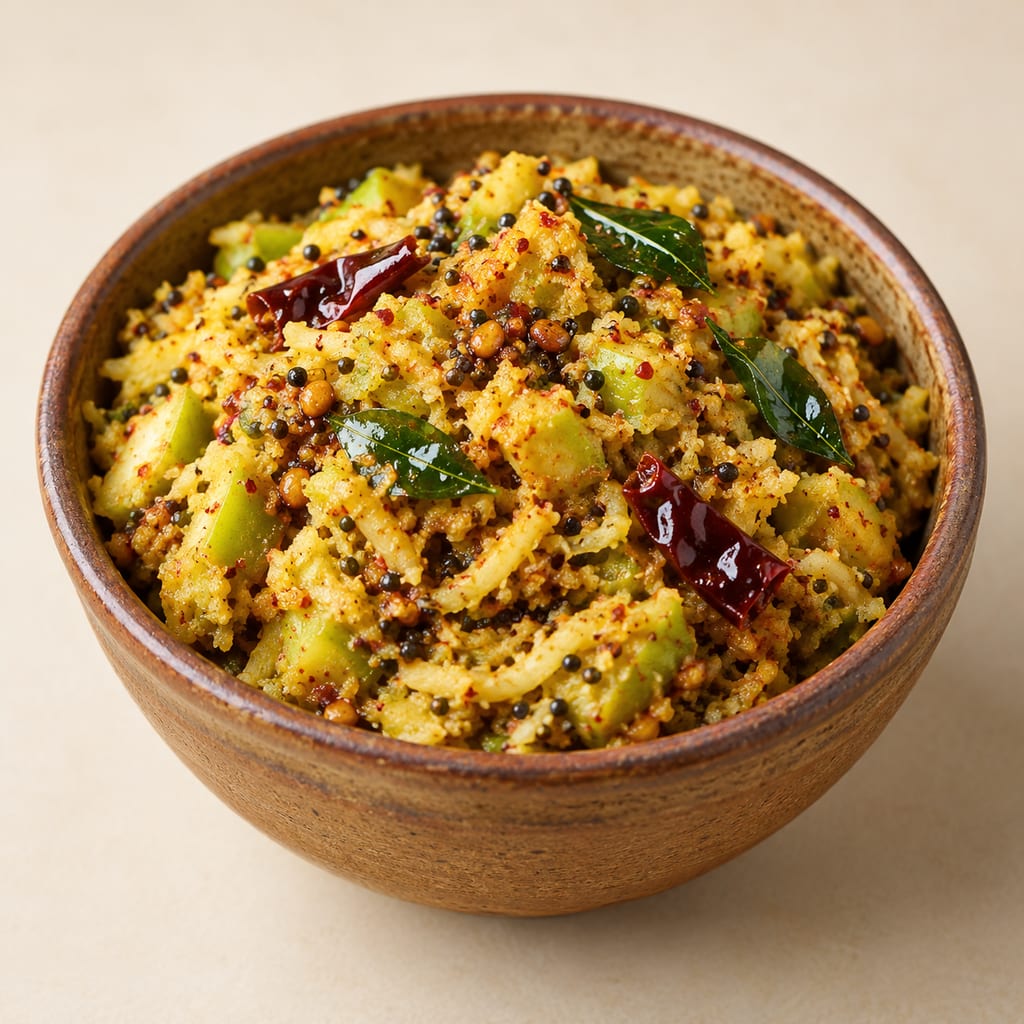
A Telugu coconut and raw mango pachhadi with a separately fried spice mixture.
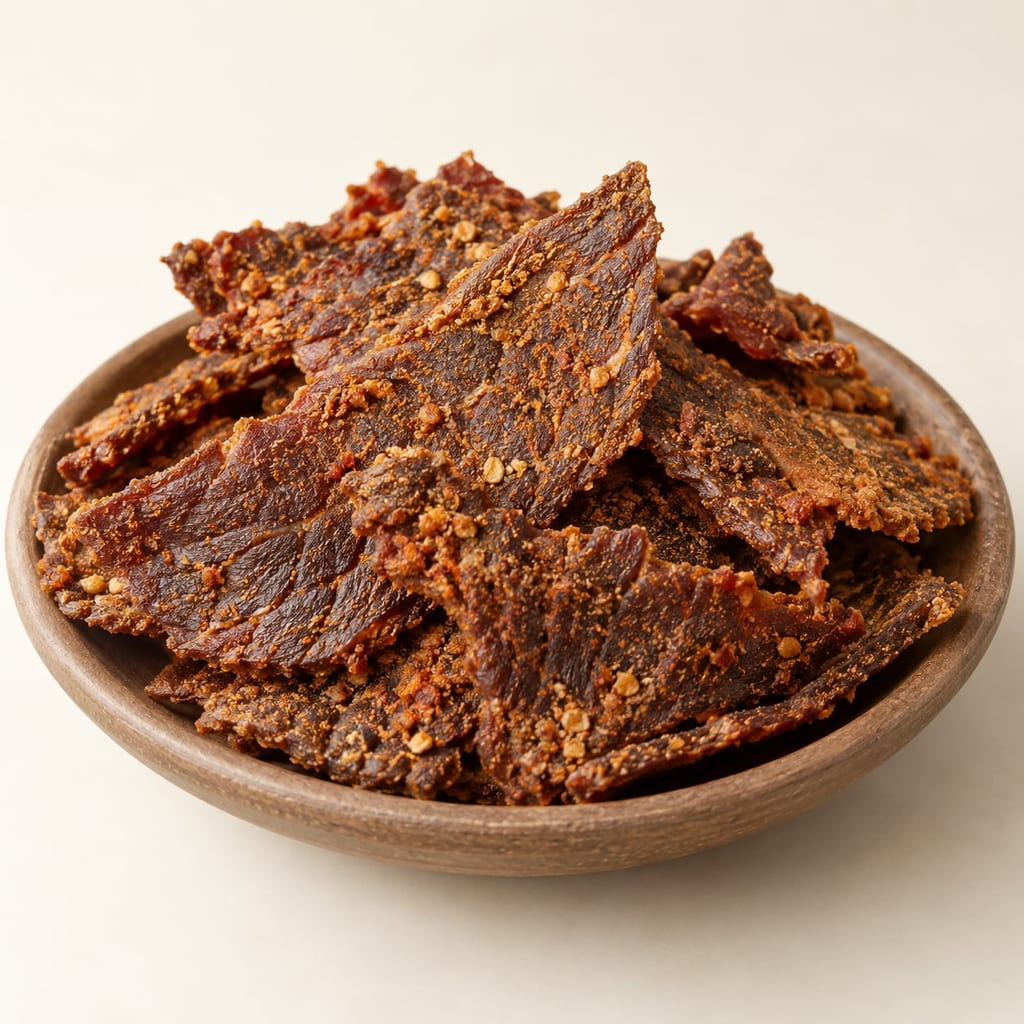
Kilishi is a Hausa-land dried meat from northern Nigeria and southern Niger: thin slices of beef or other meat, dried, coated in a spiced groundnut paste and dried again.
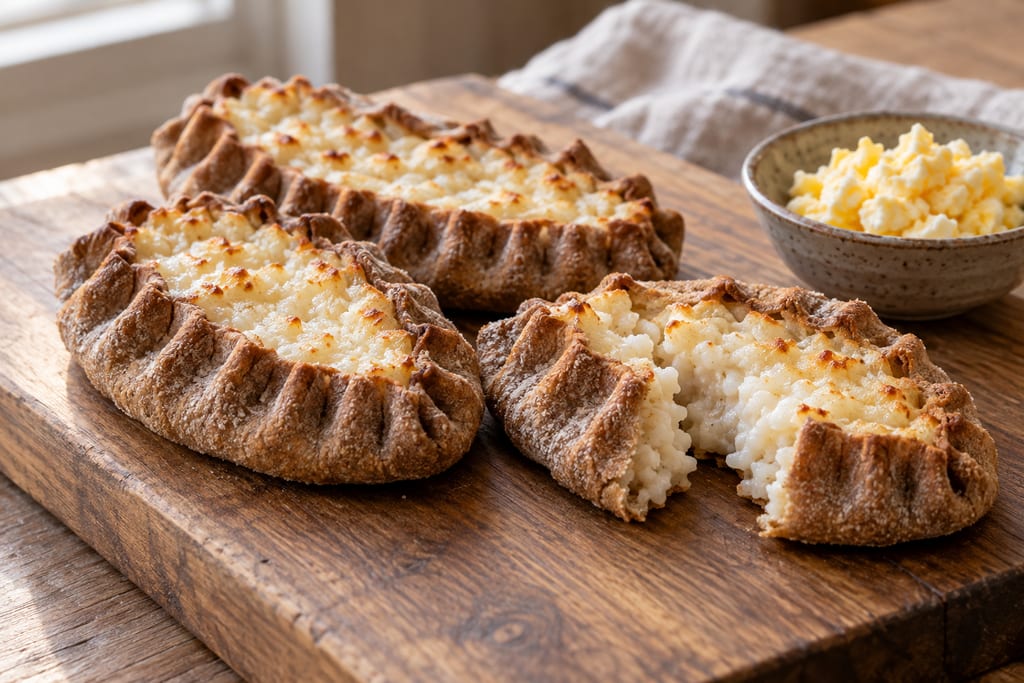
Karjalanpiirakka are open, pleated rye-and-wheat pastries filled with creamy rice porridge, baked hot and brushed with butter and milk.
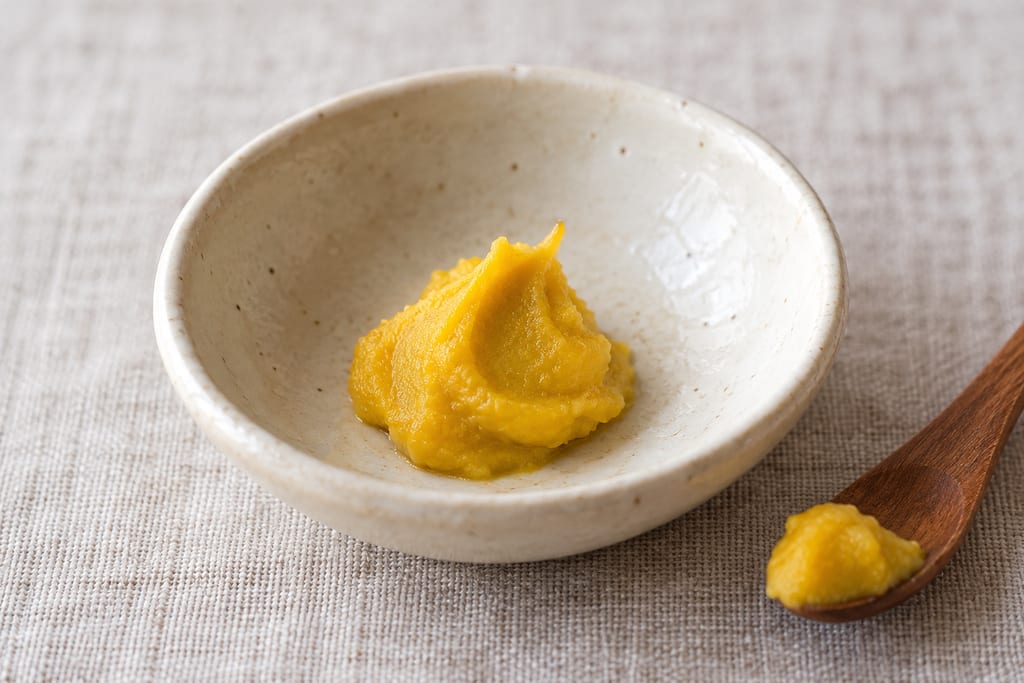
Karashi is Japan's hot mustard: powder stirred with a little water into a stiff paste, covered for a few minutes so the heat develops, and served in small dabs with oden, natto and fried food.
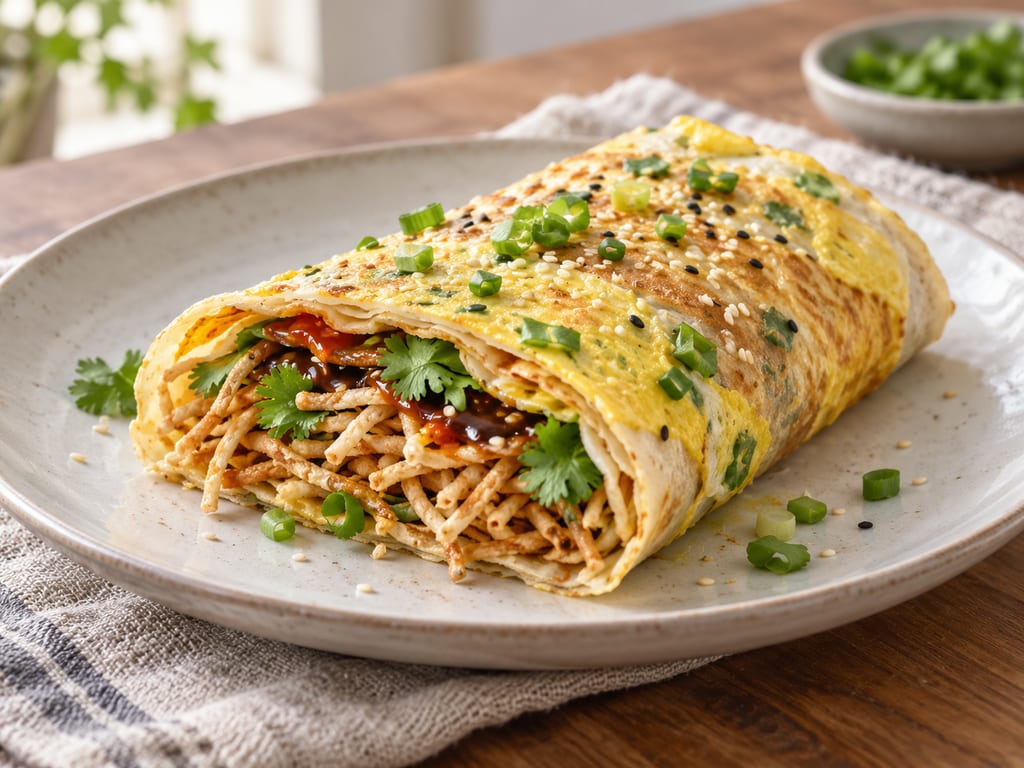
A four-serving home adaptation of jianbing: thin wheat batter cooked with egg, spring onion and sesame, then folded around crisp fried noodles and sauce.
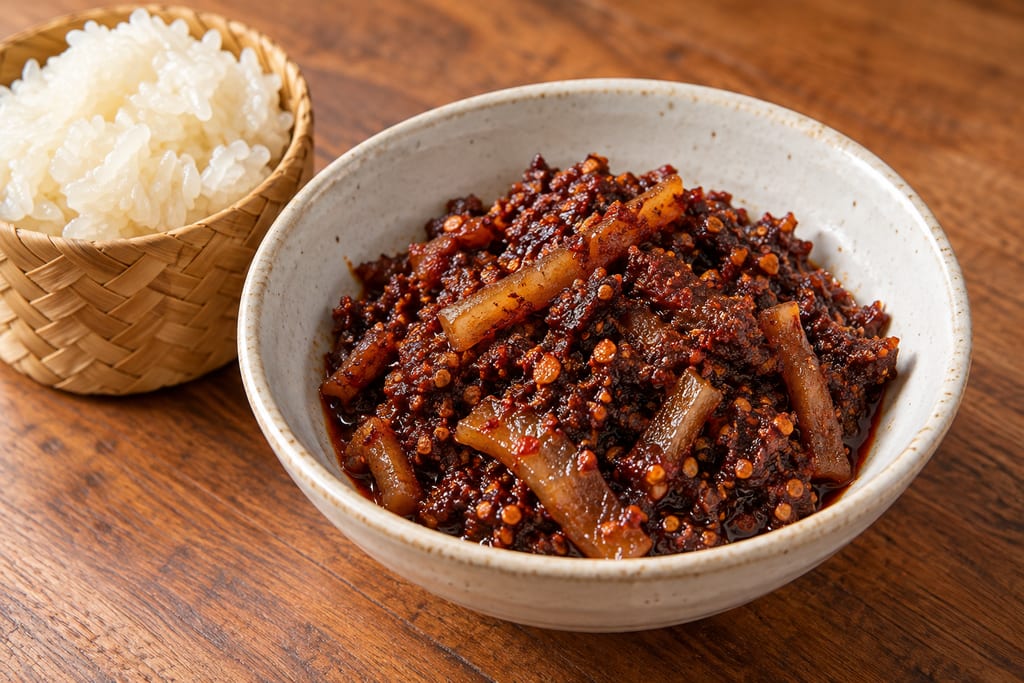
Jeow bong is a Lao paste of dried chilli, shallot, garlic and galangal cooked with buffalo or cow skin, a Luang Prabang specialty eaten with sticky rice and grilled meat.

A coarse South African farmhouse sausage of beef with pork or mutton fat, defined by its coriander seasoning and cooked fresh over coals rather than preserved.
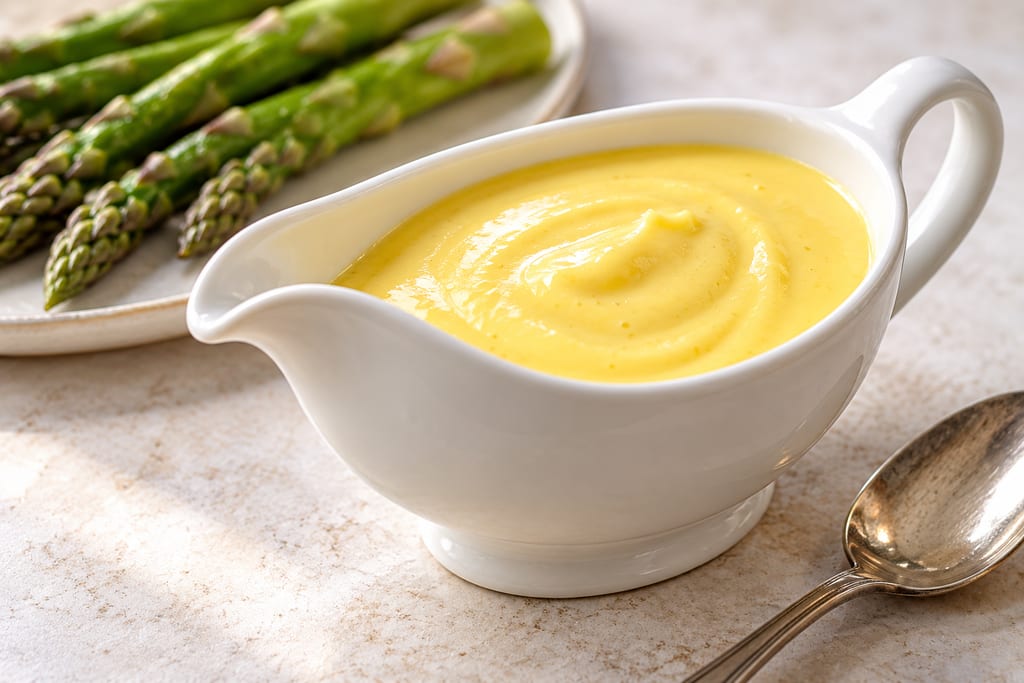
Hollandaise is a warm emulsion of egg yolk and butter finished with lemon juice, one of the French mother sauces, and the base for Bearnaise and other derived sauces.
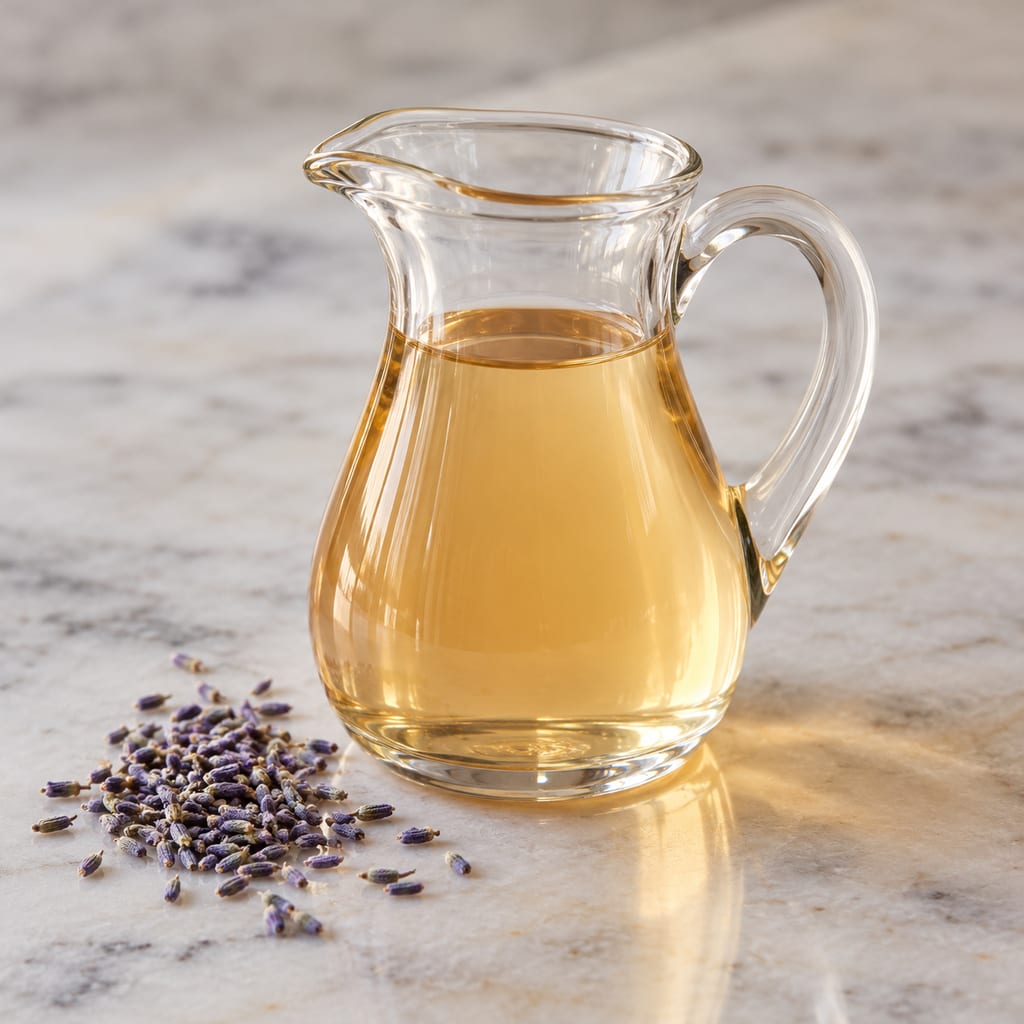
Sugar syrups flavoured by holding botanicals, sugar and water in sealed bags in a 135°F (57°C) water bath for an hour, then cooling and refrigerating; several can share one bath.

Jam is fruit cooked with enough sugar and concentration to reduce the water available to microbes. Jelly uses clarified juice and firmer fruit pastes lose still more moisture.
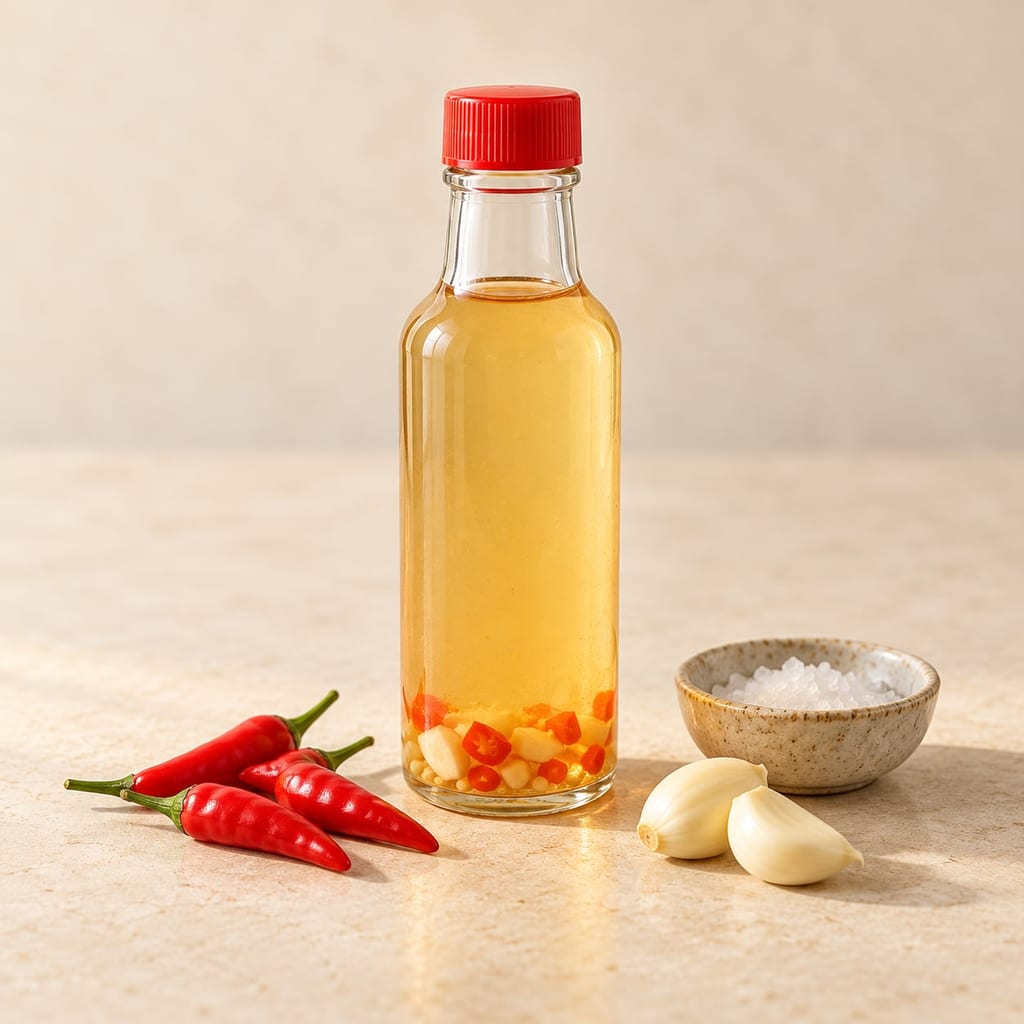
Hawaiian chili pepper water, or wai nīoi, is a thin condiment of small chillies steeped in salted water with vinegar and garlic. Hawaiian families use it as a table hot sauce.
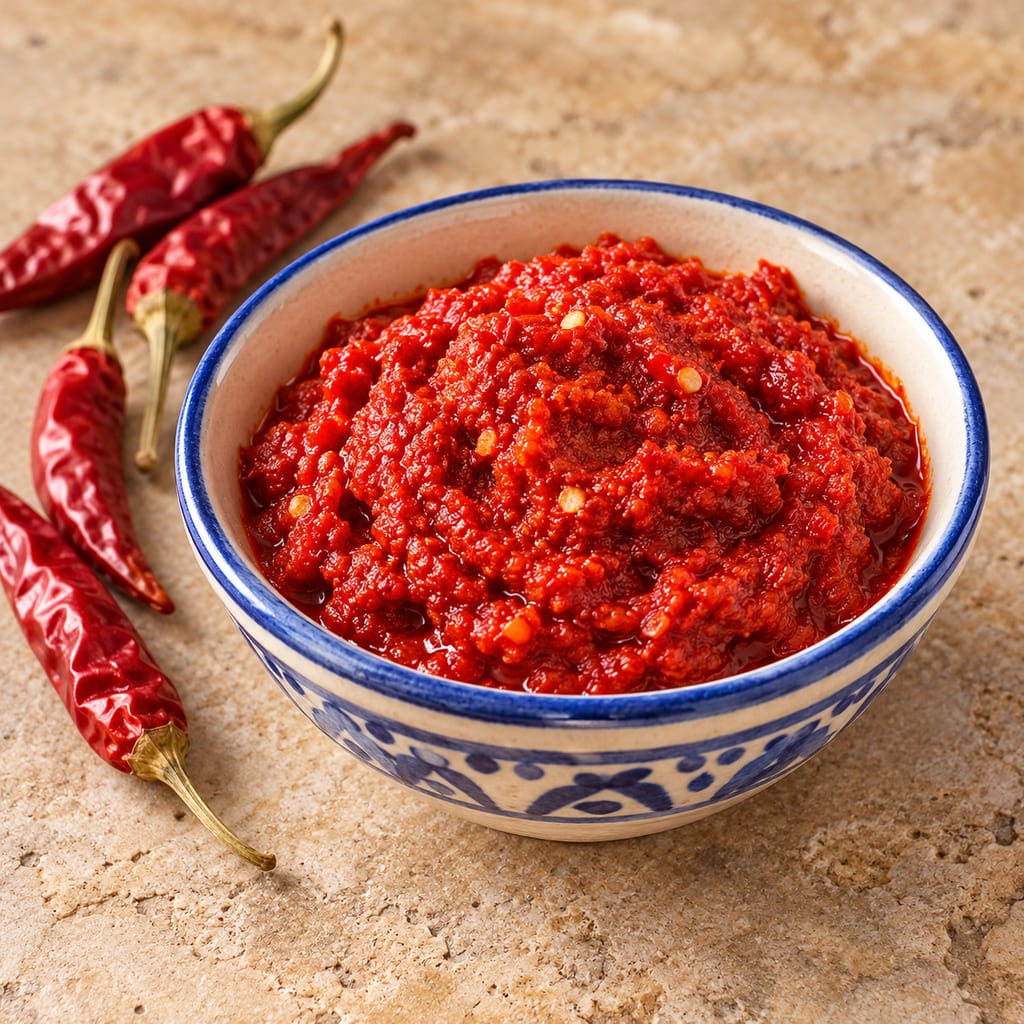
A Tunisian hot chilli paste from Cap Bon and Nabeul: red peppers pounded with garlic, caraway, coriander, cumin and olive oil, with many household and commercial variants.
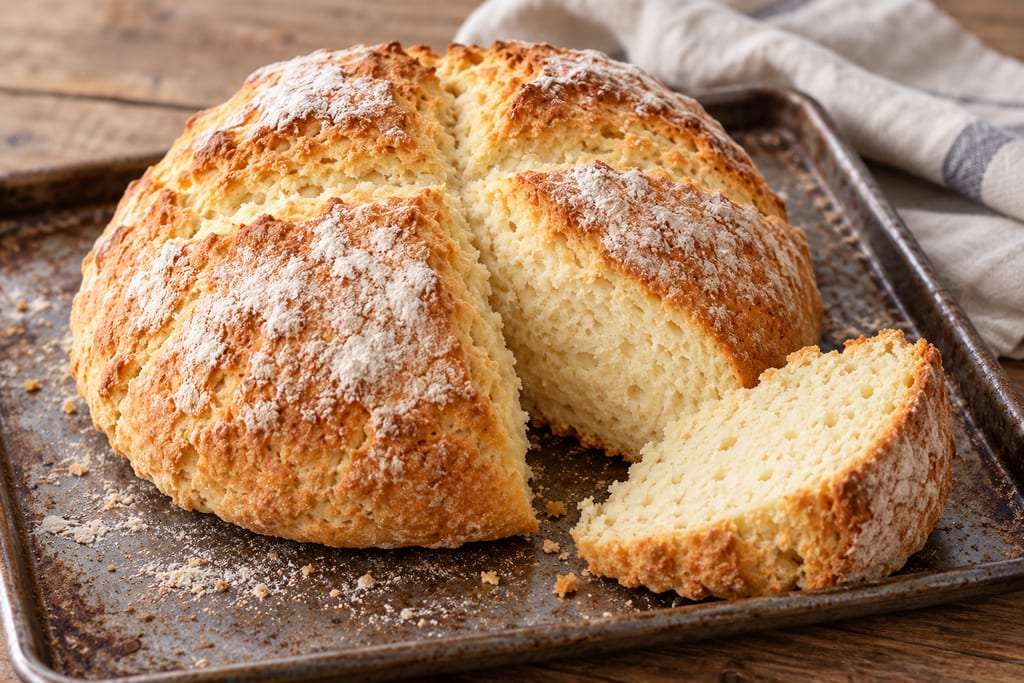
A source-specific Irish quick loaf of plain flour, bicarbonate of soda, buttermilk, egg and butter, mixed briefly and baked as a cross-marked round.
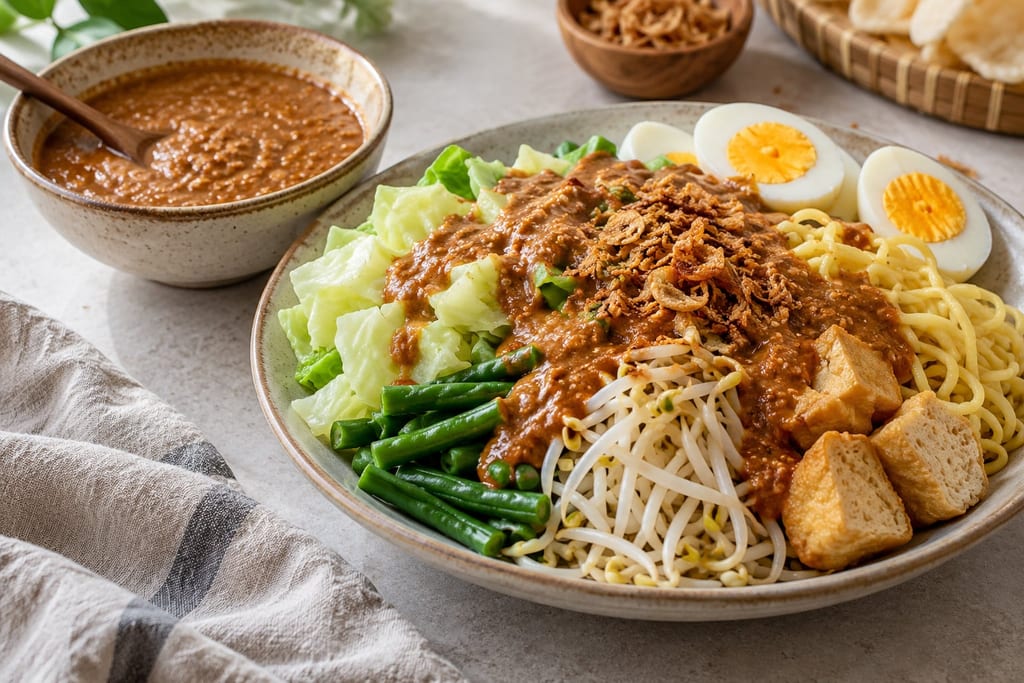
A cooked peanut sauce of ground roasted peanuts, aromatics, shrimp paste and coconut cream, as made for gado-gado; pecel and Malaysian satay sauces are close relatives with different formulas.
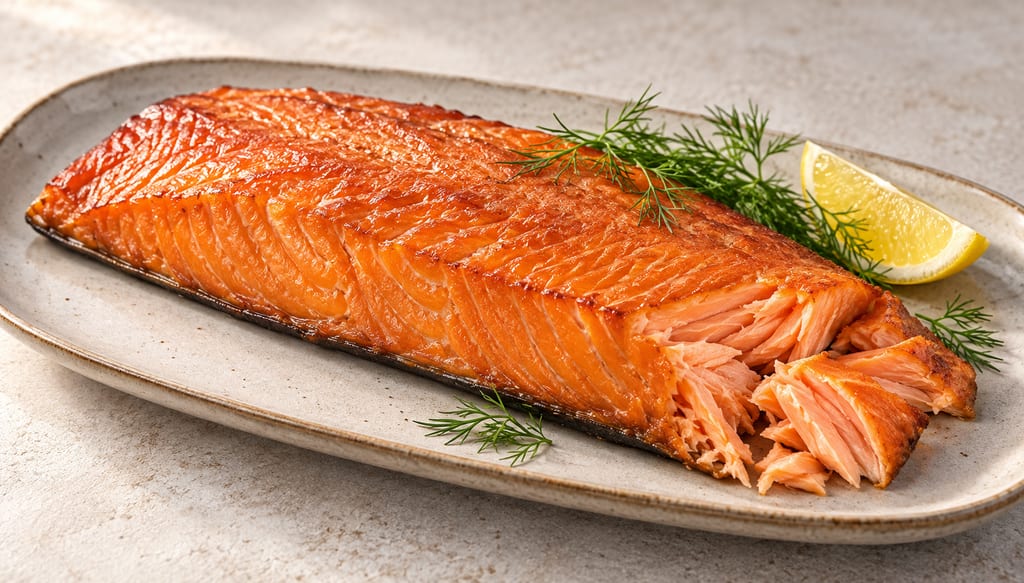
Salmon fillets salted or dry-brined, rested, then cooked and flavoured in a smoker. The method is a cooking process, and the endpoint decides its safety.

A firm, pressed halloumi-style cheese made here from raw cow milk. Raw milk can carry harmful germs; this documented method is not validated for home production.
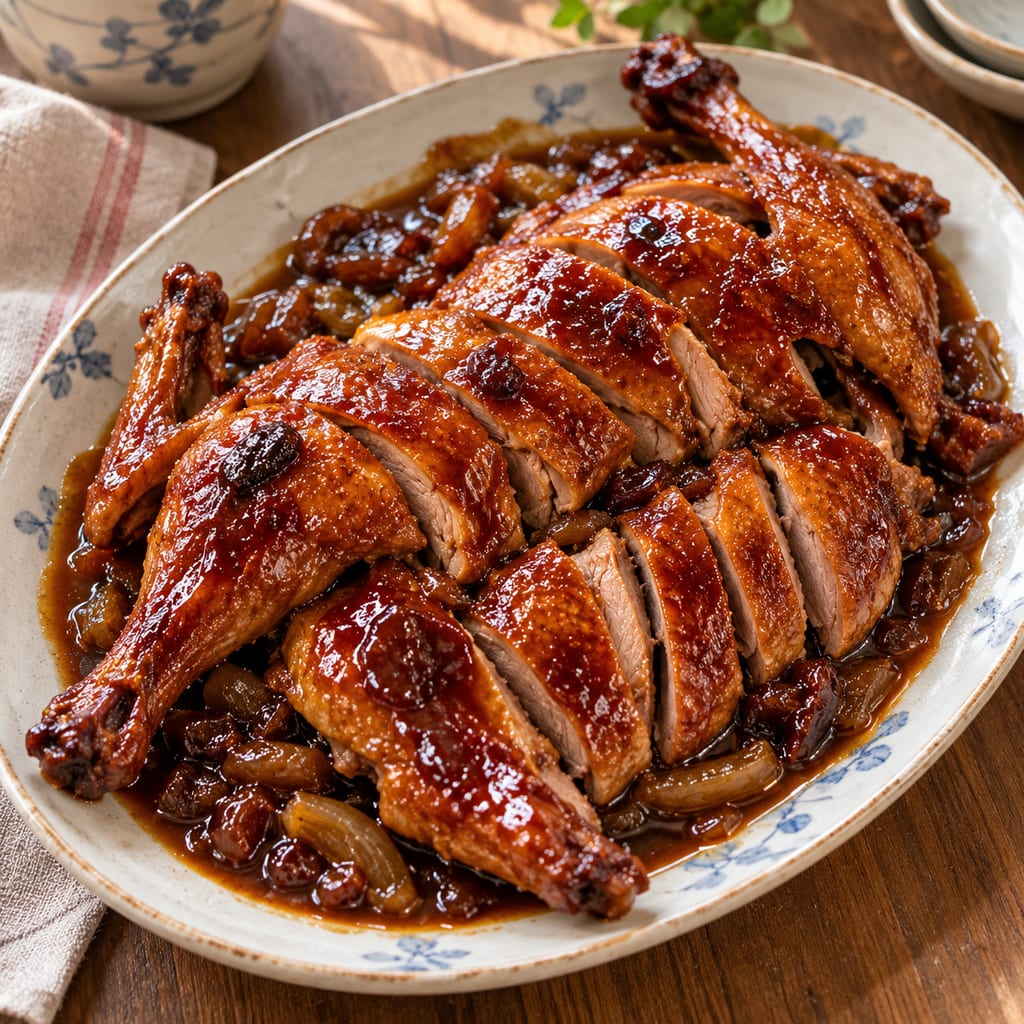
A whole duck braised on onions with pickled plums and Chinese plum sauce until the sauce turns into a thick onion marmalade, a Hakka family dish for Chinese New Year.
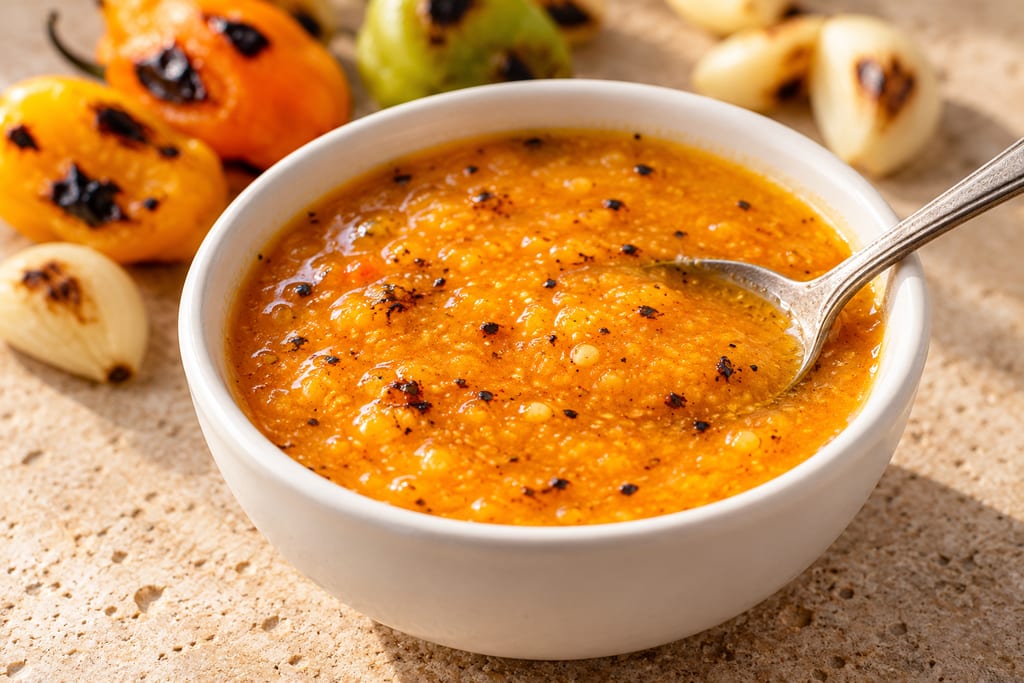
A hot, fruity chile sauce of the Yucatán, built on habanero peppers and often charred with garlic. It sits on the table as a condiment, and the recipes vary widely.
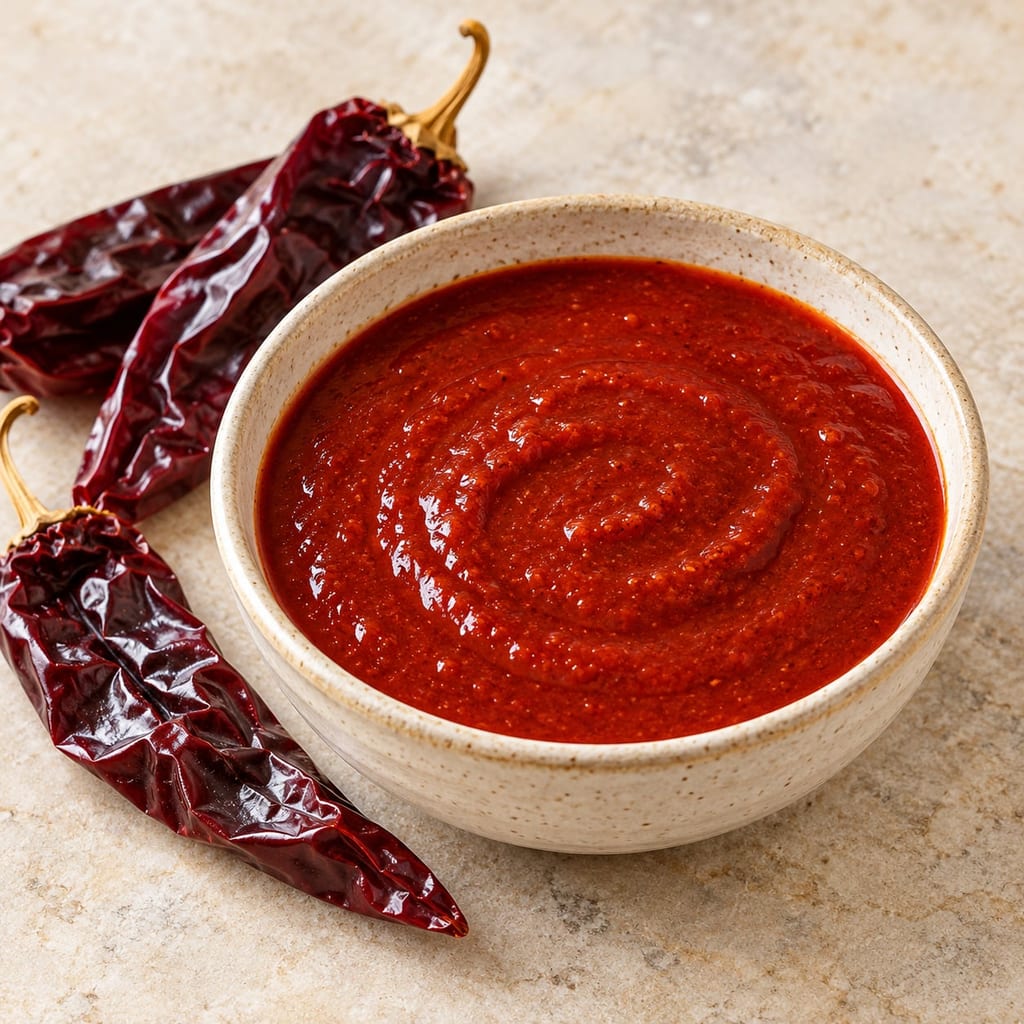
A Mexican sauce in which dried guajillo chiles, toasted and softened in hot water, supply most of the flavour. It is a family of dried-chile salsas, not a tomato sauce with chile added.
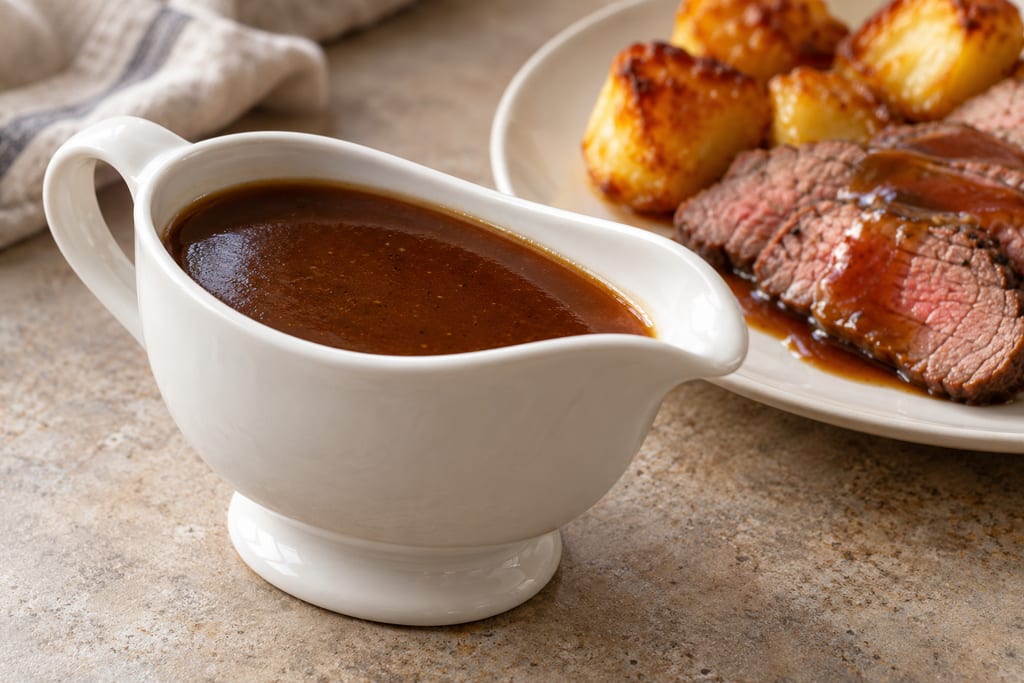
A savoury sauce made from the juices a roast releases in the tin, reduced with stock and thickened, or thickened with flour or starch.
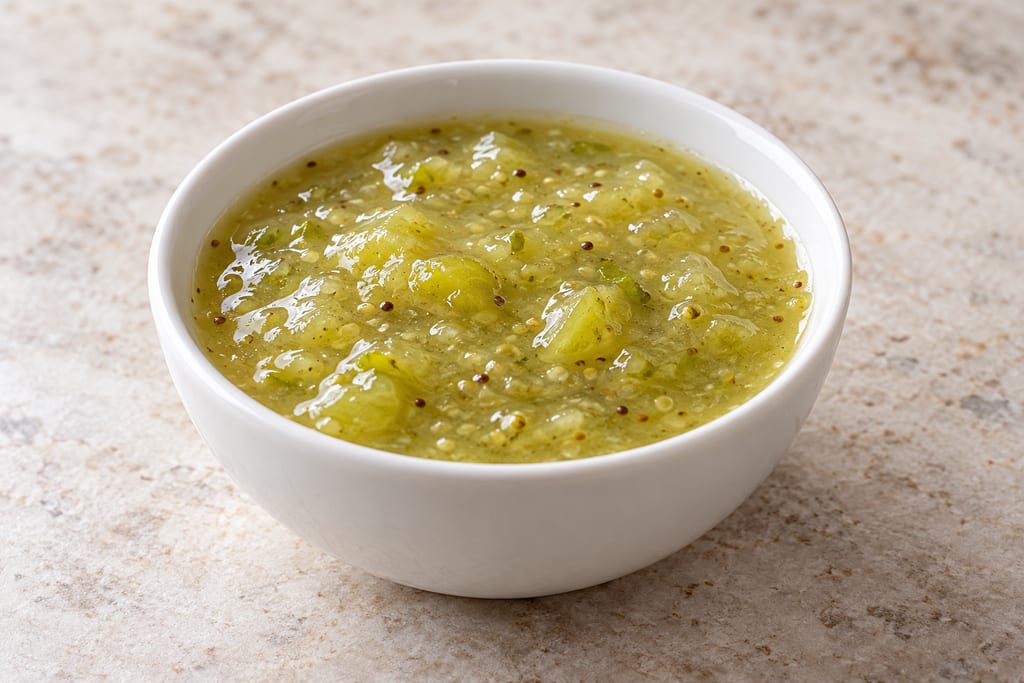
Gooseberry sauce is a soft, tart sauce of cooked green gooseberries, sharpened with wine or vinegar and lightly sweetened, traditionally served with mackerel.