











































Elevated risk
Natto with liquid starter in a foam box
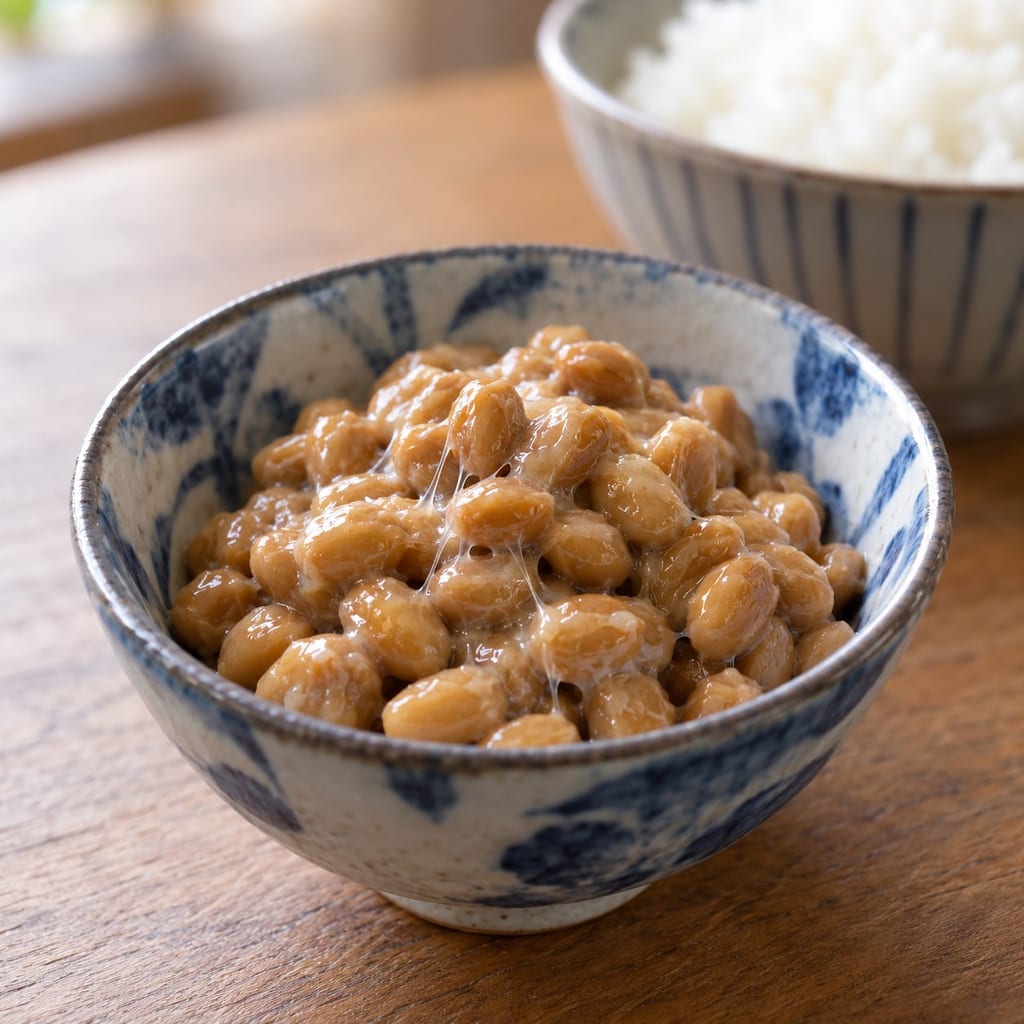
Liquid natto starter is mixed through pressure-cooked soybeans and incubated in a warmed foam box; the creator gives no incubation temperature.
 FermenteaWhere food goes to change
1504 records with their sources, across 11 categories.
Liquid natto starter is mixed through pressure-cooked soybeans and incubated in a warmed foam box; the creator gives no incubation temperature.
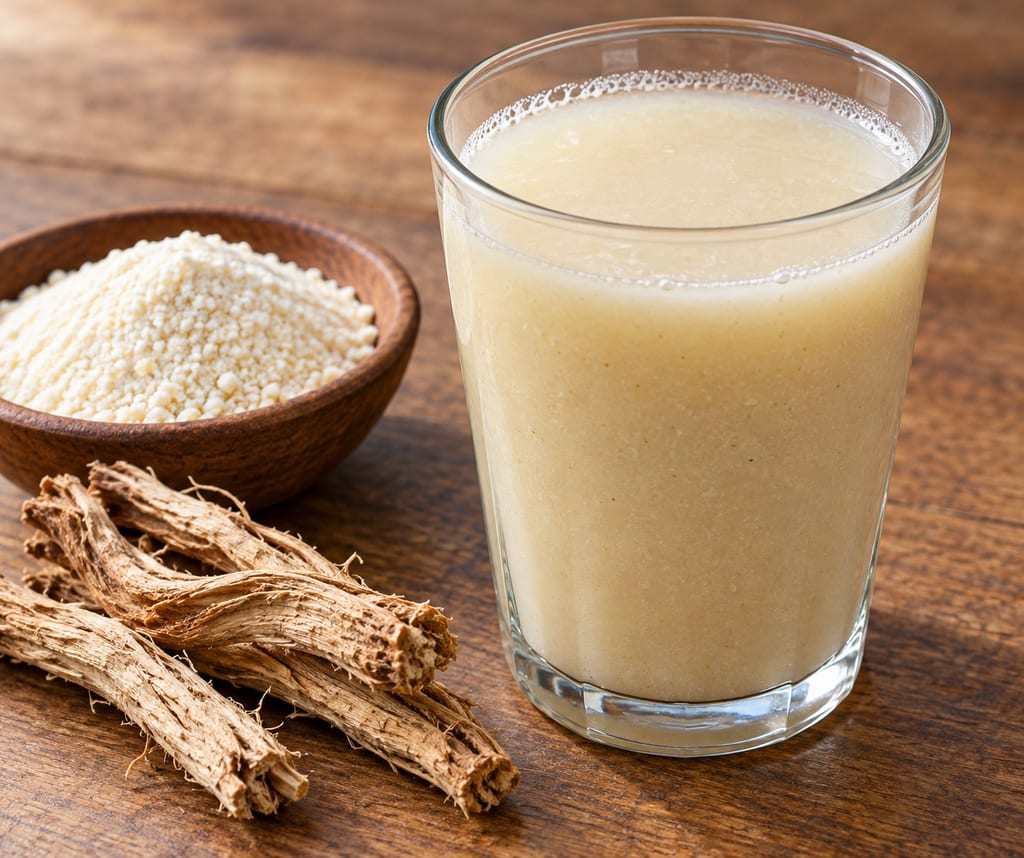
A creamy, mildly sour Zambian cereal drink in which the dug roots of wild legumes supply both the enzymes that break the cooked starch down and the microorganisms that then ferment it.
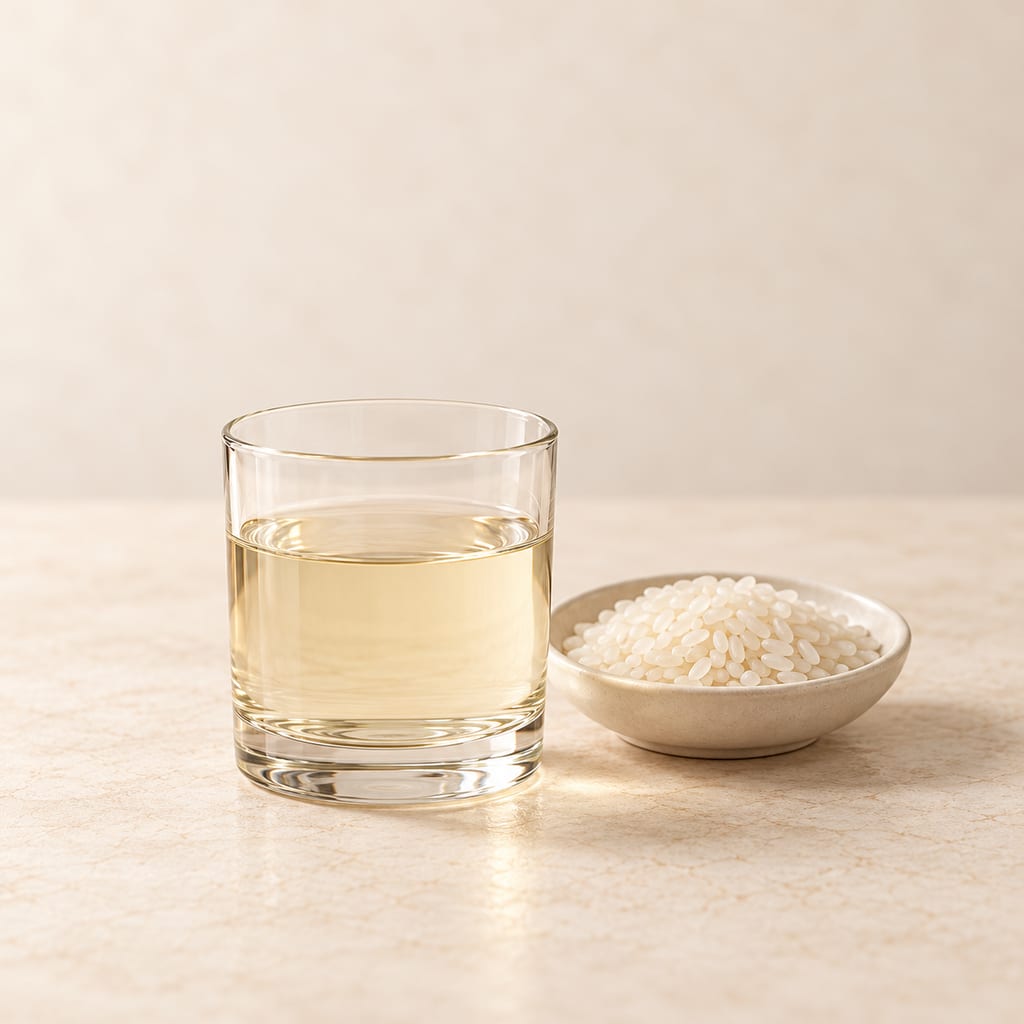
A 2021 study's white-rice yakju: steamed Hanareum rice ferments with rice-flour nuruk and takju yeast for 11 days, then the clear upper liquid is filtered and centrifuged.
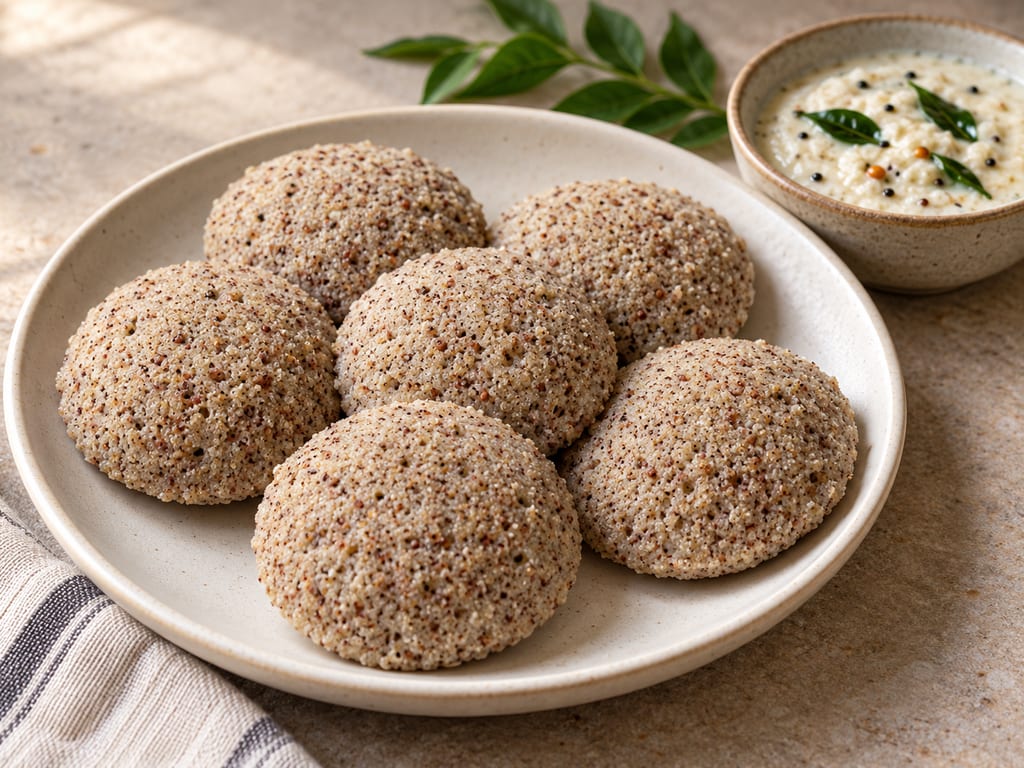
Multigrain millet idli uses a source-specific naturally fermented grain and urad batter, then cooks it by steaming in moulds. The creator leaves some process measures unquantified.
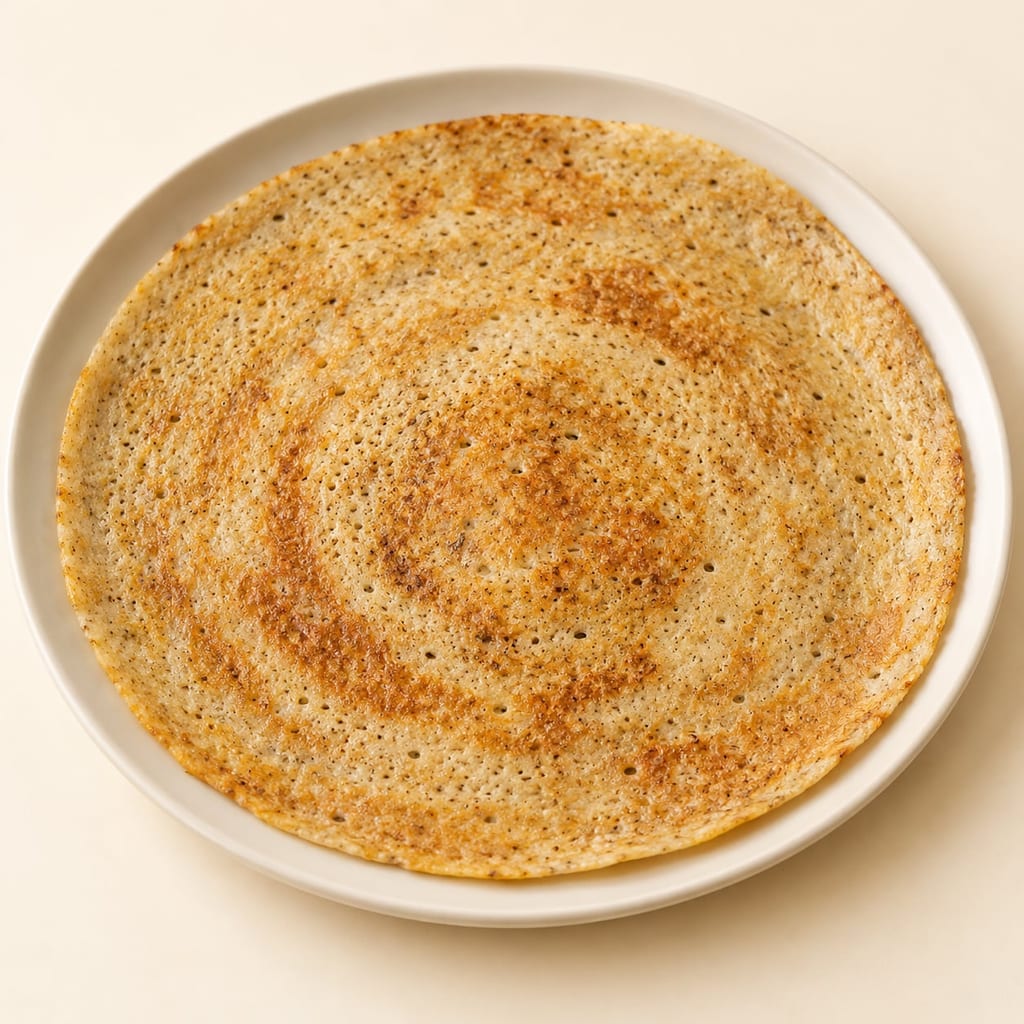
Multigrain millet dosa uses a source-specific naturally fermented grain and urad batter, then cooks it by griddling. The creator leaves some process measures unquantified.
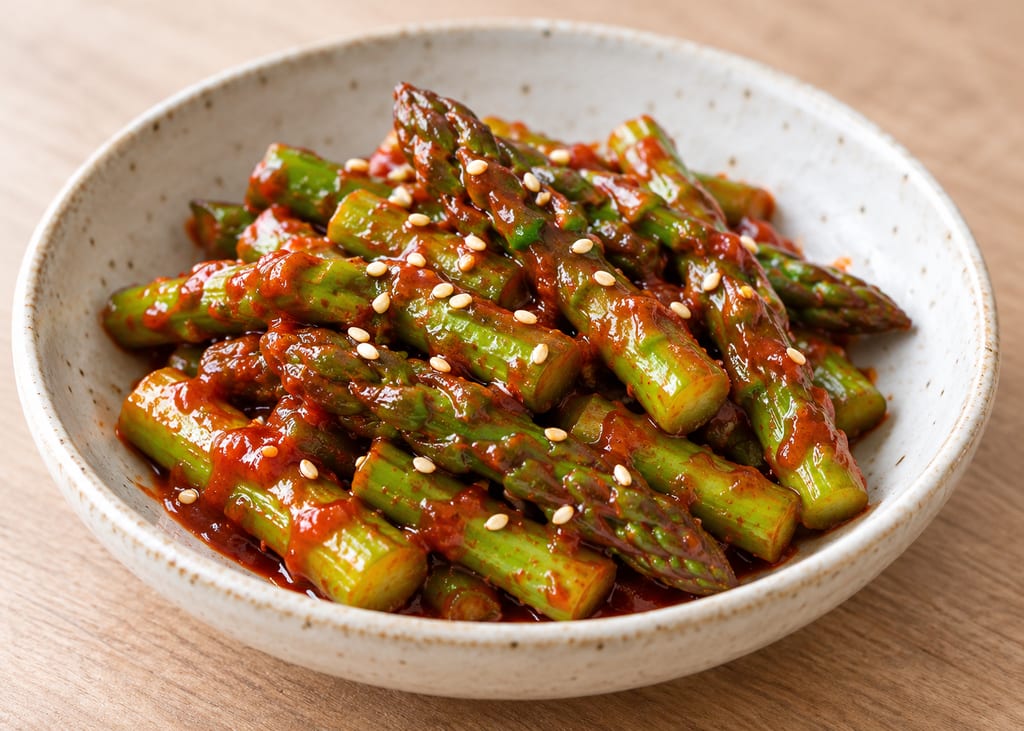
A Korean banchan of blanched asparagus dressed with a sweet-sour cho-gochujang sauce; Hyosun's version cools the spears in ice water before tossing.
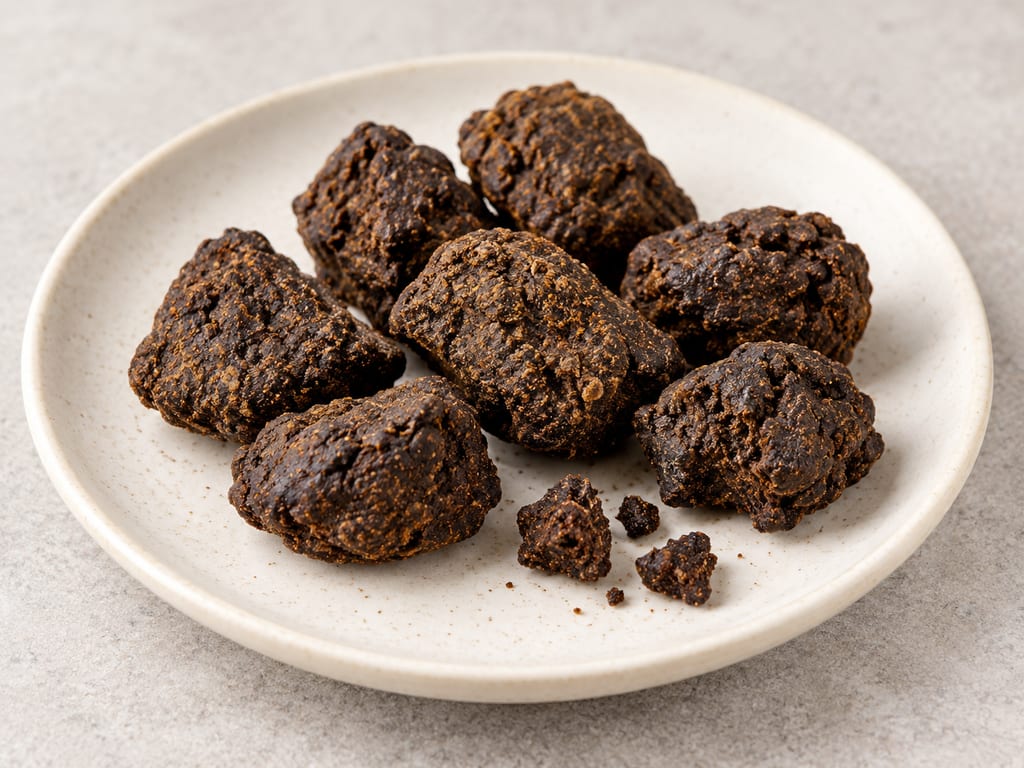
Ogiri-okpei is a Nigerian condiment of cooked Prosopis africana cotyledons left to ferment spontaneously in leaf-lined containers, then ground and dried.
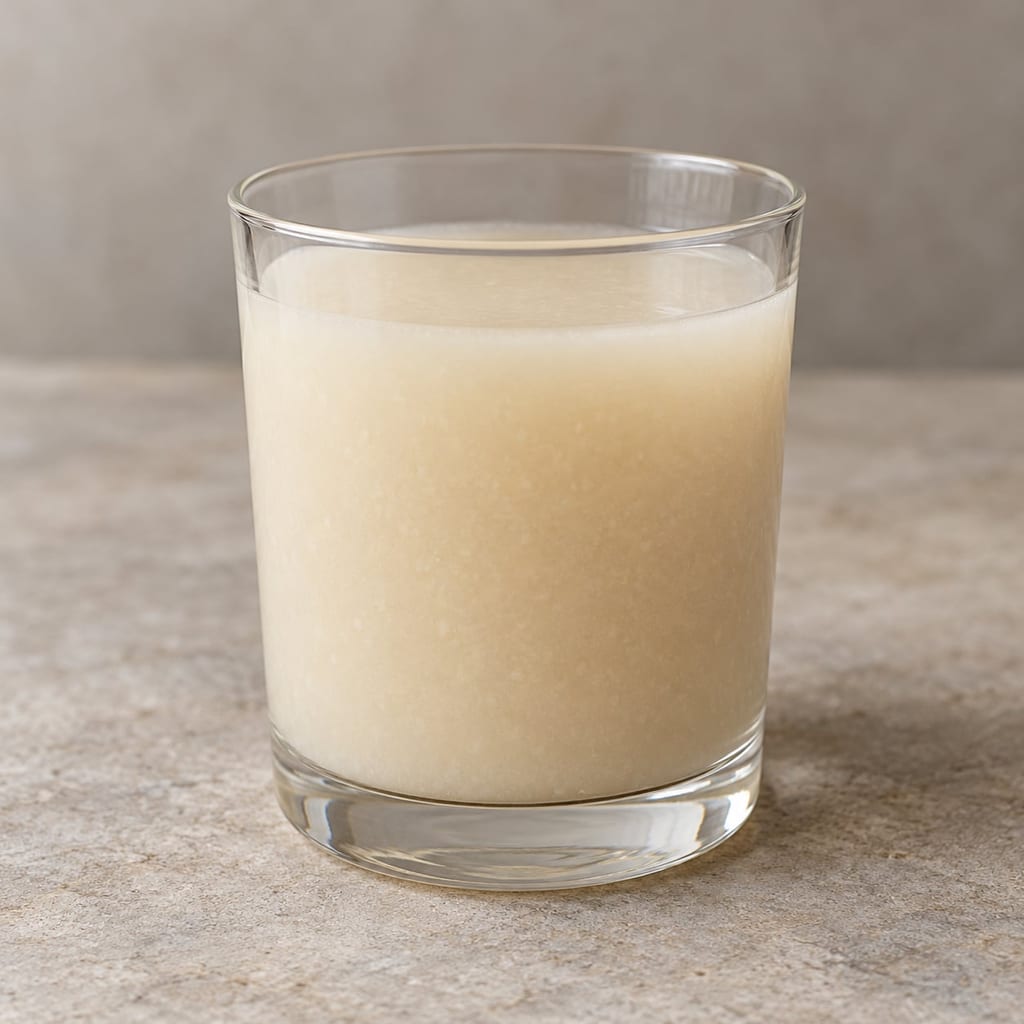
An alcoholic rice beer from Maroua, Cameroon, brewed from boiled rice flour with some malt and started with chai or bili-bili.
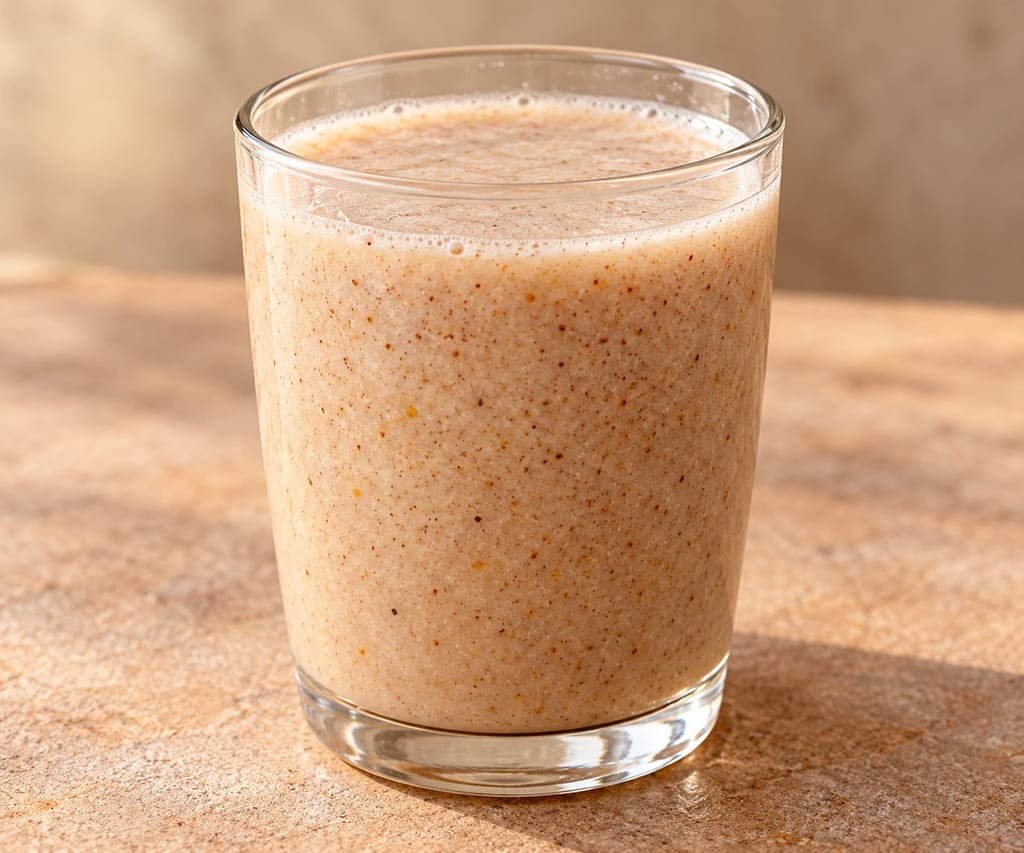
A thick, sweet-sour Malawian drink of boiled maize flour into which sorghum flour is stirred before an overnight spontaneous fermentation.
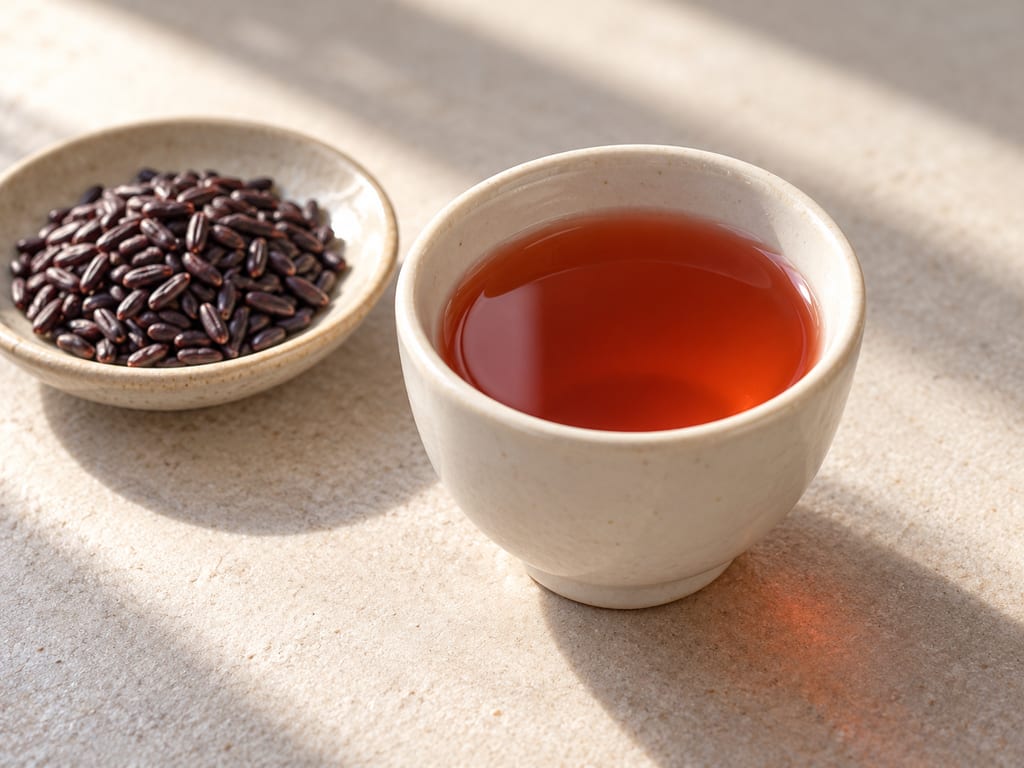
A clear Korean rice wine made with aromatic Dahyangheukmi pigmented rice, matching rice-flour nuruk and takju yeast.
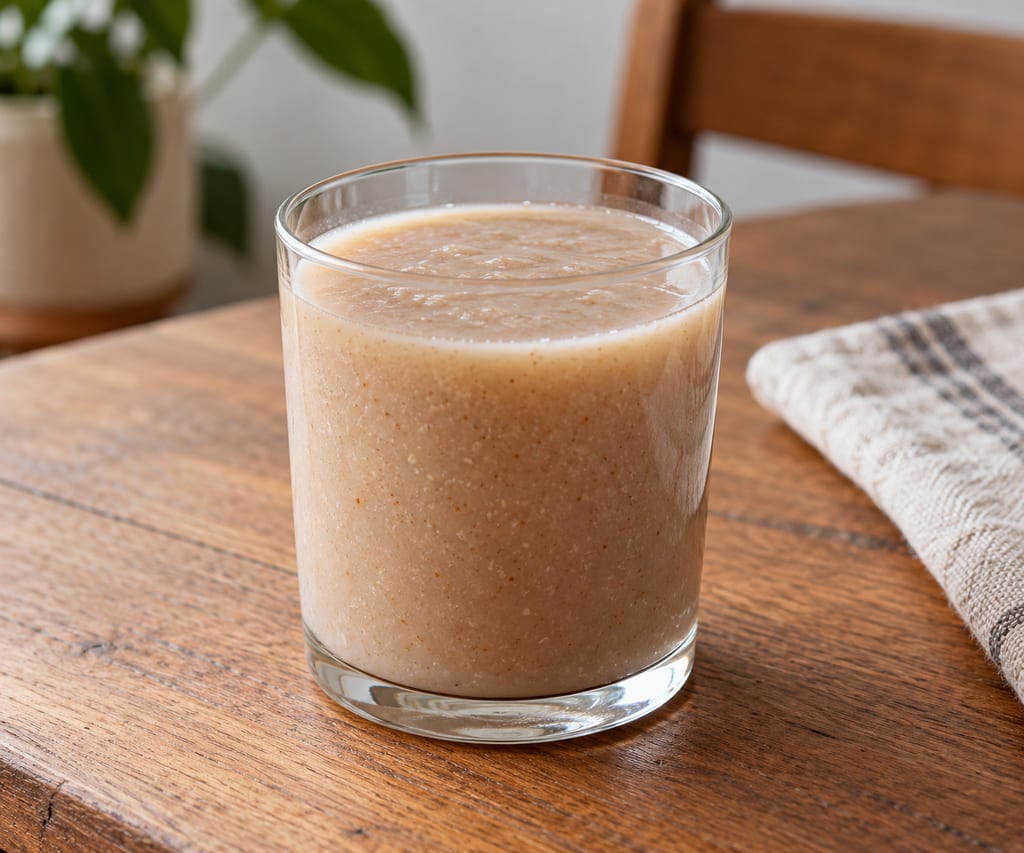
A Tanzanian cereal drink of cooked maize and sorghum flour thinned by sorghum-malt enzymes, soured by lactic acid bacteria and often started with a little of the previous batch.
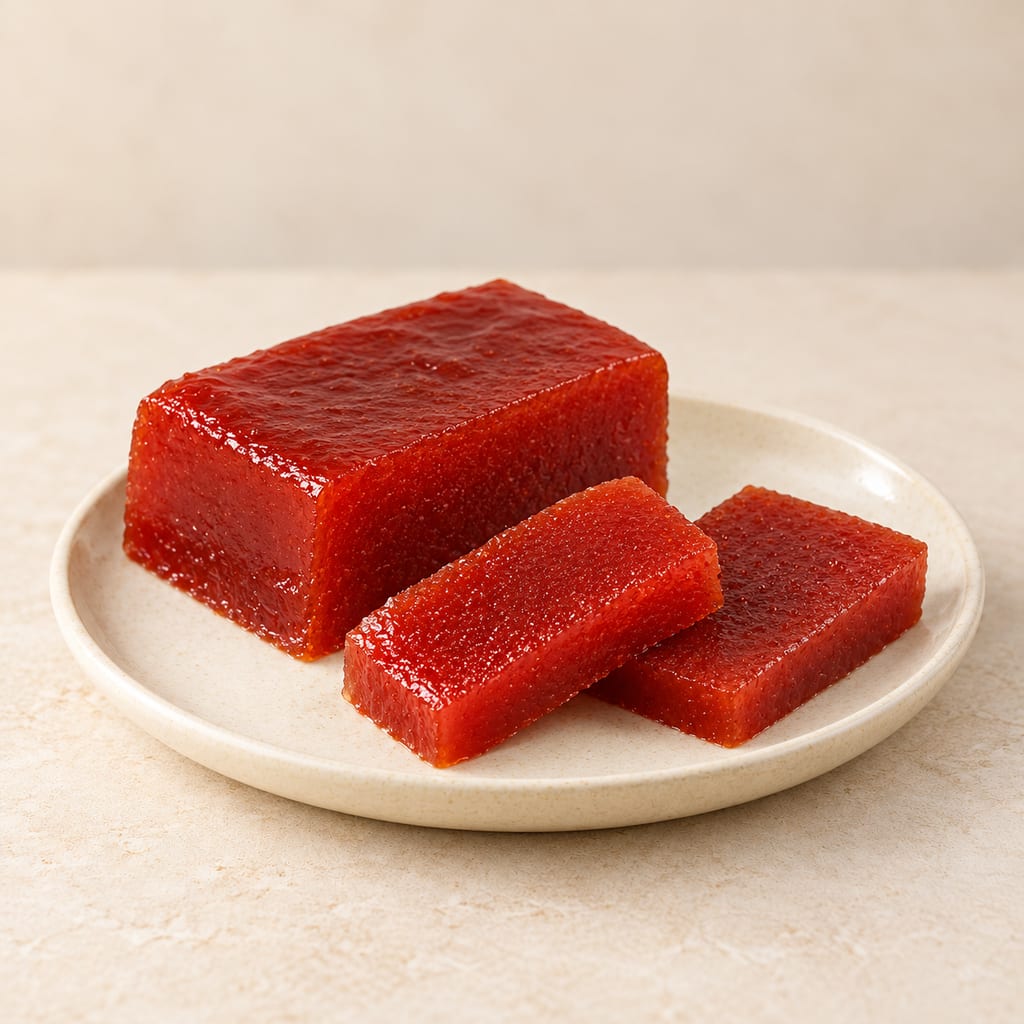
Dulce de membrillo is quince cooked with sugar into a firm paste for slicing. This family method softens the fruit in a pressure cooker, then blends it and leaves it to set.
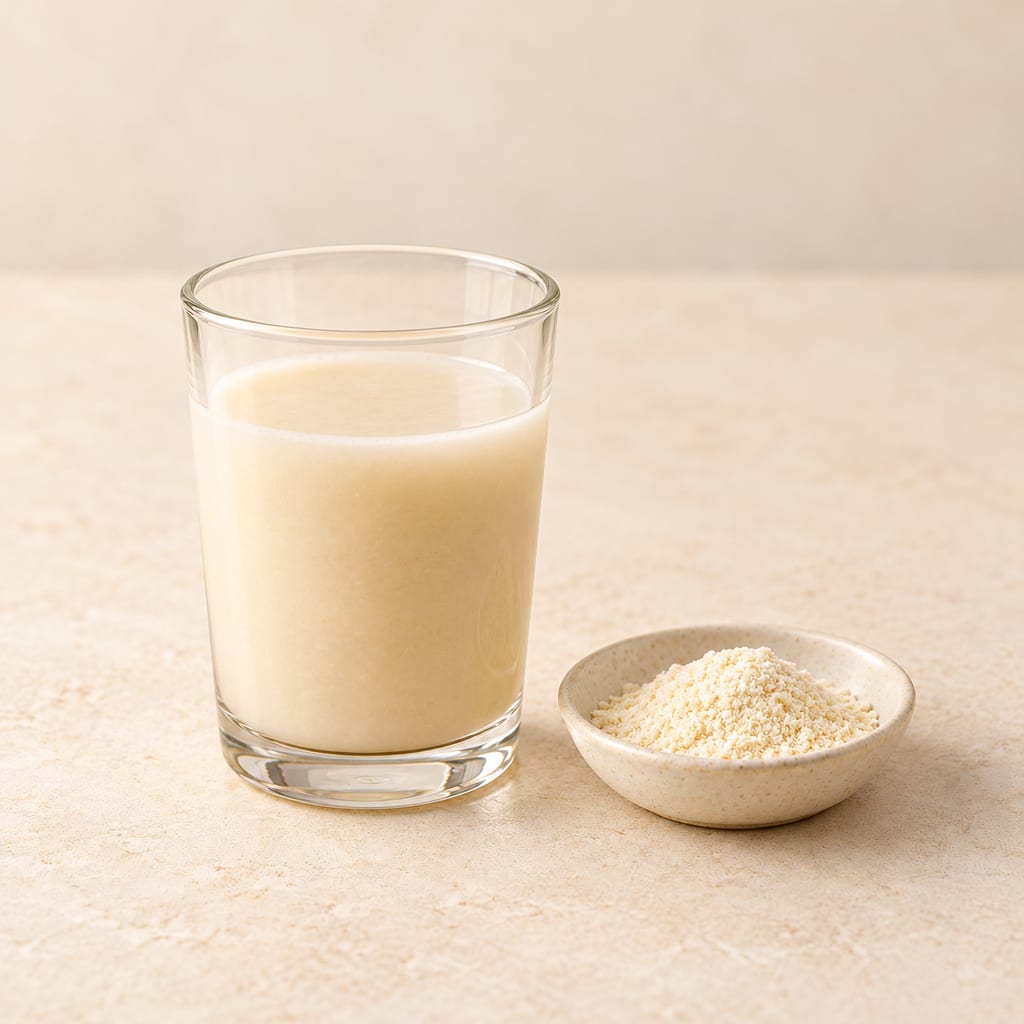
A Ugandan maize drink remade with a defined two-strain starter: roasted maize dough boiled to porridge, cooled and fermented under controlled conditions.
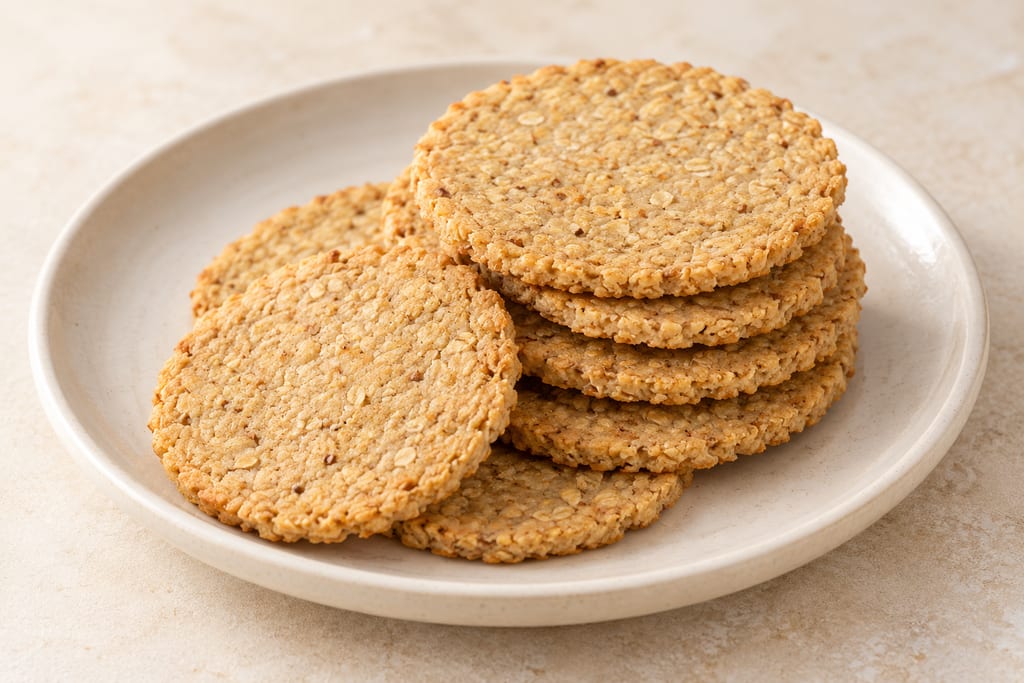
A thin Scottish oatcake of medium oatmeal, butter, salt, bicarbonate of soda and boiling water. This measured oven adaptation differs from older girdle methods and soft, yeasted Staffordshire oatcakes.
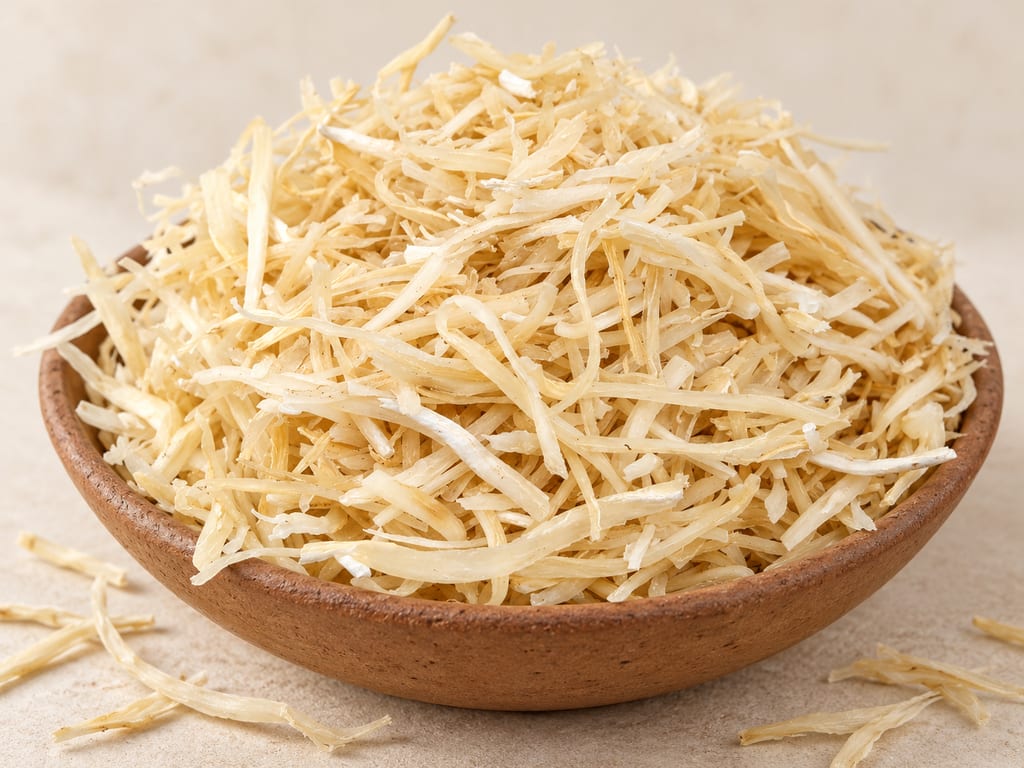
Abacha is a fermented cassava-strip preparation from southeastern Nigeria, sold wet or dried and later rehydrated for meals such as African salad.
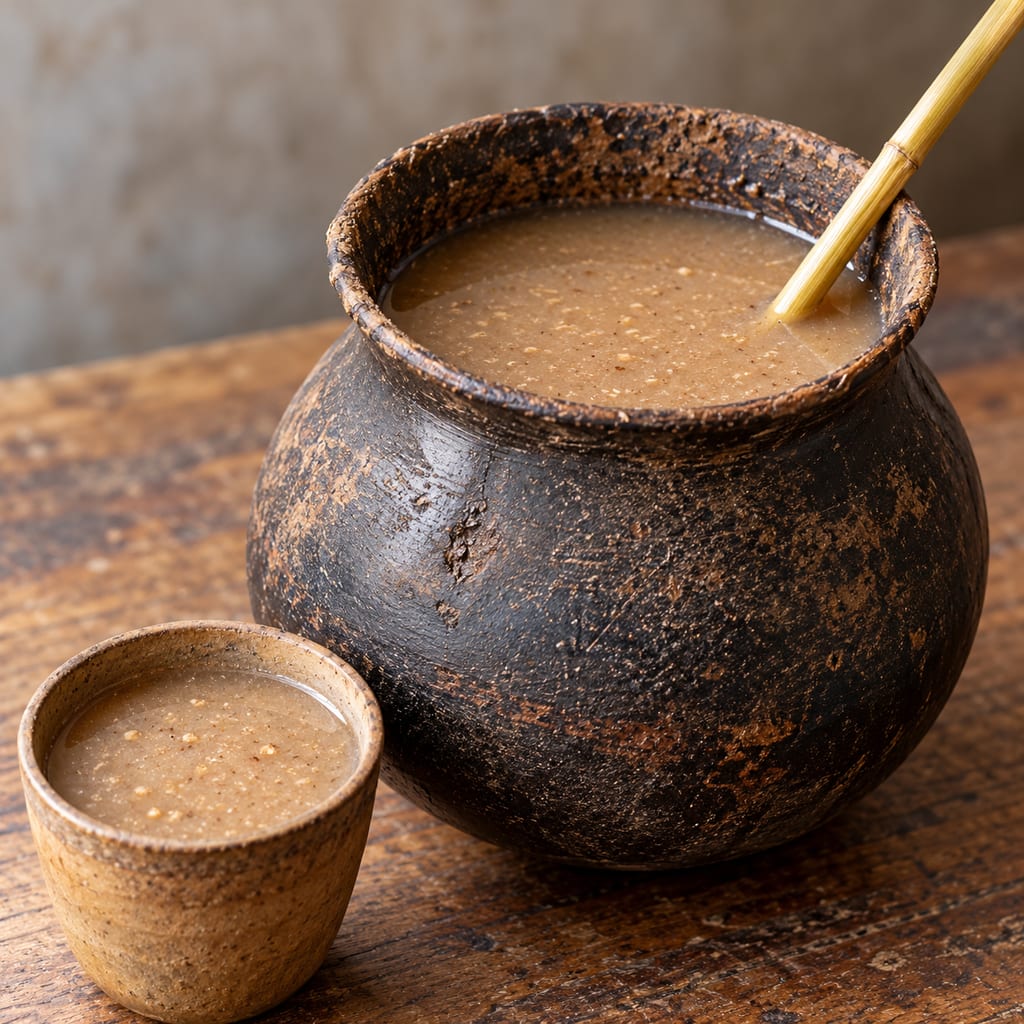
An opaque Kenyan maize beer: fermented maize paste is roasted into tsimbale, then mixed with finger-millet malt called kimera at ten to one and fermented a second time.
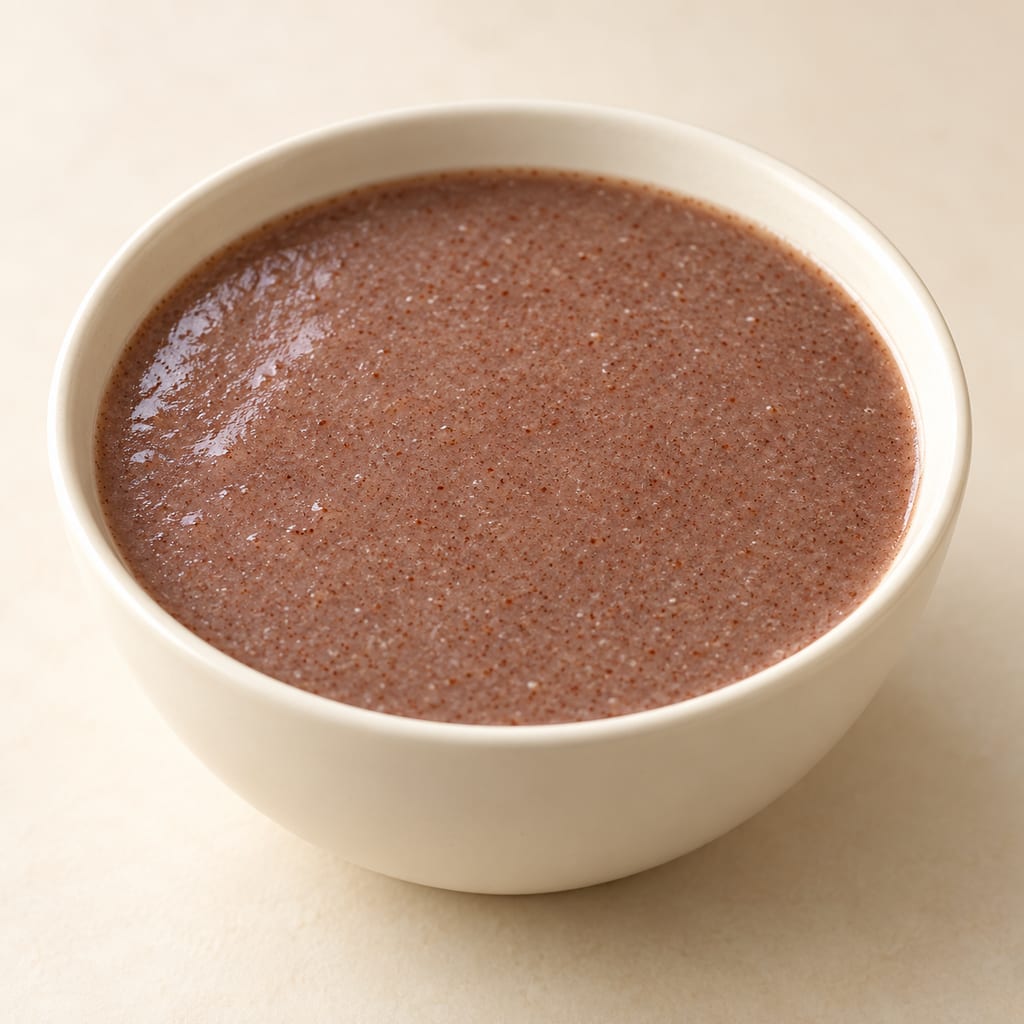
A thin, sour porridge of western Kenya made by fermenting unroasted finger-millet flour in water for a day or two, then diluting it and cooking it through.
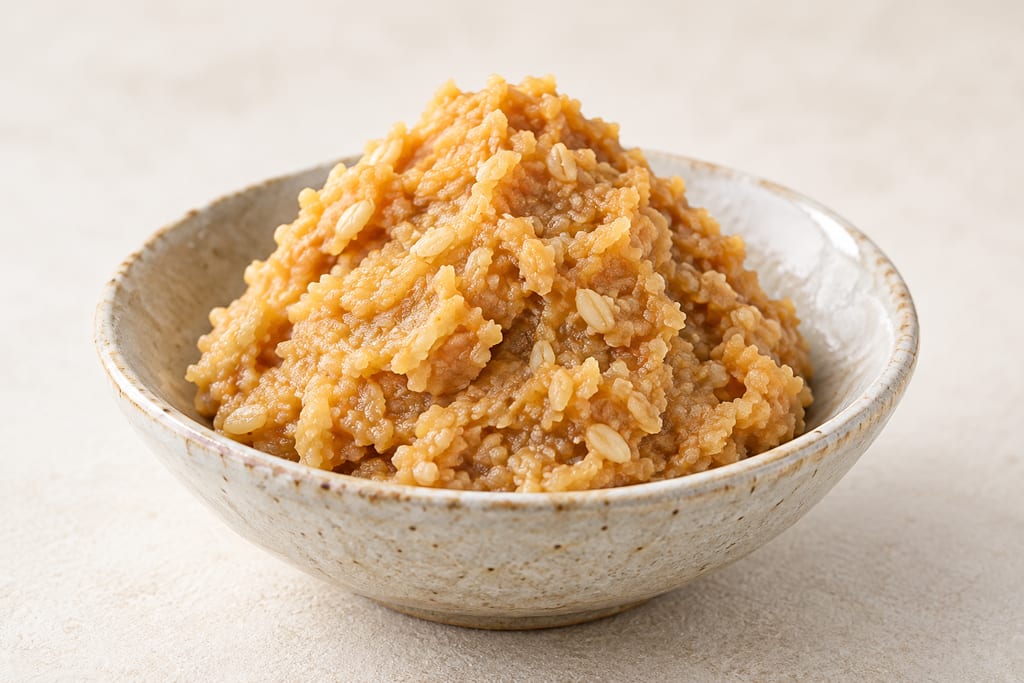
A Japanese soybean paste fermented with barley koji and salt, made mostly in Kyushu, Shikoku and western Japan. It is sweet, savoury and grainy.

Anpan is a soft wheat bun filled with sweet red-bean paste and finished with egg wash and black sesame. This dough rises with commercial instant yeast.
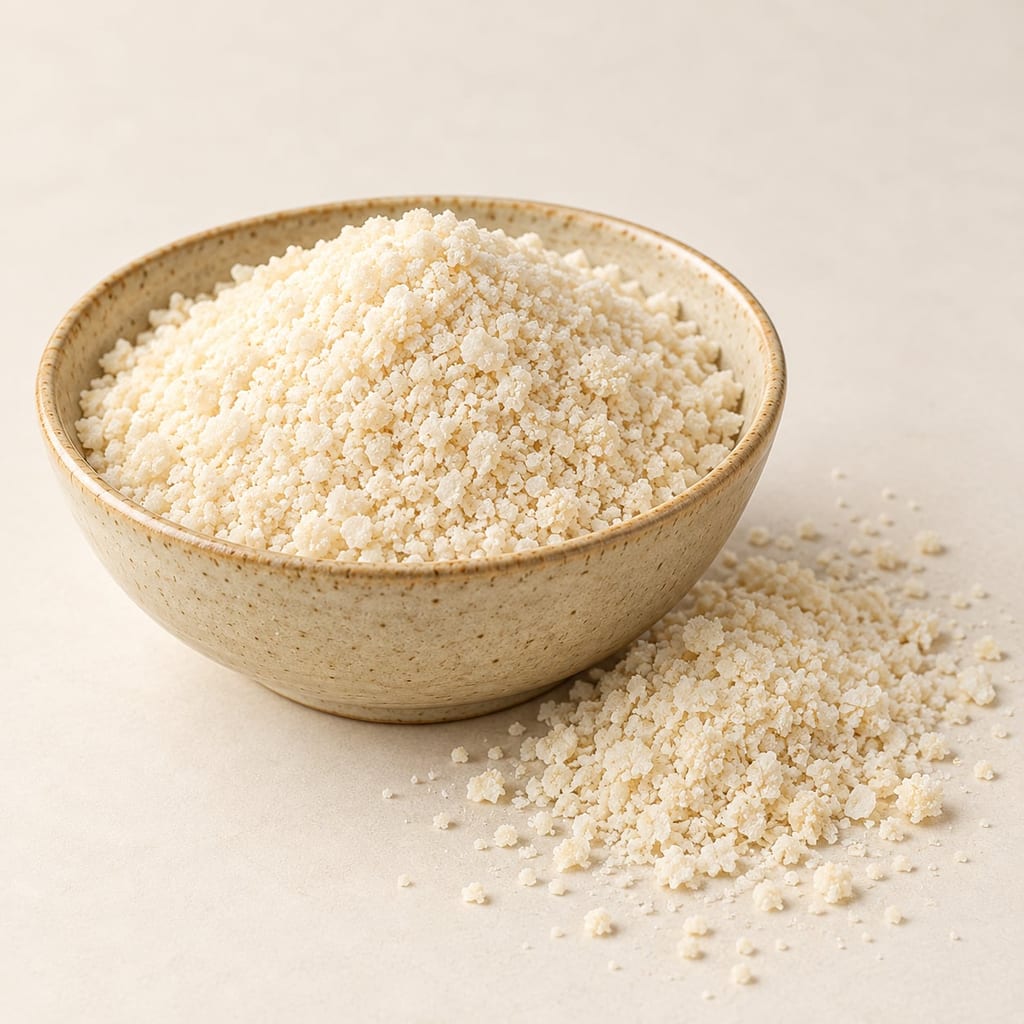
White gari is grated cassava fermented for three days, then pressed, sieved and toasted dry into a coarse West African meal eaten soaked or as a stiff porridge.
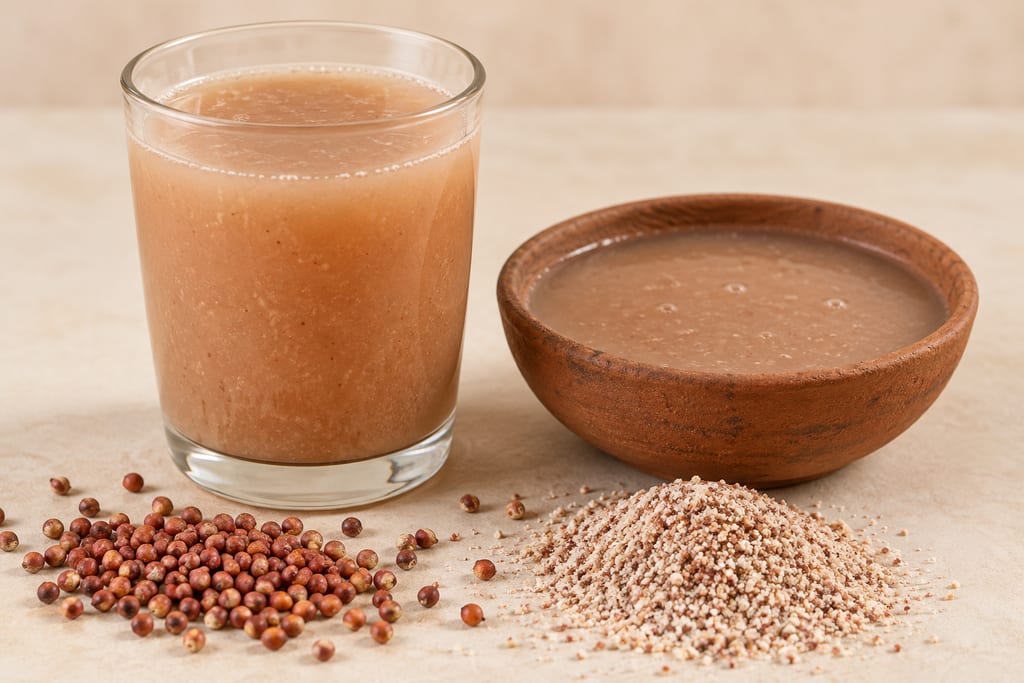
Sudanese opaque sorghum beer made from soured, toasted, cooked and malted grain through three linked fermentations, drunk fresh while still fermenting.

Achcharu is a family of Sri Lankan vinegar pickles made with mixed vegetables or seasonal fruit and a piquant spice dressing. This version is a quick, refrigerated, non-fermented mixed-vegetable pickle.
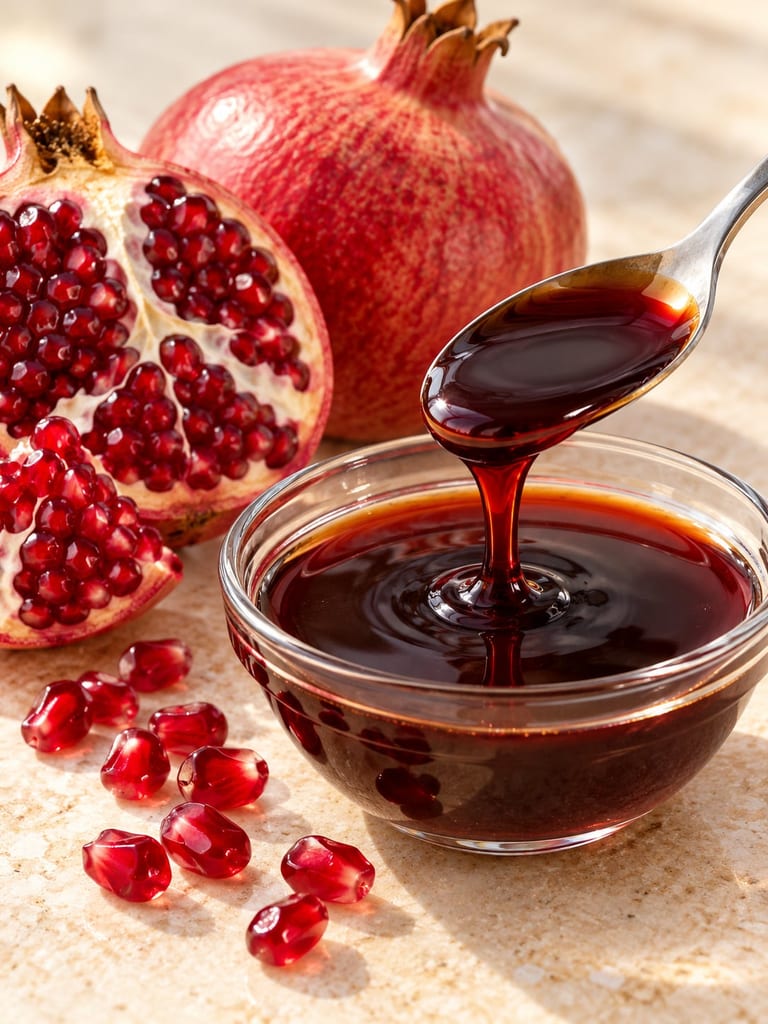
The registered Hatay method presses pomegranate arils and slowly concentrates the strained juice. Its 100 kg source batch and experienced-producer endpoint are retained; no home-scale time or shelf-life is inferred.
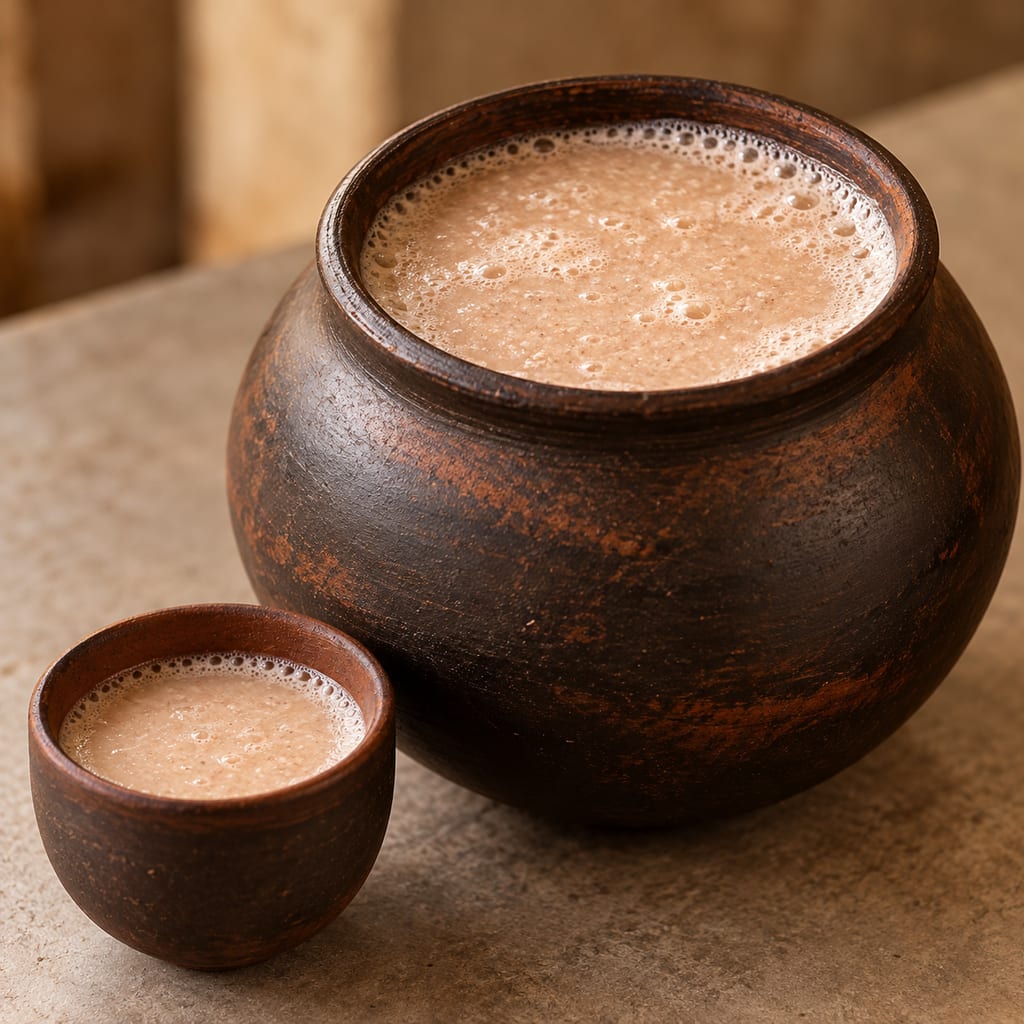
South Africa's opaque sorghum beer, soured by lactic acid bacteria before its mash is cooked and fresh malt stirred in, leaving a cloudy, creamy, cereal-thick drink that keeps only a day or two.
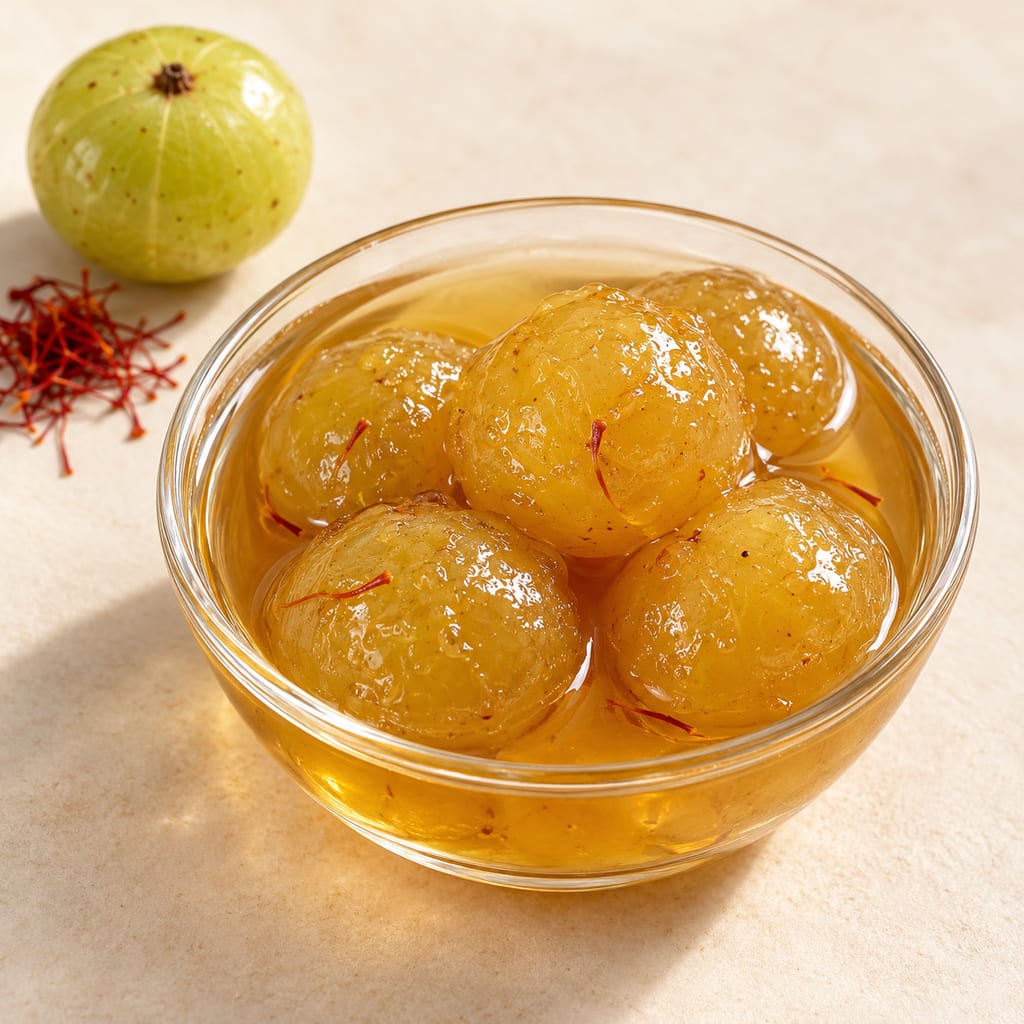
Whole amla simmer in sugar syrup with saffron, black cardamom and pepper in this chef's version of the Indian fruit preserve. The fruit is soaked overnight before cooking.
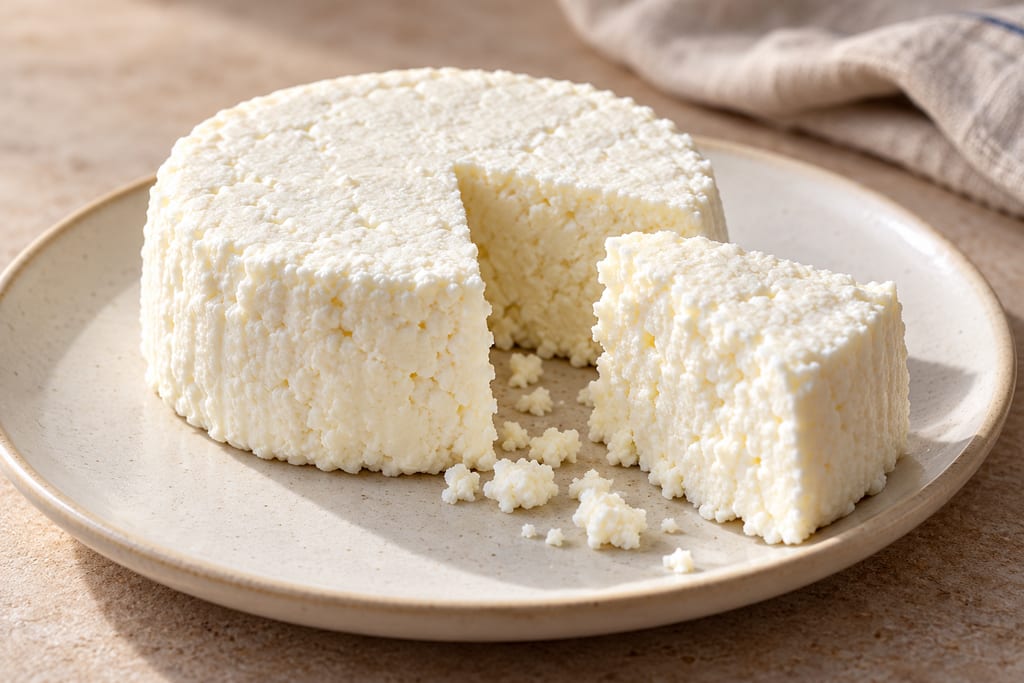
Cultured buttermilk, pasteurized milk, vinegar and rennet make this soft, crumbly queso fresco by a New Mexico home method adapted from Washington’s Abuela Project.
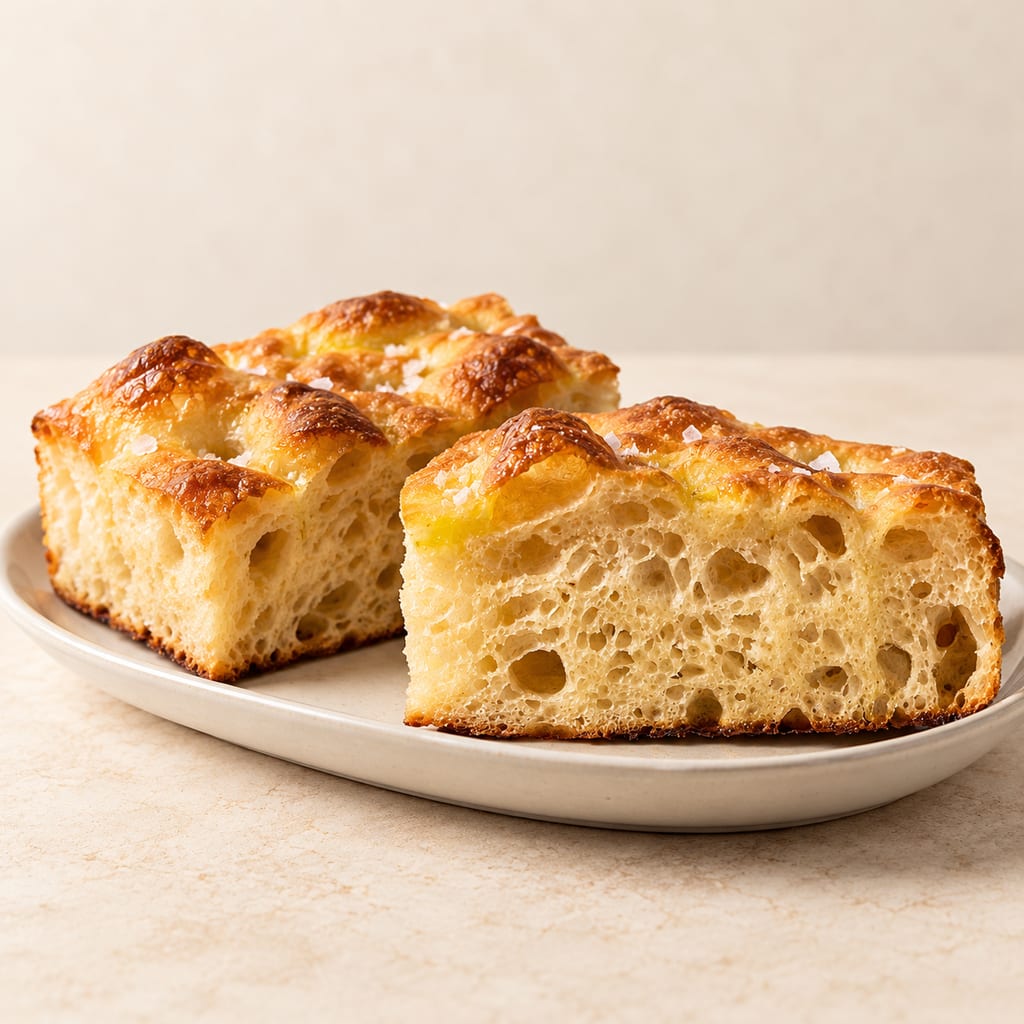
This sourdough focaccia uses ripe starter in place of commercial yeast. Olive oil enriches the folded dough and coats the pan before a long proof and a crisp, salted bake.
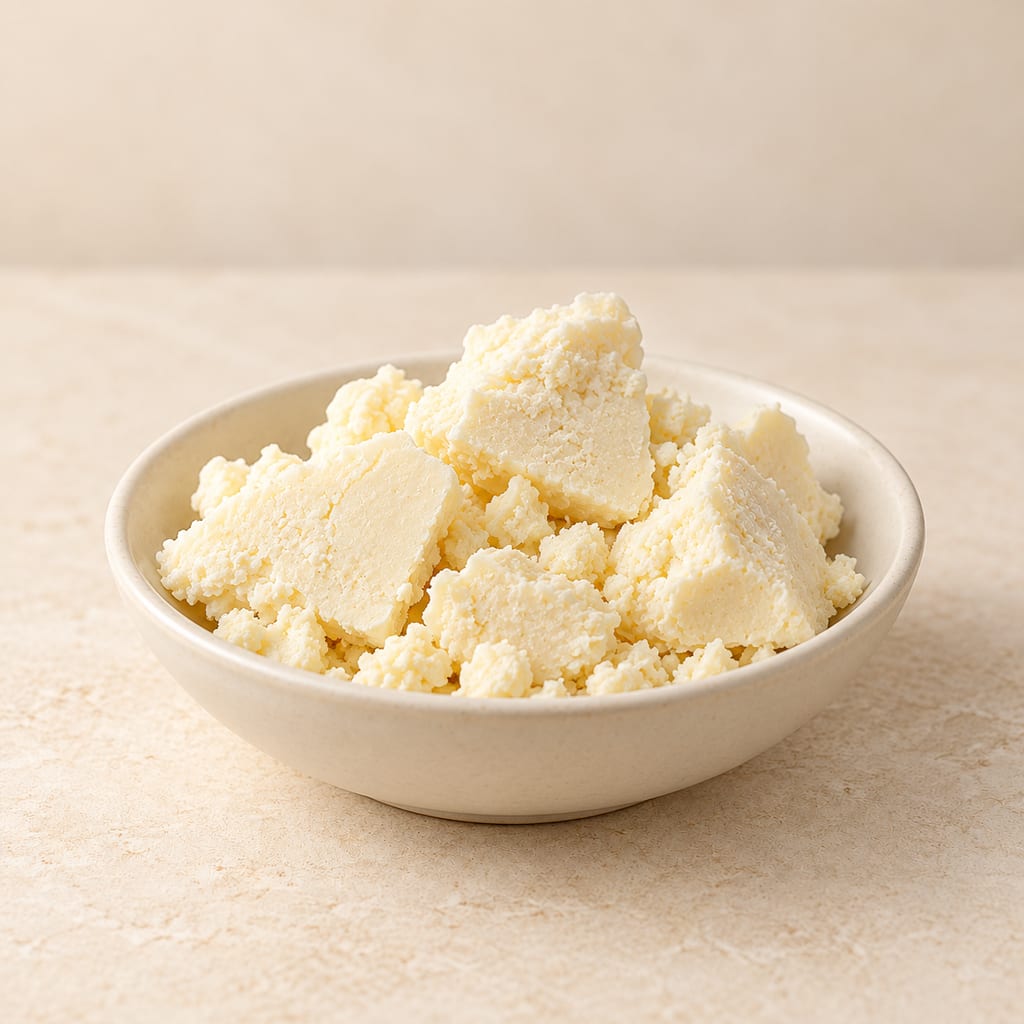
Tulum peyniri is a Turkish cheese traditionally packed into animal-skin bags to mature. This sheep-milk method adds a thermophilic yogurt culture before renneting, draining and dry salting.
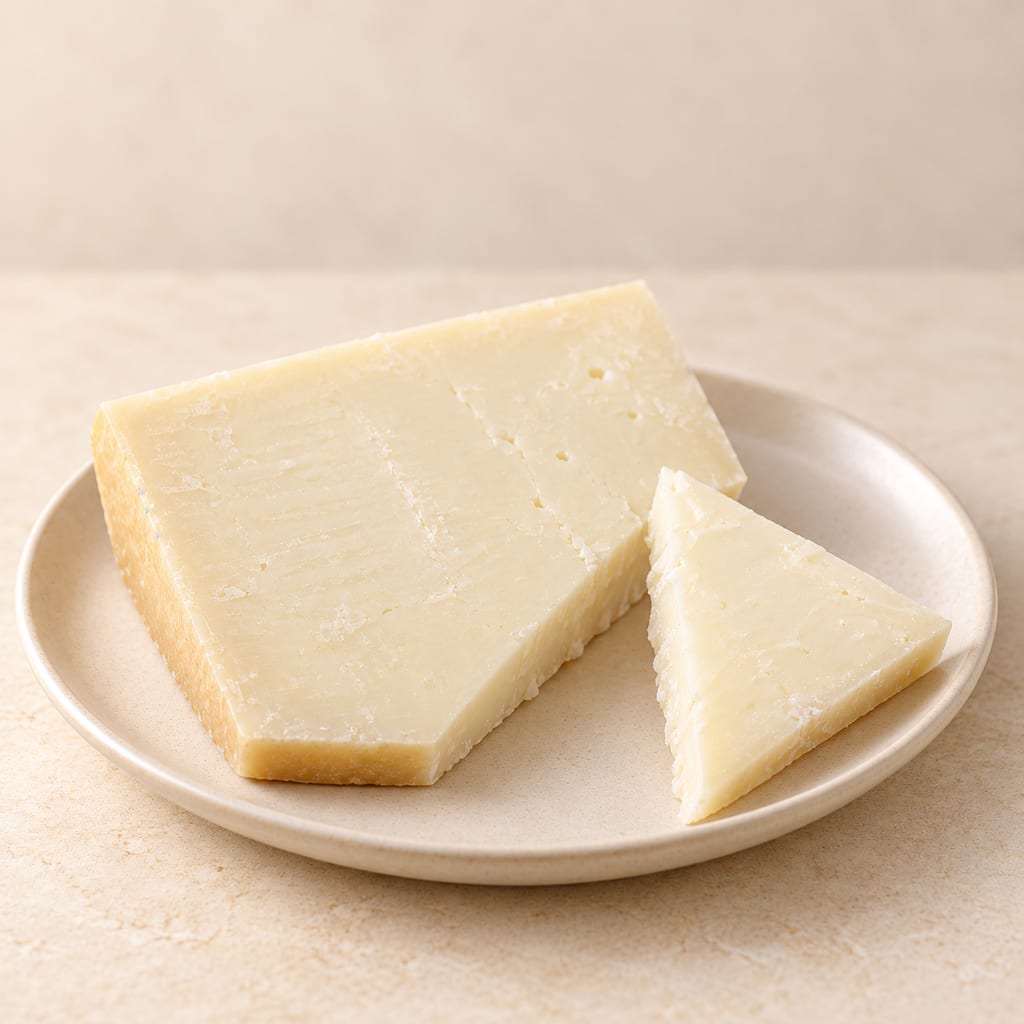
Kefalotyri is a hard sheep-and-goat-milk cheese made in Cyprus as well as Greece. This Cypriot method cooks and presses the curd, then brines, coats and matures the cheese.
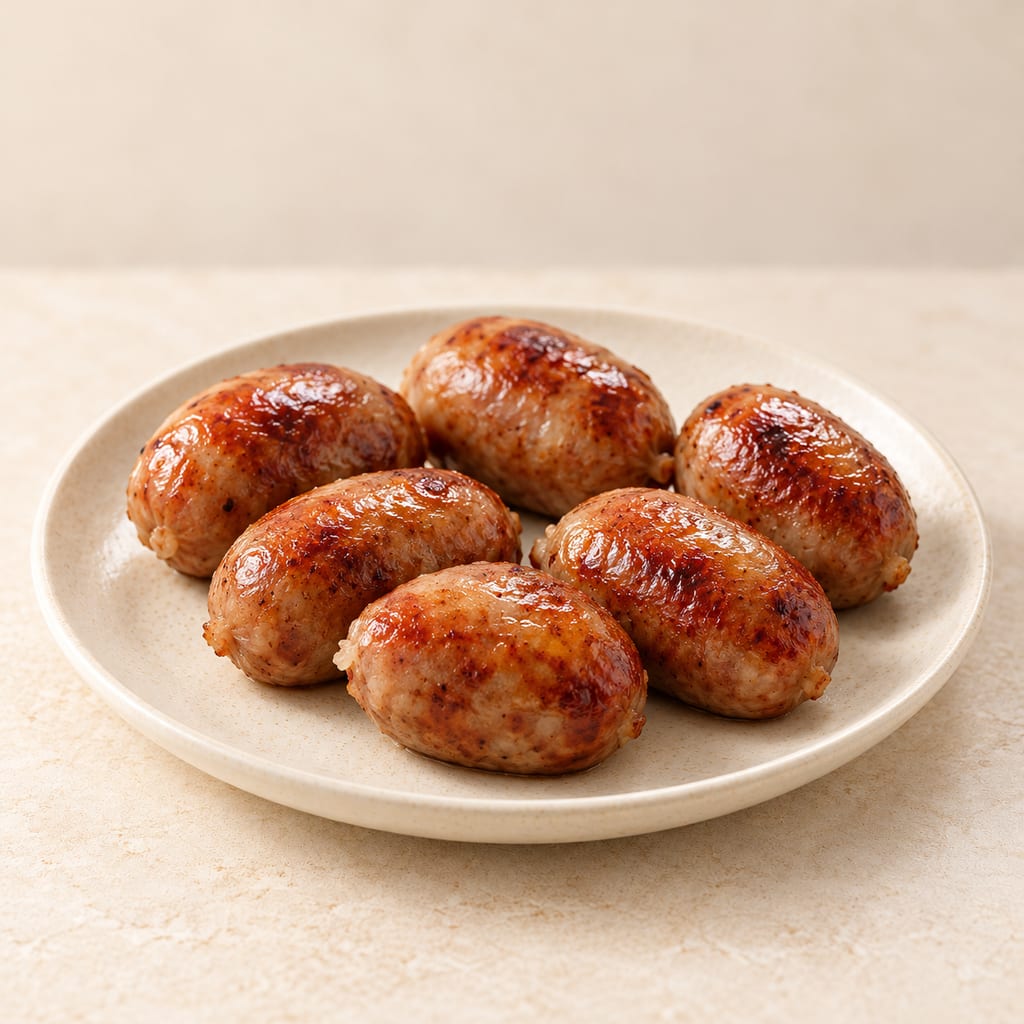
Sai krok Isan is a sour pork-and-rice sausage from northeastern Thailand. This garlic-rich version uses LHP-Dry starter and is cooked after fermentation.
An Okinawan rice spirit made by turning all the rice into black koji, fermenting it with water and yeast, then pot-distilling and maturing the spirit.
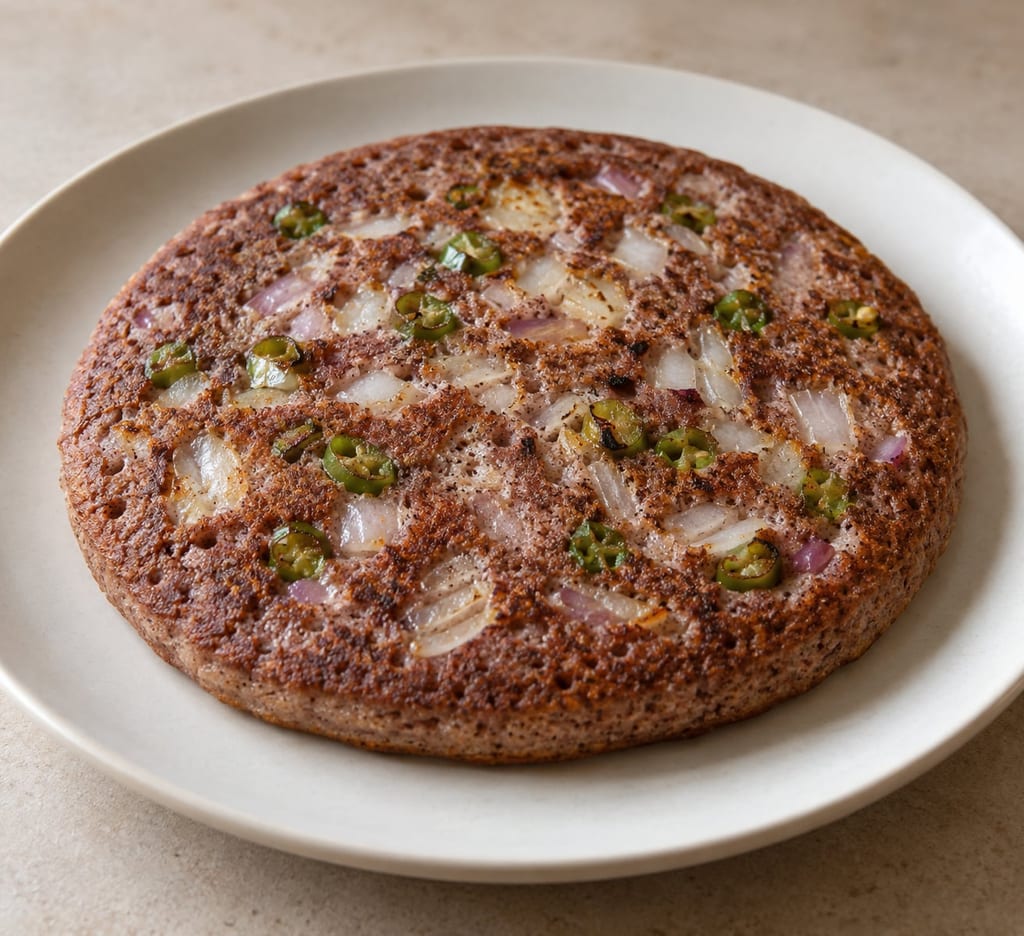
Ragi uthappam turns fermented ragi, urad and idli-rava batter into thick griddle cakes topped with onion and green chilli.
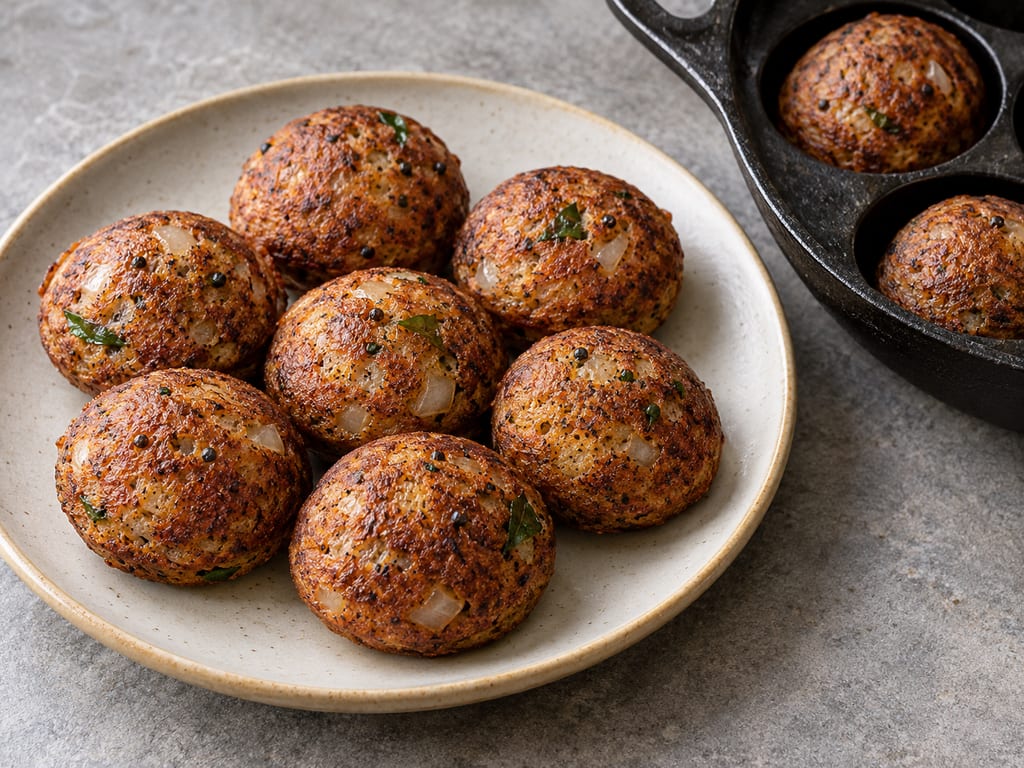
Ragi paniyaram uses fermented ragi, urad and idli-rava batter mixed with spiced onion and cooked in an oiled mould.
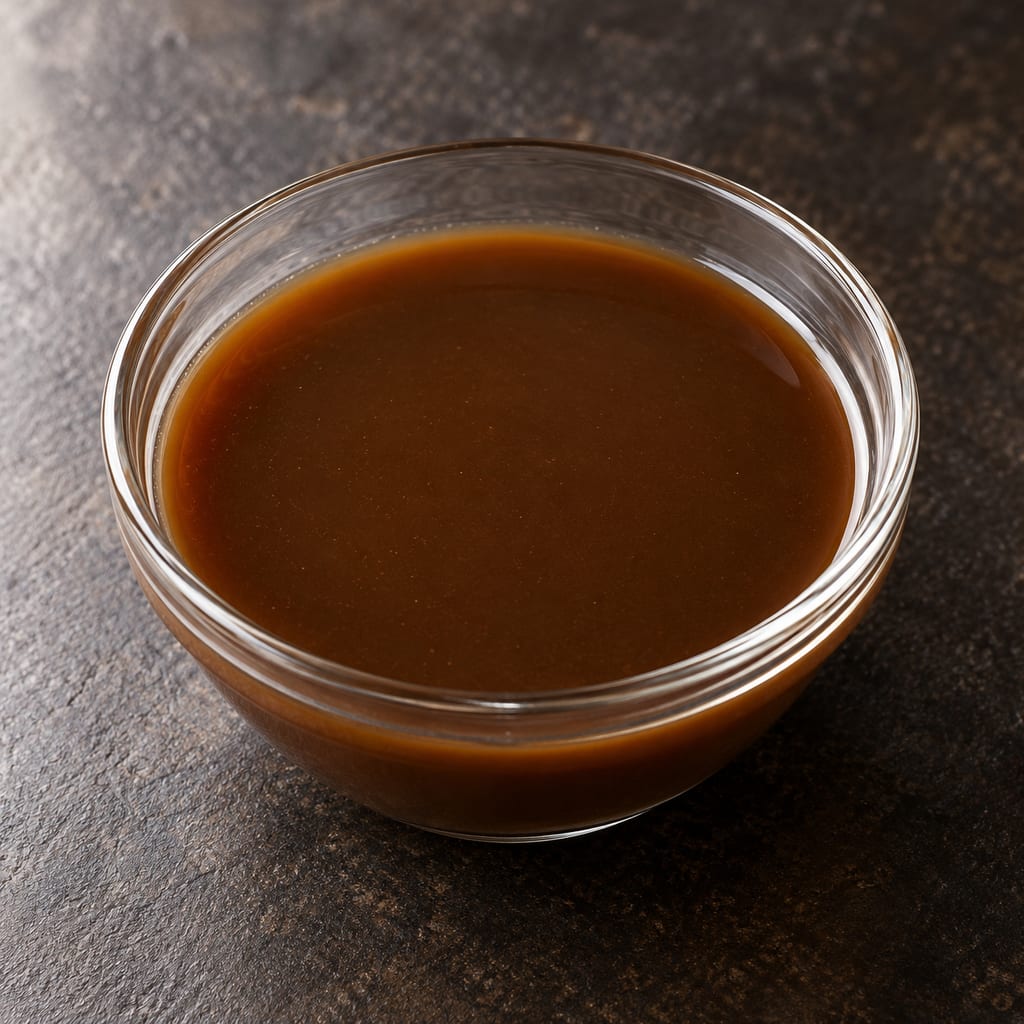
Coconut sugar starts this cooked sauce, followed by shrimp paste, garlic brine and pieces, two distinct pla-ra inputs, mulberry leaves, water and later seasonings.
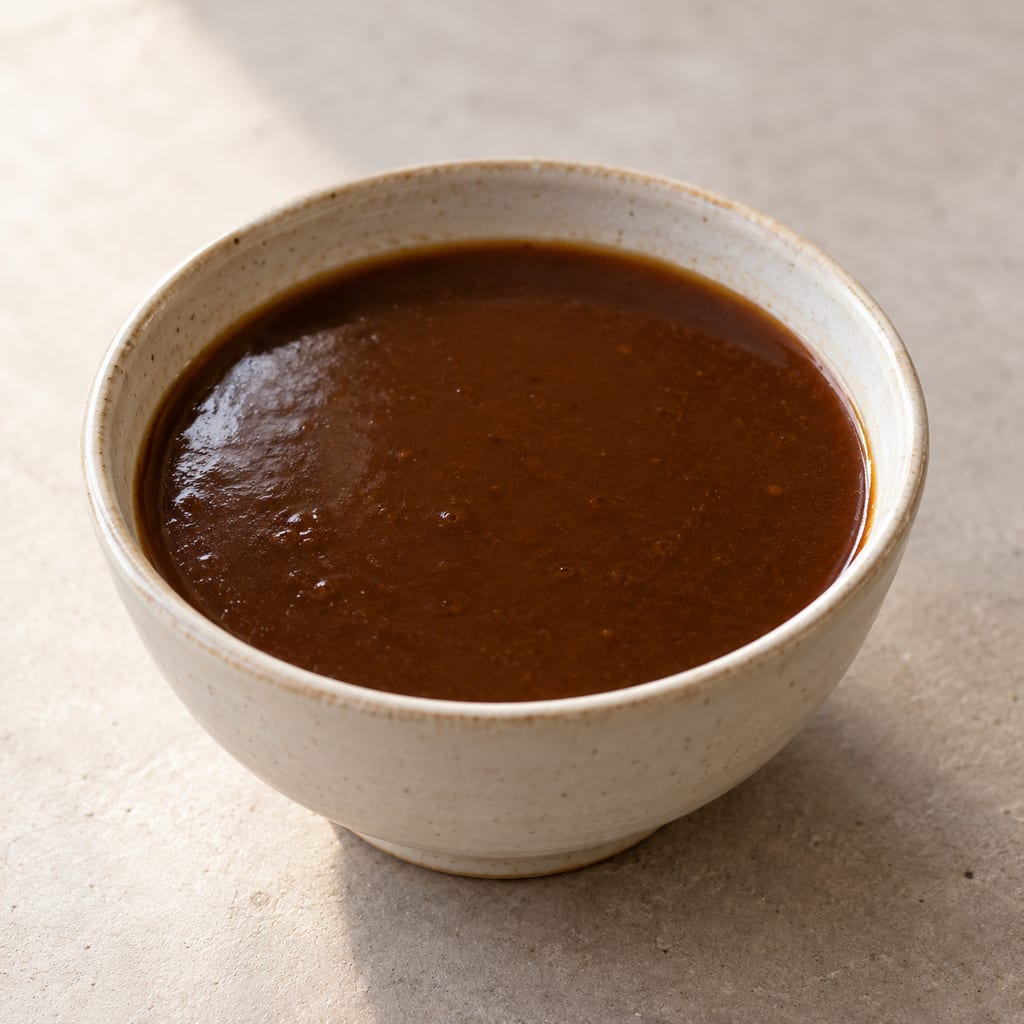
Concentrated pla-ra liquid and pla-ra ton are combined with shrimp paste, sugar and seasonings, simmered for about 30 minutes, strained and cooled.
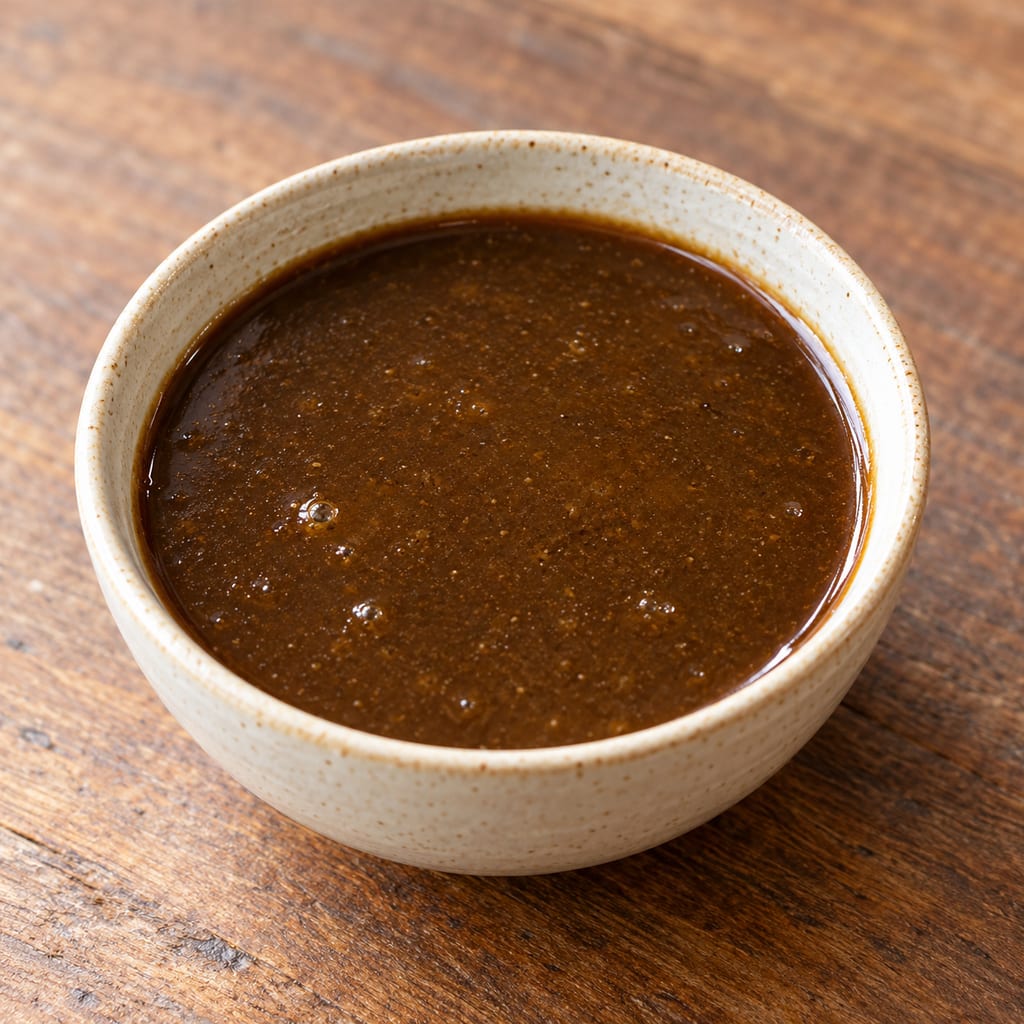
Purchased pla ra is boiled with pickled-garlic heads and water, then seasoned, boiled again, cooled and transferred; several captioned ingredient names or amounts remain unresolved.
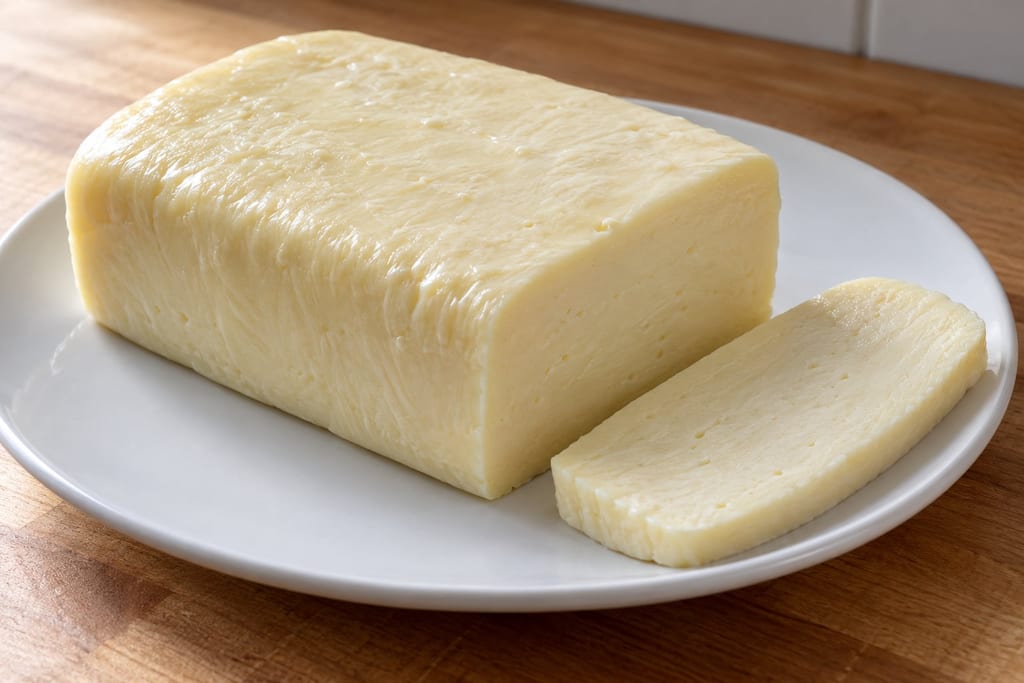
An eight-litre cow’s-milk batch uses thermophilic culture and rennet before controlled curd acidification, hot-water stretching and chilling for pizza cheese.
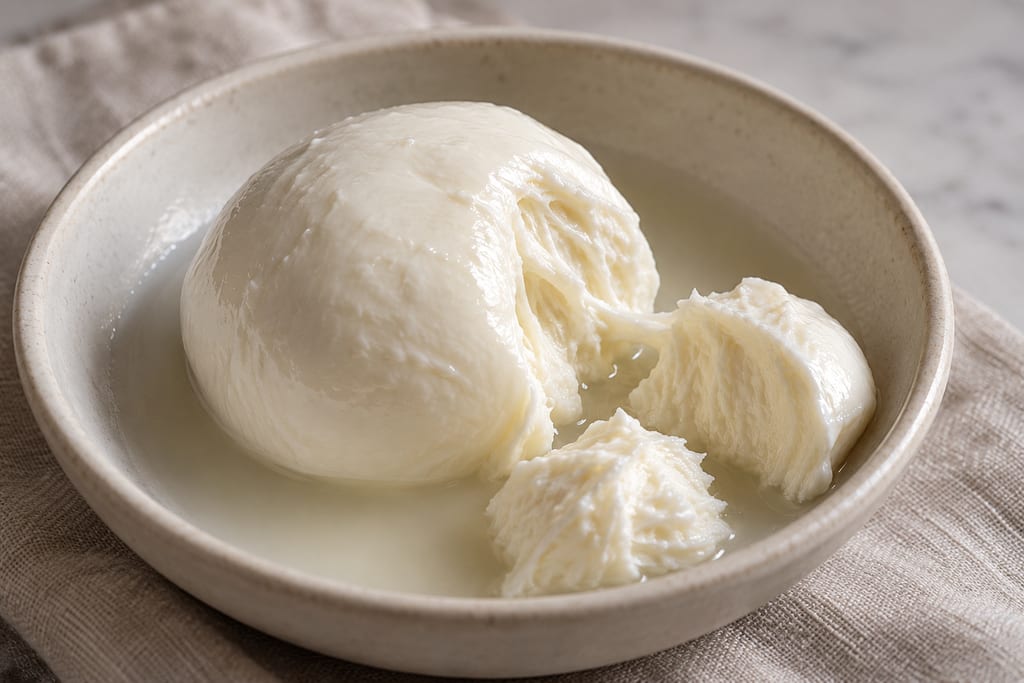
A creator sets raw cow’s milk with vinegar, presses the hot curd, warms it in short microwave intervals, then stretches it and cools it in water and ice.
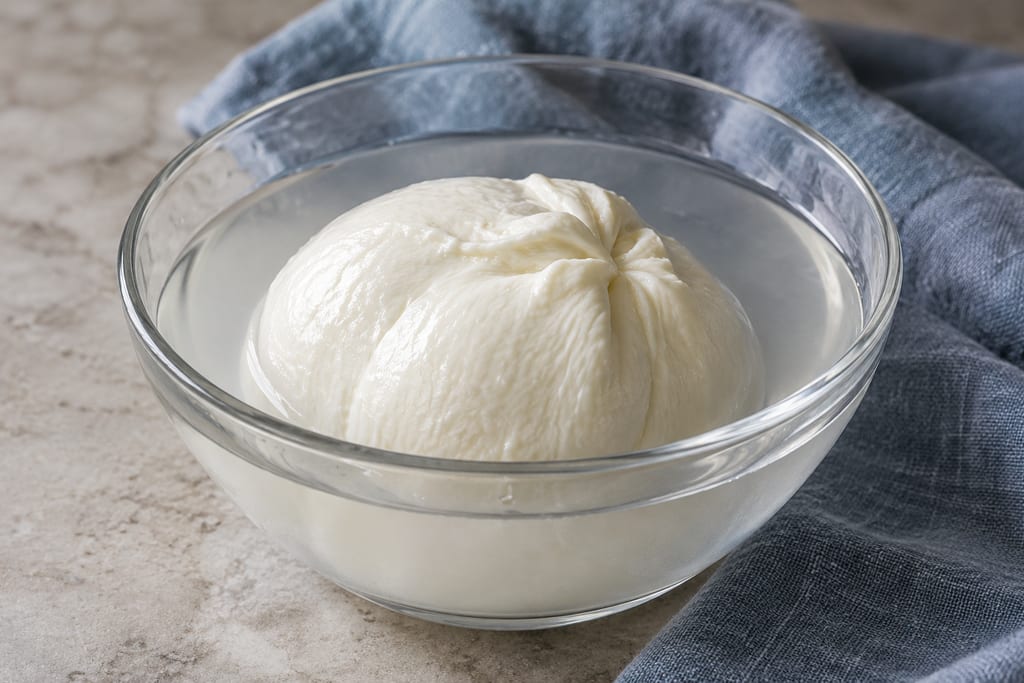
A Ukrainian creator sets fresh cow’s milk with vinegar, squeezes the curd, warms it in salted whey, then stretches it and cools it in water.
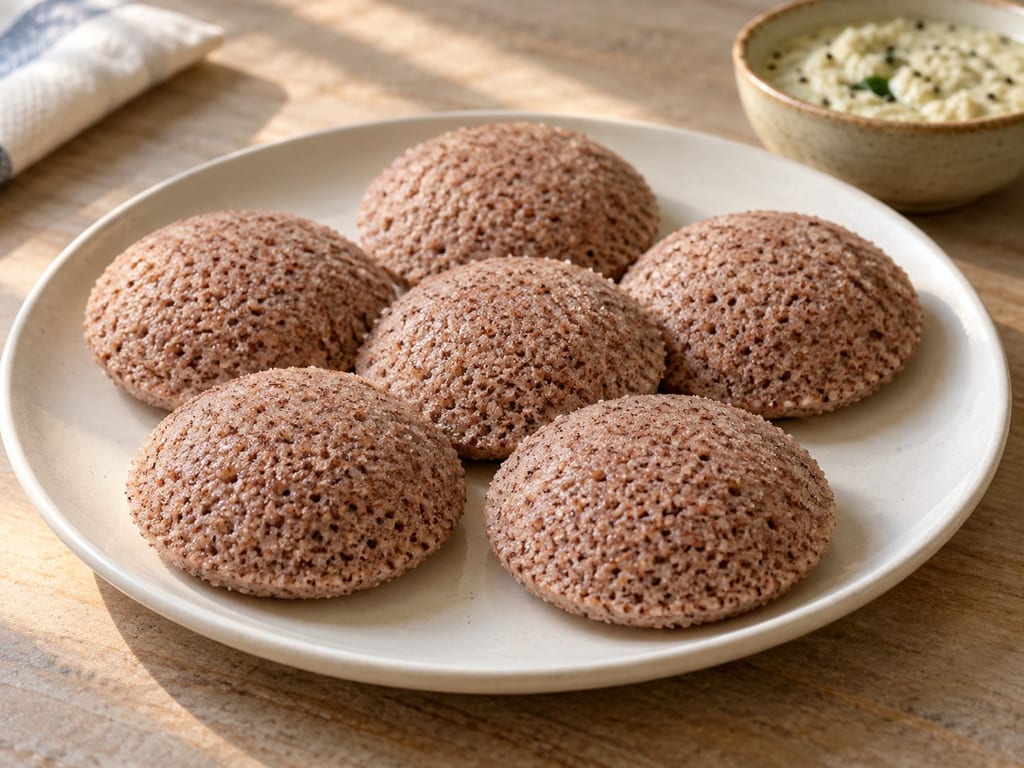
Ragi idli uses a source-specific naturally fermented grain and urad batter, then cooks it by steaming in moulds. The creator leaves some process measures unquantified.
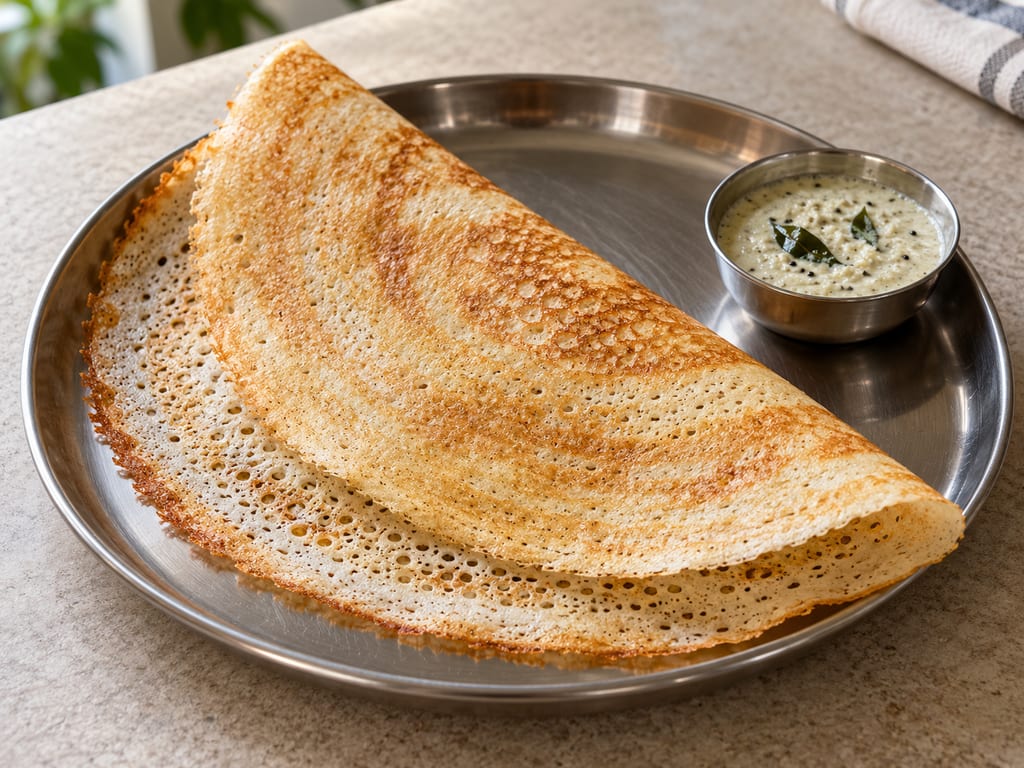
Rice and urad dosa uses a source-specific naturally fermented grain and urad batter, then cooks it by griddling. The creator leaves some process measures unquantified.
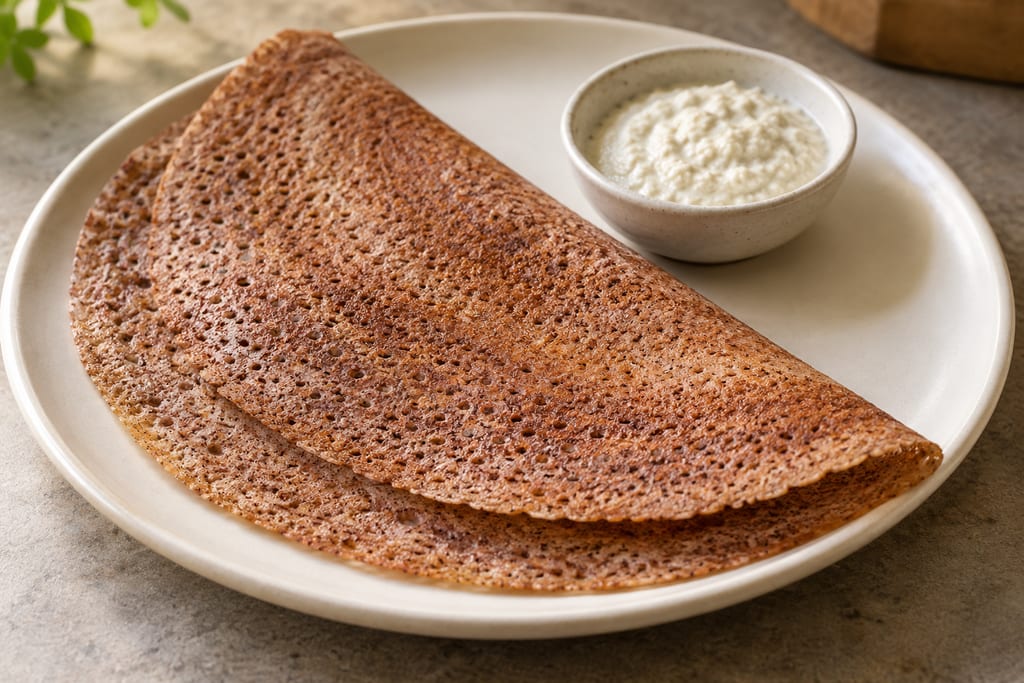
Ragi dosa uses a source-specific naturally fermented grain and urad batter, then cooks it by griddling. The creator leaves some process measures unquantified.
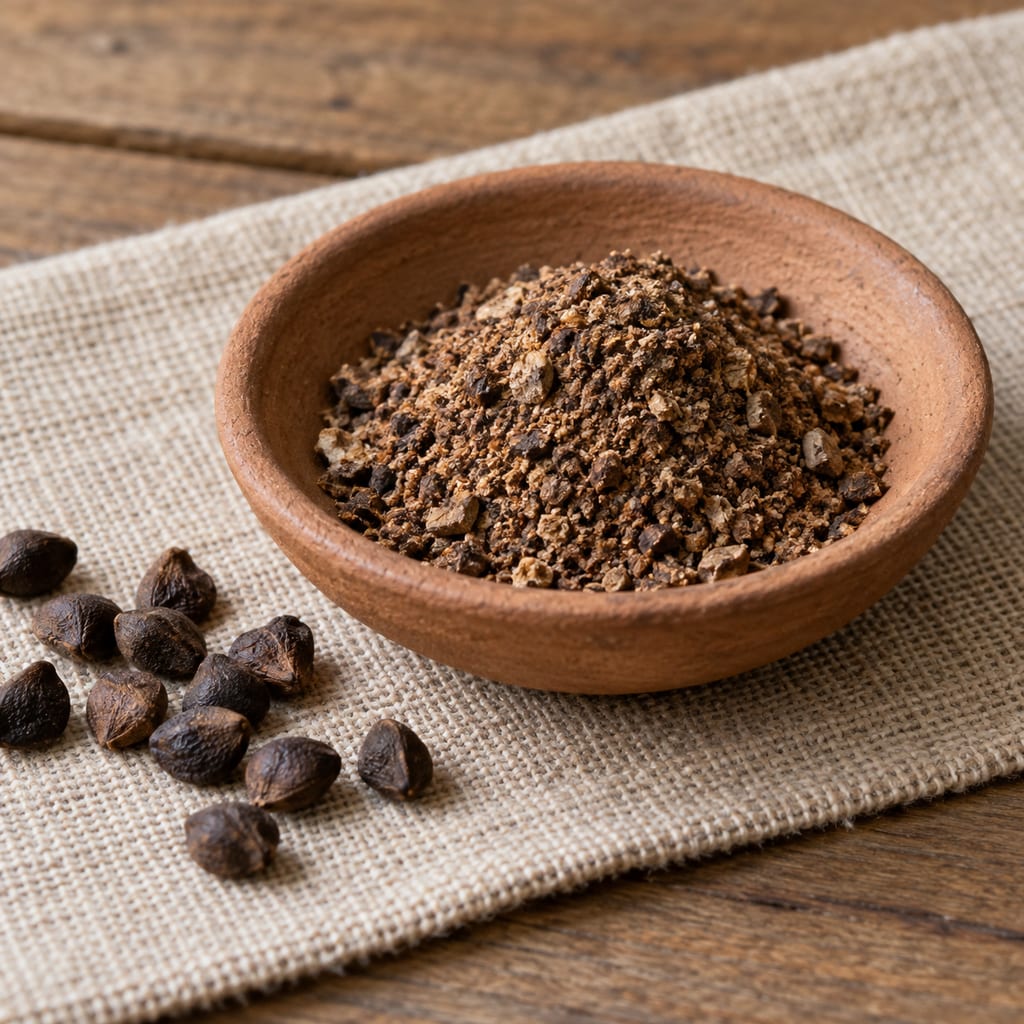
A traditional Beninese inoculum made from fermented roselle, cotton or baobab seeds, rich in bacterial spores, added to cooked African locust beans to speed up fermentation and soften them into sonru.
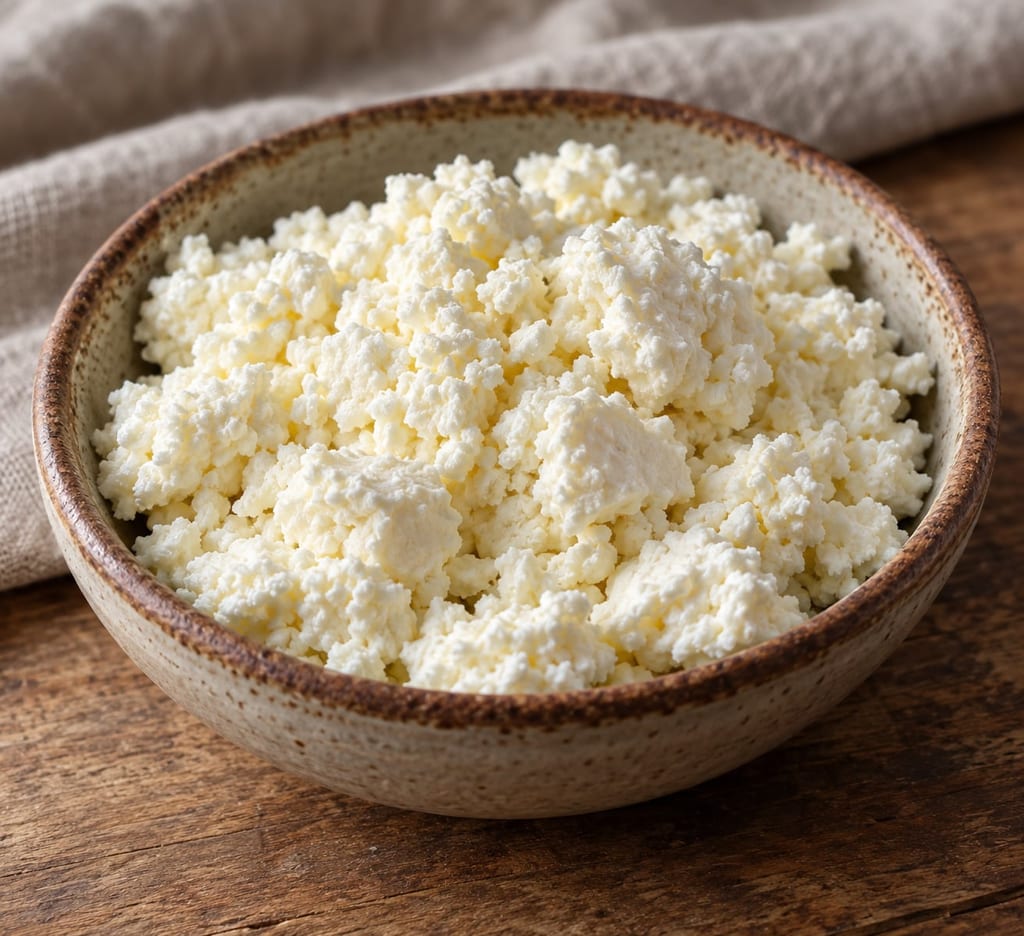
Vurda is a Hutsul whey cheese made by reheating the whey left after budz, often with fresh milk or sour whey, to recover soft pale curds that are lifted out and drained.
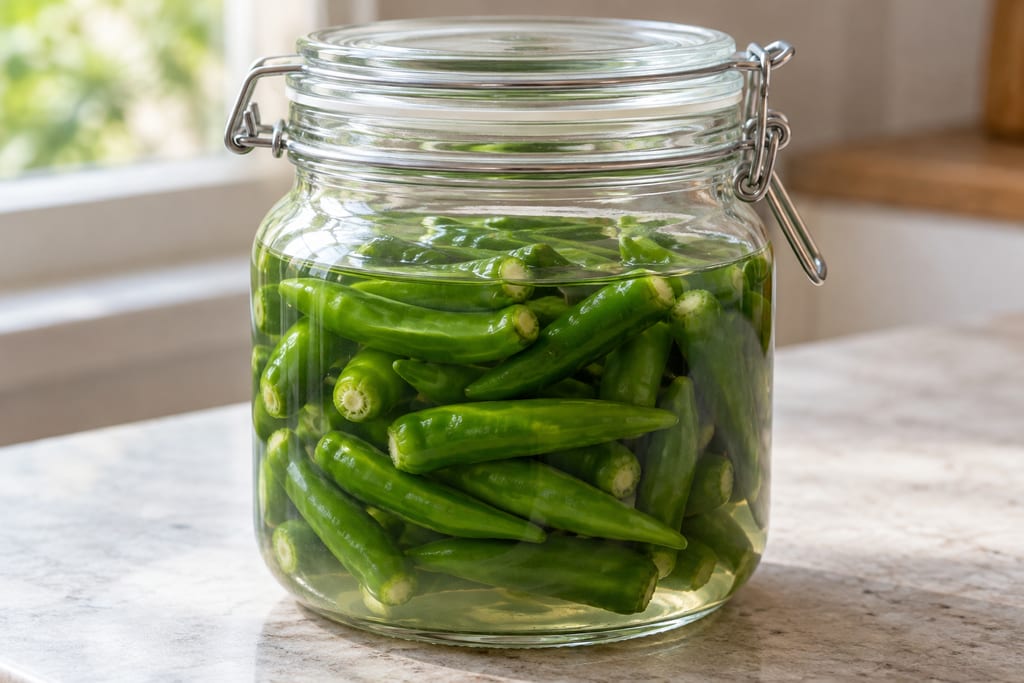
Whole green chiles are blanched briefly, then fermented in 3% salt brine with sake in a modern Japanese presentation of a wider Asian preparation.
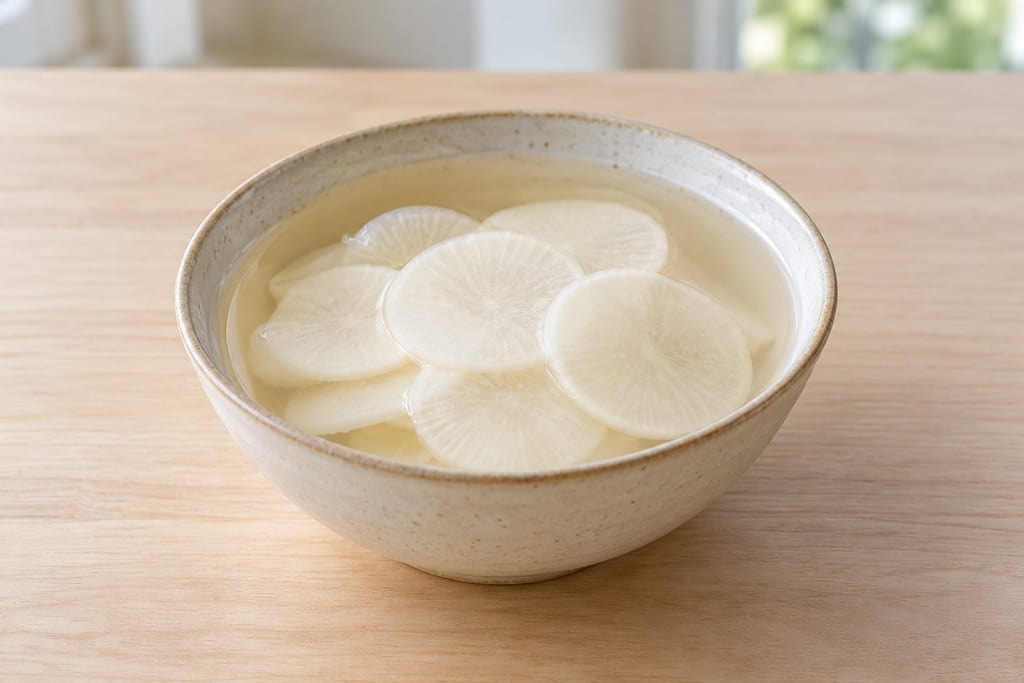
A modern broth-forward radish-water kimchi cooks apples and onion into the fermentation liquid.
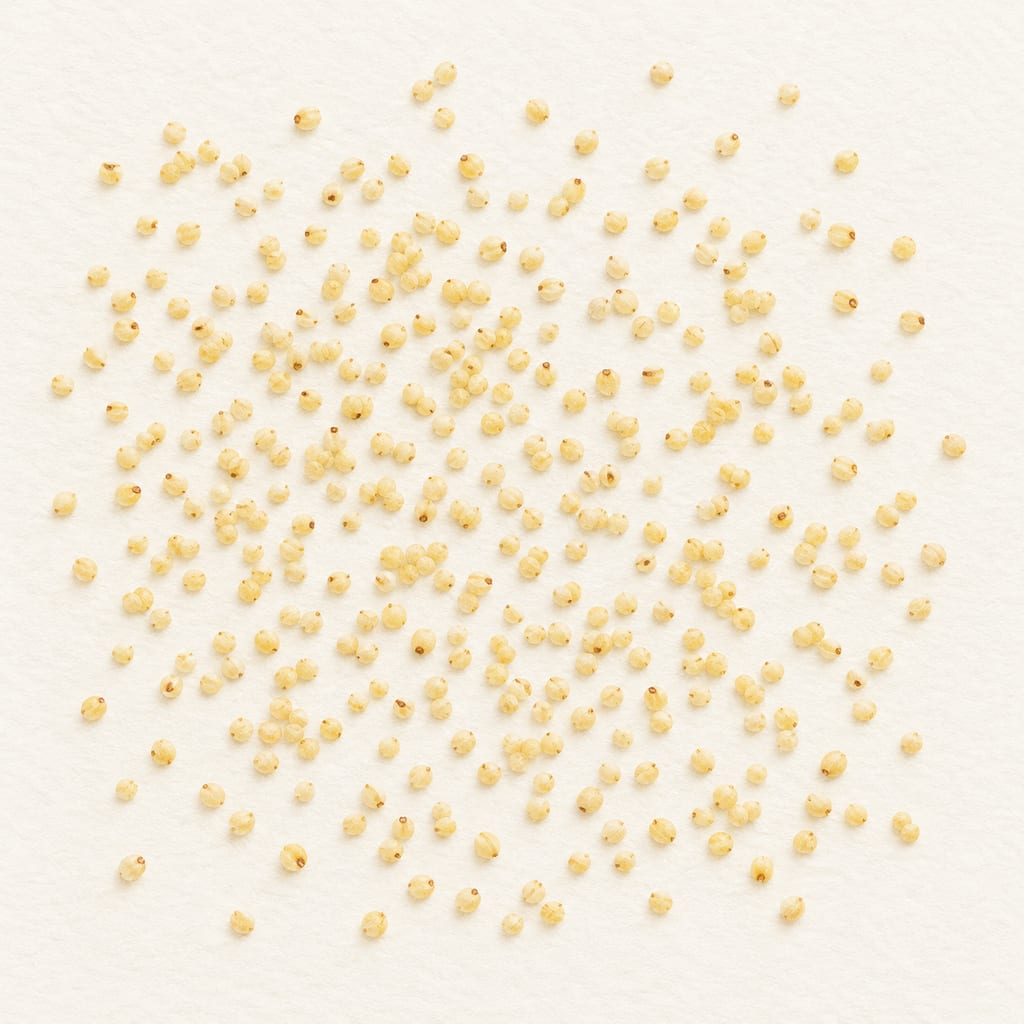
Tonoto from Shizunai in Hidaka is made of barnyard millet alone: a firm porridge kneaded with an equal amount of malted grain in a sake vessel, warmed by two embers, and left a week to ten days.
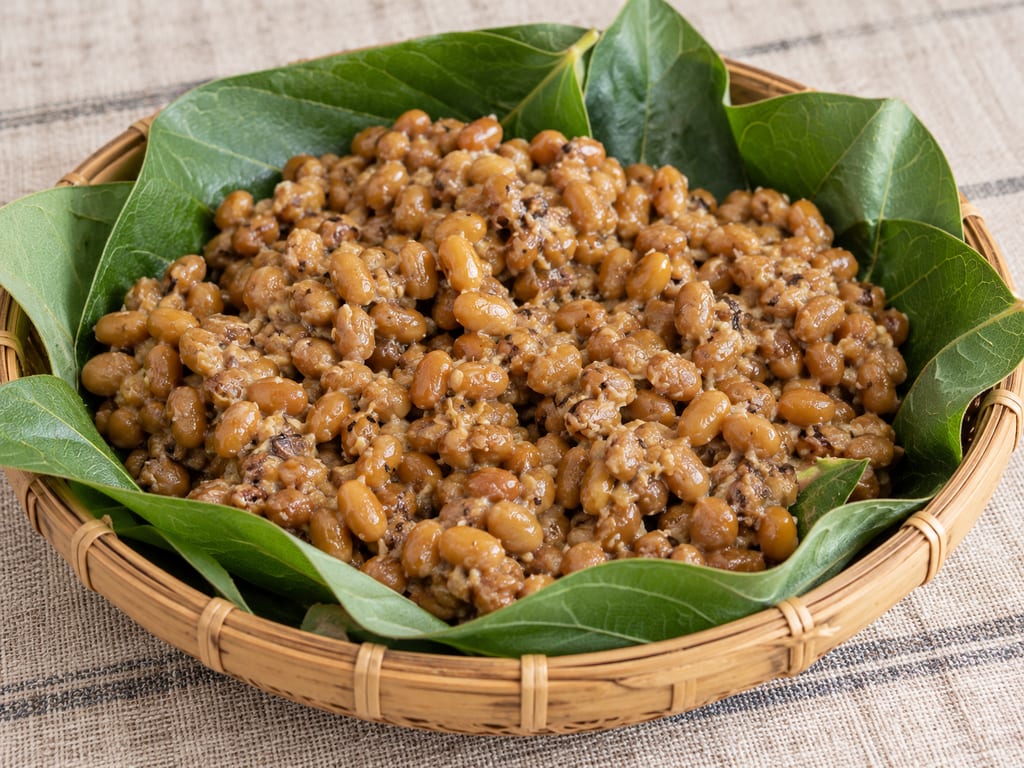
A Mizo alkaline soybean ferment made by holding cooked beans in leaf-lined containers, sometimes with wood ash, until they turn sticky, soft and pungent; eaten fresh or used as a seasoning.

Soybeans boiled soft and fermented in a leaf-lined basket by the hearth, then in many Naga households pounded, wrapped in leaves and fermented again into a dark, pungent seasoning paste.
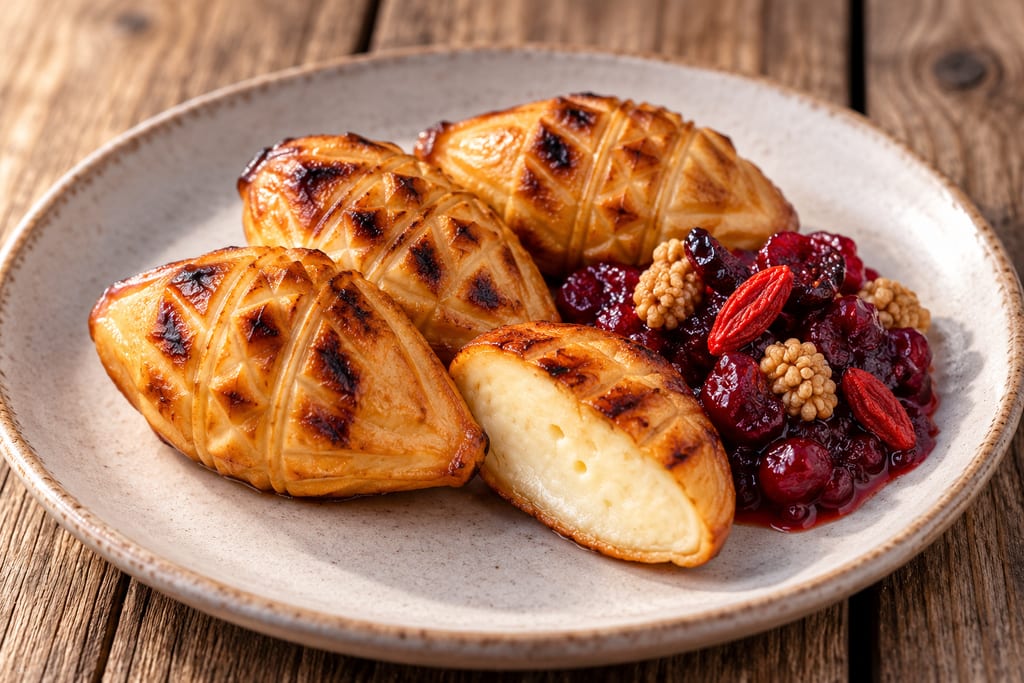
Small Oscypek are grilled until the exterior is crisp and the cheese softens, then served with cranberry, goji berries and mulberries.