








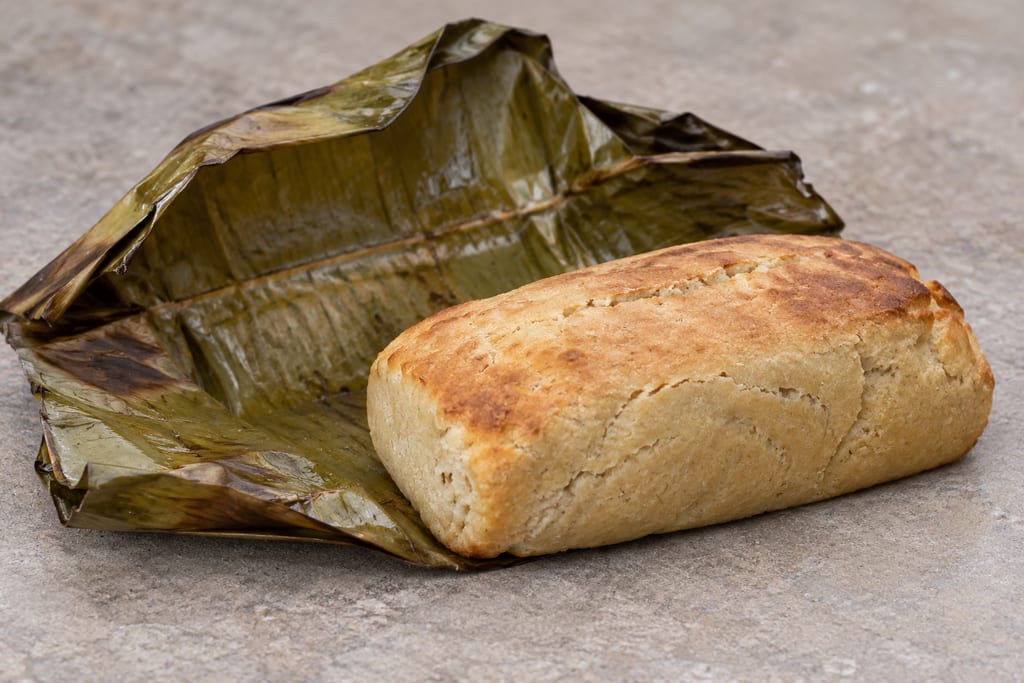













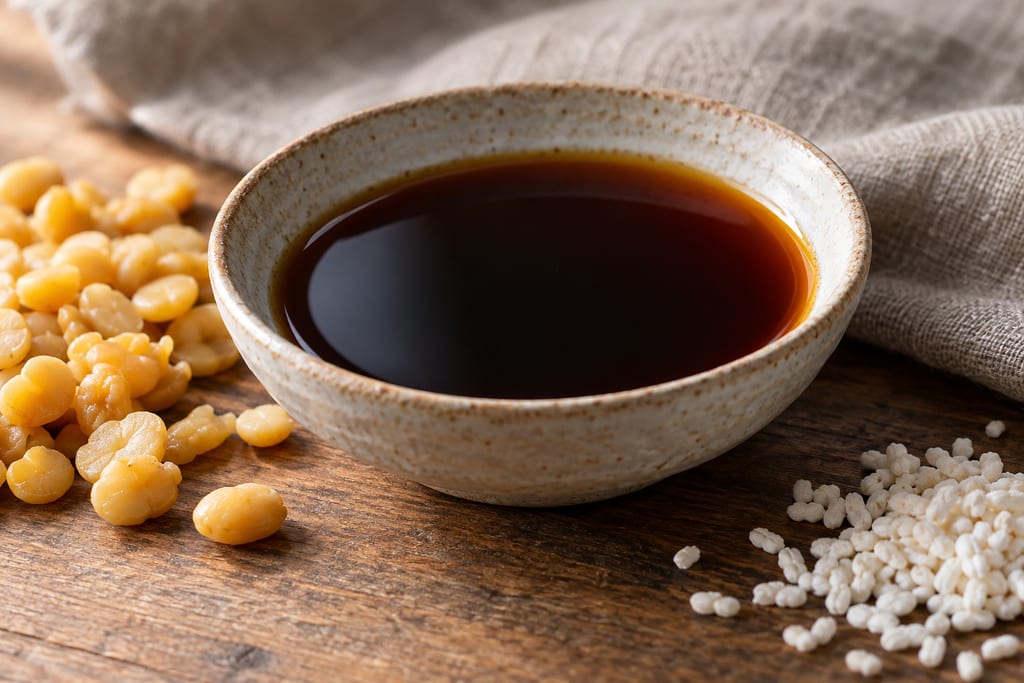























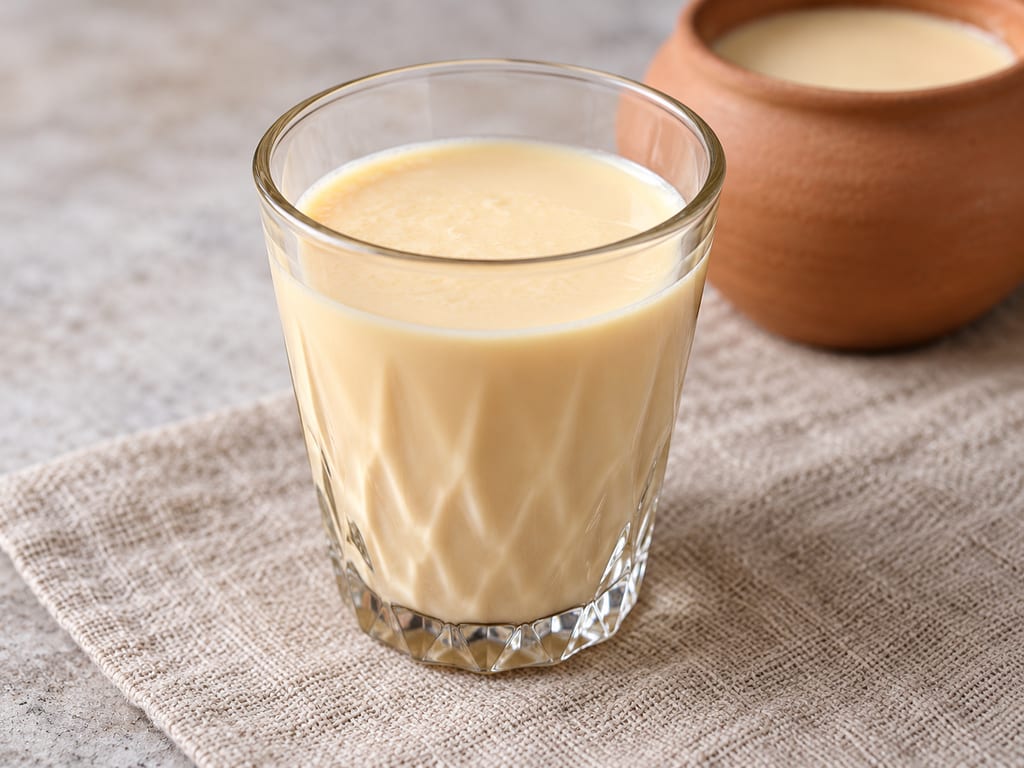
Baked milk (toplyonoe moloko)
Baked milk is an Eastern European preparation of milk held at high heat for hours until it turns cream-coloured with a cooked, mildly sweet flavour, without any fermentation.
 FermenteaWhere food goes to change
1504 records with their sources, across 11 categories.
Baked milk is an Eastern European preparation of milk held at high heat for hours until it turns cream-coloured with a cooked, mildly sweet flavour, without any fermentation.

Protected Italian vinegar made only from cooked grape must, fermented and aged in a battery of wooden barrels for at least 12 years: sweet, sharp and syrupy.
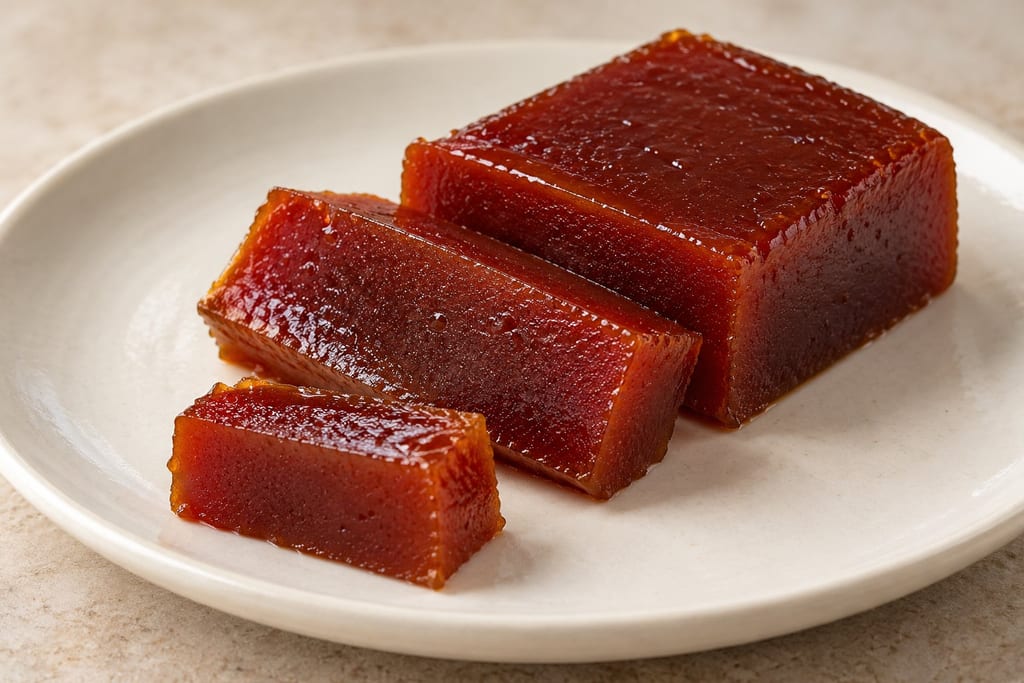
Cooked, sieved guava pulp is reduced with sugar and lime juice to a sliceable paste, then refrigerated. This adapted trial begins with prepared pulp and has no validated canning process or storage duration.
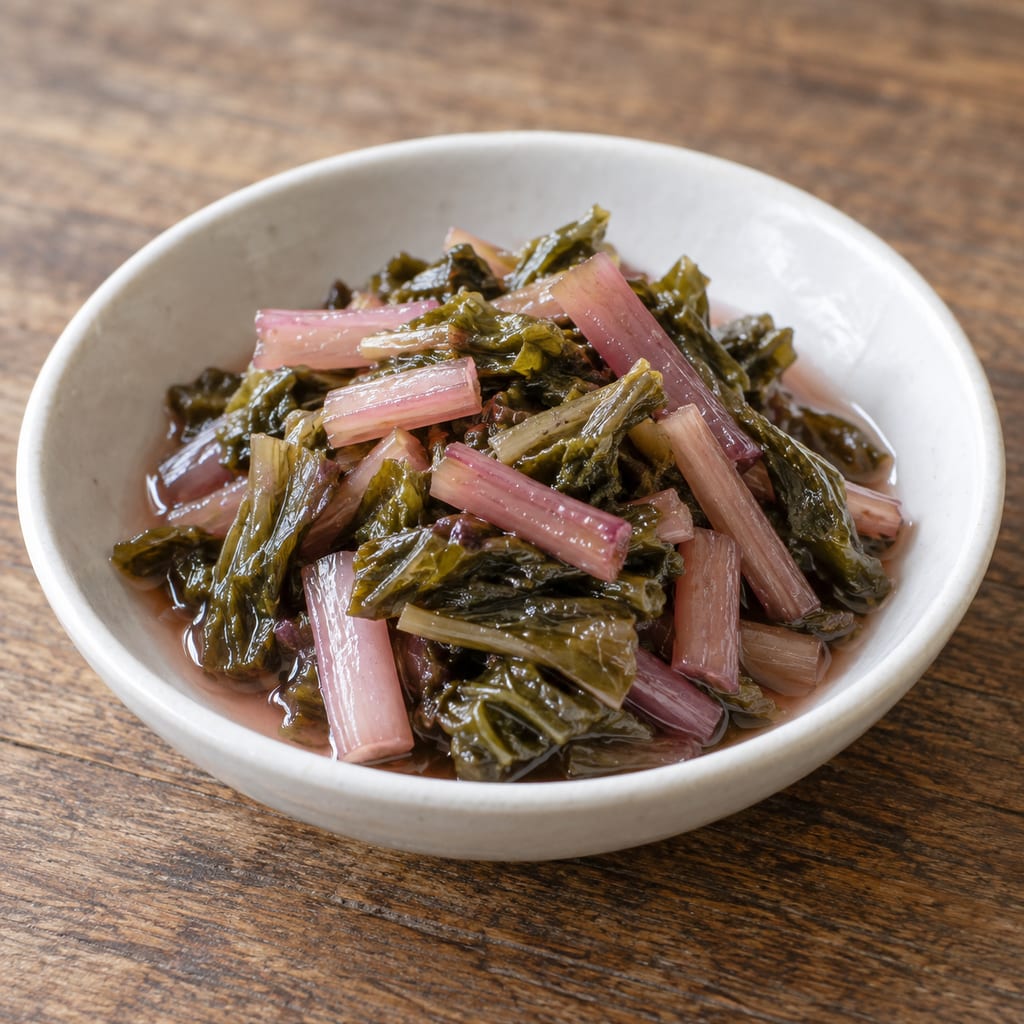
Sunki is a salt-free pickle from Japan's Kiso valley: red-turnip leaves fermented with a retained starter from the previous year's batch.

A clear jelly made from tart-apple juice, sugar and optional strained lemon juice. This batch uses a stated fruit-to-water preparation, gel endpoint, hot fill and altitude-adjusted boiling-water process.
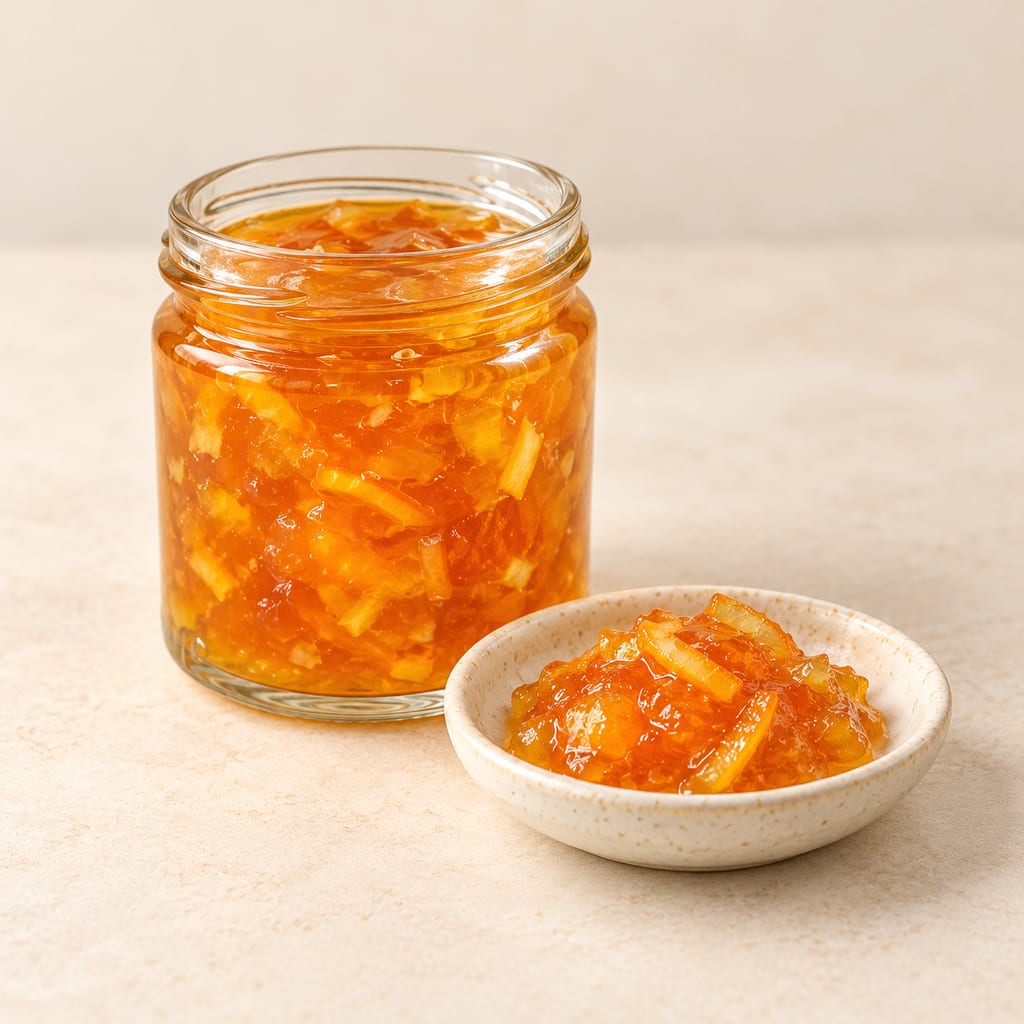
Orange marmalade suspends thin strips of citrus peel in a sweet gel. This navel-orange batch includes pulp and lemon and is preserved in a boiling-water canner.
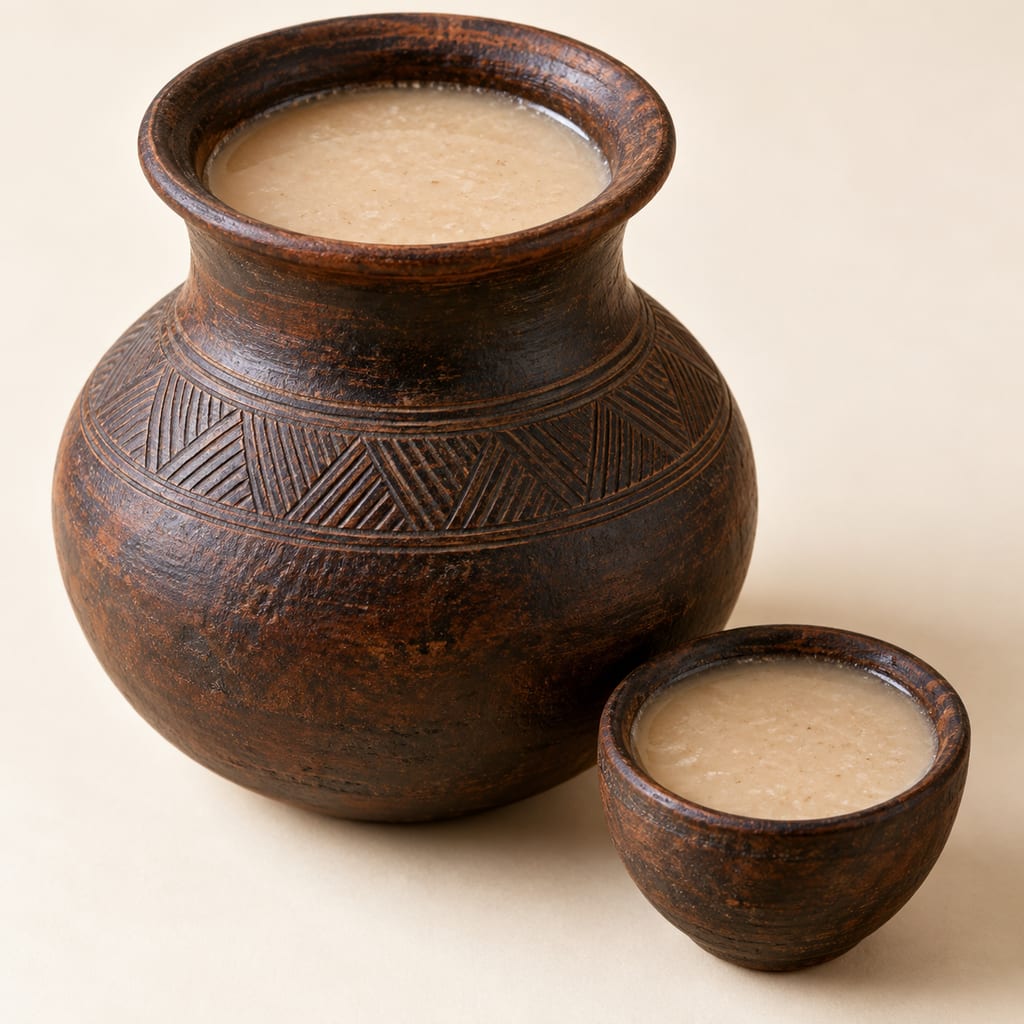
A 2025 study formula combines wheat dough and sorghum porridge with sorghum malt and gesho in staged fermentation. Konso and Dirashe fieldwork records distinct cereal-and-leaf Cheka variants; the study formula is not universal.
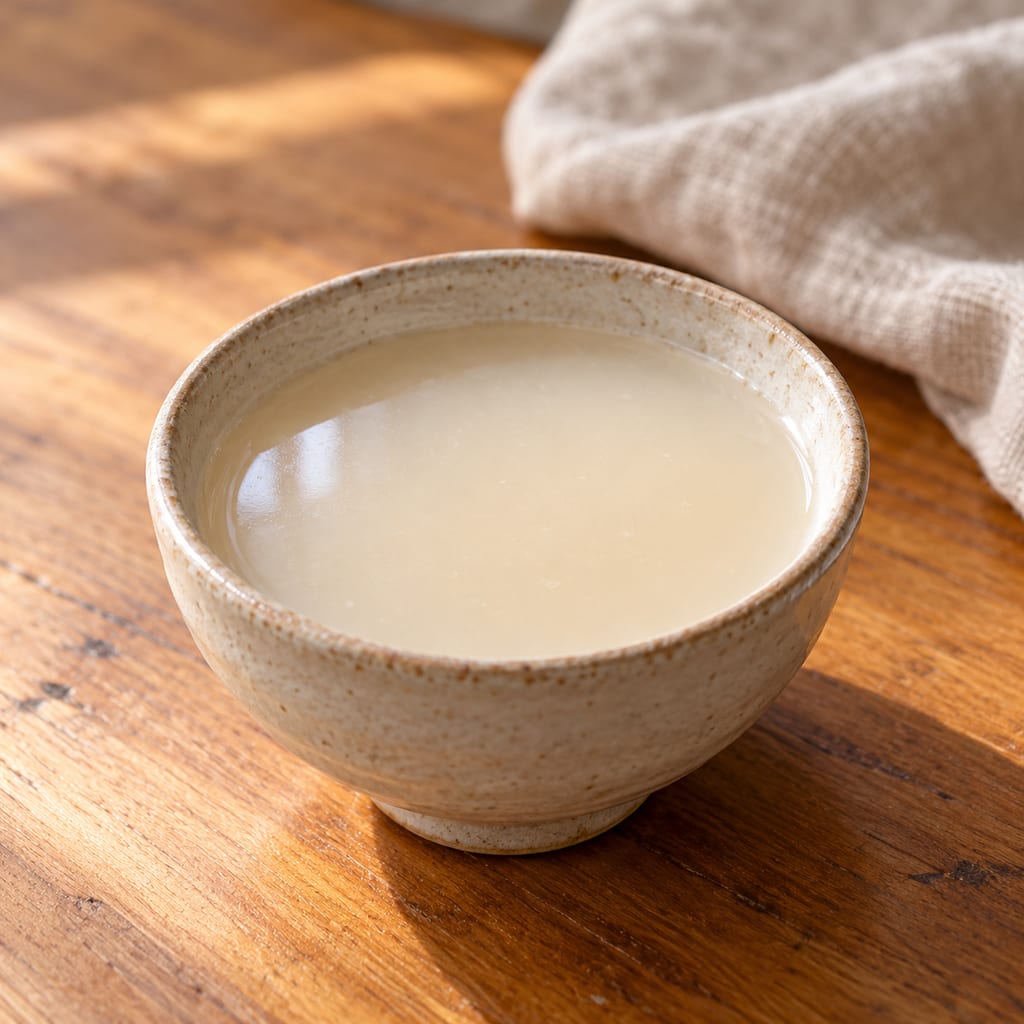
An alcoholic Korean rice drink of steamed glutinous rice and nuruk, mashed in a single stage and fermented for 7 to 14 days.
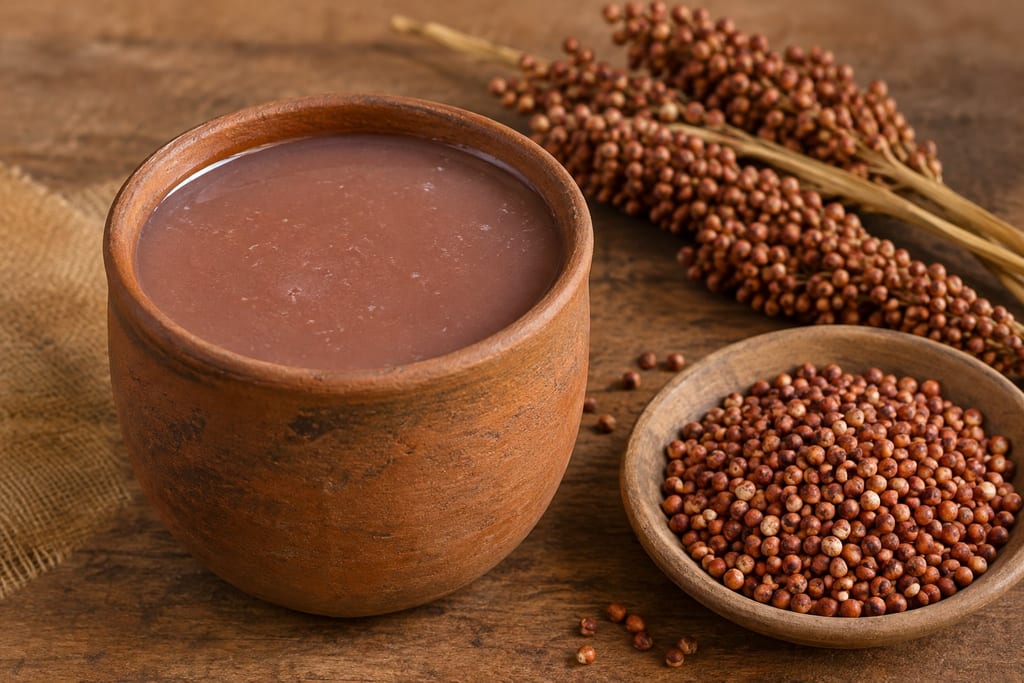
A cloudy Zimbabwean beer brewed from malted red sorghum, given a two-day lactic souring and then a longer alcoholic fermentation.
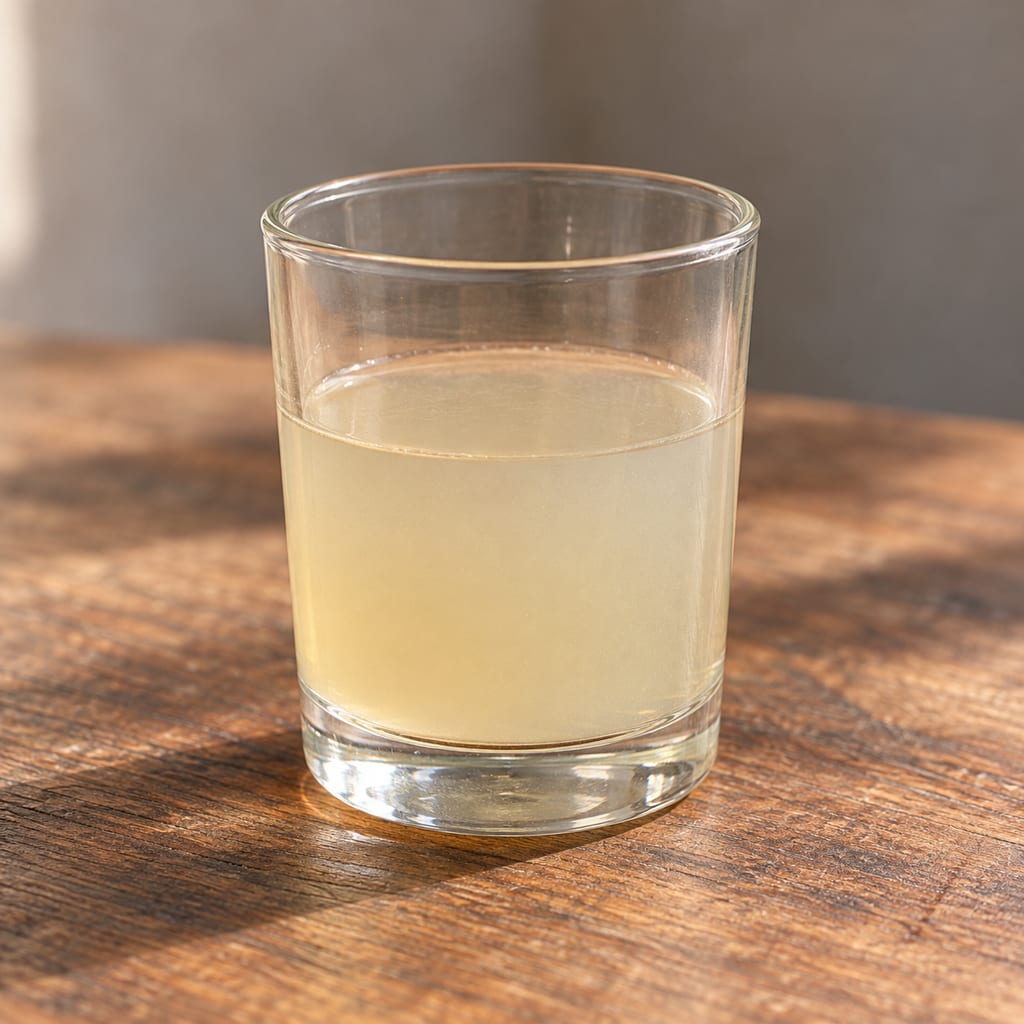
Judima is a Dimasa fermented rice drink from Assam. A 2022 Dhansiri account describes humao starter and rice fermentation, but sources disagree on the thembra bark species and do not provide a complete or validated home batch.
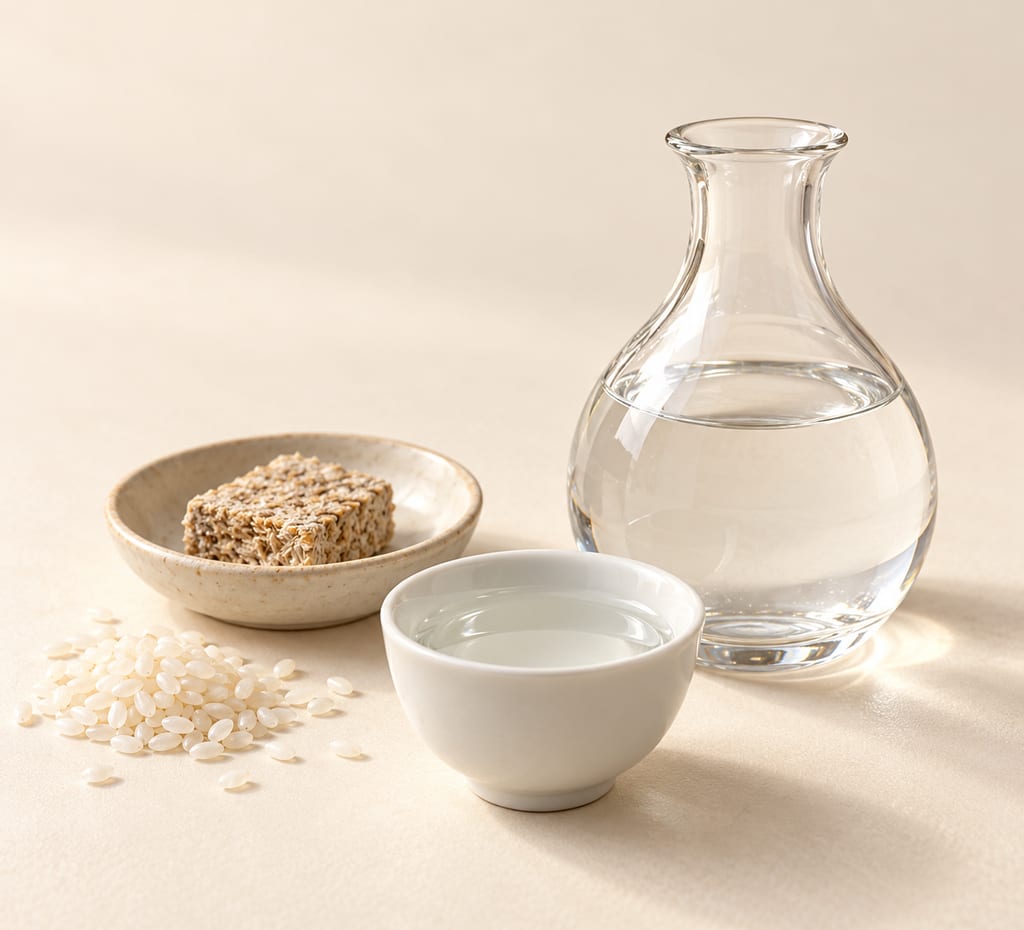
Andong soju is a rice spirit from North Gyeongsang, distilled from steamed rice and wheat nuruk. This method makes the starter before fermenting the rice mash in a jar.

A pale Belgian-style ale with Pilsner and aromatic malts, cane sugar and Saaz hops, fermented under loose foil before an airlock is fitted.
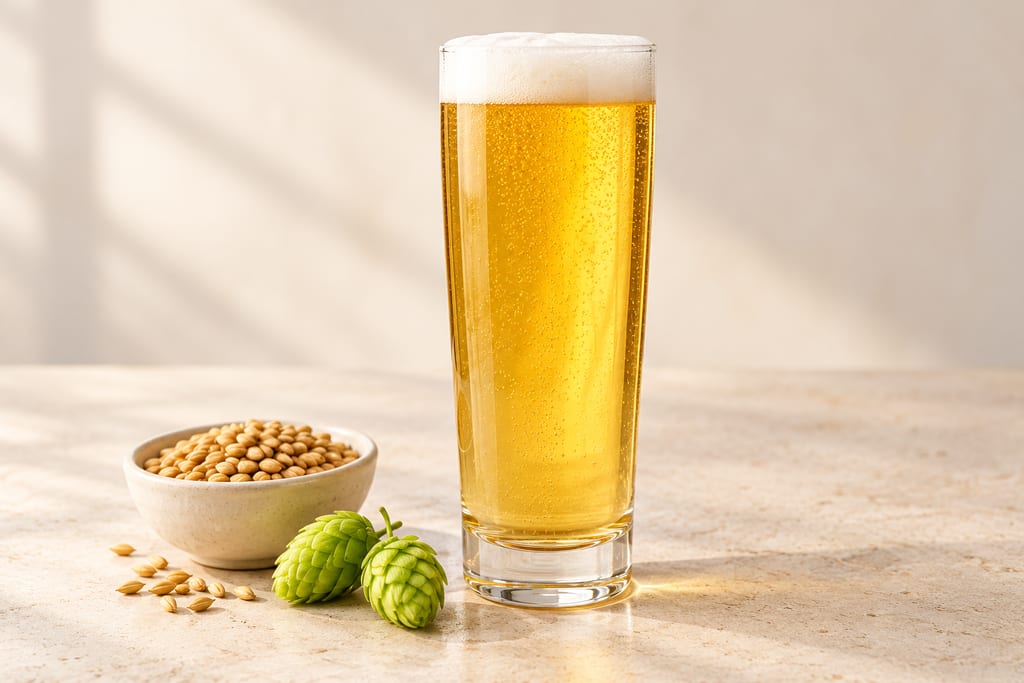
A pale, dry lager with Pilsner malt, Magnum bittering hops and Hallertau Mittelfrüh and Tettnang additions, followed by cold maturation.
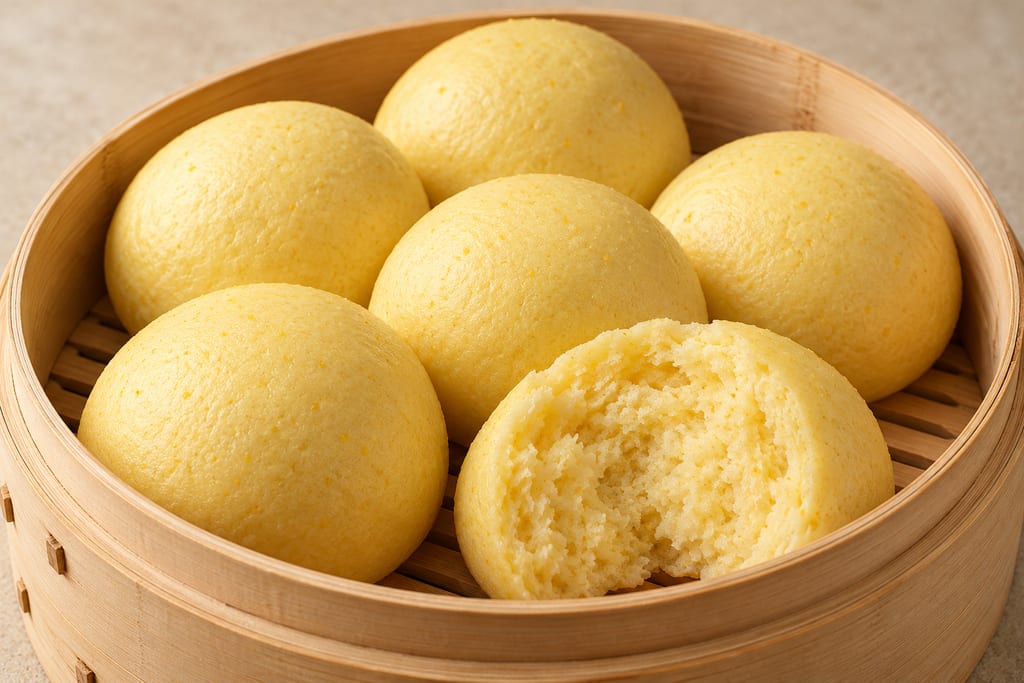
A Chinese cornmeal mantou made with wheat flour, cornmeal, water and yeast. The dough rises until doubled, is shaped into ten rounds, proofed briefly and steamed.
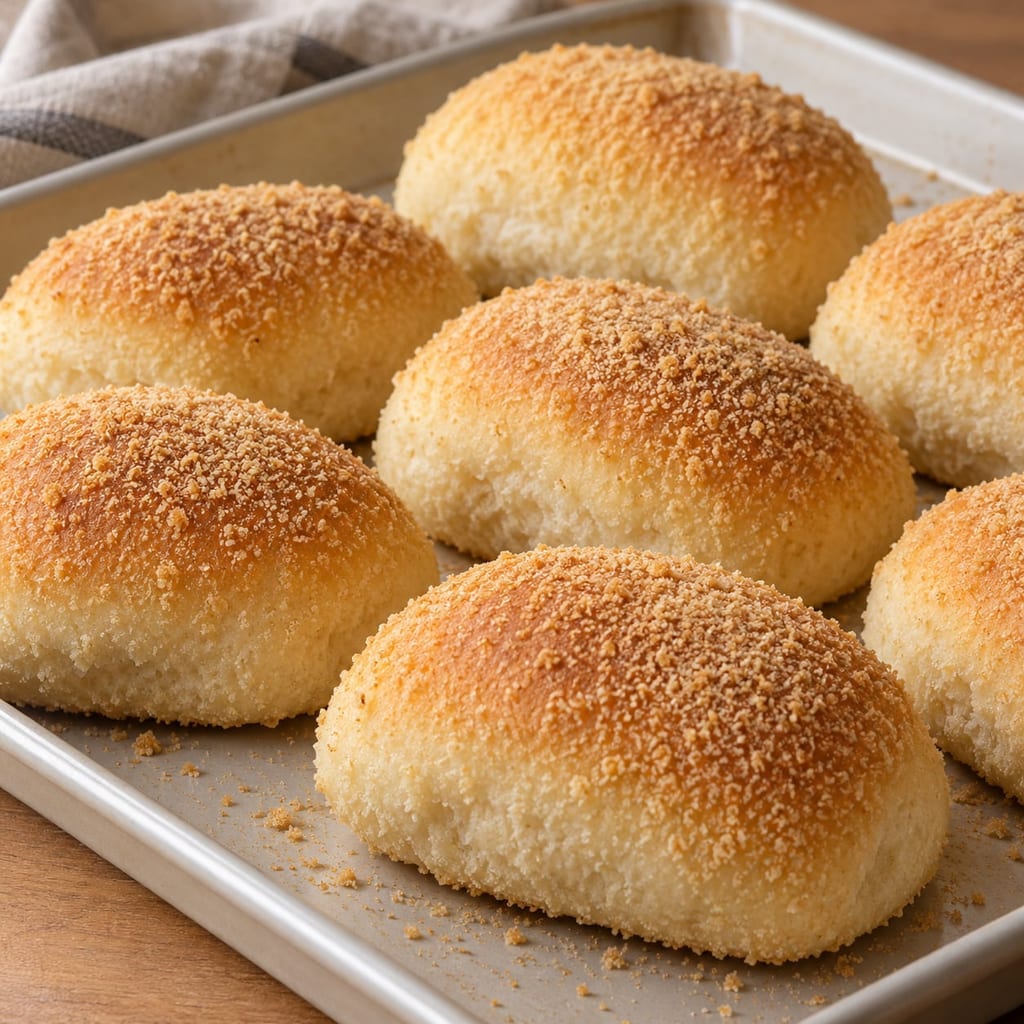
Filipino pandesal made with a neutral-oil wheat dough, folded through a 3½-hour fermentation and coated in breadcrumbs.
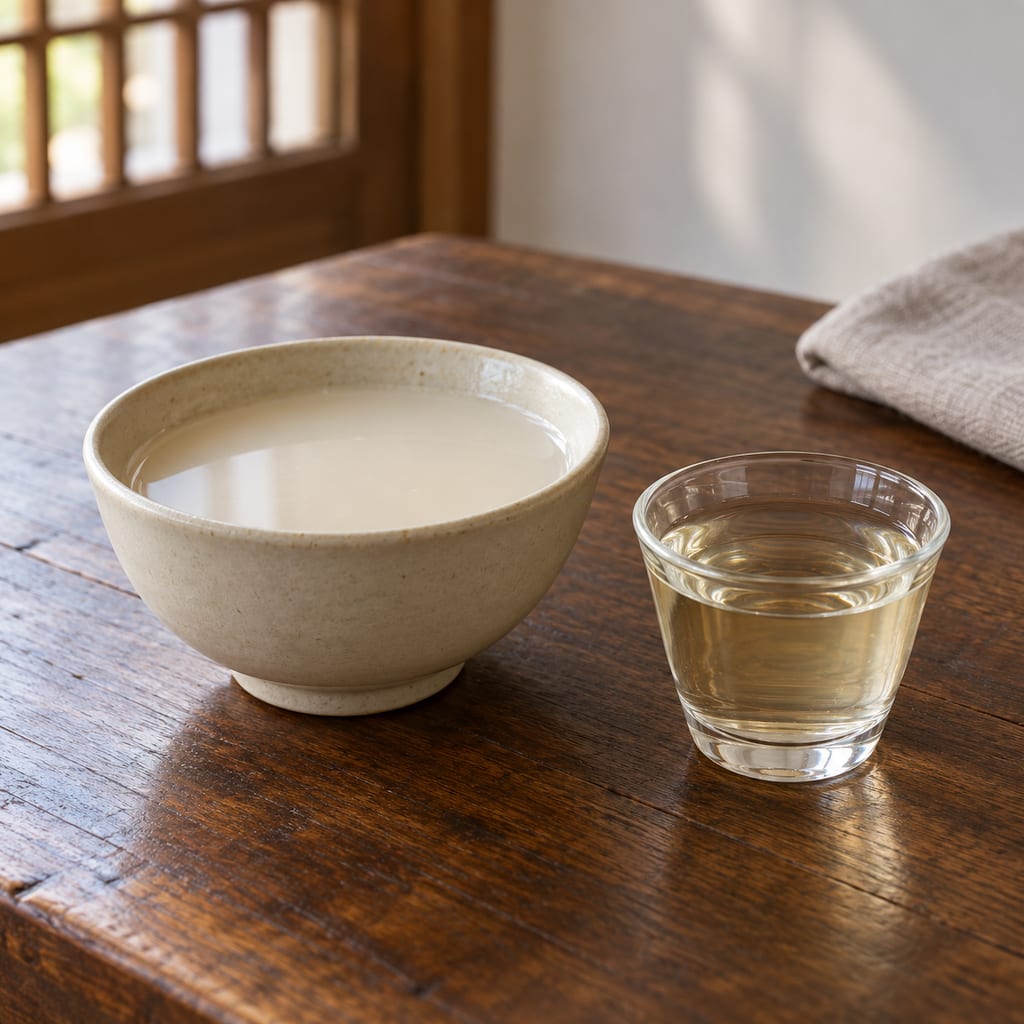
A Korean grain wine fermented from steamed rice, nuruk and yeast in two mash additions, drawn off clear as yakju or blended cloudy with rice solids and water as makgeolli.
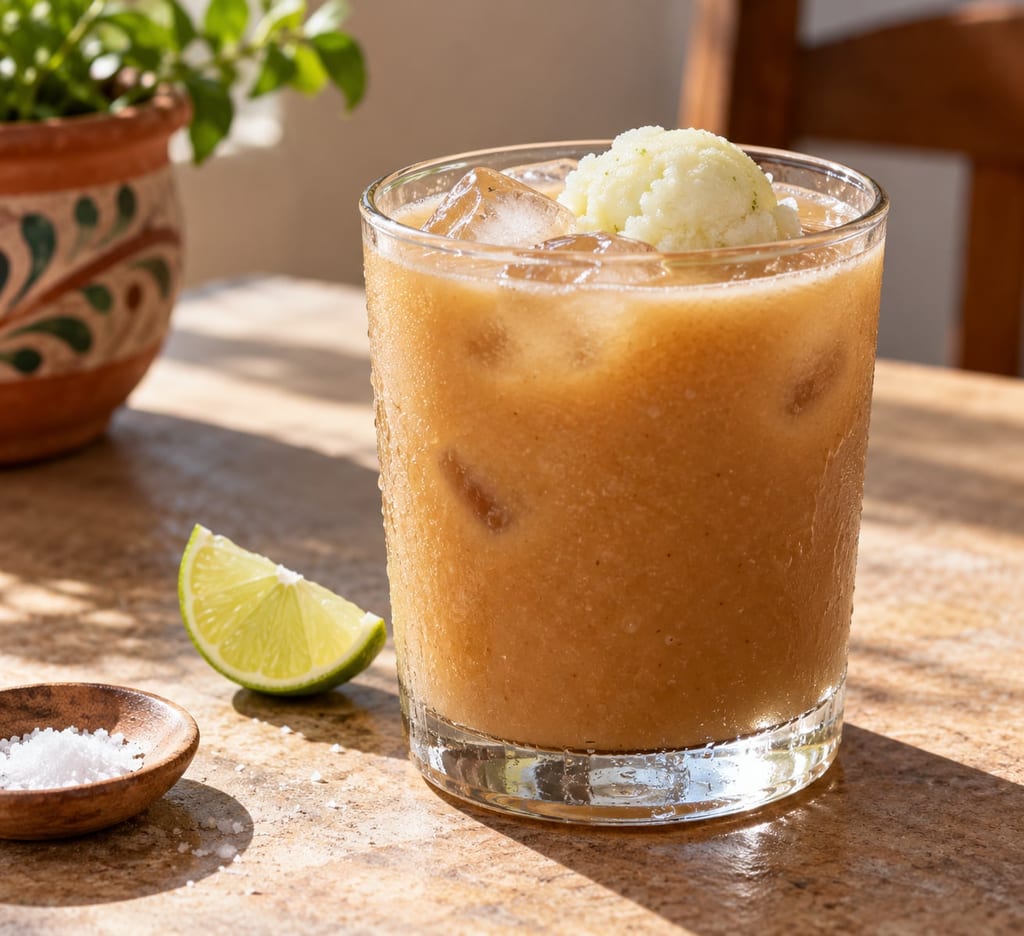
A tart, lightly fermented drink of Jalisco: nixtamalized maize masa cooked with piloncillo and limed, then diluted over ice and salted at serving.
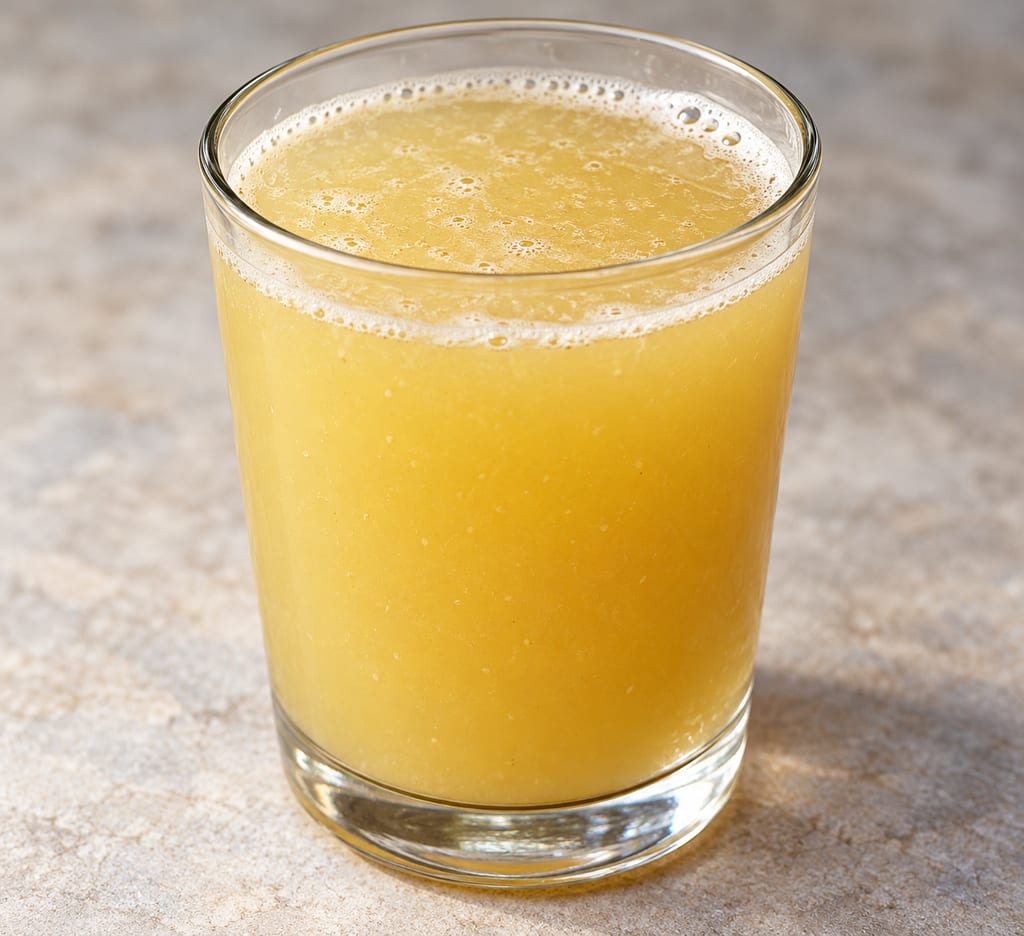
A pale Ethiopian maize tella, brewed from maize baked into a kita pancake at a gentler heat and then fermented in three stages with barley malt, gesho and water.
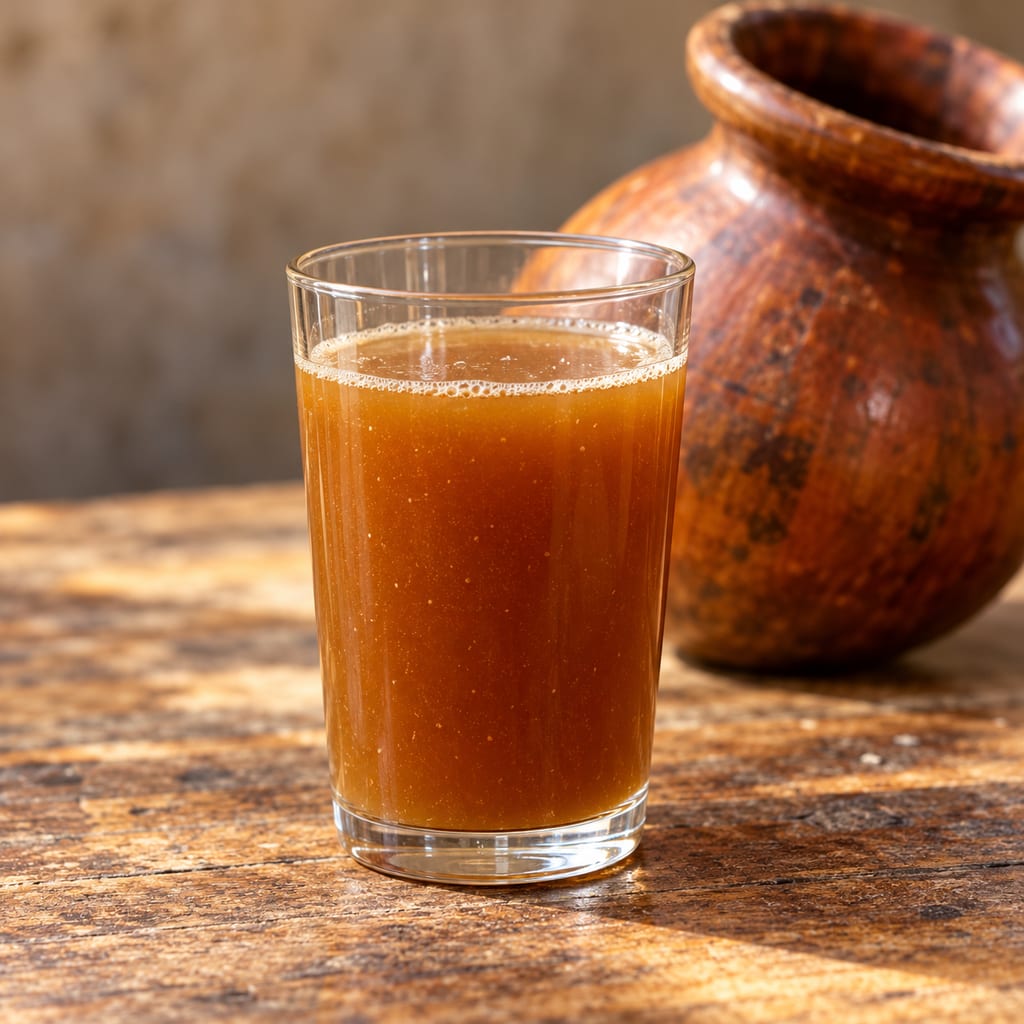
A darker Ethiopian maize tella, brewed from maize baked into a hot, dry kita pancake and then fermented in three stages with barley malt, gesho and water.
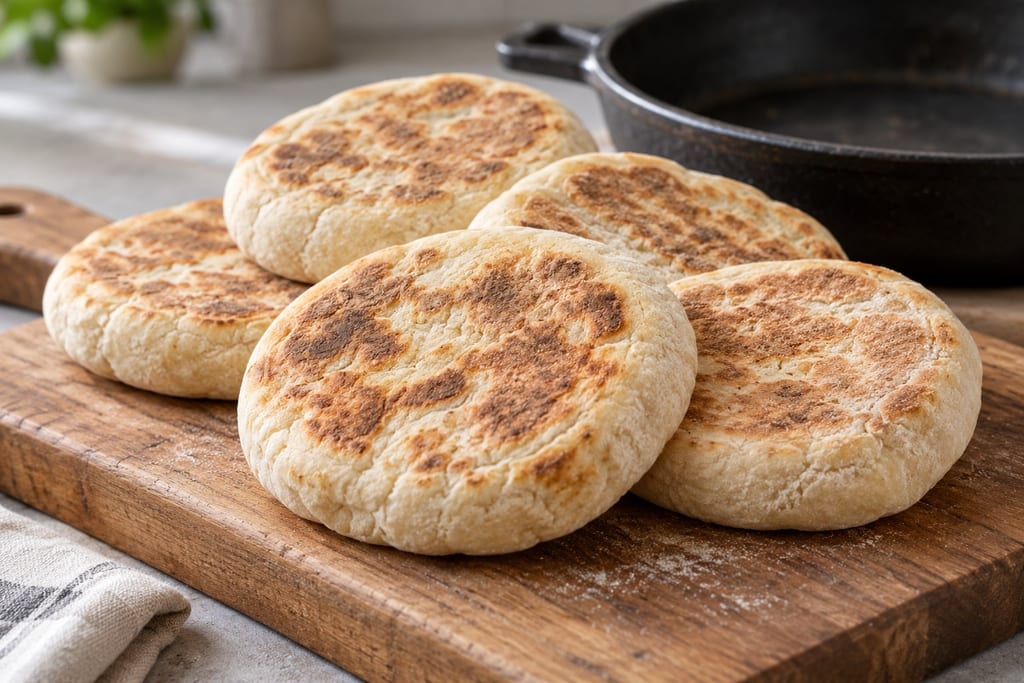
Sweet-potato wheat breads with fresh yeast, browned in a pan and finished in the oven. This is the bread component of Teleculinária's scrambled-egg dish.
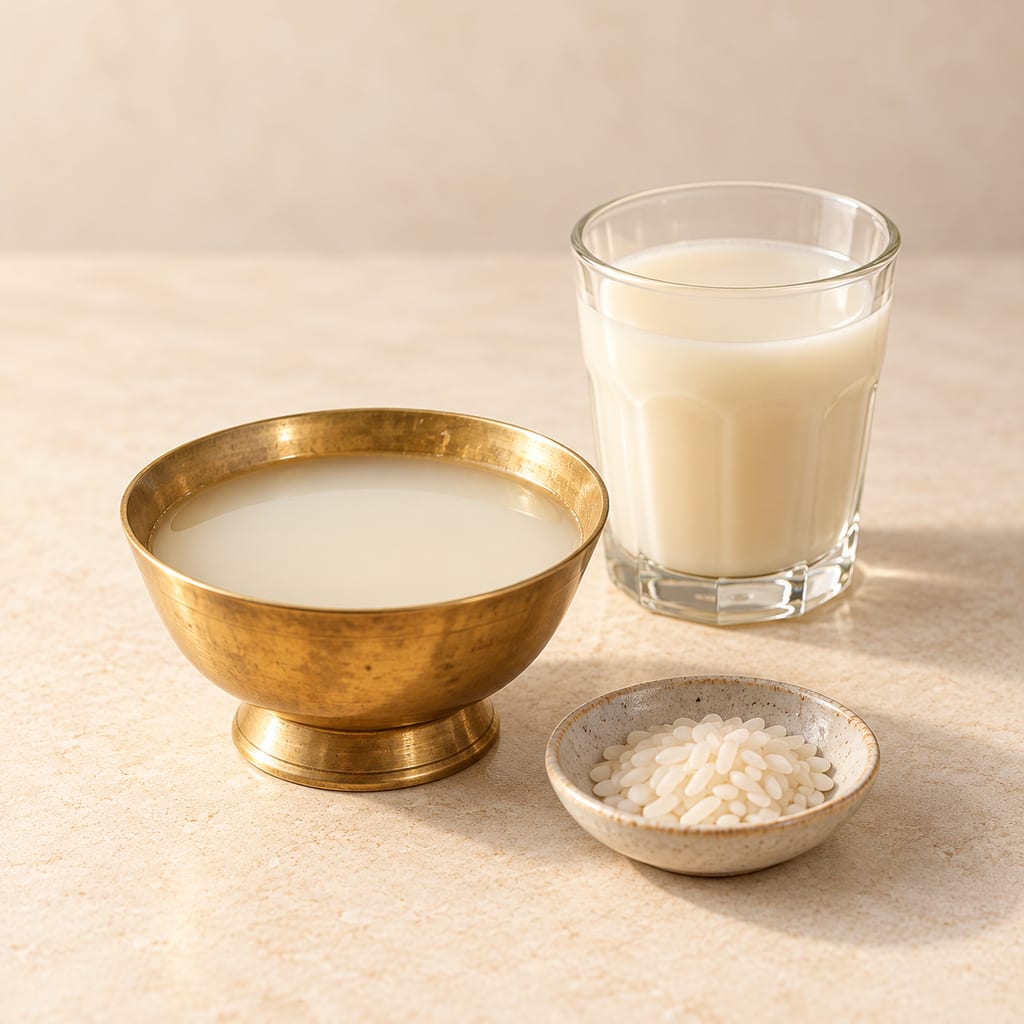
A Kathmandu rice beer in which a marcha starter saccharifies and ferments cooked white rice, the mash later thinned with water for drinking.
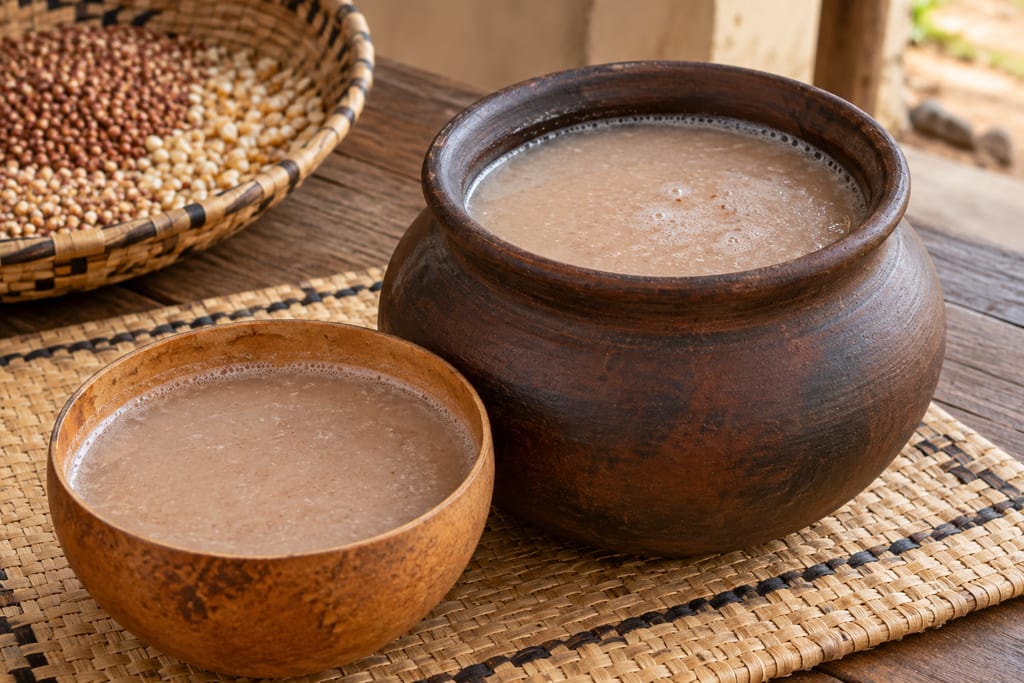
A South African opaque beer soured from sorghum malt and maize meal, cooked as a thick porridge, then fermented again after a second addition of malted sorghum.
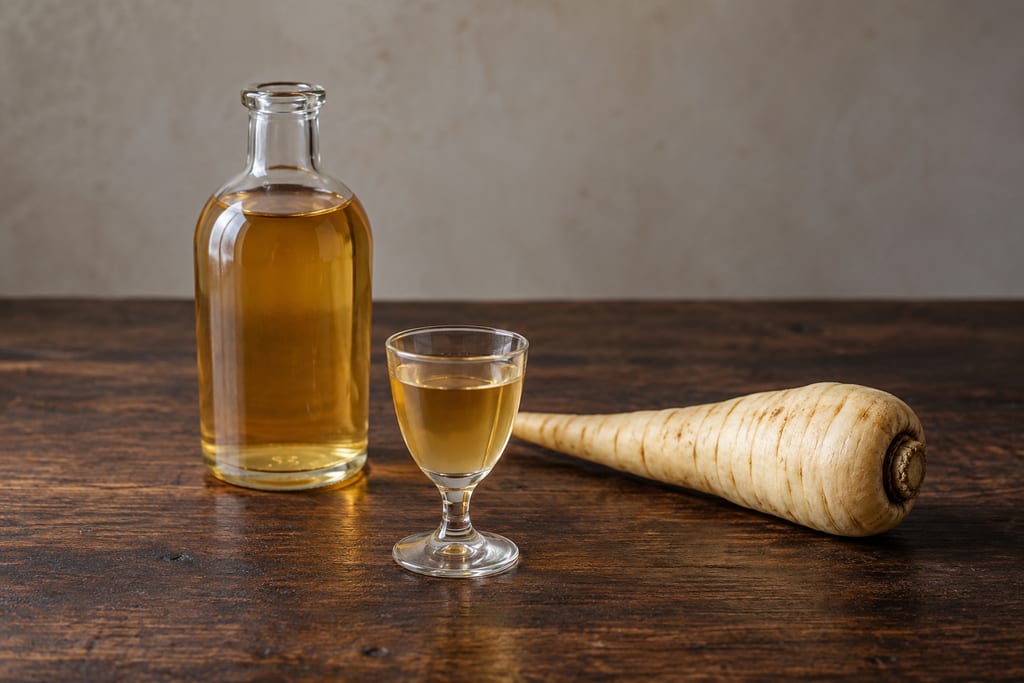
Wright's 1909 compilation records a parsnip wine made from boiled roots, sugar and a little yeast. The liquor spends ten days in a tub, then twelve months in a cask topped up daily only while the wine works over.
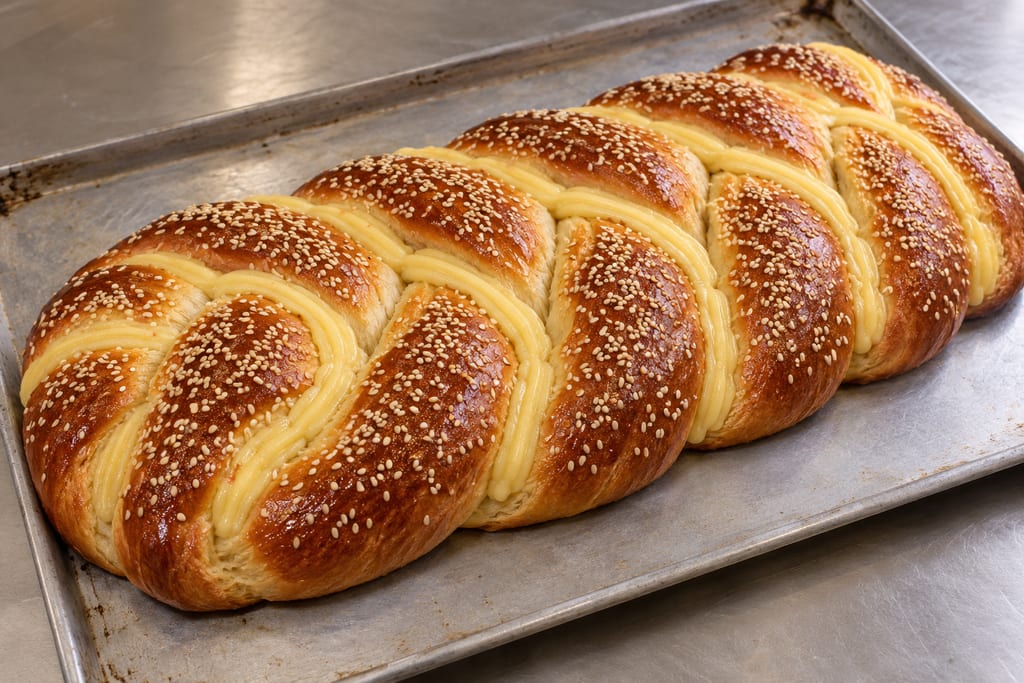
A Mexican sweet, yeast-raised wheat bread shaped as a broad braid or closed zigzag, brushed with egg glaze and decorated with pastry cream and sesame.
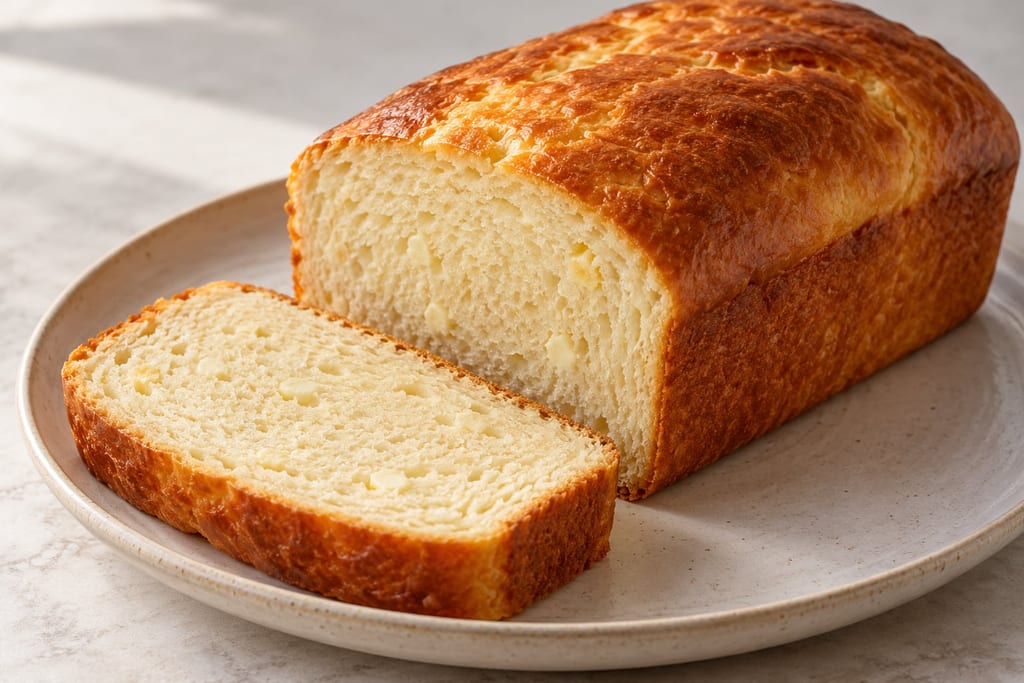
A soft Colombian wheat loaf enriched with milk powder, butter and crumbled fresh cheese.

Ecuadorian filled sweet bread figures with a rounded head and wrapped body, made from an enriched yeast dough. This home method shapes small filled ovals, proofs them on trays and serves them with colada morada.
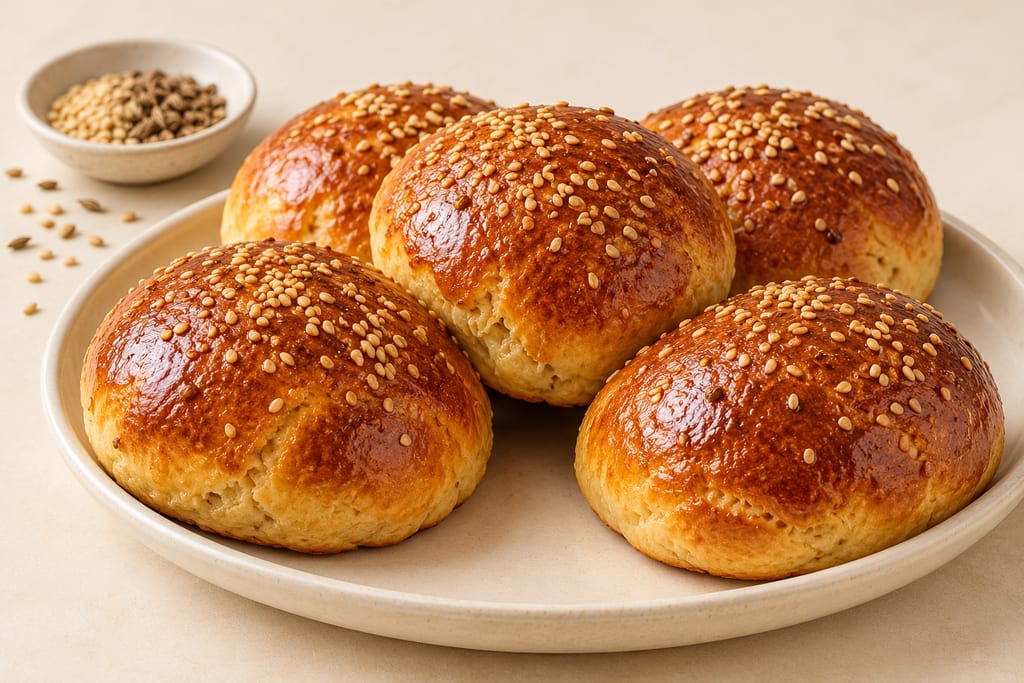
Krachel, also called el gors, are Moroccan sweet yeast rolls scented with anise, sesame and orange flower water. This version follows the three-rise method documented by Christine Benlafquih.
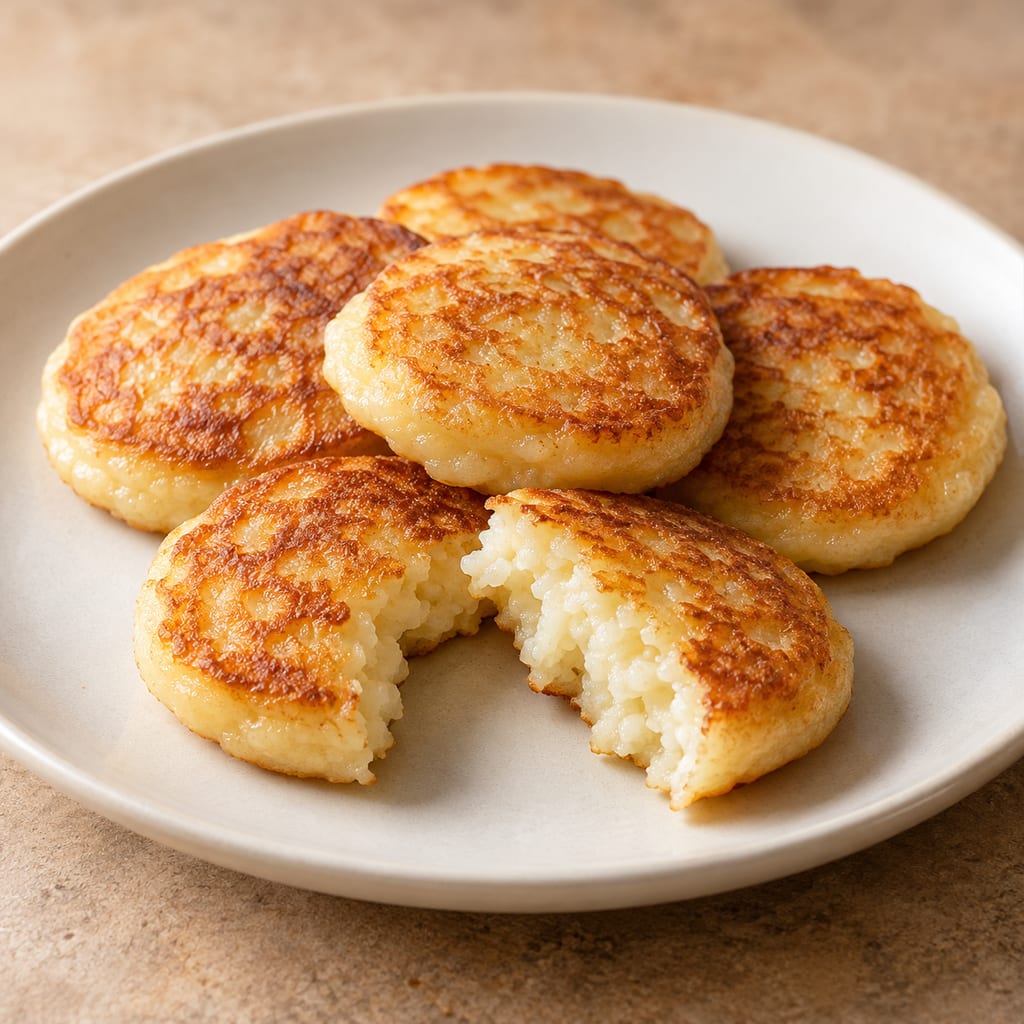
Small, mildly sweet Madagascar-named griddle cakes made from a briefly risen batter of cream of rice, whole-wheat pastry flour, yeast and water.
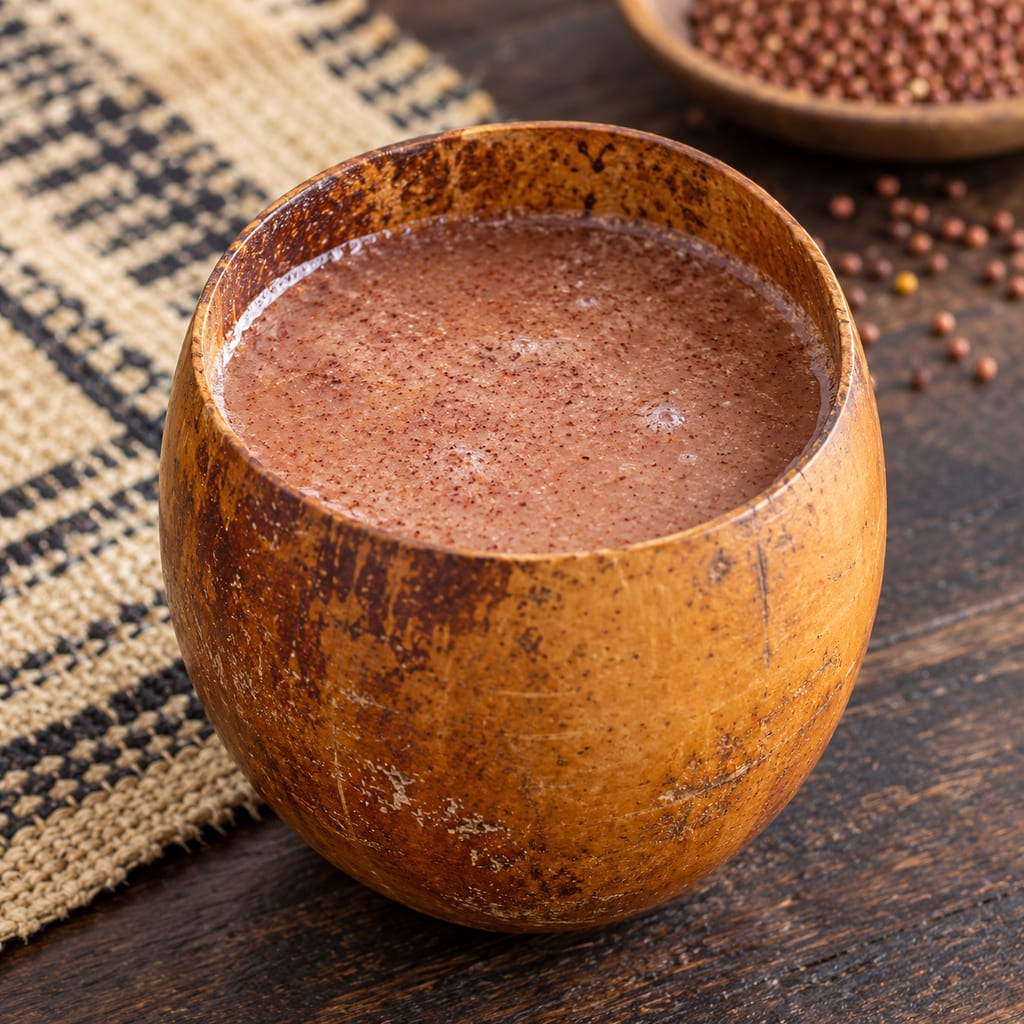
Chagga beer from the slopes of Kilimanjaro in Tanzania, made by combining a fermented banana porridge with a sweet porridge of germinated finger millet and drunk fresh within a day or two.
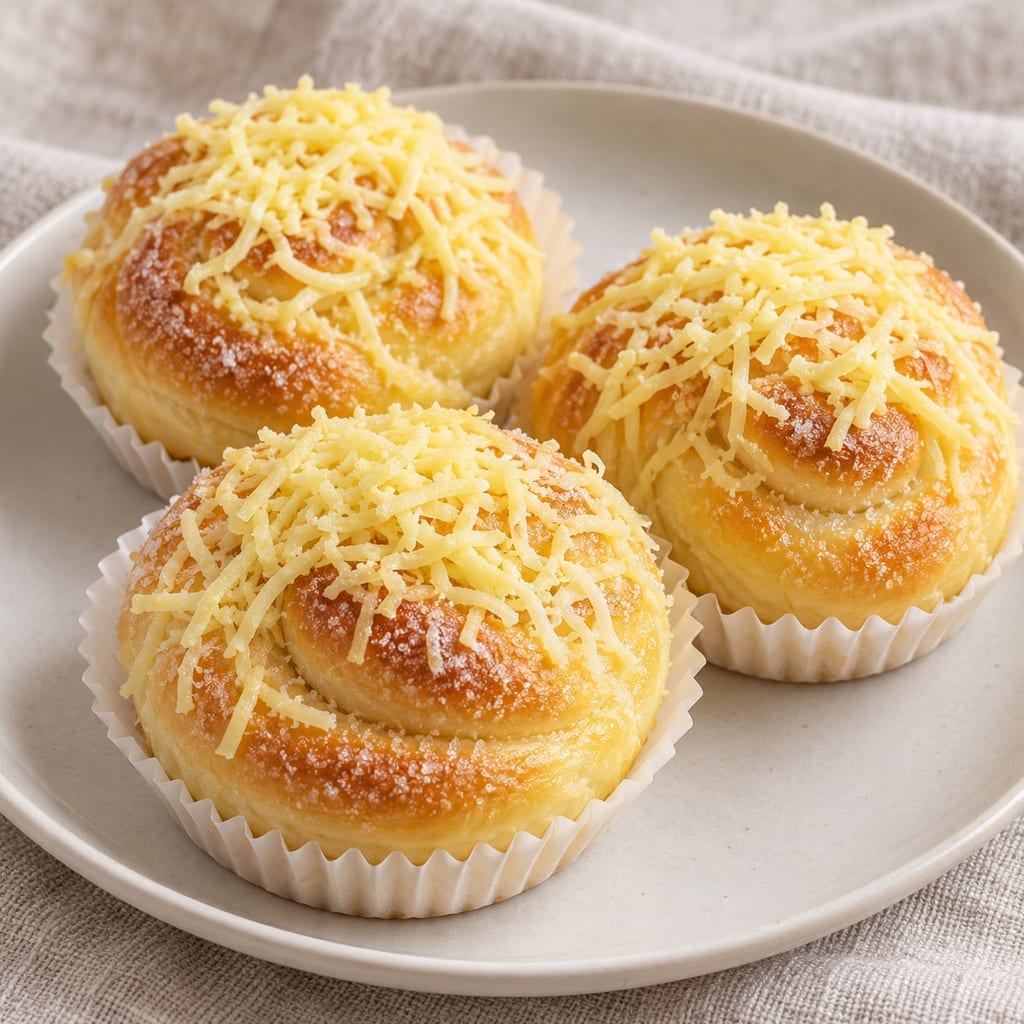
Soft Filipino ensaymada coils use enriched yeast dough, then receive butter, sugar and grated cheese. This modern Filipino version differs from Mallorcan ensaïmada and other Philippine regional formulas.
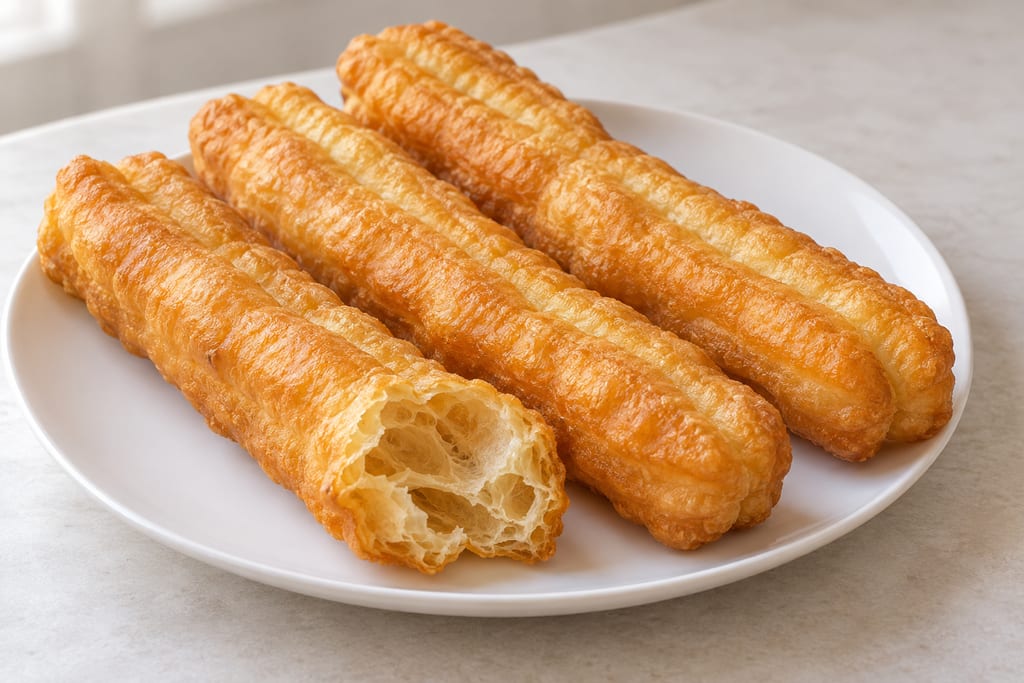
Youtiao are Chinese breakfast crullers made from soft baking-powder dough, chilled overnight, stretched into paired strips and fried until light golden.
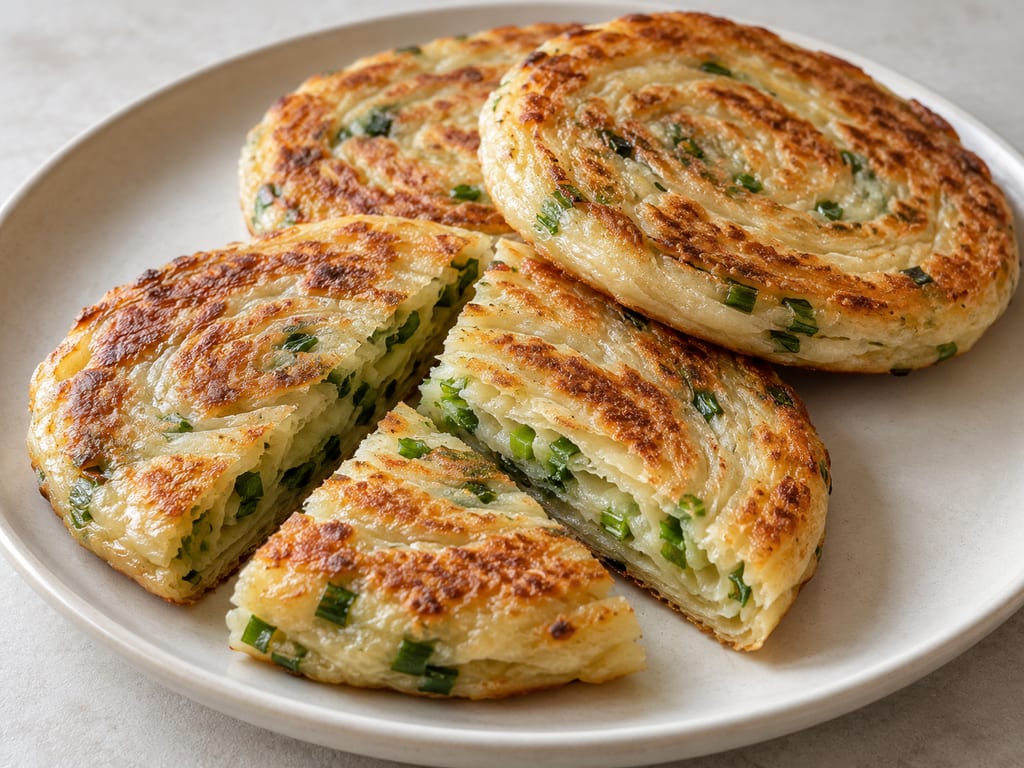
Bill Leung’s Shanghai-style scallion pancakes layer soft wheat dough with scallions and an oil-flour paste, then fry and finish in the oven.
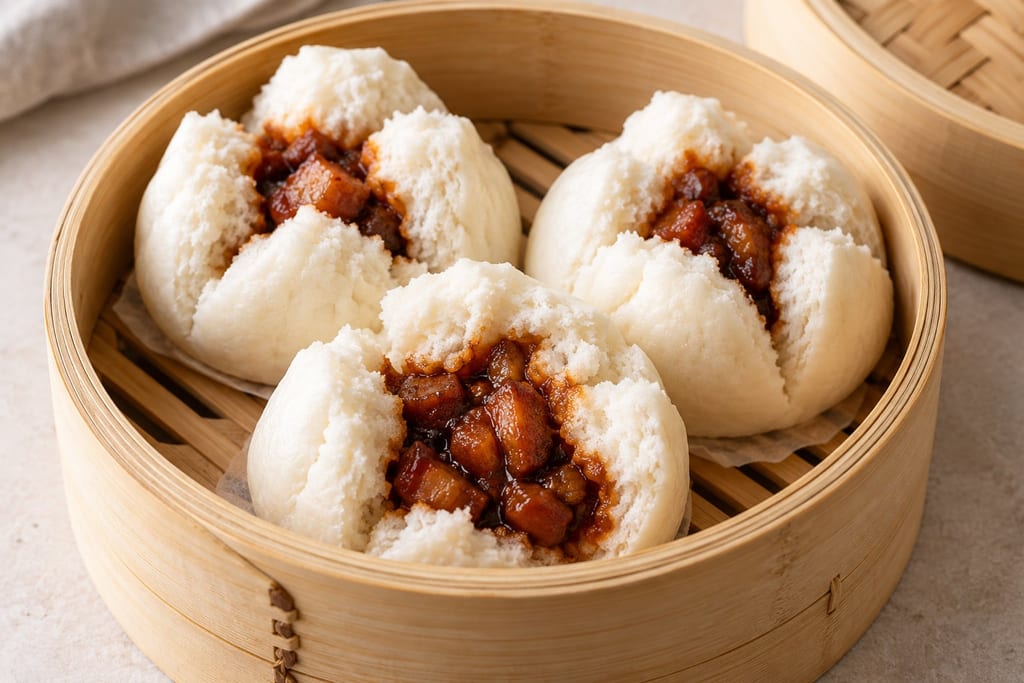
Fourteen fluffy steamed buns filled with cooked char siu and a thickened oyster-soy sauce.
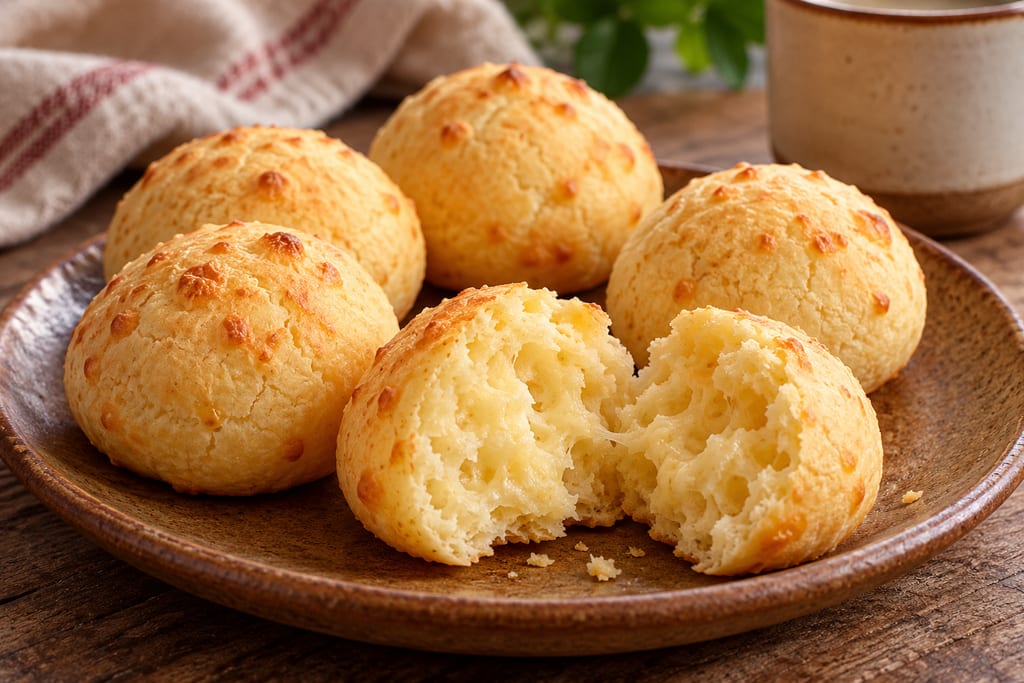
Small cassava-starch cheese breads mixed in a processor, chilled, baked and briefly browned under a broiler. This is Laylita's Ecuadorian-style formula.
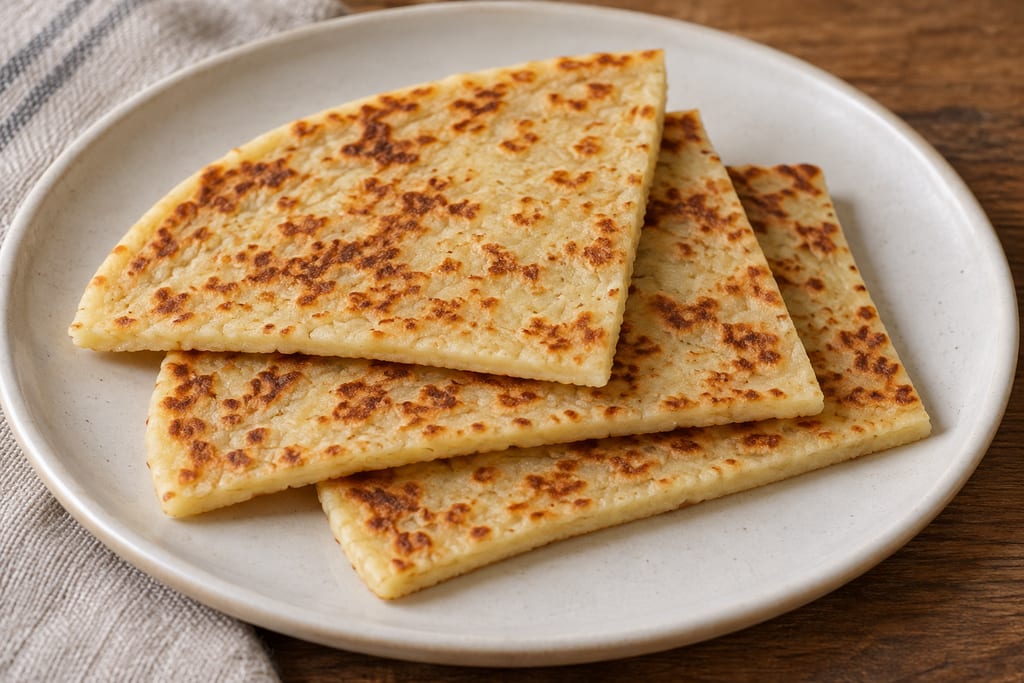
Scottish Scran’s batch combines boiled potatoes, butter and flour, then cooks three thin rounds on a dry pan.
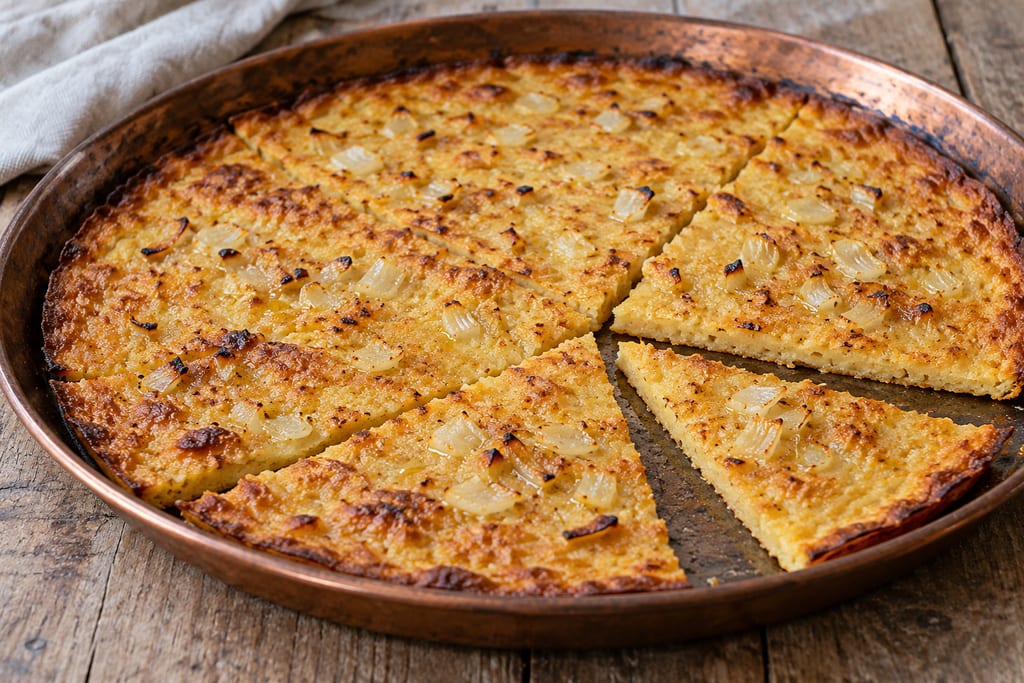
This farinata is a chickpea-flour batter baked with olive oil in a pan. The Riviera dei Fiori version makes six and uses a 200–250°C oven.
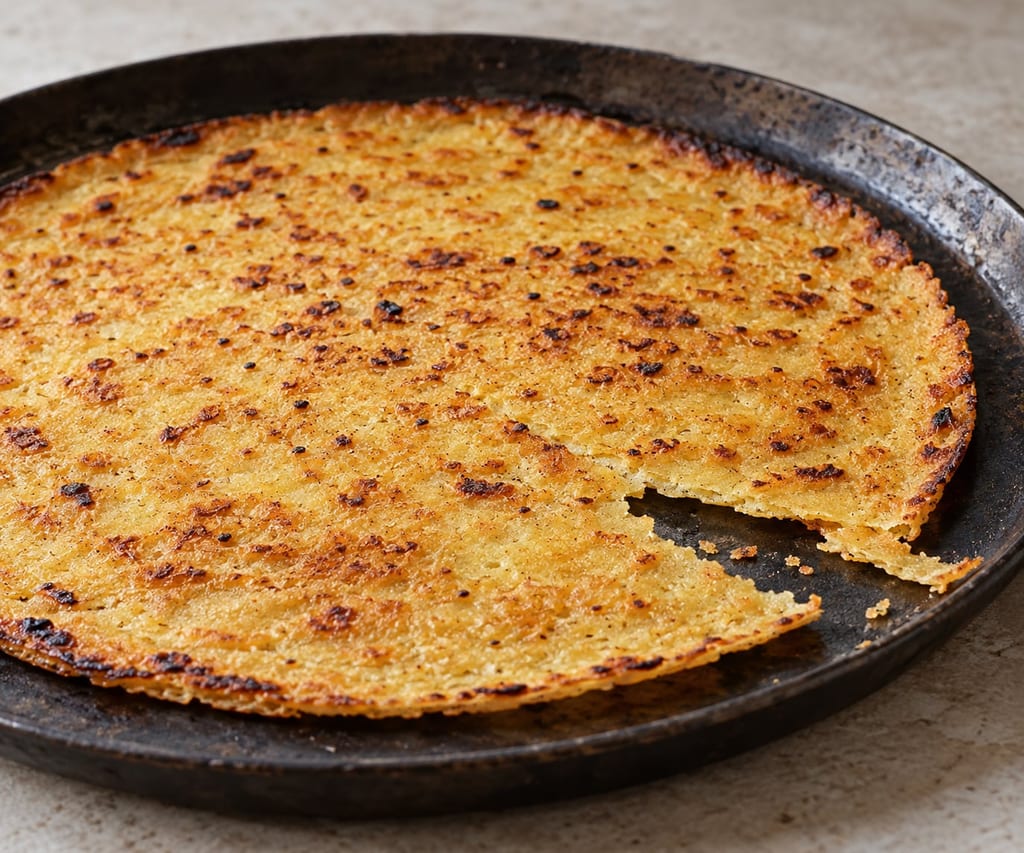
A Nice socca batter of chickpea flour, water, olive oil and salt, spread thin on a 50-centimetre copper plate and baked very hot. This formula is distinct from the Genoese farinata page.
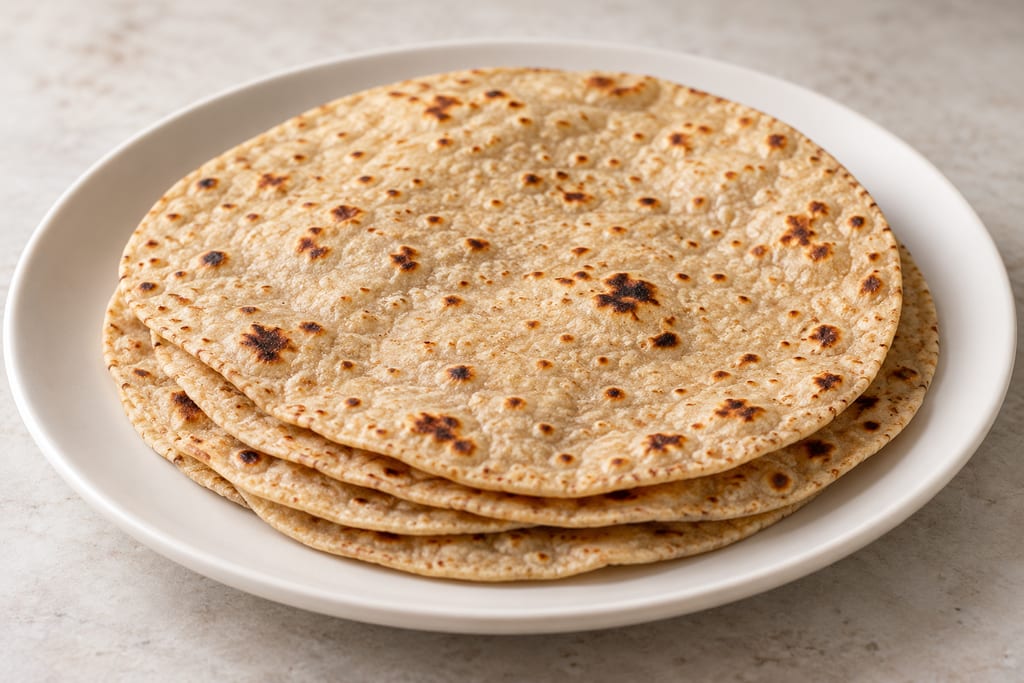
This measured chapati uses whole-wheat atta and water, with salt and oil or ghee optional. Rest the dough, roll it thin and cook through on a hot tawa; it is distinct from the partly cooked, puffed phulka route.
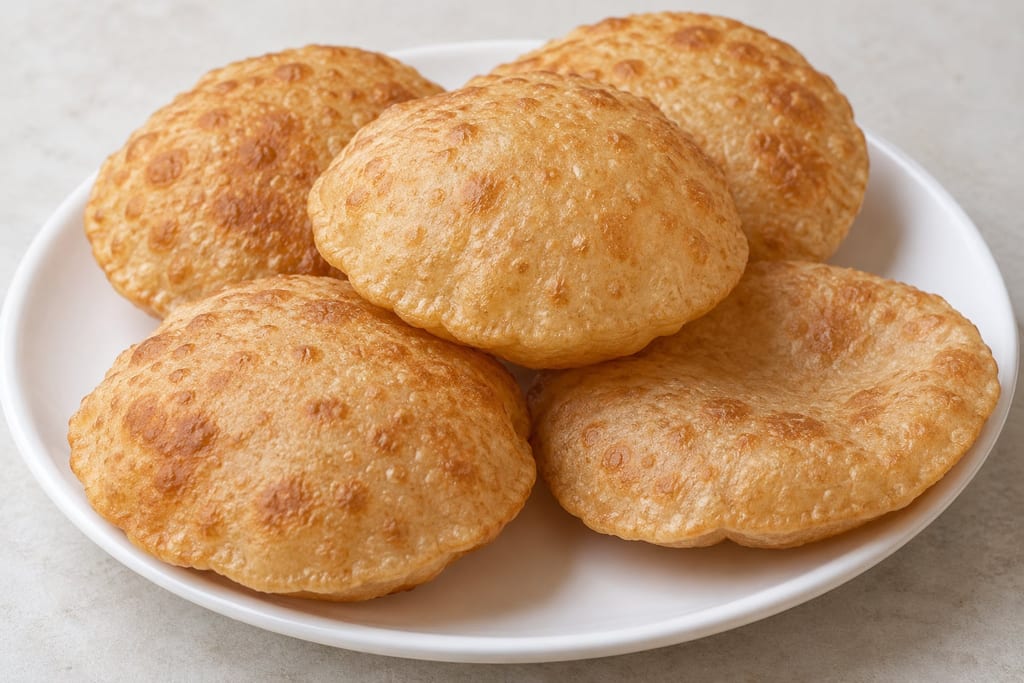
Firm whole-wheat dough rolled into small rounds and deep-fried until puffed. This version is unleavened and distinct from Bengali refined-flour luchi.
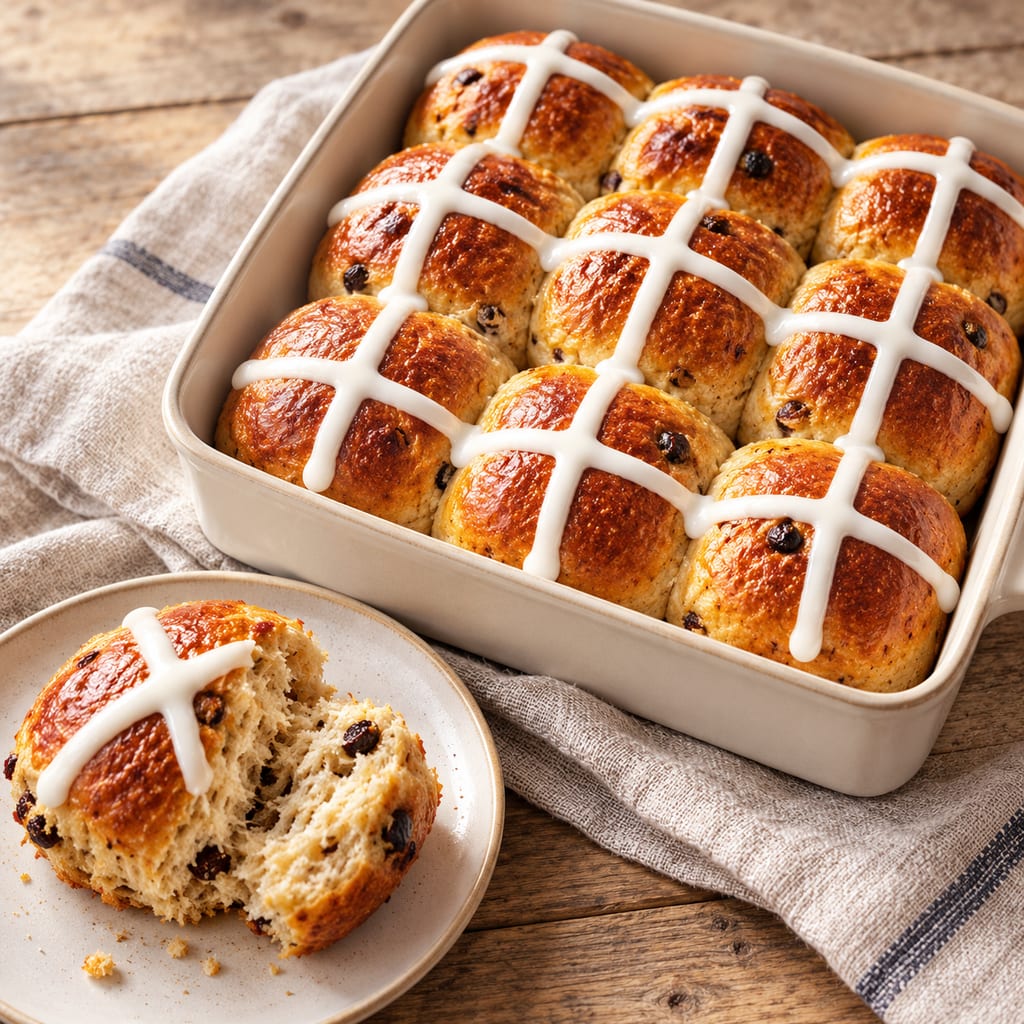
These spiced fruit buns use yeast and baking powder in a soft wheat dough, then receive an icing cross after baking.
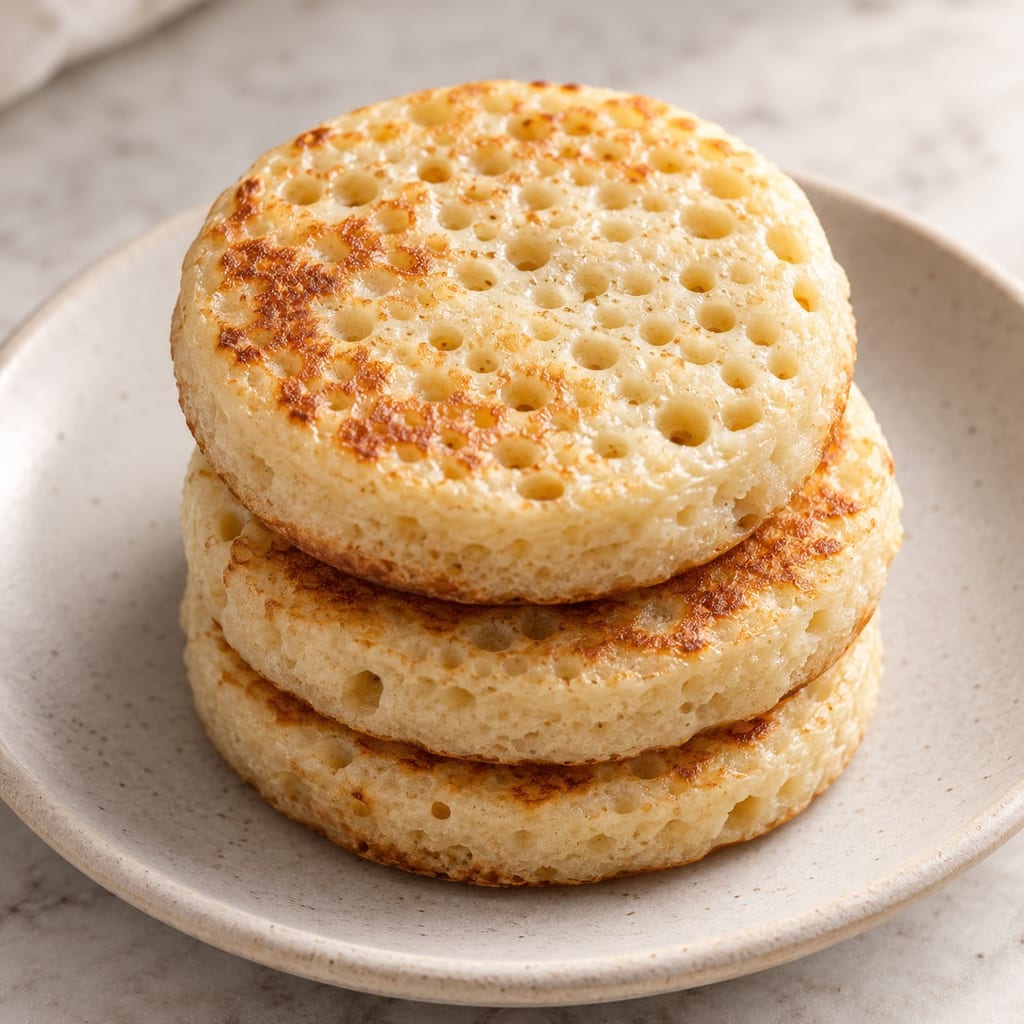
A yeasted milk-and-water batter cooked in greased rings, then turned to finish. This modern formula also includes baking powder.
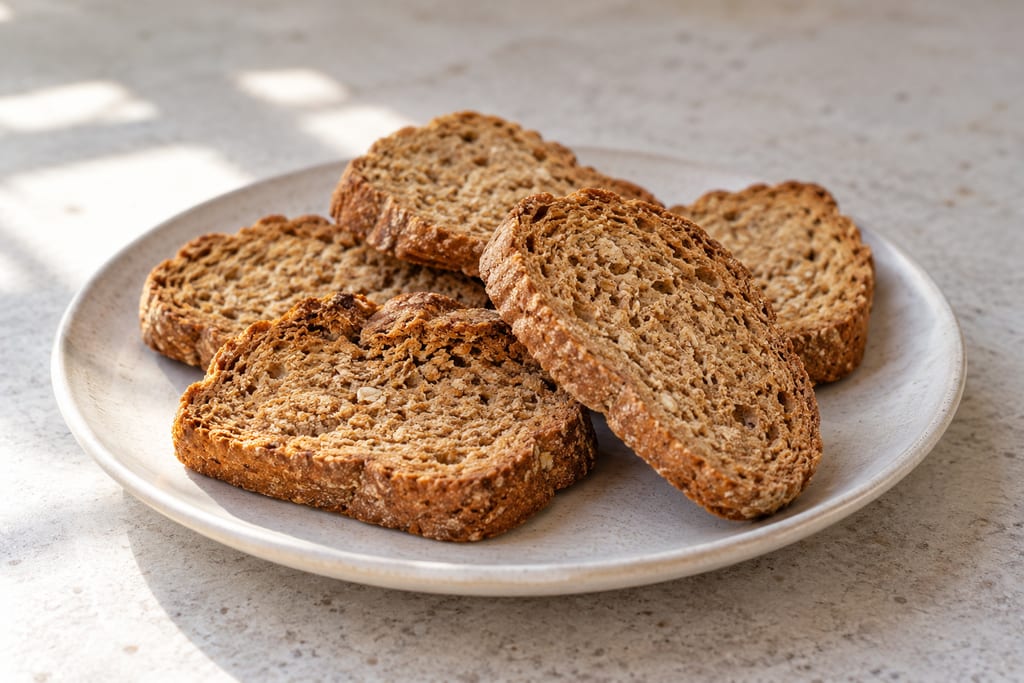
Elena Paravantes gives a modern 50/50 whole-grain barley and wheat rusk recipe, shaped as one scored loaf, baked, separated into slices and dried in a low oven. The second rise has no stated duration.
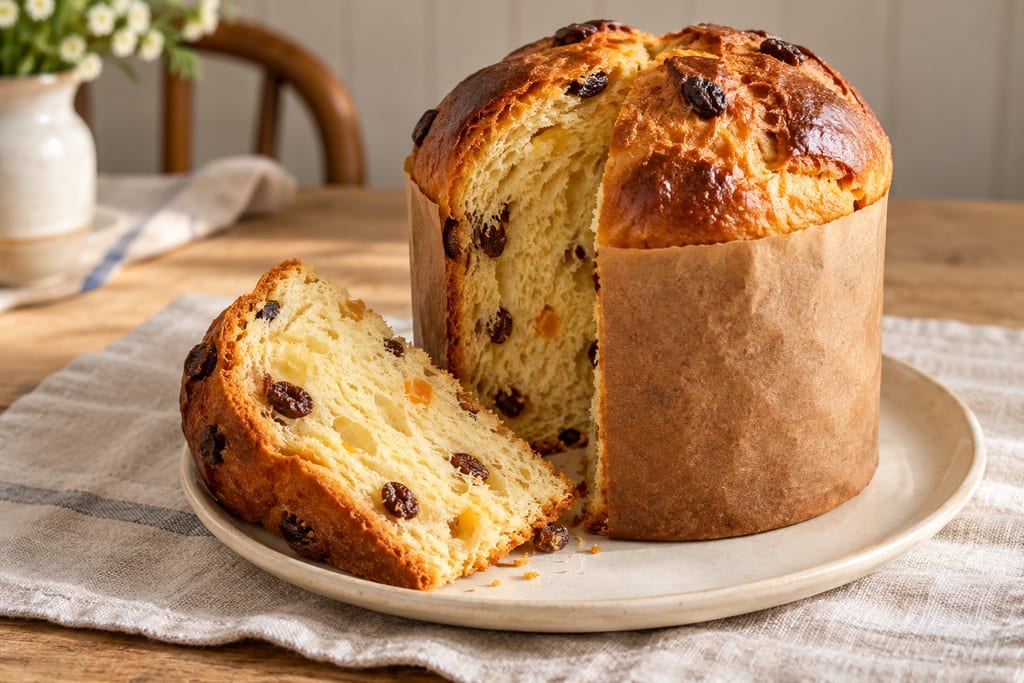
This Ukrainian Easter paska uses an enriched yeast dough with milk, eggs, butter, raisins and citrus zest. A sponge and two further rises precede baking in paper or parchment-lined moulds.
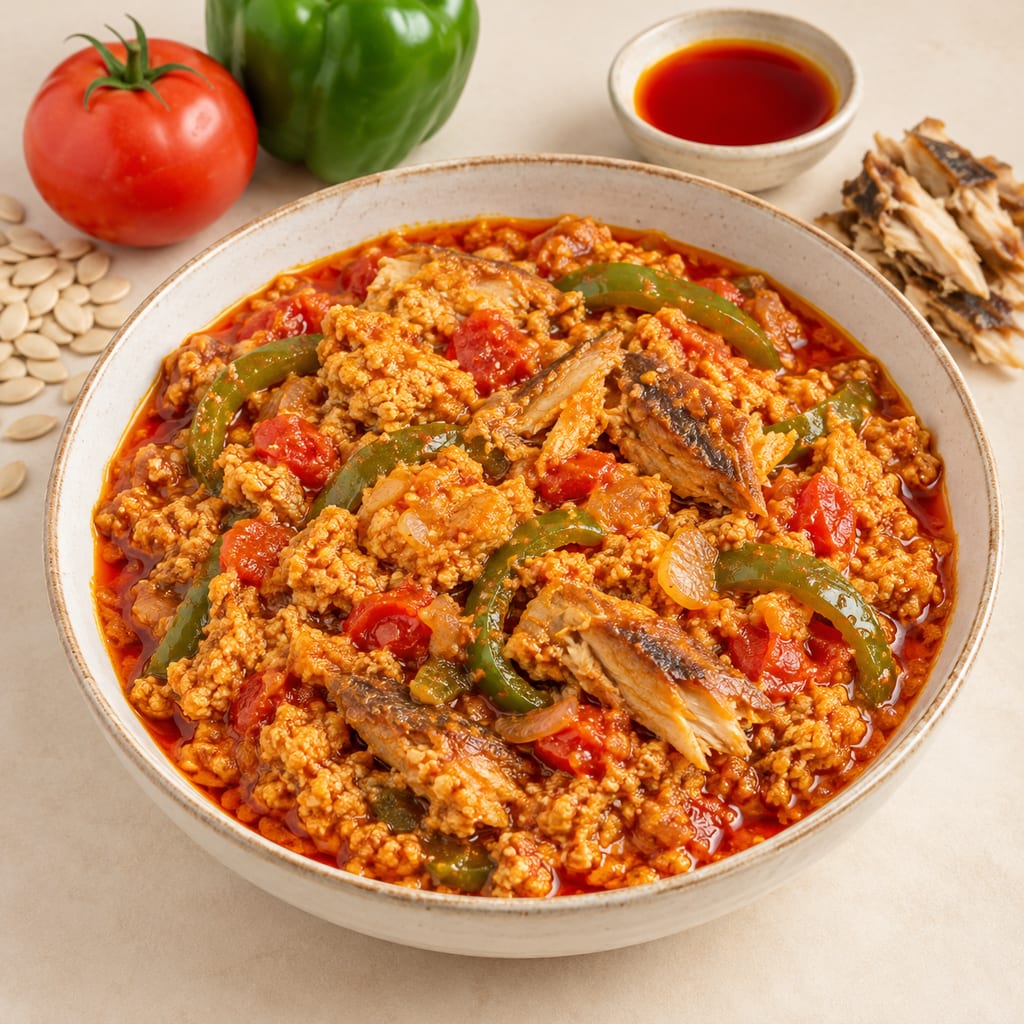
Ghanaian agushie stew combines melon-seed paste with tomatoes, peppers, palm oil and smoked fish, and is served with rice, yam or plantain.

A deep amber-red American ale brewed from pale, Munich, CaraVienne and chocolate malts, bittered with Columbus hops and finished with Amarillo.
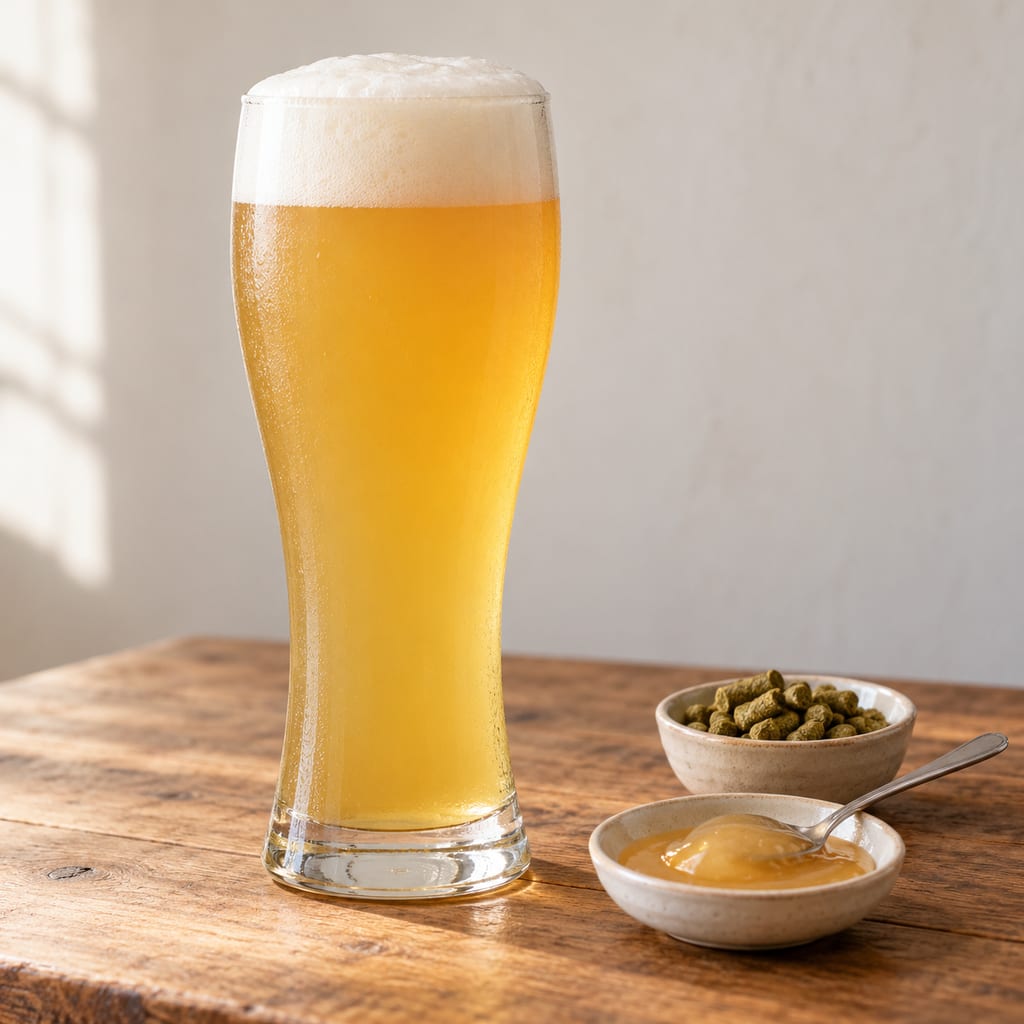
A German-style wheat beer made with wheat extract, a short hop boil and a hefeweizen yeast, using cold water to top up the fermenter.
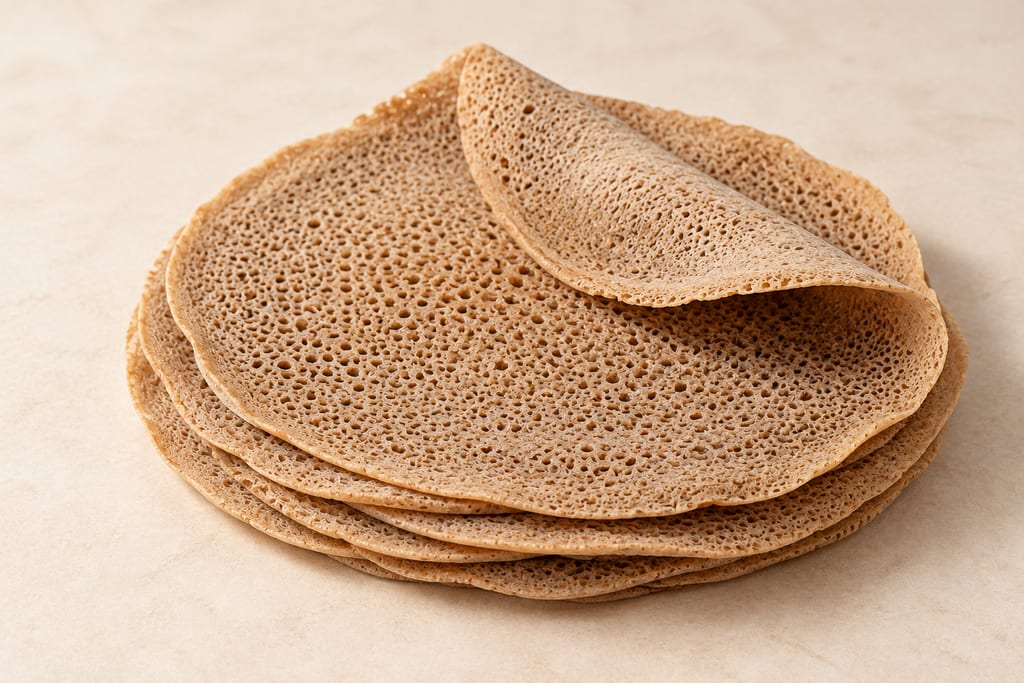
A two-stage Ethiopian teff injera method begins with saved ersho, ferments the main batter beneath refreshed surface water, then adds cooked absit before a final warm rest and griddle baking.
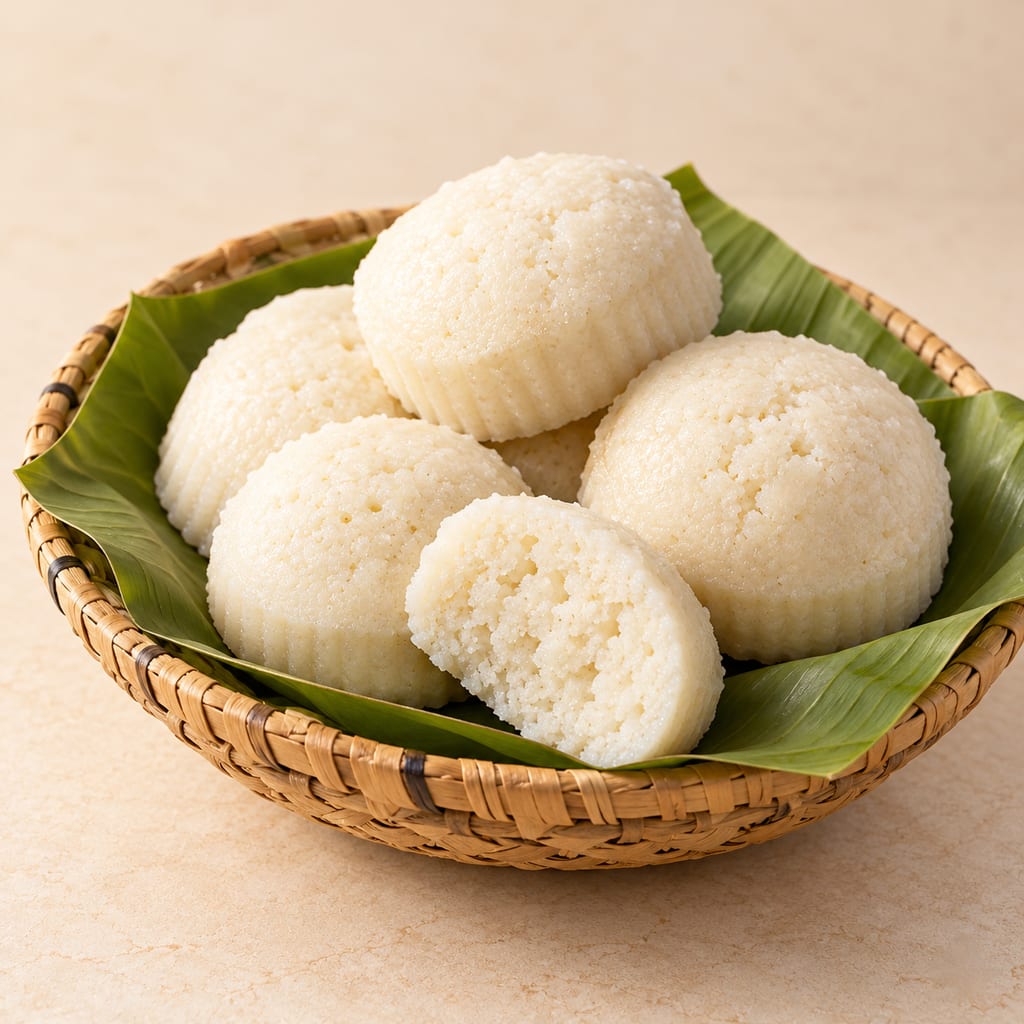
Soft, lightly tangy steamed cereal bread documented across Benin and Togo. This page gives one measured rice-flour research method; maize-based Ablo and mixed-grain versions remain distinct traditions.
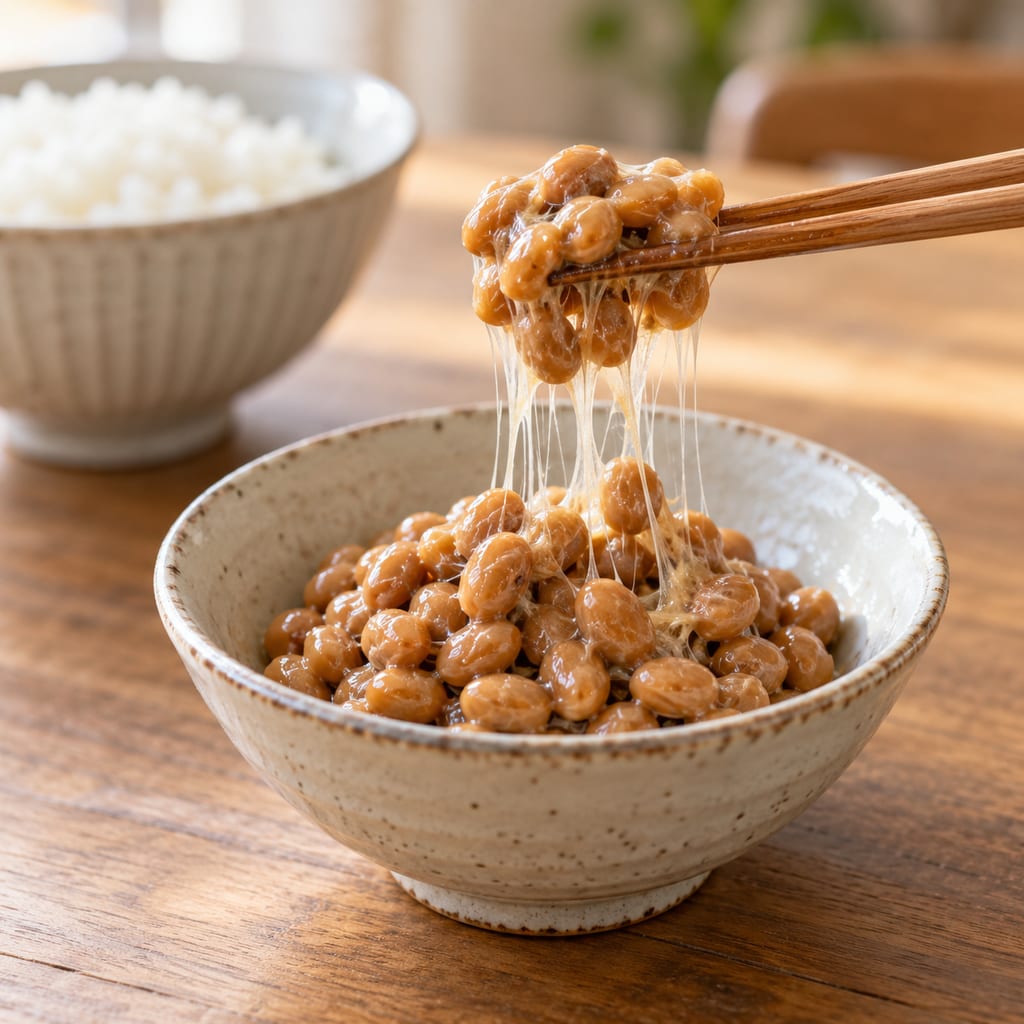
A 250 g soybean batch uses one of nine retail-natto portions and a towel-wrapped oven-light setup; the thermometer location and starter-pack mass are unknown.
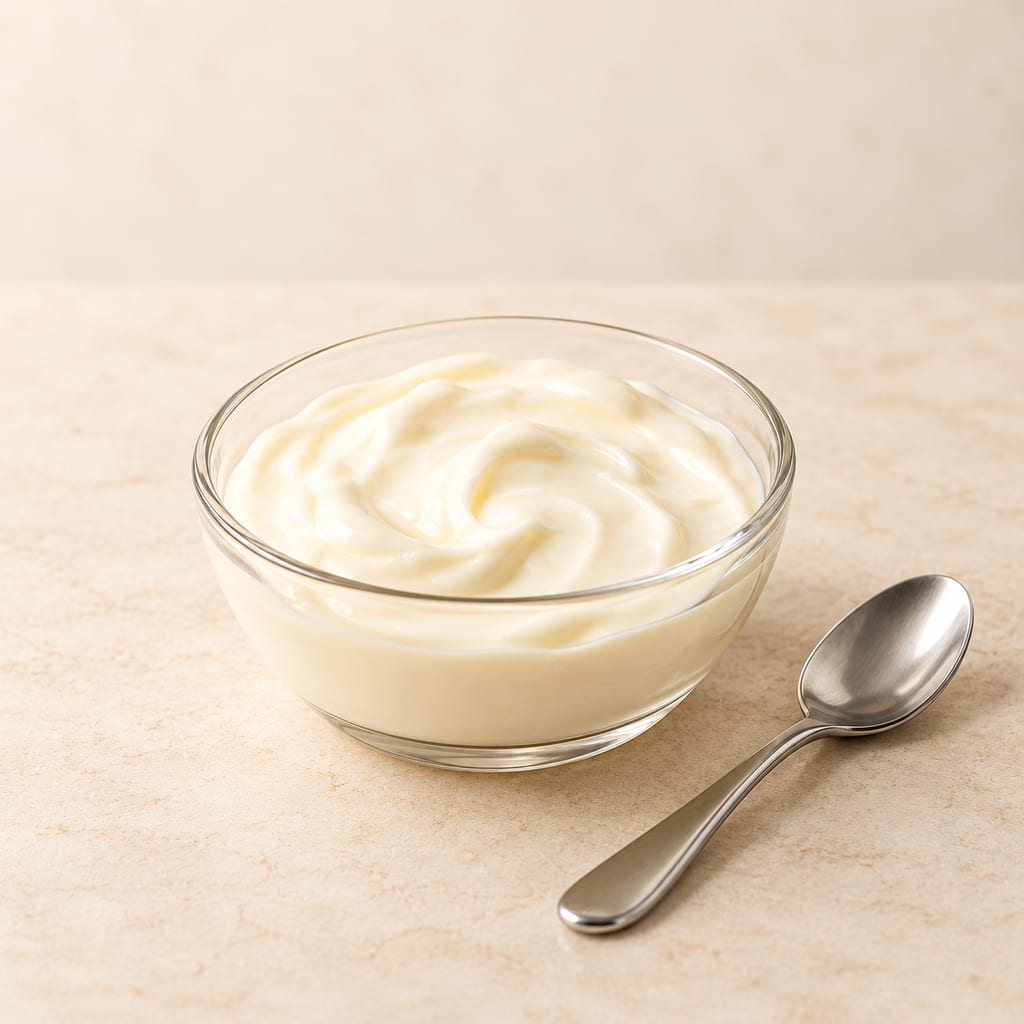
Crème fraîche is cream soured by lactic cultures into a thick, mild topping. It suits fruit and desserts as well as soups, sauces and other savoury dishes.