Built structures
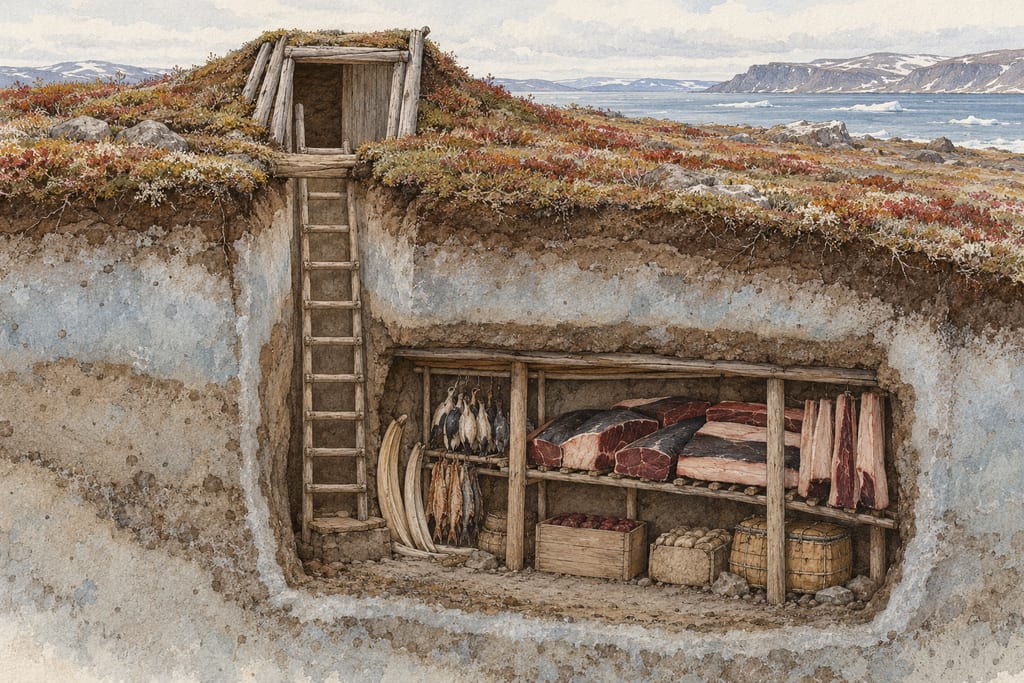
Permafrost cellars
Deep chambers dug into permanently frozen or very cold ground in Indigenous Arctic North America, used to store whale meat and other seasonal harvests.
 FermenteaWhere food goes to change
626 sourced equipment pages: vessels, tools, appliances and built structures.
What is made in place. Every type here belongs to a `build` item: it has a site, a ground and a climate, and moving it means rebuilding it.
Deep chambers dug into permanently frozen or very cold ground in Indigenous Arctic North America, used to store whale meat and other seasonal harvests.
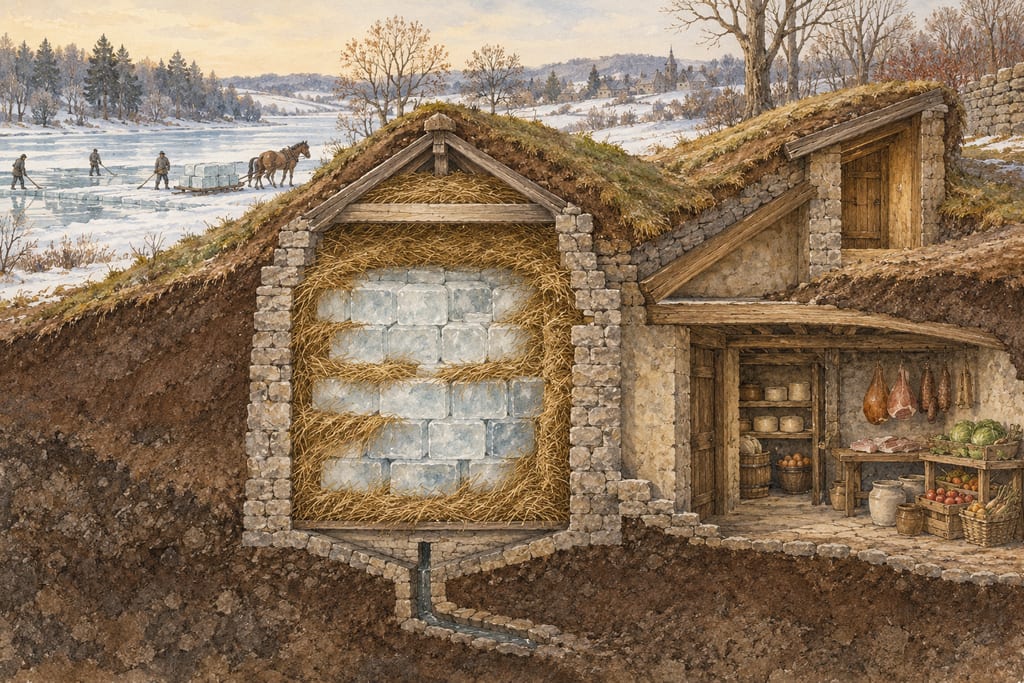
A structure in which winter ice or compacted snow is stored in insulation and drained, then drawn on later to cool food, separating the season of collecting cold from the season of using it.
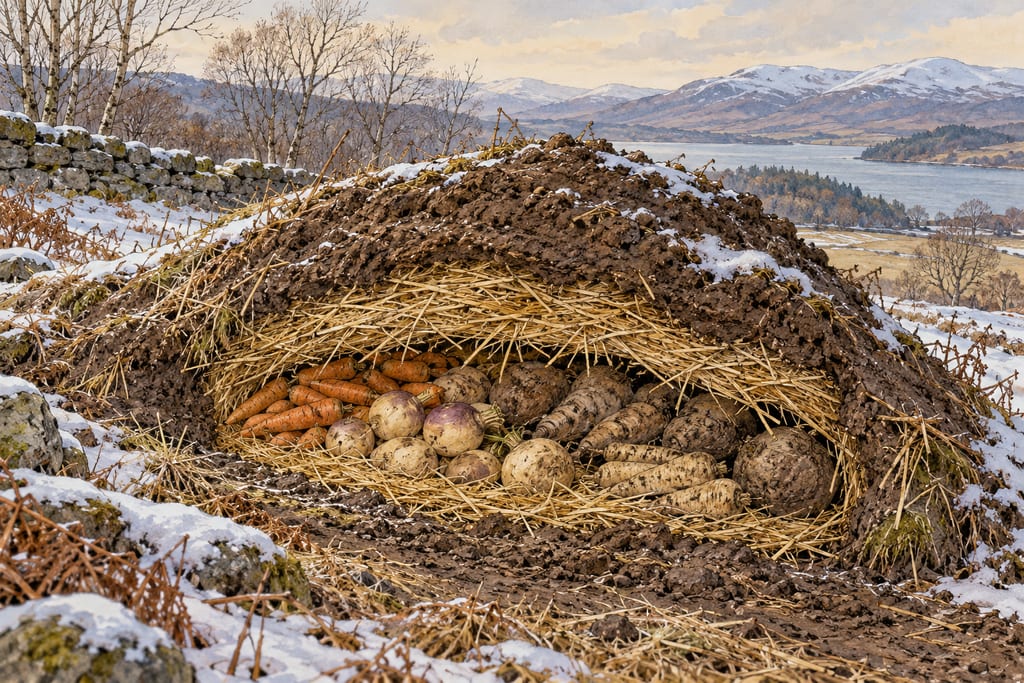
Roots and tubers heaped on the ground or in a shallow cut, covered with straw and then earth, a temperate and highland way of holding living produce through the cold season.
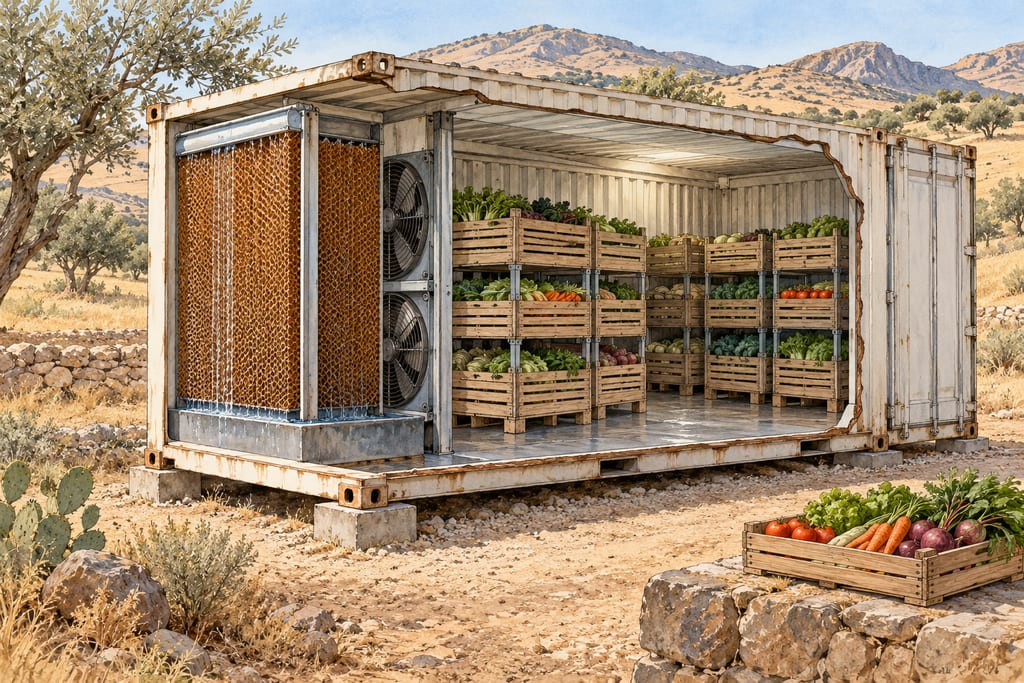
An enclosed room, based on a used shipping container, in which fans draw hot dry air through wet cooling pads. The cooled air then passes over produce crates. It is an advanced, powered design for hot, dry climates.
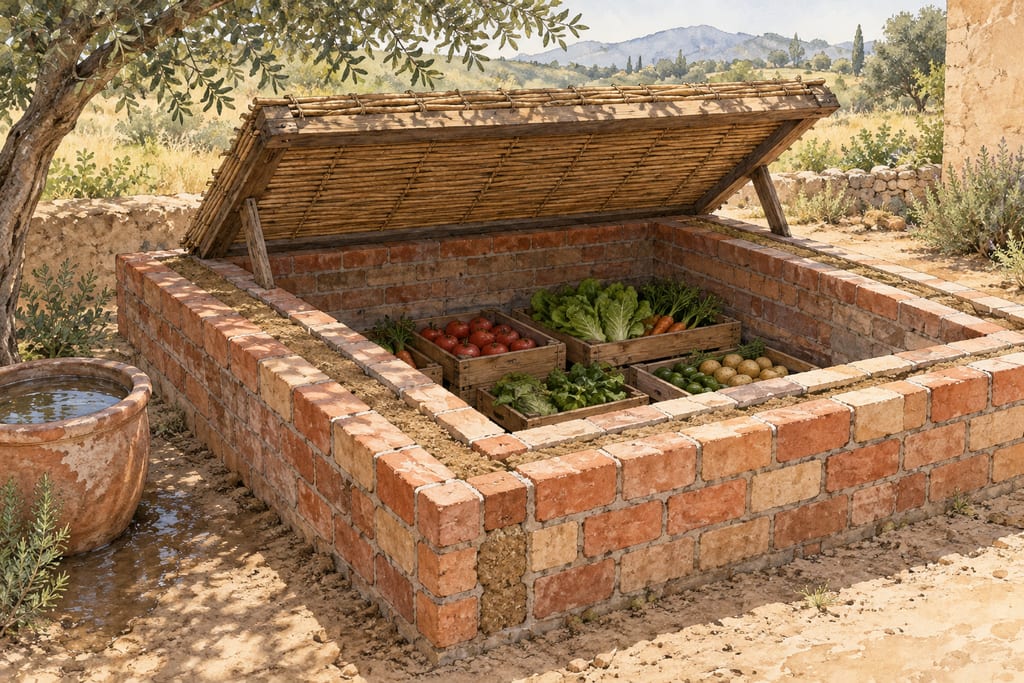
A built-in-place, double-walled brick chamber with the space between the walls filled with sand that is kept wet. Water evaporating from the sand cools the produce stored in shaded crates inside.
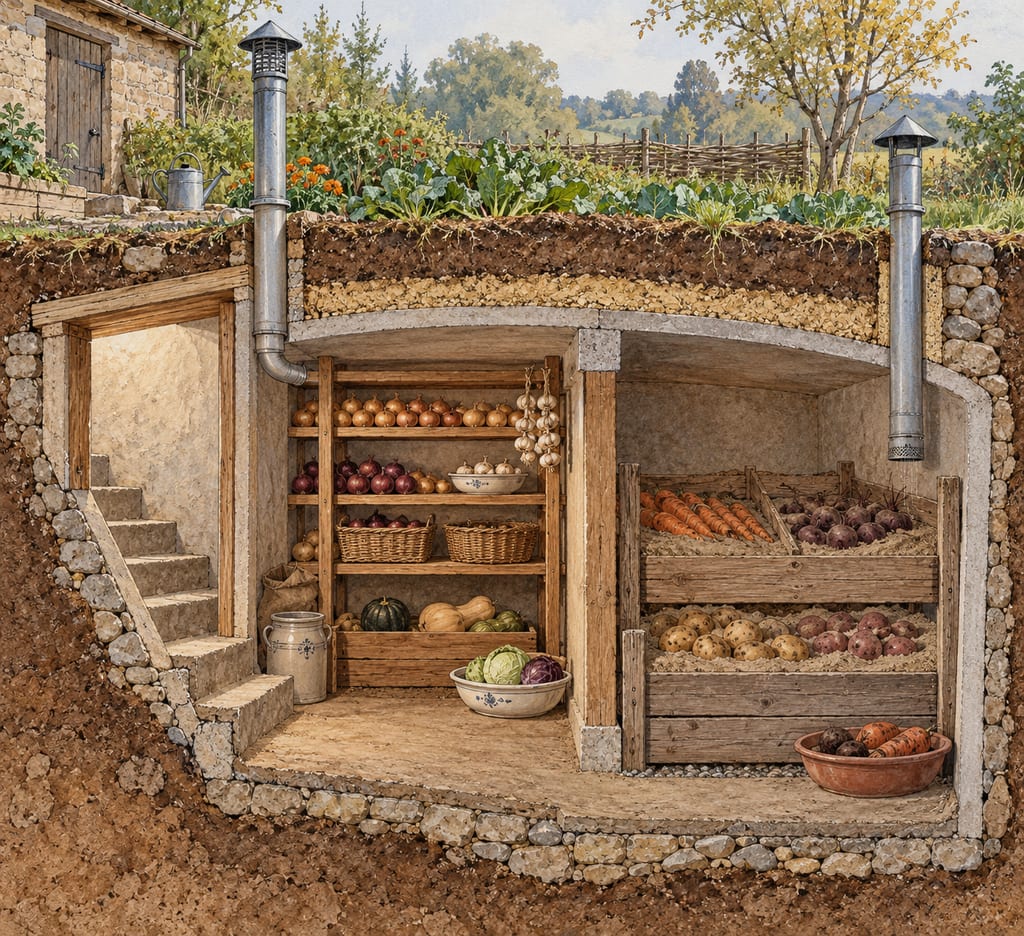
An insulated, ventilated underground or basement room for storing vegetables at cool temperatures and set humidity, with separate zones for crops that need dry storage and crops that need damp storage.
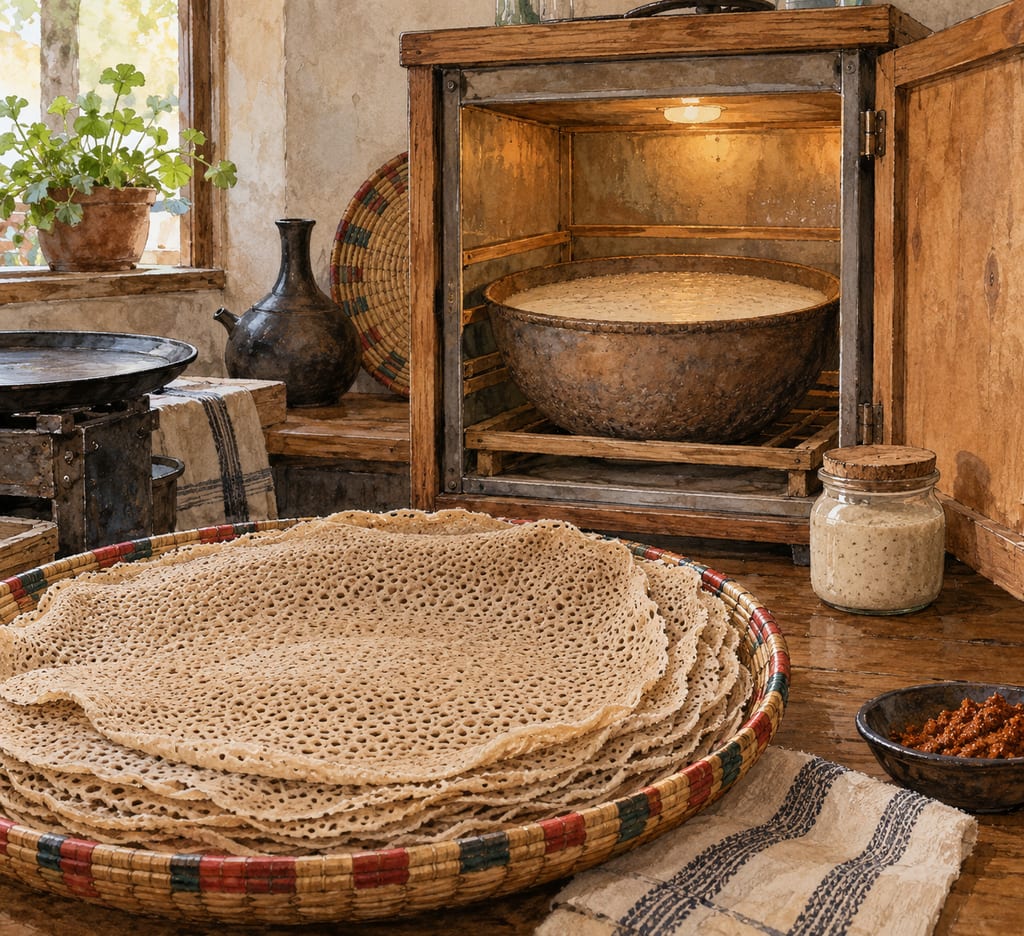
An enclosed, warm cabinet for fermenting teff batter for injera, started with saved ersho from the previous batch.
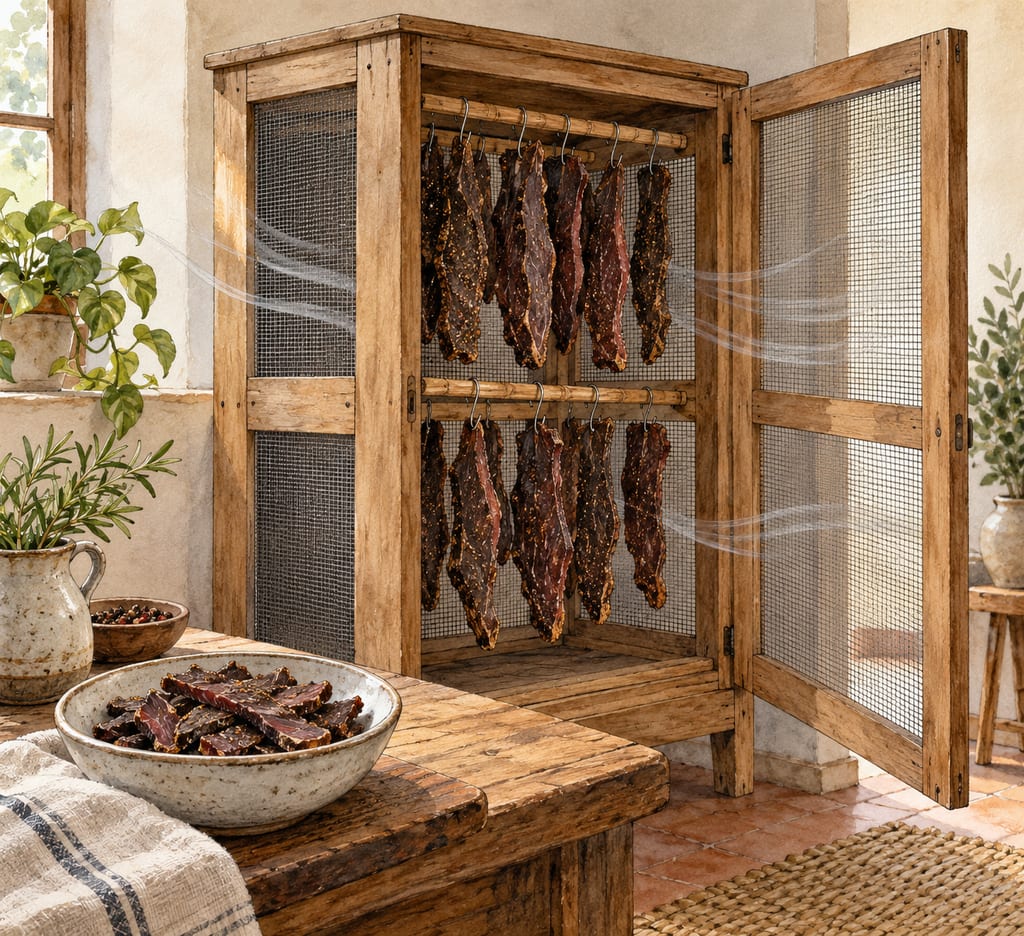
An unpowered timber cabinet with screened openings and food-suitable hanging rails, for drying meat such as biltong. Air moves through it by natural draft, so the room it stands in sets how fast it dries.
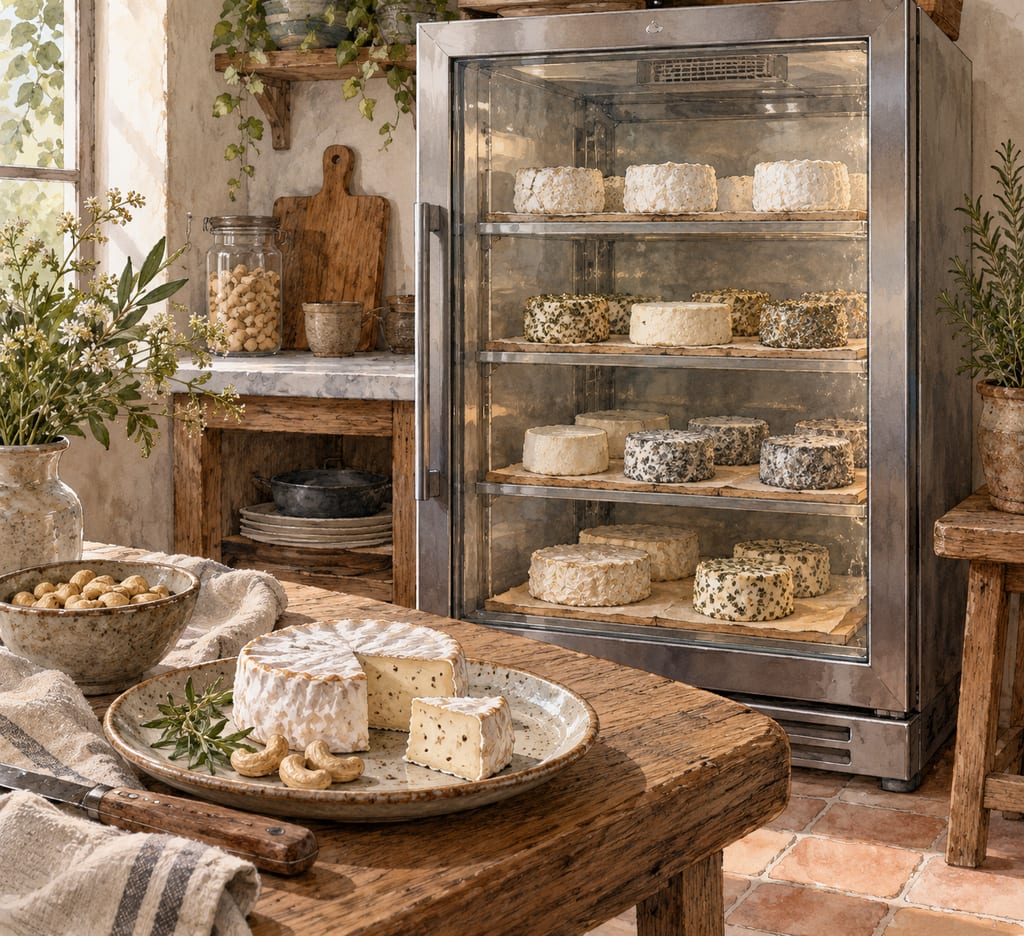
An enclosed cabinet for culturing cashew and other nut-based cheese alternatives with lactic acid bacteria and, for bloomy-rind styles, mould cultures.
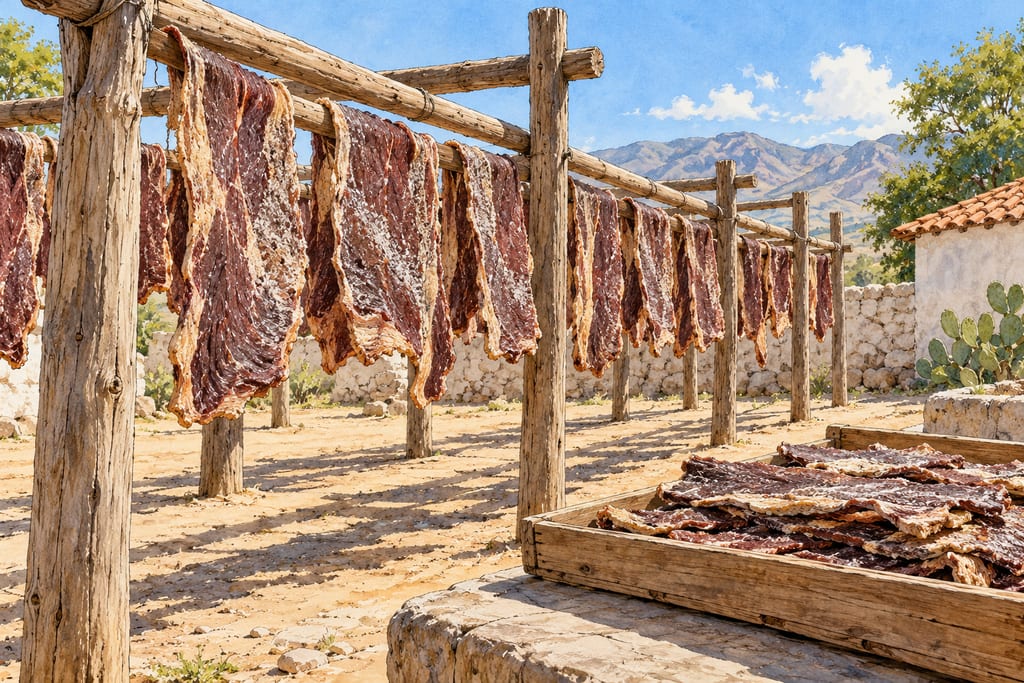
Open wooden rails in a sunny, ventilated yard, on which salted beef sheets for charque are hung in the air and sun. The rails are a Latin American premises arrangement that the FAO describes in its meat-processing guidelines.
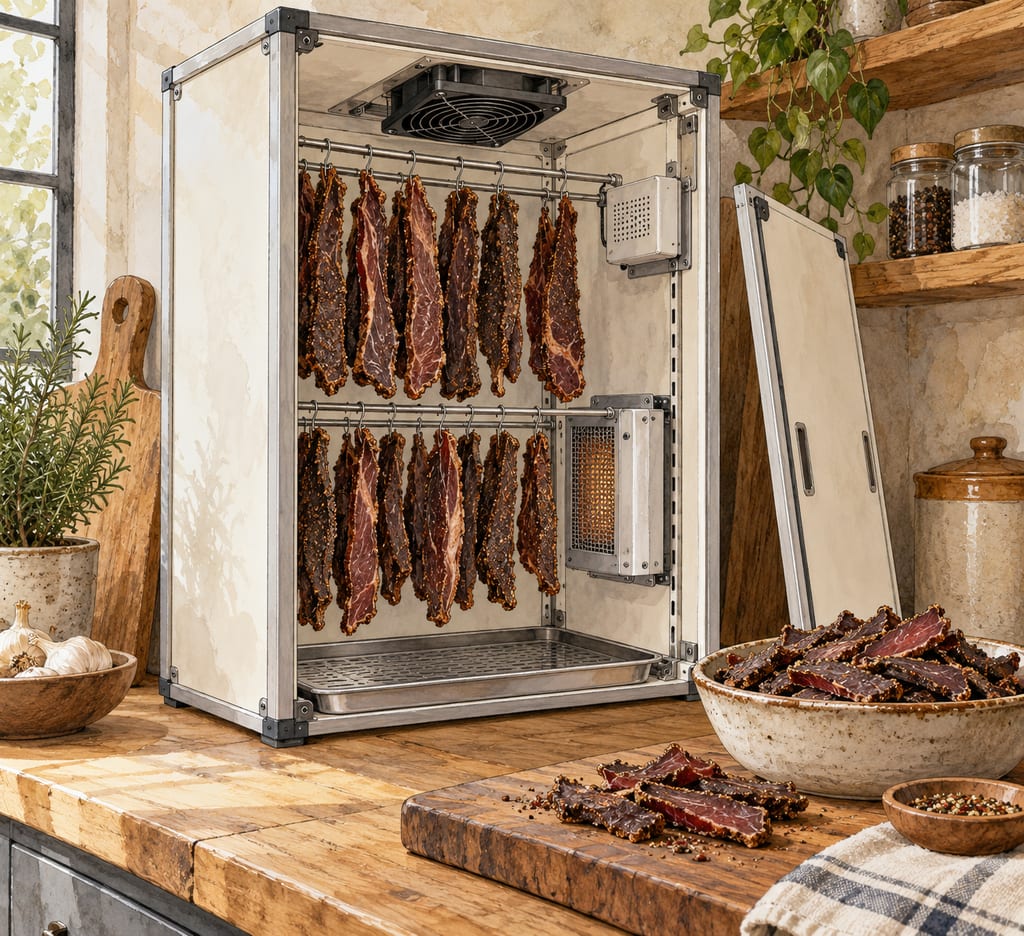
A rigid frame holding removable food-suitable panels and rails, with the fan, sensor and any heater as separate serviceable modules, for drying biltong.
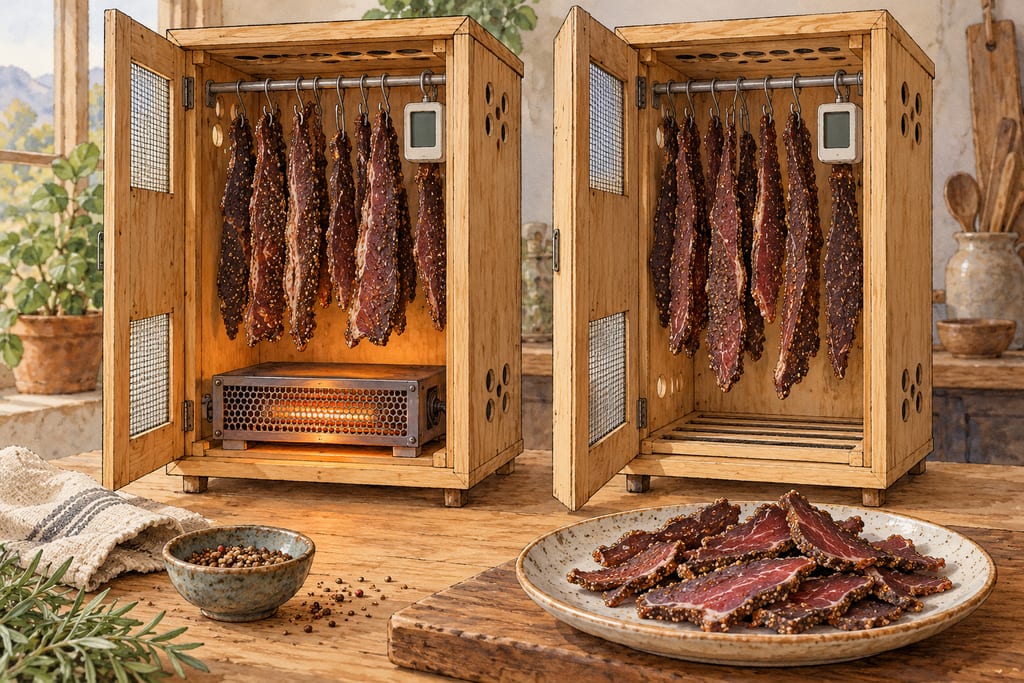
The same ventilated cabinet compared with and without a low source of heat: a lamp, a rated enclosed heater, or no heat at all, judged by measured humidity and temperature.
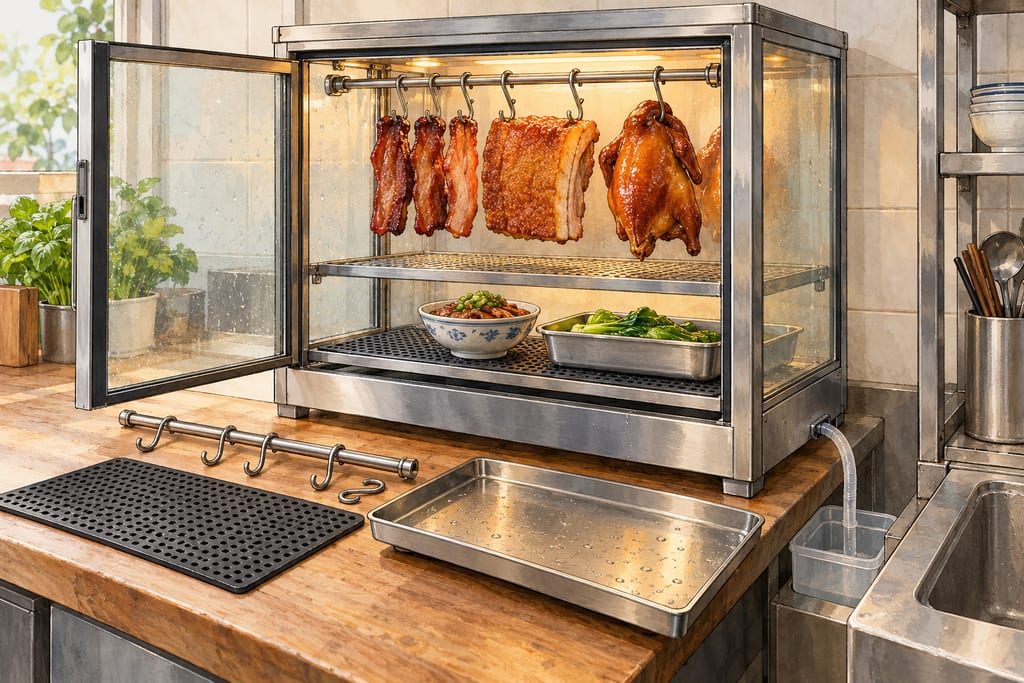
Removable washable bars, hooks, mats and a drip tray with an accessible condensate route, added to an existing food cabinet to make it cleanable and serviceable.
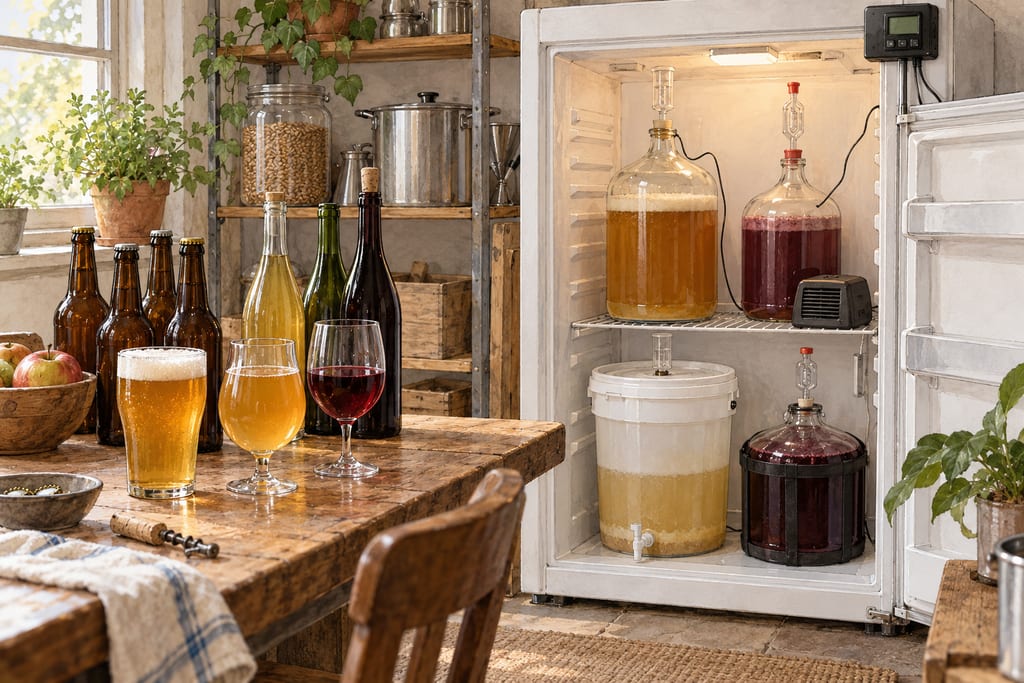
A refrigerator fitted with a heater and a temperature controller, used to hold beer, cider and wine ferments at the range each yeast needs.
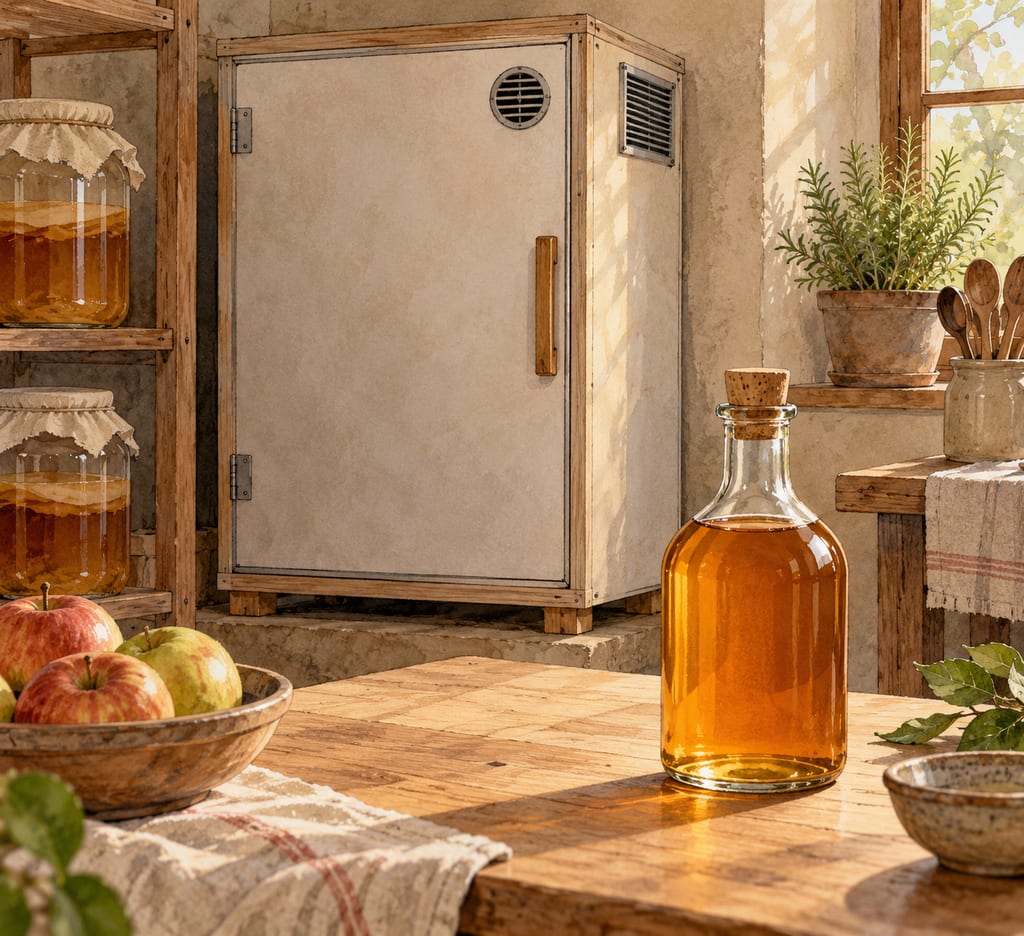
A closed cabinet held near 20 to 30 C for vinegar making, where acetic acid bacteria convert ethanol to acetic acid in the presence of oxygen.
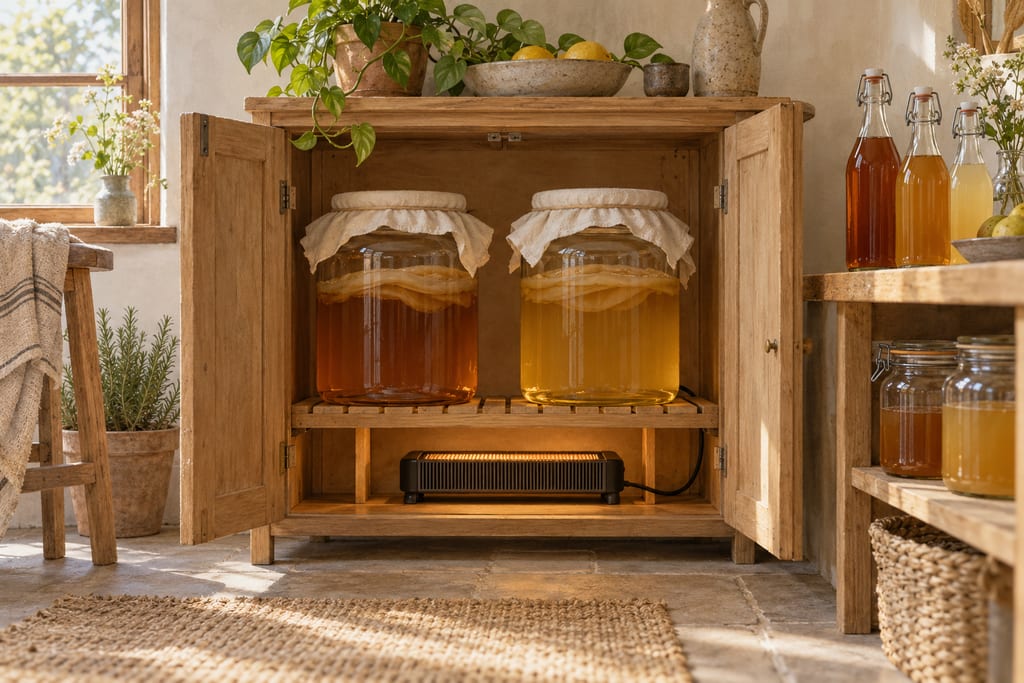
A clean cupboard around breathable vessels, with a gentle external heat source, used to warm kombucha and jun during primary fermentation.
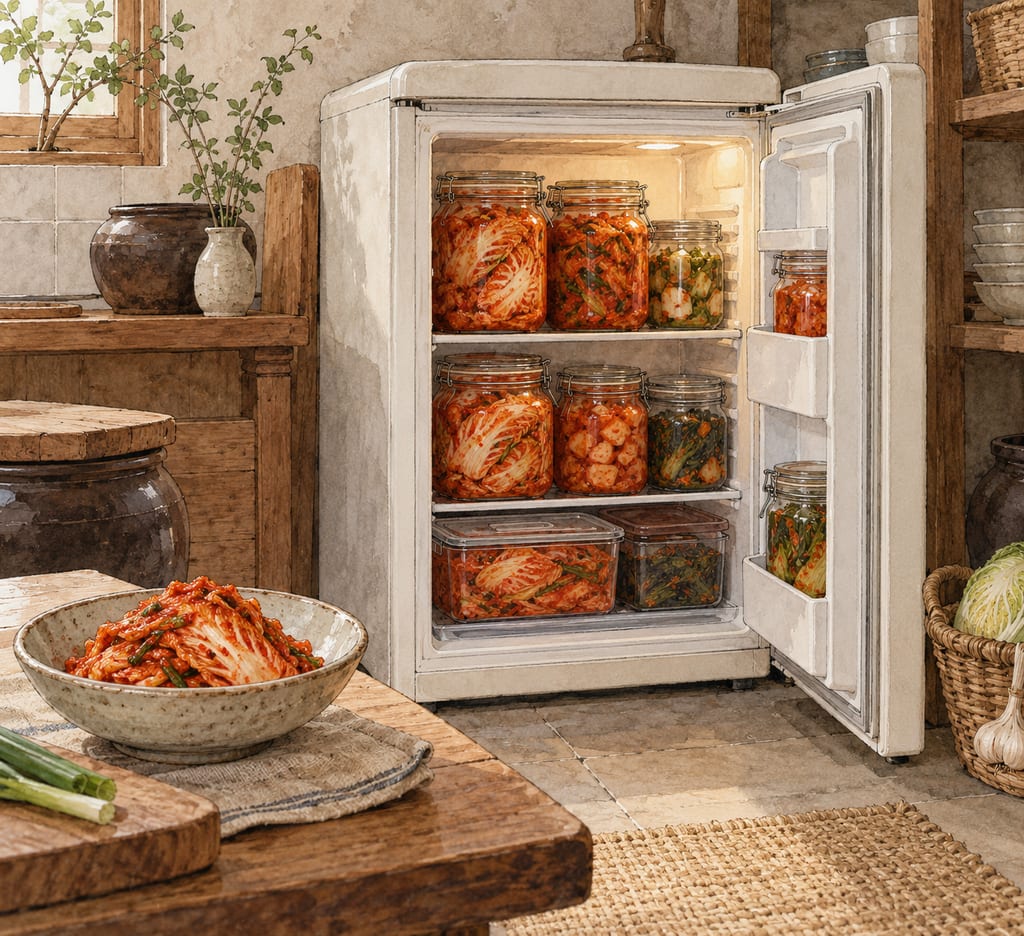
An ordinary refrigerator or cooler set aside for kimchi, used to stage fermentation and then hold the finished kimchi cold.
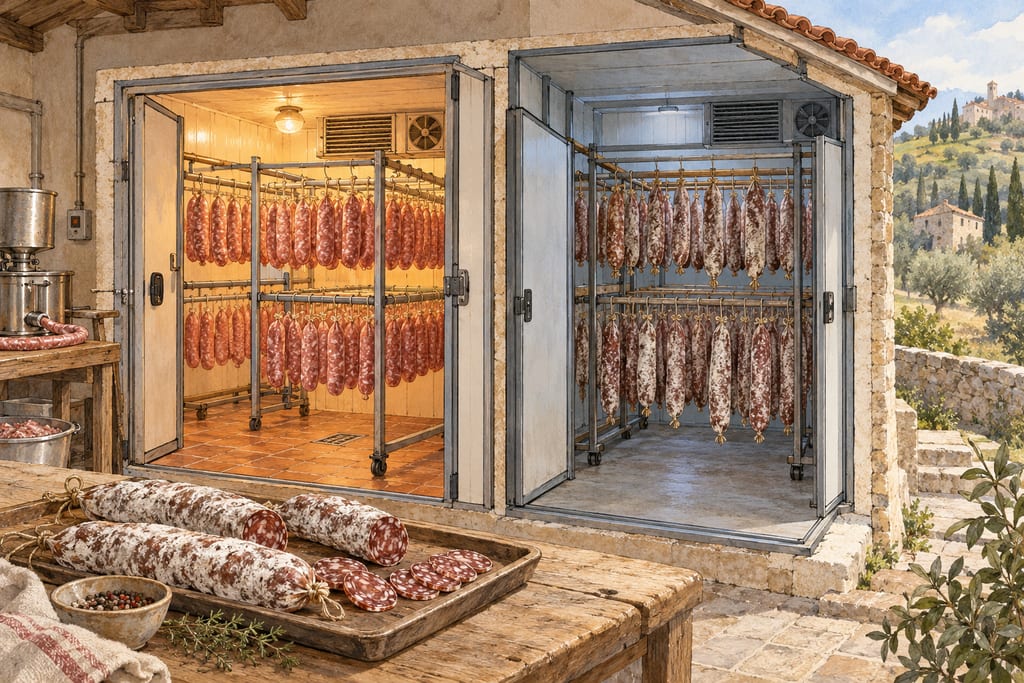
A small workflow with a warm fermentation chamber and a separate drying chamber, so that batches move from one to the other on a regular cycle.
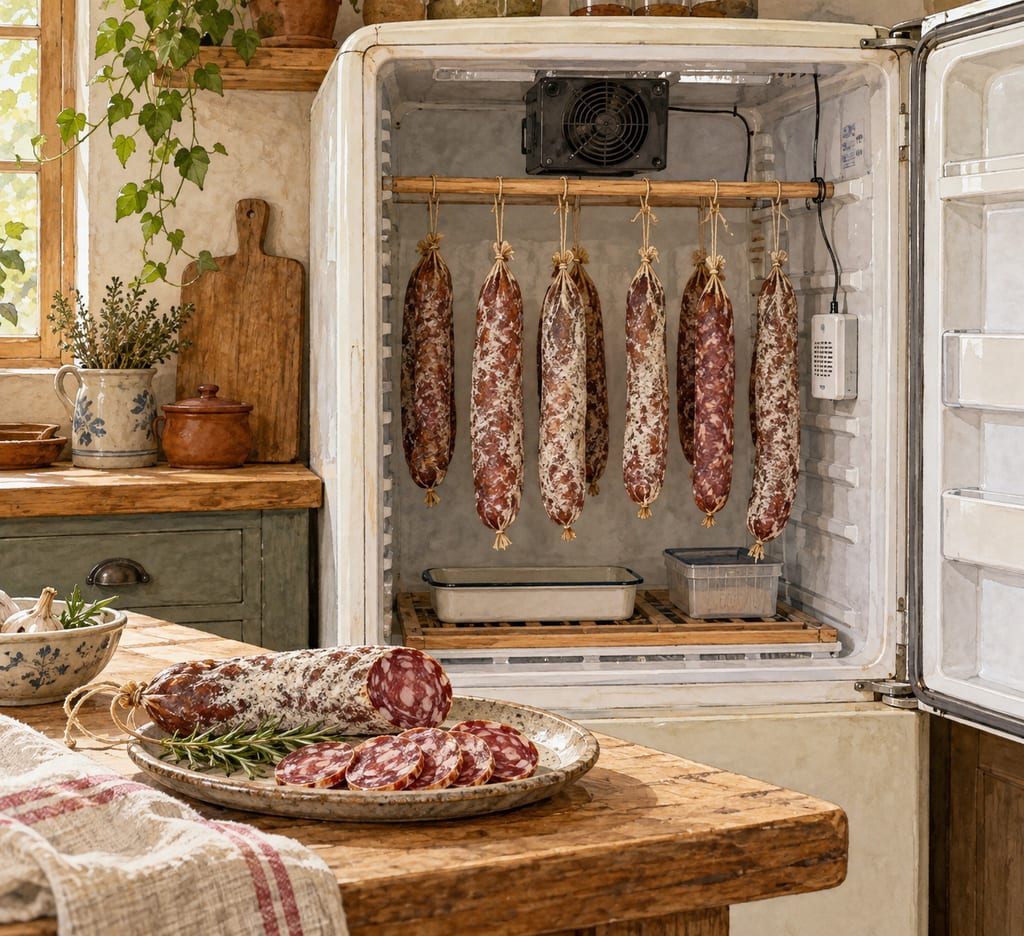
One converted fridge used in sequence for fermenting and then drying sausage, with its temperature and humidity settings changed between the two stages.
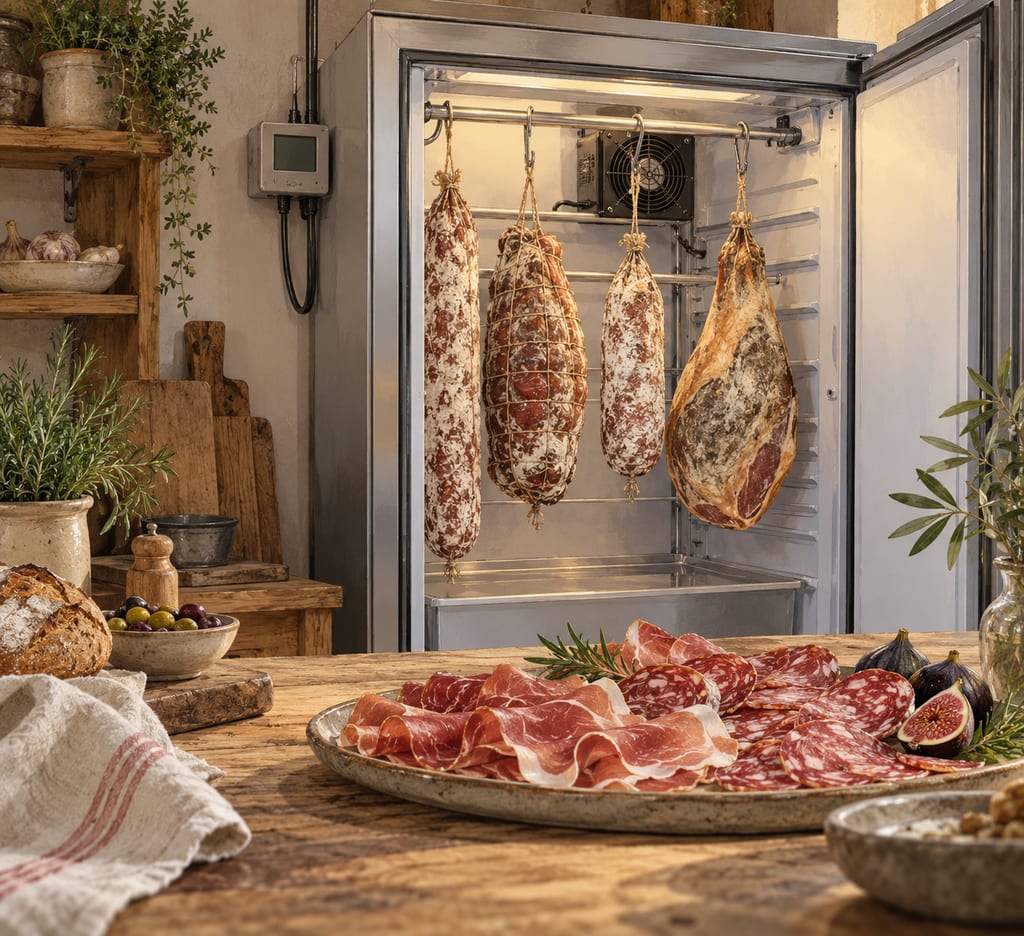
A refrigerator set aside for curing whole cuts of meat, held at a cool curing temperature and humidity under an external controller with airflow and hanging space.
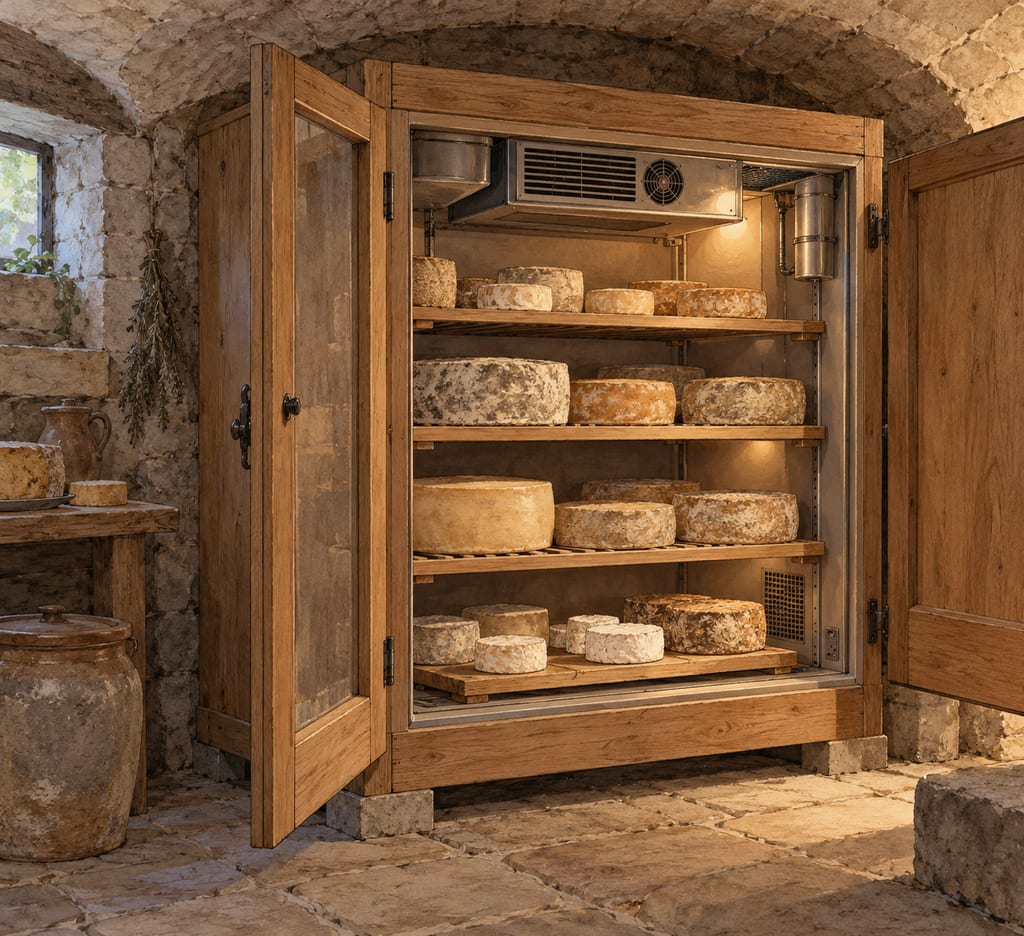
A cabinet in a cellar that adds controlled cooling, humidity and airflow when the cellar alone is too warm or too dry for cheese ripening.
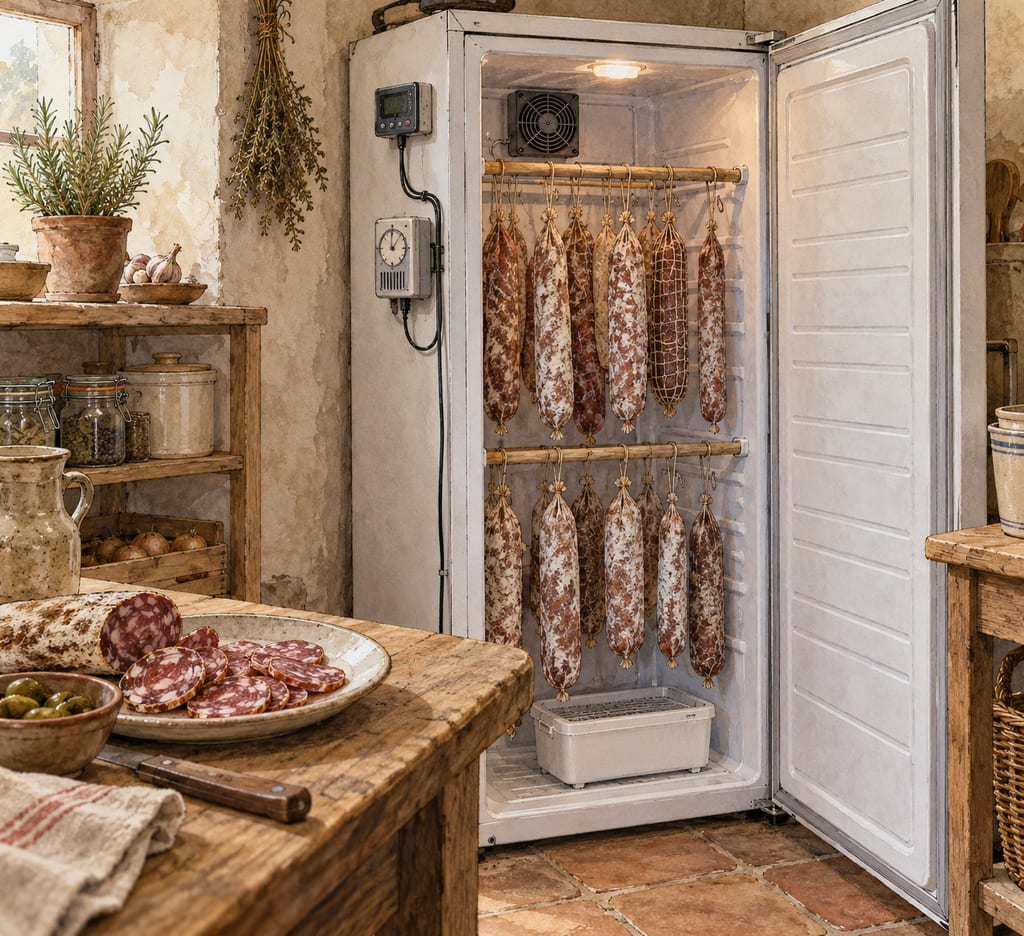
An upright freezer run warmer than its own thermostat under an external controller, with separate humidity control and airflow, for curing and ageing food.
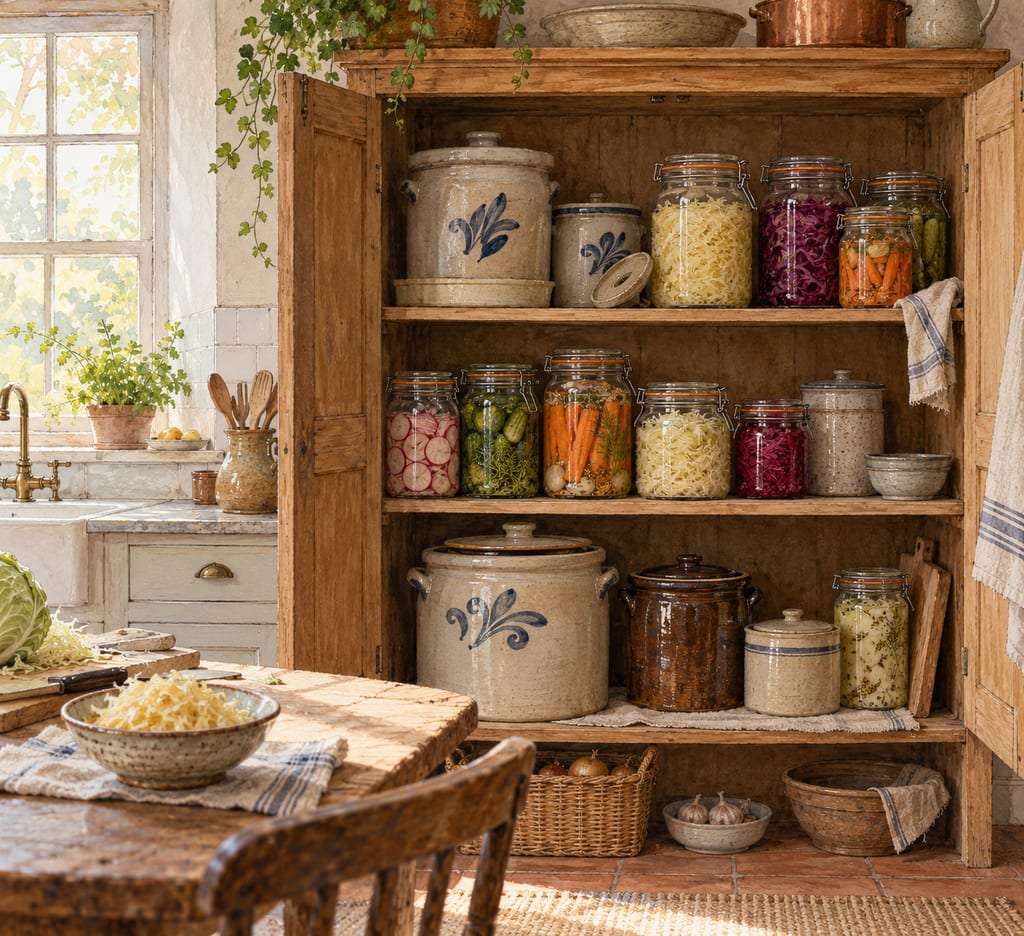
A home cupboard used as a quiet, room-temperature chamber for crocks and jars of lacto-fermented vegetables such as sauerkraut.
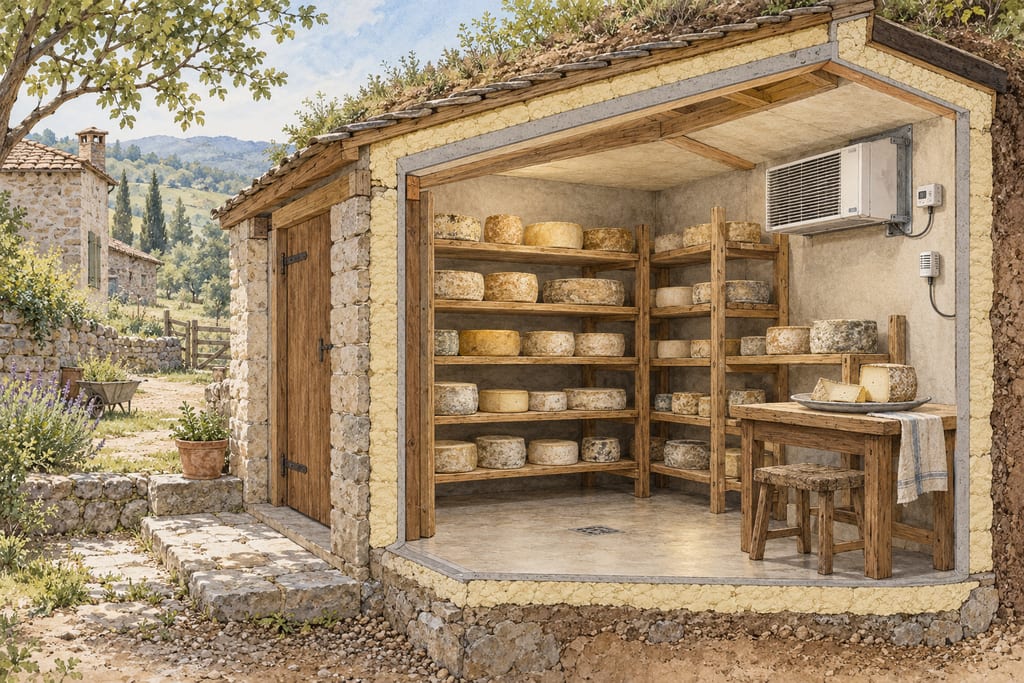
A small insulated room for ripening cheese, kept cool and humid by a cooling system that must be engineered for the room. Commercial controllers show that a window air conditioner can be made to cool below its normal limit.
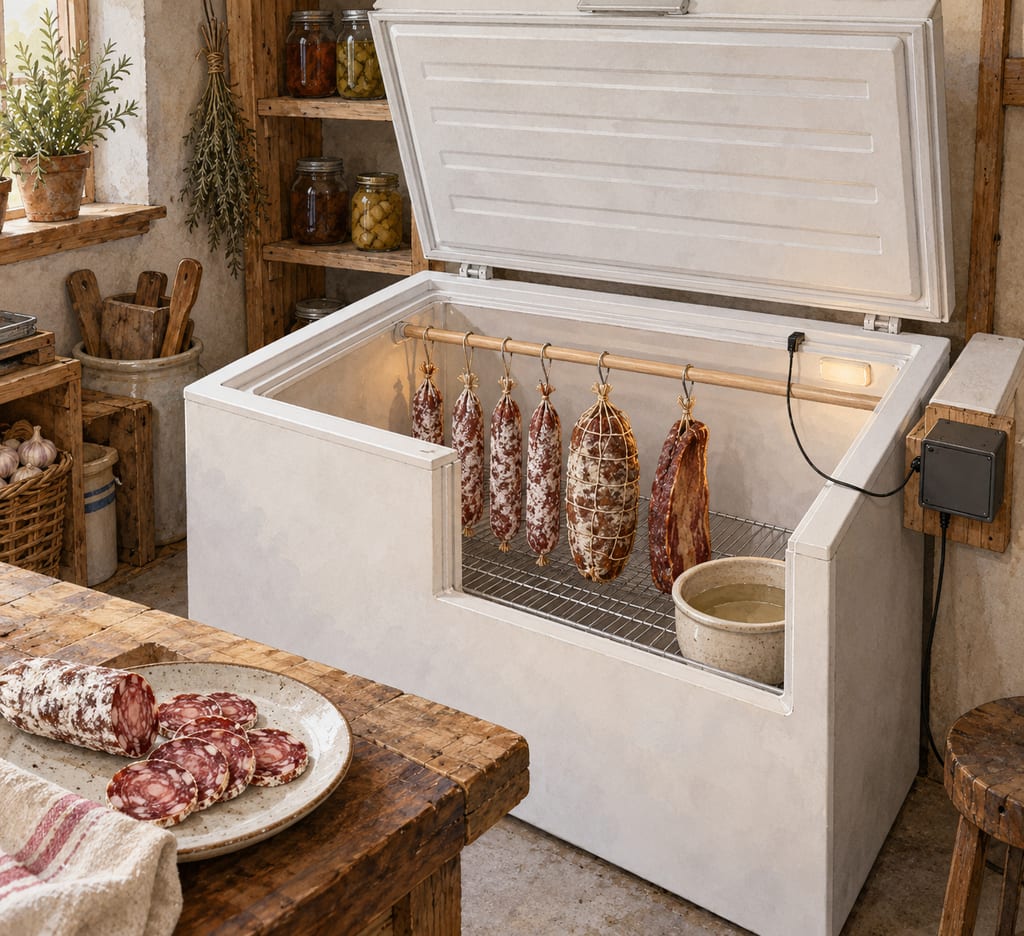
A chest freezer fitted with an external controller, probe and humidity management so that it holds food at cool curing and ageing temperatures instead of freezing.
At Hemudu in Yuyao, Zhejiang, later Neolithic pits held stored acorns. Archaeologists describe profiles from straight-sided to bell-shaped, while cautioning that excavated outlines may be truncated.
Show on map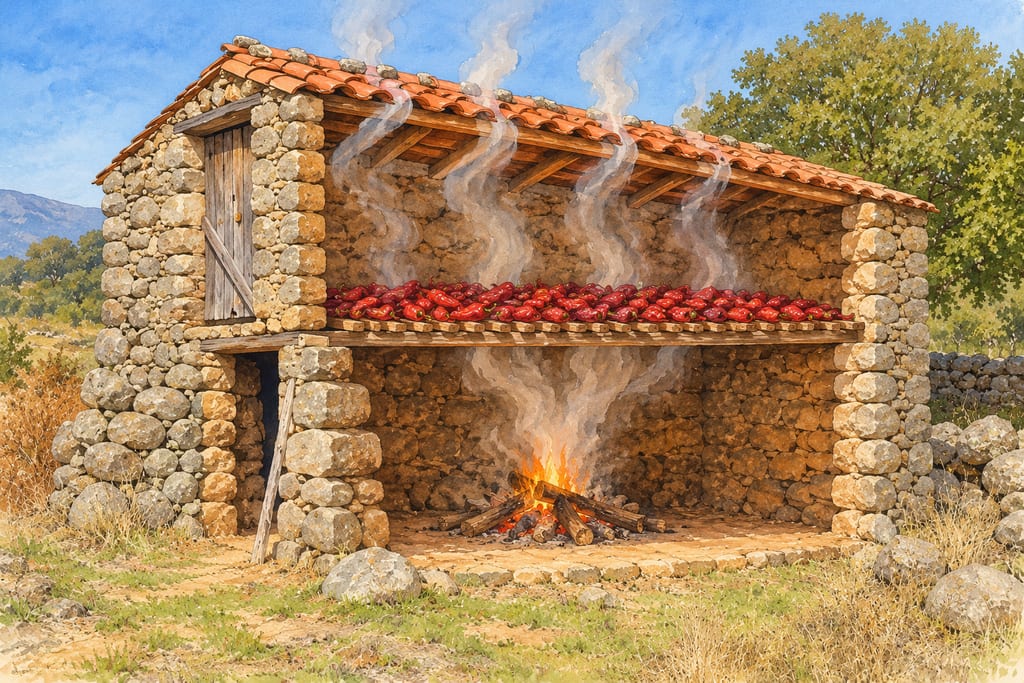
The traditional two-level pepper-drying building used for Pimentón de la Vera puts a wooden drying floor above an oak or holm-oak hearth, with heat and smoke rising through the peppers.
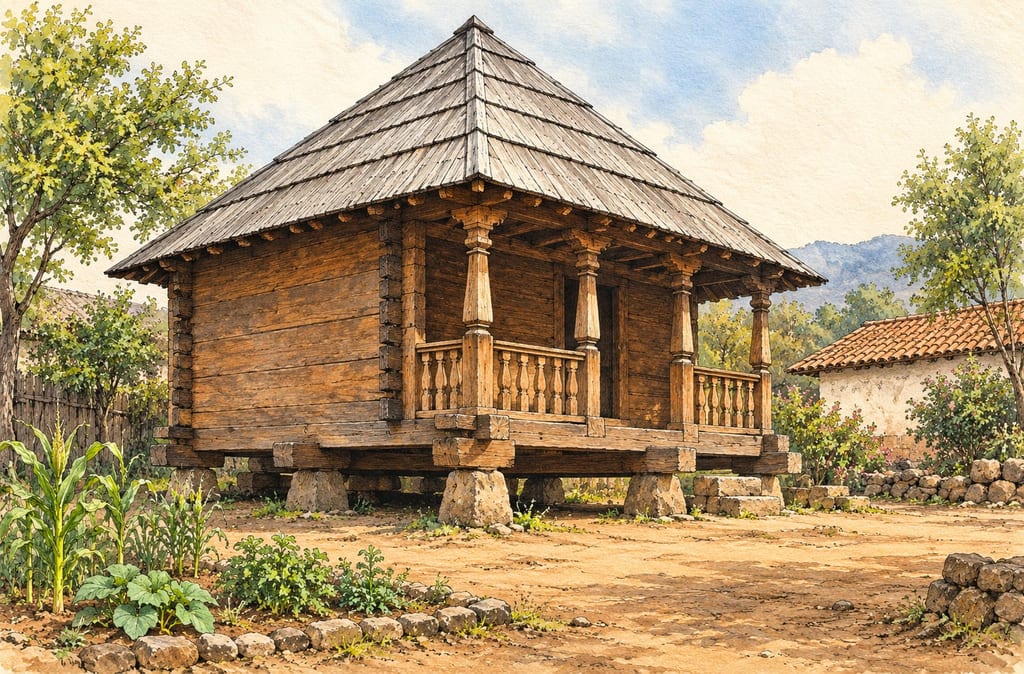
A Purépecha troje is a timber household dwelling with a raised loft for grain and seeds. Its portal, room and tapanco combine family life, food work and storage in a single structure.

An archaeological look at probable breadfruit-fermentation pits on Temwen Island, where shallow depressions and mostly buried basalt cobbles preserve evidence of Pohnpeian food technology.
Show on mapWhata are raised Māori food-storage platforms or stages. Sources describe temporary storage and drying, while recorded forms and terminology vary.
A 2007 survey reports underground grain pits in Nigeria’s Sudan Savanna, especially Borno and Yobe. It describes lined pits storing threshed millet, sorghum and cowpea.
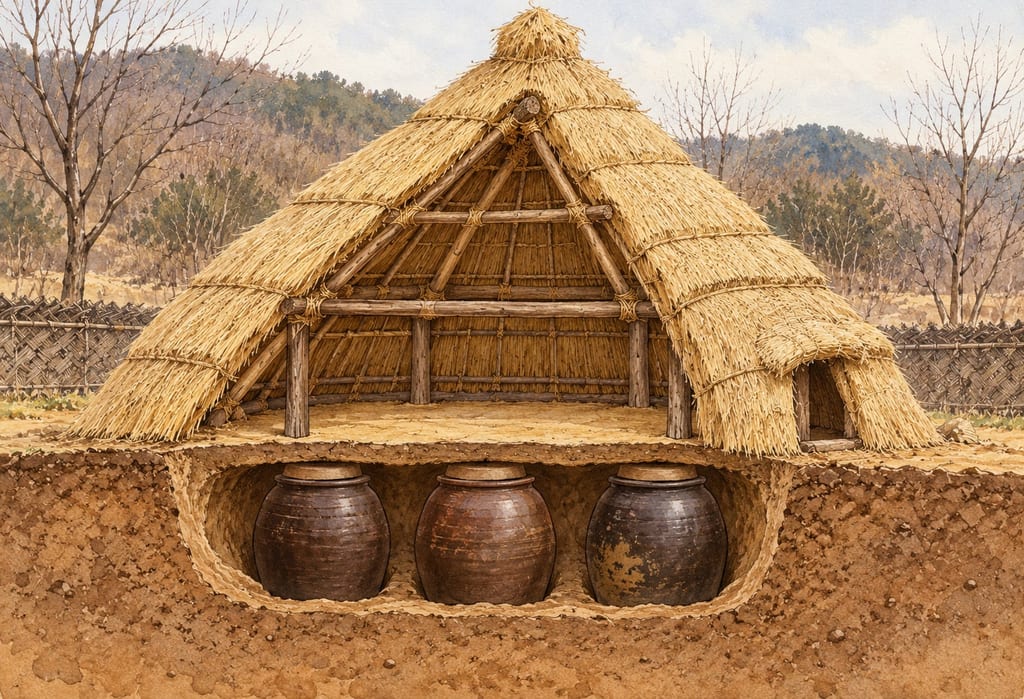
A Kimchi-gwang is a small storehouse built over buried kimchi jars. Korean references describe a framed, thatch-roofed shelter with a tight side entrance, mainly in Gyeonggi-do.
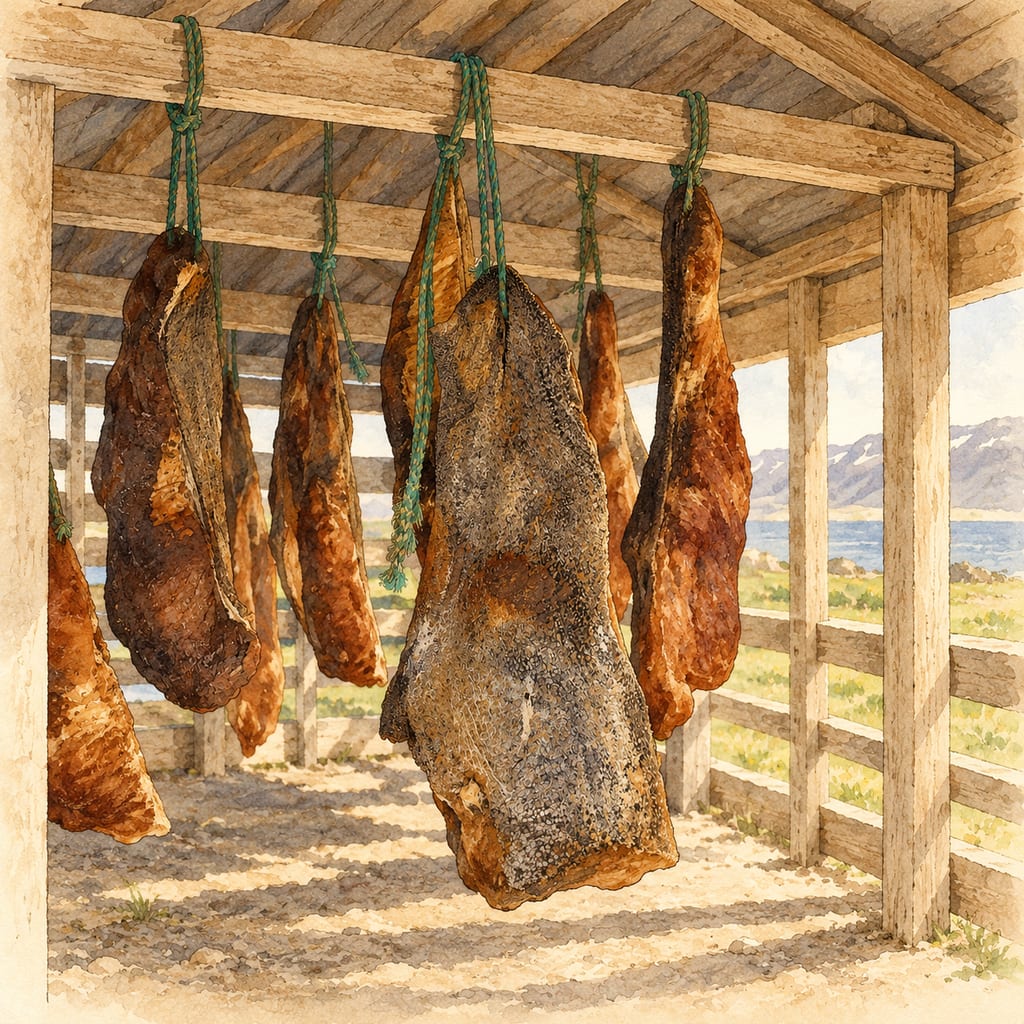
Historical hákarl pits were covered gravel features near Iceland's coast; later production uses draining containers and a separate outdoor drying stage. Sources describe varied practice, not one standard plan.
George Washington’s Mount Vernon ice house stored winter-cut Potomac ice in a hillside dry well for use in warmer months. The official description and 1798 estate inventory give distinct details of its form.
Show on map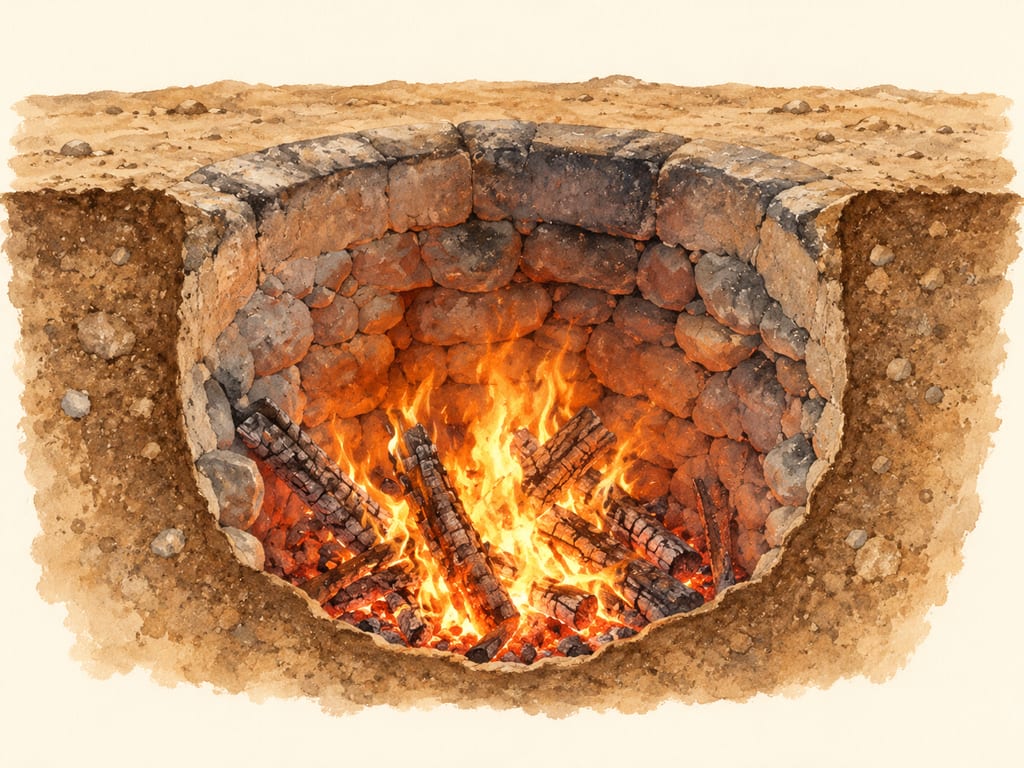
Omani Shuwa uses a ground-built Tannur: a stone-lined pit heated with wood, where palm-fiber parcels are lowered for long cooking. Sources do not establish one measured design.
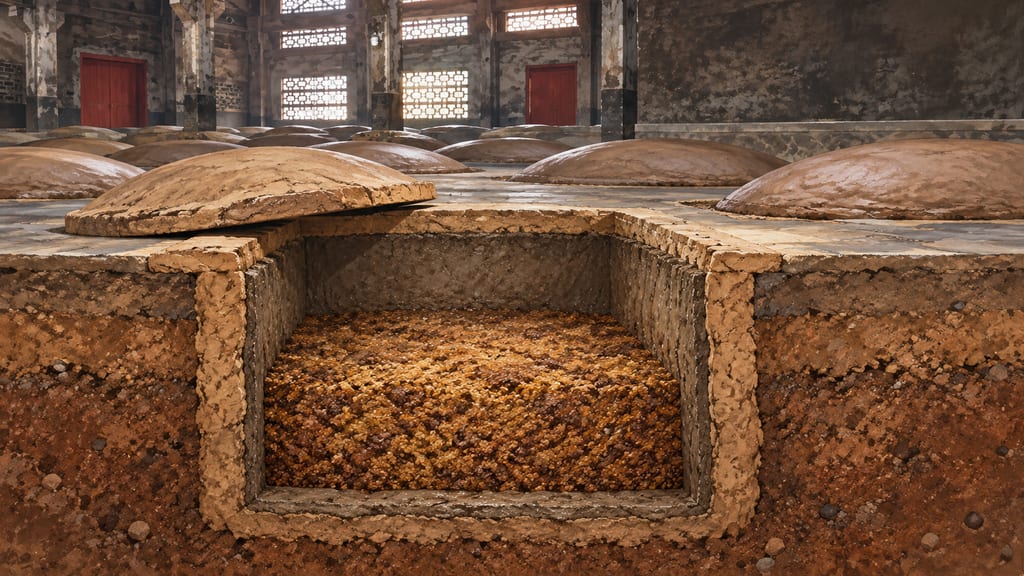
A below-floor, mud-lined fermentation chamber used in Chinese strong-aroma baijiu production. Its grain mash ferments in contact with the chamber’s microbial pit mud; shape and pit ecology vary among cellars.

A Moroccan small-farm underground grain store, described as a matmora: a pit generally dug near the house for household grain or seed.
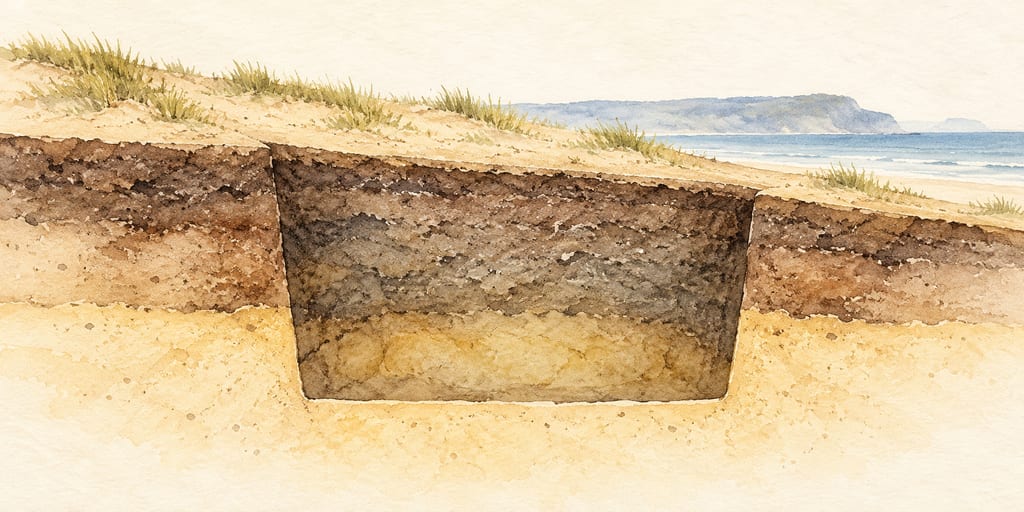
Rua kūmara are underground Māori stores for whole kūmara. Research at Pūrākaunui, authorized by Pūrākaunui Block Inc. and Kāti Huirapa Rūnaka ki Puketeraki, documents 15th-century pits without establishing one design.
A saiva is an Evenki log-lined ditch used to hold meat containers at summer reindeer camps. Contemporary fieldwork documents its use in Buryatia and Zabaikal, but gives no standardized plan or food-safety validation.
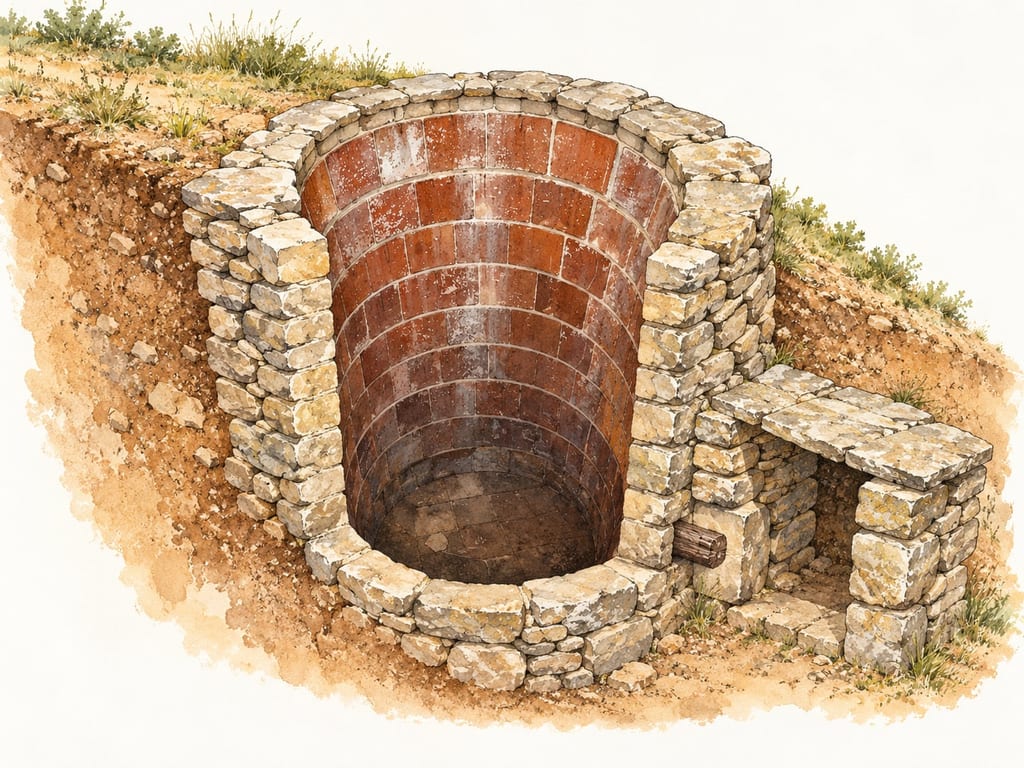
A tina de pedra seca is a fixed stone-built wine vat found among vineyards in Catalonia’s Bages region. These installations used dry-stone masonry and an inner lining of glazed ceramic cairons; variants and individual layouts differ.
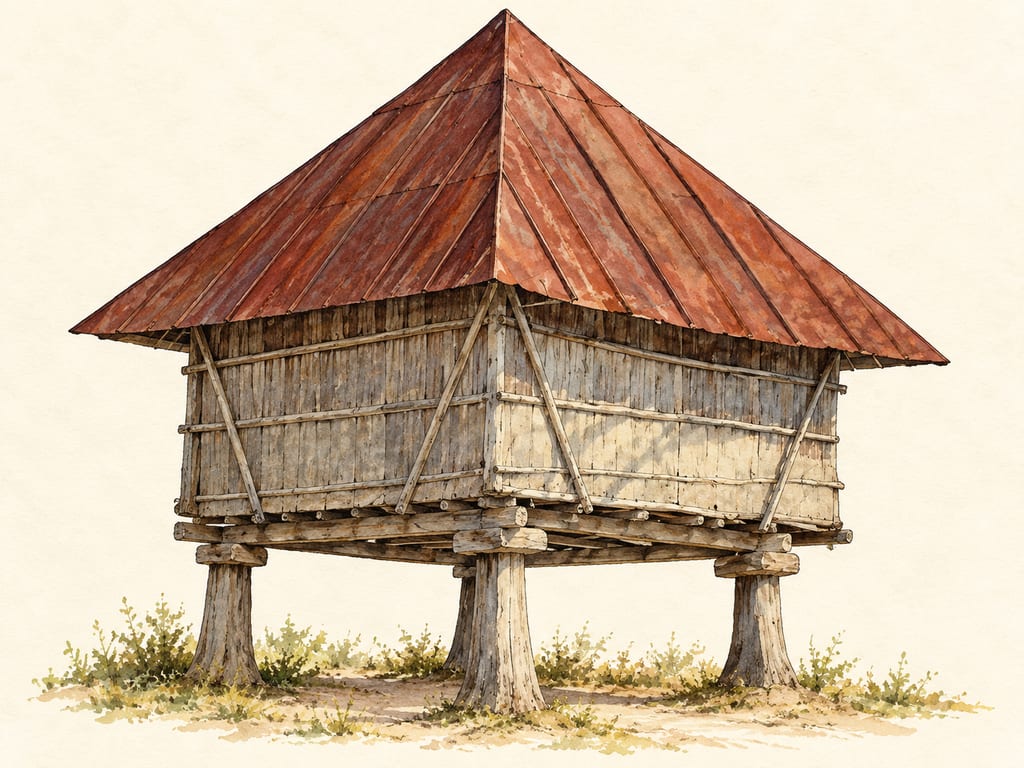
A kundej is a raised rice barn documented in central and eastern Gilan, Iran. Its regional forms store harvested sheaves above damp ground while ventilation helps dry them.
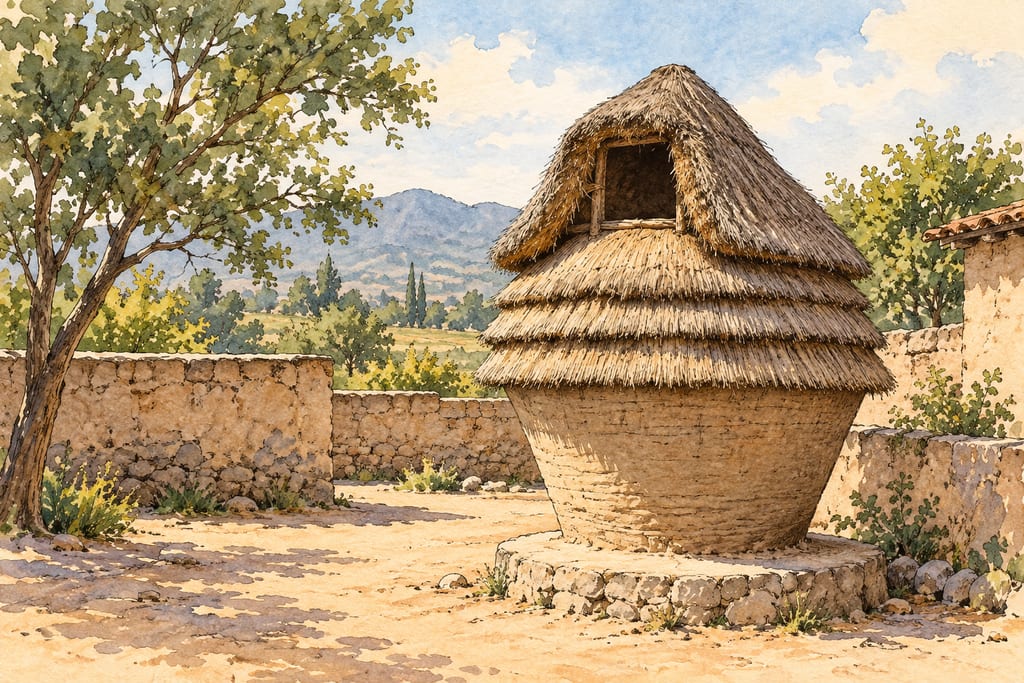
A cuexcomate is a fixed household granary of central Mexico: a hollow earthen body with a dry-grass roof, used chiefly to store maize. Its shape and construction vary by region.
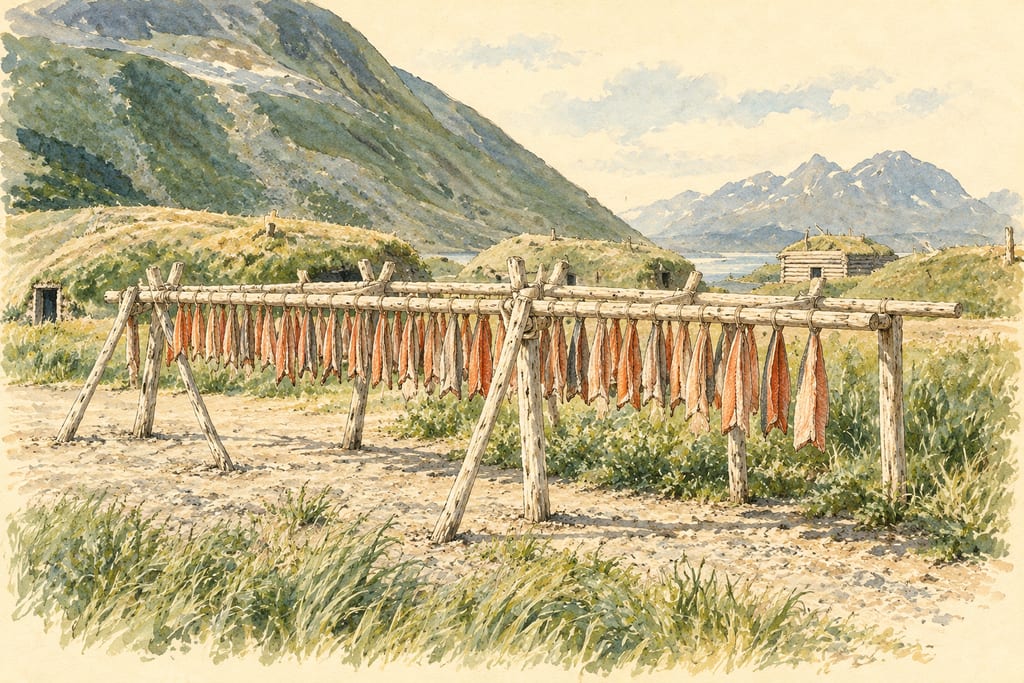
An Alutiiq initaq is a wooden hanging rack for air-drying fish around Kodiak. An 1889 Old Harbor photograph shows an open rail structure; the Alutiiq Museum documents contemporary spruce-pole or lumber racks and airflow-preserving covers.
Neolithic underground grain-storage pits in Egypt's Fayum, identified through basketry linings and remains of emmer and hulled barley.
Show on map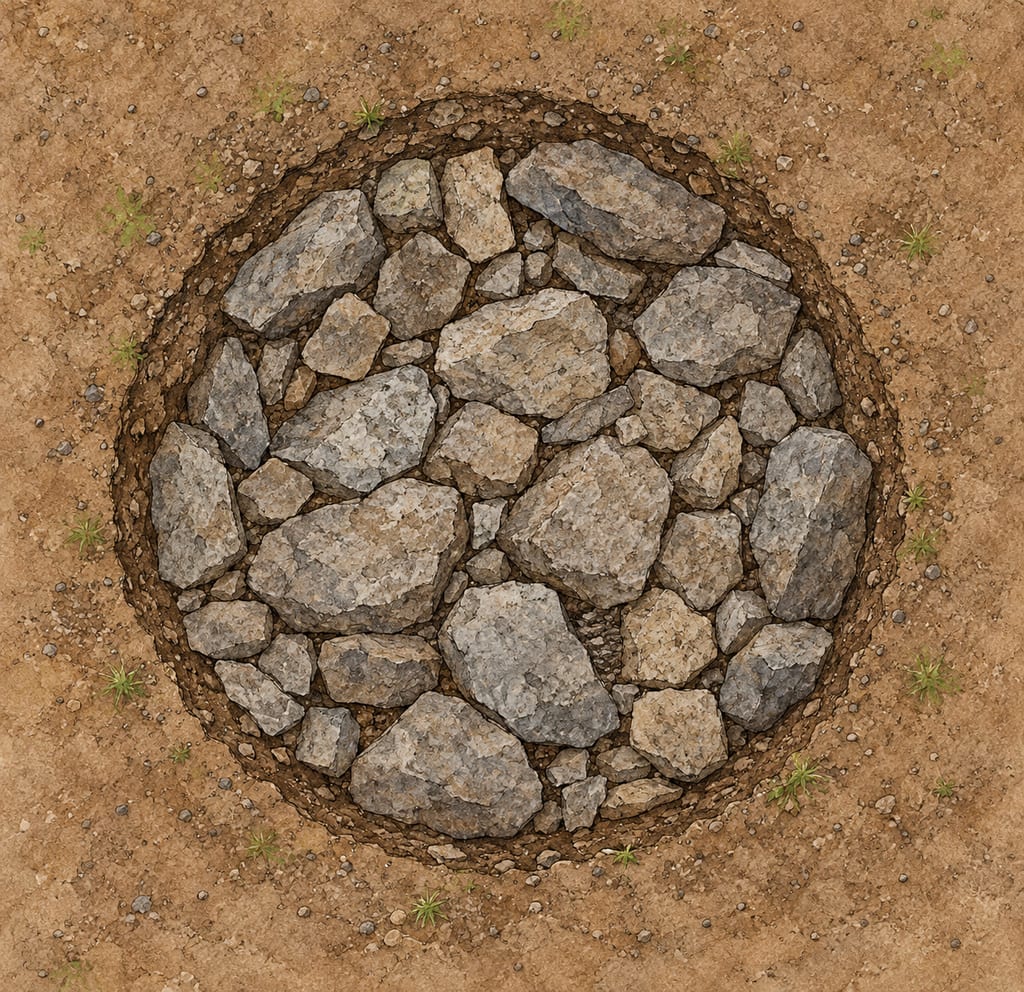
A round, stone-filled pit at Hrísbrú was interpreted as a barrel position; its exact vessel, contents and use remain uncertain.
Show on map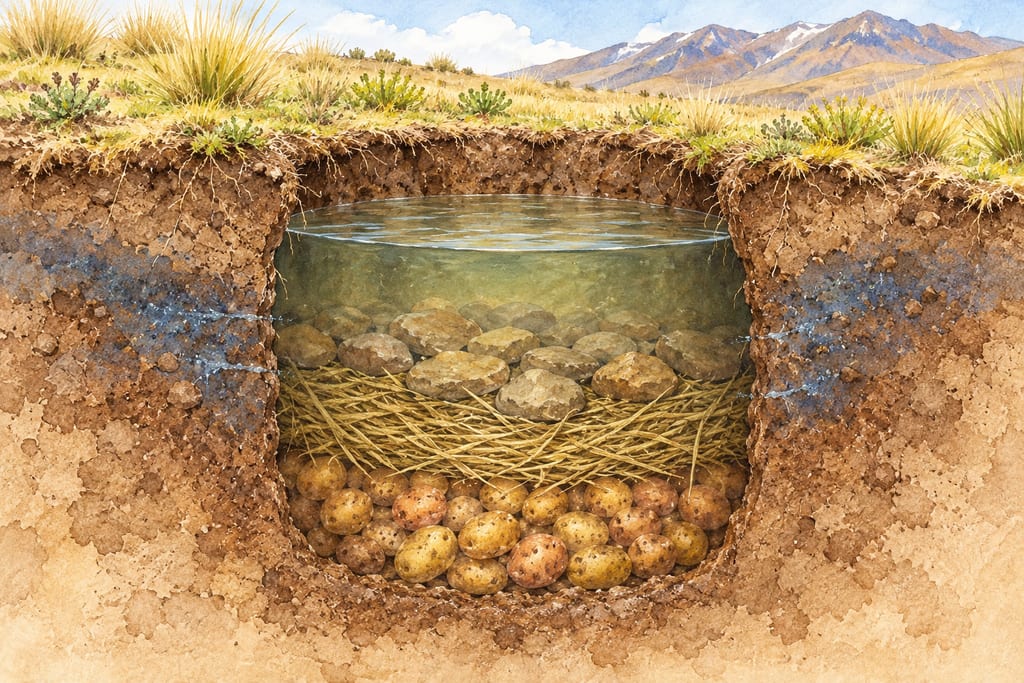
In the Huánuco highlands, tocosh potatoes are placed in deep earthen wells beside running water. Dry straw and stones cover the potatoes as seepage fills the pit, submerging its contents during a long fermentation.
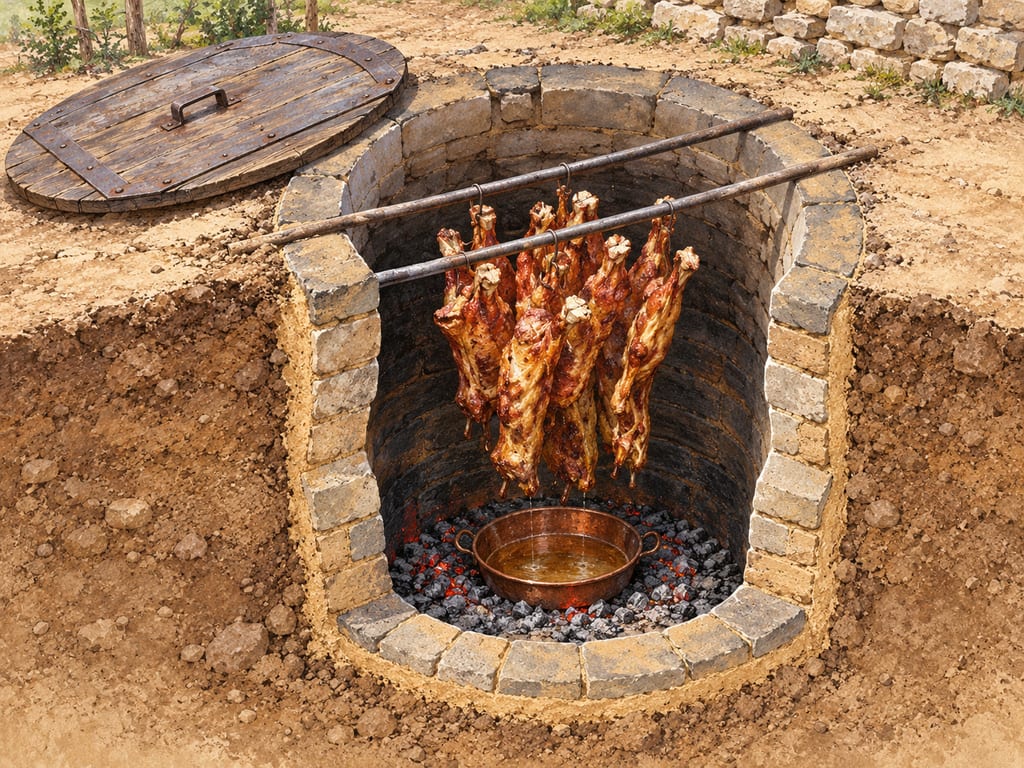
A fixed, brick-lined Turkish well oven documented in Denizli: a deep circular chamber with iron hanging bars, a wood-and-sheet-metal lid, and a copper drip pan used below lambs roasting over embers.
A Prolinnova-Sudan field catalogue describes a community matmora grain pit, 1.25 m deep and holding 16 tonnes of sorghum as a drought reserve. It gives no village, diameter or construction specification.
CDC guidance depicts fish heads in a grass-lined hole in the ground and describes it as a traditional Alaska Native food-preparation method; it names no specific Nation or community.
Māori raised storehouses held preserved food and seed. Heritage New Zealand documents one rare, uncarved Ngāti Hauiti example at Rata; its materials and later relocation are specific to that structure.