









































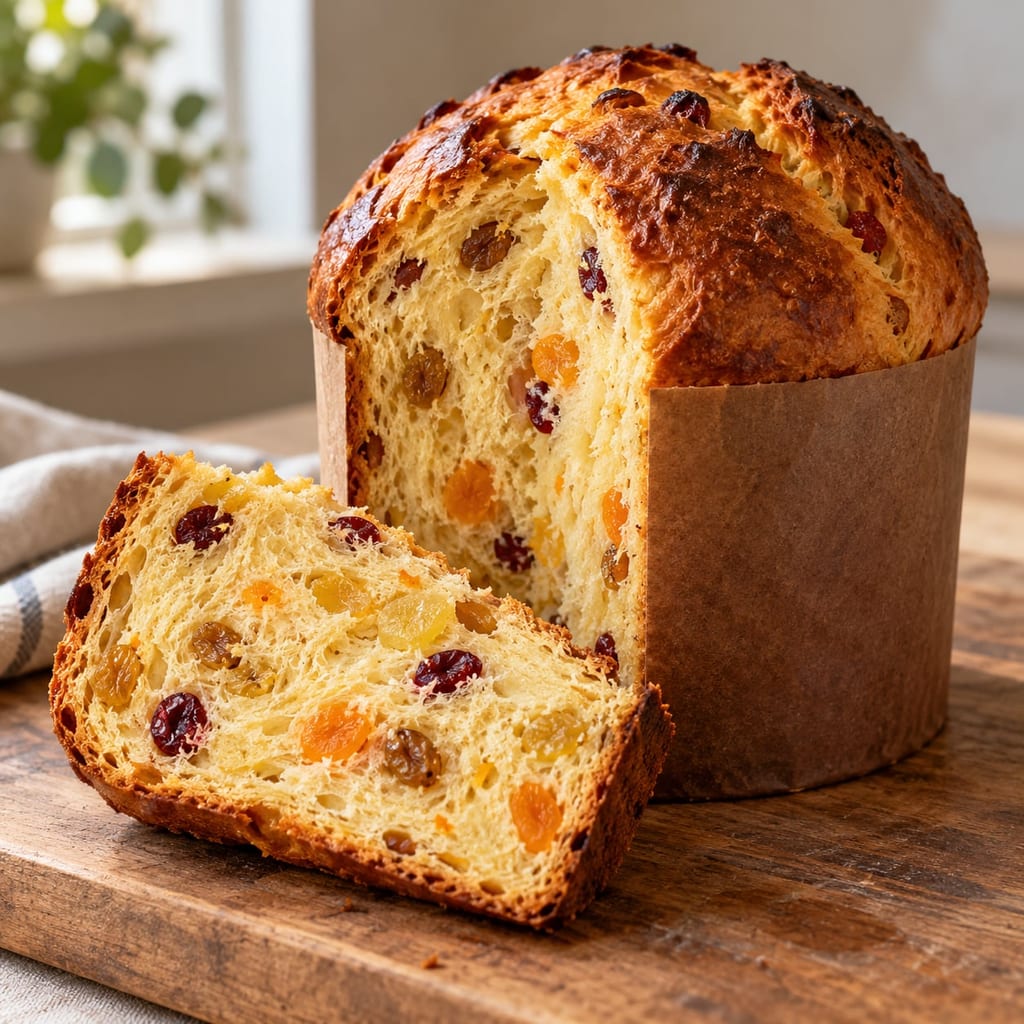
Overnight panettone: King Arthur version
A modern instant-yeast panettone with an overnight flour-and-water preferment and mixed dried fruit. It is separate from specialist sourdough panettone methods.
 FermenteaWhere food goes to change
1504 records with their sources, across 11 categories.
 Cereal, grain, root and starch fermentations95
 Unfermented breads27
 Koji, mold starters and mold-ripened ferments2
 Beverages1
 Not yet classified1
A modern instant-yeast panettone with an overnight flour-and-water preferment and mixed dried fruit. It is separate from specialist sourdough panettone methods.
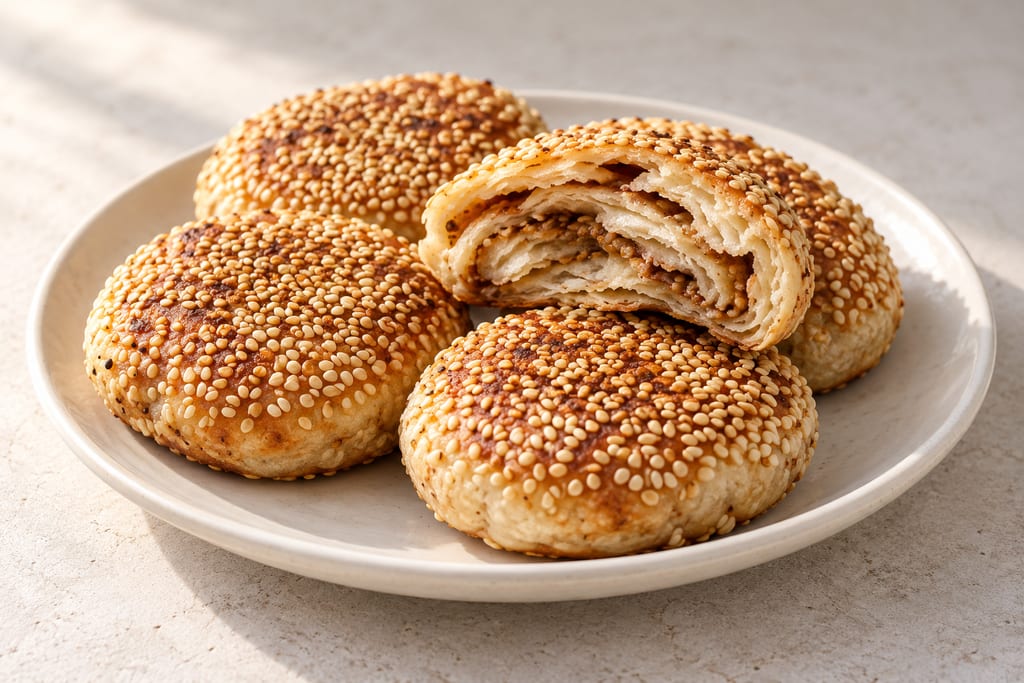
A Beijing-style yeast dough is layered with seasoned sesame paste, sealed into small buns, briefly pan-fried, seeded, and baked.
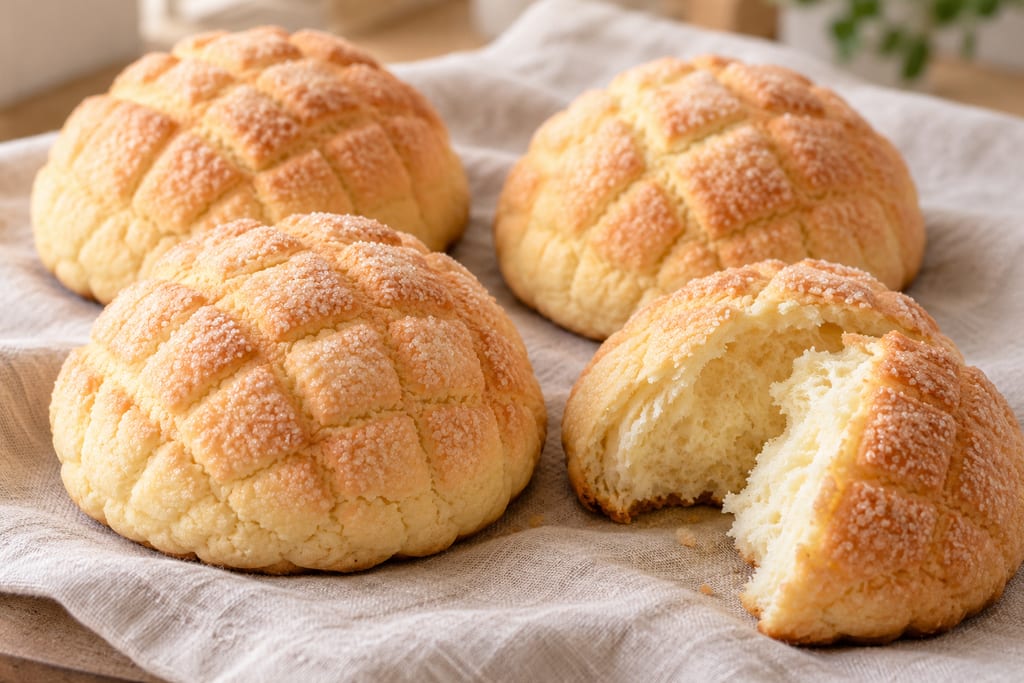
Melon pan pairs a soft Japanese yeast bun with a crisp, crosshatched cookie shell. In this ten-bun version, the bread dough is wrapped in a separate biscuit layer and baked until lightly golden.
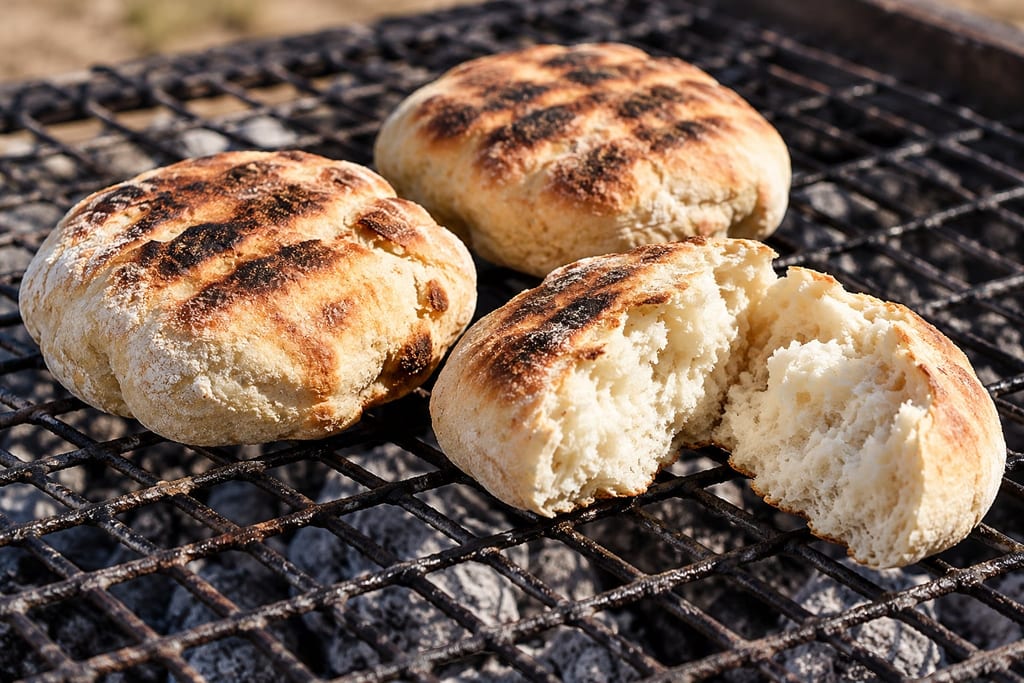
Roosterkoek is a small yeast-raised South African bread cooked over gentle braai coals. This enriched dough rises twice and is turned on the grid until browned and cooked through.
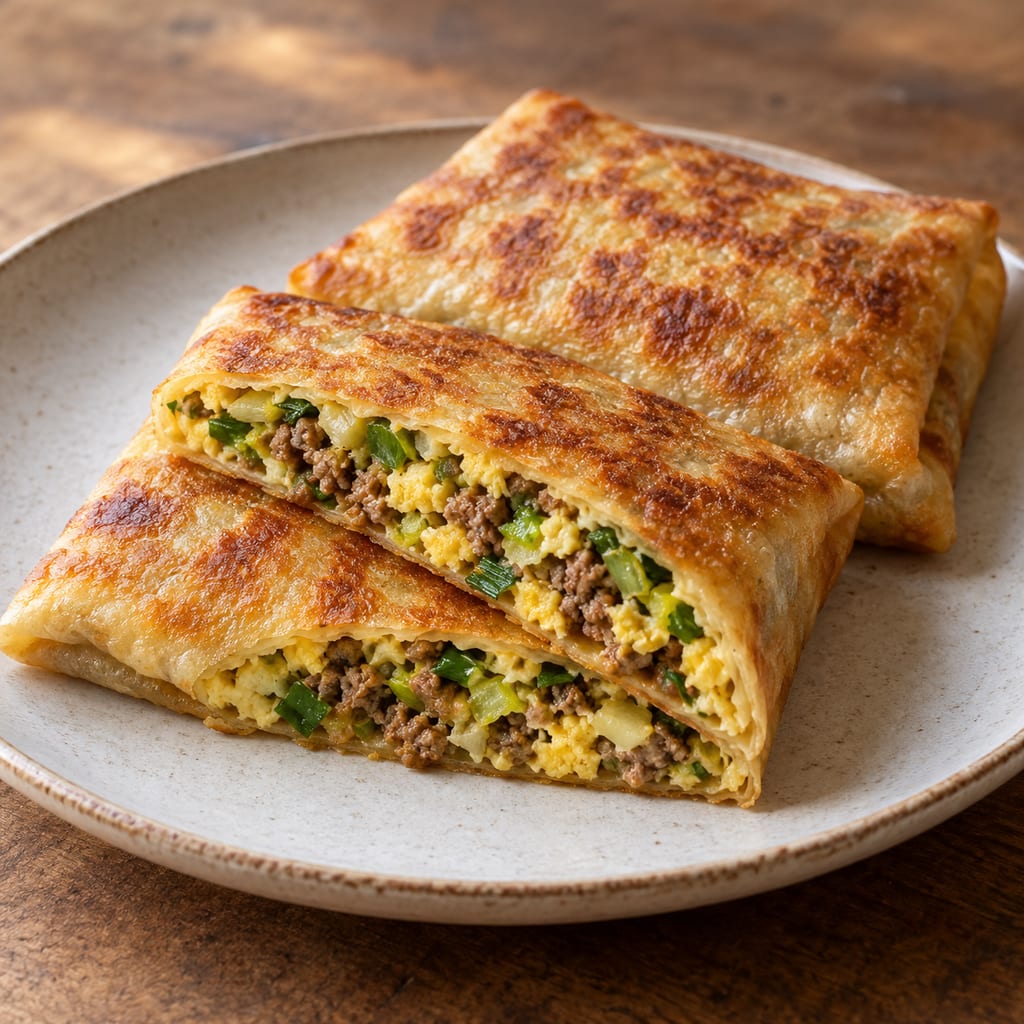
A Javanese-style Indonesian savoury parcel of thin rested wheat dough folded around curry-seasoned beef and egg, then cooked in an oiled skillet.
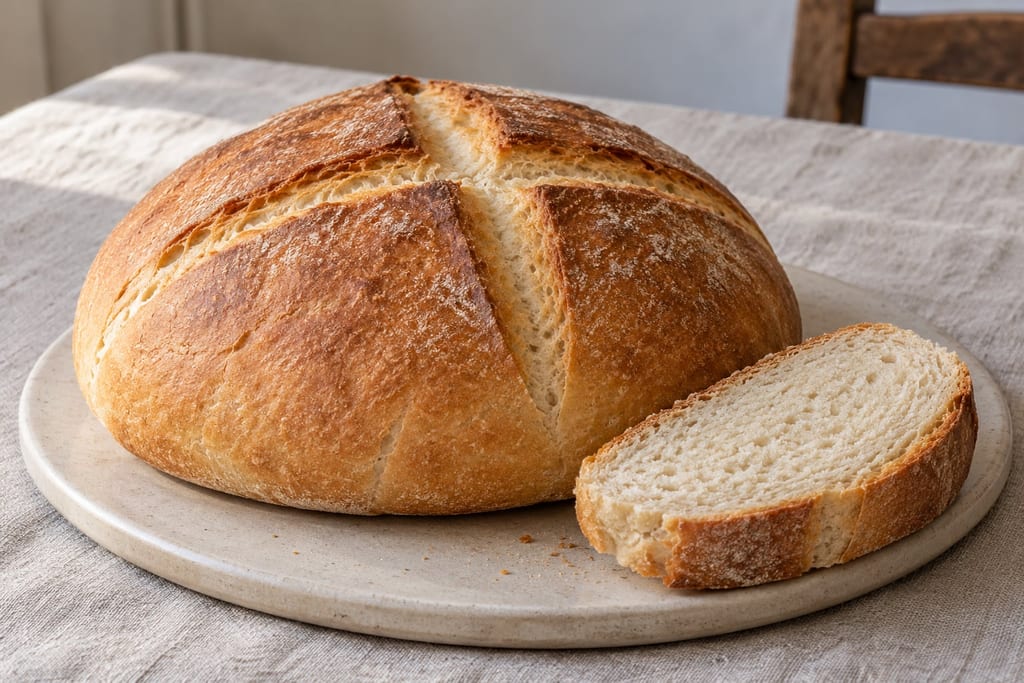
This household Pan de Cruz adaptation uses sourdough and a folded, tight-crumb wheat dough, marked with a cross and baked in a home oven.
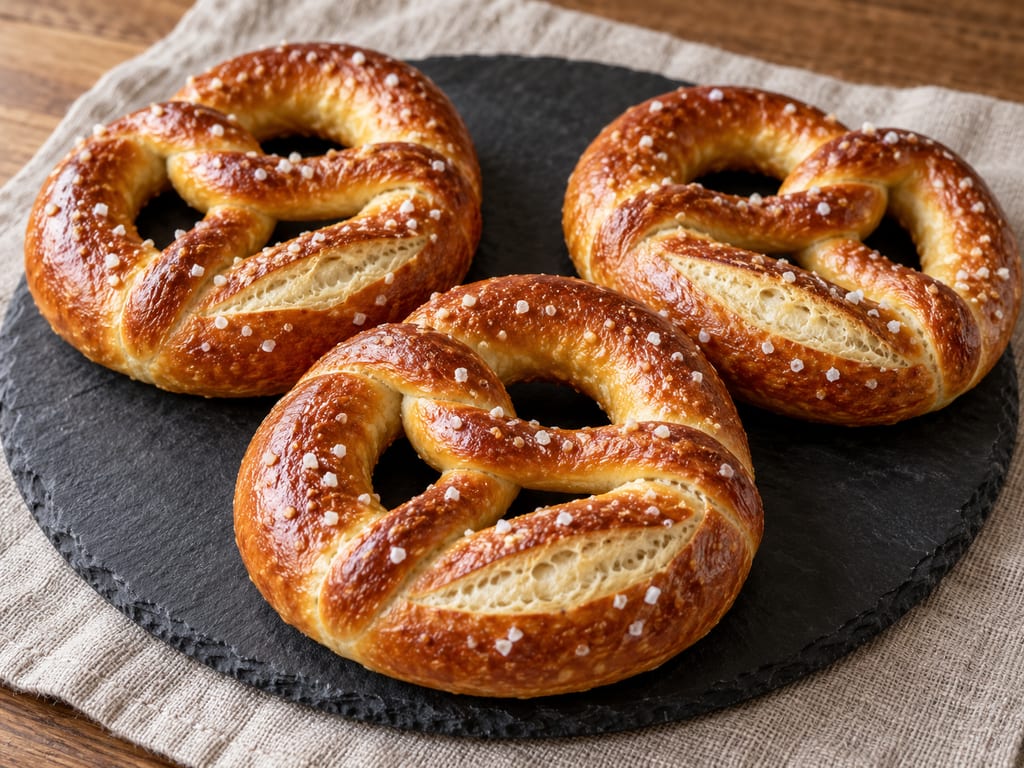
This German-style knot pretzel uses a firm yeast dough, a chilled shape, a one-minute baking-soda bath and a deep bake. The method follows Jeffrey Hamelman's home adaptation for King Arthur Baking.
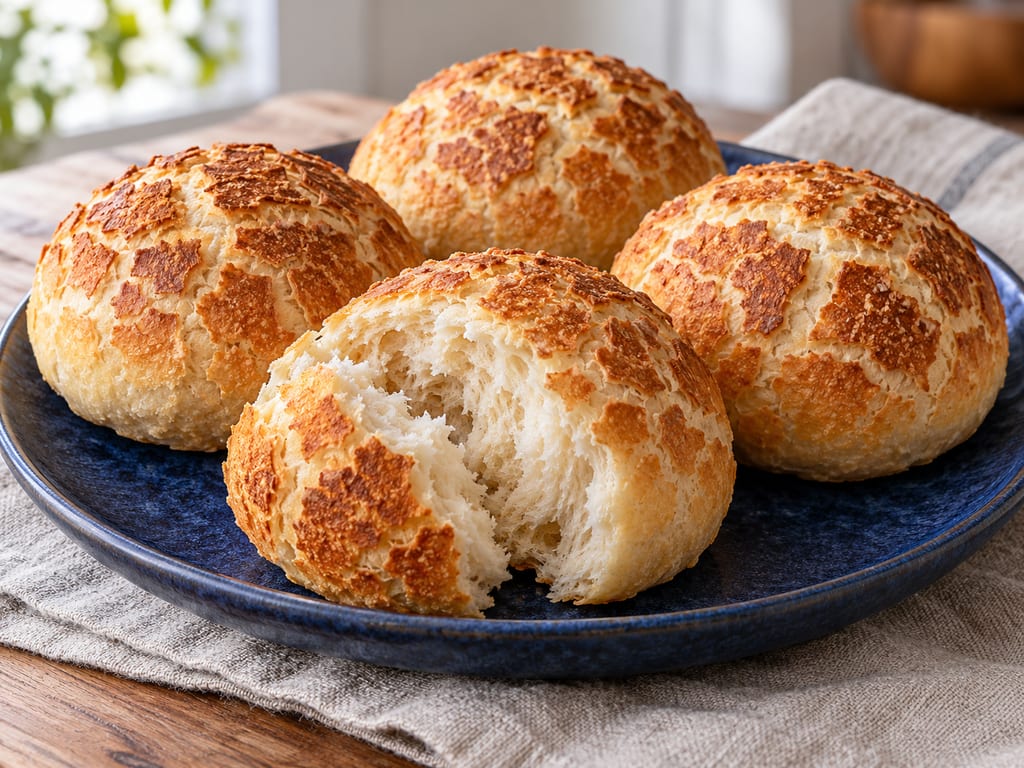
These Dutch-associated wheat rolls carry a yeast-raised rice-flour paste that dries into a split, crunchy crust.
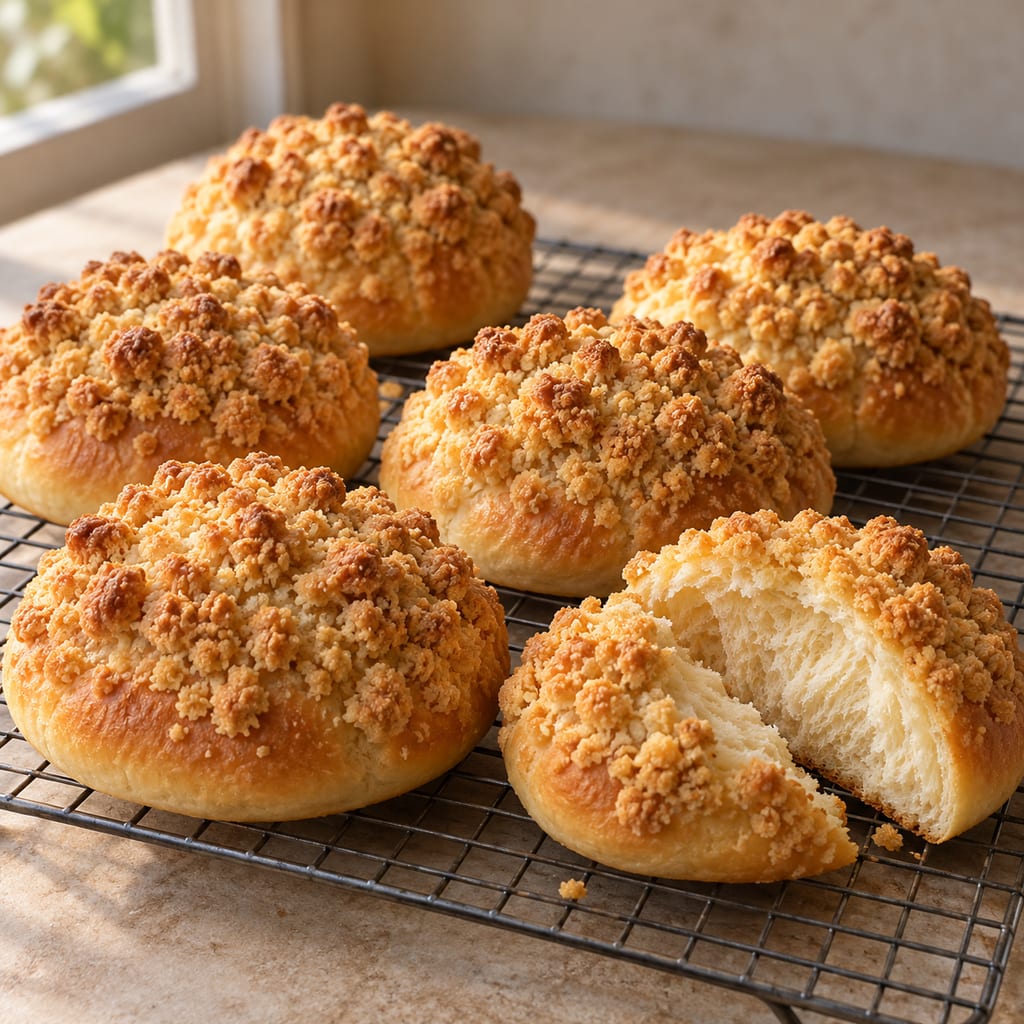
Ten soft, sweet yeast buns with a crisp, peanut butter streusel topping, shaped by hand and baked until golden.
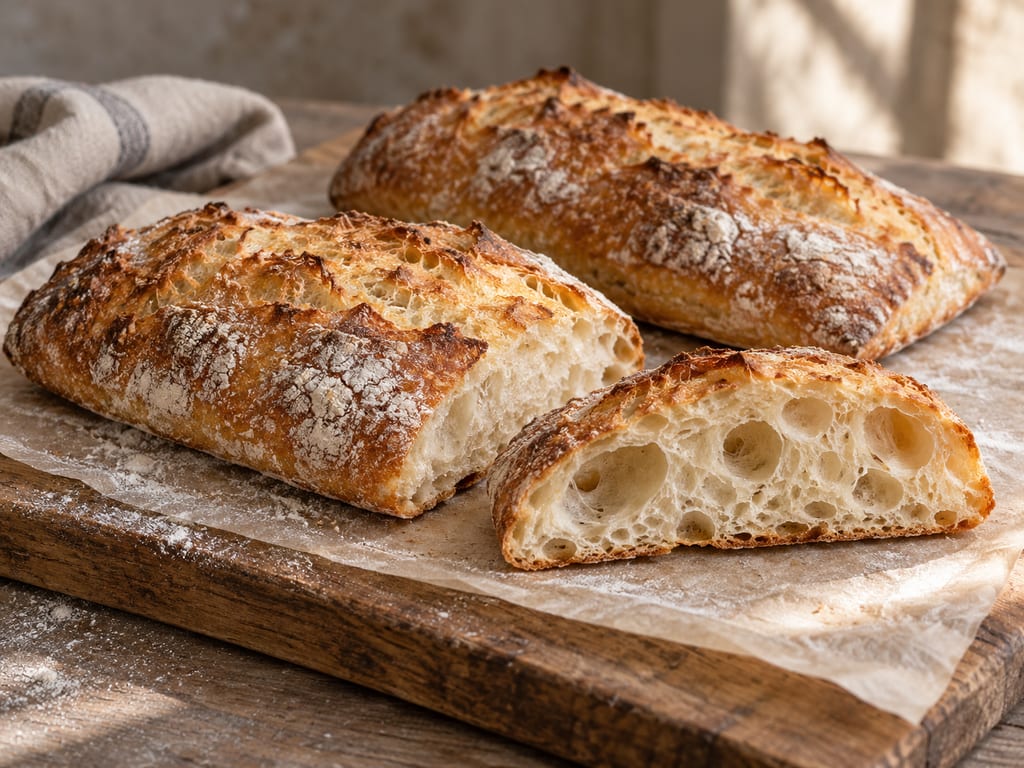
A Catalan-associated wheat loaf with a very wet dough, pan de cristal develops an open crumb through repeated folds and careful handling.
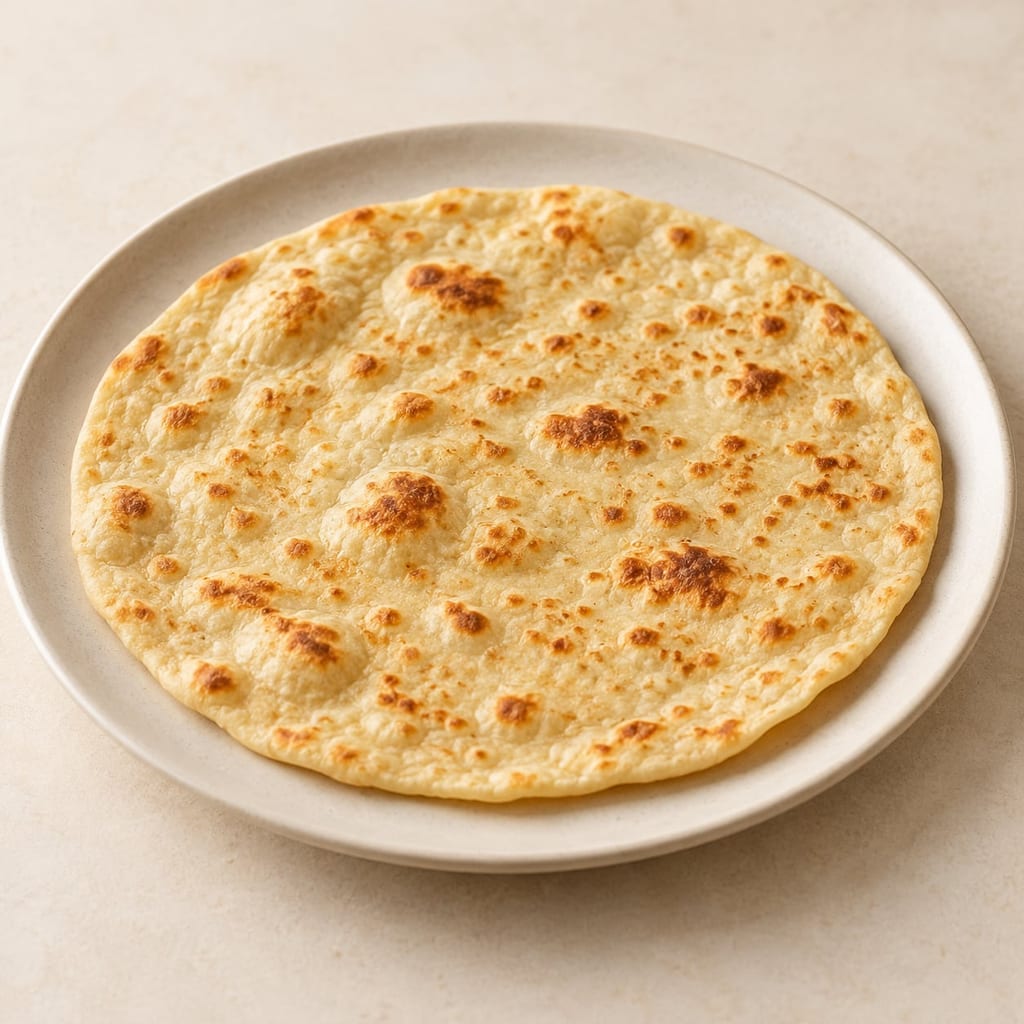
Sandi Wai’s eight-piece Burmese plain naan uses yeast and baking powder, rests for 30 minutes and cooks on a hot nonstick pan without oil.
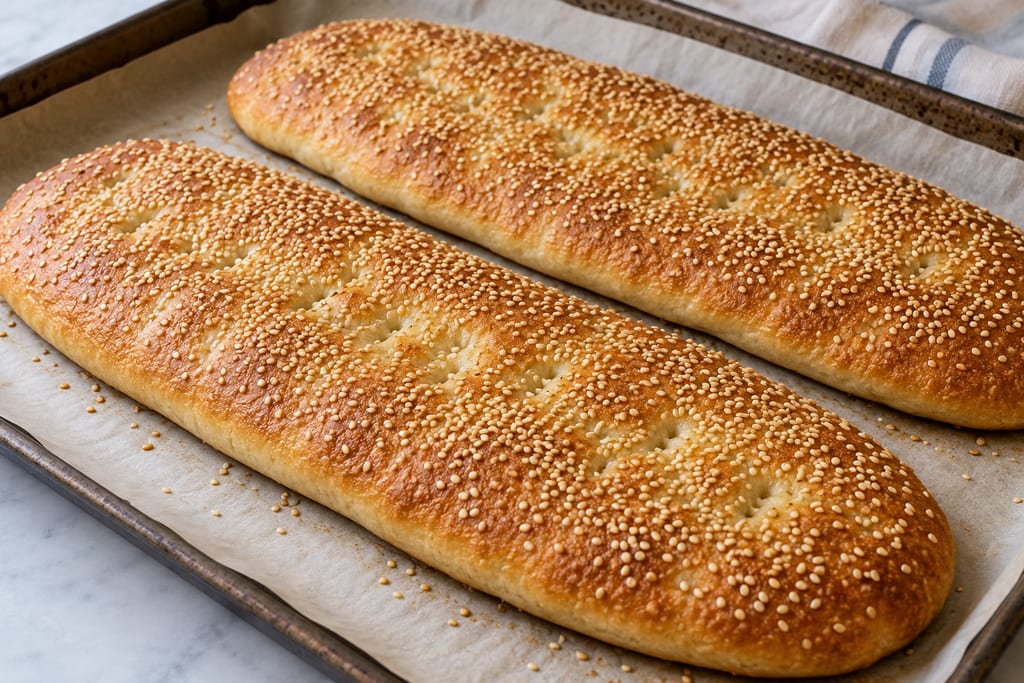
Diane Kochilas’s yeast-raised Lagana makes two wide, sesame-topped loaves for Clean Monday. Her Athens-neighborhood version is distinct from the unleavened Lagana also described in the recipe’s cultural context.
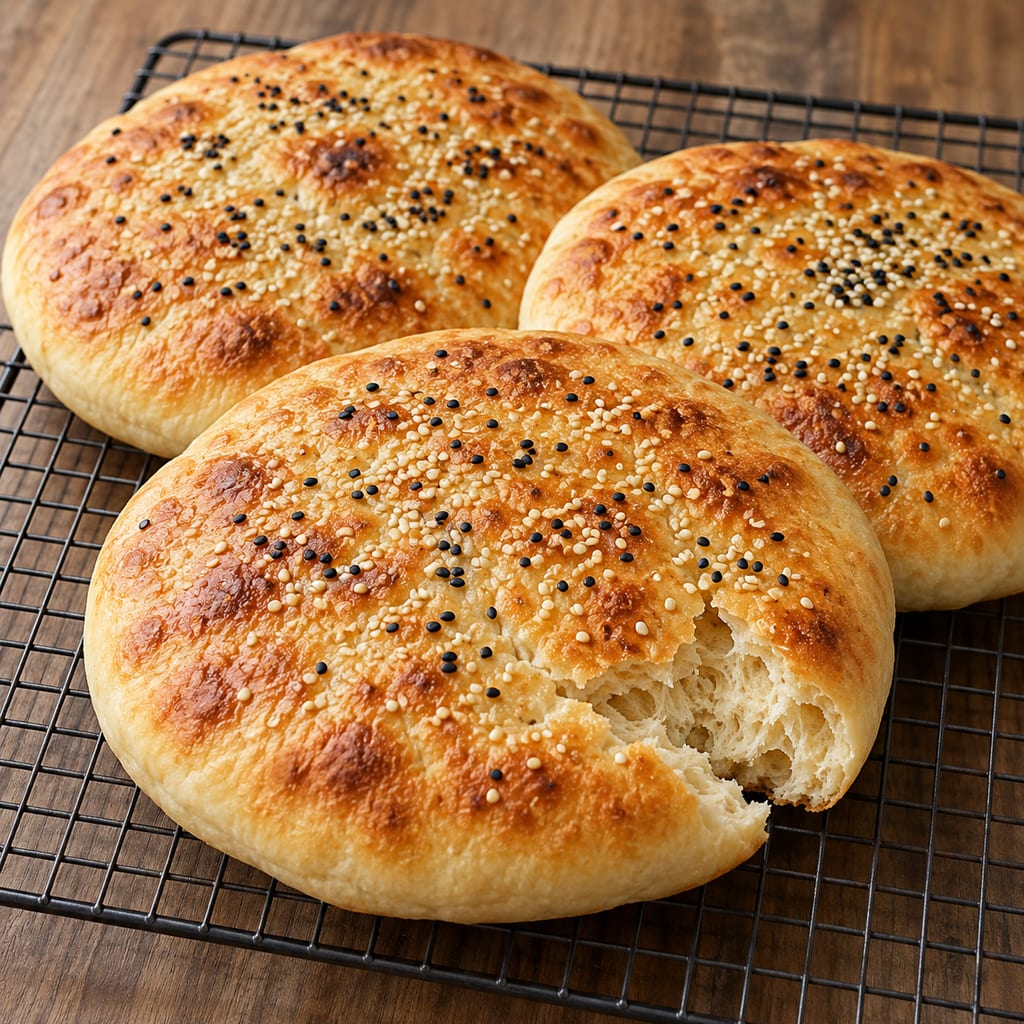
A source-specific Emirati yeast-and-baking-powder bread: soft dough enriched with dry milk is rolled into four rounds and baked briefly in a 550°F oven until it puffs.
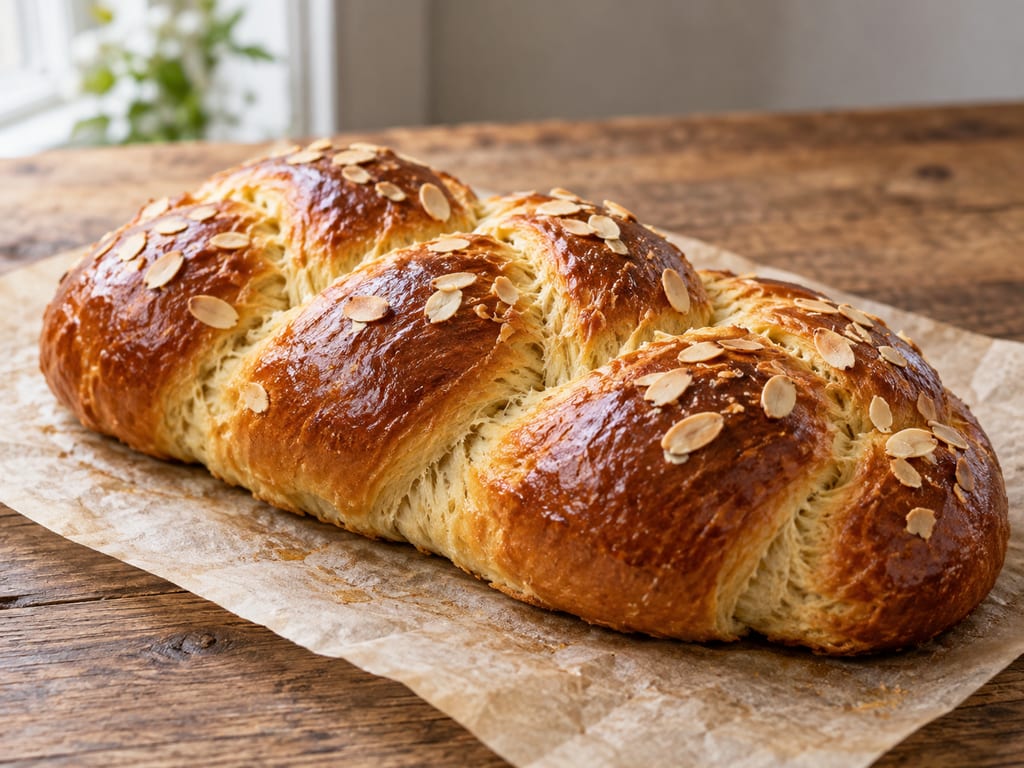
Eli K. Giannopoulos’s recipe makes two braided tsourekia with mastic, mahleb and orange, followed by an optional syrup. It is one modern Greek Easter-bread formula, not a universal regional standard.
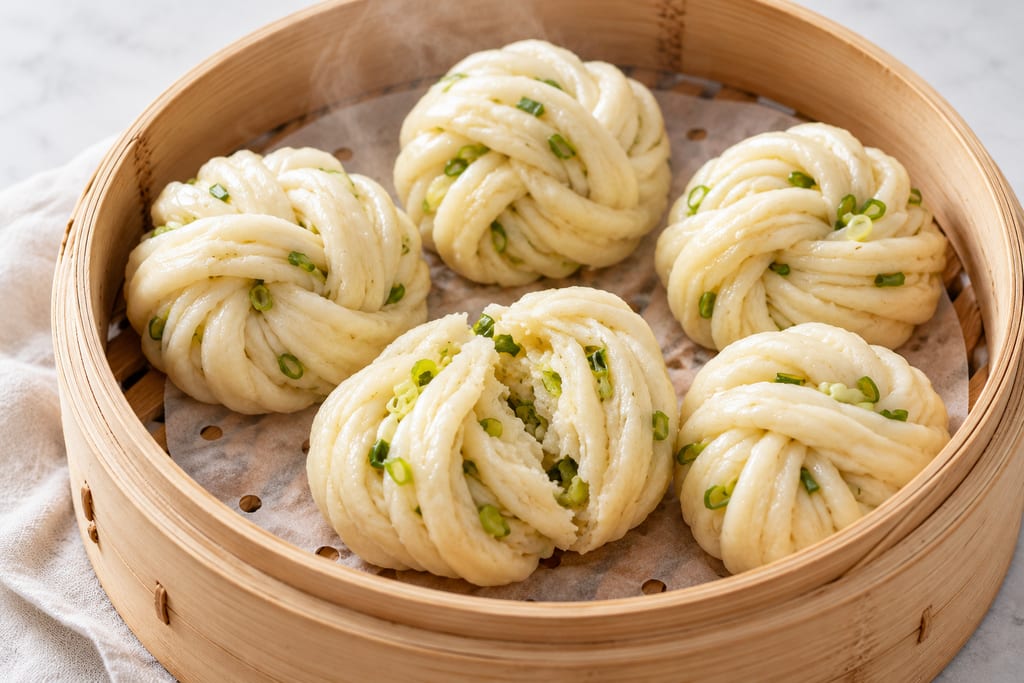
Hua juan are layered wheat rolls shaped into knots and steamed. This version folds scallions and five-spice between the dough layers and makes eight savory buns.
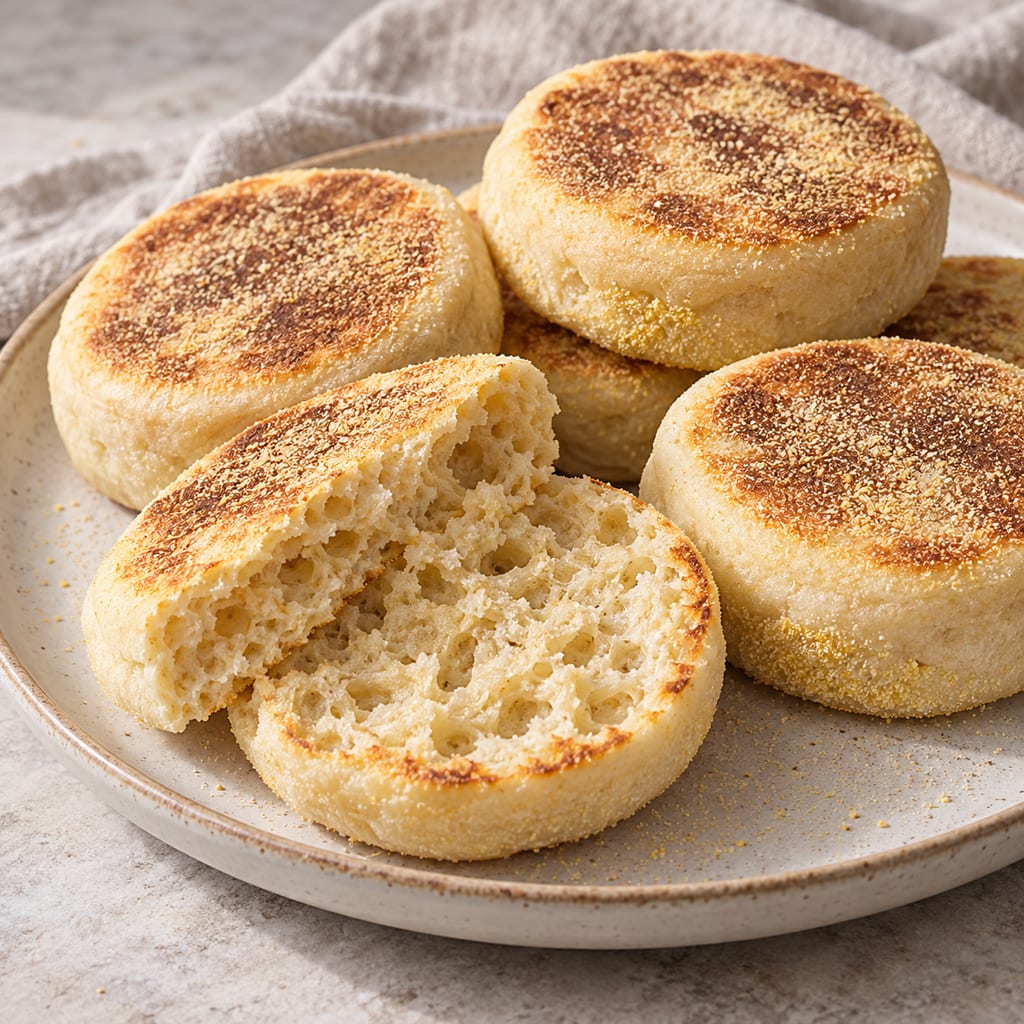
A soft English muffin dough combines sourdough starter with baker’s yeast, then rises, is cut into rounds and cooks on a griddle. The starter adds tang; the added yeast helps it rise.
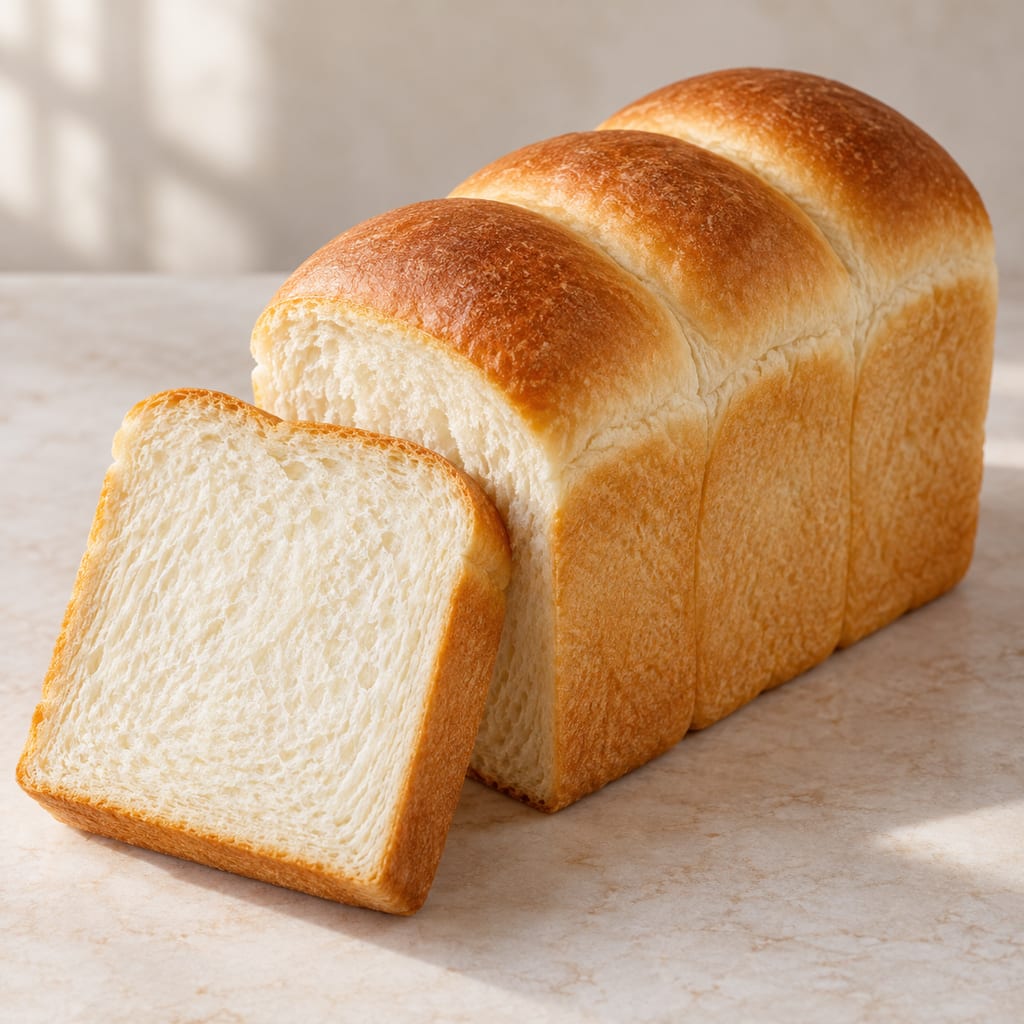
Shokupan is a soft, mildly sweet Japanese wheat loaf served as toast or in sandwiches. This formula makes a square or rounded one-loaf pan bread with a fine, milky crumb.
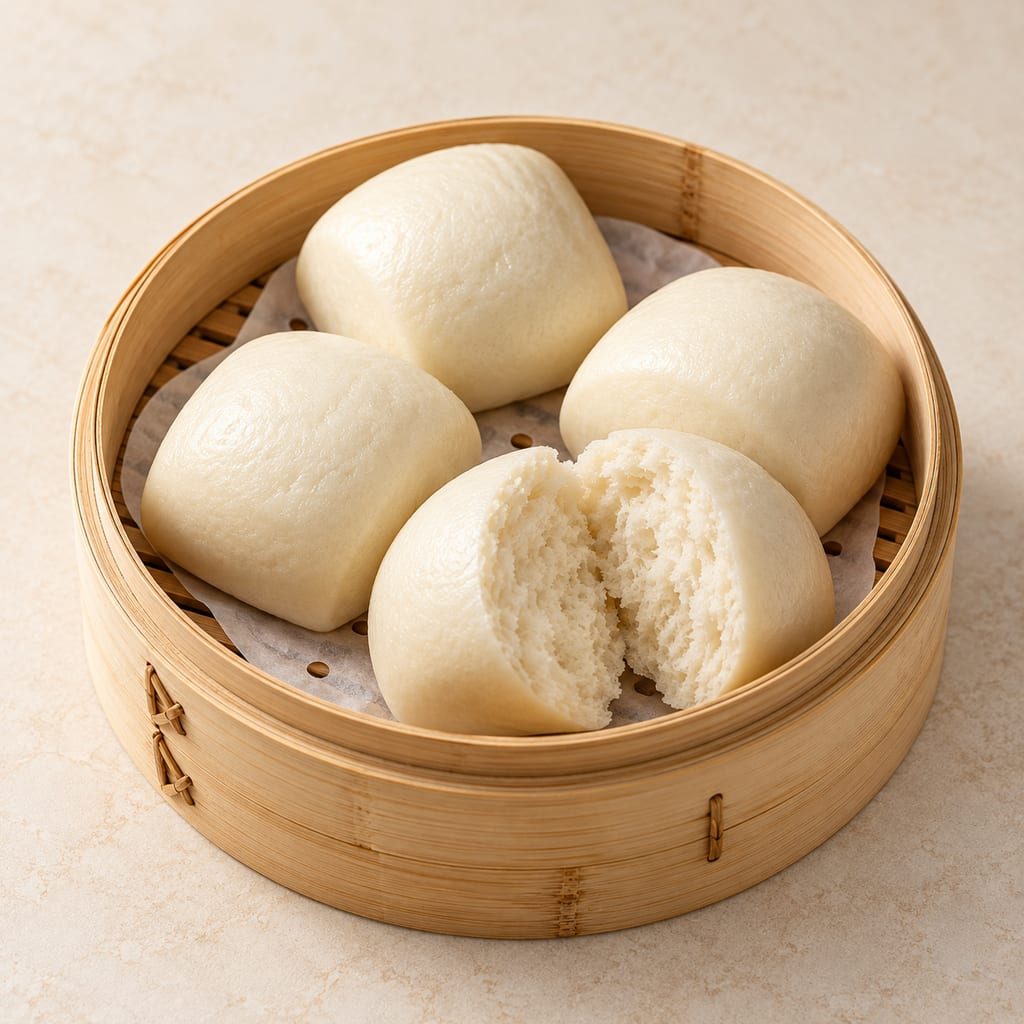
Plain wheat mantou made with yeast and baking powder, then proofed and steamed in a lined basket.
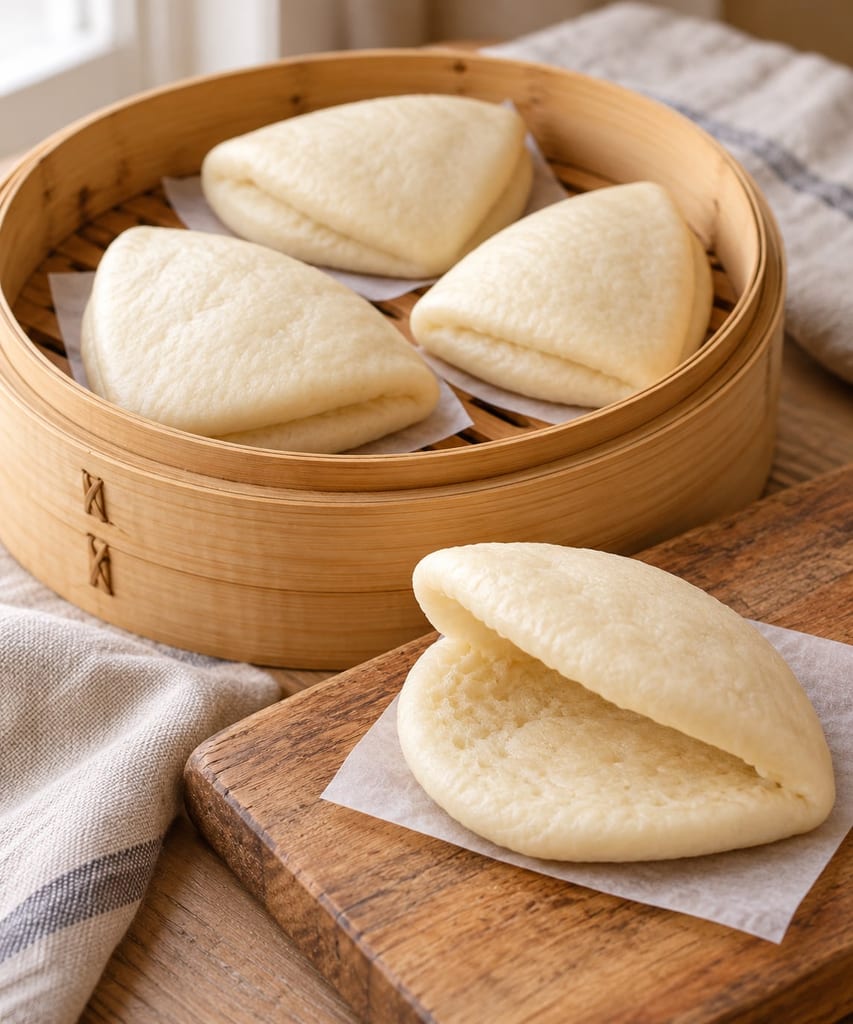
These twelve Chinese lotus-leaf buns are folded wheat-dough pockets steamed empty for filling after cooking. The recipe uses yeast, a little baking soda and cornstarch; it does not include the assembled gua bao sandwich or its fillings.
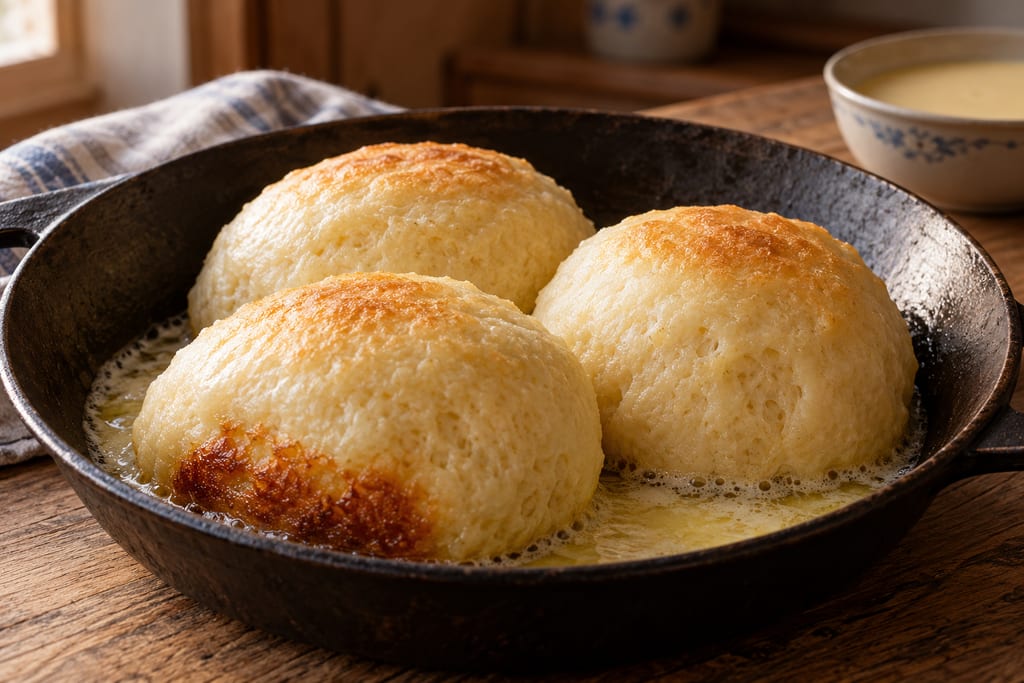
Allgäu Dampfnudeln are enriched wheat buns proofed in a covered casserole and cooked in milk and butter until the liquid nearly cooks away.
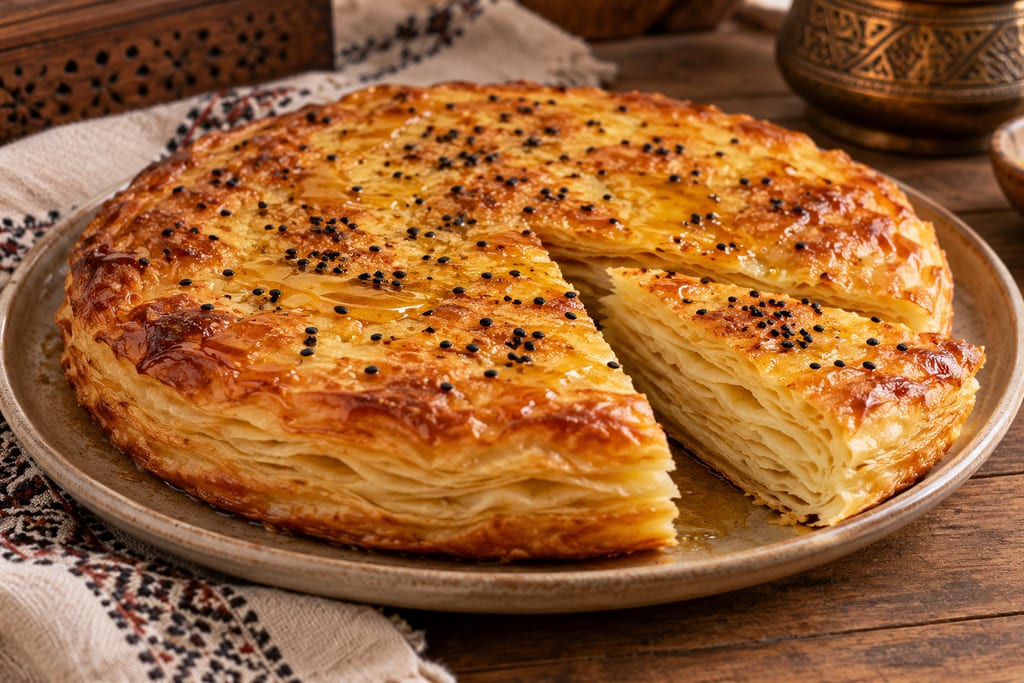
Bint al-sahn is a Yemeni celebration and home bread built from thin, egg-rich yeast dough layers brushed with ghee or butter. This source-specific version makes one round cake, baked until golden and served warm with honey.
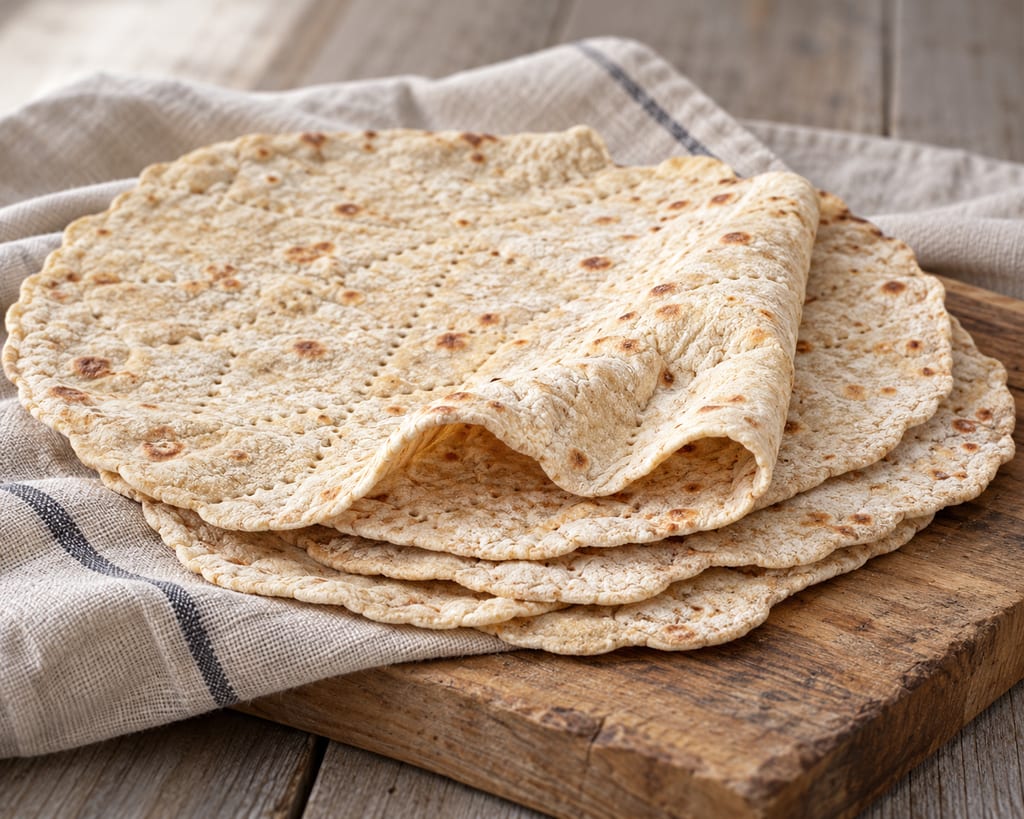
Tunnbröd is Sweden’s family of thin, docked flatbreads, baked soft for immediate meals or dried crisp for the pantry. This home recipe follows a northern Swedish soft rye-and-wheat version scented with anise and fennel.
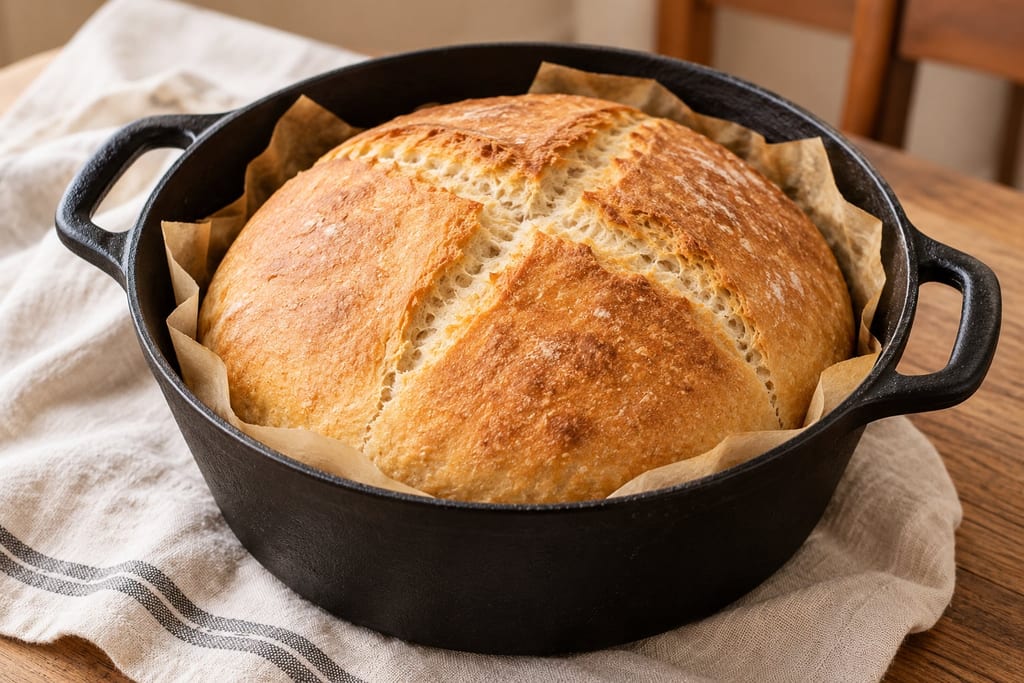
A modern South African potbrood home method: a yeast dough proofs in a 4 L cast-iron pot and bakes covered, then uncovered, in a domestic oven.
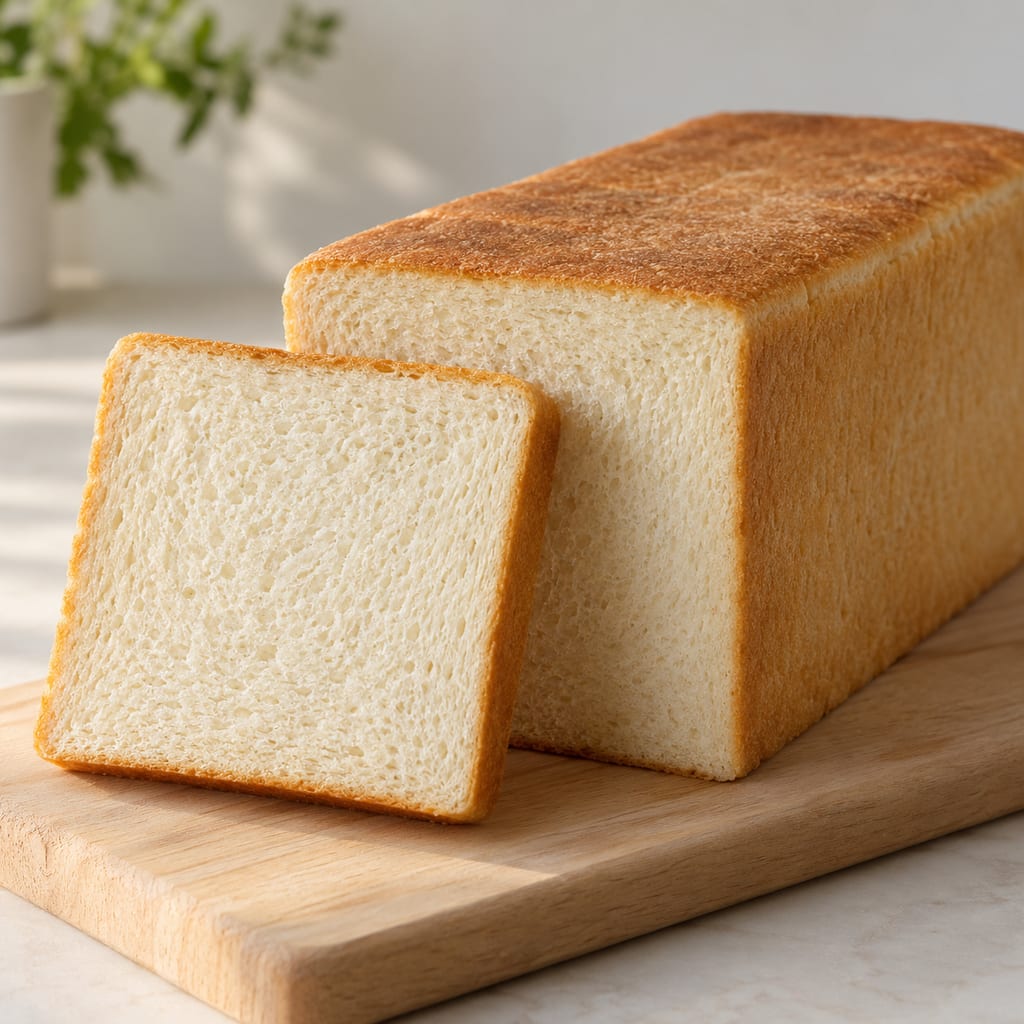
A fine-crumb, enriched wheat loaf baked in a lidded pan for even slices used in sandwiches, toast, French toast and melba toast.
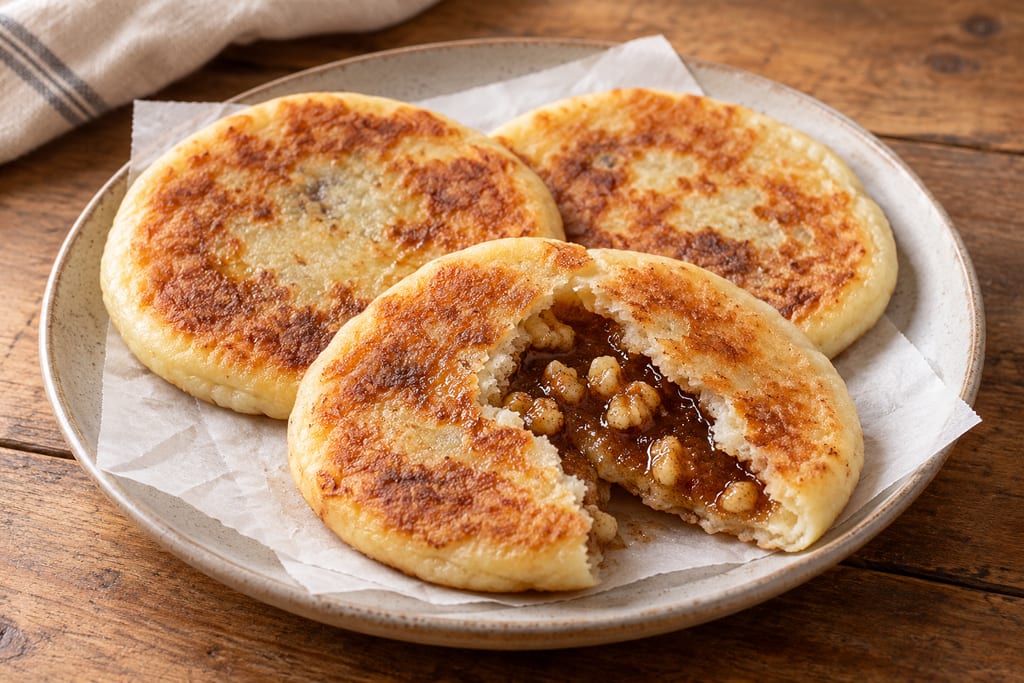
Maangchi’s eight-piece hotteok wraps a brown-sugar, cinnamon and walnut filling in yeast dough, then fries and presses the parcels in a pan.
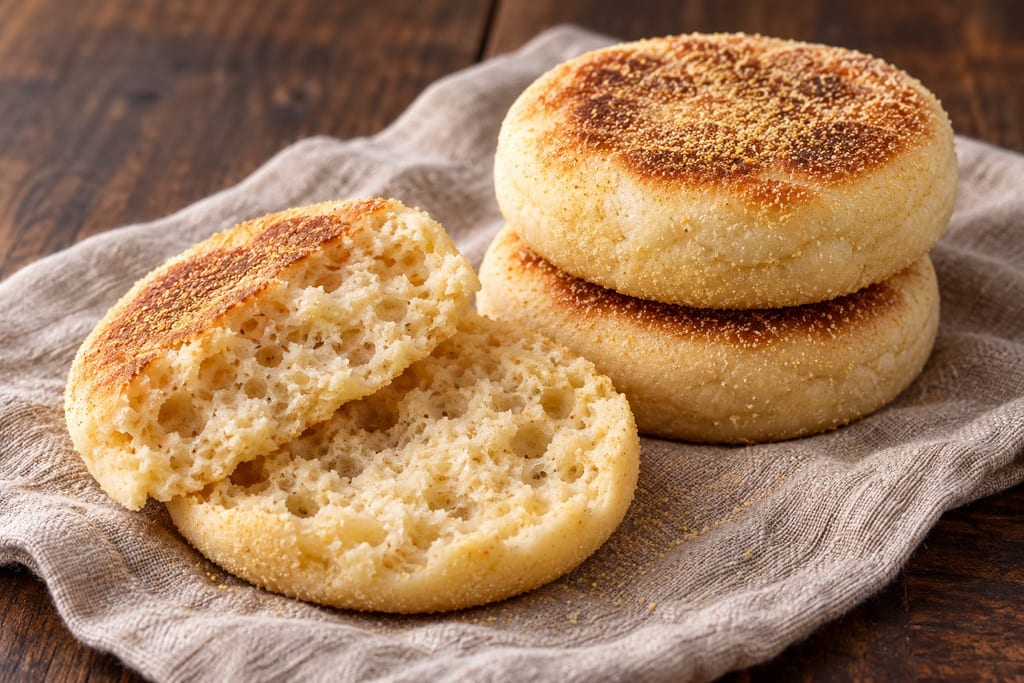
King Arthur’s six-piece English muffin batch uses a yeast preferment, two folds and a skillet or electric griddle; it is distinct from the sourdough-and-yeast version already catalogued.
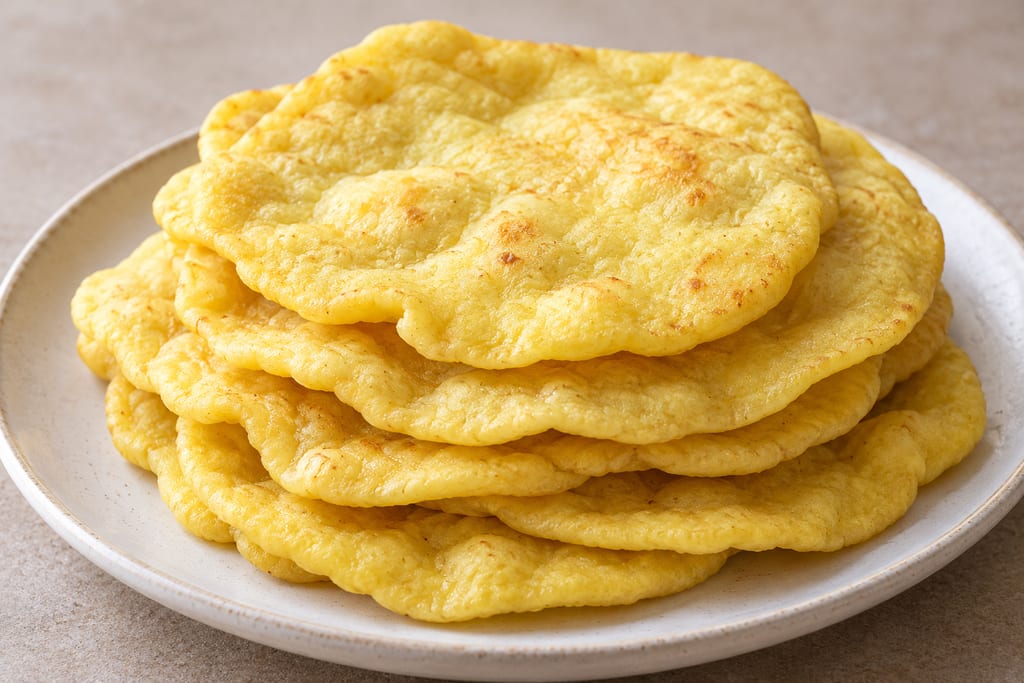
Soft Trinidad bara are thin yeast-raised wheat rounds fried briefly, then paired as two breads around channa and condiments to make doubles.
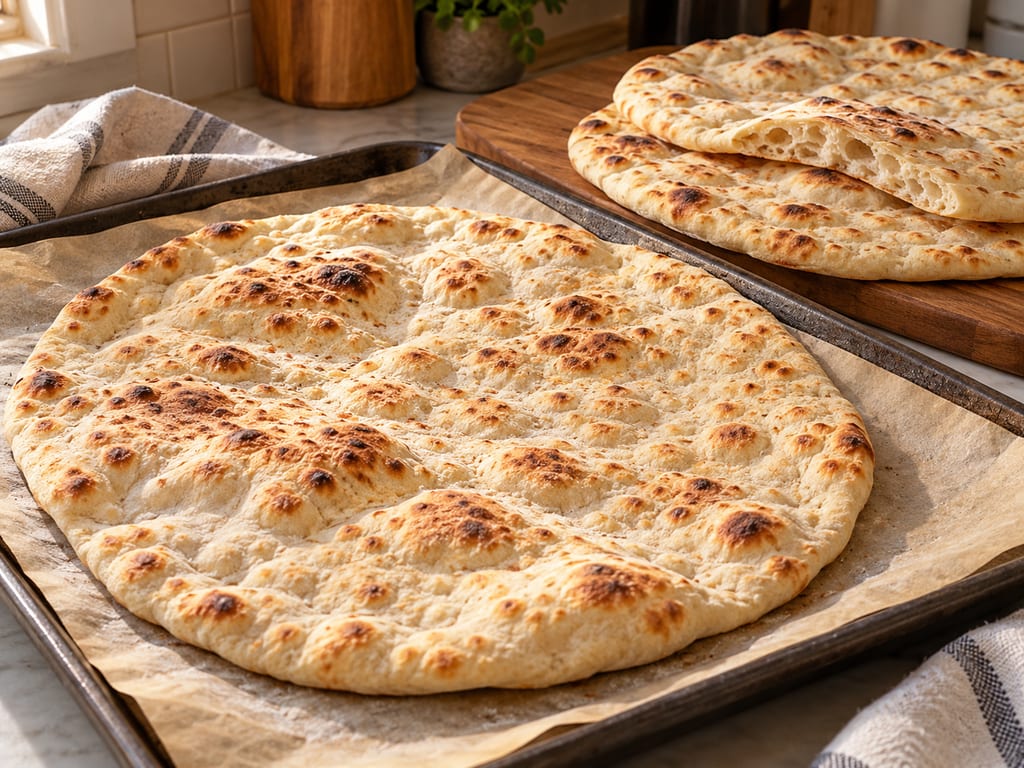
A soft, water-only Iraqi wheat flatbread adapted for a domestic oven with parchment and a preheated baking stone or inverted sheet.
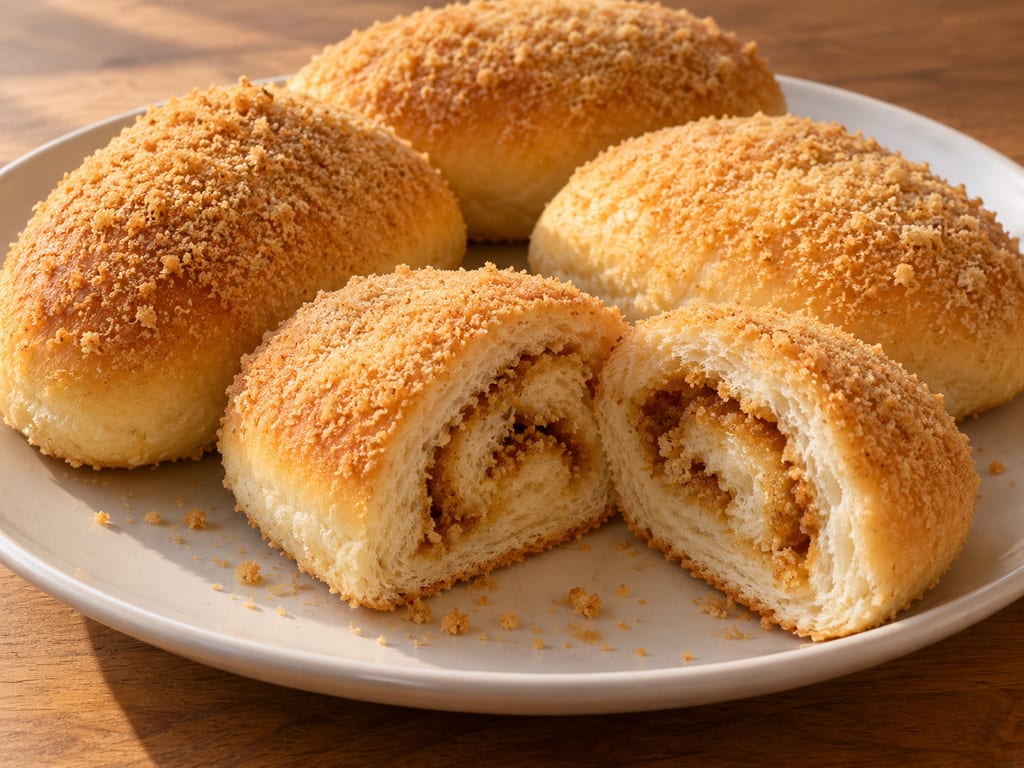
This Manila baker’s Filipino Spanish bread pairs a soft, enriched roll with a buttery brown-sugar breadcrumb filling and a crumb coating.
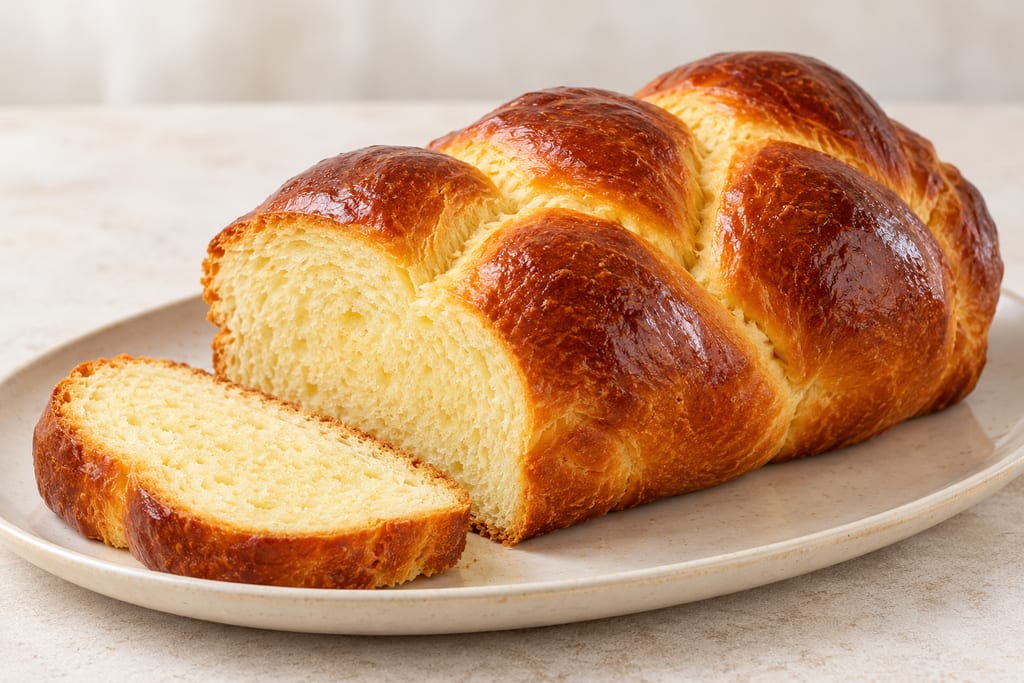
An egg-and-butter-rich yeast dough shaped as one round loaf, two loaves or twelve small brioches, with baking paths that vary by shape.
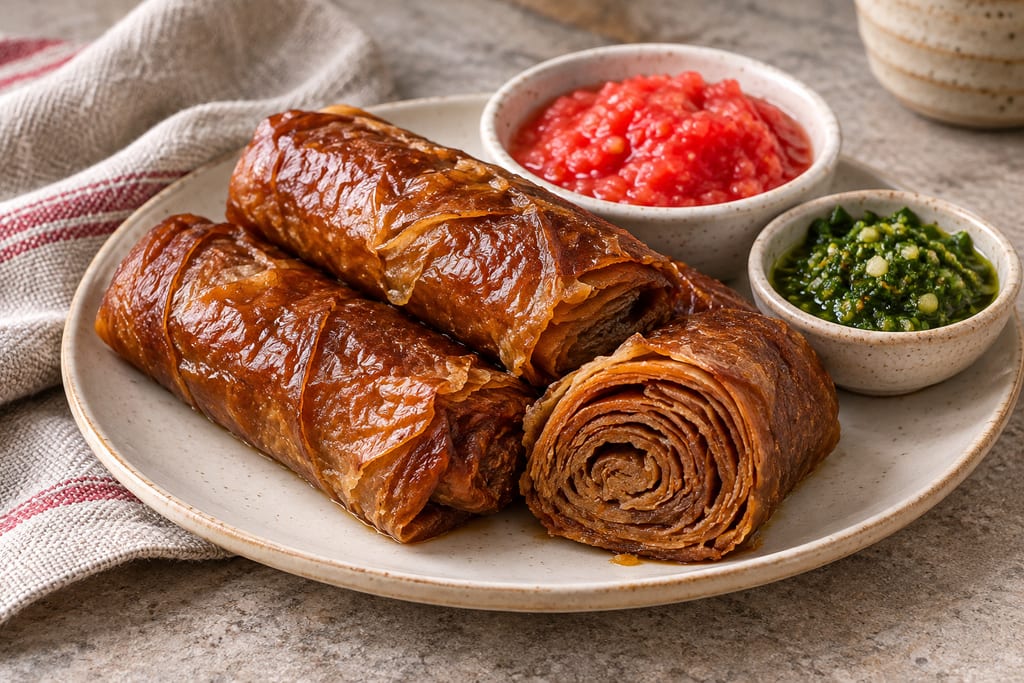
Jachnun is a rolled, butter-layered wheat pastry baked covered for hours at very low oven heat and served warm, often with grated tomato and schug.
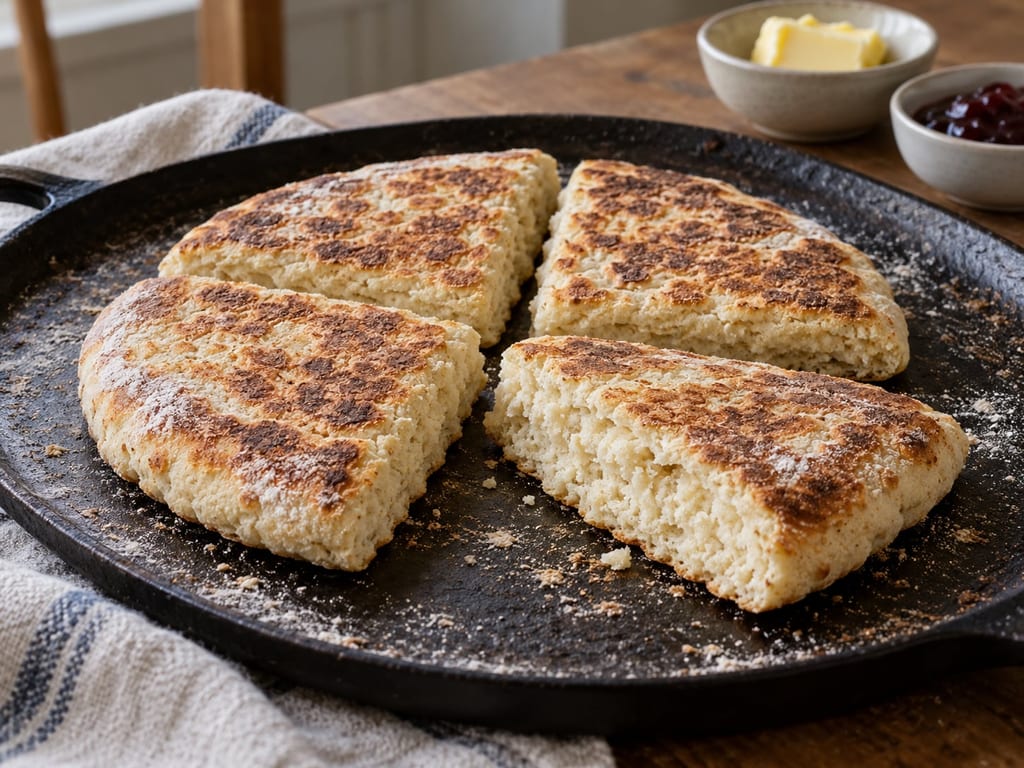
A buttermilk-and-soda wheat dough cut into quarters and cooked on a griddle, following Paula's plain version for Discover Ulster-Scots.
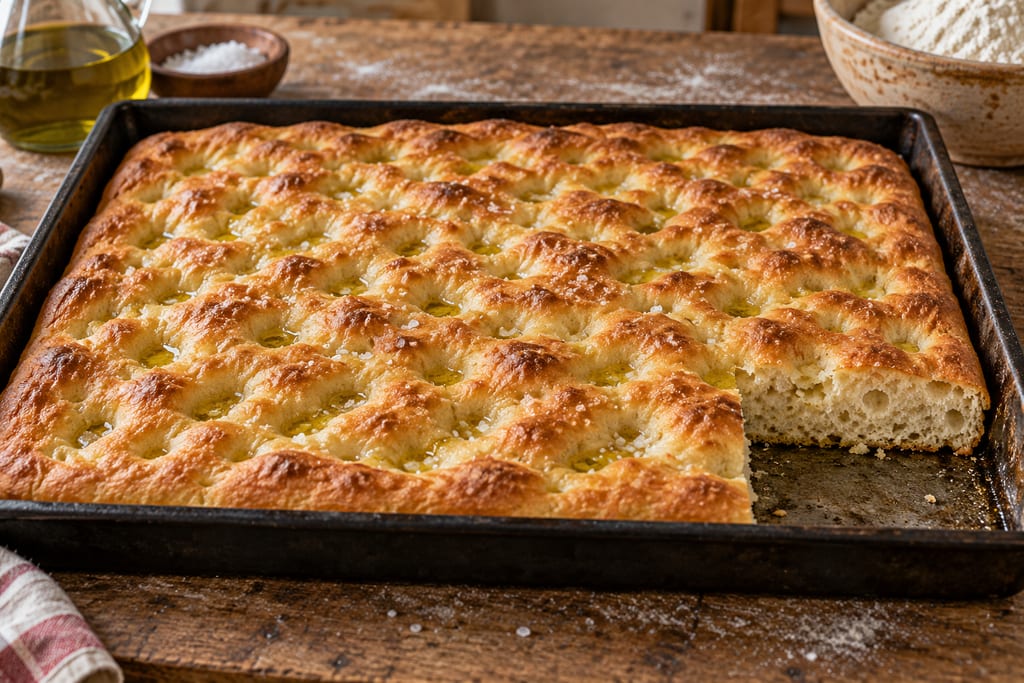
Fresh-yeast focaccia with olive oil and brine in its dimples, made in two 30 × 40 cm trays. It is separate from the sourdough focaccia formula.
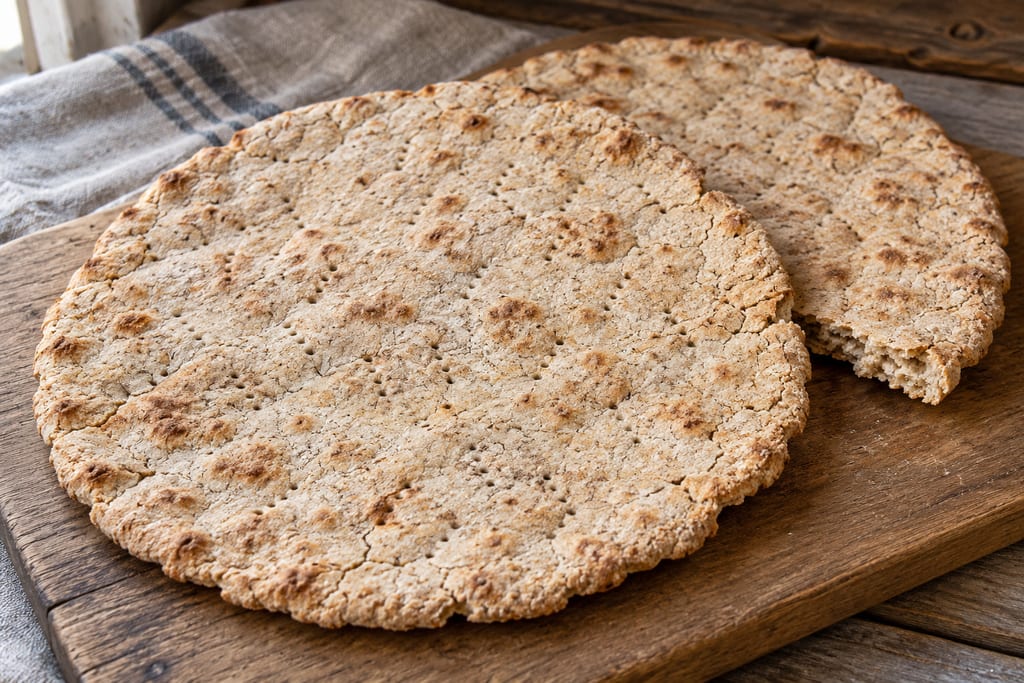
Two barley flatbreads made with cold dough and baked rapidly on a hot sheet, following Timo Lepistö's northern Finnish formula.
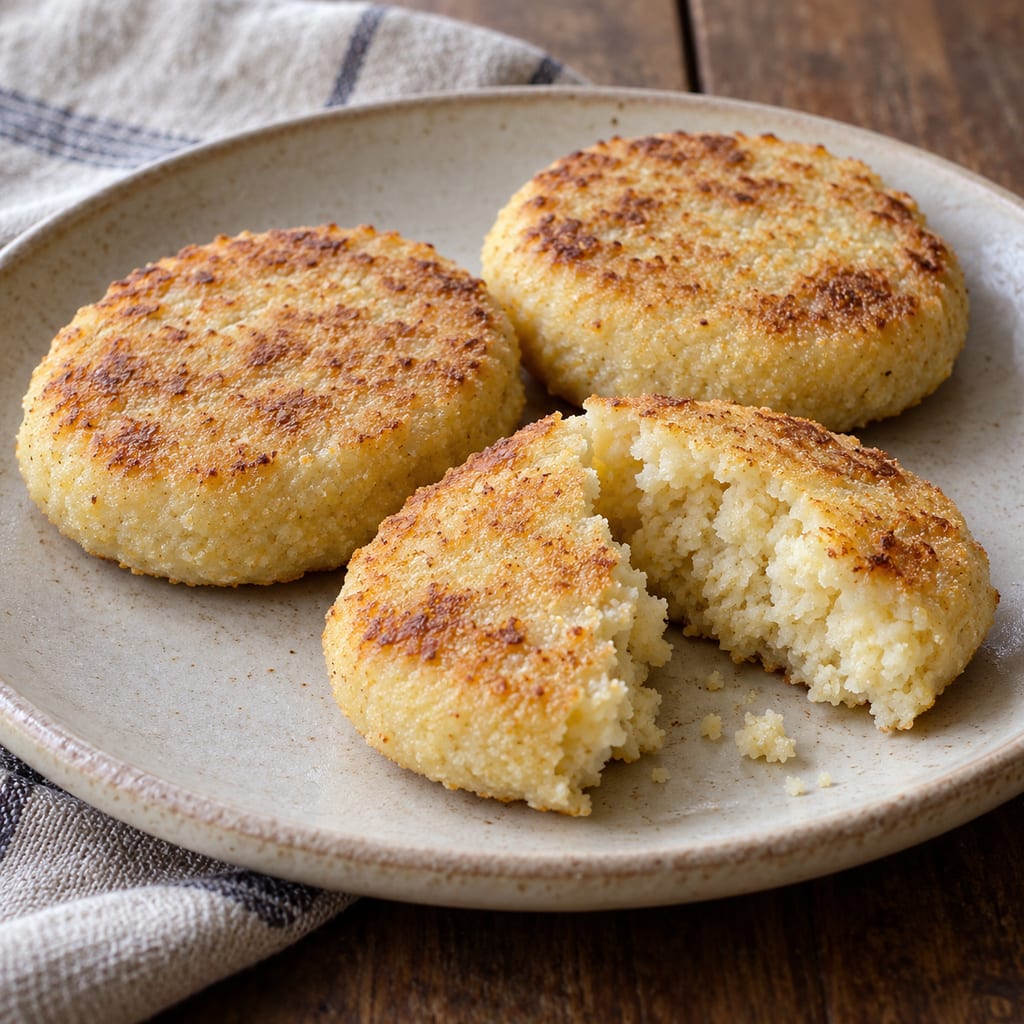
Unleavened cornmeal cakes mixed with cold water and cooked on both sides in a covered-then-uncovered pan. Cheese is served alongside rather than mixed into this dough.
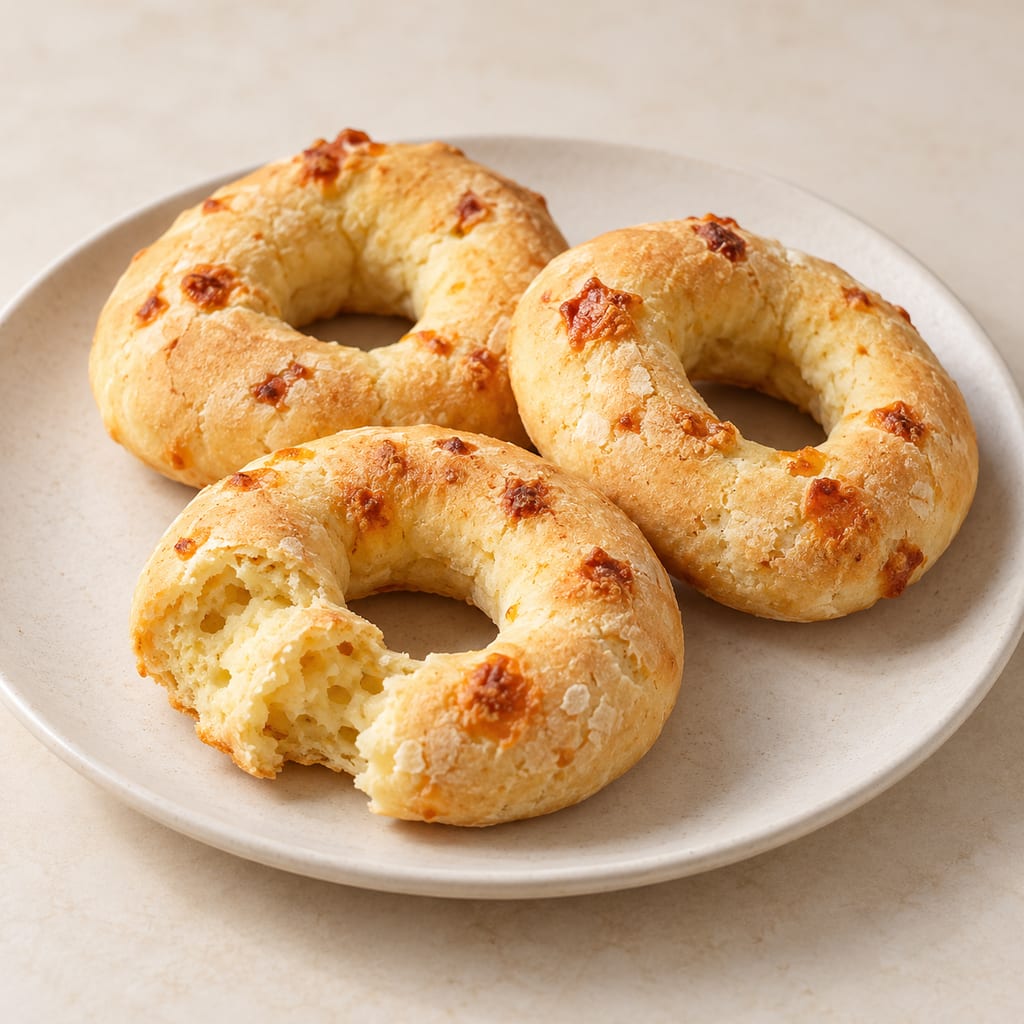
Cassava-starch cheese rings made with mozzarella, eggs and milk, with optional anise. This modern version uses baking powder and no dough fermentation.
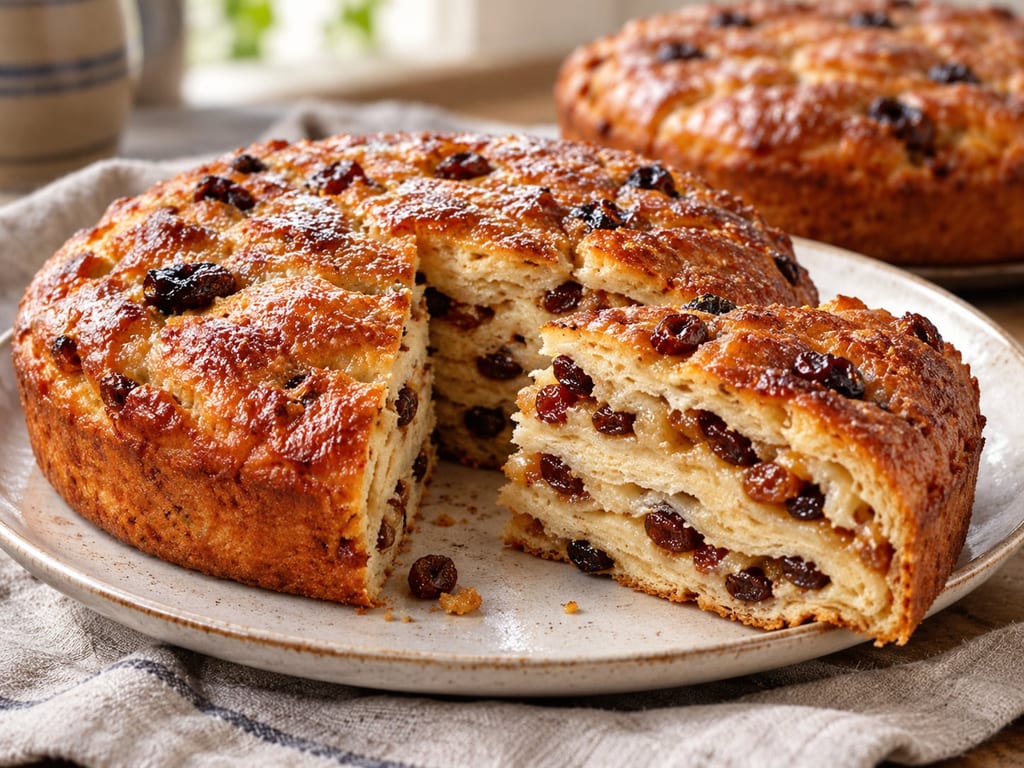
A yeast dough is folded around sweetened lard and dried fruit, then baked in tins until the bottom caramelizes.
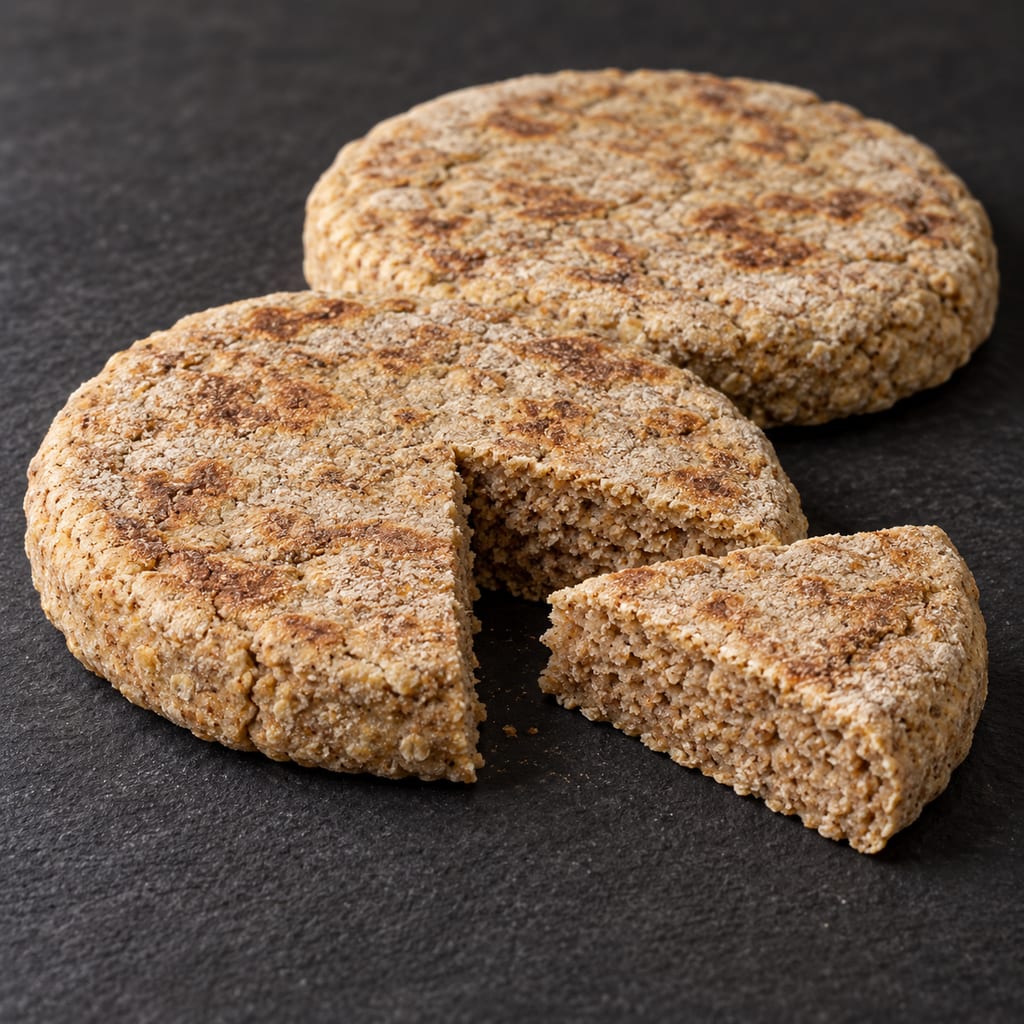
Two round, chemically raised bannocks made with equal weights of white flour and beremeal, barley flour or oat flour, following Anne Johnson's Orkney formula.
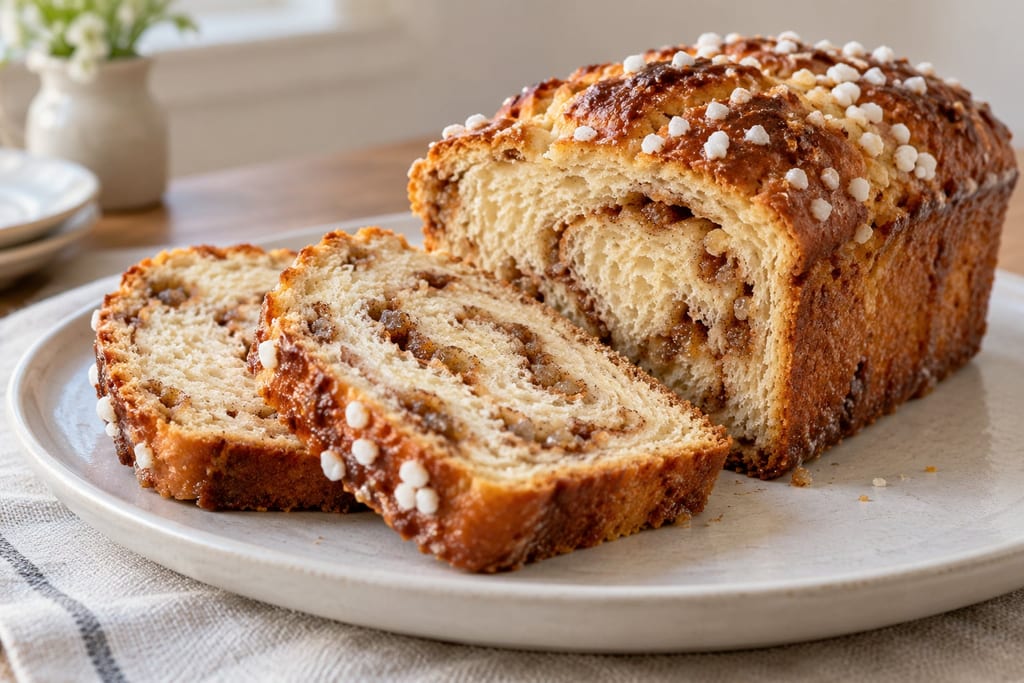
Yeasted sugar bread with cinnamon, pearl sugar and ginger syrup, shaped into two standard loaves or three paper-pan loaves.
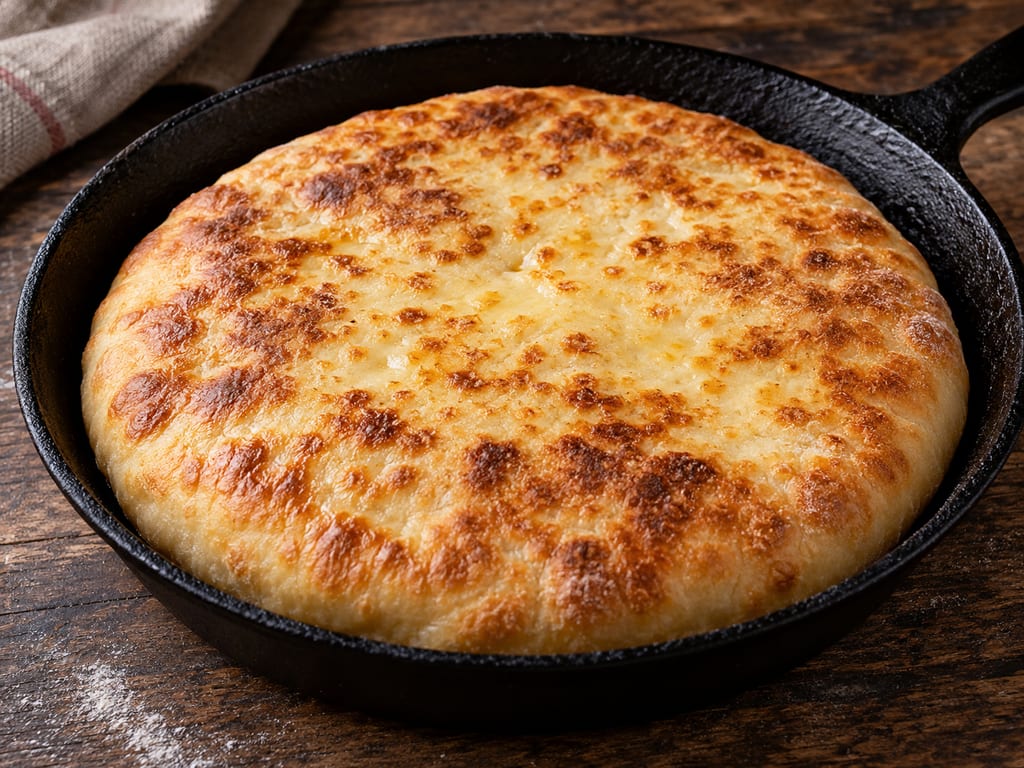
Closed round cheese breads made with sour-cream dough and cooked in a frying pan. This named Gunda version has no added yeast or proofing stage.
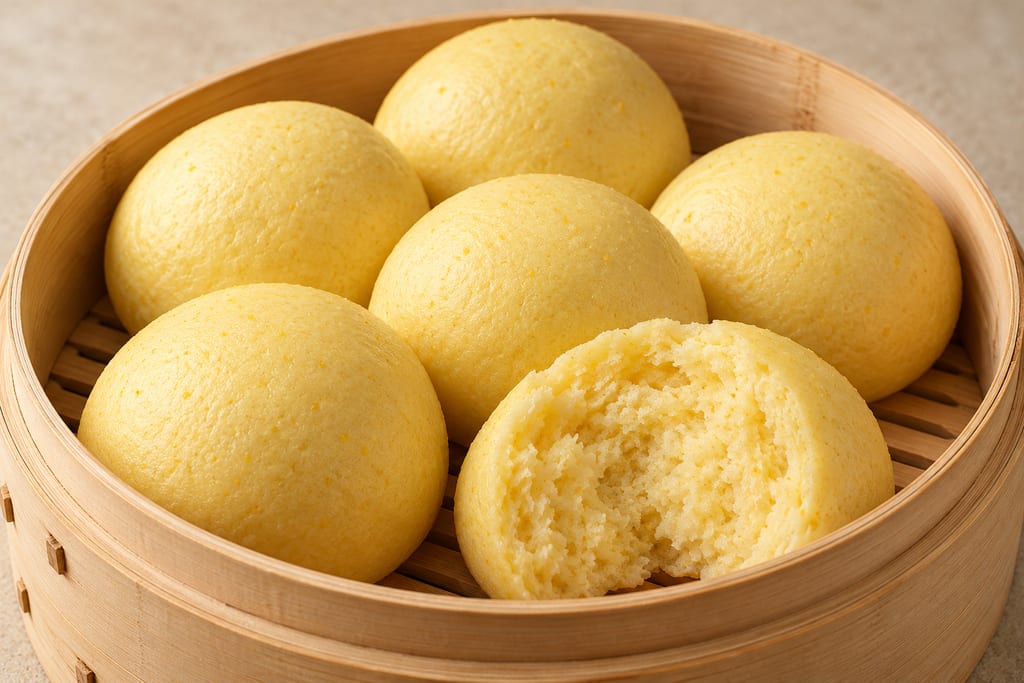
A Chinese cornmeal mantou made with wheat flour, cornmeal, water and yeast. The dough rises until doubled, is shaped into ten rounds, proofed briefly and steamed.
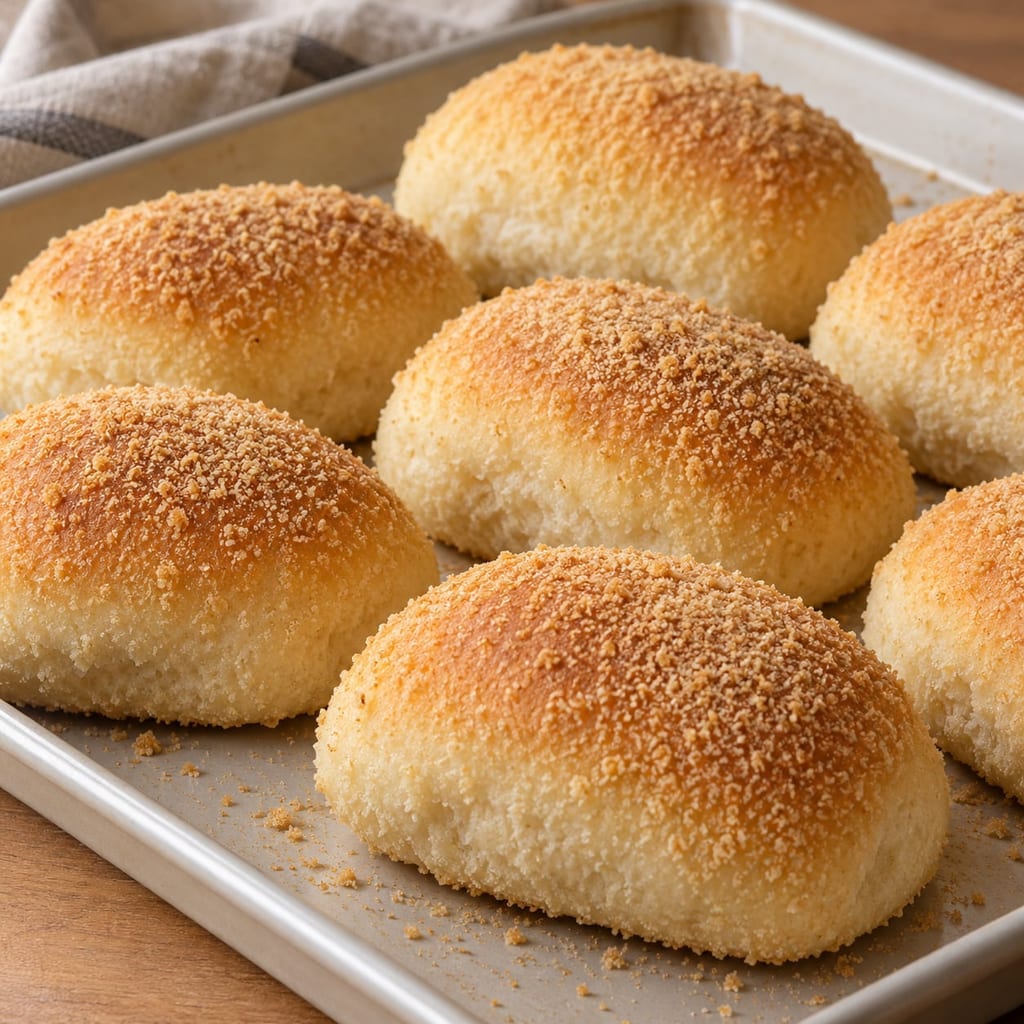
Filipino pandesal made with a neutral-oil wheat dough, folded through a 3½-hour fermentation and coated in breadcrumbs.
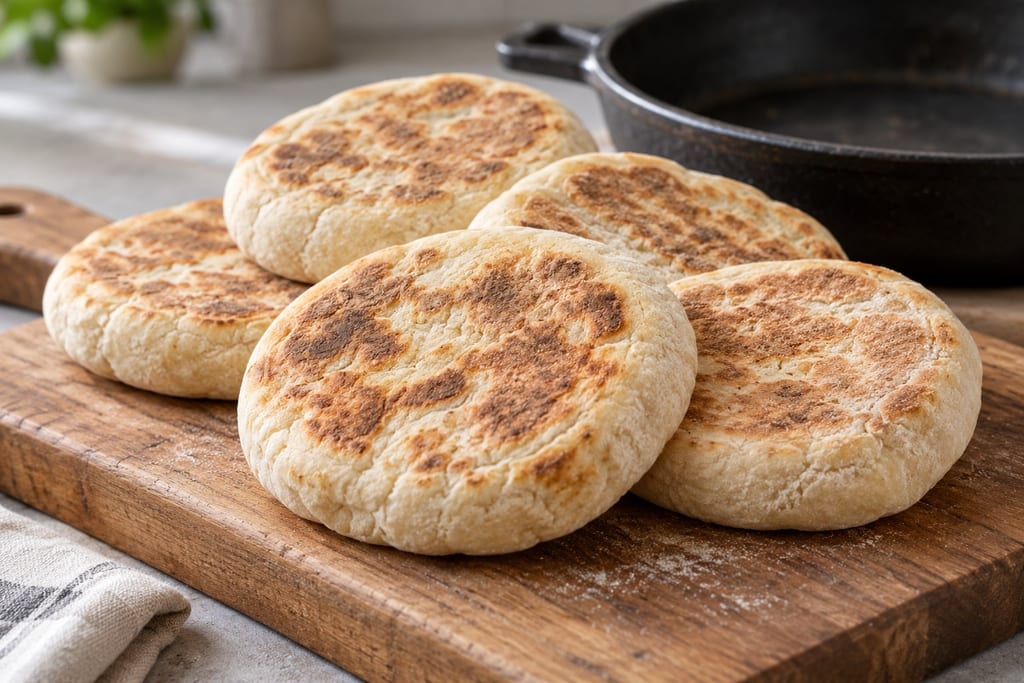
Sweet-potato wheat breads with fresh yeast, browned in a pan and finished in the oven. This is the bread component of Teleculinária's scrambled-egg dish.
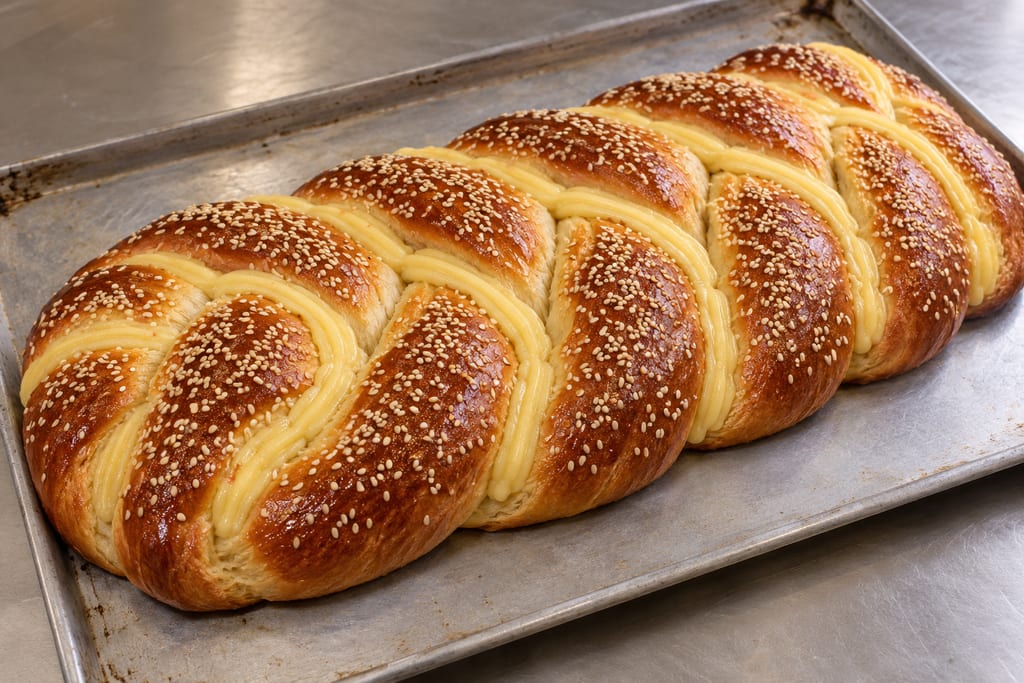
A Mexican sweet, yeast-raised wheat bread shaped as a broad braid or closed zigzag, brushed with egg glaze and decorated with pastry cream and sesame.
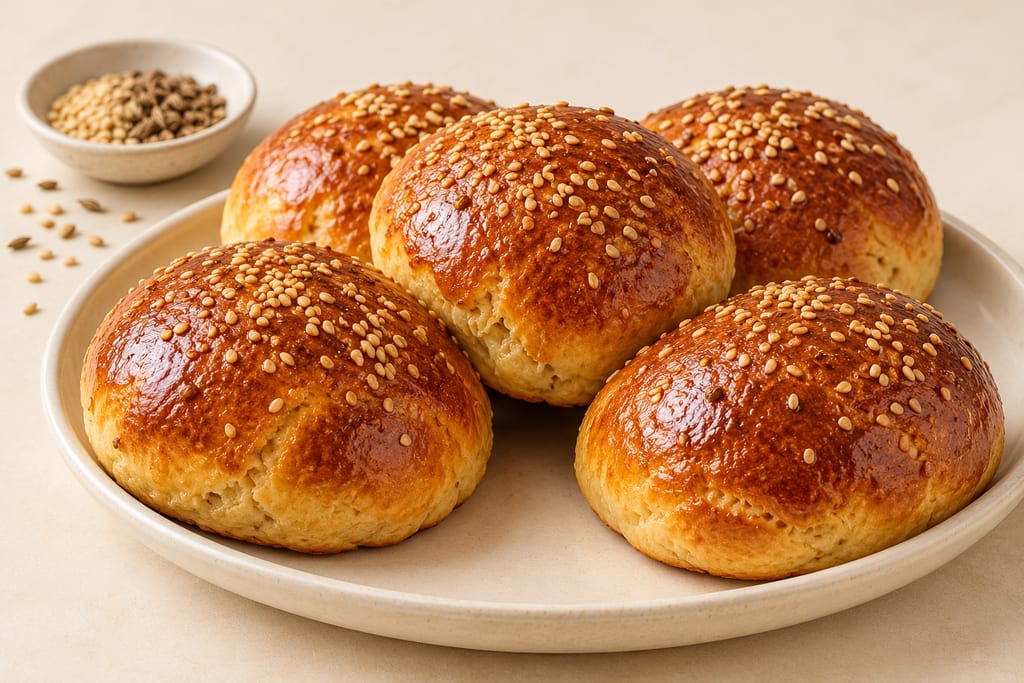
Krachel, also called el gors, are Moroccan sweet yeast rolls scented with anise, sesame and orange flower water. This version follows the three-rise method documented by Christine Benlafquih.
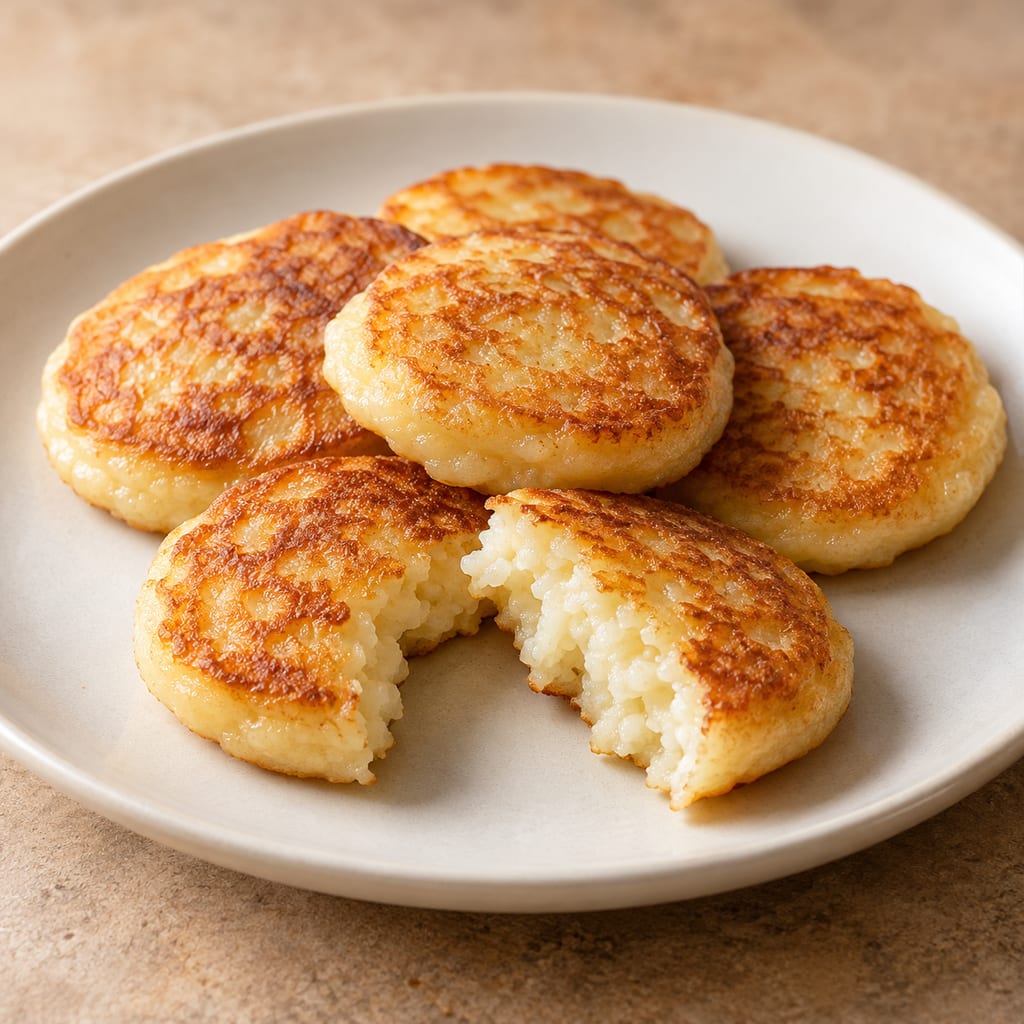
Small, mildly sweet Madagascar-named griddle cakes made from a briefly risen batter of cream of rice, whole-wheat pastry flour, yeast and water.
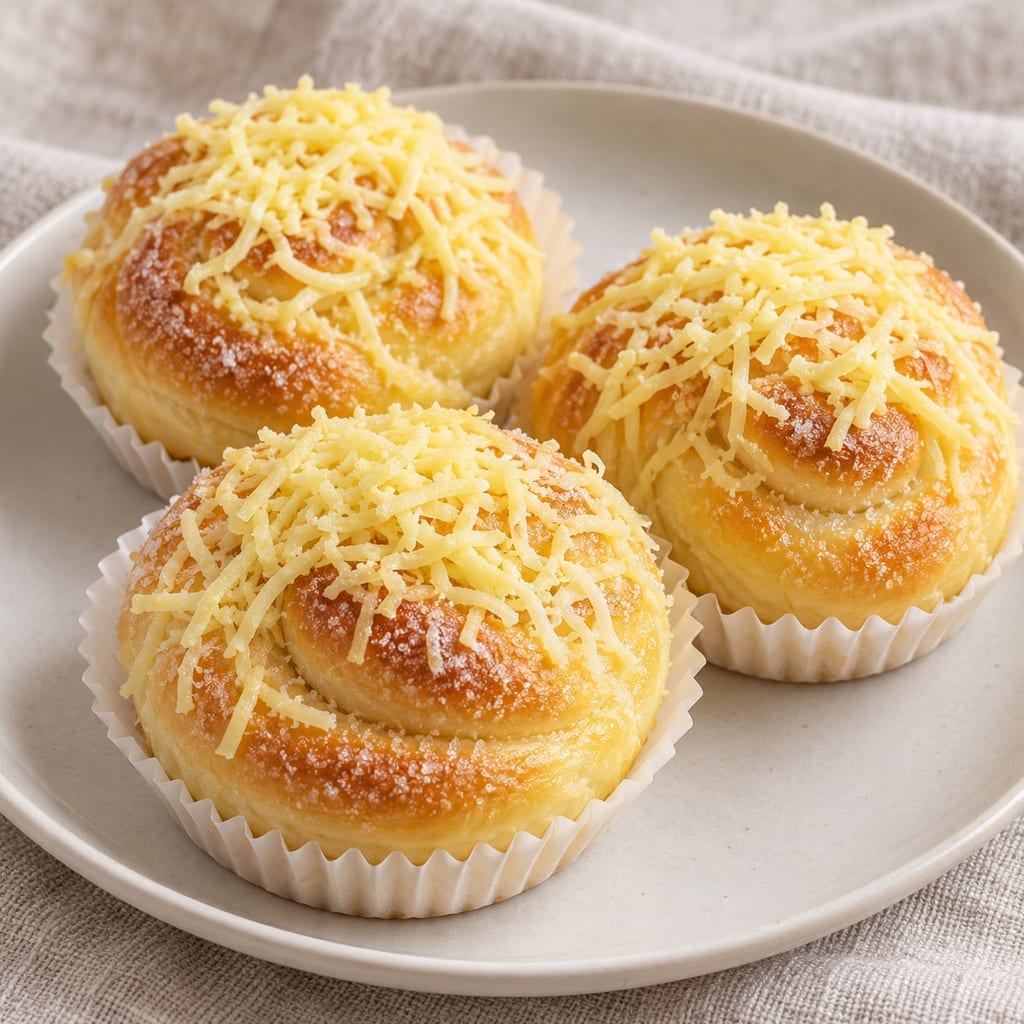
Soft Filipino ensaymada coils use enriched yeast dough, then receive butter, sugar and grated cheese. This modern Filipino version differs from Mallorcan ensaïmada and other Philippine regional formulas.
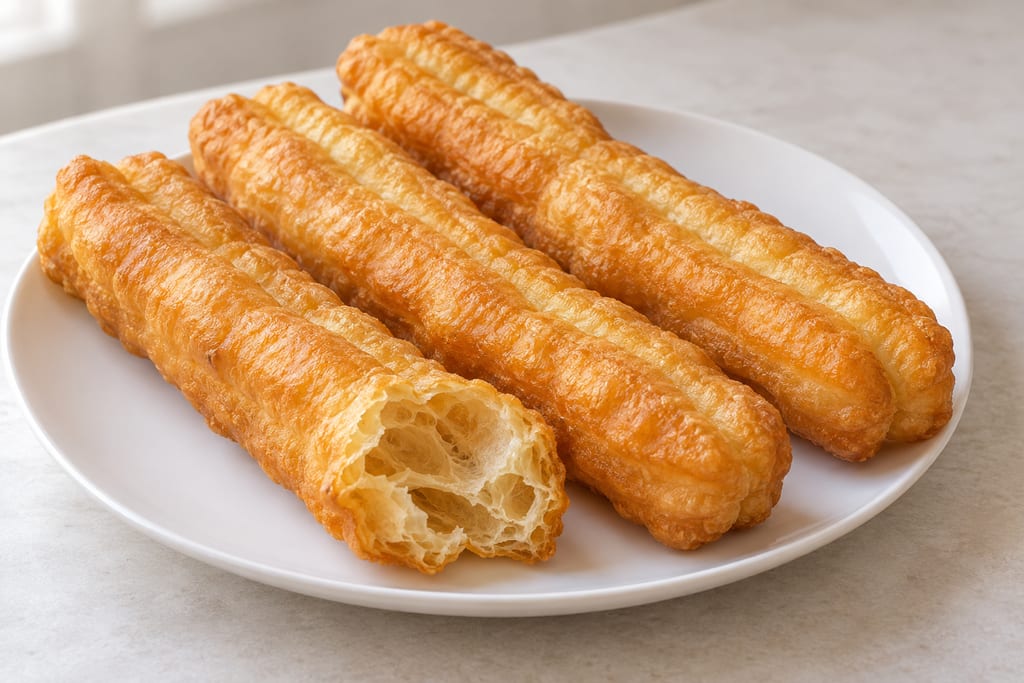
Youtiao are Chinese breakfast crullers made from soft baking-powder dough, chilled overnight, stretched into paired strips and fried until light golden.
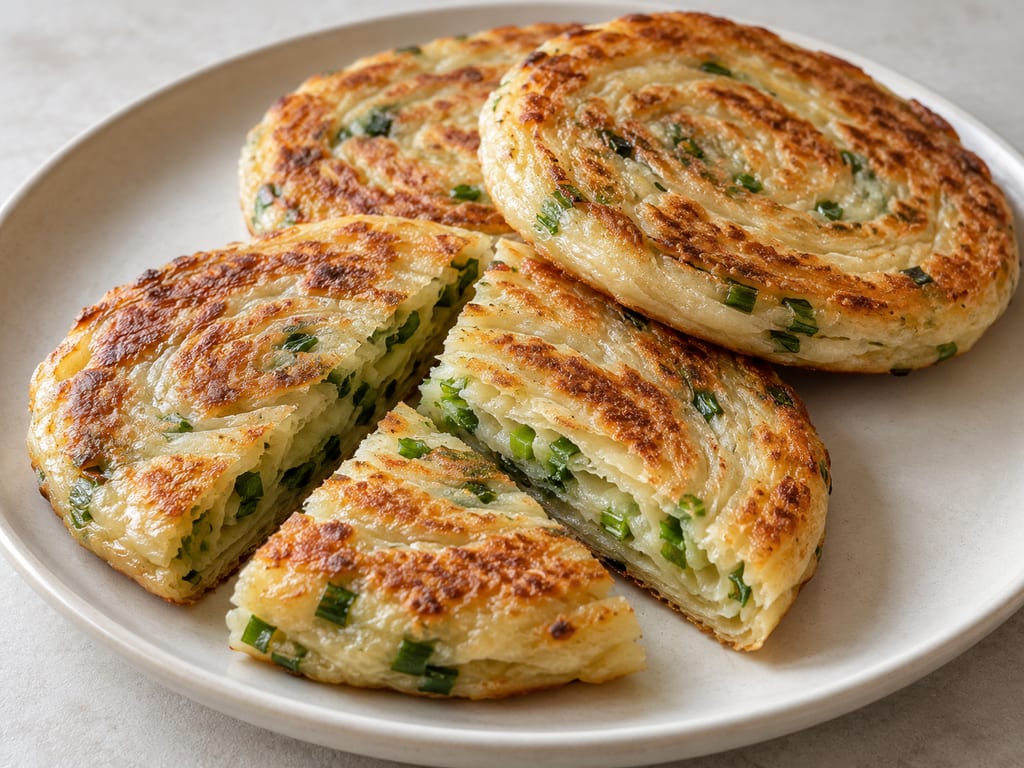
Bill Leung’s Shanghai-style scallion pancakes layer soft wheat dough with scallions and an oil-flour paste, then fry and finish in the oven.
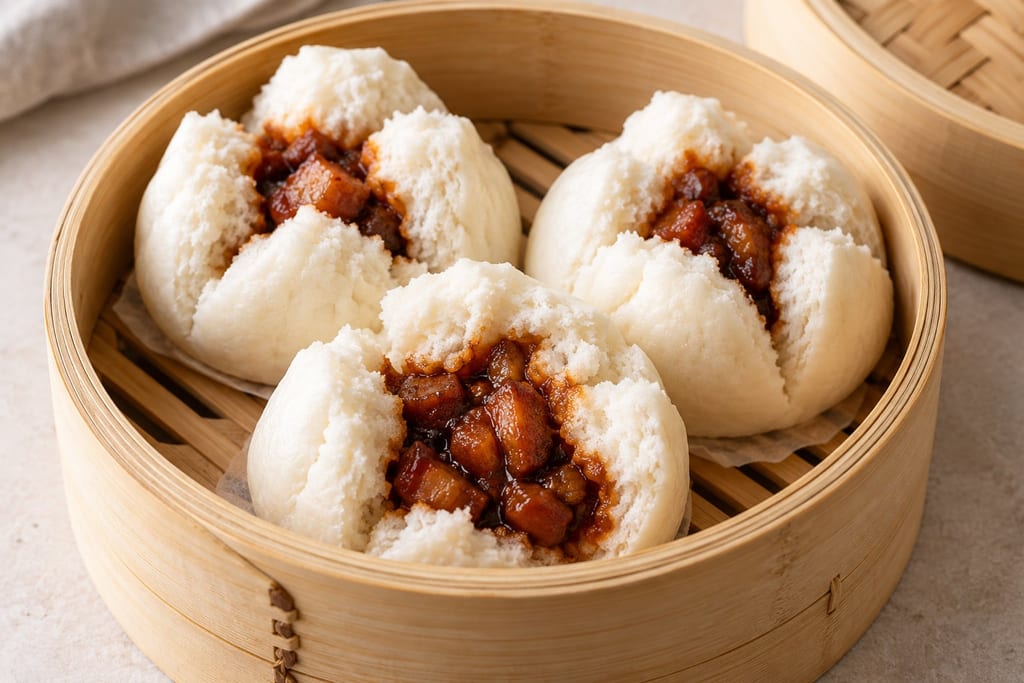
Fourteen fluffy steamed buns filled with cooked char siu and a thickened oyster-soy sauce.