Equipment
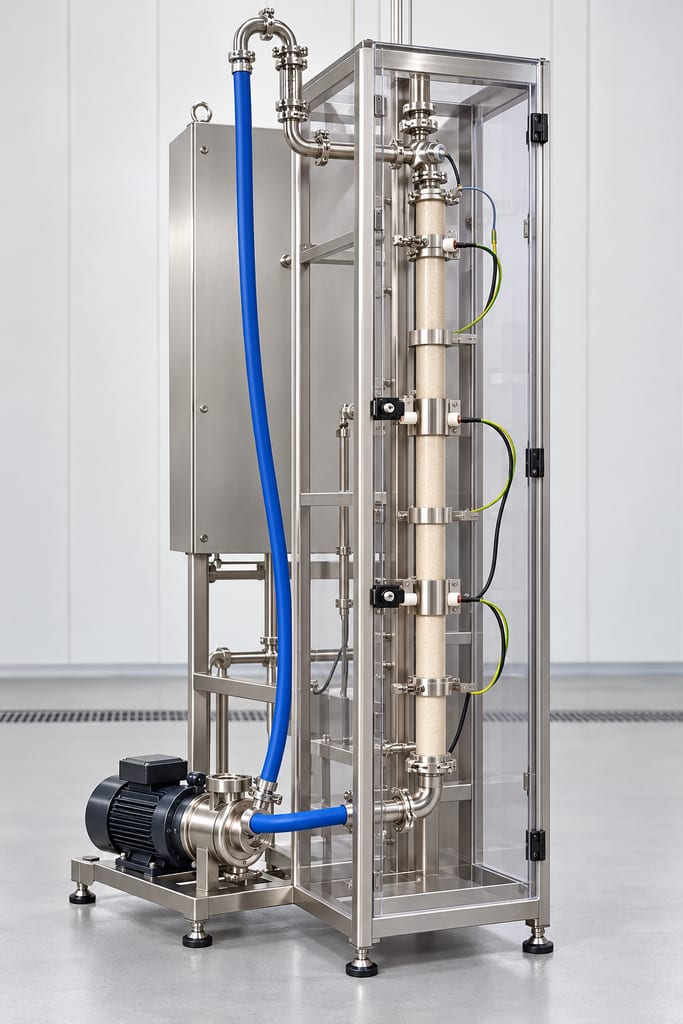
Ohmic heater
An ohmic heater passes electric current through conductive food so electrical resistance generates heat inside the product.
 FermenteaWhere food goes to change
626 sourced equipment pages: vessels, tools, appliances and built structures.
An ohmic heater passes electric current through conductive food so electrical resistance generates heat inside the product.
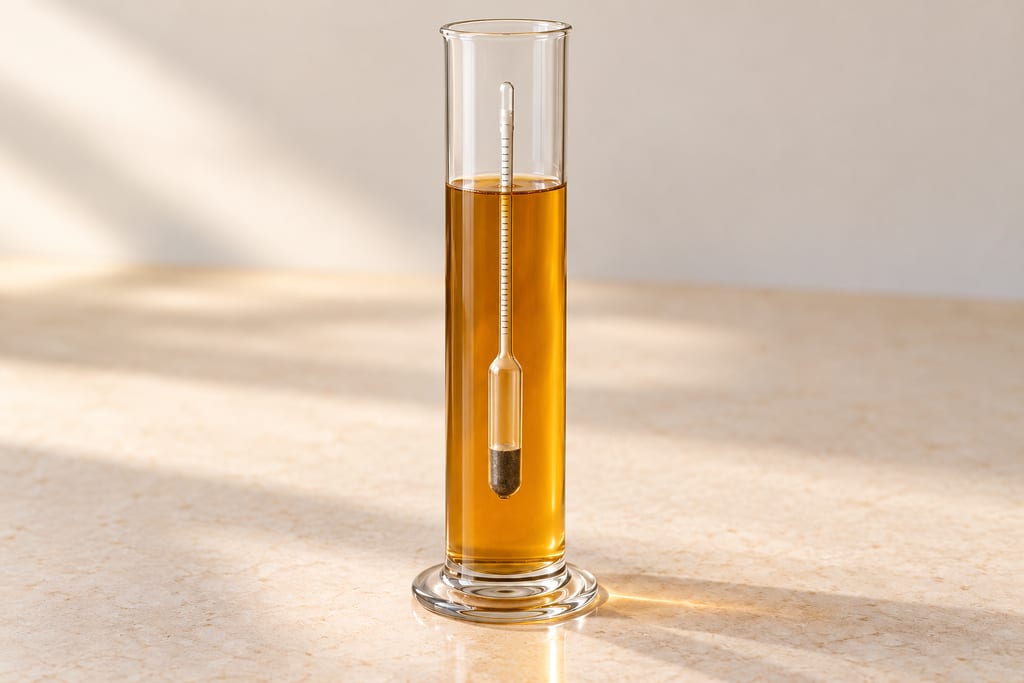
A hydrometer floats in liquid and uses its weighted body's depth to indicate density. In brewing, readings track changing gravity, not every dissolved substance or kombucha alcohol.
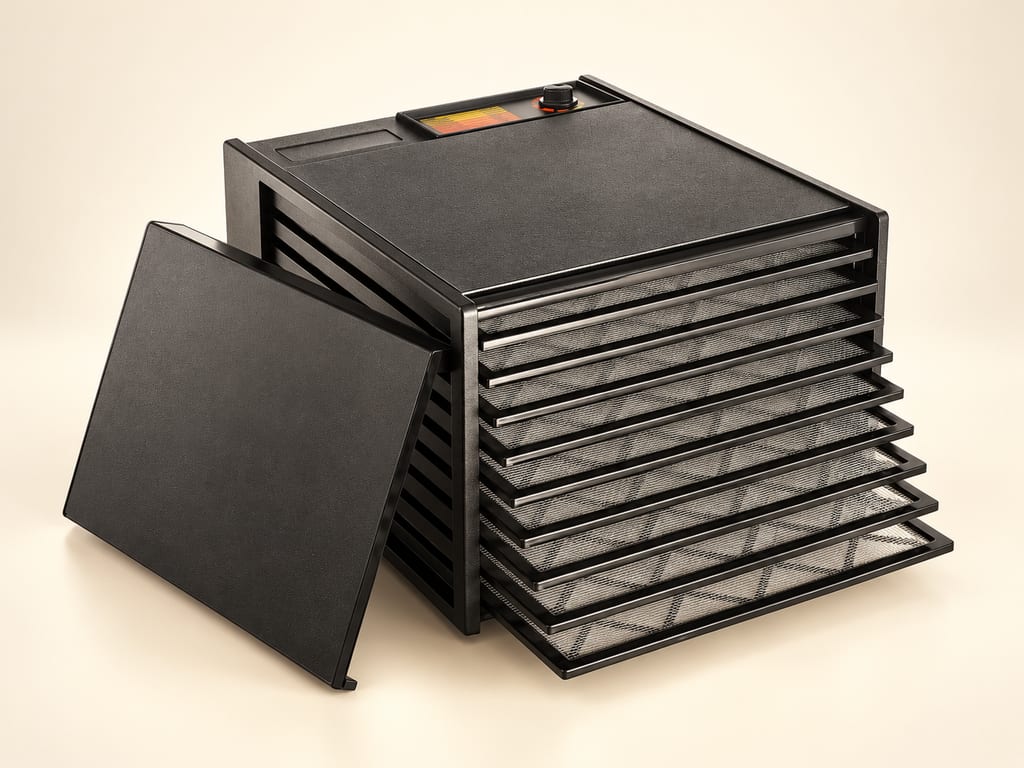
A maker-branded range of electric food dehydrators using forced horizontal airflow. Tray counts, controls and dimensions vary by model; the 3900B is one documented nine-tray example.
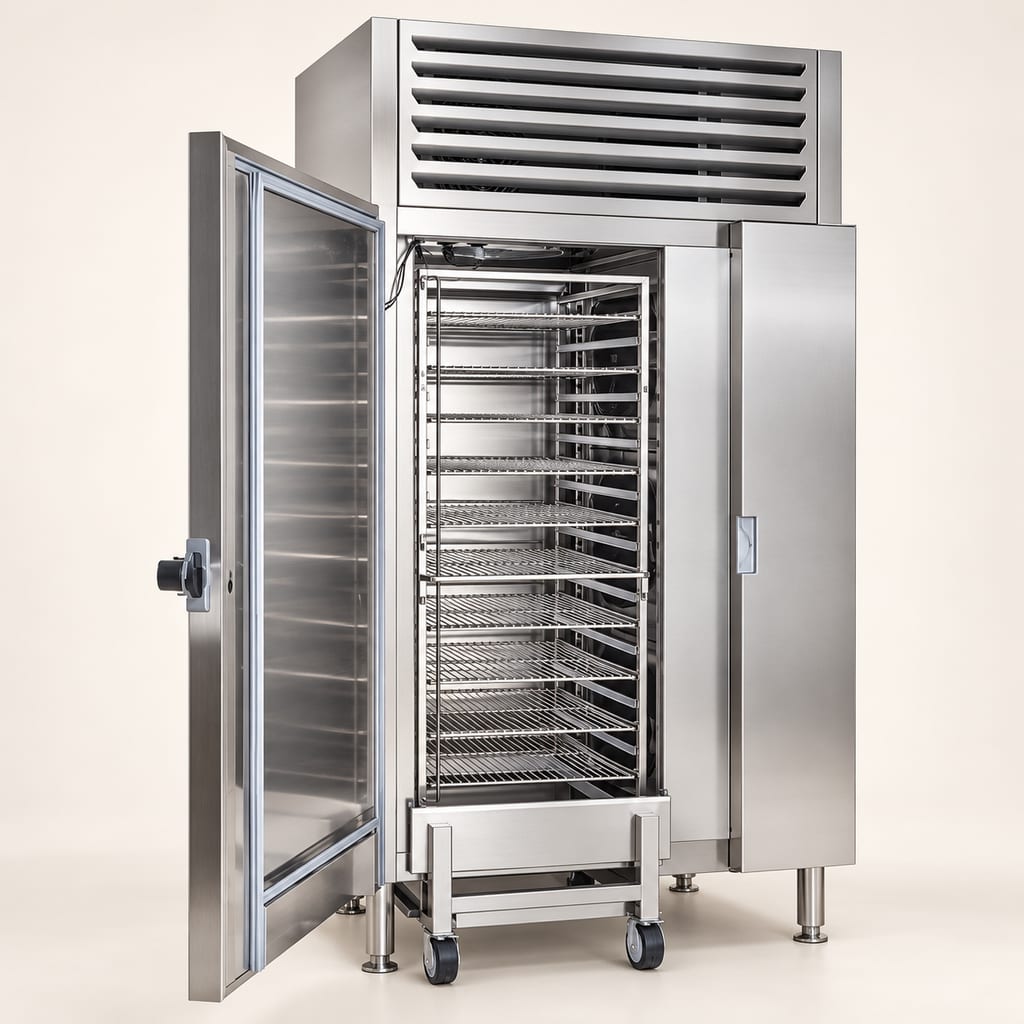
Powered refrigeration equipment that rapidly cools prepared food with cold, moving air. Batch depth, container arrangement and measured cooling performance still matter.
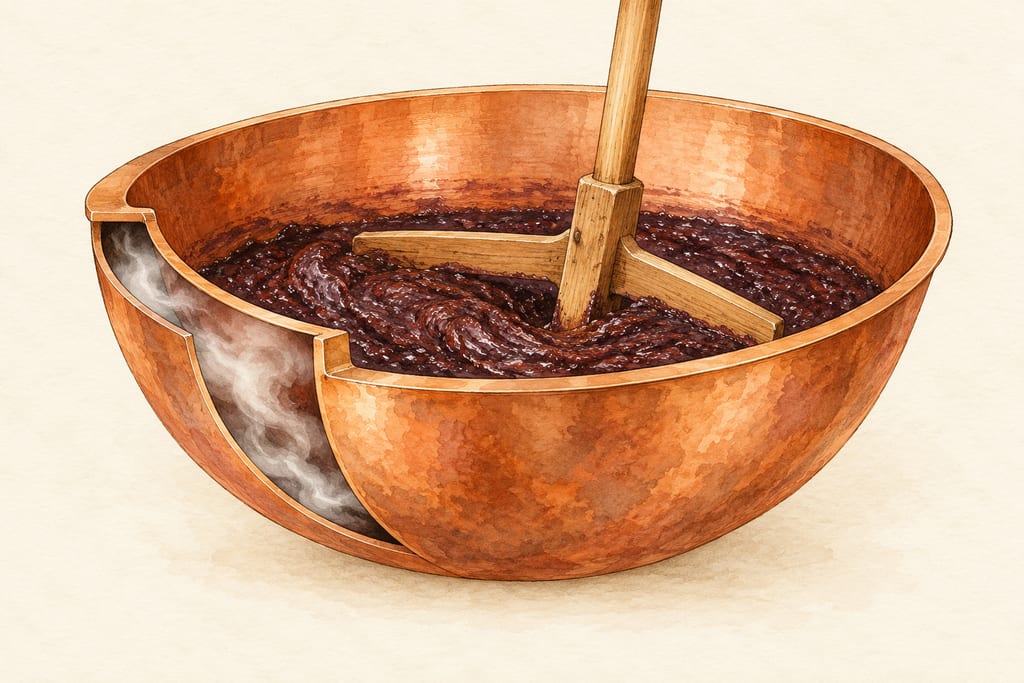
Topoloveni's open vats use steam through a double wall and anchor stirring. DoR reports four double-wall copper cauldrons imported from France for early production; their date and the material of current vats are unknown.
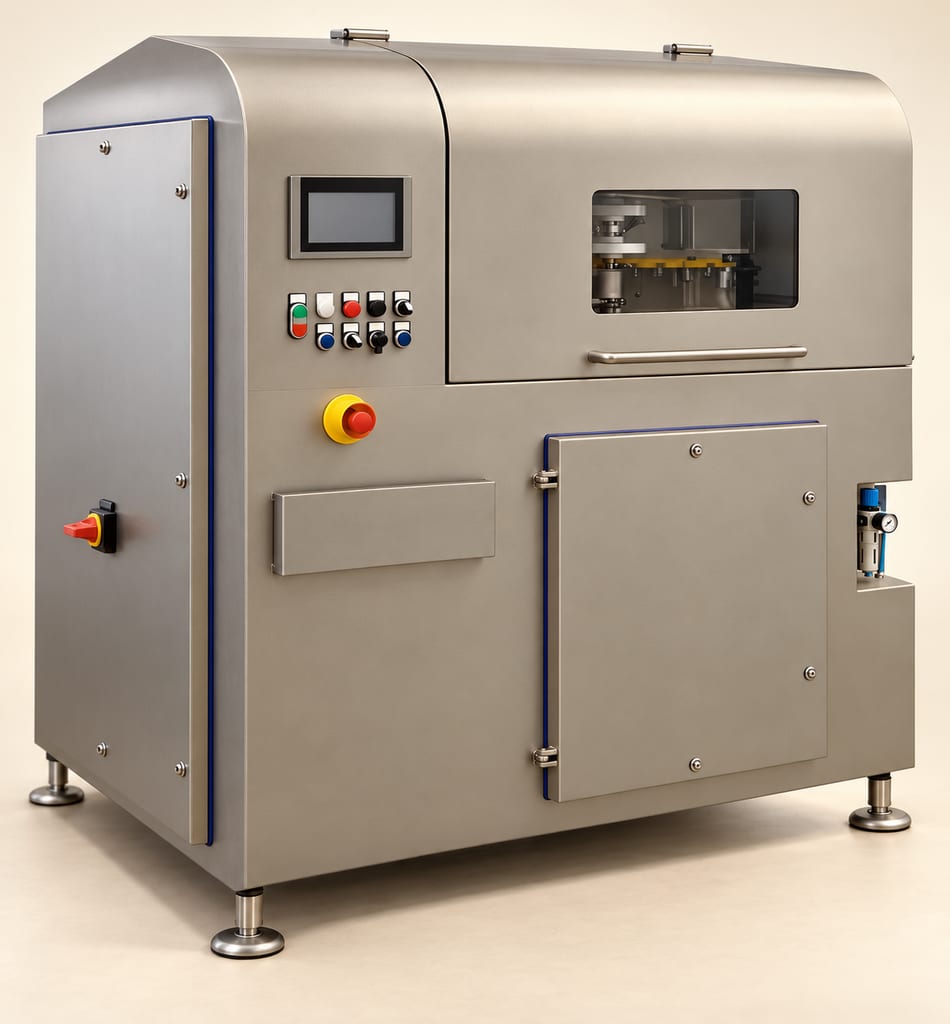
A pulsed electric field (PEF) unit sends brief high-voltage pulses through food in a treatment zone. Systems may treat flowing liquids or batches; the result depends on the food, equipment and validated process.
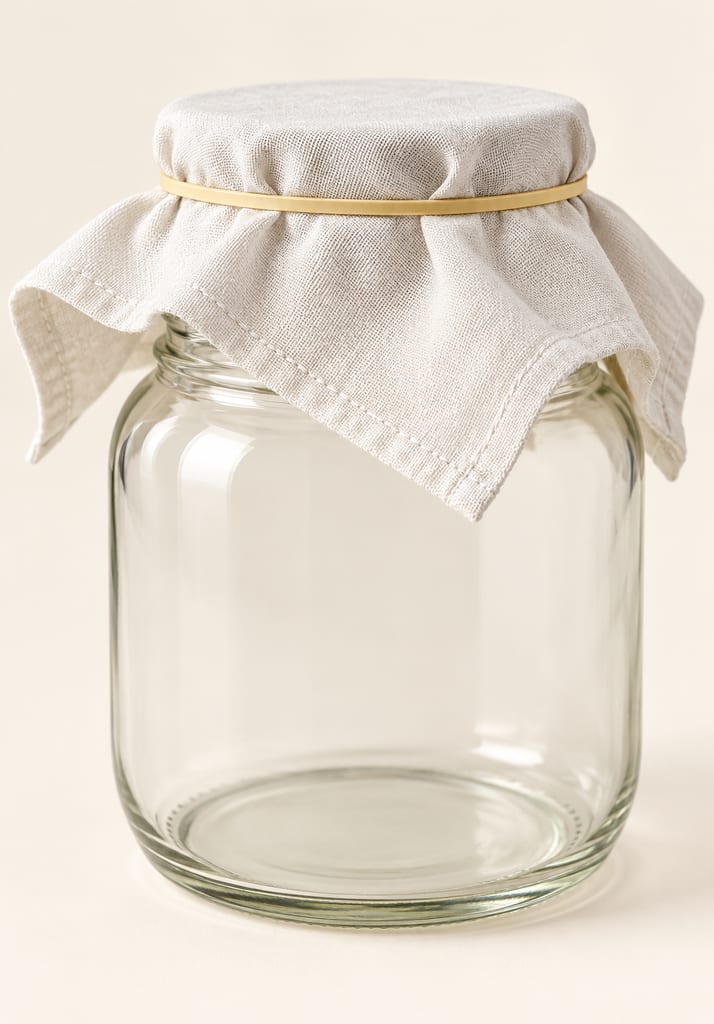
A clean, fine-weave cloth or towel covers an open ferment while allowing air exchange; a band or cord holds it over the vessel mouth.
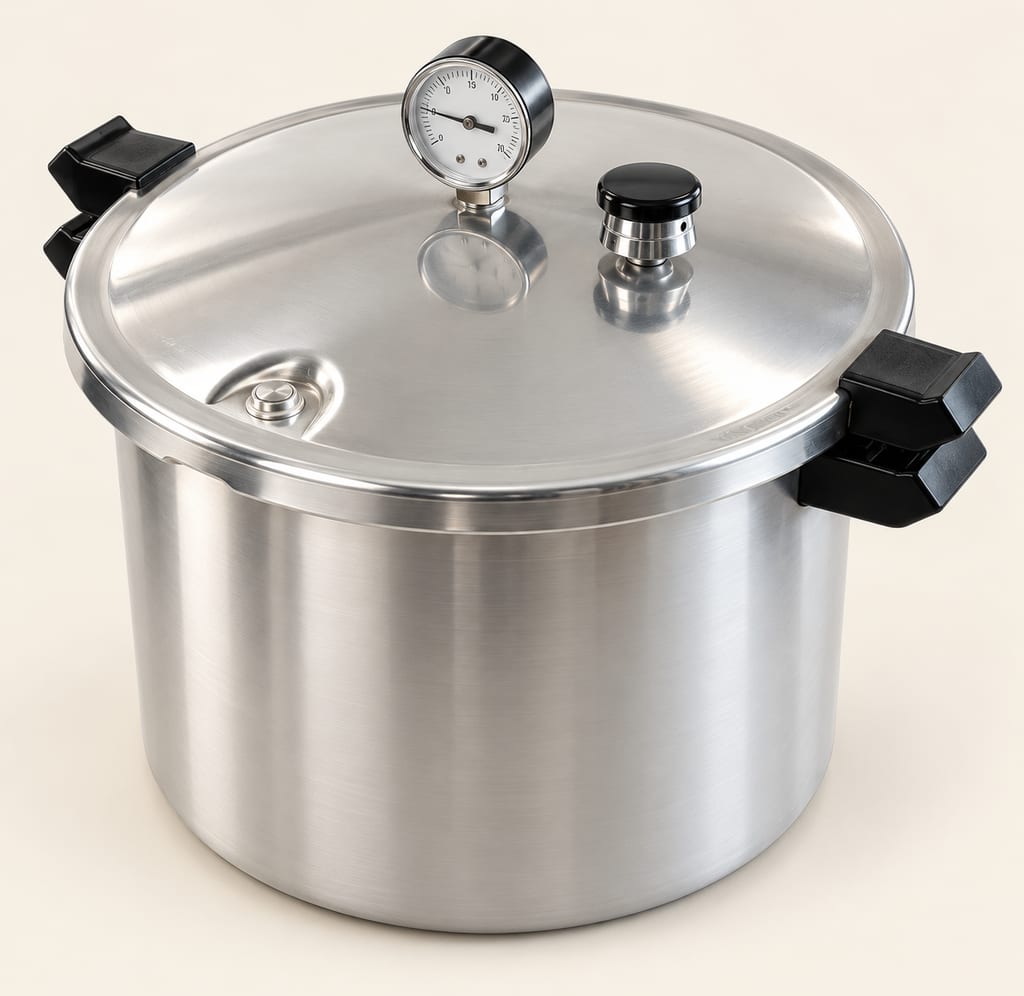
A lidded, vented pressure vessel processes jars at temperatures above the boiling point. For low-acid foods, use the equipment with a tested product-specific process; an ordinary pressure cooker is not a substitute.
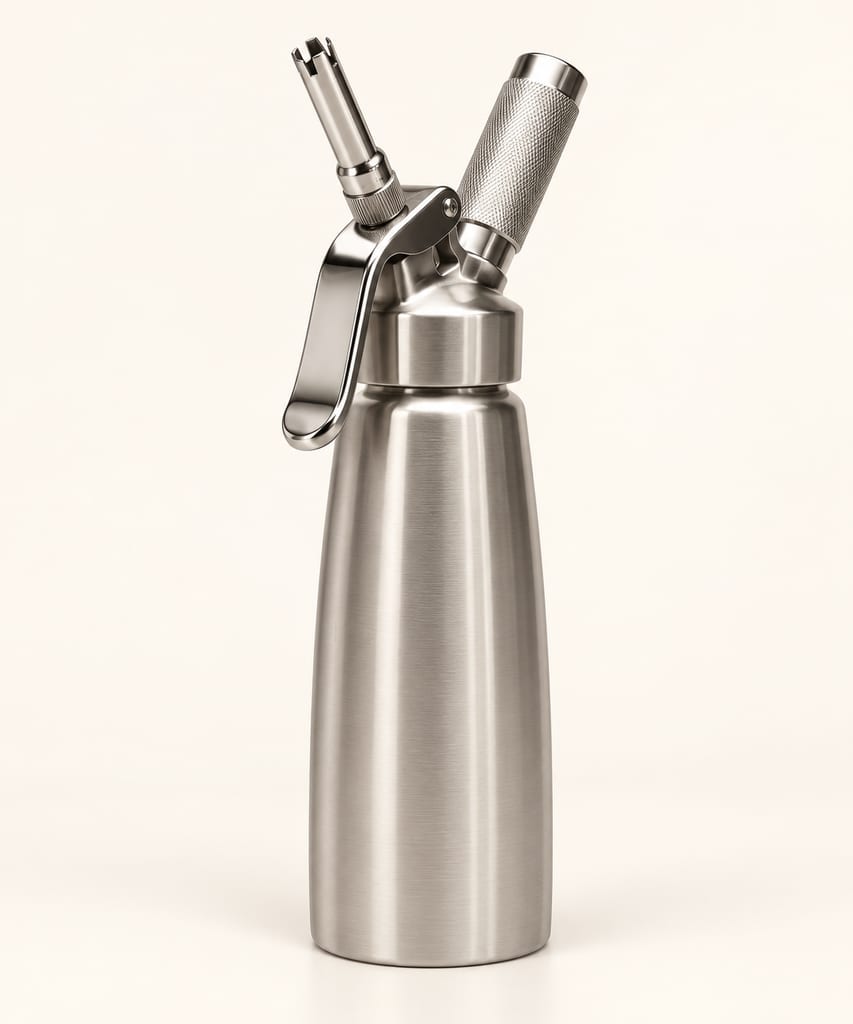
A food-rated pressure canister with a dispensing head and gas-cartridge holder. Cream whippers aerate or dispense foods and, with a compatible rapid-infusion attachment, can speed botanical flavour extraction into liquid.
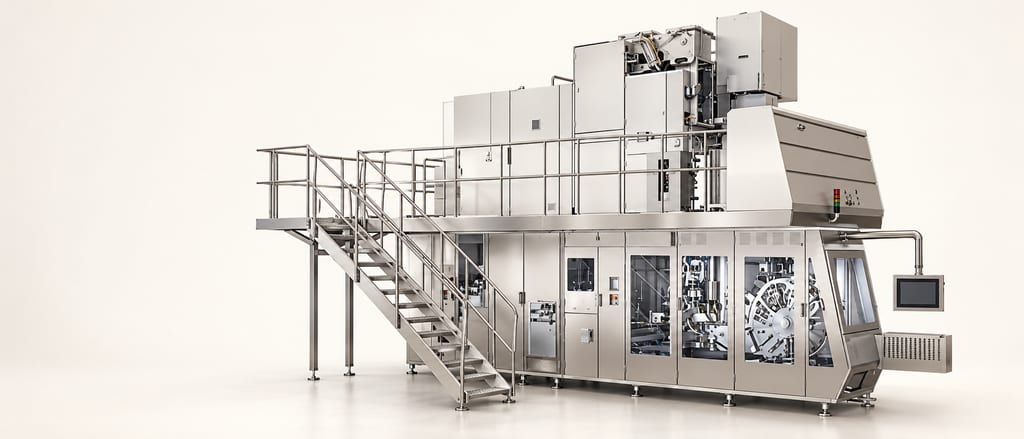
A modern filling system that transfers commercially sterile liquid into sterile packaging and closes it while keeping the product, downstream equipment, package and filling zone under controlled aseptic conditions.
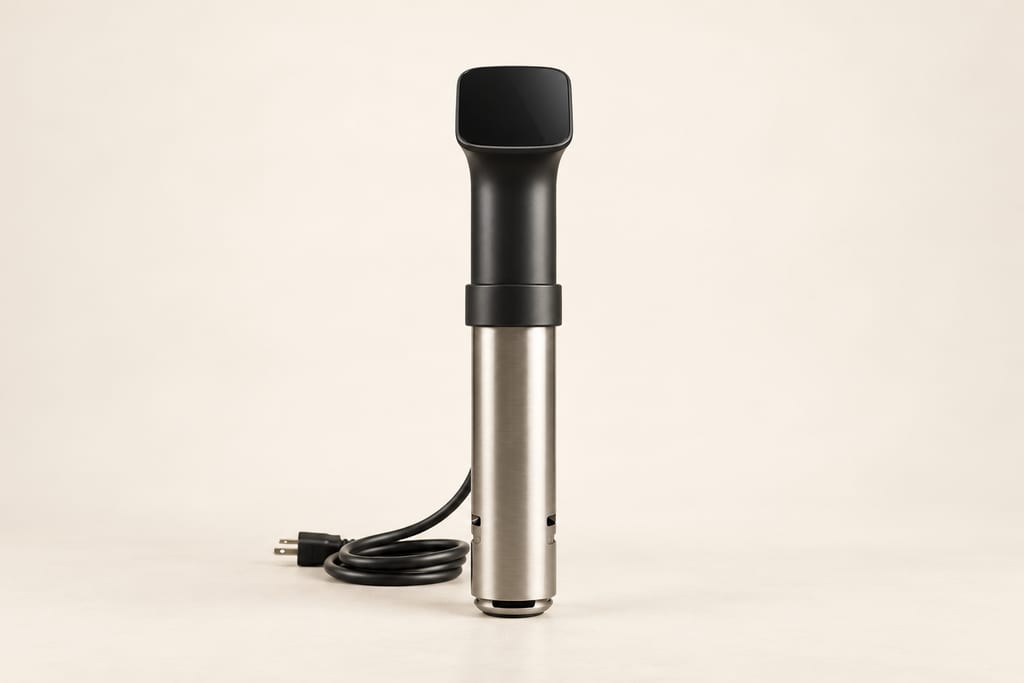
An immersion circulator heats and moves water around food held separately in bags or containers. For fermentation, it can provide a controlled warm bath for jar-based cultures when the recipe and appliance support that use.
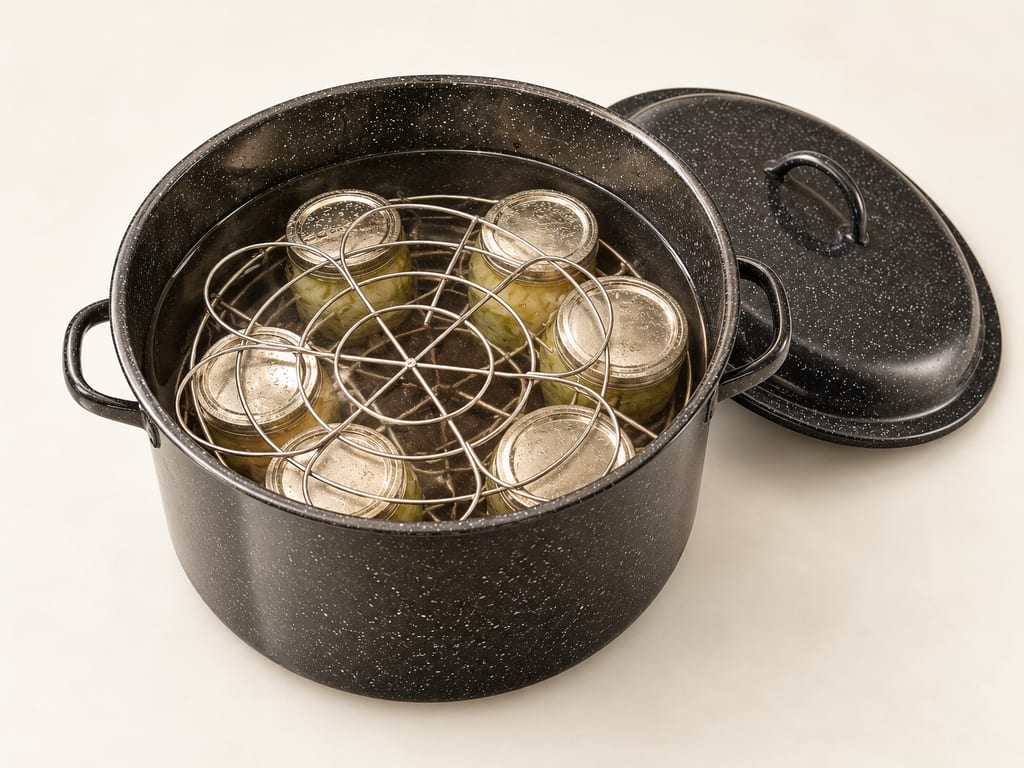
A deep, lidded pot with a removable rack processes jars beneath boiling water. It is intended for foods with tested boiling-water processes; low-acid foods require pressure canning.
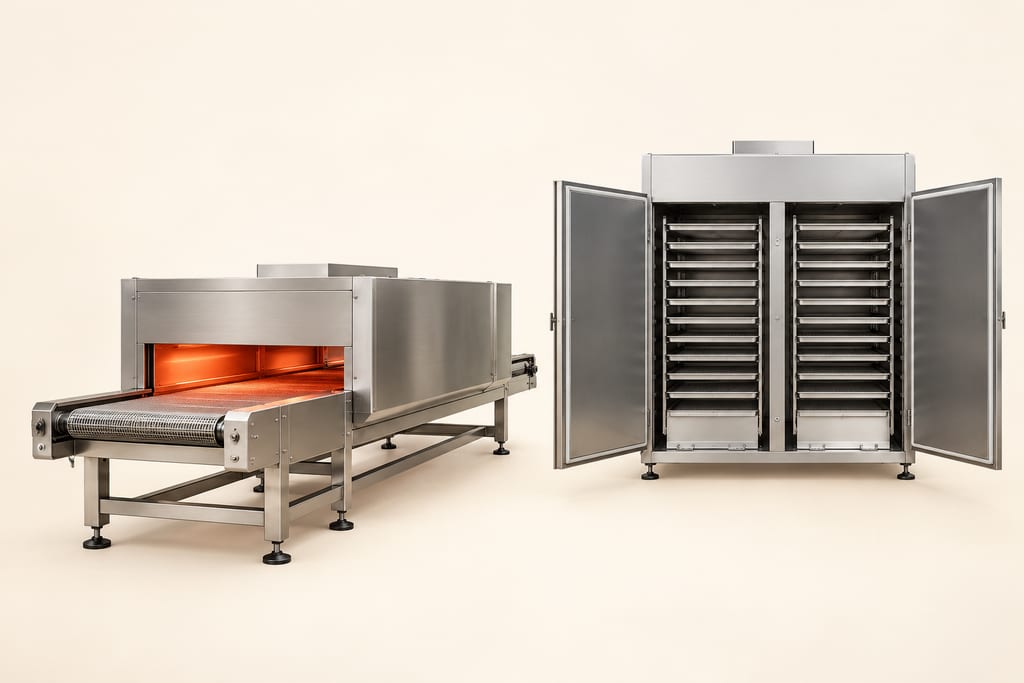
PHilMech's two-stage mango-drying system used intermittent far-infrared conveyor heating before a convection cabinet finish. Its pilot measurements describe one research setup, not a standard specification for every hybrid dryer.
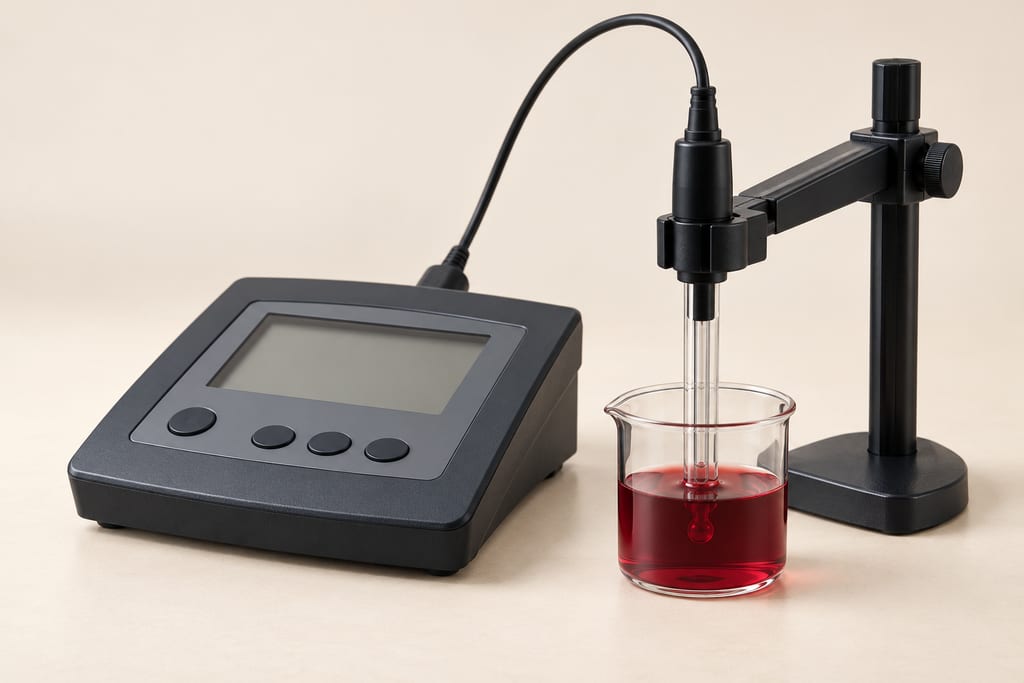
A pH meter pairs an electronic readout with a probe to measure a prepared sample. Probe choice, calibration and representative sampling affect the reading, so the model and method must fit the food.
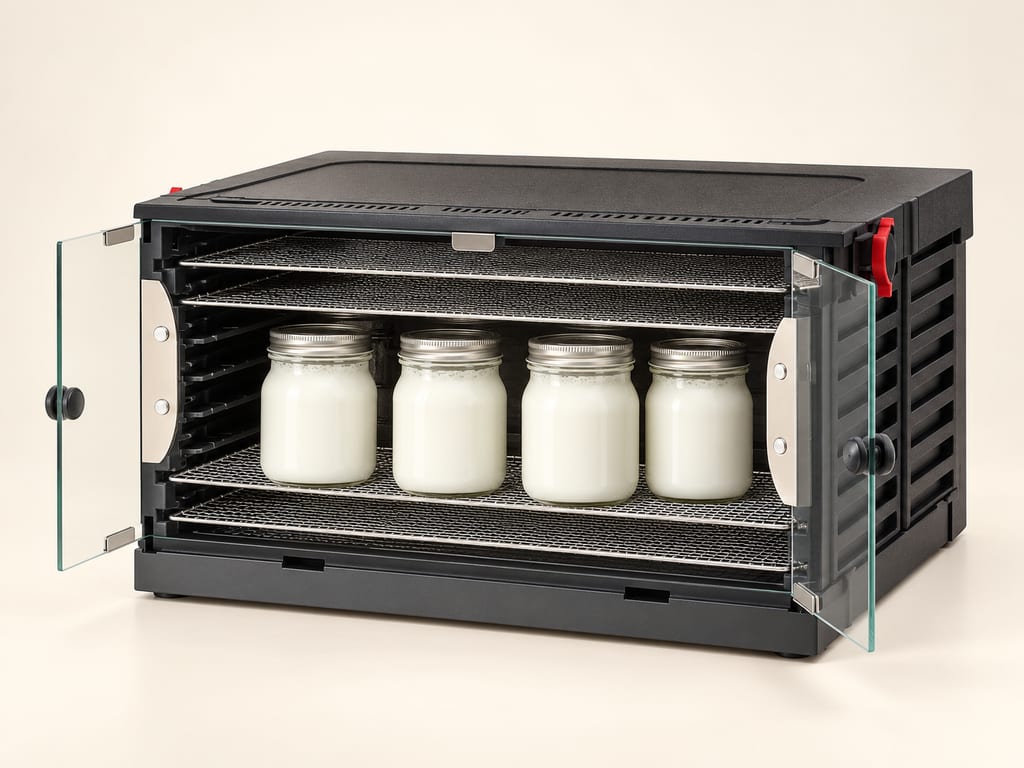
A folding electric food dehydrator with glass front doors, mesh shelves, filtered circulating air and two programmable time-temperature stages. Brød & Taylor also documents its use as a chamber for sealed yogurt jars.
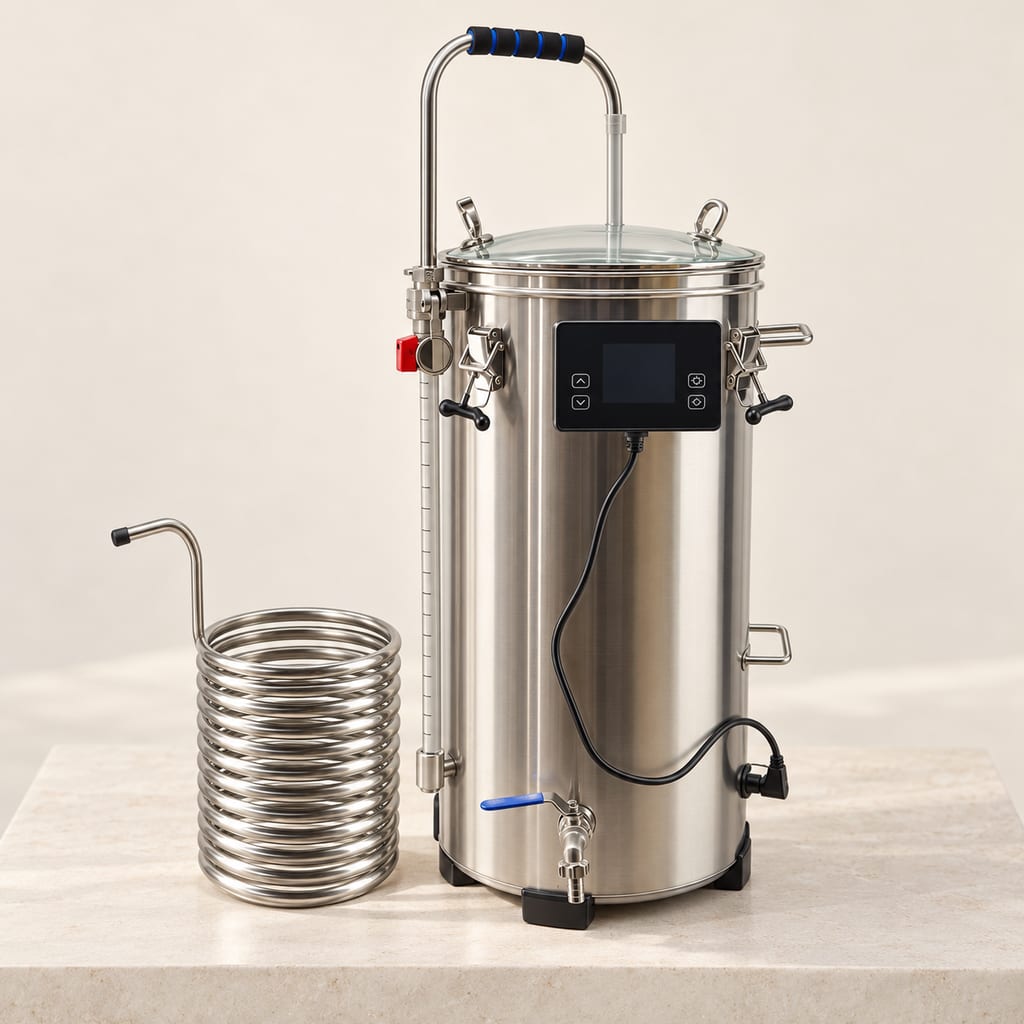
A 35-litre all-in-one electric brewing system with a malt pipe, pump, concave base and RAPT controller. KegLand lists 2,400 W and batches of about 25 litres; its manual specifies a 4-litre minimum fill.
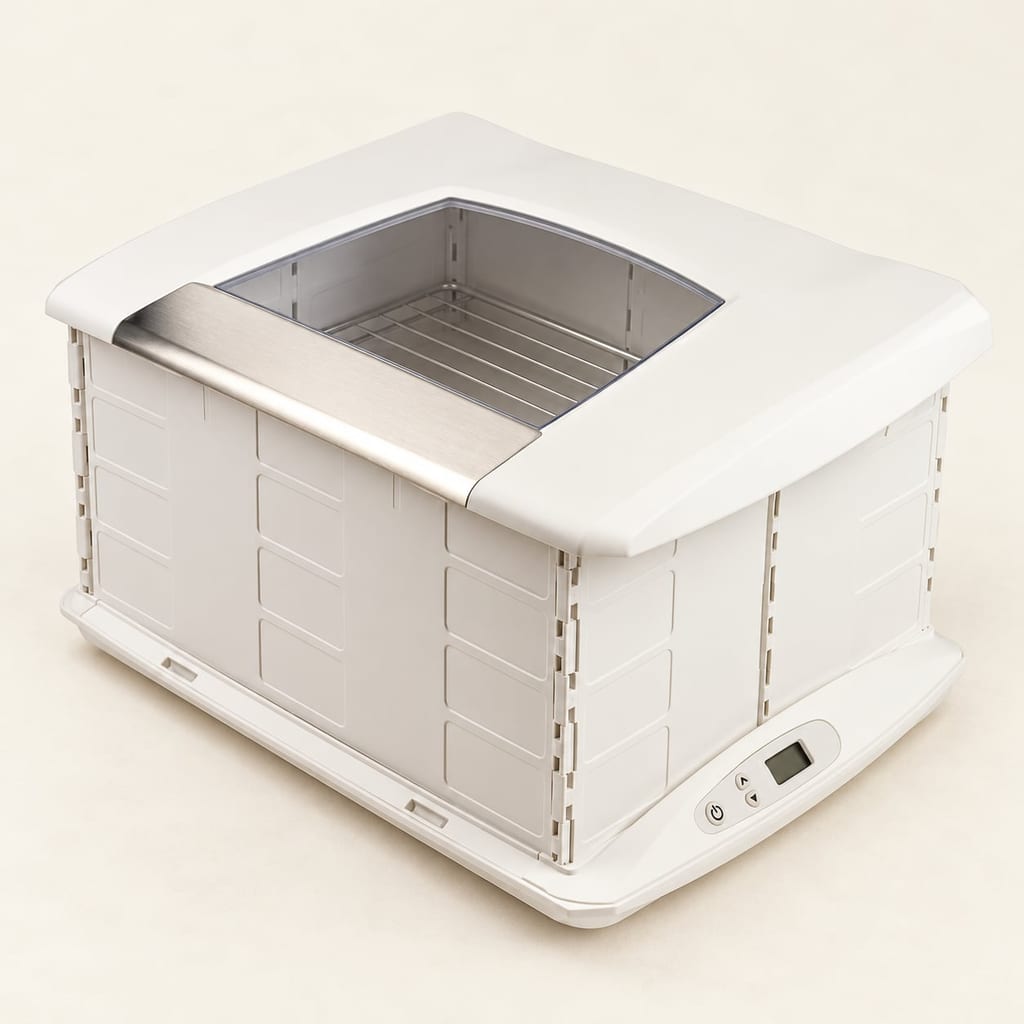
A folding, electric proofing cabinet with a heated aluminum plate, removable rack and water tray. The maker also documents it for yogurt, kombucha, tempeh, natto and black garlic.
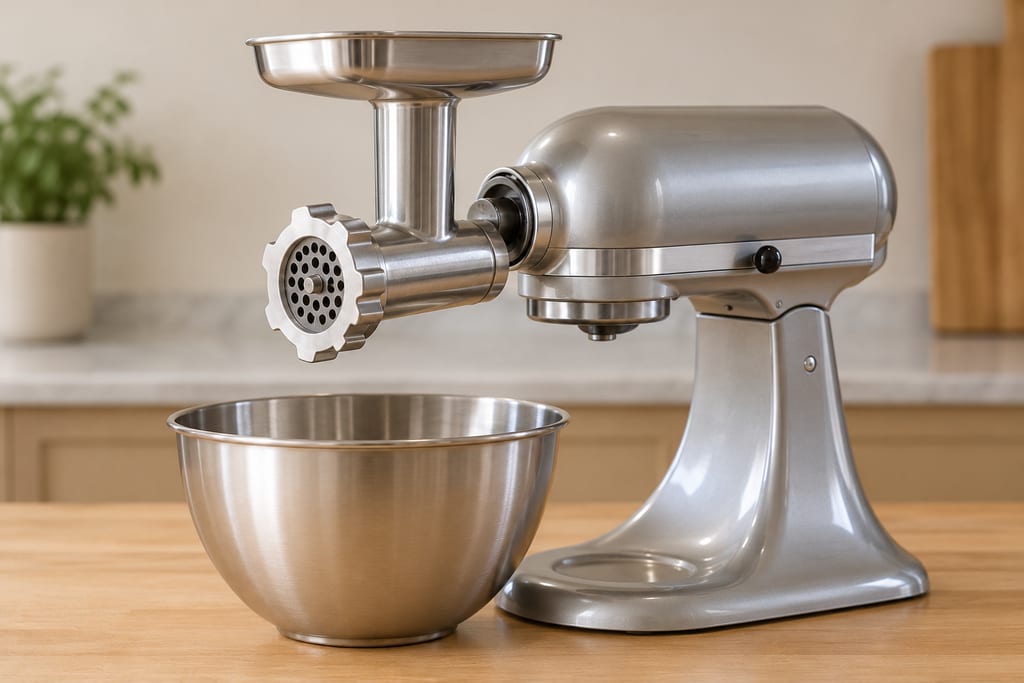
A KitchenAid stand mixer can work as a shared powered base for ordinary mixing and a separately fitted food grinder. The hub-driven grinder is a removable attachment, not a grinder built into the mixer.
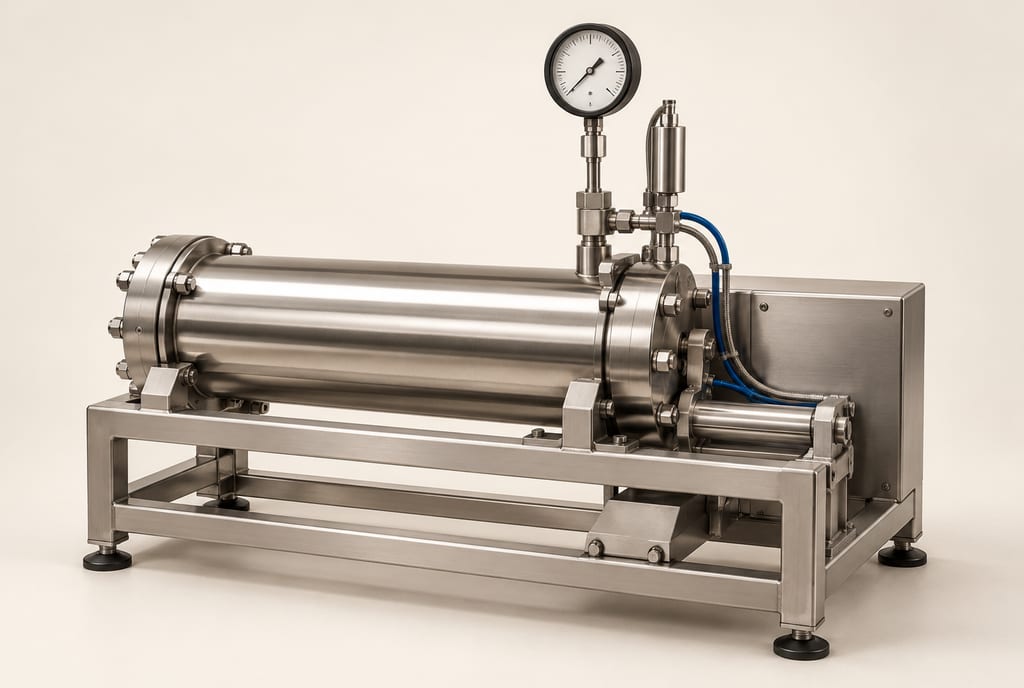
A pressure-rated vessel holds food in water while a high-pressure system applies a controlled hydrostatic treatment. Food, packaging and process conditions determine the result; ordinary HPP does not sterilize every product.
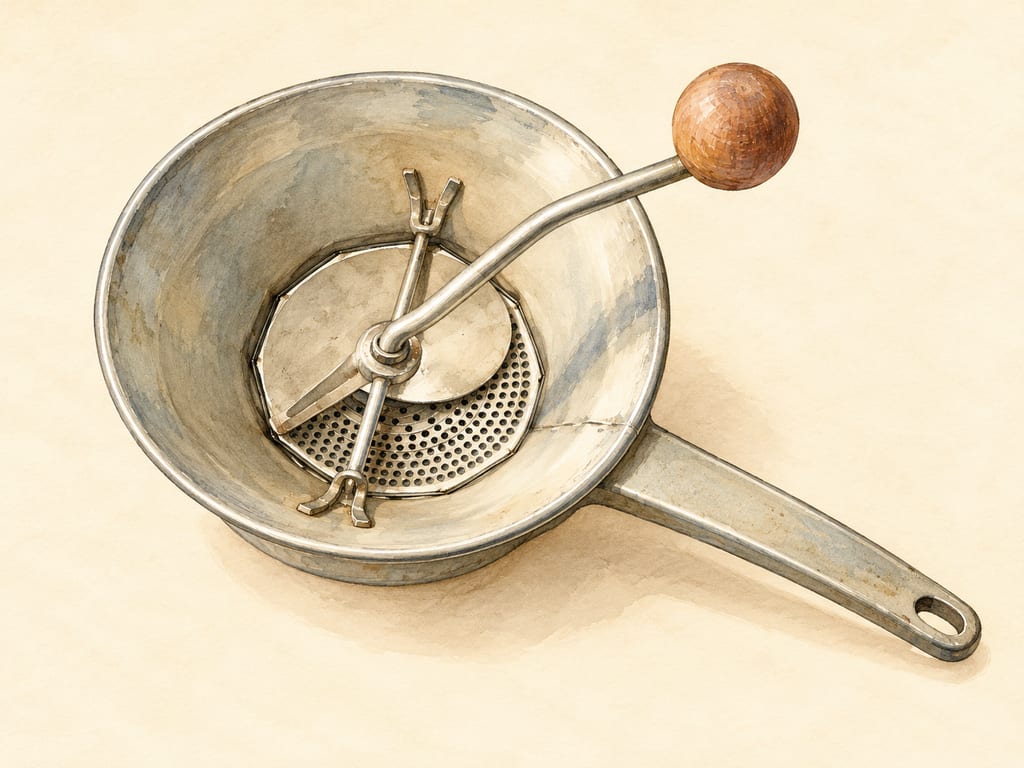
A hand-cranked food mill presses softened food across a perforated disk, producing a purée while keeping larger pieces in the chamber. Its exact shape and disk depend on the model.
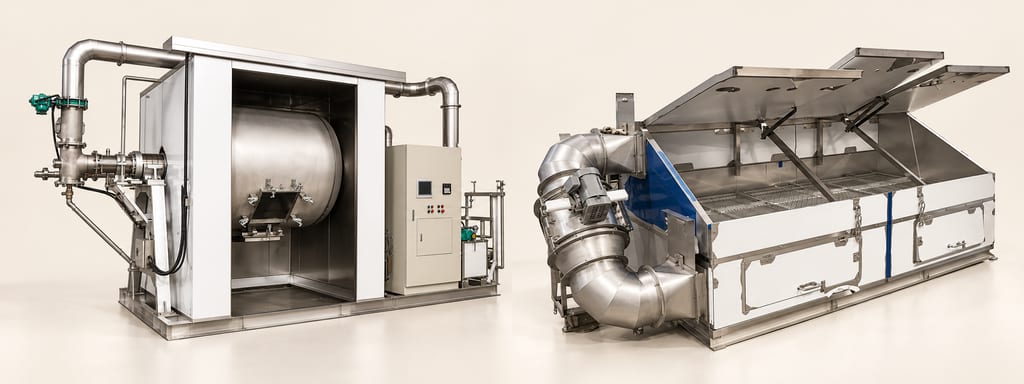
Industrial koji machines cultivate mold on prepared grain before sake, shochu, miso or soy-sauce production. Commercial designs include rotating drums and aerated beds.
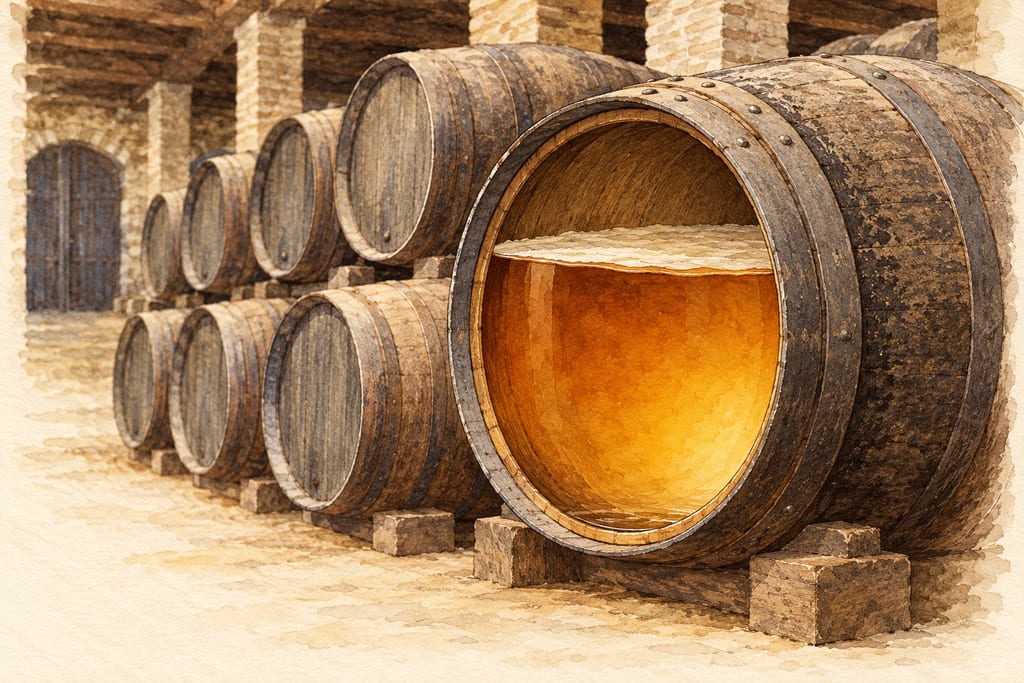
A Jerez bota is a coopered oak butt used for wine ageing. In a criaderas-and-solera array, butts at successive ages are arranged in scales and partly drawn and replenished; the bota's capacity and fill depend on the documented system.
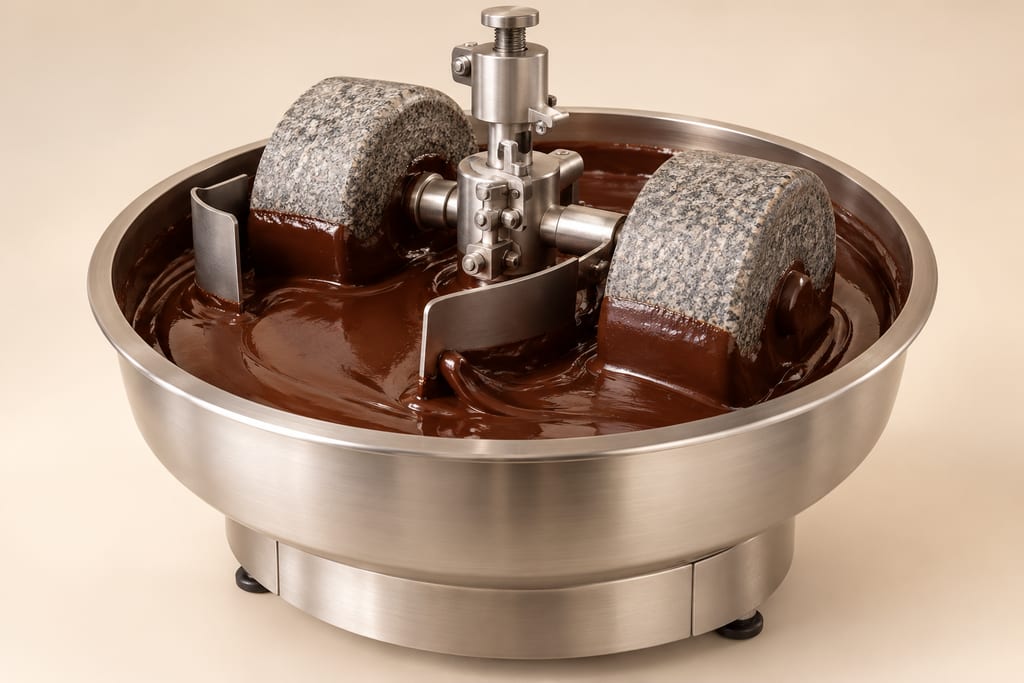
A chocolate refiner or melanger uses powered rotation and stone rollers to refine cocoa mass. Some models also process nut and seed pastes; design, material and operating limits vary.
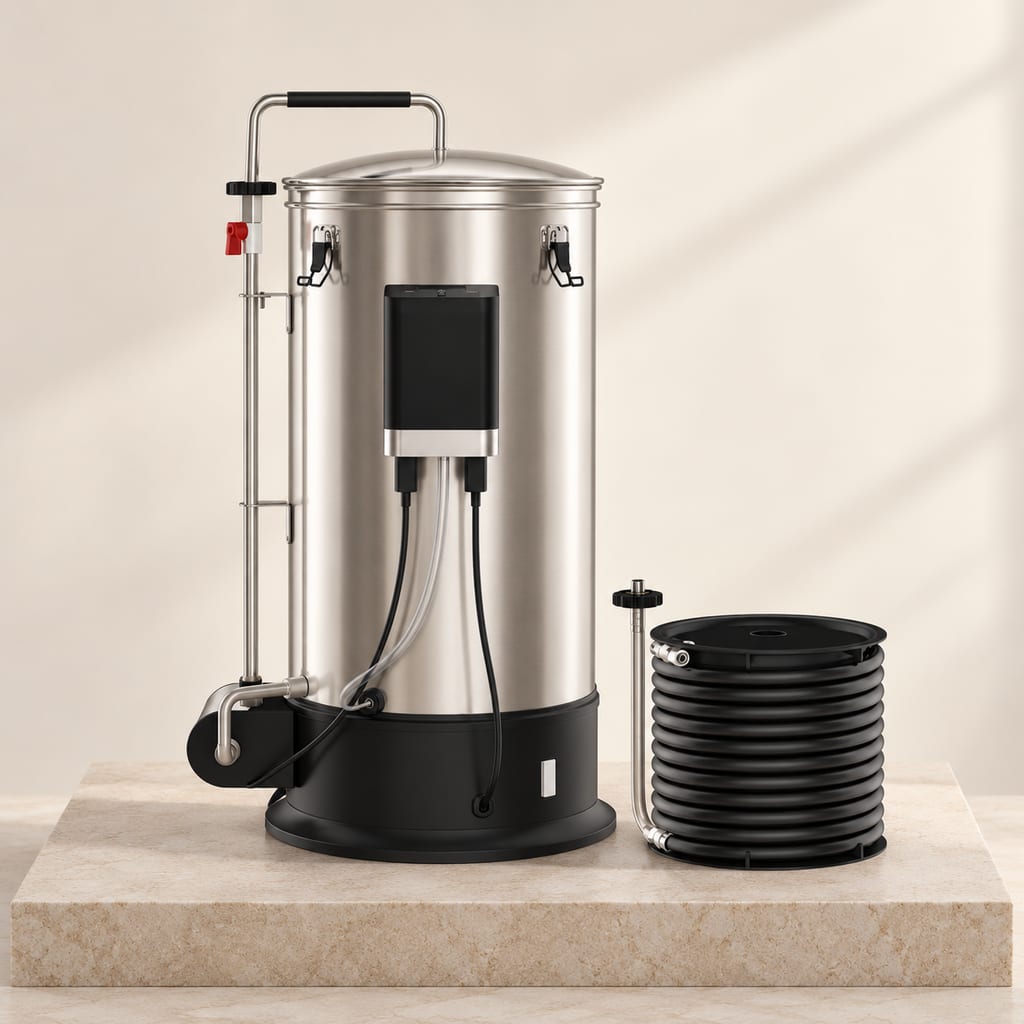
A 30-litre stainless electric all-grain brewing system with a removable grain basket, controlled heat, pump-driven wort recirculation and counterflow chilling. Electrical ratings and controls vary by revision.
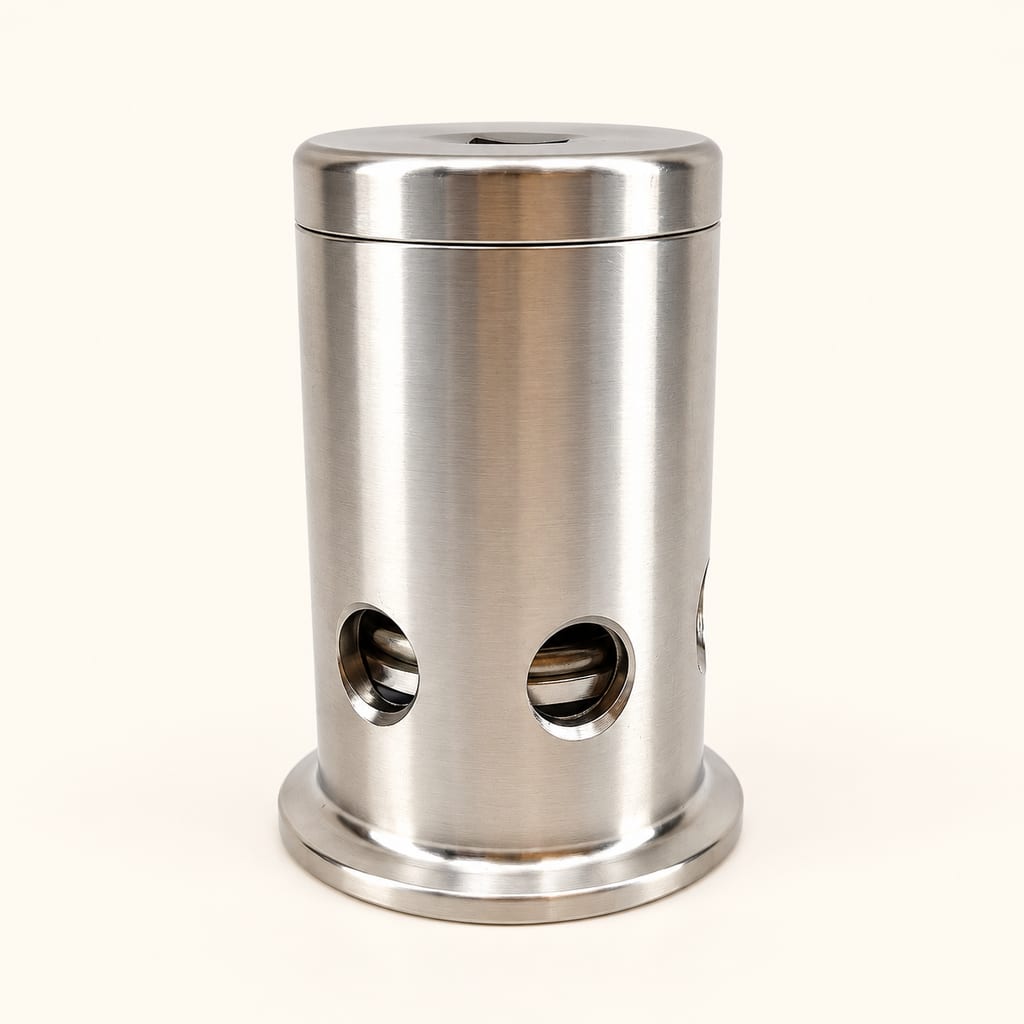
A mechanical pressure-relief valve is an automatic safety device for a pressure-capable vessel. It opens to release excess pressure at its own threshold; it is not a gauge, airlock or fermentation pressure controller.
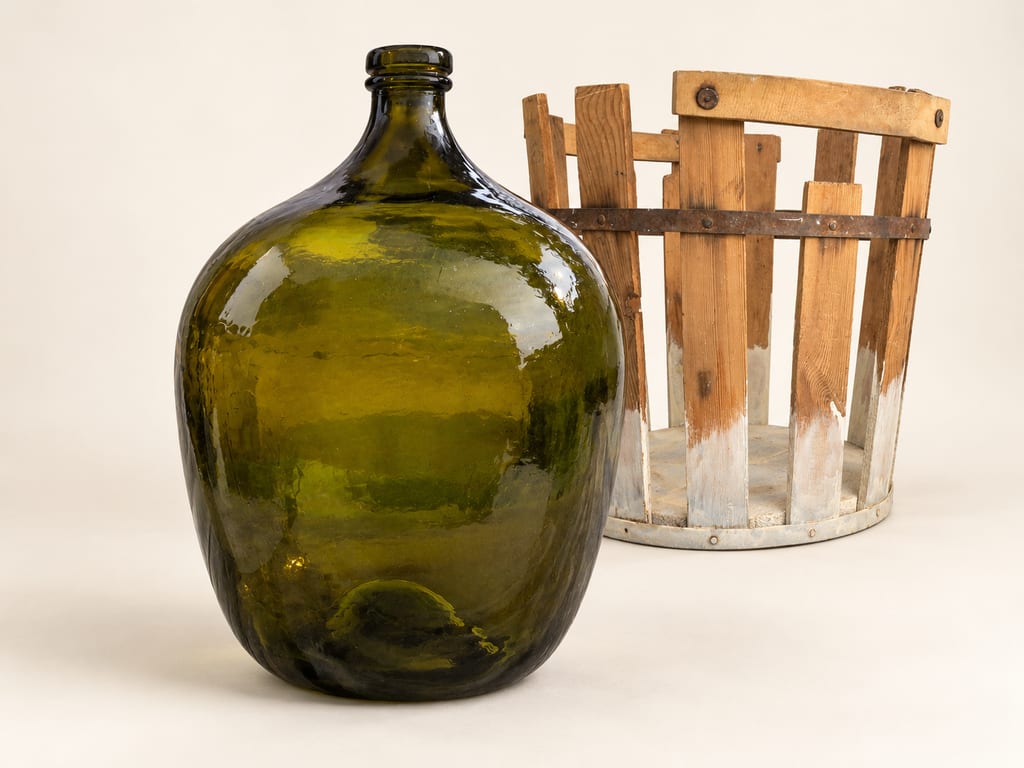
A glass demijohn or carboy is a stout, usually rounded bottle with a narrow neck, used for beverage fermentation, maturation, storage or transport. Its glass body, closure and any protective carrier are distinct parts of the vessel system.
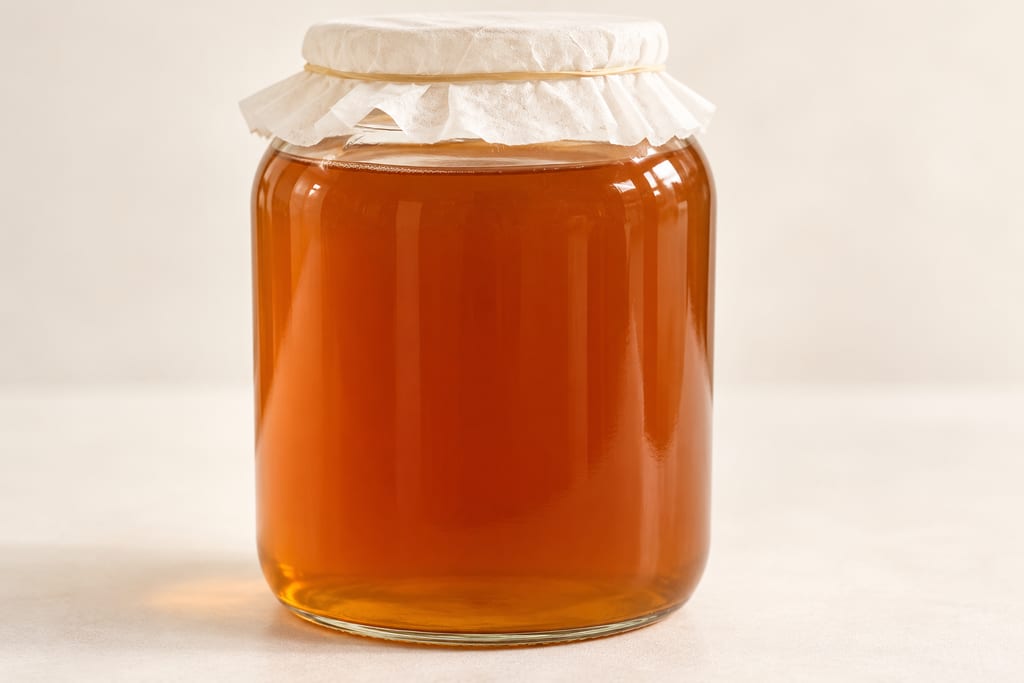
A wide-mouth jar or broader tank holds sweetened tea beneath a breathable cover as kombucha acidifies at an oxygen-accessible surface. Surface area relative to liquid volume can change oxygen transfer and fermentation.
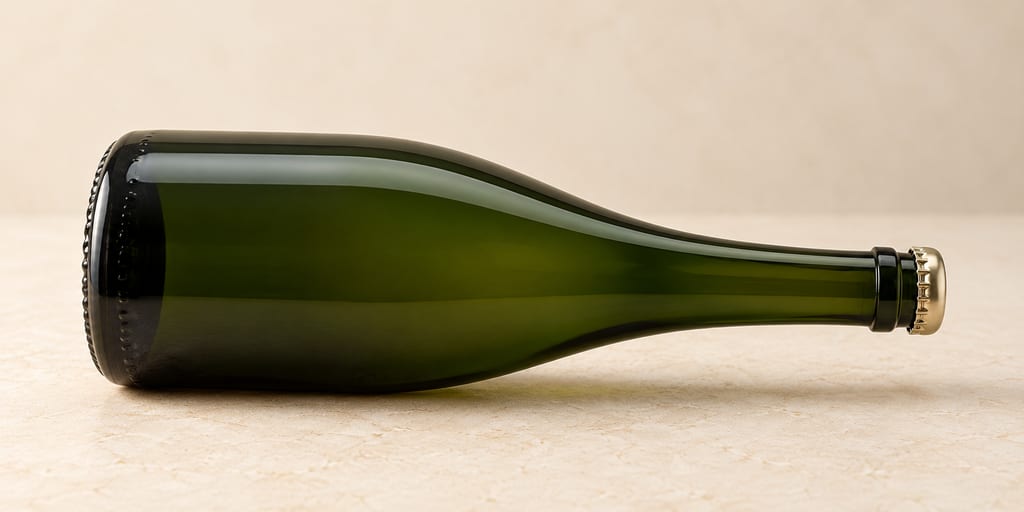
Champagne’s traditional-method bottle holds wine through its second fermentation and subsequent maturation on lees. At tirage it has a crown cap and internal insert; bottle formats and specifications vary.
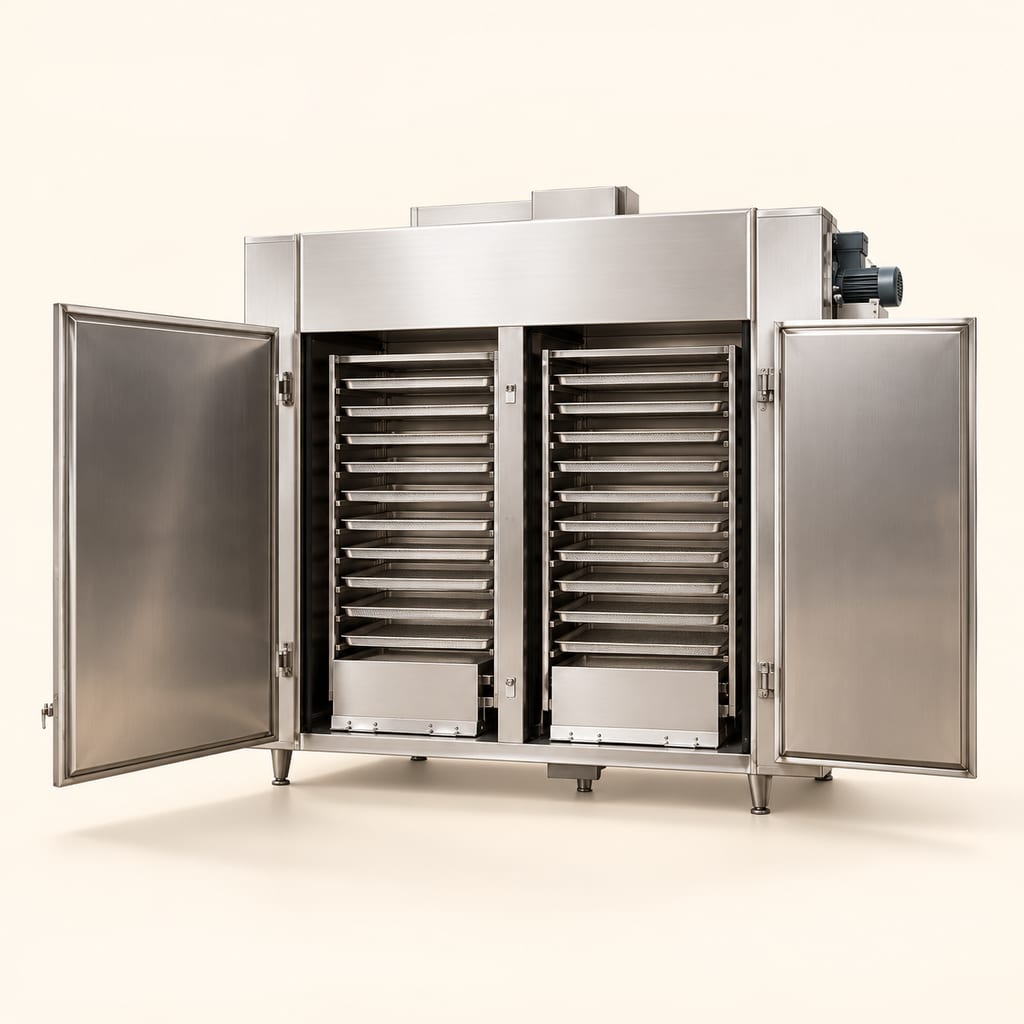
A heated-air cabinet with trays for drying fruit and other crops; PHilMech documents cabinet/convection dryers in Cebu's dried-mango trade and several Philippine equipment variants.
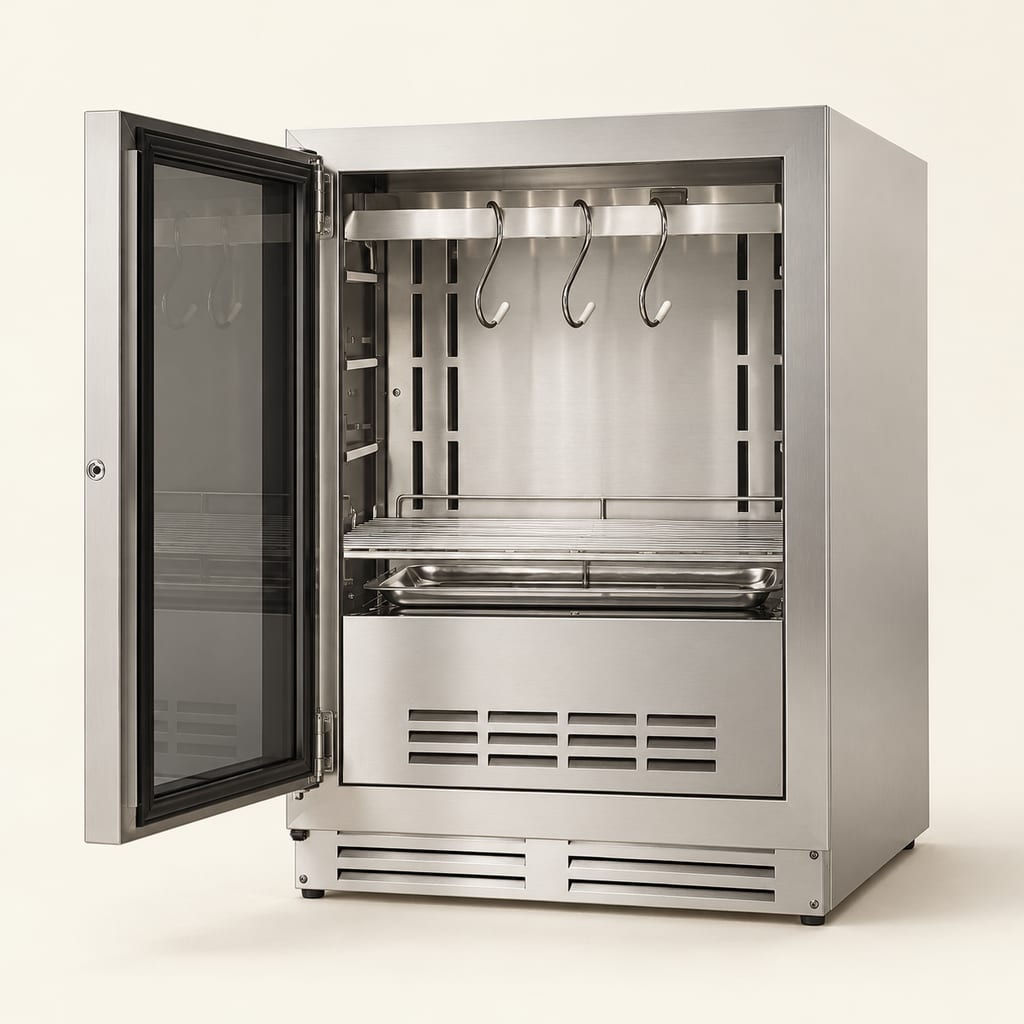
A powered cabinet regulates conditions around food during drying or maturation. Modern models range from small dry-aging cabinets to larger systems; their settings are product-specific, not universal process instructions.
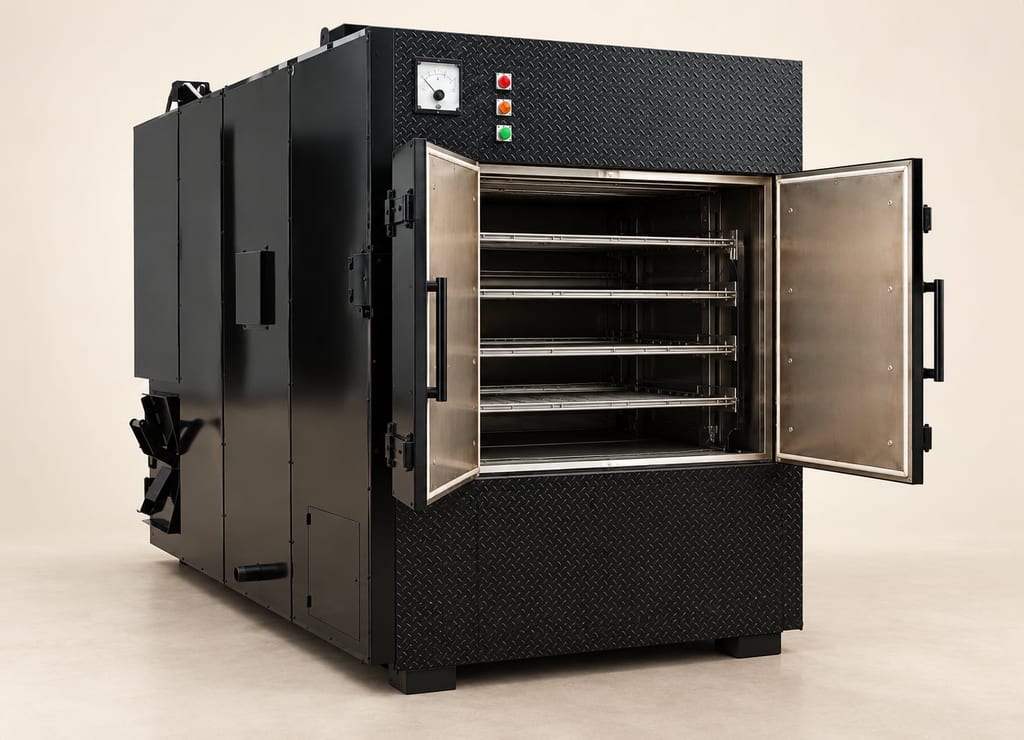
A large, wood-fired commercial smoker with thermostatically controlled rotating racks. J&R lists 18 racks, 1,000 lb maximum meat load, and a 56 × 104 × 79 inch body.
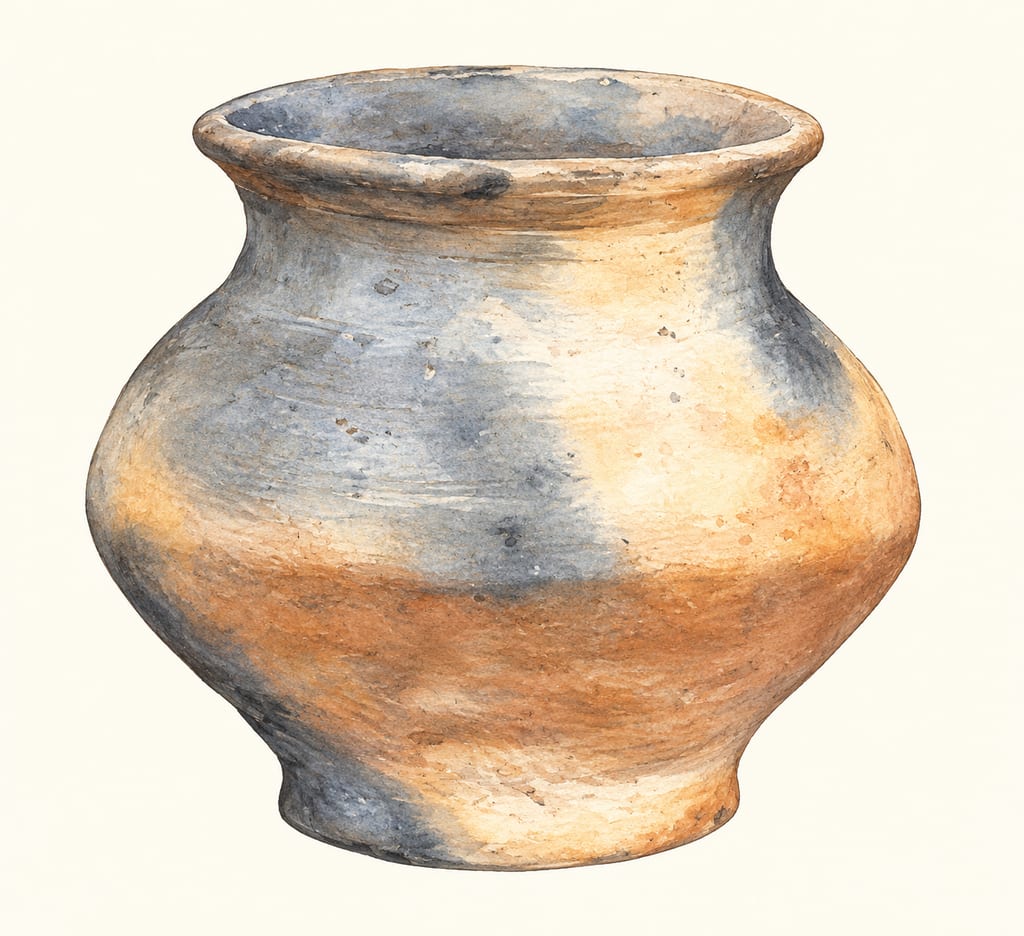
A muits is a large Shuar clay vessel associated with chicha. The Sucumbíos life-plan gives its size and profile; sources describe both storing and fermenting chicha, but do not establish one uniform form or use across Shuar communities.
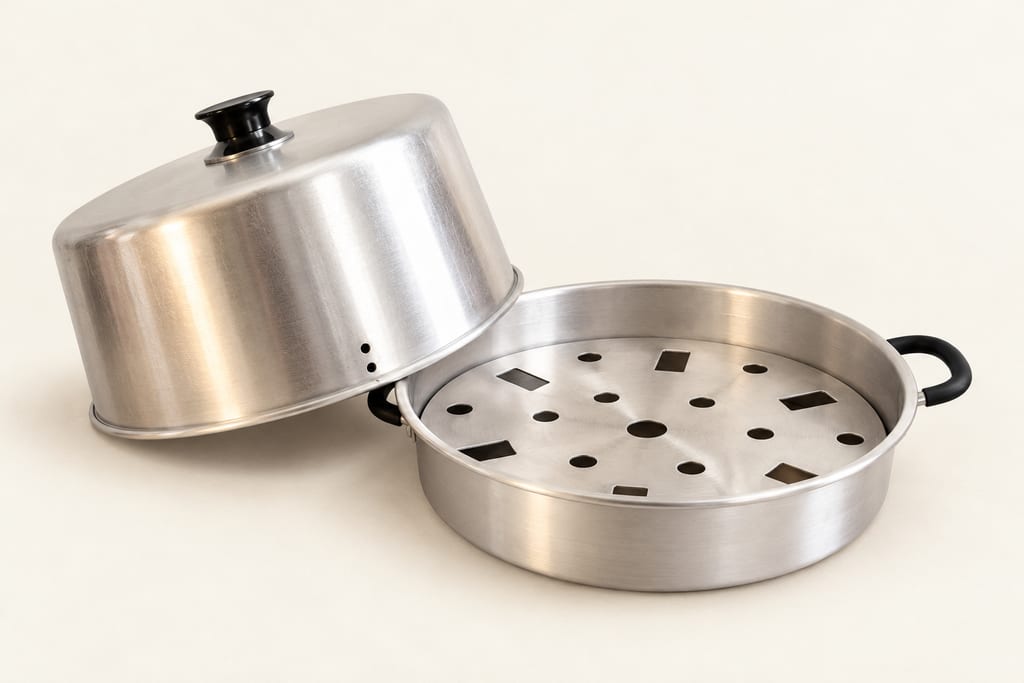
A shallow rack base and tall vented cover process jars in atmospheric steam. NCHFP limits the method to tested high-acid or acidified recipes requiring no more than 45 minutes, including altitude adjustment; this is not pressure canning.
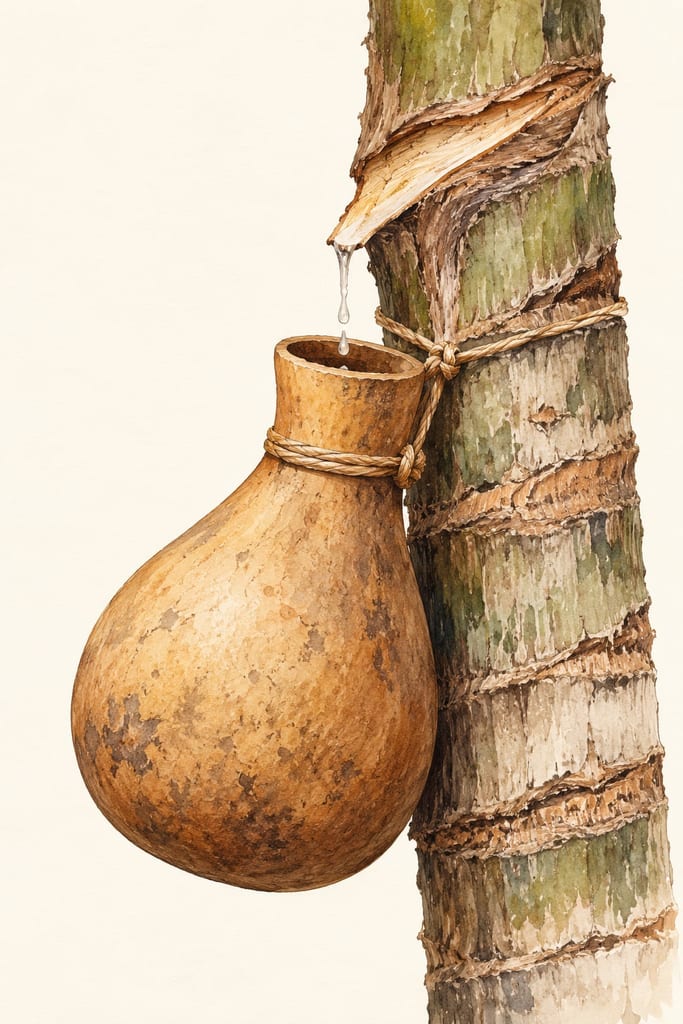
A hollowed gourd tied below a palm opening to collect sap. Sierra Leone records a Limba bulle/buli; Nso sources describe a calabash steadied by stick and plant material. These are related local forms, not one standard design.
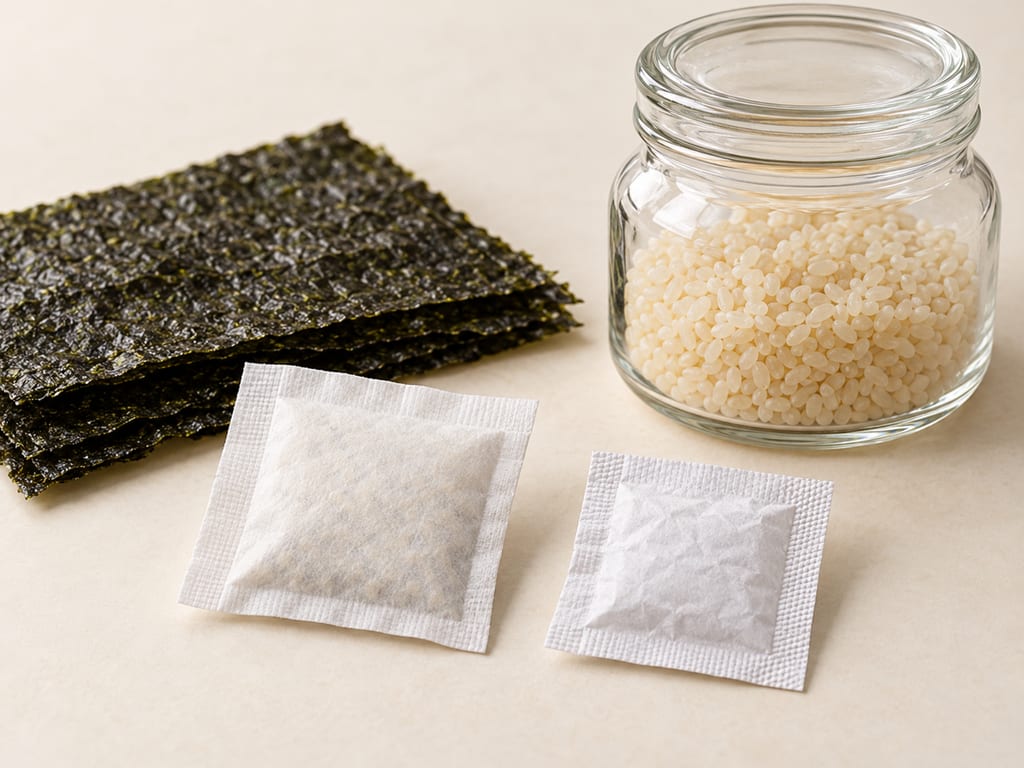
Sachets can remove oxygen or absorb water vapour in a sealed package. They help manage suitable dry foods, but cannot replace adequate drying, a sound seal or a validated preservation method.
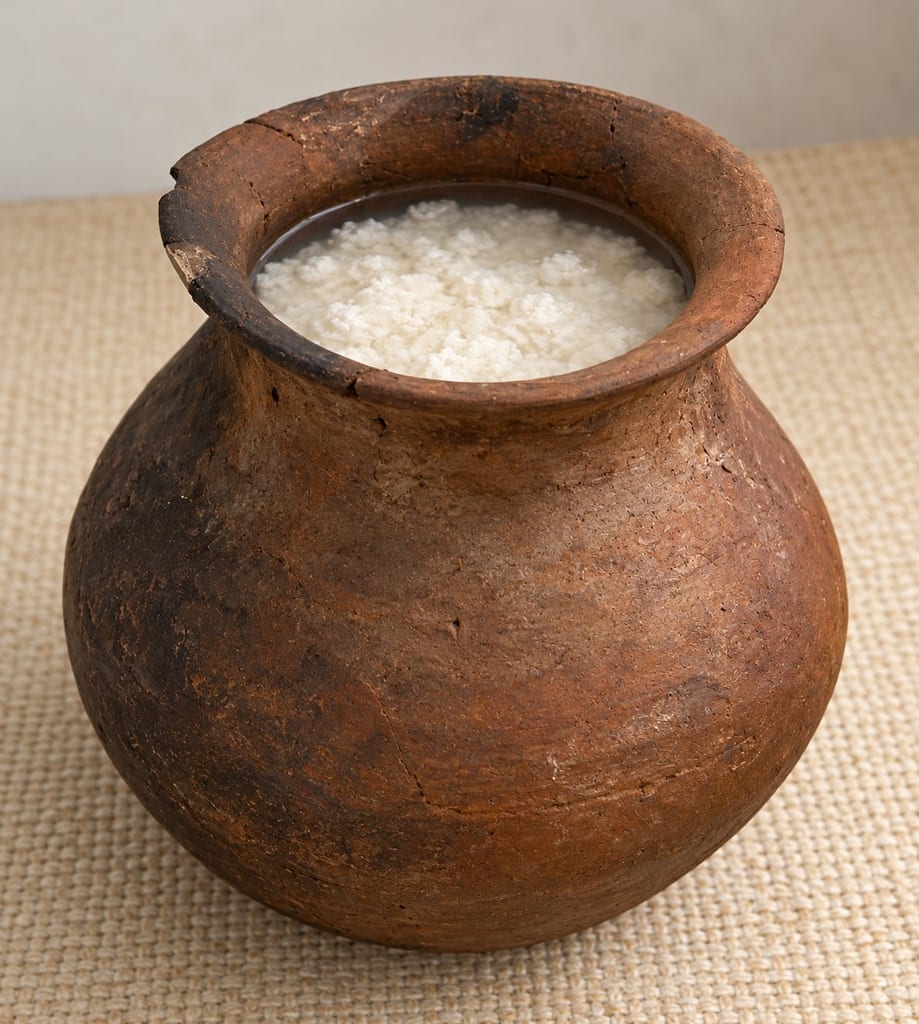
In lowland Papua New Guinea, sago starch may be kept beneath water in a pot, saucepan or bucket. The method is documented in East Sepik; moist storage can support spontaneous fermentation but does not guarantee it or safety.
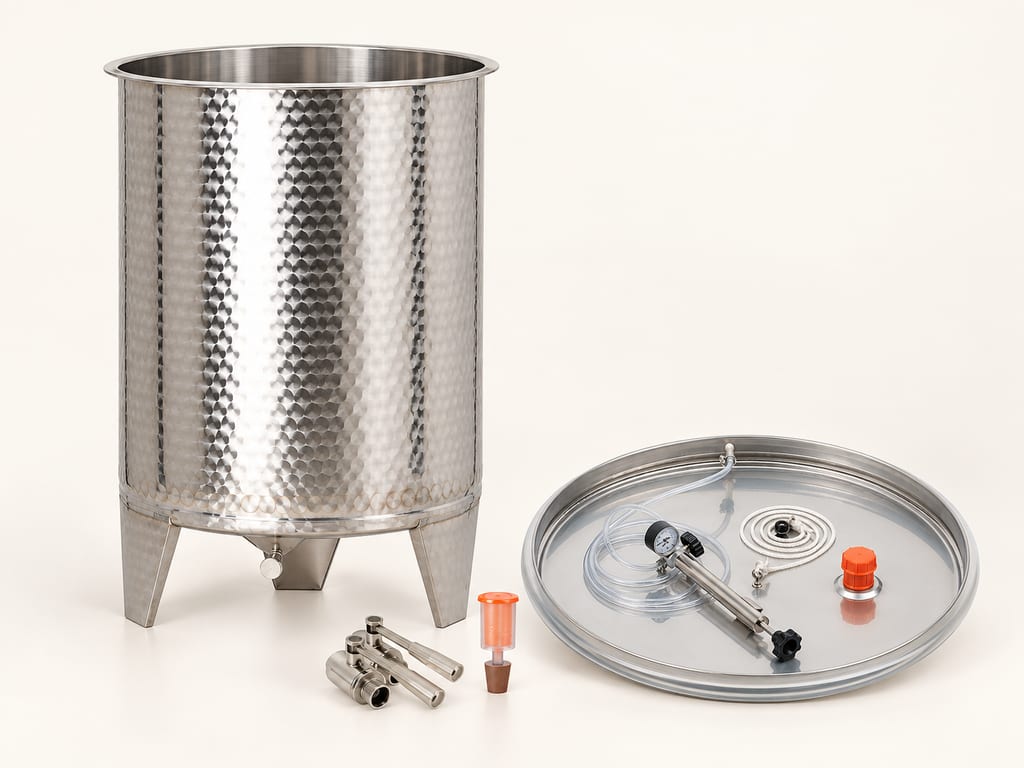
A floating-lid tank is an open-top vessel whose separate lid rests at the liquid level. In contemporary stainless-steel models, an inflatable perimeter seal reduces the air space above a variable volume of wine, cider or juice.

A goose feather cut at a bevel and soaked before use, its hollow shaft guiding currant pips out one by one while the berry remains whole.
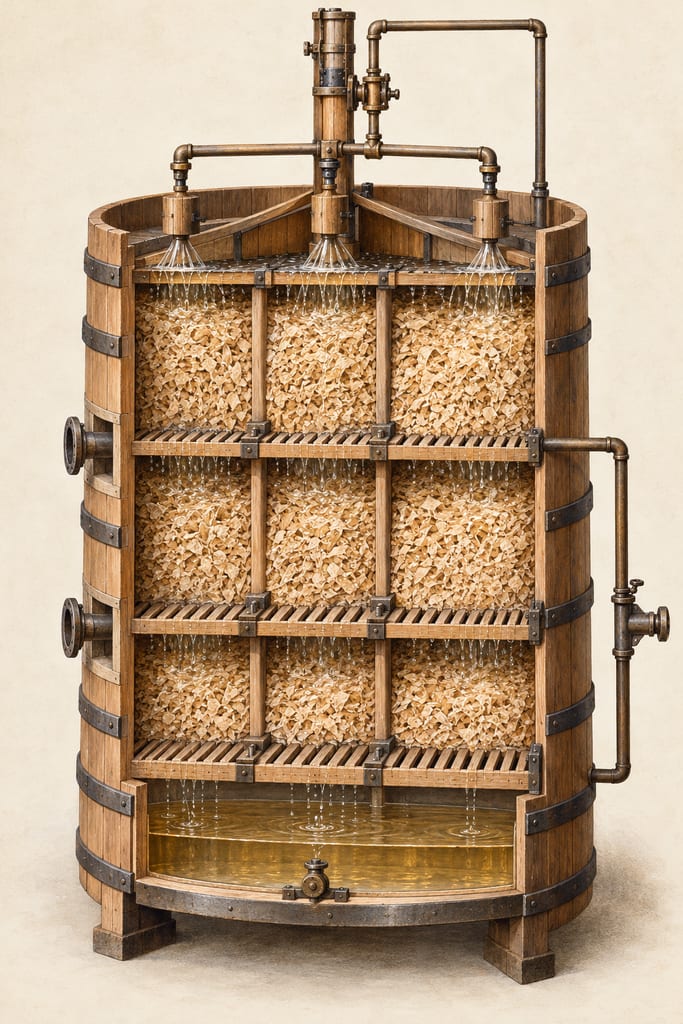
An upright packed bed speeds vinegar acetification by wetting a bacteria-bearing carrier with alcoholic liquid as air rises through it.
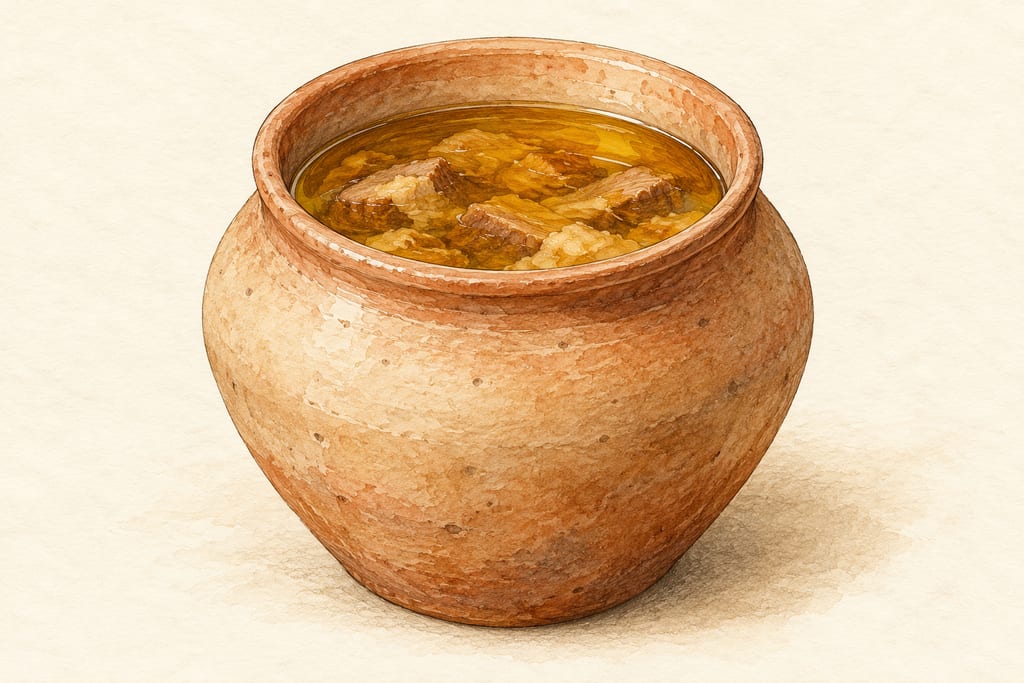
Ezir is the earthenware jar used in northeastern Algeria to ripen Khliaa ezir, a cooked meat kept in olive oil and rendered fat. Its standard shape, capacity and construction are not documented.
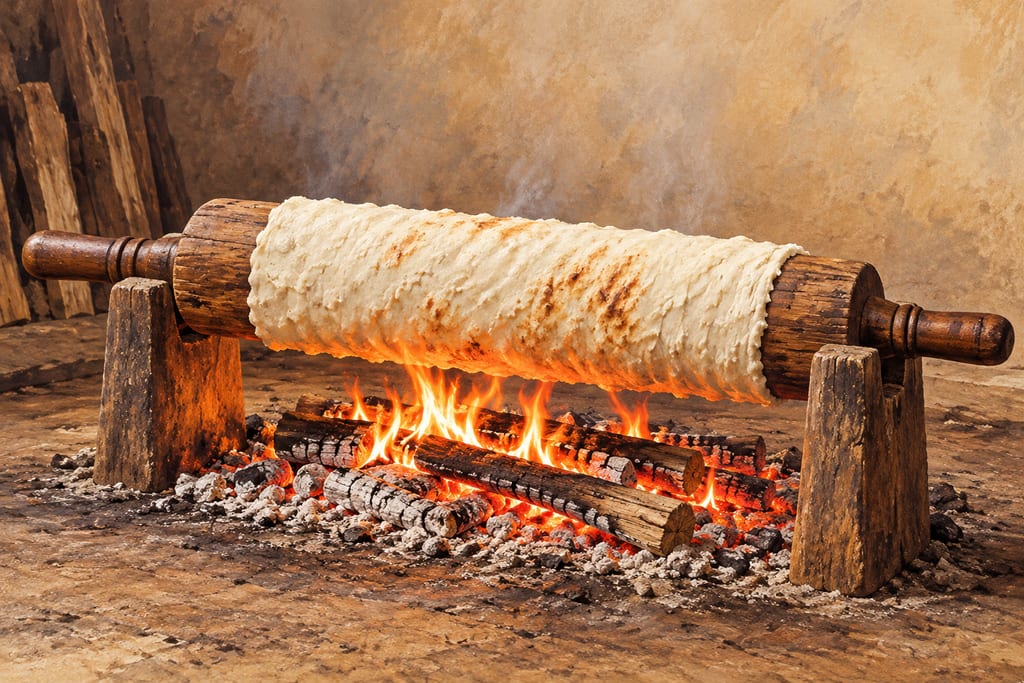
A palo chochoquero is a large wooden roller used to cook Chiloé’s potato-based chochoca. Dough coats the pole as it turns above a hearth, browning in place of a pan.
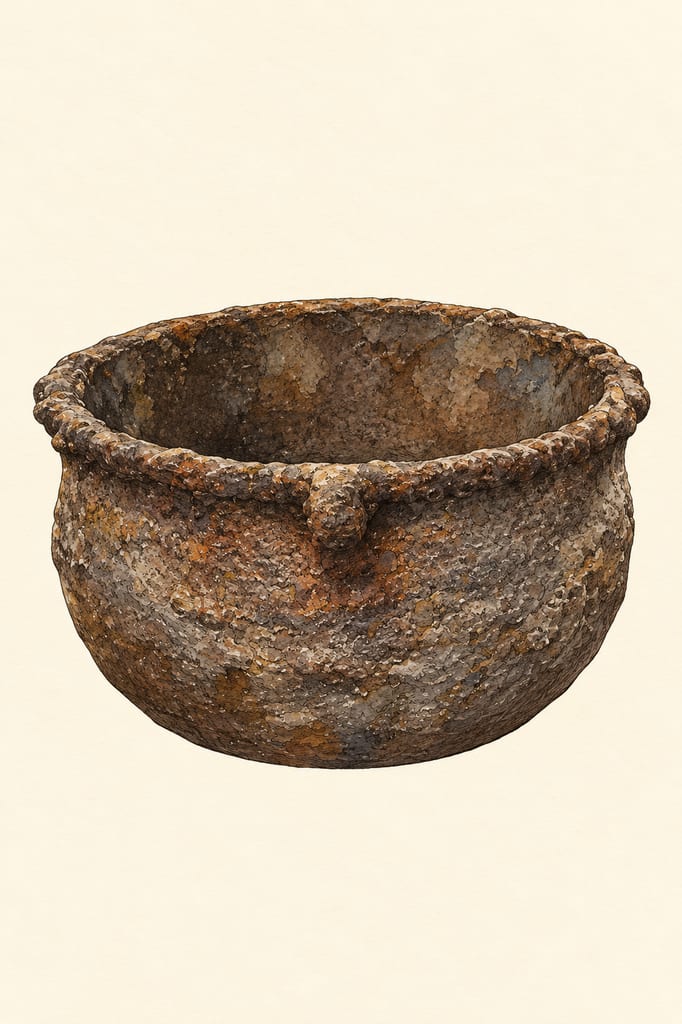
A heavy cast-iron cauldron used aboard whaling ships to render blubber; James Macrae also records Hawaiian chiefs distilling ti-root liquor in iron try-pots in 1825.
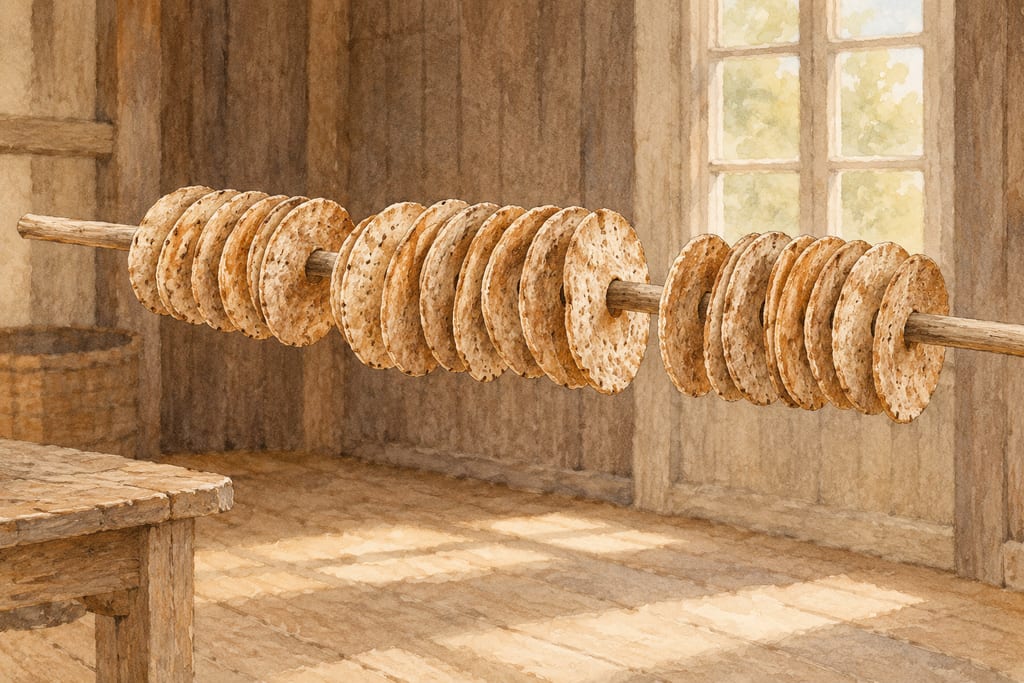
A wooden pole threaded through the central holes of dry Swedish storage loaves lets them hang for drying and storage. Swedish sources document the practice as an old way to keep bread dry; the surviving accounts do not give a standard pole size or one universal arrangement.
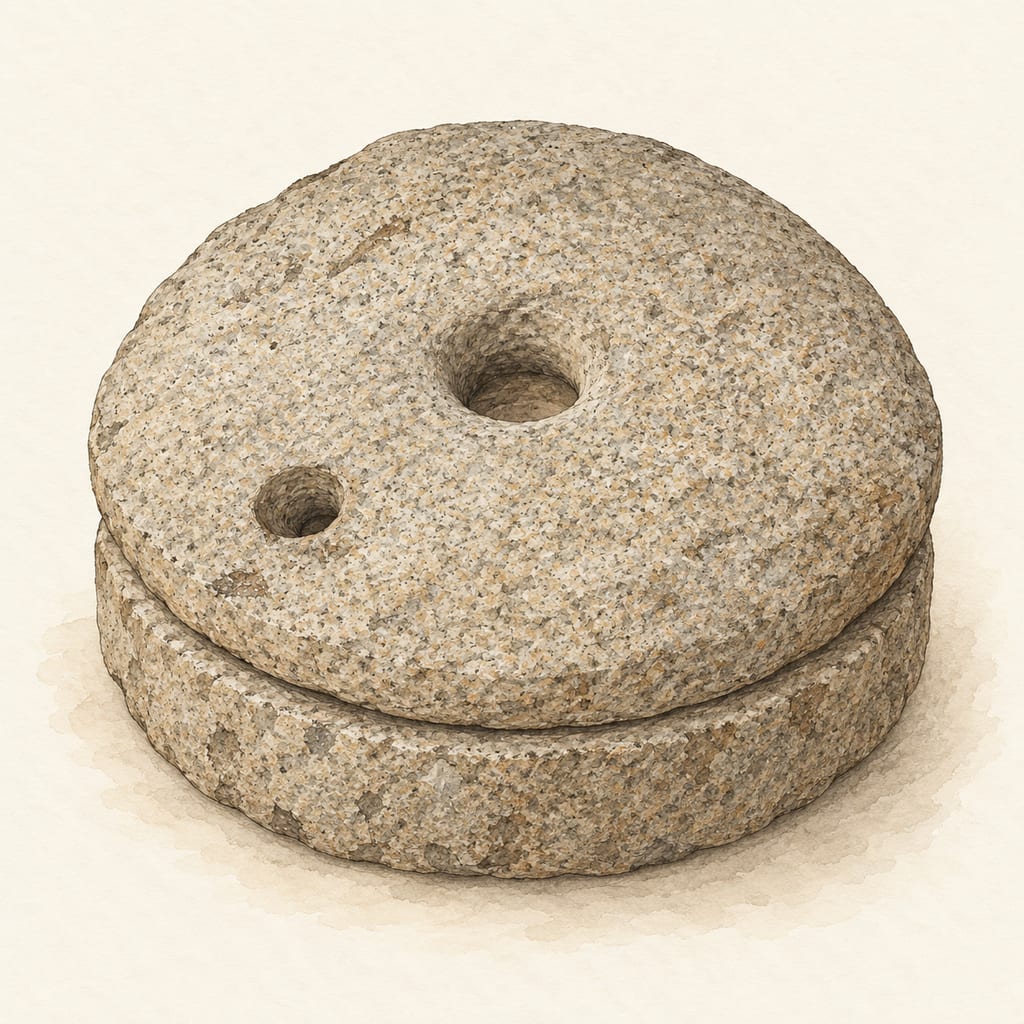
A rotary quern is a hand-operated mill with a runner turning over a fixed bedstone to grind grain. Scandinavian household use of rotary querns increased around the beginning of the Viking Age.
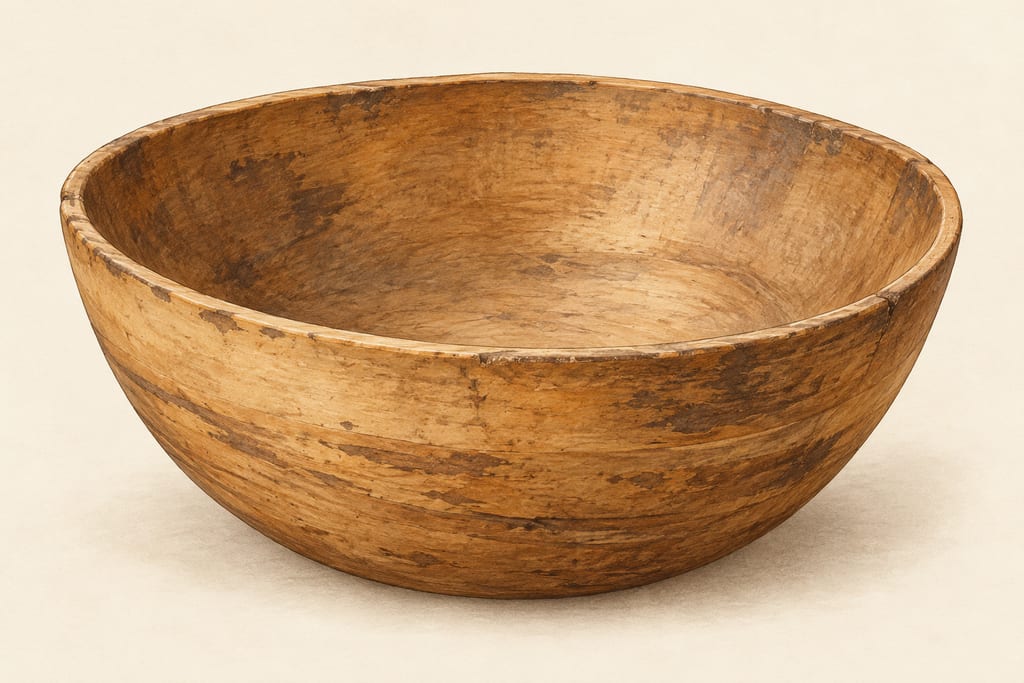
A lahal is a wooden bowl used in household lait caillé preparation in northern Senegal. Repeated use leaves a surface biofilm that the documented household process uses as part of its fermentation ecology.
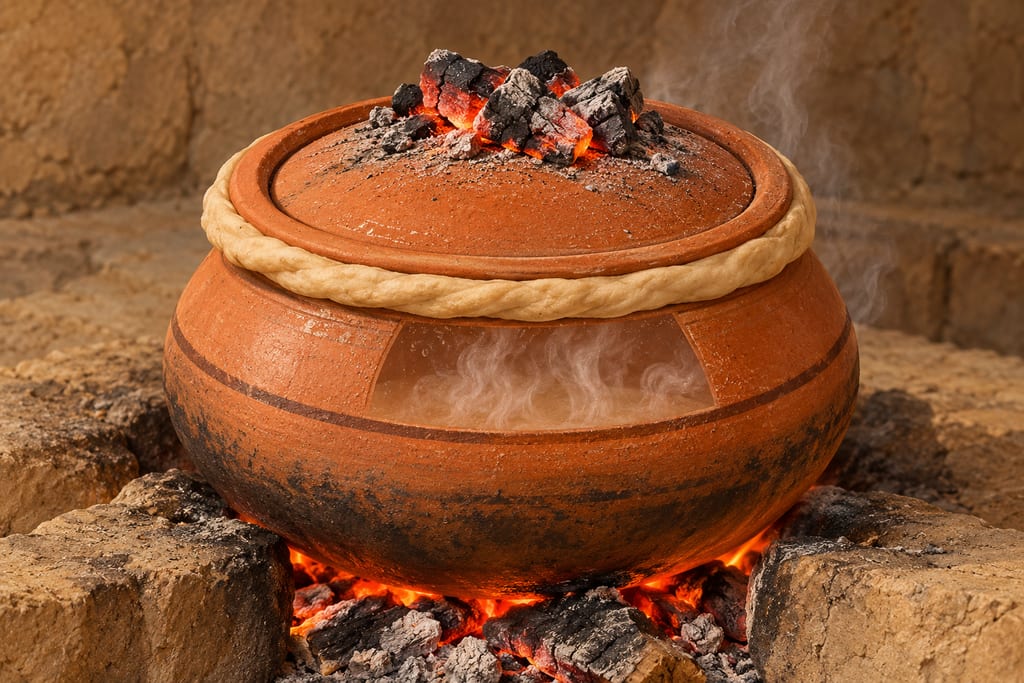
A handi is a cooking pot used in dum, a slow-cooking method documented in northern India. Sources record earthenware handis in a Delhi village and dough-sealed cooking pots in Awadhi and Delhi food traditions.
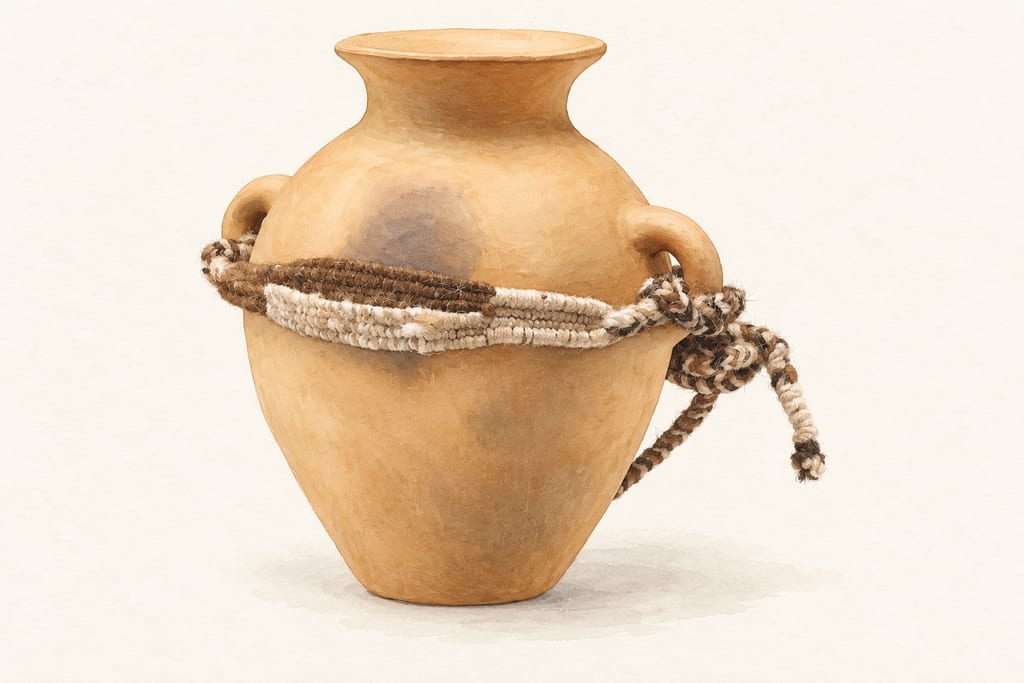
A Quechua pottery vessel catalogued by the Smithsonian’s National Museum of the American Indian for storing chicha. This 2003 Pisac example has an alpaca-hair-yarn sling; the catalog does not establish that it was used to ferment the drink.
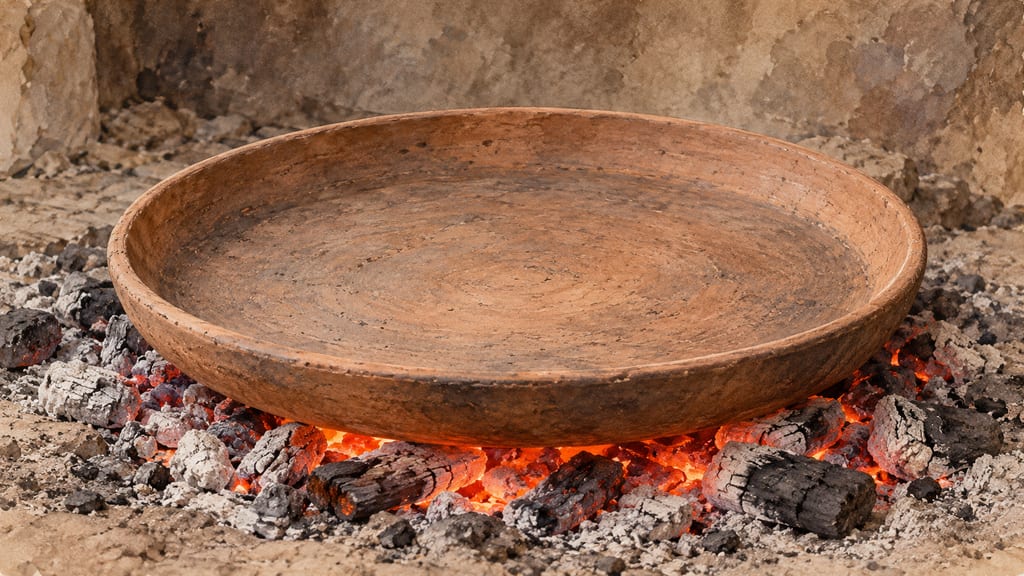
A ketsi is a Georgian cooking pan traditionally used over hearth embers. Sources document clay pans in Imereti and a Gurian maker of stone or clay examples; they do not describe one standardized design.
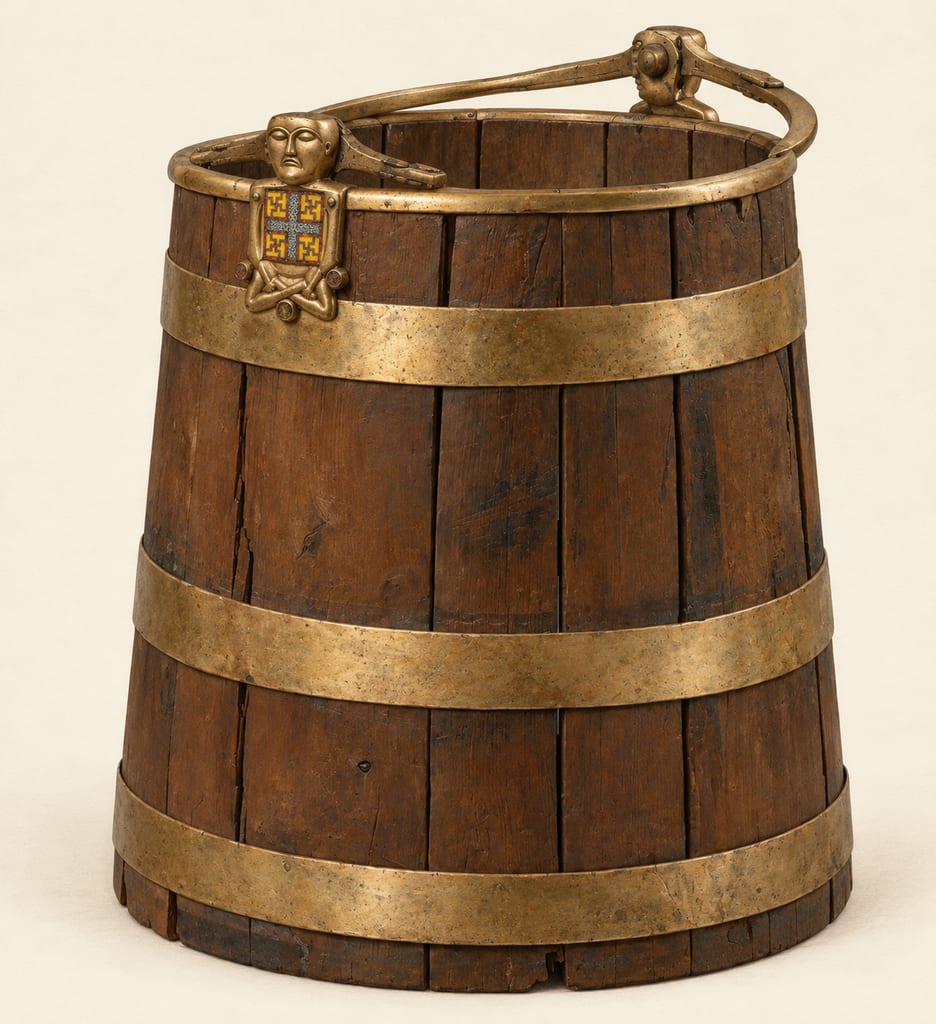
The Oseberg bucket is a 36 cm yew stave vessel bound in bronze, its enamelled human fittings a rare record of skilled craft and elite display.
Show on map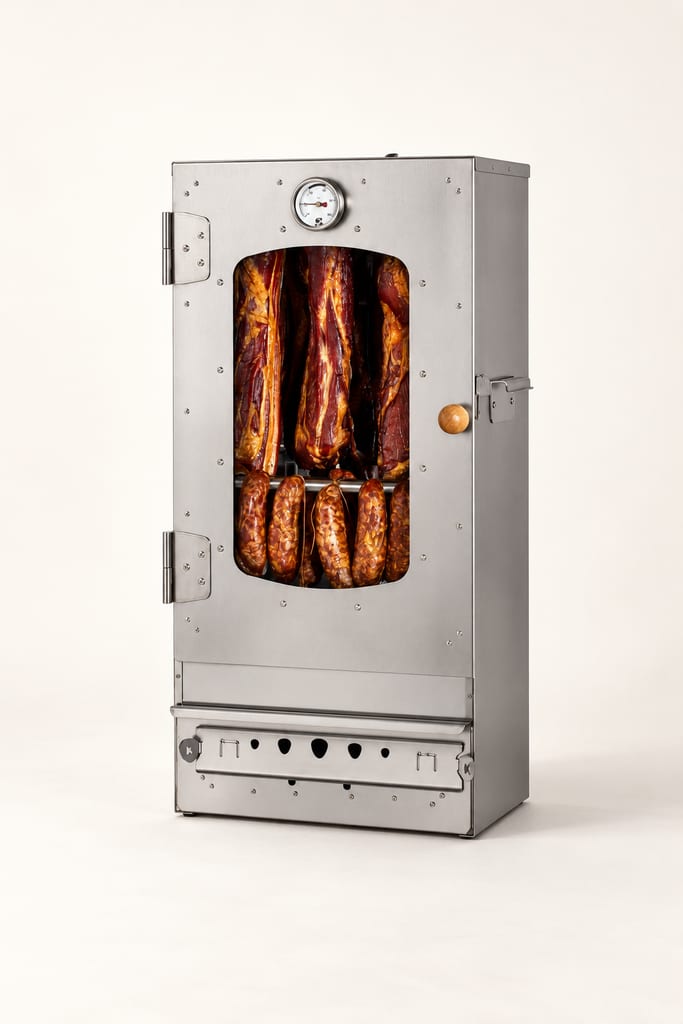
The KAISER 50 is a portable single-wall stainless-steel cabinet smoker made in Křižanov, Czechia. Its manufacturer lists a wood-fired firebox, glazed door and load up to 10 kg; the details are model-specific.