Equipment
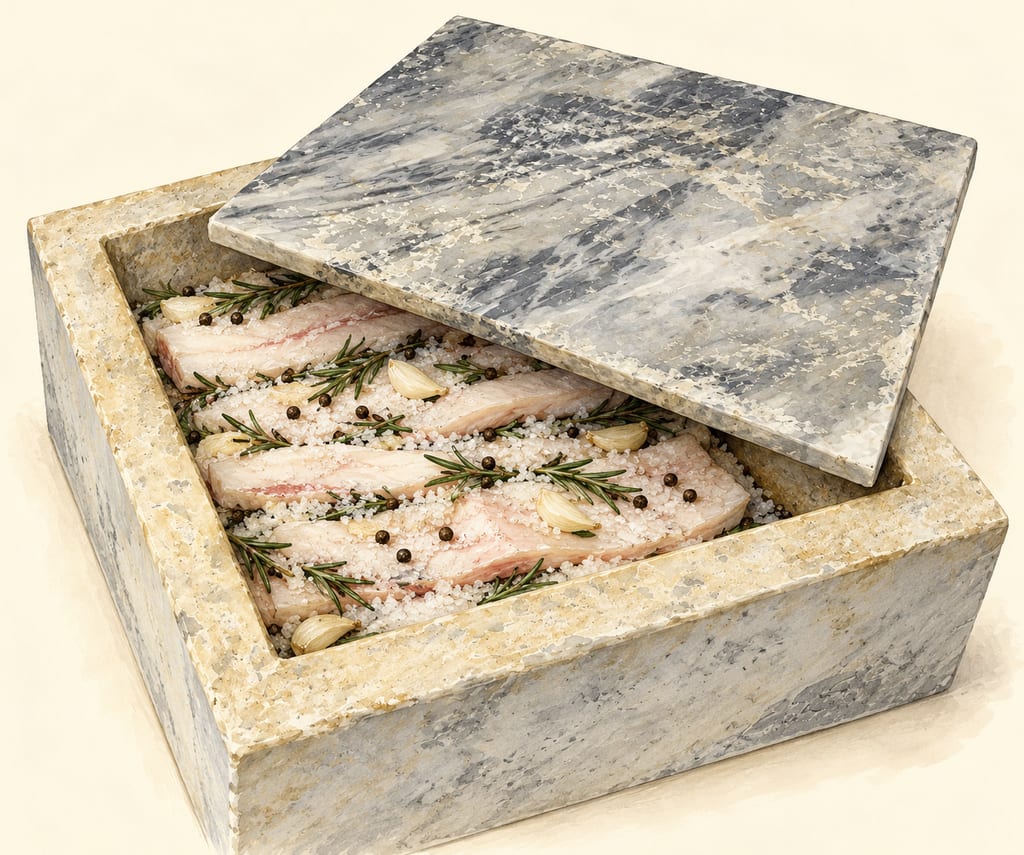
Marble conca
A conca is a thick-walled marble basin used in Colonnata, Tuscany, to salt-cure and mature lardo. Its local white marble and close-fitting stone lid form the documented vessel for Lardo di Colonnata IGP.
 FermenteaWhere food goes to change
626 sourced equipment pages: vessels, tools, appliances and built structures.
A conca is a thick-walled marble basin used in Colonnata, Tuscany, to salt-cure and mature lardo. Its local white marble and close-fitting stone lid form the documented vessel for Lardo di Colonnata IGP.
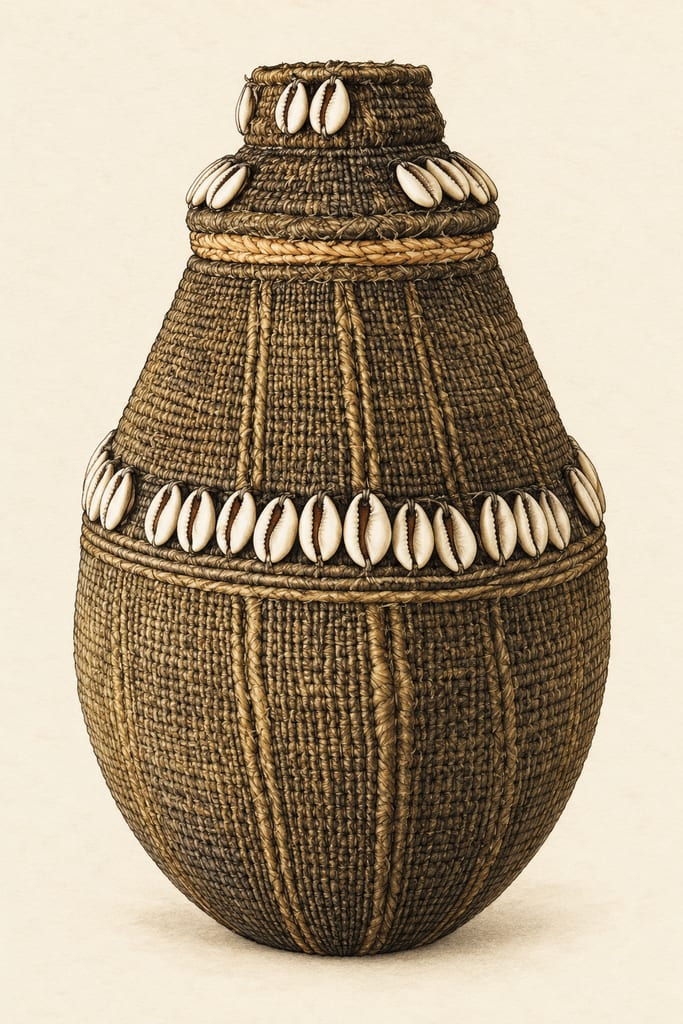
The Borana gorfa is a pear-shaped milk vessel used in southern Ethiopia to sour milk and churn it into butter. Sources document woven fiber and smoke treatment; one museum specimen also records gourd and cowrie-shell materials.
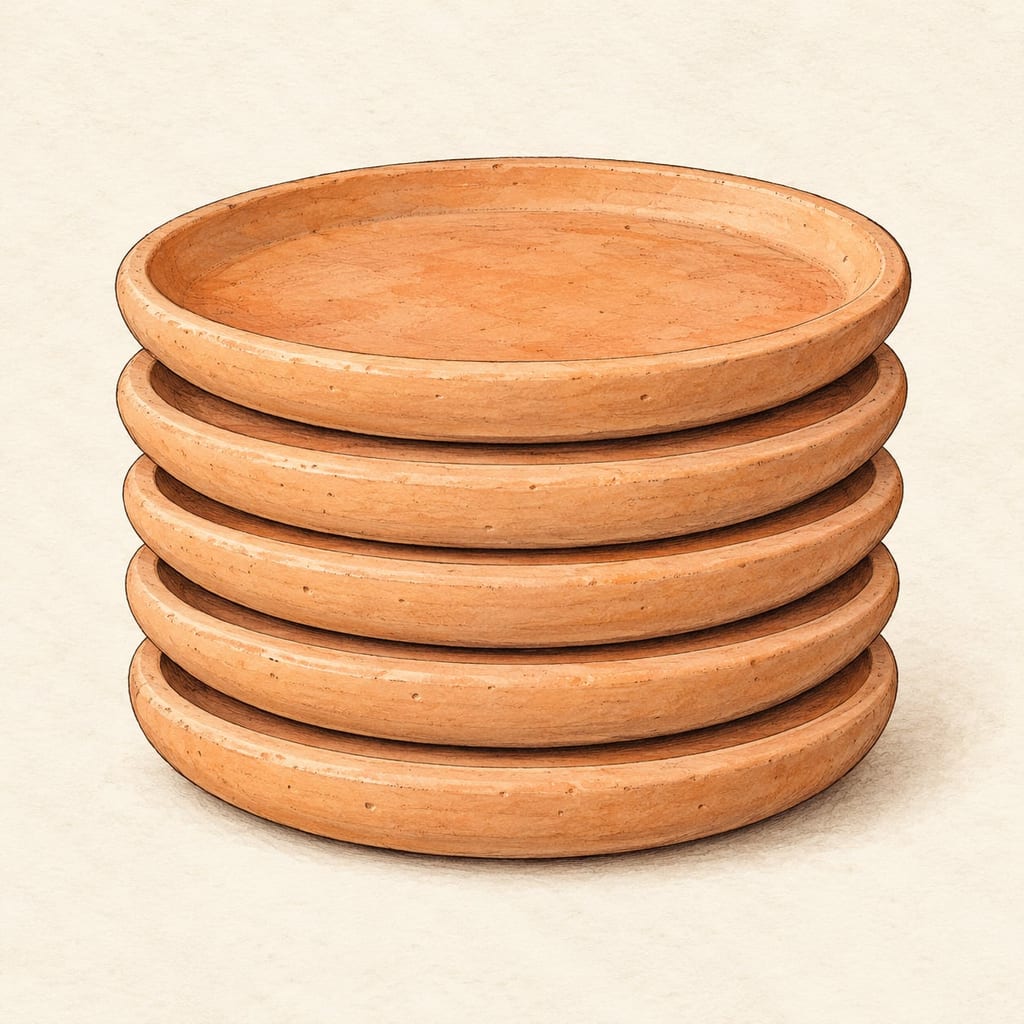
Small, shallow terracotta dishes called testi or testelli are heated over a fire and stacked with panigacci batter between them. Each hot dish bakes one side of a small bread while serving as the lid for the next.
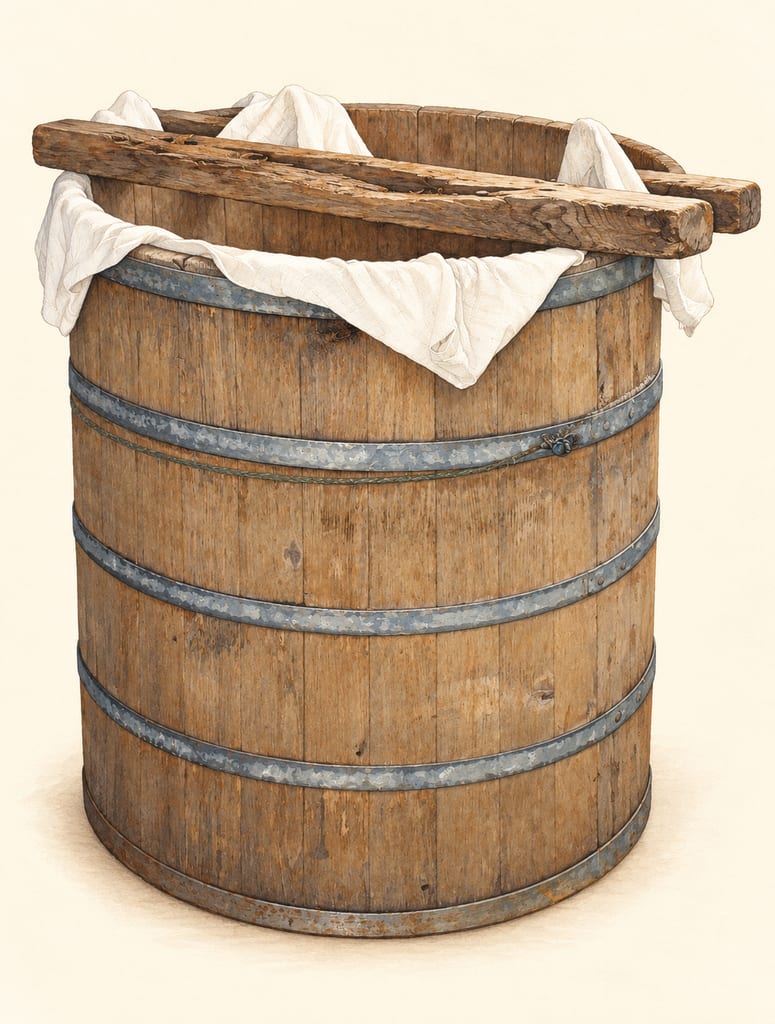
The gerle is a broad wooden vat used to receive and work milk for Salers cheese in its French AOP area. Its coopered form and microbial role are documented, but sources do not establish when this particular vessel first appeared.
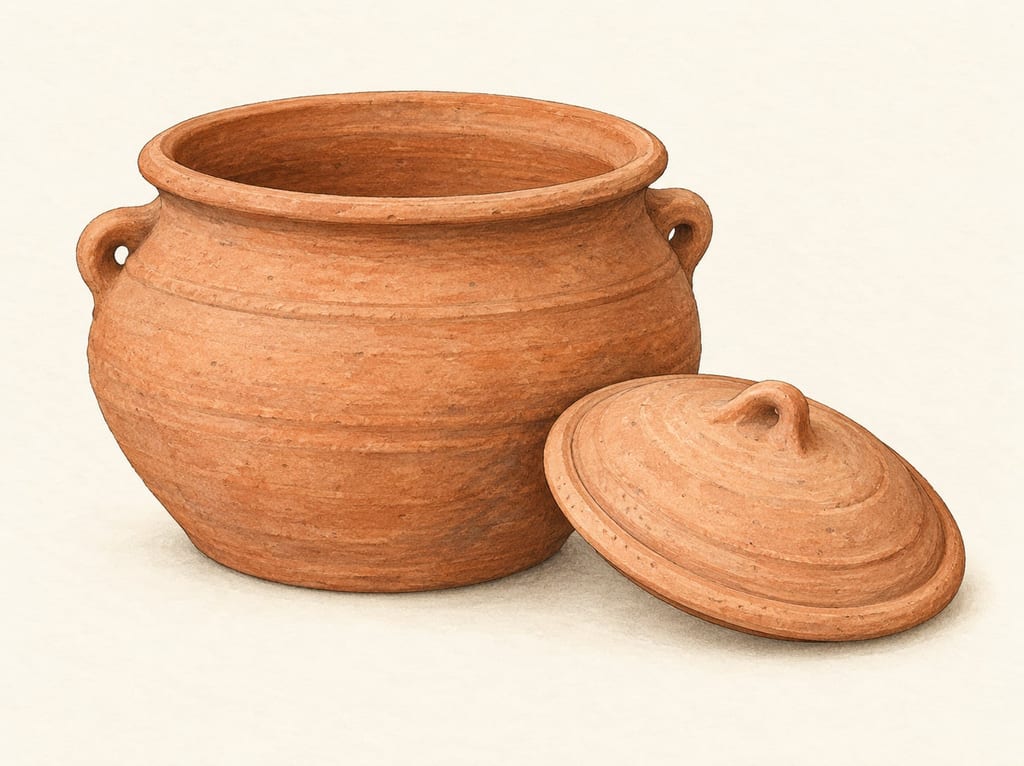
A hand-formed, unglazed clay-and-calcite cooking pot from Zlakusa in western Serbia. Potters make varied forms for cooking and baking through a living hand-wheel craft.
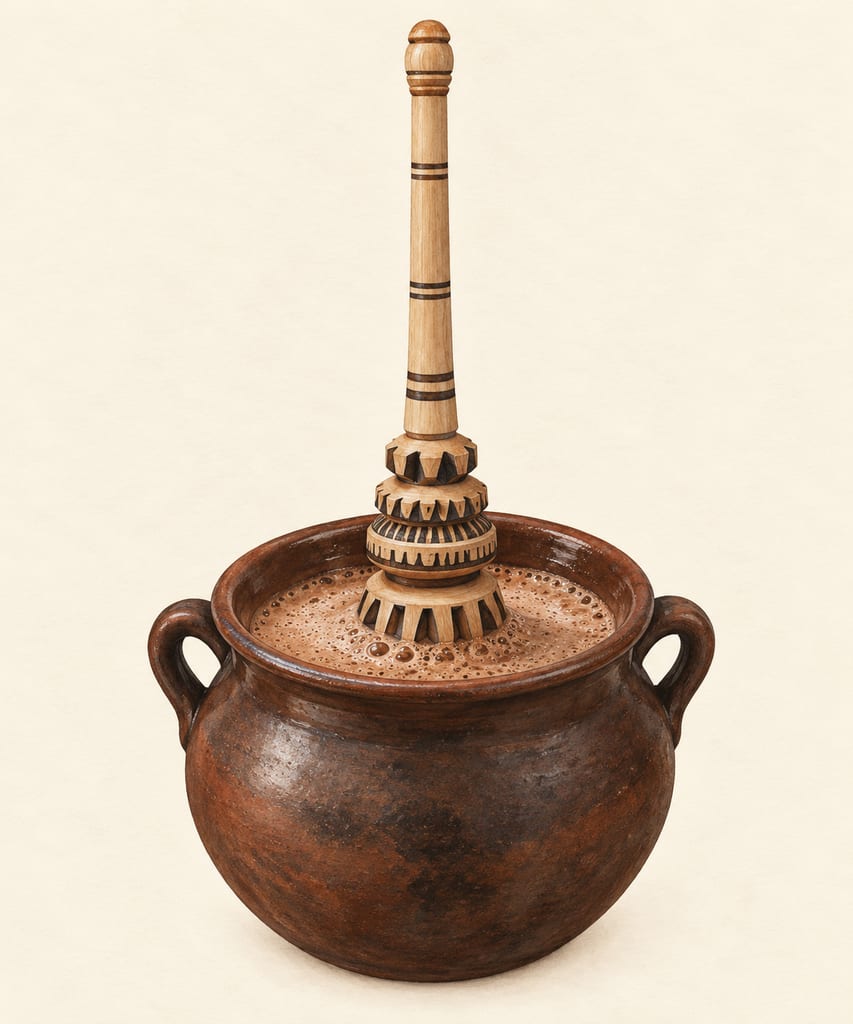
A molinillo is a hand-turned whisk used to beat drinking chocolate to a froth. Its carved wooden head works in the pot as the handle turns between the palms.
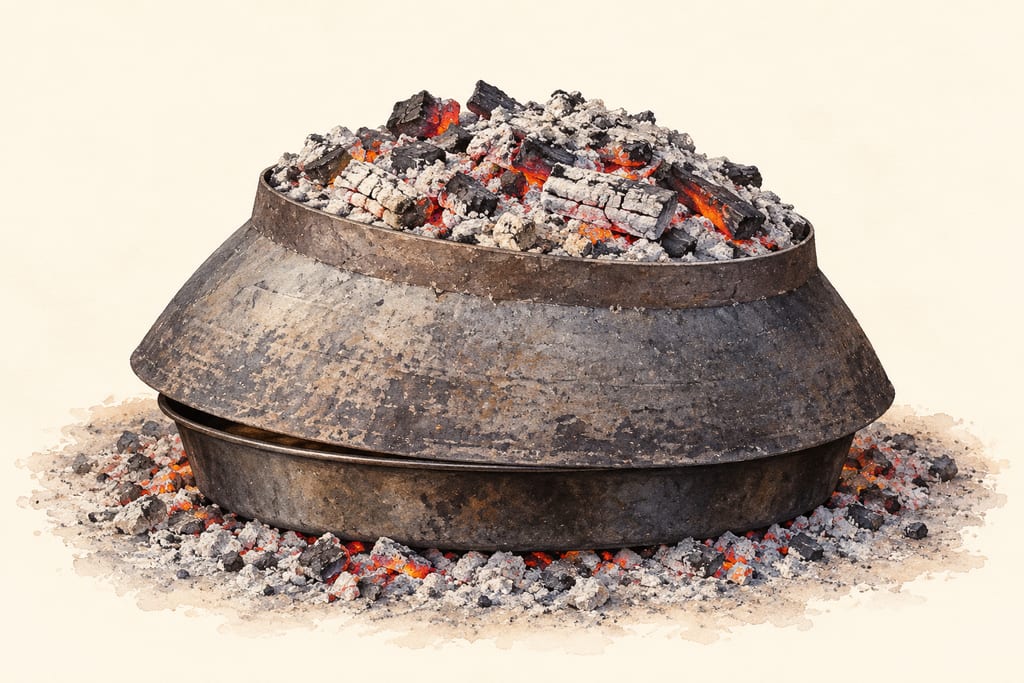
Peka names a family of hearth-baking lids: a domed clay or metal bell carries embers above food. In the later Dinaric assembly, a shallow pan sits beneath the lid, sometimes with a ring to hold coals in place.
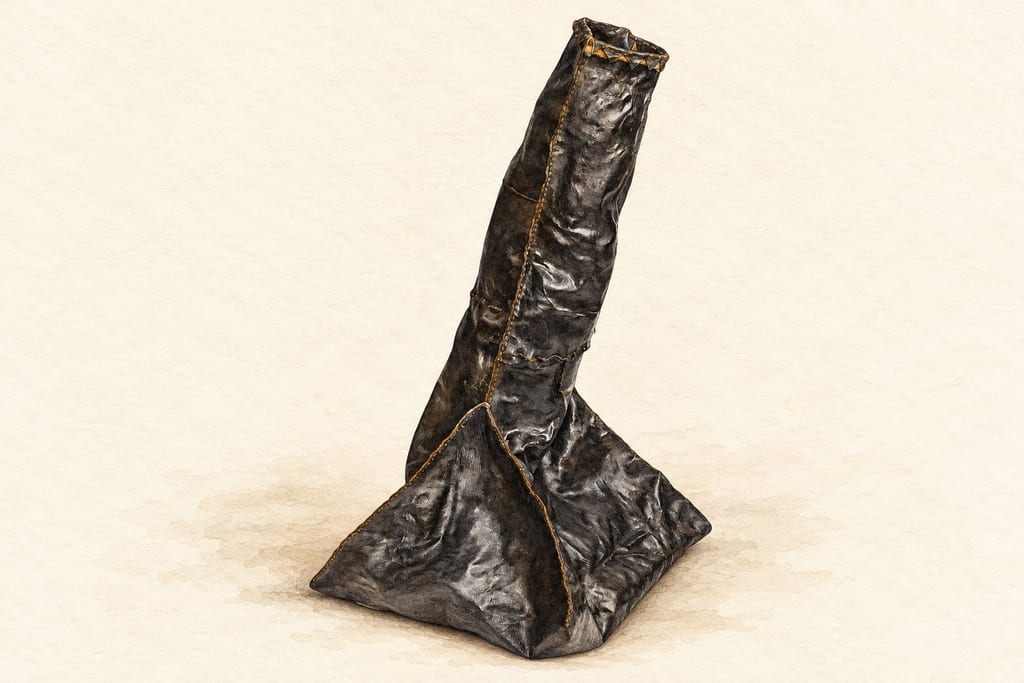
Saba is a large Kazakh horsehide vessel used to prepare and keep kumis. An Omsk museum specimen shows a tall, narrow neck above a broad, gusseted body, with seams stitched in hair thread and hide smoked to make it water-resistant.
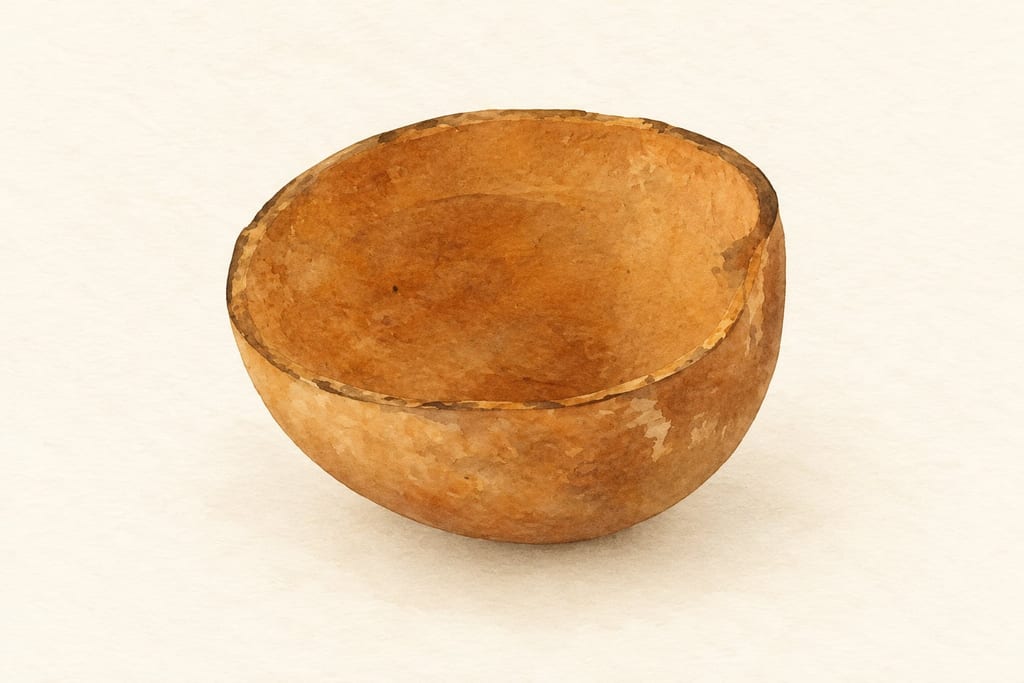
A plain drinking cup made from a dried gourd cut in half, catalogued by Sierra Leone’s National Museum as a Kono poyo cup associated with Yengema.
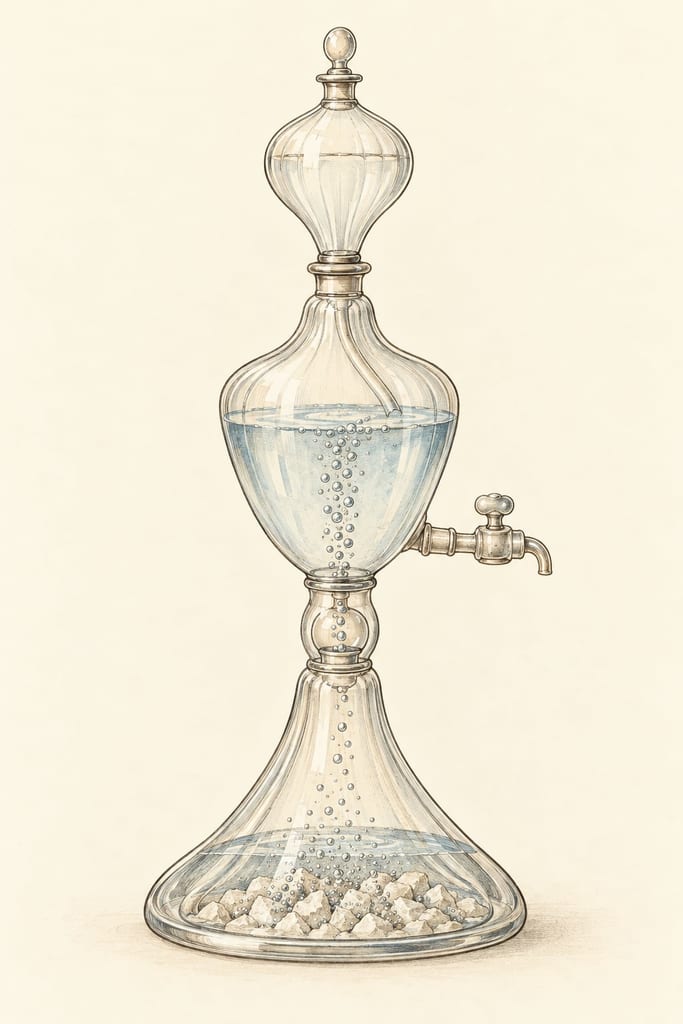
Nooth’s apparatus was a three-vessel glass device for impregnating water with carbon dioxide. Its surviving late-eighteenth-century form documents an early route from laboratory gas experiments to manufactured aerated water.
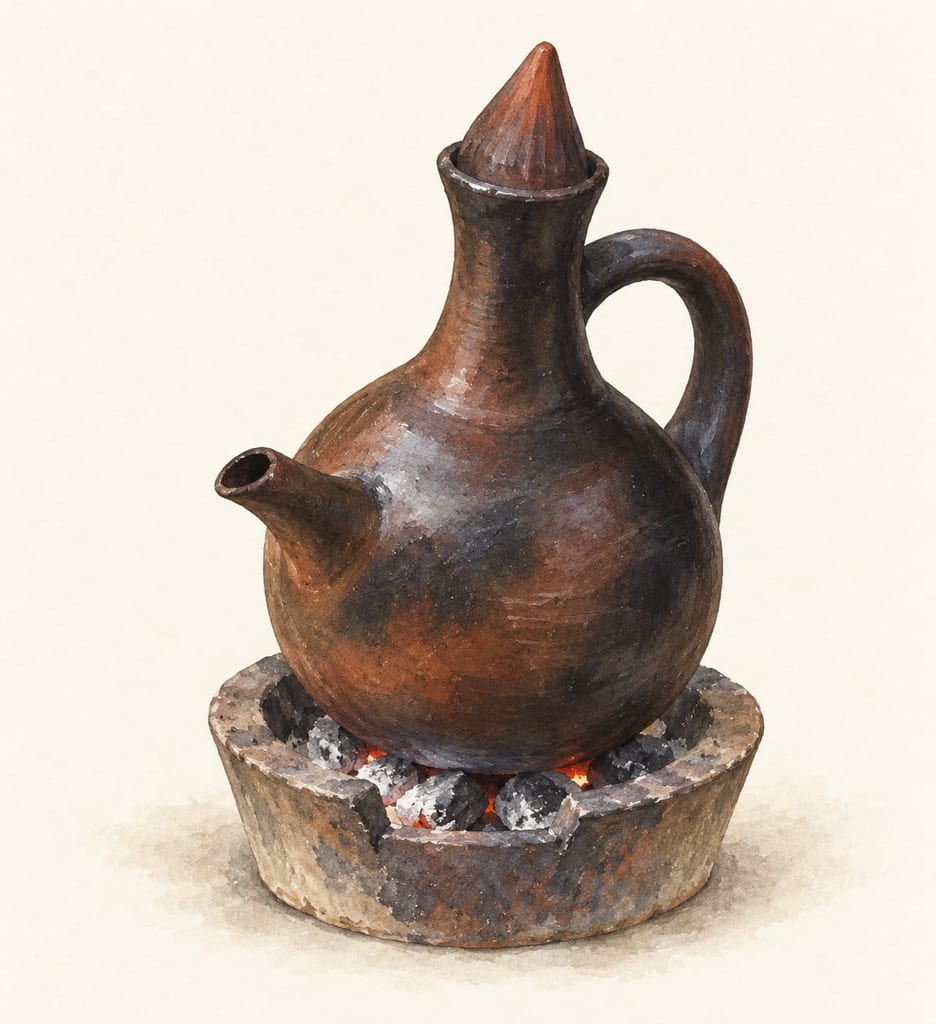
The jebena is an Ethiopian terracotta coffee pot, typically rounded at the body and narrow through the neck. It brews coffee over a fire and serves a communal ceremony; materials, profiles and household practices vary.
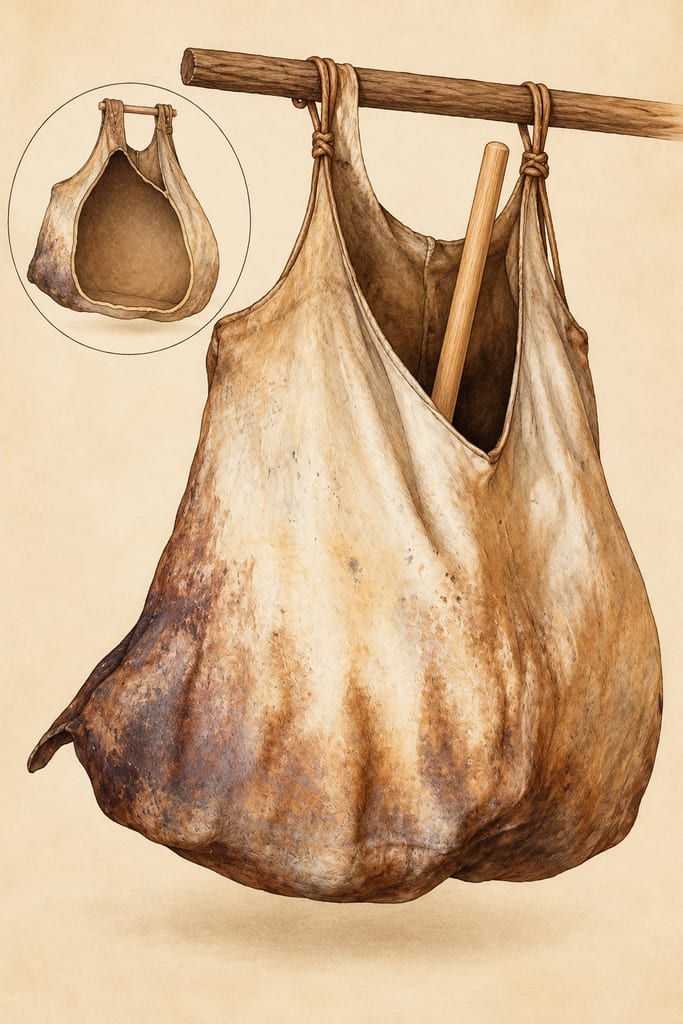
The khokhuur is a traditional Mongolian airag vessel made from prepared cowhide. Its flexible leather body holds mare’s milk while it is churned with a separate wooden buluur paddle.
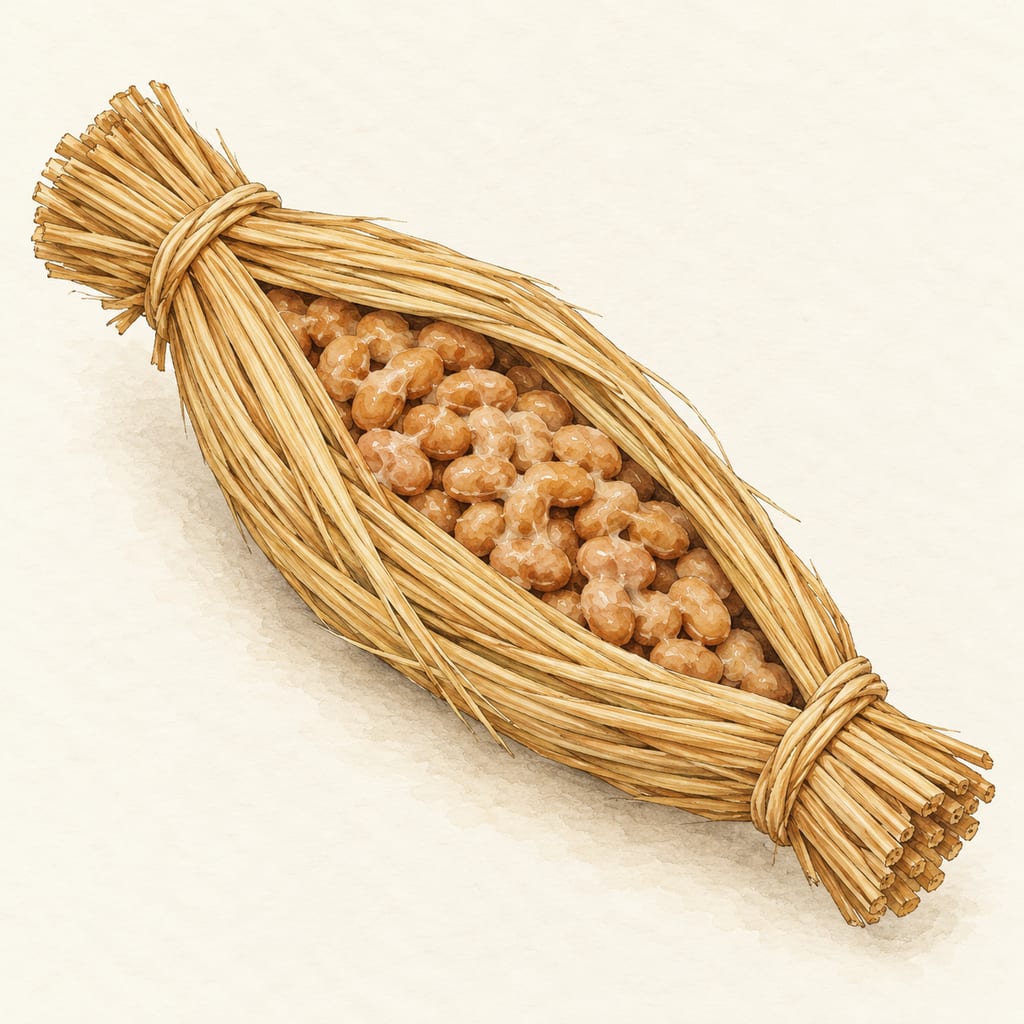
A natto warazuto is a rice-straw bundle that encloses soybeans during natto fermentation. Documented Japanese forms vary by region: Ibaraki examples include boat-like bundles, while Yamagata accounts describe straw tubes.
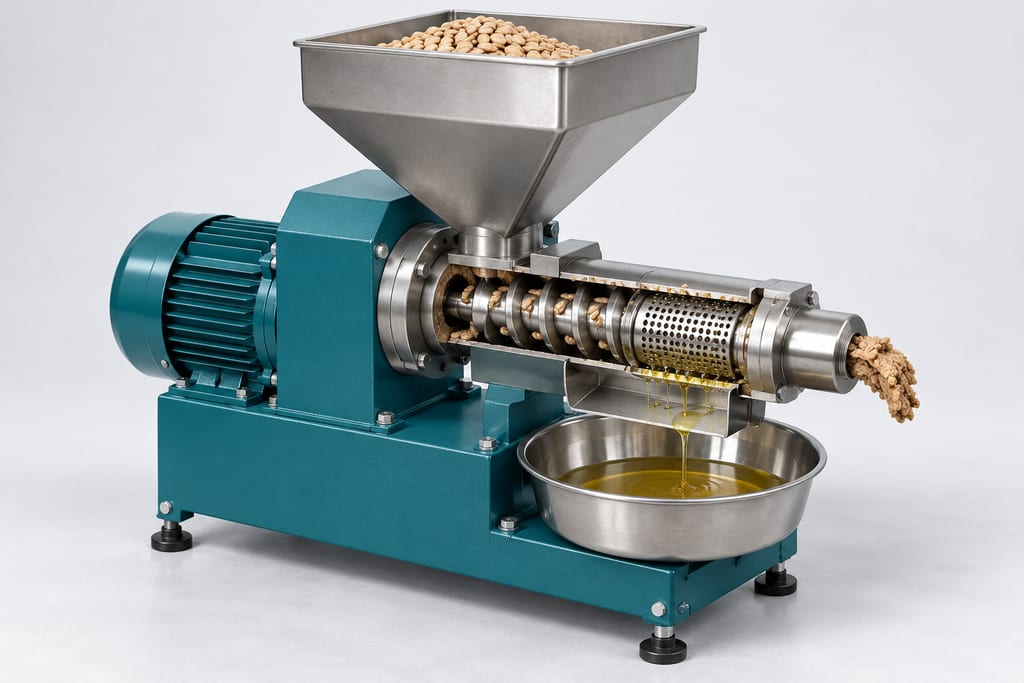
A screw press advances prepared material through a cage, squeezing out oil while solid press cake leaves separately.
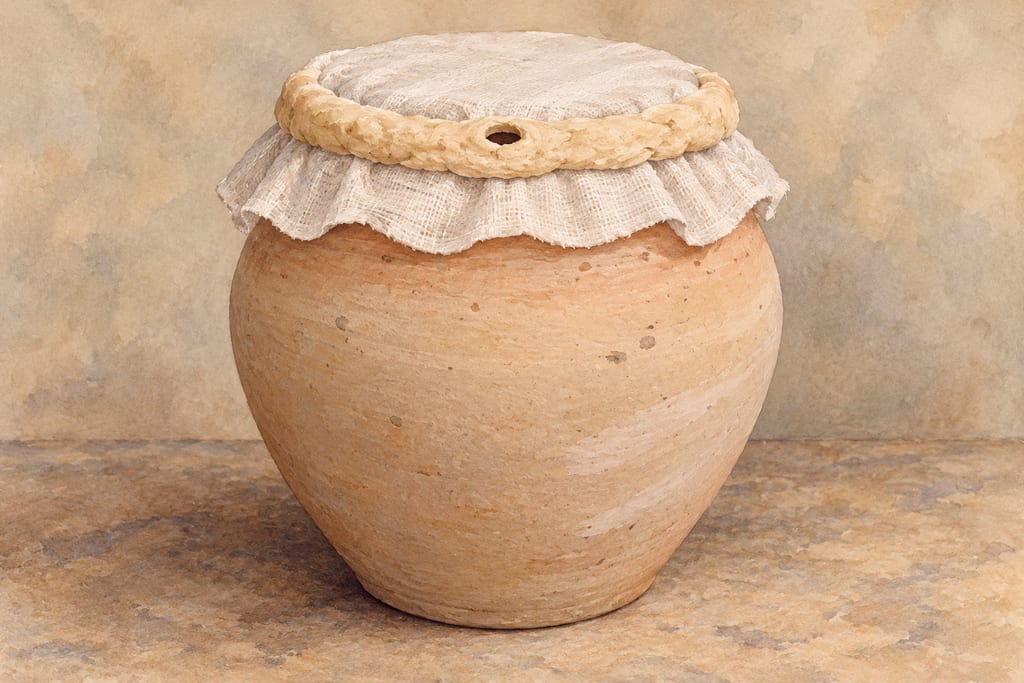
A purpose-made earthenware testi jug acts as the cooking chamber for testi kebabı. A documented Nevşehir account describes a cloth-and-dough closure with a small vent; size and craft specifications are not established.
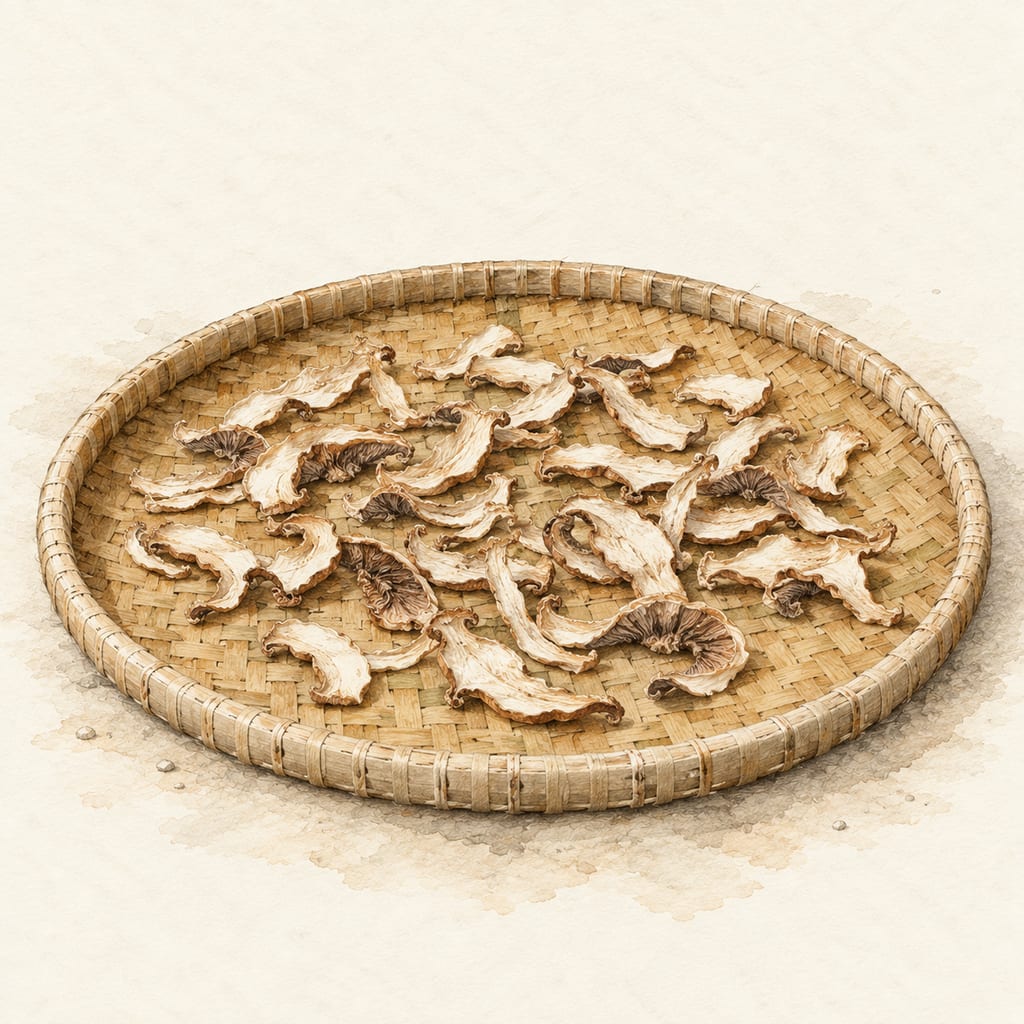
A Nepali woven bamboo tray used for winnowing and drying foods. A Sagarmatha field report records mushrooms drying on nanglo above Namche; contemporary sources also document its ongoing manufacture and sale.
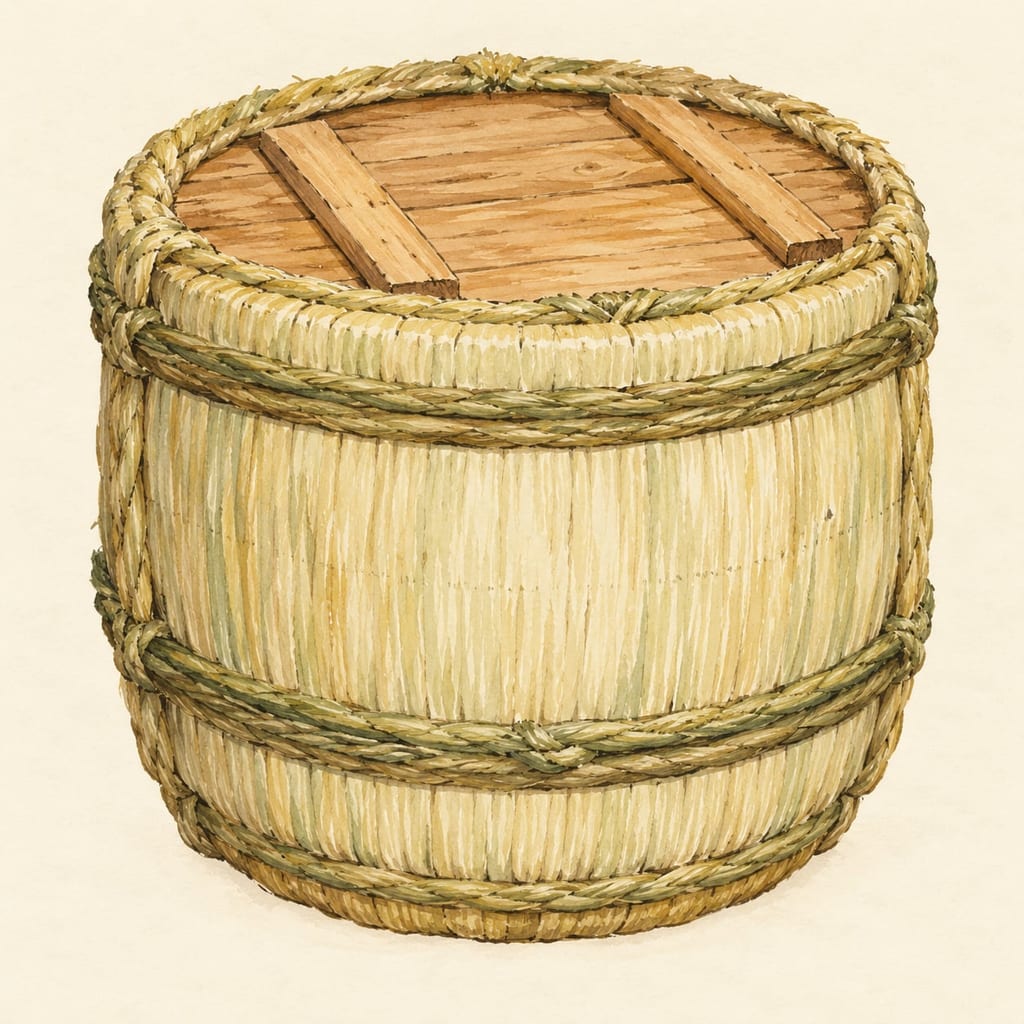
A sake taru is a short wooden cask for holding and presenting finished sake; traditional examples may show bare cedar or a woven-straw covering.
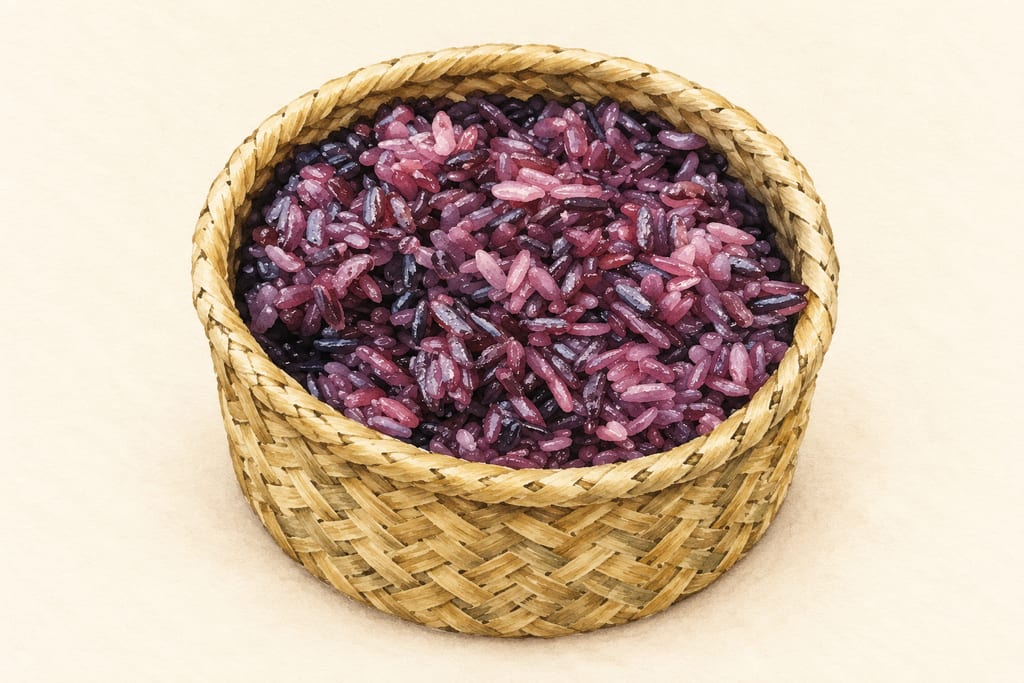
A lidded woven bamboo or rattan basket used in Laos to hold steamed sticky rice and keep it warm and soft for serving.
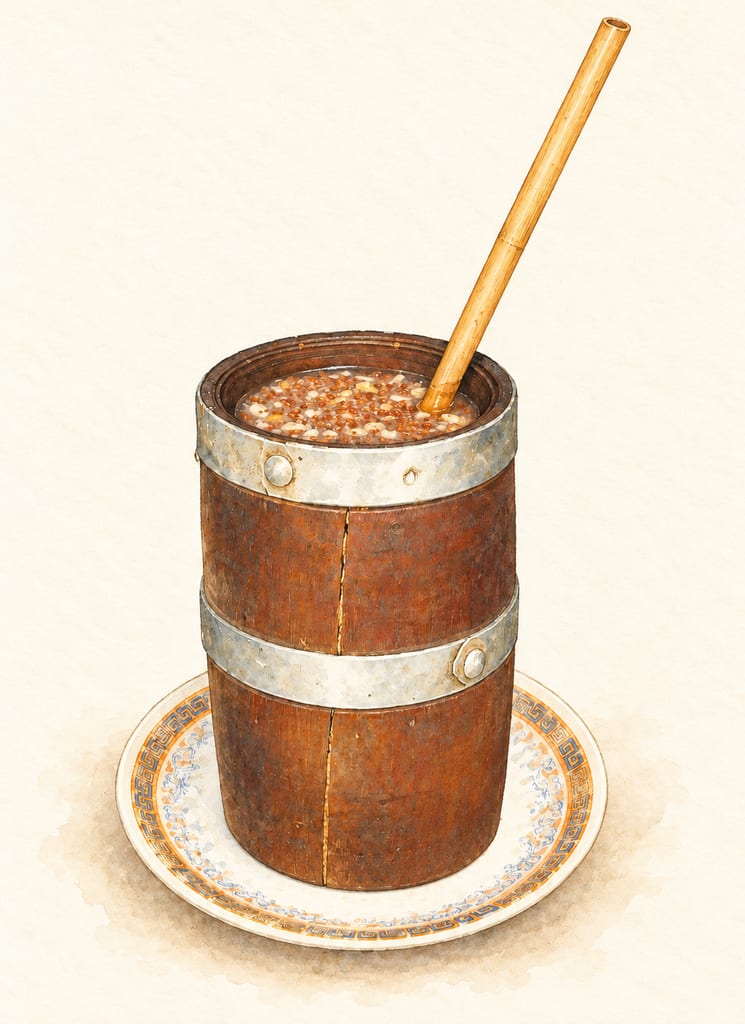
A tongba is a serving vessel for fermented millet drink: it holds the grain as water is added while a narrow bamboo straw draws off the liquid. Documented forms include bamboo and wood, with no single standard design established.
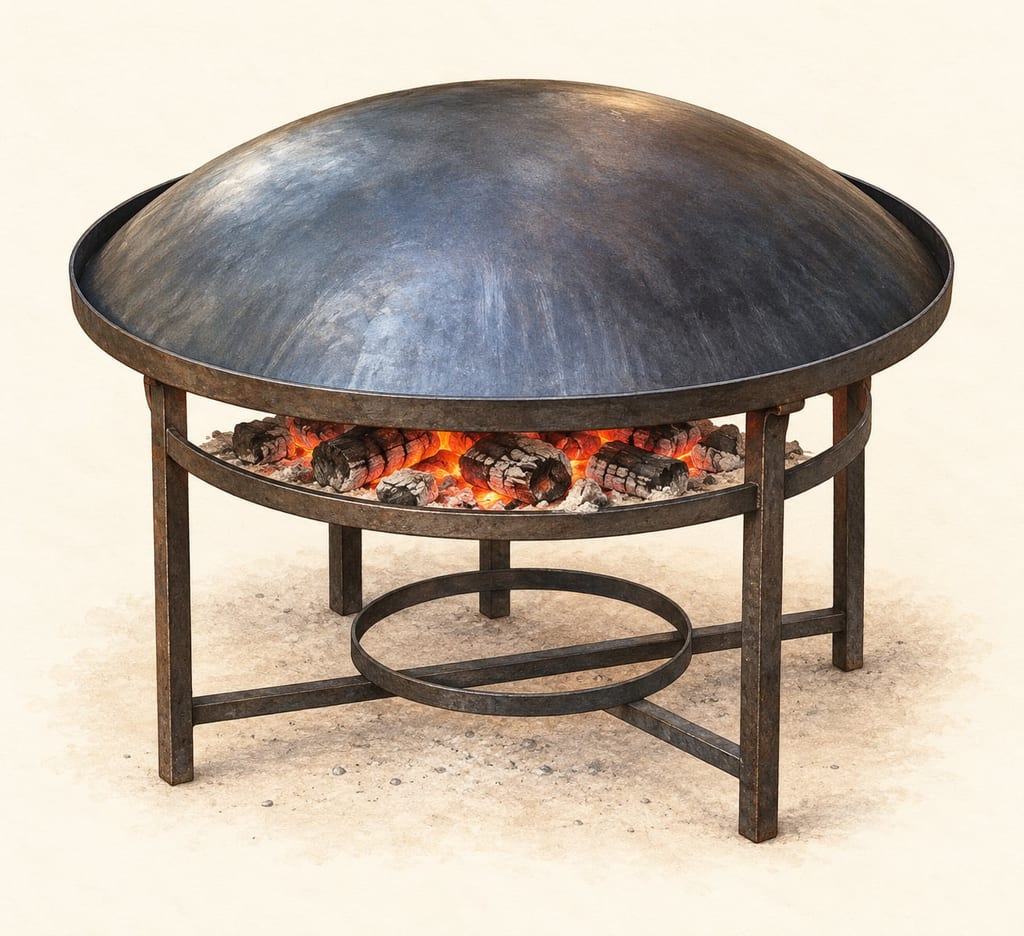
A portable convex metal griddle used for thin flatbreads. Surveyed forms are about 50 cm across and set over embers; regional names and modern heat sources vary.
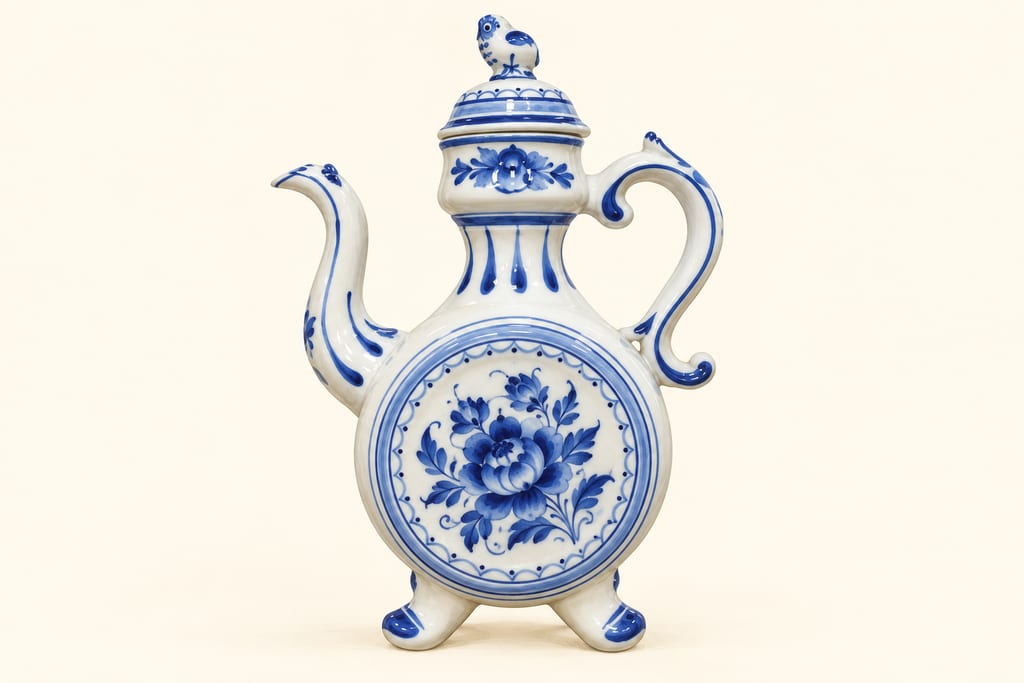
A kumgan is a handled pouring vessel with a narrow spout. This Sosnovsky museum example is Gzhel-painted porcelain made in Rechitsy in the early 21st century, representing a form used in Russia to serve historic drinks.
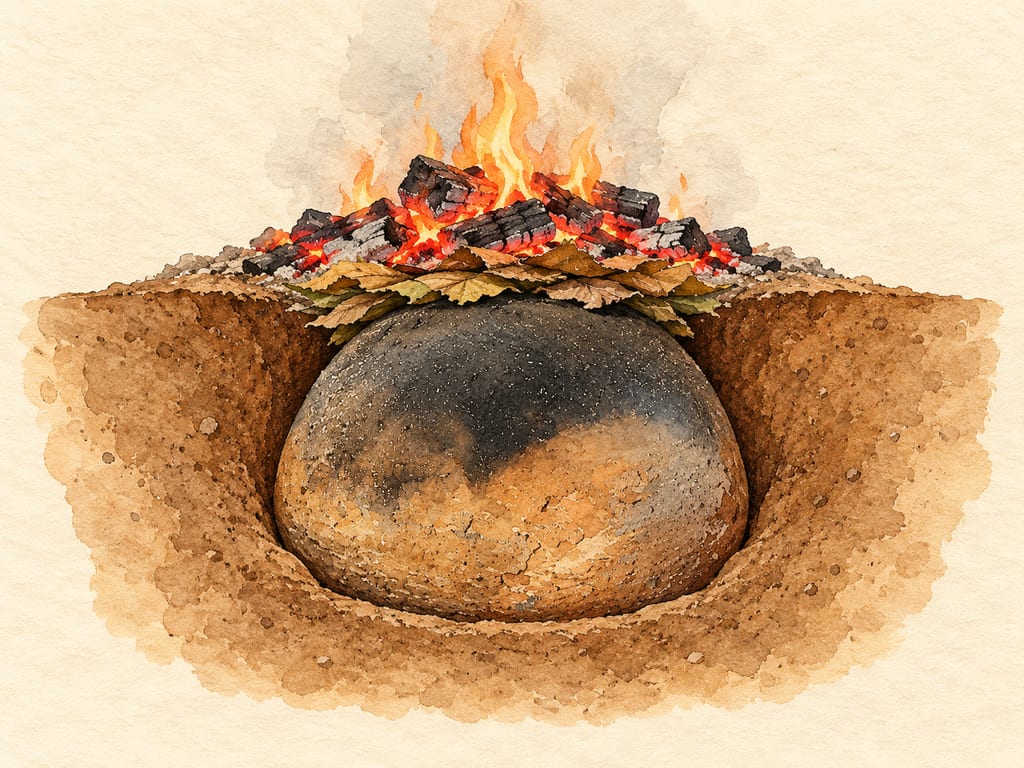
An earthen cooking pot associated with Gujarati undhiyu: Gujarat Tourism describes it turned upside down and fired. A field report documents a related ubadiyu matlu near Dungri in South Gujarat.
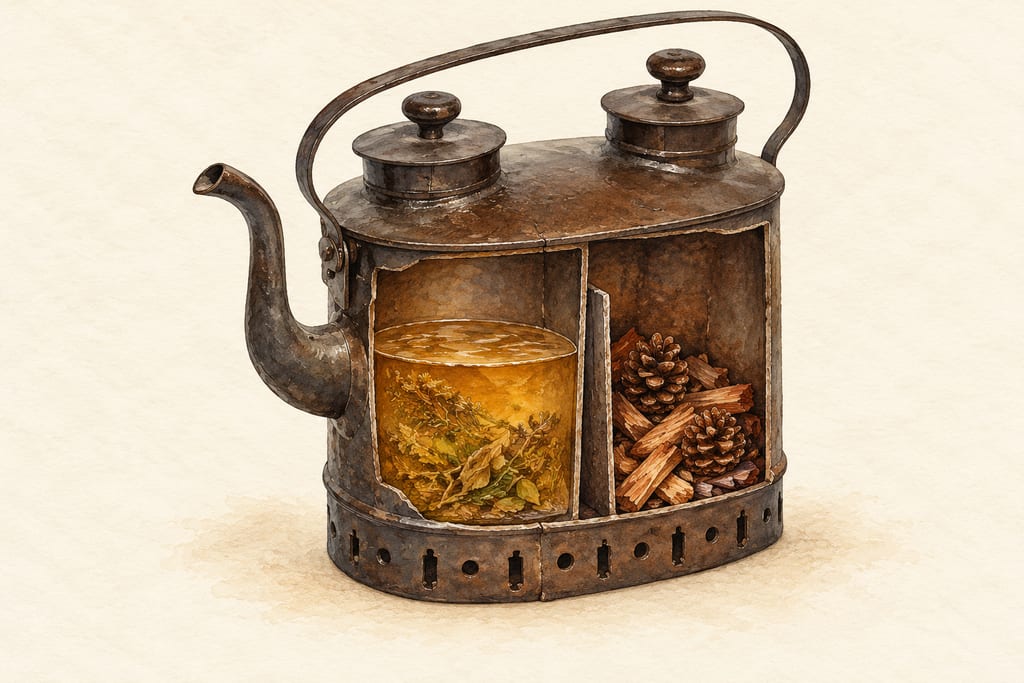
A sbitennik is a portable vessel for heating and pouring sbiten. Museum records show a divided fire-and-liquid chamber and several nineteenth-century forms, from Nevyansk ironwork to copper and brass examples.
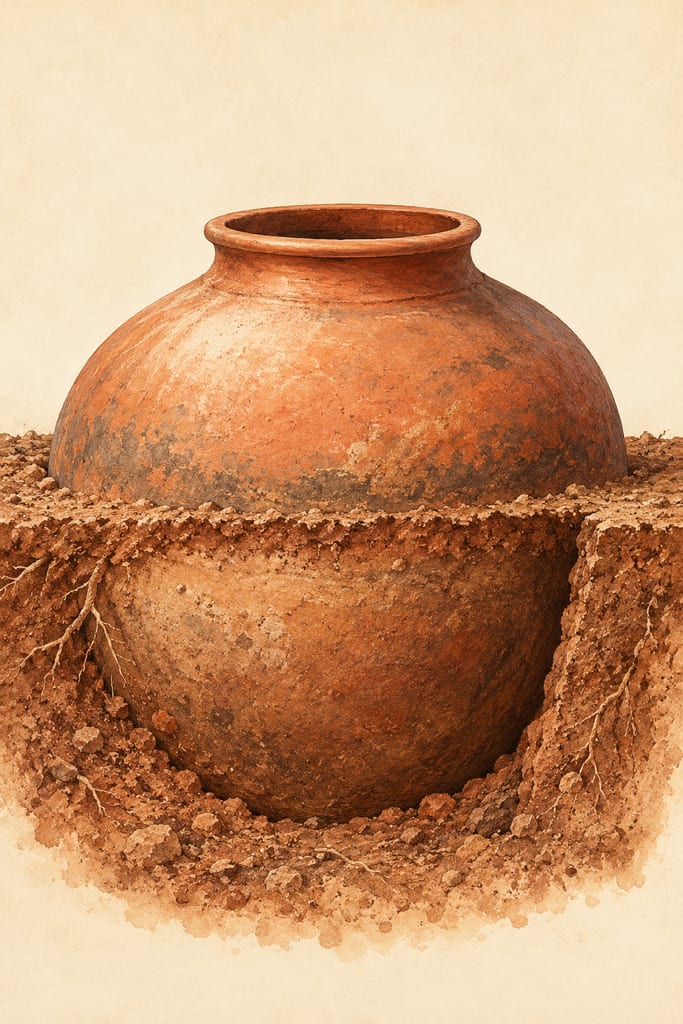
A large earthen fermentation vessel used for cashew-apple juice in Goa; sources describe underground burial, with one recent field account showing pots partly set into the soil.
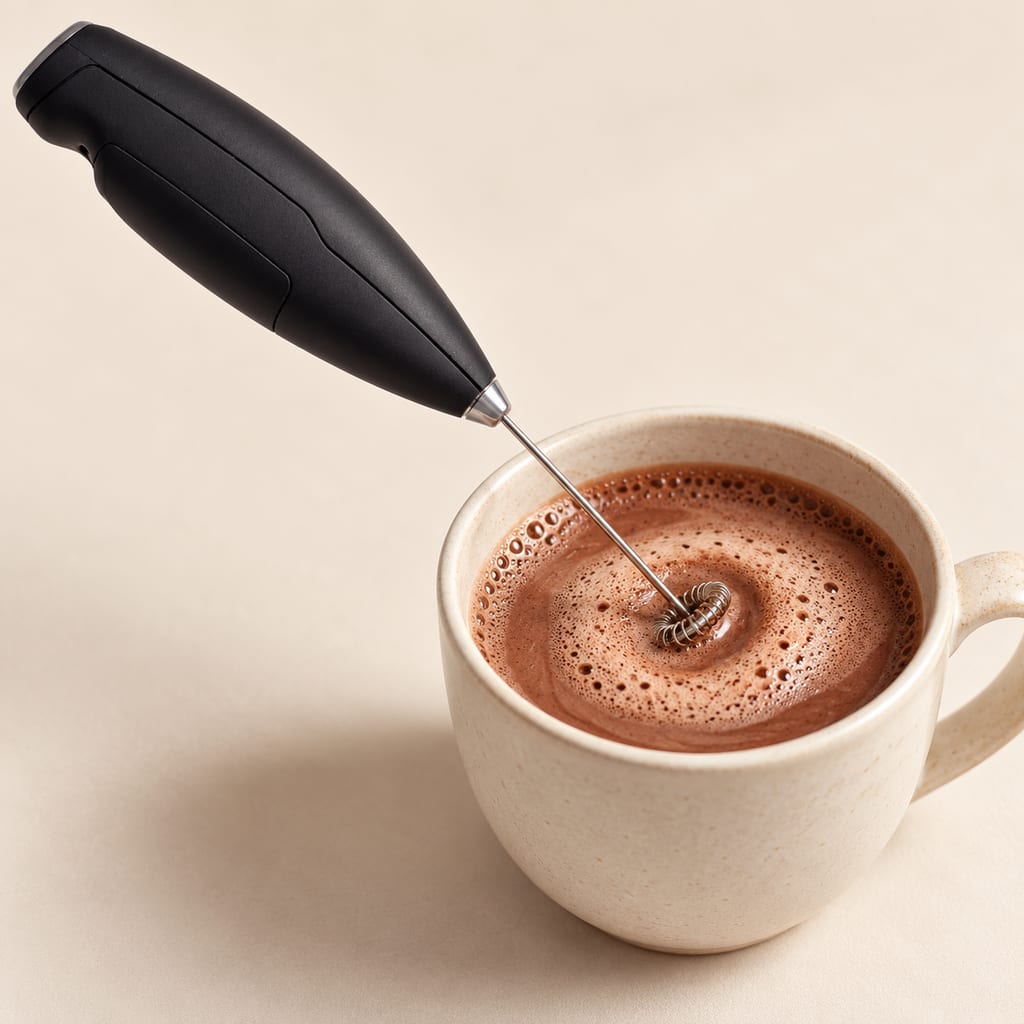
A handheld battery frother spins a small whisk in milk to add foam. Its possible use in warm drinking chocolate is a modern adaptation, not a documented traditional substitute for a molinillo.
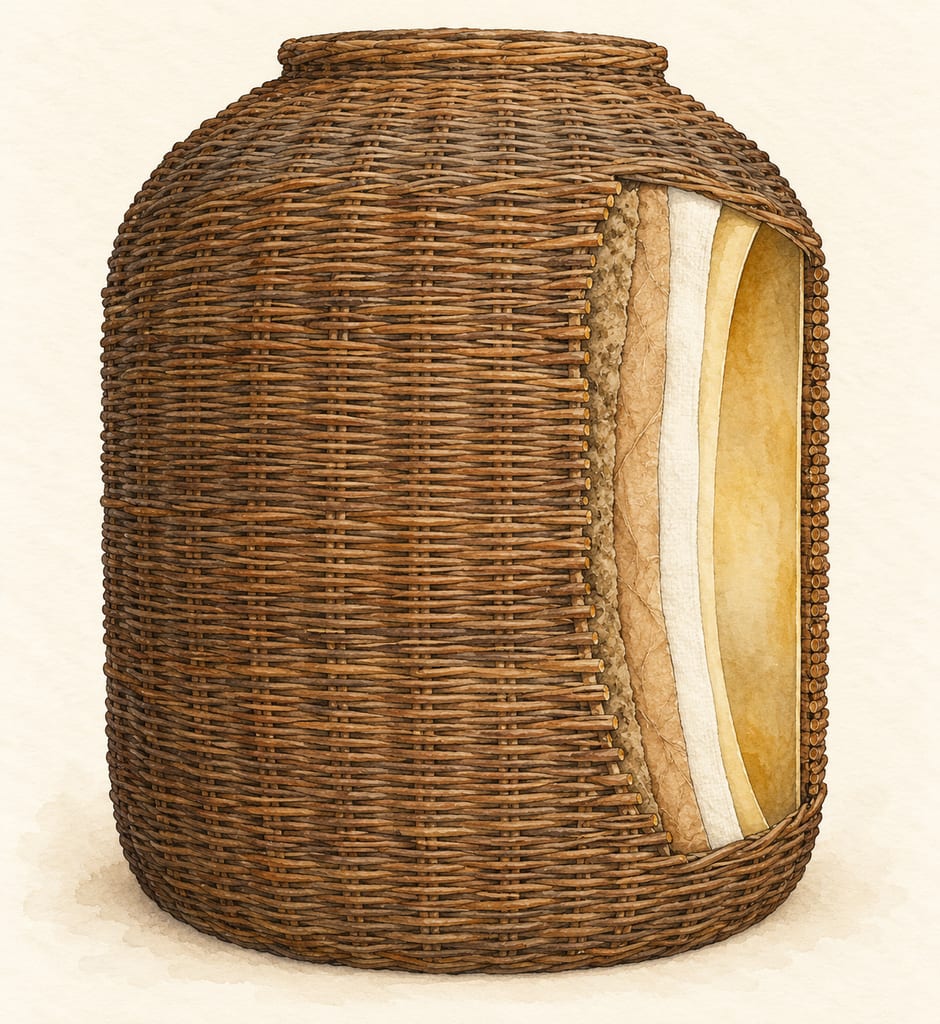
A jiuhai is a large vessel for storing and maturing baijiu. This entry focuses on a documented Xifeng example: a giant basket woven from local twigs and lined with layered paper, cloth and coatings. Other jiuhai use different materials.
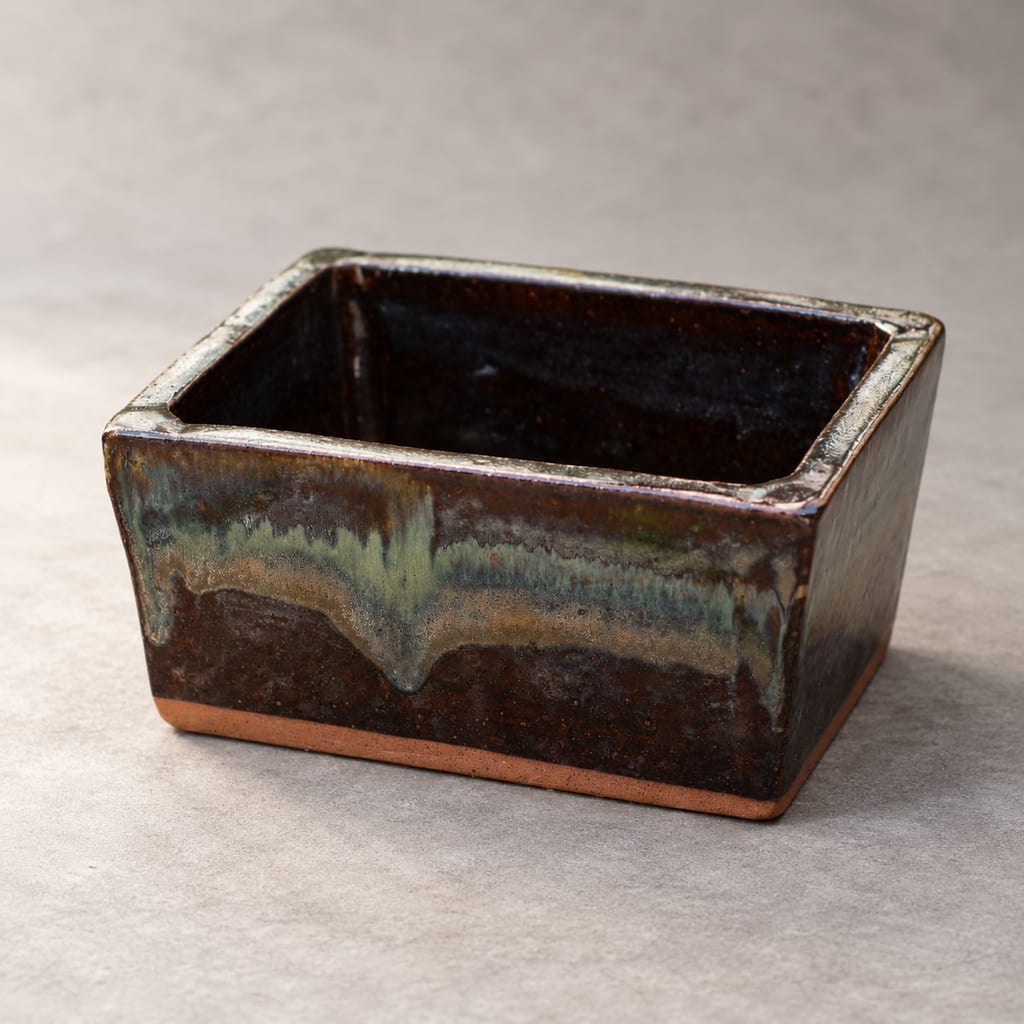
A rectangular Aizu Hongo-yaki ceramic bowl made for layering Hokkaido dried herring with sanshō leaves in Aizu's nishin no sanshōzuke; it is documented as a marinating dish, not fermentation equipment.
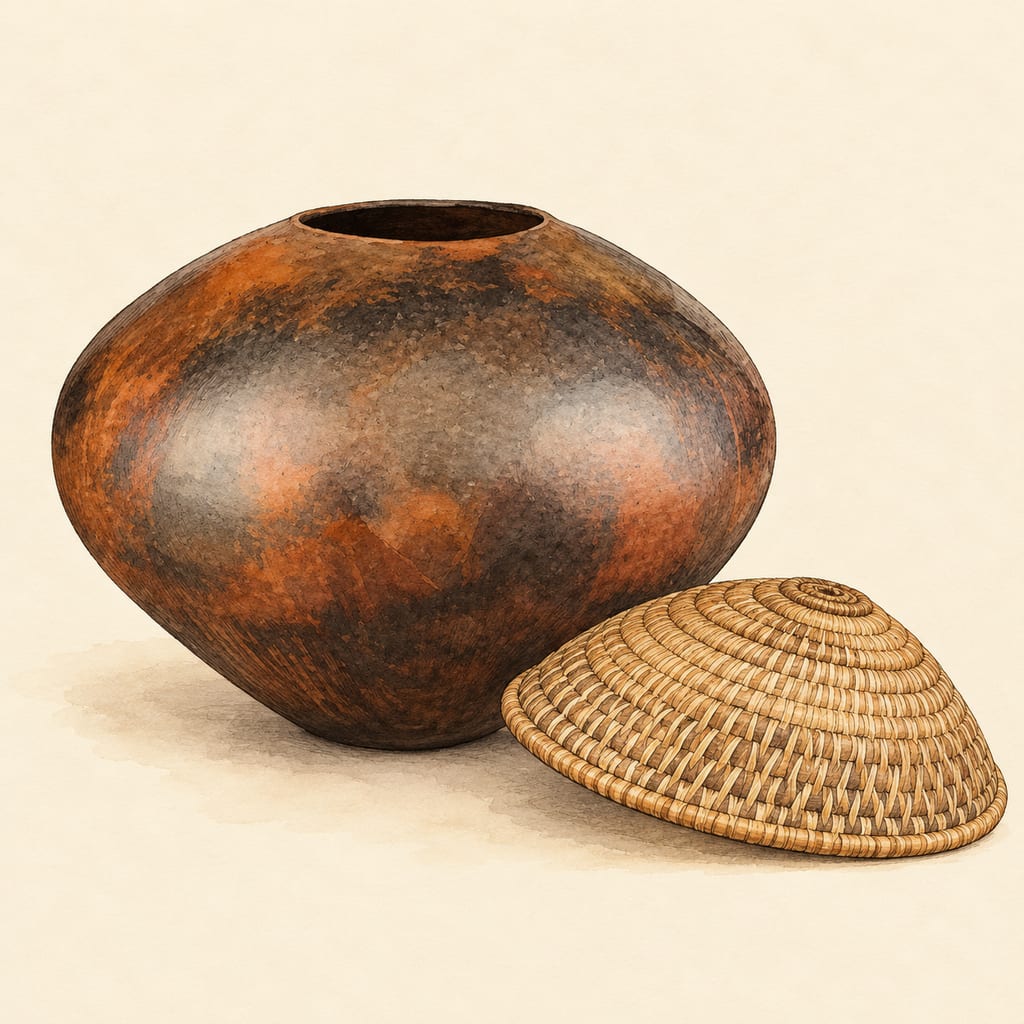
A Zulu earthenware brewing vessel used for grain beer; a woven basket cover keeps out dirt and insects. Imbiza is a distinct pot class, not the serving ukhamba or transport uphiso.
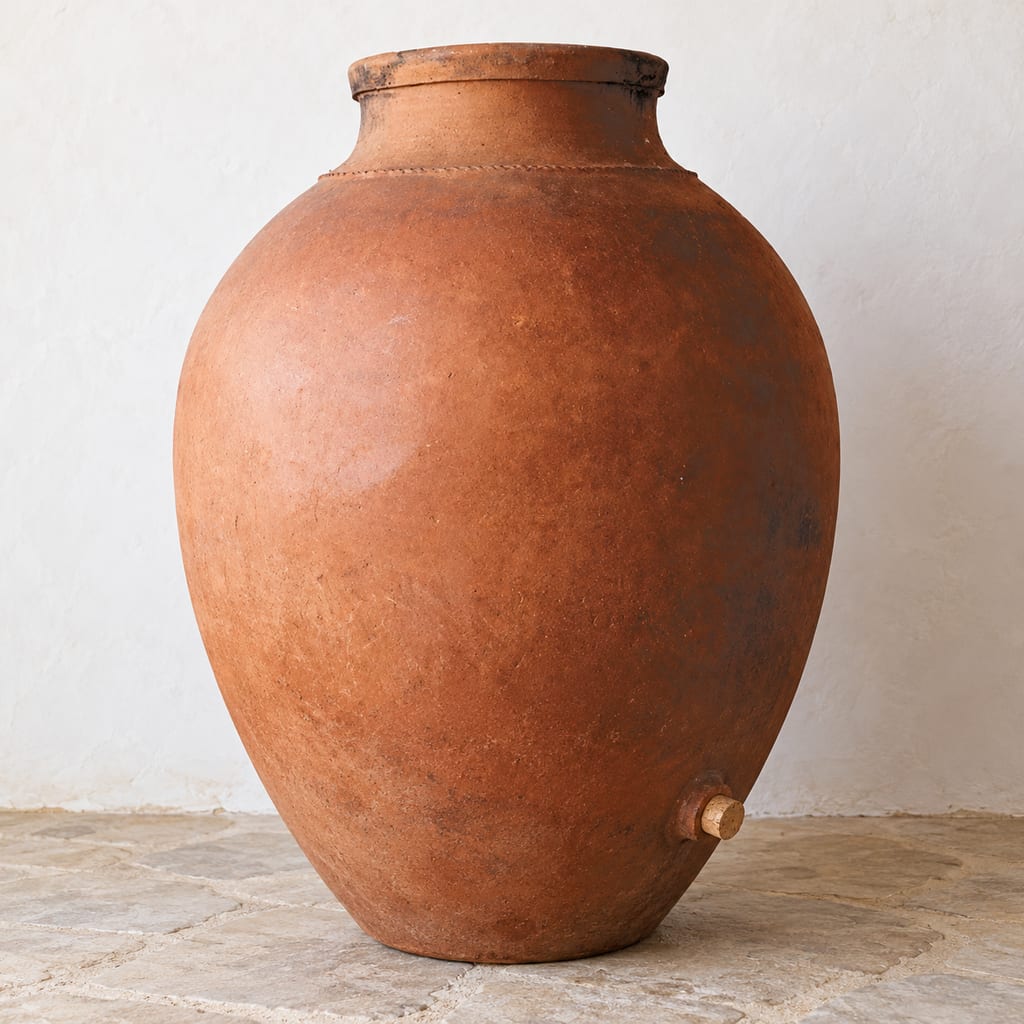
A large fired-clay jar for Alentejo wine, the talha has a wide mouth for grape-cap management and a low outlet for drawing wine. Its form and lining vary by maker and locality.
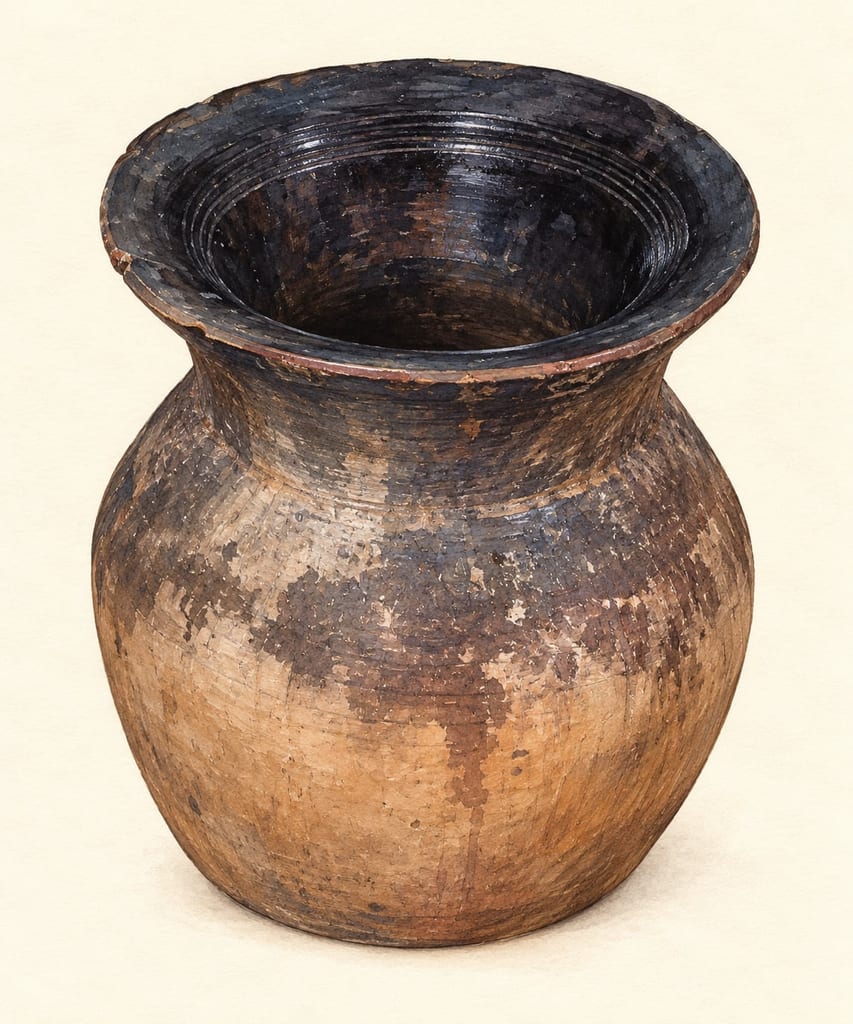
A carved, close-necked wooden vessel used for dahi in Nepal. Established thekis could be used without added starter; new vessels were conditioned.
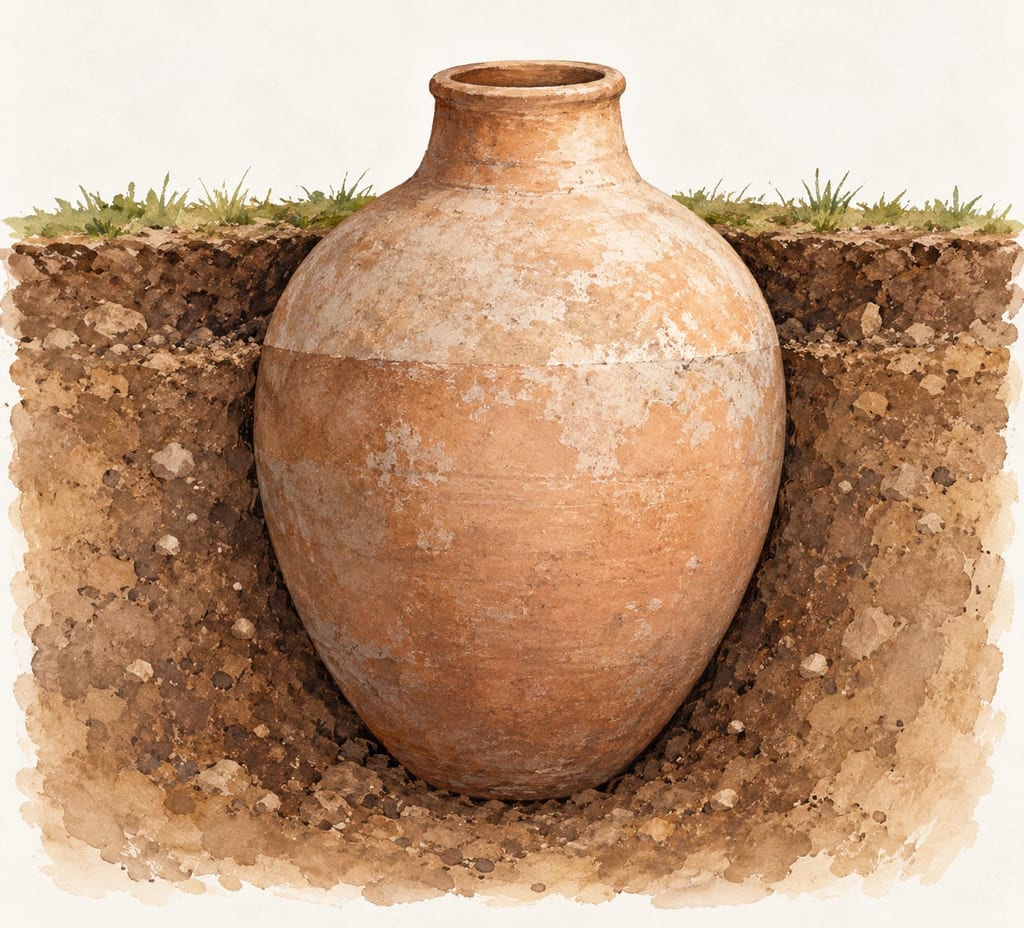
A karas is a large Armenian clay wine vessel used in several documented practices. Placement and use vary; one modern producer reports maturing wine in karasi buried about three-quarters of their height.
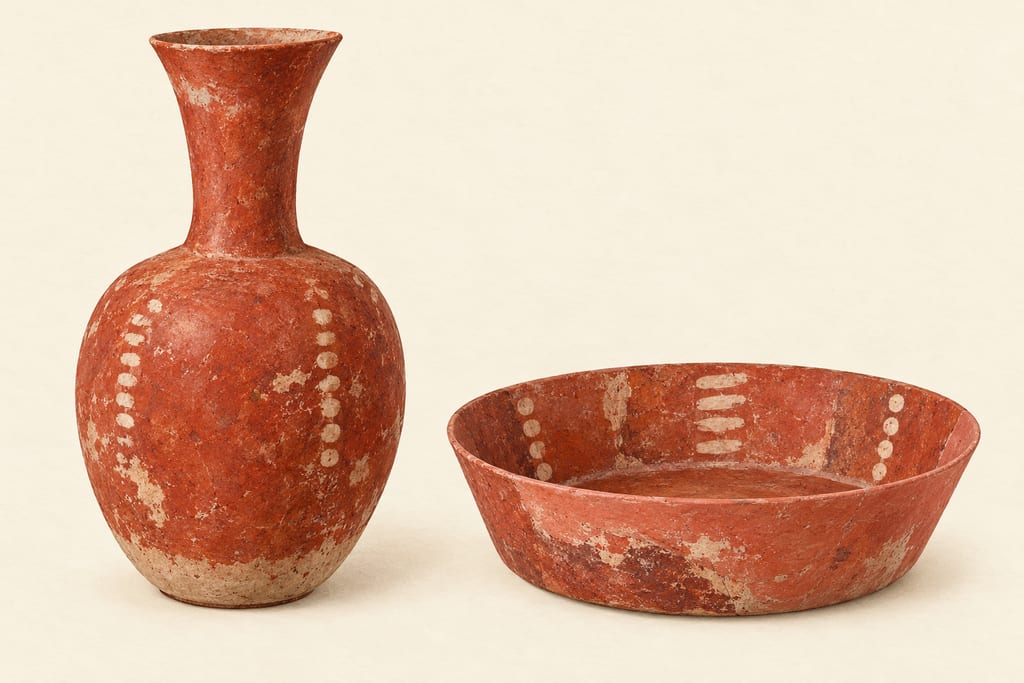
Painted long-necked hu vessels and bowls from Qiaotou, Zhejiang, associated with residues the researchers interpret as beer; the evidence concerns drinking and serving, not proof that these vessels were fermenters.
Show on map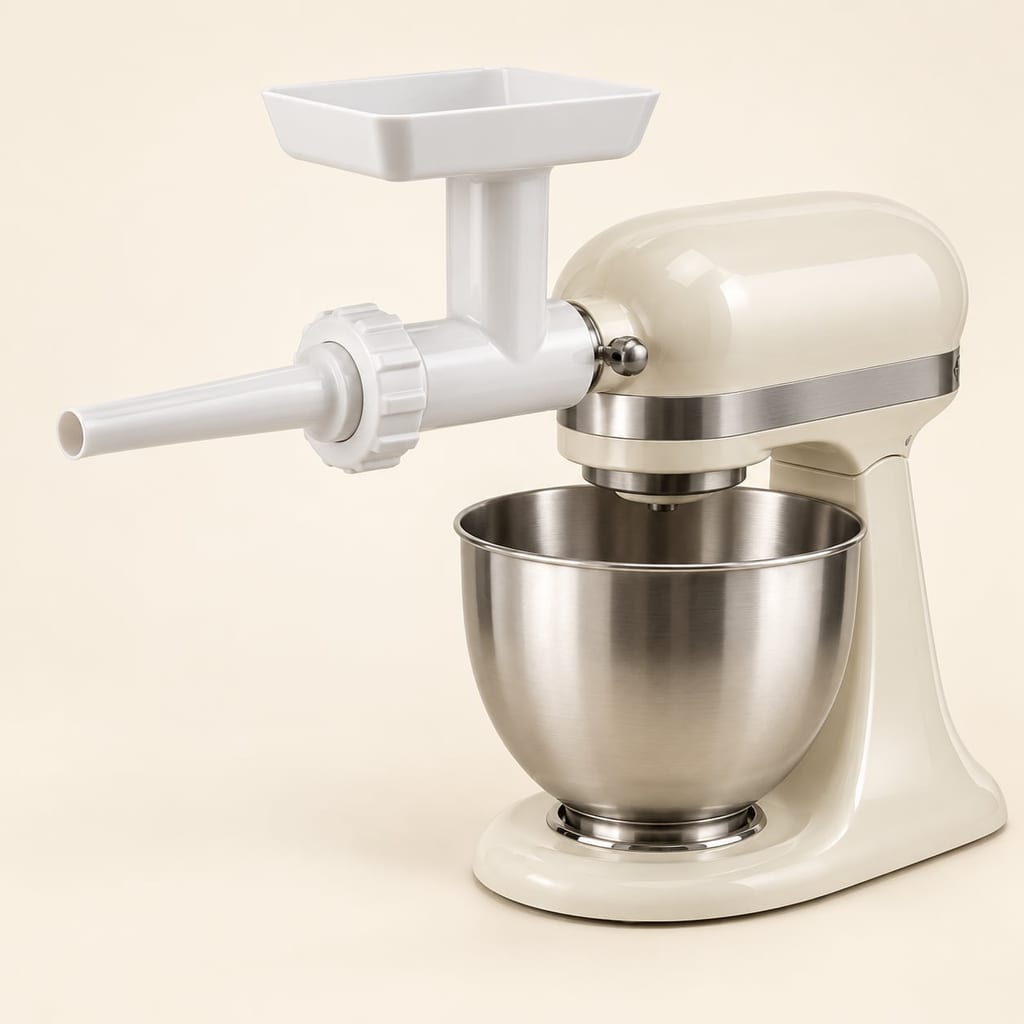
A stand-mixer attachment that grinds meat through a plate and can be reconfigured with a separate stuffer plate and tube to fill sausage casing.
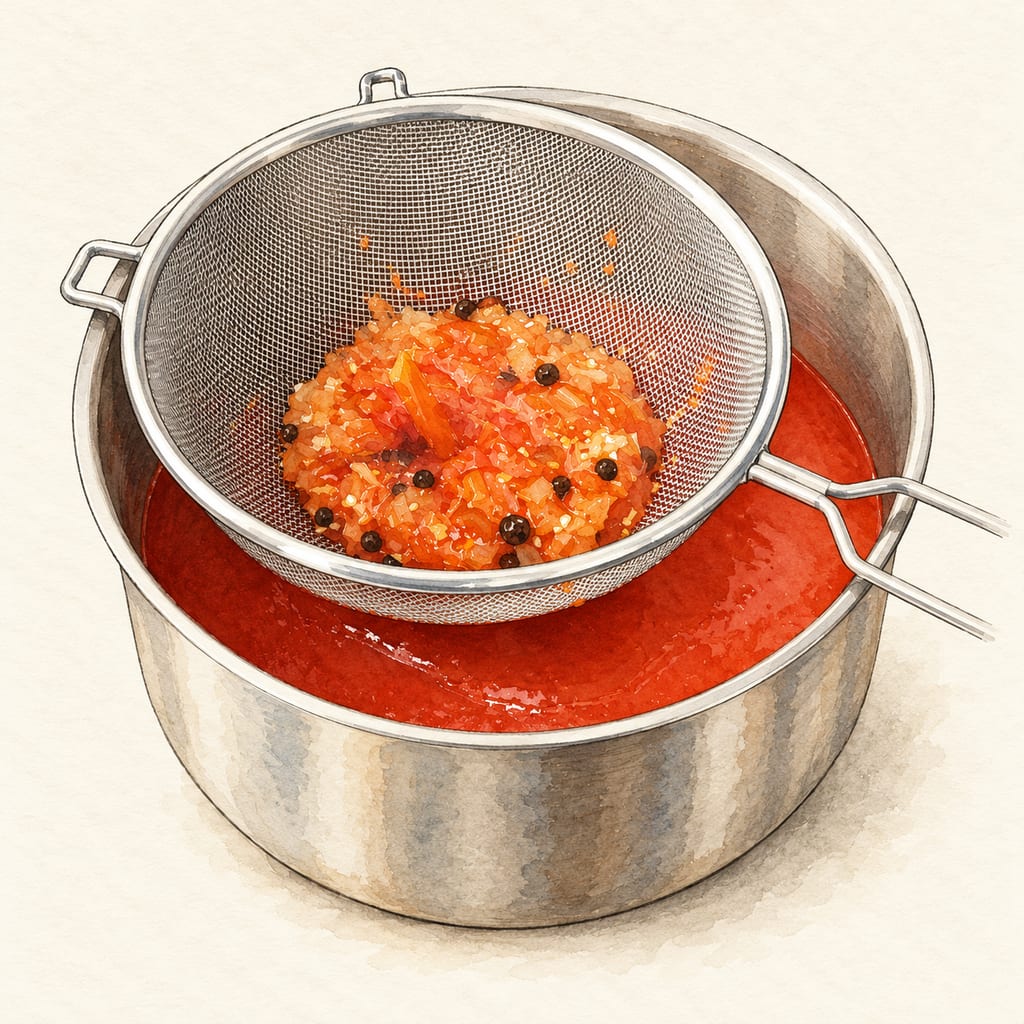
A fine-mesh kitchen sieve separates small solid particles from a sauce or paste. It can smooth tomato ketchup or mustard, but each use retains some pulp or seed material instead of letting it pass through.
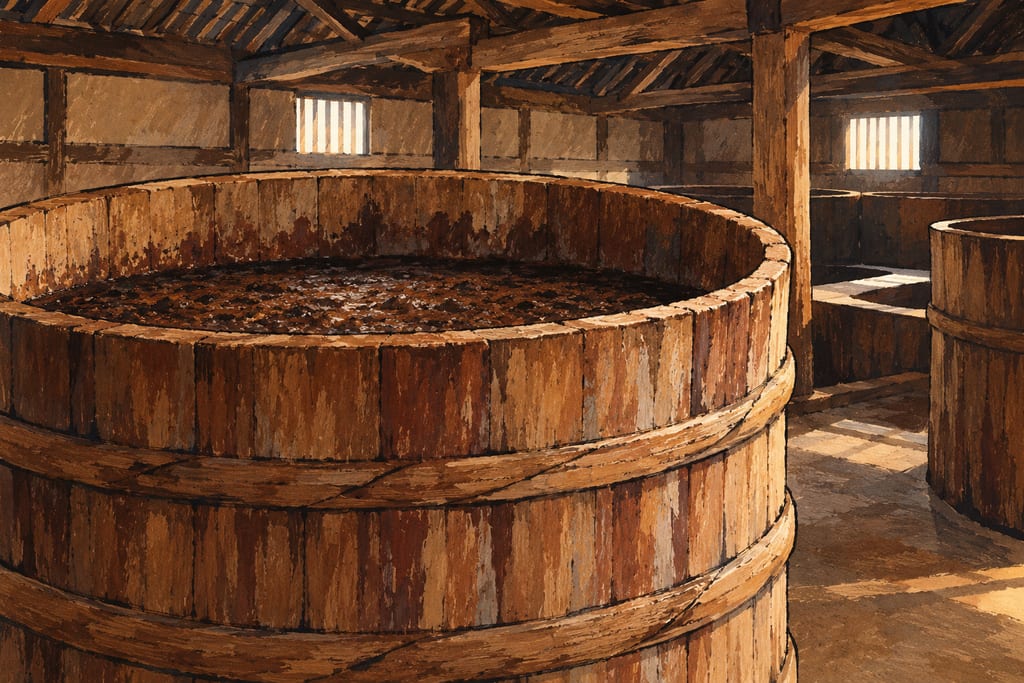
A shoyu kioke is a very large upright wooden vat for fermenting and ageing soy-sauce mash; Japanese sources document cedar-stave examples held together by hoops.
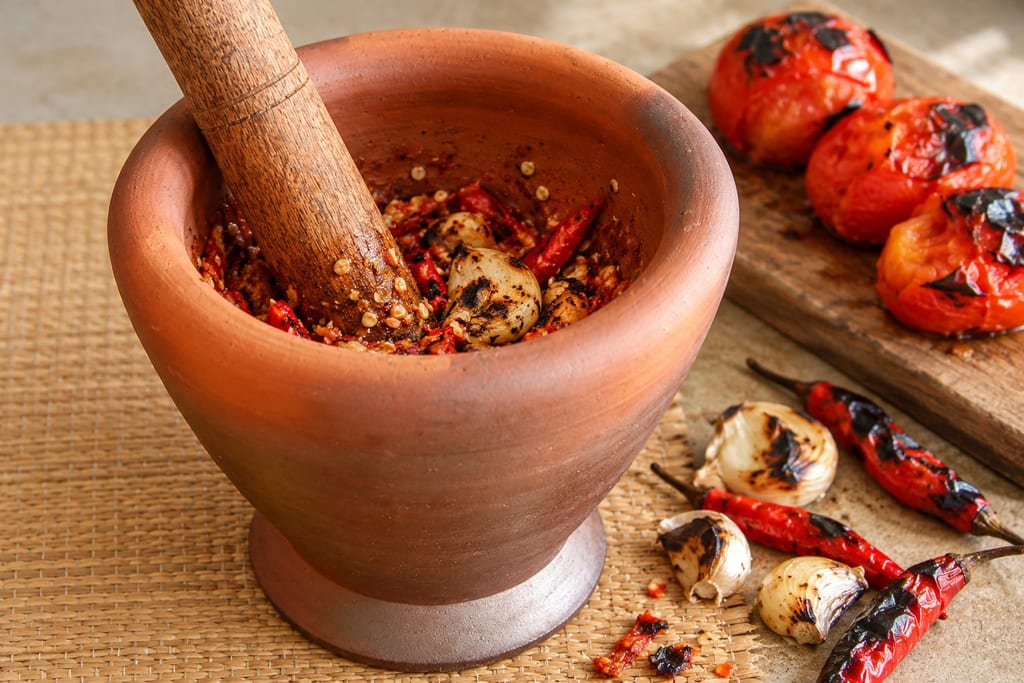
A mortar and pestle pairs a hollow bowl with a hand-held striker; Lao kitchens and Malay and Singaporean sambal traditions show how pounding shapes sauces and spice pastes.
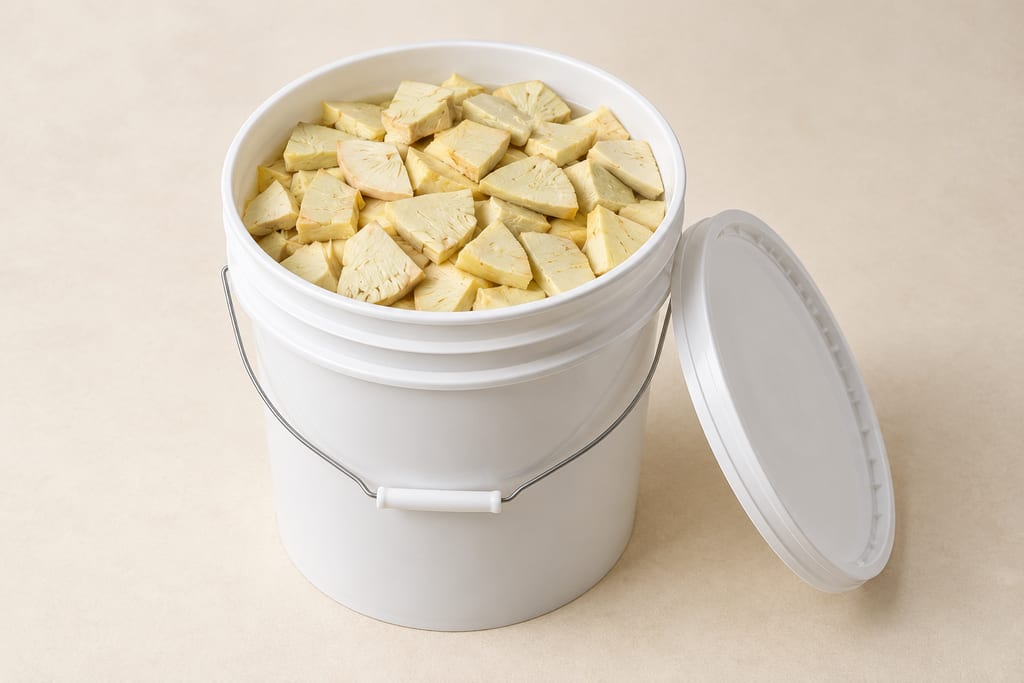
A contemporary household enclosure for preparing mā, fermented breadfruit, documented in Hawai‘i using food-safe buckets, coolers or large sealable bags in place of a pit.
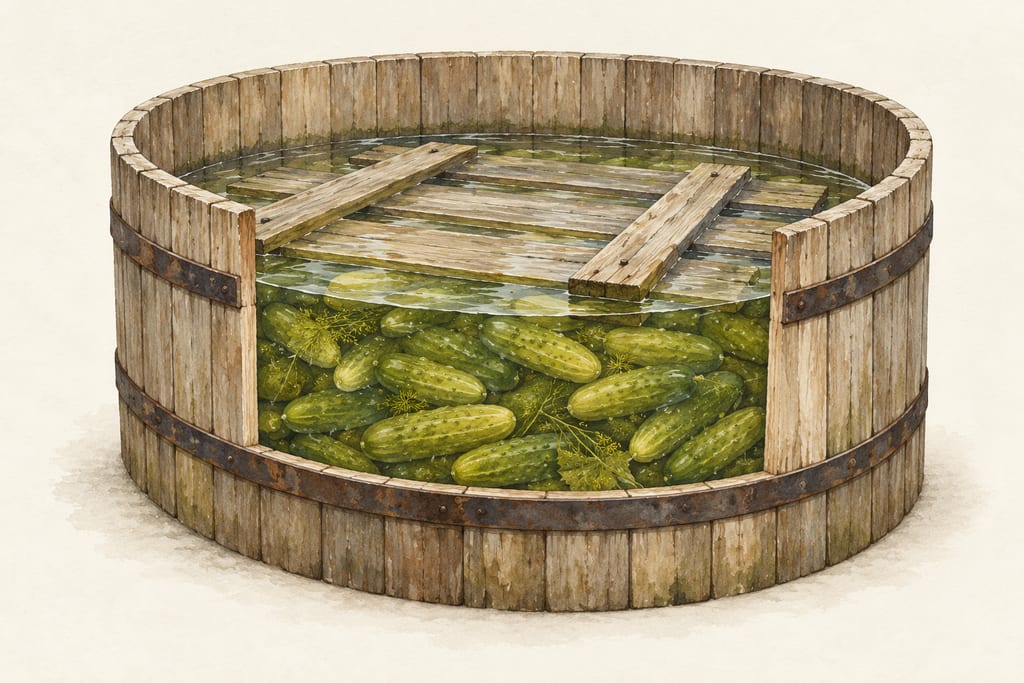
A bulk brining vat holds cucumbers and other vegetables under cover brine for fermentation and storage. North Carolina sources document a mid-century wooden tank yard and later outdoor fiberglass systems.
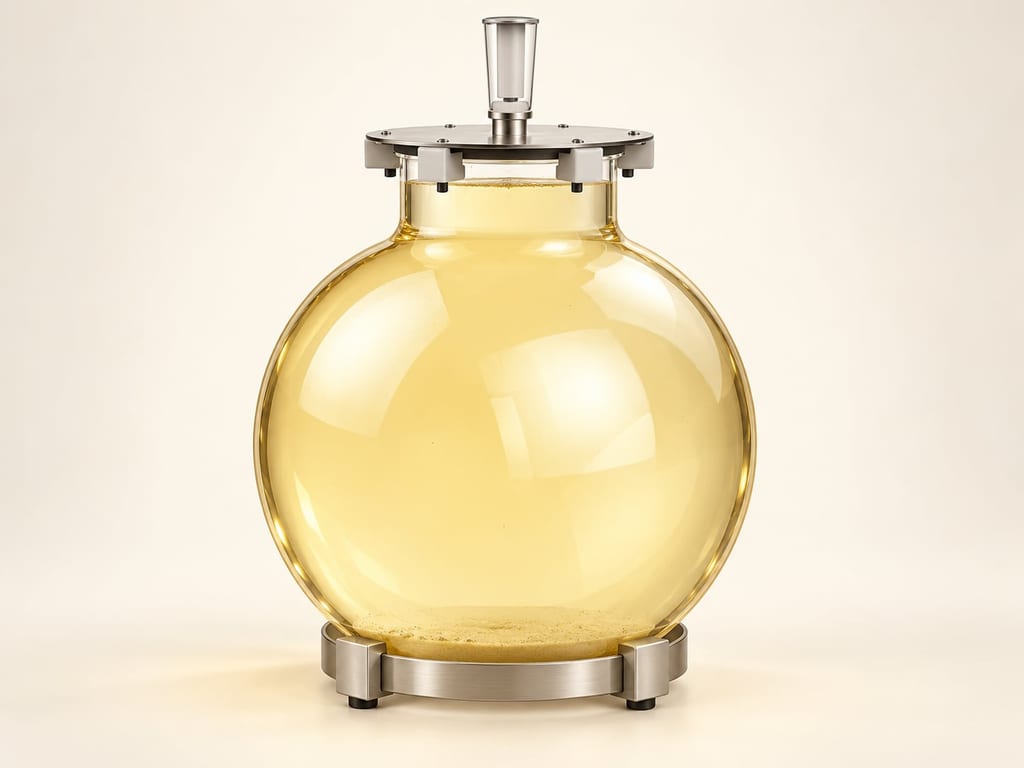
A large, transparent, spherical borosilicate-glass vat designed for modern wine fermentation and maturation. The 220-litre Wineglobe model has a wide neck, fitted lid and support; its use and fittings vary by model.
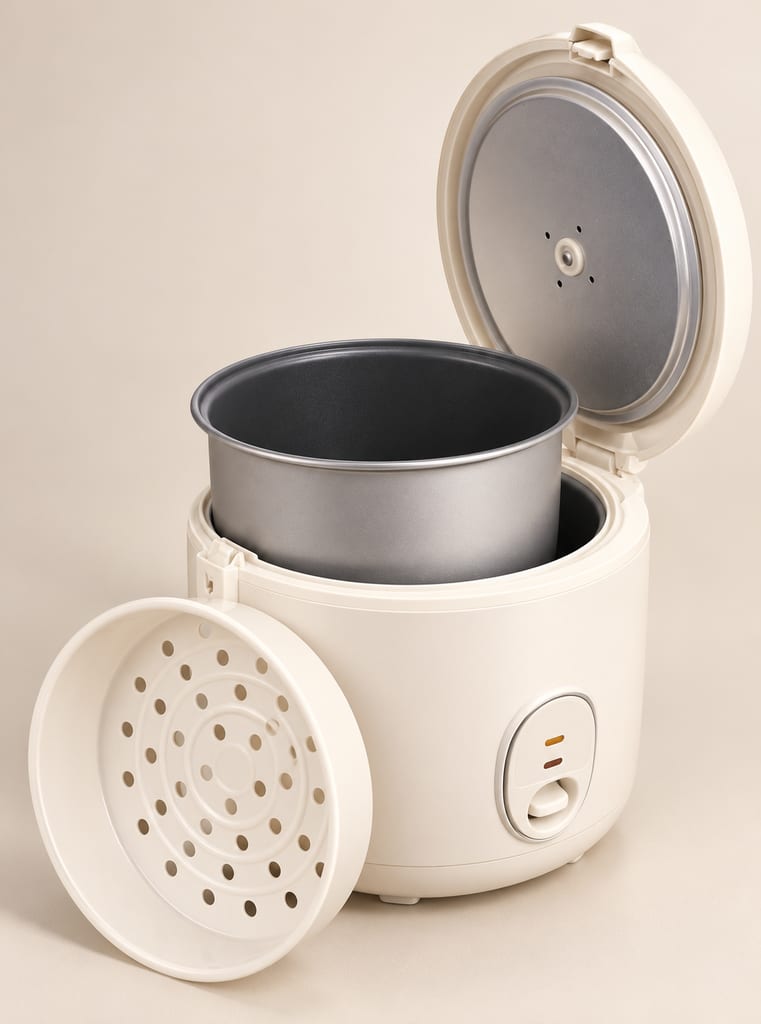
A modern electric pot that cooks rice and may provide a model-specific keep-warm stage. Documented Japanese and Korean recipes use it for koji amazake, sikhye and ssal-jocheong; measure warm settings rather than assume.
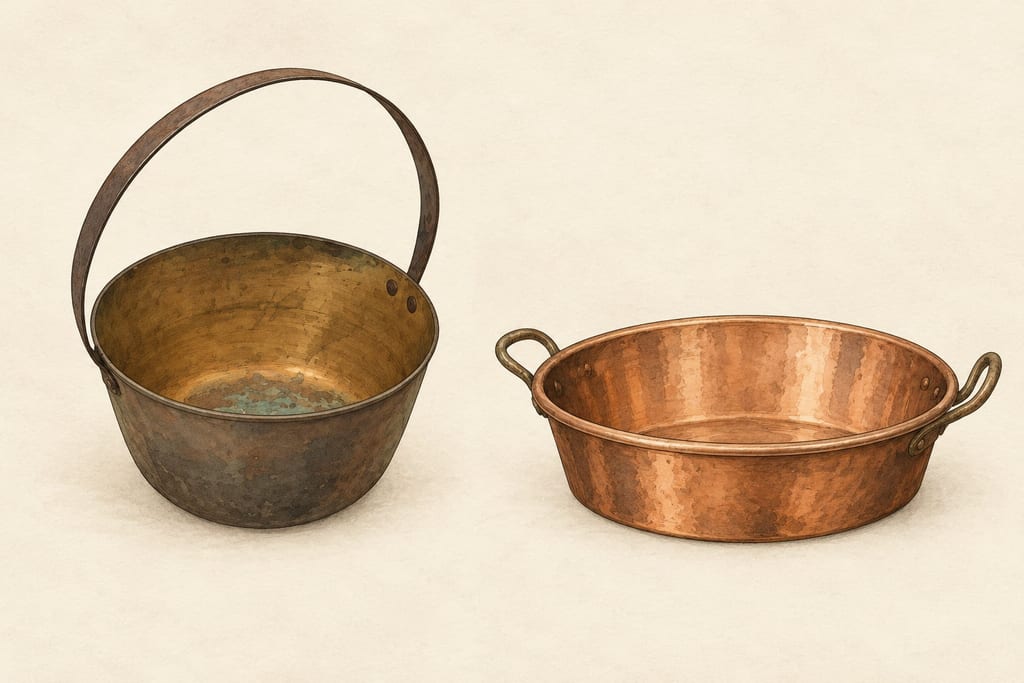
Open, heated pans cooked fruit into preserves before transfer to jars. Historical records document copper and enamelled cast-iron forms, while museum objects show variation in material and shape.
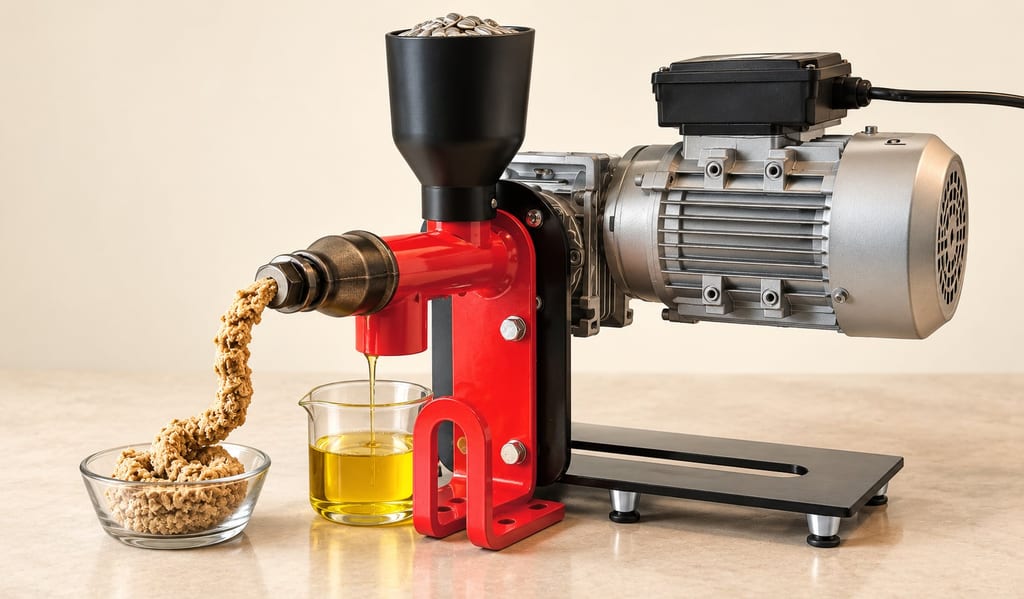
The Piteba electric oil press uses a motor-driven screw to separate oil from prepared oil-rich seeds and nuts. Oil drains through a slit; pressed cake exits the cap.
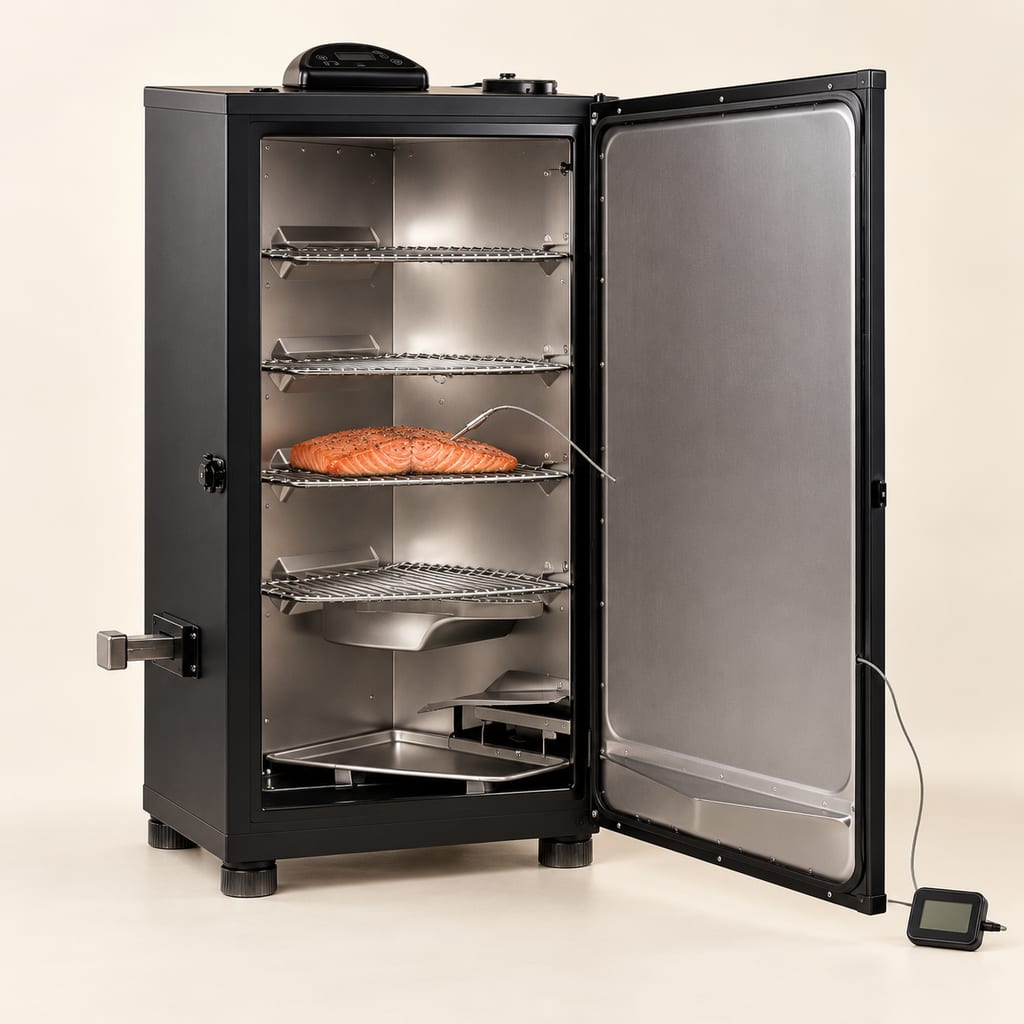
An electric smoker heats an enclosed cabinet while wood chips make smoke. A thermostat controls chamber heat; a separate thermometer checks the fish. Models vary, and smoking does not make lightly salted fish shelf-stable.
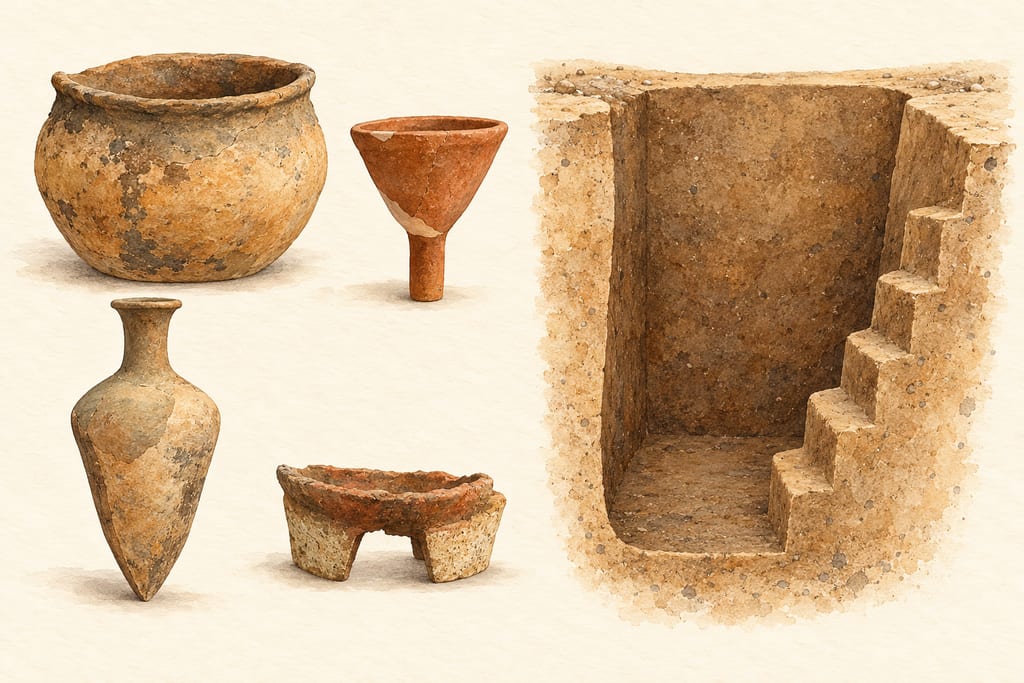
Excavated Mijiaya pottery includes wide-mouth pots, funnels, pointed-bottom jiandiping jars and pottery stoves. Residue analyses support a beer-making interpretation; exact vessel roles remain uncertain.
Show on map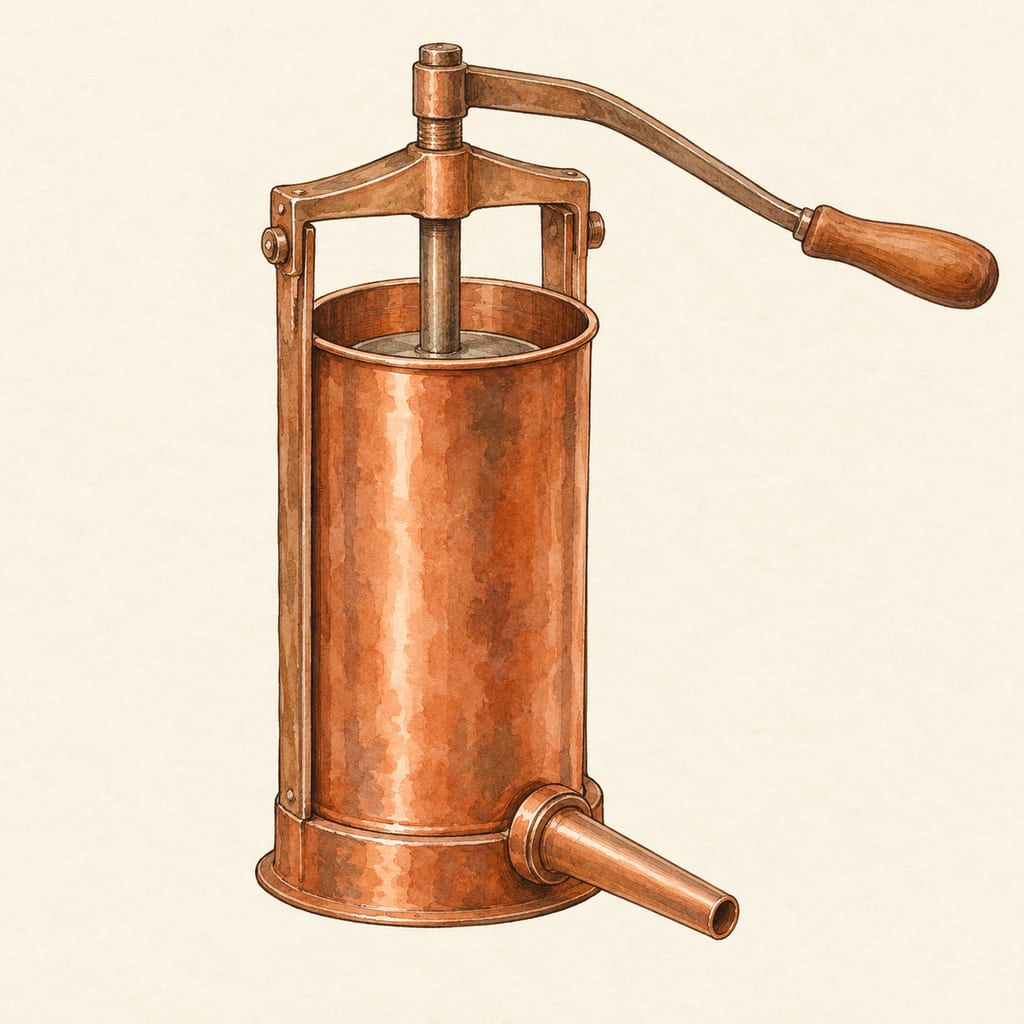
An old-fashioned copper sausage stuffer appears in C. Louis Leipoldt’s 1945 account of family boerewors in South Africa. The essay records hand operation, but not the tool’s dimensions or exact mechanics.
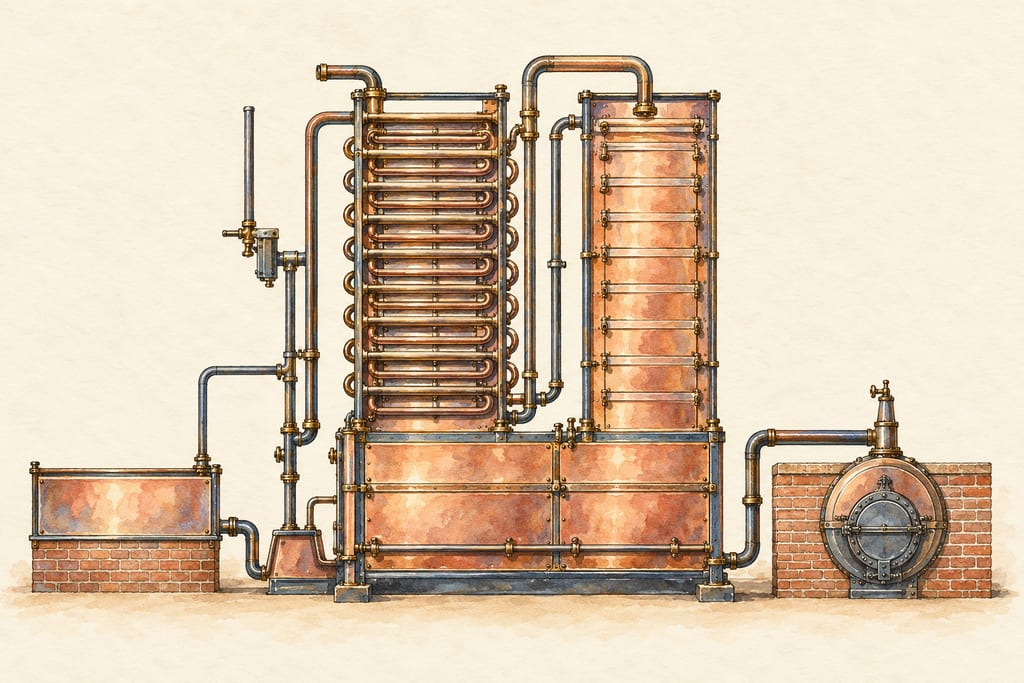
A column still is a distillation apparatus built around one or more vertical columns. Its continuous and rectifying designs appear in several spirits traditions, but materials and product character vary by installation.
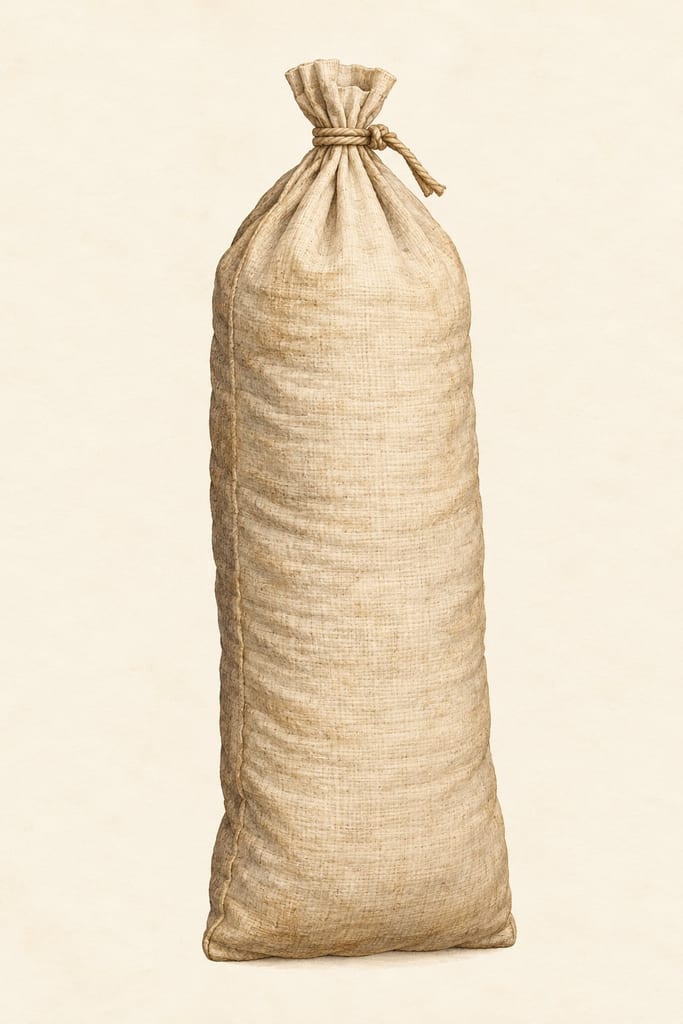
A sake pressing bag holds moromi while cloth separates liquid sake from rice-and-yeast lees. Traditional fune presses stack filled bags; material and shape vary by method and period.
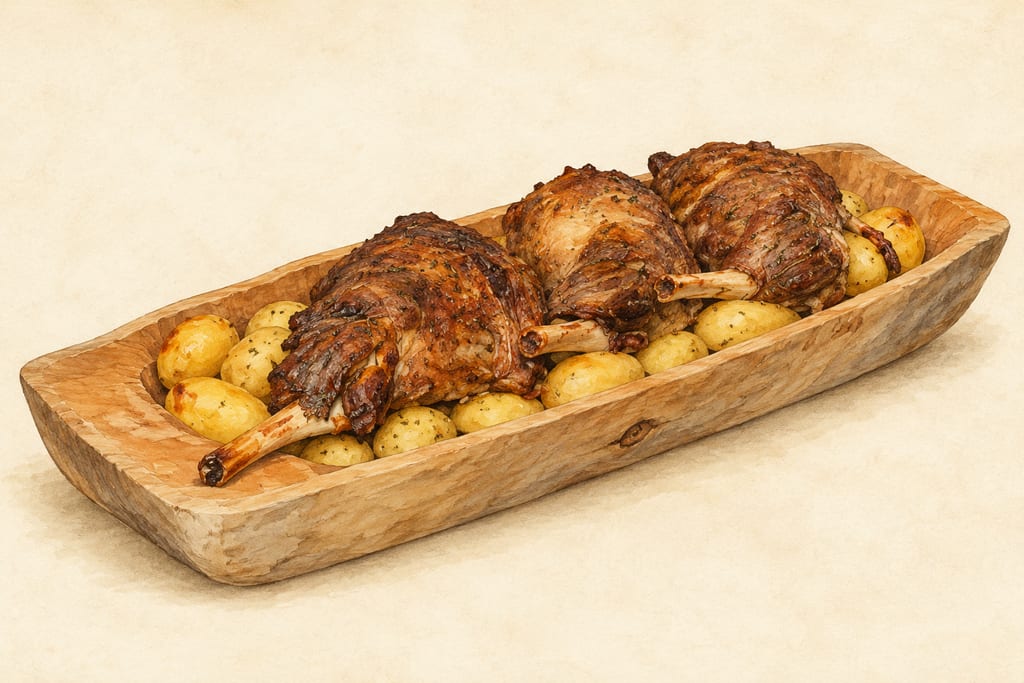
A long birch-log roasting trough used for Lemi särä, the slow-roasted lamb and potato dish of South Karelia, Finland.
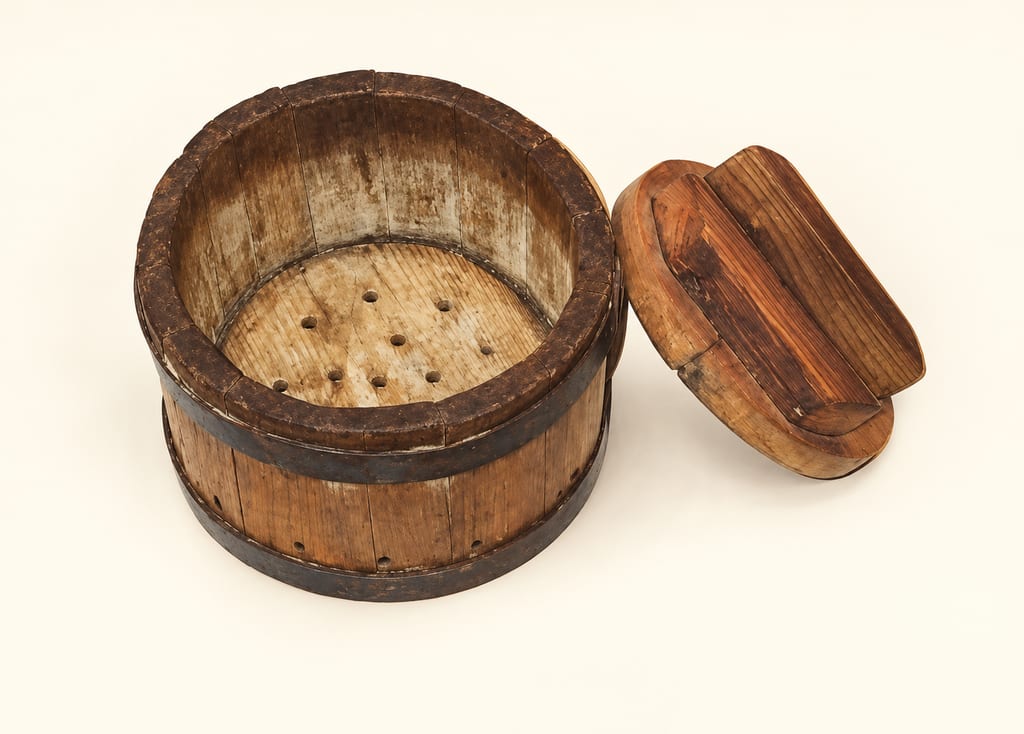
A cheese press applies weight or mechanical force to curds in a draining vat or mould. Tiree’s wooden fiodhan, stone weights, screw presses and a documented New Zealand lever press show distinct forms, not one standard design.
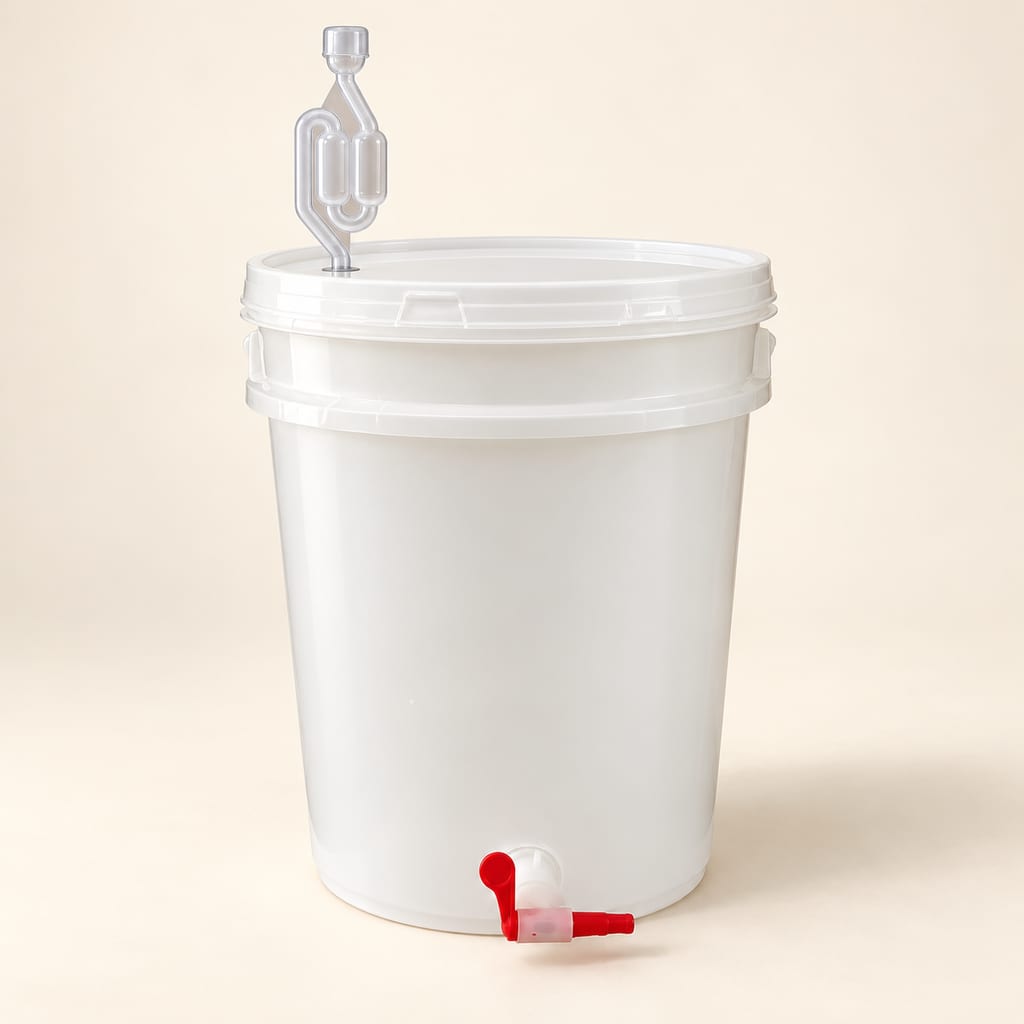
A wide-mouth polymer pail used to ferment homebrew, commonly sold with a removable lid and sometimes a tap; materials, closures and capacities vary by model.