

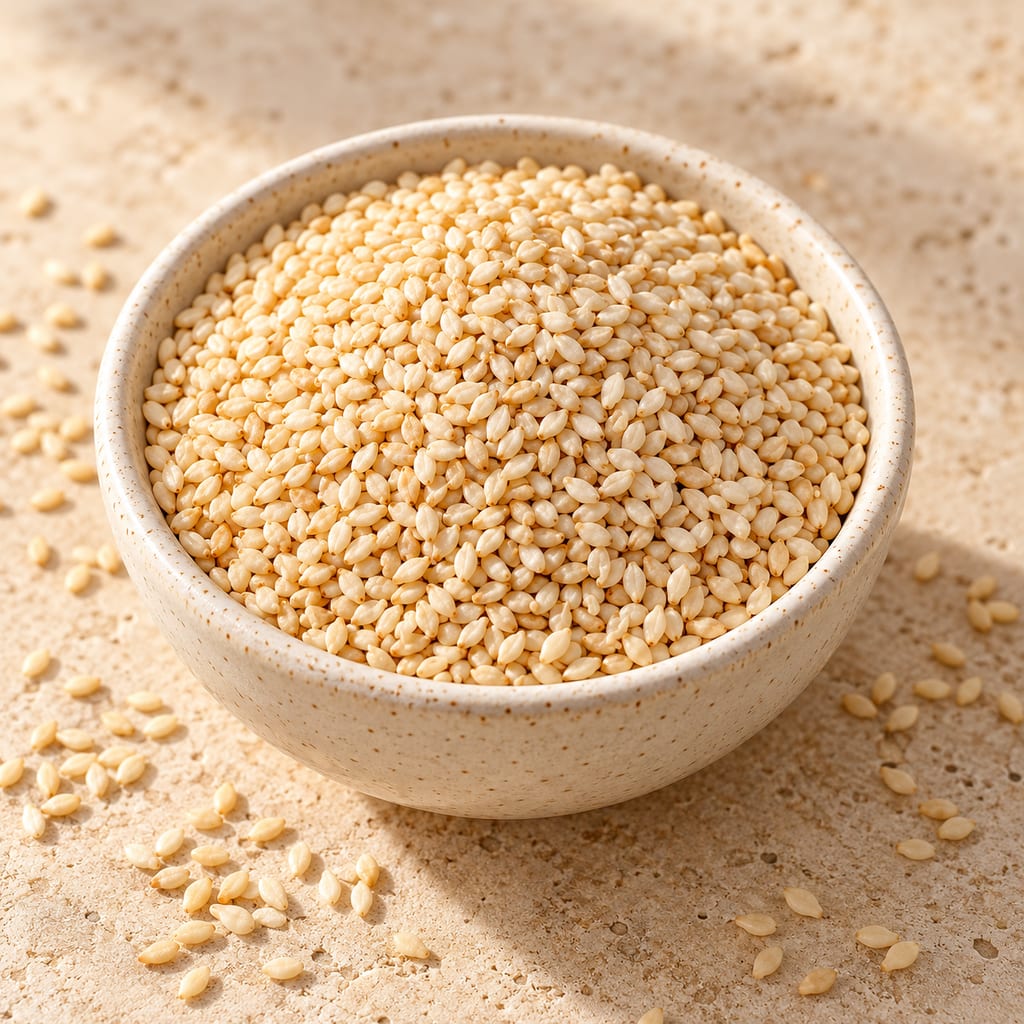
Sesame seeds
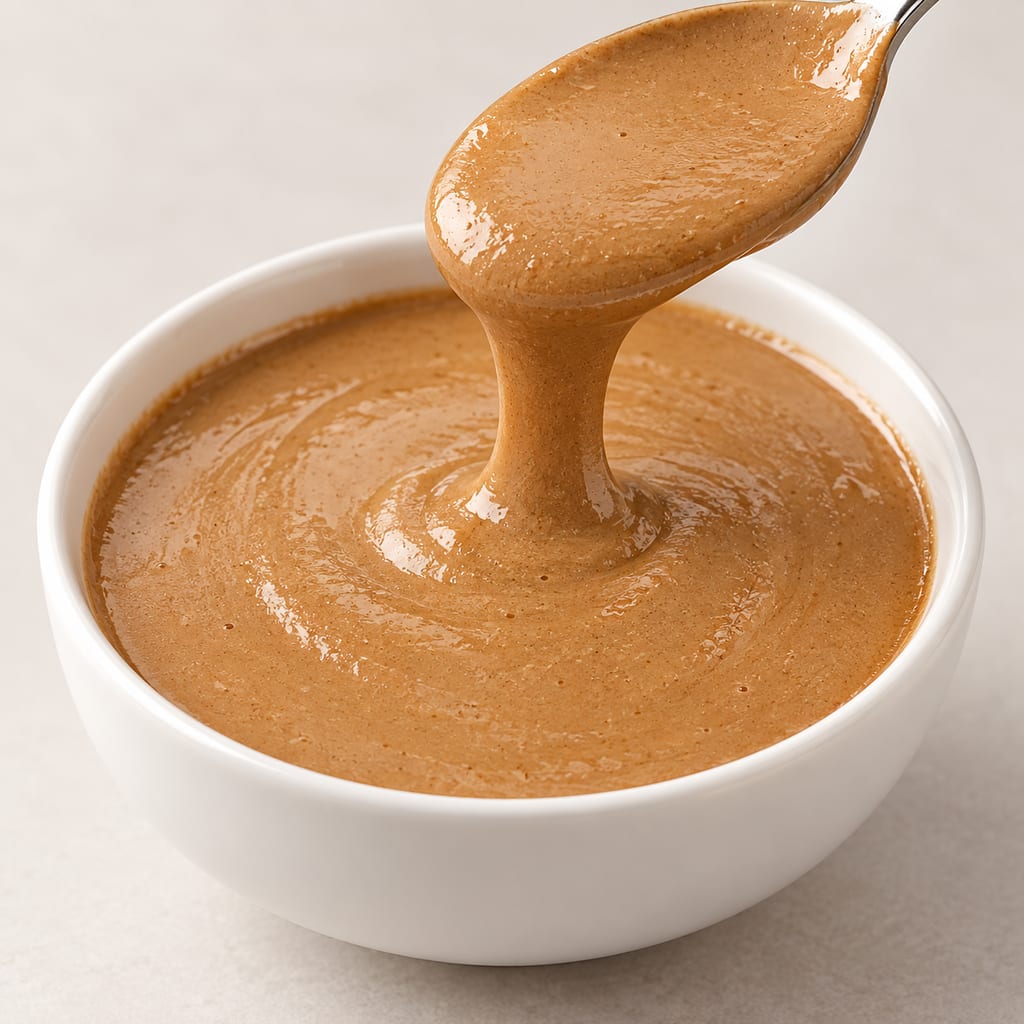
Sesame seed, from Sesamum indicum, is about half oil and is eaten whole, ground into paste or pressed into oil. It was a crop of South Asia by the Harappan period and reached Mesopotamia before 2000 BC.
 FermenteaWhere food goes to change
1086 articles on substrates, cultures and additives.
 Grains, flours and brans34
 Malts and malt extracts15
 Legumes and pulses11
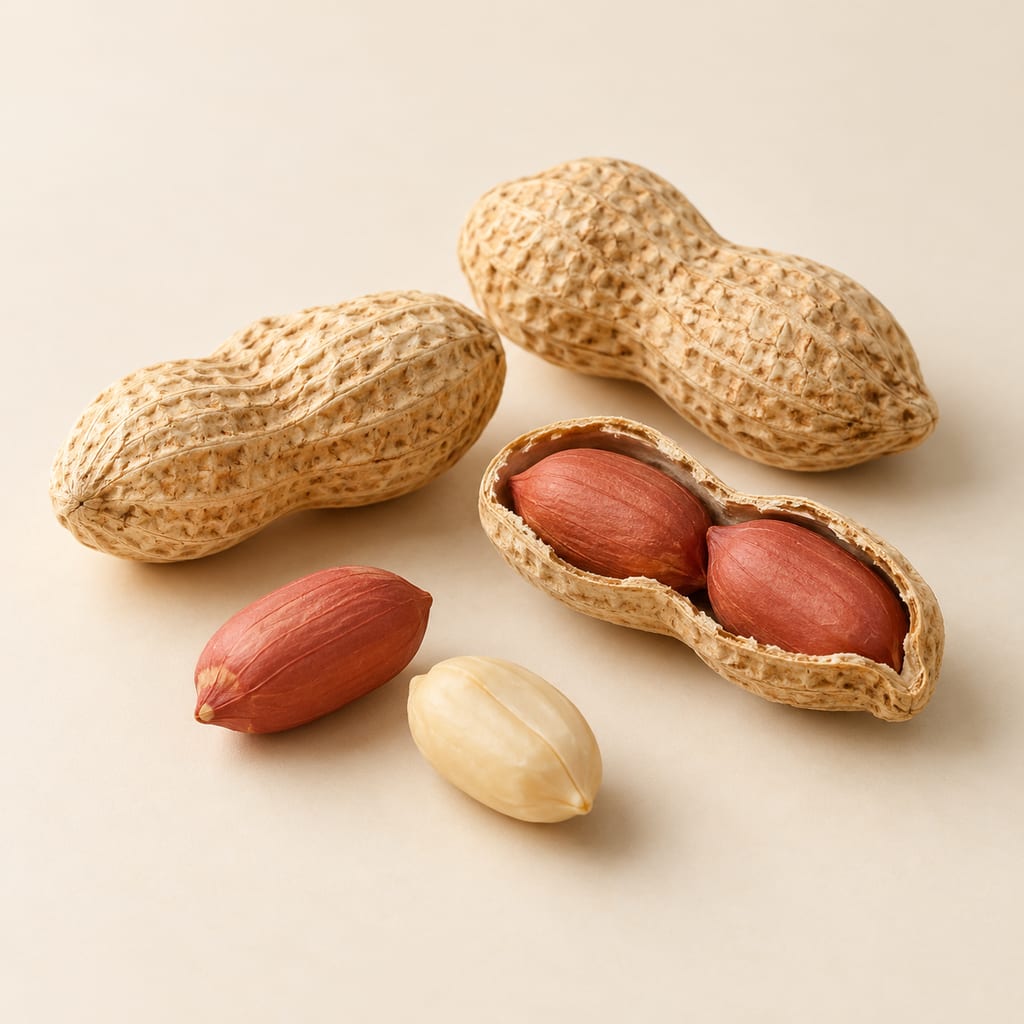 Nuts and oilseeds9
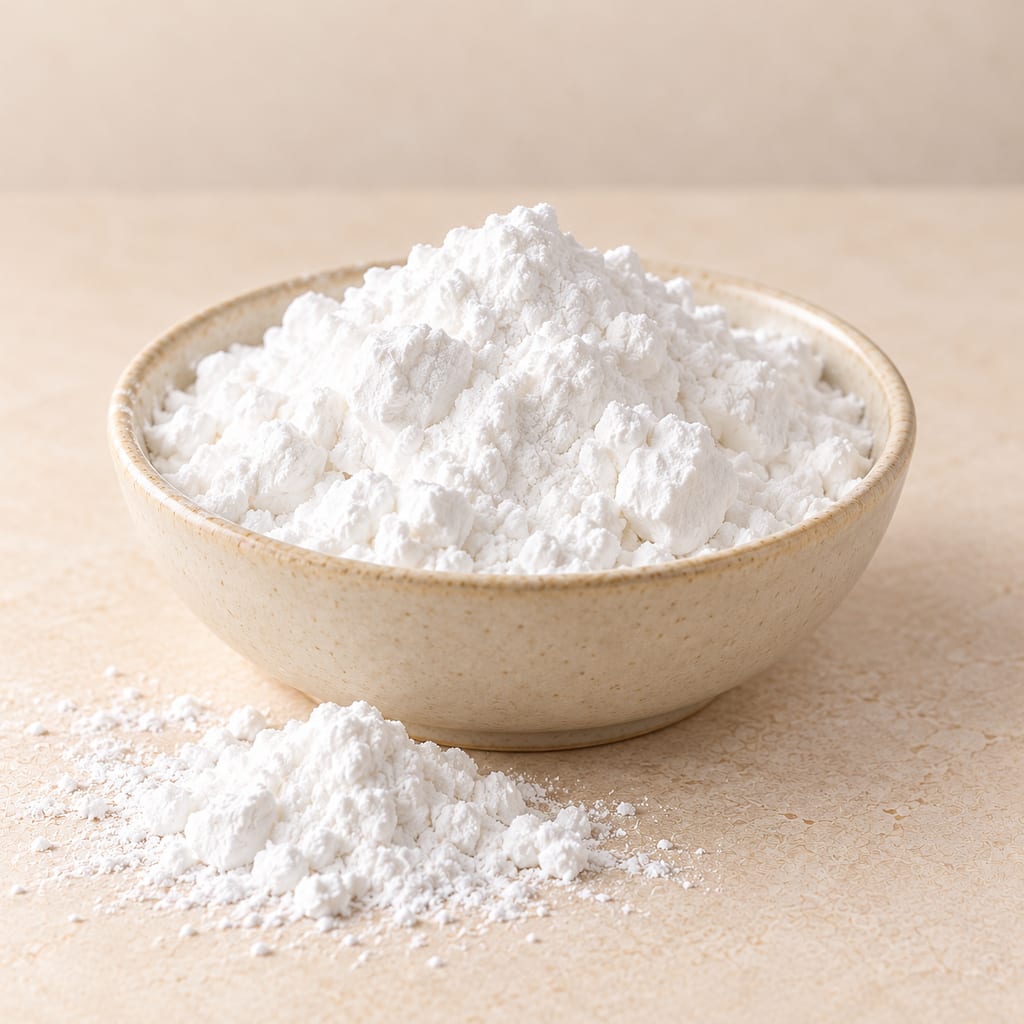 Starches4
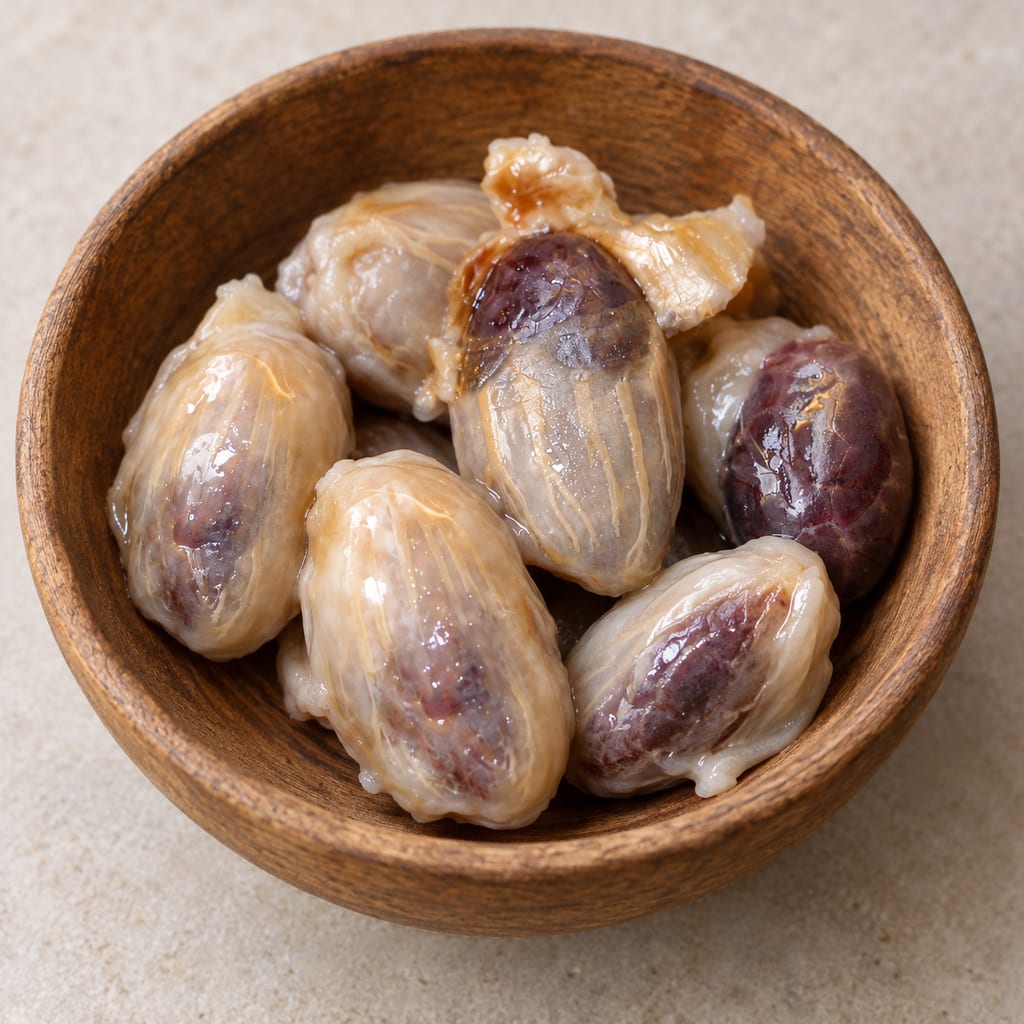 Coffee, cocoa and tea crops1
Sesame seed, from Sesamum indicum, is about half oil and is eaten whole, ground into paste or pressed into oil. It was a crop of South Asia by the Harappan period and reached Mesopotamia before 2000 BC.
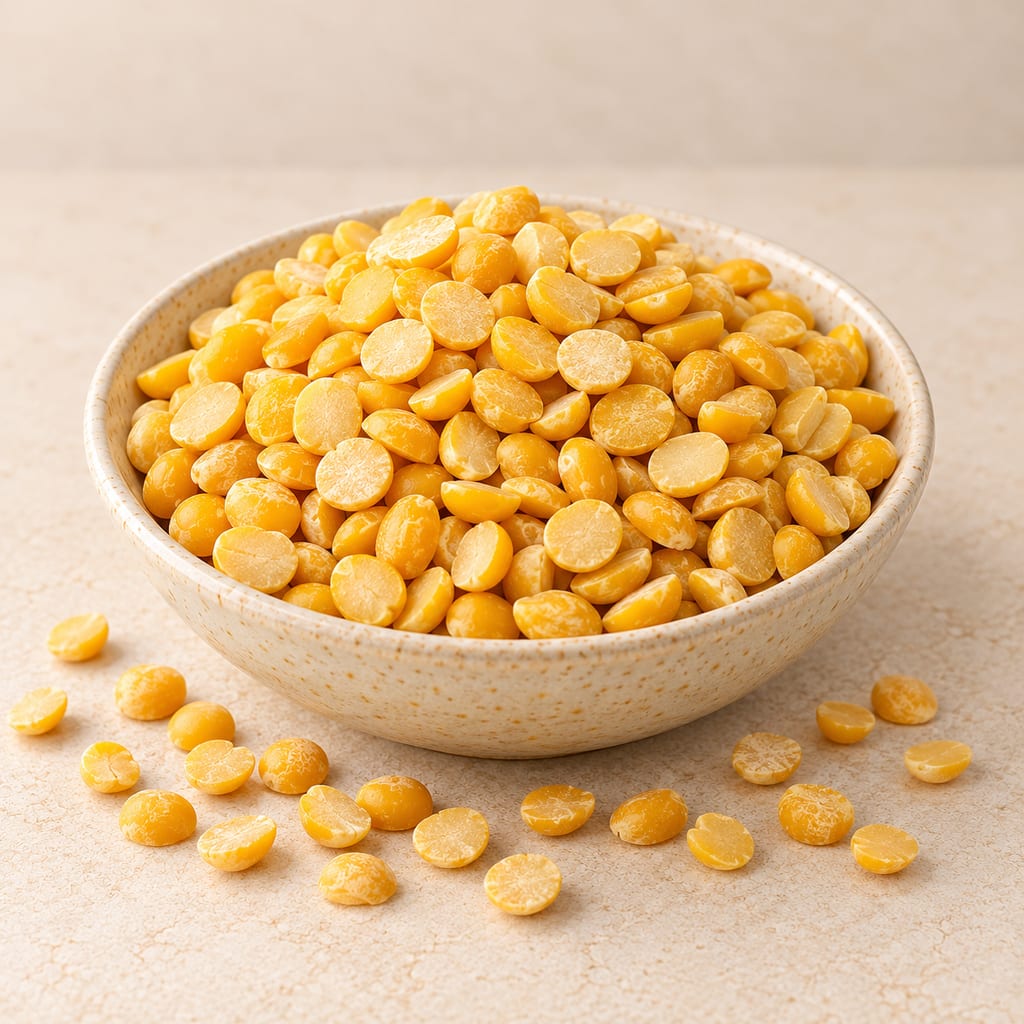
Yellow split peas are dried field peas with the seed coat removed and the two halves separated. They cook to a soft, starchy, protein-rich paste for soups, puddings, sweets and one modern peaso garum.
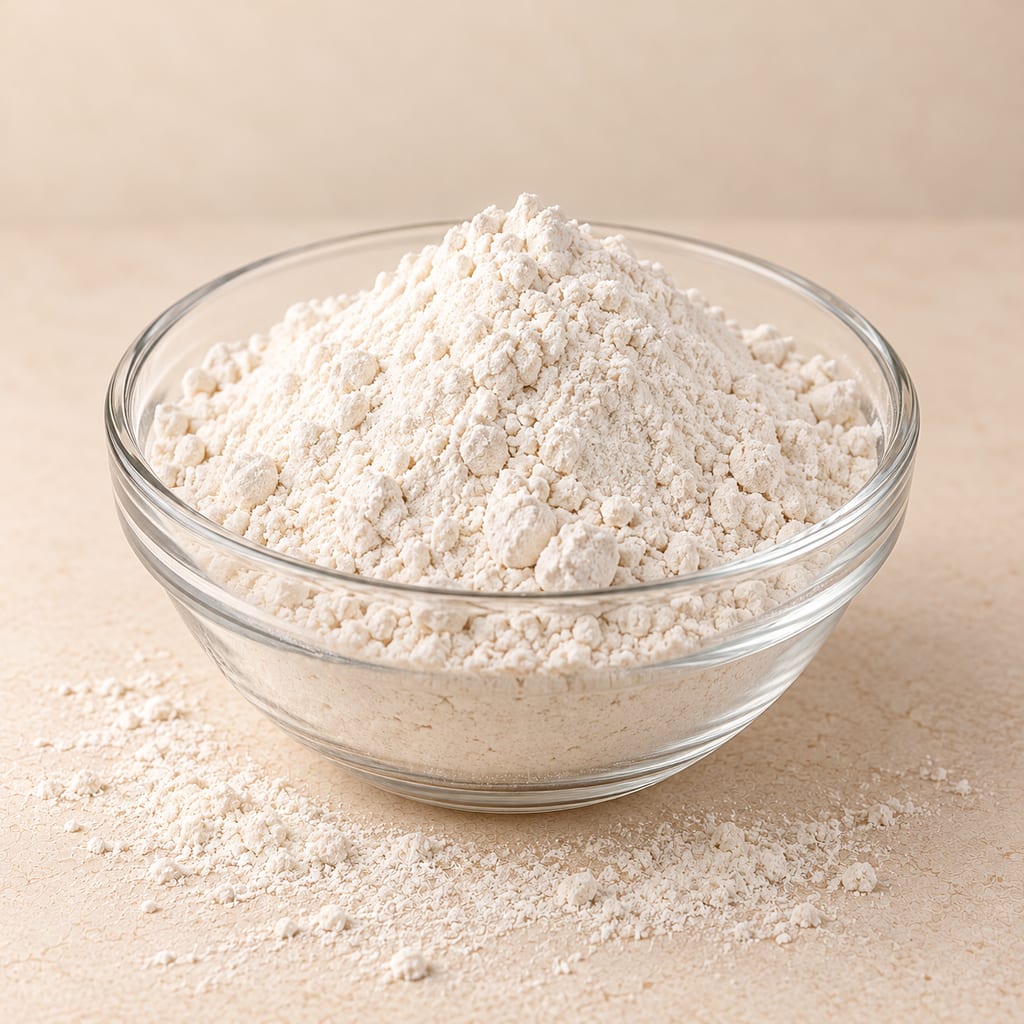
Wheat flour is milled wheat grain, from whole meal to fine white flour, used to make bread, thicken liquids and appear as an optional ingredient in fruit pastes such as Georgian mulberry tklapi.
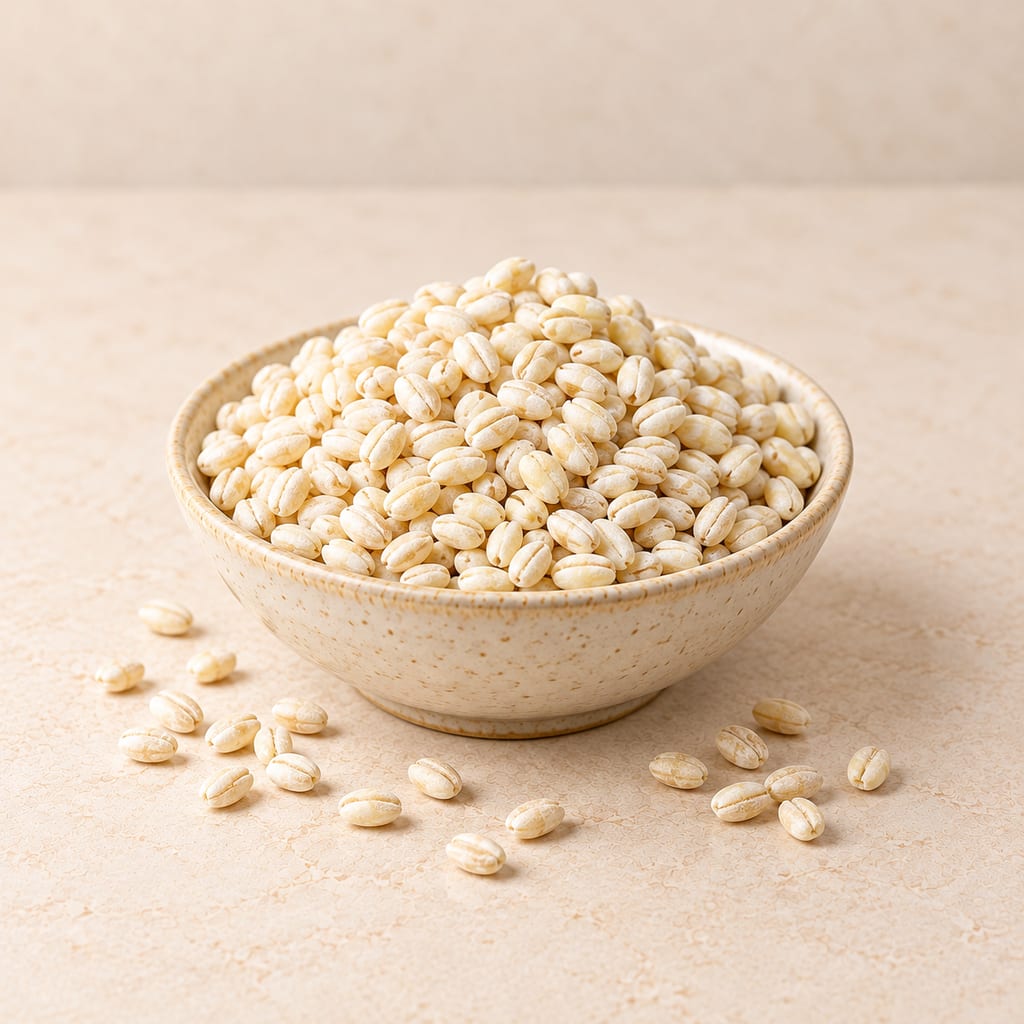
Barley is a hardy cereal, domesticated in the Middle East over 10,000 years ago, eaten whole, pearled or milled, malted for brewing, and grown with koji mold for barley miso.
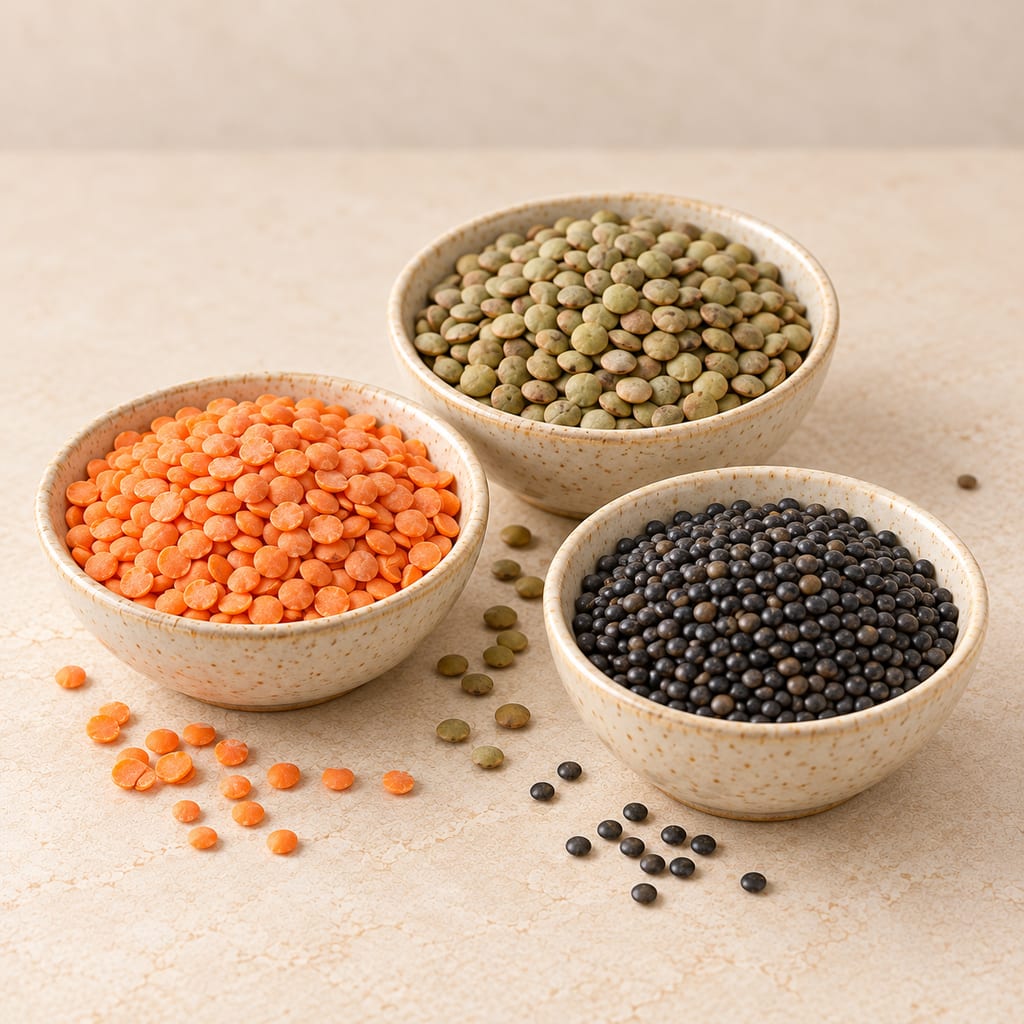
Lentils are the flat, lens-shaped seeds of Lens culinaris, a legume first cultivated in Southwest Asia 8,000 to 10,000 years ago. They are cooked whole, dehulled, split or milled into flour.
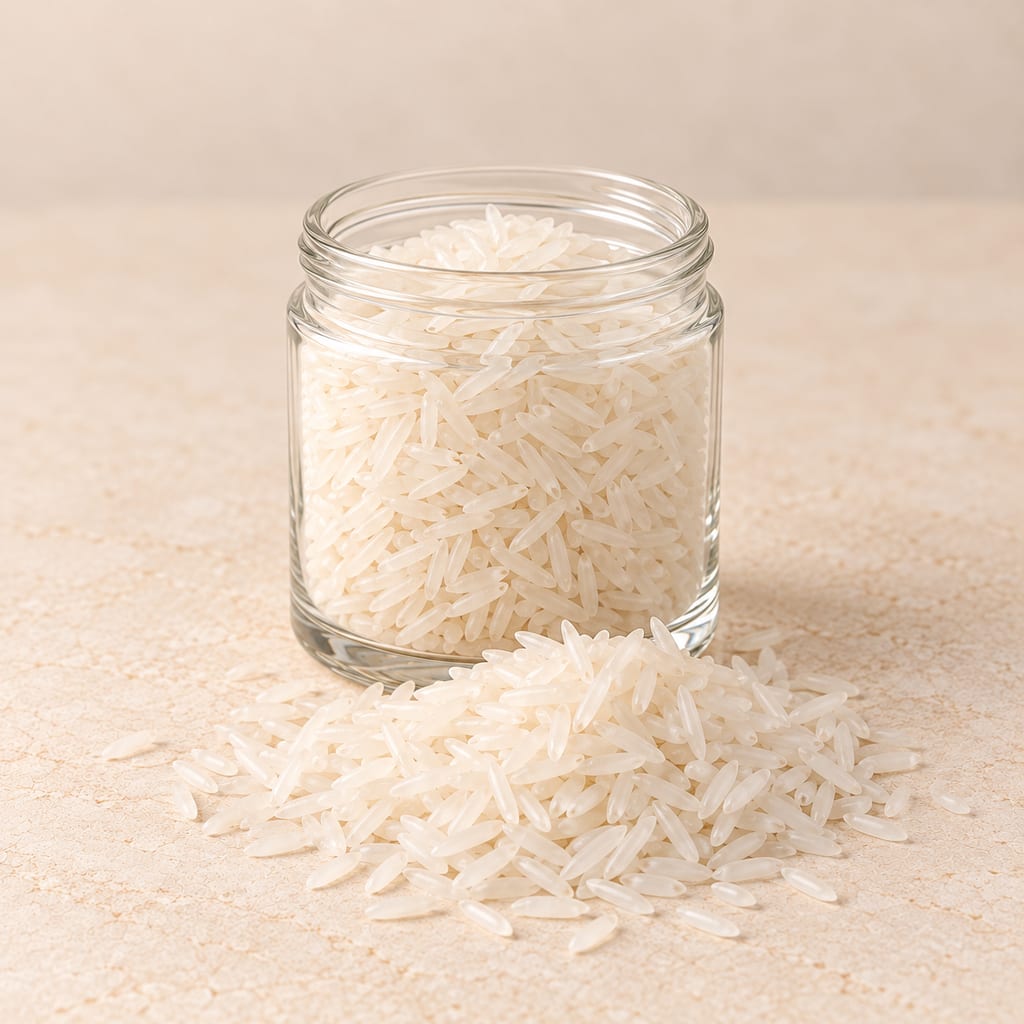
Thai indica rice is the starch-bearing grain Sakimoto steams for Yonaguni awamori koji. The producer names its origin and rice group, but no cultivar, lot or grain grade.
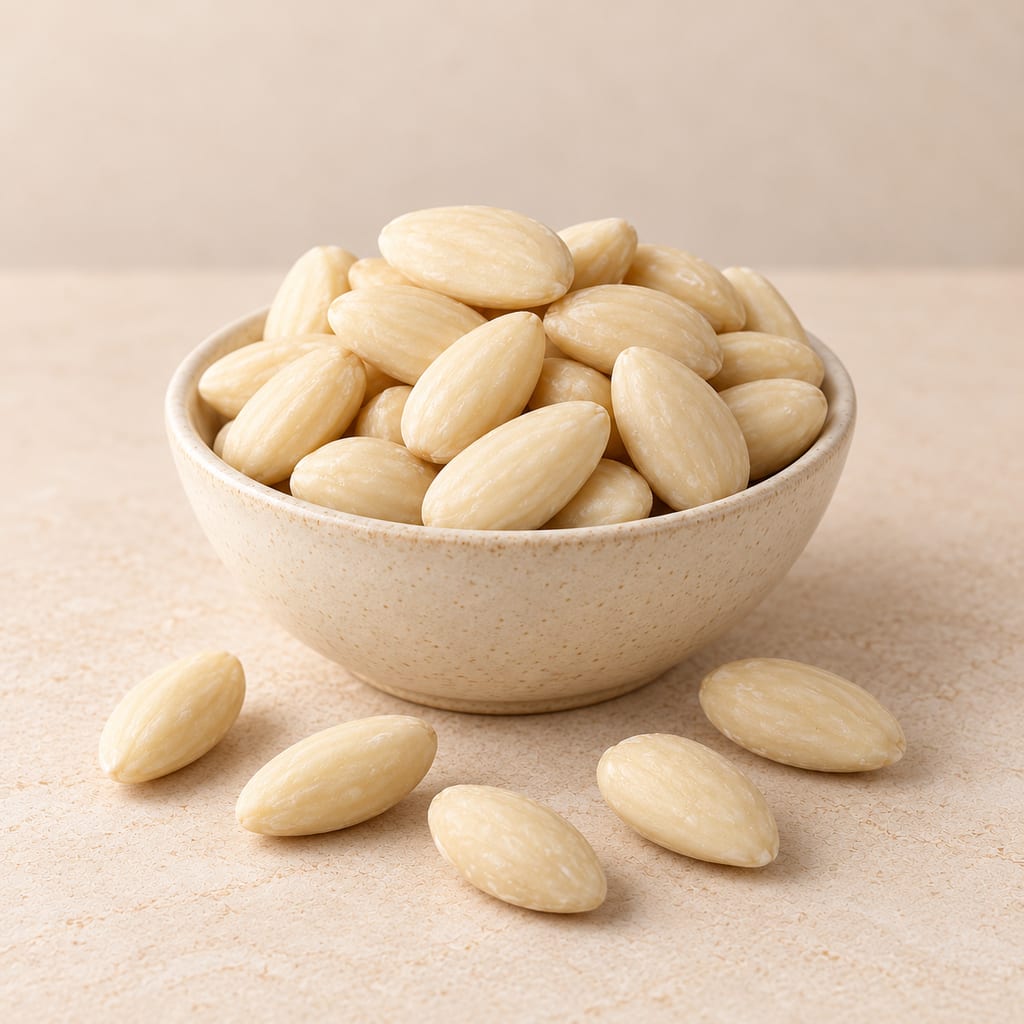
Blanched almonds are sweet almond kernels with the brown seed coat removed. A documented amla murabba cooks ten optional slivered kernels into the finishing syrup with spices and saffron.
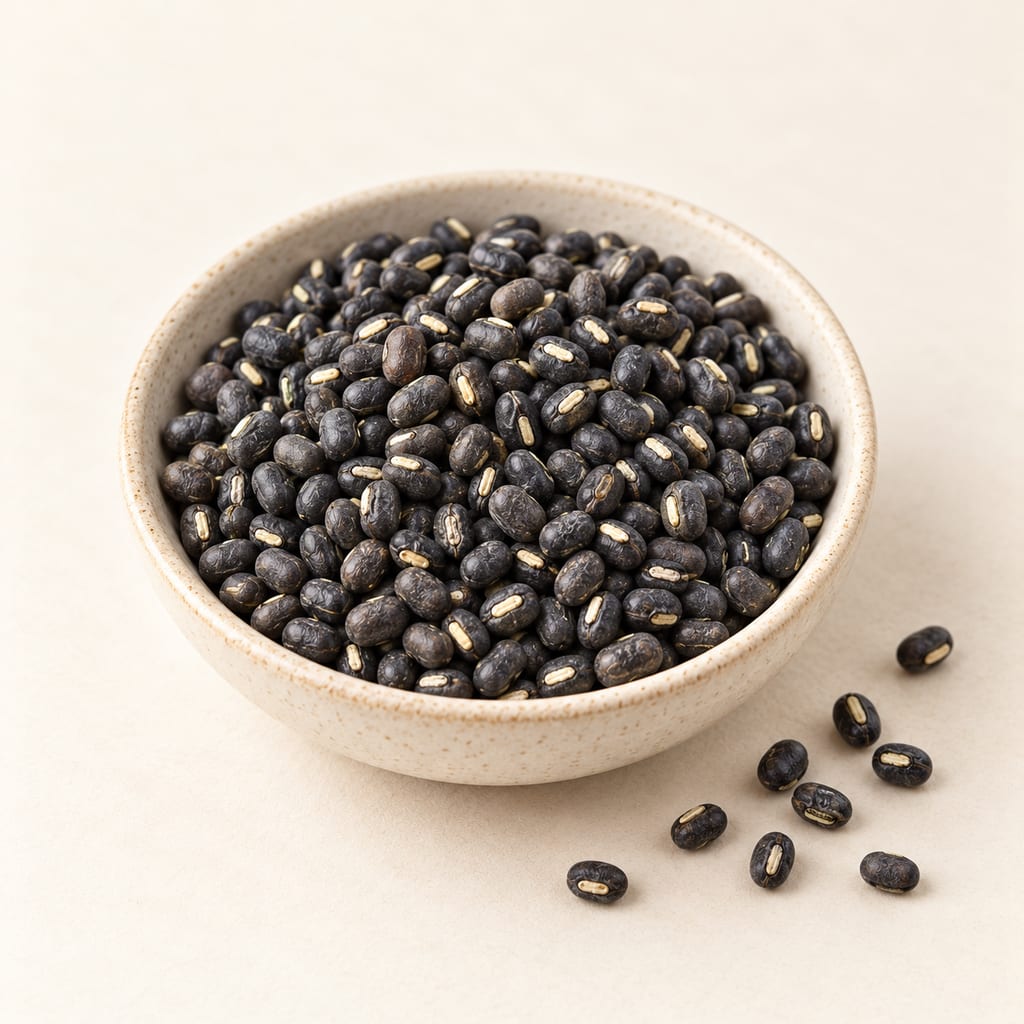
Black gram, or urad, is a South Asian pulse whose whole dark seeds and dehulled white dal make distinct cooked and fermented foods.
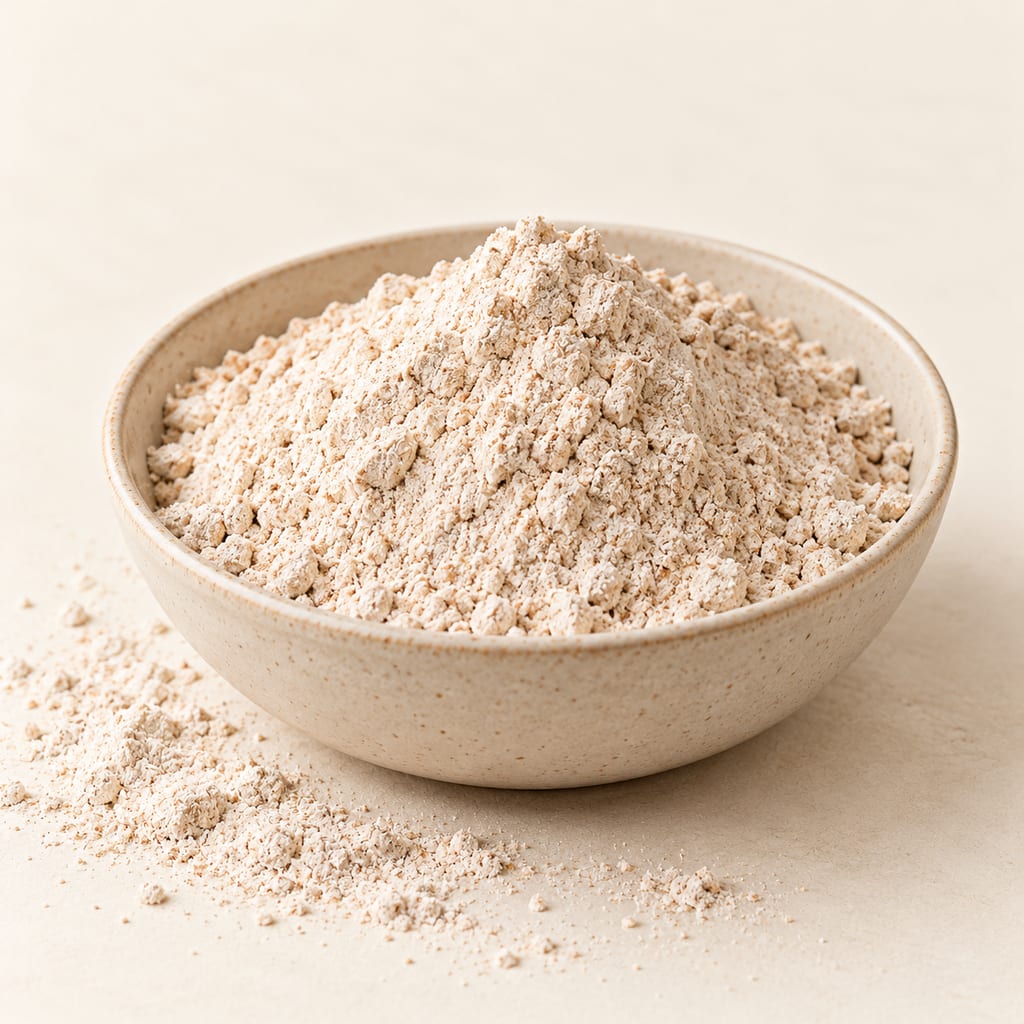
Whole-wheat flour contains the bran, germ and endosperm of wheat in their original proportions. Its fuller grain flavour and dough behaviour depend on the wheat and milling.
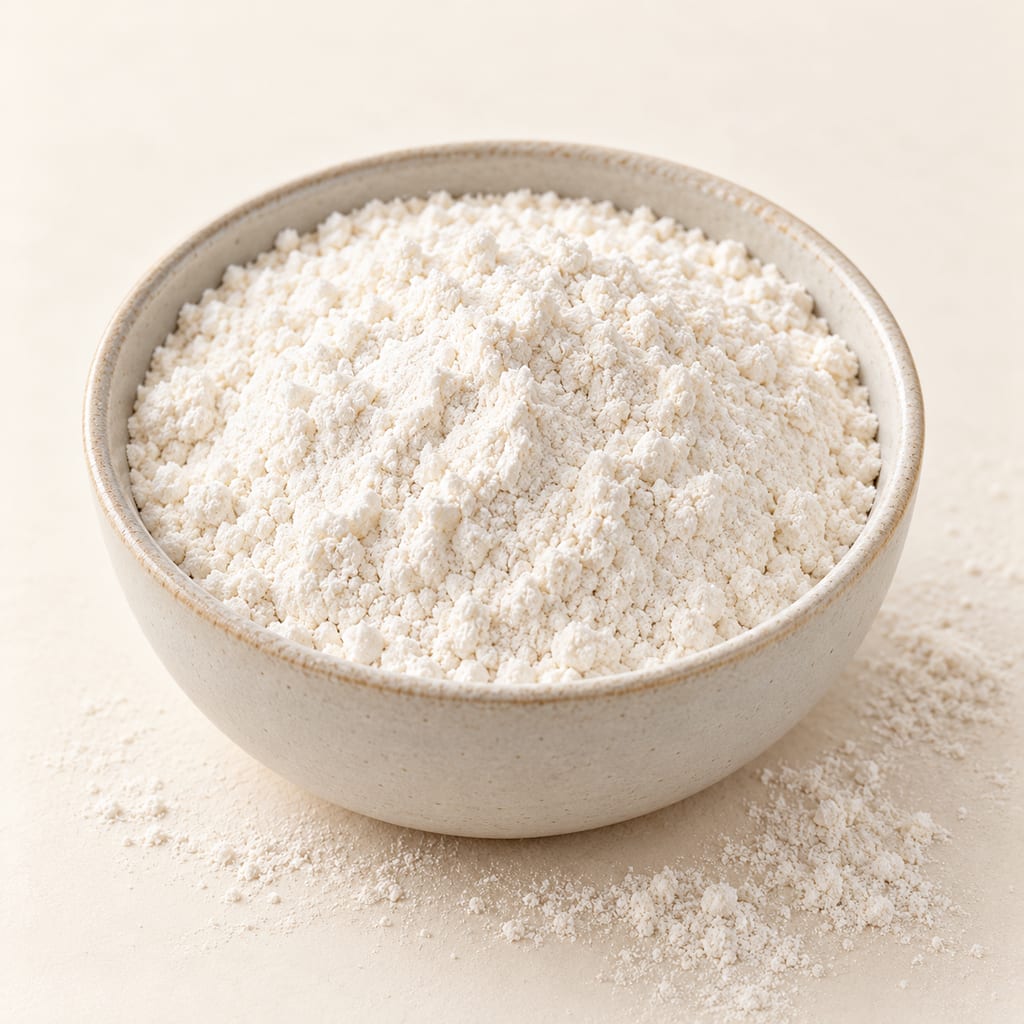
Bread flour is wheat flour chosen for dough strength and gas retention. Its protein level and baking performance vary by wheat, mill and product.

A refined common-wheat flour blended for a broad range of baking; its protein and behavior vary with wheat, milling and market.
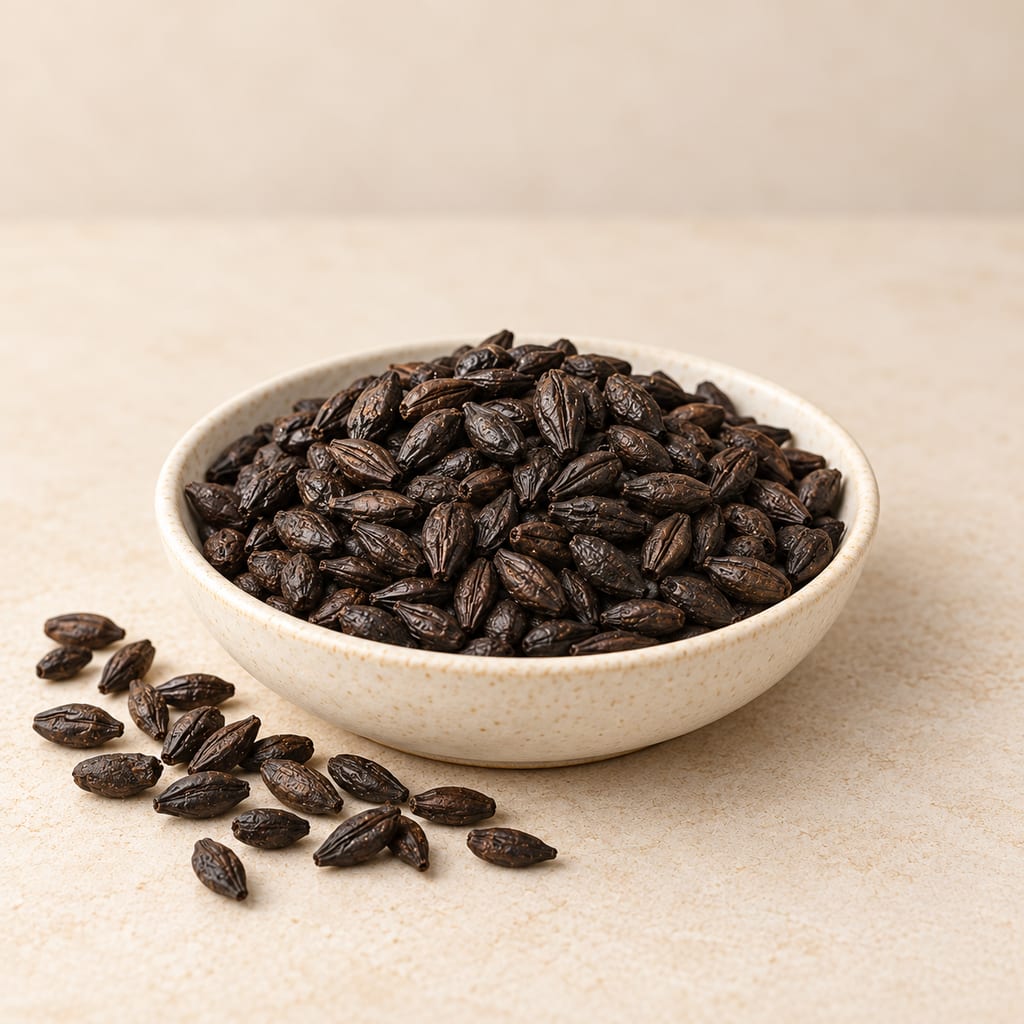
Roasted specialty malt named for coffee-like aroma, with the exact roast grade and colour varying by maltster; it is distinct from added coffee beans.
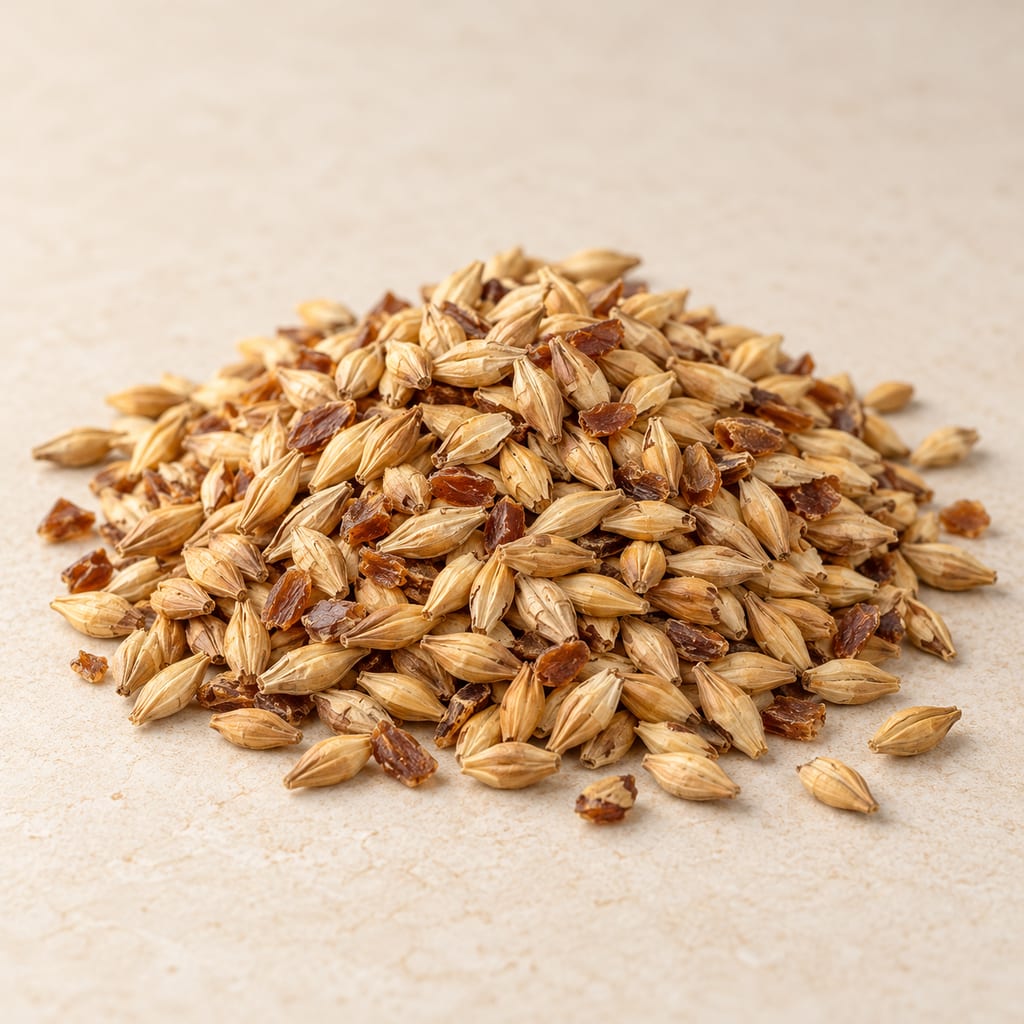
A caramel/crystal barley malt colour grade that supplies caramel-like flavour, colour and extract; producer and process refine what the 60 label means.
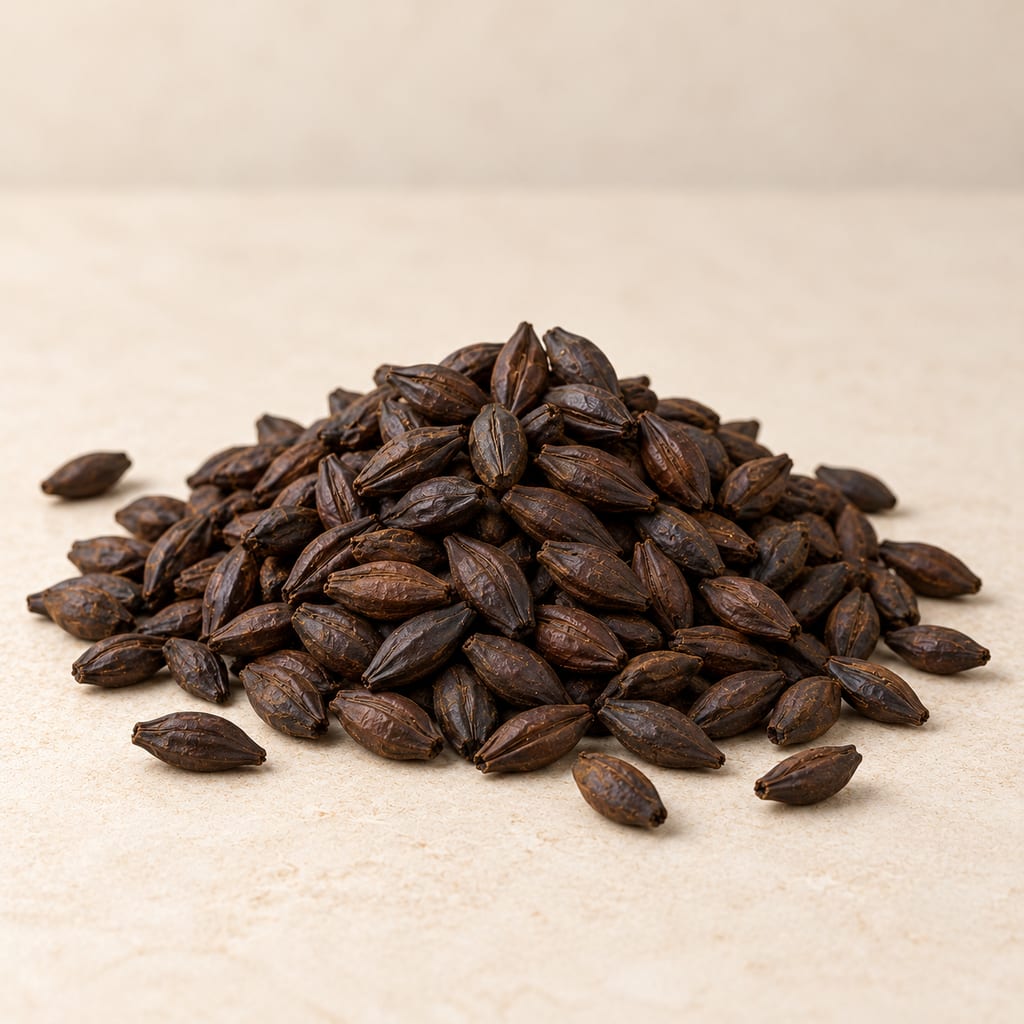
An intensely roasted malt used for dark colour and dry roasted flavour in beer, with a nineteenth-century patent name and distinct whole, milled and flour forms.
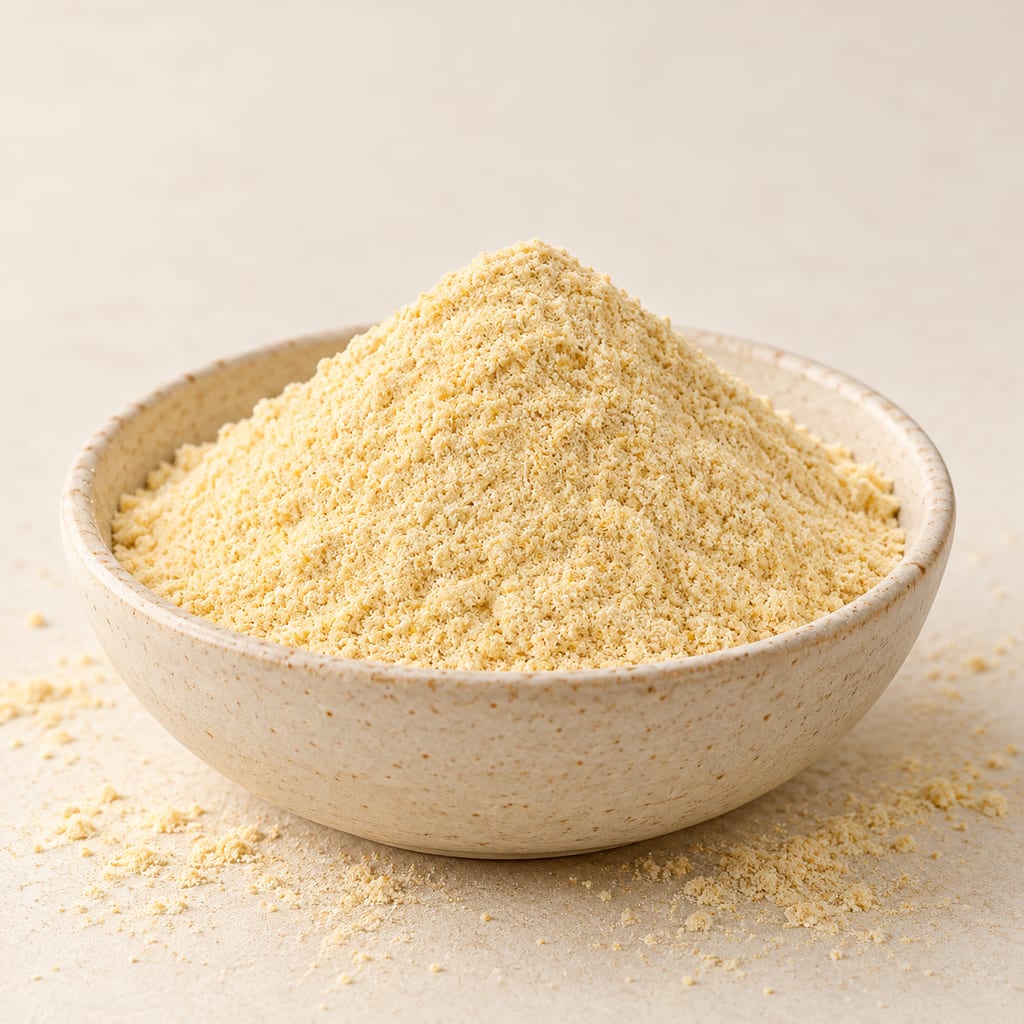
Jora flour is ground malted maize, produced by germinating, drying and milling corn kernels. It provides the enzymatic starch breakdown essential for chicha de jora.
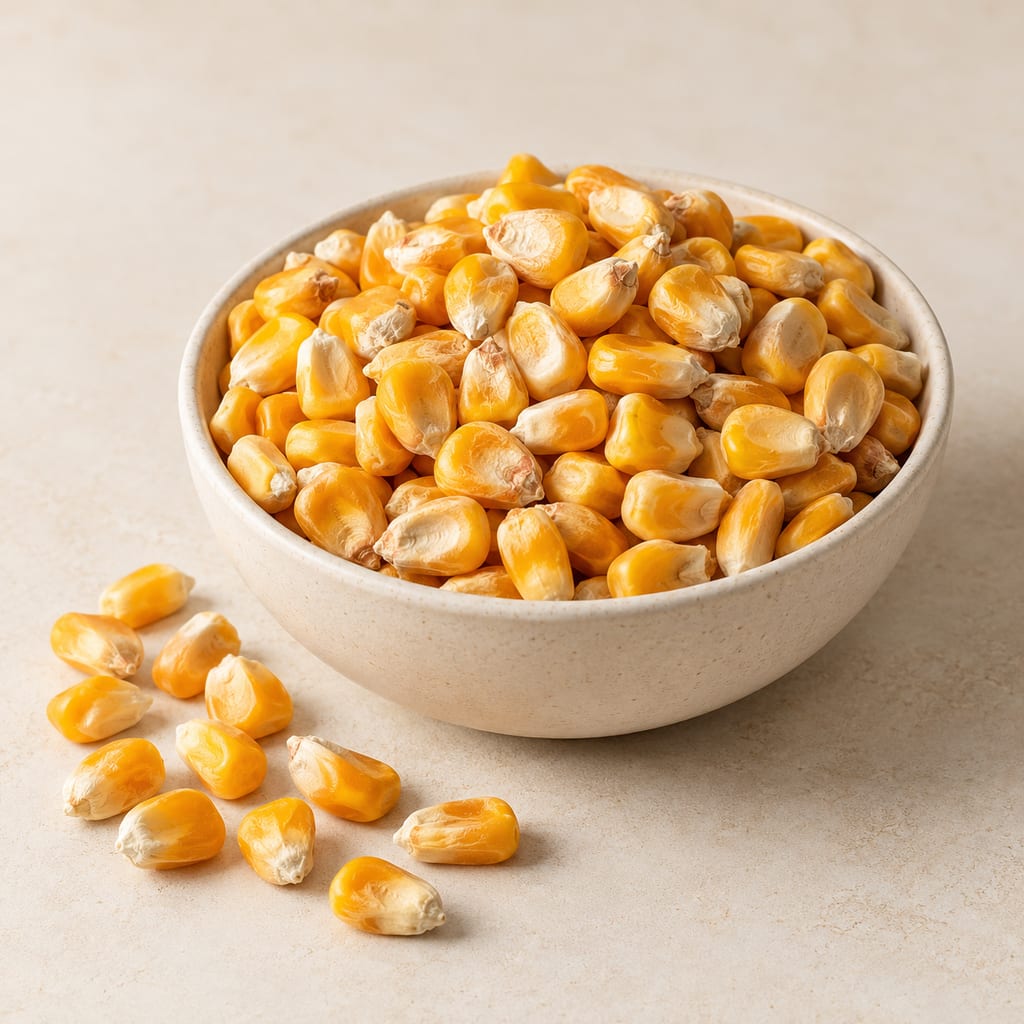
Maize is the foundational grain of Andean fermentation. Its role in brewing chicha de jora depends on germination into jora, a malted form generating enzymes and sugars necessary for alcoholic fermentation.
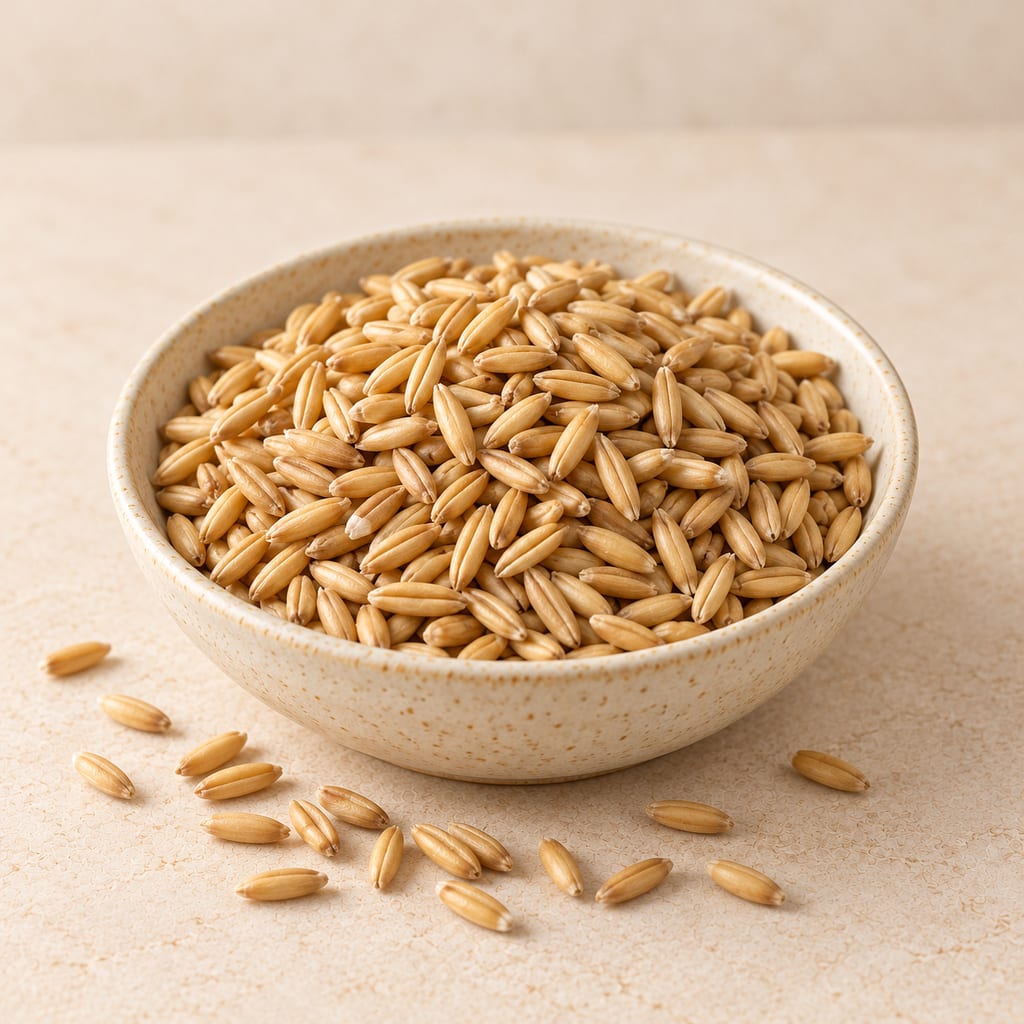
A cereal grain sold as groats, cut pieces, flakes, flour and malt. Oats shape porridge, bread and brewing differently as processing changes hydration, texture, starch, beta-glucan, protein and oil.
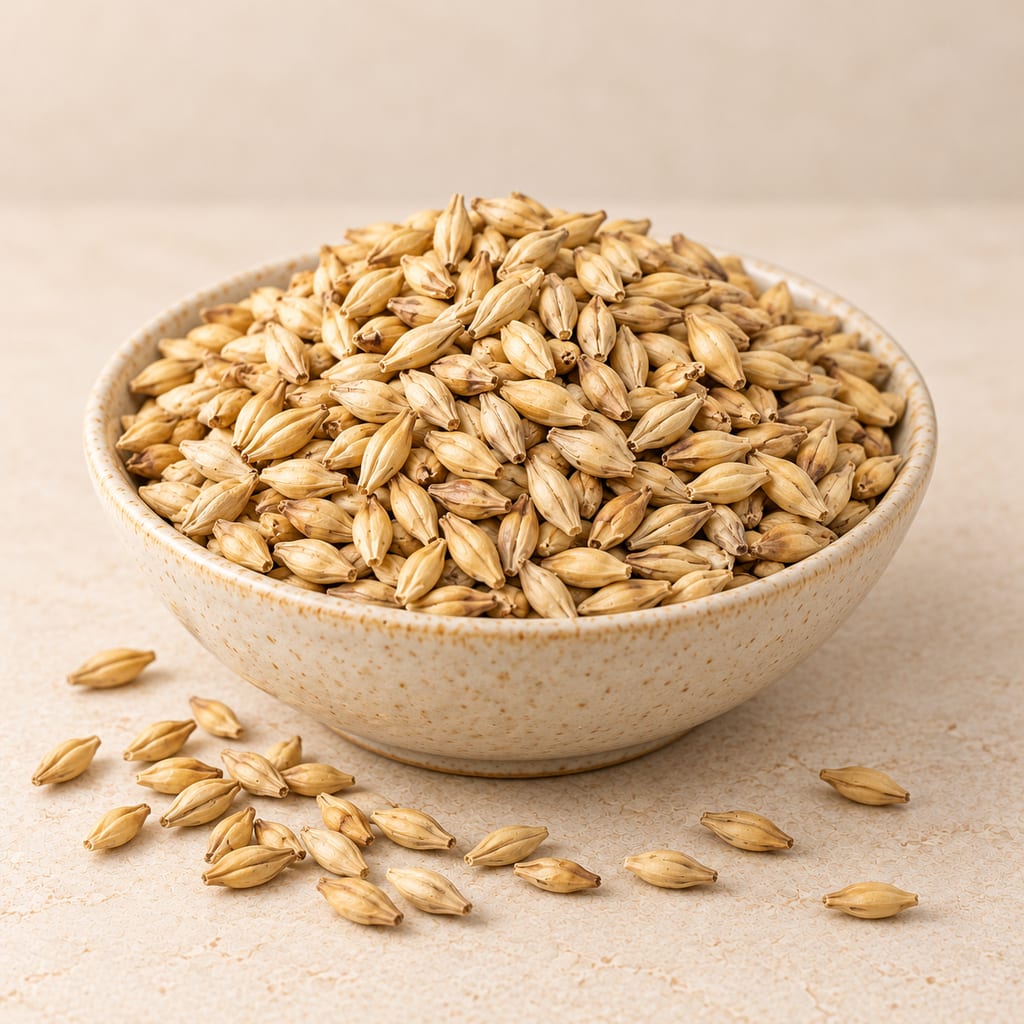
A pale, lightly kilned barley base malt that supplies wort material and brewing enzymes, with product-specific flavour, analysis and handling requirements.
Starch separated from potato tubers is a neutral powder used for thickening, binding and texture. It differs from whole-potato flour and is not automatically fermentable by a sausage starter.
A dark roasted barley malt grade used for strong colour and coffee-to-chocolate roast character; standard Type3 differs from the husk-reduced Special line.
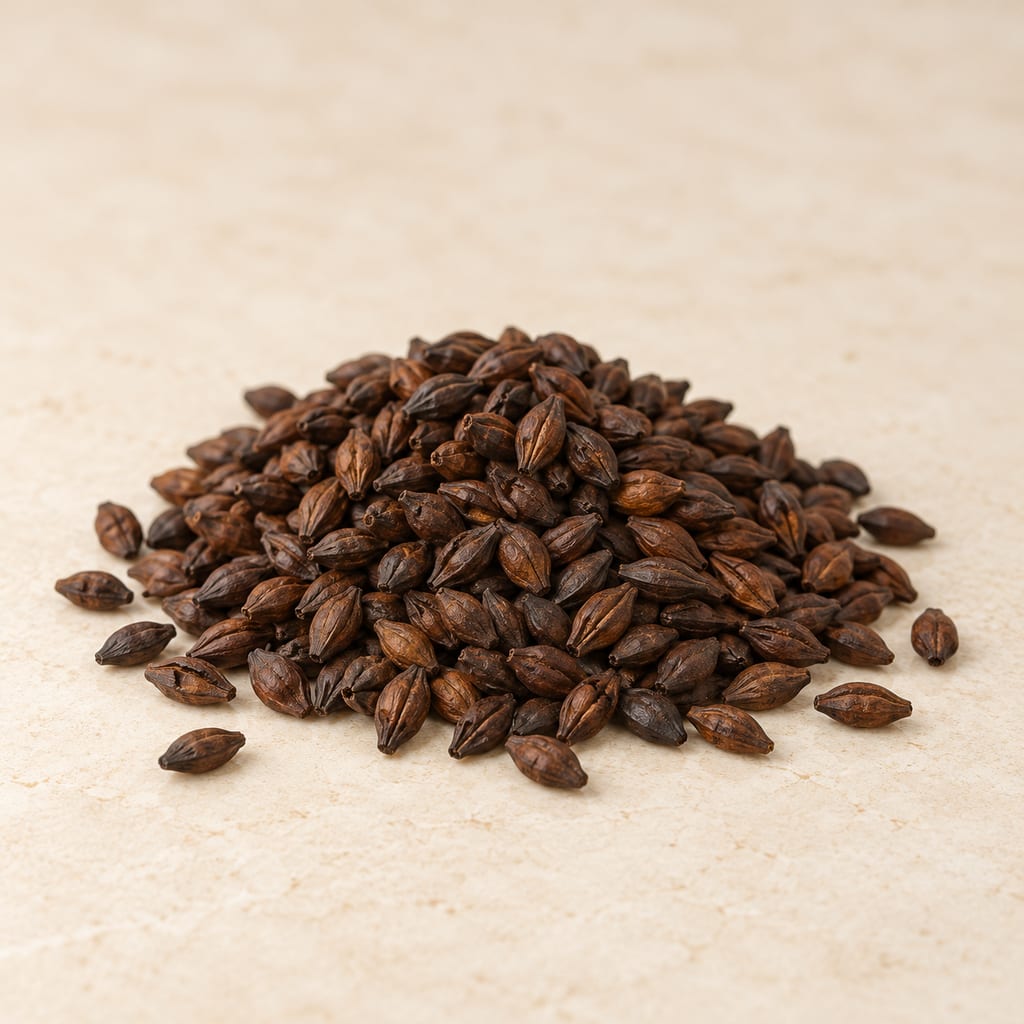
Dark-roasted unmalted barley used for colour and a dry roasted edge in stout, with other roast grades used in grain infusions and foods.
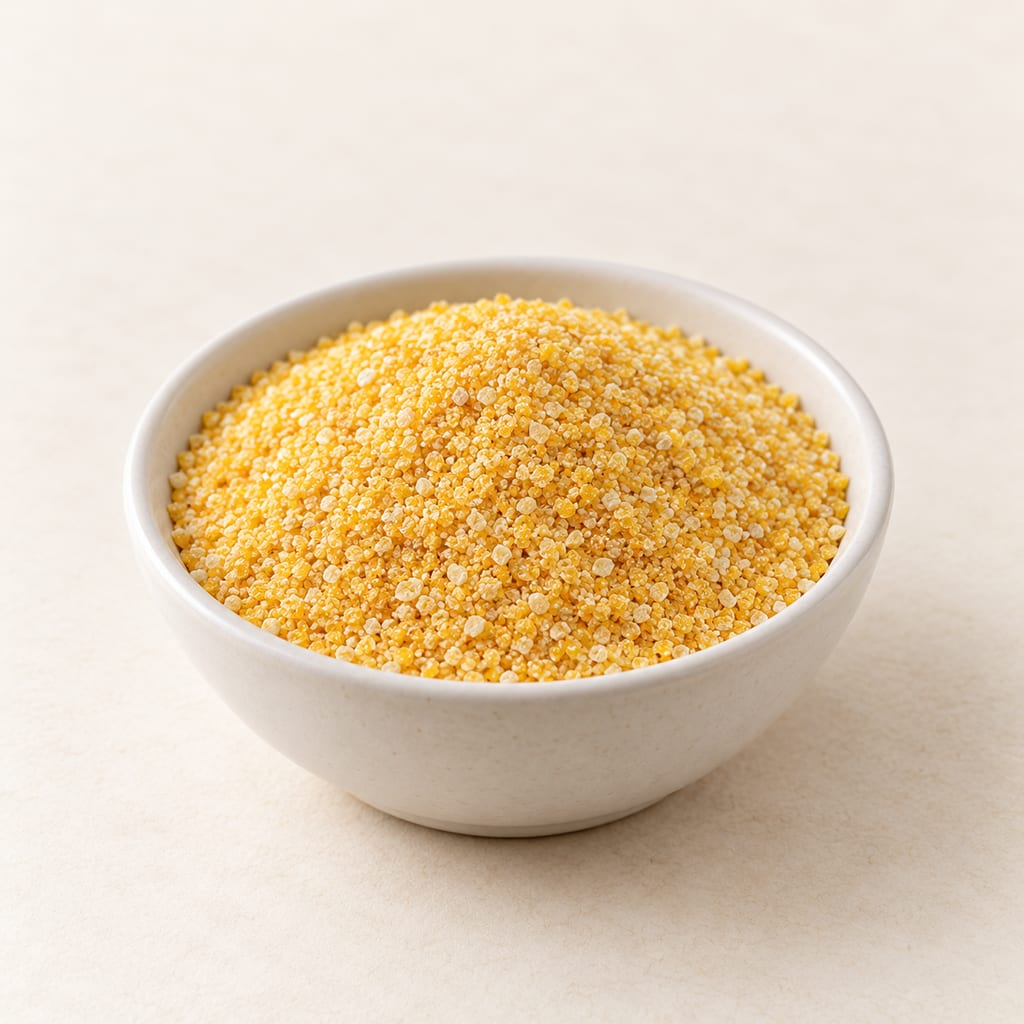
Yellow cornmeal is ground dried maize. Its particle size and milling treatment shape its texture and keeping quality; in the cited sourdough English muffin method, it is an exterior coating rather than part of the dough.
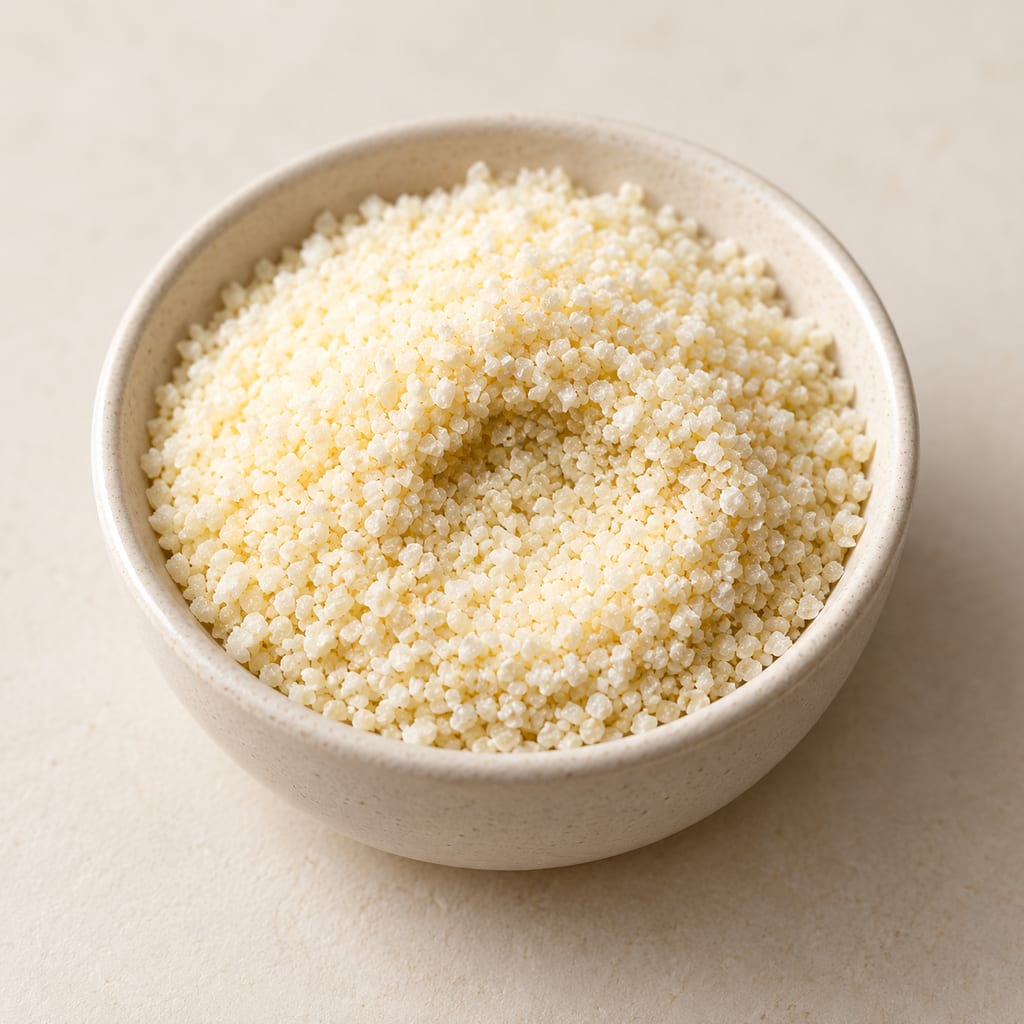
Semolina is a granular wheat milling product; in many markets it means durum, while some standards also use the name for other wheat. In sourdough English muffins, it is an optional surface coating, not the main flour.
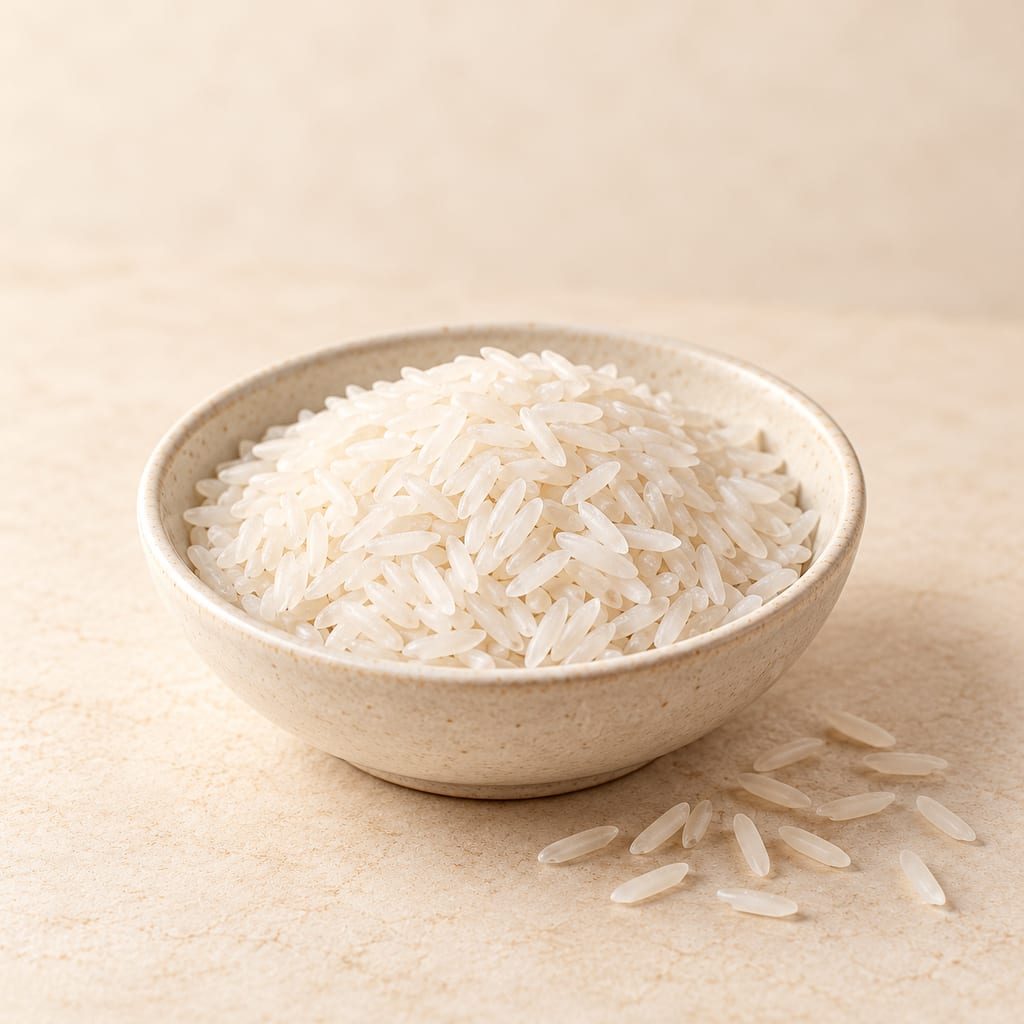
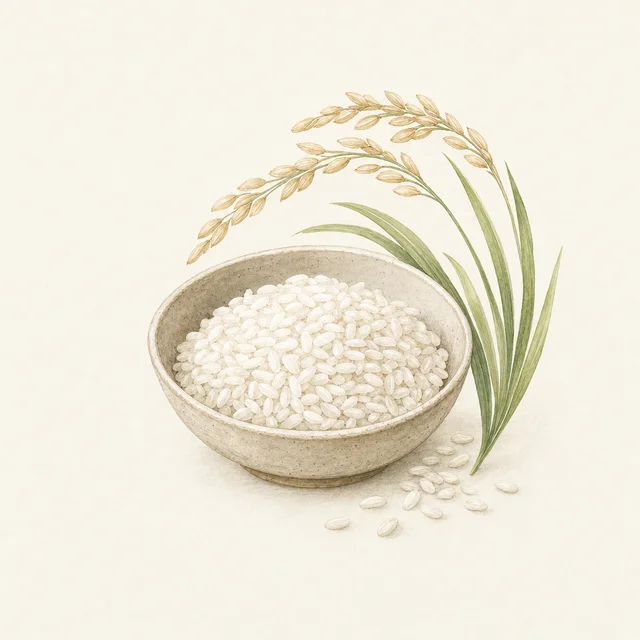
Rice contributes starch to flatbreads, steamed breads, batters and many distinct fermentations. Its species, milling and starch character shape how it cooks, binds, expands and feeds enzymes.