



























































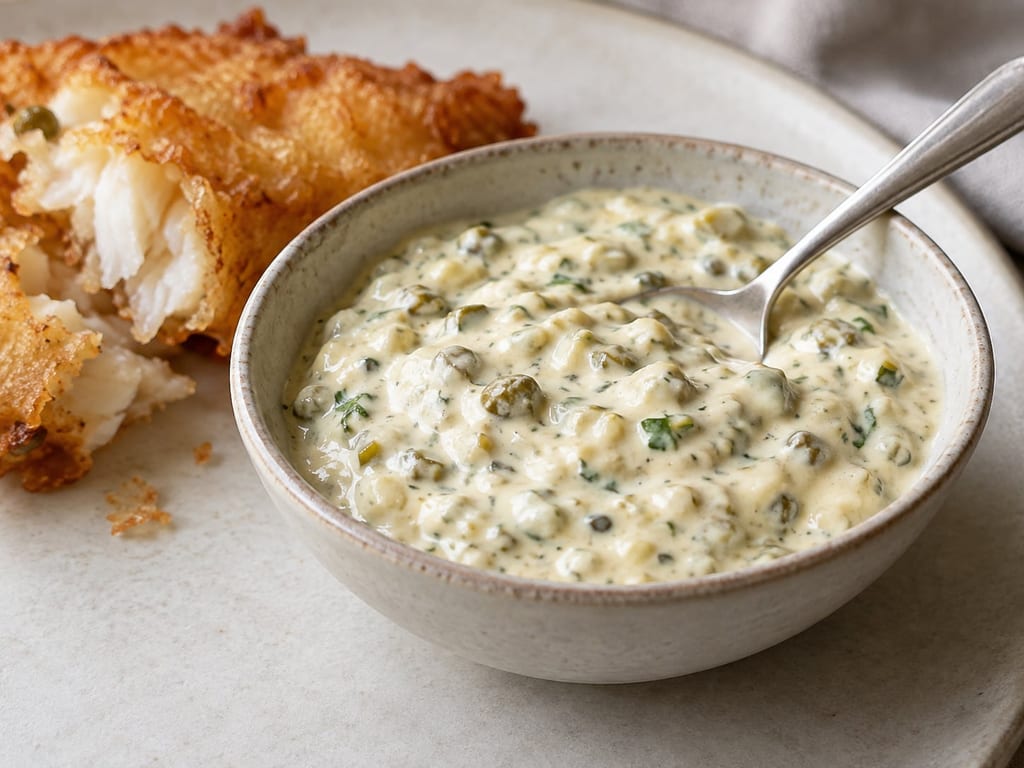
Tartar-style mayonnaise
Drained pickled cucumber, capers and unspecified herbs turn finished mayonnaise into a fresh fish and seafood accompaniment; these archived amounts are untested starting points.
 FermenteaWhere food goes to change
1504 records with their sources, across 11 categories.
 Fermented, enzyme-ripened and mixed seasonings328
 Fruit preserves10
 Legume, seed and plant-protein ferments10
 Garum and fish sauces8
 Adjacent and excluded7
 Koji, mold starters and mold-ripened ferments4
 Acid and oil pickles3
 Fermented fruit and fruit-derived foods3
 Vegetable lactic3
 Dairy ferments2
 Smoked salted and dried foods2
 Cheese1
 Not yet classified1Fermented, enzyme-ripened and mixed seasonings328Fruit preserves10Legume, seed and plant-protein ferments10Garum and fish sauces8Adjacent and excluded7Koji, mold starters and mold-ripened ferments4Acid and oil pickles3Fermented fruit and fruit-derived foods3Vegetable lactic3Dairy ferments2Smoked salted and dried foods2Cheese1Not yet classified1
Drained pickled cucumber, capers and unspecified herbs turn finished mayonnaise into a fresh fish and seafood accompaniment; these archived amounts are untested starting points.
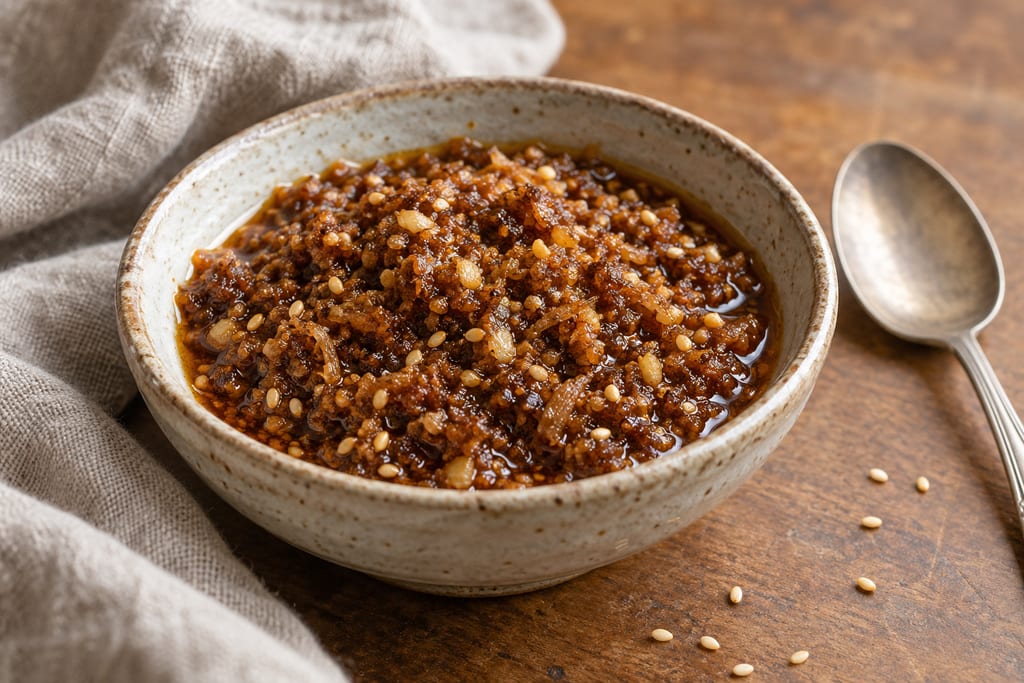
Shacha is a savoury, granular Fujian, Teochew and Taiwanese condiment of oil, garlic, shallot and dried seafood, often sold as Chinese barbecue sauce.
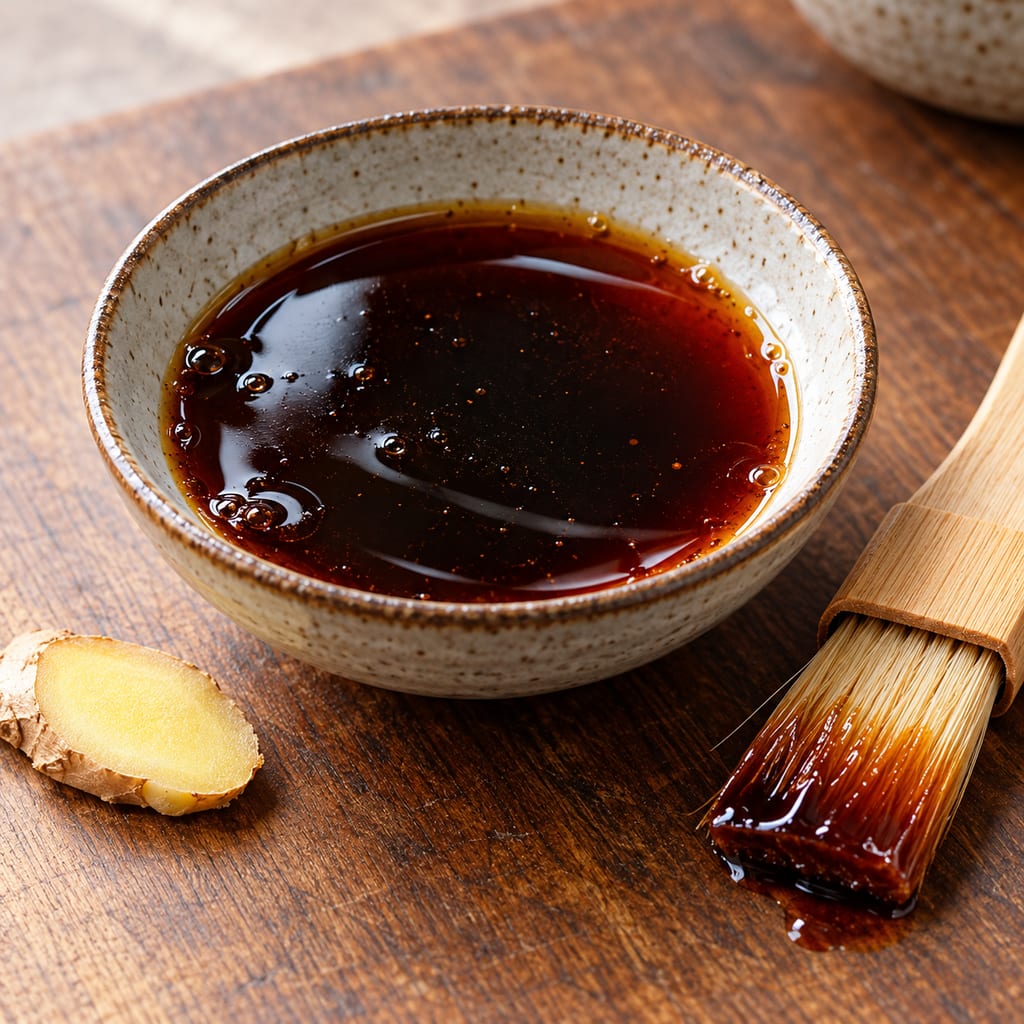
A modern tare-style glaze of koikuchi soy sauce, mirin, water, sugar and optional ginger, gently reduced and brushed onto food near the end of cooking.
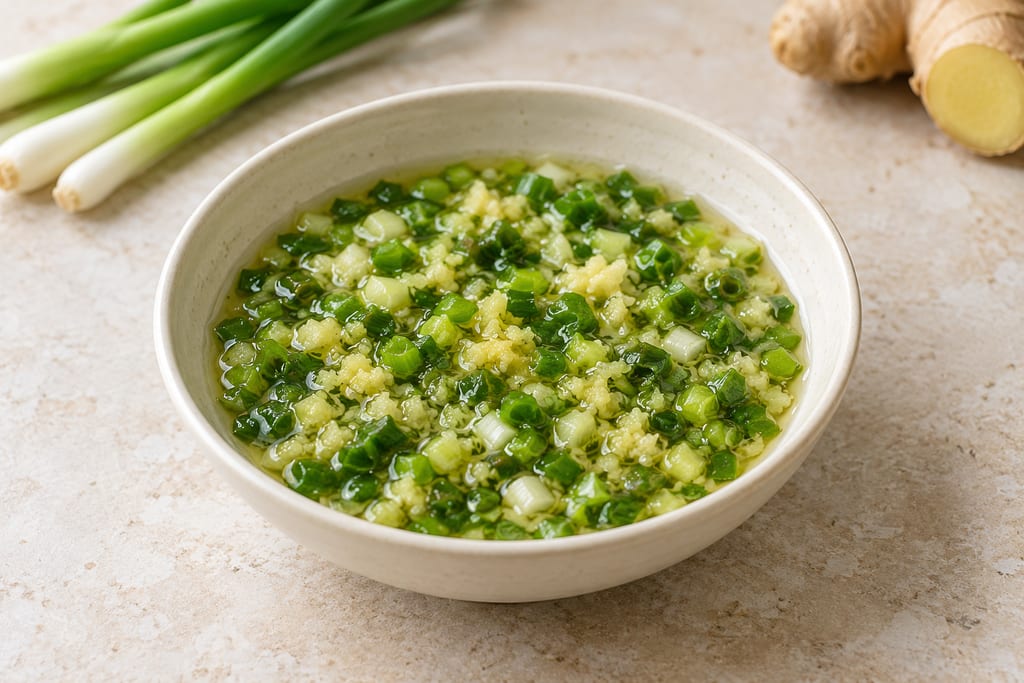
A raw Cantonese-style condiment of minced scallions, fresh ginger, vegetable oil and salt; it is mixed without heating and serves eight.
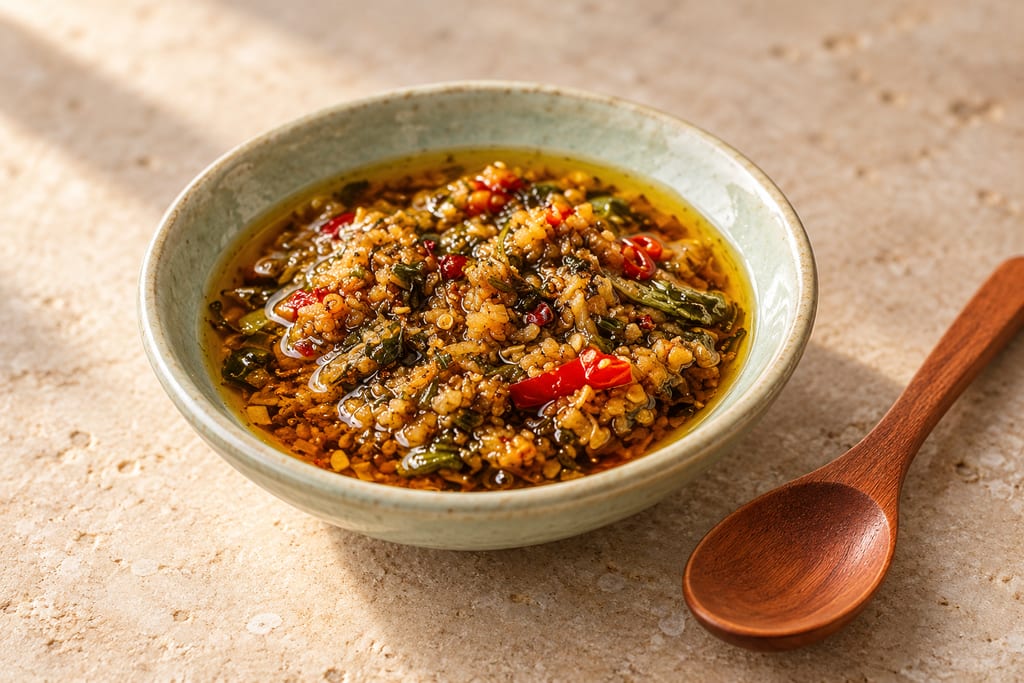
A Cantonese condiment of ginger, garlic, scallion and fresh chilli fried slowly in oil and seasoned with soy sauce, sugar, wine and salt, served over roast meats and poached chicken.
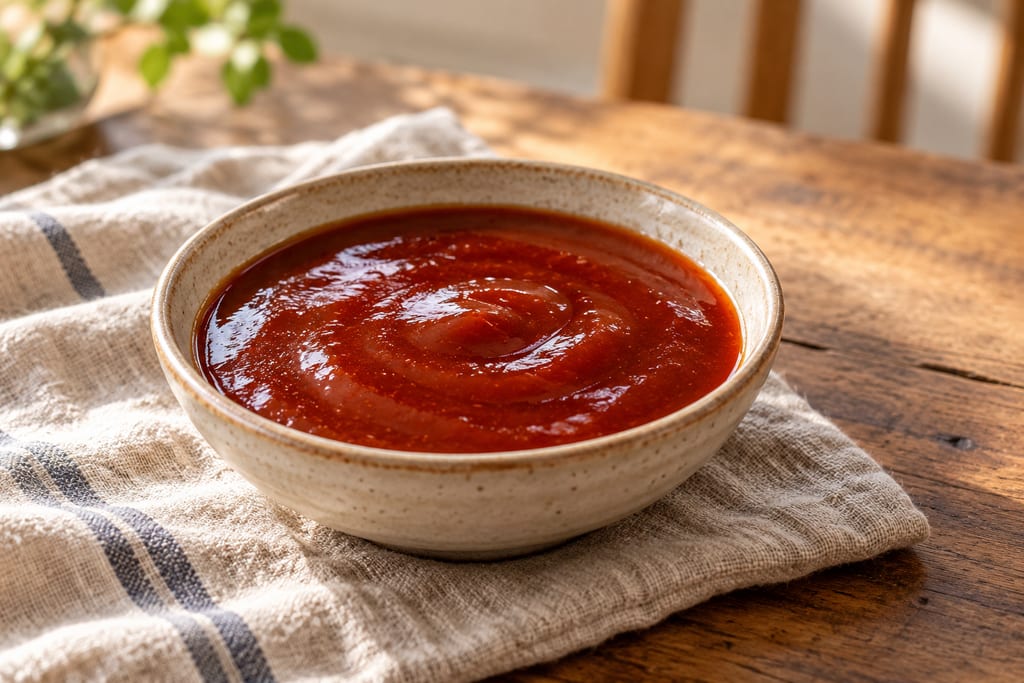
A smooth, tomato-based sweet-and-sour sauce of sugar, vinegar, tomato paste and soy sauce, thickened with starch for dipping or coating; it is not the sauce on Hangzhou's sweet-and-sour ribs.
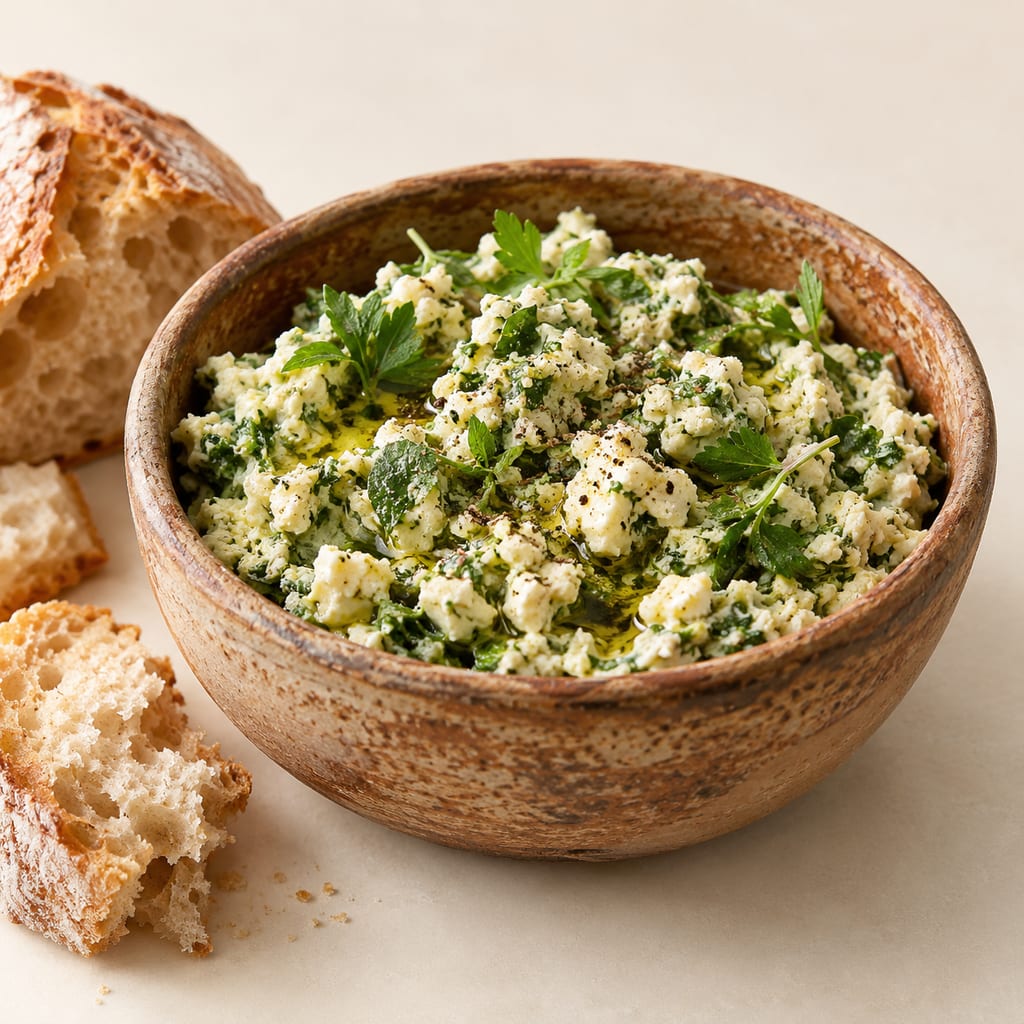
Moretum was a pounded herb and cheese spread of ancient Rome, eaten with bread and named for the mortar in which it was made.
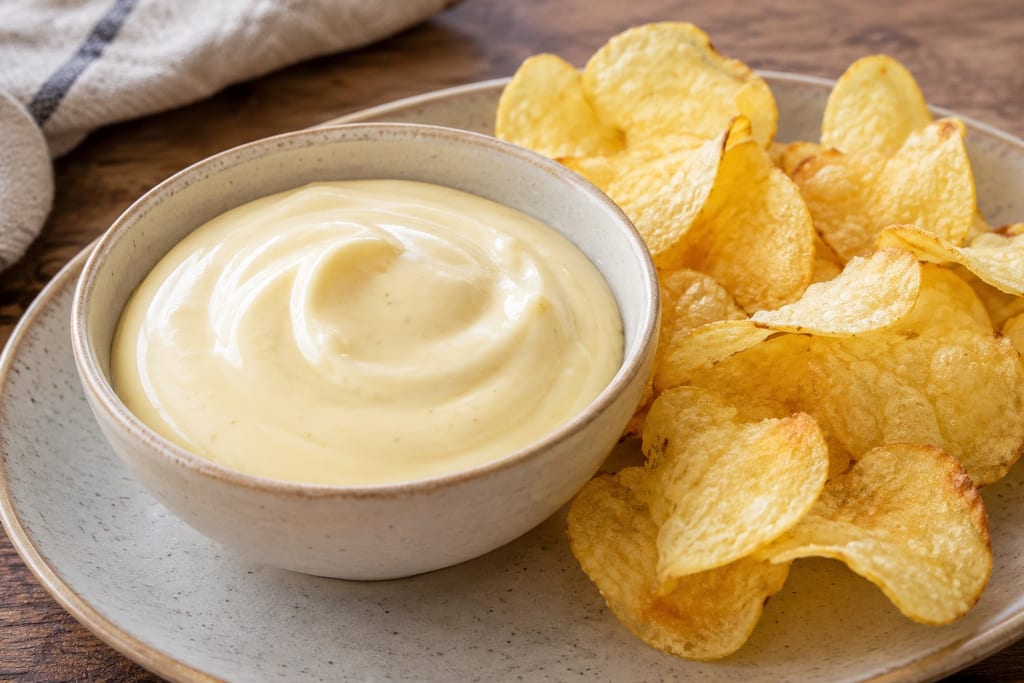
Lower-oil, starch-thickened fritessaus-inspired sauce derived from M13, not a Remia replica. Nominal yield 291 g before cooking loss.
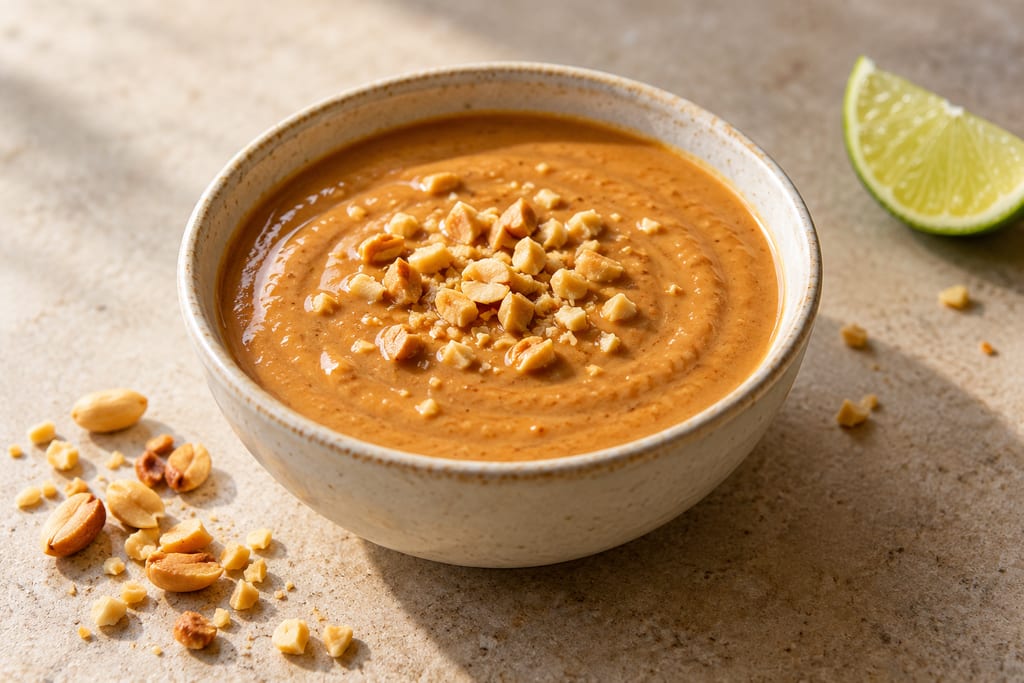
A quick Southeast Asian inspired peanut sauce combines peanut butter or ground roasted peanuts with coconut milk, soy, sugar, lime and chilli.
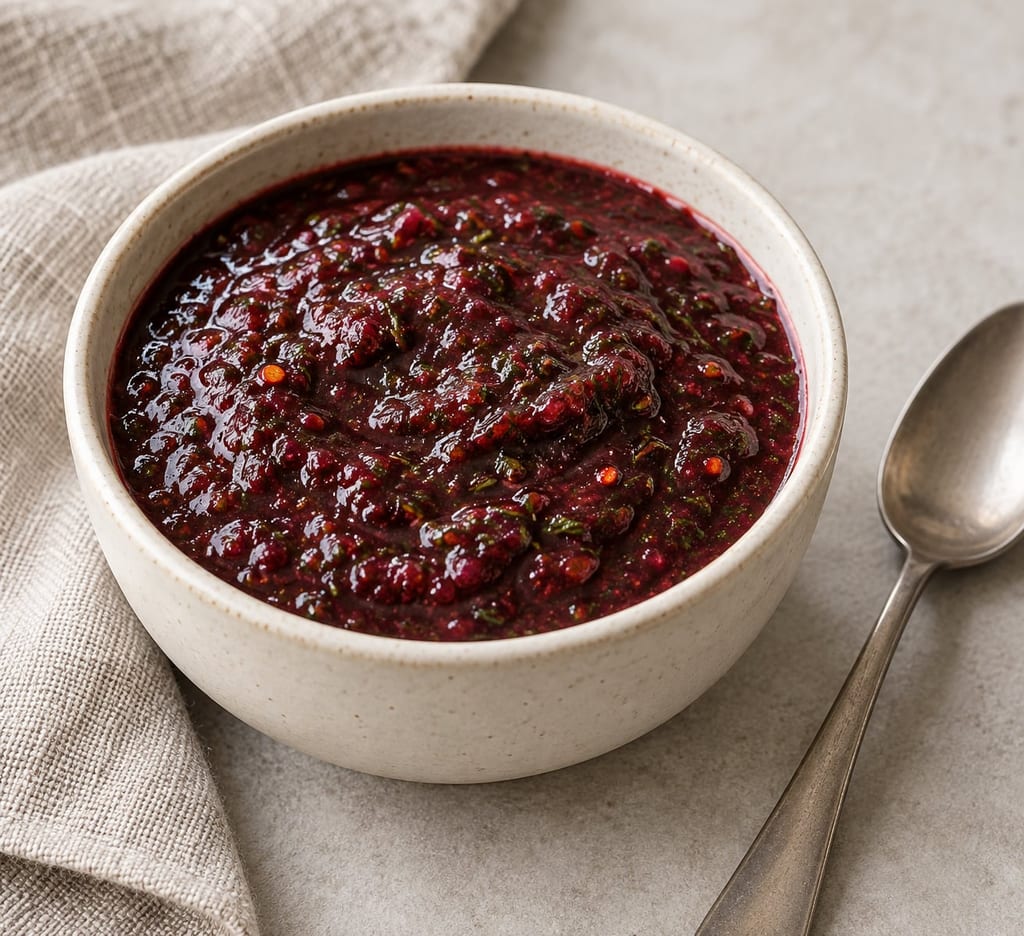
An untested refrigerator sauce inspired by Georgian tkemali. This version uses ordinary mint in place of pennyroyal (ombalo), changing its aroma; it is not a tested preserve.
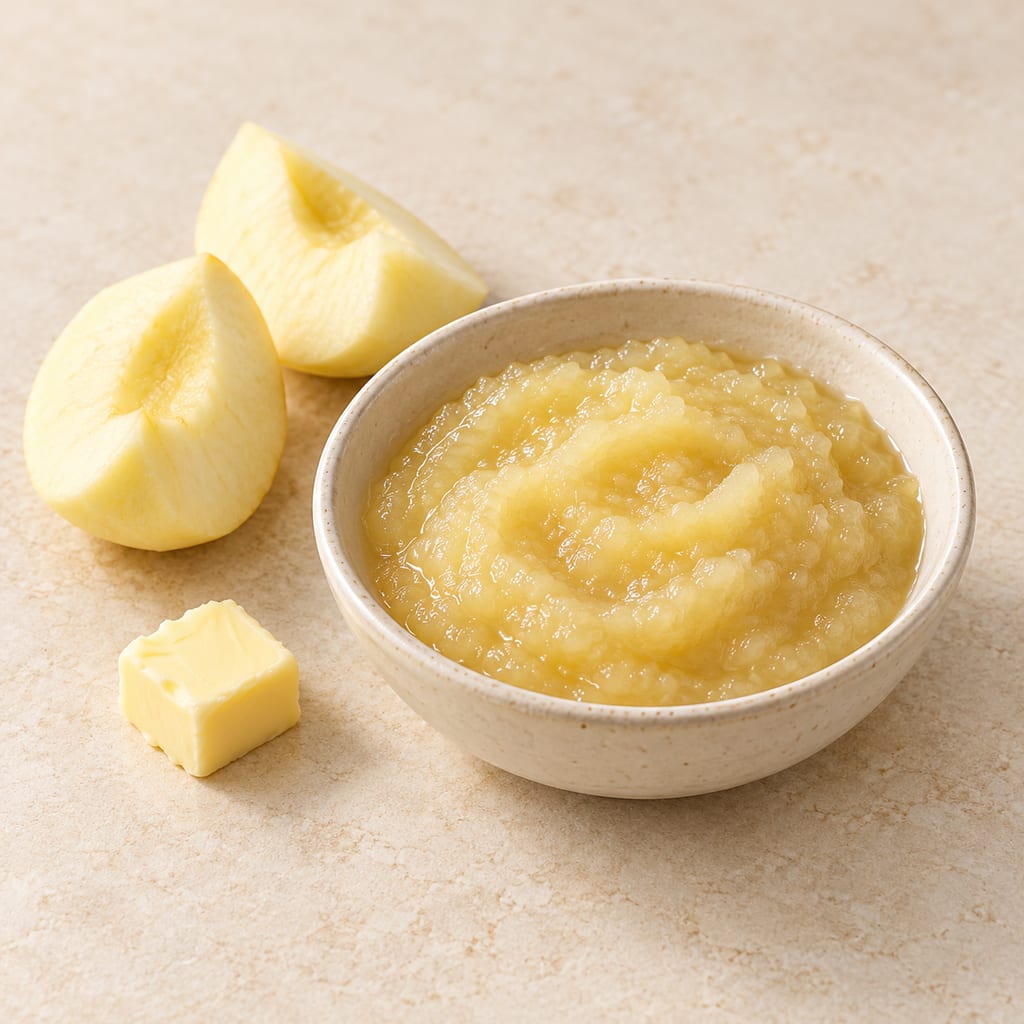
Apple sauce for goose and pork is a plain English accompaniment: cooked apples pulped with water, then sweetened with sugar and finished with a little butter.
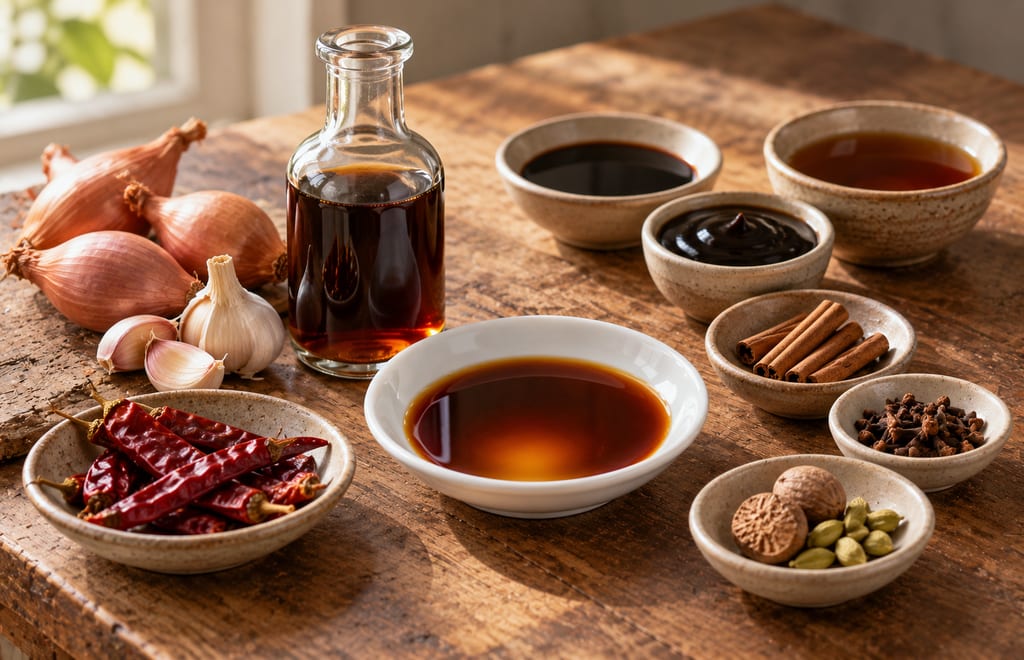
A thin, dark, sharply savoury table sauce associated with Worcester, England. This recipe preserves one historical formula printed in 1932 and distinguishes it from modern proprietary Worcestershire sauces.
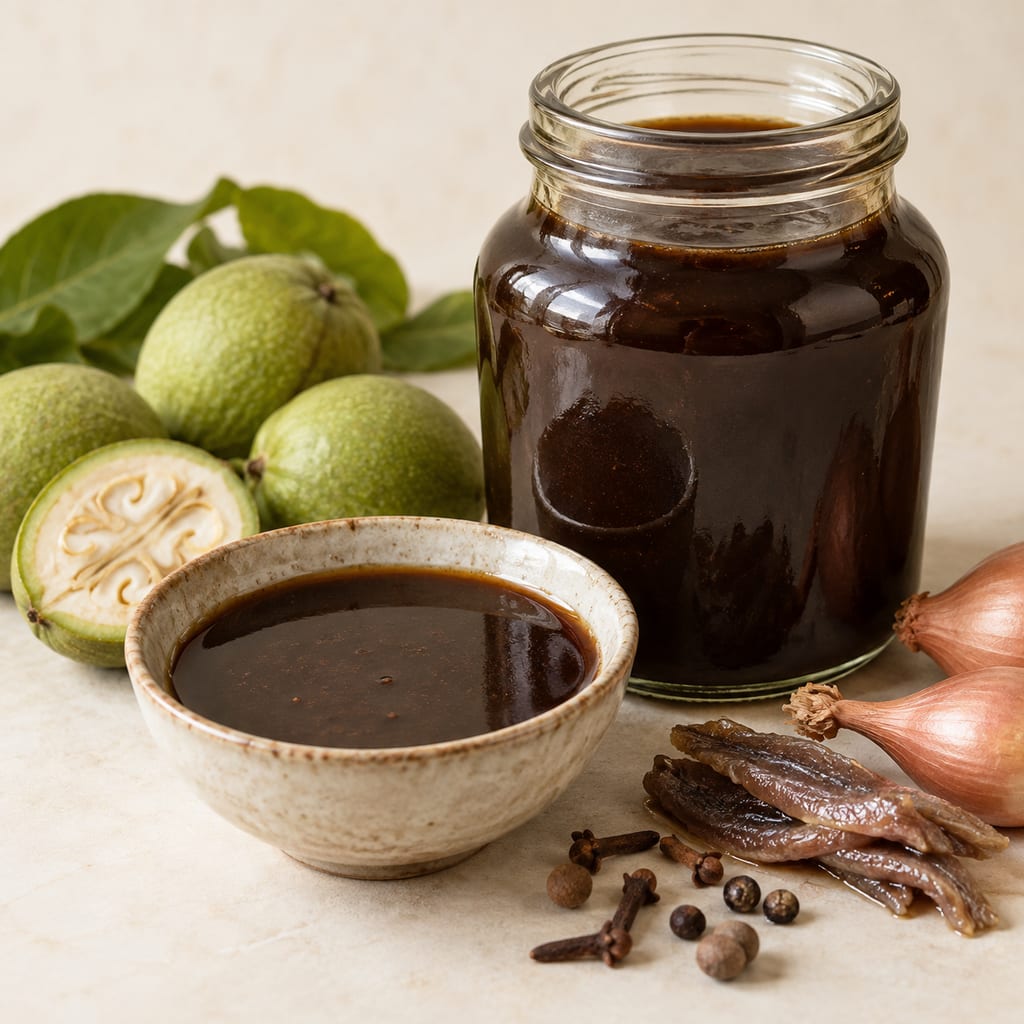
A dark liquid seasoning made from young green walnuts steeped in salt and vinegar, then boiled with spices, shallots and anchovies. It belongs to the British ketchups of the 1700s and 1800s.
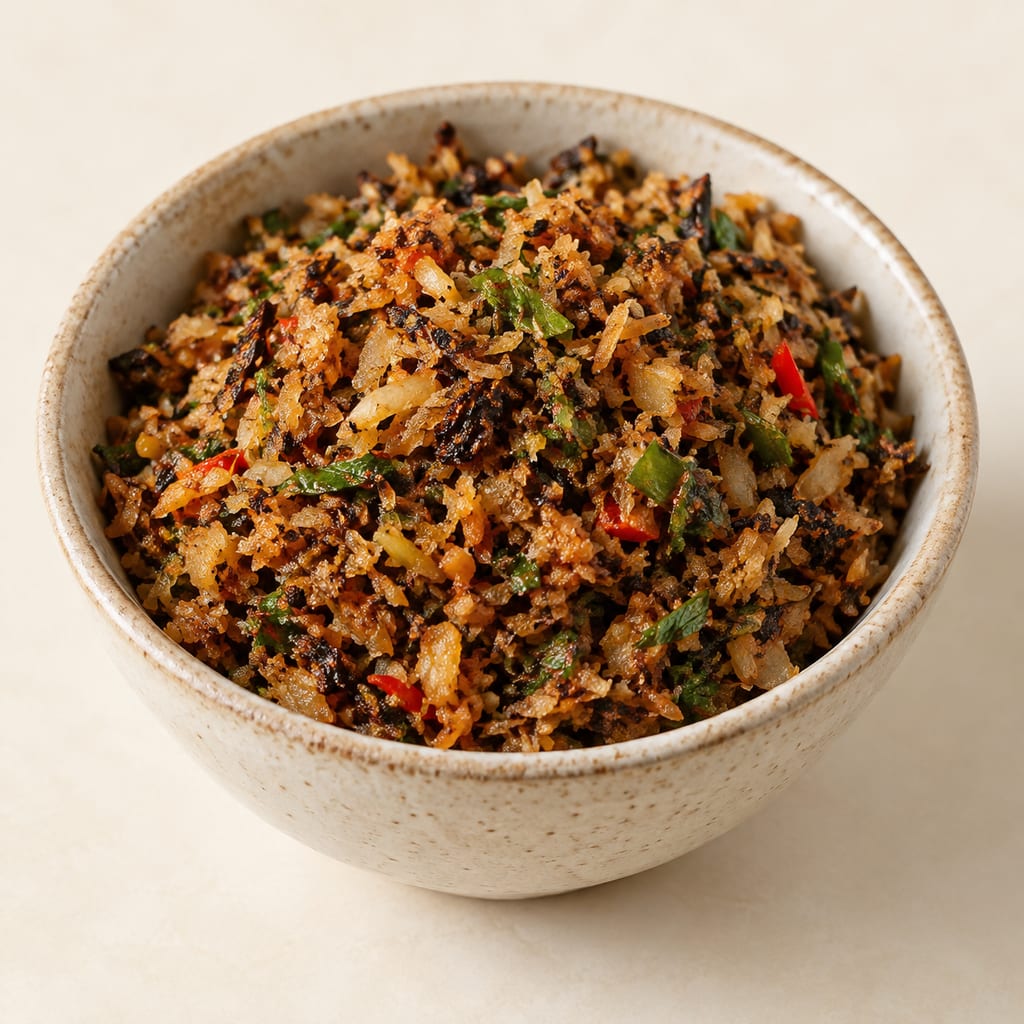
Trinidad coconut chutney is dried coconut roasted until charred, then ground on a stone with garlic, hot pepper, pimento and chadon beni to a coarse paste.
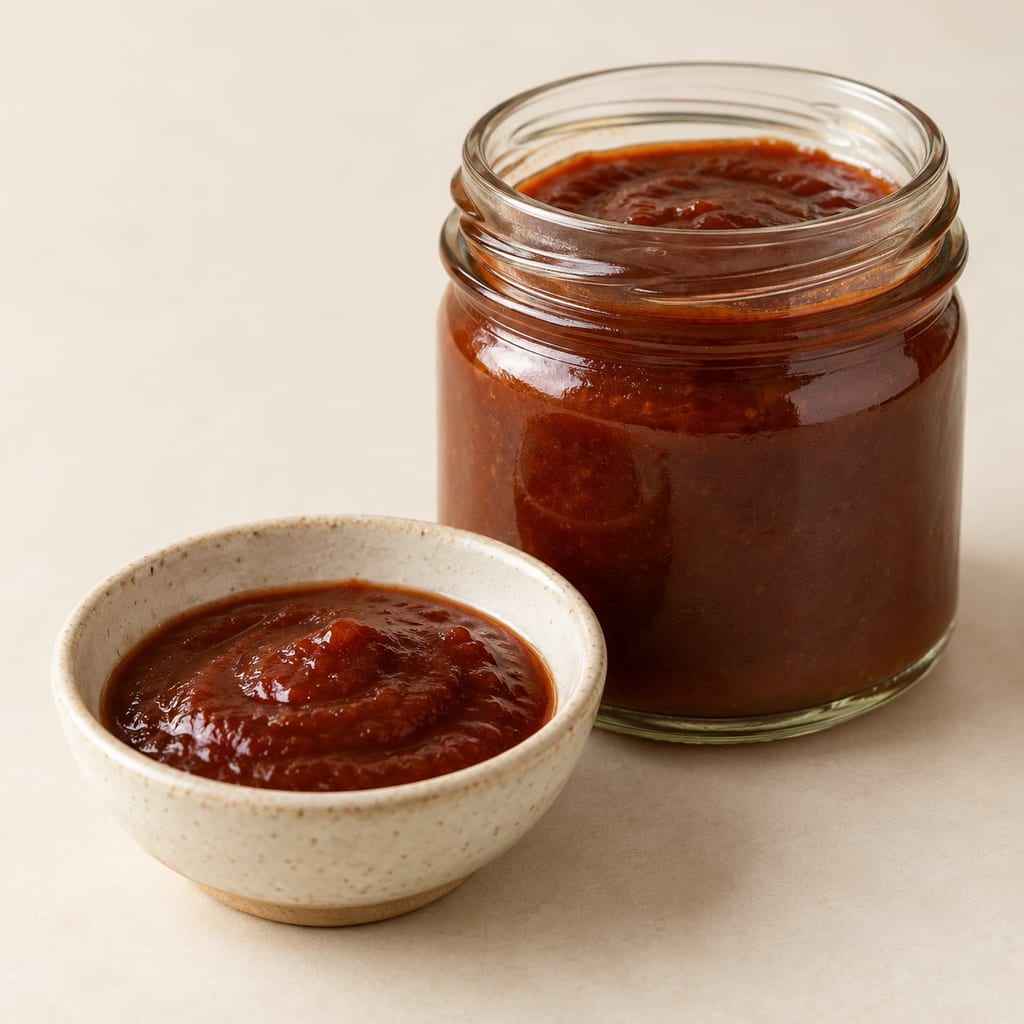
Mary Randolph's tomato soy, a tomato condiment and not soybean sauce: tomatoes salted in layers for three days, boiled for a day, passed through a sieve and spiced with cloves, allspice, black pepper and cayenne.
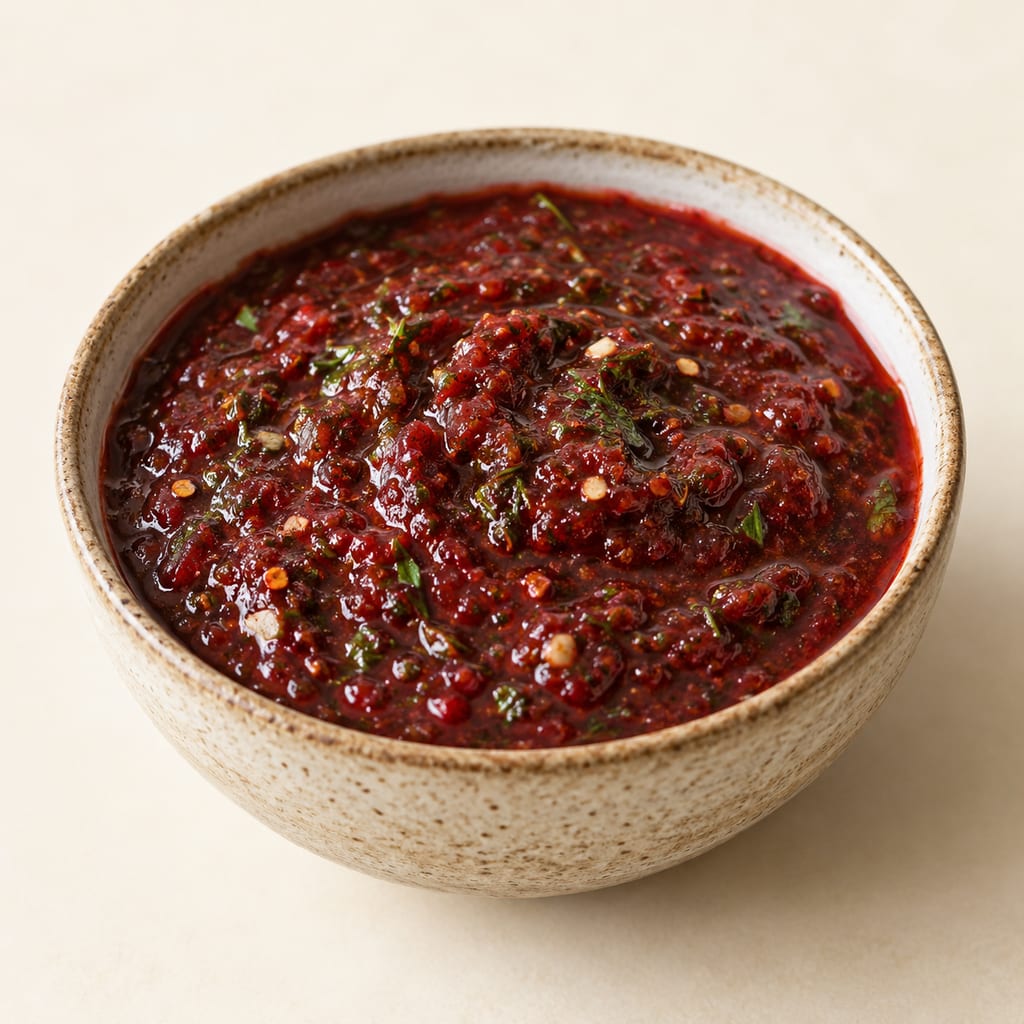
A Georgian sour plum sauce of cherry plums cooked with garlic, coriander, dill-family herbs and chilli. Its sourness comes from the fruit, and it is served as a condiment with grilled meat, poultry and potatoes.
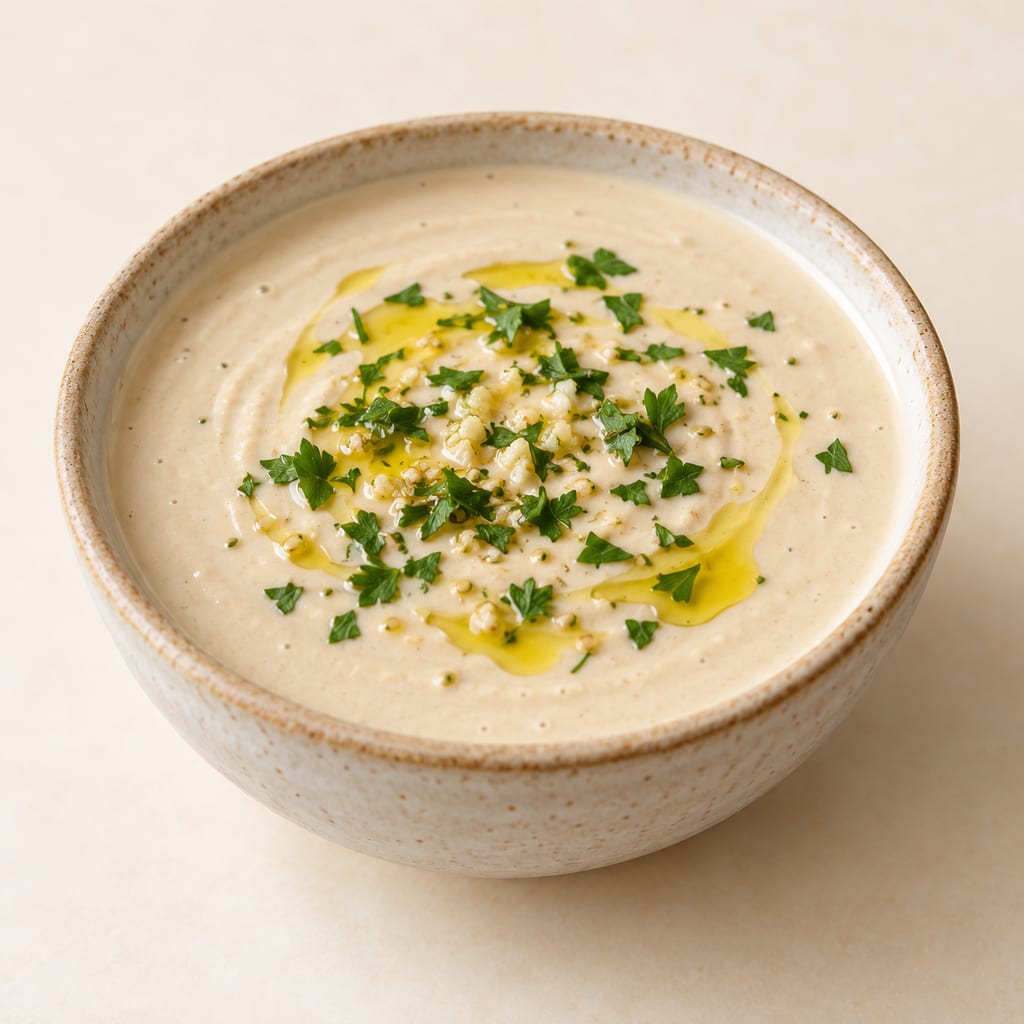
A Levantine sesame sauce of tahini thinned with water and brightened with lemon and garlic, the base of tarator served with falafel and shawarma, with Egyptian and Iraqi variants.
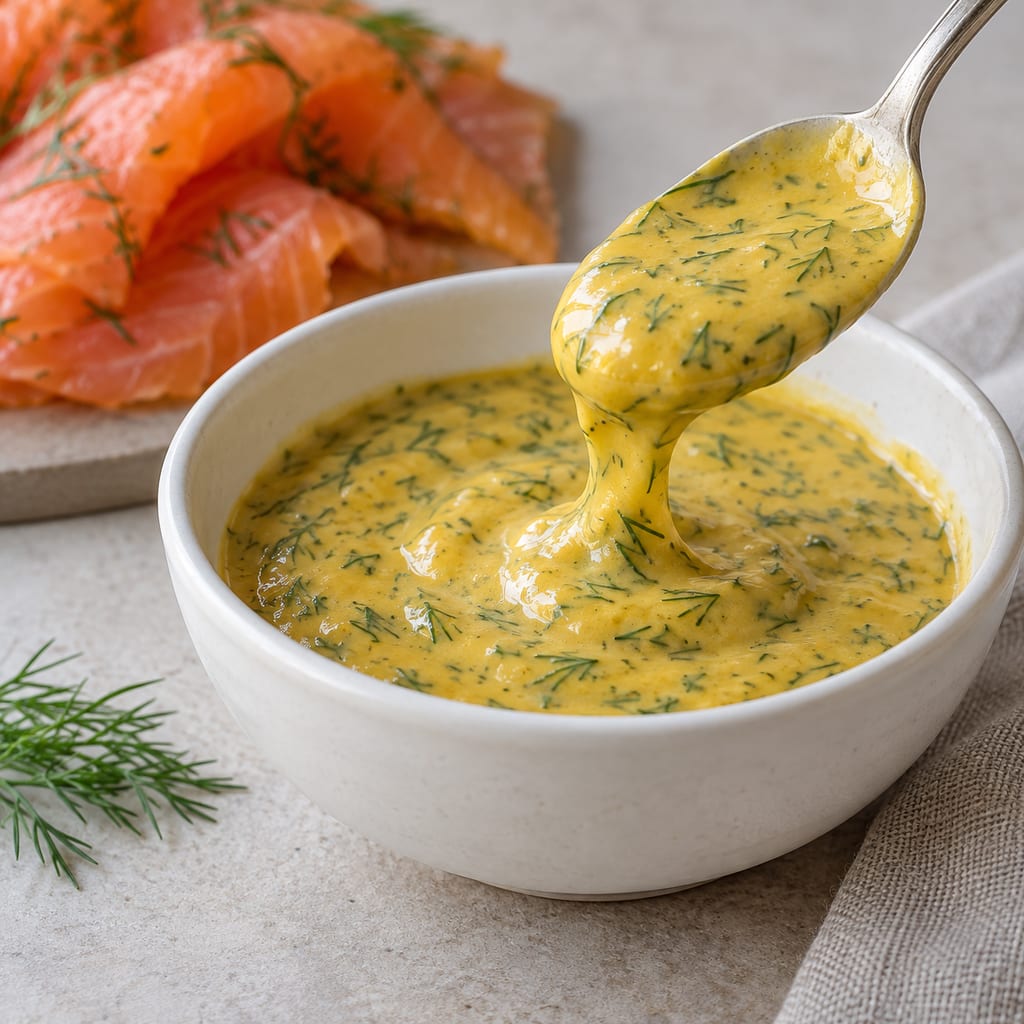
Sweet mustard and Dijon whisked with sugar and white-wine vinegar, thickened with oil added slowly and finished with fresh dill: a hovmästarsås-style sauce for salmon.
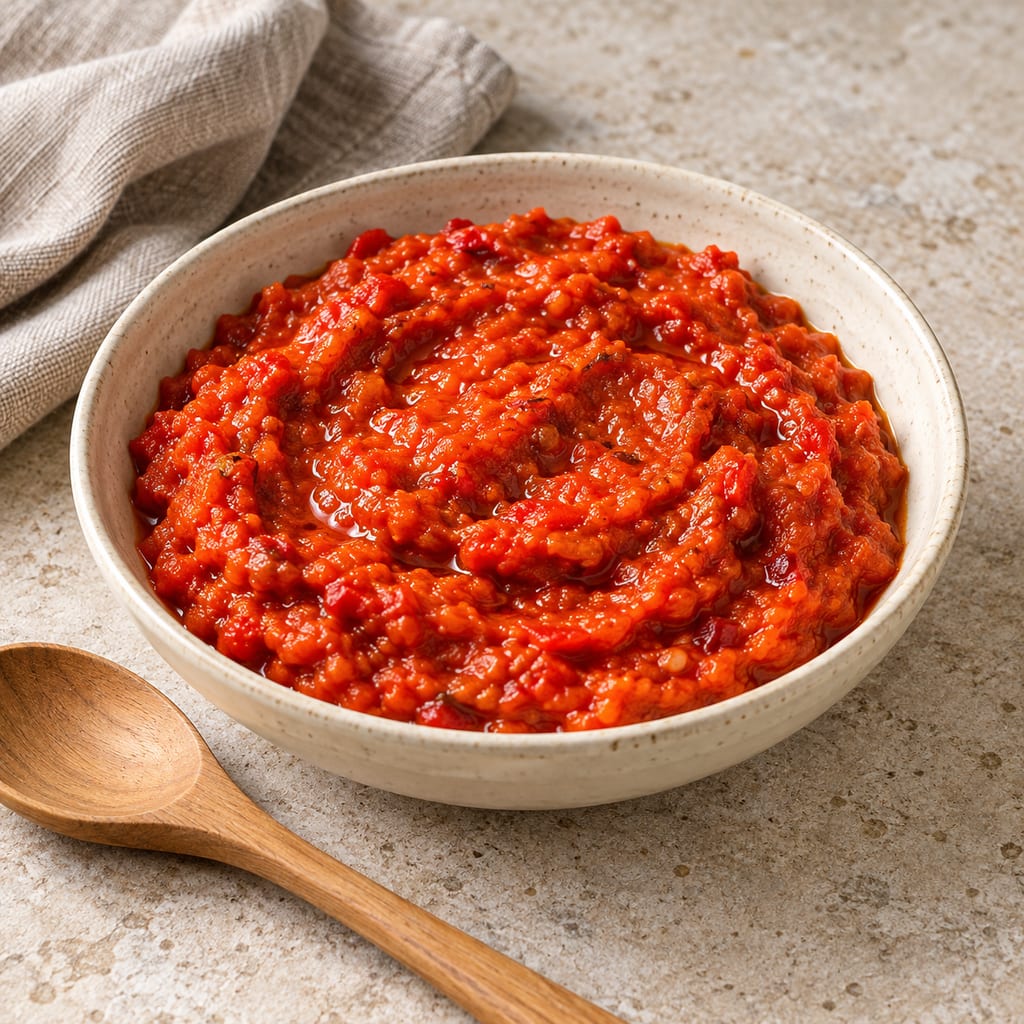
A small roasted red-pepper and eggplant relish with sunflower oil, wine vinegar, garlic and salt. It is a modern ajvar-style trial, not a validated winter preserve or a copy of a commercial formula.
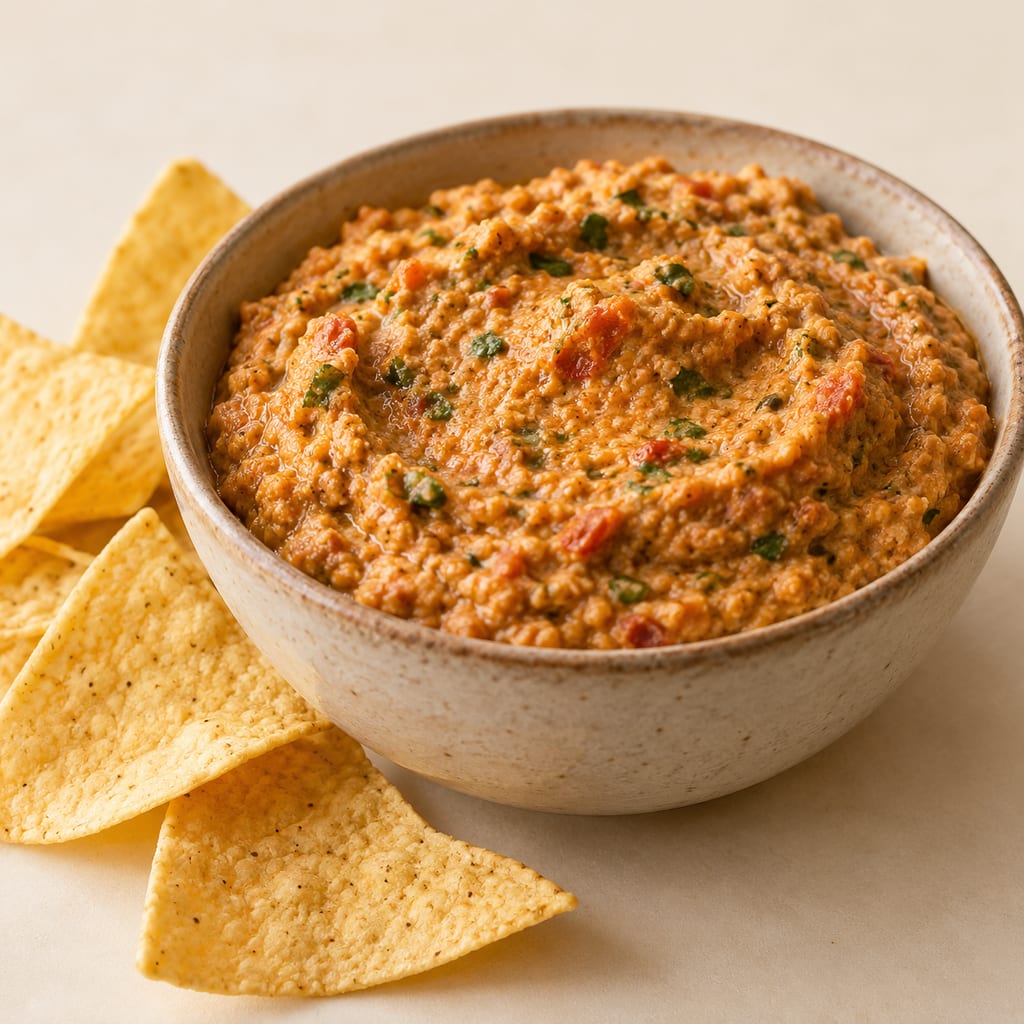
Sikil p’ak is a Yucatecan dip of toasted, ground pumpkin seeds mixed with roasted tomato, habanero, onion and herbs, served with tortilla chips or warm tortillas. Its name is built from Maya words for pumpkin seed and tomato.
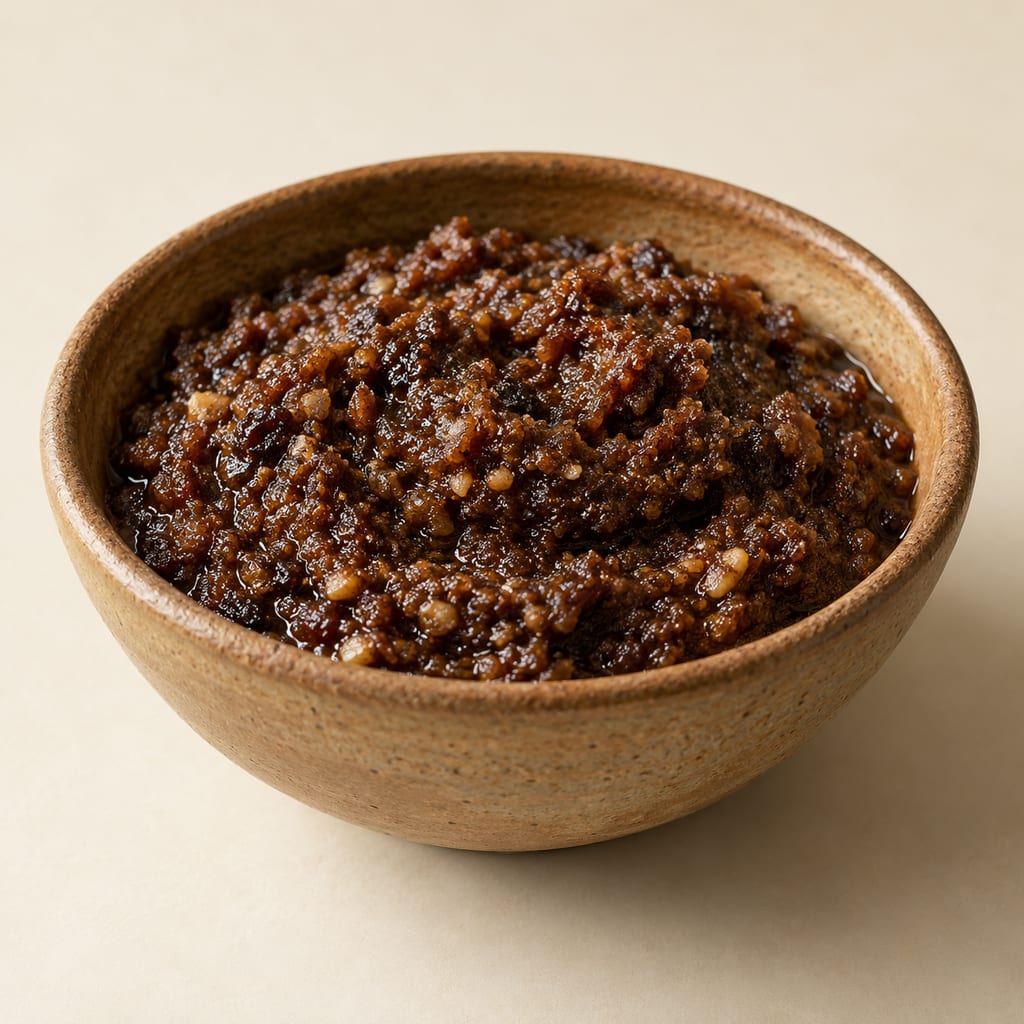
A medieval English sauce of pounded dried currants, nut kernels, bread crusts and warm spices, tempered with vinegar. It is an unfermented sauce from The Forme of Cury, not a preserving recipe.
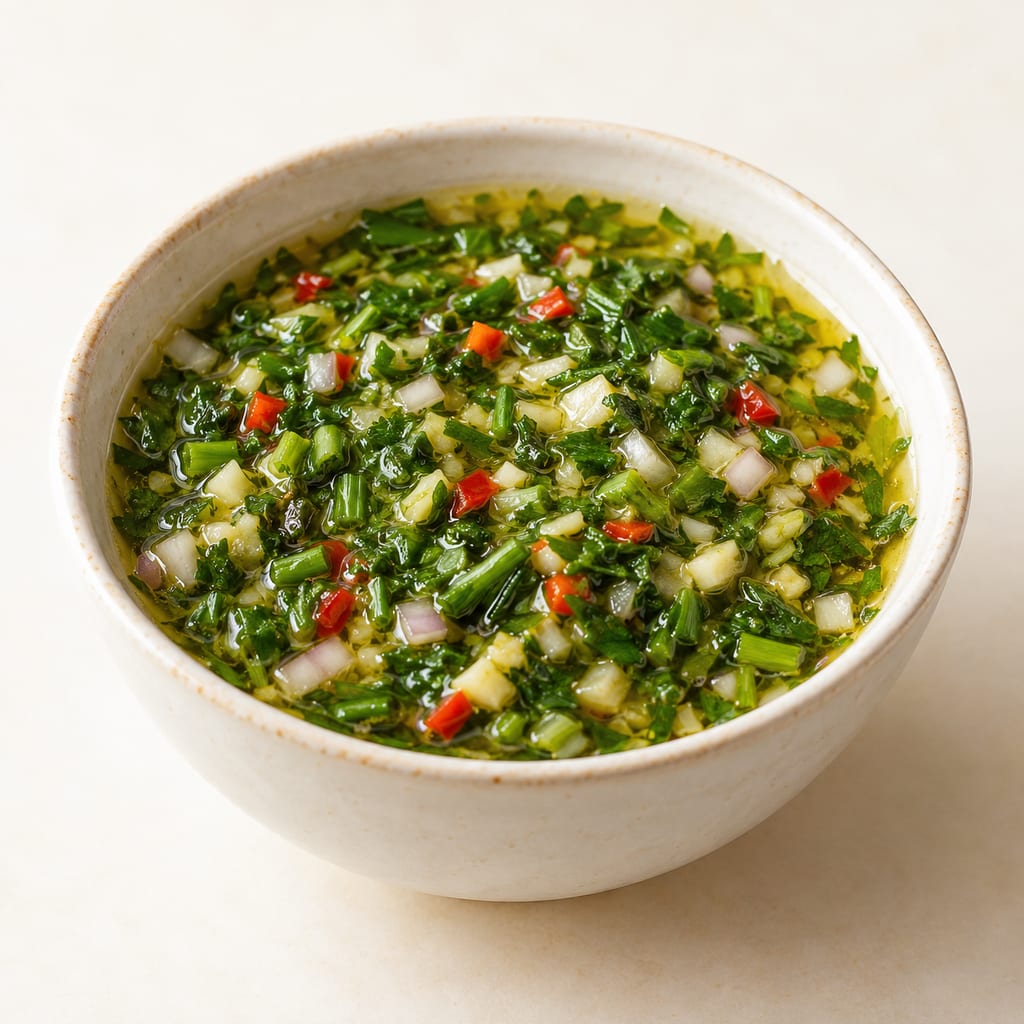
Sauce chien is a fresh French Antillean sauce of chopped chives, parsley, garlic, shallot and hot pepper, steeped in hot water with oil and lime.
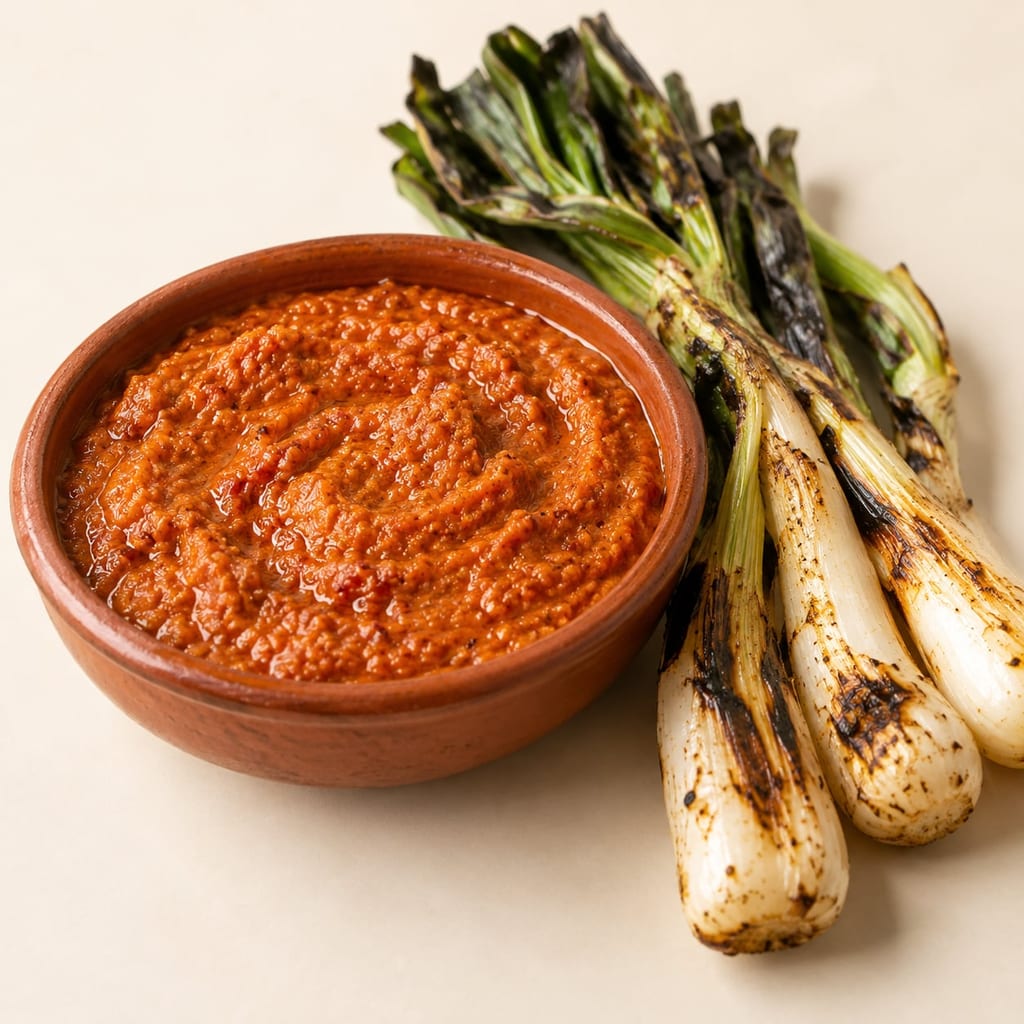
Salvitxada is a Catalan sauce from Valls, thickened with toast rubbed with garlic, served almost only with calcots at the calcotada barbecue.
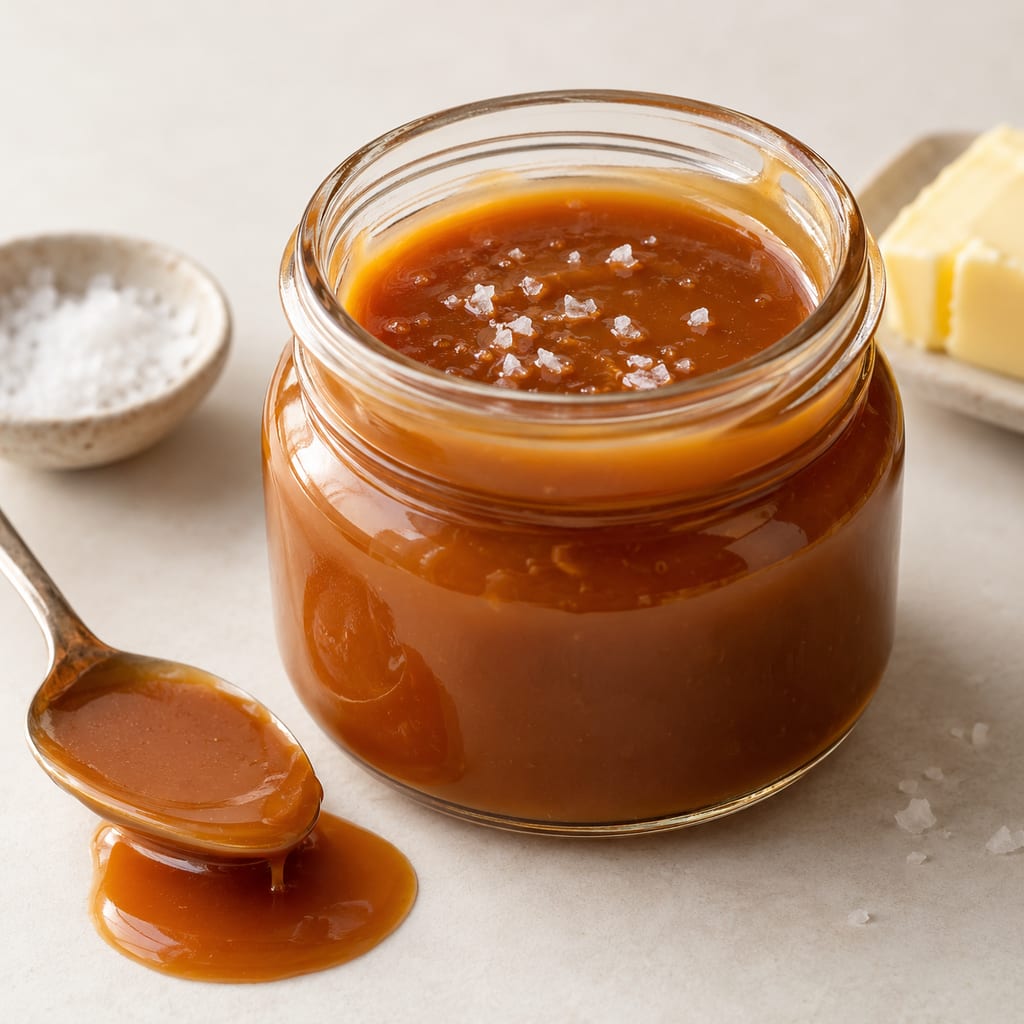
A pourable caramel of sugar and butter, cooked dark and then loosened with cream and finished with flaky salt.
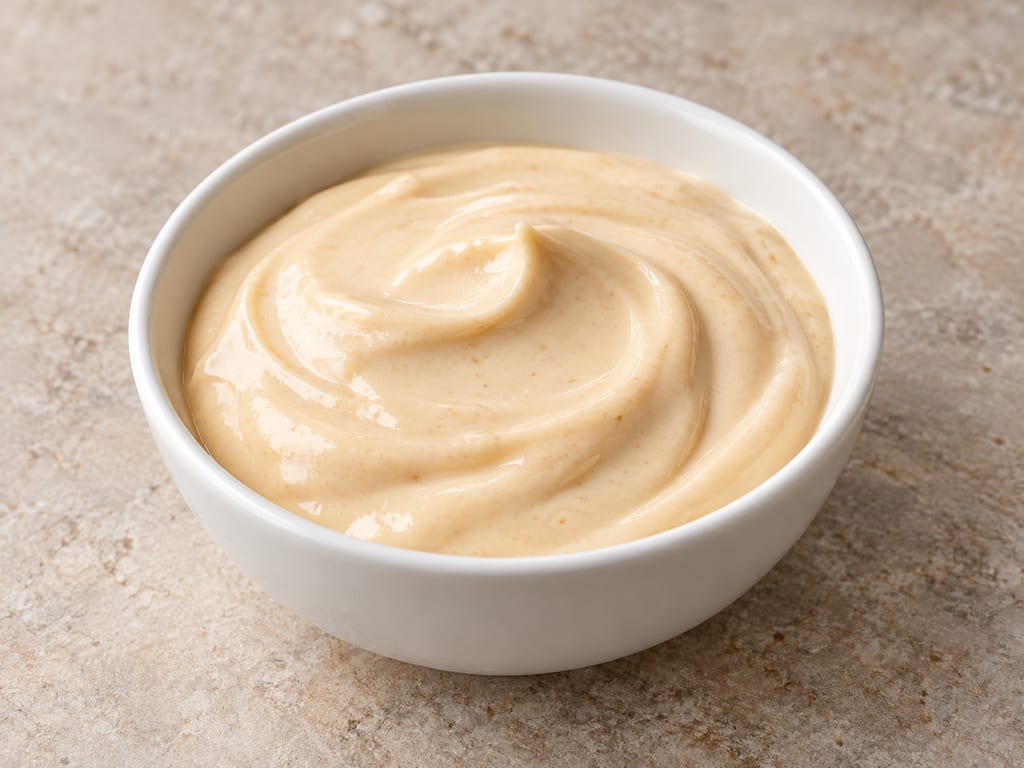
A sesame-forward, fresh sauce made by mixing tahini, toasted sesame oil and rice vinegar into finished mayonnaise; the archived amounts are untested starting points.
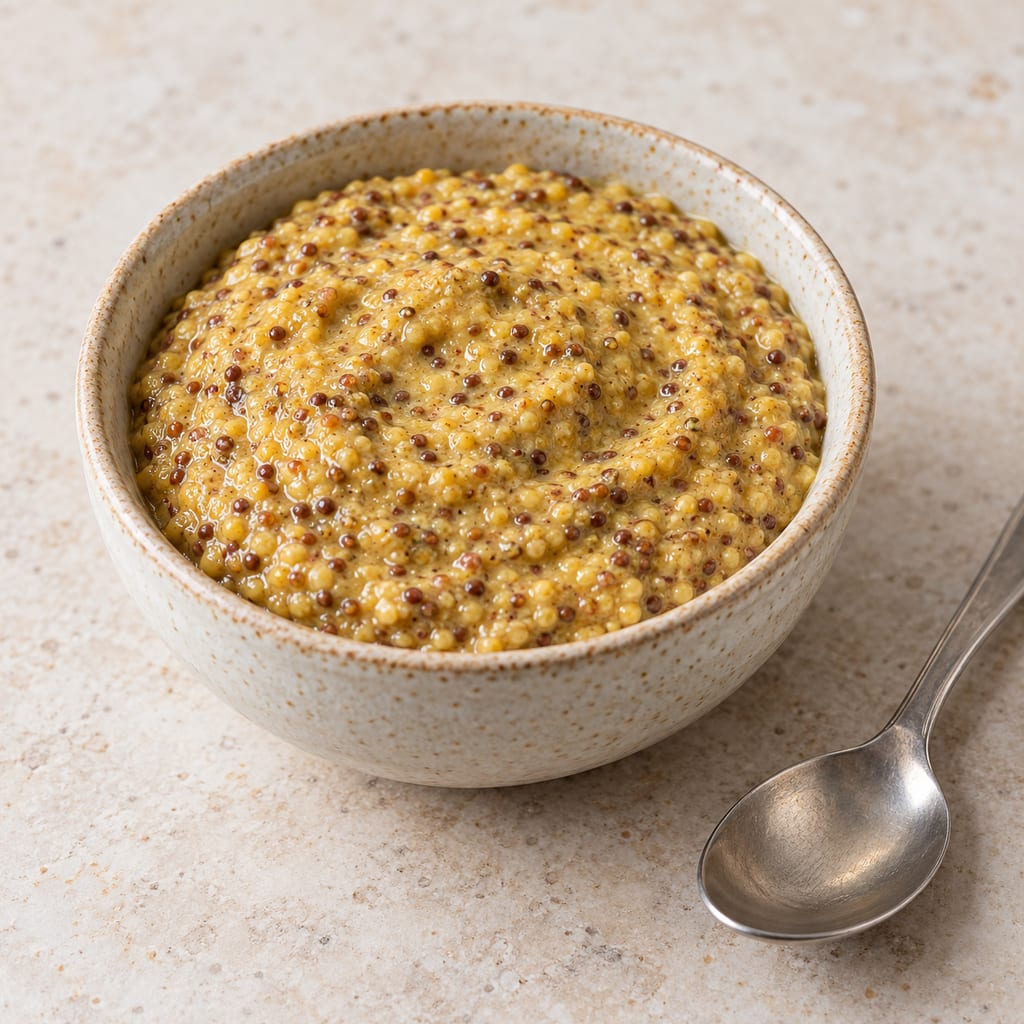
A coarse mustard of brown and yellow seeds soaked whole in cider or white-wine vinegar, with about a third blended to a paste and folded back so the rest stay whole.
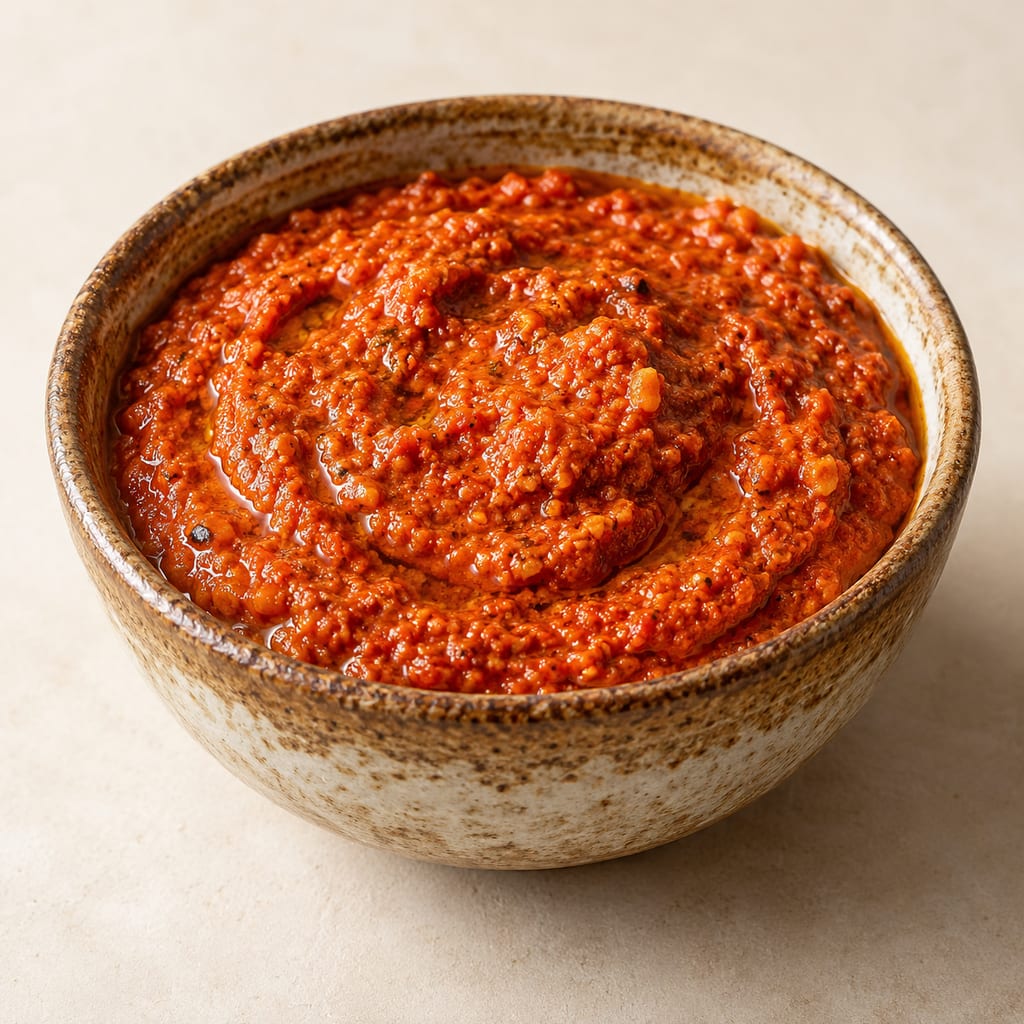
Romesco is a Catalan sauce of roasted tomatoes and garlic, toasted nuts, dried nyora peppers, bread and oil, traditionally served with seafood, grilled meat and calcots.
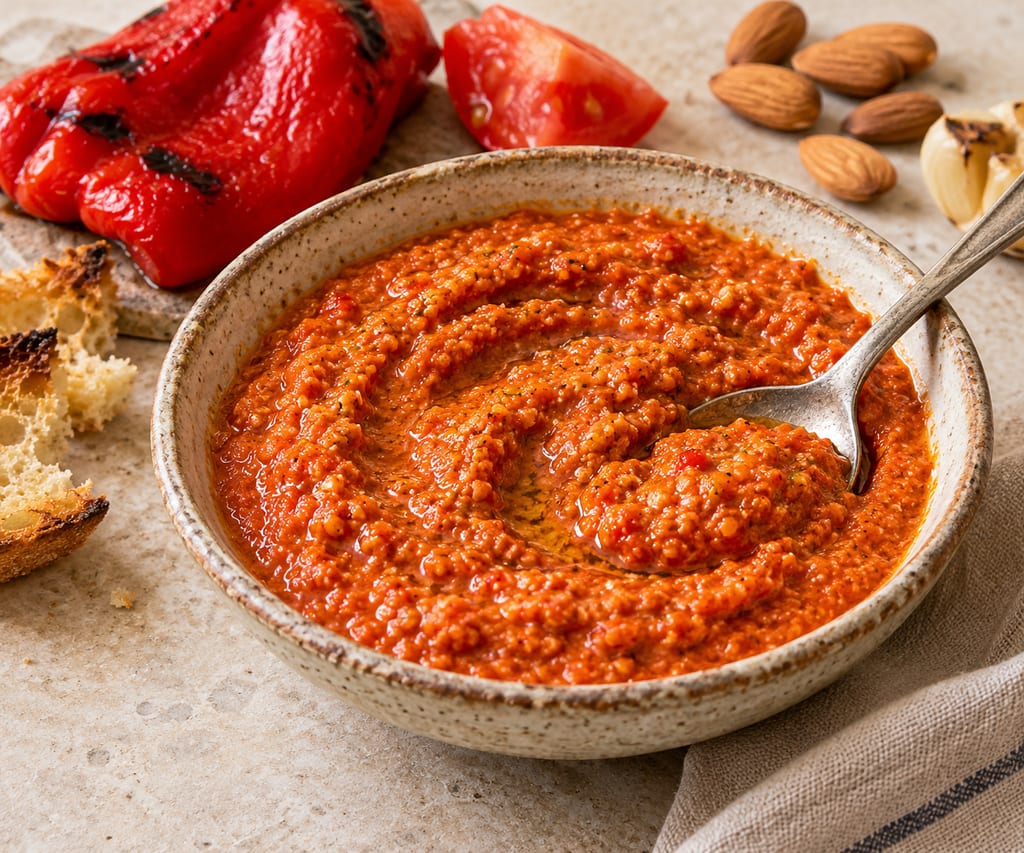
A coarse Catalan-inspired sauce of roasted tomato and red pepper, almonds, bread, garlic, olive oil and sherry vinegar. This modern pepper version is distinct from ñora-based romesco formulations and is not a preserve.
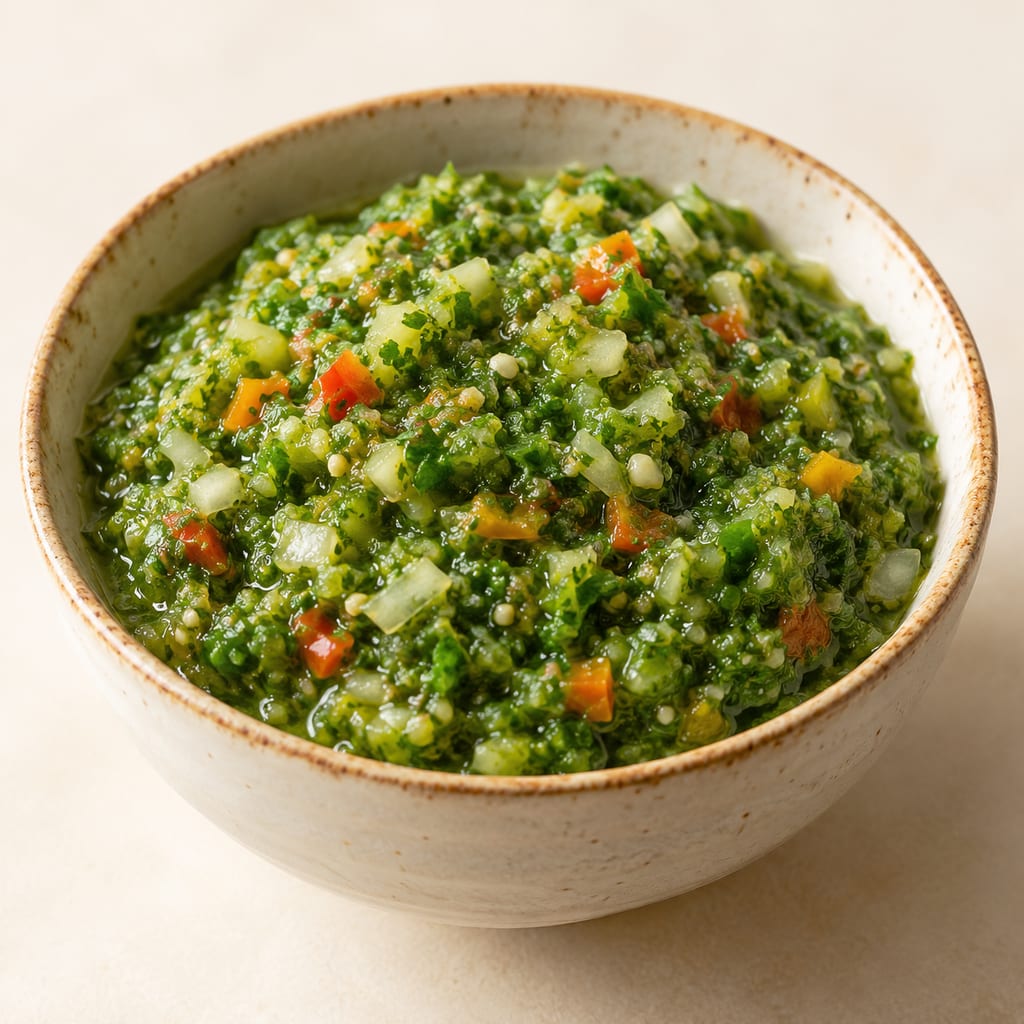
Puerto Rican sofrito, also called recaíto, is a raw paste of culantro, ají dulce, onion, garlic and peppers that starts many island dishes.
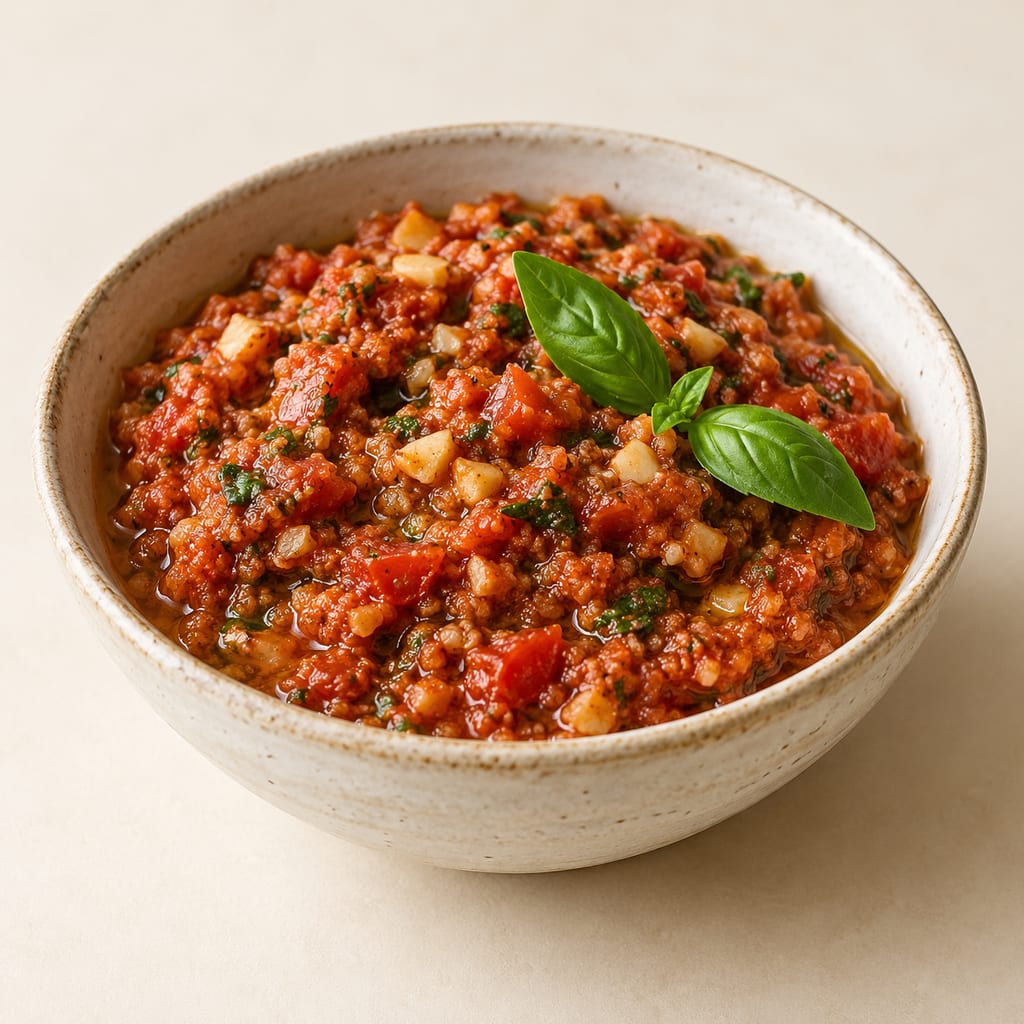
Pesto alla trapanese is a Sicilian sauce of fresh tomato and almonds pounded with basil, a red counterpart to Genoese pesto.
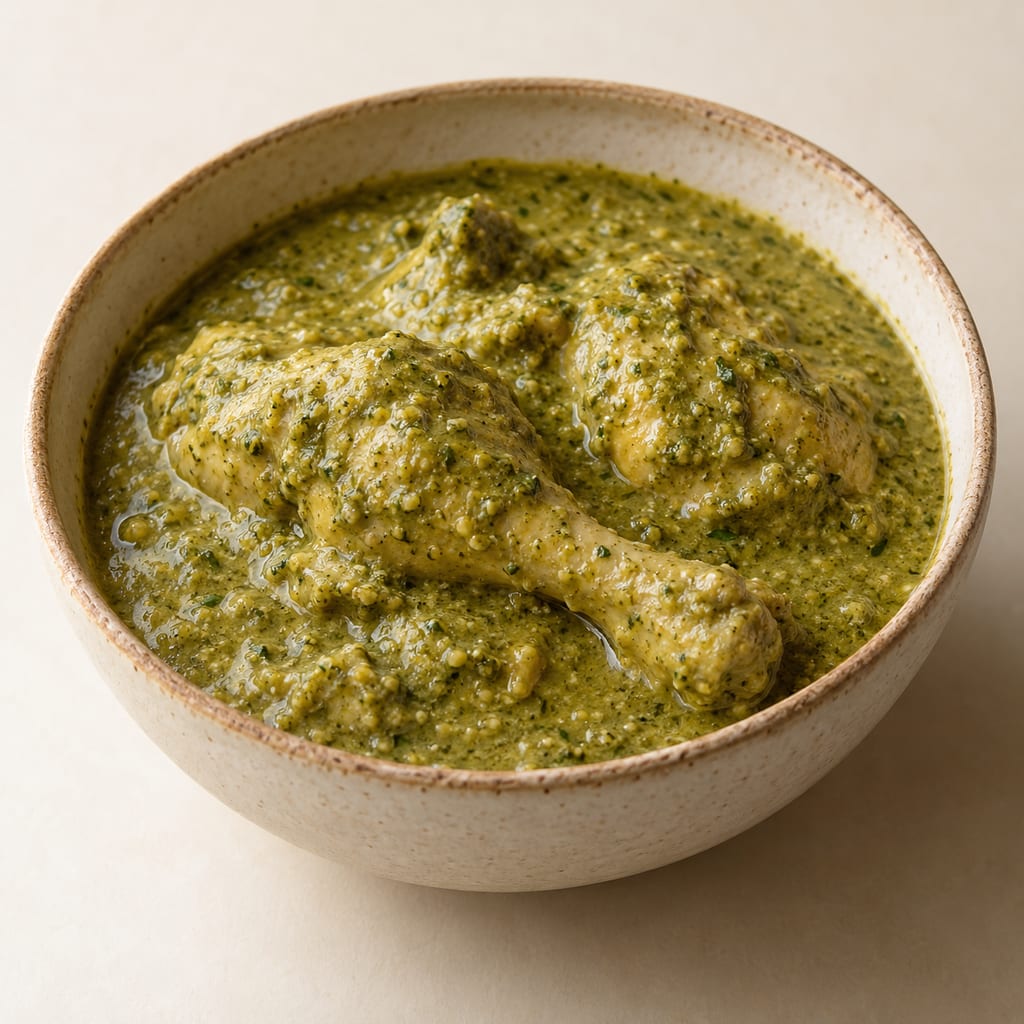
Pipián is a Mexican sauce family built on ground squash seeds, cooked with tomatillo or chile and herbs. The green version uses tomatillo and hoja santa; red versions add peanut, sesame and dried chile.
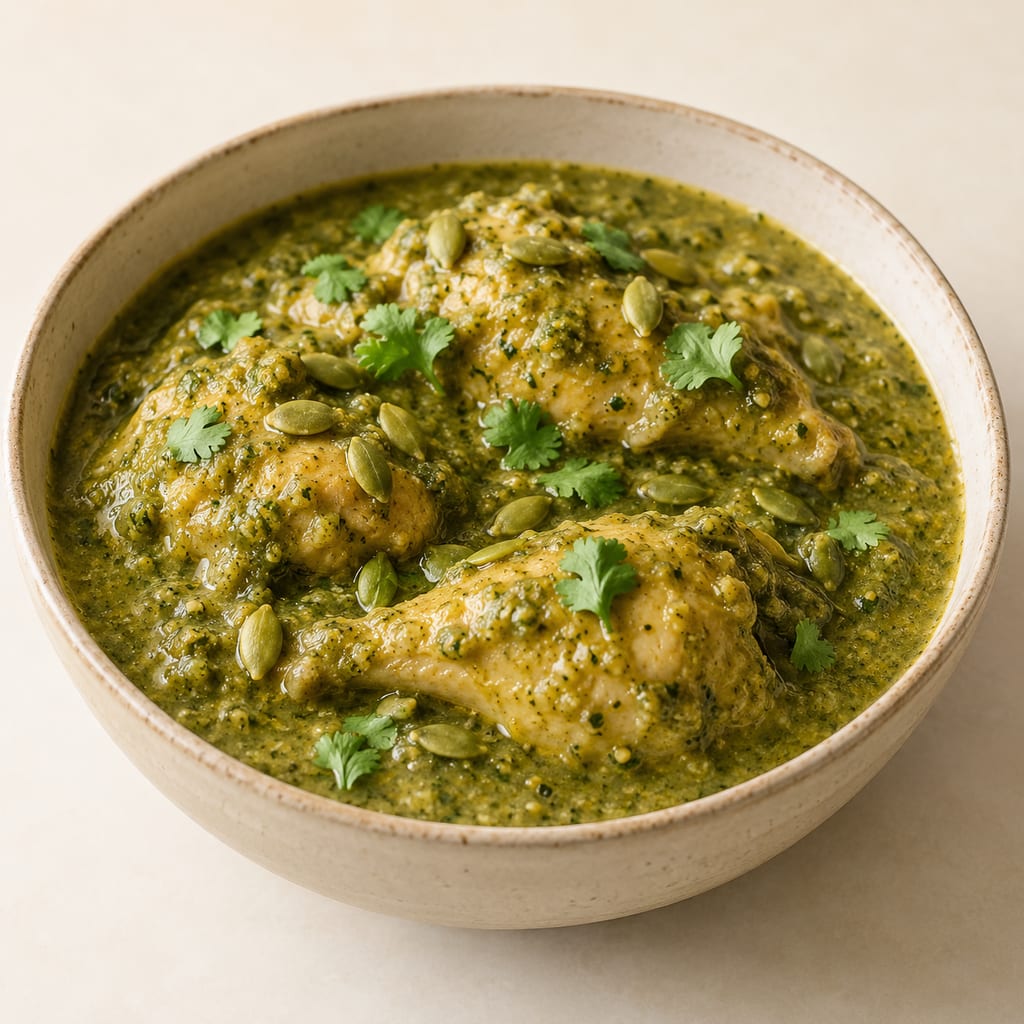
Mole verde is a green mole from Mexico and Oaxaca, built on tomatillos or green tomatoes, fresh herbs such as epazote and hoja santa, and ground pumpkin seeds or masa, with no need to toast dried chiles.
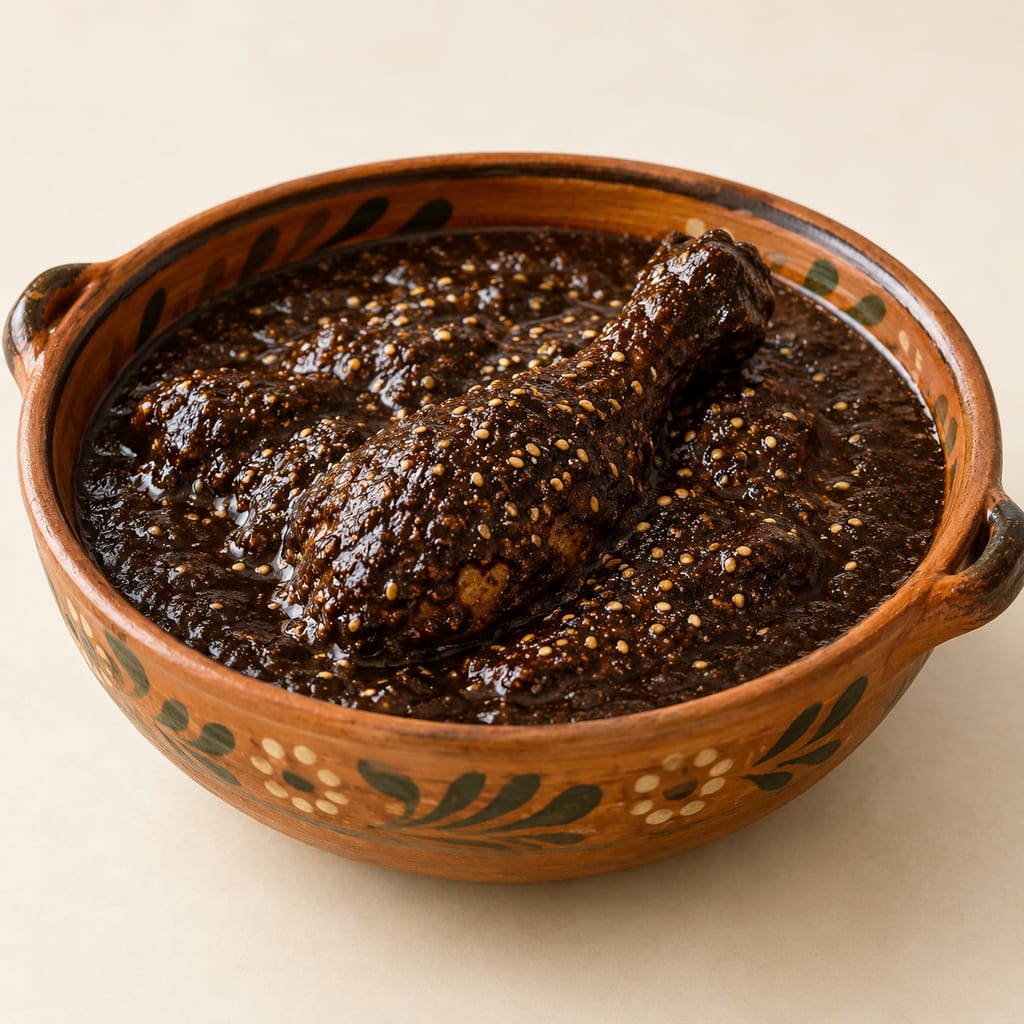
Mole negro is the darkest and most elaborate of Oaxaca's seven moles: dried chiles and seeds are toasted and charred, ground with nuts, spices, bread and chocolate, then fried and simmered into a thick black sauce.
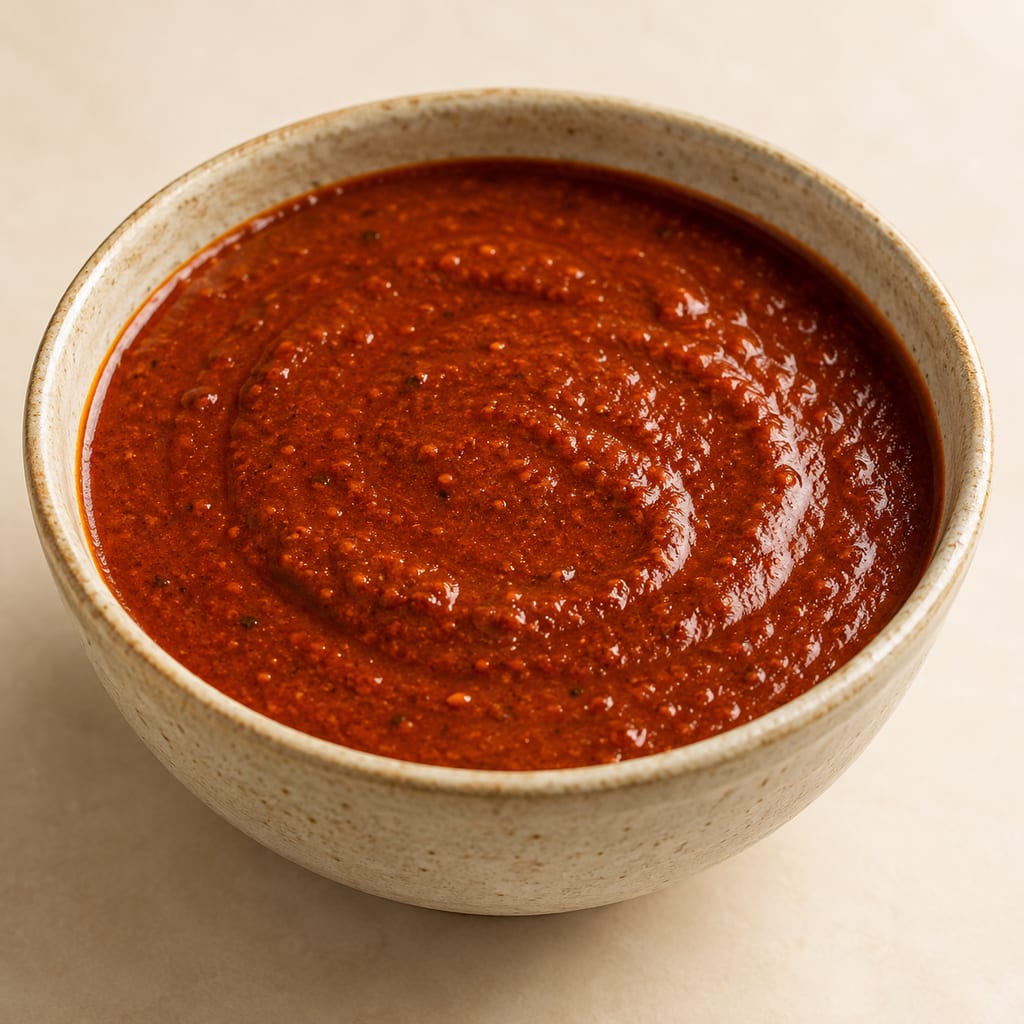
Mole coloradito is one of Oaxaca's seven moles: a brick-red sauce built on ancho chiles and tomato, thickened with ground seeds and nuts and sweetened with fruit, served in a lighter, thinner form than mole negro.
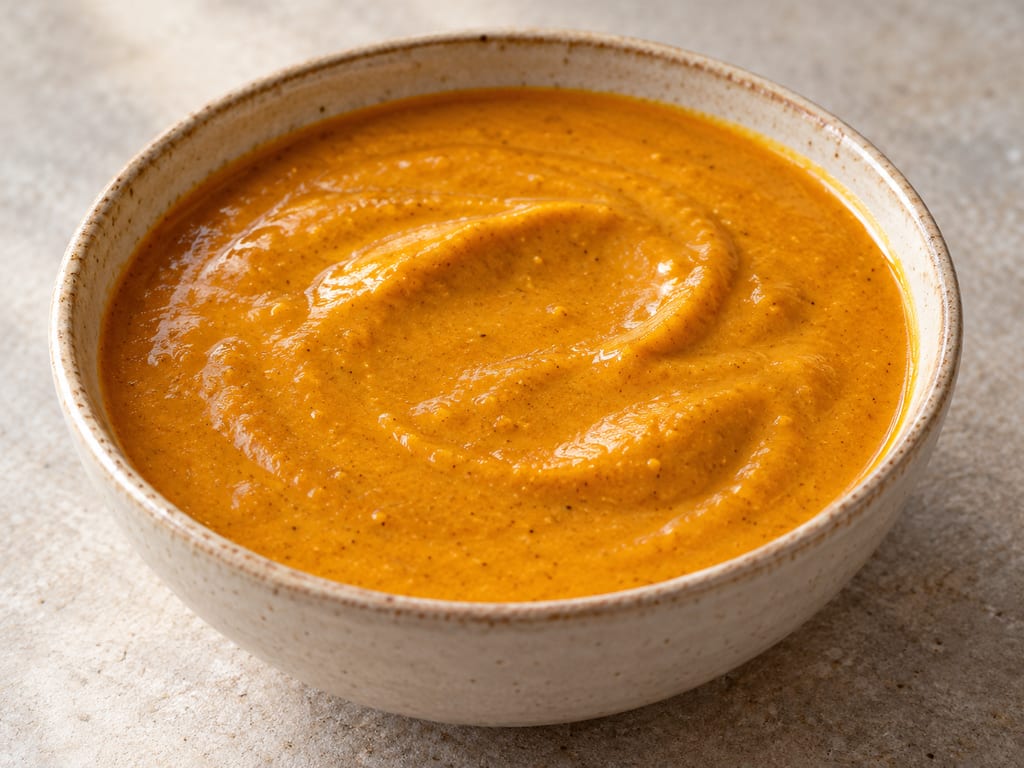
Mole amarillo, also called amarillito, is a yellow to orange Oaxacan mole built on cooked chile purée, thickened with corn masa and flavoured with herbs such as hoja santa, with no chocolate or dense nut mixture.
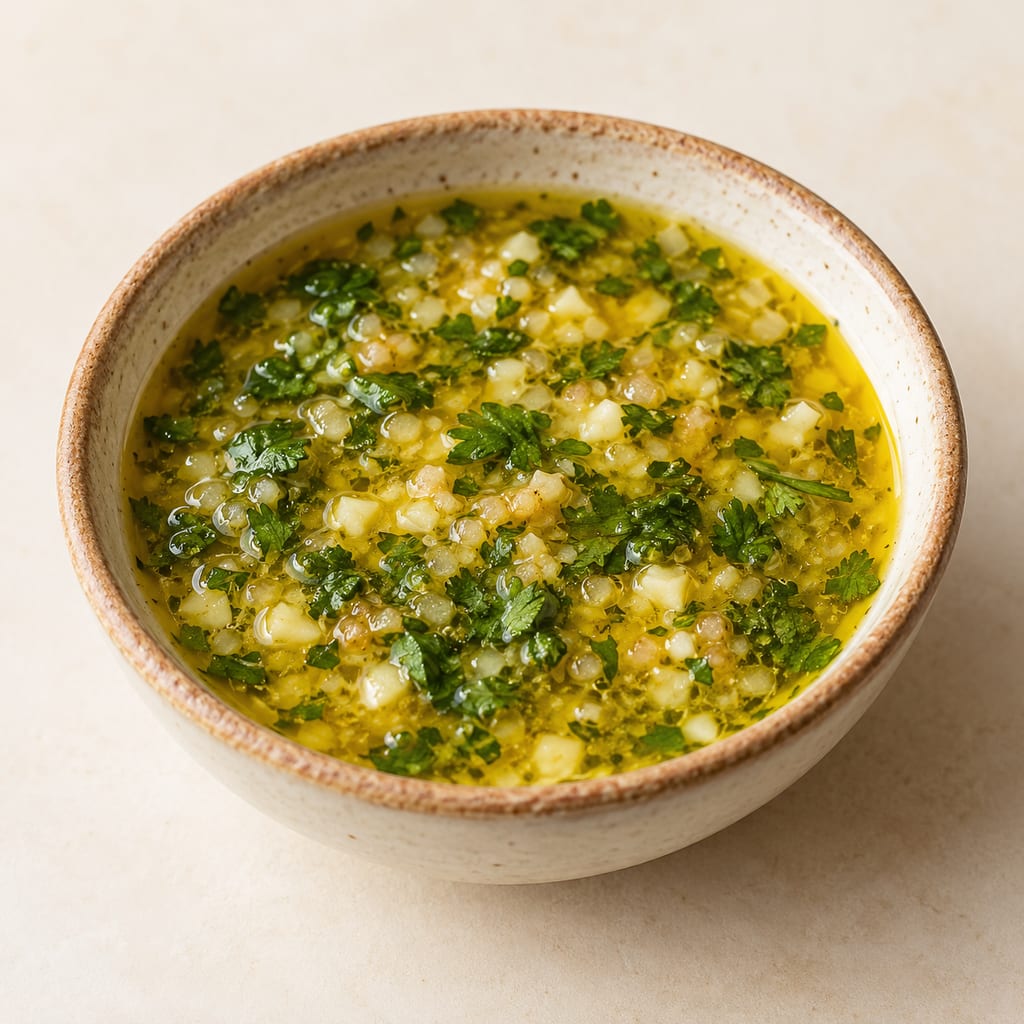
Mojo criollo is a Cuban sauce of garlic and sour orange juice with oil and herbs, used to marinate roast pork and as a dip.
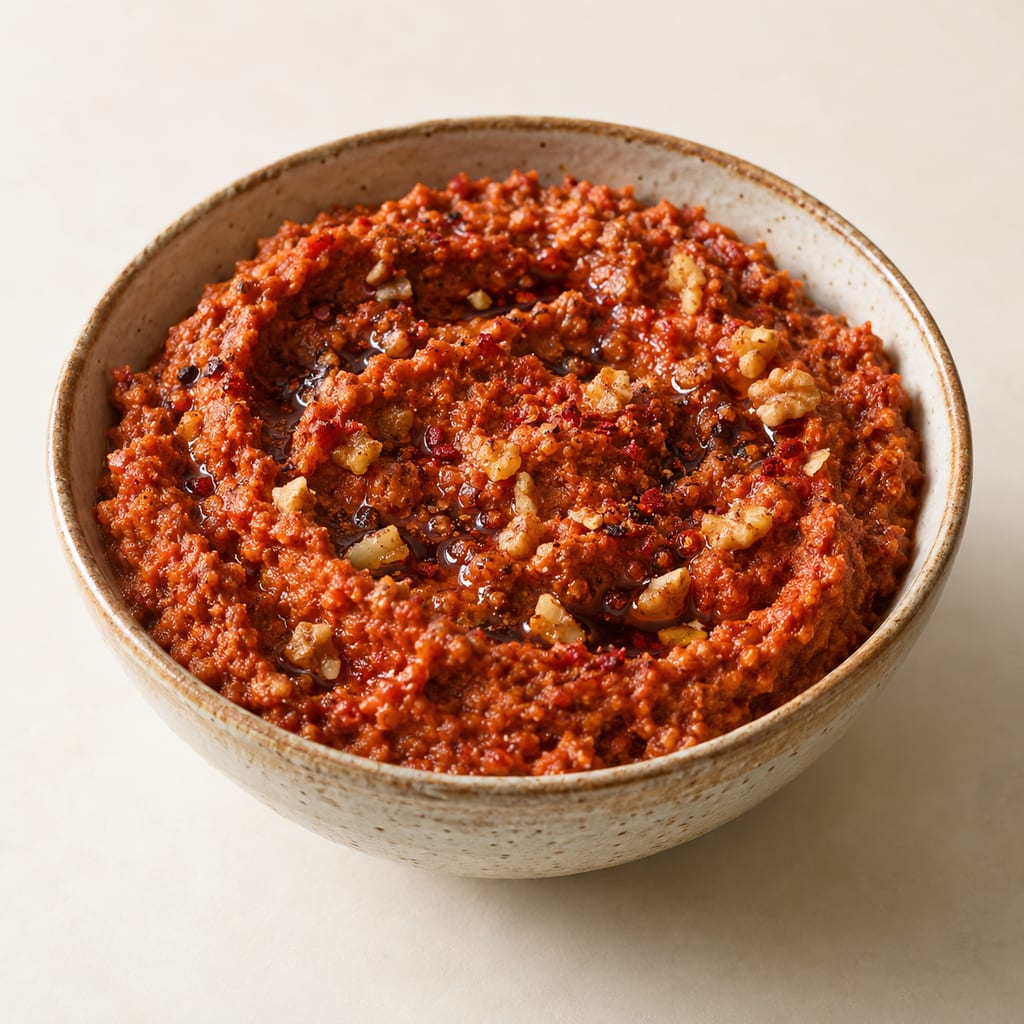
A Syrian red pepper and walnut dip usually linked to Aleppo, thickened with breadcrumbs and sharpened with pomegranate molasses, with Aleppo pepper and cumin.
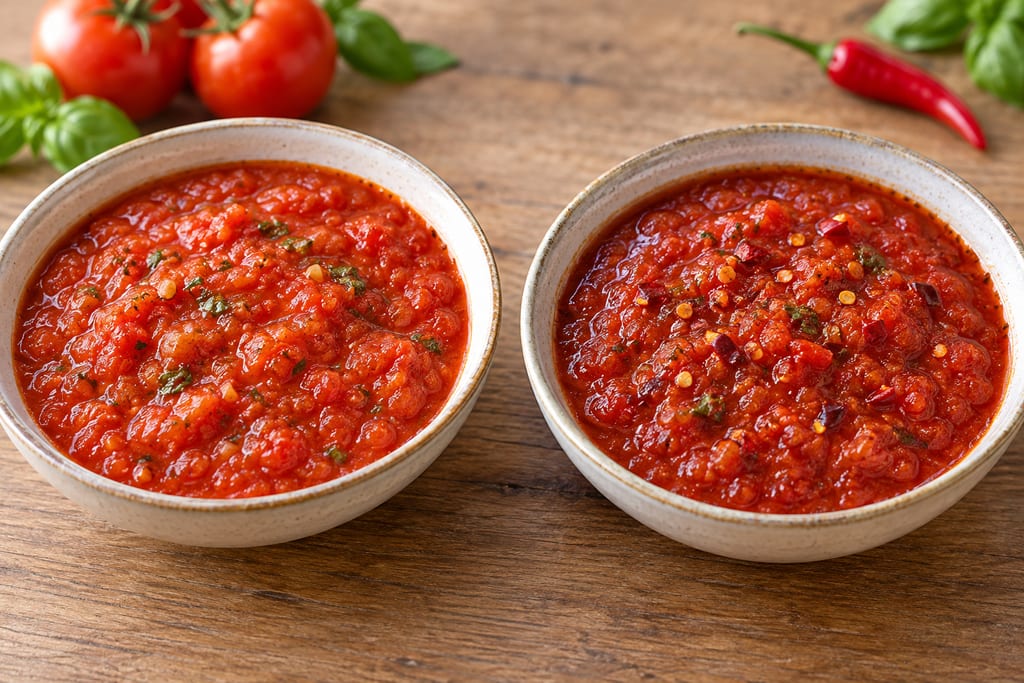
Marinara is a quick Italian-American tomato sauce; arrabbiata is a distinct Roman tomato sauce with red chilli. They share a simple cooked tomato-and-garlic base but are not the same sauce.
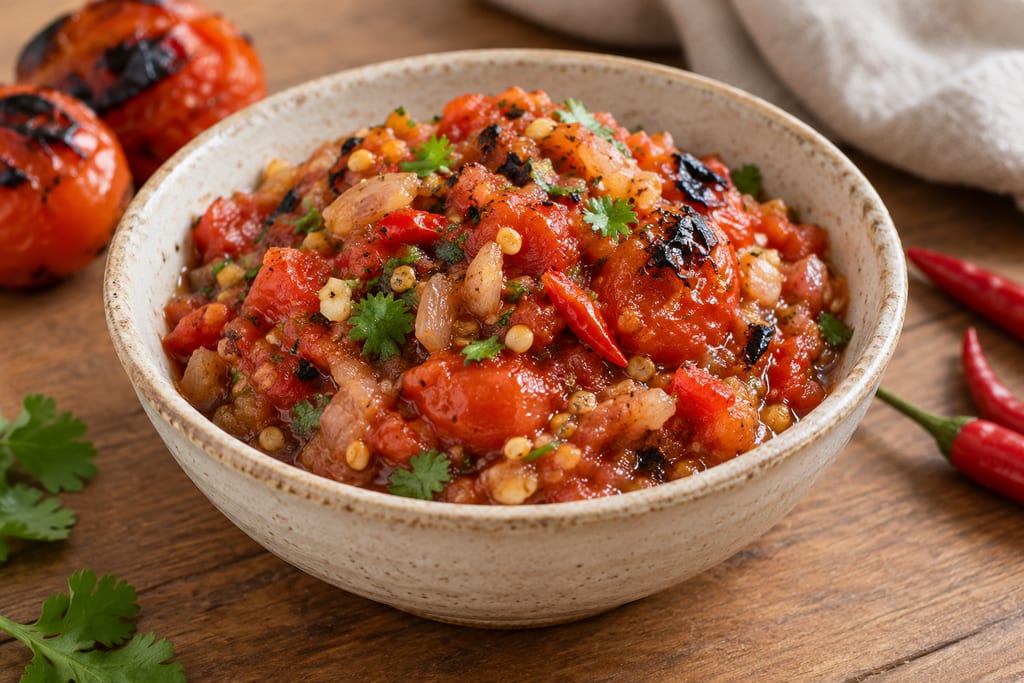
Roasted tomatoes, shallots, garlic and chillies are pounded into a coarse Lao-style dip, then seasoned with fish sauce, optional lime and coriander.
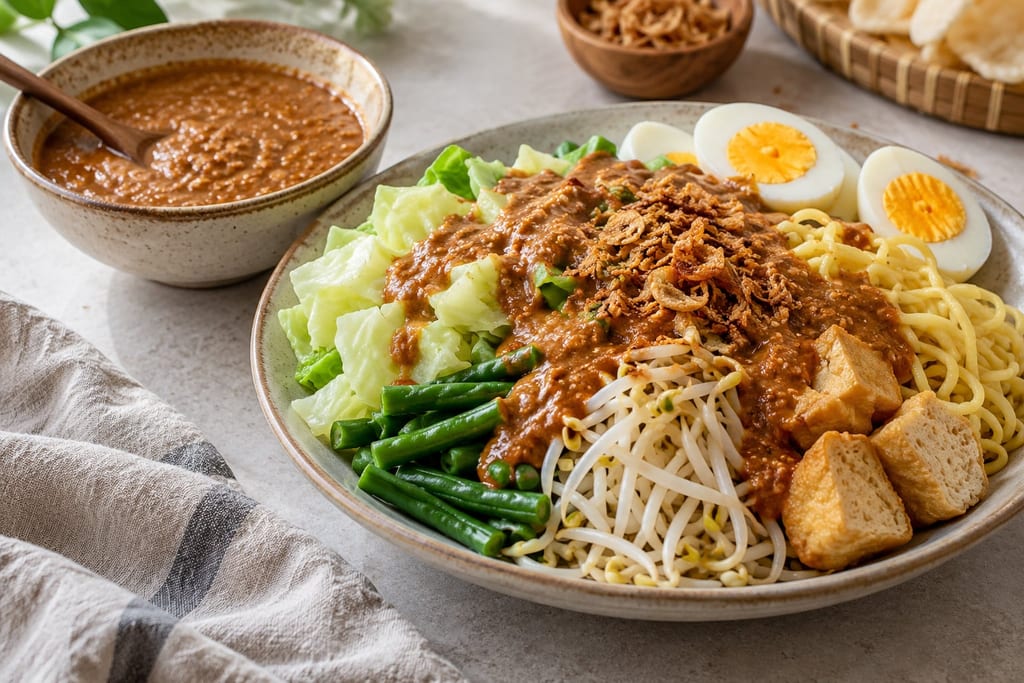
A cooked peanut sauce of ground roasted peanuts, aromatics, shrimp paste and coconut cream, as made for gado-gado; pecel and Malaysian satay sauces are close relatives with different formulas.
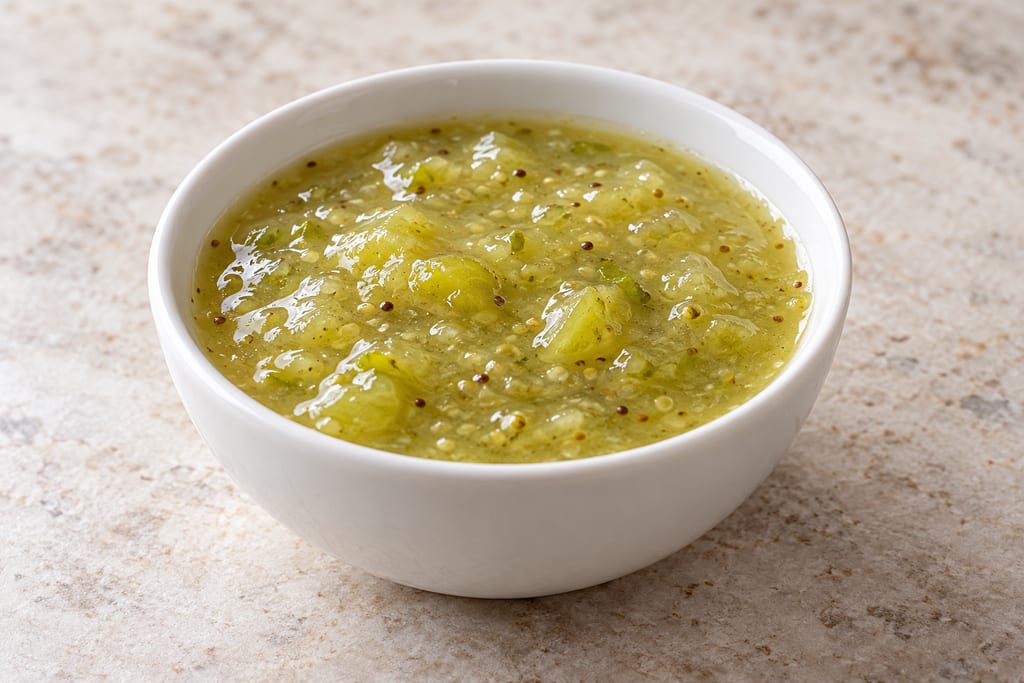
Gooseberry sauce is a soft, tart sauce of cooked green gooseberries, sharpened with wine or vinegar and lightly sweetened, traditionally served with mackerel.
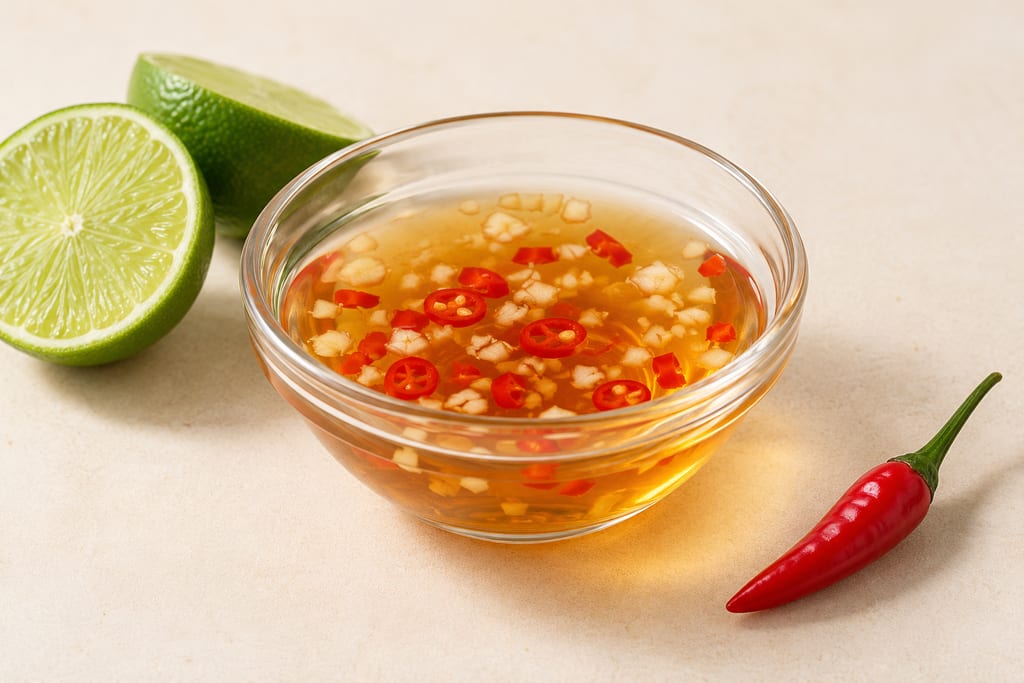
Nuoc cham is a Vietnamese fish-sauce dipping sauce. This untested development ratio starts with water, lime and sugar, then adds fish sauce, garlic and chilli.
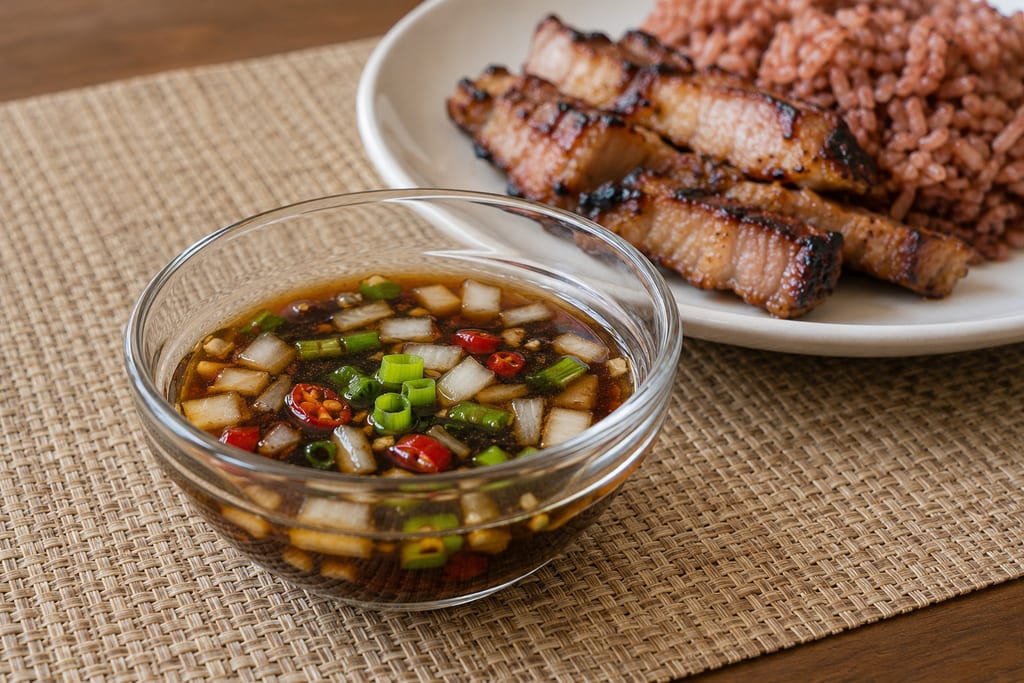
Fina'denne' is the all-purpose Chamorro dipping sauce of Guam, made in soy, citrus, vinegar or fish-brine versions with hot peppers. It is spooned over meat and rice or served in a small dish.
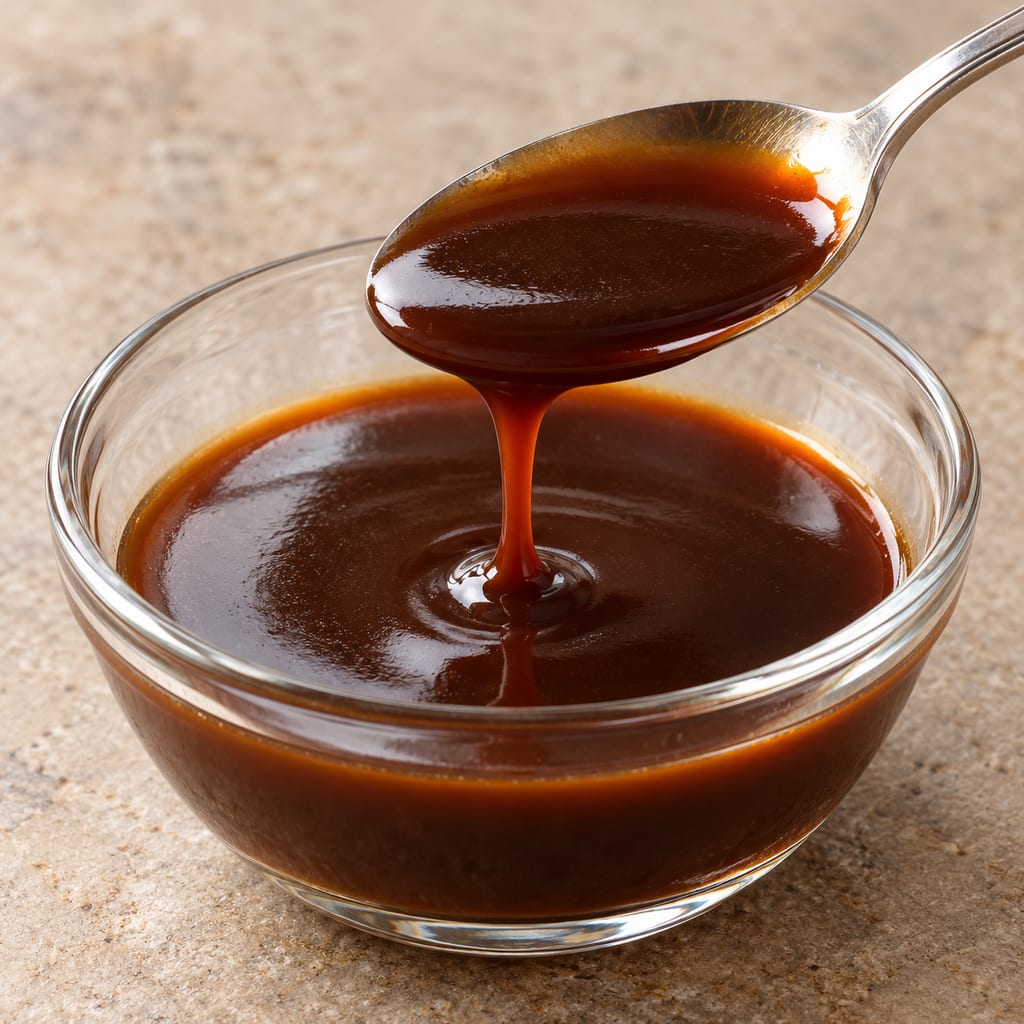
Demi-glace is a rich brown sauce of French cookery, classically made by reducing equal parts espagnole sauce and brown stock by half. It is used on its own or as a base for other sauces.
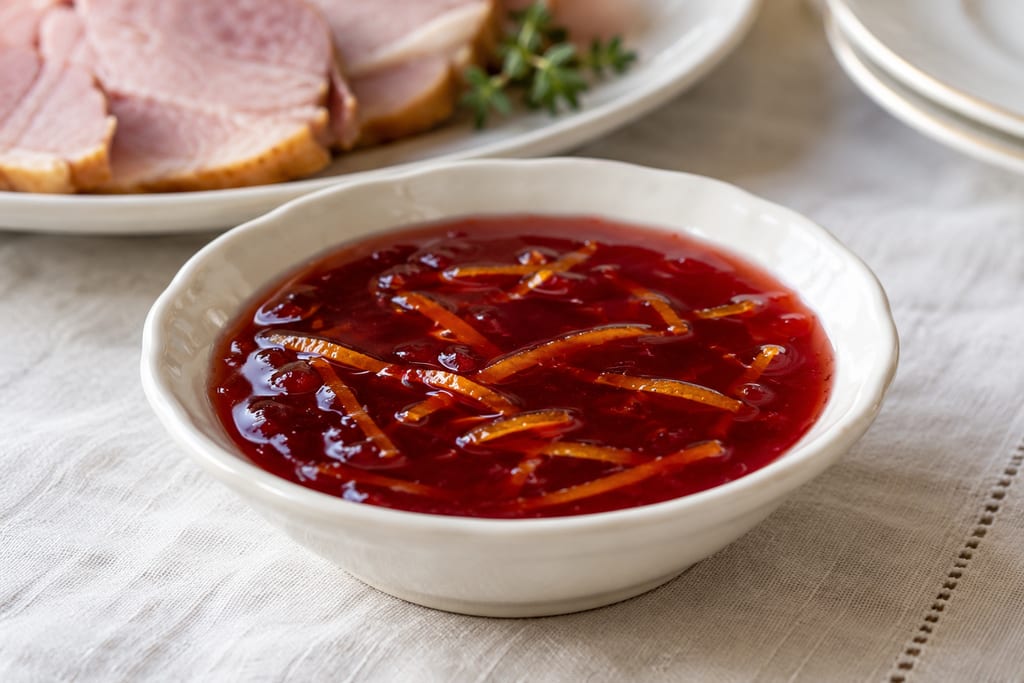
Cumberland sauce is a British condiment of redcurrant jelly, mustard, blanched orange peel and port, traditionally served cold with ham, game and cold meats.
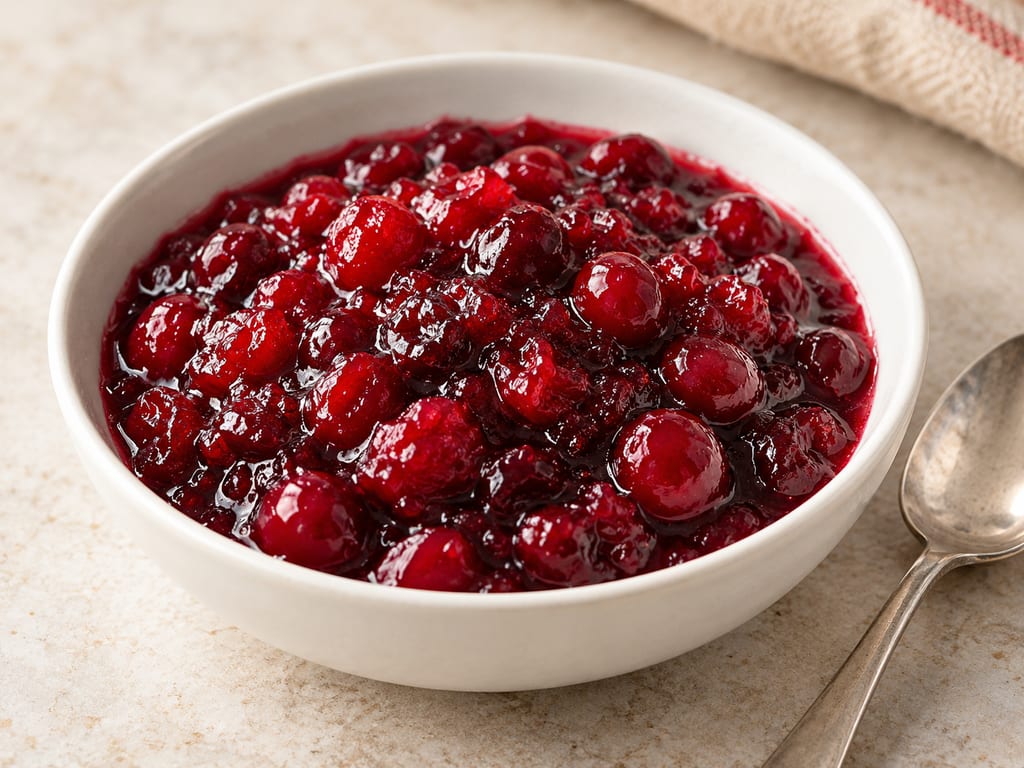
Cranberry sauce is a sauce of cranberries cooked in sugar syrup until the berries burst and thicken, served with roast turkey, pork, chicken and ham.
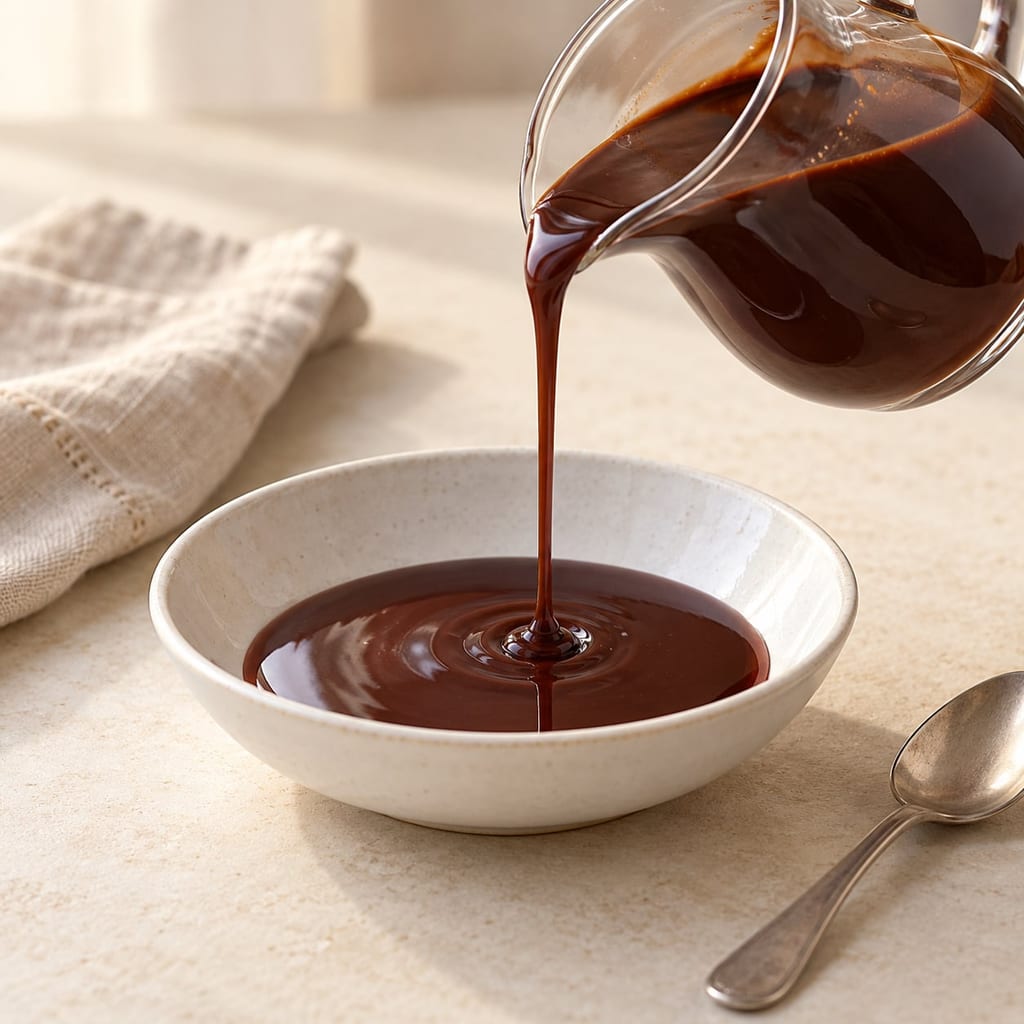
A pourable dessert sauce of cocoa powder, sugar and water, boiled briefly and finished with salt and vanilla. It is a water-based sauce, not the cream or milk emulsion of ganache.
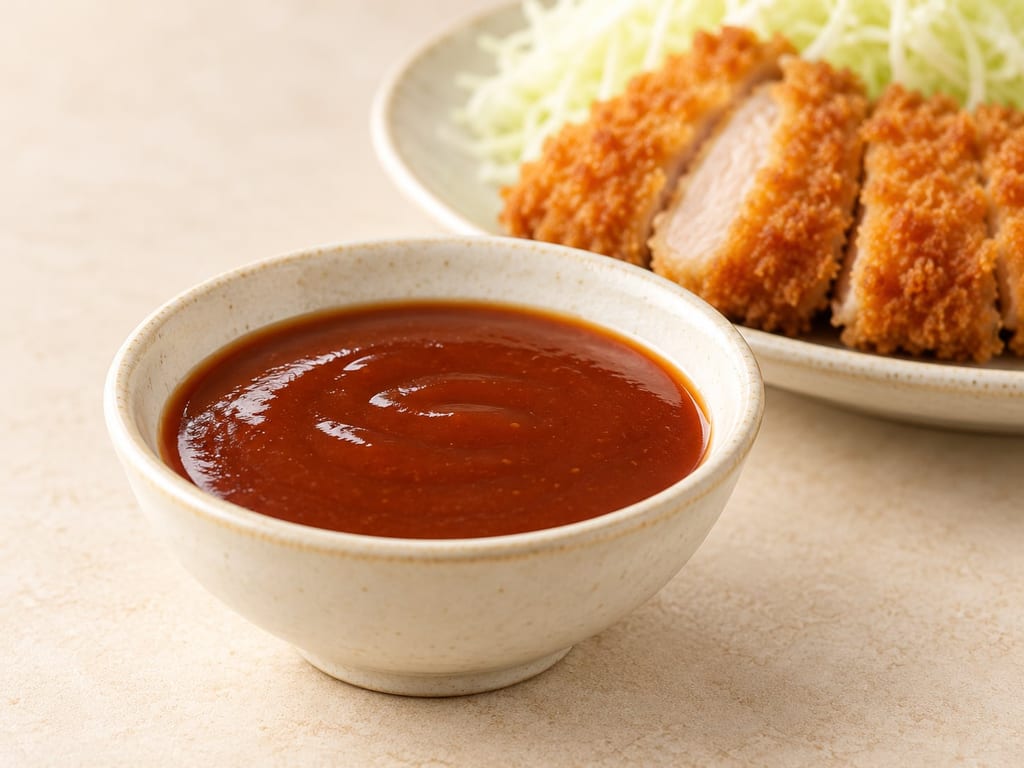
A small-batch, non-fermented tomato, fruit and savoury sauce assembled for crisp tonkatsu and cabbage, inspired by Japanese yoshoku serving traditions.

Caribbean browning is a dark liquid of deeply caramelised sugar, used in small amounts for colour and a smoky, bitter-sweet flavour in stews and black cake.
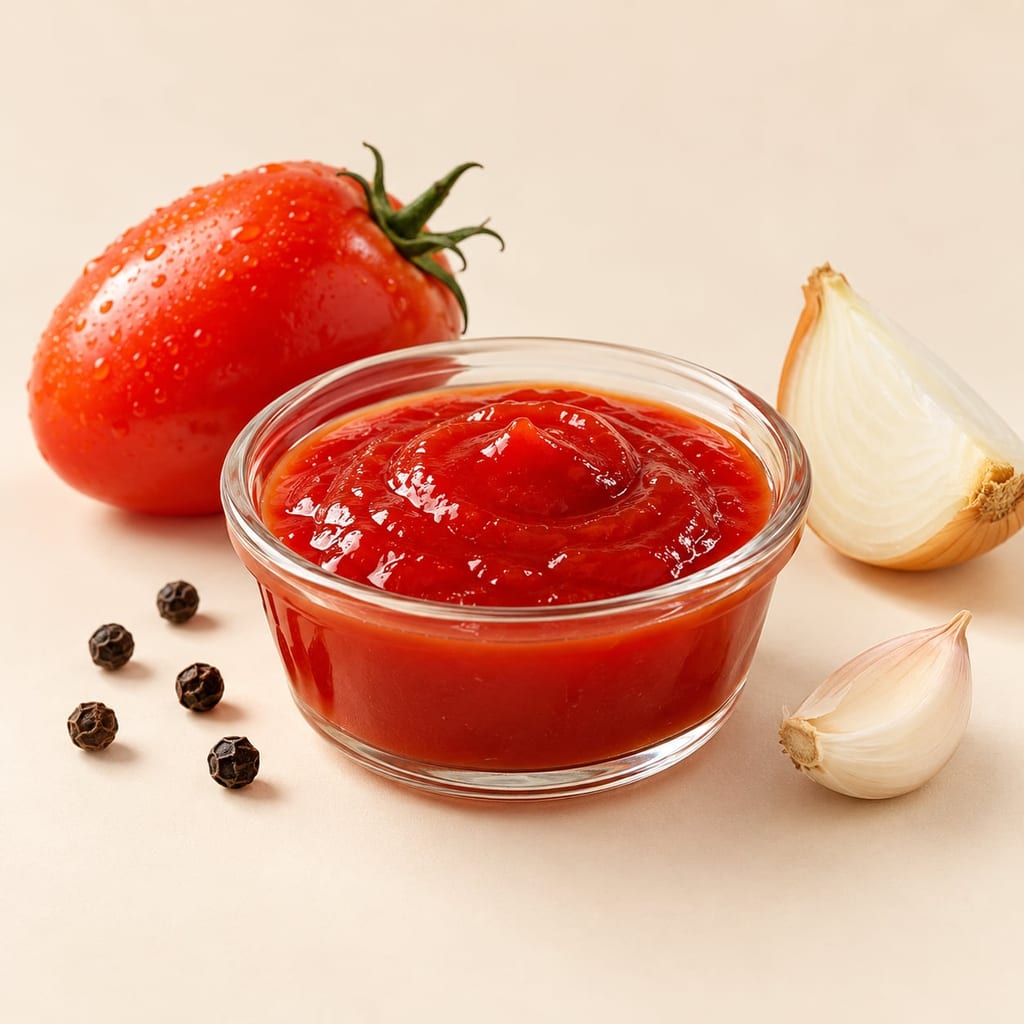
A rounded house ketchup cooked from tinned plum tomatoes, onion, vinegar, sugar and a little warm spice, then blended, sieved and reduced to about 600 g.