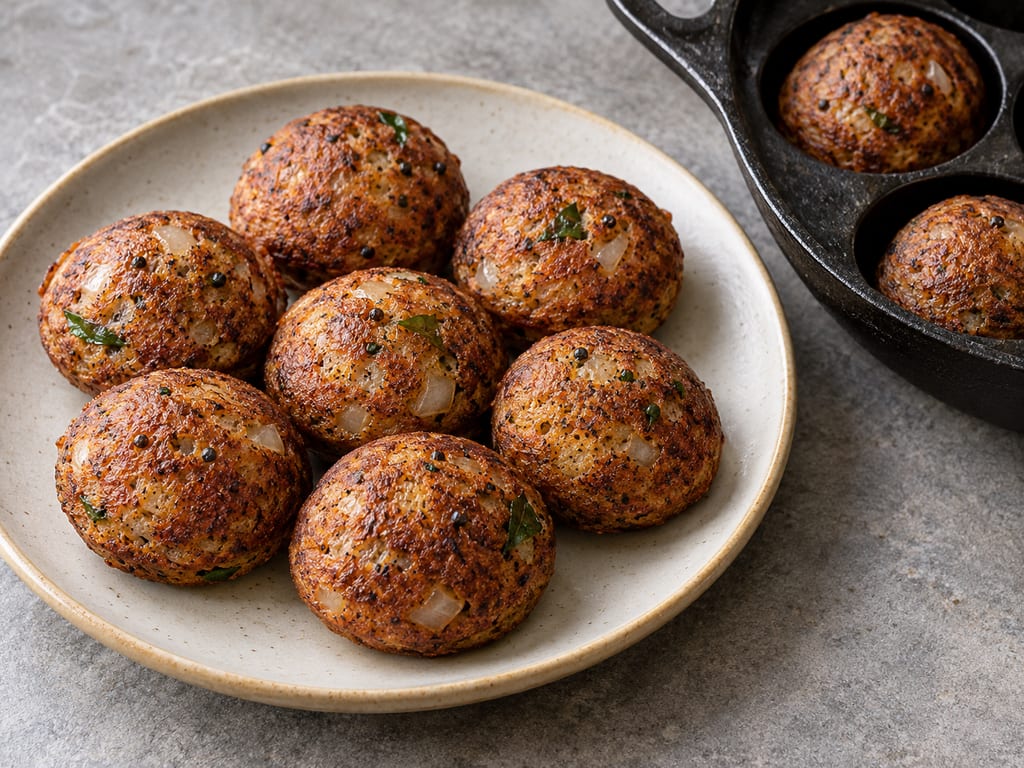
Ragi paniyaram
Ragi paniyaram uses fermented ragi, urad and idli-rava batter mixed with spiced onion and cooked in an oiled mould.
 FermenteaWhere food goes to change
1504 records with their sources, across 11 categories.
Ragi paniyaram uses fermented ragi, urad and idli-rava batter mixed with spiced onion and cooked in an oiled mould.
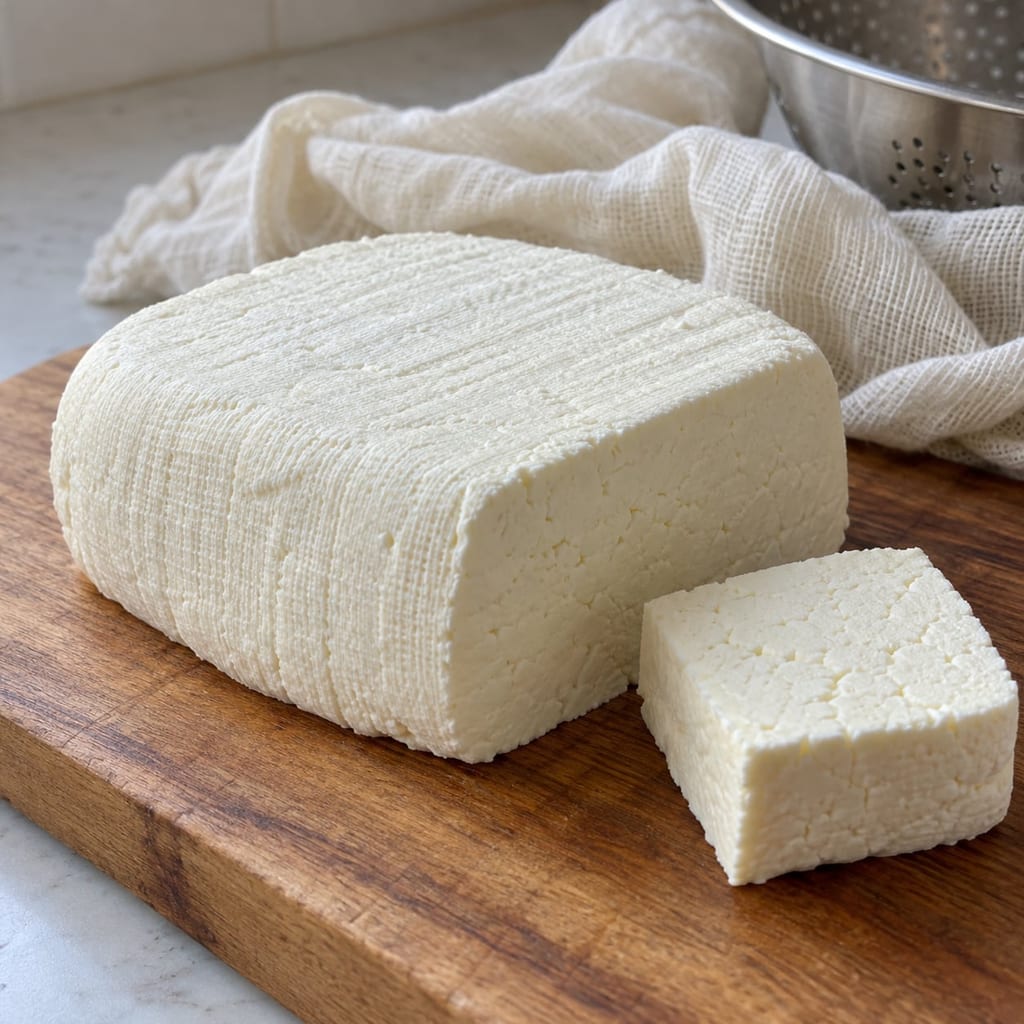
This Polish caption batch uses 5 L milk and about 12–13 tablespoons lemon juice, rests 10 minutes and presses beneath two 2 kg jars for at least two hours. Measured yield is unknown.
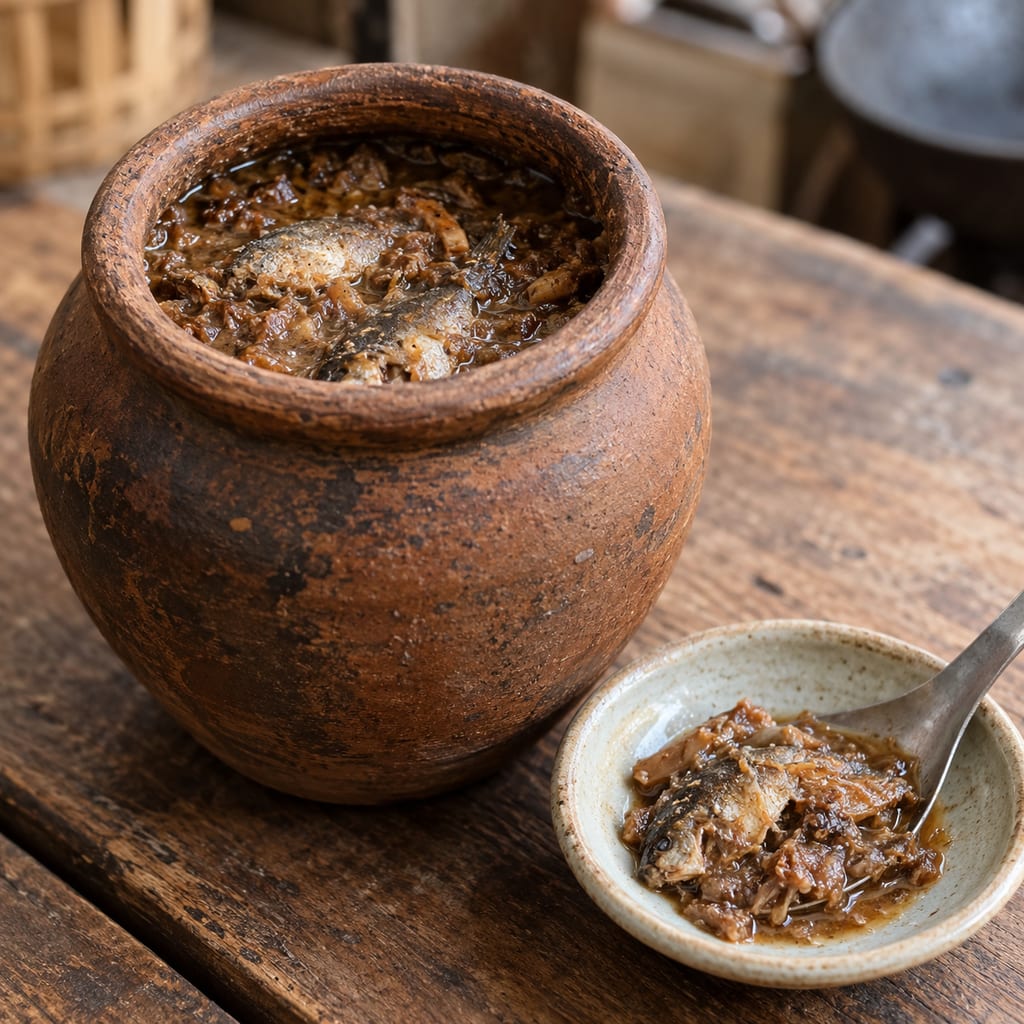
Pla soi and pla koom are salted with coarse sea salt, held in bags and packed with later grain additions; the source leaves salt basis, bran dose and part of the sequence unclear.
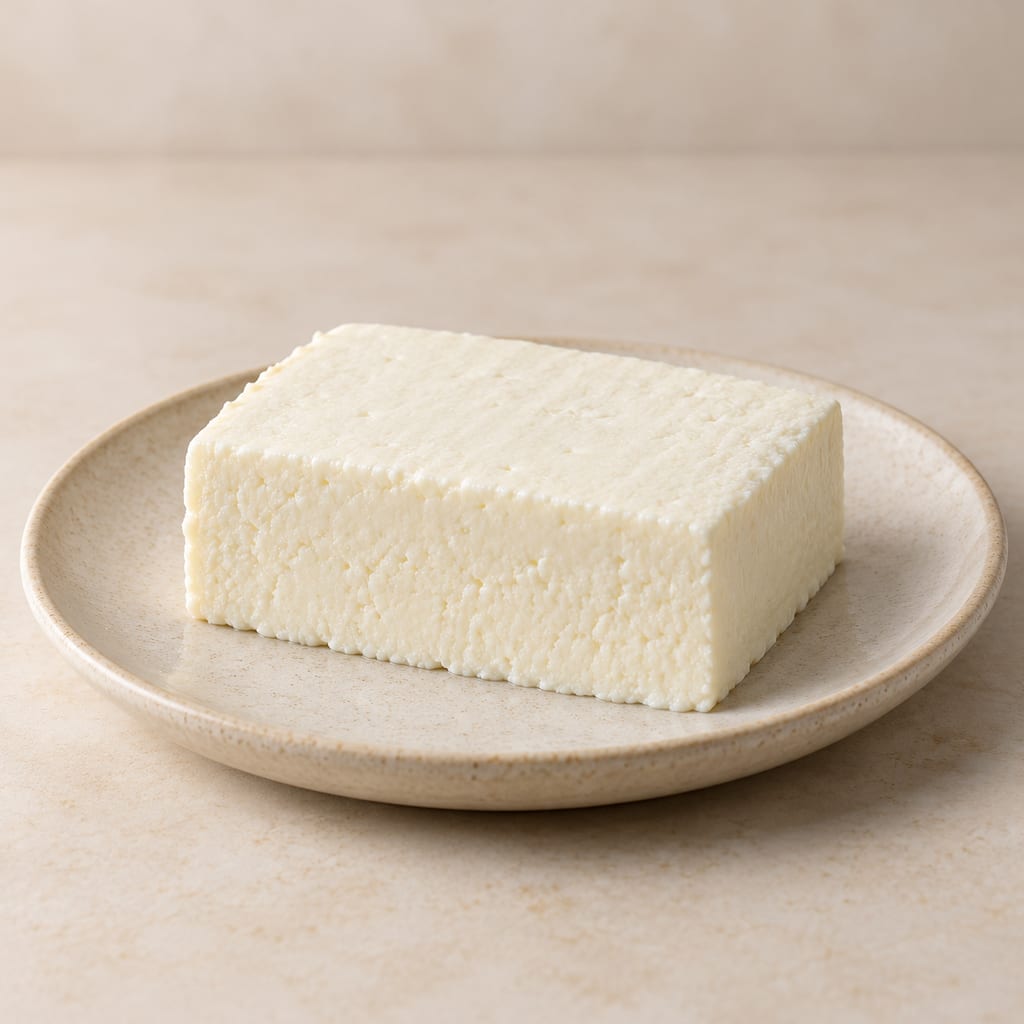
A source-specific 2 L paneer batch boils milk, adds lemon juice or vinegar gradually, then cold-rinses and presses curds for one to two hours. Yield and qualified process review are absent.
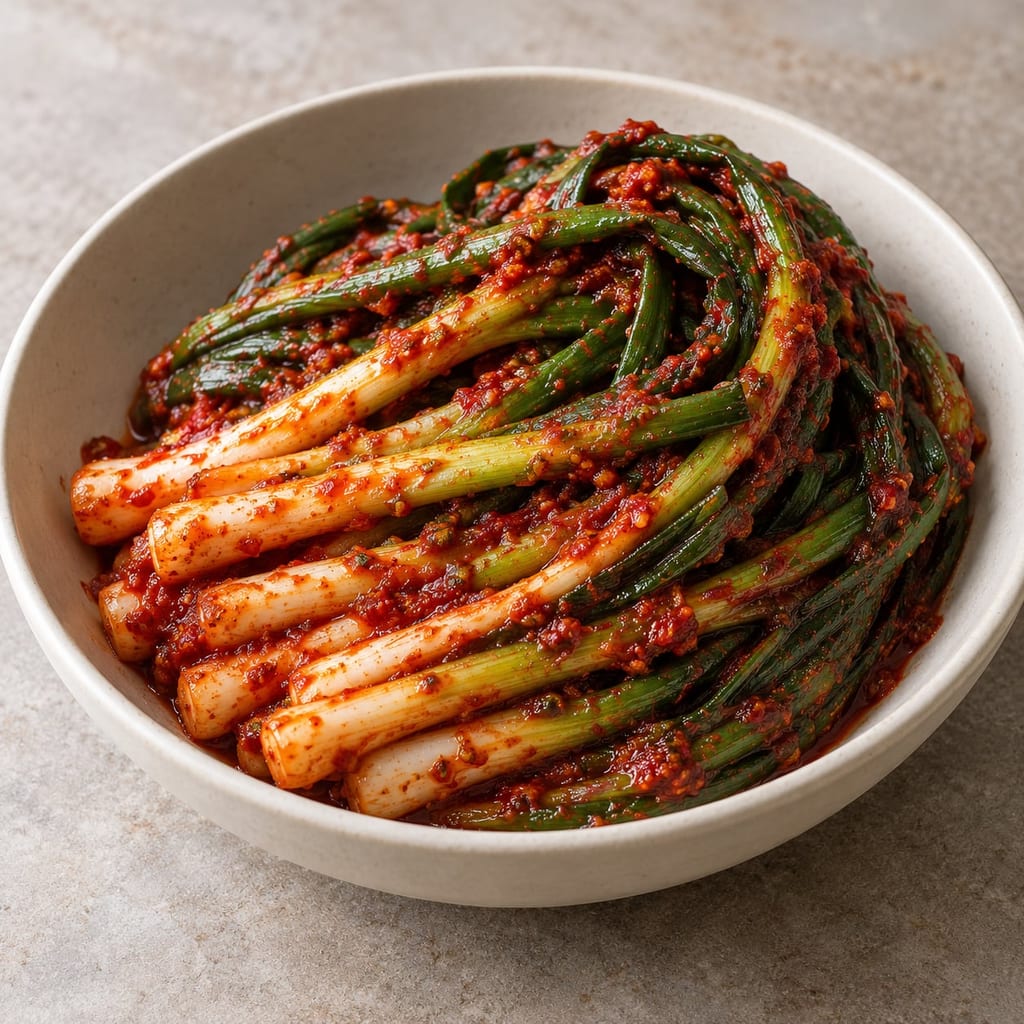
Scallion kimchi coated with fruit, chili, rice paste and salted-seafood seasonings, following one Korean creator’s measured batch.
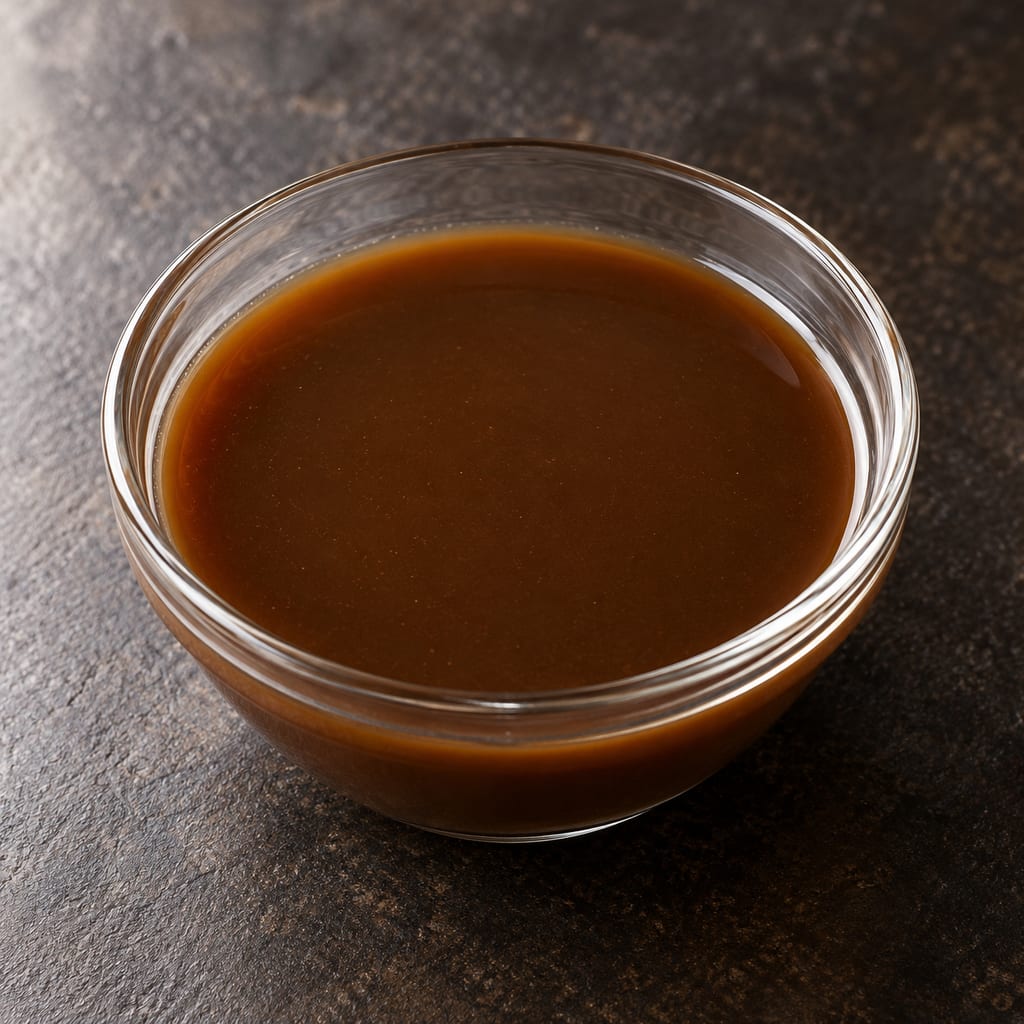
Coconut sugar starts this cooked sauce, followed by shrimp paste, garlic brine and pieces, two distinct pla-ra inputs, mulberry leaves, water and later seasonings.
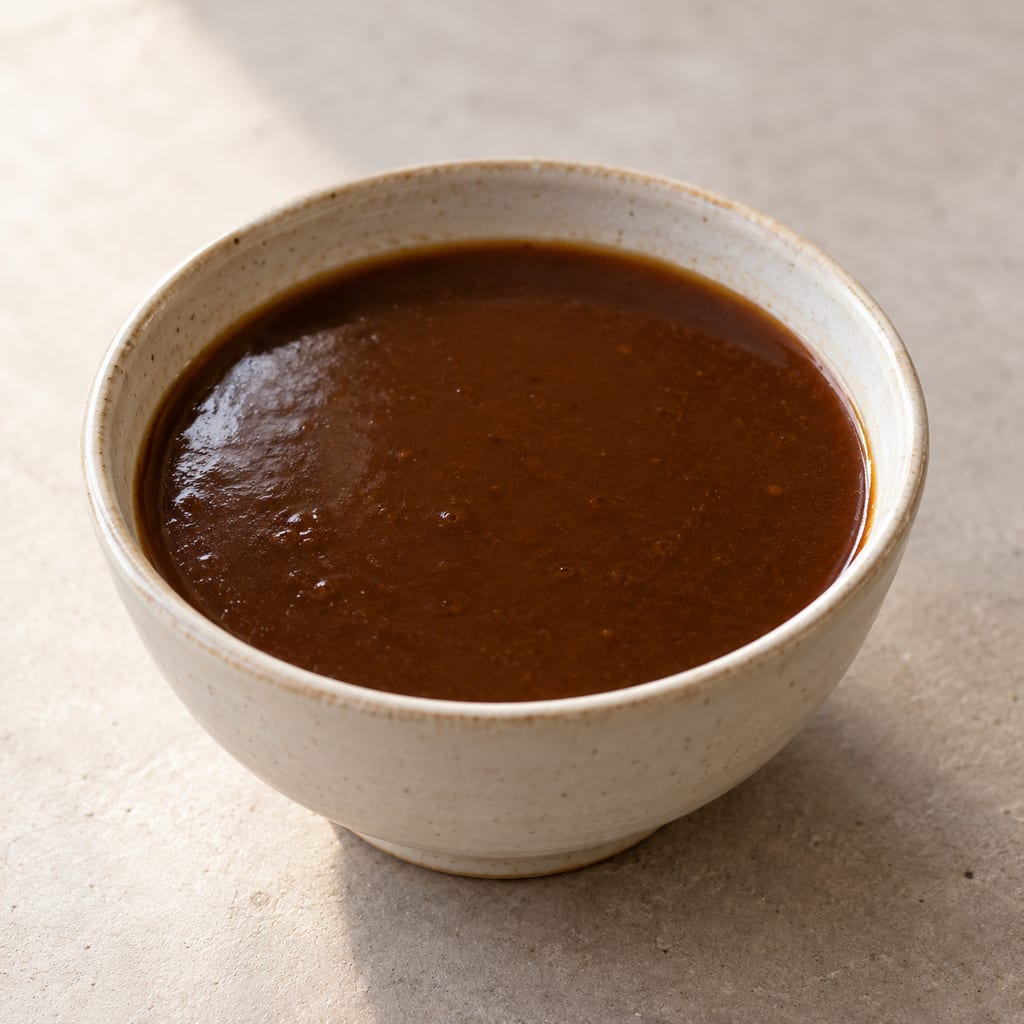
Concentrated pla-ra liquid and pla-ra ton are combined with shrimp paste, sugar and seasonings, simmered for about 30 minutes, strained and cooled.
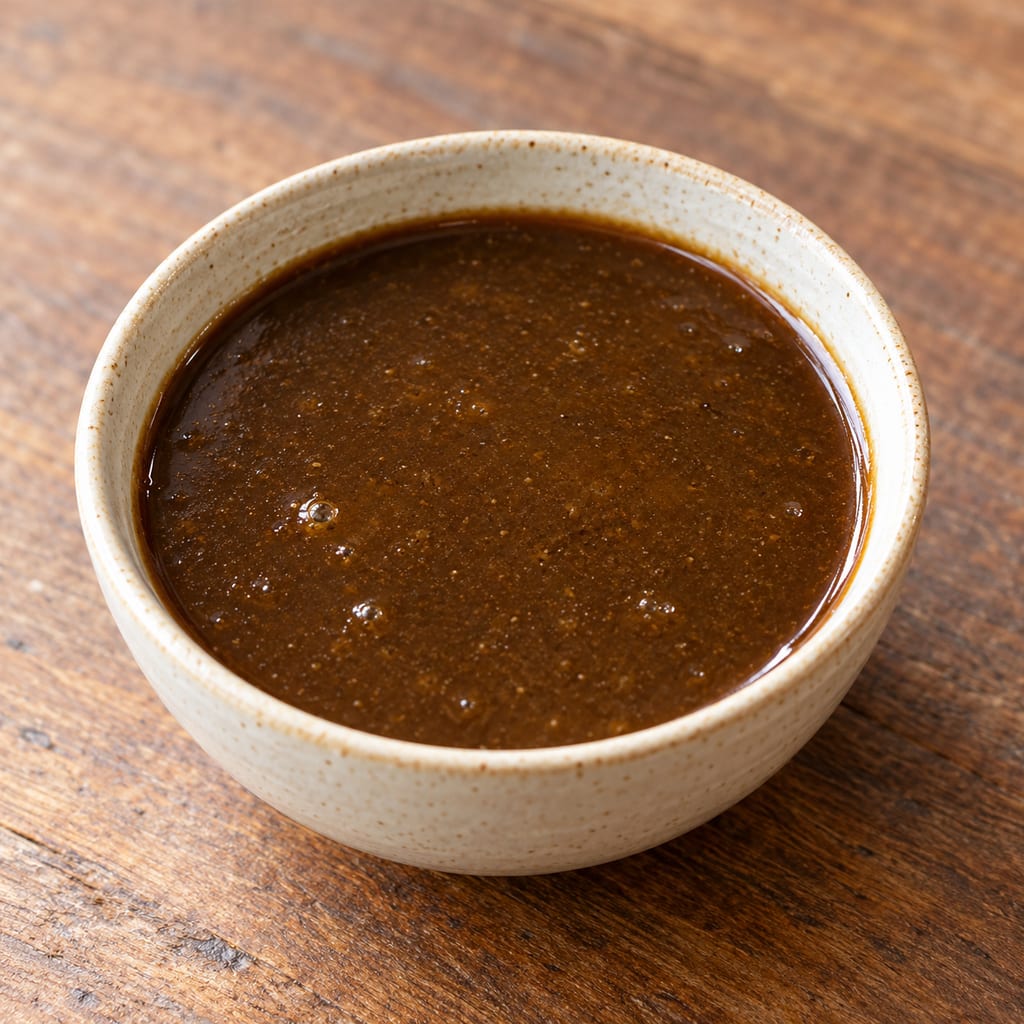
Purchased pla ra is boiled with pickled-garlic heads and water, then seasoned, boiled again, cooled and transferred; several captioned ingredient names or amounts remain unresolved.
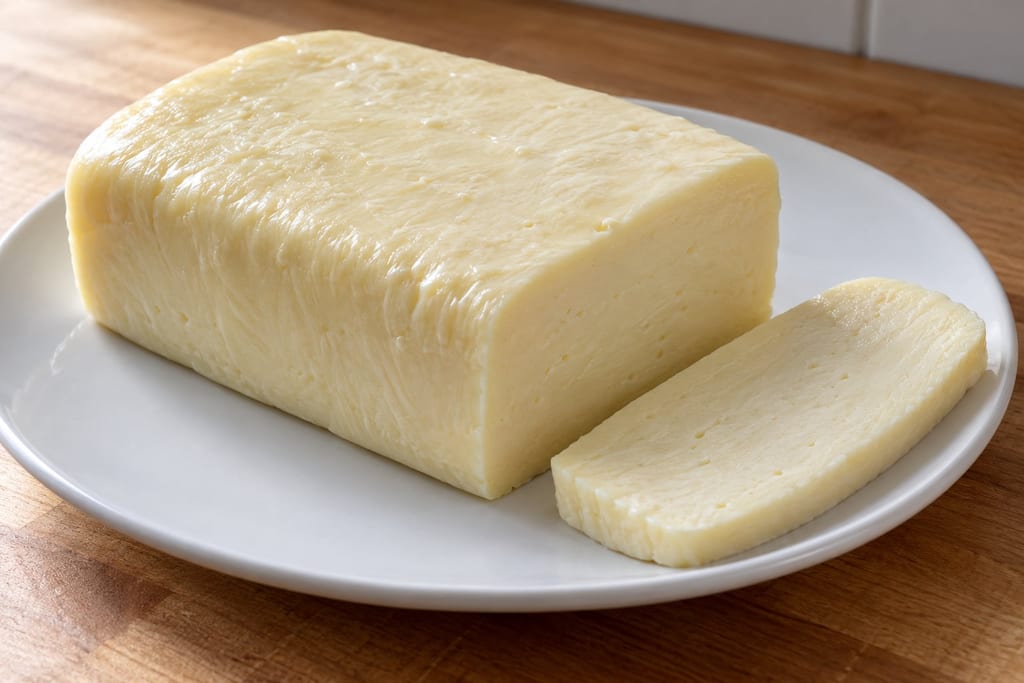
An eight-litre cow’s-milk batch uses thermophilic culture and rennet before controlled curd acidification, hot-water stretching and chilling for pizza cheese.
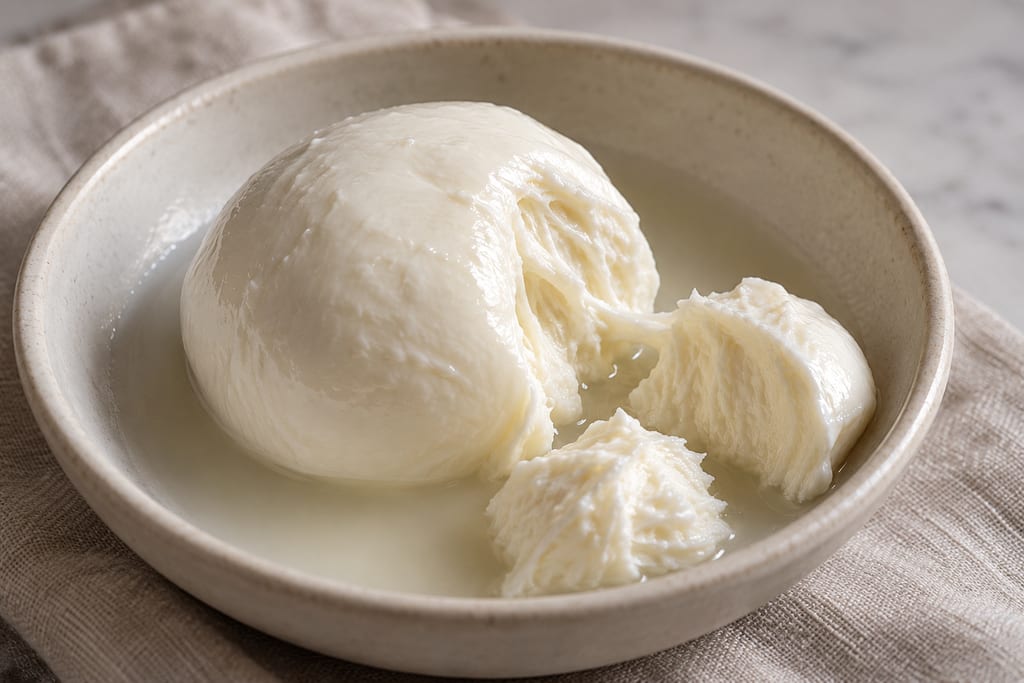
A creator sets raw cow’s milk with vinegar, presses the hot curd, warms it in short microwave intervals, then stretches it and cools it in water and ice.
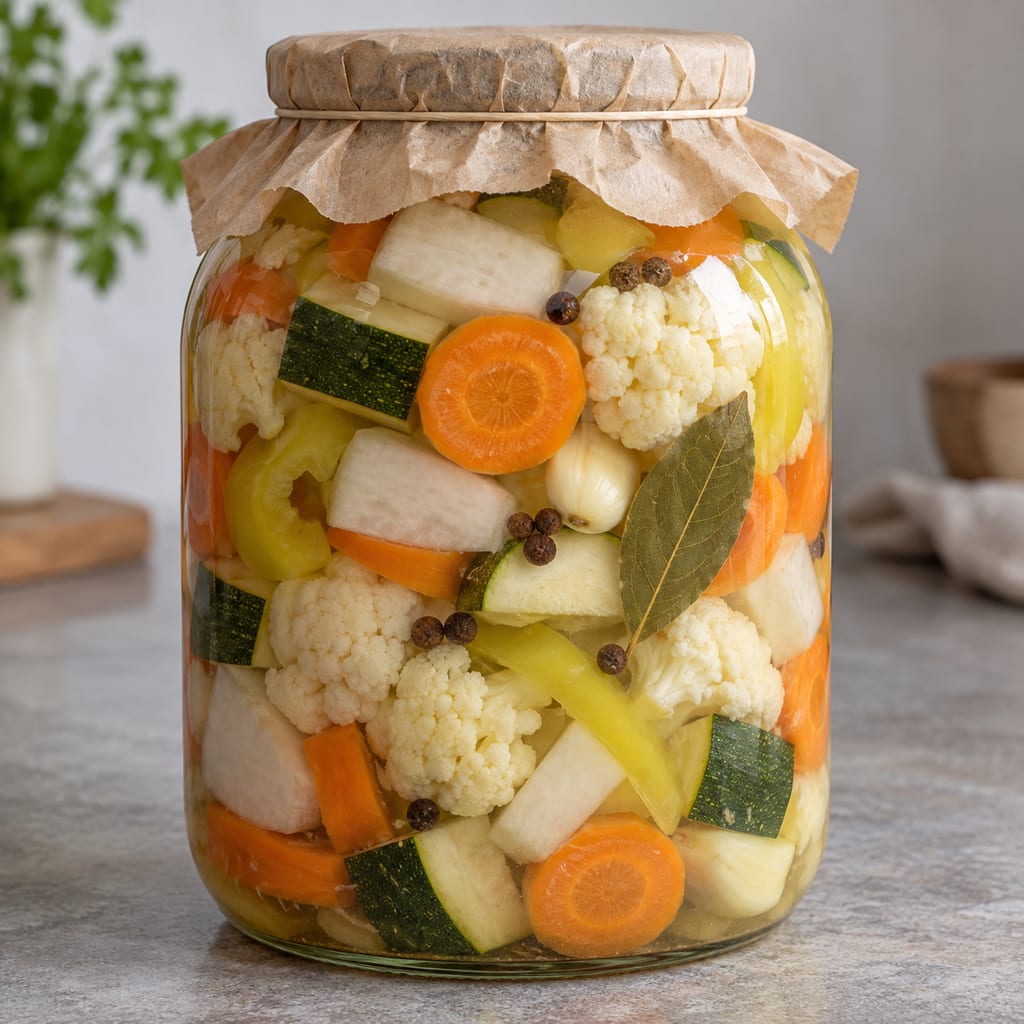
A 2 L jar holds cut carrot, radish, cauliflower, zucchini and pepper under a one-litre salt brine with aromatics; the source gives no produce mass or qualified endpoint.
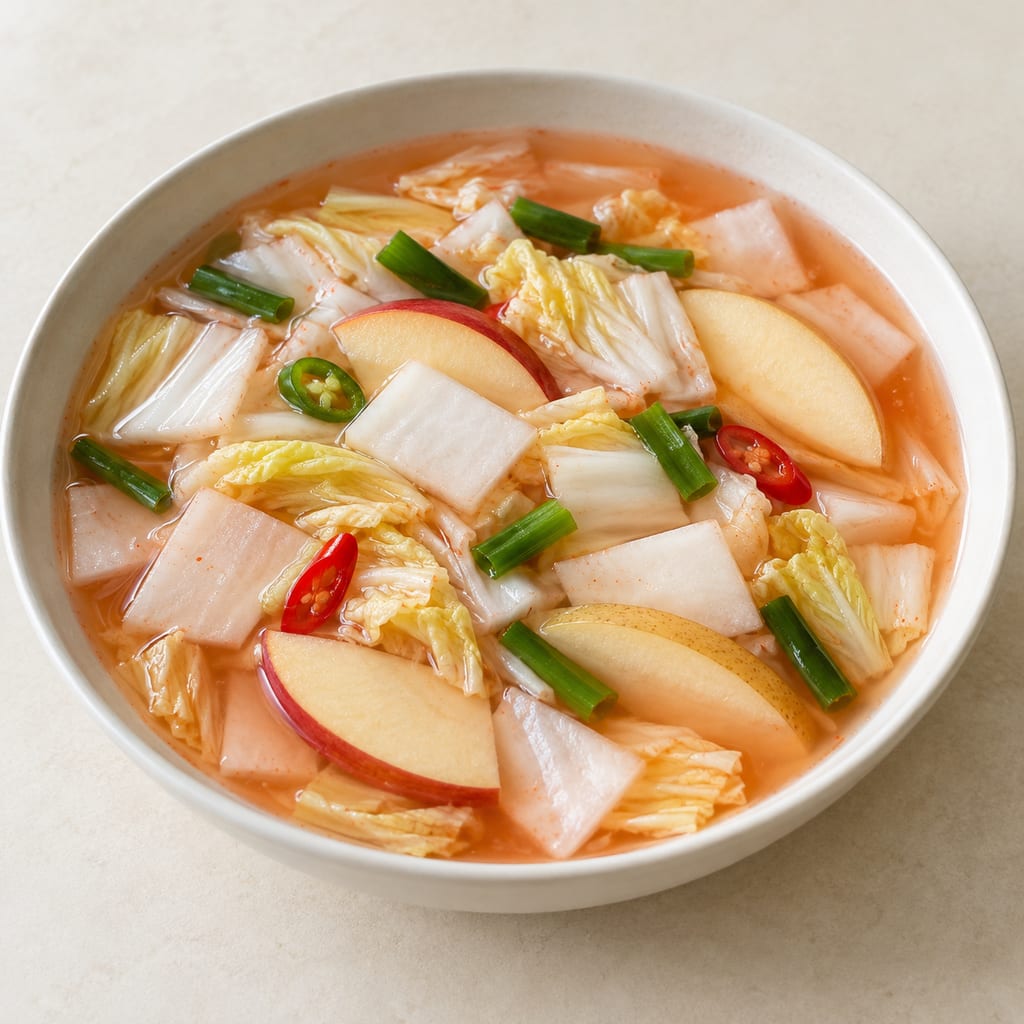
Cabbage-and-radish water kimchi with pear, apple and strained chili broth, following one Korean creator’s batch.
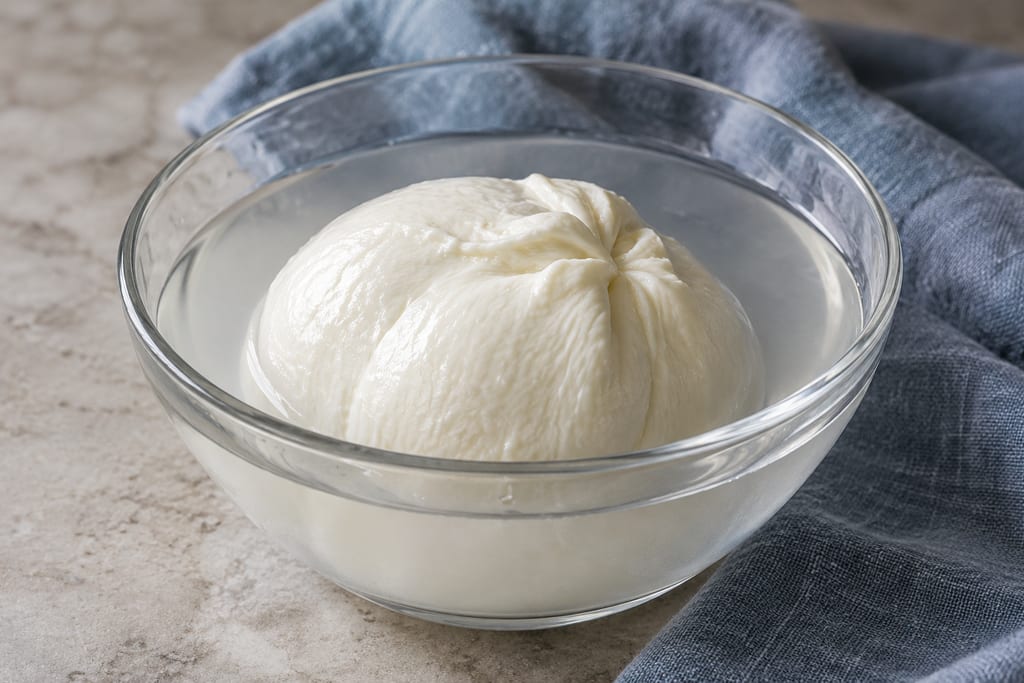
A Ukrainian creator sets fresh cow’s milk with vinegar, squeezes the curd, warms it in salted whey, then stretches it and cools it in water.
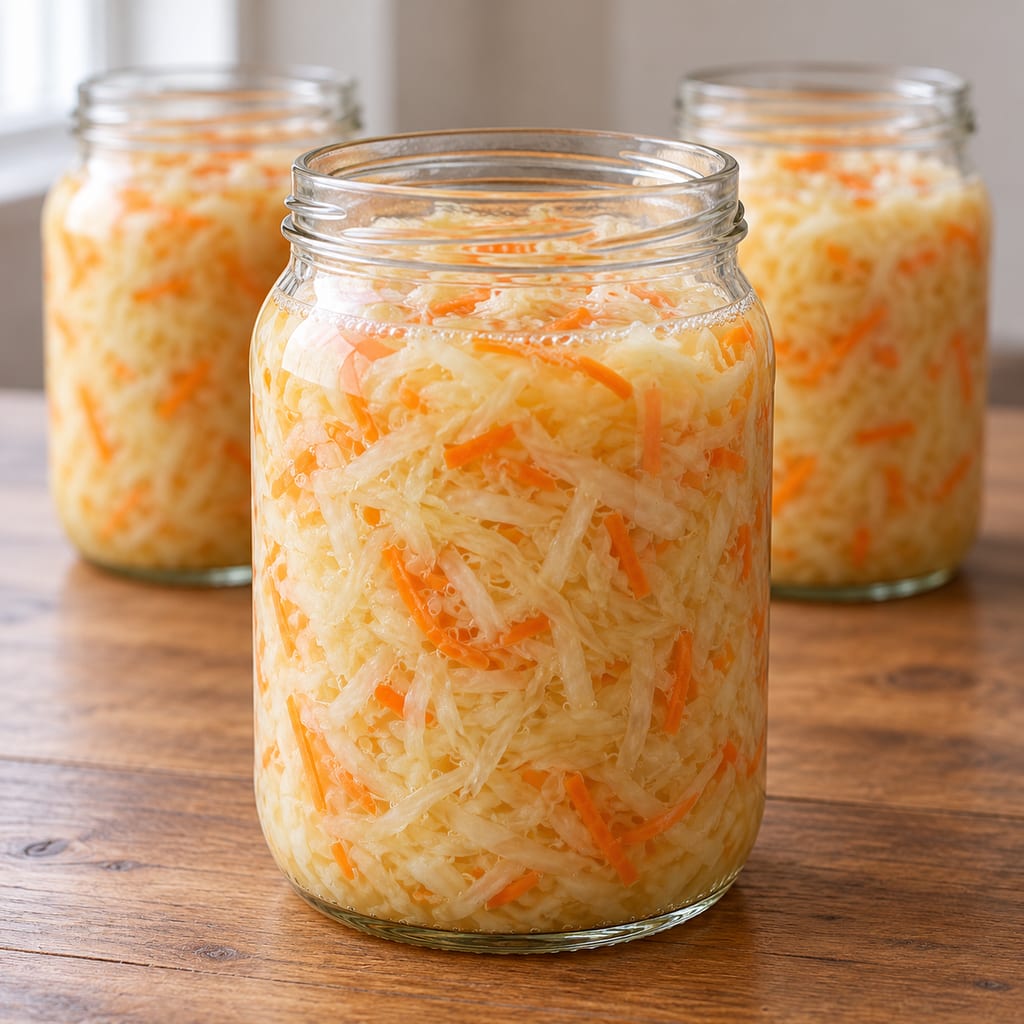
Shredded cabbage and grated carrot are salted to 20 g/kg, rested, packed into three jars and monitored during a creator-reported eight-day fermentation; measured temperature is not given.
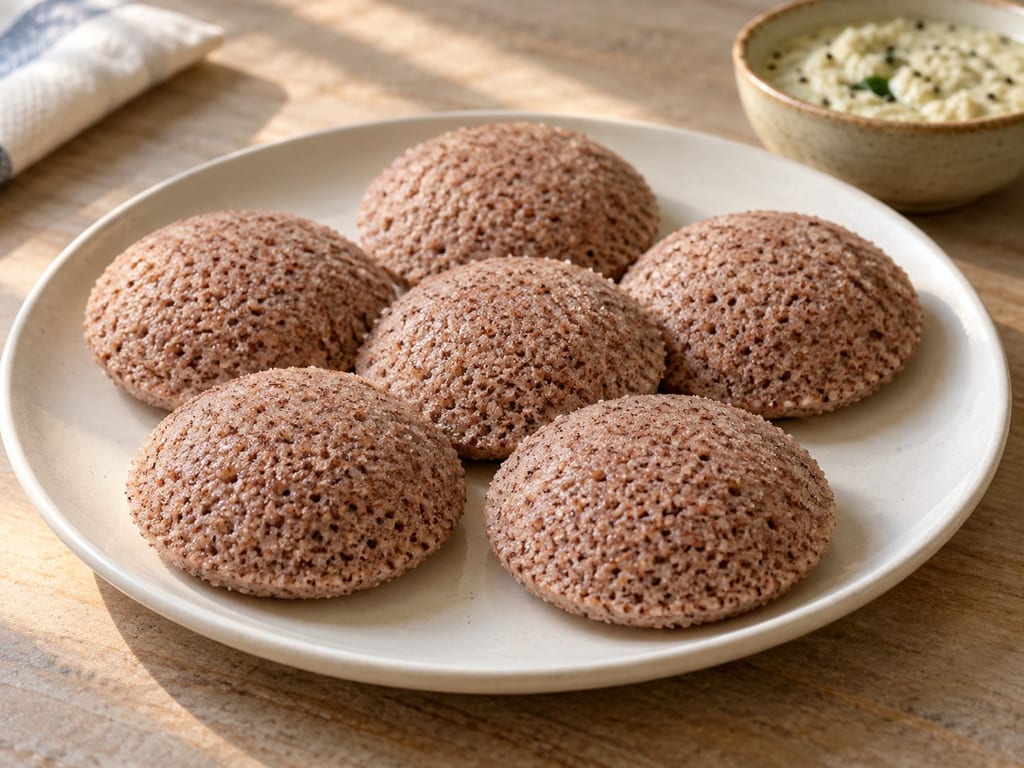
Ragi idli uses a source-specific naturally fermented grain and urad batter, then cooks it by steaming in moulds. The creator leaves some process measures unquantified.
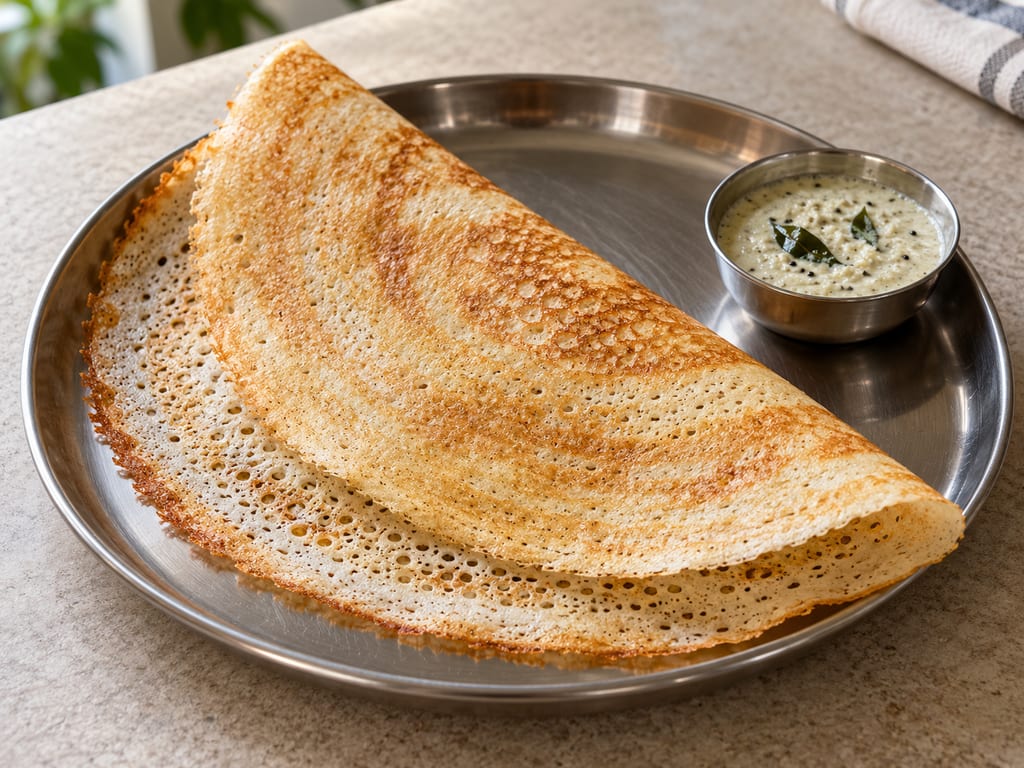
Rice and urad dosa uses a source-specific naturally fermented grain and urad batter, then cooks it by griddling. The creator leaves some process measures unquantified.
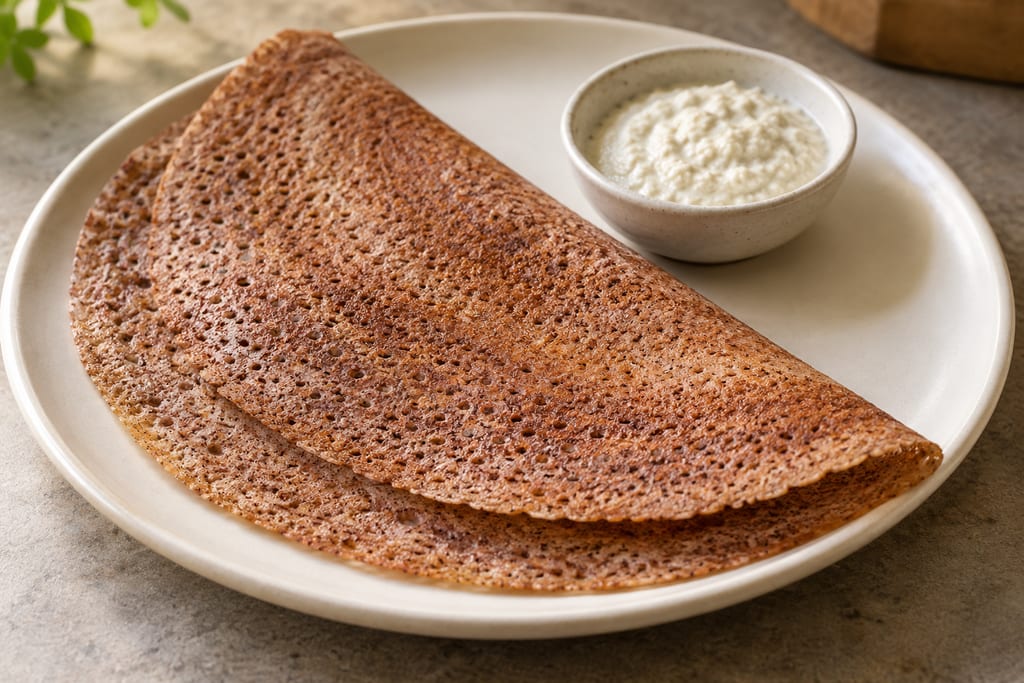
Ragi dosa uses a source-specific naturally fermented grain and urad batter, then cooks it by griddling. The creator leaves some process measures unquantified.
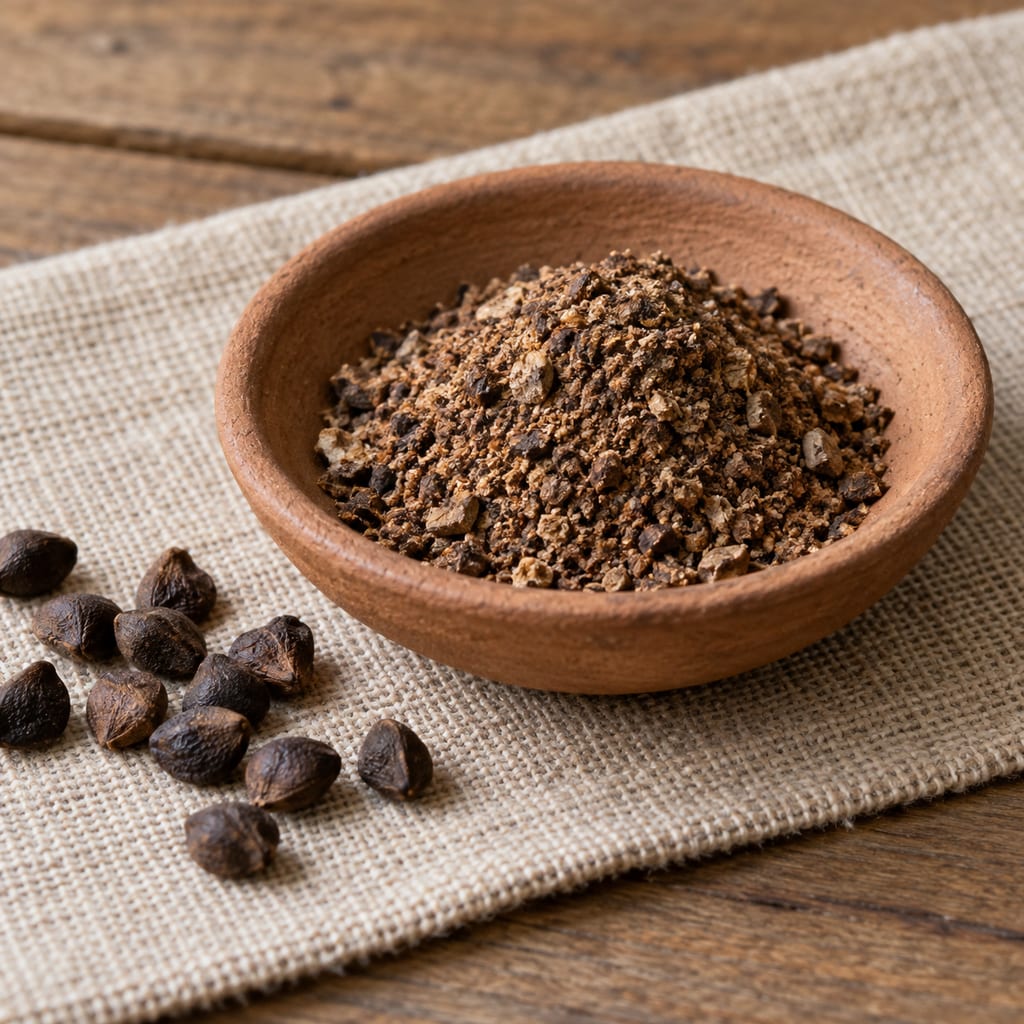
A traditional Beninese inoculum made from fermented roselle, cotton or baobab seeds, rich in bacterial spores, added to cooked African locust beans to speed up fermentation and soften them into sonru.
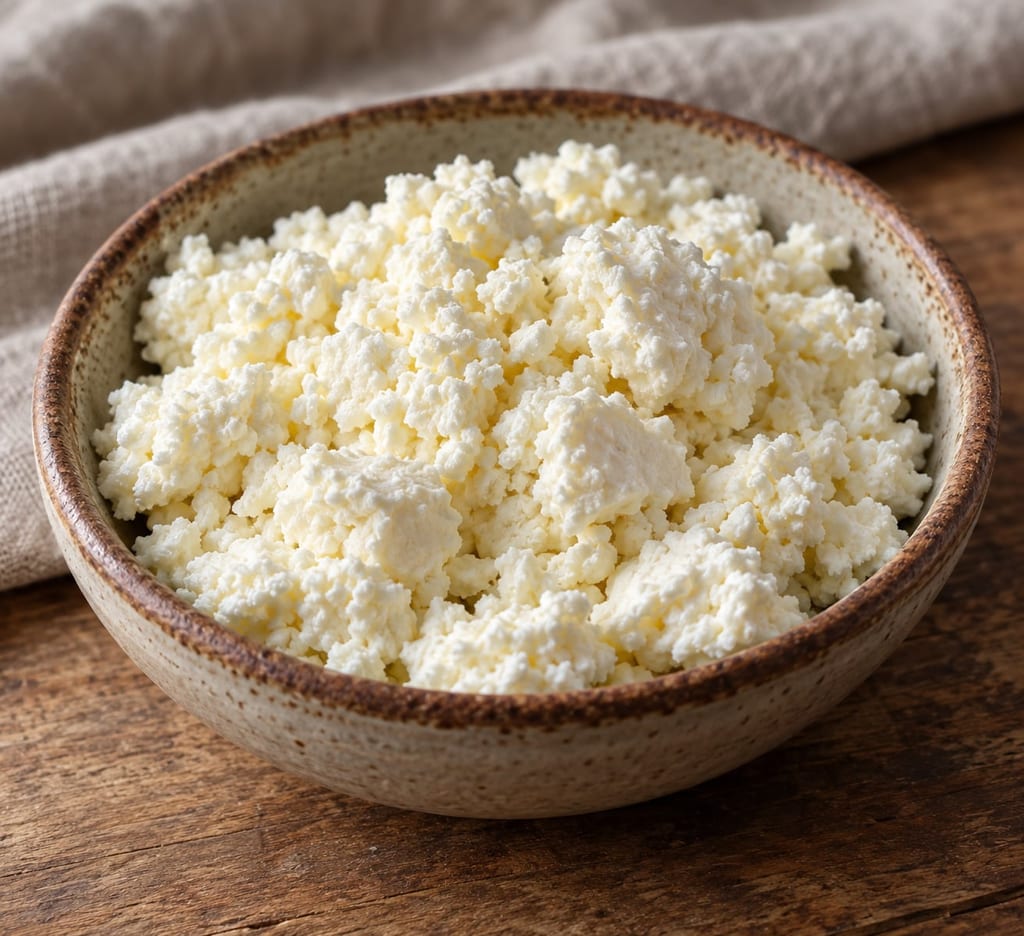
Vurda is a Hutsul whey cheese made by reheating the whey left after budz, often with fresh milk or sour whey, to recover soft pale curds that are lifted out and drained.
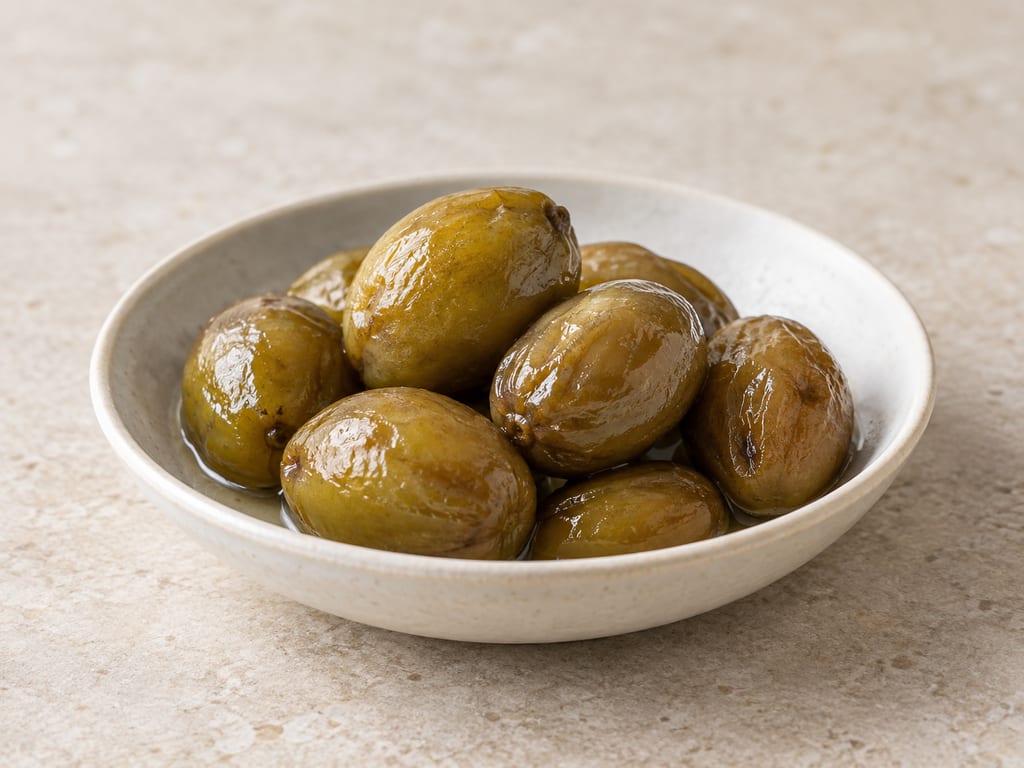
Mature Spanish plums are covered with a 20% volume salt solution and fermented under shade for ten days.
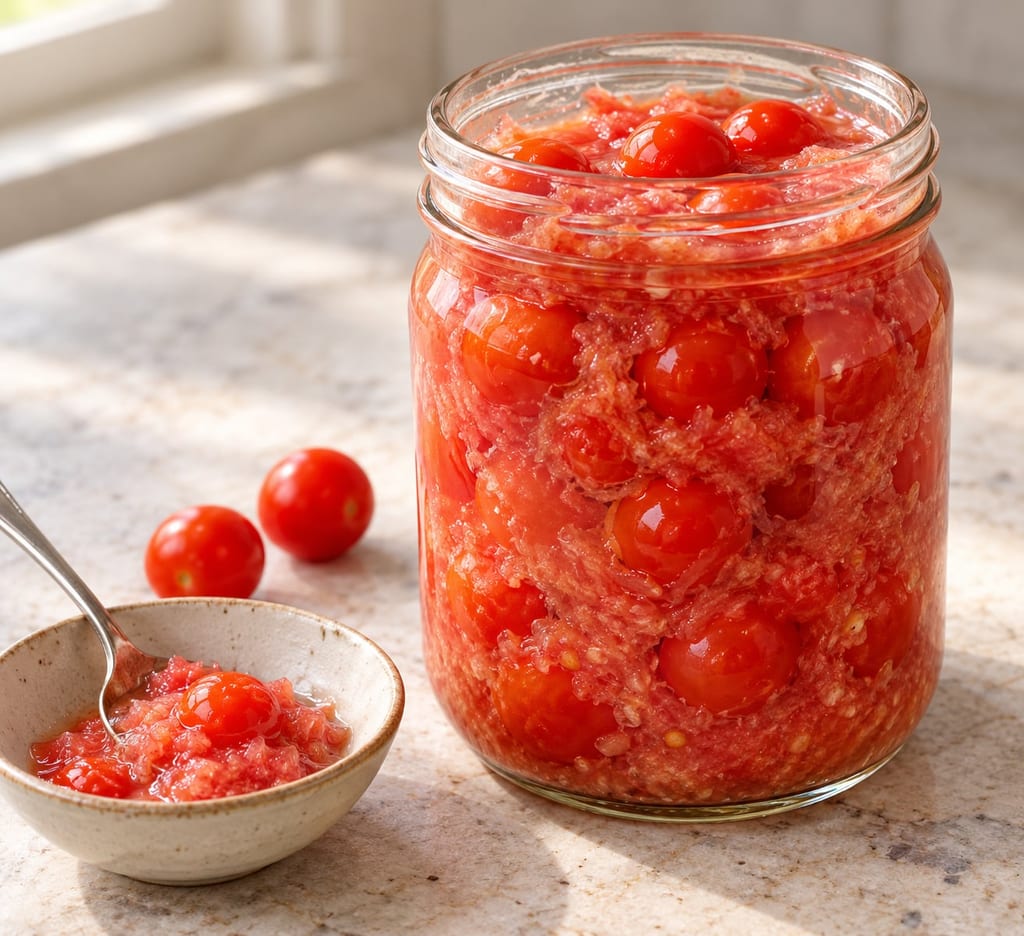
Cherry tomatoes sit beneath a salted grated-tomato layer for a five-to-seven-day room-temperature fermentation.
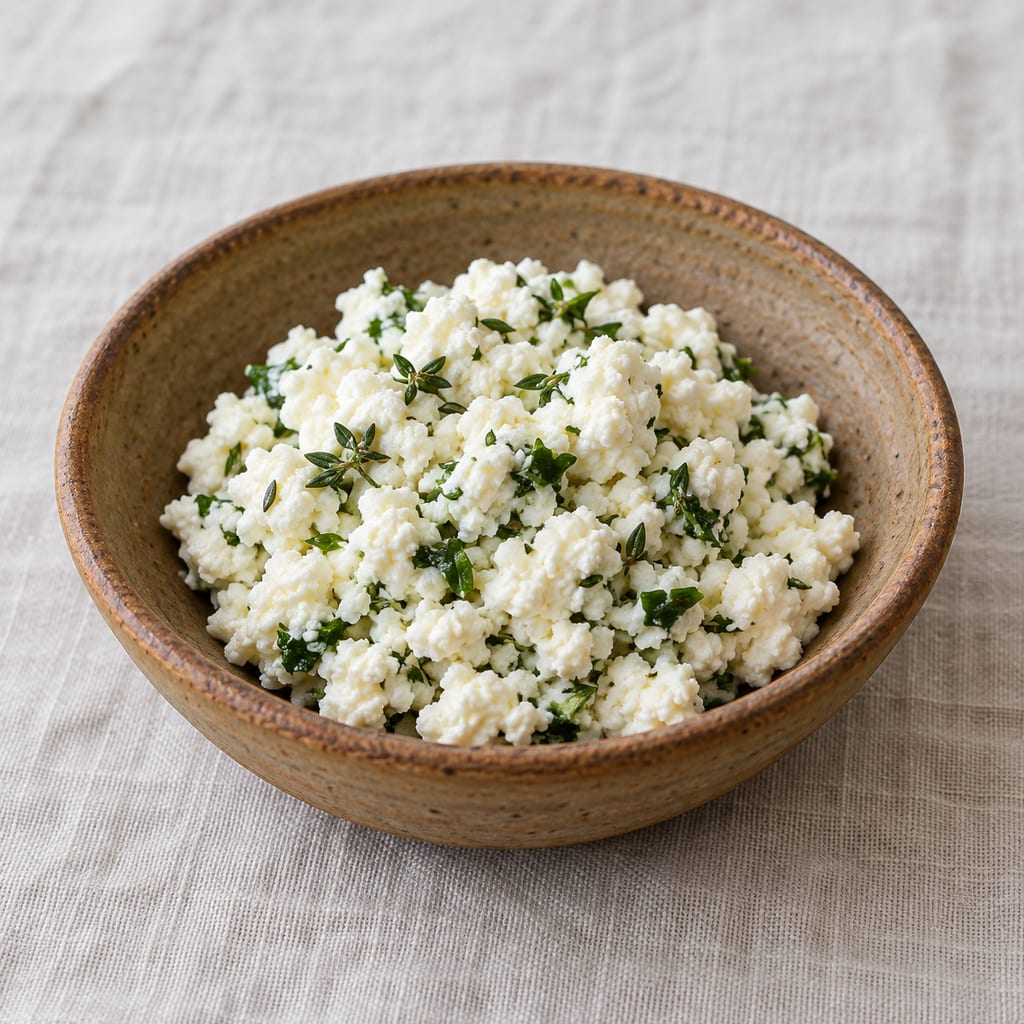
Soft fresh curd made by draining whey from milk already thickened by bacterial acidification, the simplest point in a northern dairy tradition that also produced skyr, ymer and whey itself.
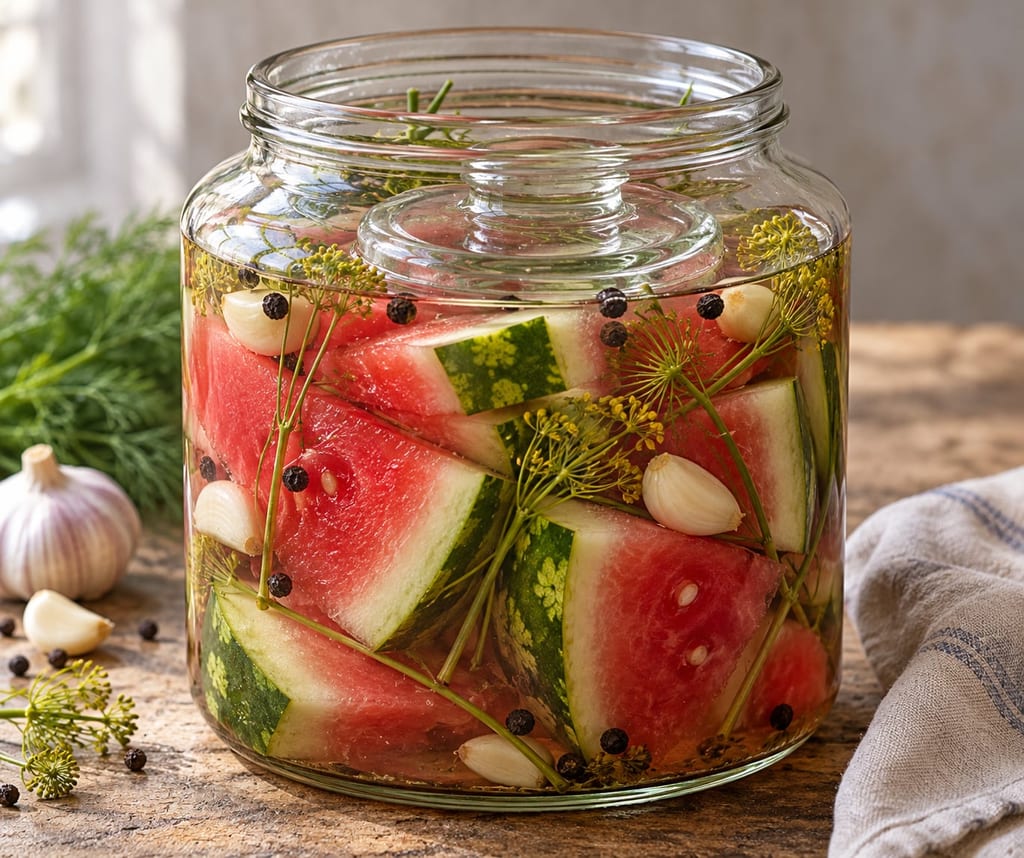
Watermelon pieces with rind ferment in a dill, garlic and pepper brine in a family preparation linked to Kishinev, Moldova.
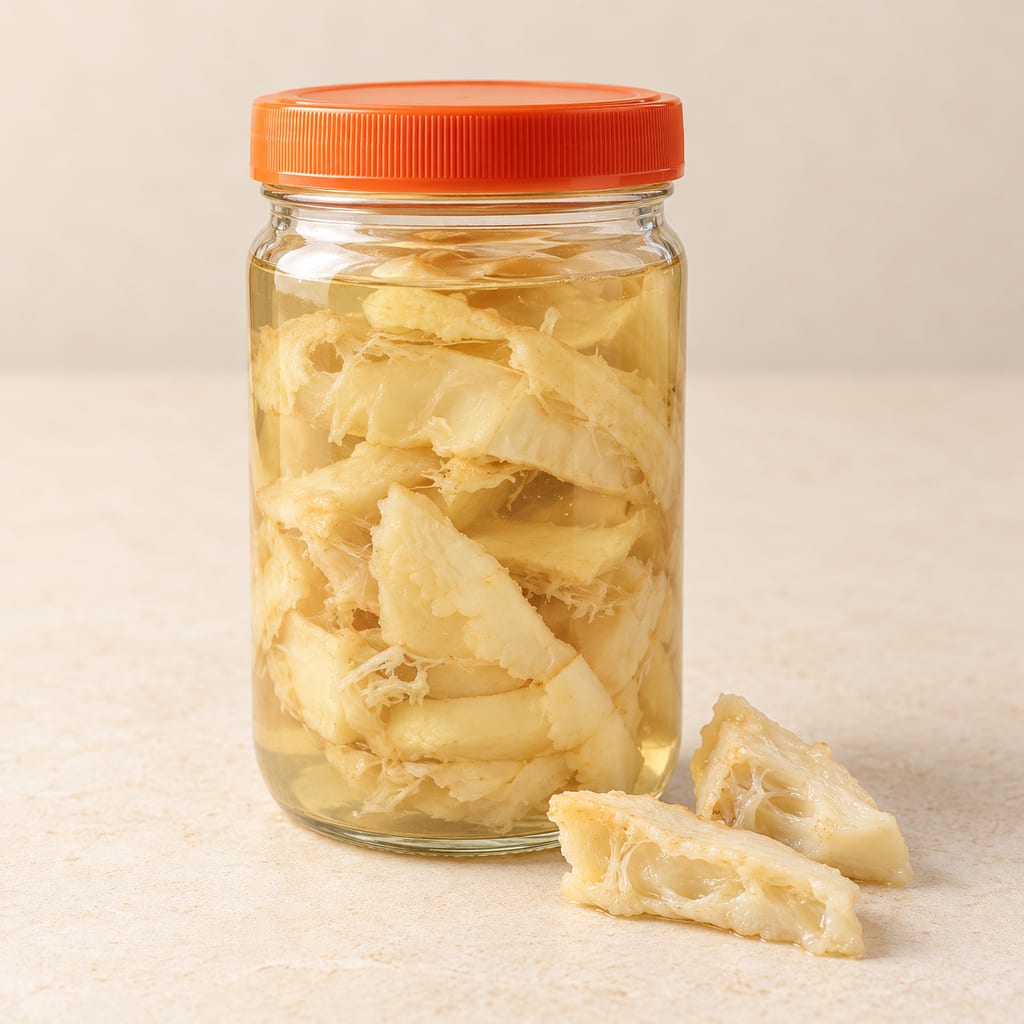
Cempedak inner rind is cut, salted and submerged in water for a short spontaneous fermentation used in Kalimantan home cooking.
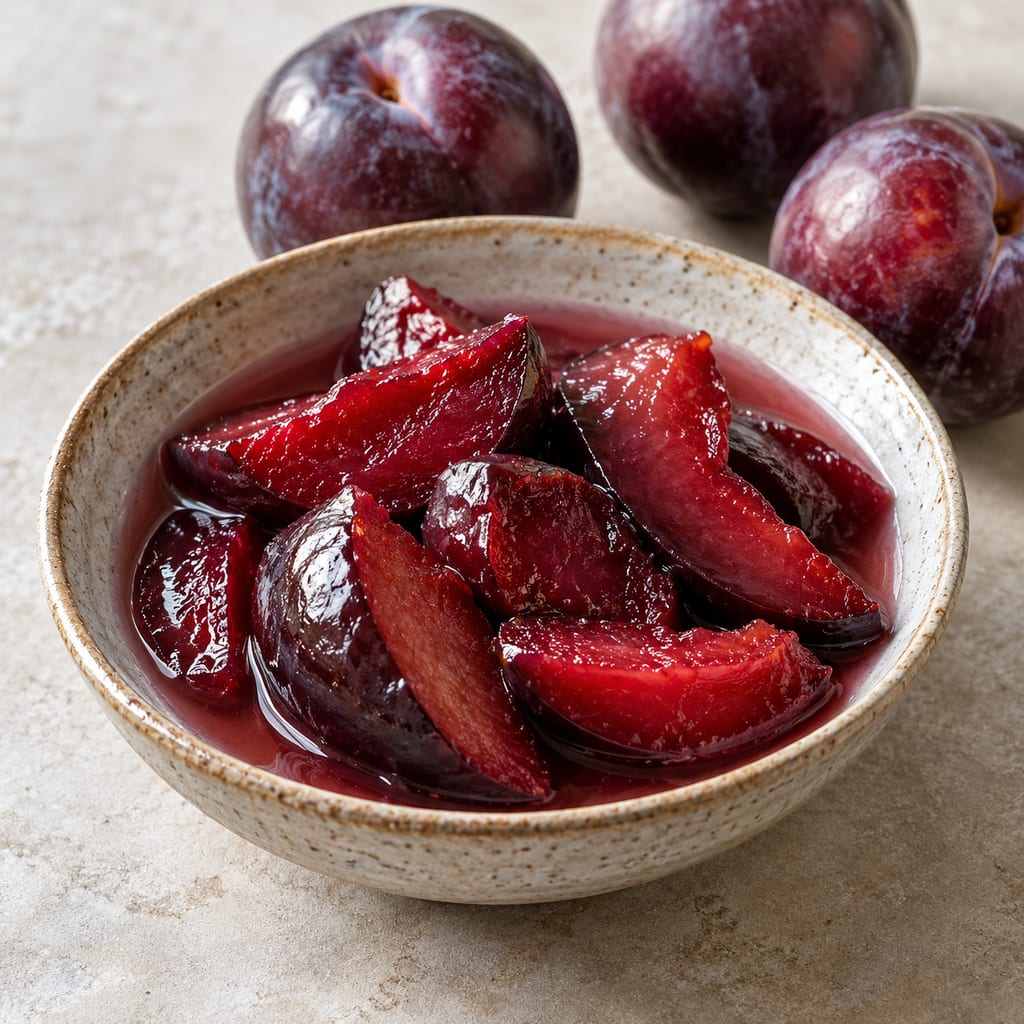
Pitted ripe plums release their own juice under a 2% salt cure, then ferment while weighted below the liquid.
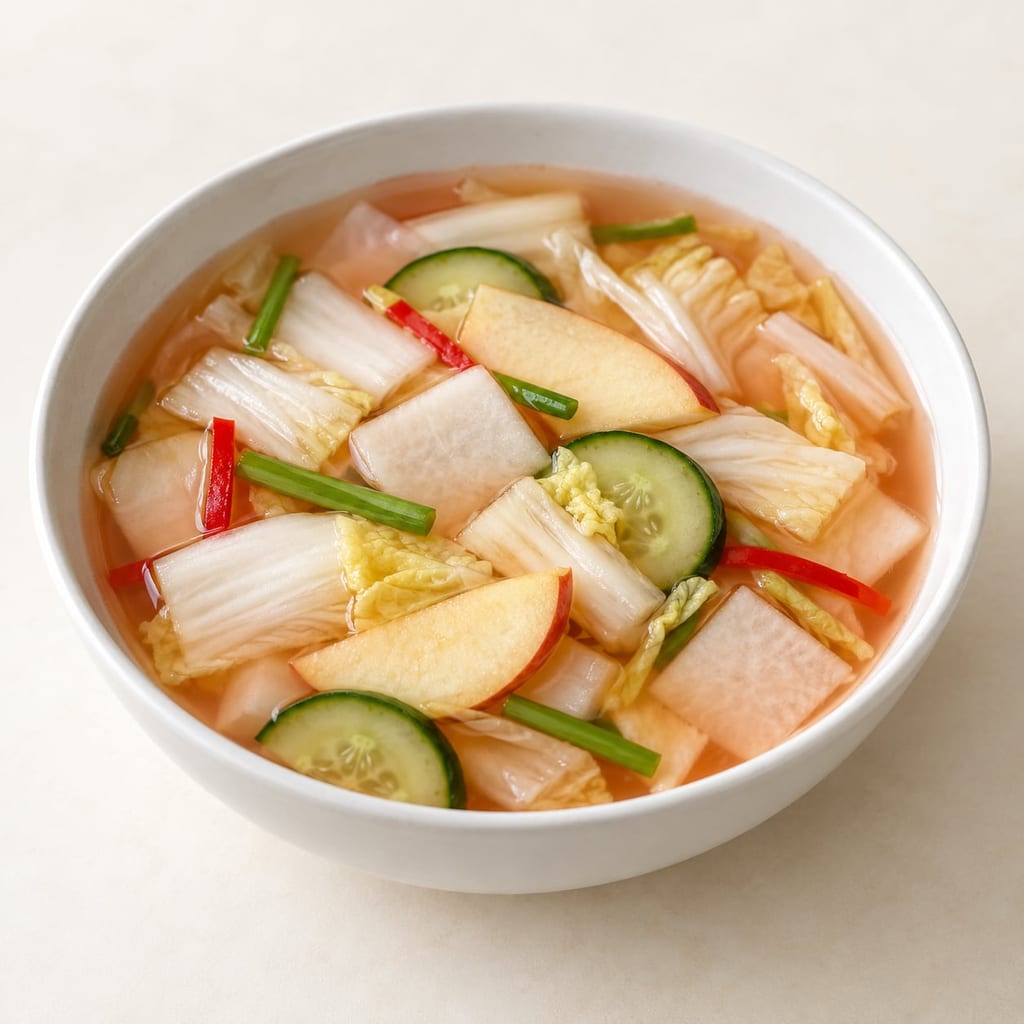
Napa cabbage and radish ferment in a rose-coloured broth with cucumber, apple, pear, alliums and chile.
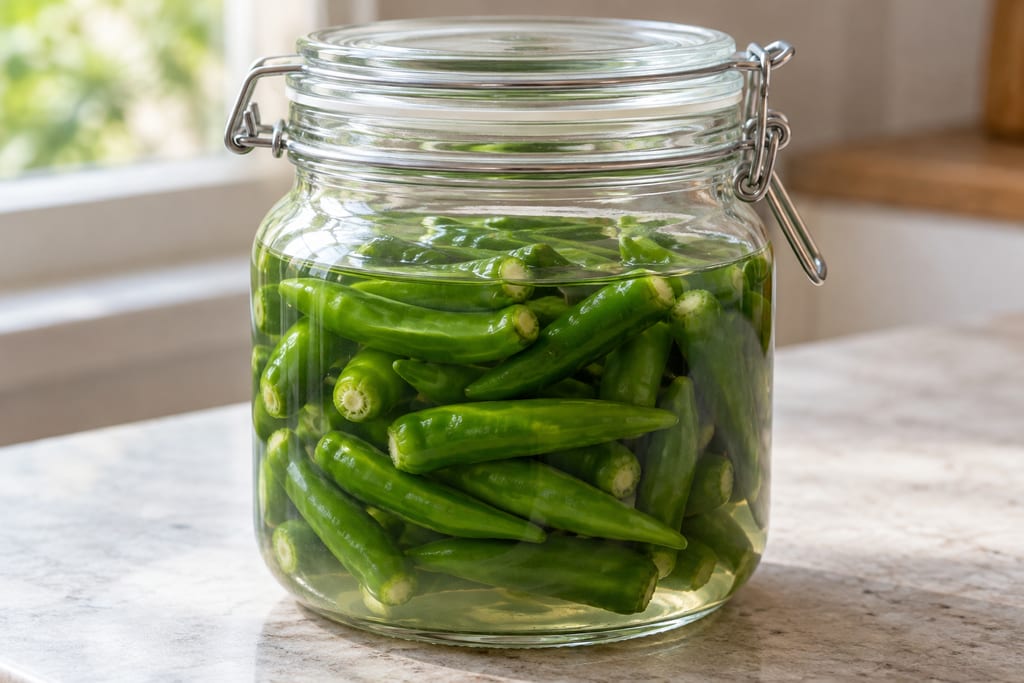
Whole green chiles are blanched briefly, then fermented in 3% salt brine with sake in a modern Japanese presentation of a wider Asian preparation.
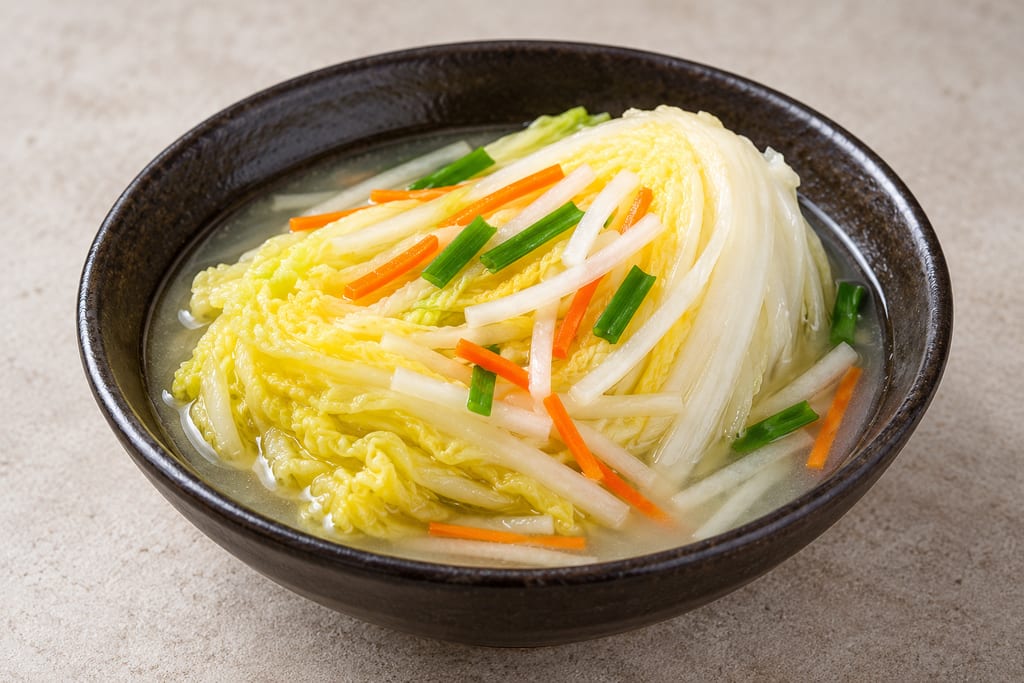
Napa cabbage is brined and filled with pear, radish, alliums, chives and fruit; this Korean kimchi omits red pepper flakes.
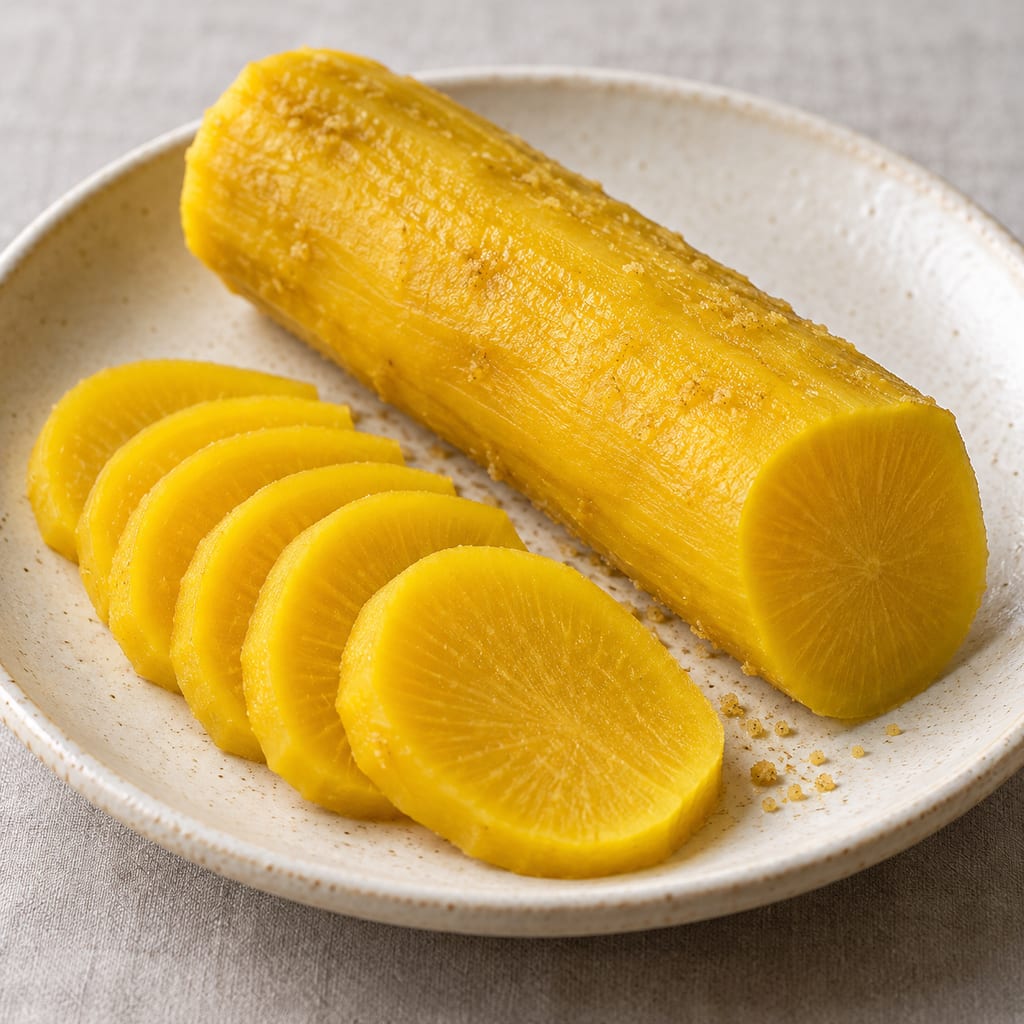
Daikon is dried until pliable, then layered in seasoned rice bran and pressed for a long fermentation.
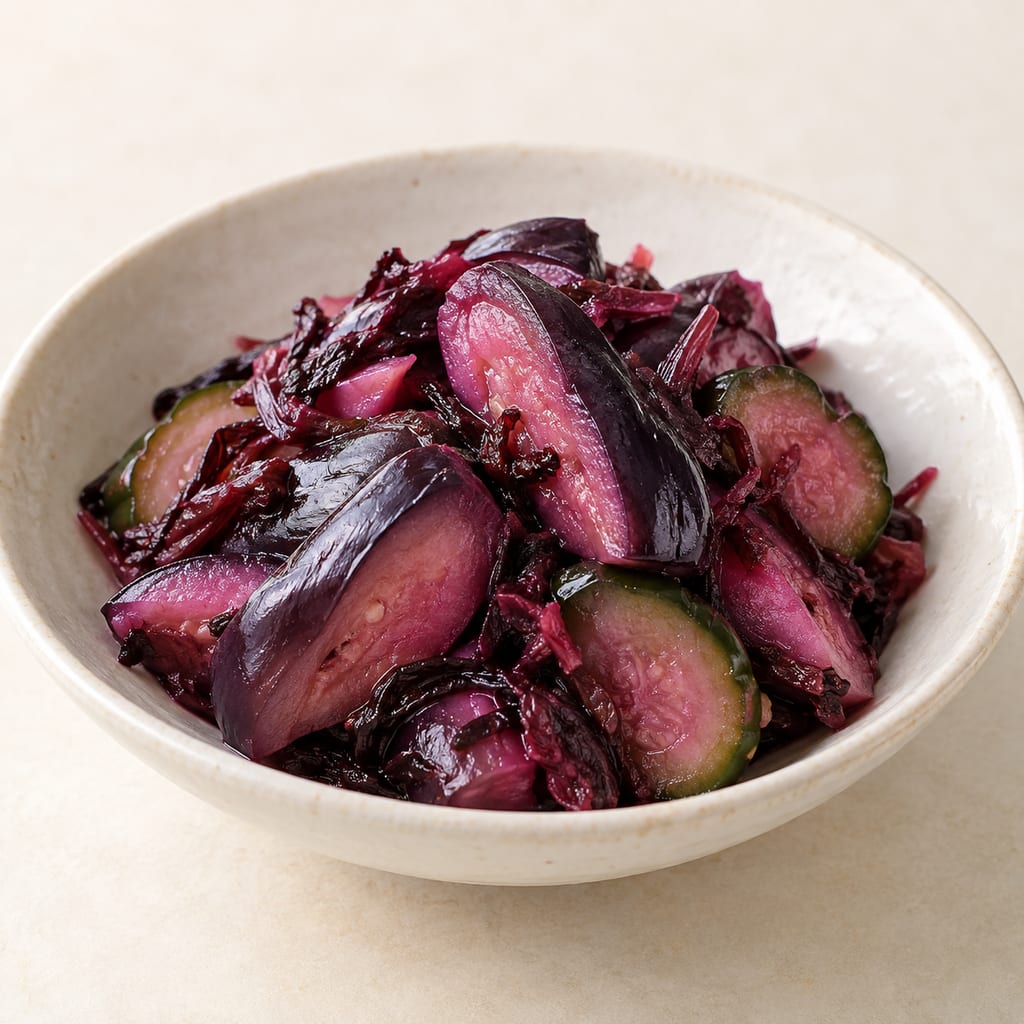
Eggplant and perilla are layered with cucumber, myoga and chiles, pressed with salt and left to mature into Kyoto’s sour purple pickle.
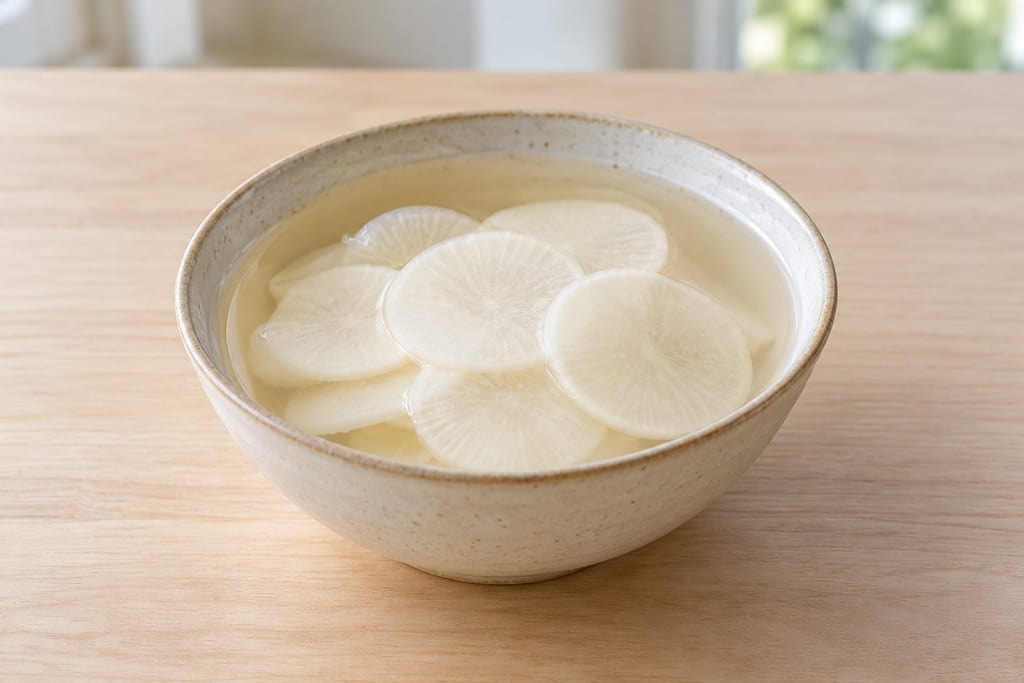
A modern broth-forward radish-water kimchi cooks apples and onion into the fermentation liquid.
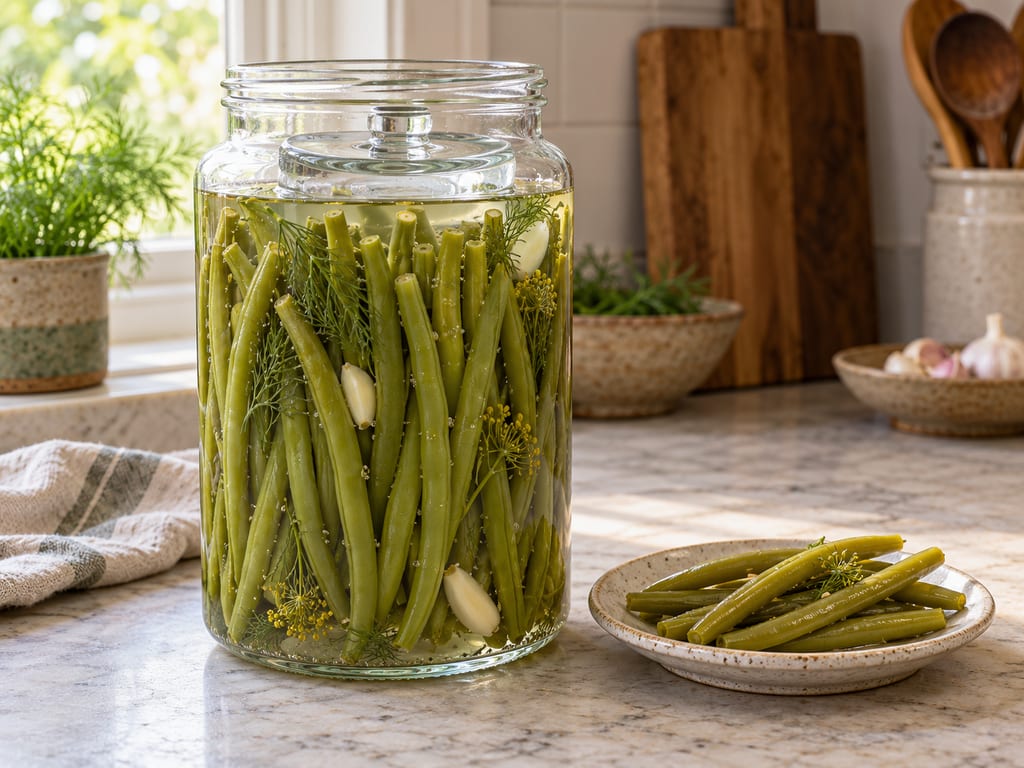
Whole green beans fermented in a salt brine, with dill and garlic as optional seasonings, staying crisp as they sour.
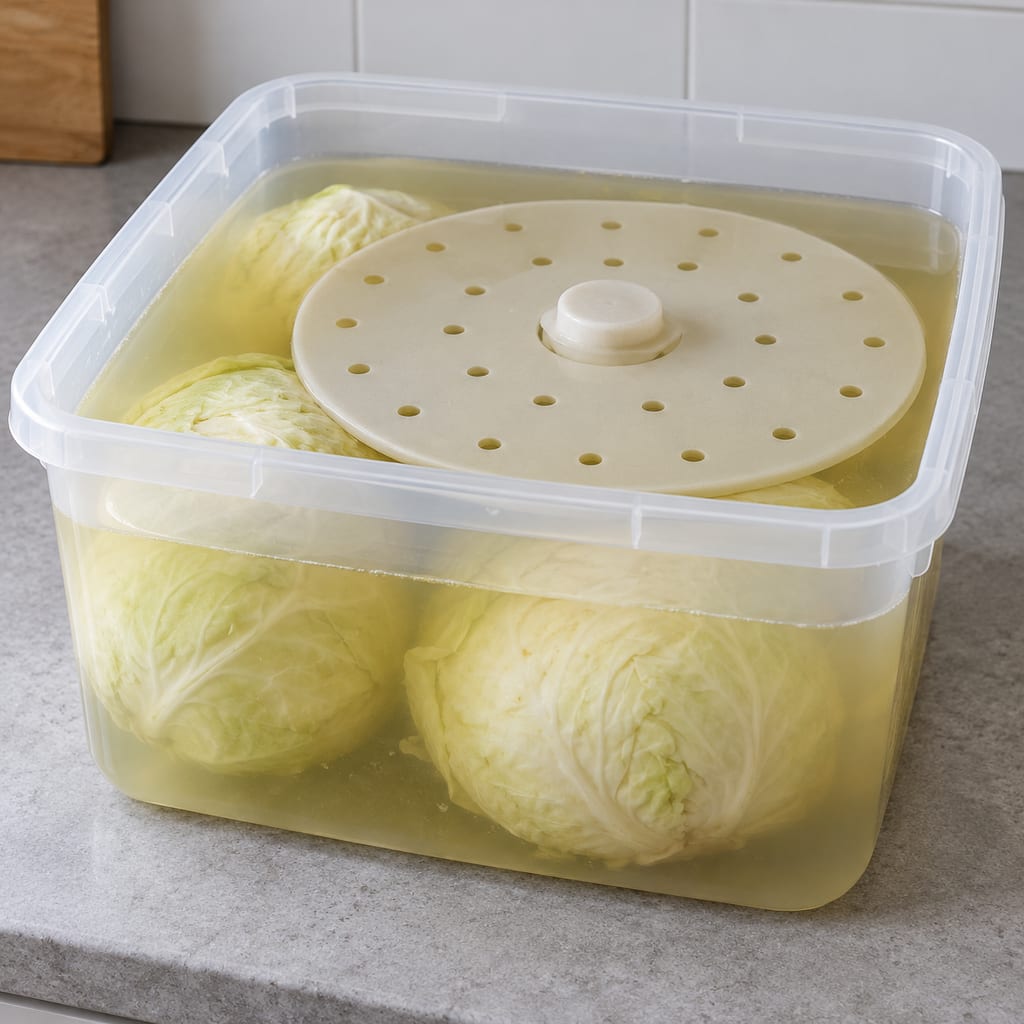
Cored cabbage heads ferment intact or halved under measured brine, with repeated surface checks over six weeks.
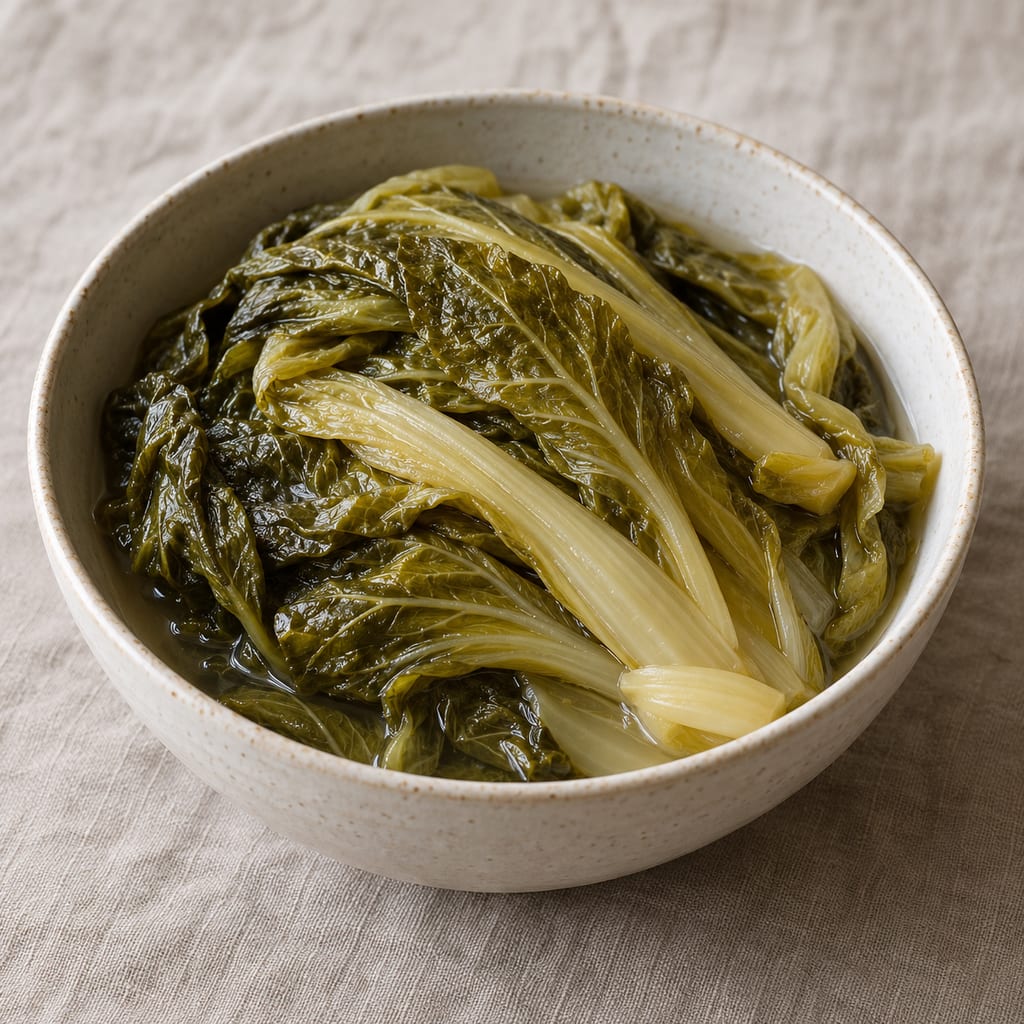
Wilted flat mustard leaves ferment with rice water and salt as a Filipino appetizer and cooking ingredient.
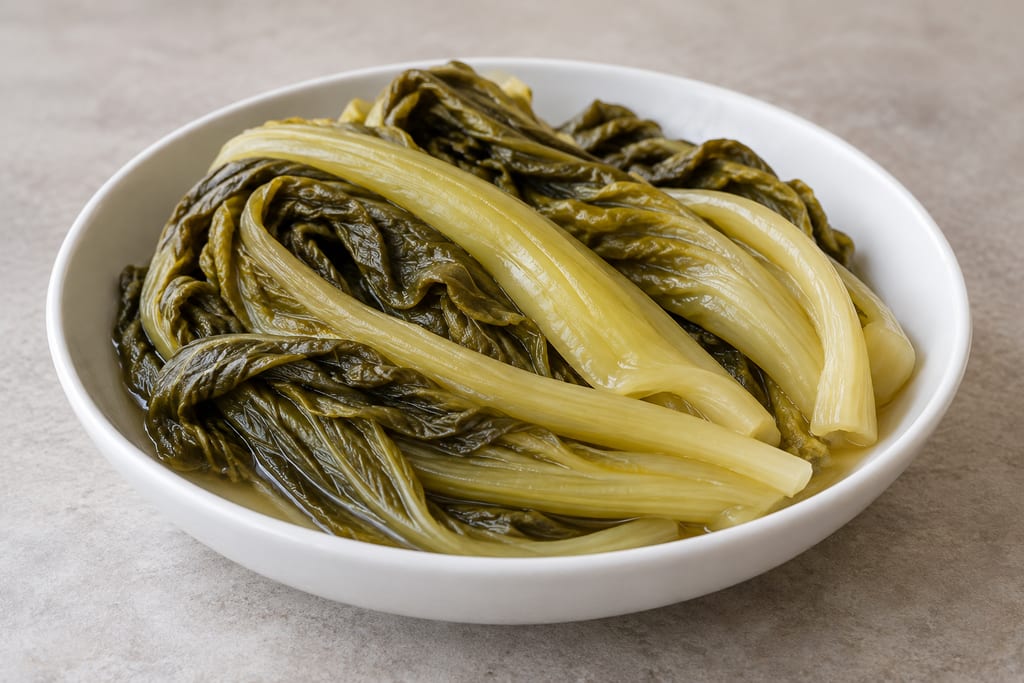
Indonesian salted mustard cabbage, wilted, rubbed with 2.5 to 5% salt by weight, and fermented covered in boiled-rice liquid.
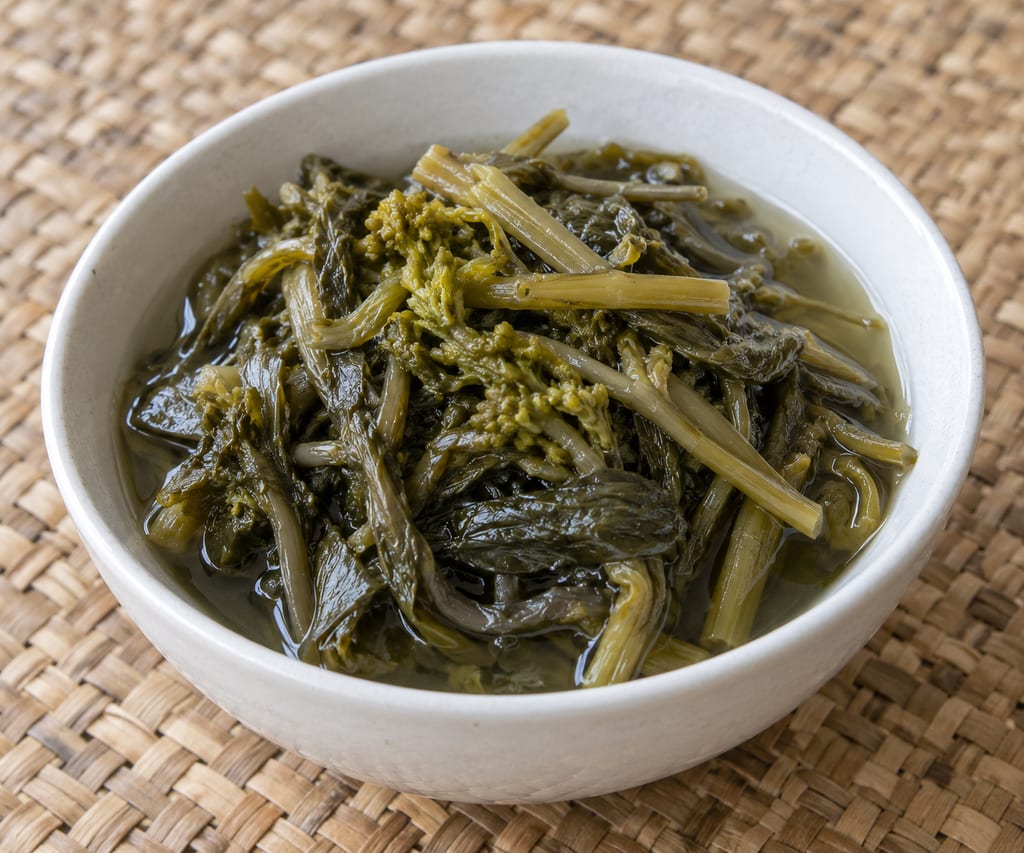
Young spider-flower greens packed with salt and cooked rice and left to sour for a few days; a Thai leafy-vegetable ferment eaten as a sharp side dish.
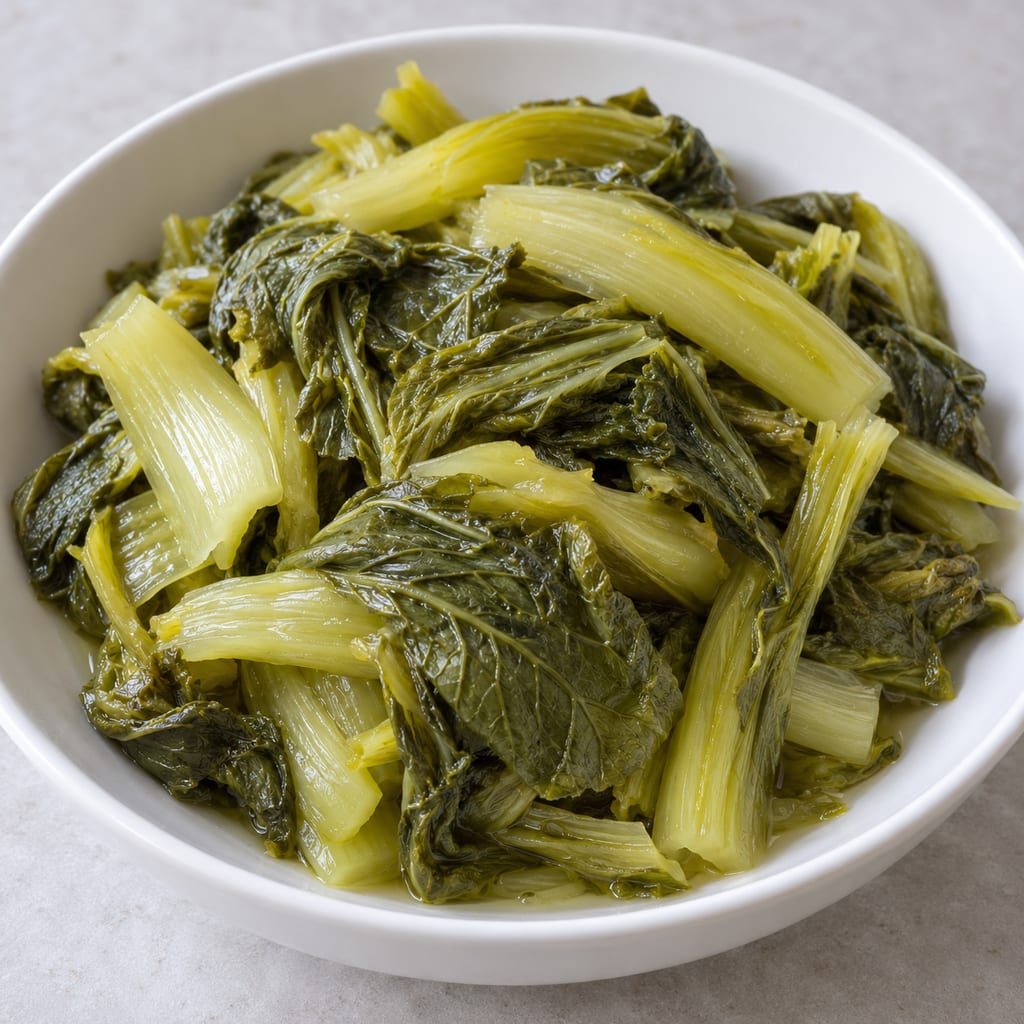
Pak-gard-dong is a Thai mustard-green pickle salted first and drained, then fermented with sugar added to the drained greens.
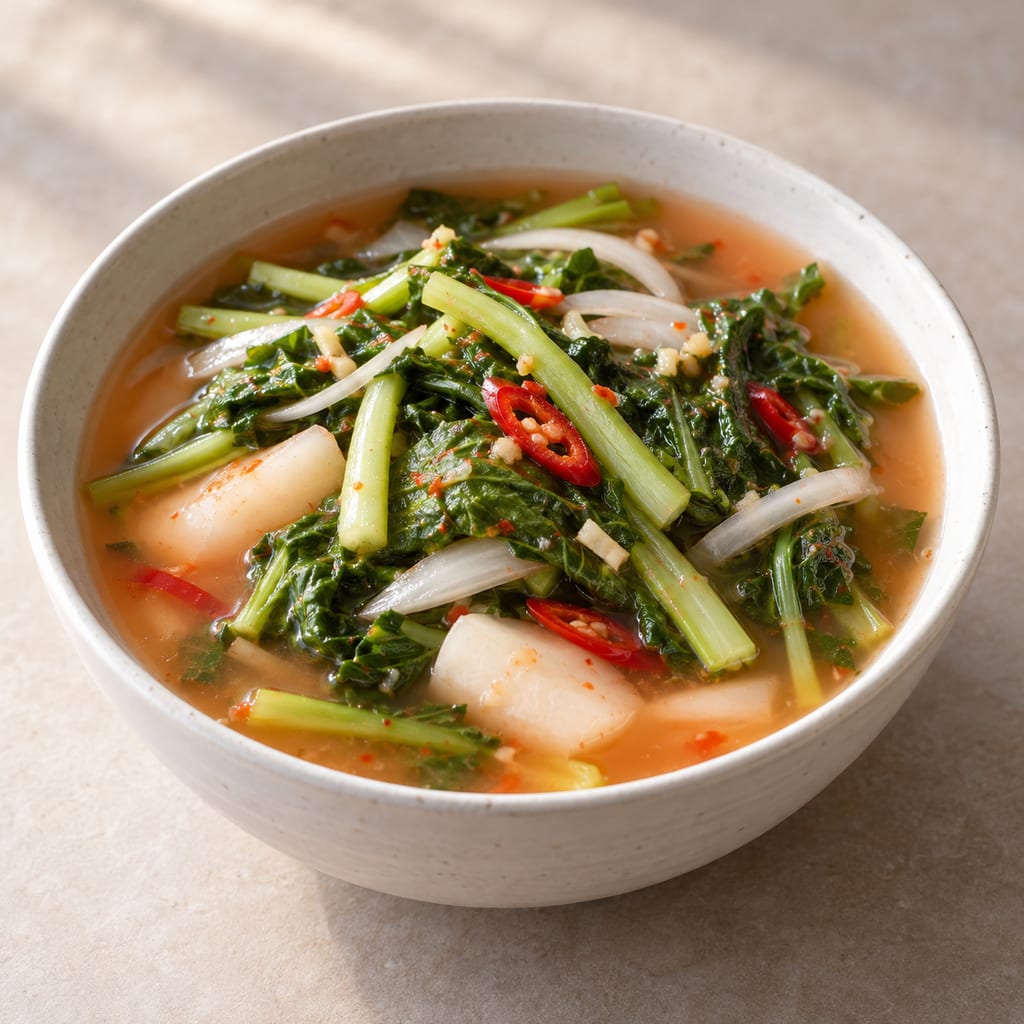
Summer water kimchi of young radish, seasoned with fish sauce and chiles, brined in salted water with cooked flour.
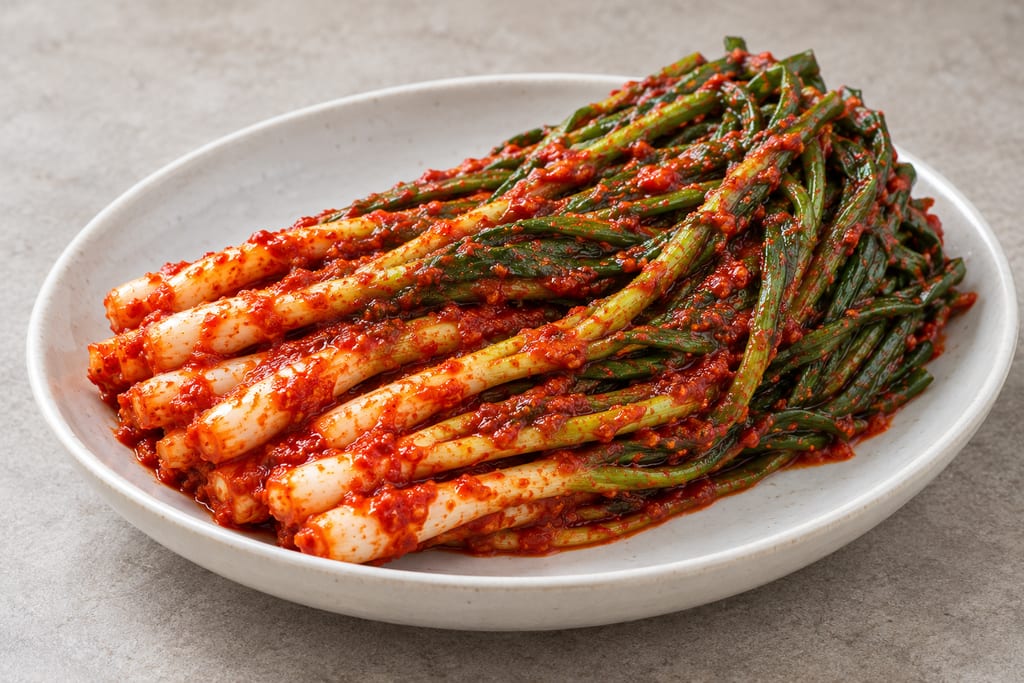
Pa-kimchi is a Korean kimchi of whole green onions salted, dressed with chilli and fish sauce, and fermented until pungent and sour.
Kimchi of salted napa cabbage and daikon with garlic, green onion and red pepper, kept at room temperature one to four days, then refrigerated.
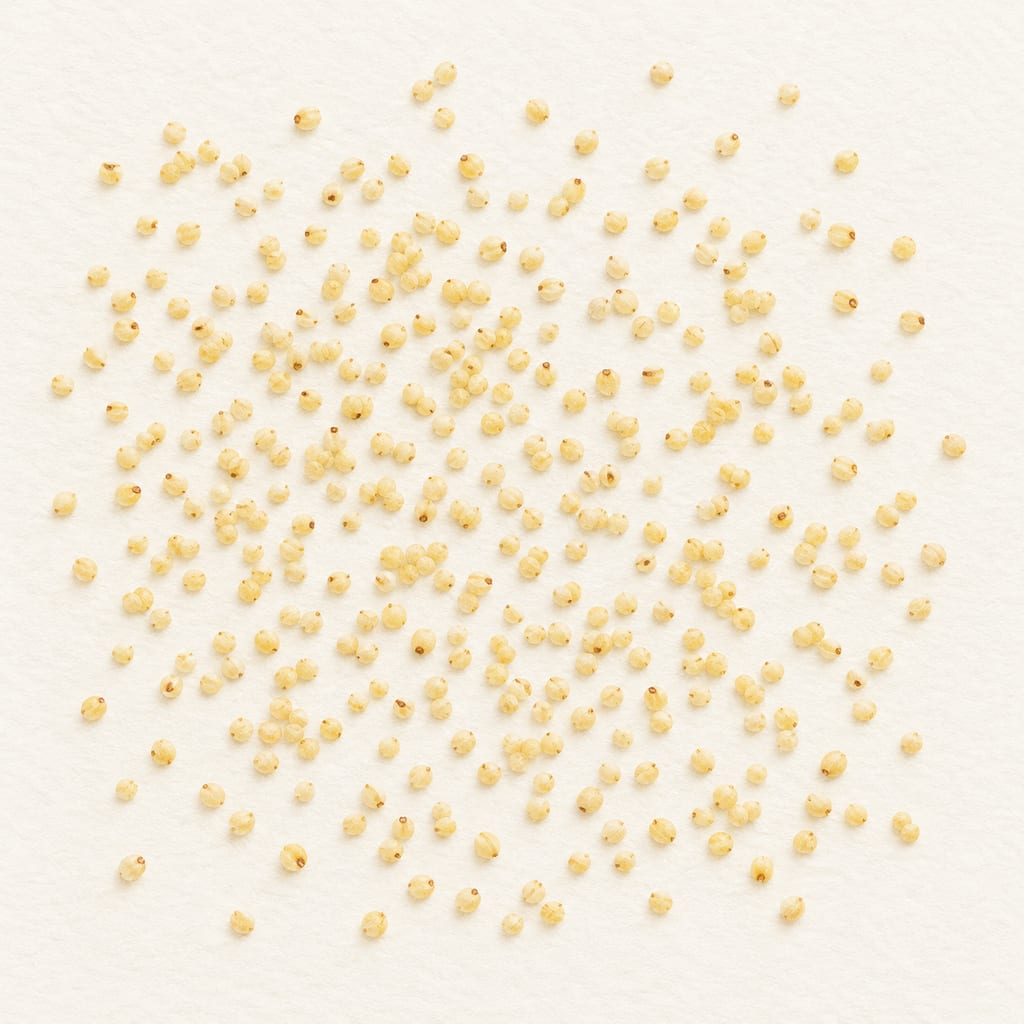
Tonoto from Shizunai in Hidaka is made of barnyard millet alone: a firm porridge kneaded with an equal amount of malted grain in a sake vessel, warmed by two embers, and left a week to ten days.
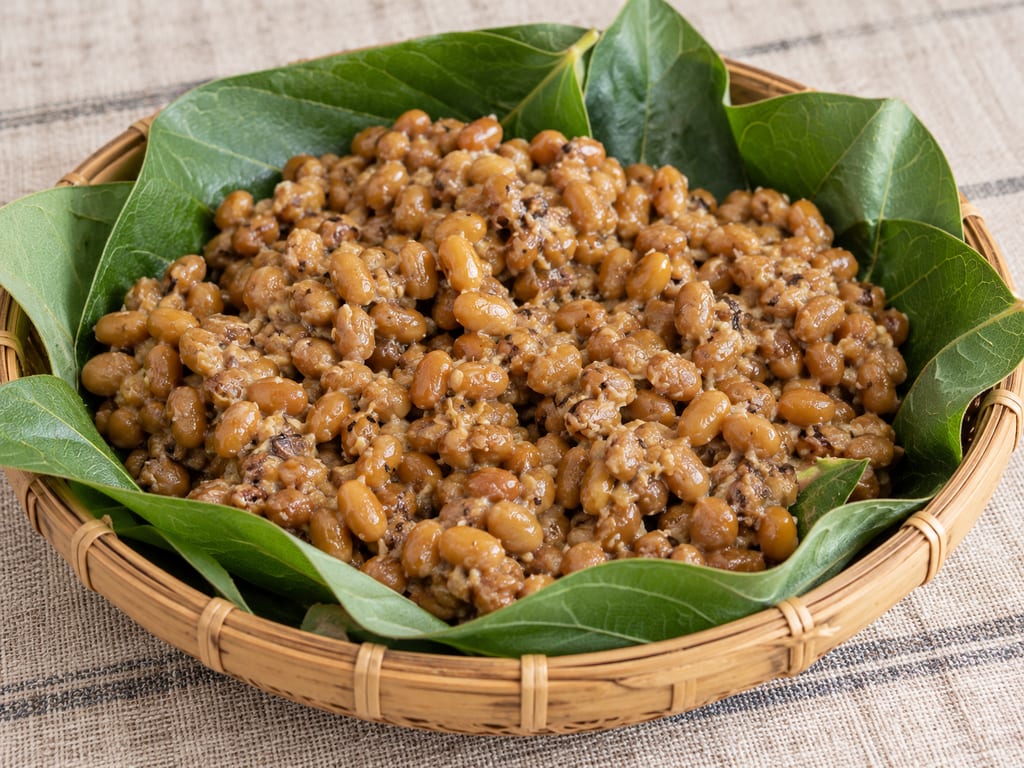
A Mizo alkaline soybean ferment made by holding cooked beans in leaf-lined containers, sometimes with wood ash, until they turn sticky, soft and pungent; eaten fresh or used as a seasoning.

Soybeans boiled soft and fermented in a leaf-lined basket by the hearth, then in many Naga households pounded, wrapped in leaves and fermented again into a dark, pungent seasoning paste.
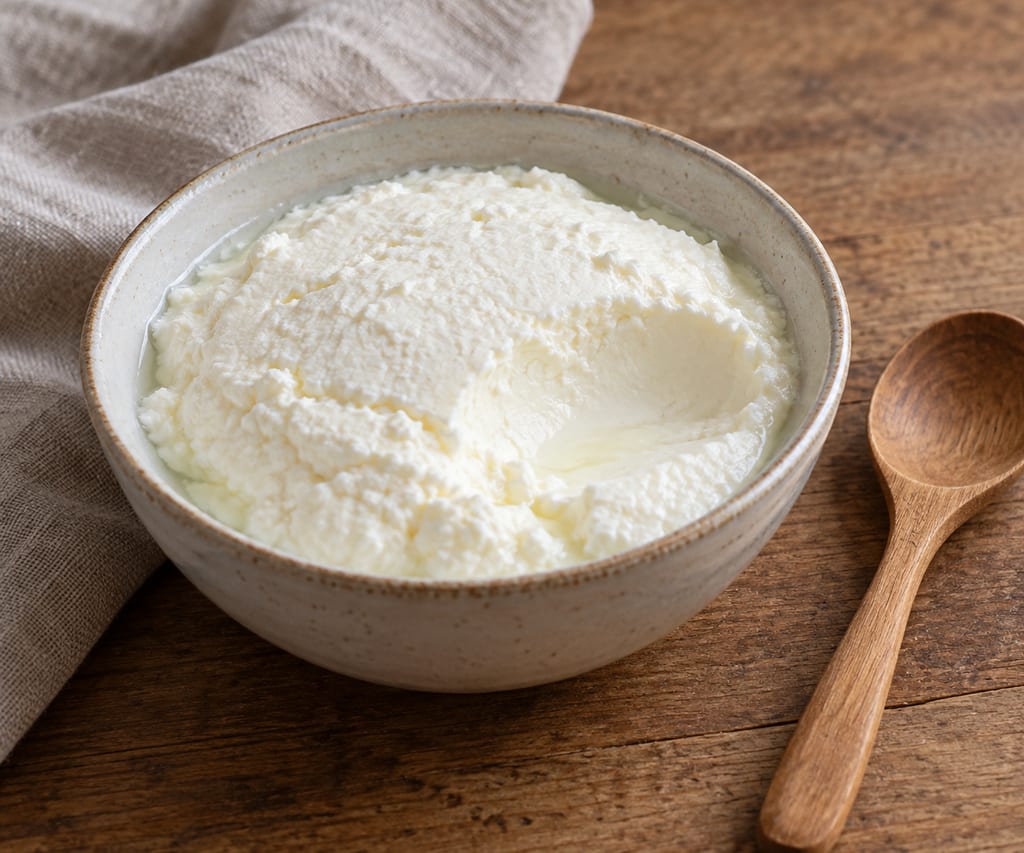
Tarag is a traditional Mongolian fermented milk made by culturing heated cow, yak, sheep or goat milk with a retained starter into a sour, softly set or drinkable yoghurt.
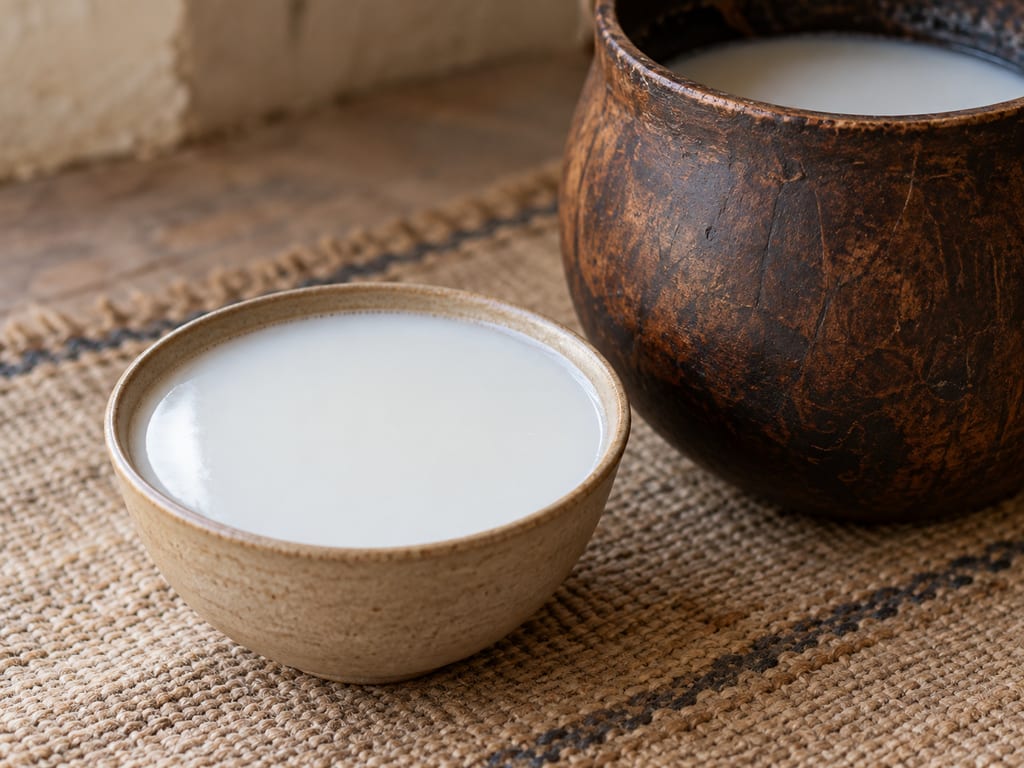
Suusac is a traditional fermented camel-milk drink of Somali pastoral communities in Kenya and Somalia, soured spontaneously in smoke-treated vessels into a thin, acid, smoky milk.
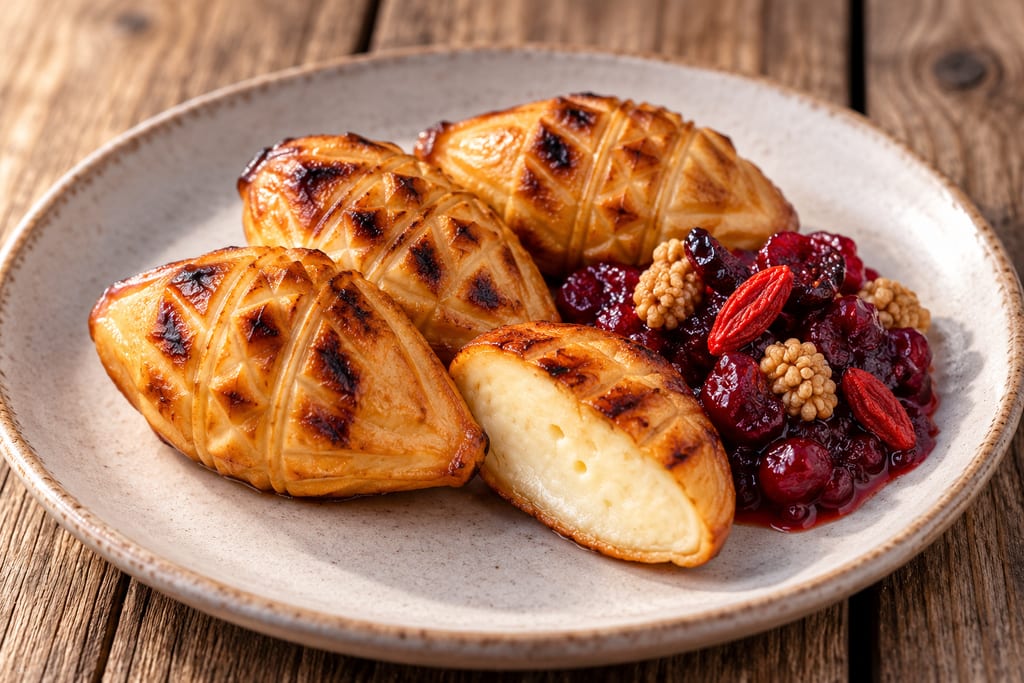
Small Oscypek are grilled until the exterior is crisp and the cheese softens, then served with cranberry, goji berries and mulberries.
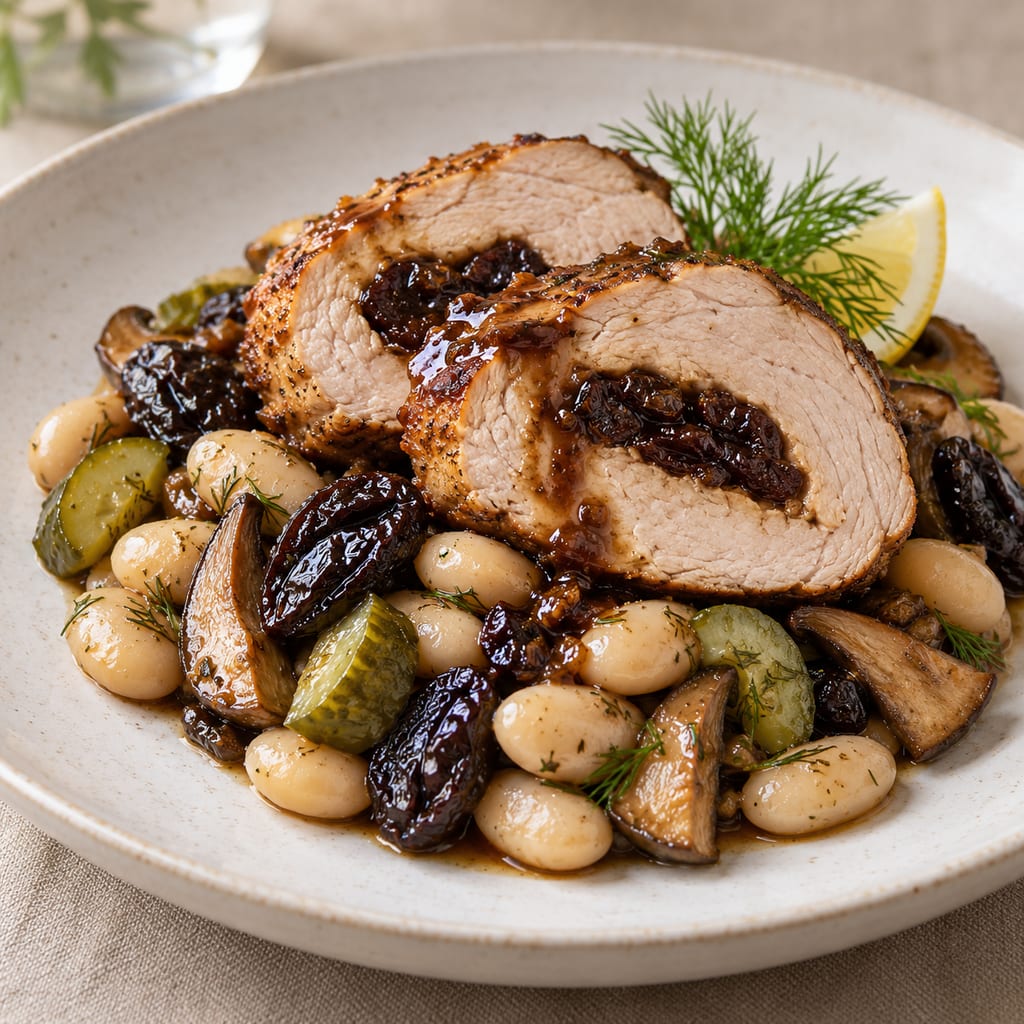
This Polish competition recipe stuffs pork loin with suska and serves it with a bean salad containing more smoked-and-dried plums.
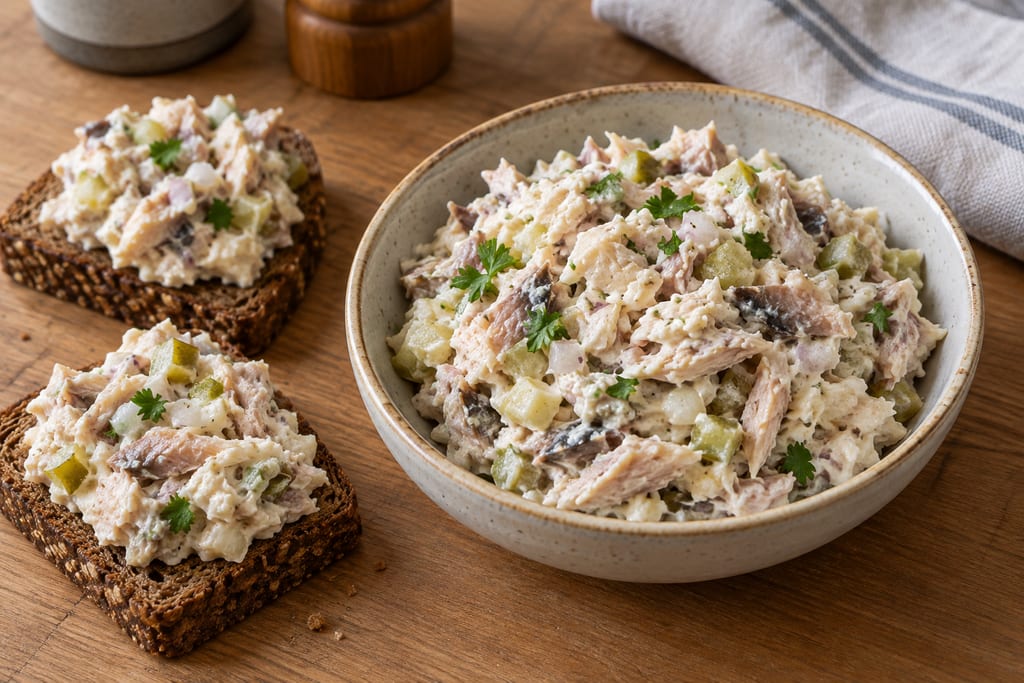
A quick Czech spread folds ready-smoked mackerel into quark, pickles, onion, mustard and lemon for serving with bread.

Małopolska plums smoked and part-dried over a wood fire in a regional kiln for several days, giving a dark, concentrated fruit with a protected name.

A protected pork sausage associated with Liszki and Czernichów; its application describes commercial curing and smoking, not a home batch.