High risk
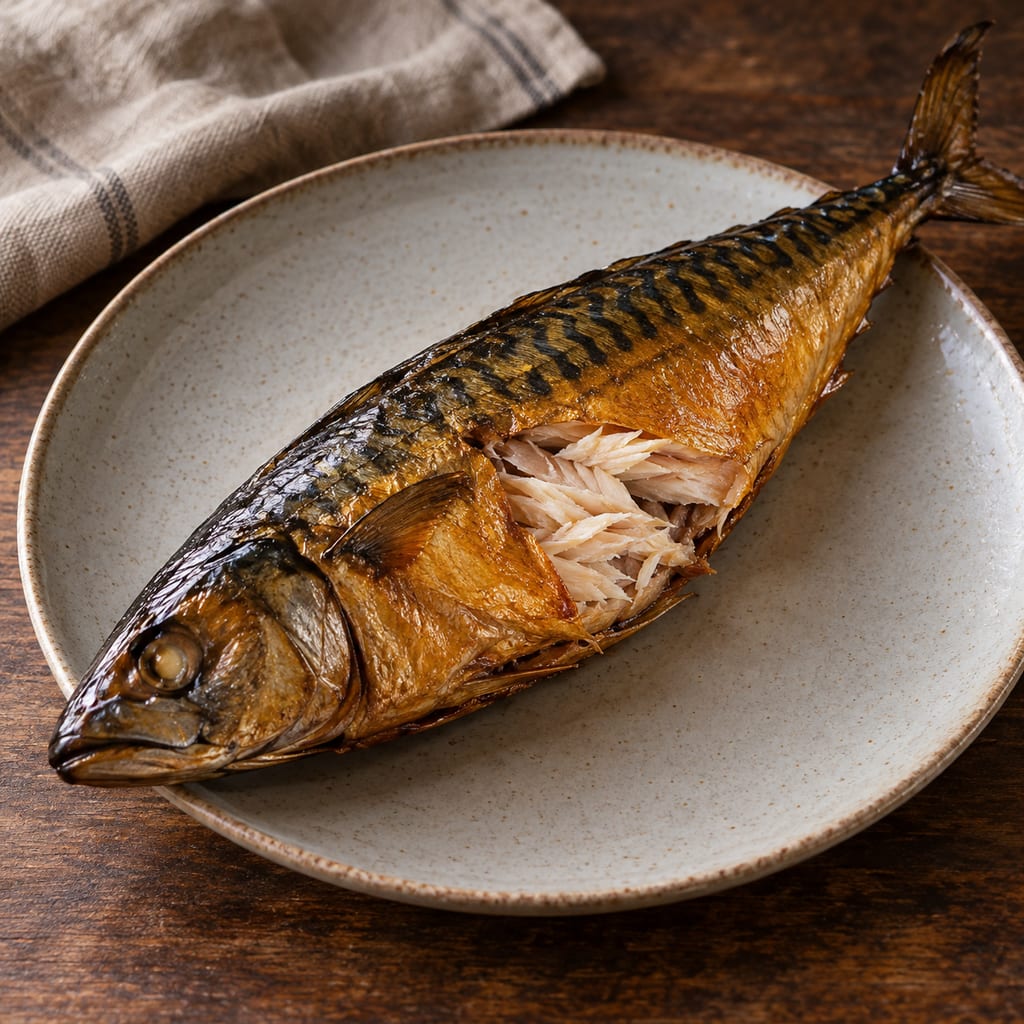
Smoked mackerel
Whole mackerel brined for up to a day, then hot-smoked over beech and alder until the oily flesh takes colour and smoke, in a Czech smokehouse recipe.
 FermenteaWhere food goes to change
1504 records with their sources, across 11 categories.
Whole mackerel brined for up to a day, then hot-smoked over beech and alder until the oily flesh takes colour and smoke, in a Czech smokehouse recipe.

A Valašsko sauerkraut soup with smoked bones, cream and seasonings. The meat is simmered, removed from the bone and returned to the soup after frying with onion.
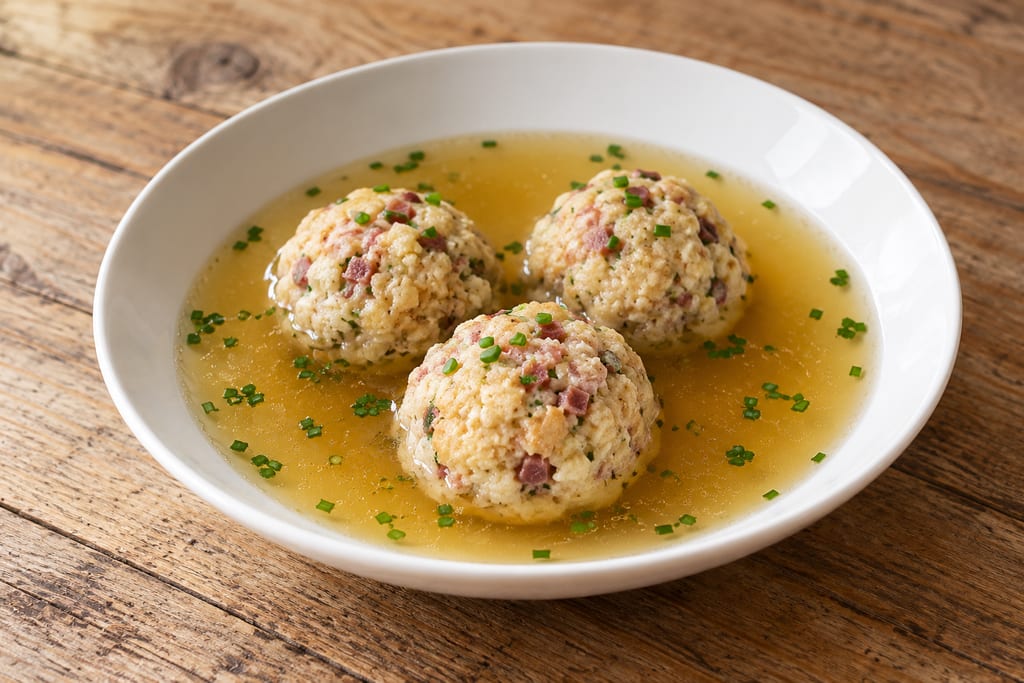
Four-person South Tyrolean bread dumplings with finished Speck, herbs and a broth or soup accompaniment.
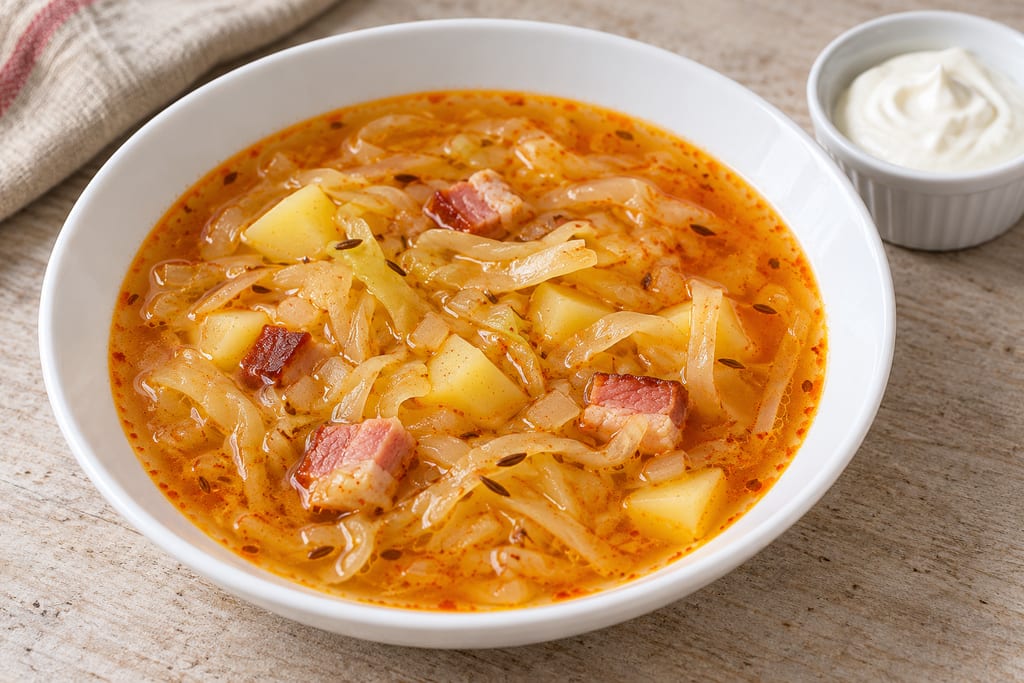
A two-portion cabbage soup with onion, potato and finished Geselchtes, served with garlic sour cream.
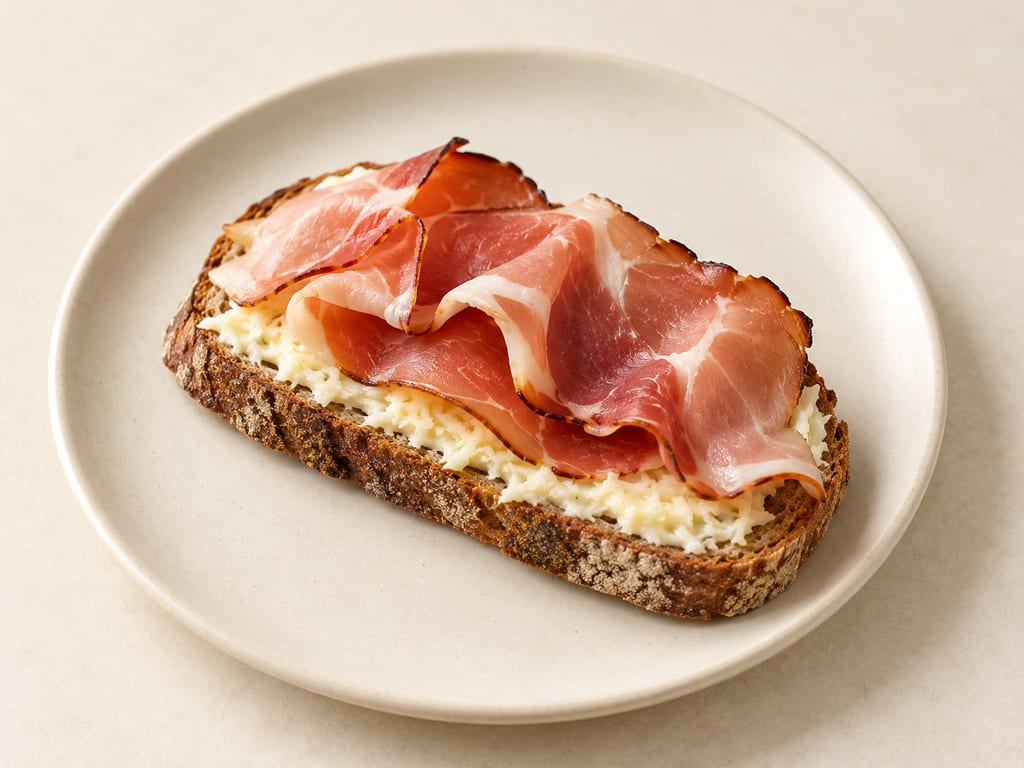
A regional Vesper preparation pairs bread and protected Schwarzwälder Schinken with apple-horseradish butter. The accepted source gives butter, apple and horseradish amounts, but not the bread or ham quantities.
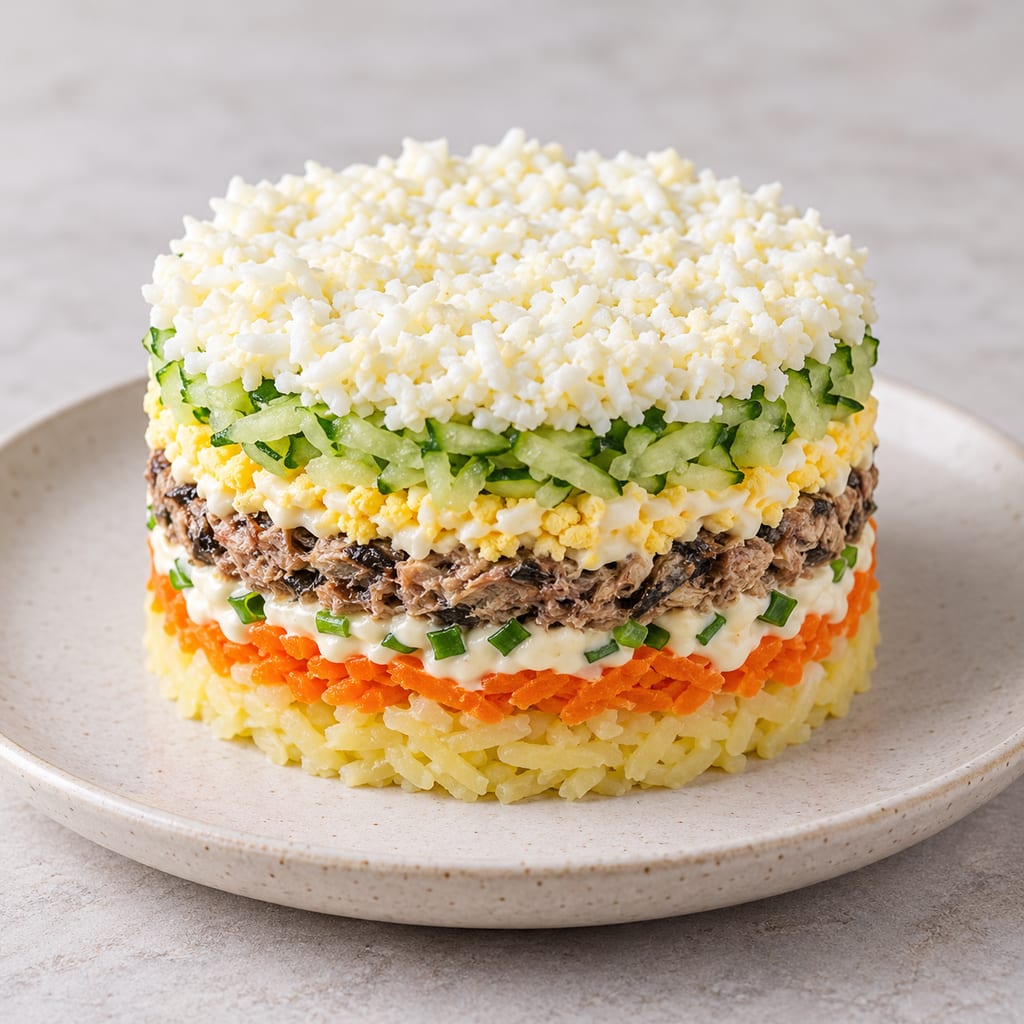
A Latvian Šprotes page’s layered salad uses one can of sprats in oil, grated vegetables and eggs with mayonnaise. The page gives no serving yield, can size or complete vegetable-cooking method.
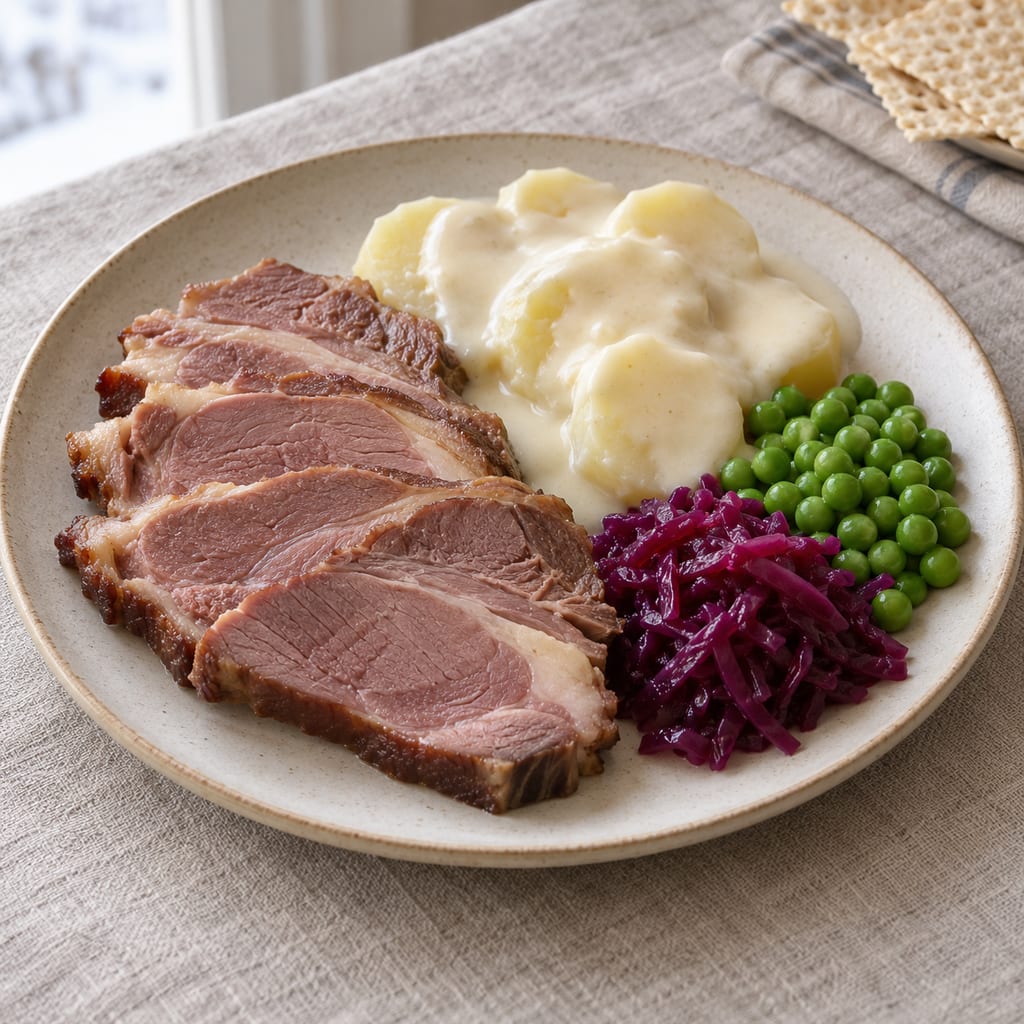
A six-person Icelandic Lamb serving recipe for deboned hangikjöt with potato bechamel, pickled cabbage, peas and laufabrauð. It cooks the product; it does not smoke or cure it.
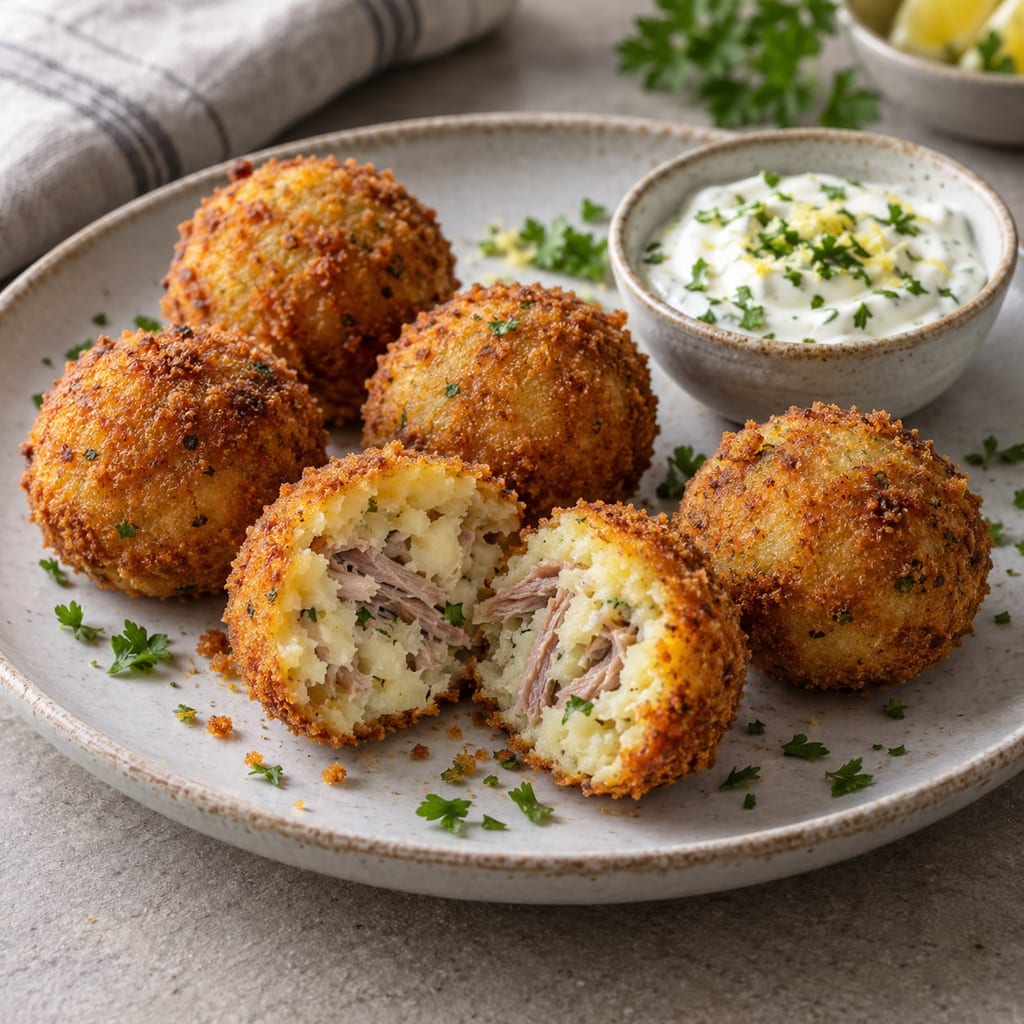
Pinnekjøttboller are potato-and-pinnekjøtt balls coated in breadcrumbs, deep-fried and served with lemon-parsley sour-cream dip.
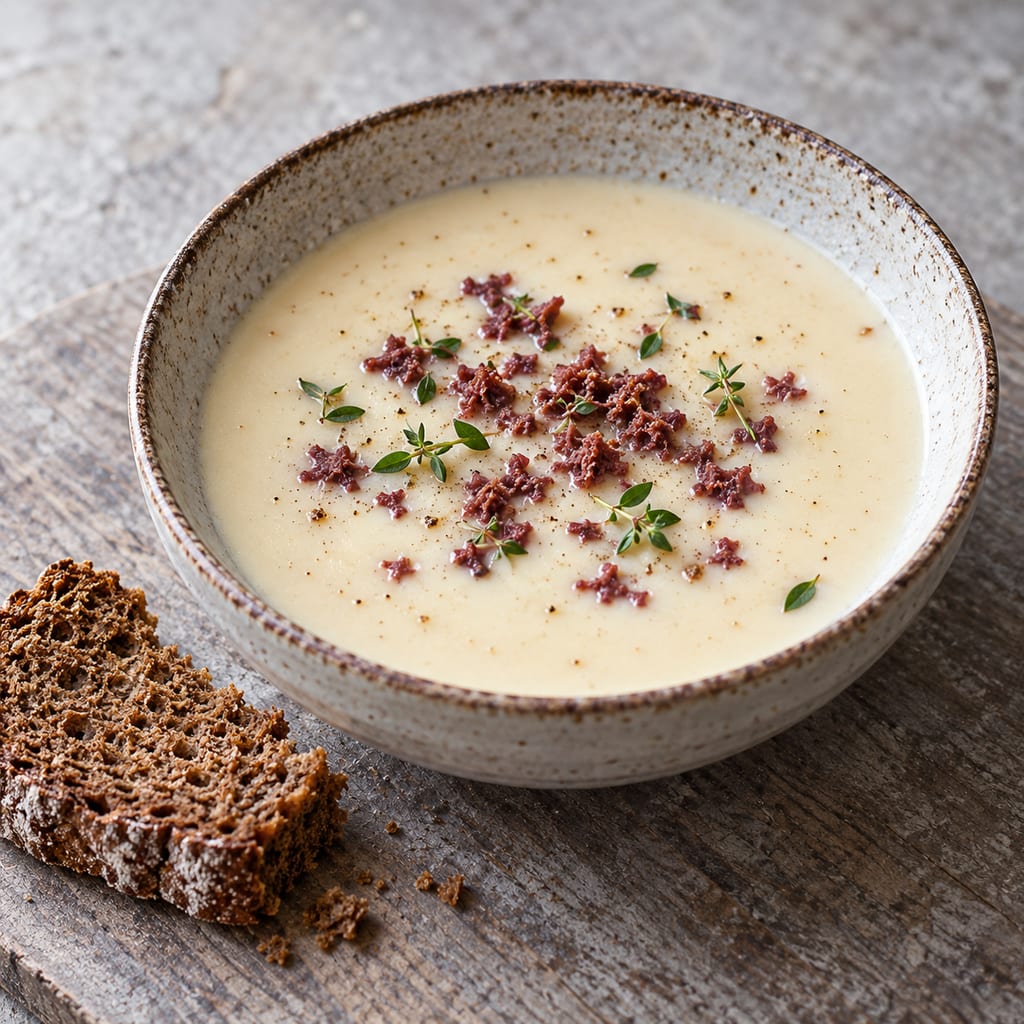
Kylmäsavuporokeitto is a creamy cold-smoked reindeer soup with onion, stock and cheese, served with bread.
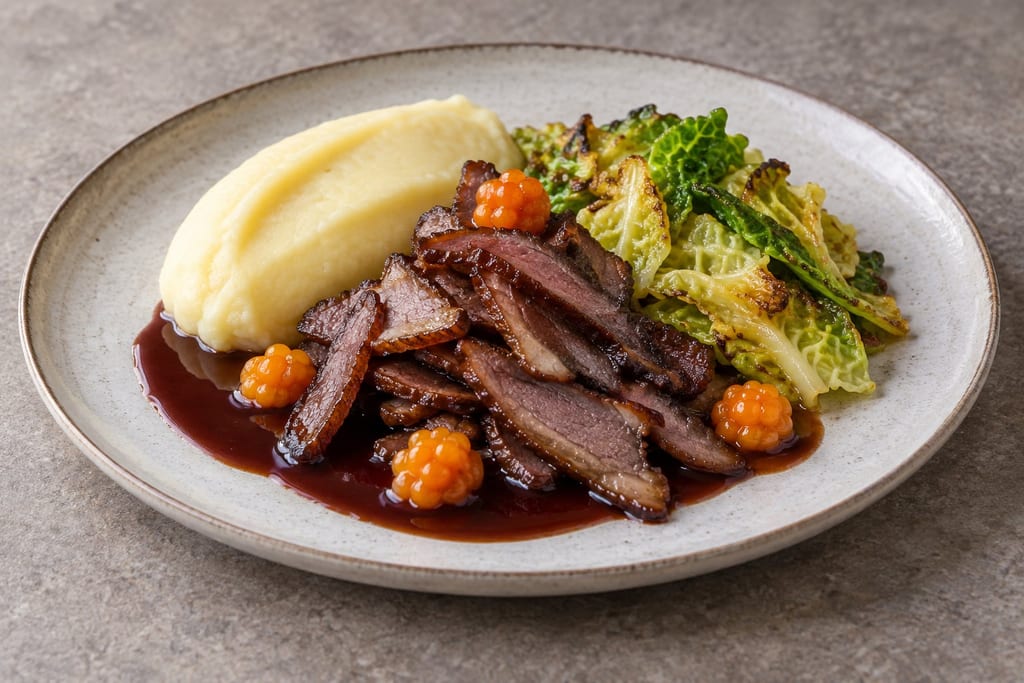
Suovas with almond-potato purée pairs pan-fried reindeer meat with buttered savoy cabbage and a reduced red-wine and reindeer-broth sauce.
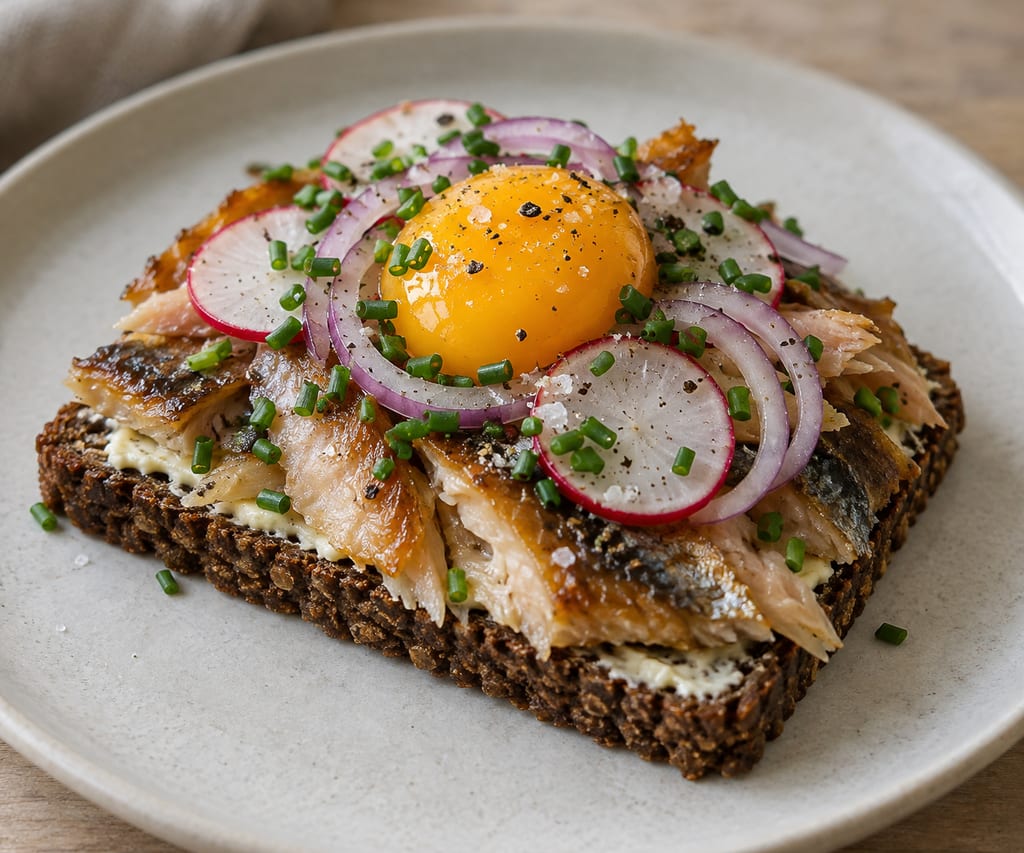
Sol over Gudhjem layers hot-smoked herring and vegetables on buttered rye bread, topped with egg yolk.

Finnish pea soup simmers dried peas with palvikinkku or a vegetable alternative, then is served with mustard and chopped onion.
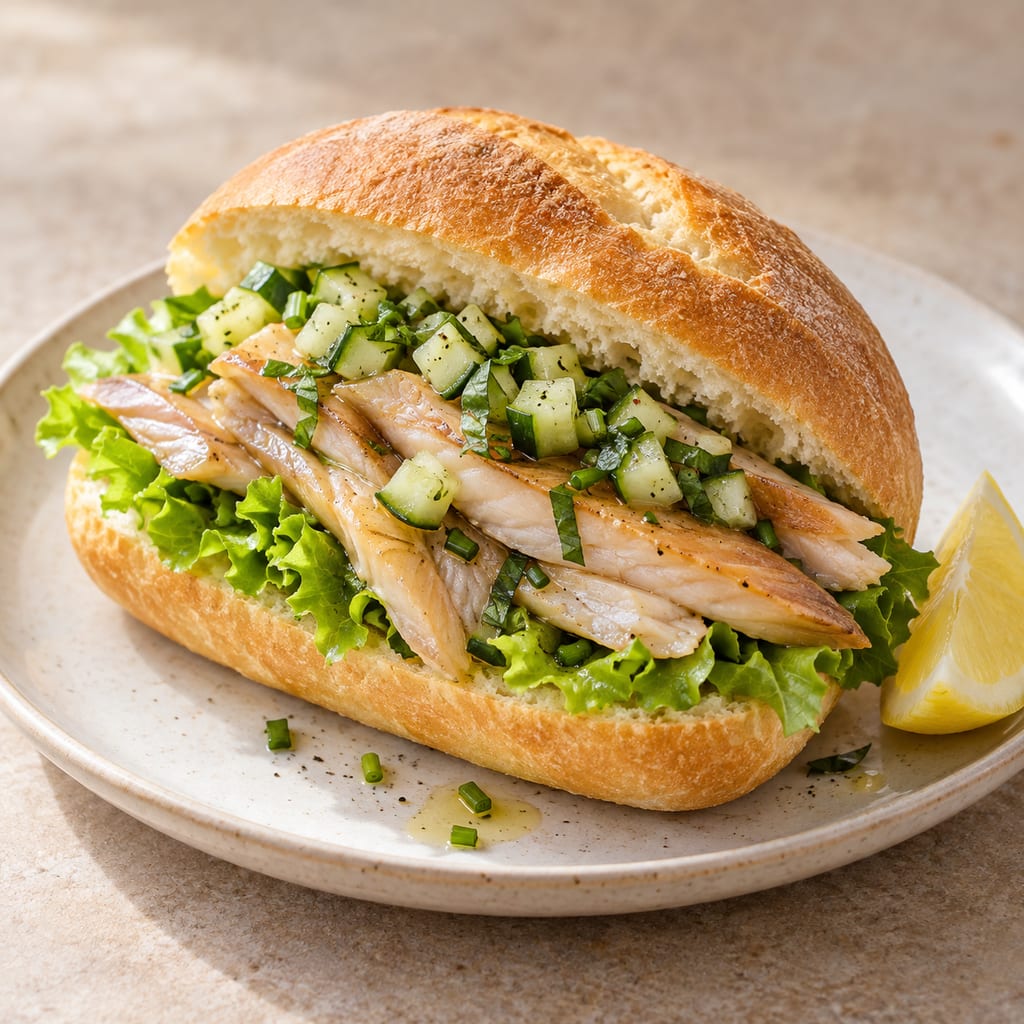
This Dutch lunch roll combines purchased smoked eel with cucumber, basil, lemon dressing and lettuce.
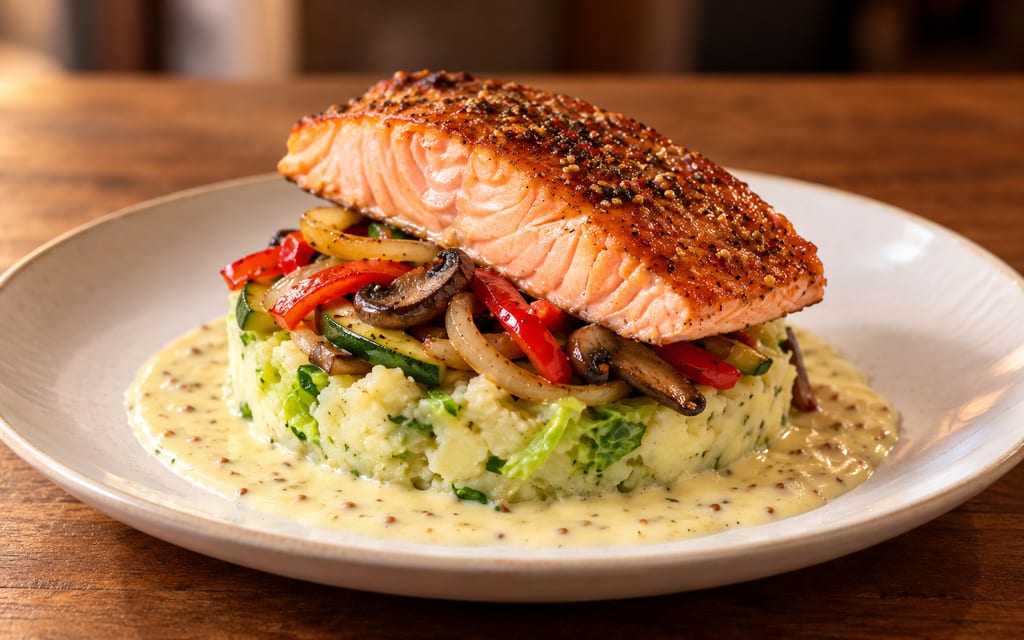
Burren Smokehouse’s colcannon dish serves hot-smoked salmon with mashed potatoes, cabbage, stir-fried vegetables and mustard cream.
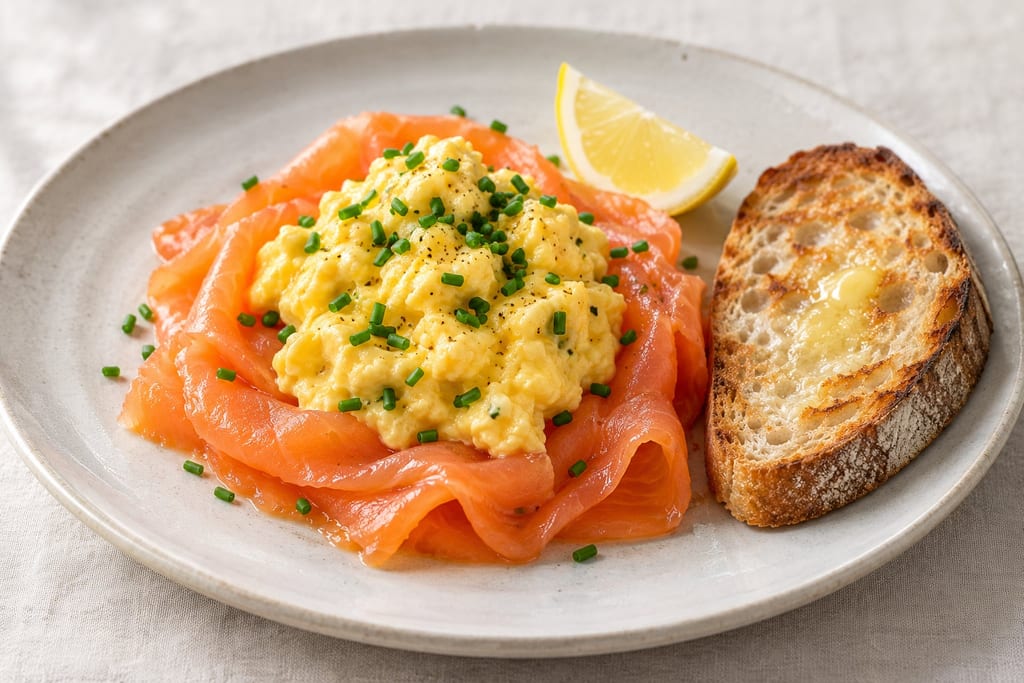
Softly scrambled eggs enriched with cream and butter, served with cold-smoked salmon, chives, lemon and sourdough toast as a British breakfast dish.
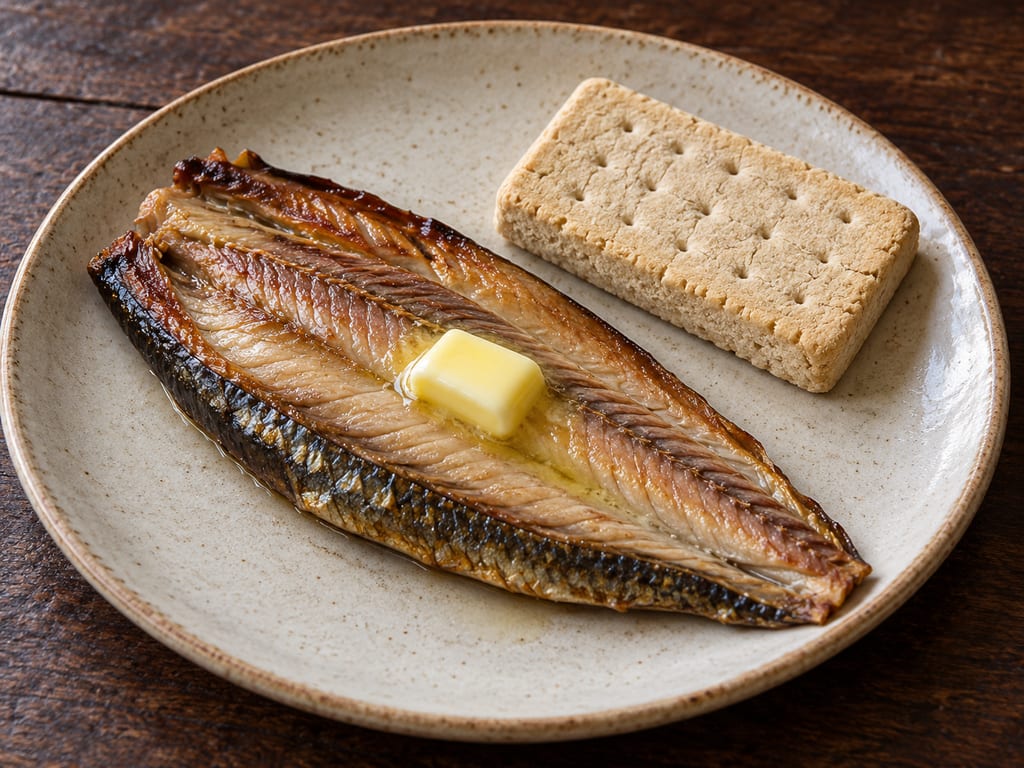
A Victorian way with Great Yarmouth bloaters: the lightly salted, cold-smoked whole herring is broiled and served with fresh butter and a warmed captain's biscuit.
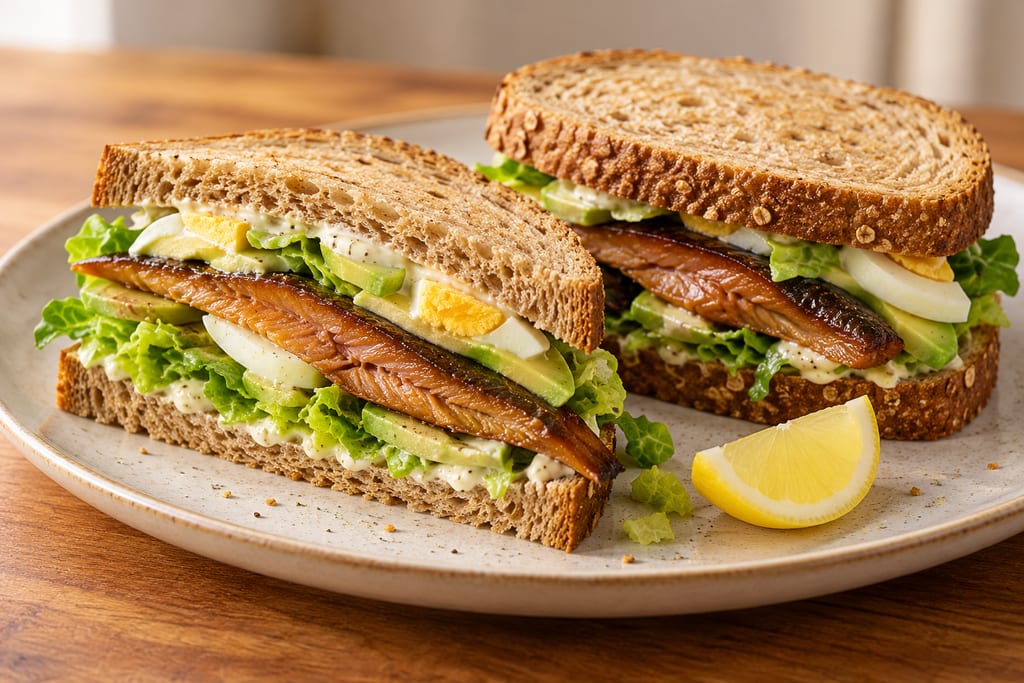
A warm club sandwich of oak-smoked Craster kipper fillets layered with soft-boiled egg, romaine, avocado and lemon mayonnaise on brown bread.
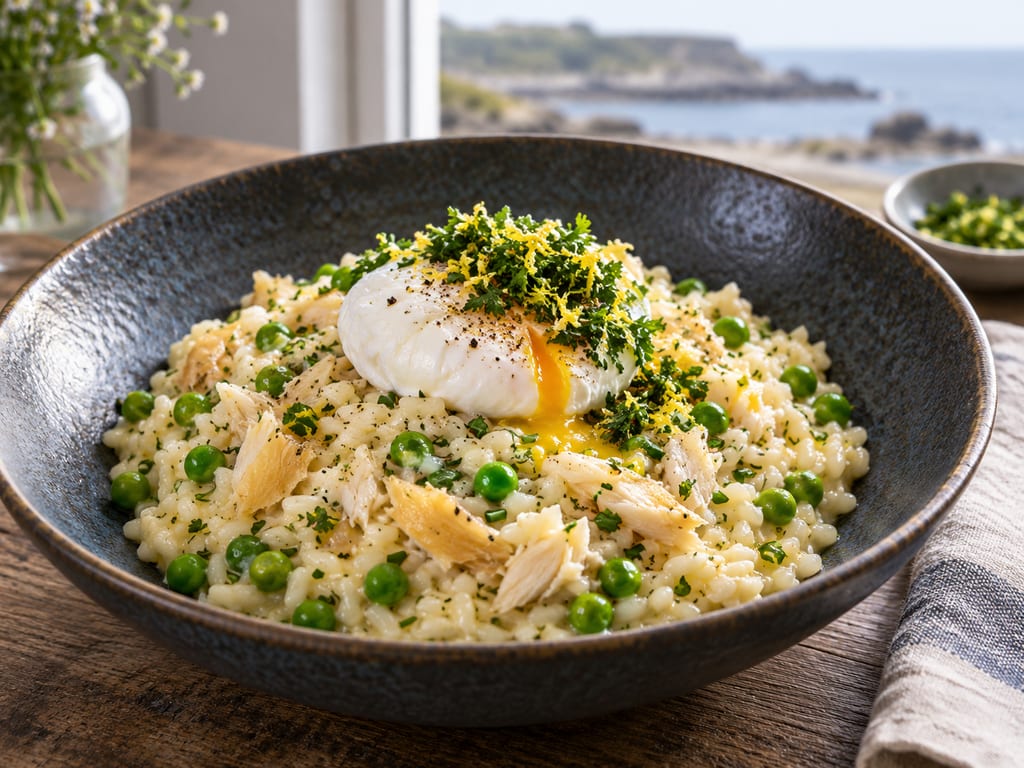
A four-serving risotto published in the 2014 Arbroath Smokie Trail booklet and credited to Hayley Wilkes. It cooks with finished Arbroath smokies; it does not describe smoking fish.
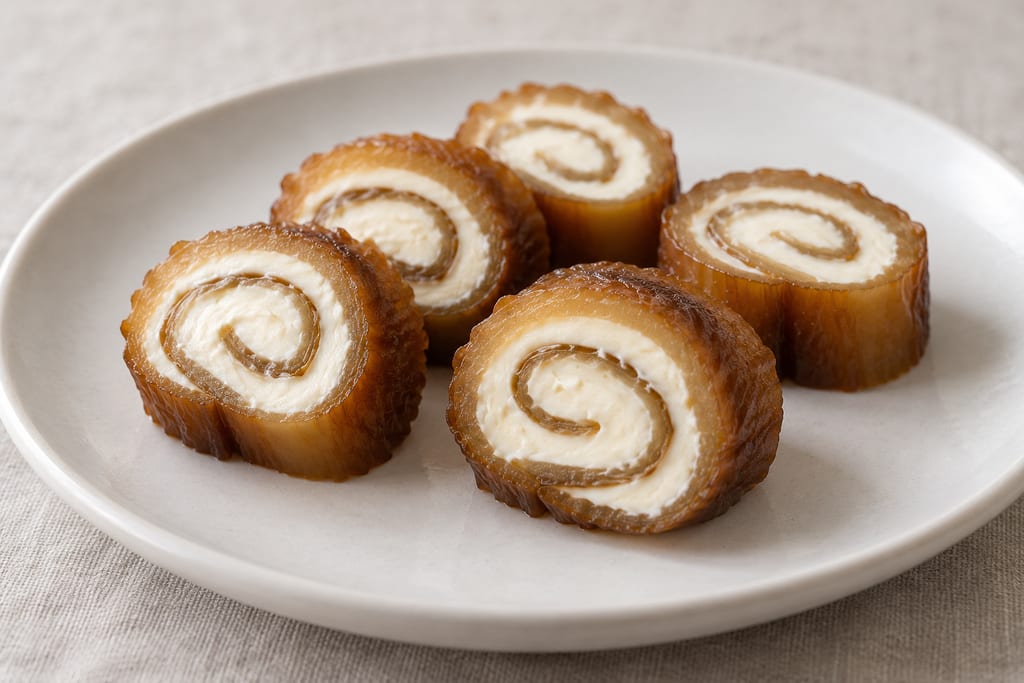
A Morinaga snack pairs thin ribbons of iburigakko with cream cheese, then chills the roll before cutting it into portions.
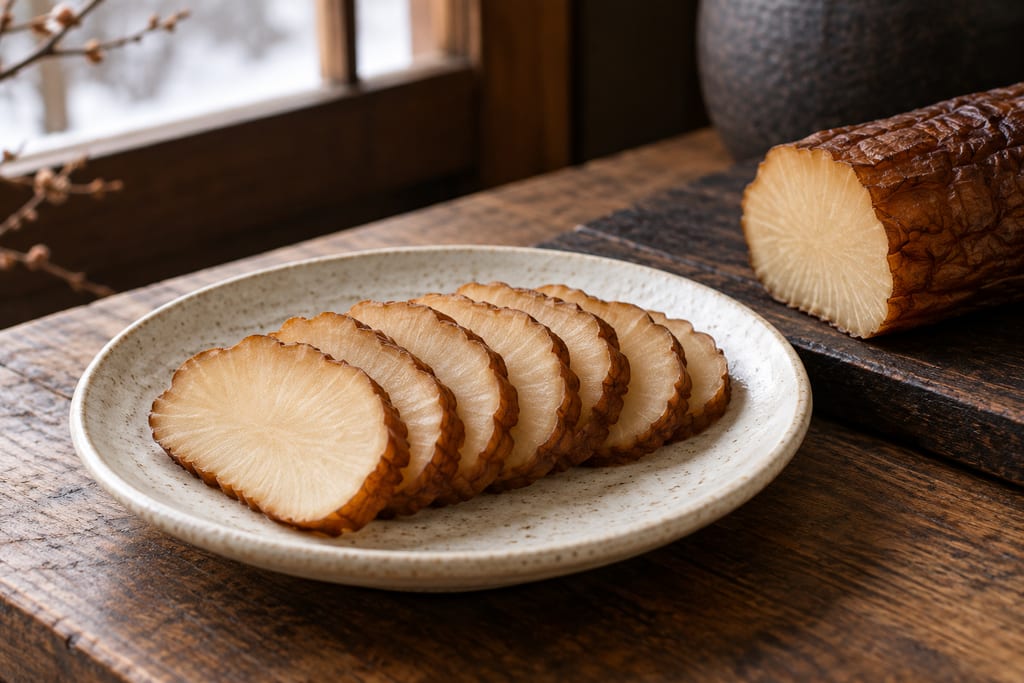
Iburigakko is Akita pickled daikon dried with smoke before it is fermented in rice bran.
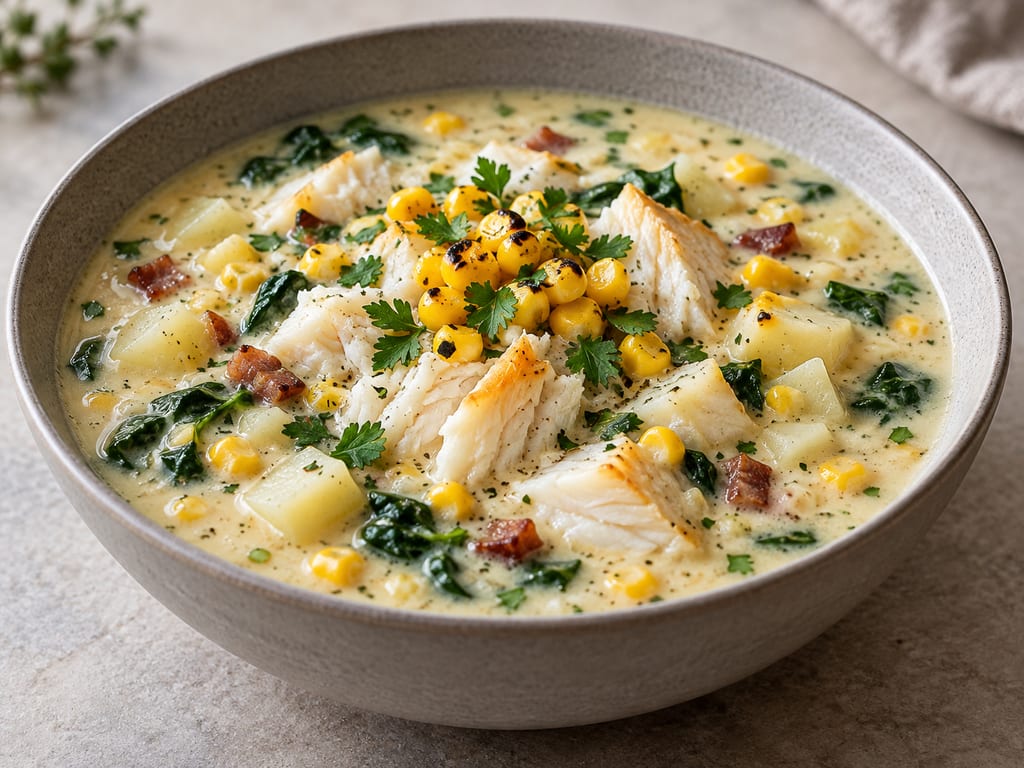
Alfred Enderby’s chowder combines smoked haddock with potato, sweetcorn and spinach in a milk-and-stock broth.
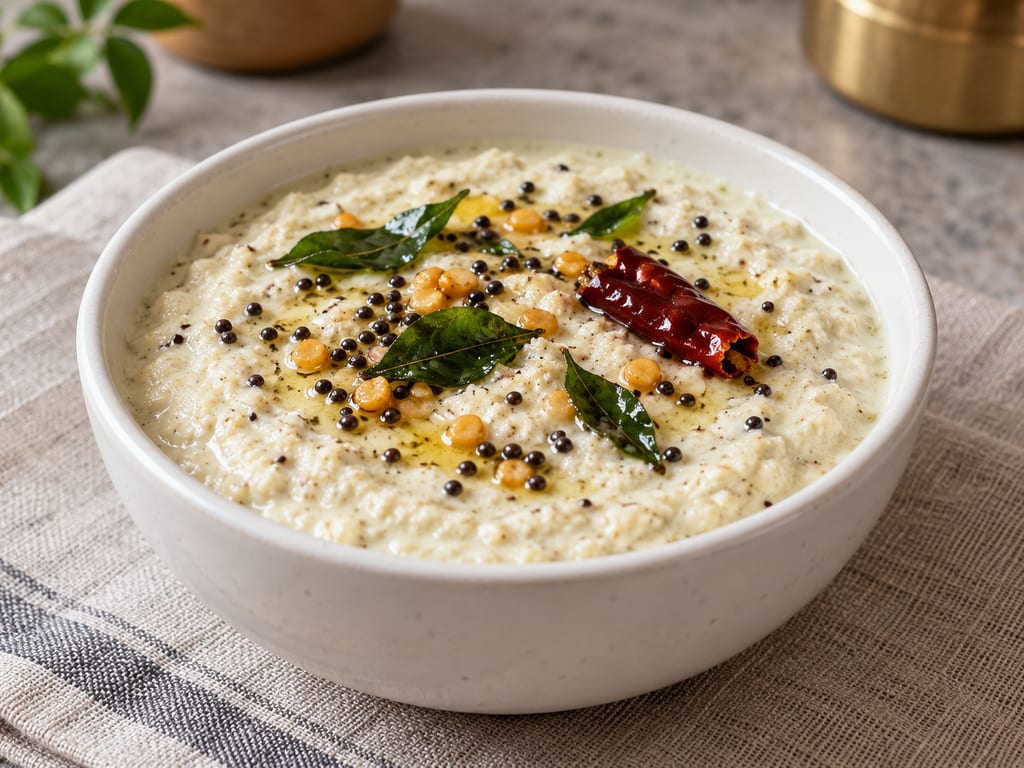
A coconut chutney whose ground base is finished with a separate oil tempering of mustard, urad dal, curry leaves and spices; the author pairs it with South Indian breakfast foods and snacks.
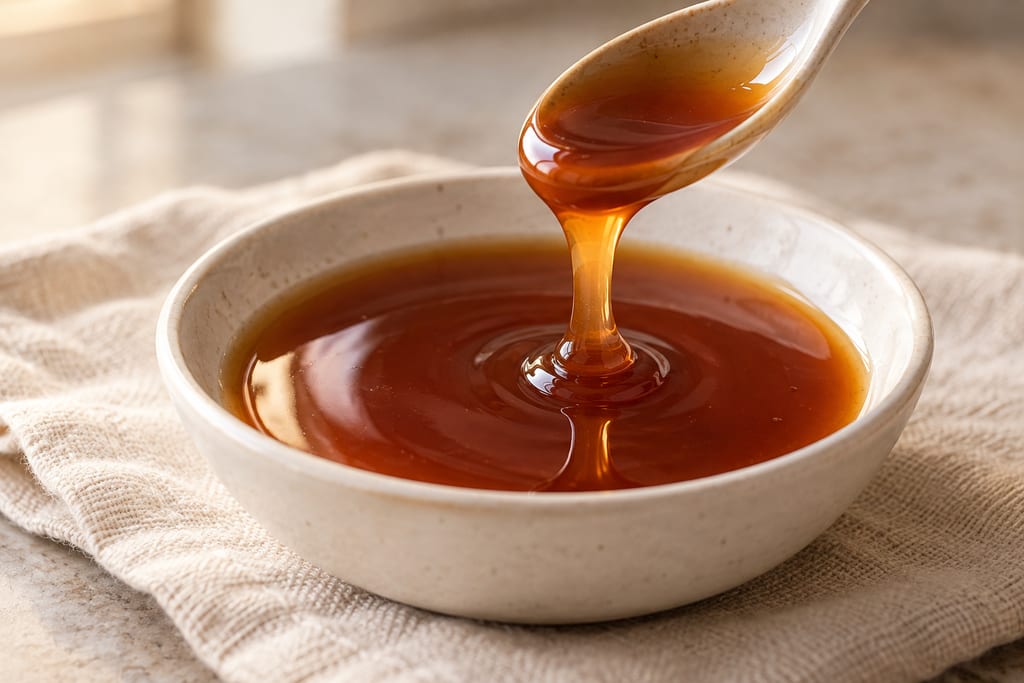
A glossy Japanese glaze thickened with starch, sugar, soy sauce and mirin. Spoon it over cooked rice dumplings while the glaze is still fluid.
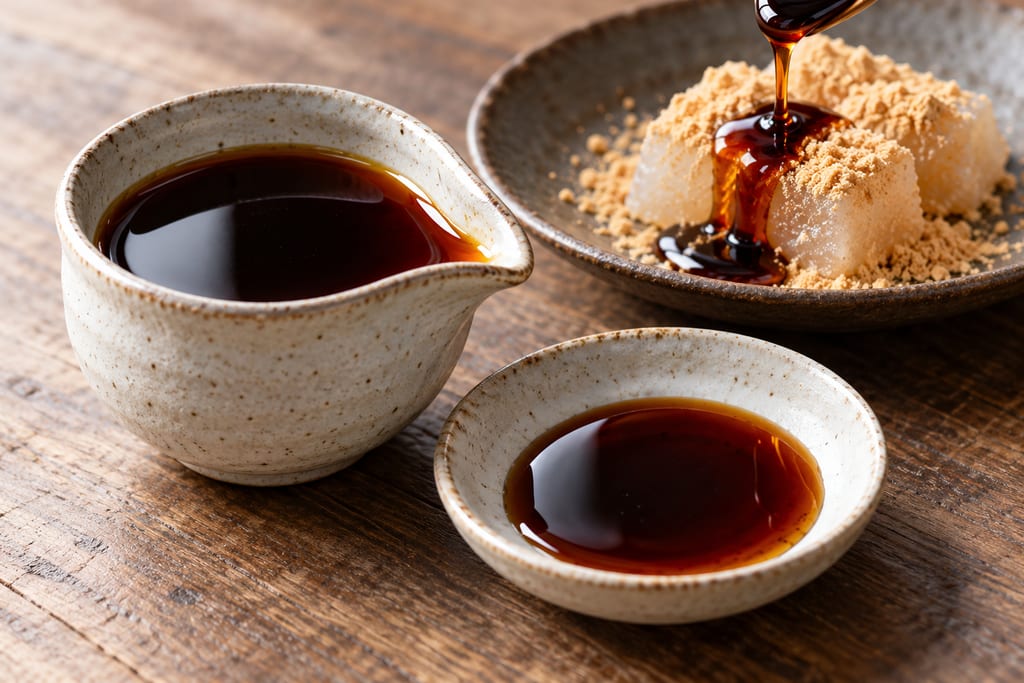
A dark Japanese syrup made by simmering black sugar with water and optional extra sugar. Drizzle it over mochi, ice cream or other desserts.
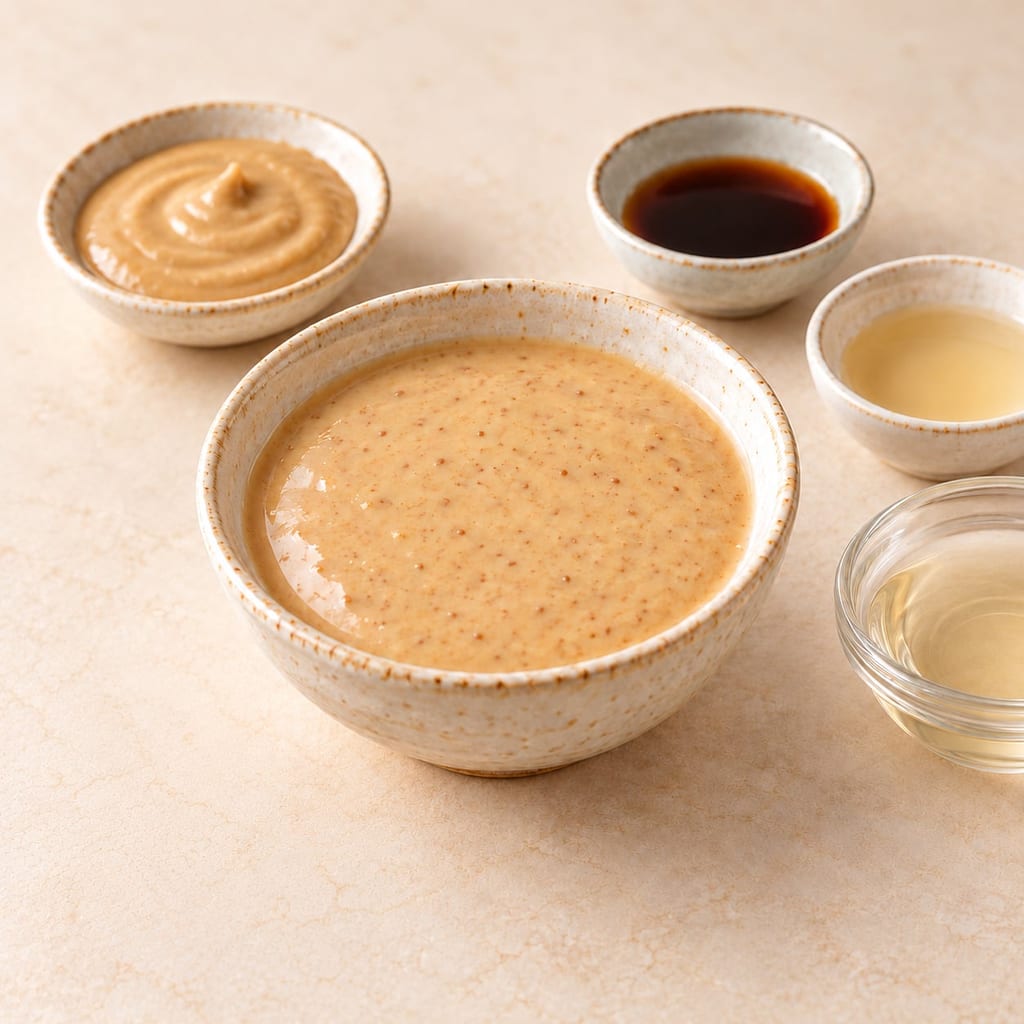
A creamy Japanese sesame dipping sauce with soy, rice vinegar and dashi. Gradual mixing turns the thick sesame paste into a smooth sauce.
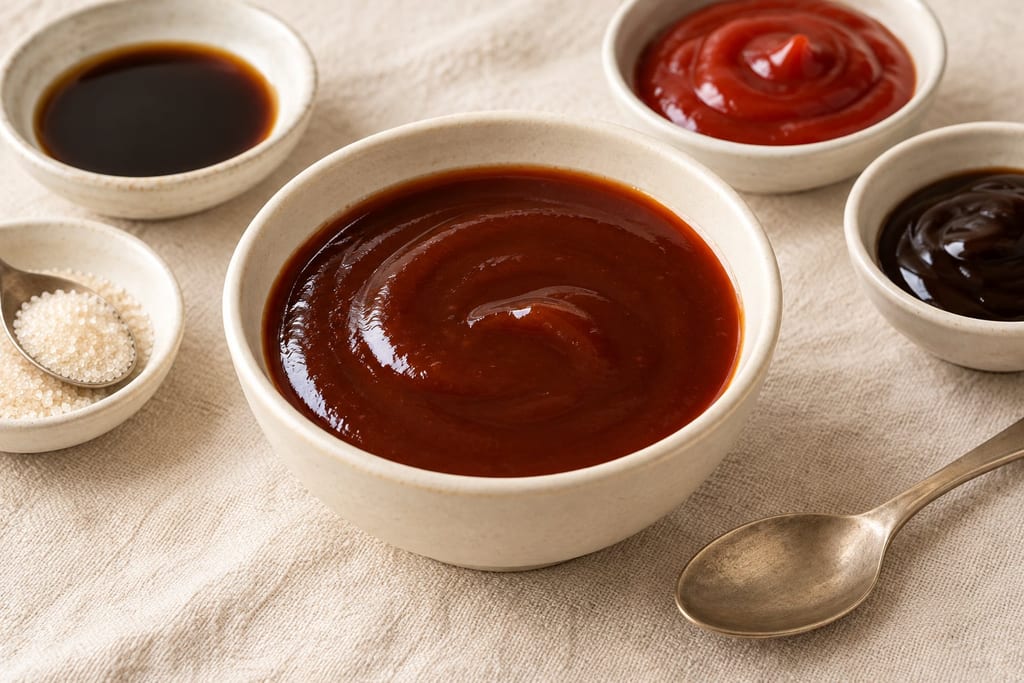
A sweet, tangy Japanese sauce mixed from Worcestershire sauce, ketchup, oyster sauce and sugar. Serve with breaded cutlets or croquettes.
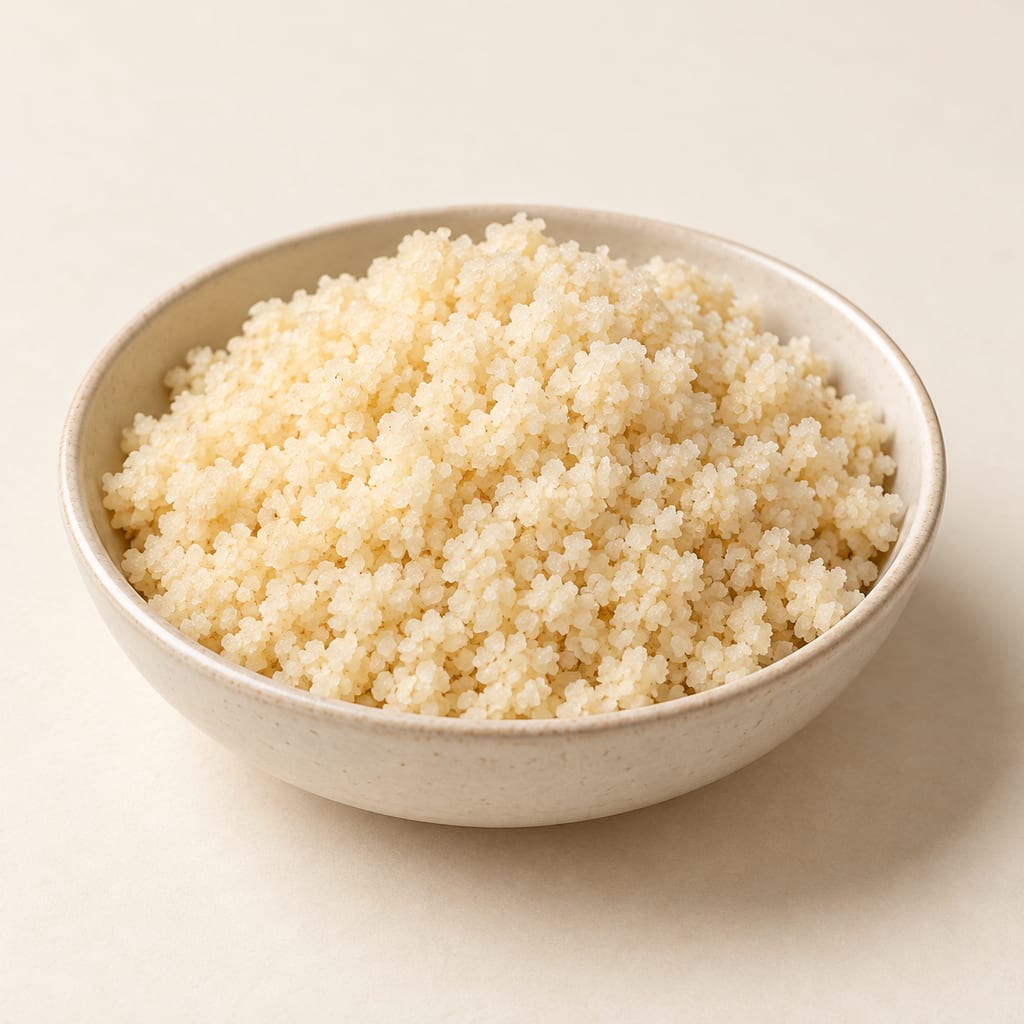
Attiéké is an Ivorian staple of grated cassava fermented with a traditional inoculum, then pressed, sieved, granulated, dried and steamed into fine couscous-like grains.
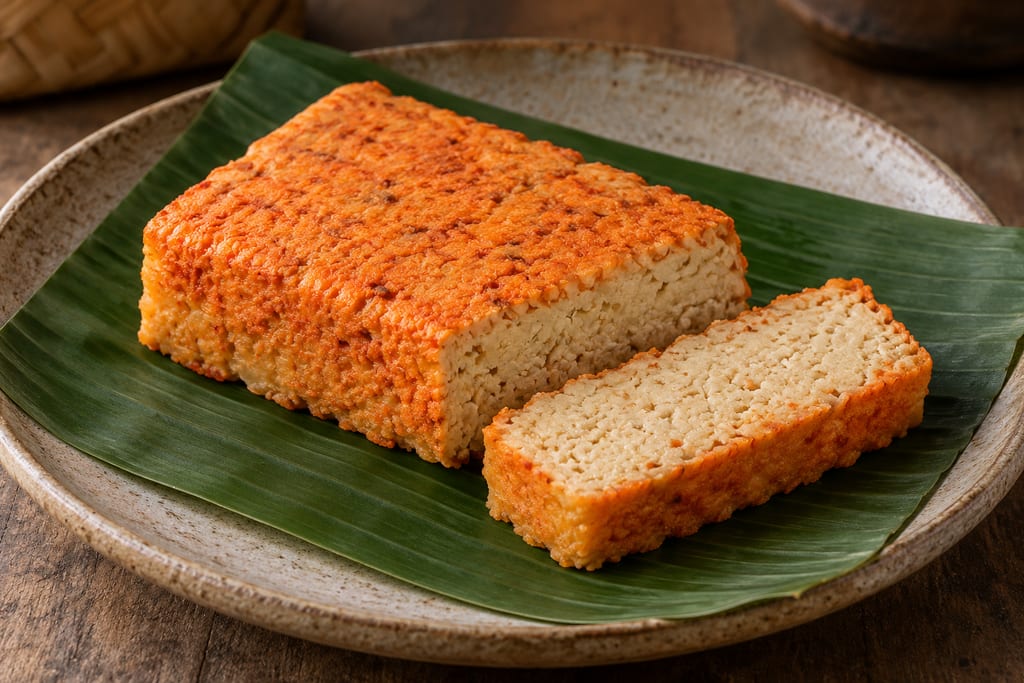
Red oncom is a West Javanese cake fermented from pressed soy pulp with a Neurospora starter, a little tapioca starch and vinegar. It is a different food from black oncom, made on another substrate with another mould.
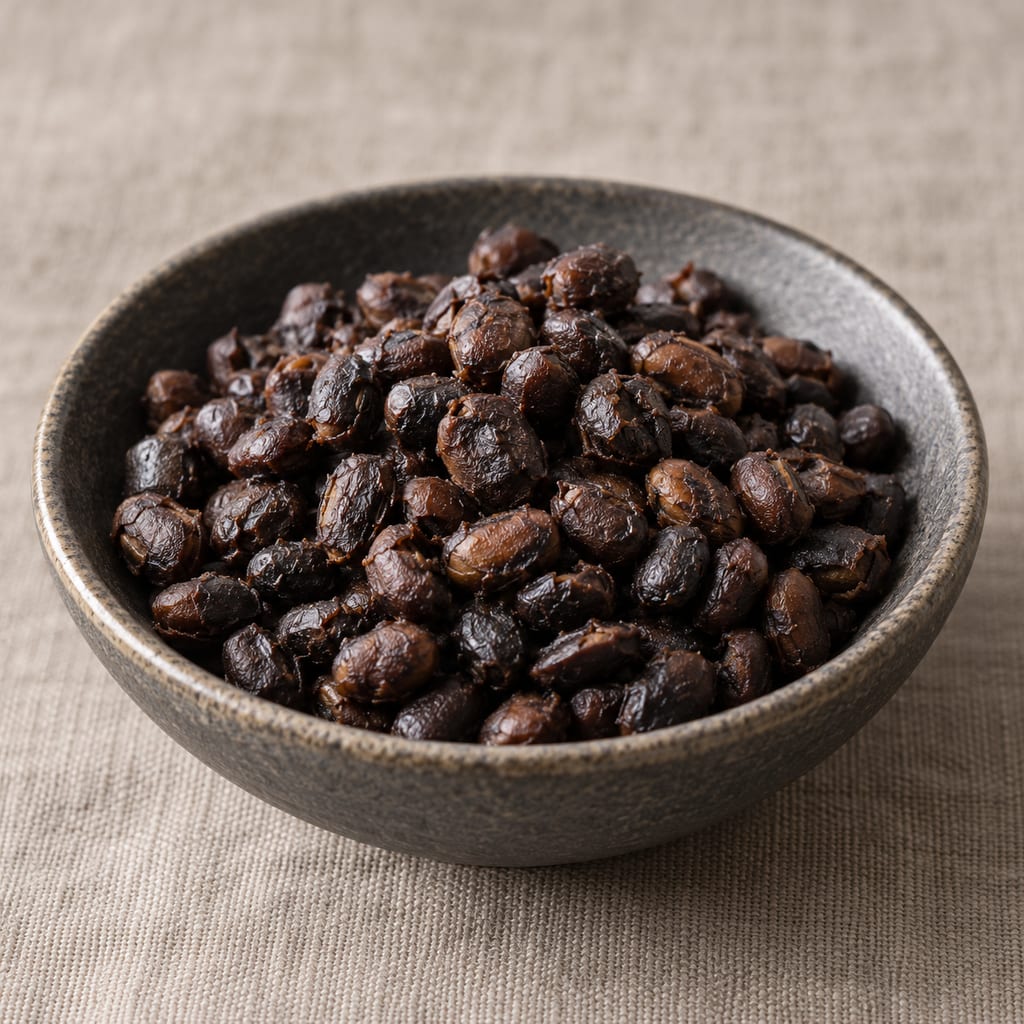
This controlled study protocol makes Aspergillus koji from soybeans and then ferments it with 4% salt. It uses a 150 g jar batch and a defined moisture target; the research method is not a validated home process.
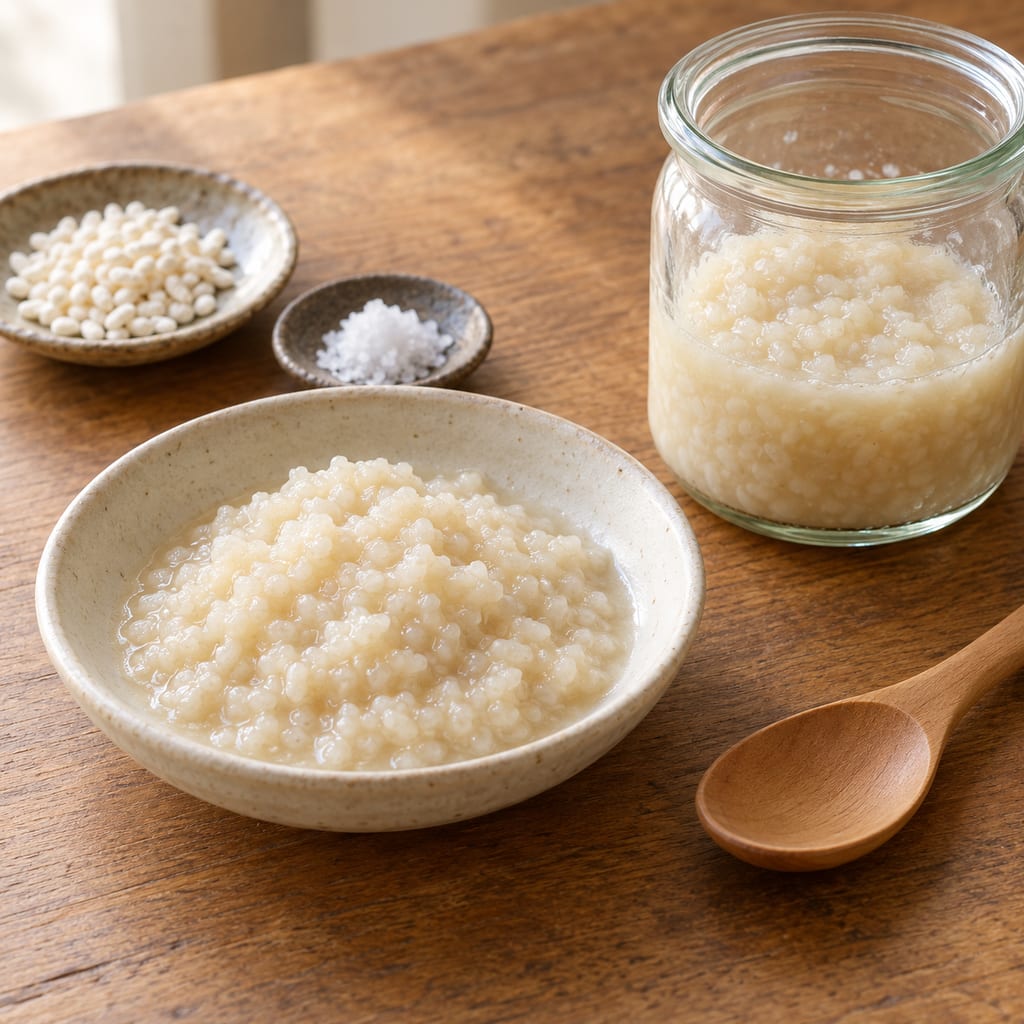
A Japanese seasoning of rice koji, salt and water, left at room temperature until the koji's enzymes and its microbes turn it into a savoury, salty paste for marinades and dressings.
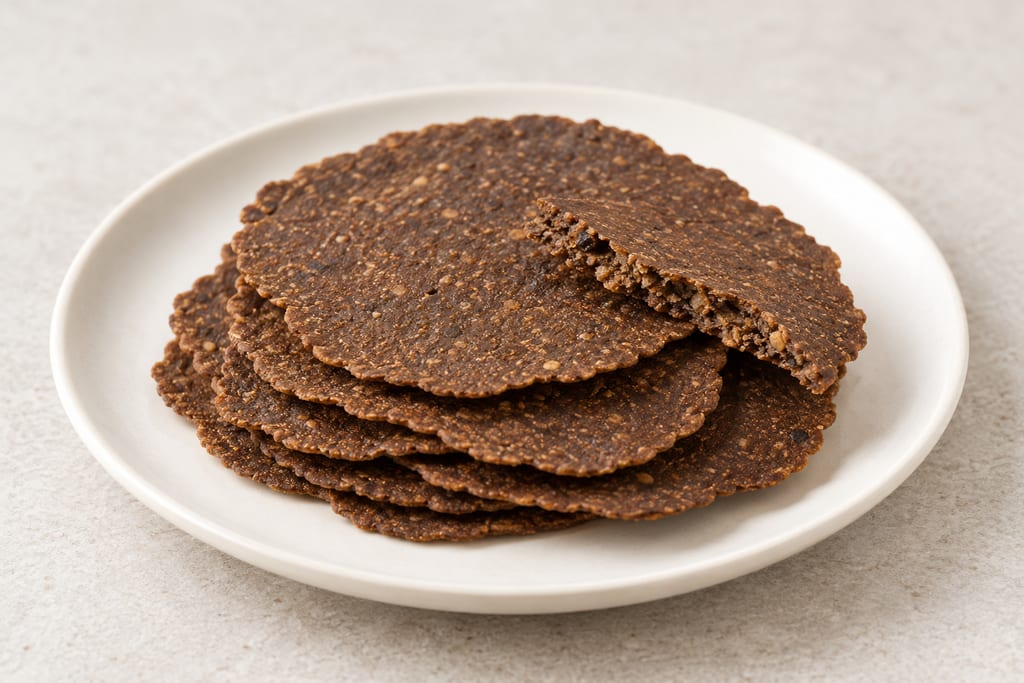
Black soybeans cooked, inoculated with a named Bacillus subtilis culture and fermented warm and humid into northern Thailand's thua nao, then optionally dried into thin discs.
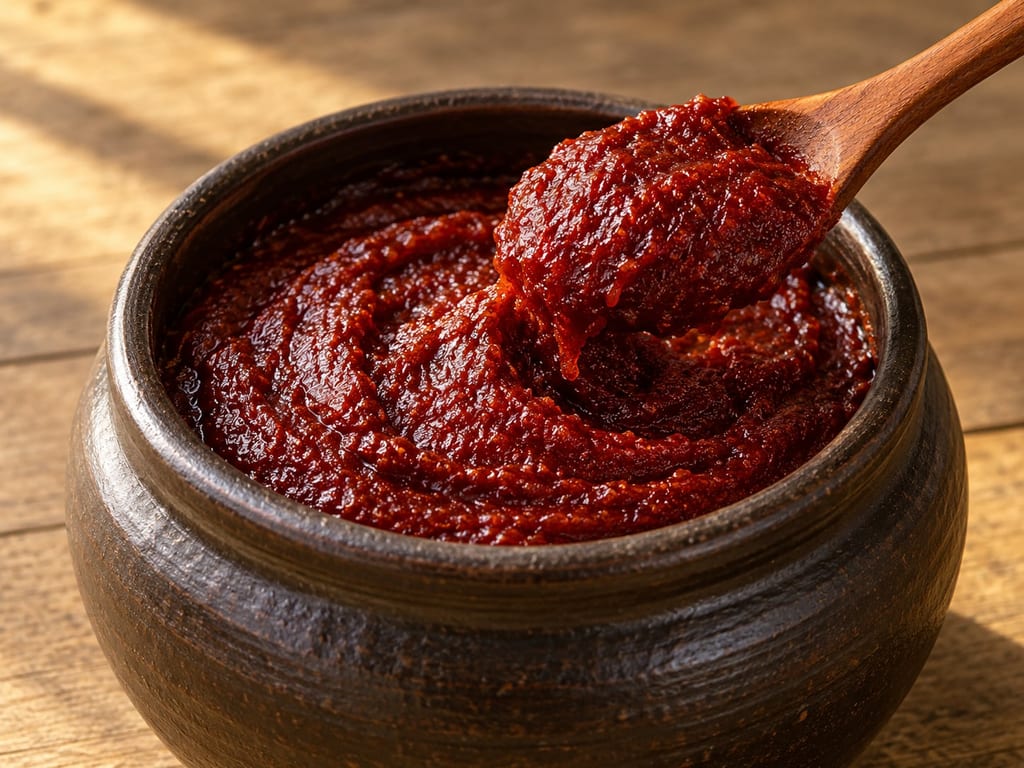
Korea’s sweet, savoury and fiery red paste of glutinous rice, barley-malt enzymes, fermented soybean meju powder and chilli powder, matured in earthenware.
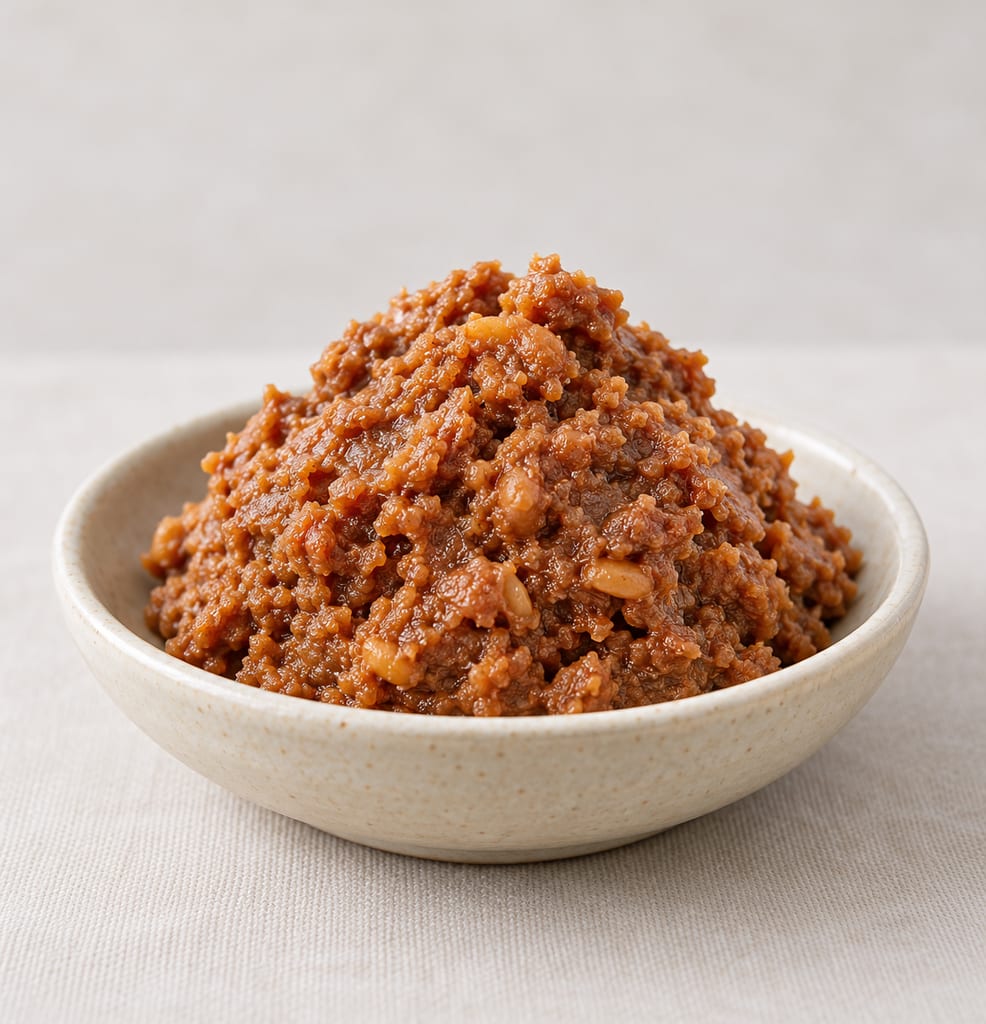
A Korean fermented soybean paste built on rice koji instead of traditional meju blocks, matured warm for thirty days with salt holding the water activity down.
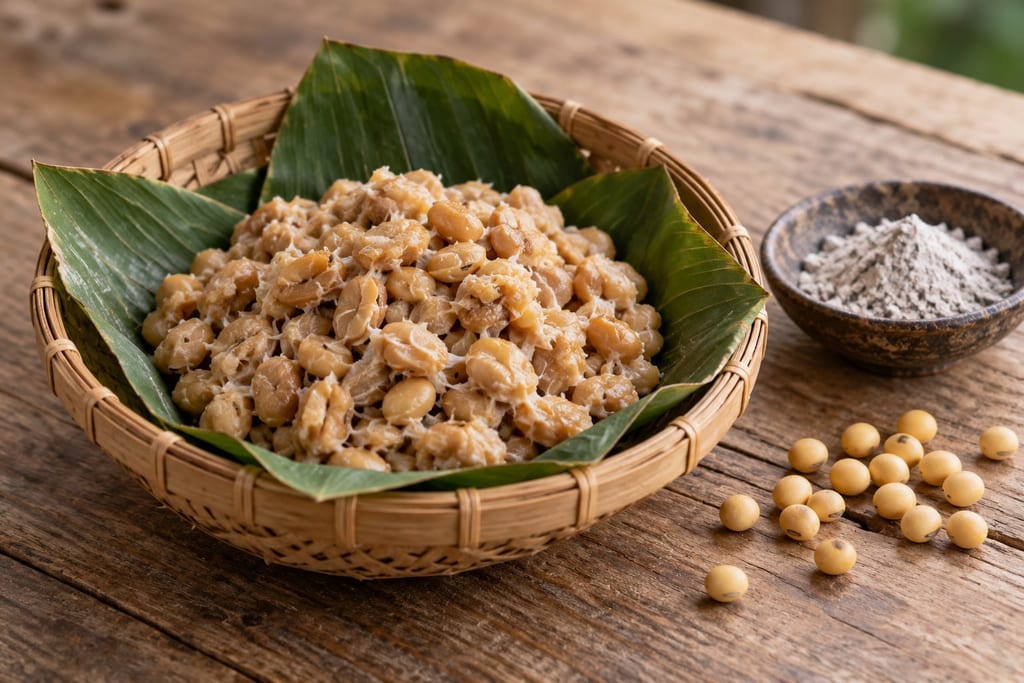
A sticky fermented soybean food of the eastern Himalaya, made here with a measured addition of firewood ash as an alkaline aid to the bacteria that drive it.
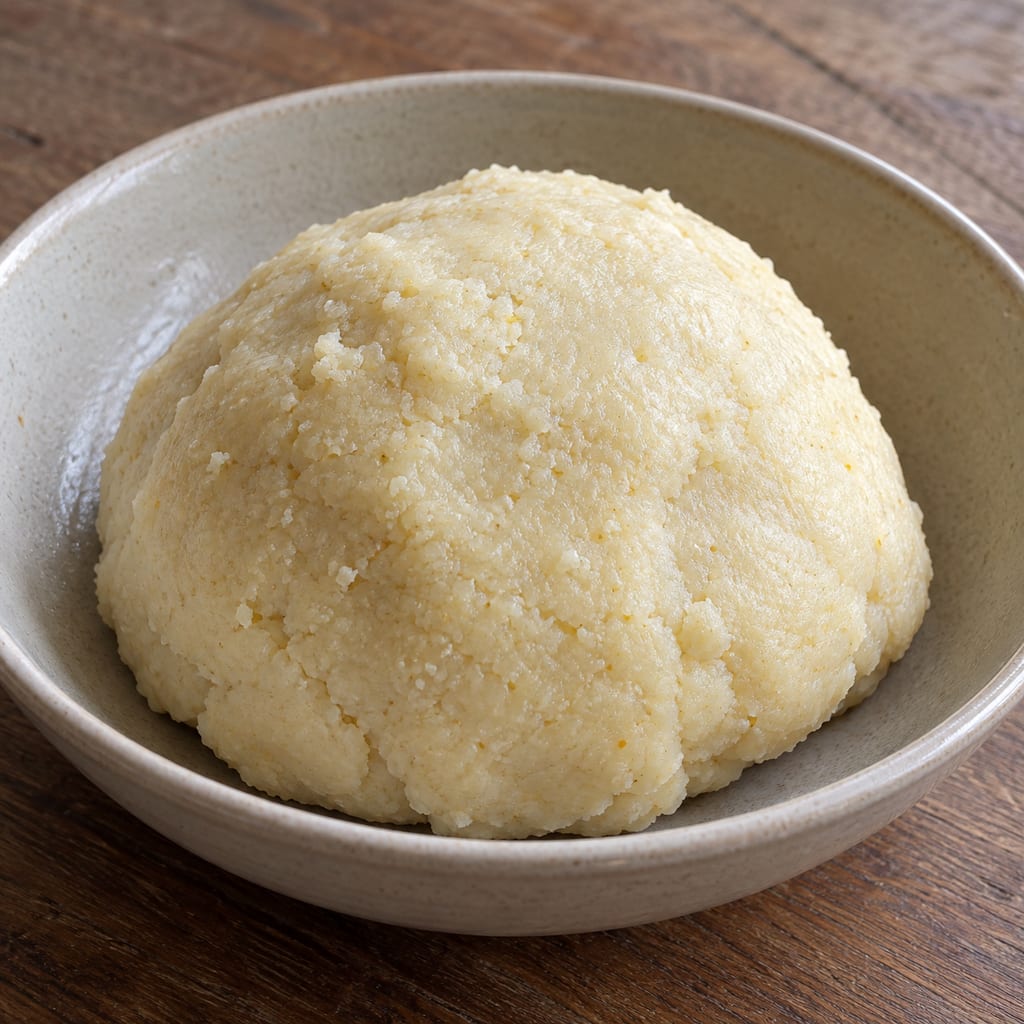
Mawè is a spontaneously fermented maize or other cereal dough from Benin and neighbouring West Africa, soured by lactic bacteria and yeasts and used as the base for cooked pastes, porridges, breads and drinks.
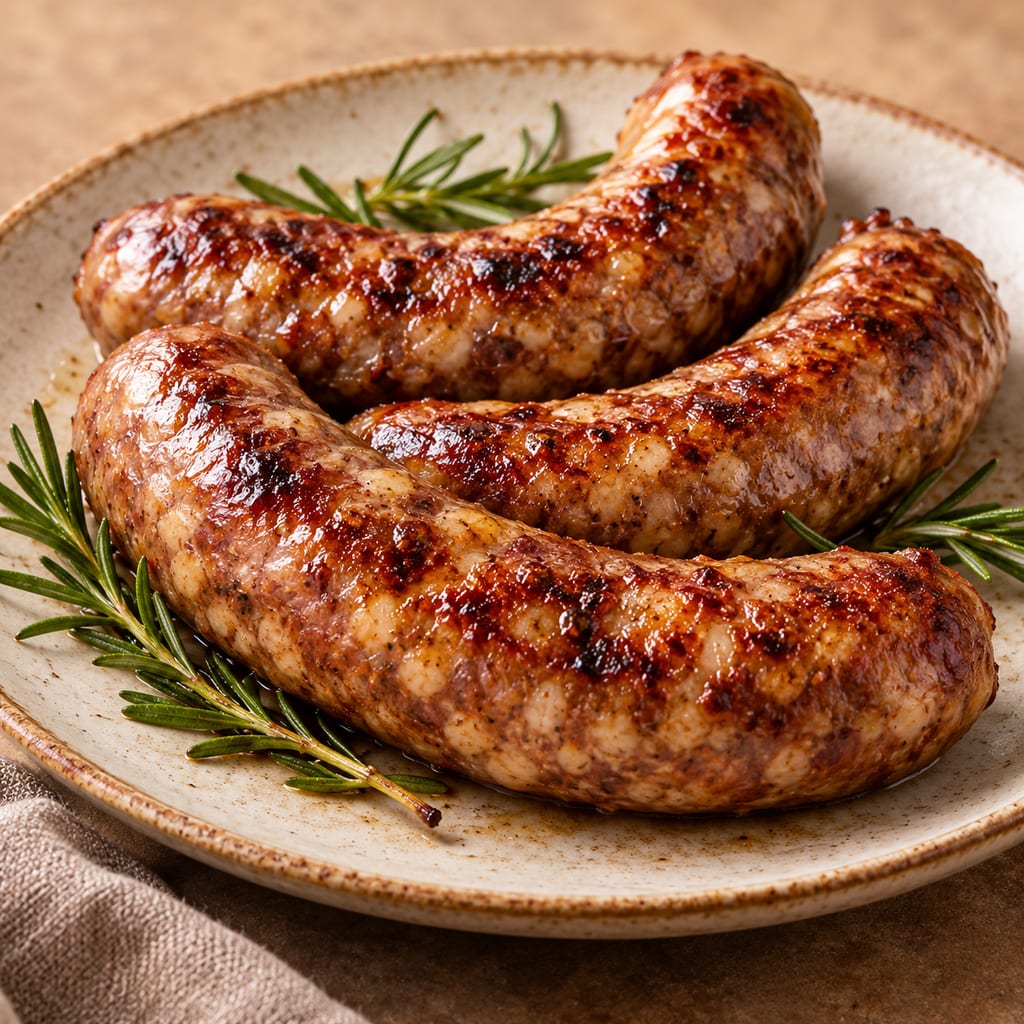
South Africa's spiced fresh sausage family, sold as masala, dhania or Punjab wors: cumin, ginger, garlic and chilli in place of the mild coriander-and-clove seasoning of boerewors.
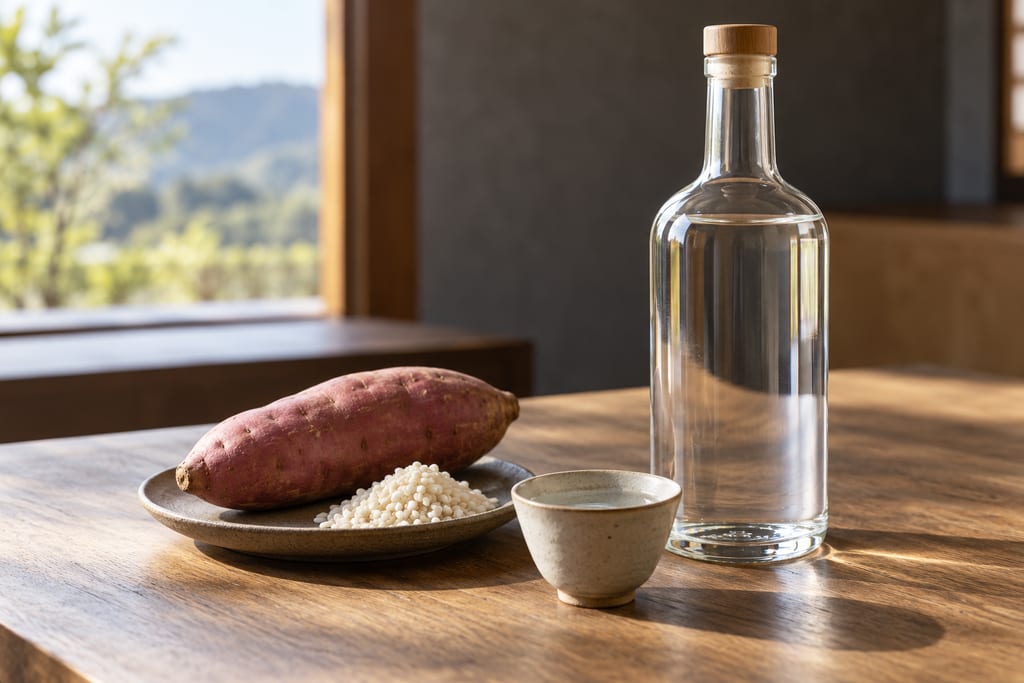
Japanese pot-distilled spirit made by fermenting sweet potatoes, rice or barley with koji and yeast in two stages, then distilling the mash once so the ingredients' aroma survives.
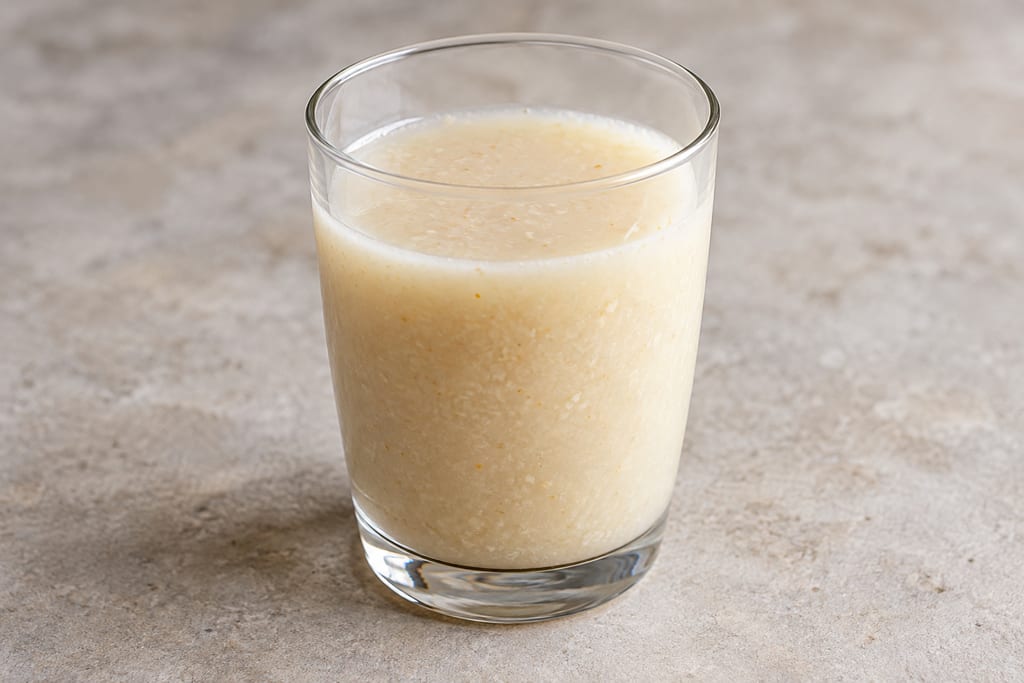
A Zambian cereal drink built on coarse maize grits rather than meal, saccharified with an extract of wild munkoyo roots and then left to ferment spontaneously.
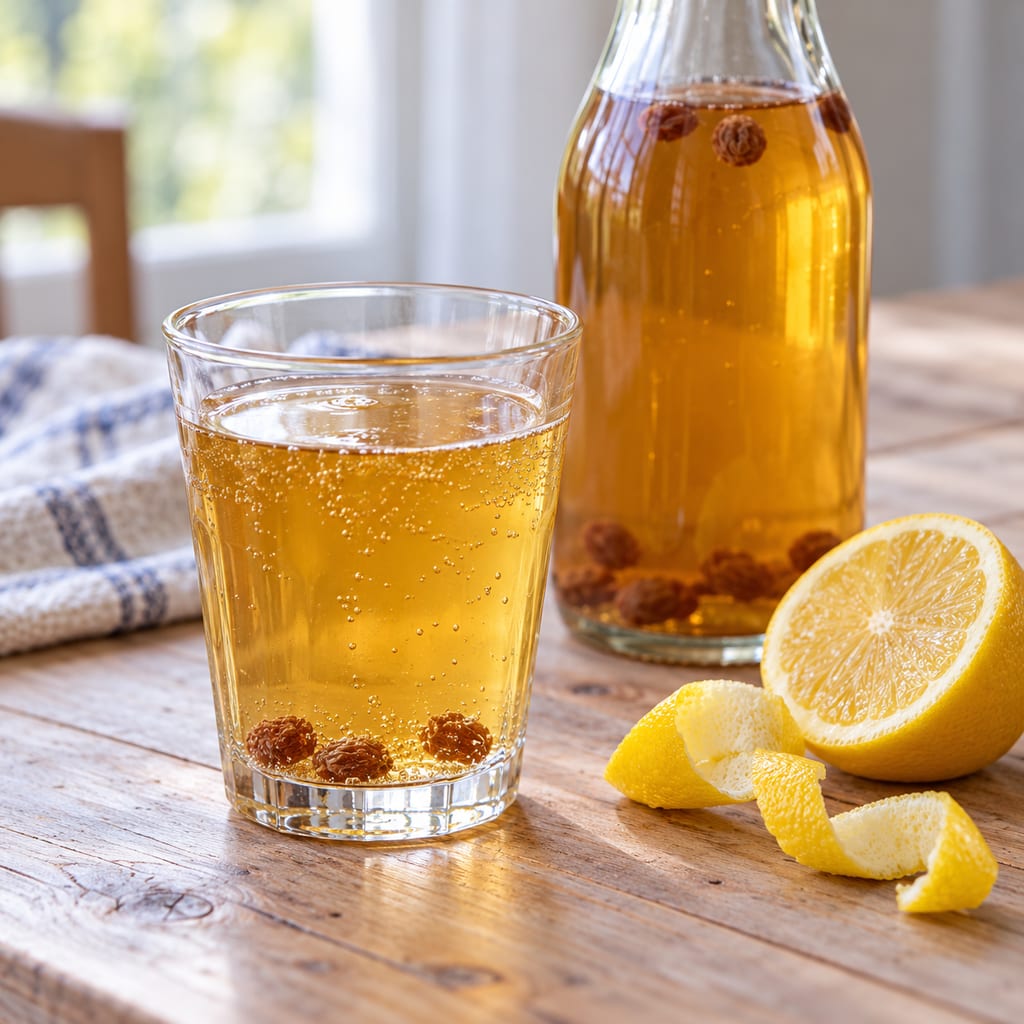
A lightly fermented Finnish May Day drink of lemon, white and brown sugar and a little yeast, bottled with raisins that rise as the carbonation builds.
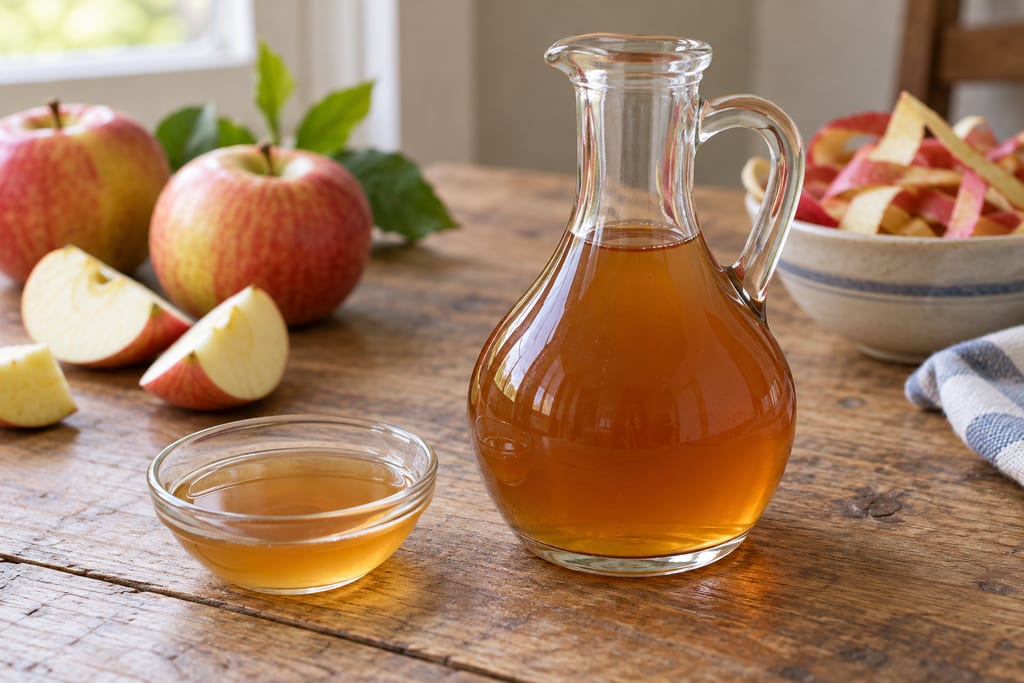
Apple vinegar made at home from whole fruit or peelings and cores, sugared and fermented first to alcohol by yeast and then to acetic acid by bacteria in open air.

A still, dry honey wine fermented from varietal honey and water with a single wine yeast, carrying no residual sweetness and no added carbonation.
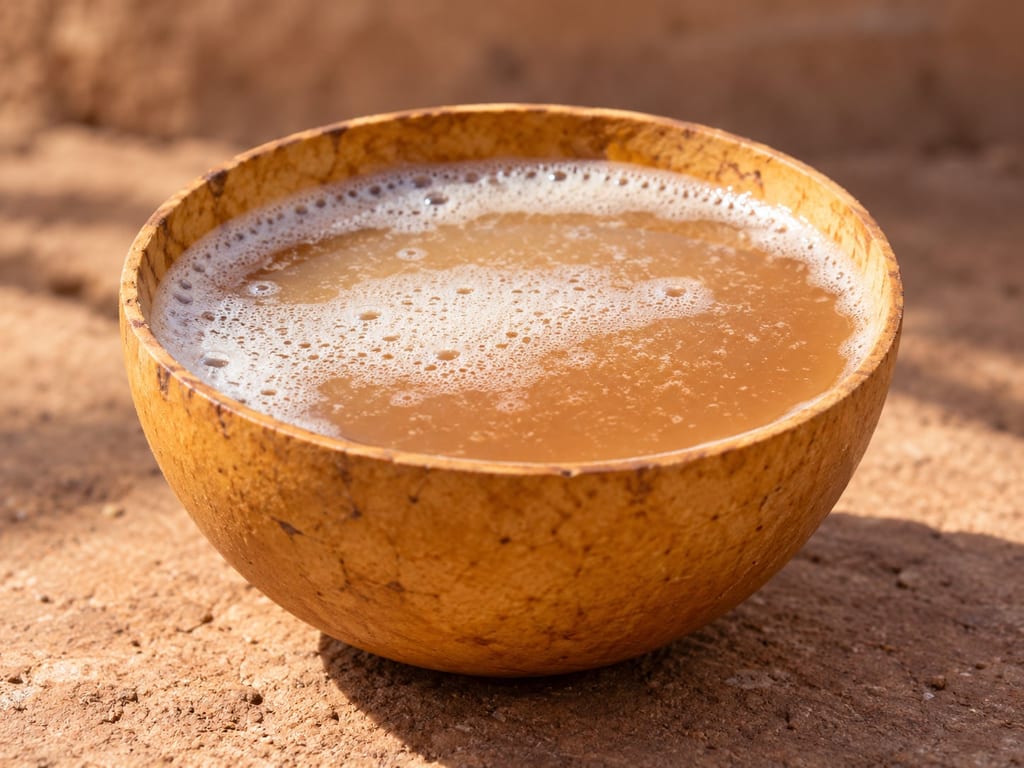
An alcoholic, opaque and bitter sorghum beer from Maroua, northern Cameroon, made from malted sorghum and fermented with a chai starter.
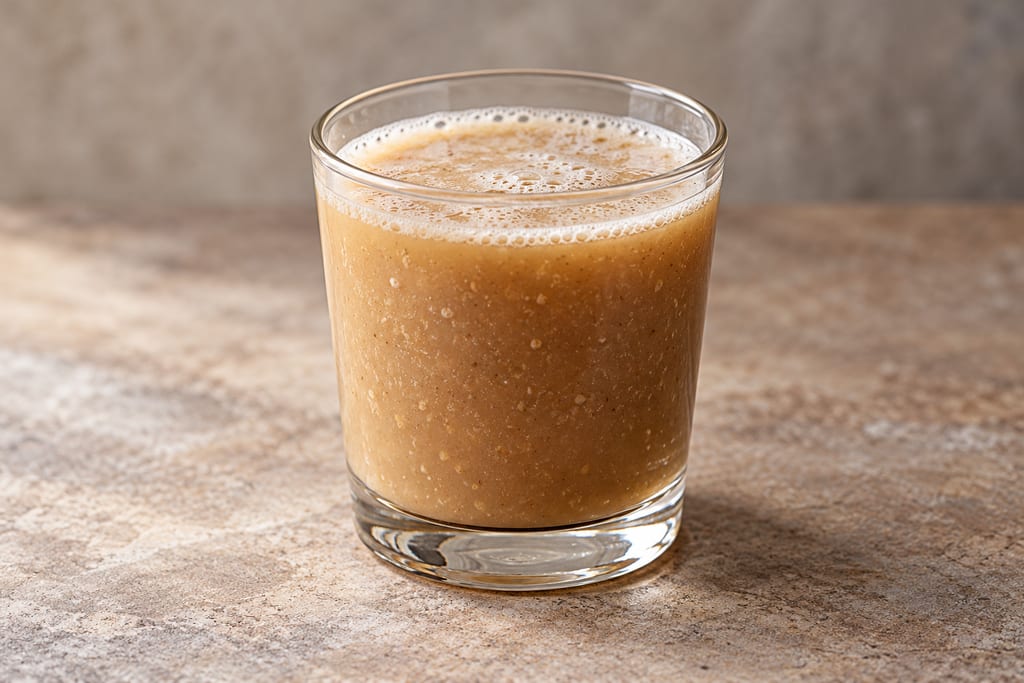
A thick, faintly fizzy Ethiopian cereal drink in which a wheat dough is fermented, roasted dark, then fermented a second time with barley malt into a drinkable slurry.
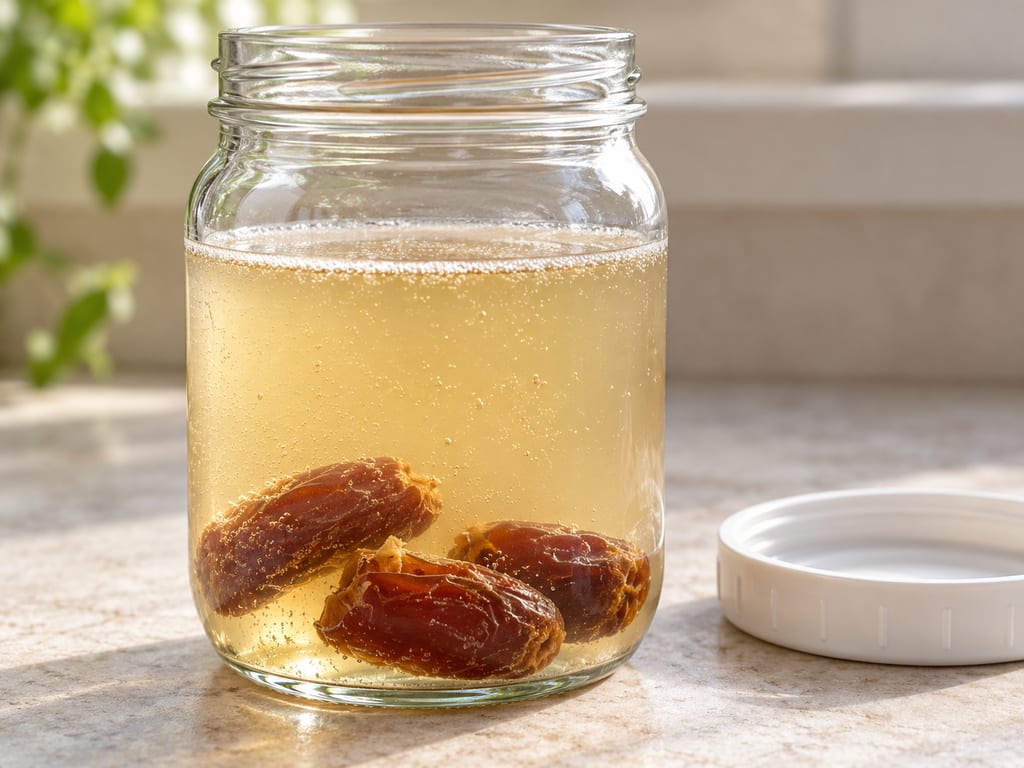
Fruit yeast water is a spontaneously fermented liquid made by soaking fruit in water, with or without sugar, to grow yeast for starting bread dough or a separate flour starter.
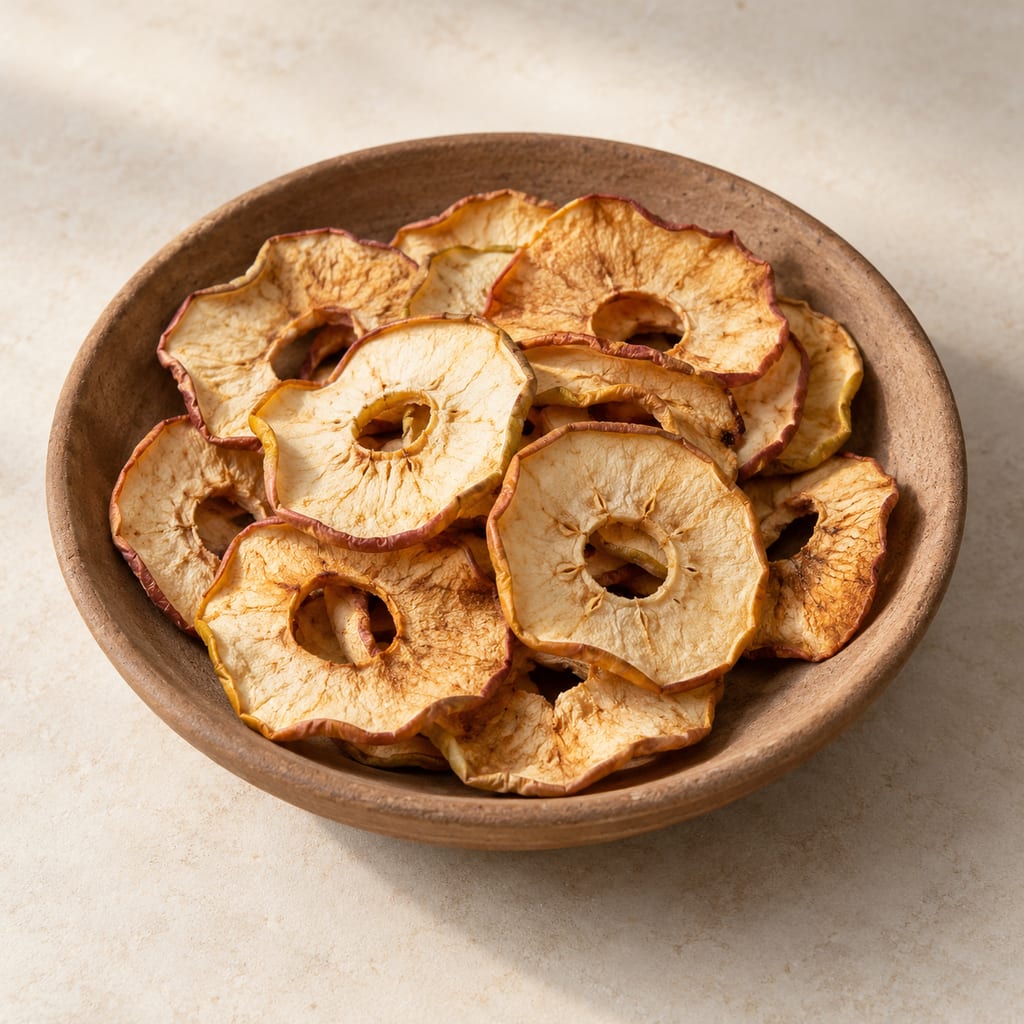
Apple slices dried until most of their water has gone, shrinking and concentrating into leathery or crisp rings, with the modern controls that a plausible old technique turns out to need.
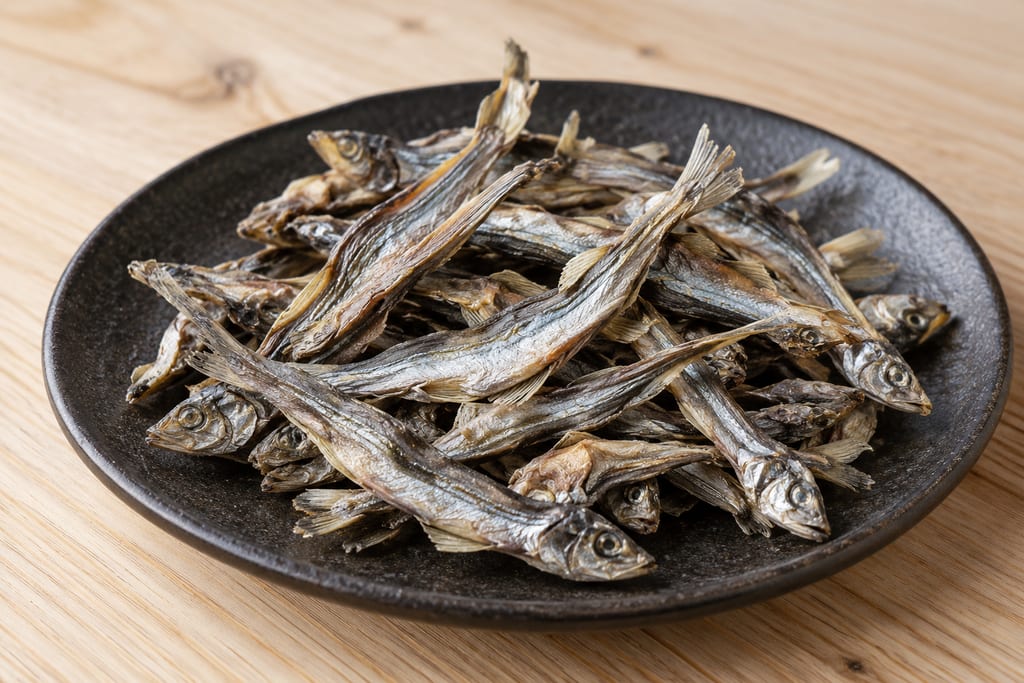
Greenlandic capelin dried whole on rocks, among crowberry vegetation or on buildings, and the microbial research that has made this small fish unusually well studied.
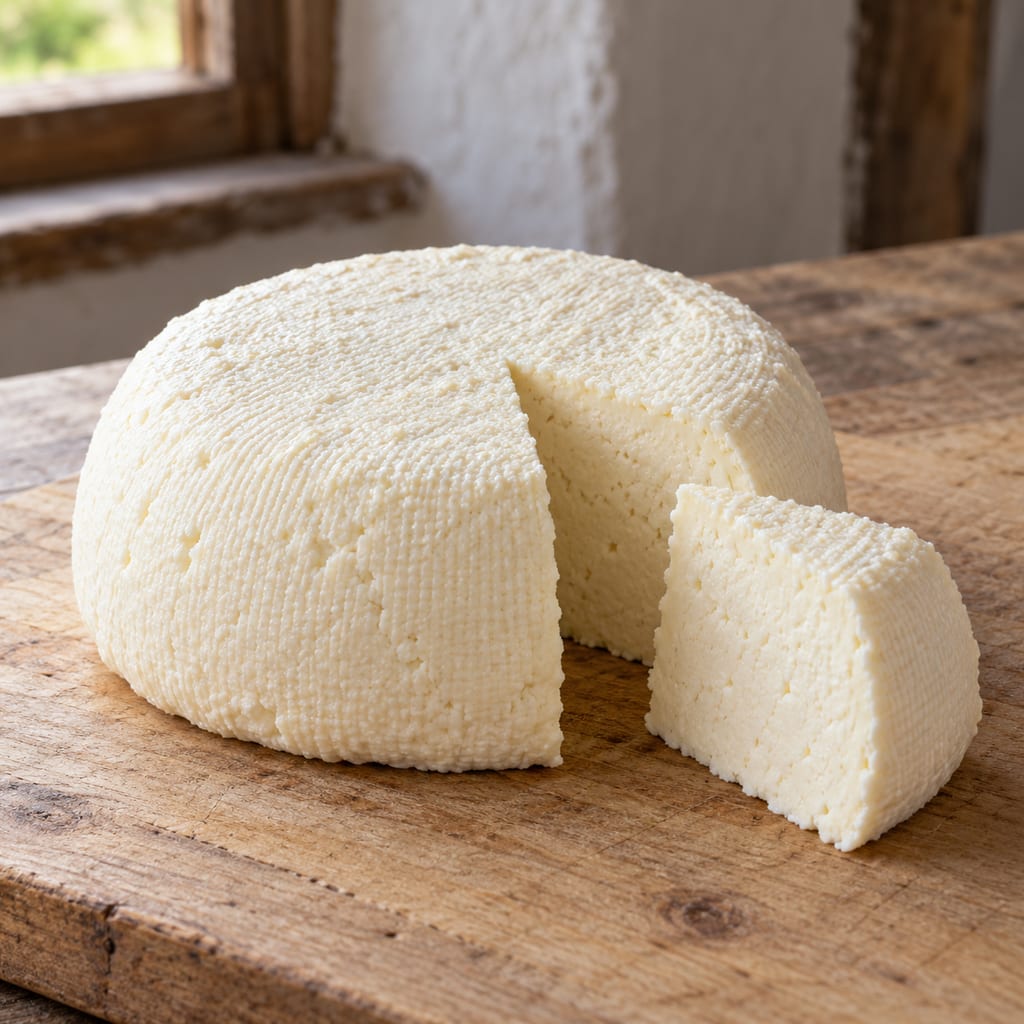
Budz is a traditional Hutsul rennet-set cheese made from sheep, cow or goat milk in the Ukrainian Carpathians, forming a fresh curd that can be eaten, smoked or processed into salted bryndza.

Kodiak salmon, halibut and cod cut as seg'aq and hung on an initaq rack to become tamuuq, with kac'amaasaq and kupcuunaq named as different results.

Japanese reddish-brown vinegar from sake lees matured about three years, turned to vinegar by acetic bacteria; the vinegar of Handa and Edomae sushi rice.

A Swedish-style spirit vinegar made by fermenting neutral alcohol with live vinegar bacteria, with a separate guide to commercial ättika strengths.