Elevated risk
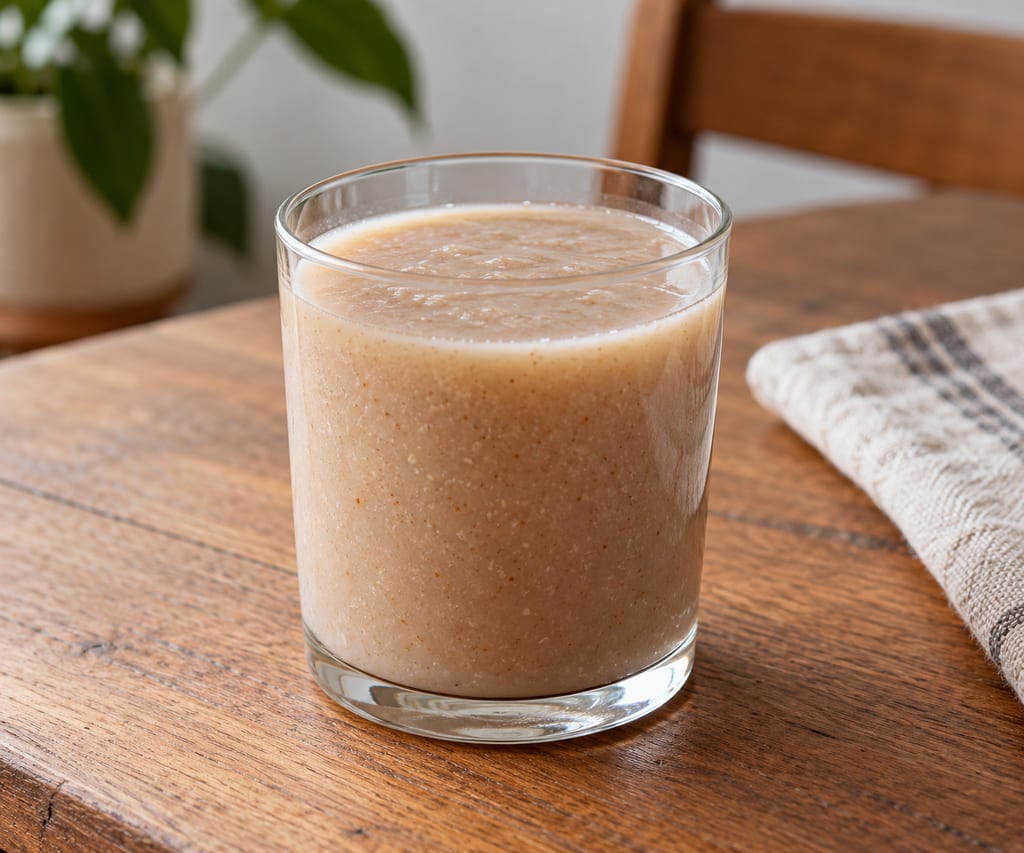
Morogoro maize-and-sorghum togwa
A Tanzanian cereal drink of cooked maize and sorghum flour thinned by sorghum-malt enzymes, soured by lactic acid bacteria and often started with a little of the previous batch.
 FermenteaWhere food goes to change
1504 records with their sources, across 11 categories.
A Tanzanian cereal drink of cooked maize and sorghum flour thinned by sorghum-malt enzymes, soured by lactic acid bacteria and often started with a little of the previous batch.
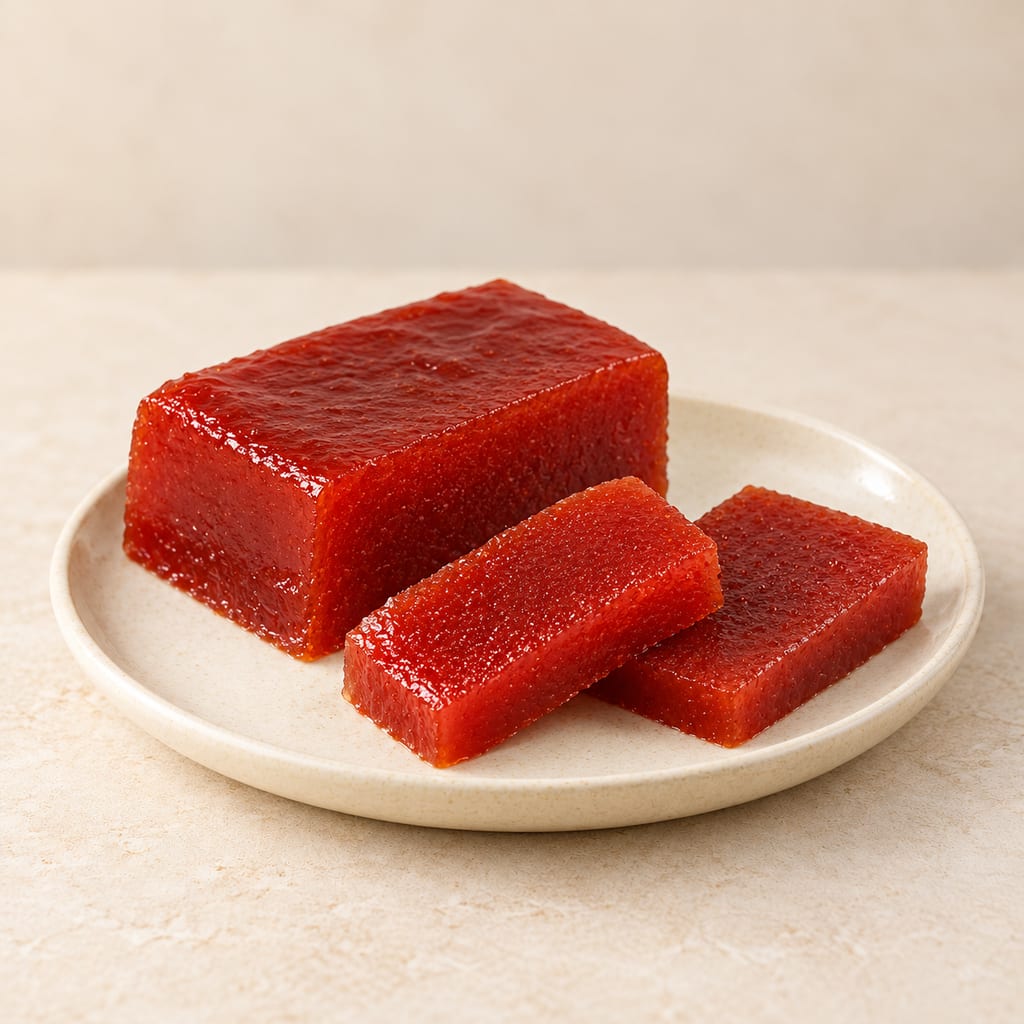
Dulce de membrillo is quince cooked with sugar into a firm paste for slicing. This family method softens the fruit in a pressure cooker, then blends it and leaves it to set.
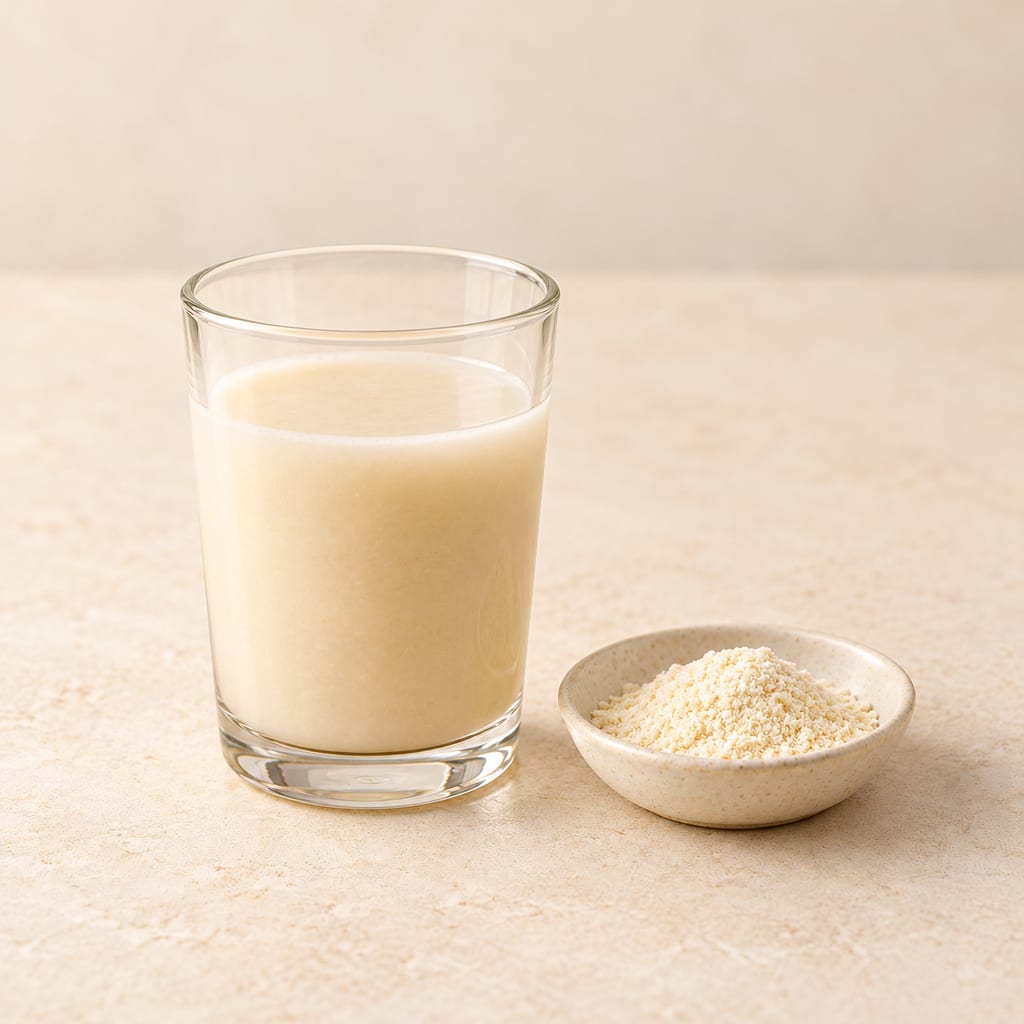
A Ugandan maize drink remade with a defined two-strain starter: roasted maize dough boiled to porridge, cooled and fermented under controlled conditions.
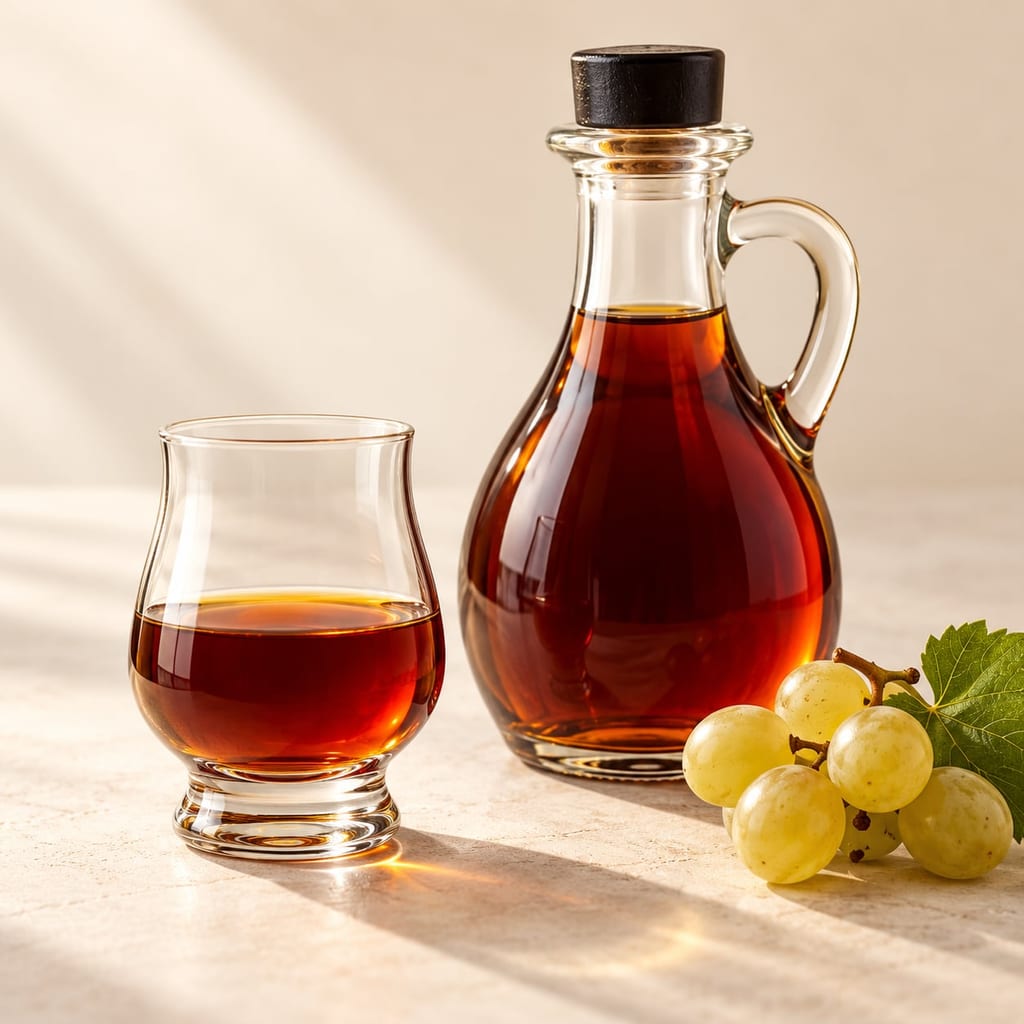
Vinagre de Jerez is made by acetifying eligible Jerez wines and ageing the vinegar in wood. Its protected name belongs to a defined Andalusian zone and a cellar tradition joining wine, oxygen, acetic bacteria and long ageing.
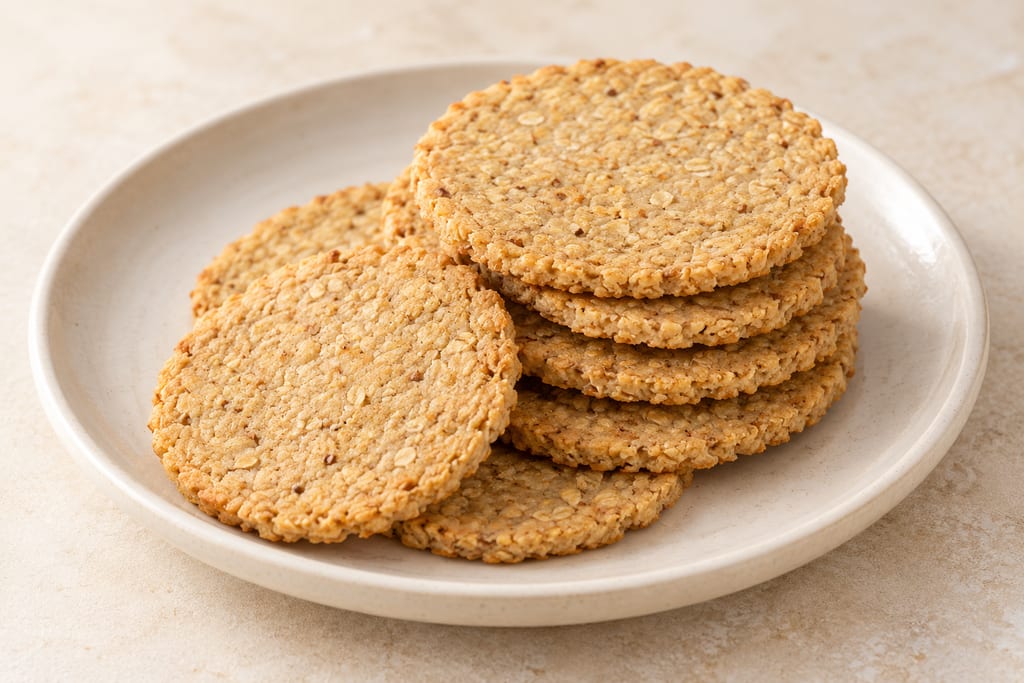
A thin Scottish oatcake of medium oatmeal, butter, salt, bicarbonate of soda and boiling water. This measured oven adaptation differs from older girdle methods and soft, yeasted Staffordshire oatcakes.
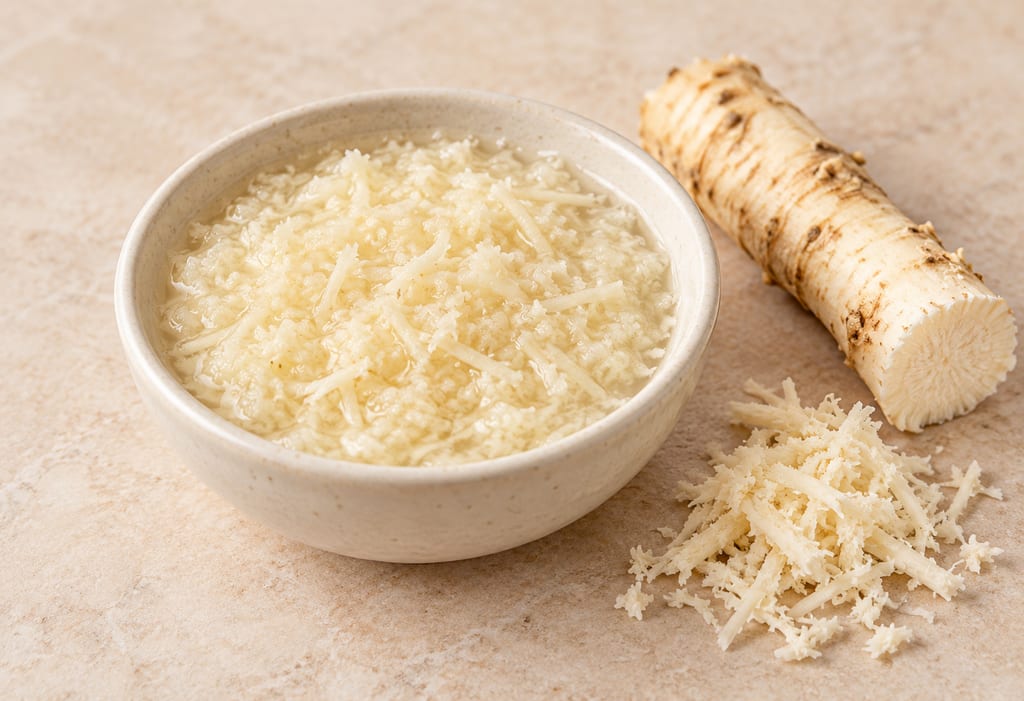
Prepared horseradish is freshly grated horseradish root mixed with vinegar and salt. This refrigerated relish holds the root’s sharp, nasal pungency in a spoonable form.
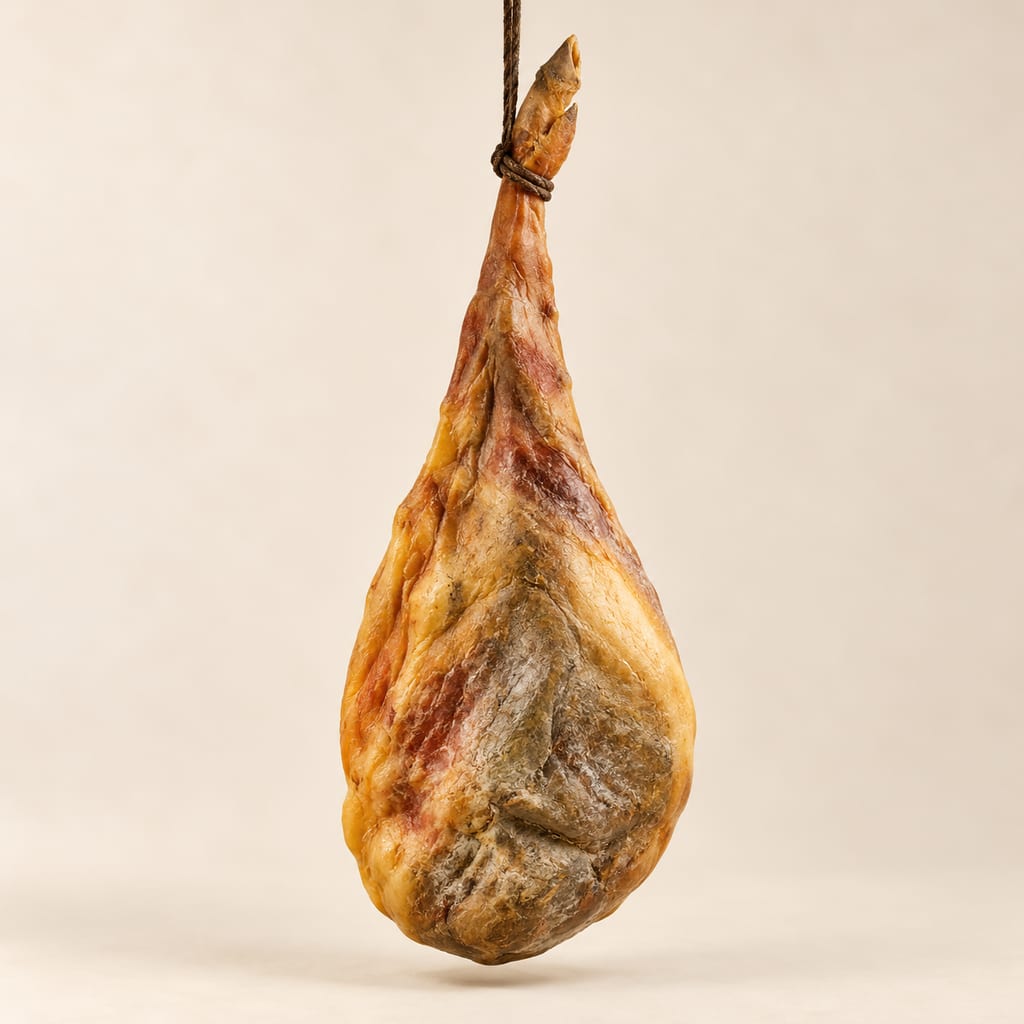
Cato the Elder records a second-century BCE sequence for salting, air-drying, and smoking ham. This historical account is not a validated modern curing protocol.
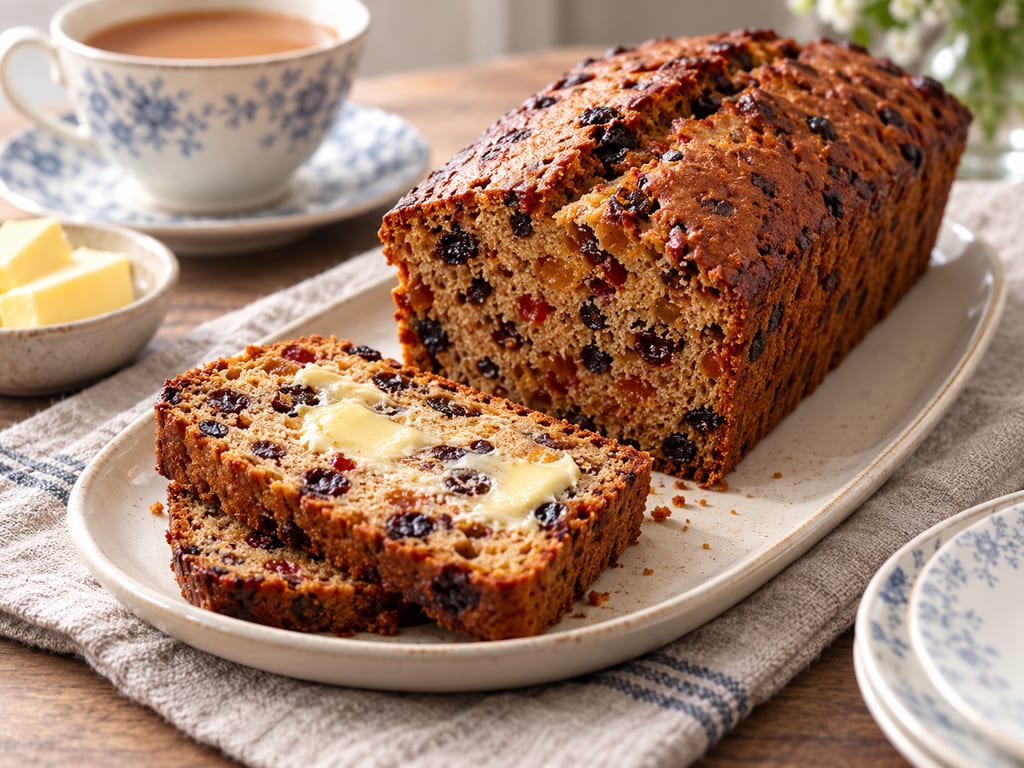
Bara brith is Wales’s speckled fruit loaf, made in both yeasted bread forms and the widely served modern tea-loaf style. This version soaks dried fruit in strong tea before mixing it with self-raising flour, spice, sugar and egg.
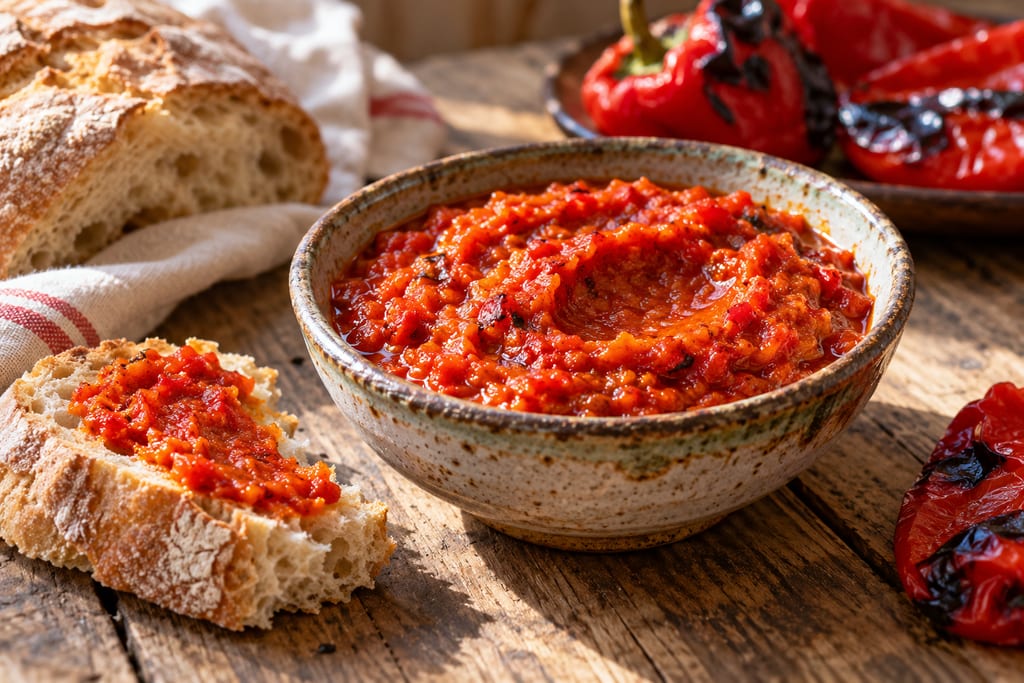
Ajvar is a cooked Balkan pepper preserve built around roasted red peppers, peeled, drained, ground and slowly fried with oil and seasoning. Leskovac’s protected version is a pepper specialty; regional versions vary.
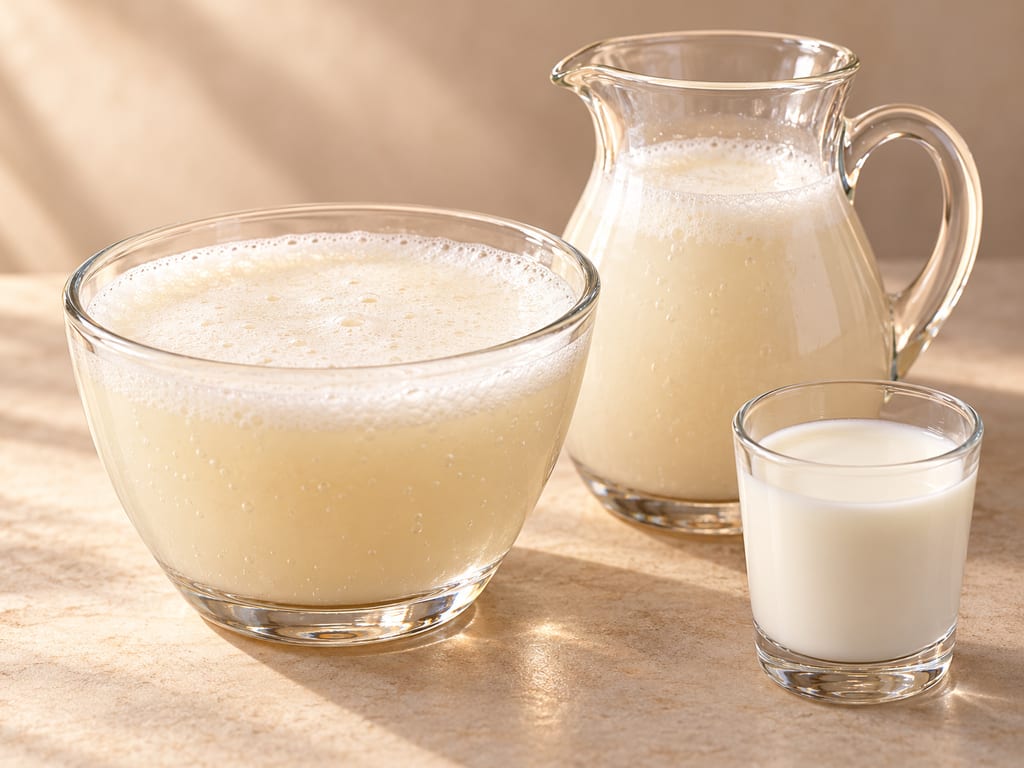
Airag is Mongolia’s fermented mare’s-milk drink, traditionally churned with saved starter in a reusable cowhide khokhuur.
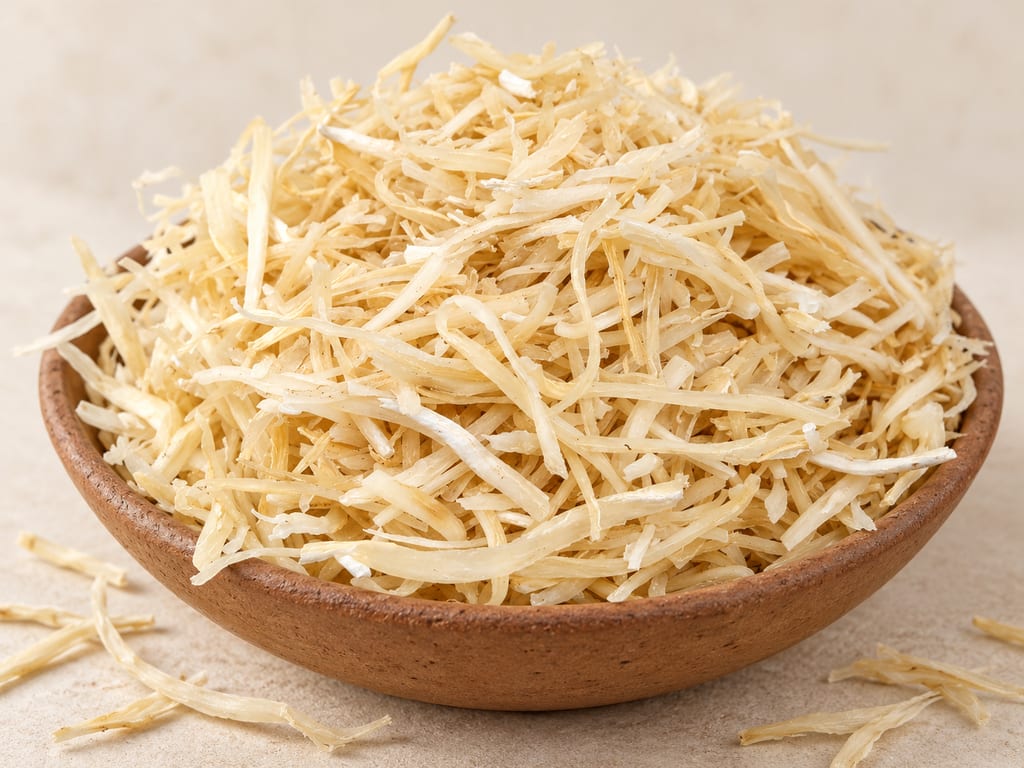
Abacha is a fermented cassava-strip preparation from southeastern Nigeria, sold wet or dried and later rehydrated for meals such as African salad.
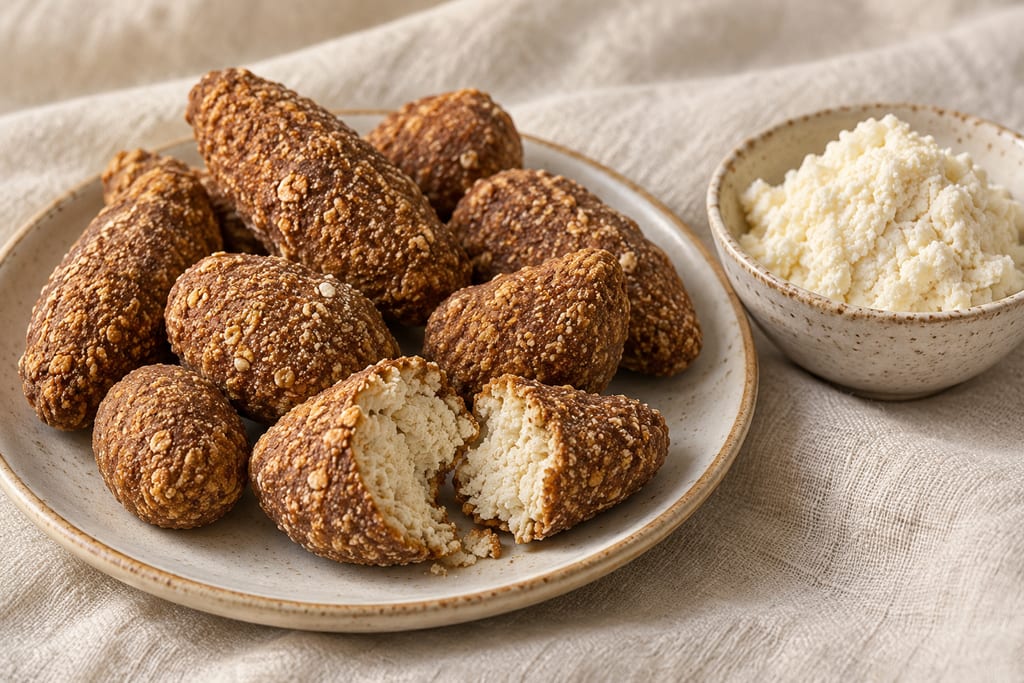
A two-stage Altai dairy preparation: sour chegen is heated into soft aarchi, then portions are drained, pressed and traditionally smoked into firm kurut.
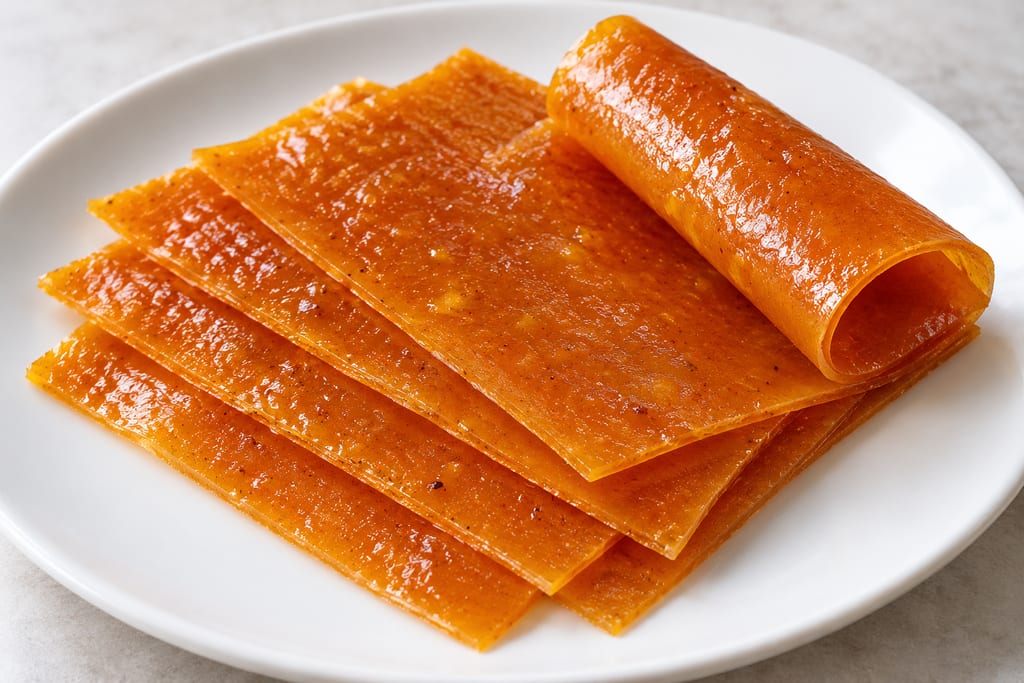
Ripe mango pulp spread thin and dried as a chewy fruit leather. This entry records one controlled unsweetened experiment and distinguishes it from Bengali sun-dried aamshotto and sweetened or spiced variants.
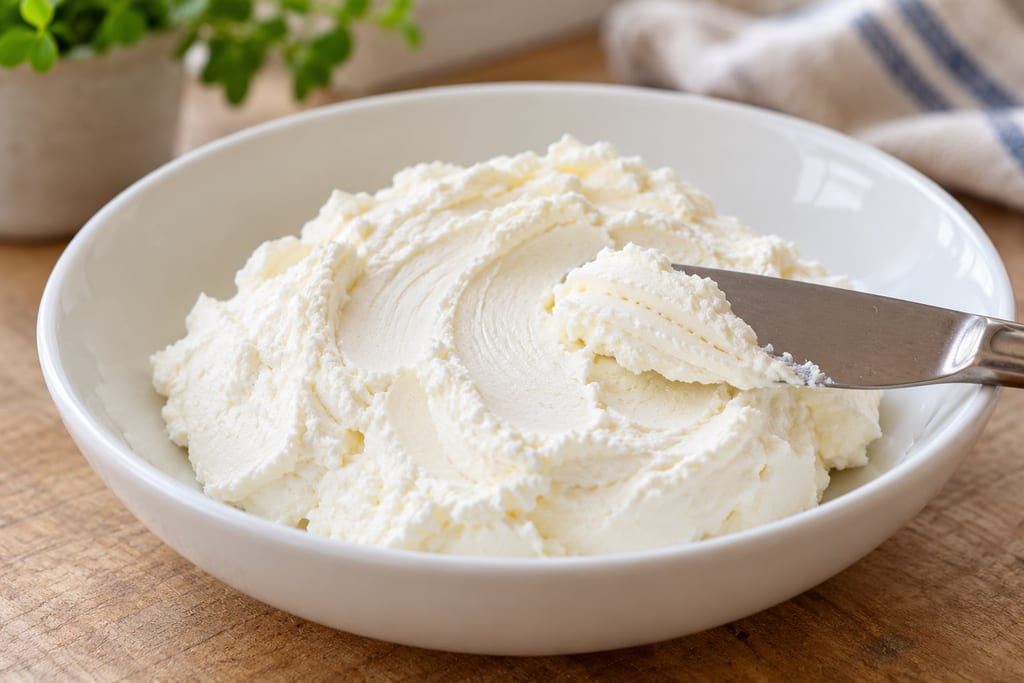
The creator’s written method strains 700 mL kefir through tight cloth for 24 hours in a refrigerator and reports 240 g finished cheese.
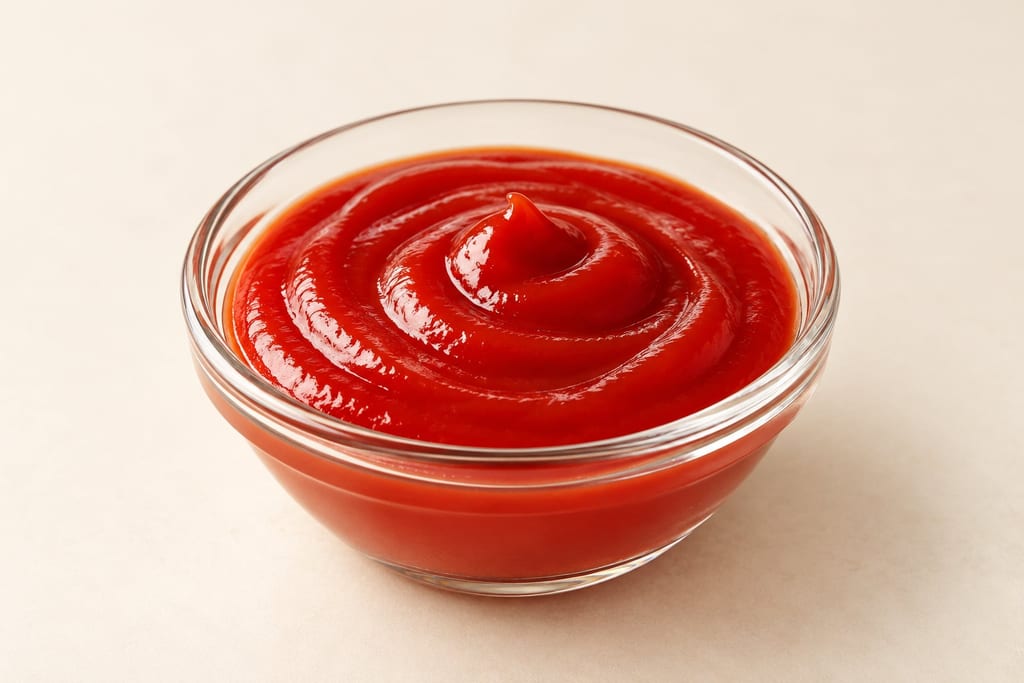
A smooth tomato ketchup formulated as a 500 g comparison batch using a UK Heinz product label as its target. This original home formula is untested and is not the company recipe or a preserving process.
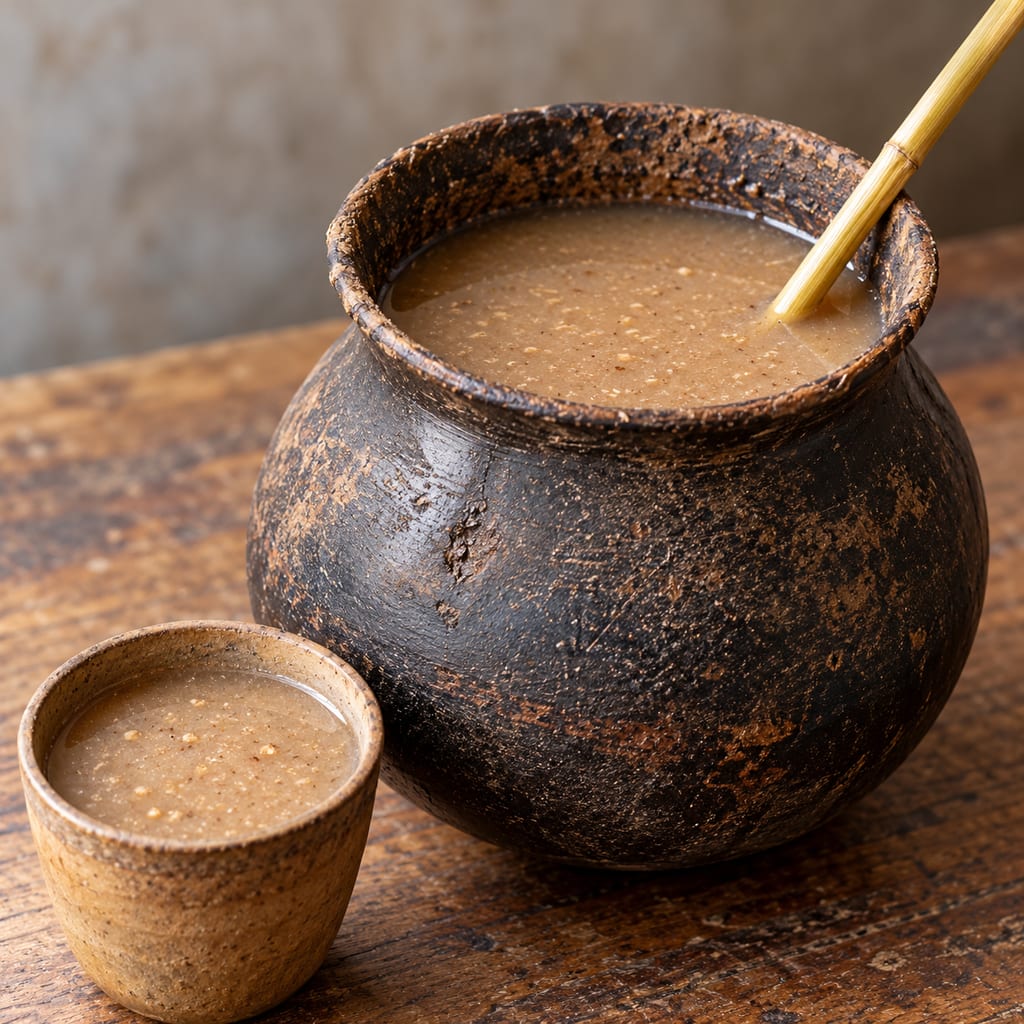
An opaque Kenyan maize beer: fermented maize paste is roasted into tsimbale, then mixed with finger-millet malt called kimera at ten to one and fermented a second time.
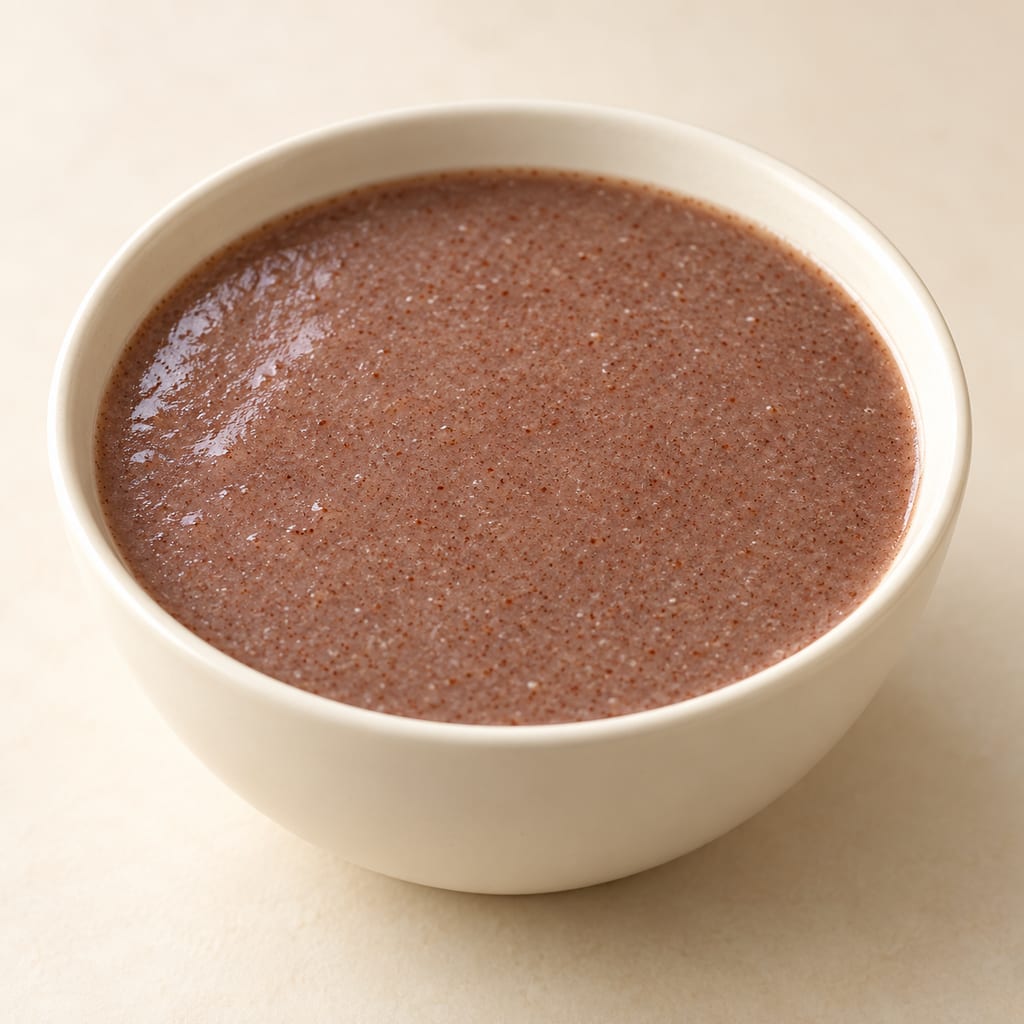
A thin, sour porridge of western Kenya made by fermenting unroasted finger-millet flour in water for a day or two, then diluting it and cooking it through.
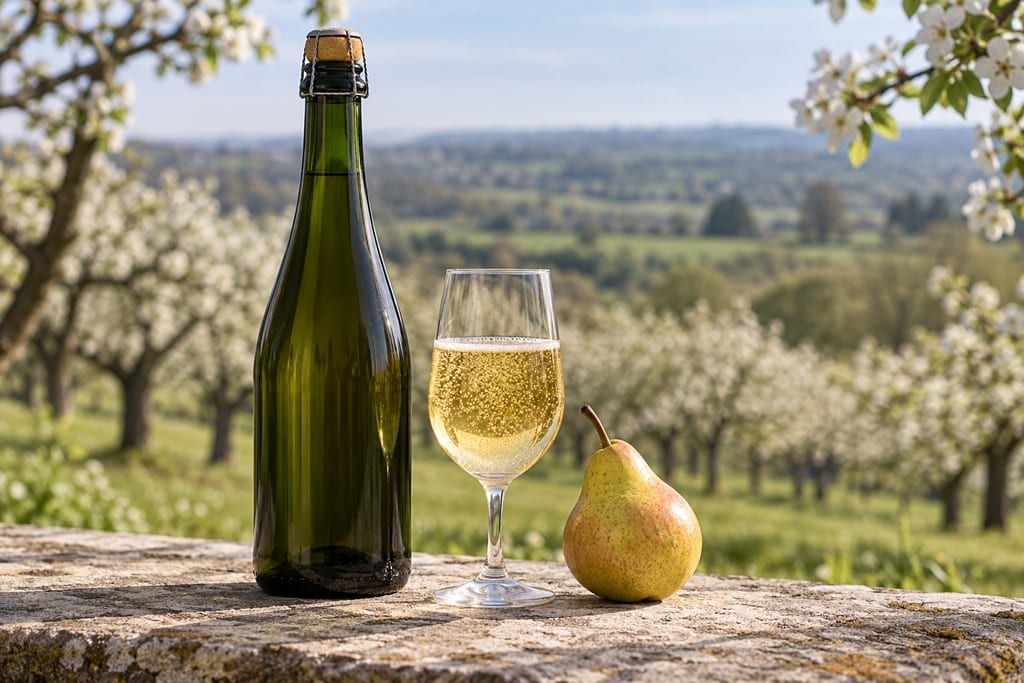
Naturally sparkling perry from the Bas Domfrontais in Normandy, pressed from high-stem orchard pears with at least 40% Plant de Blanc and carbonated by fermentation in the bottle.
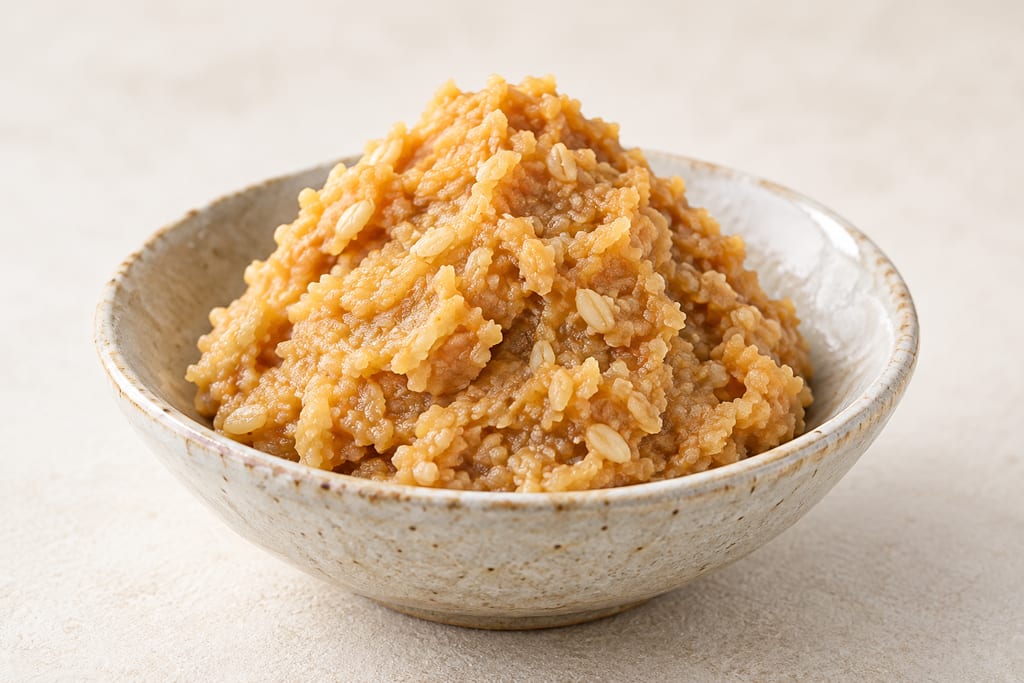
A Japanese soybean paste fermented with barley koji and salt, made mostly in Kyushu, Shikoku and western Japan. It is sweet, savoury and grainy.

Anpan is a soft wheat bun filled with sweet red-bean paste and finished with egg wash and black sesame. This dough rises with commercial instant yeast.
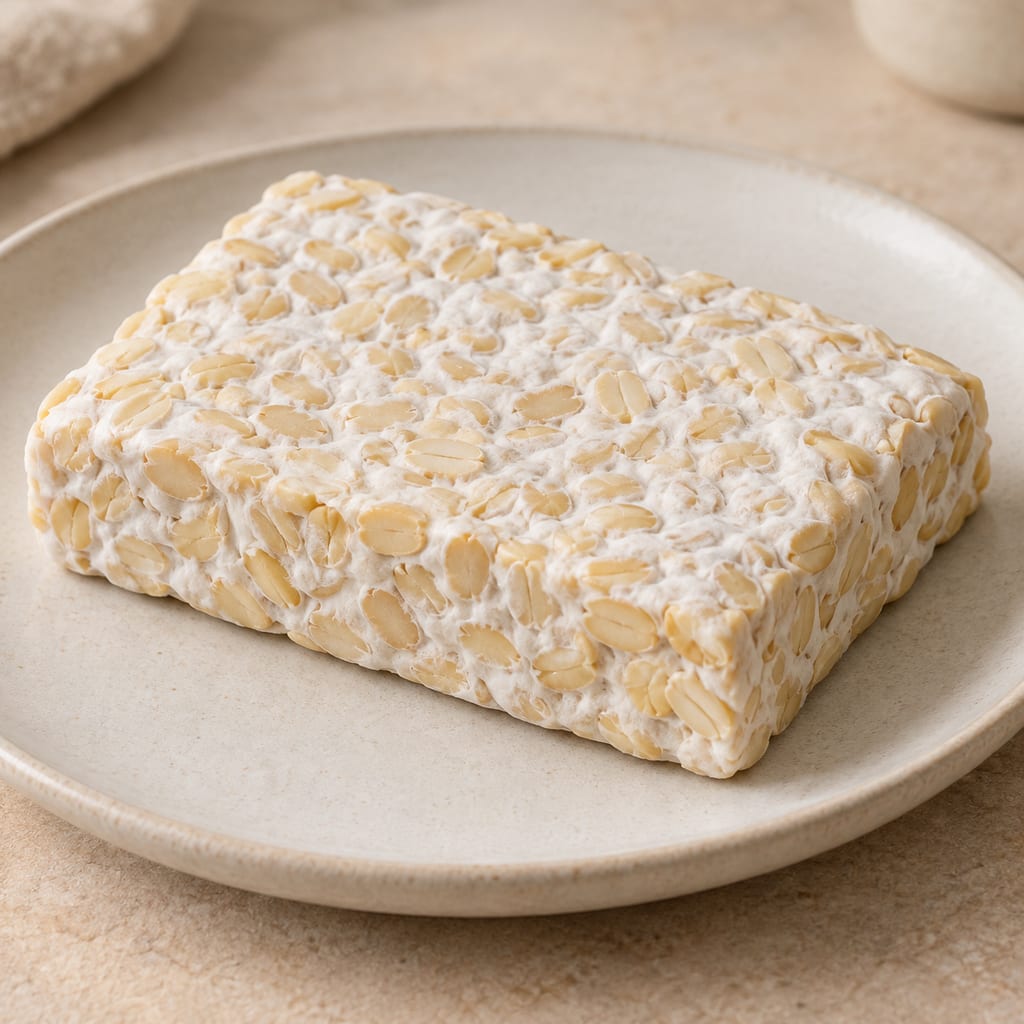
A two-cup soybean batch uses one Cultures for Health tempeh starter packet and vinegar. The supplier describes dehulling, a thin vented layer, controlled early incubation and attention to self-heating; it is not a validated home process.
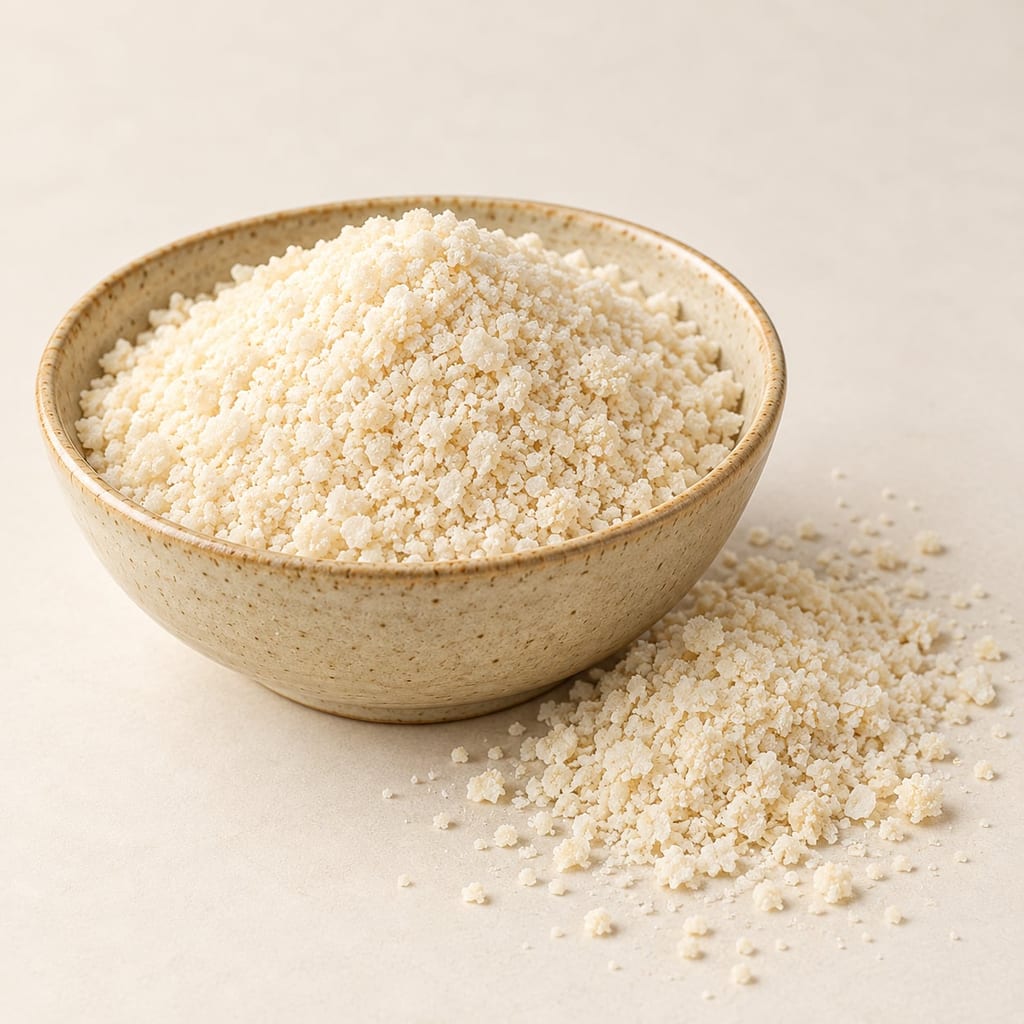
White gari is grated cassava fermented for three days, then pressed, sieved and toasted dry into a coarse West African meal eaten soaked or as a stiff porridge.
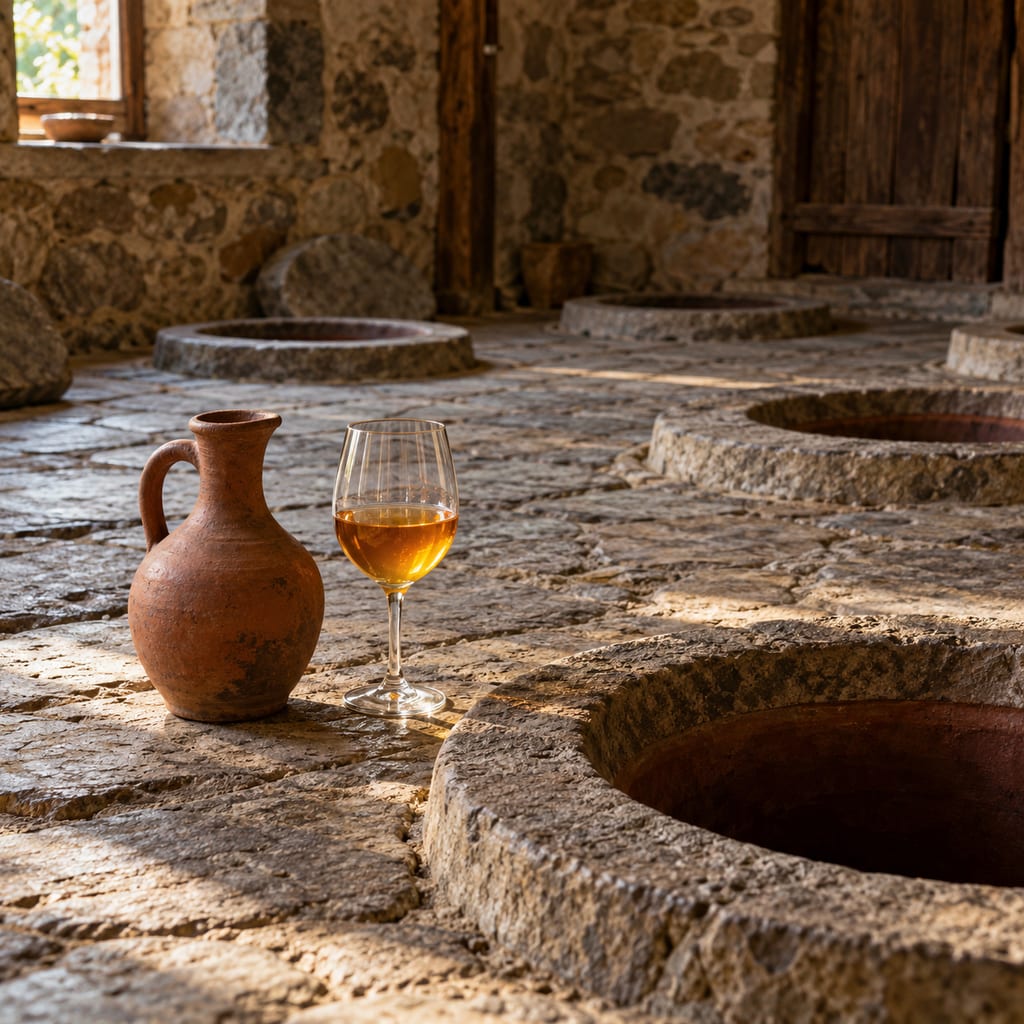
Georgian wine fermented and matured in buried clay vessels called qvevri, usually with grape skins, pips and sometimes stems, in styles from amber to red that differ by region.
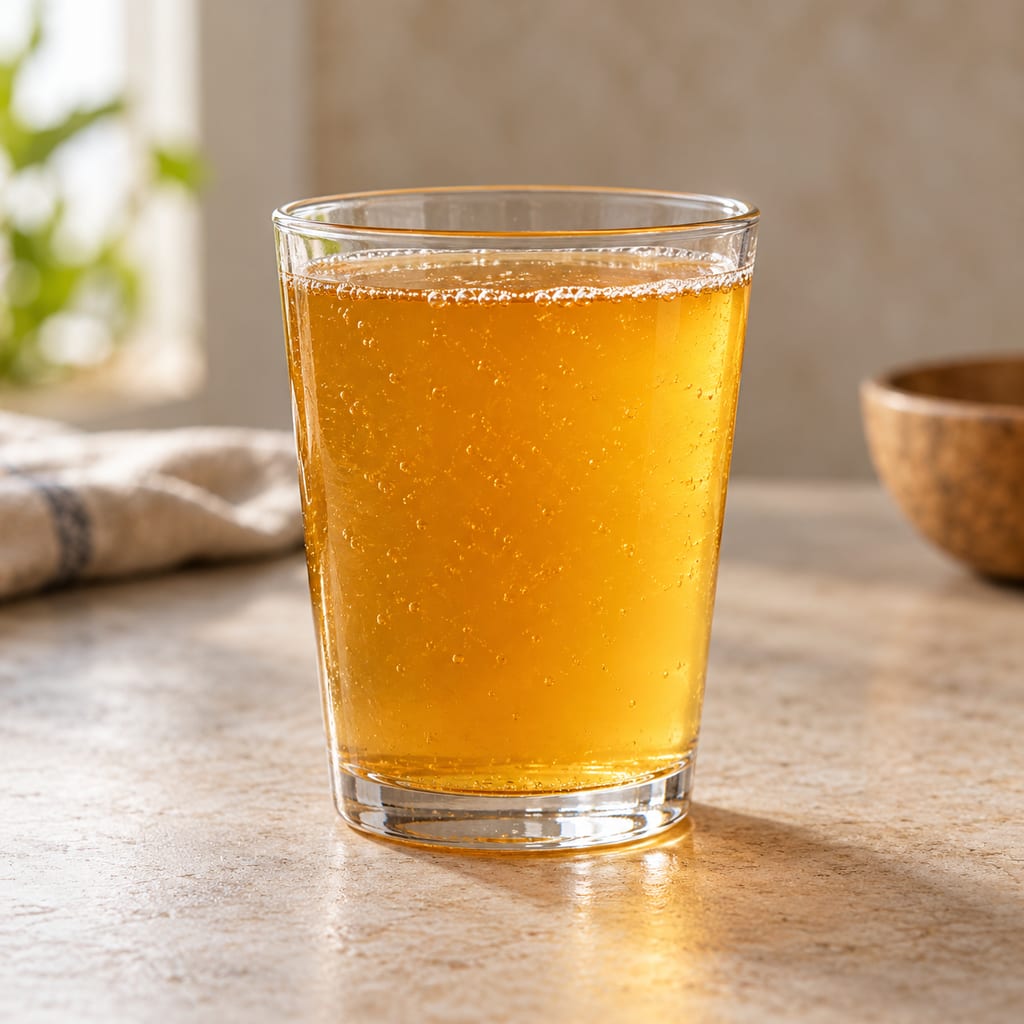
An Oregon State food-science lab formula ferments pineapple skin and piloncillo with jalapeño and warm spices for three to five days, then strains and refrigerates it. The handout reports wide alcohol variability.
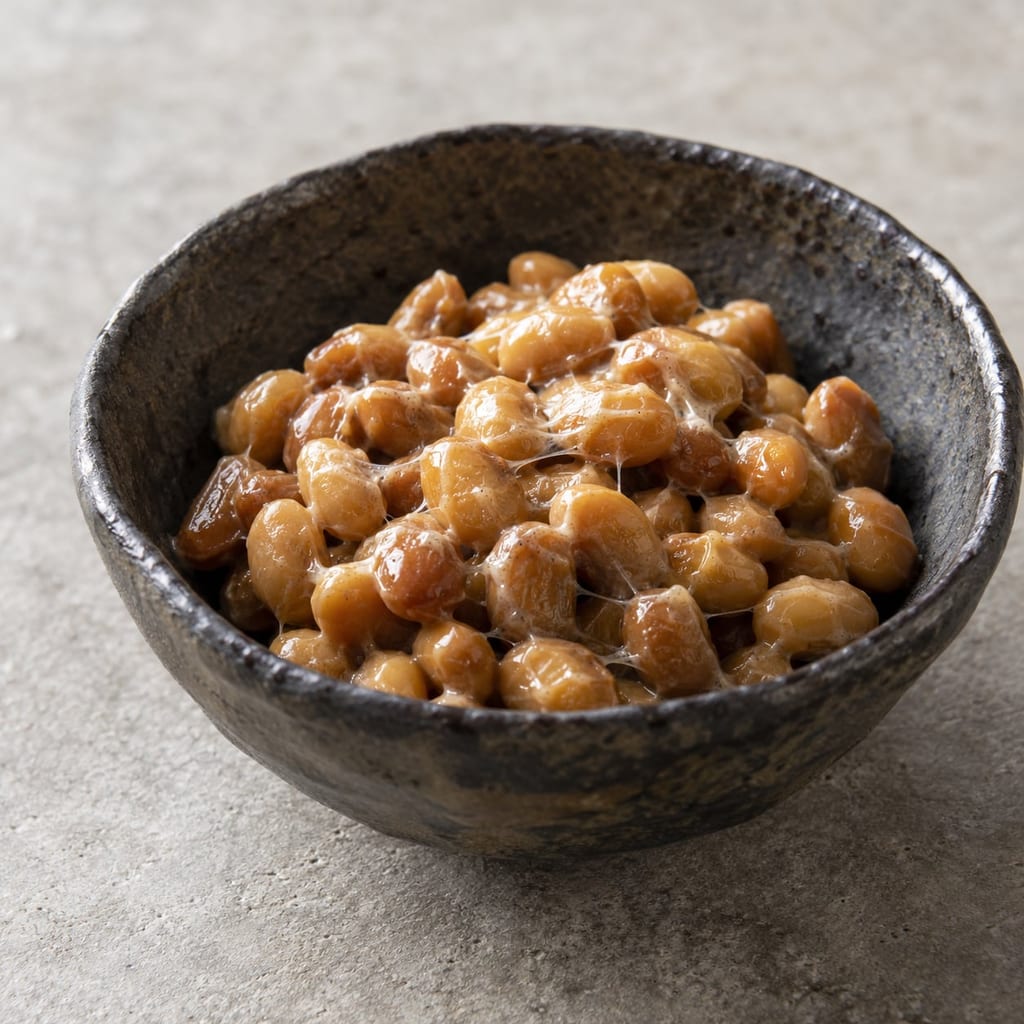
A two-cup soybean batch uses one Cultures for Health Natto Spores packet, a shallow perforated cover, and the supplier’s stated incubation and chilling sequence. The supplier’s instructions are not a validated home process.
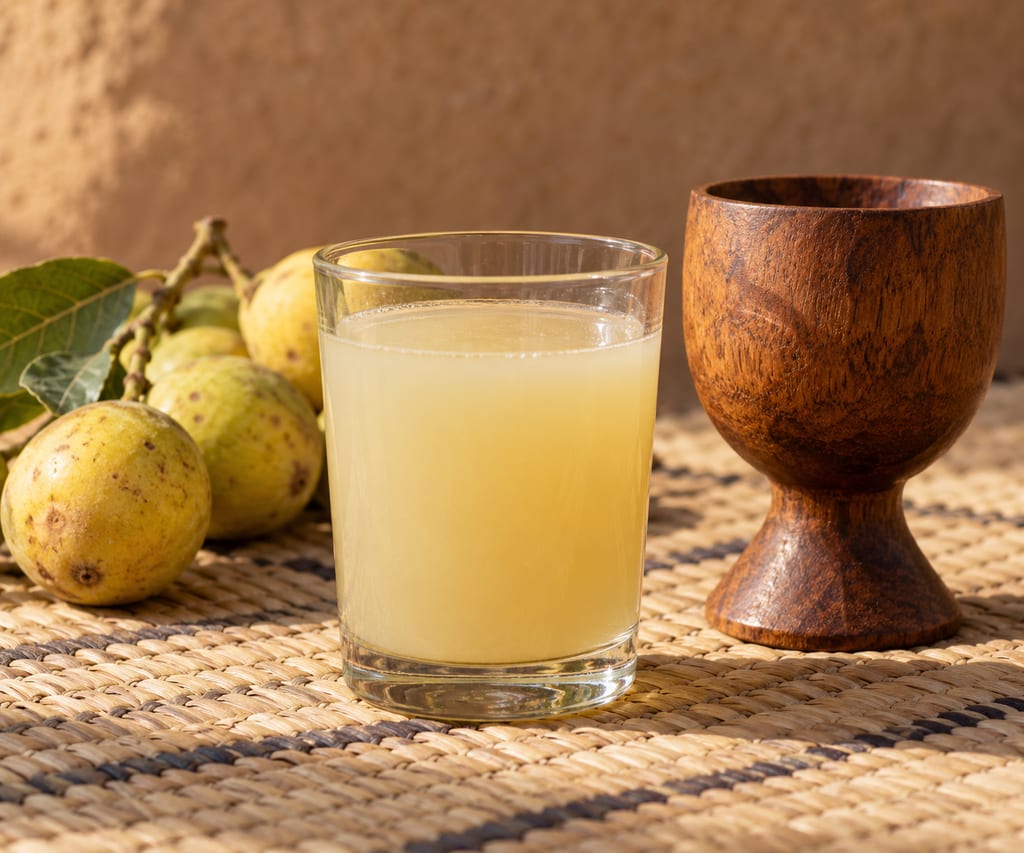
The fermented marula drink of northern Namibia's Aawambo communities, pressed from ripe Sclerocarya birrea fruit and left to the yeasts already on it, and drunk at the Oshituthi shomagongo festival.
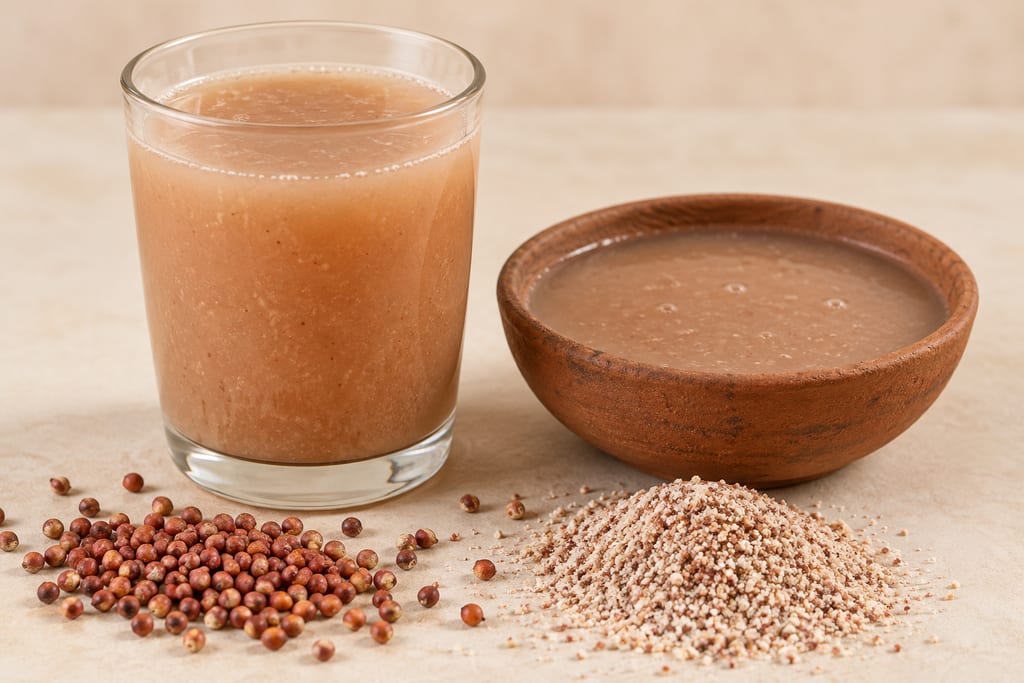
Sudanese opaque sorghum beer made from soured, toasted, cooked and malted grain through three linked fermentations, drunk fresh while still fermenting.

Soft, spreadable Calabrian pork sausage made with a great deal of red chilli and fatty pork, stuffed into natural casings, sometimes smoked and matured while staying soft.
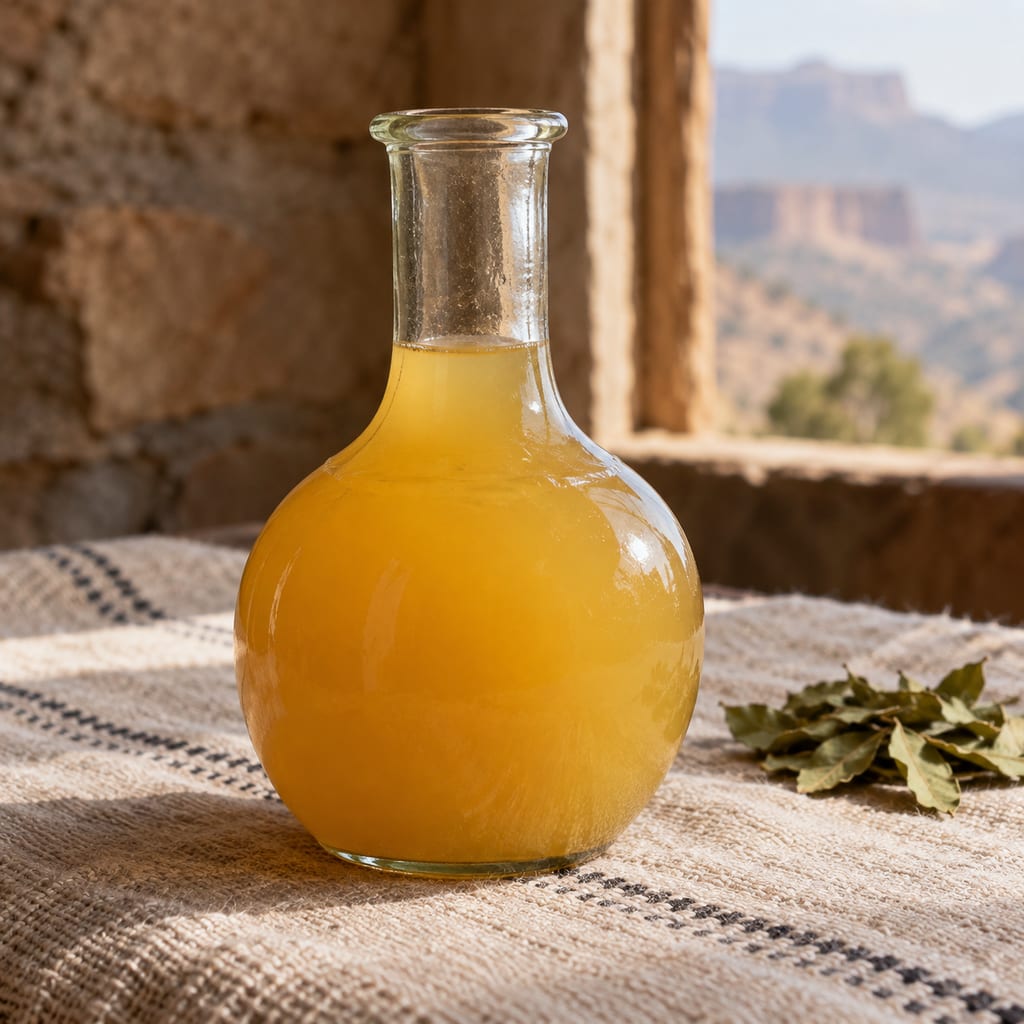
An Ethiopian honey wine of the Tigray highlands, fermented with the leaves and stems of gesho, which supply both bitterness and the microorganisms that carry the ferment.

Achcharu is a family of Sri Lankan vinegar pickles made with mixed vegetables or seasonal fruit and a piquant spice dressing. This version is a quick, refrigerated, non-fermented mixed-vegetable pickle.
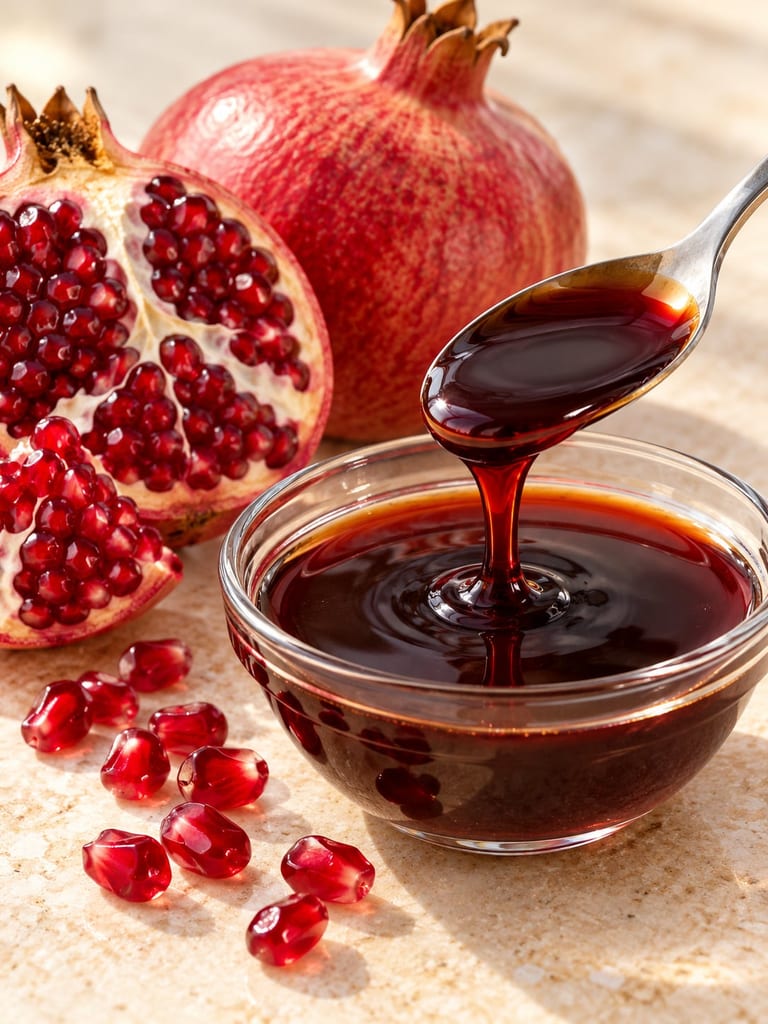
The registered Hatay method presses pomegranate arils and slowly concentrates the strained juice. Its 100 kg source batch and experienced-producer endpoint are retained; no home-scale time or shelf-life is inferred.
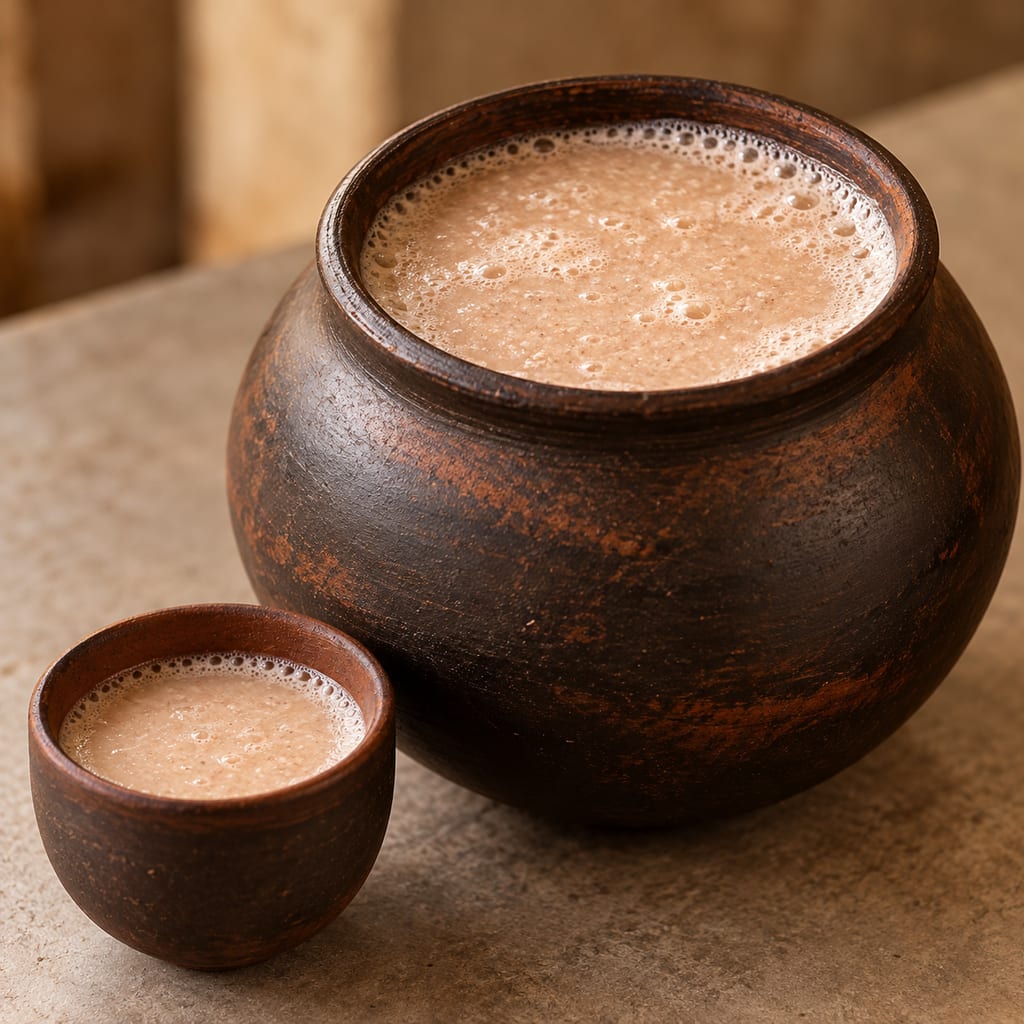
South Africa's opaque sorghum beer, soured by lactic acid bacteria before its mash is cooked and fresh malt stirred in, leaving a cloudy, creamy, cereal-thick drink that keeps only a day or two.
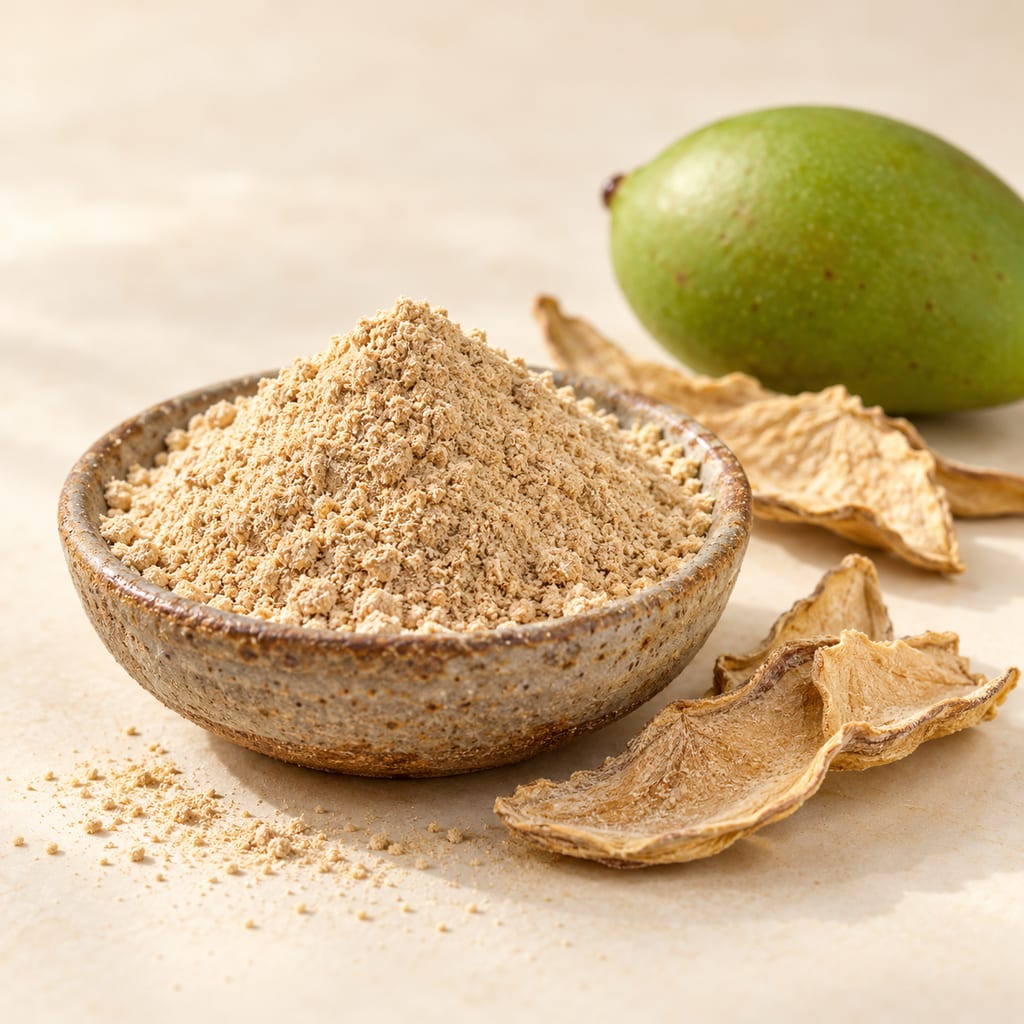
Thin slices of sour unripe mango are sun-dried over four days and ground into a tangy powder, following a five-fruit account published with an Indian mango study.
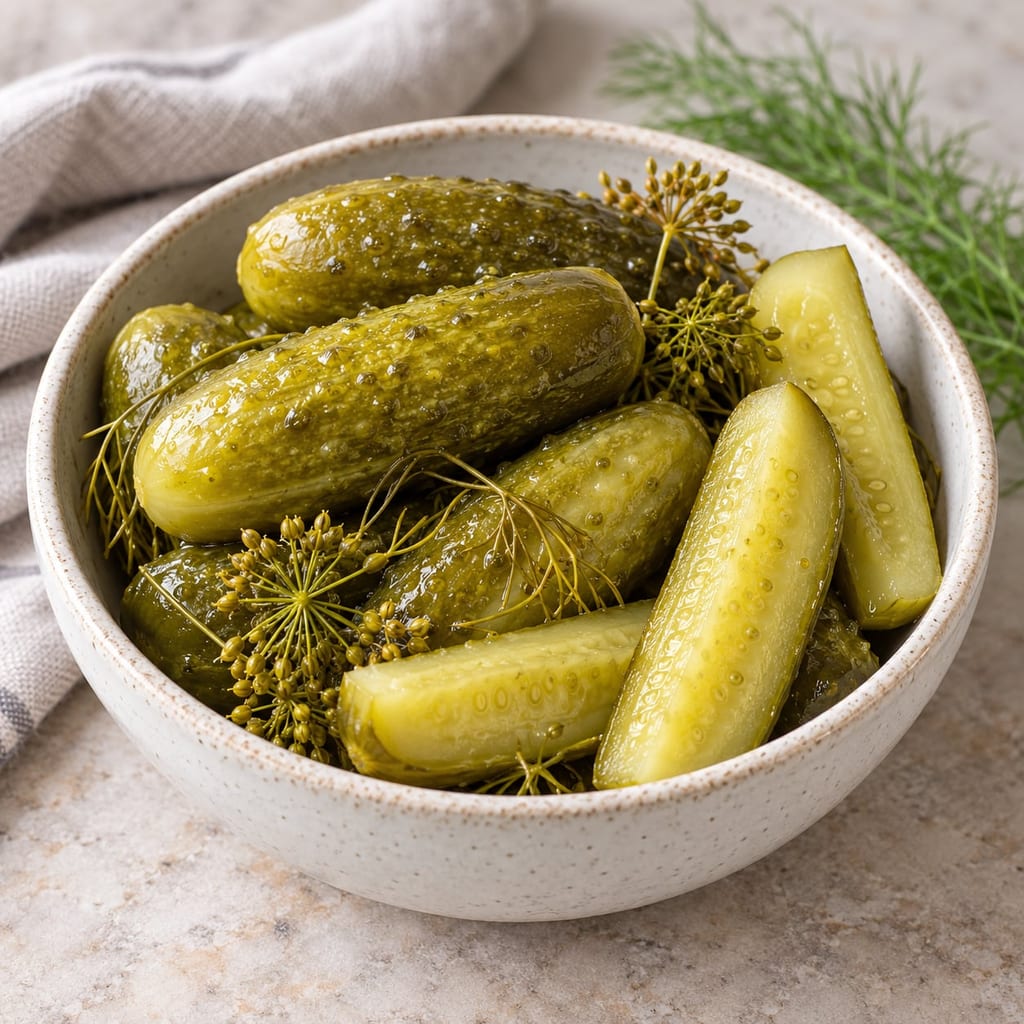
Trimmed cucumbers layered with dill and covered with a salt brine containing 5% vinegar, weighted and fermented three to six weeks.
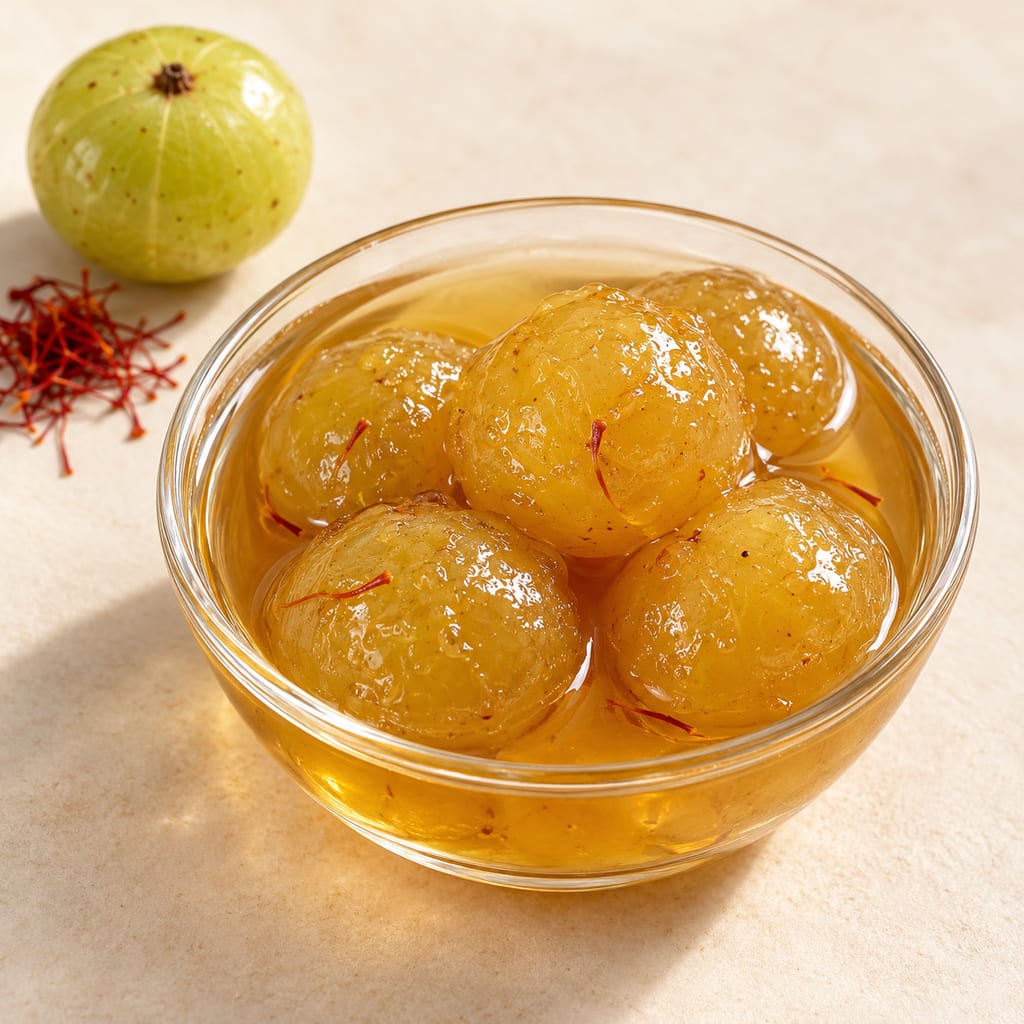
Whole amla simmer in sugar syrup with saffron, black cardamom and pepper in this chef's version of the Indian fruit preserve. The fruit is soaked overnight before cooking.
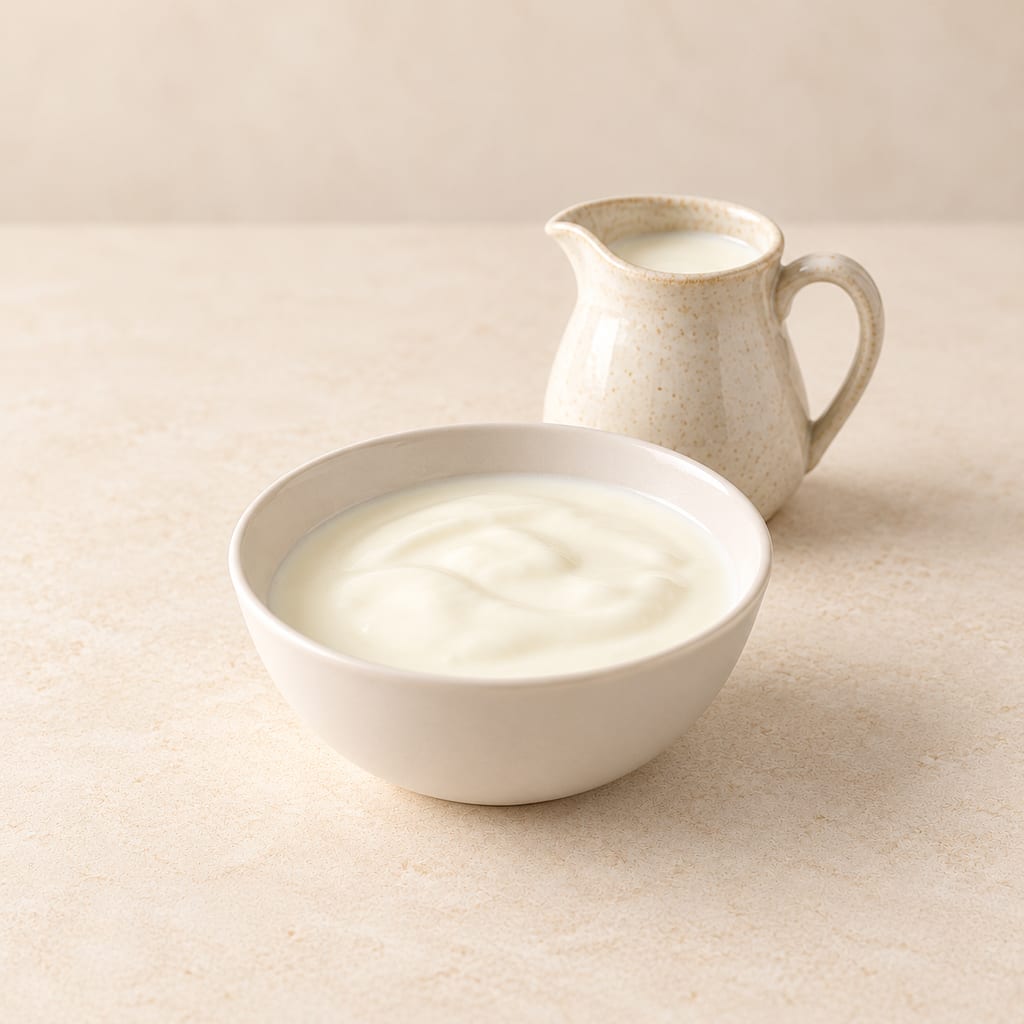
Viili is a Finnish cultured milk with a soft set and, in its western form, a stretchy texture. This small recurring batch uses a spoonful of previously cultured viili.
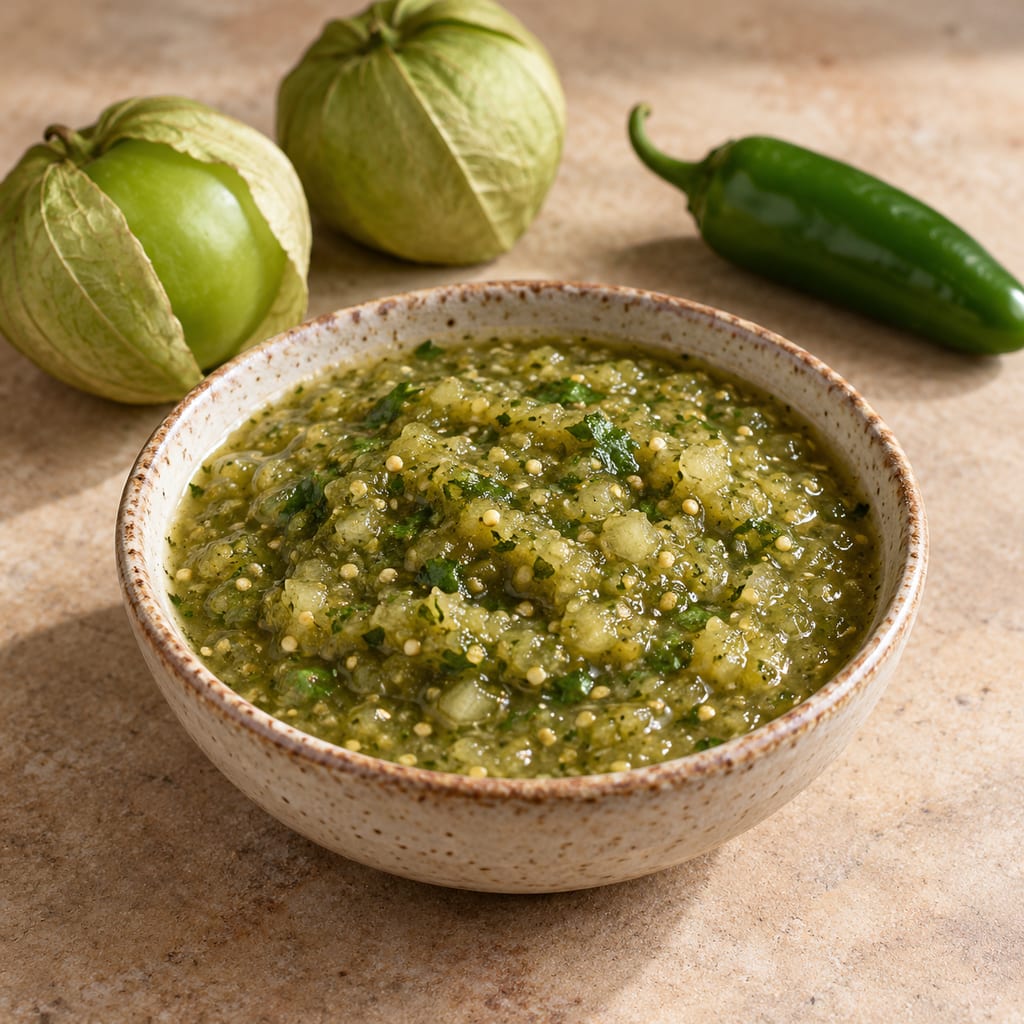
Tomatillos, chiles, onion, lime and herbs are salted and fermented together as a mixed salsa.
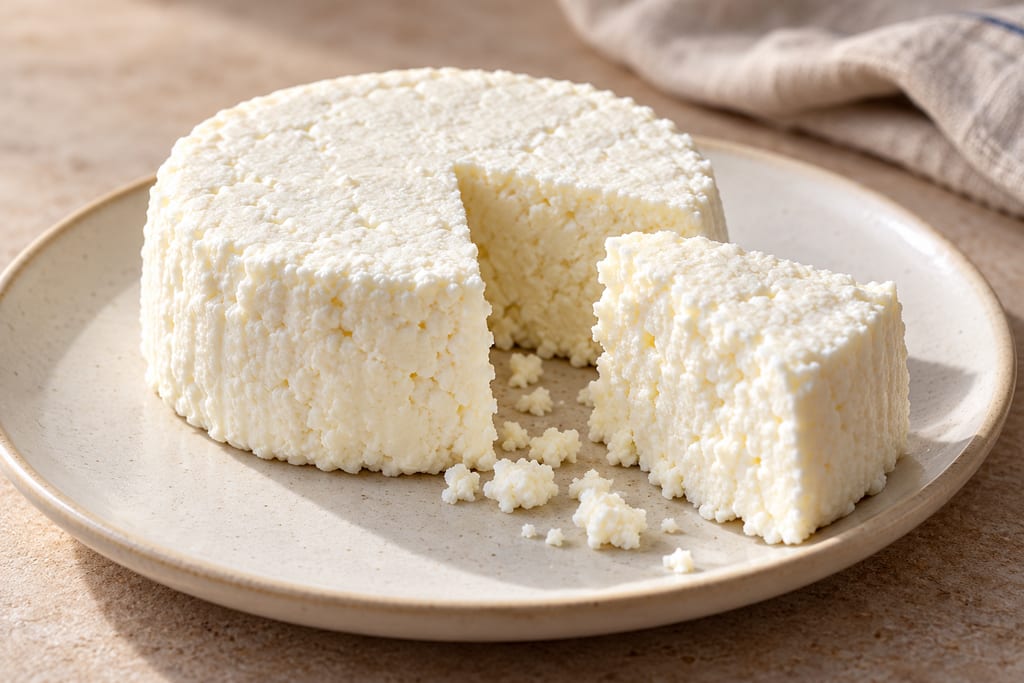
Cultured buttermilk, pasteurized milk, vinegar and rennet make this soft, crumbly queso fresco by a New Mexico home method adapted from Washington’s Abuela Project.
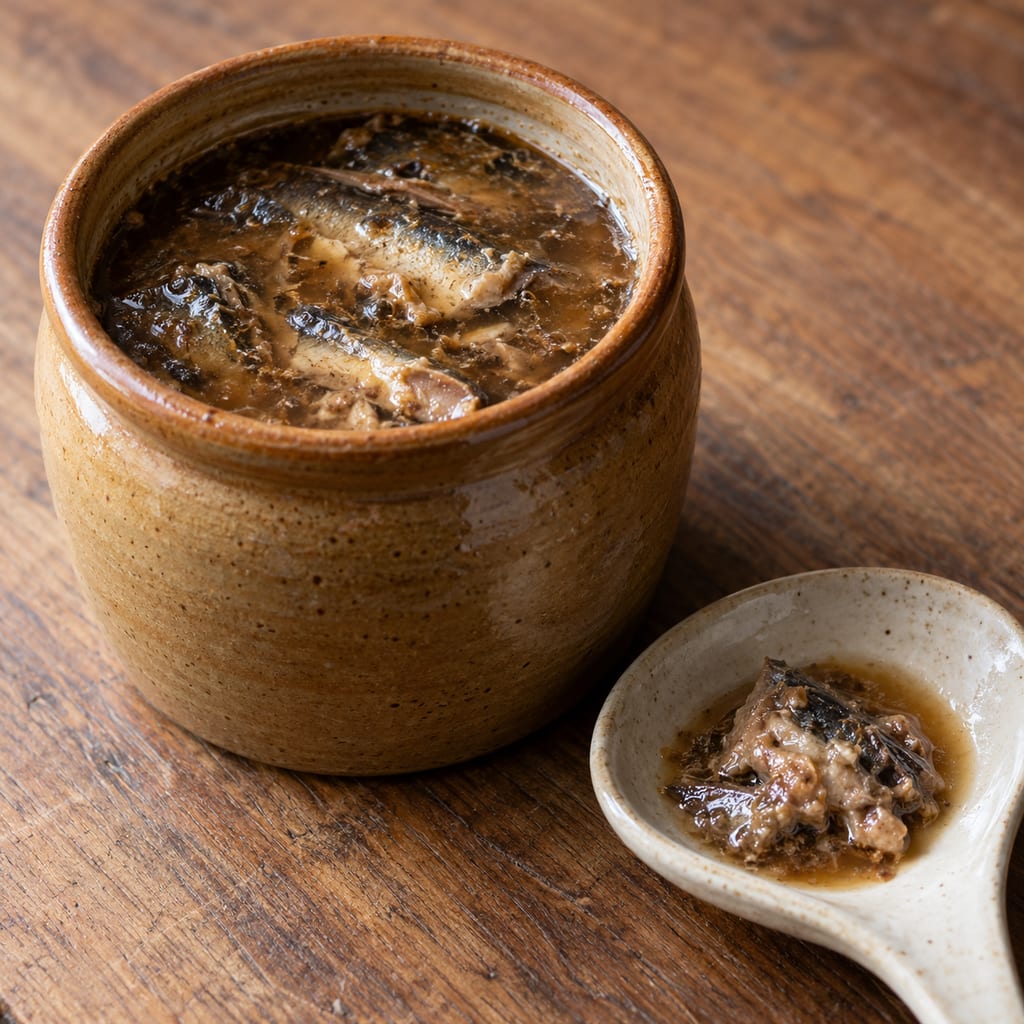
A fish batch is washed, mixed with 800 g salt per about 5 kg fish, and packed with an unresolved roasted-grain addition; cleaning weight and storage duration are unclear.
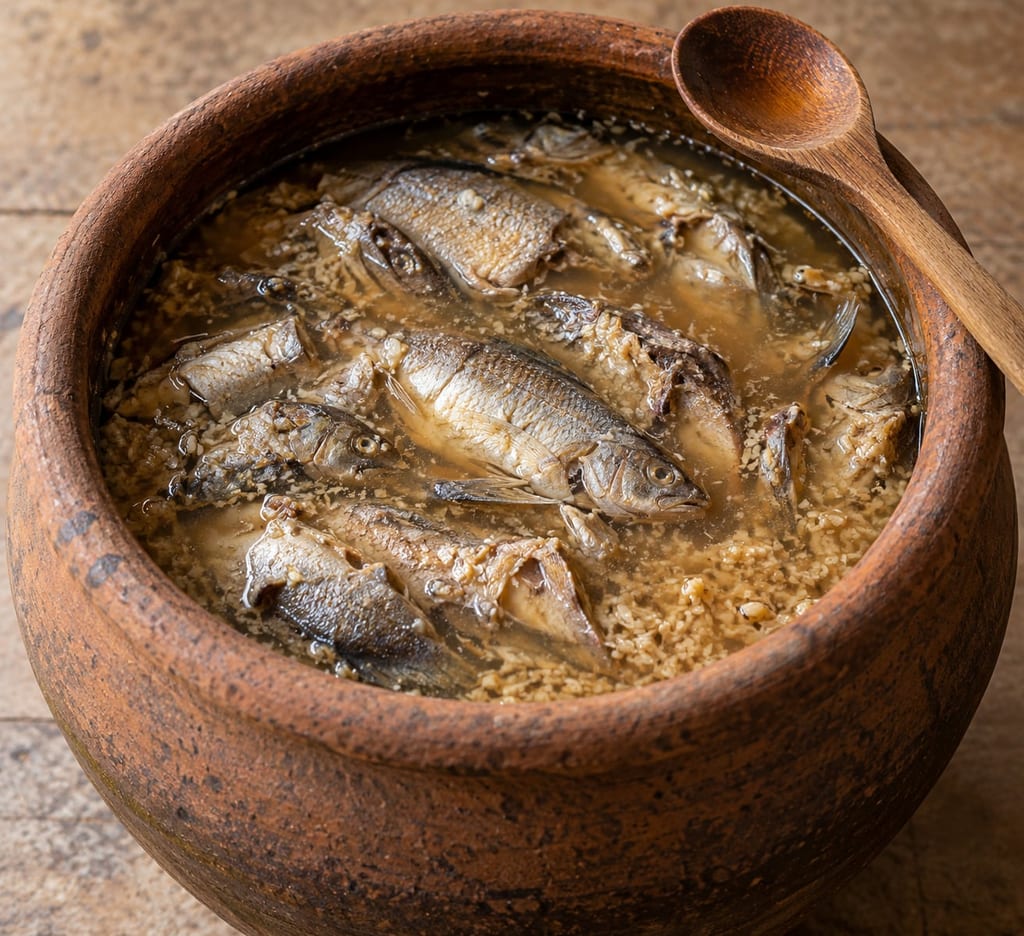
Mixed freshwater fish are soaked, repeatedly washed, salted and packed with toasted ground paddy rice; the creator gives a 1.5 kg fish batch and an unmeasured ladle dose.
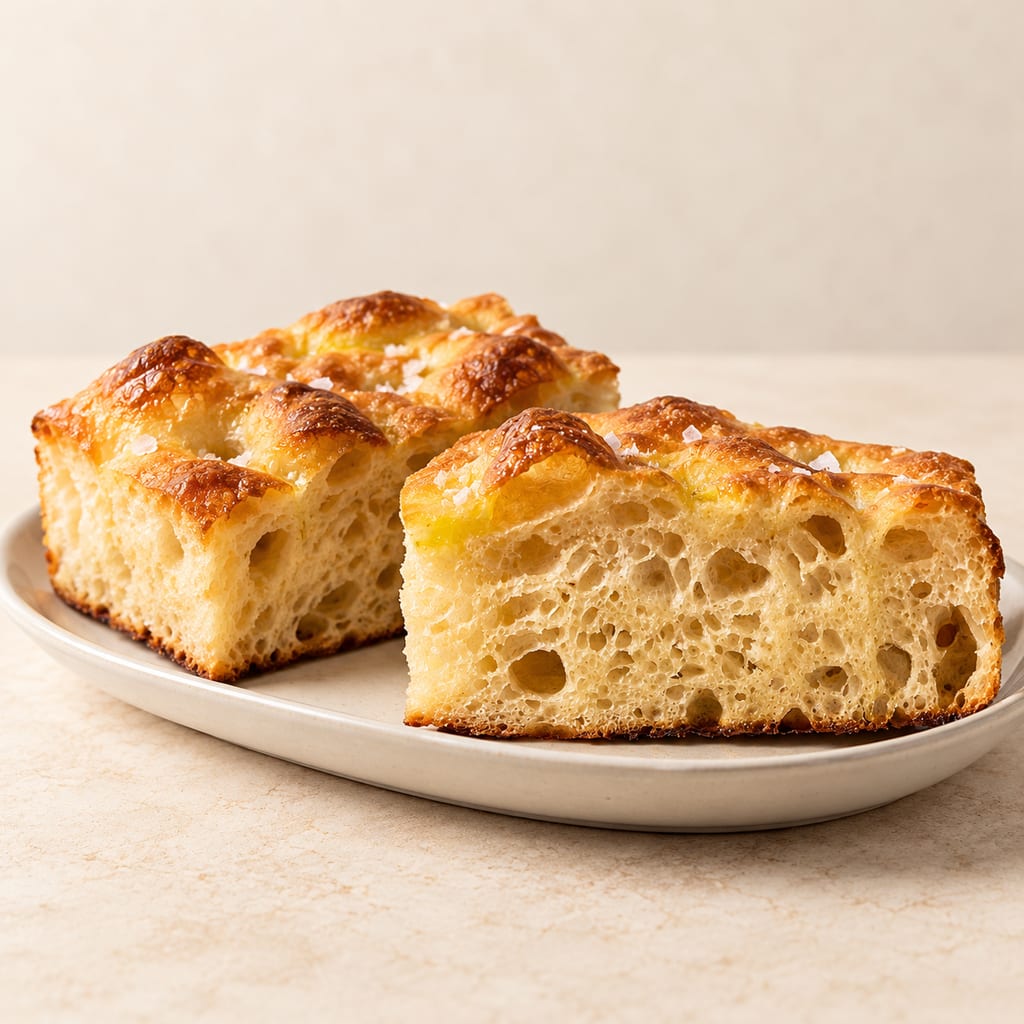
This sourdough focaccia uses ripe starter in place of commercial yeast. Olive oil enriches the folded dough and coats the pan before a long proof and a crisp, salted bake.
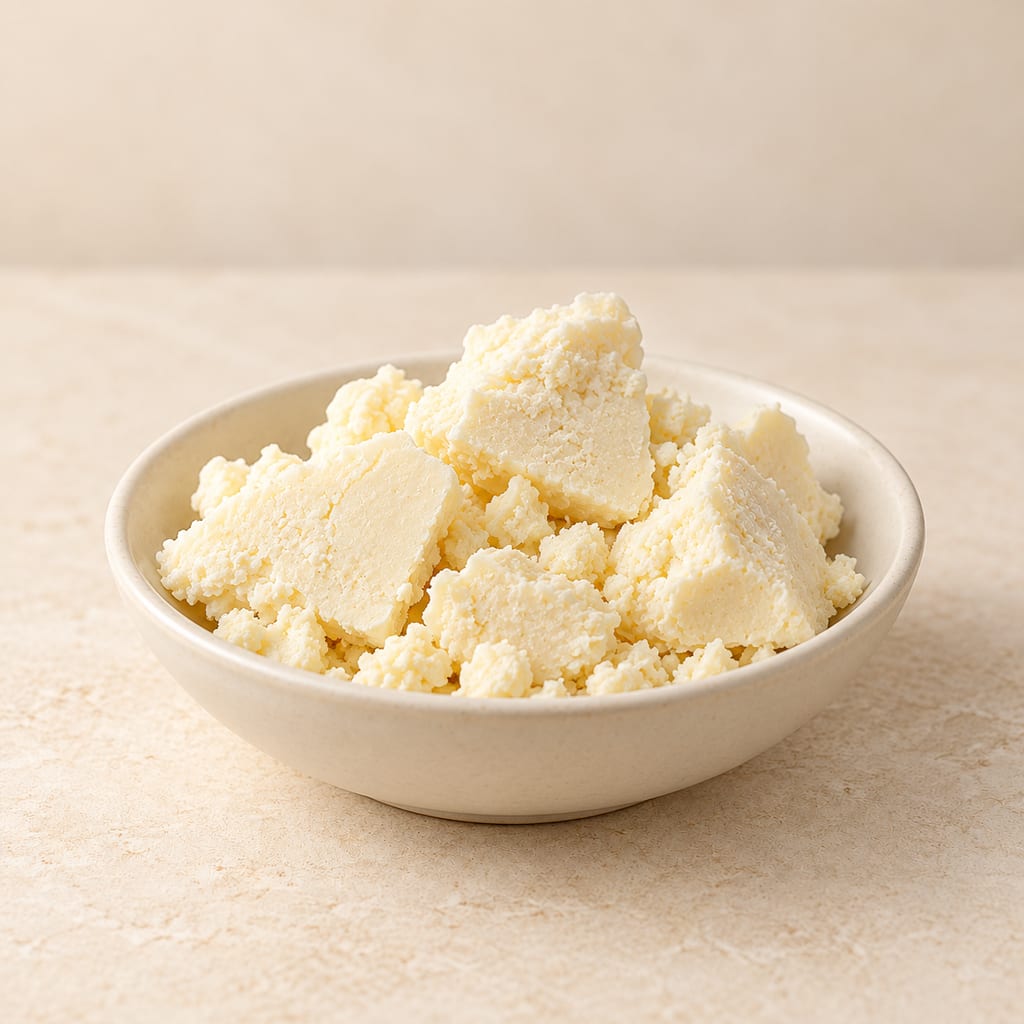
Tulum peyniri is a Turkish cheese traditionally packed into animal-skin bags to mature. This sheep-milk method adds a thermophilic yogurt culture before renneting, draining and dry salting.
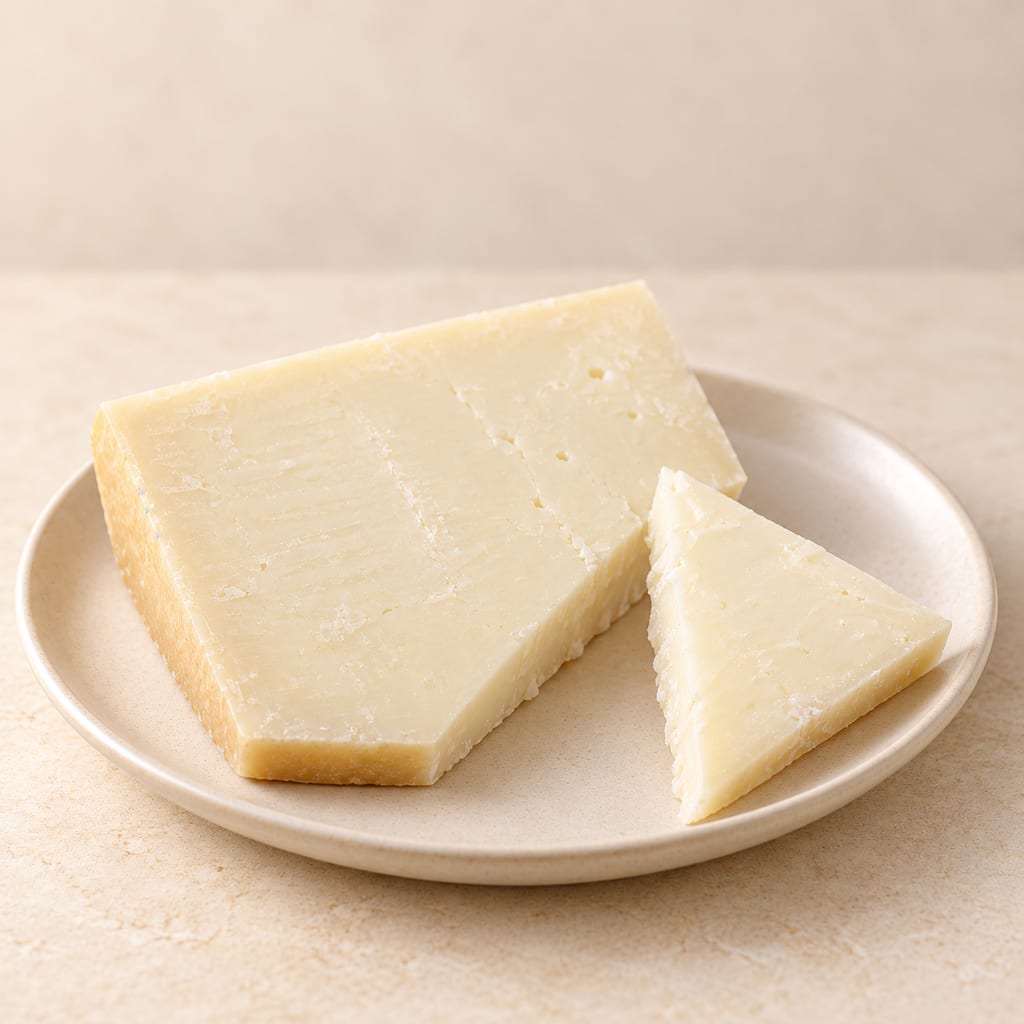
Kefalotyri is a hard sheep-and-goat-milk cheese made in Cyprus as well as Greece. This Cypriot method cooks and presses the curd, then brines, coats and matures the cheese.
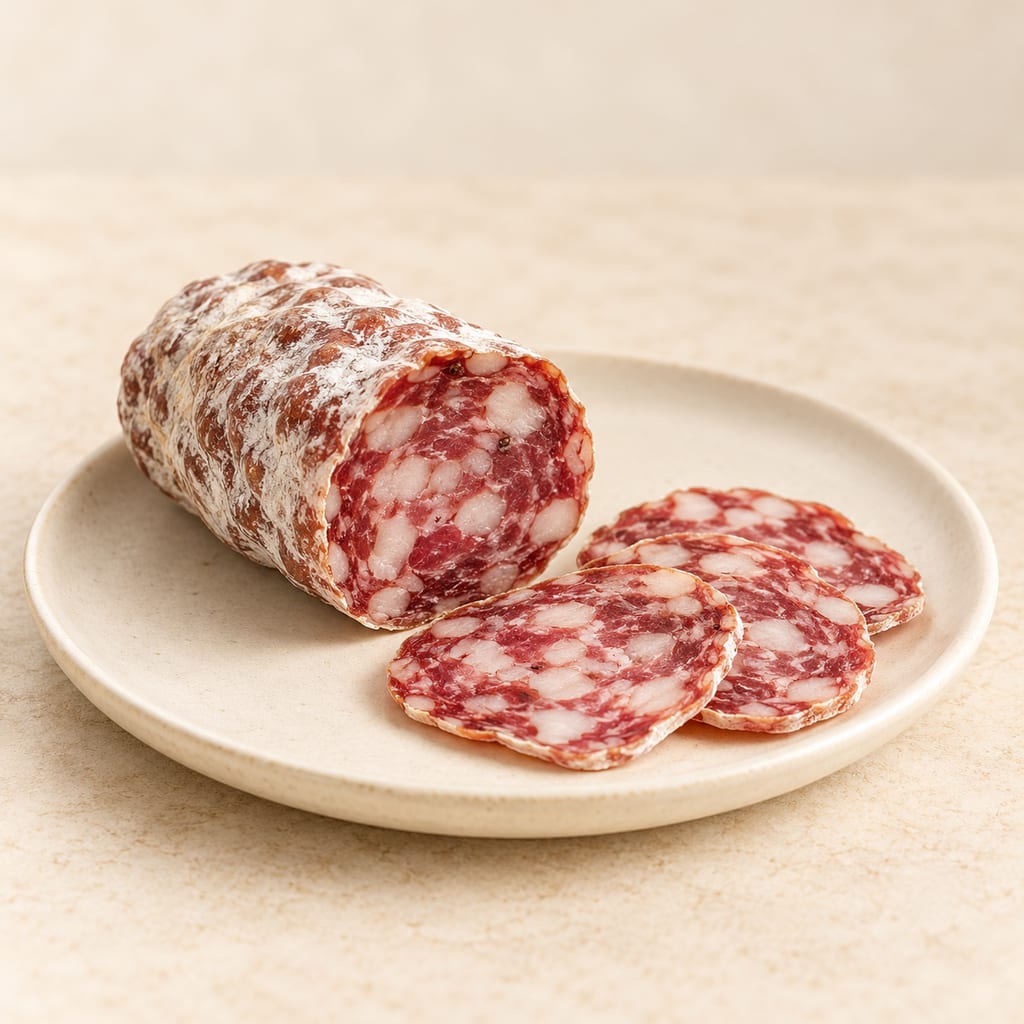
Saucisson sec is a French dry sausage of seasoned pork and fat. This version uses Flavor of Italy starter, white wine and an optional Mold 600 surface culture.
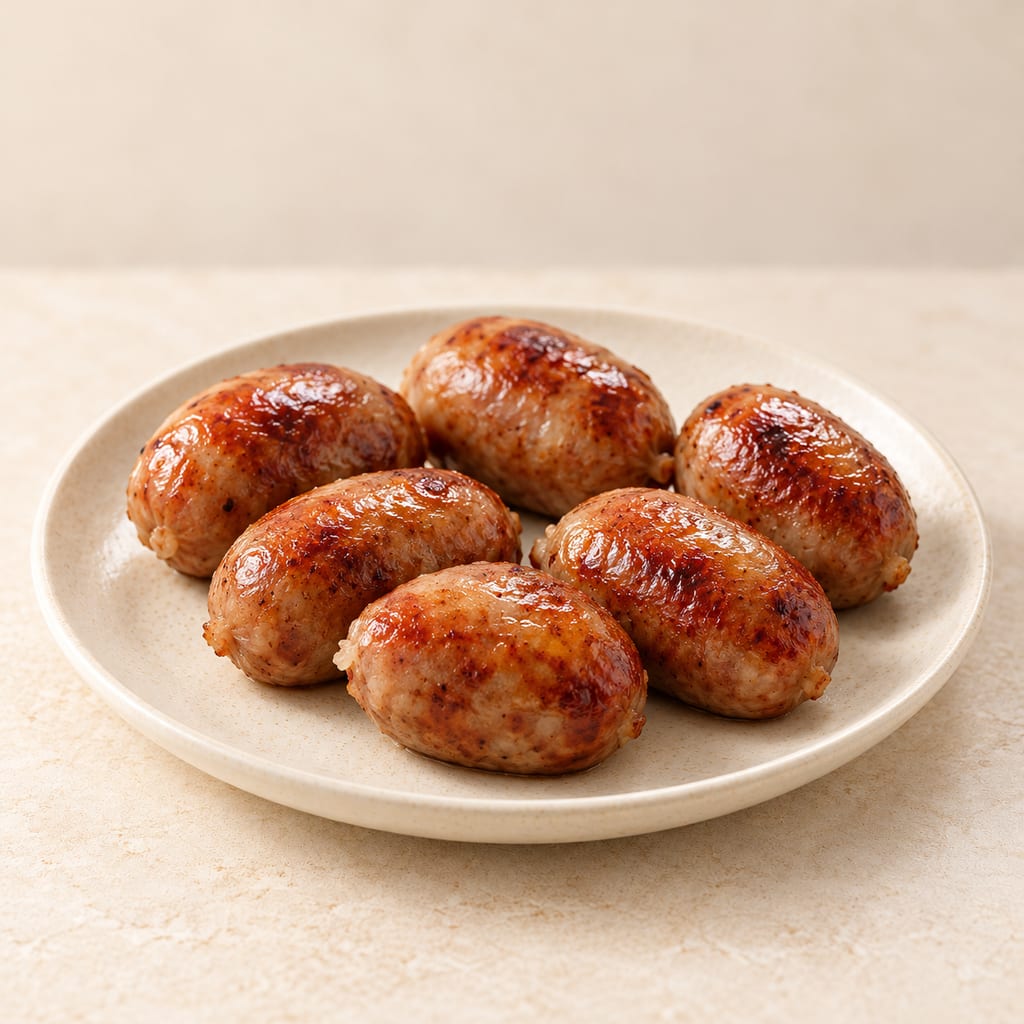
Sai krok Isan is a sour pork-and-rice sausage from northeastern Thailand. This garlic-rich version uses LHP-Dry starter and is cooked after fermentation.
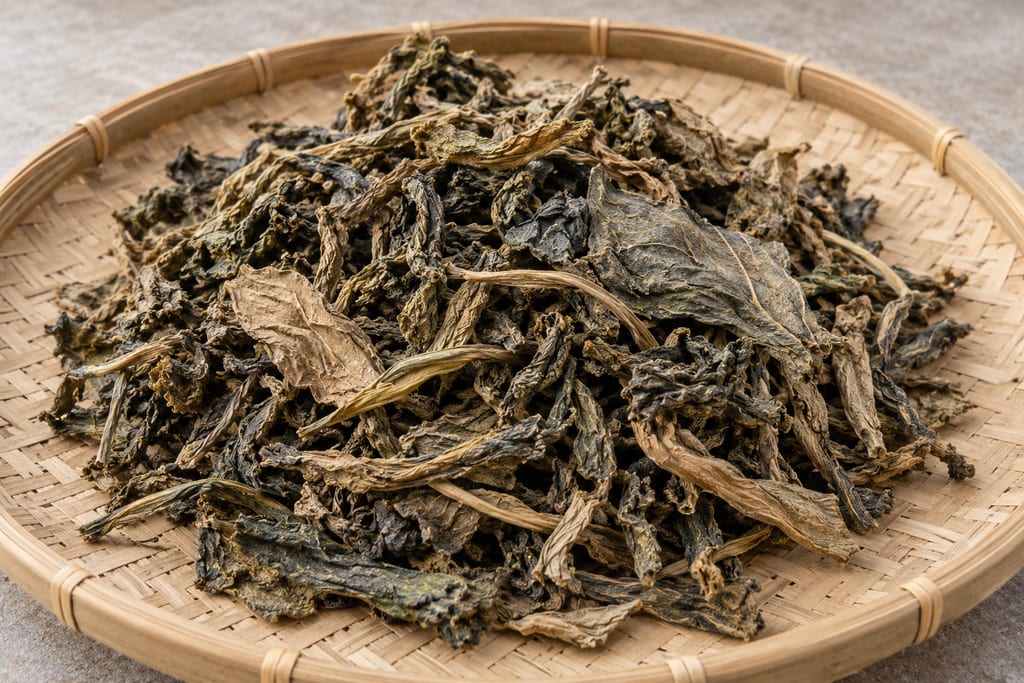
Wilted and shredded Brassica rapa rayo-sag leaves, packed under warm water in earthenware, fermented five to seven days, then sun-dried as Nepali gundruk.
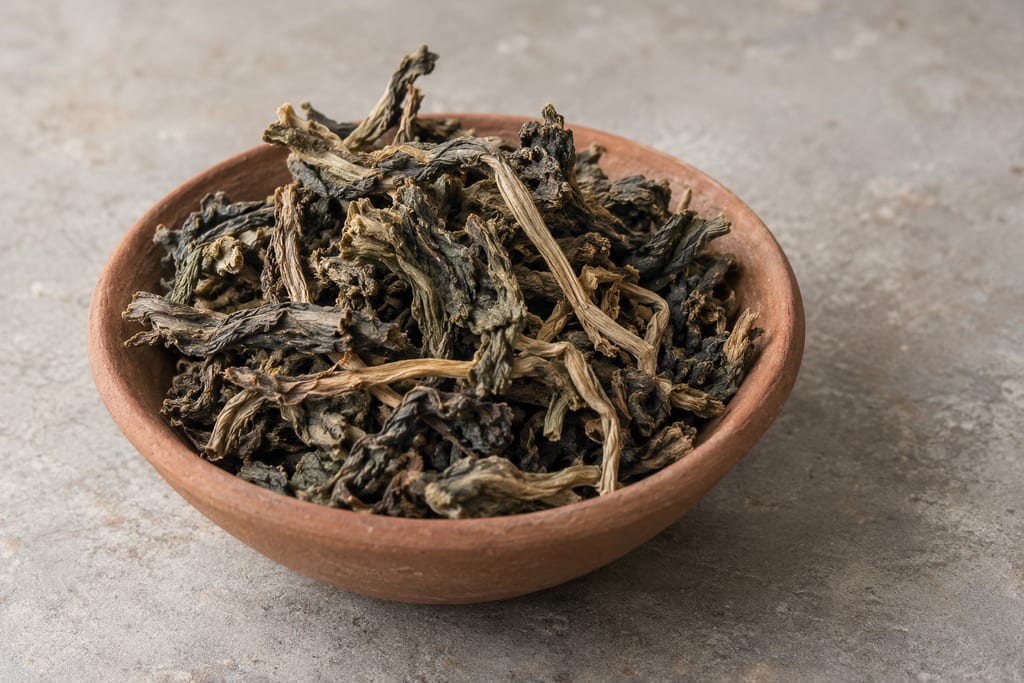
Radish greens wilted, packed into an earthen pot with warm water and fermented without salt, then sun-dried into Nepal's dark, sour gundruk.
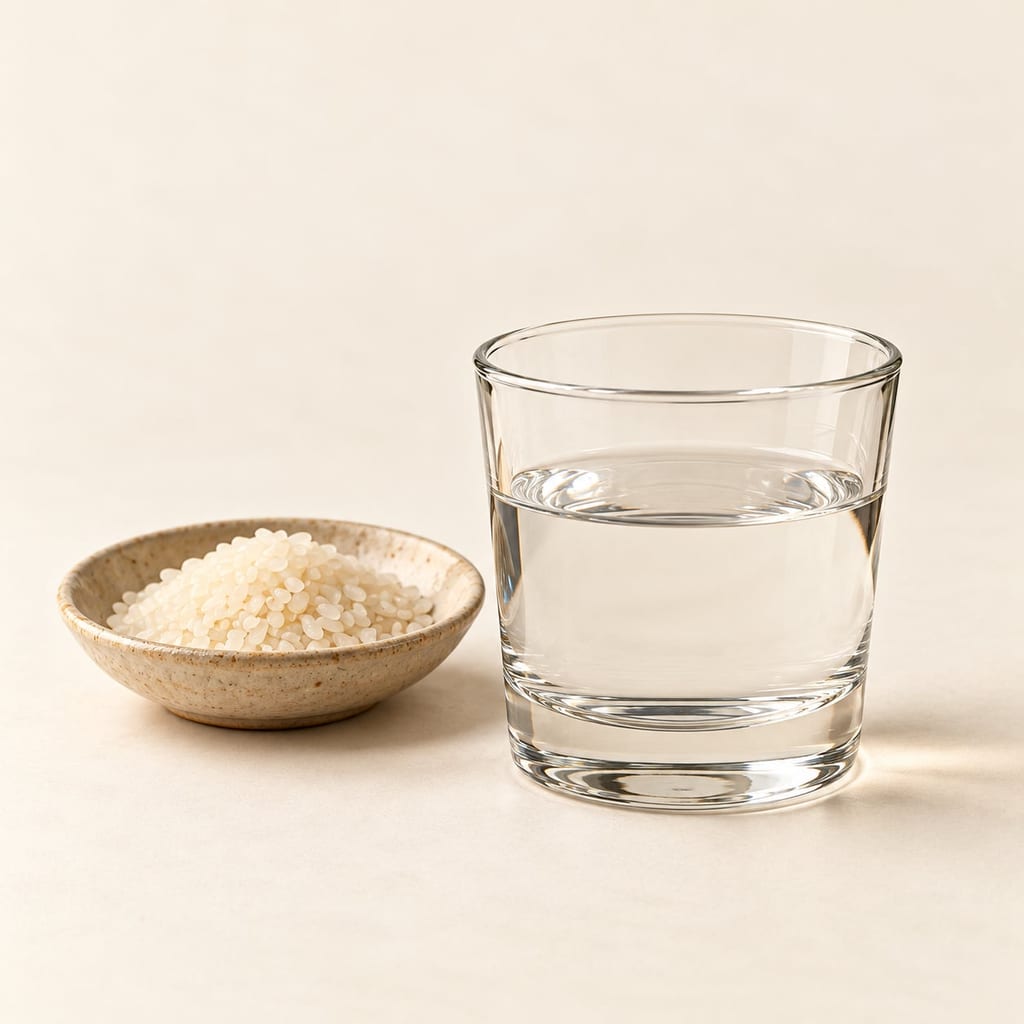
An Okinawan rice spirit made by turning all the rice into black koji, fermenting it with water and yeast, then pot-distilling and maturing the spirit.
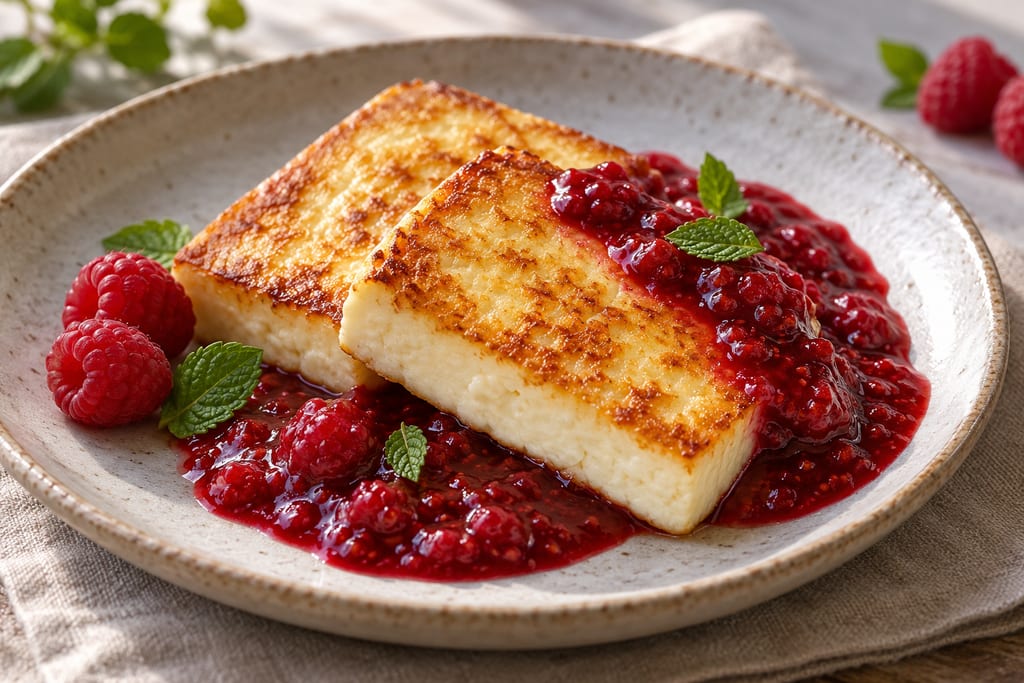
This Ukrainian caption batch uses 3 L milk, lemon, salt, sugar and mint, presses curds for 6–8 hours, then fries the cheese and serves raspberry sauce. Yield is unstated.
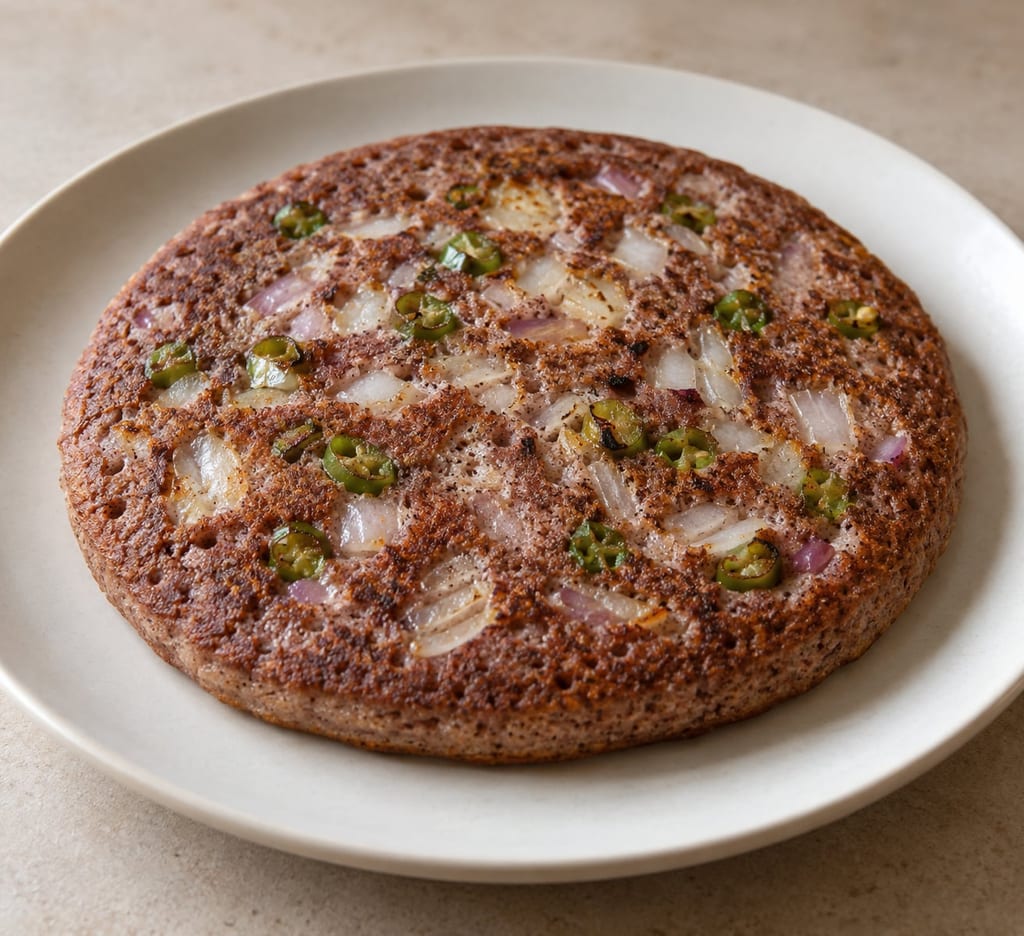
Ragi uthappam turns fermented ragi, urad and idli-rava batter into thick griddle cakes topped with onion and green chilli.