




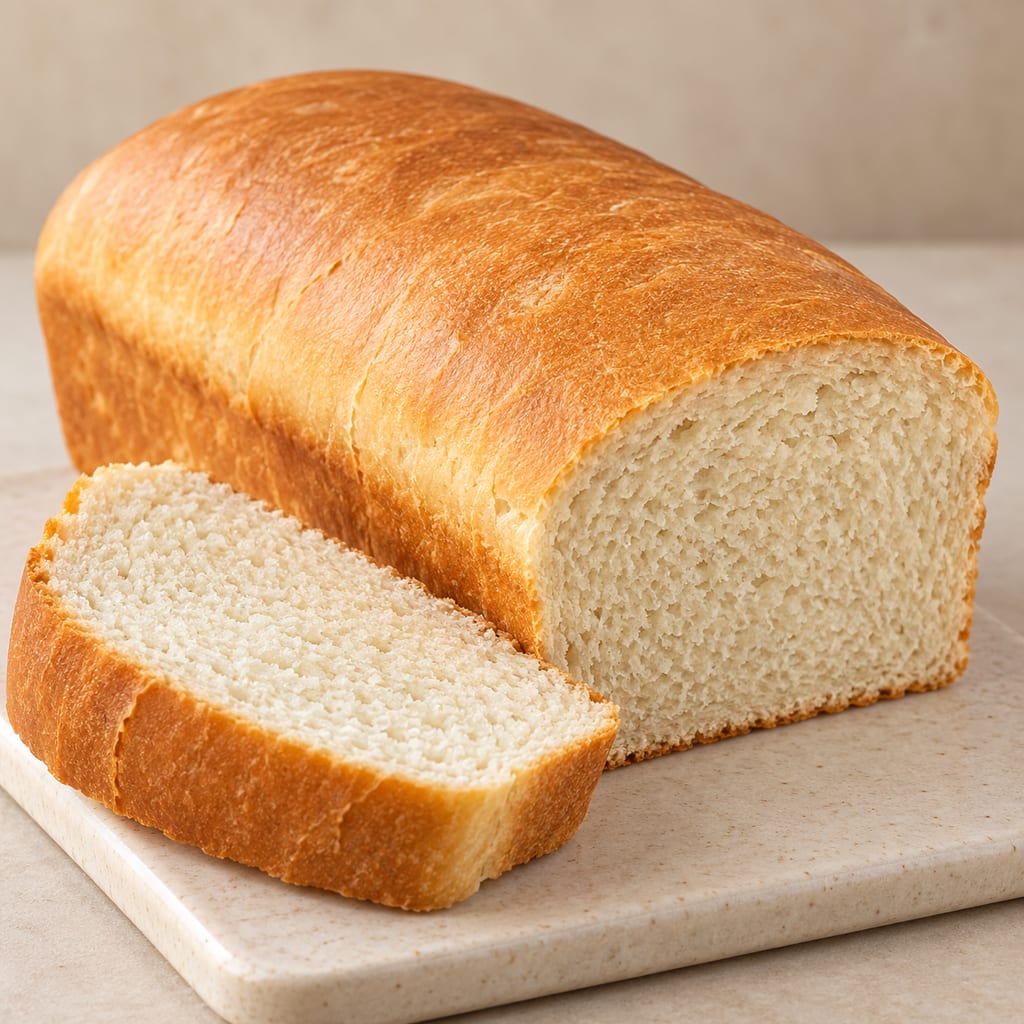
Hard dough bread
Jamaican hard dough bread is a firm, close-crumbed yeasted wheat loaf with a thicker crust and a soft, chewy interior. Roll the dough tightly and bake it in a loaf tin.
 FermenteaWhere food goes to change
1504 records with their sources, across 11 categories.
Jamaican hard dough bread is a firm, close-crumbed yeasted wheat loaf with a thicker crust and a soft, chewy interior. Roll the dough tightly and bake it in a loaf tin.
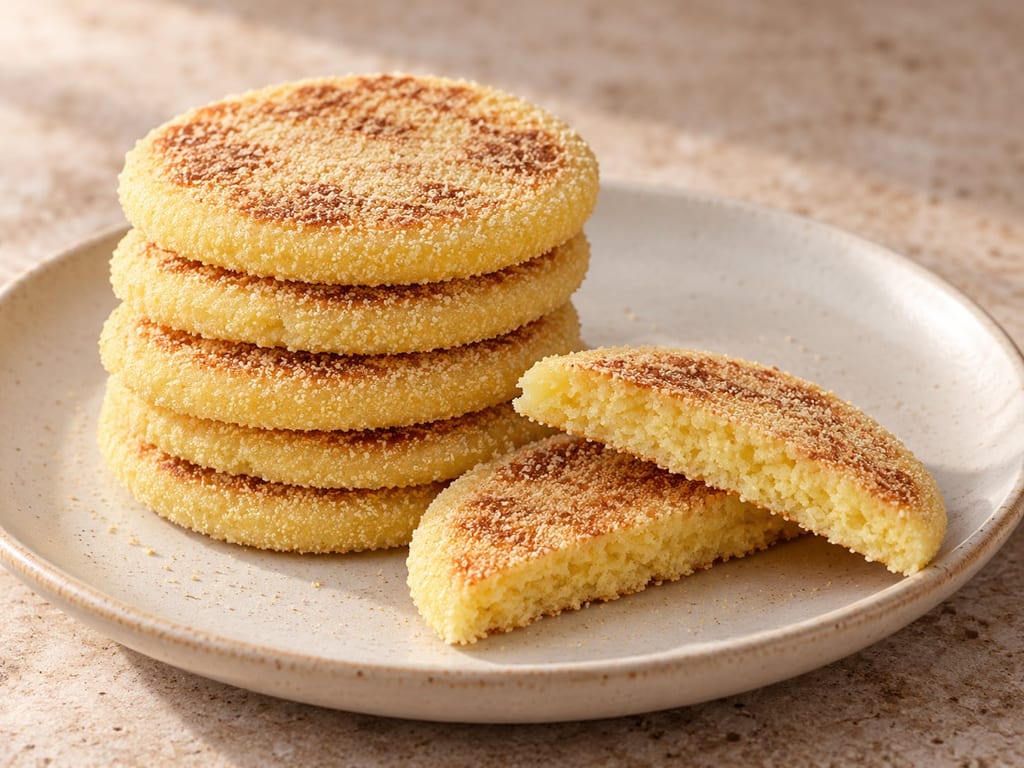
Harcha is a Moroccan semolina griddle bread with olive oil and butter rubbed into the grain, then shaped into thin rounds and cooked until golden. This family formula uses both dry yeast and baking powder.
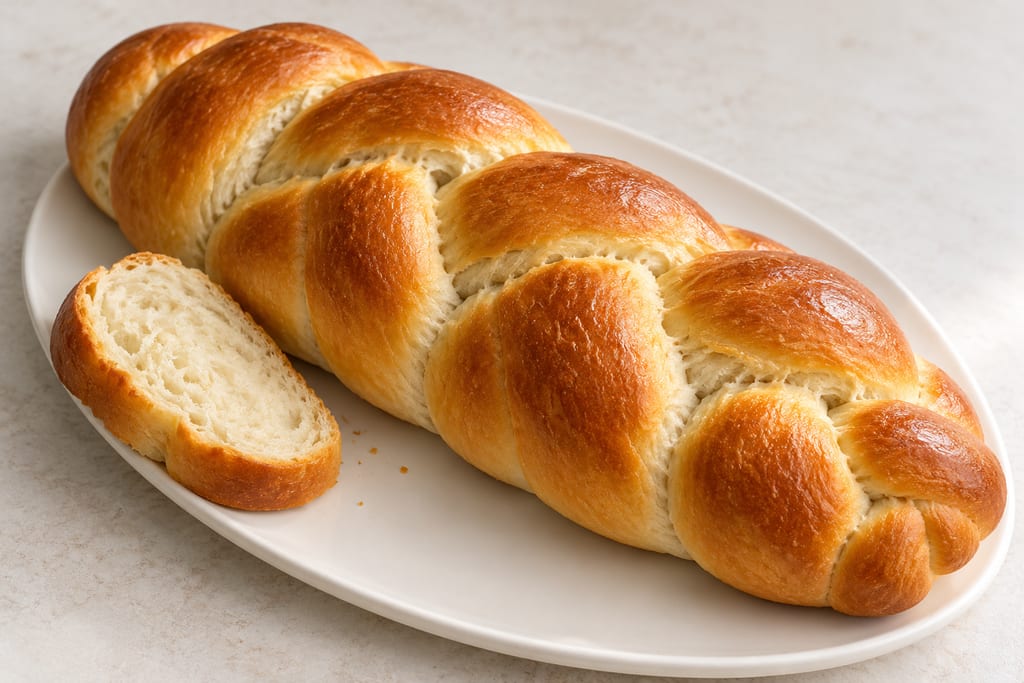
A soft, butter-enriched, eggless Guyanese loaf, shaped into a three-strand plait and baked for Christmas breakfast or everyday meals.
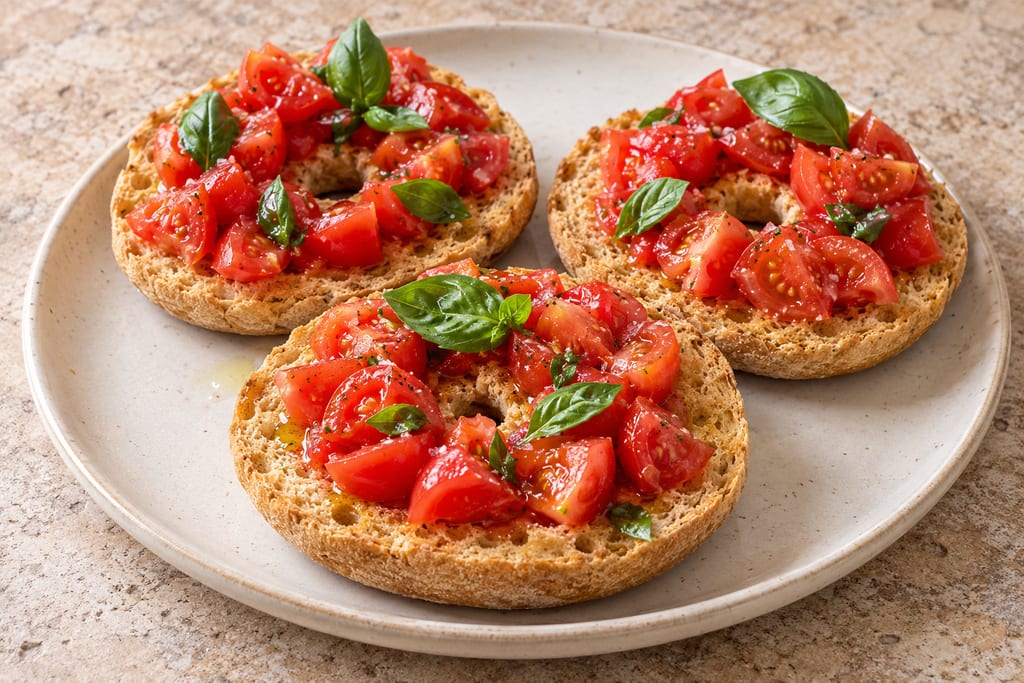
Puglian wheat-and-semolina bread rings are baked, split, then dried in a second bake; briefly moisten and top them before serving.
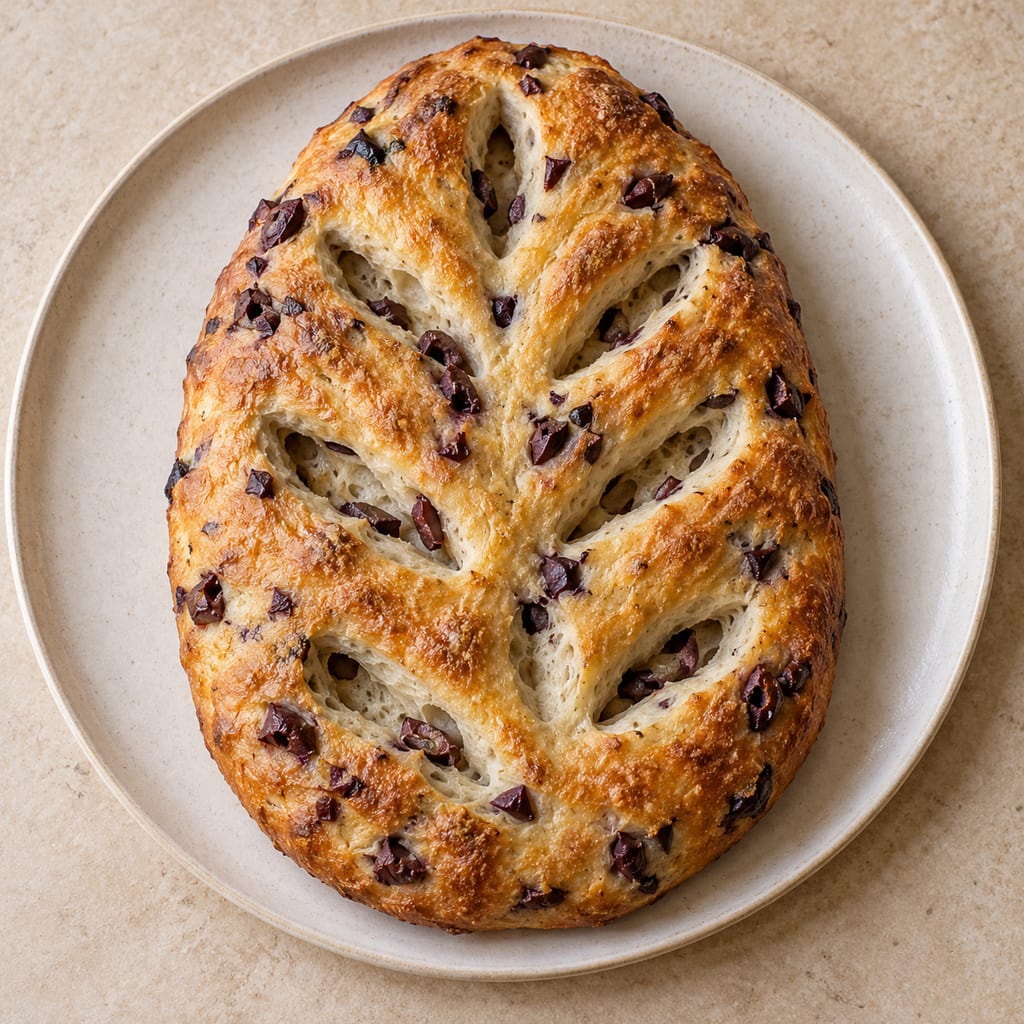
A Provençal olive bread shaped as a flattened oval with seven open slits. This Le Cordon Bleu formula uses wheat flour, fresh yeast, olive oil and Kalamata olives.
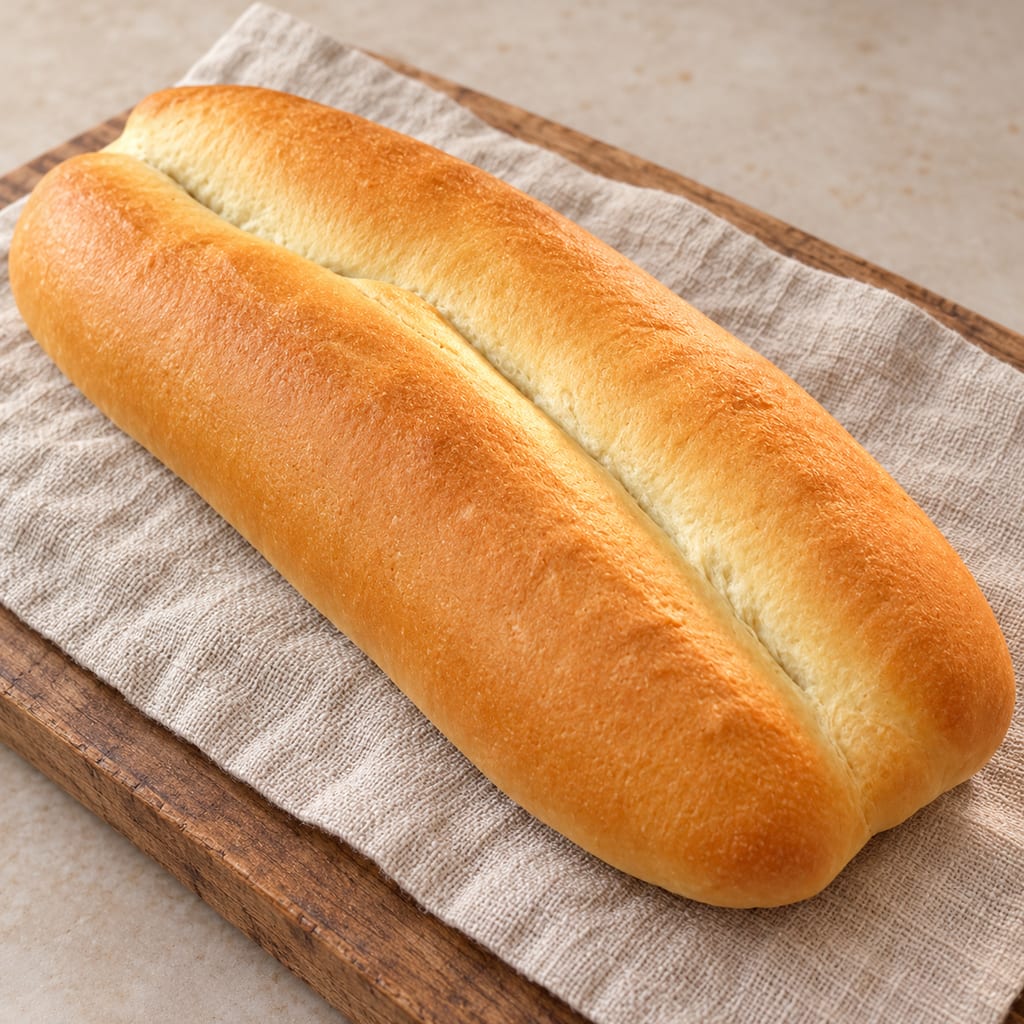
A soft Dominican Christmas loaf enriched with egg and butter, scented with optional anise, and shaped with two rolled ridges around a central seam.
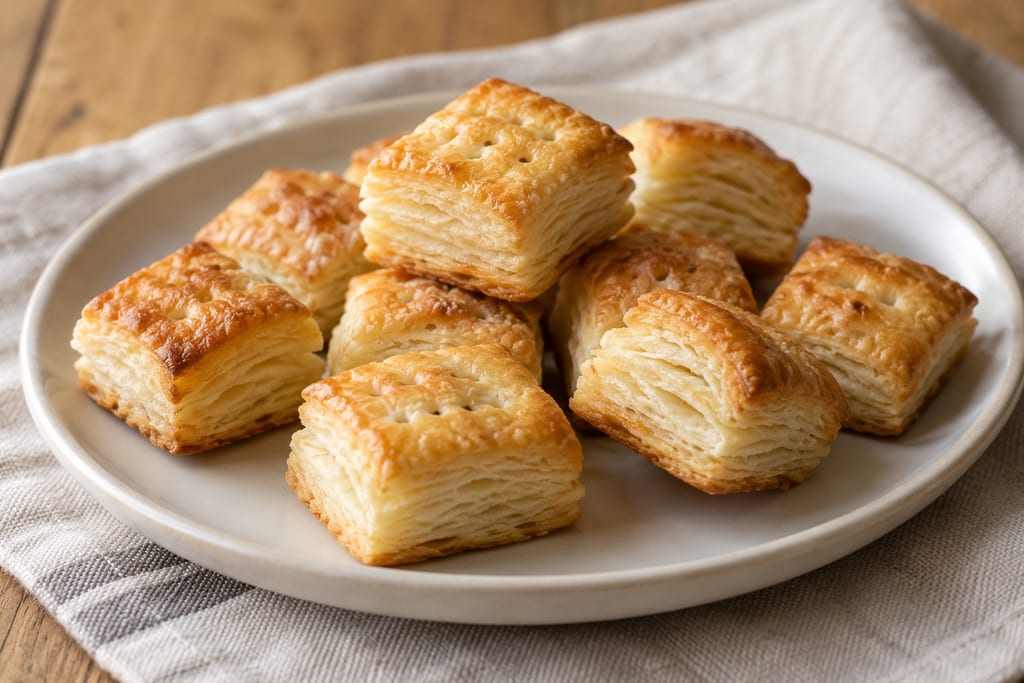
Small Argentine laminated bread bites made with wheat dough, yeast and beef fat or pork lard; this version follows a 40-piece home recipe.
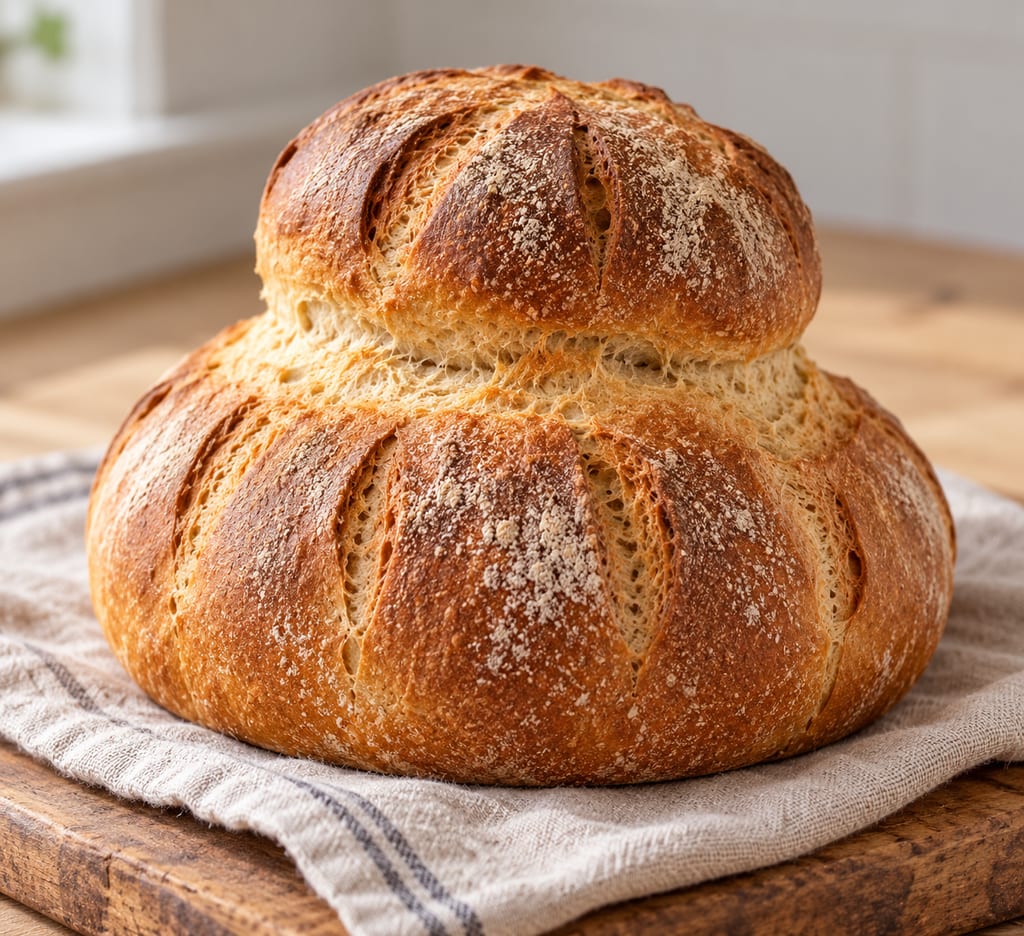
A large English cottage loaf with a smaller round joined atop a larger one. This slow-rise version uses white wheat flour with small portions of wholemeal wheat and rye, and bakes on a hot stone or tray.
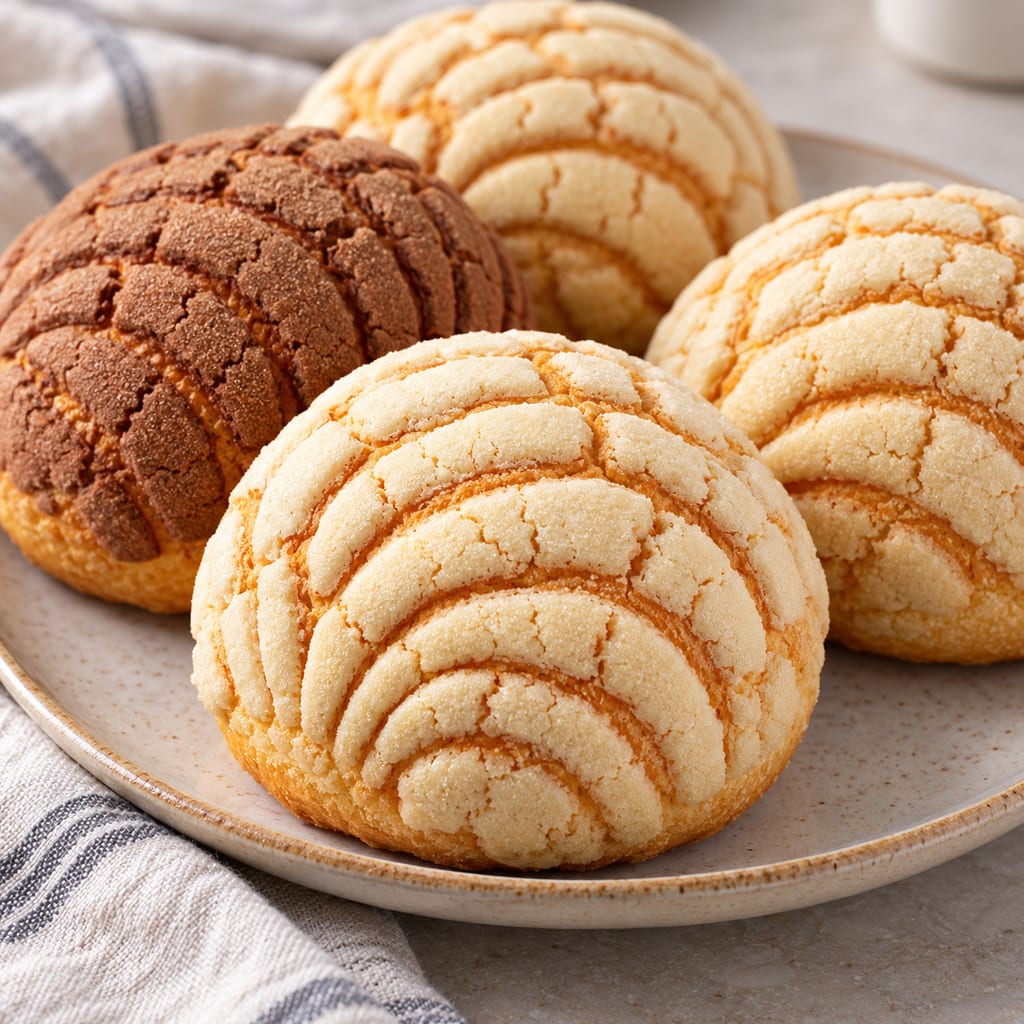
Mexican sweet rolls with a soft enriched yeast dough and a separate scored sugar-flour topping shaped like a shell. This version makes 15 rolls and uses a chilled dough rest before final proofing.
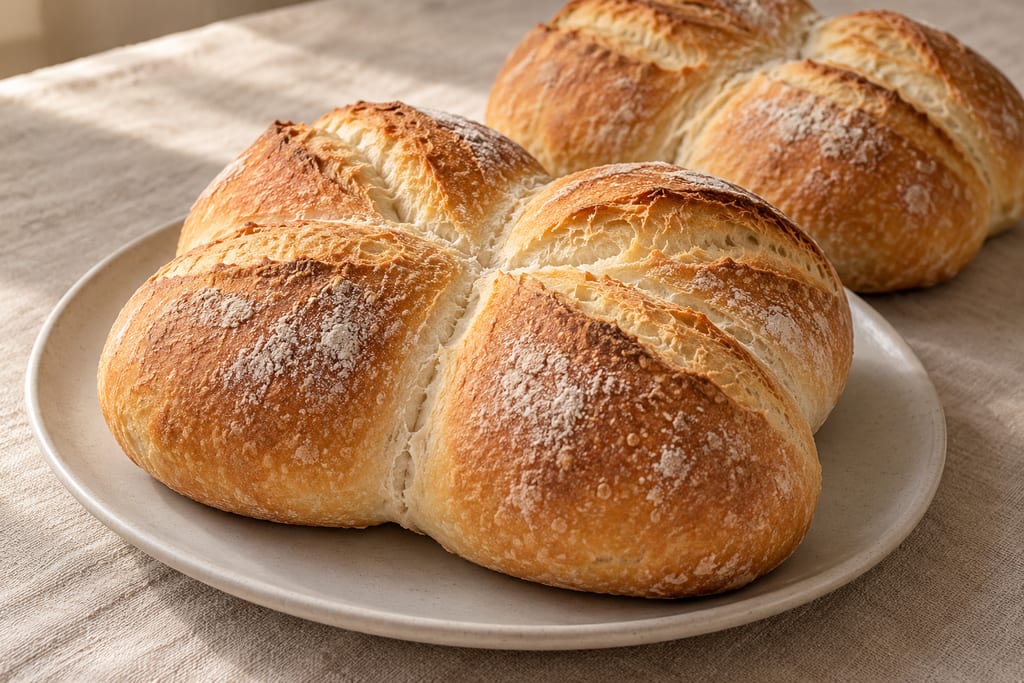
A lean Chilean wheat loaf shaped as two joined lobes, chilled overnight, then baked with steam for a crisp, deeply browned crust.
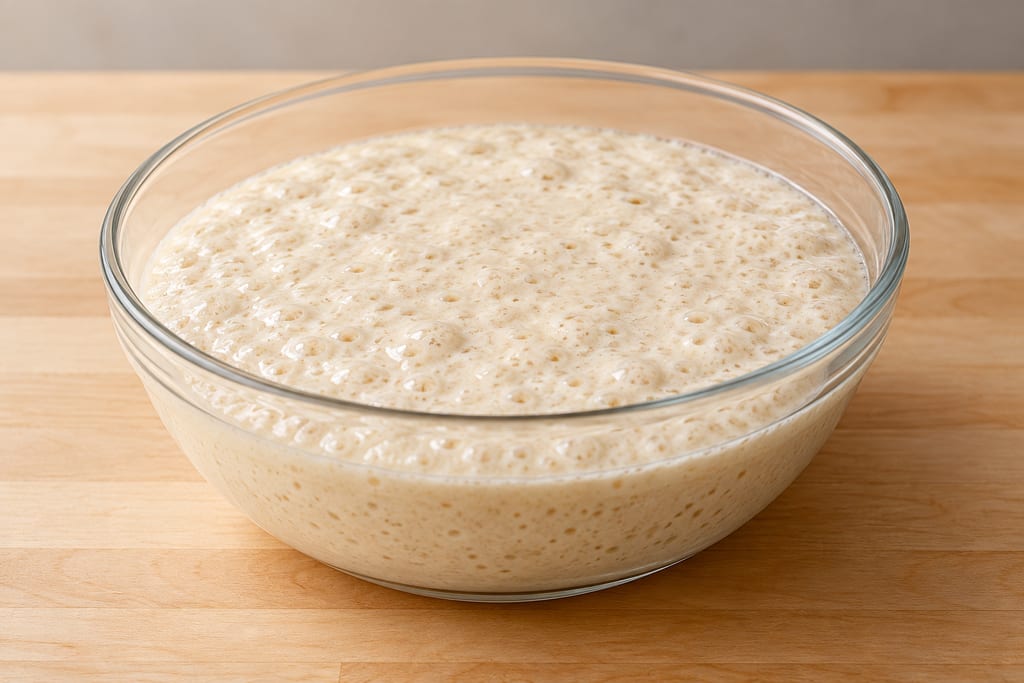
Poolish is a loose, unsalted bread preferment of roughly equal weights of wheat flour and water with a pinch of baker's yeast, left to ripen before it goes into the final dough.
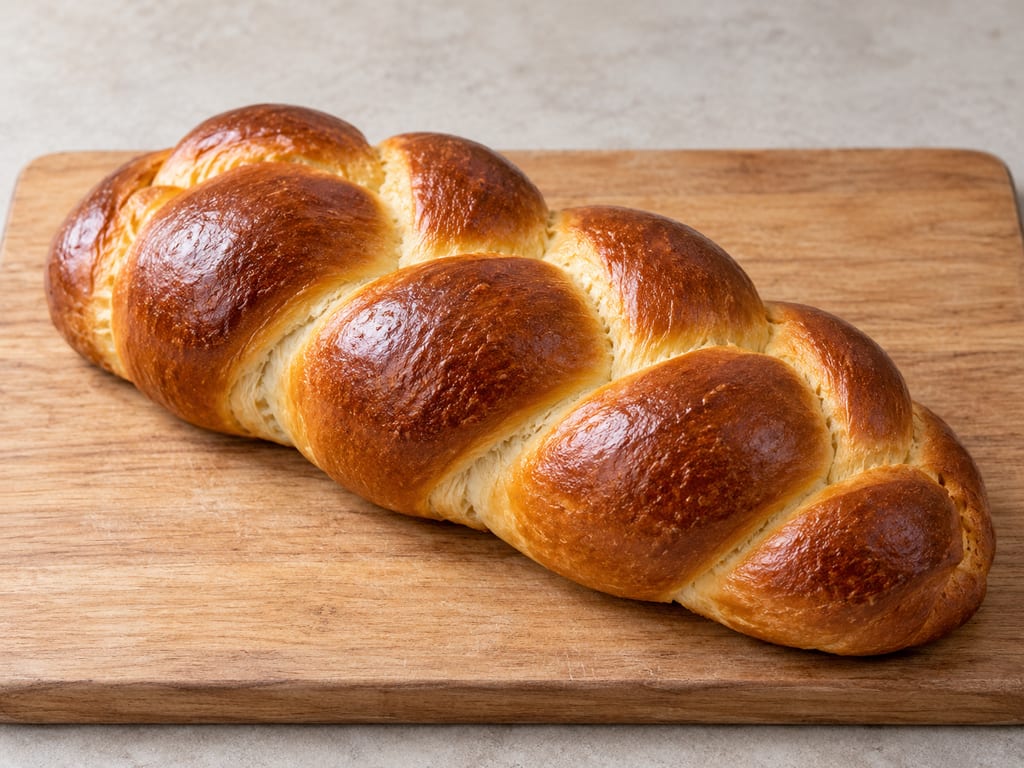
A three-strand yeast-raised challah with flour, salt, yeast, water, neutral oil, honey and egg, based on a Jewish Museum Vienna home recipe.

A German-style Brezel is a yeast-raised wheat dough shaped into a loop and dipped in an alkaline bath before baking. This home version uses baking soda; the original formula uses food-grade lye.
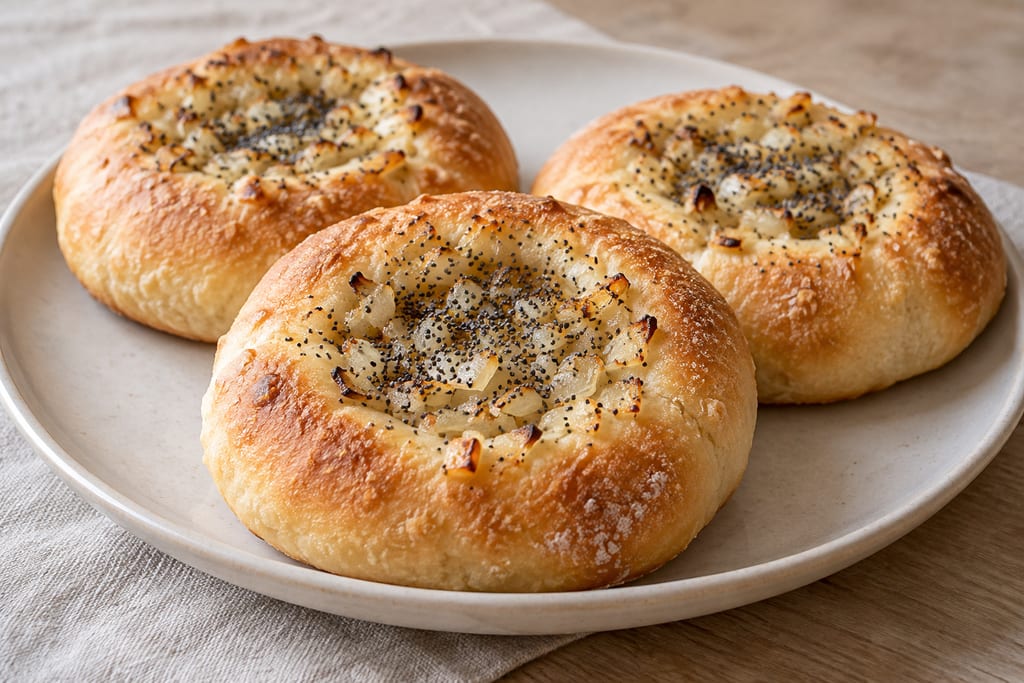
Bialys are soft, yeasted wheat rolls baked without boiling, each shaped with an onion-filled central depression instead of a hole.
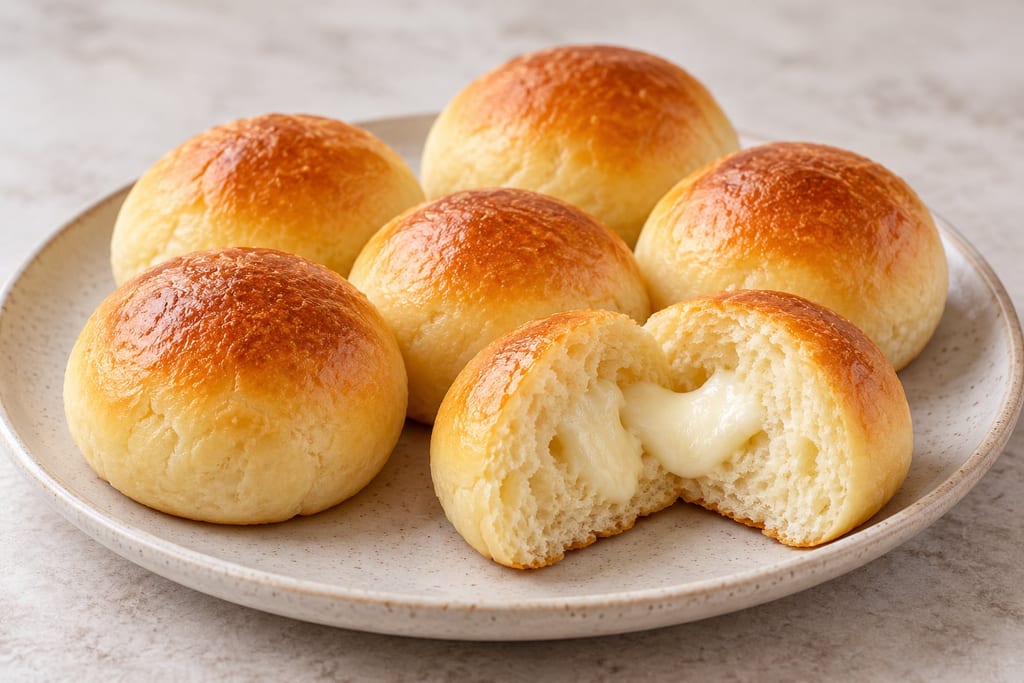
Soft Brazilian yeast rolls use cooked mashed potato in an enriched dough, with mozzarella cubes enclosed before baking.
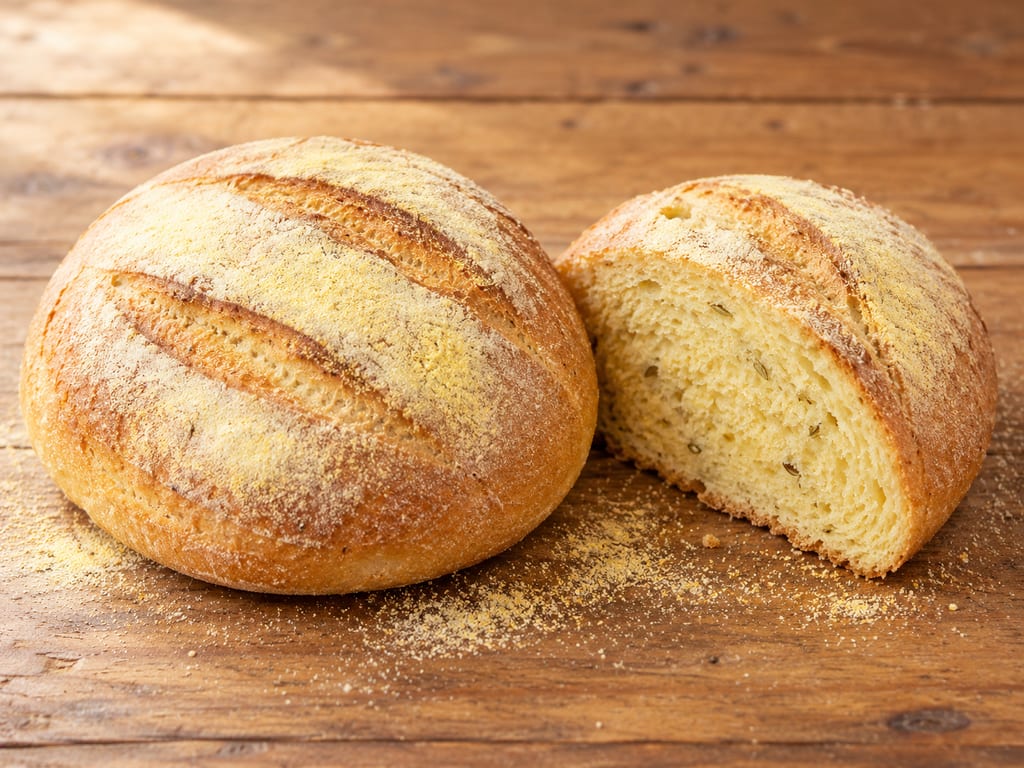
Brazilian broa de milho is a lightly sweet wheat-and-fine-maize bread with fennel and dry yeast, shaped into two small loaves for a Festa Junina or coffee break.
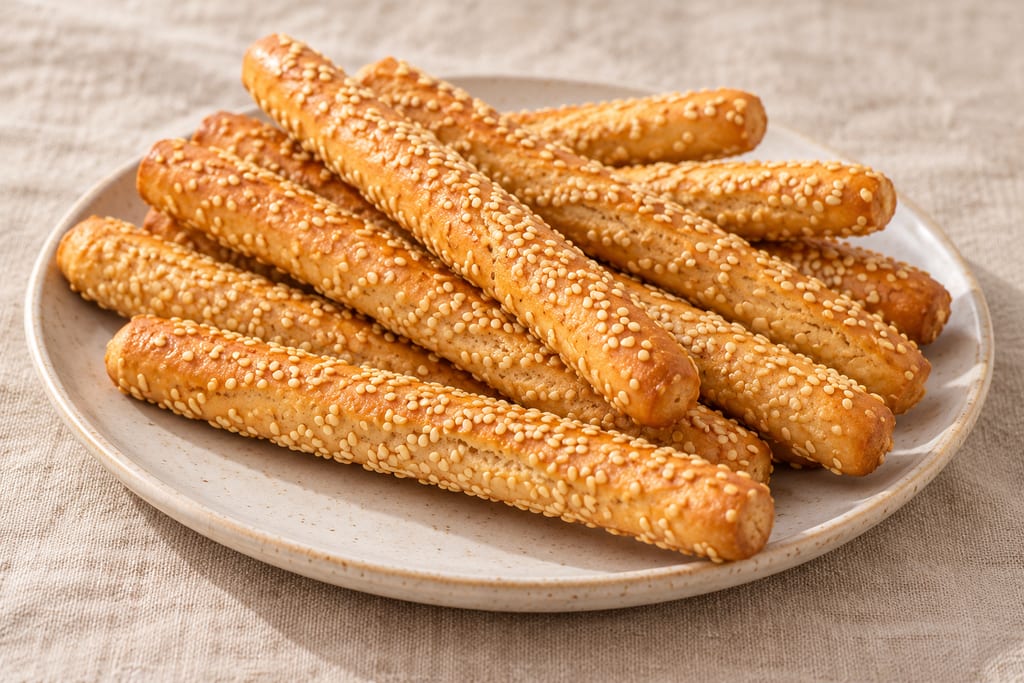
Amira Ibrahim’s Egyptian bosomat are yeast-raised wheat sticks scented with optional fennel and anise, topped with sesame and baked until dry and crisp.
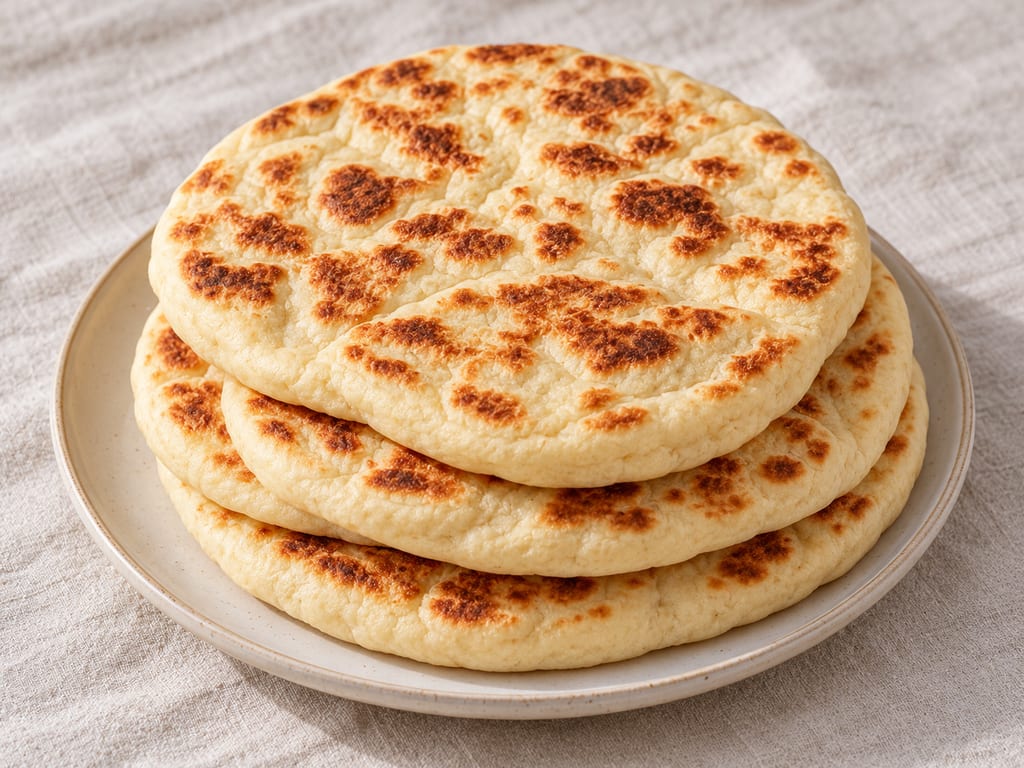
This Turkish bazlama uses yeast, plain yogurt and olive oil for a soft dough cooked in a skillet. Shape it into twelve small or six larger rounds, flip as bubbles appear, and wrap the breads to keep them soft.
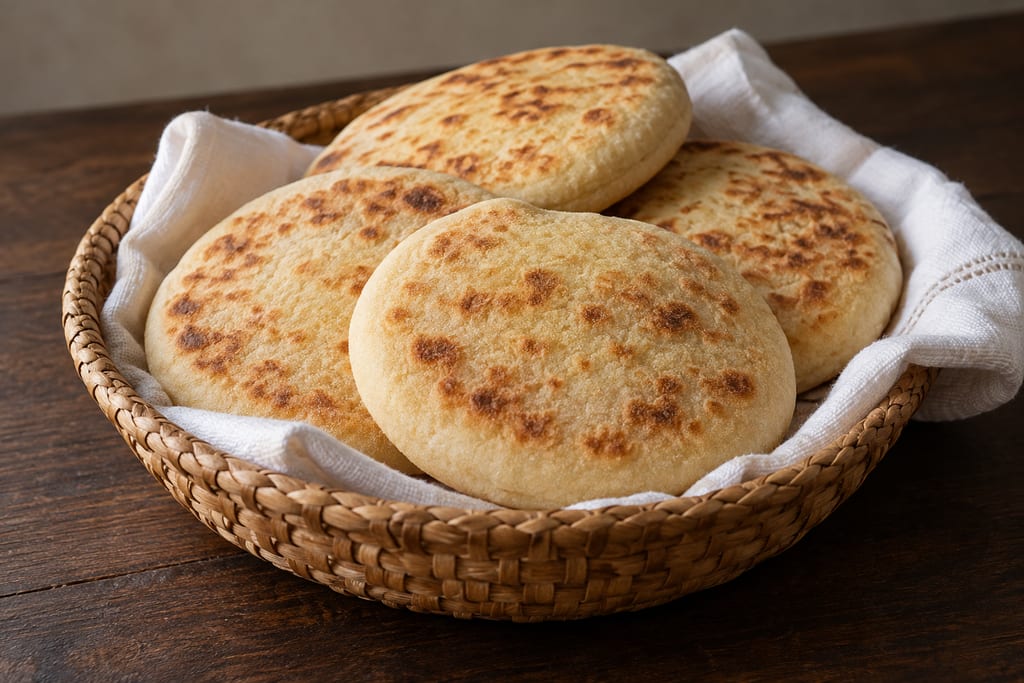
A Moroccan yeast-raised semolina pocket bread cooked on a dry pan or griddle; this measured batch makes about twenty 4-inch rounds.
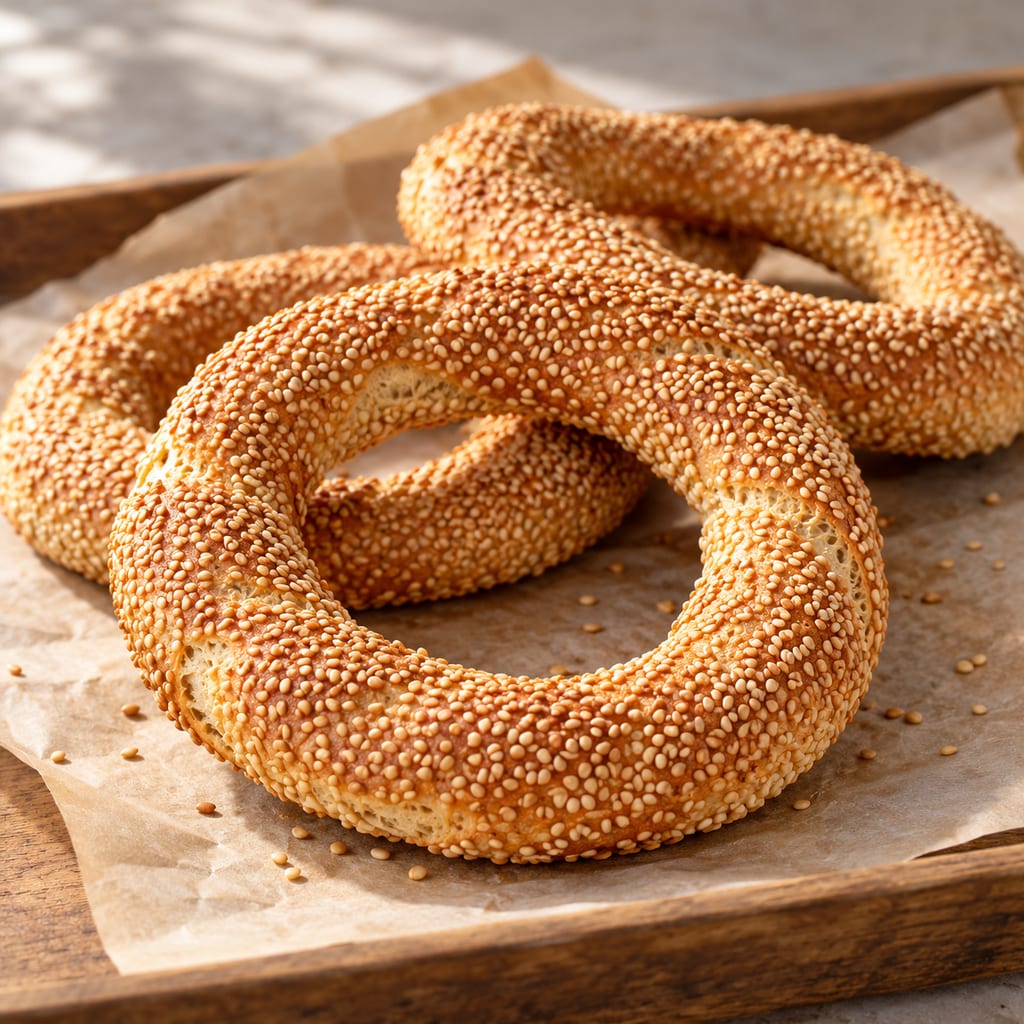
The Thessaloniki City of Gastronomy page gives a 15–18-ring yeast dough, dipped in sweetened water and sesame before baking. Its fresh yeast is listed as one dice without a mass, which remains unresolved.
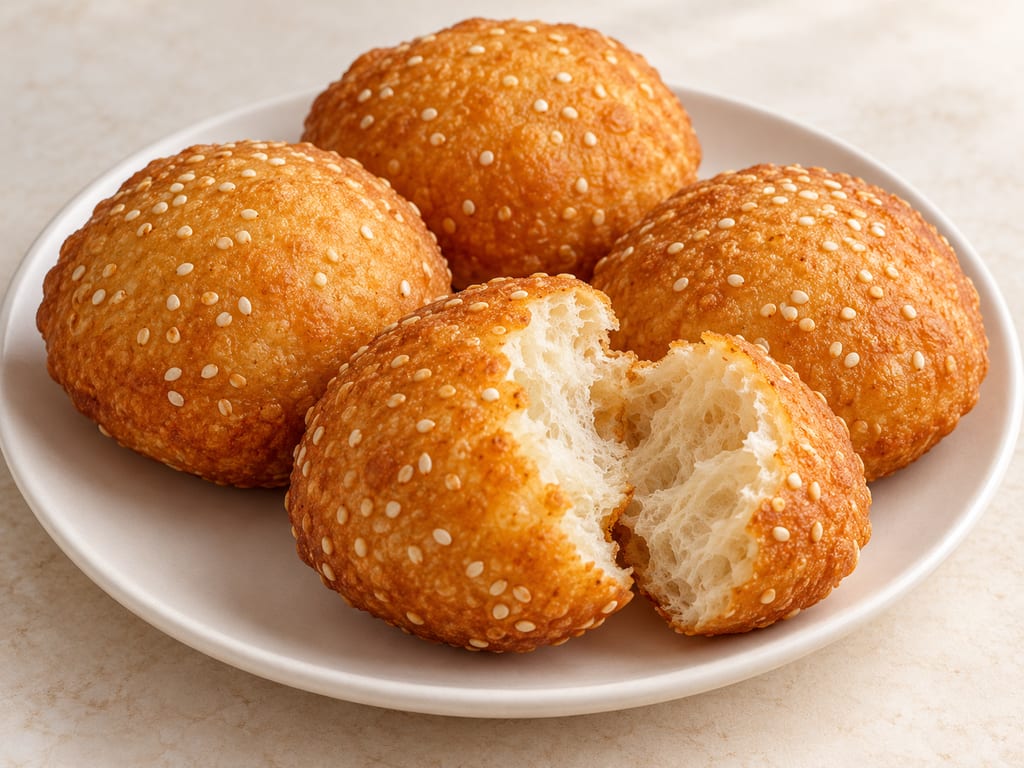
Bánh tiêu is a lightly sweet Vietnamese fried bread coated with sesame. A yeast-raised dough with baking powder is rolled into small rounds and fried until puffed and golden.
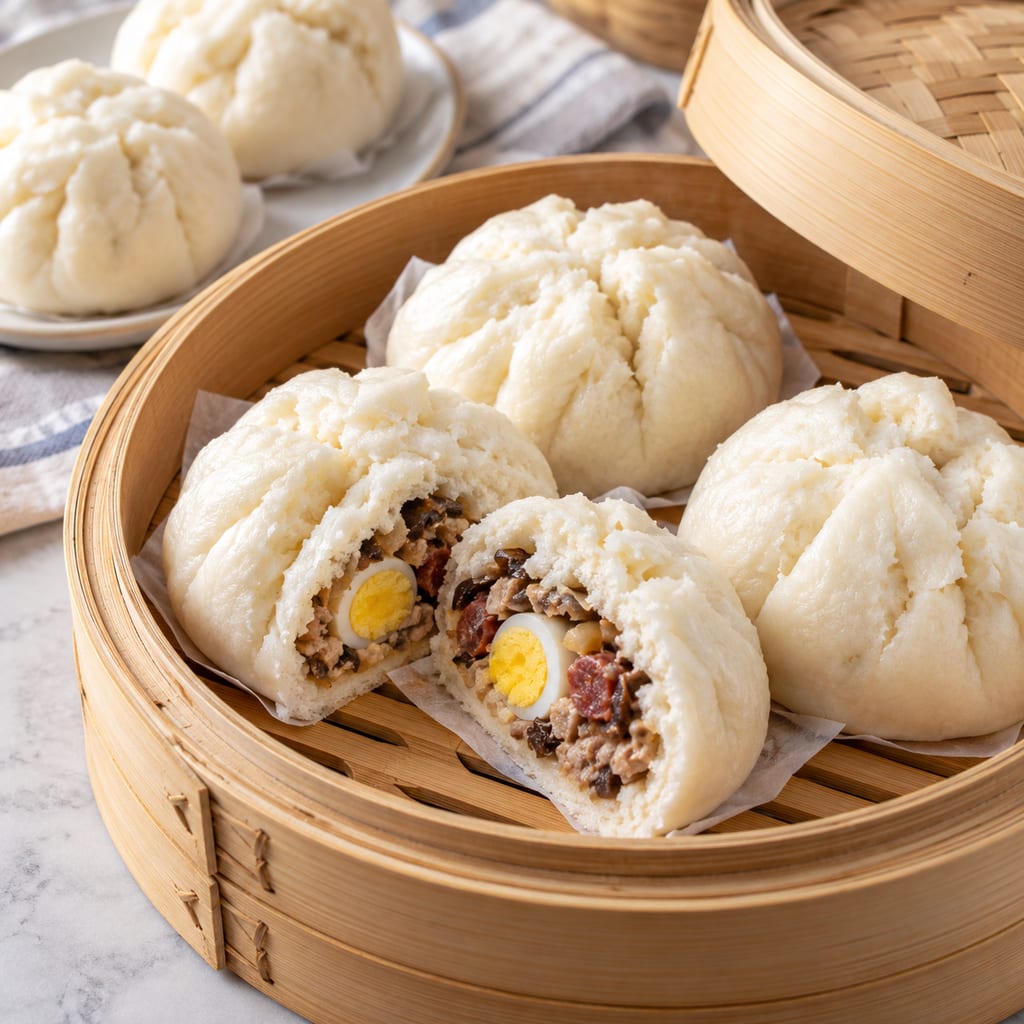
Vietnamese steamed wheat buns wrapped around seasoned pork, mushrooms, Chinese sausage and hard-boiled quail eggs. This from-scratch version uses yeast and self-rising flour.
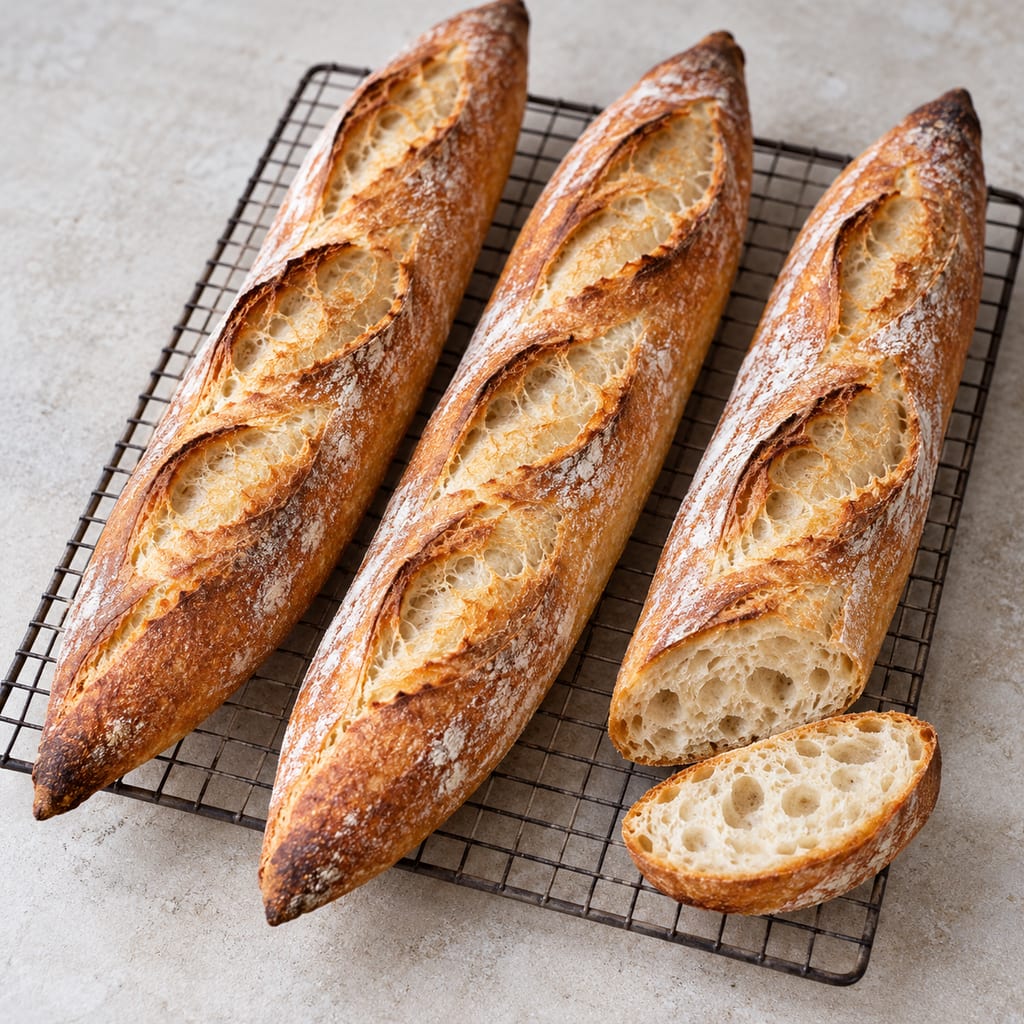
Three long, crusty wheat loaves made with an overnight yeast poolish, shaped by hand and baked with steam for a crisp crust.
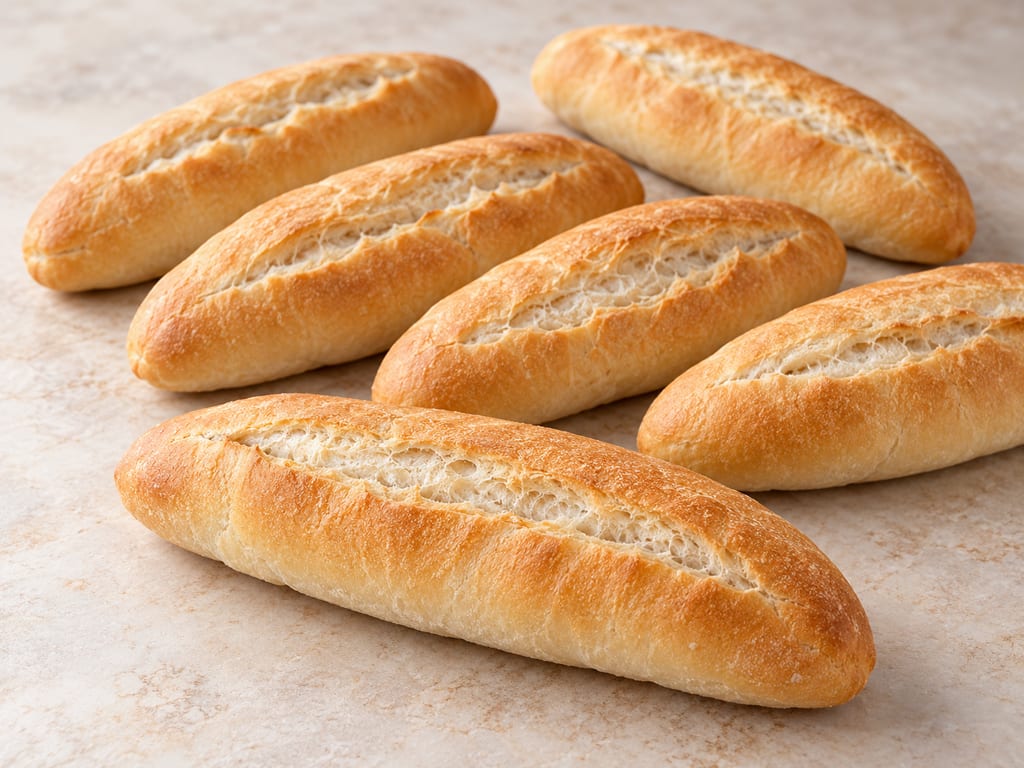
Six yeast rolls for Cuban sandwiches, shaped into long tapered loaves and slashed down the center.

A yeast-raised wheat ring shaped from a firm dough, briefly boiled and baked. This source-batch formula gives a gently malted crust and a chewy crumb.
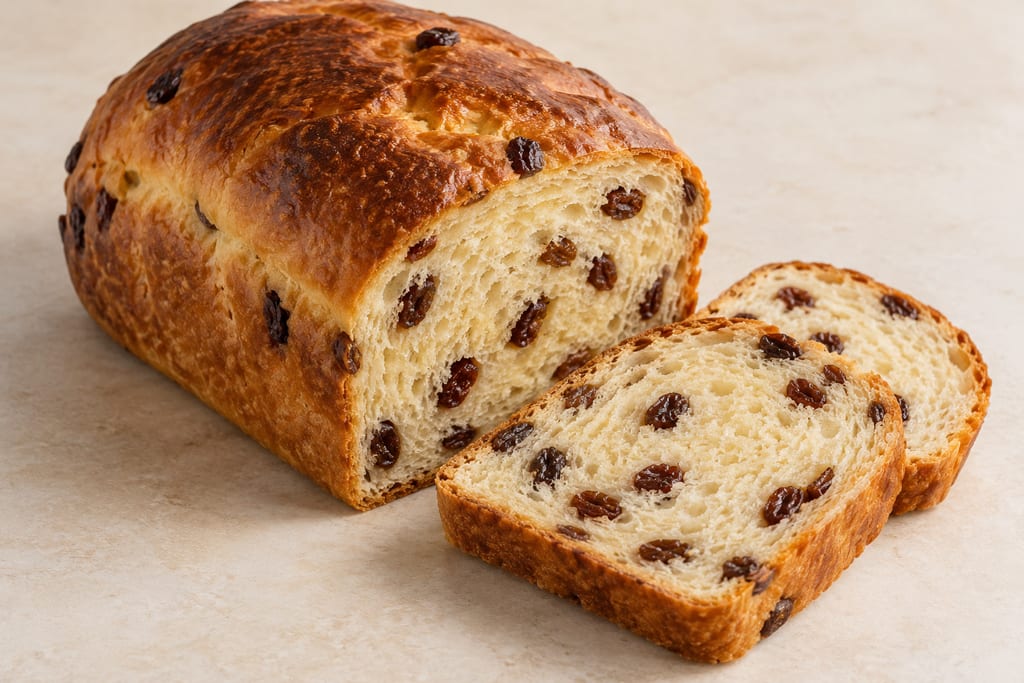
A tender Belgian wheat loaf enriched with milk, butter and egg, with raisins scattered through the crumb. Cramique is sliced for breakfast or a snack, often with butter, jam or chocolate cream.
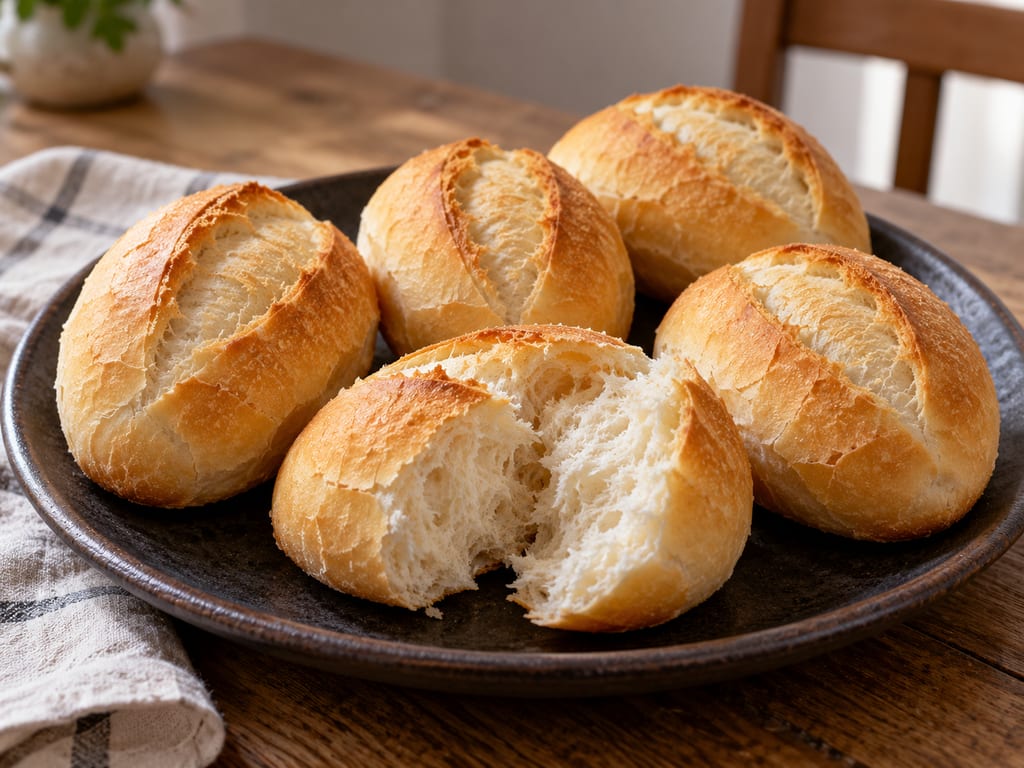
A Brazilian wheat roll with a crisp crust, this home batch uses dry baker’s yeast and a steam-assisted oven bake.
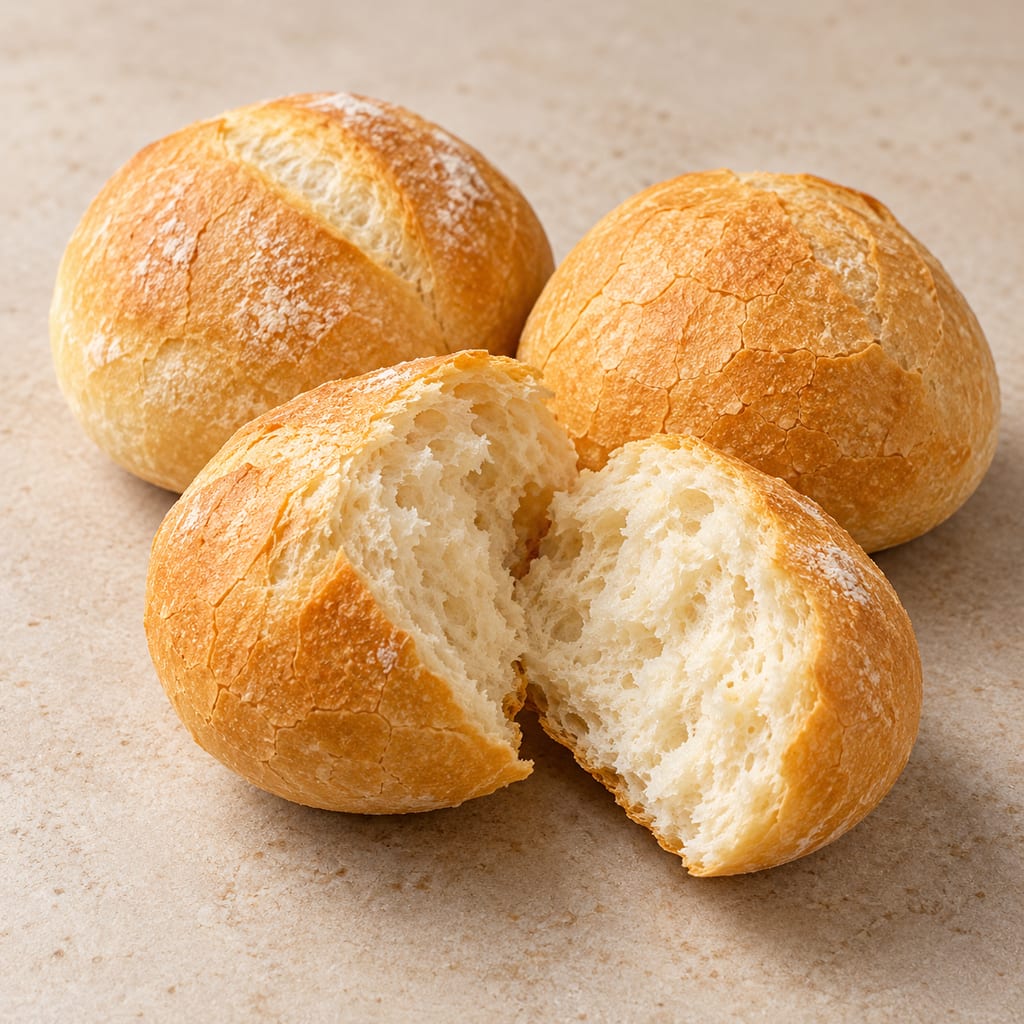
A crisp Belgian roll made from a supplier’s Croc-flour dough, mixed by hand or machine, proofed in rounds and baked with steam.
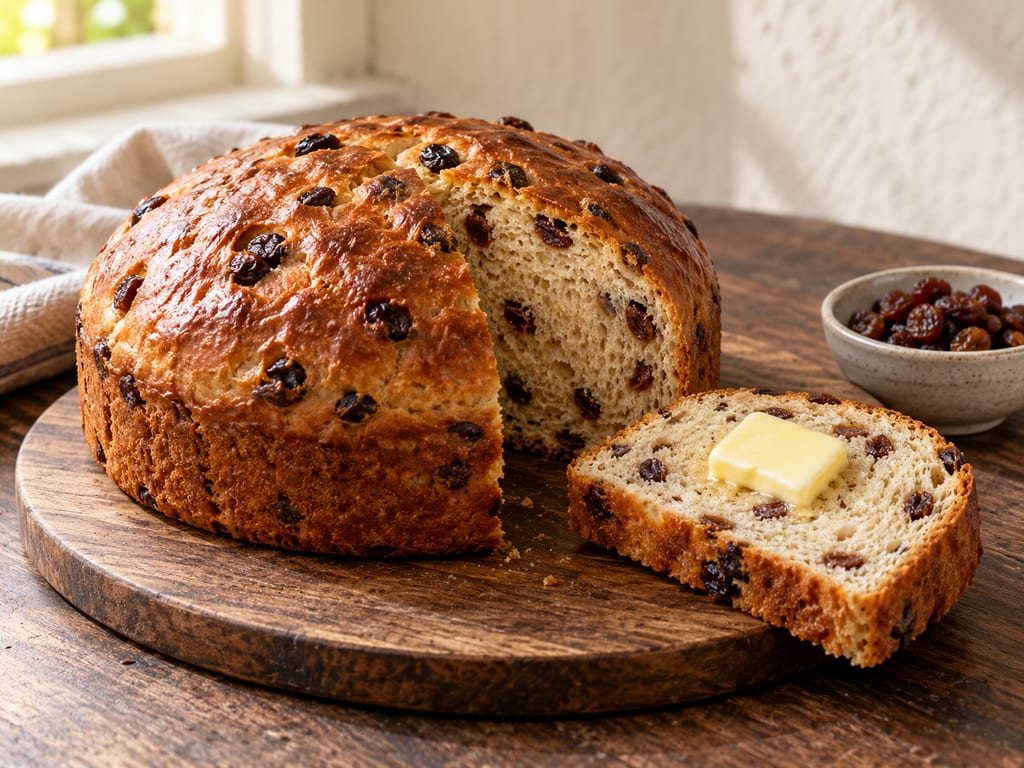
An Irish fruit-studded yeast loaf, associated in a contemporary cultural account with Halloween and often served fresh or toasted with butter.
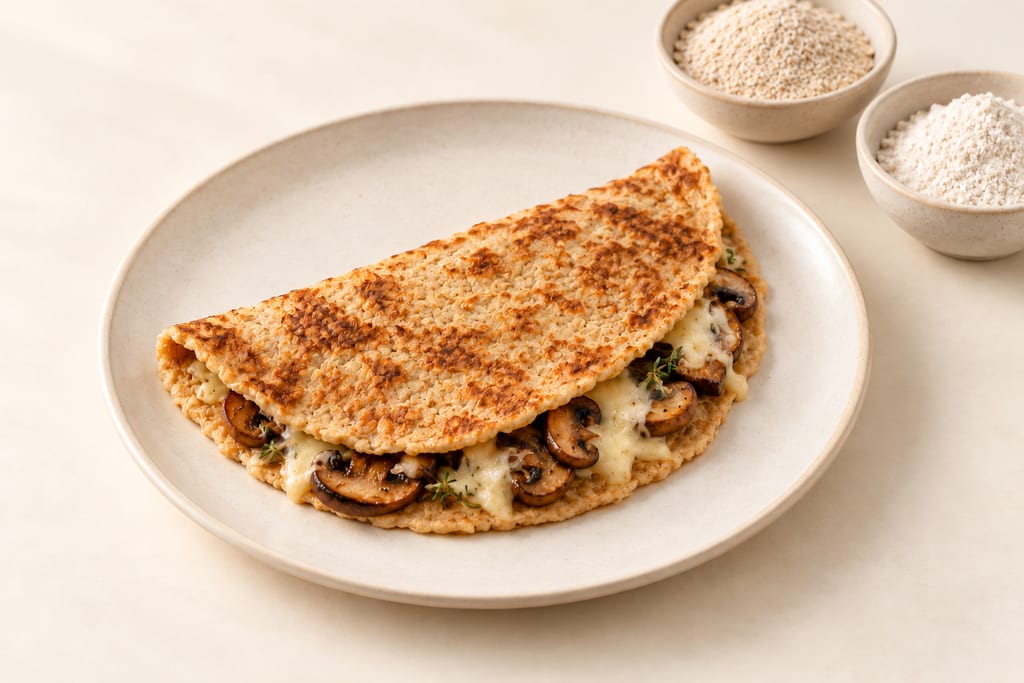
A North Staffordshire speciality, this soft yeast-raised oat-and-wheat pancake is cooked on a pan or griddle and folded around a savoury filling.
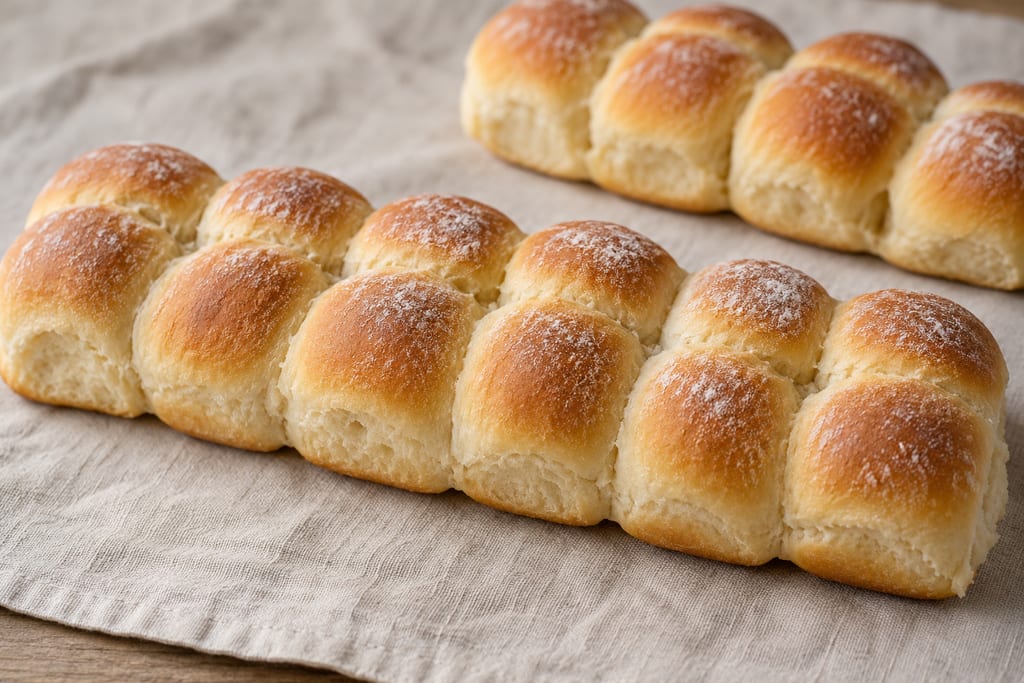
Pan francés guatemalteco is a soft yeast bread shaped as a long strip of joined double rolls and commonly served with dishes such as tamales colorados.
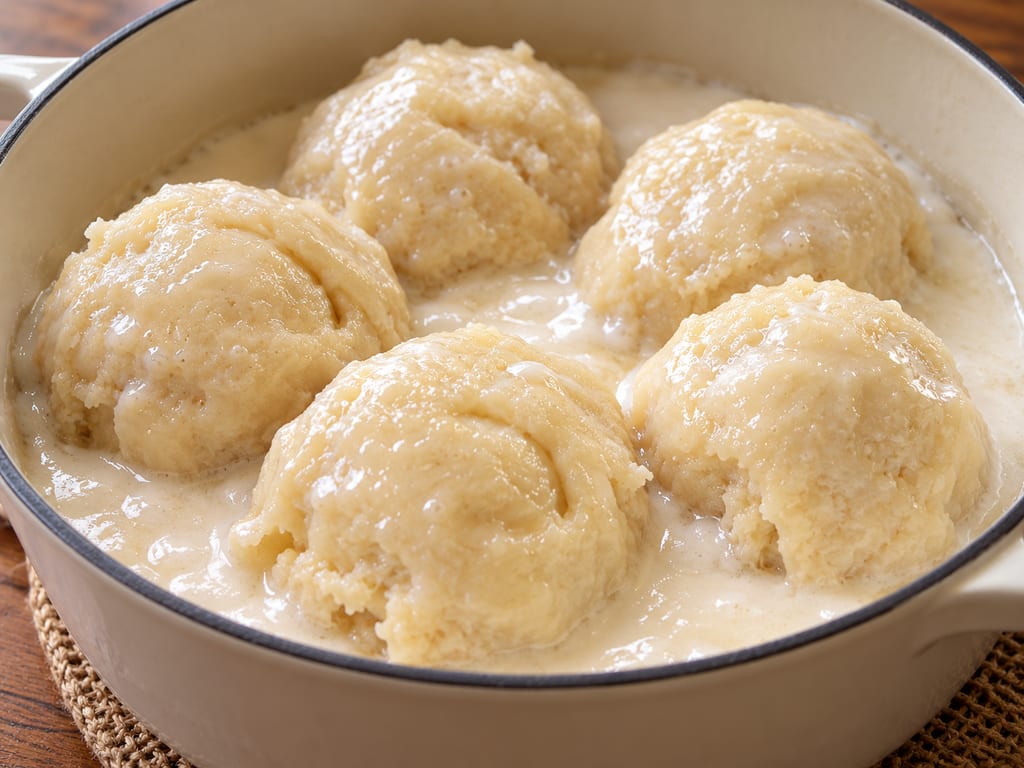
Soft yeast buns shaped by hand and simmered covered in coconut cream diluted with water in a deep pot. This Fijian home version uses a clean knife or fork inserted into the center as its doneness cue.
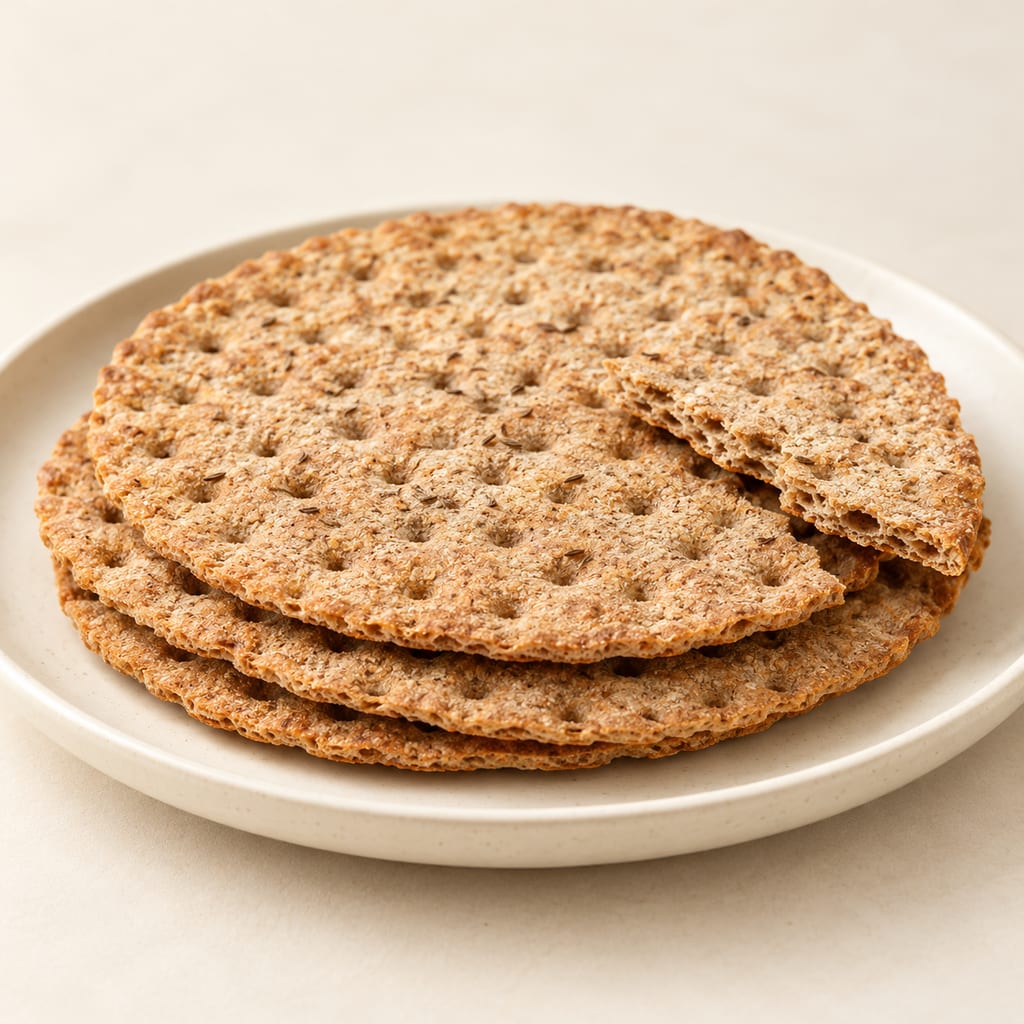
A Swedish home batch of eight thin rye-and-wheat crispbreads, yeast-risen once and baked until hard.
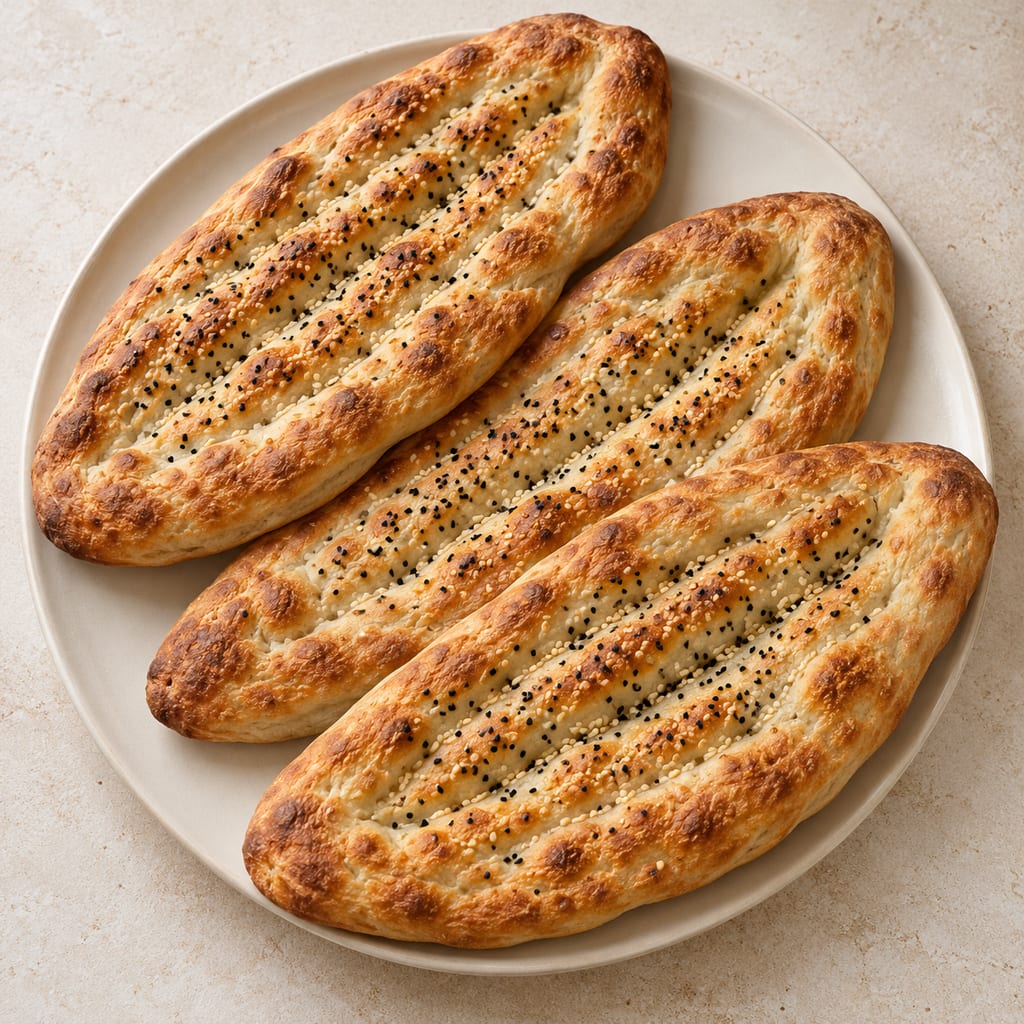
A long oval Afghan wheat bread, leavened with yeast, grooved along its length and baked until crisp outside and chewy within.
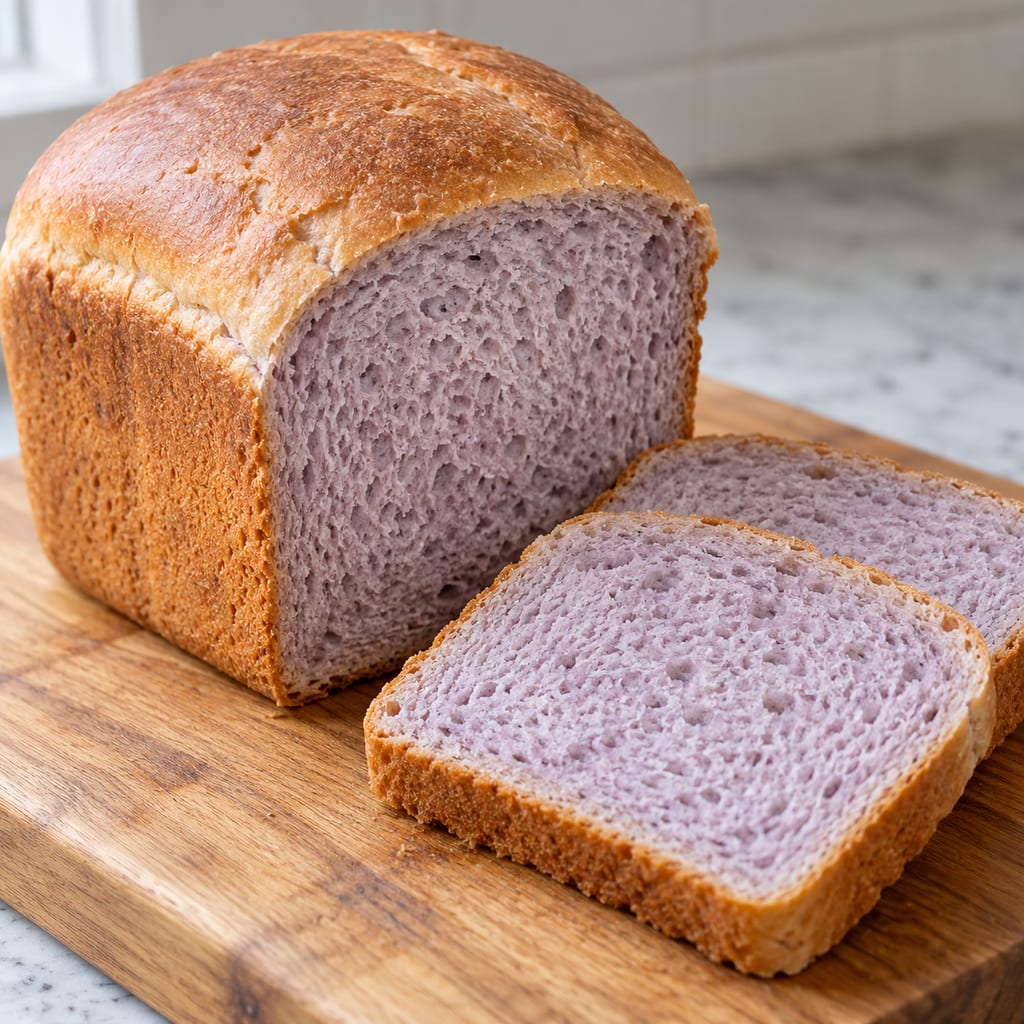
A sweet bread-machine loaf adapted from HI Cookery's version of poi bread, with poi or cooked mashed taro, butter and egg.
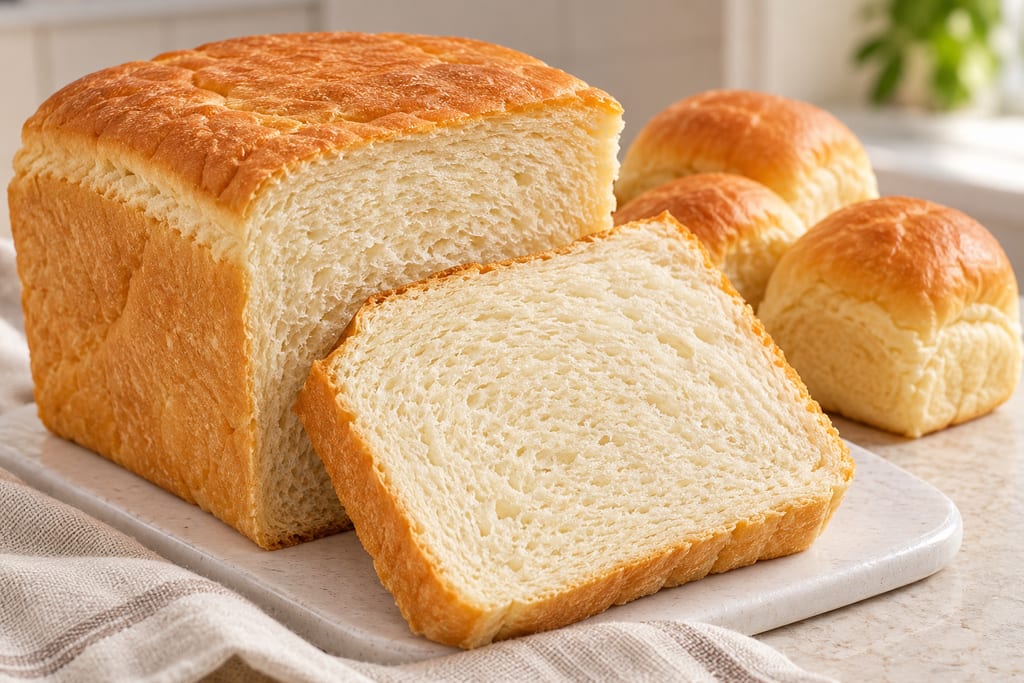
This softer home-style Agege bread uses a scalded flour paste, an enriched yeast dough and a 9×5-inch loaf pan, with rolls from the extra dough.
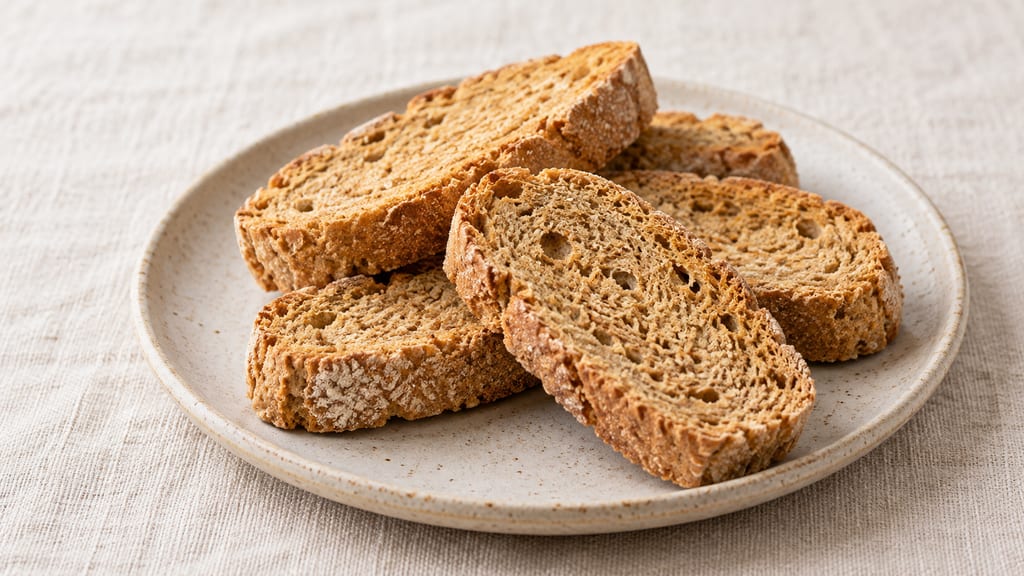
Cretan paximadi is a twice-baked rusk. This barley-wheat version is raised with yeast, baked as a loaf, sliced, and dried slowly until it keeps.
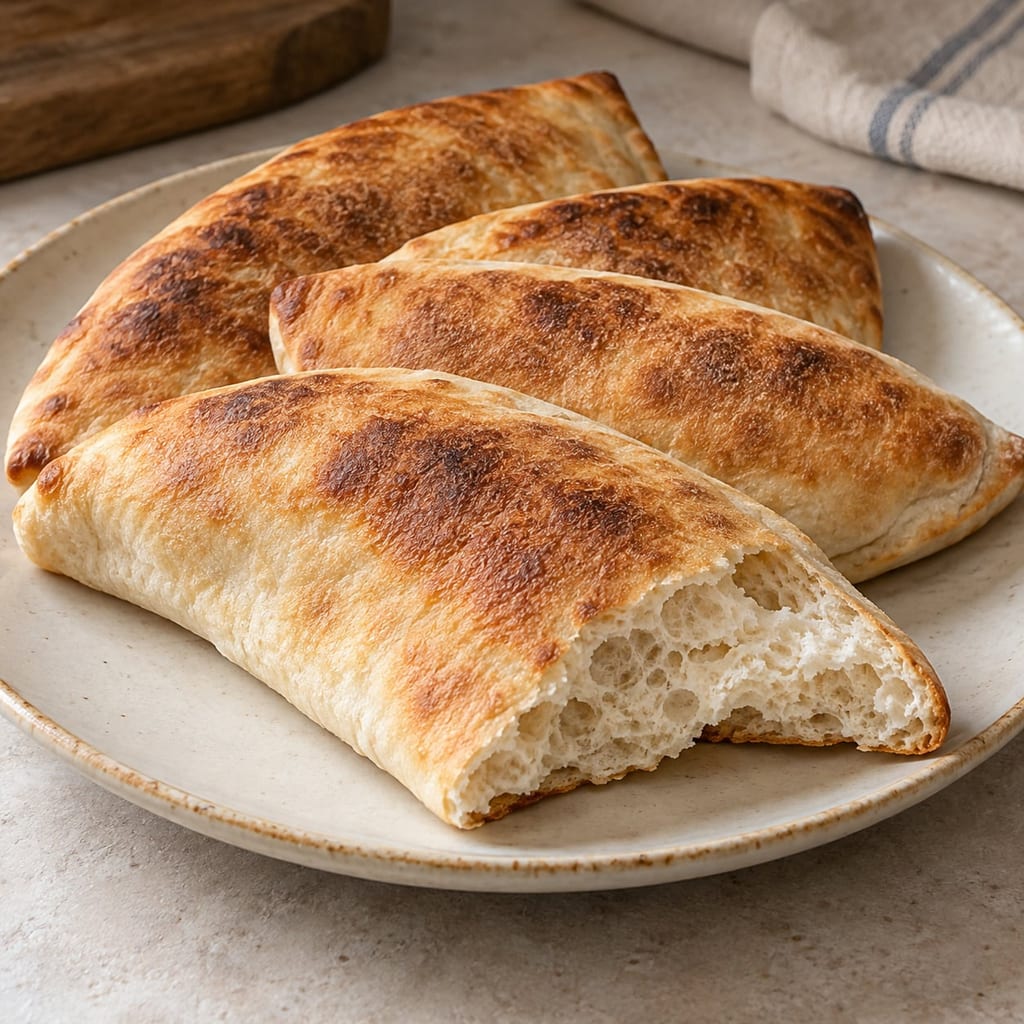
A lean Sri Lankan yeast bread baked as joined flat pieces, separated after the first bake, then grilled on both sides for its crisp crust.
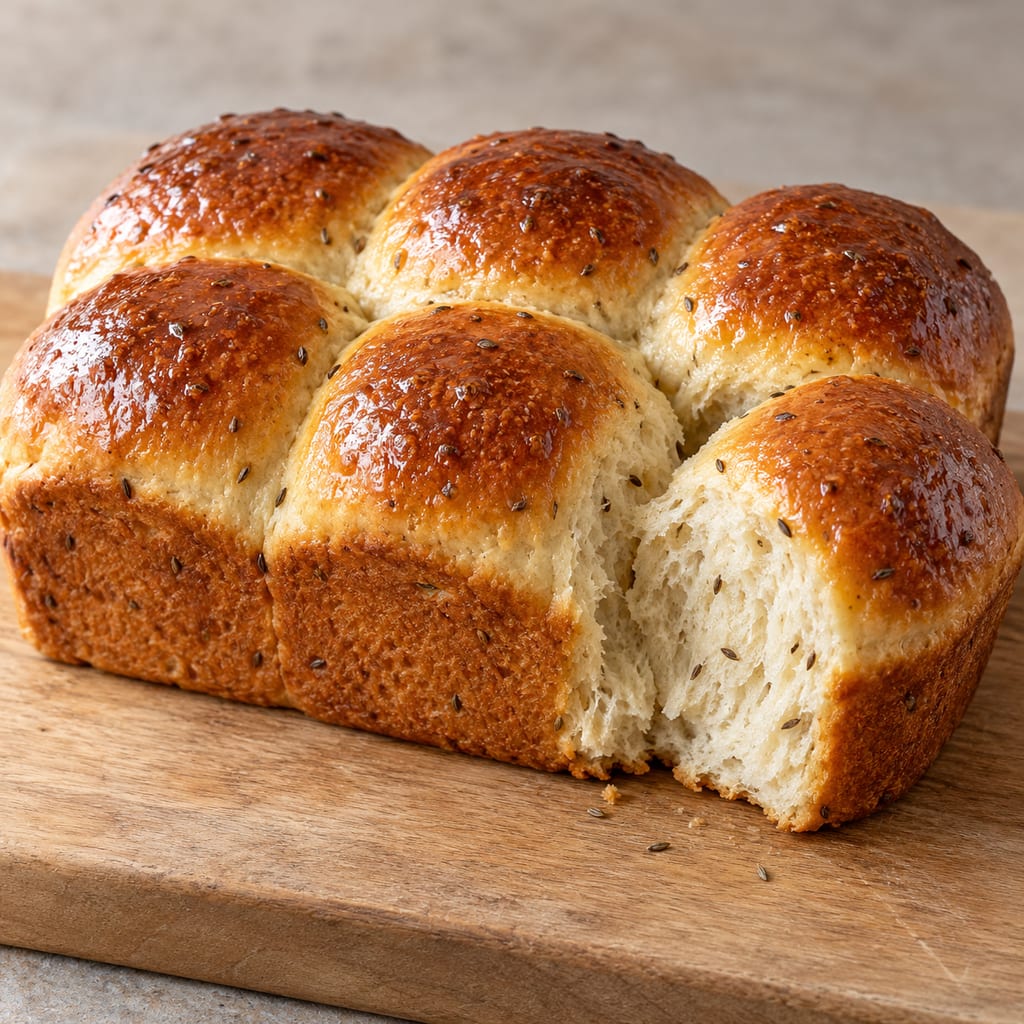
This modern South African mosbolletjies recipe uses white grape juice and instant yeast in an anise-scented enriched dough. It makes two pull-apart loaves; grape juice with commercial yeast is not the traditional fermenting-must leaven.
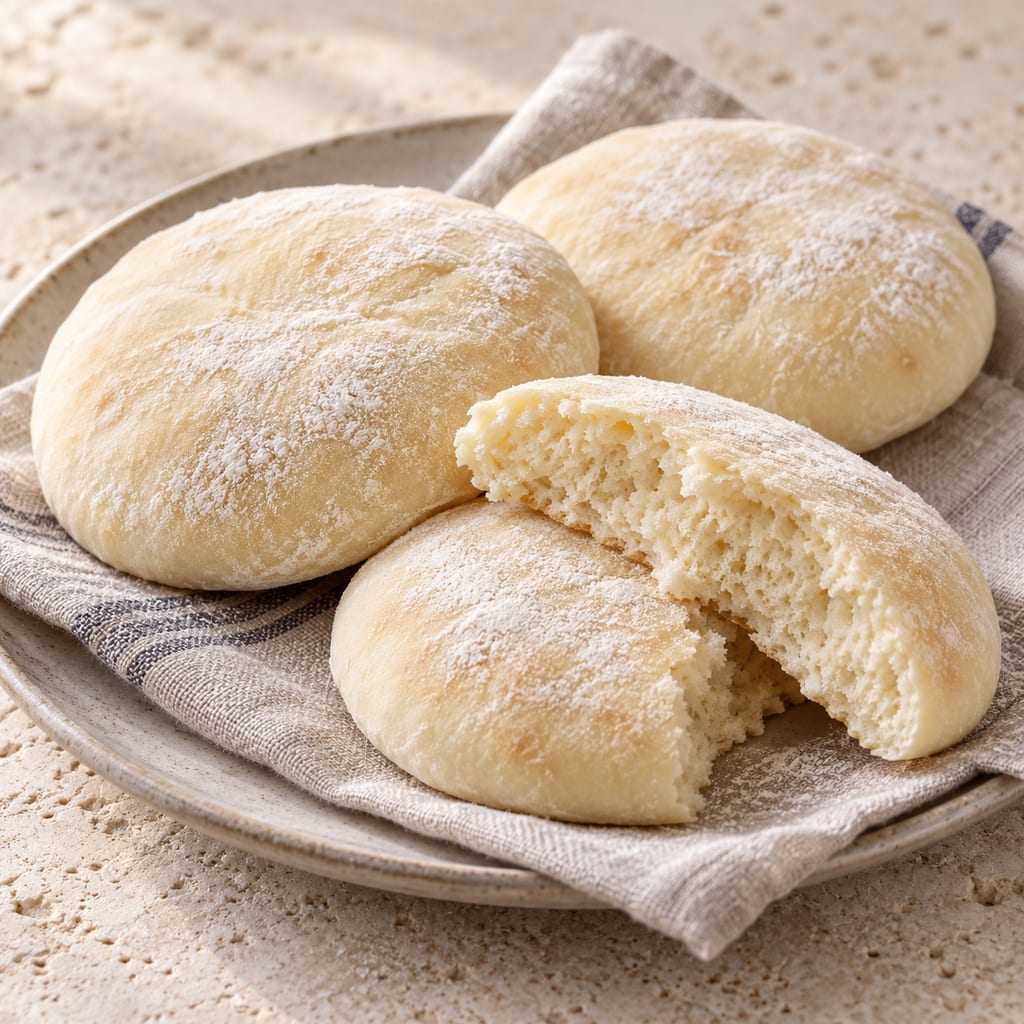
A pale, softly baked, low-profile bread associated with northern France and Tournai. This source-specific household method makes four large faluches; it differs from older accounts of leftover bread dough baked during communal bread baking.
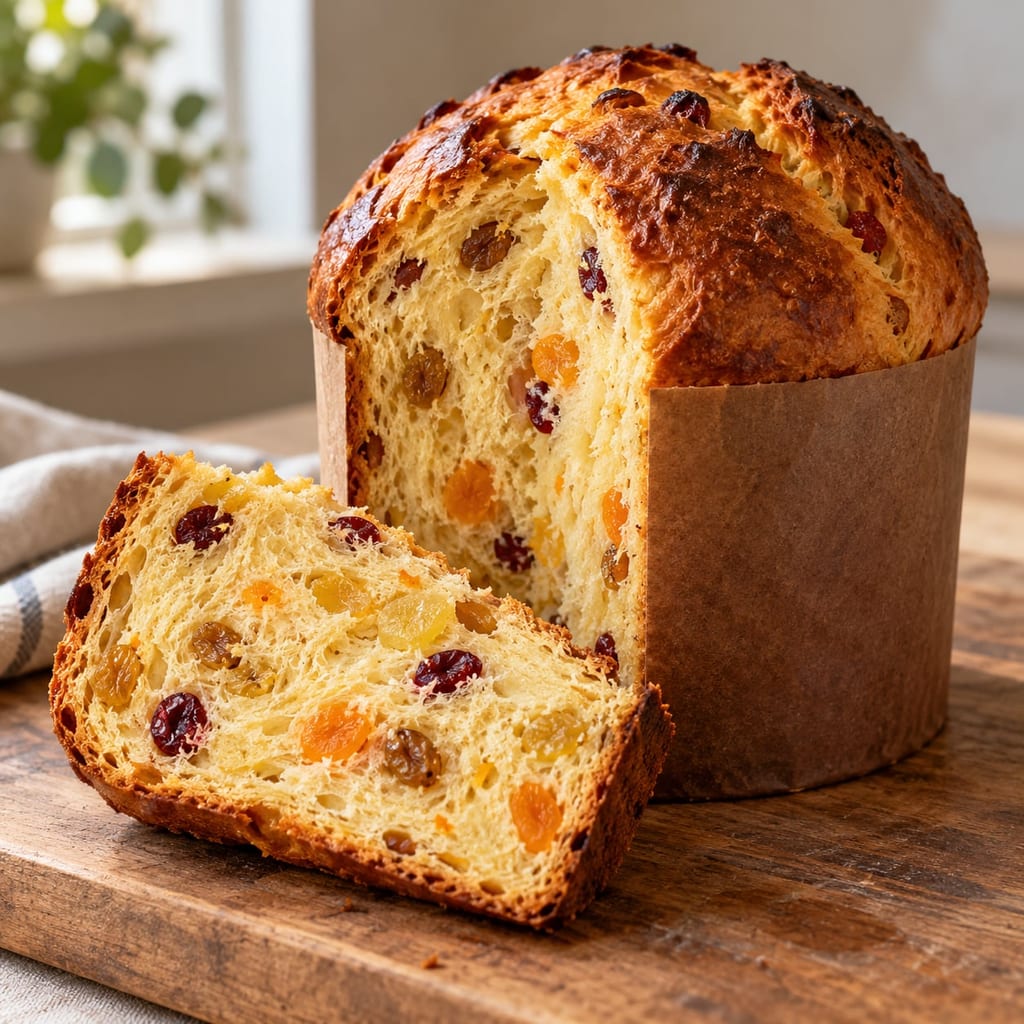
A modern instant-yeast panettone with an overnight flour-and-water preferment and mixed dried fruit. It is separate from specialist sourdough panettone methods.
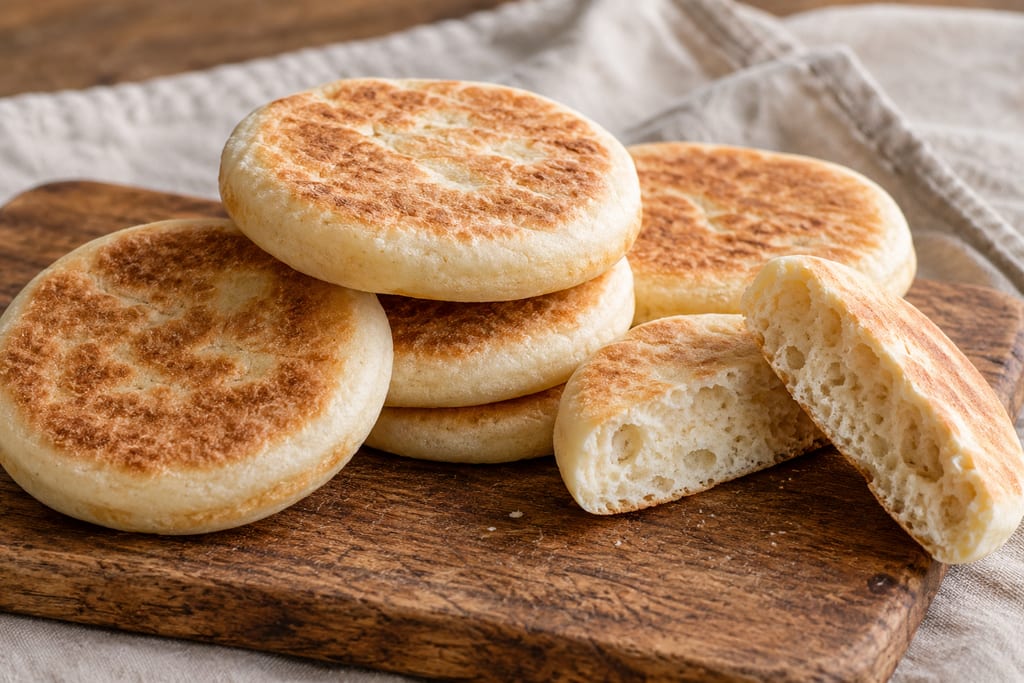
Small Modenese yeast breads cooked between hot plates and served warm.
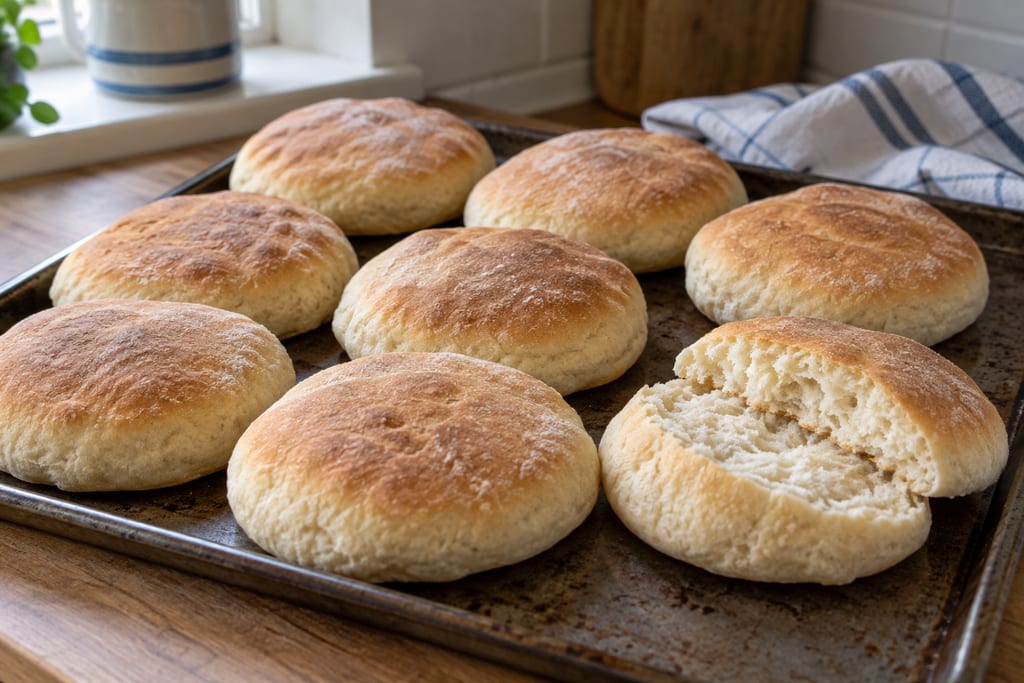
A North East England yeast bread baked as flat round cakes. Terence Laybourne's Newcastle home recipe makes twelve rounds about 1 inch thick and serves them warm.
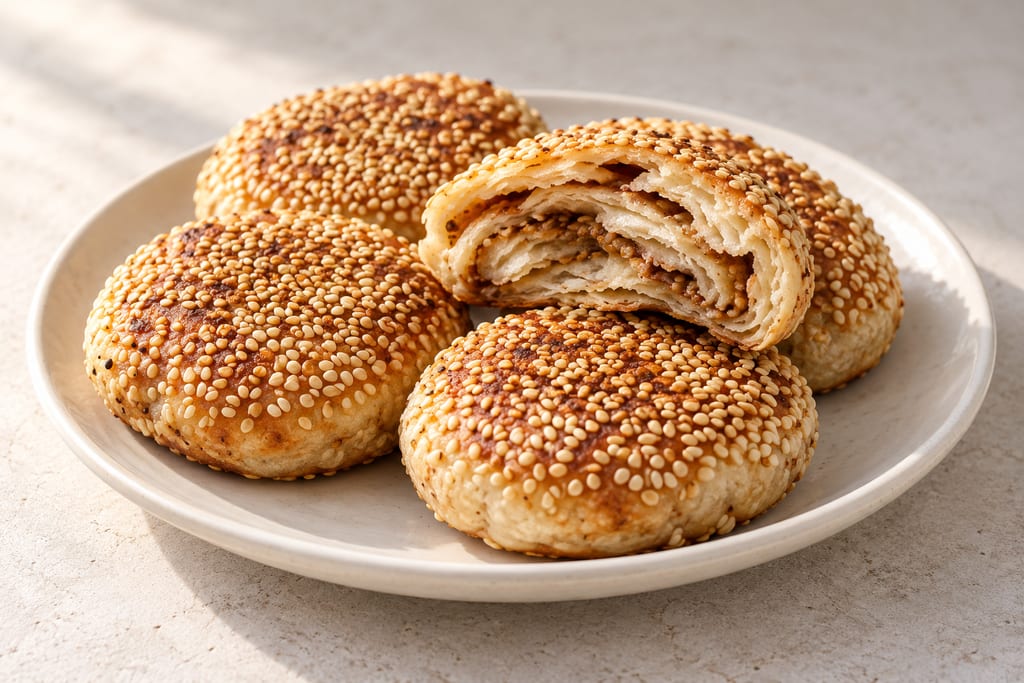
A Beijing-style yeast dough is layered with seasoned sesame paste, sealed into small buns, briefly pan-fried, seeded, and baked.
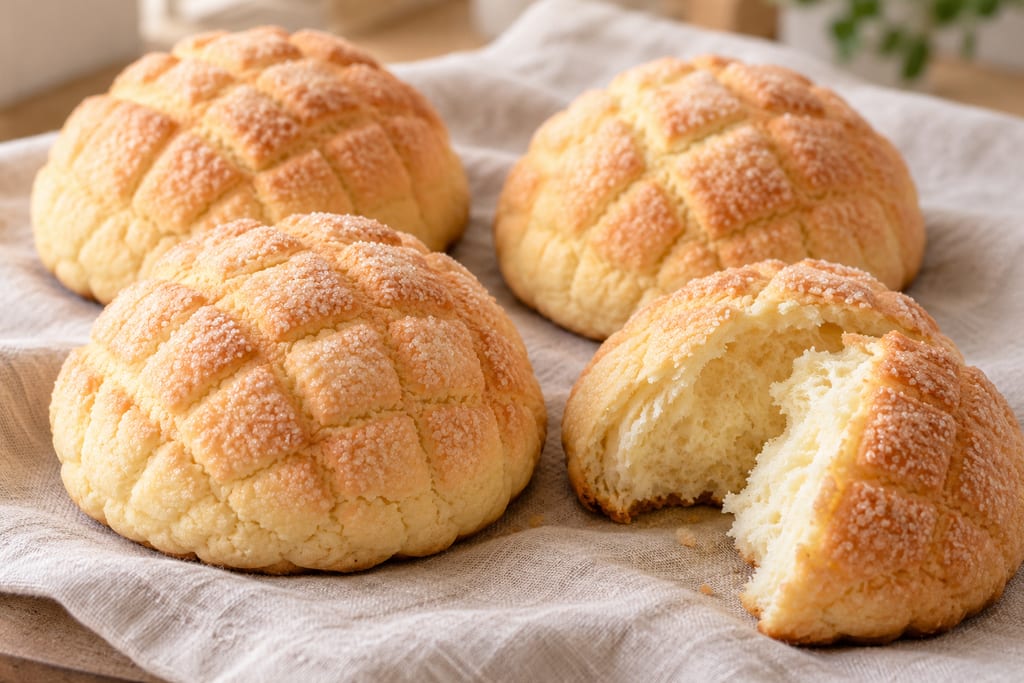
Melon pan pairs a soft Japanese yeast bun with a crisp, crosshatched cookie shell. In this ten-bun version, the bread dough is wrapped in a separate biscuit layer and baked until lightly golden.
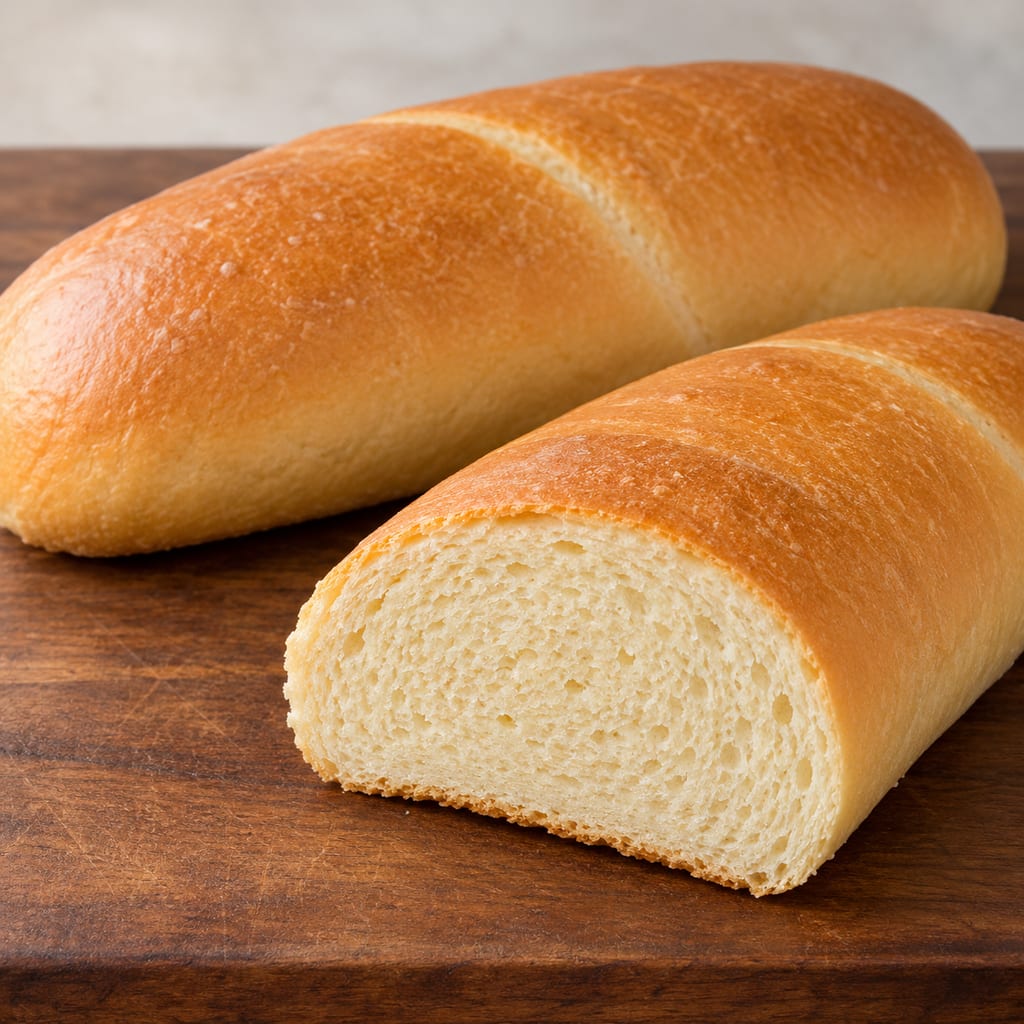
Puerto Rican pan sobao made with a small yeast poolish, lard or shortening, and a steam-baked crust; this batch yields two loaves.
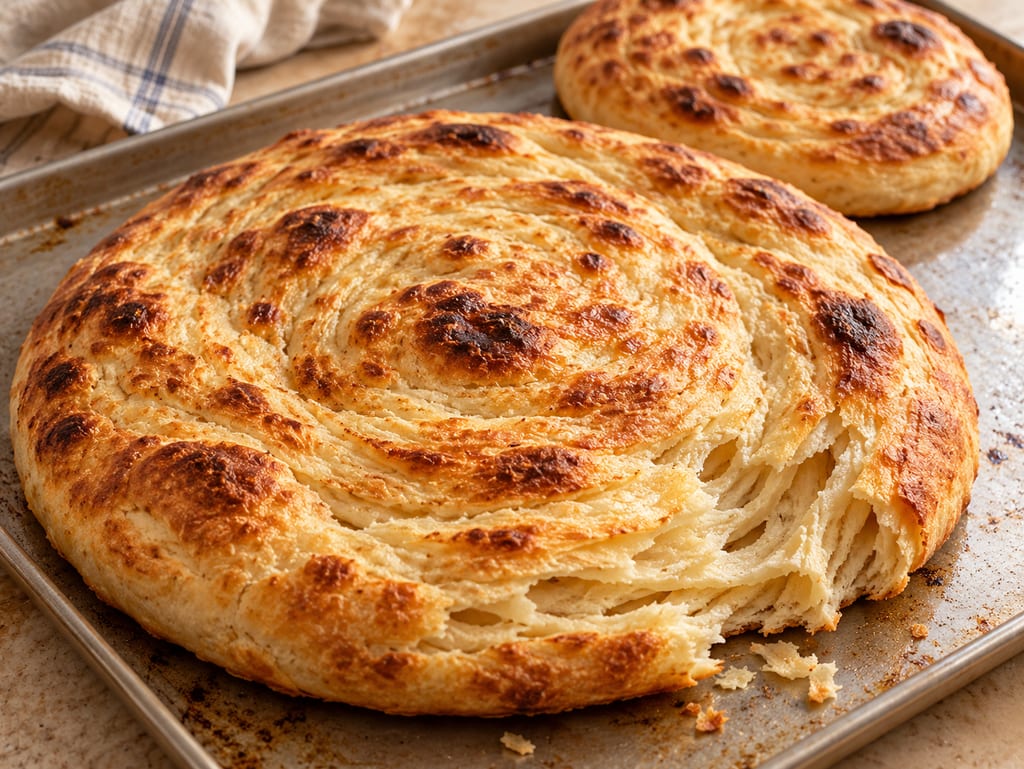
This Yemeni home-oven variation uses a yeast-raised wheat dough, folds it repeatedly with semn and oil, then bakes it as large rounds.
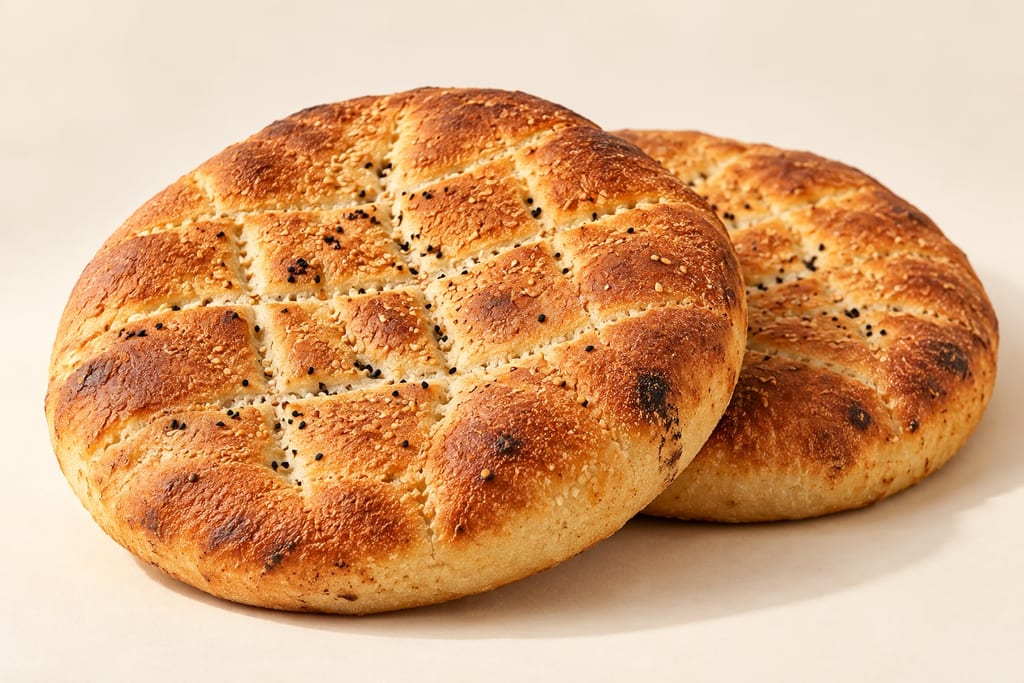
A Tunisian round semolina bread named for the clay oven in which it is traditionally baked, recorded here through one home-oven recipe.
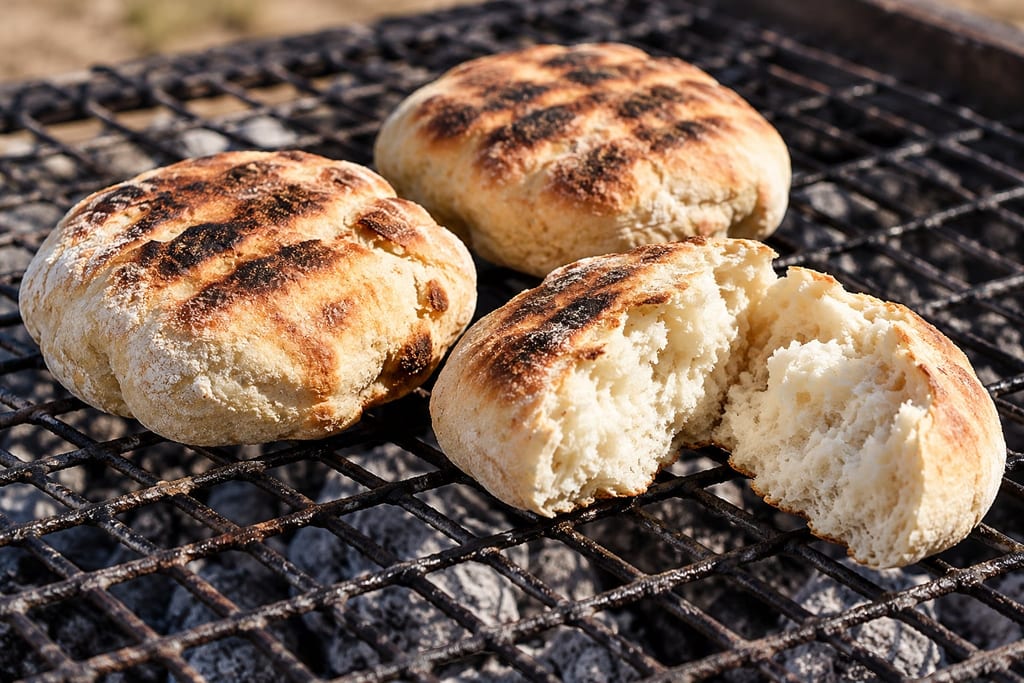
Roosterkoek is a small yeast-raised South African bread cooked over gentle braai coals. This enriched dough rises twice and is turned on the grid until browned and cooked through.
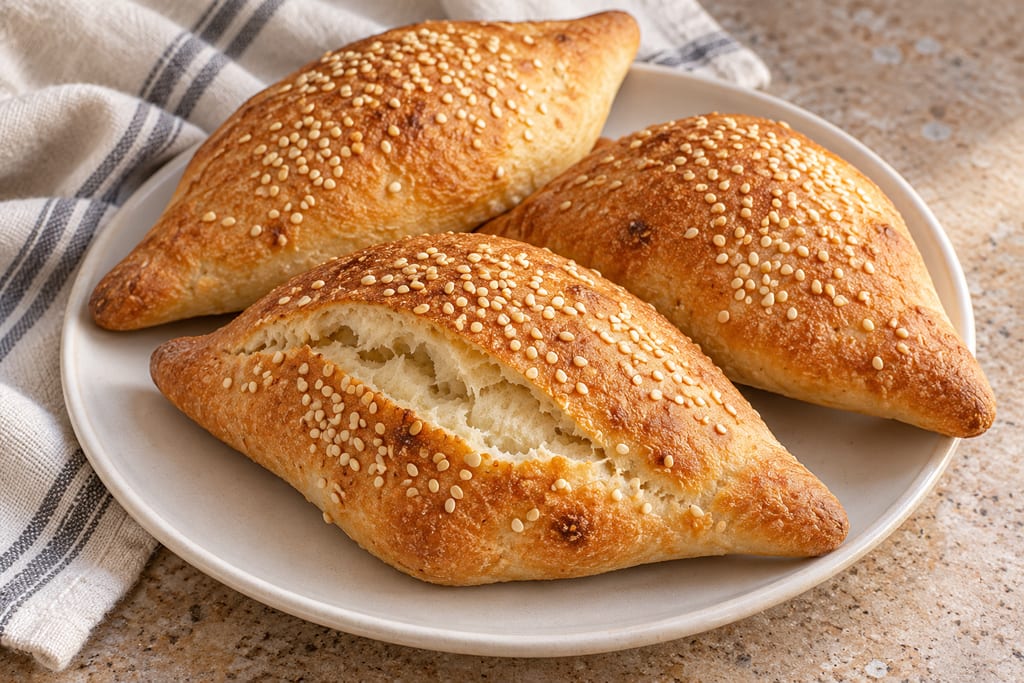
Iraqi diamond-shaped yeast breads topped with sesame and baked in a home oven.