Equipment
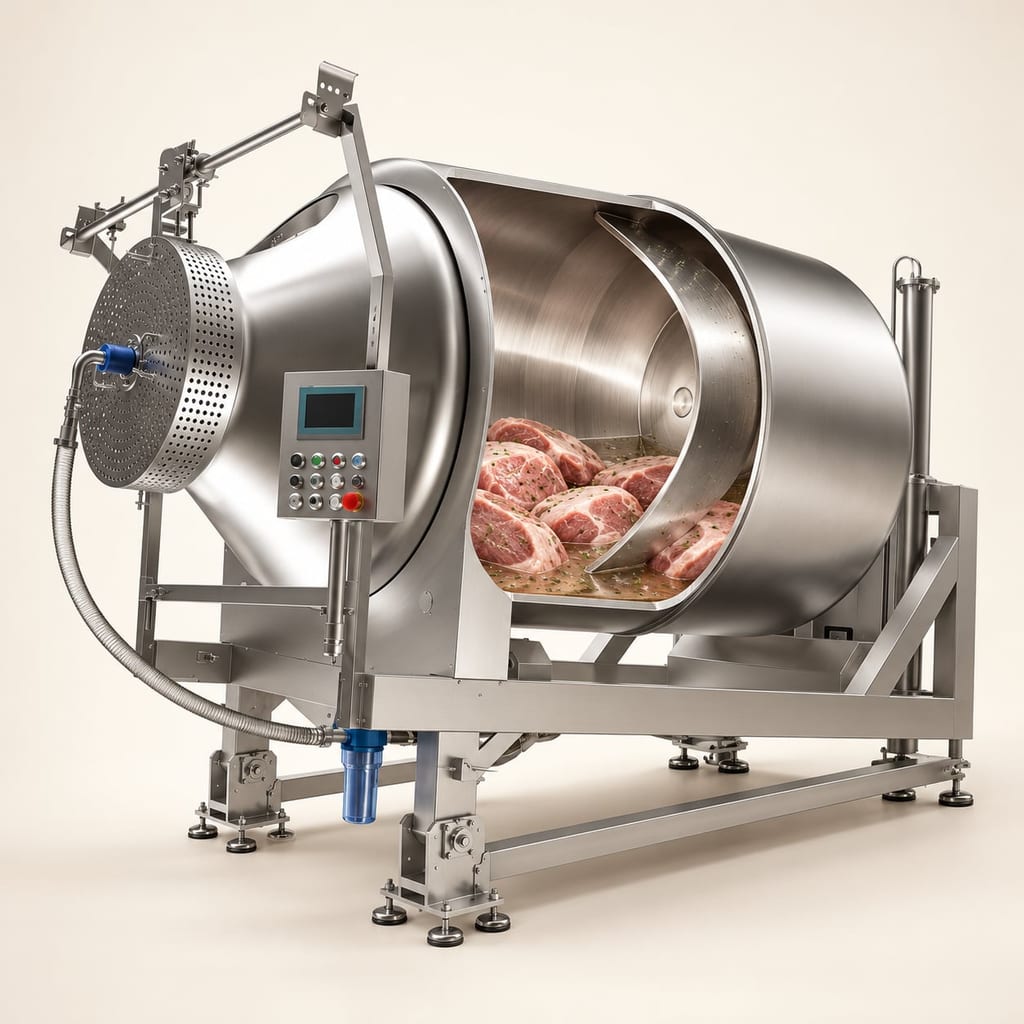
Vacuum curing tumbler
An industrial vacuum curing tumbler rotates meat in a sealed drum to distribute salt and brine through mechanical massage, sometimes with cooling or temperature control.
 FermenteaWhere food goes to change
626 sourced equipment pages: vessels, tools, appliances and built structures.
An industrial vacuum curing tumbler rotates meat in a sealed drum to distribute salt and brine through mechanical massage, sometimes with cooling or temperature control.
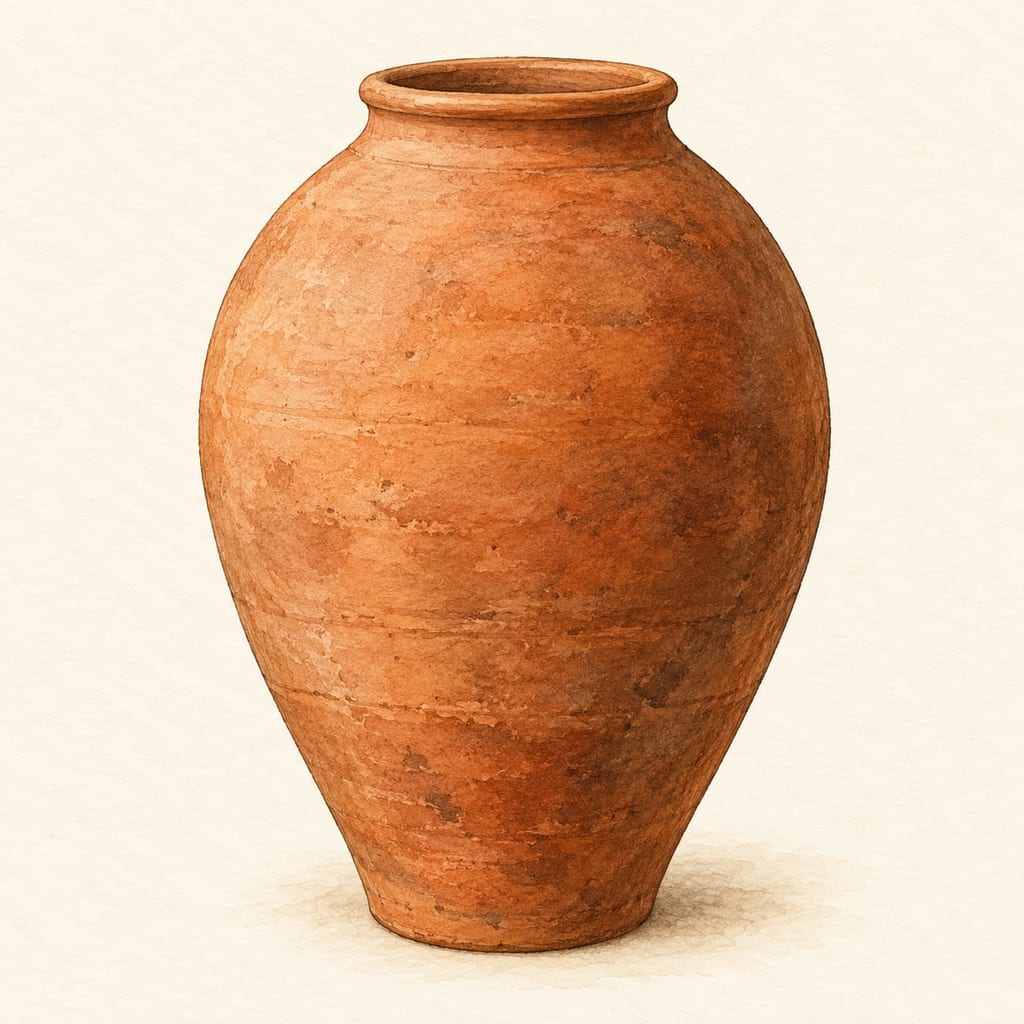
A tinaja is a fired-clay jar used in Spain for wine making and storage, with a particularly well-documented hand-building tradition in La Mancha. Sizes range from domestic vessels to monumental winery jars.
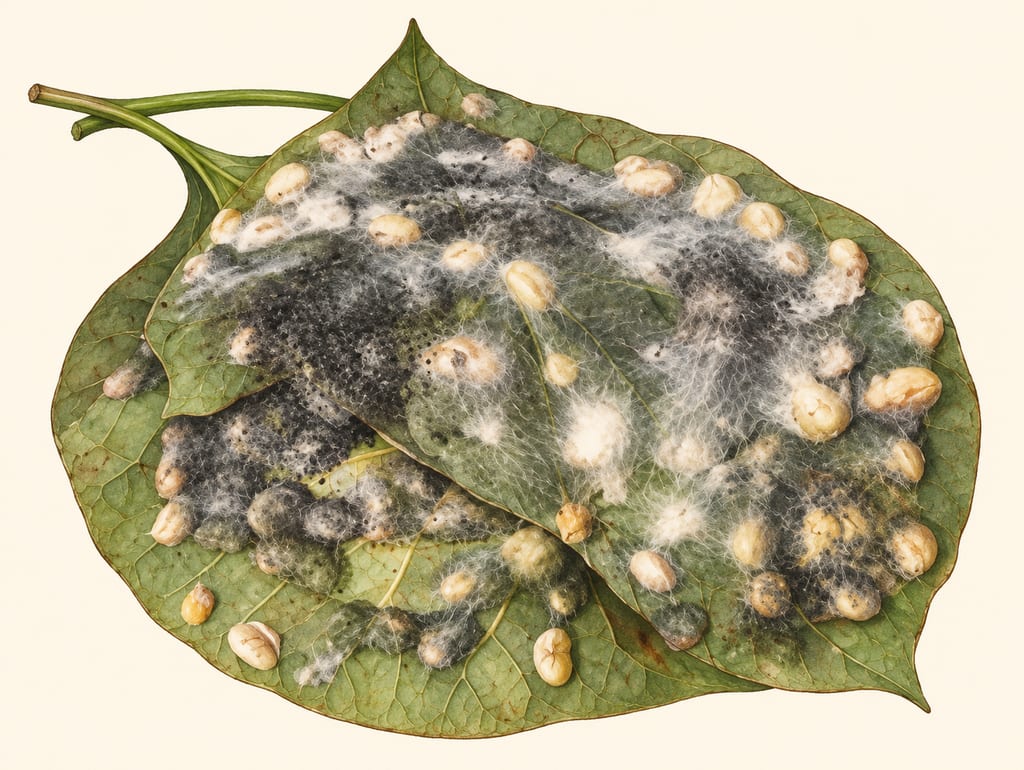
Usar is a traditional Indonesian inoculum carrier: leaves such as waru hold Rhizopus growth for transfer to tempeh beans. It carries starter between stages; it is distinct from the leaf packet used for bulk fermentation.
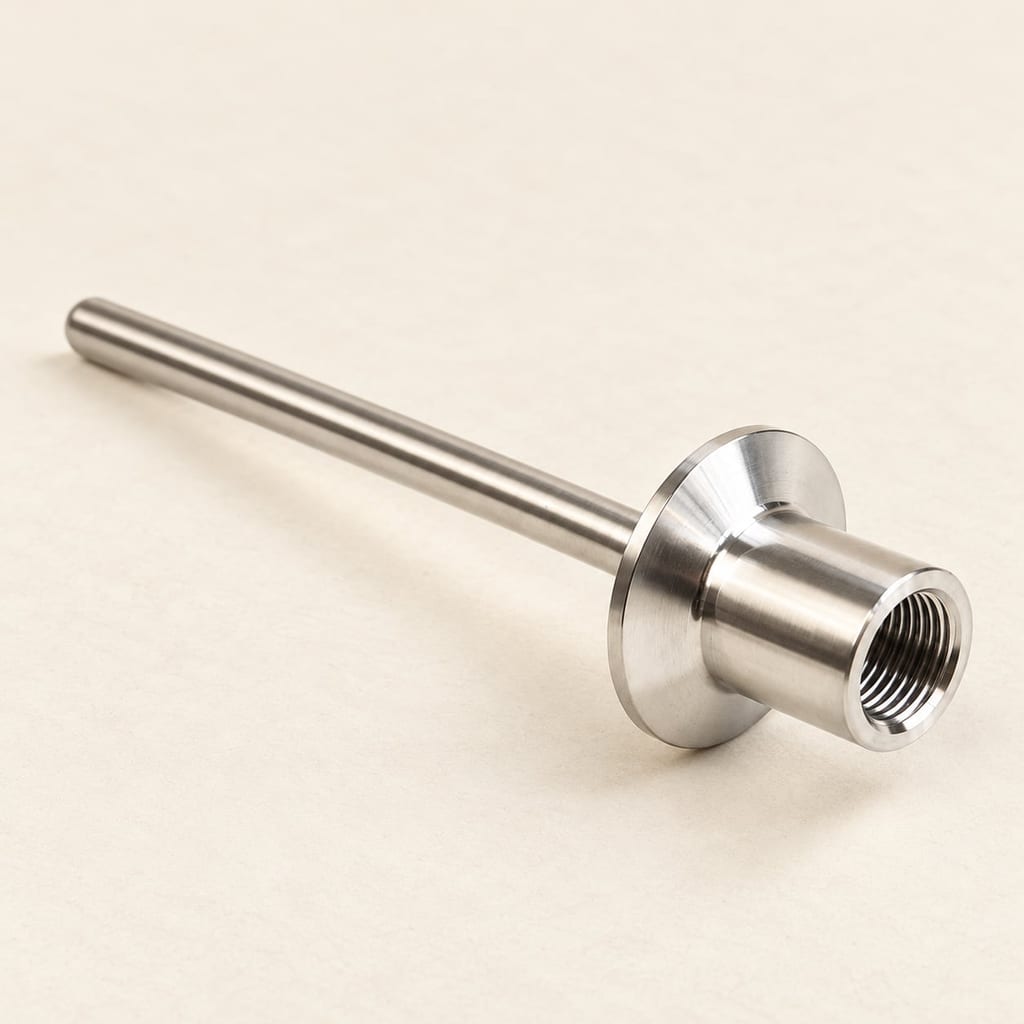
A thermowell is a passive protective sleeve that holds a separate removable temperature sensor in a tank or pipe. It neither senses temperature nor controls a heater.
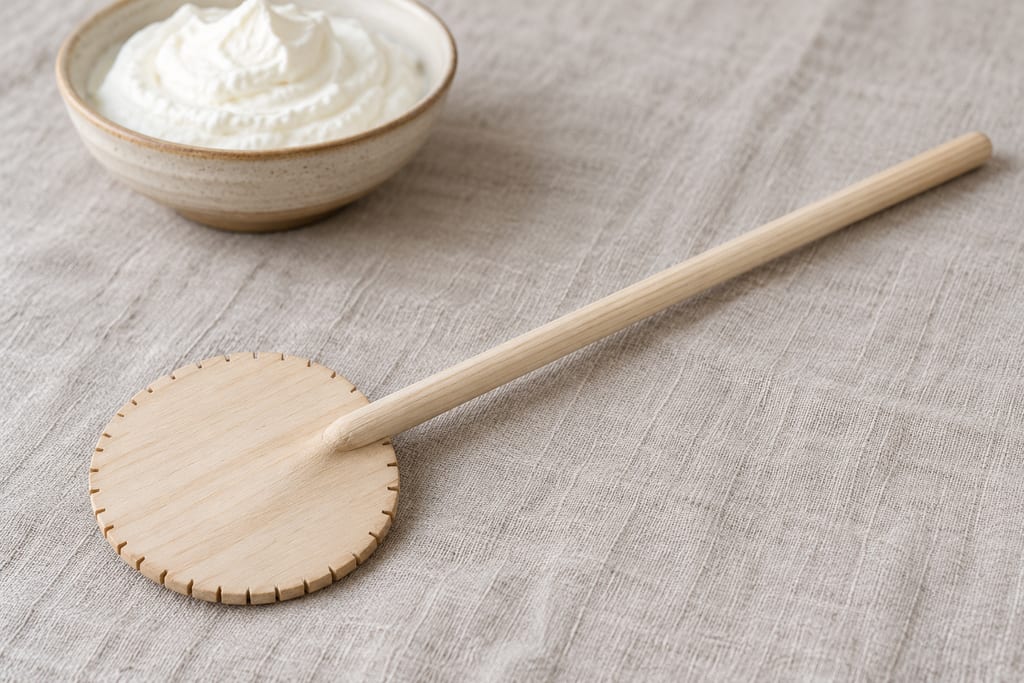
The Sakha ytyk (ытык) is a flat, round wooden whisk with small notches around its head, used to aerate kuorchekh and other cream preparations. Its exact dimensions and historical origin are not established by the sources here.
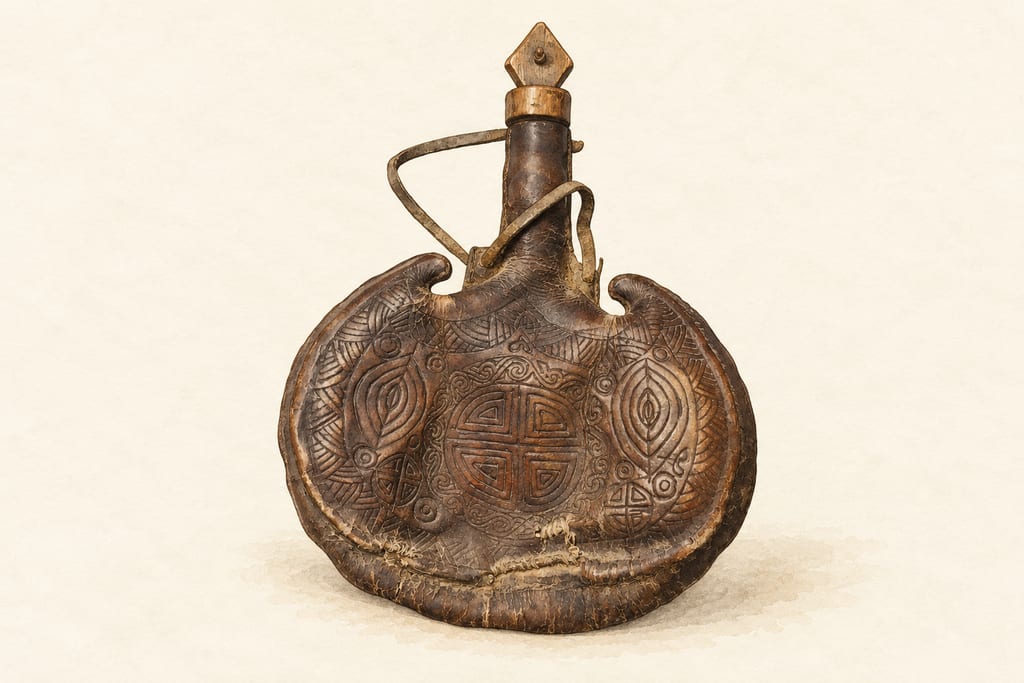
Torsyk is a portable Kazakh leather flask for carrying and keeping drinks such as kumis and shubat. Museum examples have a flattened decorated body, a narrow neck and a stopper; evidence for fermentation inside the travel flask is lacking.
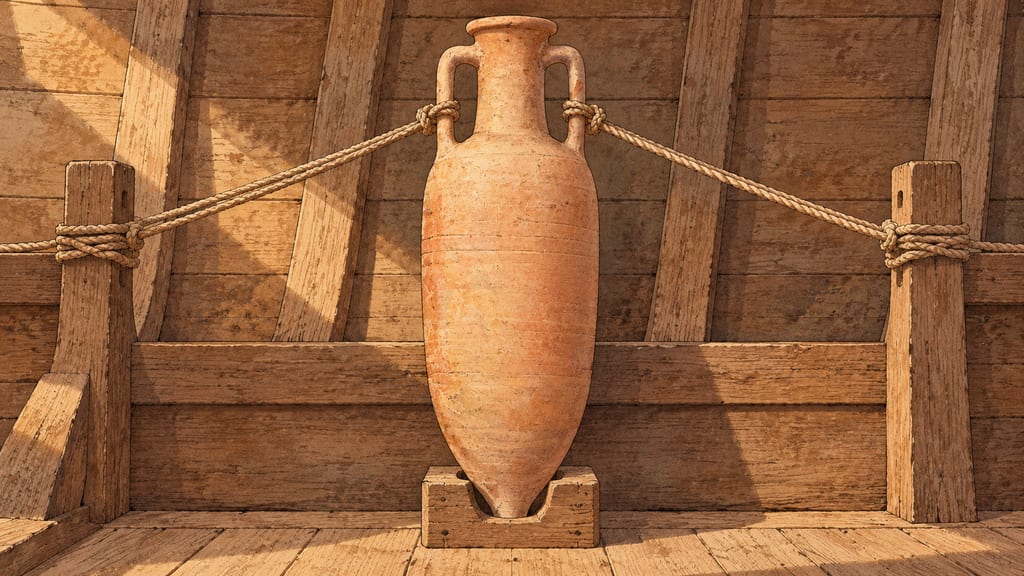
An ancient Mediterranean ceramic shipping container for wine, oil, fish products and other goods. Its handles, restricted mouth and varied bases suited closure, lifting and cargo stowage; it should not be assumed to have been a fermenter.
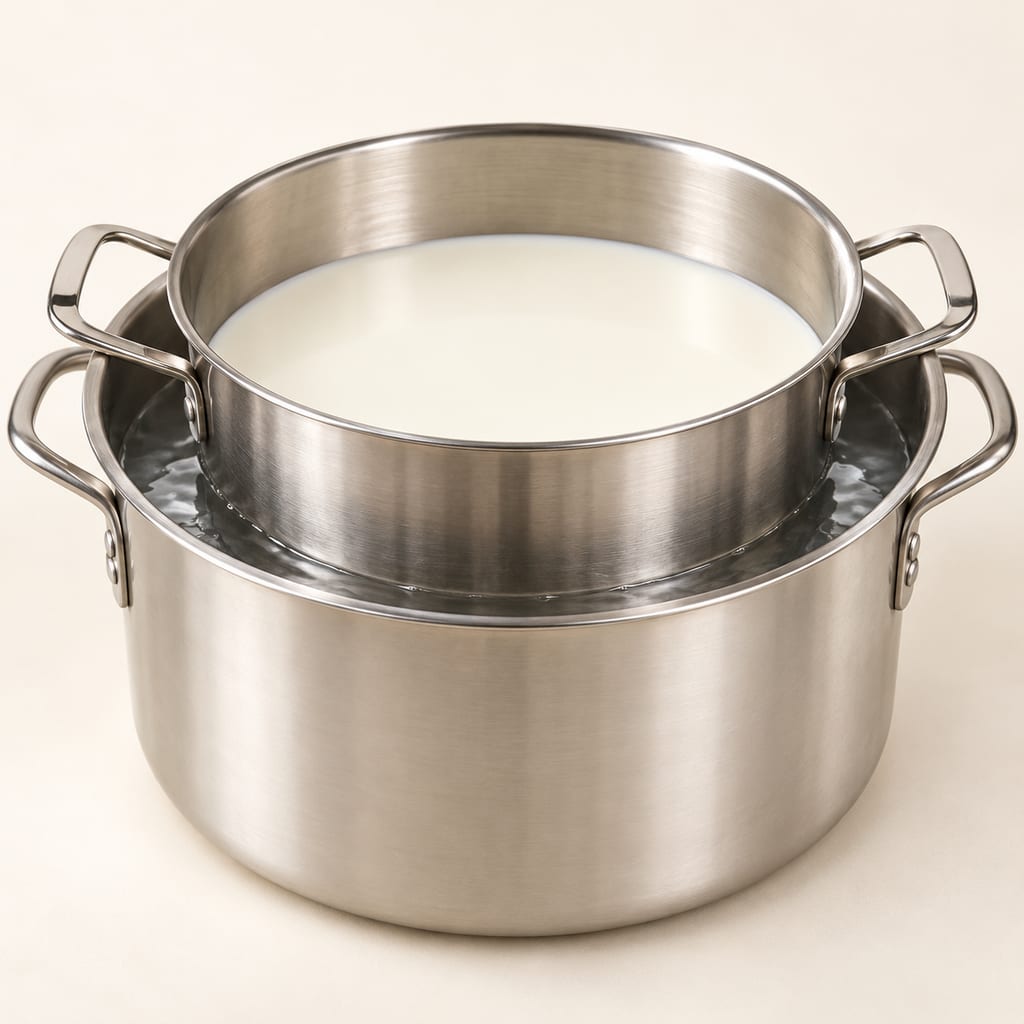
A separate inner pot holds milk or curd while a larger vessel holds hot water. In a documented cheesemaking setup, the inner pot’s handles rest on the outer vessel’s rim; this differs from a rack or trivet bearing a pot from below.
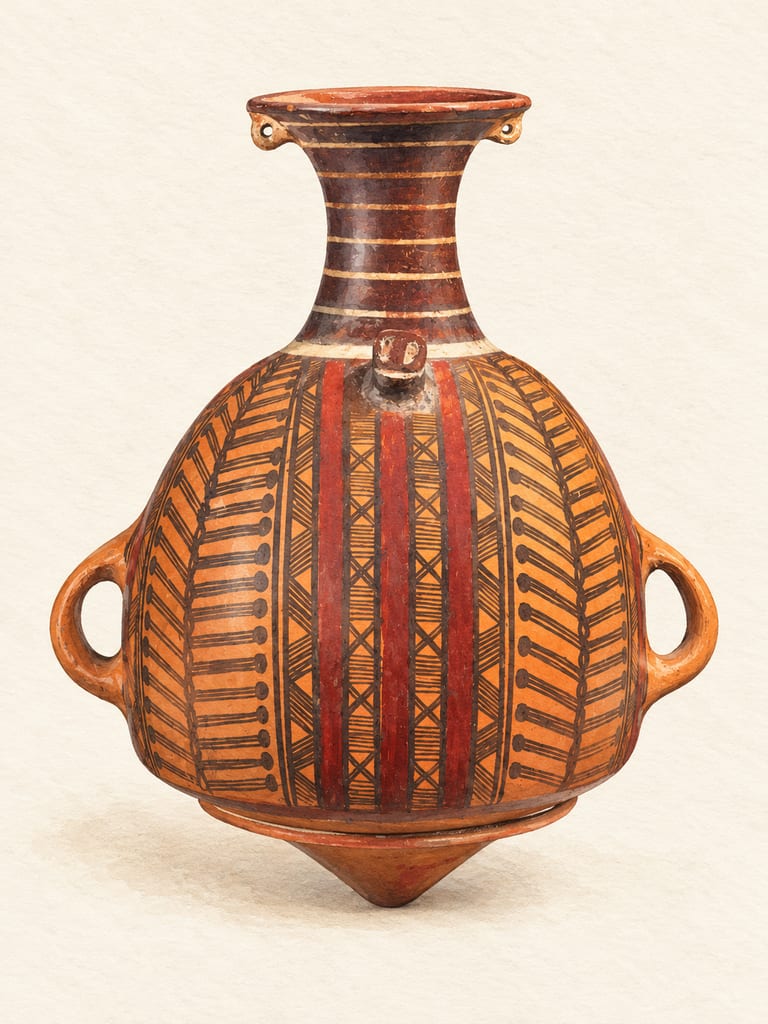
Urpu is an Inca ceramic jar with a globular body, high flared neck, carrying handles, shoulder lug and pointed base; museum examples show that size shaped whether a vessel served, carried or held chicha.
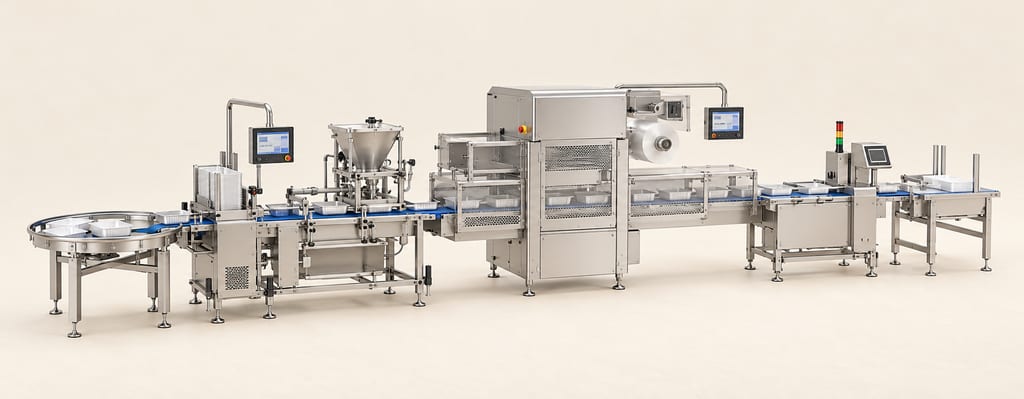
An industrial vacuum/MAP line coordinates product or tray feed, atmosphere control, sealing, inspection and downstream handling. Its modules are configured for a plant and product; it is not a countertop vacuum sealer.
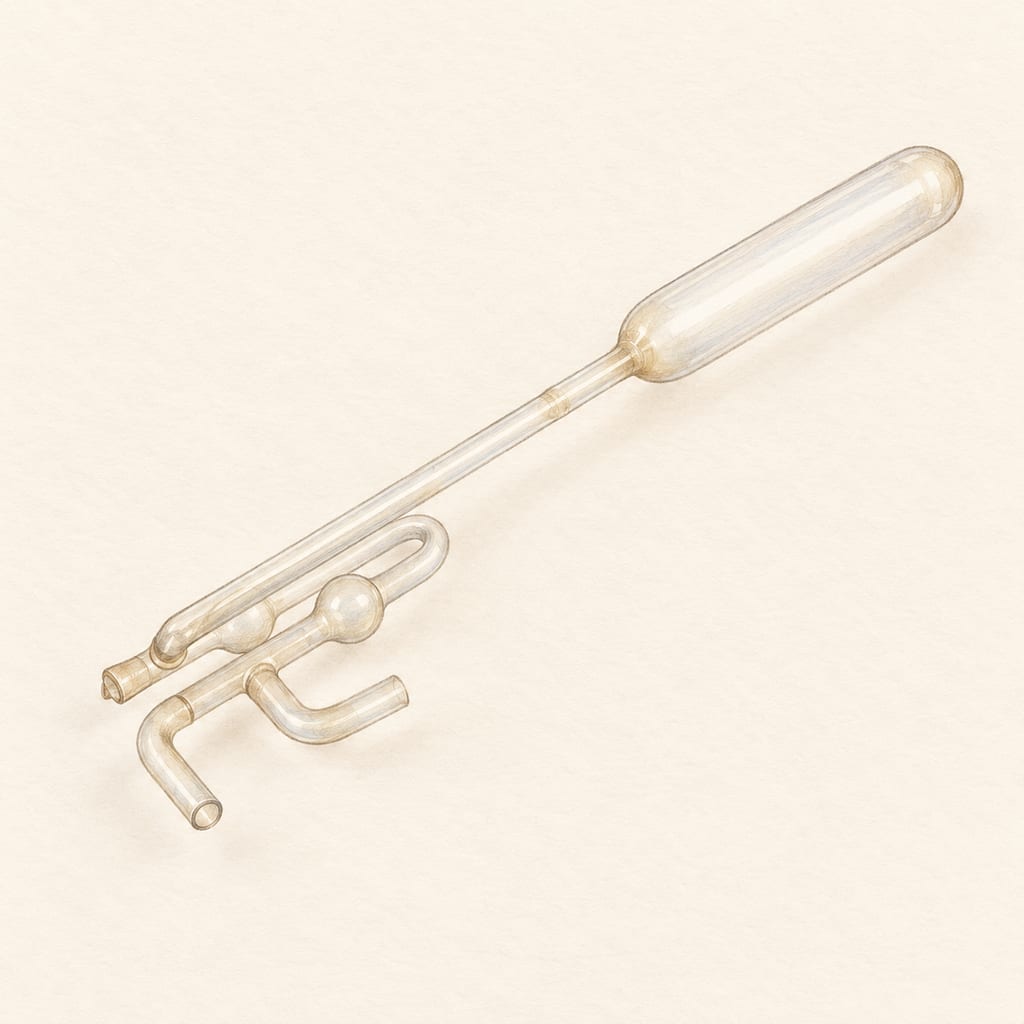
A thermostat senses temperature and regulates heating or cooling to a chosen condition. It may be built into an appliance or supplied as a separate controller; a sensor reading describes its measured point, not every part of a batch.
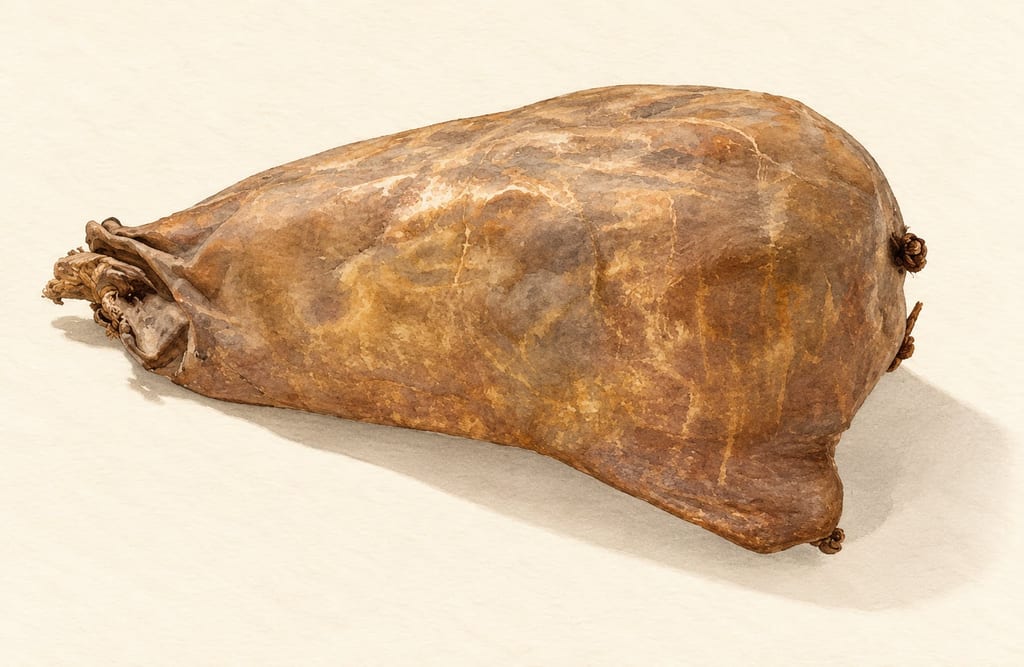
A surviving Australian Museum wallaby-skin water carrier made from a single hide, with a knotted, resin-tanned base and tied neck. Purchased in 1885; its maker, specific community and making date are not recorded.
Show on map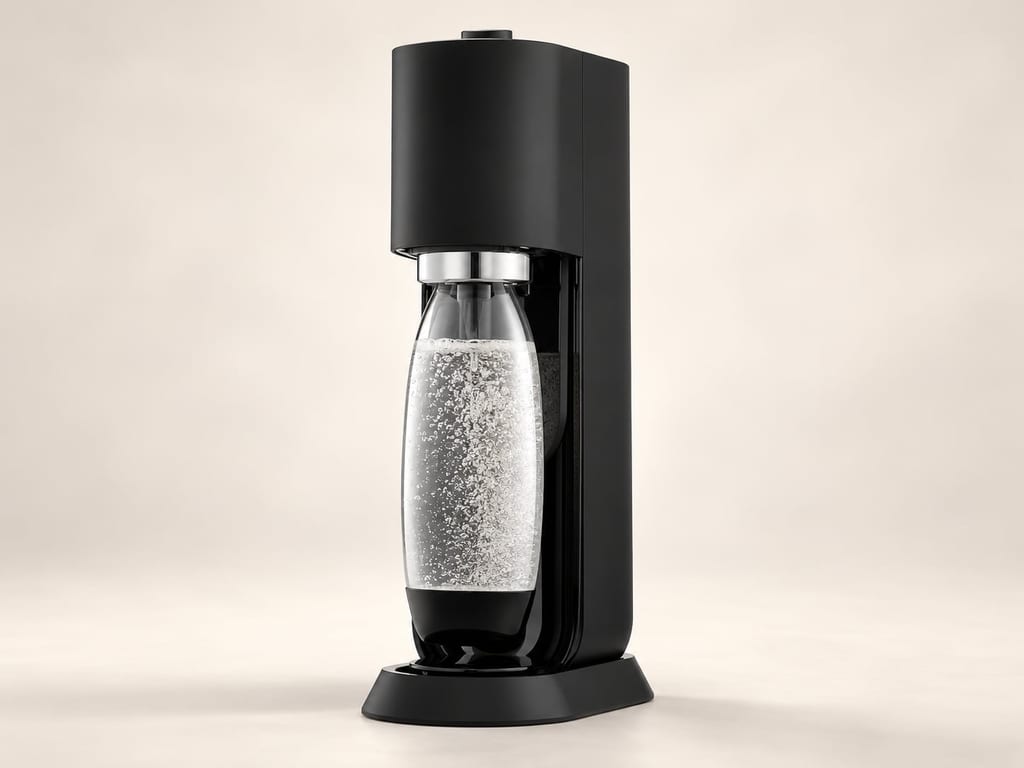
The SodaStream MIX is a CO₂-powered bottle carbonator designed for drinks beyond water, with a locking release dial and overflow collection. This page covers the MIX model, not the broader water-focused SodaStream range.
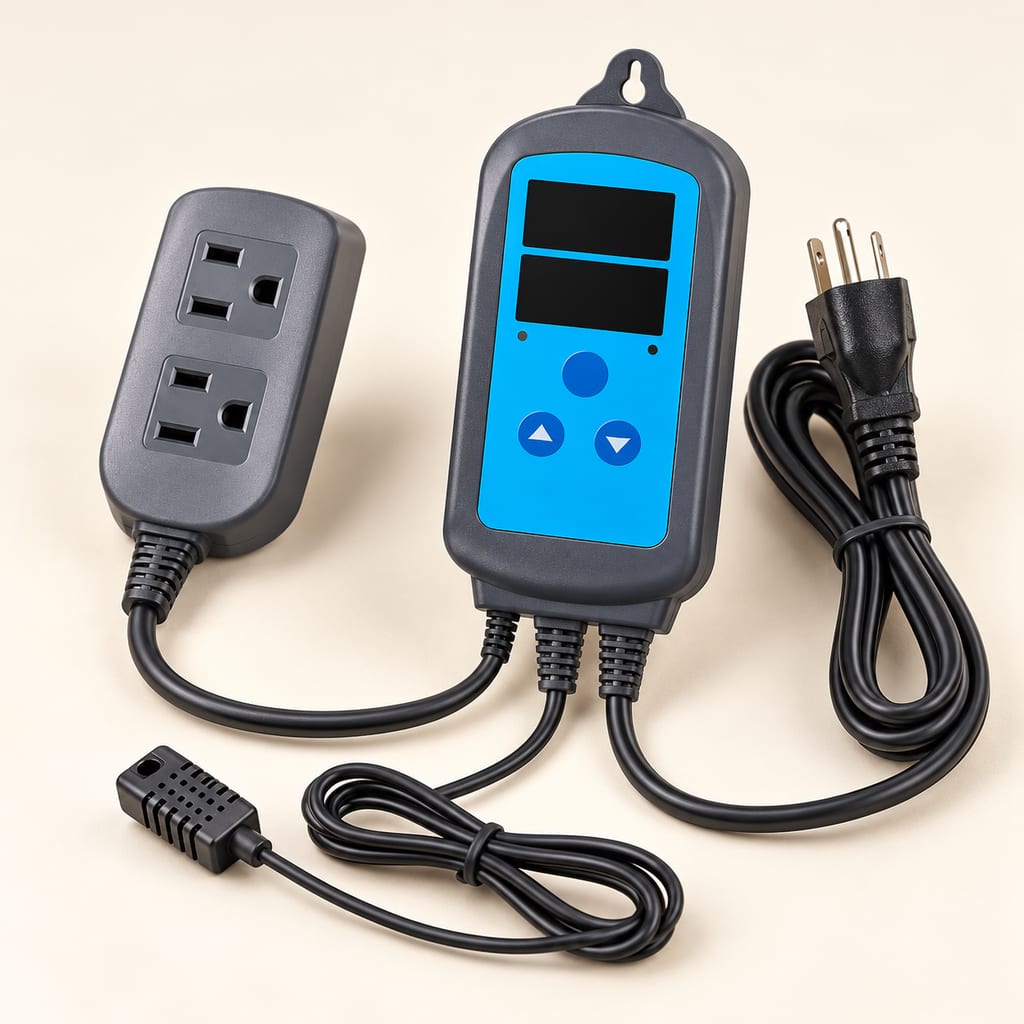
A plug-in humidity controller that reads a cabled sensor and switches separate humidifying and dehumidifying loads. It controls relative humidity, not temperature, and is distinct from the ITC-308 temperature controller.
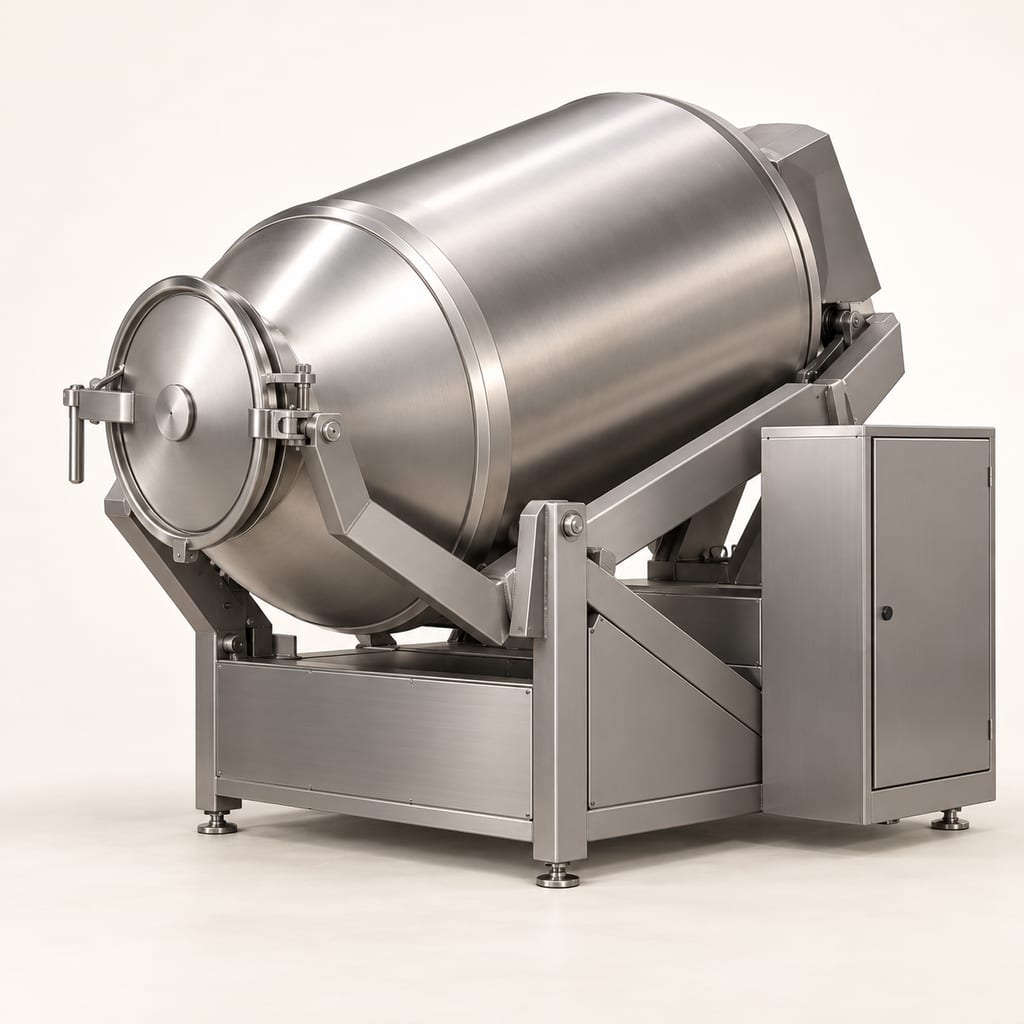
A vacuum tumbler is a powered rotating drum that massages meat under reduced pressure, distributing marinade or brine before later processing.
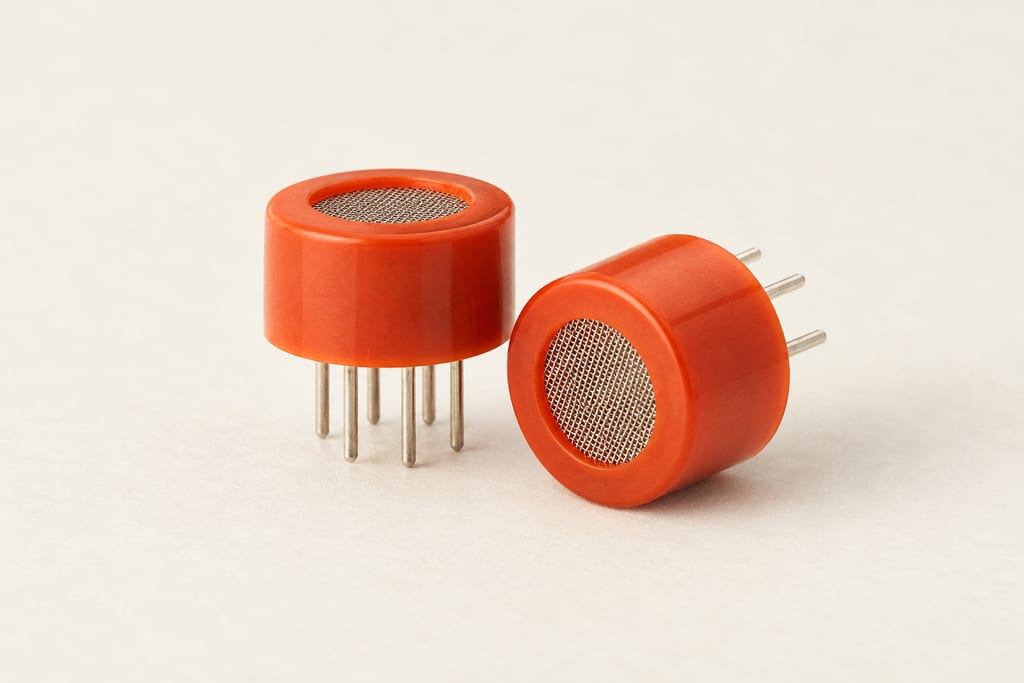
An ethanol-vapour gas sensor responds to alcohol in air, not directly to alcohol by volume in fermented liquid. Different gas sensors and bubble counters measure distinct signals.
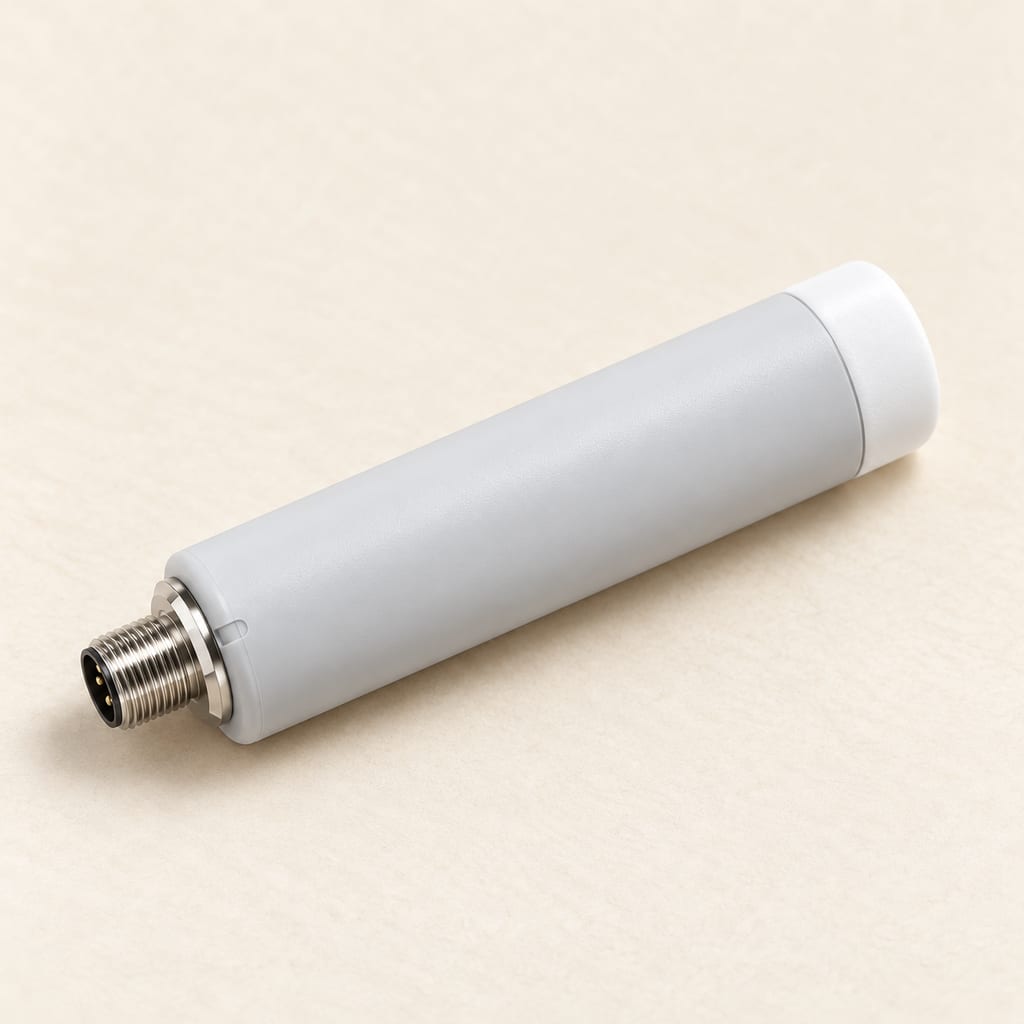
A gas-phase instrument for measuring carbon dioxide concentration. Contemporary probes such as the Vaisala GMP251 use infrared sensing; a CO₂ reading is not a bubble count or an alcohol assay.
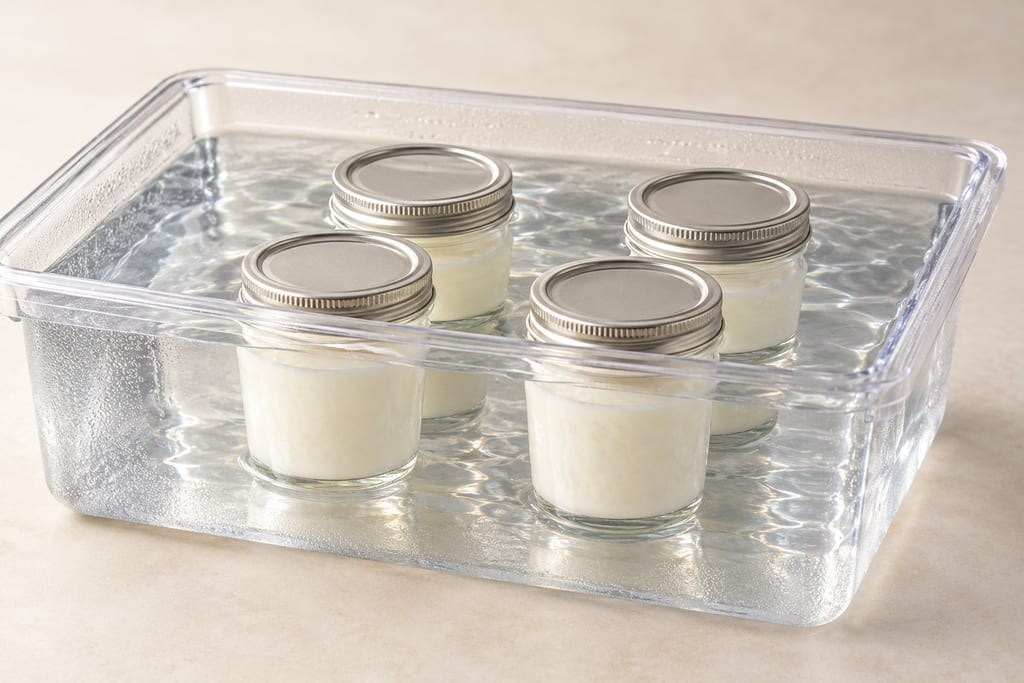
Small glass jars hold inoculated milk during warm-water yogurt incubation. The documented jar sizes and incubation setups vary by method; this is not canning equipment guidance.
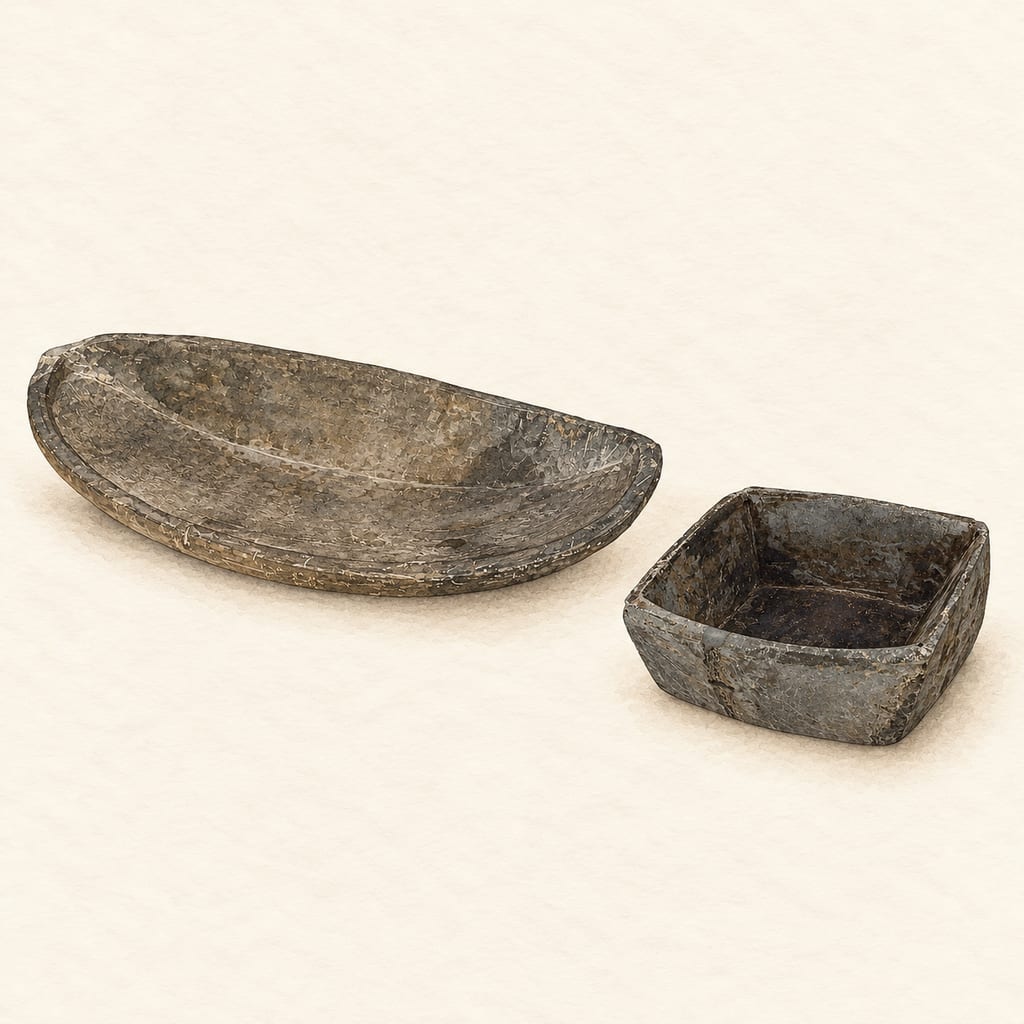
A qulliq oil lamp and a separate ukkusik cooking pot form an Inuit heat-processing pair. Sources document soapstone forms, animal-oil lighting and cooking uses, and museum objects from the Eastern Arctic.
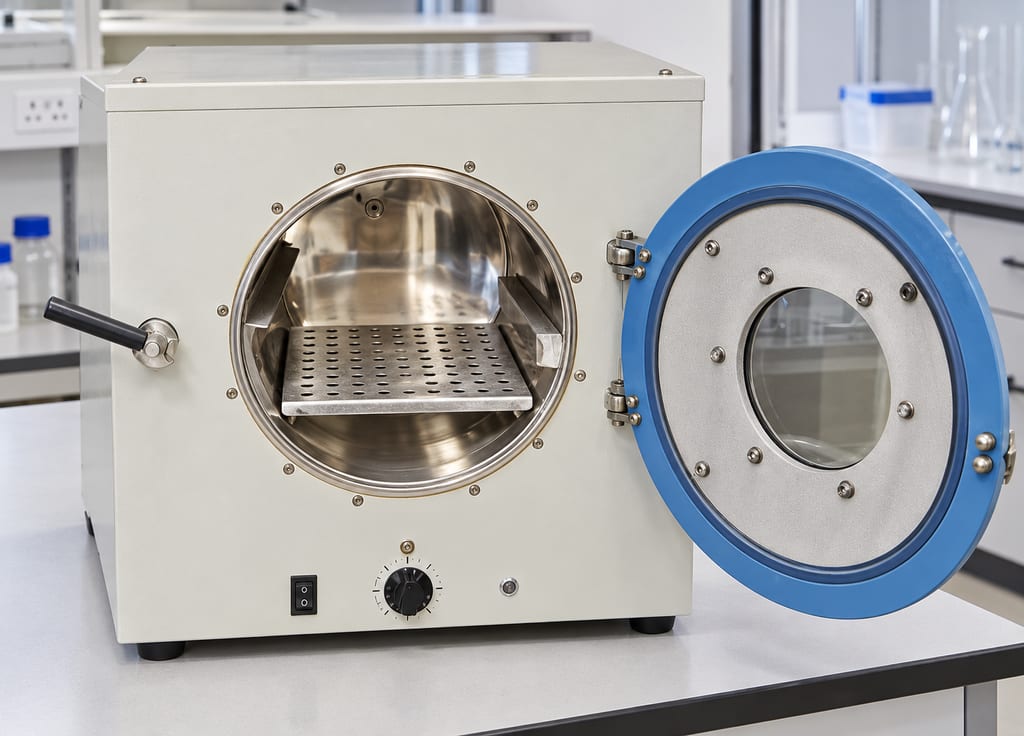
Vacuum dryers remove food moisture under reduced pressure, allowing evaporation at lower temperatures. Shelf, belt and drum designs handle different feeds; ordinary vacuum drying is distinct from freeze-drying.
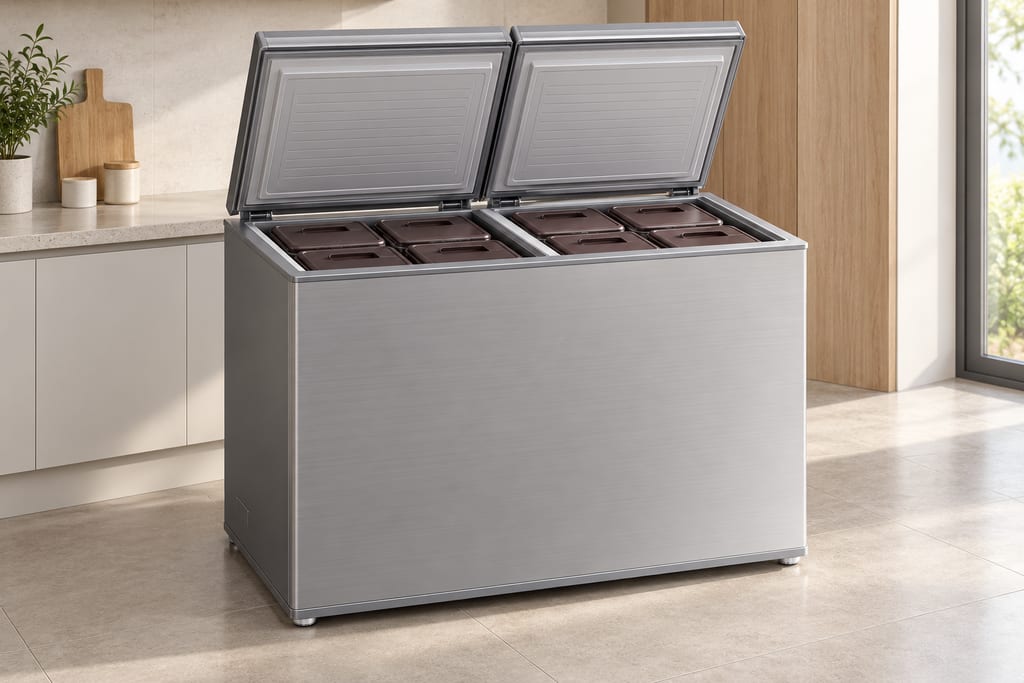
A Korean kimchi refrigerator uses separate cooled compartments and removable lidded bins to ferment or hold kimchi. Models vary; it is a modern appliance, not an onggi or buried crock.
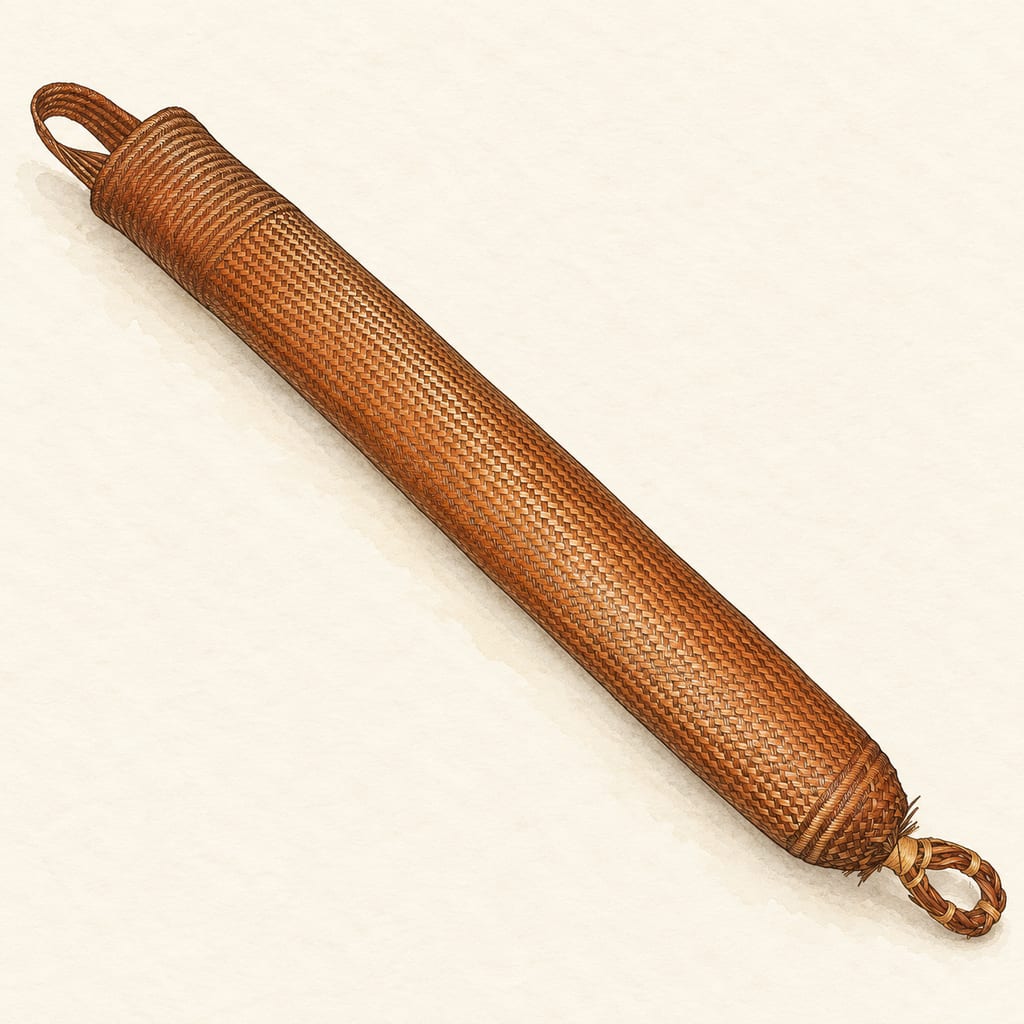
Tipití is a long, flexible woven basket press used to squeeze grated cassava mash. Its looped ends let a maker suspend and stretch the tube; it is a processing tool, not a fermenting vessel.
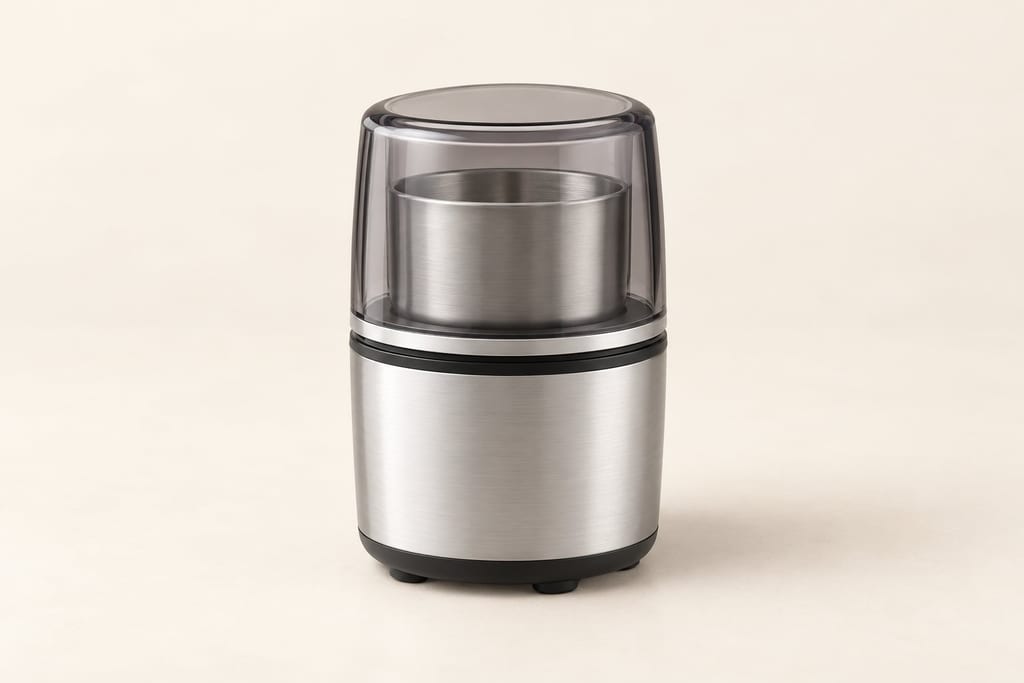
A compact electric blade grinder cracks or powders dry spices in a small lidded bowl. It is a dedicated spice-grinding appliance; mini blenders may overlap in size and blade action, but their bowls and permitted uses vary by model.
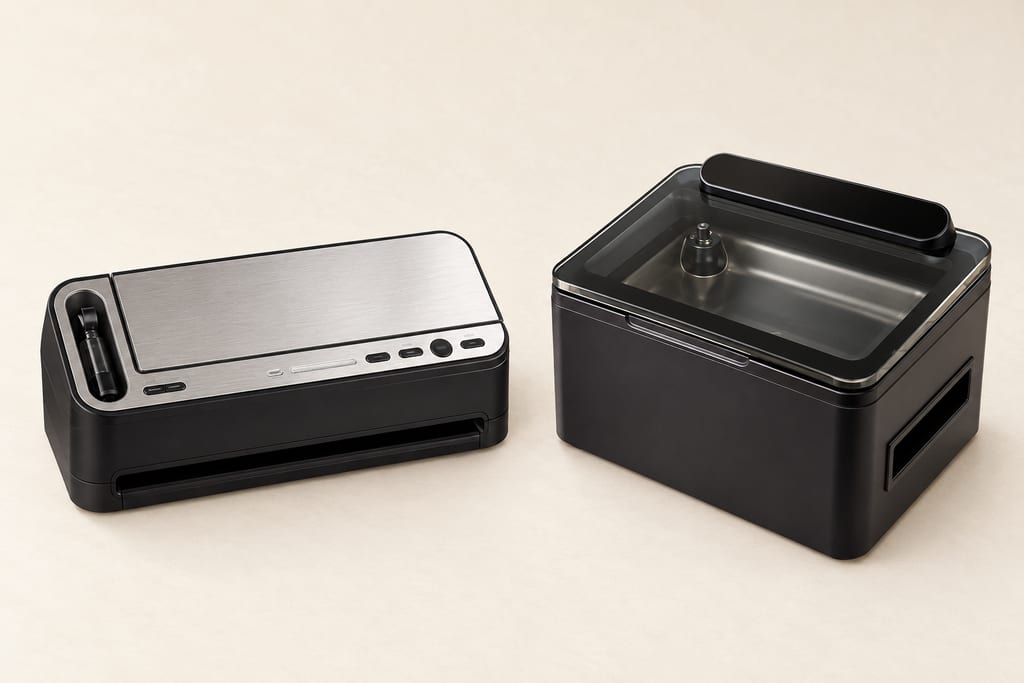
A vacuum sealer removes air from a food package and closes it with a heat seal. Stand-alone machines commonly use external suction at the bag edge or evacuate a chamber containing the whole pouch.
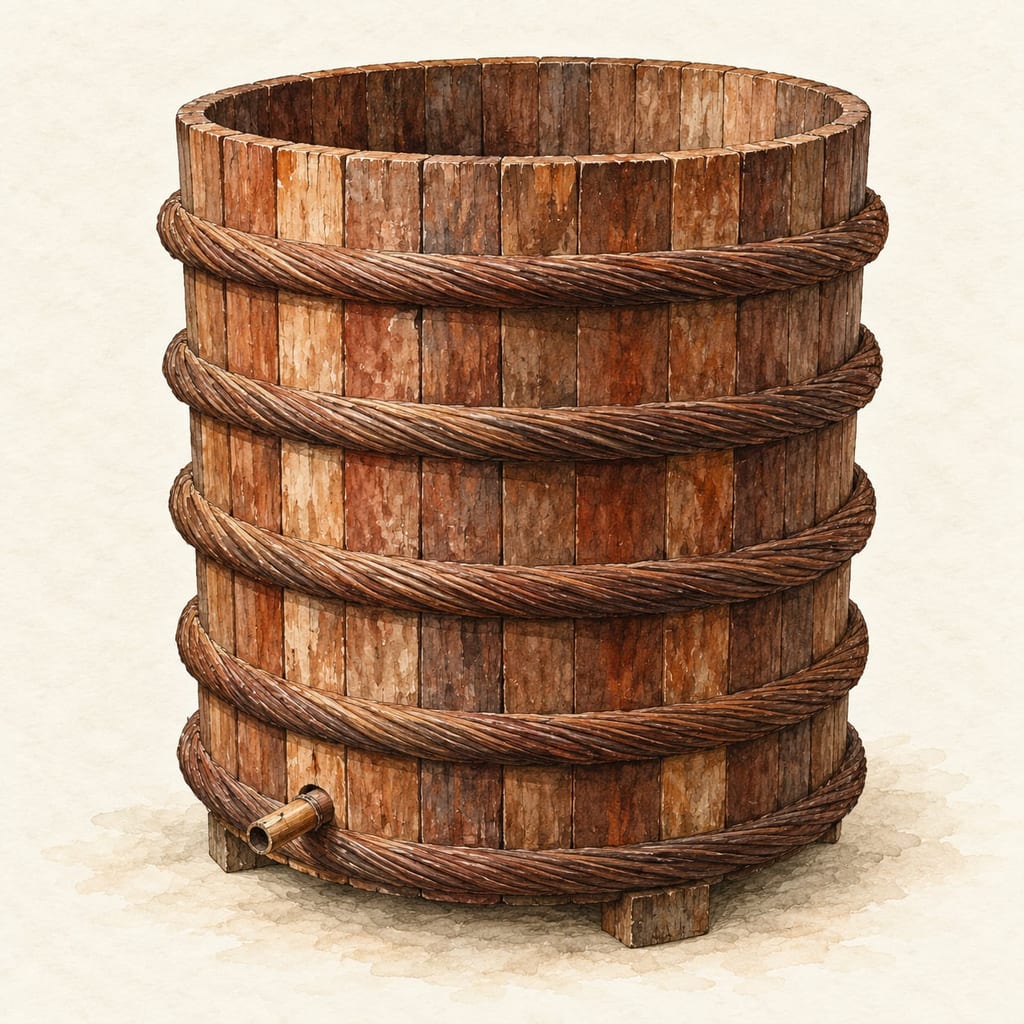
A large upright stave-built vat used in documented Vietnamese fish-sauce production, with a weighted or covered top and a low outlet for drawing liquid; Phu Quoc examples belong to a living regional craft.
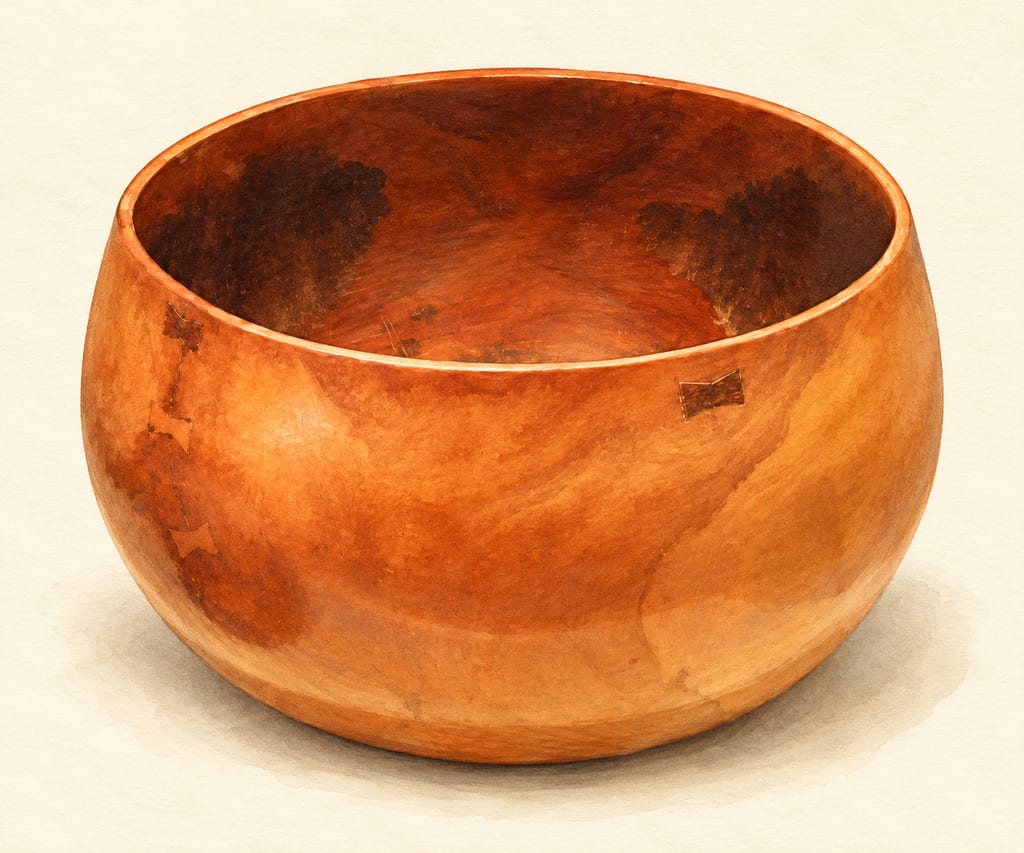
A Hawaiian bowl for holding, storing, and serving poi. ʻUmeke poi include carved wooden and gourd forms; their shape, material, and role vary by object and bowl type.
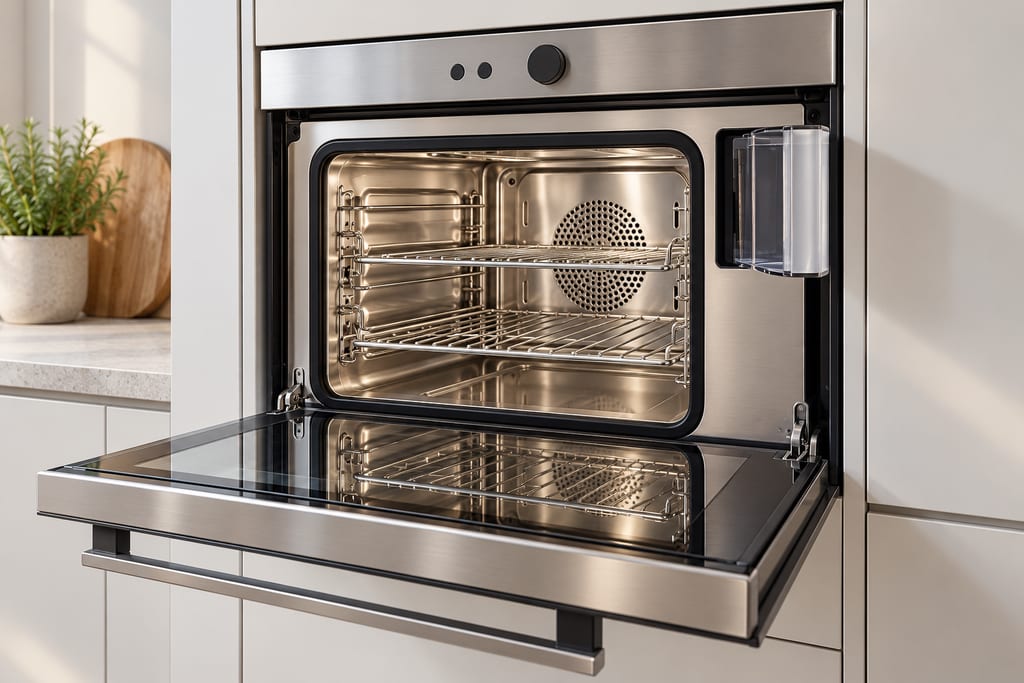
A steam oven cooks with water vapour; a combi oven pairs steam with circulating dry heat. Their modes and temperature controls differ by model, so a documented yogurt programme cannot be assumed for every oven.
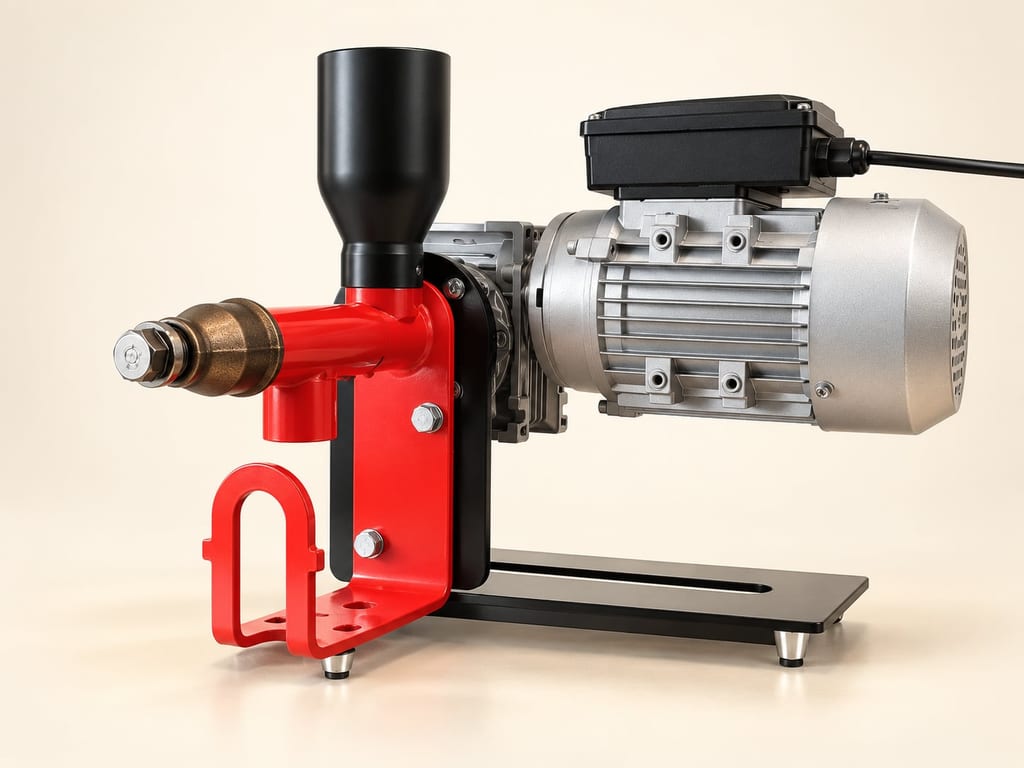
Small oil expellers use a screw to compress prepared oilseeds and nuts, separating oil from press cake. Piteba documents manual and motorized small-scale examples; their settings and feed requirements do not define every press.
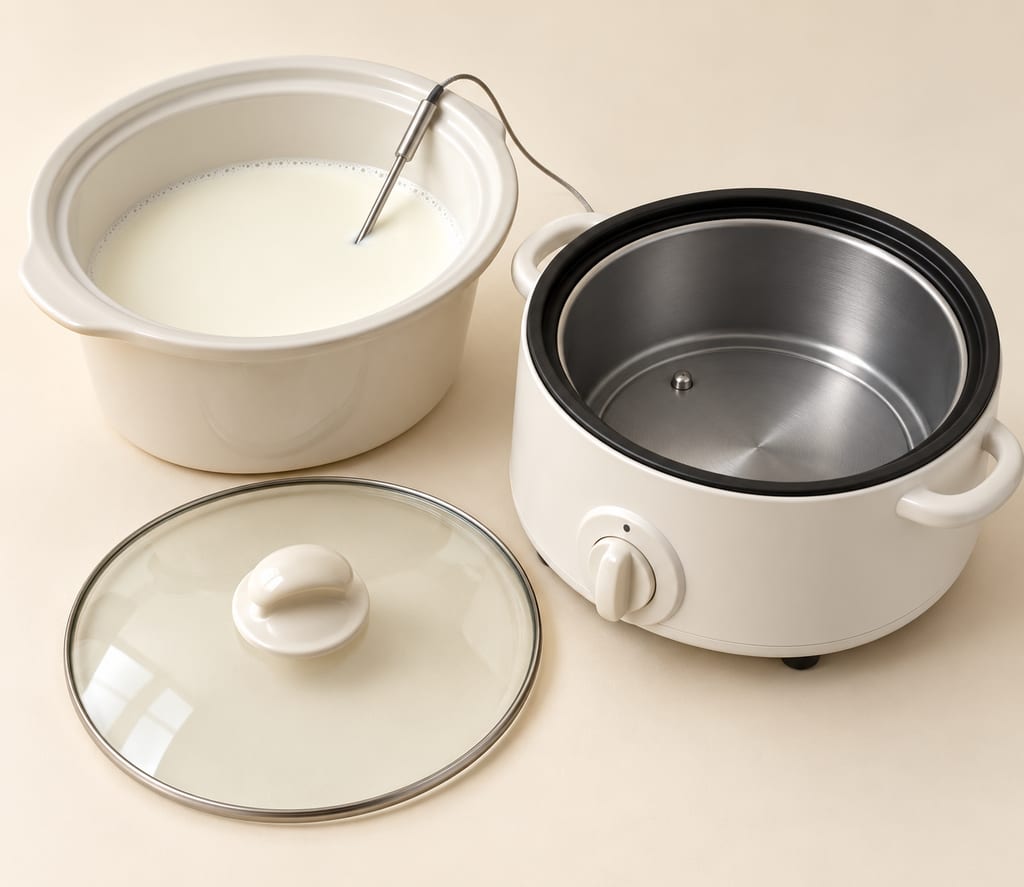
An electric slow cooker warms a removable heavy crock under a lid. Stored heat aids gradual cooking, but its settings are not a universal fermentation thermostat.
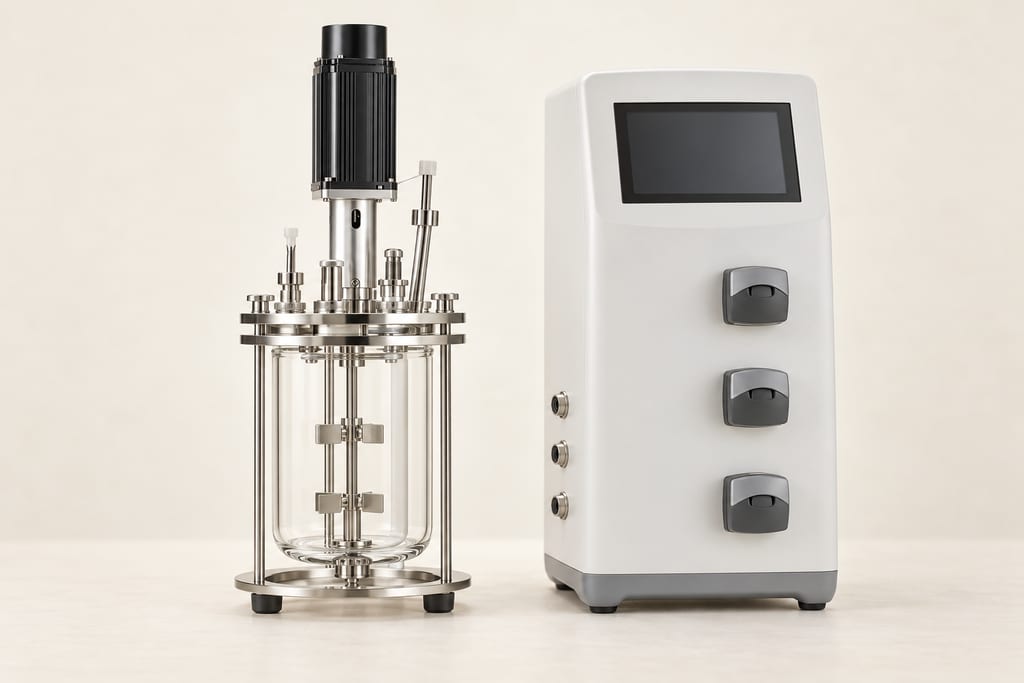
A bench-scale vessel system combines measurement and mechanical control for fermentation research. Vessel materials, fittings and control options vary; a research bioreactor is not a validated food process.
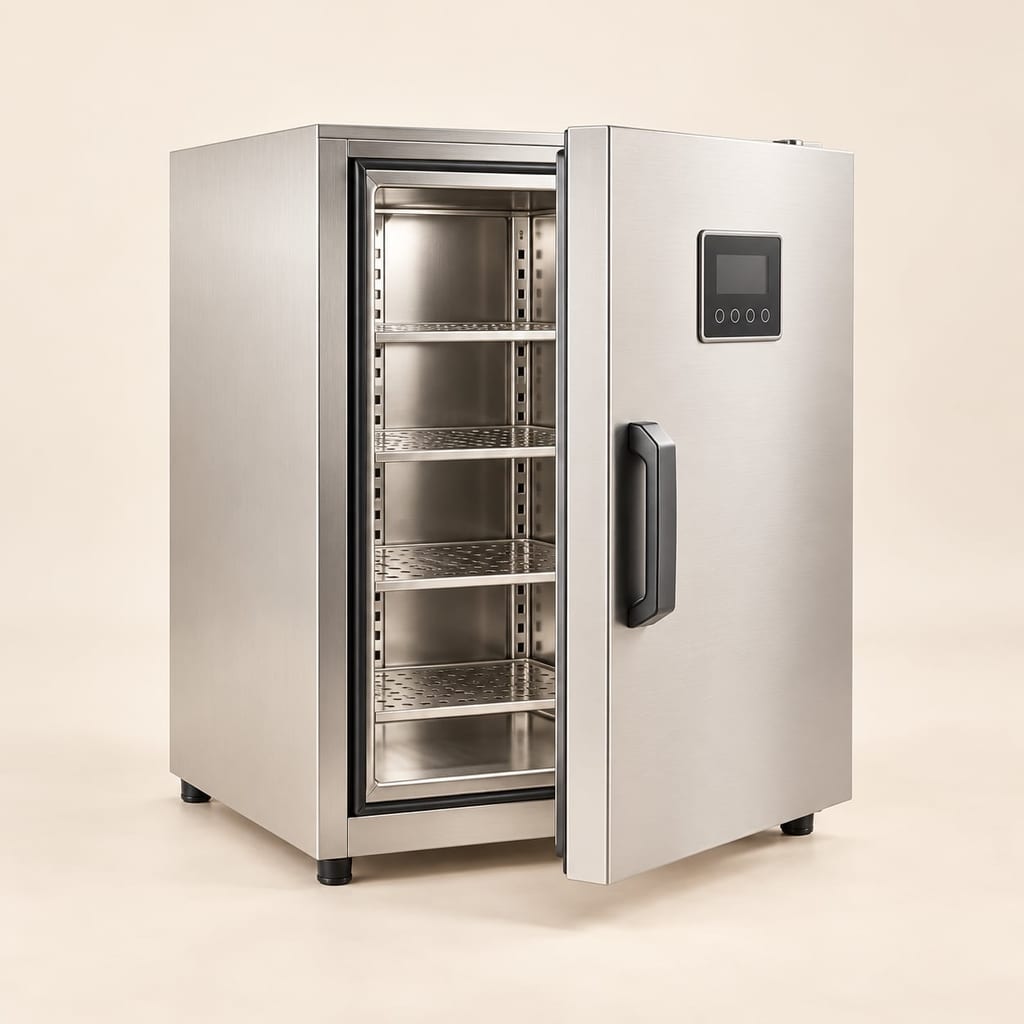
A manufactured cabinet that controls chamber temperature for laboratory samples. Some models add cooling or humidity features; those capabilities are not universal and do not make every unit a food-contact vessel.
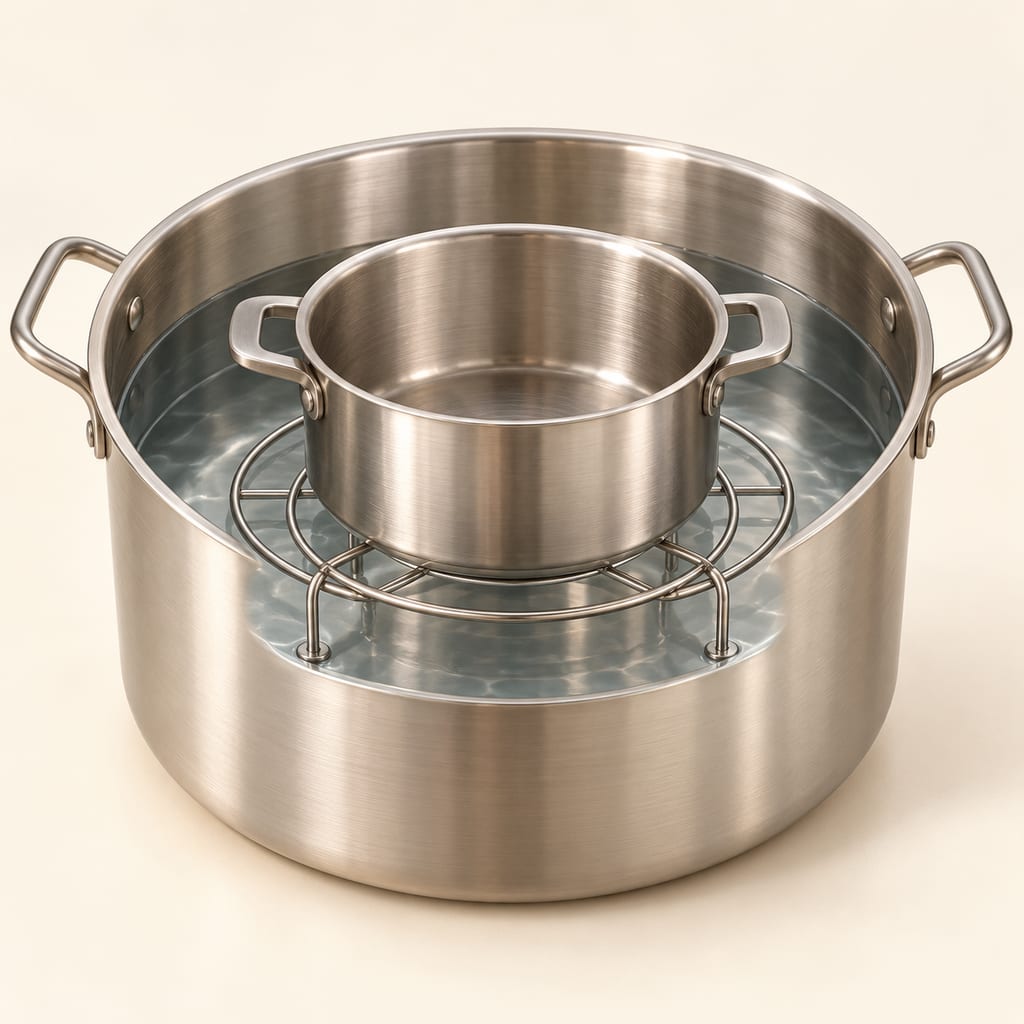
A removable support holds a smaller pot above the floor of a water bath. Racks, bridges and trivets are distinct forms serving this function; none should be confused with a brewer’s false bottom or a pot resting on the outer rim.
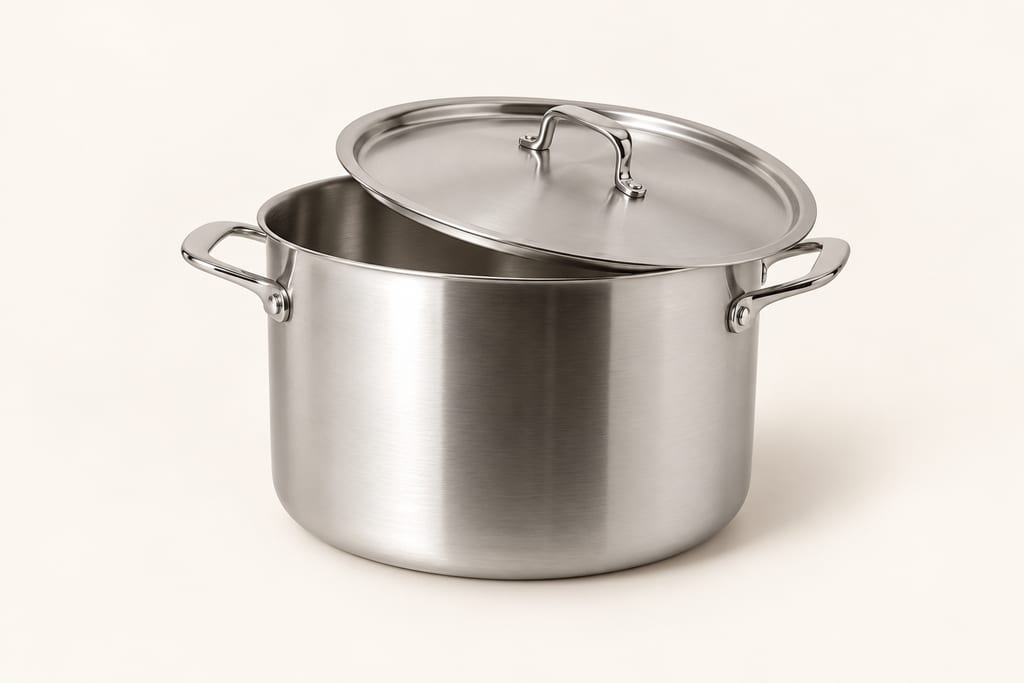
A deep, flat-bottomed household pot gives jam and jelly more room to foam than a shallow preserving pan; capacity, material and heat response vary by model.
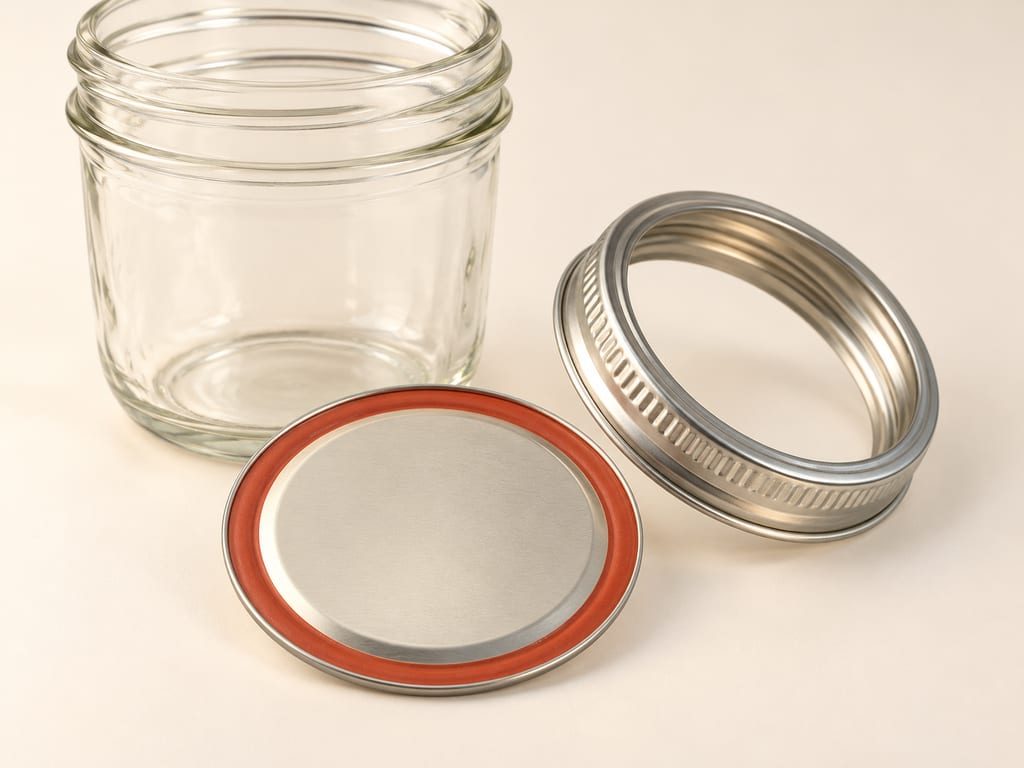
A two-piece canning lid pairs a flat metal disk, whose edge carries sealing compound, with a separate threaded screw band. The band holds the disk during processing; the disk seals against a compatible jar as it cools.
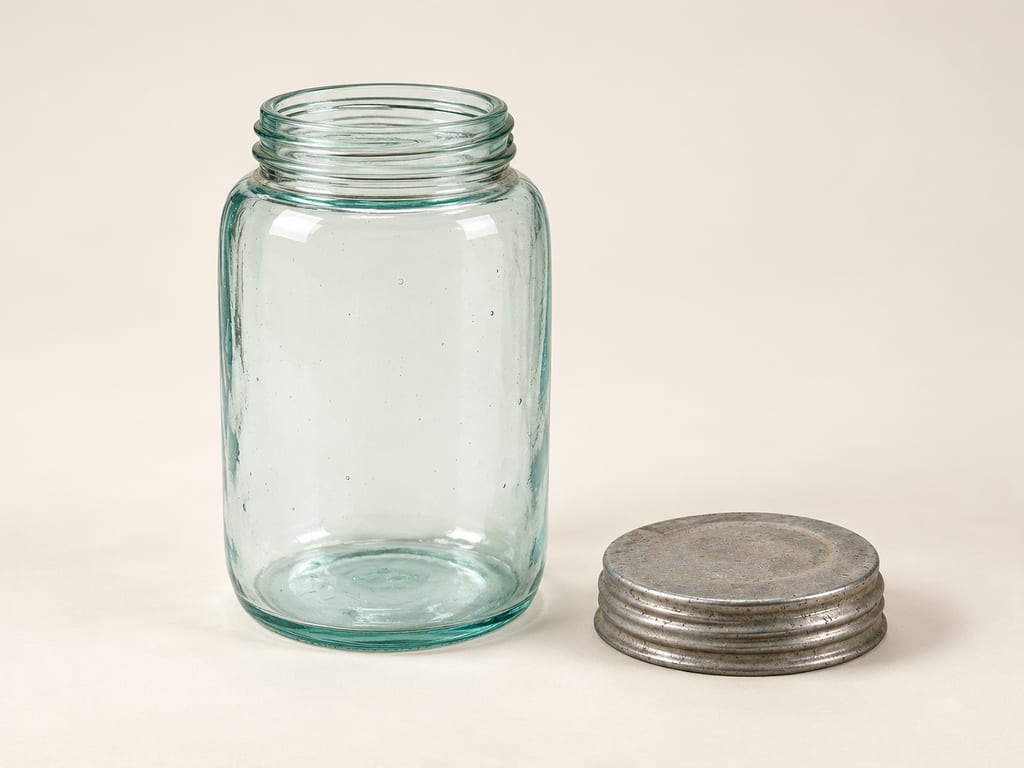
Threaded, heat-processing jars hold food and a fitted lid during a tested canning process; jar size and process belong to the specific recipe.
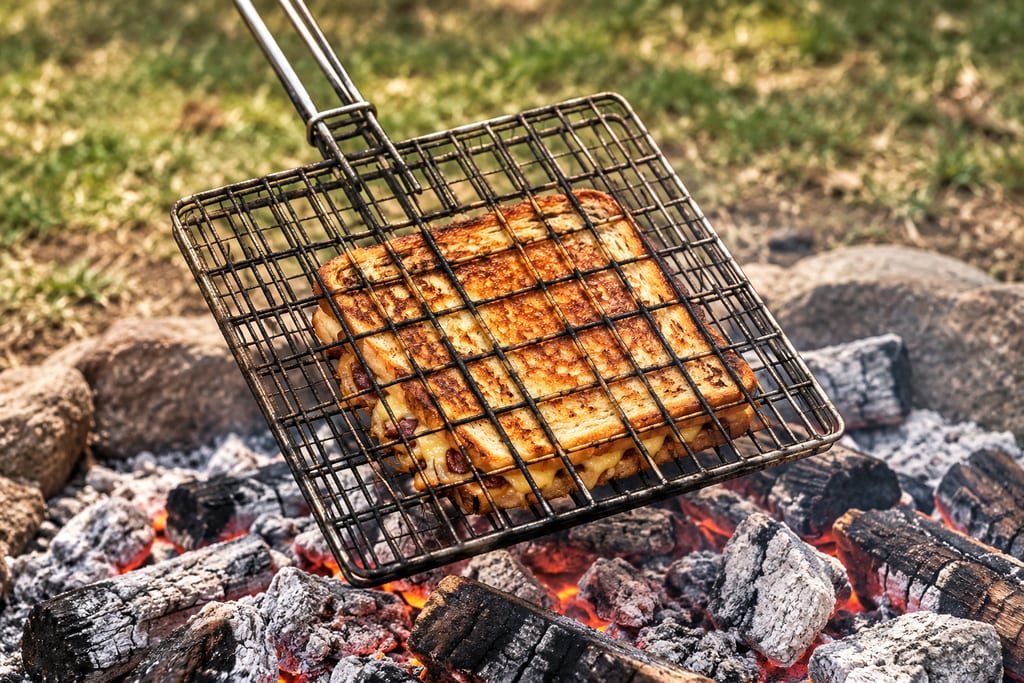
A closed, hinged grid holds food between two cooking faces so a braaier can turn it together over coals. Braaibroodjie recipes specify this tool, but sources do not establish one standard design or size.
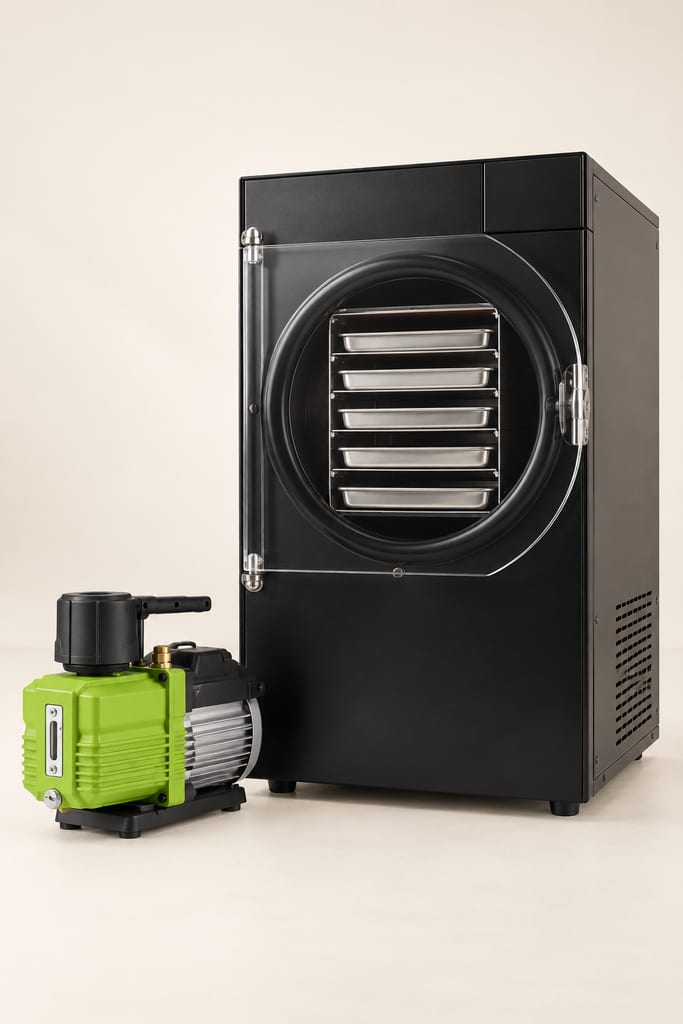
A home freeze dryer freezes food and then removes ice under vacuum by sublimation, followed by drying to reduce residual moisture. It is a contemporary electric preservation appliance, not a freezer alone or a microbial kill step.
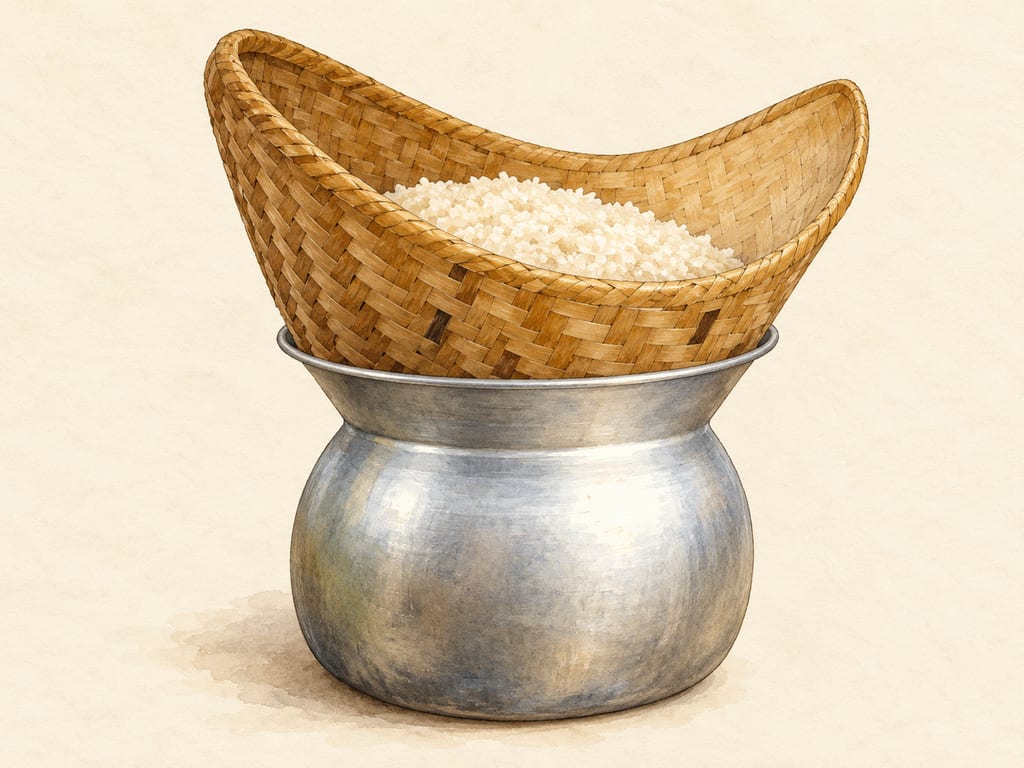
A woven upper basket used to steam Lao glutinous rice over a separate water pot. It holds the drained rice above the water; a different lidded basket, the katip khao, is used to carry and serve the cooked rice.
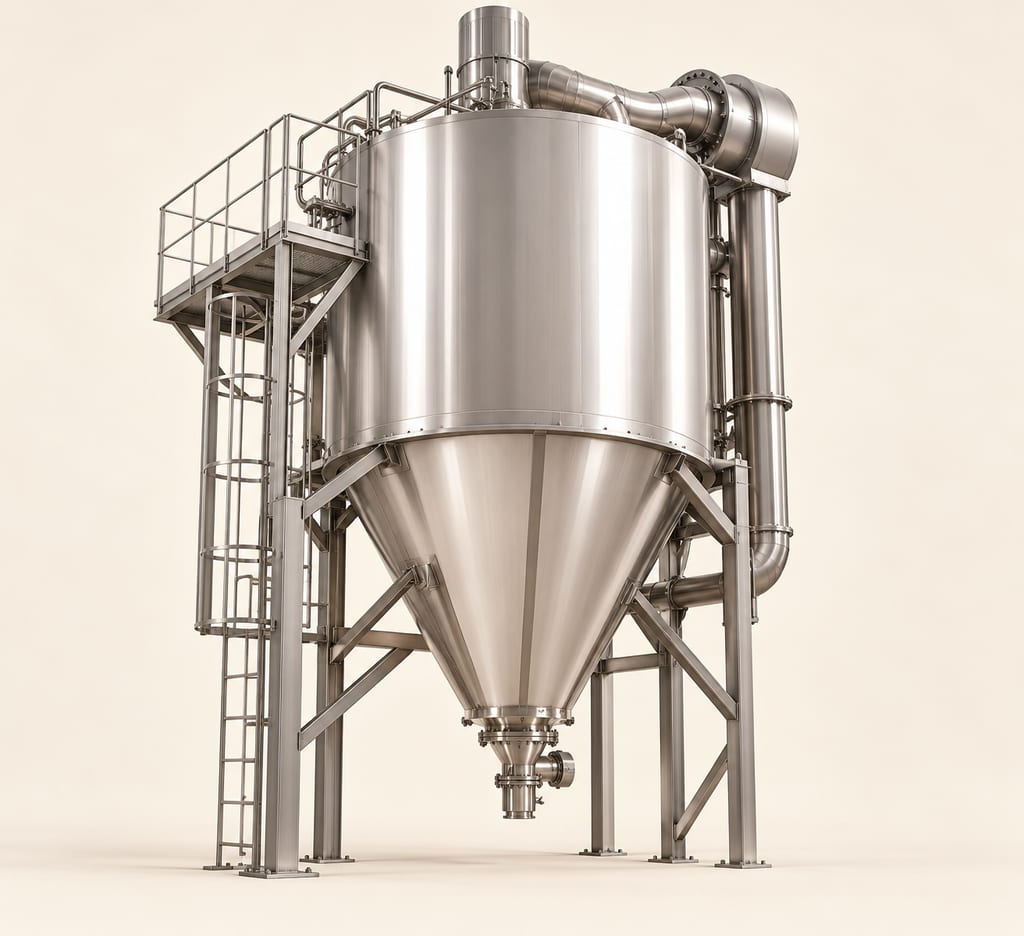
A spray dryer turns a pumpable liquid concentrate into powder by atomizing it into droplets that meet heated air in a drying chamber; the particles are then separated from the exhaust air.
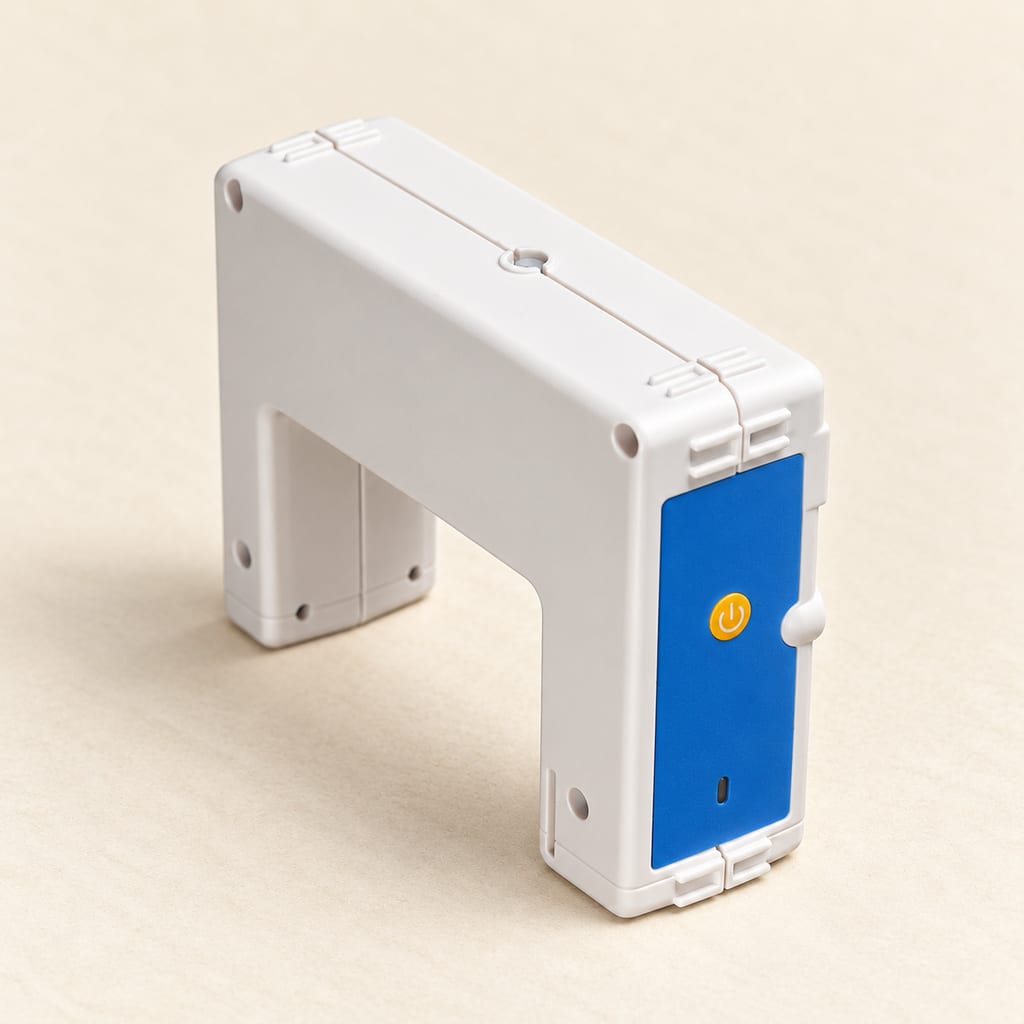
An infrared beam counter registers bubbles crossing a defined liquid column. Counts can track change over time, but do not measure gas volume or establish alcohol or residual sugar.
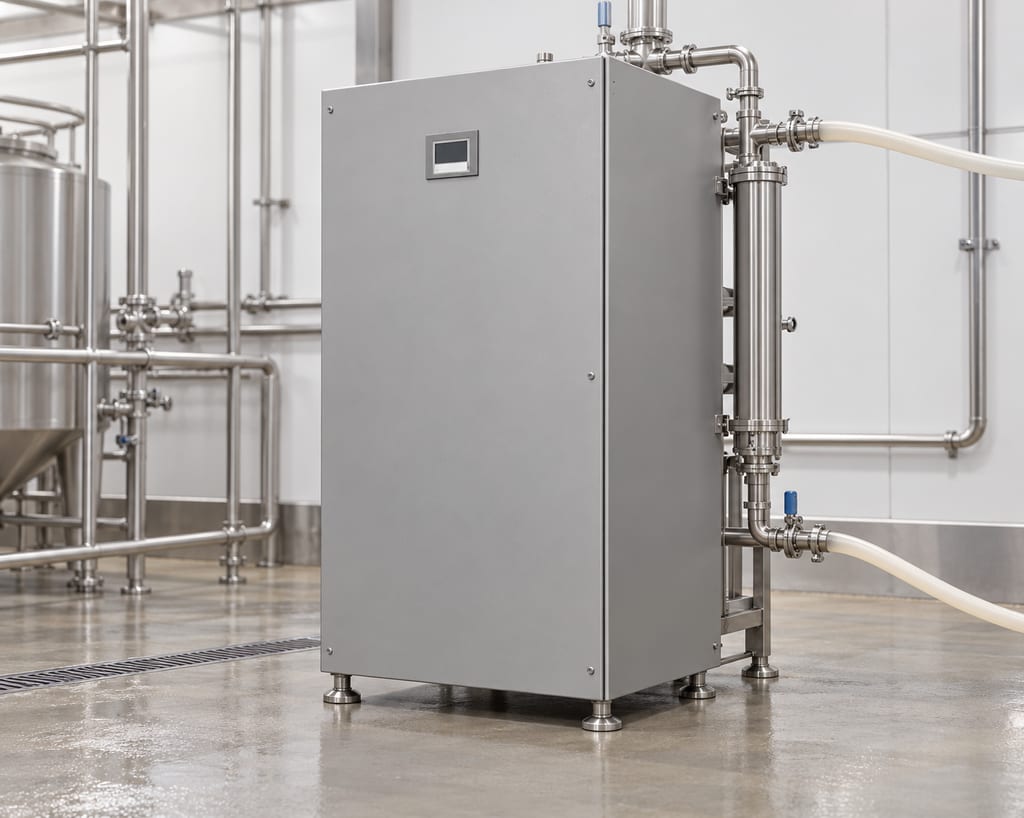
UV-C food-treatment equipment uses germicidal ultraviolet light; the documented CiderSure example processes apple juice as a flowing thin film.
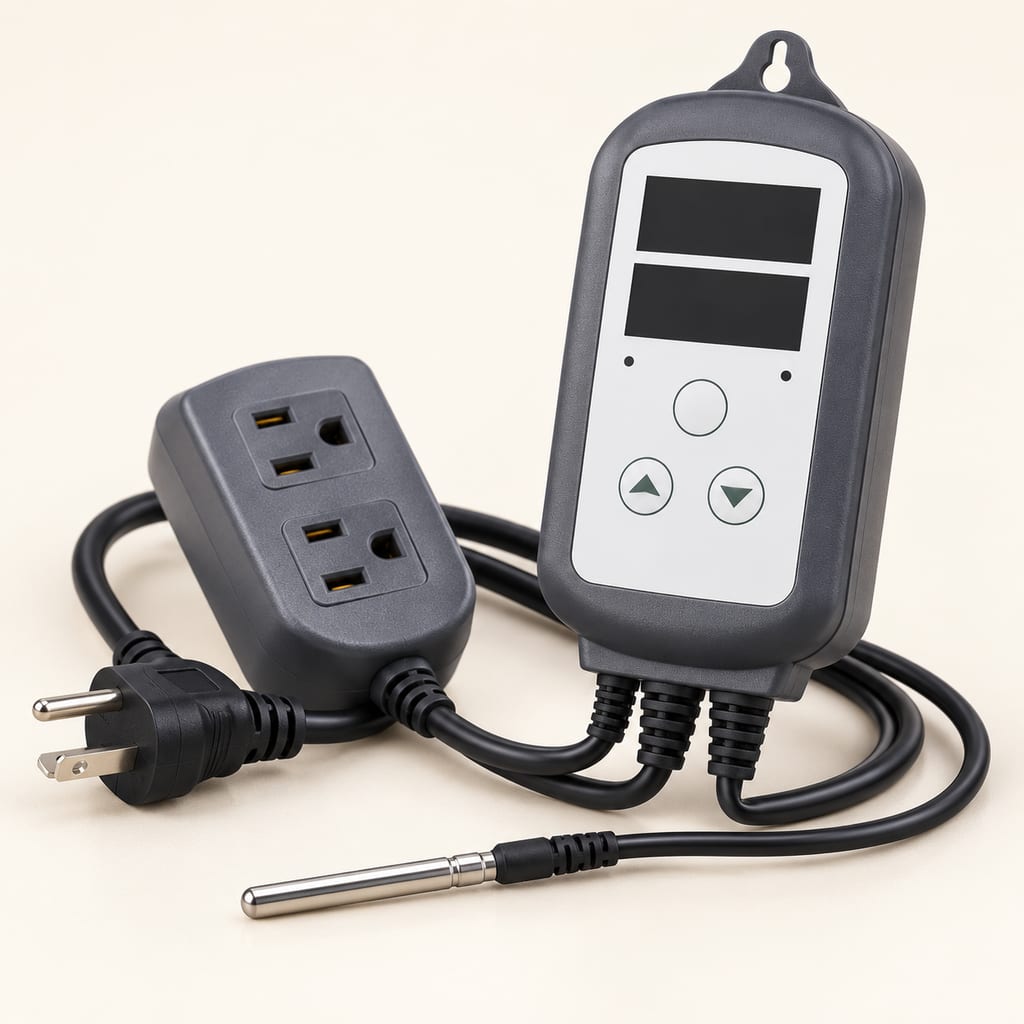
The INKBIRD ITC-308 is a plug-in, probe-led temperature controller with separate heating and cooling outputs. Its relays switch compatible appliances; they do not heat, cool or validate the food themselves.
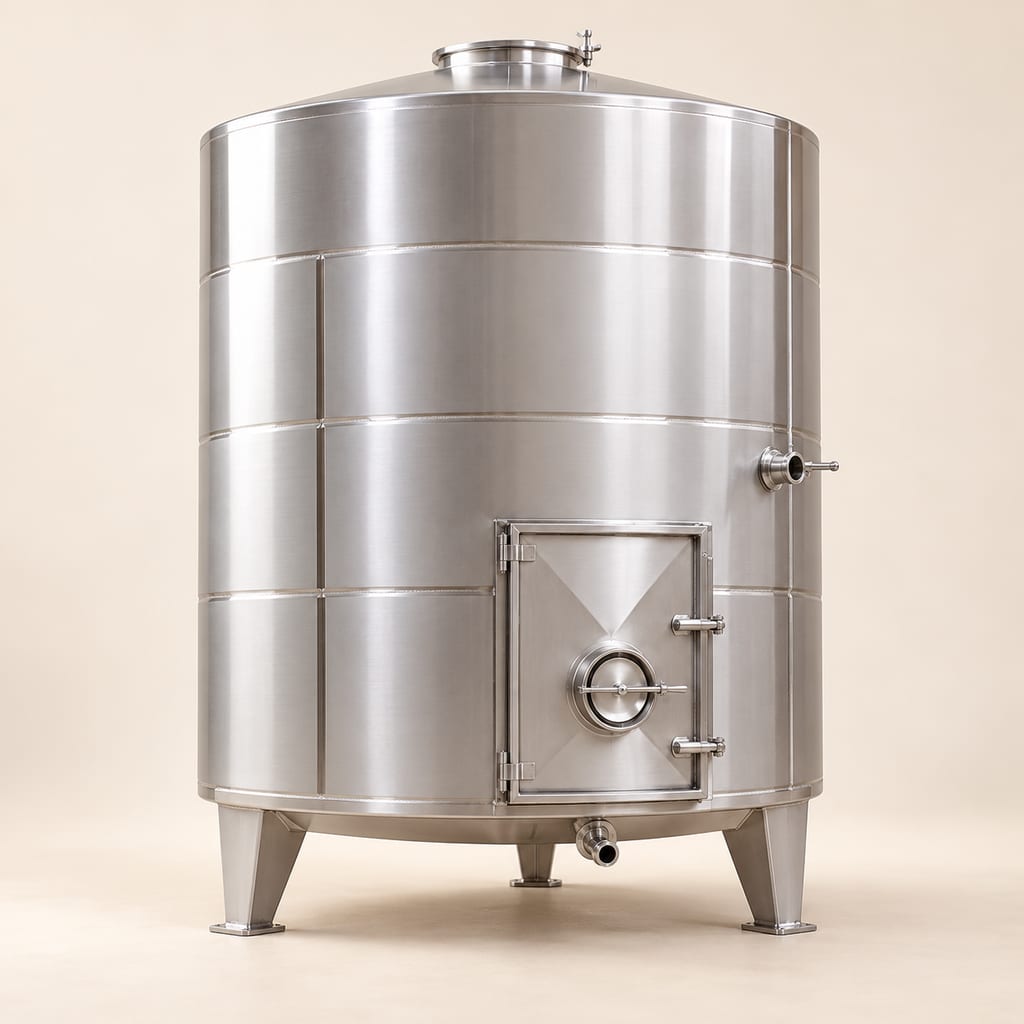
A modern stainless wine-fermentation tank whose bottom-level access on red-wine models helps remove grape skins and seeds; door, outlet, cooling and capacity details vary by model.
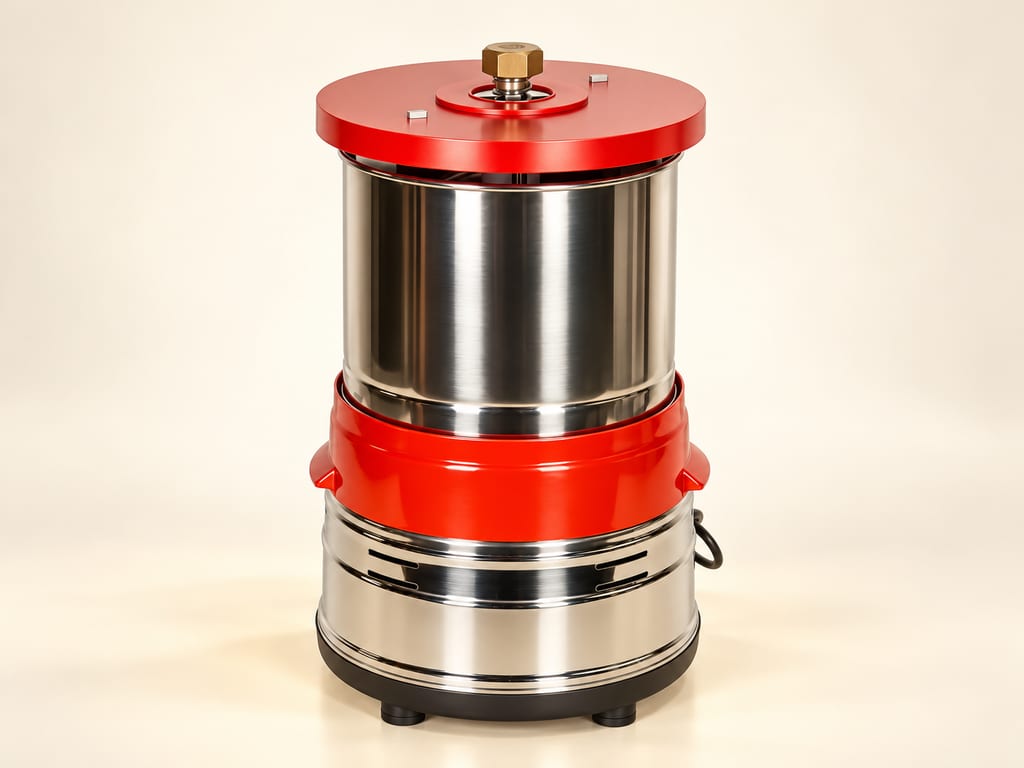
The current standard 8 lb Premier is a named DCM countertop refiner, distinct from the generic melanger class and the separate tilting model. Historical manual and FAQ figures differ; verify capacity and duration against the exact unit.
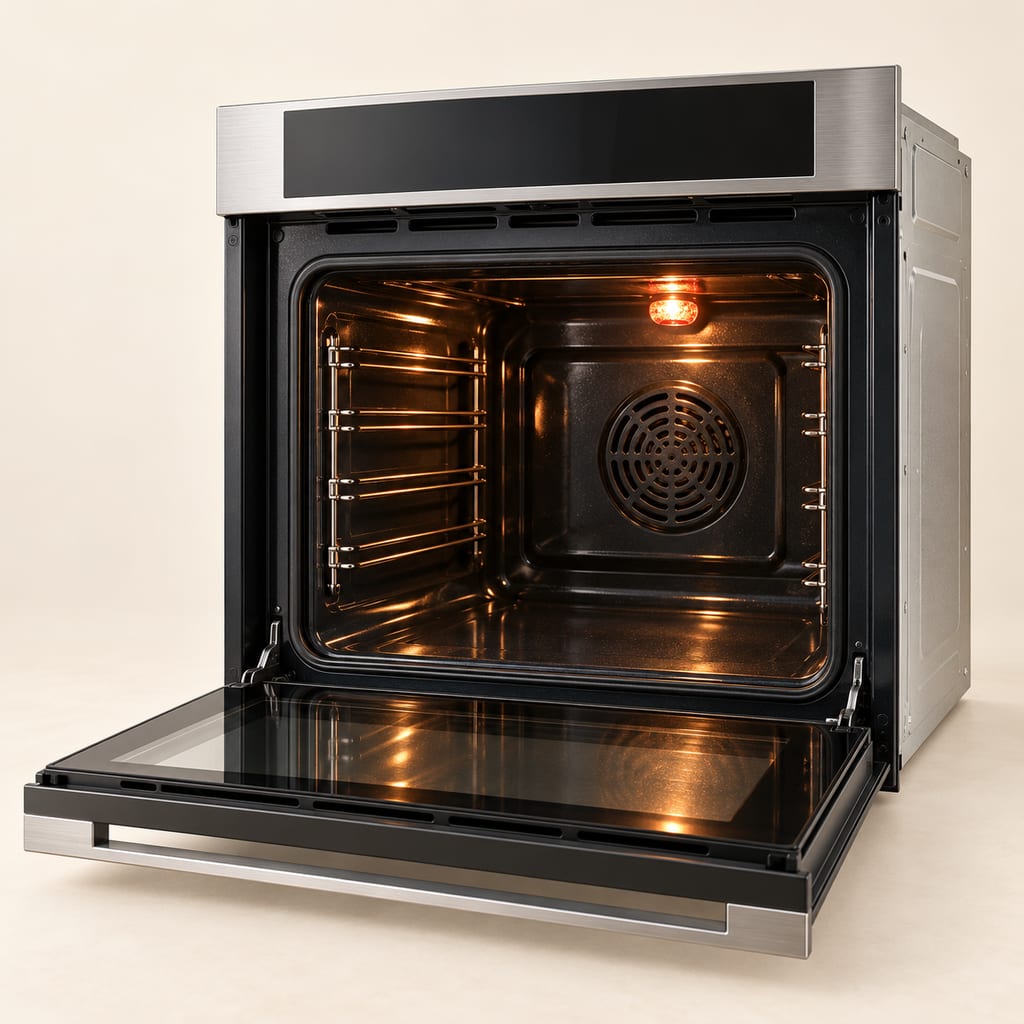
An ordinary oven repurposed as a warm enclosure by using its interior lamp. The cavity is not a calibrated incubator, and lamp output varies by model.
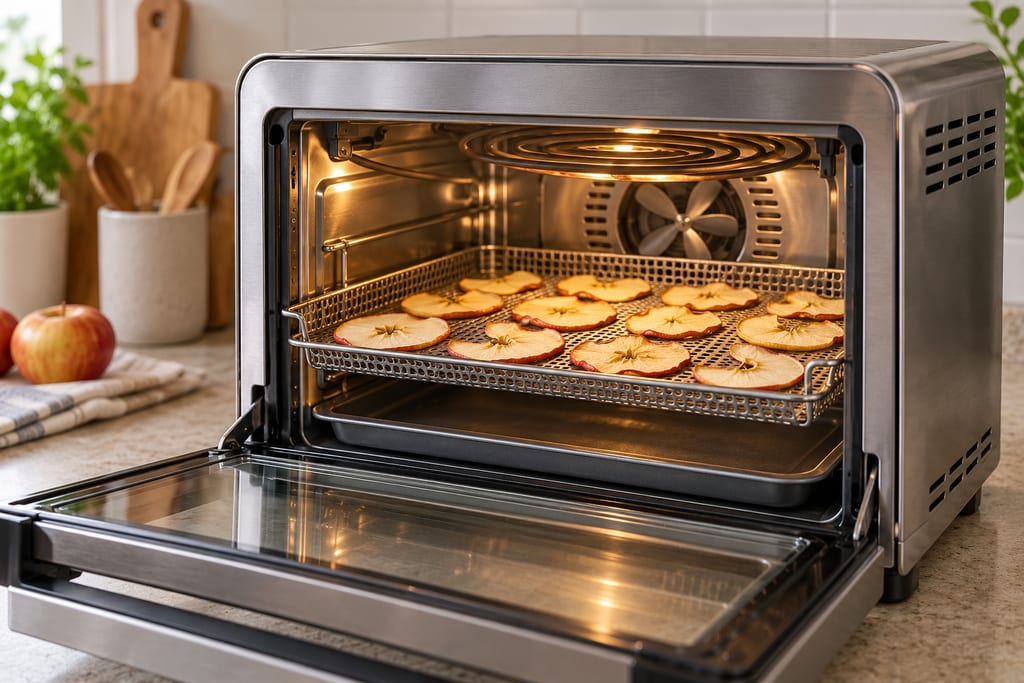
Some countertop ovens and air fryers combine cooking with a dedicated low-heat dehydration programme. The feature varies by model; an ordinary oven or air fryer without it is a different, less controlled adaptation.
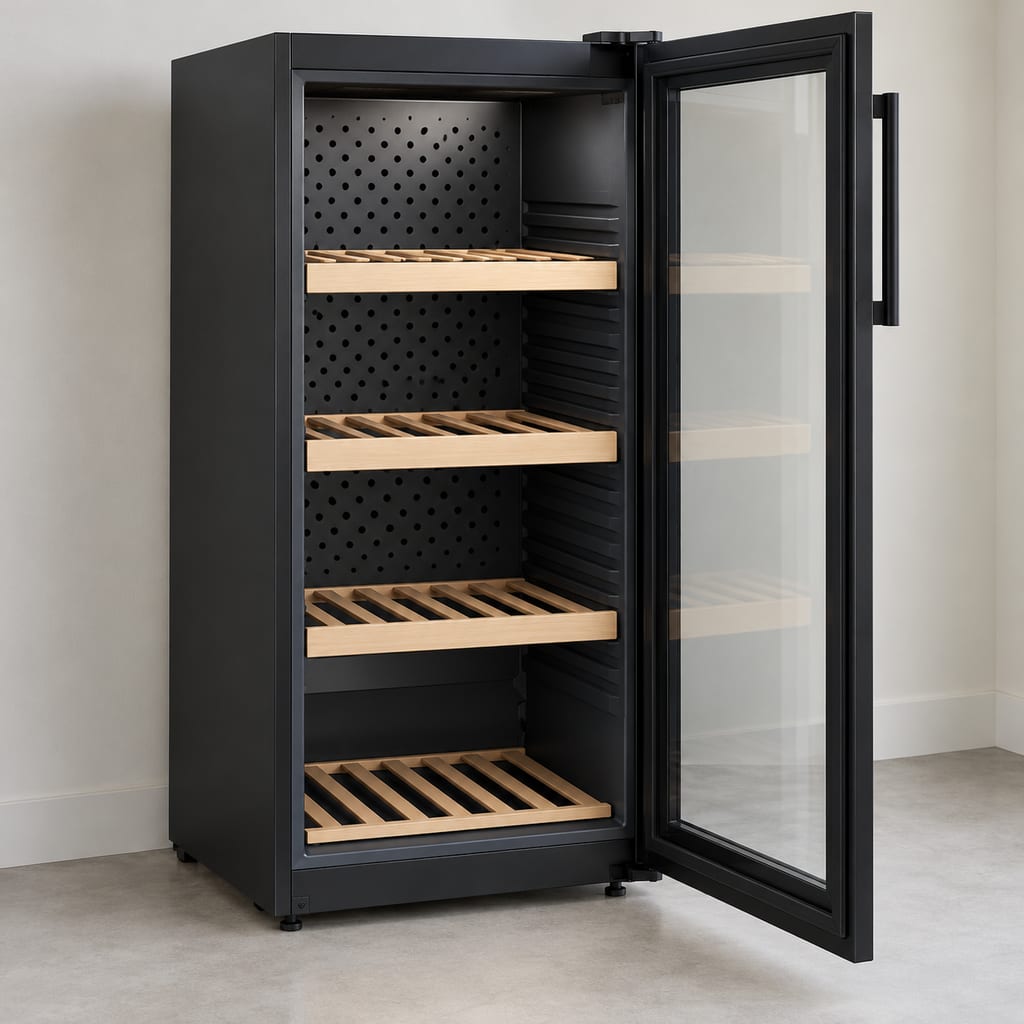
A refrigerator or wine cabinet can provide a cool enclosure for holding or ripening food, but it does not control every condition a ferment or cheese needs. Check temperature, humidity, airflow and cleanable food containers separately.
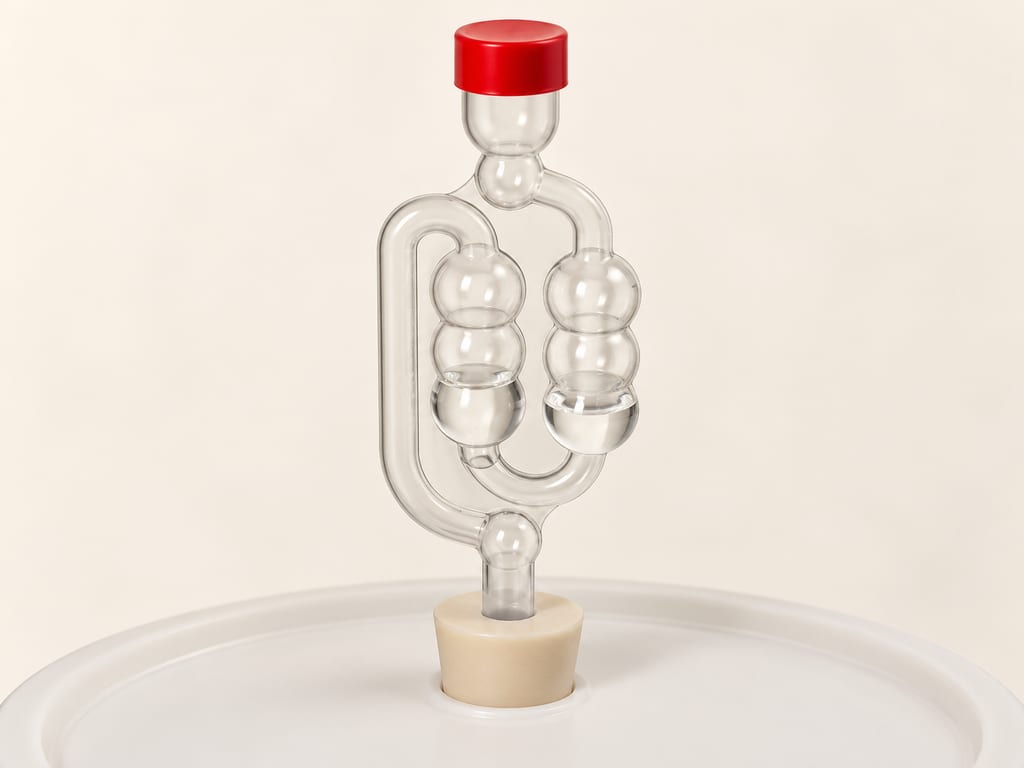
A fermentation airlock lets gas escape from a closed fermenter while its liquid seal limits air entering. It suits oxygen-limited stages, not the oxygen-dependent stage that turns alcohol into vinegar.
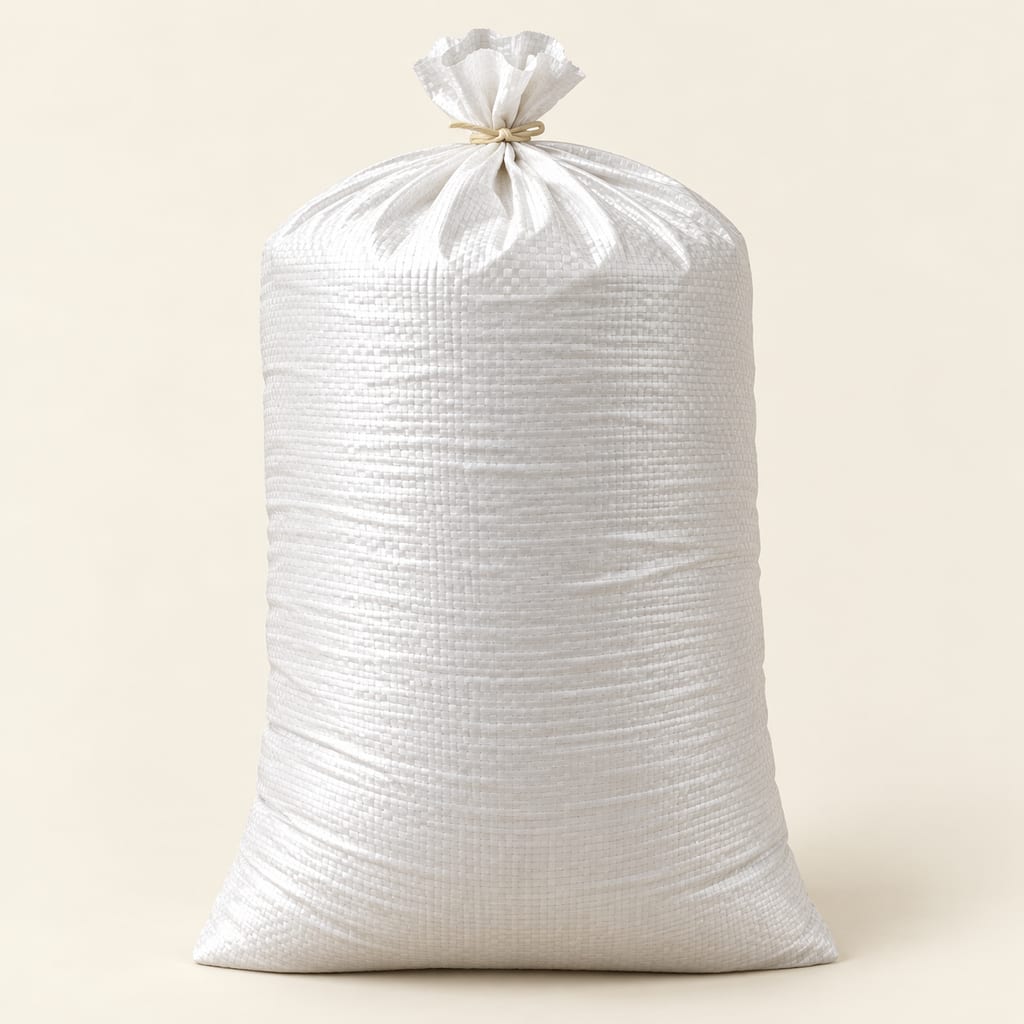
A hermetic grain bag stores suitably dried grain in an airtight, multilayer package. The PICS design pairs two inner liners with a woven outer sack; it is a storage tool, not a fermenter or dryer.
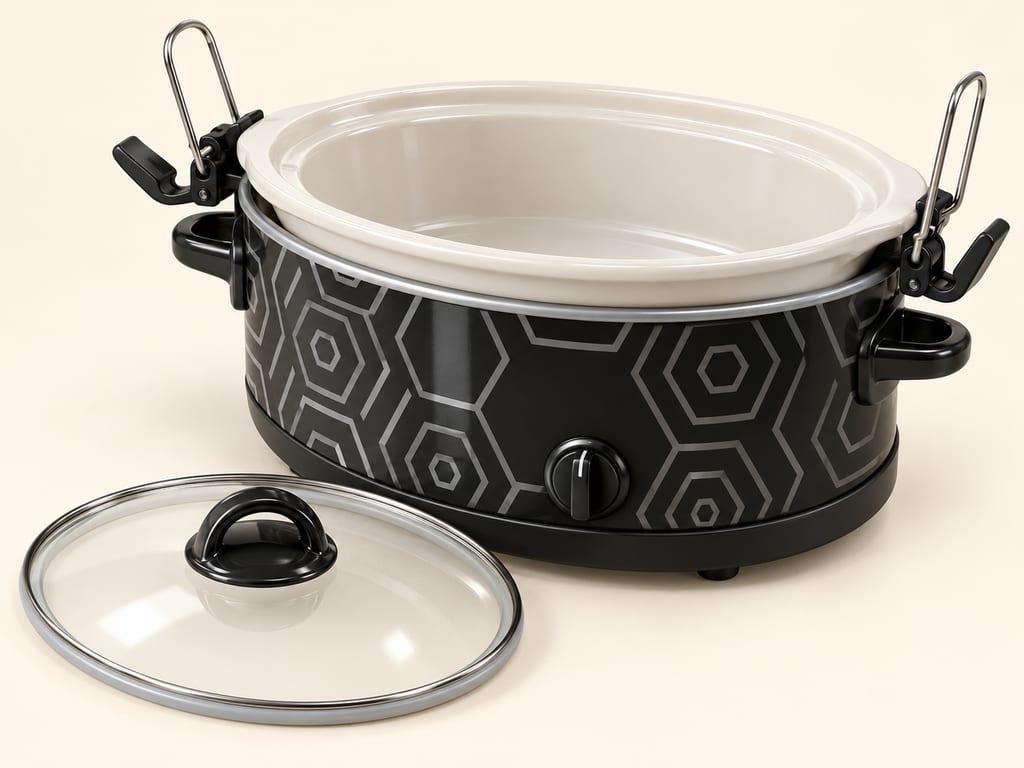
The SCCPVL500FB is listed by Crock-Pot as a French Bull-pattern Cook & Carry manual slow cooker. Its stoneware crock and heated base cook on Low or High; the WARM setting is only for already-cooked food, not fermentation or cooking.