Buried industrial olive-fermenter installation
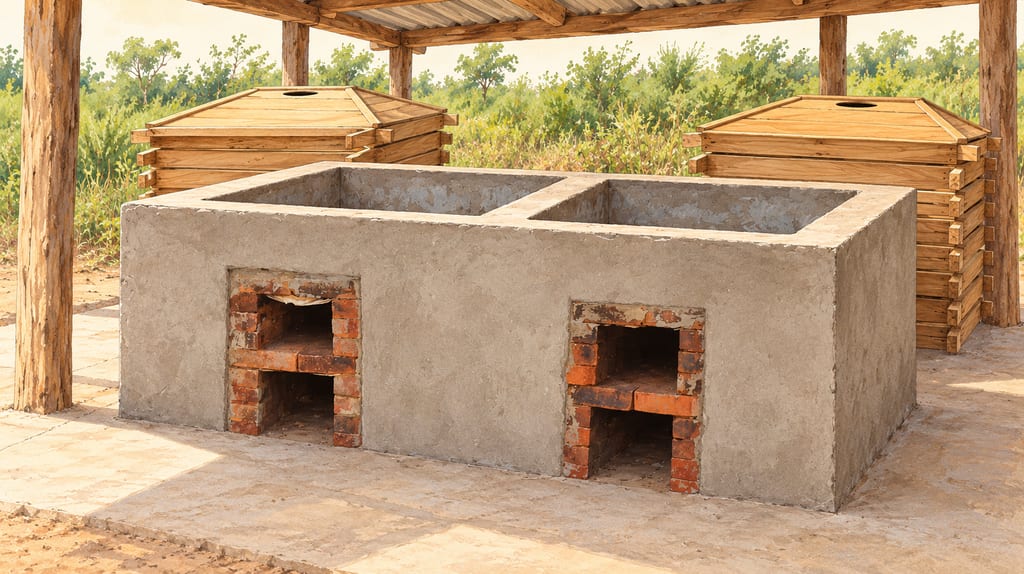
An industrial fermentation patio places factory-made fiberglass-reinforced polyester olive tanks below floor level, with drainage and transfer infrastructure arranged around the buried vessels.
626 sourced equipment pages: vessels, tools, appliances and built structures.
An industrial fermentation patio places factory-made fiberglass-reinforced polyester olive tanks below floor level, with drainage and transfer infrastructure arranged around the buried vessels.


The Ahotor is a modern fixed masonry fish-smoking oven developed in Ghana as an improved alternative to traditional smokers such as the Chorkor.

A Cap-Pelé boucanière is an Acadian herring-smoking building. The documented Willie Niles example is a one-storey wood-frame structure with a ridge smoke vent and interior bays for hanging fish-bearing cannes.

A temporary, in-place earthen oven used to cook camas with heat retained by fire-heated stones. The dimensions described here belong to one Kalispel-supervised reconstruction, not a universal form.
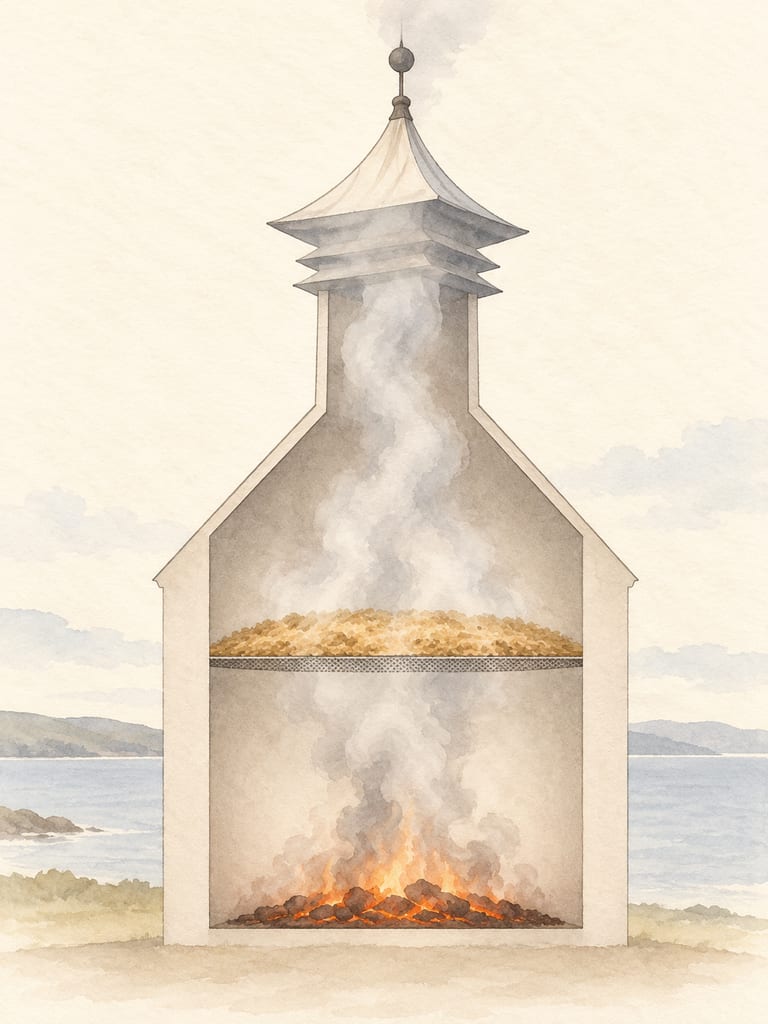
A fixed malt-drying kiln at Laphroaig on Islay, where peat smoke passes through damp malt before it is fully dried.
Show on map
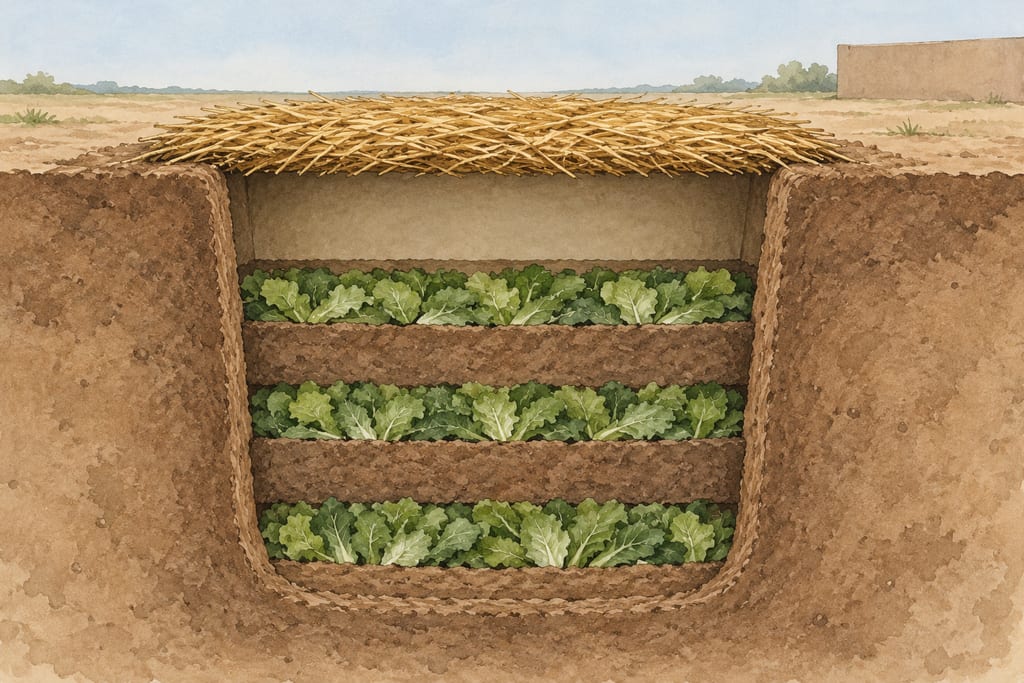
A sixth-century Chinese agricultural text describes a seasonal earthen pit for keeping fresh vegetables through winter, with vegetable kinds separated by alternating rows of produce and soil under a thick straw cover.

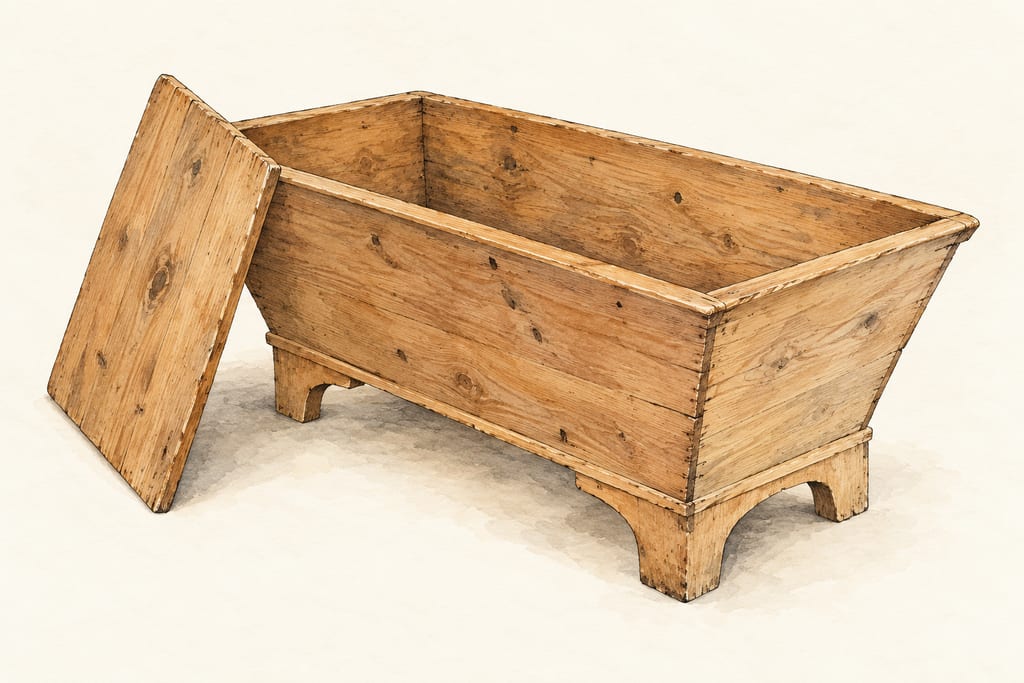
A French maie is a legged wooden chest for hand-kneading bread dough and, in some Auvergnat forms, storing the baked loaves. Its shape and materials vary by region.

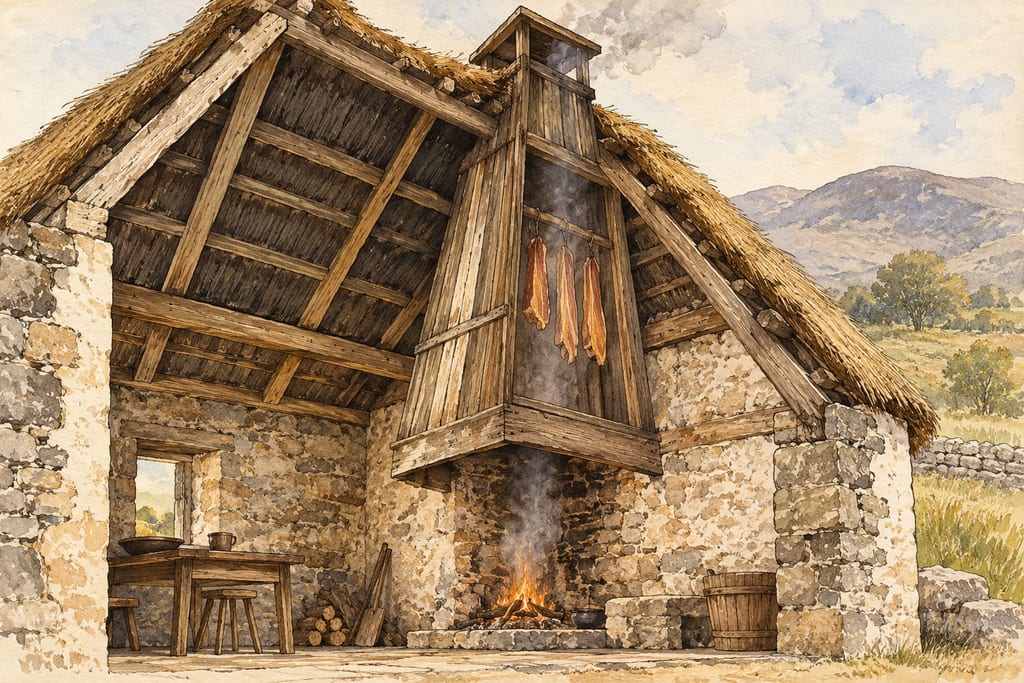
A domestic hearth chimney used to smoke cured meat in historical Scottish practice. It was part of the house, not a freestanding smokehouse, and the surviving chimney forms were varied.
The Rwandan urwina is a conical, leaf-lined earth pit that warms green brewing bananas before they are peeled, crushed for juice and fermented separately.

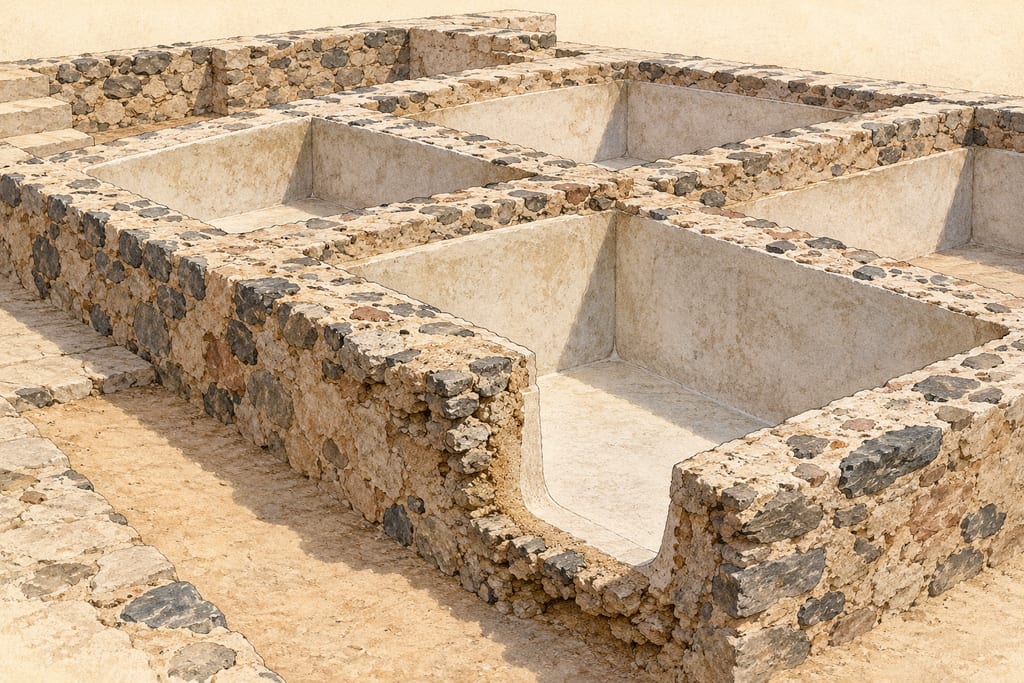
A cetaria is a fixed masonry basin in a Roman fish-processing installation. Examples at Baelo Claudia, Tróia and Monte Molião show varied forms, not one universal design.

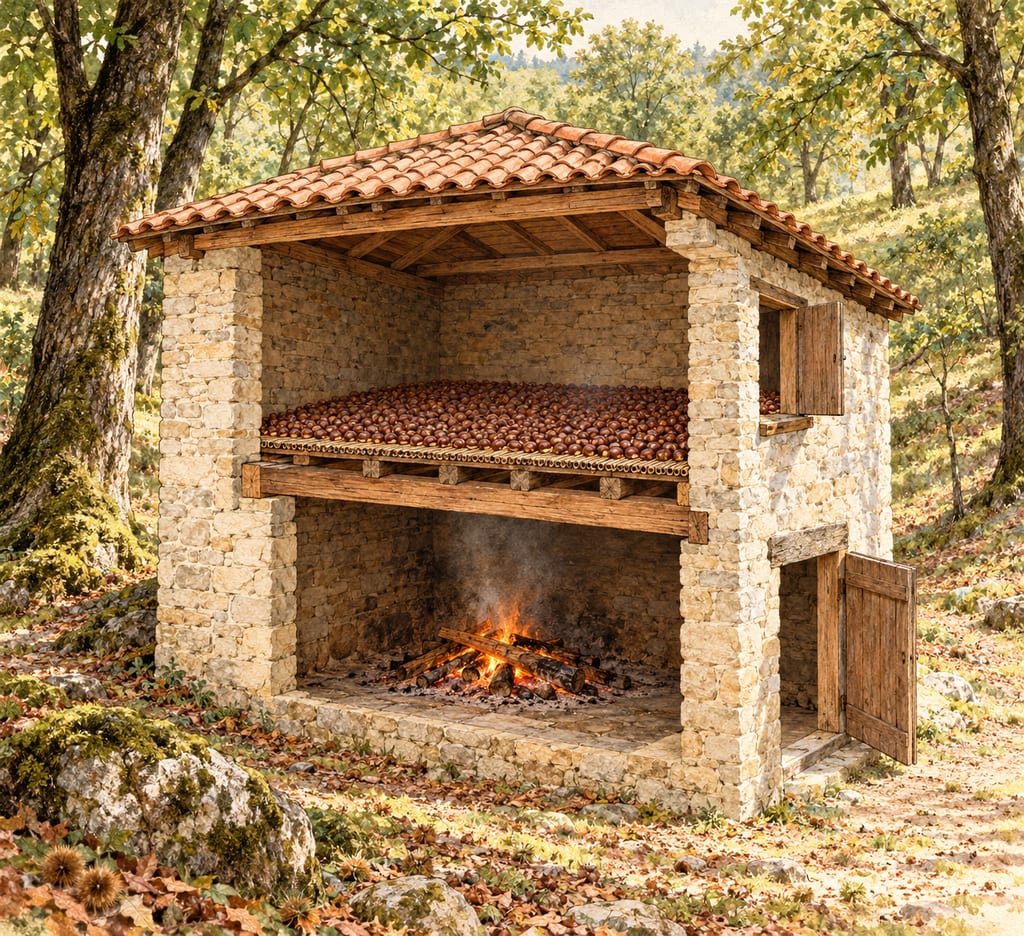
A metato is a small chestnut-drying building found in parts of Italy, with a slow fire below and an open timber floor above where chestnuts dry.

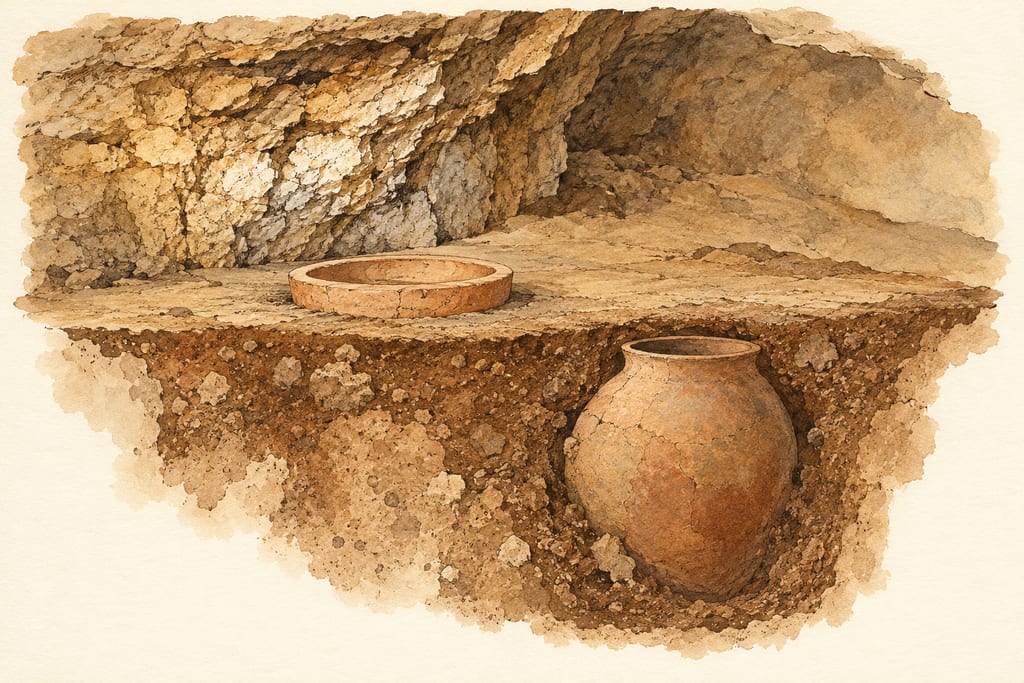
A fixed Late Chalcolithic installation in Areni-1 cave combined a shallow clay pressing basin with a large jar set into the cave floor and storage vessels nearby.
Show on mapA wooden dasher found in Viking-period Dublin is direct evidence of butter-making in the town. The published evidence names a churn dash but does not give this particular object's dimensions or a full churn reconstruction.
Show on map
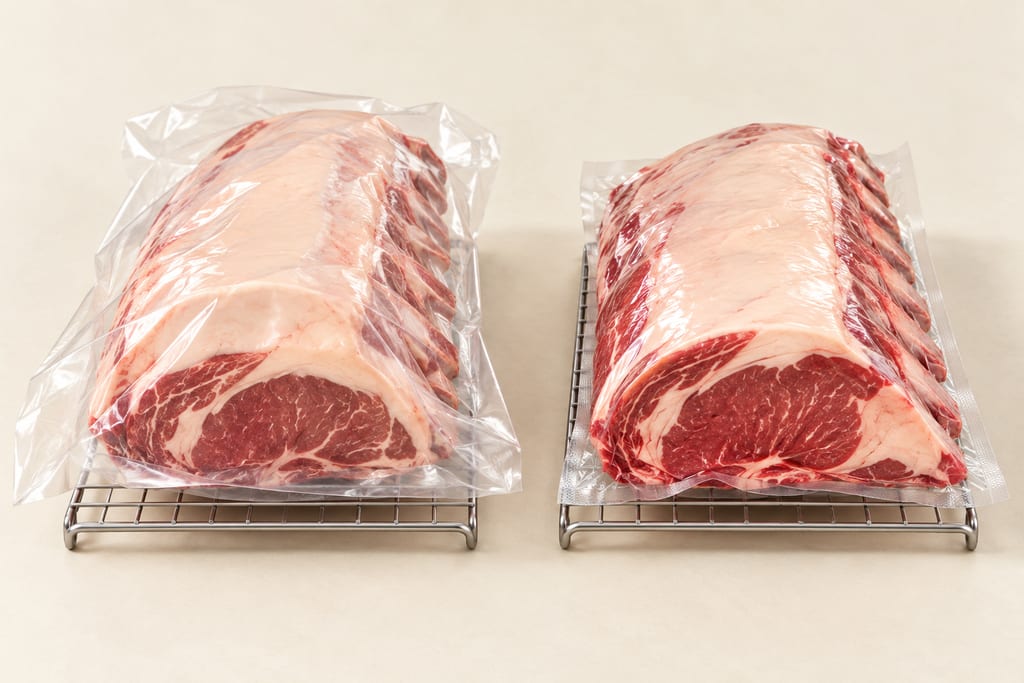
A moisture-permeable ageing membrane lets water vapour escape; a conventional vacuum pouch is designed to remove air and retain purge. Similar appearance cannot identify the film or validate an ageing process.

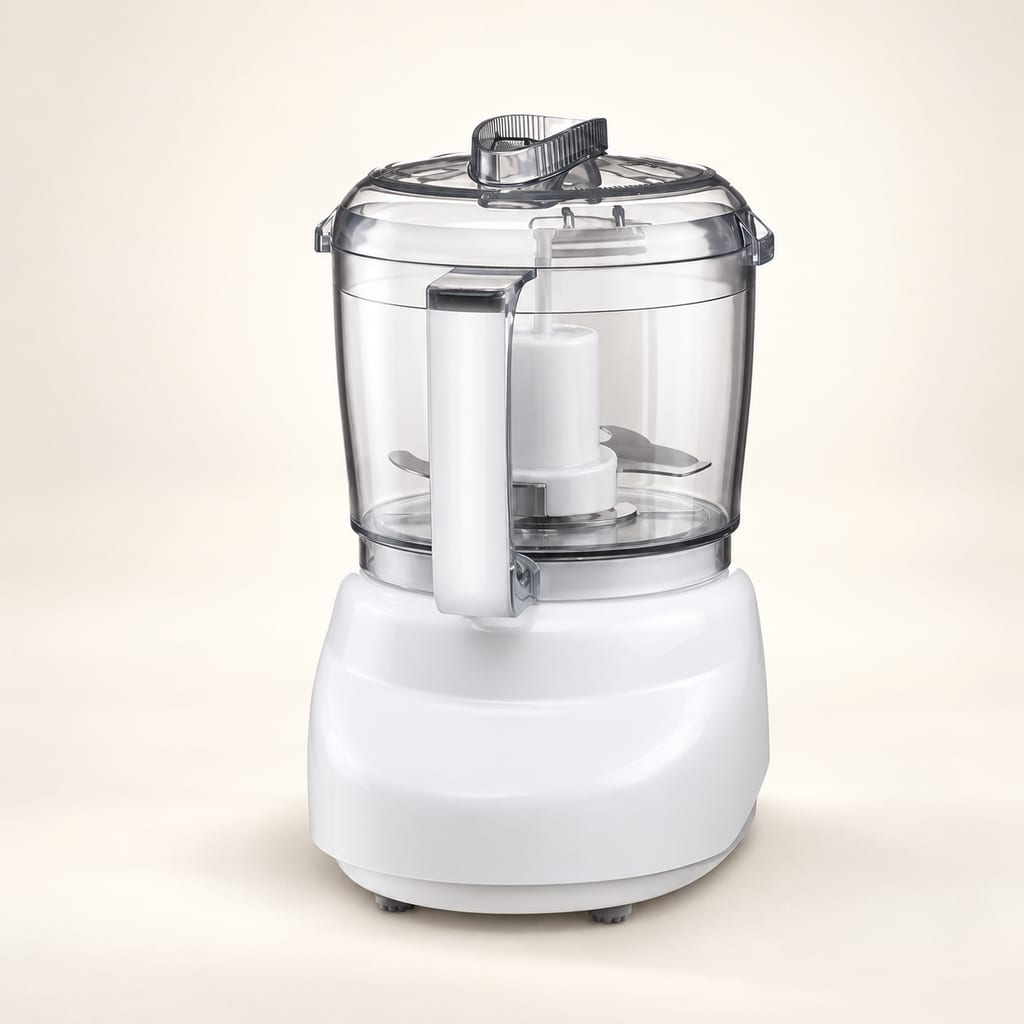
A small food processor is a countertop electric appliance with a motor base, removable lidded work bowl and central blade. Its smaller bowl can suit small batches of toum or herb sauce, but capacities, attachments and limits vary by model.

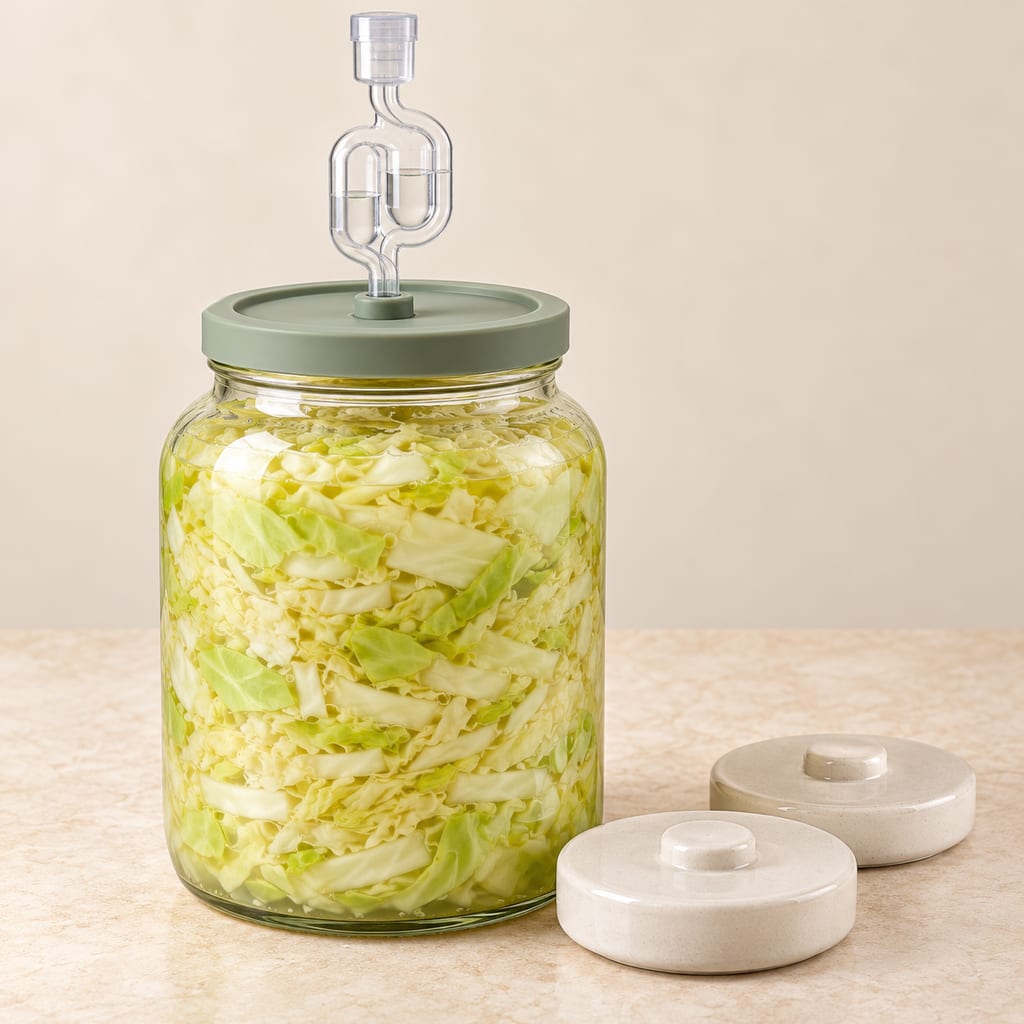
A modern wide-mouth glass jar for vegetable fermentation, often paired with a gas-release lid or airlock and follower weights. This accessory arrangement distinguishes it from general preserving jars and stoneware crocks.

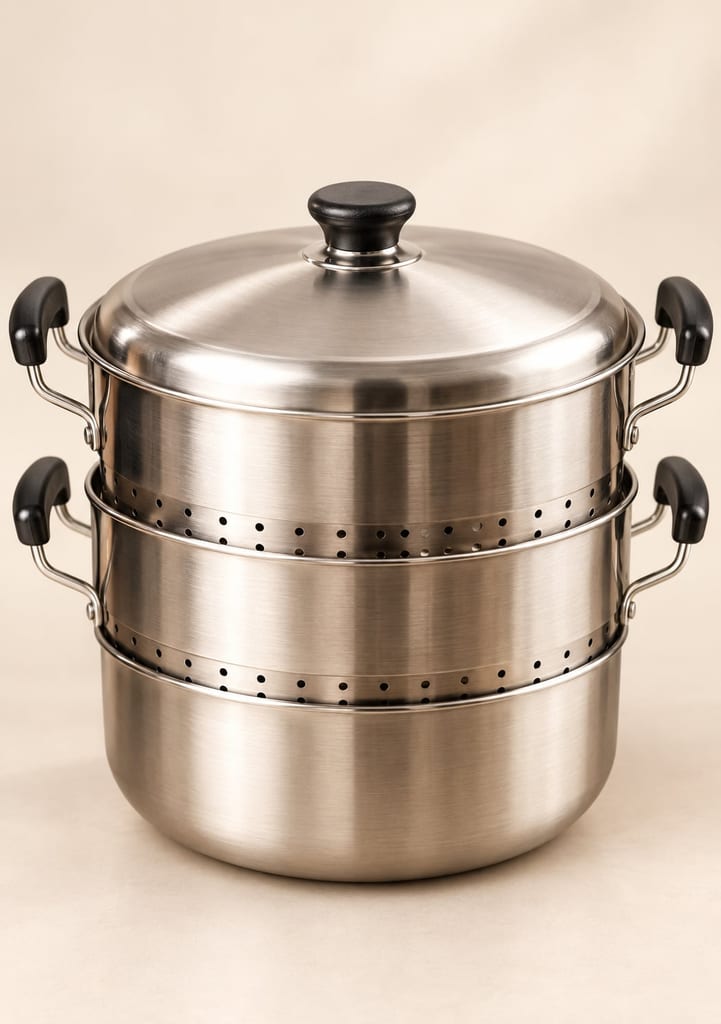
A steamer cooks food above heated water under a cover. The broad term includes improvised pot-and-rack setups, metal tiers and basket steamers; individual forms have different designs and uses.

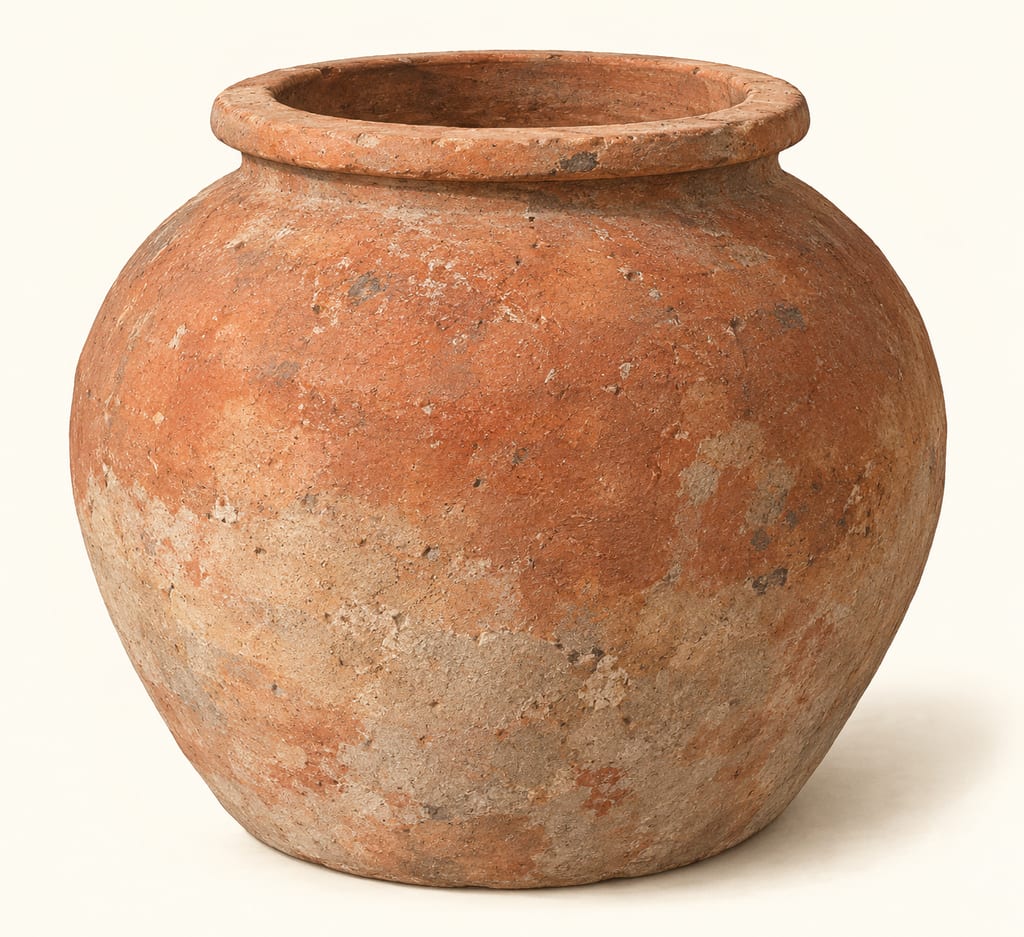
Six ceramic dolia at Pompeii’s Garum Shop held fish-processing remains. They are vessels, distinct from masonry fish-salting vats; the evidence does not establish whether these specimens were portable or fixed in place.
Show on map
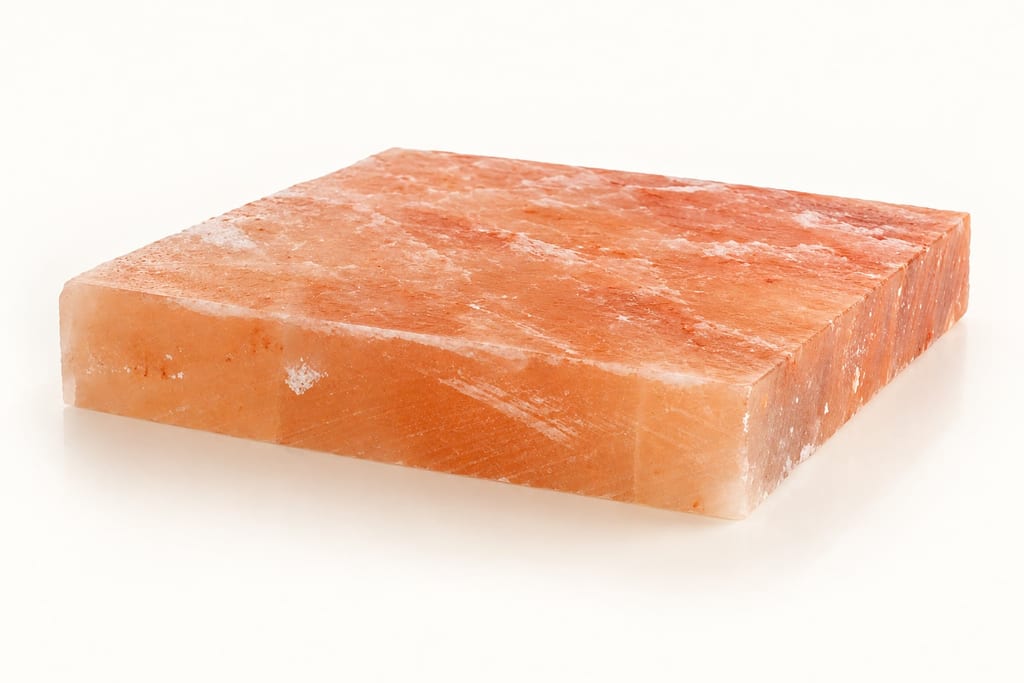
A salt cooking slab is a cut block of food-grade salt used as a heated cooking surface or a chilled serving plate. Its material is edible salt, but a decorative salt block is not automatically suitable for food.

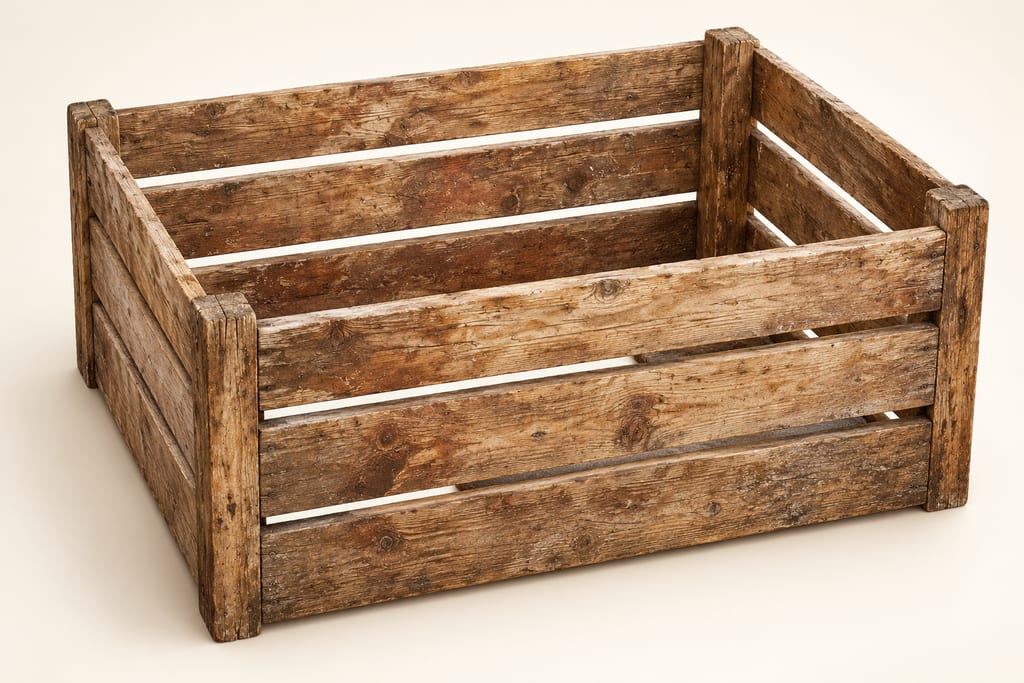
Movable perforated containers hold Greenland-shark cuts during the modern Icelandic maturation of hákarl, letting liquid drain; the best-documented example is a wooden box used in a 2021 study.

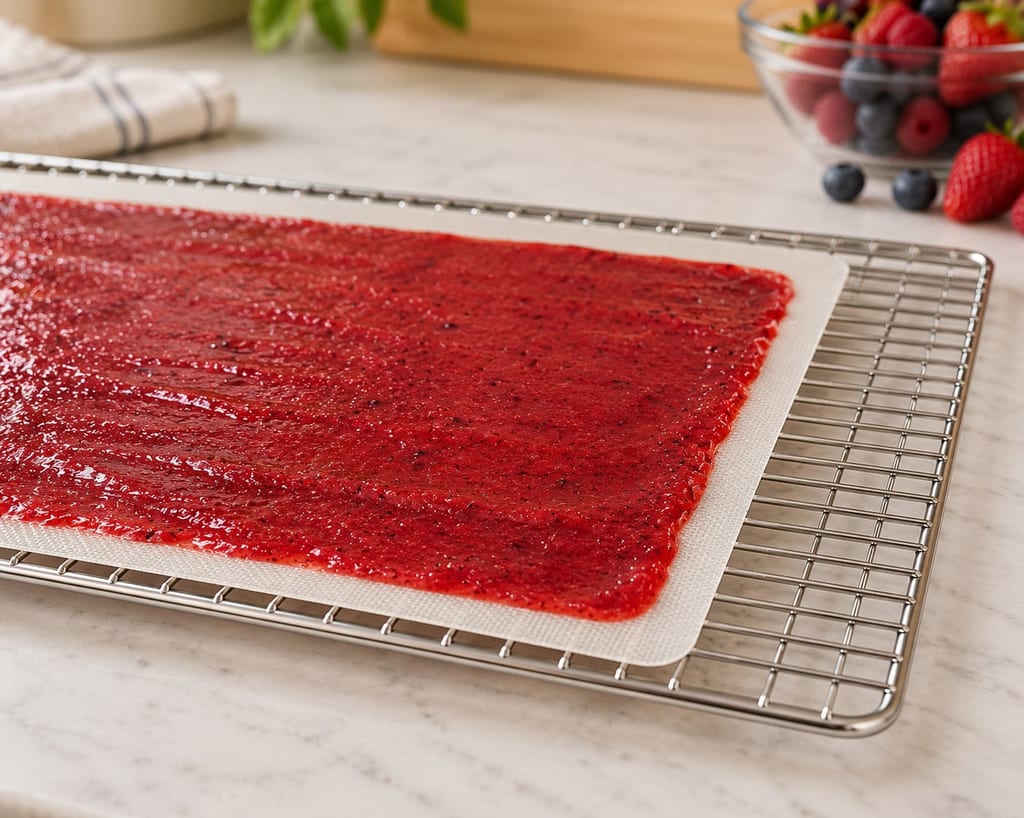
A removable food-contact sheet fitted to a dehydrator shelf holds purée and small sticky foods that would otherwise pass through an open tray. Materials and fit vary; a solid liner changes airflow at the covered surface.

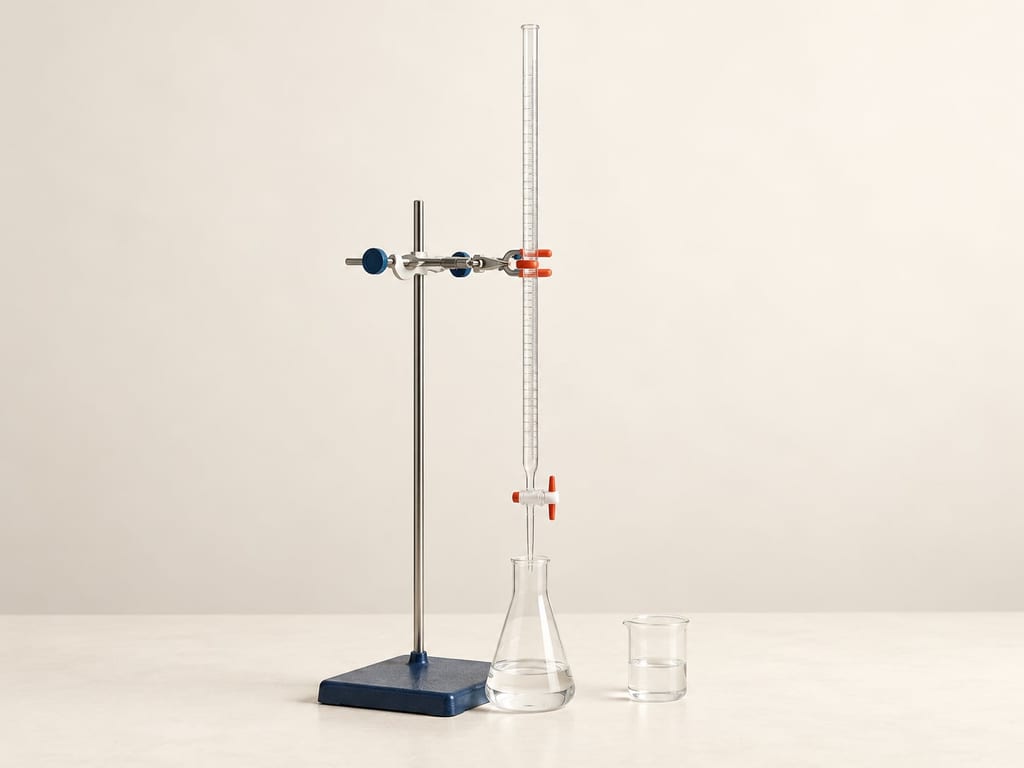
Titration equipment measures how much reagent reacts with a sample to reach a defined endpoint. Glassware, indicators and electronic endpoint detection vary; titratable acidity and pH are related but distinct measurements.

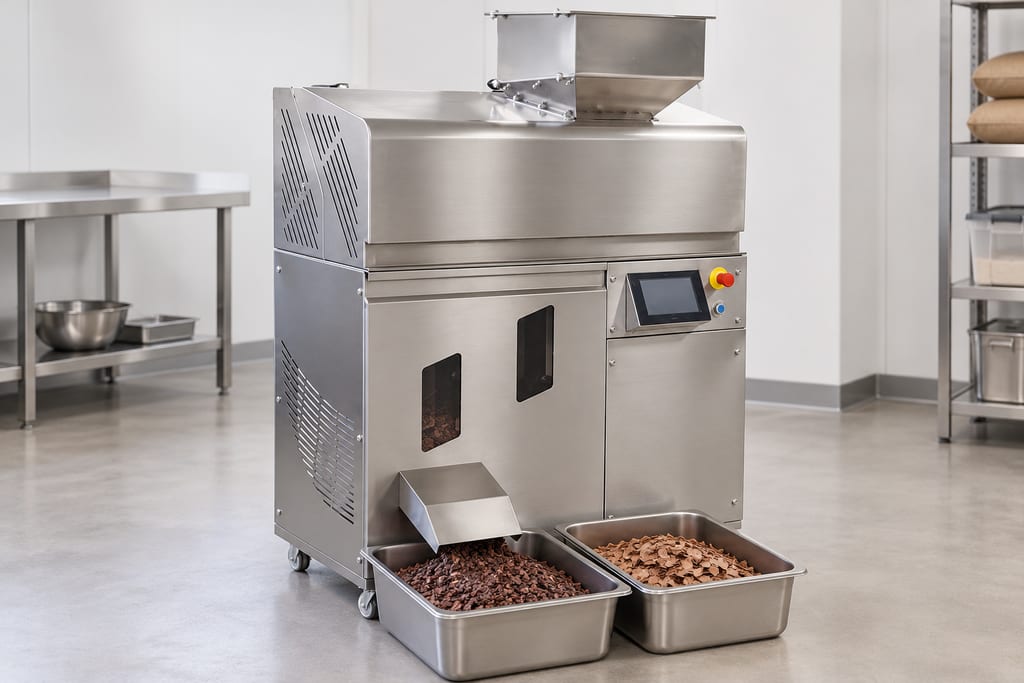
A cocoa-bean winnower cracks roasted beans and separates nibs from lighter shell by airflow, often with sieves. Small-scale methods range from tray-and-hair-dryer winnowing to powered machines.

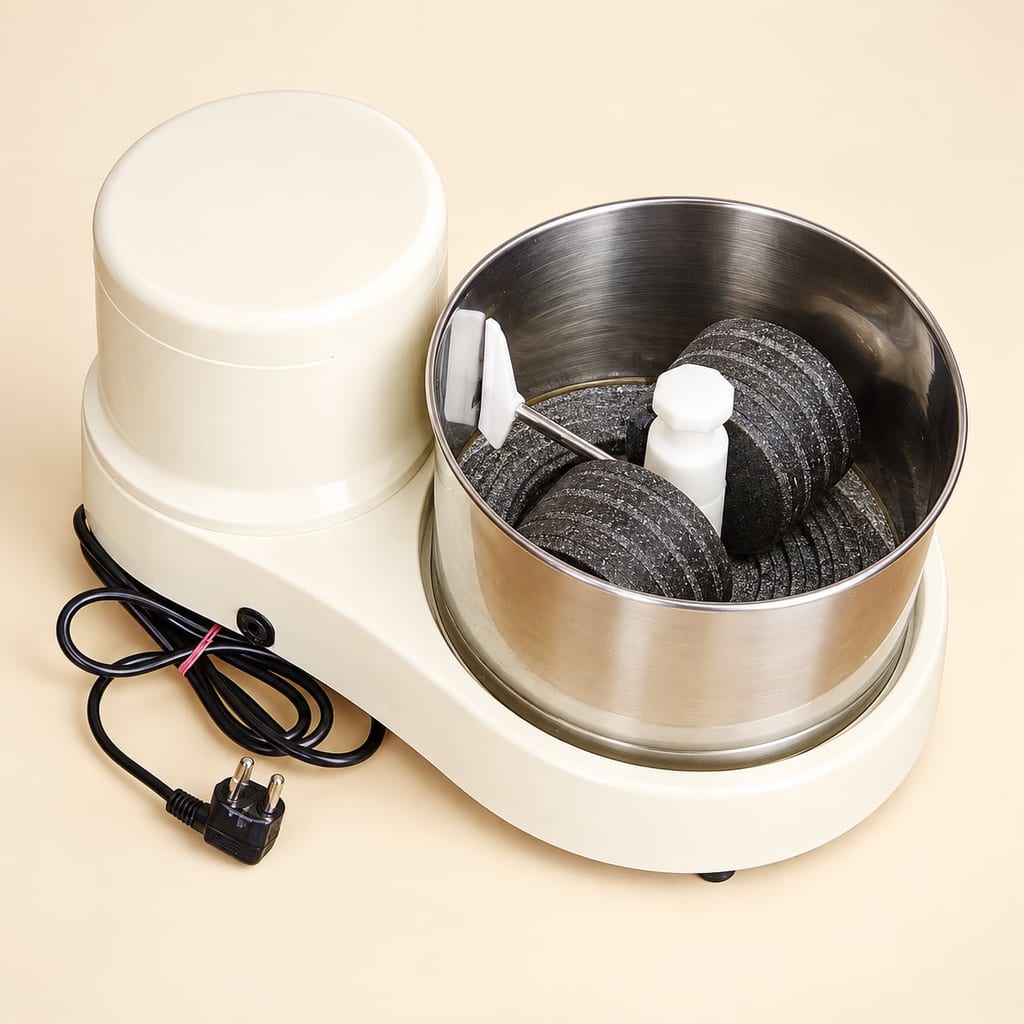
A powered mill that uses stones to grind soaked grains or pulses with water into batter or slurry. Domestic forms include conventional, tabletop and tilting models; capacities, construction and run limits vary by machine.

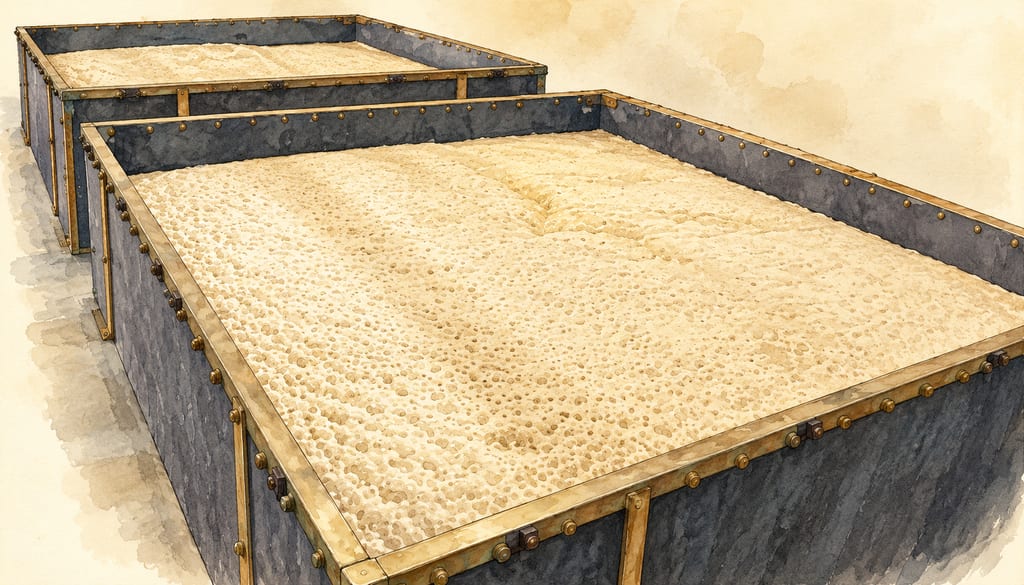
The Yorkshire square is a slate fermentation vessel and linked process system, documented in continued use at Samuel Smith’s Old Brewery in Tadcaster. Its form and operation vary by brewery.

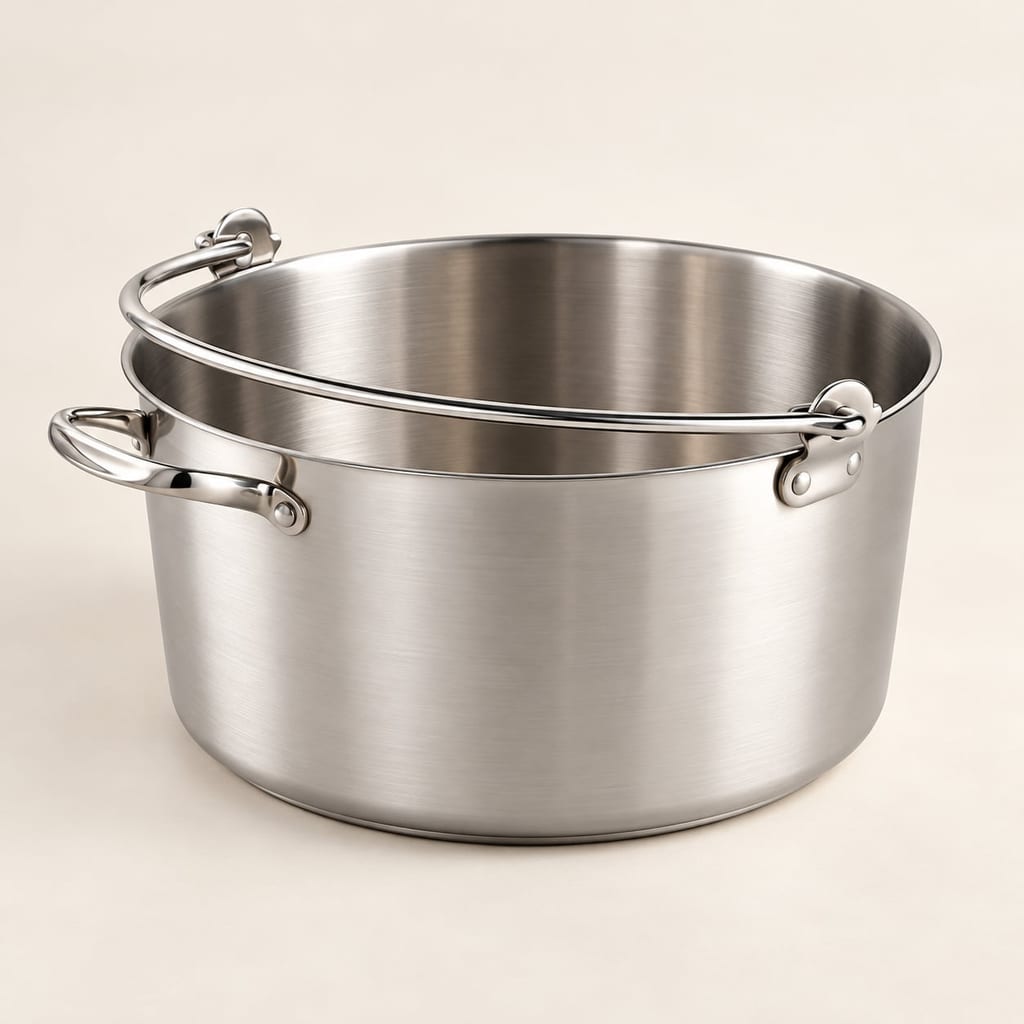
A contemporary, wide-mouthed stainless-steel pan for heating fruit mixtures into jams, marmalades, chutneys and other preserves. Its open surface supports evaporation, while base thickness, capacity and handles vary by model.

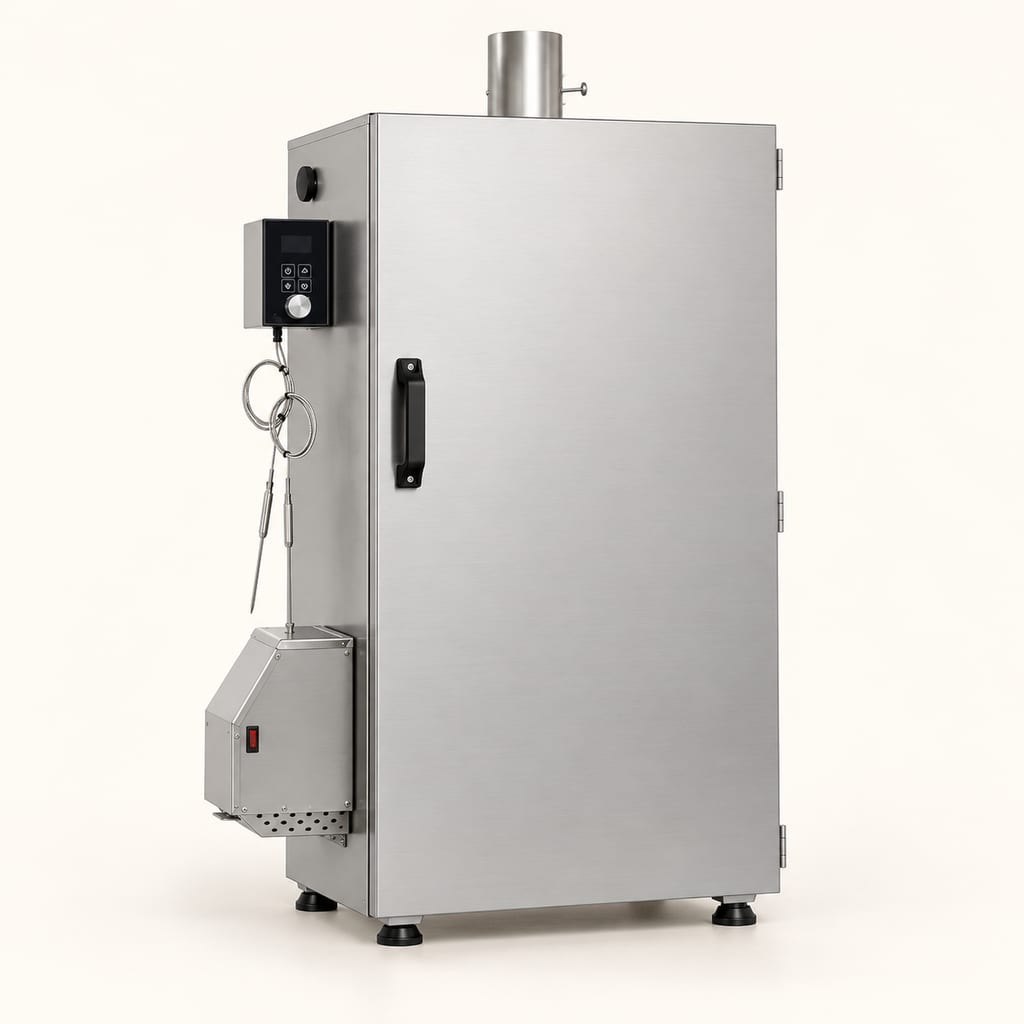
A 150-litre Wi-Fi electric smoking cabinet with a brushed stainless-steel exterior, automatic wood-chip smoke generator and 150°C maximum. Exact model BS150IWUK.

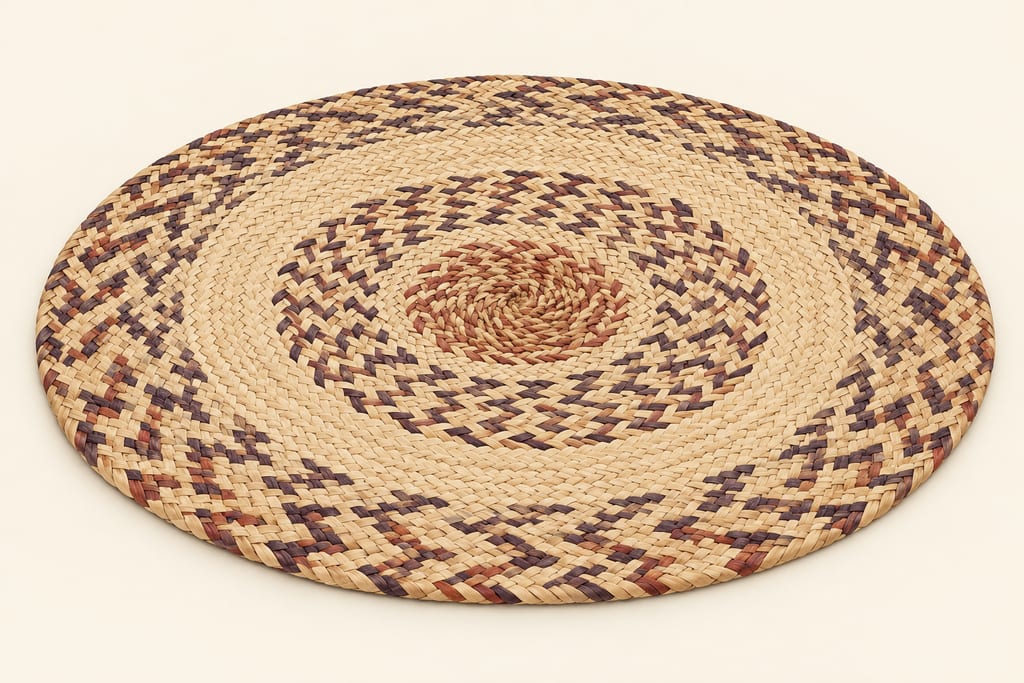
The Kuwaiti sofra is a broad, round palm-woven mat. Made through saf al-khous, the palm-frond weaving craft, it served at home and was also used as a surface for drying shrimp, locusts and some herbs.

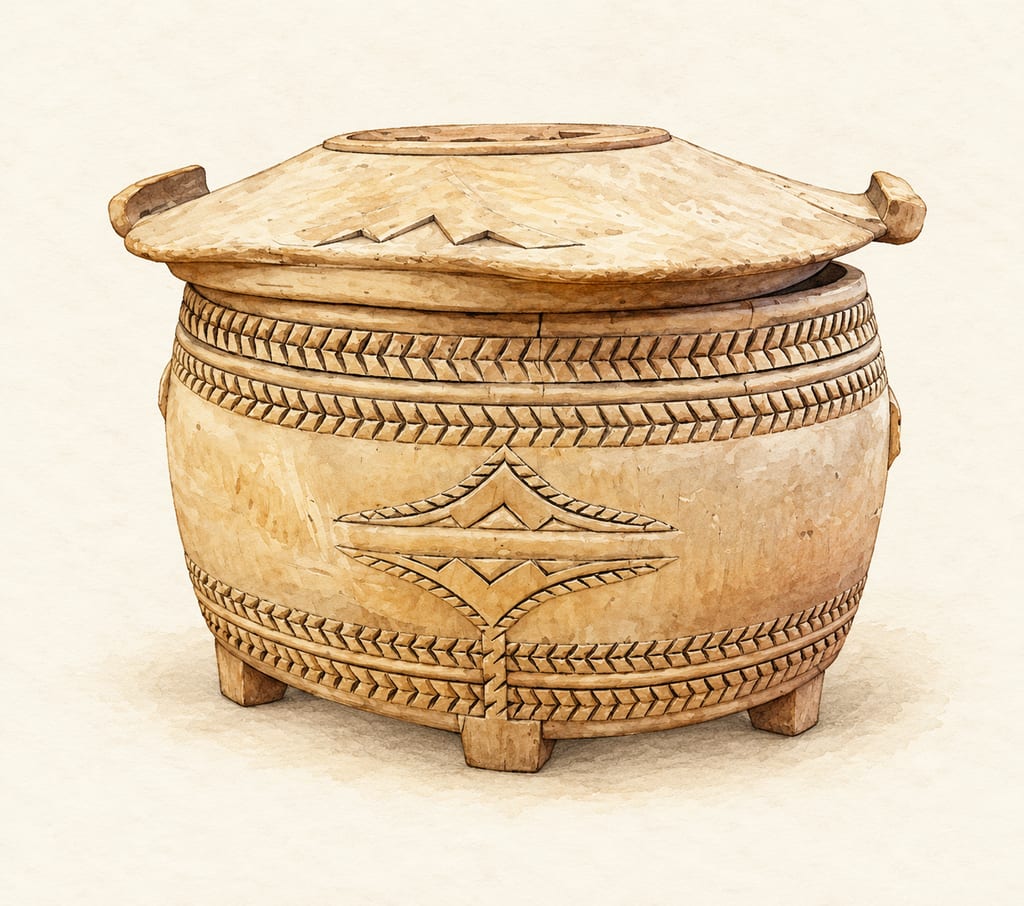
Tepen (тәпән) is a low Bashkir hollowed-linden tub used for serving kumys. A National Museum of Bashkortostan object preserves one carved, lidded example; the taller siläk tub had a different preparation role.

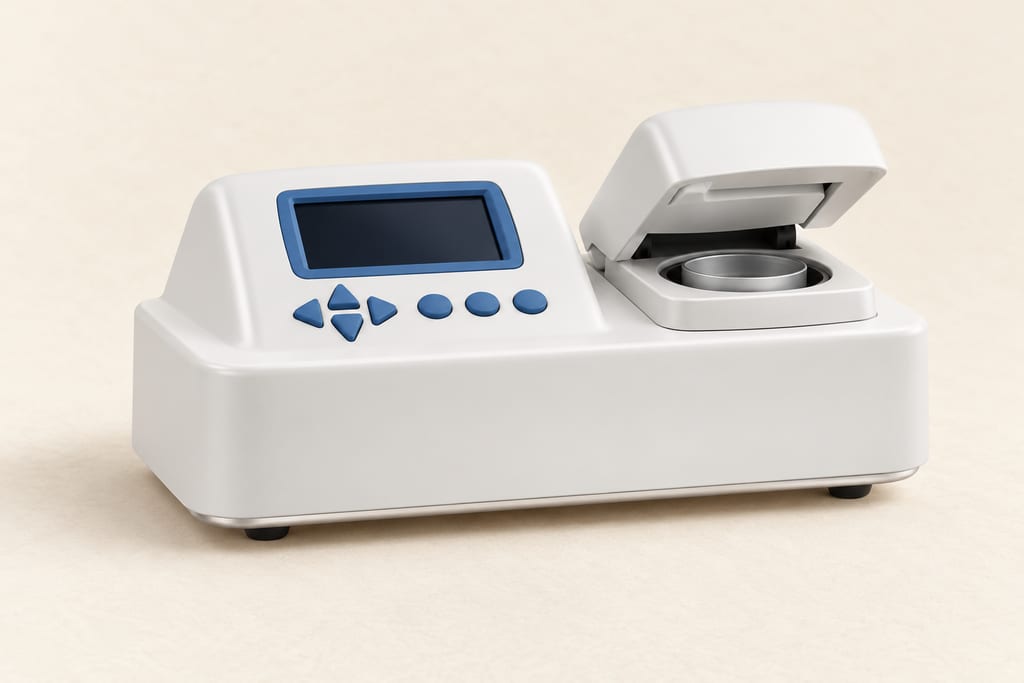
A water-activity meter measures the equilibrium water vapour above a food sample and reports how available its water is. A reading describes that specimen under stated test conditions; it does not certify the food as safe.

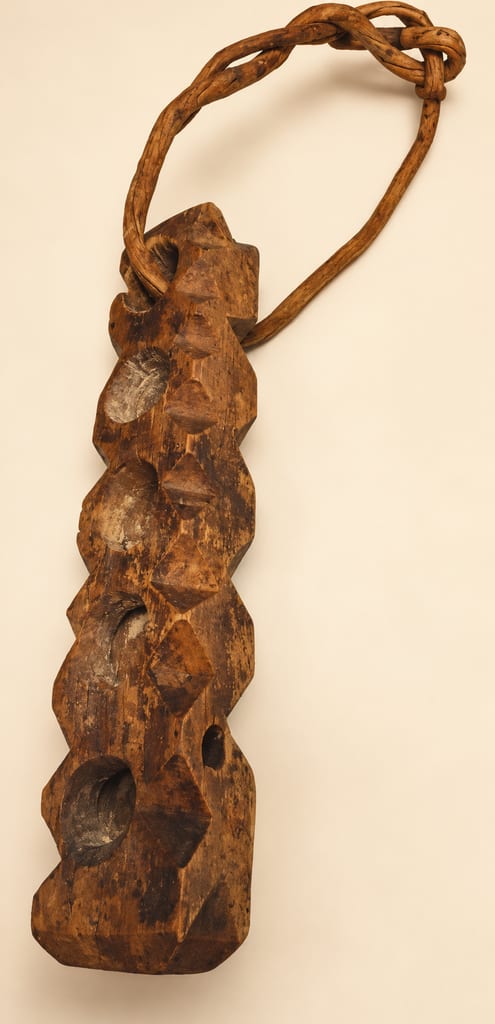
A carved wooden carrier used in Norwegian farmhouse brewing to dry and keep yeast-rich material between batches; its holes and hanging loop distinguish it from a linked wooden yeast ring.

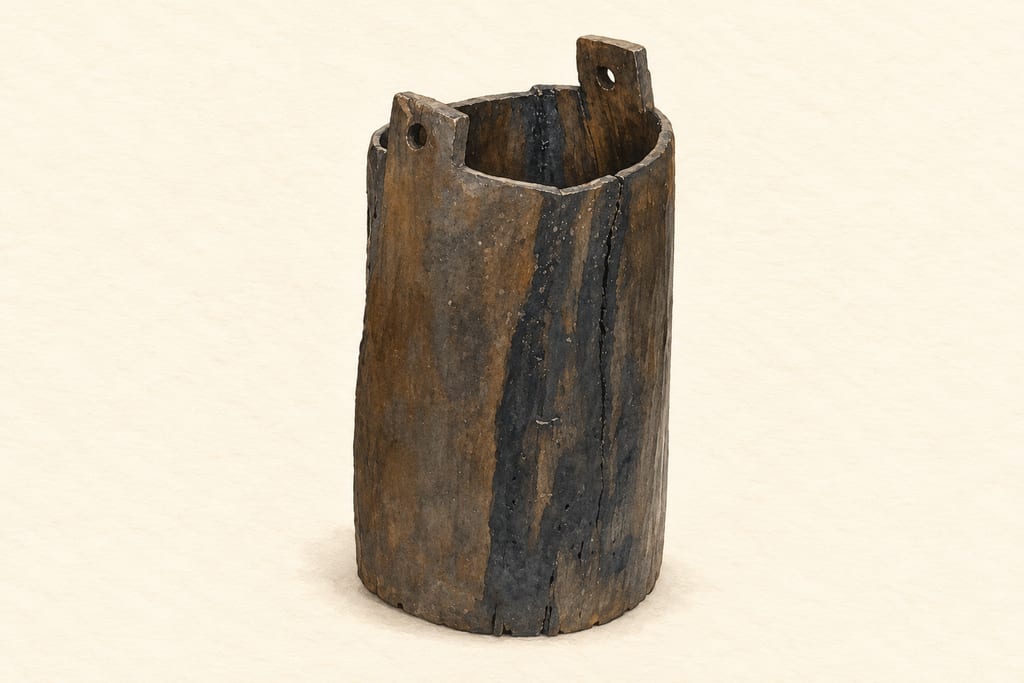
Irish bog-butter finds include wooden containers in several forms, from kegs and tubs to bowls and a mether. The Rosberry museum example is a carved open vessel; no single design or reason for depositing butter in bogs is established.

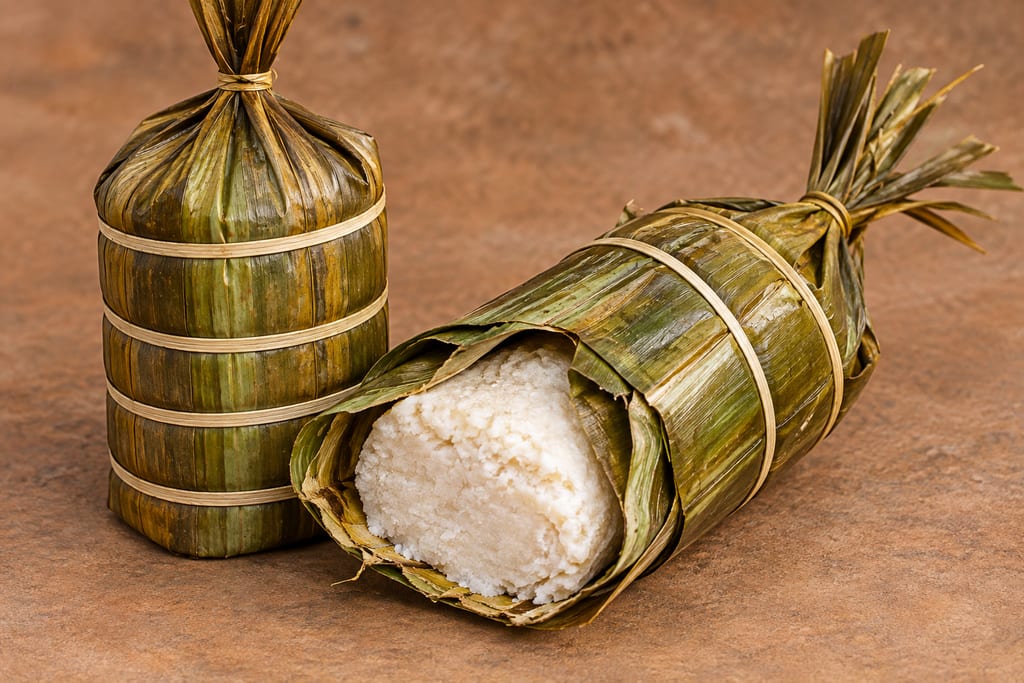
In Papua New Guinea, moist sago starch may be packed tightly inside leaves for storage. Greenhill’s field study records this as a preferred Western Province method and contrasts it with water-covered vessels in East Sepik.

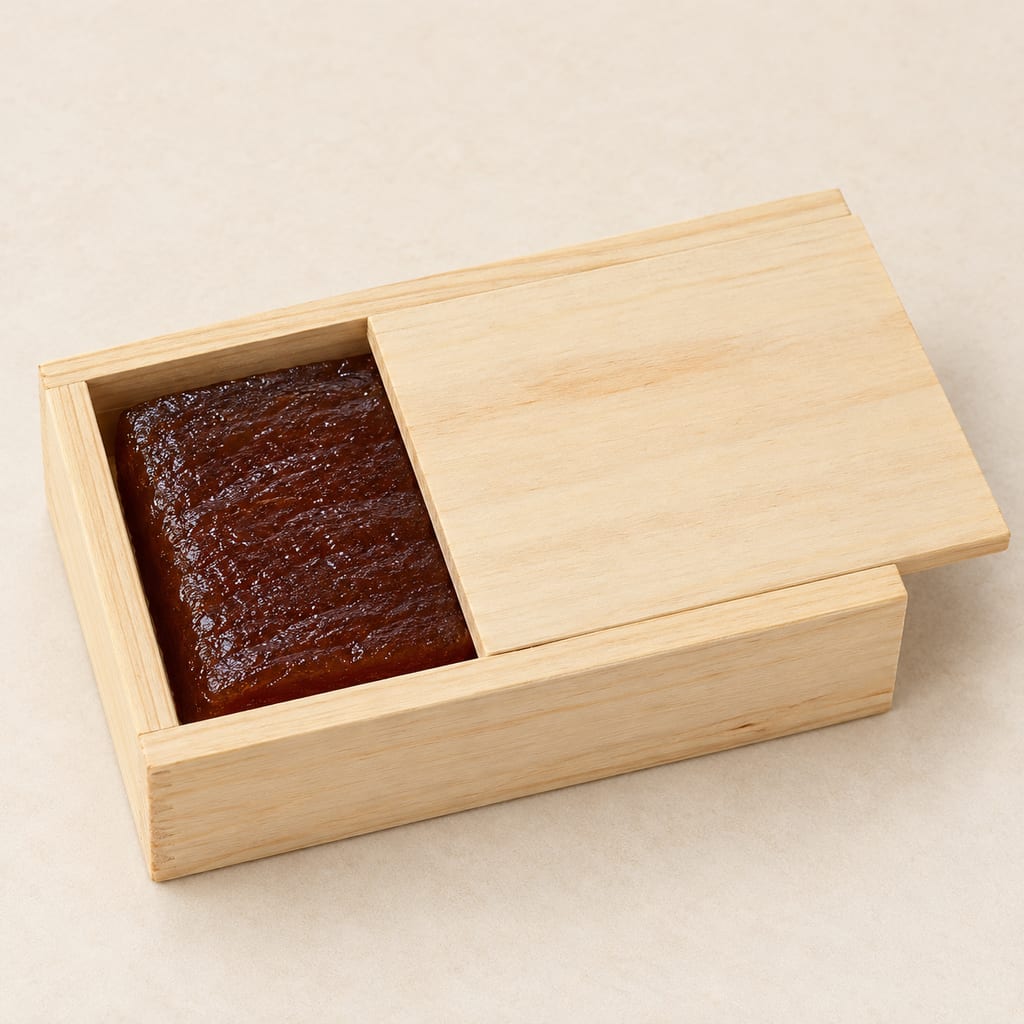
Handmade wooden boxes package Santa Luzia’s firm quince paste in Goiás. Their exact dimensions, wood species and construction are not documented.

The Hansen–Kühle apparatus was late-nineteenth-century brewery plant for scaling up selected yeast cultures, distinct from Emil Christian Hansen’s method of isolating yeast from a single cell.

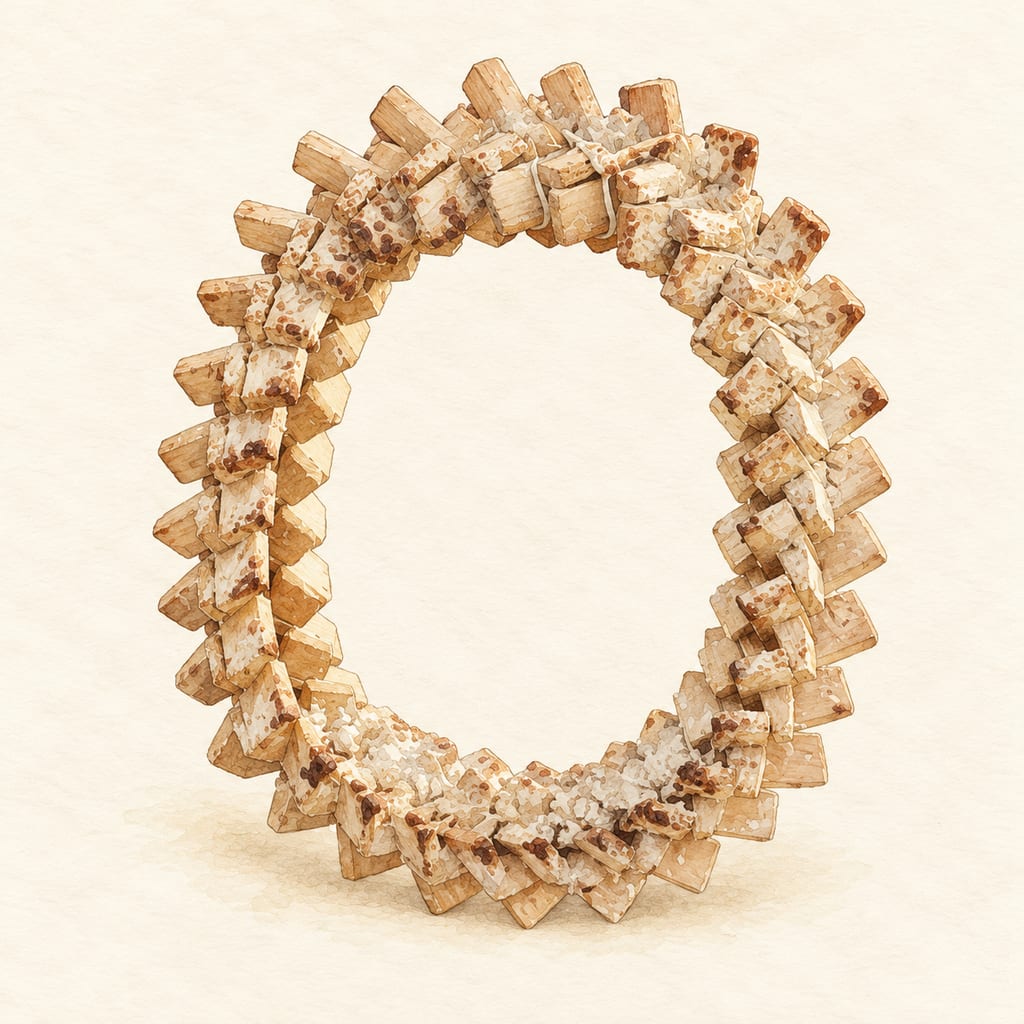
A yeast ring (Norwegian gjærkrans) is an open wooden carrier that holds yeast from a previous brew while it dries for reuse. Lars Marius Garshol documented a linked-block ring in use at a farmhouse brewery in Vestbygda outside Voss.

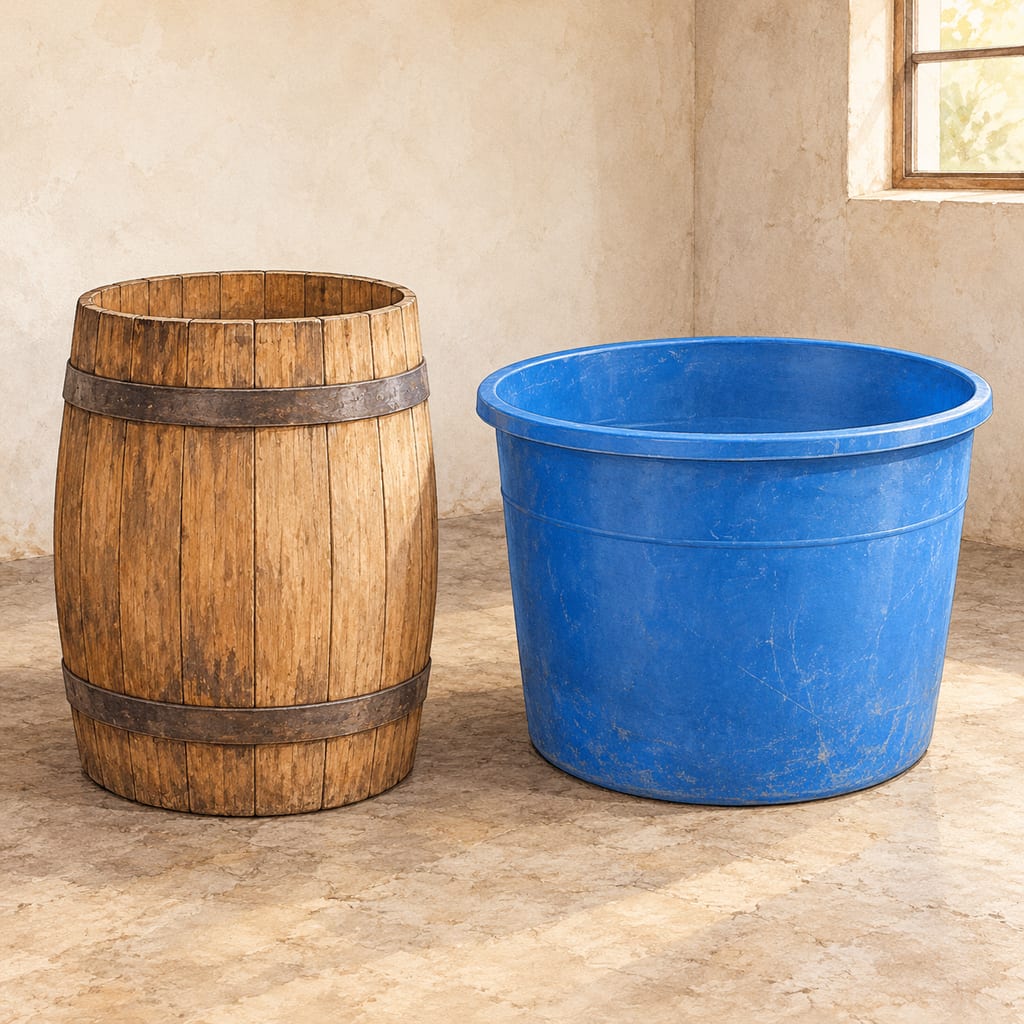
Pulque fermentation may use a wooden barrel or a modern plastic or fibreglass tub. The tinacal is the room or place where the vessels stand, not a name for either container.

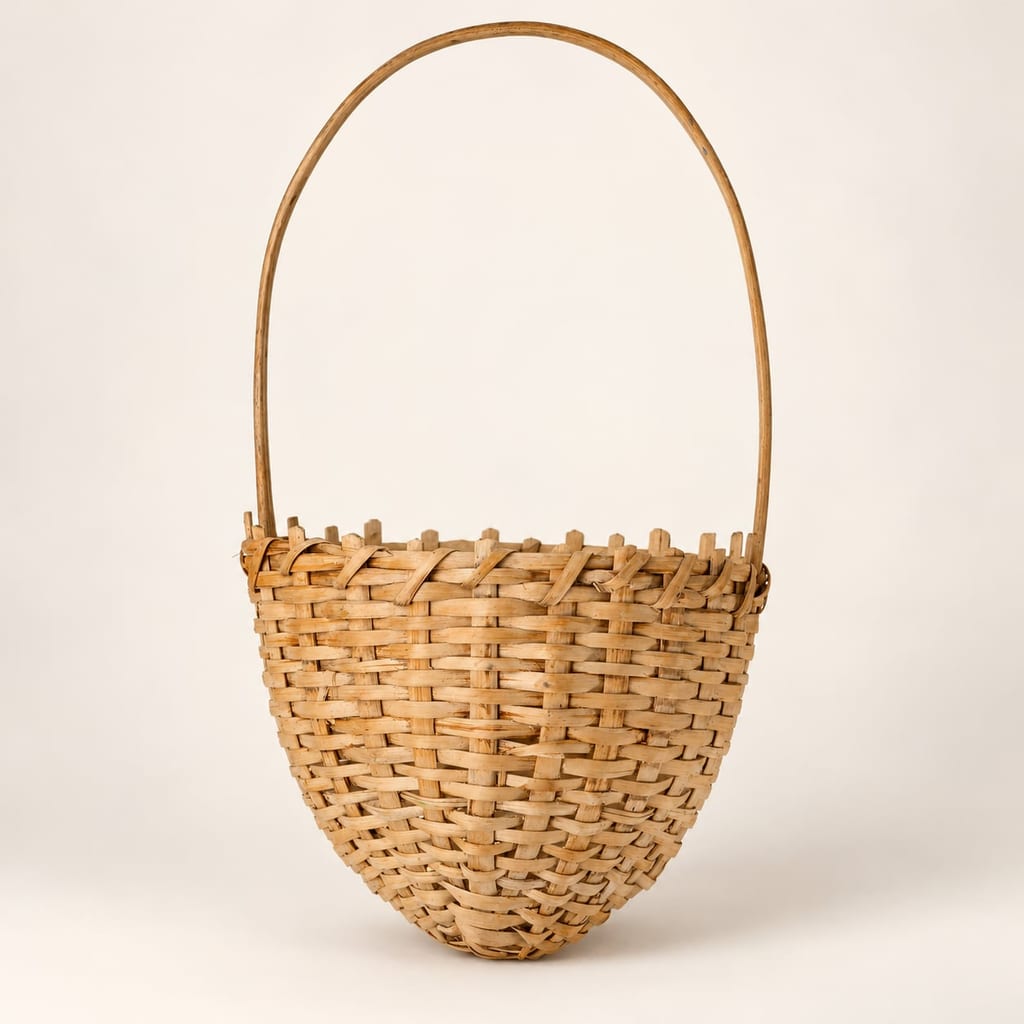
An Adyghe cheese mould of woven willow drains fresh curd and leaves a ridged impression; a museum specimen records the traditional wooden form.

The Sakha hamnatar (хамнатар), also called bülüür (бүлүүр), is a two-part wooden implement for agitating kumys: a carved handle joined to an openwork cap, used through a funnel into the vessel.

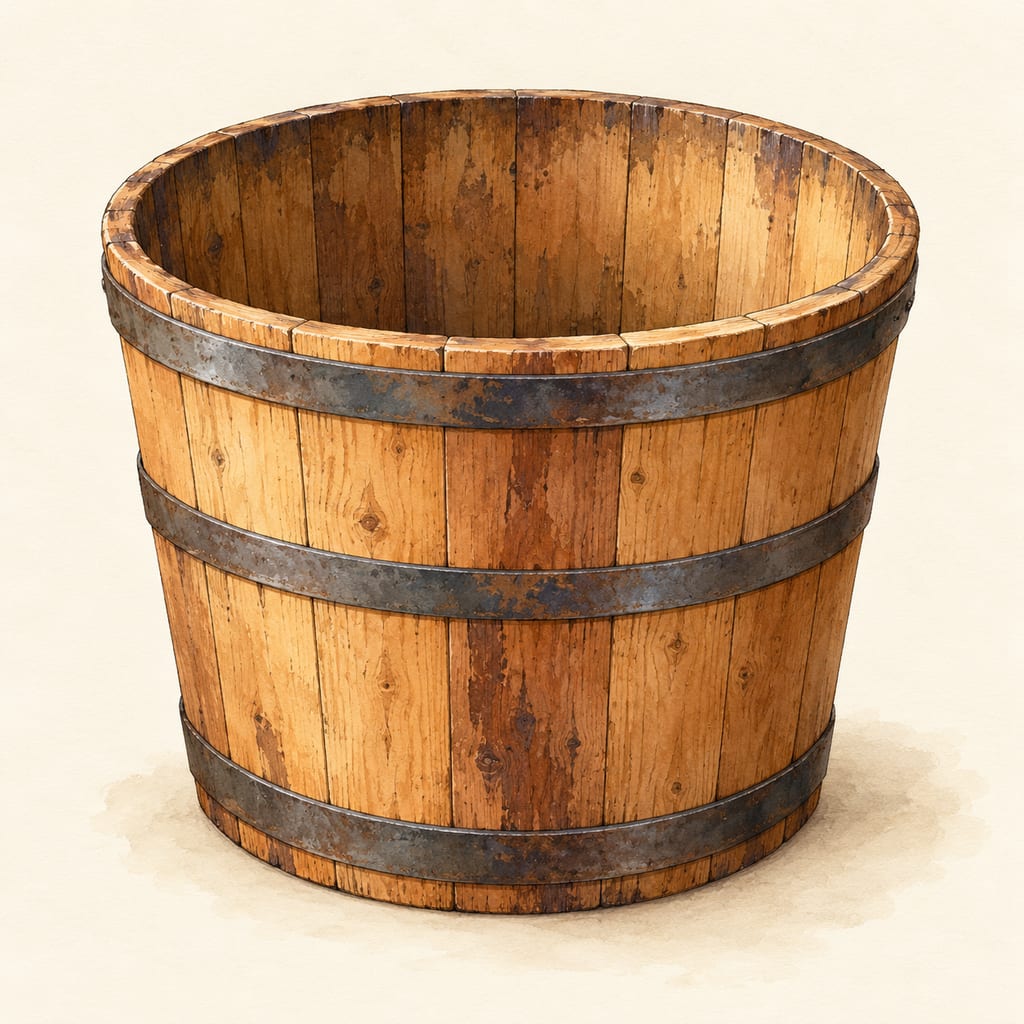
A tina is the open coopered wooden vat used for Ragusano cheesemaking in Sicily’s Hyblean region. Its inner biofilm contributes lactic-acid bacteria to milk, so this particular vat is part of the process rather than a neutral container.

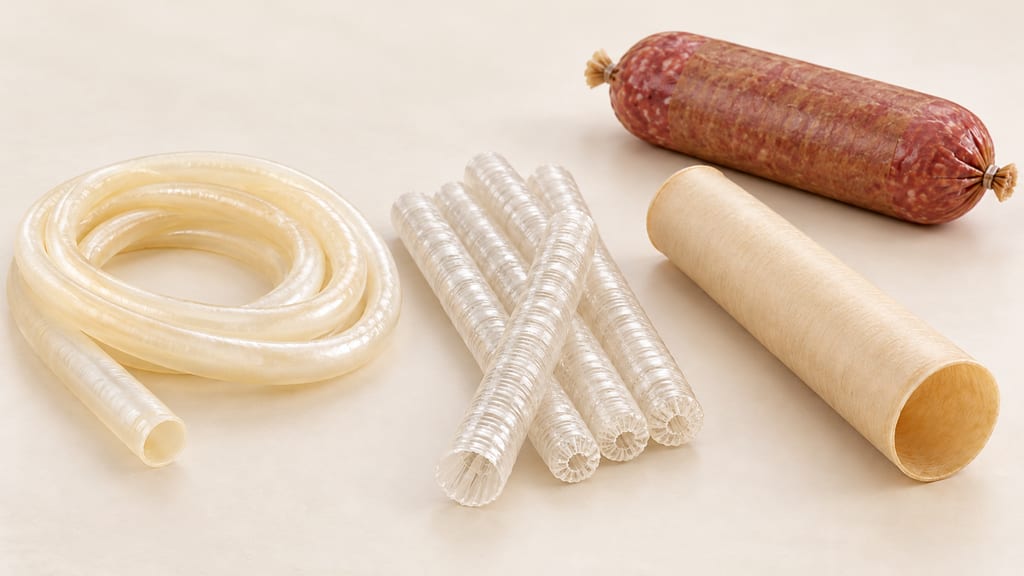
Three manufactured casing families: collagen from animal protein, regenerated cellulose, and cellulose reinforced with fibrous paper. Edibility and process properties vary by grade.

A water-bath thermometer reports the temperature of the surrounding bath, so an operator can monitor the heating medium. It does not by itself show the temperature at the centre of a thick food or paste.

An upright, open-topped stave vat used for fermenting sake mash. Terada Honke documents a current wooden-vat practice and a new Sanbu-sugi cedar vat completed in 2023.

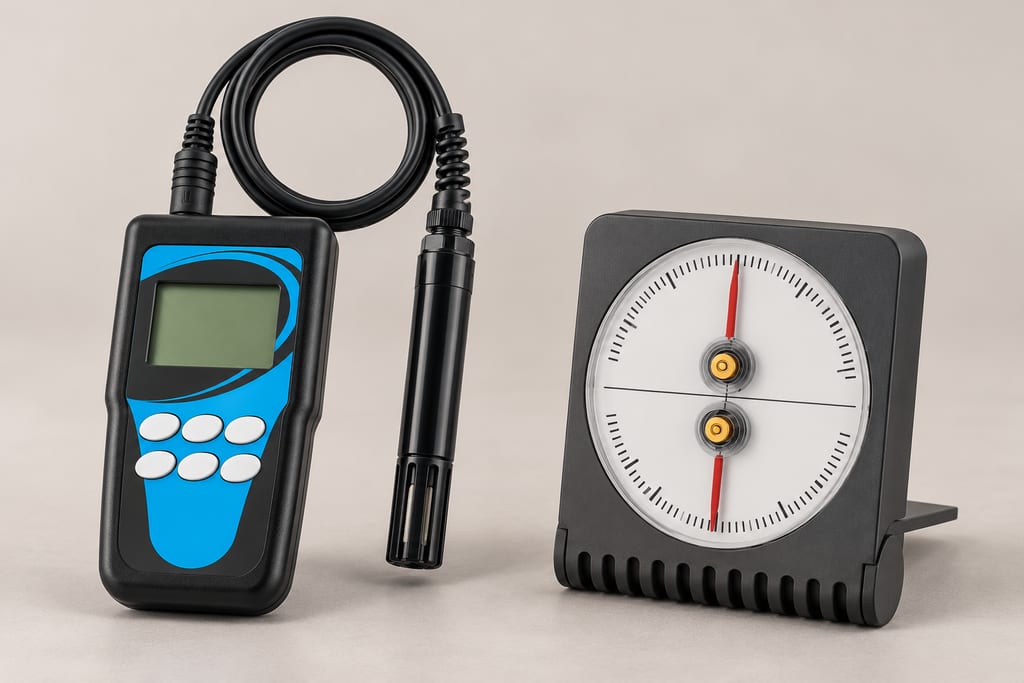
A thermo-hygrometer measures air temperature and relative humidity. It observes local conditions but does not control humidity or directly measure a food’s water activity.

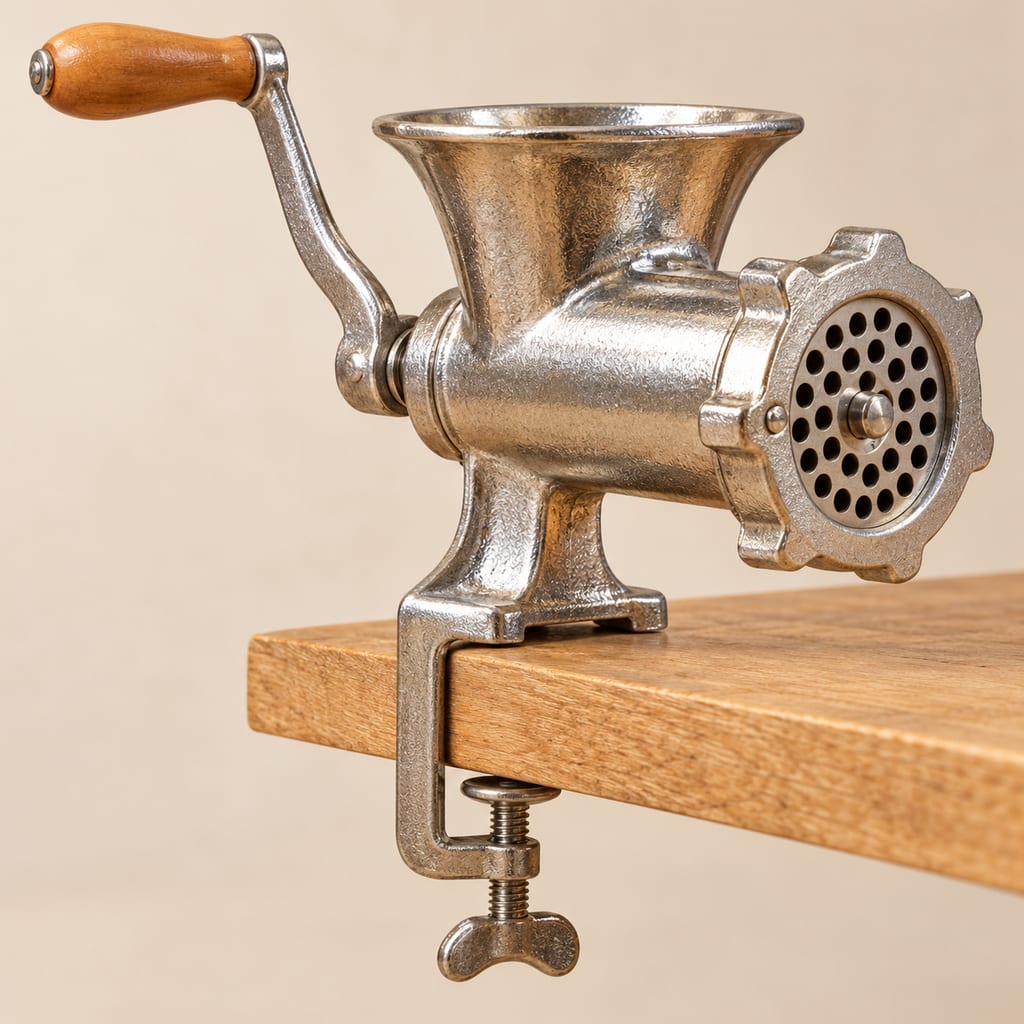
A meat mincer forces meat through a perforated plate to produce a chosen texture. South African sausage sources record plate size as a process choice, not a single defining standard.

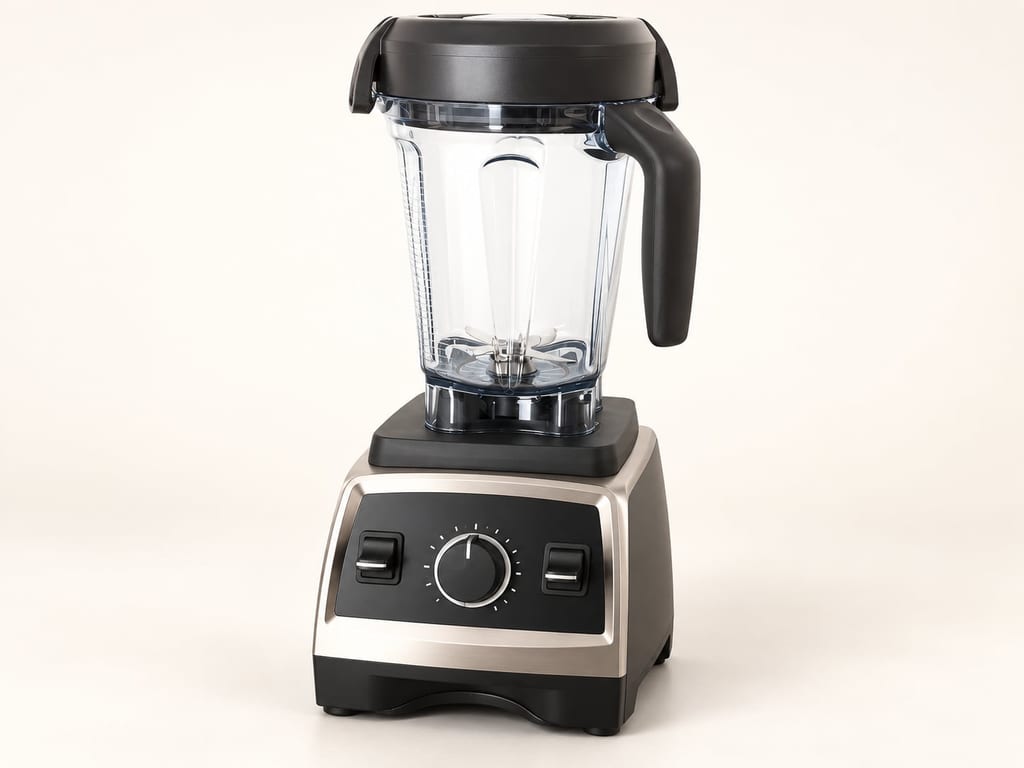
A model-specific countertop blender with a 2 L low-profile Classic container, ten manual speeds and five presets. “Pro 750” is the European short name for Professional Series 750; electrical ratings differ by region.

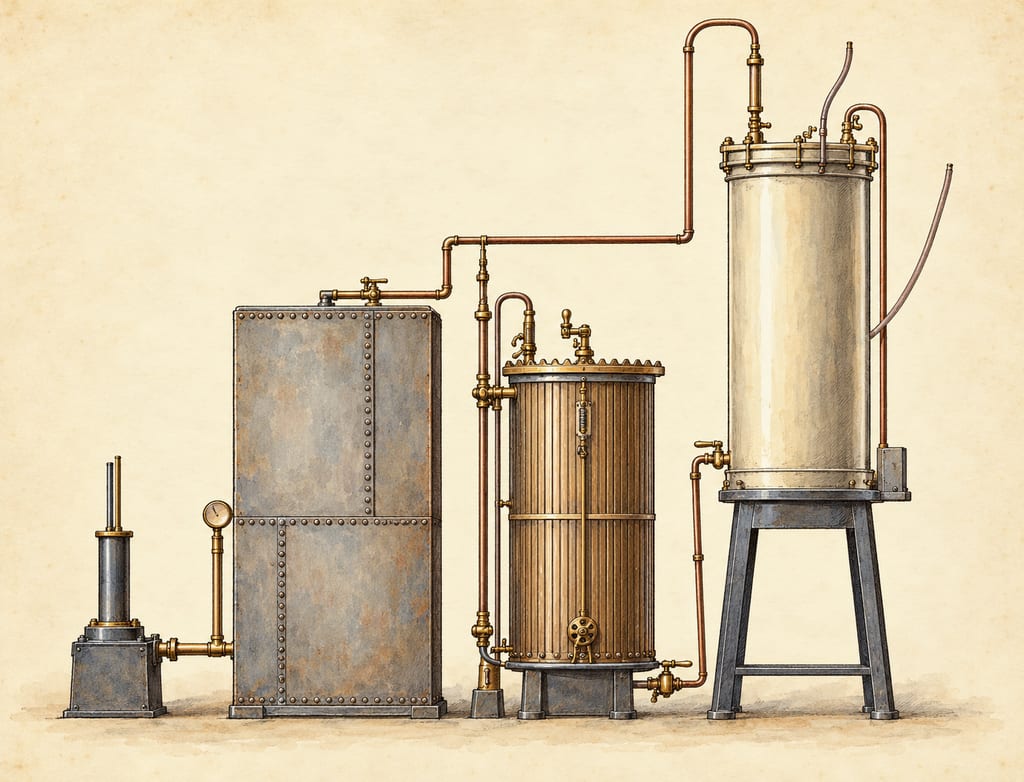
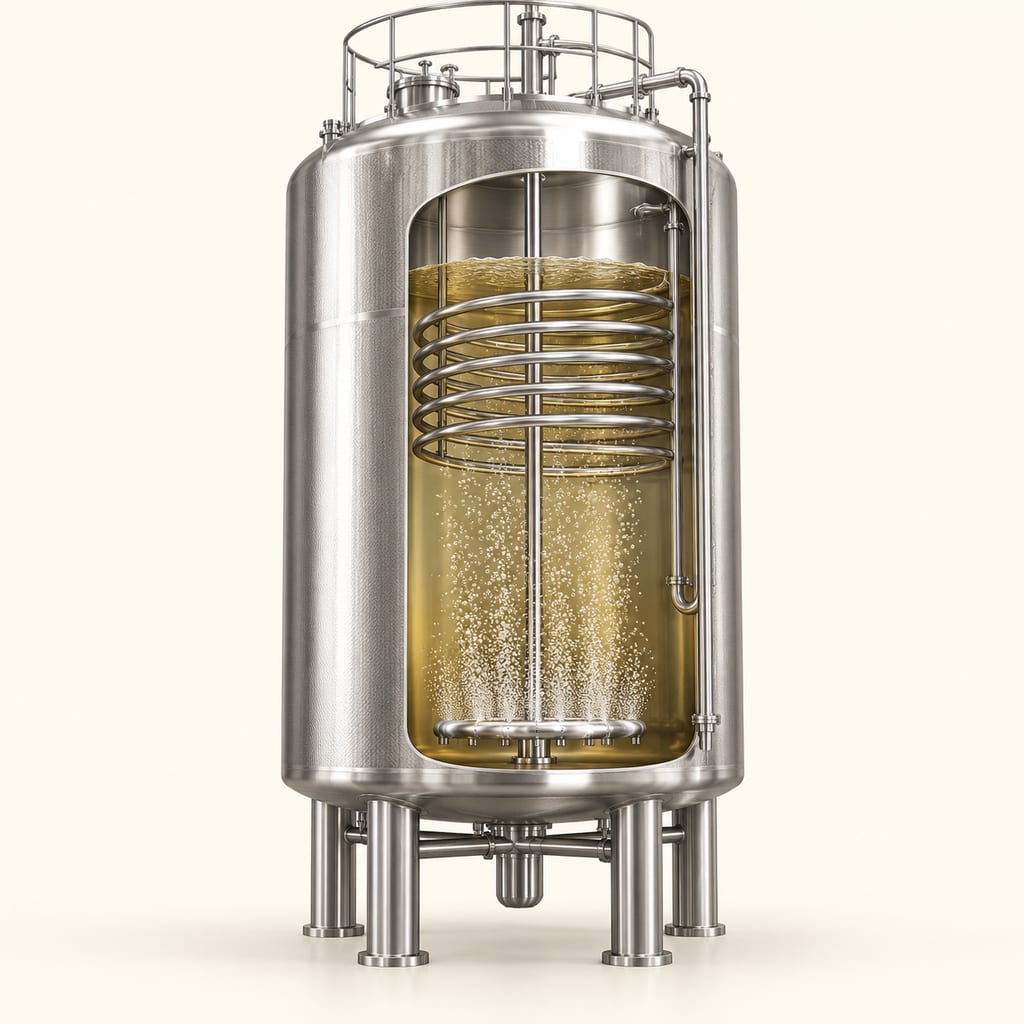
An industrial vinegar fermenter disperses air below the liquid surface, combining submerged acetification with cooling, foam control and process monitoring.

A microcontroller is a programmable chip. A development board adds connections and supporting parts; with a suitable sensor and software, it can record readings without validating their meaning.

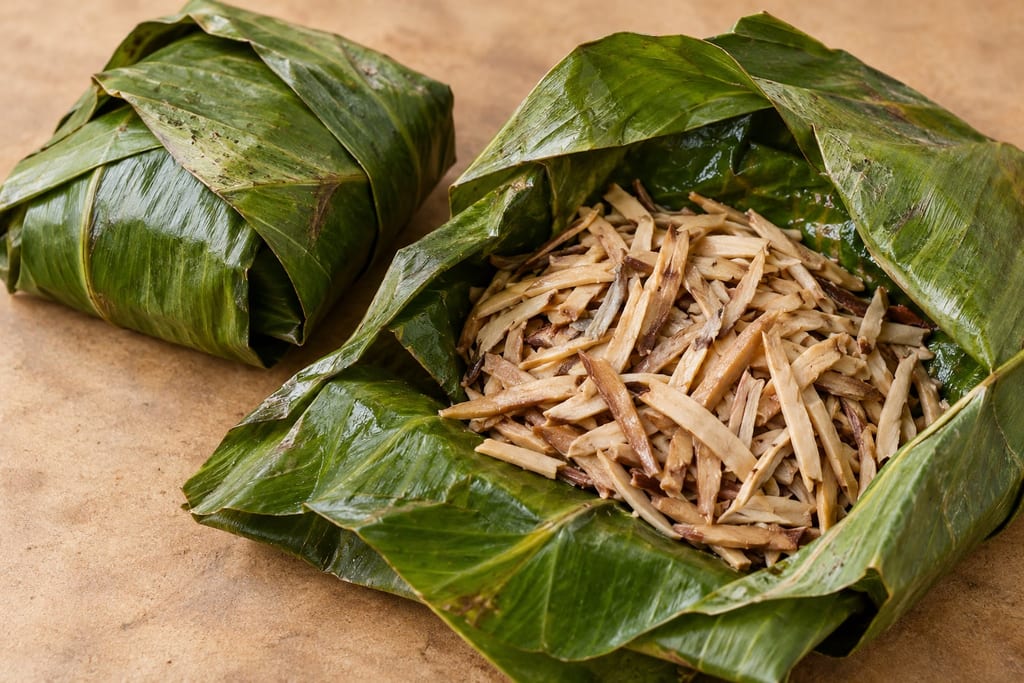
A flexible leaf parcel encloses sliced African oil-bean cotyledons during some Ugba preparations in southeastern Nigeria. Leaf species and layers vary by documented method.

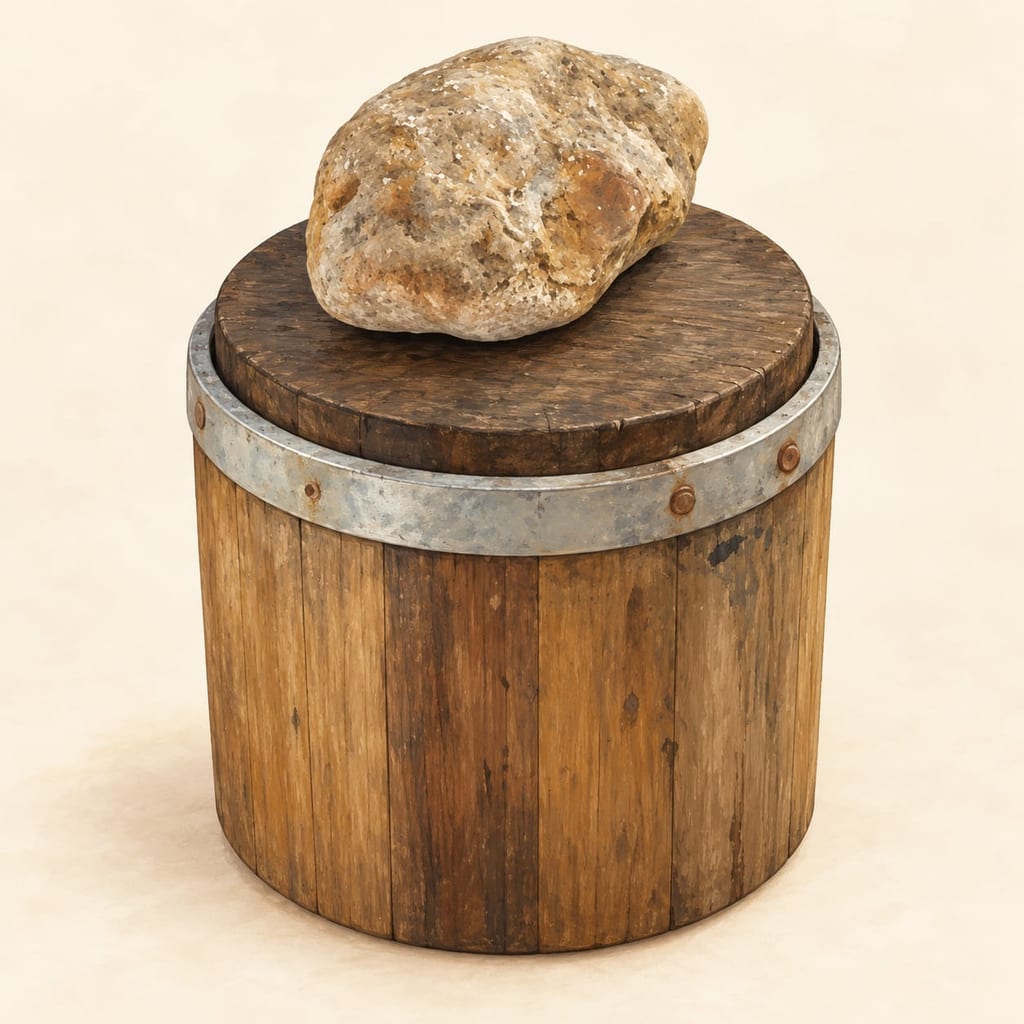
A terzigno is a small wooden cask used in Cetara’s anchovy colatura tradition. A wooden follower and weights press its contents; the 2024 specification describes withdrawal through a hole in the cask’s bottom.