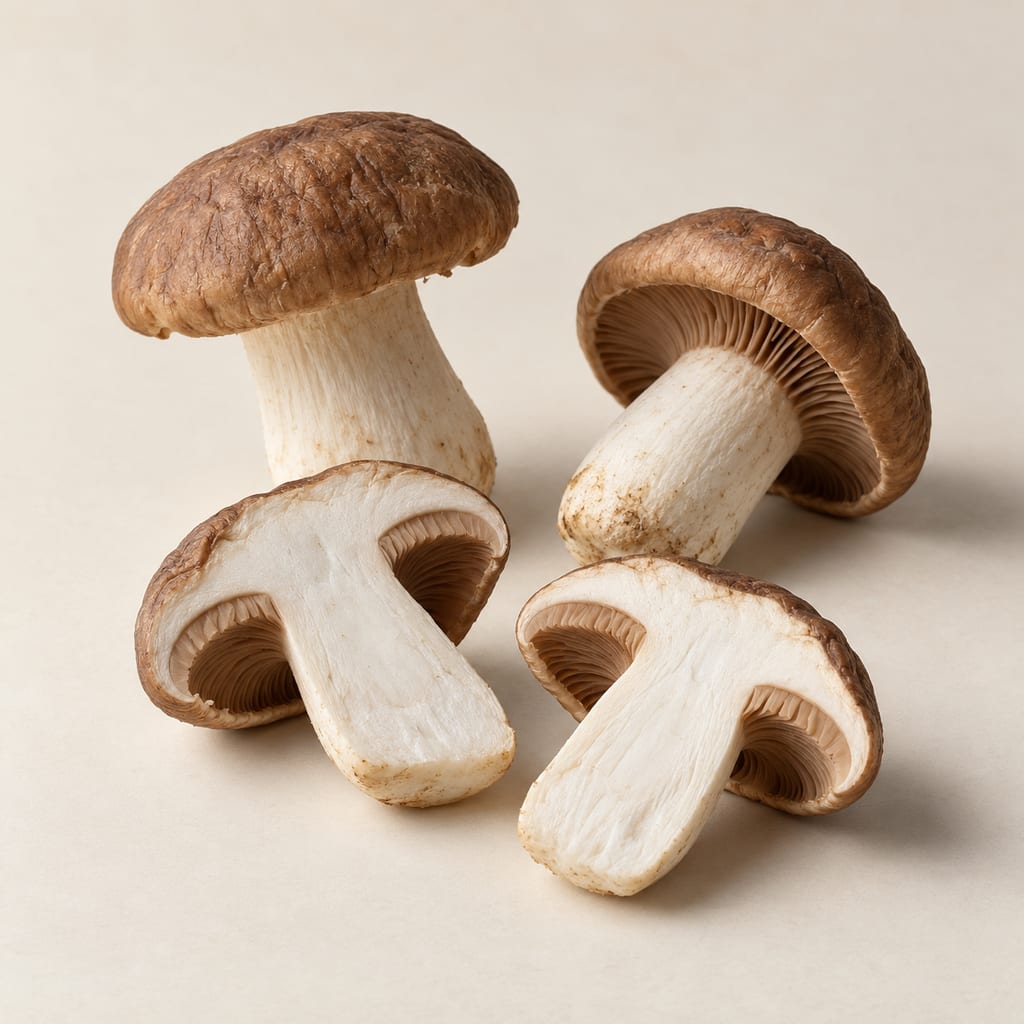
Pioppino
Pioppino, Cyclocybe cylindracea, is a wood-rotting mushroom of poplars and other broadleaf trees, cultivated and gathered in Mediterranean Europe and used fresh or rehydrated in Southern European and Chinese cooking.
 FermenteaWhere food goes to change
1086 articles on substrates, cultures and additives.
 Edible mushrooms319
 Brittlegills24
 Truffles19
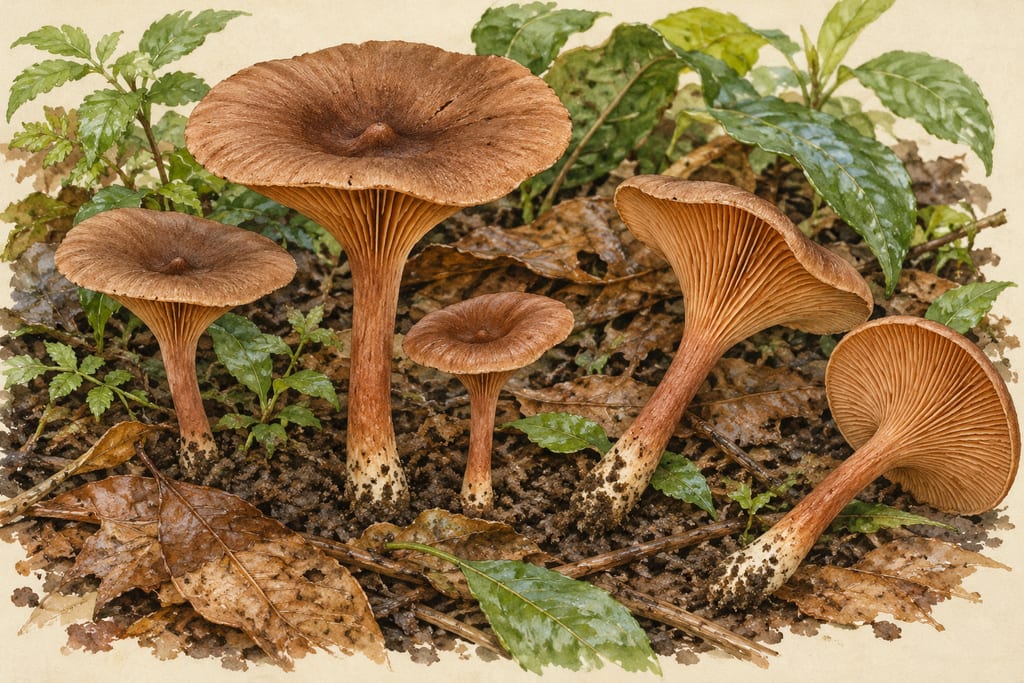 Milkcaps17
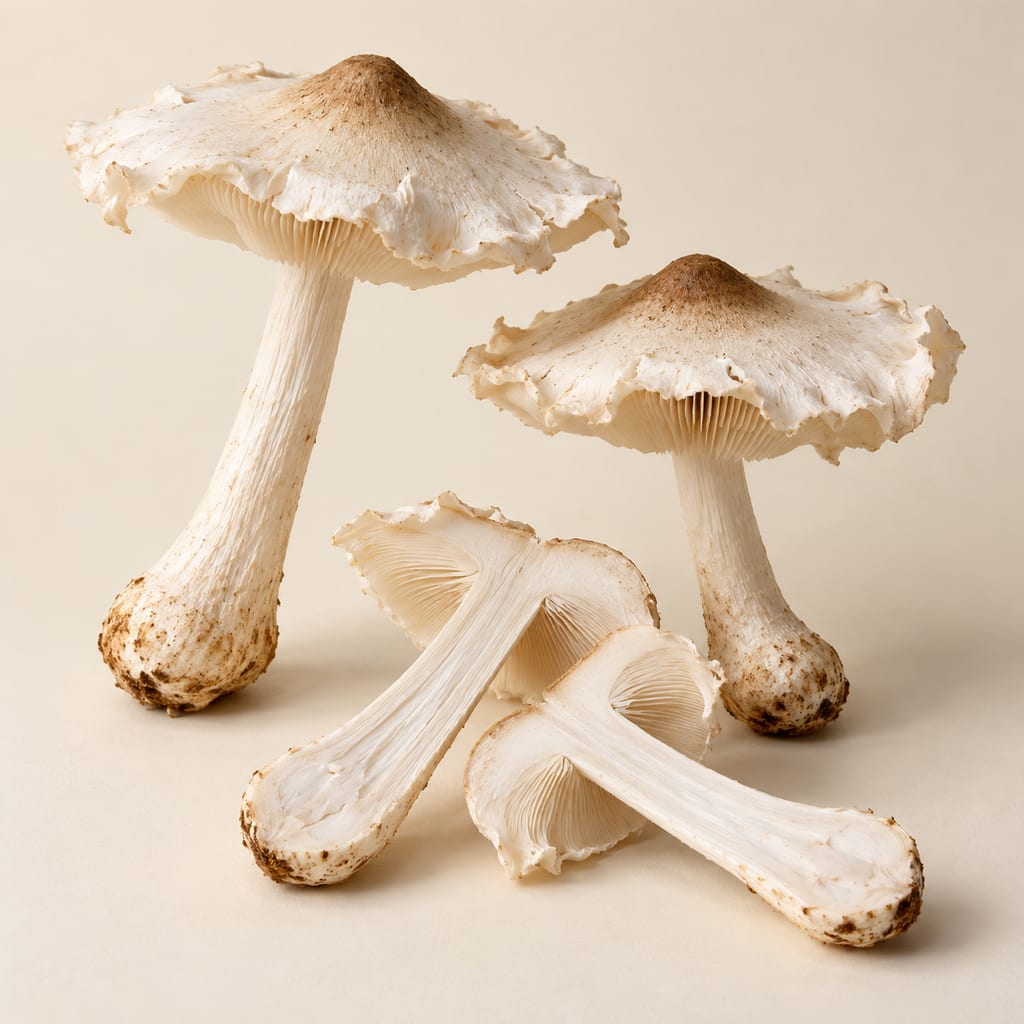 Termite mushrooms17
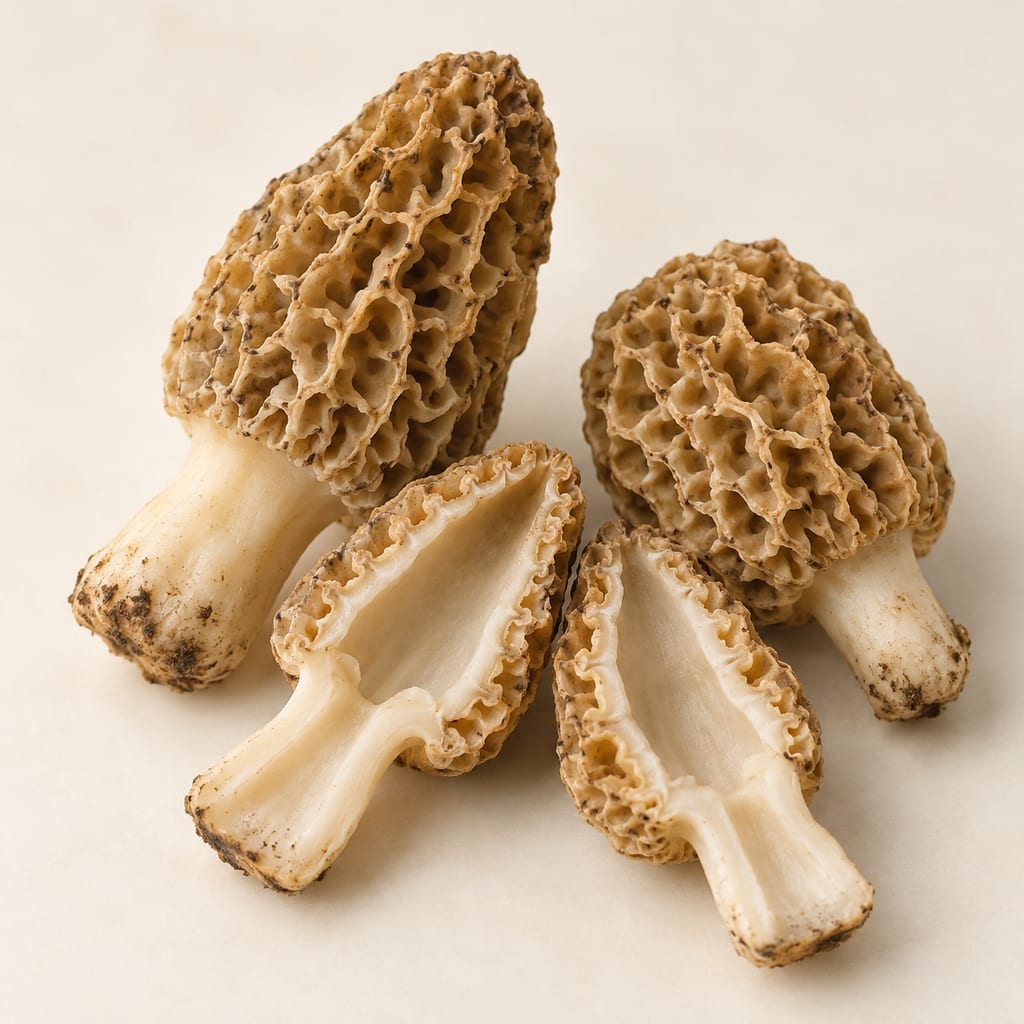 Morels4
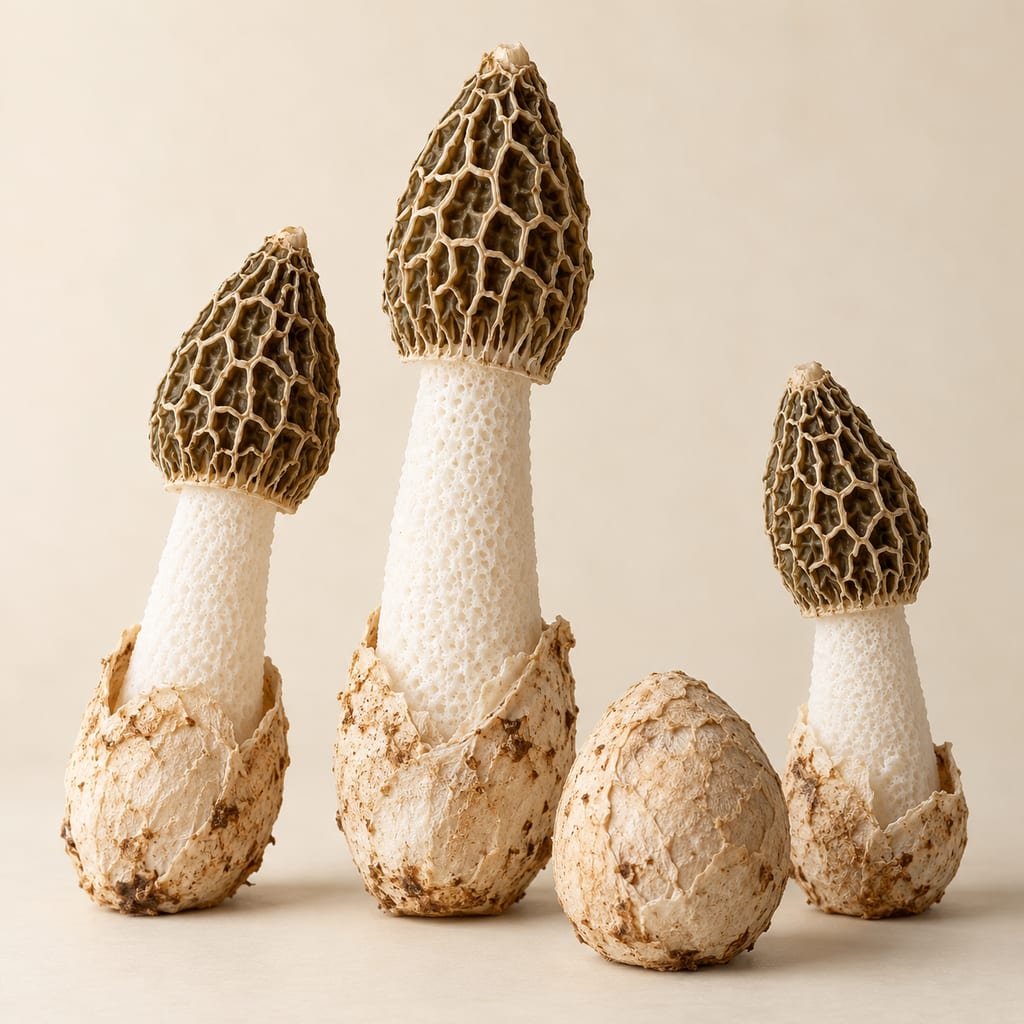 Stinkhorn fungi4
 Fungi3
Pioppino, Cyclocybe cylindracea, is a wood-rotting mushroom of poplars and other broadleaf trees, cultivated and gathered in Mediterranean Europe and used fresh or rehydrated in Southern European and Chinese cooking.
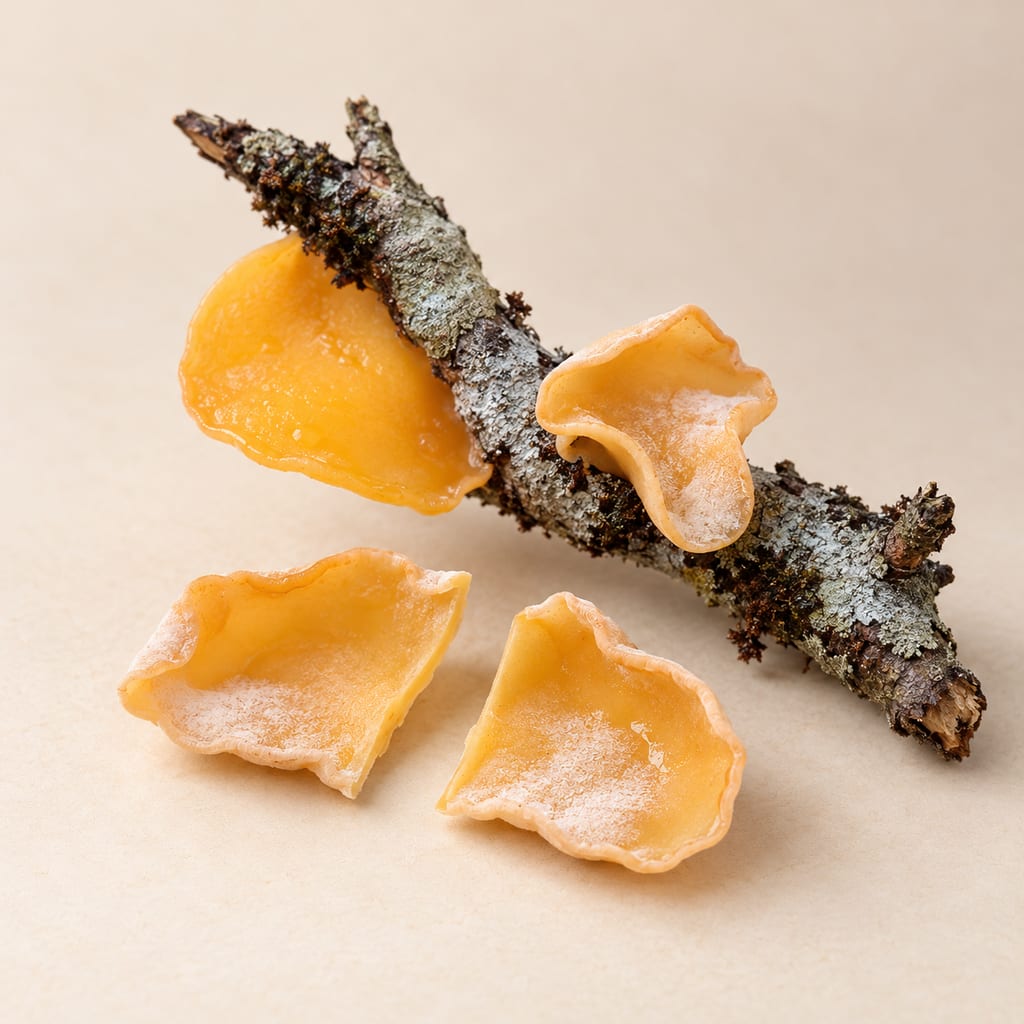
Aleurodiscus vitellinus, the yellow disc fungus, is a wood-growing fungus of the Nothofagus forests of Patagonia recorded as a regional food; its safety and local species identity are not established.
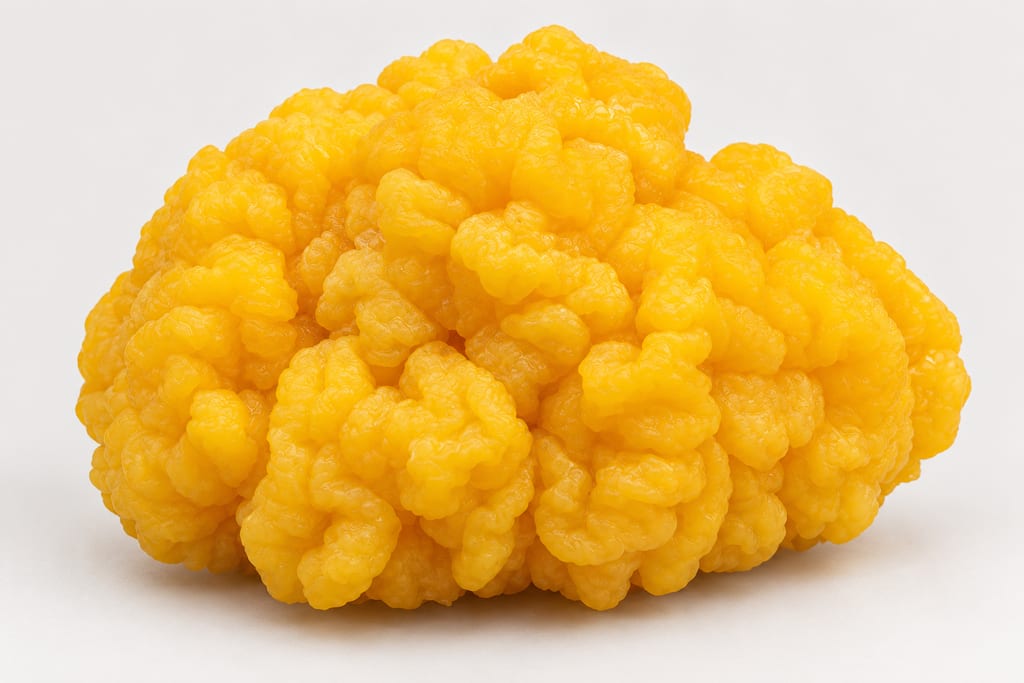
Cultivated golden ear, Naematelia sinensis (jin'er), is a gelatinous yellow-orange fungus of southwestern China, eaten and used as a medicinal fungus and grown on Stereum wood-fungus partners.
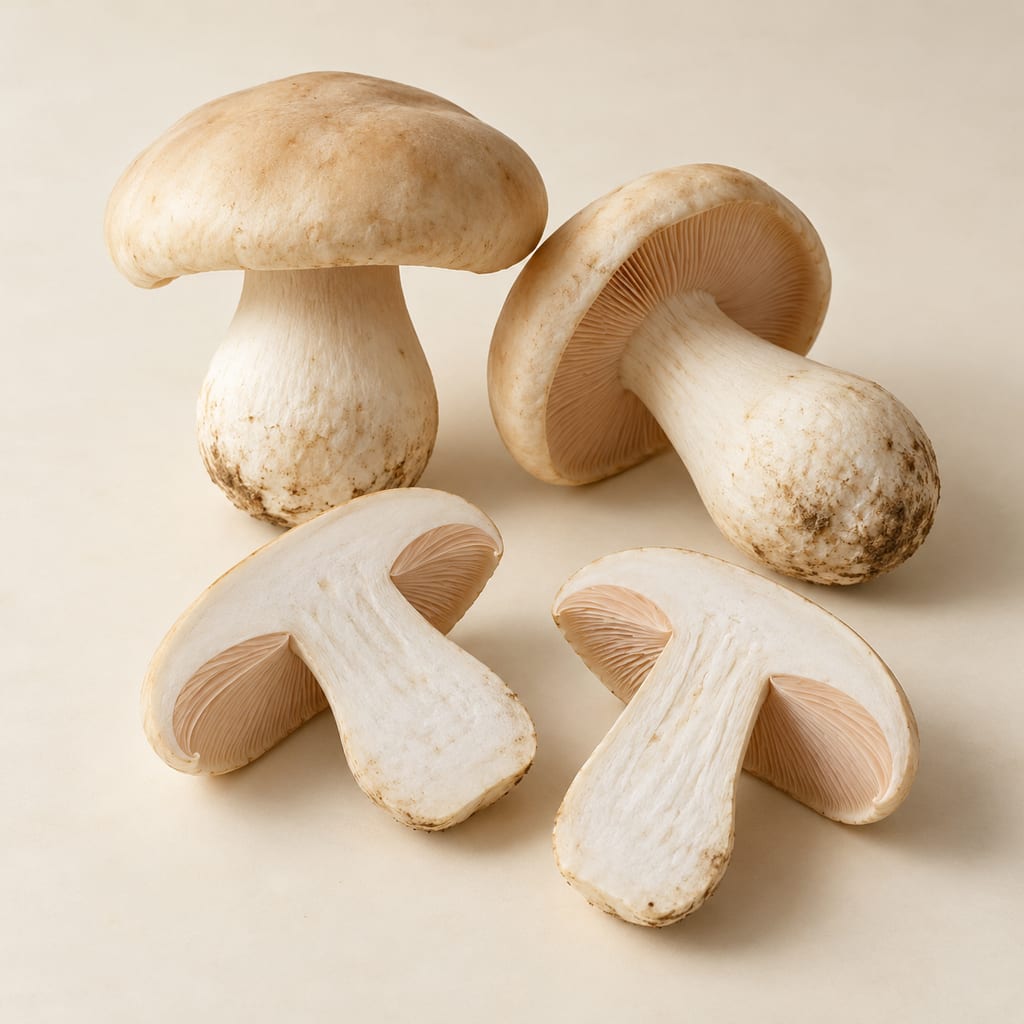
Macrocybe lobayensis is a large, floury-tasting wild mushroom of West African savanna and crop land, described by the EFTA species account as very common and highly valued there.
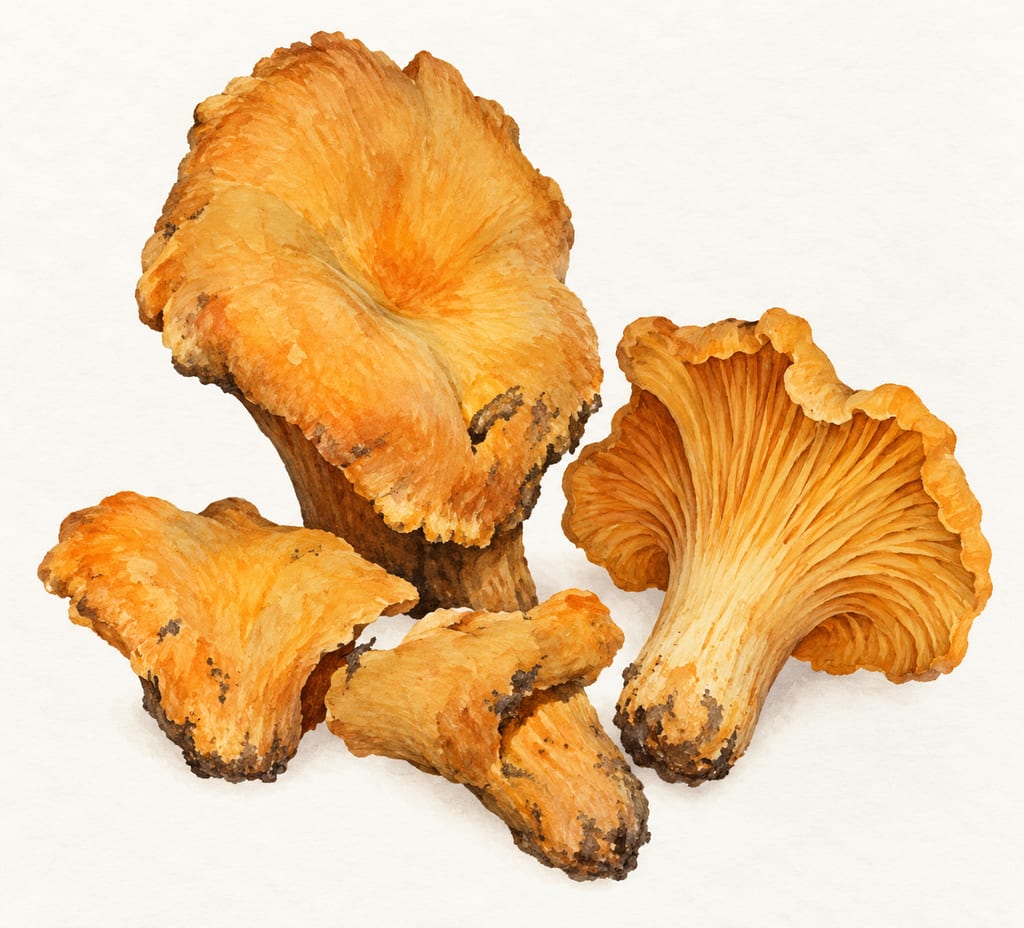
Cantharellus miomboensis is a large yellow chanterelle of African miombo woodland. Its edibility is reported but not established by the sources read.
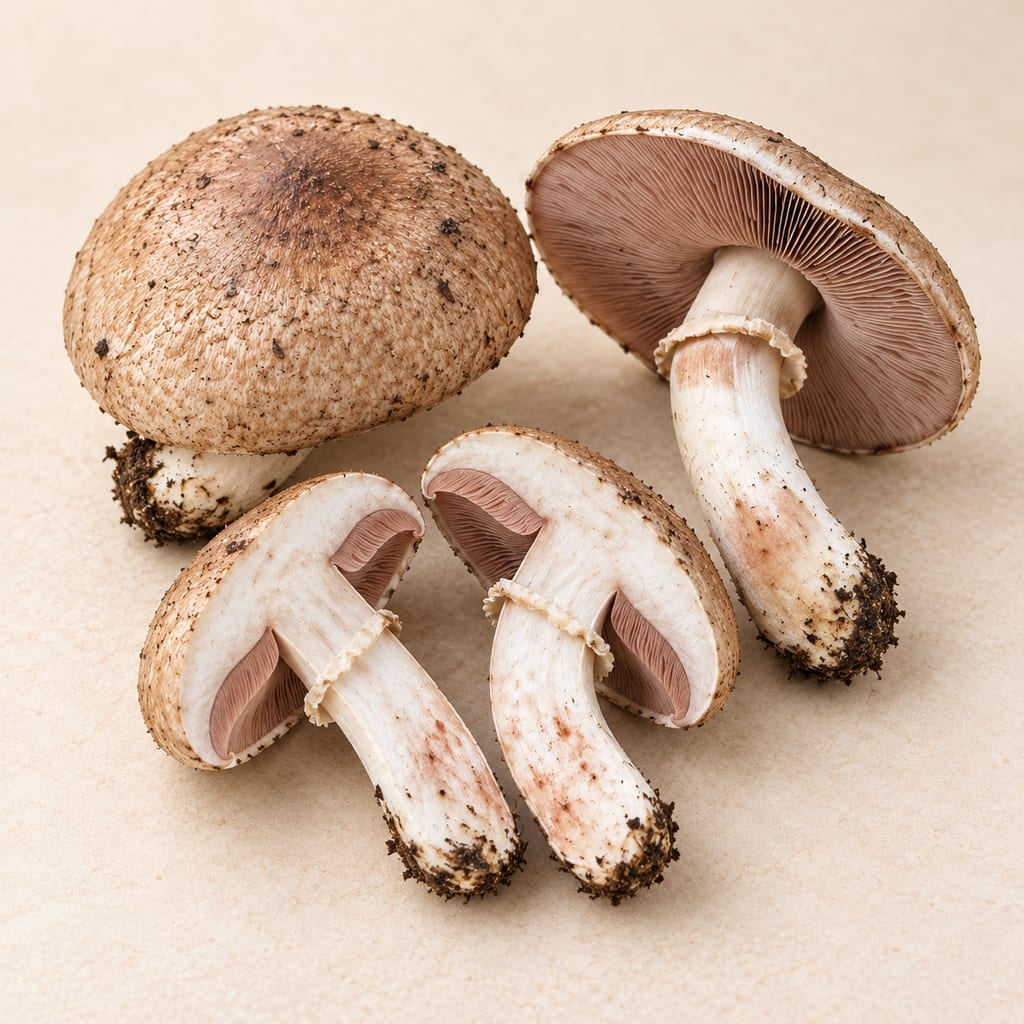
Agaricus sylvaticus, the blushing wood mushroom, is a scaly woodland mushroom of conifer and mixed litter. It is regarded as edible when cooked, and its flesh reddens when cut, which separates it from yellow-staining toxic species.
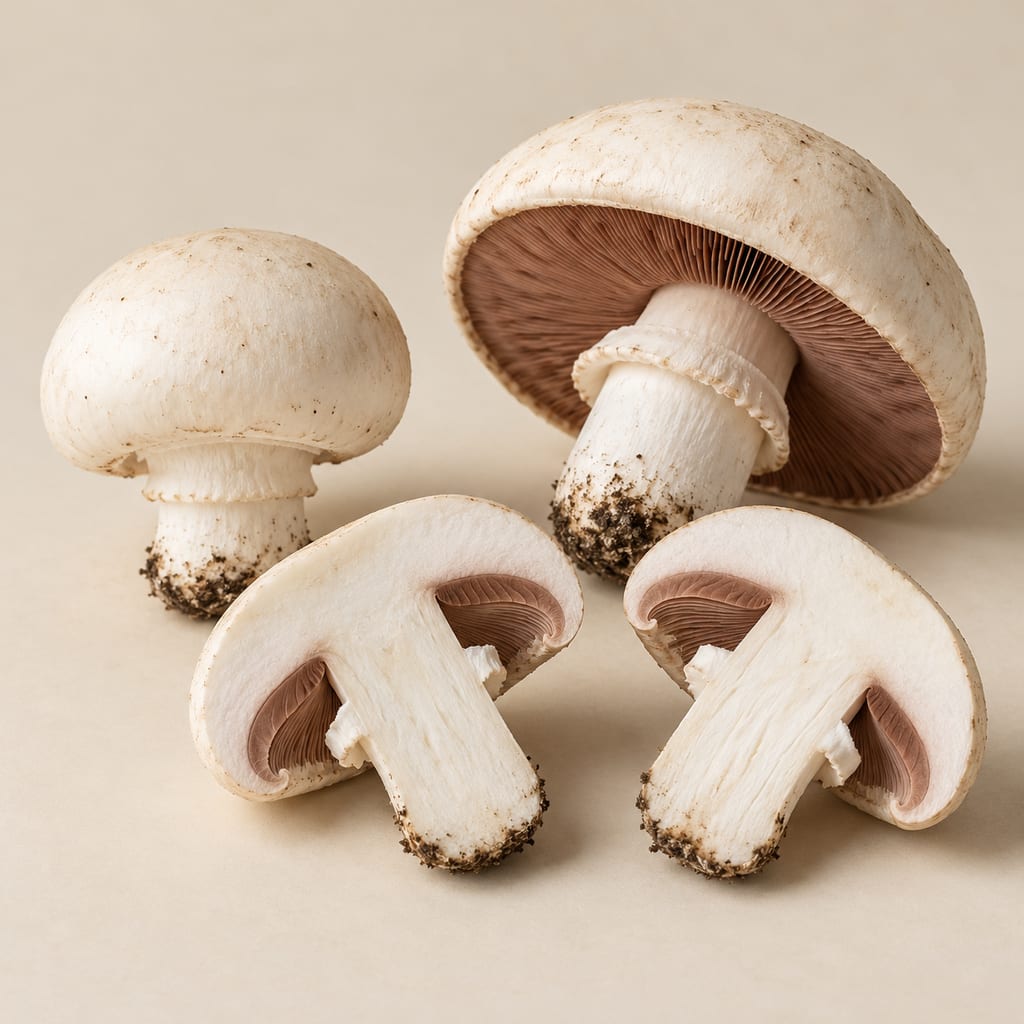
Agaricus arvensis, the horse mushroom, is a large white field mushroom of manured pasture. European sources describe it as a prized edible, and its toxic yellow-staining lookalike must be ruled out first.
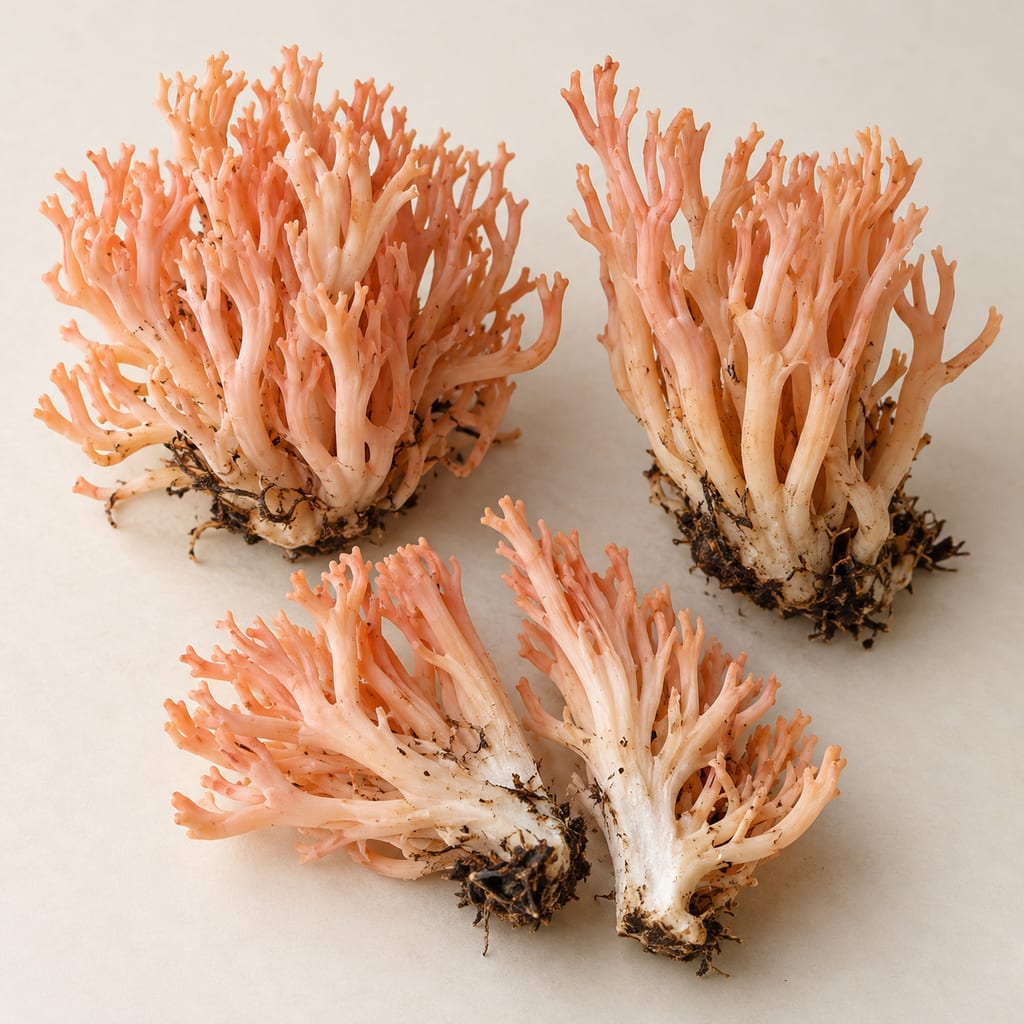
Clavulina kunmudlutsa is a coral fungus of white-sand forest in the Pakaraima Mountains of Guyana. The Patamona people, who give it the local name kunmudlutse, eat it; its preparation is not recorded in the sources read.
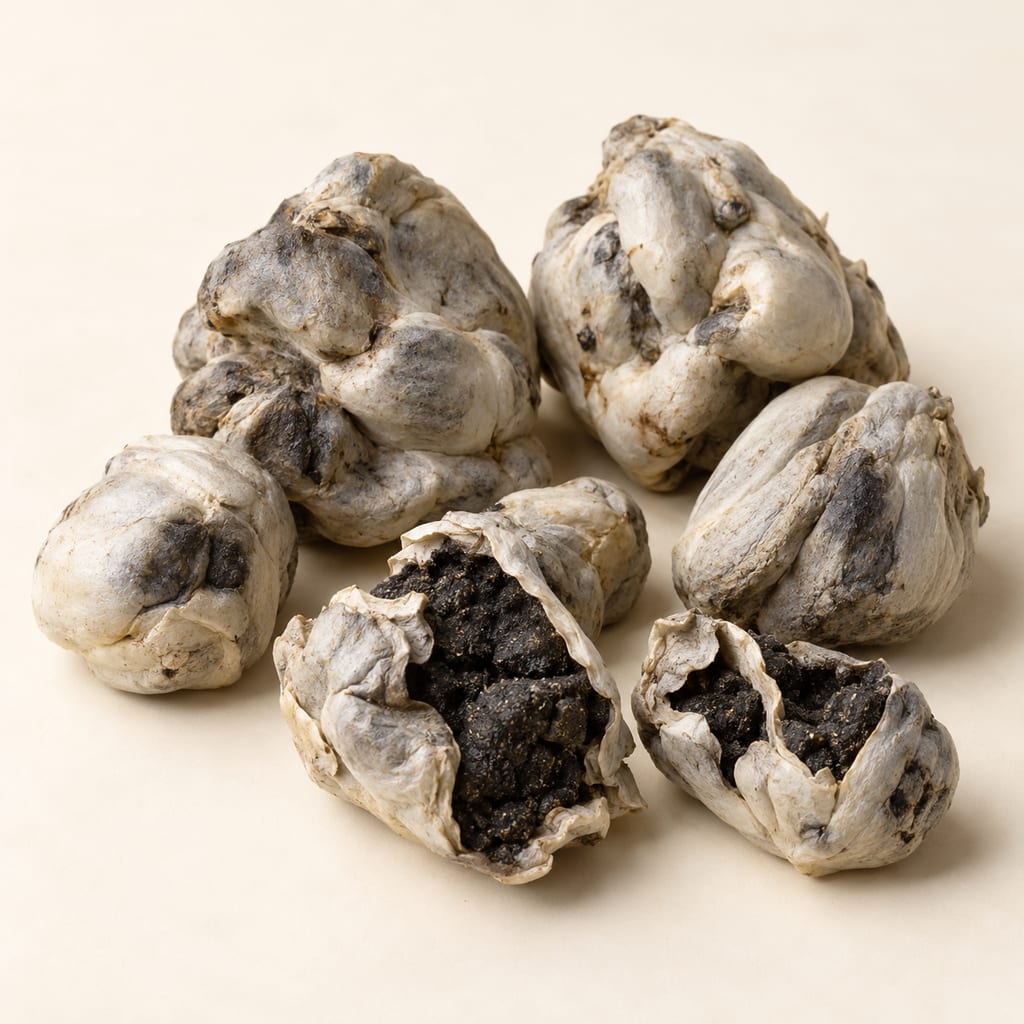
Scleroderma yunnanense is an earthball from Yunnan and parts of India that is eaten locally, but the genus contains poisonous species, and look-alike mix-ups have caused poisoning.
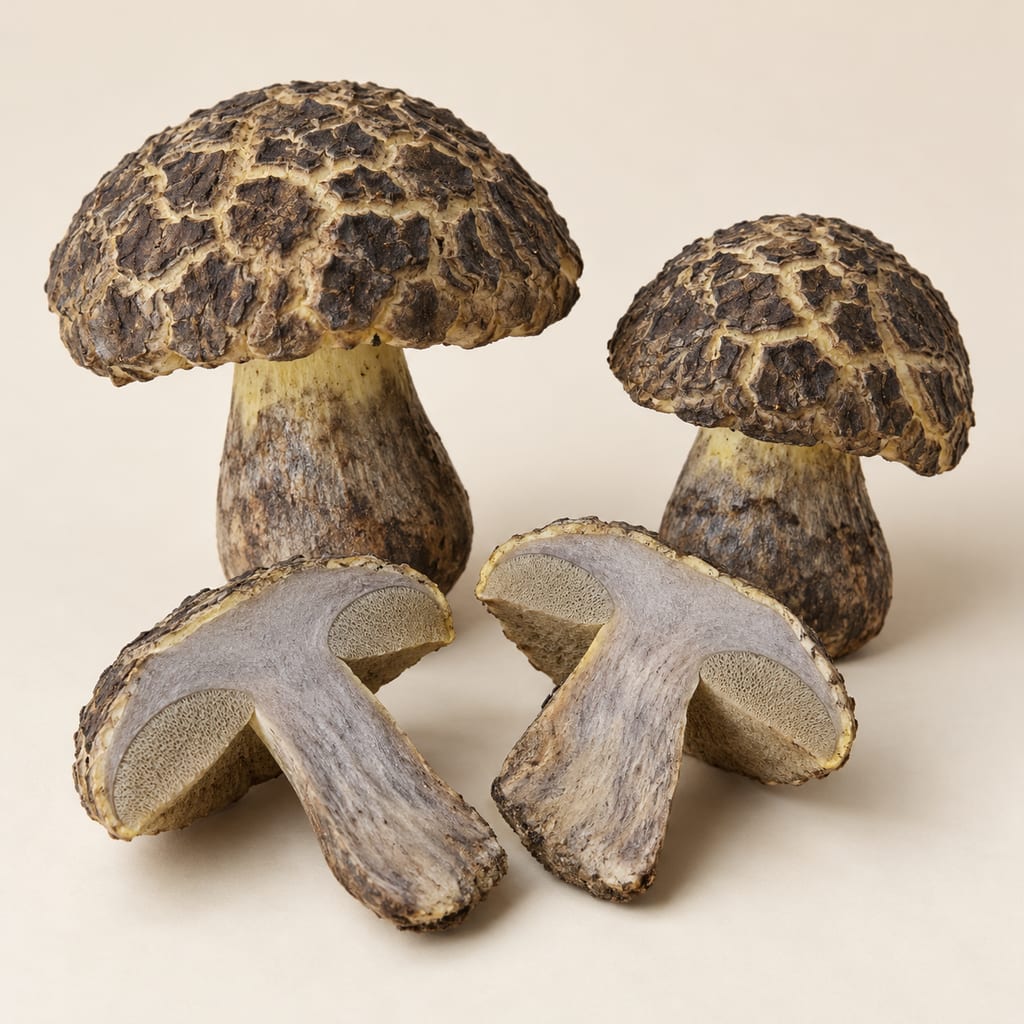
Afroboletus luteolus is a bolete of tropical Africa, one of seven species in its genus; the genus is reported to contain two food species, and this one's local food record remains to be confirmed.

Pleurotus cystidiosus is the abalone mushroom, a cultivated oyster-type fungus with dark brown caps that grows more slowly and is more demanding than other Pleurotus species.

Auricularia tremellosa is a wood ear fungus of the genus that supplies most dried wood ear sold in China; its own food record is thin, and the culinary practice described here comes from the closely related wood ear species.
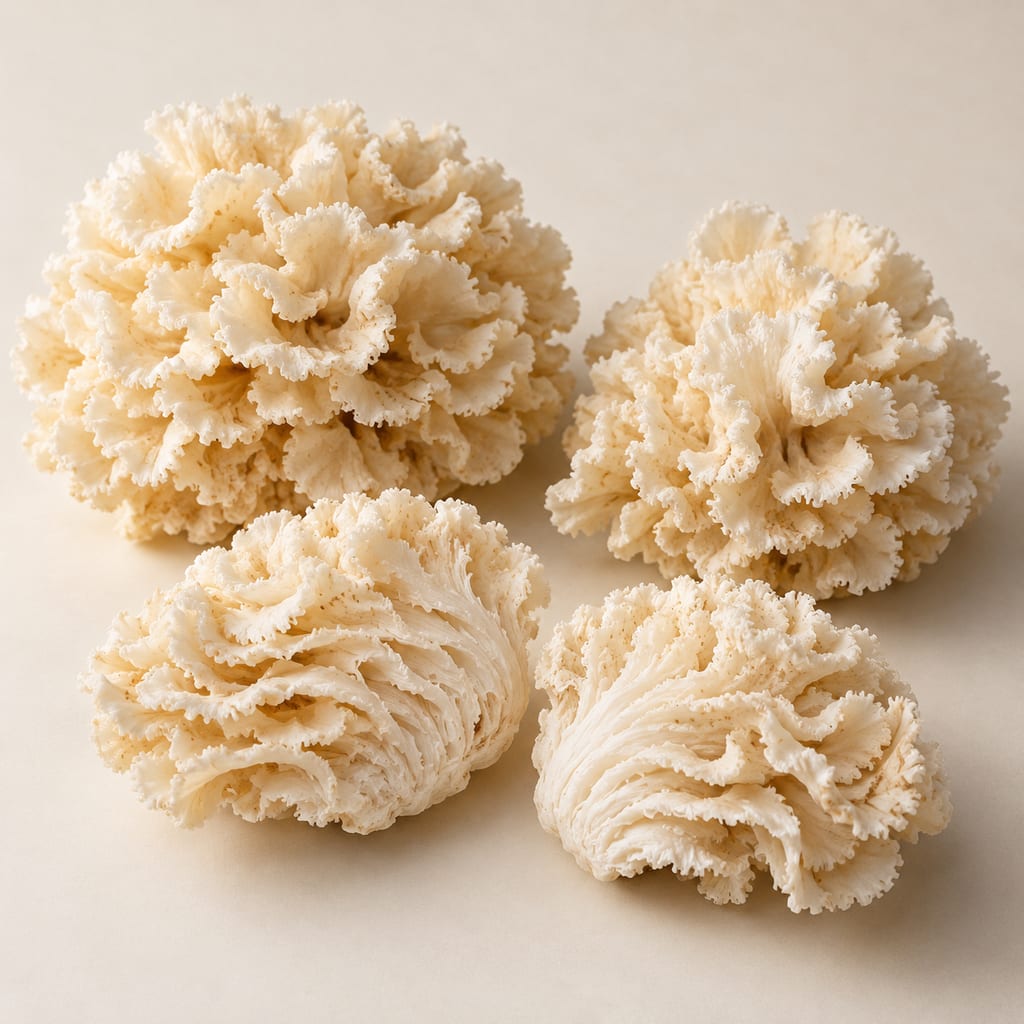
Irpex rosettiformis is a wood-decaying polypore of the Americas, reported by a 2025 study as edible and cultivated from wild Brazilian strains, with no traditional culinary record yet found.
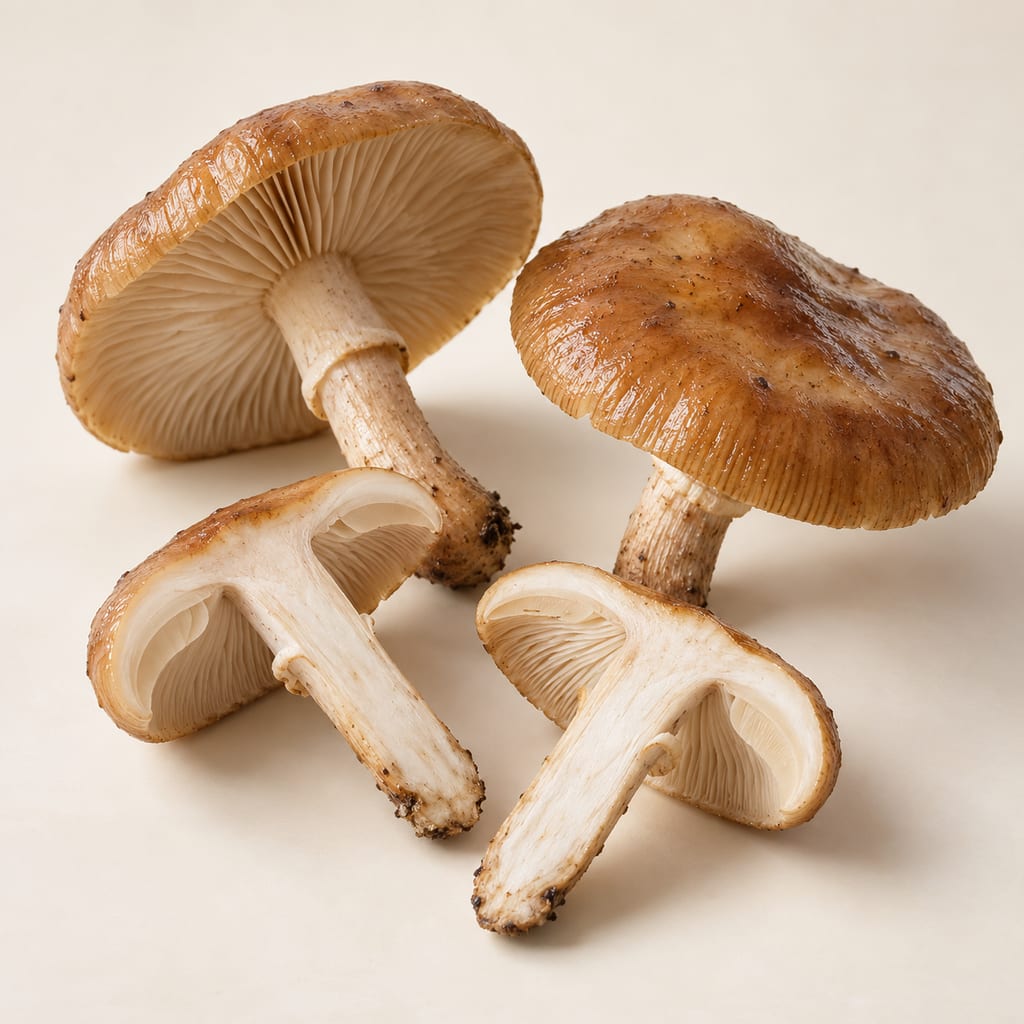
Harore, Armillaria novae-zelandiae, is a New Zealand honey fungus that grows in clusters on wood and is gathered as a traditional food by Tuhoe, with a cooking rule and close look-alikes to know.
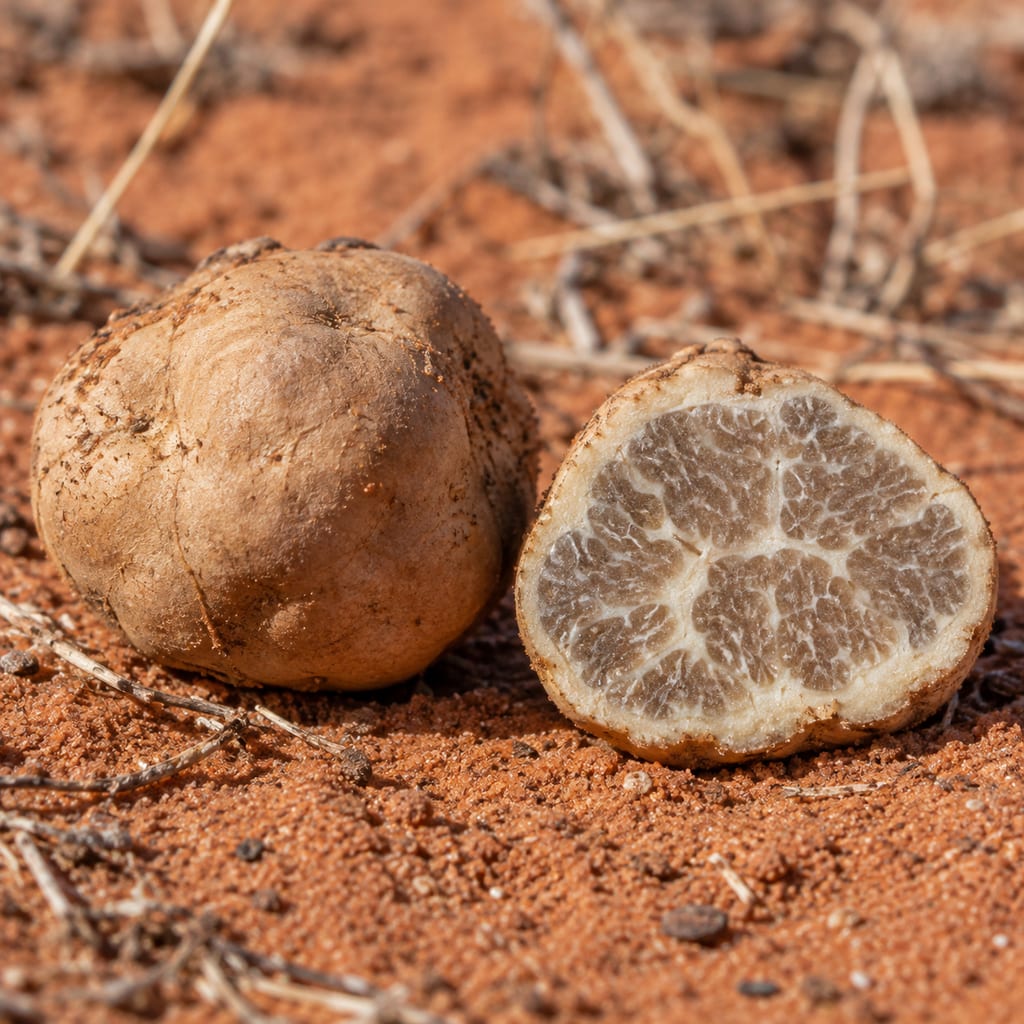
Eremiomyces echinulatus is a subterranean desert truffle of the Kalahari, recorded as food in regional ethnomycology and easily confused with the better-known Kalahari truffle, Kalaharituber pfeilii.

Akahatsu, Lactarius akahatsu, is a wild milkcap of East Asian pine and mixed forests that is sold in Yunnan markets, with its edibility and identity still needing species-level review.
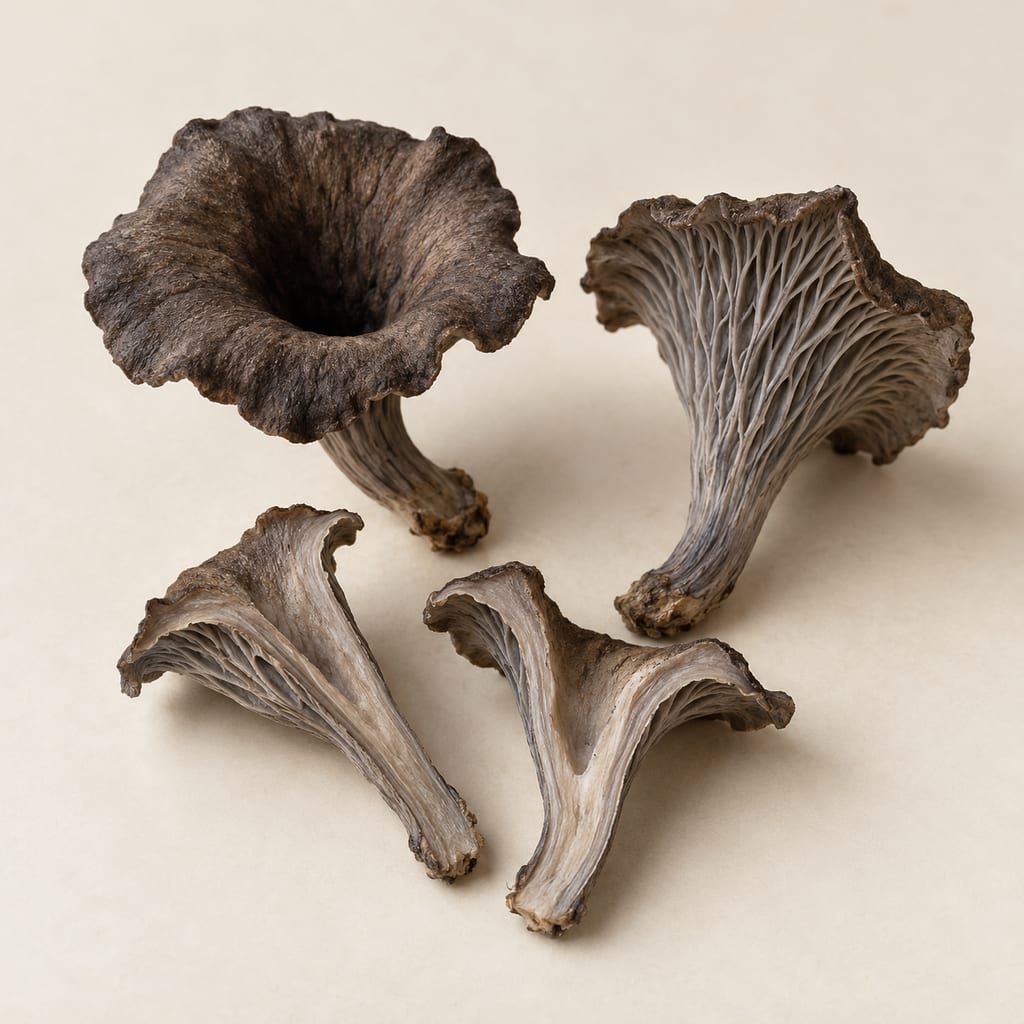
Ashen chanterelle, Craterellus cinereus, is a dark, funnel-shaped wild mushroom of European woodland, valued as a mild flavouring and easily confused with black trumpets.
Trogia infundibuliformis is a thin, translucent forest mushroom of Central Africa recorded as eaten in Tshopo, DR Congo; it is easily confused with the poisonous Trogia venenata, so identification matters.
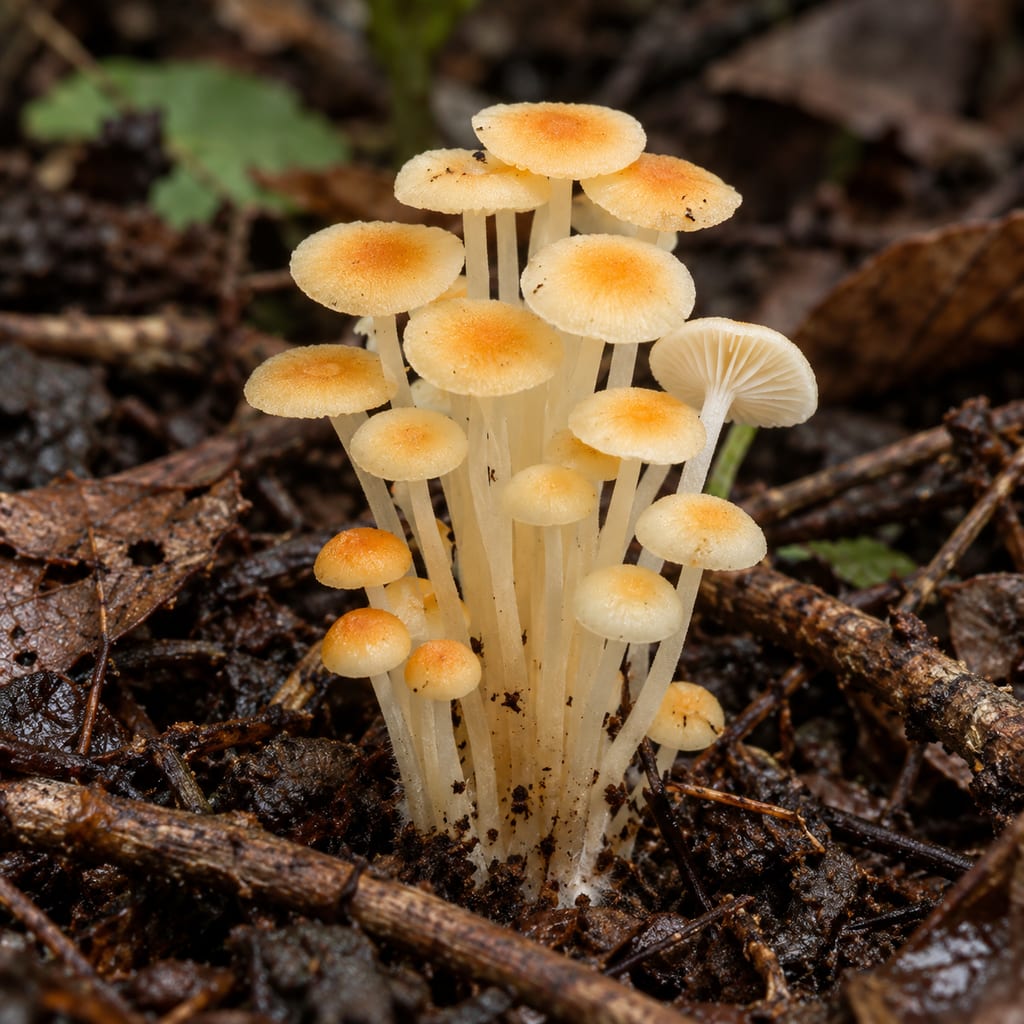
Marasmius arborescens is a forest saprotroph recorded as eaten by people in Tshopo province, DR Congo, in voucher-backed interviews; the species-specific preparation and safety are not established.
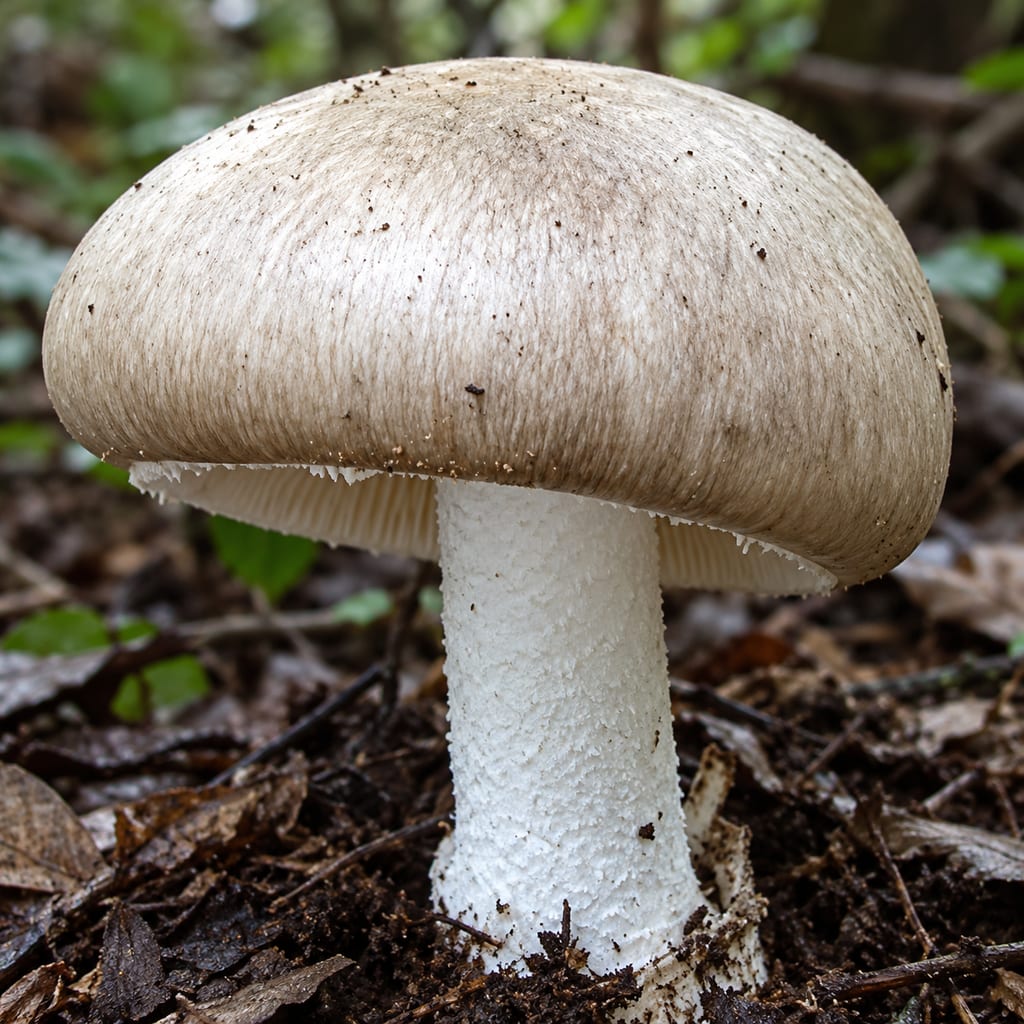
Caojizong, Amanita caojizong, is a wild mushroom traded in Pu'er markets in Yunnan, China, recorded as edible; it belongs to a genus with deadly species and is sold beside a poisonous look-alike.
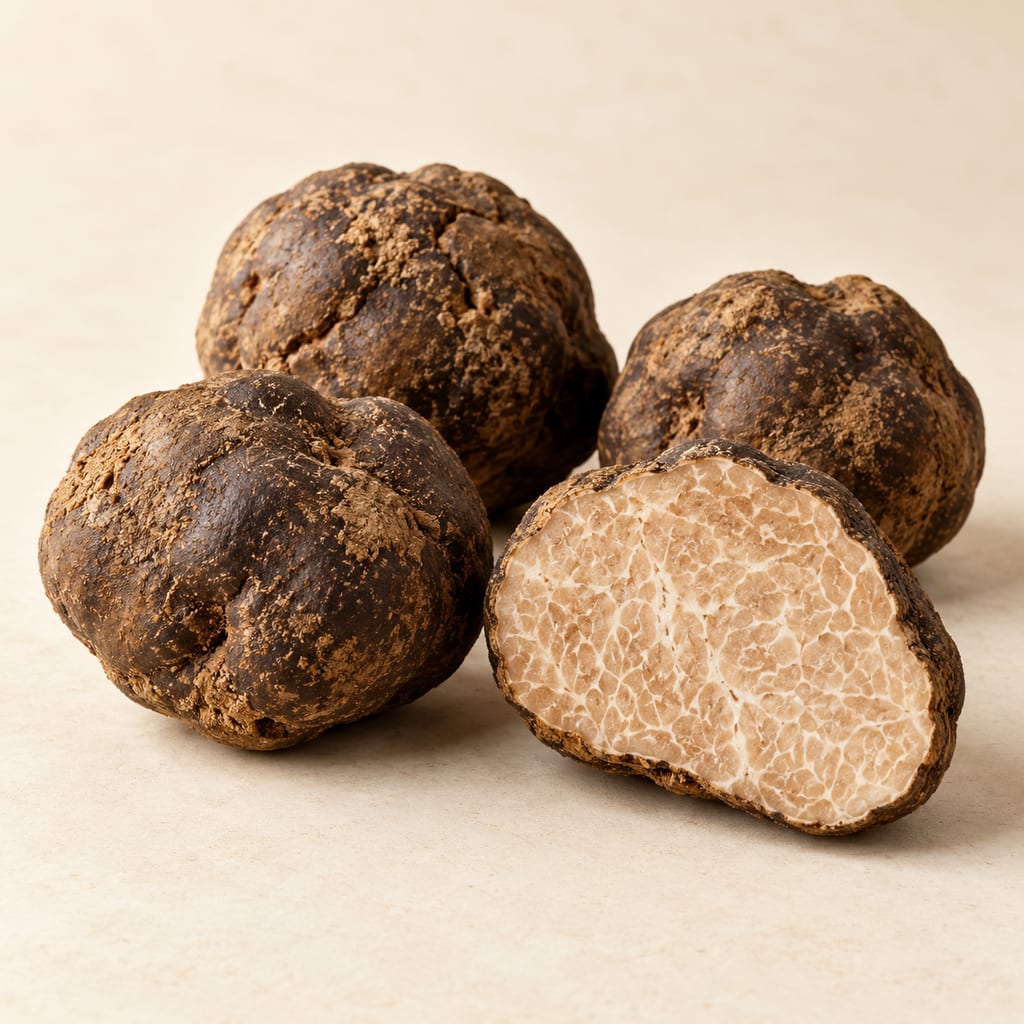
The brown desert truffle, Terfezia boudieri, is an underground fungus of arid soils around the eastern Mediterranean and North Africa, gathered and sold in Turkey and eaten fried with eggs.
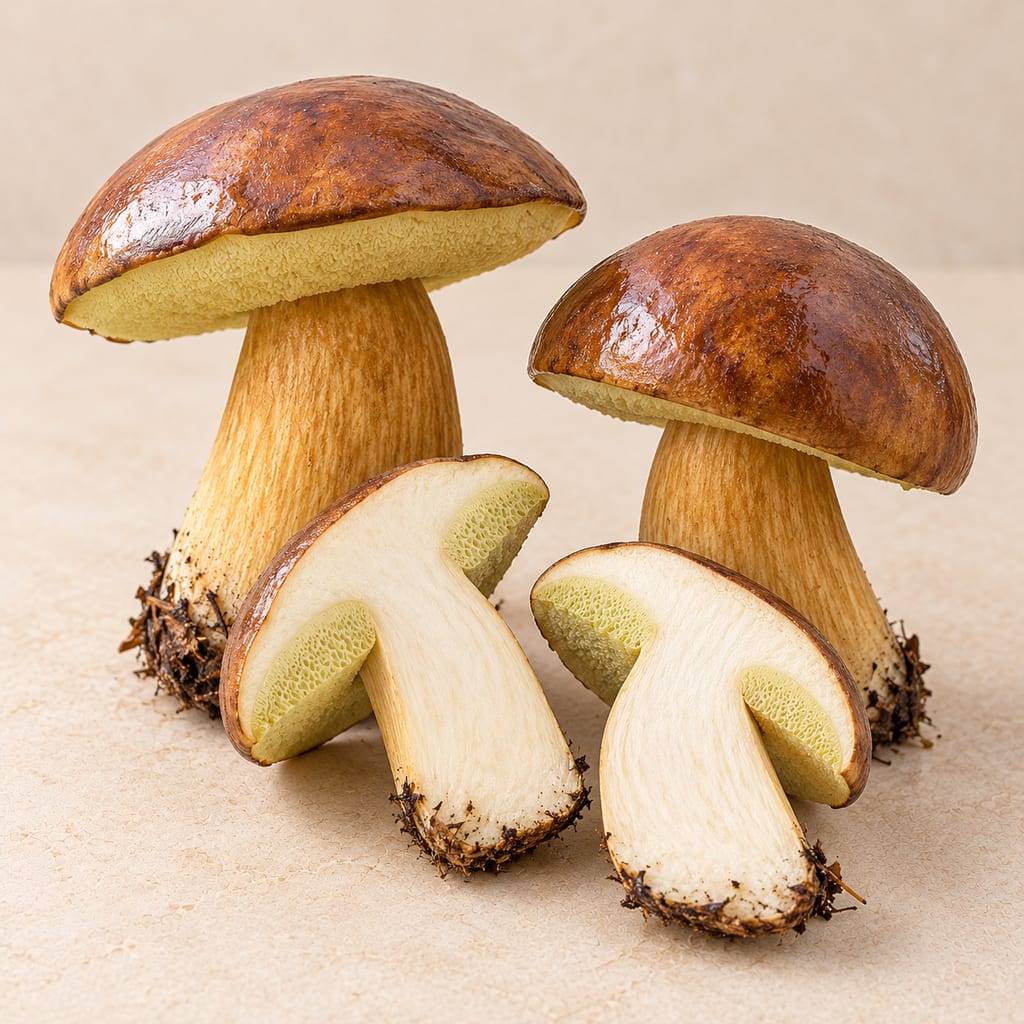
The bay bolete, Imleria badia, is a pored mushroom of Eurasian and North American conifer and mixed woods, valued for cooking and drying; it should always be cooked and identified with care.
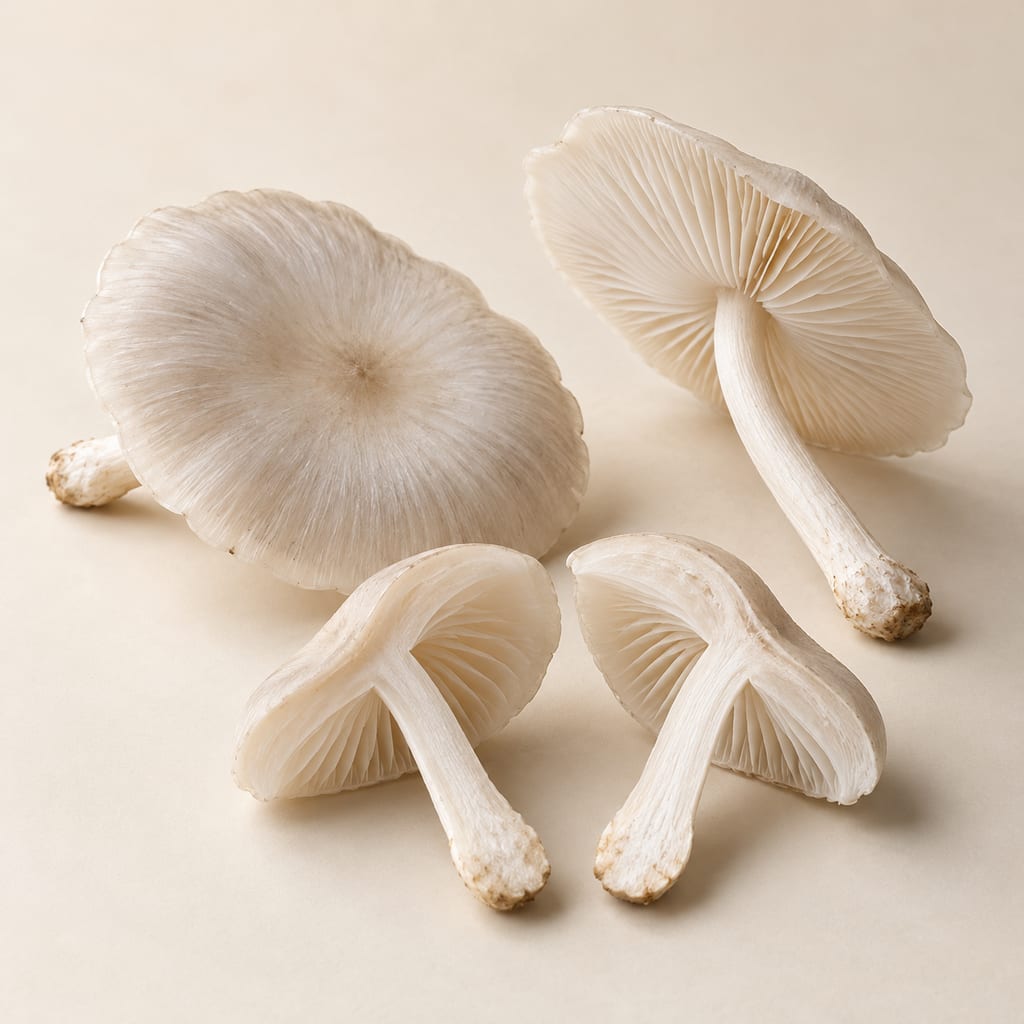
Oudemansiella cubensis is a wood-decaying mushroom recorded as a food in Brazil, where the name is also applied to Oudemansiella canarii; its edibility has no standardized safety assessment.
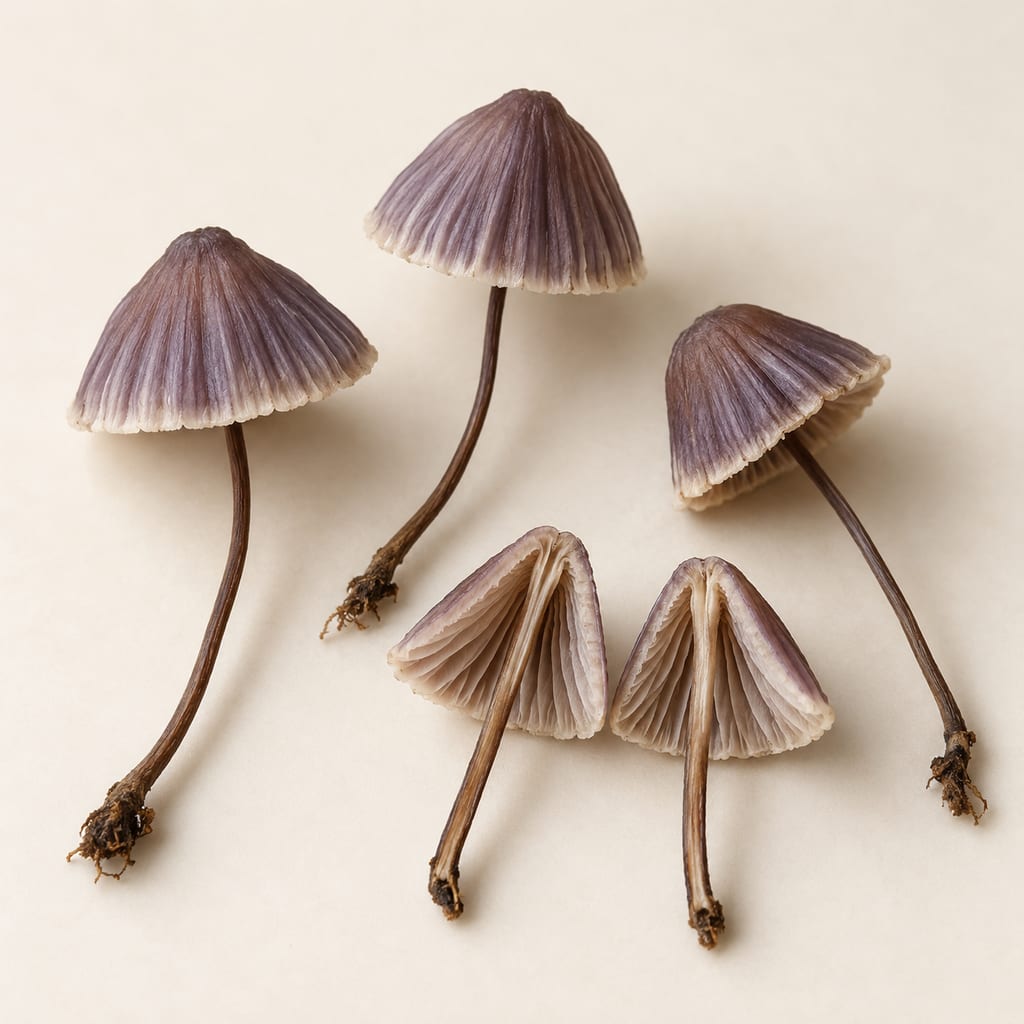
Marasmius bekolacongoli is a wild mushroom of Central African rainforest that field surveys in Cameroon, Gabon and the Democratic Republic of the Congo record as eaten by local people.
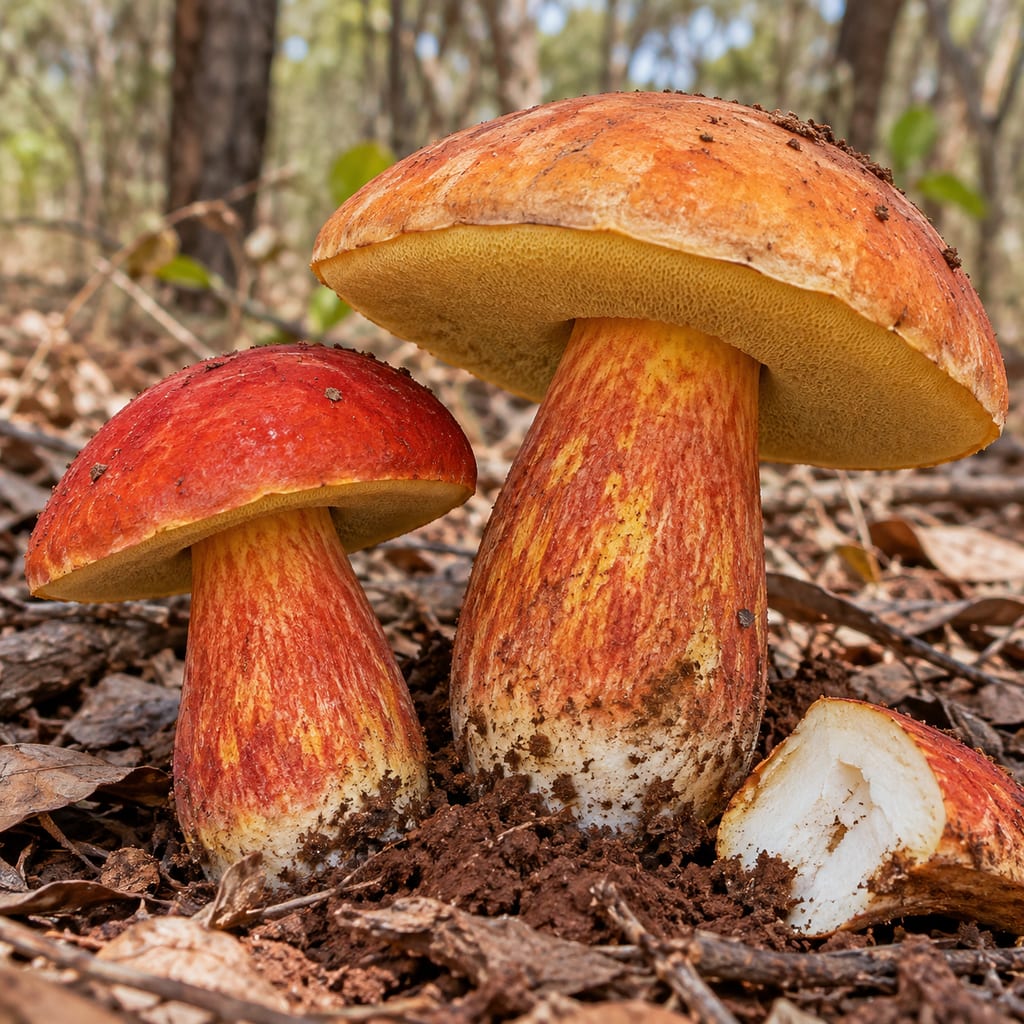
Boletus loosii, the African bolete, is a miombo woodland bolete recorded in four central and southern African countries. The species page read here makes no food or toxicity statement.
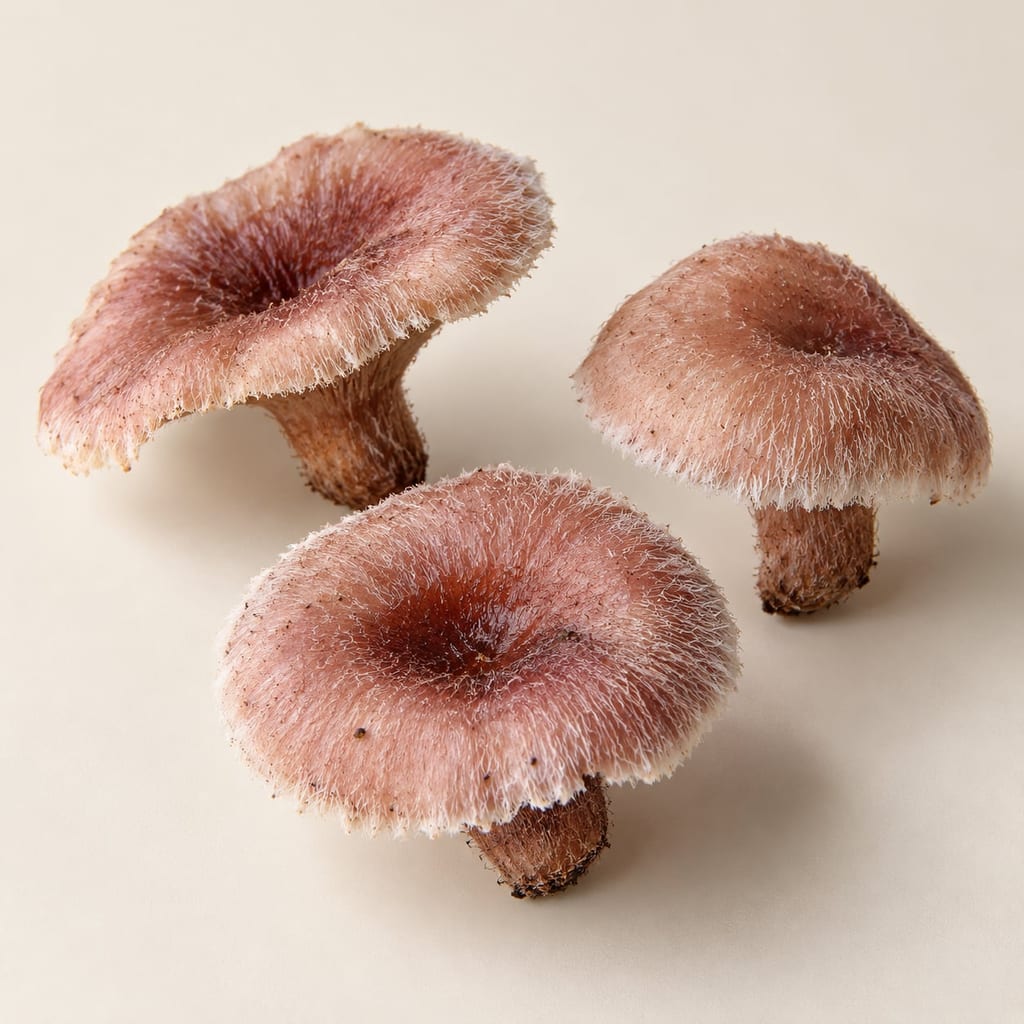
Panus strigellus, the hairy wood fungus, is an Amazonian wood-growing mushroom recorded as a food in Brazil. No food-safety assessment for it is established in the sources read here.
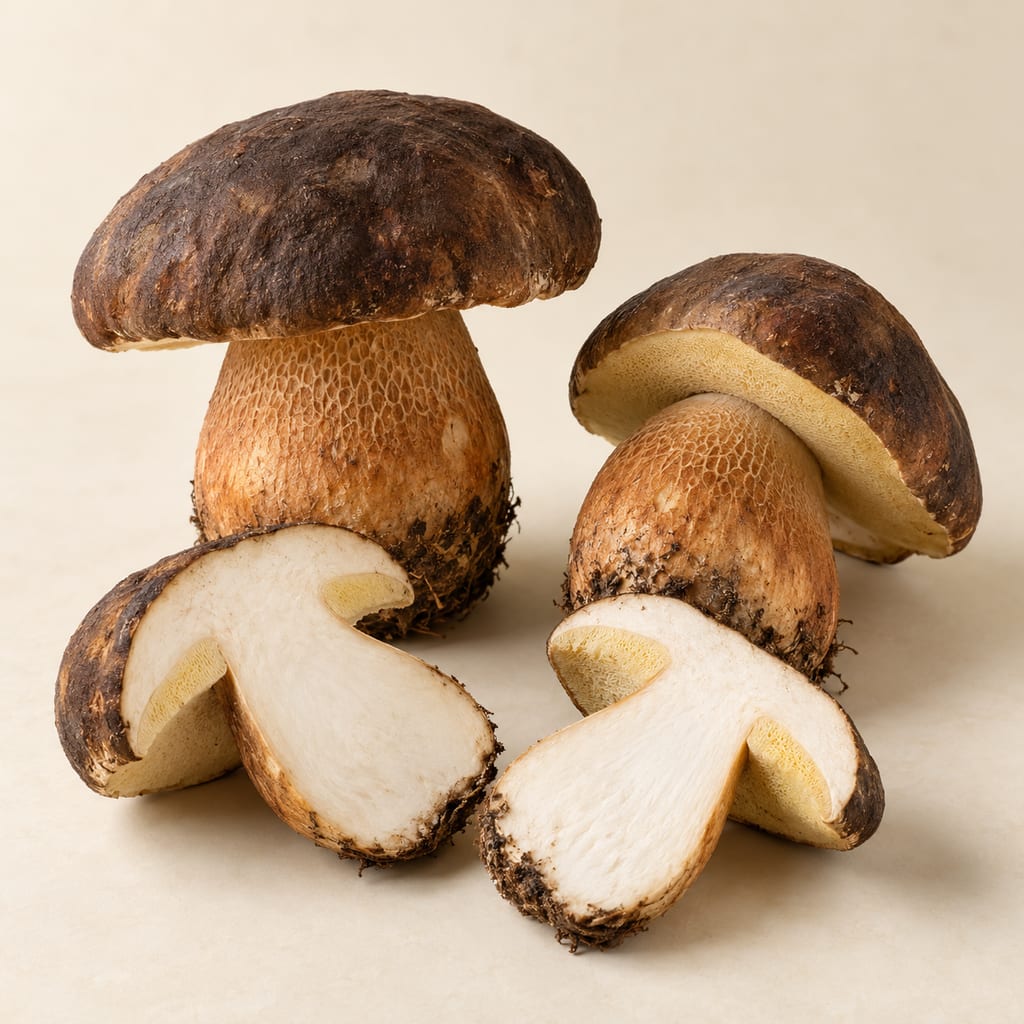
Dark cep, Boletus aereus, is a prized wild bolete of Mediterranean and western European oak woodland, sold fresh or dried as a porcini-type mushroom.
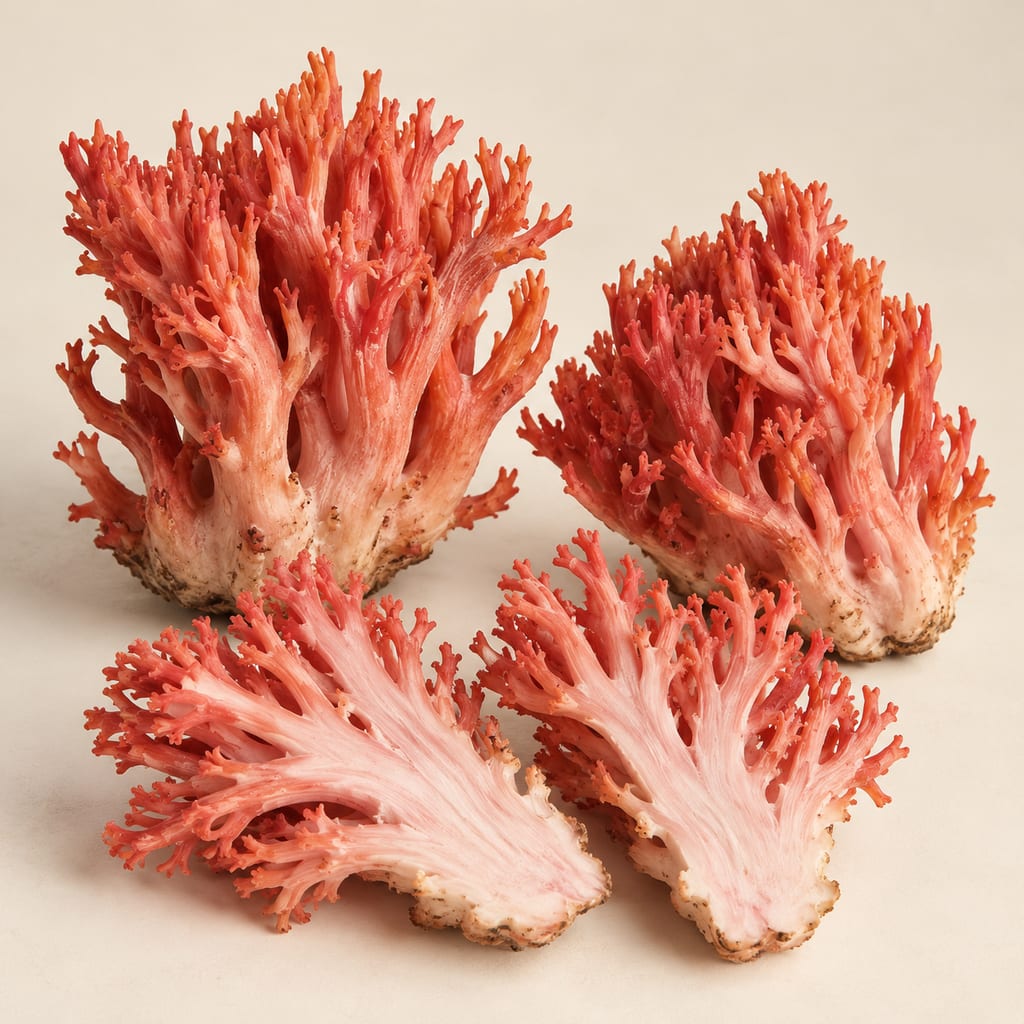
Red coral mushroom, Ramaria araiospora, is a wild coral fungus collected and sold in Guatemala. Coral fungi have toxic look-alikes, so identification needs a specialist.
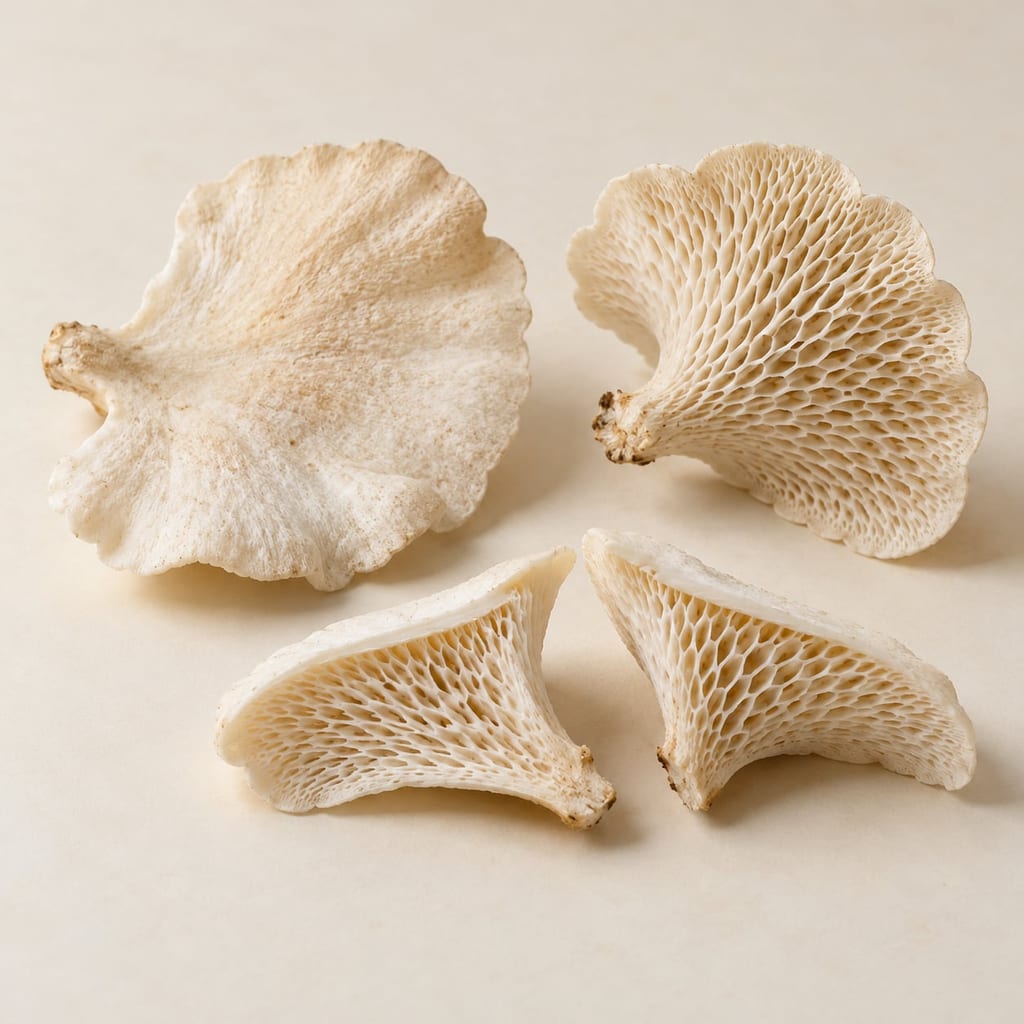
Brazilian honeycomb polypore, Favolus brasiliensis, is a wood-growing fungus of tropical forests recorded as food in Brazil and Guyana. It has no standardized food-safety assessment.
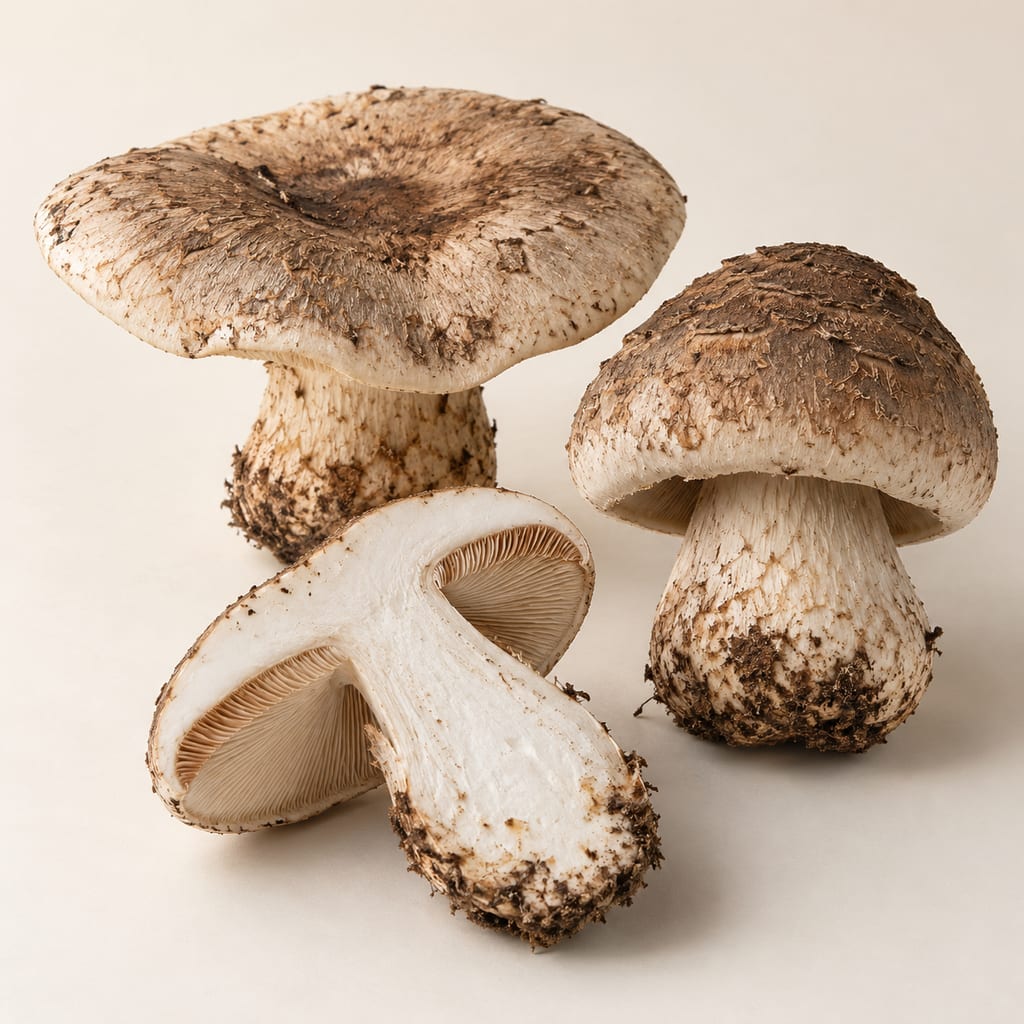
Catathelasma laorentou is an ectomycorrhizal mushroom from China, described in 2020 and listed as edible in a 2026 Chinese catalogue. No culinary tradition is established here.
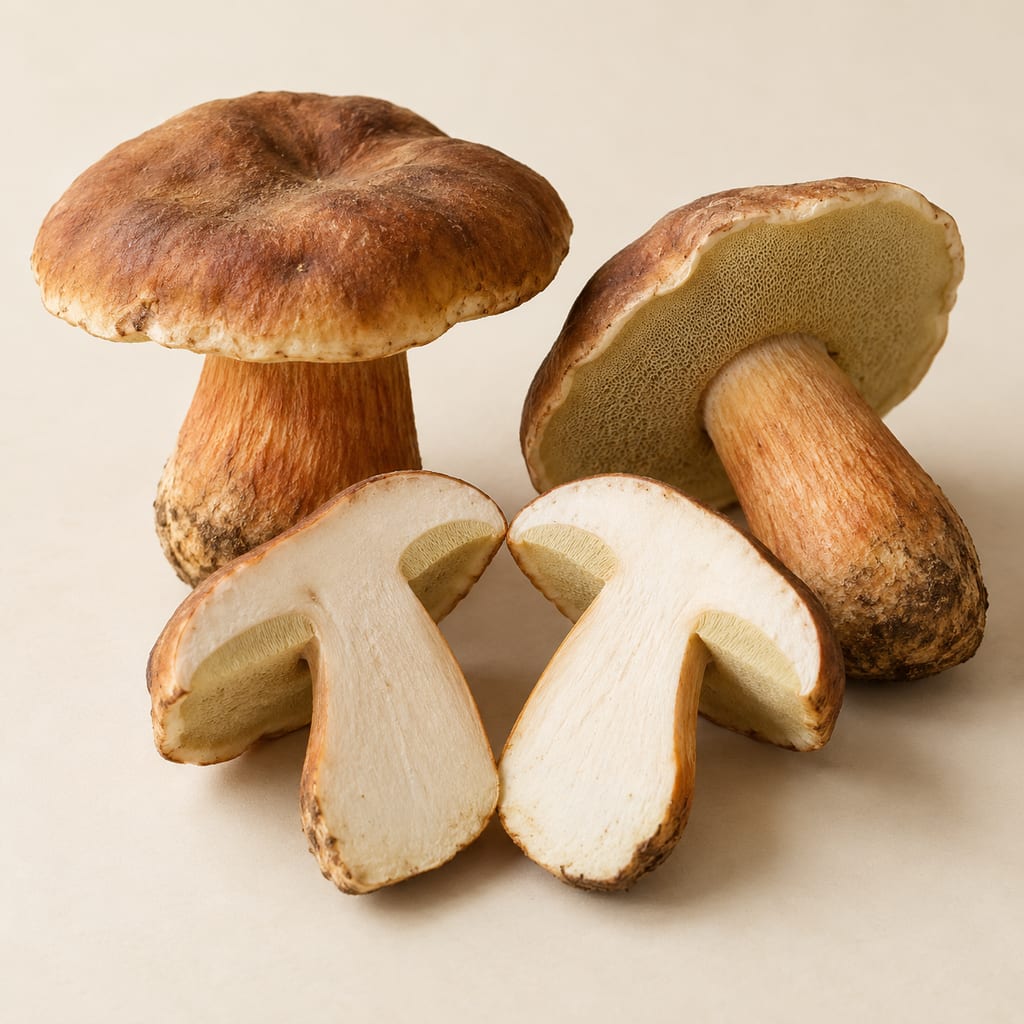
Boletus bainiugan is a wild porcini-type bolete from Yunnan, China, traded fresh and dried. Its name is treated as a synonym in some sources.
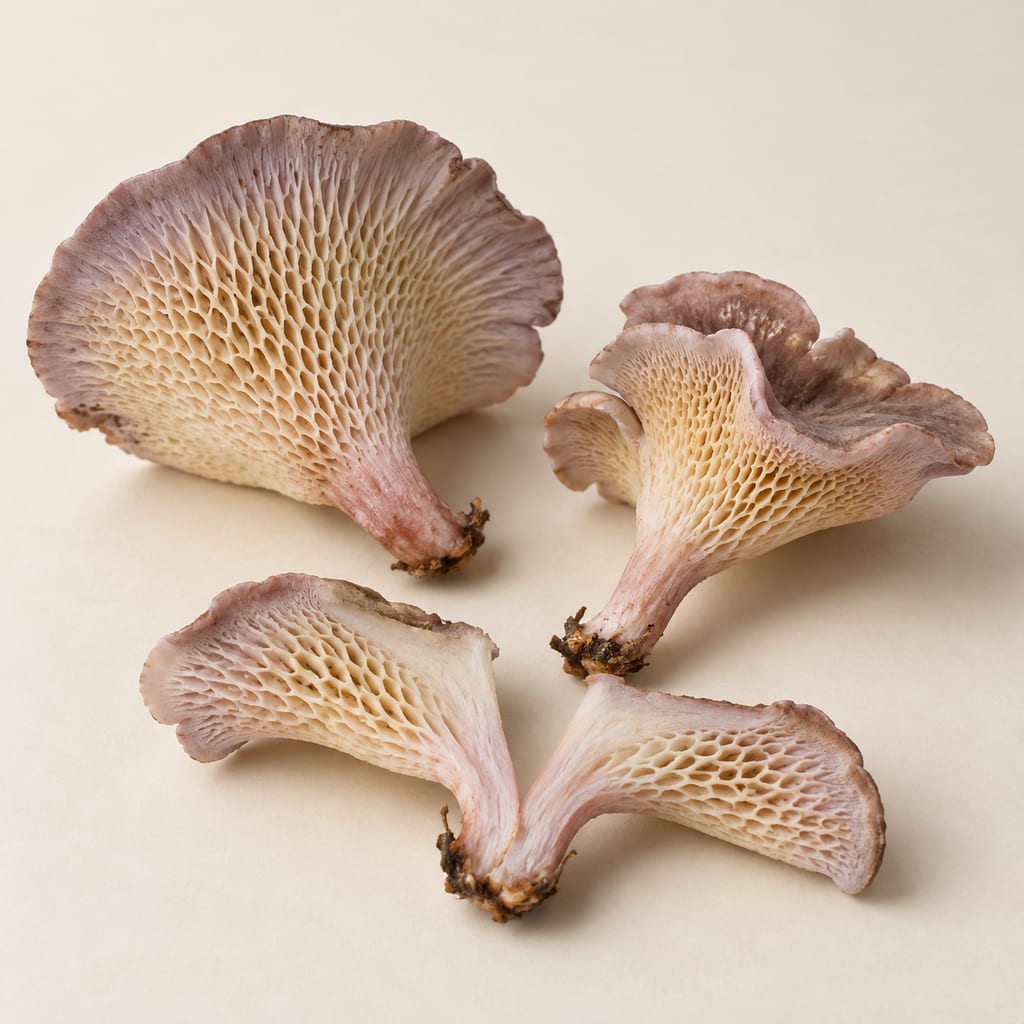
Neofavolus subpurpurascens is a Neotropical honeycomb polypore on wood, recorded in Brazil. Documented occurrence does not establish a food-safety assessment.

The African Caesar-group mushroom, Amanita masasiensis, is a wild ectomycorrhizal species of central and southern African woodlands, eaten locally. The genus contains deadly poisonous species, so identification needs care.
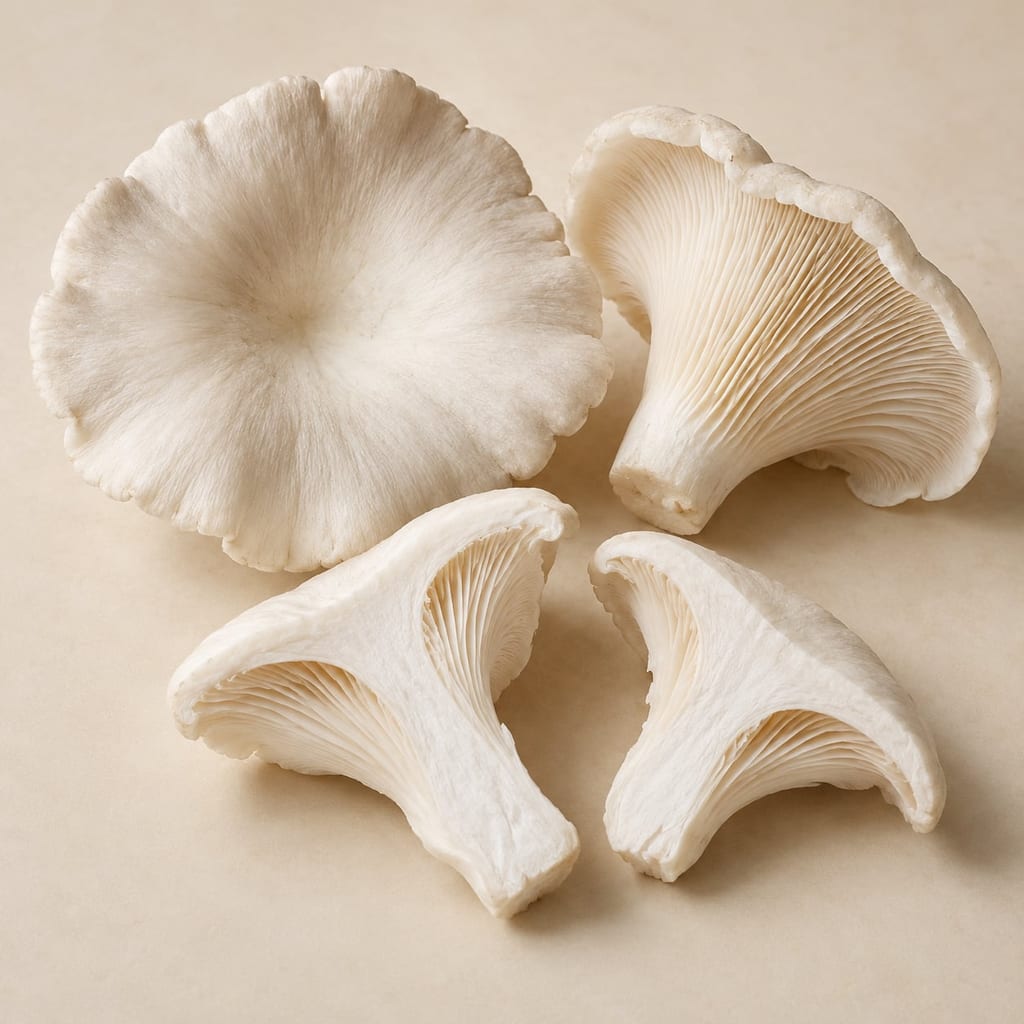
The white oyster mushroom, Pleurotus albidus, is a wood-rotting oyster of Amazonian and Atlantic Forest Brazil and parts of Mexico. Its food use is catalogued, and it has been proposed for commercial cultivation.
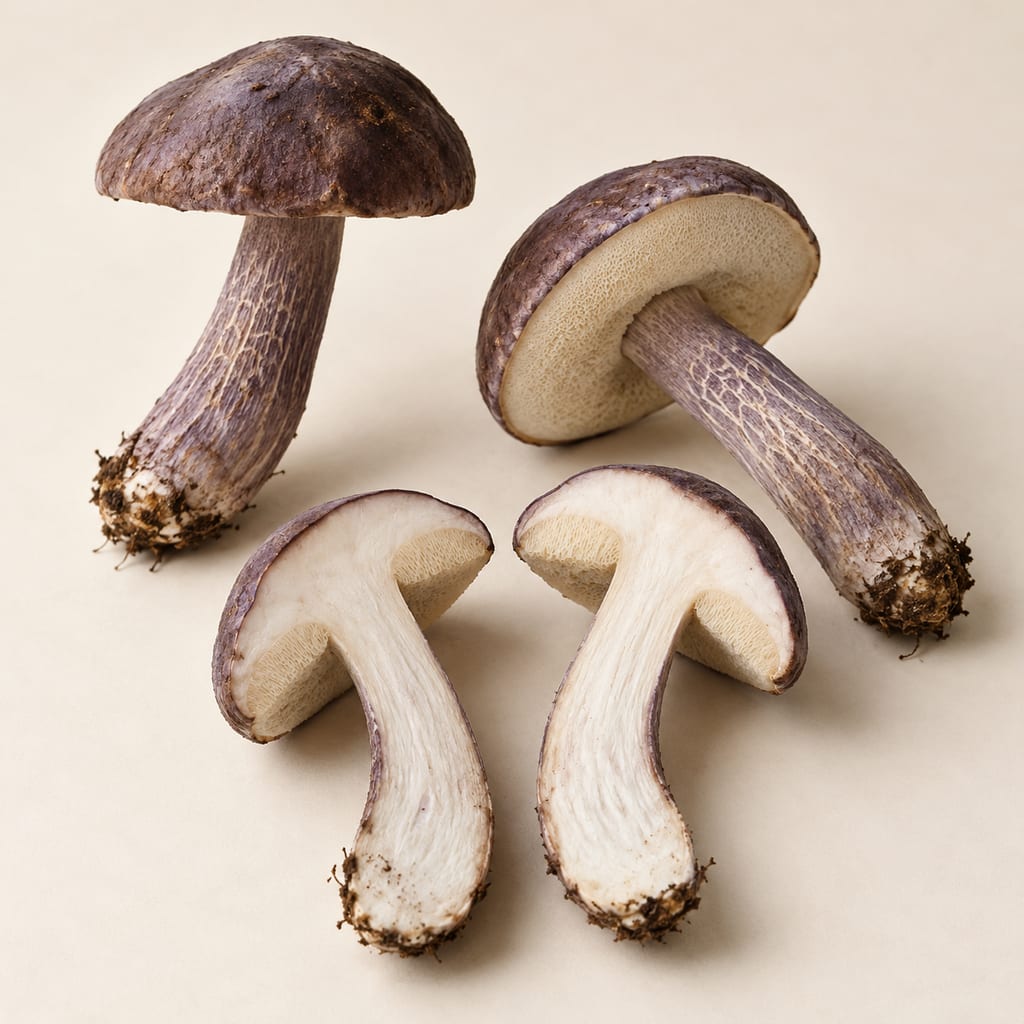
Dark violet Chinese porcini, Boletus violaceofuscus, is a Chinese ectomycorrhizal bolete of the porcini section. The 2026 Chinese catalogue lists it as edible, but its culinary use is not documented.
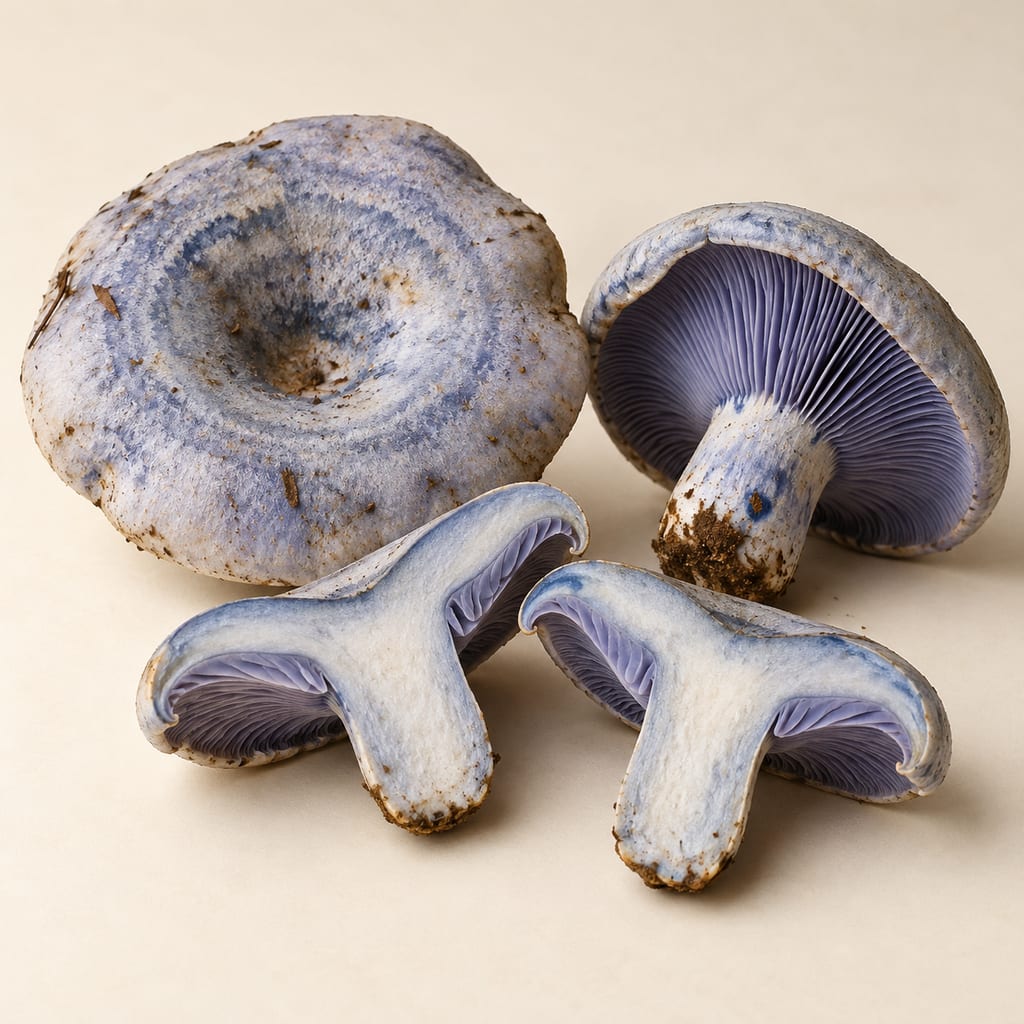
Indigo milkcap, Lactarius indigo, is a blue-latexed milkcap of Mexican and Guatemalan forests. Market and ethnomycology records describe it as roasted or dried for food, and a similar-looking species is a known confusion risk.
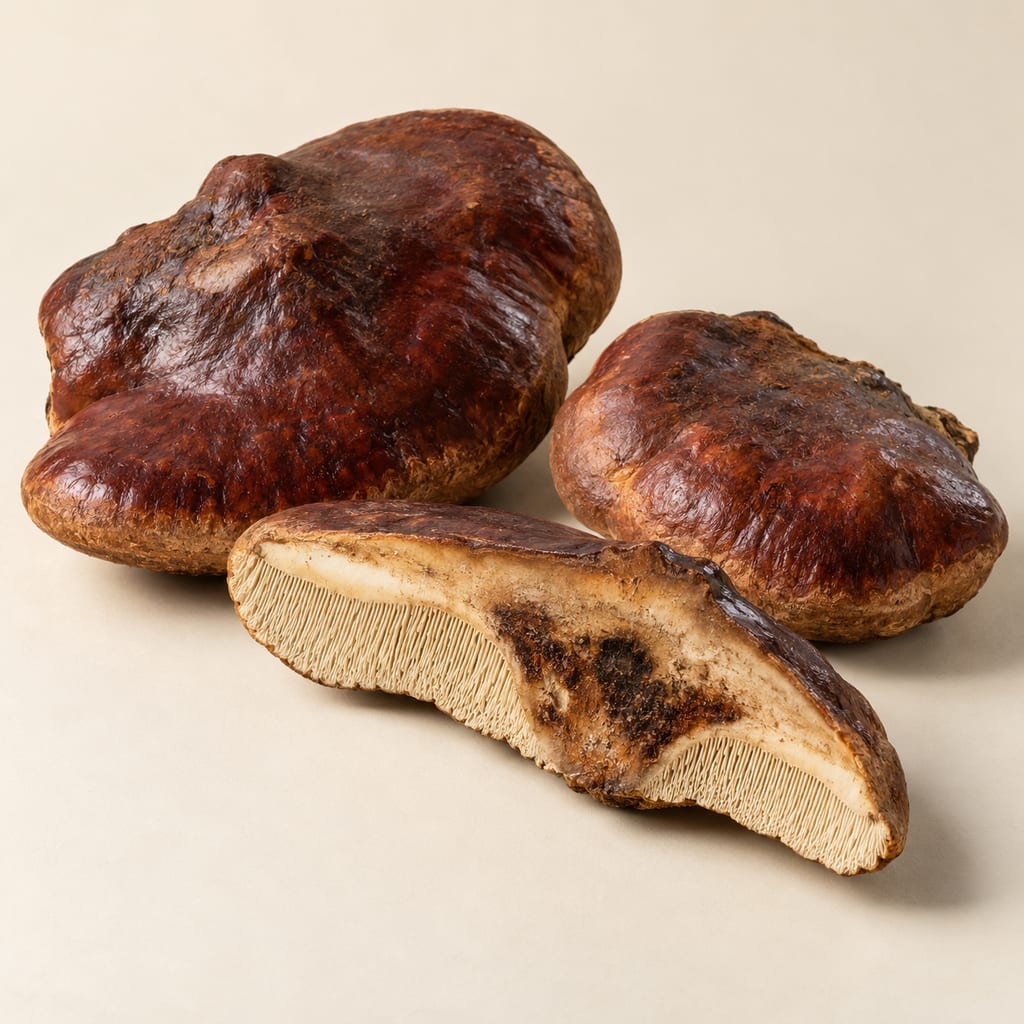
Lenga beefsteak fungus, Fistulina pumiliae, is a bracket fungus that grows on lenga wood in Patagonia. The catalogue records regional consumption, but other sources document edible use for related species, not for this one.
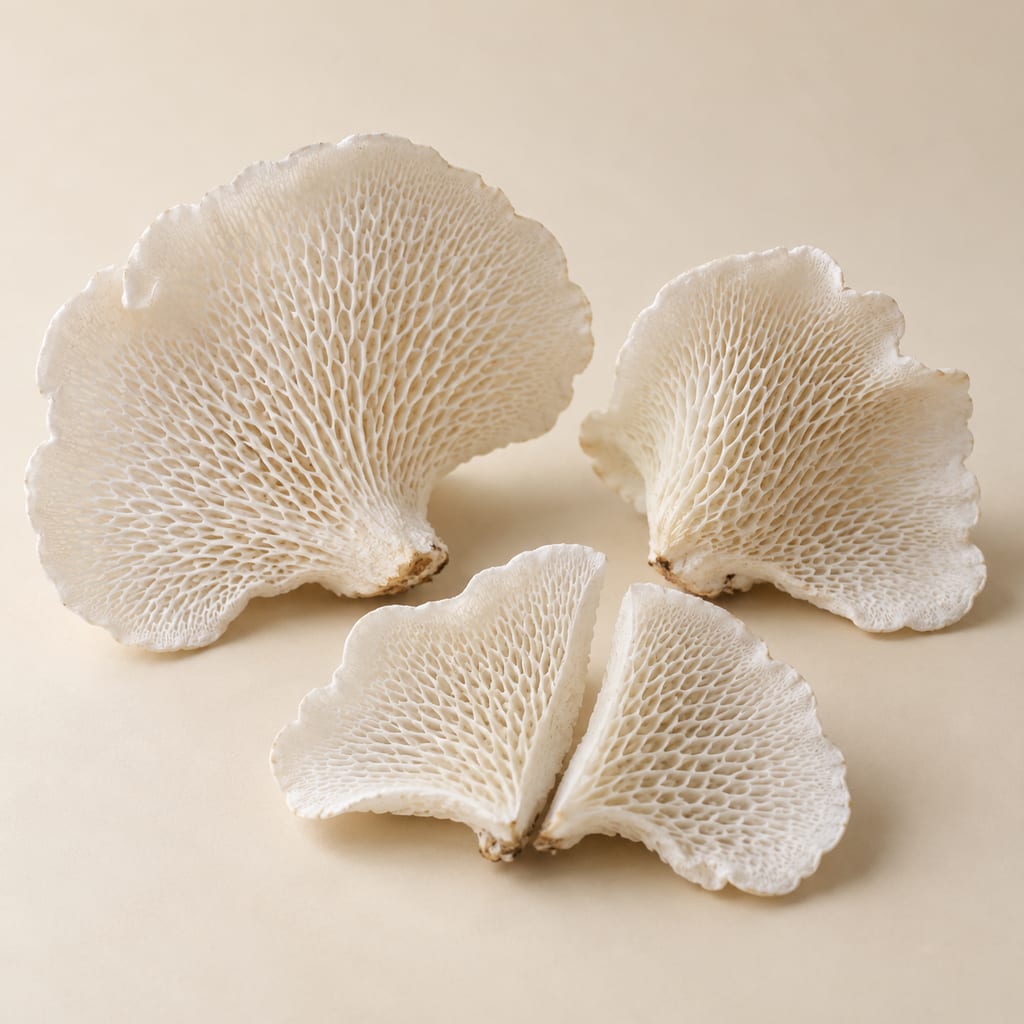
Favolus tenuiculus is a wild forest polypore recorded as locally eaten in Tshopo province, DR Congo. The record is an interview-based food-use note, and the preparation and toxicity of the species are not established.
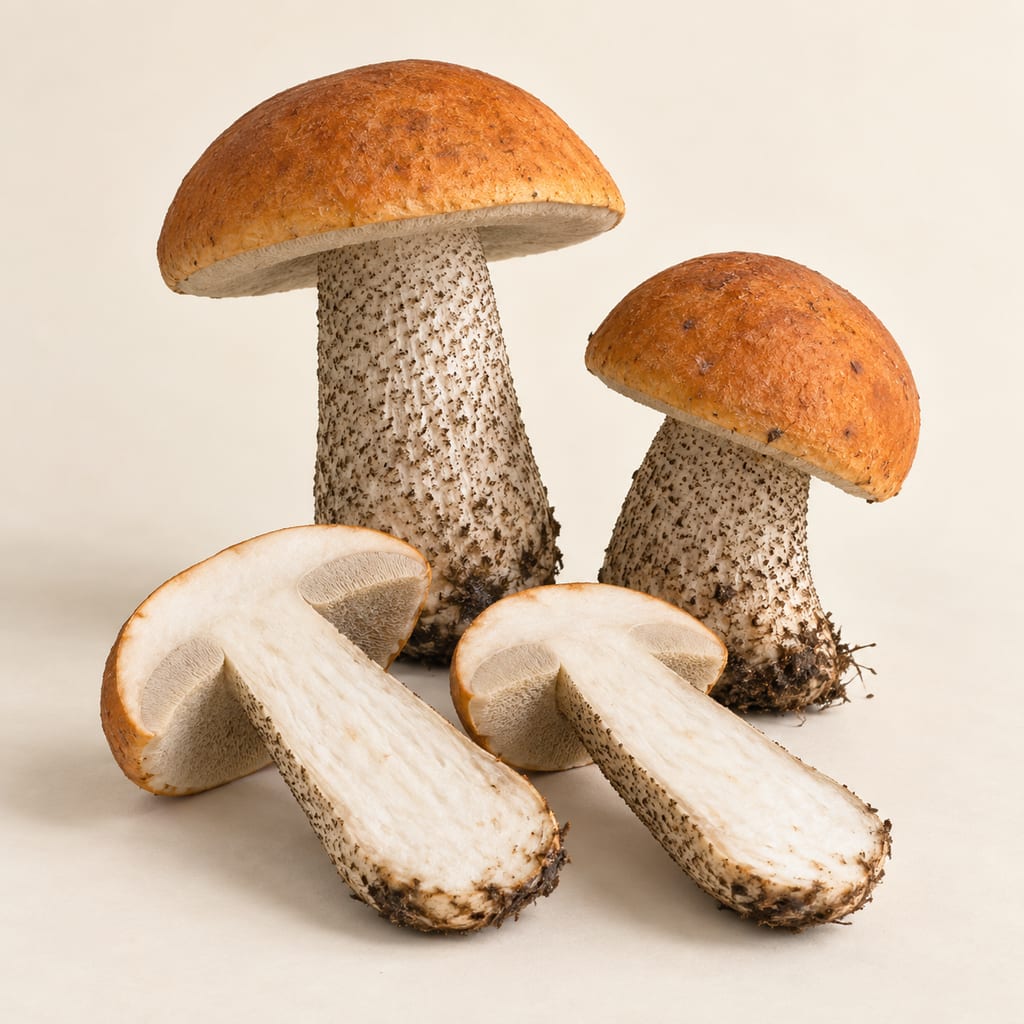
Orange birch bolete, Leccinum versipelle, is a bolete that grows with birch in Northern Europe. Sources treat it as edible only after thorough cooking, because raw or undercooked specimens can cause nausea and vomiting.
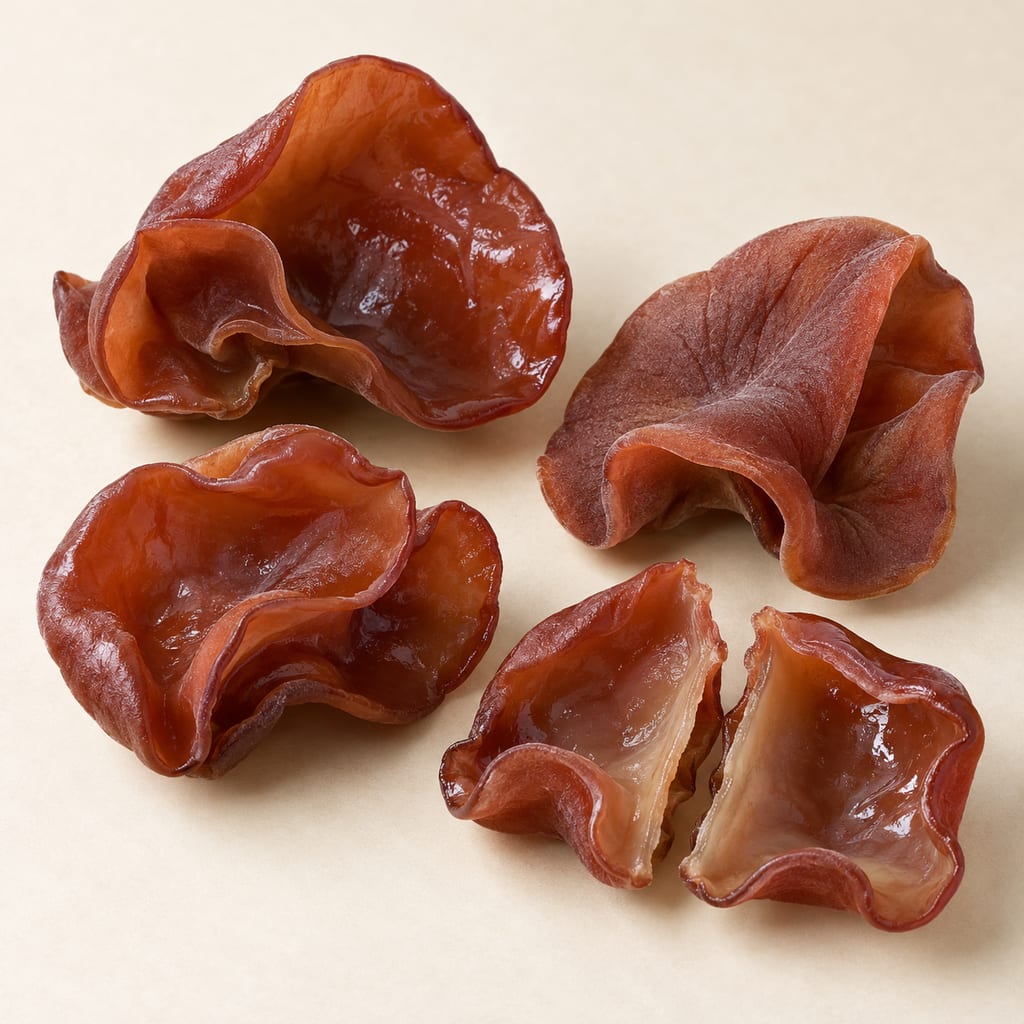
Reddish wood ear, Auricularia fuscosuccinea, is a gelatinous fungus that grows on wood in tropical forests. Records from Amazonian and other Neotropical communities describe it as food, but documented use is not a food-safety assessment.
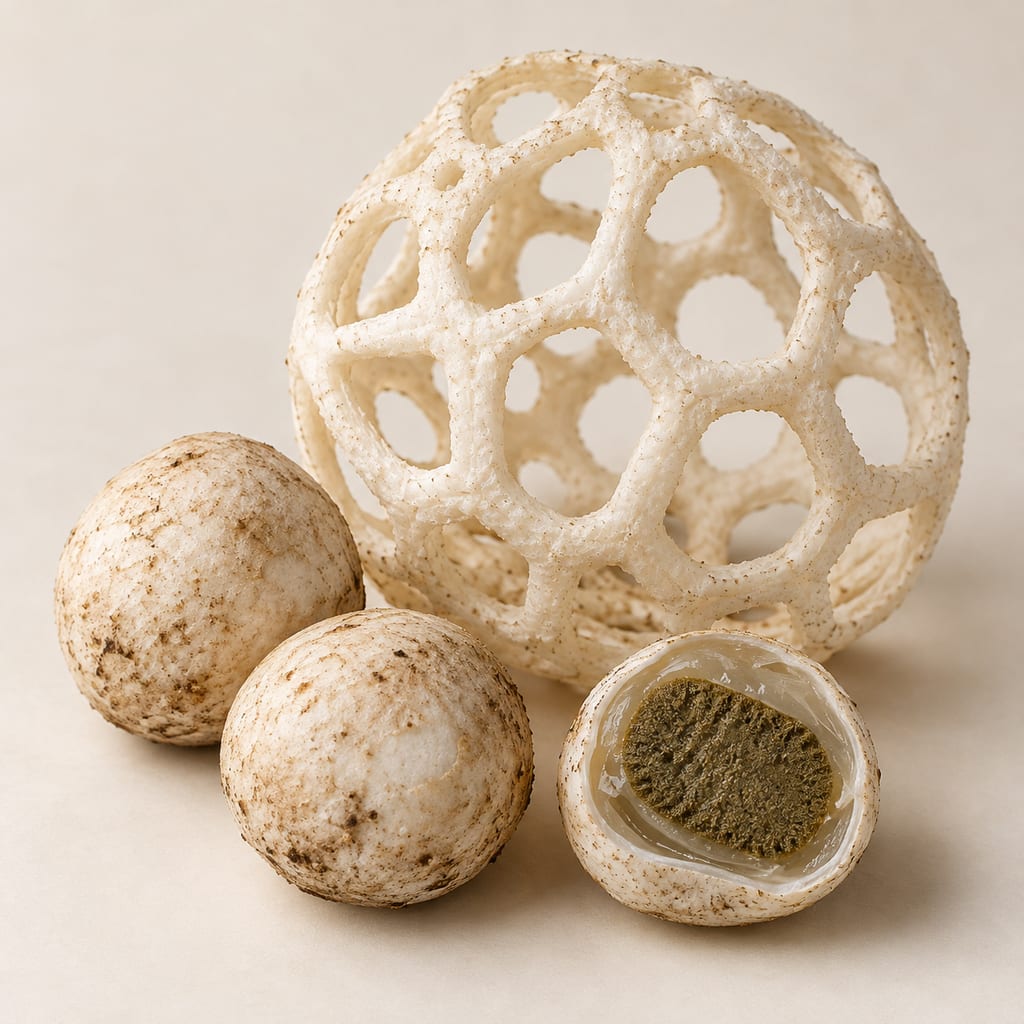
Ileodictyon cibarium, a New Zealand stinkhorn fungus with a lattice basket. Historical Māori accounts record its unexpanded egg stage as food. Modern edibility has not been verified.
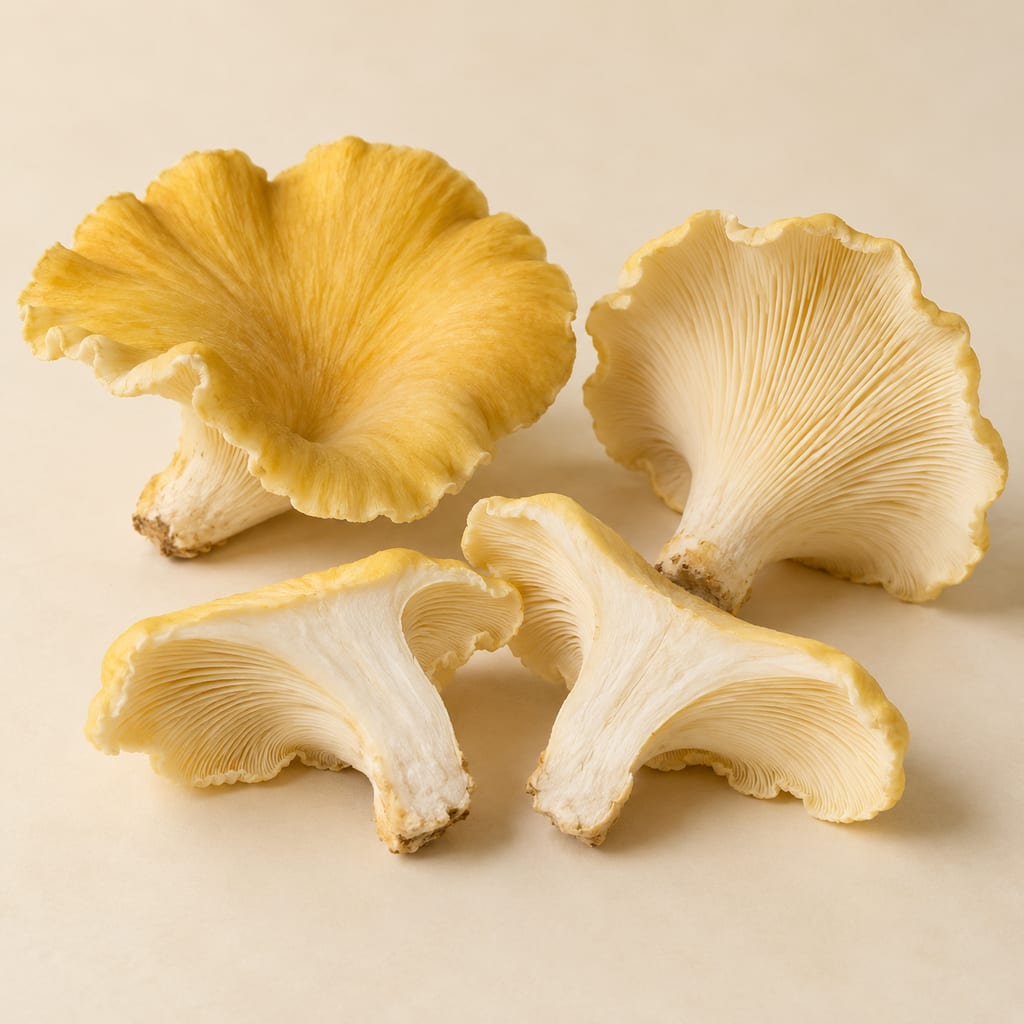
Pleurotus magnificus, a wood-decaying oyster mushroom of the Araucaria forests of southern Brazil, recorded as locally eaten and listed as Endangered. Cultivation has not been confirmed.
Fistulina endoxantha, a wood-decay bracket fungus of the Nothofagus forests of Patagonia, gathered as food by Mapuche-Tehuelche people. Its taxonomy and nutrition are still being worked out.
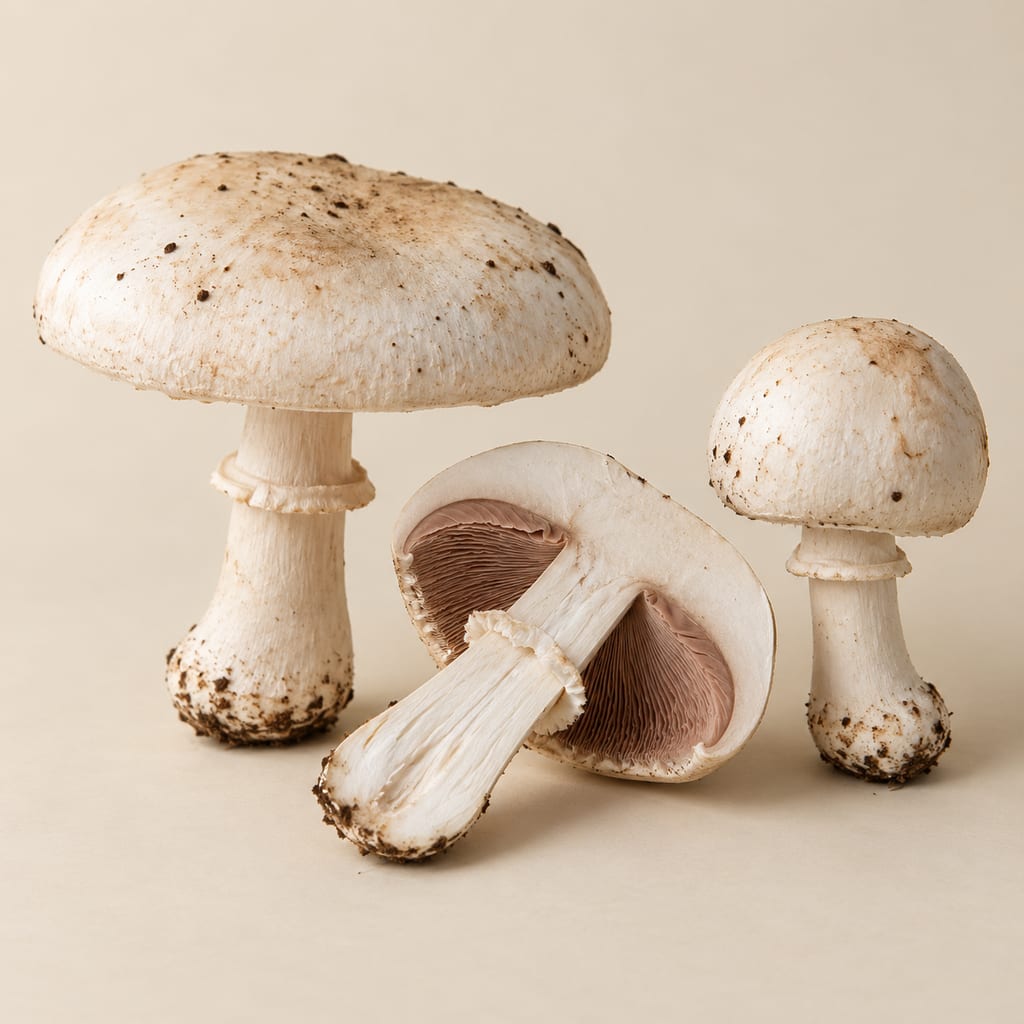
Agaricus sylvicola, the wood mushroom, is a forest-litter mushroom of Europe with an anise or almond smell, eaten in Europe but separated from the toxic yellow stainer, Agaricus xanthodermus, by smell and staining.
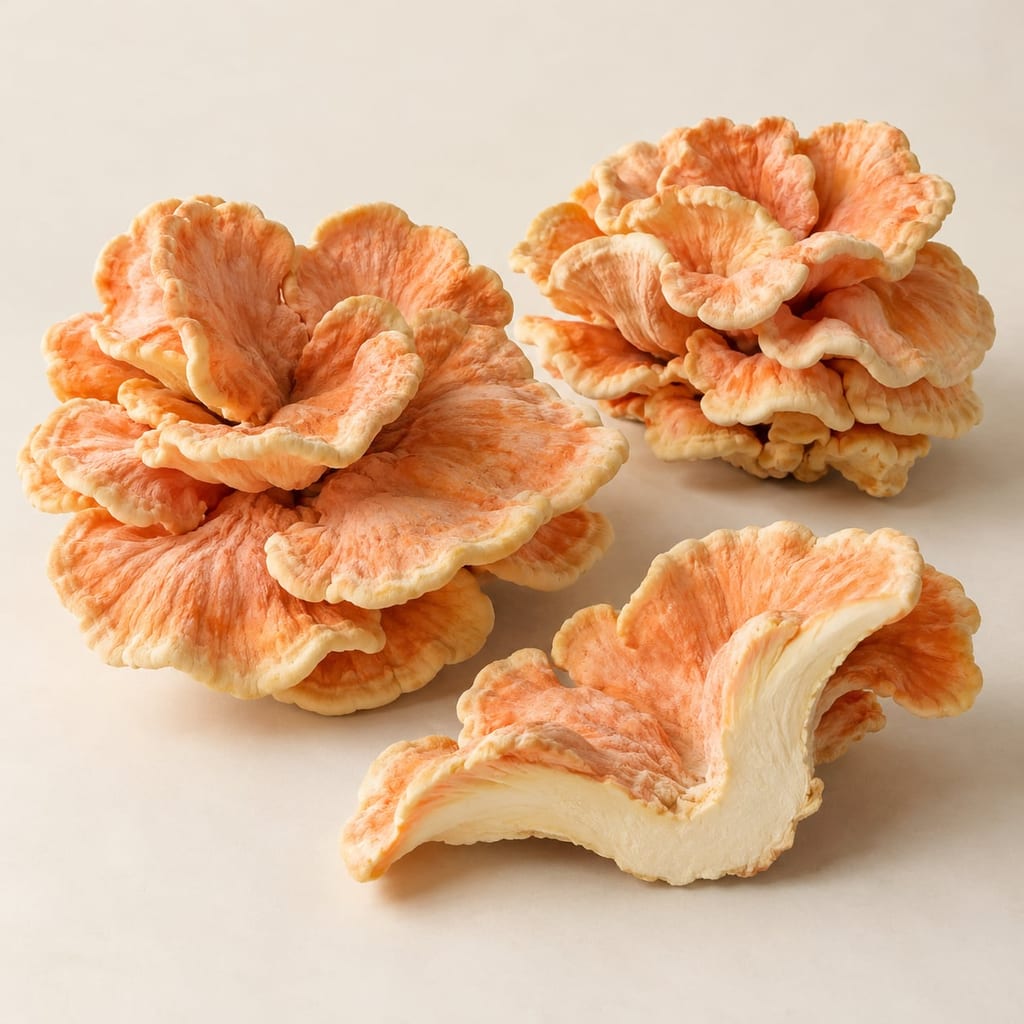
Pale chicken of the woods, Laetiporus cincinnatus, is a bracket fungus of eastern North American oak woods whose young fruiting bodies are eaten cooked, with a known risk of digestive upset.
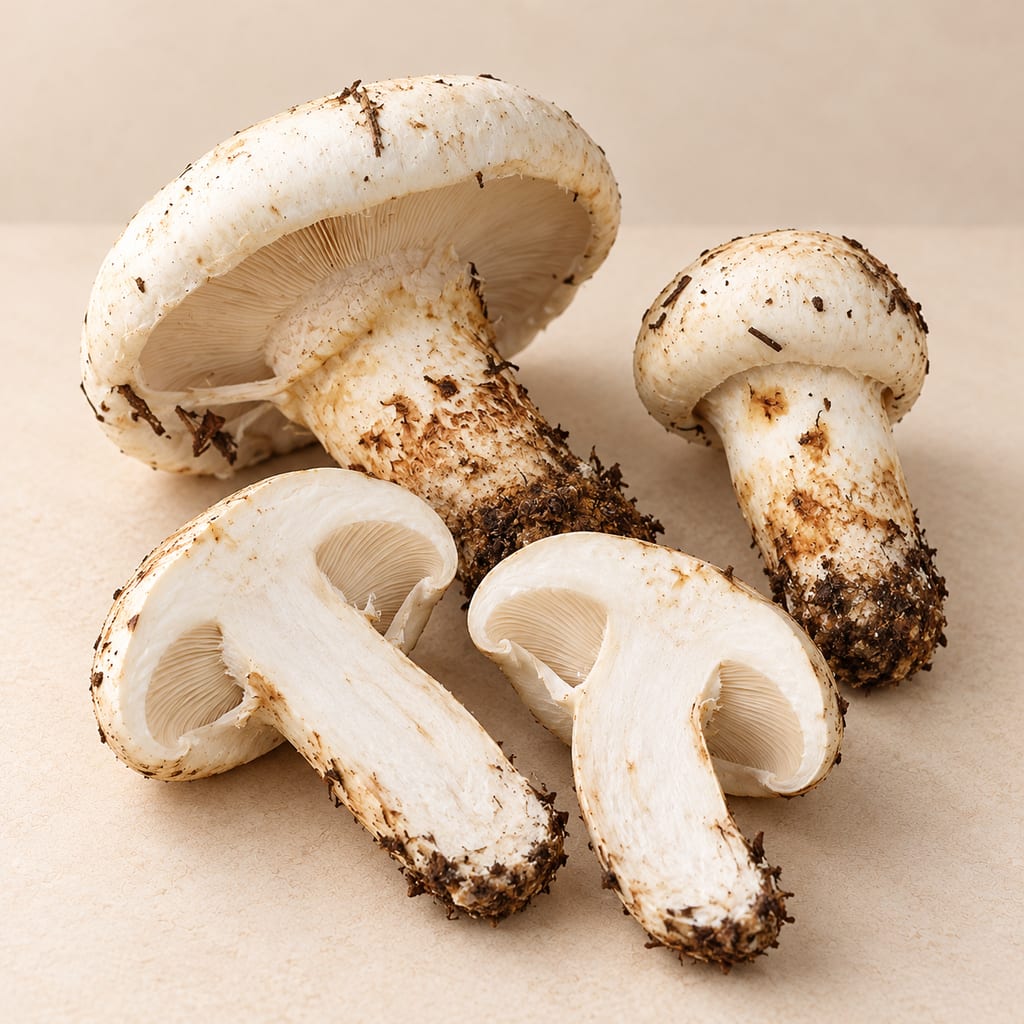
Eastern American matsutake, Tricholoma magnivelare, is an aromatic wild mushroom of eastern North American forests, a different taxon from the western matsutake sold in the Japanese trade.
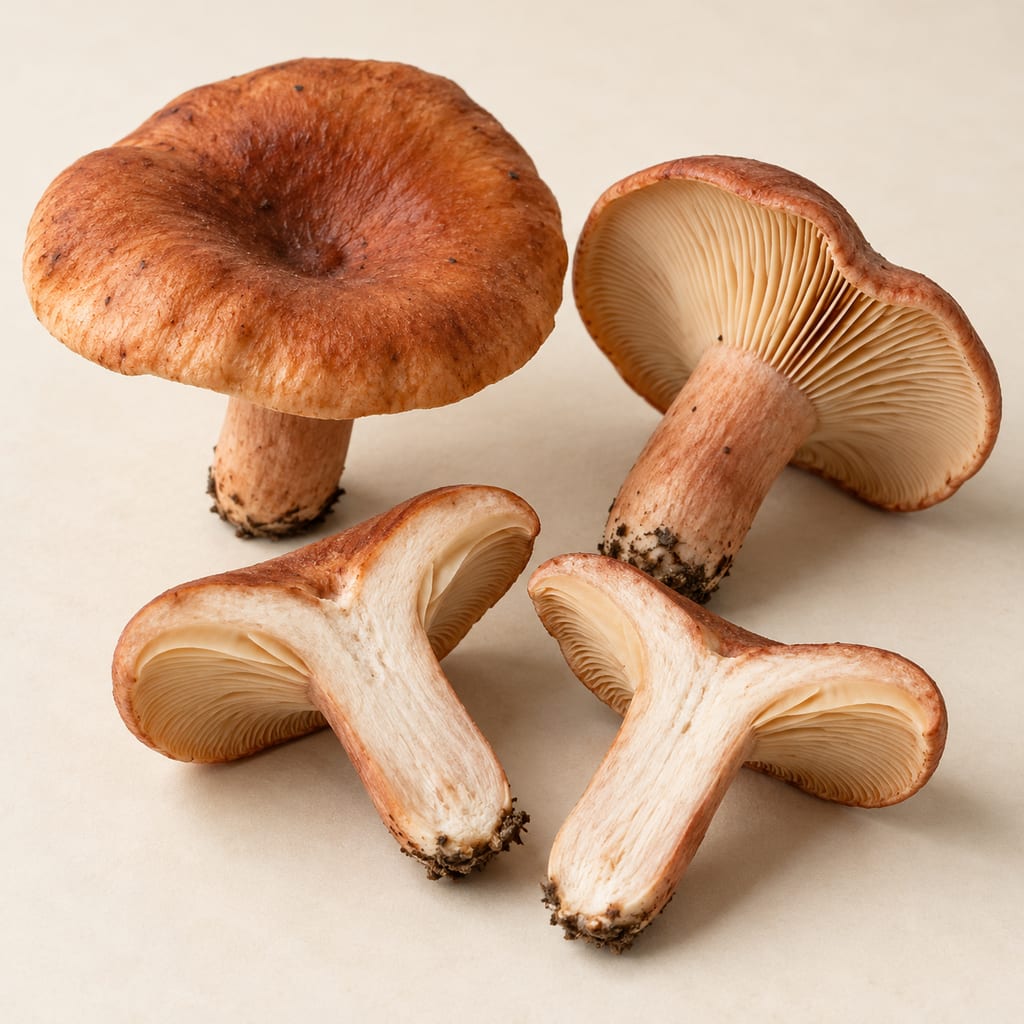
The rufous milkcap, Lactarius rufus, is a tree-associated milkcap of northern and eastern Europe whose acrid latex makes it a conditional food, traditionally processed and not eaten raw.
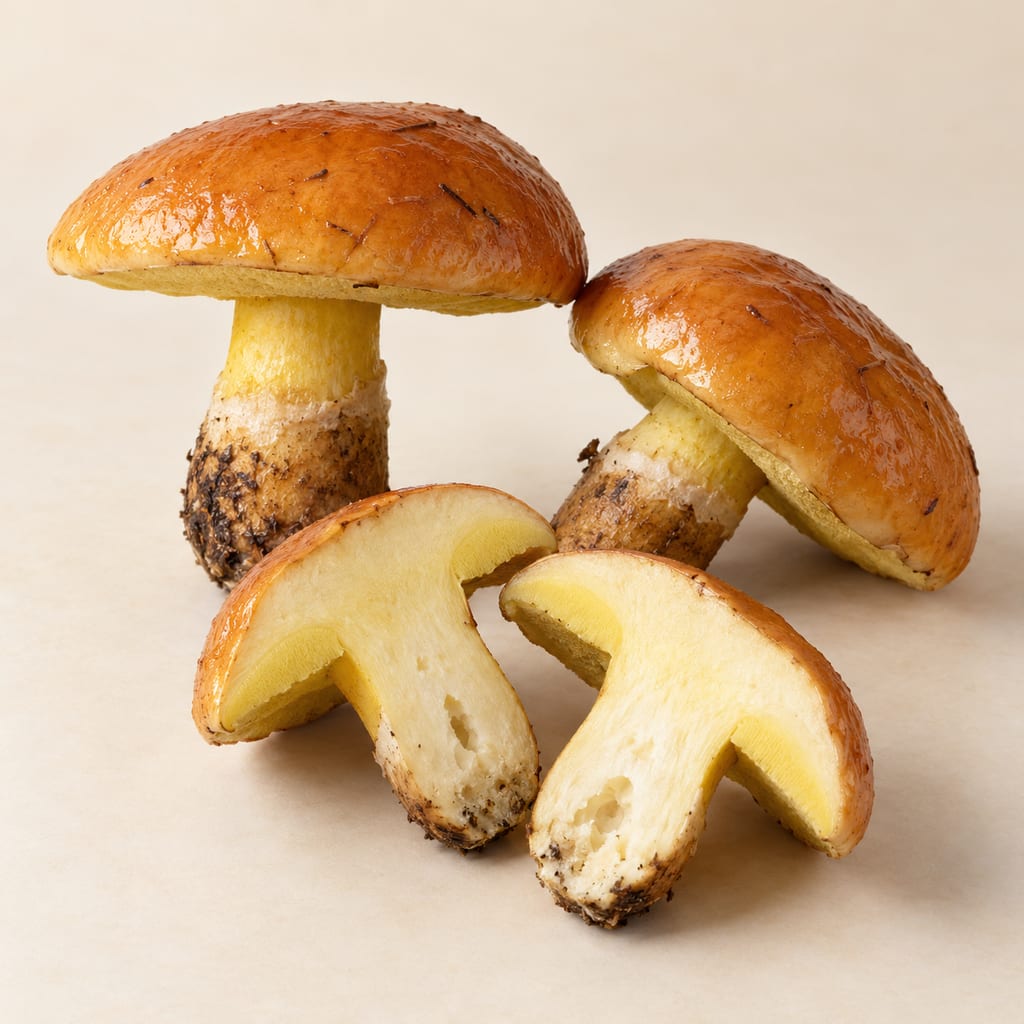
The larch bolete, Suillus grevillei, is a mycorrhizal bolete of larch woods in Europe and introduced larch plantings, eaten cooked after its slimy skin and pores are removed.
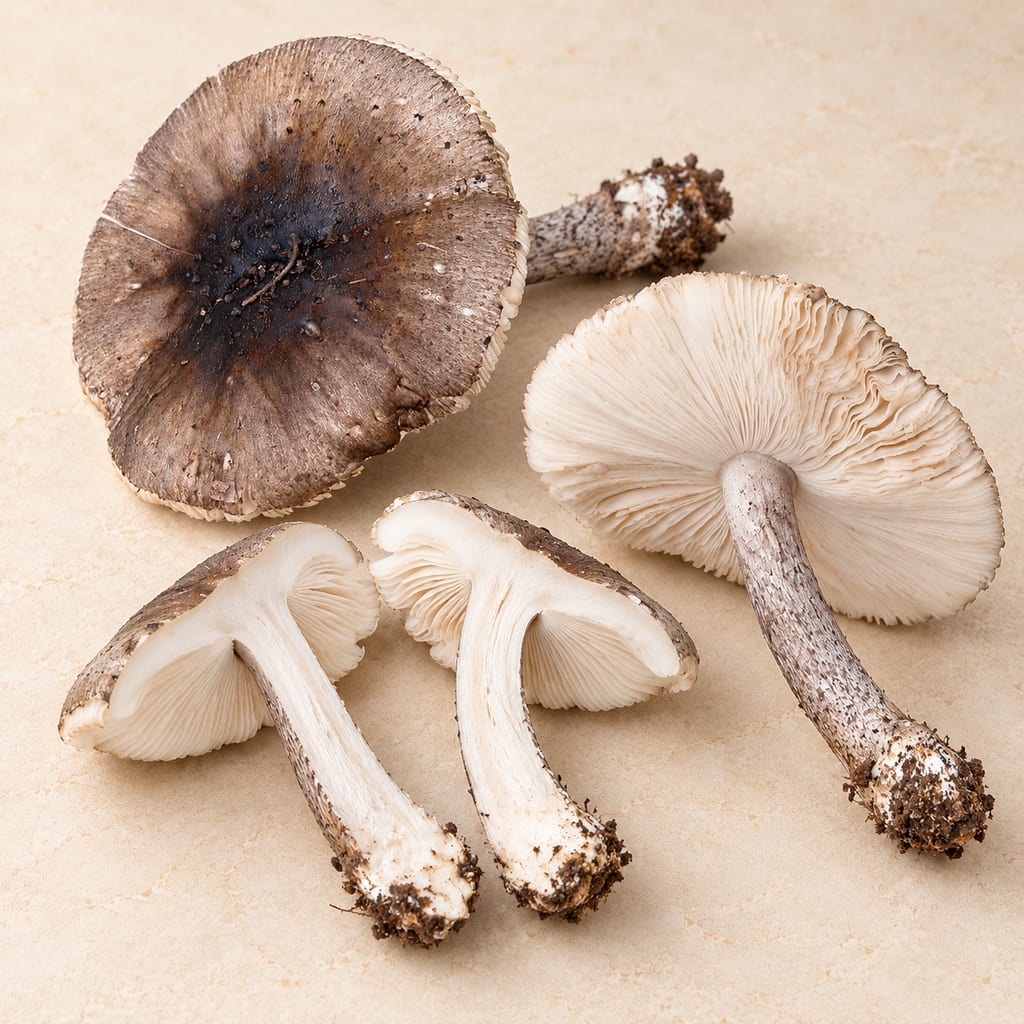
Pulutukwe is the Patamona name for Amanita perphaea, a wild Amanita of the Pakaraima Mountains of Guyana that the Patamona people value as food. Its identity is not established for other Amanitas.
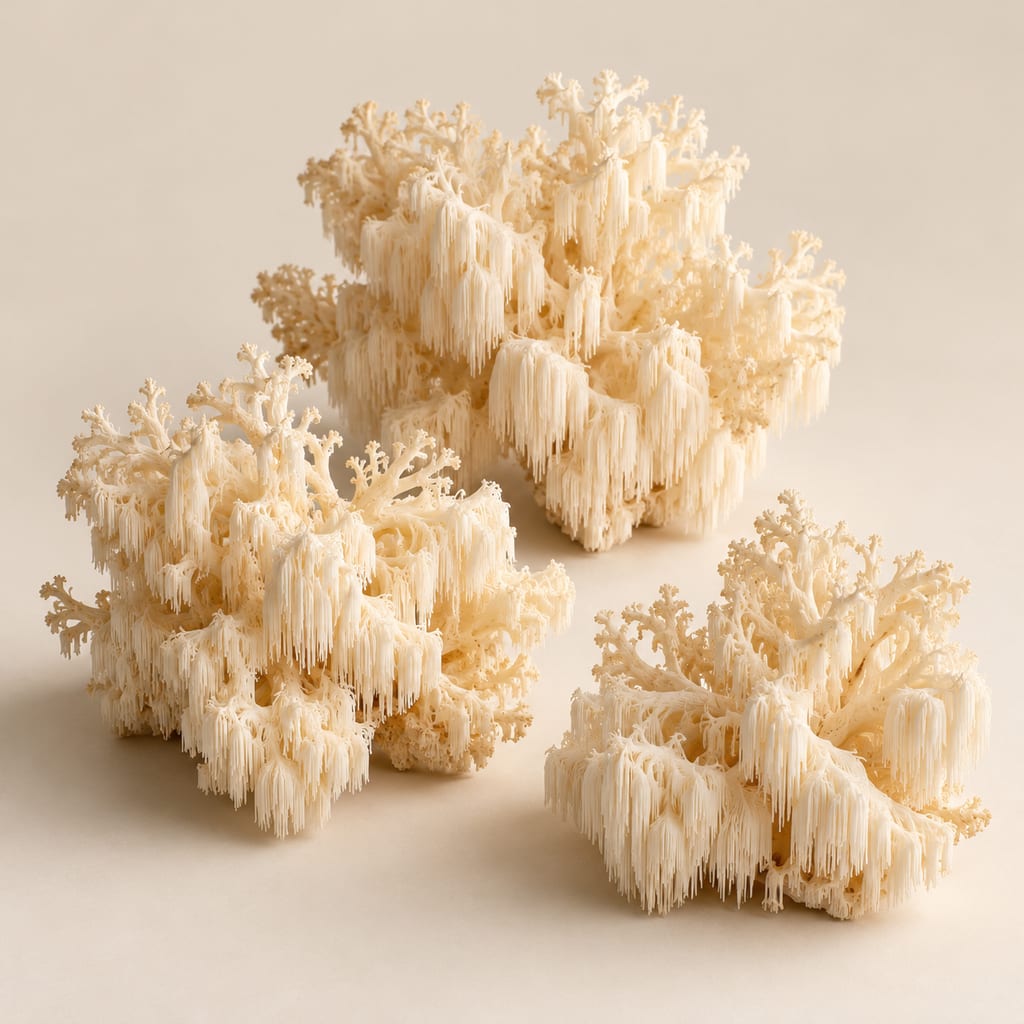
Hericium novae-zealandiae is a native New Zealand coral tooth fungus that grows on dead wood and was traditionally gathered by Māori, with little written record of its food use.