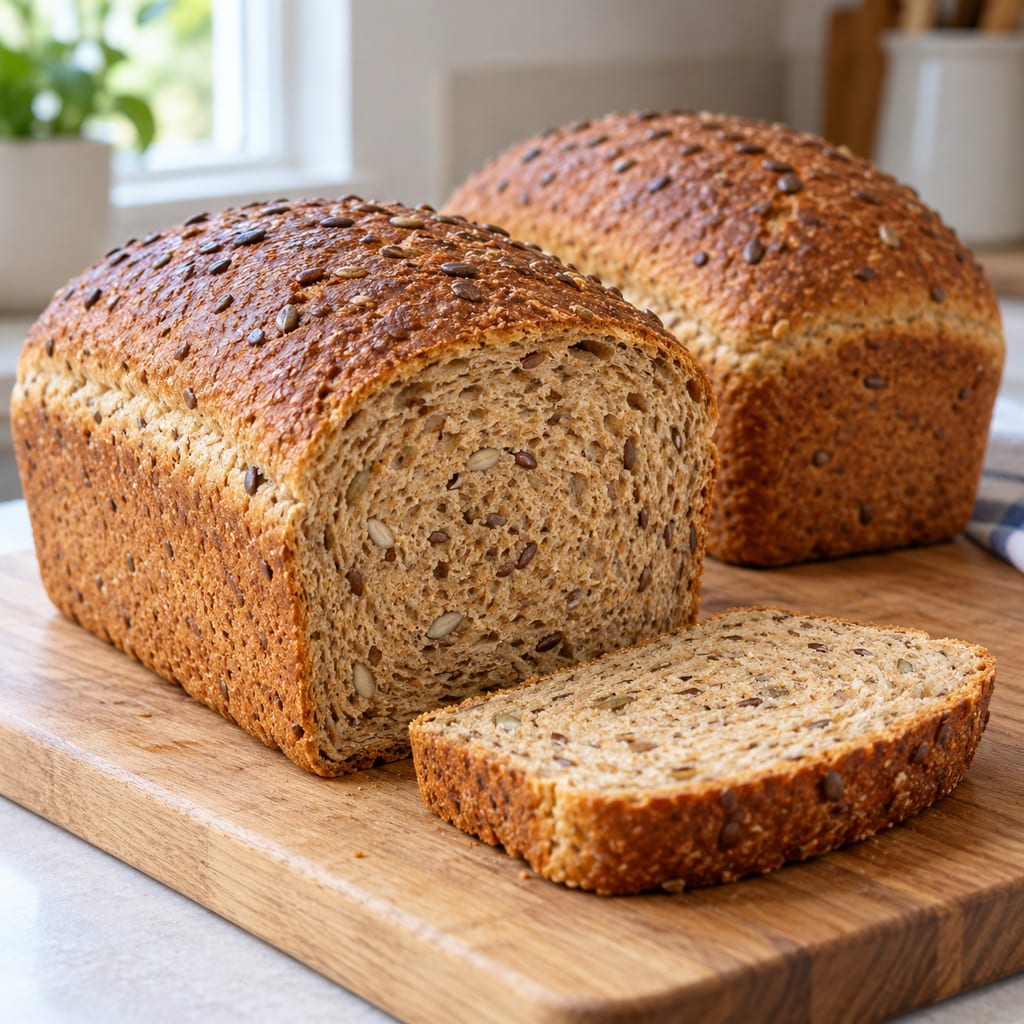
Malted wheat and seeded loaf
Two soft, savoury-sweet wheat loaves with malted flour, mixed seeds, butter and honey.
 FermenteaWhere food goes to change
1504 records with their sources, across 11 categories.
Two soft, savoury-sweet wheat loaves with malted flour, mixed seeds, butter and honey.
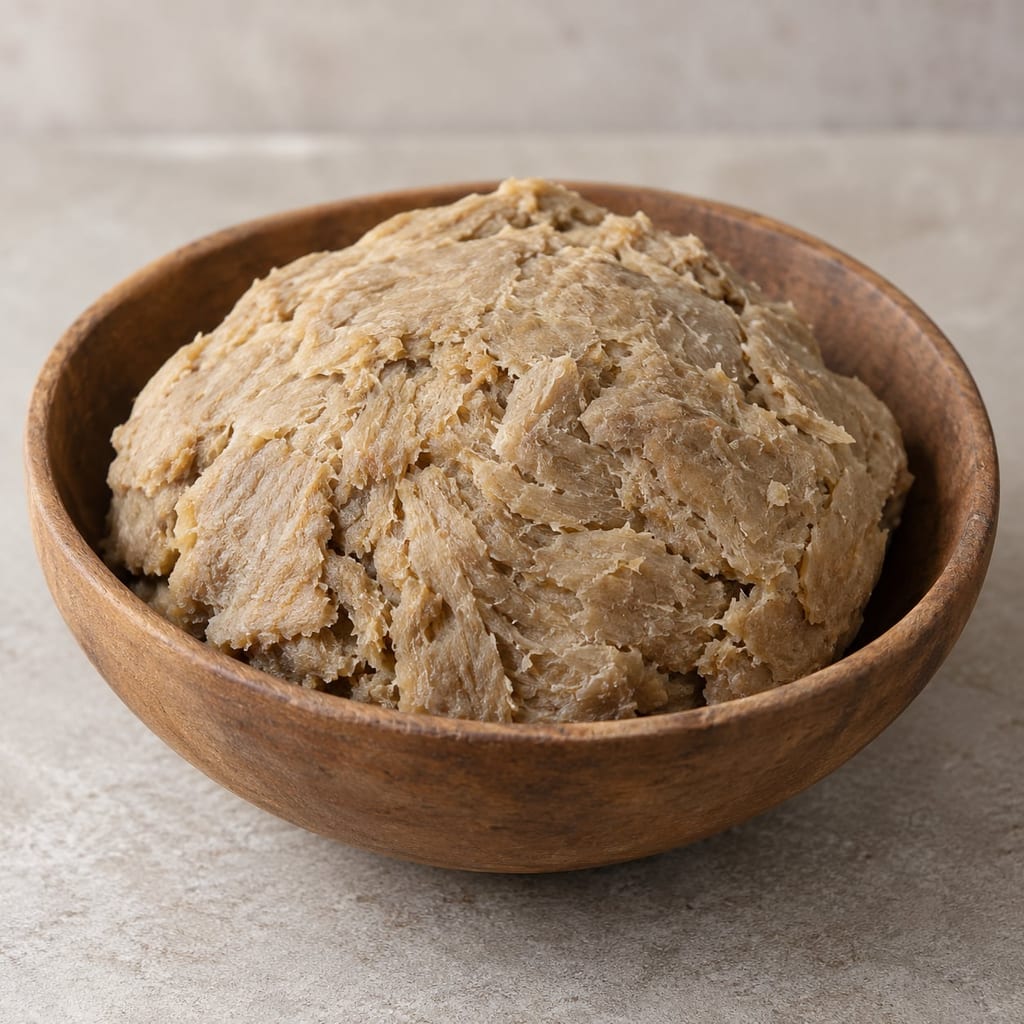
Marquesan ma is fermented breadfruit paste stored in pits and prepared as popoi. The source describes the process and dishes but gives no validated household method.
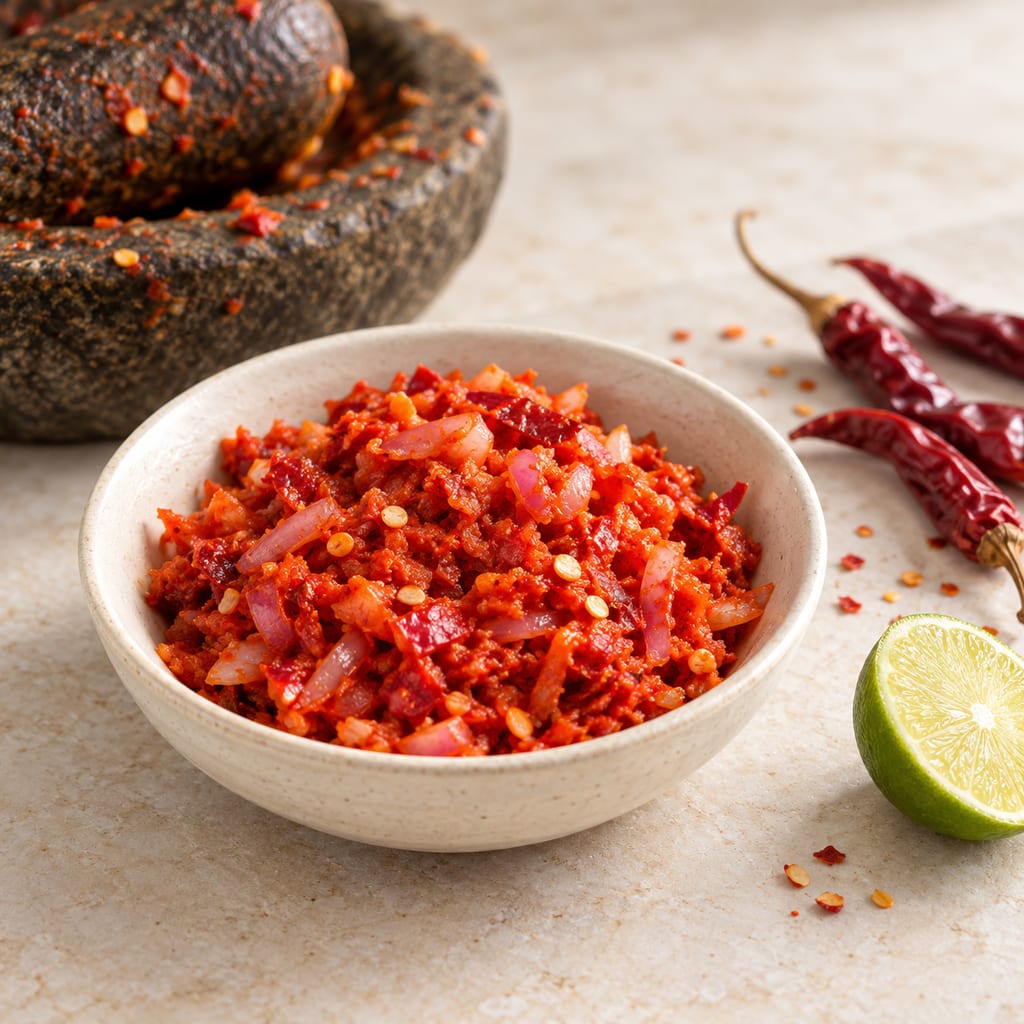
Lunu miris is Sri Lanka's pounded onion and chilli sambol: chilli flakes and red onion crushed with salt and lime, often with Maldive fish, eaten in small amounts with hoppers, pol roti and kiribath.
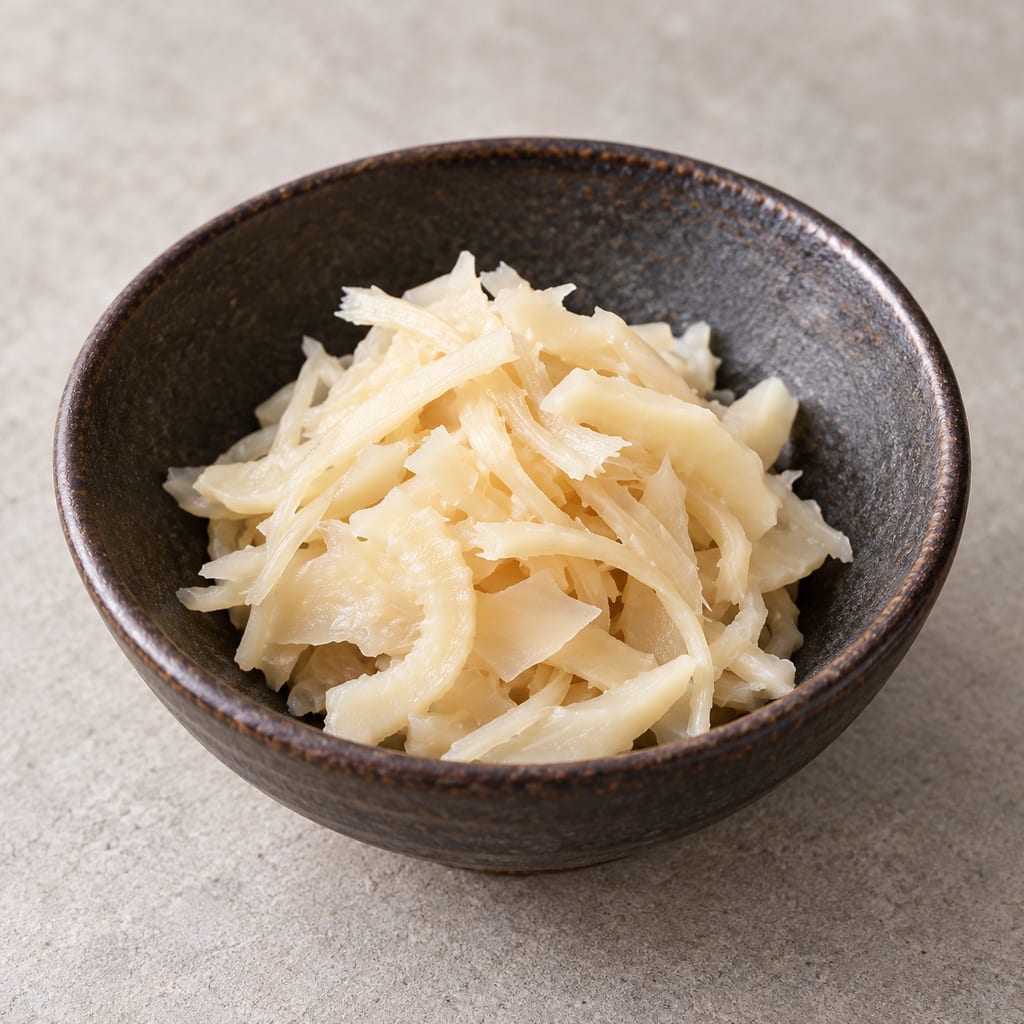
Young Dendrocalamus hamiltonii shoots fermented in a bamboo cylinder in a stream or in a sealed bottle above a kitchen oven, from Khasi households in Meghalaya.
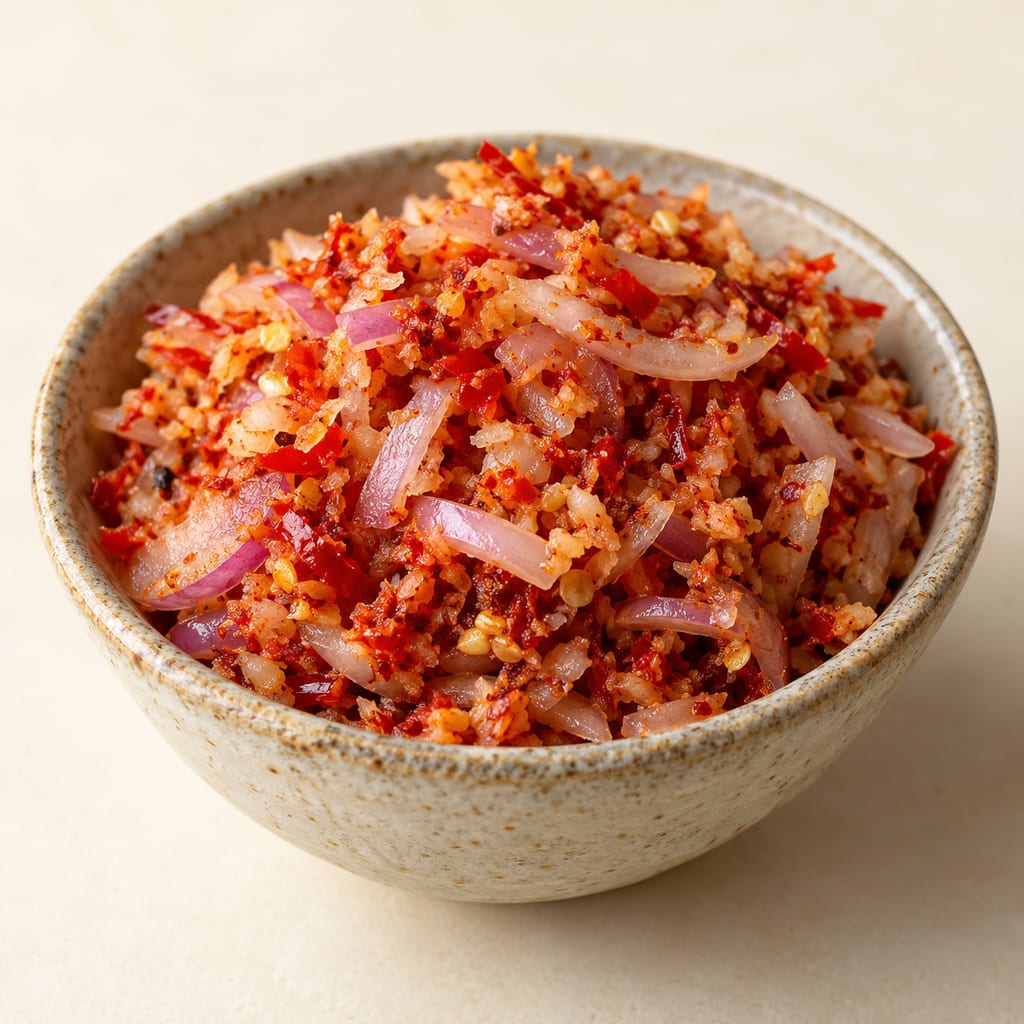
A Sri Lankan lunu miris made by pounding onion and chilli flakes with lime; Maldive fish is optional.

A cultural account of luk niang dong, a Thai djenkol-bean pickle associated with southern Thailand. Not a recipe or eating recommendation: sources do not establish that pickling controls djenkolism.
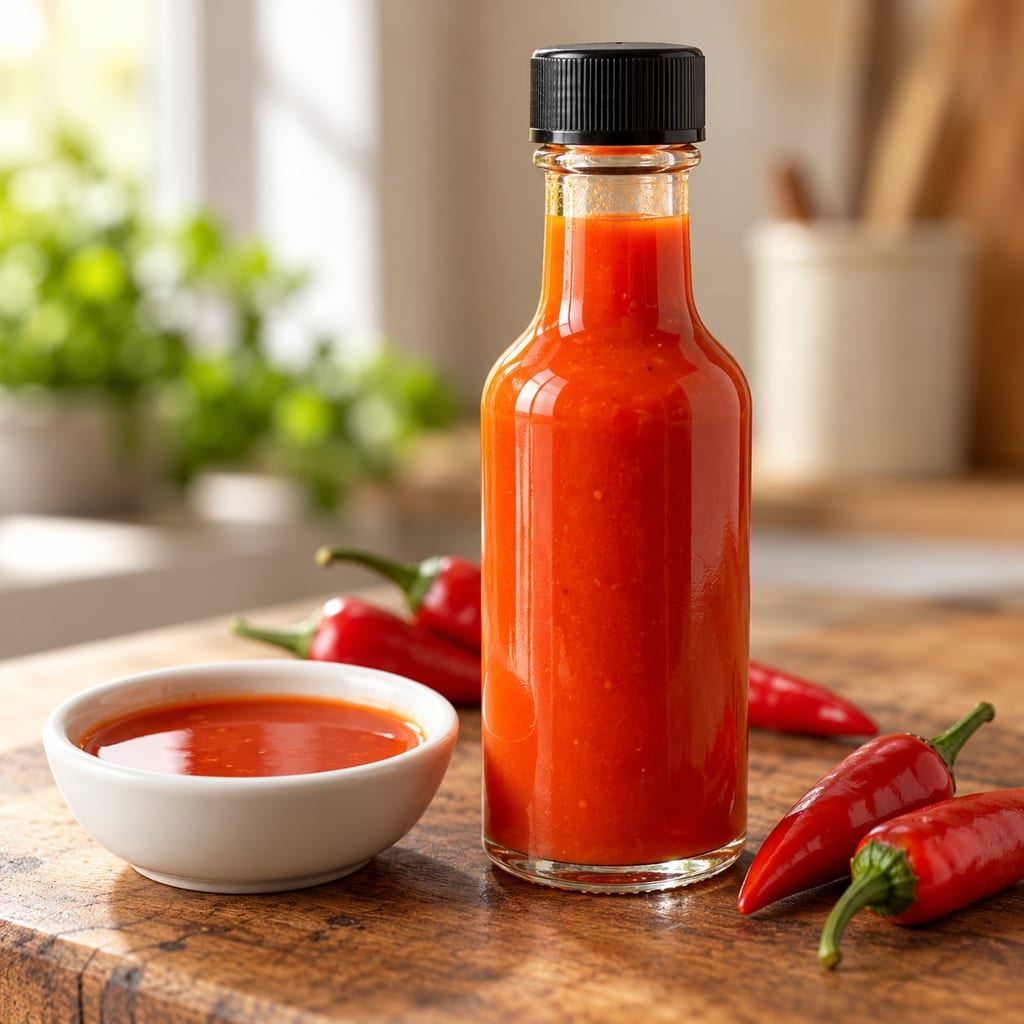
Documentary account of Louisiana pepper sauces, using TABASCO's published barrel-aged commercial process as one specific example; the source does not provide a validated home recipe.
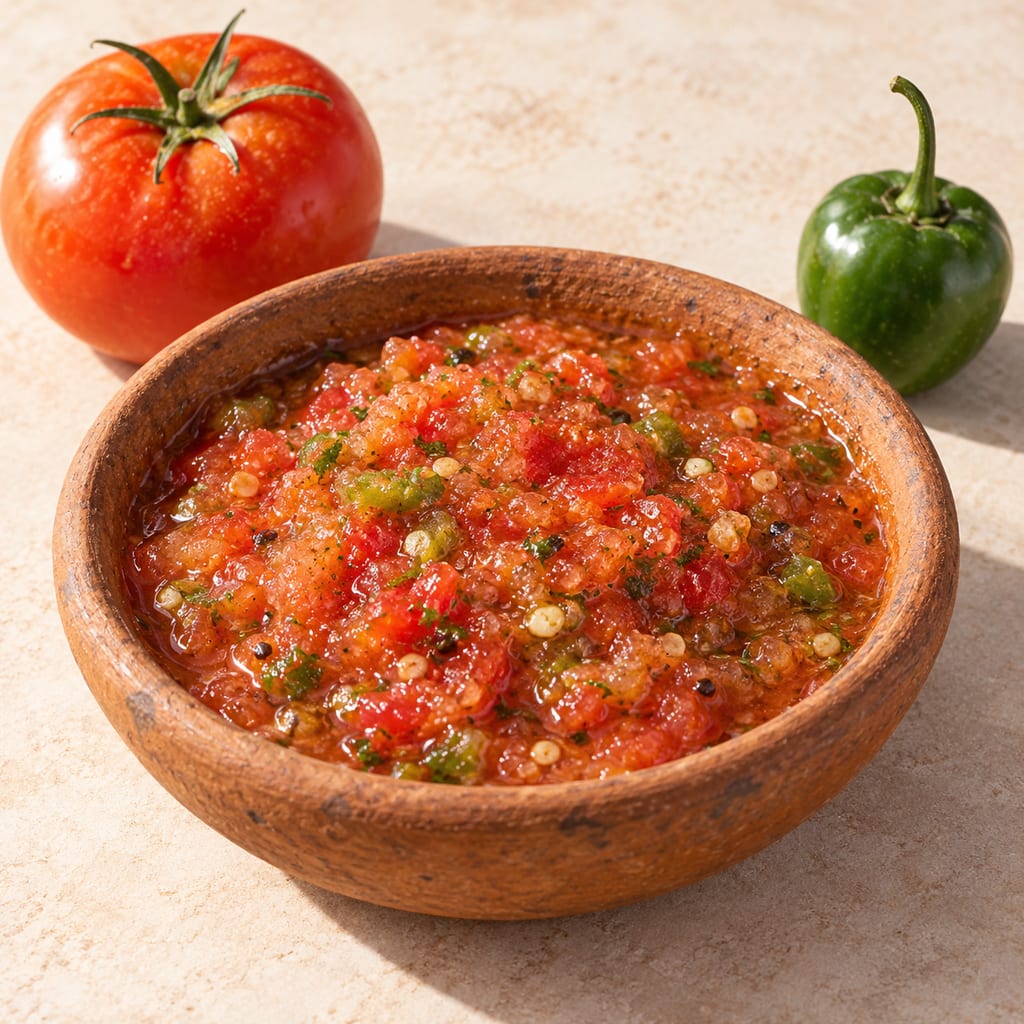
A fresh Bolivian table sauce of tomato, locoto chilli and herbs, following the La Paz municipal formula. Regional preparations vary.
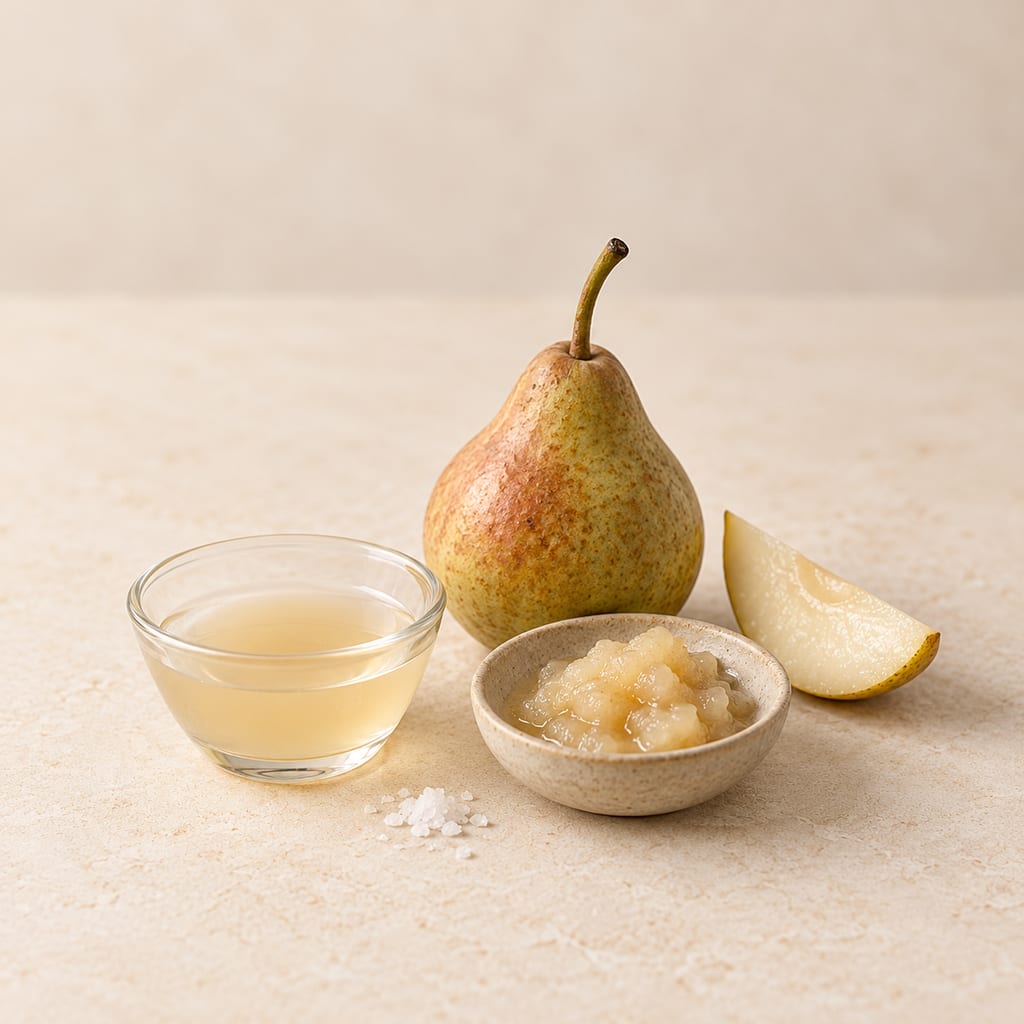
A late-antique Roman recipe in which very ripe pears are crushed with salt, matured for three months and drained, giving a pale liquid called liquamen.
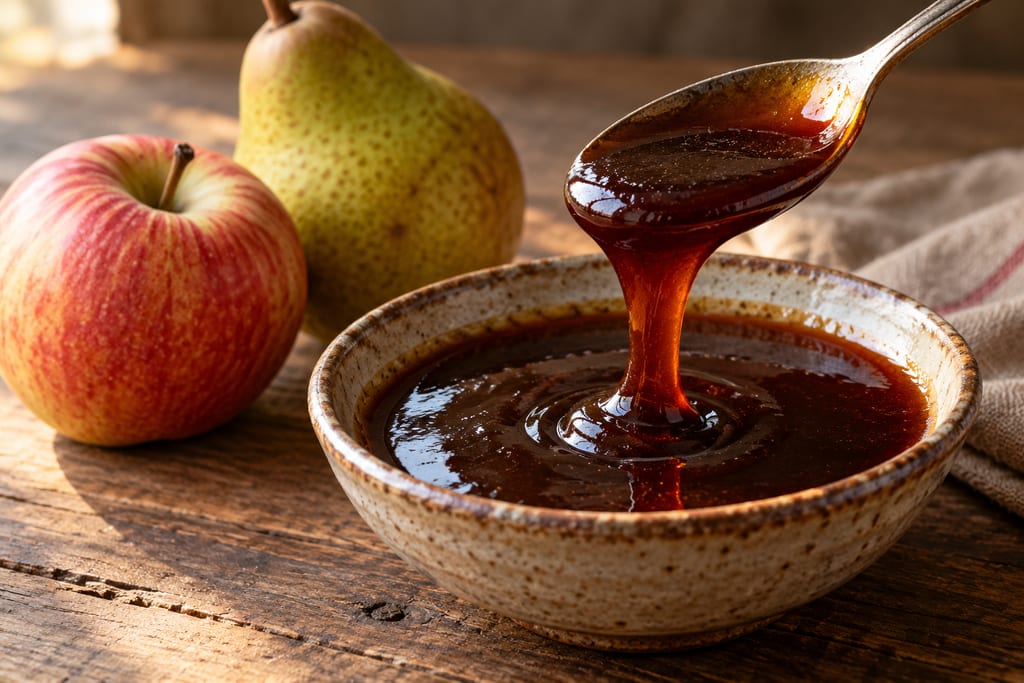
Limburgse stroop is a regional family of cooked fruit syrups from Dutch and Belgian Limburg. Producers blend apples, pears and beet differently, so no single formula exists.

A 2024 Ranau account describes Kadazan-Dusun Lihing as glutinous rice fermented with sasad for two to three months or longer. Starter quantity and a validated safety endpoint are not established.

Libritos de grasa are small Argentine laminated yeast rolls made with wheat flour and beef fat, folded into book-like pieces and served with mate.
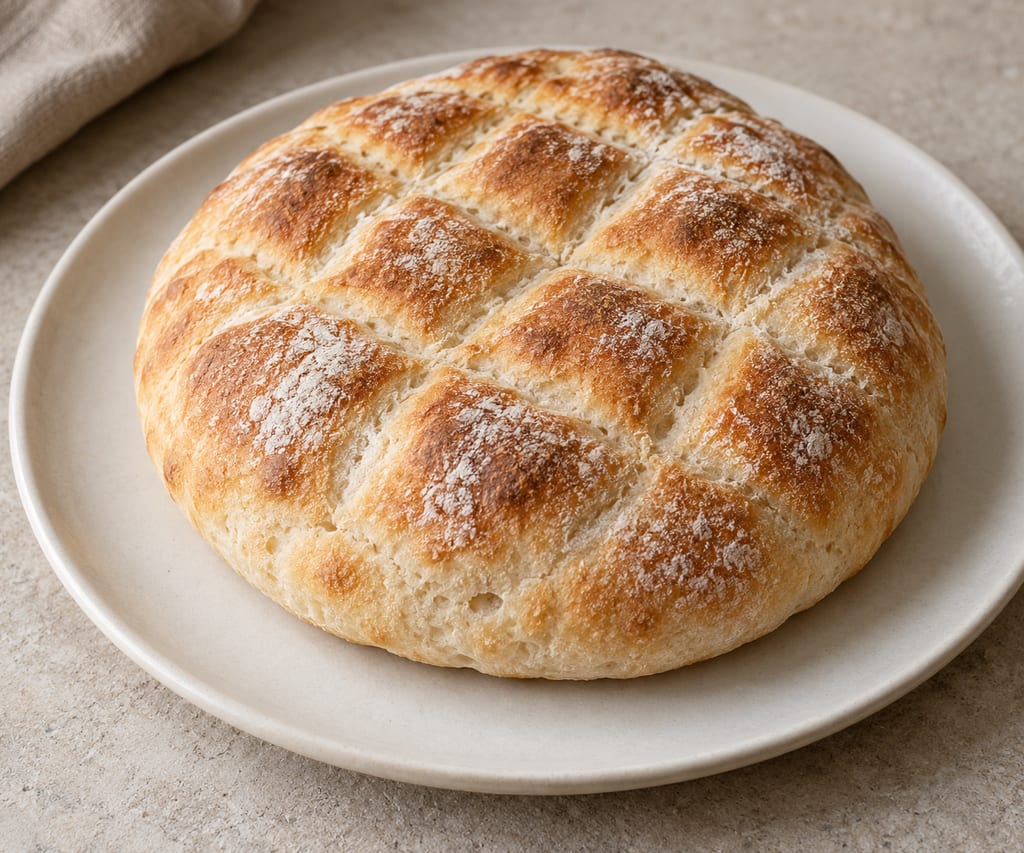
Six soft yeast-raised flatbreads using Jernej Kitchen’s home method.
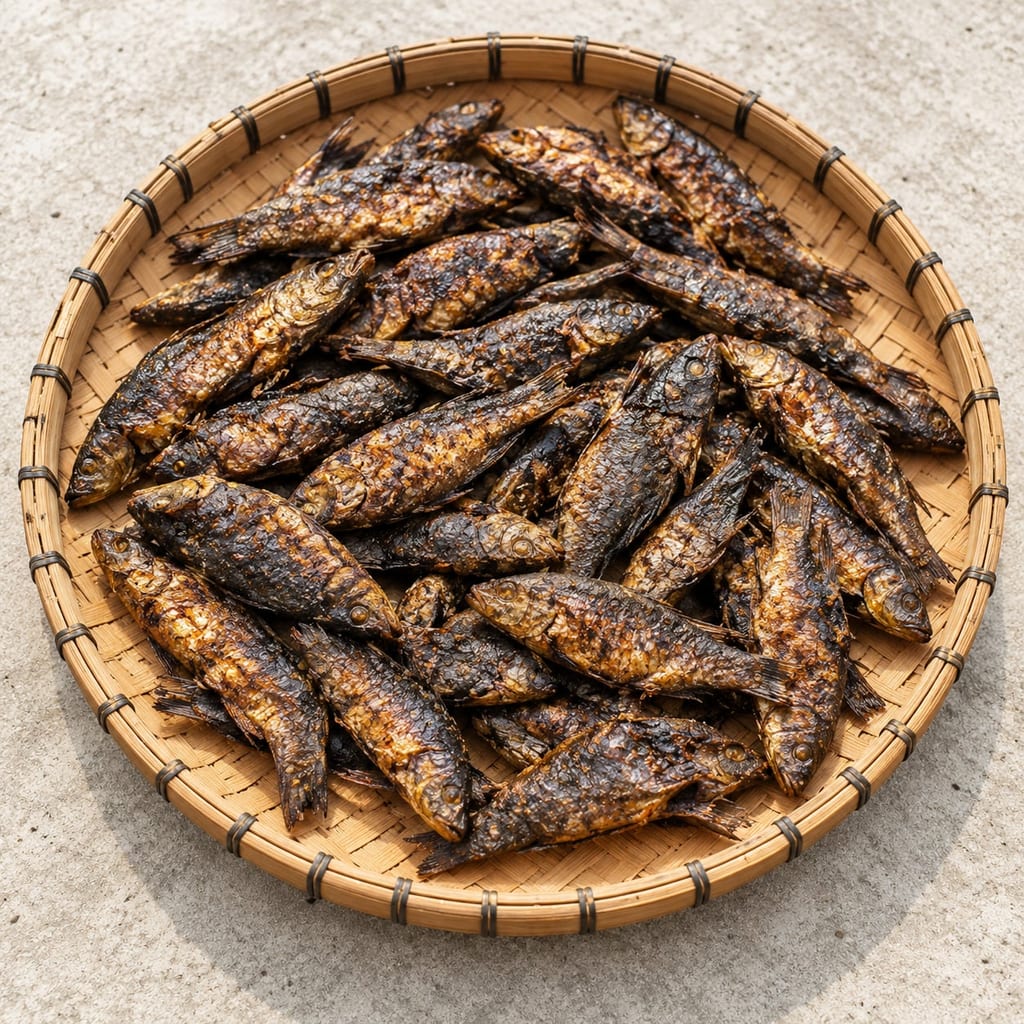
Leirou is fish smoked in a prepared kiln or room by processors around Loktak Lake in Manipur, India, a method the local survey keeps apart from open-flame ngaphak.
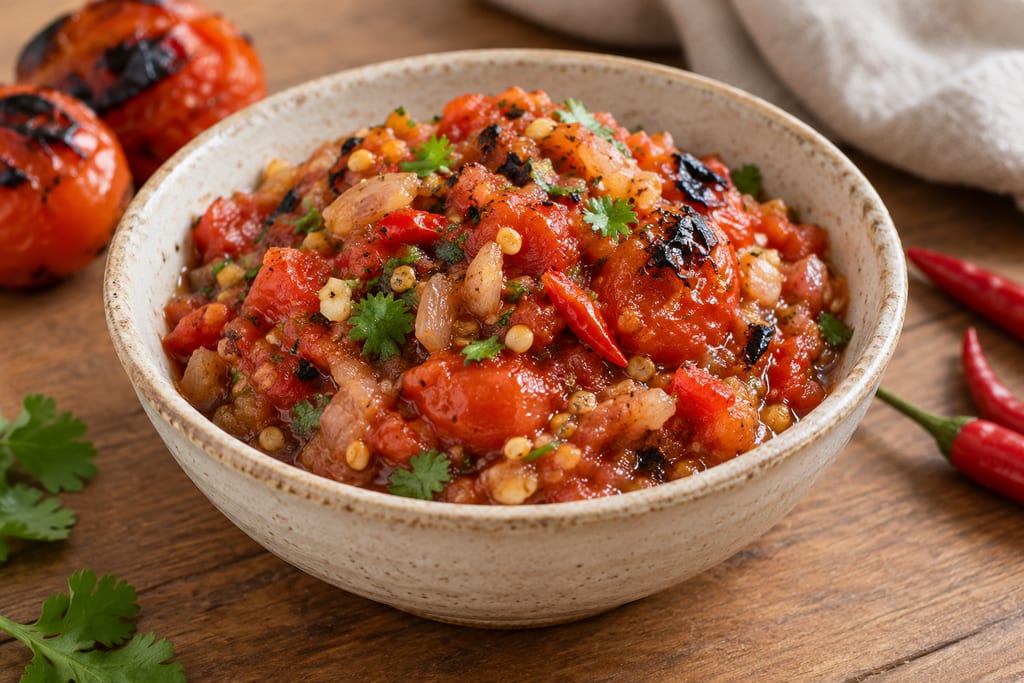
Roasted tomatoes, shallots, garlic and chillies are pounded into a coarse Lao-style dip, then seasoned with fish sauce, optional lime and coriander.
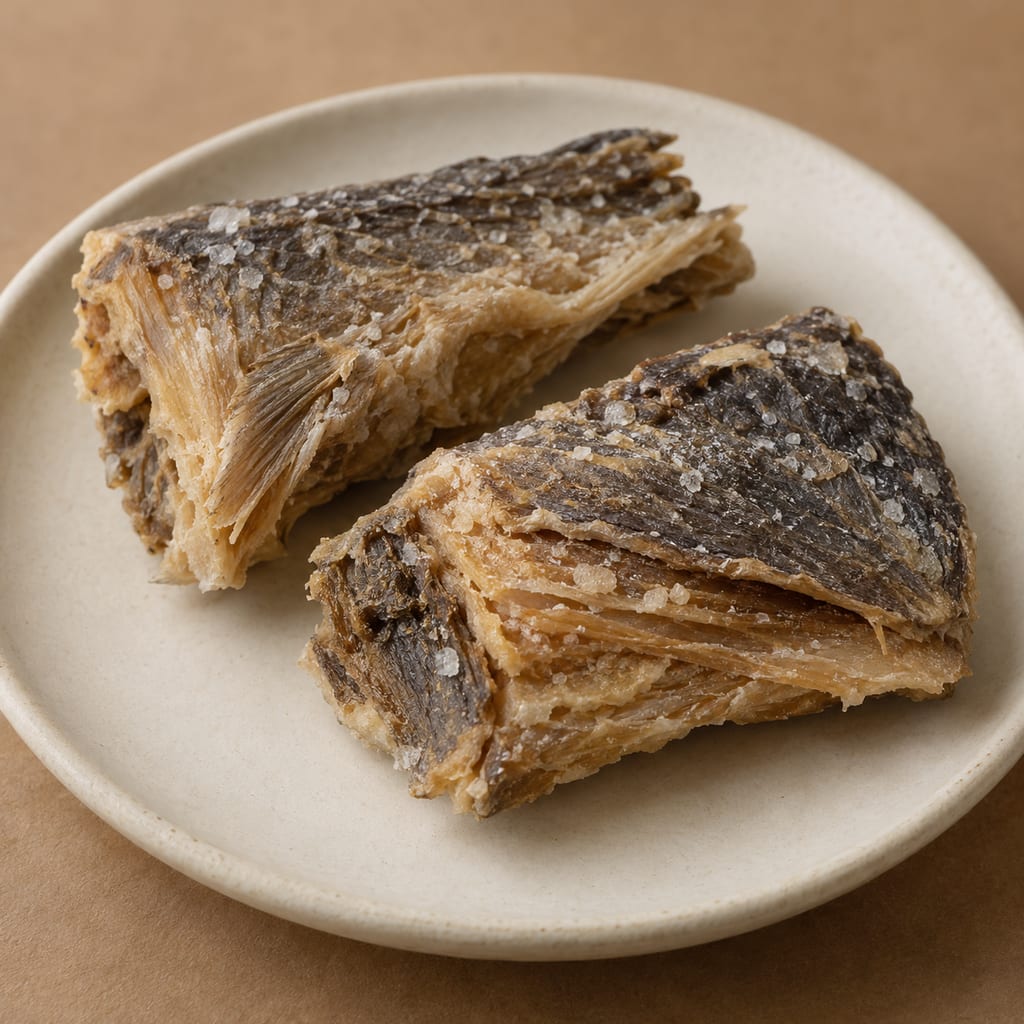
Lanhouin is a strongly flavoured fermented fish condiment documented in coastal West Africa, including southern Benin. This page records one published research reproduction as evidence, not as a validated home-preservation recipe.
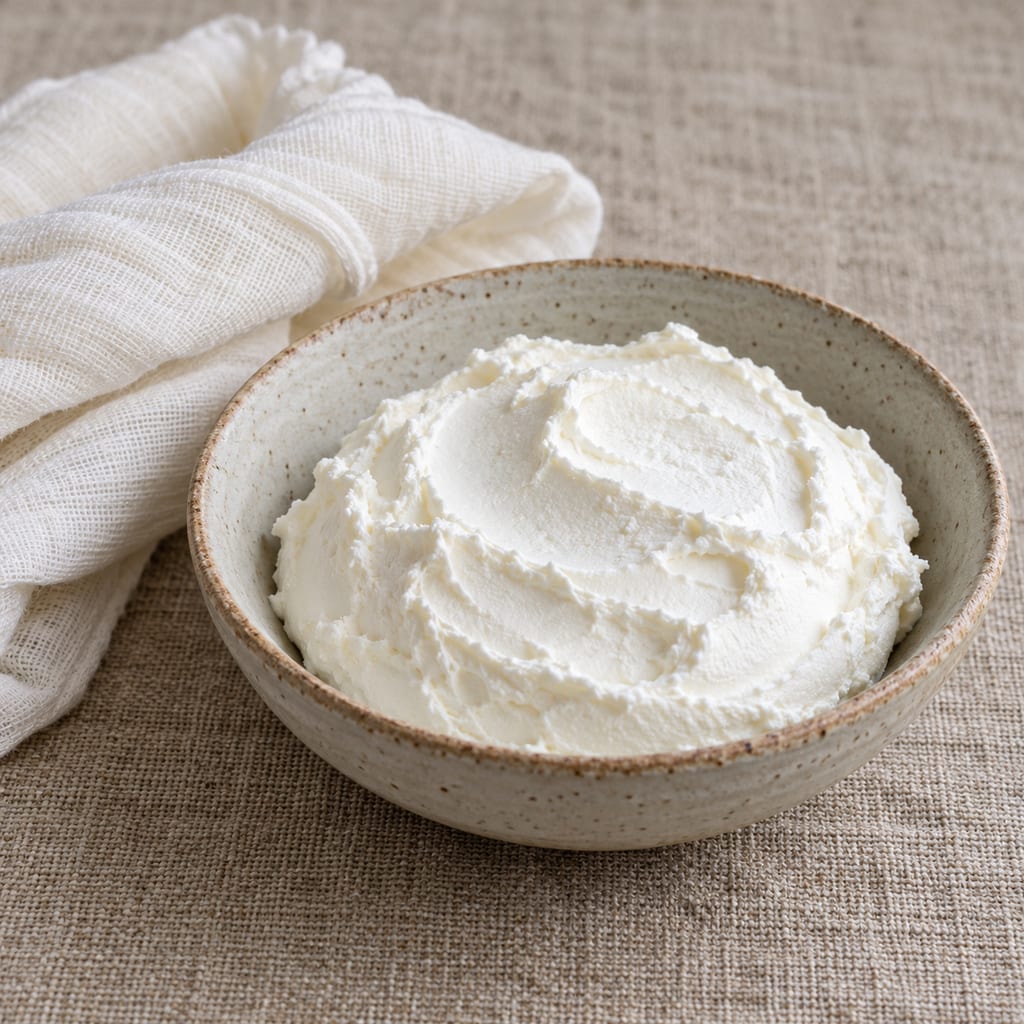
Labneh made from boiled Awassi sheep's milk, cultured with a little of the previous batch and drained in a bag for about a week, with salt added each day.

A Uruguayan wheat dough is laminated with fat, cut into squares, proofed until doubled, and baked at 180°C for a crisp outside and layered crumb.
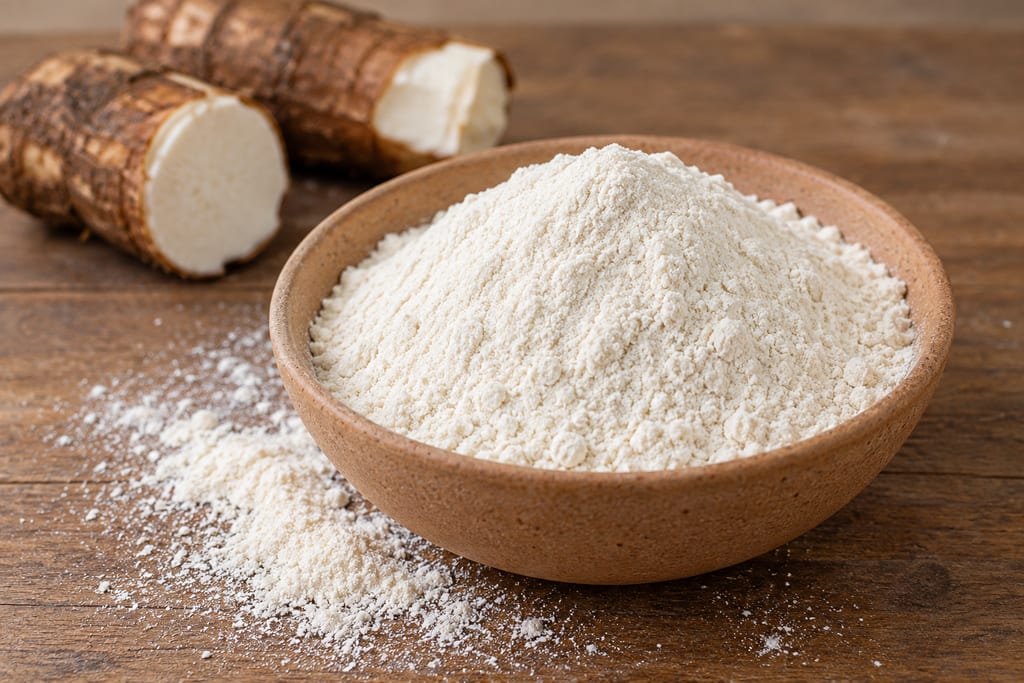
Lafun is a Nigerian fermented cassava flour described in historical accounts. This record documents reported processing stages, not a validated household method or a batch-specific cyanogen and moisture safety endpoint.
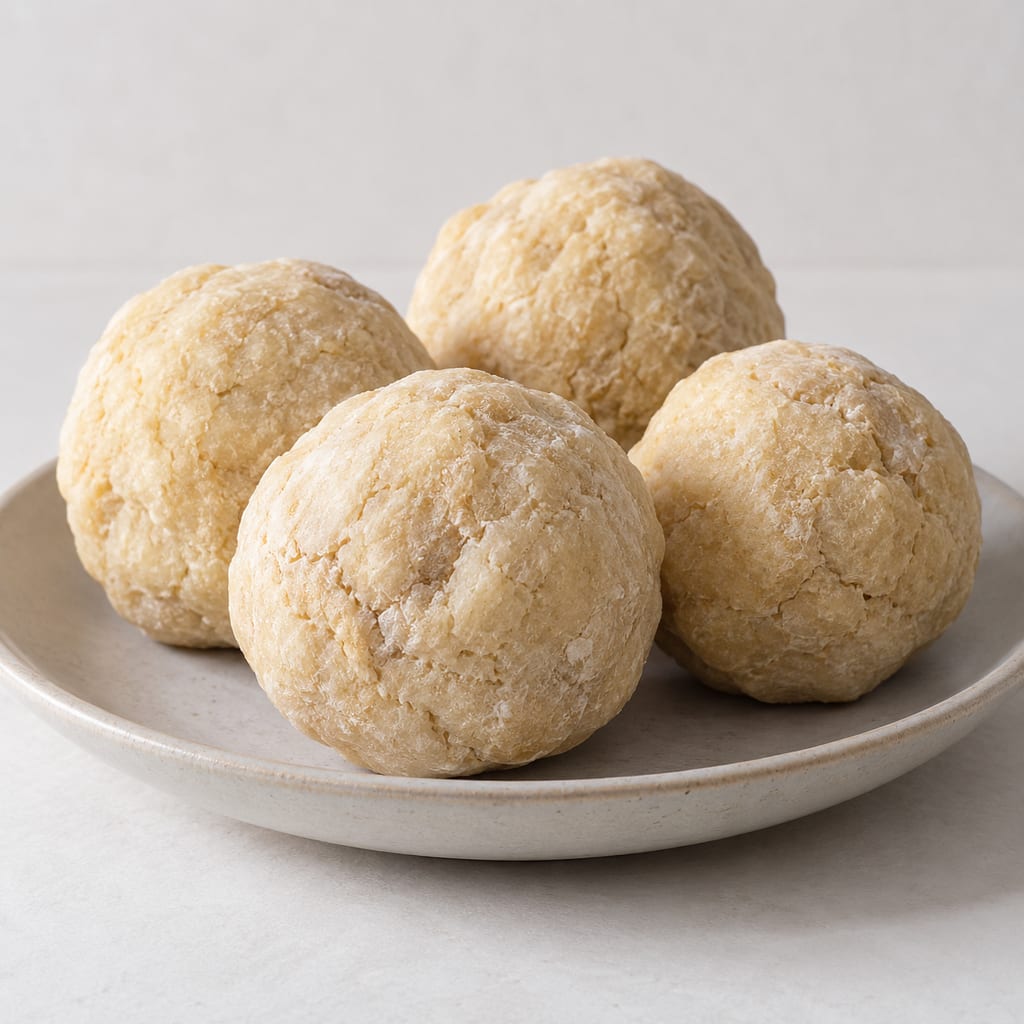
Kumkum is a Cameroonian fermented-cassava preparation described as balls dried over a fireplace and stored or milled into flour. Sources also describe a sun-dried market form; they give no Kumkum-specific safety endpoint.
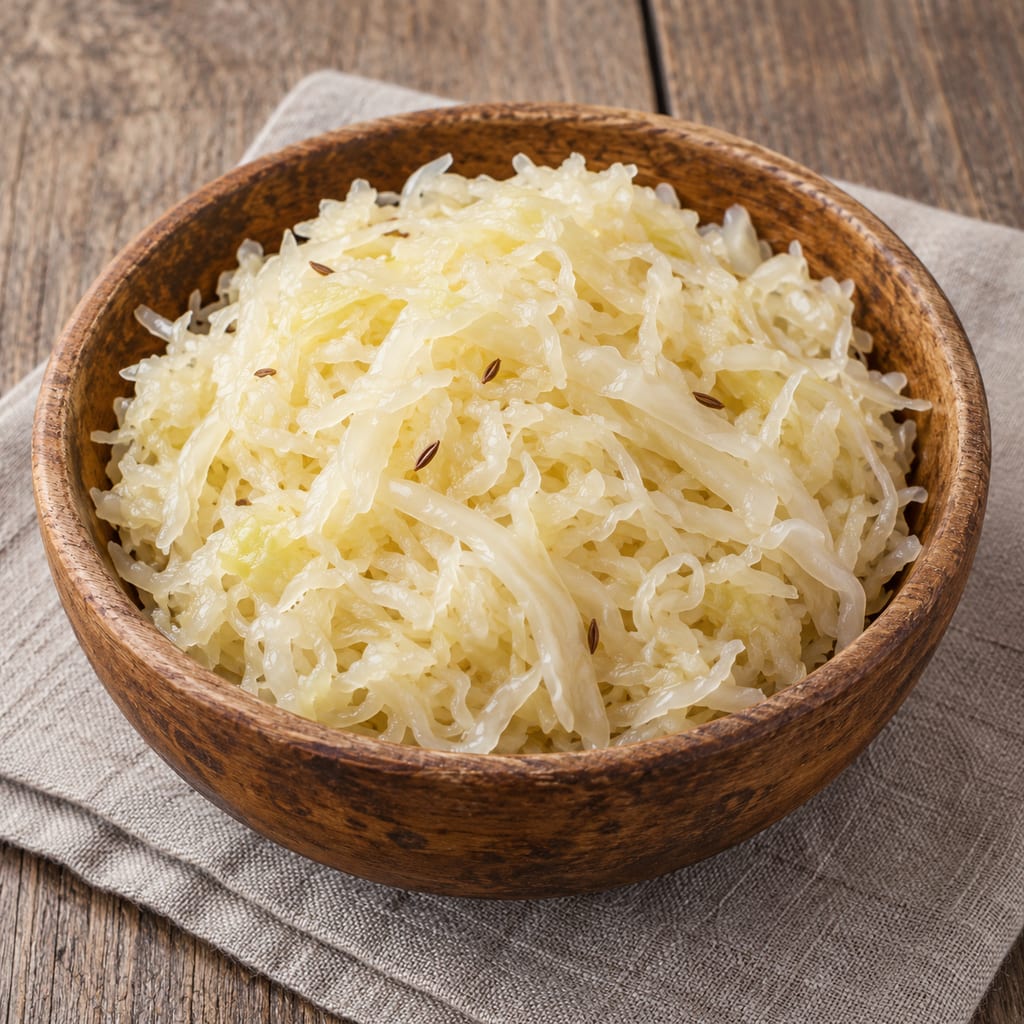
Kysané zeľí is Czech sour cabbage: shredded cabbage layered with salt and caraway and pressed in a wooden barrel. The regional account is descriptive and gives no validated salt ratio or endpoint.
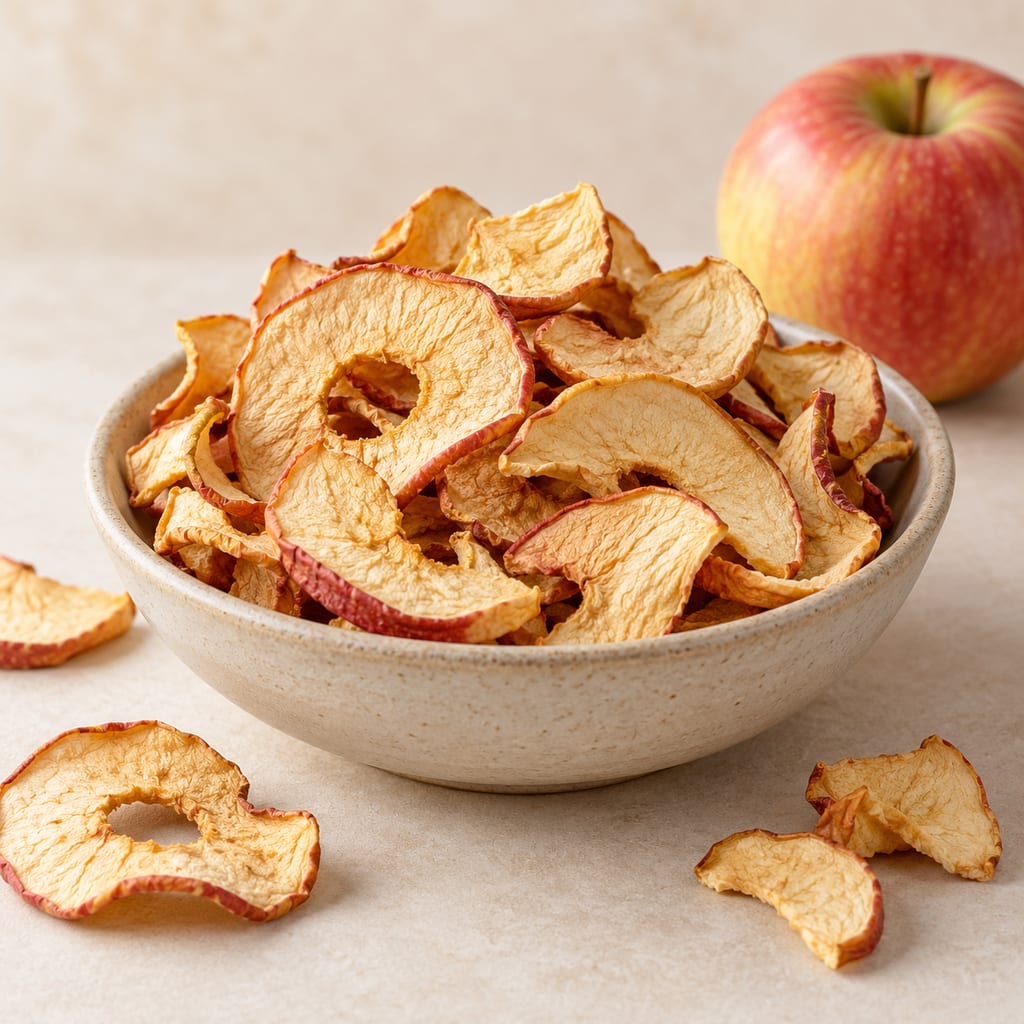
Křížaly are Czech dried apple or pear pieces. The name has regional meanings beyond apple slices, and drying practice varies by place and dryer.
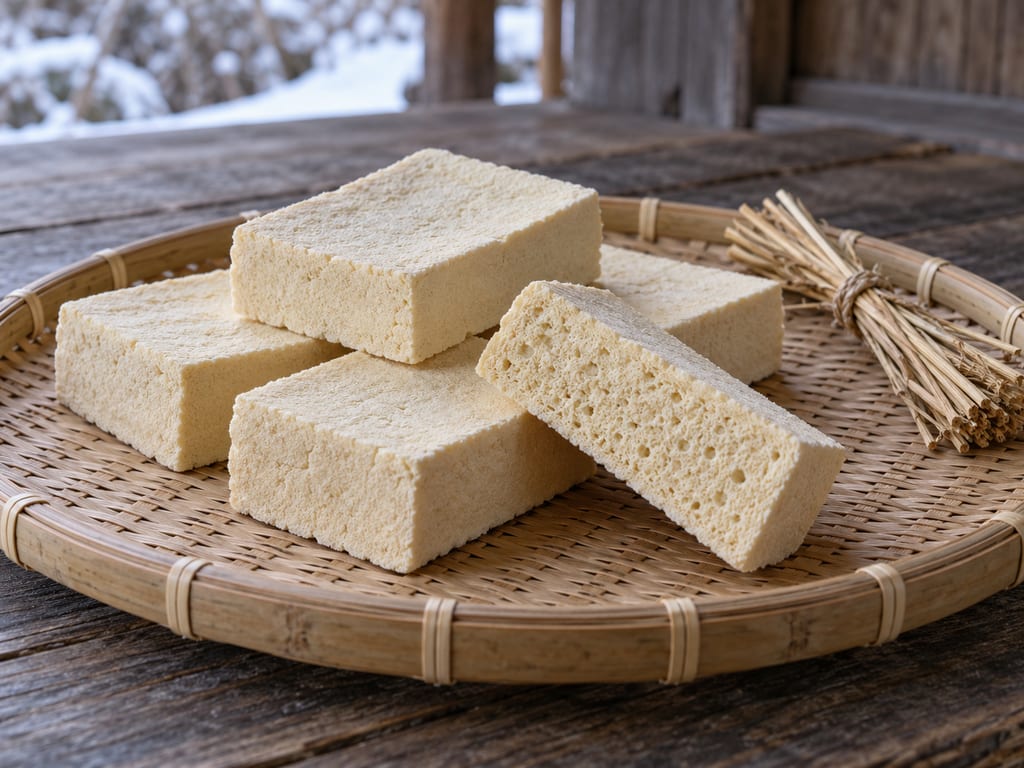
Tofu frozen, thawed, pressed and dried into a porous, durable soybean food; Japanese sources trace the tradition to the late Kamakura period.
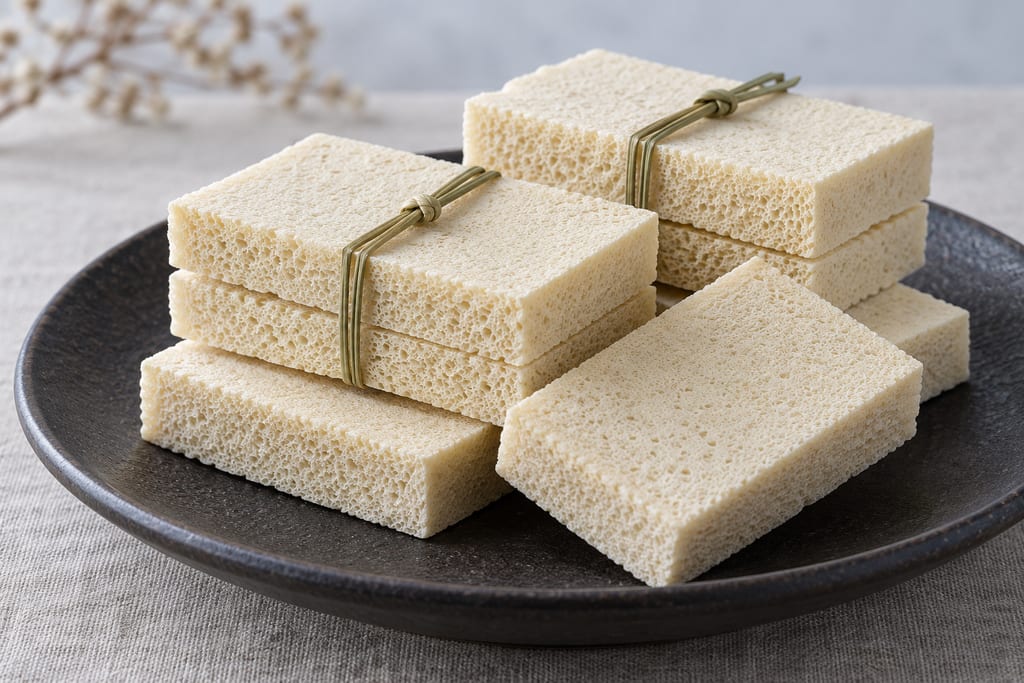
Japanese tofu frozen, aged below freezing, thawed and dried to a light sponge that is simmered in dashi; Iwadeyama makes it in winter air.
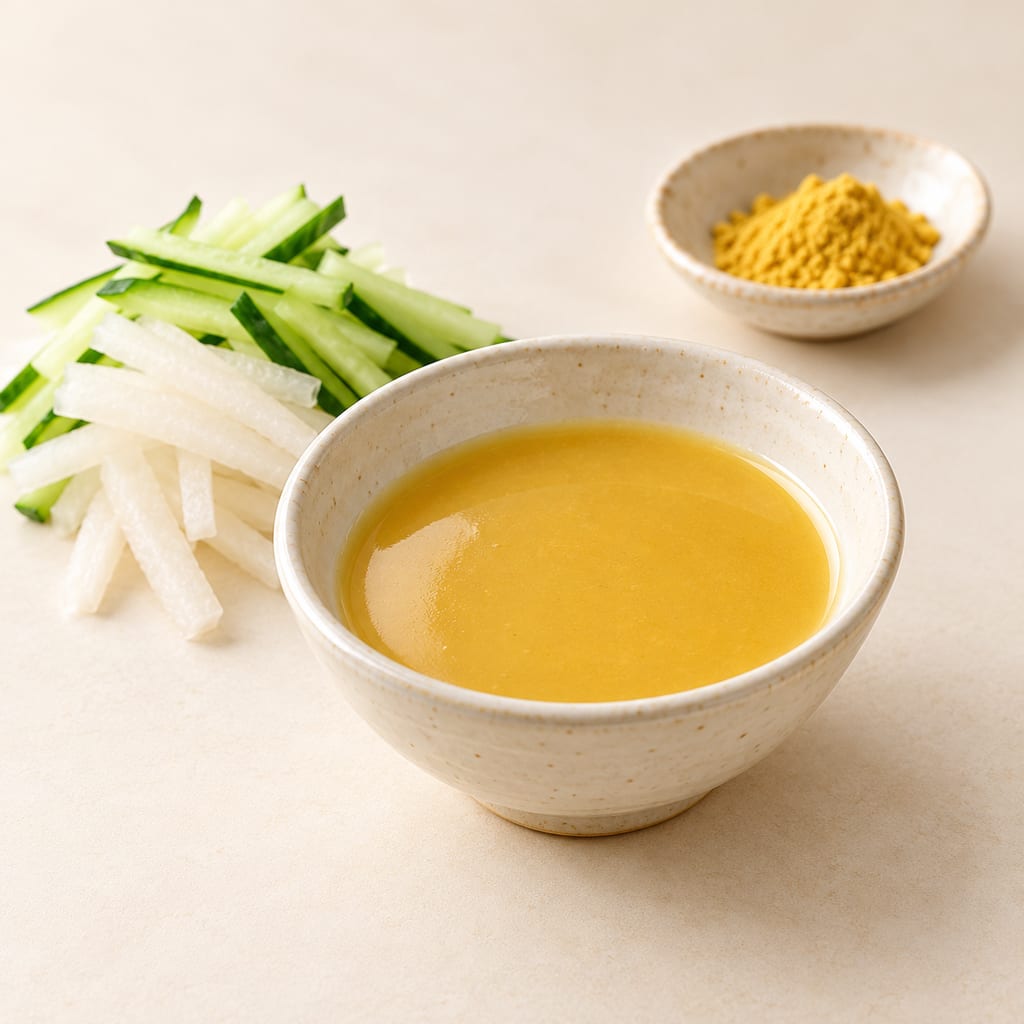
A fresh sweet-sour mustard dressing for cold cucumber and pear or a freshly prepared salad. Its gram-based proportions are original and are not copied from Maangchi’s gyeoja-naengchae recipe.

Koobi is Ghanaian salted and dried tilapia. Sources differ on the brief ripening stage and drying period, and do not establish a single validated household process. This entry records documented variants and their limits.
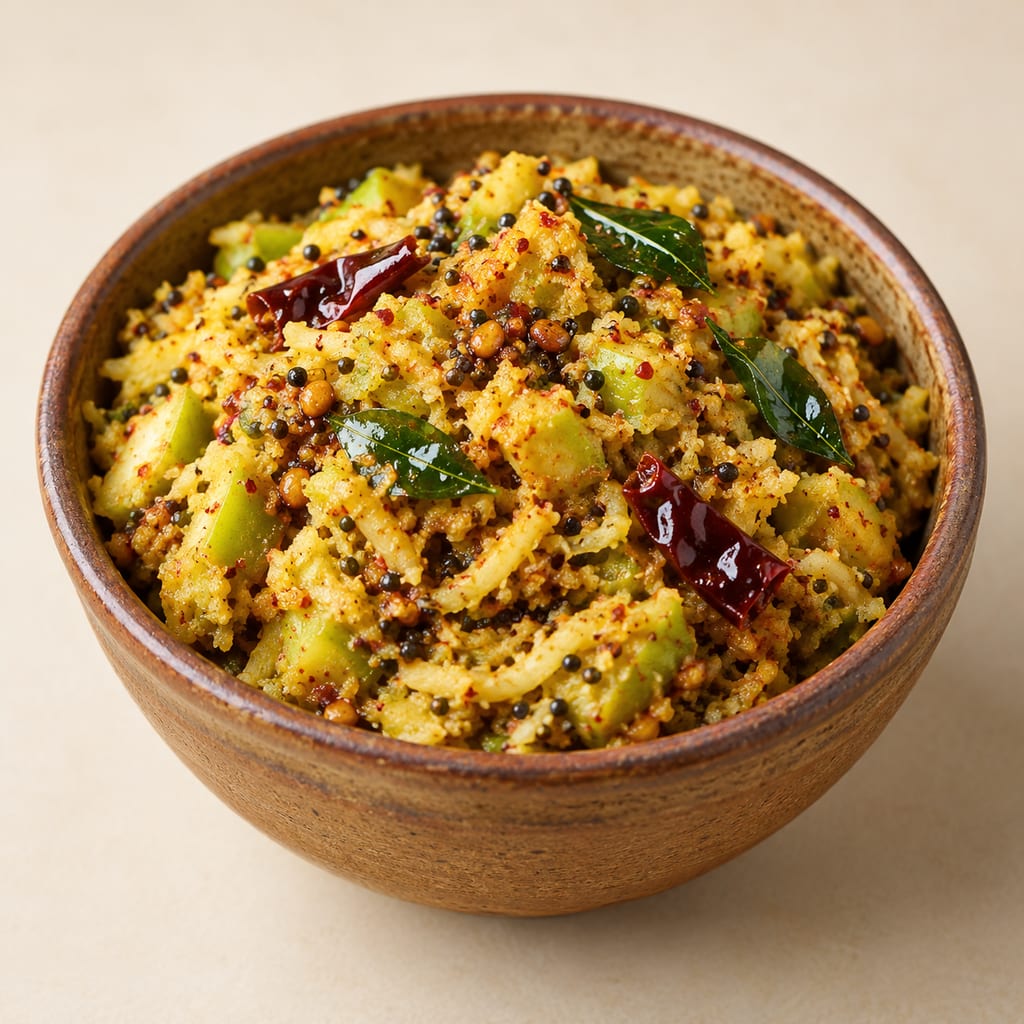
A Telugu coconut and raw mango pachhadi with a separately fried spice mixture.
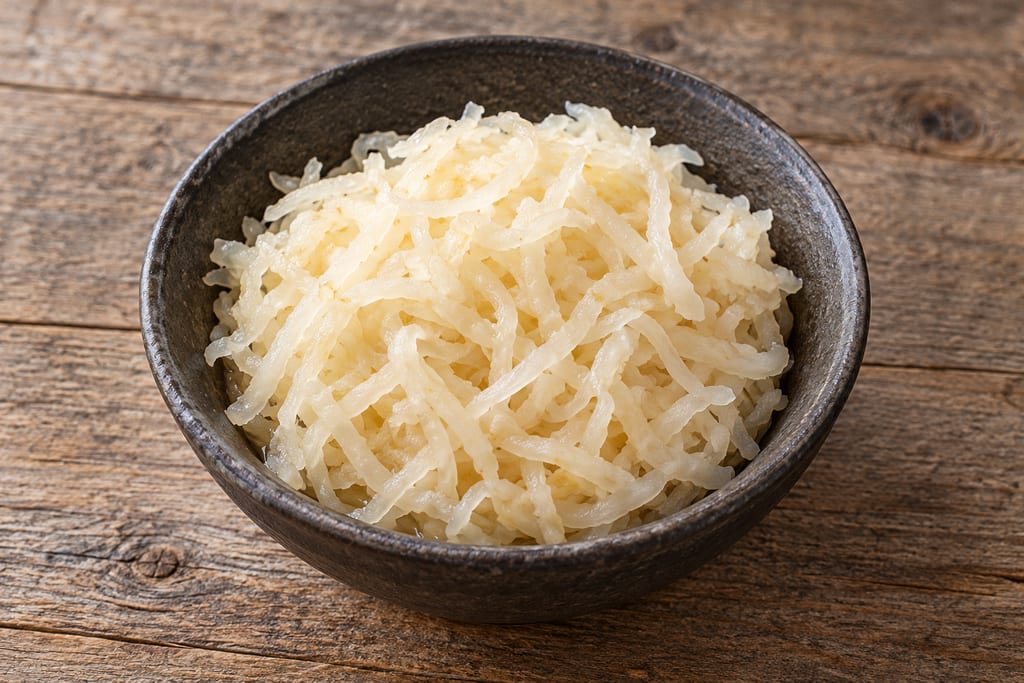
Kisla repa is Slovenian sour turnip, made either from grated turnip or from whole roots; a 2023 household guide gives a 1 kg grated batch salted with 20 g salt.
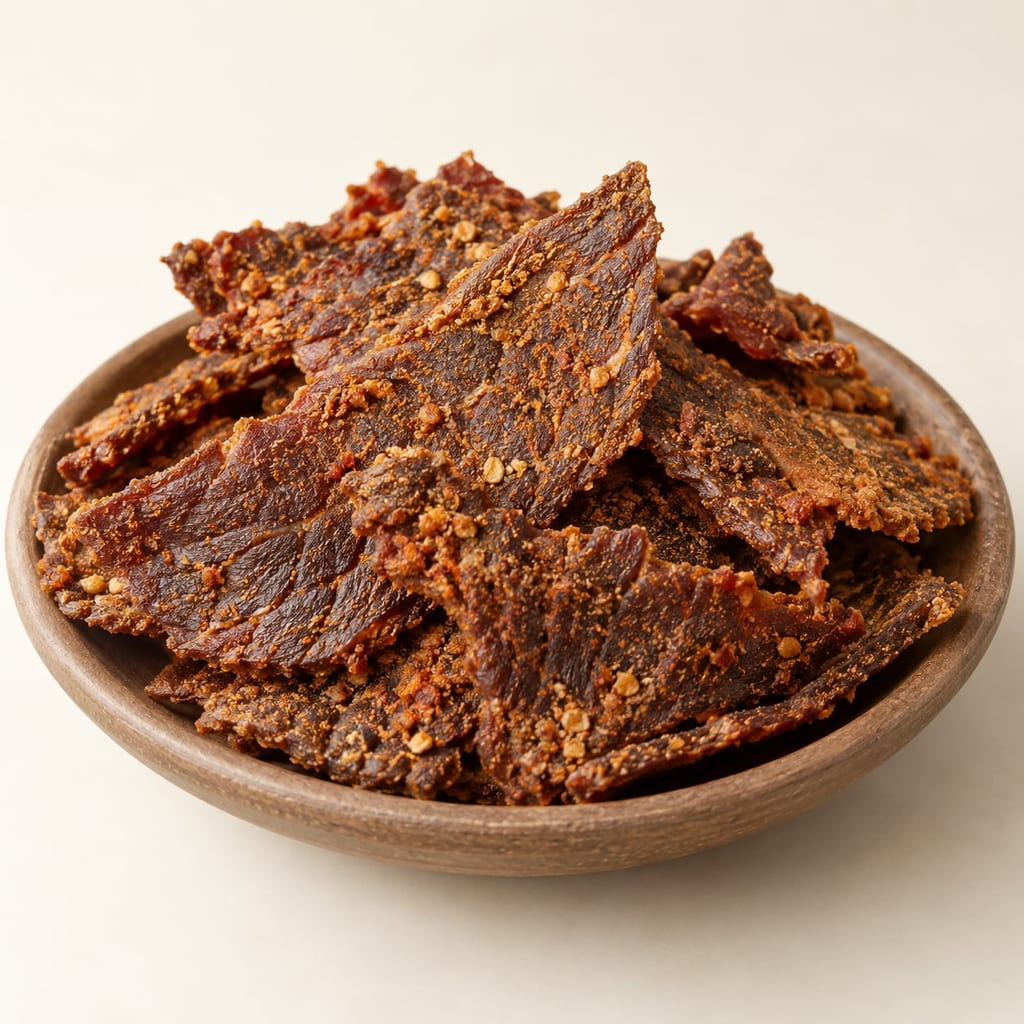
Kilishi is a Hausa-land dried meat from northern Nigeria and southern Niger: thin slices of beef or other meat, dried, coated in a spiced groundnut paste and dried again.
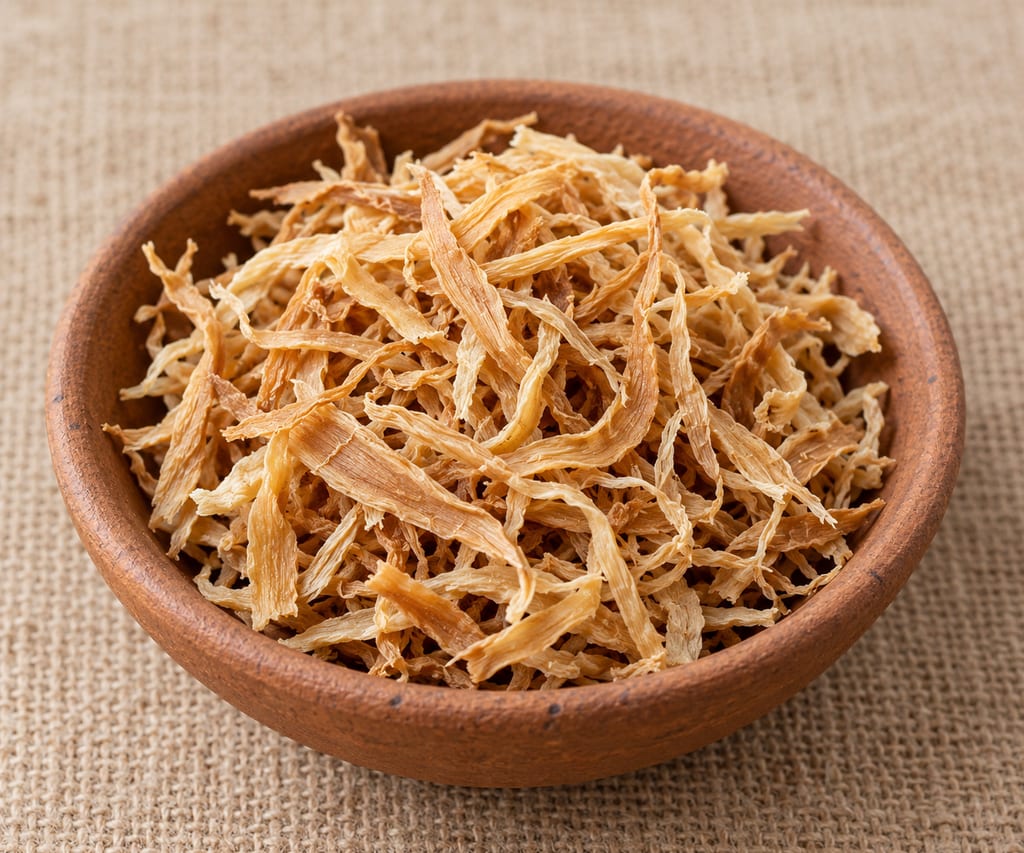
Khorisa is an Assamese fermented bamboo-shoot food. This page records cultural and lab accounts, not a validated home method. FSANZ says shoots must be fully cooked before eating; it does not validate Khorisa or set its cooking time.
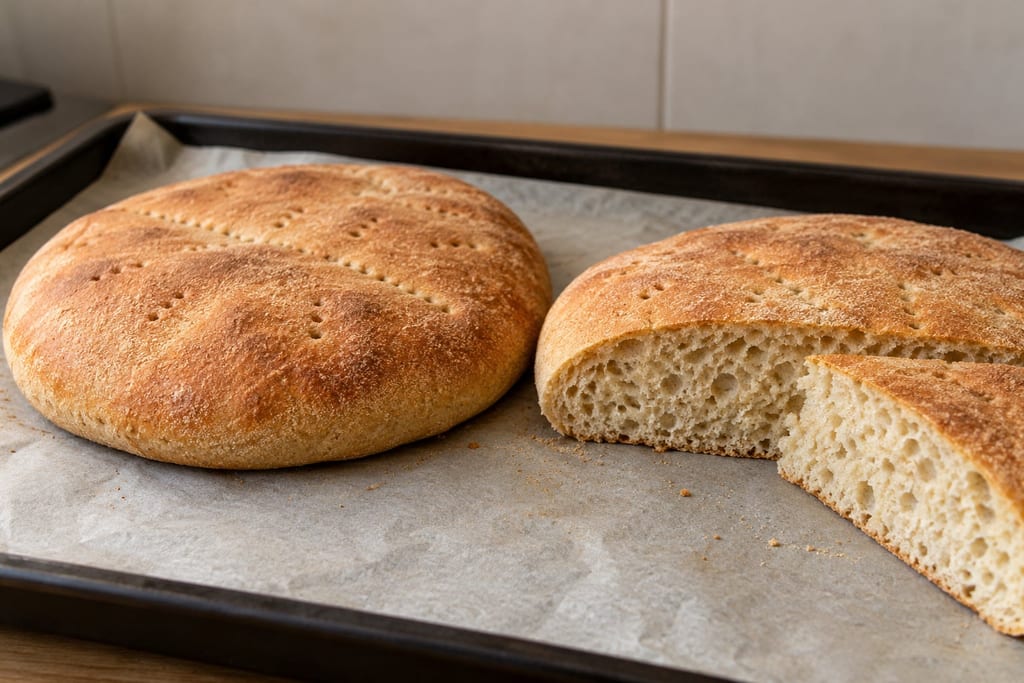
A Moroccan round wheat bread with a firm crust and coarse interior; this home formula makes two 8-inch loaves for serving with meals.
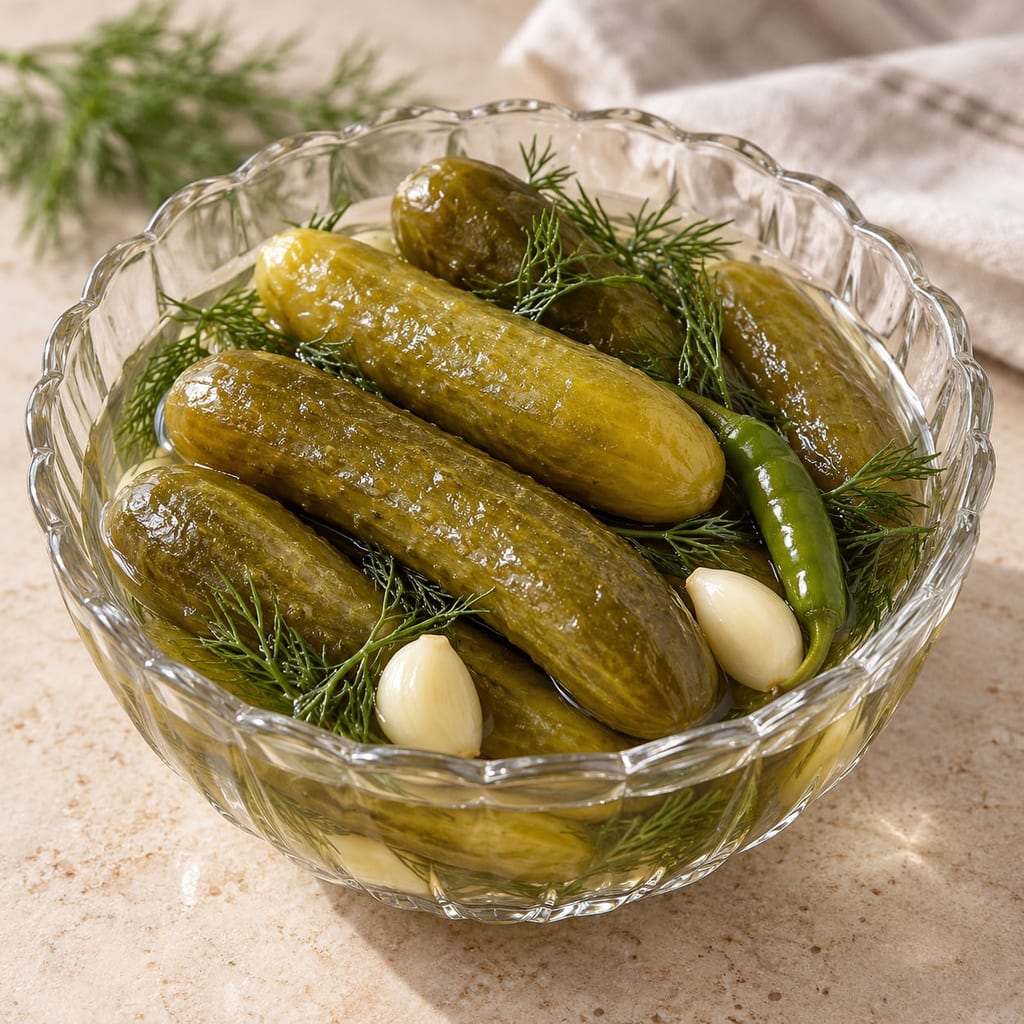
Khiyār shūr is an Iranian cucumber pickle made in several ways; one household account in salt water is set out here, while vinegar recipes and acidified laboratory brines are kept separate.
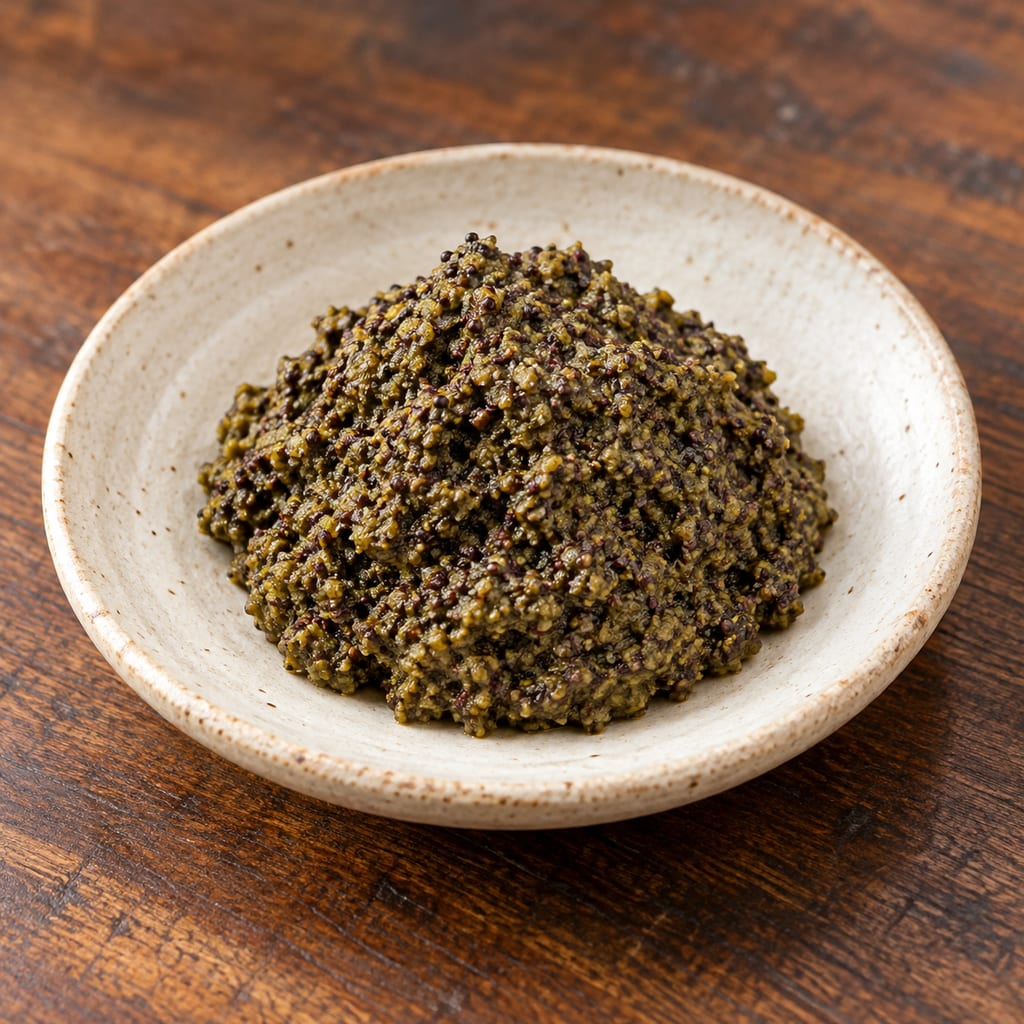
A strong Assamese condiment of mustard seed mixed with khar, an alkaline banana-ash filtrate, wrapped in leaves and fermented in bamboo over a fire or in a kitchen pot.
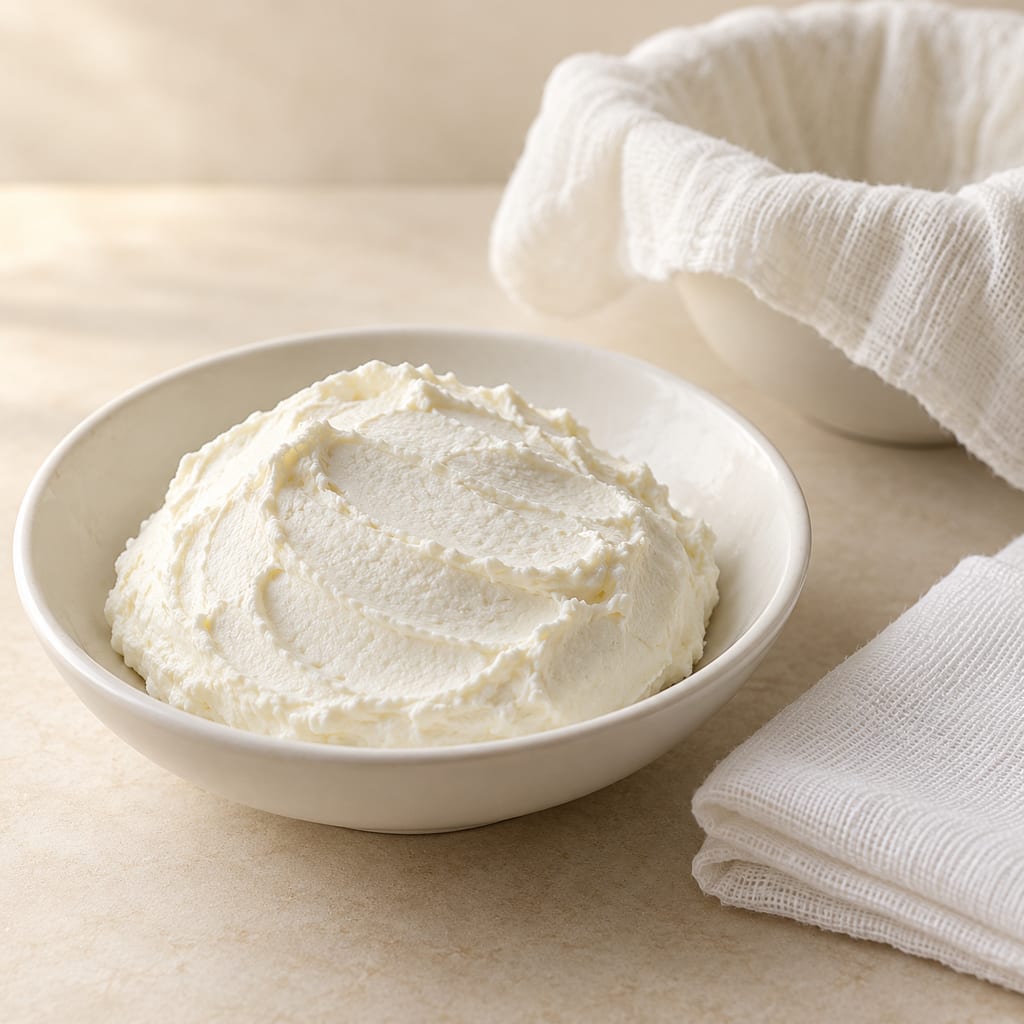
A soft cheese made by setting aside part of the day's milk kefir, draining it in a cloth and salting it through the evening, ready the next morning.
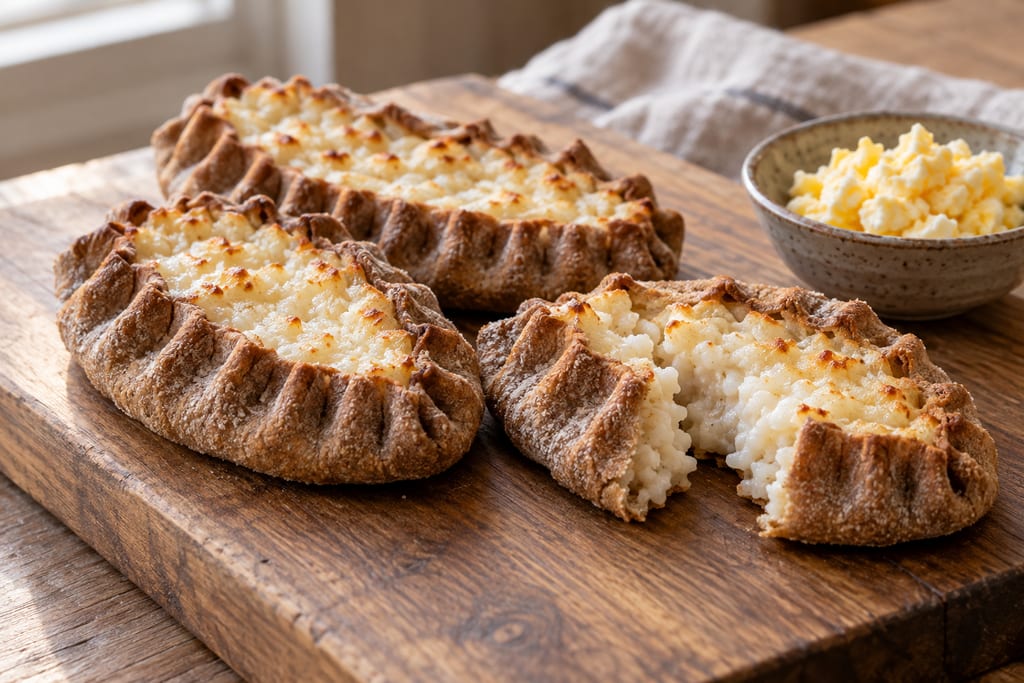
Karjalanpiirakka are open, pleated rye-and-wheat pastries filled with creamy rice porridge, baked hot and brushed with butter and milk.
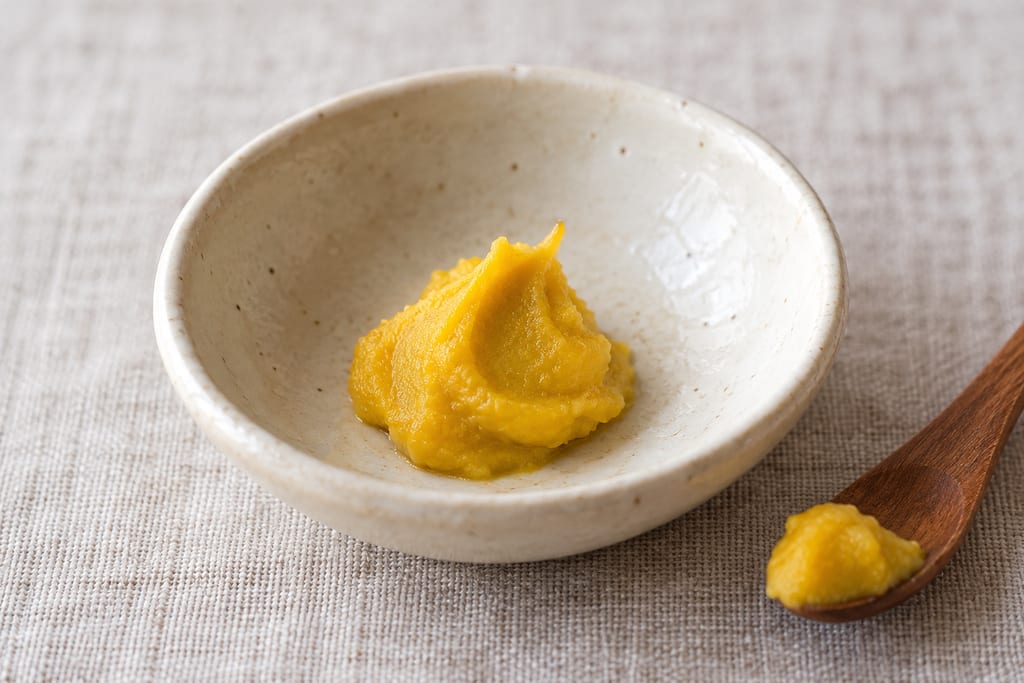
Karashi is Japan's hot mustard: powder stirred with a little water into a stiff paste, covered for a few minutes so the heat develops, and served in small dabs with oden, natto and fried food.
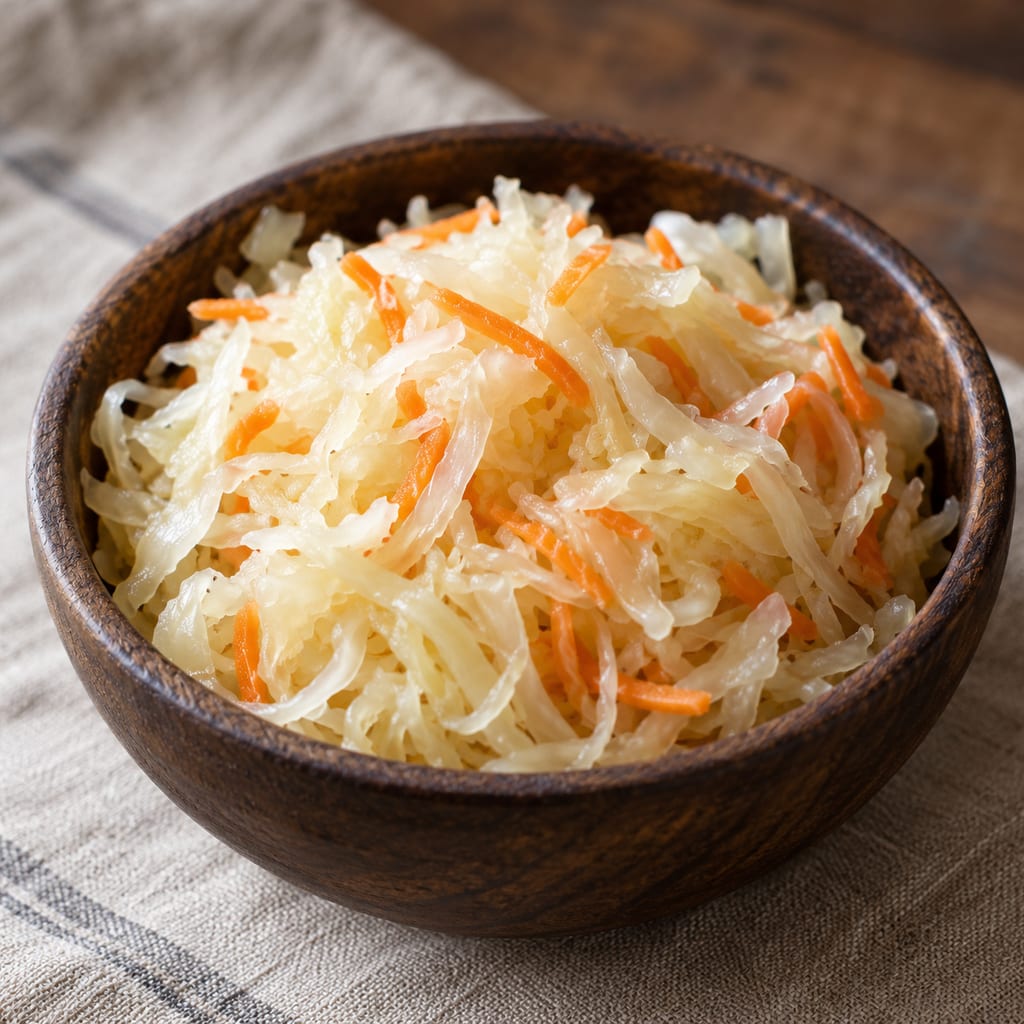
Kapusta kiszona z beczki is barrel-fermented cabbage from the Kołobrzeg area, entered on Poland’s List of Traditional Products in 2008. It is salted and fermented, with raw grated carrot added after souring.

Kalou is Seychellois coconut-palm toddy: sap from an unopened flower stalk is collected and ferments naturally into an alcoholic drink. Sources document the identity and tapping tradition but no validated batch or alcohol endpoint.

Soft Swedish wheat buns filled with butter, sugar and cinnamon. This 20-bun home batch uses fresh yeast, two short proofs and pearl sugar.
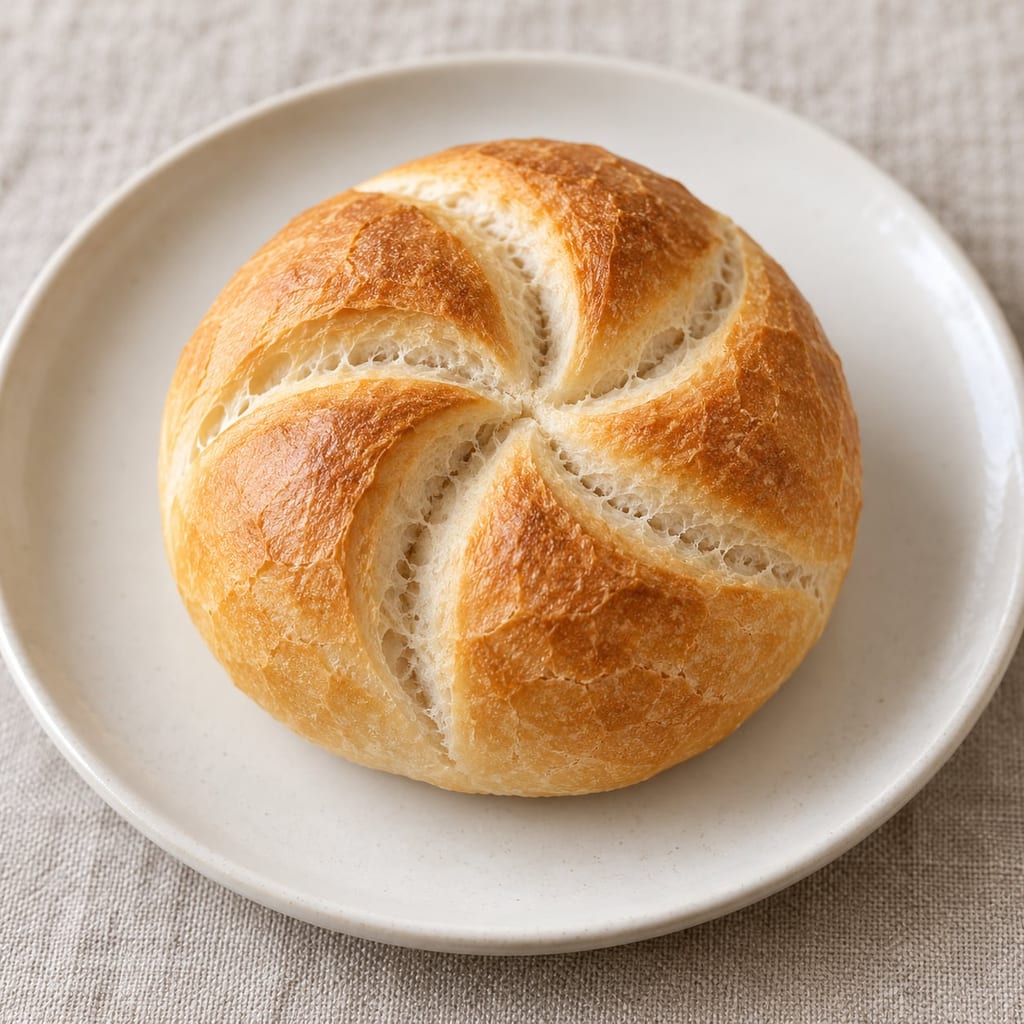
The Kaisersemmel is an Austrian wheat roll with a five-part star, associated with Vienna and the Viennese breakfast. The formula below is a technical bakery batch of 30 rolls from the Austrian ministry.
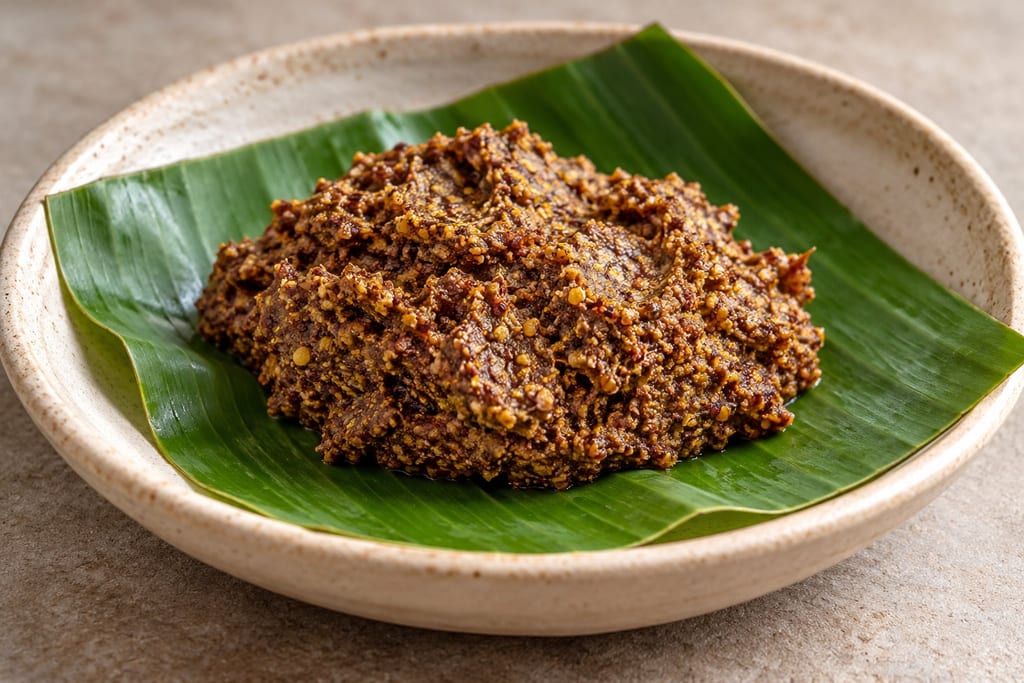
Kahudi is an Assamese mustard-seed condiment fermented with sour Thekera fruit into a strong mash; household methods and study results differ, and no validated home schedule exists.
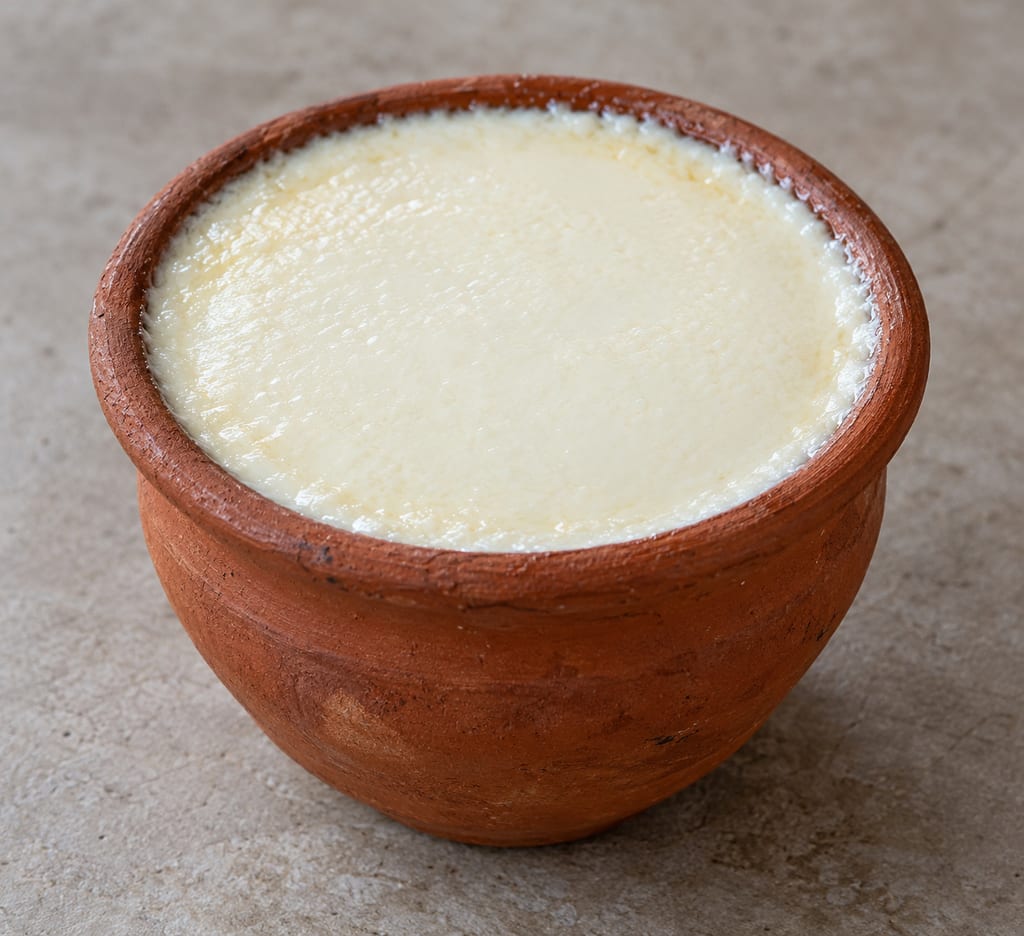
Juju dhau is a rich Newar cultured milk associated with Bhaktapur, Nepal. A local account describes buffalo milk concentrated by boiling, inoculated with previous-day curd and set in earthen pots.

Jun is a fermented tea drink made with green tea and honey instead of the sweetened tea of kombucha. Its culture identity and origin are not established, and sealed bottles can build pressure and alcohol.
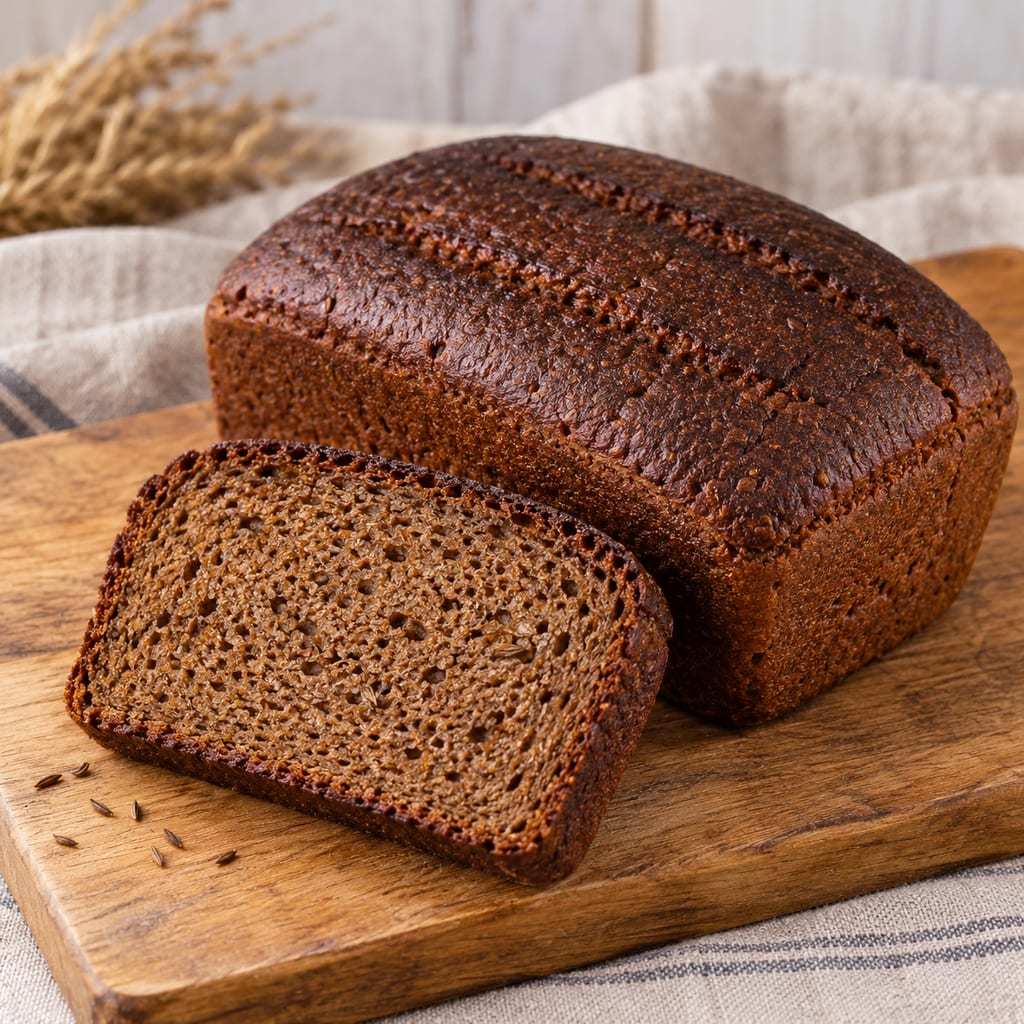
A Lithuanian dark rye loaf made with an overnight rye preferment, caraway, honey and sugar, then proofed in a loaf pan and baked in two stages.
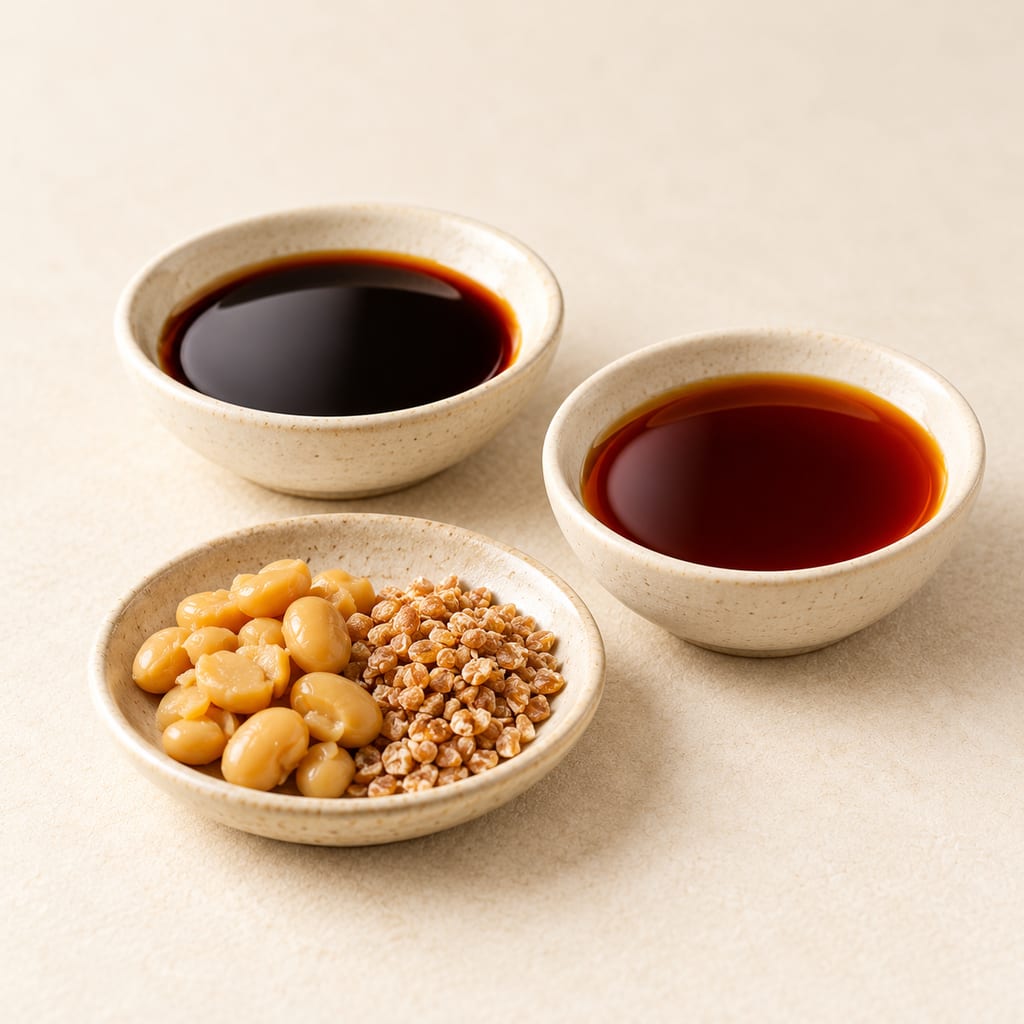
Jiangyou is the Chinese soy sauce family, an umbrella term for light, dark and seasoned sauces made by two main process families: high-salt liquid-state and low-salt solid-state brewing.
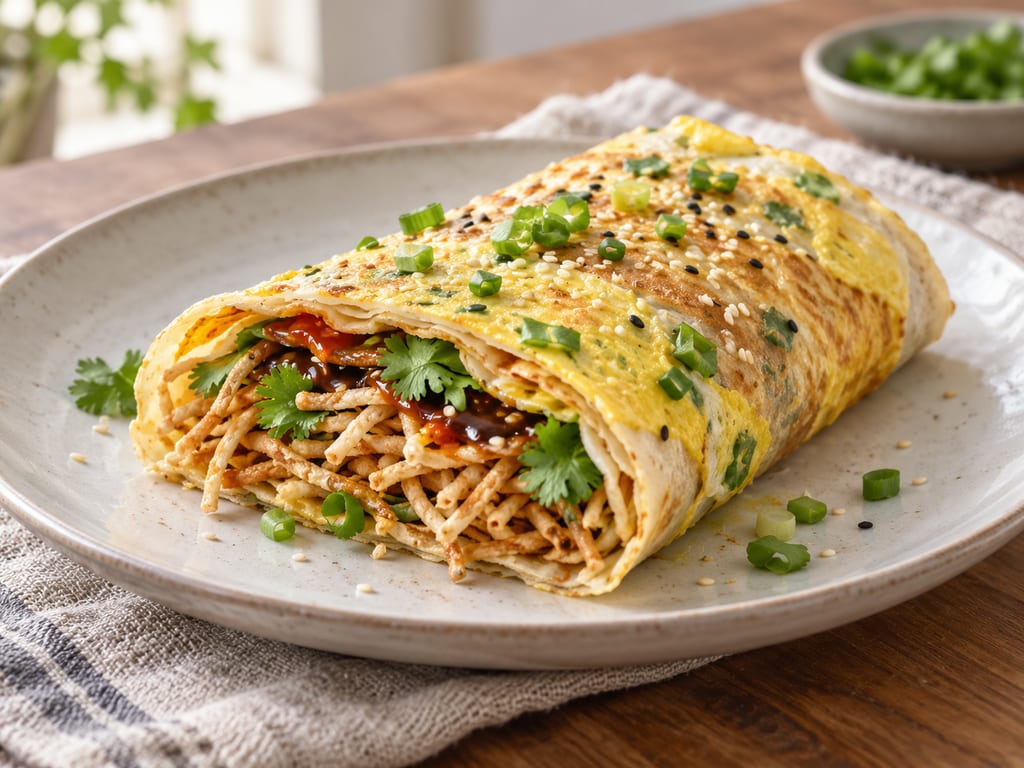
A four-serving home adaptation of jianbing: thin wheat batter cooked with egg, spring onion and sesame, then folded around crisp fried noodles and sauce.
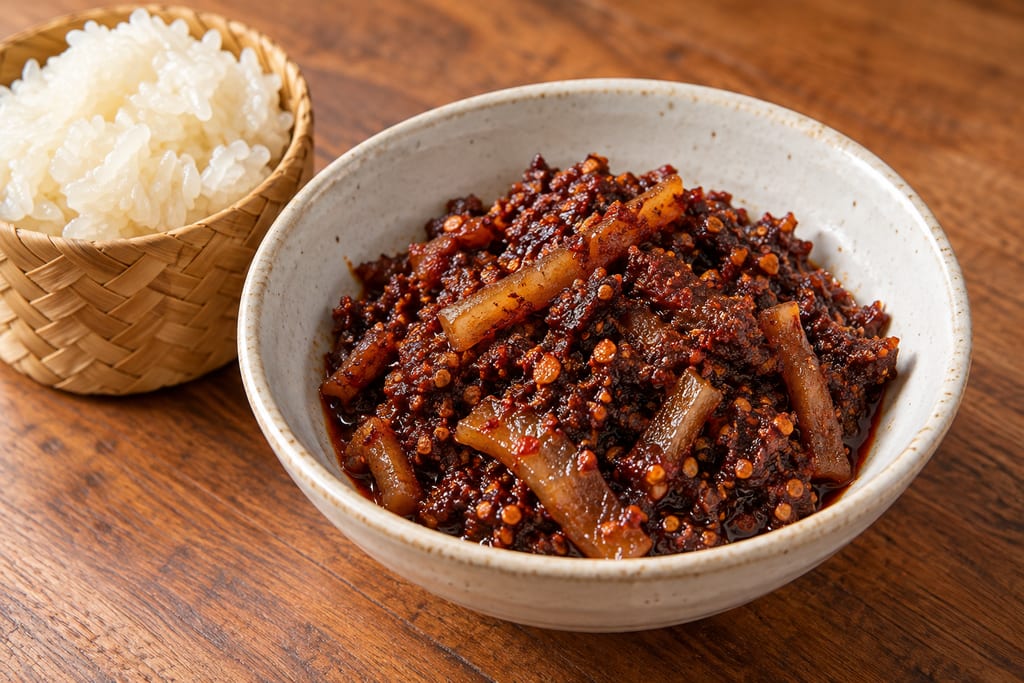
Jeow bong is a Lao paste of dried chilli, shallot, garlic and galangal cooked with buffalo or cow skin, a Luang Prabang specialty eaten with sticky rice and grilled meat.

A coarse South African farmhouse sausage of beef with pork or mutton fat, defined by its coriander seasoning and cooked fresh over coals rather than preserved.
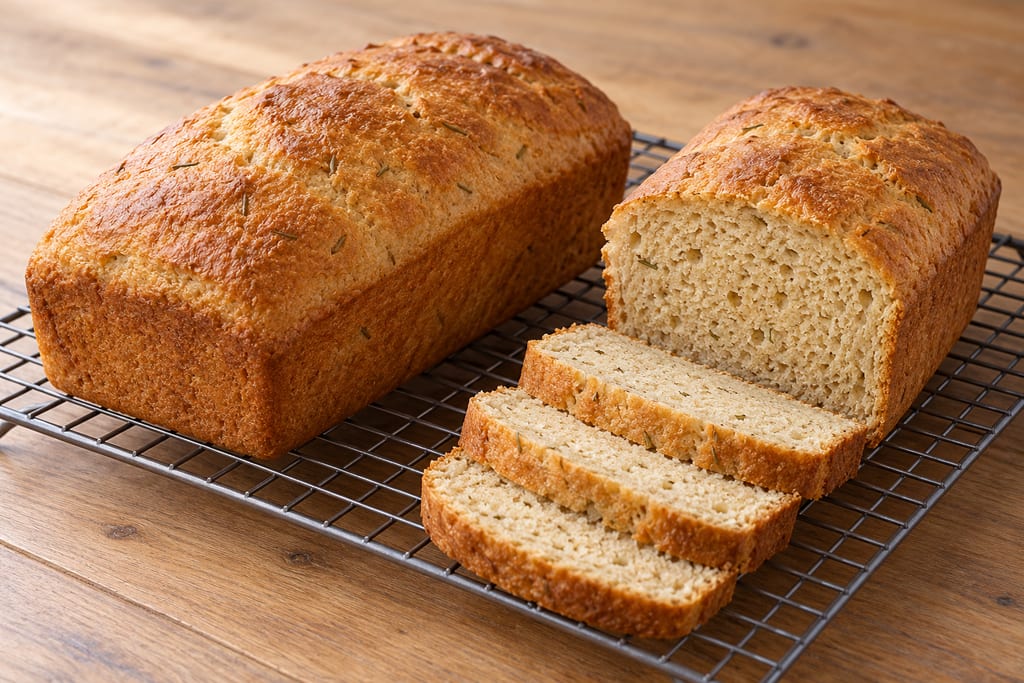
Ethiopian breakfast honey bread: two rosemary-scented yeast loaves shaped in pans and baked at 400°F.
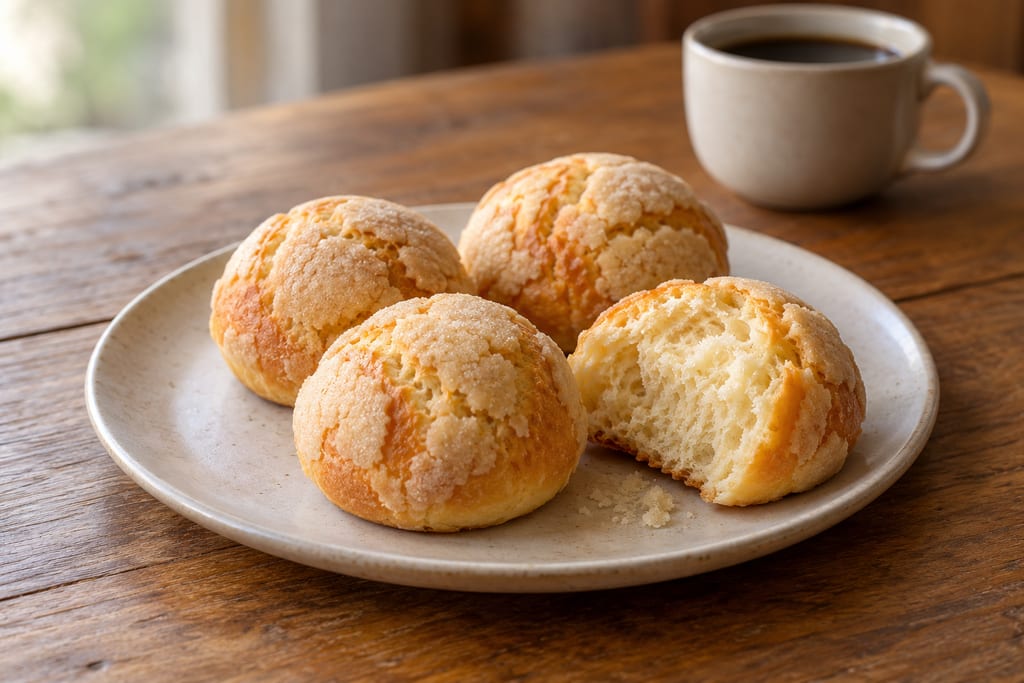
Honduran sweet yeast breads made from an egg-enriched dough, covered in a separate sugar-and-butter paste and baked in golf-ball-sized portions.