

















































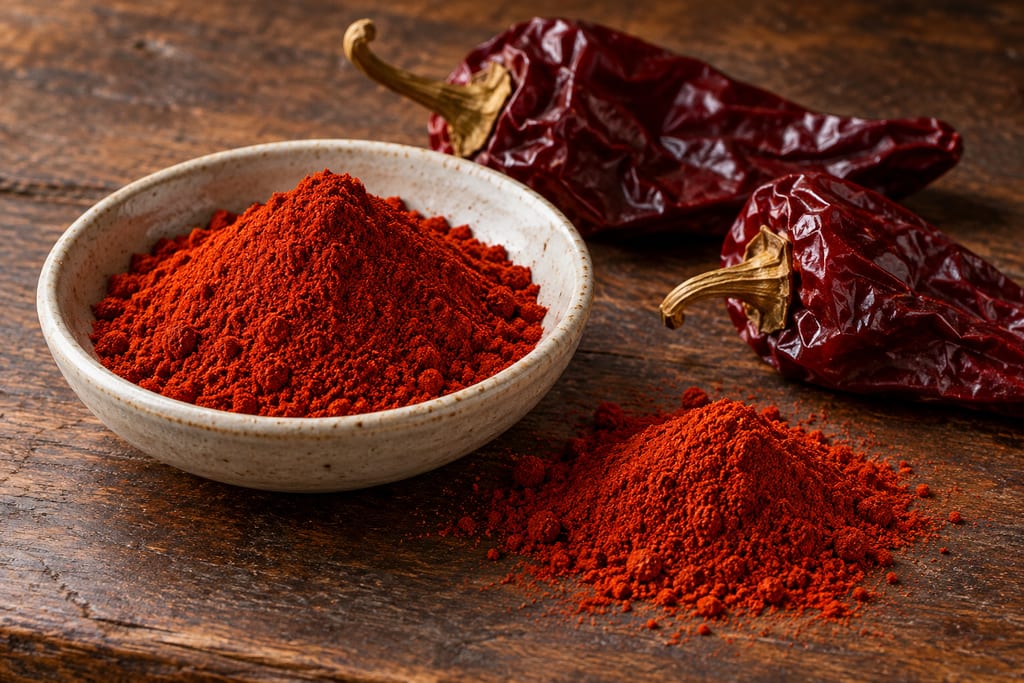
Pimentón de la Vera
Spanish smoked paprika from Capsicum peppers dried over oak or holm-oak smoke in a dryer called a secadero, then ground. Protected by a designation of origin in La Vera.
 FermenteaWhere food goes to change
1504 records with their sources, across 11 categories.
 Fermented, enzyme-ripened and mixed seasonings328
 Fruit preserves10
 Legume, seed and plant-protein ferments10
 Garum and fish sauces8
 Adjacent and excluded7
 Koji, mold starters and mold-ripened ferments4
 Acid and oil pickles3
 Fermented fruit and fruit-derived foods3
 Vegetable lactic3
 Dairy ferments2
 Smoked salted and dried foods2
 Cheese1
 Not yet classified1Fermented, enzyme-ripened and mixed seasonings328Fruit preserves10Legume, seed and plant-protein ferments10Garum and fish sauces8Adjacent and excluded7Koji, mold starters and mold-ripened ferments4Acid and oil pickles3Fermented fruit and fruit-derived foods3Vegetable lactic3Dairy ferments2Smoked salted and dried foods2Cheese1Not yet classified1
Spanish smoked paprika from Capsicum peppers dried over oak or holm-oak smoke in a dryer called a secadero, then ground. Protected by a designation of origin in La Vera.
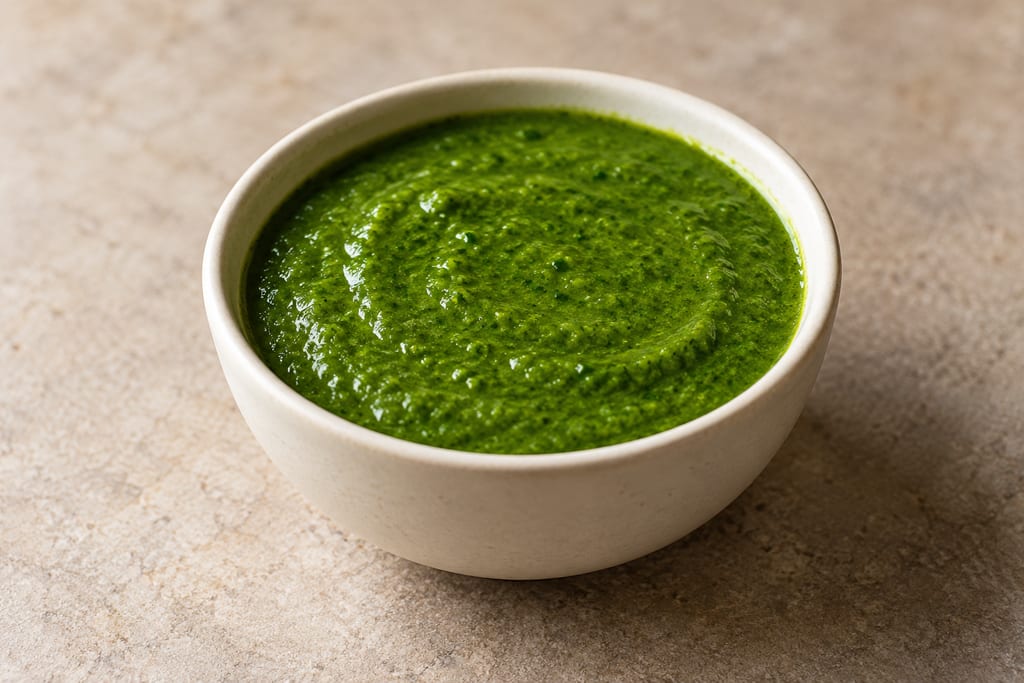
A cold-blended coriander and mint chutney with ginger, green chilli and optional cumin and lemon; the author serves it with snacks, chaat and sandwiches.
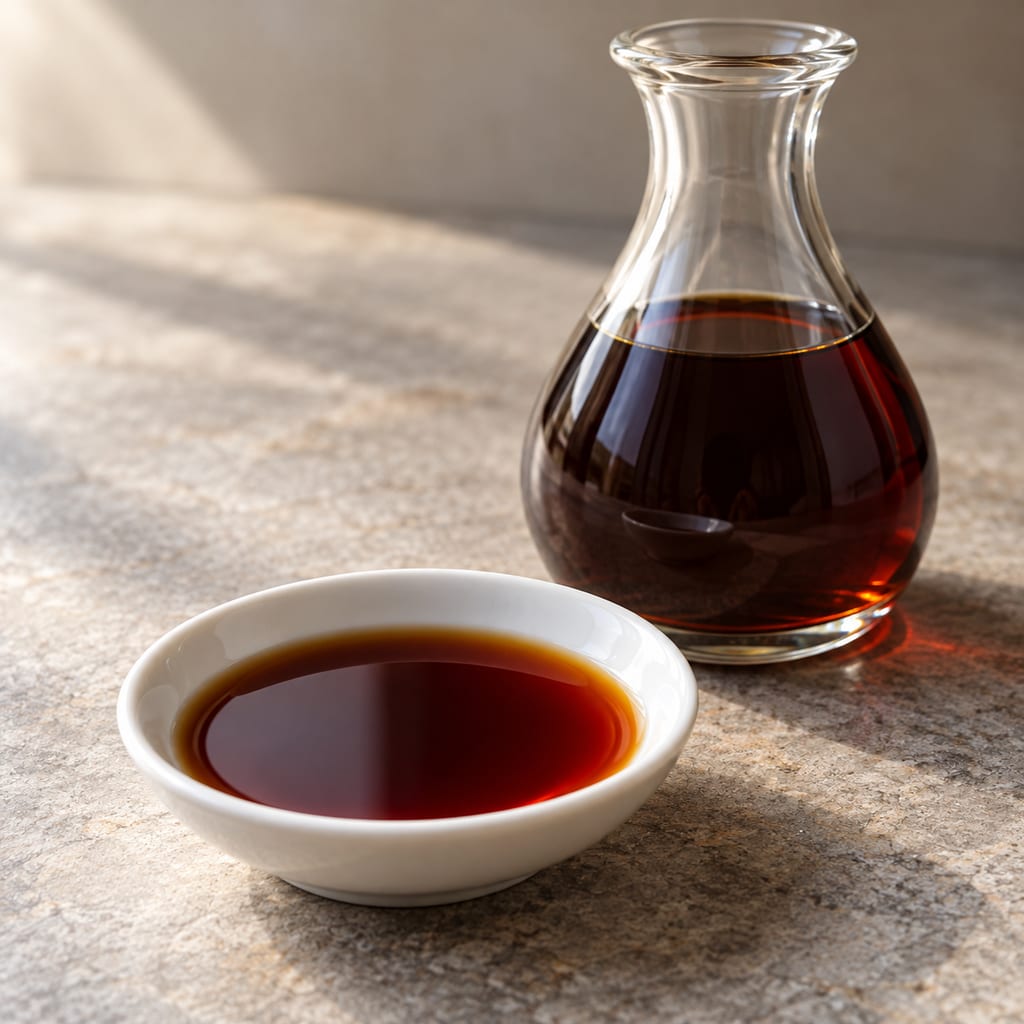
Zhenjiang black vinegar is a Chinese glutinous-rice vinegar made by mixed-culture fermentation, solid-state acetification, roasted-rice extraction and ageing, giving a dark, savoury, mildly sweet condiment.
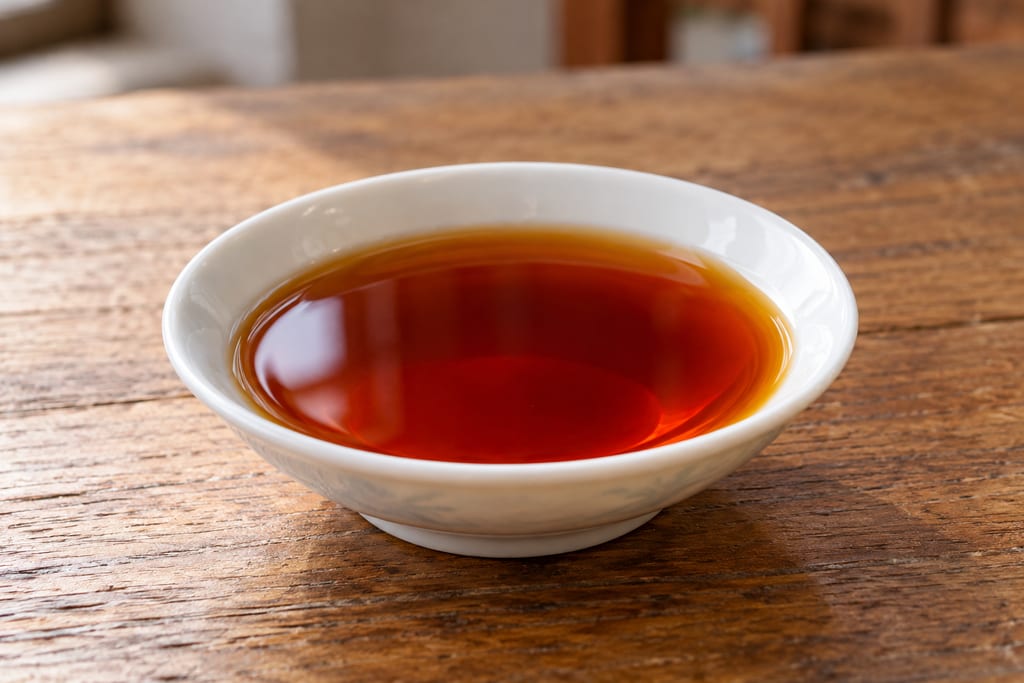
Tianjin grain vinegar of millet and sorghum made with daqu: liquid alcoholic fermentation, two-layer solid-state acetification, and at least three years of outdoor ageing of the grain mash.
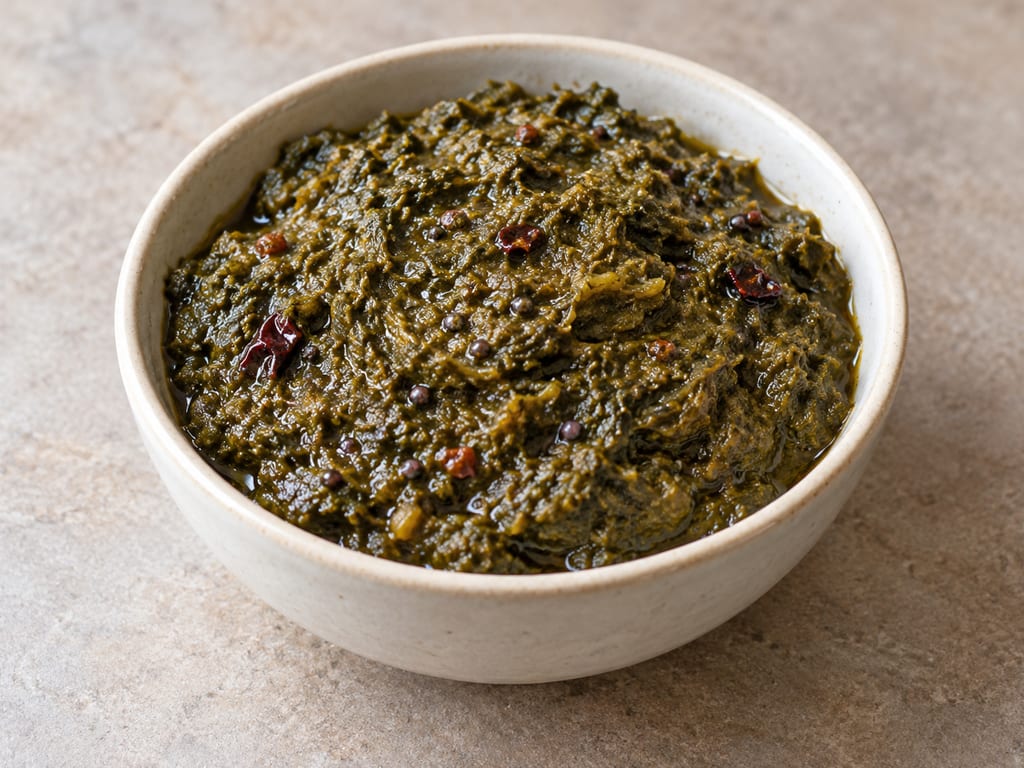
A hot, sour Andhra chutney of gongura (sorrel) leaves cooked soft and ground with fried dried chillies, garlic and onion, then finished with a hot tempering of dals, mustard and curry leaves.
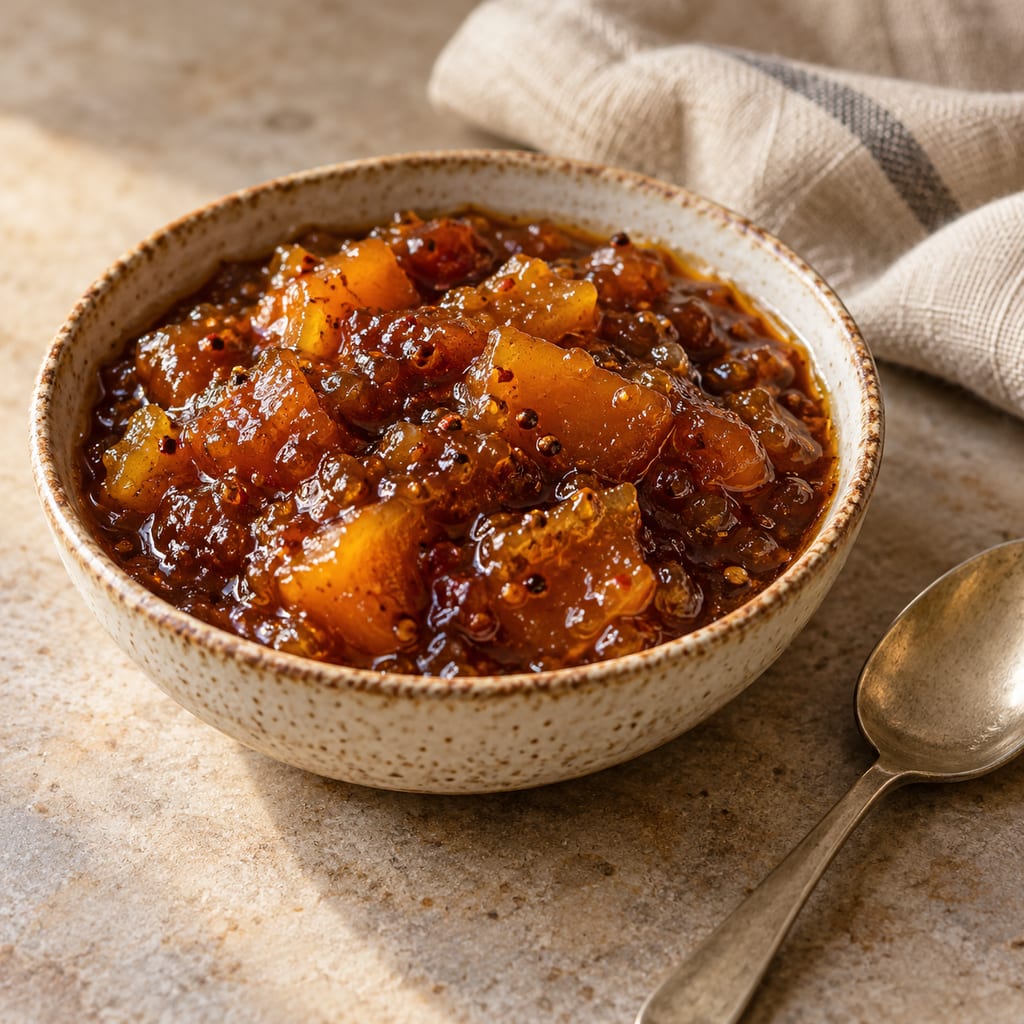
A broad account of cooked chutney traditions: fruit or vegetables combined with sugar, spices and sometimes acid, often boiled into a thick condiment. This record is historical and process context, not a formula or storage recipe.

A pourable dessert sauce of brown sugar, butter and cream, with a little corn syrup and salt. It is the sauce form of the butterscotch confection and is made without water, unlike caramel.
Foods embedded in salty fermented miso paste, which transfers salt and fermentation products into them; misozuke uses an already transformed medium rather than a fresh vegetable brine.
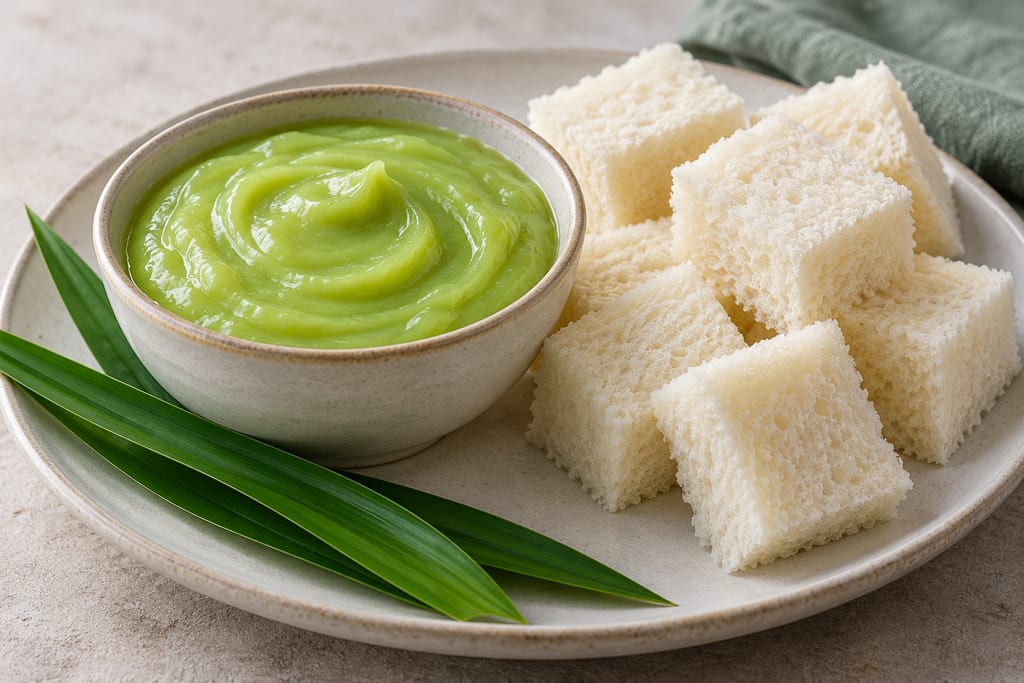
A green Thai custard of pandan juice, coconut milk, egg yolks and sugar, cooked over a water bath until it coats a spoon and served for dipping soft bread, toast or sticky rice.
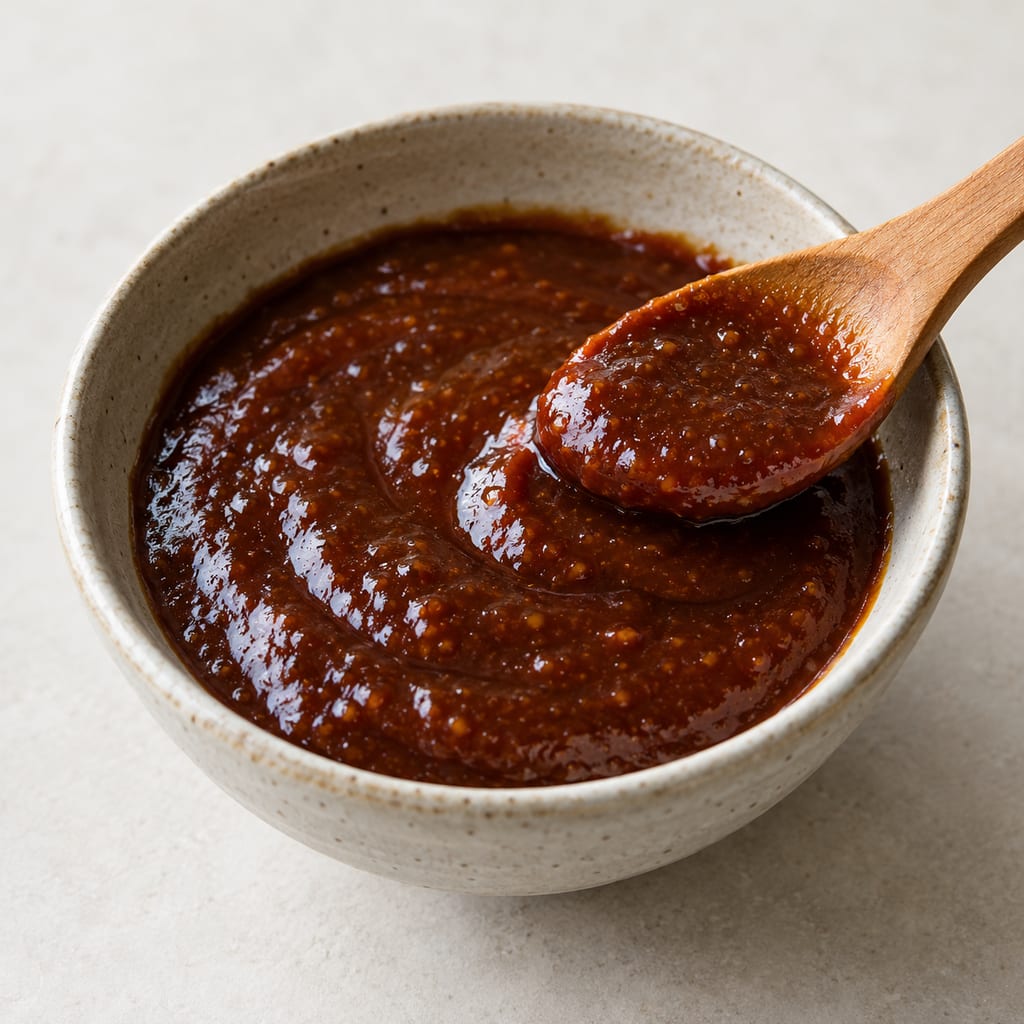
A sweet-salty Japanese glaze of miso, mirin, sake and sugar, warmed until thick and spread on grilled tofu, eggplant, daikon or konnyaku. Regional versions in Aichi use red miso and dashi.
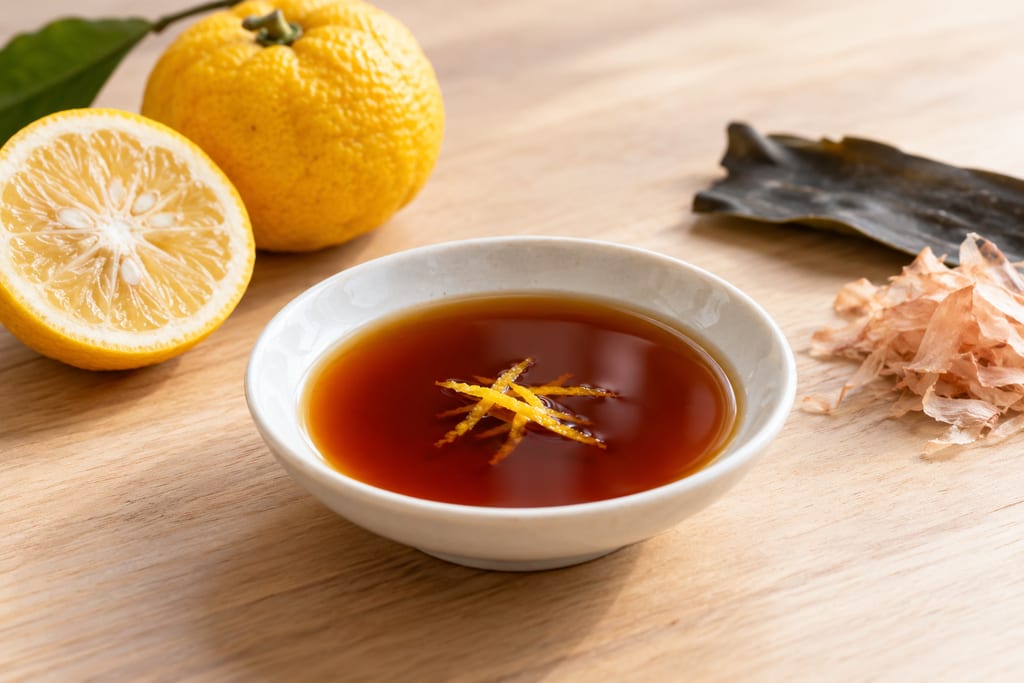
This quick ponzu combines soy sauce, vinegar, hon mirin, kombu, dried bonito and yuzu juice after a brief boil and a warm extraction; the recipe serves five.
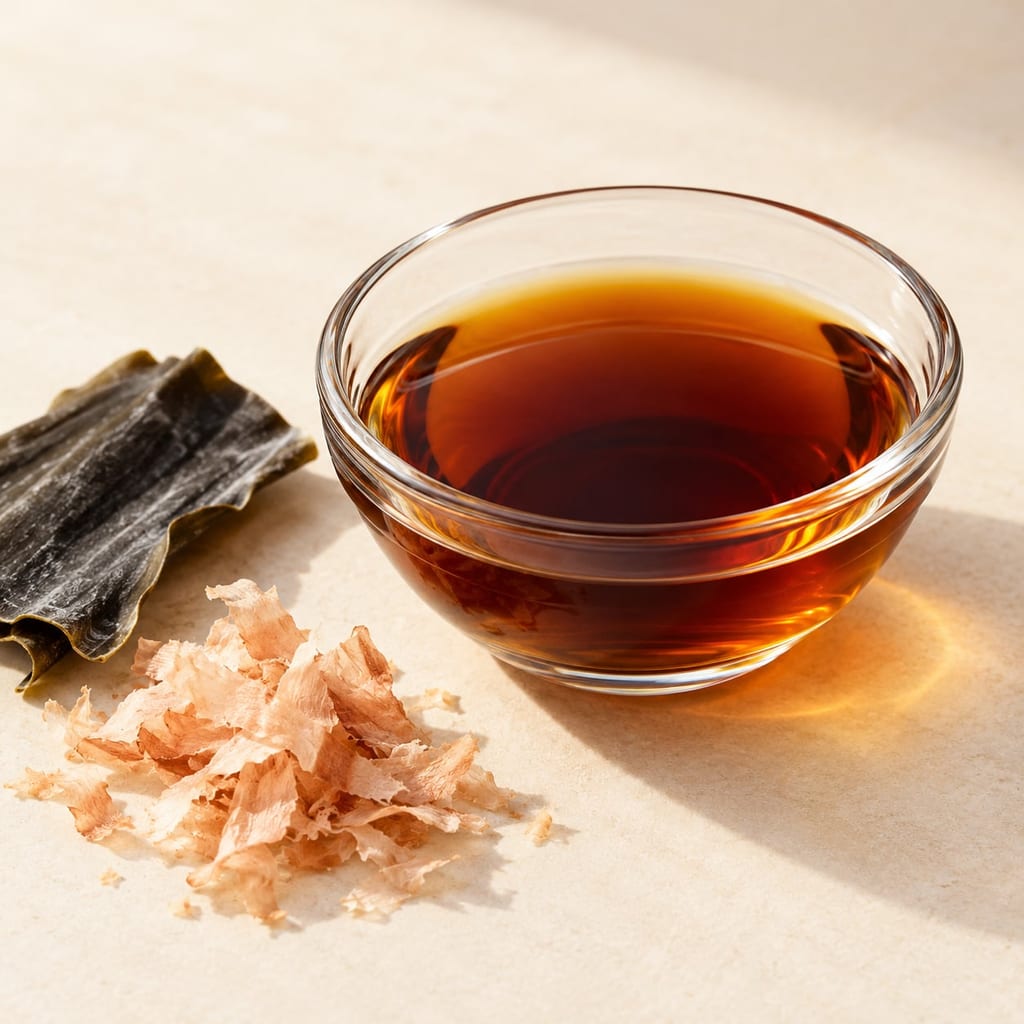
Mentsuyu seasons Japanese noodles with dashi, soy sauce and mirin. Two home formulas are recorded here: a 2012 light-soy and bonito sauce, and a concentrate diluted 1:2 for dipping or 1:4 for hot soup.
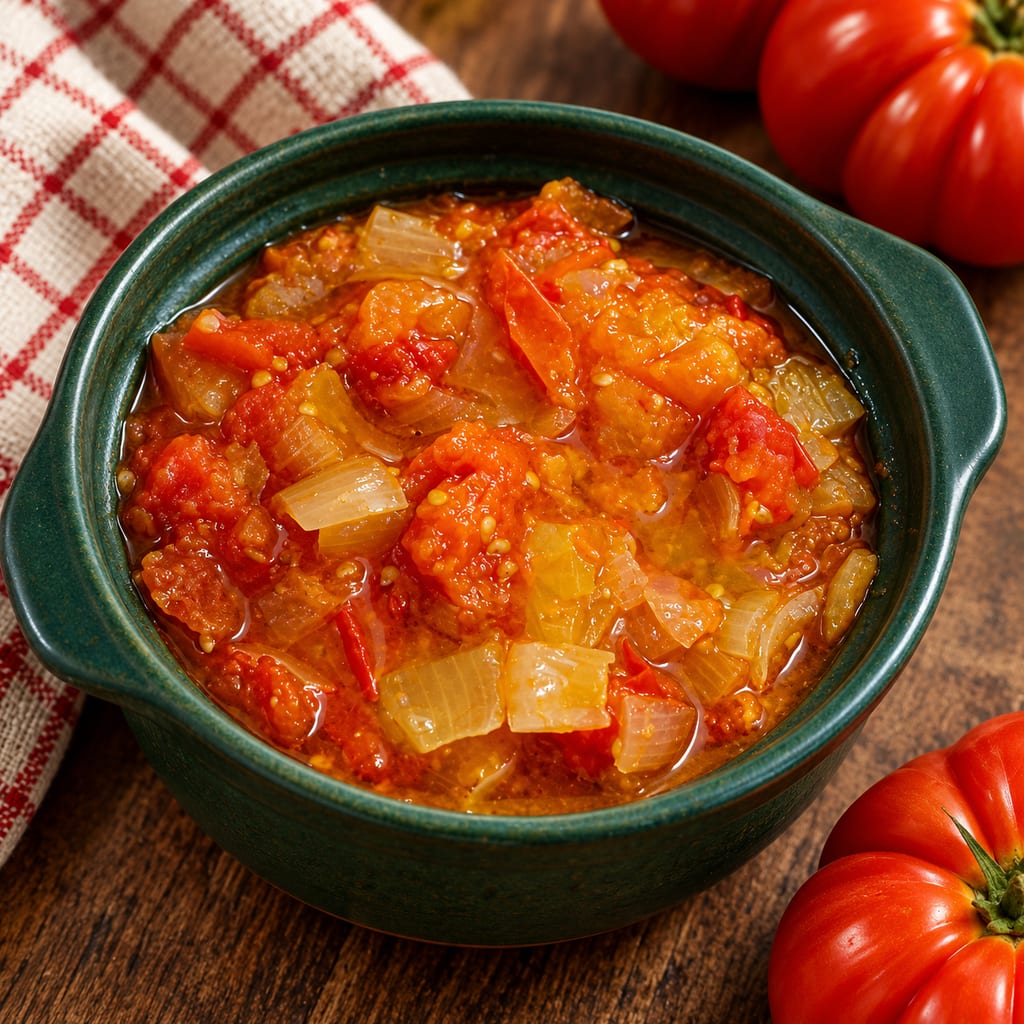
A thick South African tomato-and-onion relish simmered slowly and served warm with boerewors, pap or bread.
Kaya is a sweet Malay-rooted spread of eggs, coconut milk and sugar, scented with pandan and stirred over gentle heat until it thickens. In Singapore it is the filling of kaya toast.
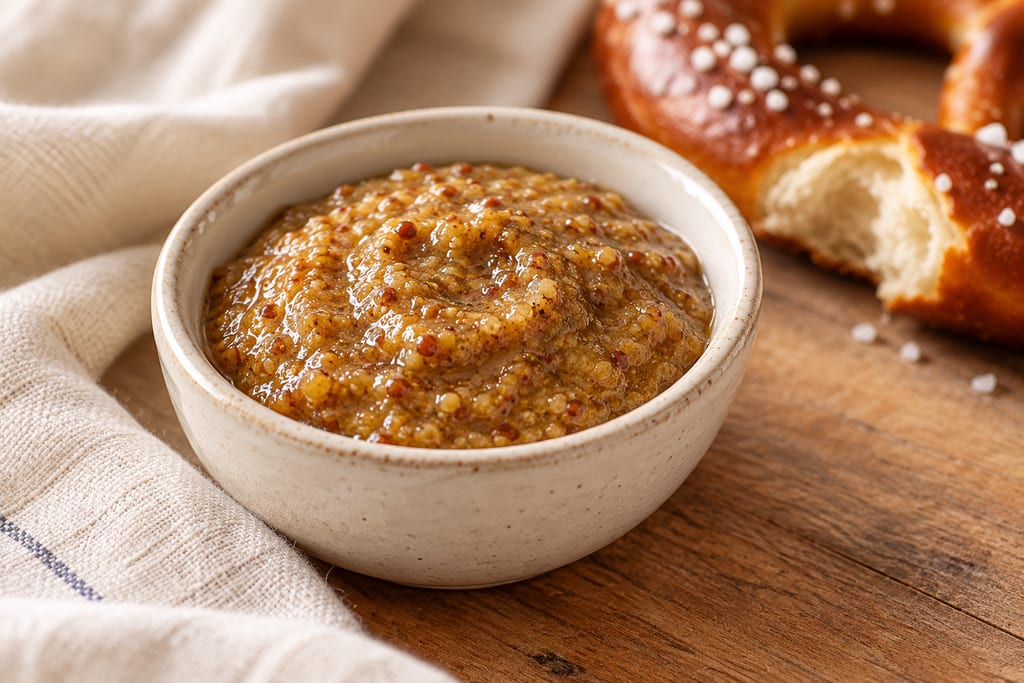
A coarse, sweet Bavarian-style mustard of yellow and brown seed in a cooked brown-sugar and vinegar base, made to eat with Weisswurst; an original refrigerated formula.
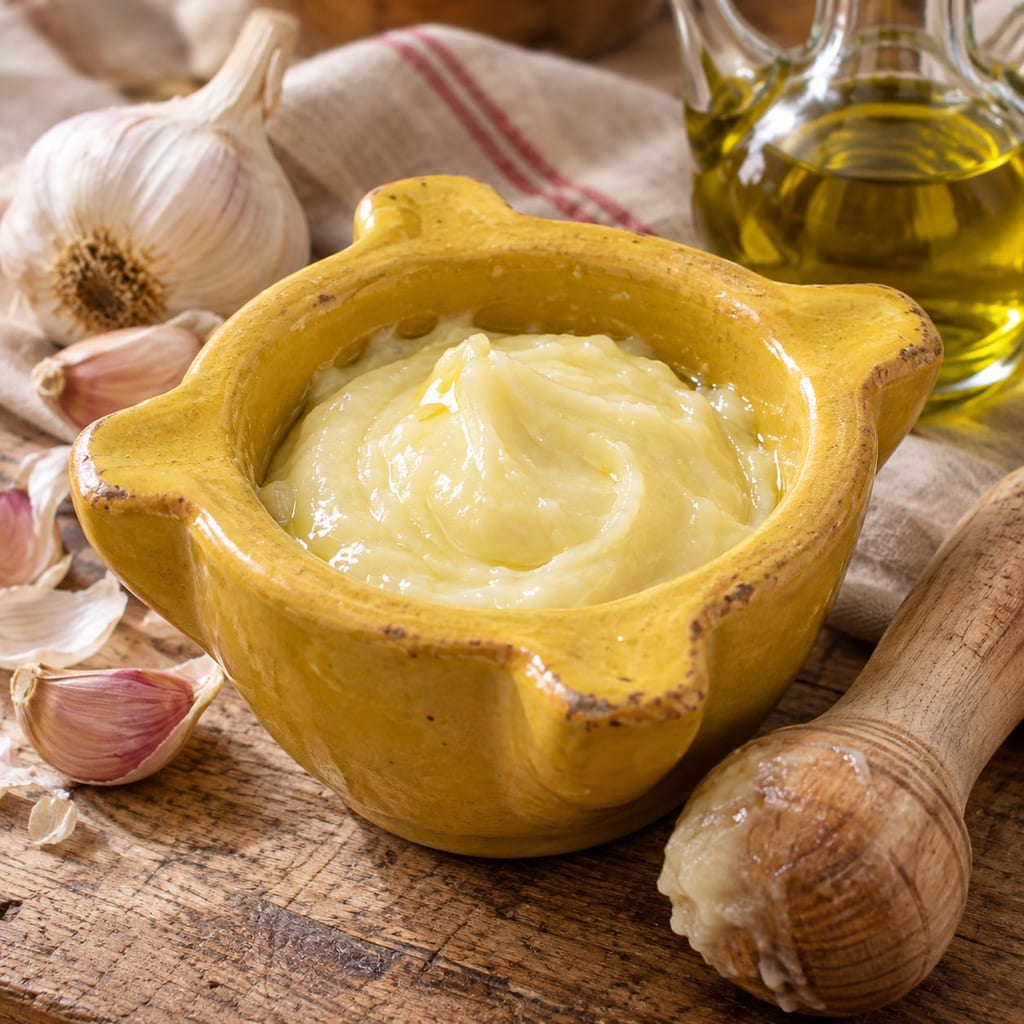
Traditional Catalan allioli is a dense emulsion of garlic, olive oil and salt made slowly in a mortar. This measured Barcelona-style version keeps egg-based garlic mayonnaise distinct.
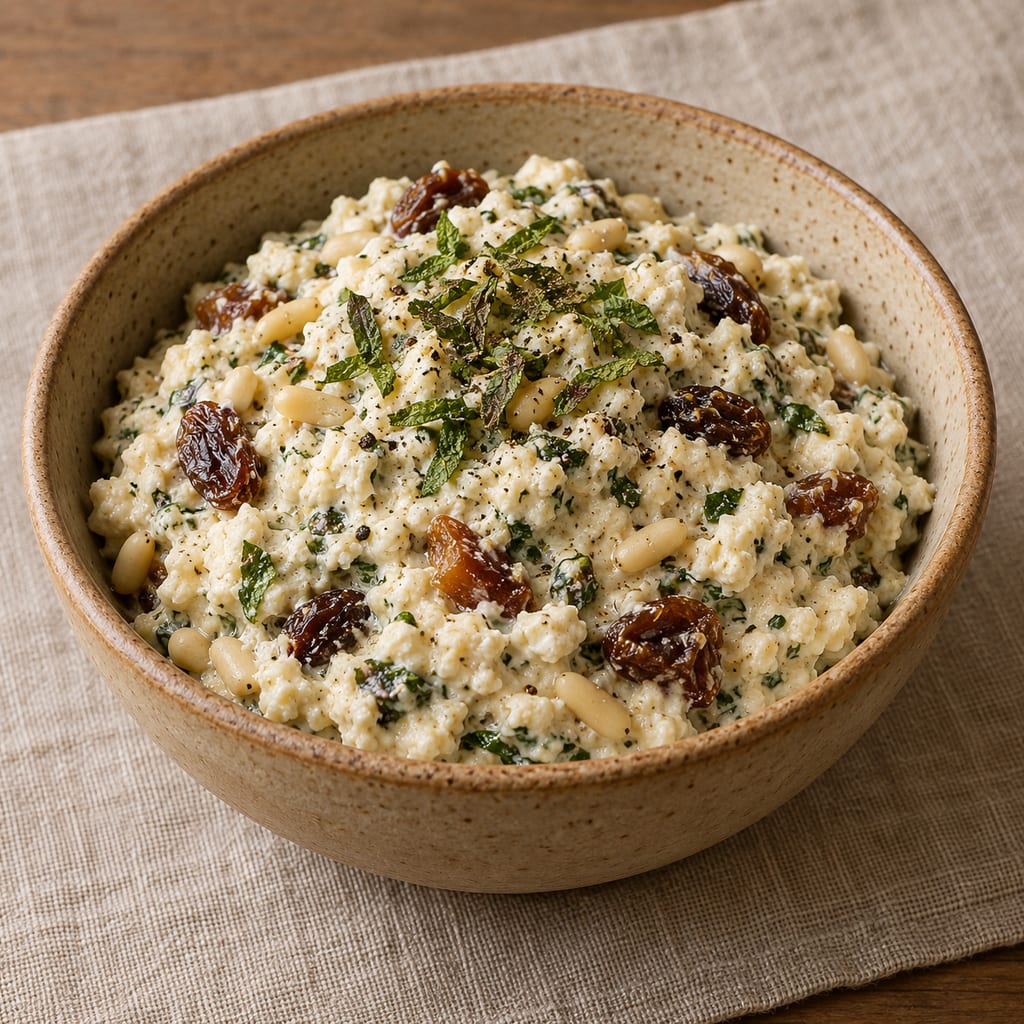
Hypotrimma was a Roman condiment in Apicius's cookery book, a mixture of ground pepper, herbs, nuts, dried fruit, cheese, honey and fish sauce.
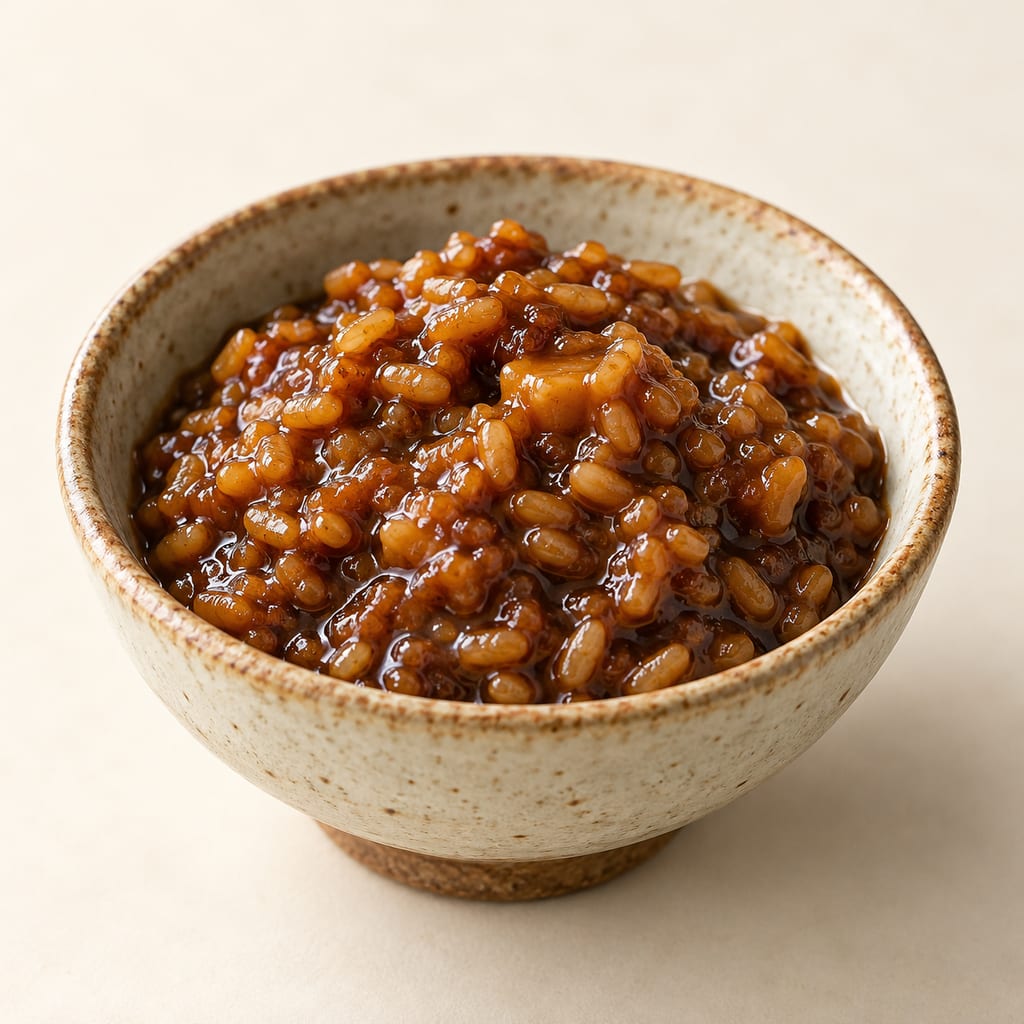
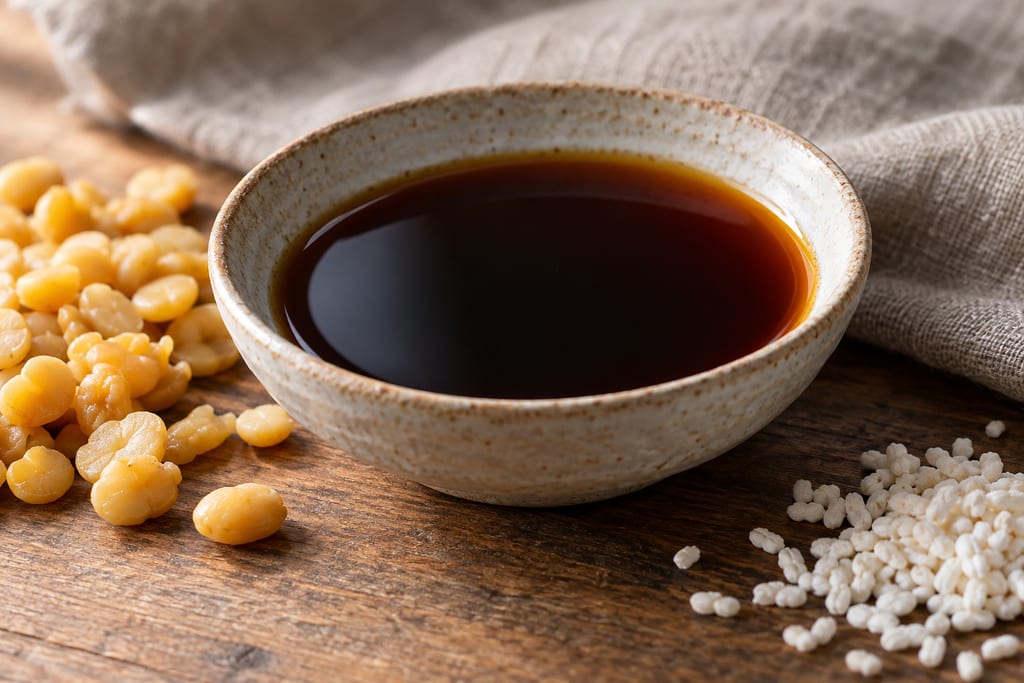
A Japanese kitchen condiment of rice koji matured in soy sauce until the grains turn soft and sweet. The same name also means the mould-grown soybean and wheat used to brew soy sauce.
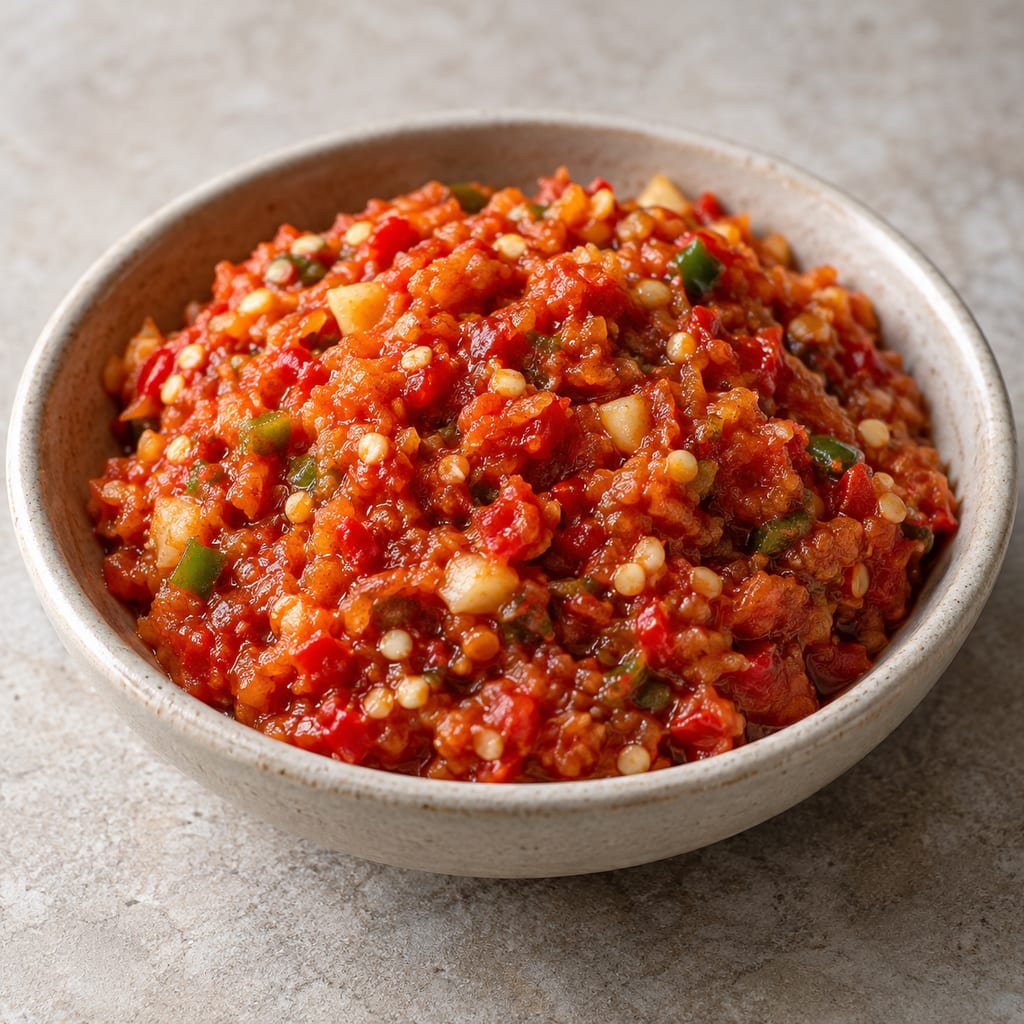
Mazavaroo is a Mauritian hot chilli paste of fresh chillies, garlic, salt and oil with lemon or lime. It is kept refrigerated, and the reviewed recipes say it should rest for days before use.
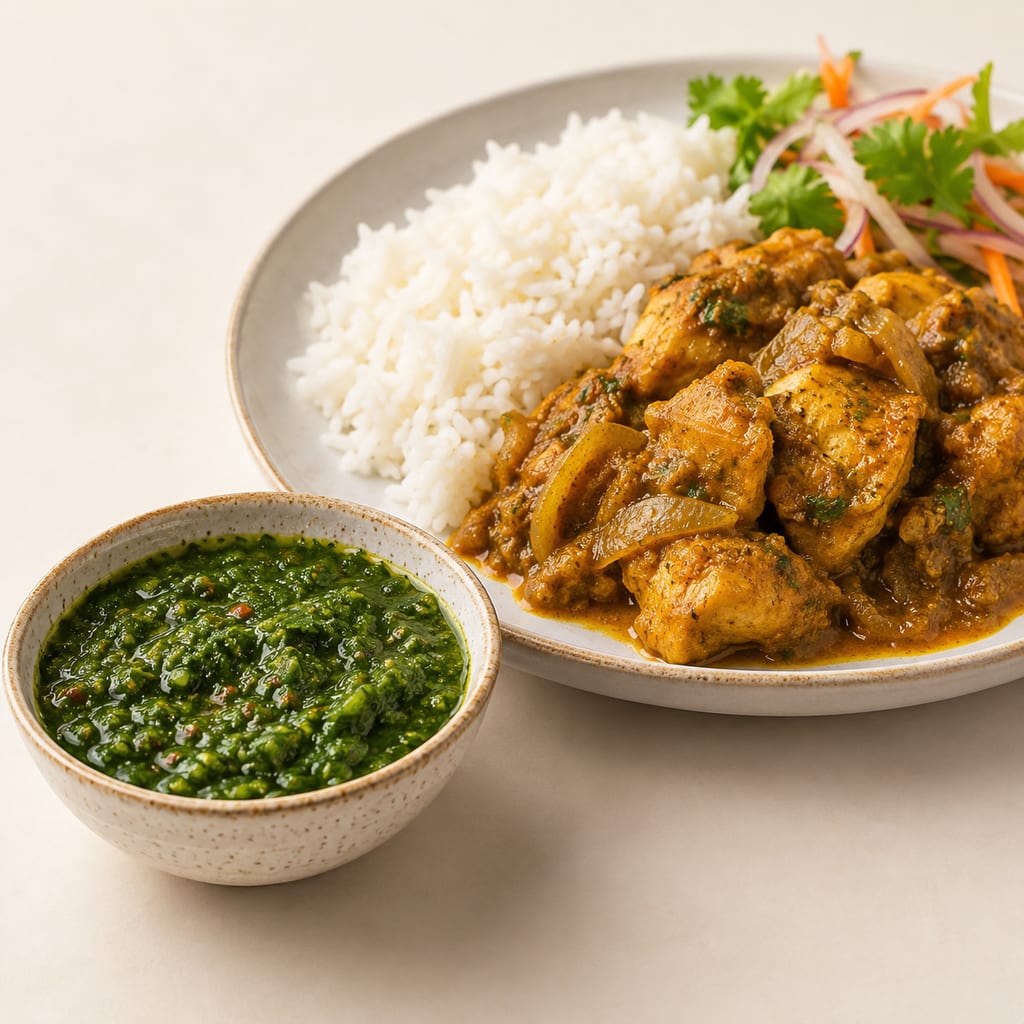
A fresh Mauritian coriander chutney, blended with oil, green onion, chilli and lime, and served beside curry.
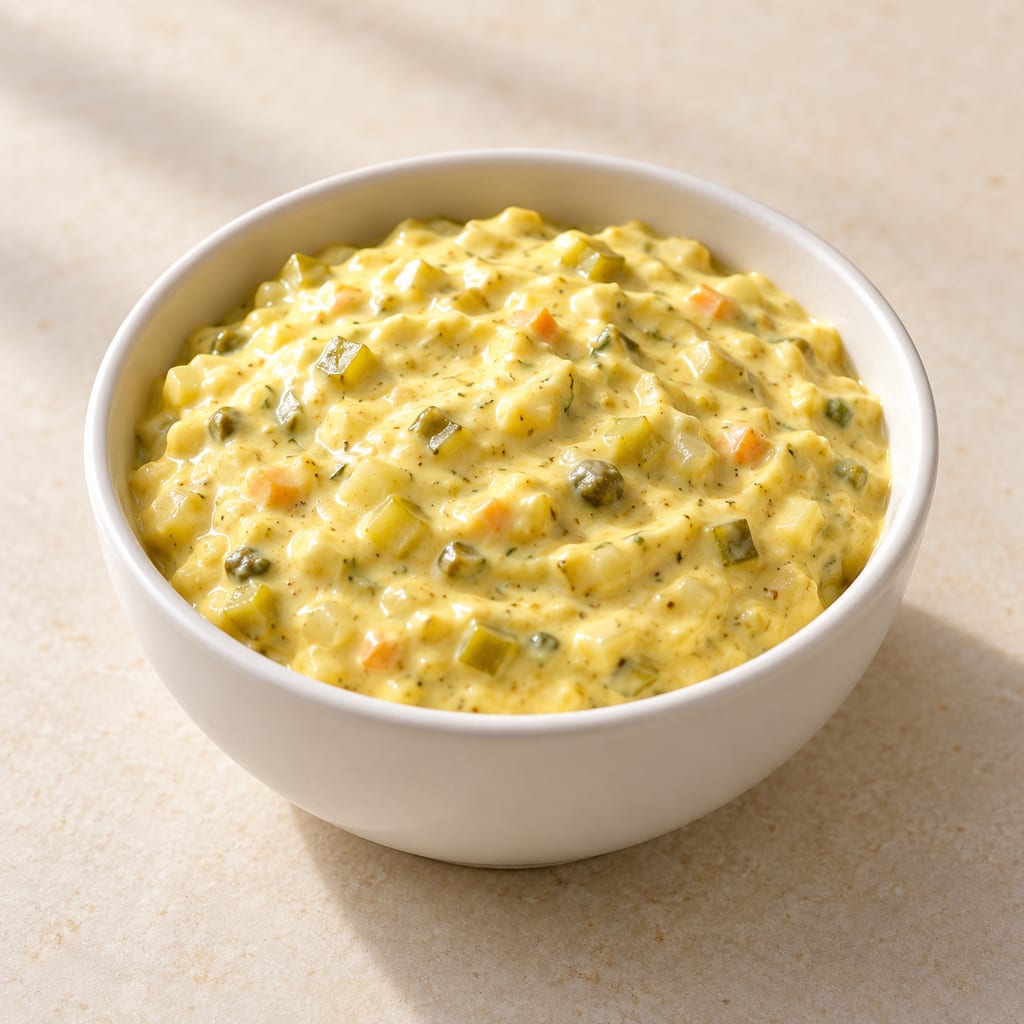
Danish remoulade is a thick, yellow, mayonnaise-based sauce flecked with finely chopped pickled vegetables. Arla’s quick home version stirs piccalilli remoulade purée with mayonnaise, crème fraîche, diced apple and capers.
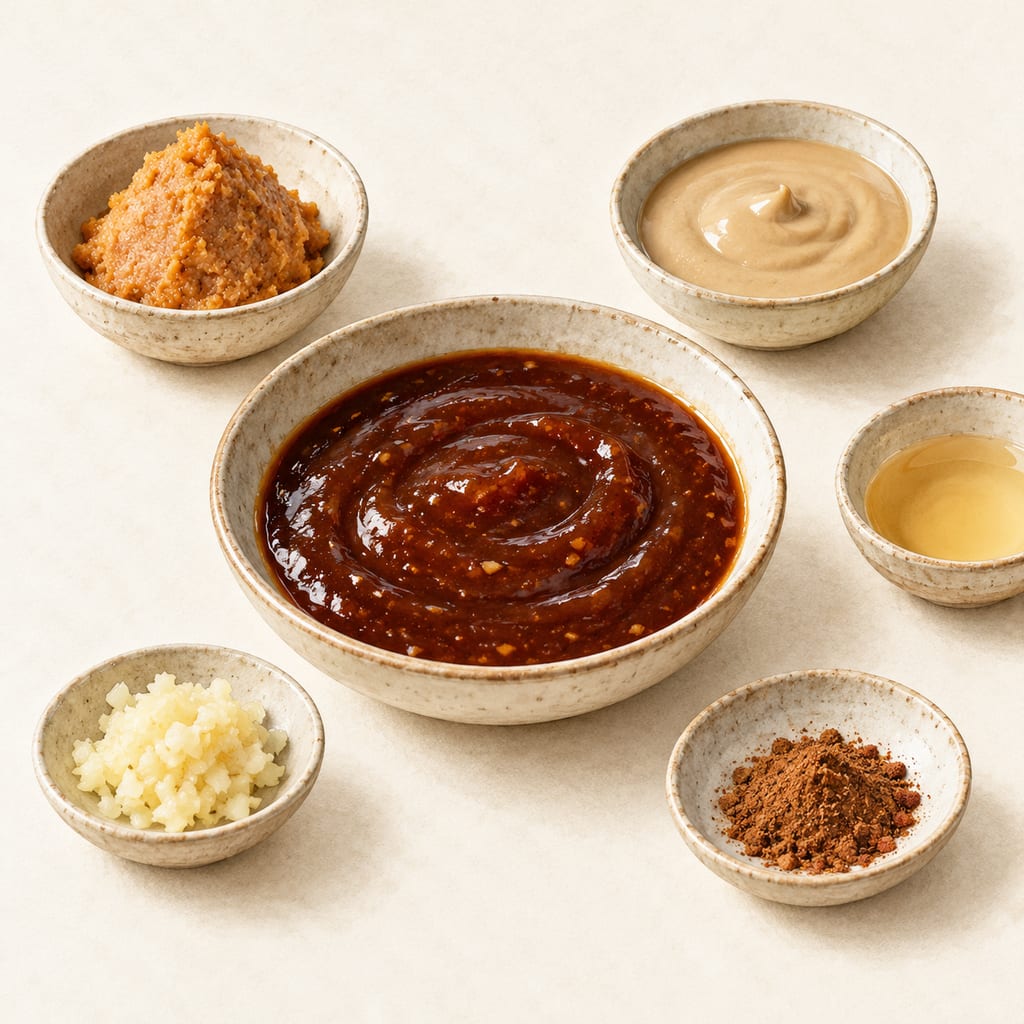
An untested modern miso-based sauce inspired by hoisin's sweet, savory profile; this prototype is not traditional hoisin or a copy of a commercial brand.
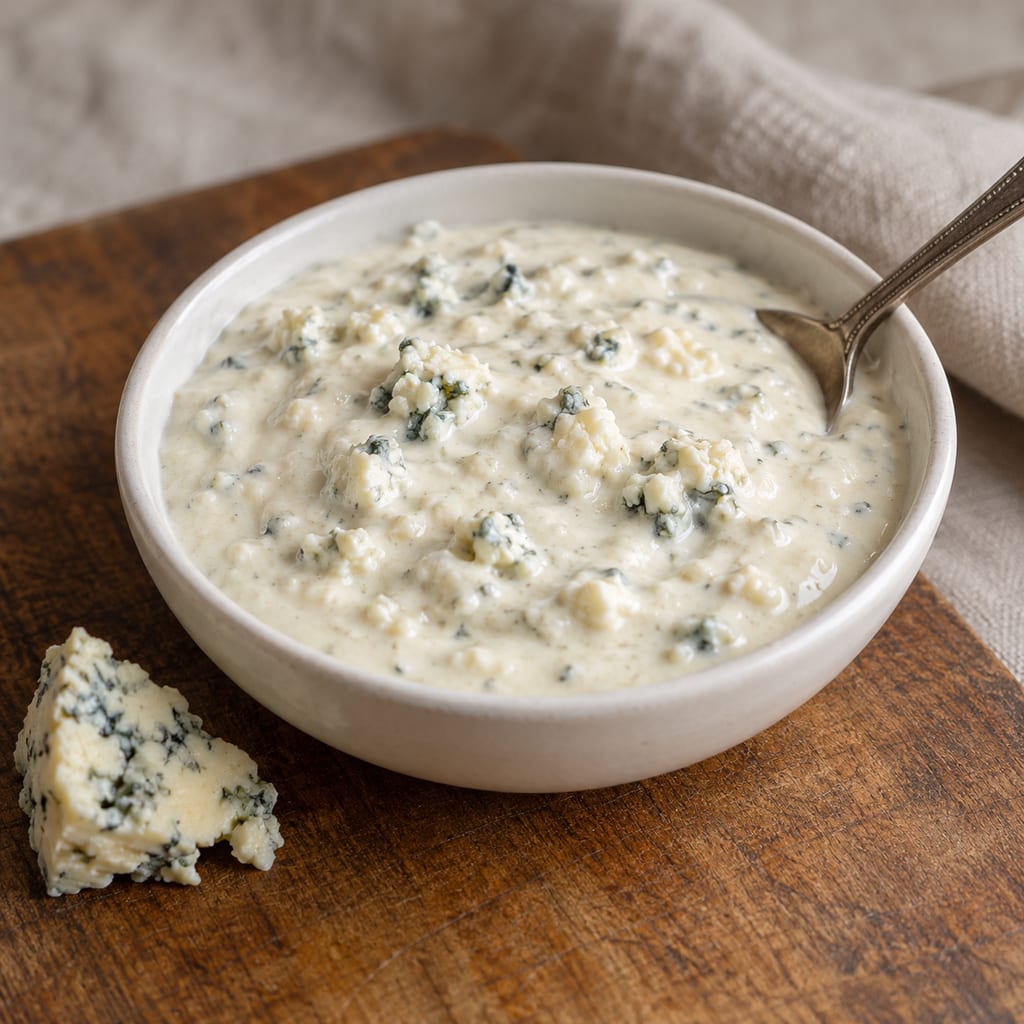
Blue cheese dressing is a creamy dressing built on crumbled blue cheese mashed into buttermilk, with sour cream, mayonnaise, vinegar and seasoning, and kept cold for up to two weeks.
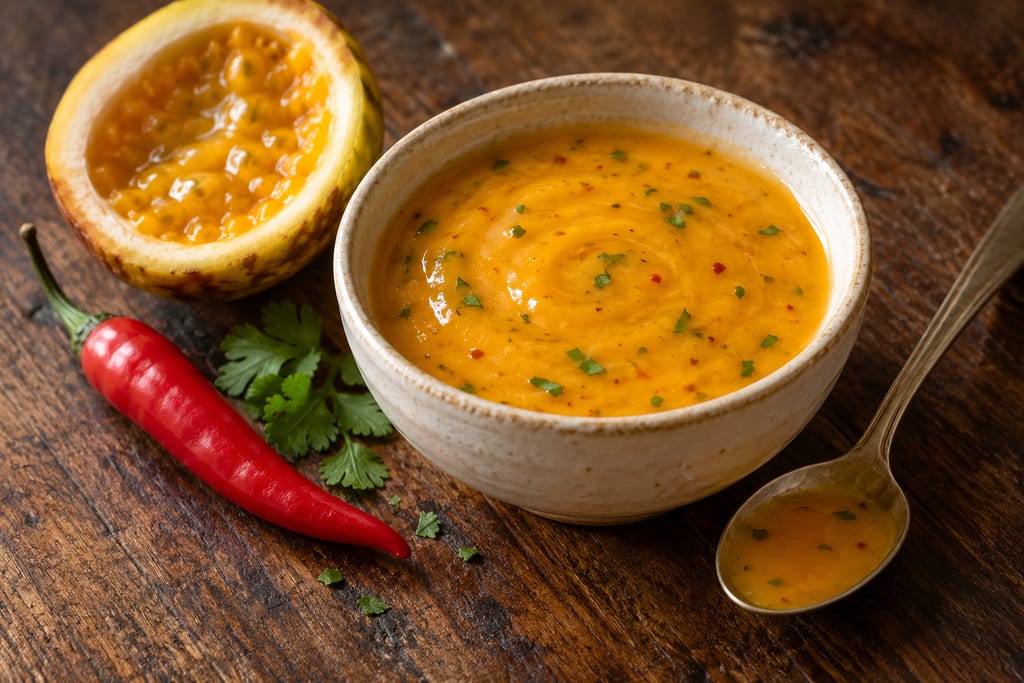
A contemporary Ecuadorian hot sauce that pairs passion fruit juice with boiled chile peppers, oil and lime.
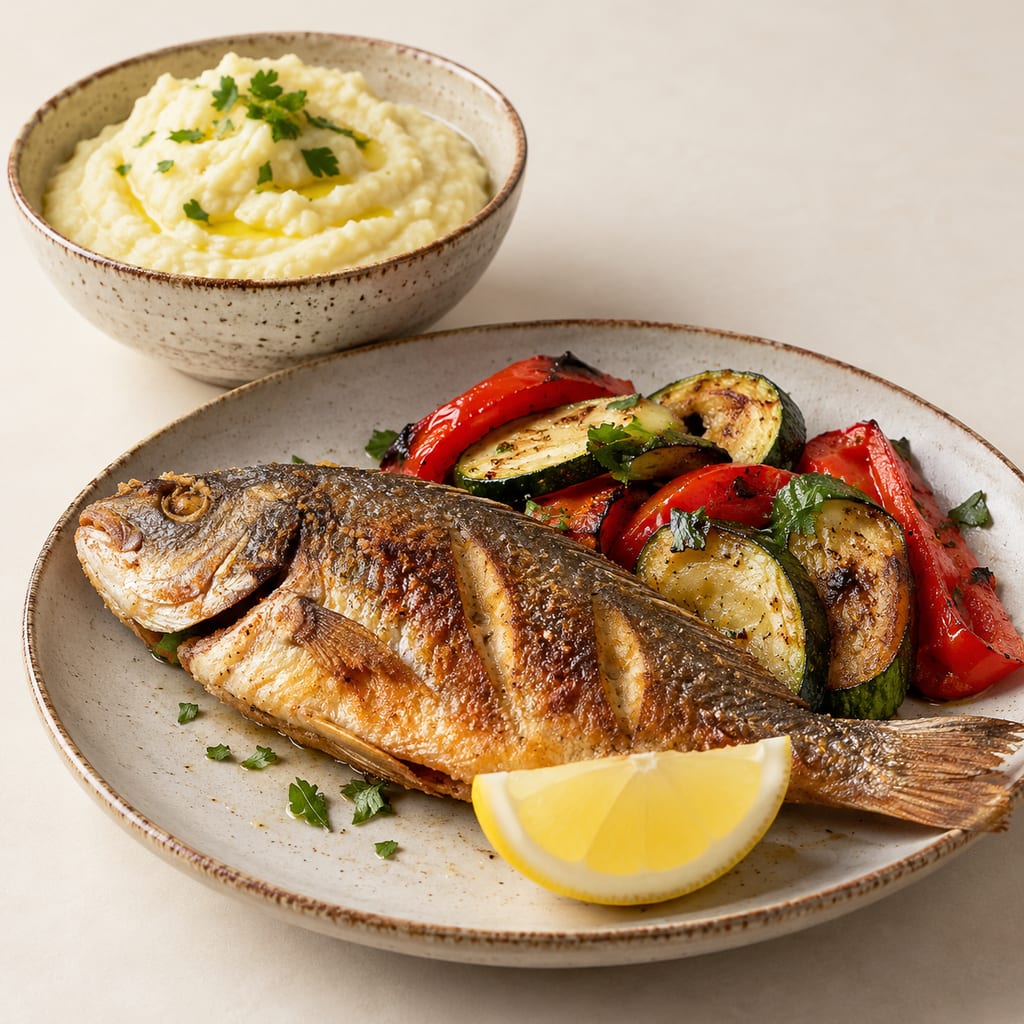
A thick Greek garlic purée bound with olive oil and a starch of potato, walnut, almond or soaked bread, served with fried fish and vegetables.
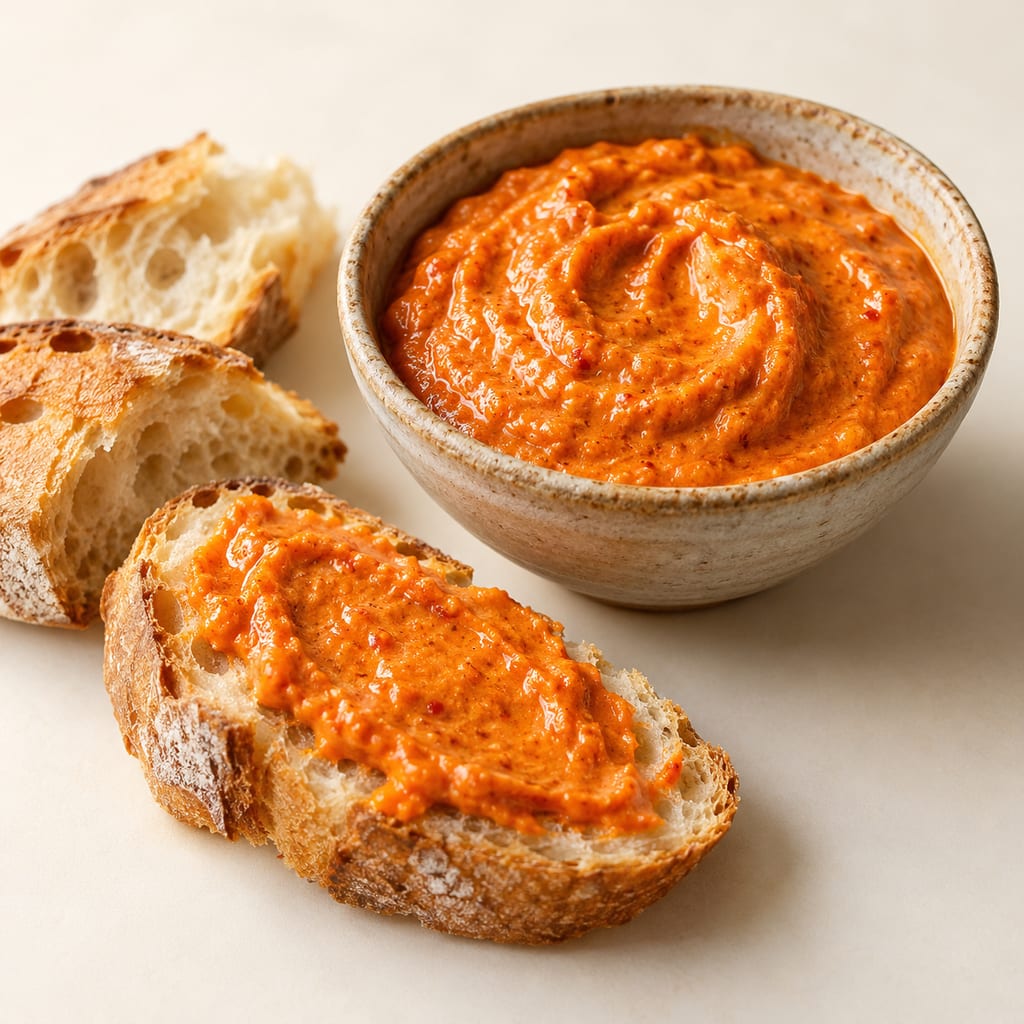
A strongly flavoured Provencal garlic sauce of chilli or cayenne, saffron, olive oil and bread or egg, served on bread with fish soup and bouillabaisse.
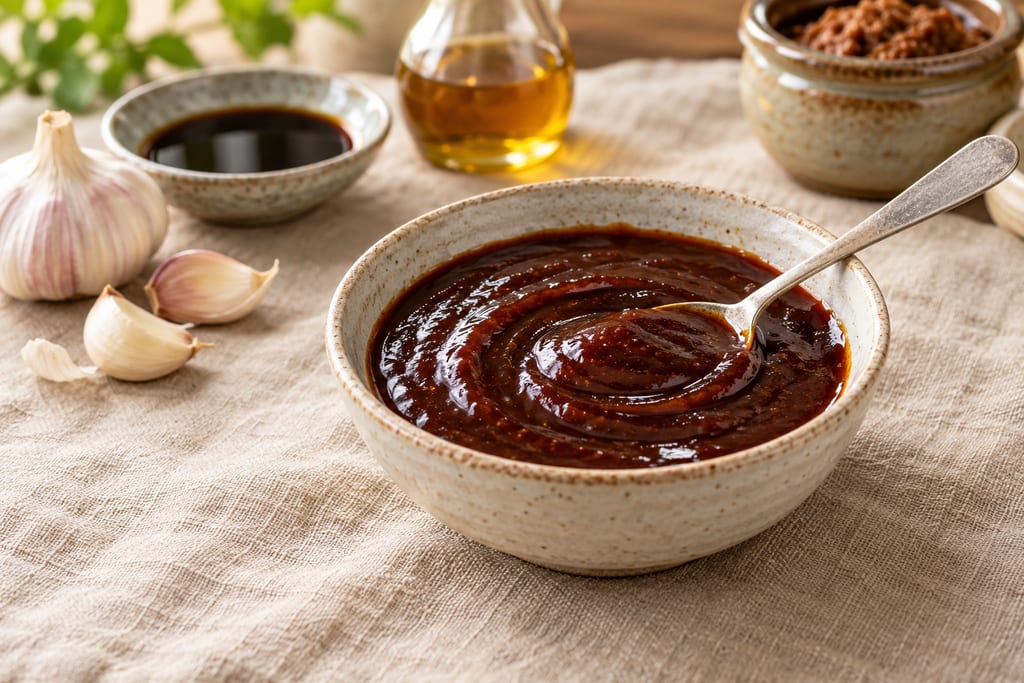
A thick, dark, sweet-salty Chinese condiment built on fermented soybean paste. This page gives one quick home version and records how commercial formulas differ.
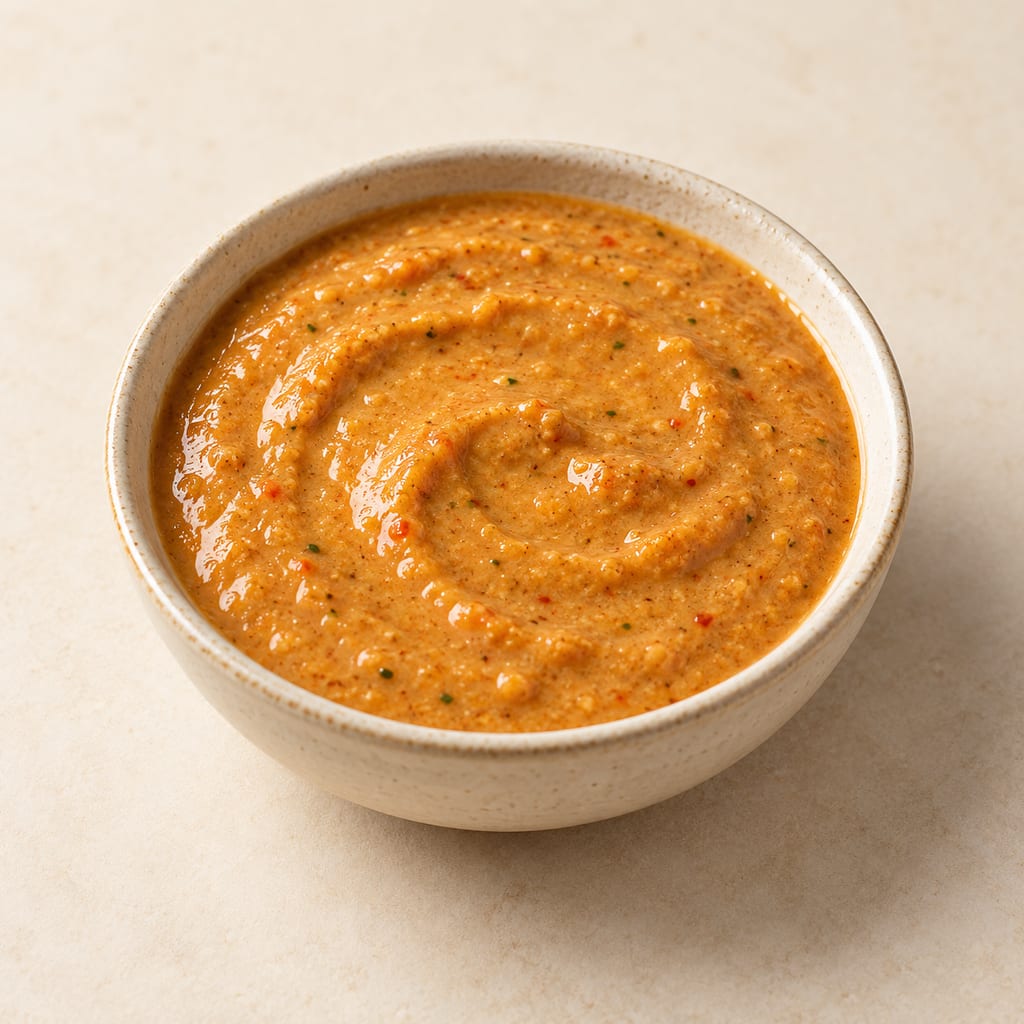
A spicy peanut hot sauce from the Popayán and Cauca region of Colombia, traditionally served with pipián empanadas and tamales.
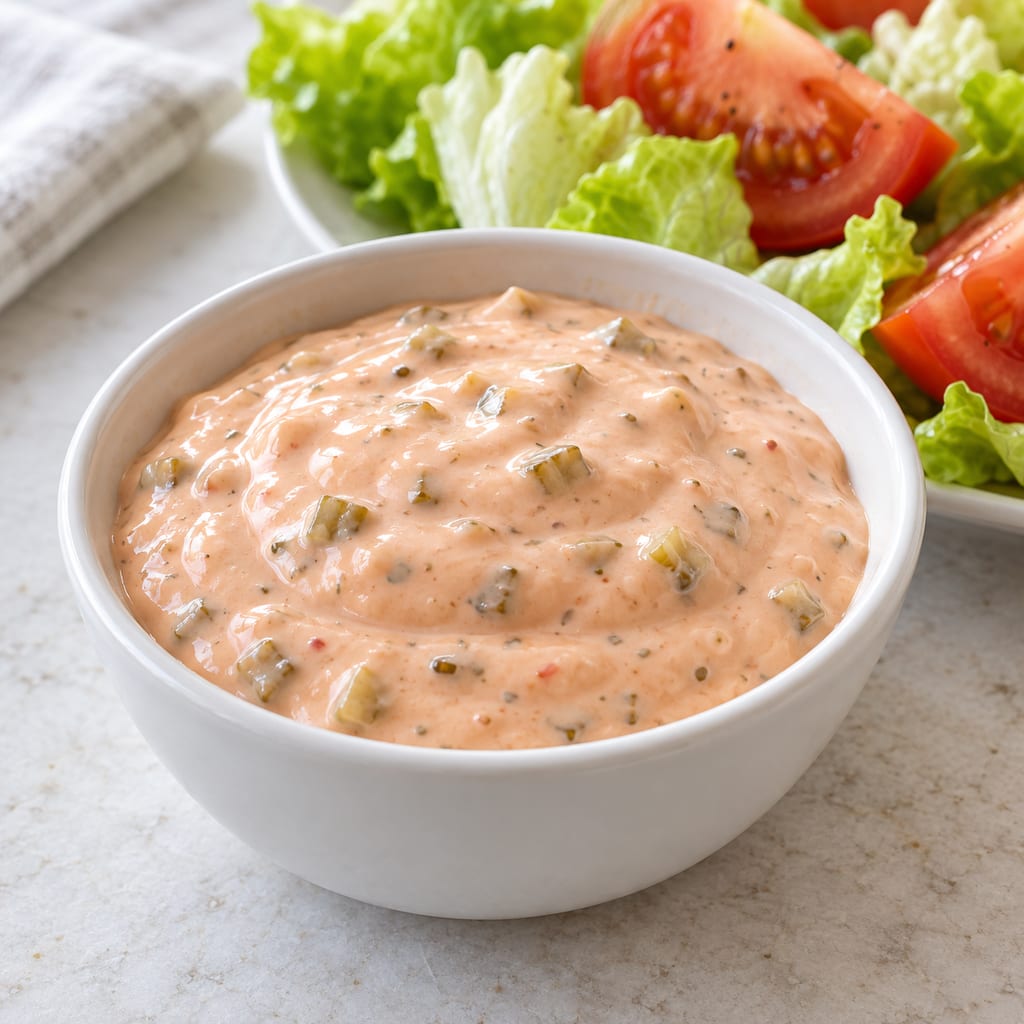
Thousand Island dressing is a pink, sweet-savoury dressing of mayonnaise, tomato condiment and chopped pickle relish, named for the Thousand Islands region on the St. Lawrence River, where its origin is placed.
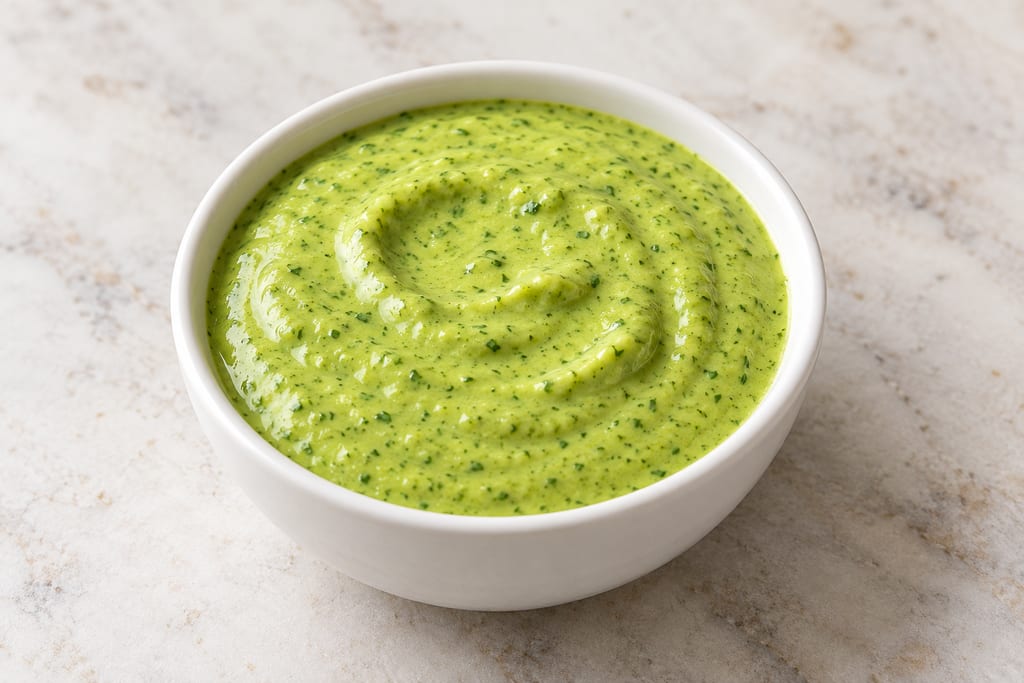
Ají verde is a Peruvian green sauce of coriander, chilli, onion and garlic in a mayonnaise or cheese base. It is best known through Peruvian restaurant cooking abroad.
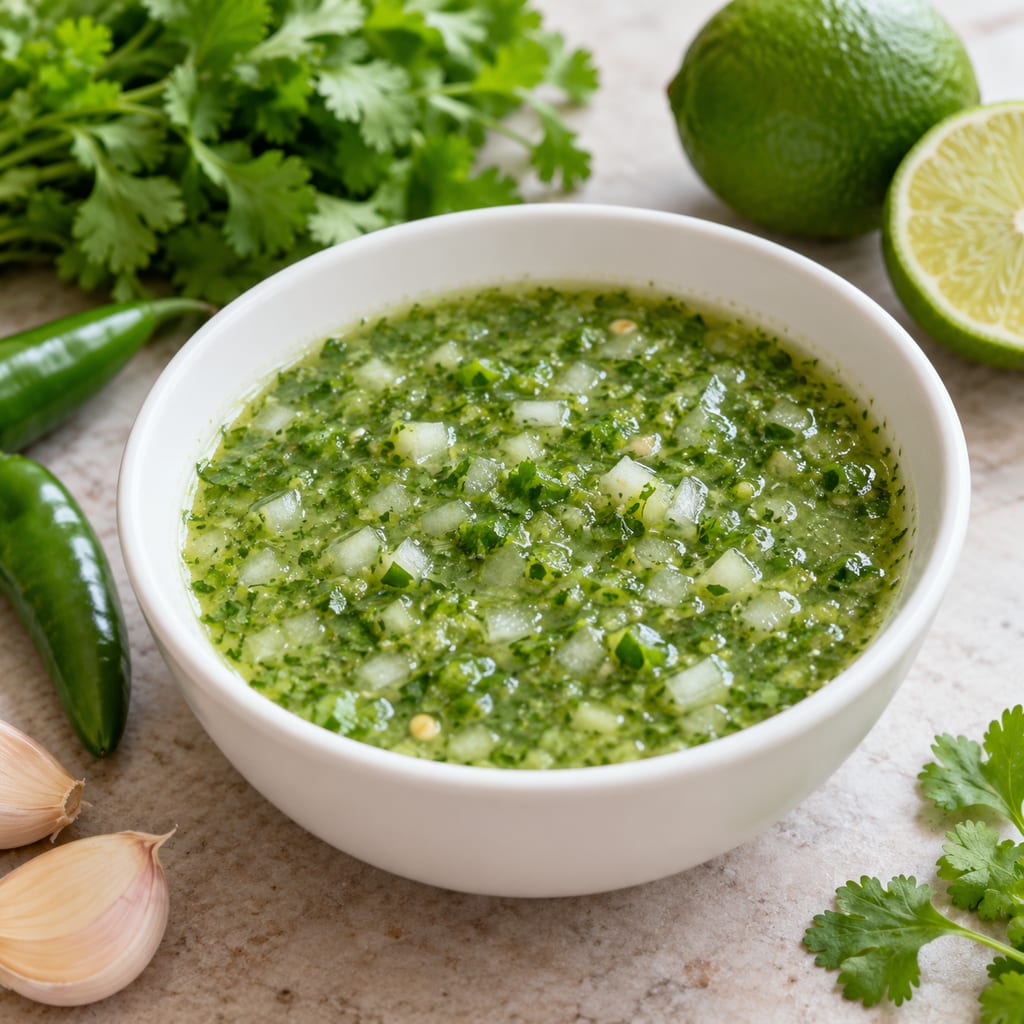
A fresh, uncooked Ecuadorian table sauce of hot pepper, cilantro, garlic and lime, served with most everyday dishes.
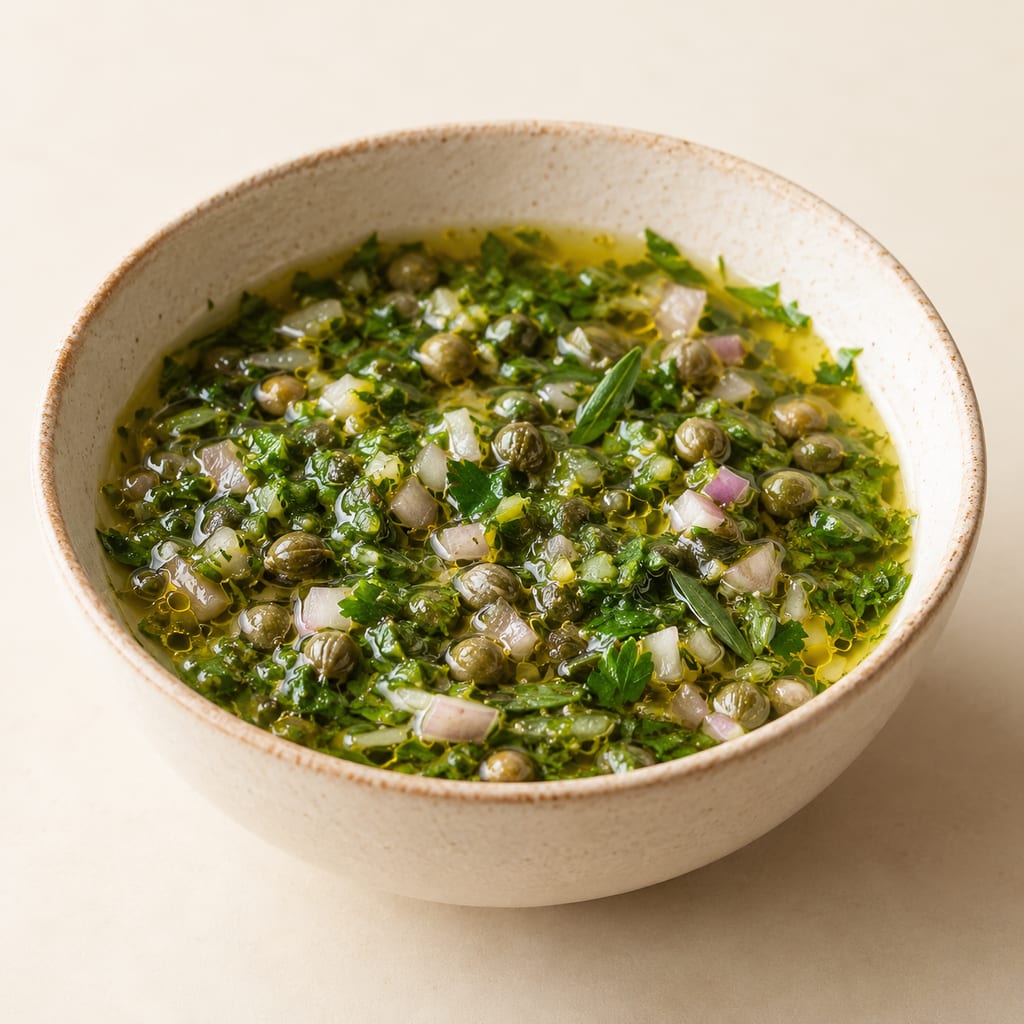
A French cold sauce, in its modern sense a vinaigrette with capers, parsley, chervil, tarragon and shallot or onion, served with fish, shellfish, meat and celeriac.
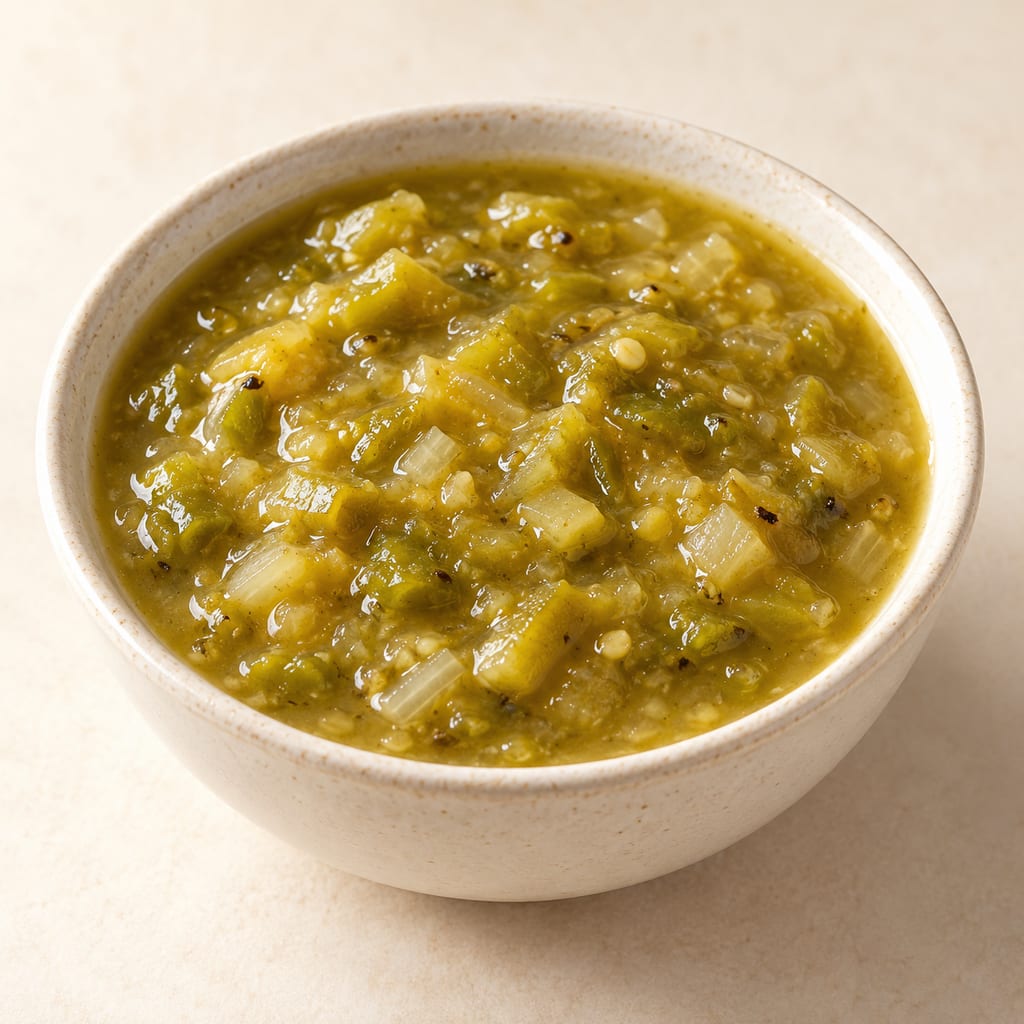
New Mexican green chile sauce is a cooked sauce of roasted fresh green chile, onion and garlic, thickened with a little flour and a 15-minute simmer in stock.
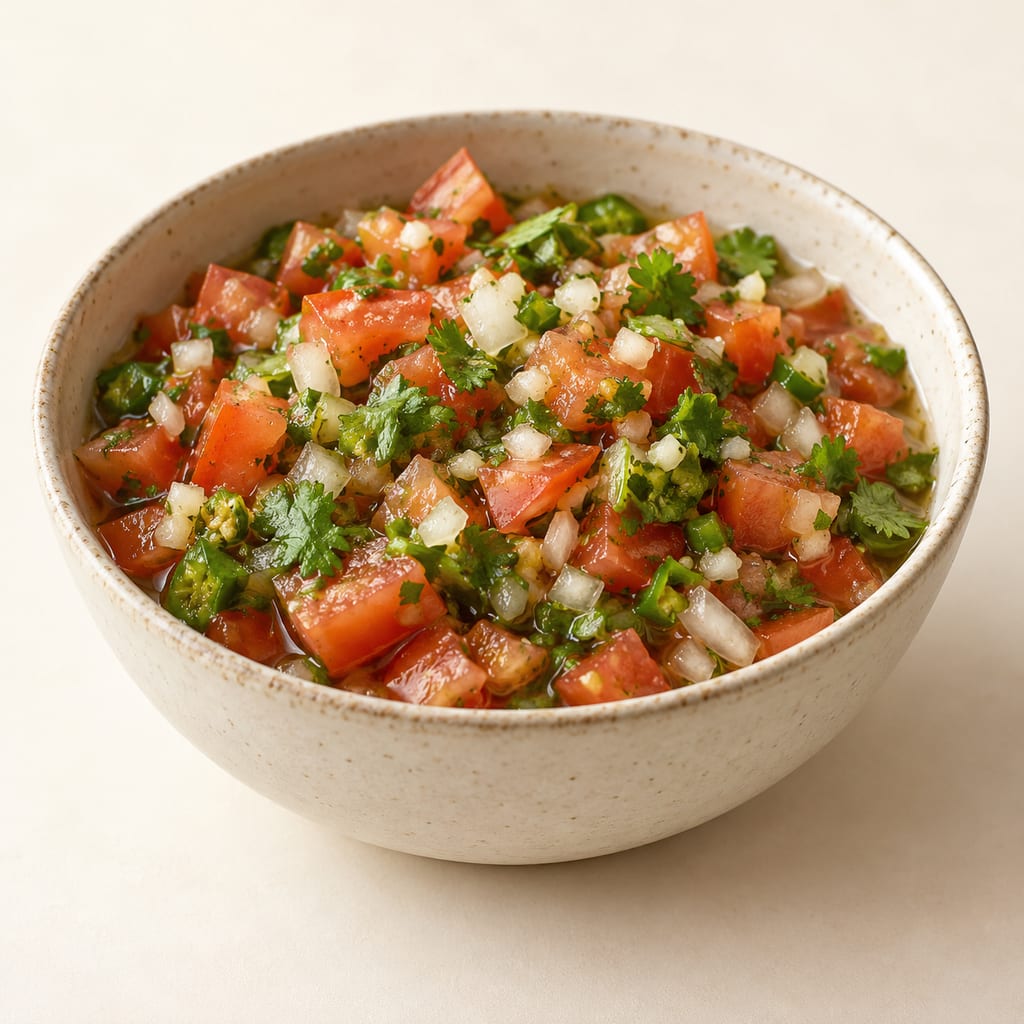
Pebre is a Chilean condiment with many local versions. This partial fresh tomato version follows Chile Travel’s ingredients; vinegar is optional. Sources document picante heat and variants but no fixed proportions or precise origin.
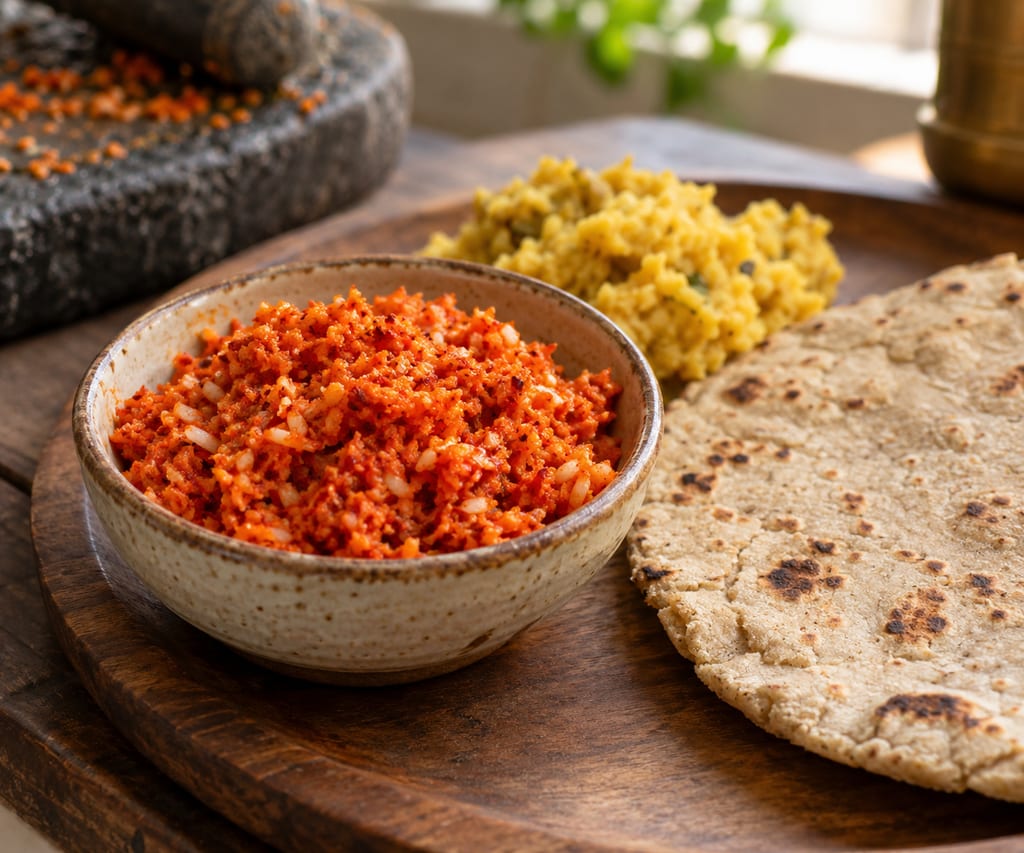
A fresh Maharashtrian chutney of wet coconut and garlic, ground with chilli and salt and finished with lemon; Royal Chef Sujata serves it with jhunka-bhakri.
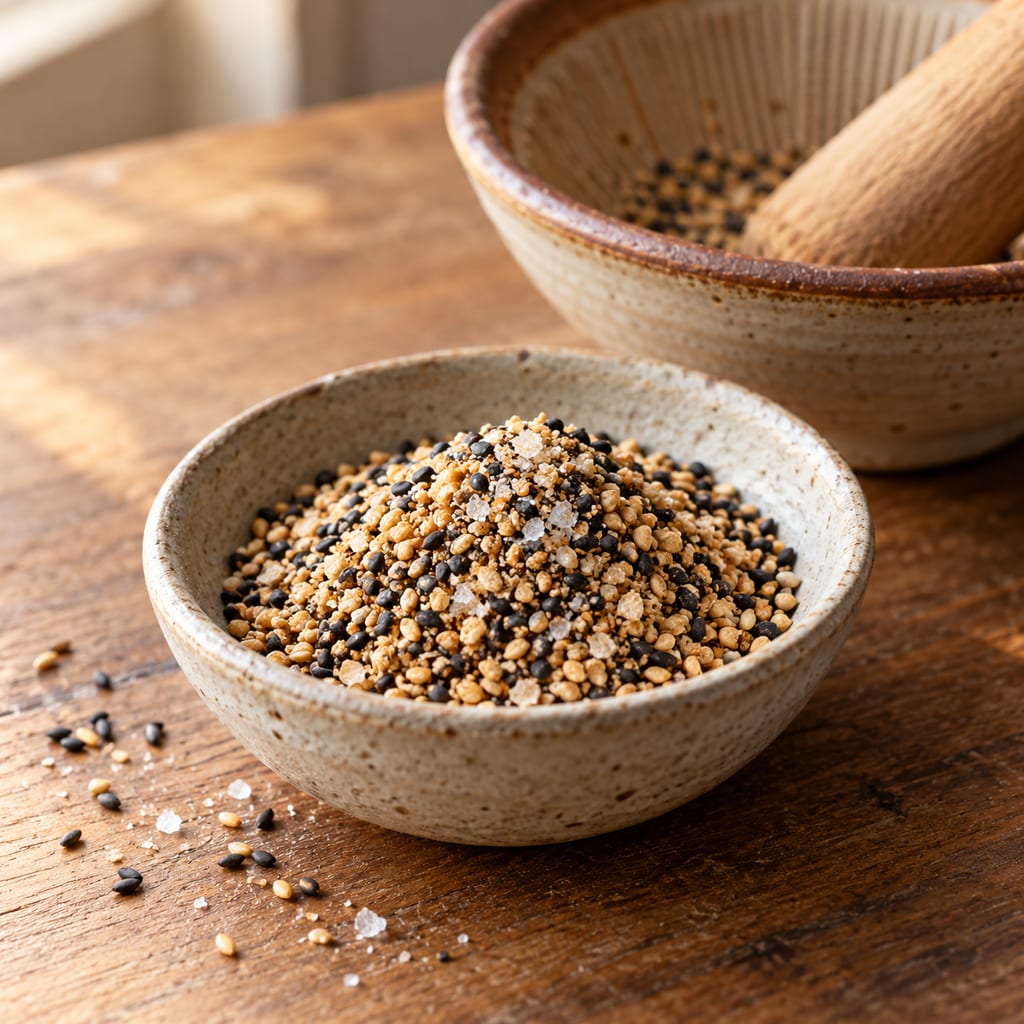
Toasted sesame seeds and sea salt are ground together into a coarse seasoning for rice. This small pan-roasted batch keeps most of the seed texture.
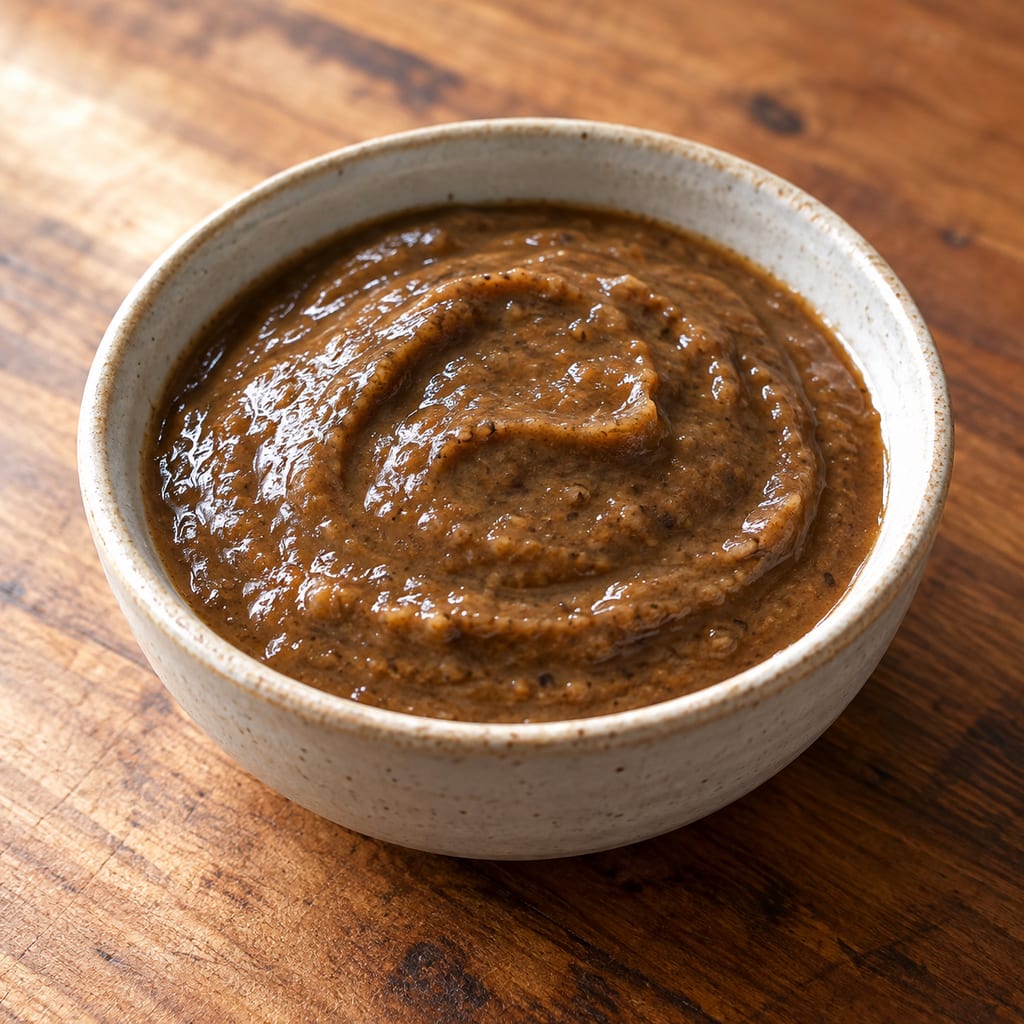
A modern, non-fermented mushroom catsup: mushrooms simmer with cider vinegar, shallot and spices, then become either a thin seasoning or a thicker sauce.
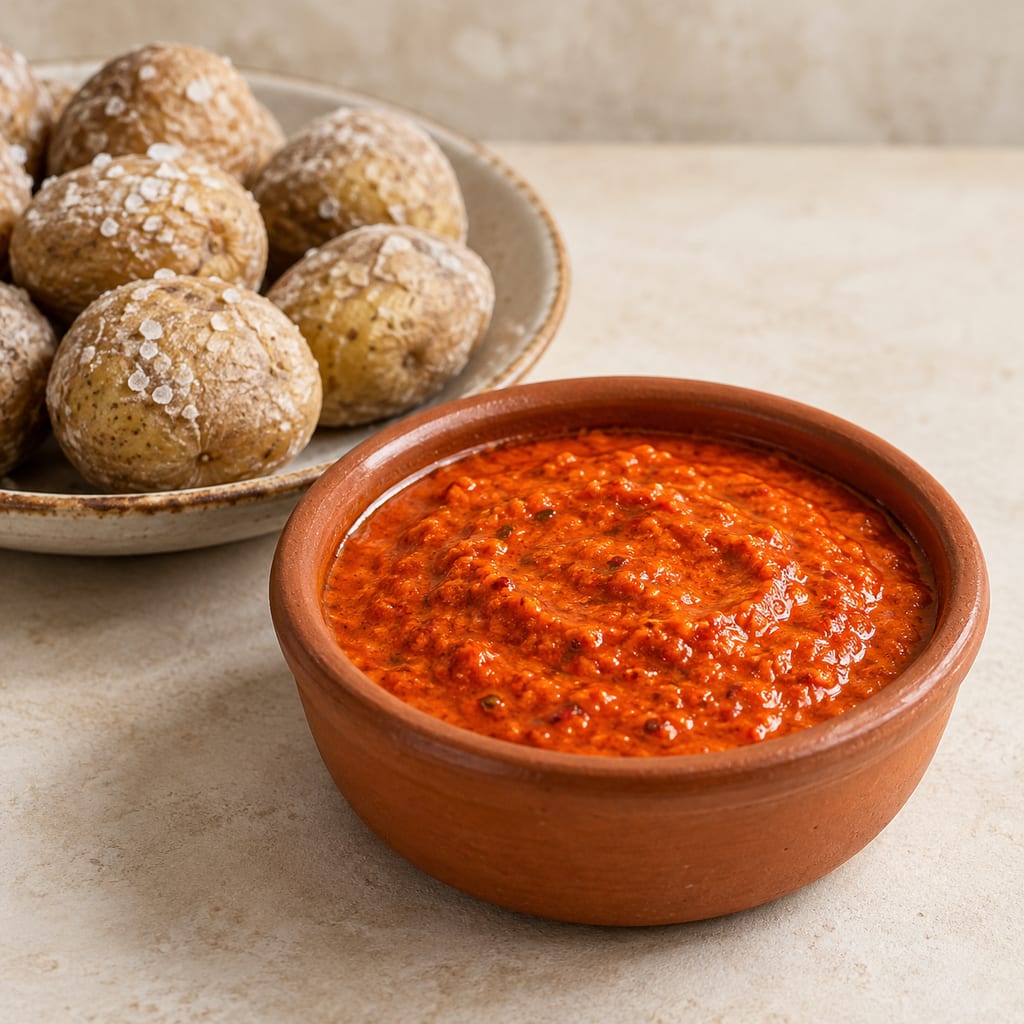
A red sauce of garlic, dried or fresh red pepper, paprika and cumin in olive oil and vinegar, served with salt-cooked potatoes across the Canary Islands.
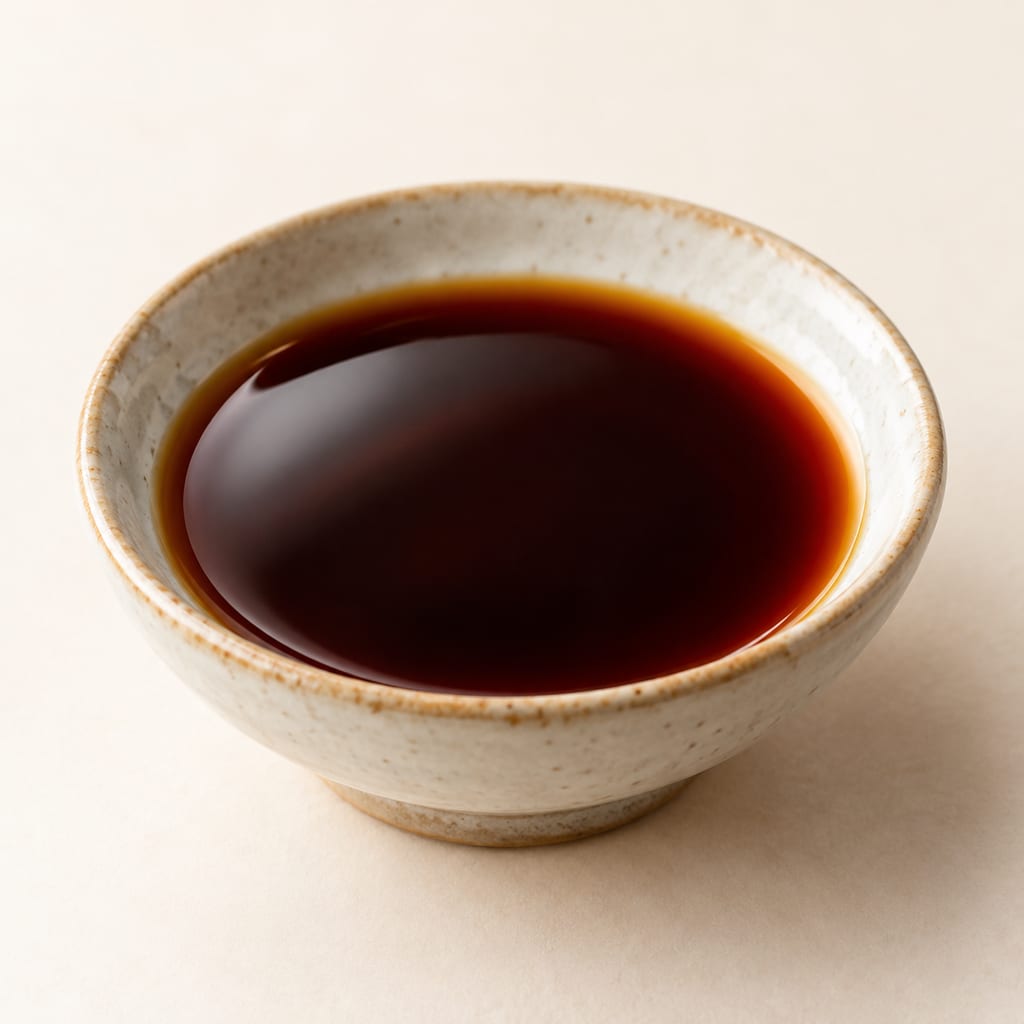
Japan's standard all-purpose soy sauce: soybeans and wheat grown over with koji mould, brined, fermented for months, pressed and usually heated into a reddish-brown, savoury liquid.
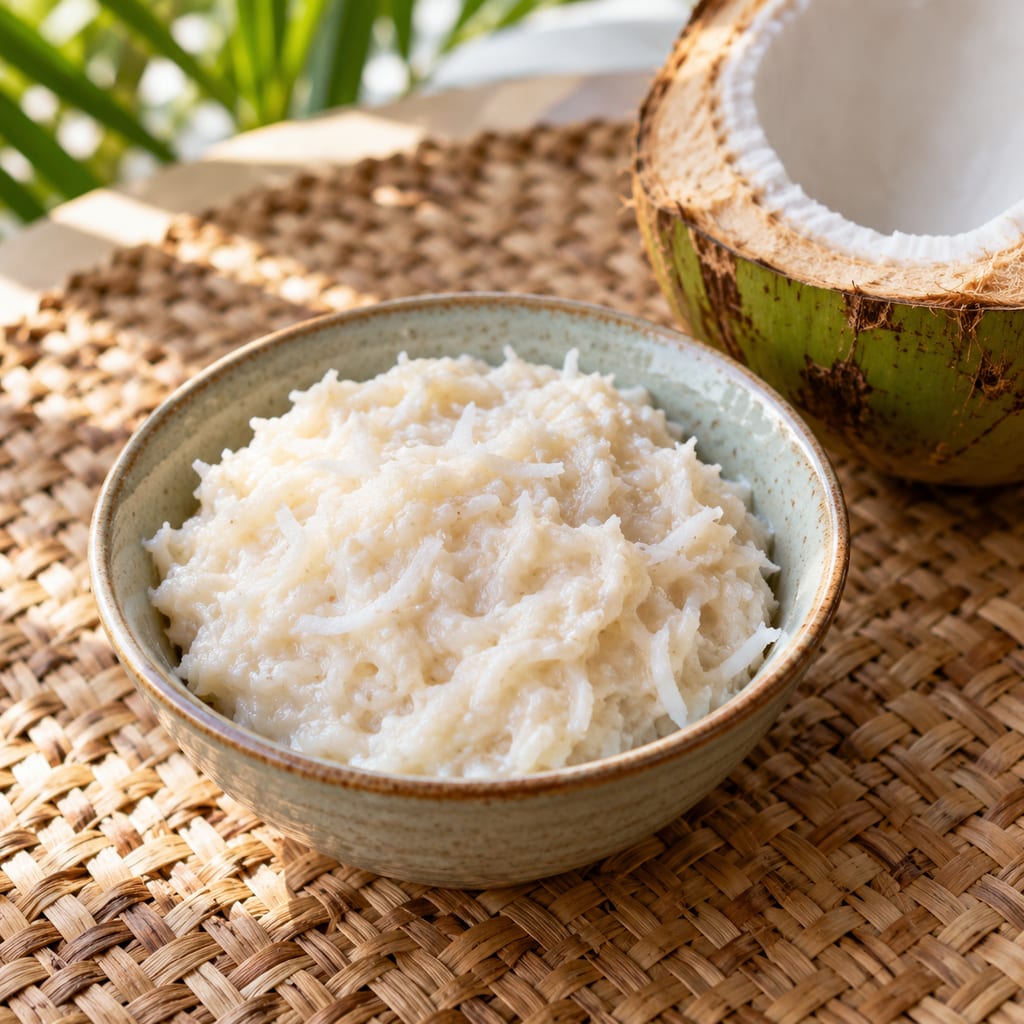
A documentary account of Tahitian mitihue, a fermented coconut condiment traditionally associated with freshwater prawns. It records cultural context and source-reported risks without giving a household preparation method.
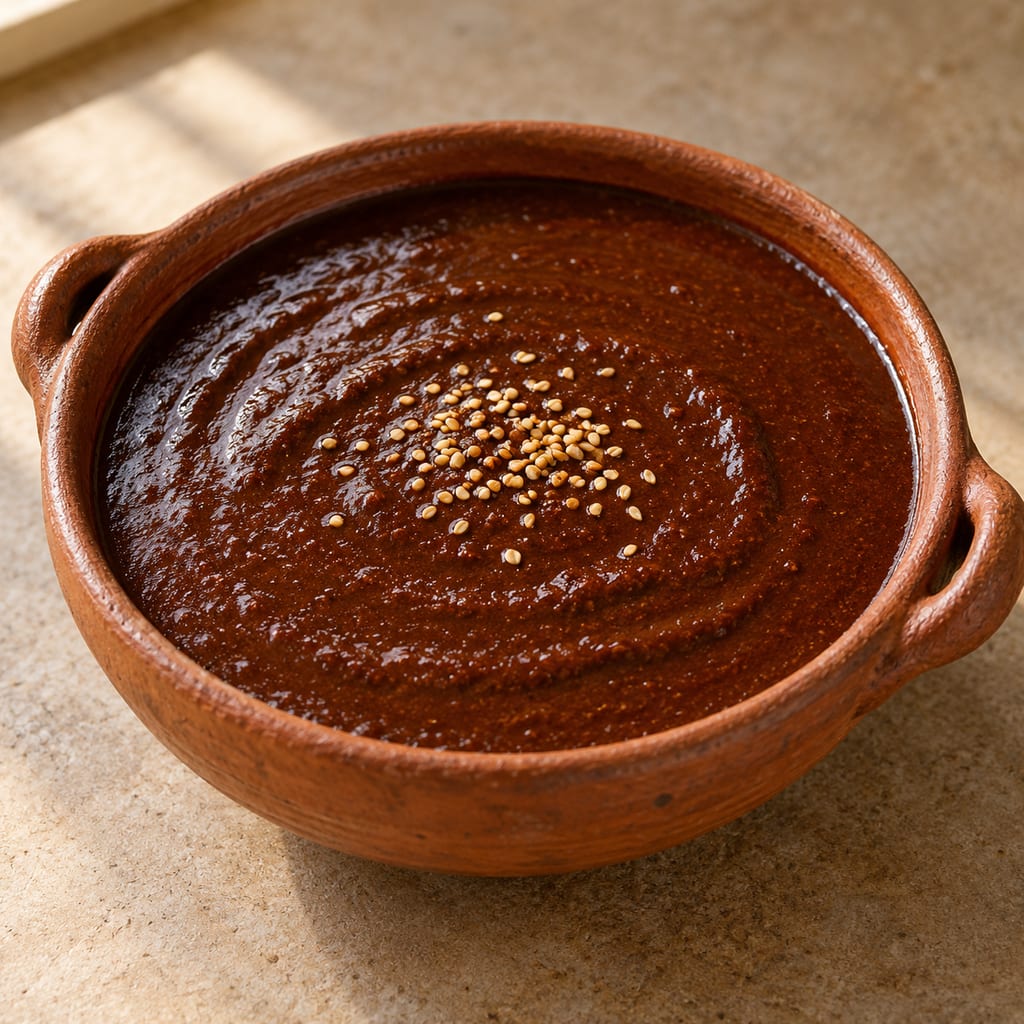
A complex Mexican sauce from Puebla of dried chiles, nuts, seeds, spices and often chocolate, roasted, ground and simmered for a long time. Chocolate is one component, not its definition.
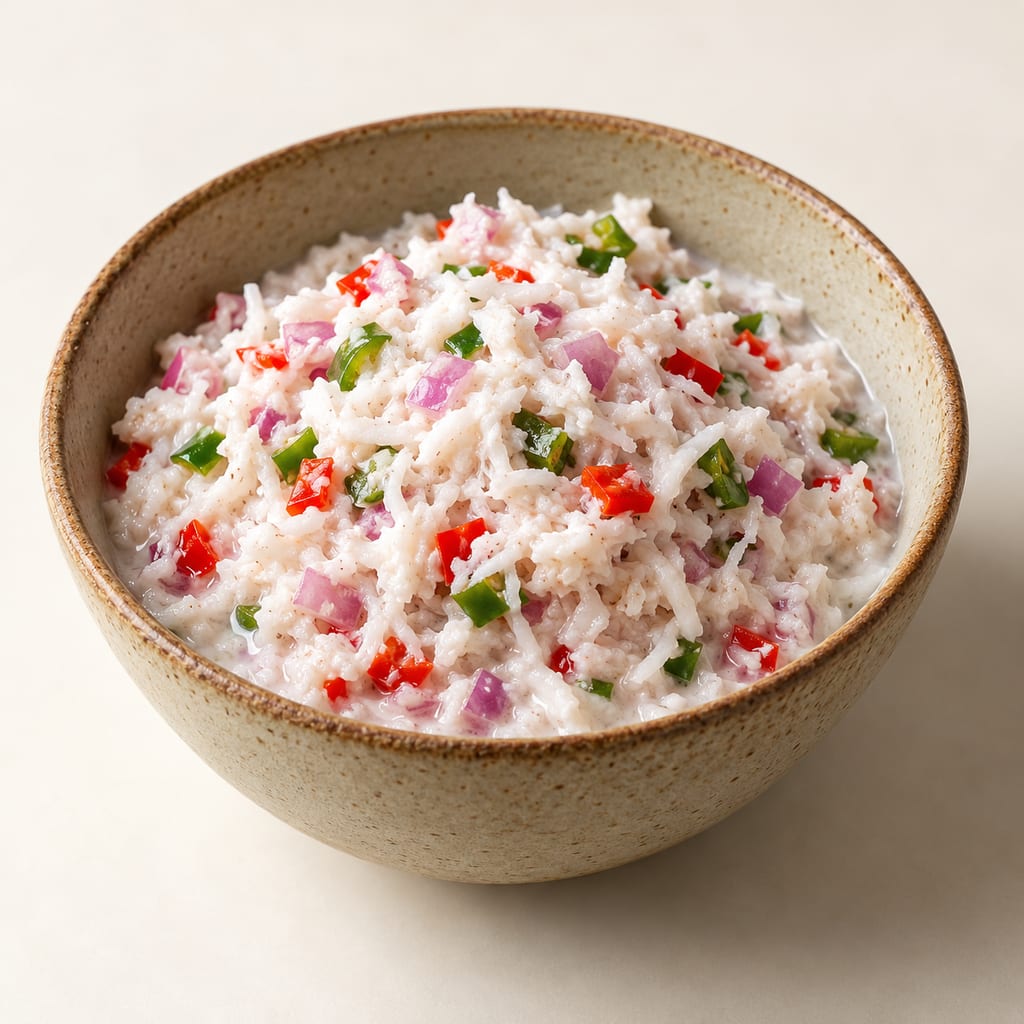
Miti is a fresh Fijian coconut sauce of grated coconut cream with onion, chilli, citrus and salt. It is served raw with fish and is distinct from the fermented miti of Tahiti.
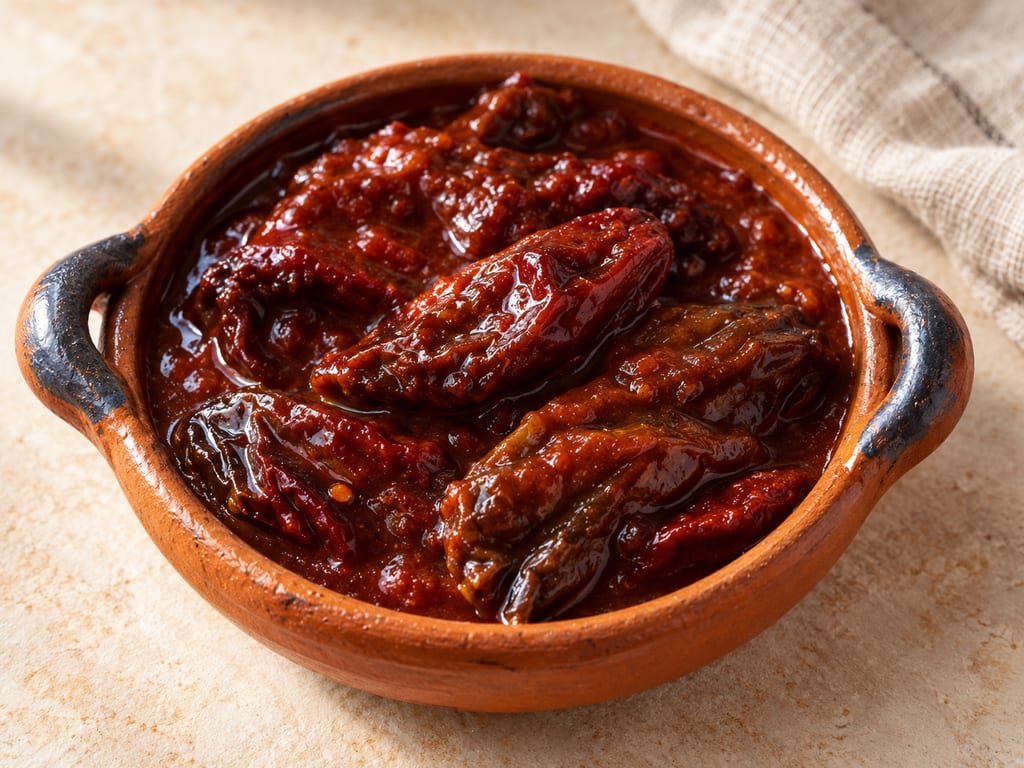
Whole smoked-dried chipotles simmer in a tomato, vinegar and spice adobo: a Mexican condiment with smoky heat and a sauce that seasons the chile as it softens.
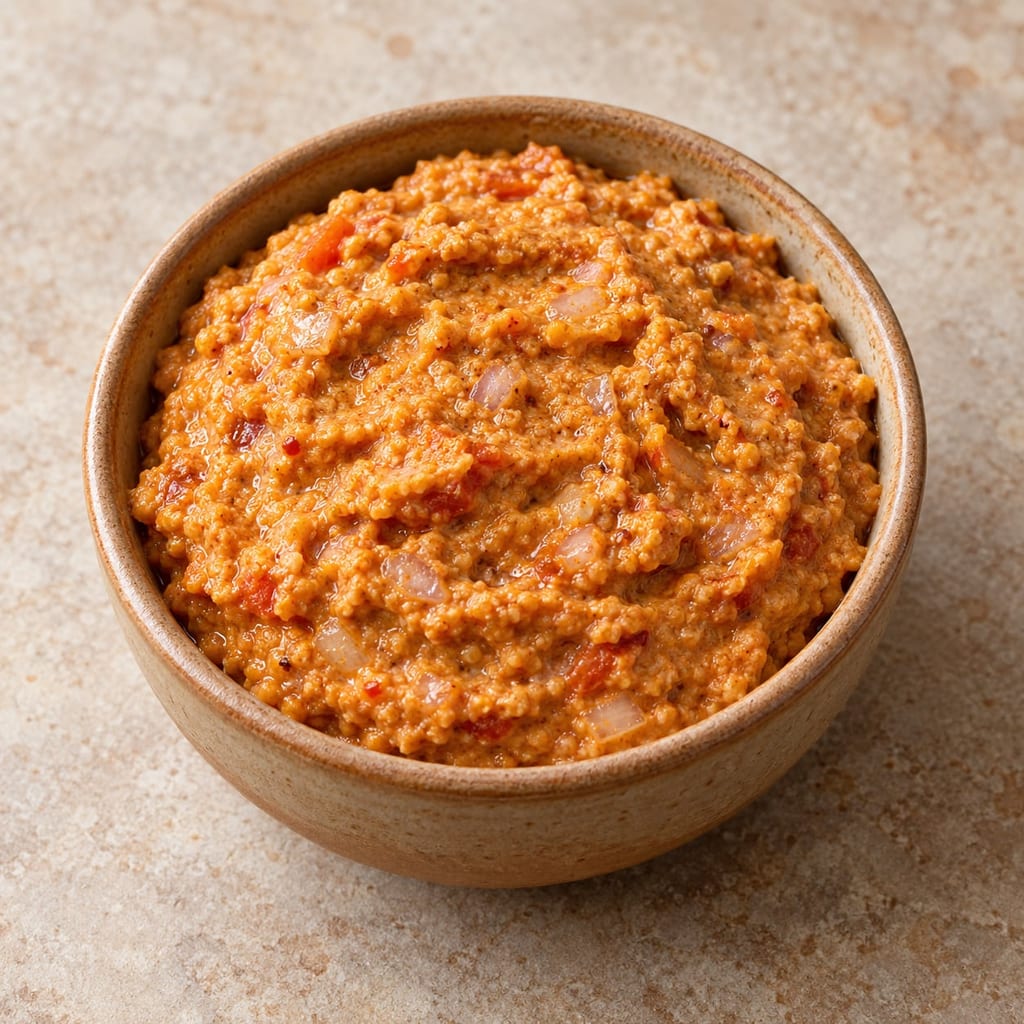
A moist Andhra peanut chutney: roasted groundnuts ground with fried dried chillies and tamarind, folded into a roasted tomato-and-spice mix with raw onion, and eaten with khichdi, attu or idli.
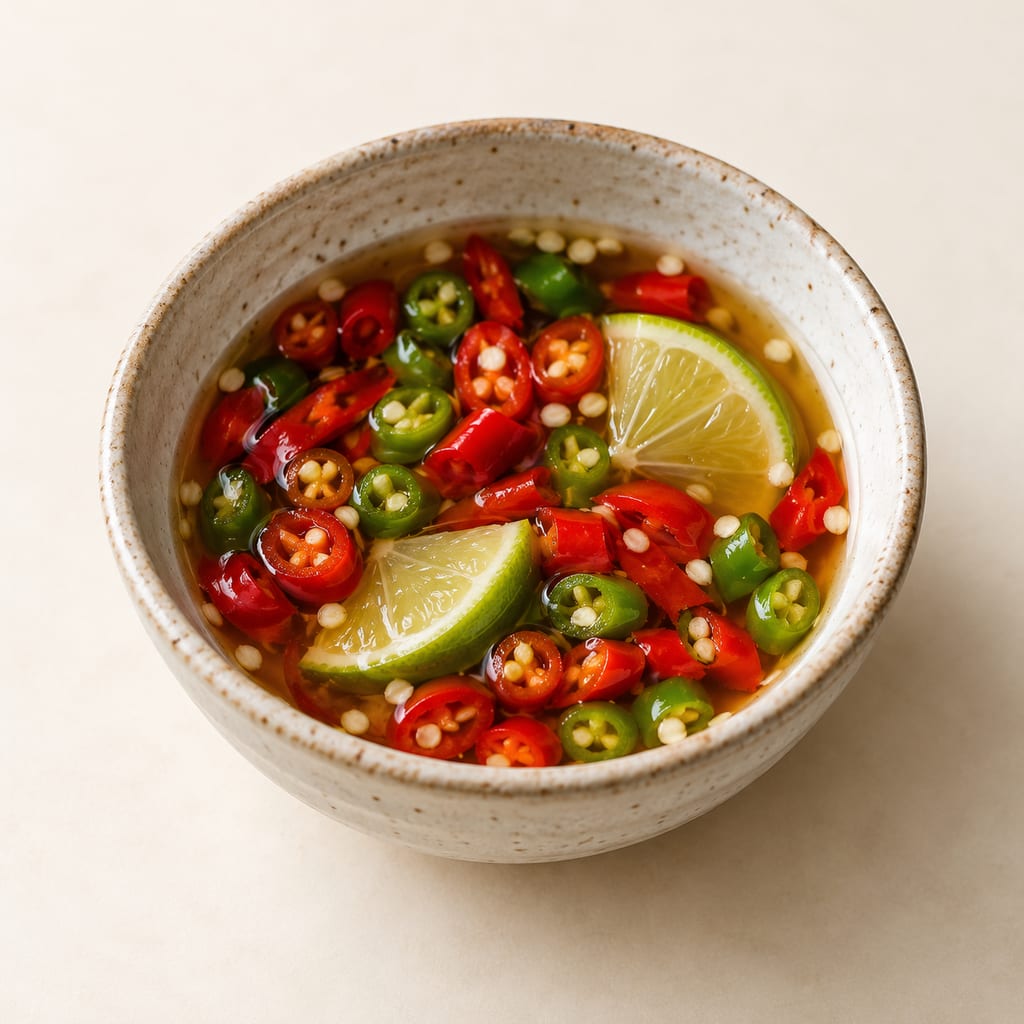
Fresh sliced chillies, fish sauce and lime form a sharp Thai table condiment. Spoon a little alongside rice, eggs or other cooked dishes.
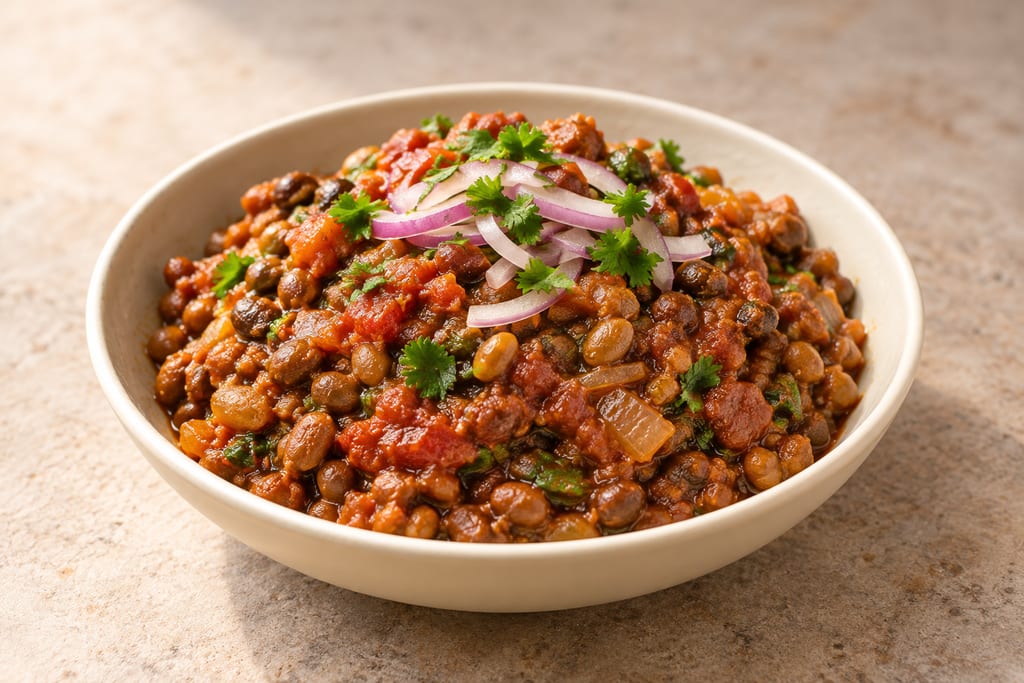
Kinema ra golbheda ko achar combines already-fermented soybean kinema with tomatoes, onion, garlic and spices, finished with sesame powder and fresh garnish, and is eaten with rice or toast.
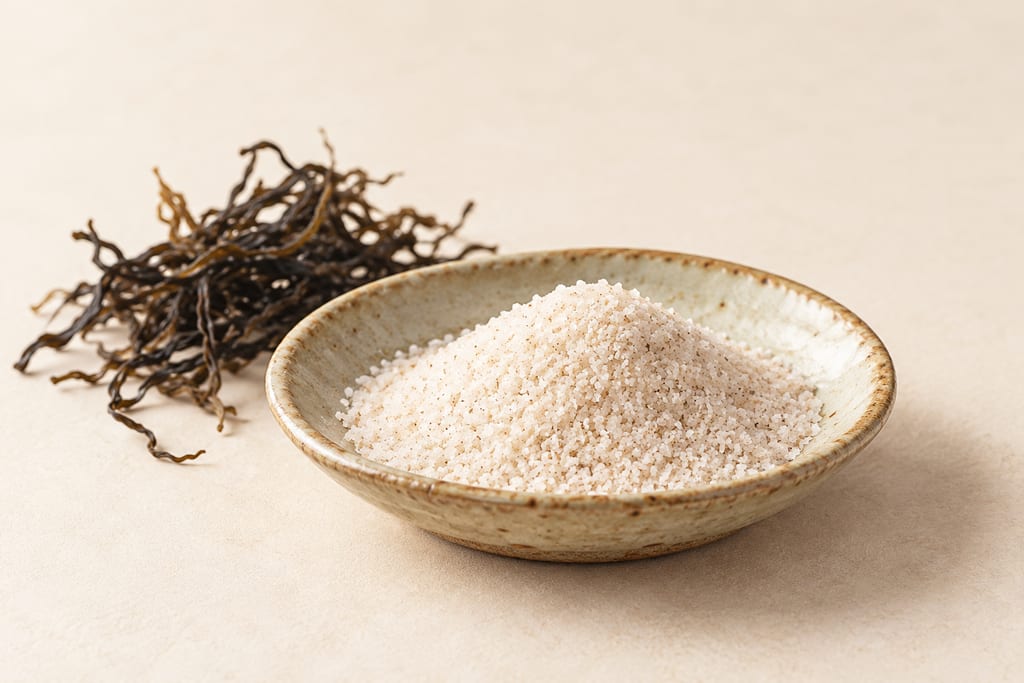
Amabito no Moshio is a modern, pale beige Japanese seaweed salt made from Seto Inland Sea water and hondawara seaweed. Its documented factory method concentrates filtered brine in kettles, then separates and dries the salt.
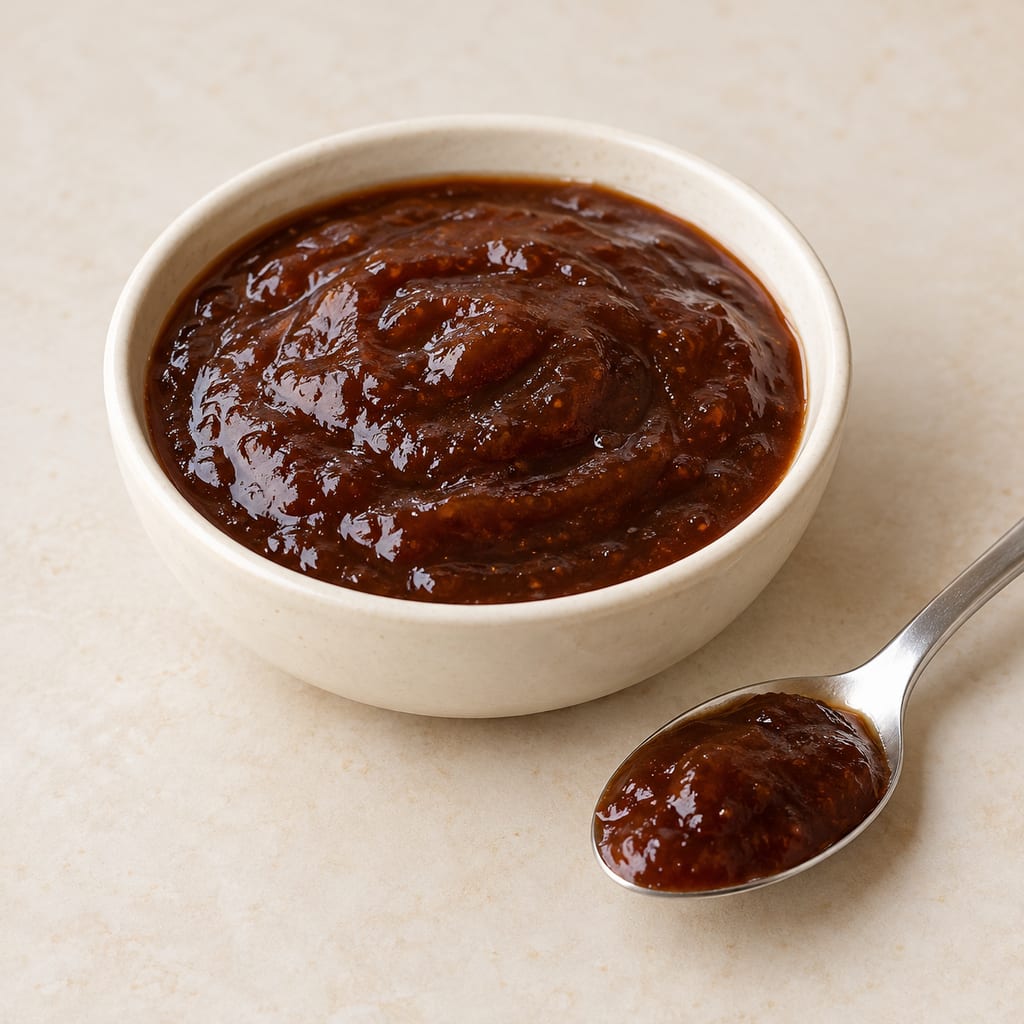
A sweet-sour cooked chutney of tamarind, dates, jaggery, ginger and roasted cumin. An untested measured batch is given beside four documented Indian formulas and their storage claims.
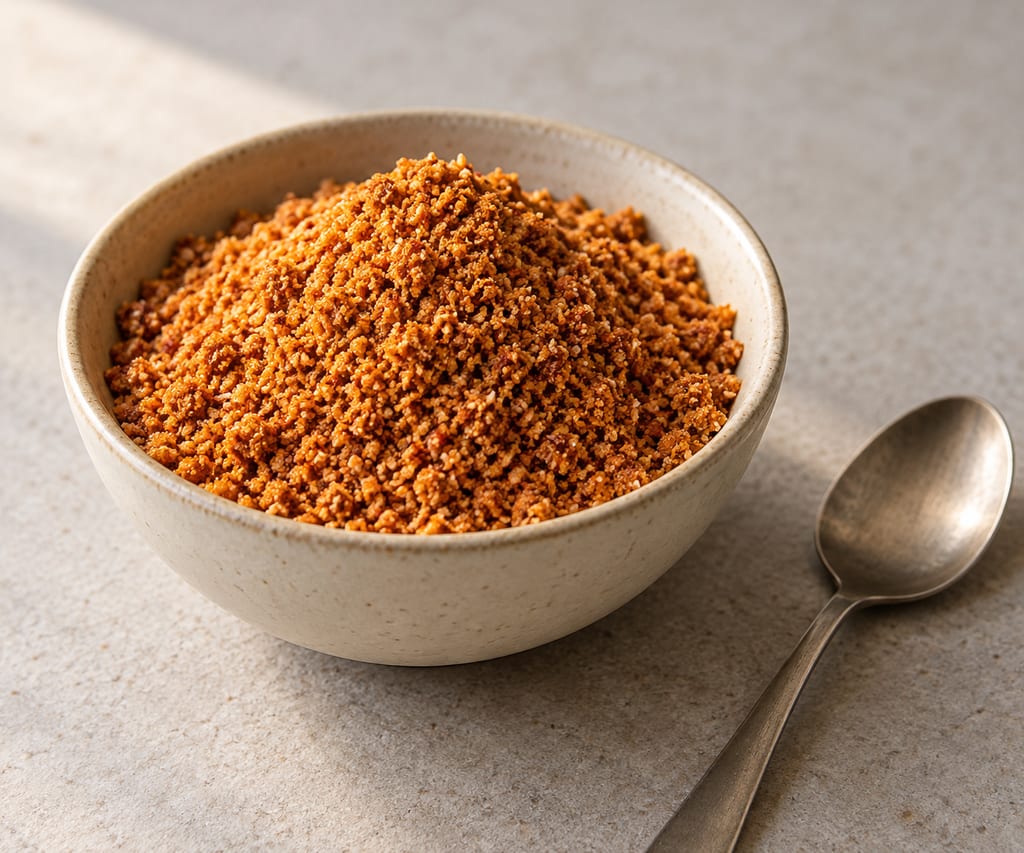
A Maharashtrian dry chutney of slowly roasted sesame and coconut ground fine with garlic, chilli powder, cumin, tamarind and sugar, kept in a bottle and eaten as a winter side.
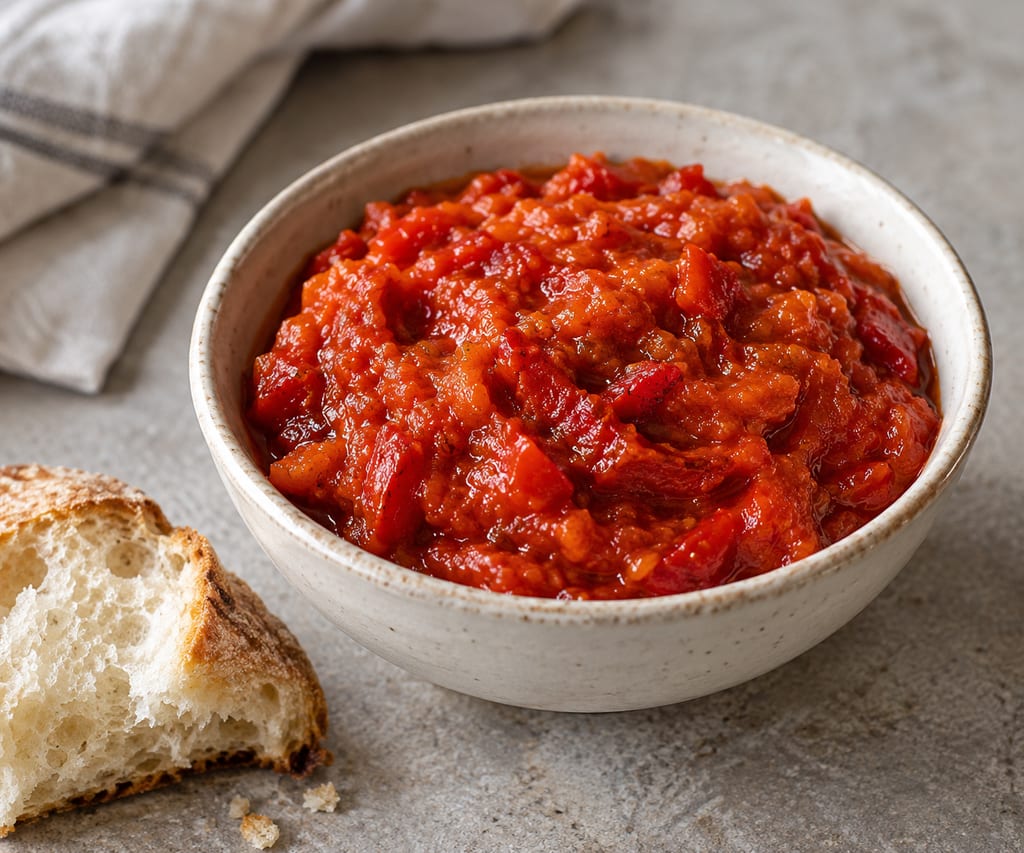
A Balkan relish of cooked peppers, tomatoes, aubergine and garlic in oil, sometimes made hot, served cold and named for its spiciness.