










Elevated risk
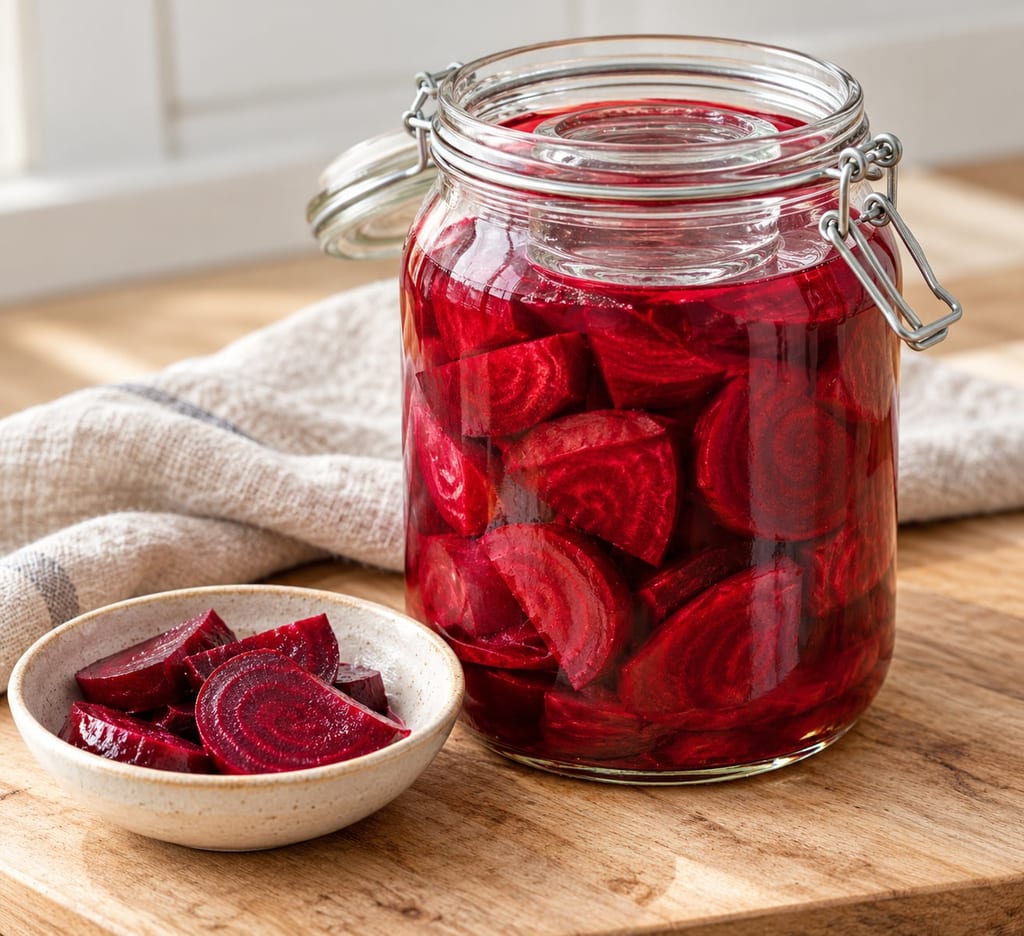
Lacto-fermented beets
Raw beetroot cut and packed into a jar under a salt-water brine, fermented until sour and deeply coloured; the batch weight is not recorded.
 FermenteaWhere food goes to change
1504 records with their sources, across 11 categories.
 Lactic-fermented vegetables and shoots82
 Grain and starch ferments2
 Condiments and enzymatic seasonings1
Raw beetroot cut and packed into a jar under a salt-water brine, fermented until sour and deeply coloured; the batch weight is not recorded.
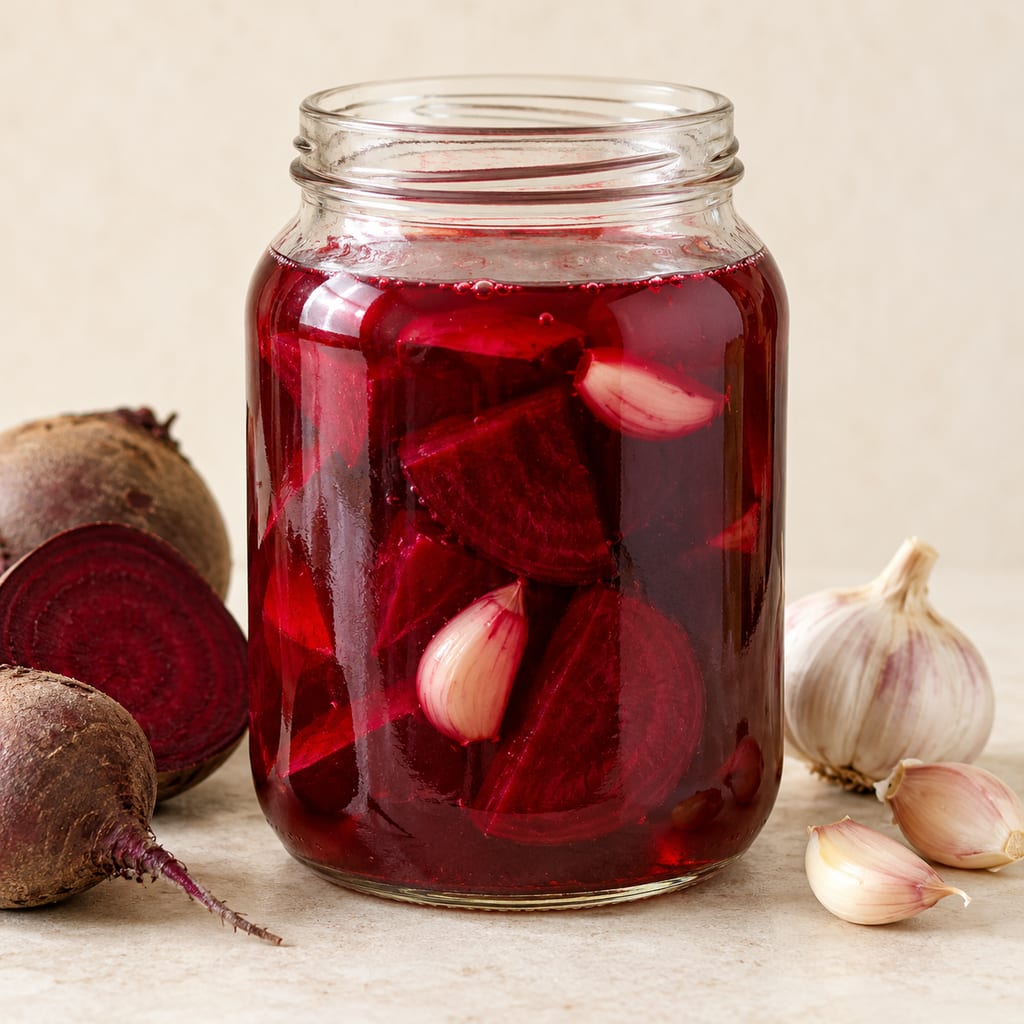
Zakwas buraczany is the fermented red-beet liquid used as the sour base for Polish beet barszcz. The liquid is made from beetroot, garlic, salt and water, and the official sources give no quantities.
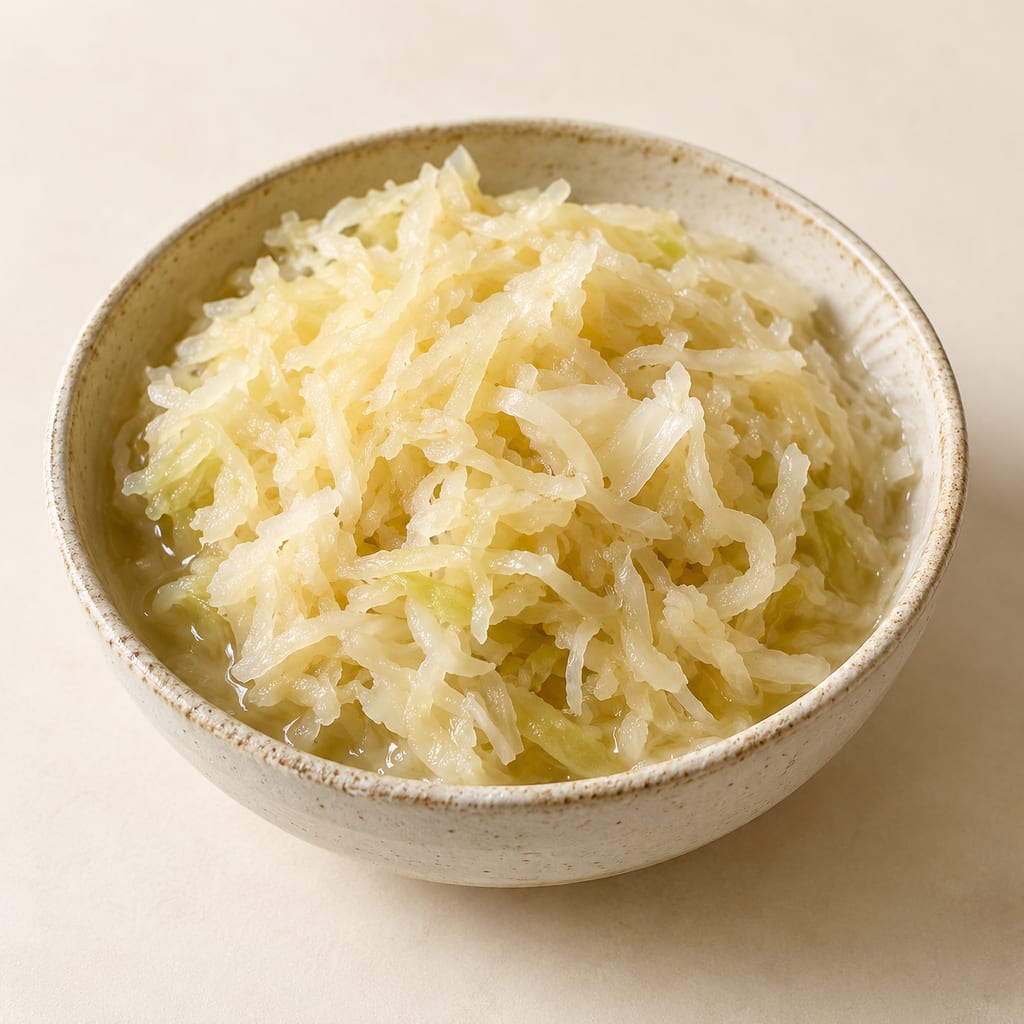
A Penn State Extension crock method mixes 5 lb of shredded cabbage with 3 tablespoons of canning or pickling salt, packs it under its own brine and ferments it in a covered container.
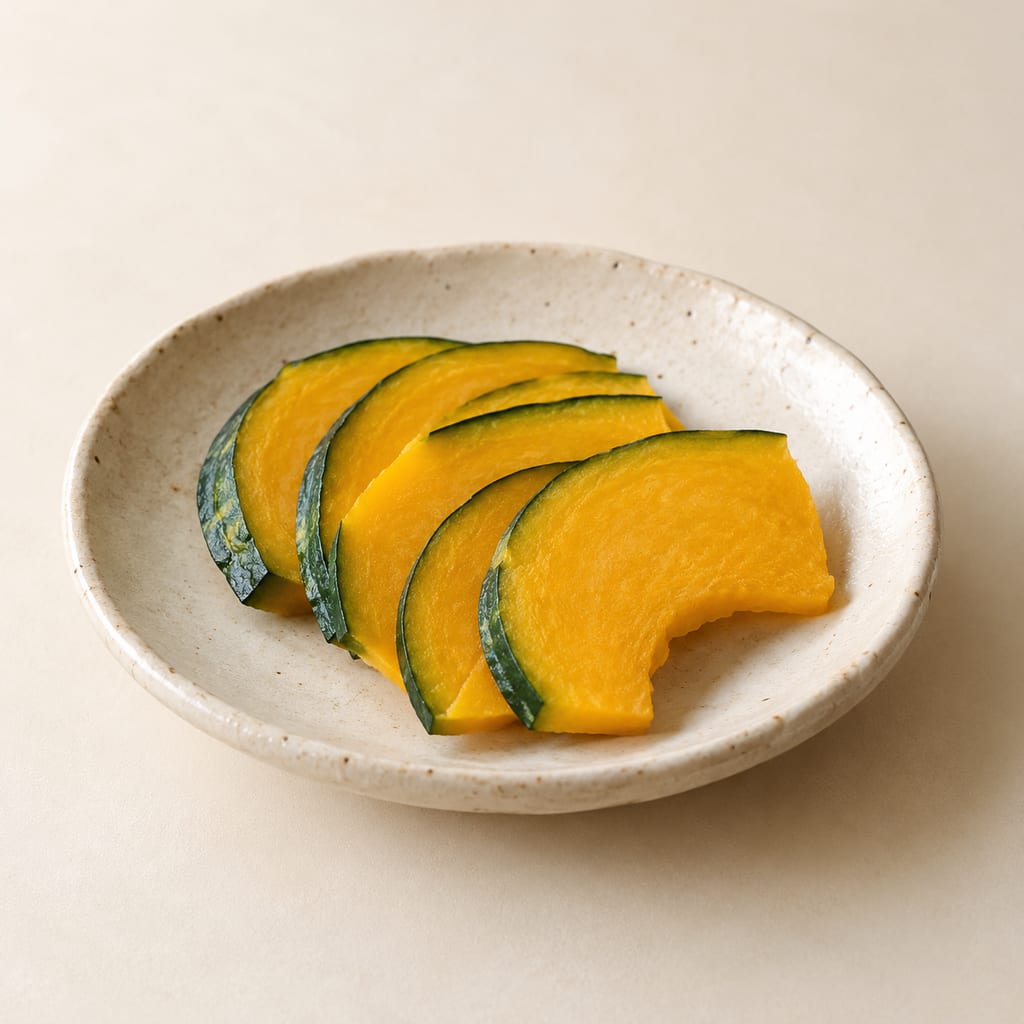
Kabocha no nukazuke: Refrigerated commercial fermented bed; use removed portions the same day.
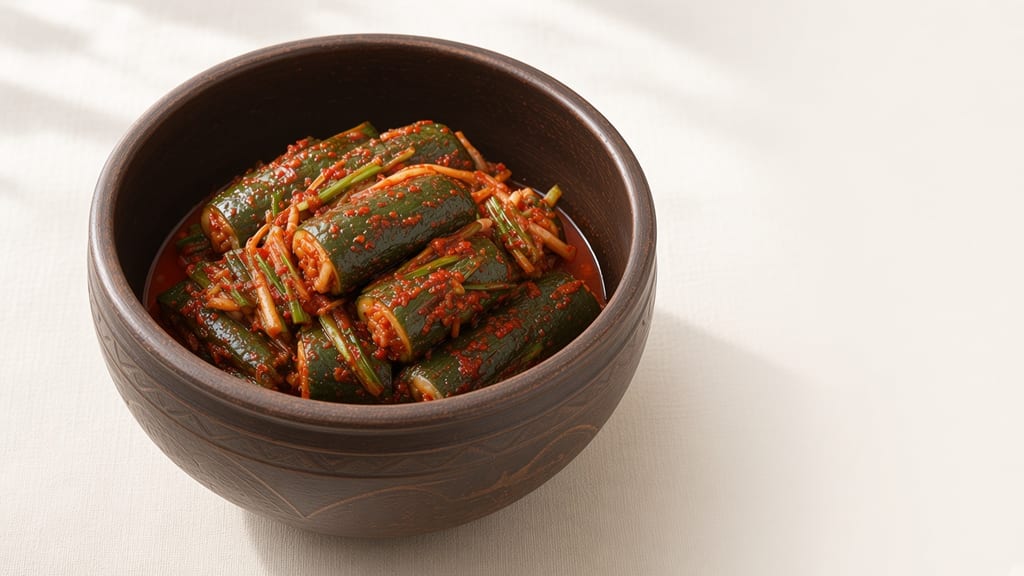
Hwanggwa damjeo is a cucumber kimchi from Yu Jung-rim's Jeungbo sallim gyeongje of 1766. Slit cucumbers are packed with chilli powder and garlic, scalded with hot salted water and sealed overnight.
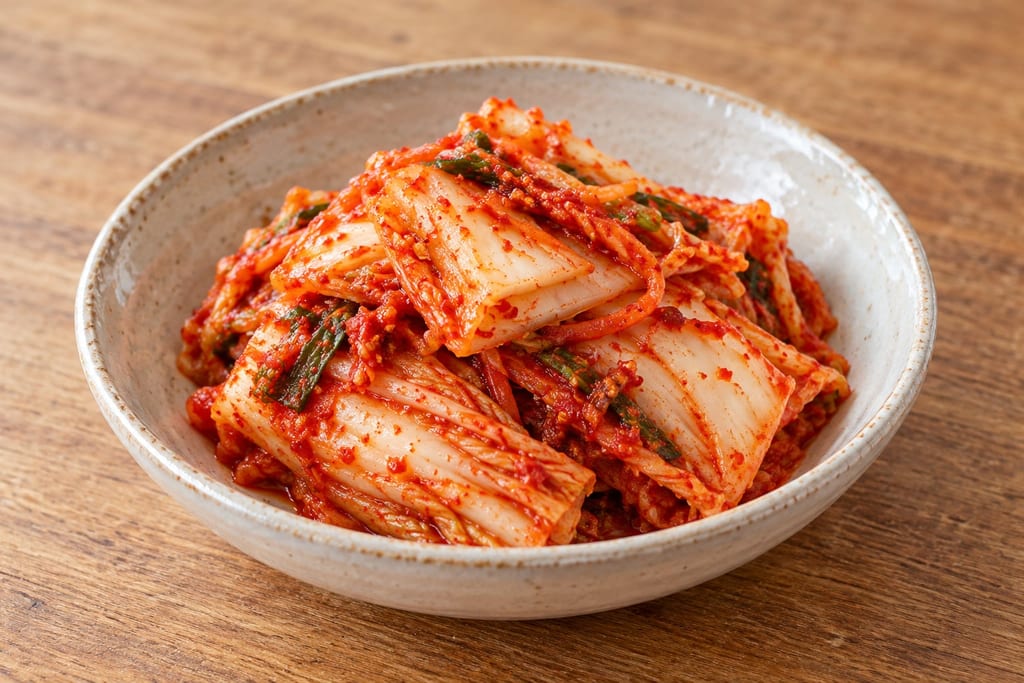
Kimchi is a Korean preserved vegetable food, most often cabbage, salted and seasoned, then fermented by the lactic acid bacteria that arrive with the vegetables. Some studies test added starter cultures, but a home jar is usually spontaneous.
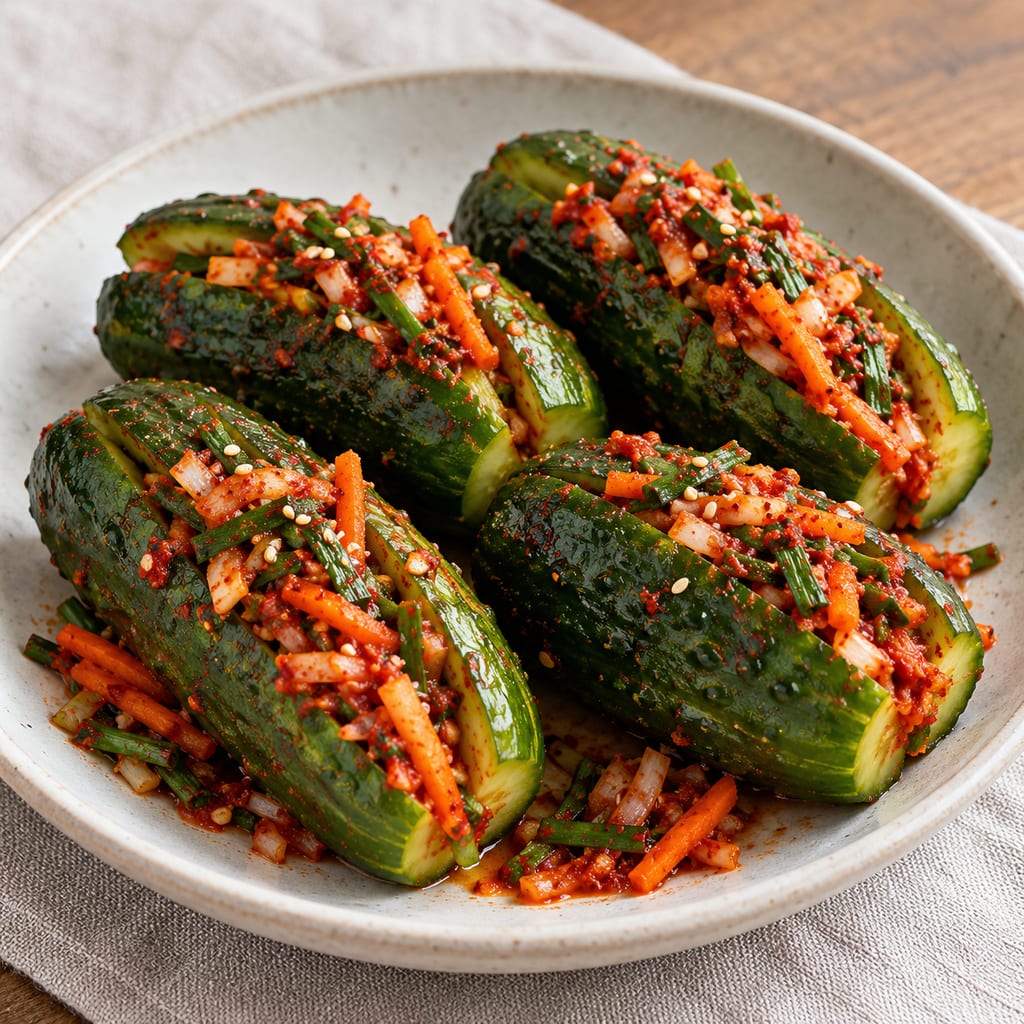
Oi-sobagi is a Korean stuffed cucumber kimchi: salted cucumbers slit and filled with a chive-and-chilli seasoning, eaten fresh or left to ferment.
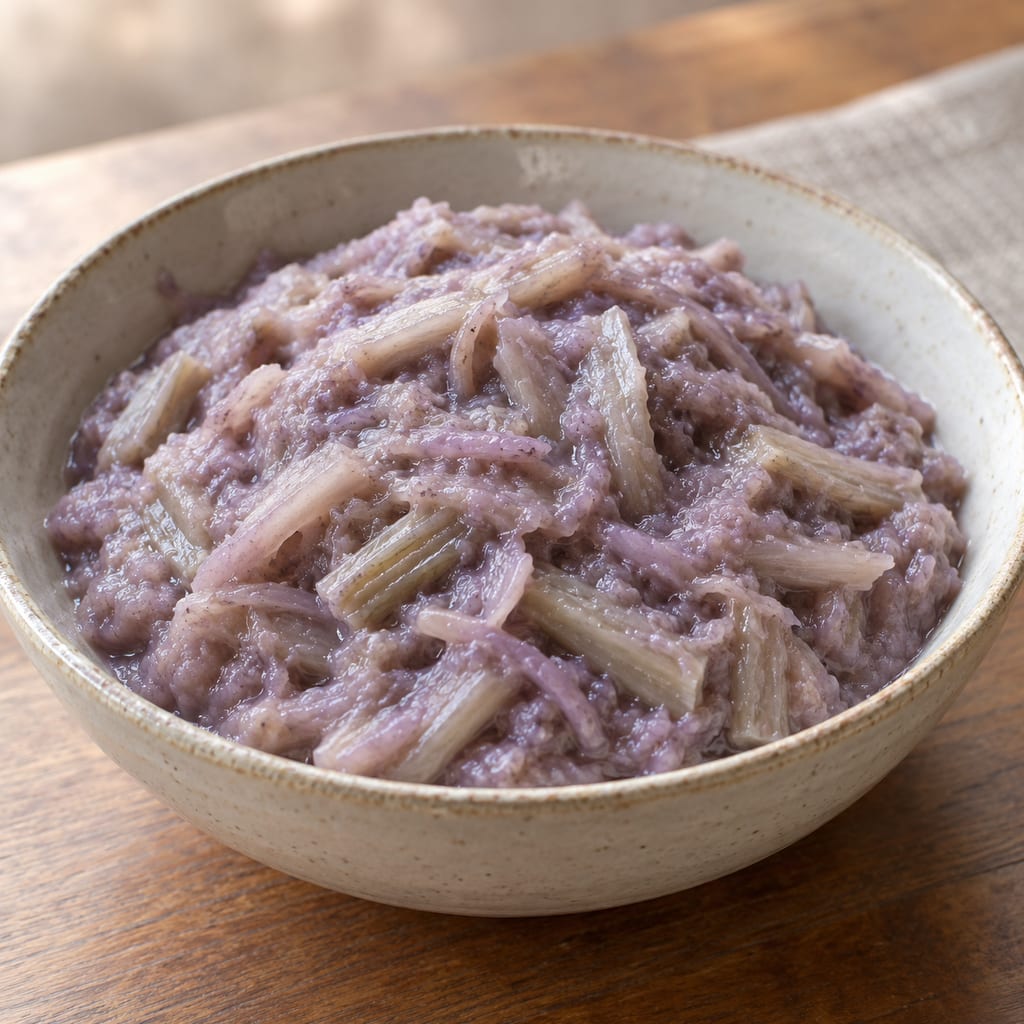
Thai pickle of young taro leaf stalks, salted, kneaded and held in rice-washing water in an earthen jar at room temperature. JIRCAS records it as a home-level product with no validated endpoint.
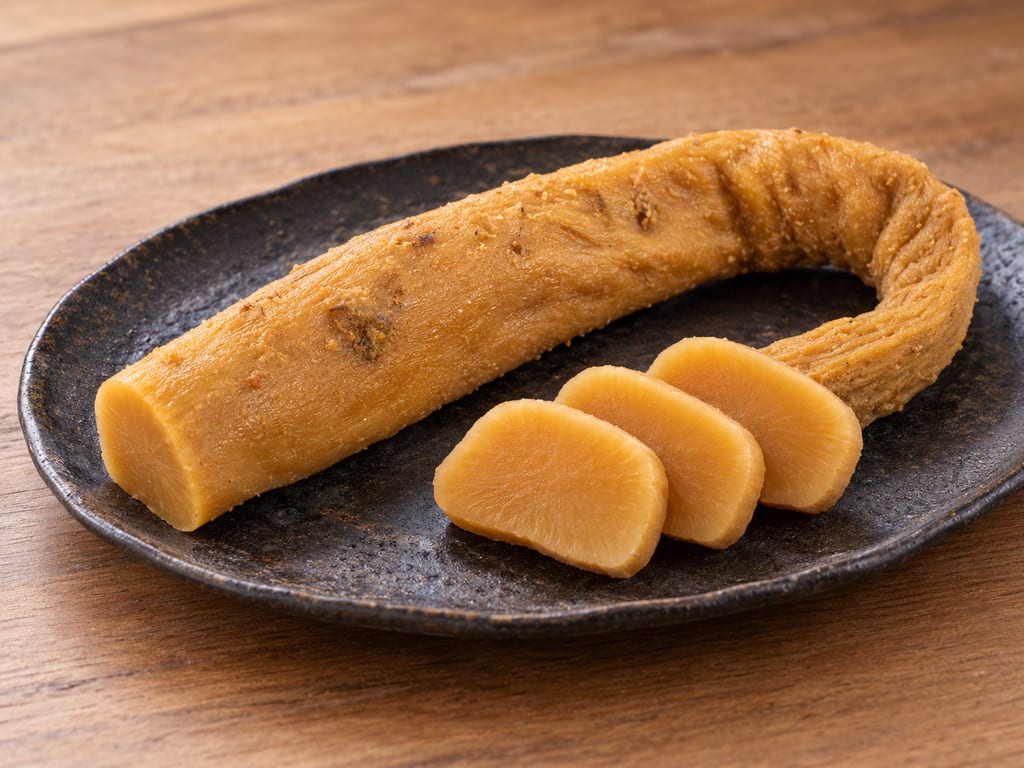
Regional takuan from Ise City, Mie, made with Misono daikon dried on a rack, then matured in a weighted barrel of rice bran and salt for months to years.
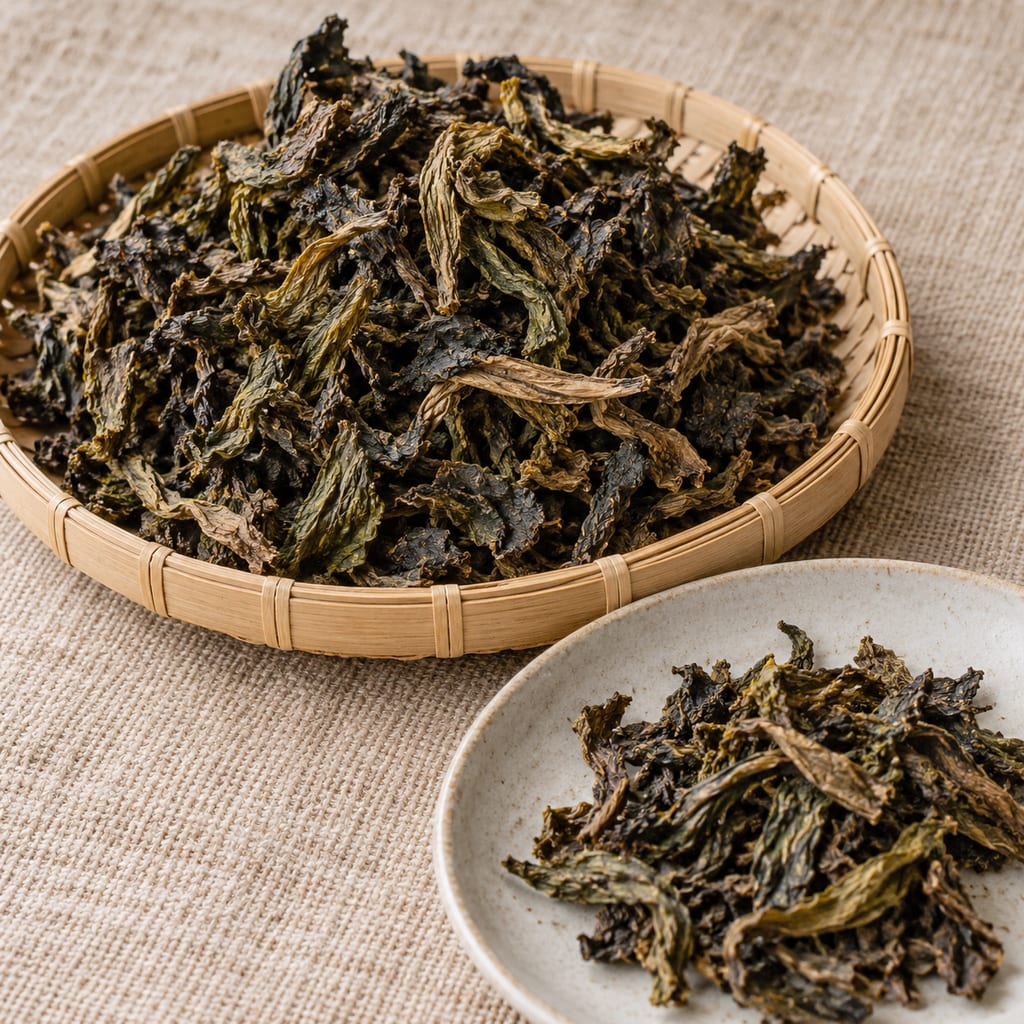
Inziangsang is a Naga fermented food of mustard leaves from Nagaland and Manipur. Crushed, soaked and squeezed leaves ferment for 7 to 10 days, then dry in the sun. A squeezed liquid can be boiled to a concentrate.
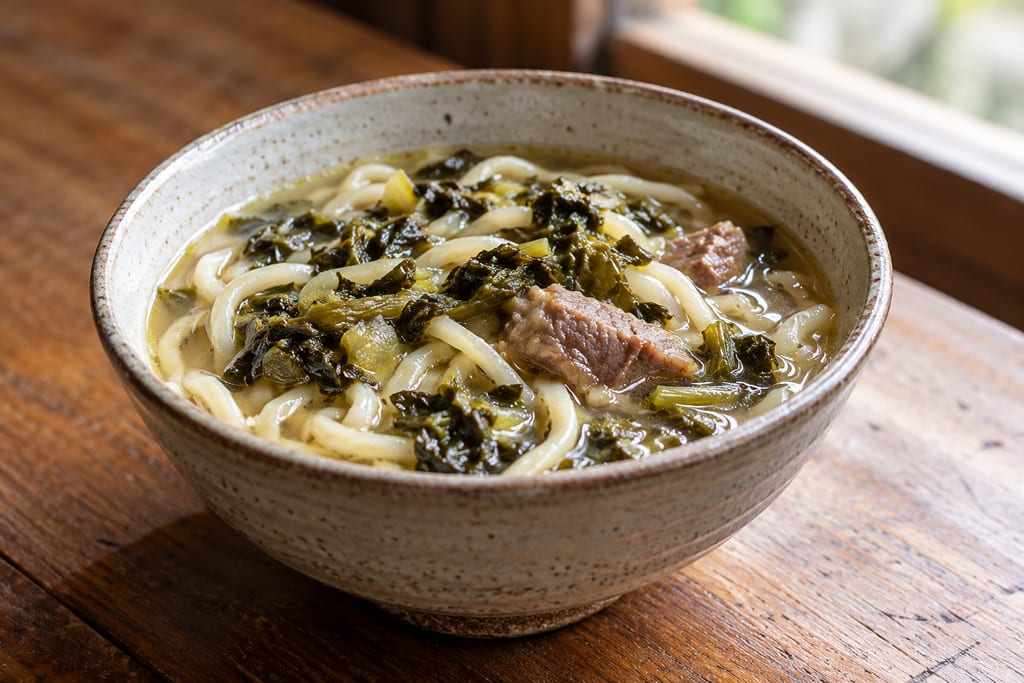
Goyang is a Sherpa fermented wild leafy food of the Darjeeling hills and Sikkim. Rainy-season magane-saag leaves are packed in a bamboo basket, held at room temperature for about a month, then eaten fresh or dried and used in soup.
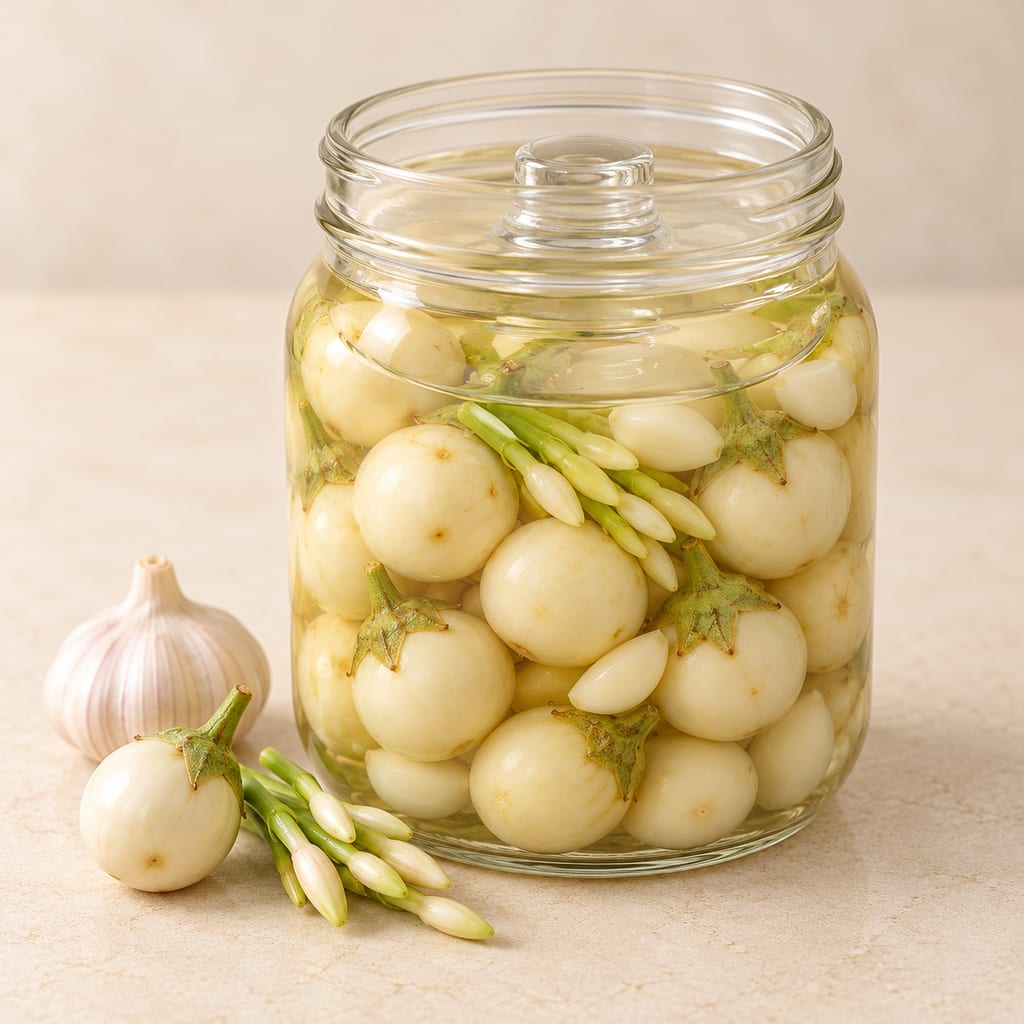
Vietnamese salted and fermented small eggplant, dried on the day of purchase, then held submerged in warm salty water with garlic and galingale flower for a week or longer.
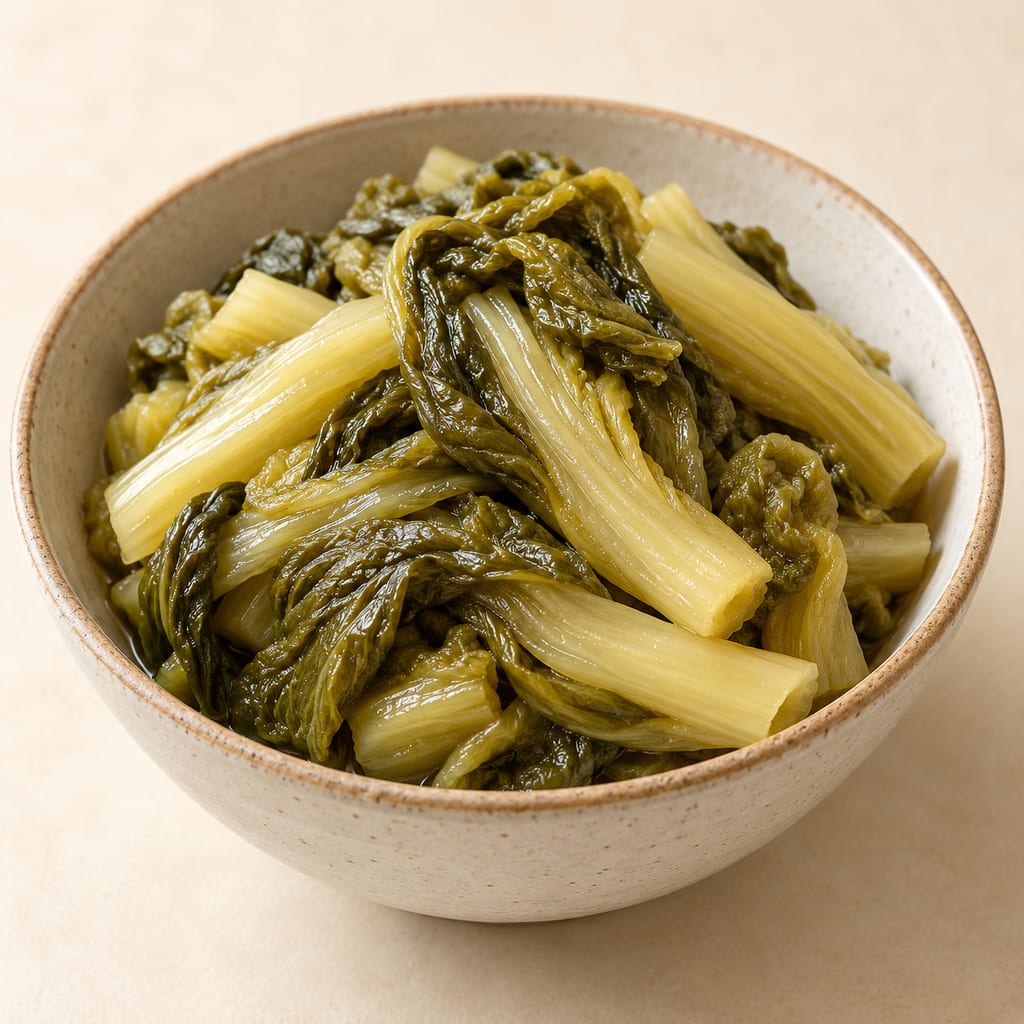
Cambodian pickle of blanched Chinese mustard greens, dried, then packed in a sweet-salt brine. Sold in Phnom Penh markets and made at home. The readiness times in the home recipe are not validated.
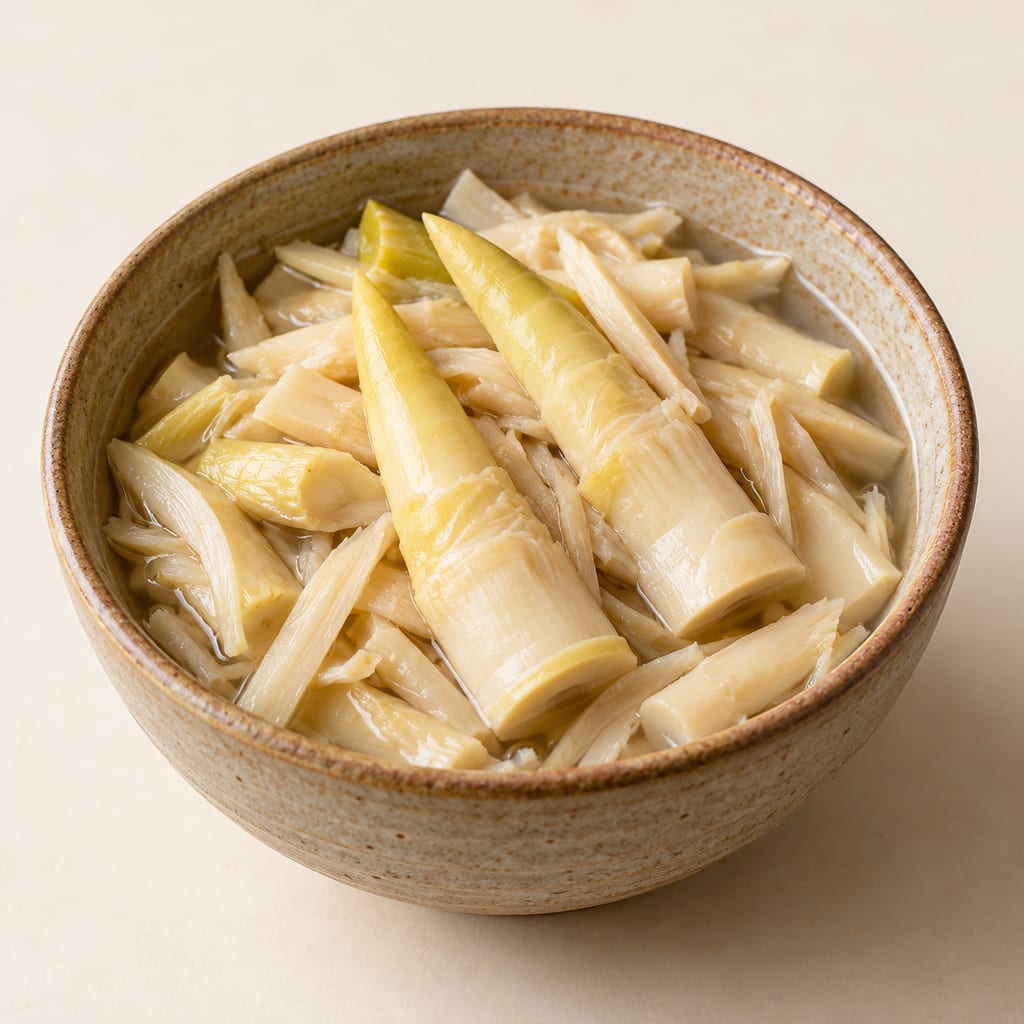
Fermented tender bamboo-shoot tips from Manipur, started with the sour liquid of an earlier batch and eaten in chutneys and curries.
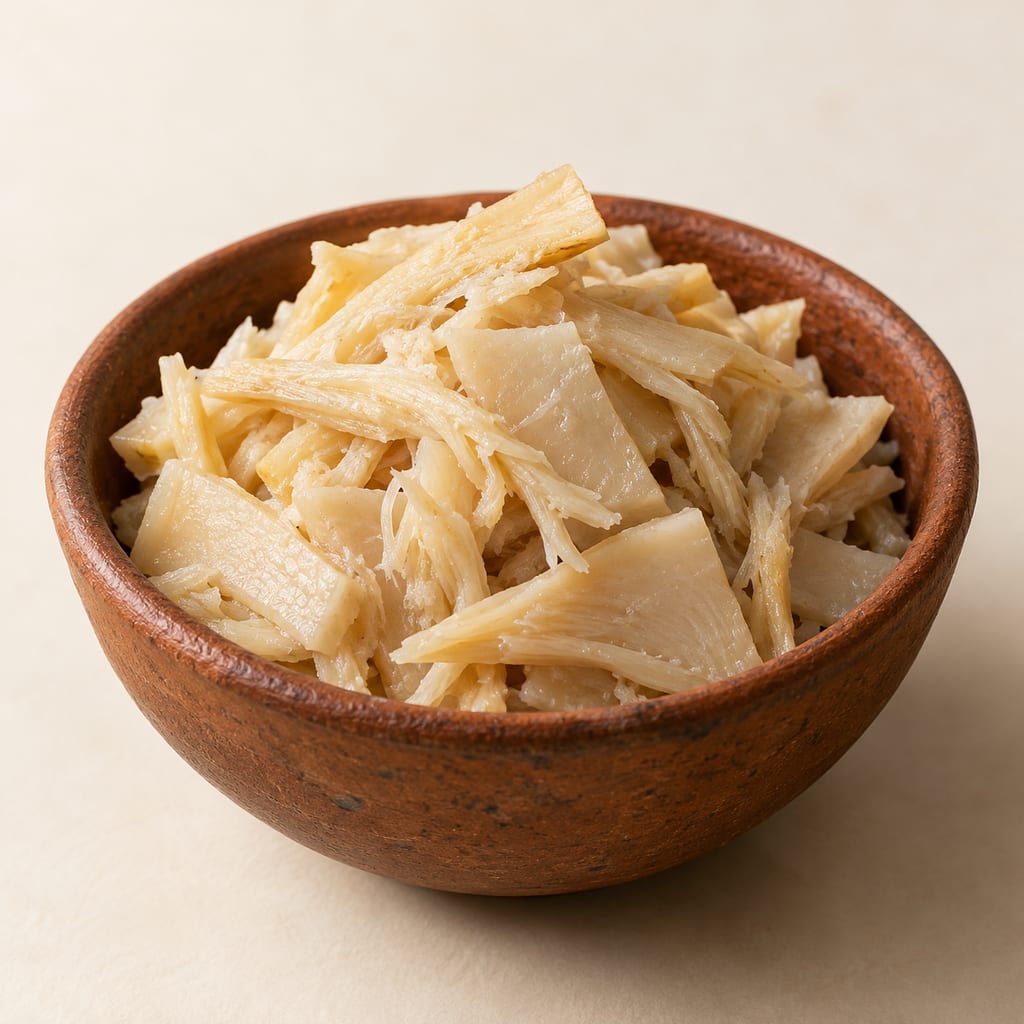
Thin slices of juvenile bamboo shoots fermented for six to twelve months in Manipur, eaten as a sour side dish with rice.
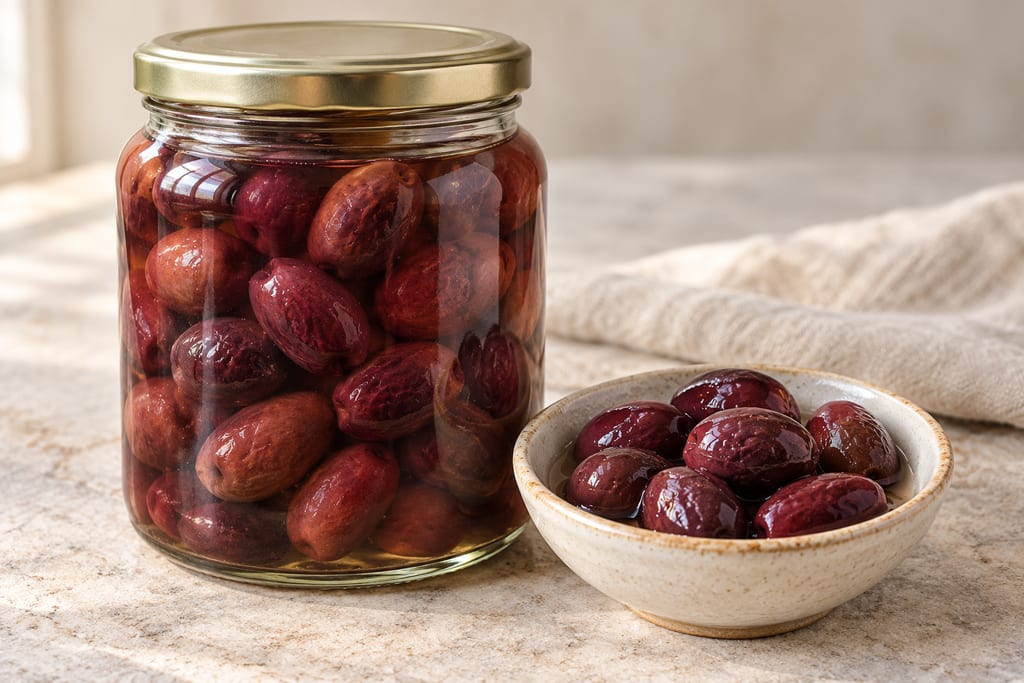
Ripe olives go straight into brine with no lye and cure for months, mostly by yeasts. The home method here is the University of California two-stage brine.
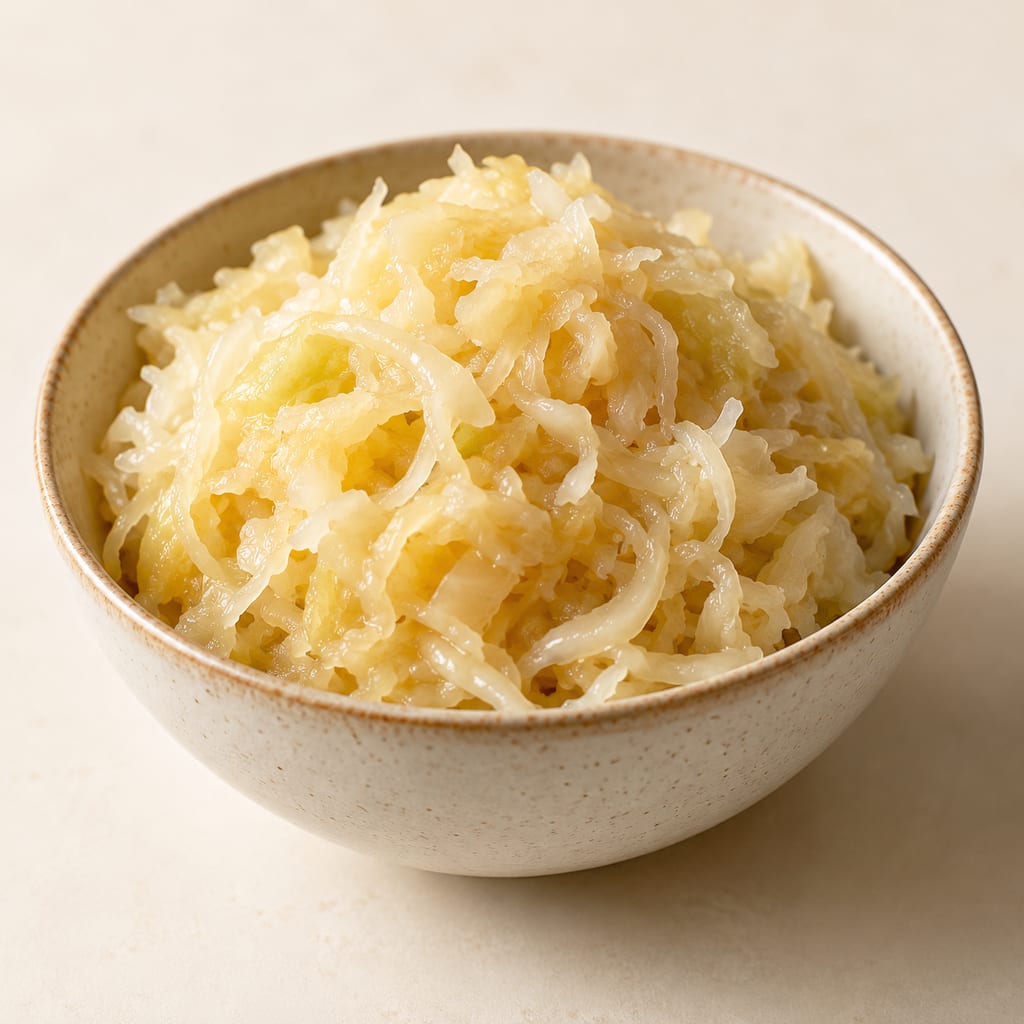
Dutch zuurkool is white cabbage salted and fermented in bulk. The only documented process in the available record is one North Holland producer’s commercial method from 2016.
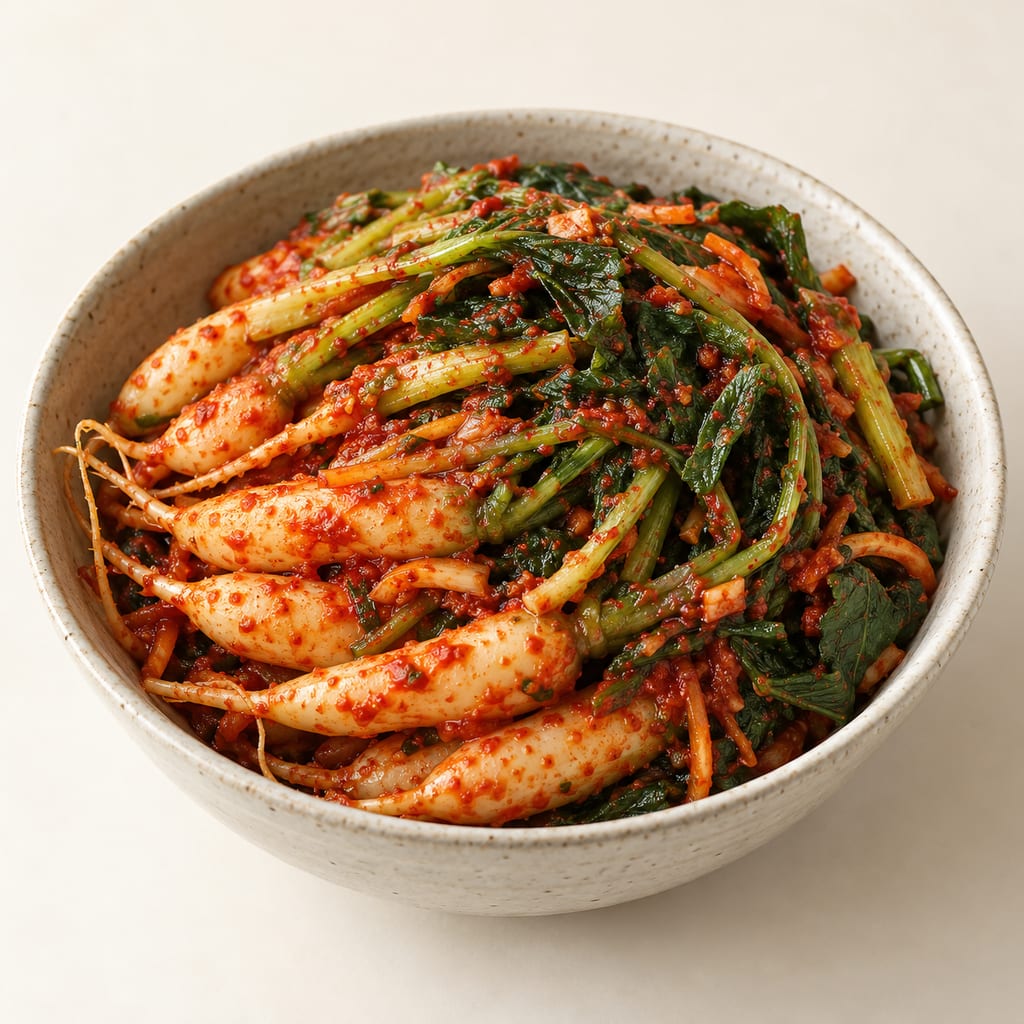
Korean kimchi of young summer radish and its tender leaves, salted, seasoned with chili and aromatics, and held in a container. Water kimchi is a separate form with its own page, veg-0011.
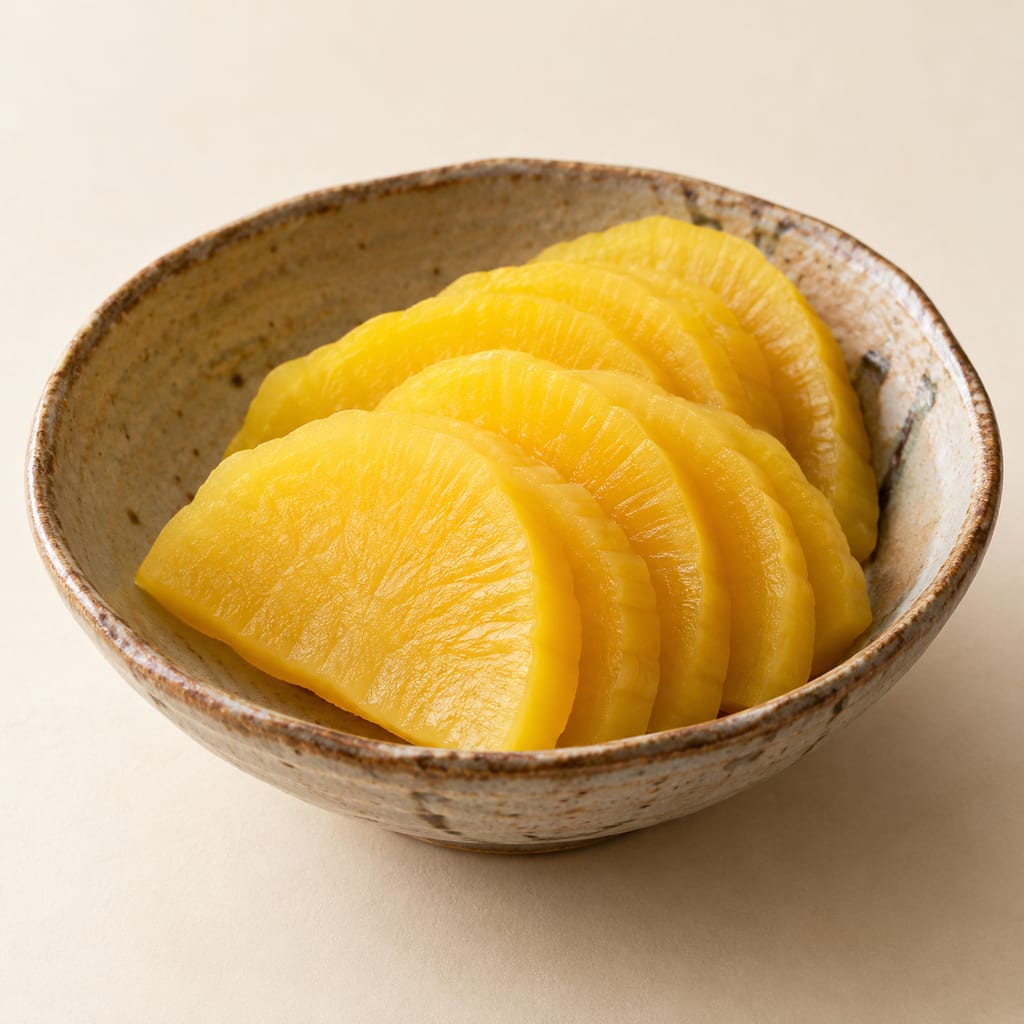
Japanese pickle of daikon roots dried for about two to three weeks, then matured for months in rice bran and salt under weight. Yamagata is its named association.
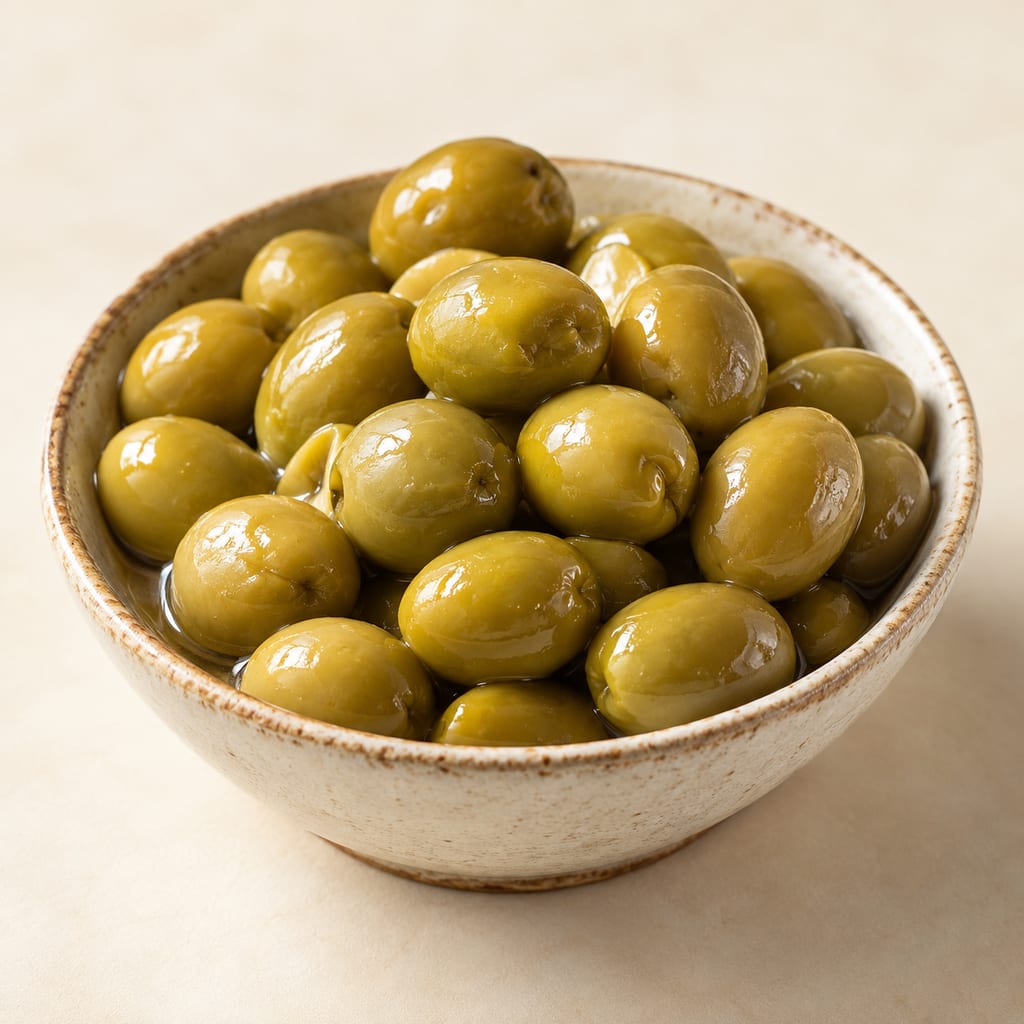
Spanish-style green olives, or Sevillian green olives, are green fruit treated with lye, rinsed, then fermented in brine for two to six months. The household batch here is a UC ANR method.
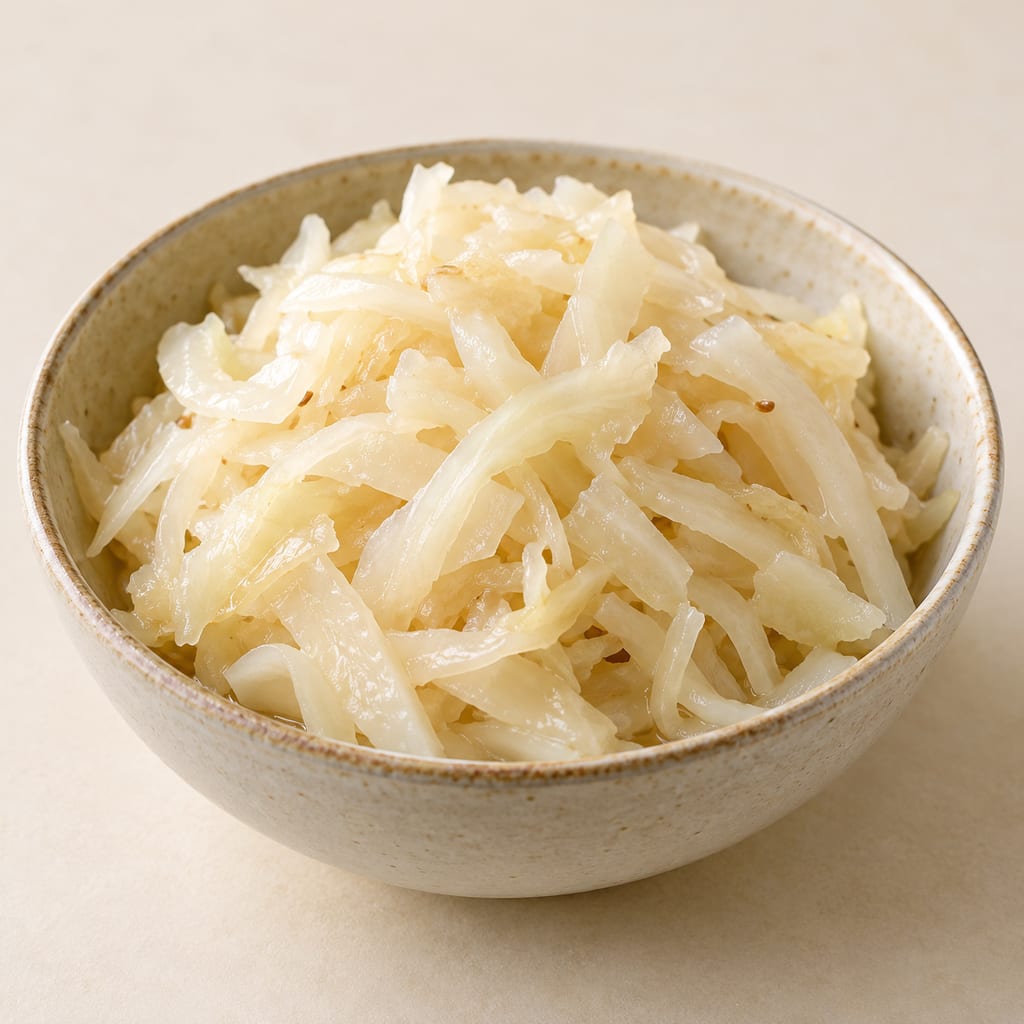
Swiss fermented white turnips, cut into strips, salted and fermented like sauerkraut; called compote aux raves in French-speaking Switzerland.
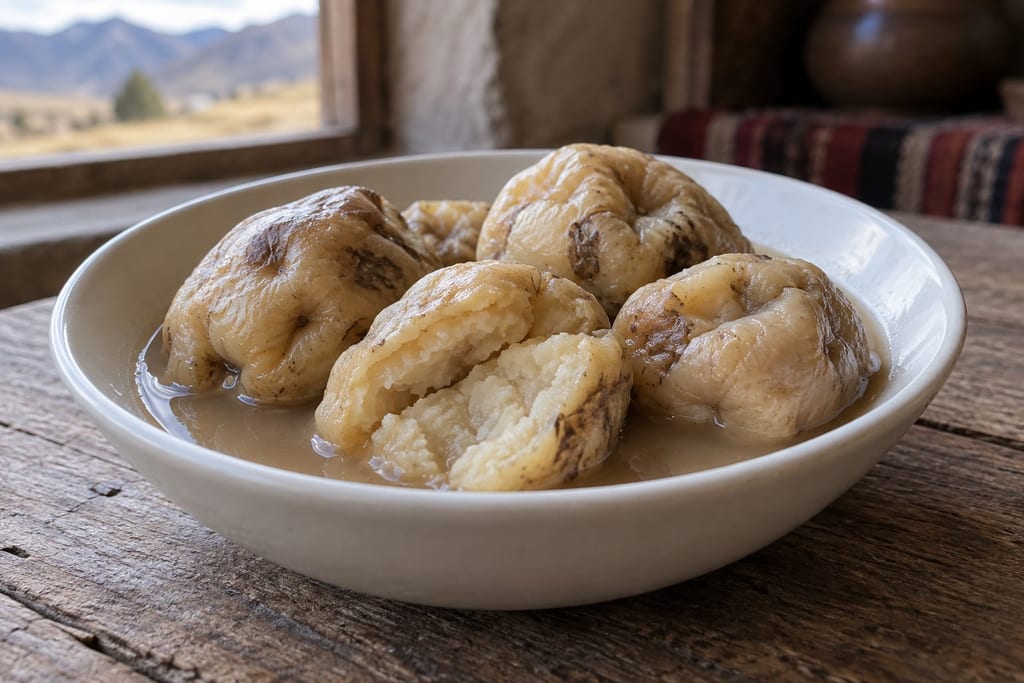
Peruvian Andean fermented potato: tubers held in water-fed earthen wells for a long lactic fermentation, giving an acidic food that can be dried and ground into flour for storage.
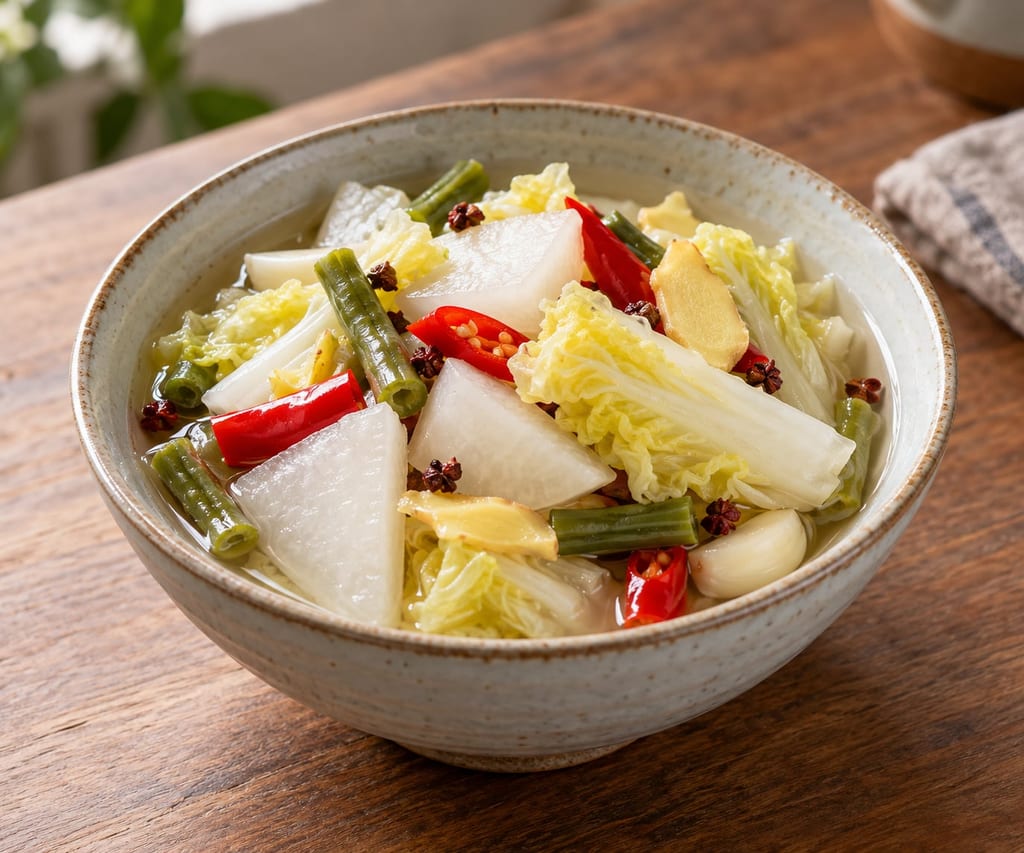
Sichuan paocai is a family of vegetables, most often radish, fermented by lactic-acid bacteria in a salted, spiced brine in a water-sealed pottery jar, with mature brine kept and reused.
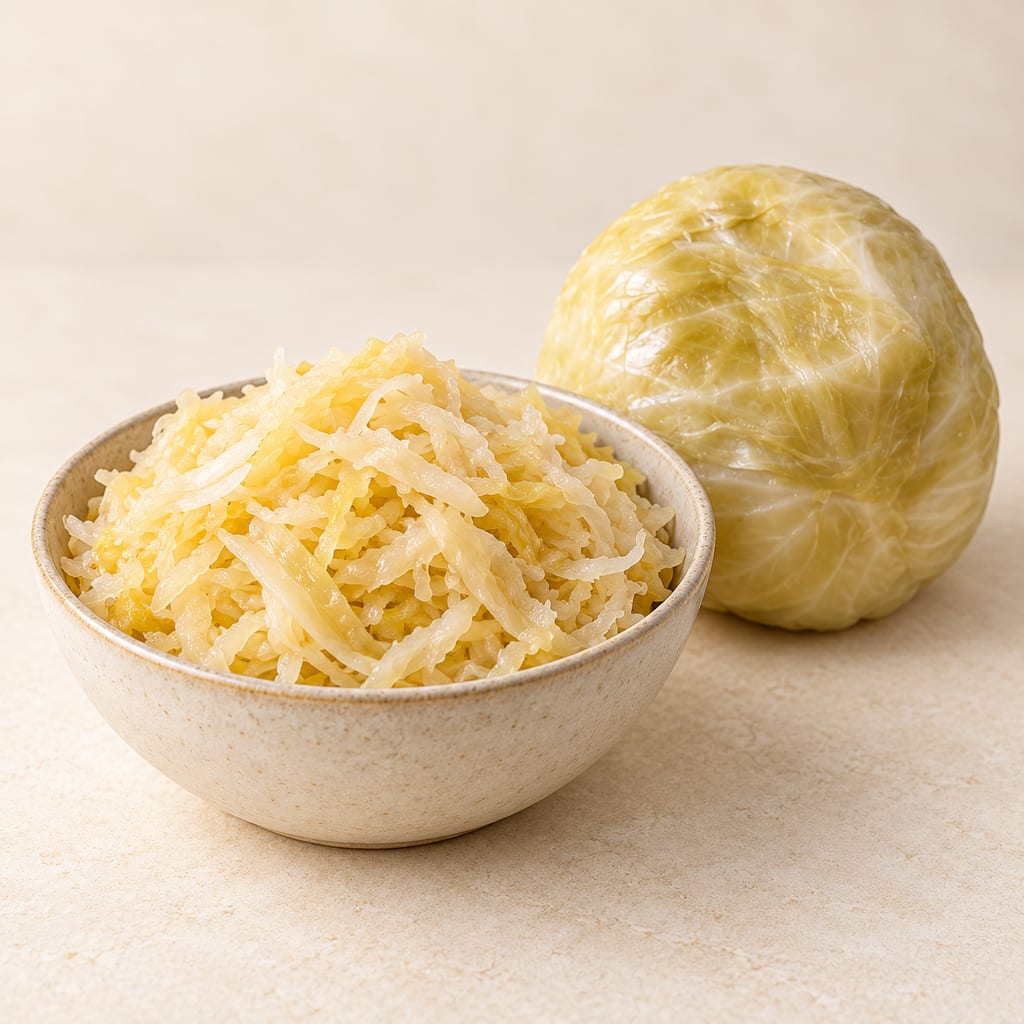
Protected Croatian sauerkraut from the Ogulin area: fresh white cabbage naturally lactic-fermented without preservatives, sold whole or shredded, from registered establishments.
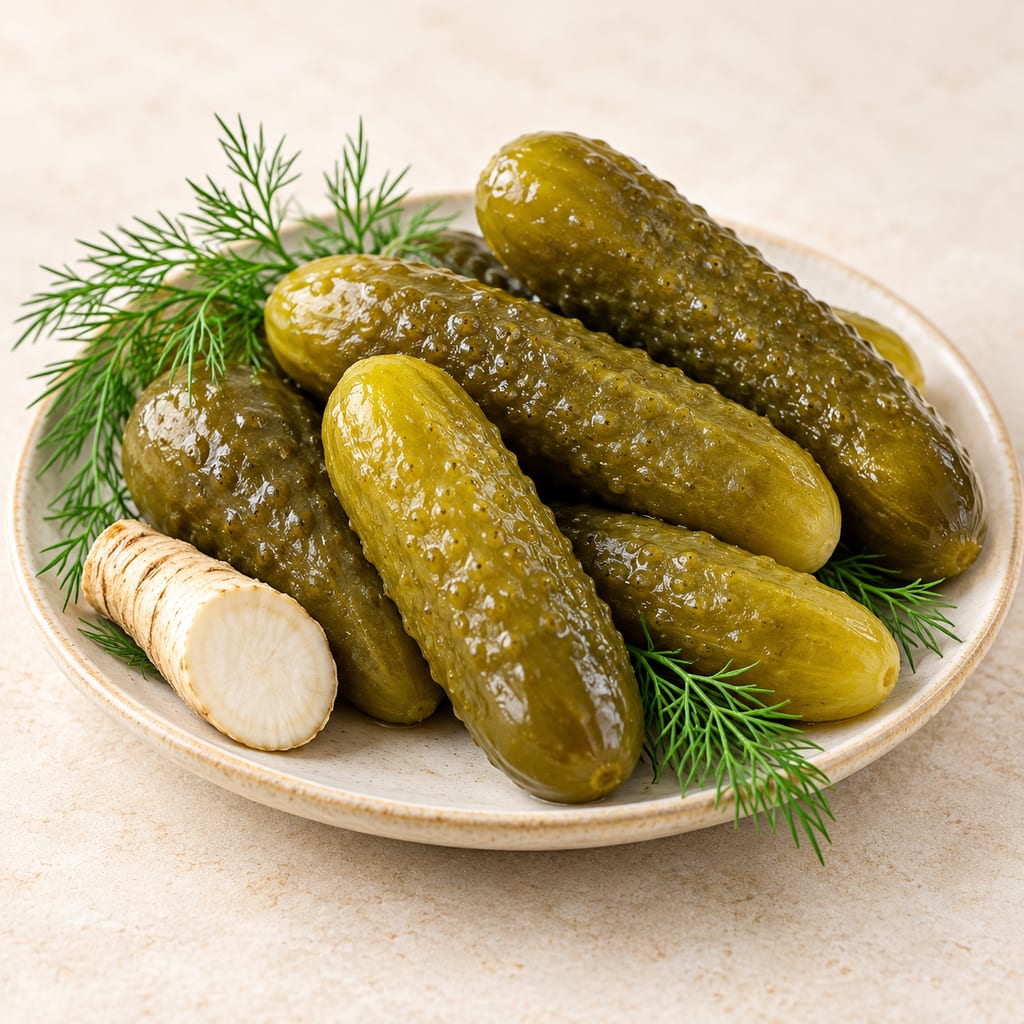
Ogórki kiszone are Polish brine-fermented cucumbers. Two registered local practices keep the barrels in a well near Zakliczyn and under lake water at Kalisz Pomorski. Neither gives a validated process.
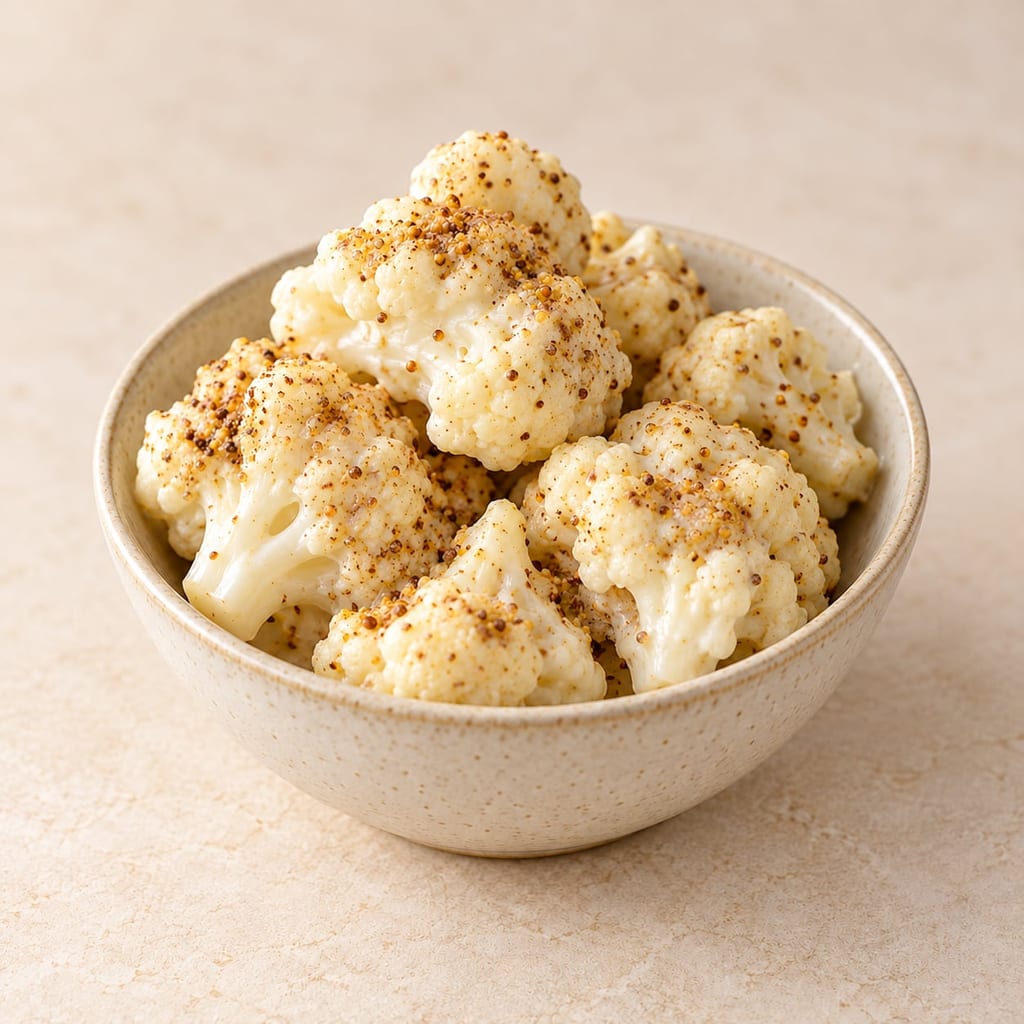
Moungra is a Cypriot preparation of blanched cauliflower coated in mustard and sourdough slurry and matured about a week; the Cyprus Food Museum records three versions with different measures.
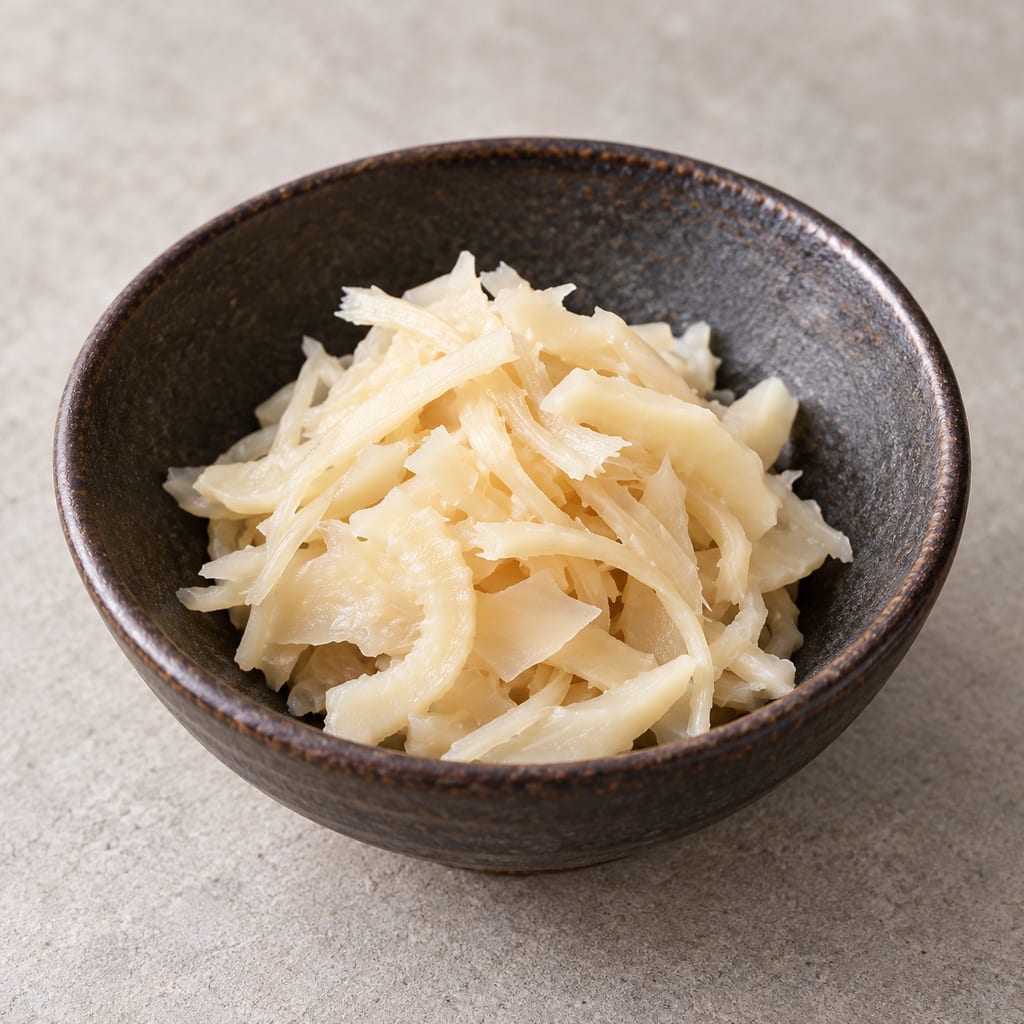
Young Dendrocalamus hamiltonii shoots fermented in a bamboo cylinder in a stream or in a sealed bottle above a kitchen oven, from Khasi households in Meghalaya.
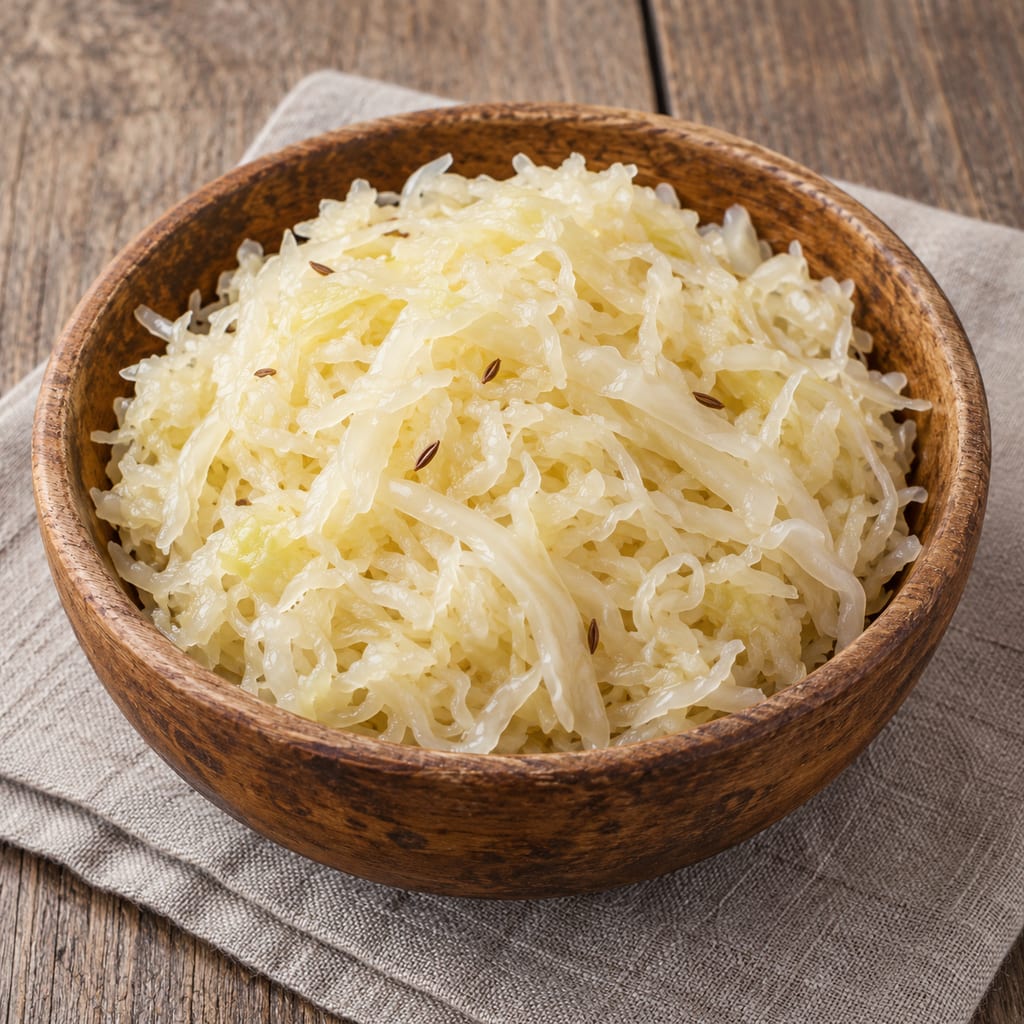
Kysané zeľí is Czech sour cabbage: shredded cabbage layered with salt and caraway and pressed in a wooden barrel. The regional account is descriptive and gives no validated salt ratio or endpoint.
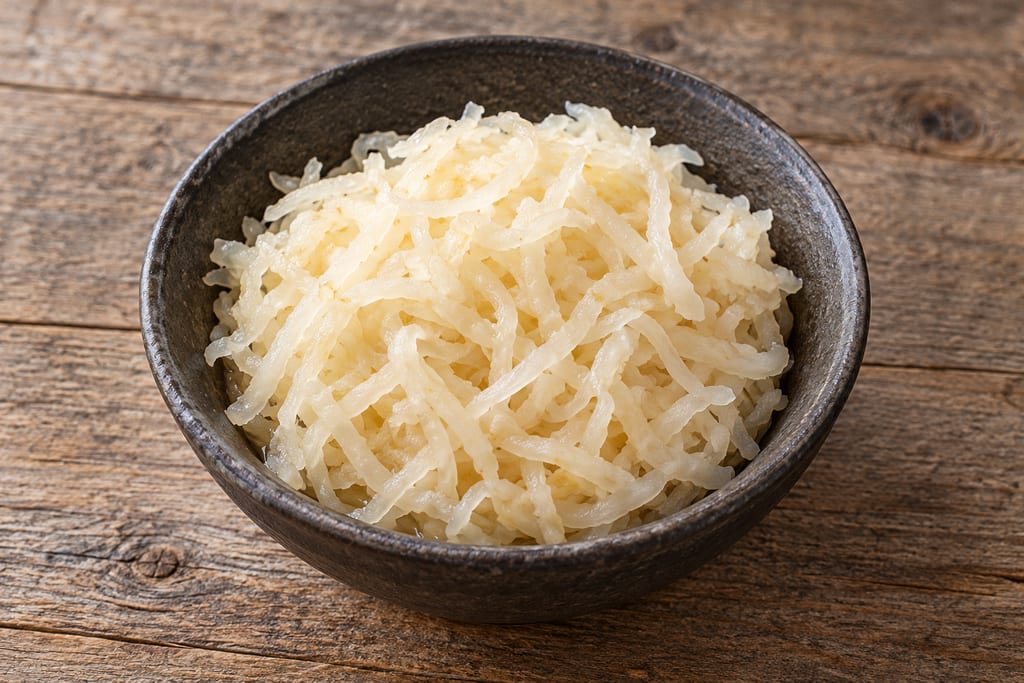
Kisla repa is Slovenian sour turnip, made either from grated turnip or from whole roots; a 2023 household guide gives a 1 kg grated batch salted with 20 g salt.
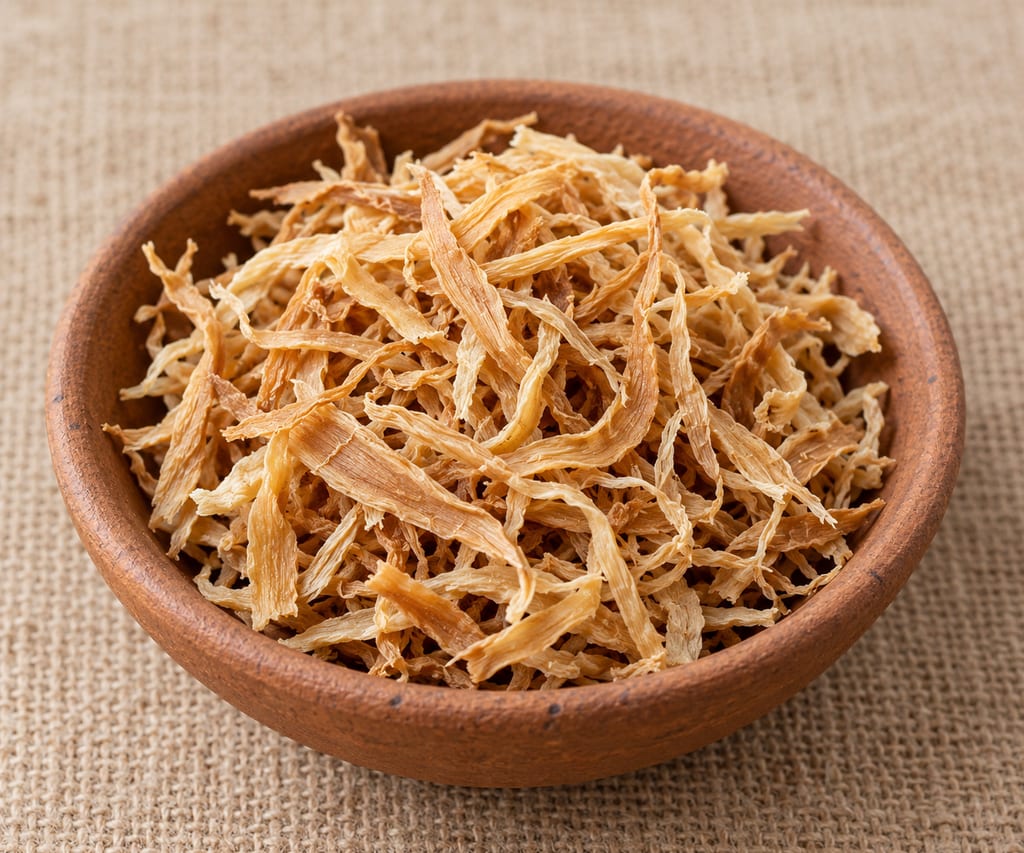
Khorisa is an Assamese fermented bamboo-shoot food. This page records cultural and lab accounts, not a validated home method. FSANZ says shoots must be fully cooked before eating; it does not validate Khorisa or set its cooking time.
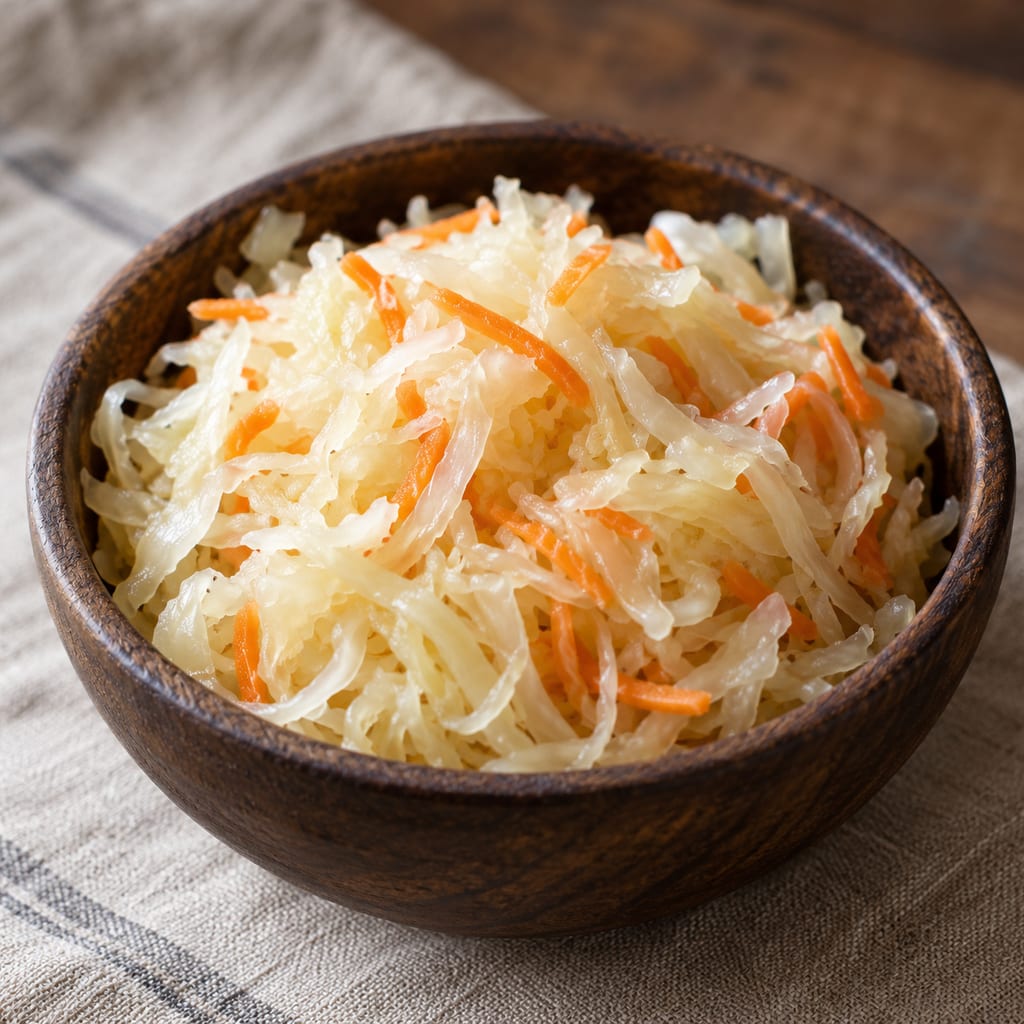
Kapusta kiszona z beczki is barrel-fermented cabbage from the Kołobrzeg area, entered on Poland’s List of Traditional Products in 2008. It is salted and fermented, with raw grated carrot added after souring.
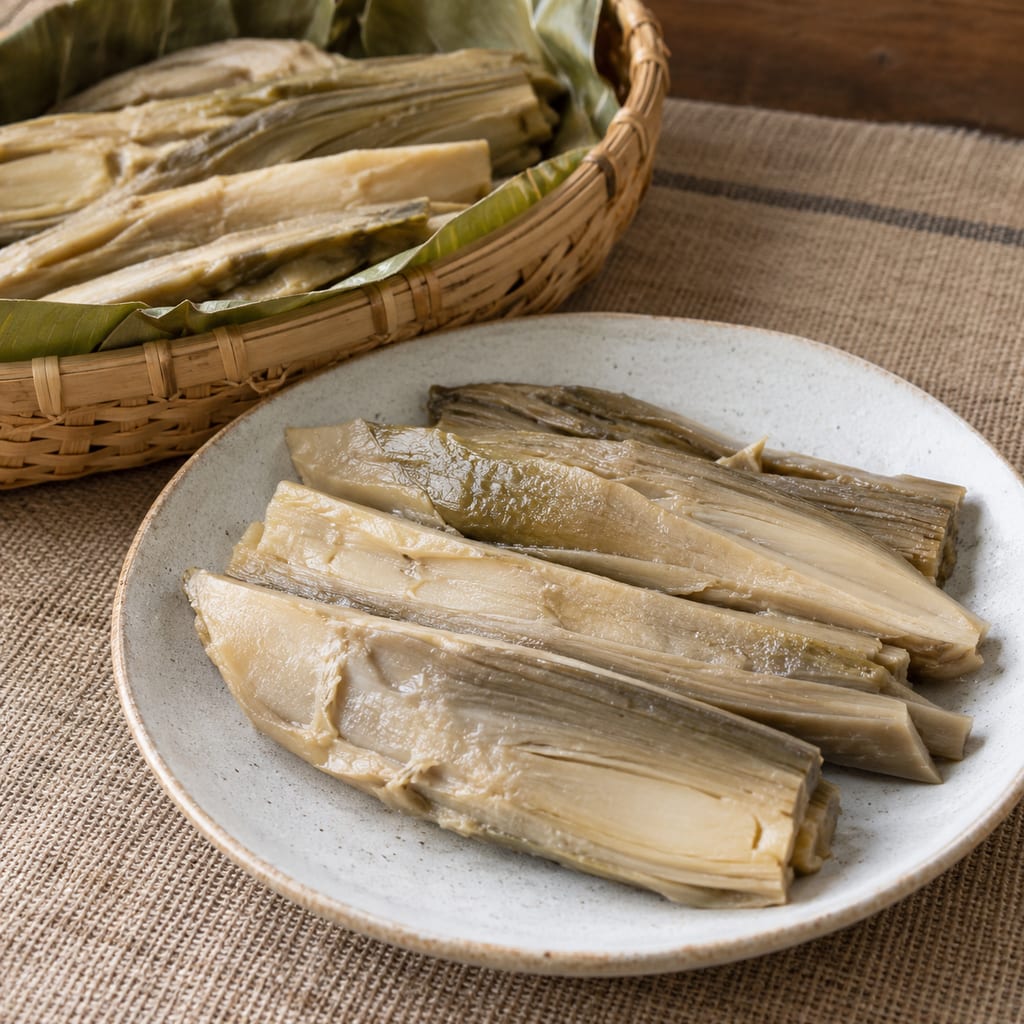
Upper tender bamboo-shoot tips, split or flattened, pit-fermented one to three months in Arunachal Pradesh and eaten in curries.
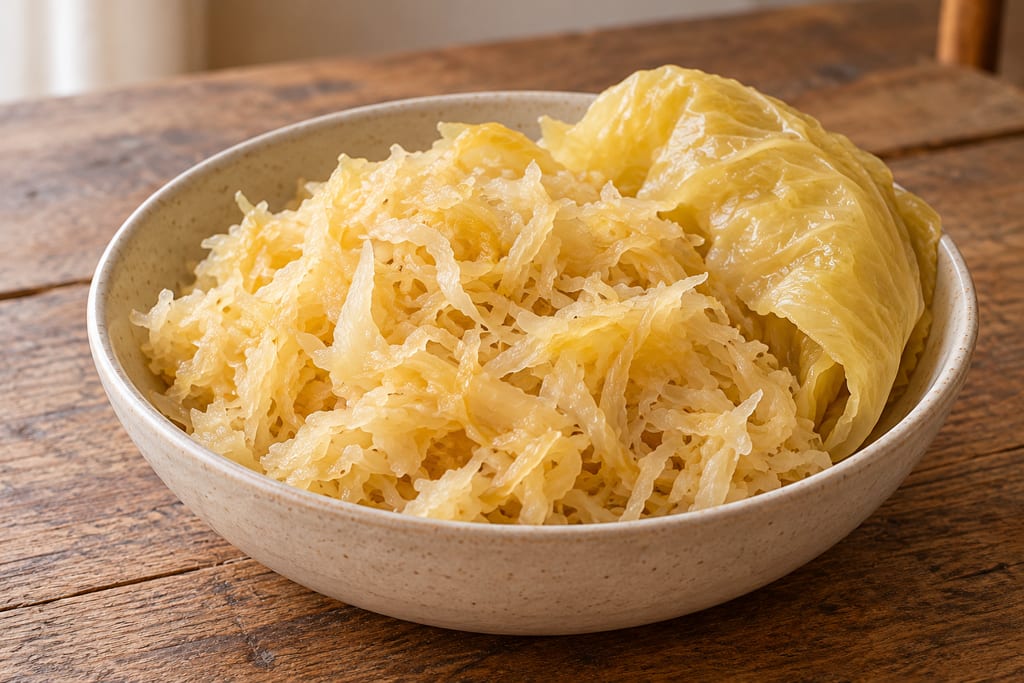
Serbian sour cabbage from the Futog area, made from the autochthonous Futoški cabbage population and registered as a protected product in 2008. It is a subset of general Serbian kiseli kupus.
Pit-fermented bamboo shoots from Arunachal Pradesh, cut smaller and sun-dried for five to ten days, used in curries.
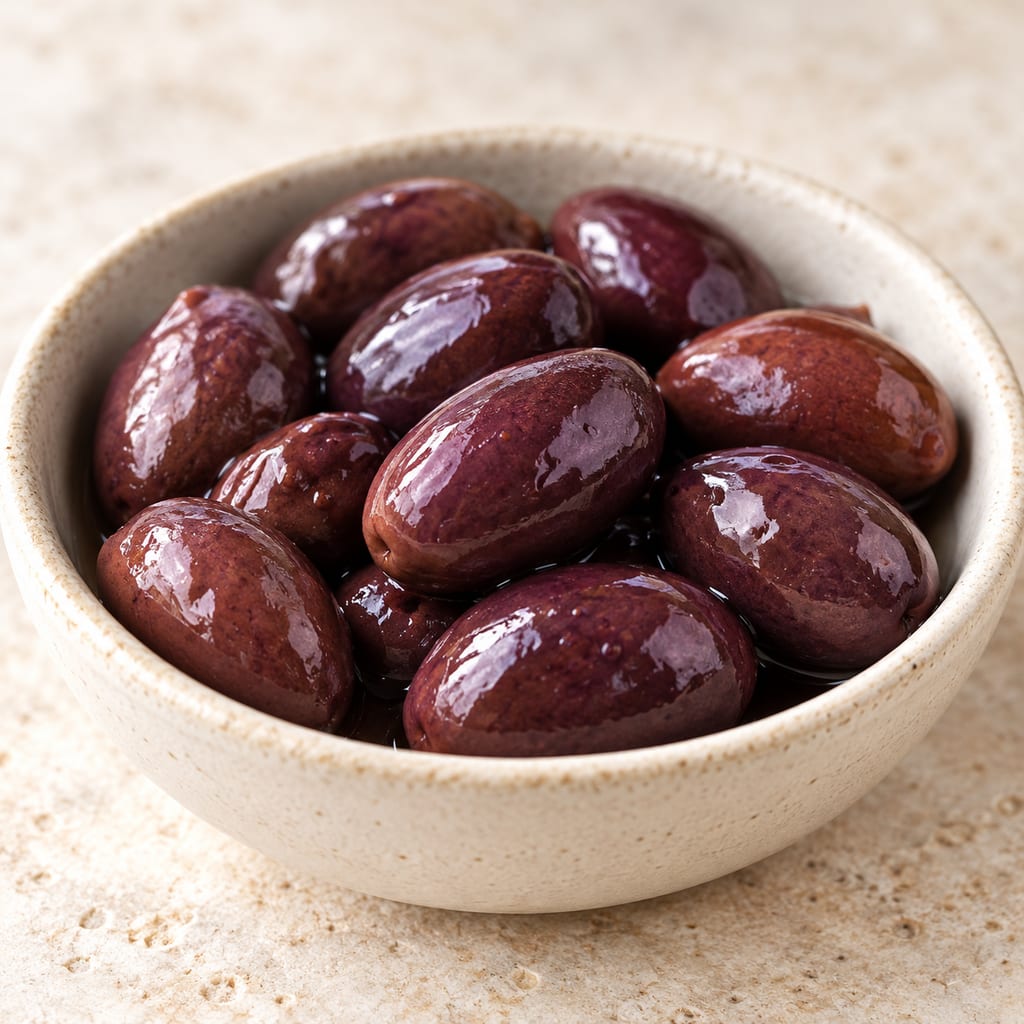
Elia Kalamatas is a Messinia table olive of the Kalamon variety, picked before full ripeness and fermented in brine for six to nine months; it is a PDO product, not a generic black olive.
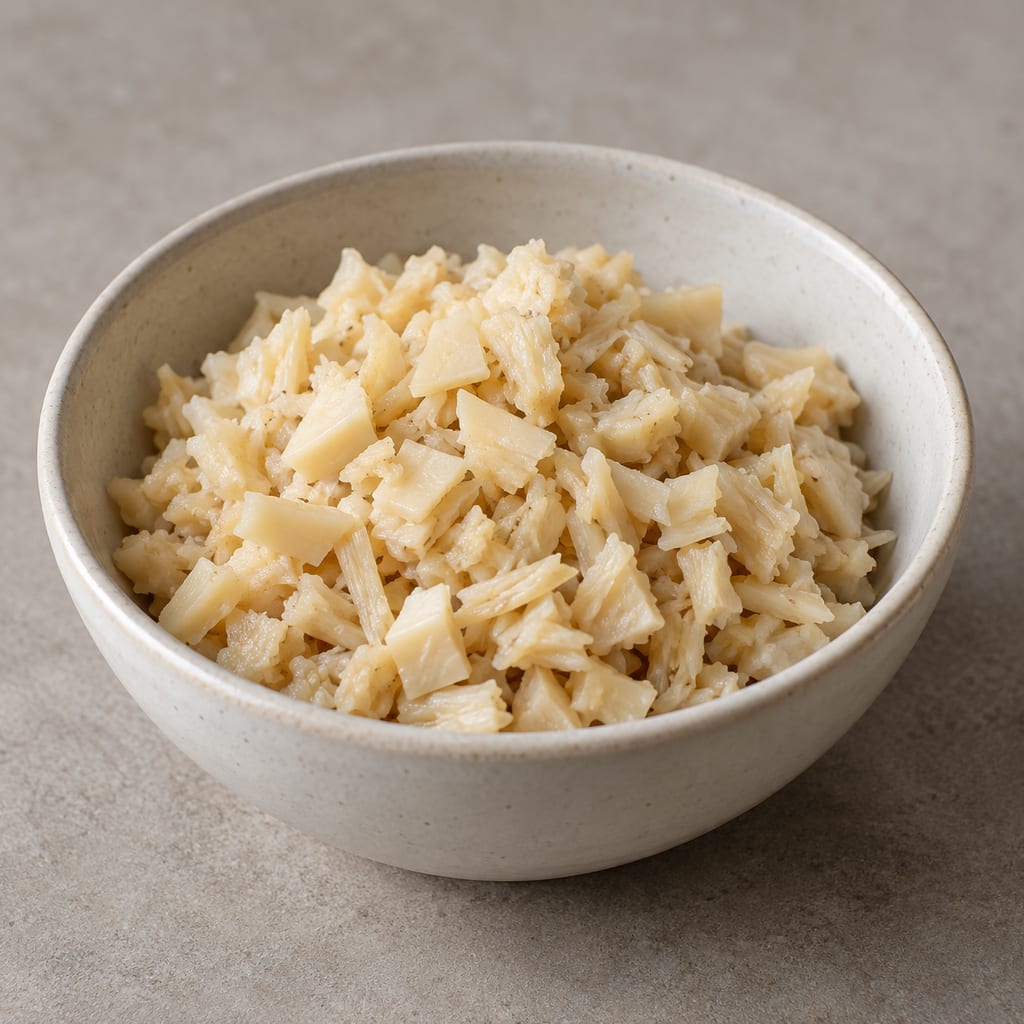
Finely chopped young bamboo shoots packed in leaf-lined baskets, sealed in a forest pit and weighted for one to three months, from Arunachal Pradesh.
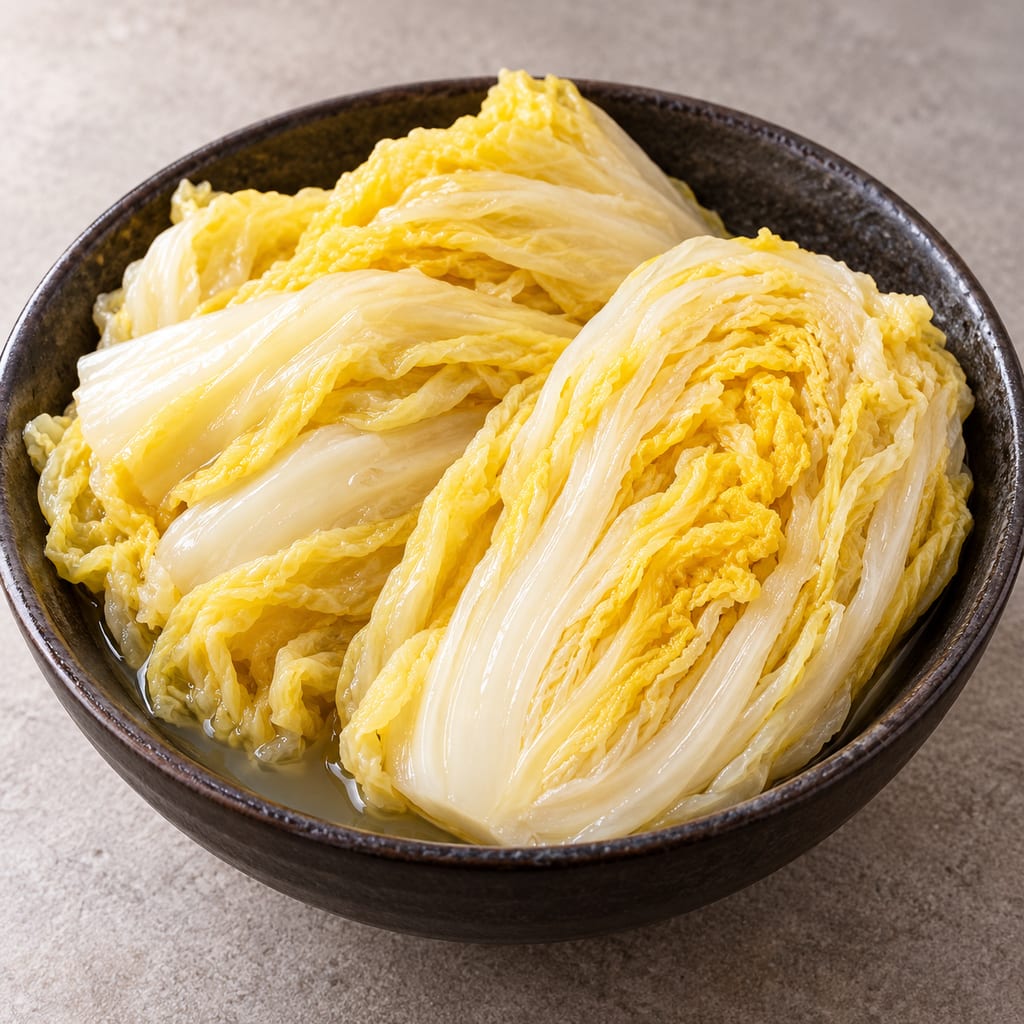
Napa cabbage fermented in a salt brine in Northeast China, traditionally in large ceramic or glass jars, until it turns sour.
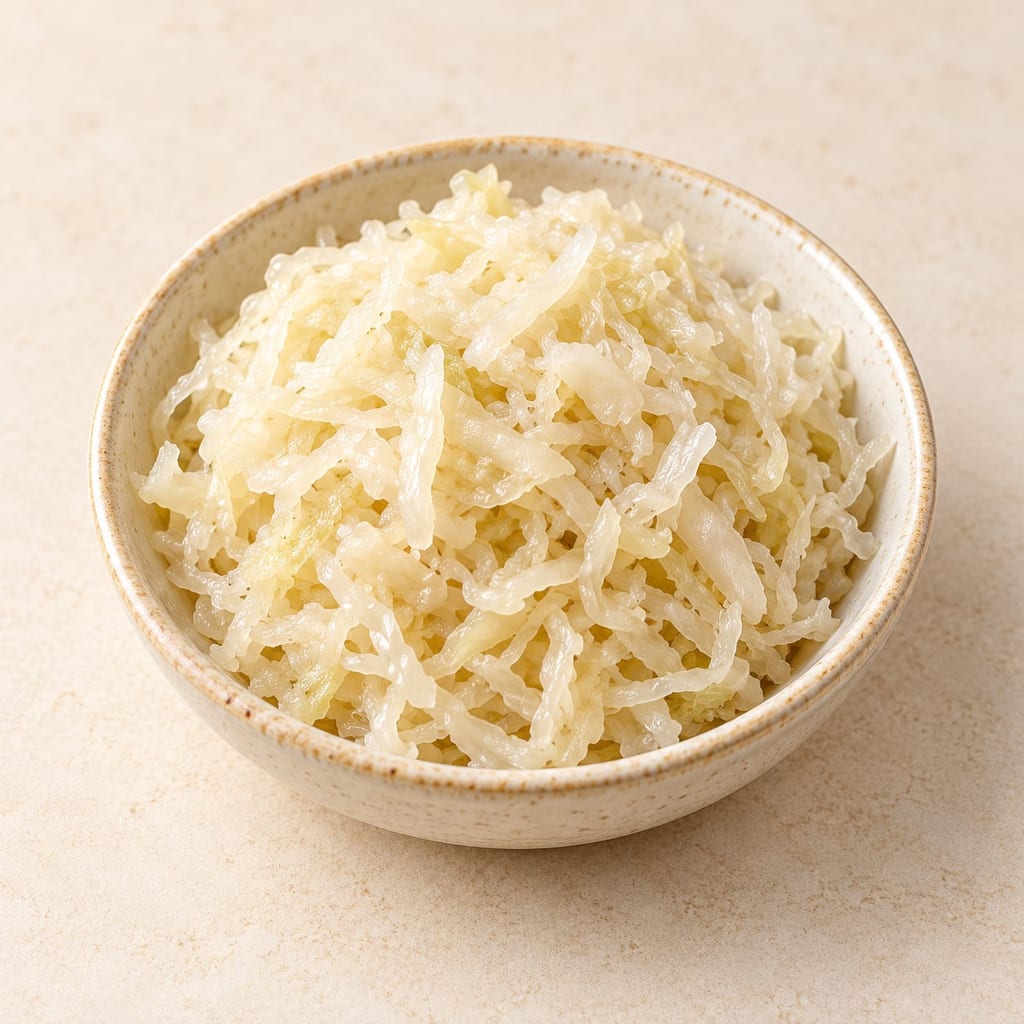
Finely cut cabbage fermented with salt in vats by natural lactic fermentation, a protected Alsatian product sold raw or cooked after fermentation.
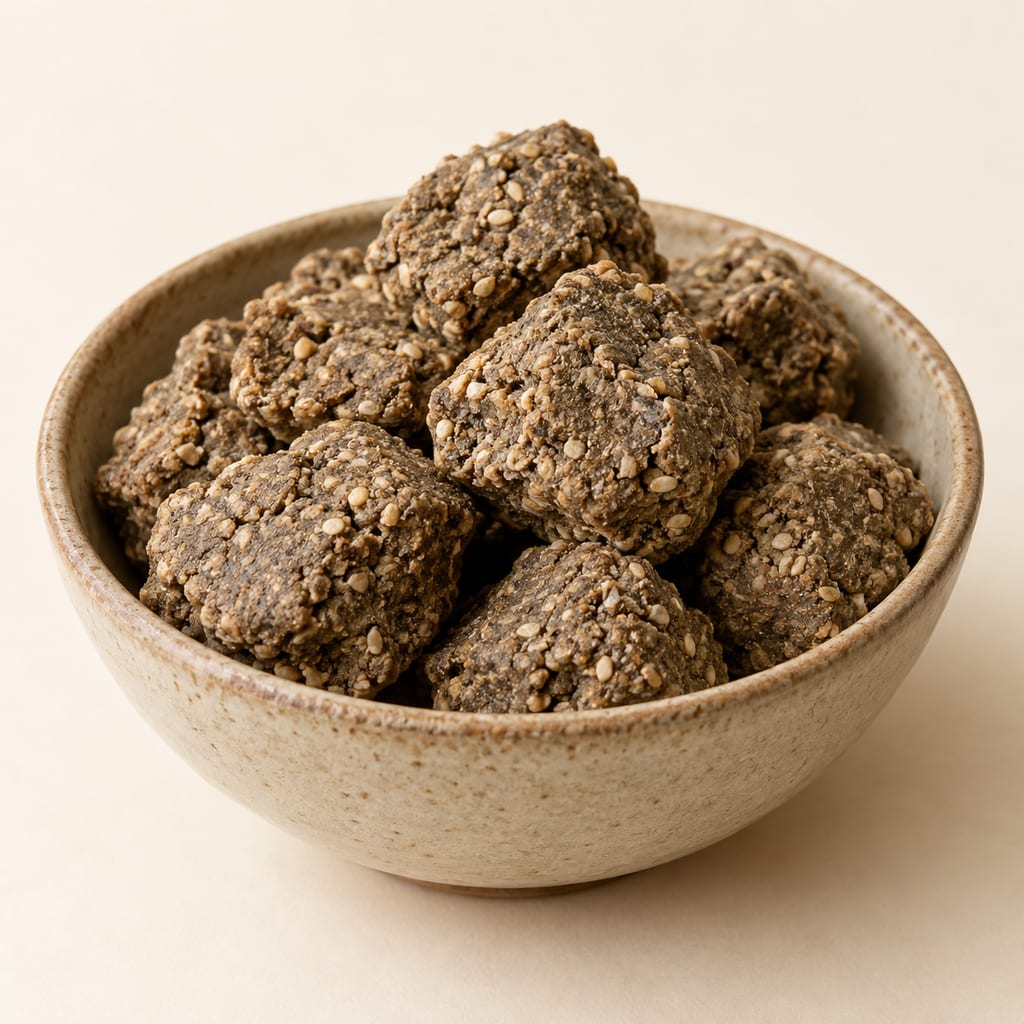
A Sudanese preparation made by fermenting sesame oilseed cake, shaping it into balls and sun-drying. Published accounts describe different processes and do not give a complete household batch.
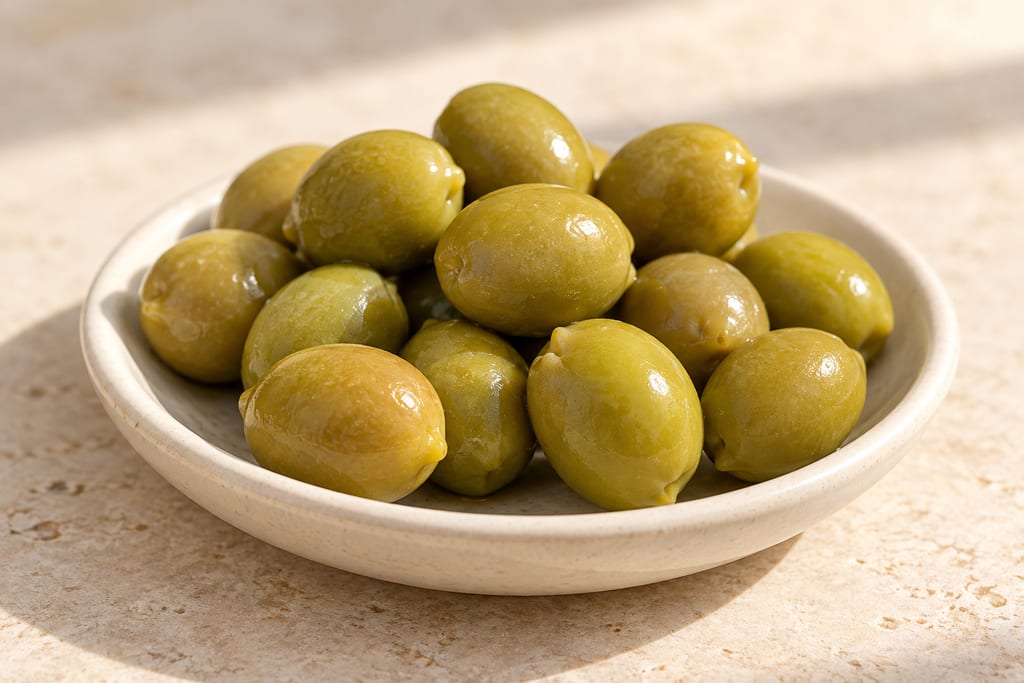
A Portuguese table-olive product from the Negrinha cultivar in northeastern Portugal, sold in three commercial styles, two of them brined fermentations and one oxidised to black.
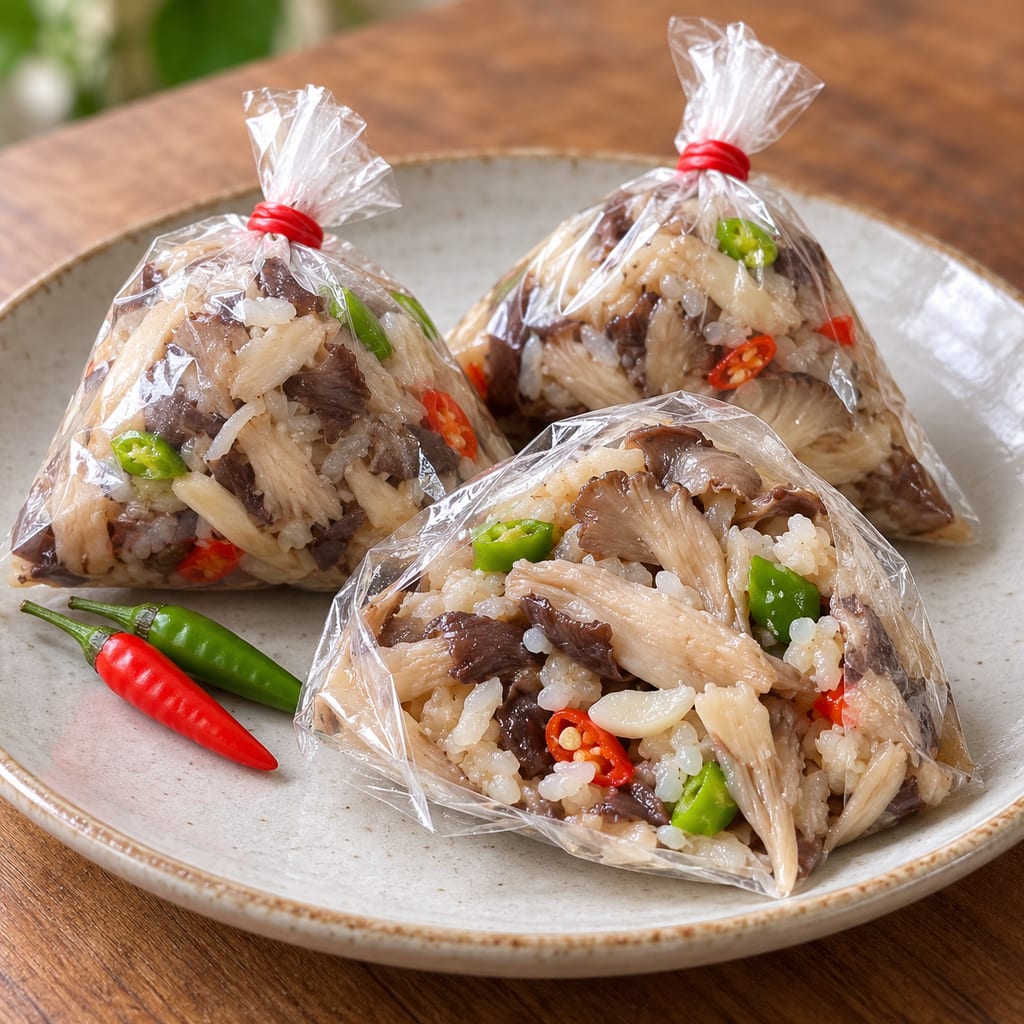
A Thai sour mushroom preparation: shredded steamed oyster mushrooms, cooked rice, garlic and salt packed into small parcels and soured by lactic acid bacteria over a few days.
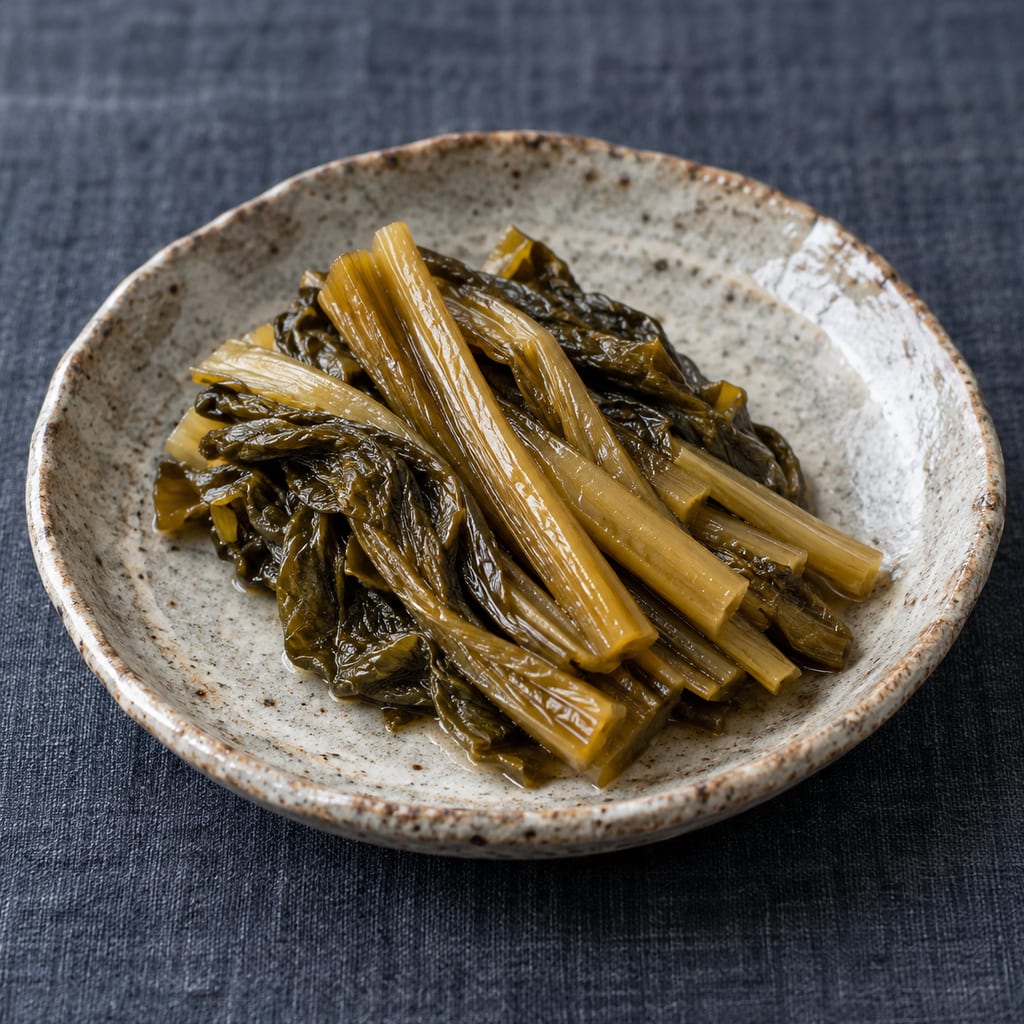
Takana mustard greens from Aso in Kumamoto are salted and pressed into a fresh spring pickle, or aged into a sour furuzuke that is fried and mixed into takana rice.
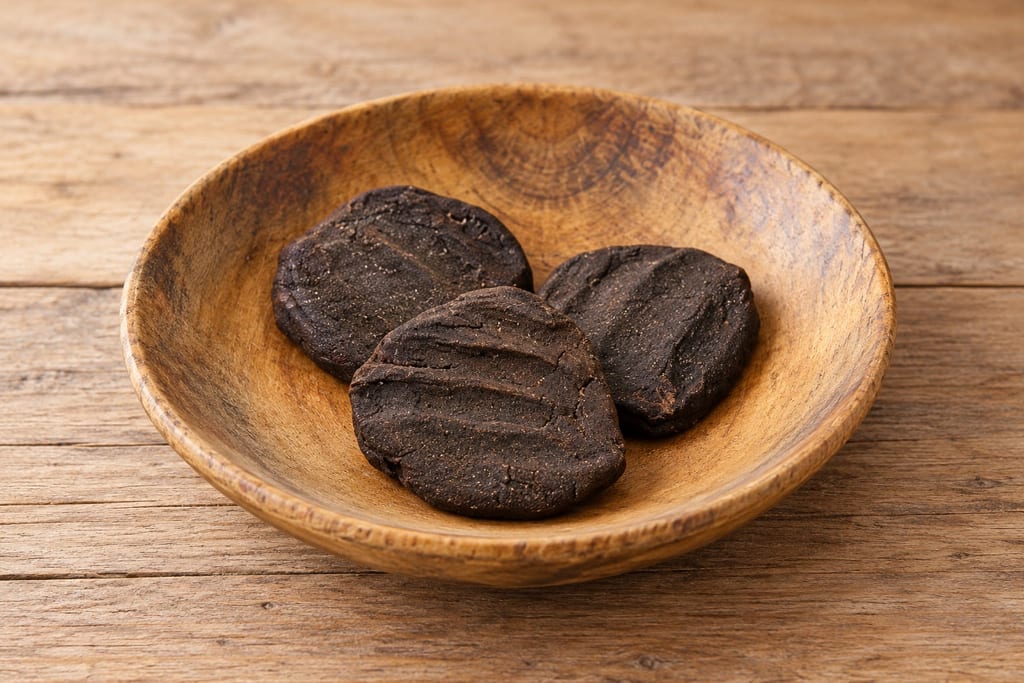
Dried cakes of pounded taro leaves from the Ao Naga in Nagaland, yellowed in a bag, then dried by hot ash or sun and used to flavour meat dishes.
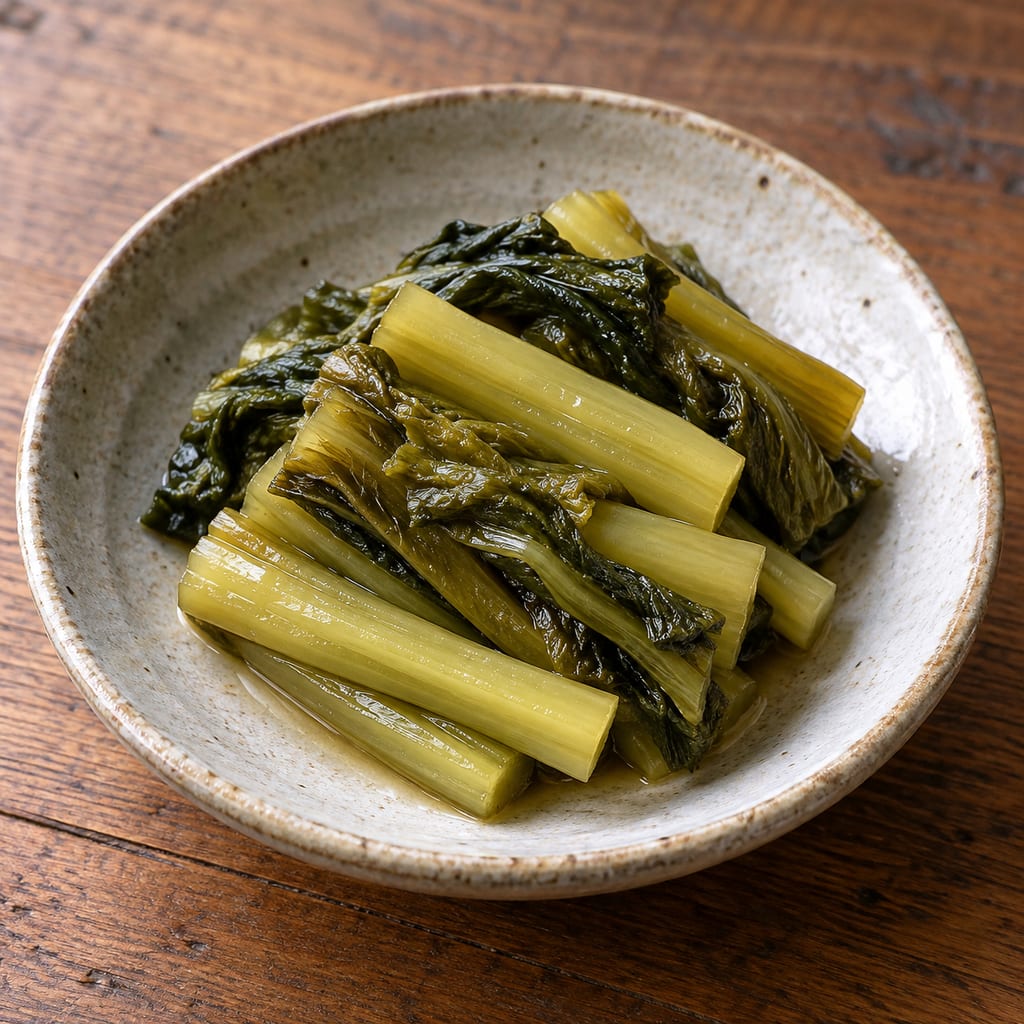
Nozawana greens salted in a barrel and weighted overnight, a Nagano household pickle sampled after about two weeks and soured by a month.
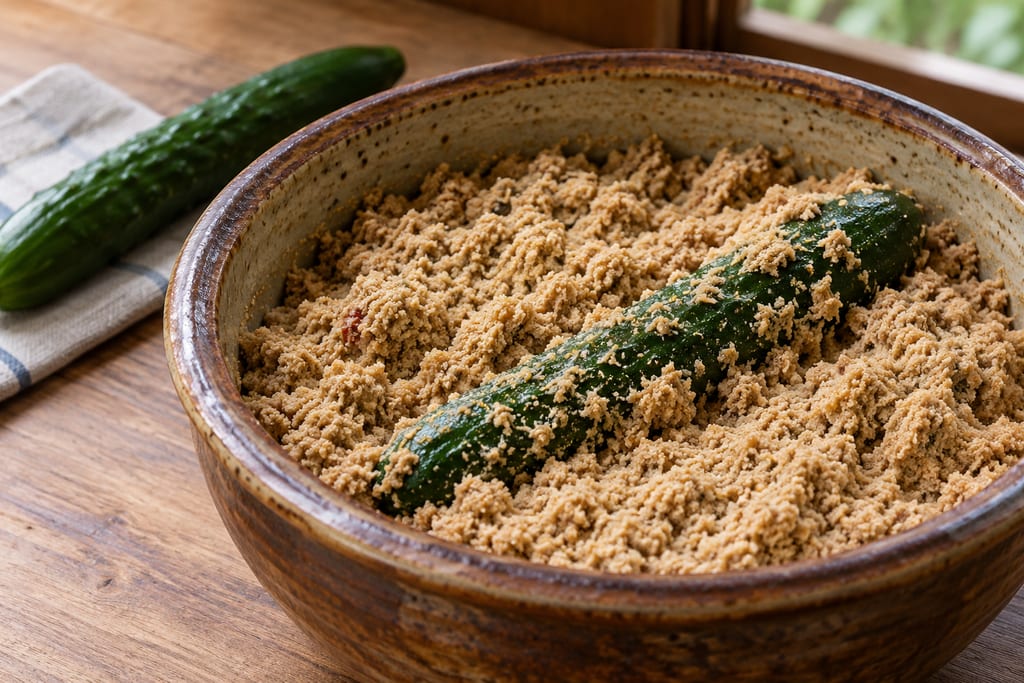
Cucumber ferments in a maintained rice-bran bed seeded through repeated vegetable scrap picklings; the record includes the starter-bed method.
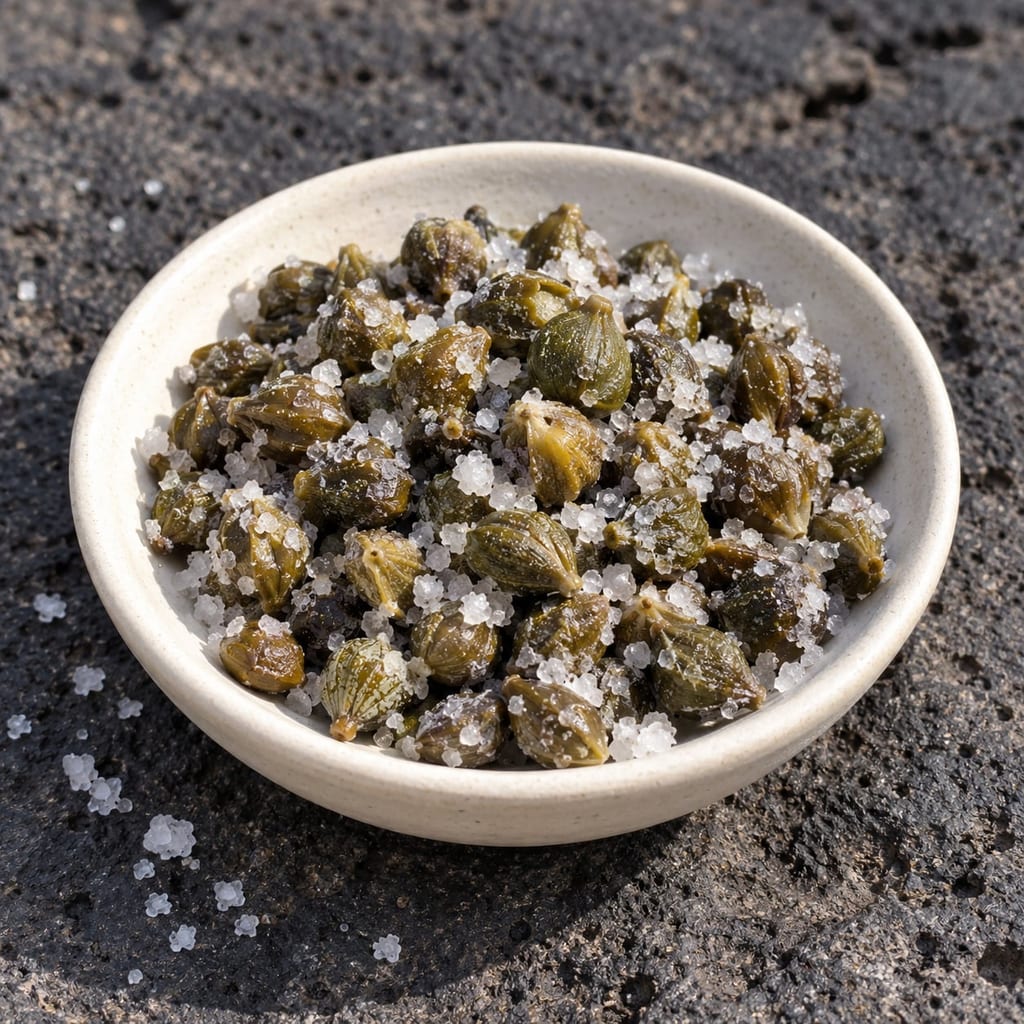
A protected Sicilian product: unopened caper buds from the island of Pantelleria, dry-salted with sea salt in a two-stage process that encourages lactic fermentation.
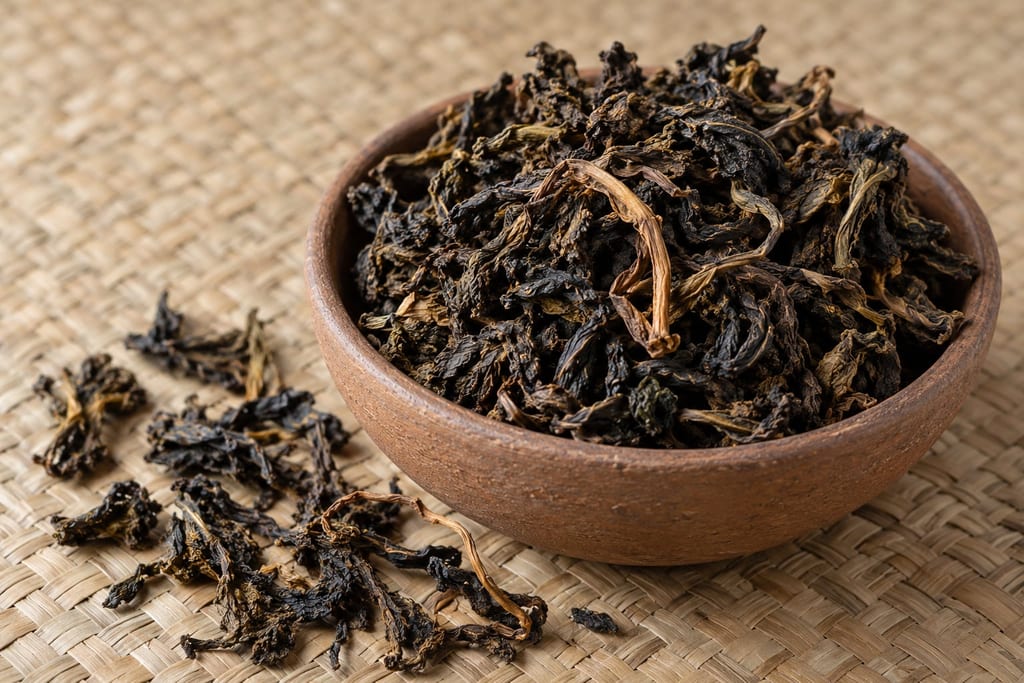
Mustard leaves wilted, bruised and packed tight into an earthenware vessel to sour without salt, then sun-dried into dark tangled pieces that carry Himalayan meals through the year.
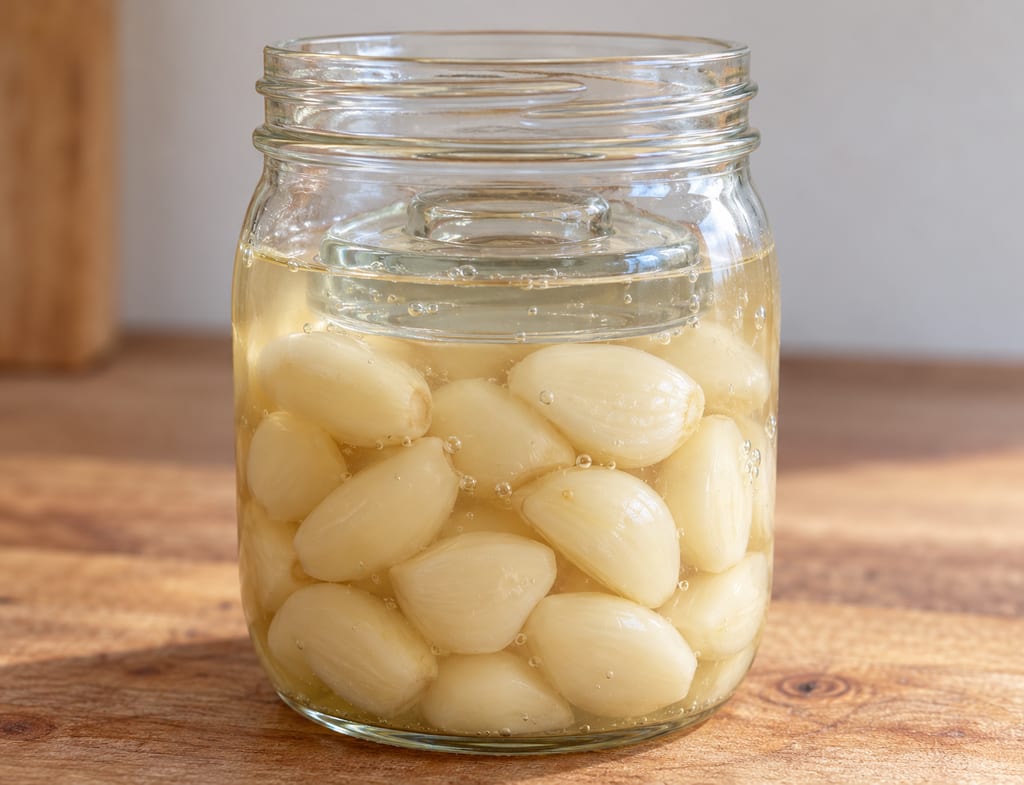
A small brine ferment of peeled garlic; the video also demonstrates optional onion and herbs.
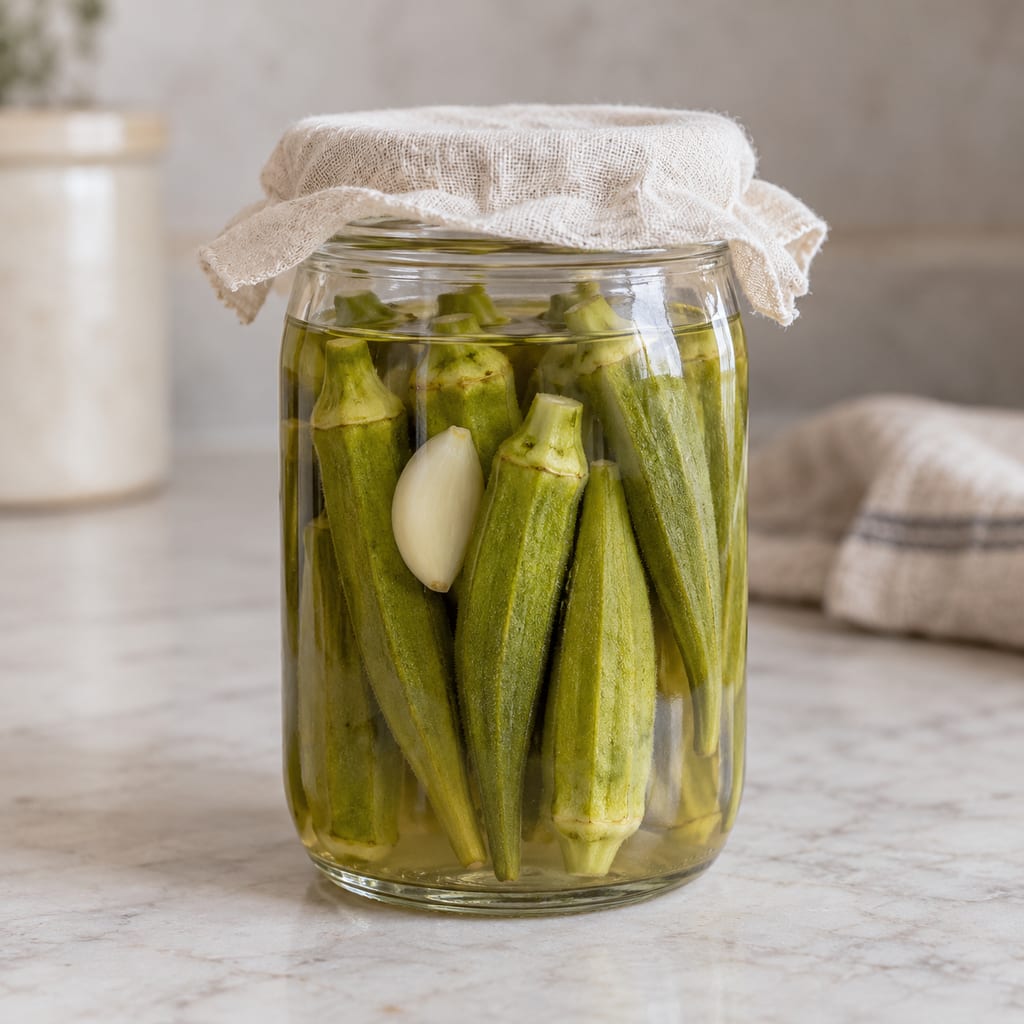
Whole okra packs into a pint jar with garlic, salt, whey and water for a short room-temperature fermentation.
Ethiopia's fermented enset staple: the scraped leaf sheaths and pounded corm of Ensete ventricosum packed into a leaf-lined pit, where lactic fermentation turns them into a sour mass that keeps and is later baked as flatbread.