











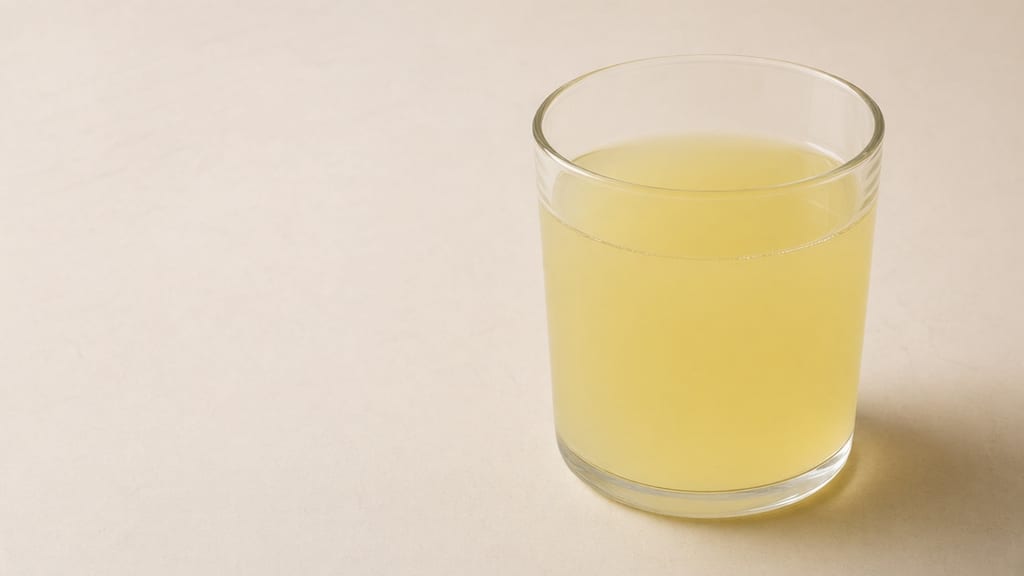
Sýra
Sýra is Icelandic soured skyr whey kept as a household acid store: a drink when diluted, and historically the medium for súrmatur. Fresh leftover whey is not the same material.
 FermenteaWhere food goes to change
1504 records with their sources, across 11 categories.
Sýra is Icelandic soured skyr whey kept as a household acid store: a drink when diluted, and historically the medium for súrmatur. Fresh leftover whey is not the same material.

Skyr is Iceland’s thick, tart fresh cheese. This home method cultures skim milk with fresh skyr and rennet, then drains the curd under refrigeration.
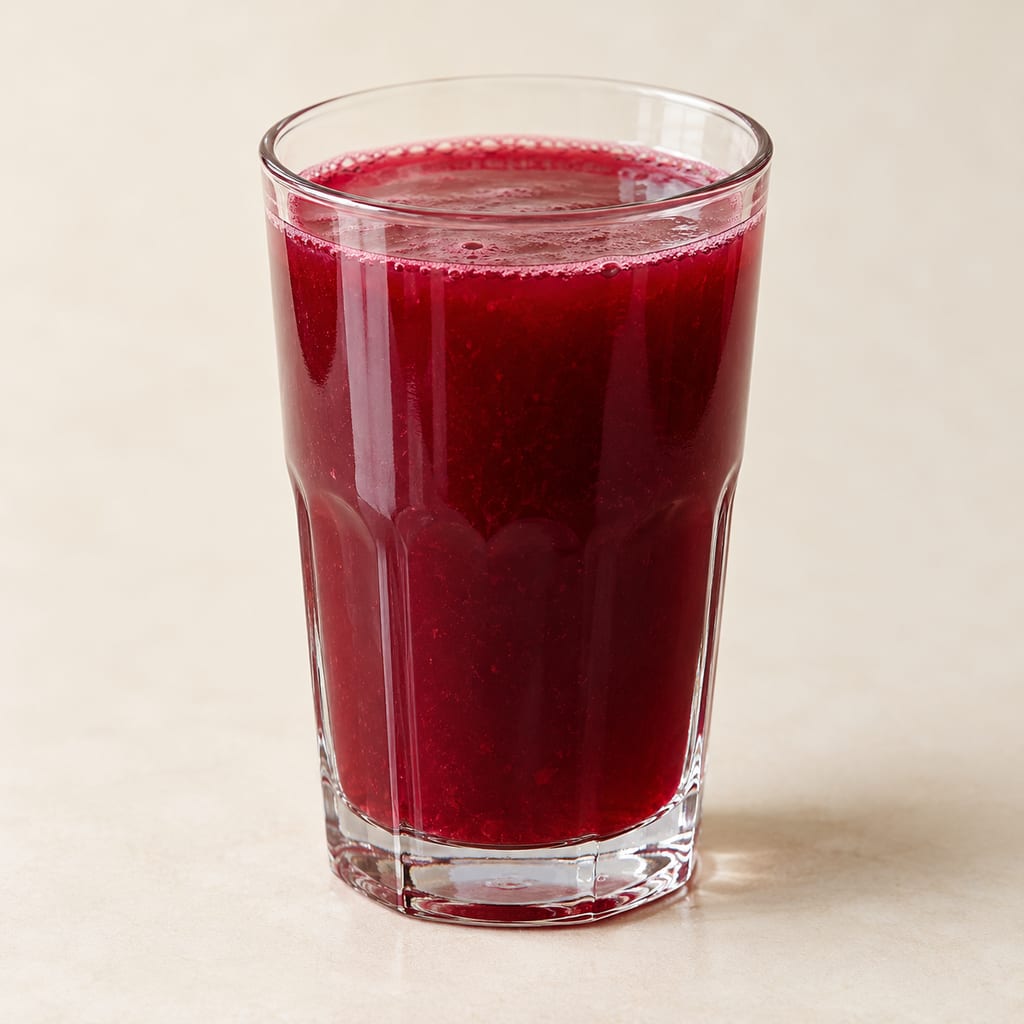
A sour, red Turkish drink of black carrot, rock salt and bulgur or sourdough, fermented in a traditional two-stage method or a direct one, and drunk with food in southern Turkey.
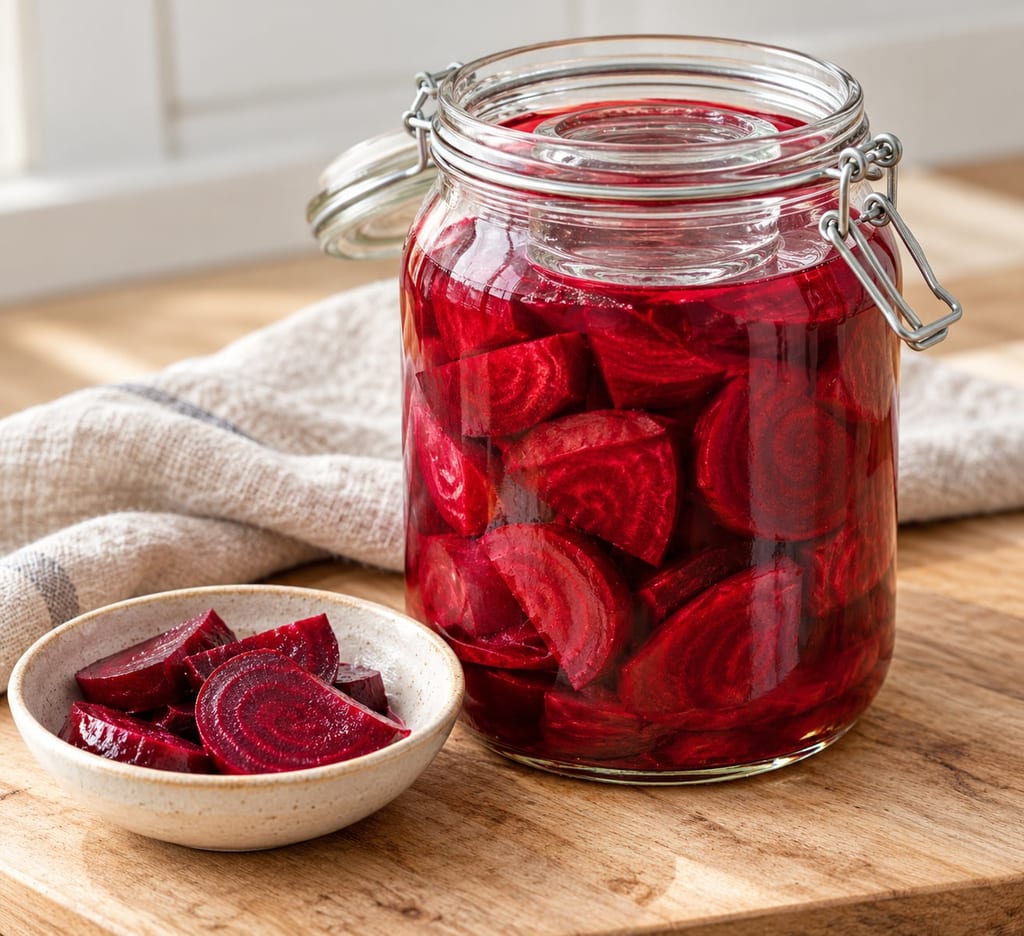
Raw beetroot cut and packed into a jar under a salt-water brine, fermented until sour and deeply coloured; the batch weight is not recorded.
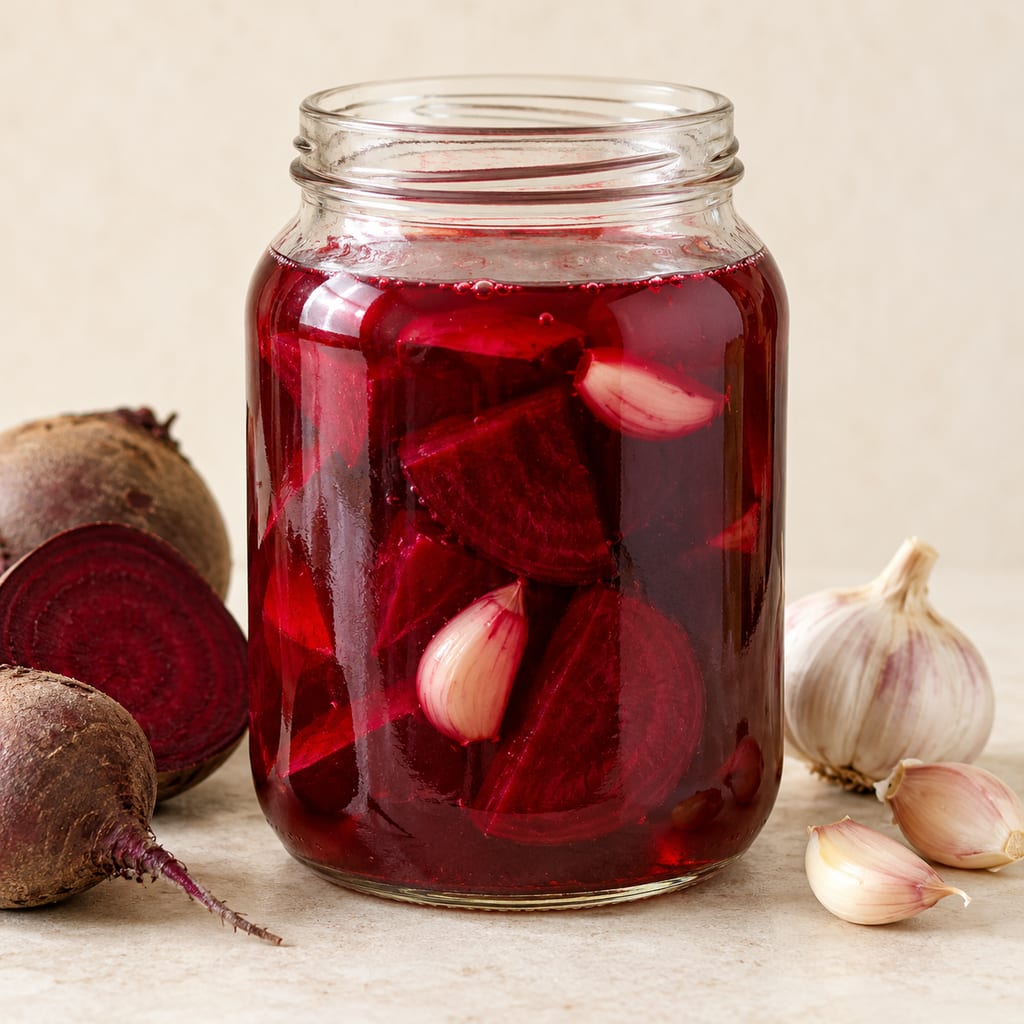
Zakwas buraczany is the fermented red-beet liquid used as the sour base for Polish beet barszcz. The liquid is made from beetroot, garlic, salt and water, and the official sources give no quantities.
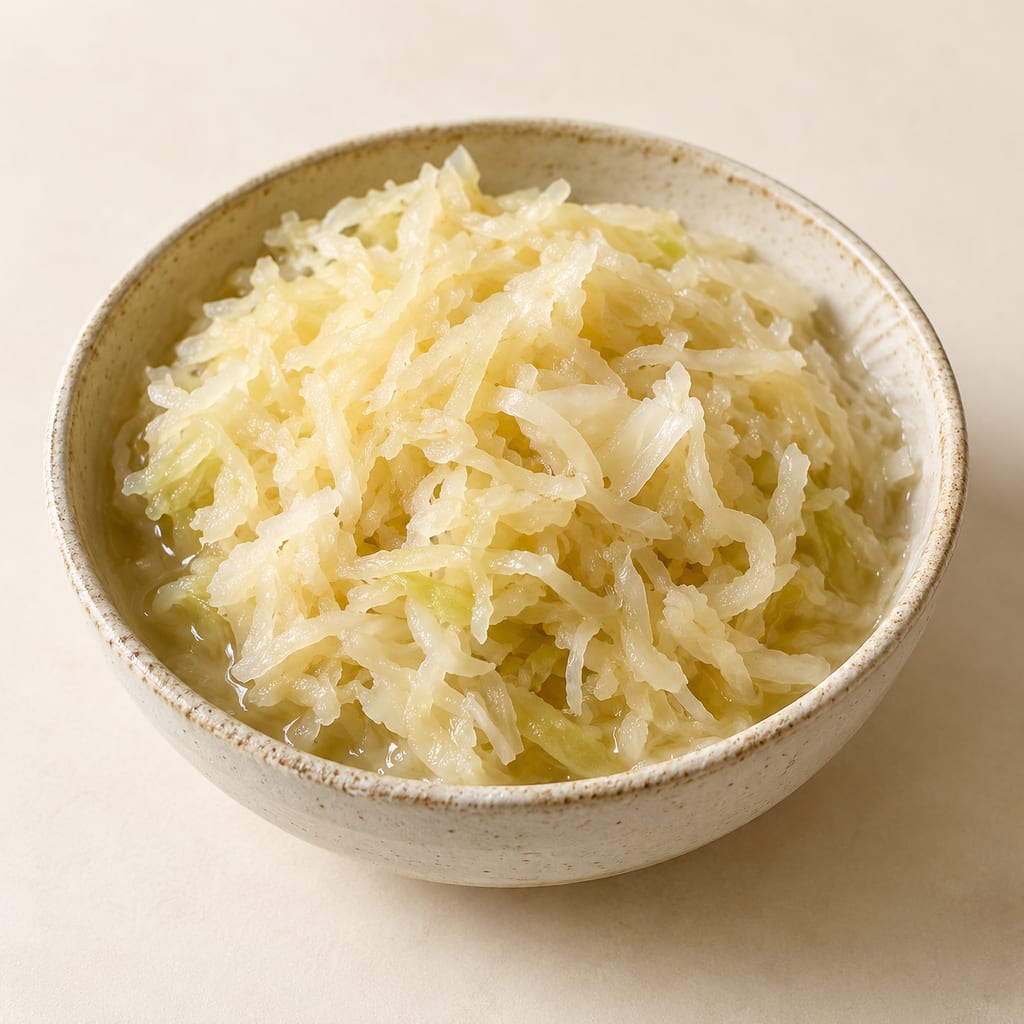
A Penn State Extension crock method mixes 5 lb of shredded cabbage with 3 tablespoons of canning or pickling salt, packs it under its own brine and ferments it in a covered container.
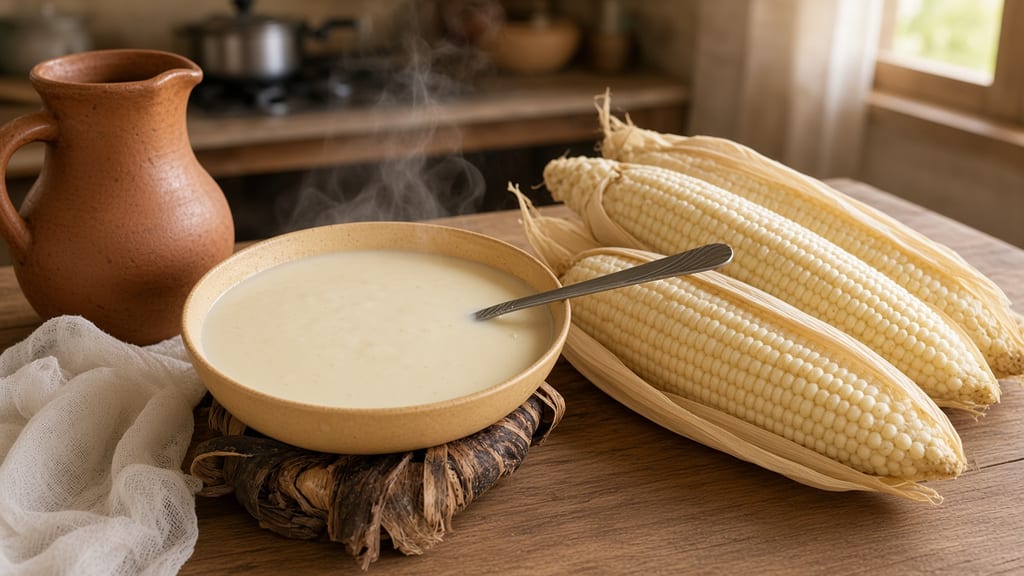
A hot, sour maize drink from Tabasco made from maize that is not lime-cooked. The ground grain sours for half a day, then makers strain it and boil it until thick.
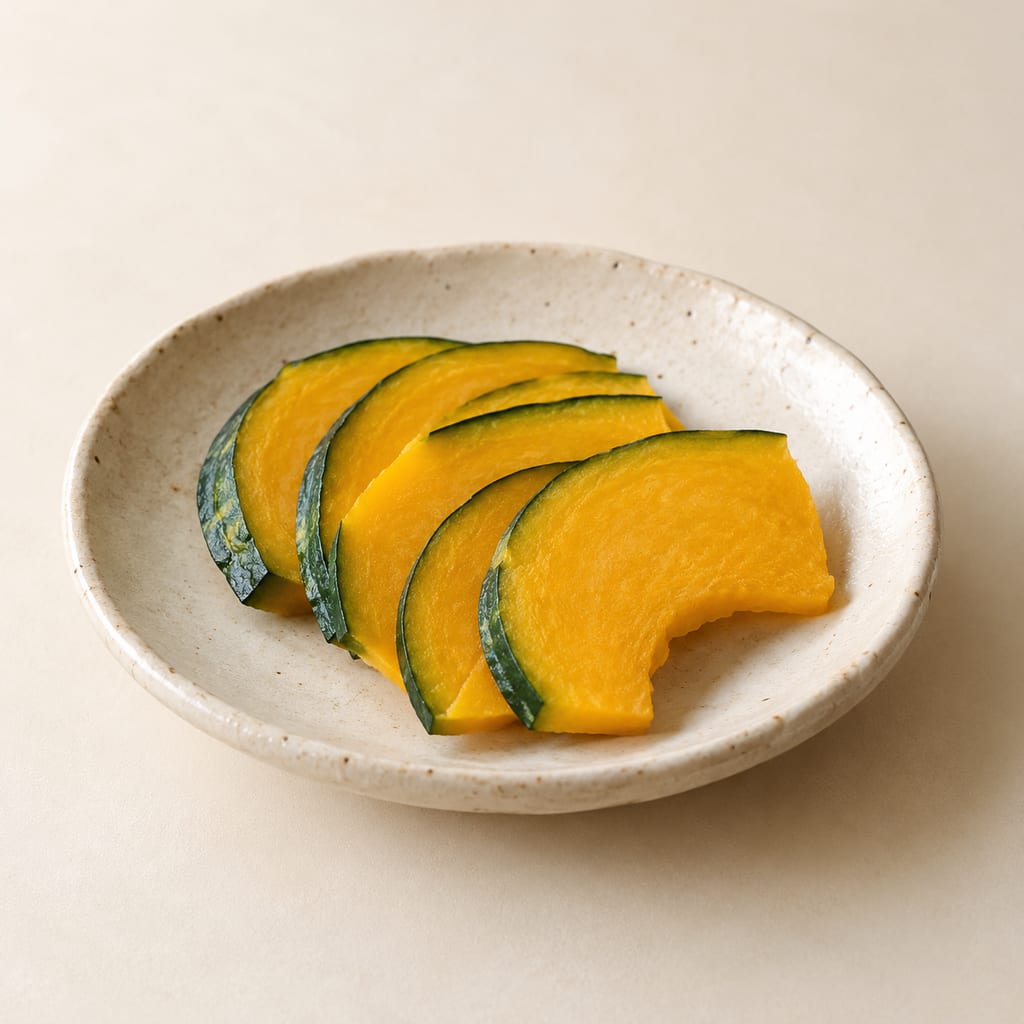
Kabocha no nukazuke: Refrigerated commercial fermented bed; use removed portions the same day.
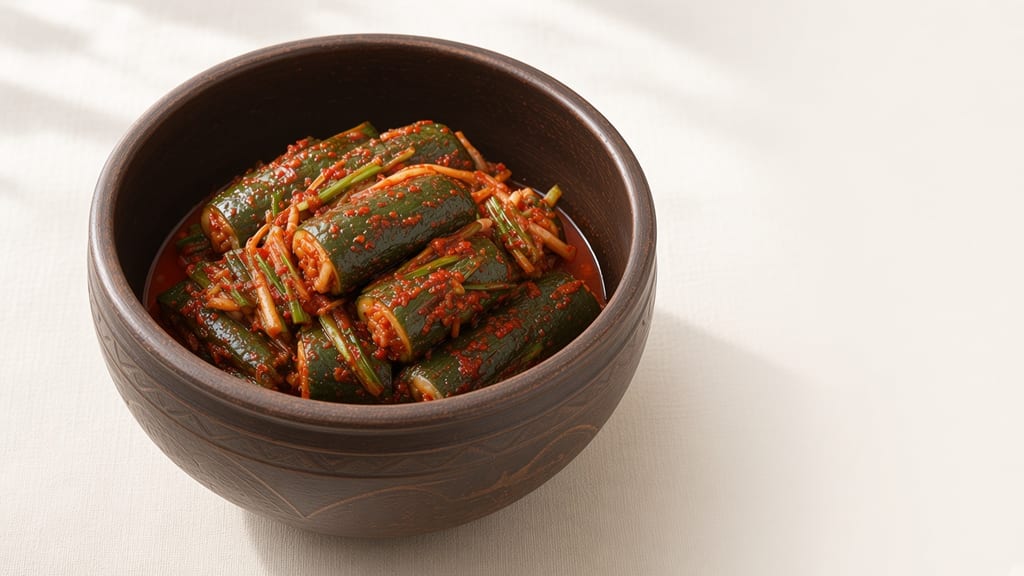
Hwanggwa damjeo is a cucumber kimchi from Yu Jung-rim's Jeungbo sallim gyeongje of 1766. Slit cucumbers are packed with chilli powder and garlic, scalded with hot salted water and sealed overnight.
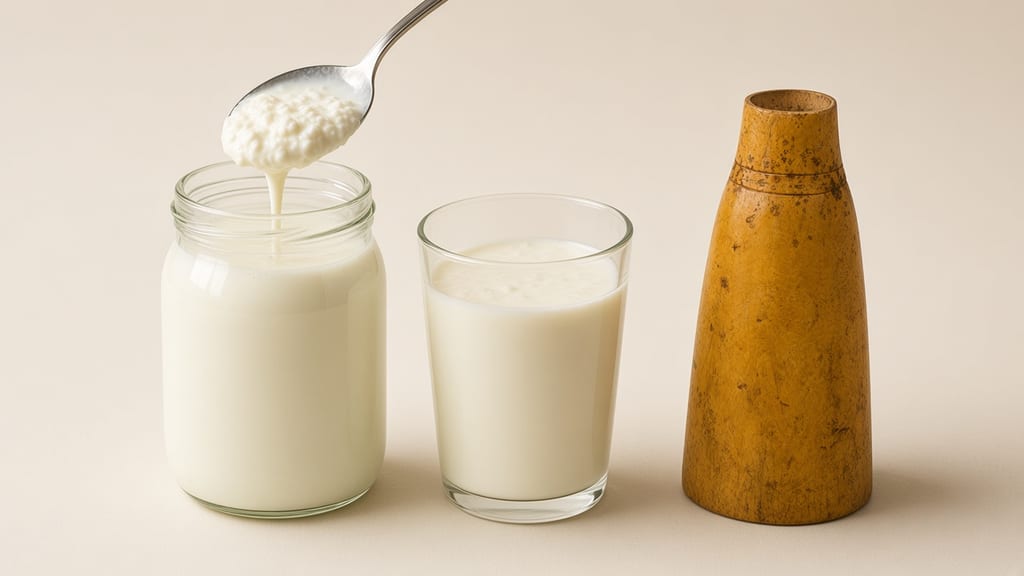
Ikivuguto is Rwanda's thick soured milk. This home version sets pasteurised whole milk with cultured buttermilk overnight at about 21 °C, then chills it for a mild, spoonable drink.
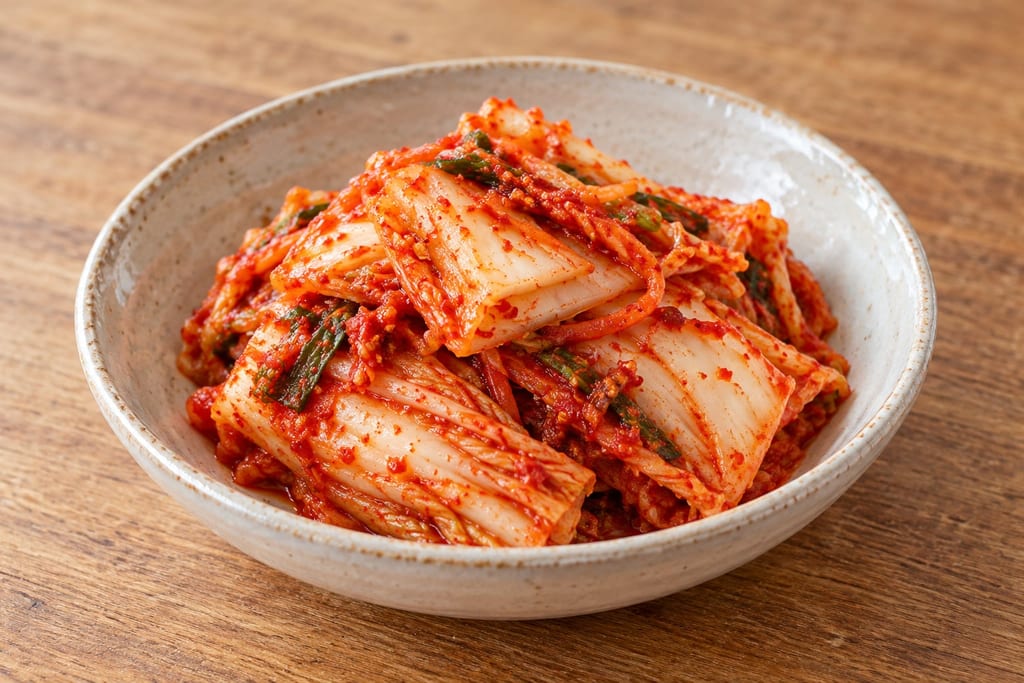
Kimchi is a Korean preserved vegetable food, most often cabbage, salted and seasoned, then fermented by the lactic acid bacteria that arrive with the vegetables. Some studies test added starter cultures, but a home jar is usually spontaneous.
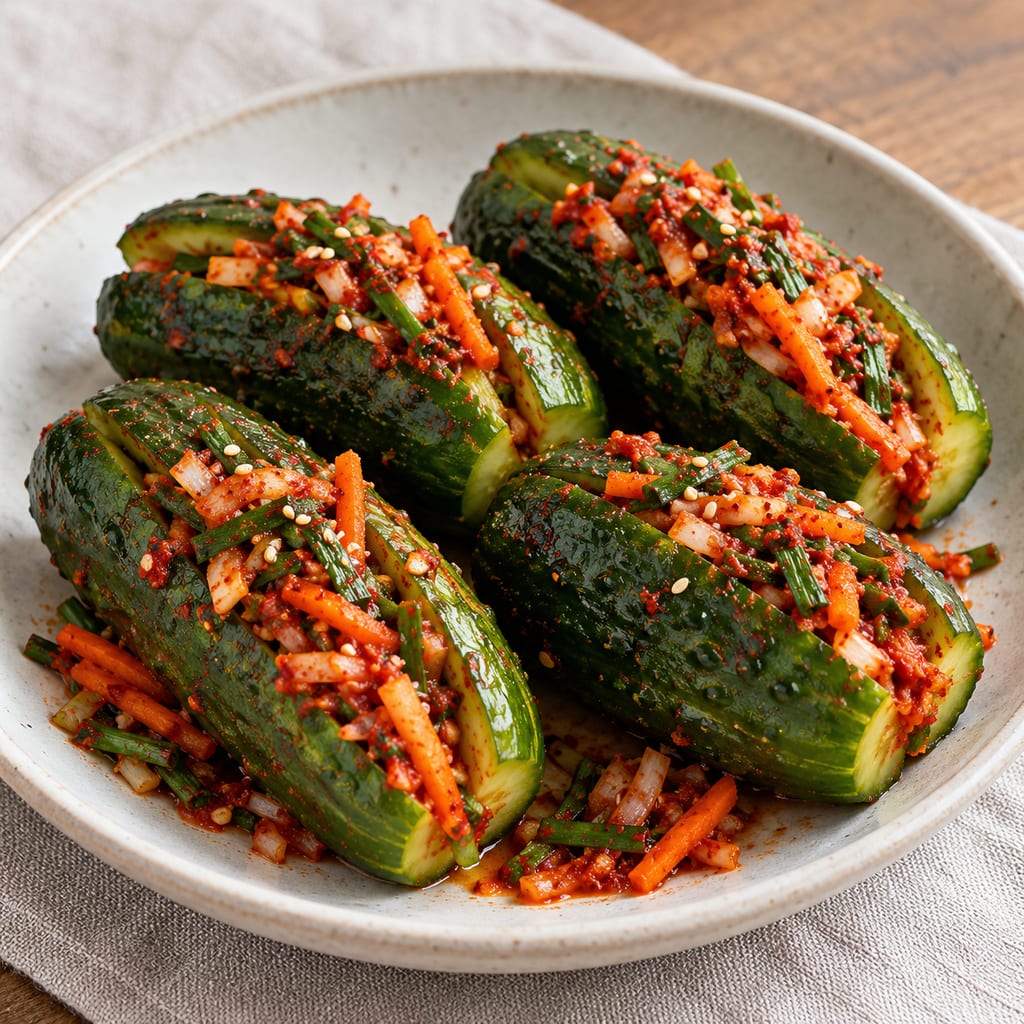
Oi-sobagi is a Korean stuffed cucumber kimchi: salted cucumbers slit and filled with a chive-and-chilli seasoning, eaten fresh or left to ferment.
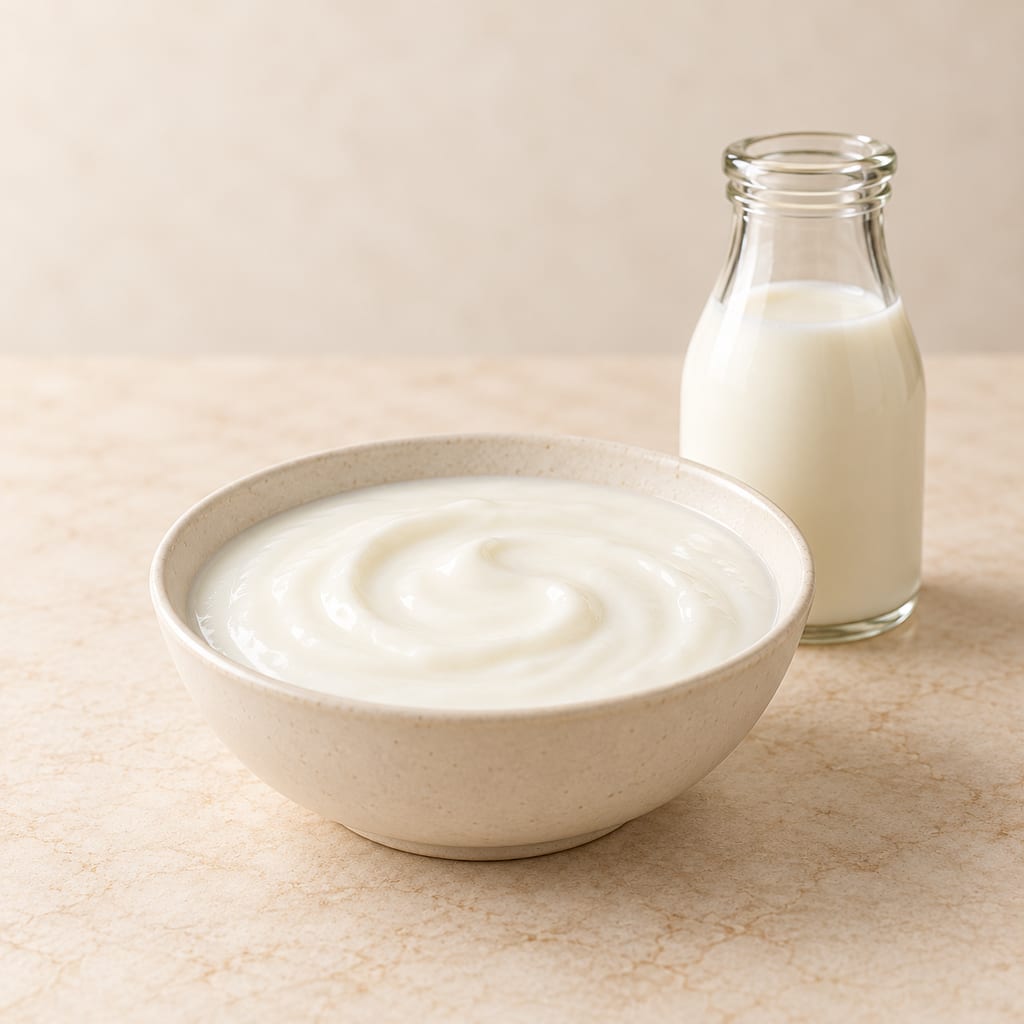
This plain yogurt is heated, cultured warm and stirred smooth after chilling. A Canadian home method uses fresh plain yogurt to start the lactic fermentation.
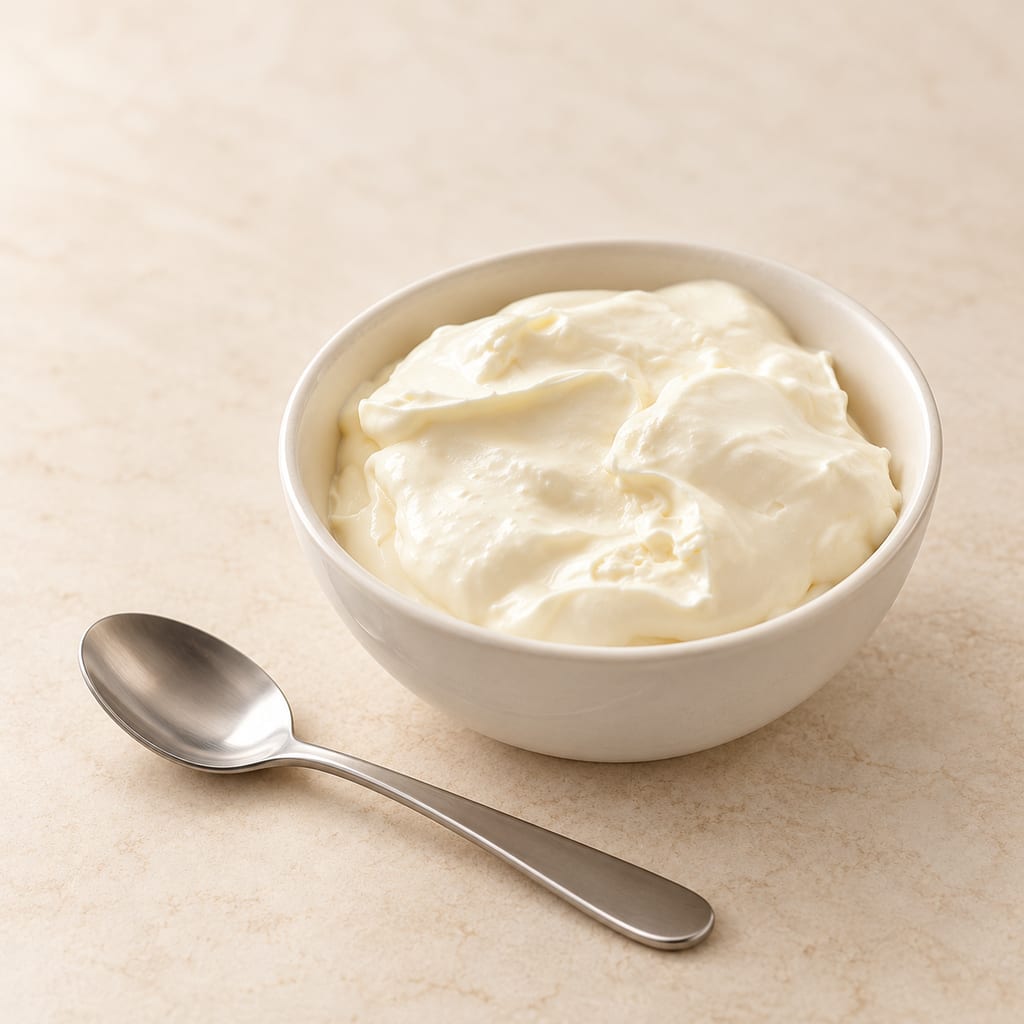
Sour cream is light cream thickened and soured by a lactic starter. This Canadian method uses homogenized cream and lets the gel form in its storage container.
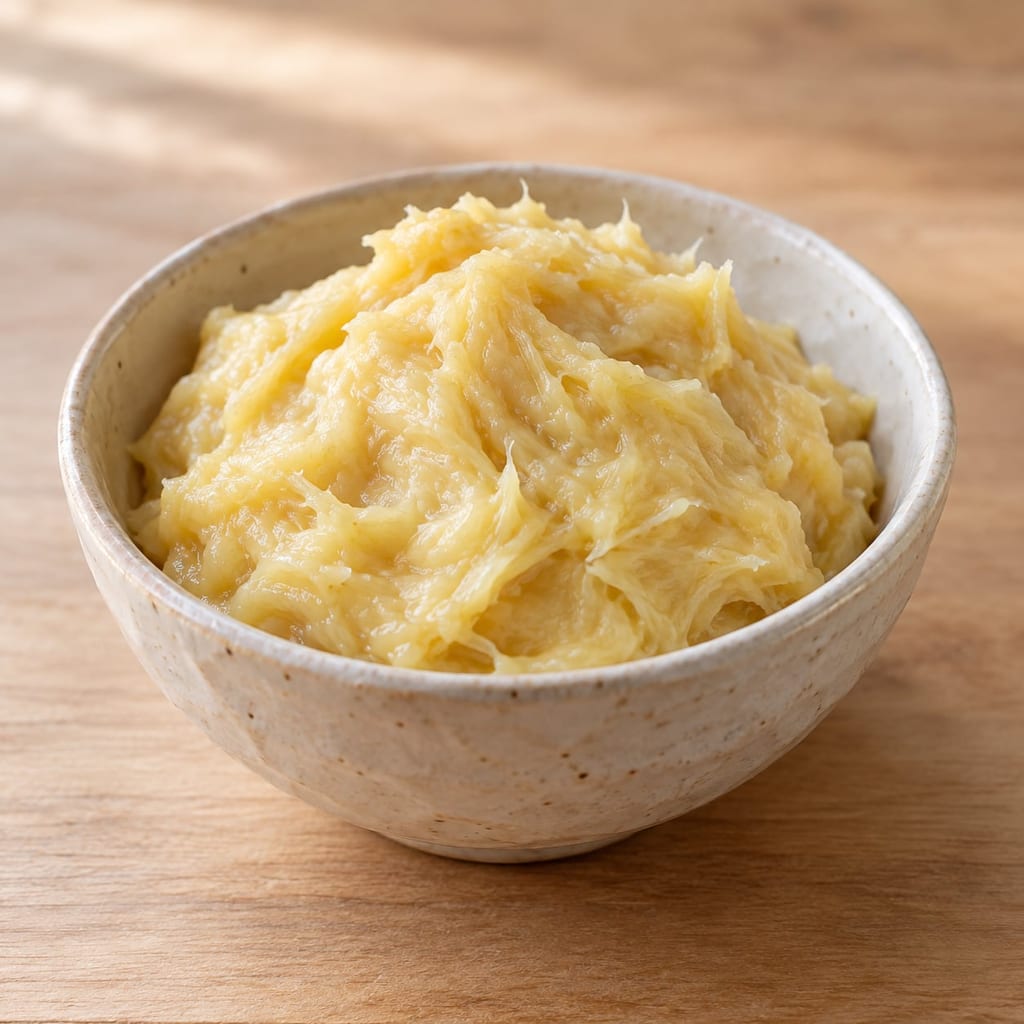
Durian flesh is mashed with salt and fermented in a covered container as a Malay condiment or cooking ingredient.
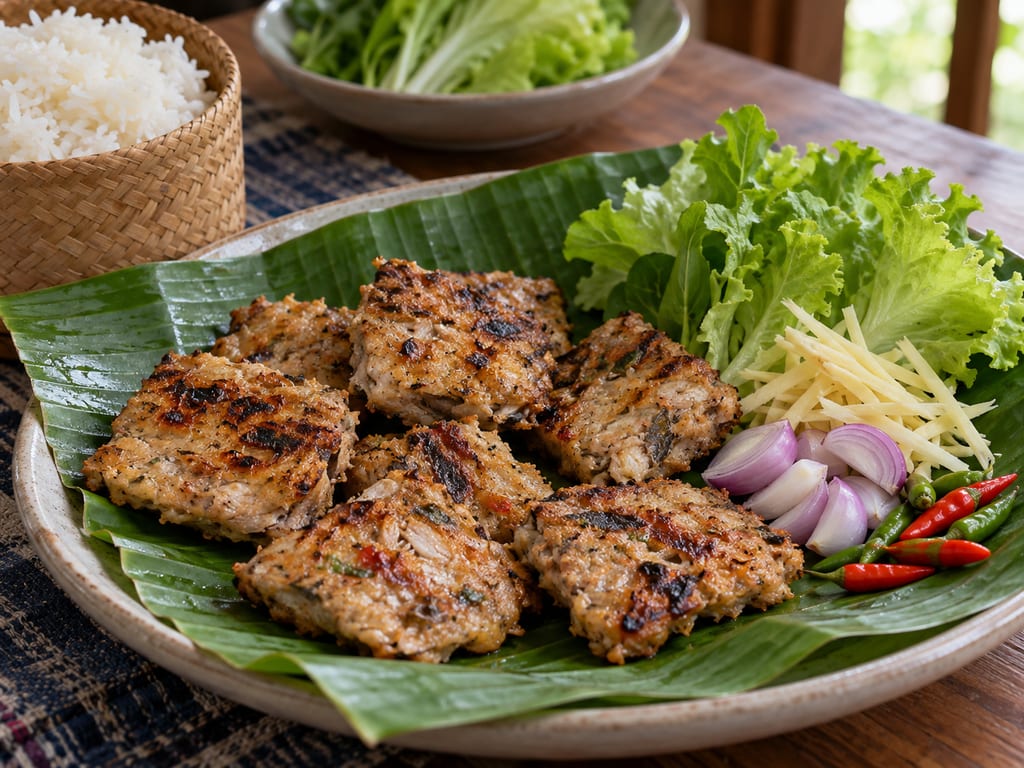
Som-fak is a Thai fermented freshwater-fish cake. JIRCAS records its ingredients, proportions, wrapping and 3–5-day fermentation, but does not validate a safe household process or endpoint.
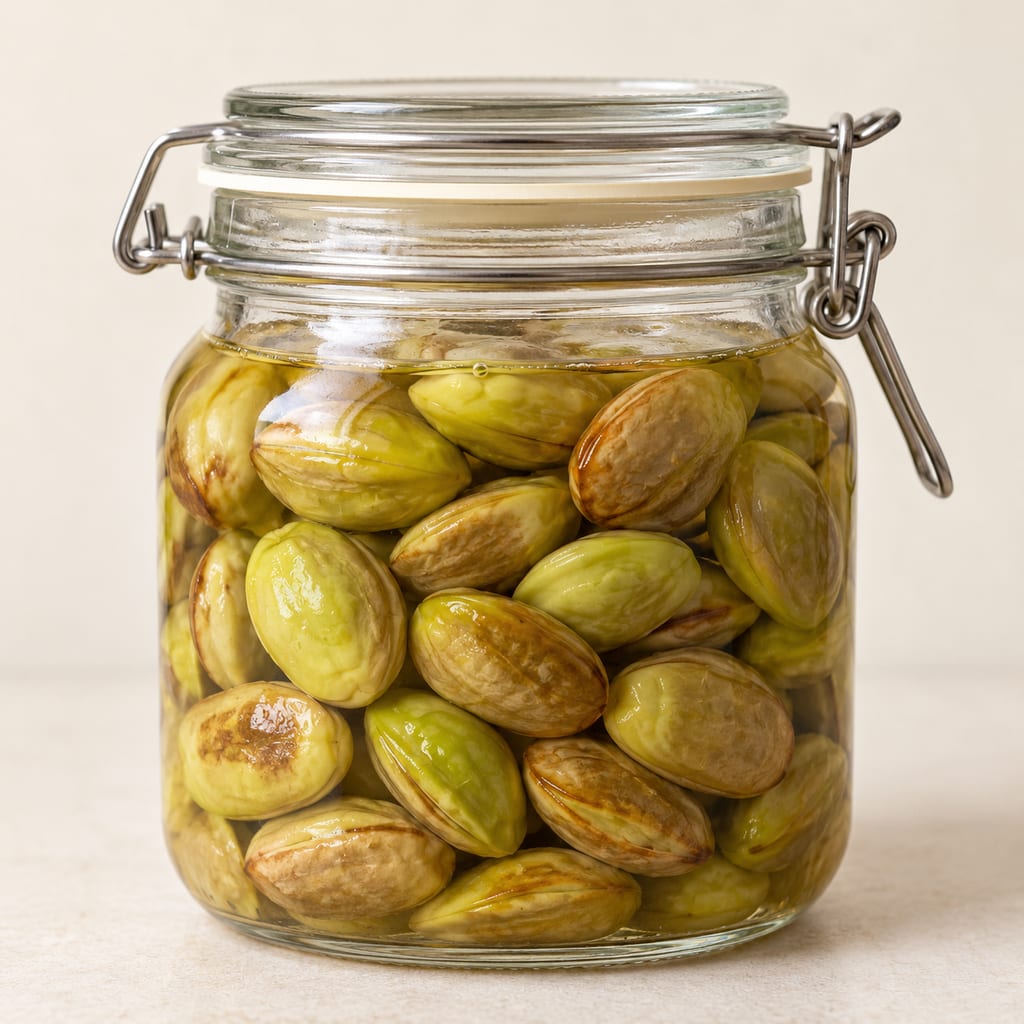
Thai pickle of stink bean seeds, Parkia speciosa, with the testa left on, held in a 10 percent salt brine in a glass jar in shade. JIRCAS records a three to four day ferment and a separate seven day flavour note.
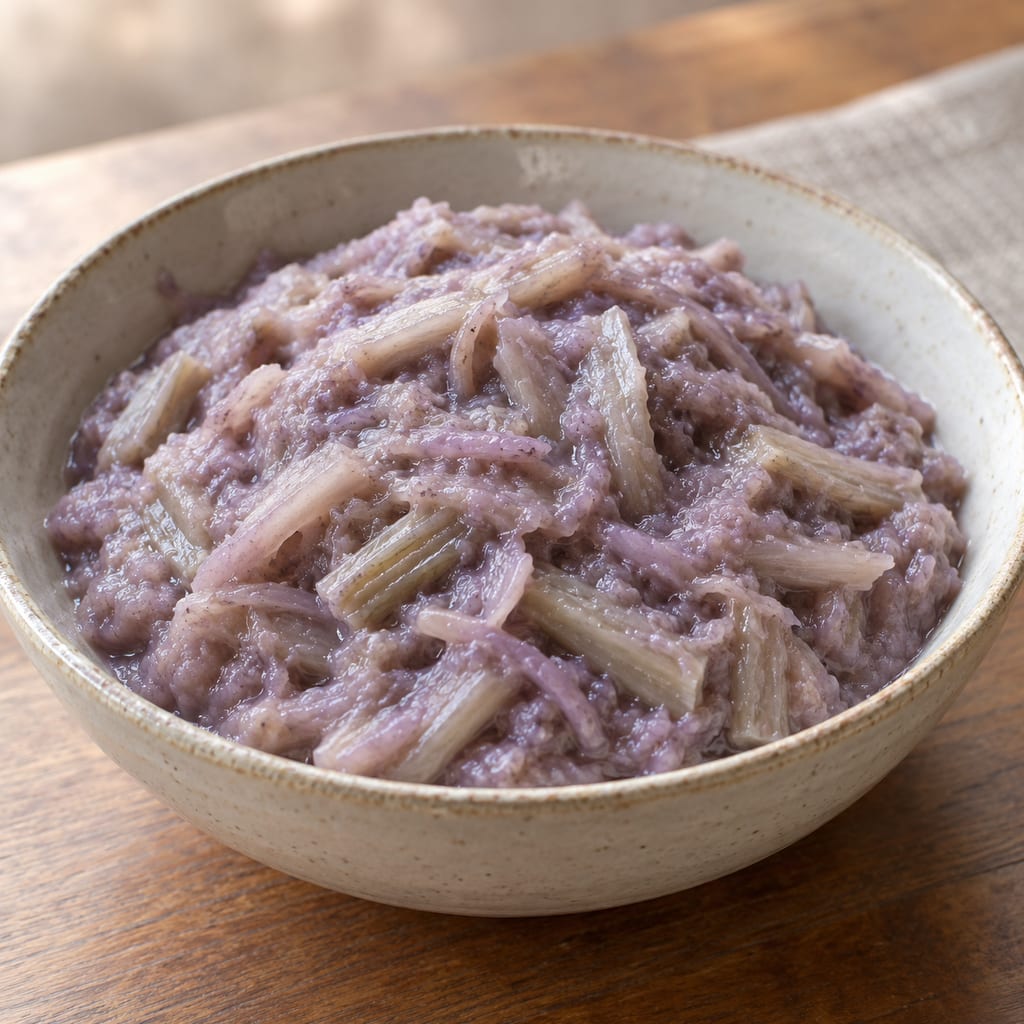
Thai pickle of young taro leaf stalks, salted, kneaded and held in rice-washing water in an earthen jar at room temperature. JIRCAS records it as a home-level product with no validated endpoint.
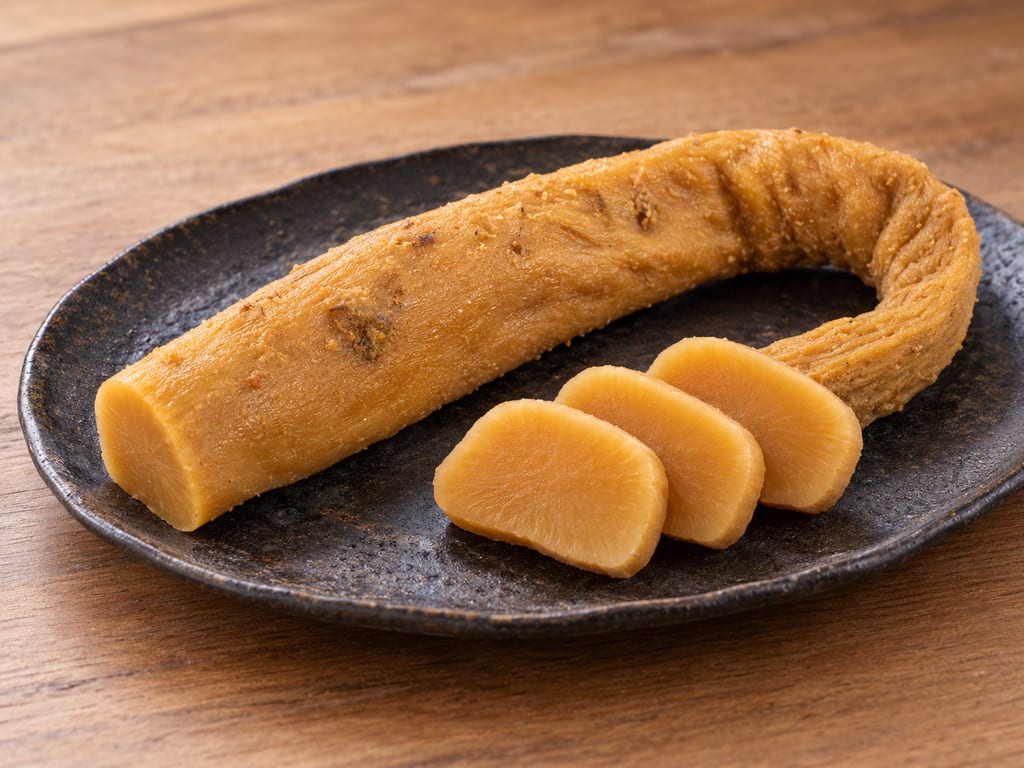
Regional takuan from Ise City, Mie, made with Misono daikon dried on a rack, then matured in a weighted barrel of rice bran and salt for months to years.
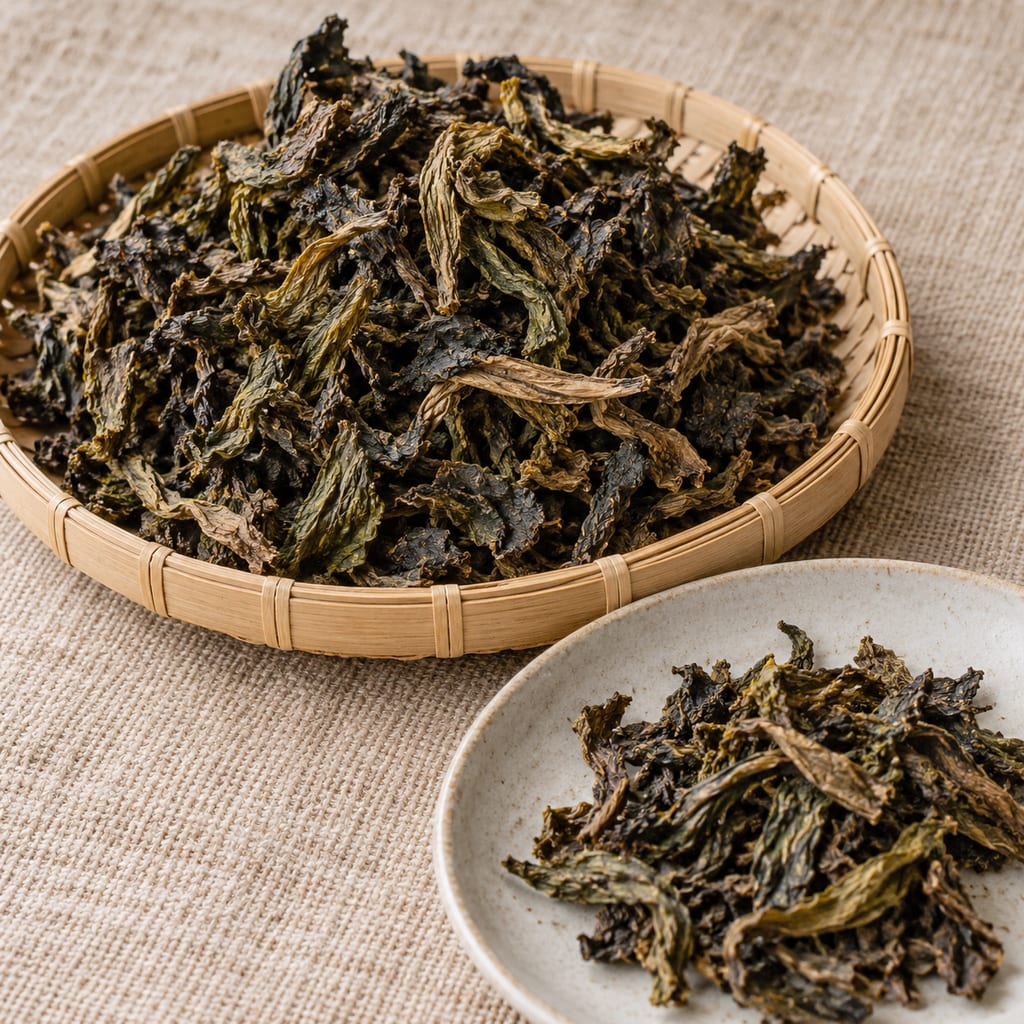
Inziangsang is a Naga fermented food of mustard leaves from Nagaland and Manipur. Crushed, soaked and squeezed leaves ferment for 7 to 10 days, then dry in the sun. A squeezed liquid can be boiled to a concentrate.
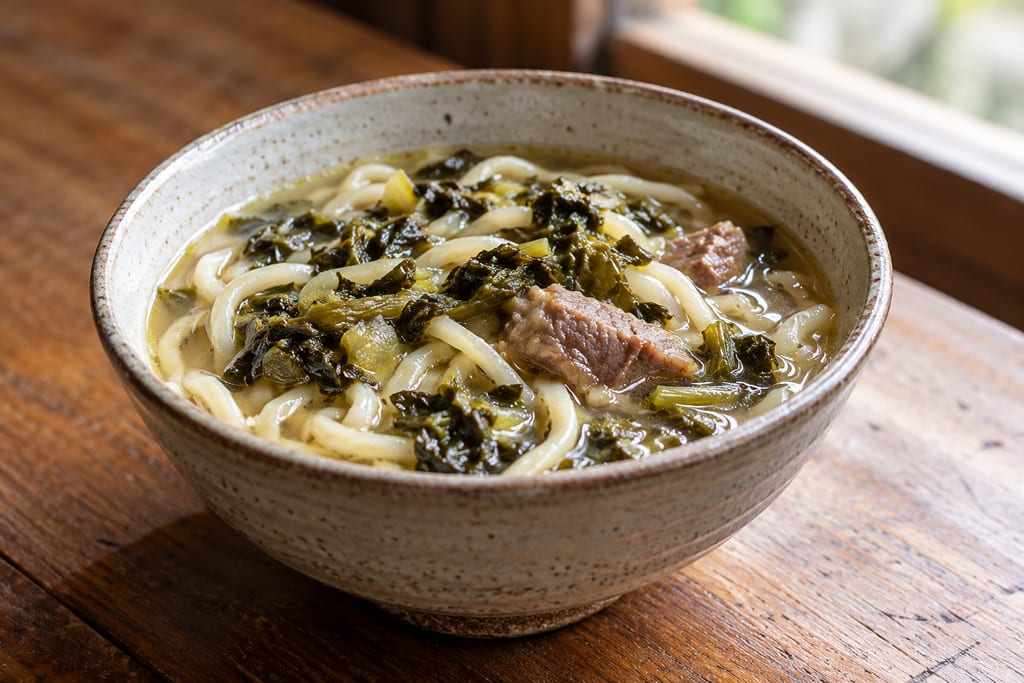
Goyang is a Sherpa fermented wild leafy food of the Darjeeling hills and Sikkim. Rainy-season magane-saag leaves are packed in a bamboo basket, held at room temperature for about a month, then eaten fresh or dried and used in soup.
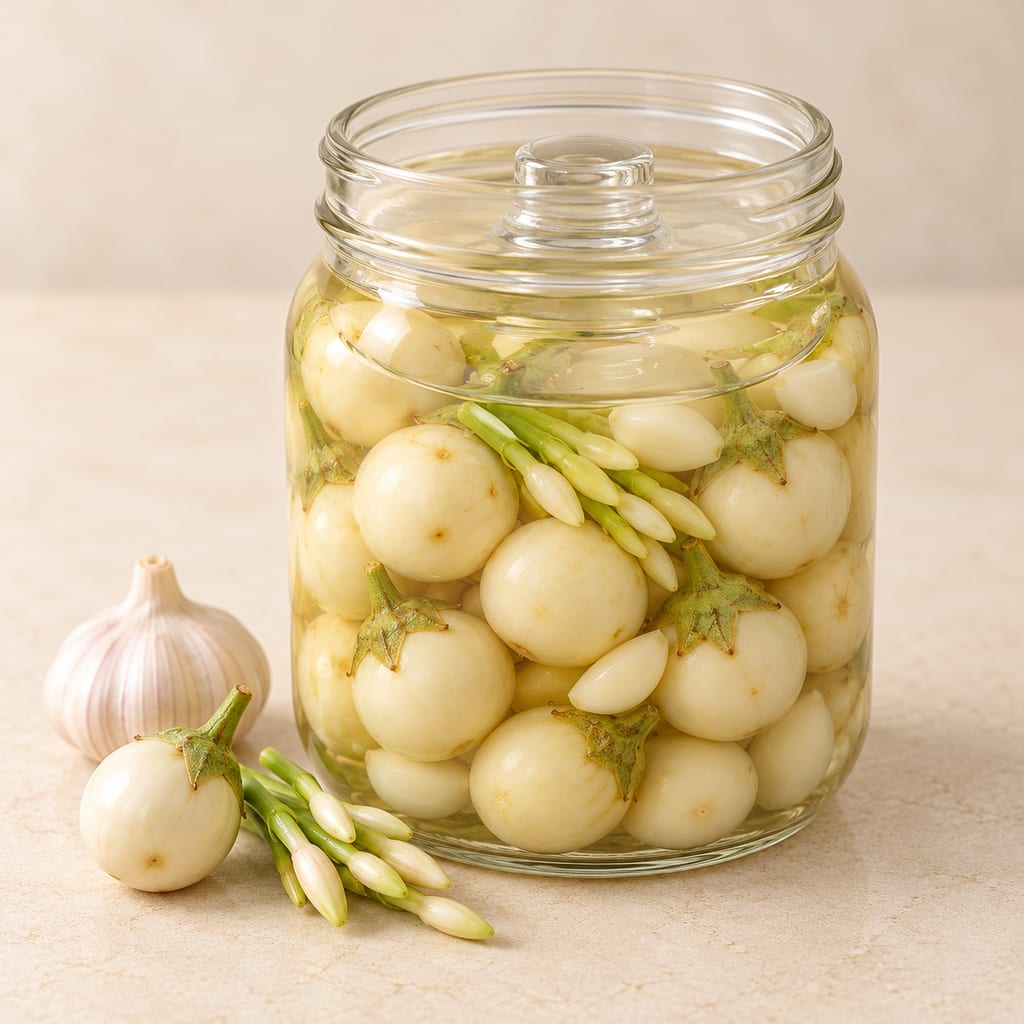
Vietnamese salted and fermented small eggplant, dried on the day of purchase, then held submerged in warm salty water with garlic and galingale flower for a week or longer.
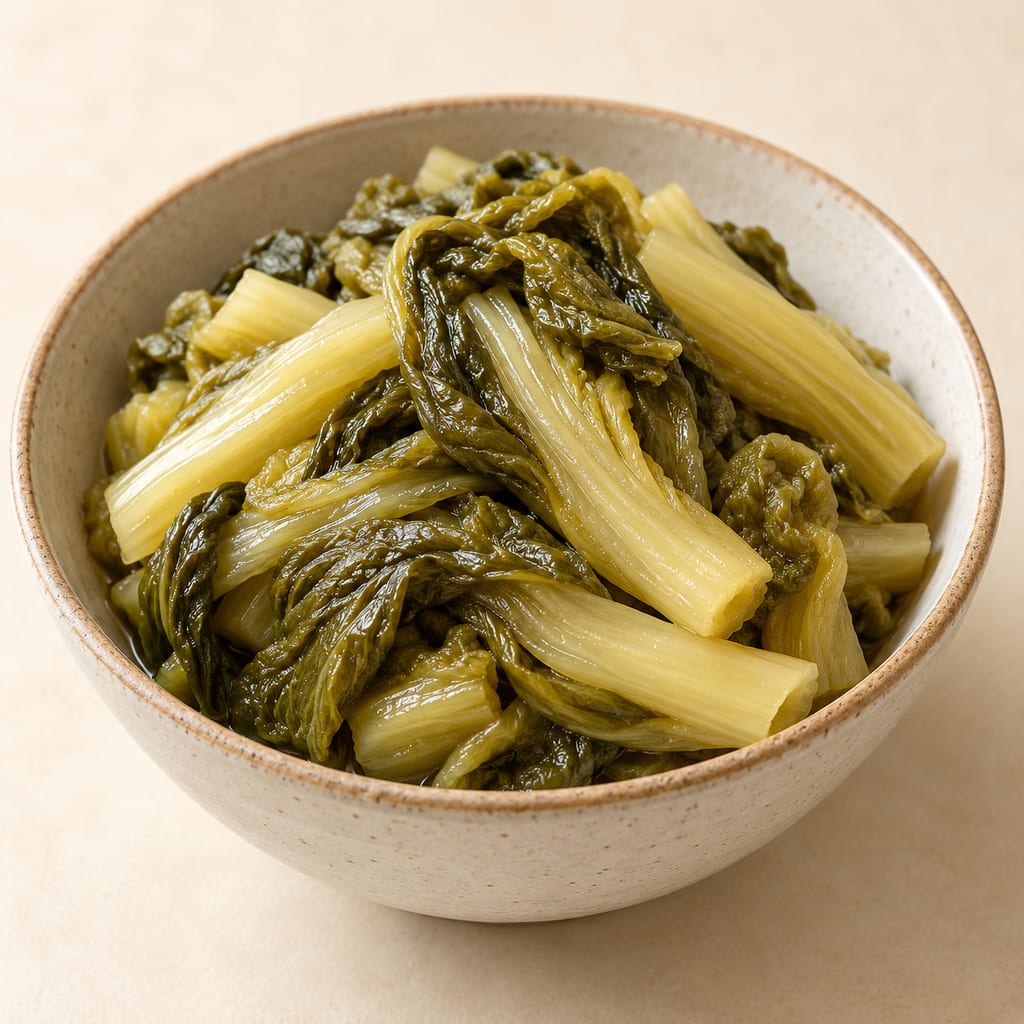
Cambodian pickle of blanched Chinese mustard greens, dried, then packed in a sweet-salt brine. Sold in Phnom Penh markets and made at home. The readiness times in the home recipe are not validated.
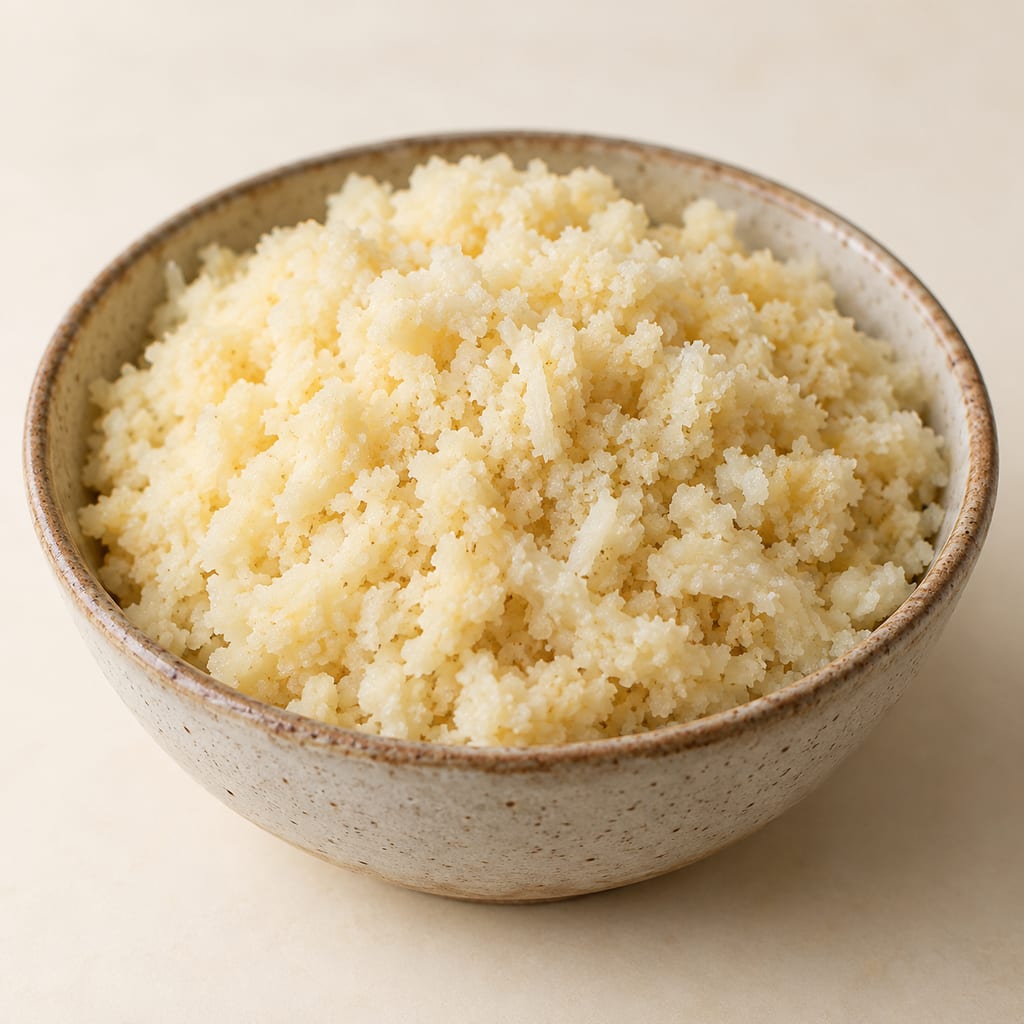
A documentary account of puba (carimã), a Brazilian fermented cassava pulp. It records one 1998 study batch and reported uses; it is not a household recipe or a validated cassava-safety method.
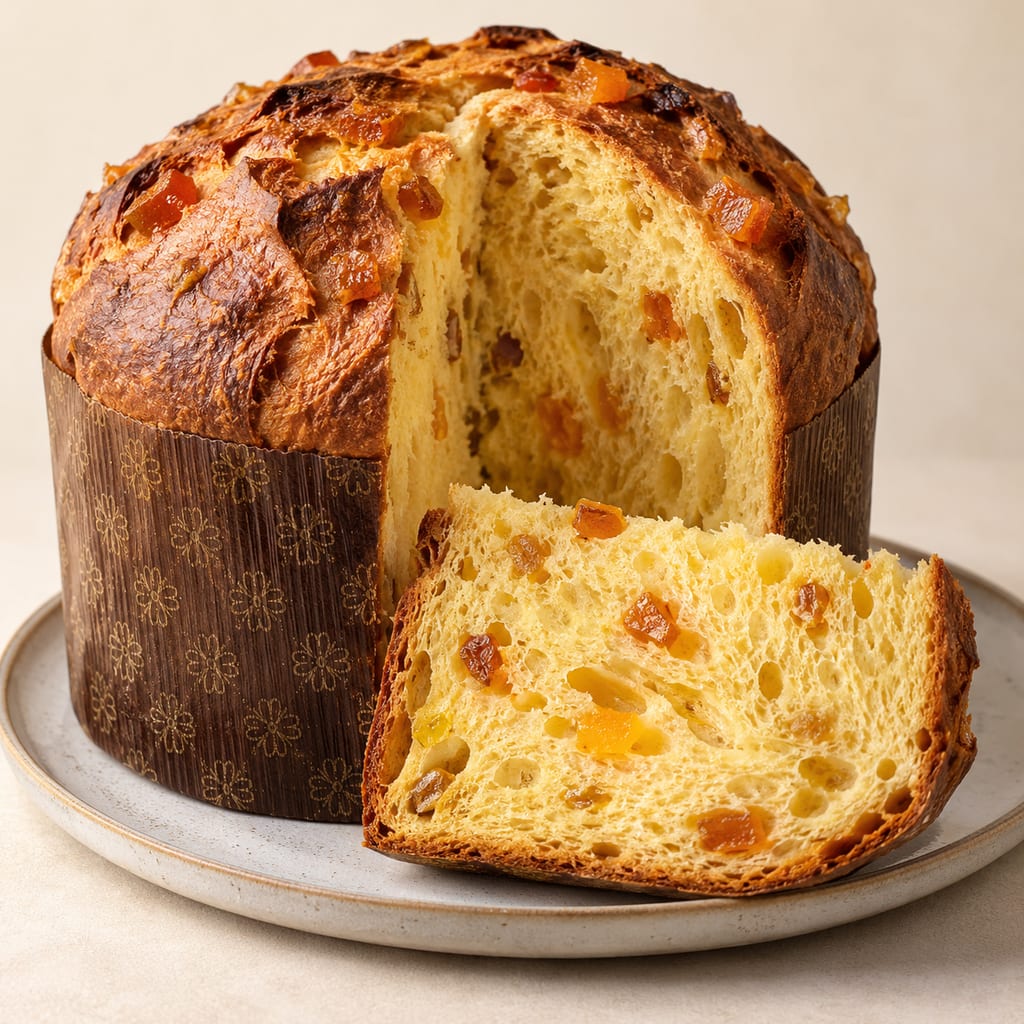
A tall Lombard Christmas bread enriched with butter, yolks and candied citrus, raised first with refreshed sourdough and then proofed in a paper mould.
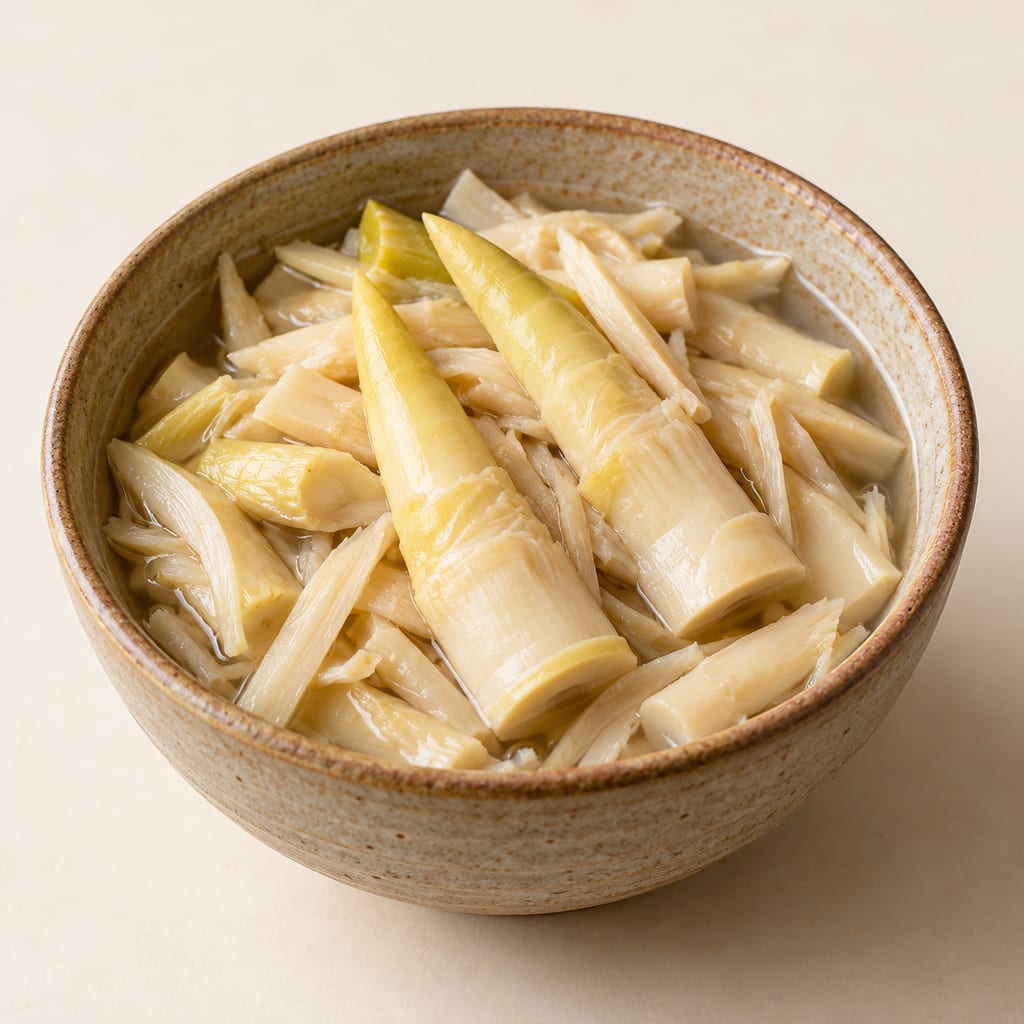
Fermented tender bamboo-shoot tips from Manipur, started with the sour liquid of an earlier batch and eaten in chutneys and curries.
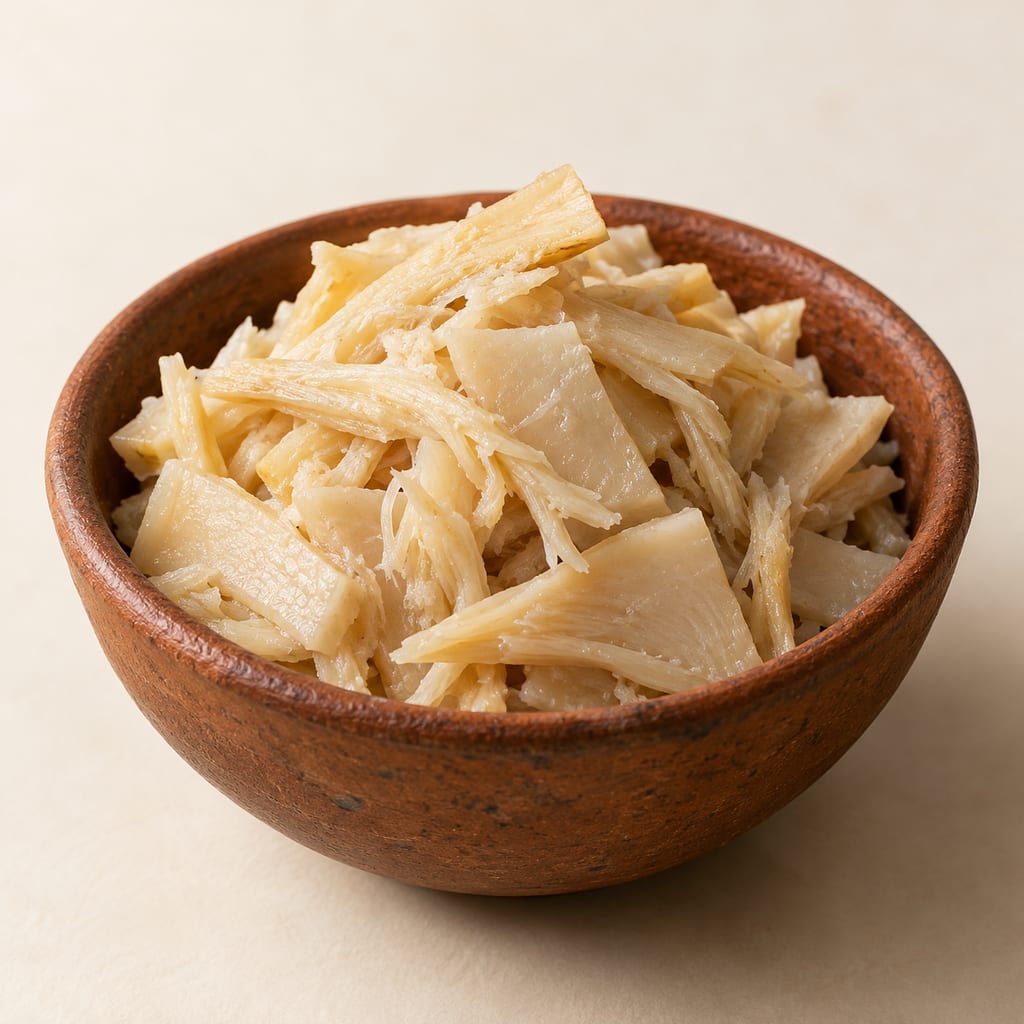
Thin slices of juvenile bamboo shoots fermented for six to twelve months in Manipur, eaten as a sour side dish with rice.
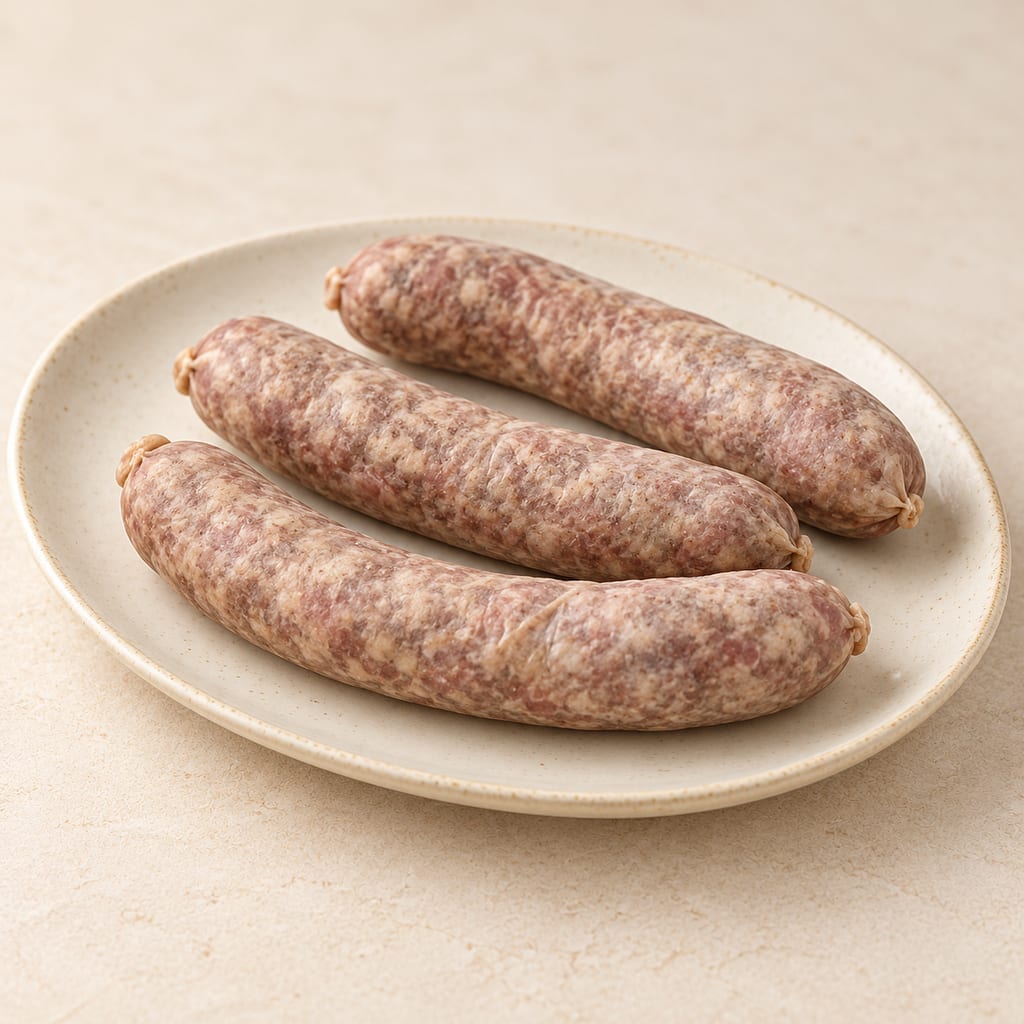
A documentary account of Maltese zalzett and a contemporary starter-cultured adaptation. The cited raw-pork method lacks documented validation for pathogen reduction and is not offered as a preparation recipe.
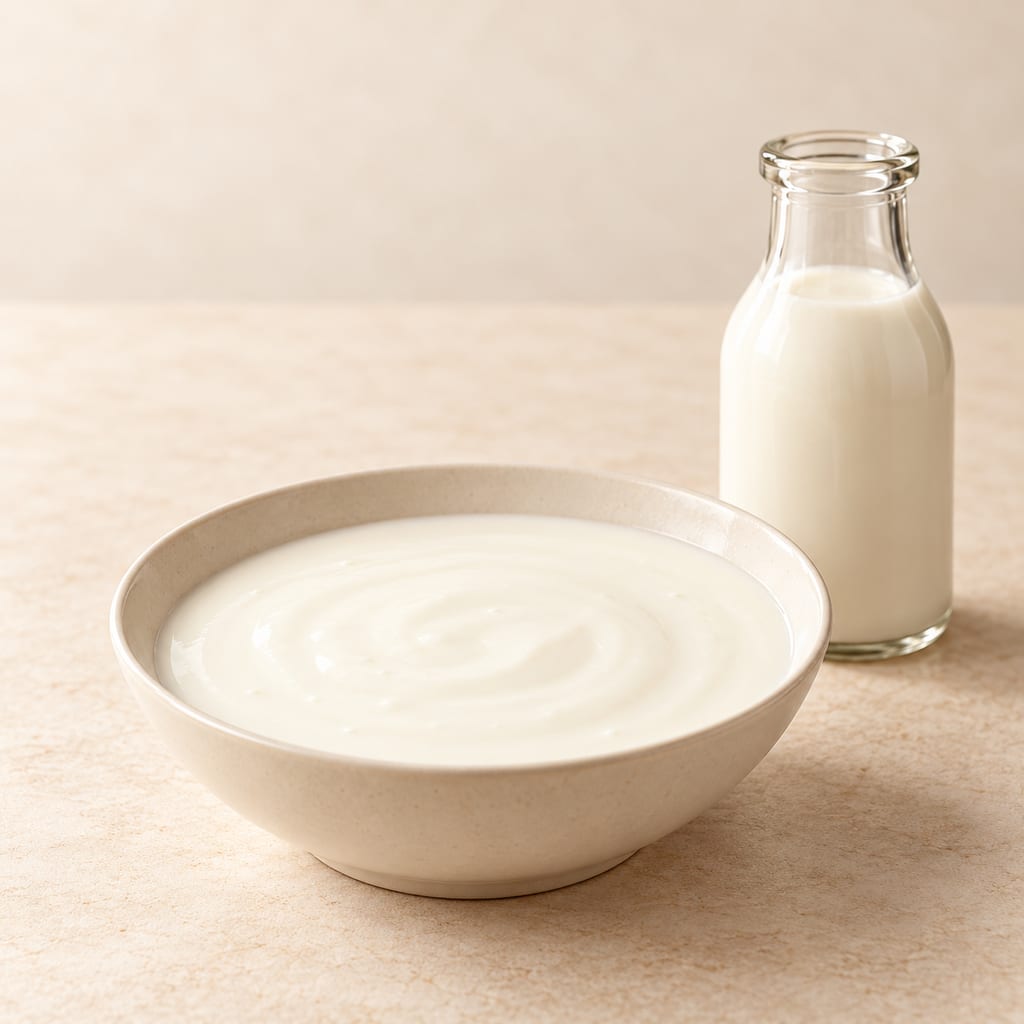
Filmjölk is a Swedish cultured milk with mild acidity and a spoonable body. This recurring batch uses filmjölk from the previous batch to culture fresh milk.

Ryazhenka is a Ukrainian and Russian cultured milk made from long-heated, baked cow's milk, cream-coloured and gently sour; varenets is its close relative with a shorter heat treatment.
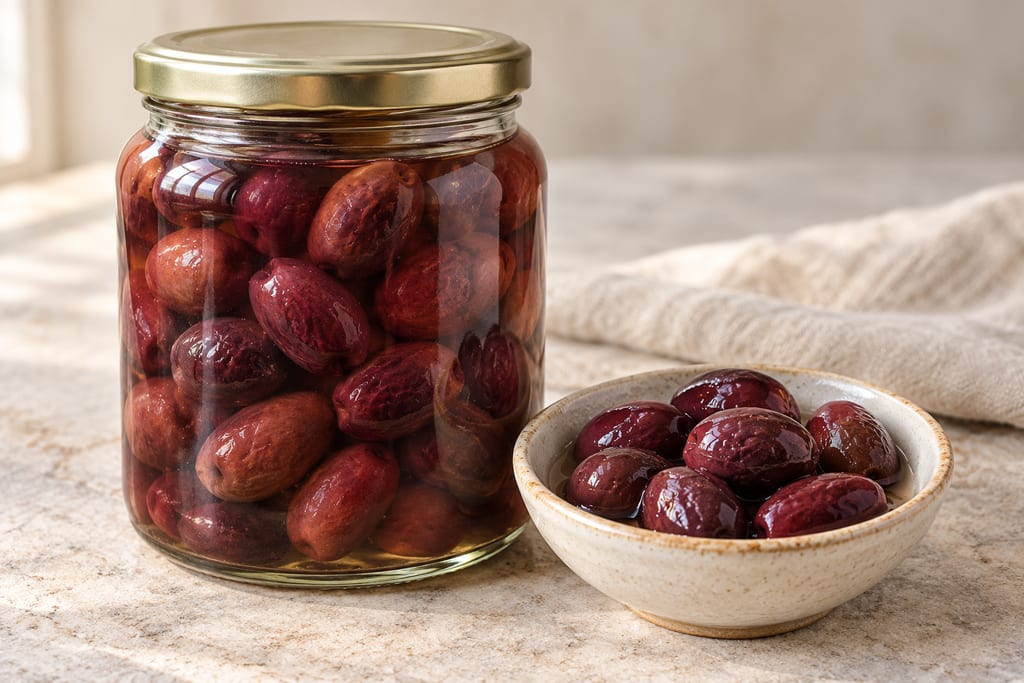
Ripe olives go straight into brine with no lye and cure for months, mostly by yeasts. The home method here is the University of California two-stage brine.

In a surveyed Himachal method, ripe galgal is blanched, sun-dried, cooked with mustard oil, fennel and thyme, then left to ferment.
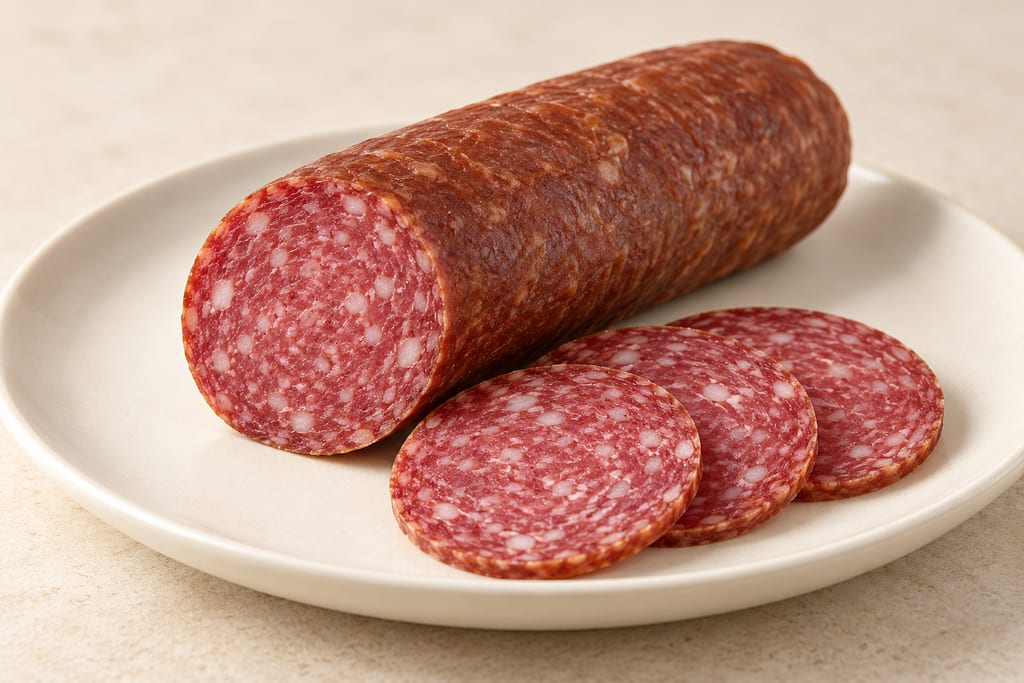
A family of salted minced-meat sausages fermented in casings, then dried and sometimes smoked. This description is not a validated household method; critical safety limits are not established.
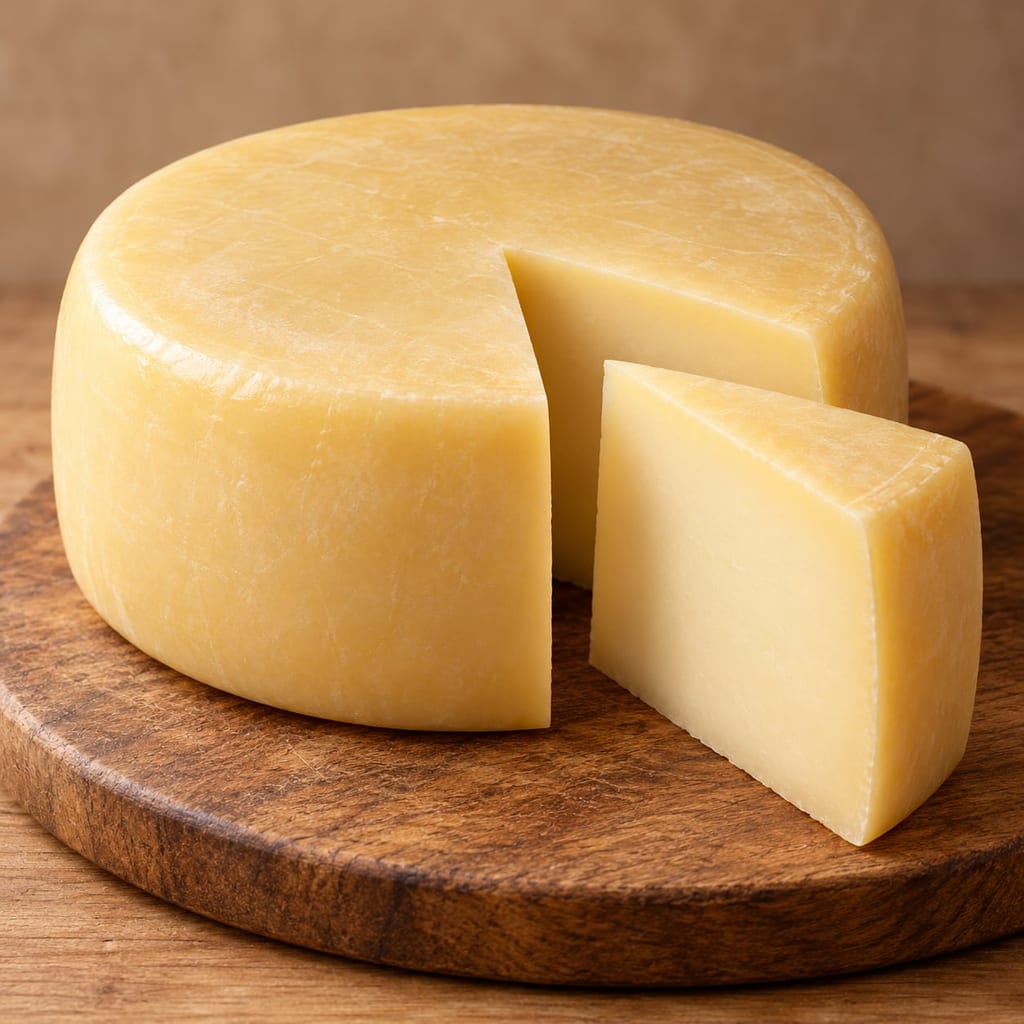
Kashkaval is a firm sheep-milk cheese whose acidified curd is worked in hot brine. This large-batch method finishes with repeated dry salting, wax coating and cool ripening.
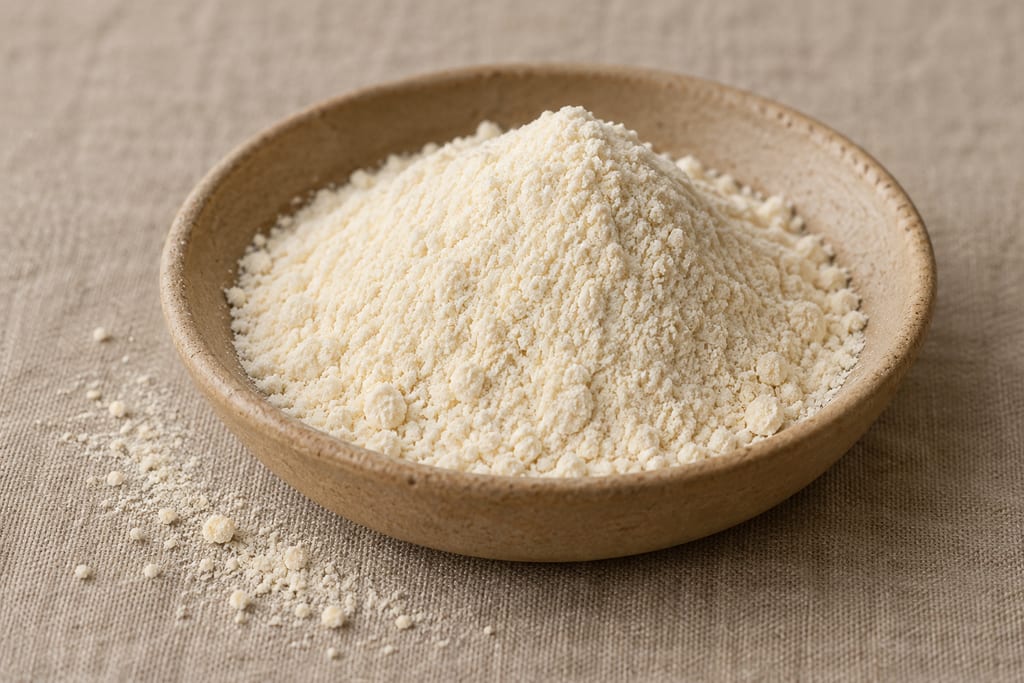
Fermented fuba is an Umbundu maize-flour preparation made by lactic fermentation of dehulled, degermed kernels before milling, sun-drying and sieving.
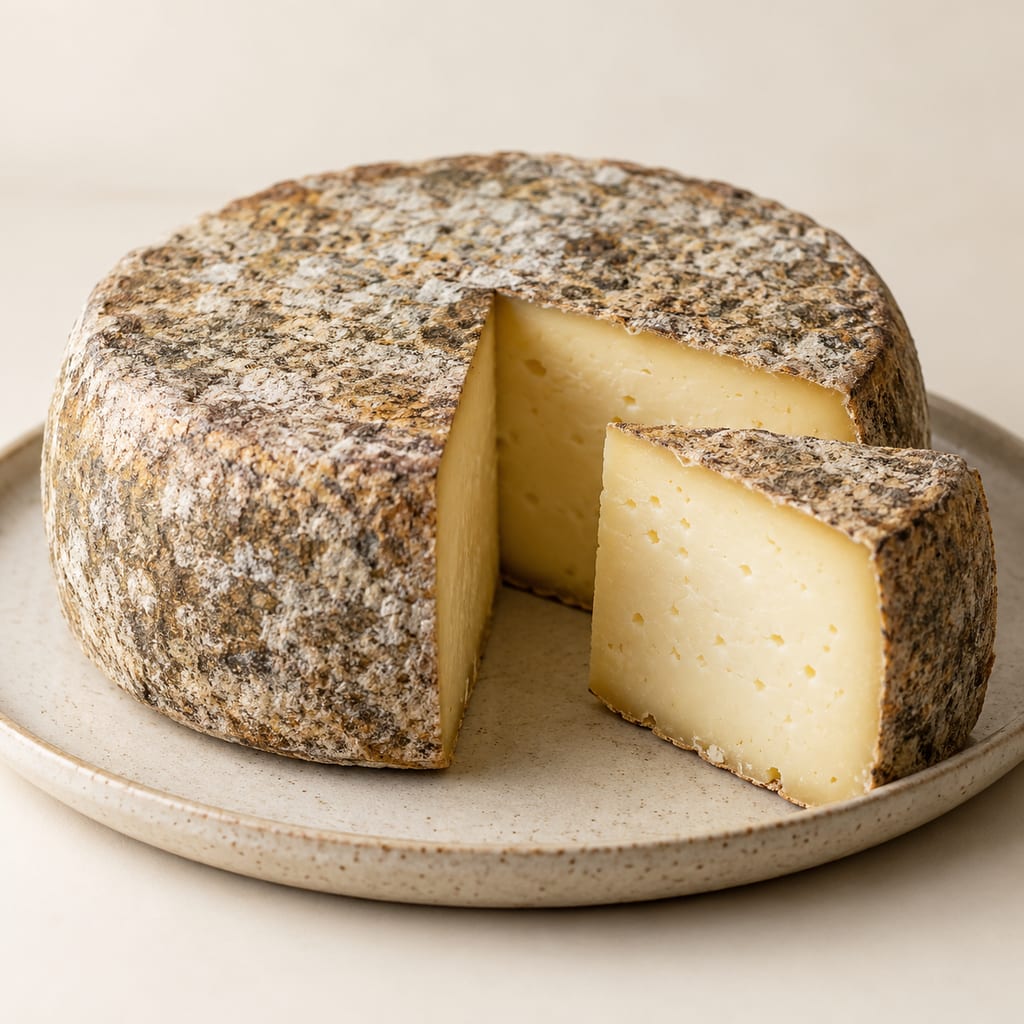
A rustic pressed cheese with a mixed mesophilic and thermophilic culture, whose curd is warmed by swapping whey for hot water before light pressing and cellar ageing.
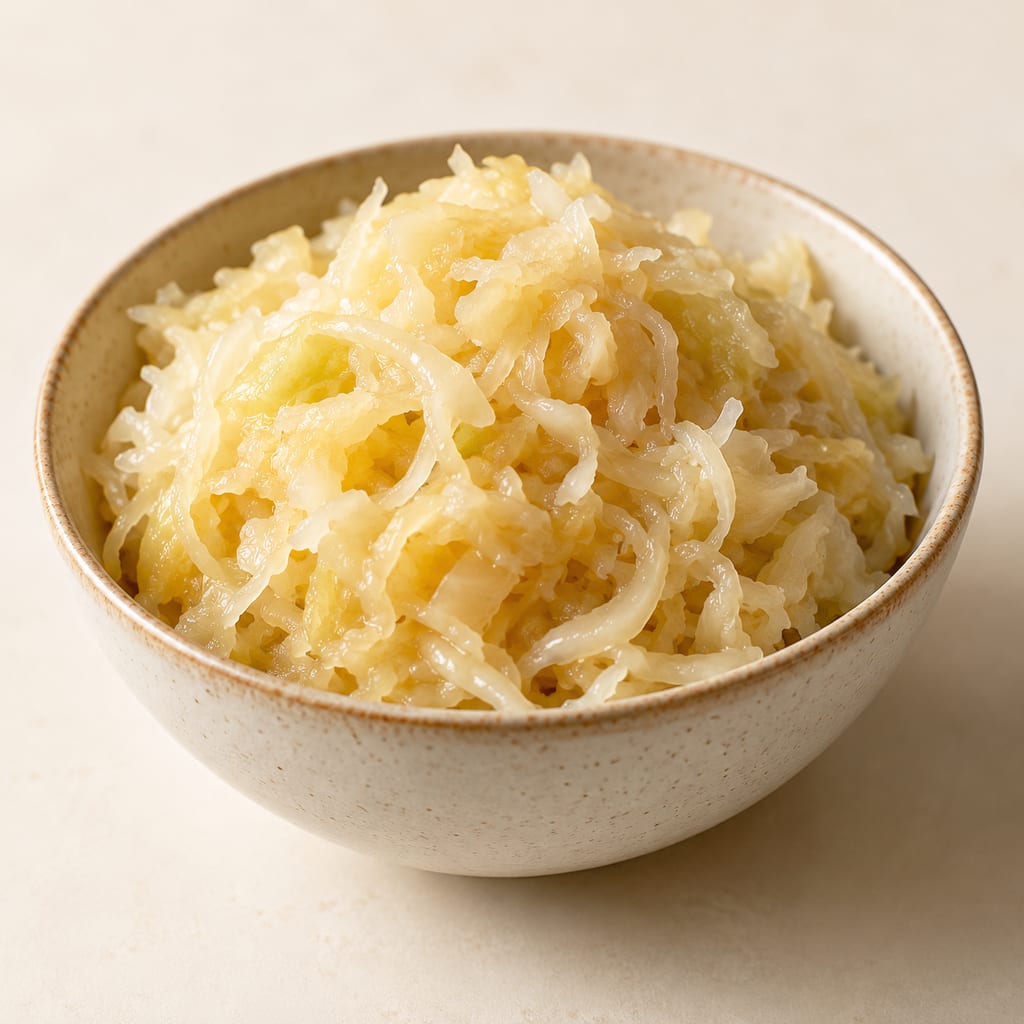
Dutch zuurkool is white cabbage salted and fermented in bulk. The only documented process in the available record is one North Holland producer’s commercial method from 2016.
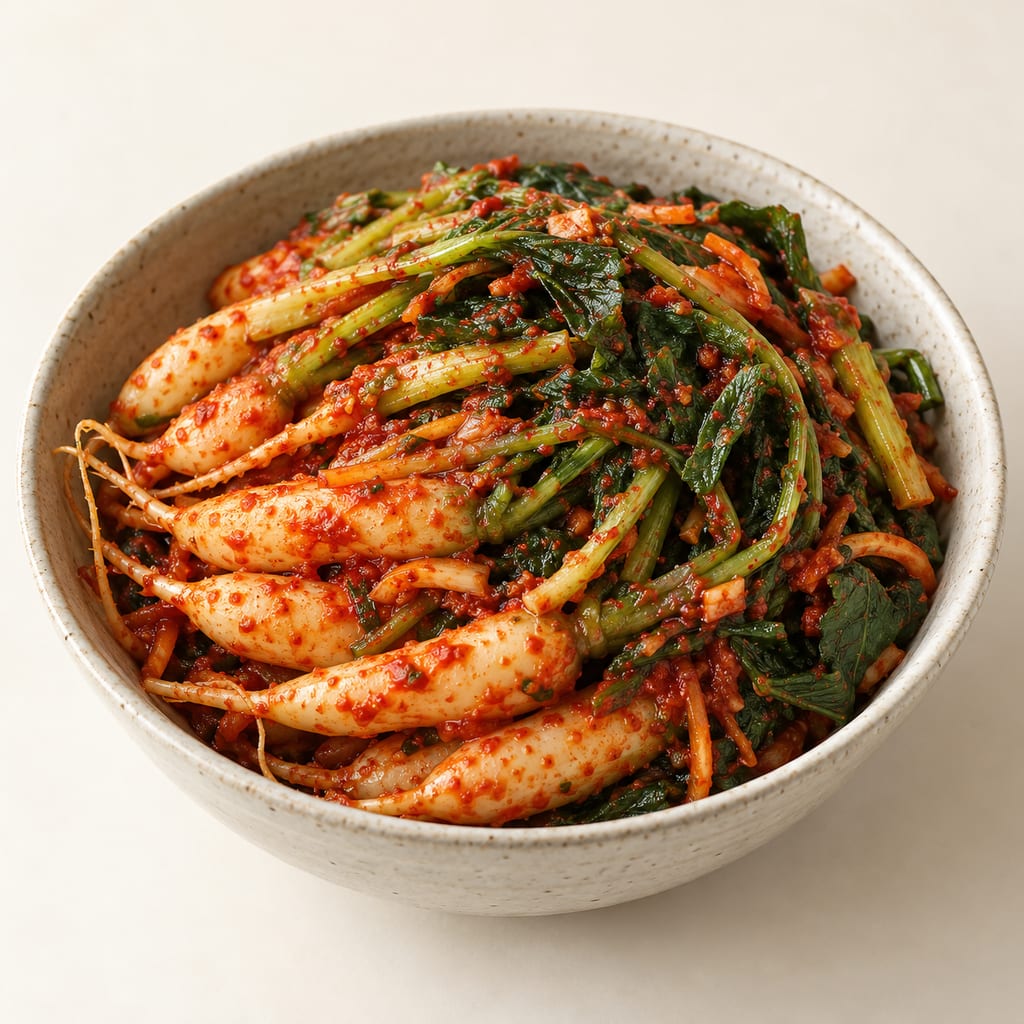
Korean kimchi of young summer radish and its tender leaves, salted, seasoned with chili and aromatics, and held in a container. Water kimchi is a separate form with its own page, veg-0011.
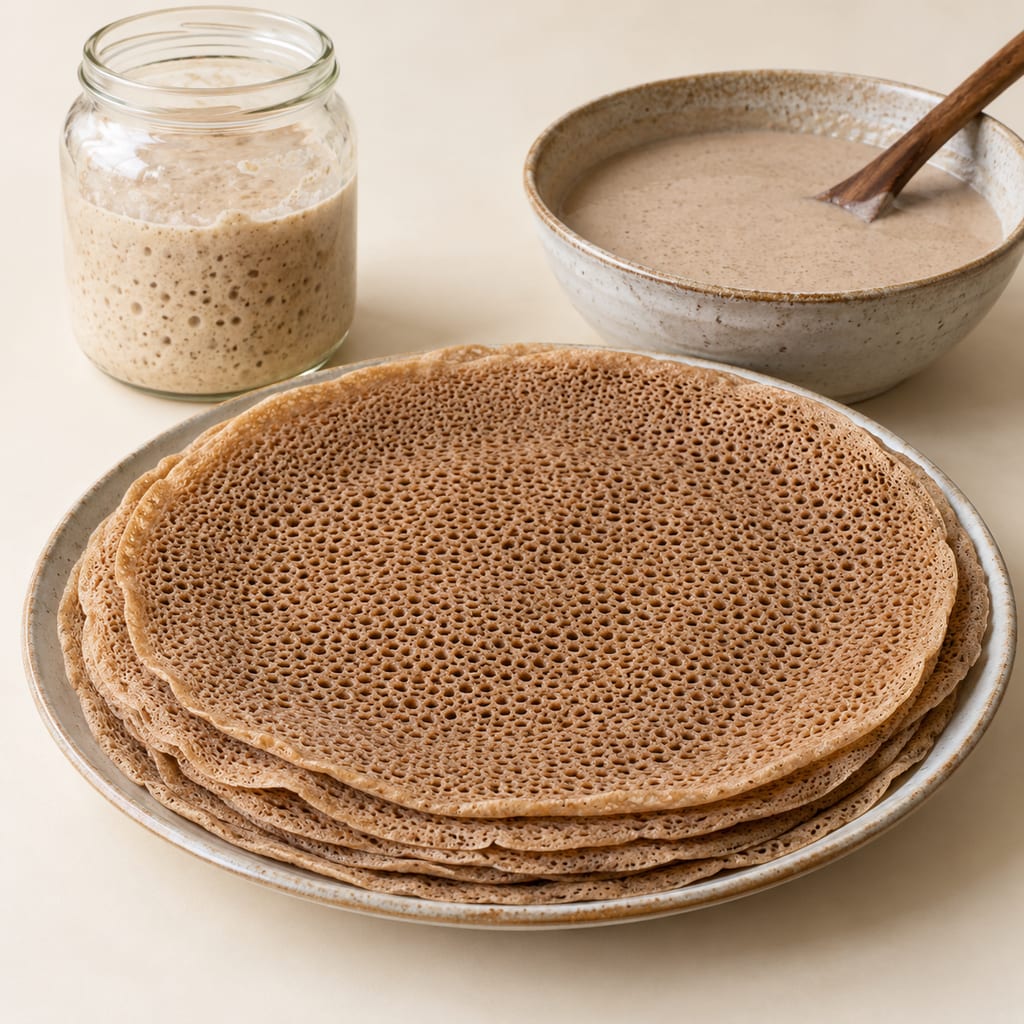
Teff injera made from a three-day teff starter, a three-day main dough fermented under water, and a cooked tempering of part of the batter before griddling.
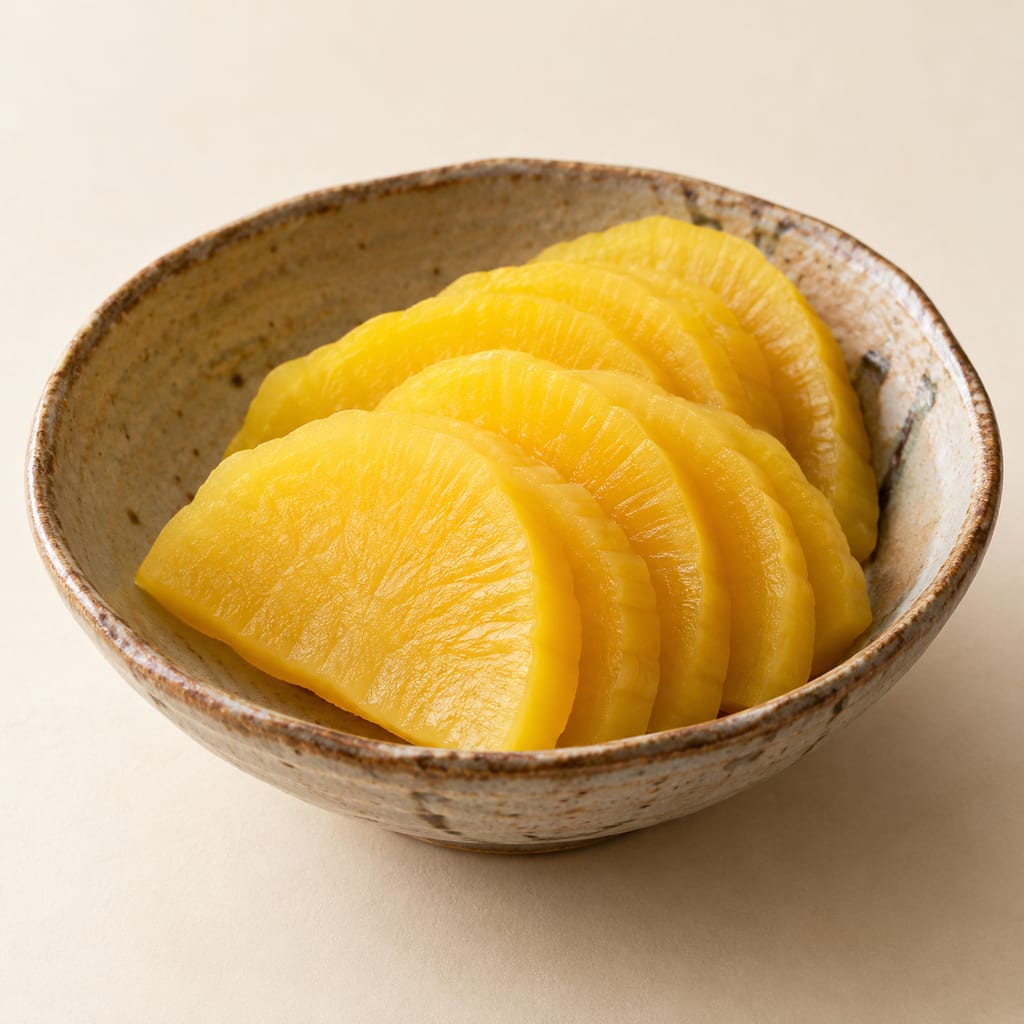
Japanese pickle of daikon roots dried for about two to three weeks, then matured for months in rice bran and salt under weight. Yamagata is its named association.
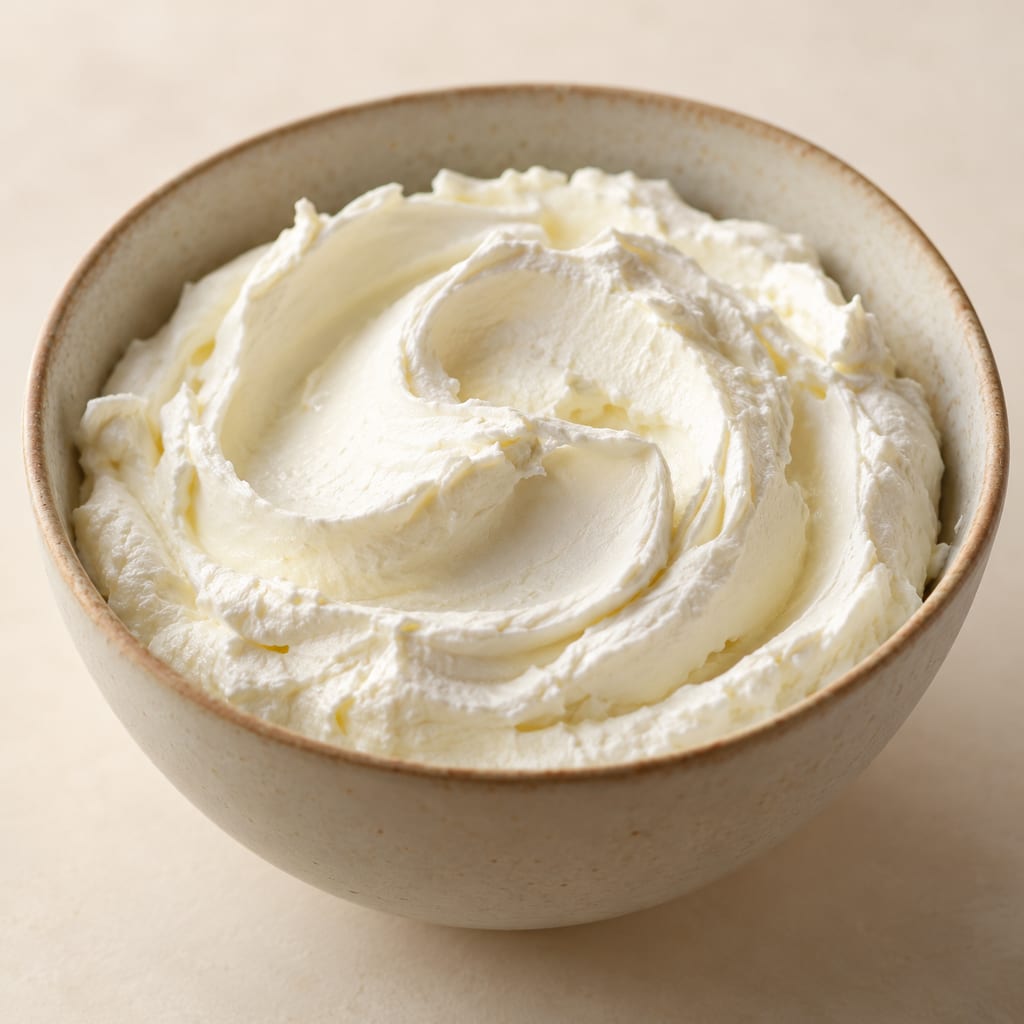
Yogurt drained of part of its whey in a cloth-lined sieve in the fridge, giving a thicker, firmer fresh dairy base.
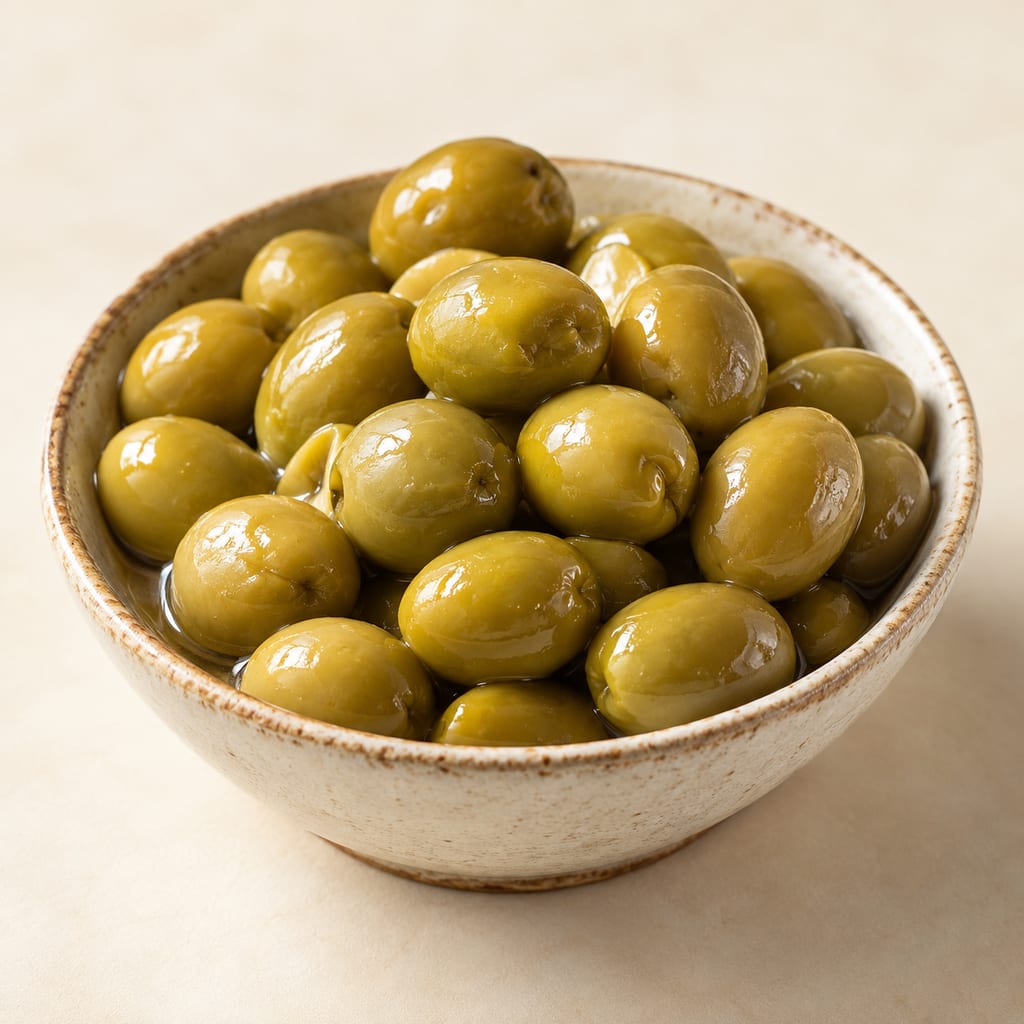
Spanish-style green olives, or Sevillian green olives, are green fruit treated with lye, rinsed, then fermented in brine for two to six months. The household batch here is a UC ANR method.
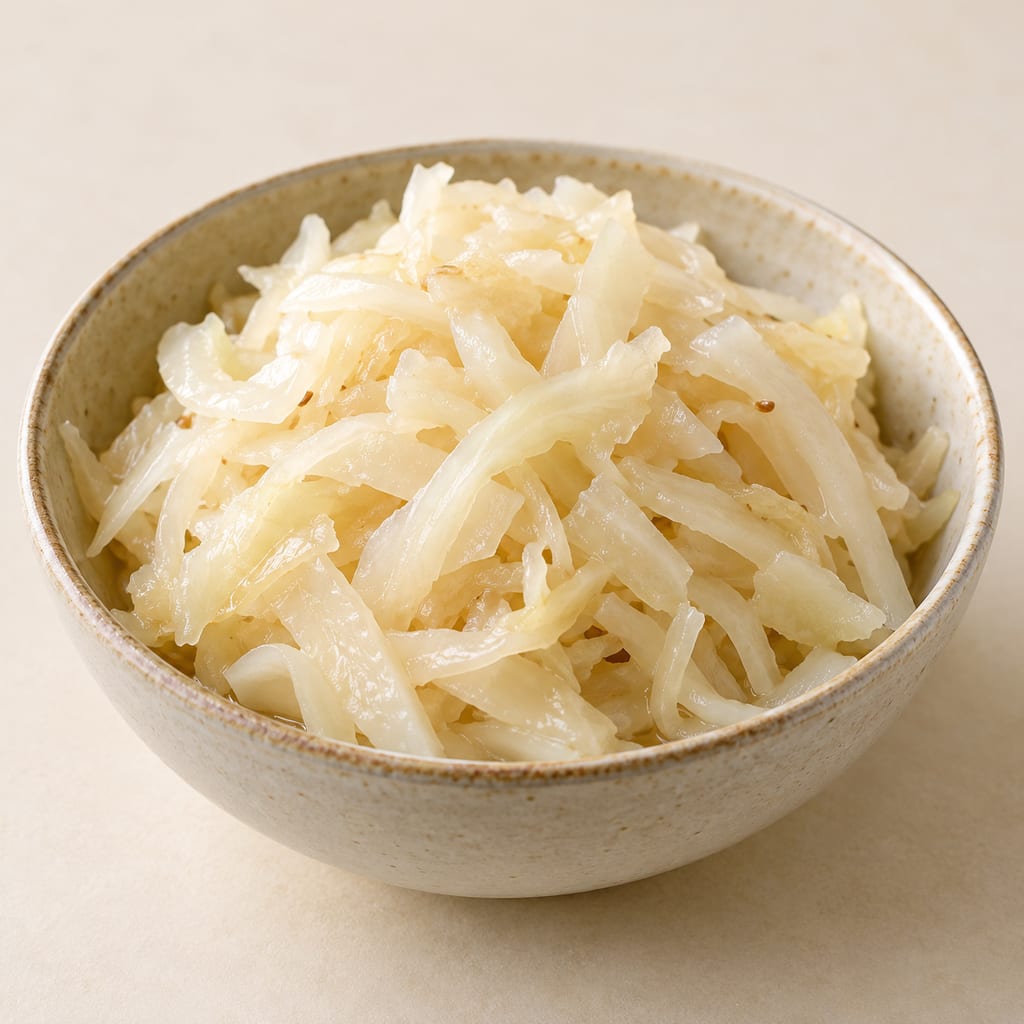
Swiss fermented white turnips, cut into strips, salted and fermented like sauerkraut; called compote aux raves in French-speaking Switzerland.
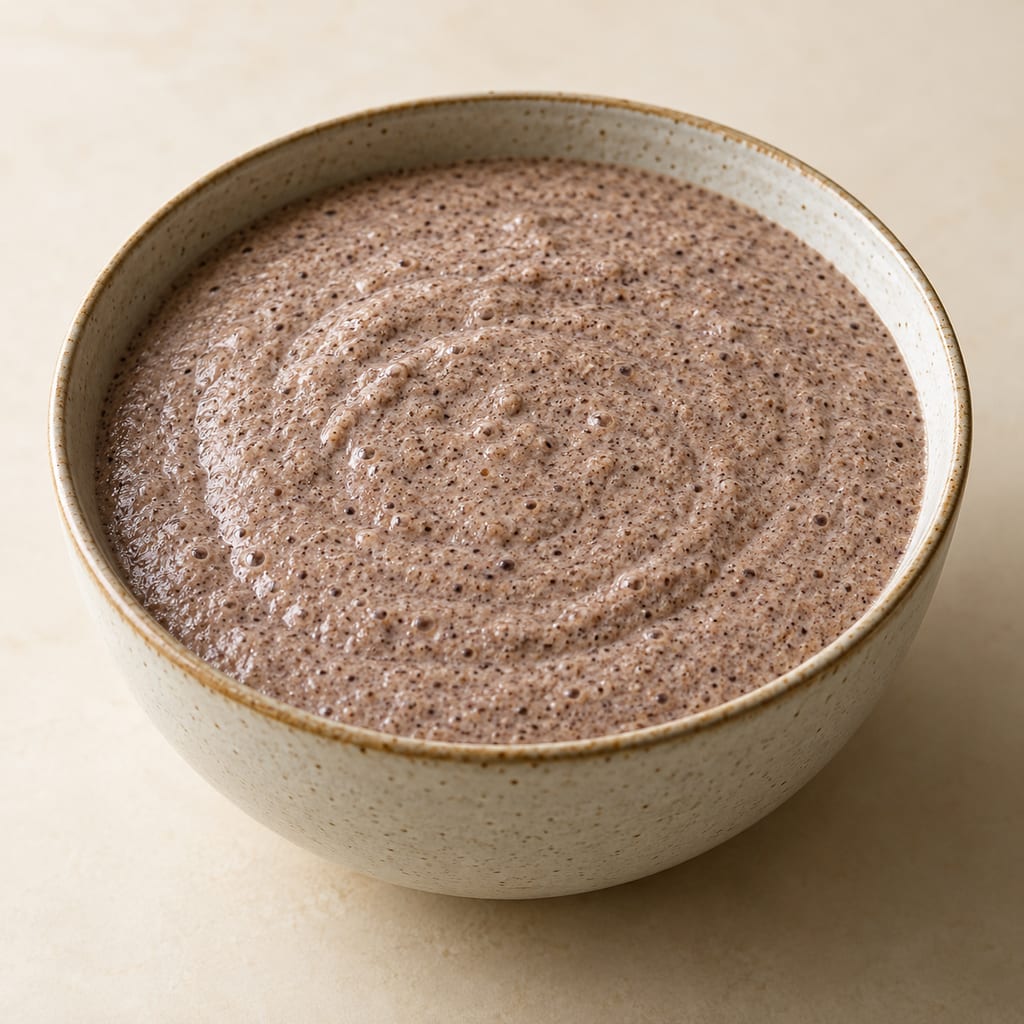
An idli batter made from whole ragi (finger millet) and urad with idli rava, each soaked and ground separately, combined, salted and left to ferment overnight.

Pozol is lime-cooked maize ground to dough, shaped into balls, wrapped in banana leaves and fermented for days, then stirred into water as a sour drink in southeastern Mexico.
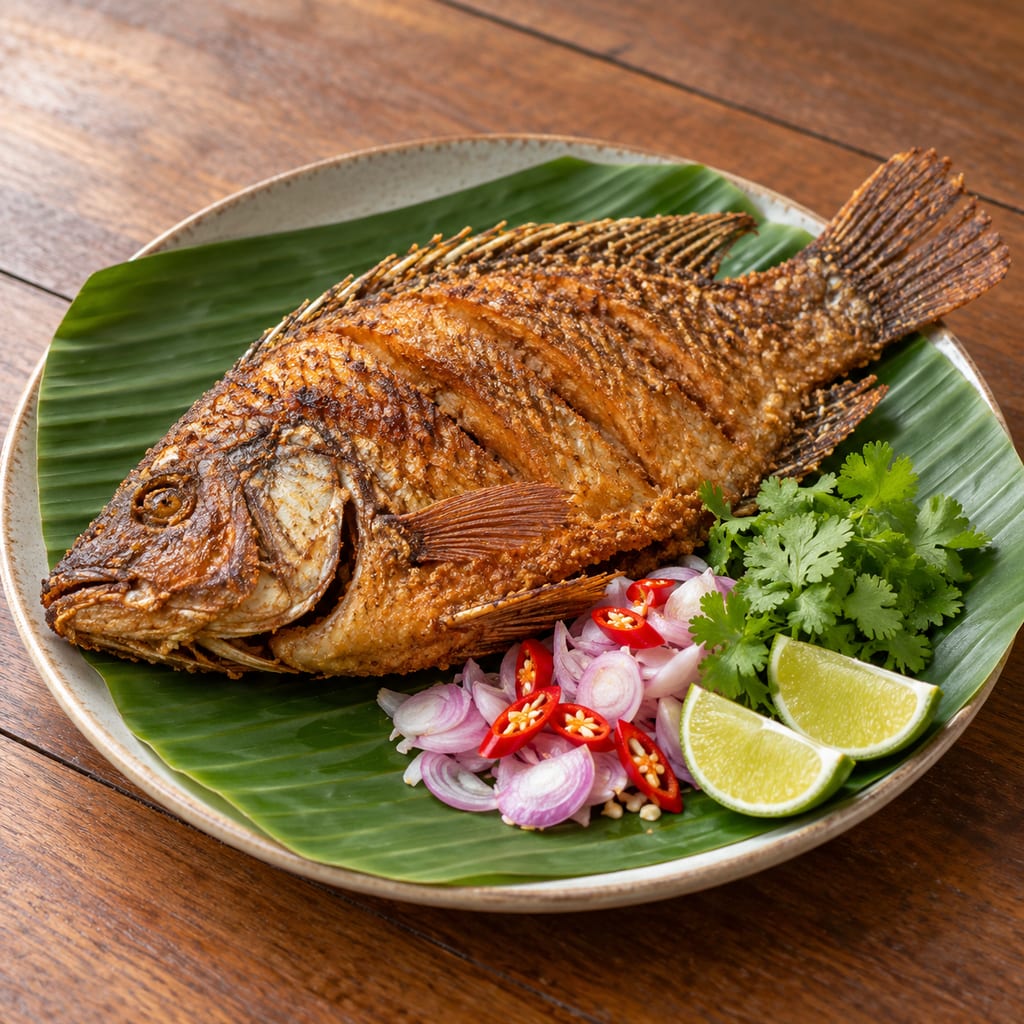
Thai pla som made from tilapia salted, filled with sticky rice and garlic, bagged and held at room temperature for about three to four days.
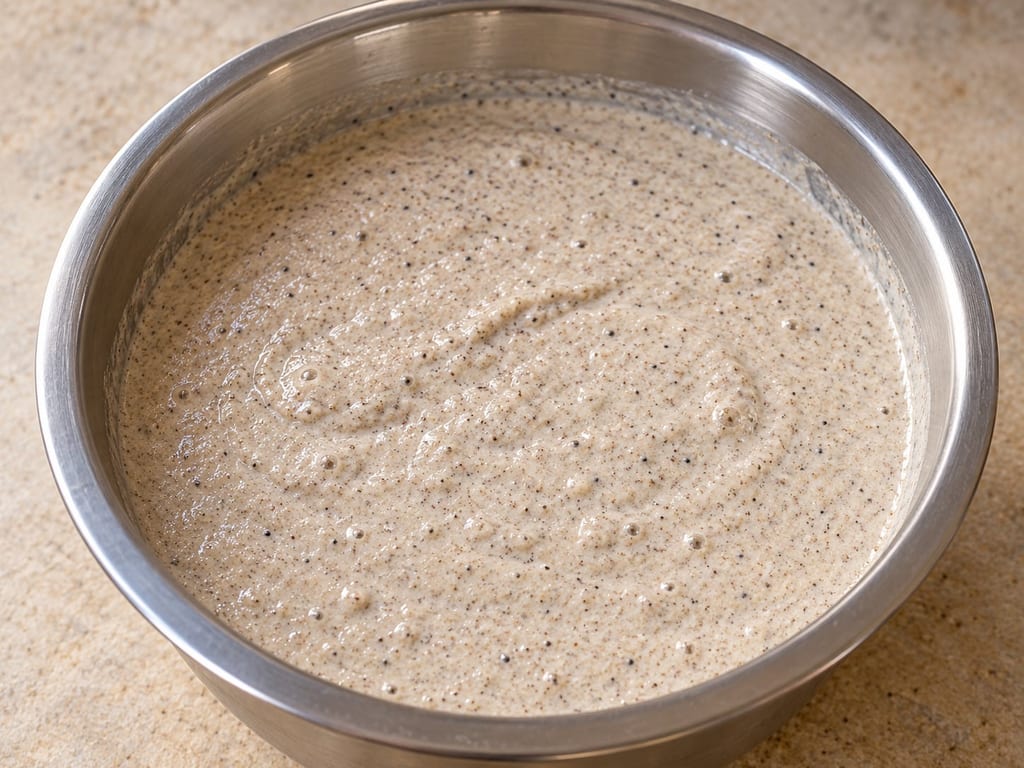
A multigrain idli batter from a stored blend of sorghum, millets, rice and black gram, with fenugreek kept apart, taken out by the glass and fermented warm.
A Tujia sour pork preparation documented in southeastern Chongqing. Its rice-flour pork method is distinct from the wider suān ròu forms; a sixth-century pork-zha text is an earlier attestation, not proof of direct continuity.
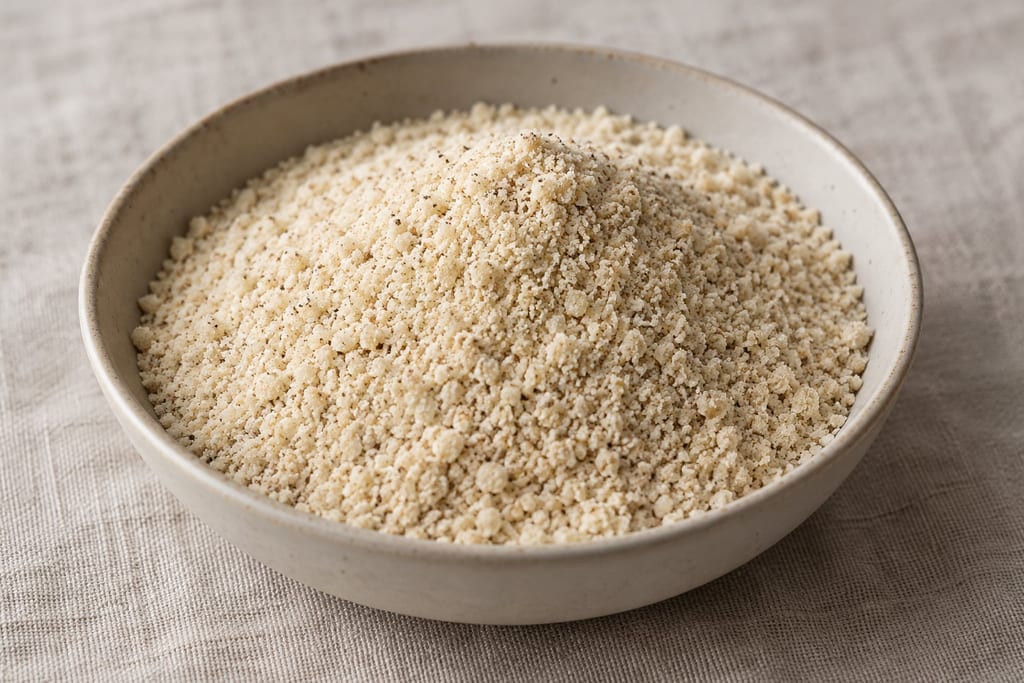
Bulgur mixed with fermented dairy, fermented again and dried, then powdered. The dry kishk is a shelf-stable composite staple used as an acid, savoury base for soup.
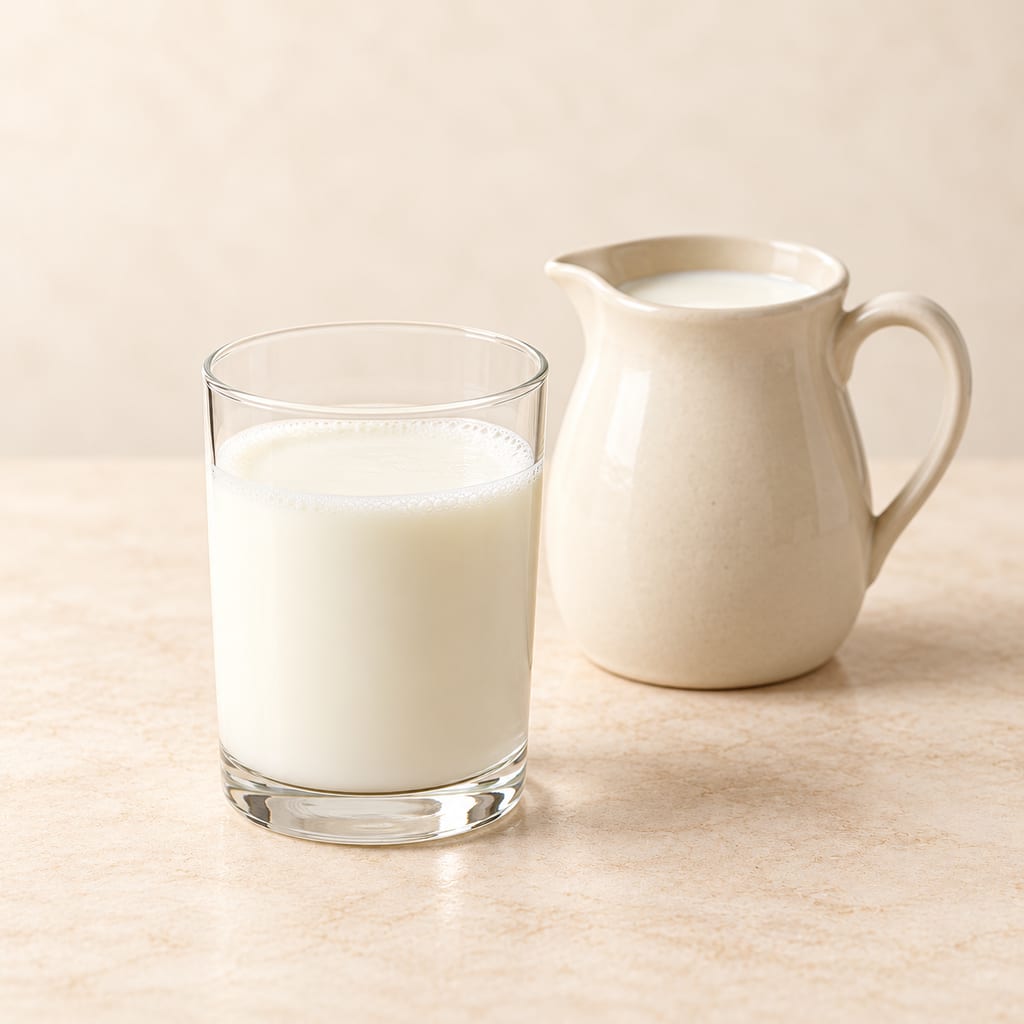
Milk thickened with a packet of buttermilk culture makes a tangy drink and a baking ingredient. This warm-incubated version uses whole milk.