

























































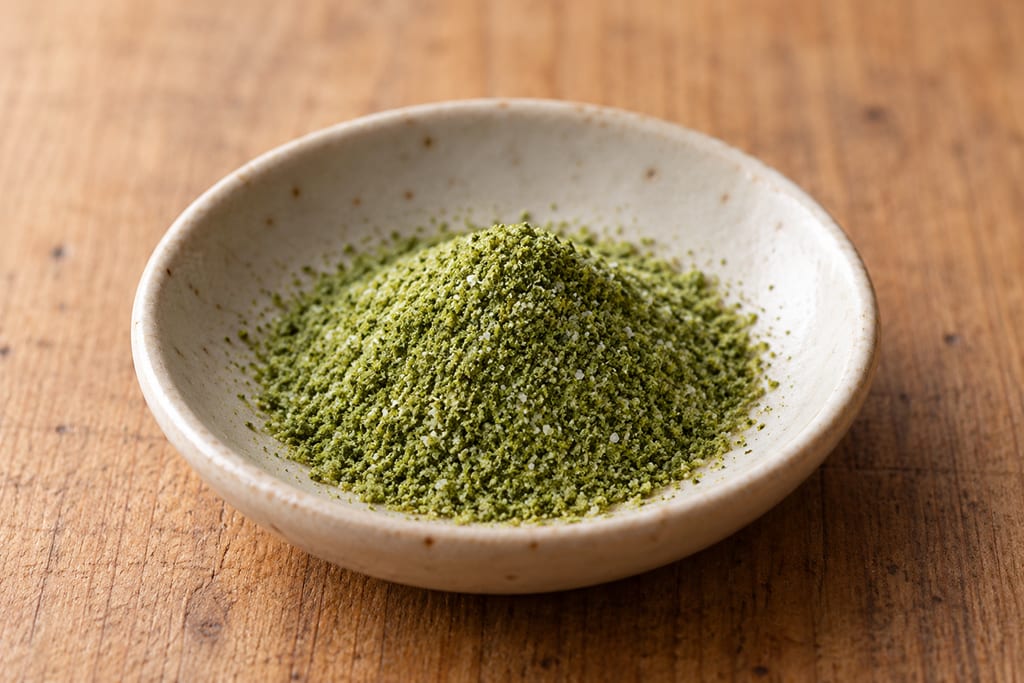
Green tea leaf salt (ocha-shio)
Green tea leaf salt is a dry seasoning made by grinding tea leaves, sieving them and mixing the powder with fine salt. This Japanese-style version follows a documented equal-parts method.
 FermenteaWhere food goes to change
1504 records with their sources, across 11 categories.
 Fermented, enzyme-ripened and mixed seasonings328
 Fruit preserves10
 Legume, seed and plant-protein ferments10
 Garum and fish sauces8
 Adjacent and excluded7
 Koji, mold starters and mold-ripened ferments4
 Acid and oil pickles3
 Fermented fruit and fruit-derived foods3
 Vegetable lactic3
 Dairy ferments2
 Smoked salted and dried foods2
 Cheese1
 Not yet classified1
Green tea leaf salt is a dry seasoning made by grinding tea leaves, sieving them and mixing the powder with fine salt. This Japanese-style version follows a documented equal-parts method.
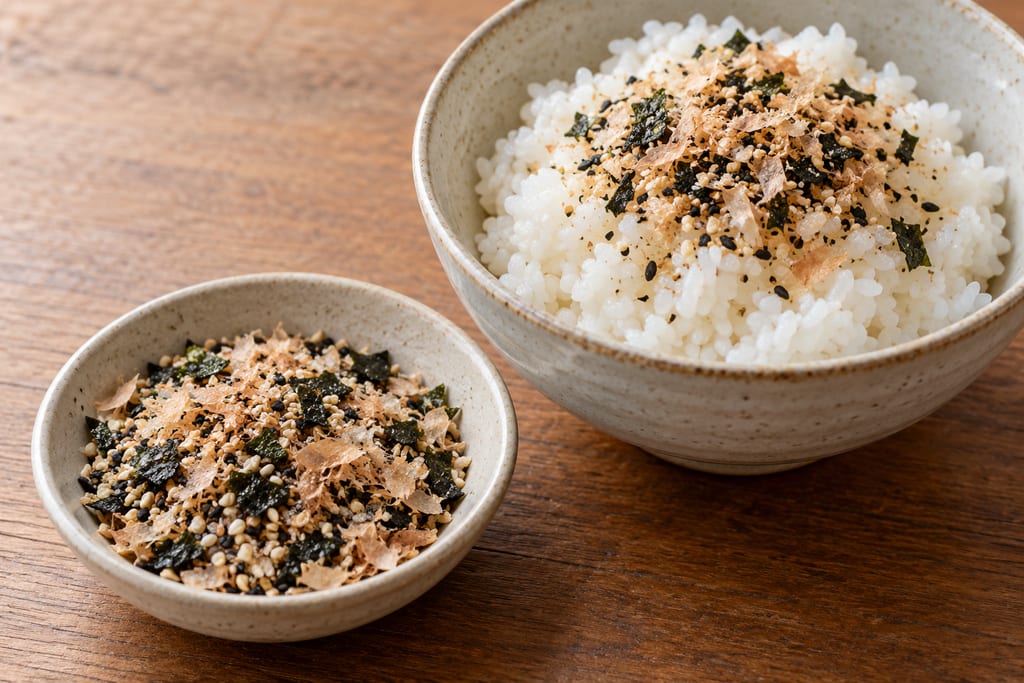
A dry Japanese rice seasoning of sesame, bonito, nori, sugar and salt. This documented home blend is one specific formula within a varied category with several early product histories.
Ezay is a Bhutanese red-chilli seasoning served with rice, salads, momo and other dishes; this reported version combines chillies, tomato, onion, coriander, cheese and pepper.
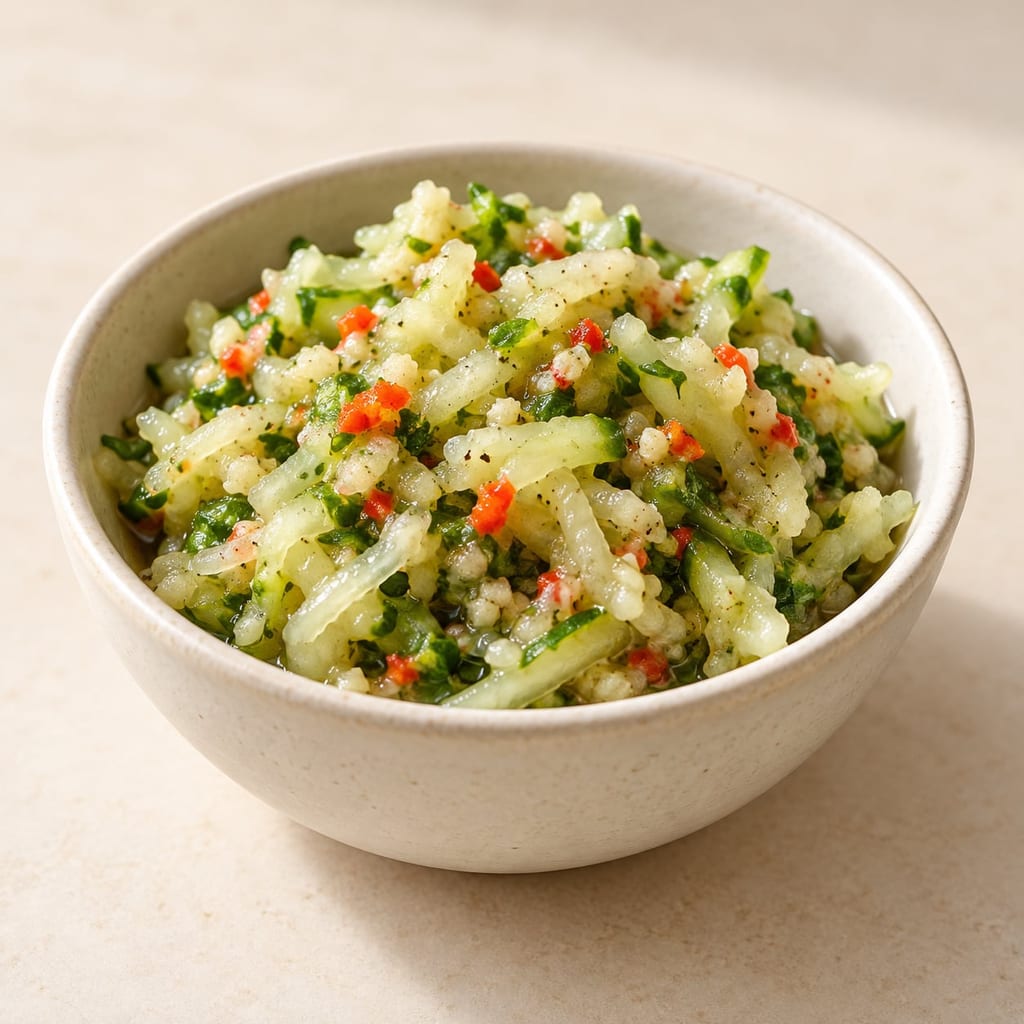
A fresh Trinidadian cucumber chutney of grated firm cucumber, garlic, Scotch bonnet, shado beni, lemon and seasoning, described by its author as a doubles condiment.
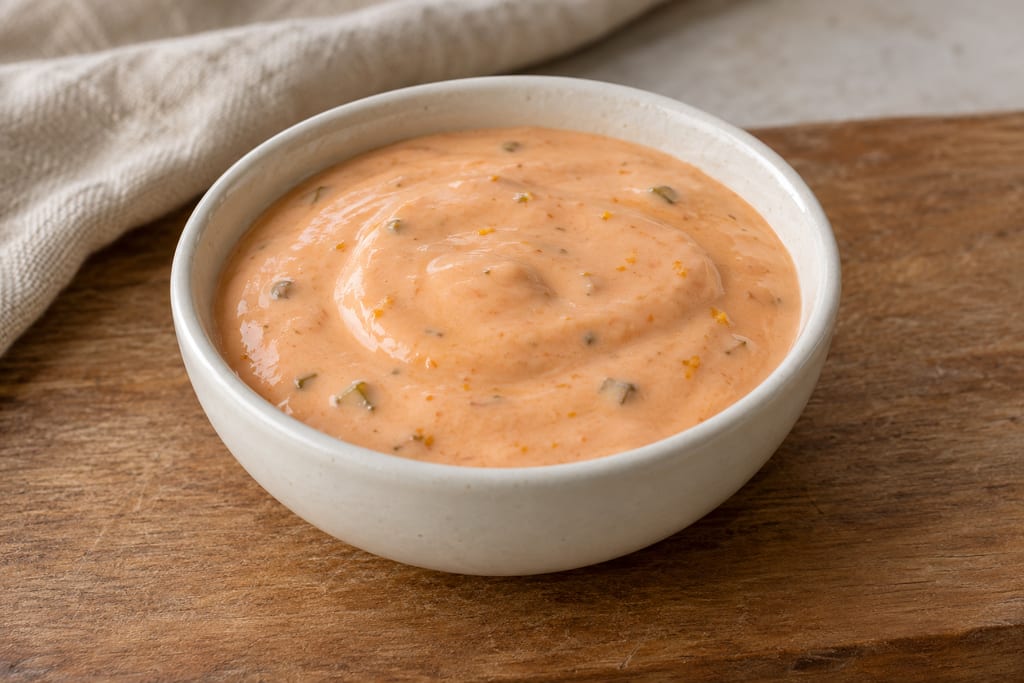
A cold mayonnaise-and-tomato condiment family with distinct documented forms in Argentina, Peru and Puerto Rico; this draft records a Peruvian caper-and-orange version and keeps its regional relatives separate.
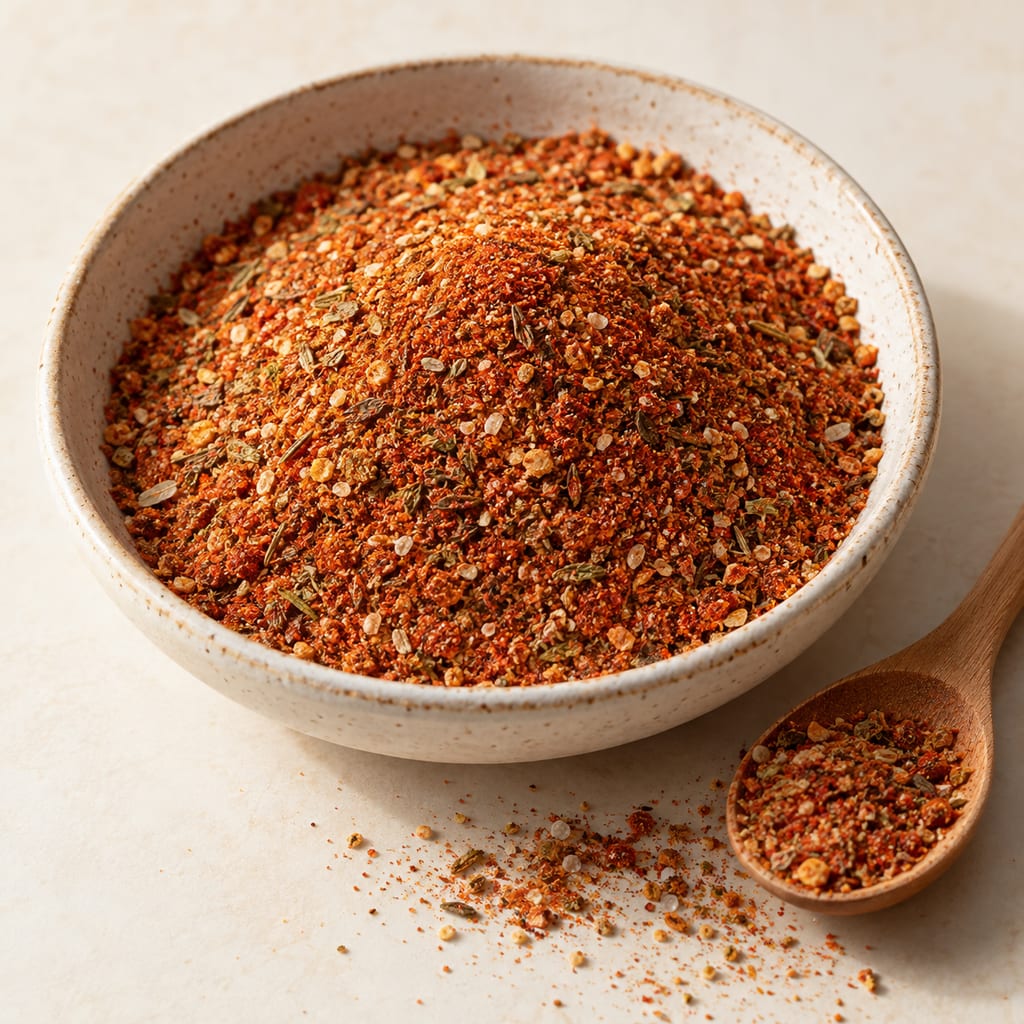
Bulgarian dry seasoning of salt, paprika, dried herbs and spices, with household and regional variations.
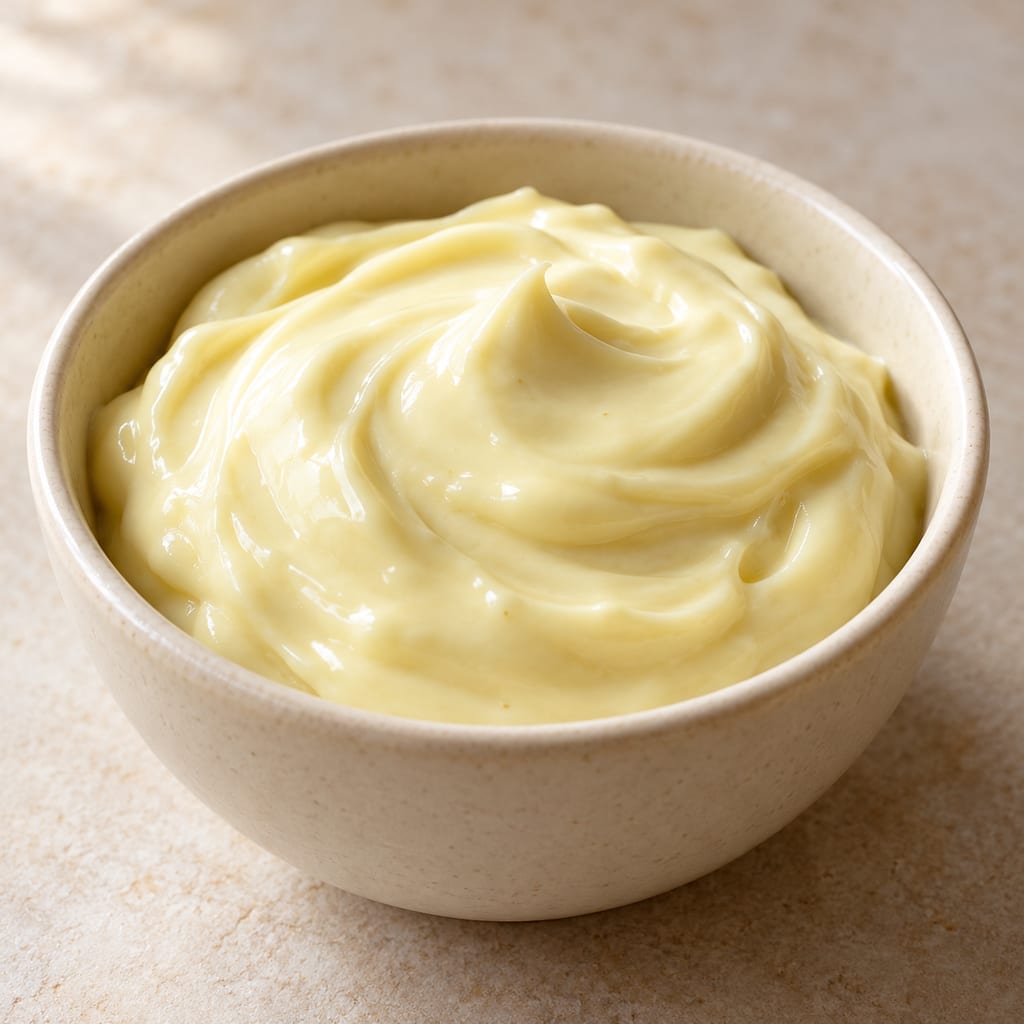
Avocado-oil mayonnaise is an ordinary egg-and-oil emulsion in which avocado oil supplies the oil phase. The oil changes flavour and colour, and it does not preserve the sauce.
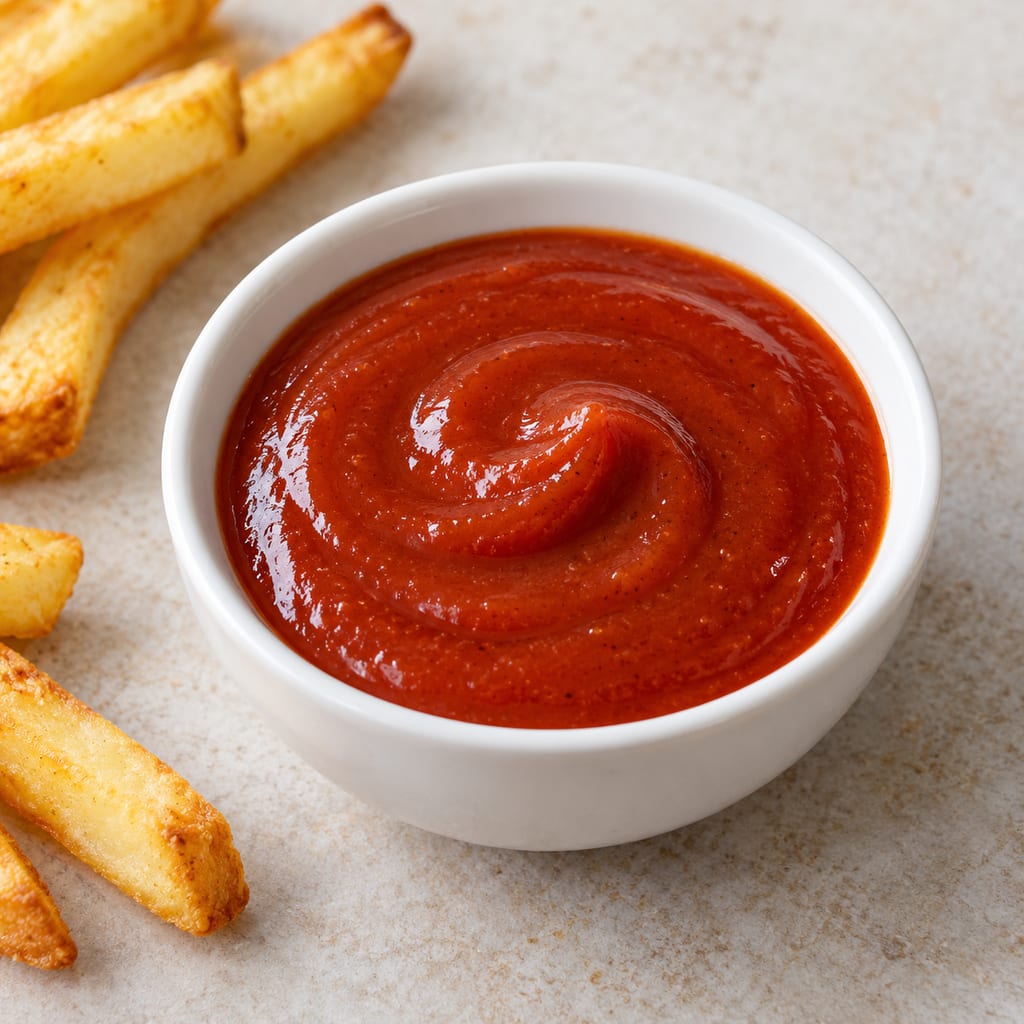
A modern tomato condiment sharpened with the spicy, savoury tang associated with kimchi; this measured version whisk-mixes prepared ketchup and commercial kimchi seasoning.
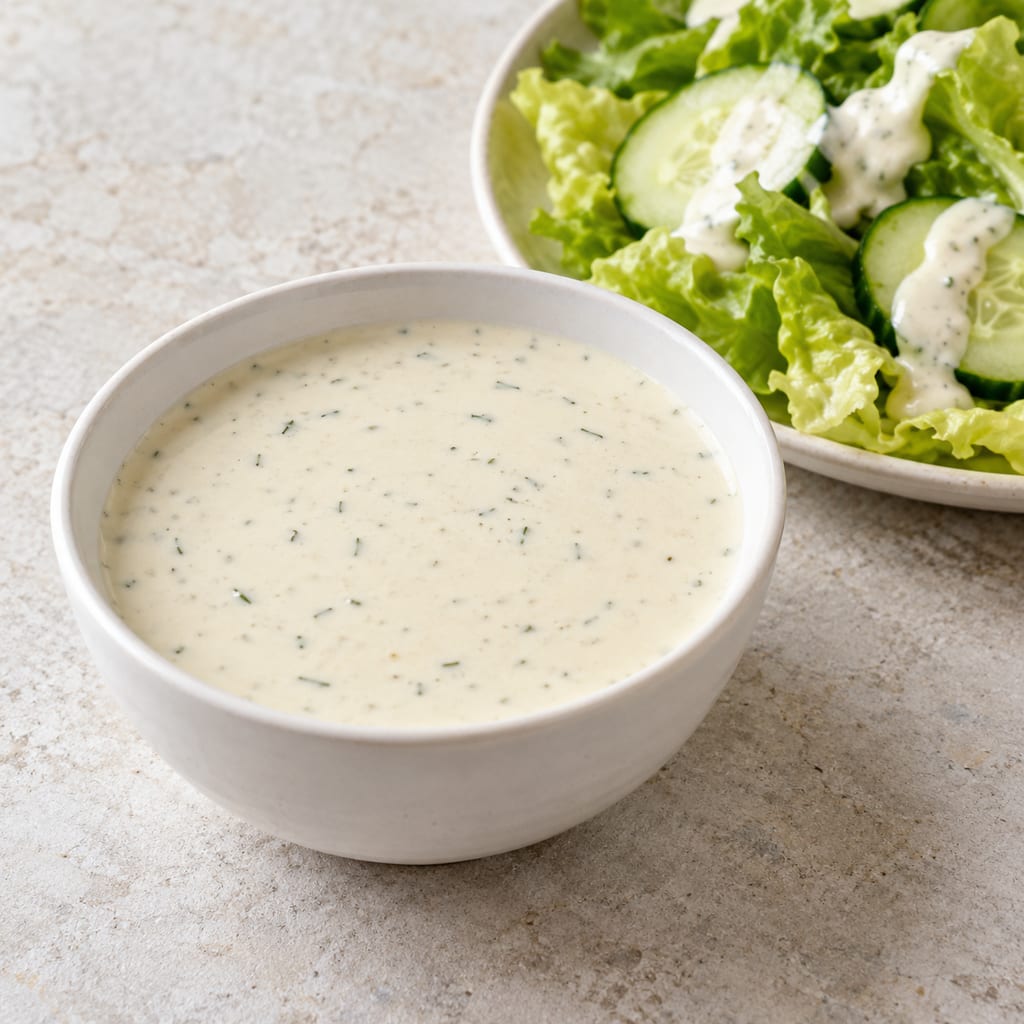
Ranch dressing is an American cultured-dairy dressing of buttermilk or sour cream and mayonnaise, seasoned with garlic, onion and dried herbs, and made either pourable or thick enough to dip.
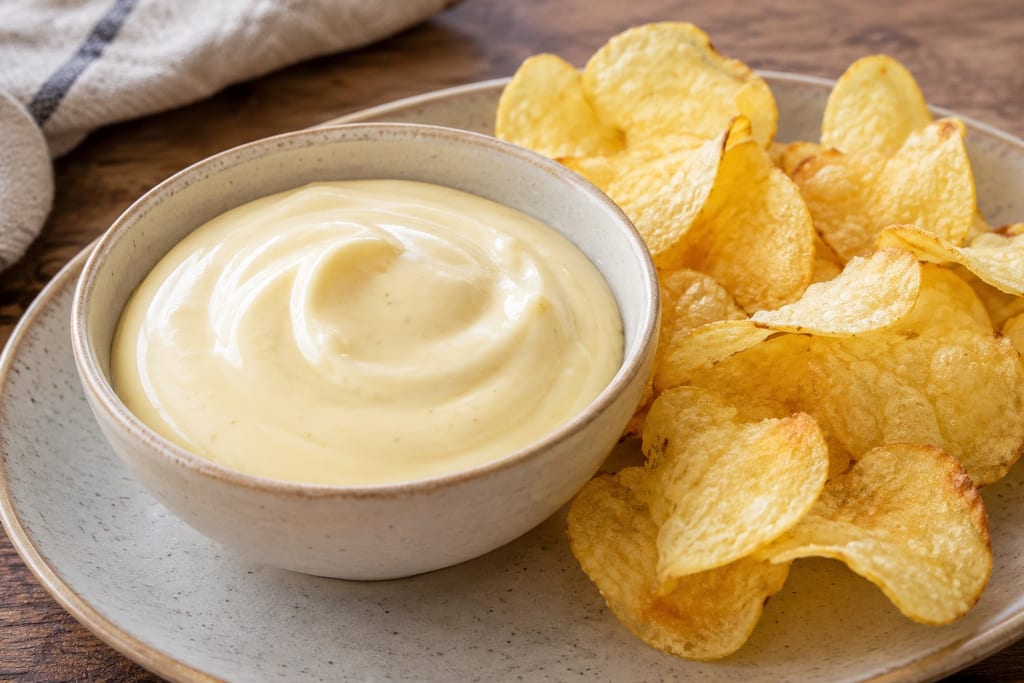
Lower-oil, starch-thickened fritessaus-inspired sauce derived from M13, not a Remia replica. Nominal yield 291 g before cooking loss.
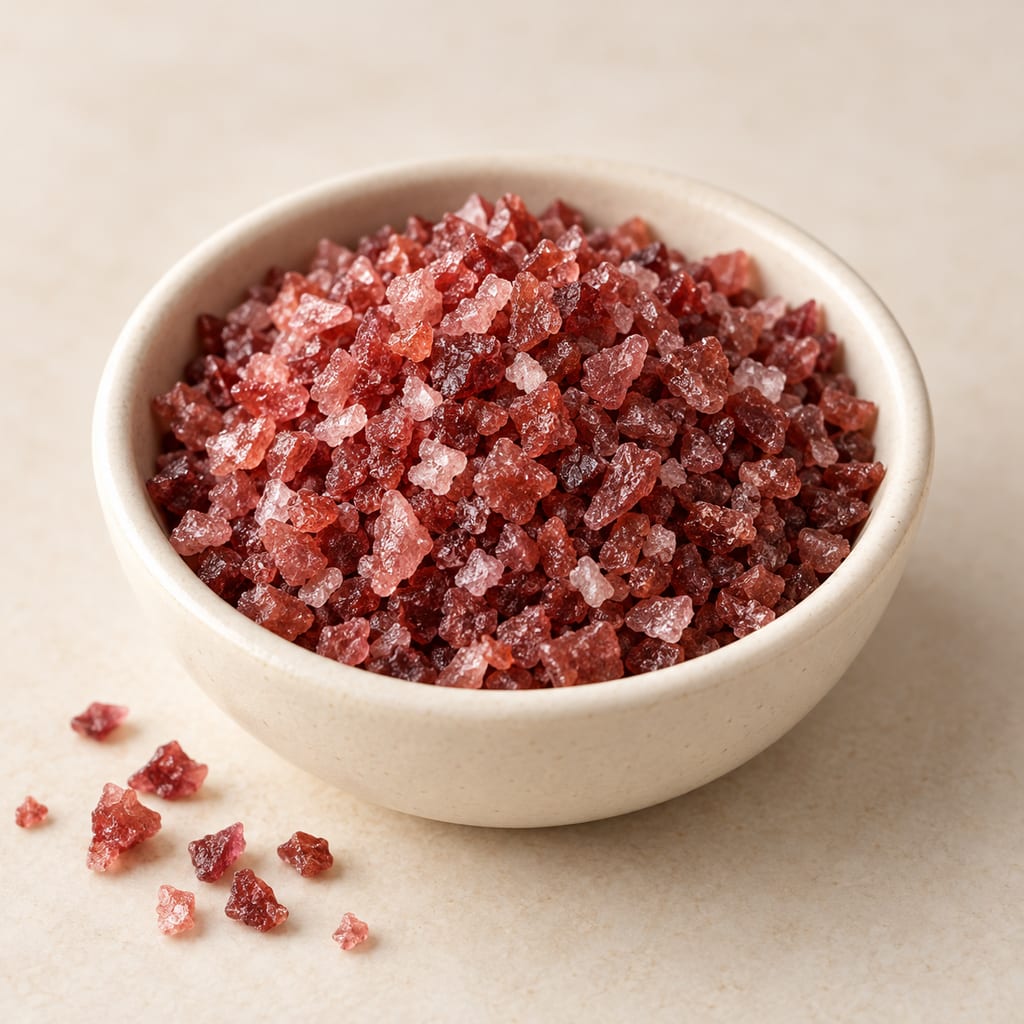
Wine-infused salt is coarse food salt carrying wine colour and aroma after a wine-and-salt mixture is reduced and dried. This version follows a Missouri Wines method at a one-to-three salt-to-wine ratio.
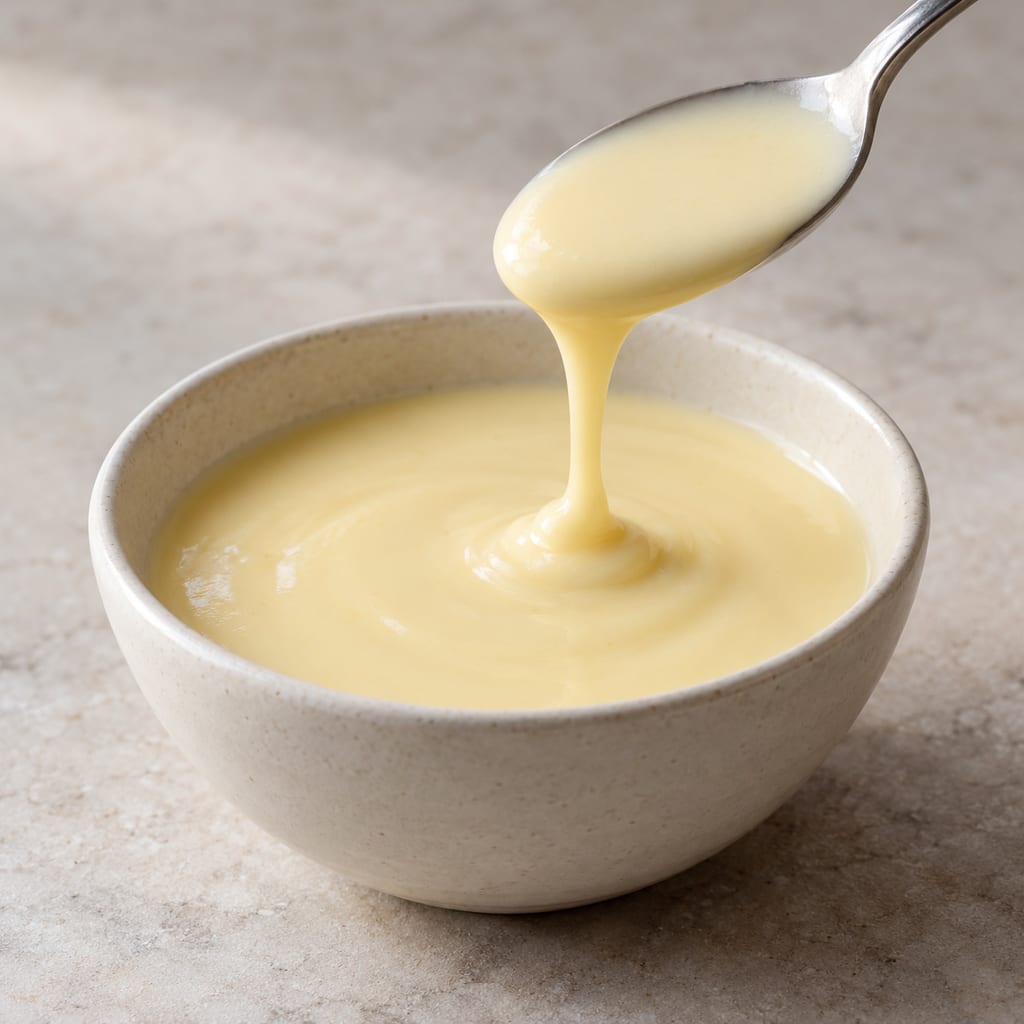
Starch-thickened salad-cream prototype with pasteurised yolk added after cooling; not a Heinz copy. Approximate yield 300 g.
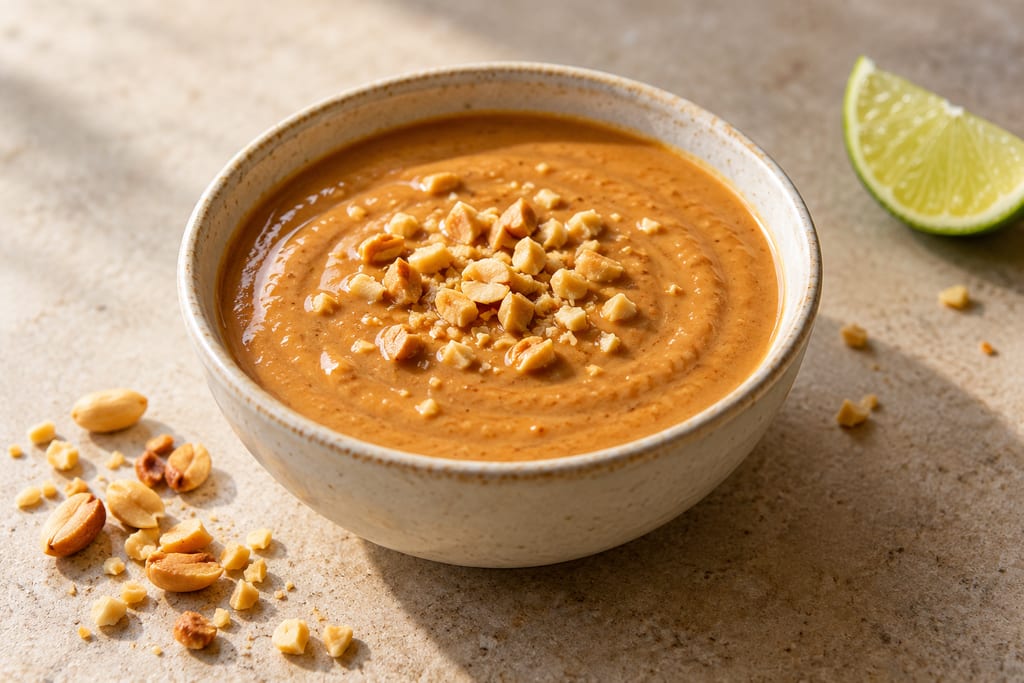
A quick Southeast Asian inspired peanut sauce combines peanut butter or ground roasted peanuts with coconut milk, soy, sugar, lime and chilli.
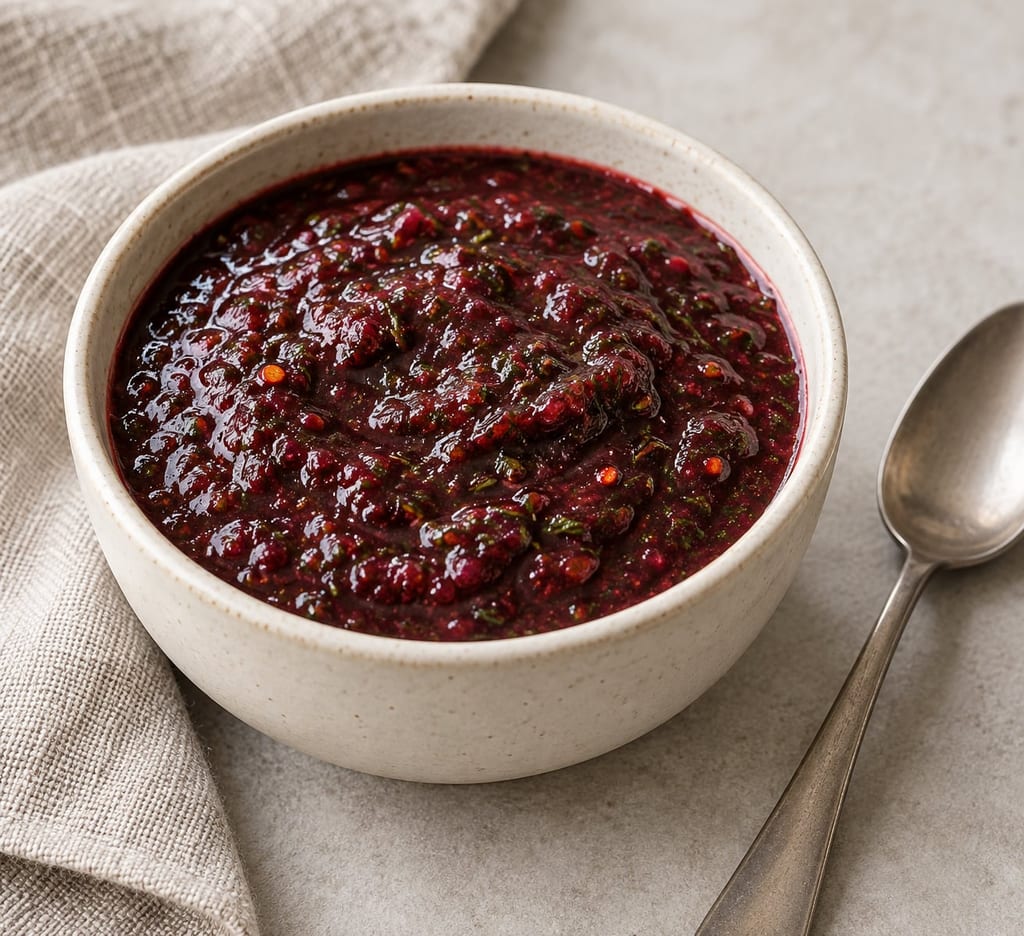
An untested refrigerator sauce inspired by Georgian tkemali. This version uses ordinary mint in place of pennyroyal (ombalo), changing its aroma; it is not a tested preserve.
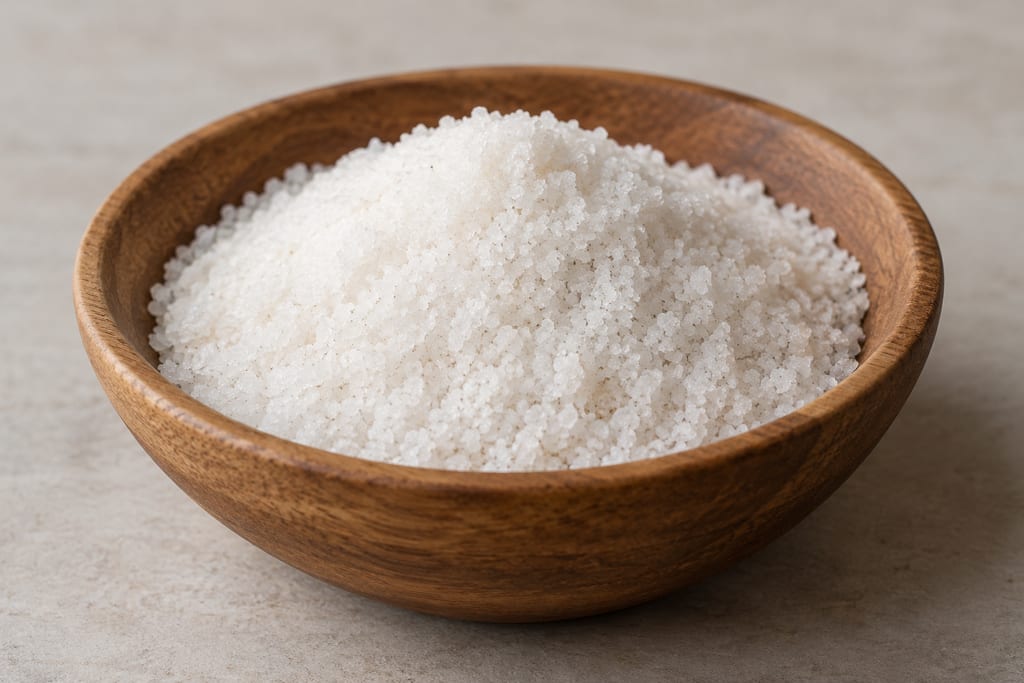
Asin sa buy-o is a fine sea salt made in Panayunan, Botolan, and packed in a woven nipa pouch called a buy-o. Salt-bearing coastal earth is leached with seawater, and the brine is boiled to crystals.
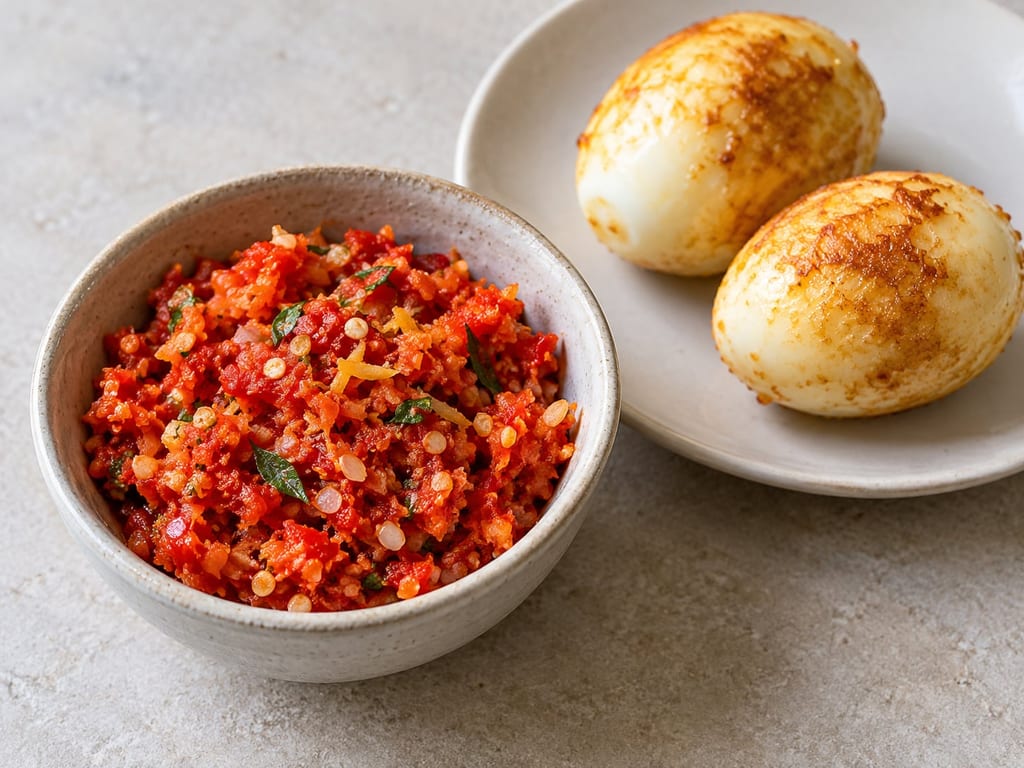
Ai-manas is described as a very hot chilli paste served with Timorese meals. One published version blends fresh chillies, shallots, garlic, Thai basil, ginger, lemon and salt, and serves it with eggs. Sources do not establish a standard formula, precise birthplace or earliest date.
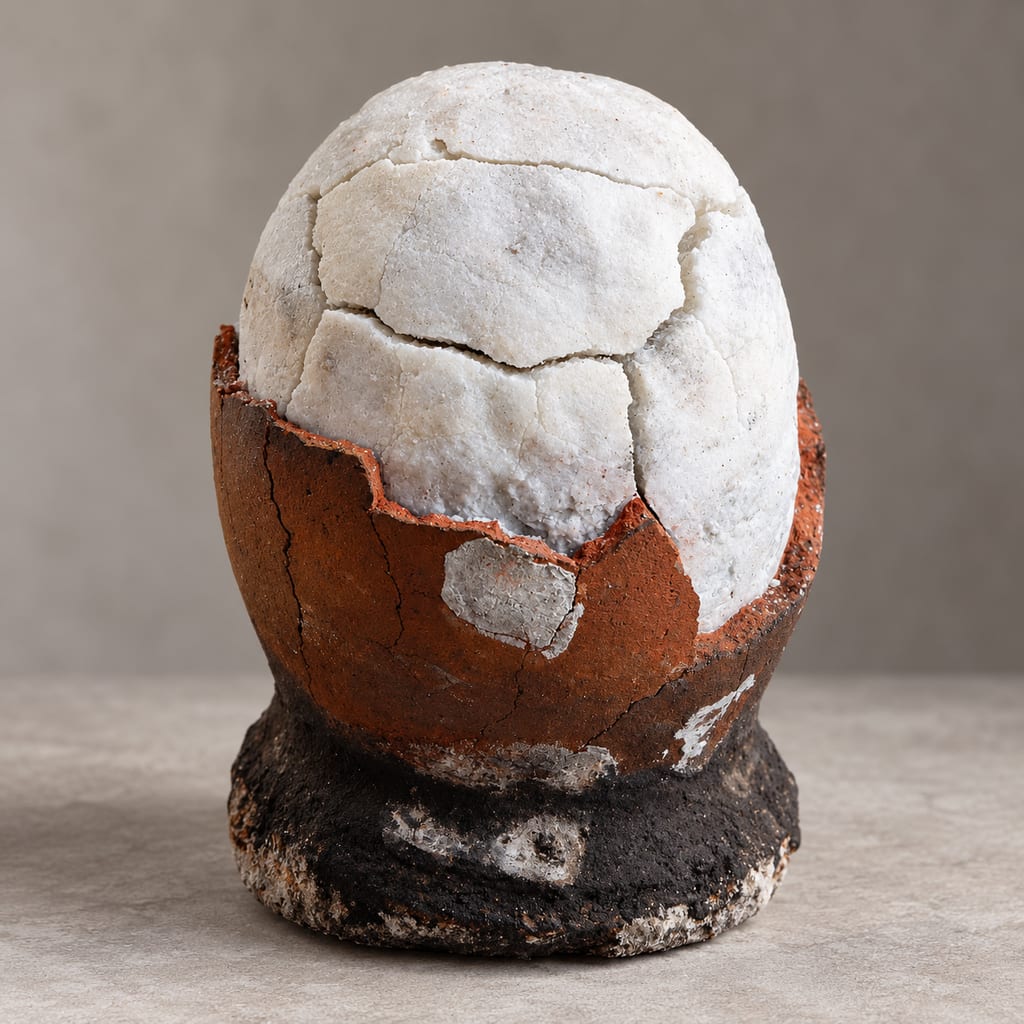
Asin tibuok is a Boholano salt-making craft that turns seawater-soaked coconut husks into a salt-rich ash, brine and formed sea salt in specialized clay pots. This record follows one published account of the community process; it is not a validated household formula.
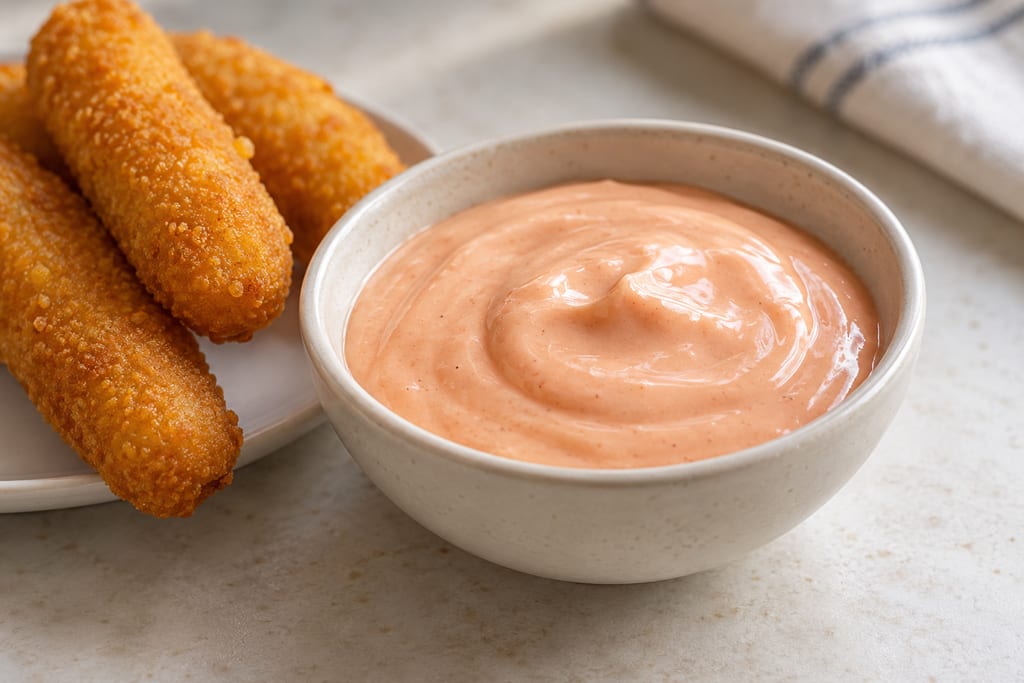
Mayonnaise and ketchup with garlic powder and lime make this proposed dipping sauce for surullitos; its ratio is an original, untested choice, not a Puerto Rican standard.
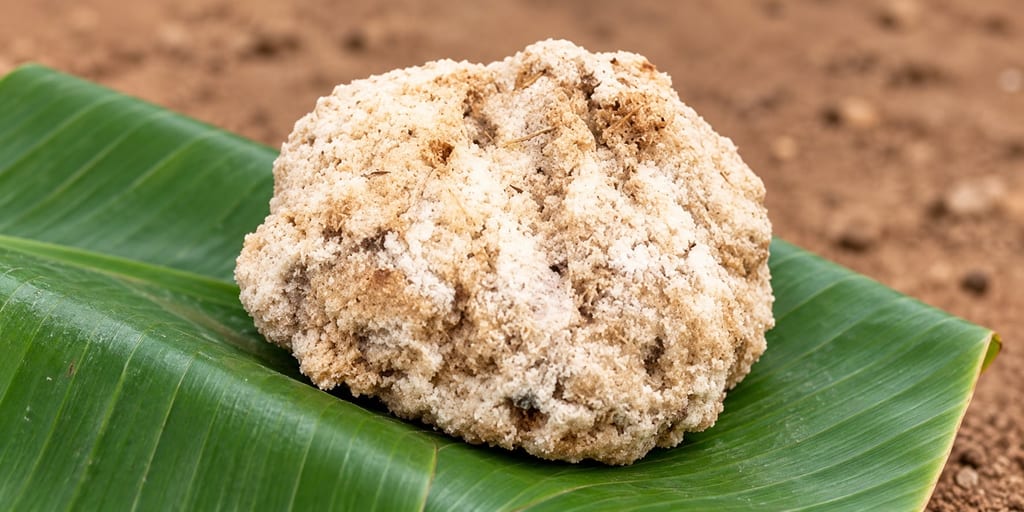
Nzoia River reed salt is a Bukusu seasoning made by leaching and evaporating the ash of mature muchua reeds. Its sources document a local method, but provide neither a measured formula nor verified mineral composition.
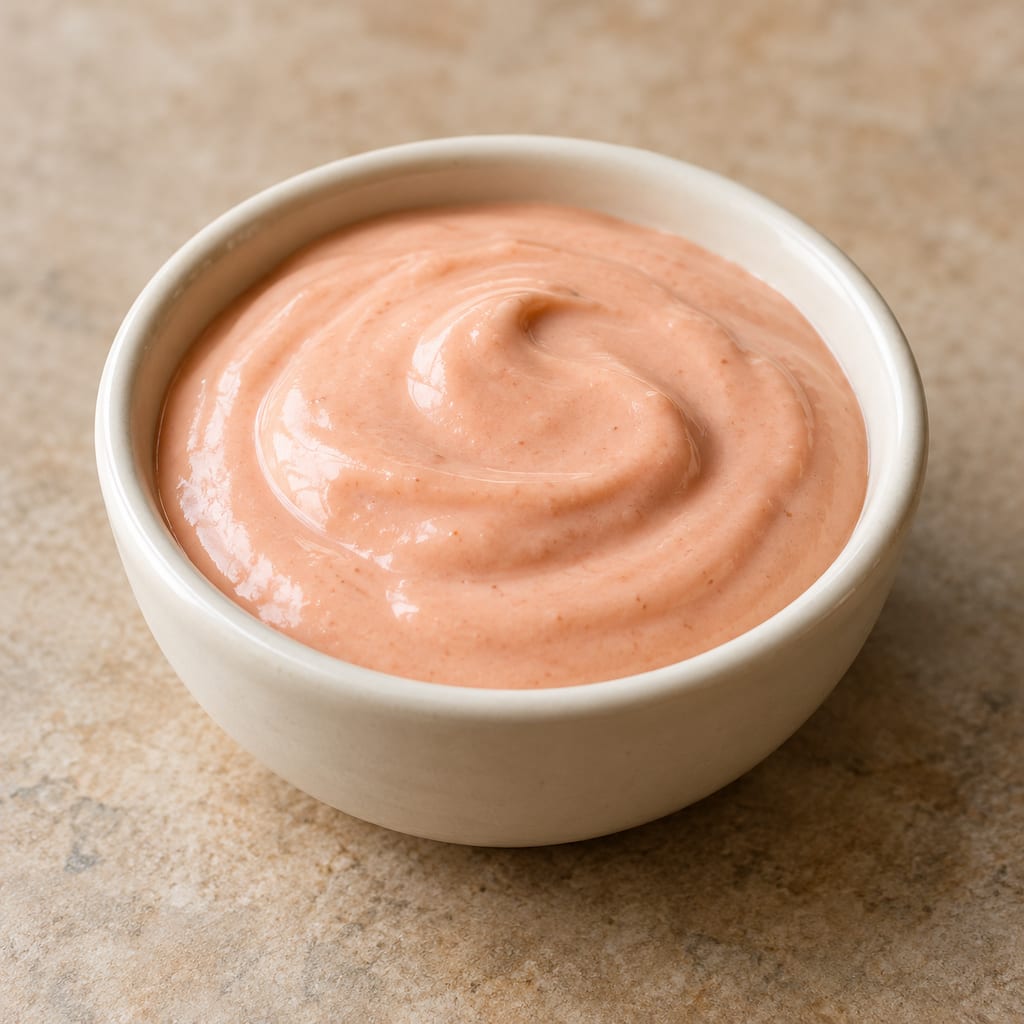
Mayonnaise and ketchup form a pale pink sauce sharpened with Worcestershire; a little citrus may be added at serving, while the proportions remain an untested starting point.
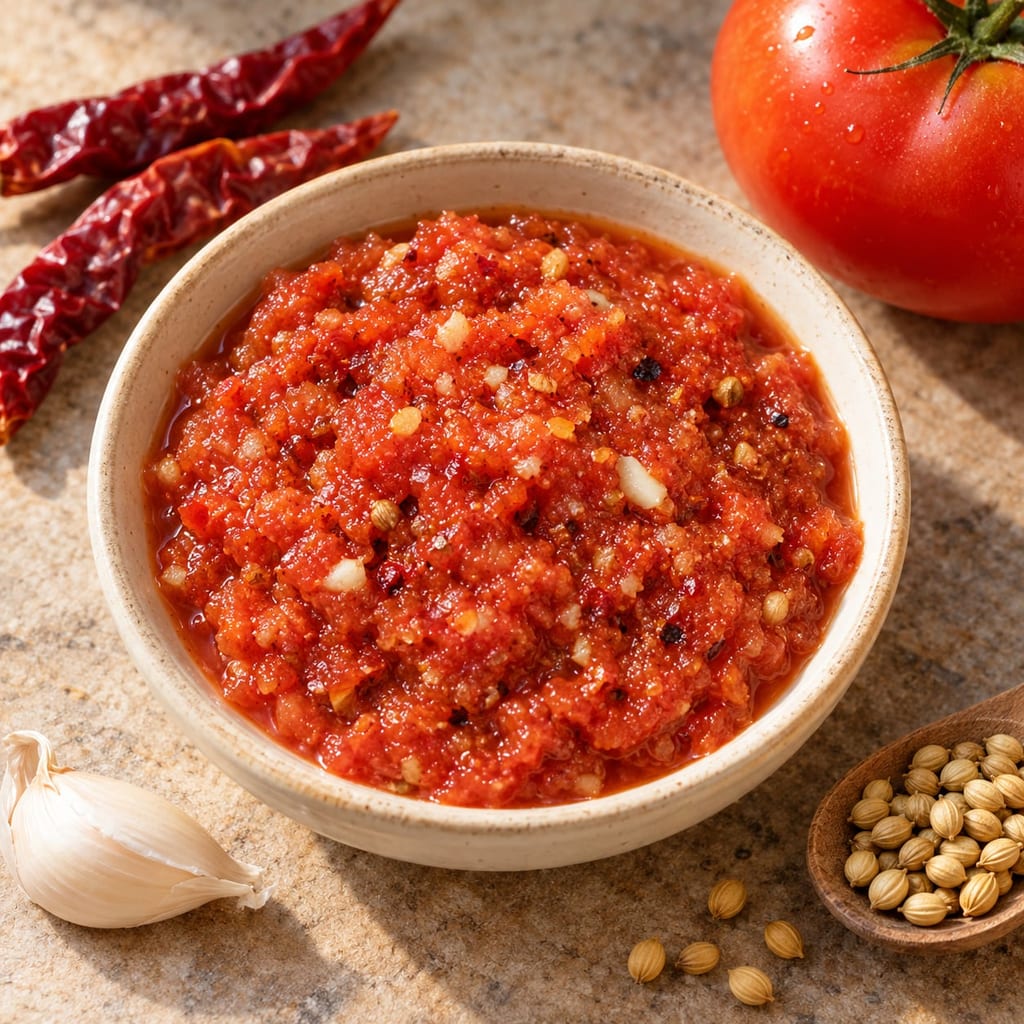
A wet Rajasthani chutney of tomato, soaked dried red chillies, garlic and coriander seed ground with salt and water. A 2017 study gives its proportions as a ratio and tested a stored batch.

A thin, pourable custard sauce of egg yolks, sugar and hot milk or cream, cooked gently until it coats a spoon and no further.
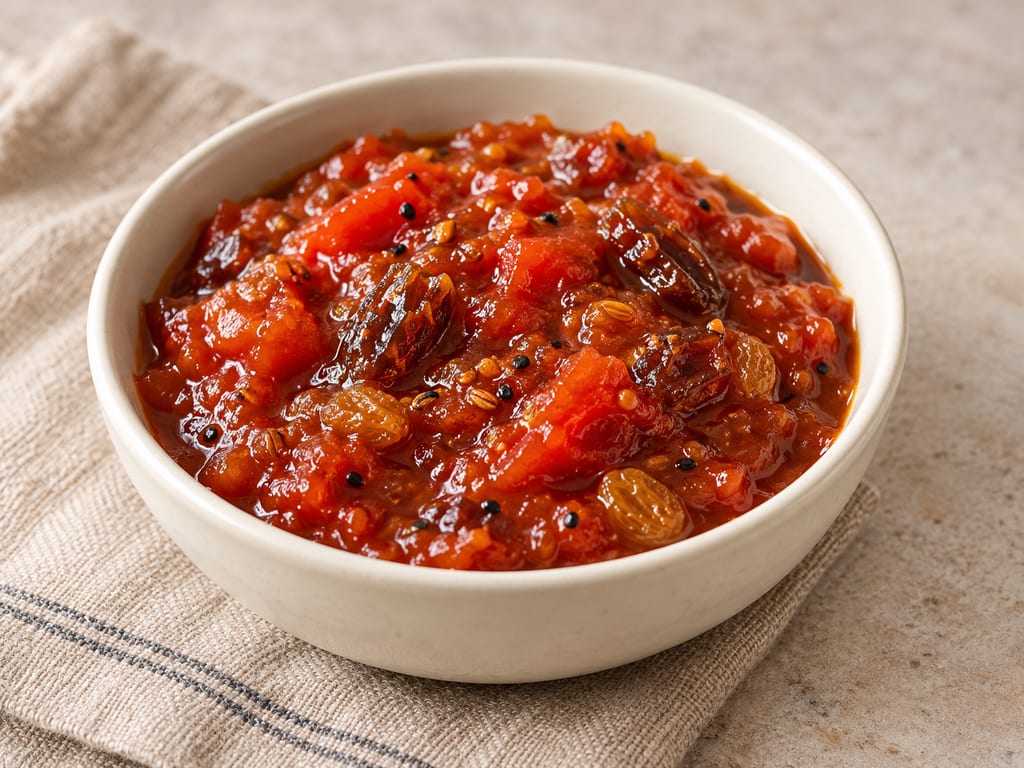
A cooked Bengali meal chutney combining tomatoes, dates, raisins, ginger and panch phoron.
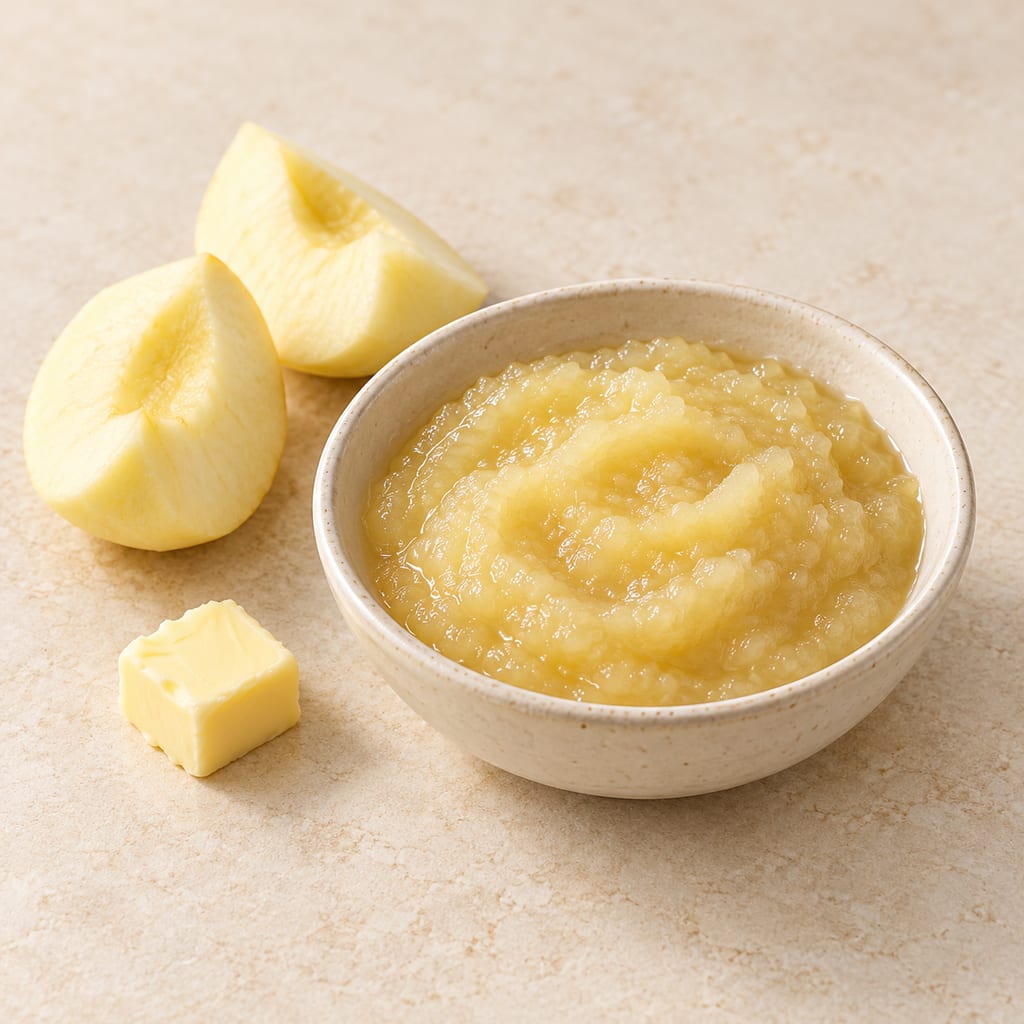
Apple sauce for goose and pork is a plain English accompaniment: cooked apples pulped with water, then sweetened with sugar and finished with a little butter.
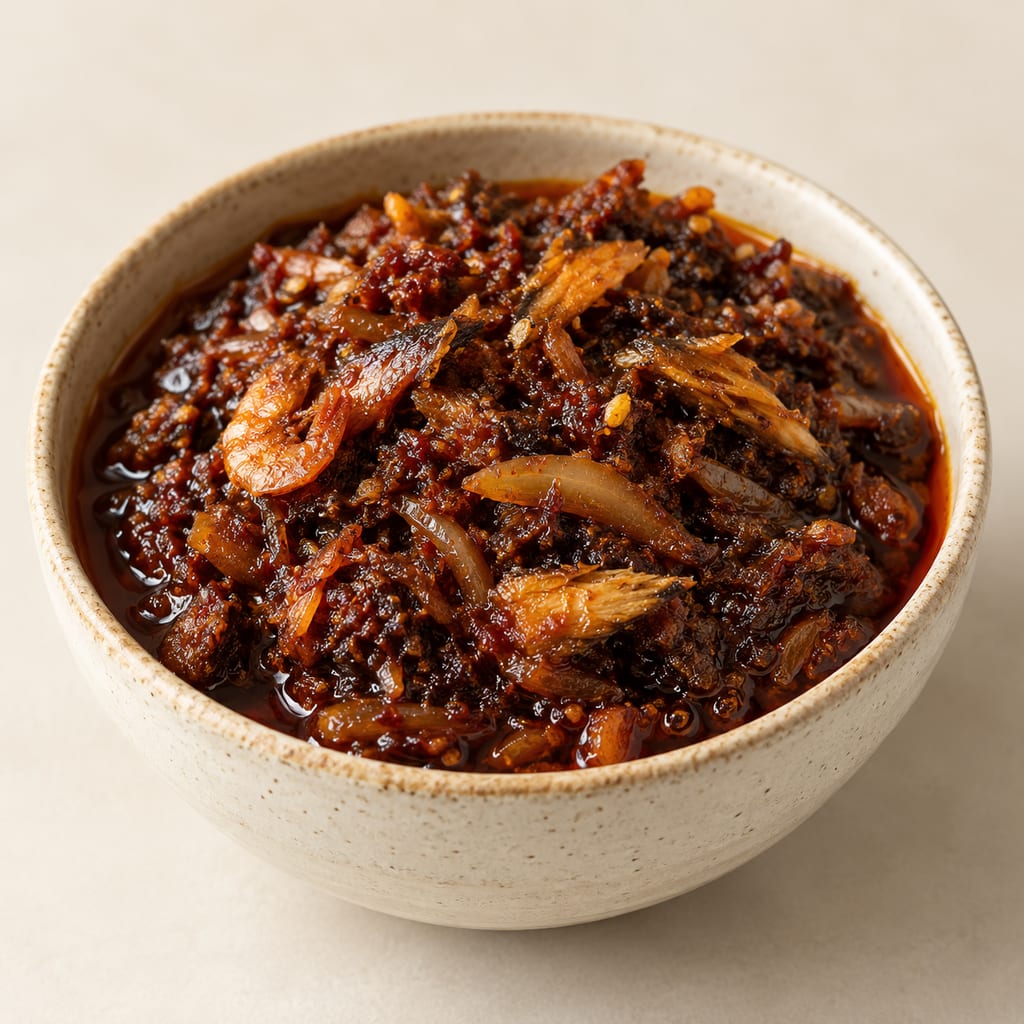
A seafood shito variant by Zoe Adjonyoh, using dried prawn and smoked fish in a cooked chilli and onion base.
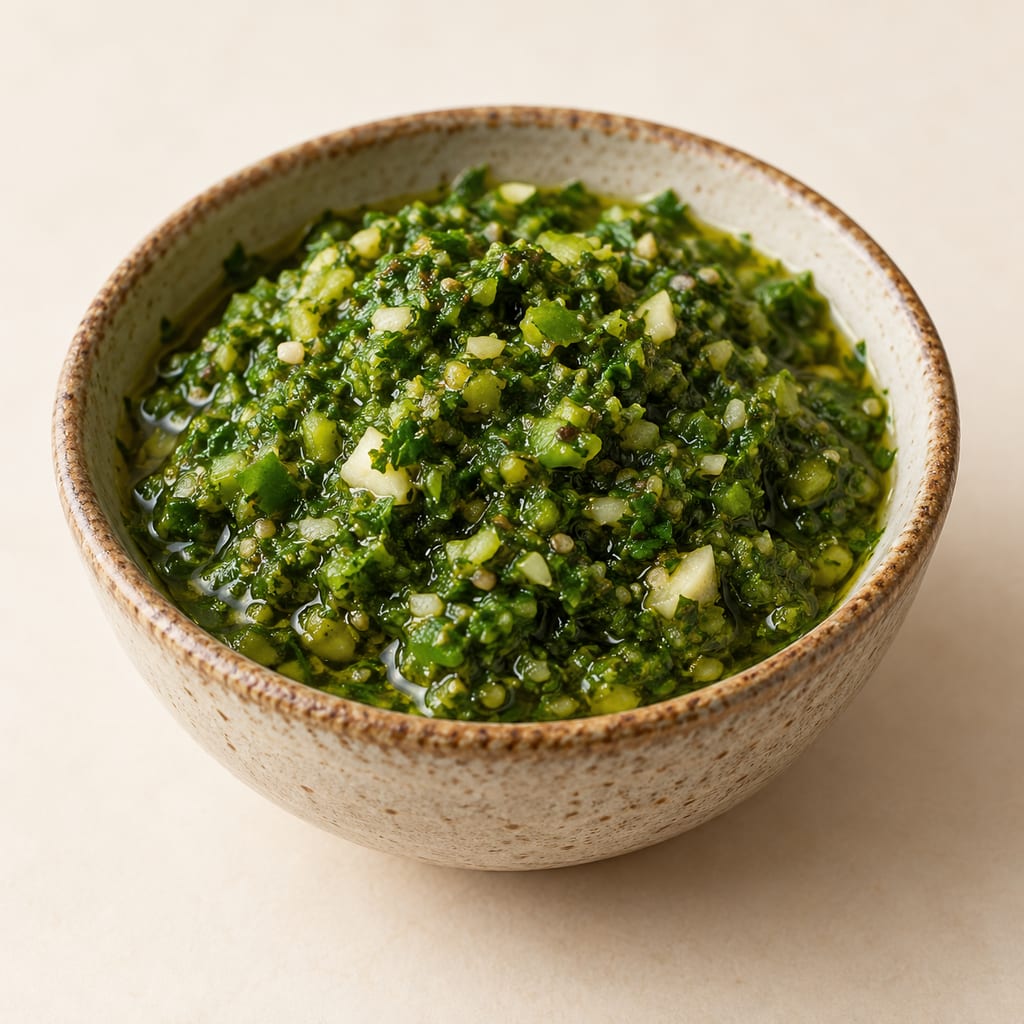
A Yemeni hot sauce of fresh chilli, coriander and garlic bound with olive oil, the base of sahawiq and a common condiment in Israel. It is made by crushing, not cooking, and keeps only briefly in the refrigerator.
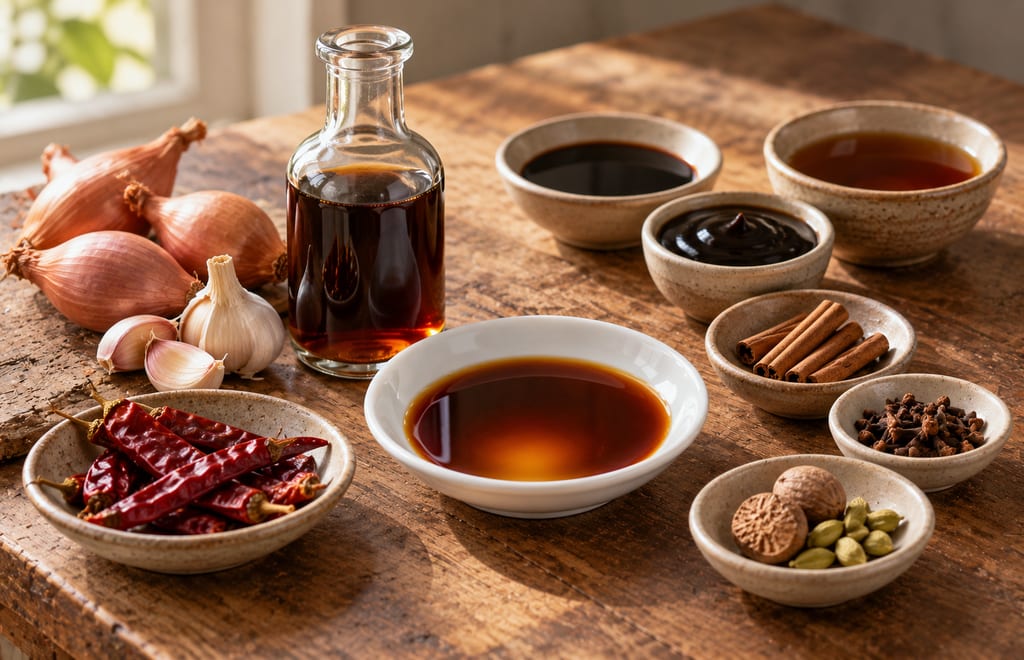
A thin, dark, sharply savoury table sauce associated with Worcester, England. This recipe preserves one historical formula printed in 1932 and distinguishes it from modern proprietary Worcestershire sauces.
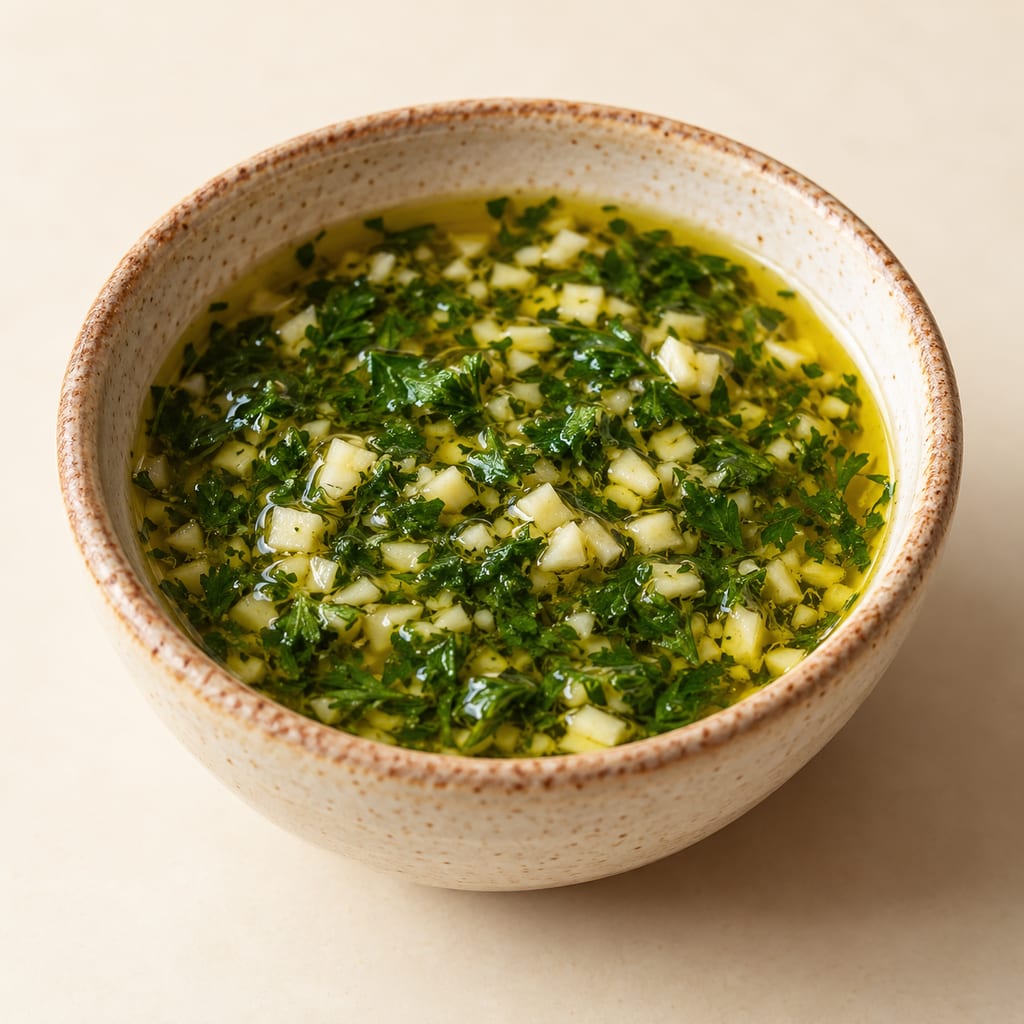
A Dominican garlic sauce of olive oil, garlic, parsley, sour orange or lime juice and salt, simmered until reduced and served over roast chicken, boiled yuca or meat.
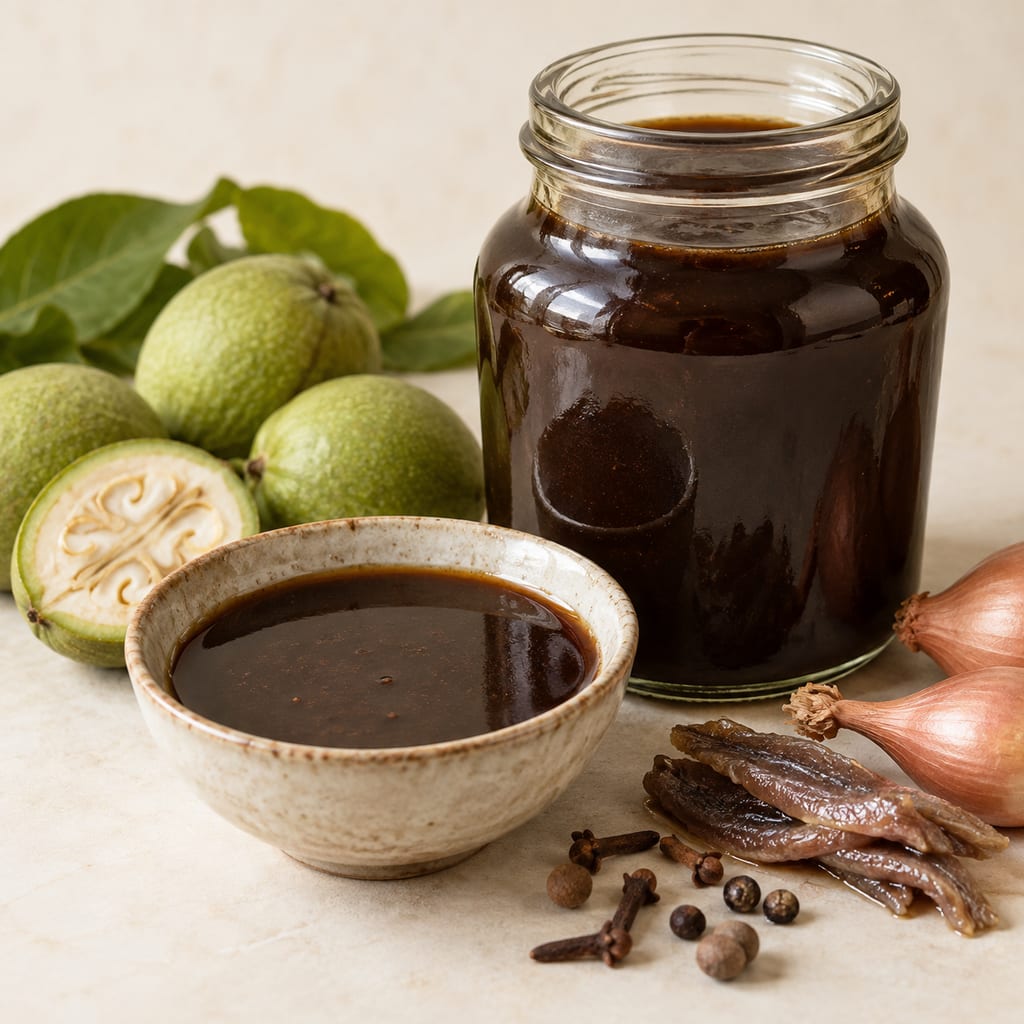
A dark liquid seasoning made from young green walnuts steeped in salt and vinegar, then boiled with spices, shallots and anchovies. It belongs to the British ketchups of the 1700s and 1800s.
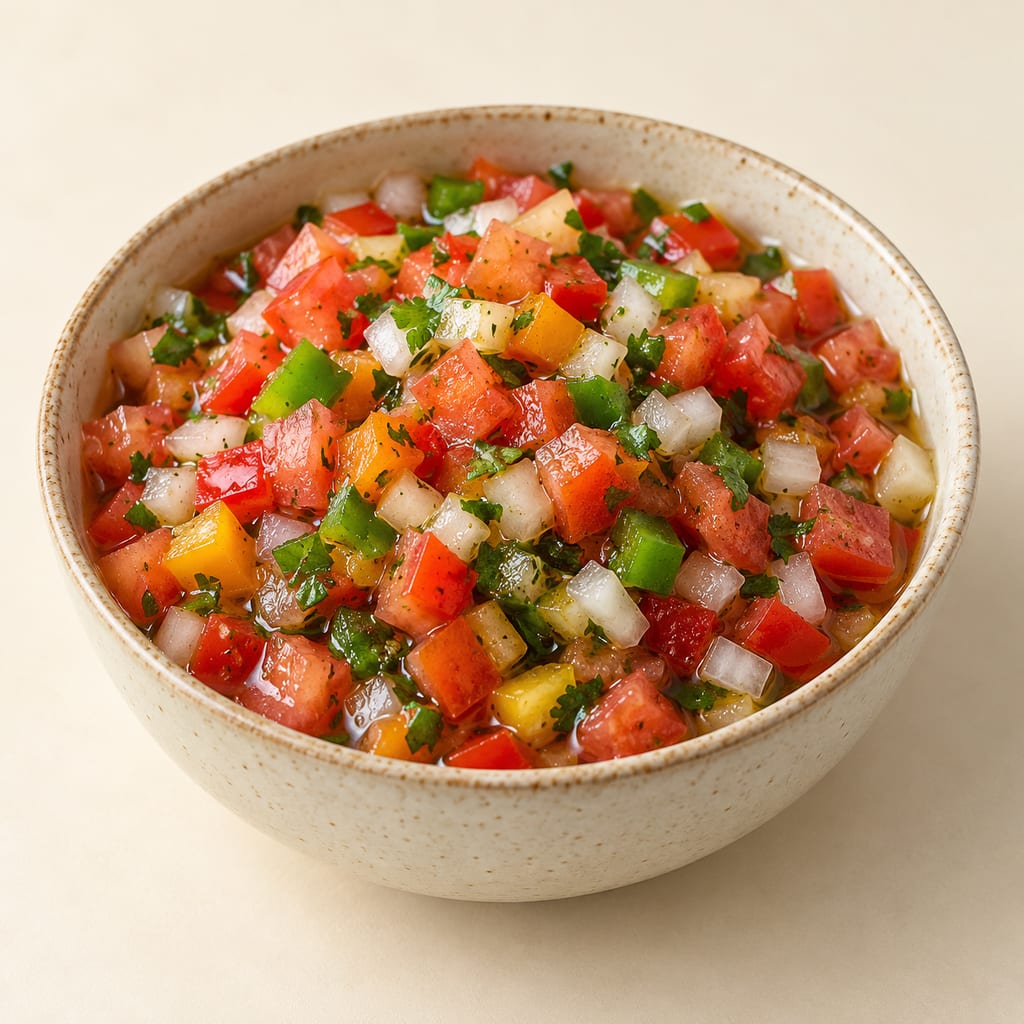
Vinagrete, also called molho à campanha, is a Brazilian relish of finely chopped tomato, onion and peppers dressed with vinegar and olive oil. It is served with grilled meat and feijoada.
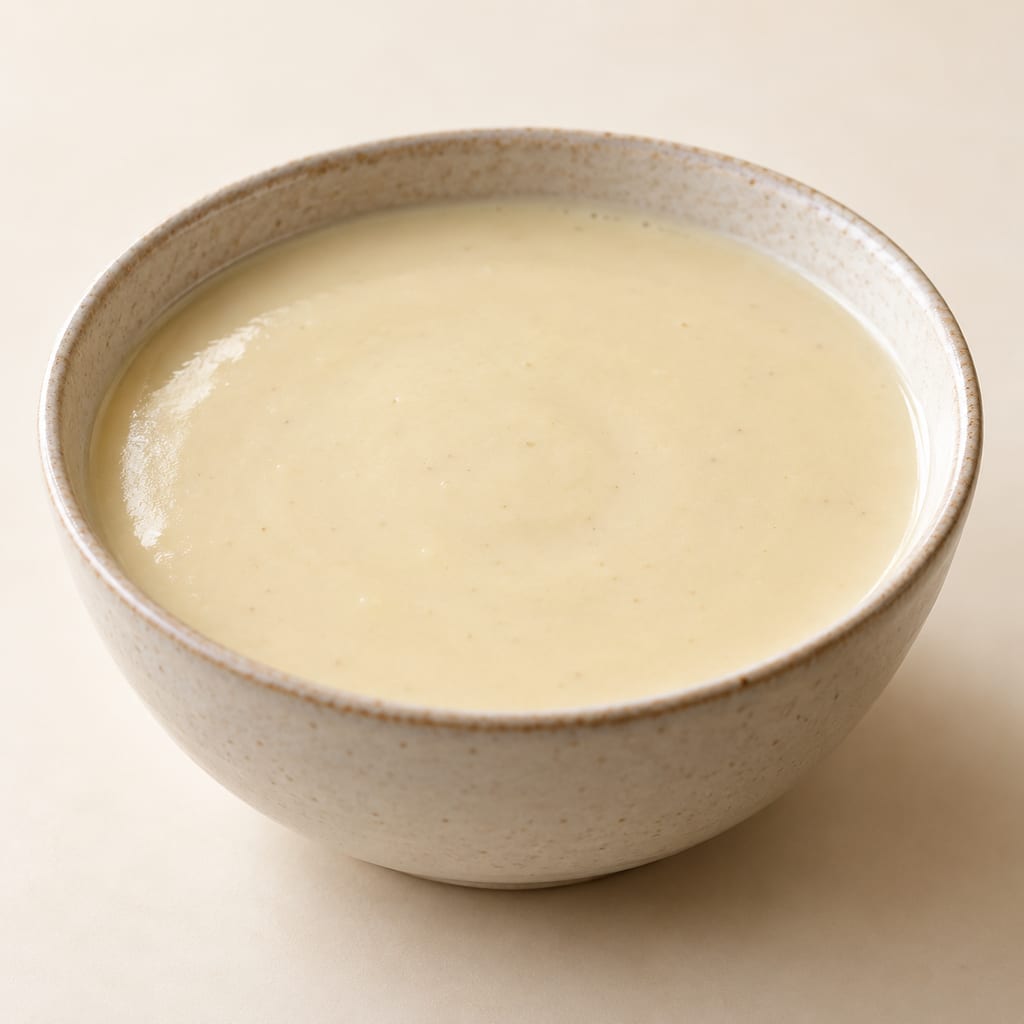
Veloute is a light stock sauce thickened with a blond roux, one of the French mother sauces, and the base for named sauces built on chicken, fish or veal stock.
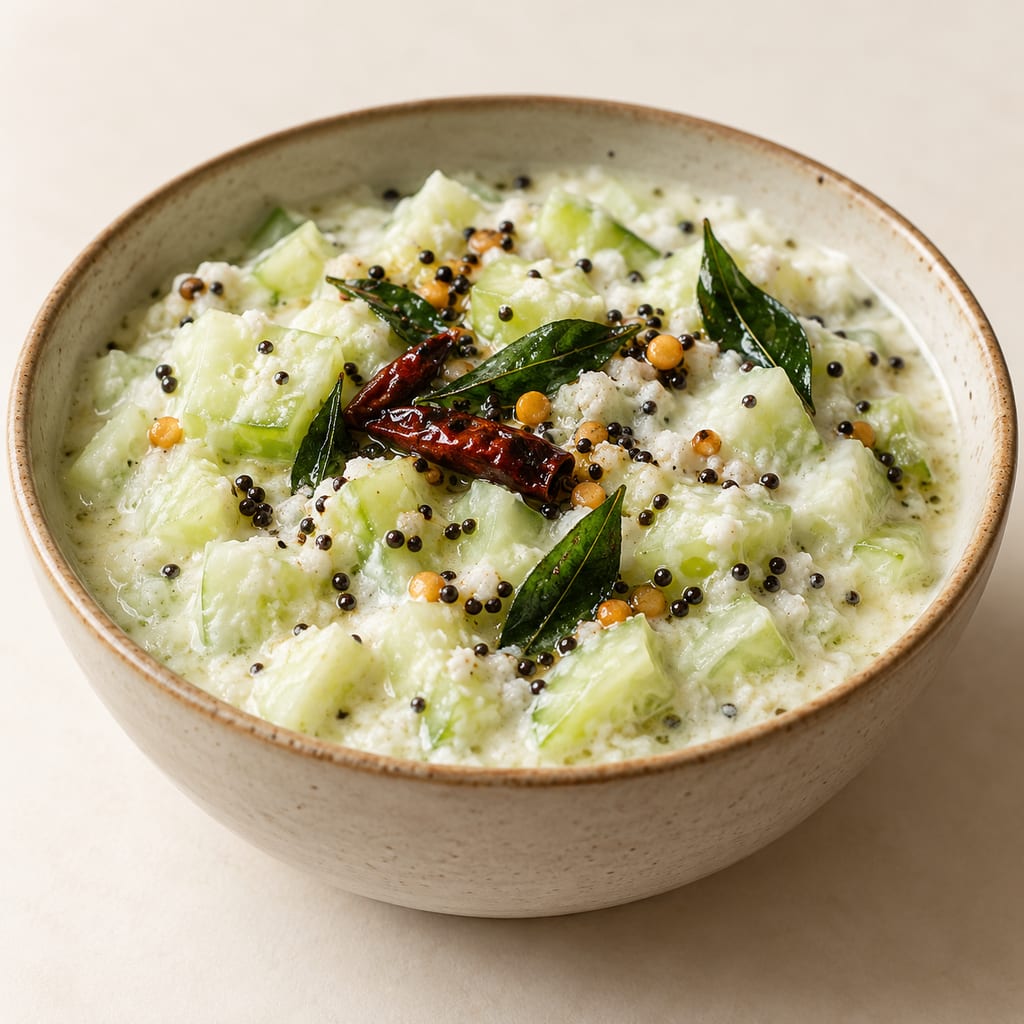
A Kerala cucumber kichadi for an Onam sadya, finished with coconut, yogurt and a coconut-oil tempering.
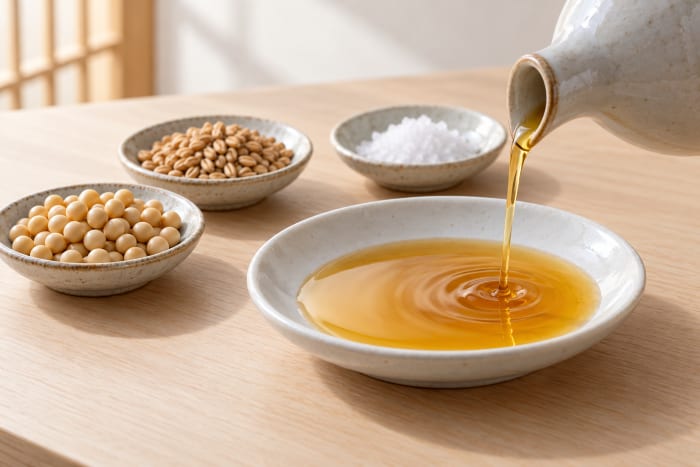
Usukuchi is Japan's light-coloured soy sauce, a Kansai style identified by its pale colour rather than by lower salt, with the colour set by production choices made during brewing.

In Tunisia chermoula is a cooked sweet-sour dish: floured fried fish returned briefly to a sauce of onions cooked in oil with harissa, vinegar, water, honey and raisins.
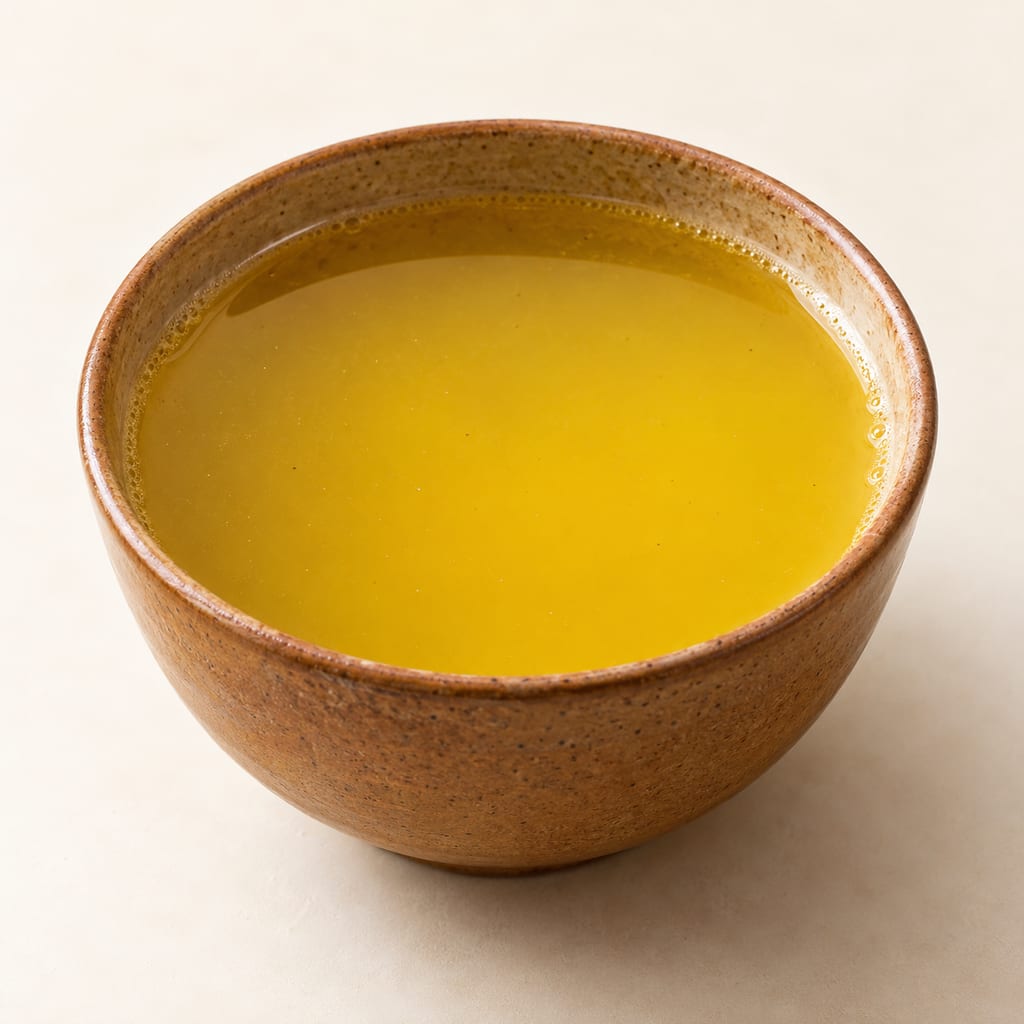
Tucupi is a yellow, sour liquid from the Brazilian Amazon, made from the juice of bitter manioc that is settled, fermented and cooked. It is the base of duck in tucupi and tacacá.
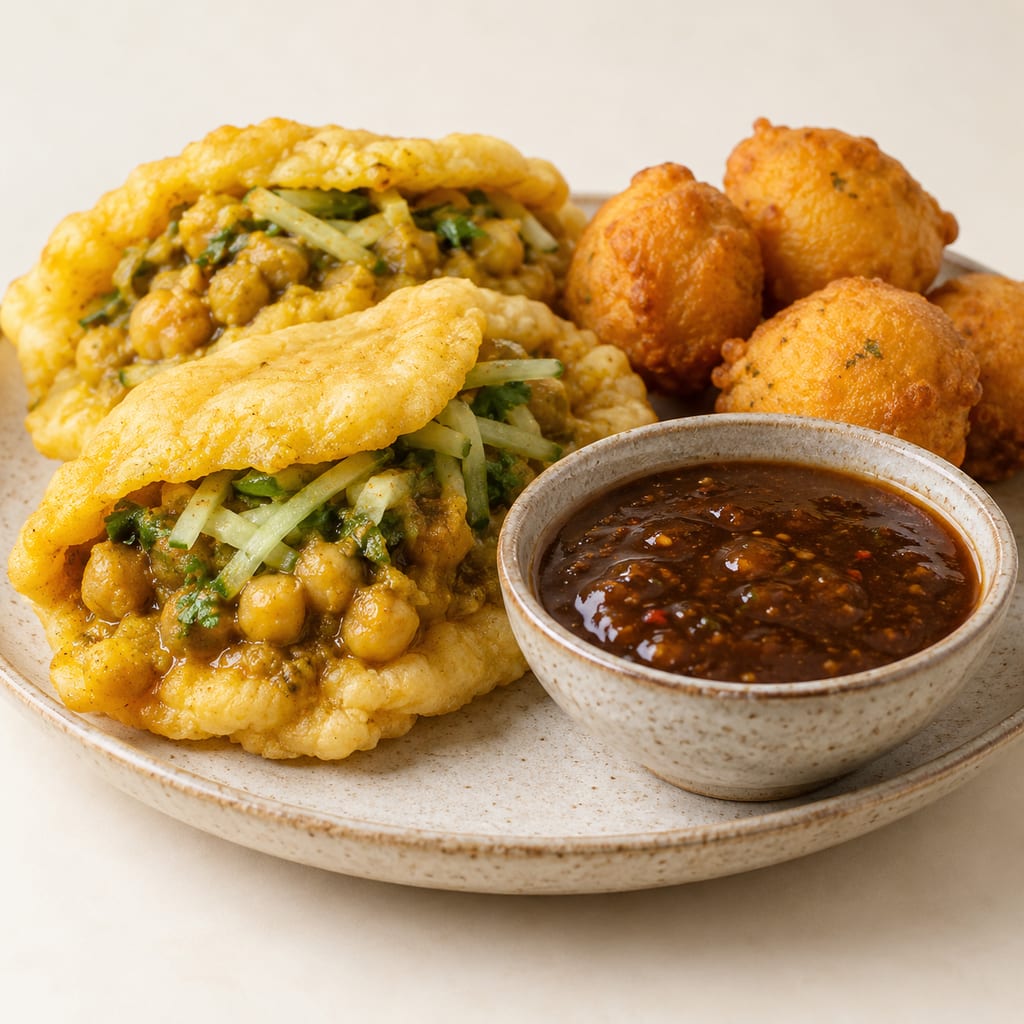
A sweet, sour and spiced tamarind sauce from Trinidad, made from tamarind pulp with garlic, Scotch bonnet, culantro, cumin, anchar masala and brown sugar, served with doubles and pholourie.
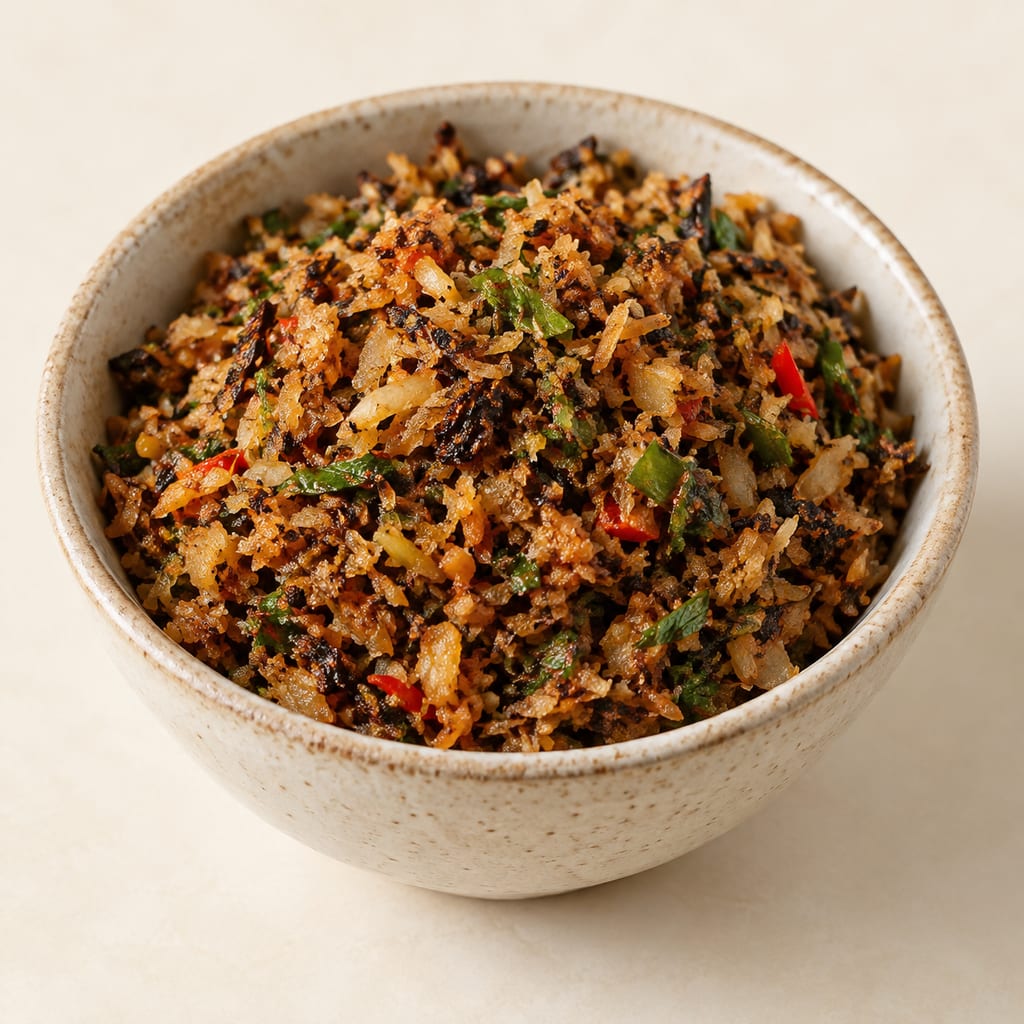
Trinidad coconut chutney is dried coconut roasted until charred, then ground on a stone with garlic, hot pepper, pimento and chadon beni to a coarse paste.
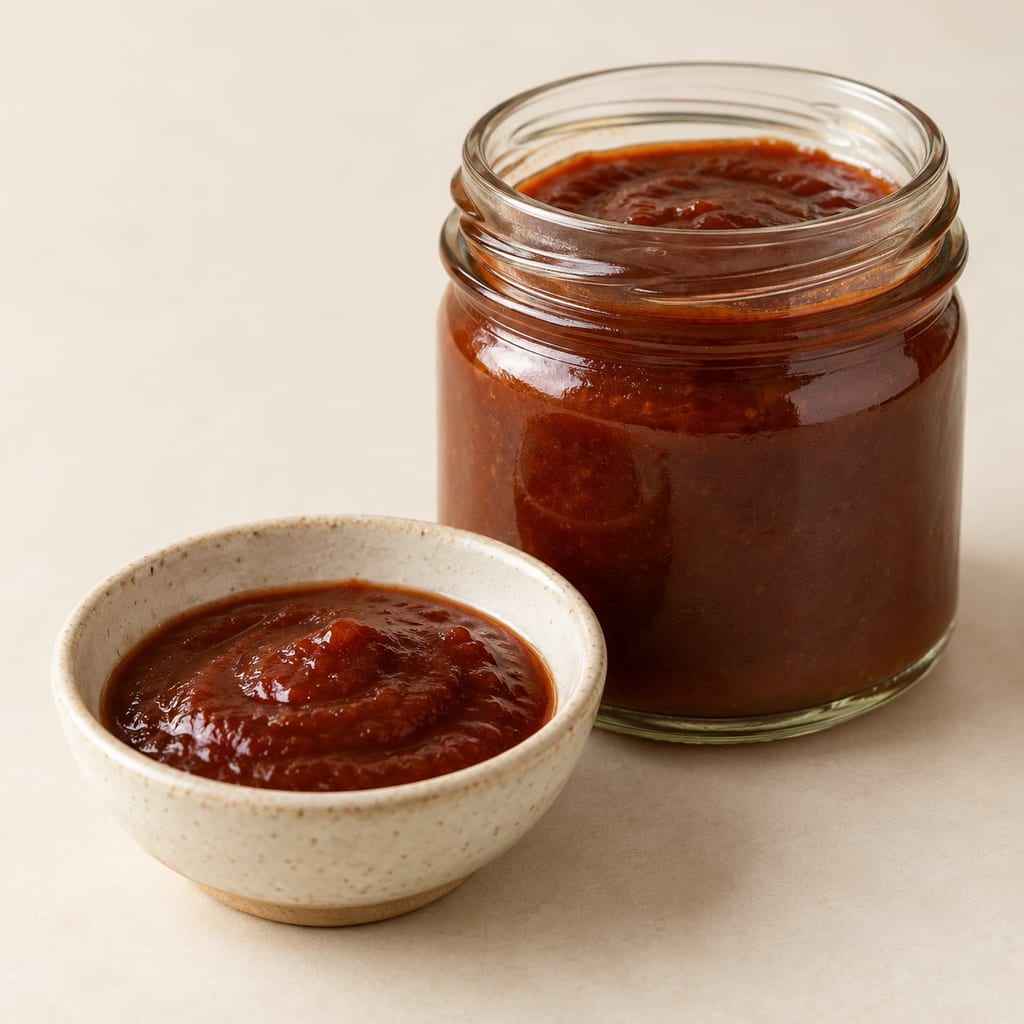
Mary Randolph's tomato soy, a tomato condiment and not soybean sauce: tomatoes salted in layers for three days, boiled for a day, passed through a sieve and spiced with cloves, allspice, black pepper and cayenne.
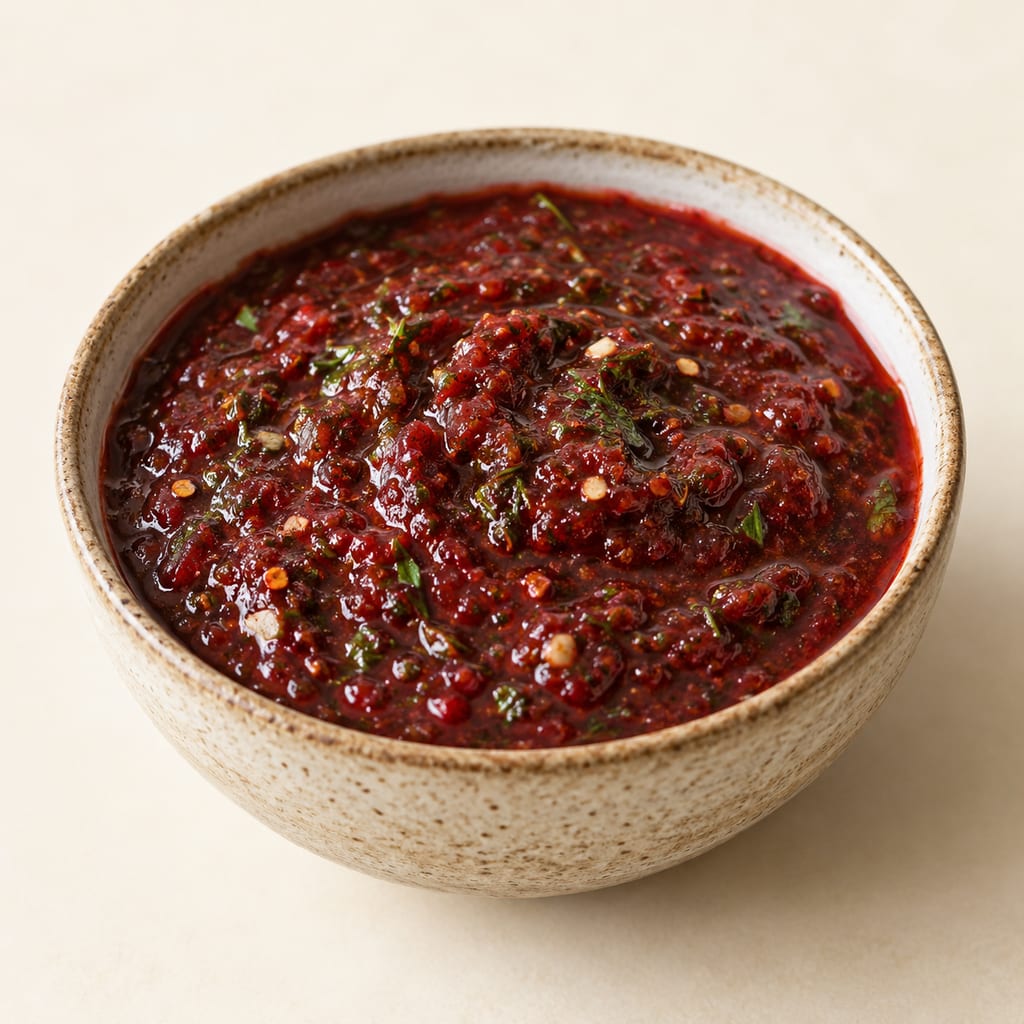
A Georgian sour plum sauce of cherry plums cooked with garlic, coriander, dill-family herbs and chilli. Its sourness comes from the fruit, and it is served as a condiment with grilled meat, poultry and potatoes.
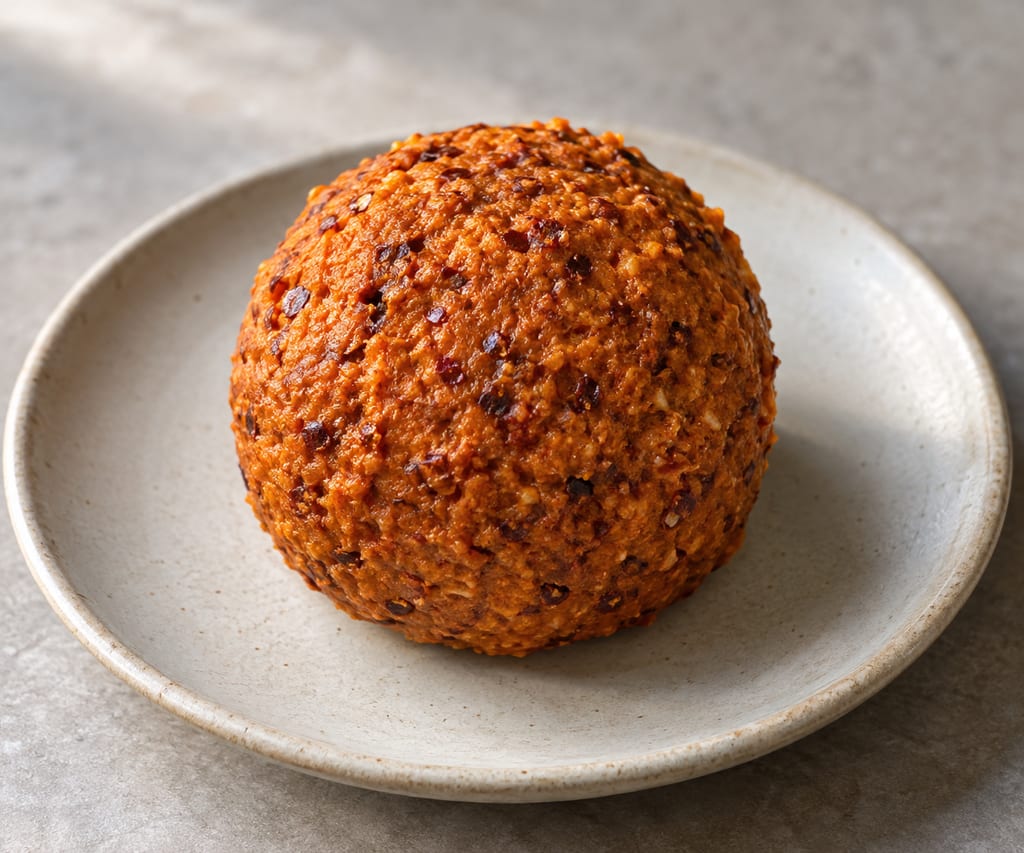
A Kerala chammanthi of coconut and red chillies roasted over a flame, then ground with shallots, tamarind, curry leaves, lemon leaves and salt and shaped into a ball.
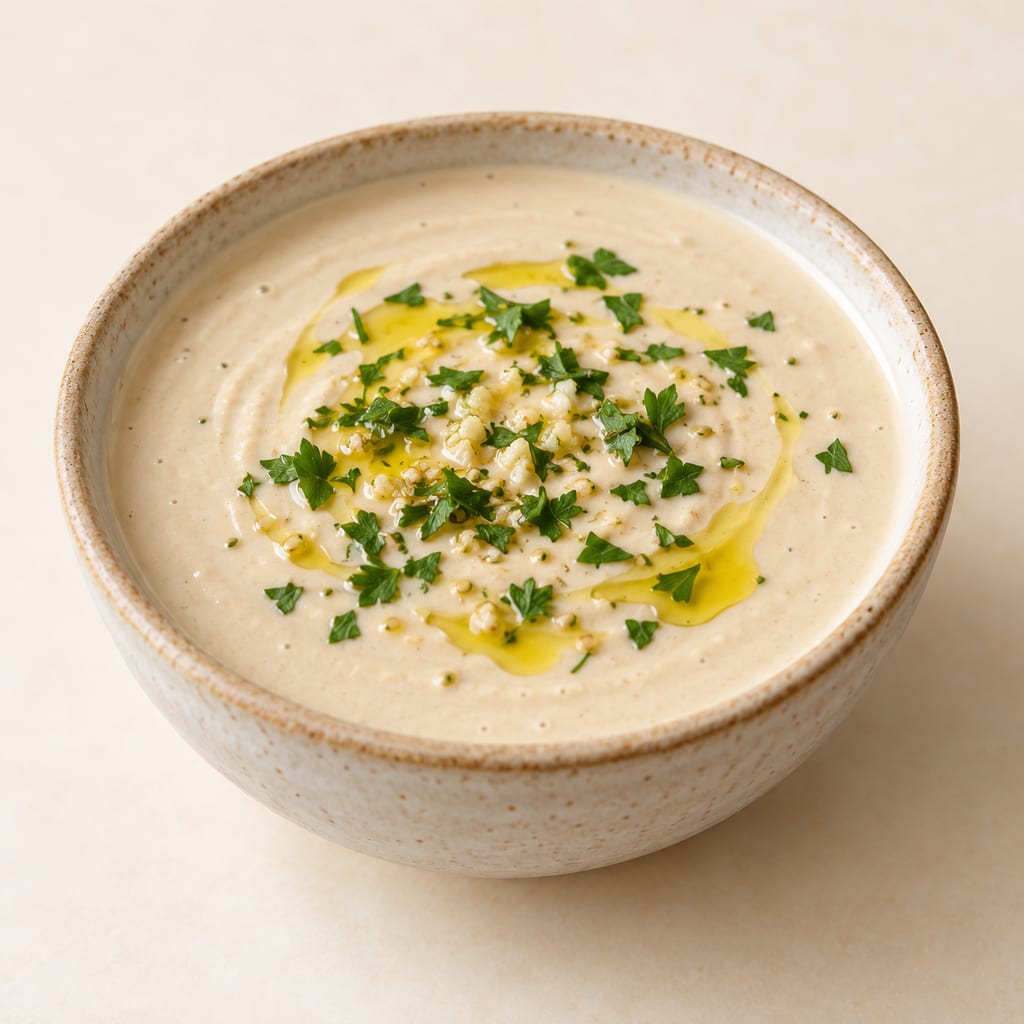
A Levantine sesame sauce of tahini thinned with water and brightened with lemon and garlic, the base of tarator served with falafel and shawarma, with Egyptian and Iraqi variants.
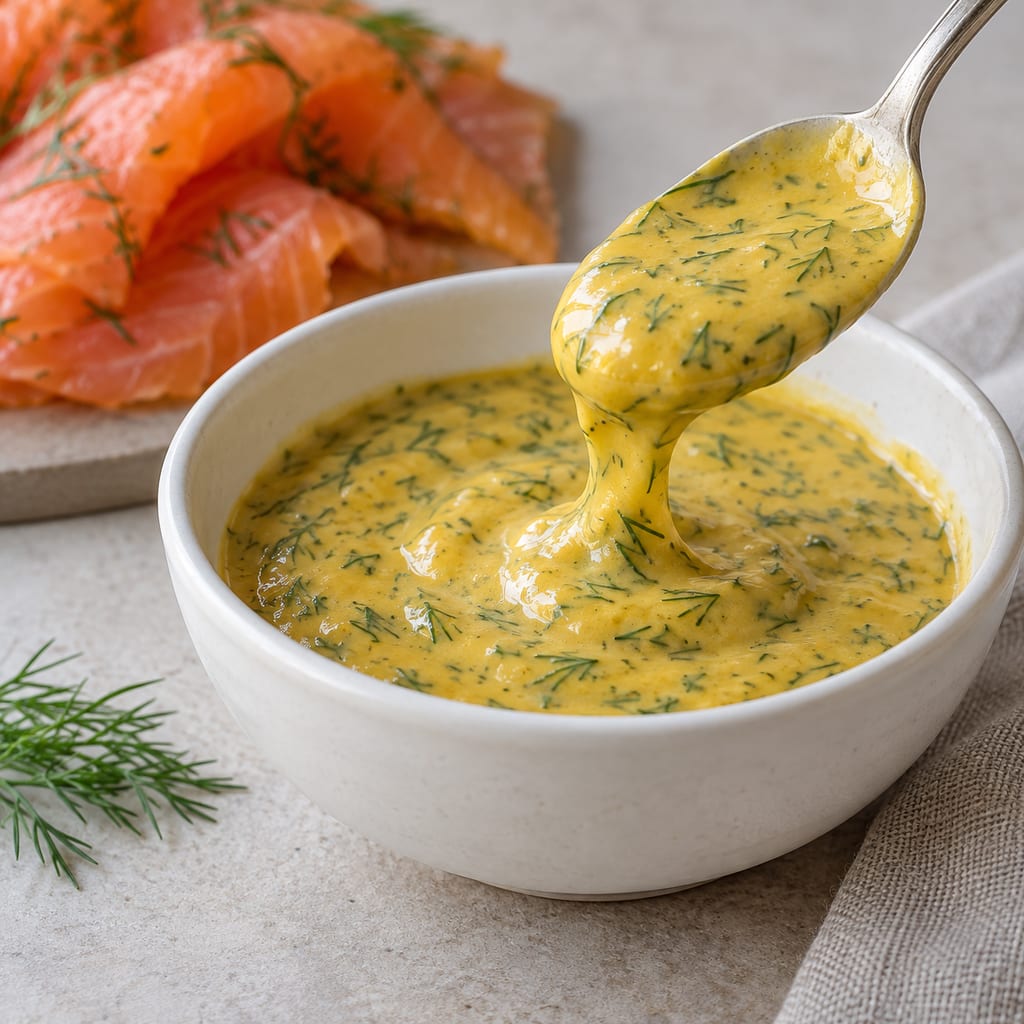
Sweet mustard and Dijon whisked with sugar and white-wine vinegar, thickened with oil added slowly and finished with fresh dill: a hovmästarsås-style sauce for salmon.
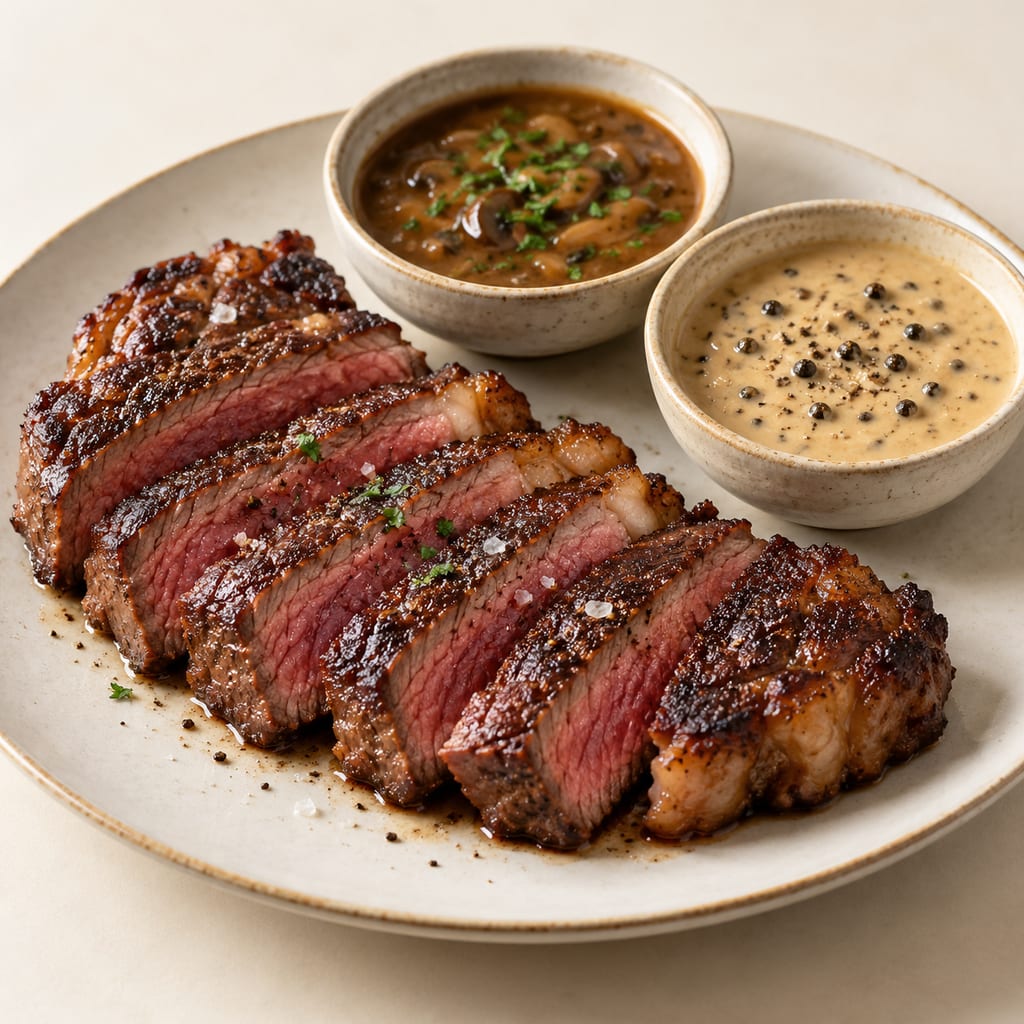
Steak Diane is a restaurant pan sauce of seasoned butter, Worcestershire and parsley, often flamed; the related peppercorn cream sauce is reduced from cream and crushed peppercorns for steak.
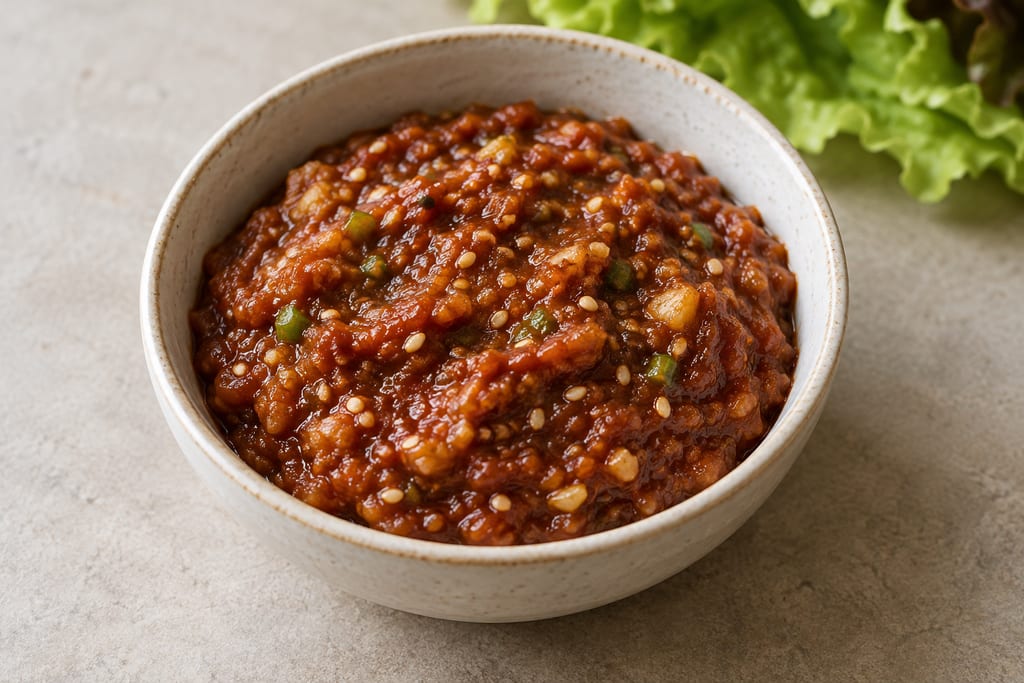
Doenjang and gochujang stirred together with sesame oil and seeds, a little honey, water, raw garlic and spring onion: a thick, savoury sauce for lettuce wraps with rice.
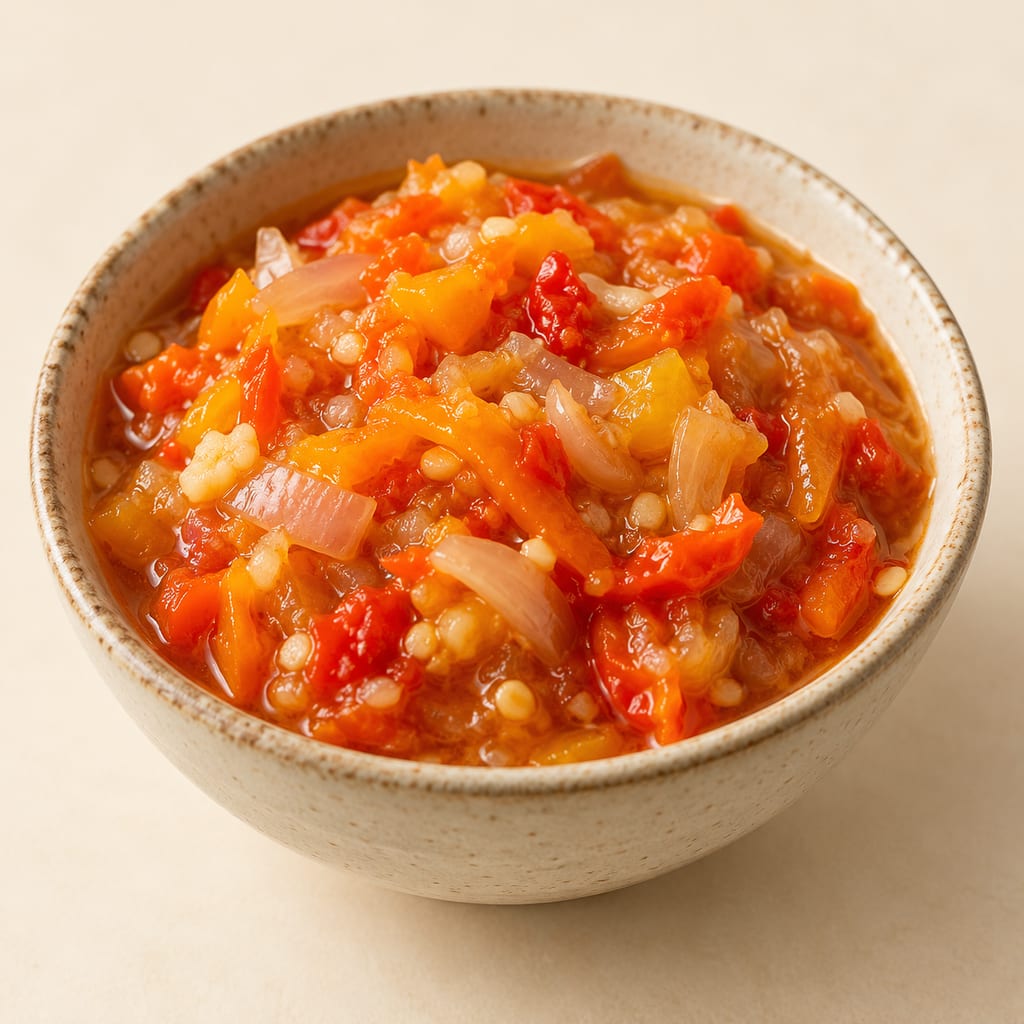
A Haitian hot sauce of habanero or Scotch bonnet, onion, shallot and garlic, softened in vinegar and lime, simmered briefly and served on grilled or fried meat and seafood.
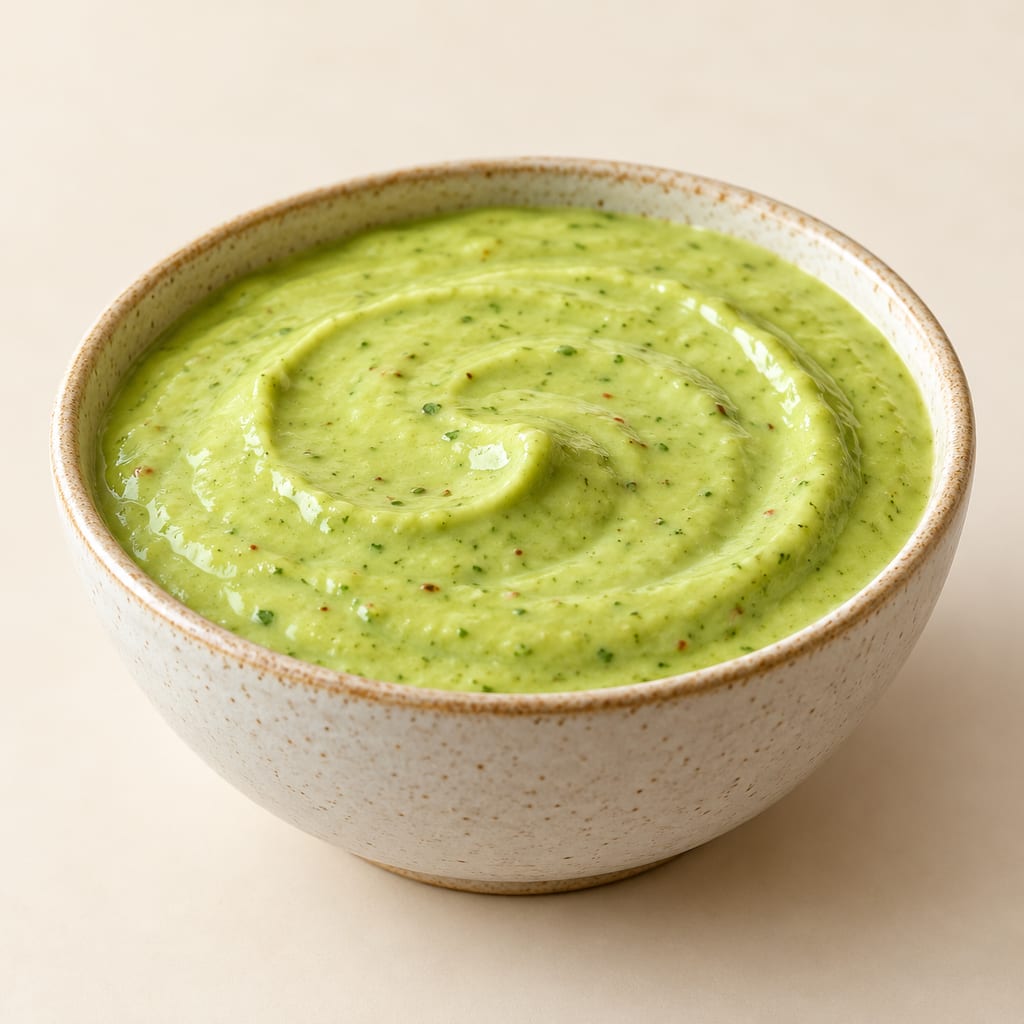
A pourable sauce of ripe avocado, lime, chile, herbs and onion, blended or mashed to a smooth body. It is an avocado sauce, not every green taquería sauce.
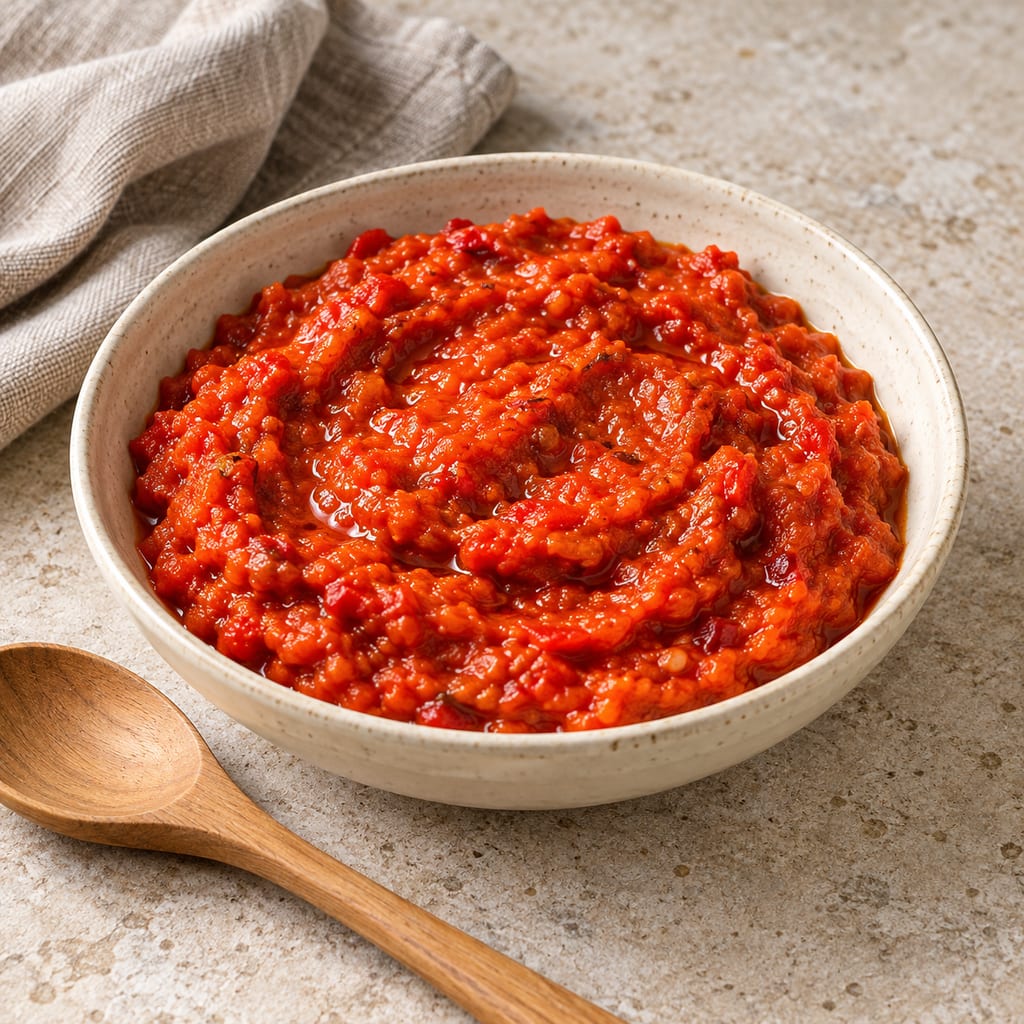
A small roasted red-pepper and eggplant relish with sunflower oil, wine vinegar, garlic and salt. It is a modern ajvar-style trial, not a validated winter preserve or a copy of a commercial formula.
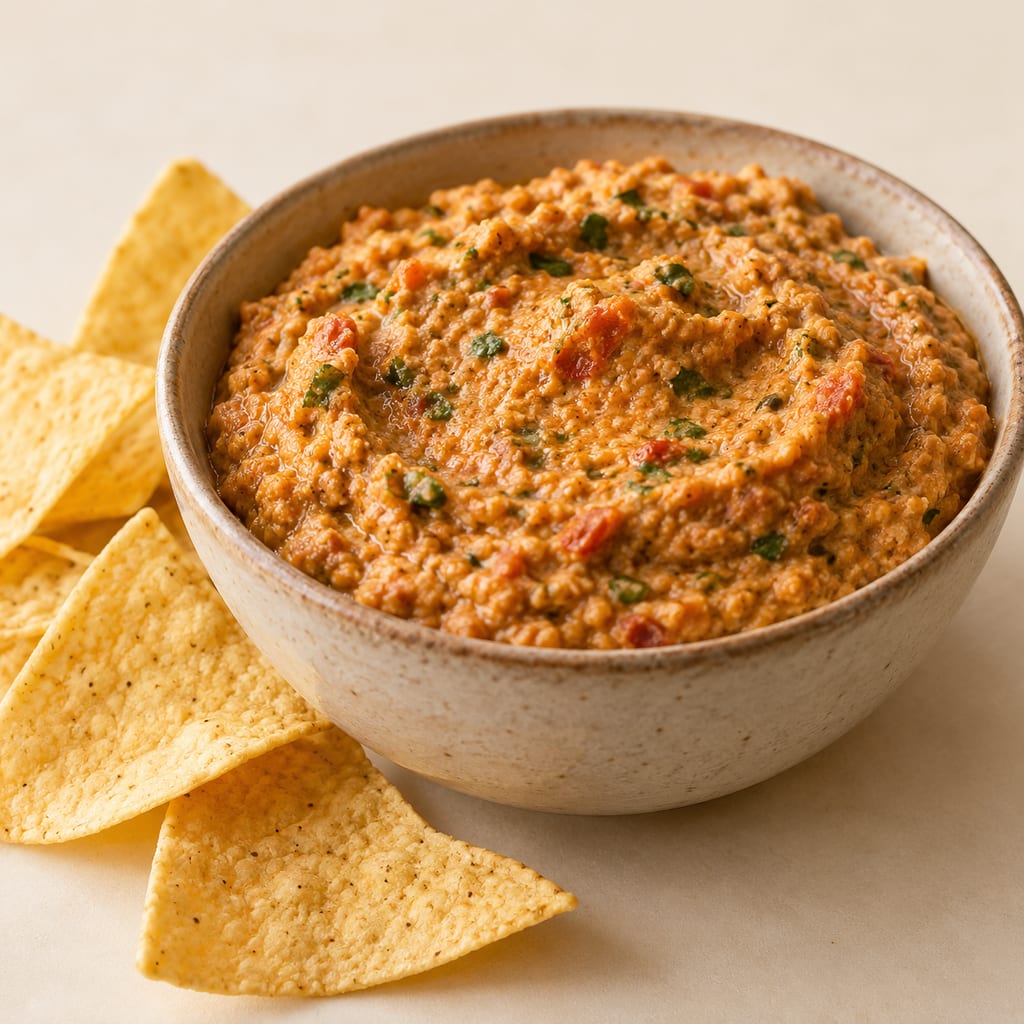
Sikil p’ak is a Yucatecan dip of toasted, ground pumpkin seeds mixed with roasted tomato, habanero, onion and herbs, served with tortilla chips or warm tortillas. Its name is built from Maya words for pumpkin seed and tomato.
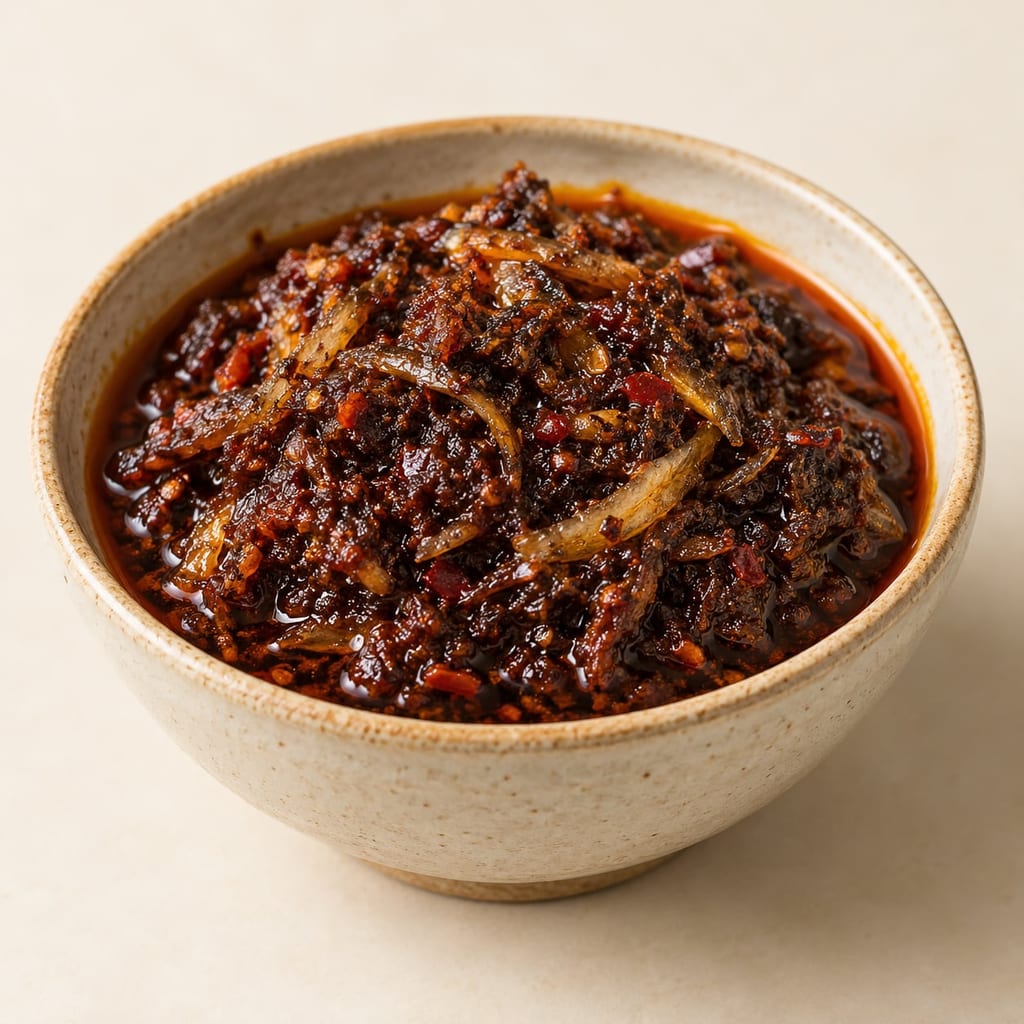
Shito is a hot Ghanaian pepper condiment with fish-rich, oil-cooked and fresh pepper forms; this measured version follows a recipe collected in Ghana’s Northern Region.
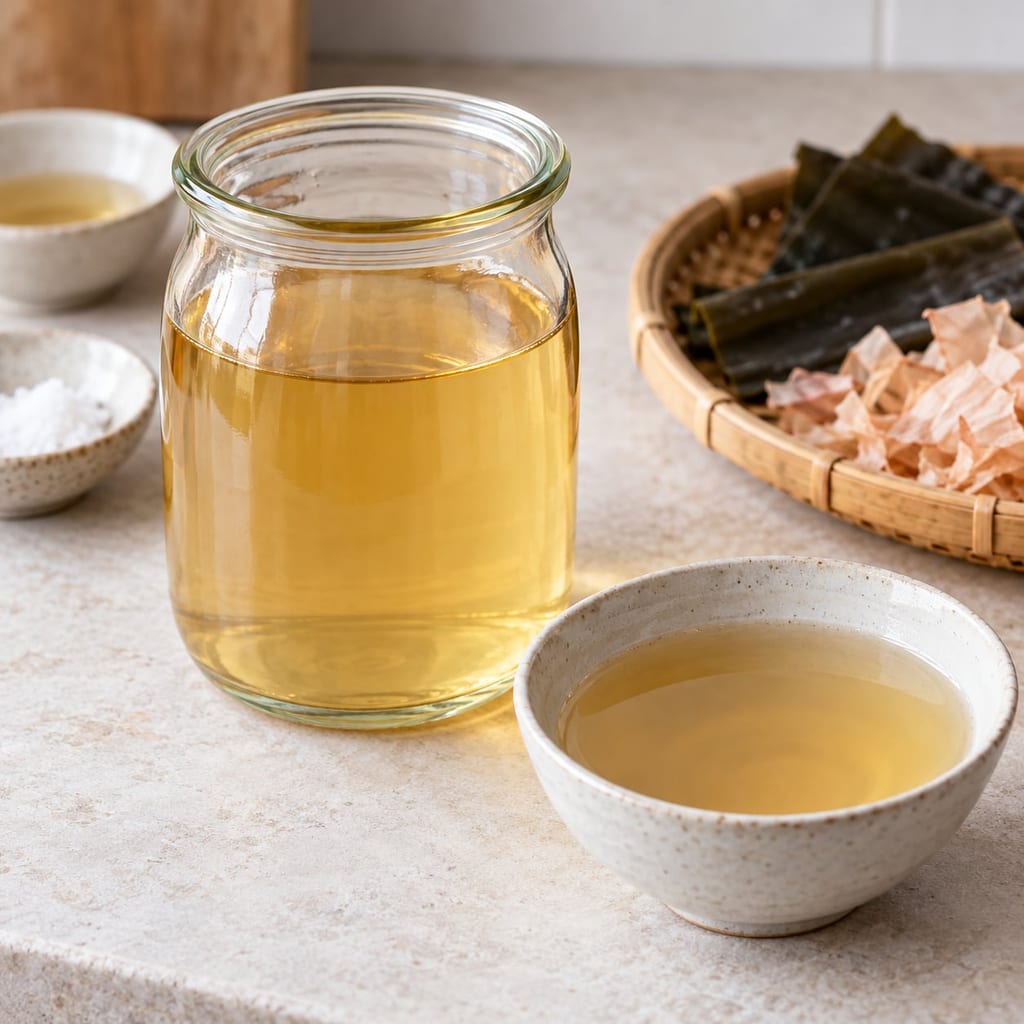
Shiro dashi is a pale Japanese seasoning stock of kombu and bonito dashi, light soy sauce, mirin and salt, used to flavour dishes without darkening them.