
















































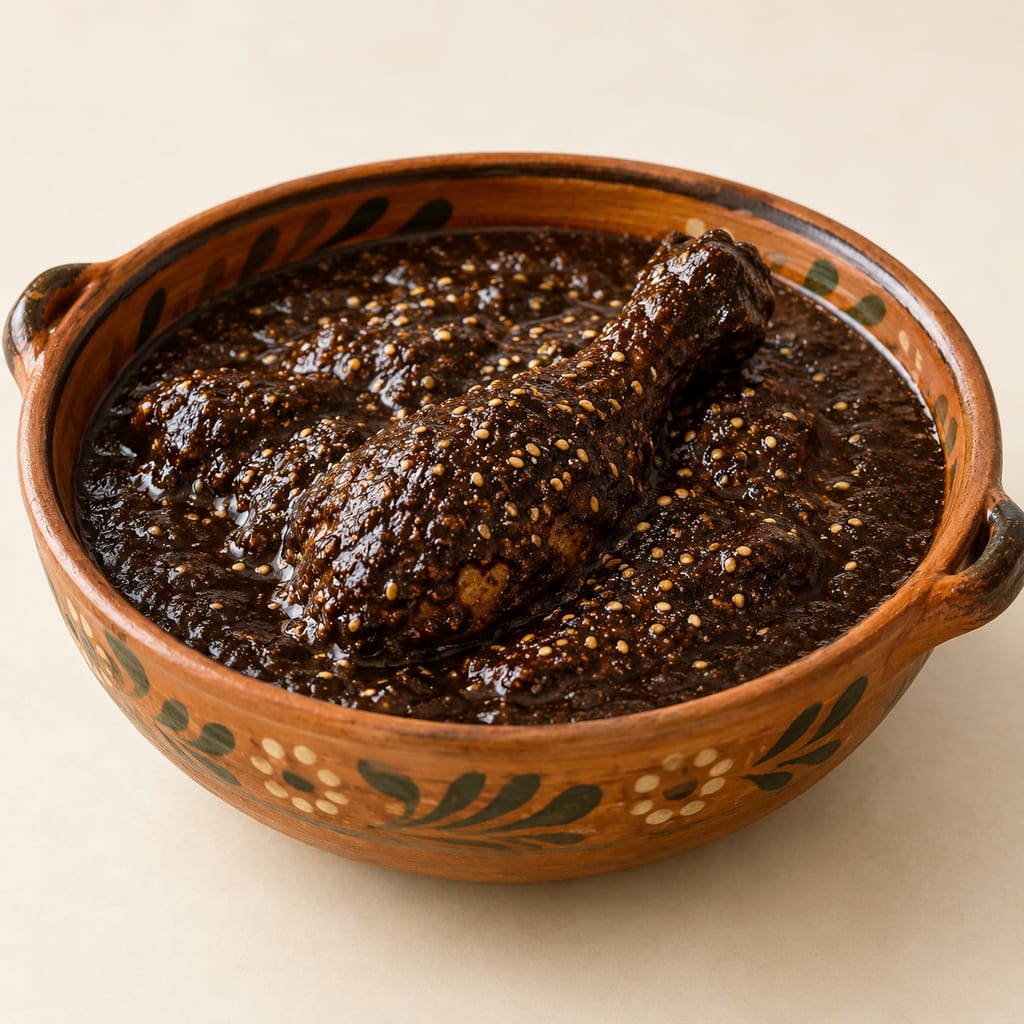
Mole negro
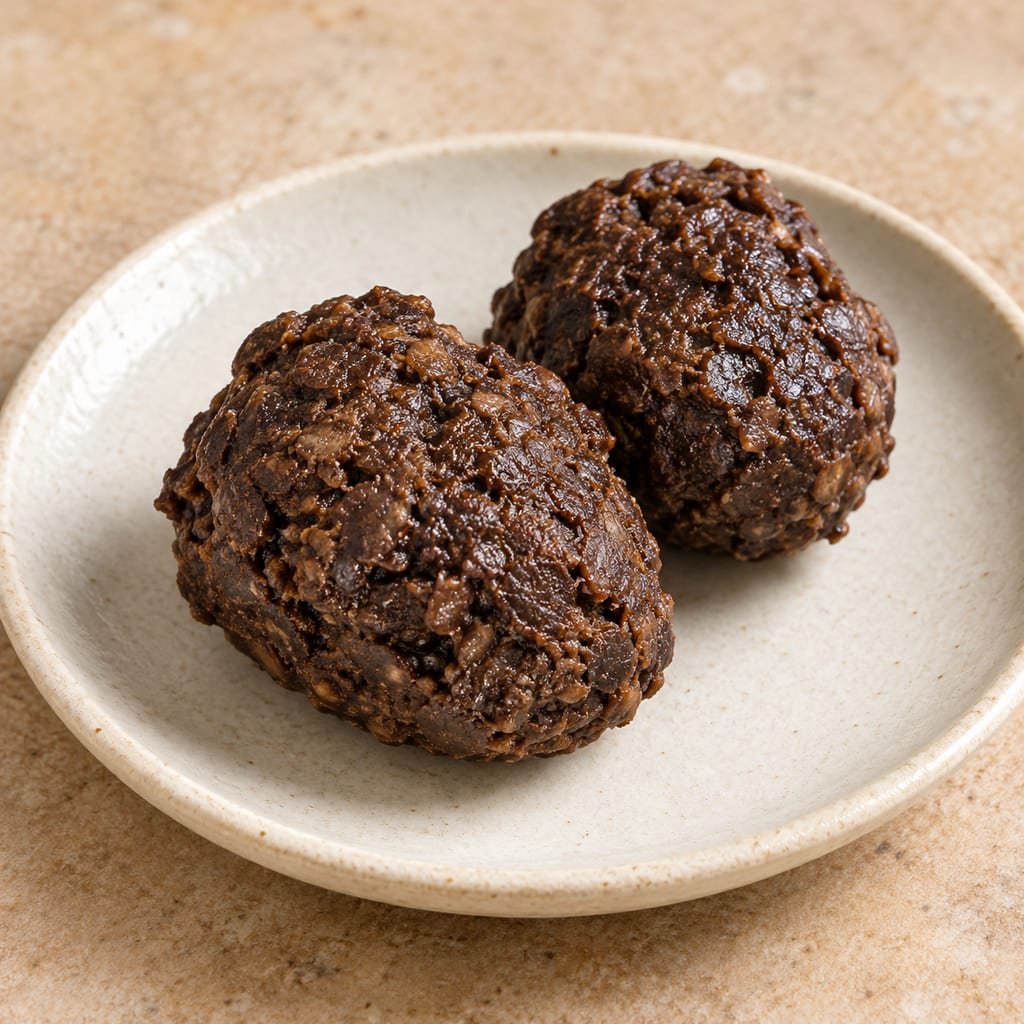
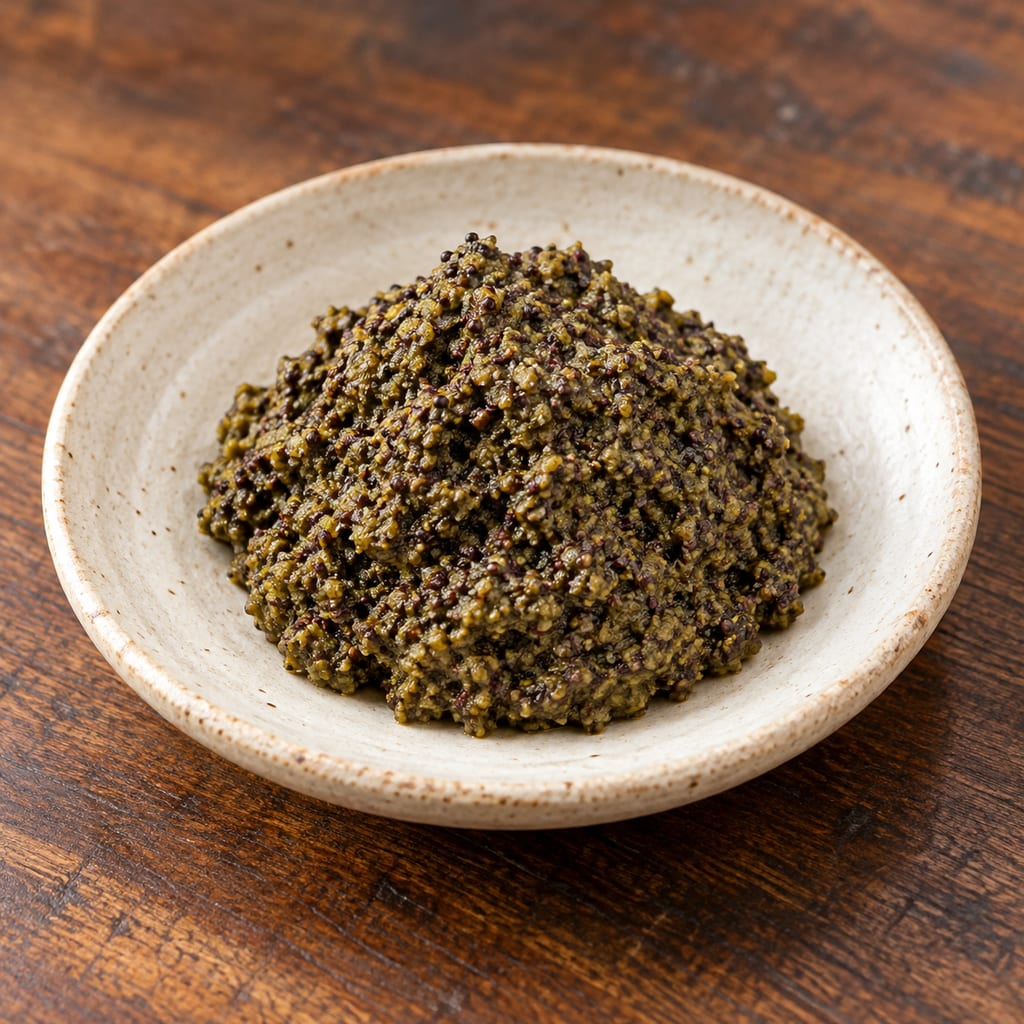
Mole negro is the darkest and most elaborate of Oaxaca's seven moles: dried chiles and seeds are toasted and charred, ground with nuts, spices, bread and chocolate, then fried and simmered into a thick black sauce.
 FermenteaWhere food goes to change
1504 records with their sources, across 11 categories.
 Fermented, enzyme-ripened and mixed seasonings328
 Fruit preserves10
 Legume, seed and plant-protein ferments10
 Garum and fish sauces8
 Adjacent and excluded7
 Koji, mold starters and mold-ripened ferments4
 Acid and oil pickles3
 Fermented fruit and fruit-derived foods3
 Vegetable lactic3
 Dairy ferments2
 Smoked salted and dried foods2
 Cheese1
 Not yet classified1
Mole negro is the darkest and most elaborate of Oaxaca's seven moles: dried chiles and seeds are toasted and charred, ground with nuts, spices, bread and chocolate, then fried and simmered into a thick black sauce.
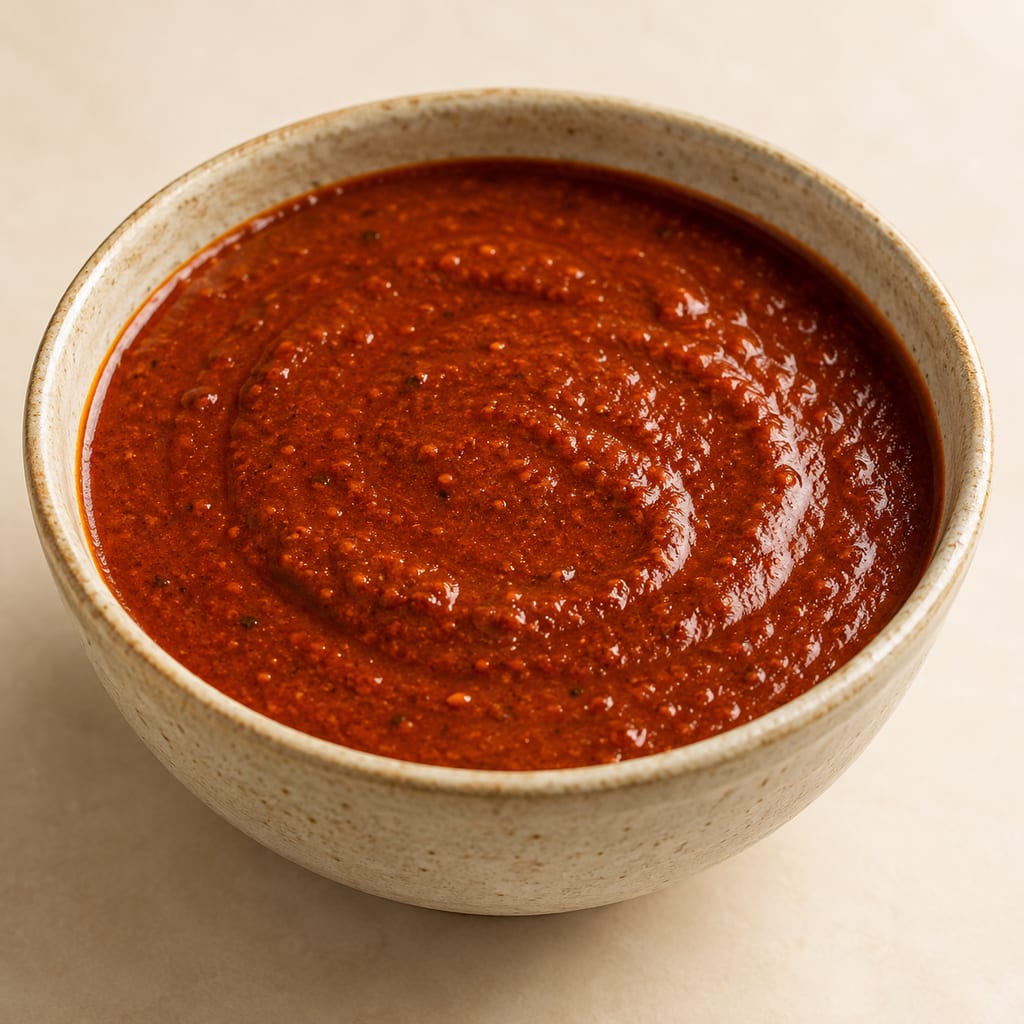
Mole coloradito is one of Oaxaca's seven moles: a brick-red sauce built on ancho chiles and tomato, thickened with ground seeds and nuts and sweetened with fruit, served in a lighter, thinner form than mole negro.
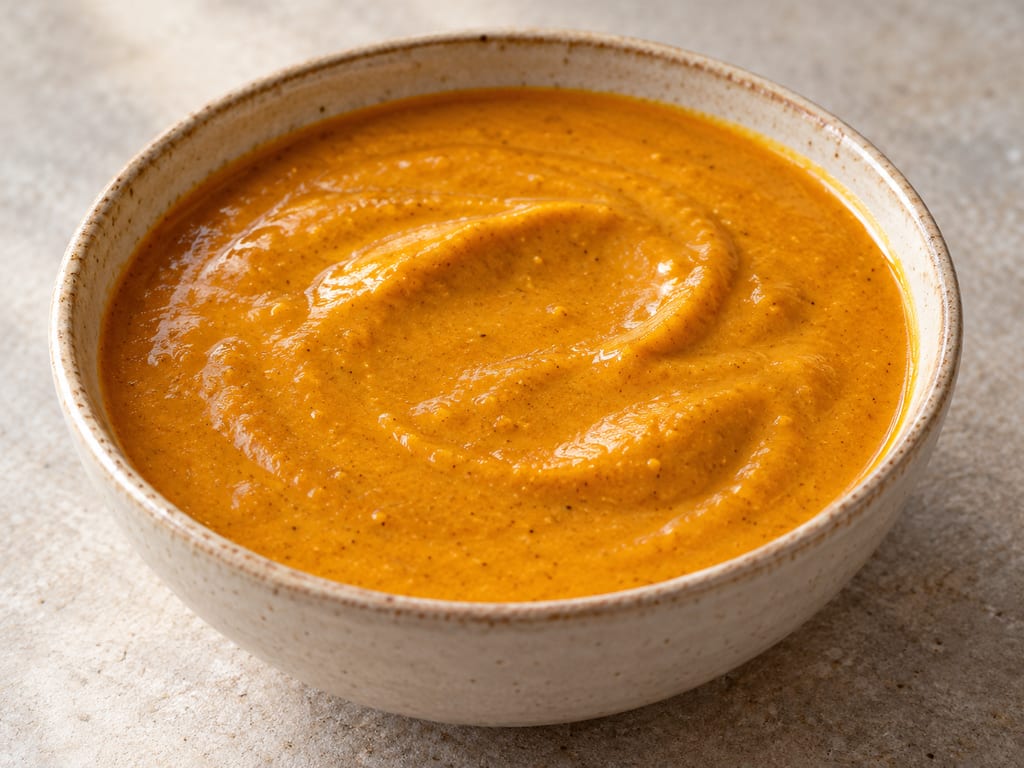
Mole amarillo, also called amarillito, is a yellow to orange Oaxacan mole built on cooked chile purée, thickened with corn masa and flavoured with herbs such as hoja santa, with no chocolate or dense nut mixture.
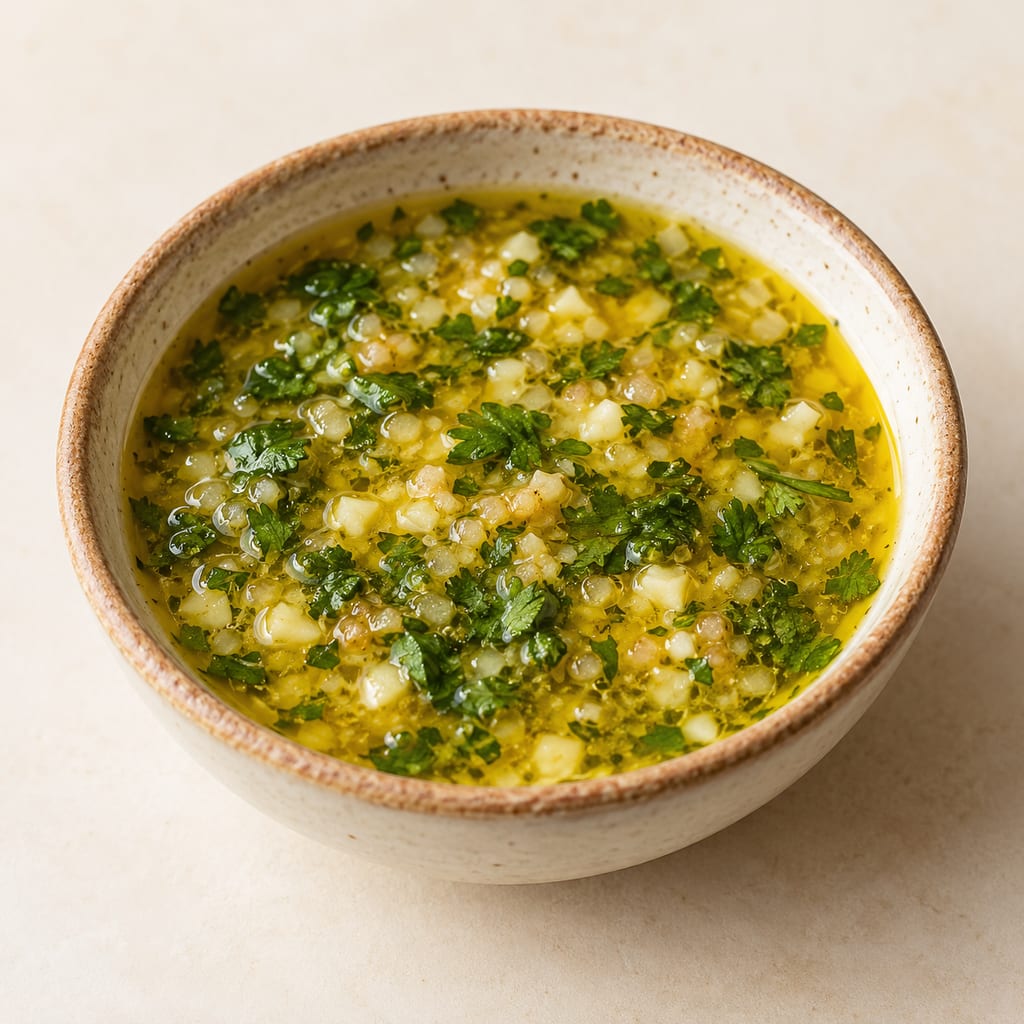
Mojo criollo is a Cuban sauce of garlic and sour orange juice with oil and herbs, used to marinate roast pork and as a dip.
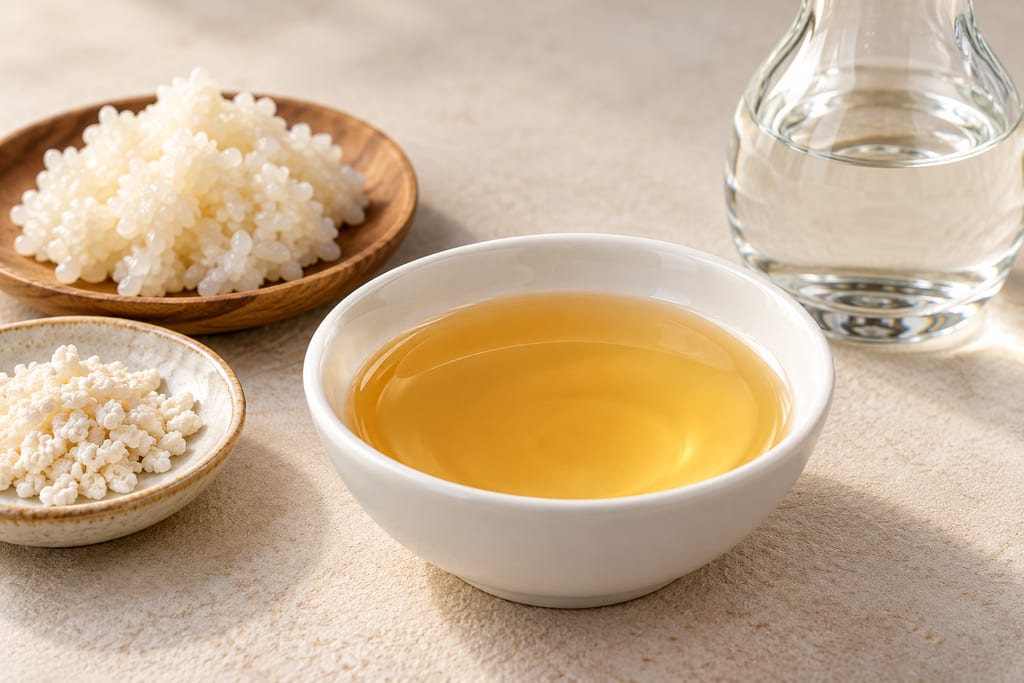
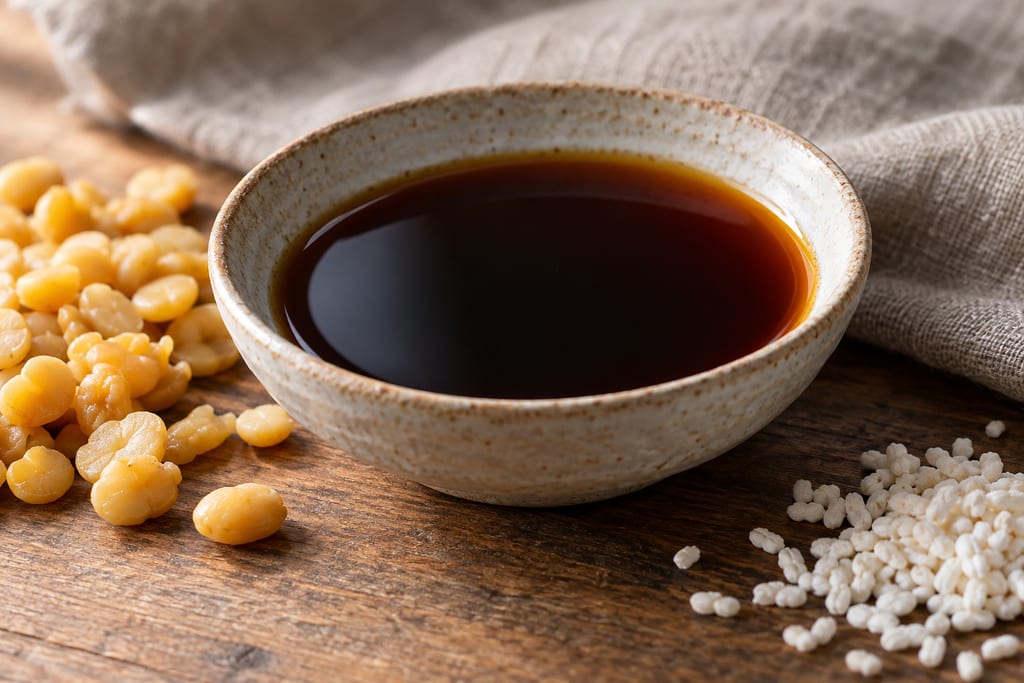
Hon-mirin is a Japanese rice seasoning made by saccharifying glutinous rice with rice koji in shochu, then pressing and usually heating the mash.
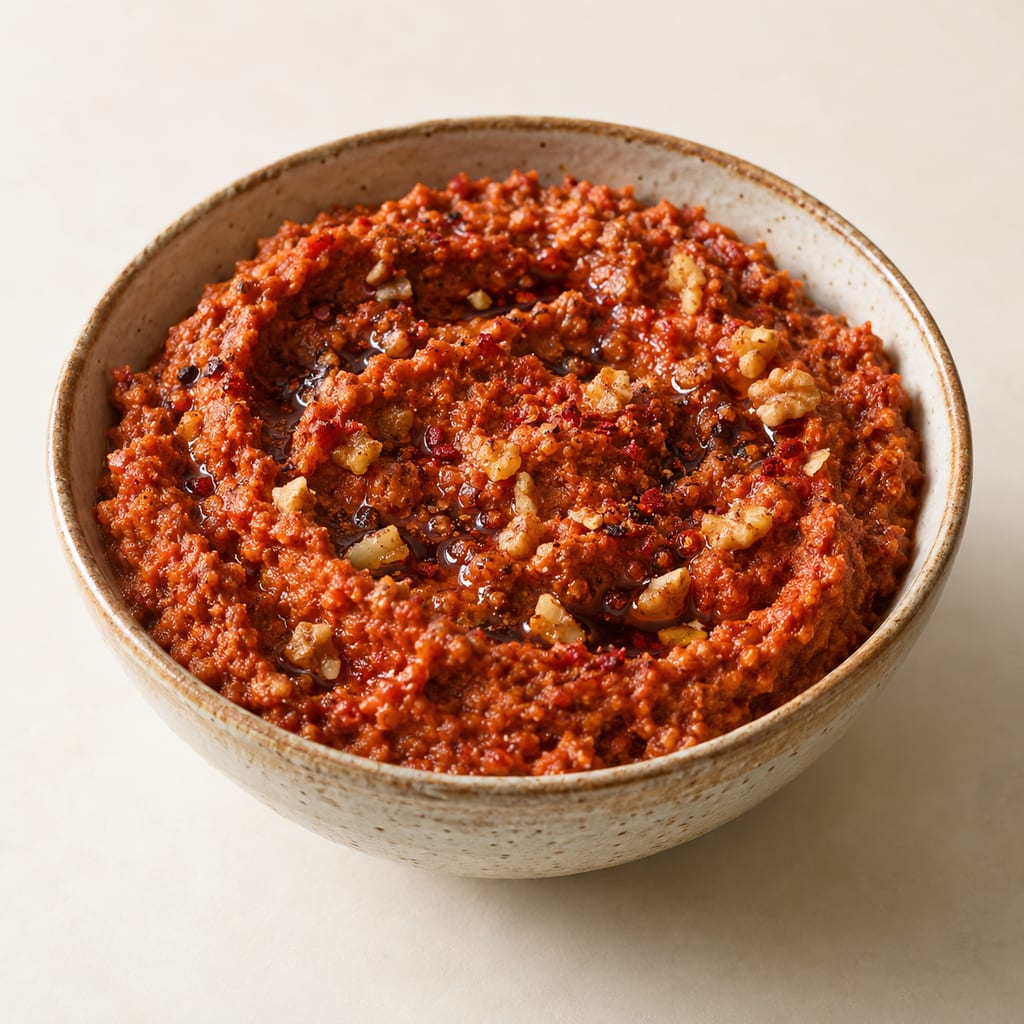
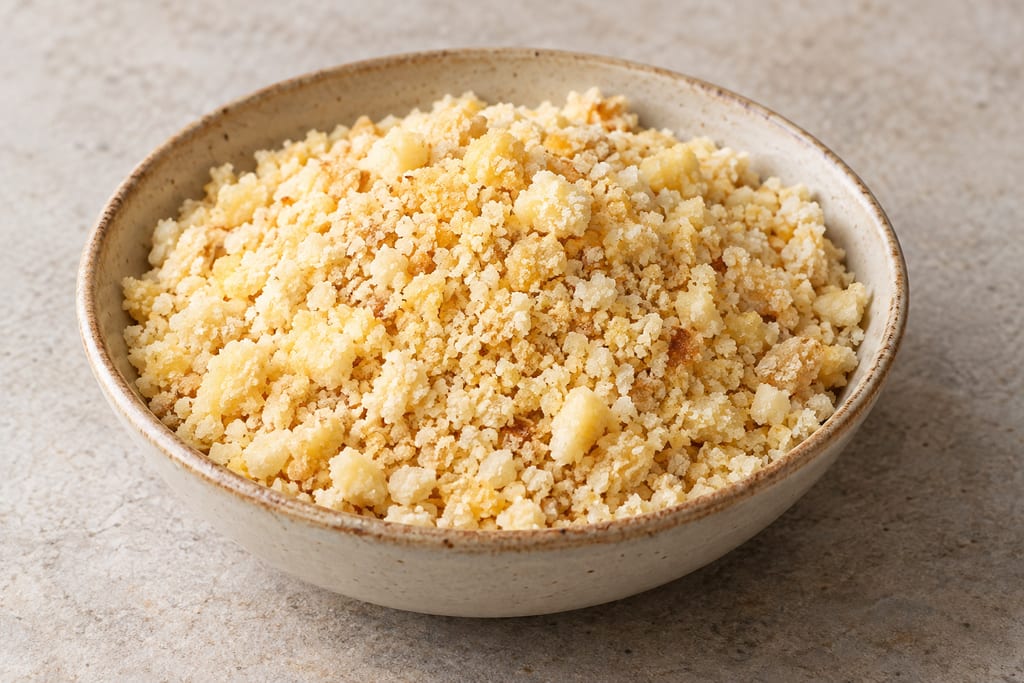
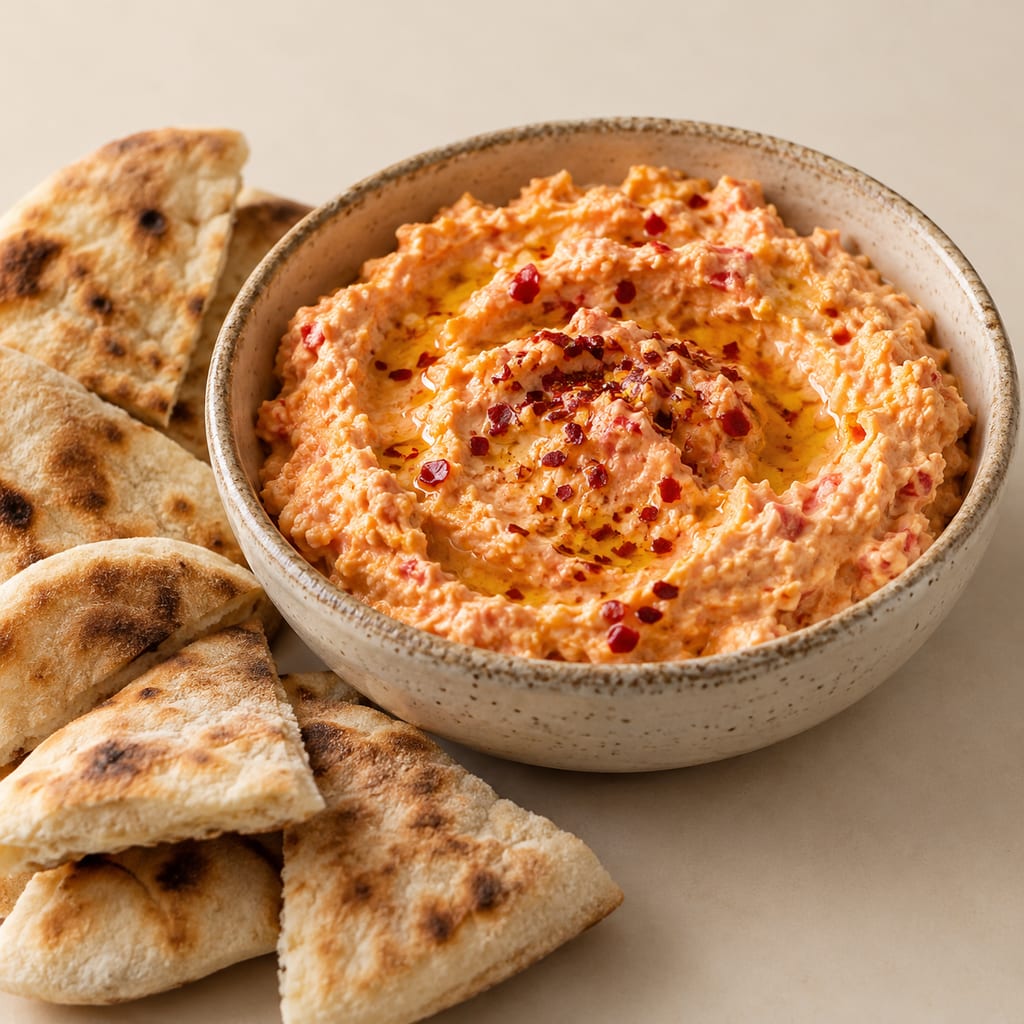
A Syrian red pepper and walnut dip usually linked to Aleppo, thickened with breadcrumbs and sharpened with pomegranate molasses, with Aleppo pepper and cumin.
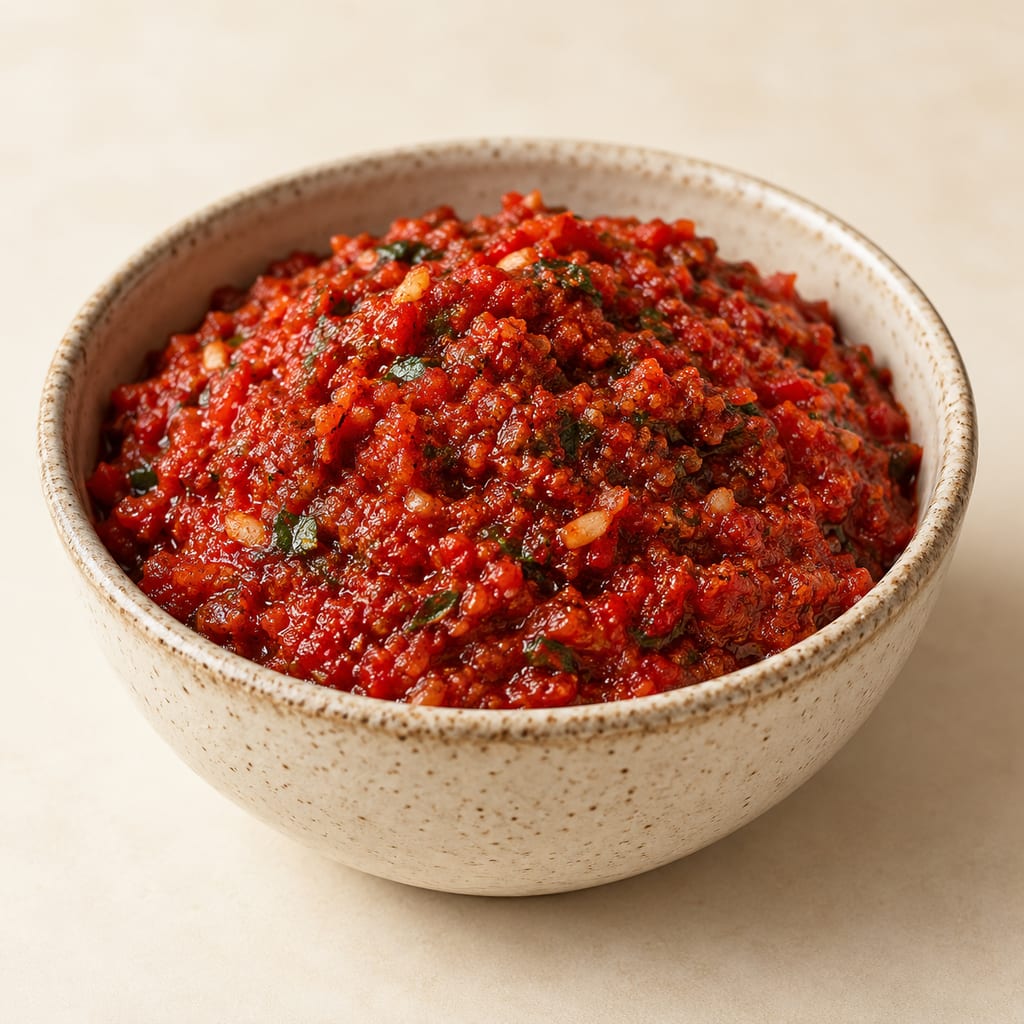
A documented Megrelian red pepper, garlic and herb paste with salt and ground spices. This preparation is mixed, not fermented; its source gives no validated preservation method or shelf life.
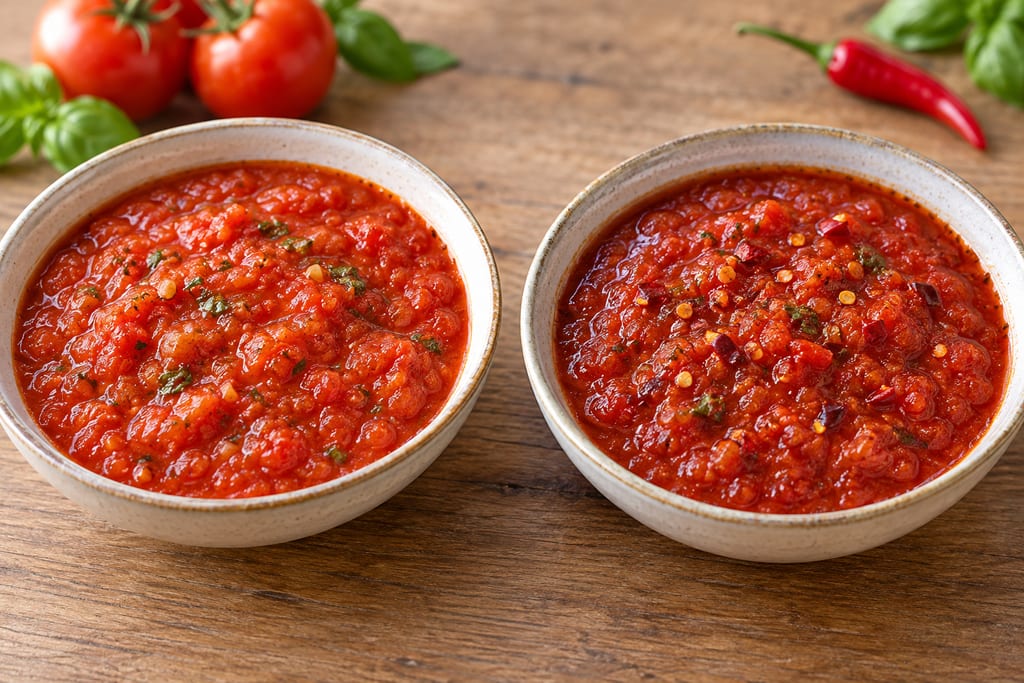
Marinara is a quick Italian-American tomato sauce; arrabbiata is a distinct Roman tomato sauce with red chilli. They share a simple cooked tomato-and-garlic base but are not the same sauce.
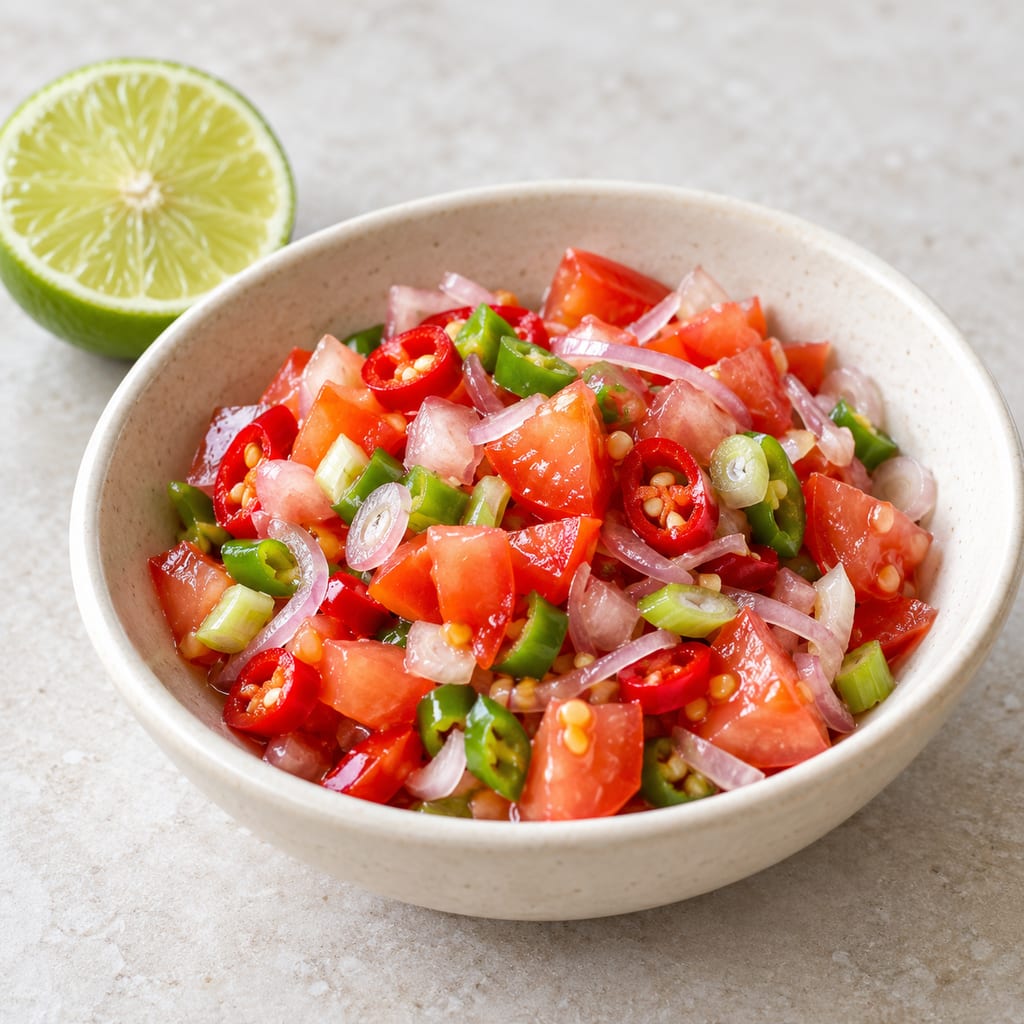
Dabu-dabu is a raw North Sulawesi relish of chopped chillies, shallot, scallion and tomato, dressed with salt and lime juice or coconut oil.
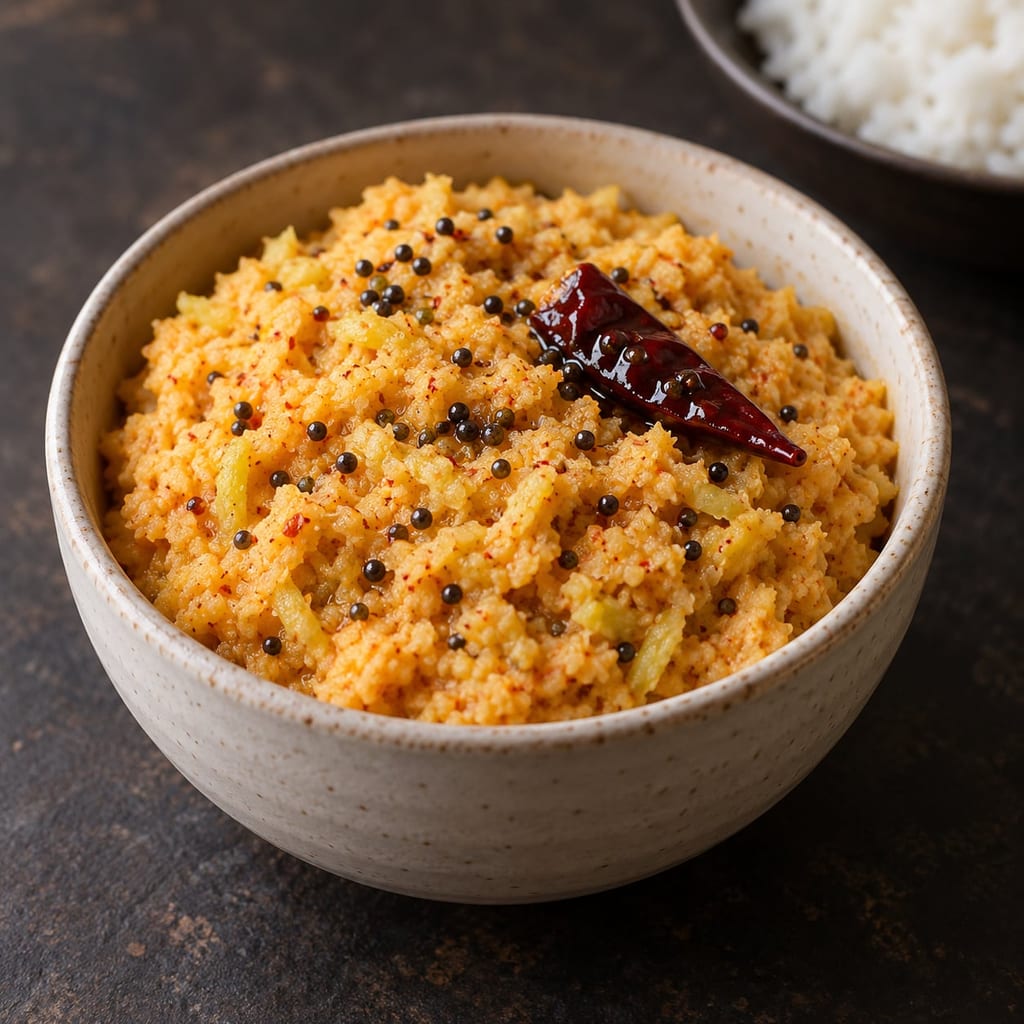
A coarse, sour Andhra chutney of raw mango and fresh coconut ground with browned urad dal and hot chillies, finished with a mustard tempering and eaten with hot rice.
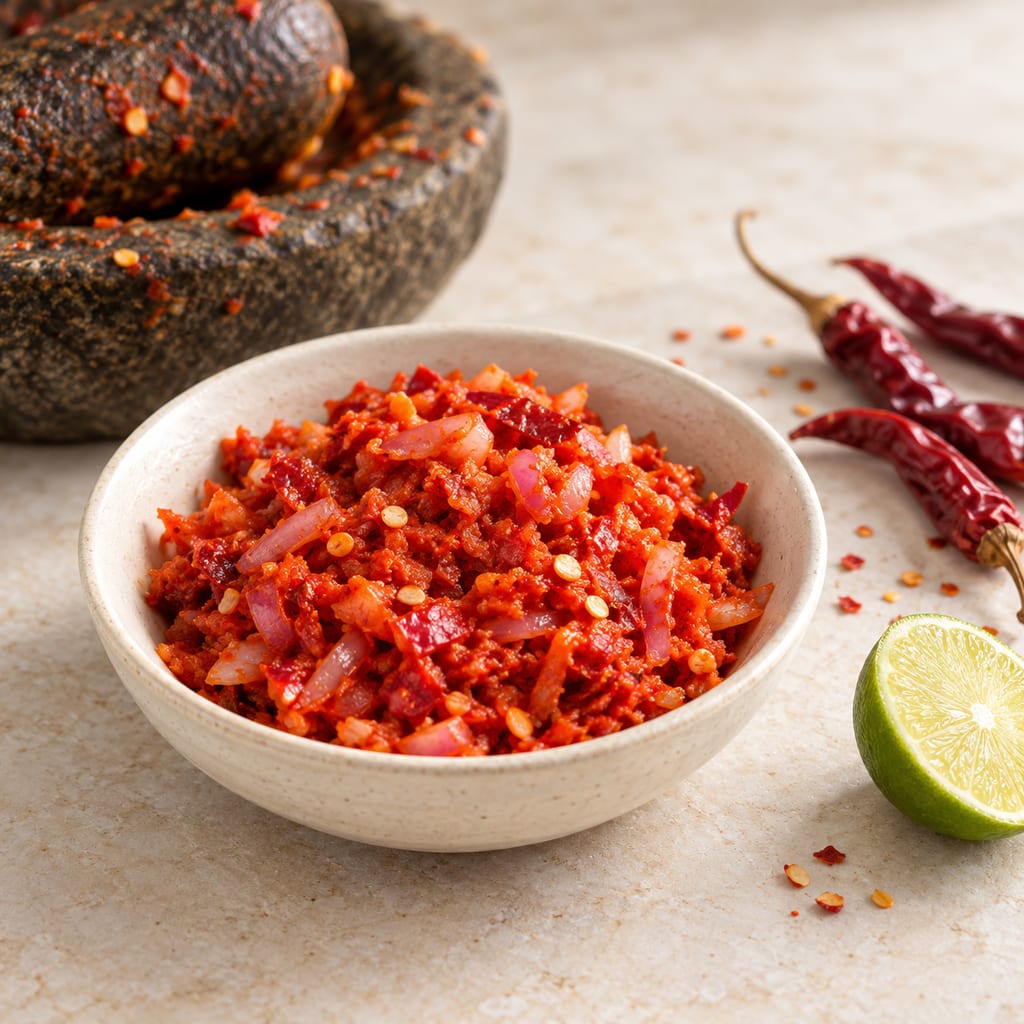
Lunu miris is Sri Lanka's pounded onion and chilli sambol: chilli flakes and red onion crushed with salt and lime, often with Maldive fish, eaten in small amounts with hoppers, pol roti and kiribath.
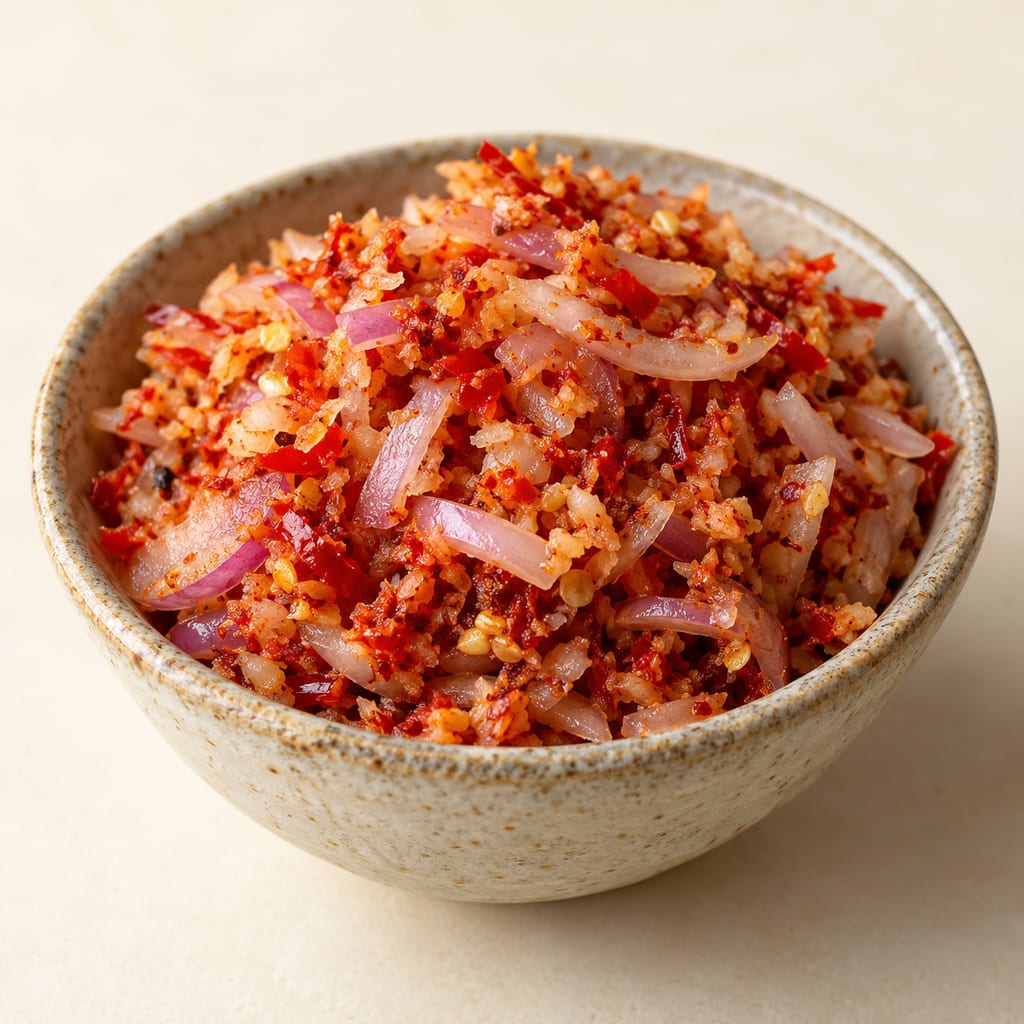
A Sri Lankan lunu miris made by pounding onion and chilli flakes with lime; Maldive fish is optional.
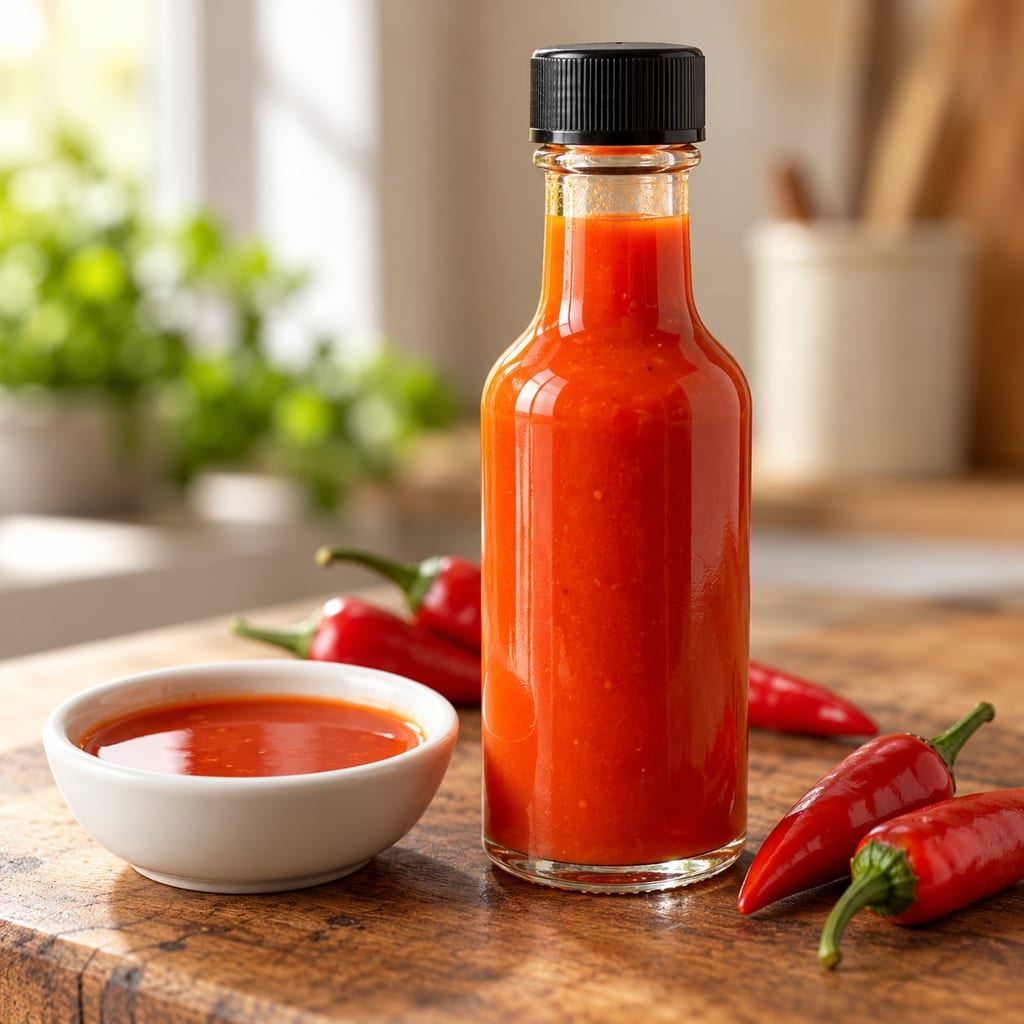
Documentary account of Louisiana pepper sauces, using TABASCO's published barrel-aged commercial process as one specific example; the source does not provide a validated home recipe.
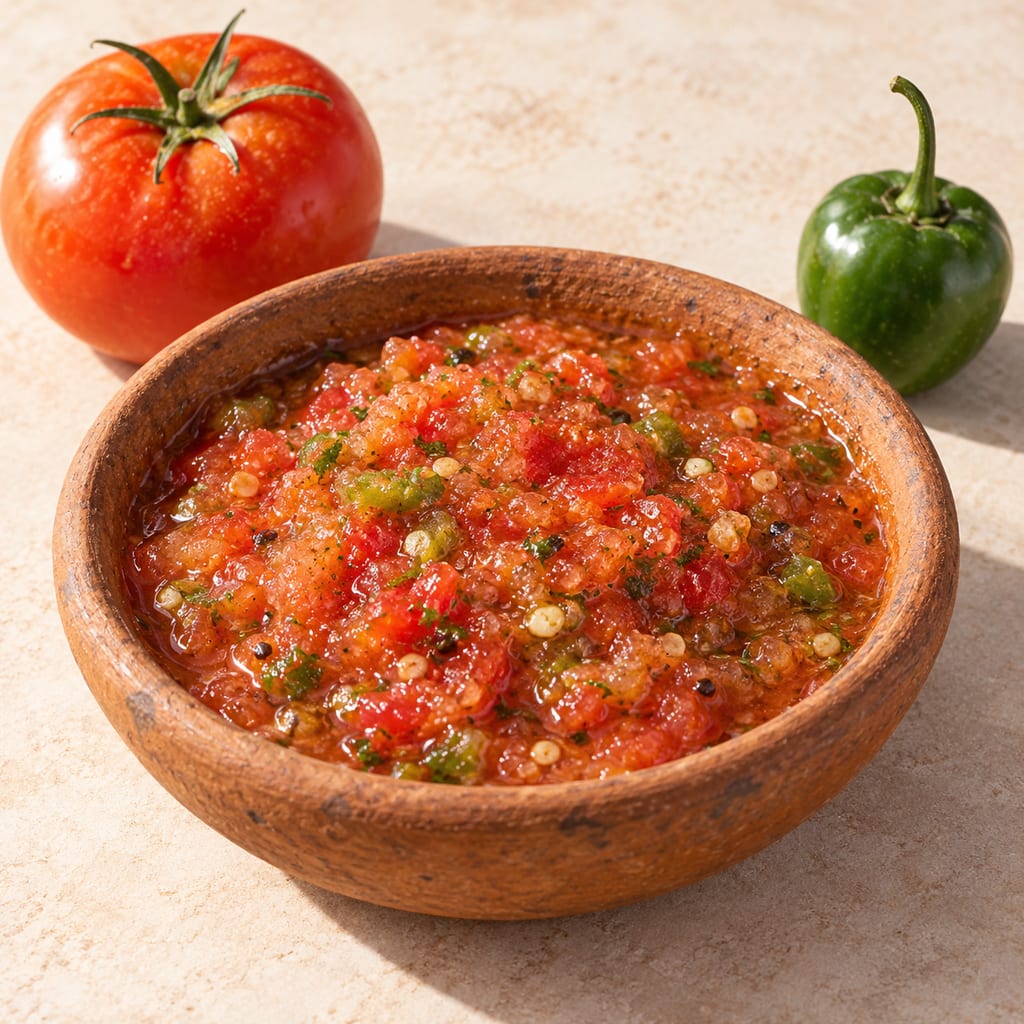
A fresh Bolivian table sauce of tomato, locoto chilli and herbs, following the La Paz municipal formula. Regional preparations vary.
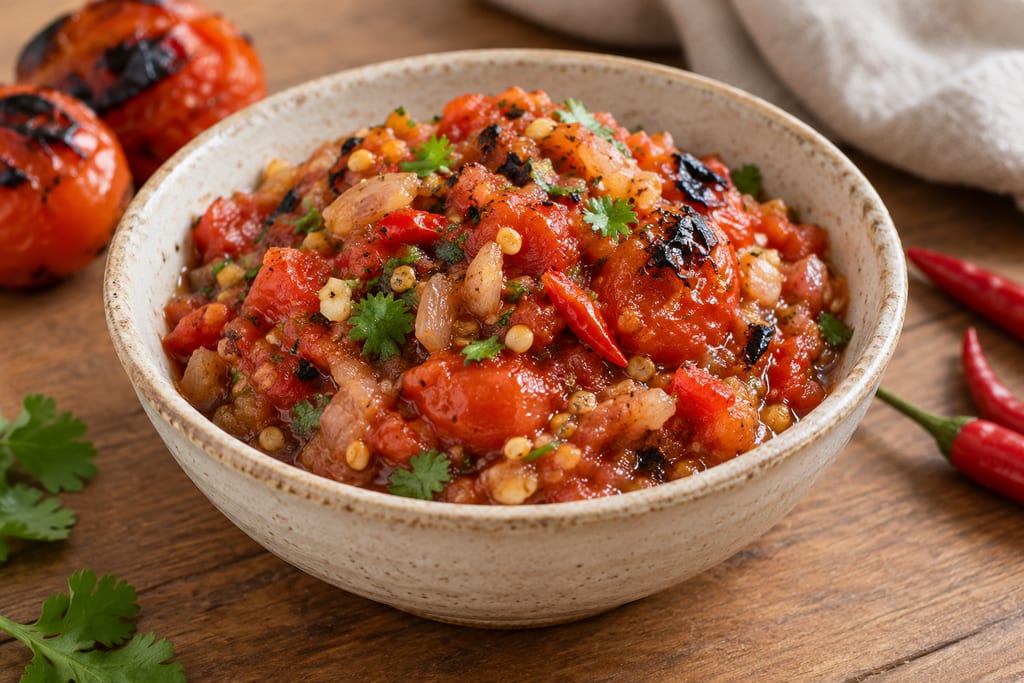
Roasted tomatoes, shallots, garlic and chillies are pounded into a coarse Lao-style dip, then seasoned with fish sauce, optional lime and coriander.
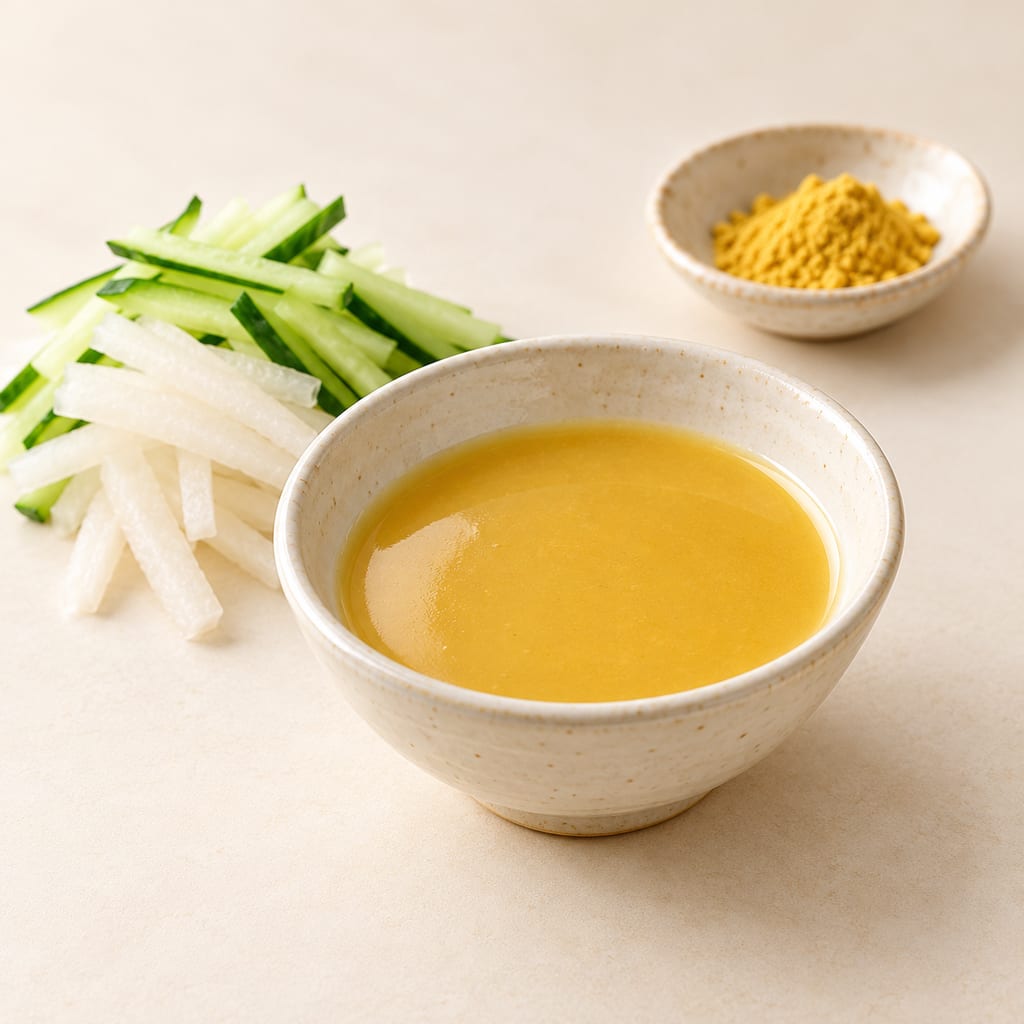
A fresh sweet-sour mustard dressing for cold cucumber and pear or a freshly prepared salad. Its gram-based proportions are original and are not copied from Maangchi’s gyeoja-naengchae recipe.
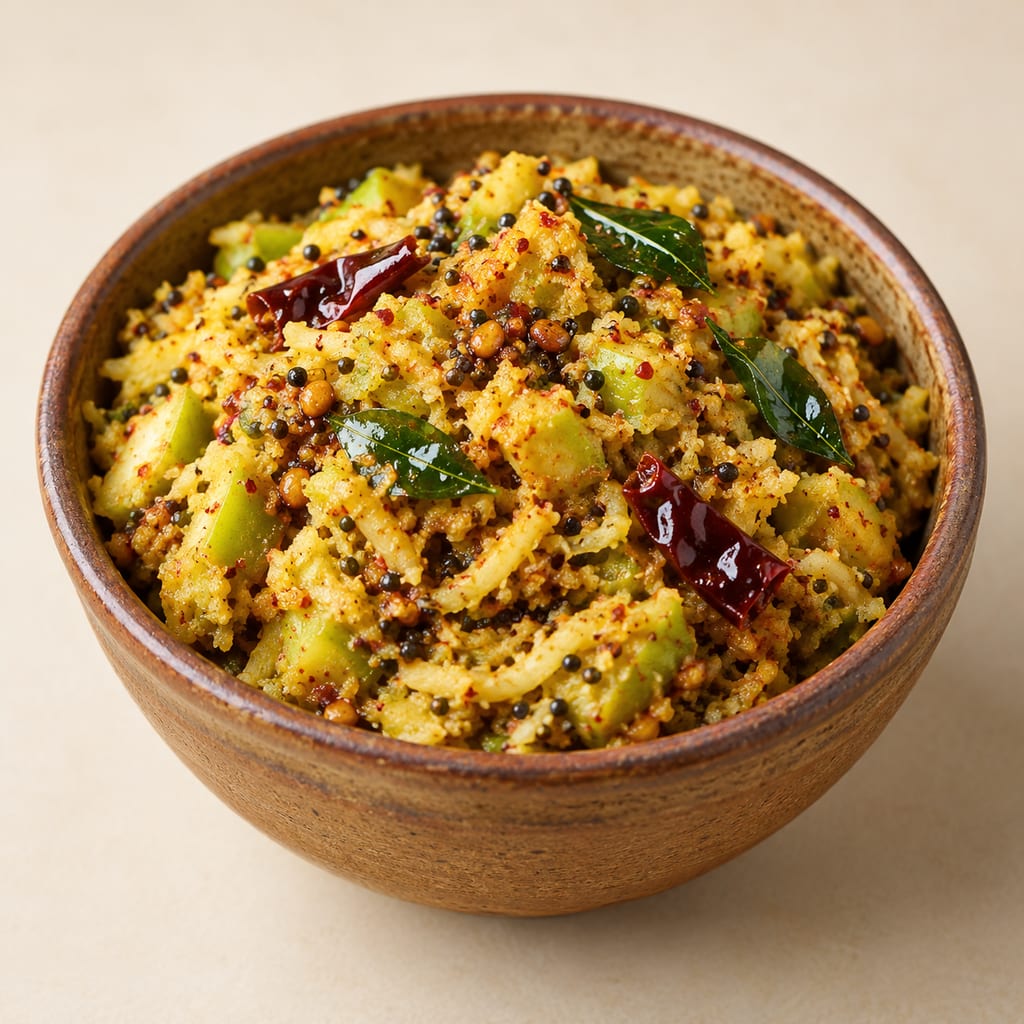
A Telugu coconut and raw mango pachhadi with a separately fried spice mixture.
A strong Assamese condiment of mustard seed mixed with khar, an alkaline banana-ash filtrate, wrapped in leaves and fermented in bamboo over a fire or in a kitchen pot.
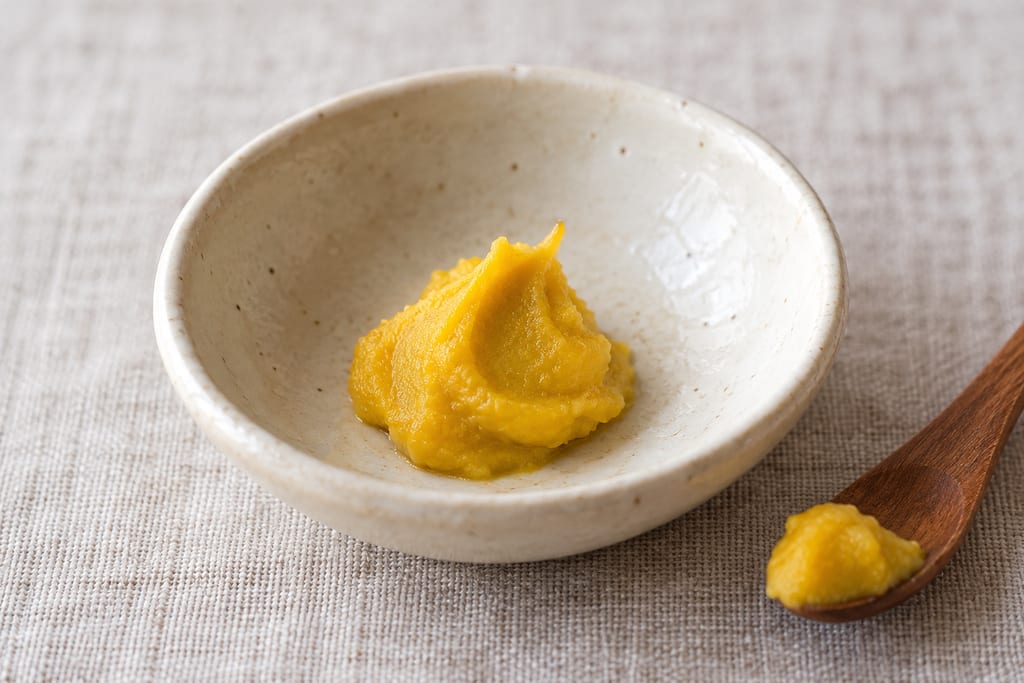
Karashi is Japan's hot mustard: powder stirred with a little water into a stiff paste, covered for a few minutes so the heat develops, and served in small dabs with oden, natto and fried food.
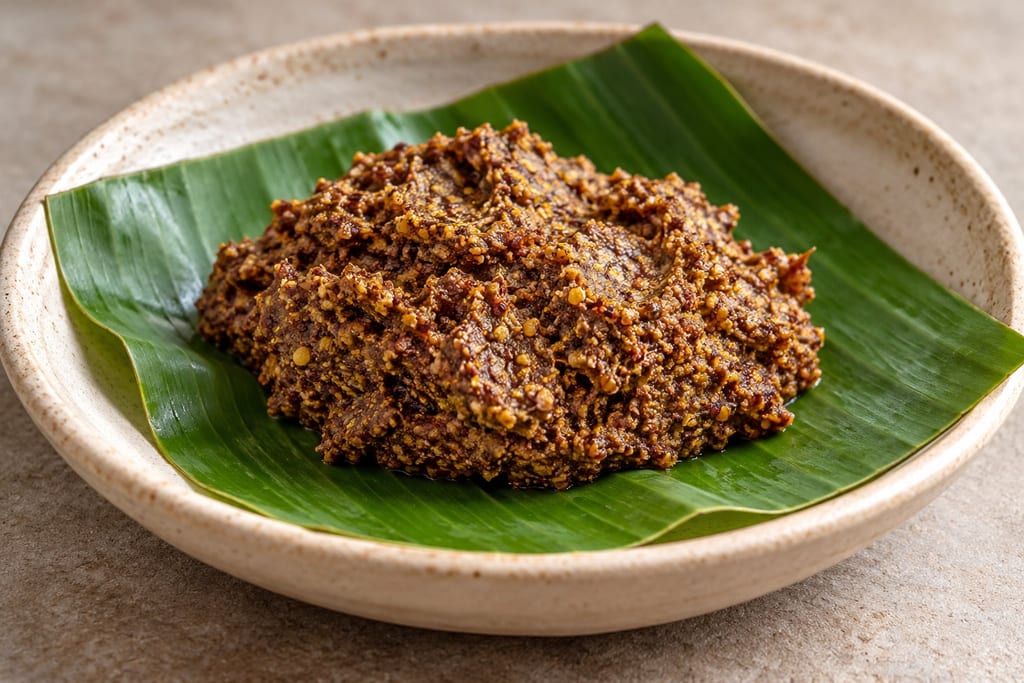
Kahudi is an Assamese mustard-seed condiment fermented with sour Thekera fruit into a strong mash; household methods and study results differ, and no validated home schedule exists.
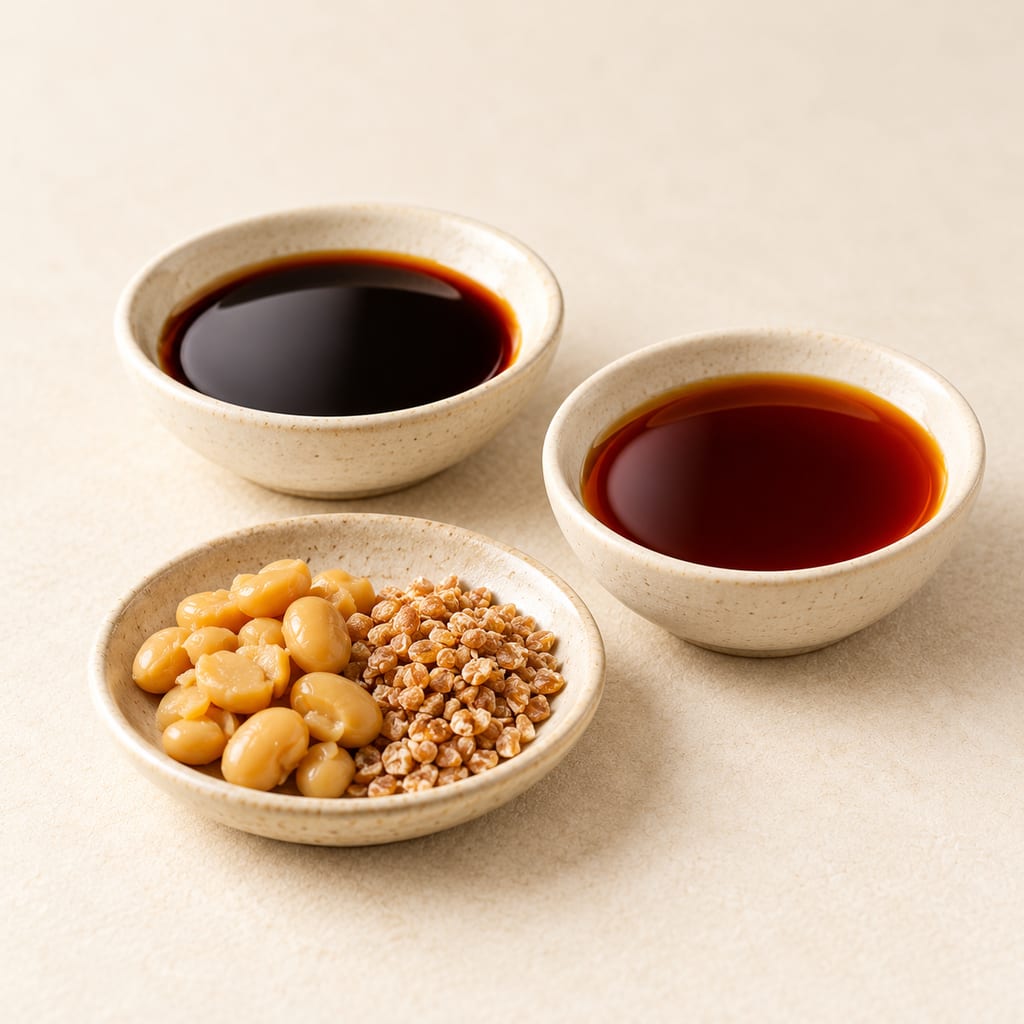
Jiangyou is the Chinese soy sauce family, an umbrella term for light, dark and seasoned sauces made by two main process families: high-salt liquid-state and low-salt solid-state brewing.
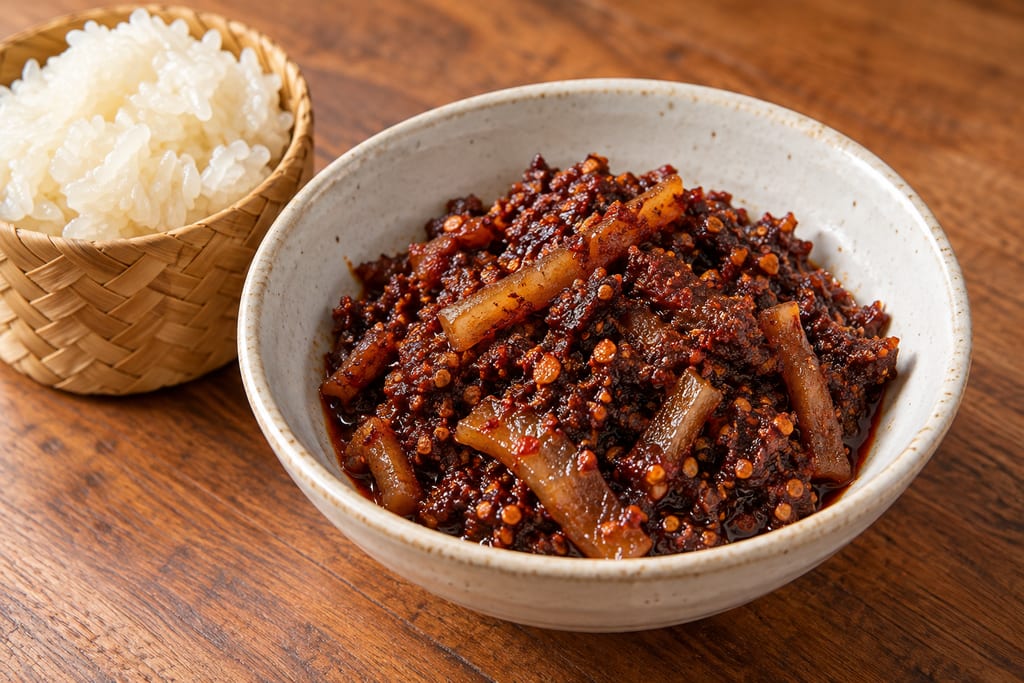
Jeow bong is a Lao paste of dried chilli, shallot, garlic and galangal cooked with buffalo or cow skin, a Luang Prabang specialty eaten with sticky rice and grilled meat.
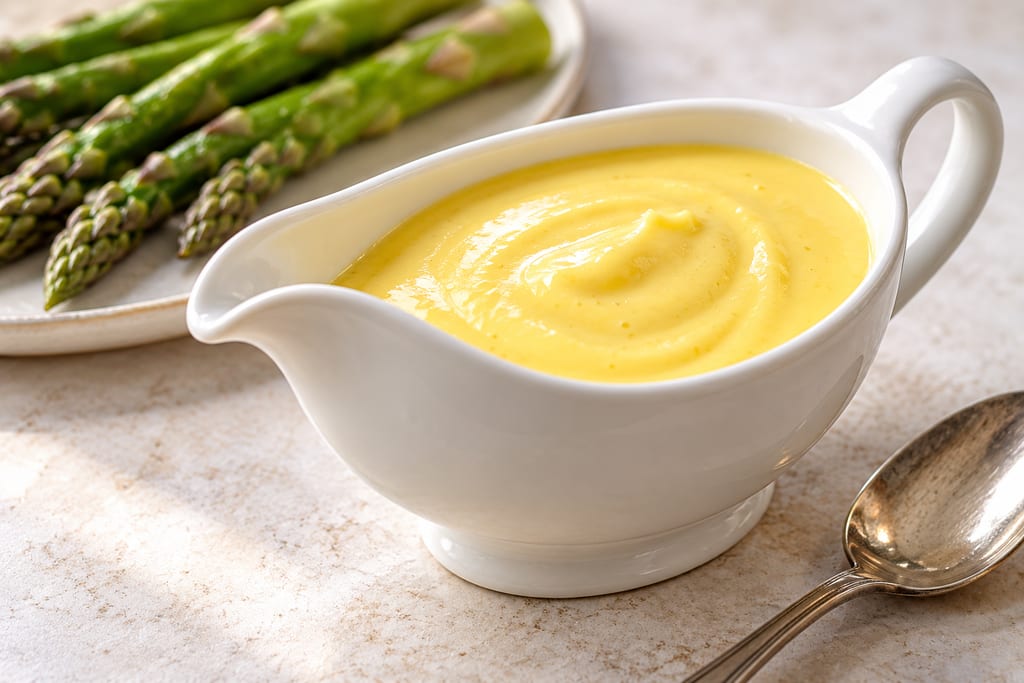
Hollandaise is a warm emulsion of egg yolk and butter finished with lemon juice, one of the French mother sauces, and the base for Bearnaise and other derived sauces.
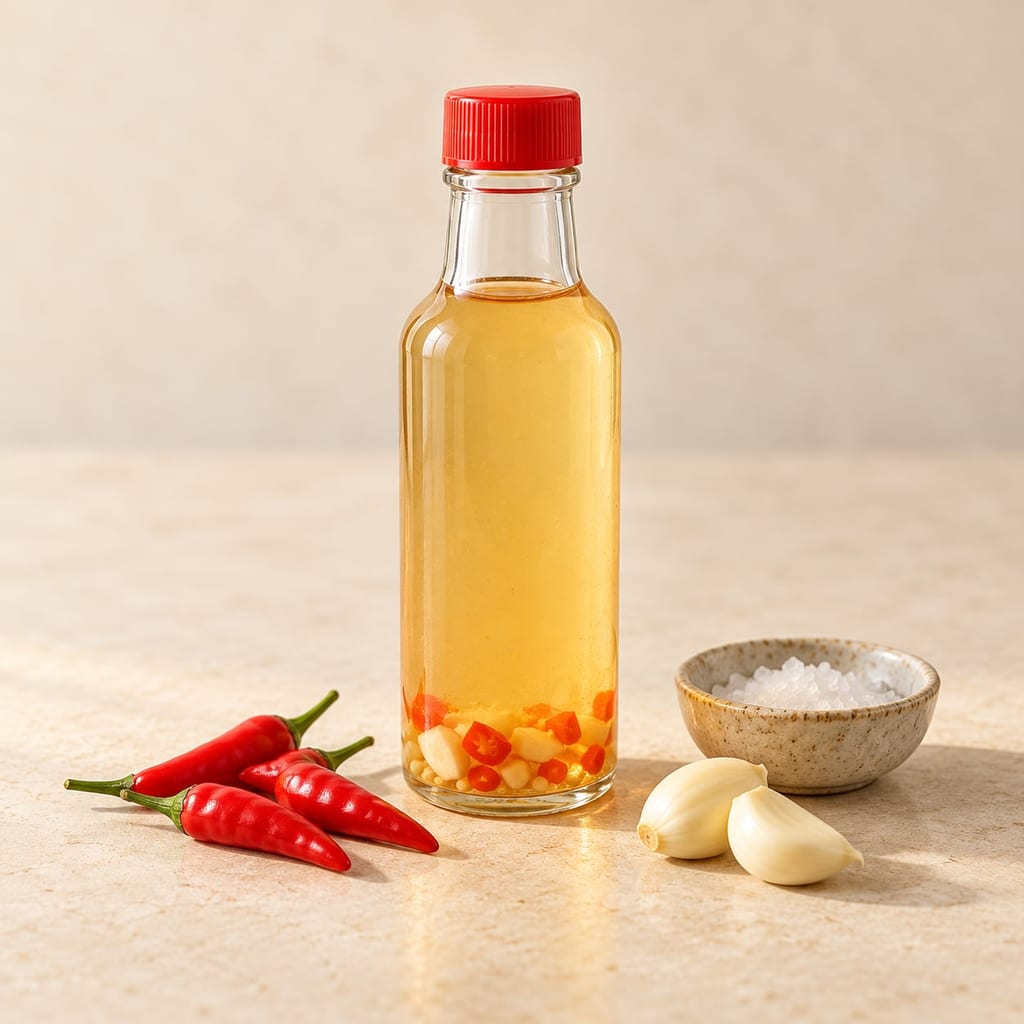
Hawaiian chili pepper water, or wai nīoi, is a thin condiment of small chillies steeped in salted water with vinegar and garlic. Hawaiian families use it as a table hot sauce.
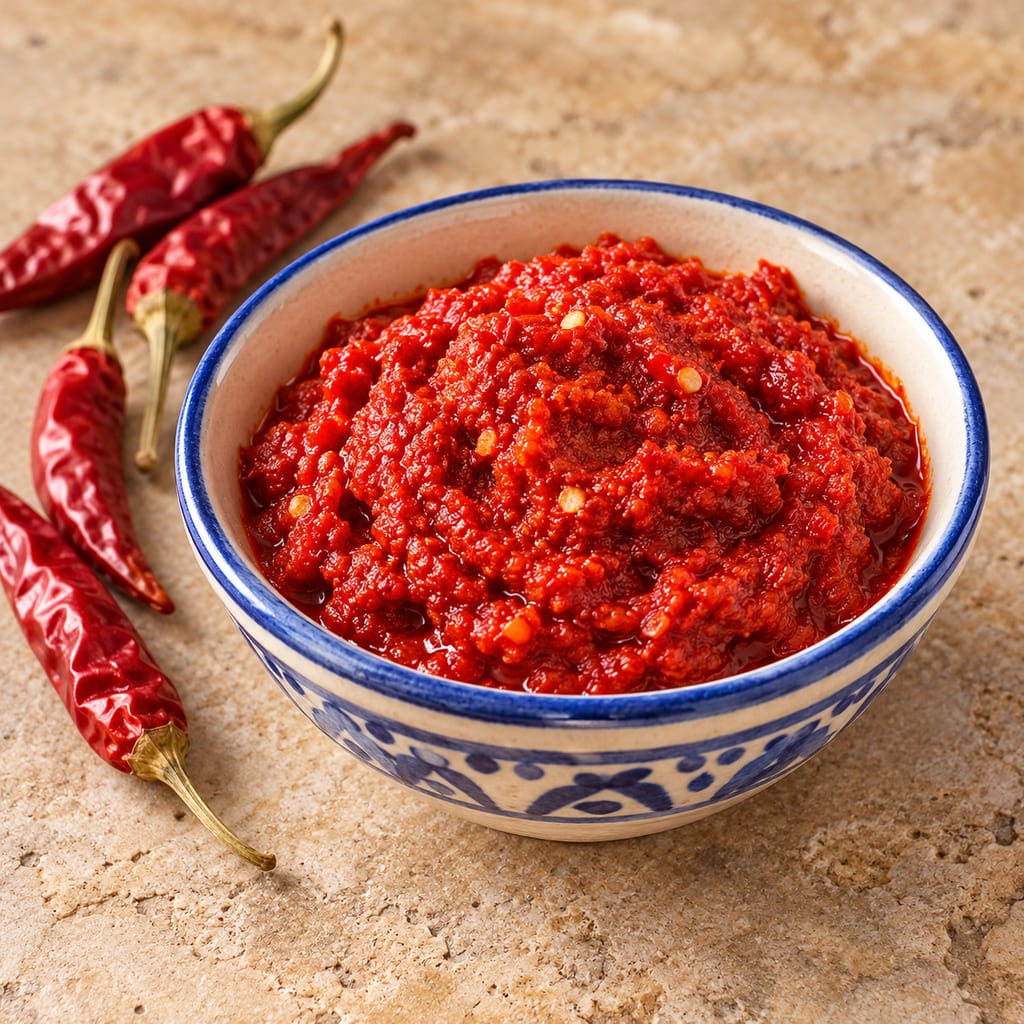
A Tunisian hot chilli paste from Cap Bon and Nabeul: red peppers pounded with garlic, caraway, coriander, cumin and olive oil, with many household and commercial variants.
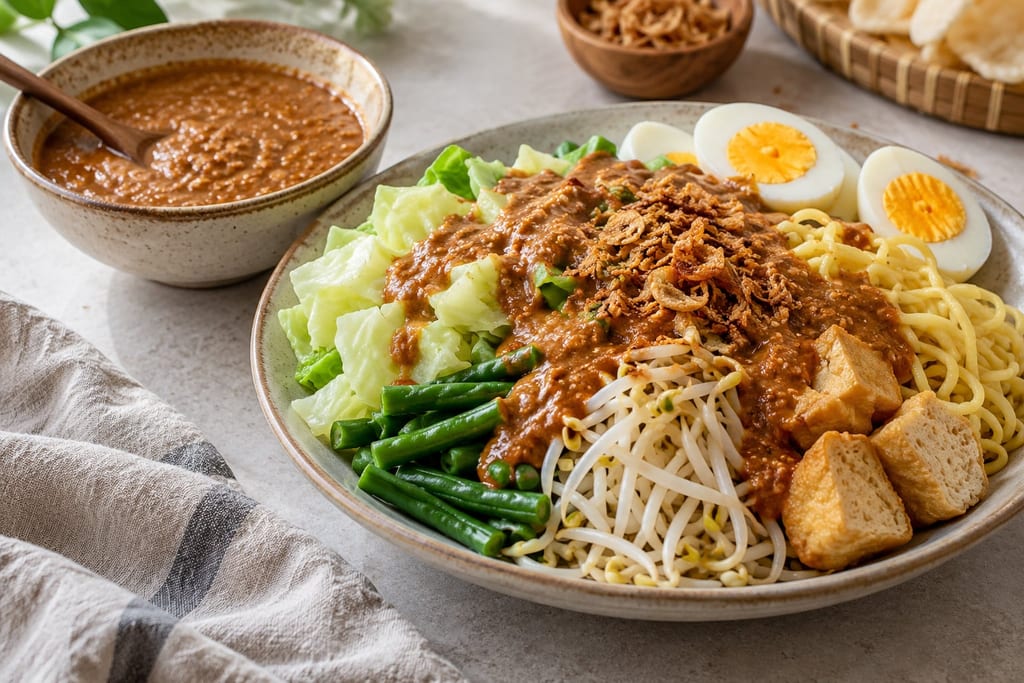
A cooked peanut sauce of ground roasted peanuts, aromatics, shrimp paste and coconut cream, as made for gado-gado; pecel and Malaysian satay sauces are close relatives with different formulas.
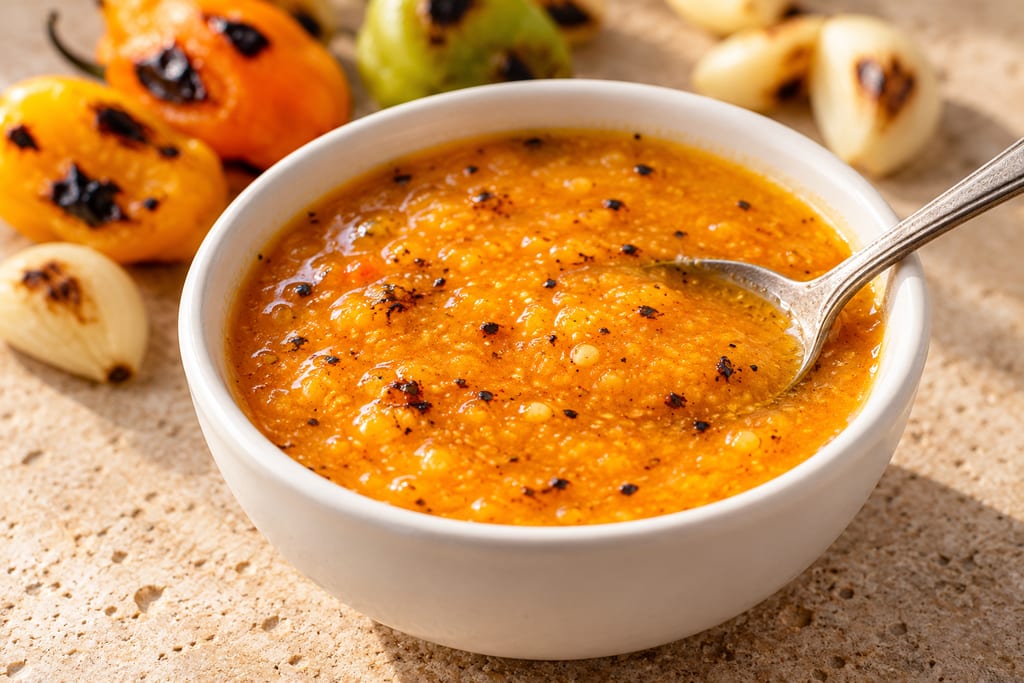
A hot, fruity chile sauce of the Yucatán, built on habanero peppers and often charred with garlic. It sits on the table as a condiment, and the recipes vary widely.
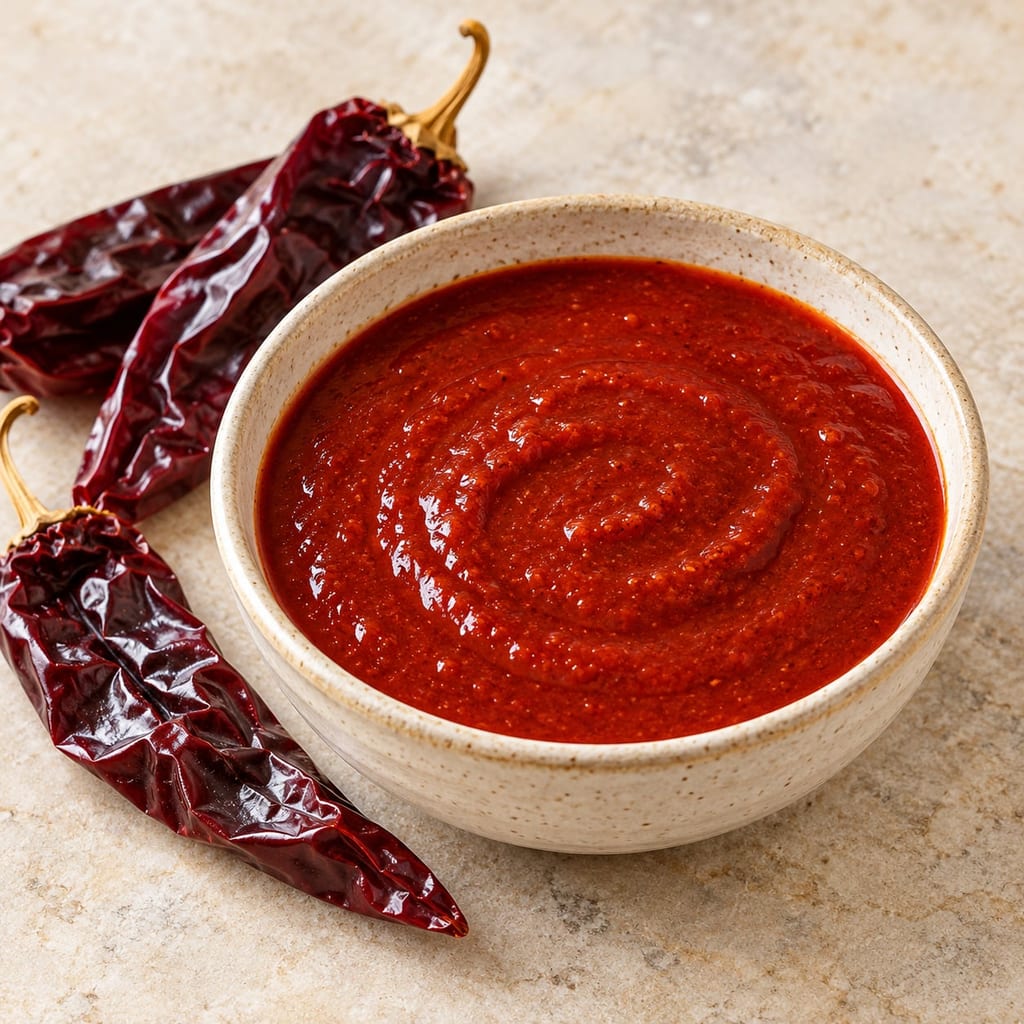
A Mexican sauce in which dried guajillo chiles, toasted and softened in hot water, supply most of the flavour. It is a family of dried-chile salsas, not a tomato sauce with chile added.
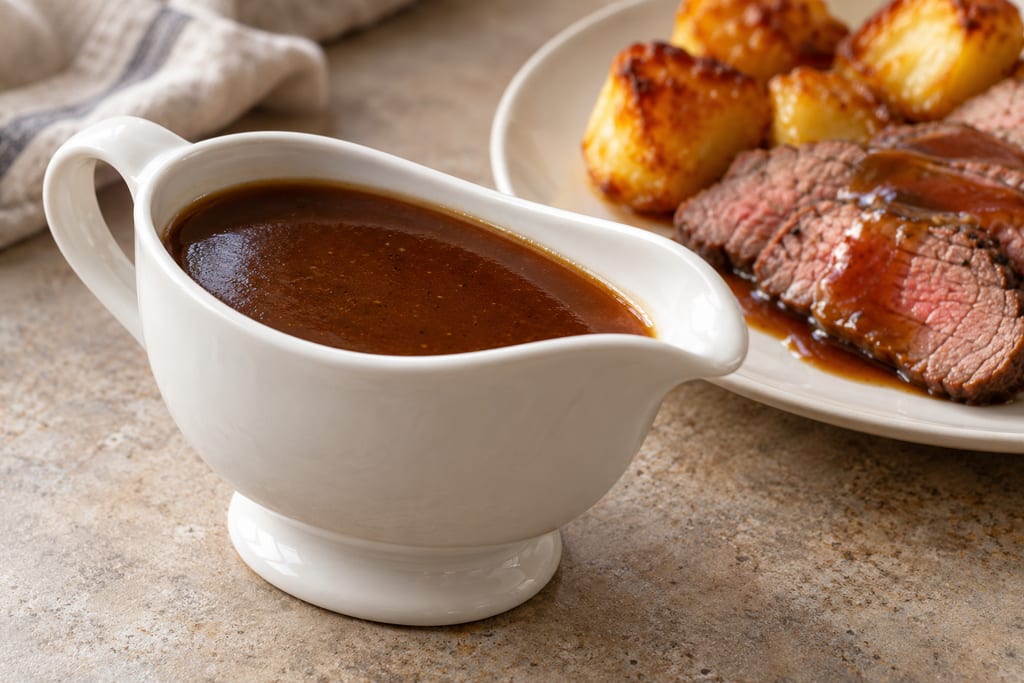
A savoury sauce made from the juices a roast releases in the tin, reduced with stock and thickened, or thickened with flour or starch.
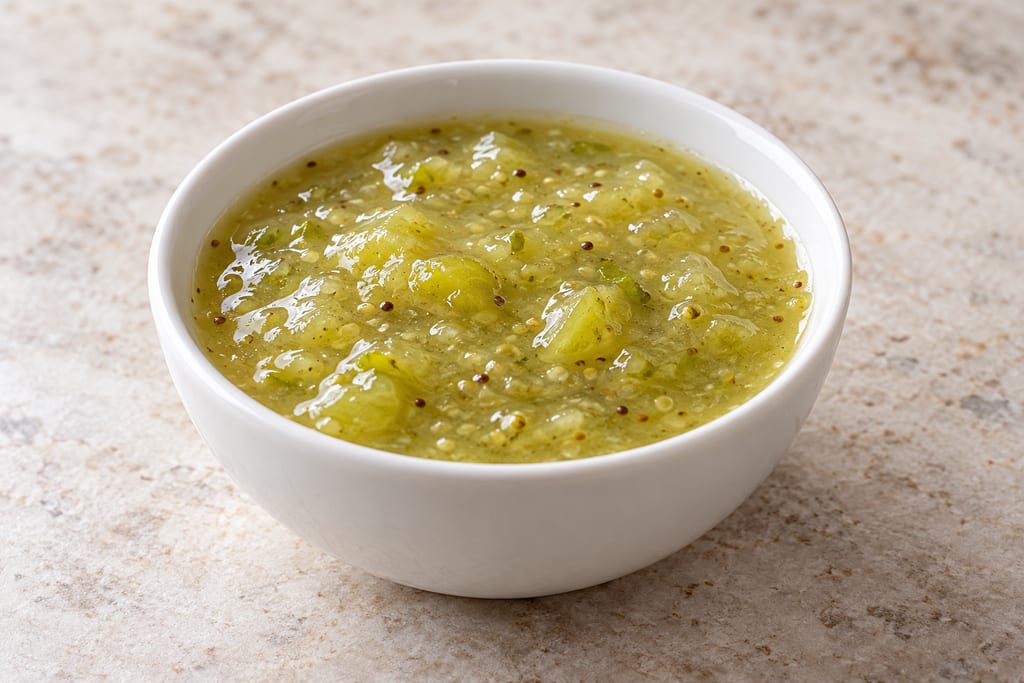
Gooseberry sauce is a soft, tart sauce of cooked green gooseberries, sharpened with wine or vinegar and lightly sweetened, traditionally served with mackerel.
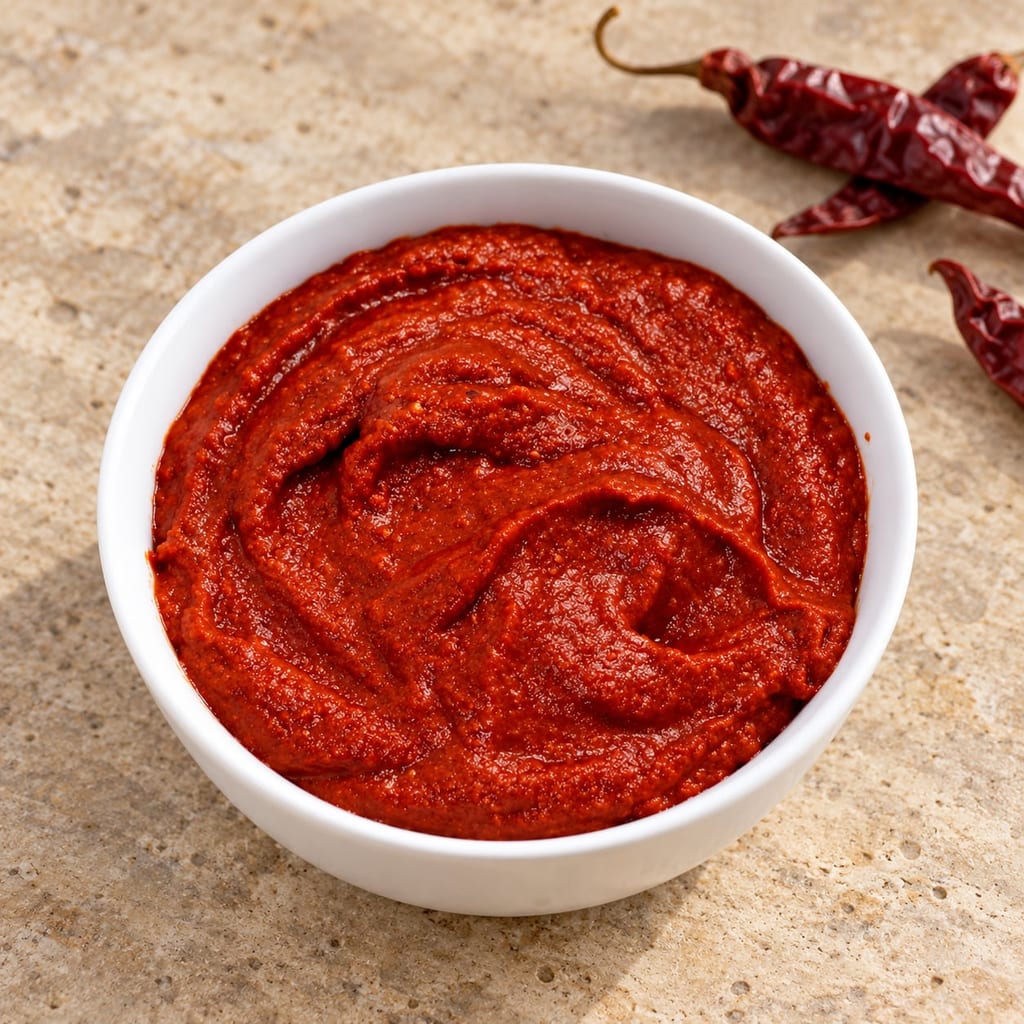
Recheado is a red Goan spice paste of Kashmiri chillies, garlic and spices ground in vinegar, best known as the stuffing for fried fish such as mackerel.

A smooth, pourable fruit sauce made by cooking or pureeing fruit with sugar and lemon juice, then pressing it through a sieve to remove the seeds.
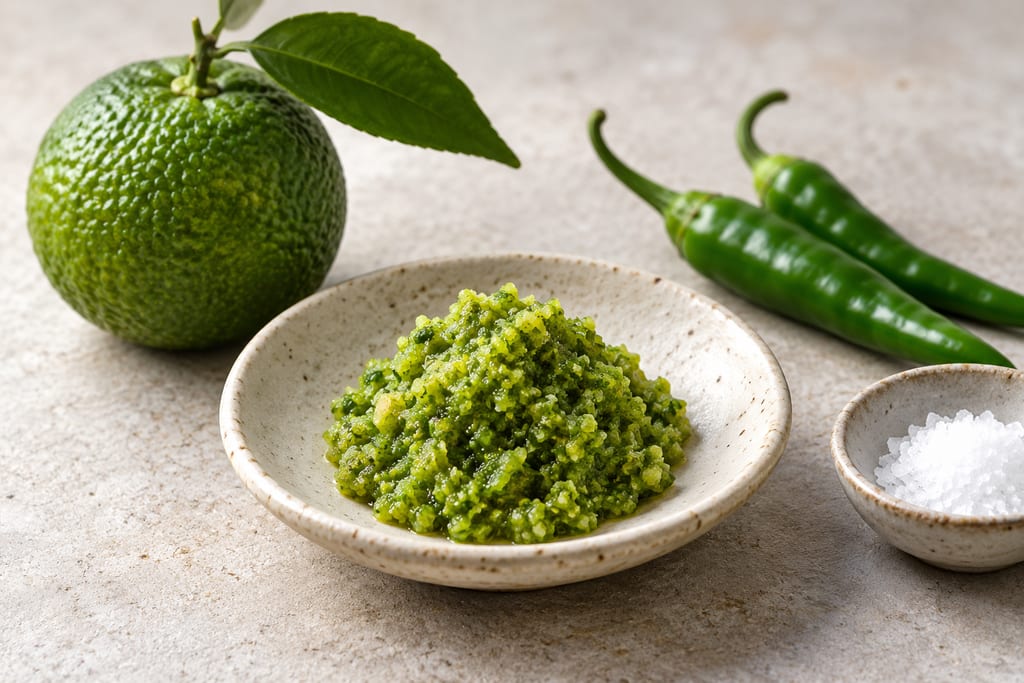
A fresh, uncooked yuzu and green chilli paste inspired by Kyushu’s yuzu kosho, made here as an untested small-batch seasoning rather than a preservation formula.
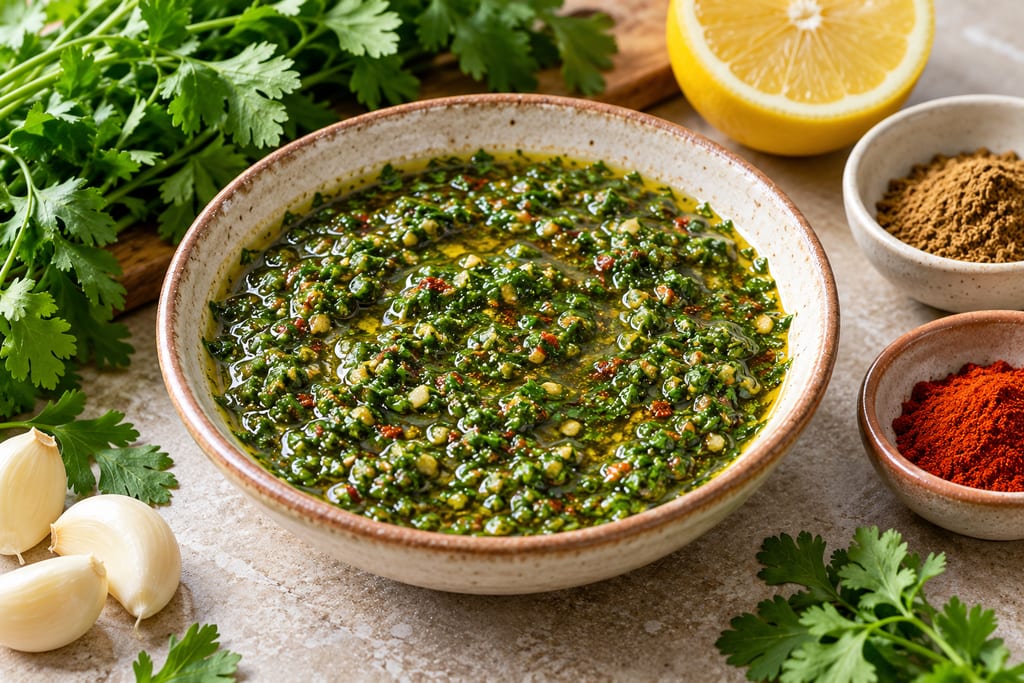
Fresh chermoula is a chopped-herb Moroccan-style sauce of coriander, parsley, garlic, lemon, olive oil and warm spices, made here as an explicitly untested development formula.
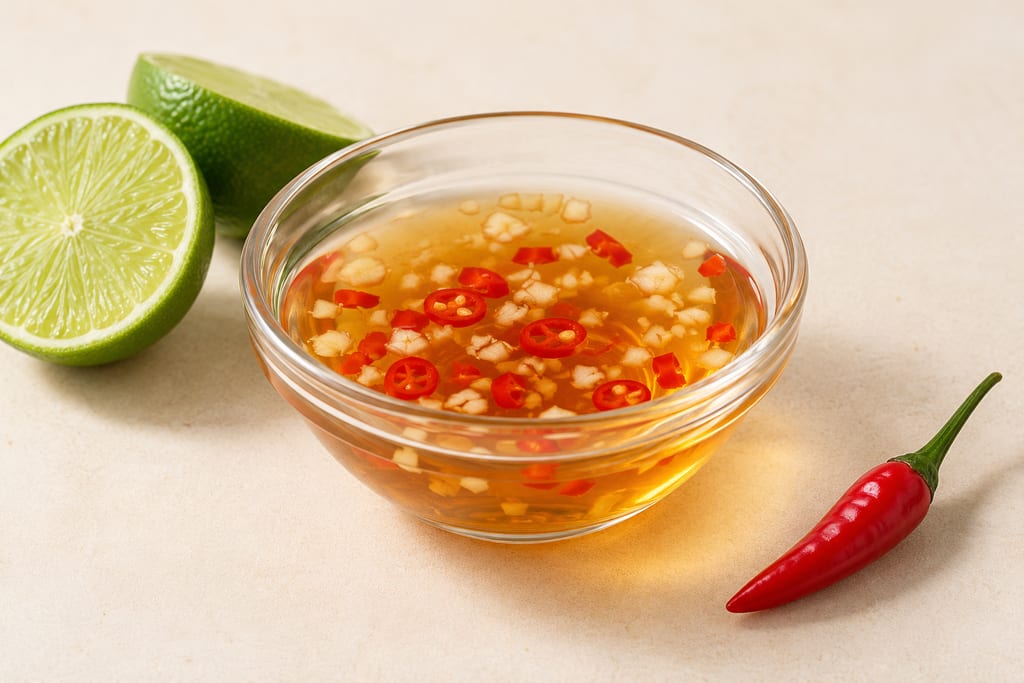
Nuoc cham is a Vietnamese fish-sauce dipping sauce. This untested development ratio starts with water, lime and sugar, then adds fish sauce, garlic and chilli.
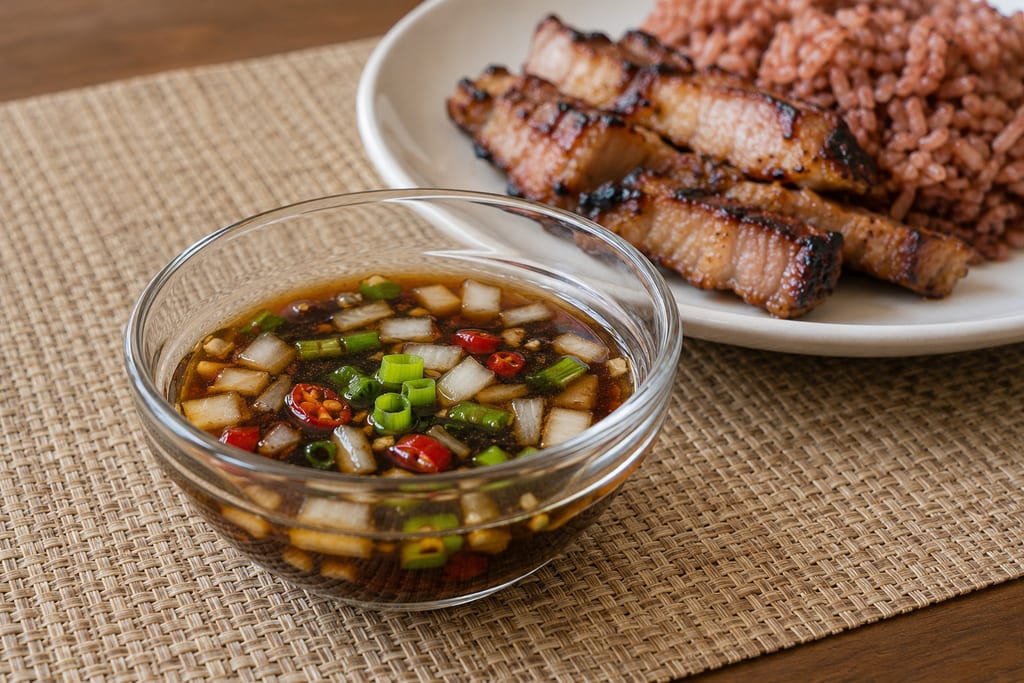
Fina'denne' is the all-purpose Chamorro dipping sauce of Guam, made in soy, citrus, vinegar or fish-brine versions with hot peppers. It is spooned over meat and rice or served in a small dish.
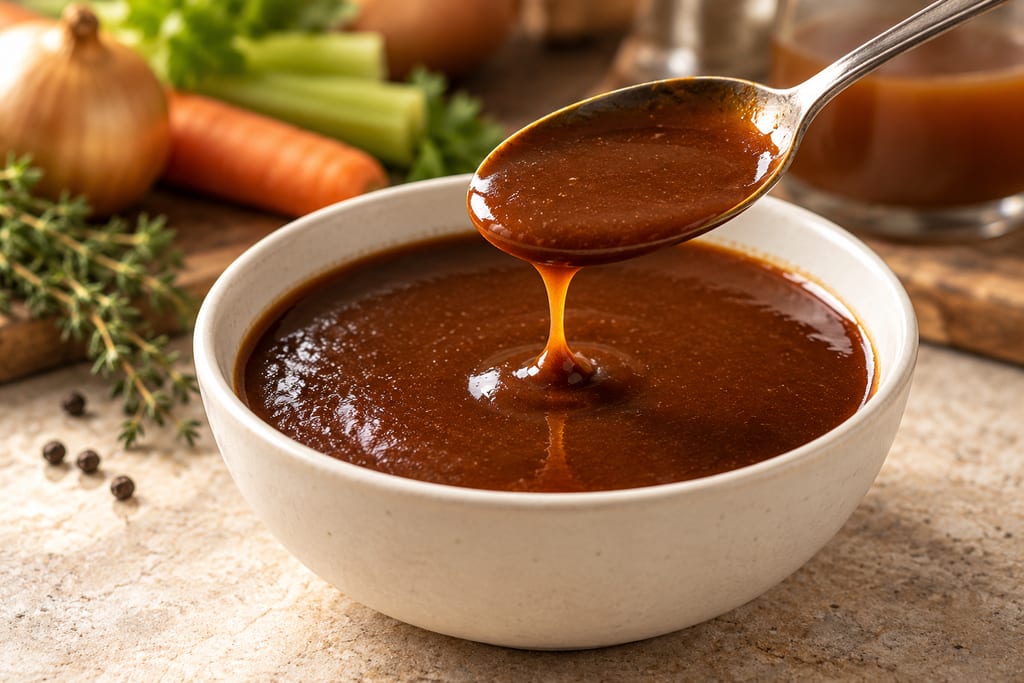
Espagnole is a brown mother sauce built on a dark roux, brown veal or beef stock and tomato, the base from which demi-glace and many brown sauces are made.
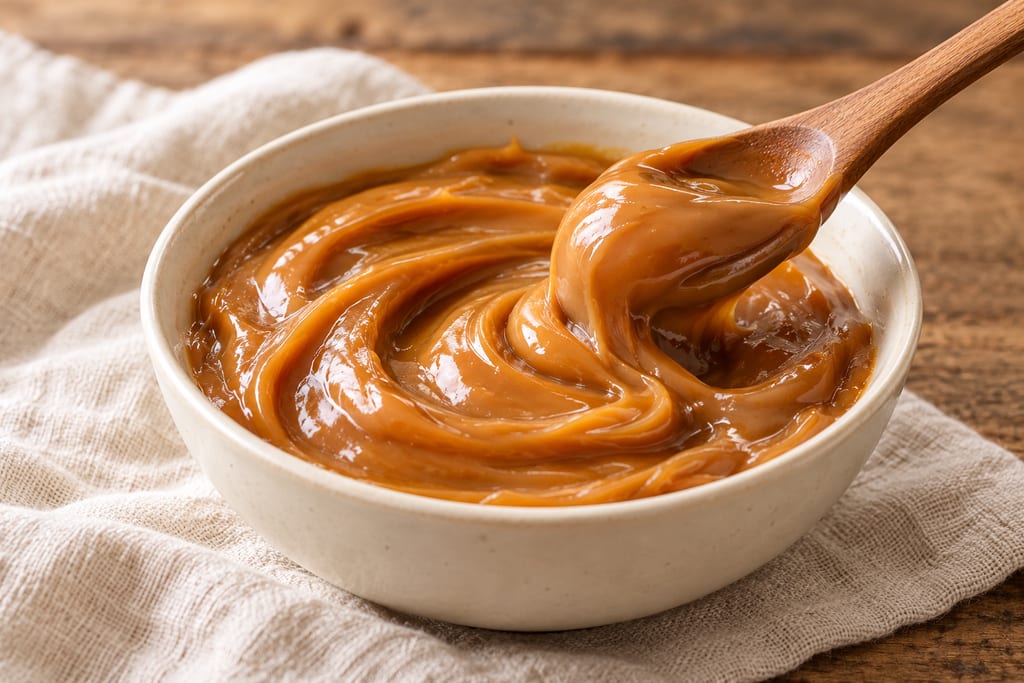
Dulce de leche and its relatives, including Mexican cajeta from goat's milk, are milk and sugar cooked slowly until thick and brown. The name changes across Latin America, and the browning gives each its character.
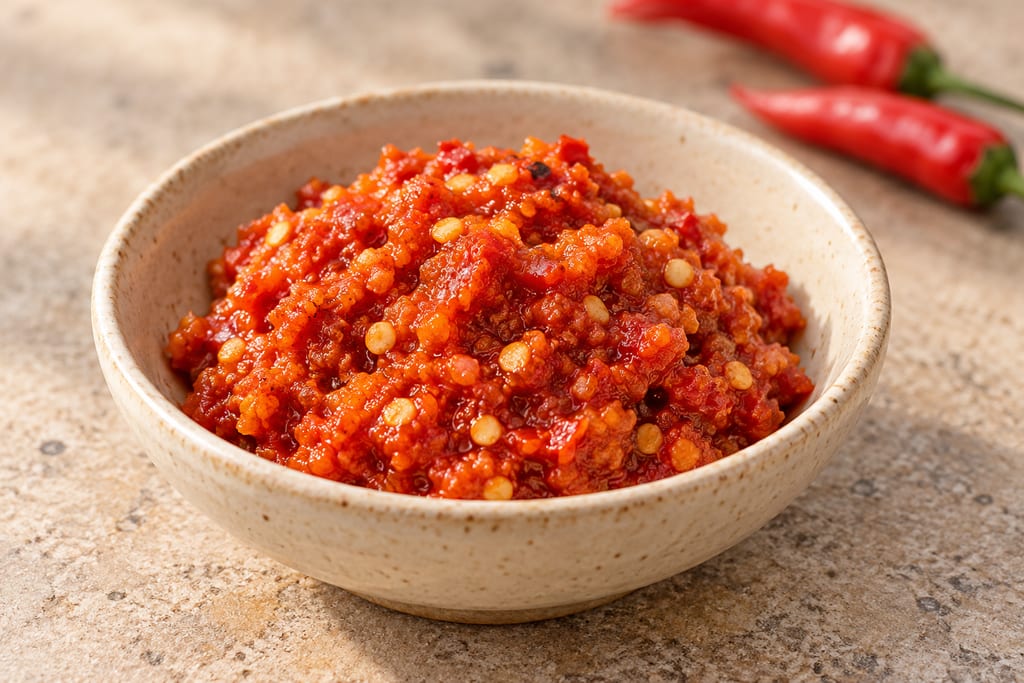
Dinanche, or donne' dinanche, is a Chamorro hot pepper paste of crushed chillies that Guam cooks use on its own or stir into fina'denne'. Its versions range from pepper alone to ones with eggplant, miso or coconut milk.
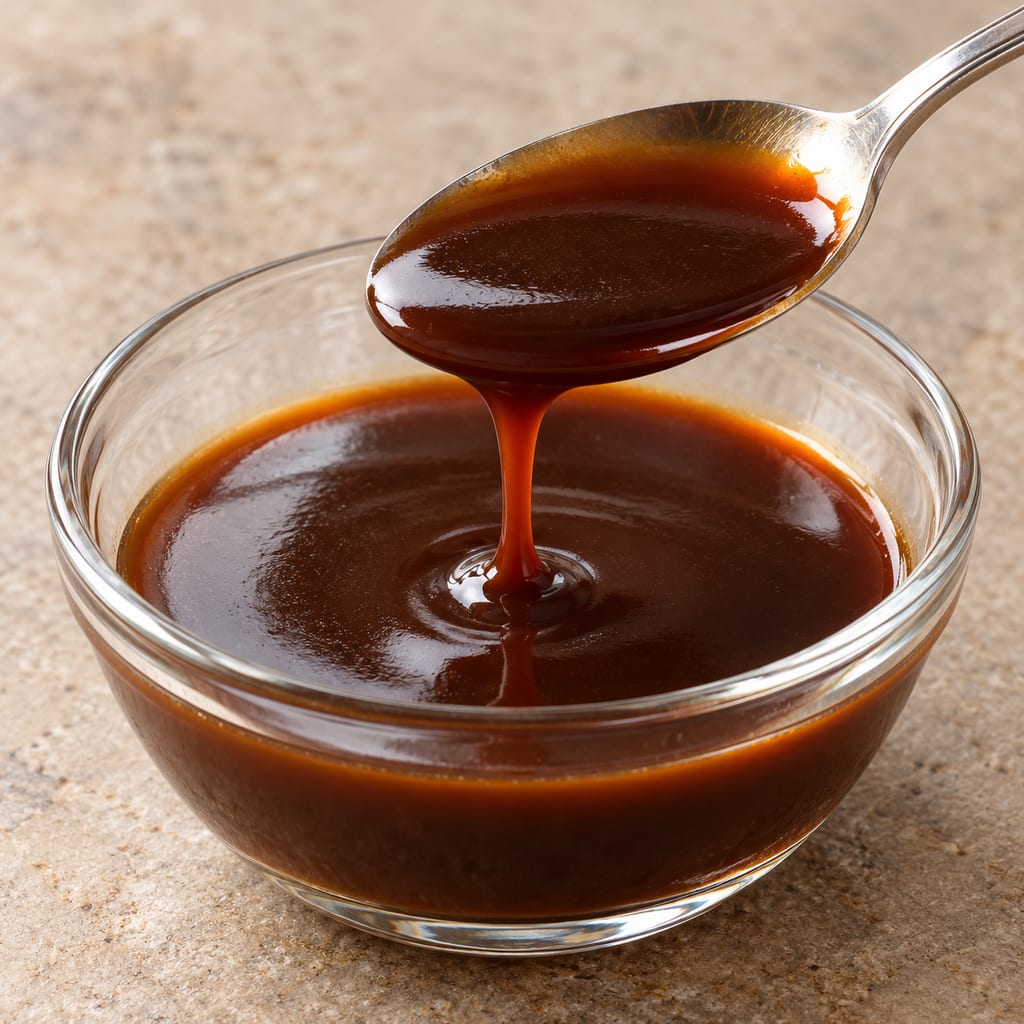
Demi-glace is a rich brown sauce of French cookery, classically made by reducing equal parts espagnole sauce and brown stock by half. It is used on its own or as a base for other sauces.
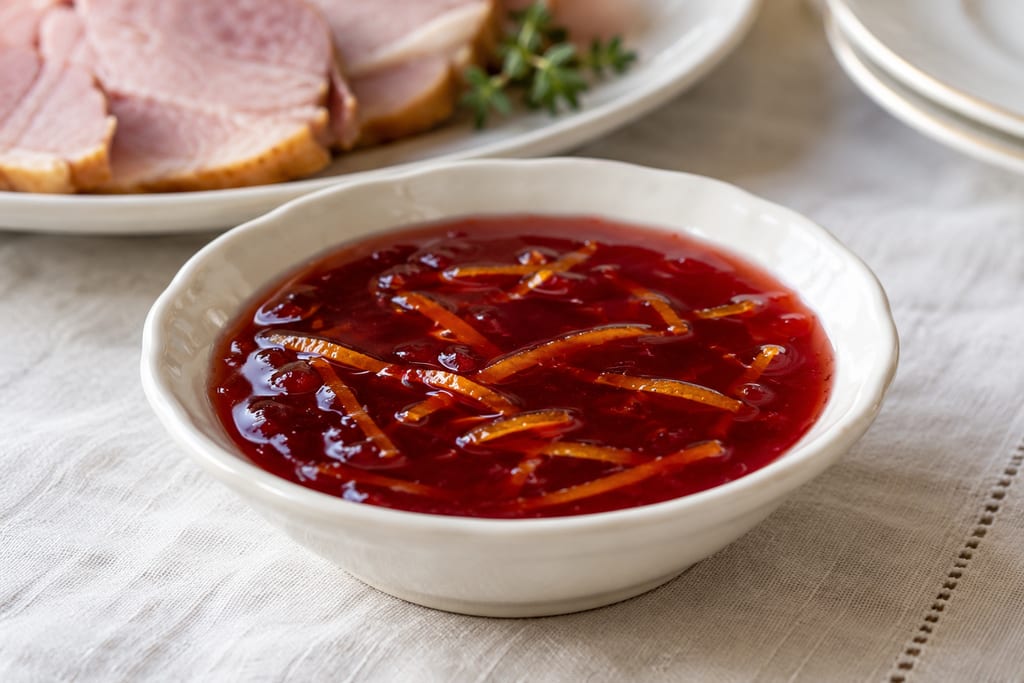
Cumberland sauce is a British condiment of redcurrant jelly, mustard, blanched orange peel and port, traditionally served cold with ham, game and cold meats.
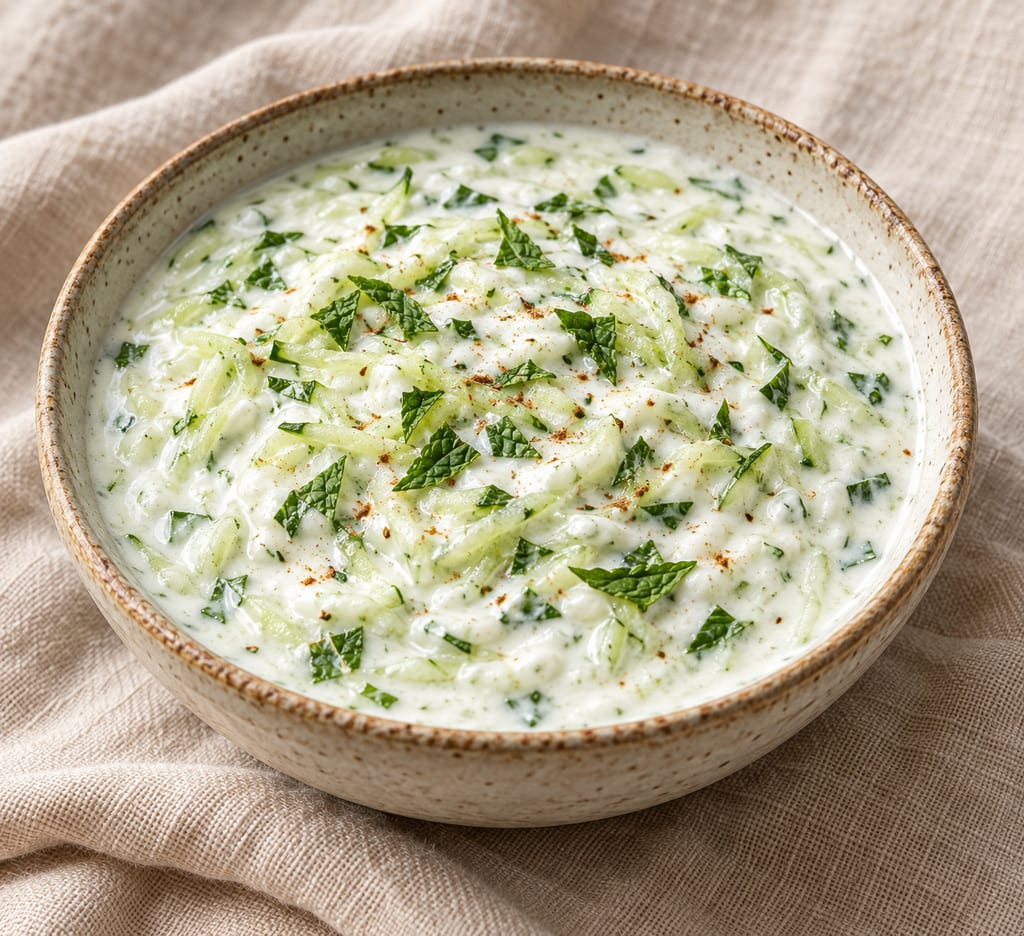
Cucumber and chopped herbs are folded into plain yoghurt with salt and roasted cumin for a cool South Asian accompaniment to spiced food.
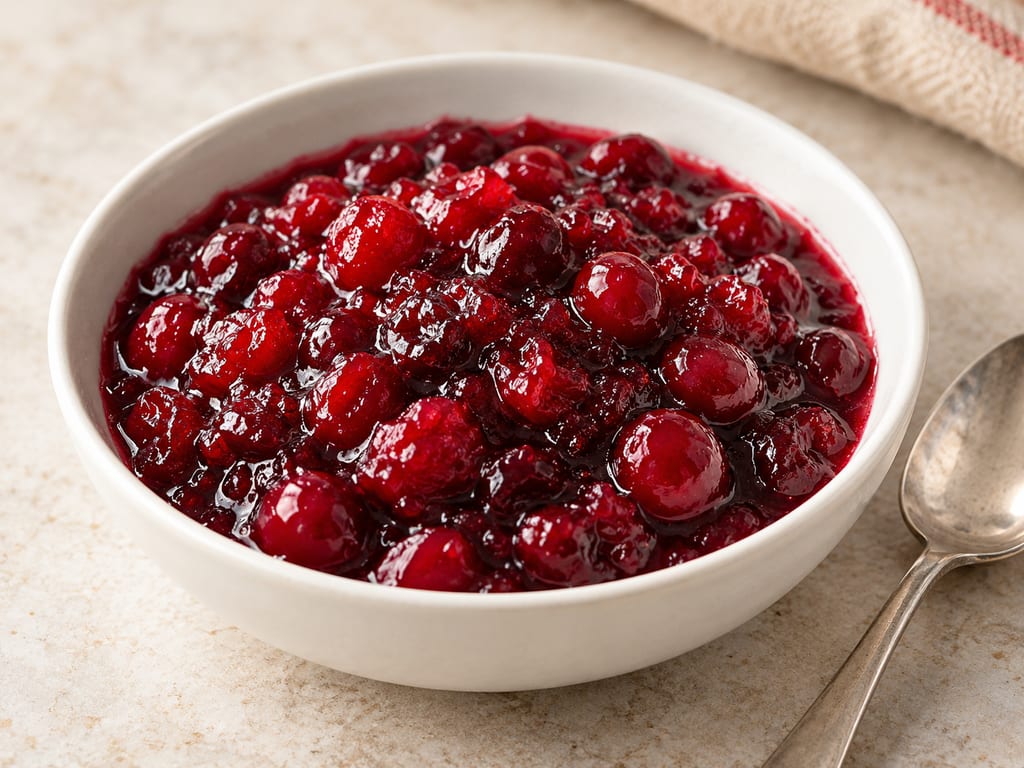
Cranberry sauce is a sauce of cranberries cooked in sugar syrup until the berries burst and thicken, served with roast turkey, pork, chicken and ham.
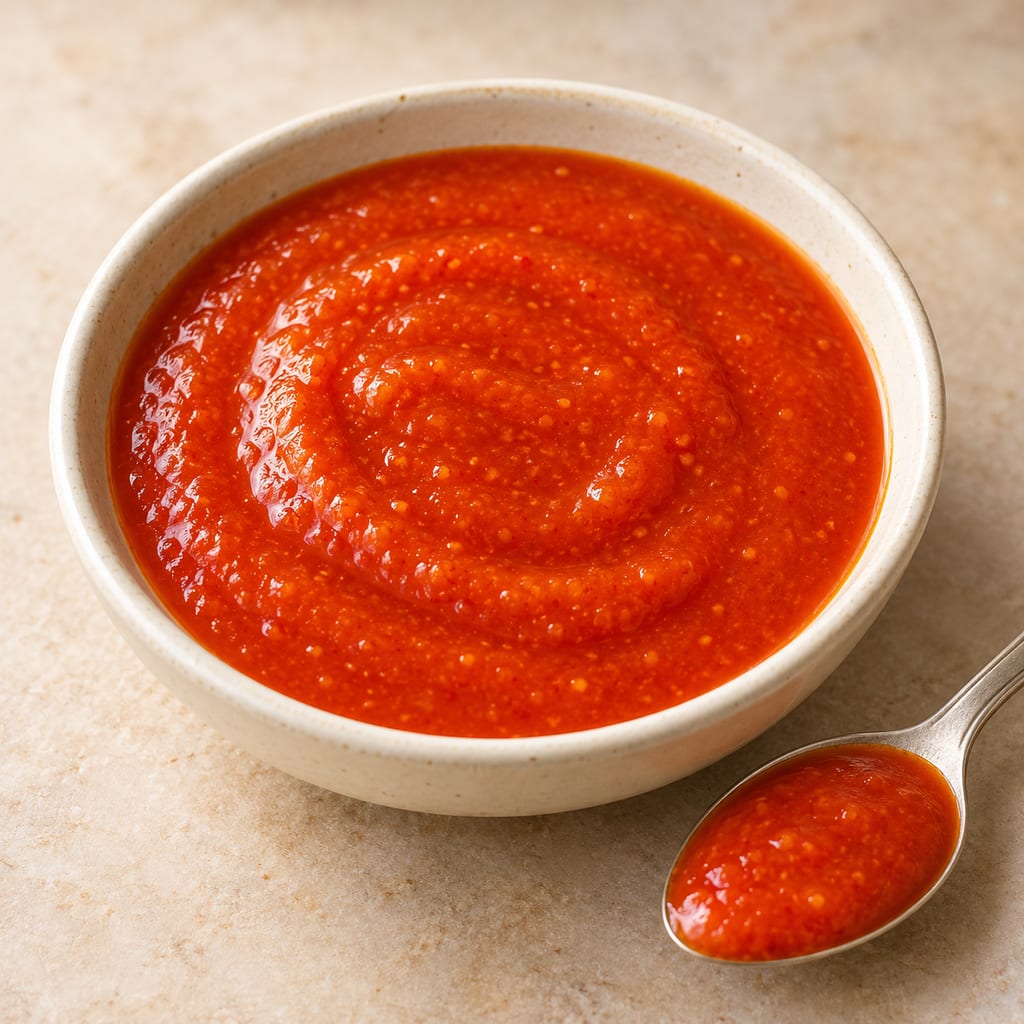
Ripe red chillies, garlic, labelled 5% vinegar, sugar, water and salt are blended, simmered and blended smooth into a cooked chilli sauce.
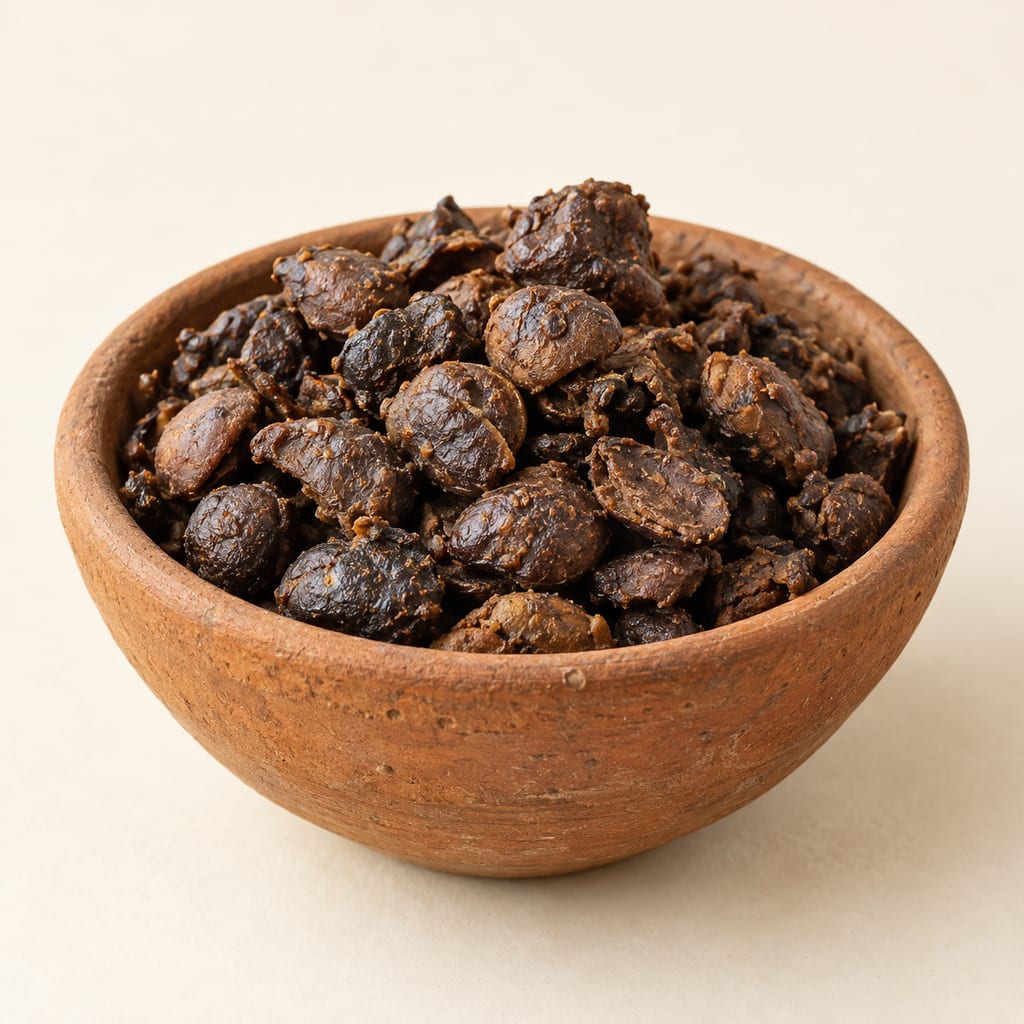
A Burkina Faso alkaline fermentation of African locust bean seeds (Parkia biglobosa), used to season sauces and cooked grain dishes. Local process details vary, and the sources do not give a measured household batch.
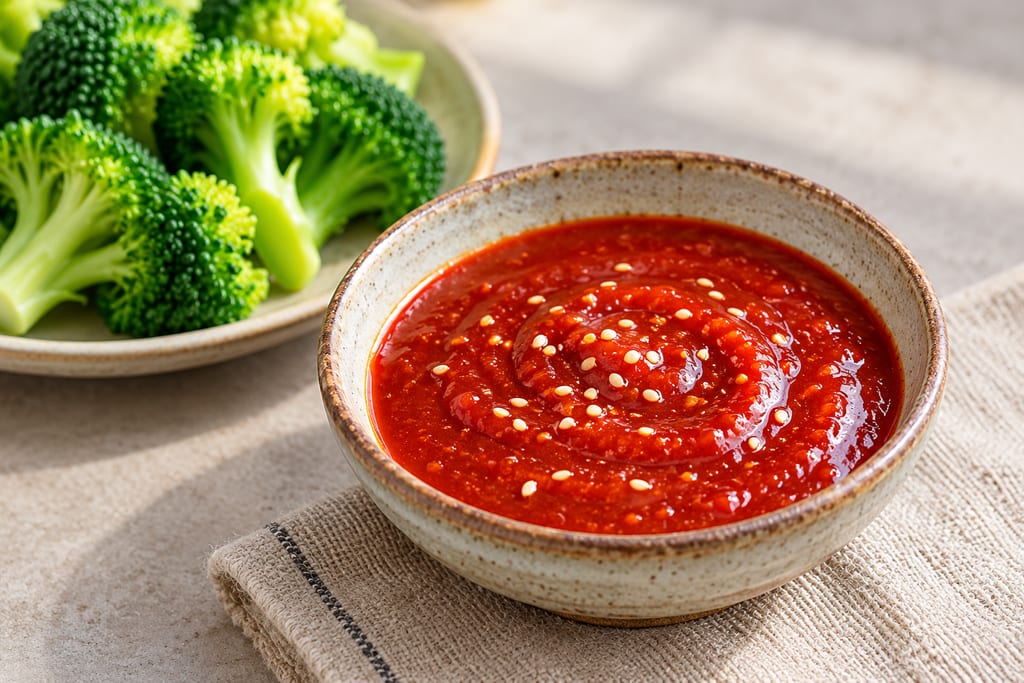
Chogochujang is a Korean sweet-sour sauce made by seasoning gochujang with vinegar and sugar. This development batch adds water and toasted sesame seeds, with optional garlic for the portion being served.
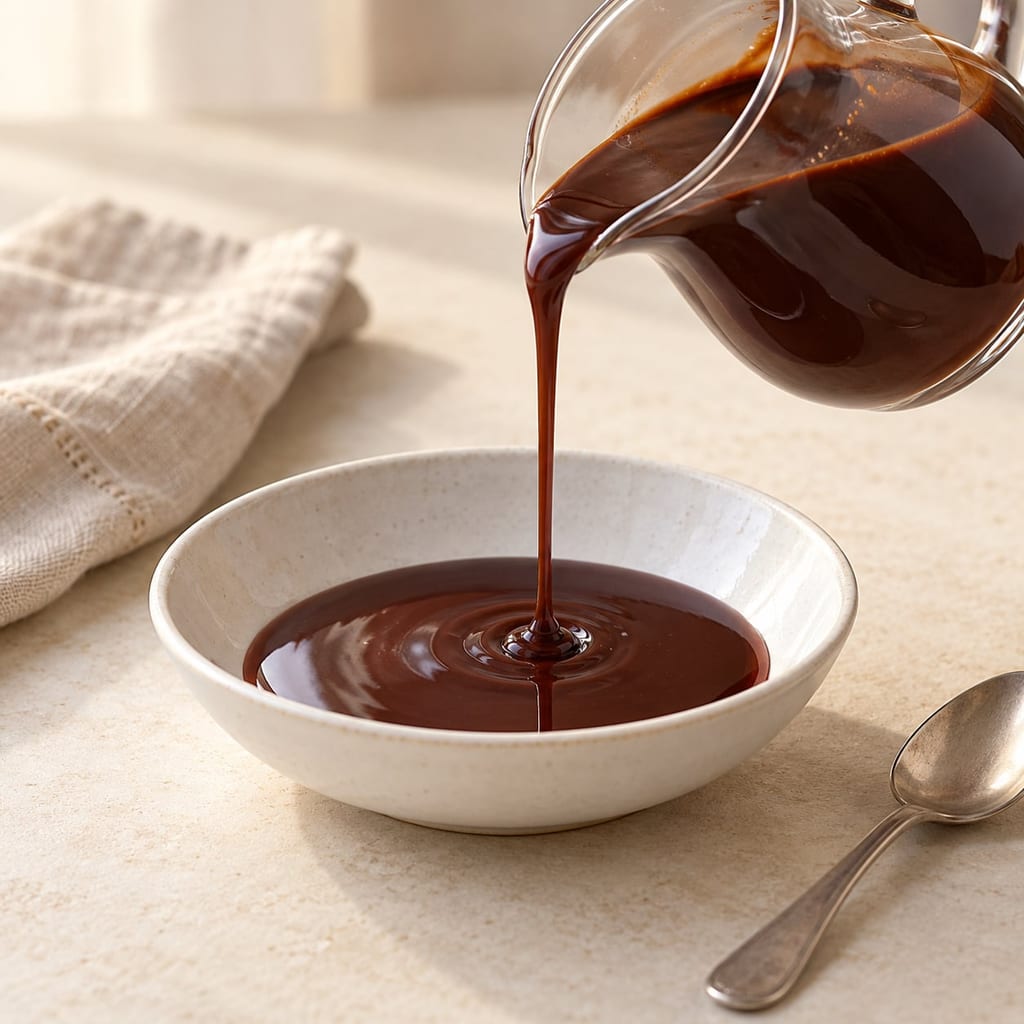
A pourable dessert sauce of cocoa powder, sugar and water, boiled briefly and finished with salt and vanilla. It is a water-based sauce, not the cream or milk emulsion of ganache.
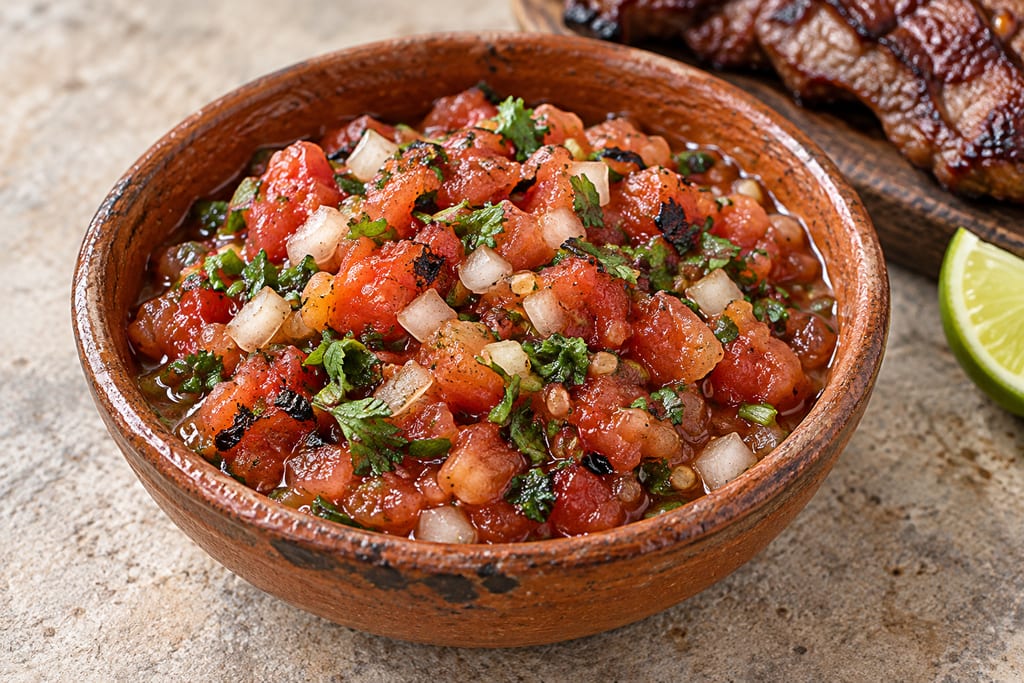
Chirmol is a Guatemalan salsa of charred tomatoes with onion, cilantro and lime, served with grilled meat and toasted chiles.
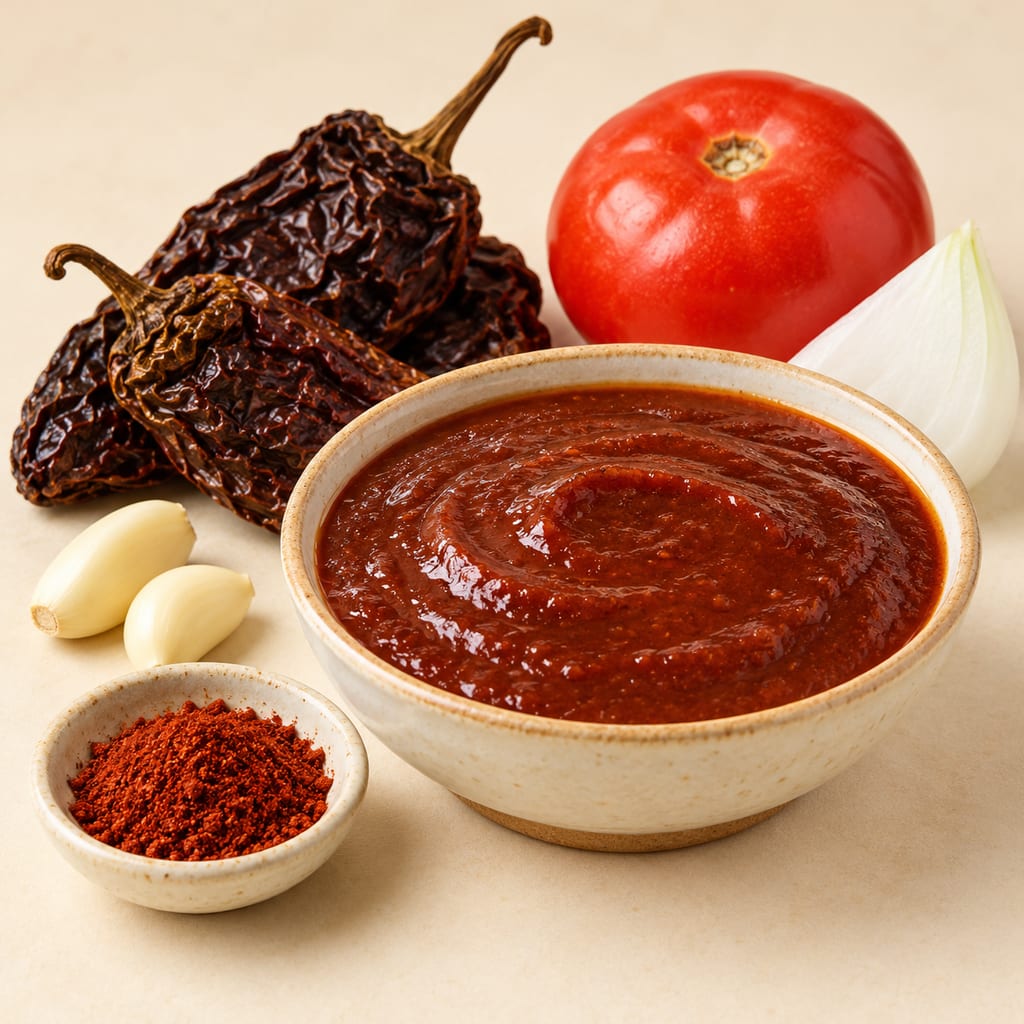
Chipotle adobo is a cooked sauce of smoked chipotle chiles, tomato, onion, garlic, dried chile powder, spices and vinegar, the form in which chipotles are most often sold in the United States.
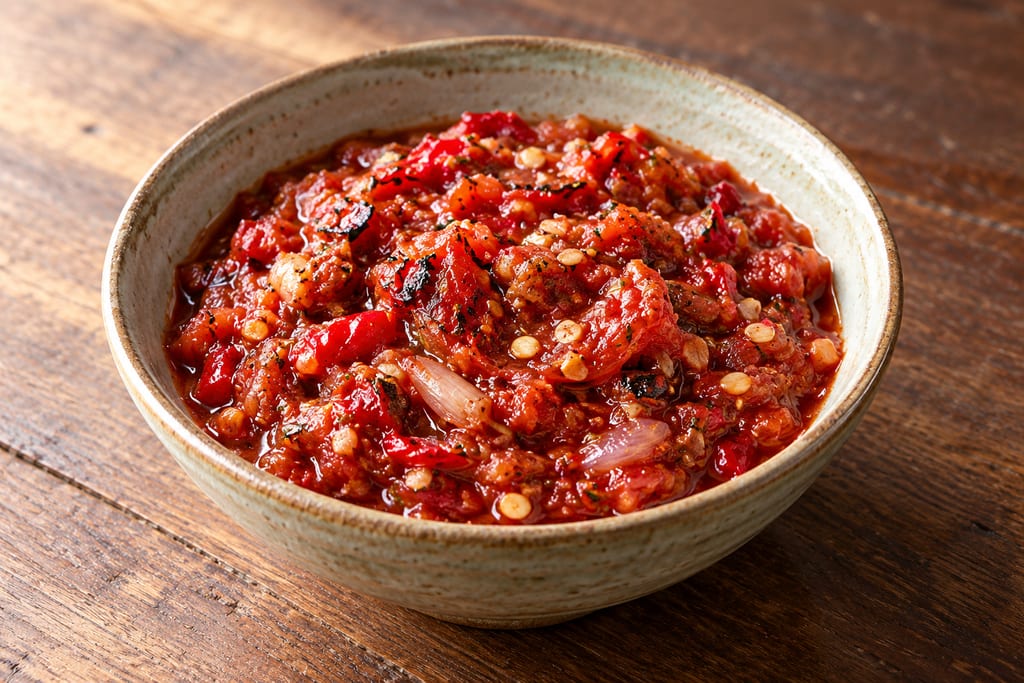
A Lao tomato-and-chile dip made by roasting tomatoes, chiles, garlic and shallots over gentle coals, then pounding and seasoning them. This four-person serving batch has no measured ingredient quantities or validated storage period.