


























































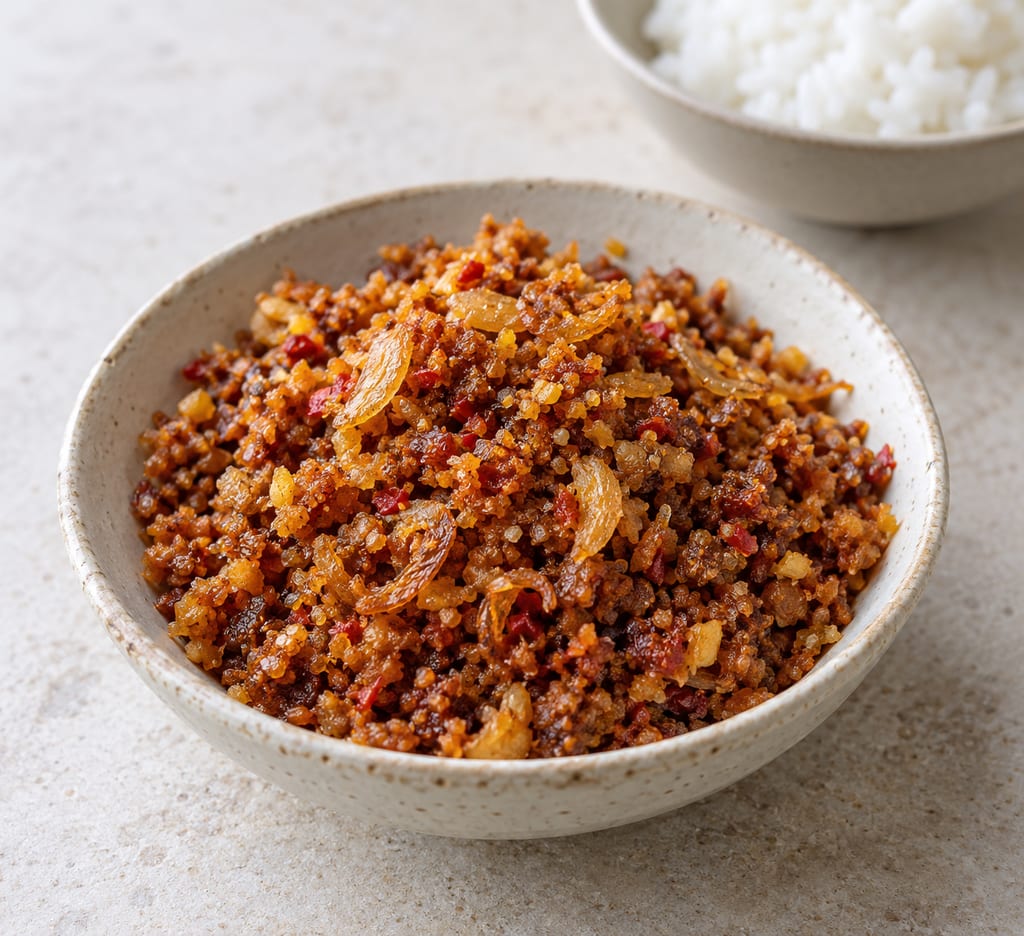
Balachaung
A Myanmar relish of dried shrimp, fried eschalot and garlic, chilli, turmeric, tamarind and ngapi. Naomi Duguid’s published recipe makes about 1 cup; it contains crustacean shellfish.
 FermenteaWhere food goes to change
1504 records with their sources, across 11 categories.
 Fermented, enzyme-ripened and mixed seasonings328
 Fruit preserves10
 Legume, seed and plant-protein ferments10
 Garum and fish sauces8
 Adjacent and excluded7
 Koji, mold starters and mold-ripened ferments4
 Acid and oil pickles3
 Fermented fruit and fruit-derived foods3
 Vegetable lactic3
 Dairy ferments2
 Smoked salted and dried foods2
 Cheese1
 Not yet classified1
A Myanmar relish of dried shrimp, fried eschalot and garlic, chilli, turmeric, tamarind and ngapi. Naomi Duguid’s published recipe makes about 1 cup; it contains crustacean shellfish.
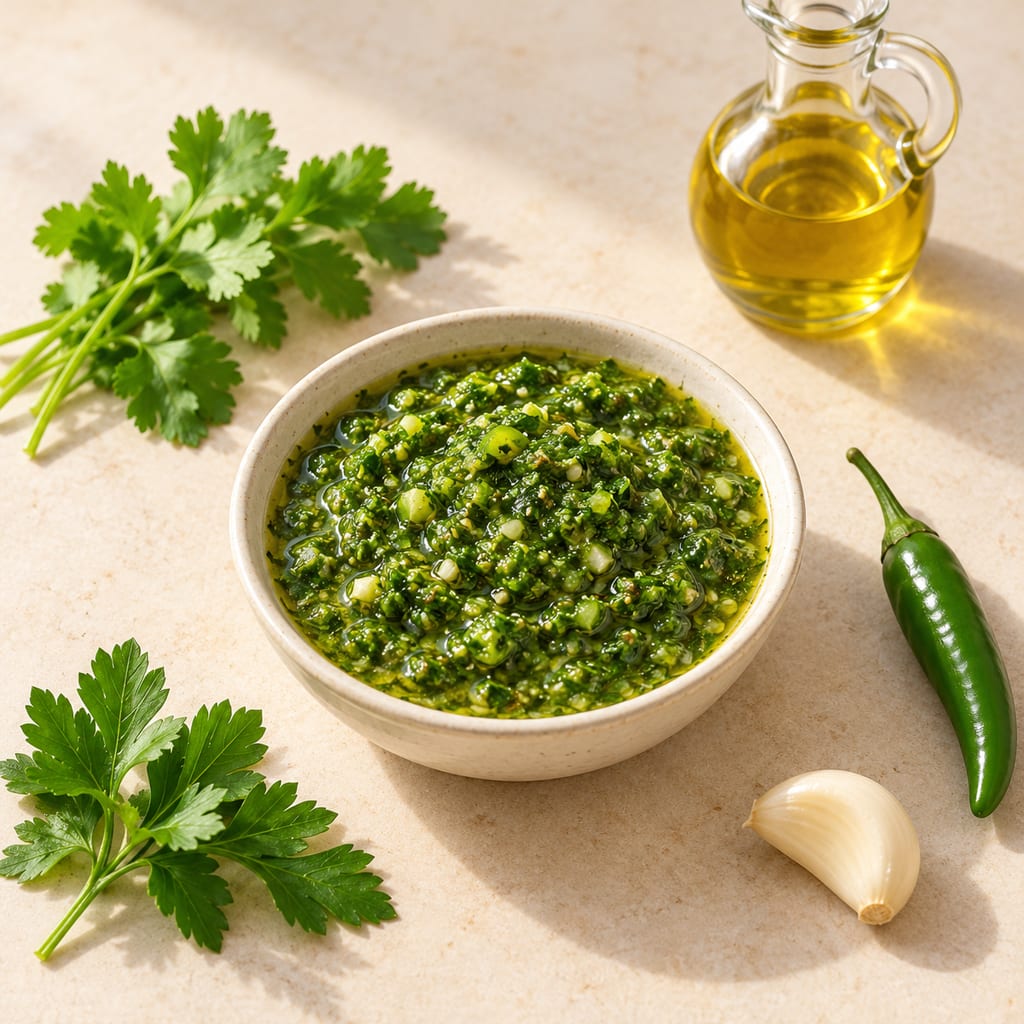
Yemeni zhug inspires this fresh sauce of coriander, parsley and green chilli. Its weighed mild-chilli formula is one contemporary variation, not a canonical household recipe.
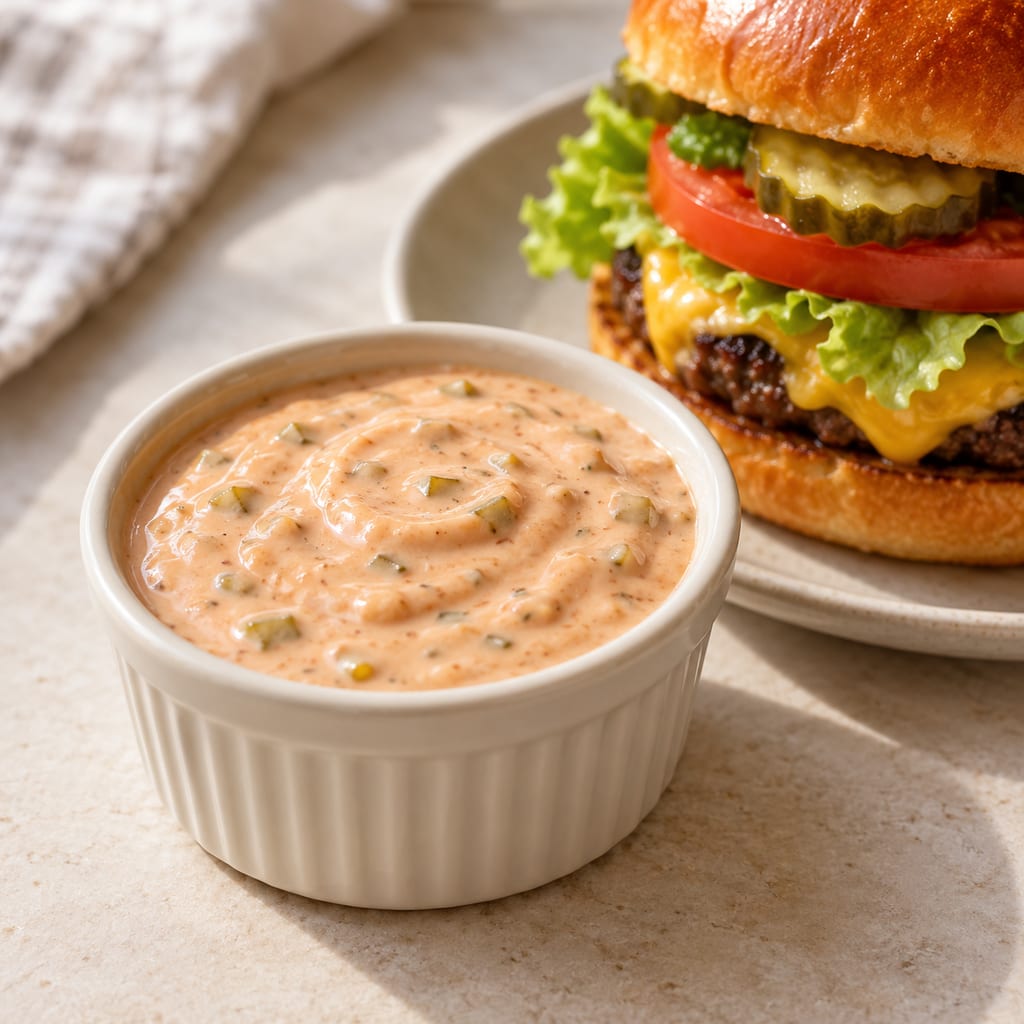
Mayonnaise mixed with ketchup, drained pickle relish and yellow mustard makes a tangy, pickle-flecked sauce for burgers; these proportions are an untested starting point.
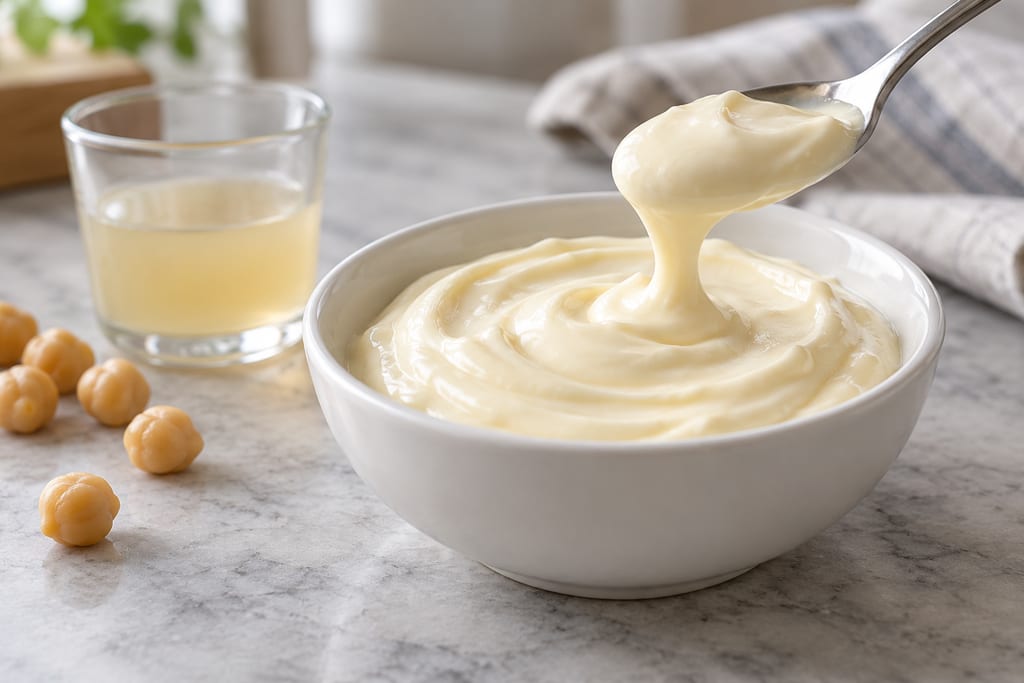
An eggless, untested emulsion made with canned chickpea liquid. Nominal yield 255 g.
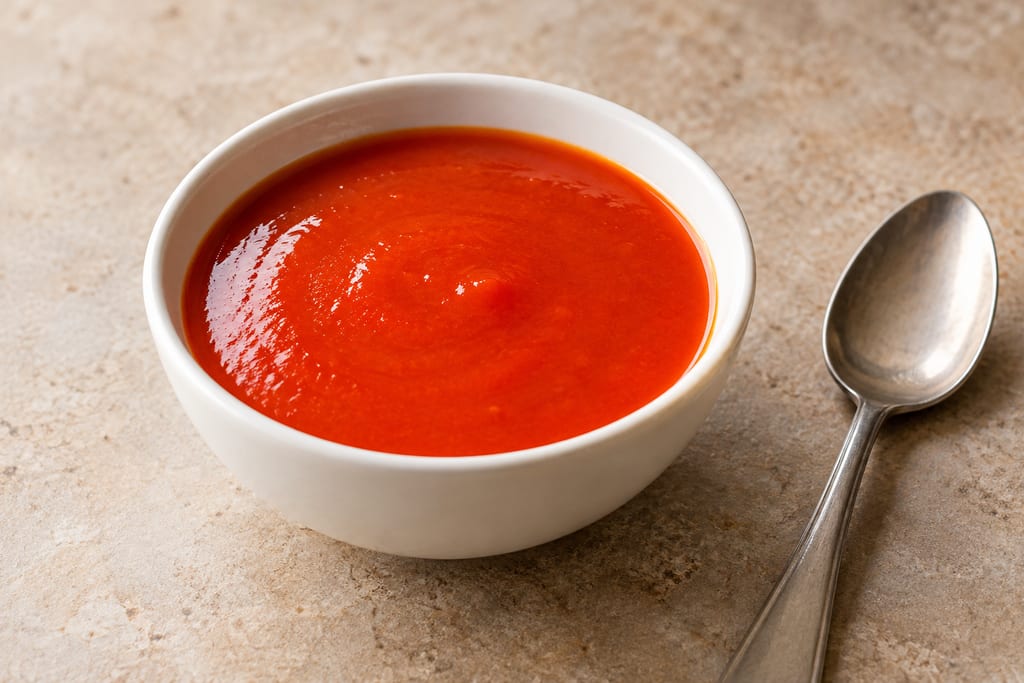
This cooked Vietnamese chilli sauce uses fresh chillies, garlic and tomato for a pourable, sweet-spicy condiment; heat varies with the chillies and how many seeds are removed.

Adygean salt is a seasoned table salt associated with Adygea and the wider North Caucasian culinary tradition. Salt is blended with garlic and a variable selection of herbs and spices; the exact mix depends on the named style and maker.
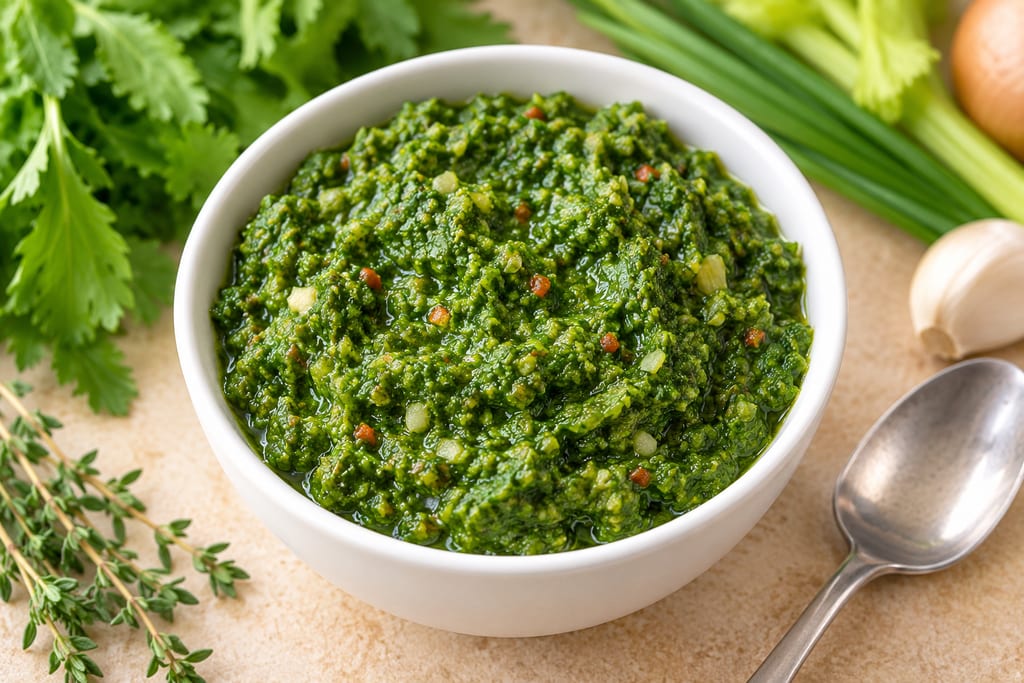
A fresh herb and aromatic paste of chadon beni (culantro), thyme, chives, celery, onion, garlic and peppers, blended with vinegar and water and used as the base for Trinidadian cooking.
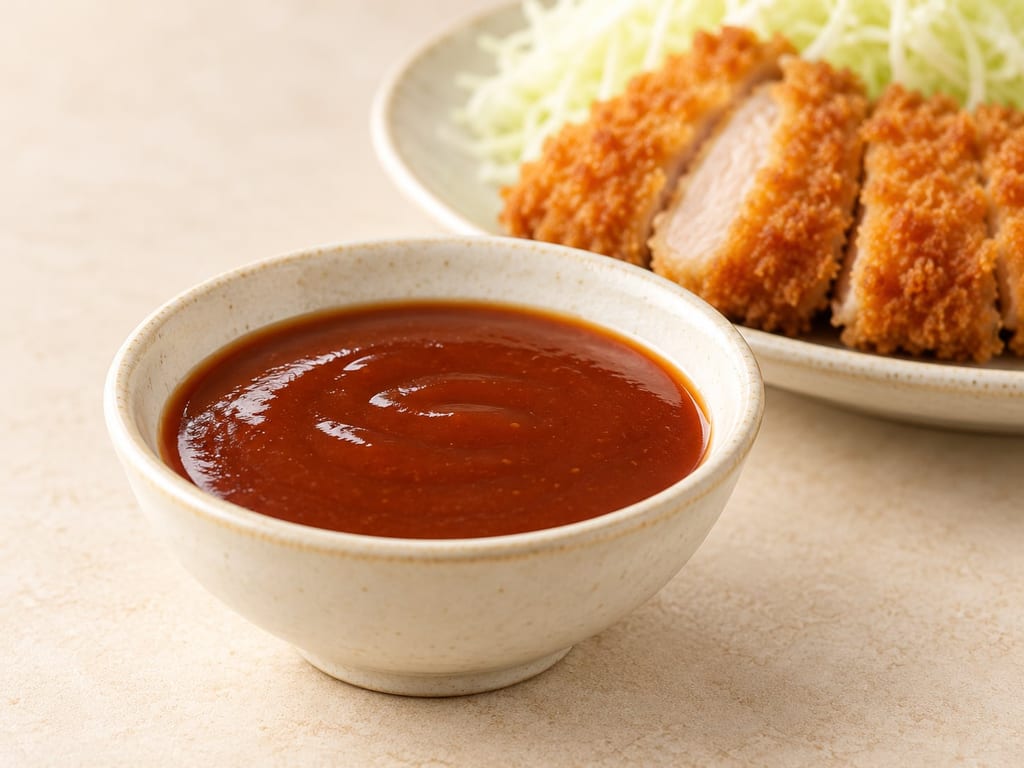
A small-batch, non-fermented tomato, fruit and savoury sauce assembled for crisp tonkatsu and cabbage, inspired by Japanese yoshoku serving traditions.
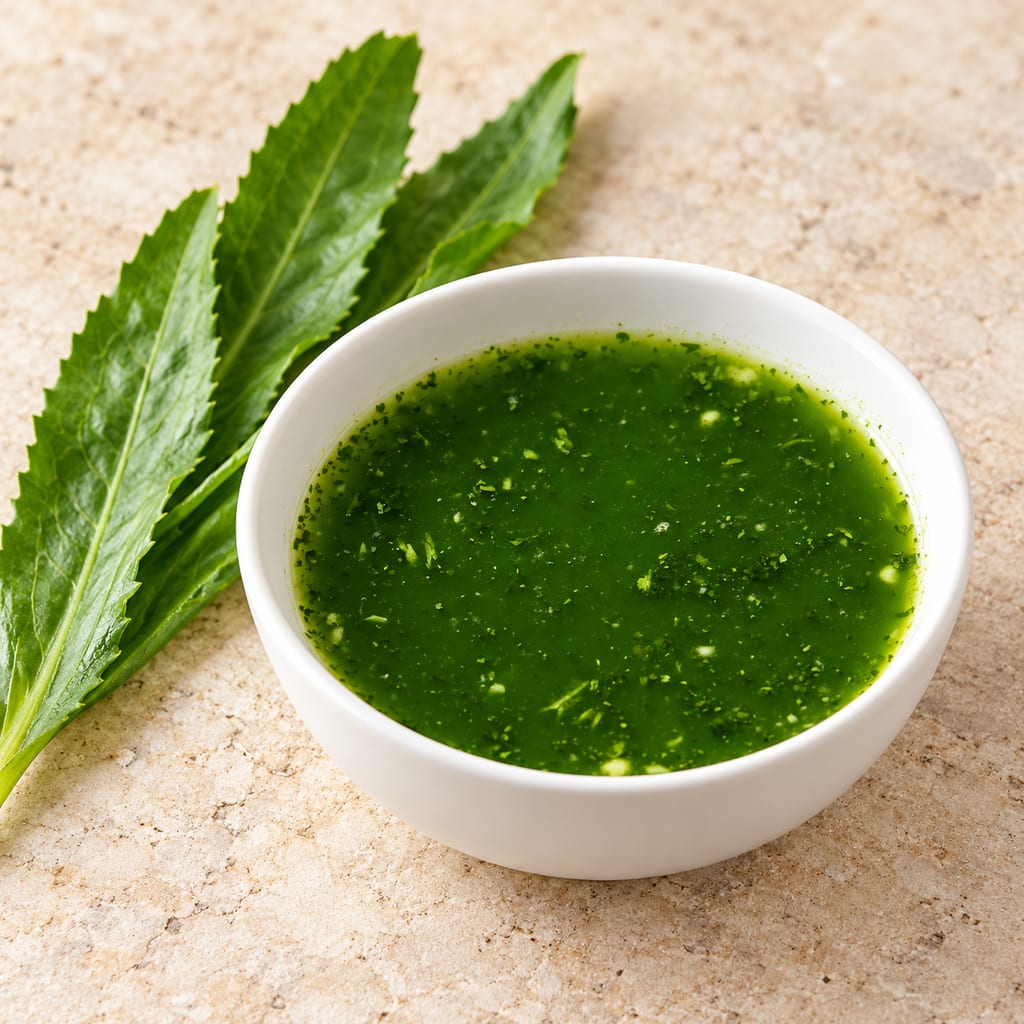
A bright green Trinidadian hot sauce of chadon beni (shado beni, culantro) with garlic, hot pepper, lime and water, blended to a pourable sauce for grilled meat, wings and eggs.
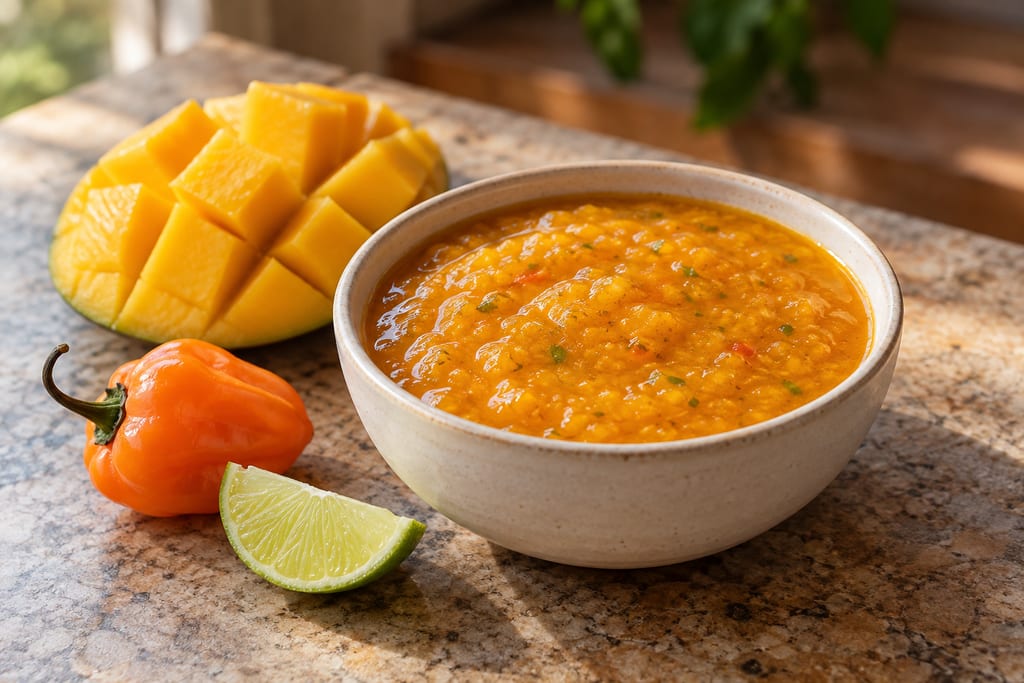
A cooked Caribbean hot sauce of ripe mango, habanero and other hot peppers, onion, garlic and citrus, blended smooth or left chunky.
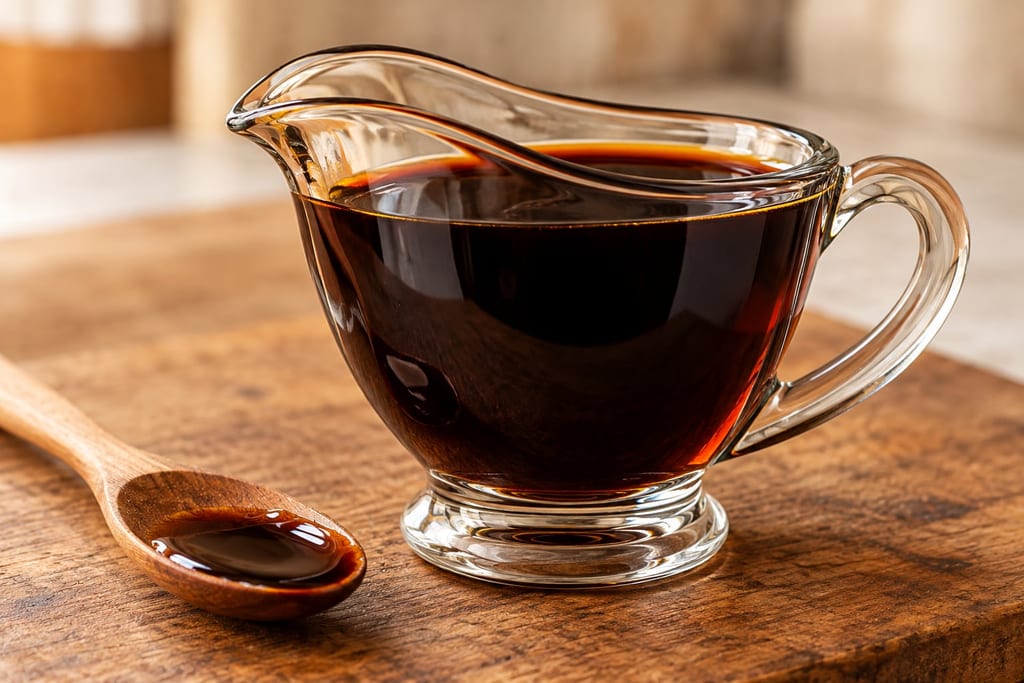
Caribbean browning is a dark liquid of deeply caramelised sugar, used in small amounts for colour and a smoky, bitter-sweet flavour in stews and black cake.
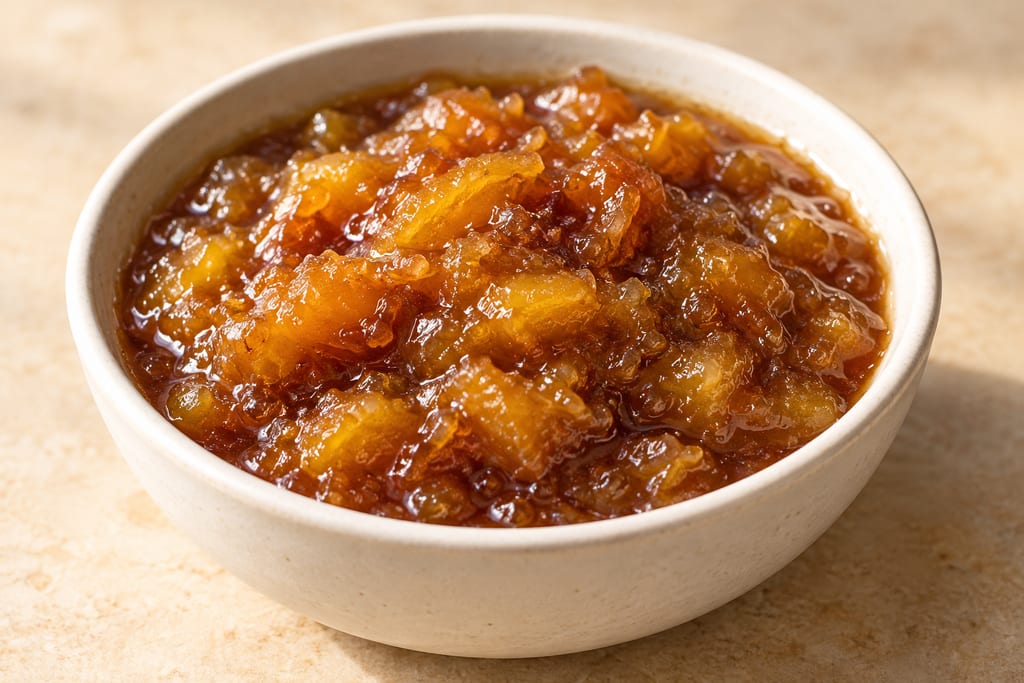
A Suryabinayak municipal recipe cooks ripe lapsi pulp in sugar syrup with cloves, cardamom, cinnamon, sukumel and ginger juice to make a sweet Nepali achar.
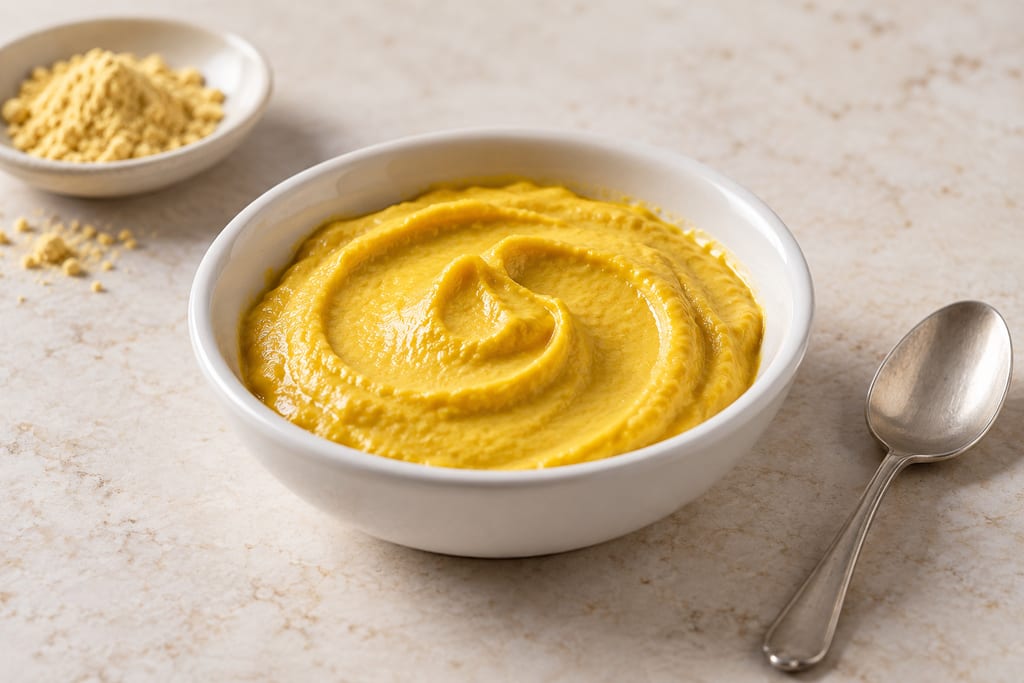
Ten grams of English mustard powder stirred with cool water into a thick cream: the plainest, sharpest mustard there is, mixed just before the meal.
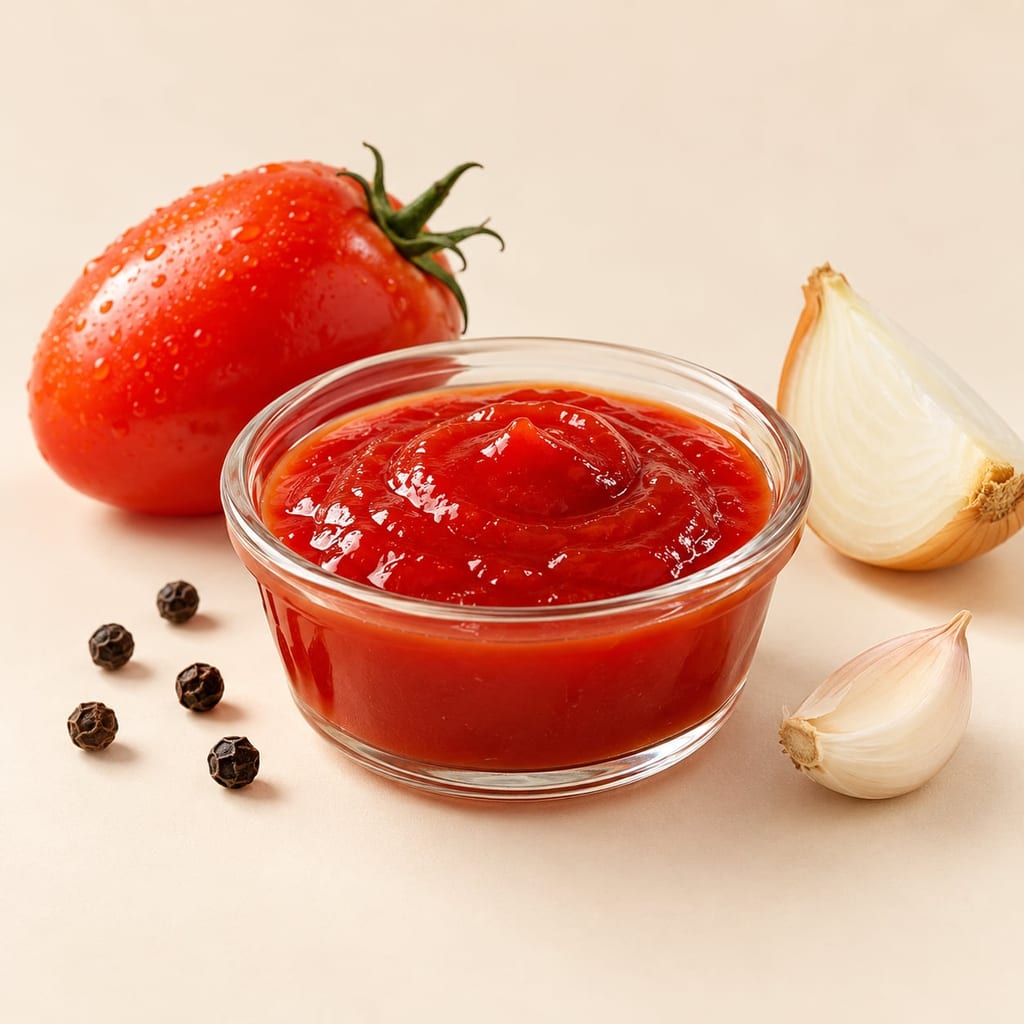
A rounded house ketchup cooked from tinned plum tomatoes, onion, vinegar, sugar and a little warm spice, then blended, sieved and reduced to about 600 g.
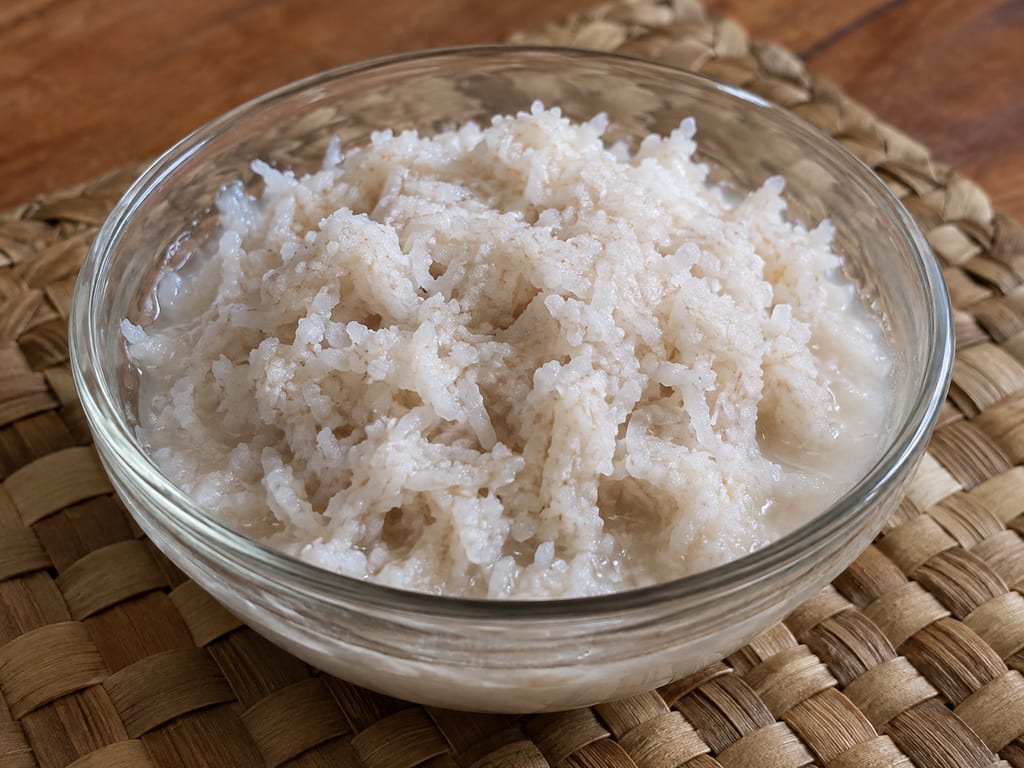
Taioro is a Polynesian condiment of grated coconut fermented with freshwater prawn heads in seawater, then rested in a cool place for a day before it is used.
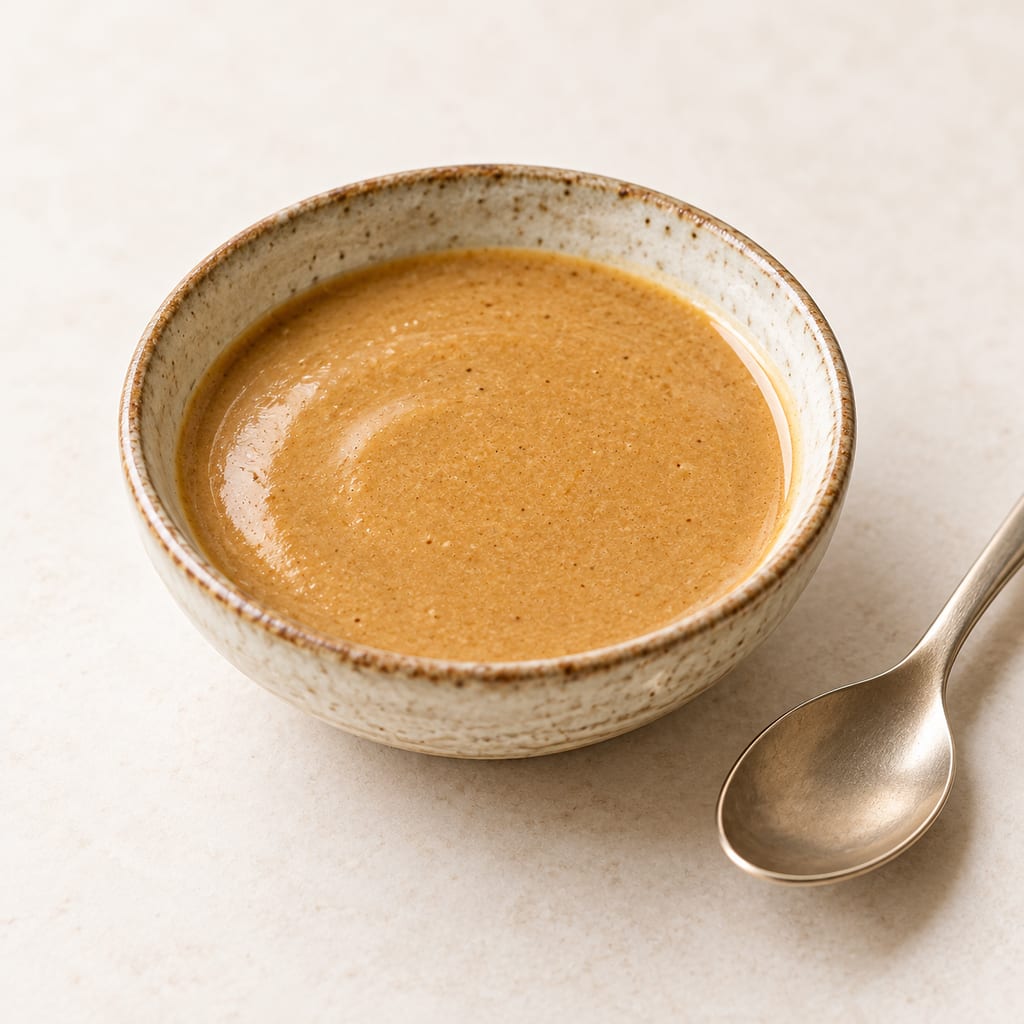
A sesame-rich goma-dare-style dipping sauce made by loosening toasted sesame paste with water, soy sauce, rice vinegar and sugar; this original development formula remains untested.
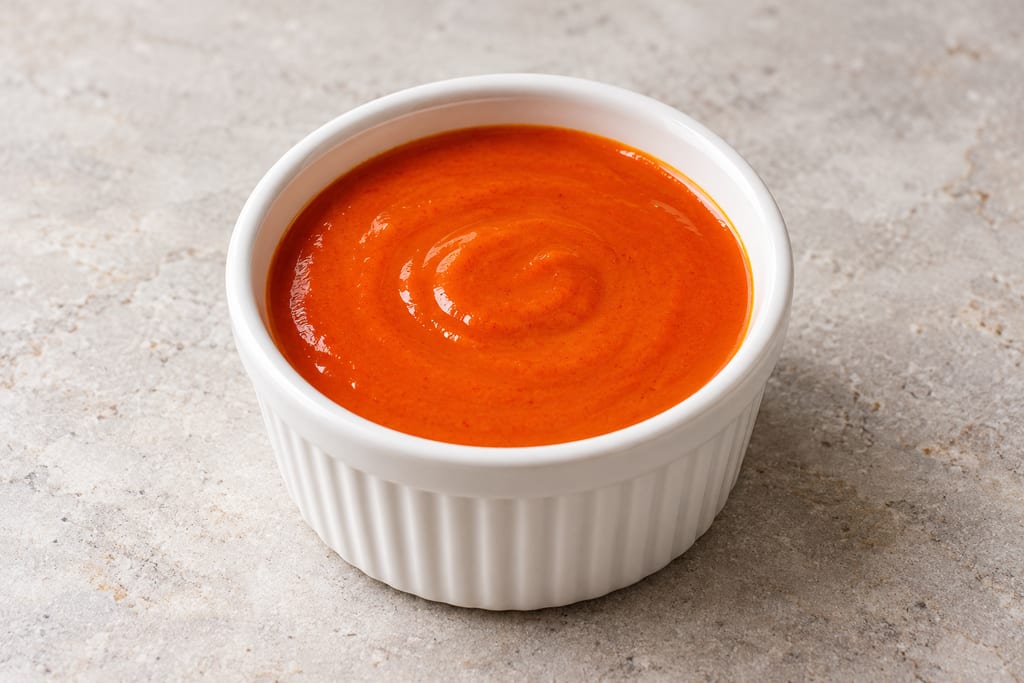
A warm, buttery cayenne sauce made by melting butter into a hot pepper sauce, first tossed onto fried chicken wings in Buffalo, New York.
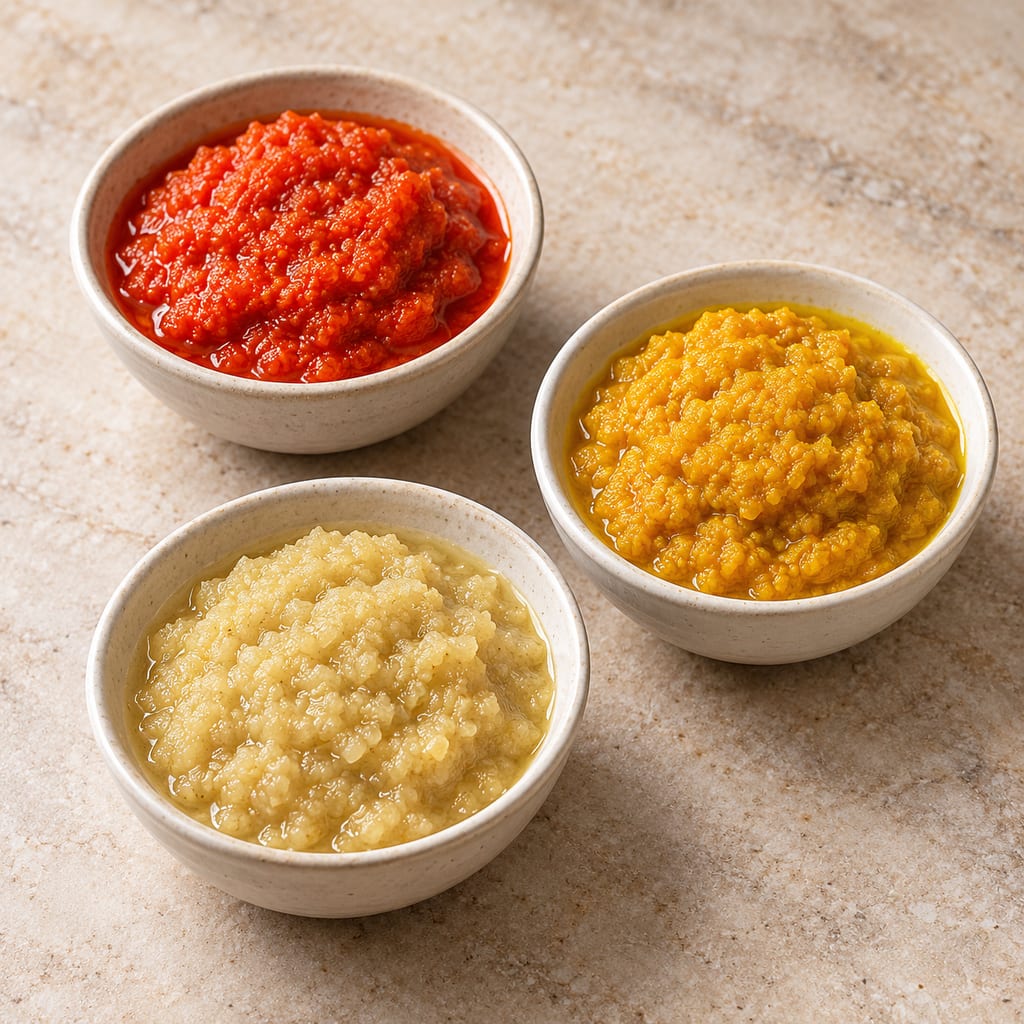
Bumbu dasar are the ground spice bases of Indonesian cooking: a white paste of shallot, garlic and salt, with chile added for red and turmeric for yellow, cooked into dishes.
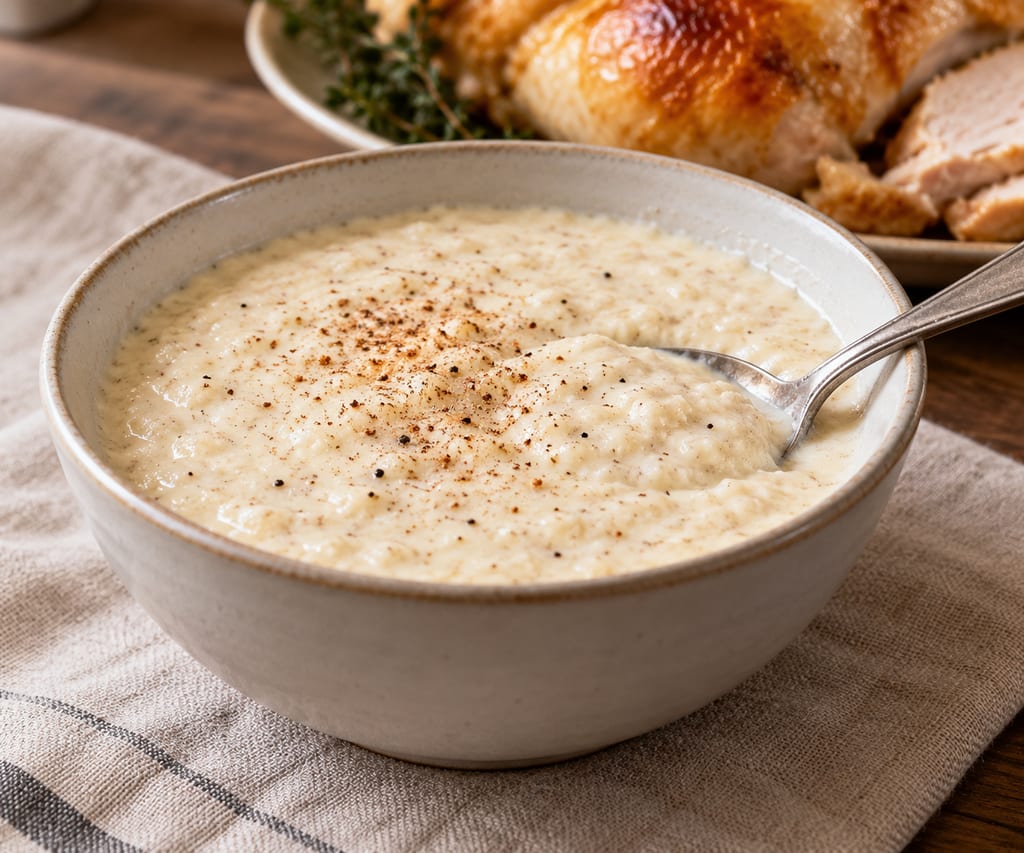
Bread sauce is a British sauce of milk infused with onion, clove and bay, thickened with stale breadcrumbs and finished with butter, served with roast chicken or turkey.
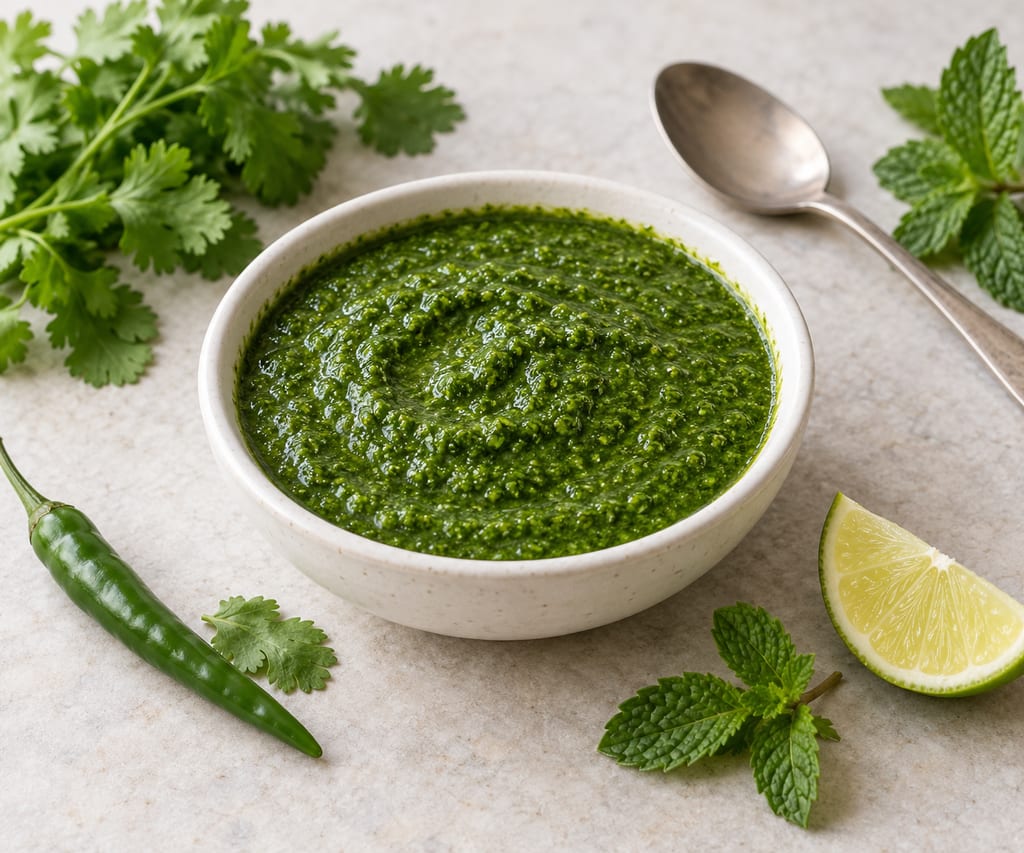
A fresh, uncooked green chutney blended from coriander, mint, chilli and citrus. This measured development batch is untested and intended for prompt serving.
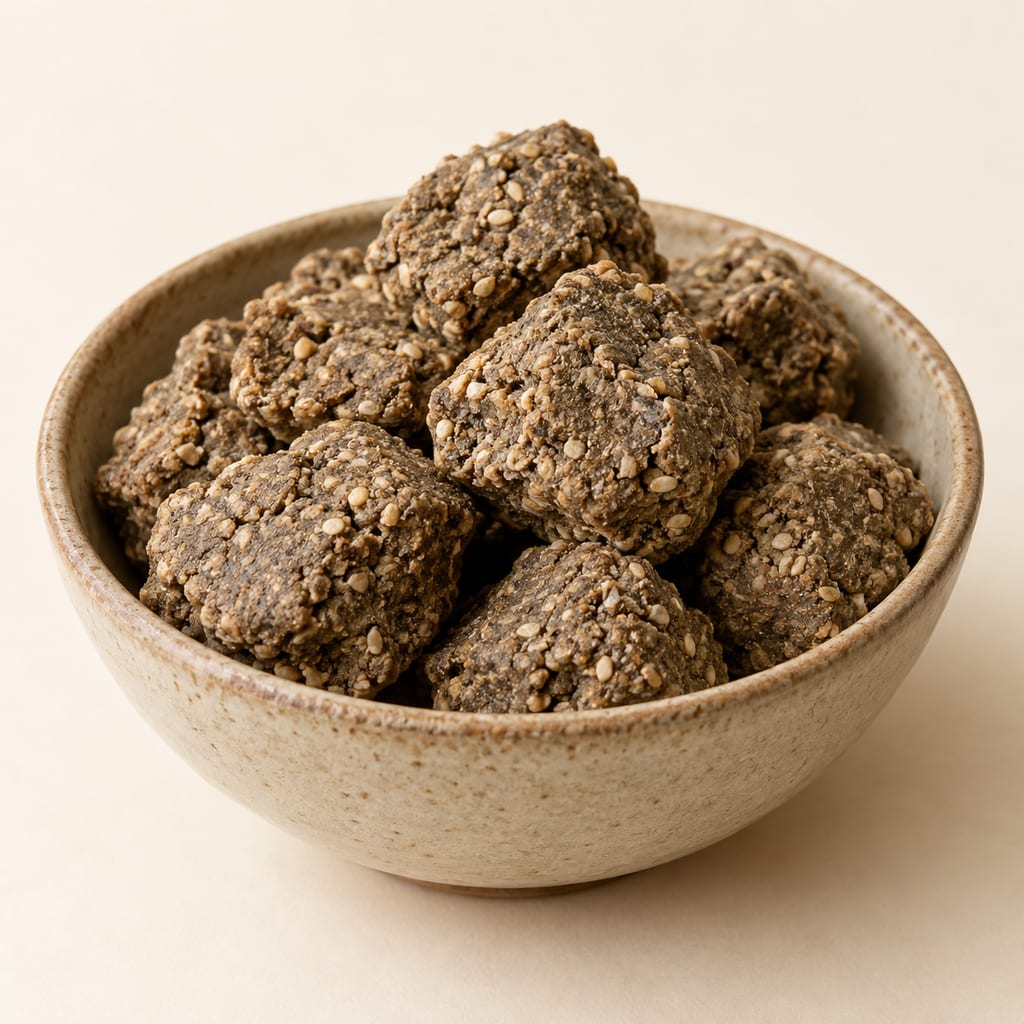
A Sudanese preparation made by fermenting sesame oilseed cake, shaping it into balls and sun-drying. Published accounts describe different processes and do not give a complete household batch.
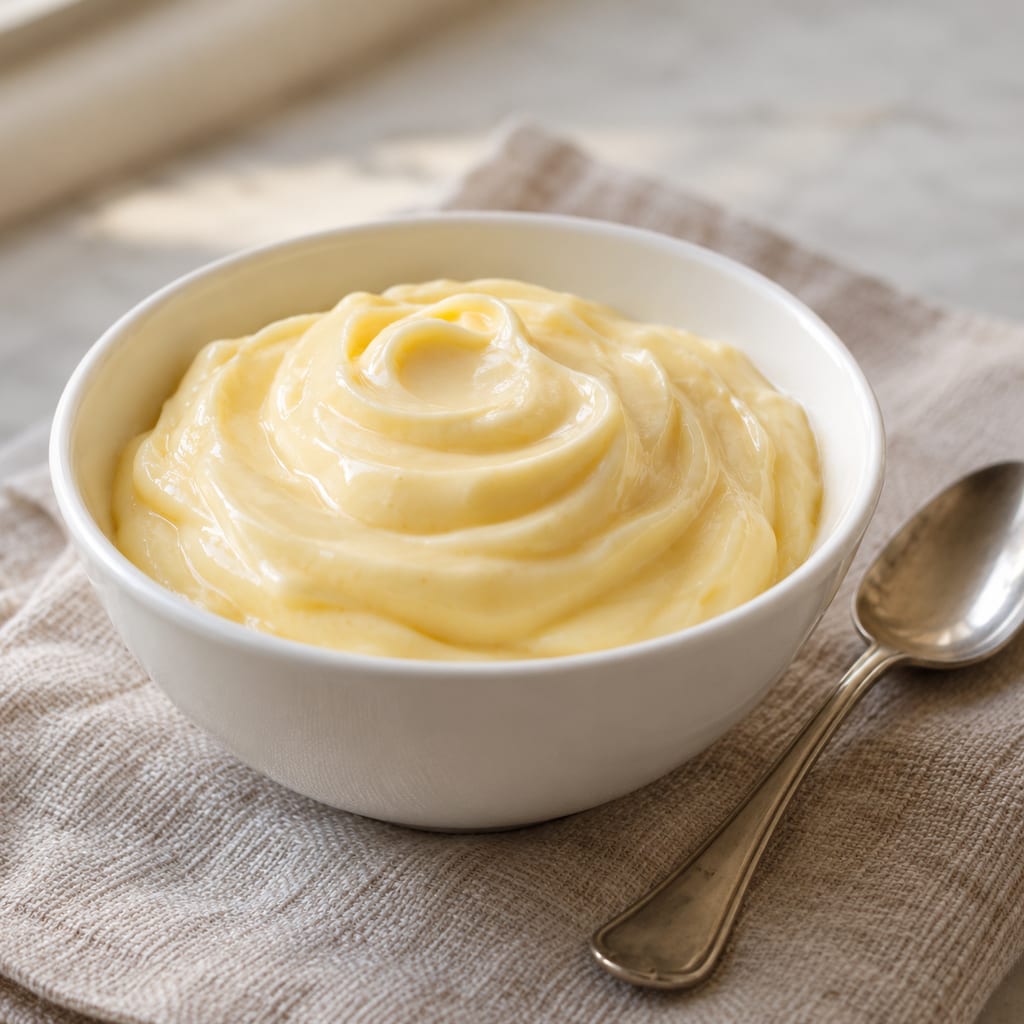
A cooked-yolk mayonnaise documented in the University of Tennessee Extension’s 2007 Egg University Handbook. The egg mixture is heated before oil is emulsified into it.
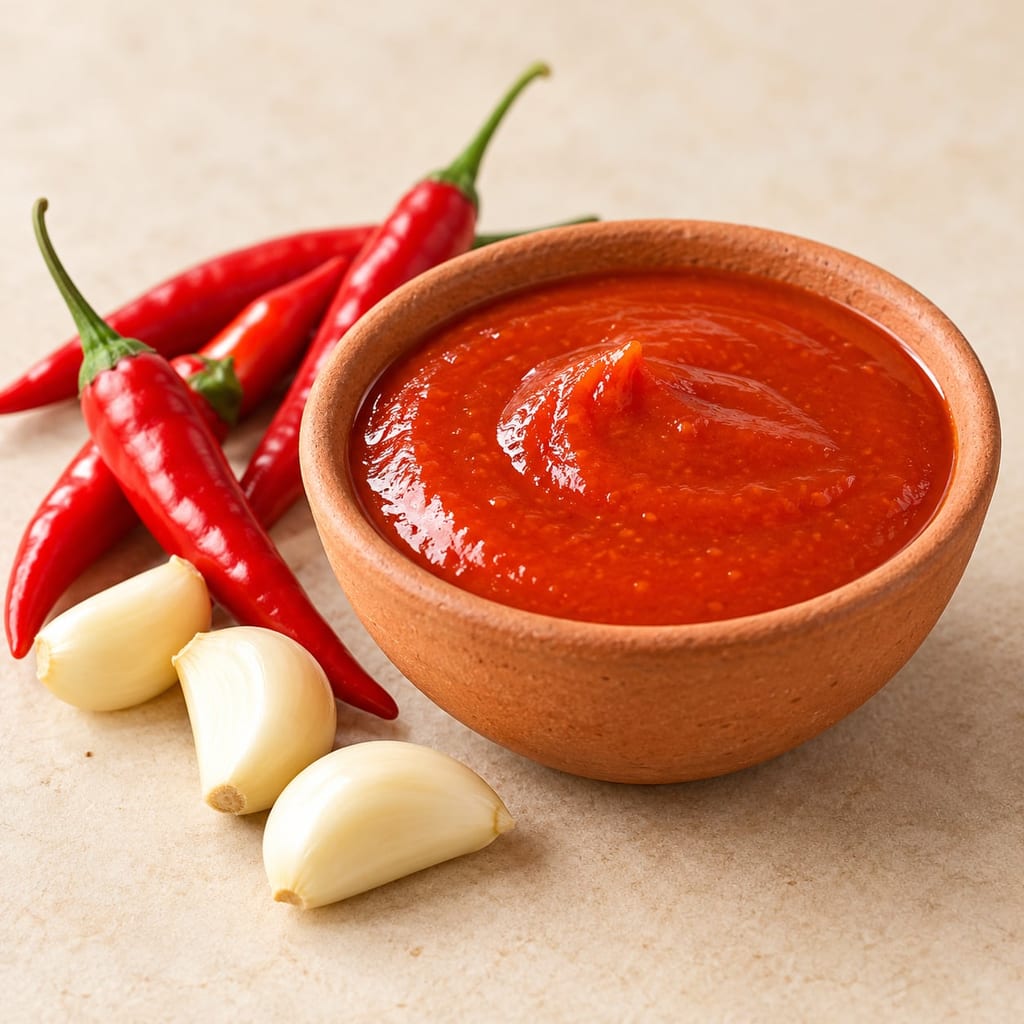
Red chillies and garlic simmer in distilled vinegar, then blend with sugar and salt into a smooth, sharp, sweet-hot table sauce associated with Thailand’s Si Racha coast.
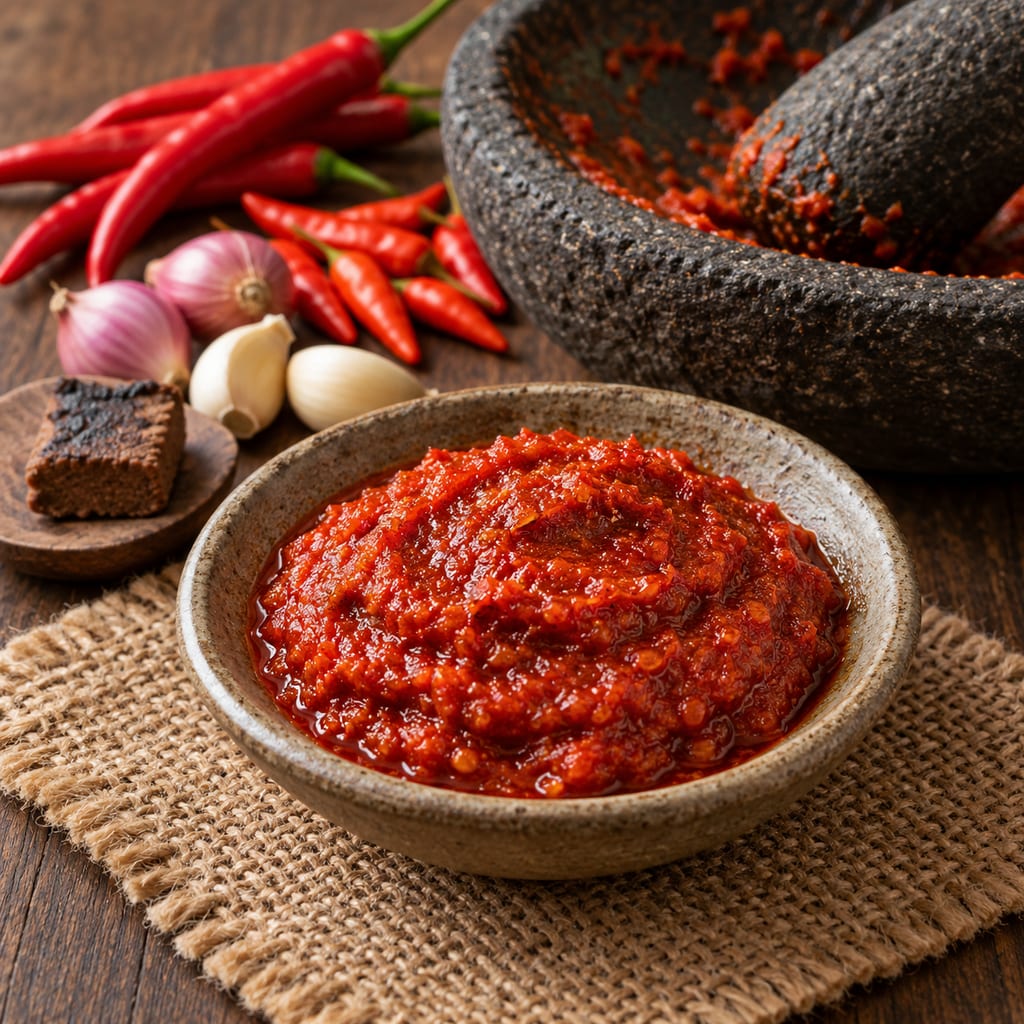
This documented West Java sambal grinds cooked red and bird’s-eye chiles with garlic, shallots and fermented shrimp paste, then simmers the paste before serving.
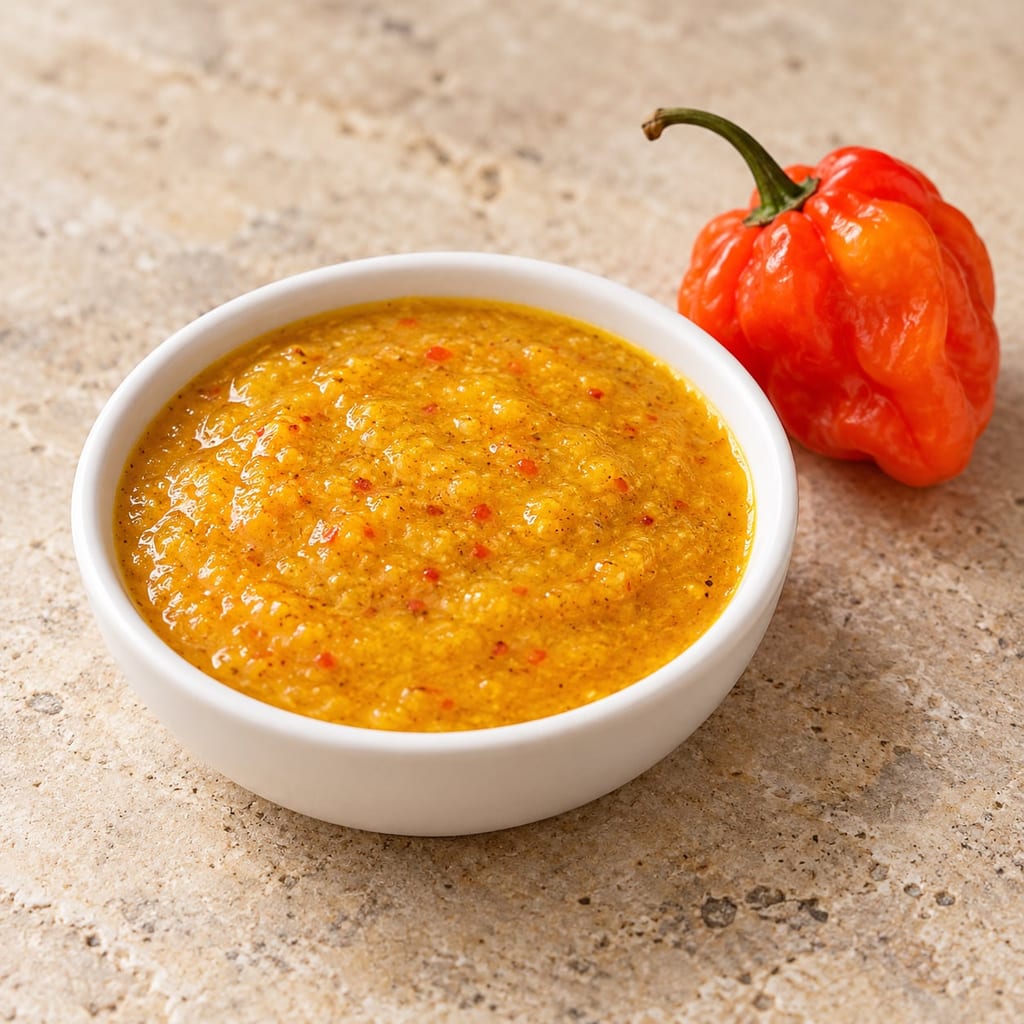
Bajan pepper sauce is a Barbadian hot sauce that blends Scotch bonnet peppers with mustard and vinegar, often with onion, turmeric and oil. Its heat and sharpness come from both the chile and the mustard, which sets it apart from a plain pepper vinegar.
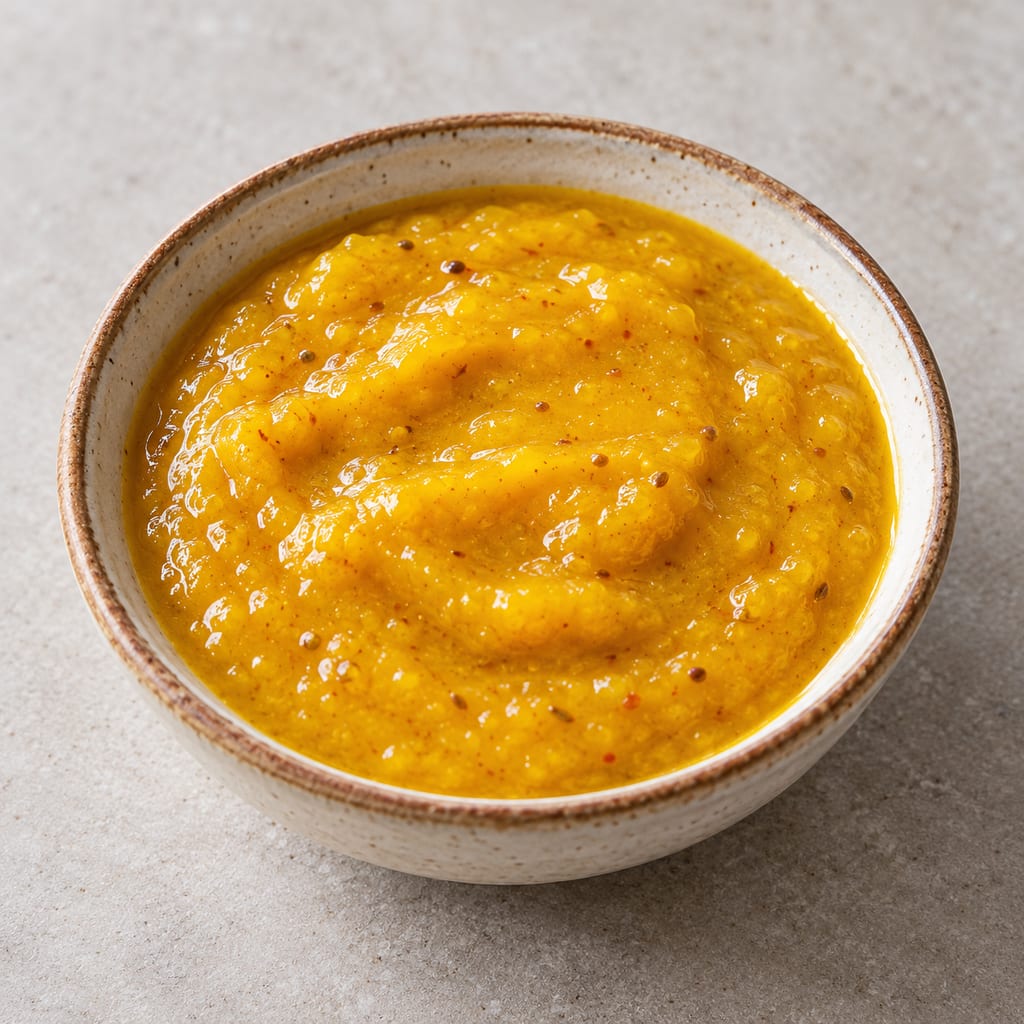
This cooked amba follows a Jewish Food Society recipe that simmers ripe mango with onion, garlic, mustard seed and warm spices into a tangy Middle Eastern condiment.
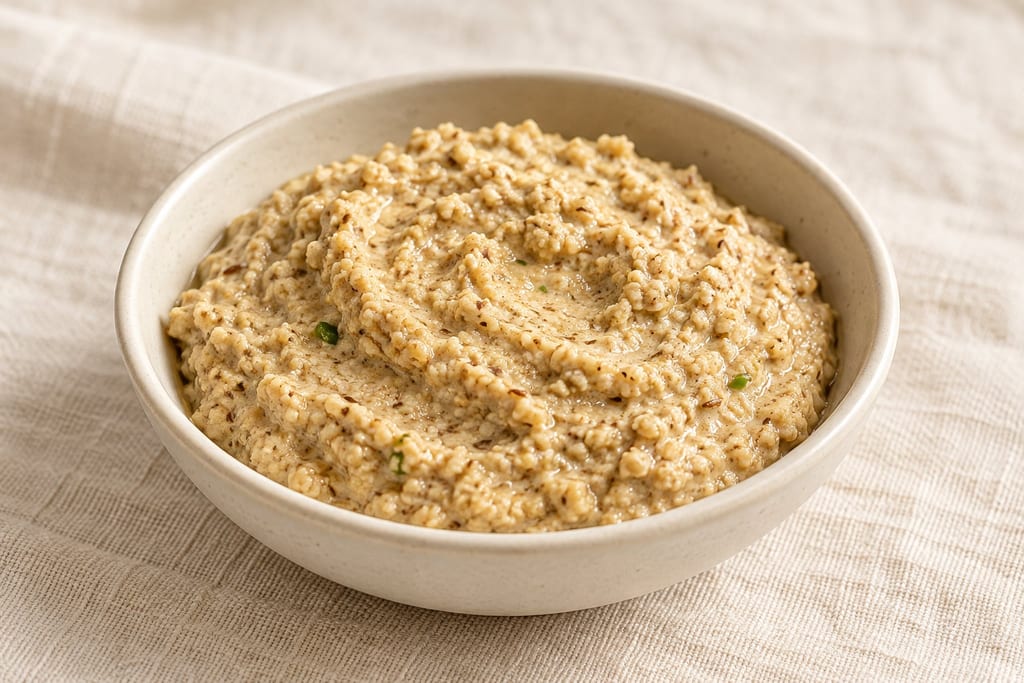
Til ki chutney is a sesame-and-cumin condiment from an Uttarakhand cuisine collection: the seeds are roasted, finely ground with salt and green chillies, then mixed with lemon juice. The book describes it as a winter preparation.
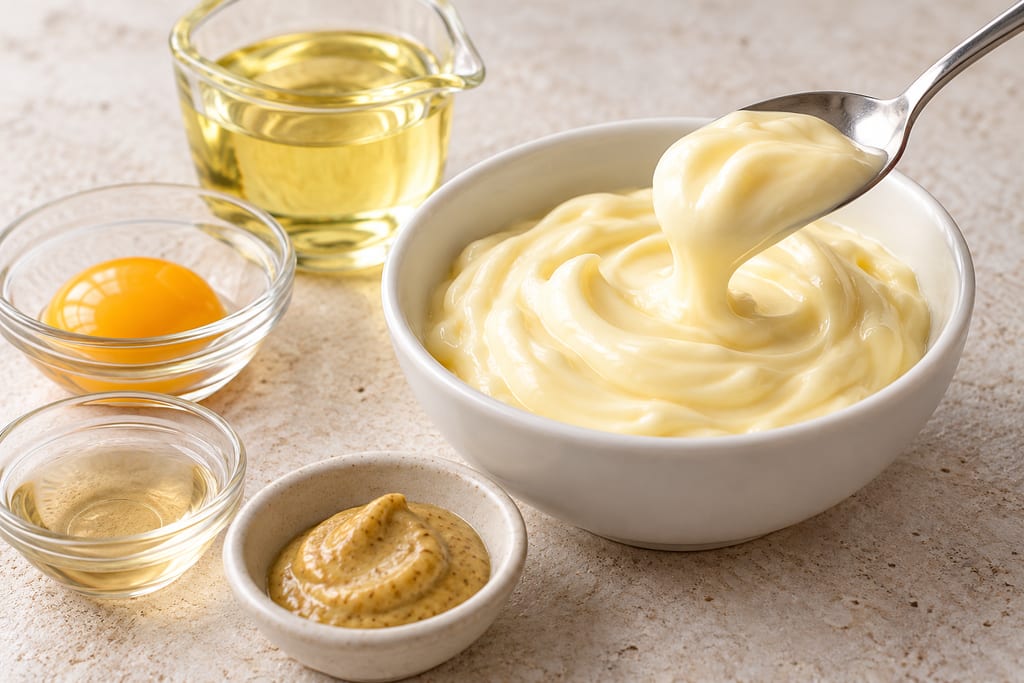
A plain mayonnaise of 200 g refined neutral oil emulsified into pasteurised yolk, vinegar, water and a little Dijon mustard: a clean base for tasting, comparing and flavouring.

Meat stock simmered, strained and reduced until a gelatin-rich mass sets, then dried into solid cakes that dissolve in water; a concentrated provision of the early modern naval period.
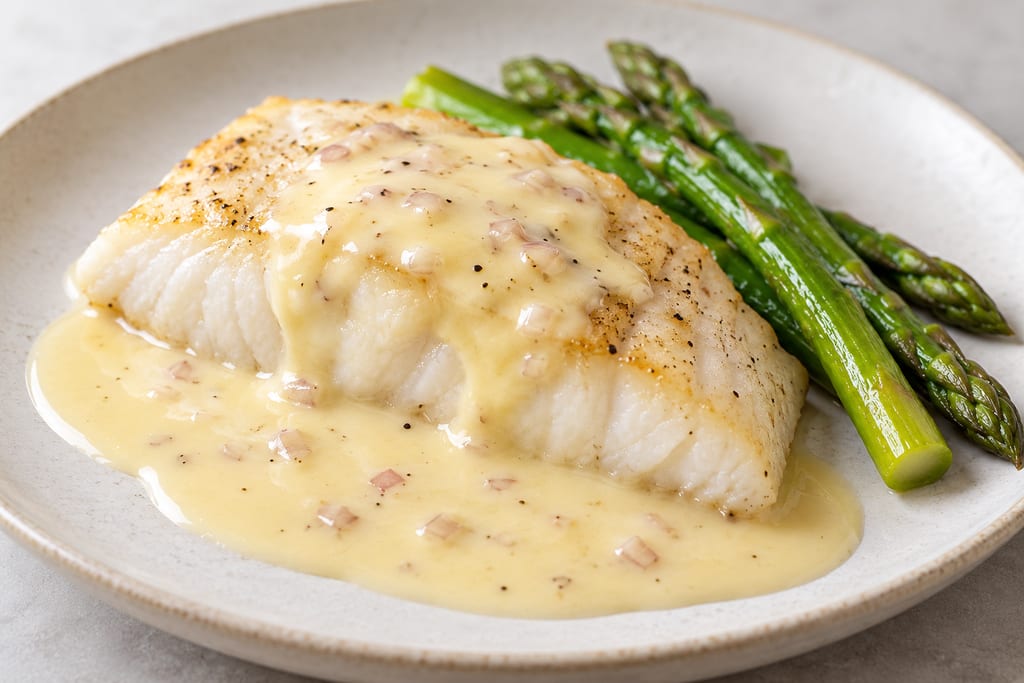
Beurre blanc is a warm emulsion of cold butter whisked into a reduction of white wine, vinegar or lemon juice and shallot, a sauce from the Loire Valley and its red-wine version, beurre rouge.
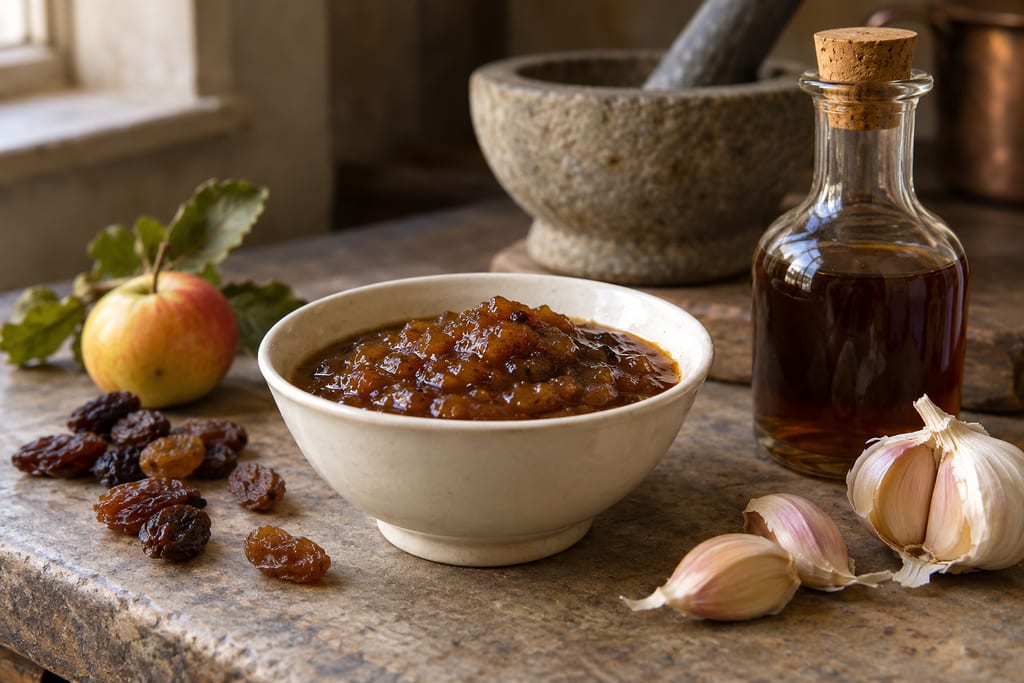
Eliza Acton's Bengal receipt for chetney sauce: stoned raisins and a hard acid fruit pounded with brown sugar, ginger, salt, cayenne and garlic, then thinned with vinegar to the consistence of thick cream.

Bechamel is a white sauce of milk thickened with a butter and flour roux, one of the French mother sauces, and the base from which Mornay and other cheese and cream sauces are made.
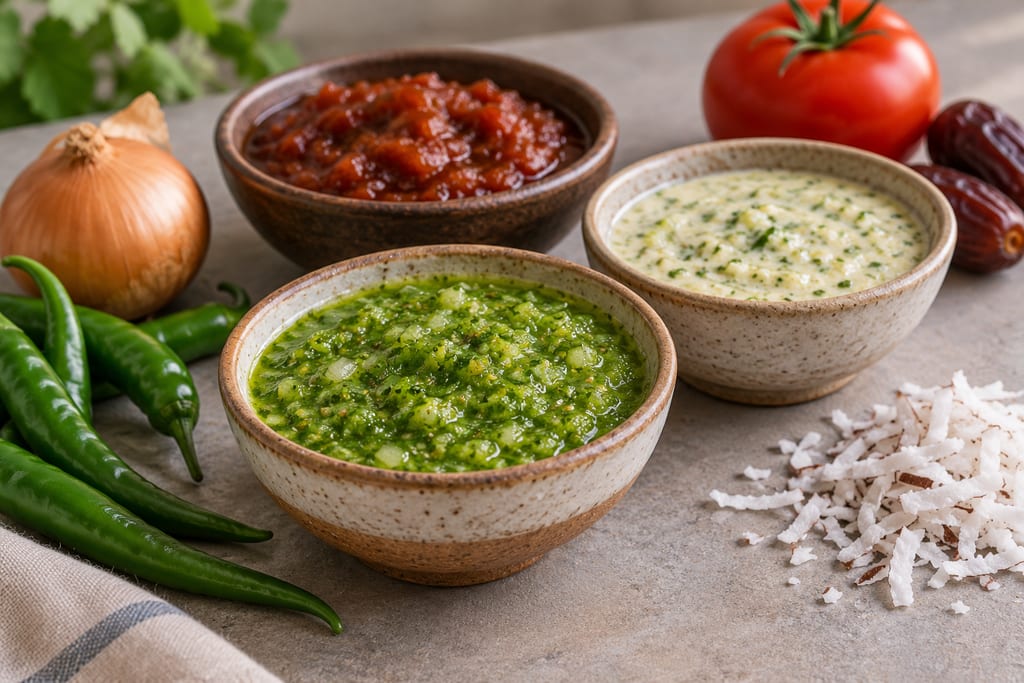
Basbaas is the Somali word for chilli and the name of a family of hot sauces served at the table, so each diner can set the heat. Green, coconut and tomato-based versions are all called basbaas.
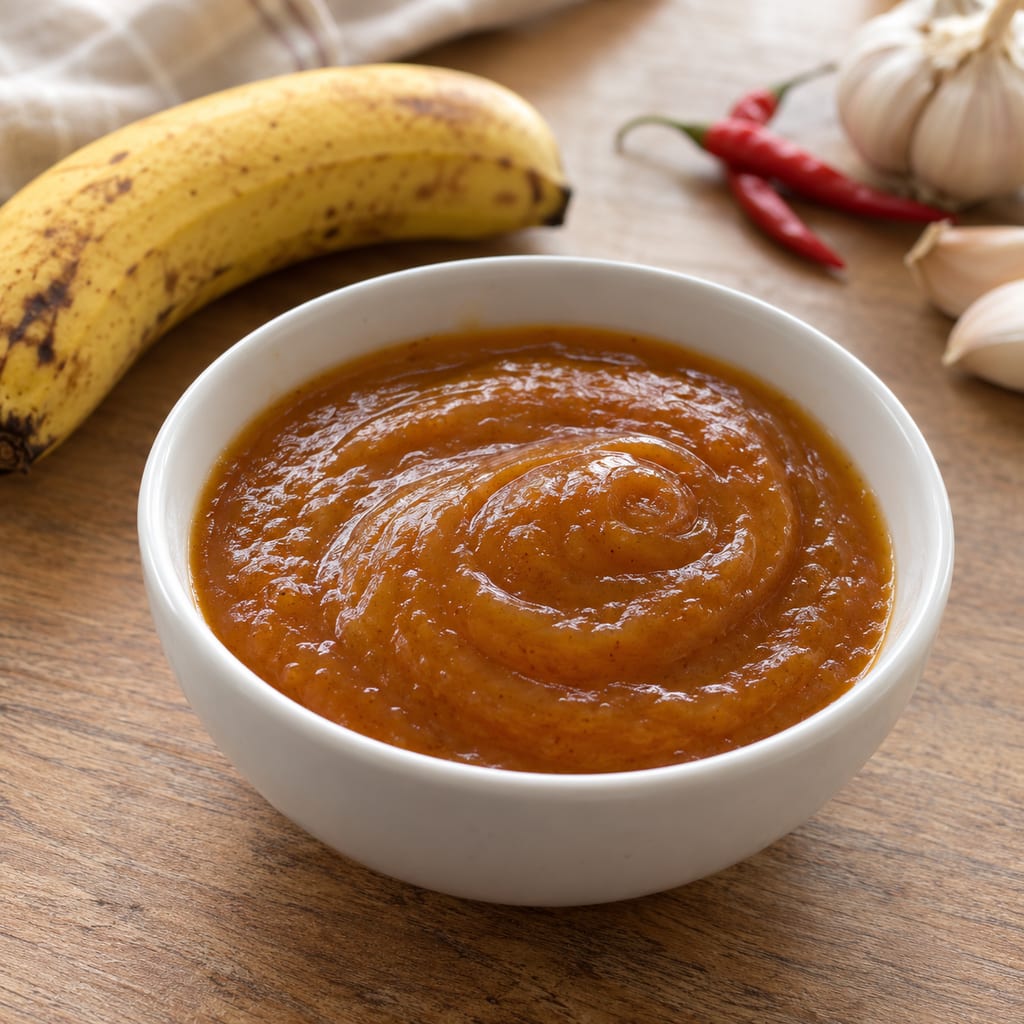
A sweet-hot table sauce of ripe banana simmered with vinegar, sugar, onion, garlic and fresh chilli, in the manner of Philippine banana ketchup. An untested development batch of about 500 g.
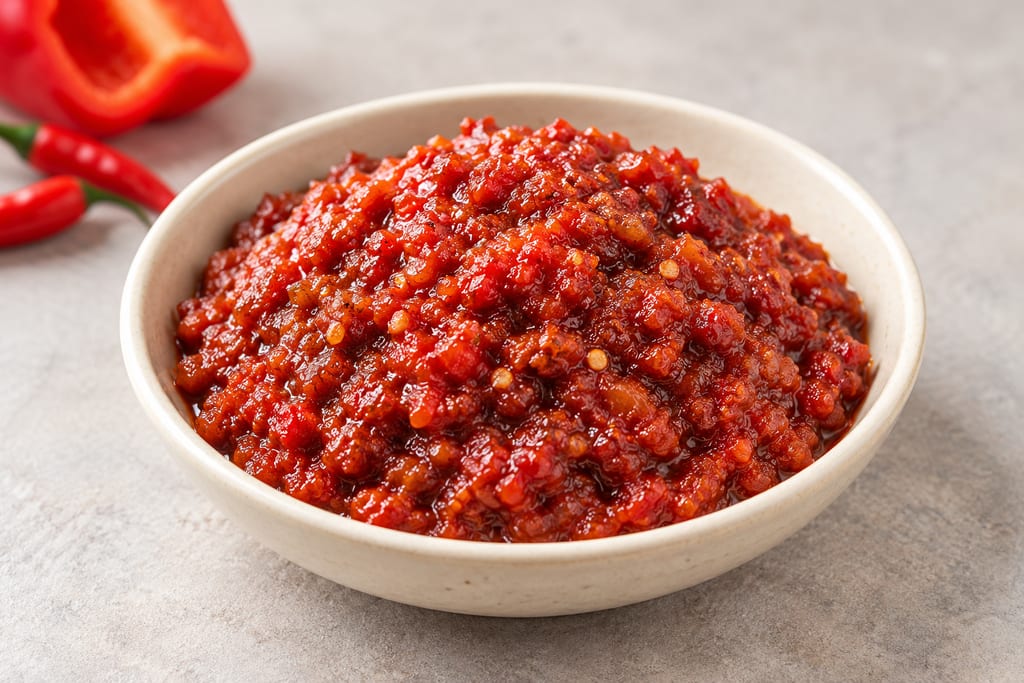
Ata dindin is the Yoruba fried pepper sauce: chillies, red bell pepper and onion blended and cooked down in oil until the oil separates. The same name is also given to a finished stew built on it.

A Dominican table and seasoning condiment of sour orange juice, mixed with lime and salt and bottled raw; garlic, oregano or a hot pepper may be added for meat or a spicier bottle.
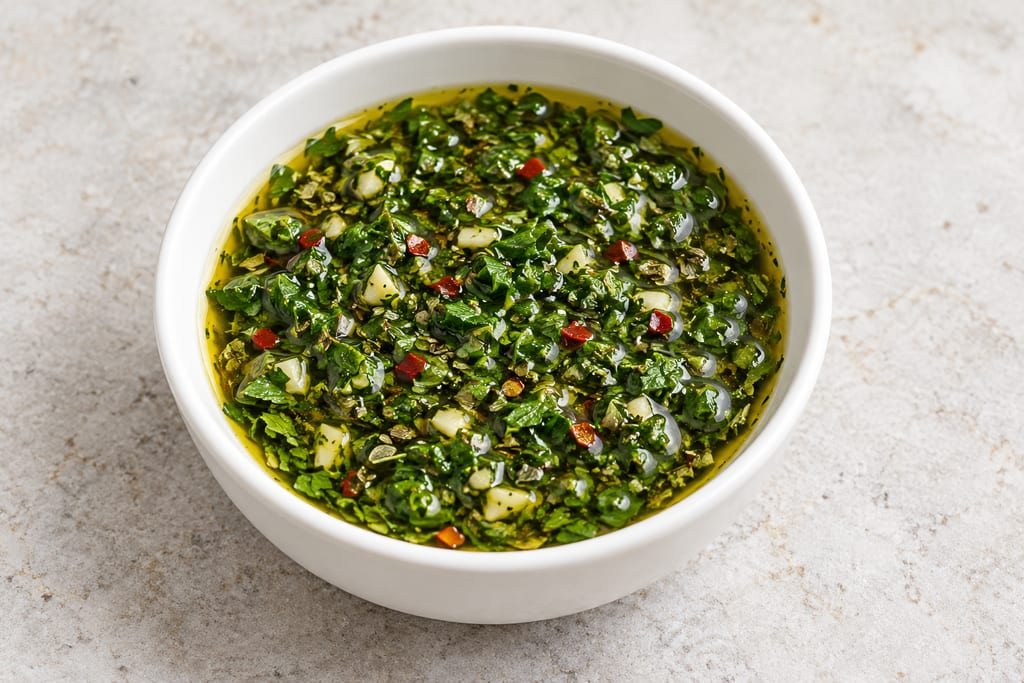
Chimichurri is an uncooked sauce of chopped parsley, garlic, oregano, oil and vinegar from Argentina. It is spooned over grilled meat and has spread across Latin America.
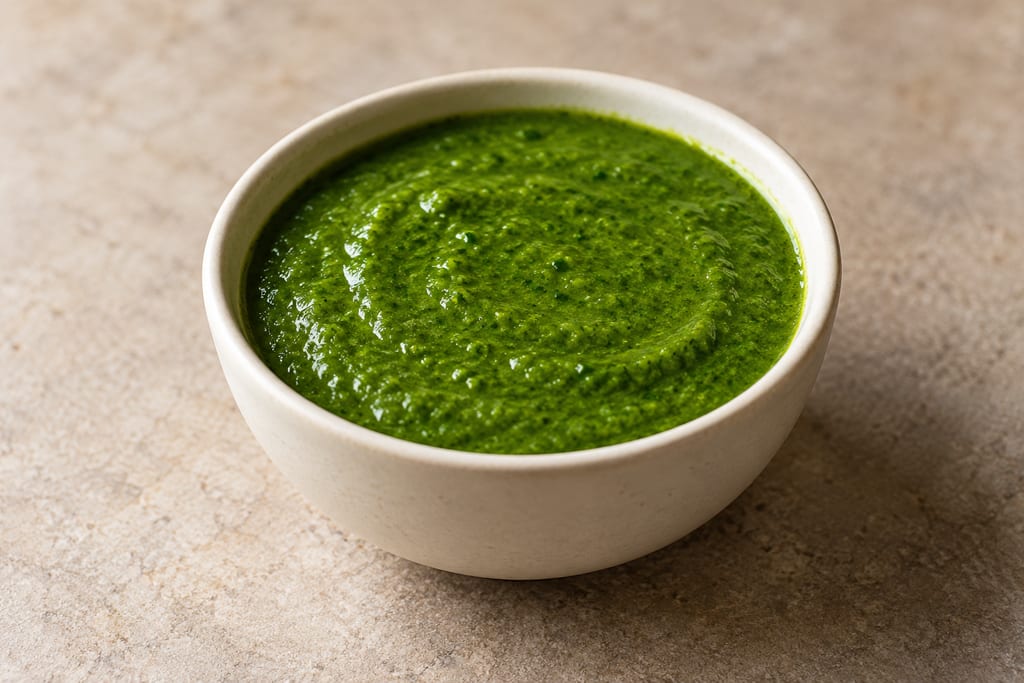
A cold-blended coriander and mint chutney with ginger, green chilli and optional cumin and lemon; the author serves it with snacks, chaat and sandwiches.
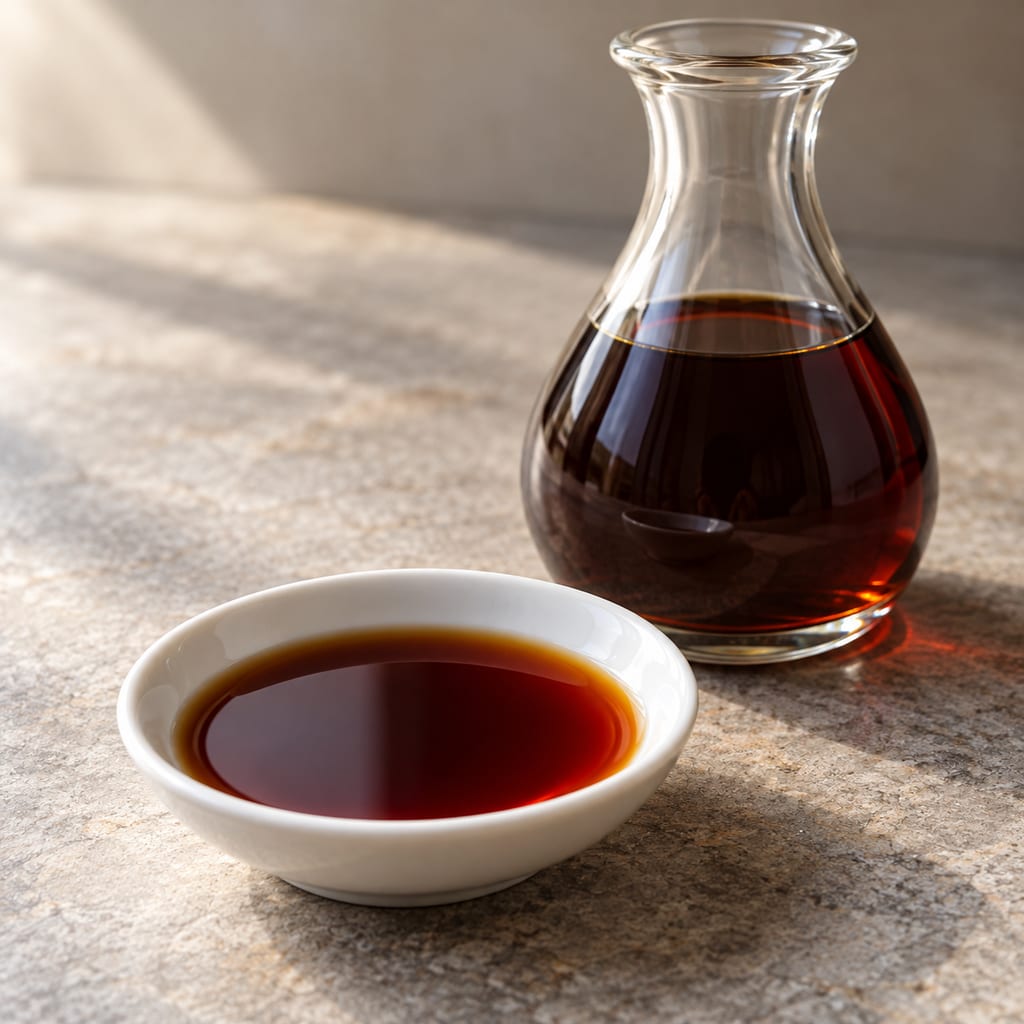
Zhenjiang black vinegar is a Chinese glutinous-rice vinegar made by mixed-culture fermentation, solid-state acetification, roasted-rice extraction and ageing, giving a dark, savoury, mildly sweet condiment.
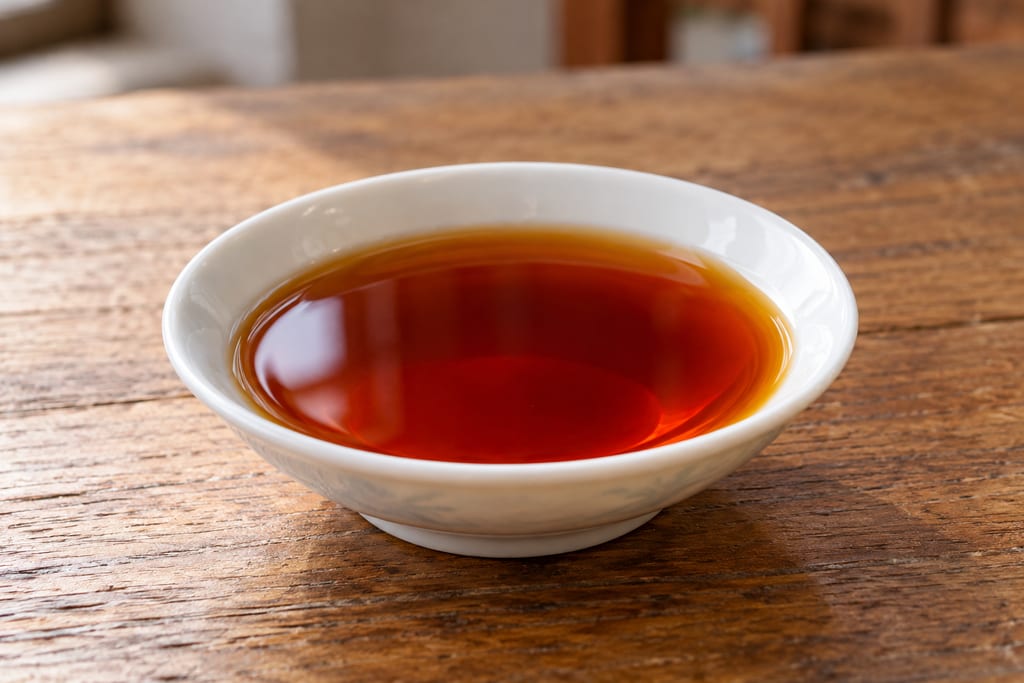
Tianjin grain vinegar of millet and sorghum made with daqu: liquid alcoholic fermentation, two-layer solid-state acetification, and at least three years of outdoor ageing of the grain mash.
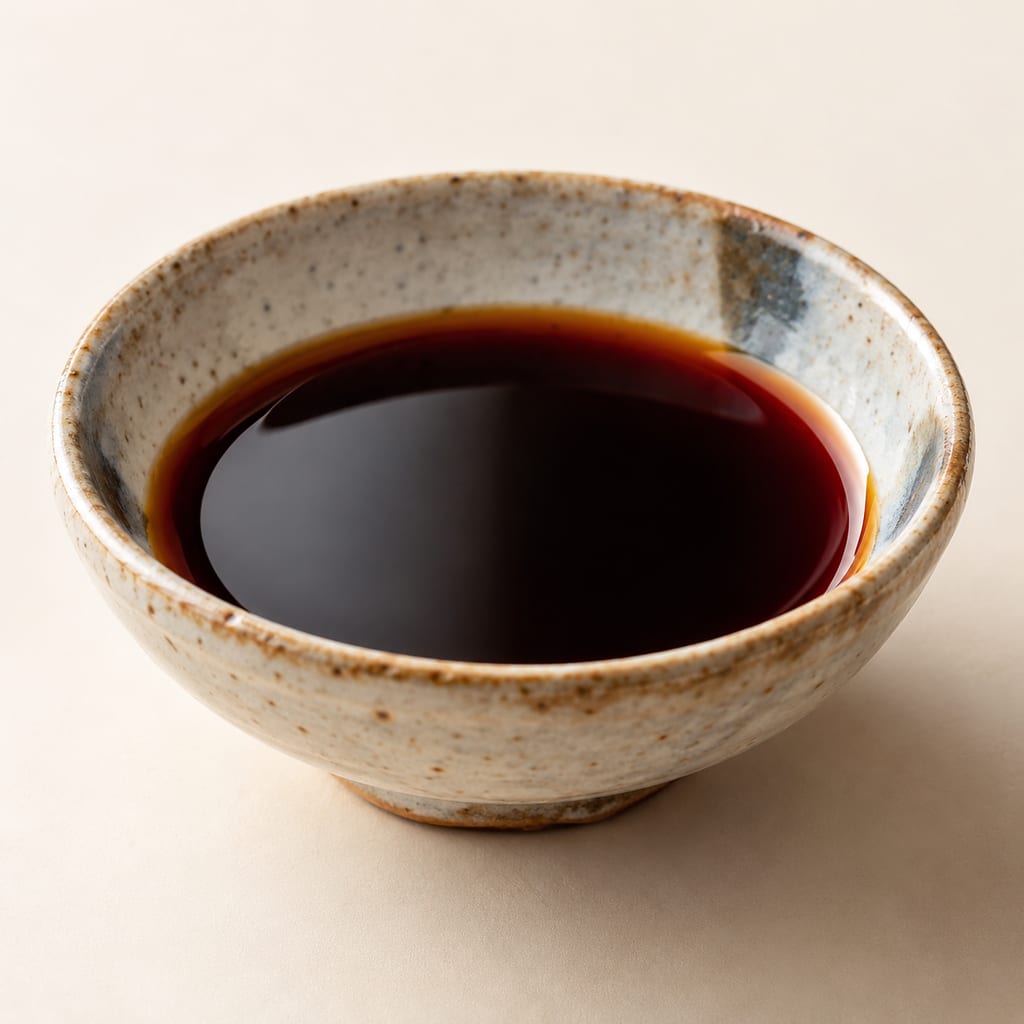
Tamari is the soybean-dominant Japanese soy sauce of the Tokai region, made with little wheat and little brine, and aged longer than koikuchi.
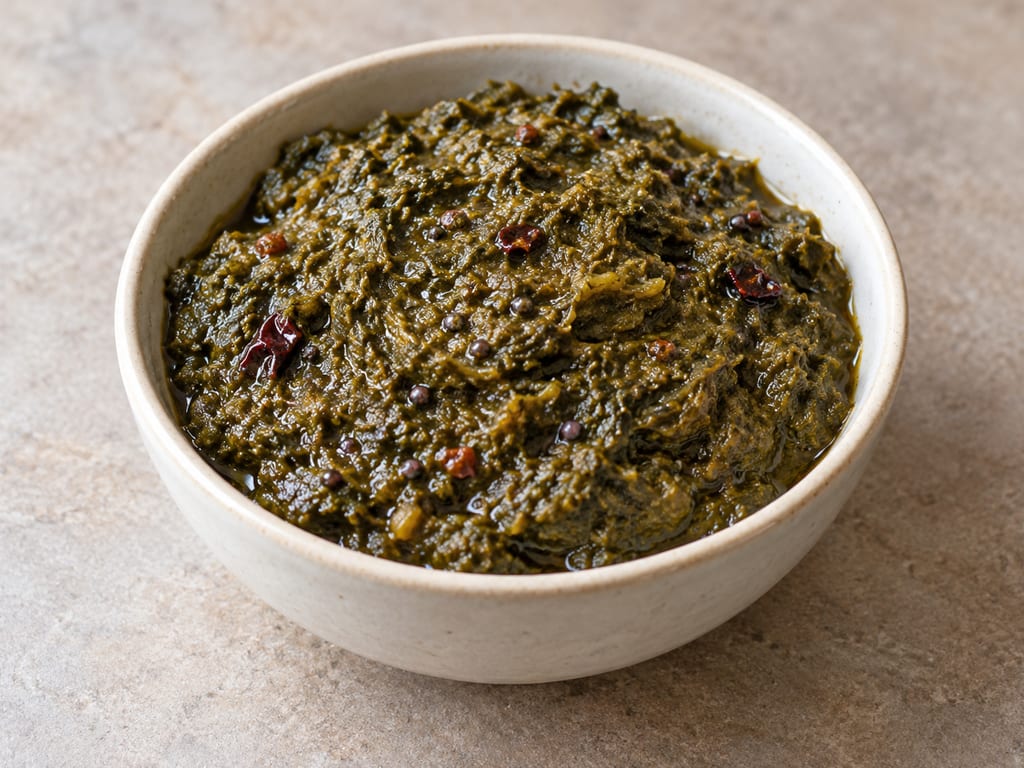
A hot, sour Andhra chutney of gongura (sorrel) leaves cooked soft and ground with fried dried chillies, garlic and onion, then finished with a hot tempering of dals, mustard and curry leaves.
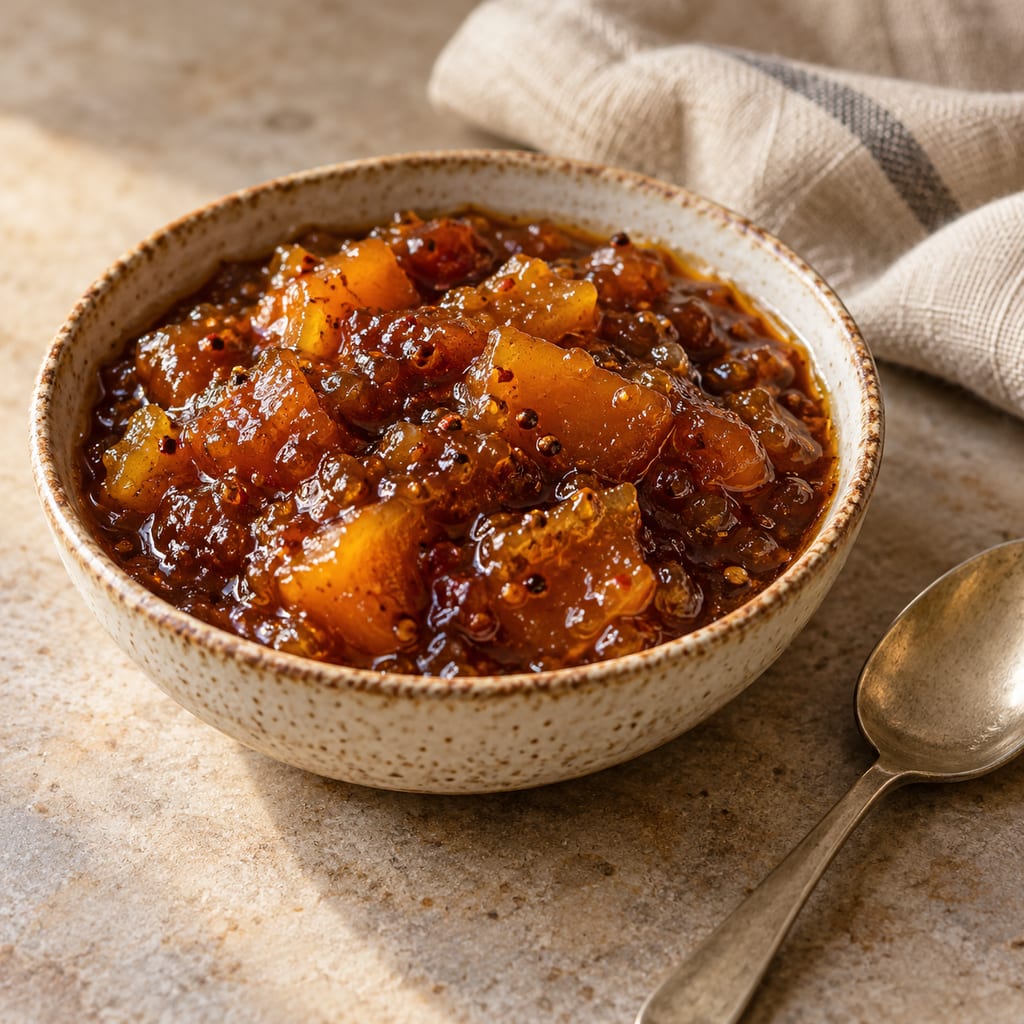
A broad account of cooked chutney traditions: fruit or vegetables combined with sugar, spices and sometimes acid, often boiled into a thick condiment. This record is historical and process context, not a formula or storage recipe.
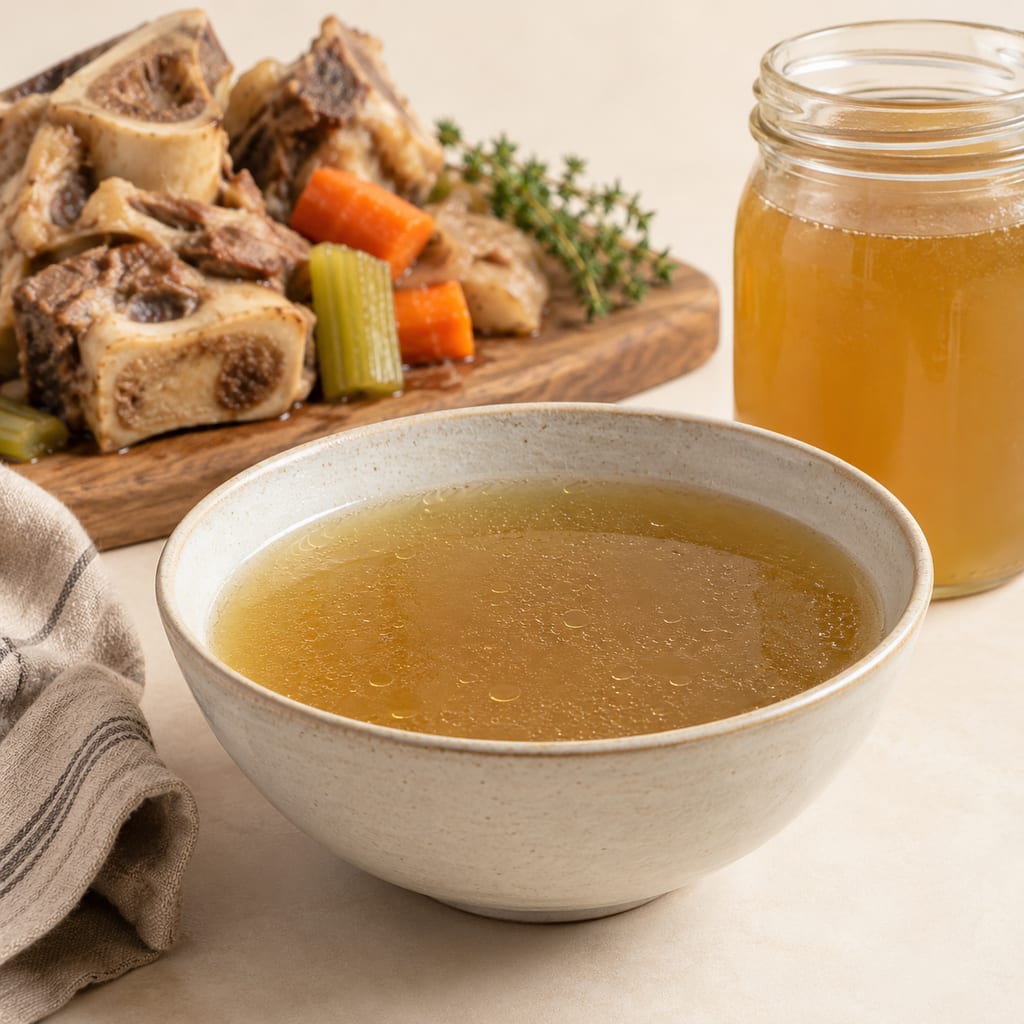
Bones and vegetables pressure cooked for four hours in an electric multicooker and strained into a broth. The gel strength the broth reaches is not established.
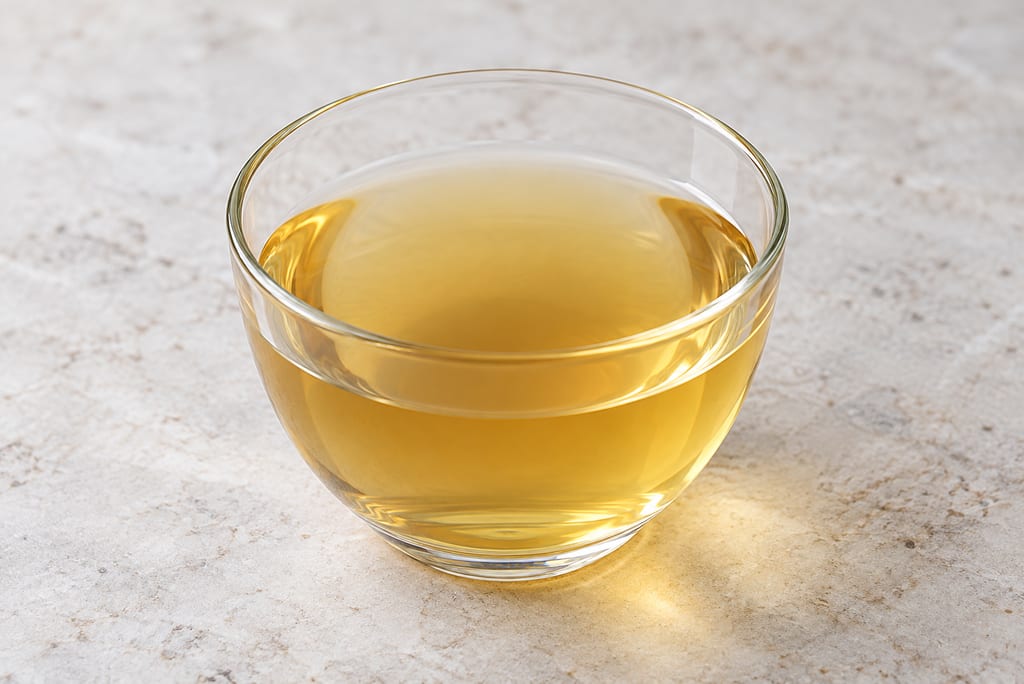
A liquid set with a little gelatin, frozen solid, then thawed through cloth in the refrigerator so that clear liquid drips out and the cloudy gel stays behind.
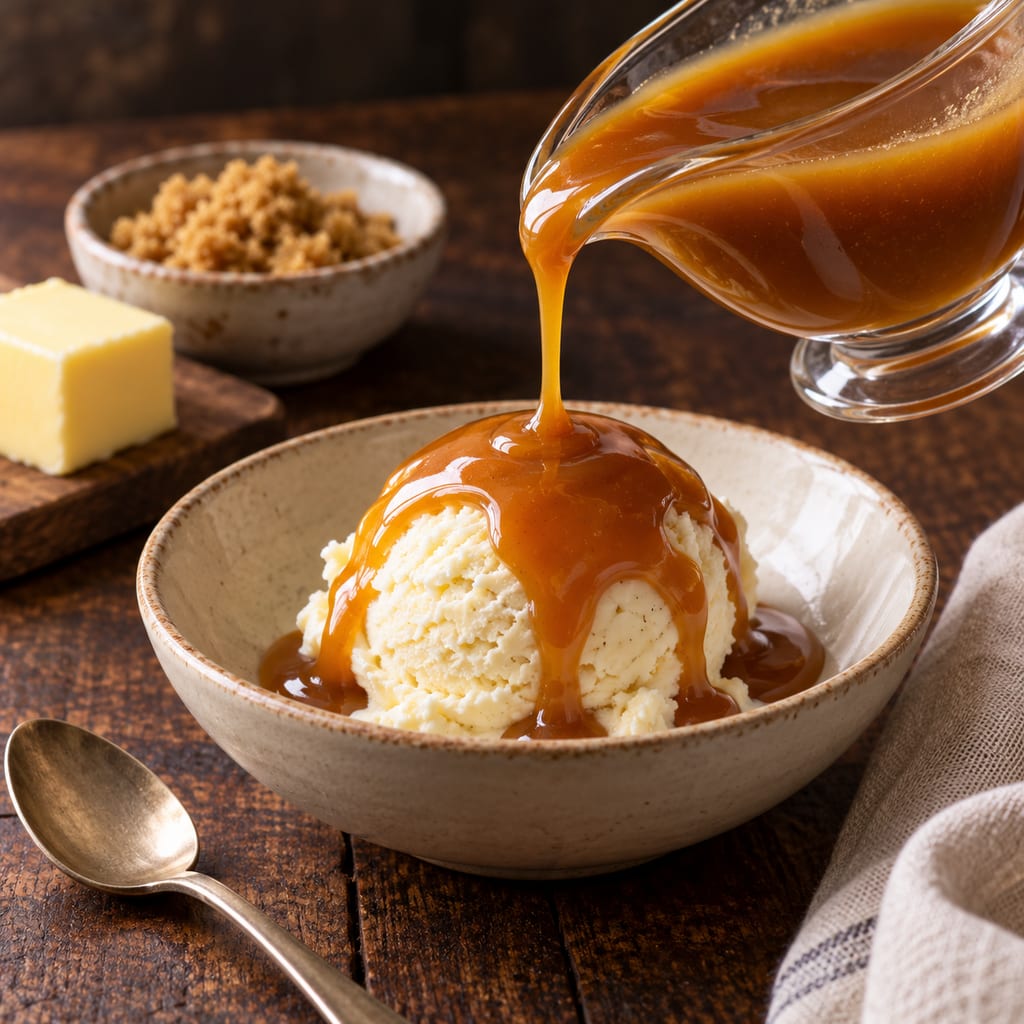
A pourable dessert sauce of brown sugar, butter and cream, with a little corn syrup and salt. It is the sauce form of the butterscotch confection and is made without water, unlike caramel.
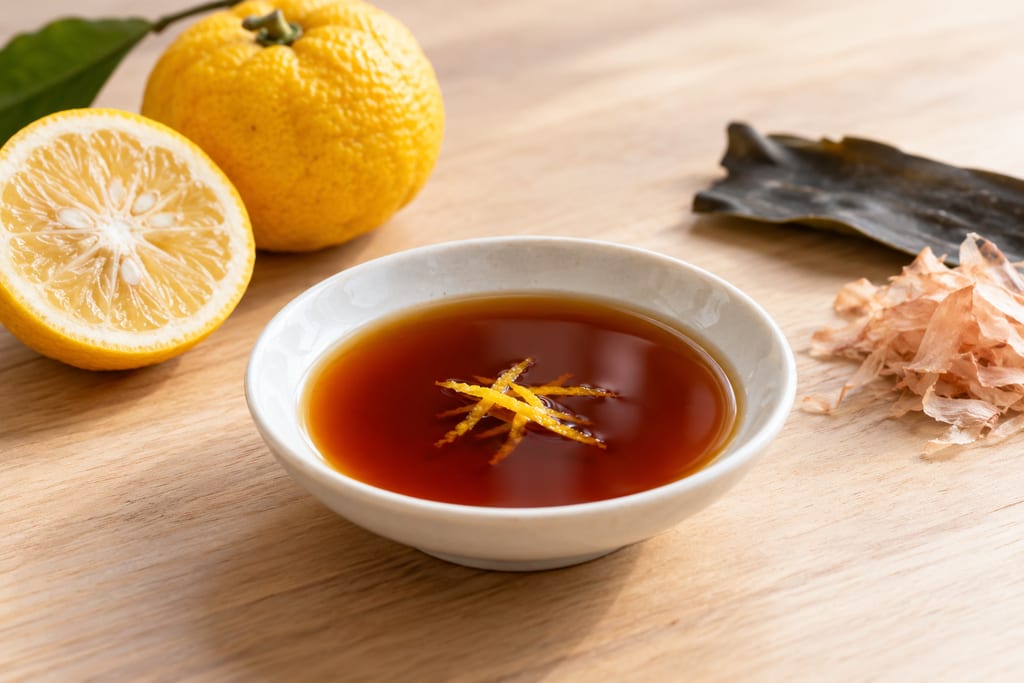
This quick ponzu combines soy sauce, vinegar, hon mirin, kombu, dried bonito and yuzu juice after a brief boil and a warm extraction; the recipe serves five.
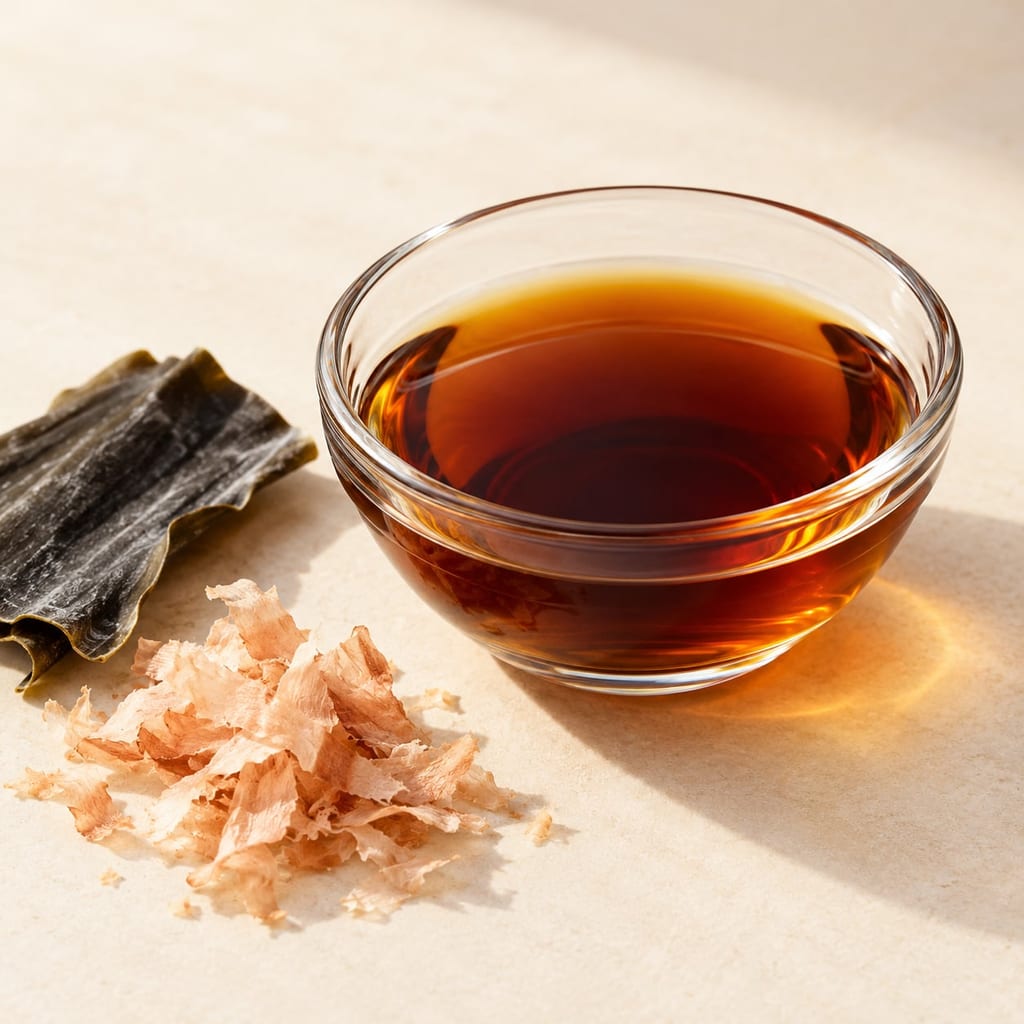
Mentsuyu seasons Japanese noodles with dashi, soy sauce and mirin. Two home formulas are recorded here: a 2012 light-soy and bonito sauce, and a concentrate diluted 1:2 for dipping or 1:4 for hot soup.
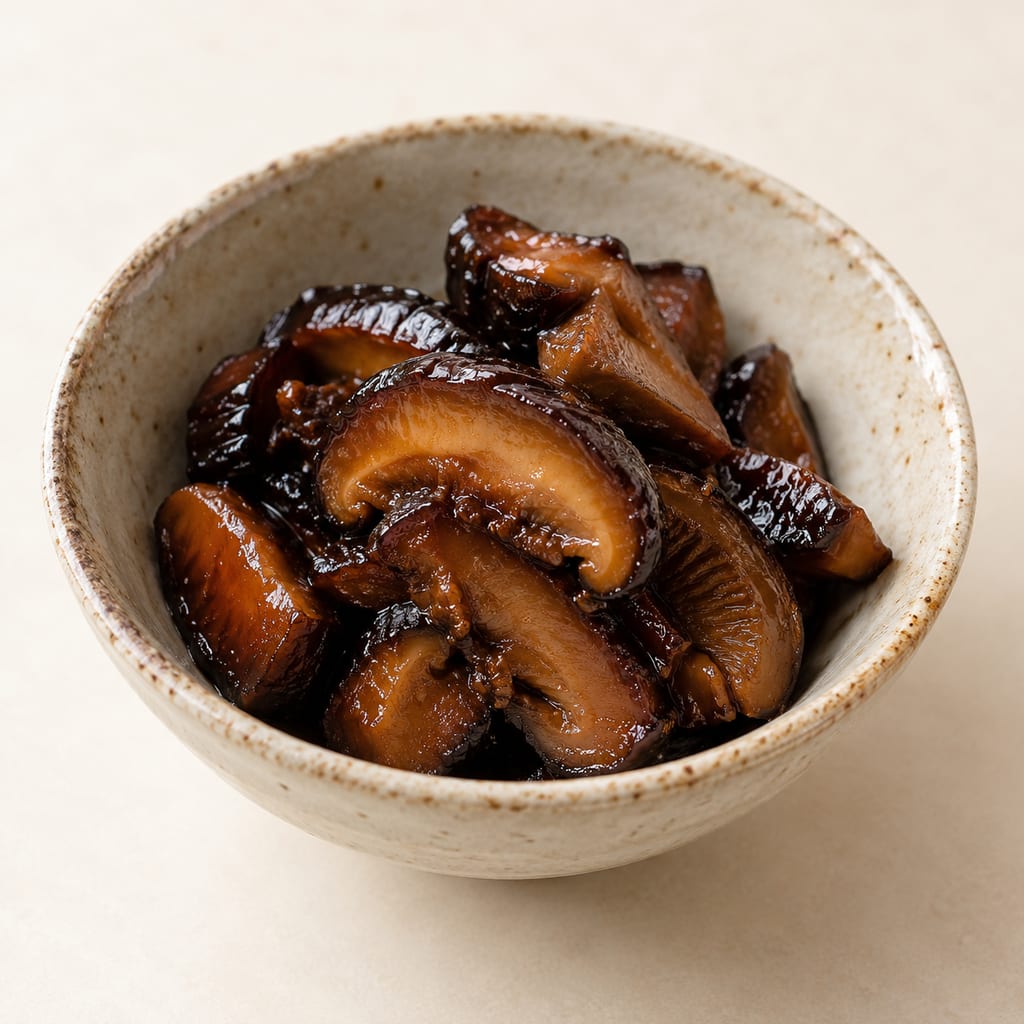
Japanese seasoned reduction in which ingredients such as shiitake or fish are simmered in soy sauce and sweeteners until the liquid is absorbed and a concentrated, storable condiment remains.
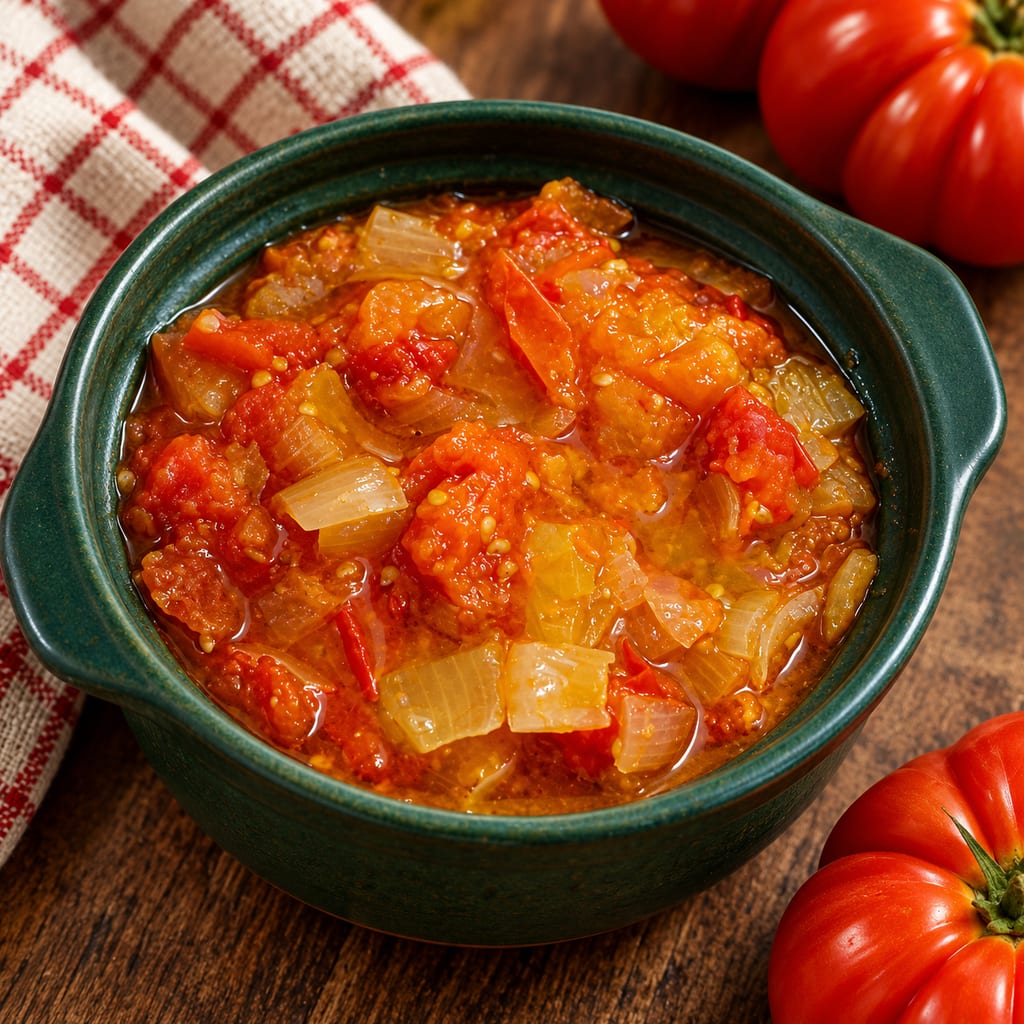
A thick South African tomato-and-onion relish simmered slowly and served warm with boerewors, pap or bread.