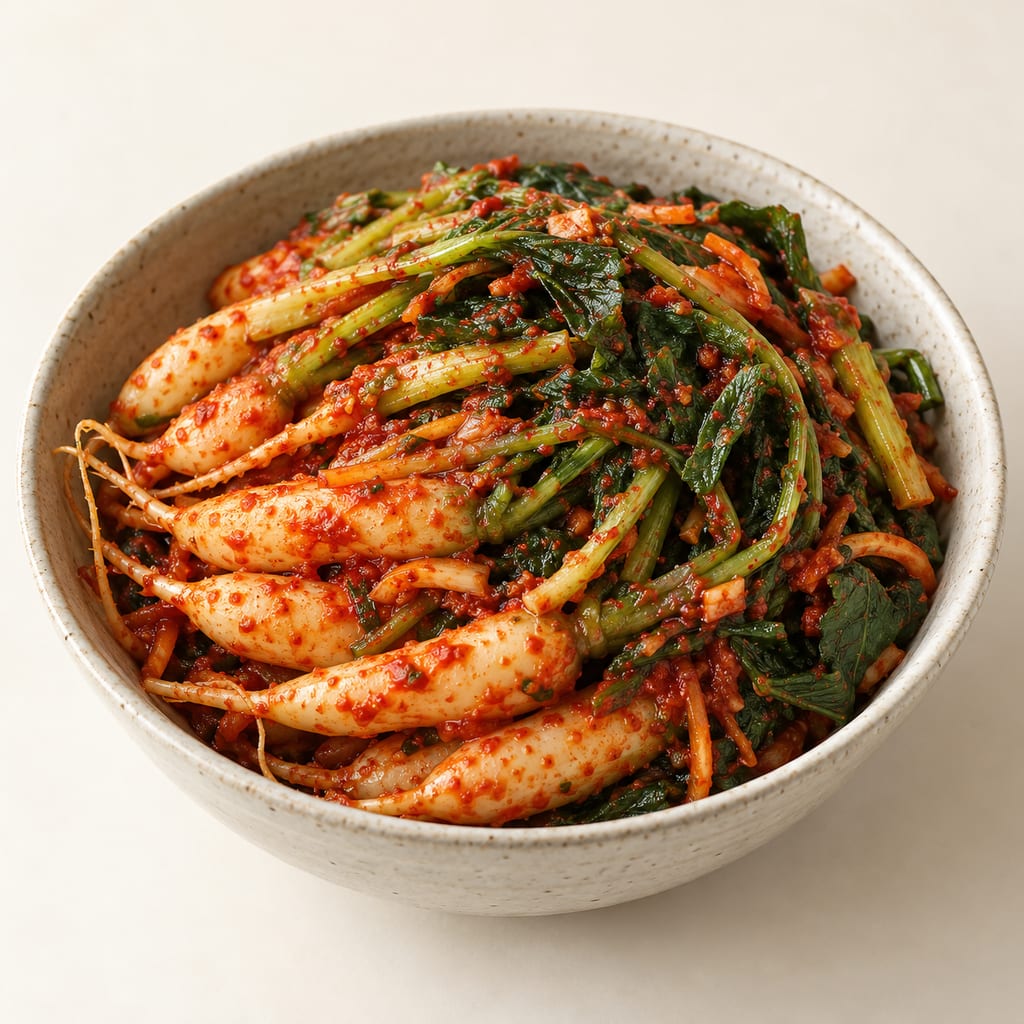
Yeolmu kimchi
Korean kimchi of young summer radish and its tender leaves, salted, seasoned with chili and aromatics, and held in a container. Water kimchi is a separate form with its own page, veg-0011.
 FermenteaWhere food goes to change
1504 records with their sources, across 11 categories.
Korean kimchi of young summer radish and its tender leaves, salted, seasoned with chili and aromatics, and held in a container. Water kimchi is a separate form with its own page, veg-0011.
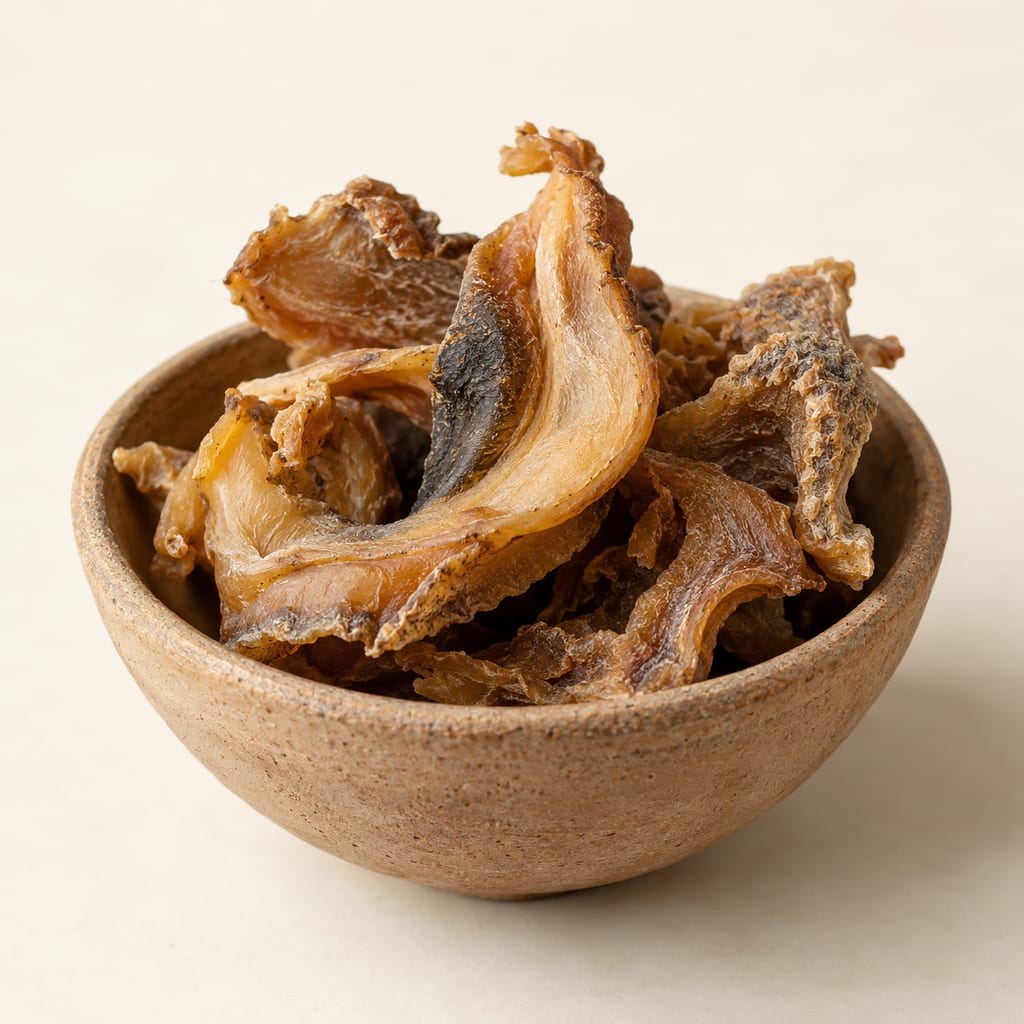
Yeet is a Senegalese condiment made by fermenting and drying Cymbium sea-snail flesh; published accounts describe different fermentation vessels and durations.
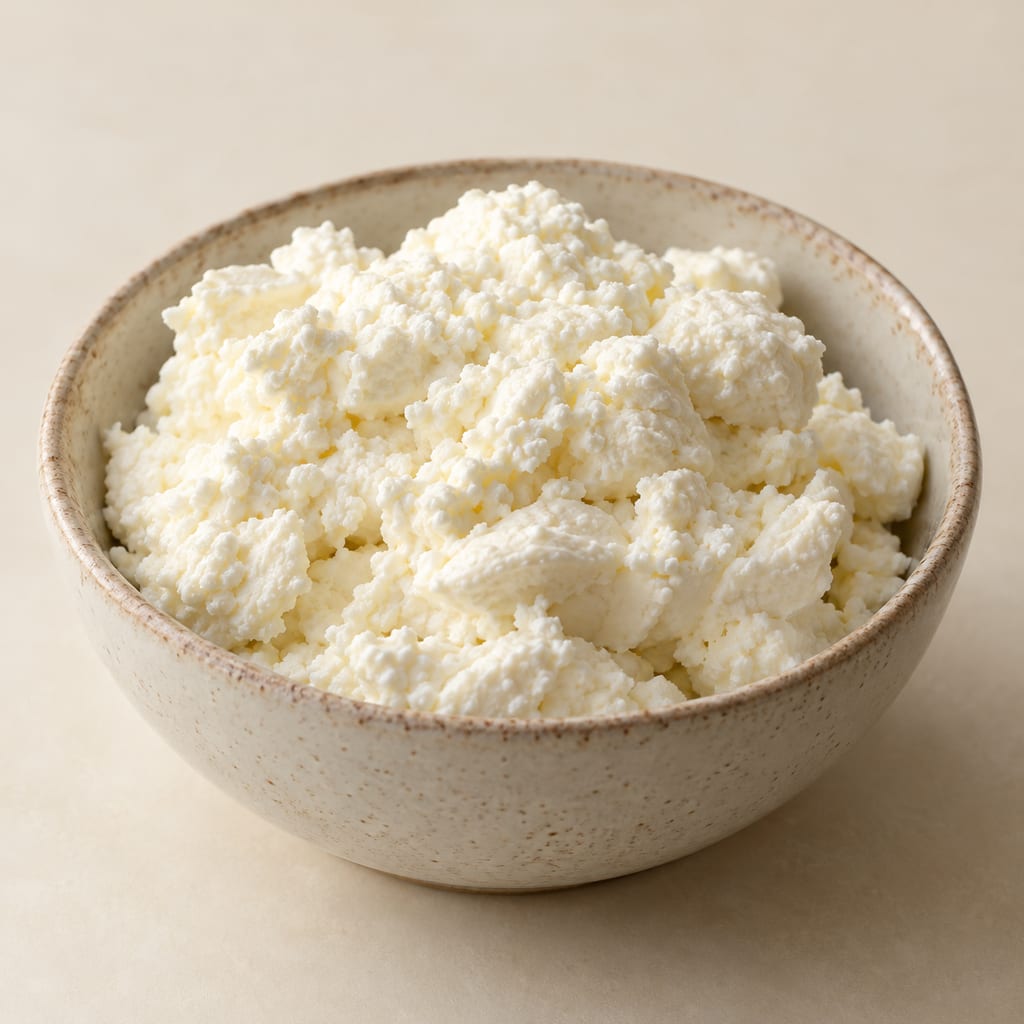
A soft fresh curd made by heating whole milk with acid; distinct from ricotta made by reheating the whey left after a cultured cheese.
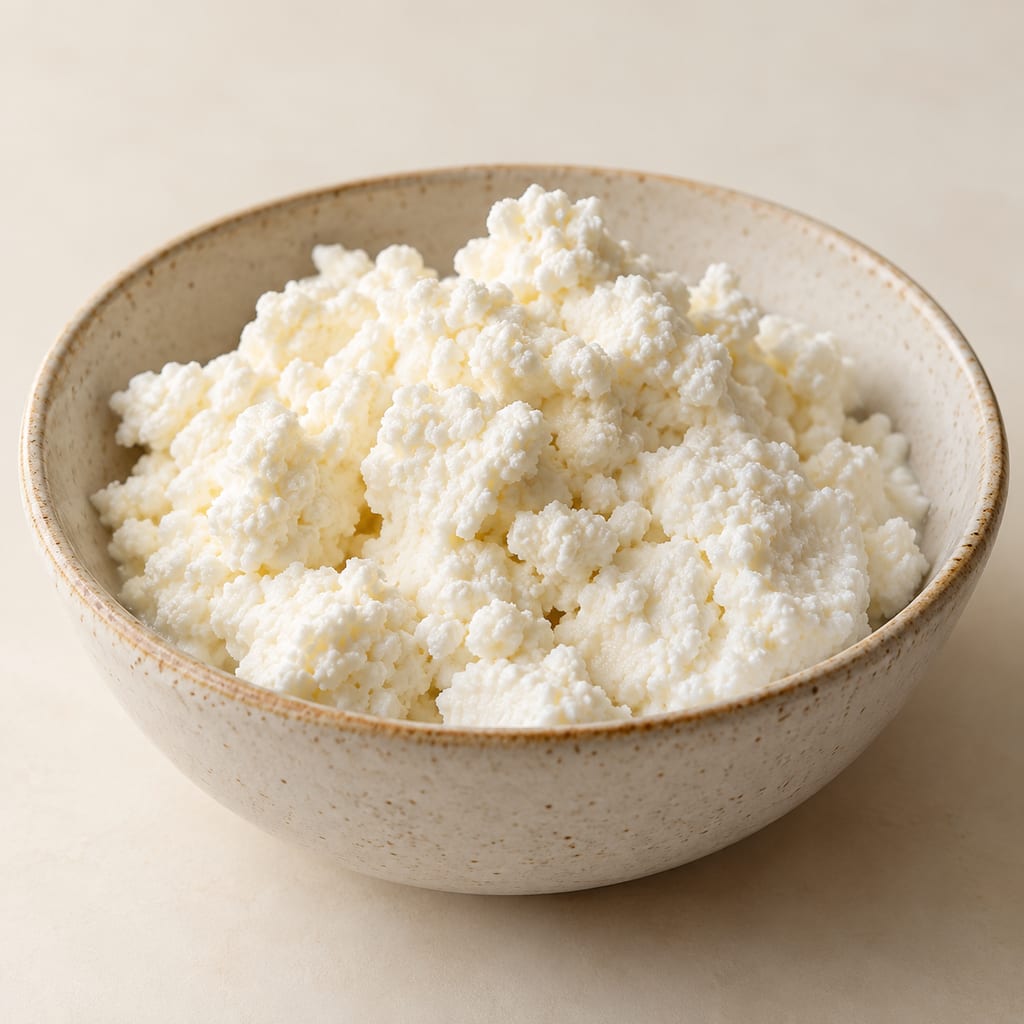
Whey ricotta recovers fine curds from leftover cheesemaking whey, often with added milk, by heating the whey and acidifying it until the curds separate.

Tương Bần is a thick, sweet and salty northern Vietnamese soybean sauce made from soybean and sticky rice at Bần Yên Nhân in Hưng Yên, matured in ceramic jars for months.
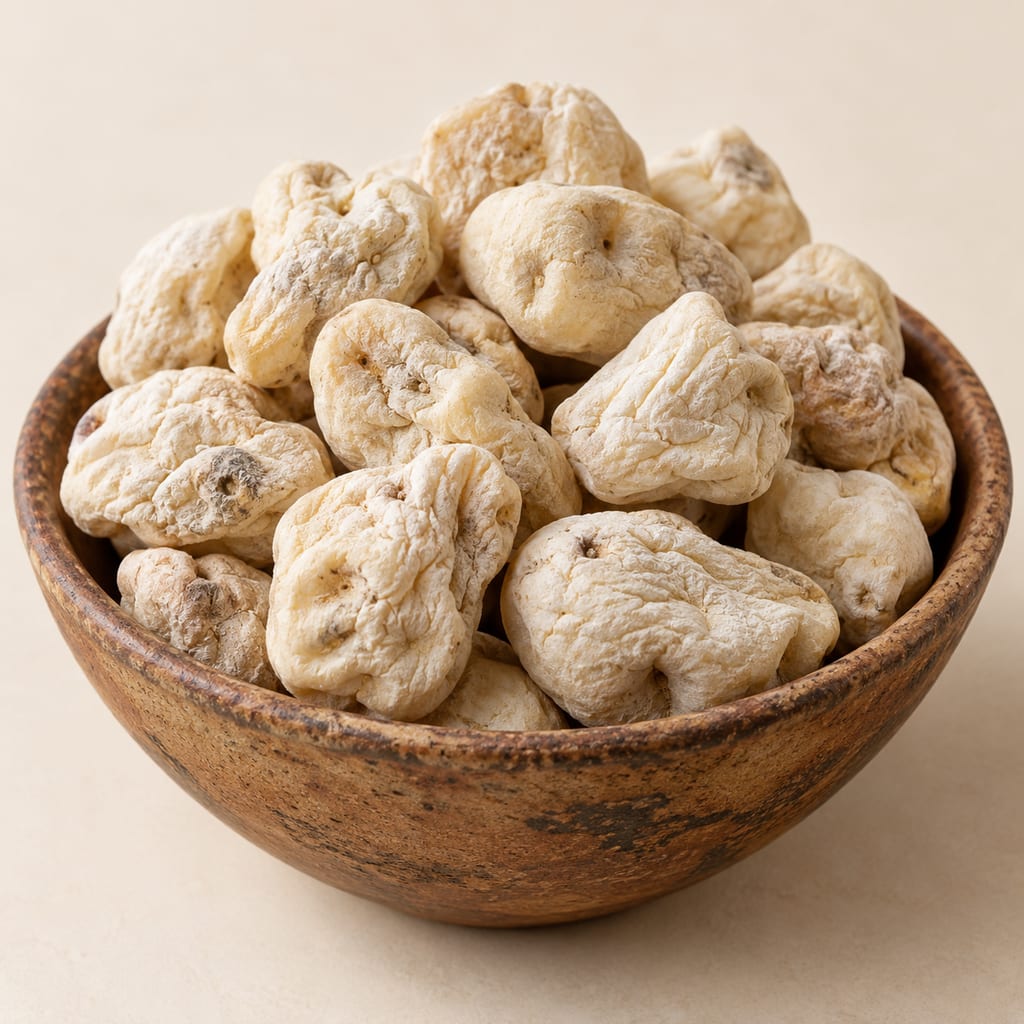
Potatoes frozen and thawed as for black chuño, then washed or soaked for a long time before drying, giving a pale highland tuber product with different bitterness and colour.
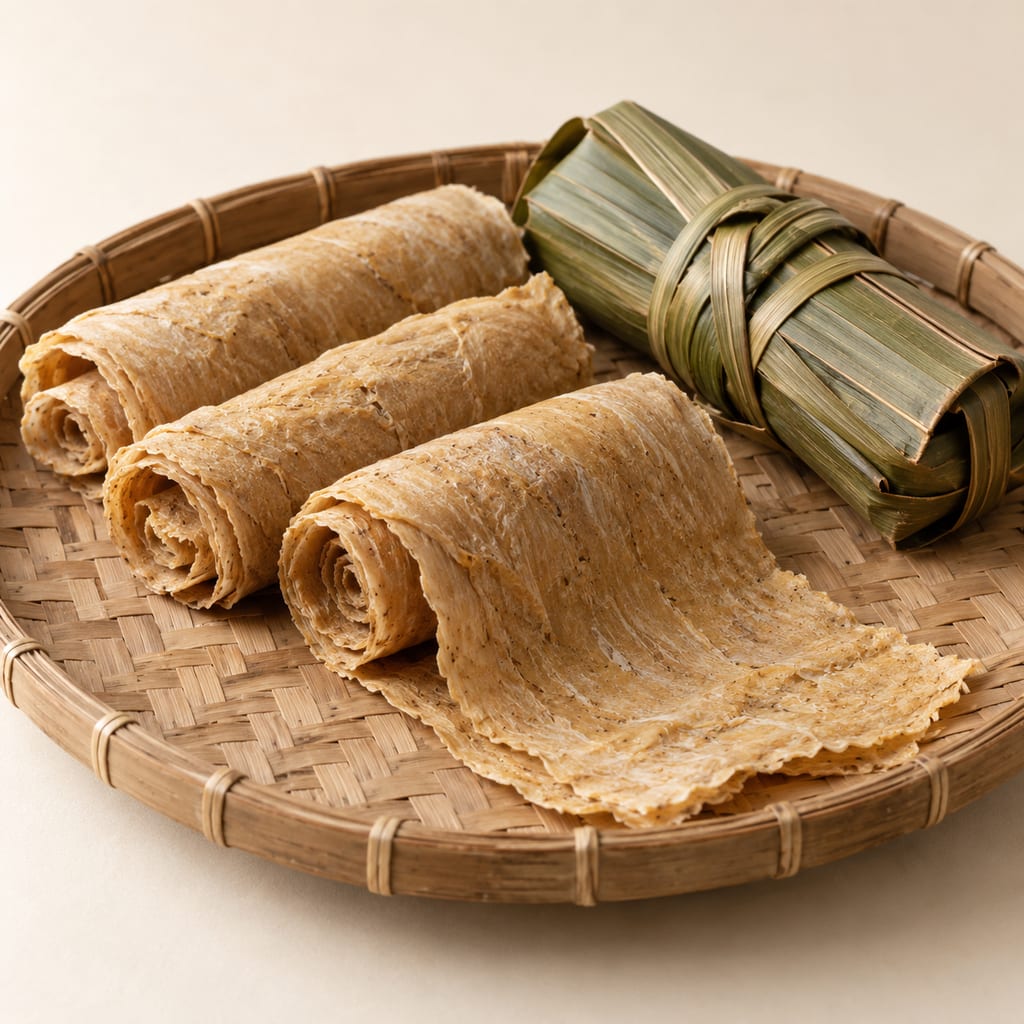
Tipak is a Kapingamarangi breadfruit product: cooked breadfruit mashed, spread into sheets, sun-dried, rolled and wrapped in pandanus leaves as provisions for later.
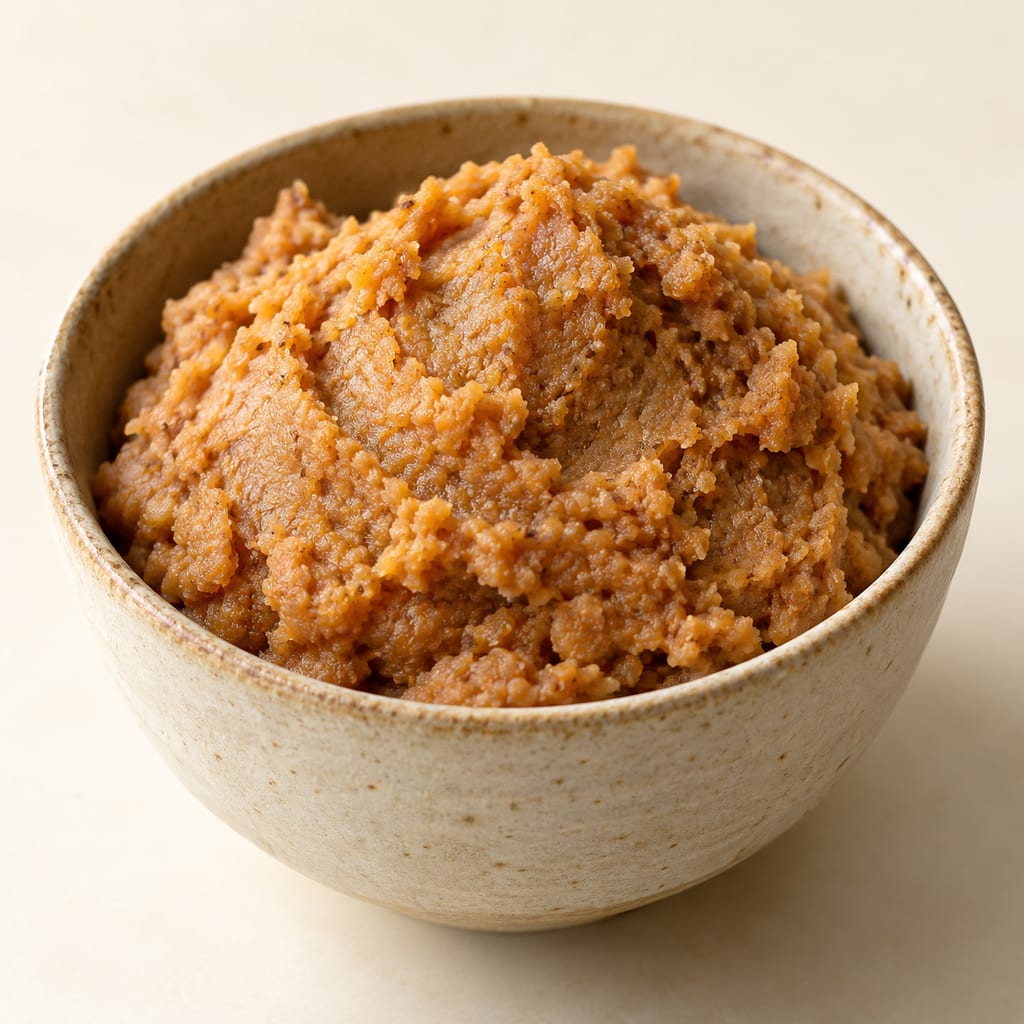
A home miso made from equal parts soybeans, chickpeas and Great Northern beans, cooked and mixed with rice koji and salt, then aged in a crock.
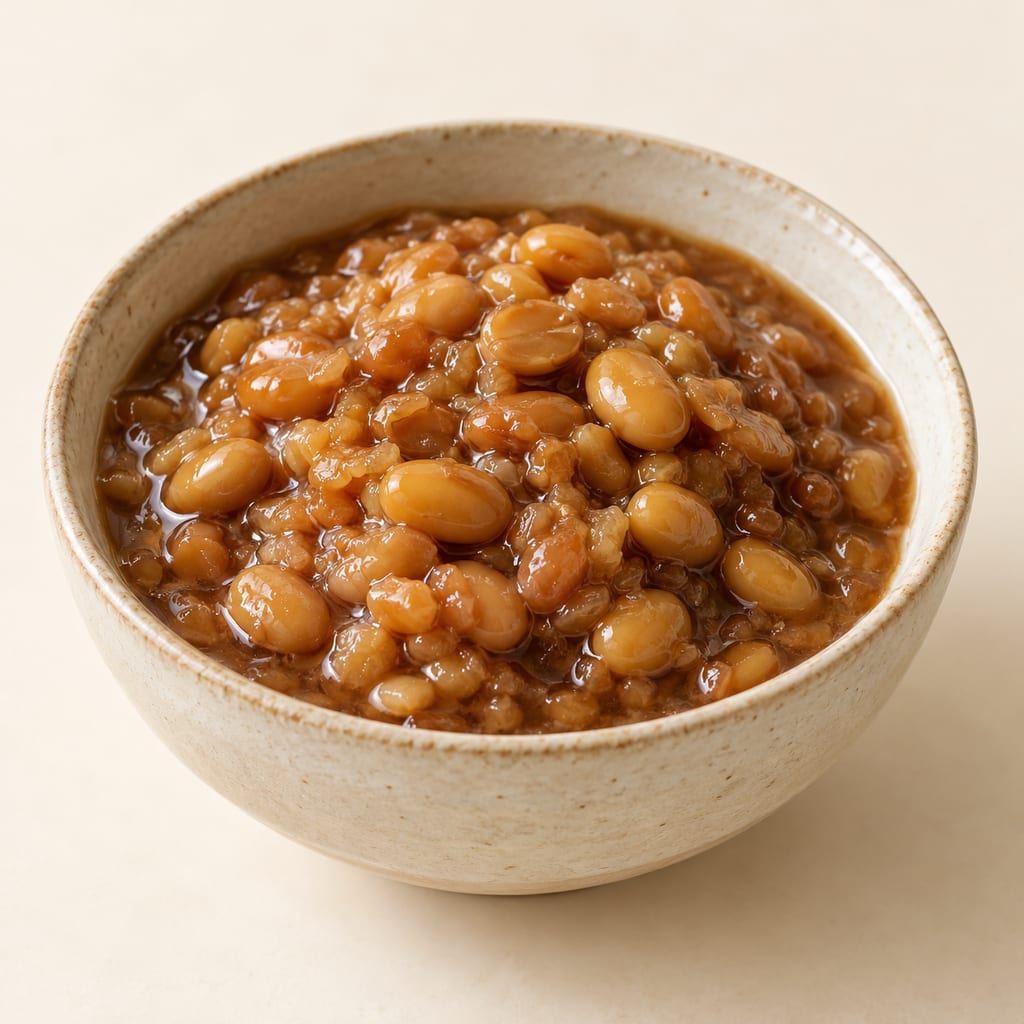
Tao-jiew is a salty, semi-solid soybean condiment from Thai cooking, made with koji and maturation in salt solution. The JIRCAS entry gives one method with key quantities left out.
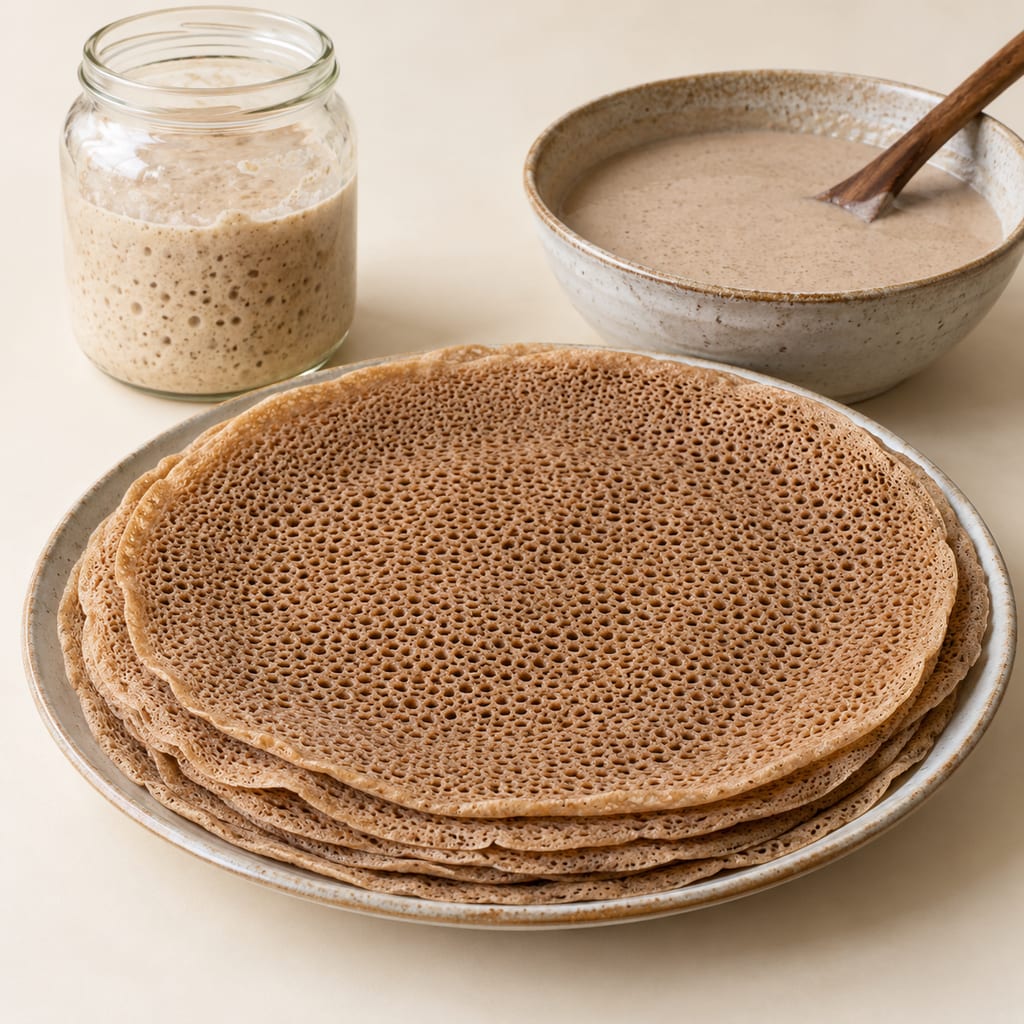
Teff injera made from a three-day teff starter, a three-day main dough fermented under water, and a cooked tempering of part of the batter before griddling.
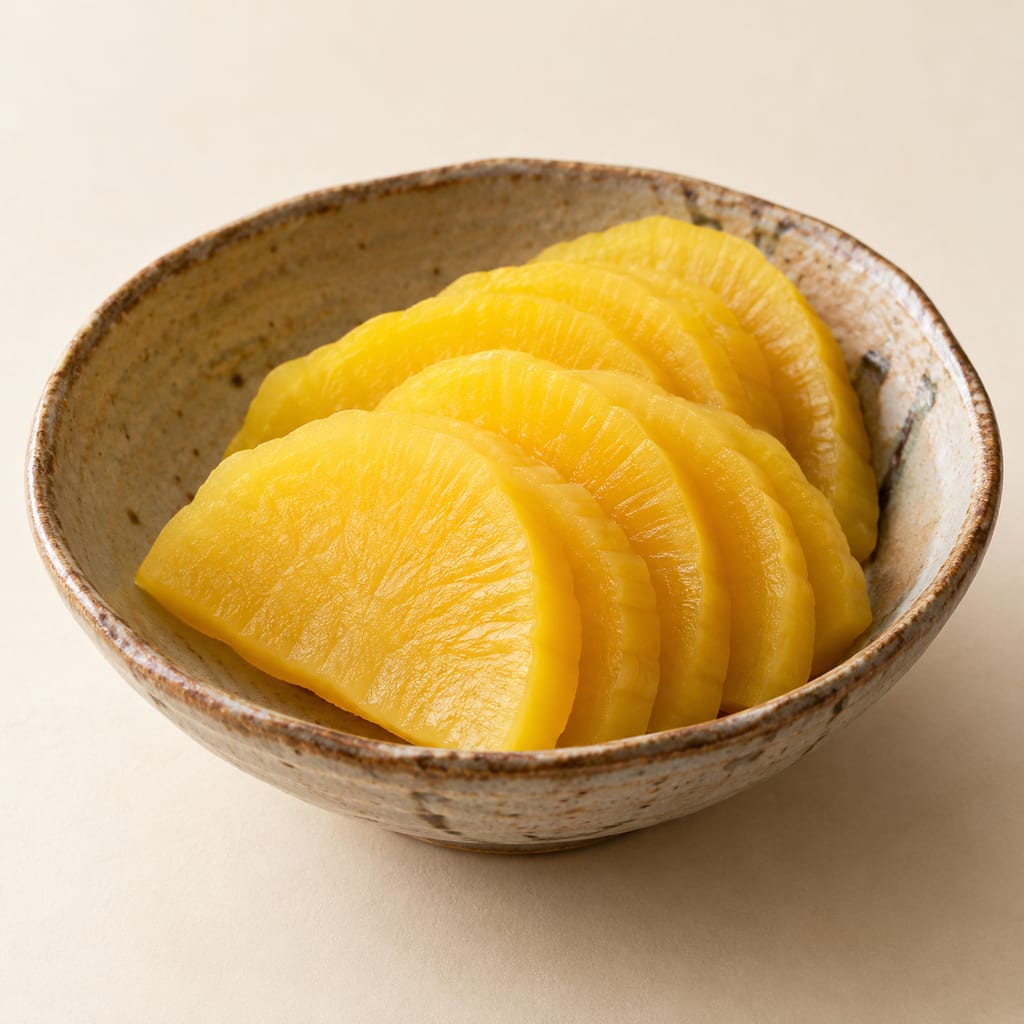
Japanese pickle of daikon roots dried for about two to three weeks, then matured for months in rice bran and salt under weight. Yamagata is its named association.
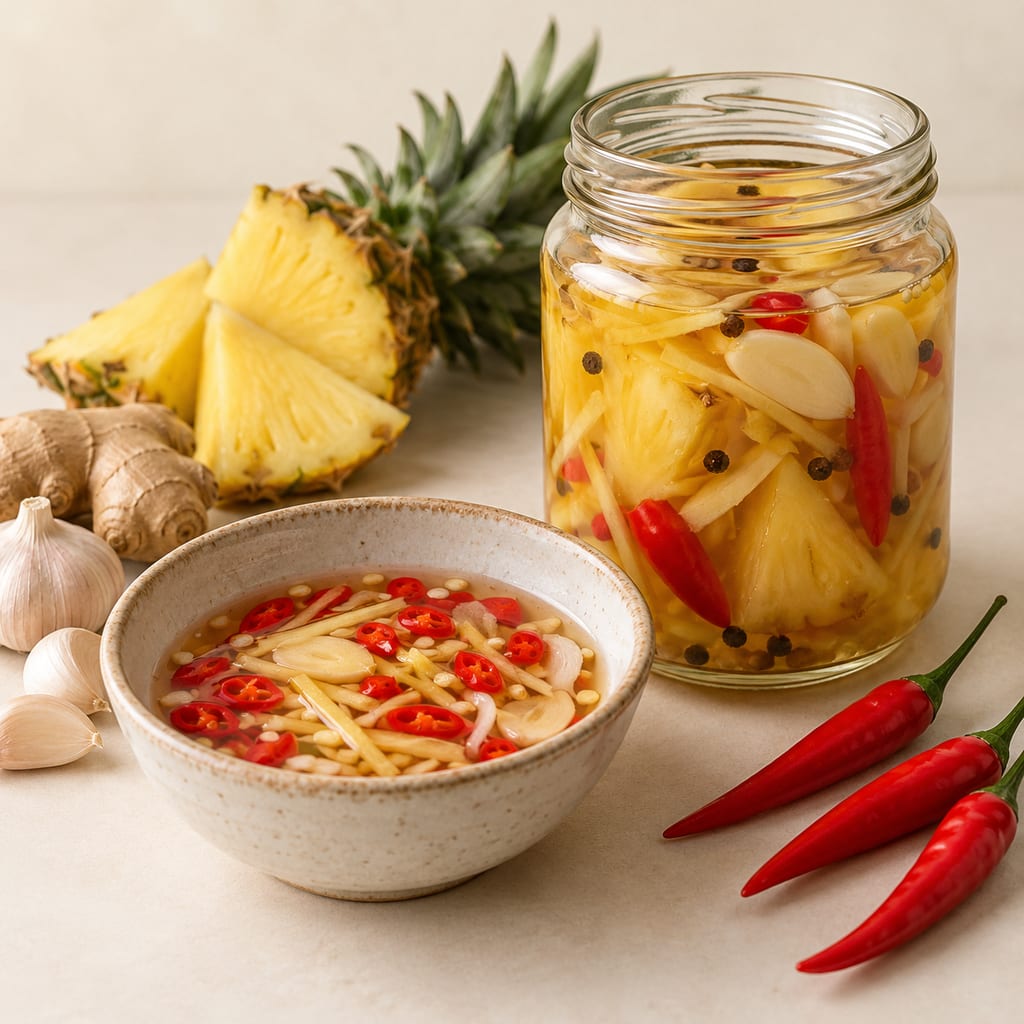
Filipino vinegar dips: vinegar steeped or mixed with chilli, garlic, ginger and other aromatics, from the pineapple sinamak of Iloilo to coconut-vinegar sawsawan. Not a single formula.
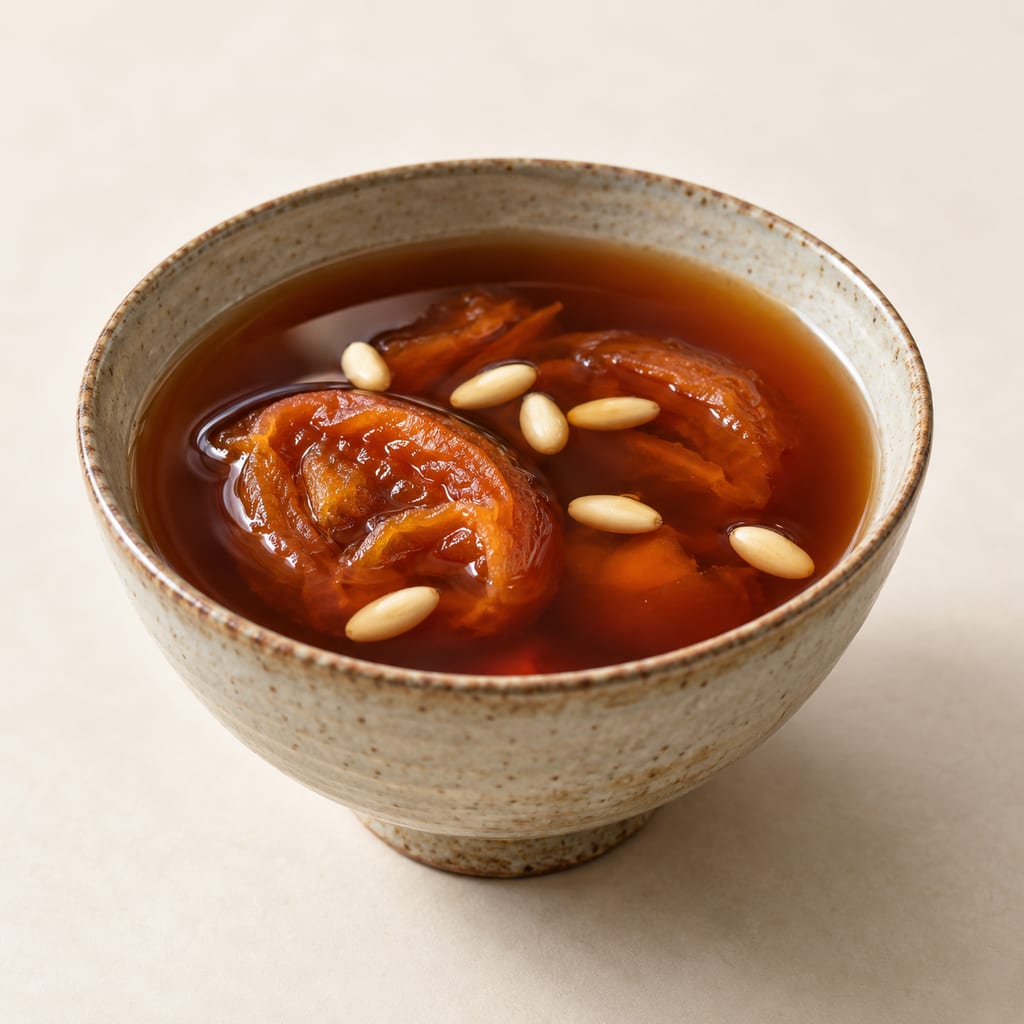
A chilled Korean dessert punch of cinnamon and ginger boiled in water, sweetened and poured over dried persimmons.
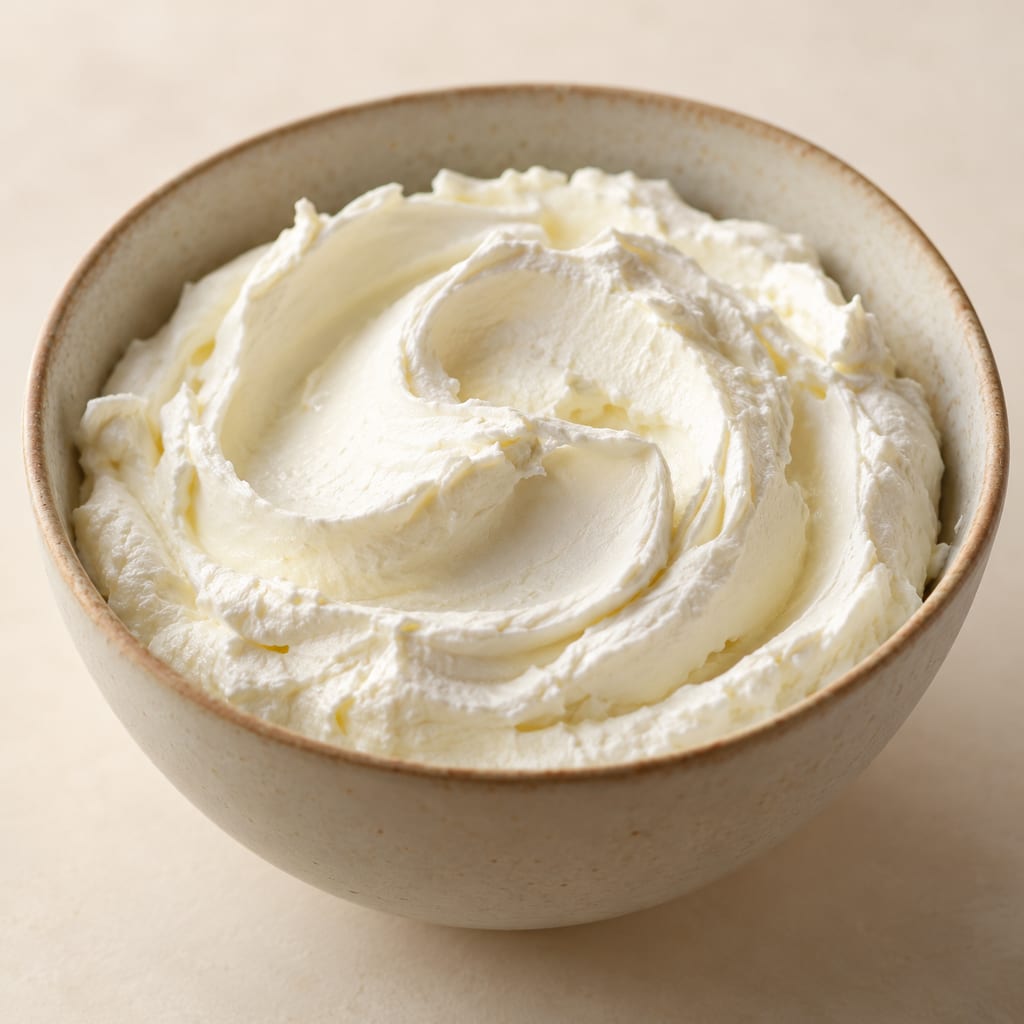
Yogurt drained of part of its whey in a cloth-lined sieve in the fridge, giving a thicker, firmer fresh dairy base.

Clear juice that a stacked steam juicer draws out of ripe fruit by steam alone, without crushing it. It is the base for jelly, syrup or cordial and still needs its own keeping step.

A Korean rice syrup: cooked rice is converted by barley malt in a long warm hold, strained, and the sweet liquid is boiled down until it pours like maple syrup.
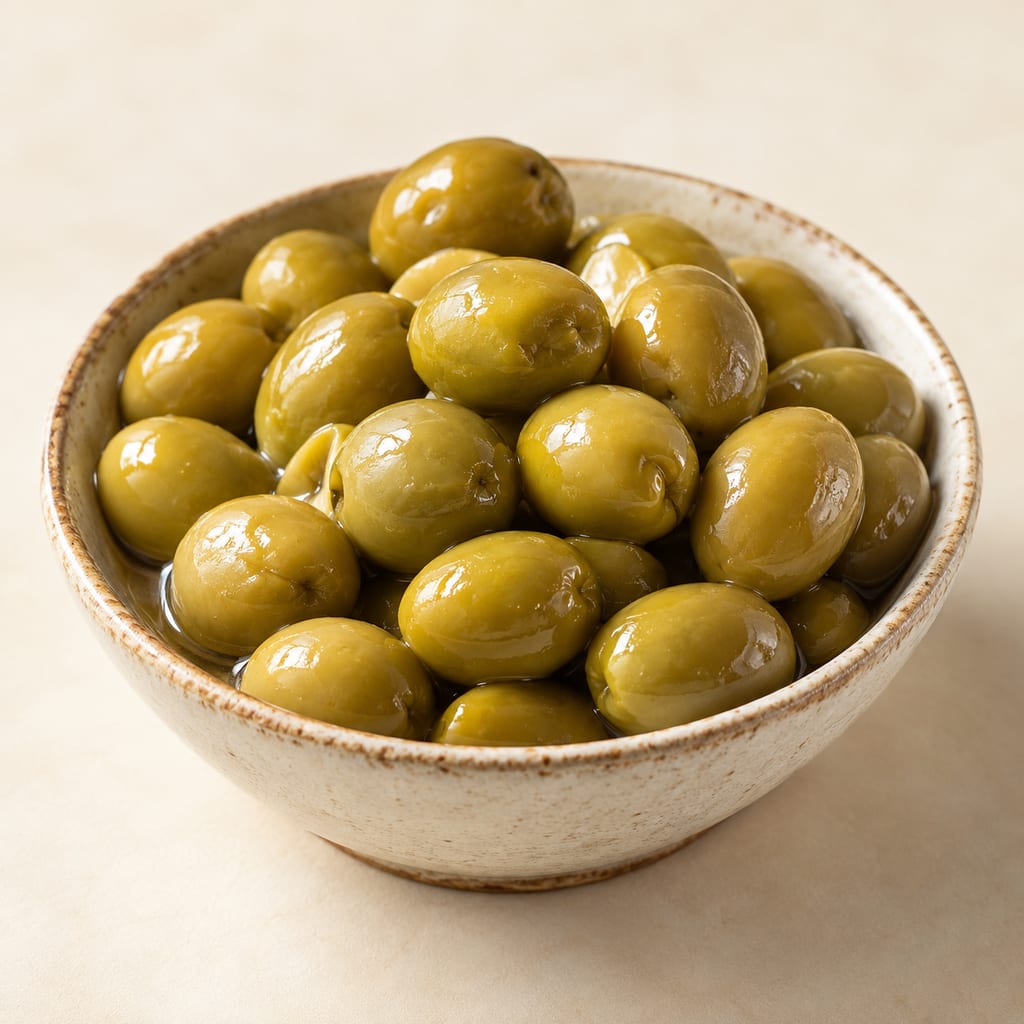
Spanish-style green olives, or Sevillian green olives, are green fruit treated with lye, rinsed, then fermented in brine for two to six months. The household batch here is a UC ANR method.
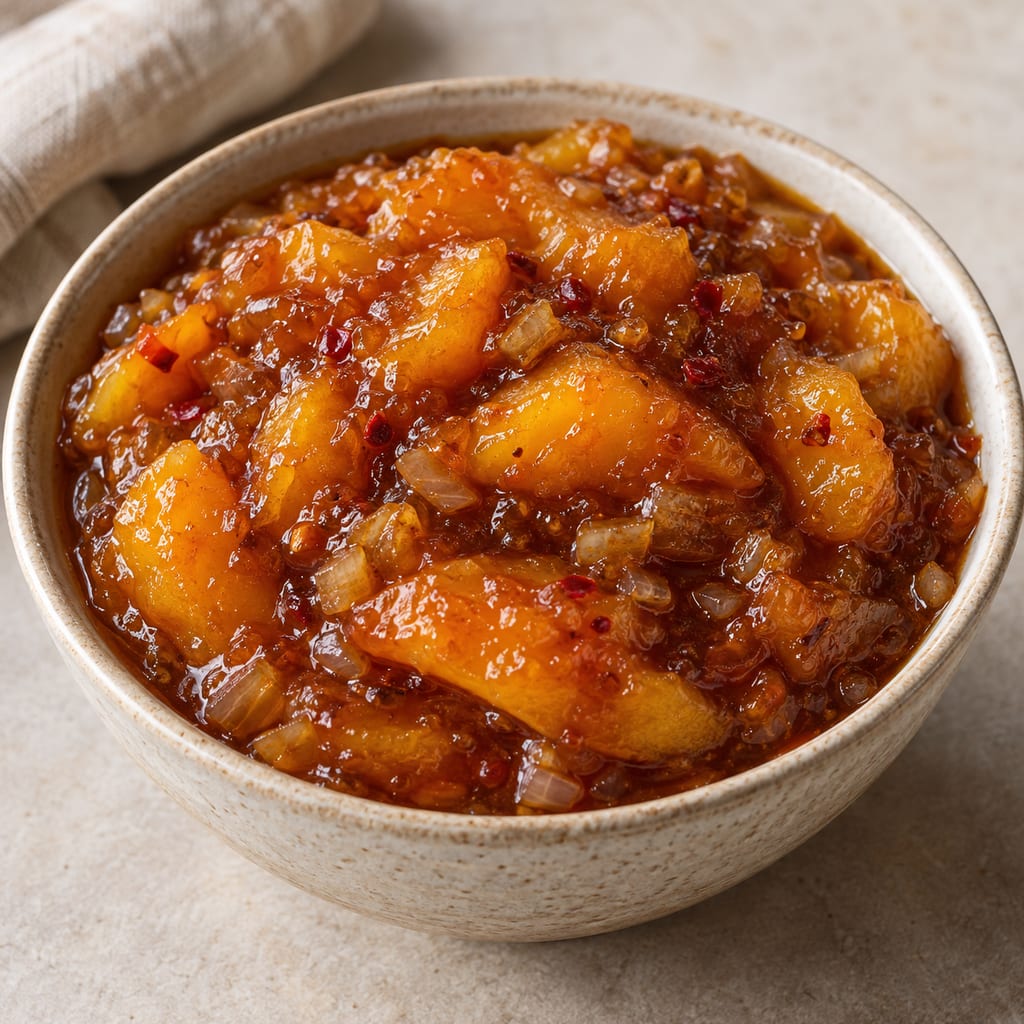
South African fruit chutney ranges from Cape-style sweet-sour fruit pastes to spiced dried-fruit versions; this page records a measured peach and apricot home recipe inspired by Mrs Ball’s.
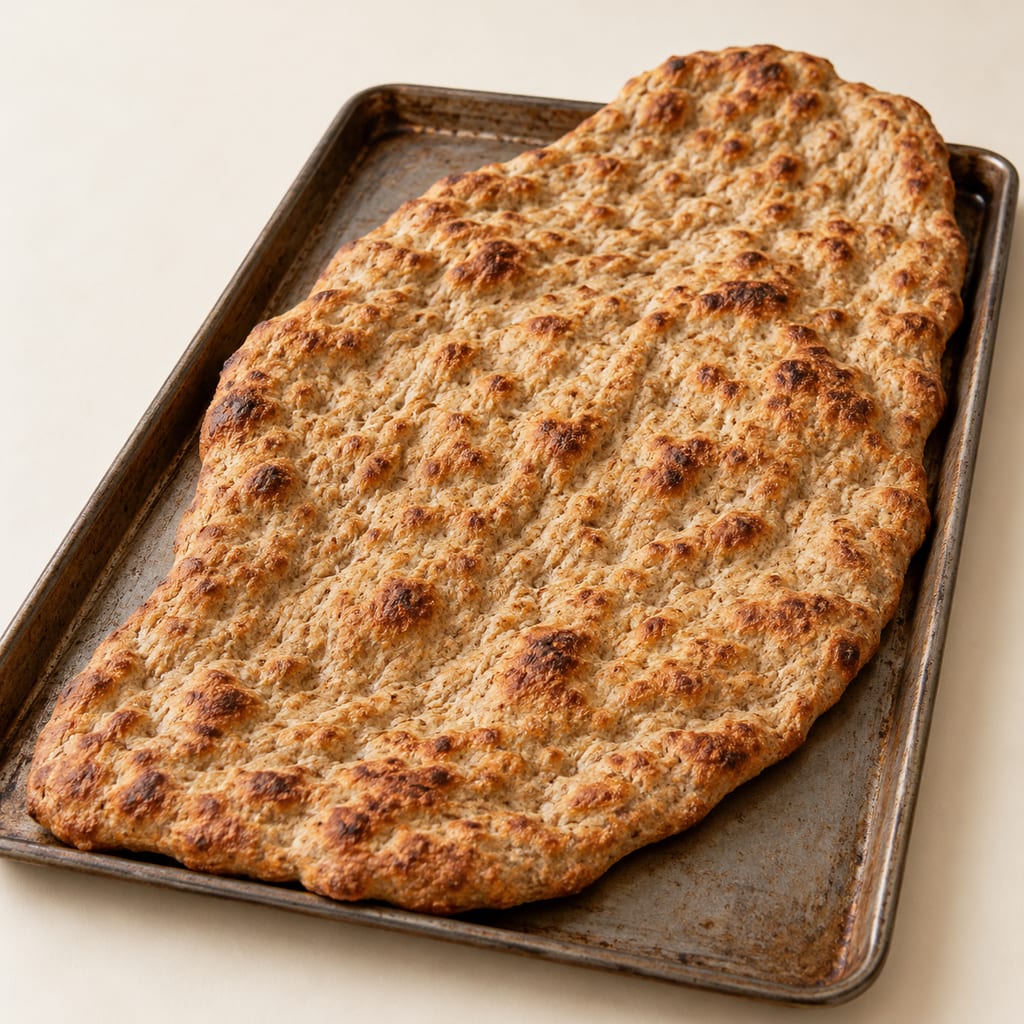
An Iranian whole-wheat sourdough flatbread adapted for a home oven and ordinary baking sheet. This method keeps the broad, dimpled hand-stretched shape but omits the traditional hot-pebble hearth and its imprint.
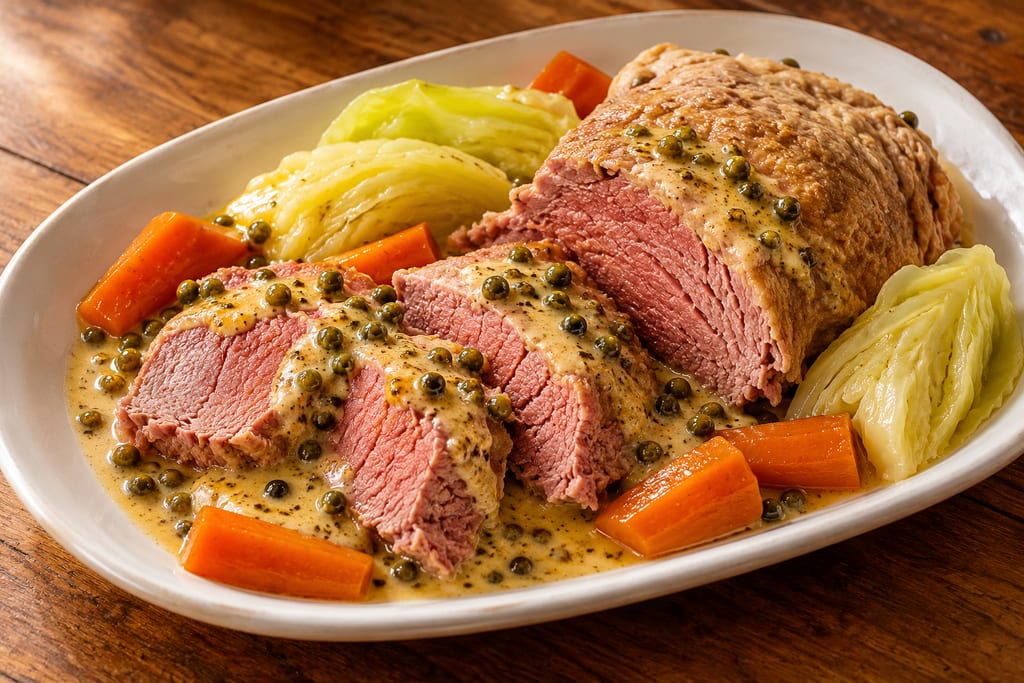
A Karoo-style festive dish of already cured salt beef simmered with vegetables and aromatics, served with a cream sauce of brined green peppercorns and wholegrain mustard.

This Turkish street-food bread is shaped from twisted yeast dough into rings, dipped in a diluted molasses sauce and sesame, then baked. This home recipe makes seven rings and includes a clear sesame-allergen warning.
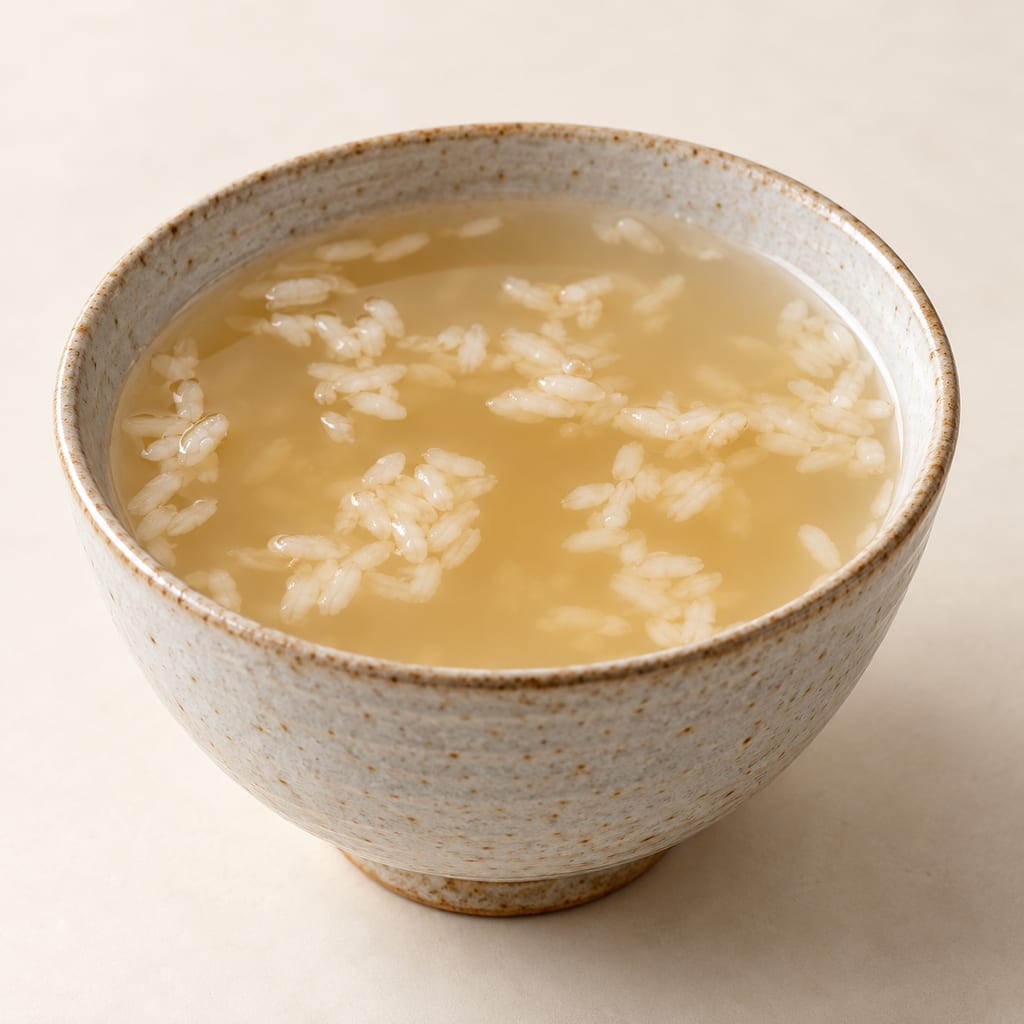
A Korean sweet rice drink made by holding cooked rice in water drawn off barley malt until the grains float, then boiling and chilling it.
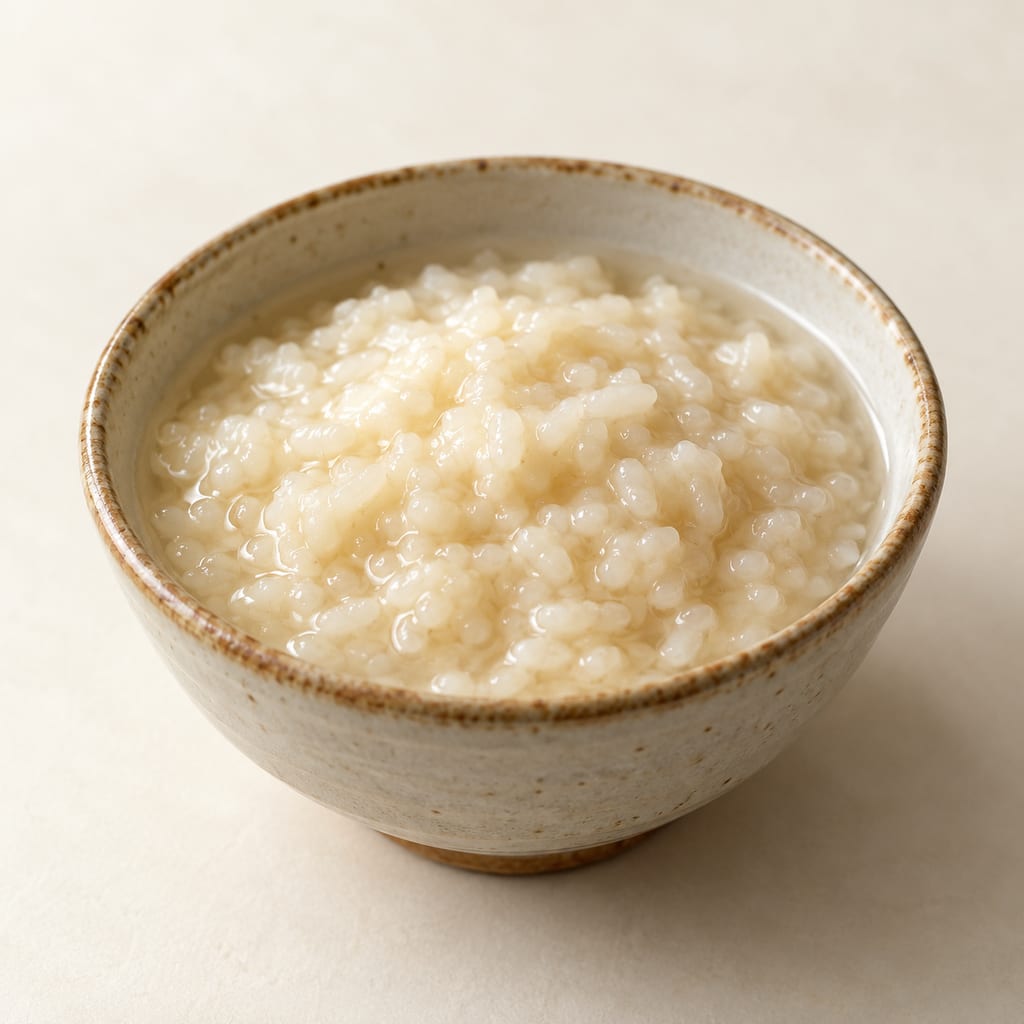
Shio-koji is a Japanese seasoning of rice koji, salt and water, left at room temperature until the grains soften and turn sweet and the mixture thickens.
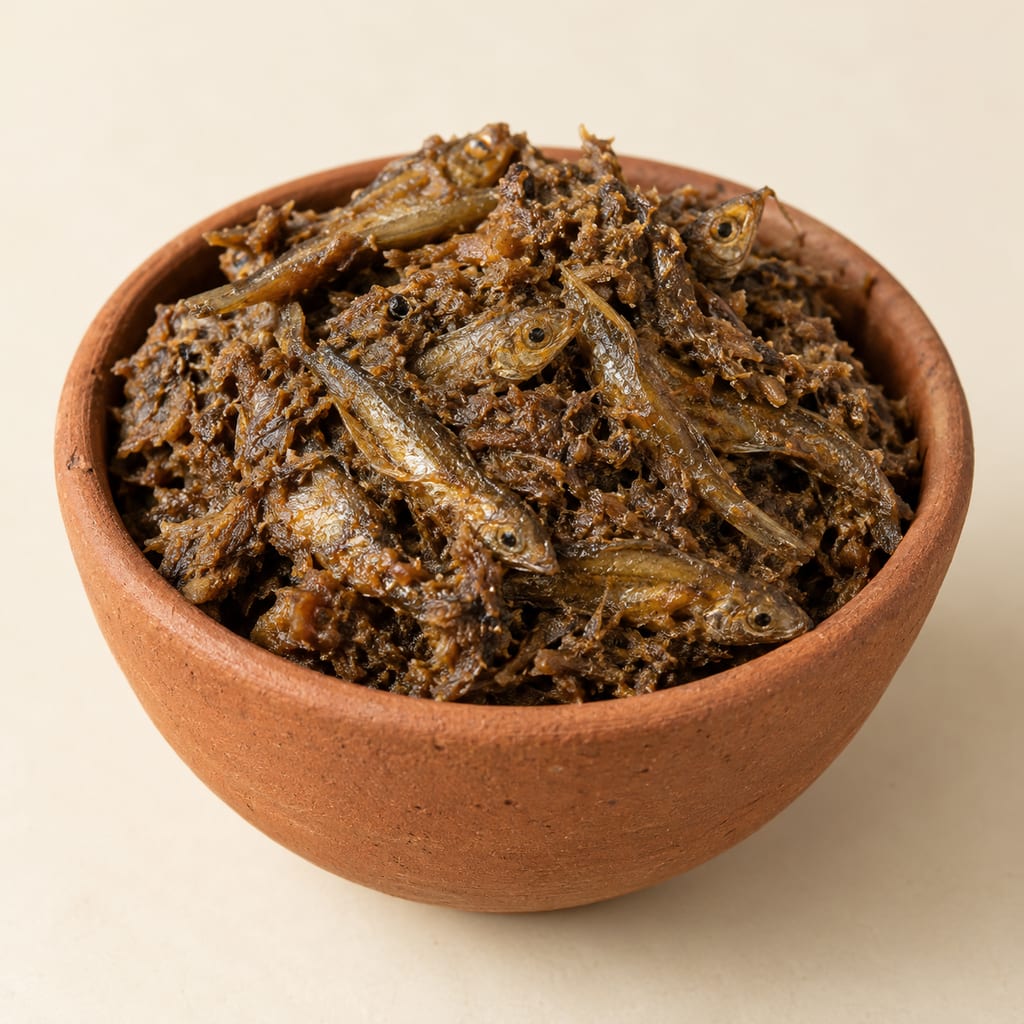
Shidal is a fermented fish preparation from Assam, Tripura and neighbouring northeastern regions, made from small dried fish moistened and matured in earthenware. Studies describe salt-free versions that stay solid or pasty.
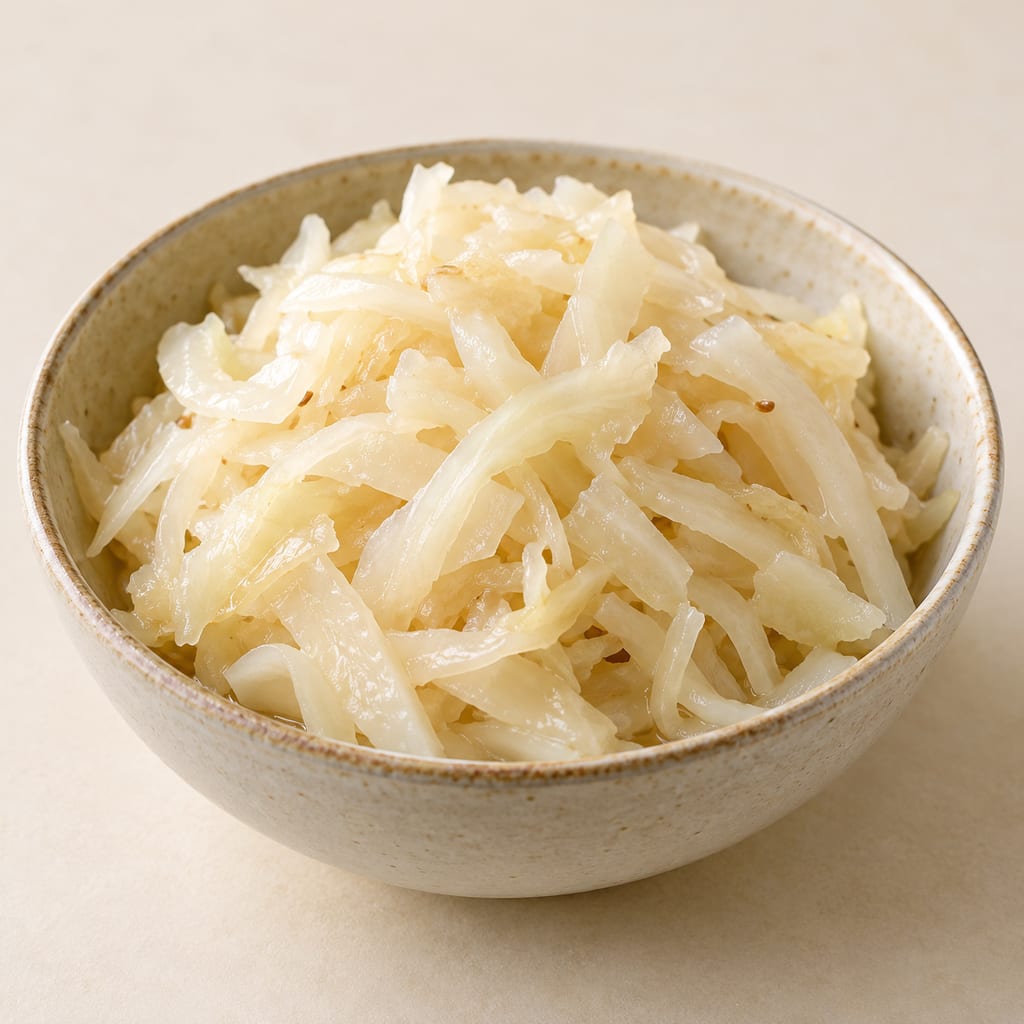
Swiss fermented white turnips, cut into strips, salted and fermented like sauerkraut; called compote aux raves in French-speaking Switzerland.
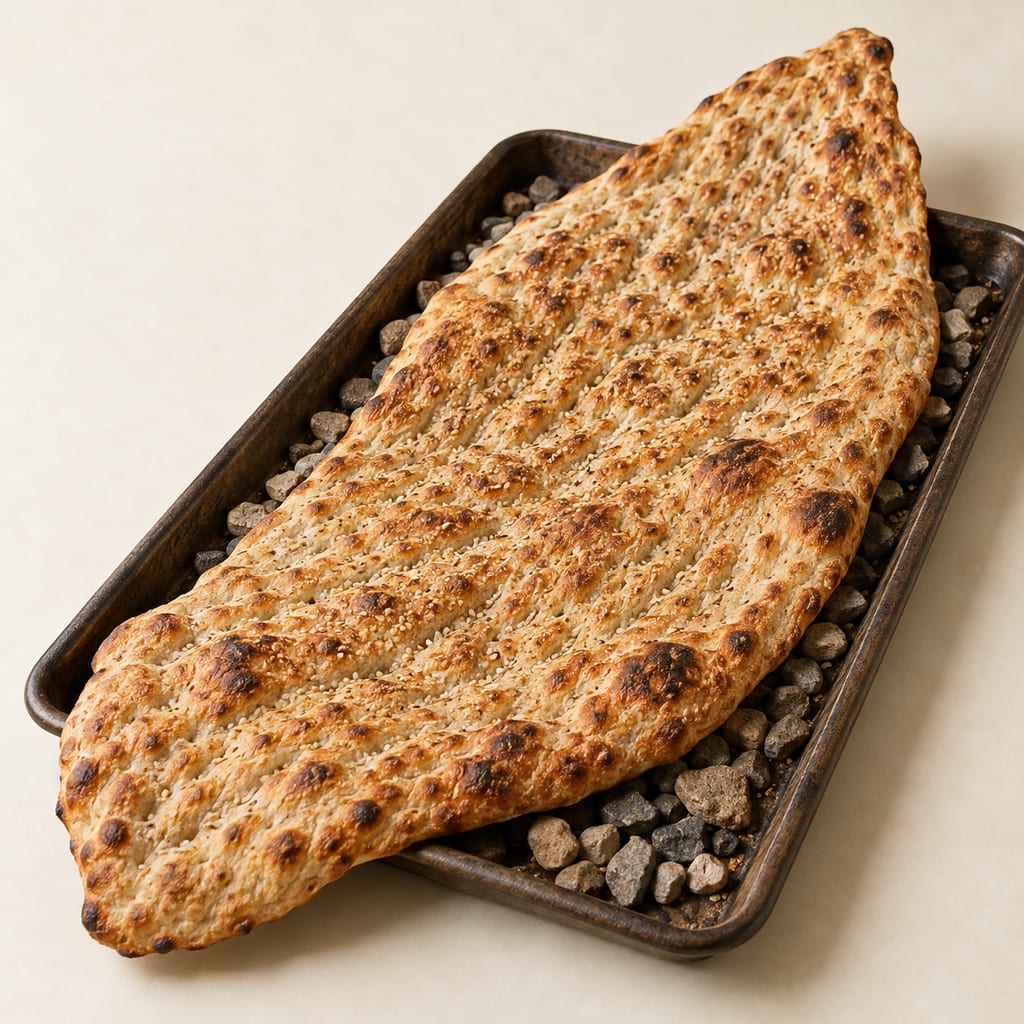
A long, irregular Persian bread baked on a tray of gravel-like stones in a hot oven. This home method uses dried yeast and a mix of wholemeal and bread flour, with an overnight rest.
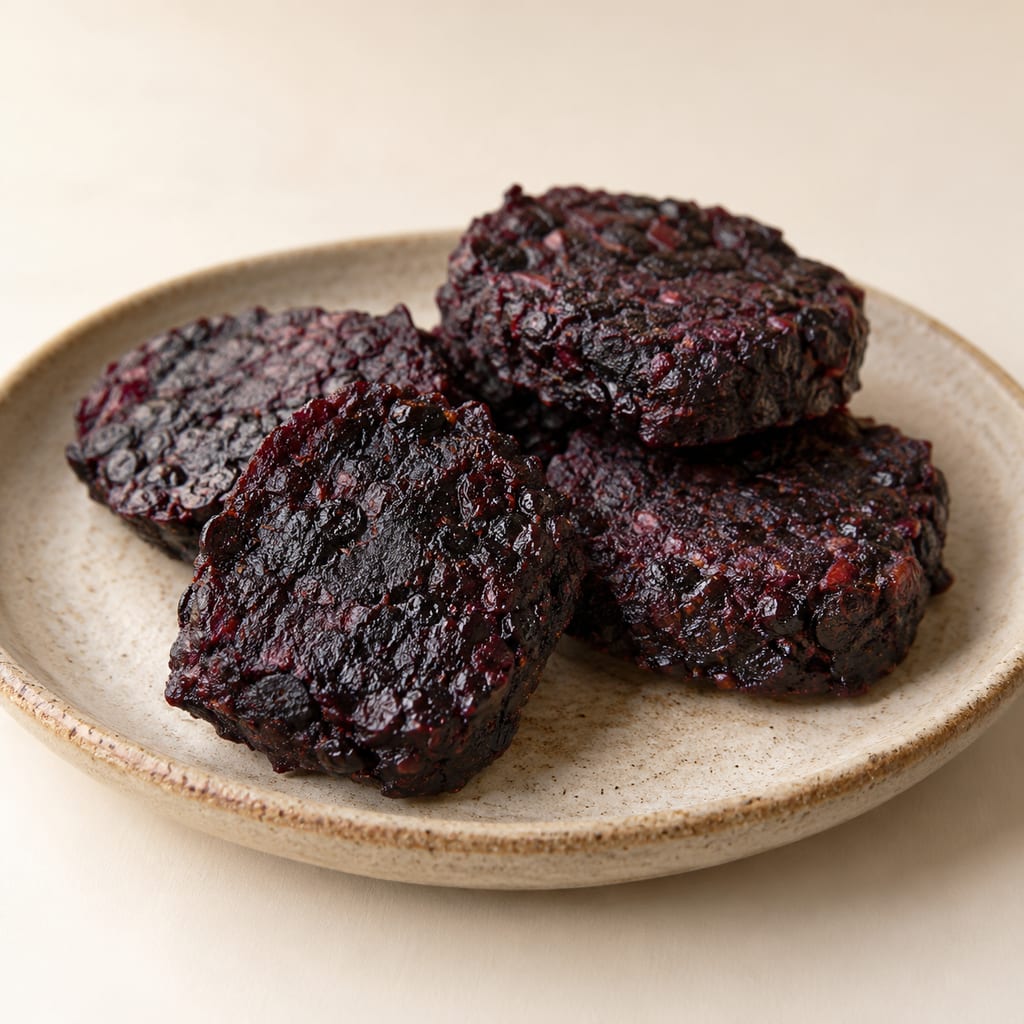
Salal berries pulped, formed into cakes and dried, a compact berry reserve of the northwestern American coast.
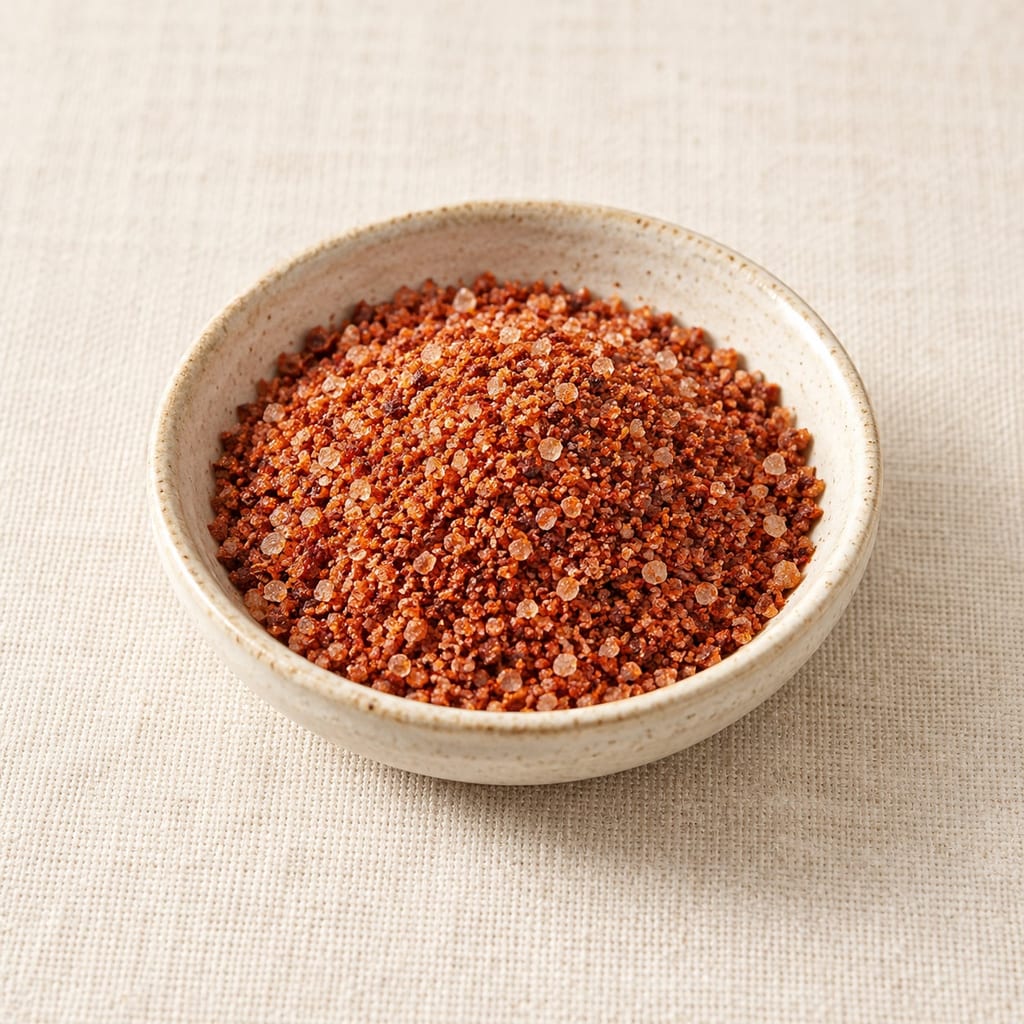
A dry Mexican seasoning of maguey worm, salt and chile, most closely associated in published accounts with Oaxaca and commonly served with mezcal, citrus and fruit.
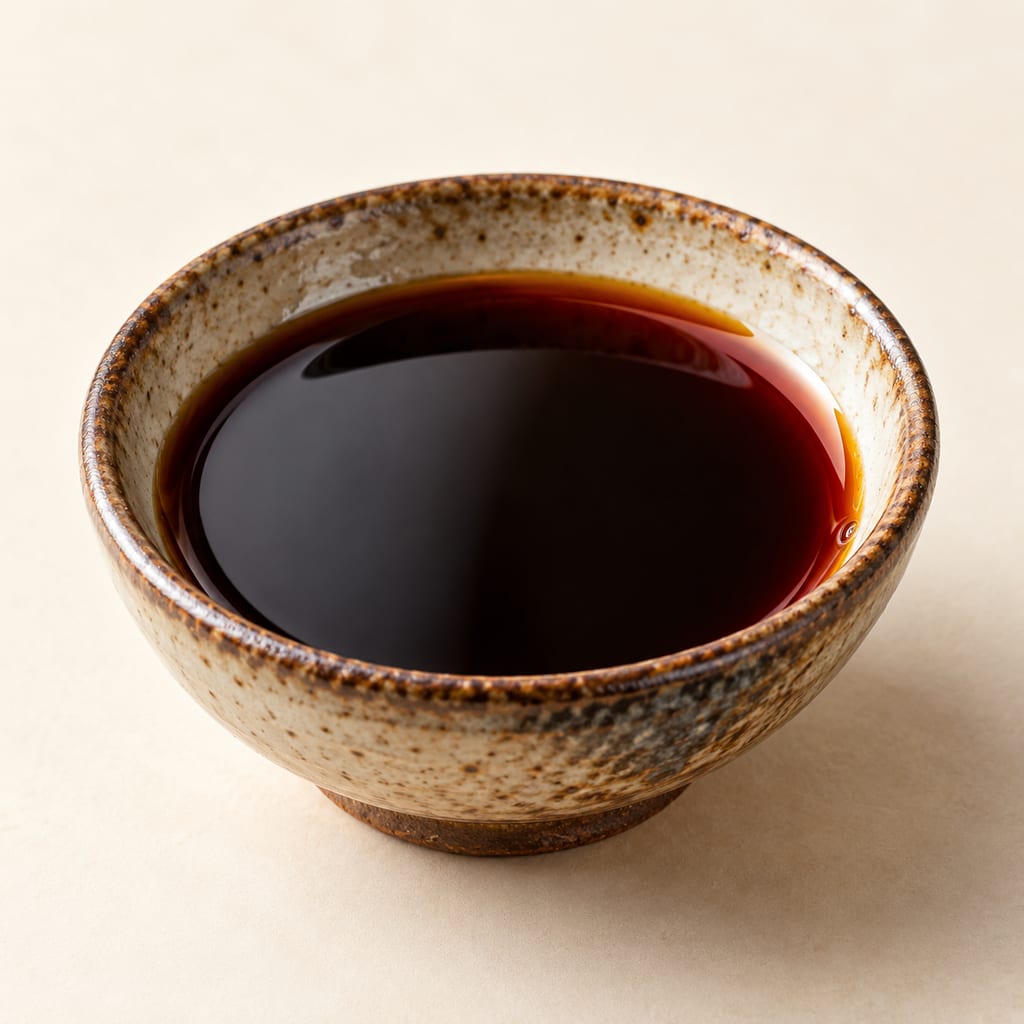
Saishikomi shoyu is a double-brewed soy sauce: a second moromi is made with a finished soy sauce in place of salt water, which makes a dark, concentrated sauce with softer salt.
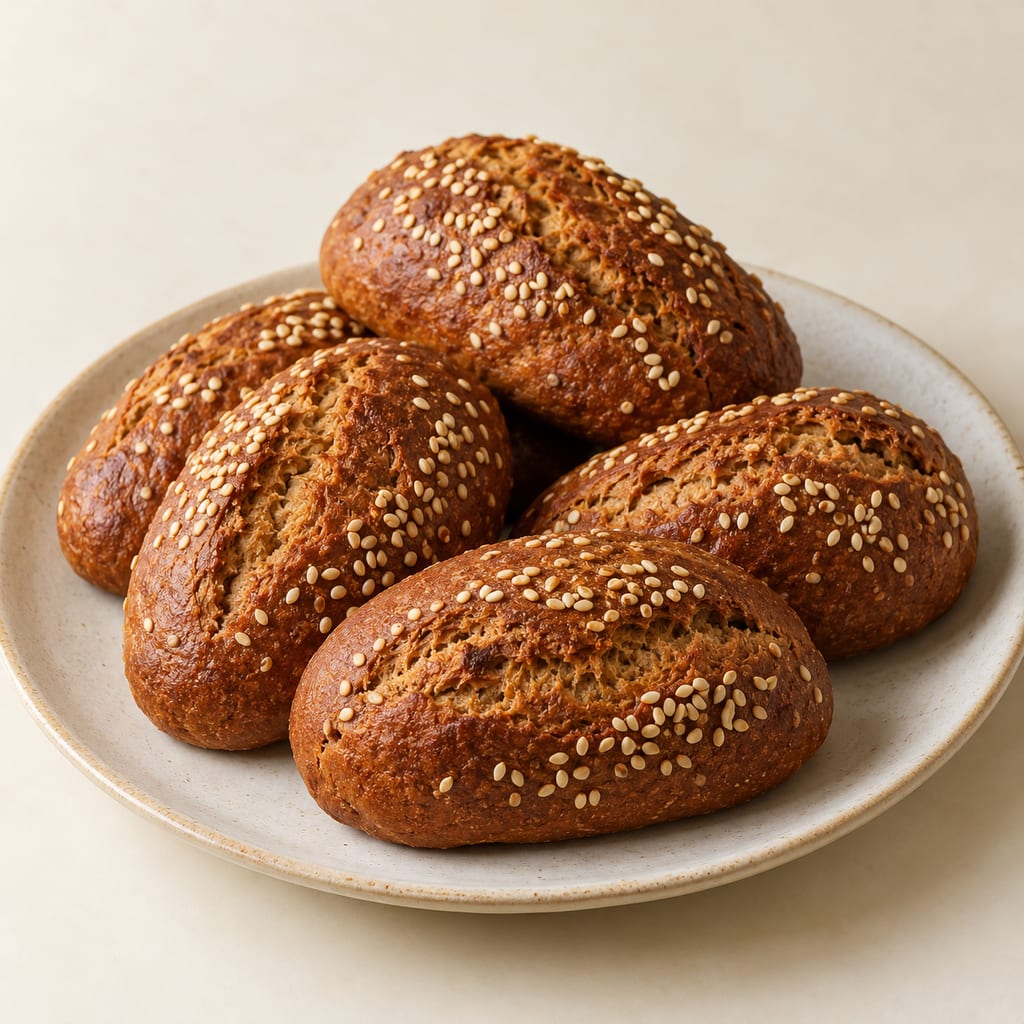
A spiced, breadcrumb-enriched Indonesian loaf raised with baking soda and baking powder, shaped into ovals and baked with sesame seeds.

Red wine is grape must fermented with the skins and other solids, then separated from the pomace. Grape, cellar and regional choices shape its colour, structure and style.
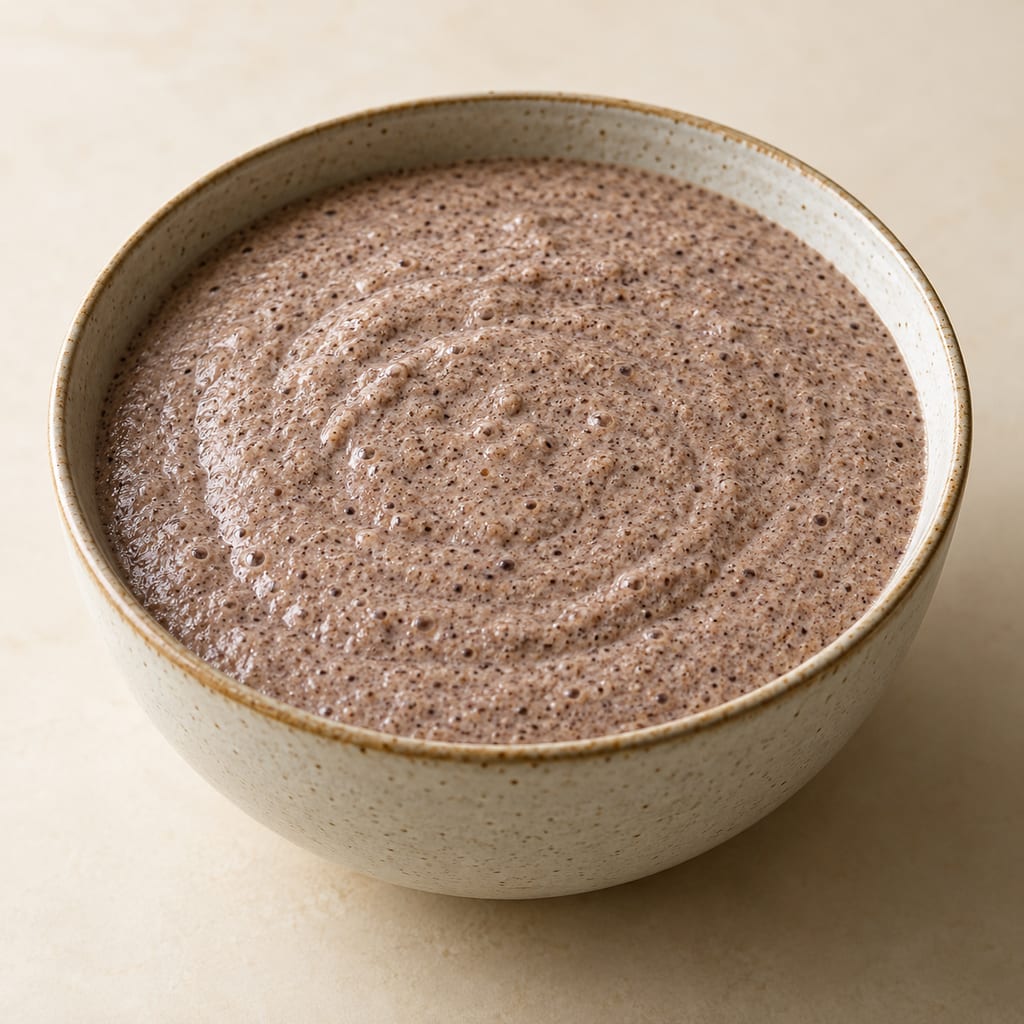
An idli batter made from whole ragi (finger millet) and urad with idli rava, each soaked and ground separately, combined, salted and left to ferment overnight.
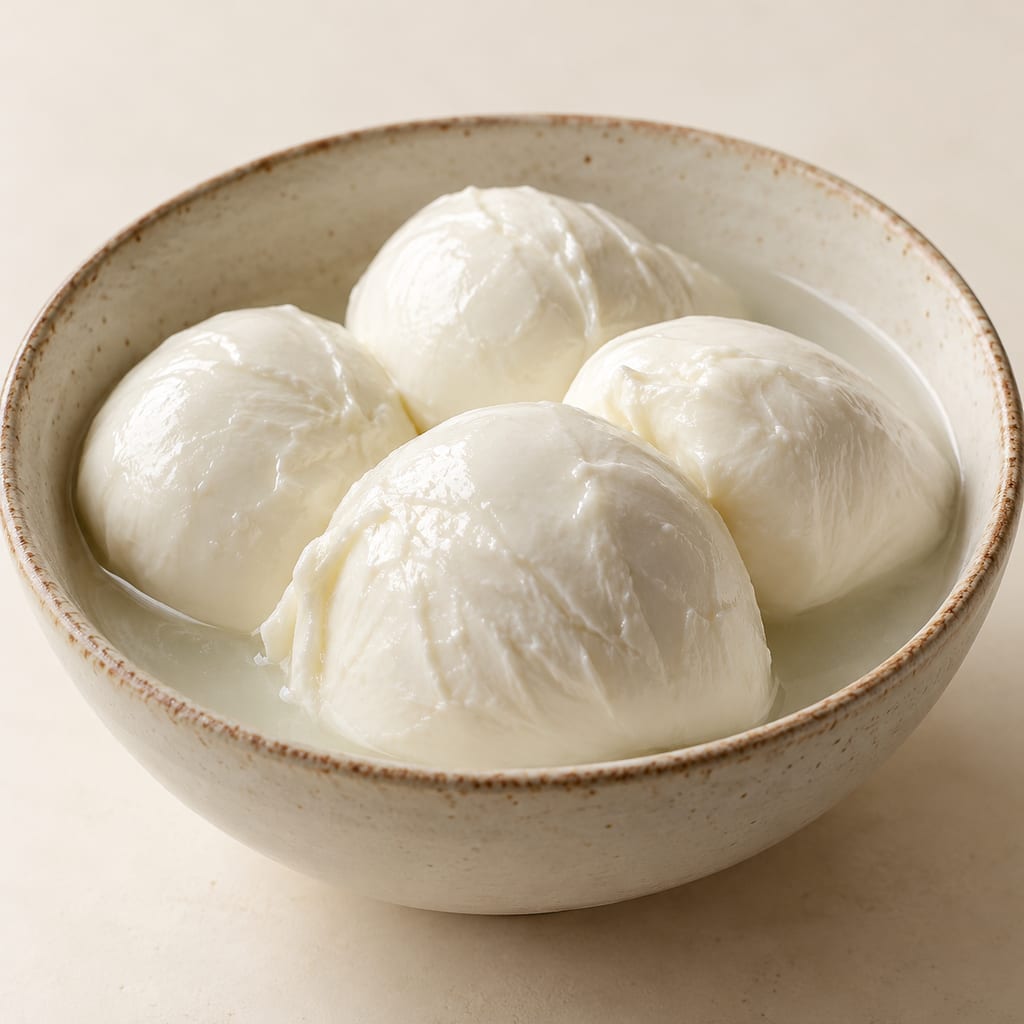
A stretched fresh curd made by acidifying cold milk with citric acid before adding rennet, so the curd can be stretched as soon as it has formed.
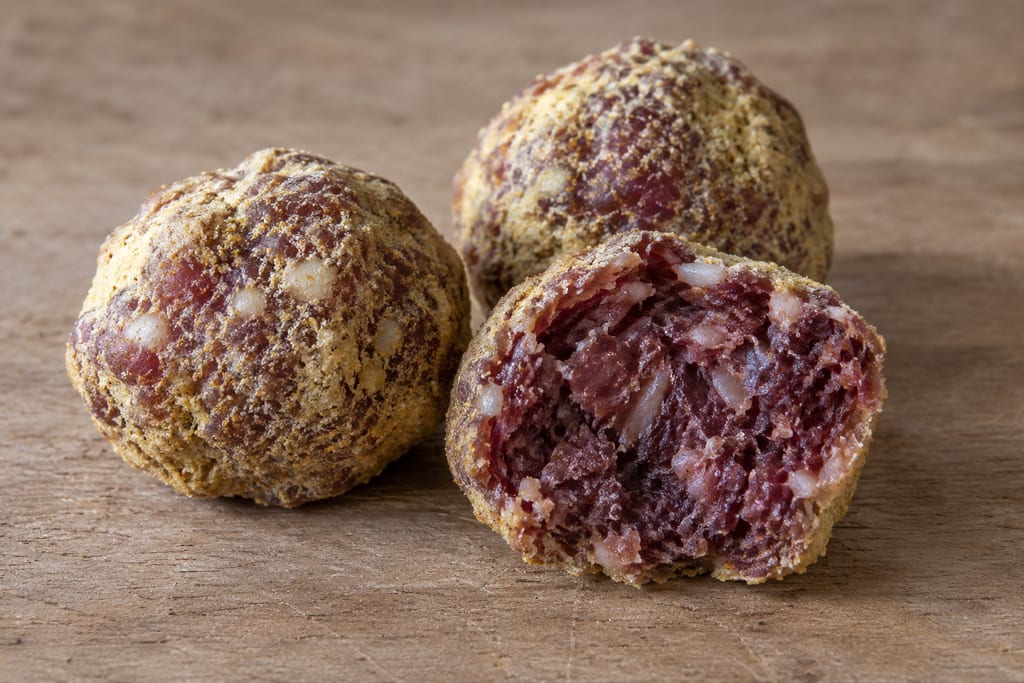
Small maize-coated meatballs in a modern pork-and-lamb variant associated with Pitina; this is a documentary account, not a validated method or a claim of Pitina IGP.
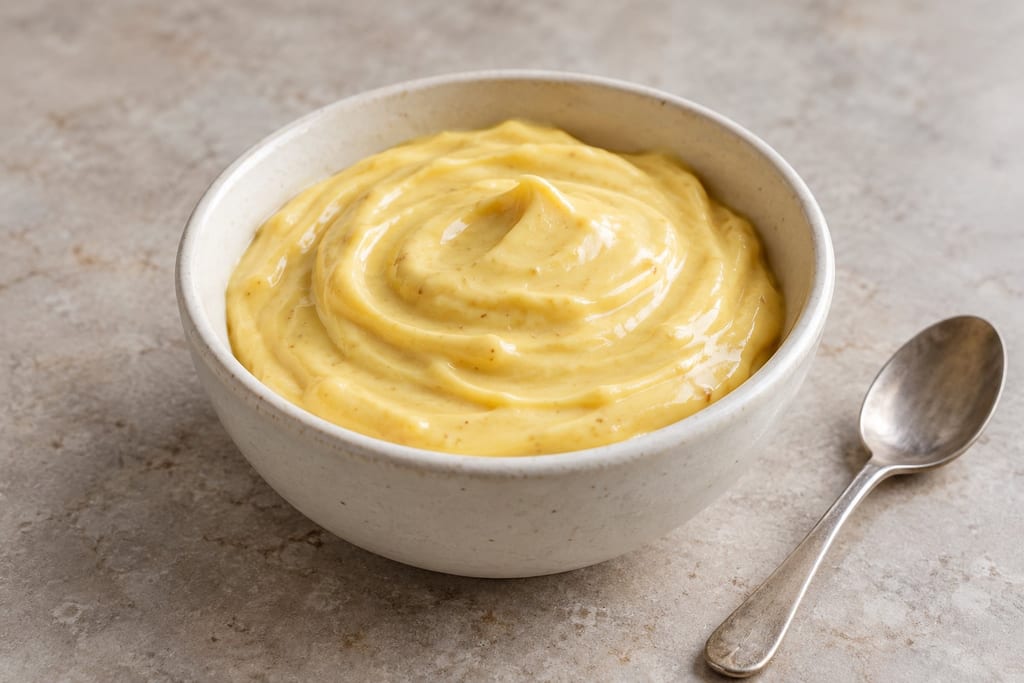
An untested home mayonnaise development formula with more Dijon mustard and no added sugar. A current French-market Dijon mayonnaise informs its flavor direction; this is not that product’s formula.
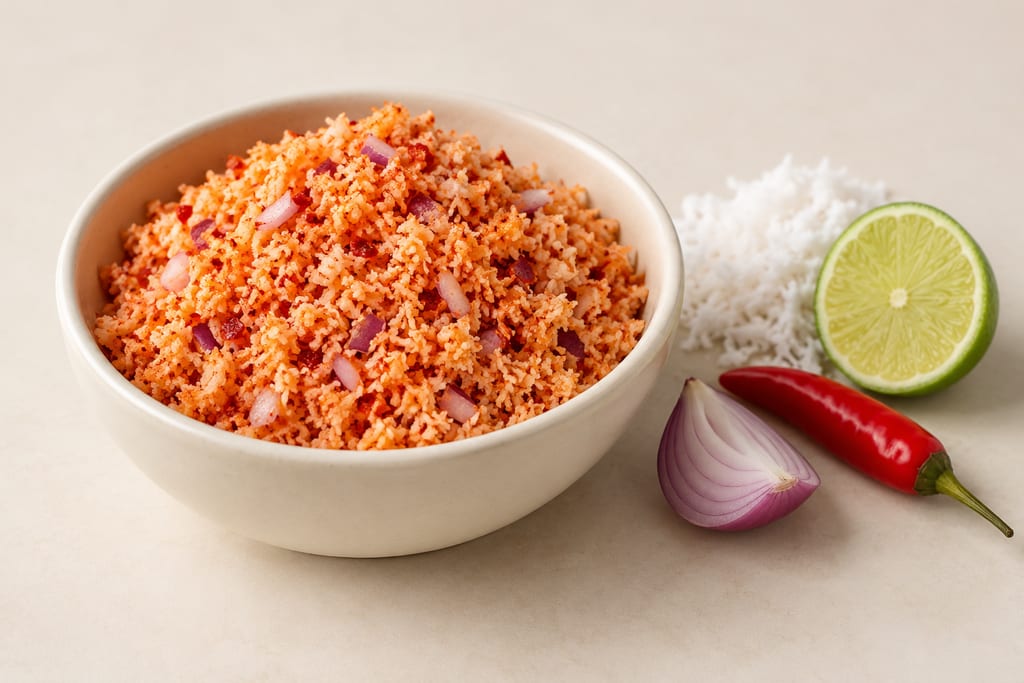
A fresh, untested coconut relish developed in reference to Sri Lankan pol sambol. This formula is an adaptation, not a documented traditional recipe or a preserve.
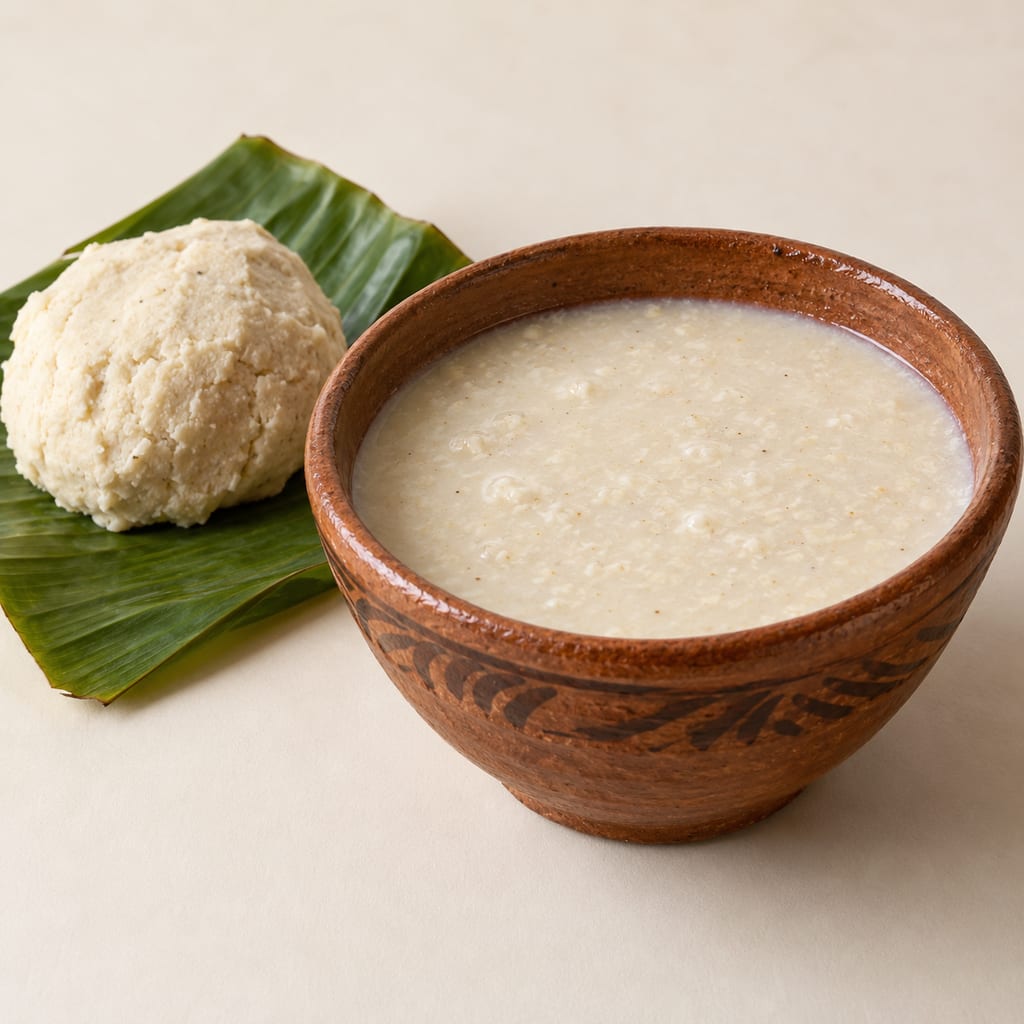
Pozol is lime-cooked maize ground to dough, shaped into balls, wrapped in banana leaves and fermented for days, then stirred into water as a sour drink in southeastern Mexico.
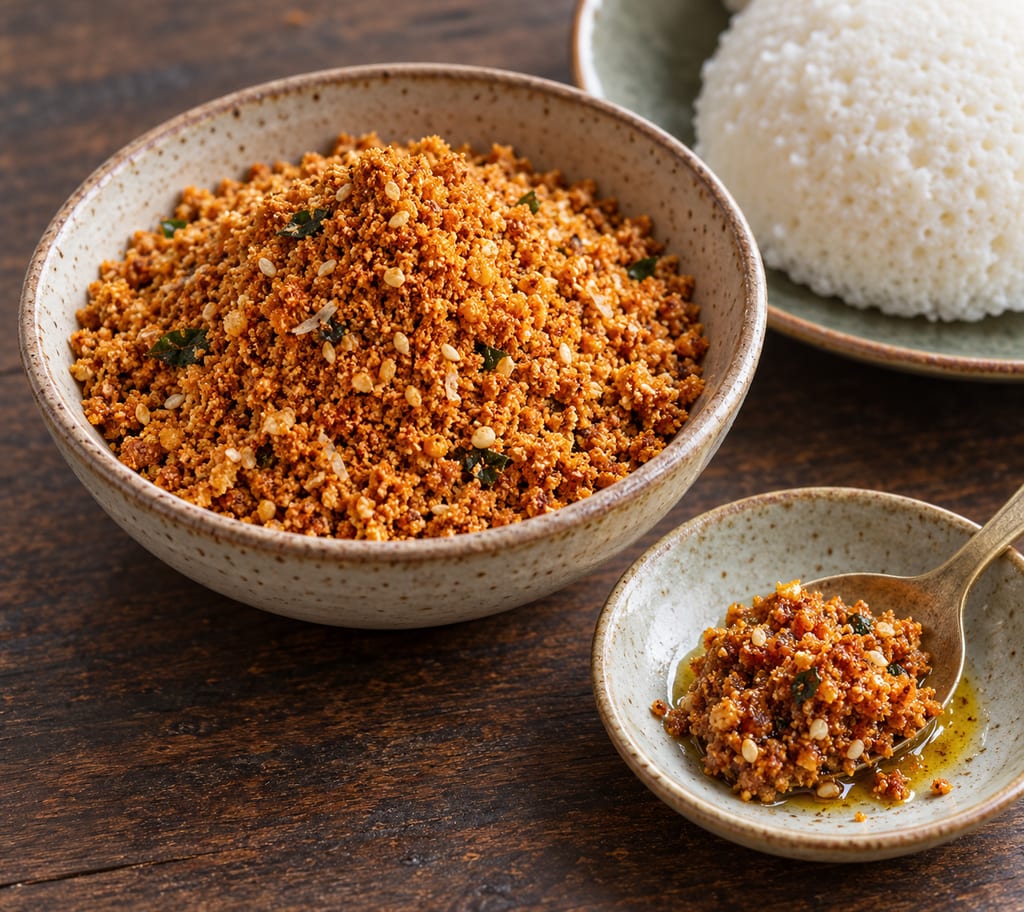
A South Indian dry chutney powder has many regional and household forms. This record follows one published gunpowder podi recipe, served with ghee or gingelly oil; it is not a single standard formula.
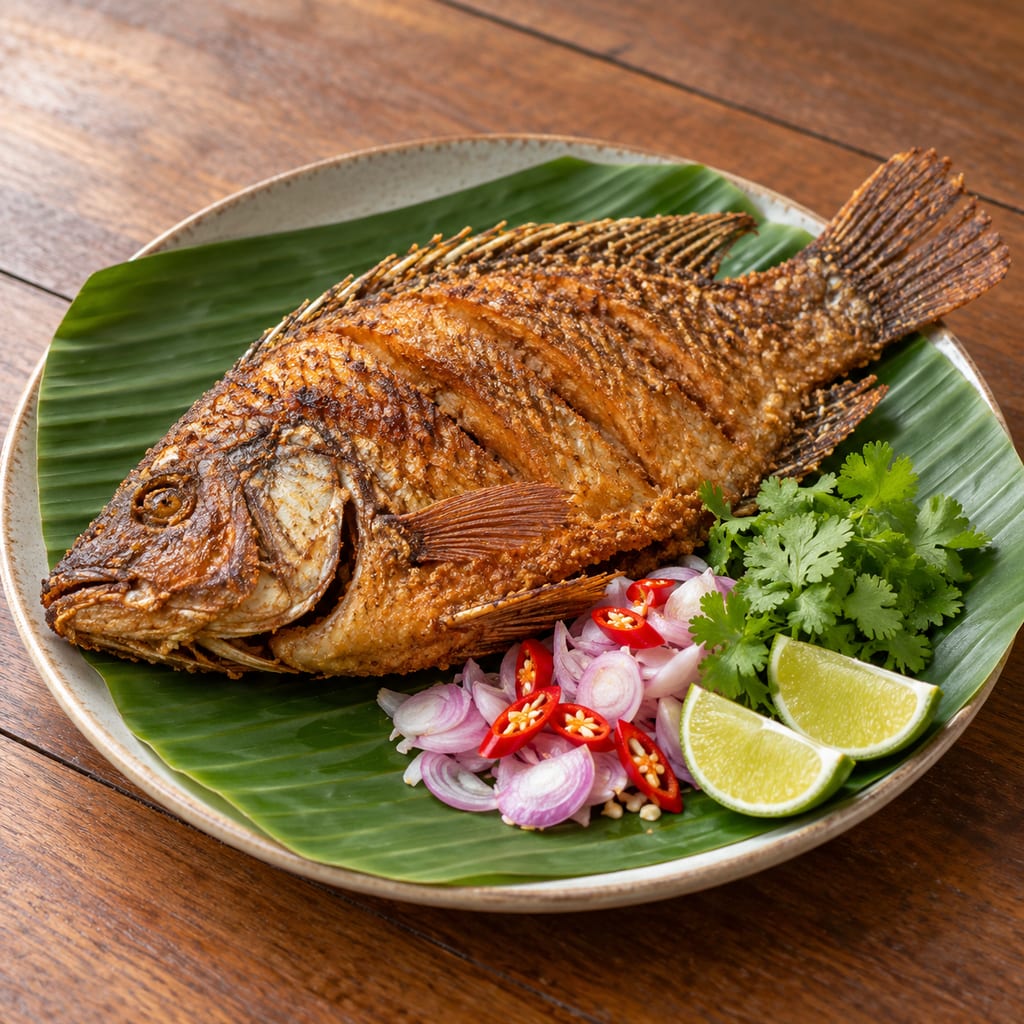
Thai pla som made from tilapia salted, filled with sticky rice and garlic, bagged and held at room temperature for about three to four days.
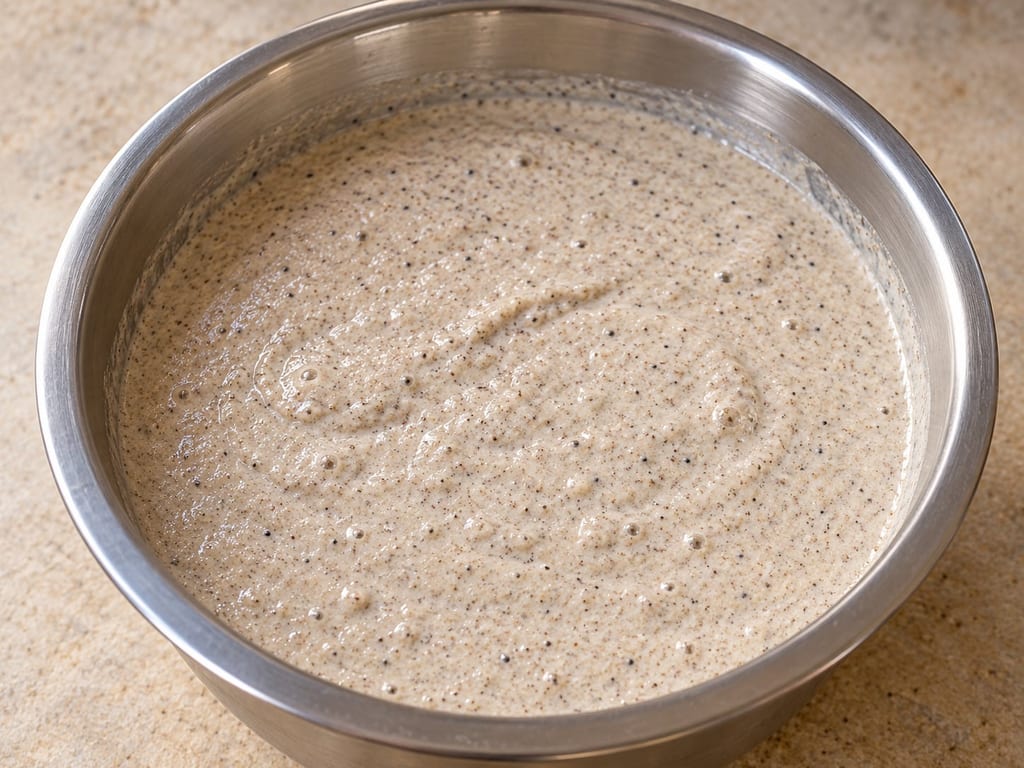
A multigrain idli batter from a stored blend of sorghum, millets, rice and black gram, with fenugreek kept apart, taken out by the glass and fermented warm.
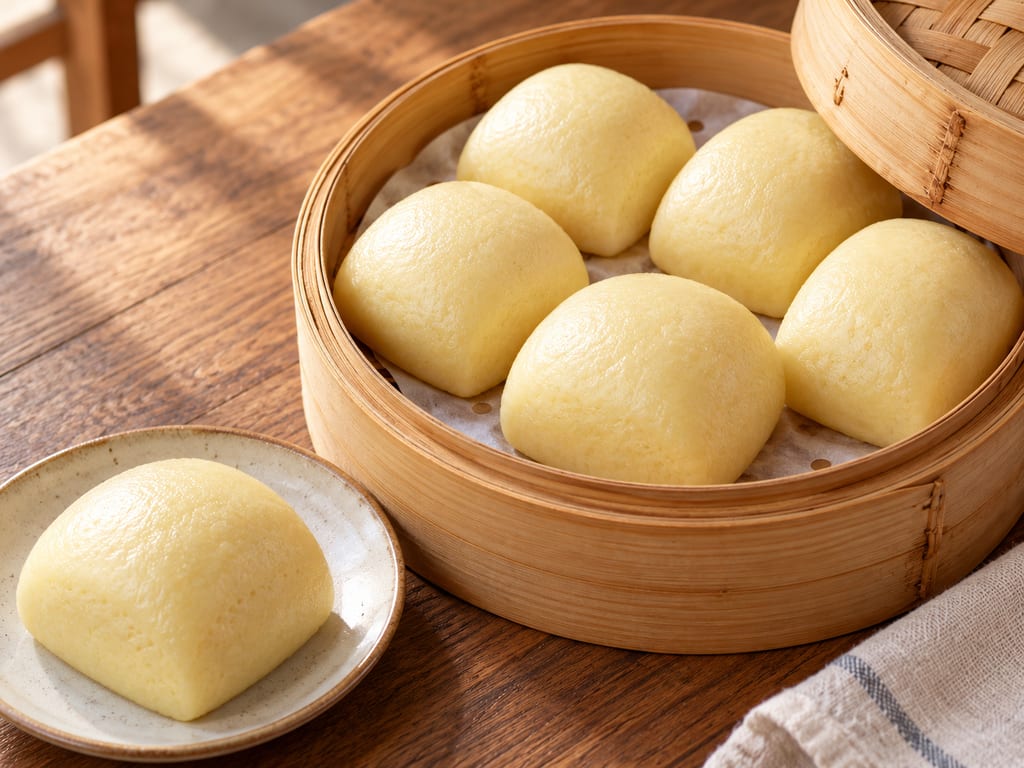
A yeast-raised mantou made with millet flour and wheat flour, hand-shaped and steamed. This measured home method uses a first rise to double, a second proof, and a covered rest after steaming.
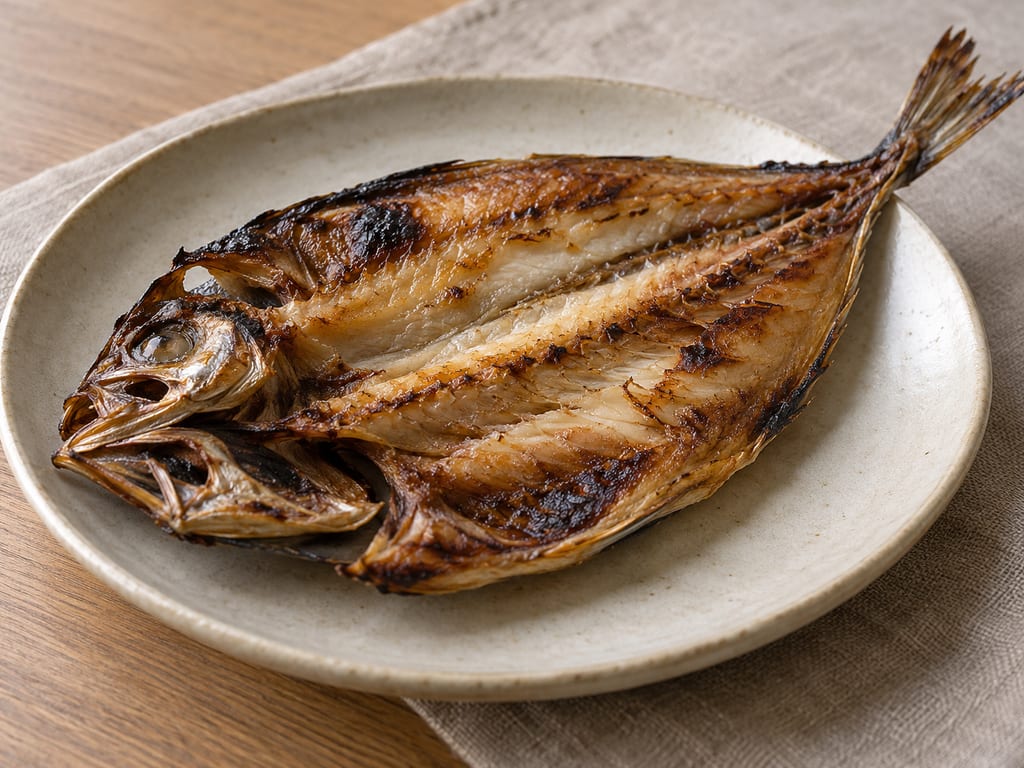
Izu Islands fish cured by repeated immersion in a maintained microbial brine, then dried. The reused brine, not drying alone, is what defines the product.
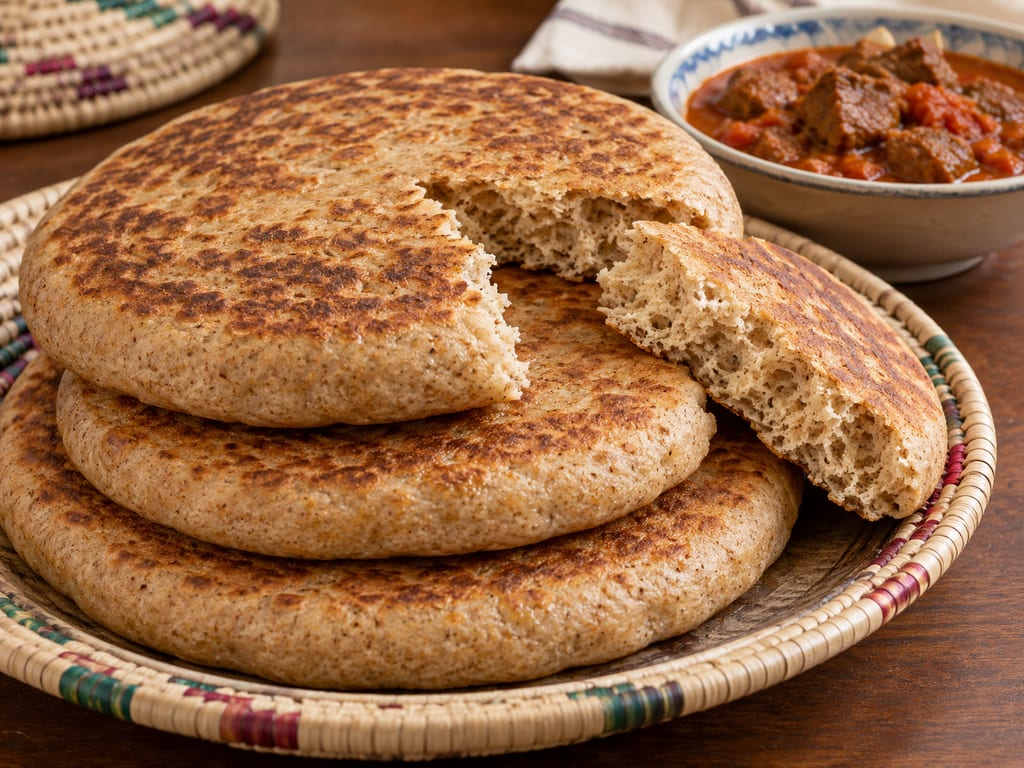
A northern Sudanese wholemeal wheat batter bread, rested with instant yeast and poured in thick rounds onto a lightly oiled pan or saaj.
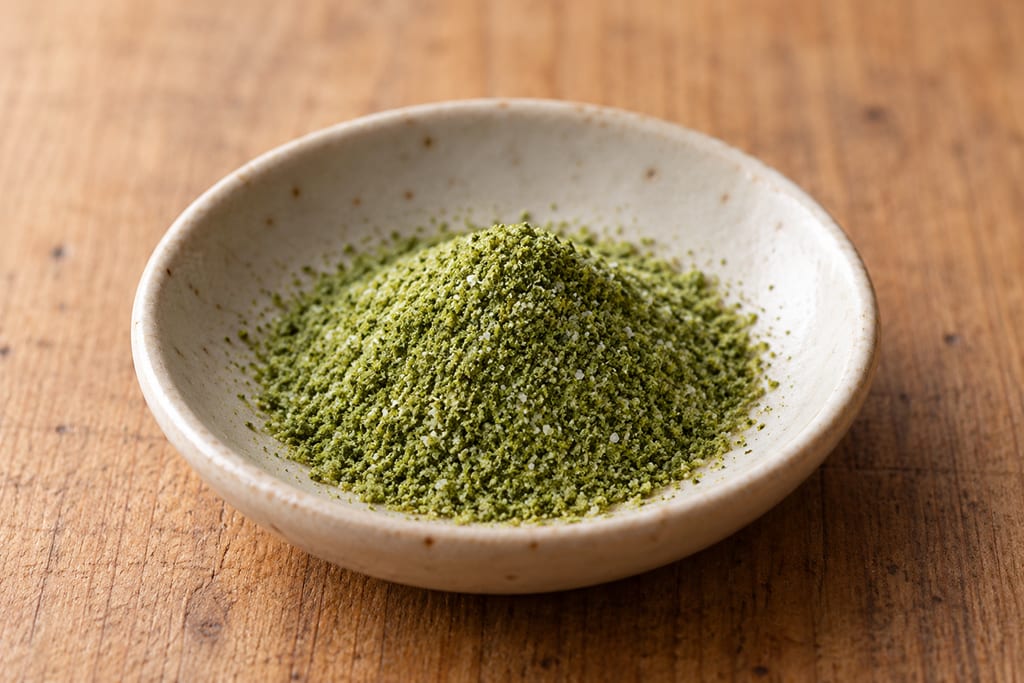
Green tea leaf salt is a dry seasoning made by grinding tea leaves, sieving them and mixing the powder with fine salt. This Japanese-style version follows a documented equal-parts method.
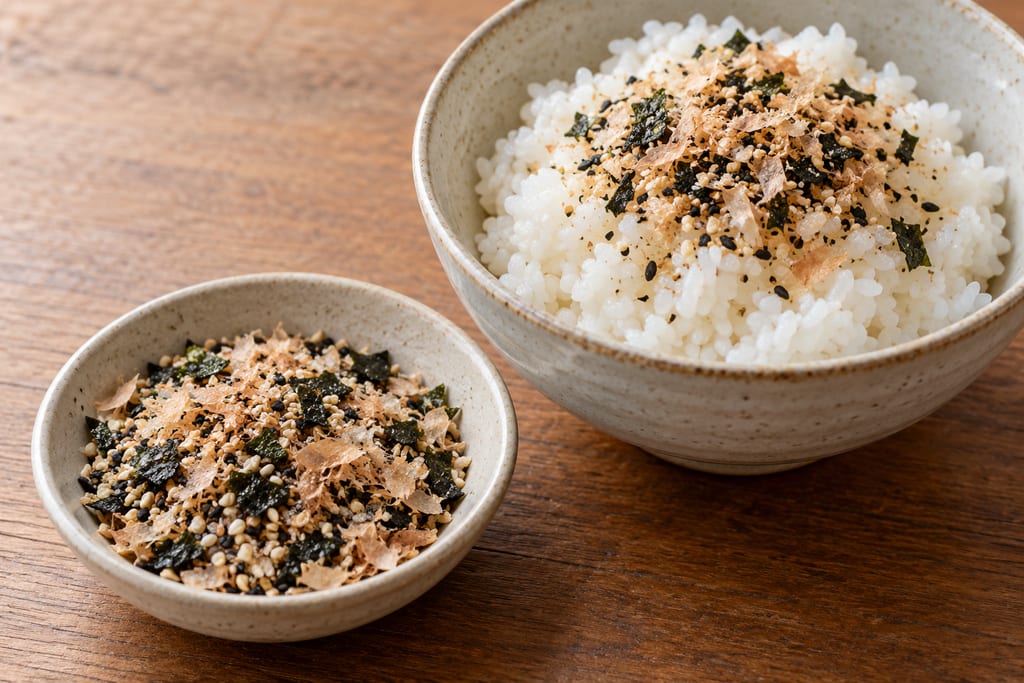
A dry Japanese rice seasoning of sesame, bonito, nori, sugar and salt. This documented home blend is one specific formula within a varied category with several early product histories.

Ezay is a Bhutanese red-chilli seasoning served with rice, salads, momo and other dishes; this reported version combines chillies, tomato, onion, coriander, cheese and pepper.
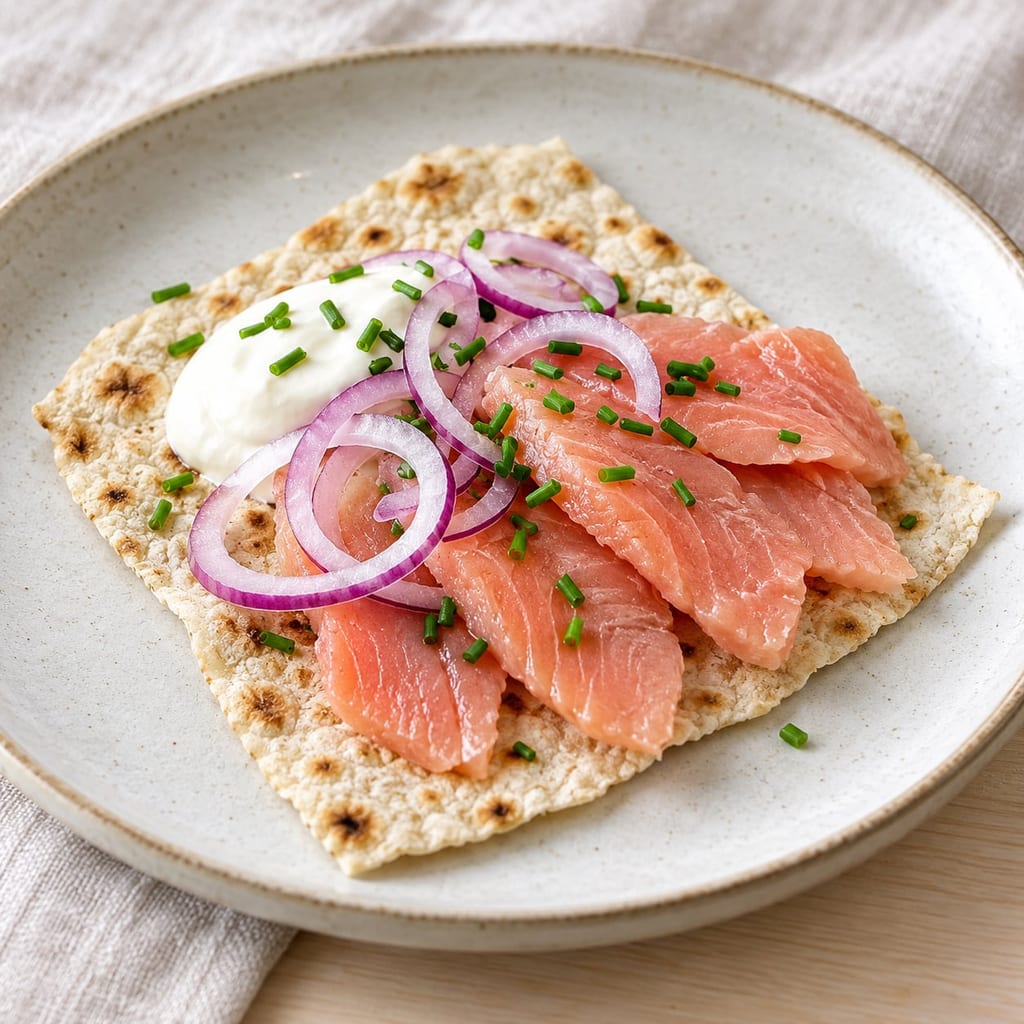
Rakfisk is a Norwegian preserved fish: cleaned trout or char, salted, packed under pressure and matured cold, usually for about three months, before it is eaten sliced.
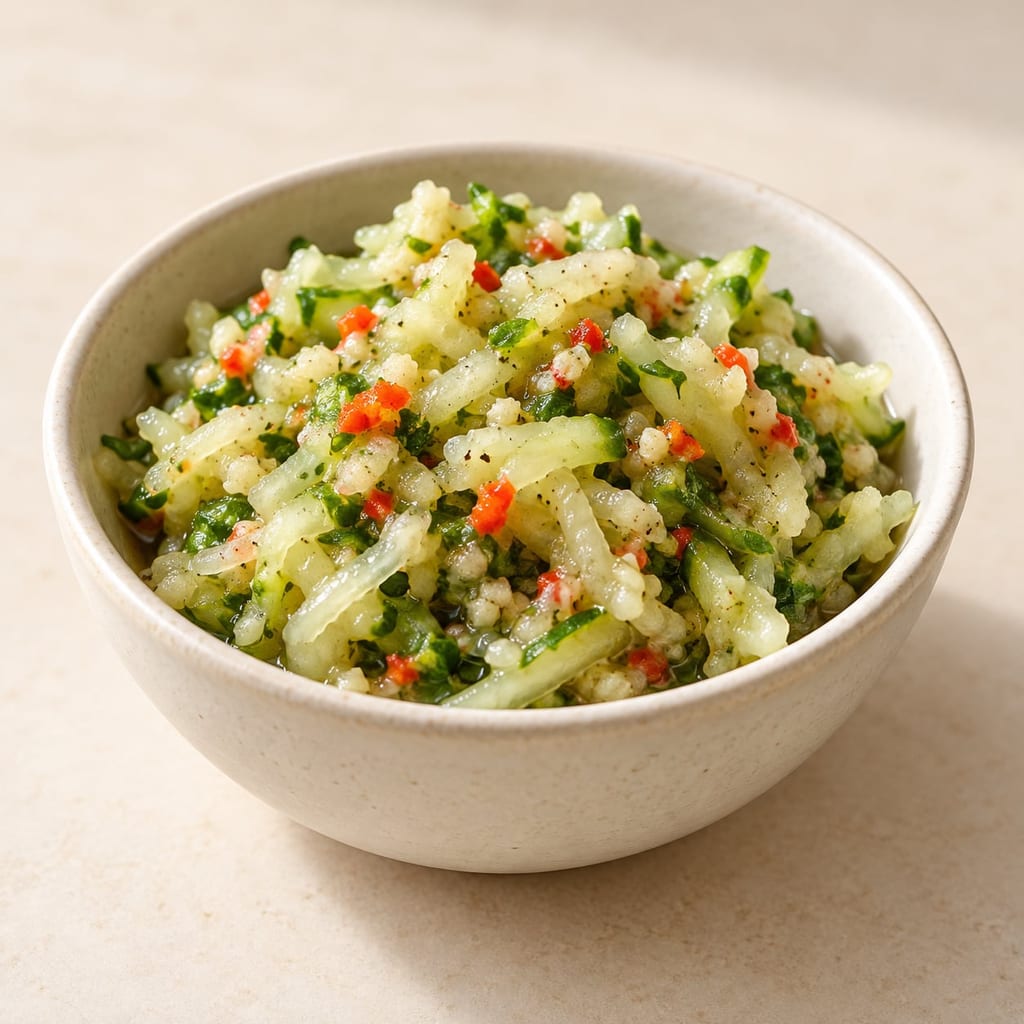
A fresh Trinidadian cucumber chutney of grated firm cucumber, garlic, Scotch bonnet, shado beni, lemon and seasoning, described by its author as a doubles condiment.
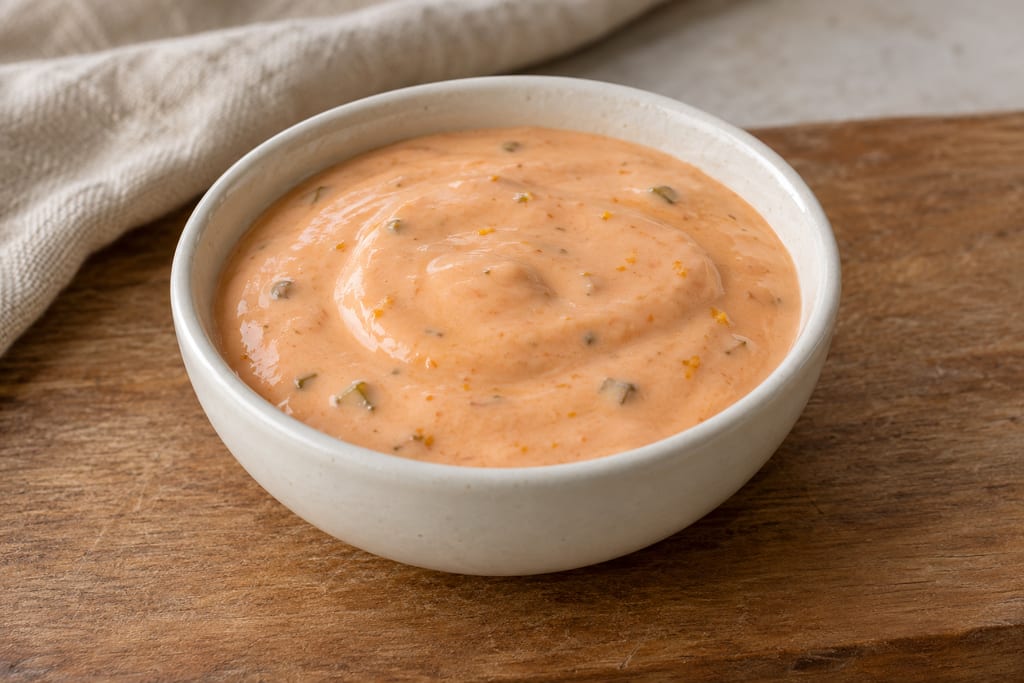
A cold mayonnaise-and-tomato condiment family with distinct documented forms in Argentina, Peru and Puerto Rico; this draft records a Peruvian caper-and-orange version and keeps its regional relatives separate.
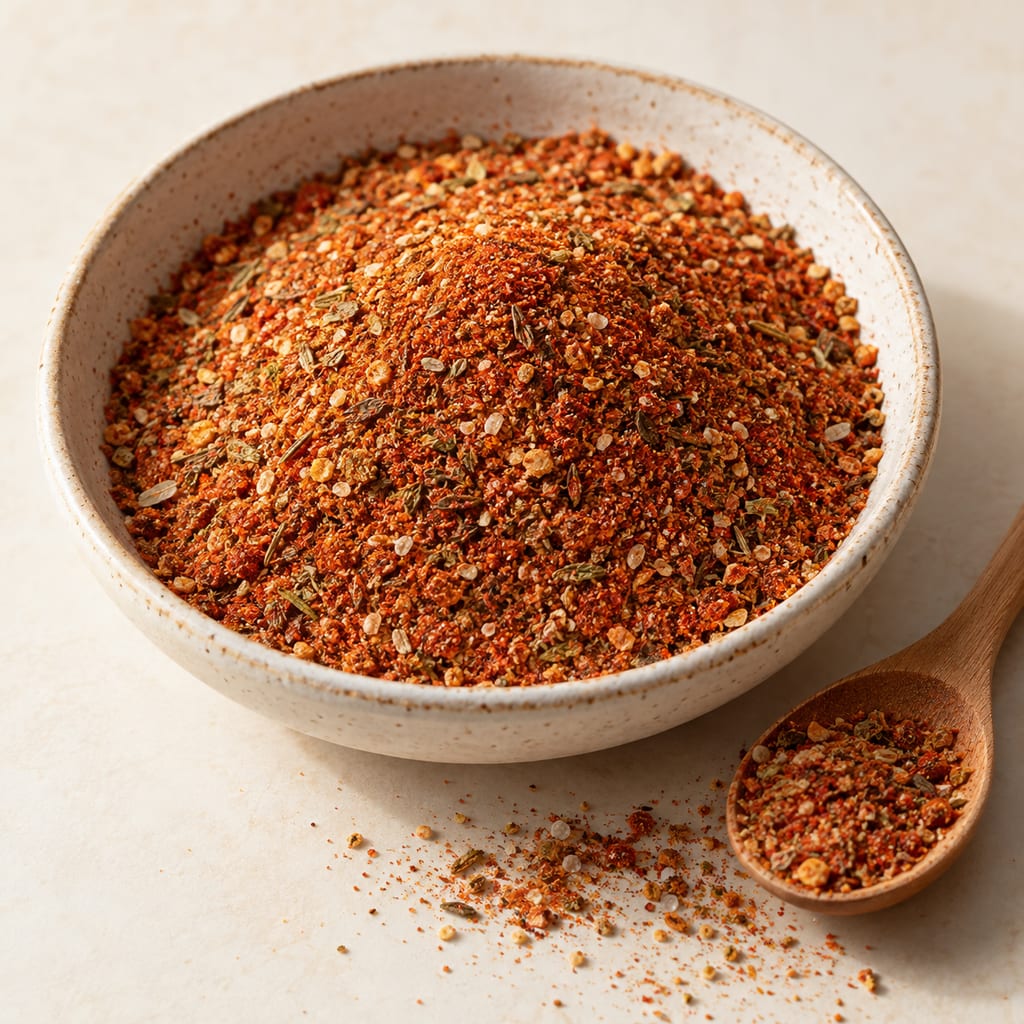
Bulgarian dry seasoning of salt, paprika, dried herbs and spices, with household and regional variations.