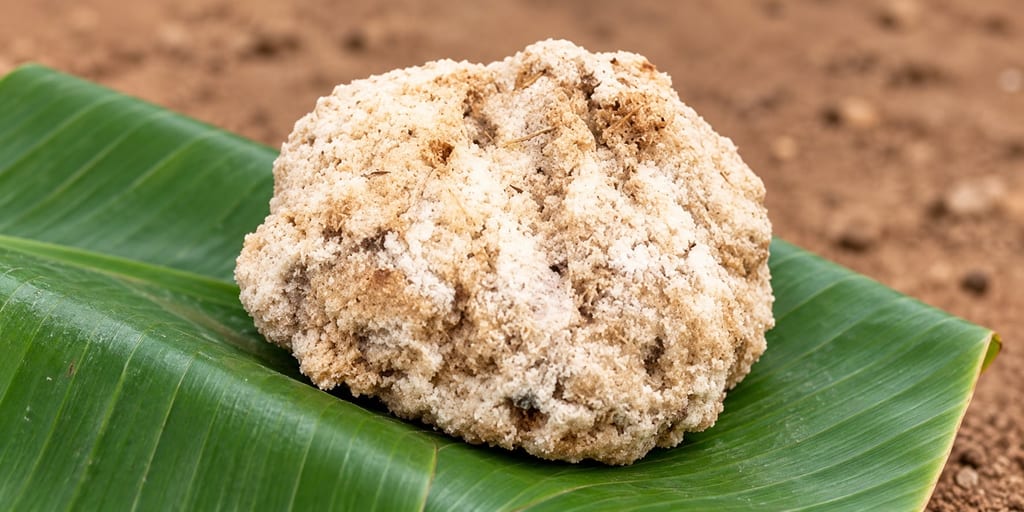
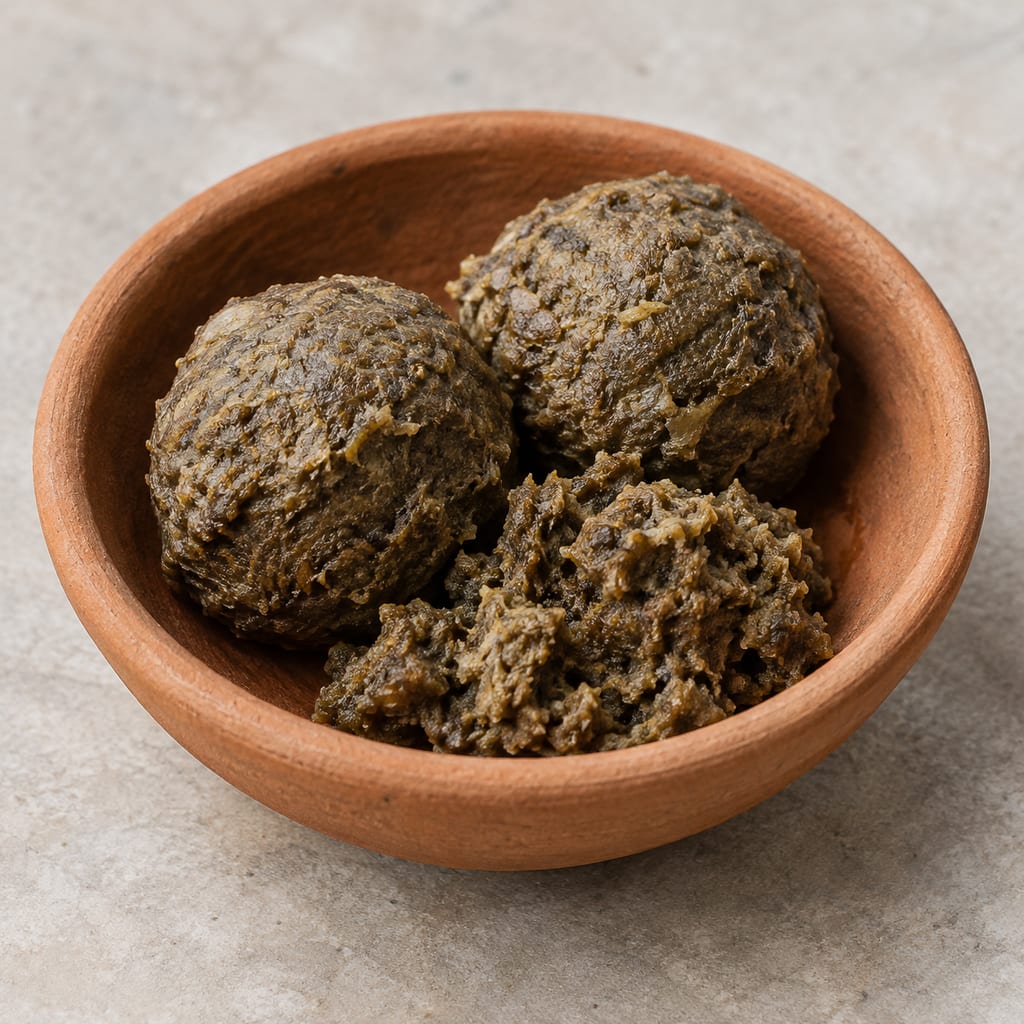
Nzoia River reed salt is a Bukusu seasoning made by leaching and evaporating the ash of mature muchua reeds. Its sources document a local method, but provide neither a measured formula nor verified mineral composition.
Nabuyole, Webuye, Bungoma County · Traditional method Precise control · Condiments
Short-finned eels, kooyang, smoked for a sustained period in the hollows of large trees at Budj Bim in south-western Victoria, a combined heat, smoke and drying method of the Gunditjmara people.
Kurtonitj, Budj Bim · Traditional method Several stages · Fish and seafood
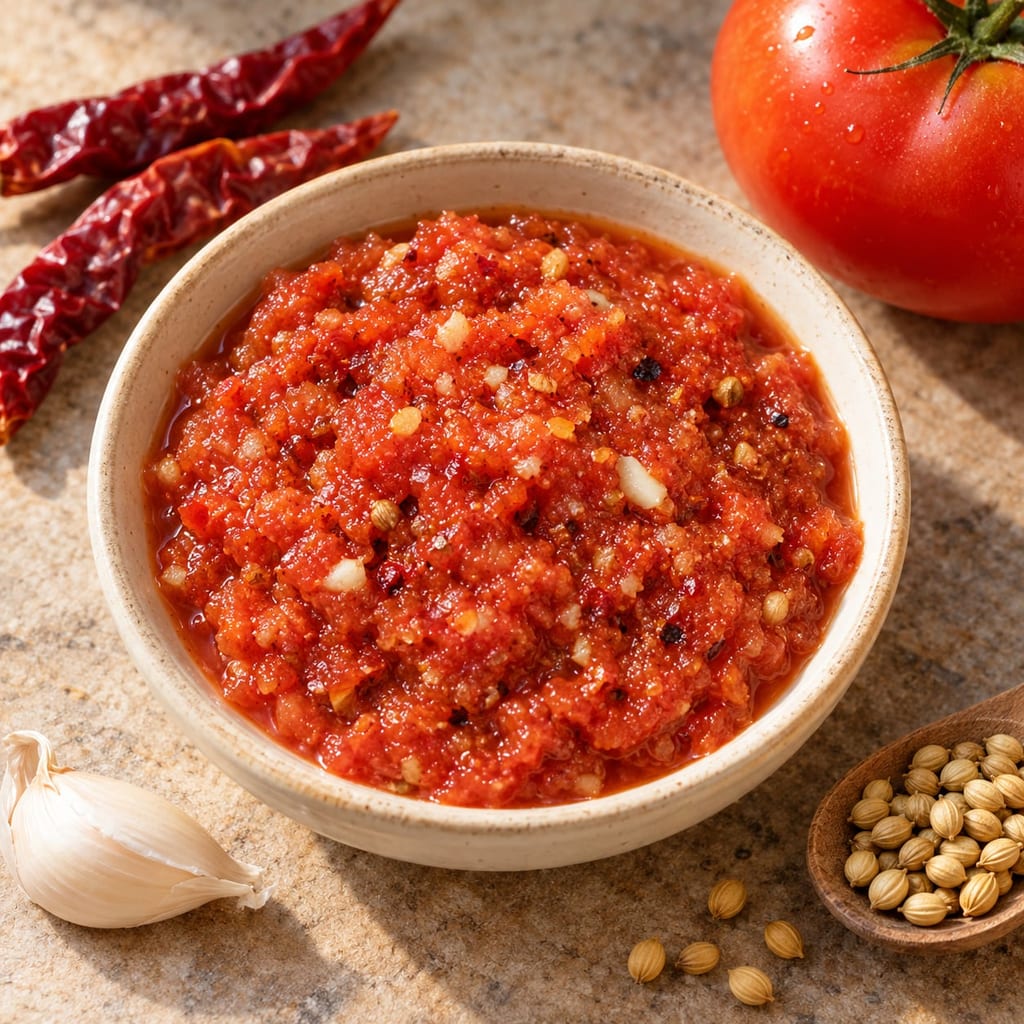
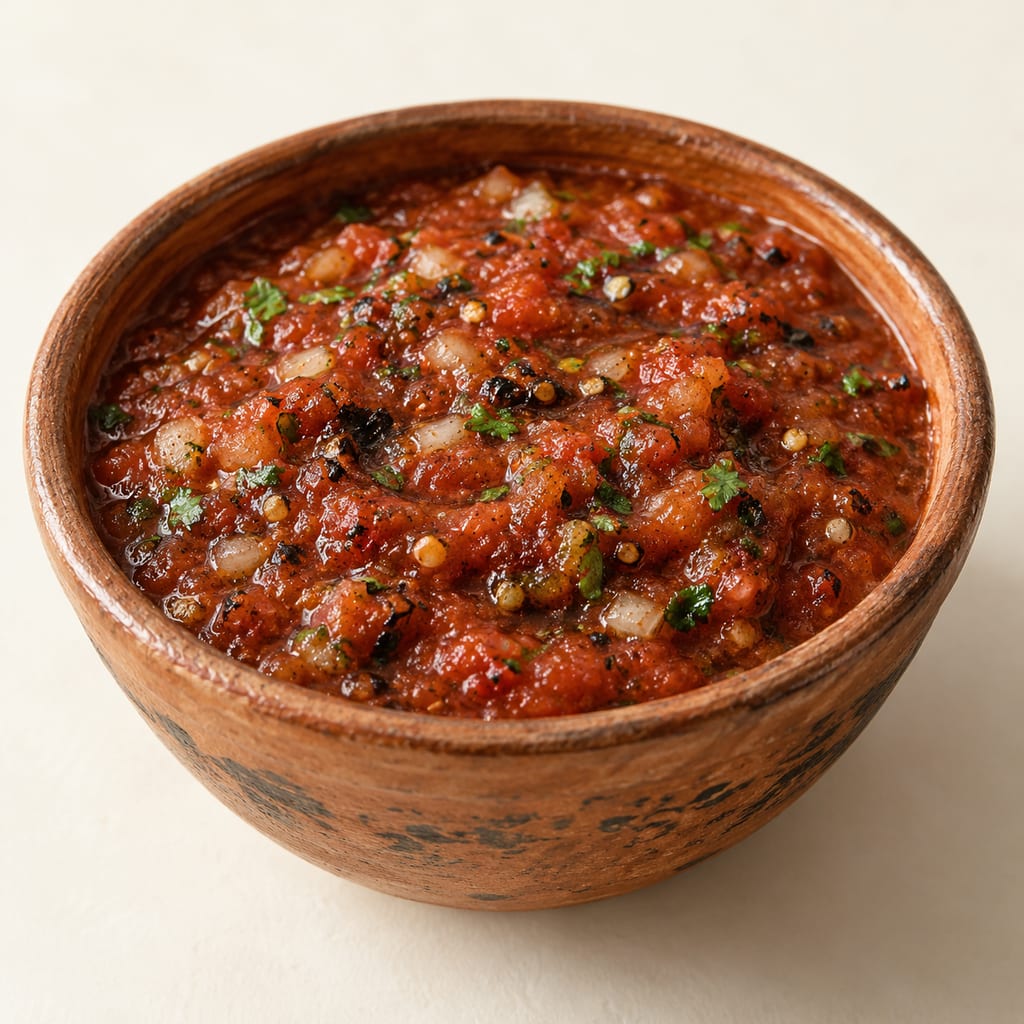
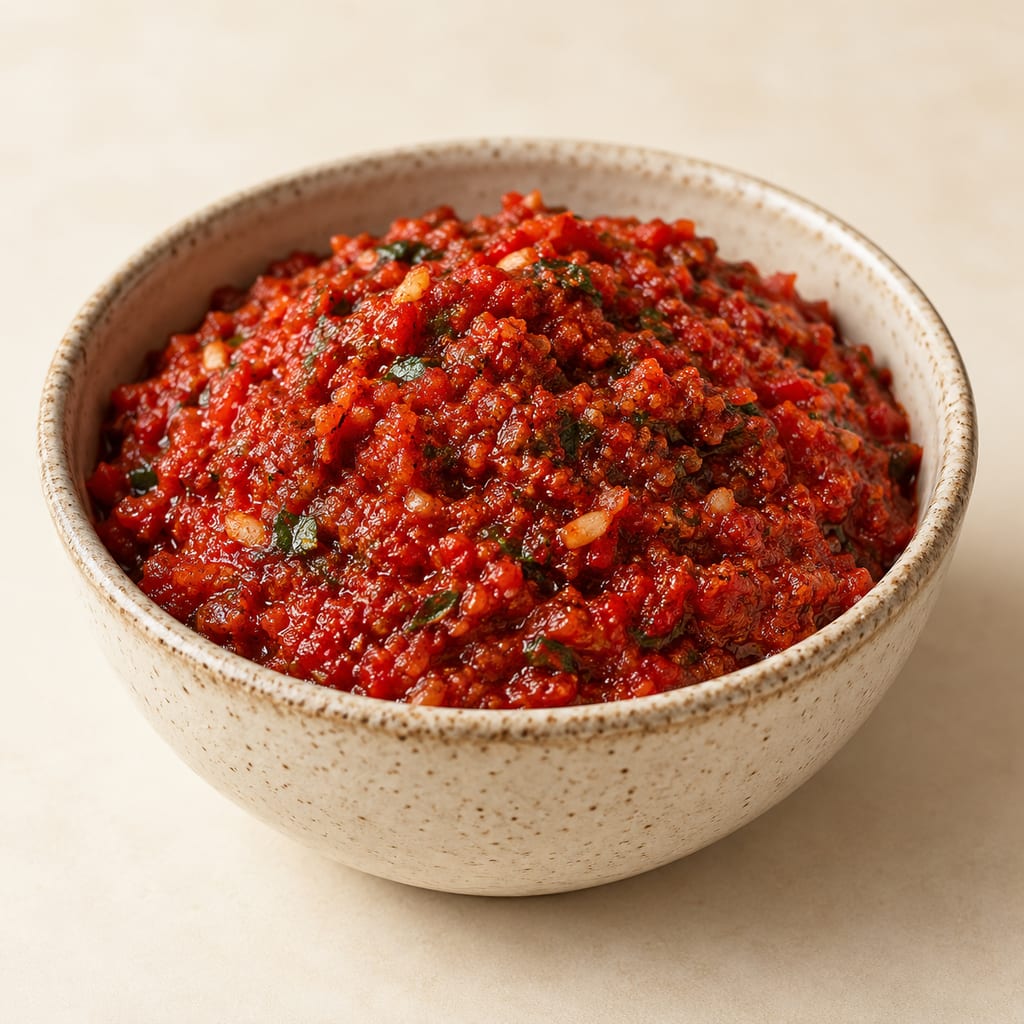
A wet Rajasthani chutney of tomato, soaked dried red chillies, garlic and coriander seed ground with salt and water. A 2017 study gives its proportions as a ratio and tested a stored batch.
Rajasthan · Traditional method Straightforward · Condiments
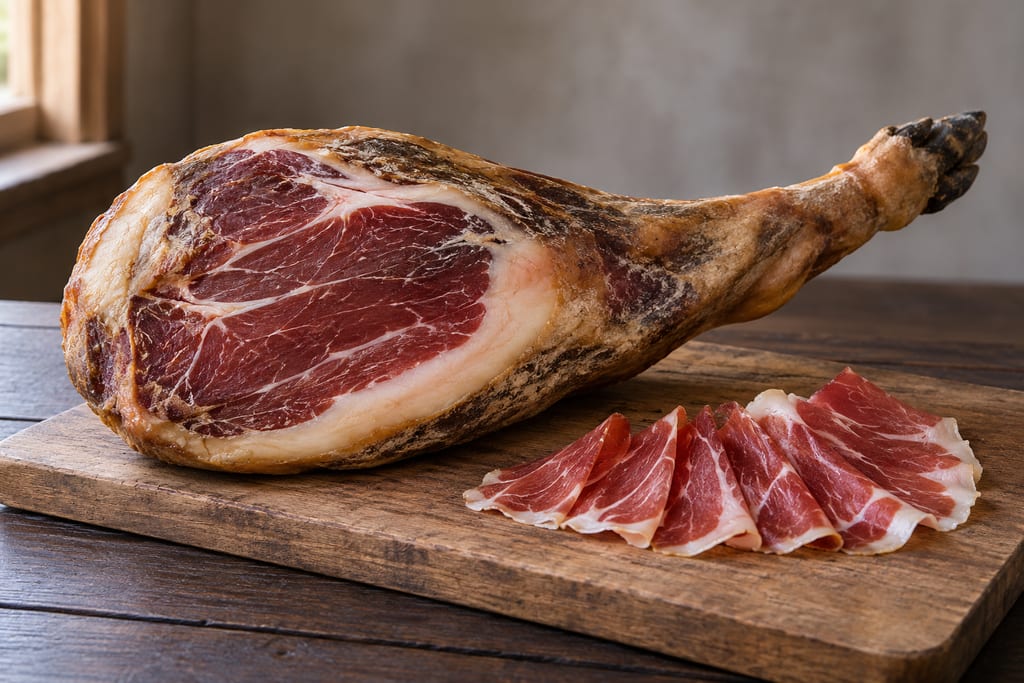
Smoked dry-cured pork ham of the Barroso highlands of northern Portugal: hand-salted, sometimes coated with olive oil and paprika, then smoked slowly over oak or broom in the cold mountain air.
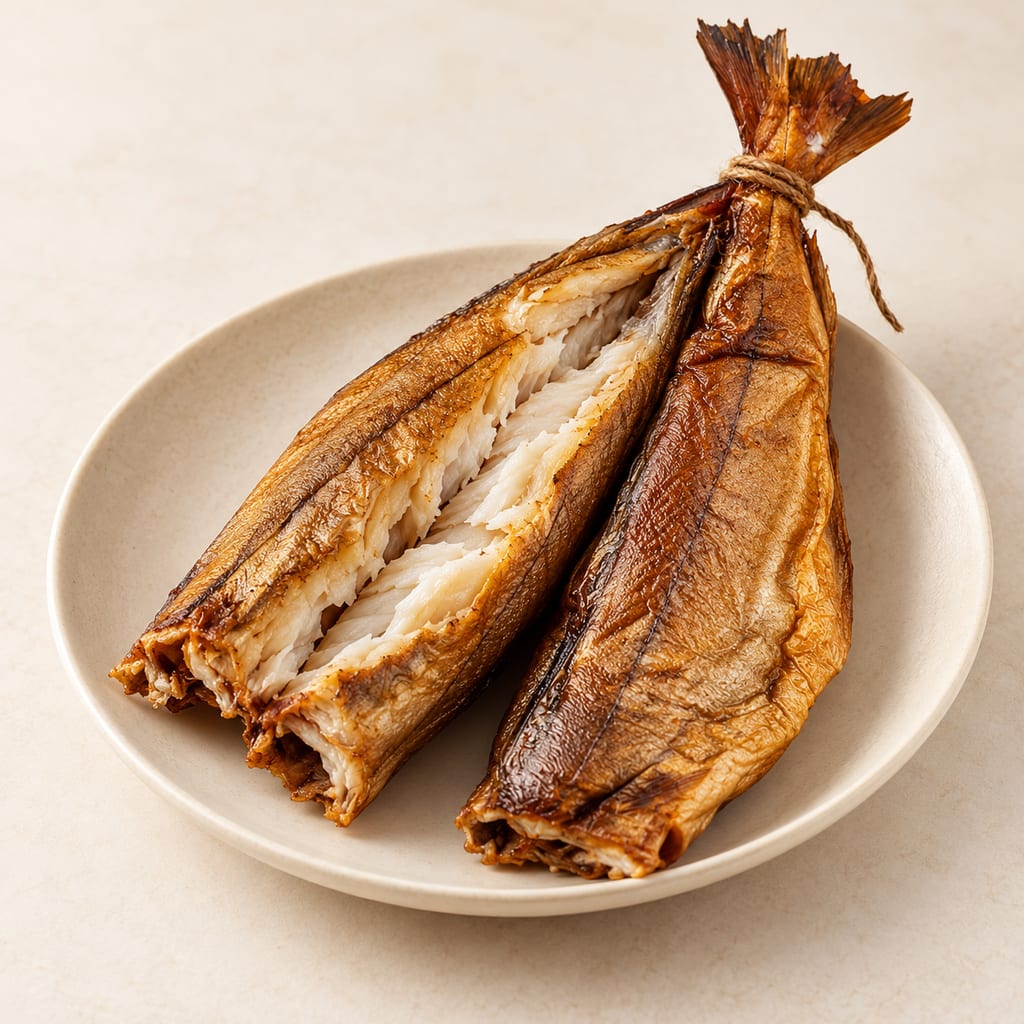
Arbroath smokies are whole haddock dry-salted, paired by the tail and hot-smoked in a protected coastal area. Their recorded history links Auchmithie and Arbroath, though the exact origin is unsettled.
A University of the Republic of Uruguay recipe for ten yeast-raised tortas fritas. The dough rests for an hour, is divided into ten rounds with a hole in each, then fried in fat at 160°C and drained.
Uruguay · Traditional method Several stages · Grains and starches
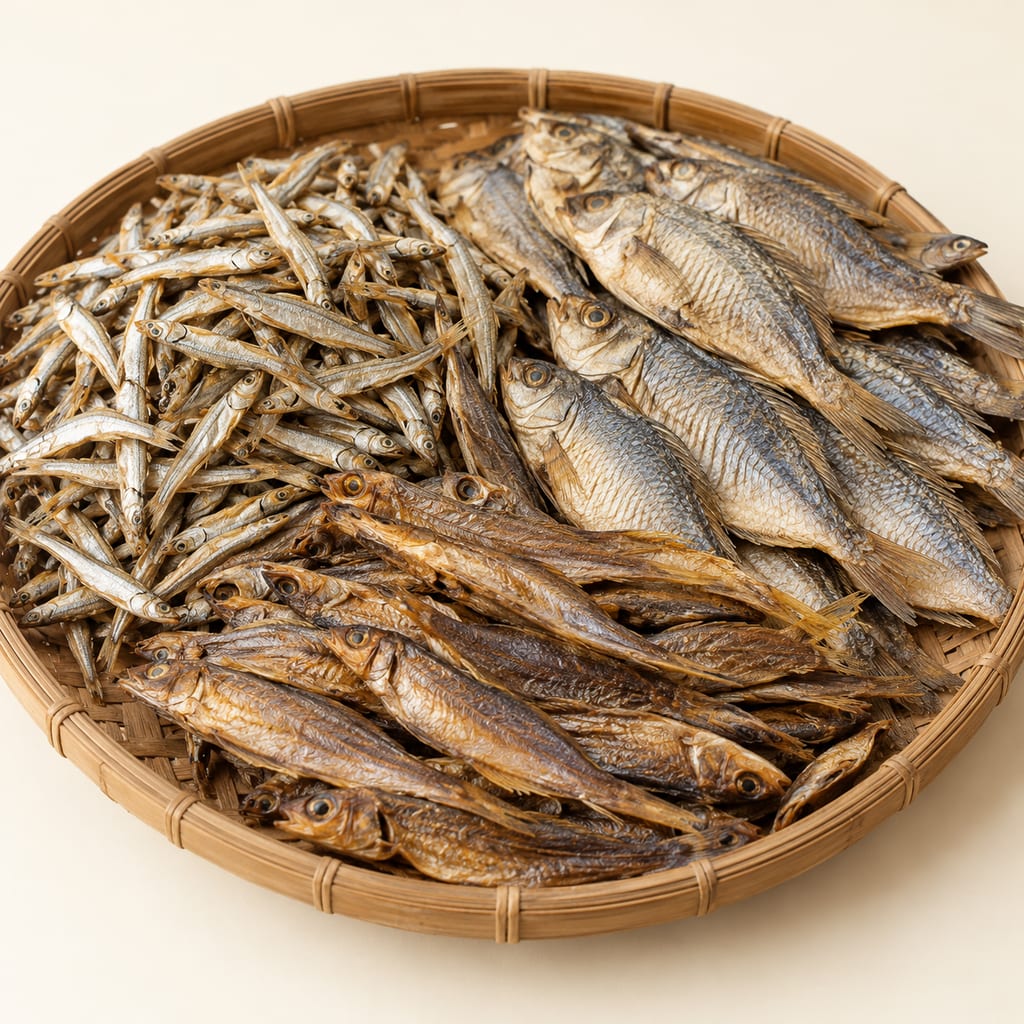
Small Lake Malawi fish, usipa, utaka and ndunduma, dried on racks inside UV-treated polythene solar tents. Tested in Malawi as a drier, less lossy alternative to open sun drying on racks.
Malawi · Traditional method Several stages · Fish and seafood
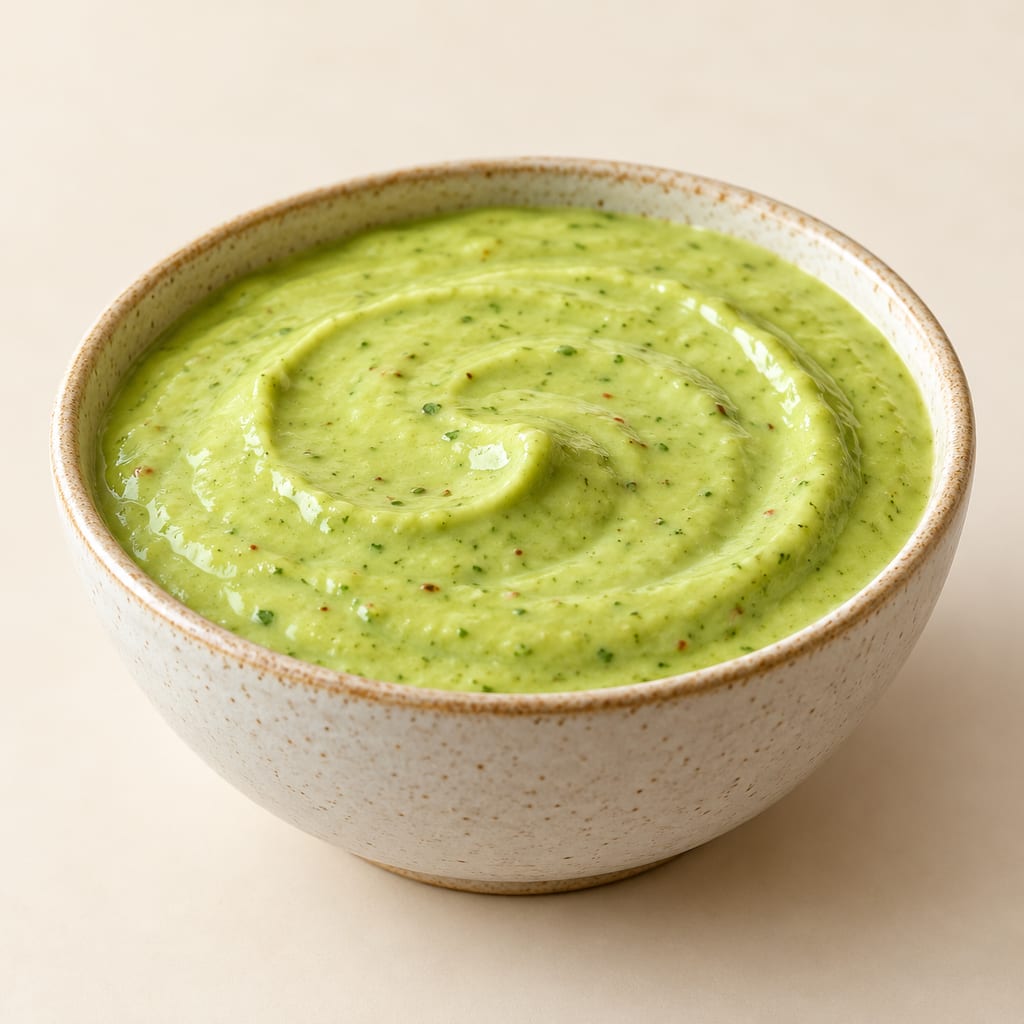
A pourable sauce of ripe avocado, lime, chile, herbs and onion, blended or mashed to a smooth body. It is an avocado sauce, not every green taquería sauce.
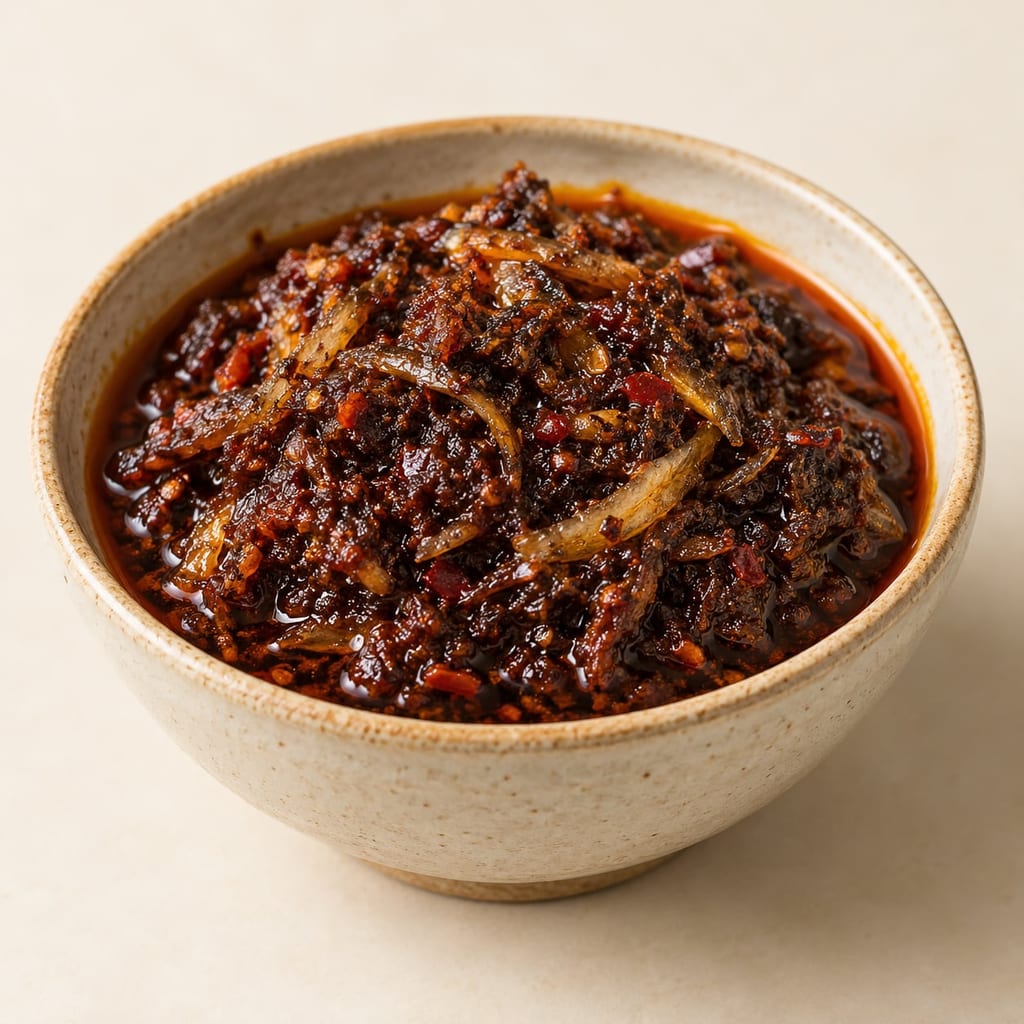
Shito is a hot Ghanaian pepper condiment with fish-rich, oil-cooked and fresh pepper forms; this measured version follows a recipe collected in Ghana’s Northern Region.
Ghana · Traditional method Several stages · Condiments
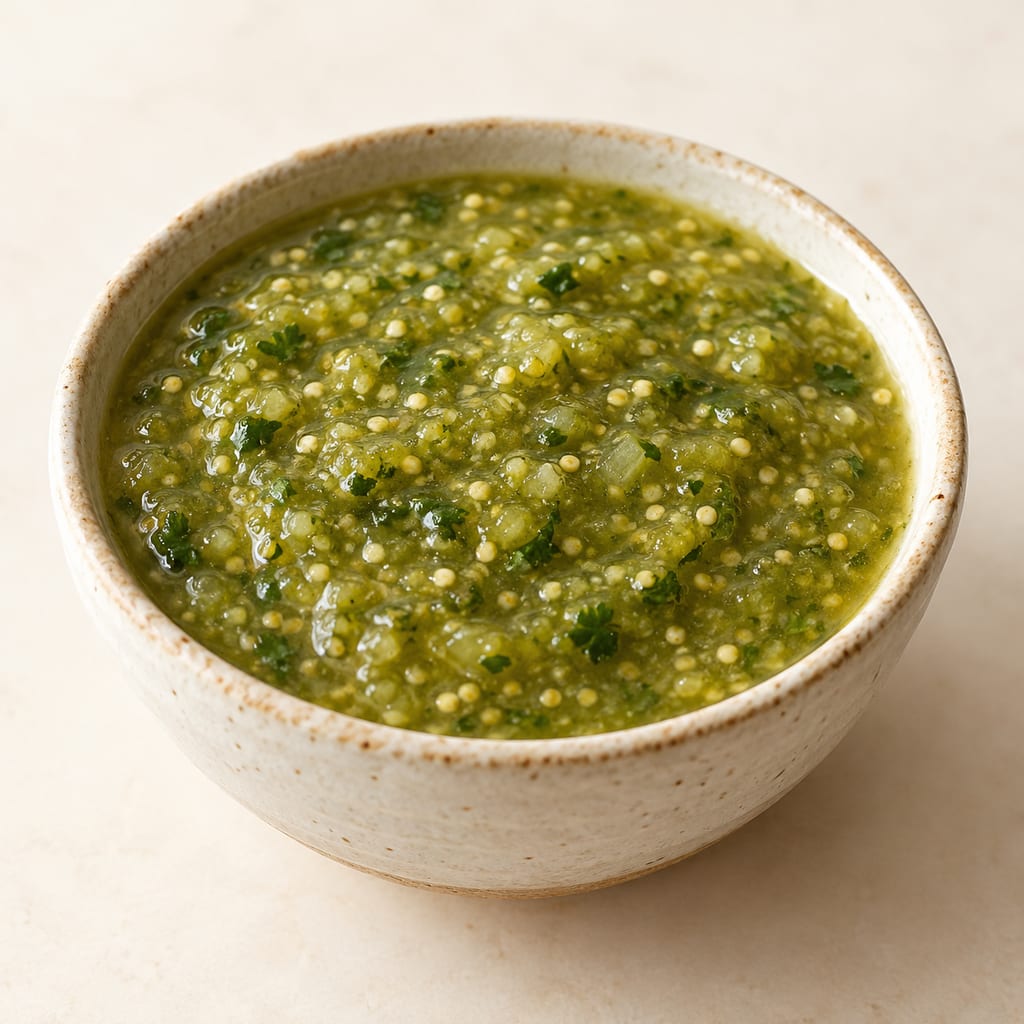
The green Mexican sauce of tomatillos and green chiles, which may be raw, boiled or roasted before grinding. It is distinct from European herb-based green sauces.
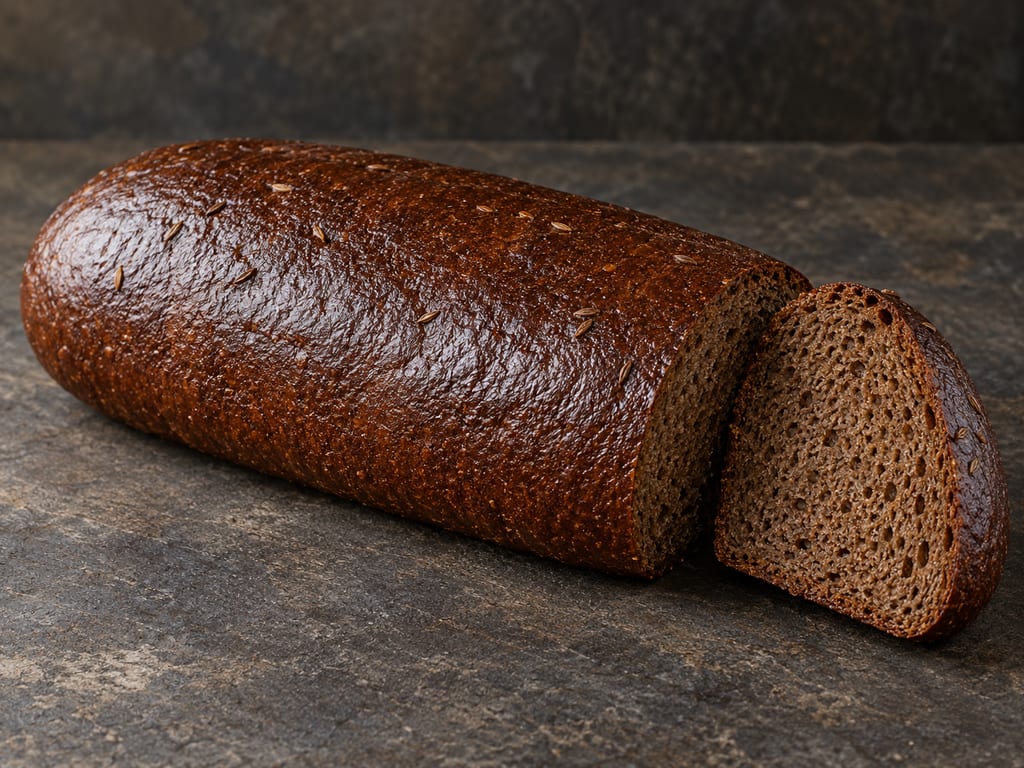
Latvian naturally leavened rye bread made with a hot-water scald of part of the flour, unfermented rye malt and caraway; shaped as long loaves and hearth-baked.
Latvia · Traditional method Advanced · Grains and starches
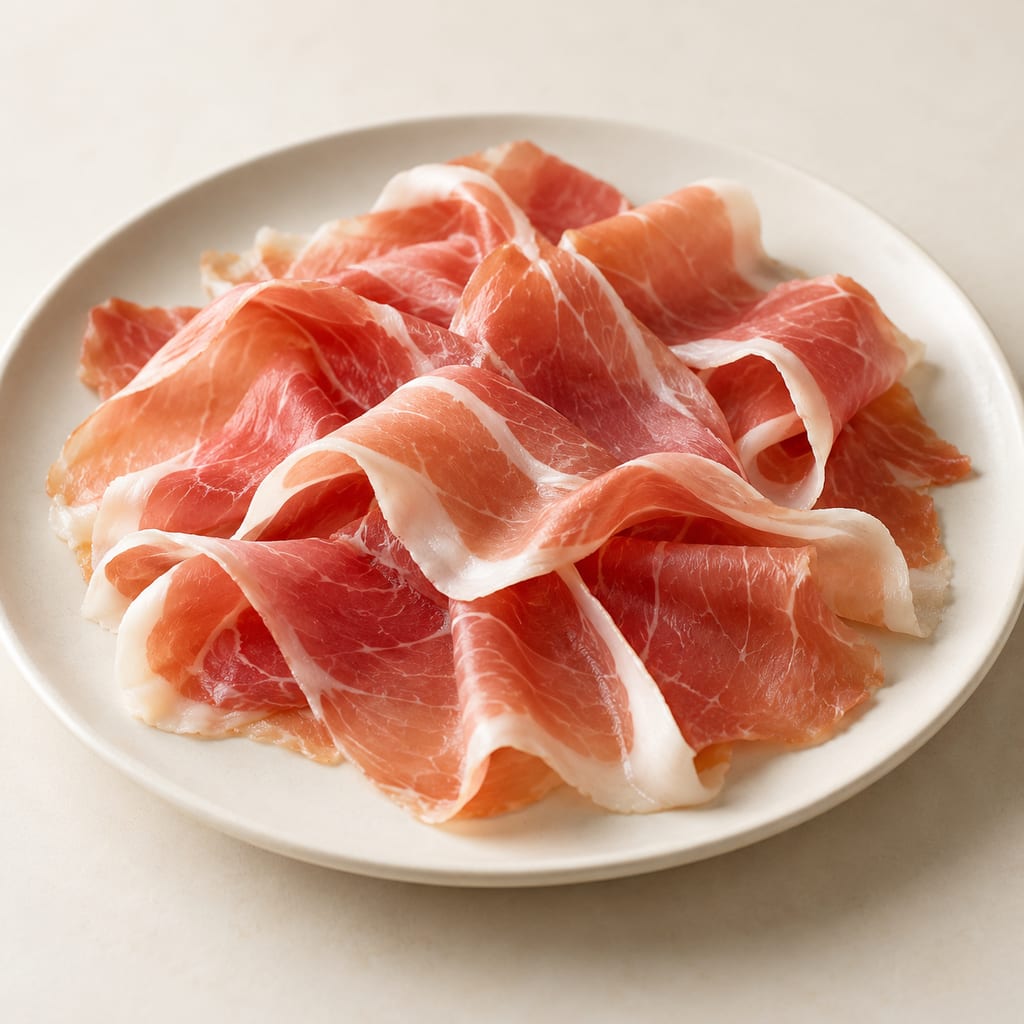
Prosciutto di Parma is a dry-cured, unsmoked ham from the Province of Parma, made from fresh pork legs salted with sea salt and matured for at least 14 months under the protected designation.
A Buryat milk spirit distilled from khurenge, the backslopped sour dairy ferment, in a cauldron still: a distillate that keeps milky and cheese-like aromas from the dairy it came from.
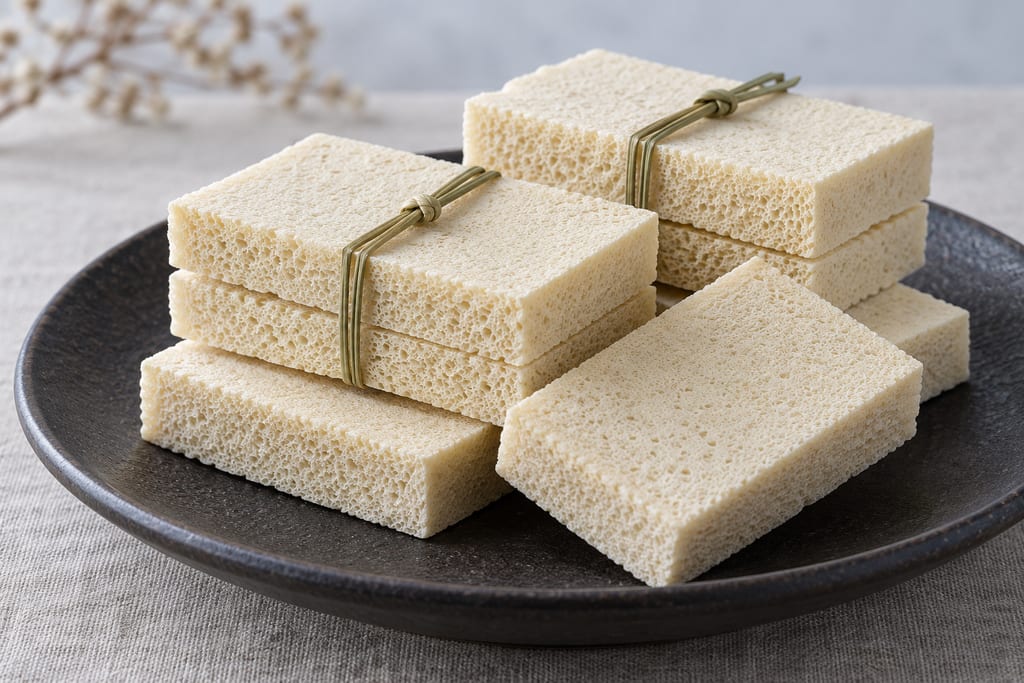
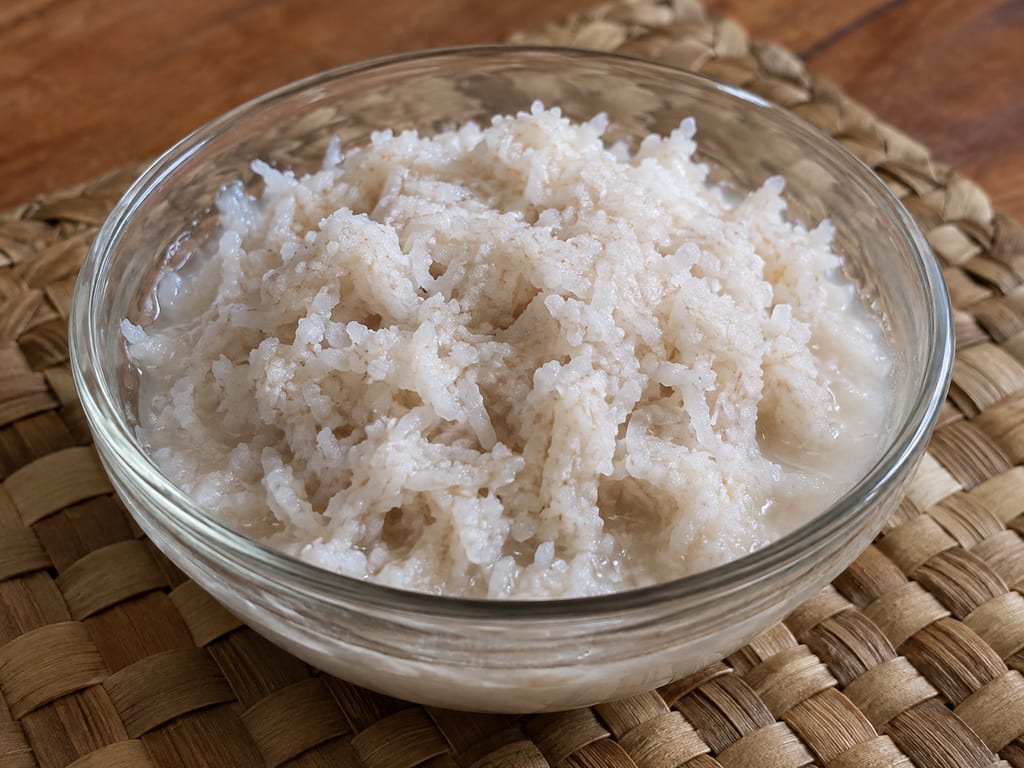
Rice koji is steamed white rice through which koji mold has grown. It carries the enzymes that turn rice starch into sugar, and it is the starting point of sake, sweet miso, amazake and shio koji.
Japan · Traditional method Precise control · Grains and starches
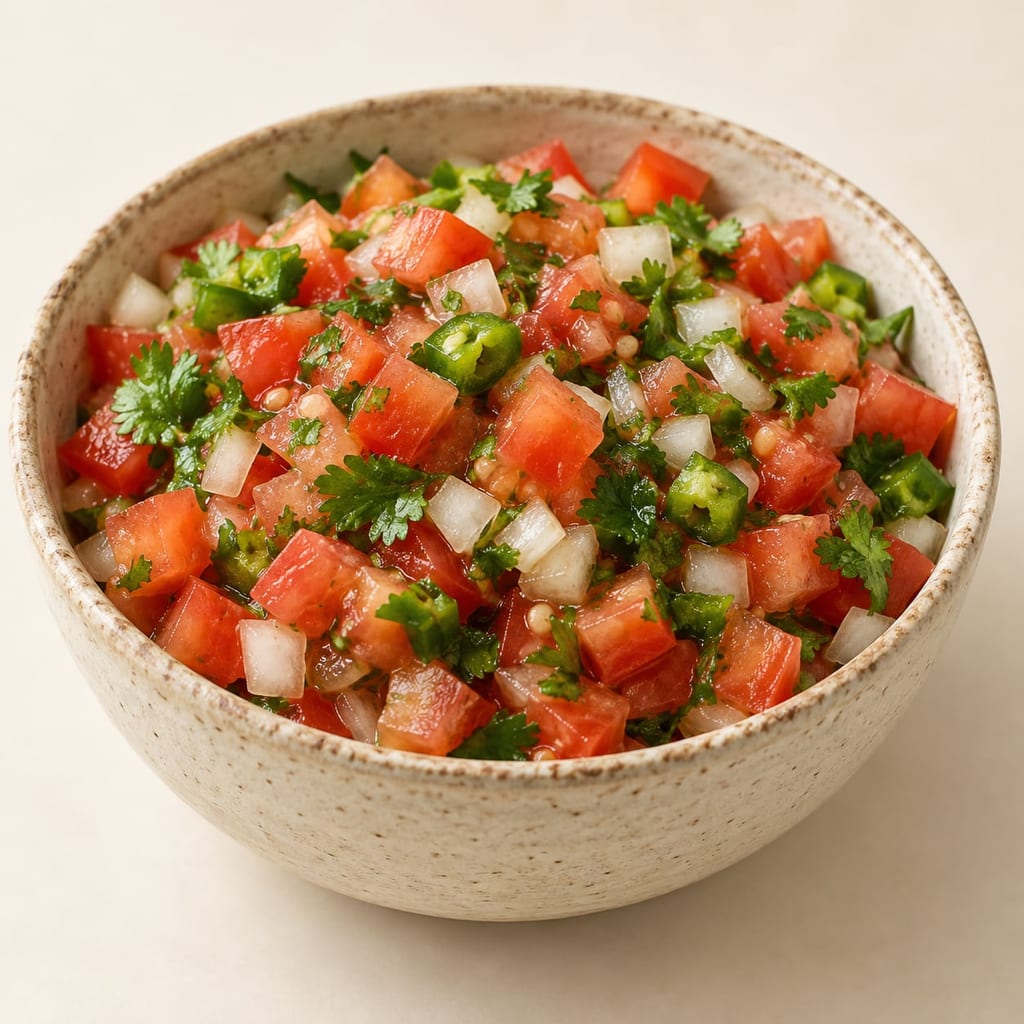
A fresh Mexican condiment of chopped tomato, onion, chile, cilantro and lime, served raw so that its pieces stay distinct. Its name translates as rooster's beak, and its origin is disputed.
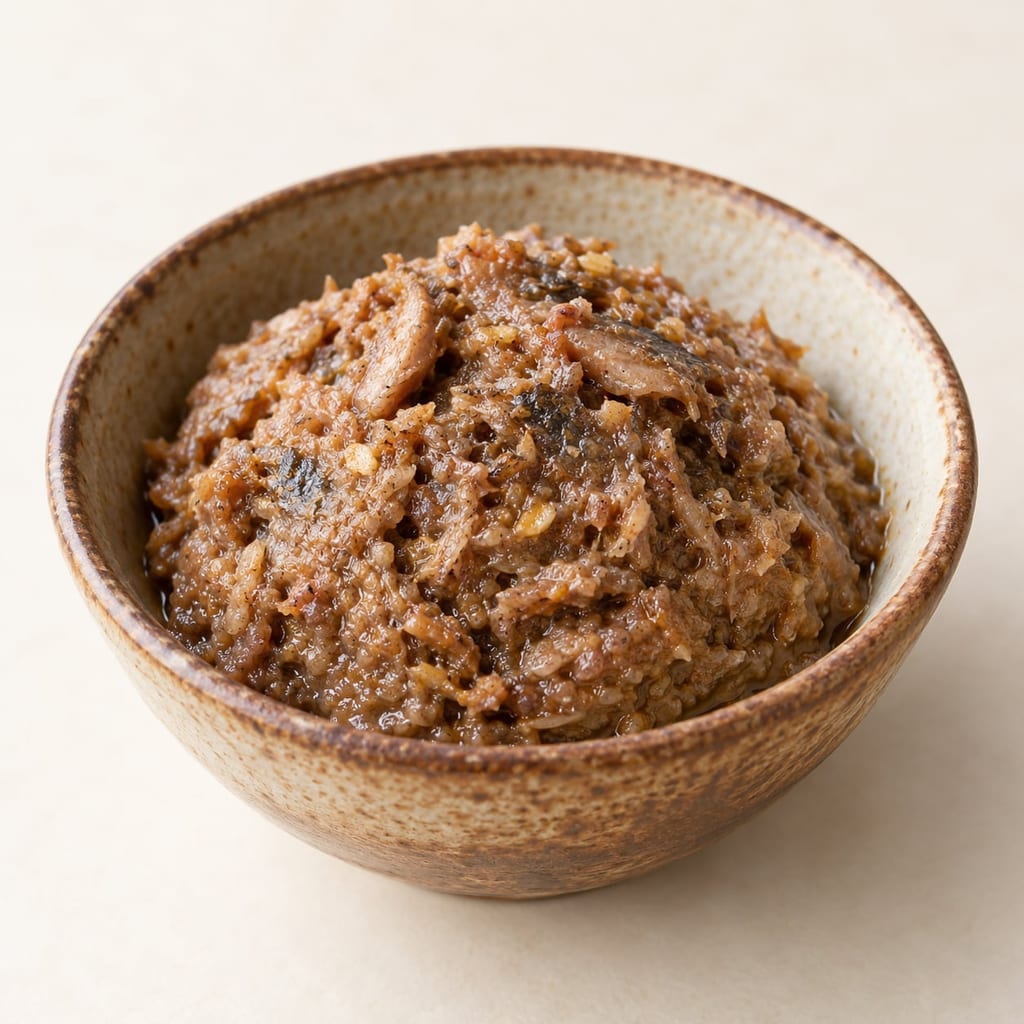
Thai salt-fermented fish paste, matured with rice bran or roasted rice and used as a seasoning in the Northeast and across Thailand. Raw pla ra must be cooked before eating.
Thailand · Traditional method Advanced · Fish and seafood
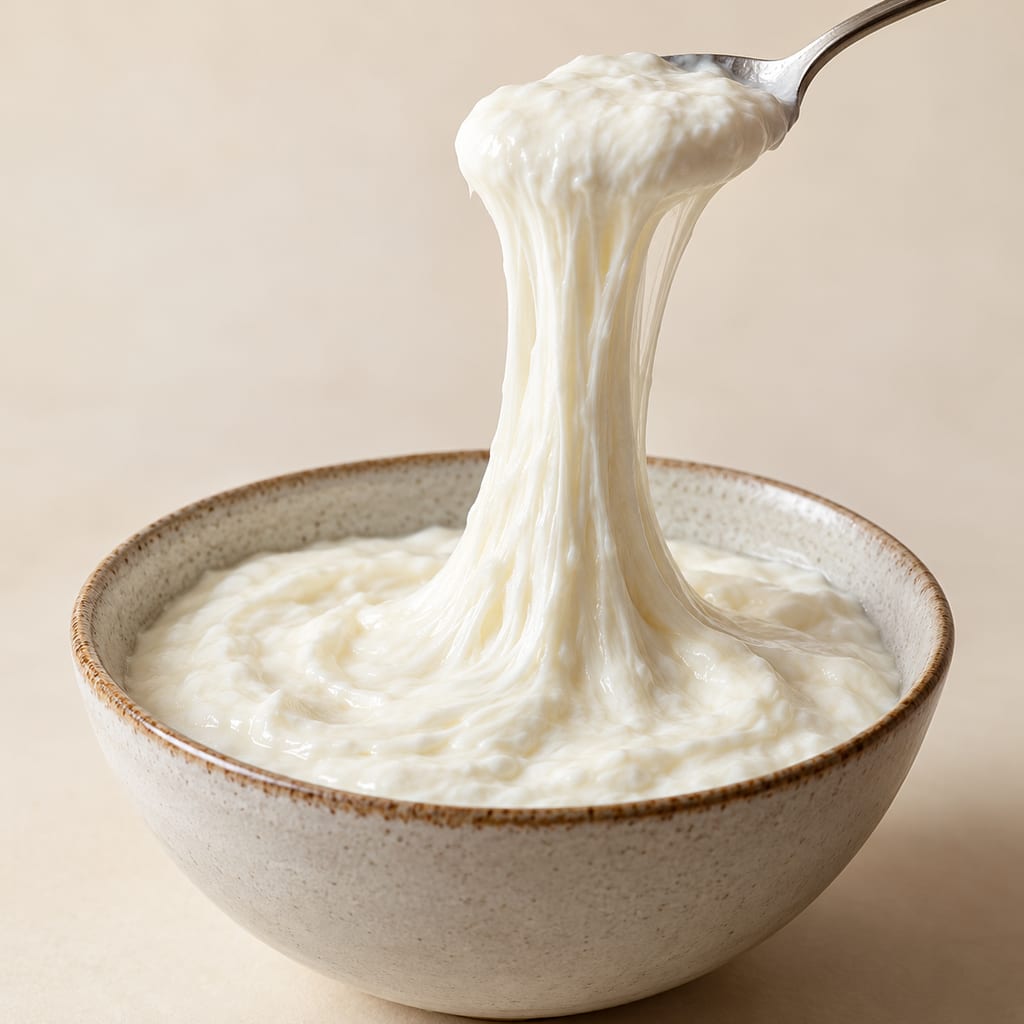
Pitkäpiimä is a Finnish cultured milk whose defining trait is a long, stretchy, ropy texture. It is closely related to viili and is made by lactic fermentation with a specific culture.
Finland · Traditional method Several stages · Dairy
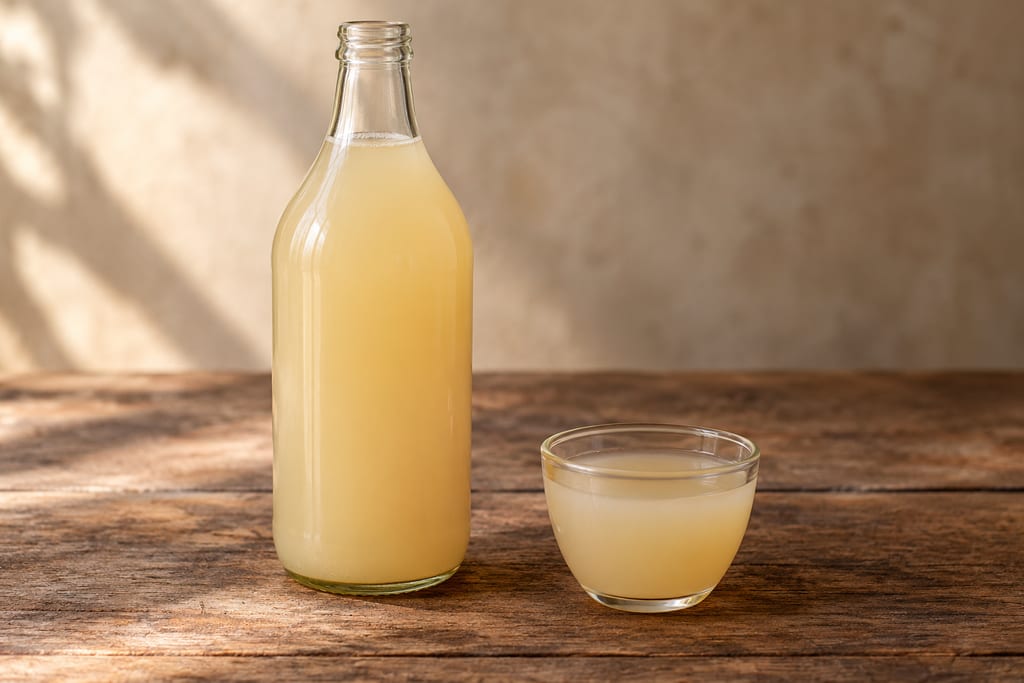
A source-bounded account of Wapishana Parakari in Aishalton, Guyana. It preserves observations of a Rhizopus stage followed by yeast fermentation; it is not a household recipe or cassava detoxification guide.
Aishalton, South Rupununi · Traditional method Advanced · Drinks
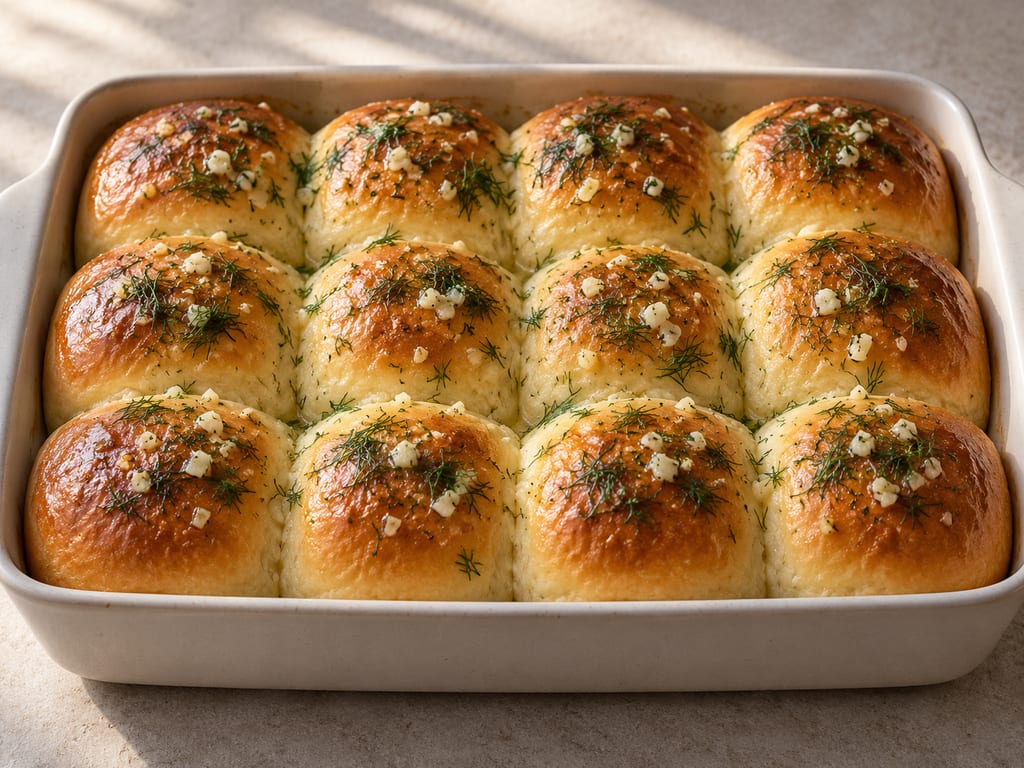
Soft Ukrainian wheat rolls are baked close together and brushed with fresh garlic, dill and oil. This savory garlic-topped baked form is separate from sweet fried pampushky.
Ukraine · Traditional method Straightforward · Grains and starches
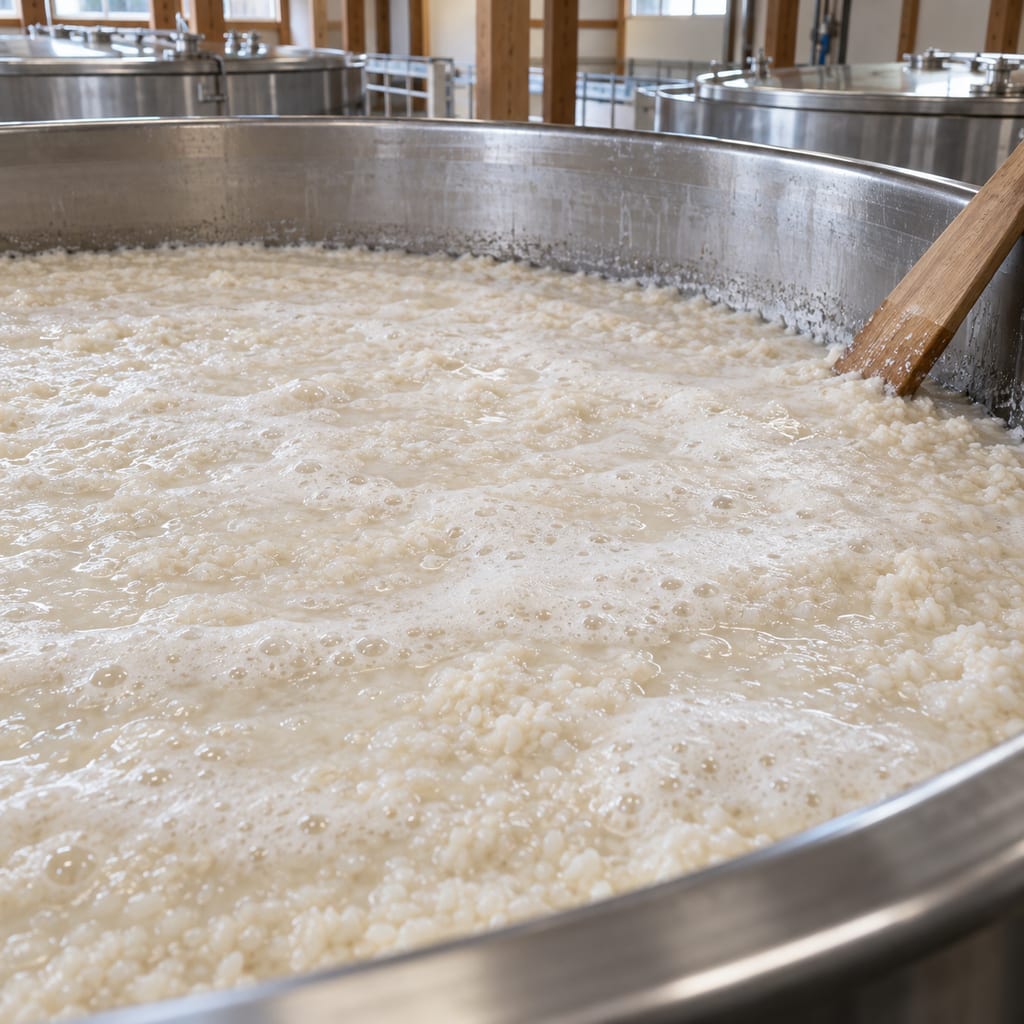
Nihonshu (日本酒), or seishu, is Japanese rice sake: steamed rice, rice koji, water and a yeast starter ferment together in one mash, which is then pressed and finished.
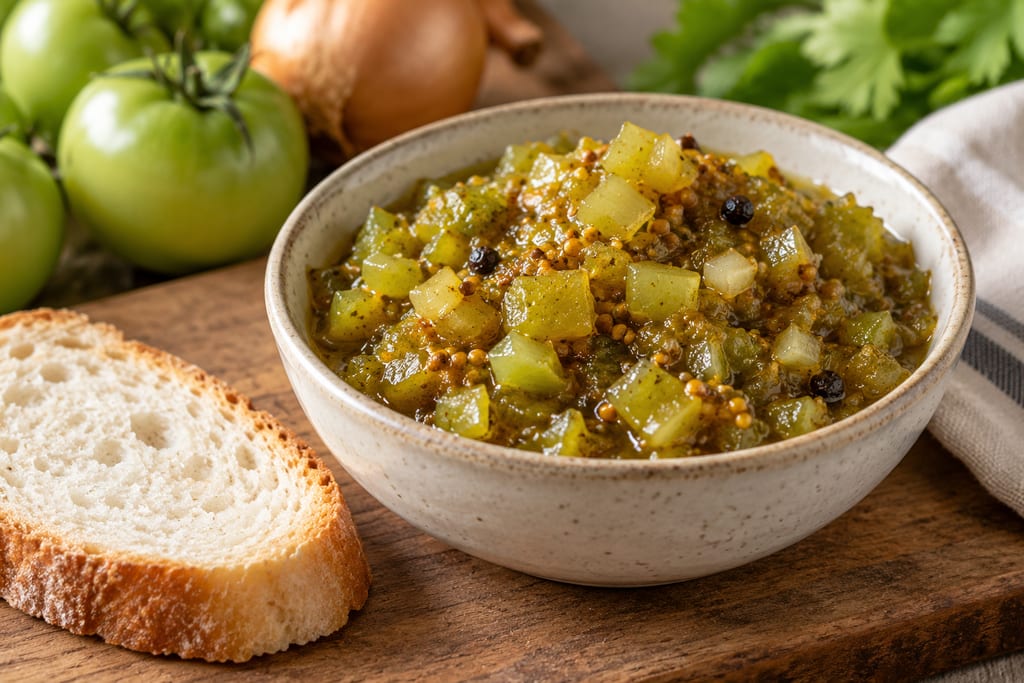
Australian green tomato pickles and relishes vary. This partial version follows ABC Western Victoria’s 2018 pickle recipe, not Beerenberg’s commercial formula. Sources document examples from 1944 onward, not a single origin.
A Brazilian table sauce made from hot peppers, most often dedo-de-moça, cooked briefly with onion, garlic and vinegar and then blended smooth. Household versions differ widely.
A documented Megrelian red pepper, garlic and herb paste with salt and ground spices. This preparation is mixed, not fermented; its source gives no validated preservation method or shelf life.
Samegrelo · Traditional method Straightforward · Condiments
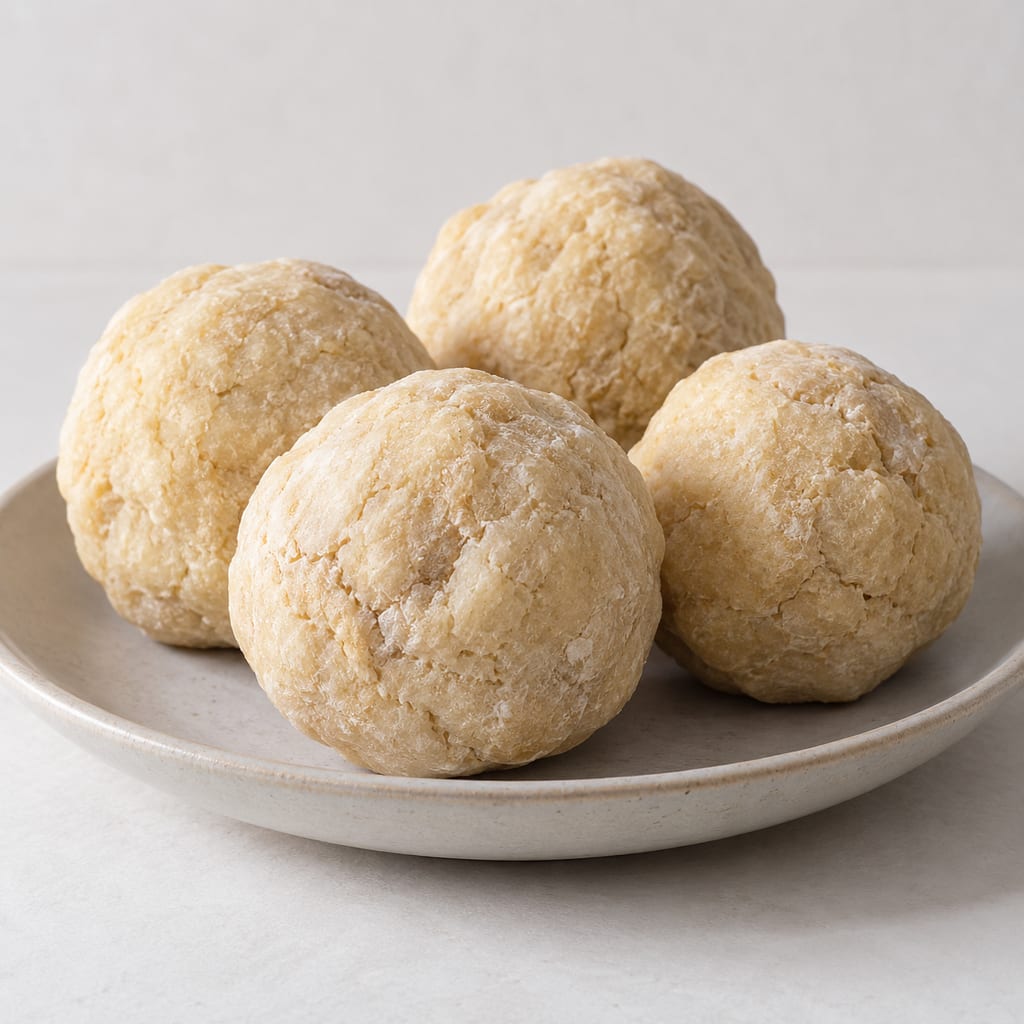
Kumkum is a Cameroonian fermented-cassava preparation described as balls dried over a fireplace and stored or milled into flour. Sources also describe a sun-dried market form; they give no Kumkum-specific safety endpoint.
Cameroon · Traditional method Several stages · Grains and starches
Kalou is Seychellois coconut-palm toddy: sap from an unopened flower stalk is collected and ferments naturally into an alcoholic drink. Sources document the identity and tapping tradition but no validated batch or alcohol endpoint.
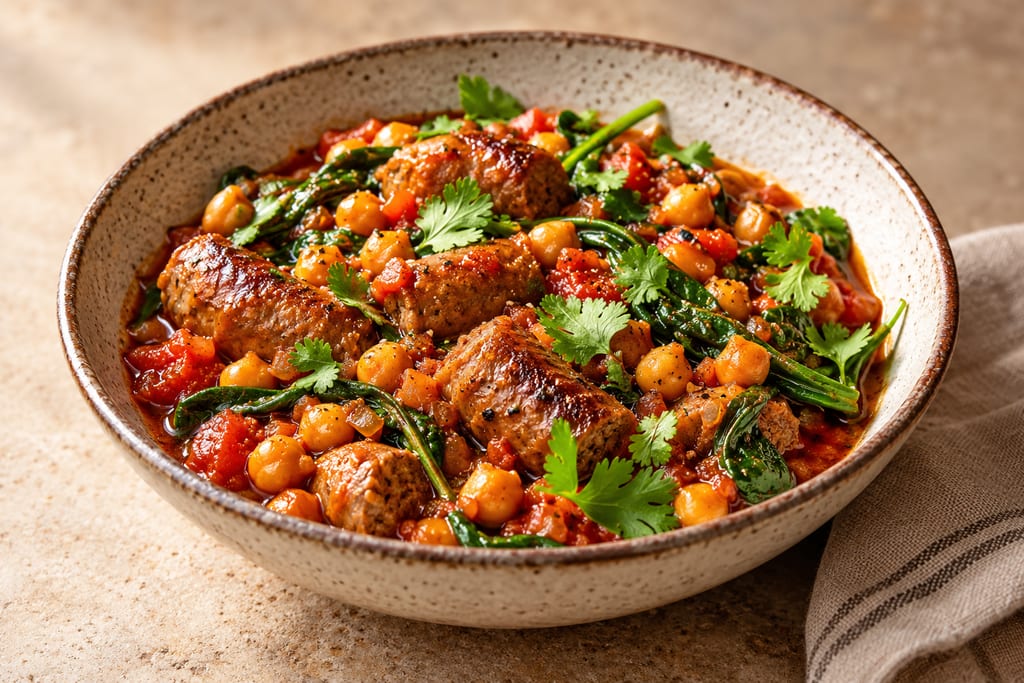
A coarse South African farmhouse sausage of beef with pork or mutton fat, defined by its coriander seasoning and cooked fresh over coals rather than preserved.
South Africa · Traditional method Several stages · Meat
Manipuri fermented fish-and-aroid paste, formed into balls or kept in an earthen pot, used to season Manipuri dishes. Its method is documented in outline only.
Manipur, India · Traditional method Fish and seafood
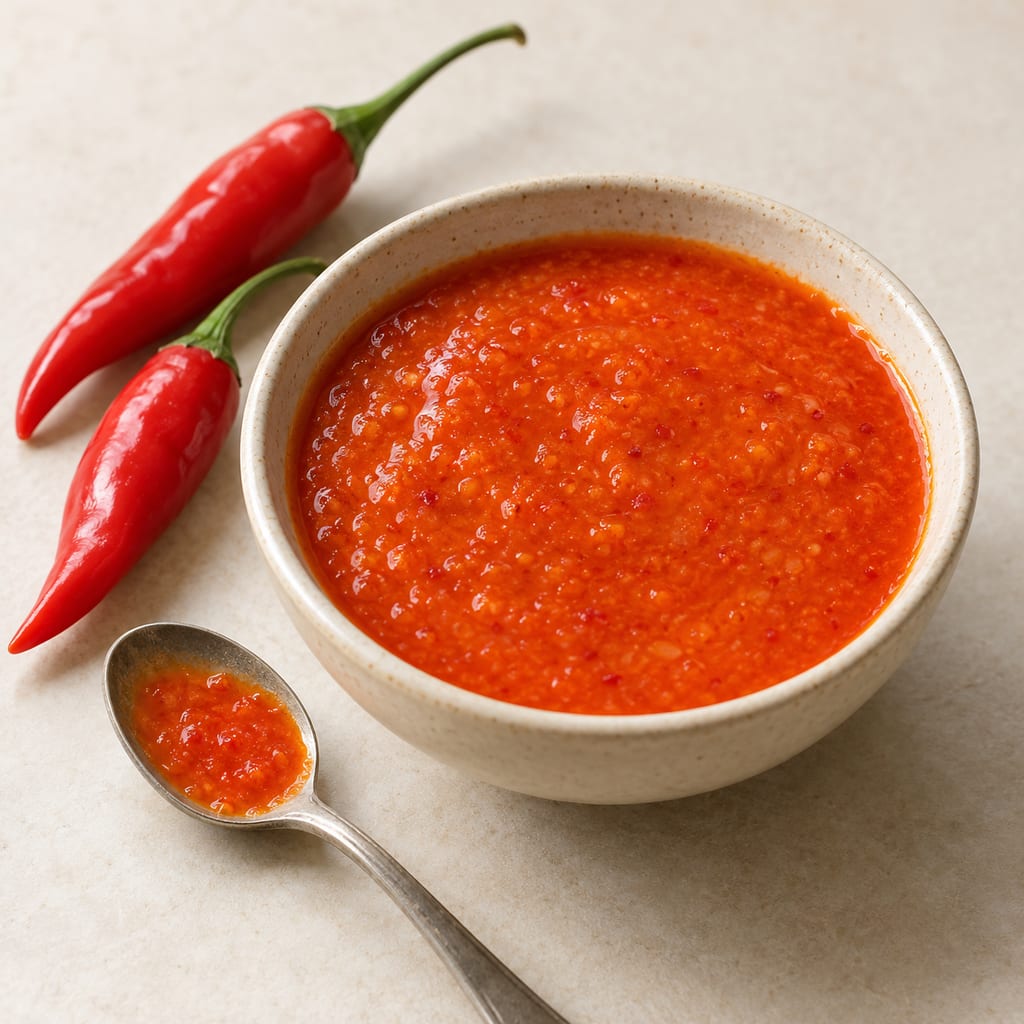
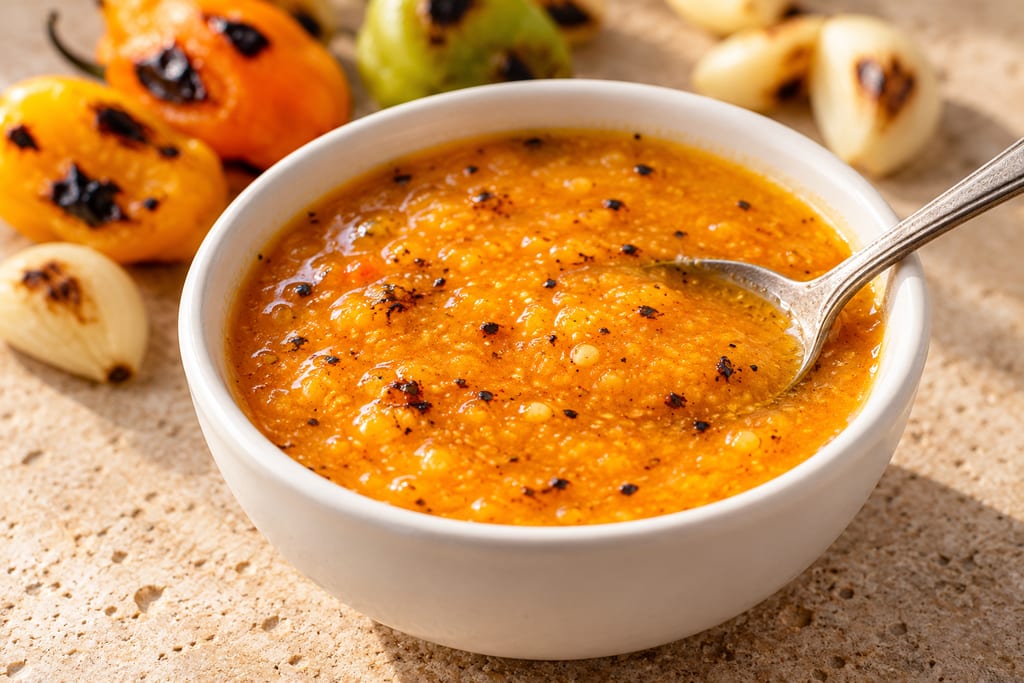
A hot, fruity chile sauce of the Yucatán, built on habanero peppers and often charred with garlic. It sits on the table as a condiment, and the recipes vary widely.
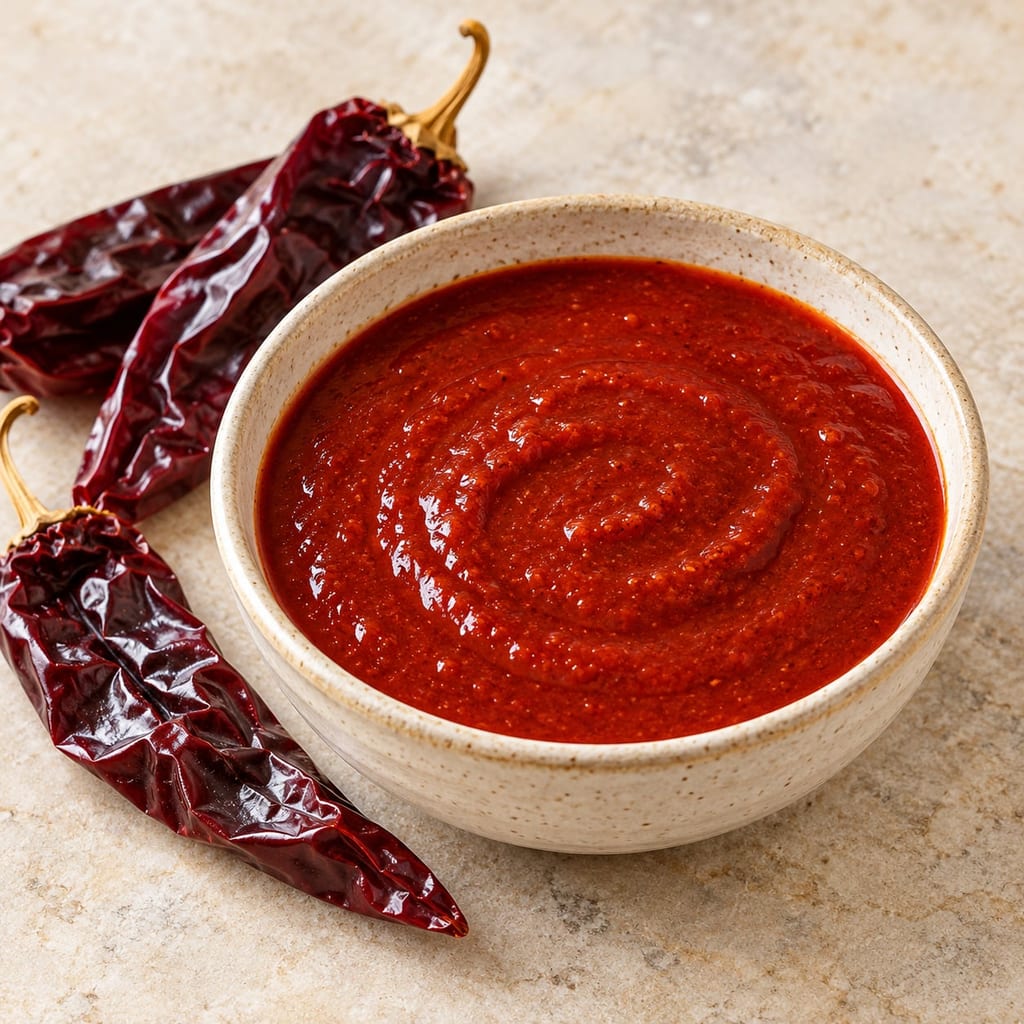
A Mexican sauce in which dried guajillo chiles, toasted and softened in hot water, supply most of the flavour. It is a family of dried-chile salsas, not a tomato sauce with chile added.
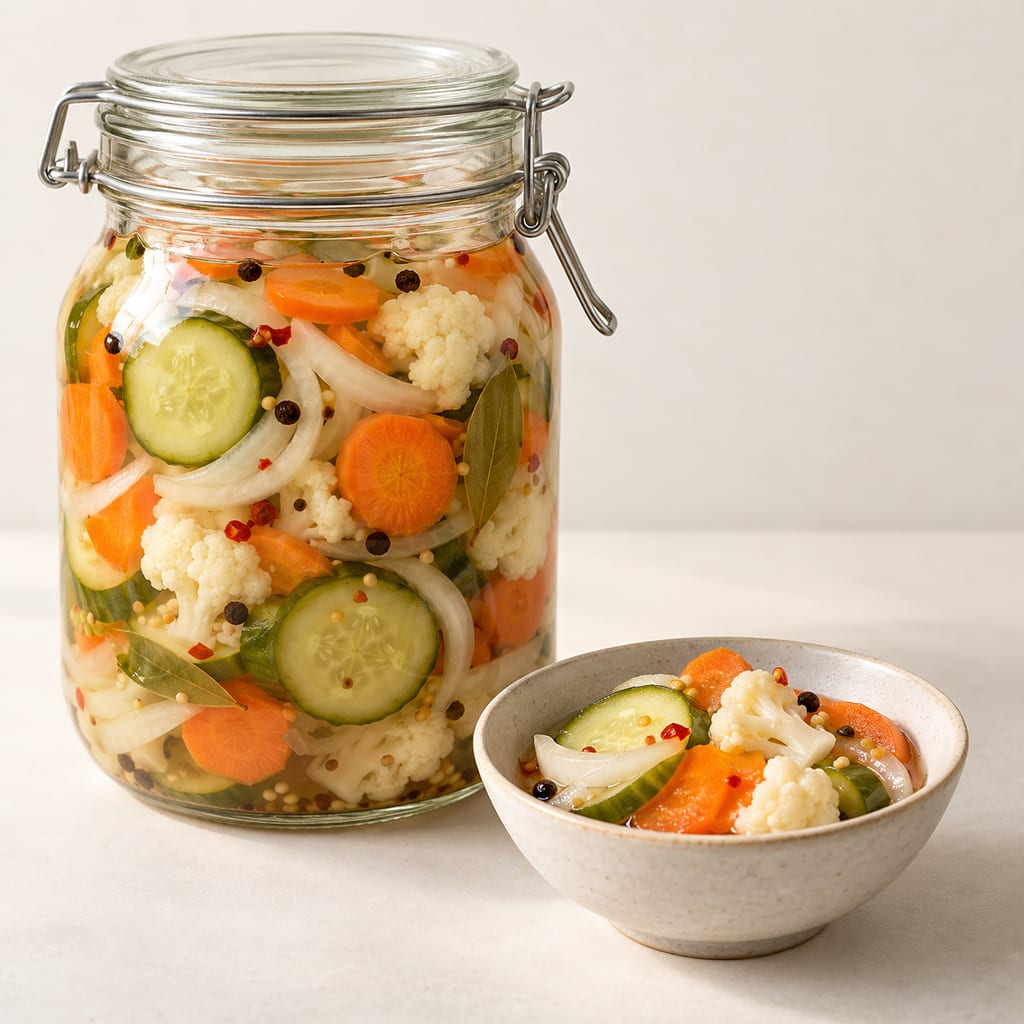
Food placed in an already acidic liquid, vinegar, so that acidity comes from the vinegar rather than from microbes; Roman texts document the practice, and later household books extended it to vegetables, fruit, fish and meat.
Mediterranean · Traditional method Several stages · Vegetables
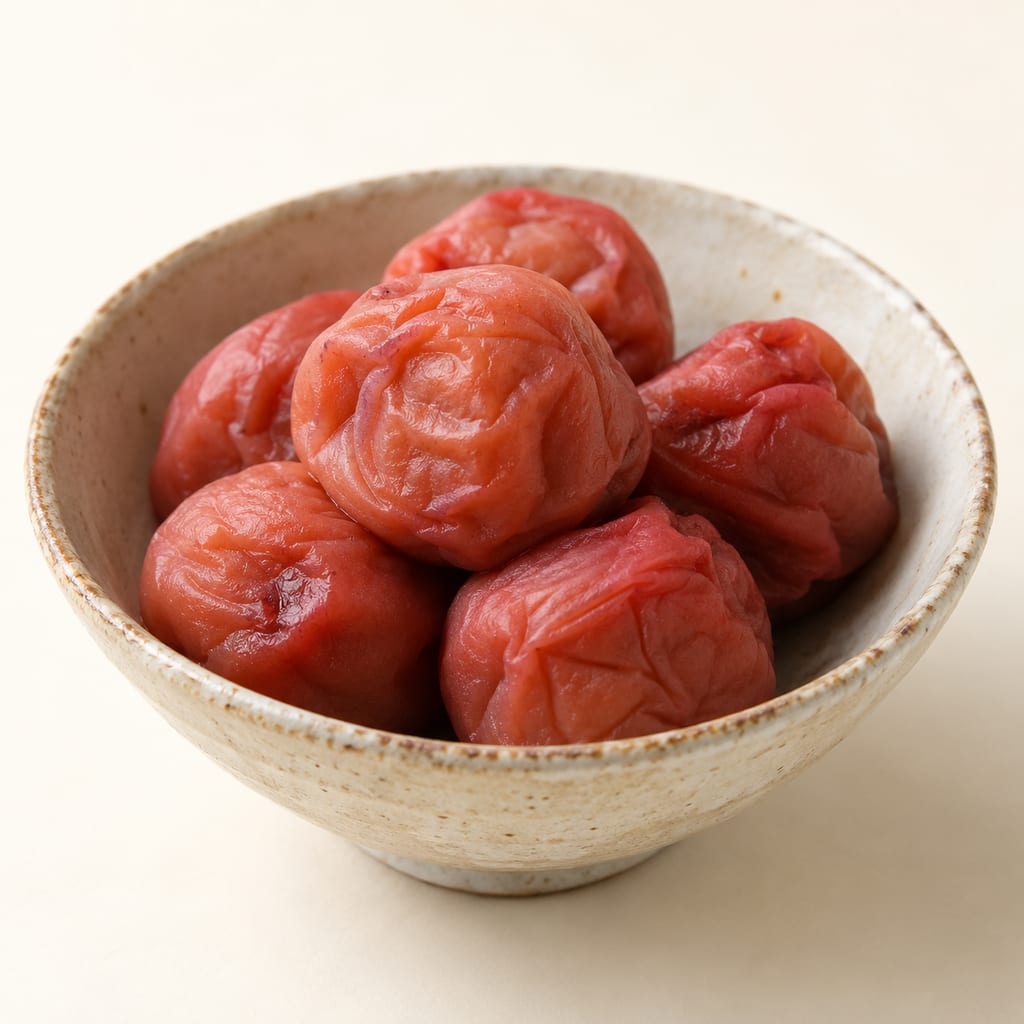
Naturally acidic ume fruit salted and sometimes dried in Japan; the salt, the fruit’s own acidity and the loss of moisture supply the preservation, and the preparation is not always fermented.
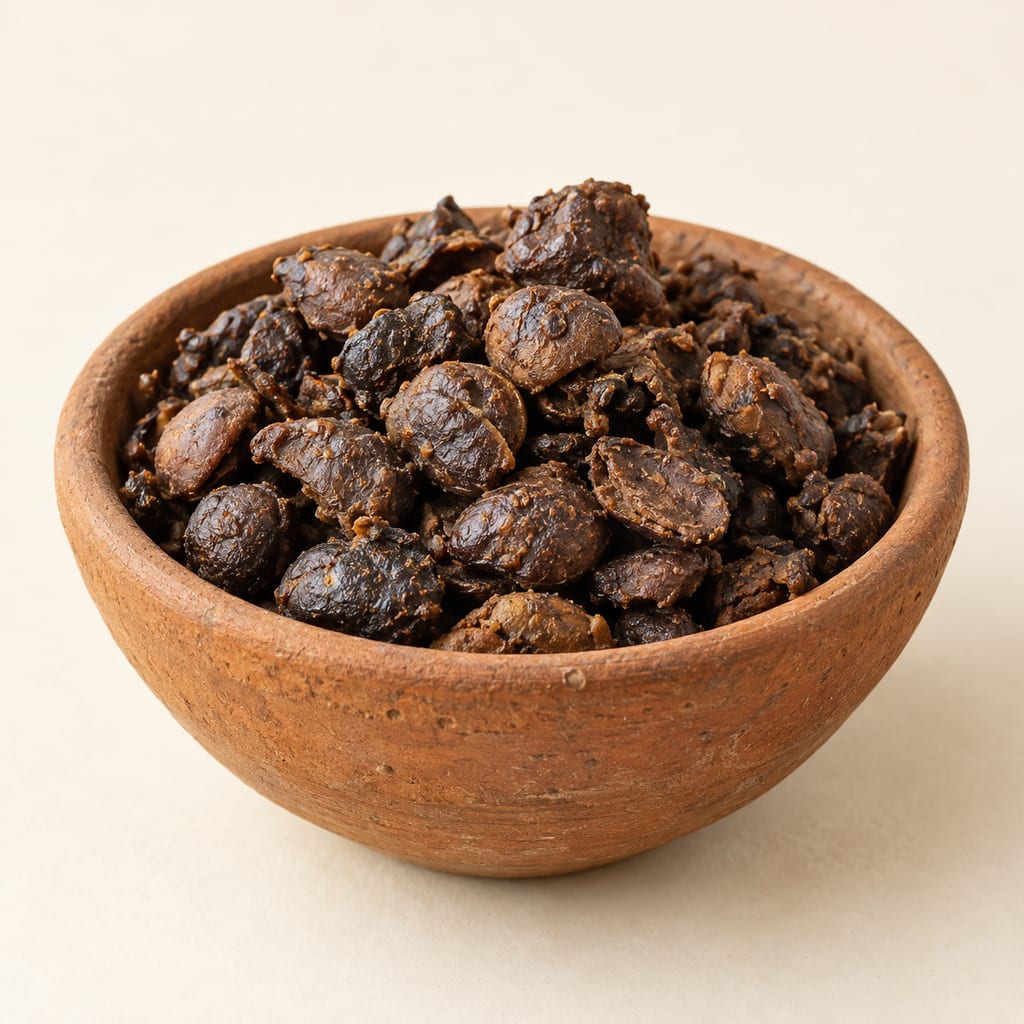
A Burkina Faso alkaline fermentation of African locust bean seeds (Parkia biglobosa), used to season sauces and cooked grain dishes. Local process details vary, and the sources do not give a measured household batch.
Burkina Faso · Traditional method Advanced · Condiments
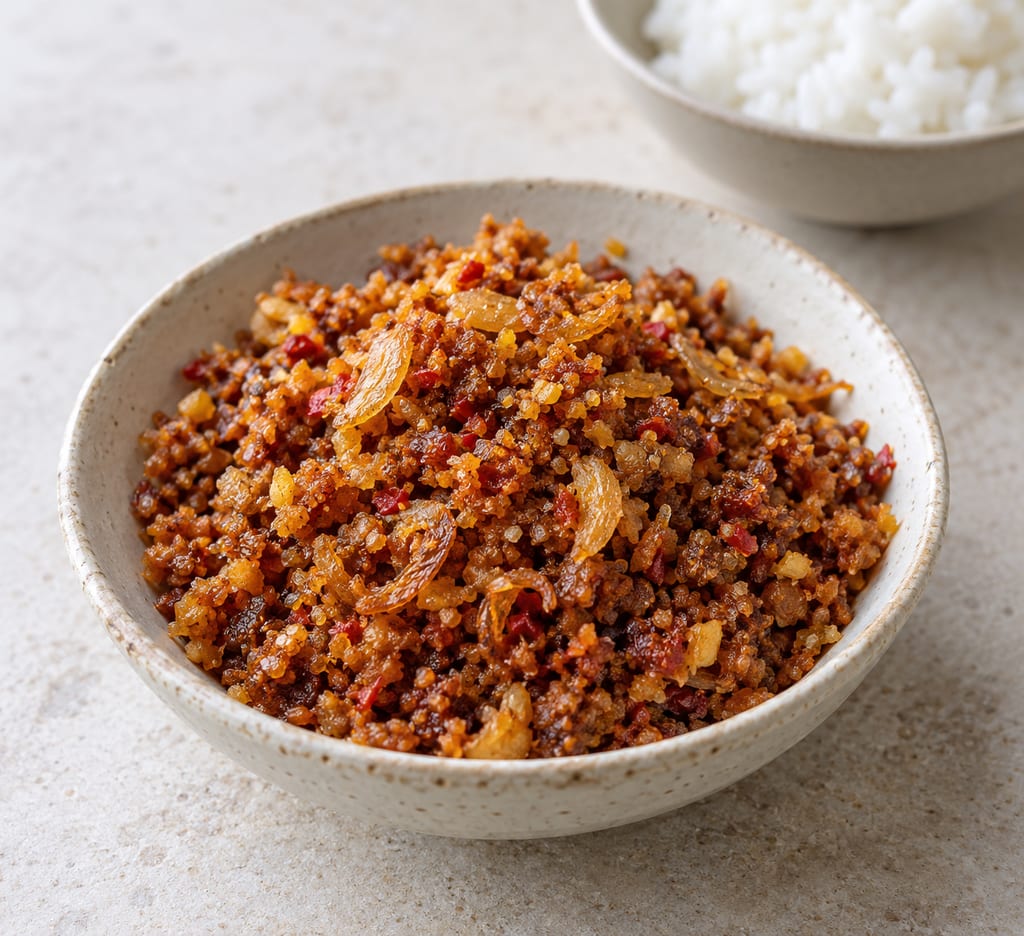
A Myanmar relish of dried shrimp, fried eschalot and garlic, chilli, turmeric, tamarind and ngapi. Naomi Duguid’s published recipe makes about 1 cup; it contains crustacean shellfish.
Myanmar · Traditional method Straightforward · Condiments
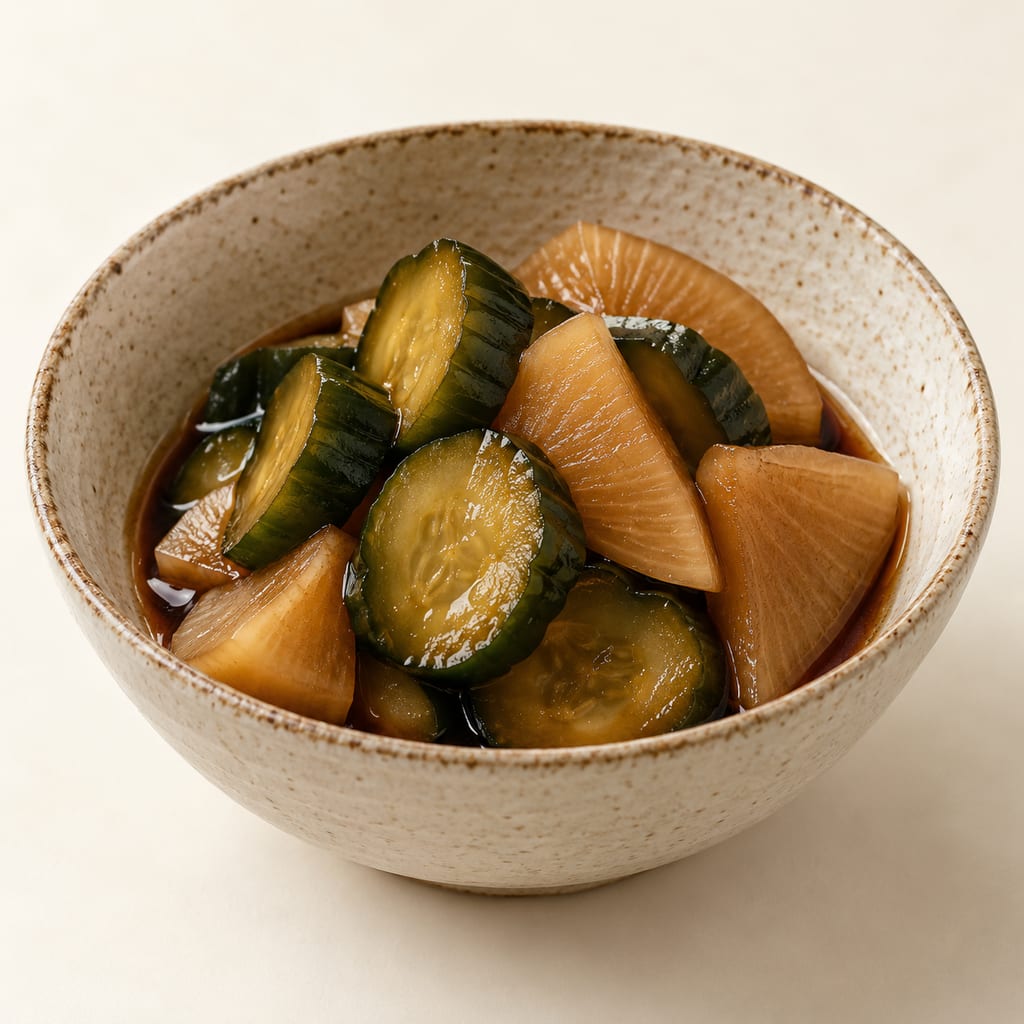
Foods steeped in soy sauce, a salty fermented seasoning liquid that transfers salt and fermentation products into them; shoyuzuke uses a transformed liquid medium rather than a fresh brine.
Japan · Traditional method Several stages · Condiments
Source-specific Brovada DOP producer method for Friuli Venezia Giulia turnips and red-grape marc. This records a regulated producer process; it is not a validated home-scale recipe.
Friuli Venezia Giulia · Traditional method Precise control · Vegetables
Chipotle is a ripe jalapeño pepper smoke-dried in a wood-fired cocedor. Camargo, Chihuahua, documents a large-scale version of the process; its source accounts do not establish a complete home batch or validated safety endpoint.
Camargo · Traditional method Advanced · Vegetables
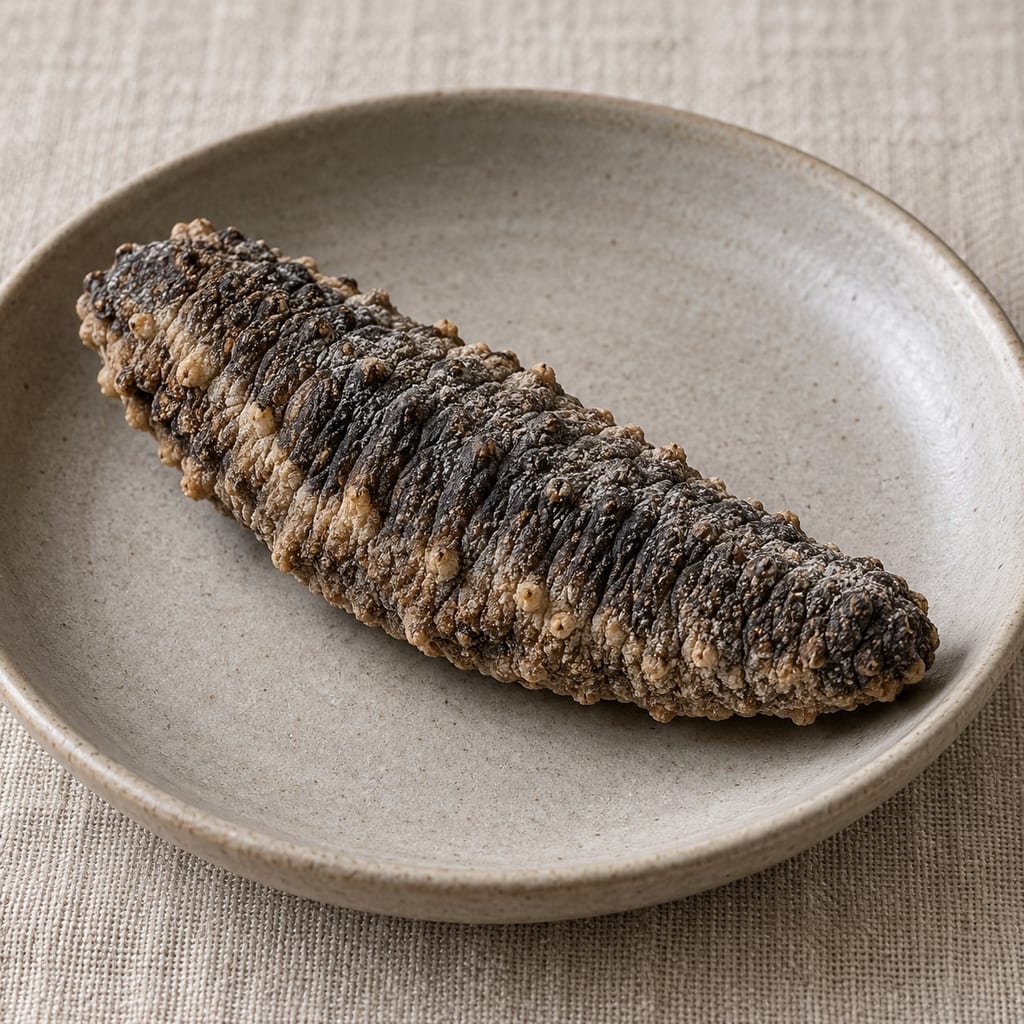
Sea cucumber cleaned, boiled and dried, sometimes with smoke, into a long-keeping trade product; Makassan processing in Arnhem Land is documented from at least the eighteenth century.
Arnhem Land · Traditional method Several stages · Fish and seafood
Anadama is a New England yeast loaf made with wheat flour, cornmeal and molasses. Scalded cornmeal enriches the dough, while molasses lends sweetness and a dark crust; it is especially good toasted or beside soup and baked beans.
New England · Traditional method Straightforward · Grains and starches
Utchema is a traditional palm wine made from Hyphaene petersiana sap in Mozambique’s Banhine National Park area. Available fieldwork identifies the drink and tapping economy but does not provide a complete controlled fermentation method.
Banhine National Park · Traditional method Precise control · Drinks
Adygean salt is a seasoned table salt associated with Adygea and the wider North Caucasian culinary tradition. Salt is blended with garlic and a variable selection of herbs and spices; the exact mix depends on the named style and maker.
Republic of Adygea · Traditional method Straightforward · Condiments
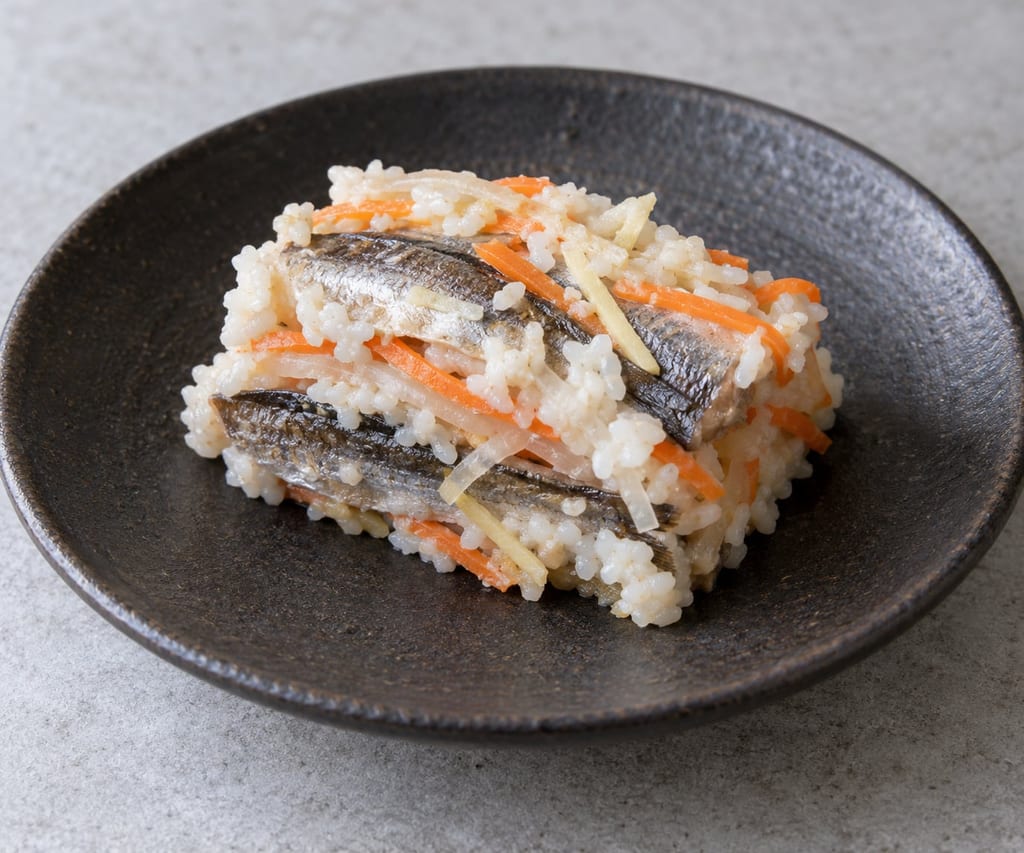
Hokkaido izushi layers fish, vegetables, rice and kōji for cold-season lactic fermentation. This MAFF recipe uses small hatahata with a vinegar pretreatment; it is one regional household formula, not a universal izushi method.
Hokkaido · Traditional method Precise control · Fish and seafood
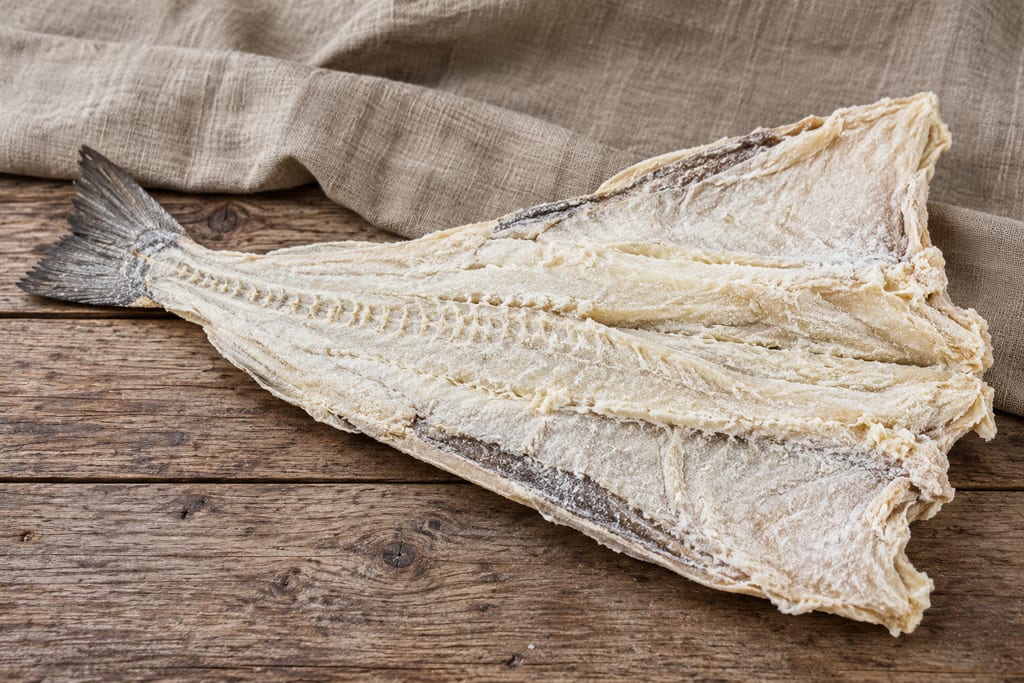
Cod split, salted and dried on flakes until hard, a long-keeping fish that must be desalted and rehydrated before use; the salting and the extensive drying together make it portable where light salting or partial drying does not.
Newfoundland · Traditional method Several stages · Fish and seafood
Taioro is a Polynesian condiment of grated coconut fermented with freshwater prawn heads in seawater, then rested in a cool place for a day before it is used.