








































Elevated risk
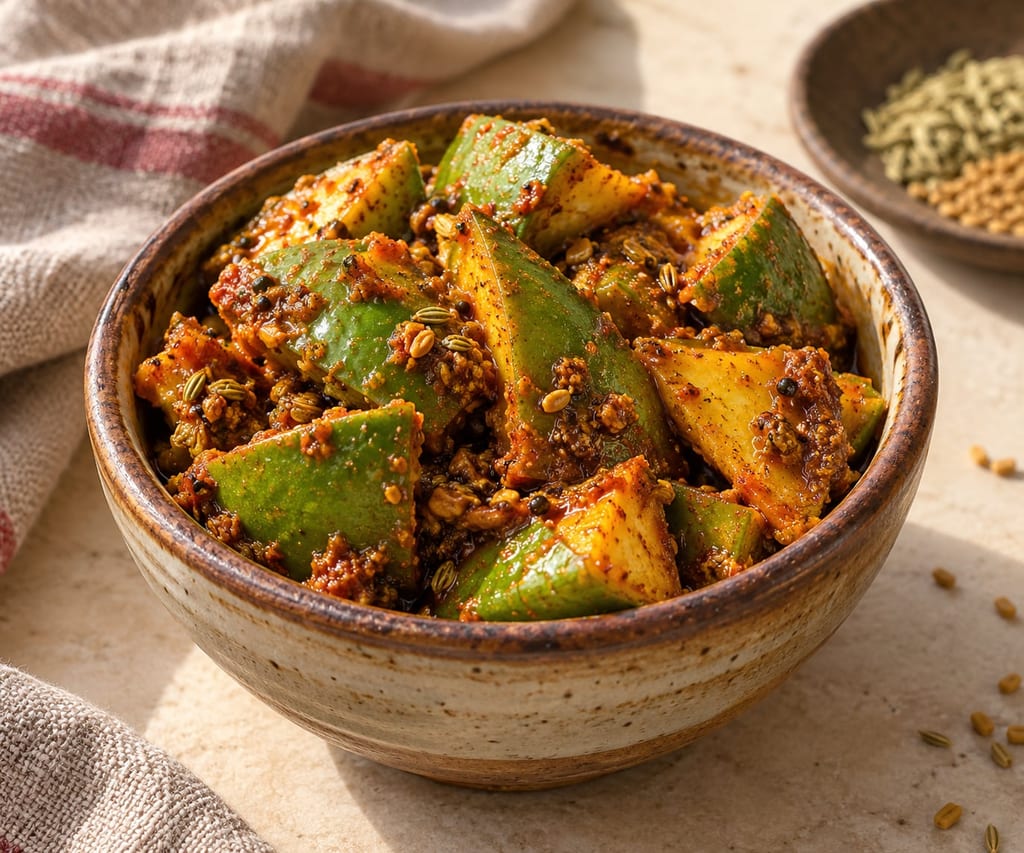
Pakistani mango pickle
This Pakistani pickle coats firm green mango with chilli, turmeric, fenugreek, fennel and mustard oil. Its published sun-exposure schedule records a household method, but does not validate shelf-stable storage.
 FermenteaWhere food goes to change
1504 records with their sources, across 11 categories.
This Pakistani pickle coats firm green mango with chilli, turmeric, fenugreek, fennel and mustard oil. Its published sun-exposure schedule records a household method, but does not validate shelf-stable storage.
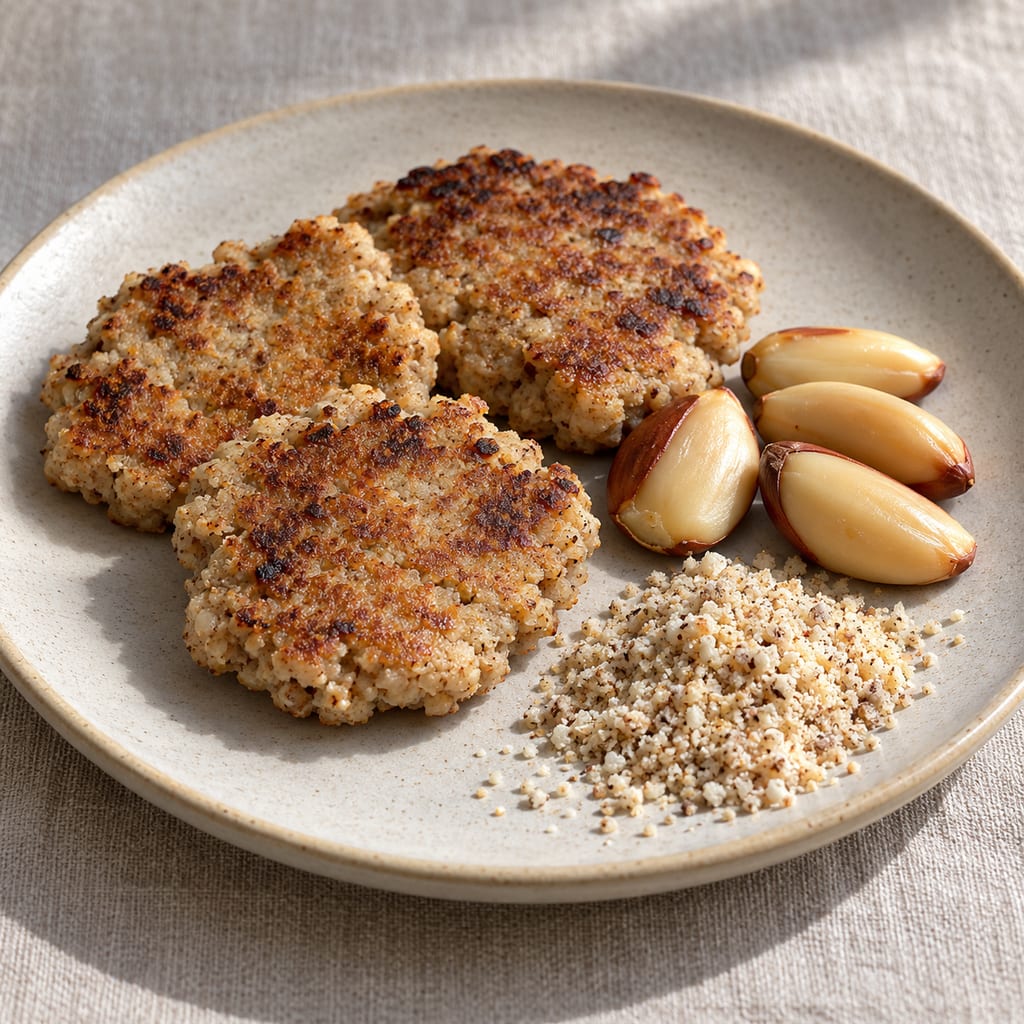
Bunya nuts were cooked and kept in wet ground or water by peoples of south-eastern Queensland, and were also roasted, ground and pressed into cakes that could be cooked again and stored for later use.
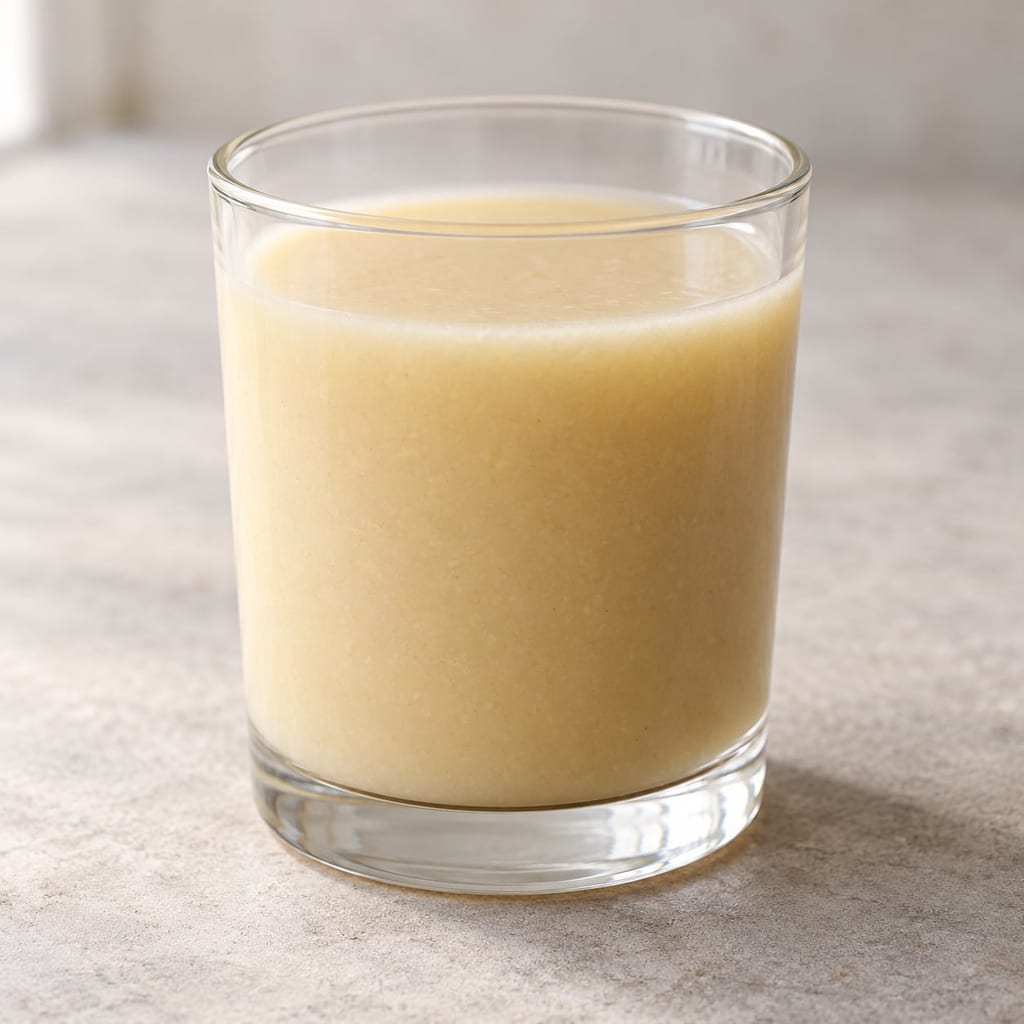
Kyrgyz Bozo is a mixed-fermented cereal drink made with ground grits, sprouted-wheat ugut and carried-over starter. This registry preparation leaves cereal selection, water and starter allocation unresolved.
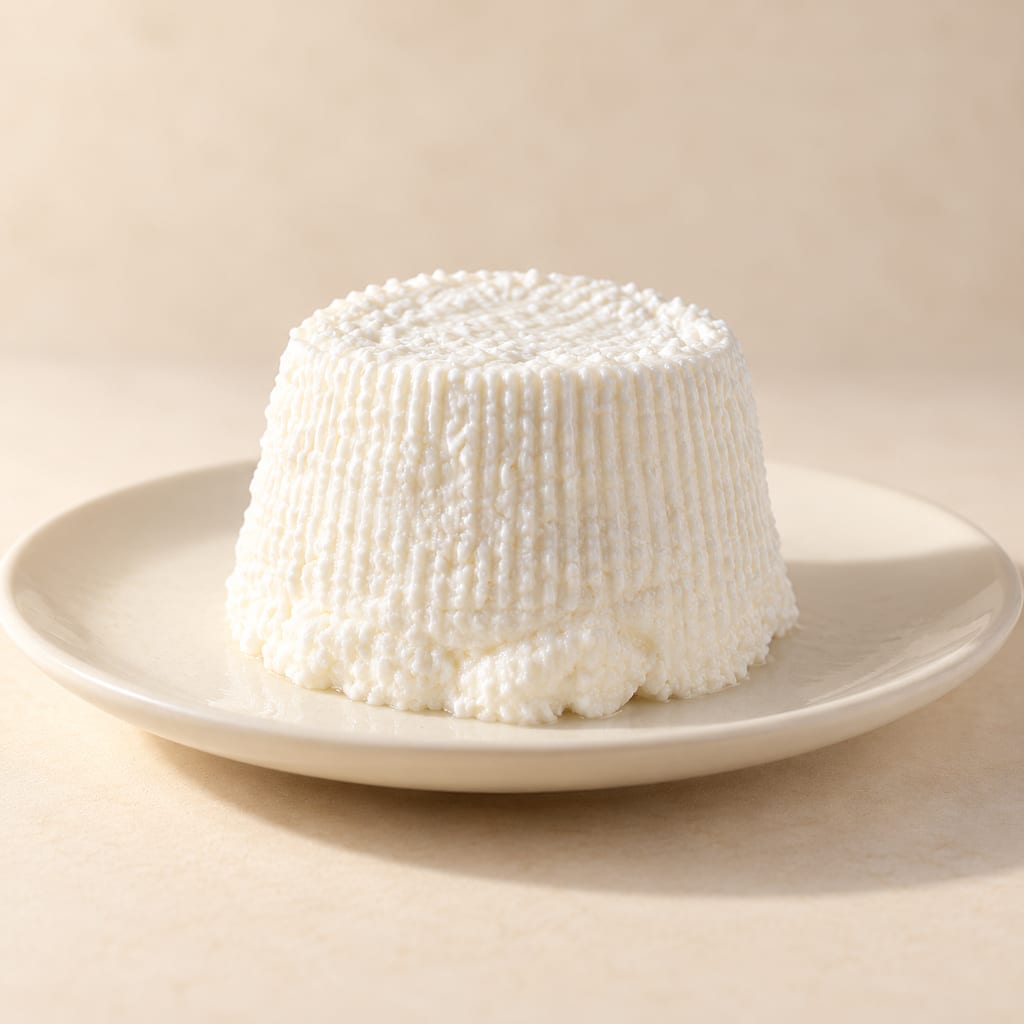
Corsican Brocciu is a whey cheese made by heating sheep's or goat's whey with whole milk and salt, then gently draining the flocculated curds. It is eaten fresh or salted and ripened as Brocciu passu.
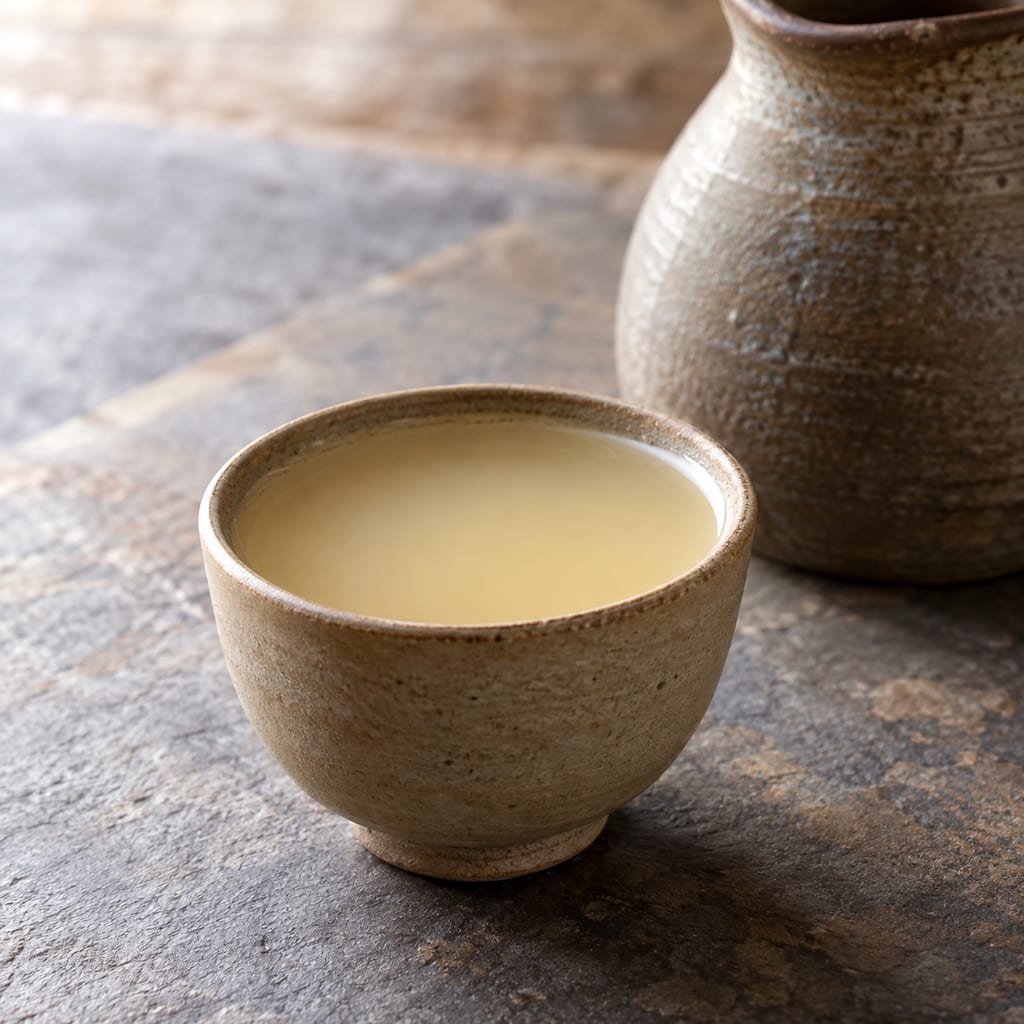
A 2005 Tibetan account describes cooked barley mixed with changdzi, fermented as moist grain, then steeped in water for an alcoholic drink. Grain and water amounts, starter dose and a verified safety endpoint are absent.
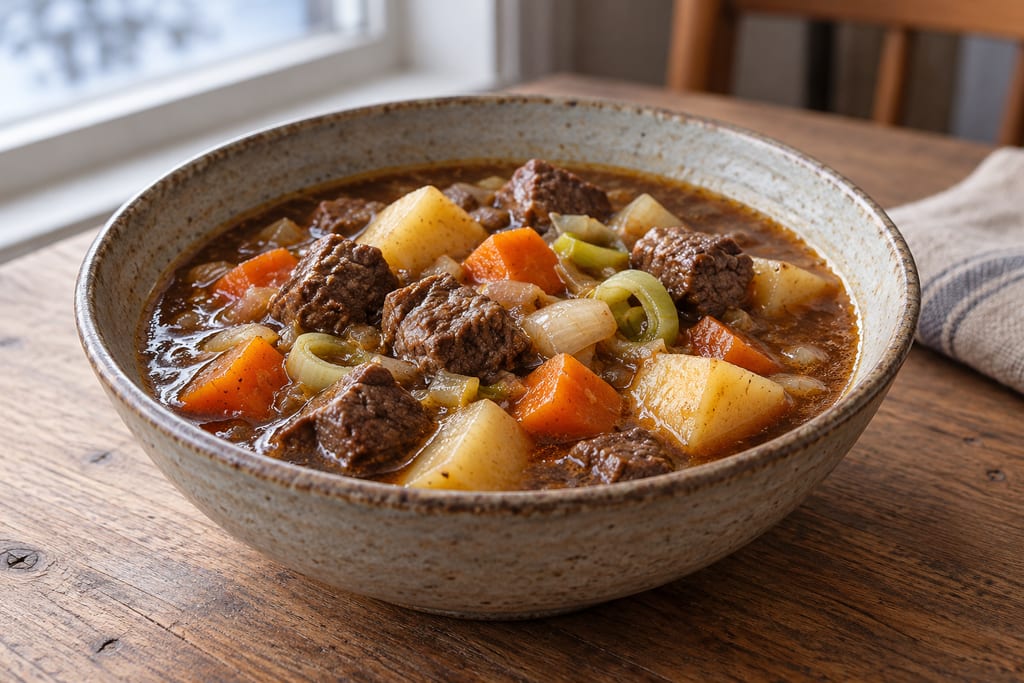
Ann-Kristine Bongo's four-serving bidus from Sami Siida in Alta is a contemporary, festive reindeer stew simmered with onion, carrots and potatoes.

A dark, balanced vinegar from Emilia-Romagna made by combining cooked or concentrated grape must with wine vinegar, then acetifying and refining it in wood under a protected specification.
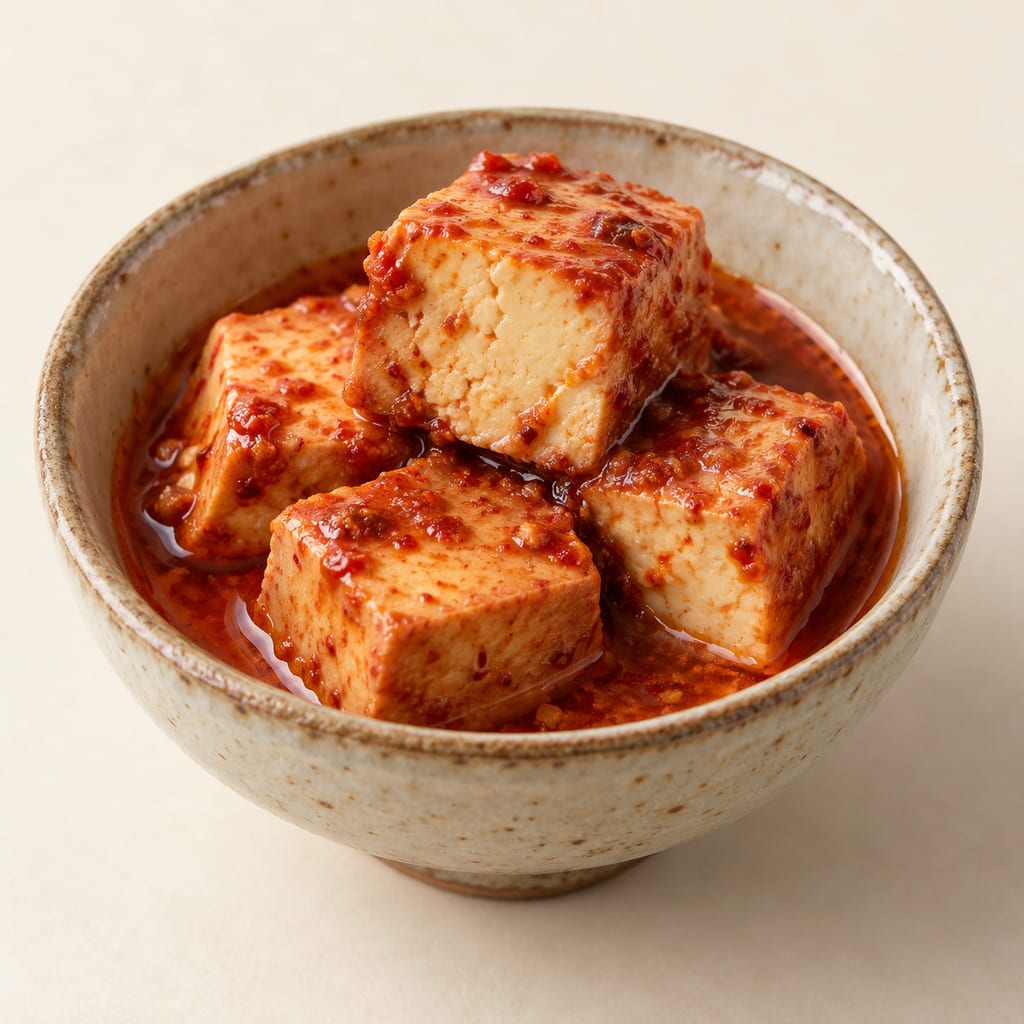
Sufu, or furu, is Chinese fermented tofu: bean curd is salted and ripened, often after a mould stage, into a soft, creamy, intensely savoury condiment.
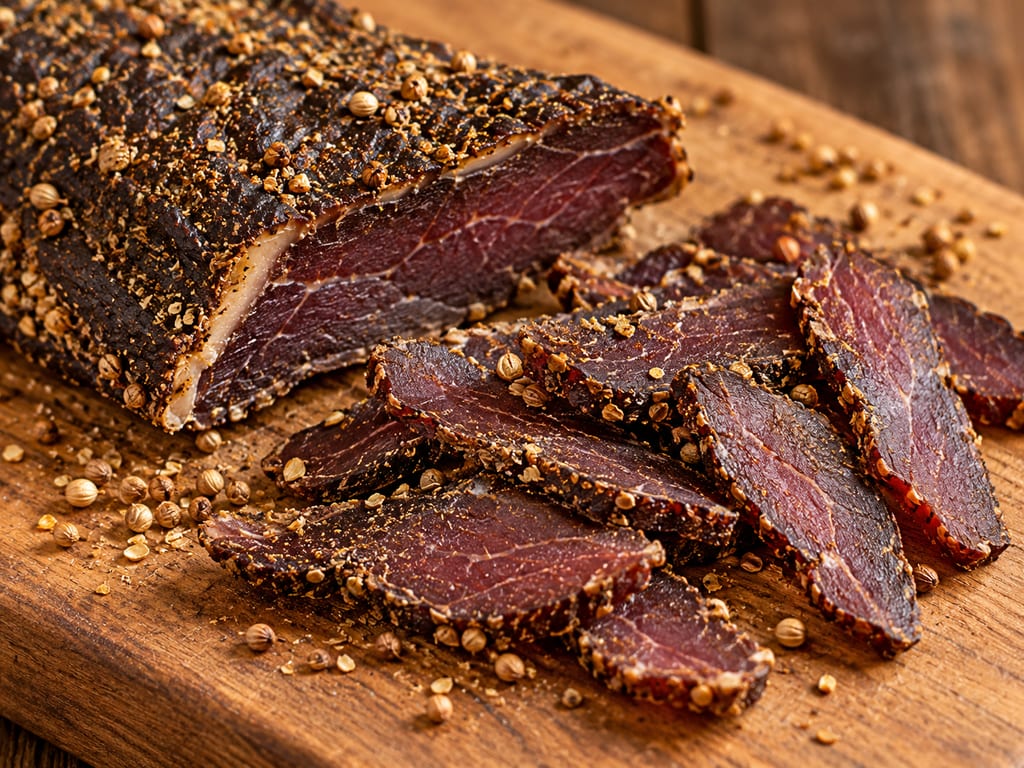
Strips of whole-muscle beef or game seasoned with salt, vinegar, roasted coriander and pepper and air-dried without cooking, sold anywhere from soft and moist to hard and very salty.
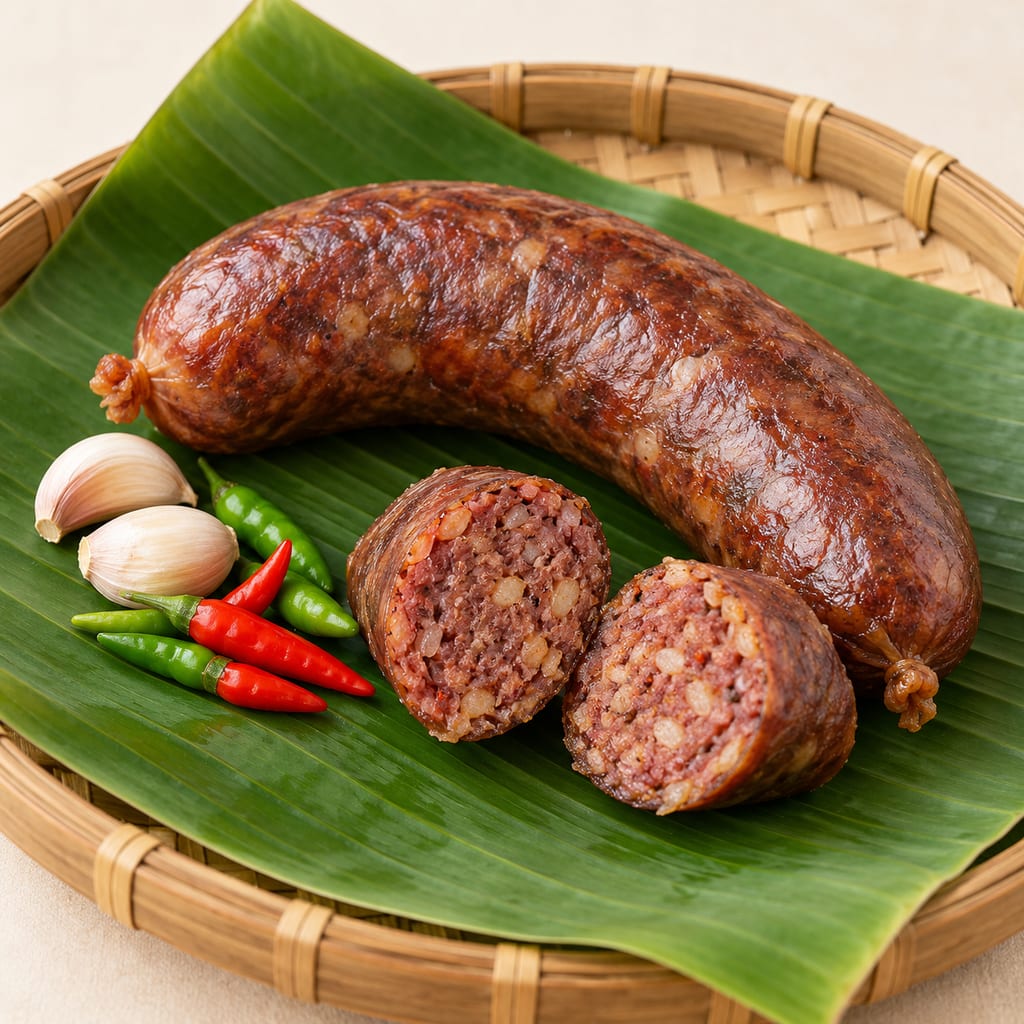
Mum is a Thai family of fermented meat preparations with distinct pork Mam-moo and beef Mam-neua forms. Sources document ingredients, casing and serving traditions, but not a validated home process.
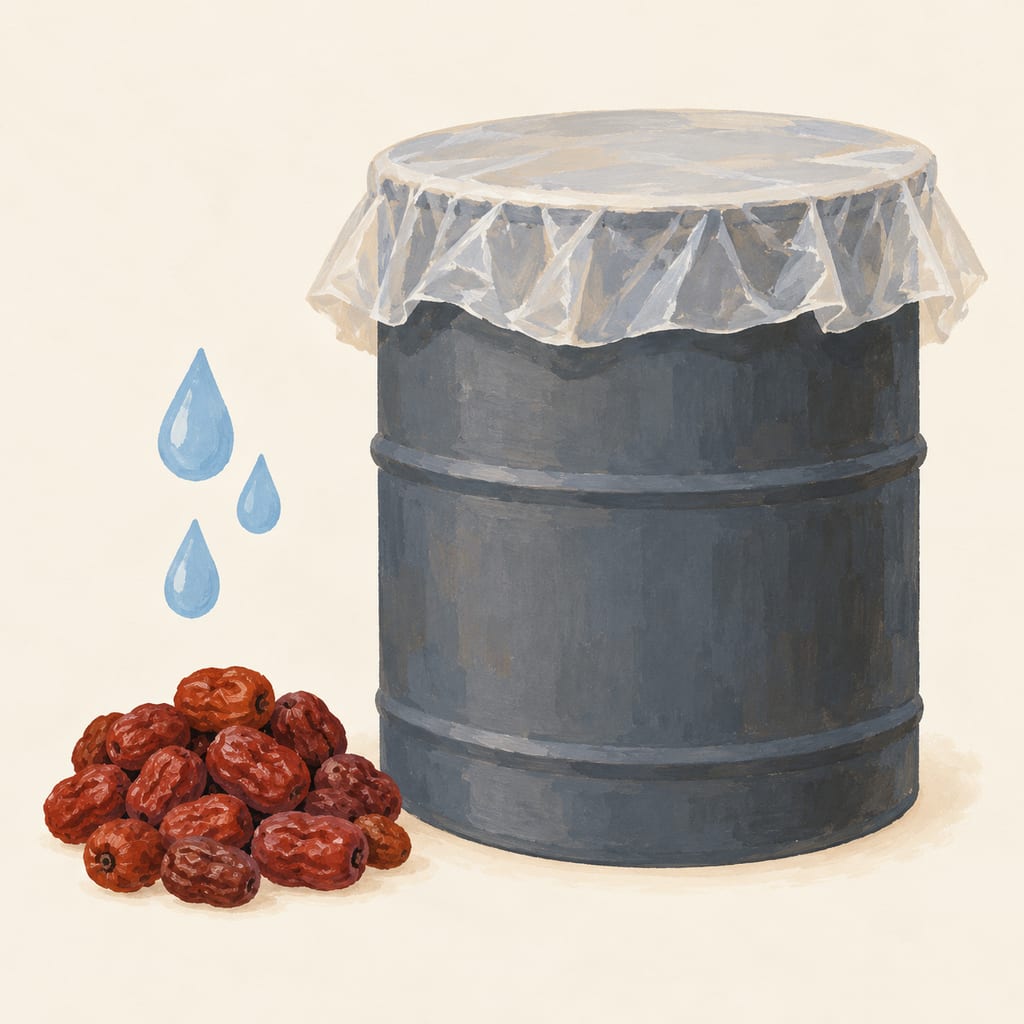
A Zimbabwean spontaneous ferment of dried masau fruit pulp used as a kachasu distillation base; the fermented pulp itself is not consumed.
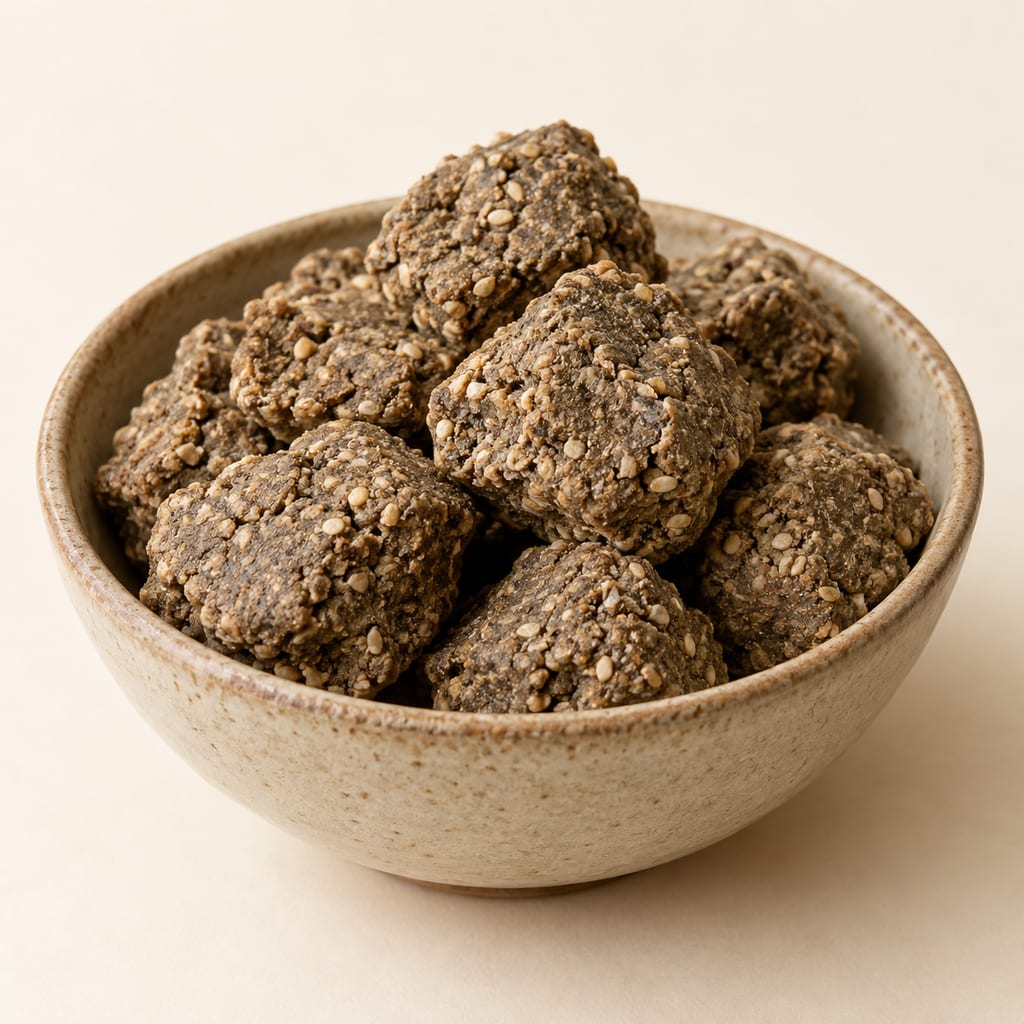
A Sudanese preparation made by fermenting sesame oilseed cake, shaping it into balls and sun-drying. Published accounts describe different processes and do not give a complete household batch.

Firm Mongolian fried pastries made from an unyeasted wheat dough enriched with butter and sweetened with sugar; the dense dough is rested, cut or knotted, and fried until golden.

Ayran is Turkey’s cold, savoury yogurt drink: plain yogurt is loosened with water and lightly salted, then whisked smooth or aerated into a soft cap of foam.
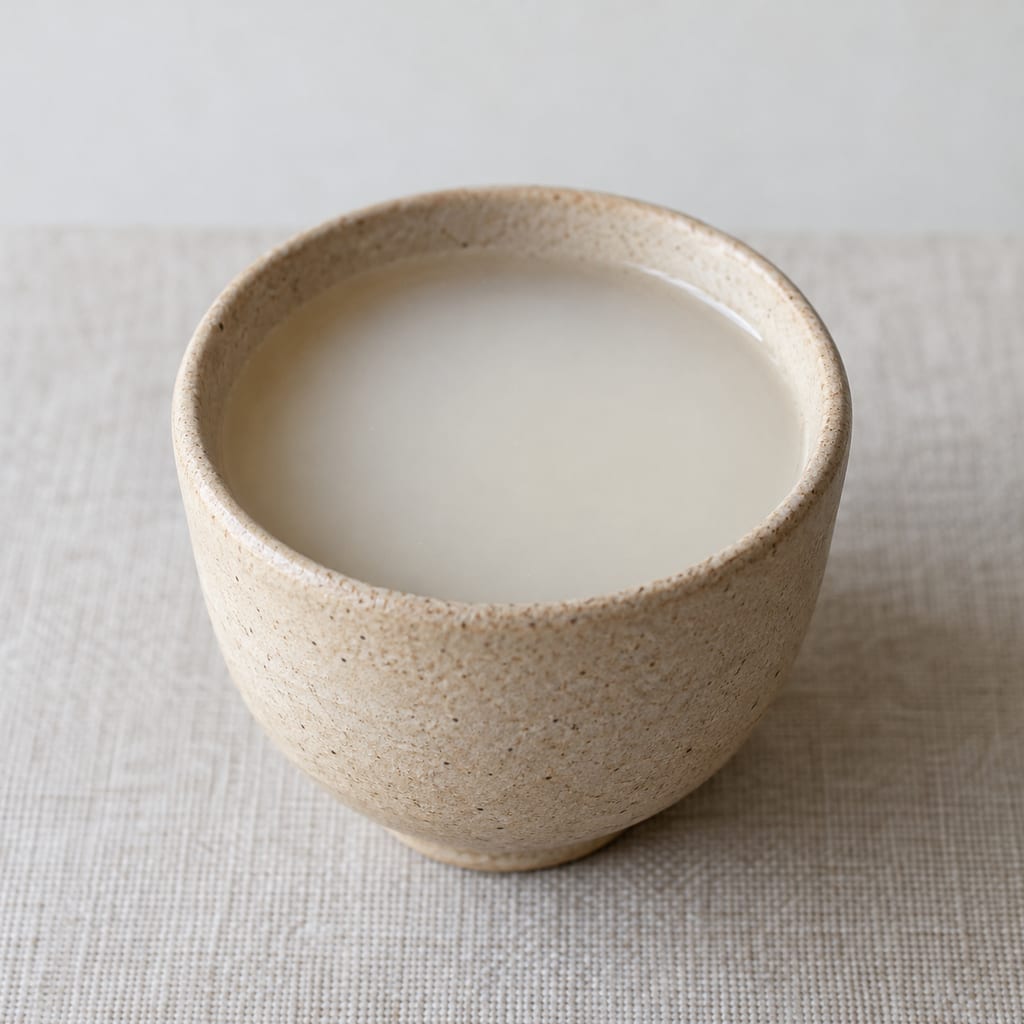
Tonoto is an Ainu ceremonial grain drink. This Saru River version ferments equal amounts of rice and egg millet with malted rice for about two to three days in summer or a week in winter.
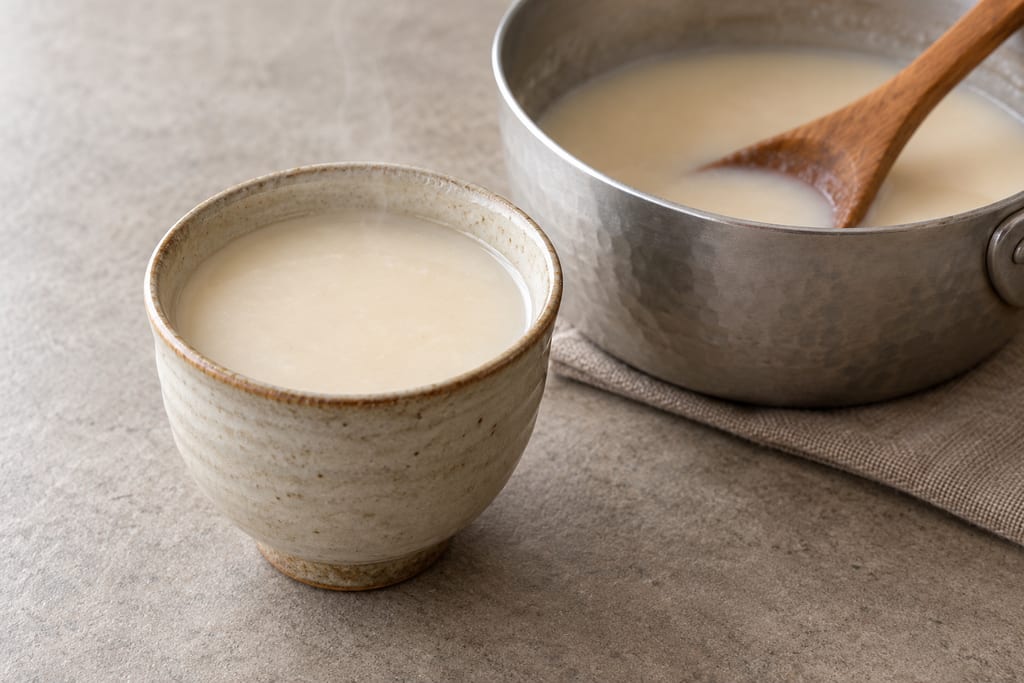
A Japanese sweet drink made by dissolving sake lees in hot water and adding sugar, often with ginger or salt; it carries flavours and alcohol from sake brewing but normally undergoes no new fermentation.
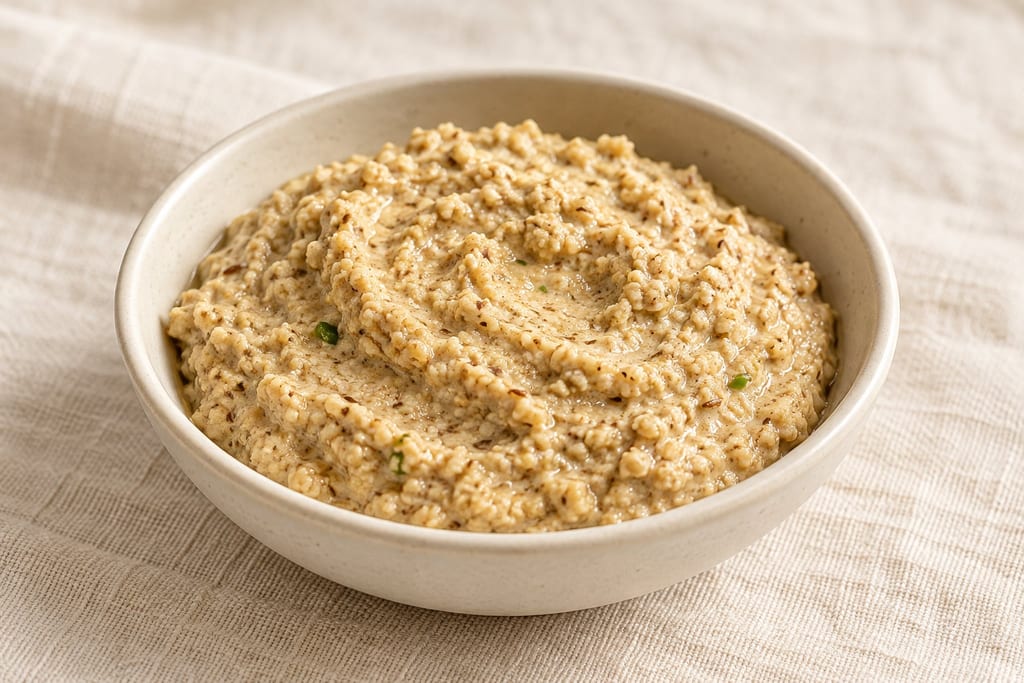
Til ki chutney is a sesame-and-cumin condiment from an Uttarakhand cuisine collection: the seeds are roasted, finely ground with salt and green chillies, then mixed with lemon juice. The book describes it as a winter preparation.
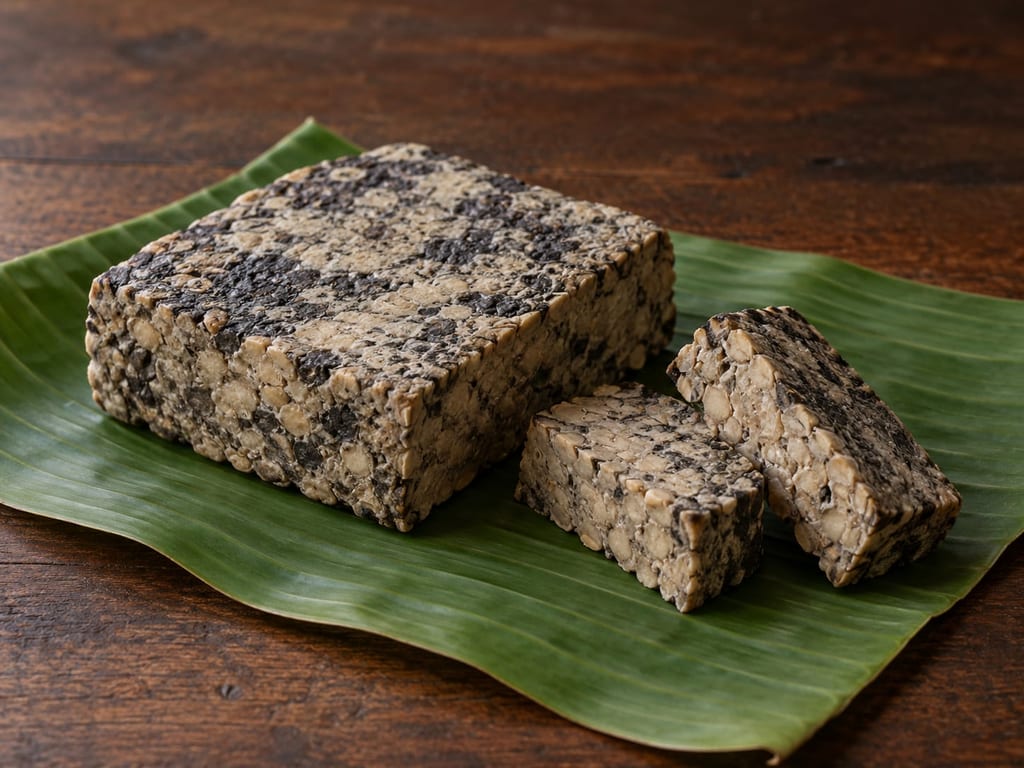
Black oncom is a mould-fermented cake made from defatted peanut cake, pressed to about 2 cm, steamed and then incubated for a day at ambient temperature.

Meat stock simmered, strained and reduced until a gelatin-rich mass sets, then dried into solid cakes that dissolve in water; a concentrated provision of the early modern naval period.
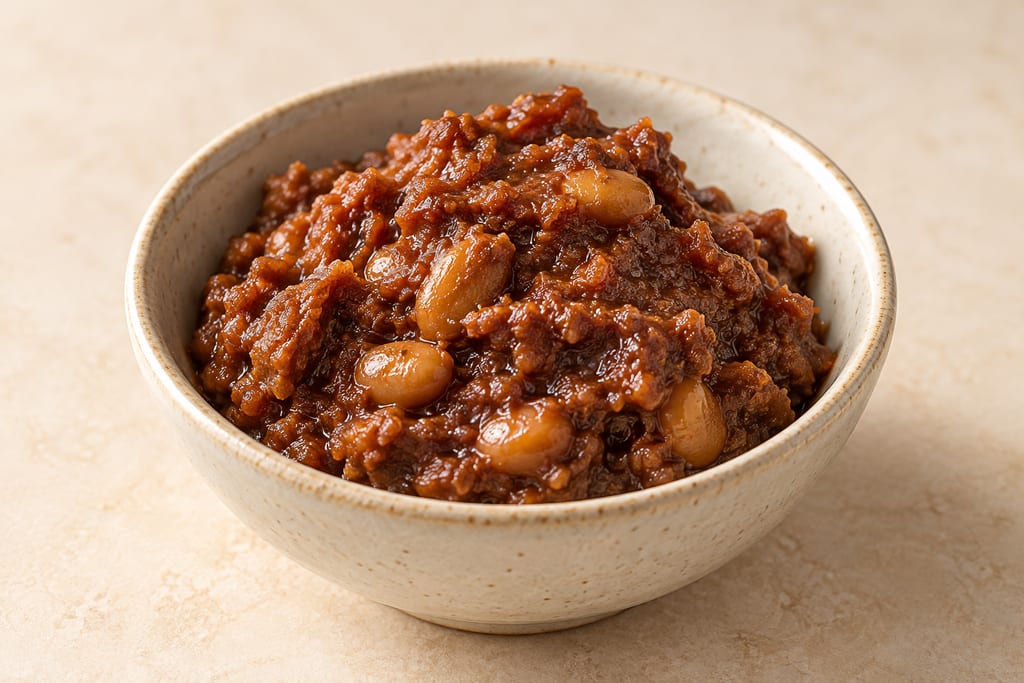
An Indonesian savoury soybean paste built in two stages: cooked beans and roasted flour carry a mould fermentation, then mature in salt brine into a thick, salty seasoning.
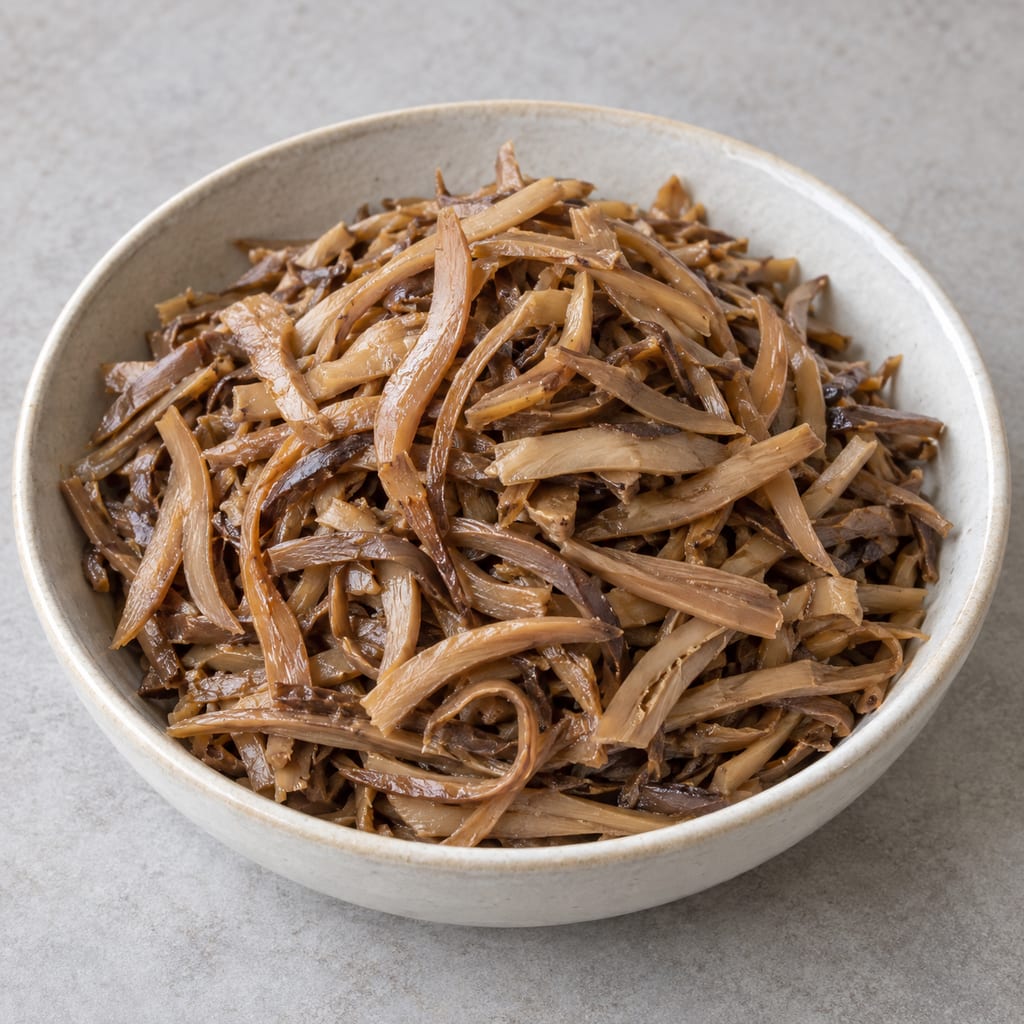
Sliced cotyledons of the African oil bean, boiled soft and fermented in banana-leaf parcels into the sharply savoury Nigerian condiment and salad ingredient known as ukpaka.
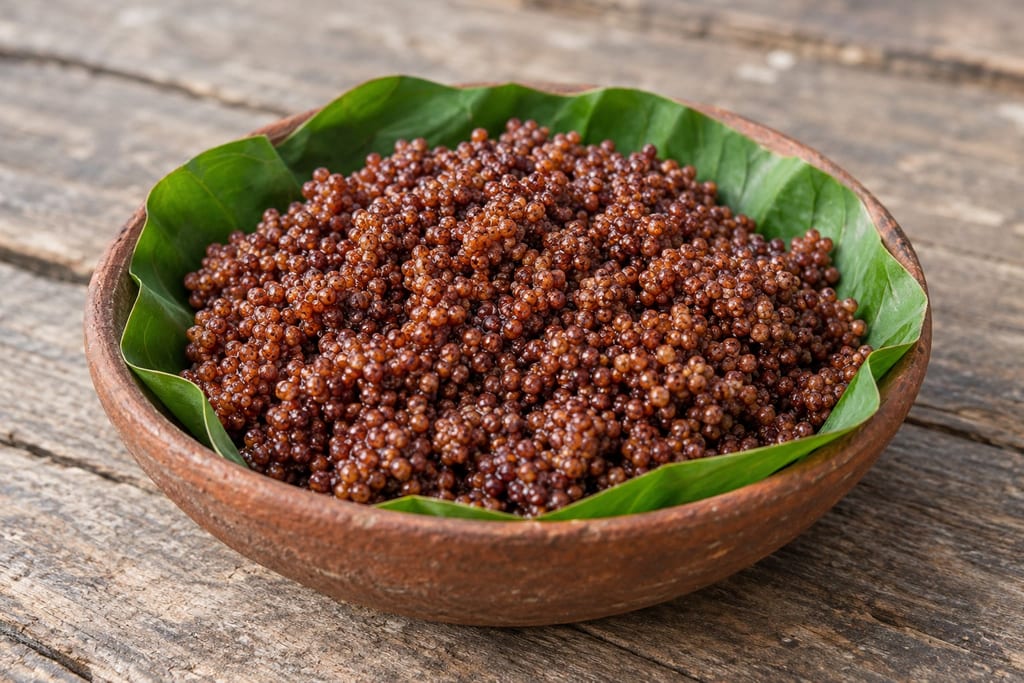
Finger millet fermented with marcha in surveyed Darjeeling and Sikkim communities. Tongba is the later warm-water extraction from the fermented grain. The cited accounts do not establish a complete or validated home batch.
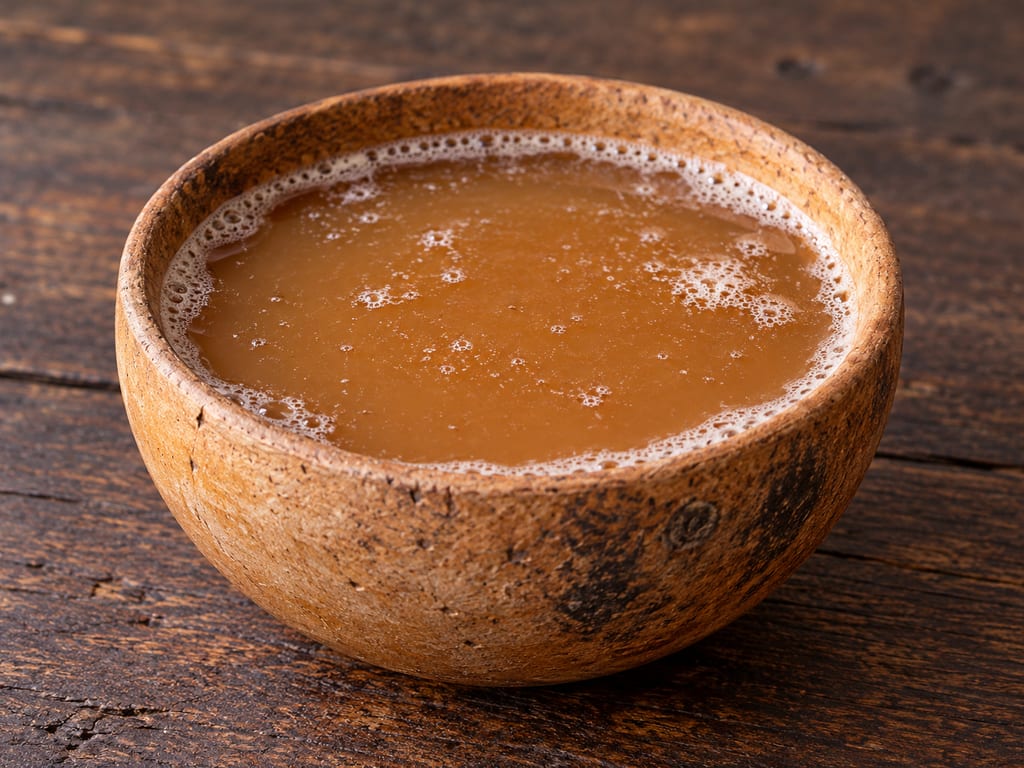
A Burkina Faso sorghum beer brewed from malted grain, soured by a spontaneous lactic stage and then fermented with a traditional yeast leaven.
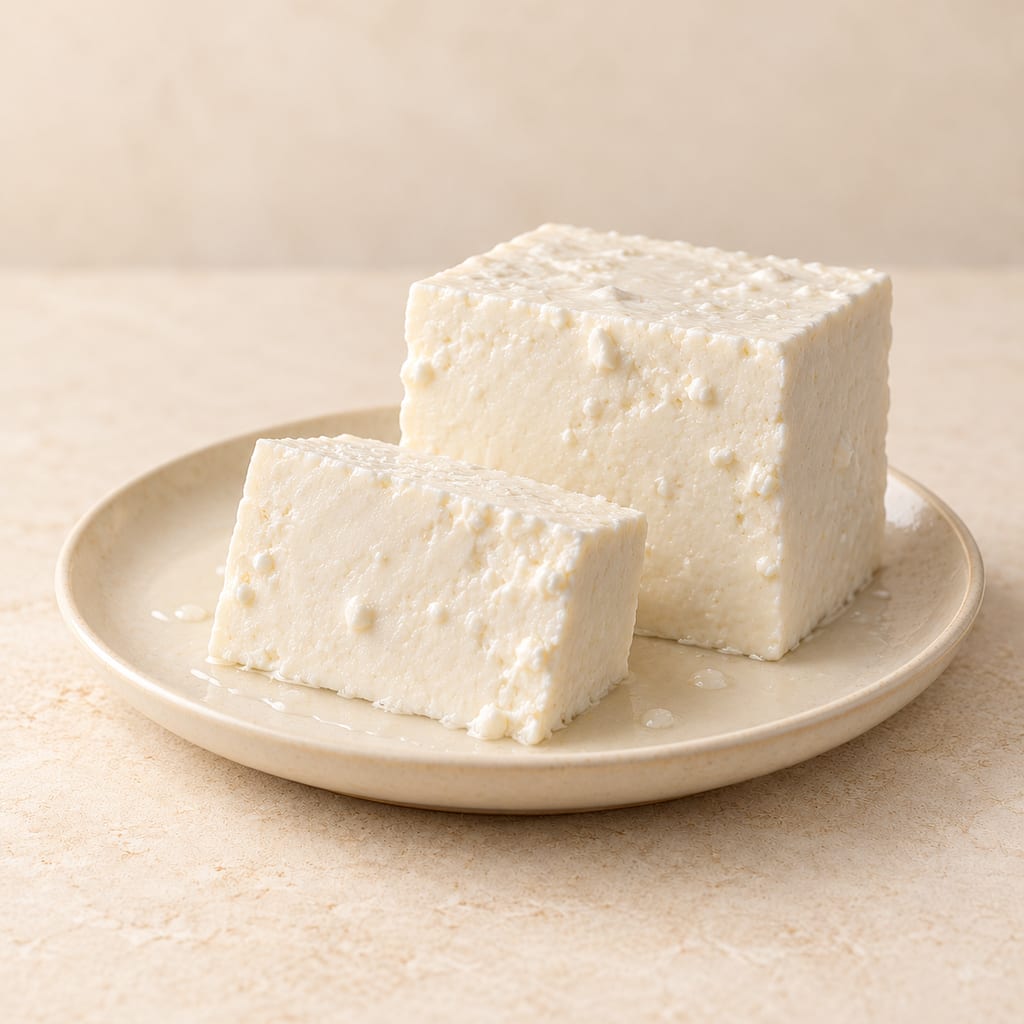
Beyaz peynir is a Turkish white cheese matured in brine. Sheep milk, alone or mixed with other milks, gives a close-textured cheese cut into blocks and packed in cans.
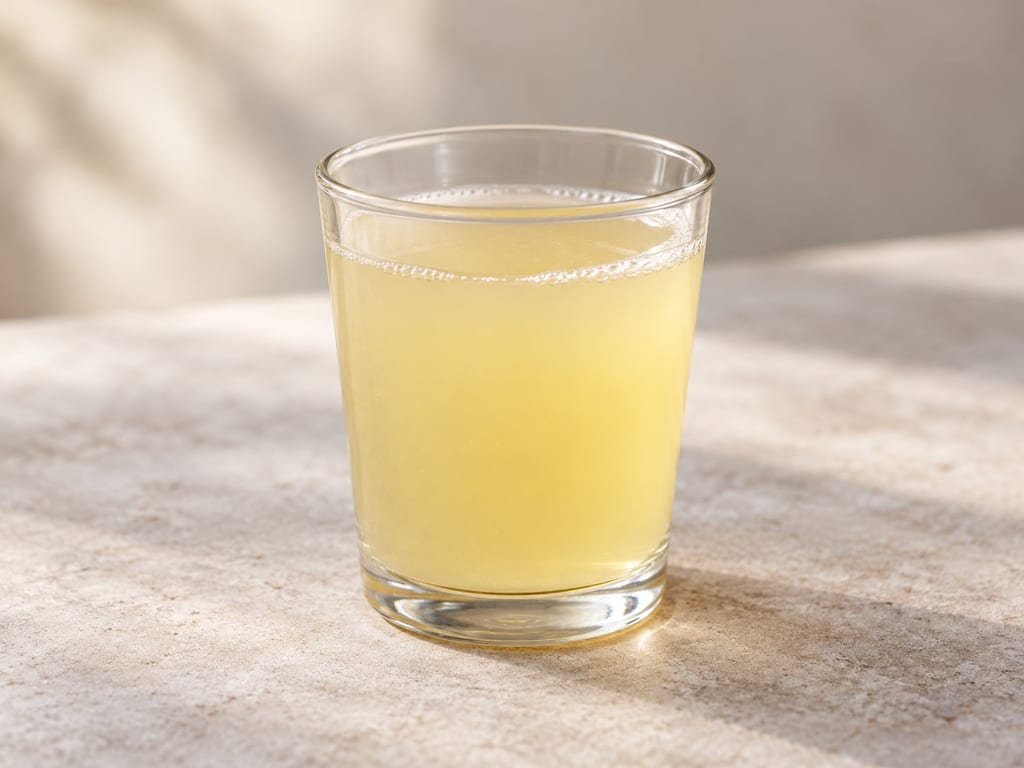
A Manipuri rice beverage: cooked rice is cooled to about 40°C, inoculated with Hamei starter cakes, fermented for a season-dependent spell, then held submerged before filtering.
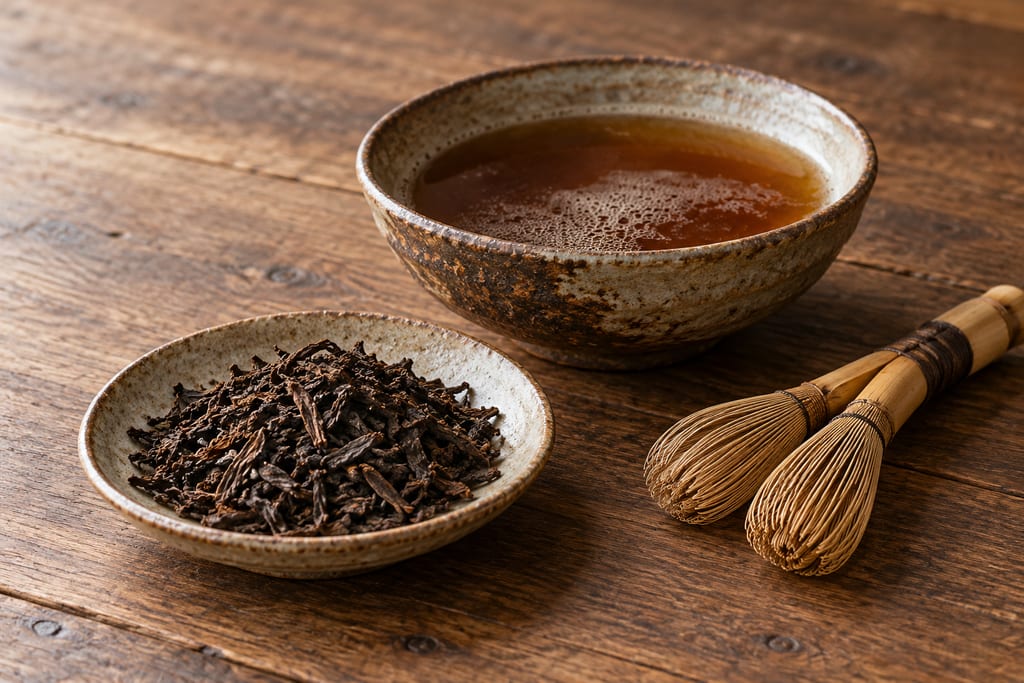
A Japanese post-fermented tea from Asahi in Toyama: mature tea leaves are steamed and fermented aerobically in turned, self-heating heaps, then dried; traditionally boiled and whisked into a foam.
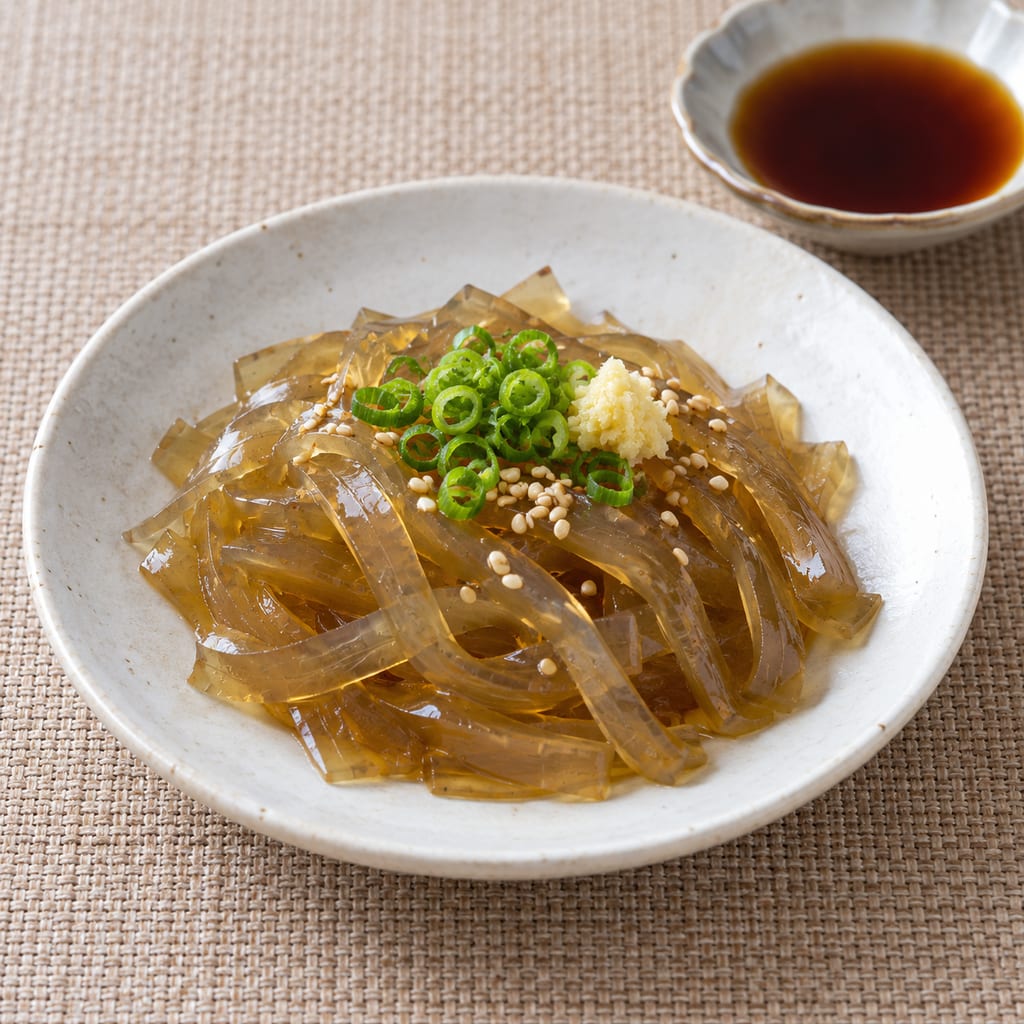
A traditional Fukuoka seaweed jelly made by boiling dried egonori, sometimes with igisu, until it forms a thick extract that sets into soft sheets, eaten cold with soy sauce, vinegar and aromatic condiments.
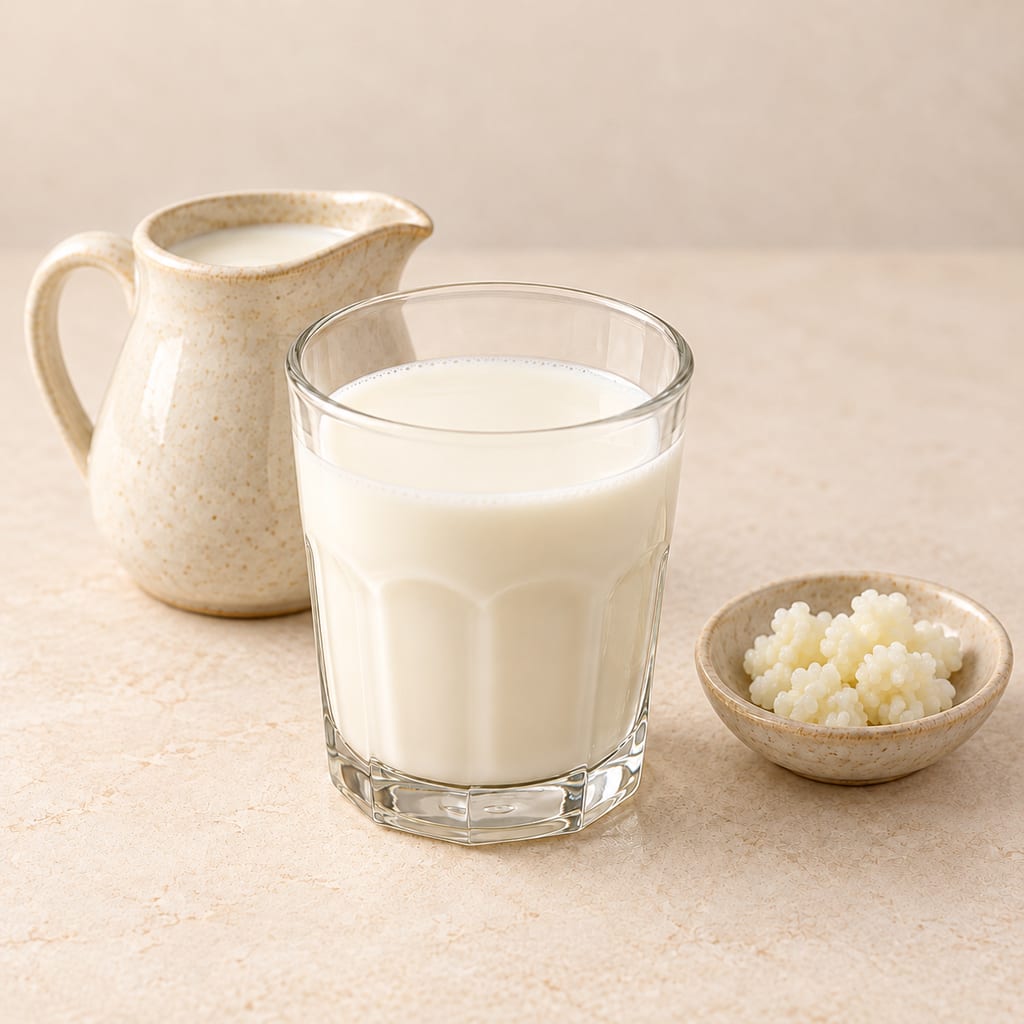
Milk kefir is a tangy fermented drink made with reusable grains of bacteria and yeasts. Grain fermentation can give the milk a light fizz and some alcohol.
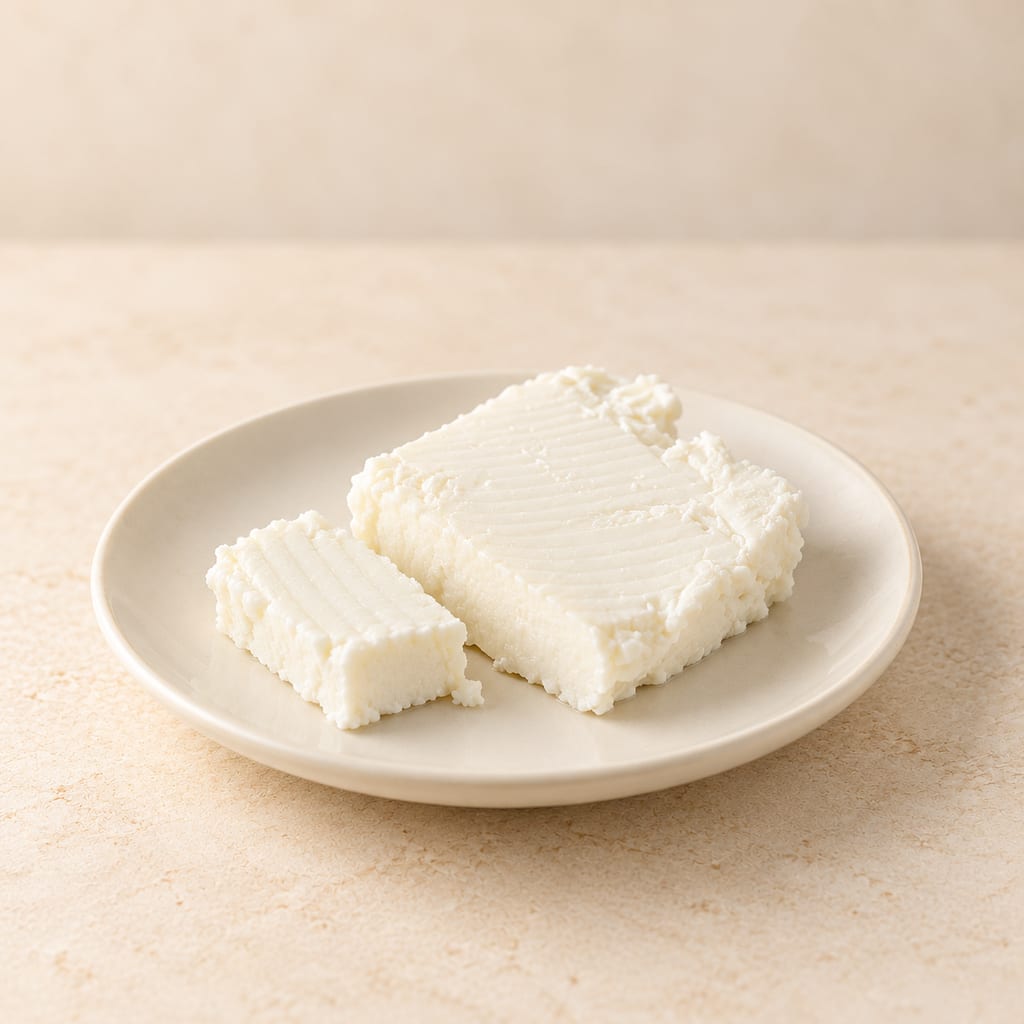
Domiati is a soft Egyptian white cheese made by salting milk before renneting. It is eaten fresh or ripened in brine, with cow and buffalo milk used in varying proportions.
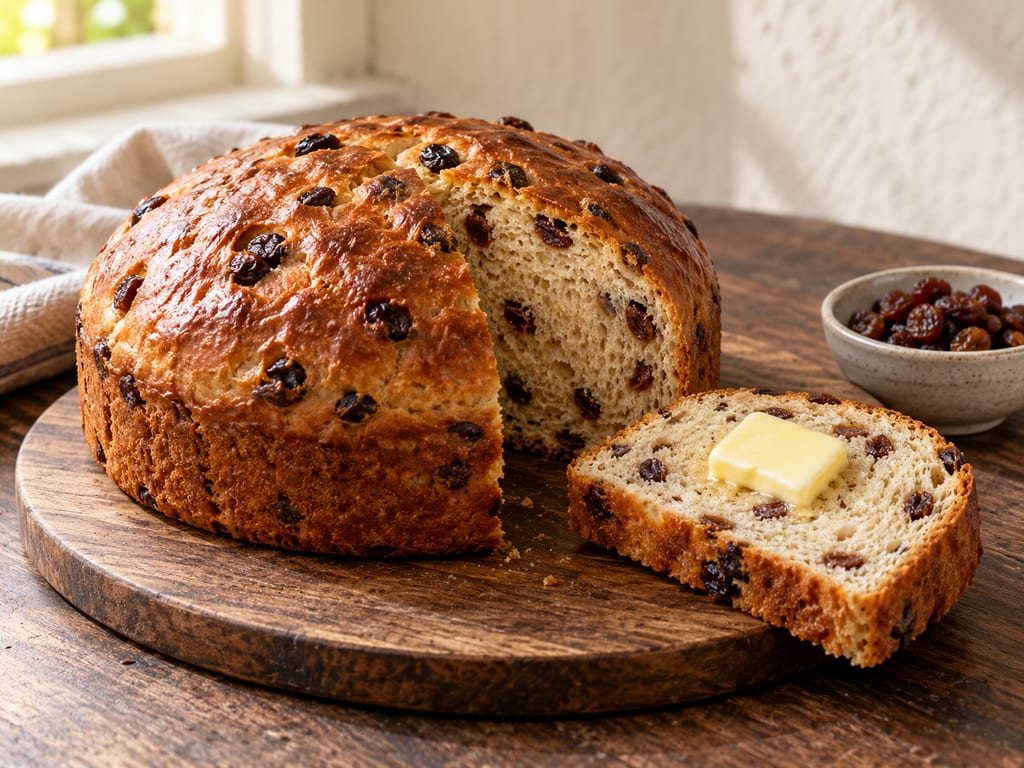
An Irish fruit-studded yeast loaf, associated in a contemporary cultural account with Halloween and often served fresh or toasted with butter.
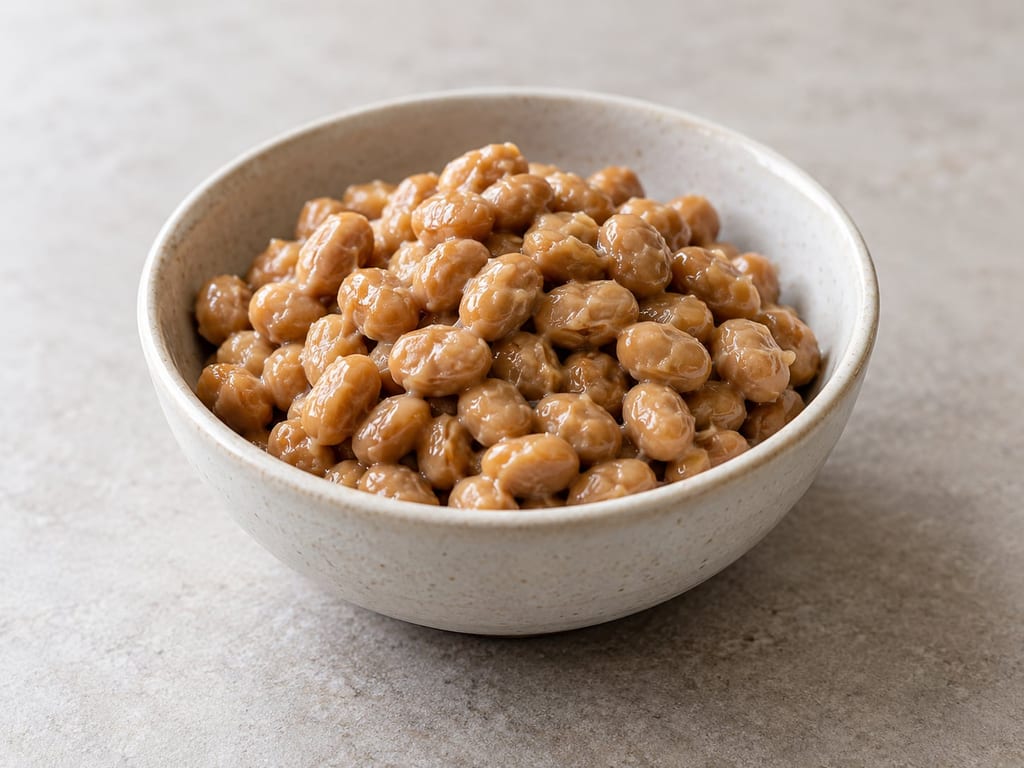
An Apatani fermented soybean food from the Ziro Valley of Arunachal Pradesh: cooked beans are wrapped in ginger leaves and left near the hearth until sticky and savoury, then eaten with rice or as a chilli-seasoned chutney.
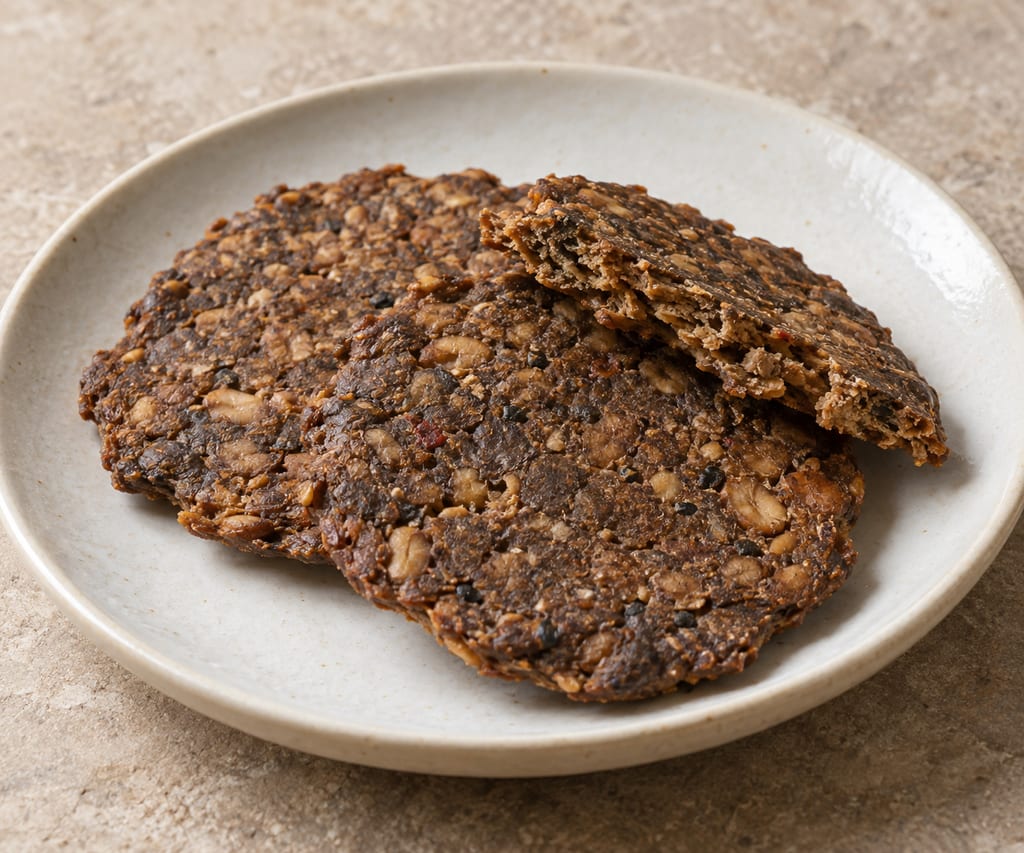
A Myanmar soybean ferment in which cooked beans turn sticky through alkaline bacterial fermentation, then are eaten fresh or seasoned, flattened and sun-dried into savoury wafers.
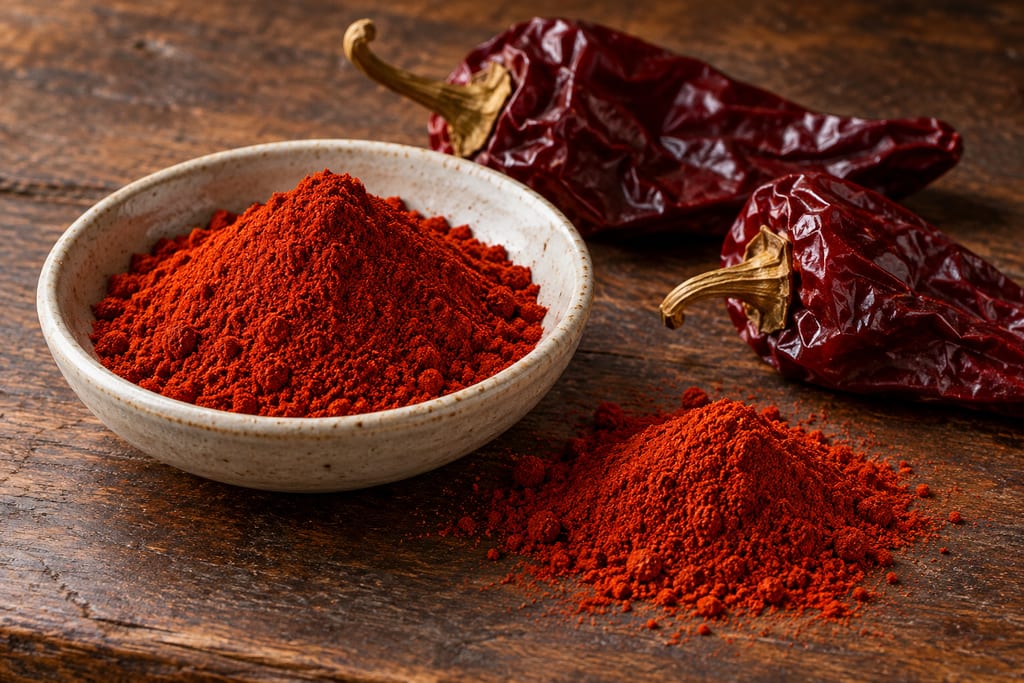
Spanish smoked paprika from Capsicum peppers dried over oak or holm-oak smoke in a dryer called a secadero, then ground. Protected by a designation of origin in La Vera.
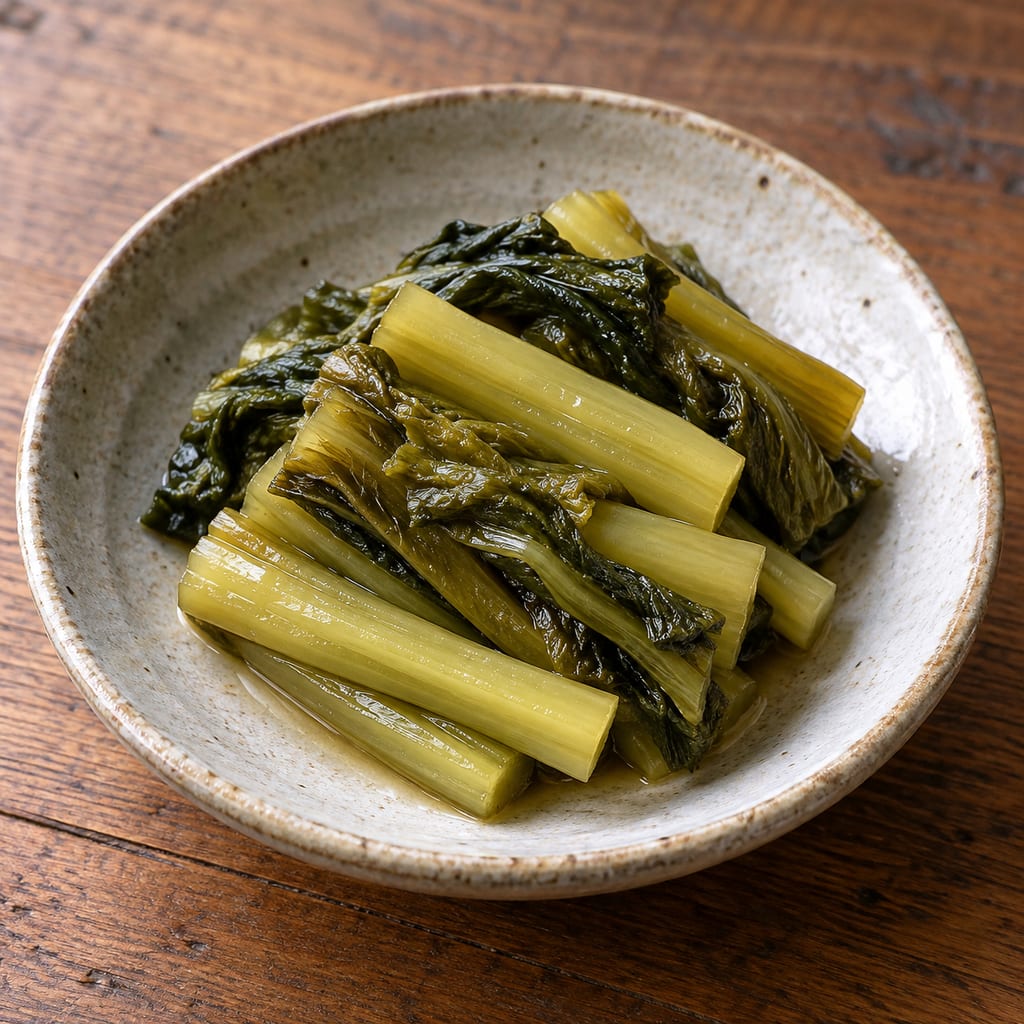
Nozawana greens salted in a barrel and weighted overnight, a Nagano household pickle sampled after about two weeks and soured by a month.
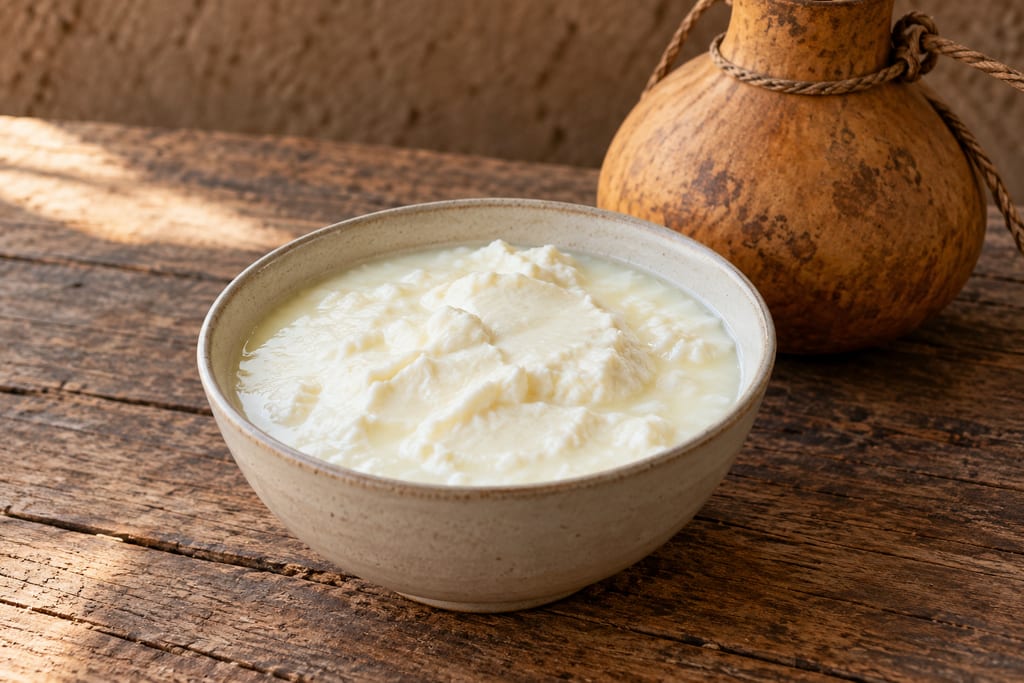
A cultural record of omaere, soured milk associated with Otjiherero-speaking communities in Namibia and Botswana, and documented through household accounts of calabash vessels and fermentation.
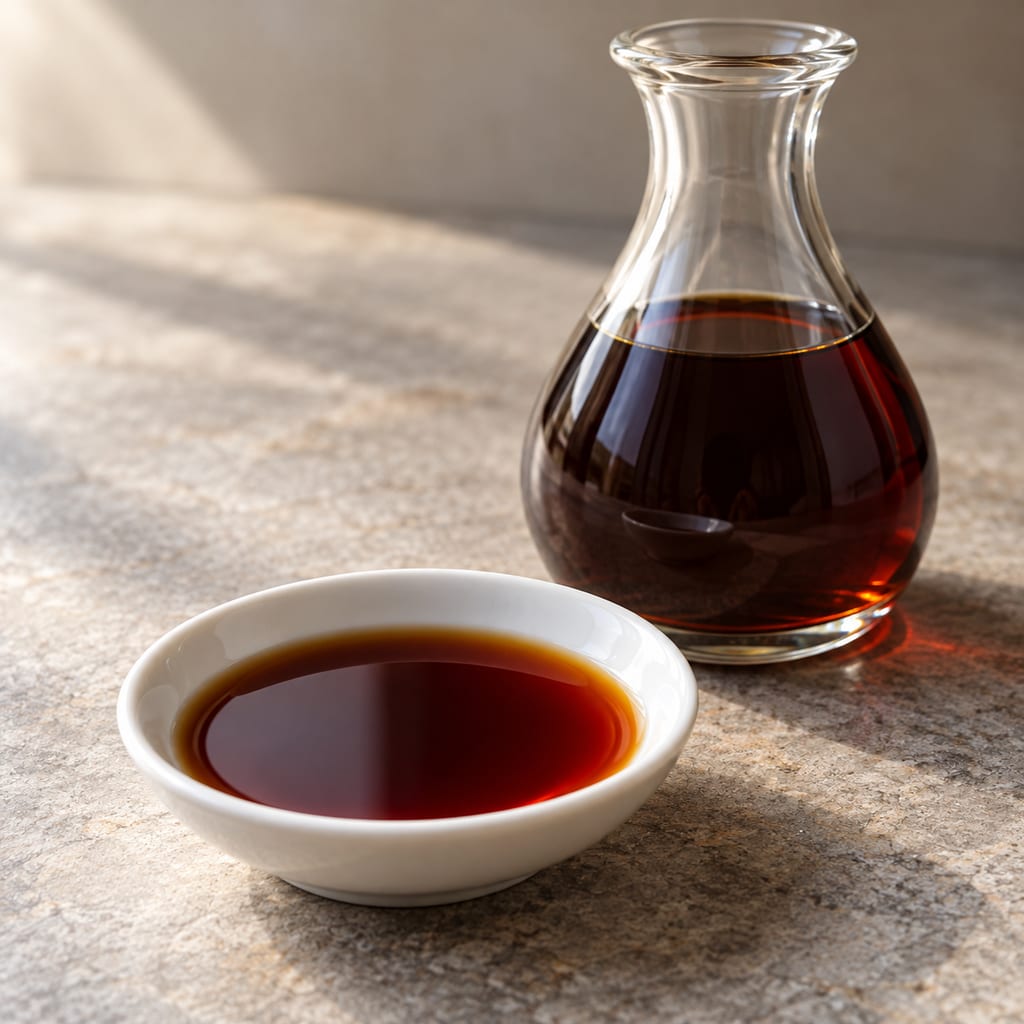
Zhenjiang black vinegar is a Chinese glutinous-rice vinegar made by mixed-culture fermentation, solid-state acetification, roasted-rice extraction and ageing, giving a dark, savoury, mildly sweet condiment.
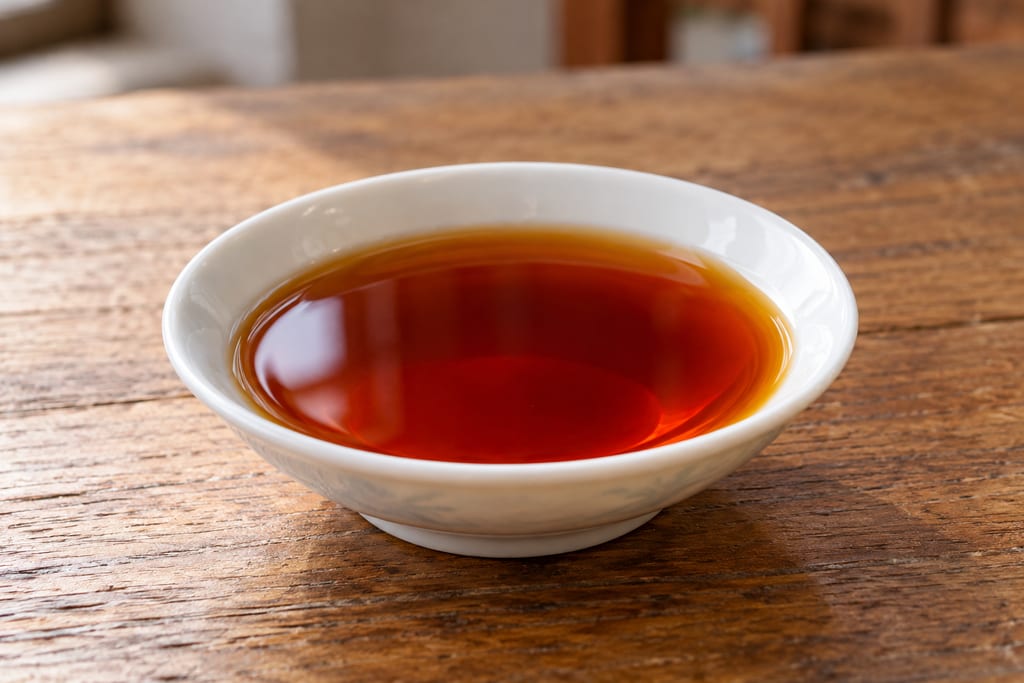
Tianjin grain vinegar of millet and sorghum made with daqu: liquid alcoholic fermentation, two-layer solid-state acetification, and at least three years of outdoor ageing of the grain mash.
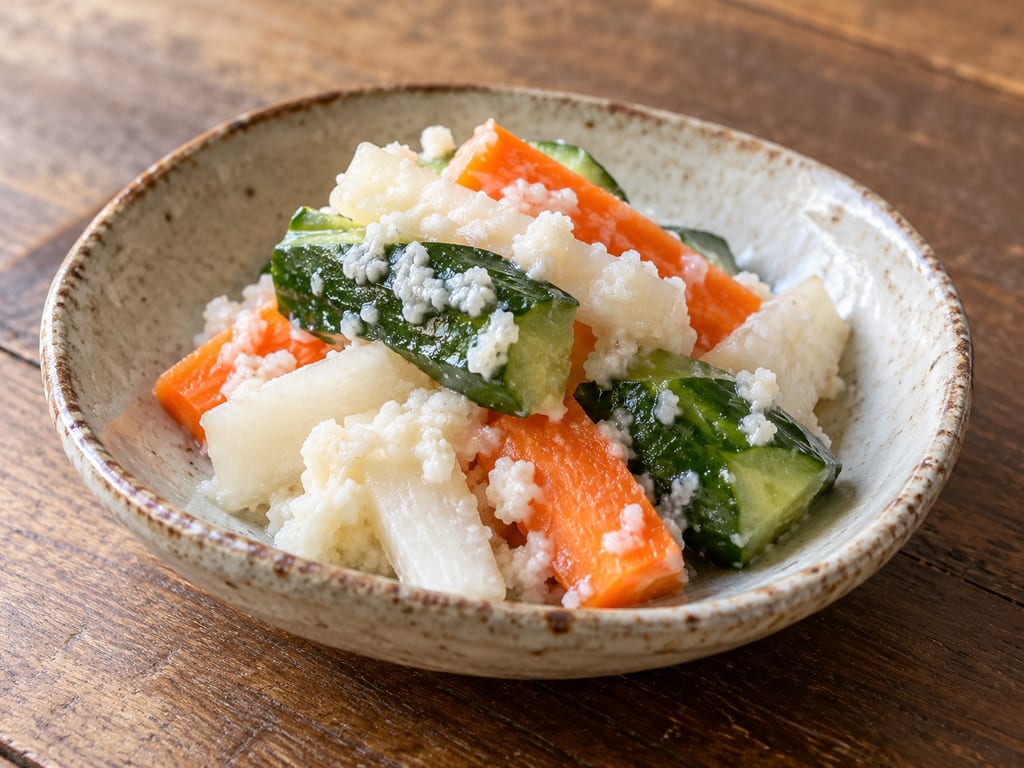
A traditional Japanese koji pickle from the Tohoku region: vegetables pickled in a matured bed of cooked rice, rice koji and salt, where koji enzymes bring sweetness alongside the salt.
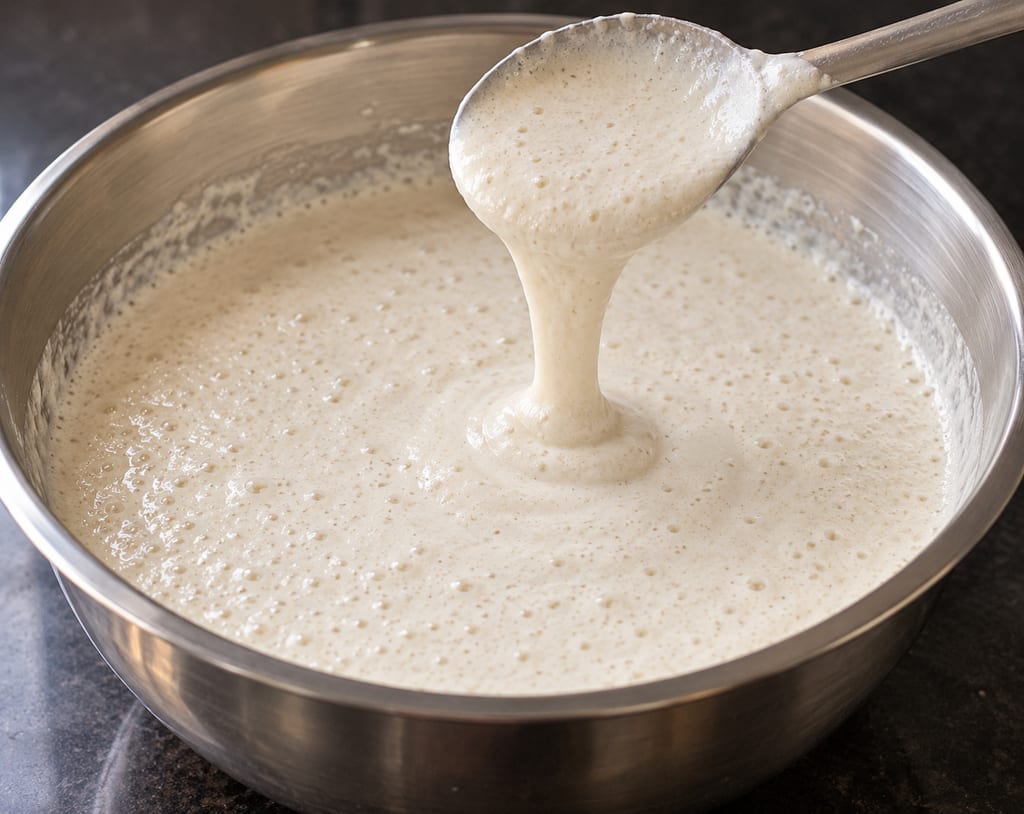
A naturally fermented South Indian rice-and-urad batter, ground fine and spread thin on a hot griddle. Fermentation lightens the batter and develops its gentle tang.
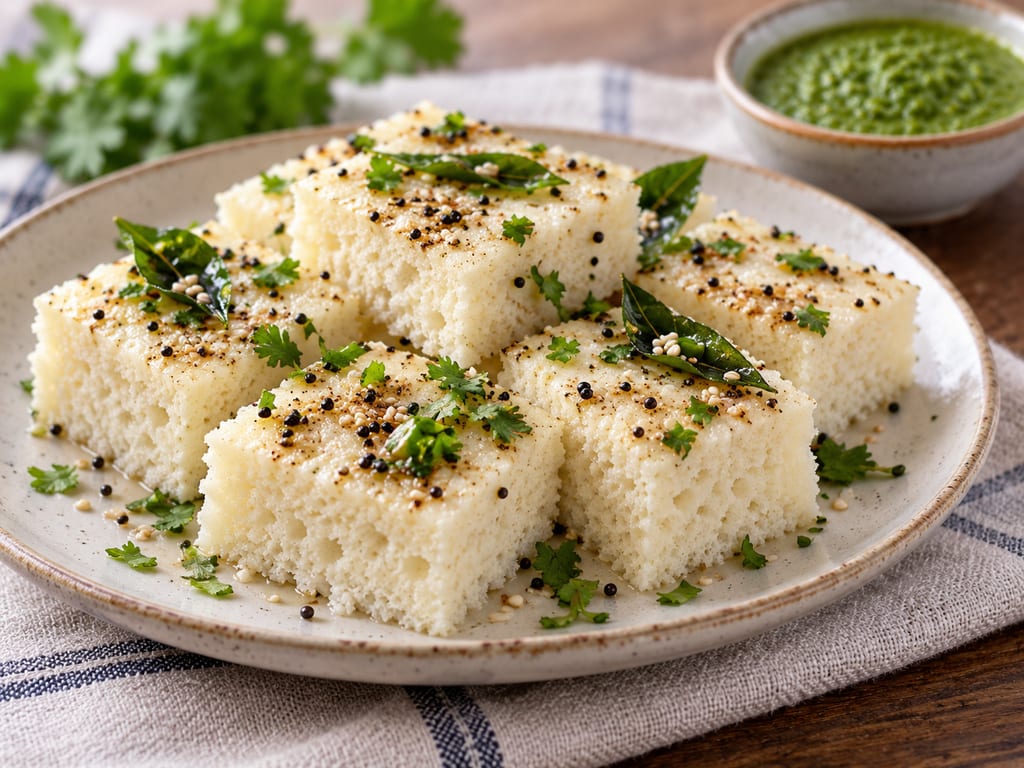
Dhokla is a Gujarati savoury steamed cake made from a fermented rice-and-pulse batter, whose lactic bacteria and yeasts give acidity, aroma and a porous crumb before steaming.
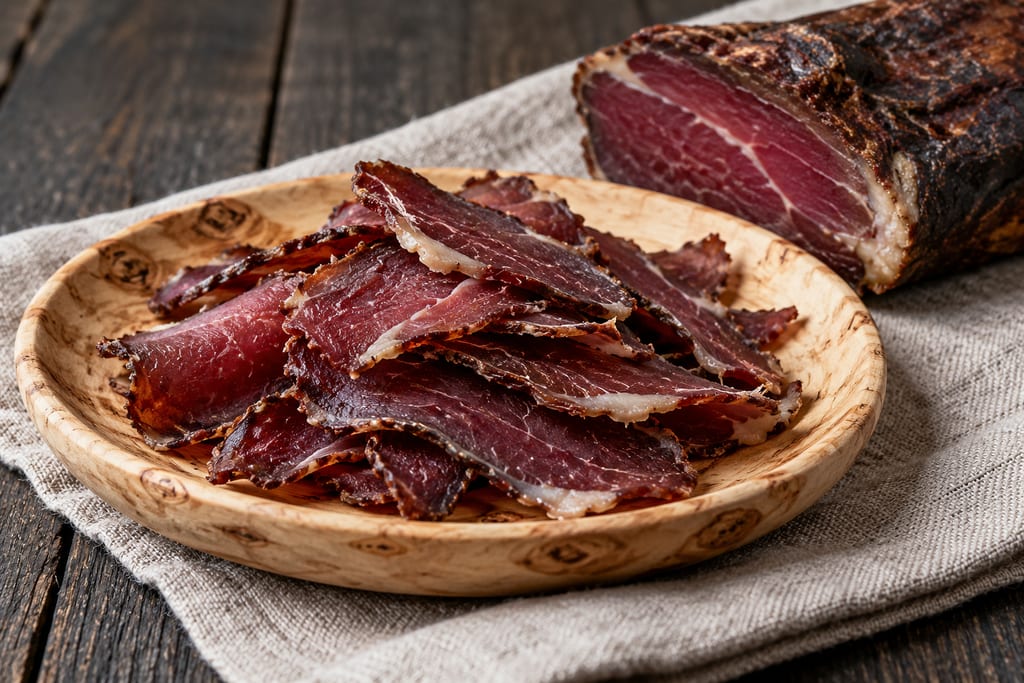
Salted reindeer meat hung in the smoke of a lávvu fire over willow, birch or juniper, then cooled and in some Sámi communities dried outdoors into travelling provisions.
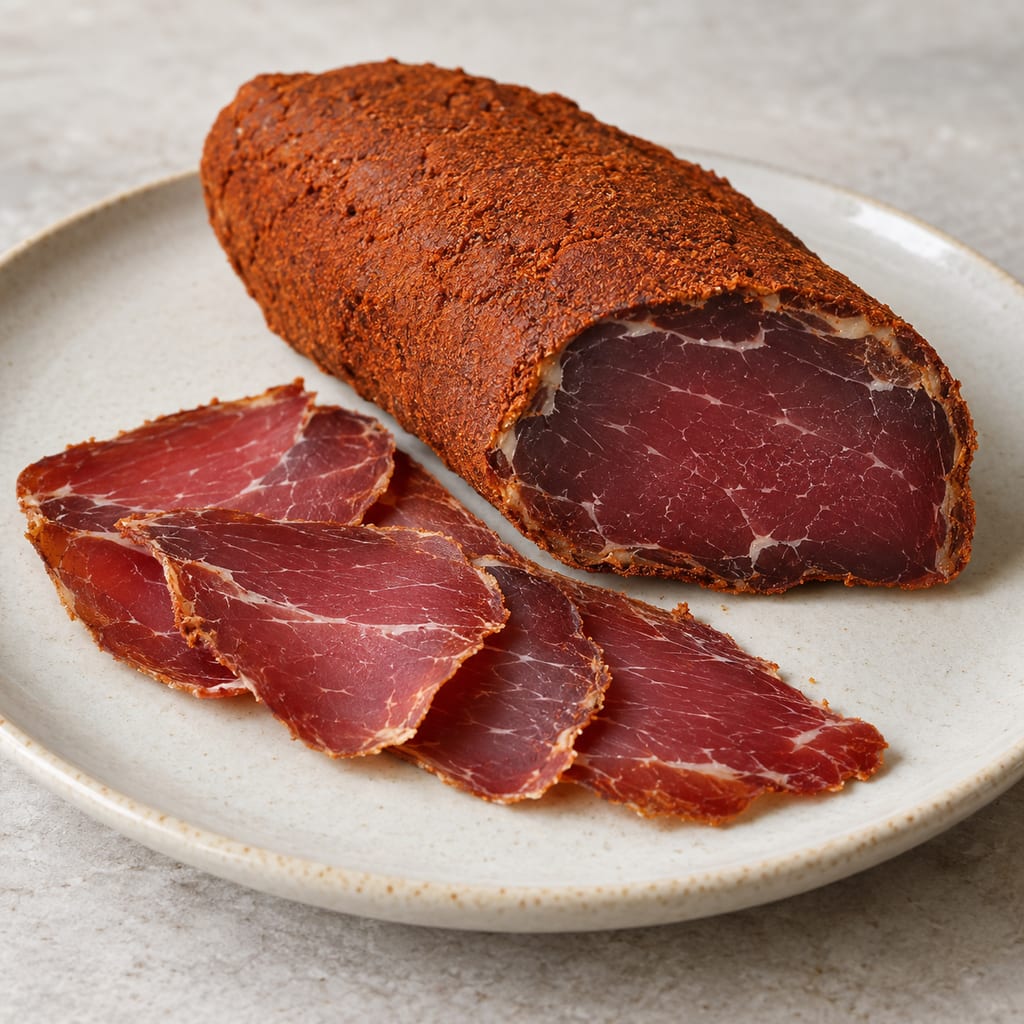
Dry-cured beef salted, air-dried and often coated with a spice paste called çemen before it is sold whole or sliced; a Turkish cured meat whose preservation rests on salting and drying.
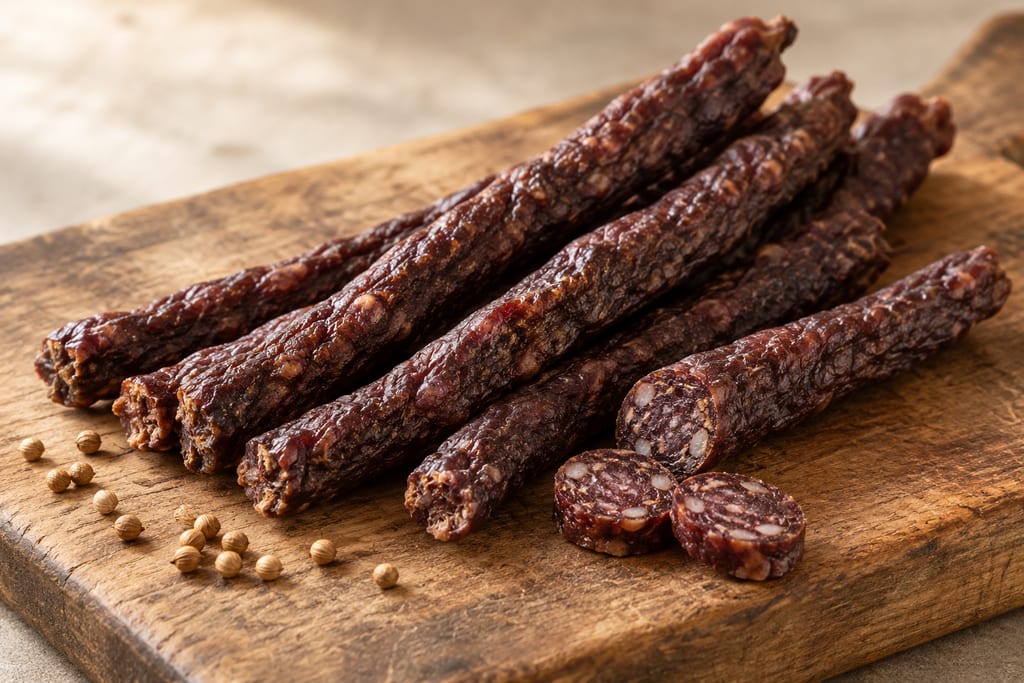
South Africa's dried sausage: seasoned minced meat in narrow casings, dried until it can be eaten without cooking, which makes it a far more demanding product than fresh boerewors.
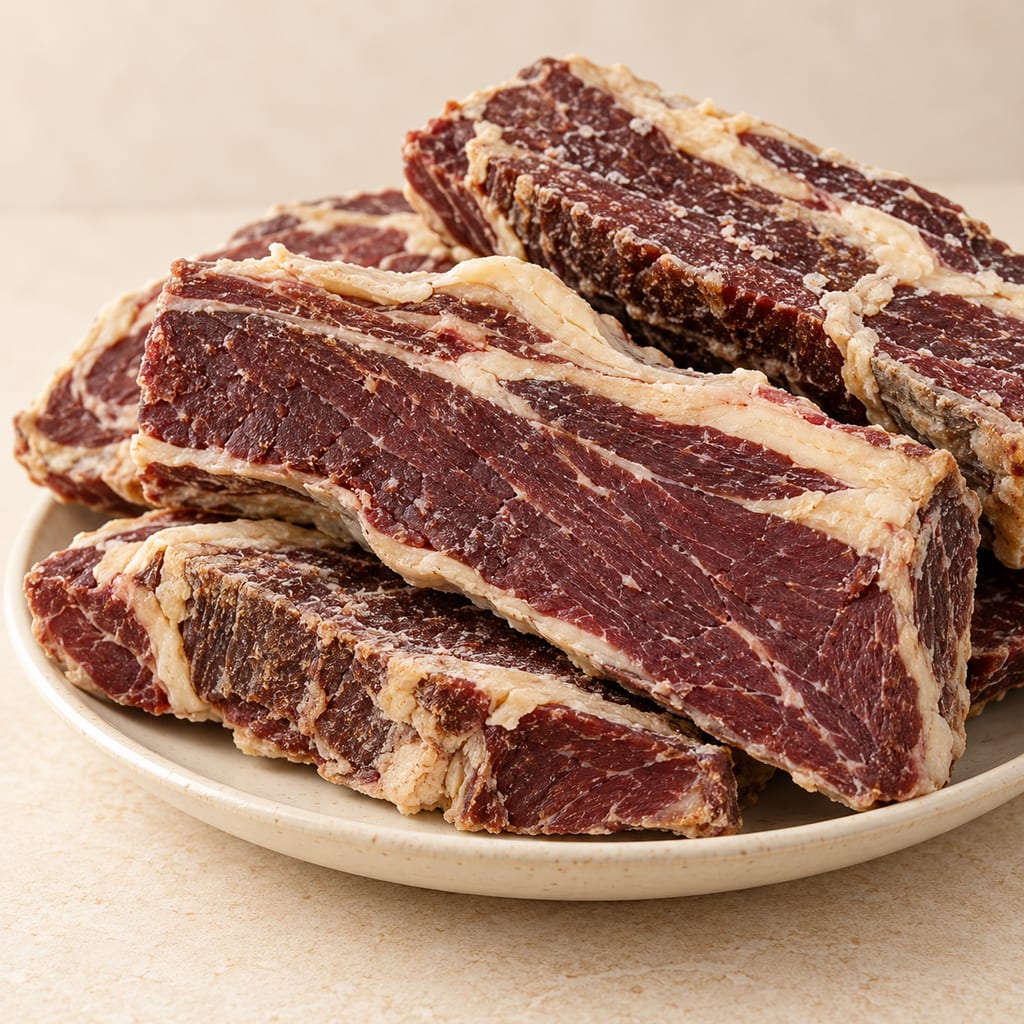
Beef salted heavily and dried into a strongly preserved ingredient that is desalted before it is cooked in stews; a Brazilian form of salt-dried meat that keeps far longer than the lightly salted carne-de-sol.
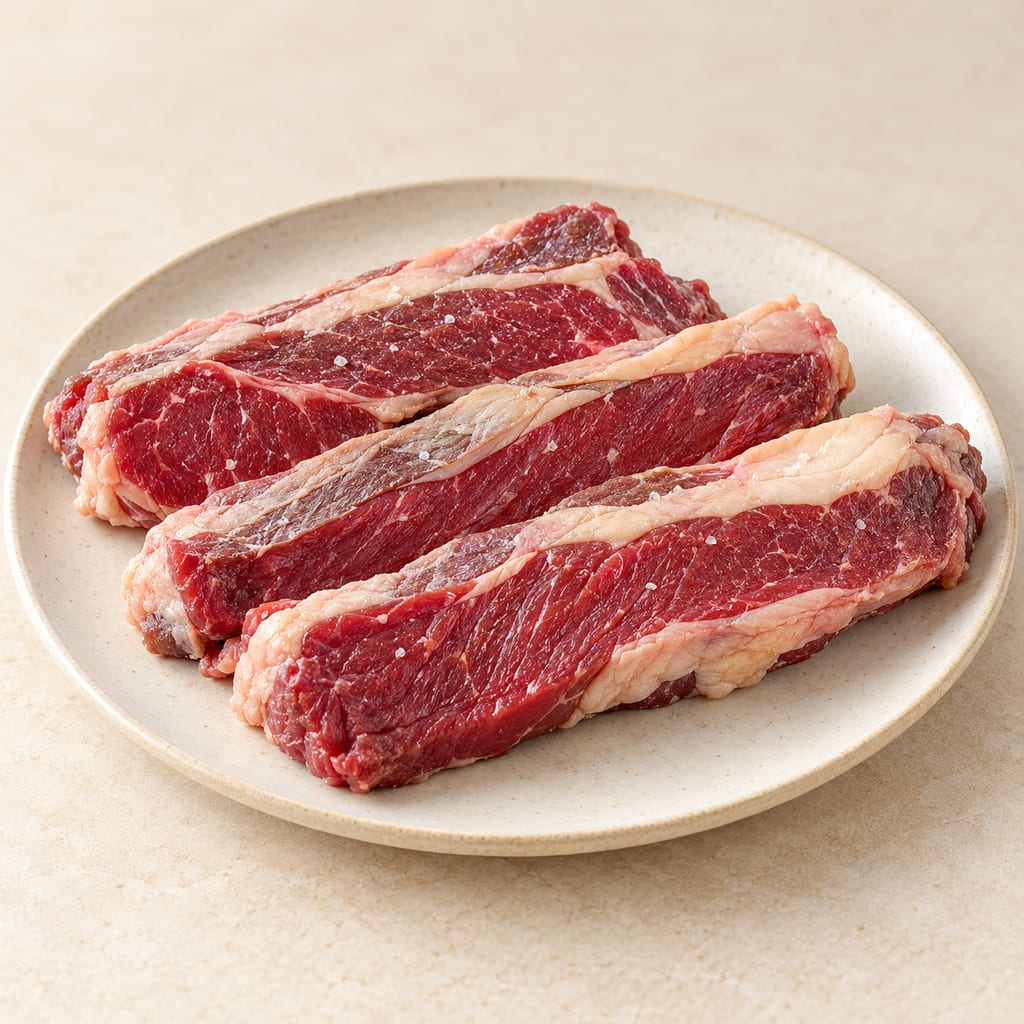
Beef given limited salt and partial surface drying, a short-keeping Brazilian meat that is much less durable than fully dried charque and is treated as a cold-chain product.

Traditional Japanese sake yeast starters made from steamed rice, rice koji and water, acidified by naturally growing lactic acid bacteria. Kimoto grinds the rice mash with paddles; yamahai omits that step.
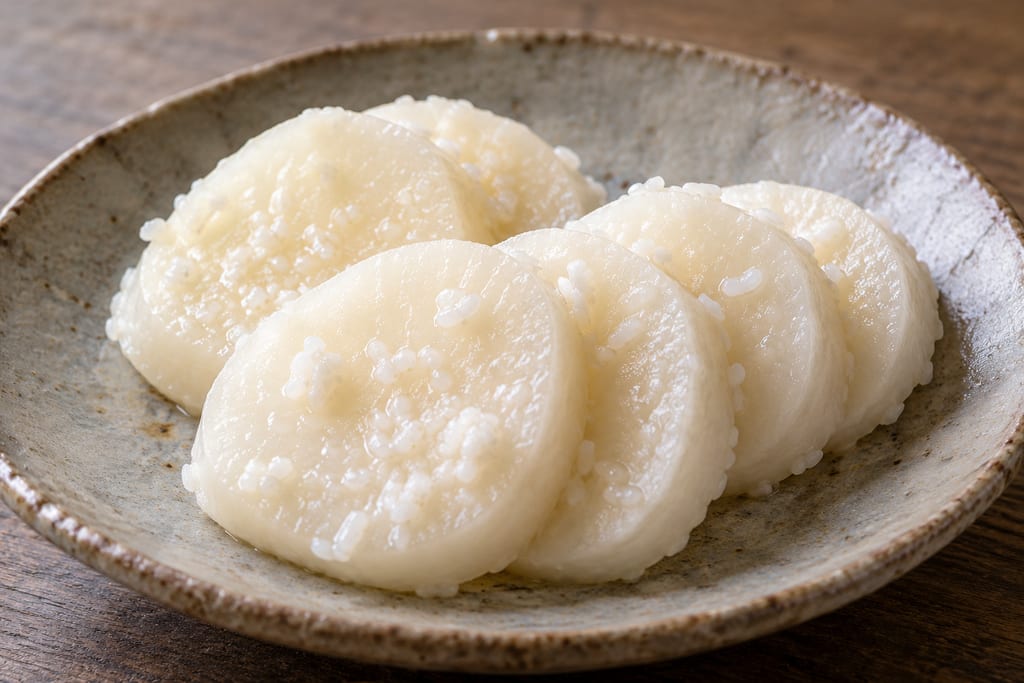
A sweet, crisp Japanese daikon pickle from Tokyo's Nihonbashi district, made by salting fresh radish and dressing it in rice koji, sugar or koji amazake without the heavy drying used for takuan.
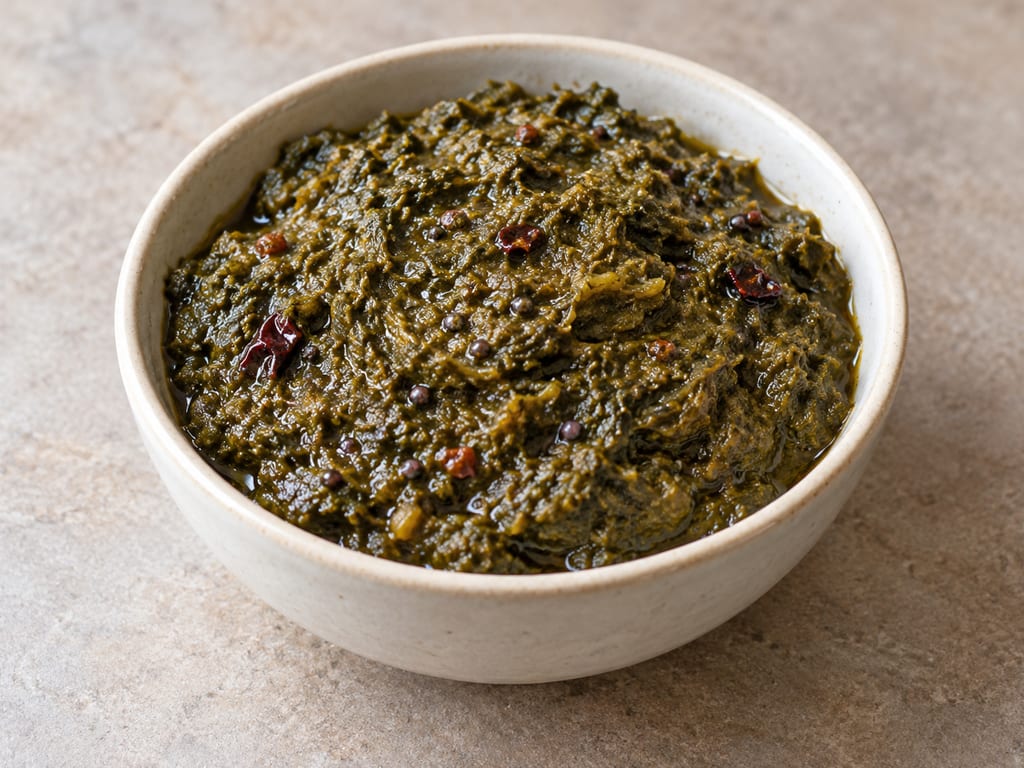
A hot, sour Andhra chutney of gongura (sorrel) leaves cooked soft and ground with fried dried chillies, garlic and onion, then finished with a hot tempering of dals, mustard and curry leaves.
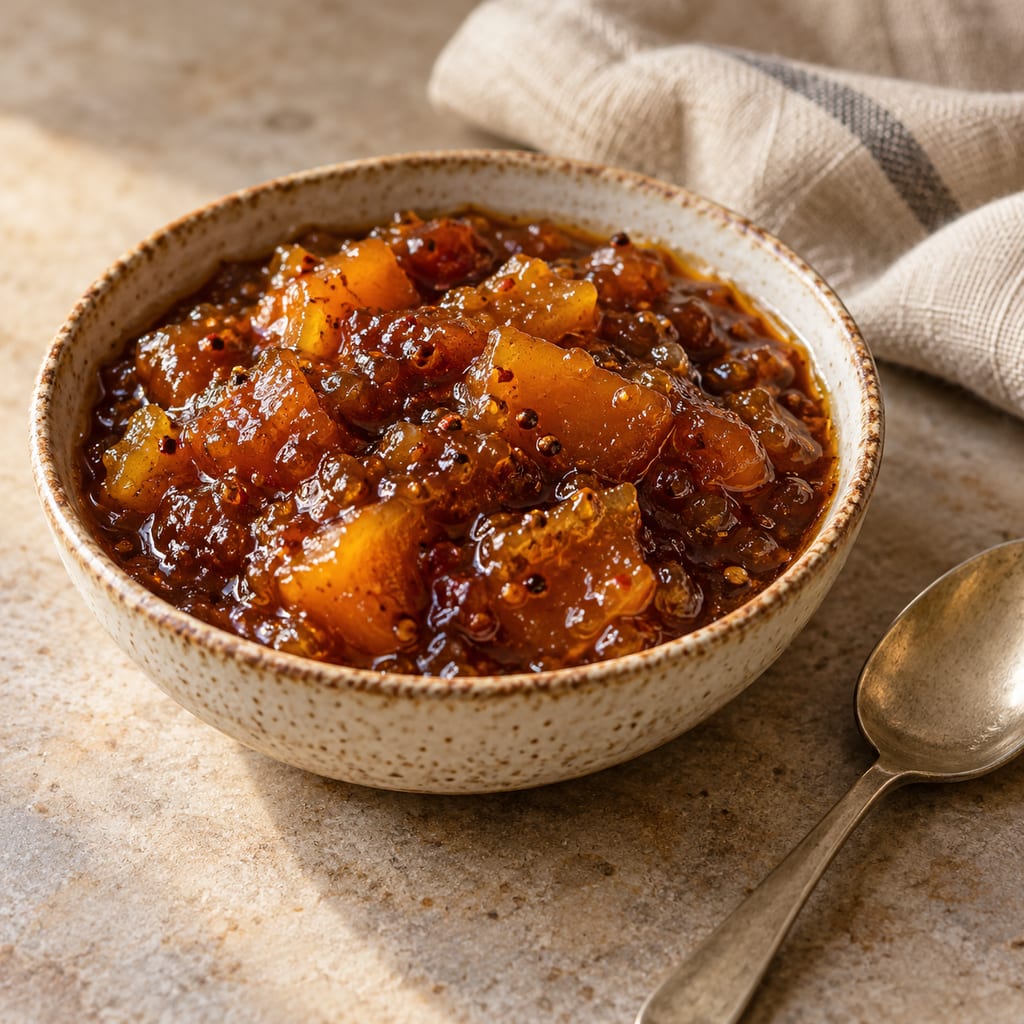
A broad account of cooked chutney traditions: fruit or vegetables combined with sugar, spices and sometimes acid, often boiled into a thick condiment. This record is historical and process context, not a formula or storage recipe.

Foods embedded in salty fermented miso paste, which transfers salt and fermentation products into them; misozuke uses an already transformed medium rather than a fresh vegetable brine.