Equipment
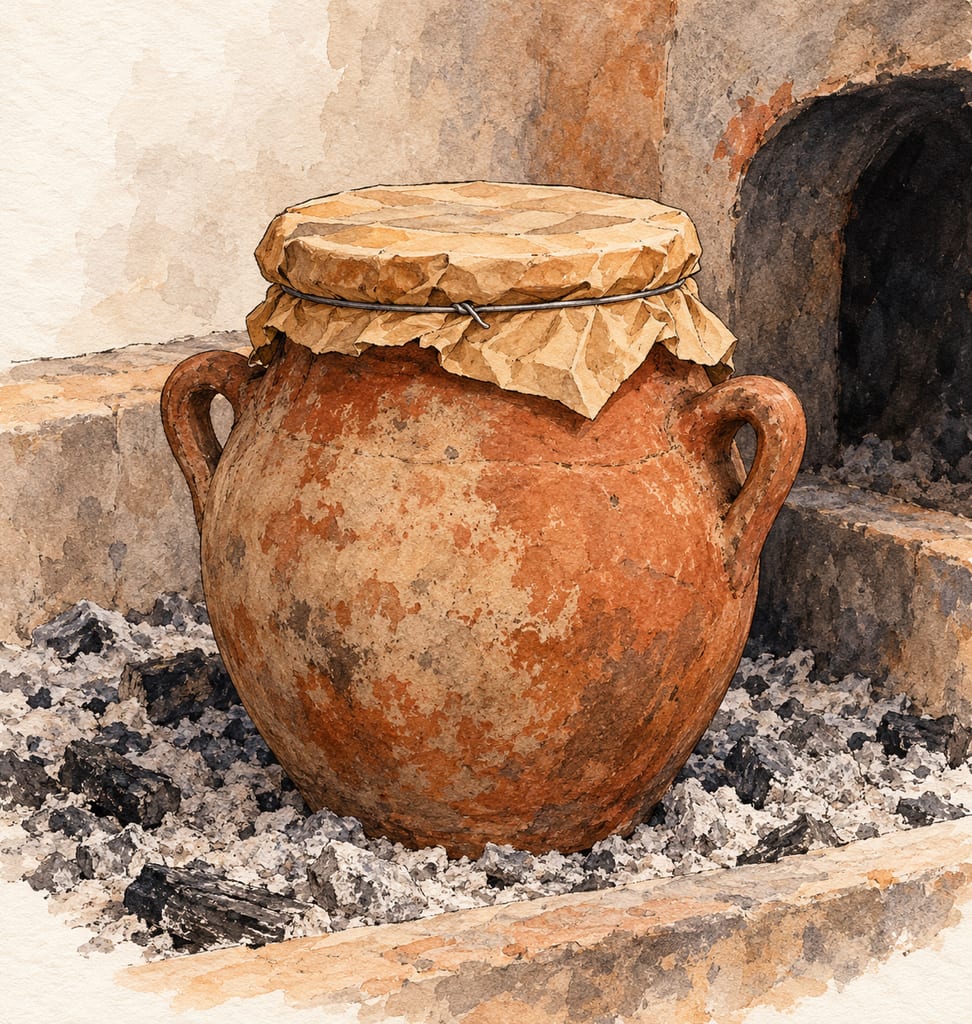
Tanjia jar
A purpose-made terracotta vessel, also called tangia or kallouch, for Marrakech’s slow-cooked tanjia. Potters make it mainly in Marrakech; a fernatchi cooks the closed jar among managed furnace embers.
 FermenteaWhere food goes to change
626 sourced equipment pages: vessels, tools, appliances and built structures.
A purpose-made terracotta vessel, also called tangia or kallouch, for Marrakech’s slow-cooked tanjia. Potters make it mainly in Marrakech; a fernatchi cooks the closed jar among managed furnace embers.
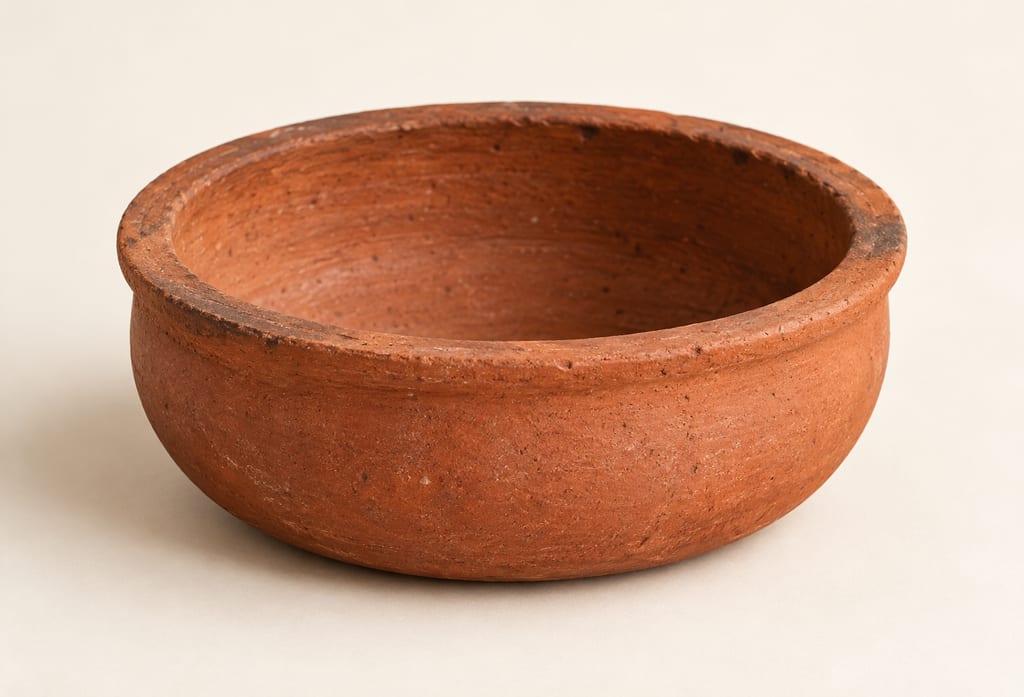
An open fired-clay pot holds Sri Lankan buffalo curd while it sets and travels to market. Sources document both hand-thrown and moulded forms.
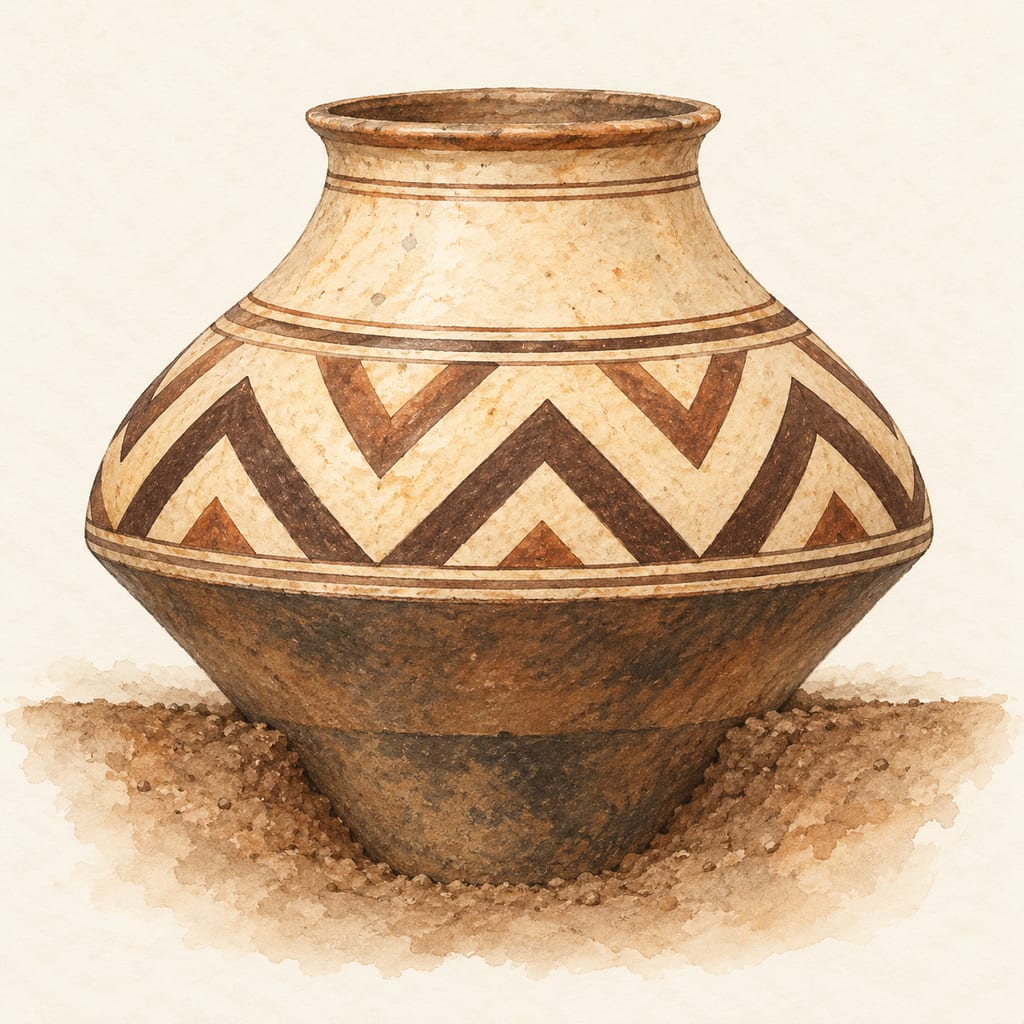
A painted ceramic jar used to hold festive beer among Shipibo-Conibo communities in Peru’s Ucayali region. One collection object has a tapered base partly buried to cool its contents.
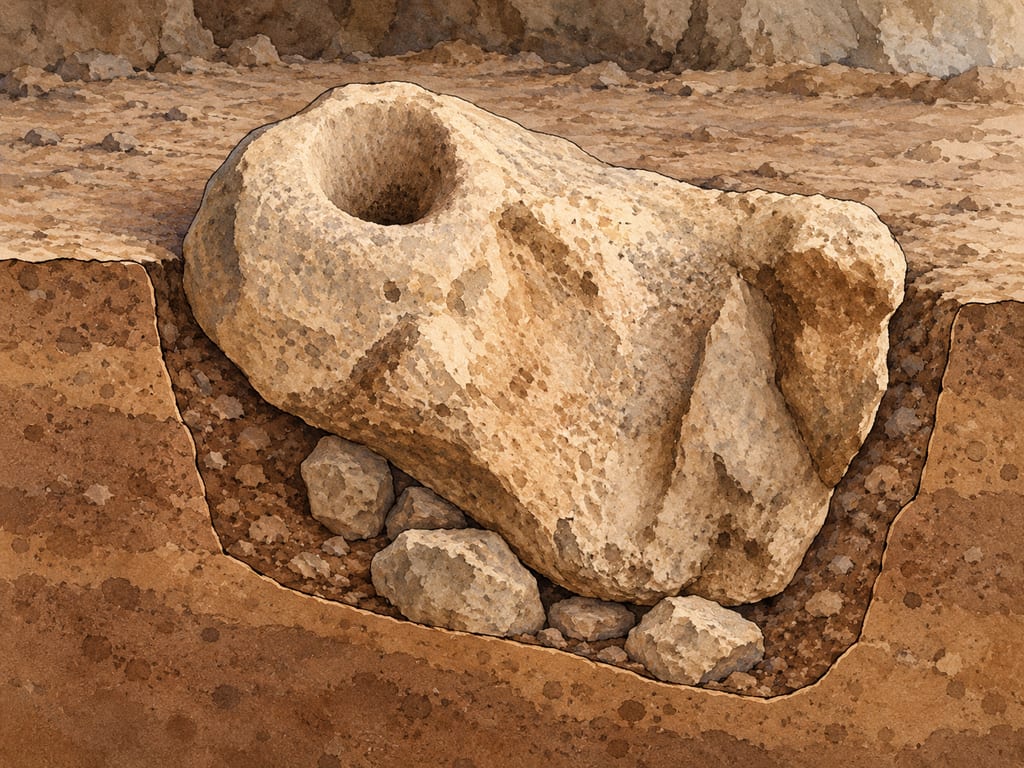
Three Natufian stone mortars at Raqefet Cave, Mount Carmel, include two portable boulder forms and a hollow cut into the cave bedrock.
Show on mapPuurtaq is a sewn skin bag documented as a vessel for igunaq, the ageing of marine-mammal meat and fat in Inuit foodways. Nunavik research describes skin pouches alongside other containers; the pouch does not guarantee food safety.
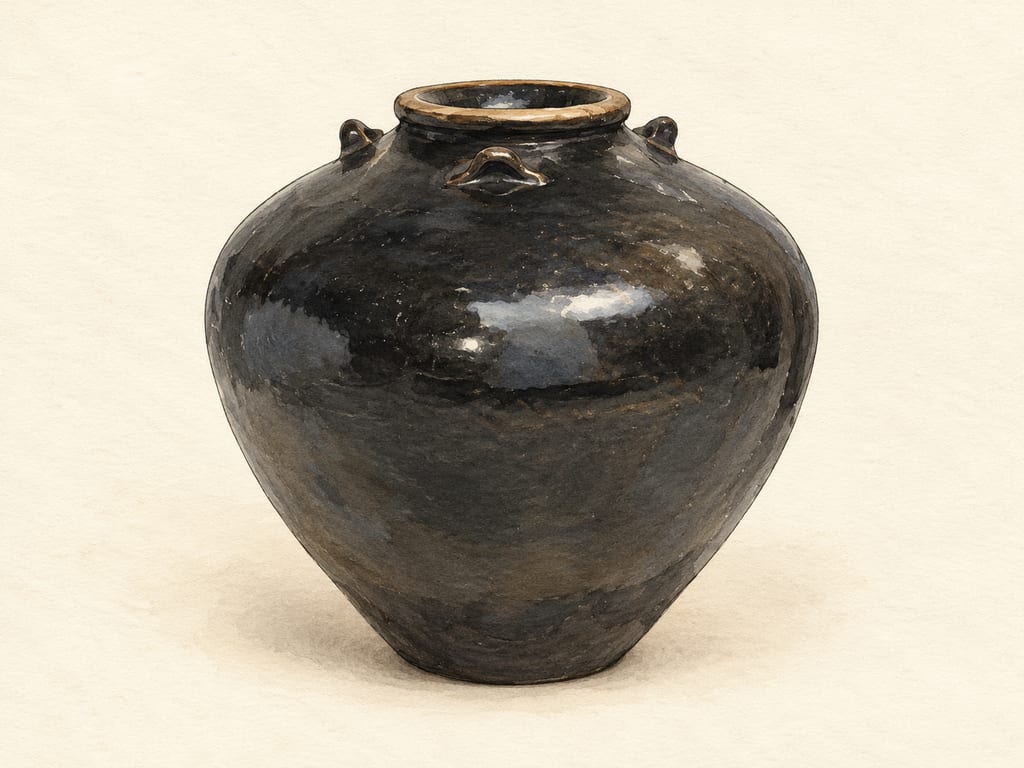
A durable Southeast Asian storage and trade jar, with particular Martaban examples documented in Philippine fish fermentation; the name covers varied objects, not one standard form.
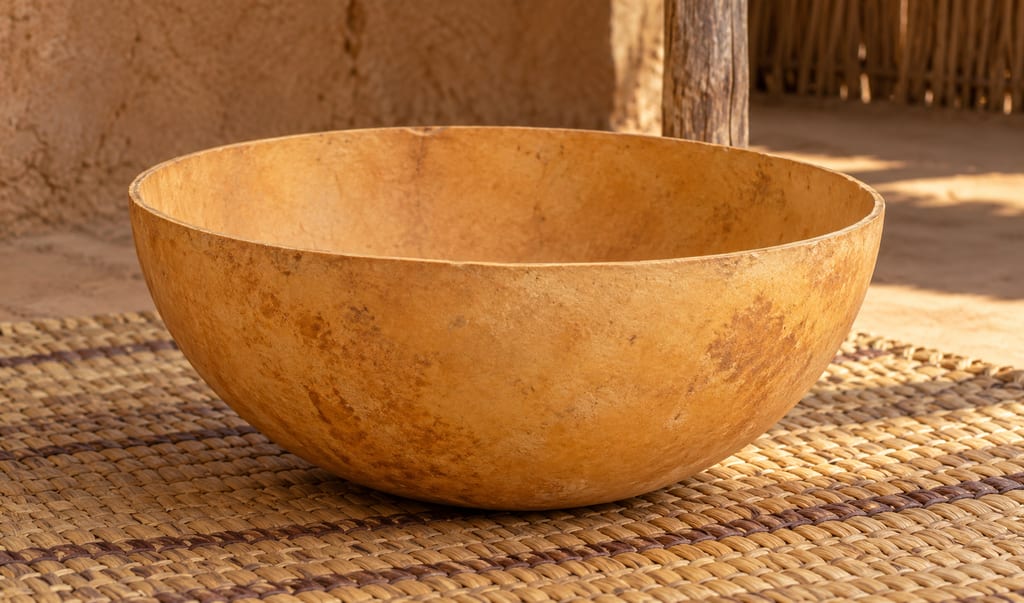
A Kworia is a large calabash used in northern Nigerian nono production: fresh milk ferments in calabashes before cream is skimmed and the sour milk is handled or sold.
A ceramic Ezzir jar holds salted butter during smen maturation in Algeria; a goatskin Chekoua is documented for churning the sour milk beforehand. Sources also report animal-skin containers, but do not establish a single shared form.
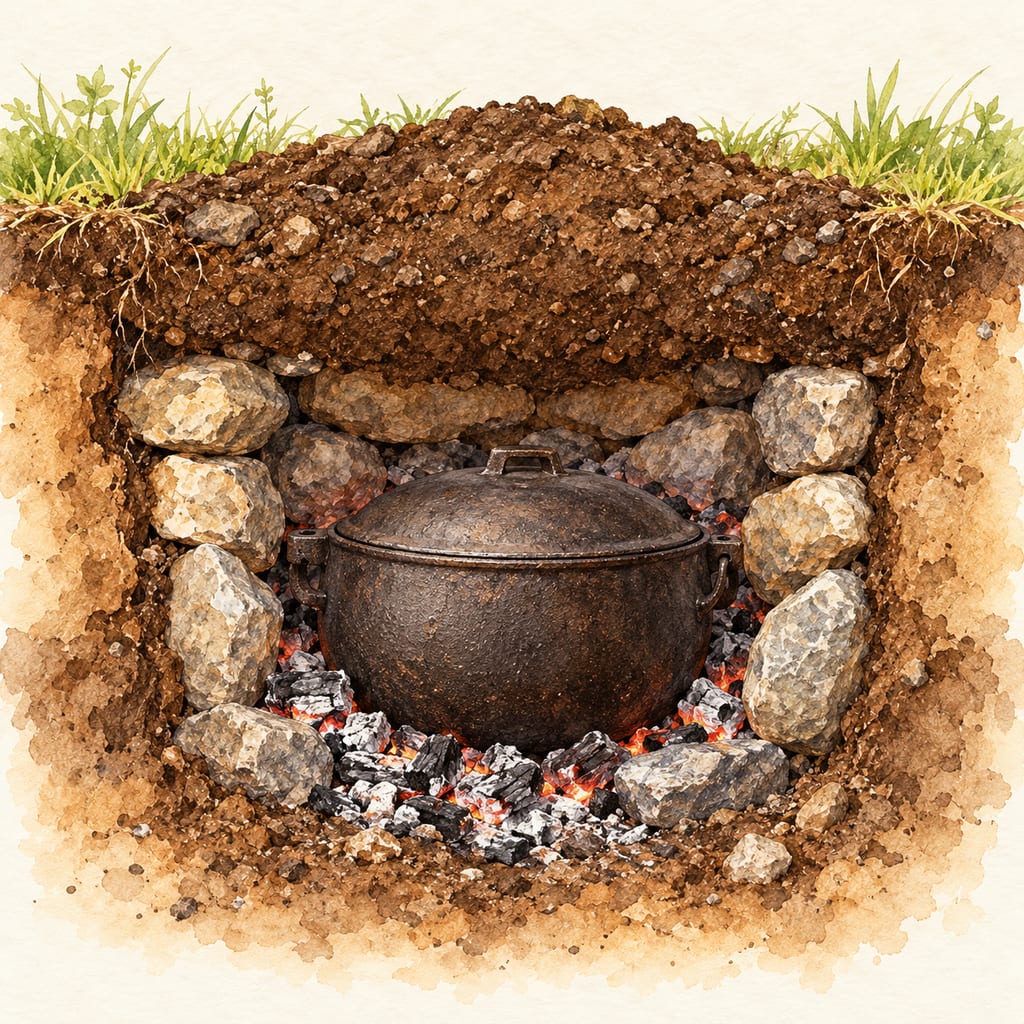
A covered iron vessel used in Maine bean-hole cooking, set into a preheated stone-lined pit and buried for a slow cook.
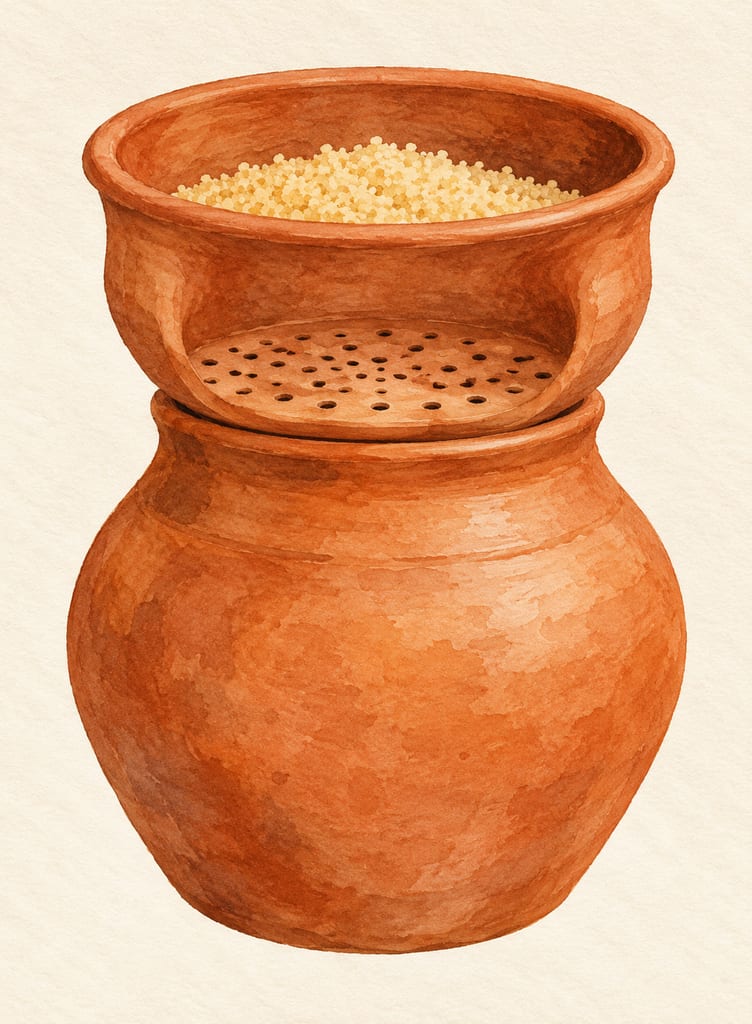
A two-part steamer for couscous: a perforated upper chamber sits over a lower pot that produces steam. Clay, basketry and metal forms are documented in different places and periods.
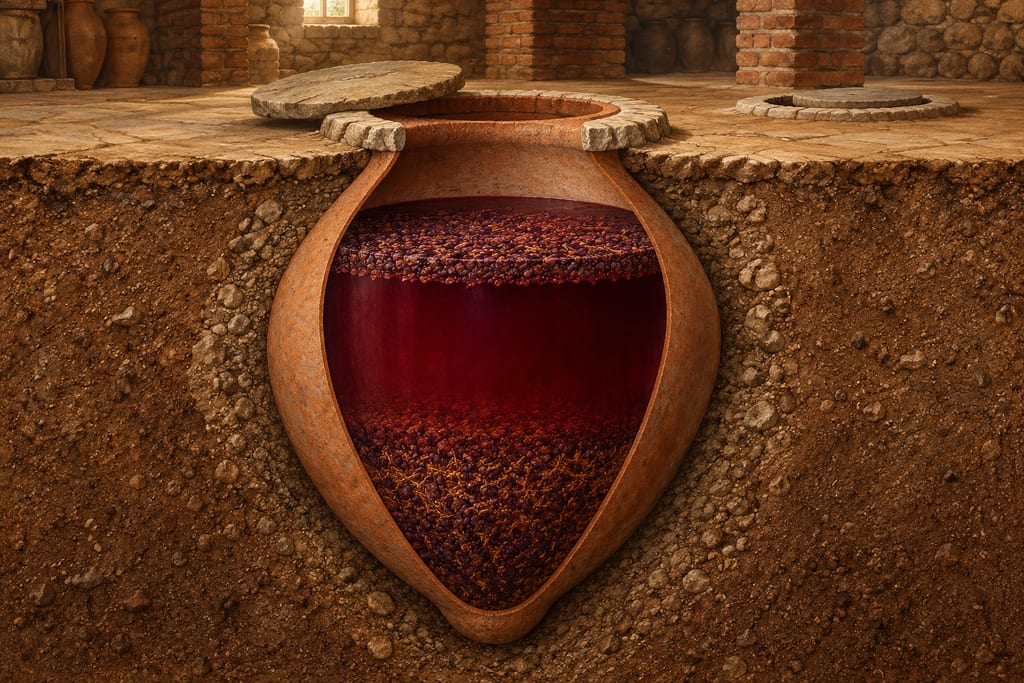
A qvevri (ქვევრი; kvevri), called churi (ჭური) in Imereti, is a large fired-clay Georgian wine vessel traditionally installed upright in the ground for fermentation, maturation and storage.
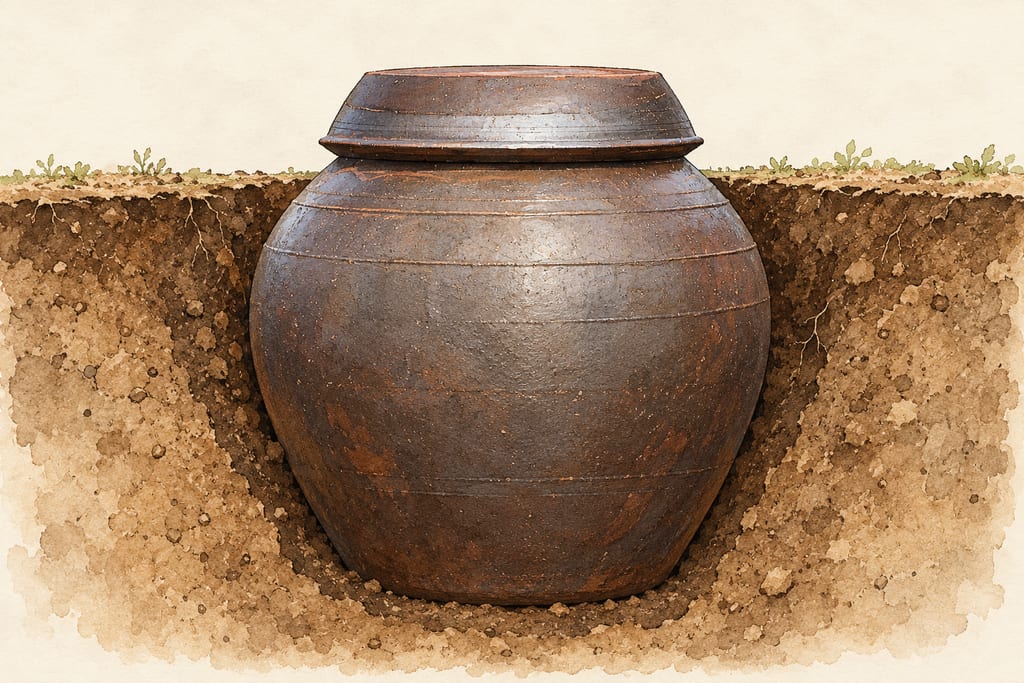
A traditional Korean onggi used in winter kimjang for kimchi storage could be buried to moderate temperature. The sources support the practice but not one standard burial depth or jar profile.
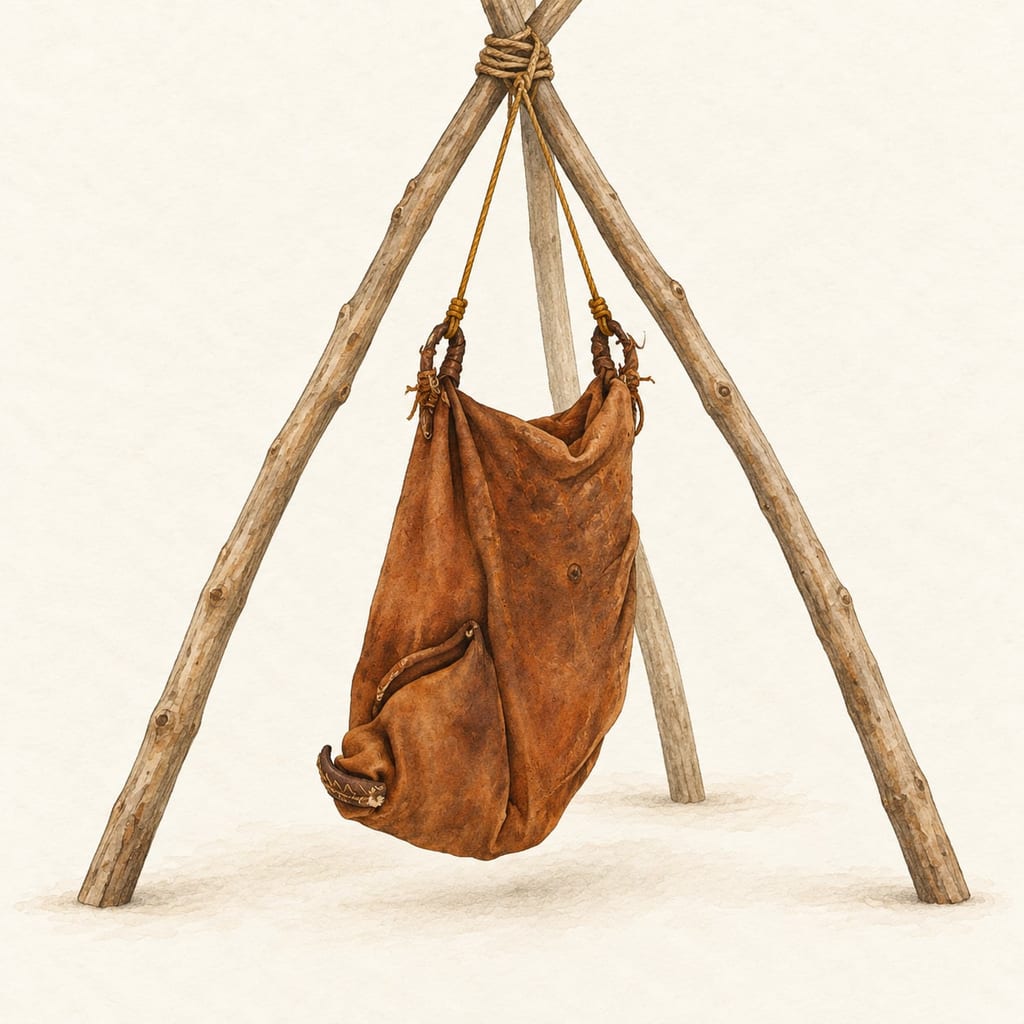
A flexible goat-skin bag from Dhofar hangs by a long cord and is rocked to churn milk or buttermilk. The British Museum records one 1970s specimen; churning is mechanical separation, not proof that the milk fermented.
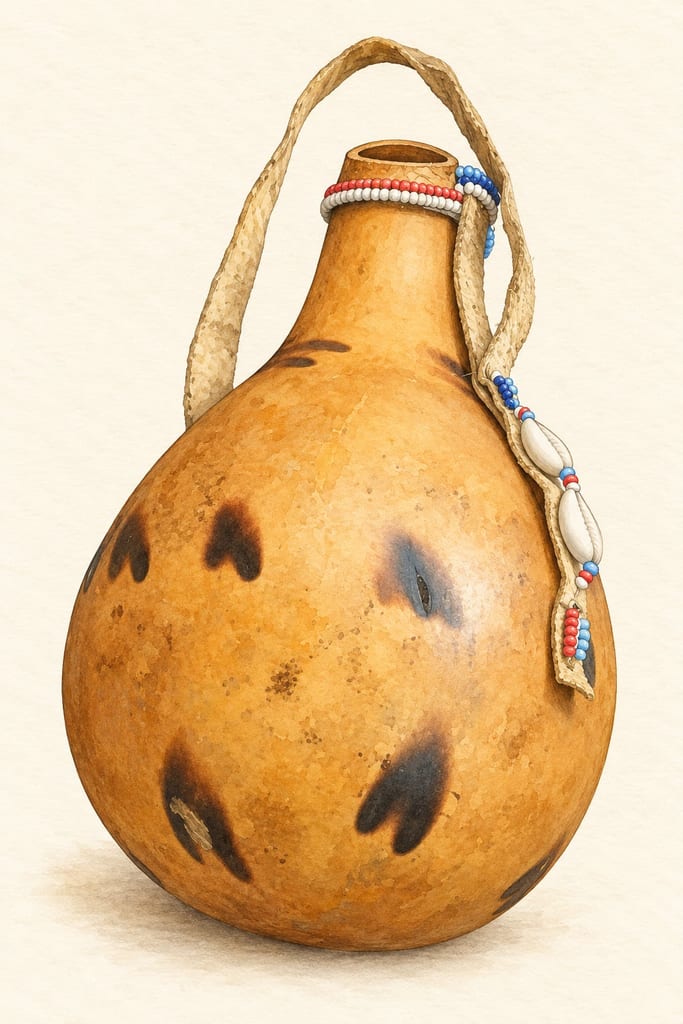
A dried gourd used in documented Kalenjin and Nandi practices to hold and serve mursik. Sources describe different ways to prepare its interior, so sotet is a family of locally shaped vessels rather than one standard design or treatment.
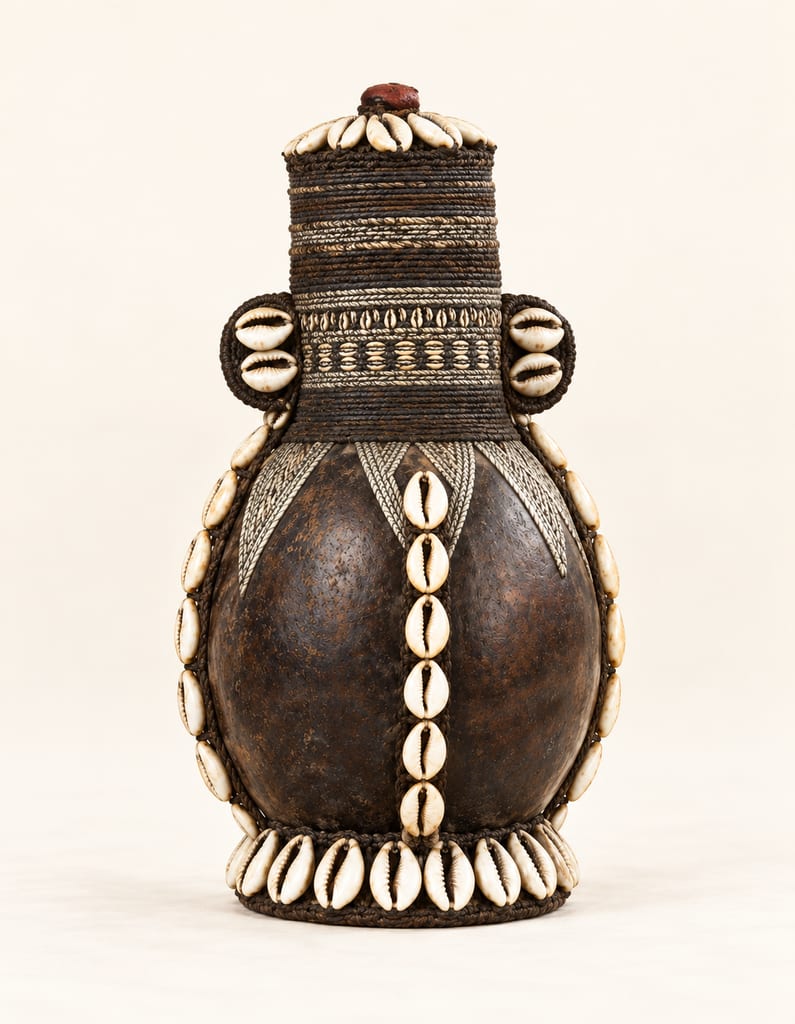
Ethiopian milk fermentation uses a family of vessels—calabashes, clay pots, fibre vessels and hollowed wood—whose interiors may be smoked before filling. Forms and roles vary by community and stage.
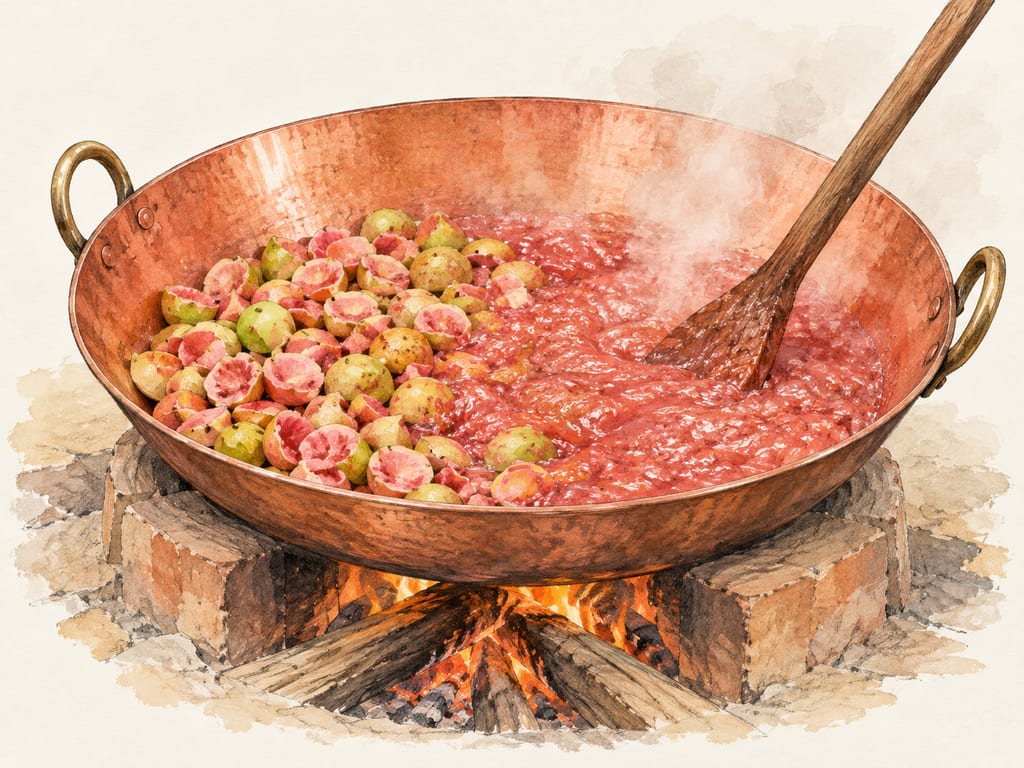
The tacho de cobre is a broad copper kettle used to cook guava and sugar into goiabada cascão in São Bartolomeu, Minas Gerais. Local accounts pair it with a wood-fired brick hearth.
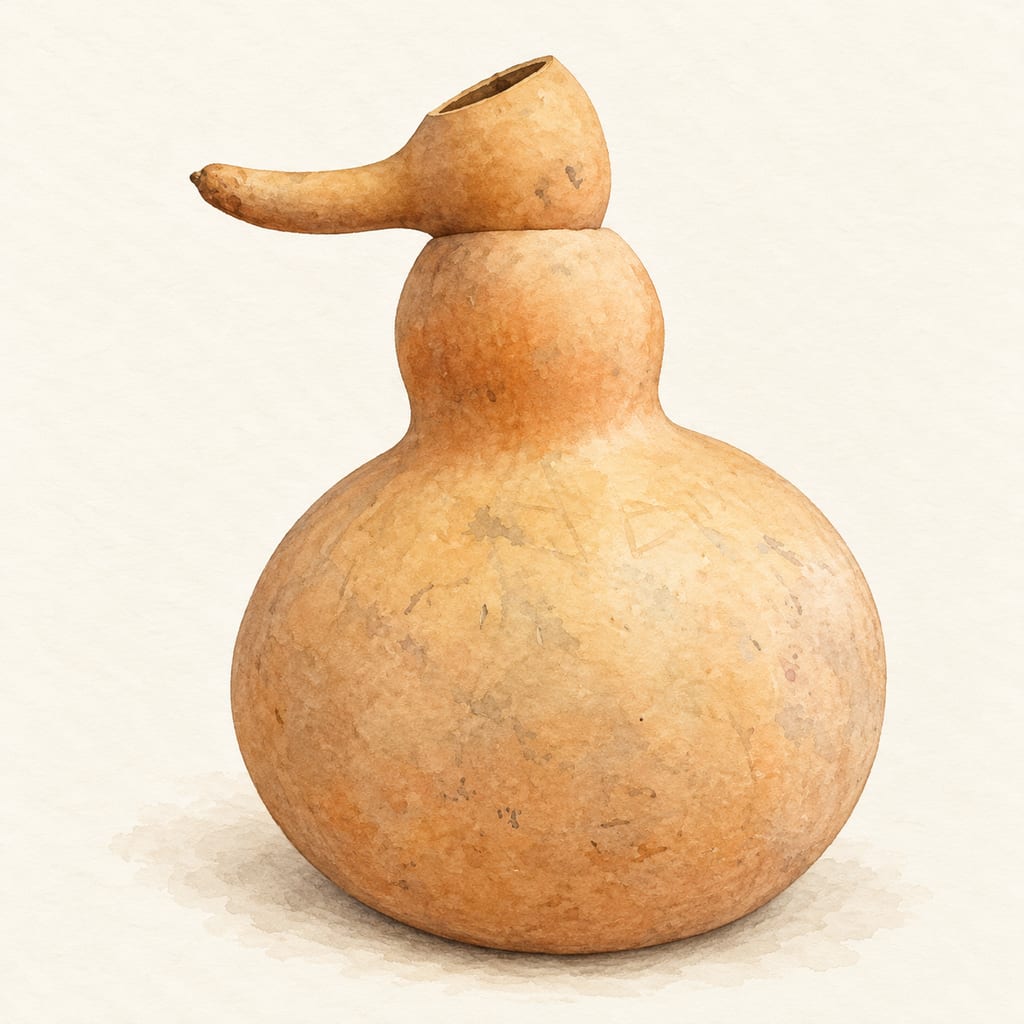
A gourd vessel used for fermenting Zambian mabisi; some Western Zambian forms have a low opening for draining whey.
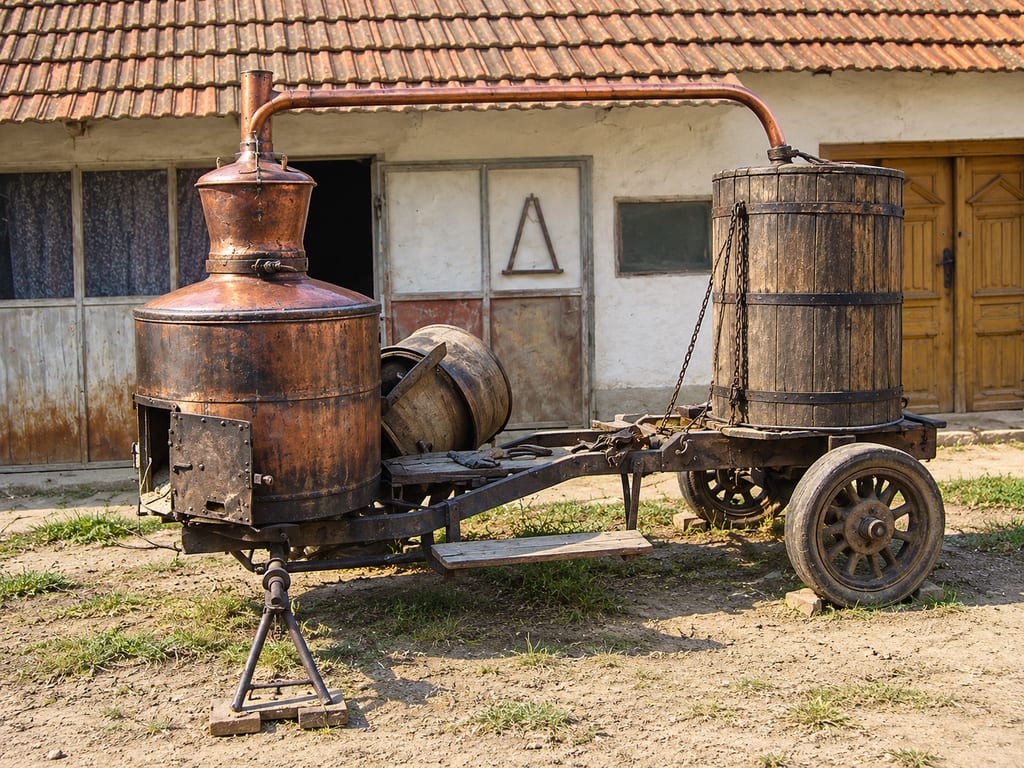
A copper pot still is a portable batch-distillation apparatus with a boiler, vapour path and condenser. Serbian rakija traditions and Montenegrin plum-spirit production document varied forms, not one universal blueprint.
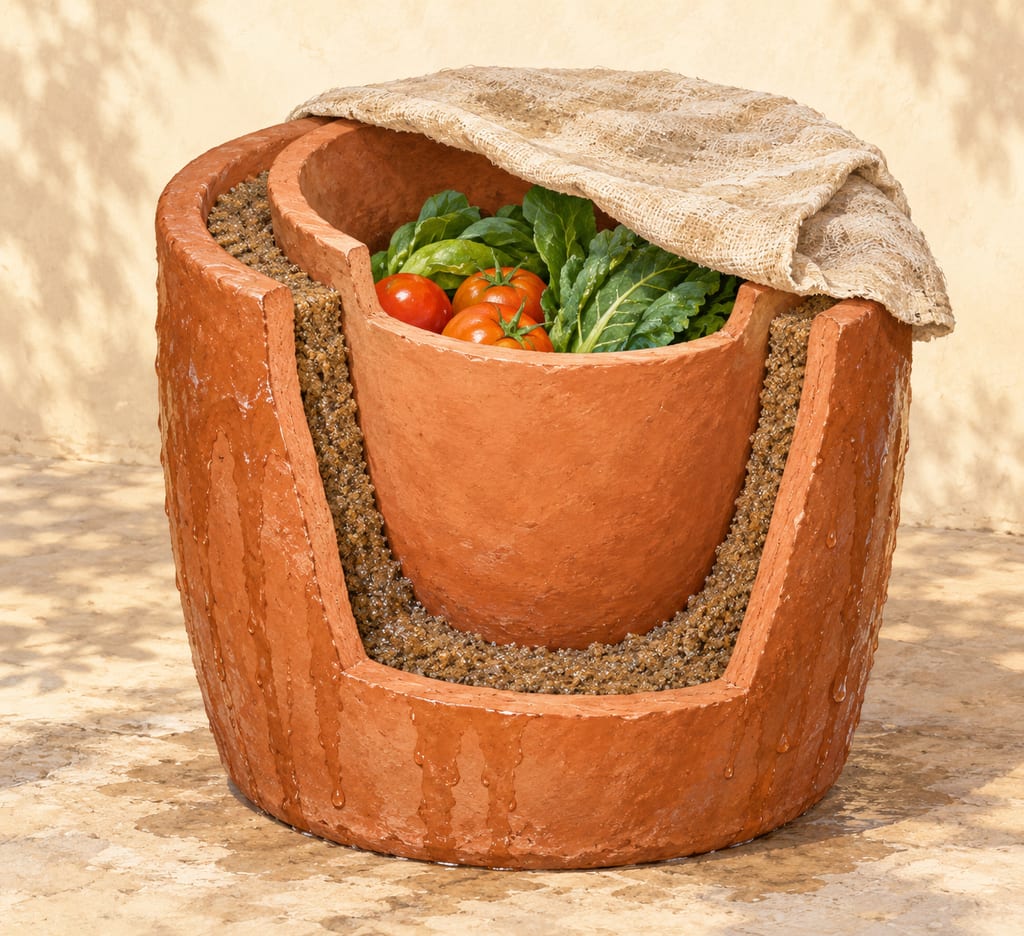
A household produce cooler built from two clay pots, wet sand and a damp cover. Evaporating water cools the inner chamber without a powered refrigerator; it suits hot, dry, ventilated settings.
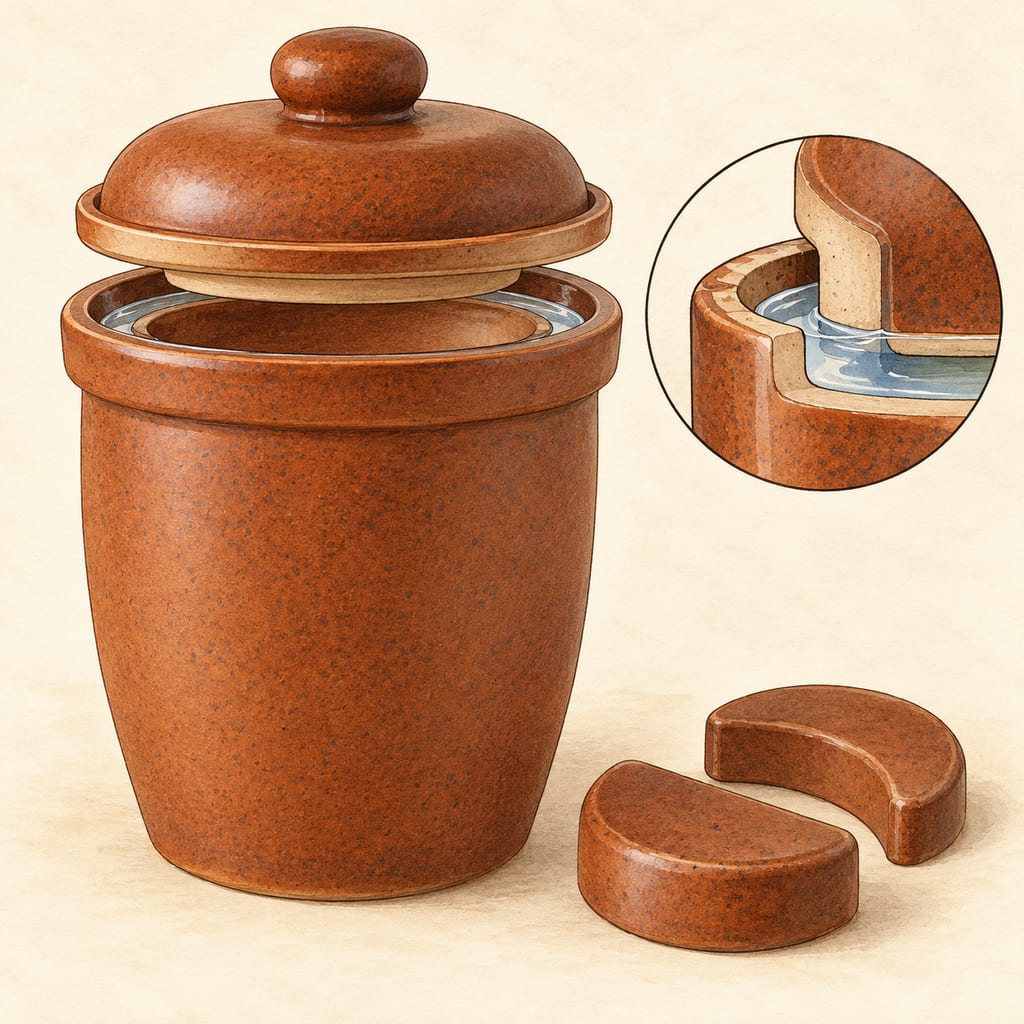
A movable stoneware sauerkraut crock with a fitted lid, ceramic weights and a water-filled rim channel. German sources call it a Gärtopf; Czech sources document the related zelňák or nádoba na kvašení zelí.
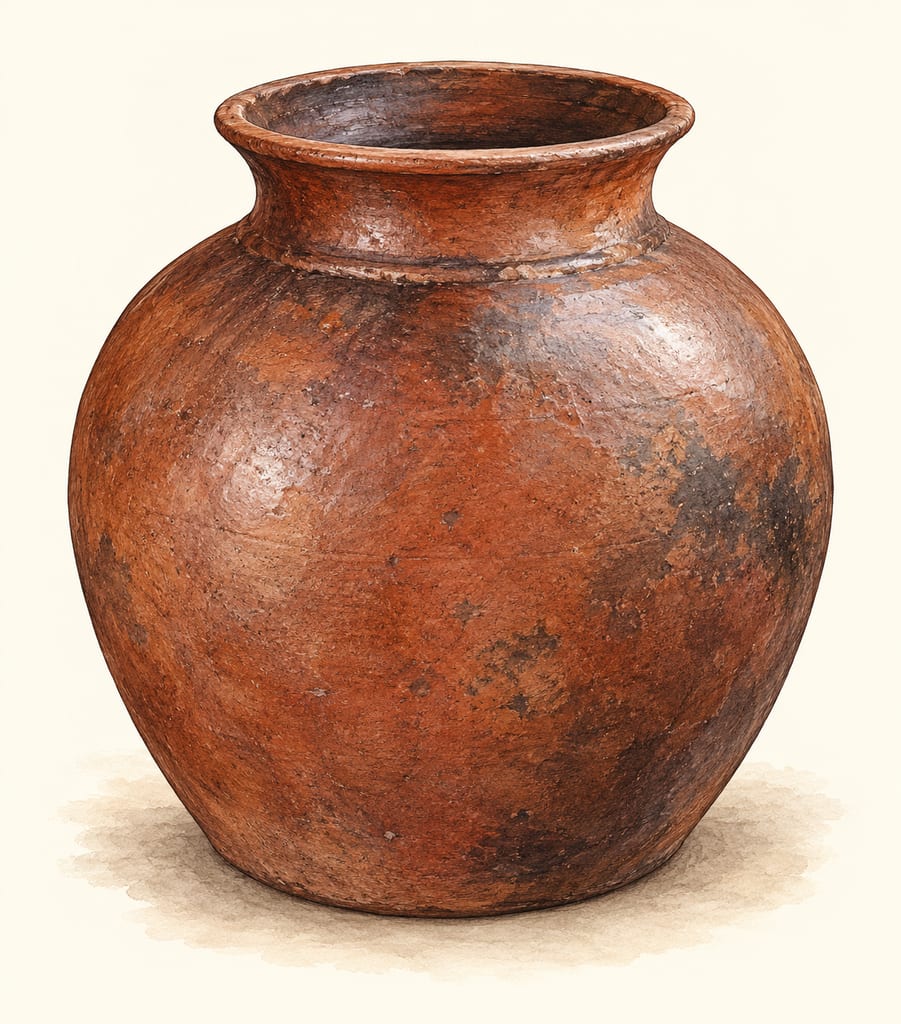
In Arequipa, ceramic chombas hold chicha de Güiñapo as it ferments. Other Andean chicha methods use dedicated earthenware fermentation pots, but the shape, size and handling practice vary by place and process.
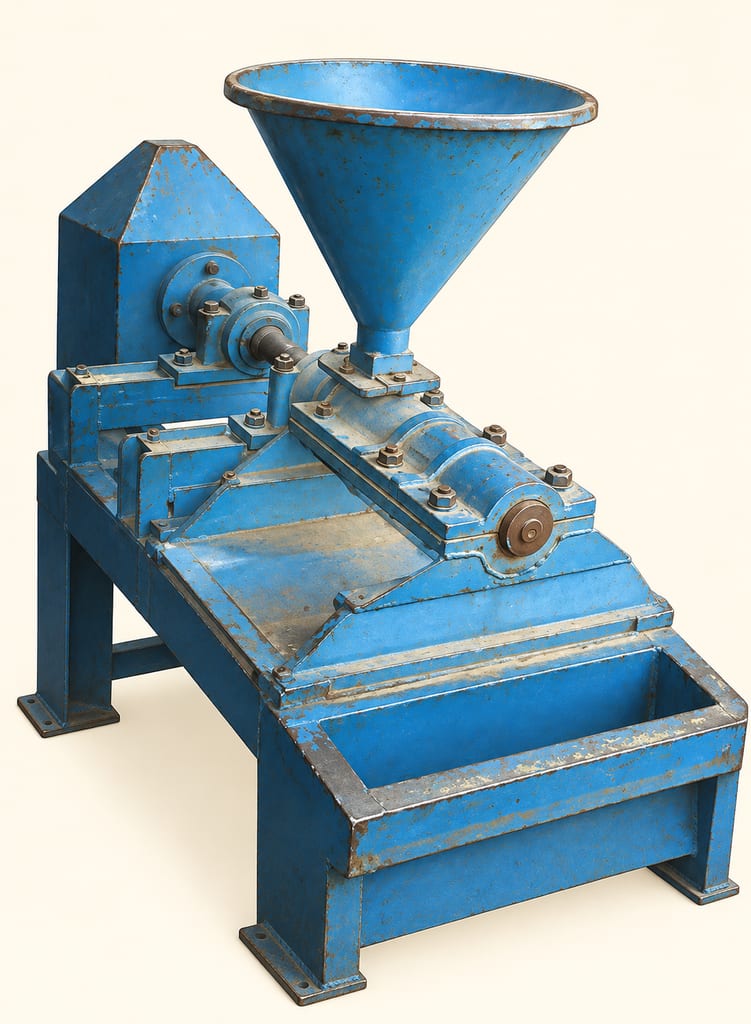
A continuous screw press compresses prepared palm-kernel meal in a perforated cage, draining oil while cake exits separately. FAO documents several preparation routes and machine examples from Benin and Cameroon.
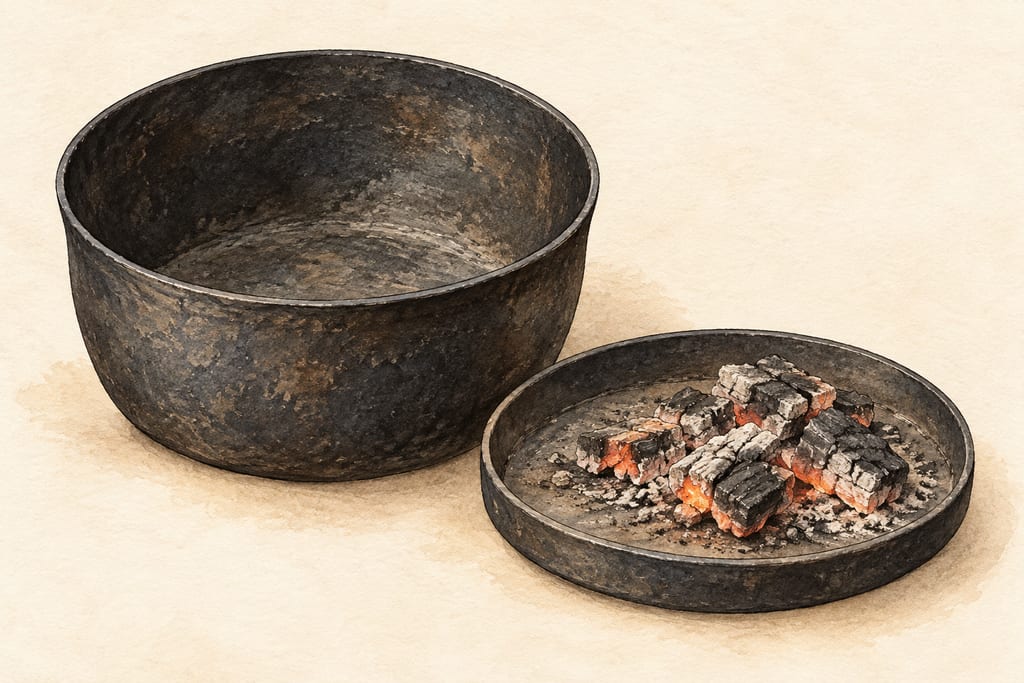
A portable cast-iron Irish hearth pot that became a small oven when embers were placed on its lid, baking bread, meat and poultry.
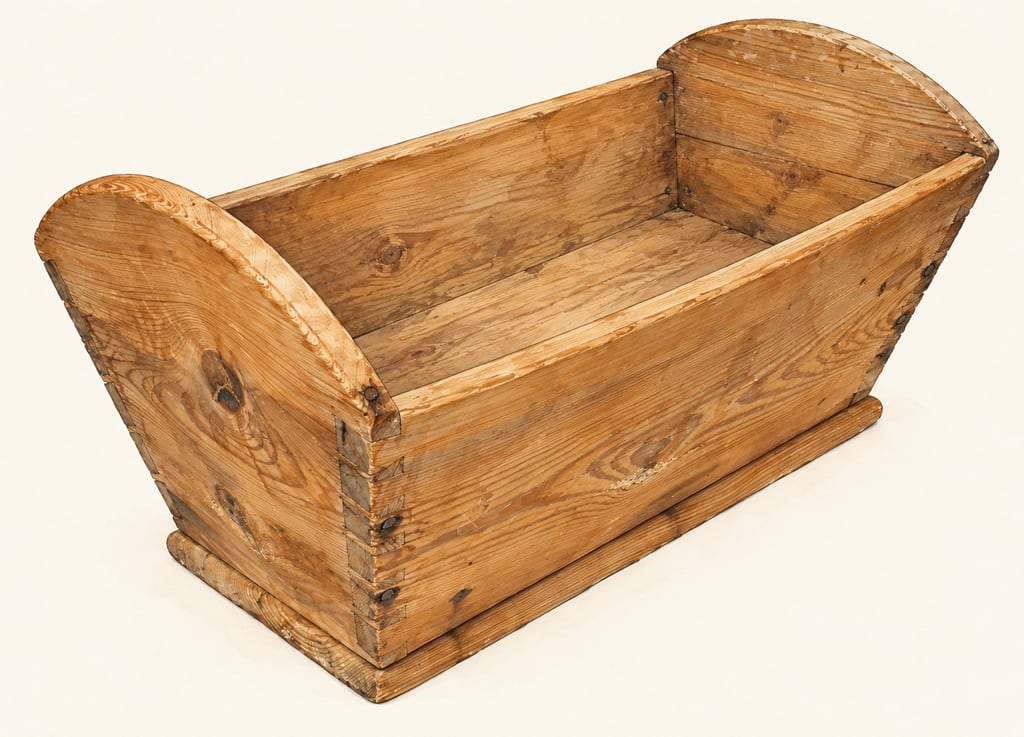
In Swedish breadmaking, a wooden trough could hold sourdough between bakes; dried dough on its walls could be revived for the next bake. A museum example from Björnlunda documents one traditional form.
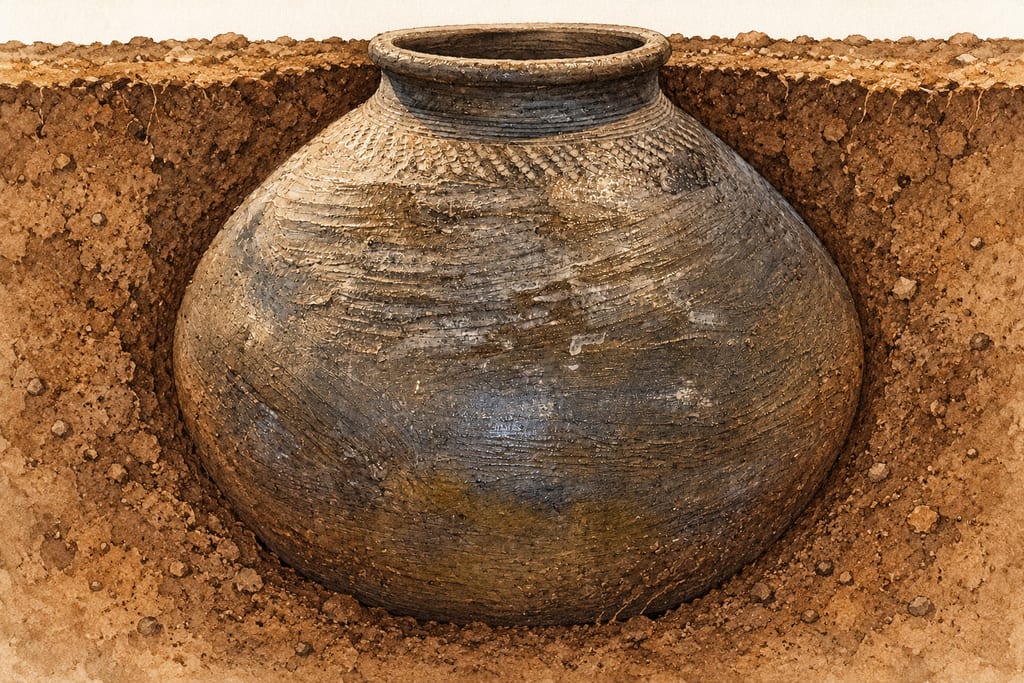
An earthen fermentation pot documented in Ayurvedic asava and arishta preparations. Studies in India compare pot and non-earthen vessels; field research in Sri Lanka records both earlier buried pots and later, varied factory practice.
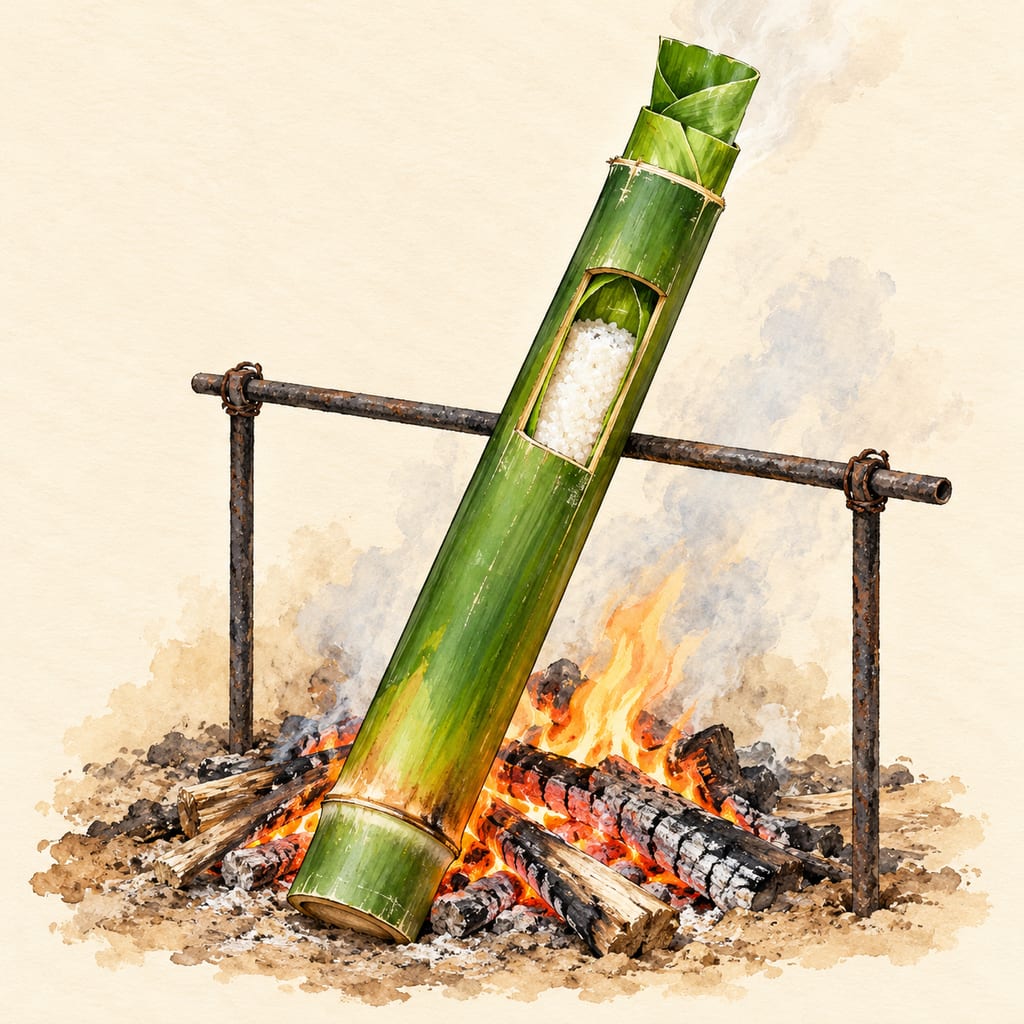
A bamboo internode can serve as the cooking vessel itself: its natural node closes one end while the open end holds food, often with a leaf lining or plug. Regional preparations differ in filling, fire arrangement and handling.
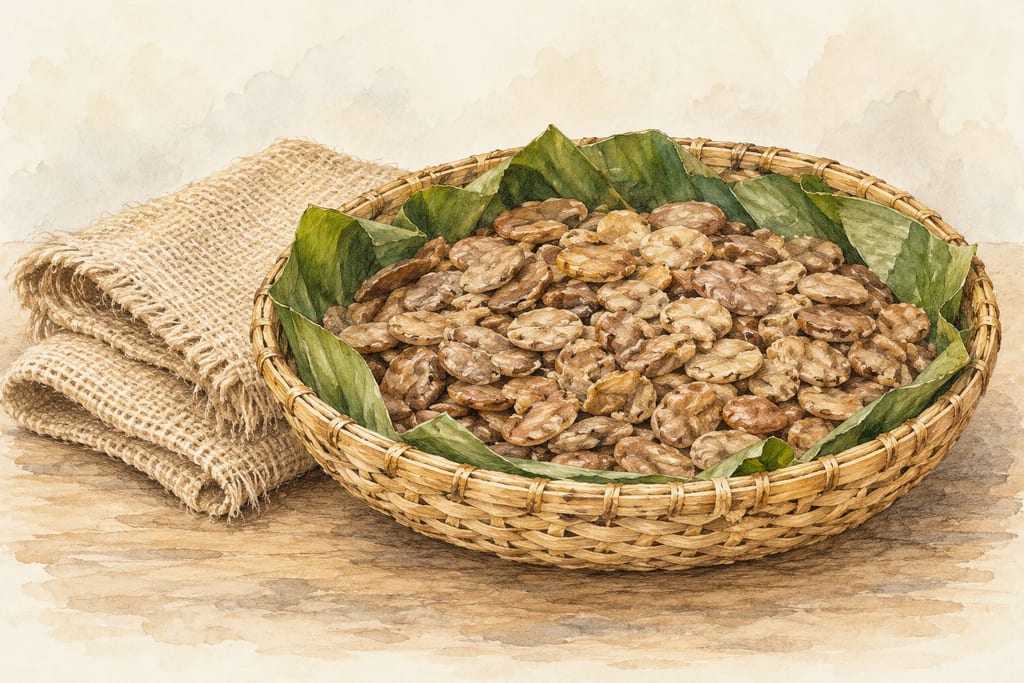
A shallow woven basket or tray can hold cooked, dehulled seeds while they ferment into alkaline condiments. Beninese and Nigerian sources document different basket, tray and cover arrangements rather than one regional standard.
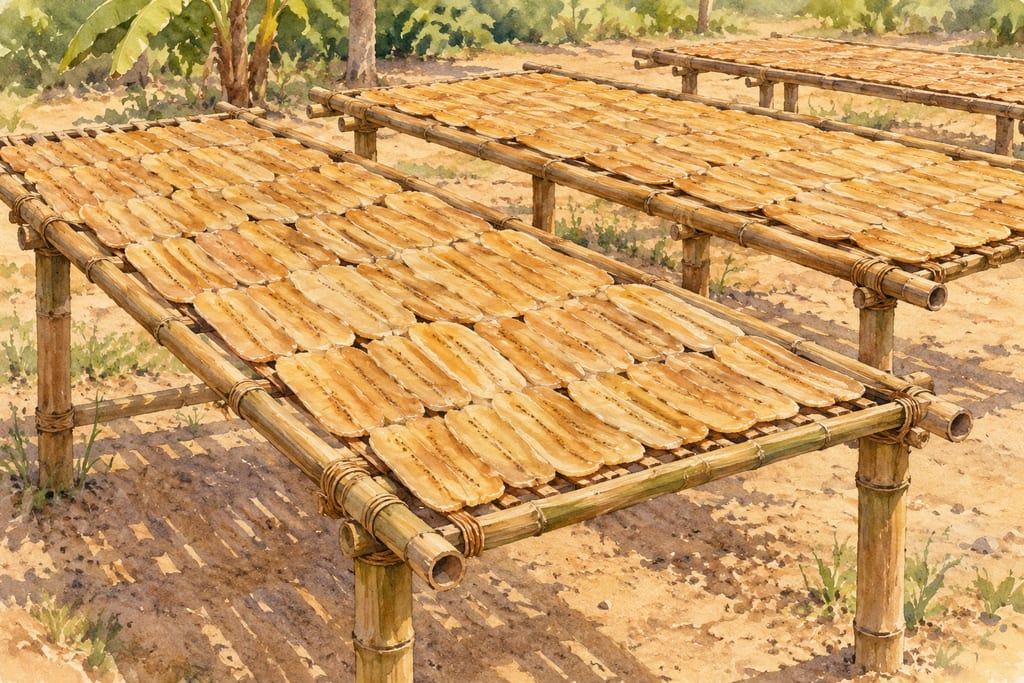
In the Battambang dried-banana craft, thin banana slices are laid on bamboo frames and set in the sun. The supports hold the overlapping slices off the ground while air and sunlight dry them into flexible sheets.
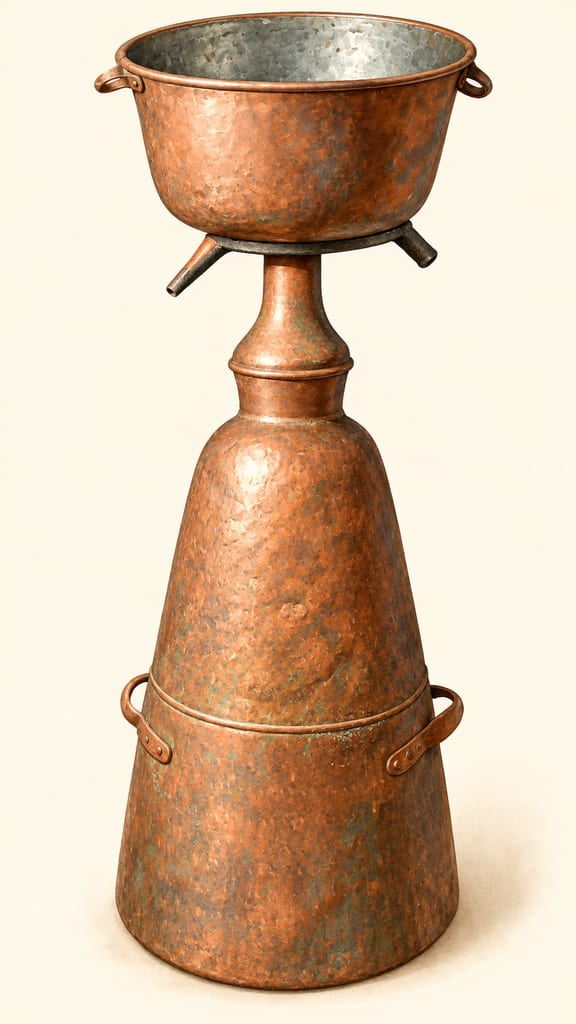
A traditional Galician direct-fire pomace still: its copper pot and cap condense vapour in a water-cooled chamber, then send the distillate through a short biqueira.
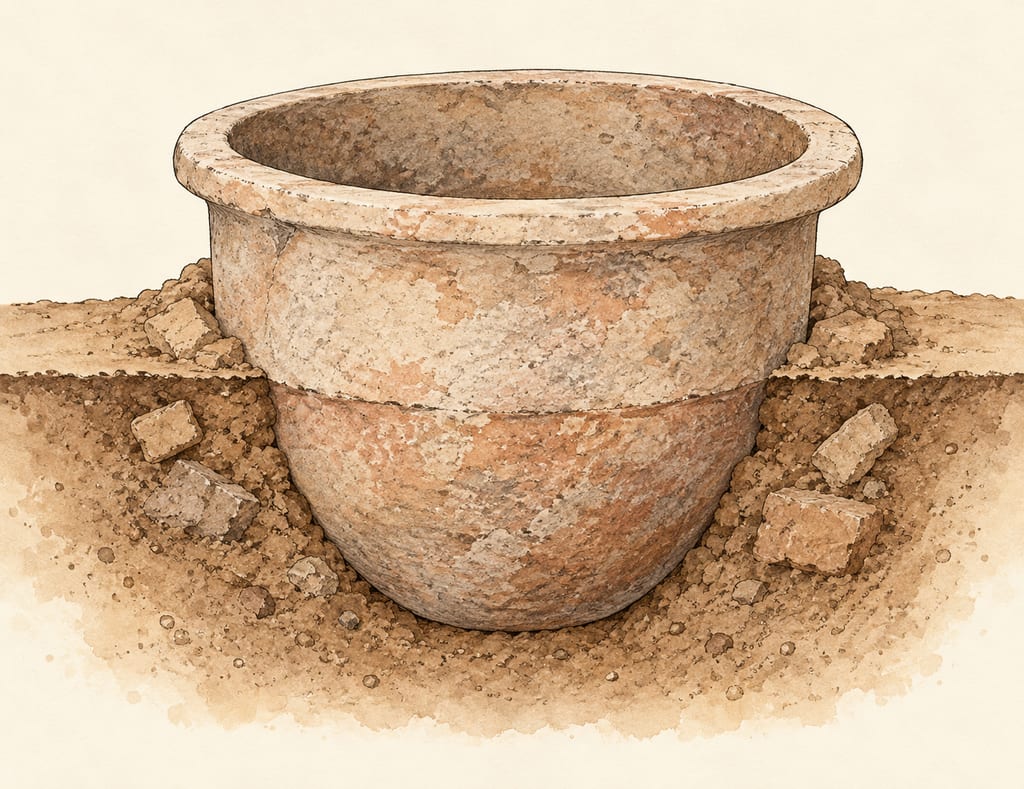
The Hymn to Ninkasi describes a fermenting vat above a large collector, from which filtered beer is poured. It gives no exact shape or material; later archaeological vats are comparisons, not matches.
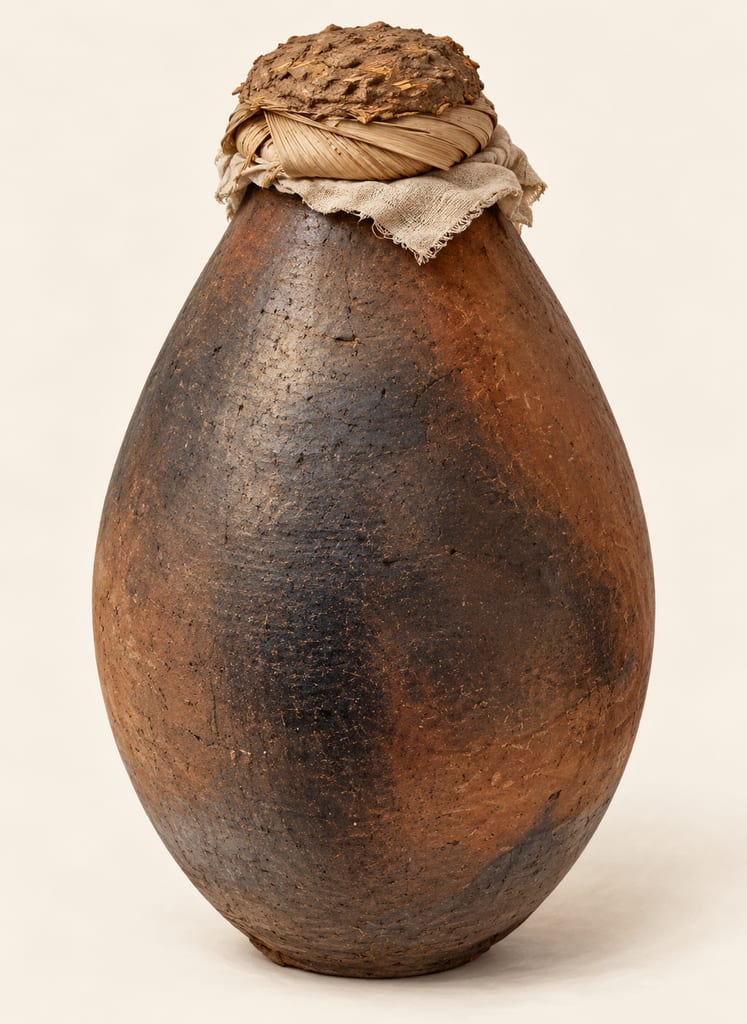
Mish is ripened in capacious earthenware jars called ballas or zallaa. Sources describe layered cheese, seasoned salty liquid and a sealed mouth, but give no standard capacity or universal jar geometry.
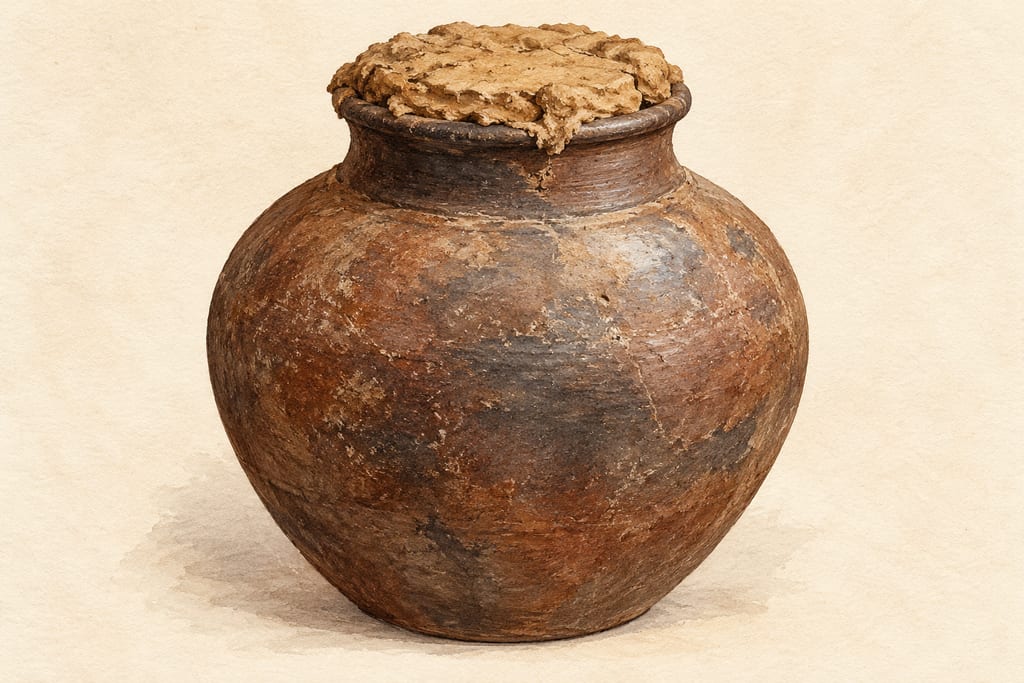
A chaphou is an old, narrow-necked earthen jar used to ferment ngari, the Manipuri fish product. A 2020 study documents tightly packed dry fish sealed with mud; it gives no standard jar size or age.
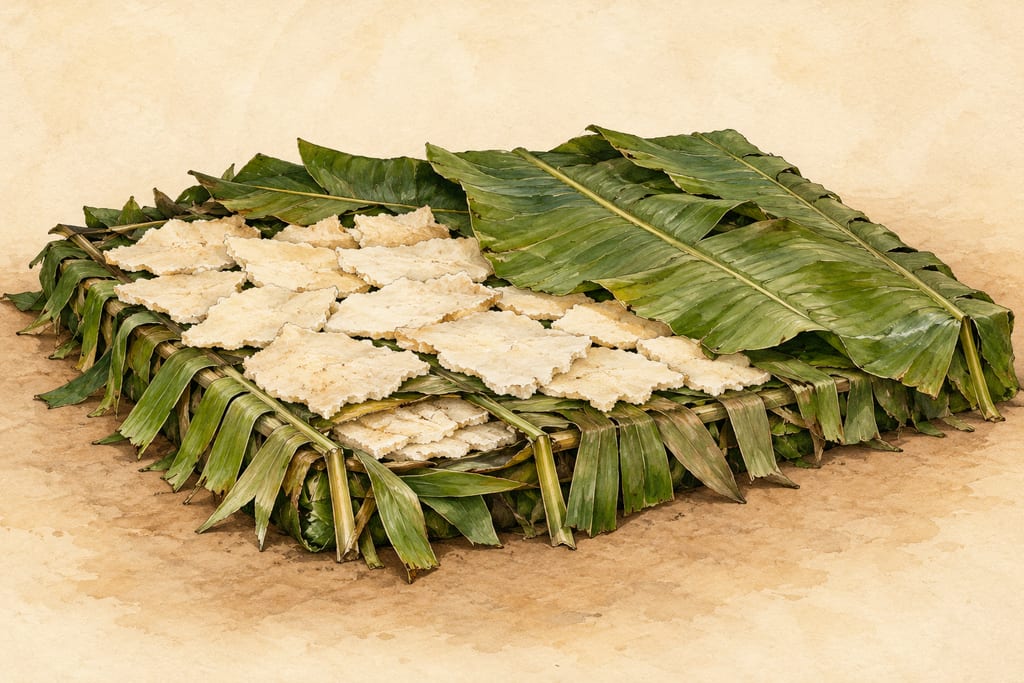
A floor-laid leaf bed holds layered moist cassava bread for parakari’s solid-state first stage. Wapishana and Makushi ethnographies document distinct leaf materials; the bed is opened before its contents move to a separate vessel.
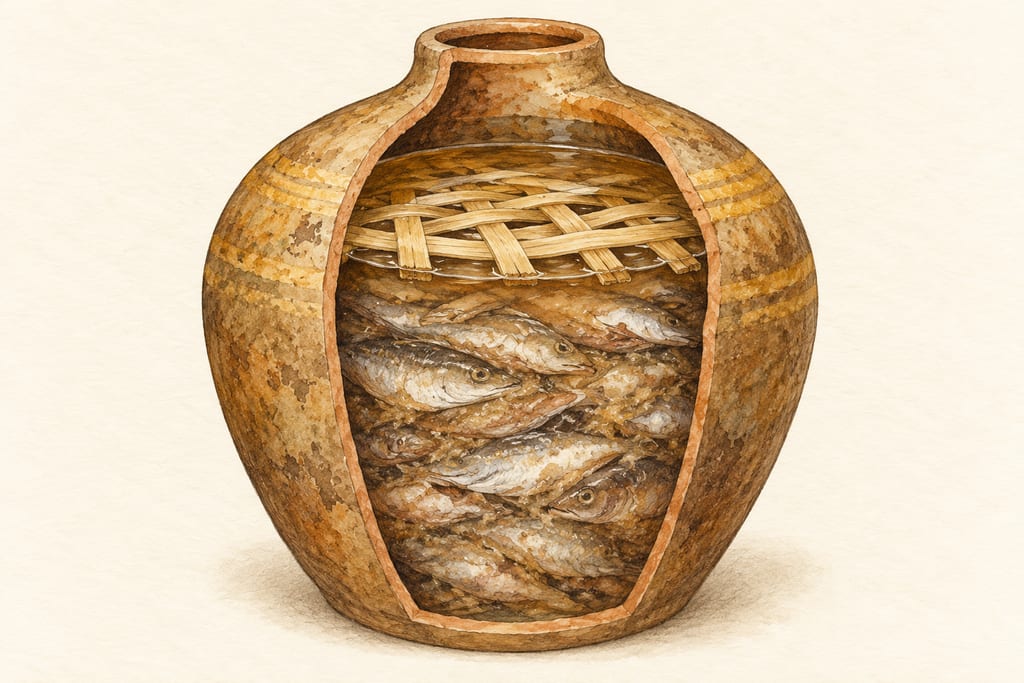
A narrow-necked earthenware jar for pla-ra fermentation, with woven bamboo strips pressed over the fish to keep it beneath the liquid. The jar is covered while allowing overflow; no standard size or lid design is established.
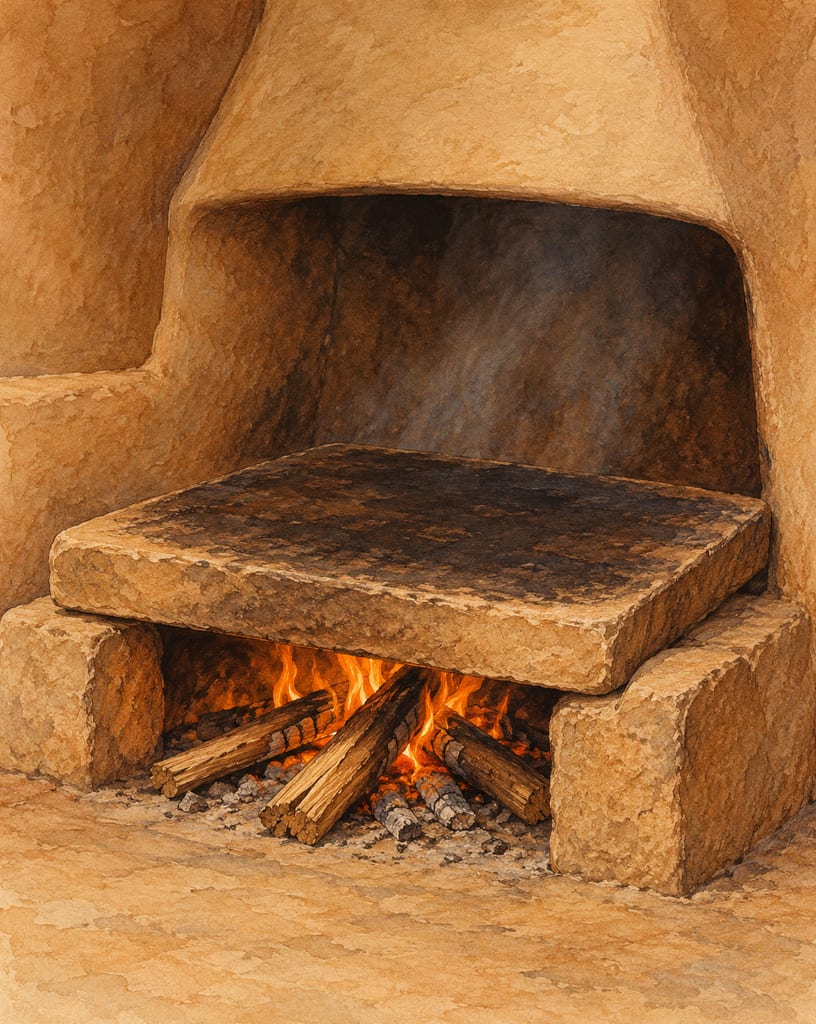
A carefully smoothed sandstone slab used by Hopi piki makers as a heated cooking surface, set above a fire in a dedicated piki-making space.
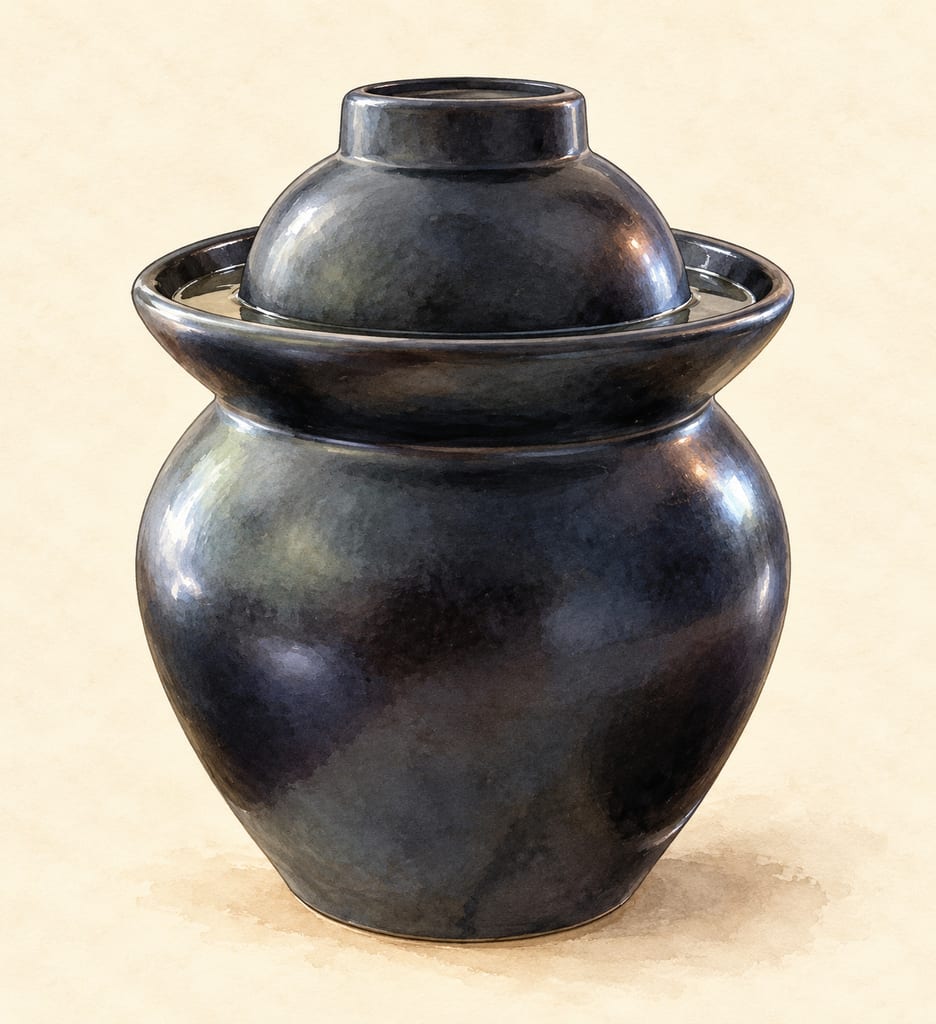
The Sichuan paocai jar is a pottery or ceramic crock with a broad body, narrow neck, and annular water trough around its rim. An inverted lid rests in the trough; the seal is separate from the food brine.
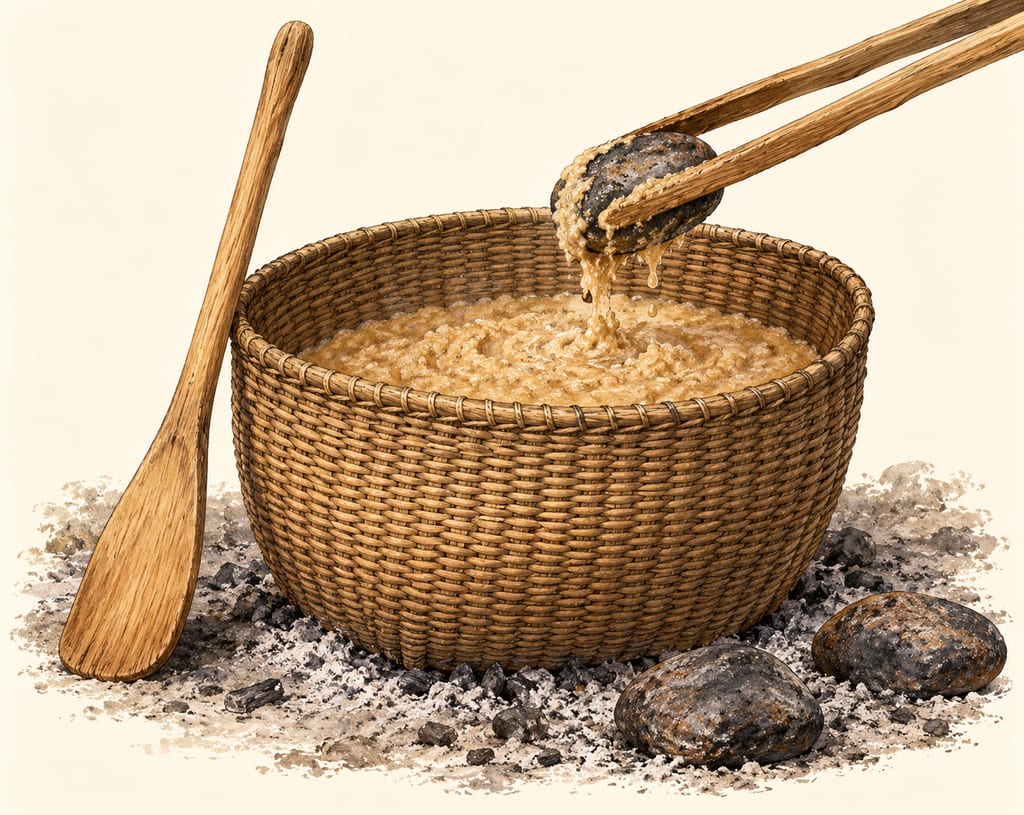
A closely woven, watertight basket used in Yosemite-area Miwok cooking to boil acorn mush with heated stones. The basket holds water and meal while stones transfer heat.
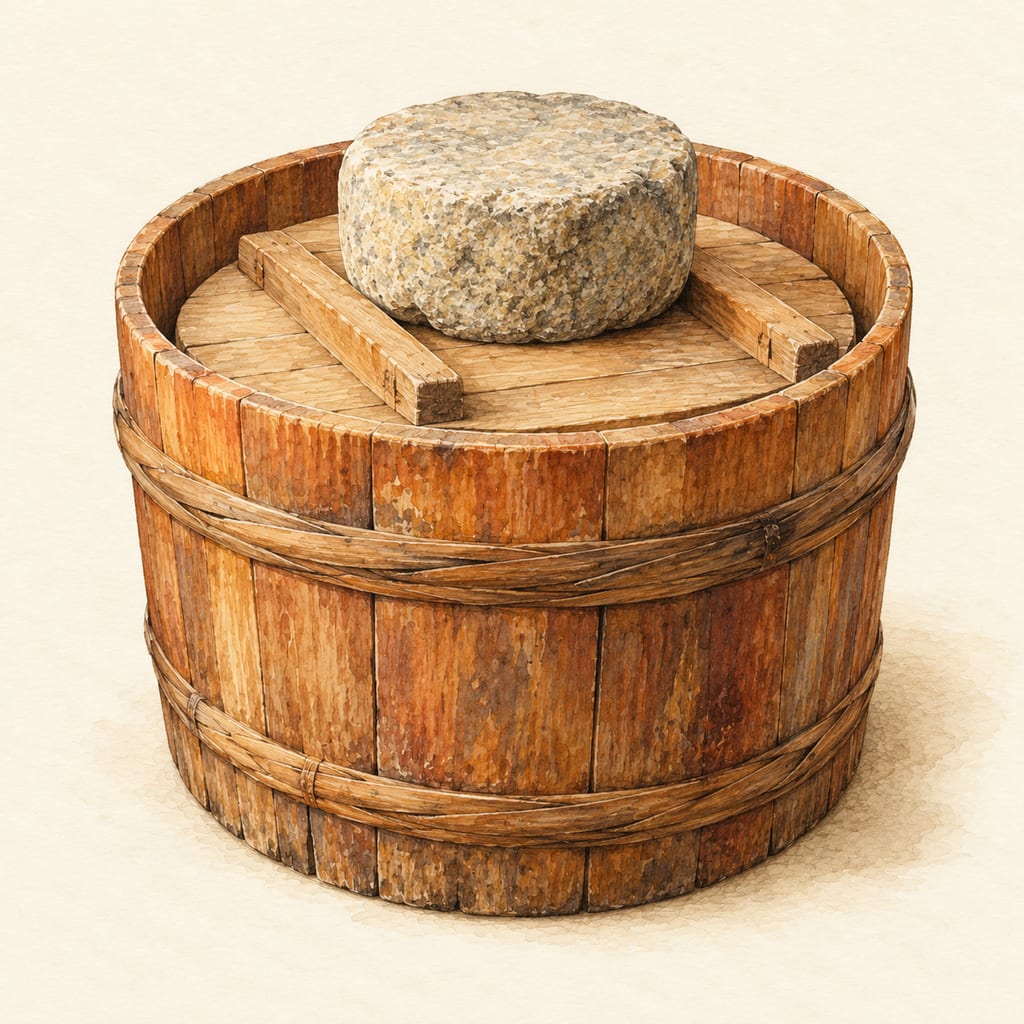
A narezushi pressing tub is a wooden bucket or barrel for packing salted fish and rice under a cover and weight. Regional methods vary; some also water-seal the tub.
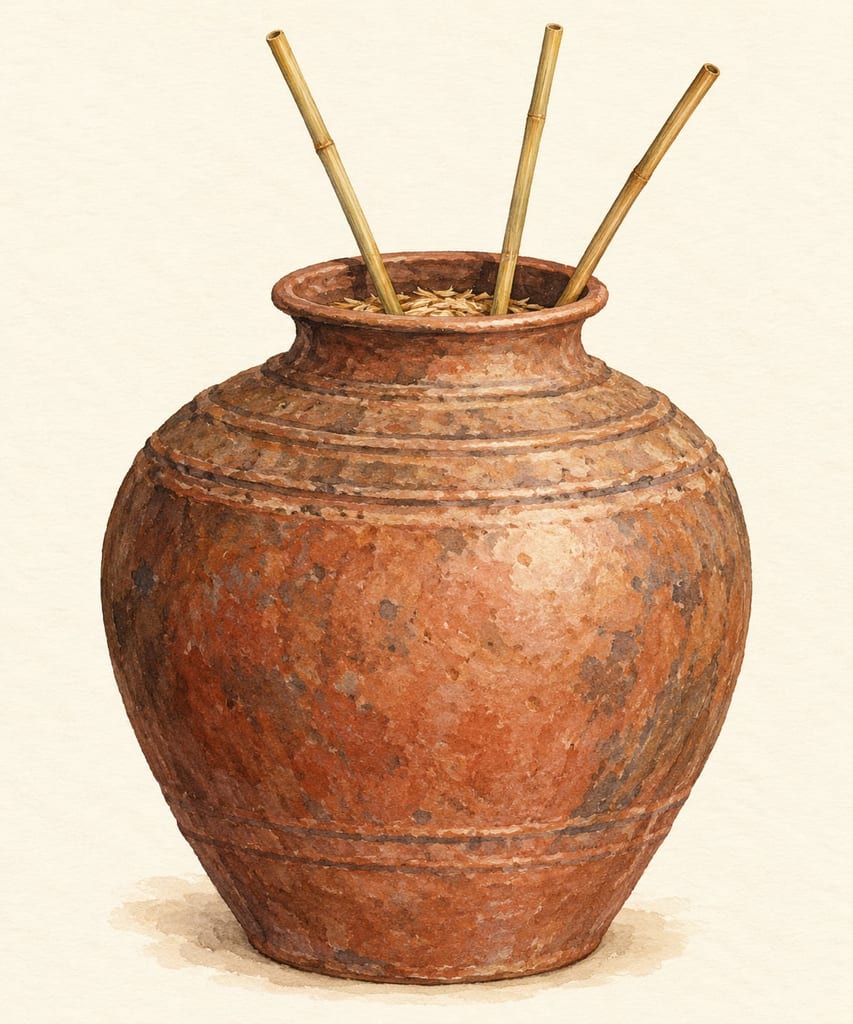
A large earthenware jar in which lao hai ferments and from which it is shared through long reeds. In northern Laos, documented communities include Kmhmu’, Hmong and Tai groups; the jar does both fermentation and table service.
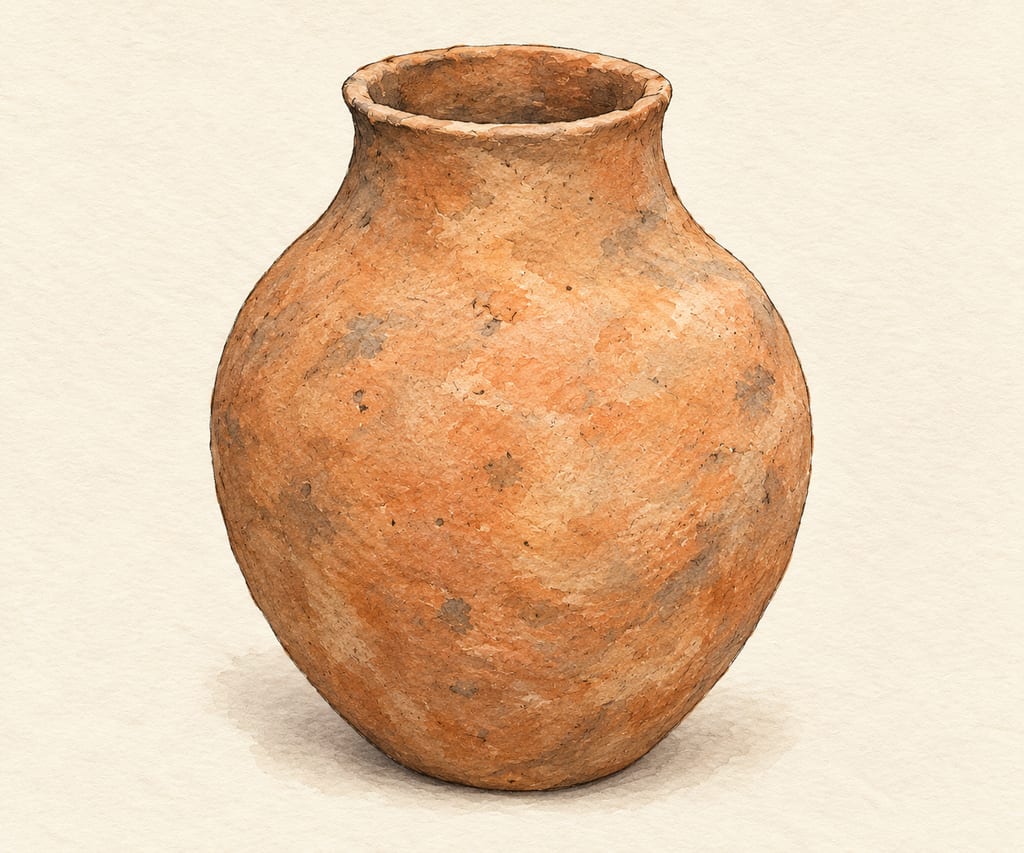
Jiahu pottery preserves chemical evidence of an early mixed fermented drink involving rice, honey and fruit. Its jar forms provide archaeological context, not proof one vessel served every brewing stage.
Show on mapTanu ‘eli uses three nested baskets of futu leaves, sewn with fau-bark thread, to bury baked masi as a reserve. It is secondary storage, separate from the earlier masi fermentation and baking.
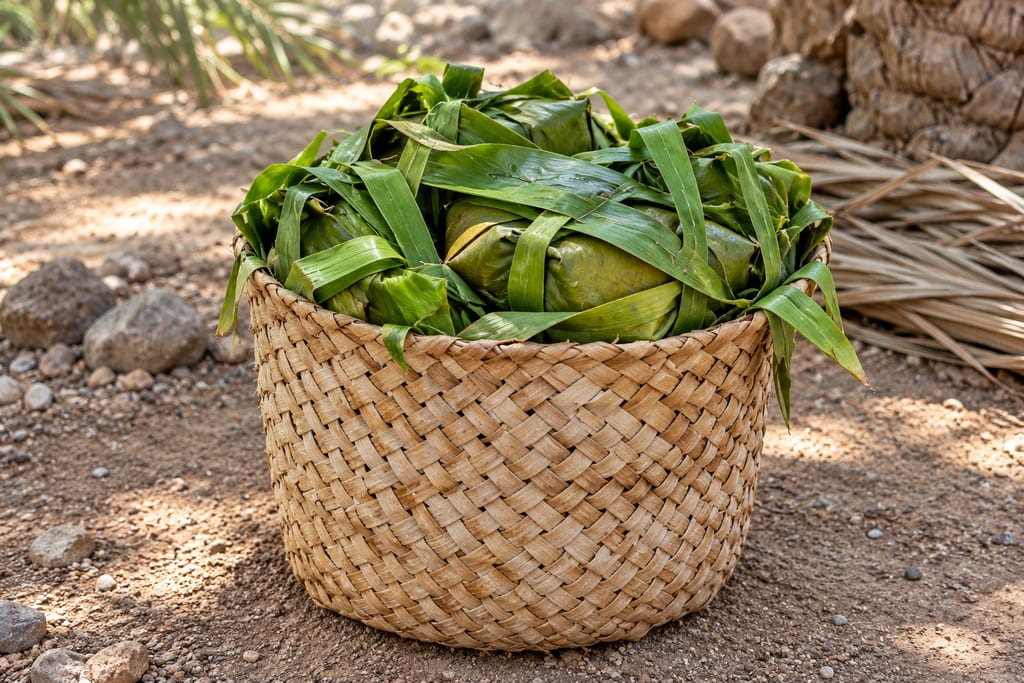
A khasfah is a woven palm container for leaf-wrapped marinated meat as it is lowered into the heated underground oven for Omani shuwa. At Al Kharasen near Nizwa, a documented communal oven receives hundreds of family bundles.
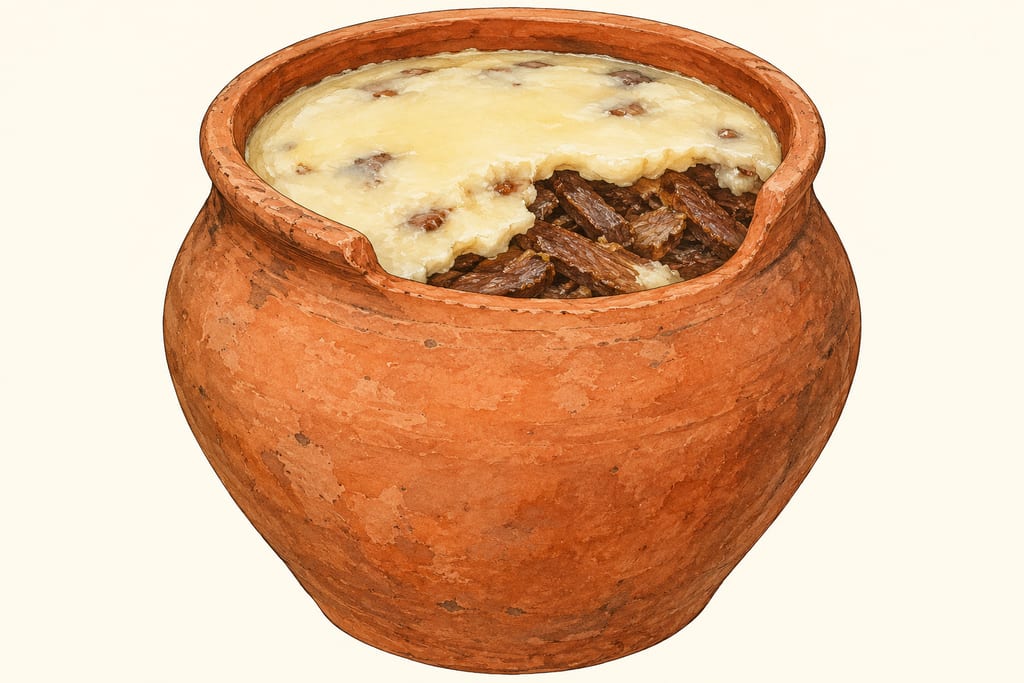
Khlii storage vessels hold prepared meat beneath rendered fat or oil. Traditional terracotta jars and present-day plastic tubs are both recorded forms in Morocco.
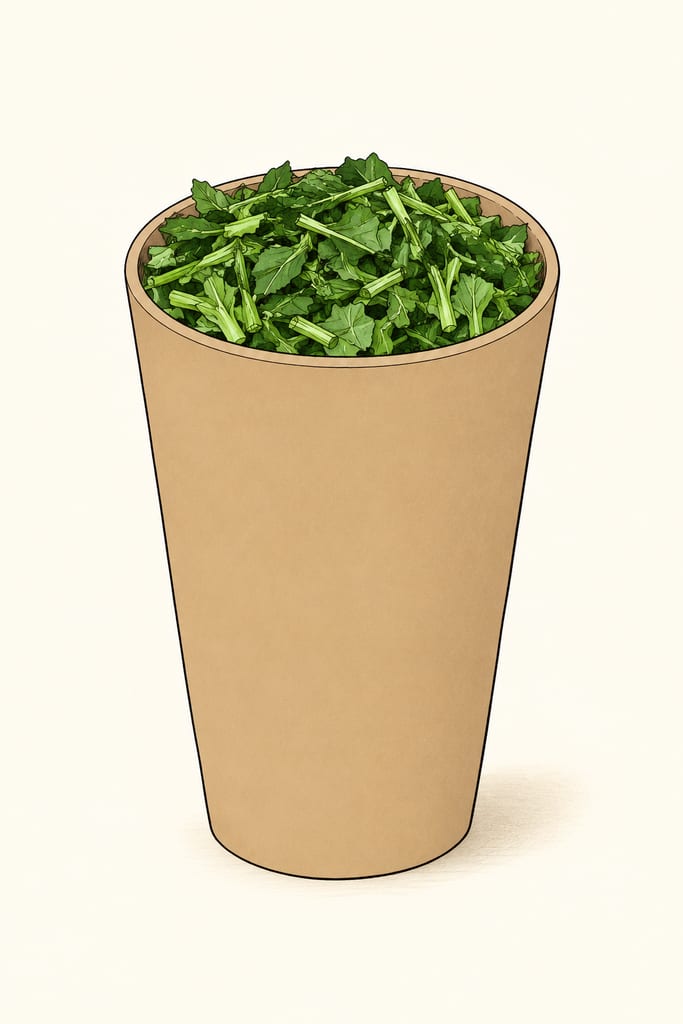
Gundruk pots and dhungro are fermentation containers documented in Nepal and one Darjeeling household. FAO describes earthenware; a 2024 figure identifies a bamboo-made airtight dhungro buried in a pit within a cow-dung heap.
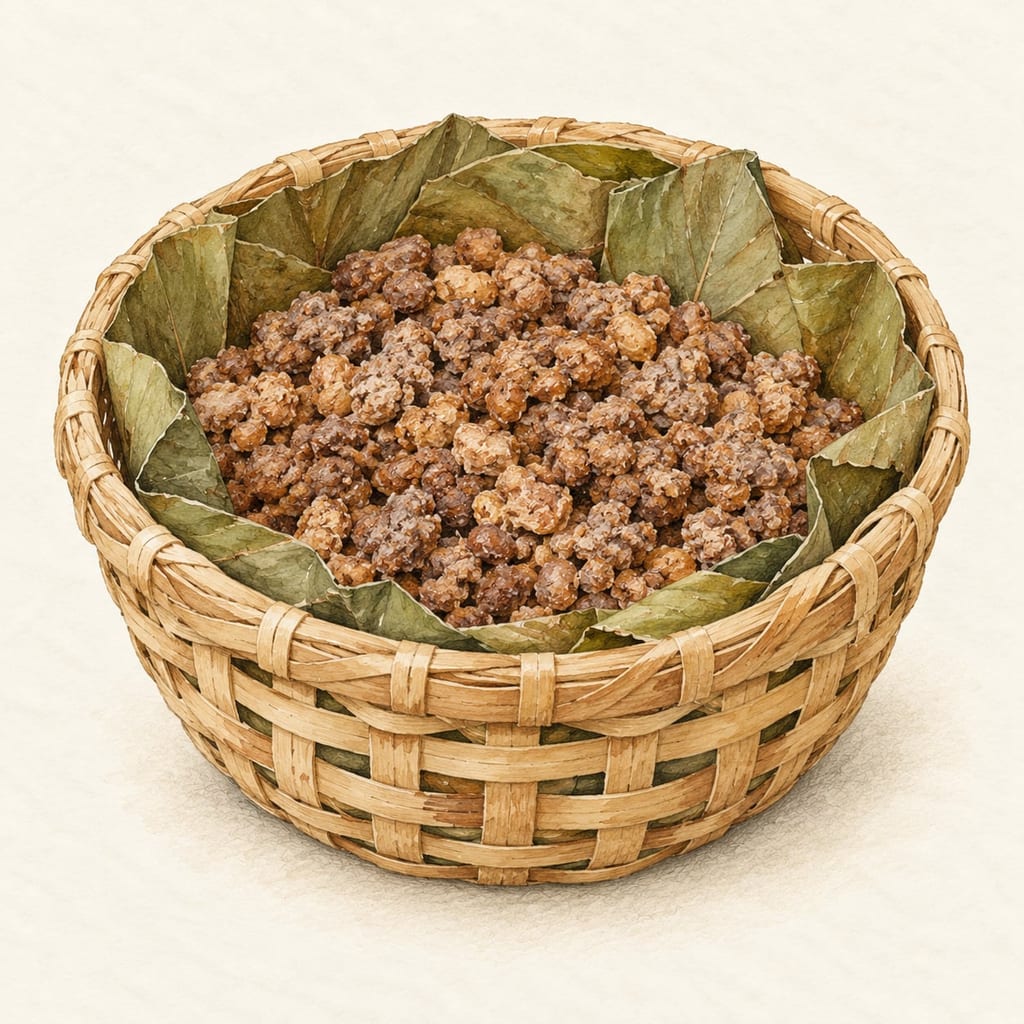
An open woven bamboo basket holds cooked soybeans for kinema fermentation. Broad leaves line the basket, while a cover or outer wrap varies by household and place.
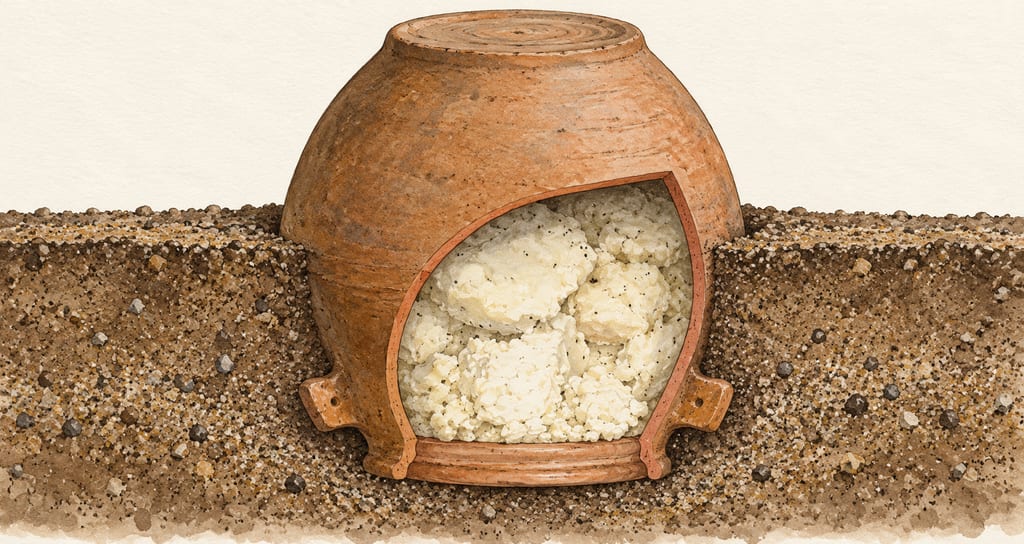
Küp names the vessel used for regional buried-cheese methods in Türkiye. Sources describe both pottery in the historical tradition and plastic containers in contemporary practice; they do not establish one standard shape or capacity.
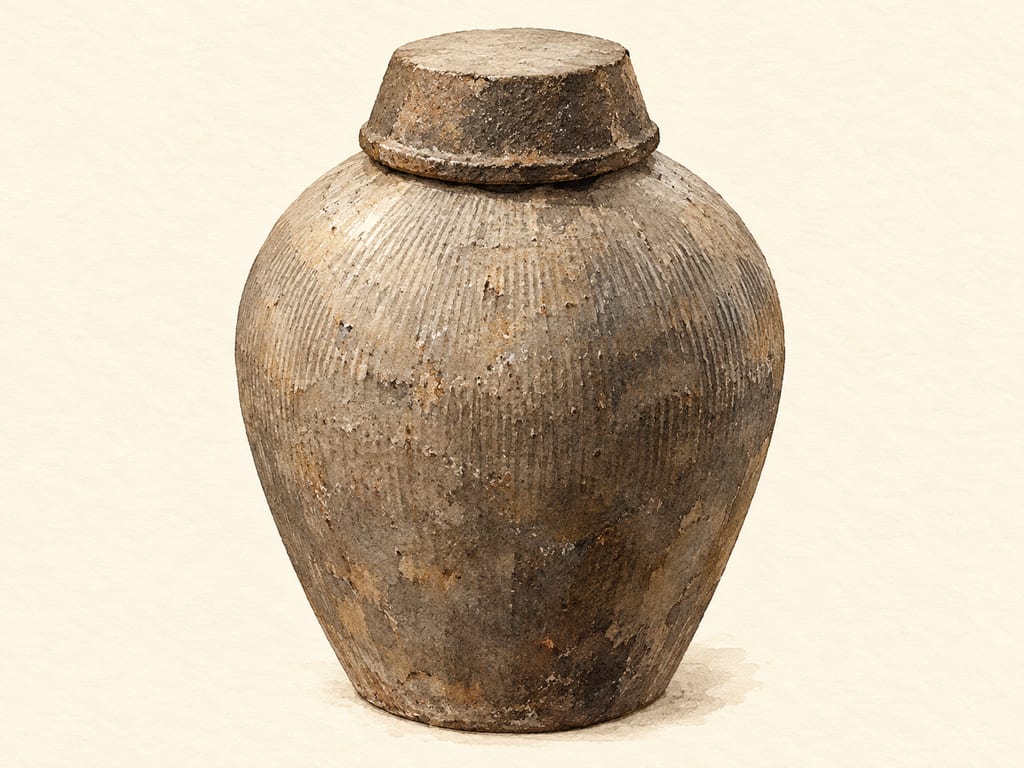
In Shaoxing Huangjiu production, broad-mouthed pottery vats hold the actively worked rice mash, while smaller pottery jars receive it for post-fermentation. Those jars may later serve a separate storage role.
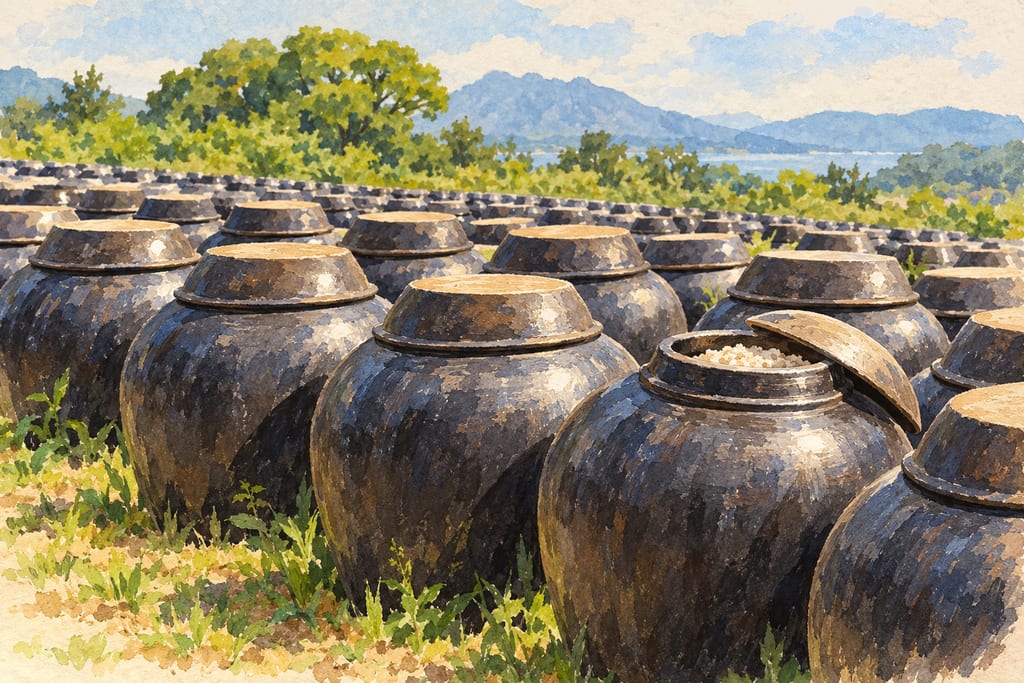
The kurozu kame is a dark ceramic jar used outdoors in Kagoshima to make and mature kurozu. At Sakamoto, the jar serves as the vessel for successive stages from rice conversion through vinegar fermentation and aging.
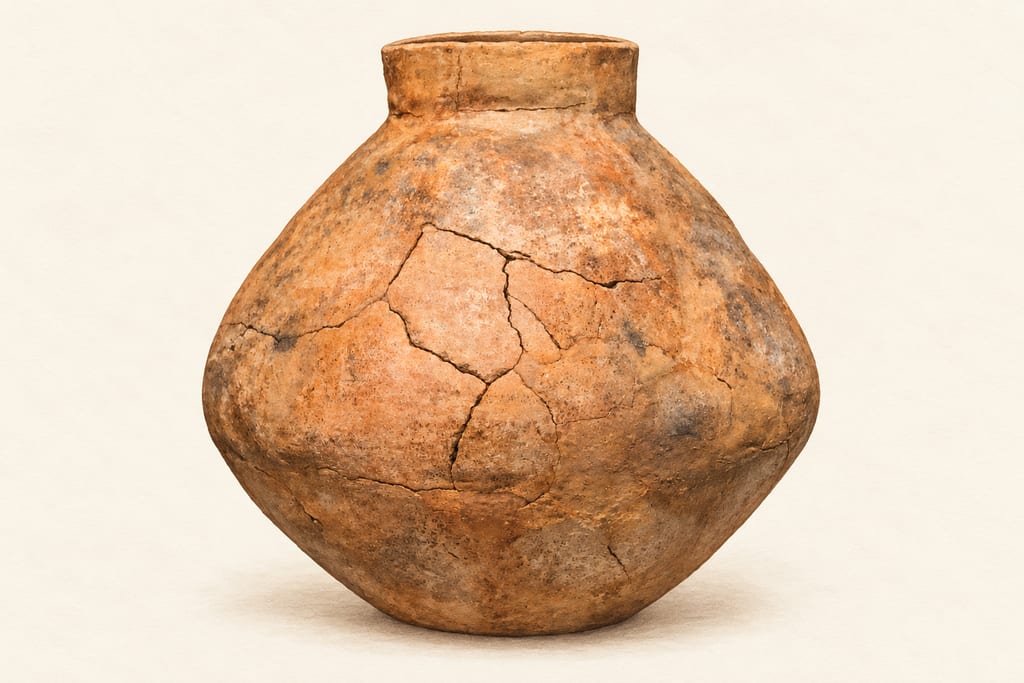
A reconstructed ceramic jar from Hajji Firuz Tepe, dated 5400–5000 BCE. Wine and terebinth resin residues identify its contents, while its museum record calls it a storage jar.
Show on map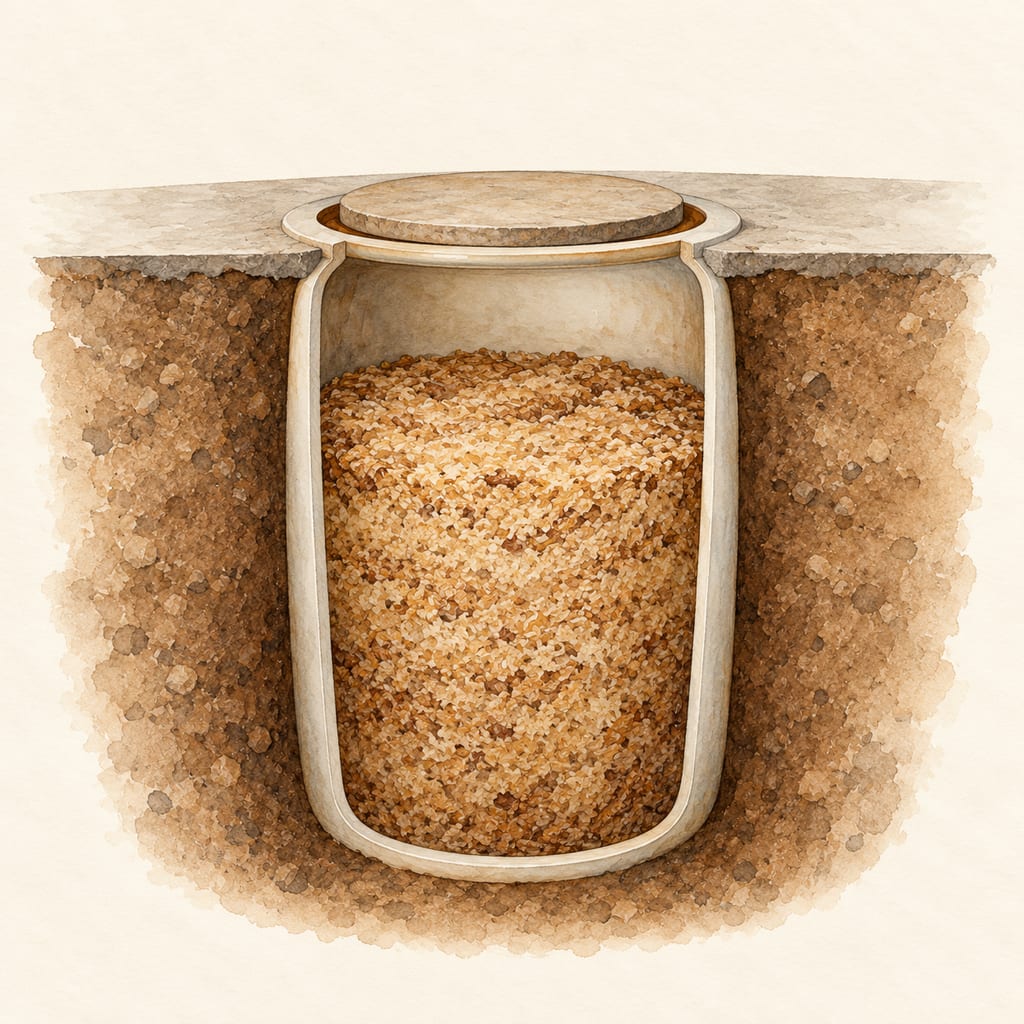
A buried ceramic fermentation jar holds the solid-state grain charge for light-aroma baijiu. Fenjiu reportage describes porcelain vats set into the floor; the cited sources establish no universal historical profile or dimensions.