




















































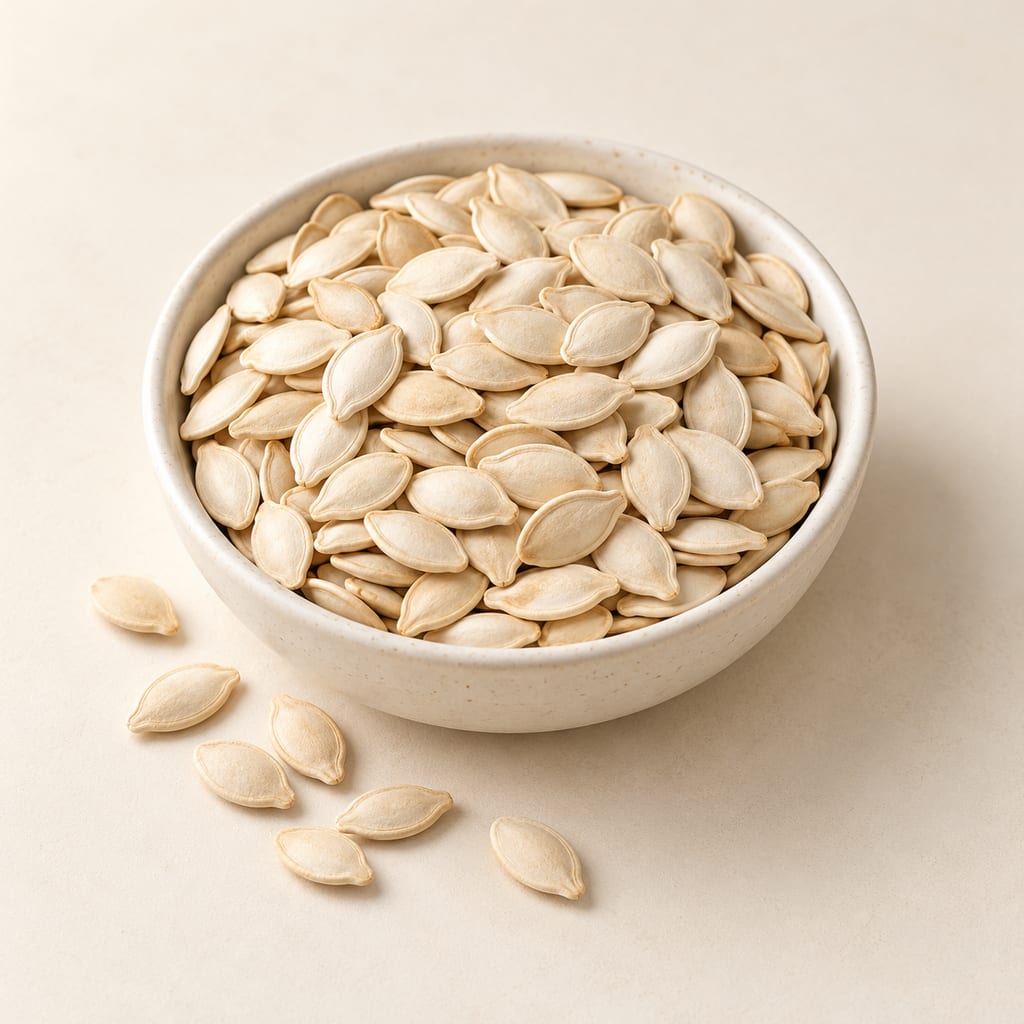
Dried pumpkin seeds
Washed pumpkin seeds dried gently for storage, with an optional roasting step before eating. Refrigerate or freeze the cooled seeds.
 FermenteaWhere food goes to change
1504 records with their sources, across 11 categories.
 Fermented, enzyme-ripened and mixed seasonings328
 Fruit preserves10
 Legume, seed and plant-protein ferments10
 Garum and fish sauces8
 Adjacent and excluded7
 Koji, mold starters and mold-ripened ferments4
 Acid and oil pickles3
 Fermented fruit and fruit-derived foods3
 Vegetable lactic3
 Dairy ferments2
 Smoked salted and dried foods2
 Cheese1
 Not yet classified1
Washed pumpkin seeds dried gently for storage, with an optional roasting step before eating. Refrigerate or freeze the cooled seeds.
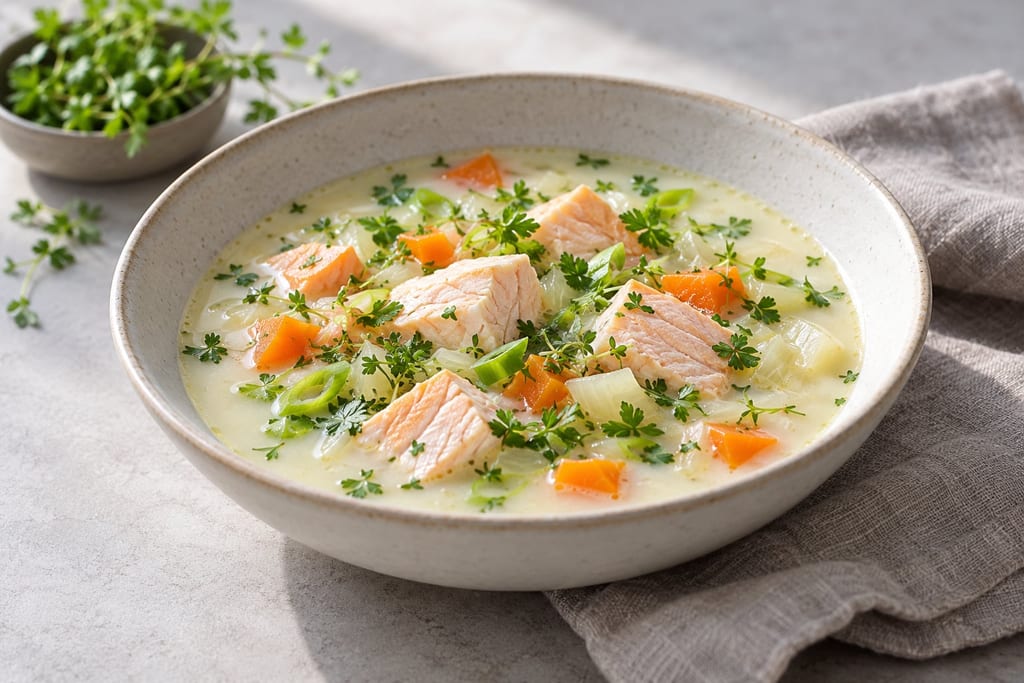
Trout or salmon poached at the end of a simmered broth of onion and root vegetables, a present-day reconstruction of coastal cooking built on excavated fish bones and a boiling pot.
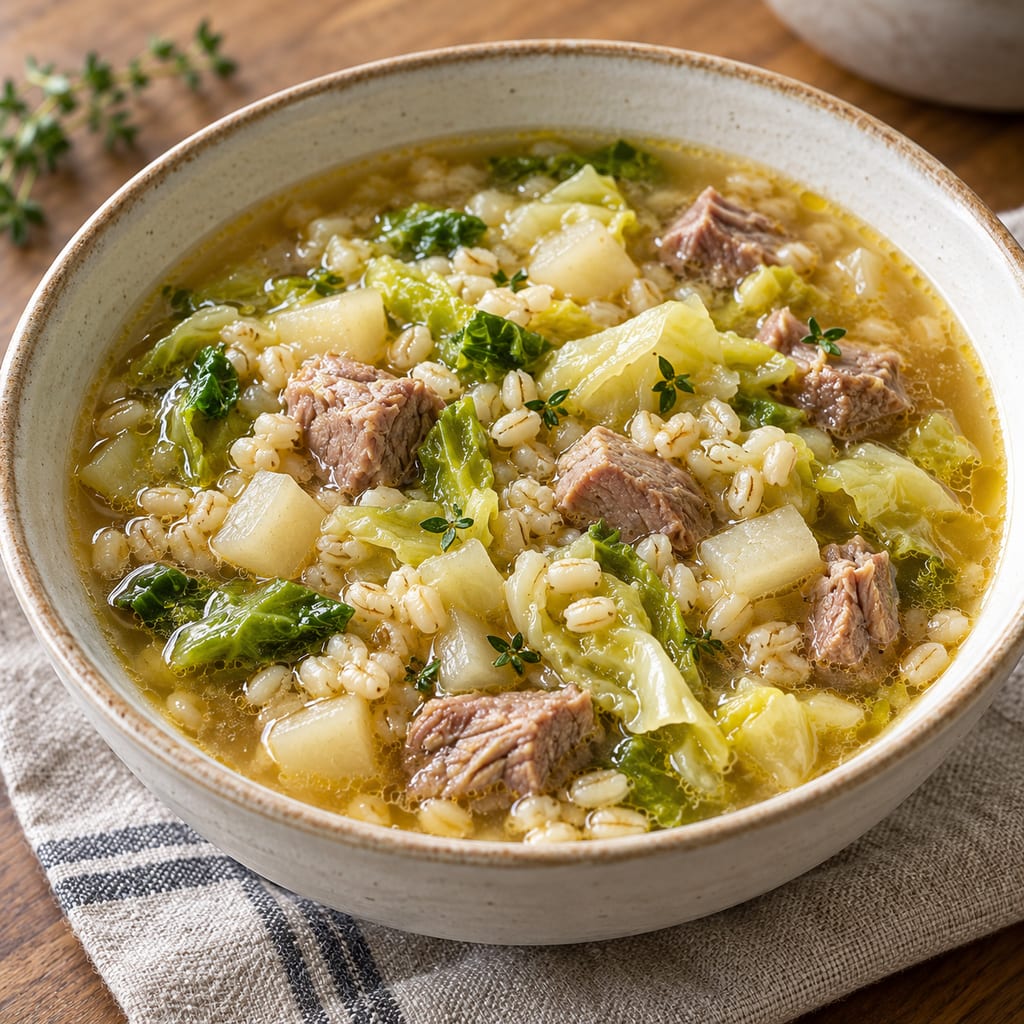
Lamb shoulder simmered with pearl barley, turnip and leafy cabbage in one pot, a present-day reconstruction built from the animals, grains and vegetables of northern European farming.
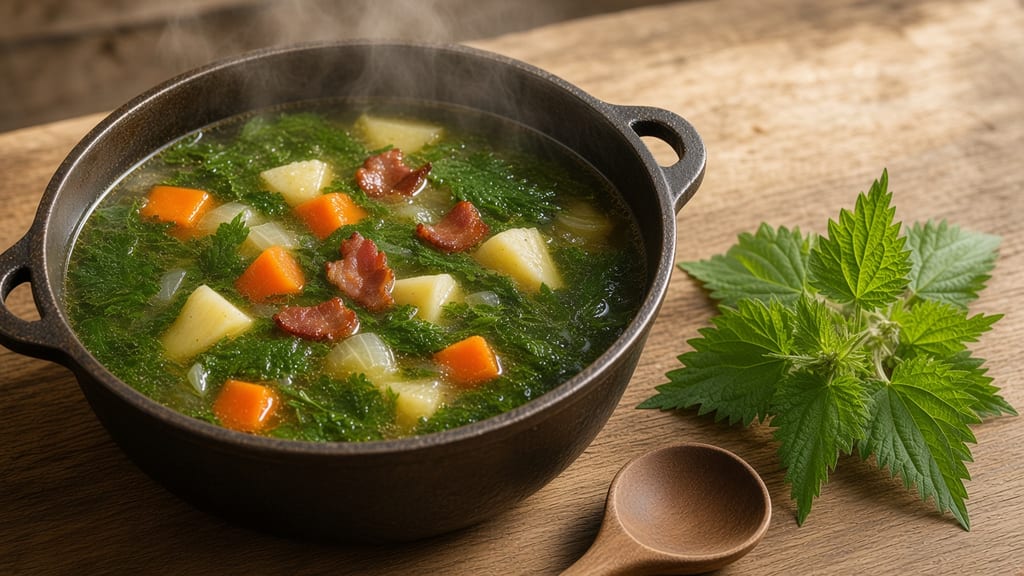
Young stinging nettle shoots cooked with bacon, onion, garlic and three roots into a thick spring soup, from a Danish Viking museum's recipe, with a meat-broth variation and ember-baked turnips.
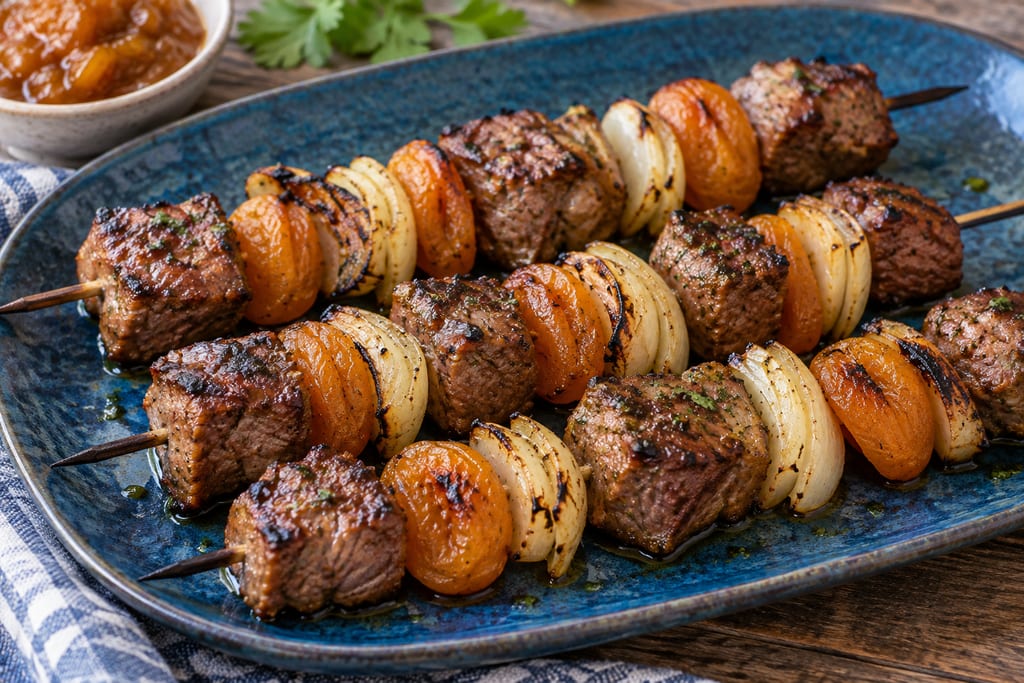
Cape skewers of marinated lamb or mutton threaded with onion, fat or dried fruit and grilled, their marinade balancing curry spice against vinegar or tamarind and something sweet.

Iburunge is boiled cassava and kidney beans dressed with strong butter, the Rwandan farm meal Hirata recorded. This home plate uses butter oil and comes with a cold cup of ikivuguto.
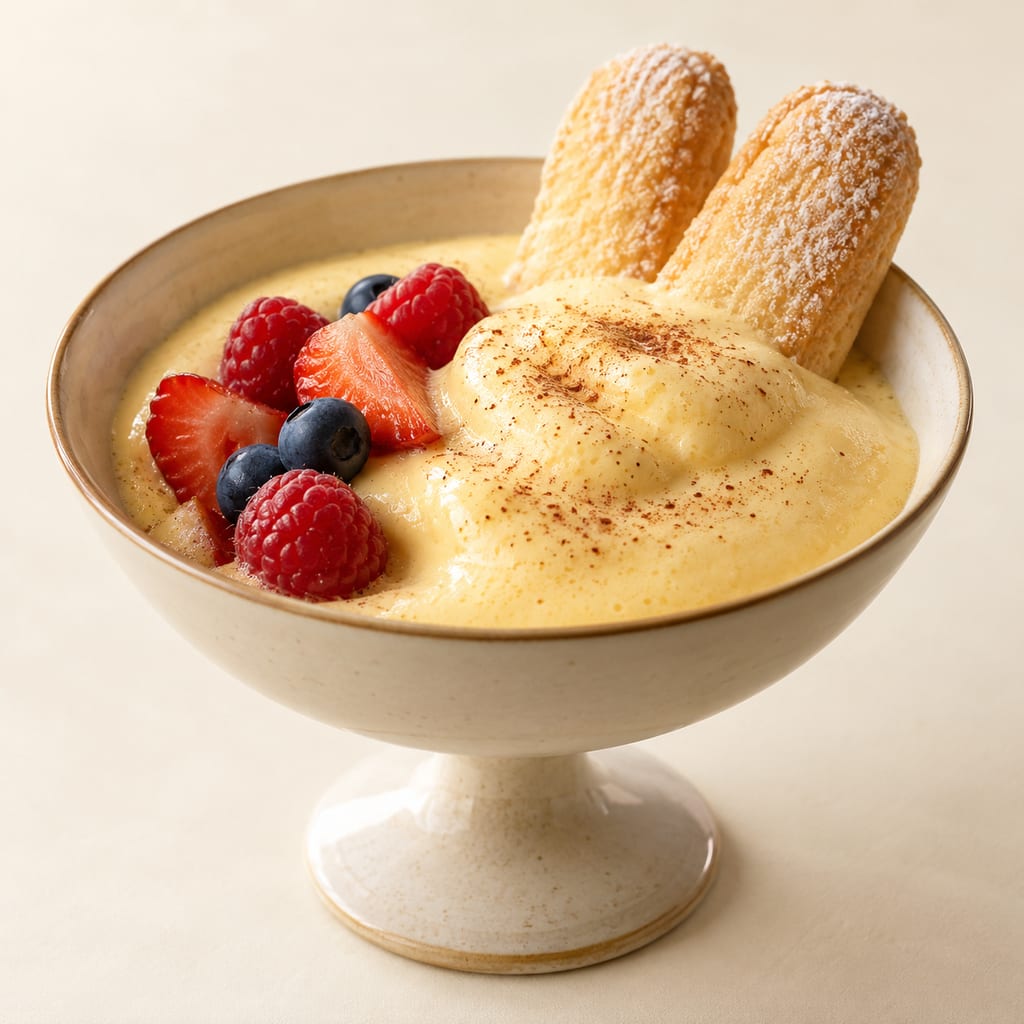
A warm foam of egg yolks, sugar and sweet wine, whisked over gentle heat in a double boiler until light, served at once with fruit or biscuits.
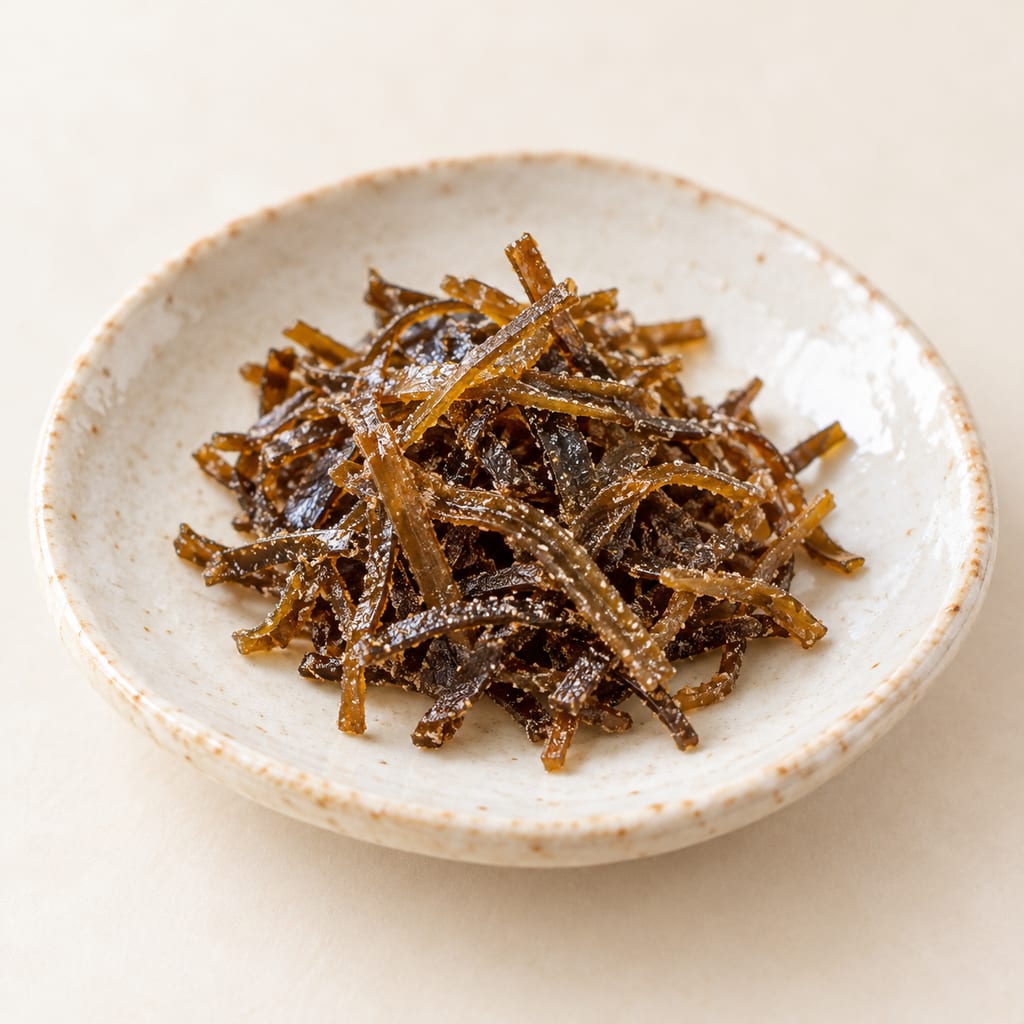
Japanese kelp simmered in soy sauce and seasonings, sometimes dried and salted, eaten with rice or used as an umami seasoning.

Panrkhash is an Armenian bread-and-cheese dish associated with Gyumri and Shirak. One published oven-baked version layers lavash and string cheese with butter-sautéed onion and hot water; regional methods vary.
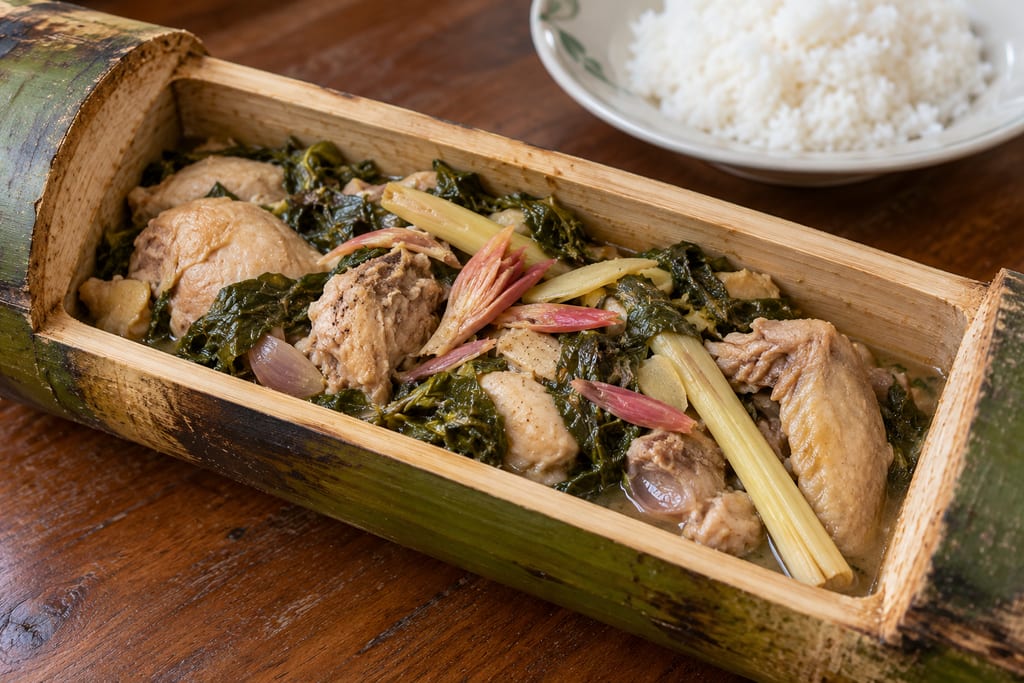
Manuk pansuh is Iban chicken cooked slowly inside a fresh bamboo tube with aromatics and leafy greens. The bamboo holds the food and shapes the steamy, fragrant cooking environment; recipes vary by household and locality.
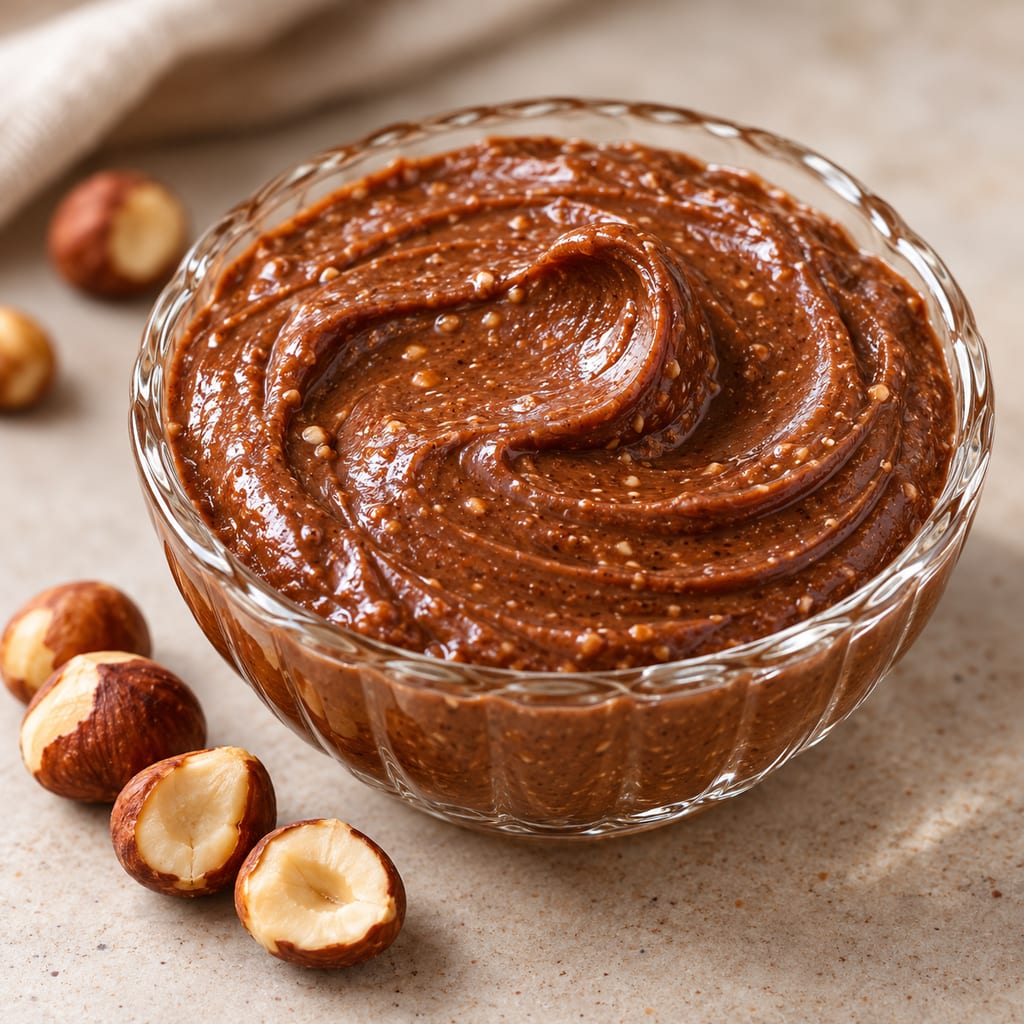
Roasted, skinned hazelnuts refined in a stone melanger into a fluid paste, then sweetened and finished with cocoa as a gianduja-style spread.
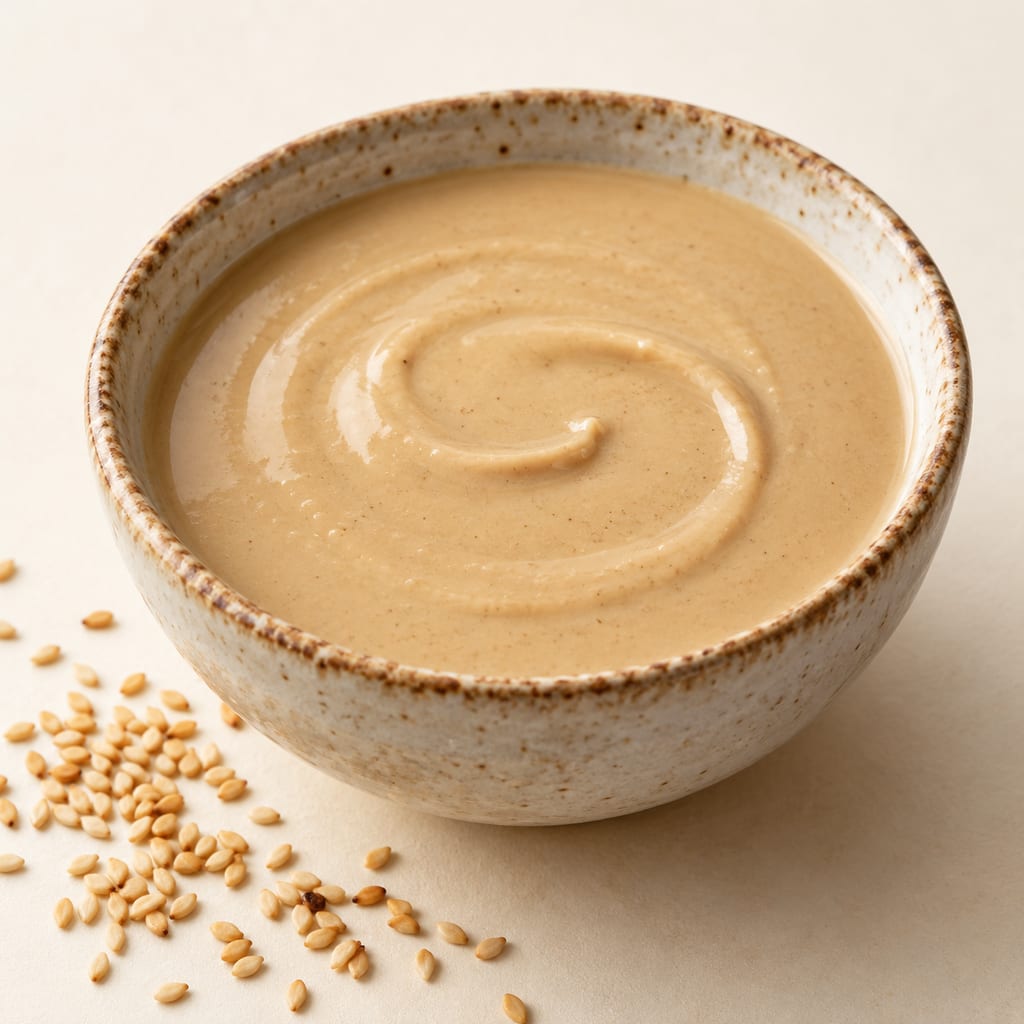
Toasted sesame seeds ground to a pourable paste, made by two manufacturer routes: a high-speed blender in minutes, or a stone chocolate refiner over three hours.

Pracharanda is finely reduced dried pear used as a topping on porridge, dumplings and cakes in Czech sources. Accounts of its preparation differ.
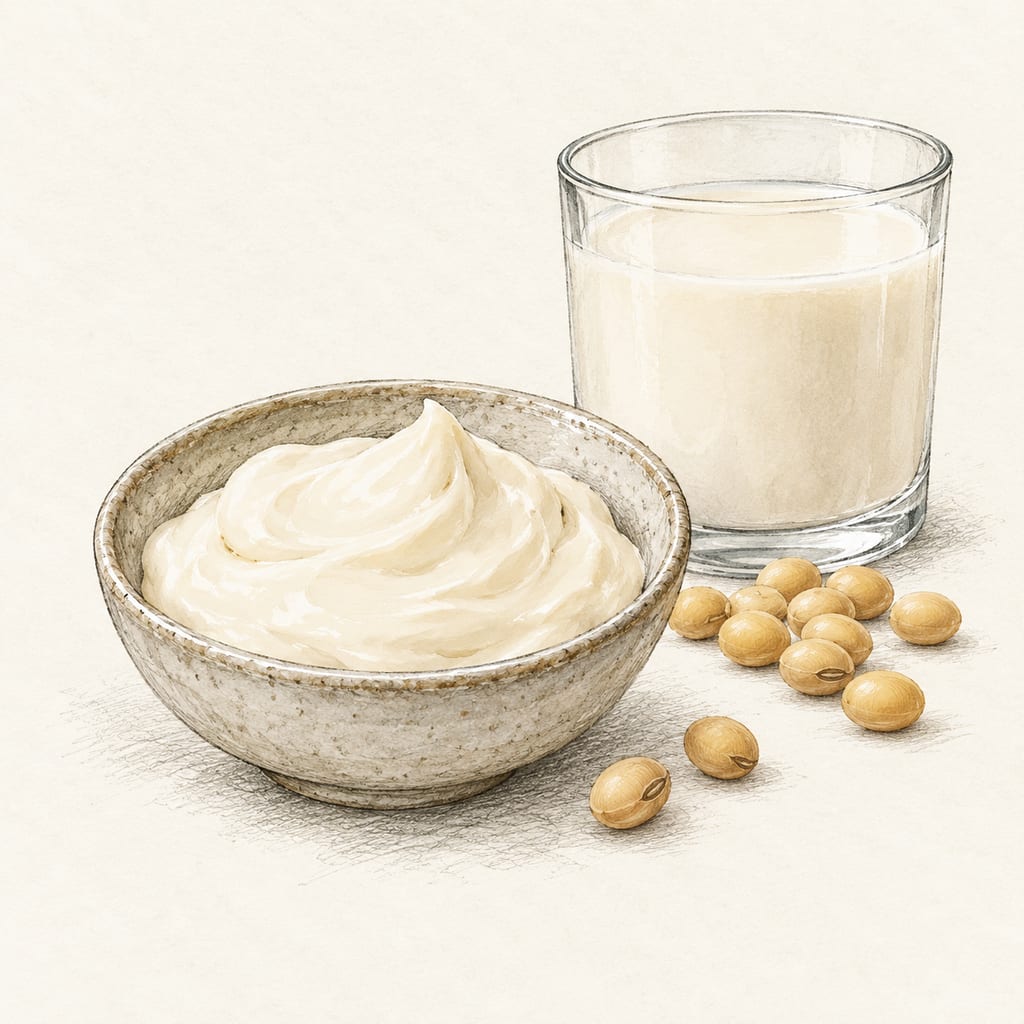
An untested eggless emulsion made by blending unsweetened soy milk with vinegar and Dijon, then slowly adding neutral oil. The 265 g formula has no validated shelf life.
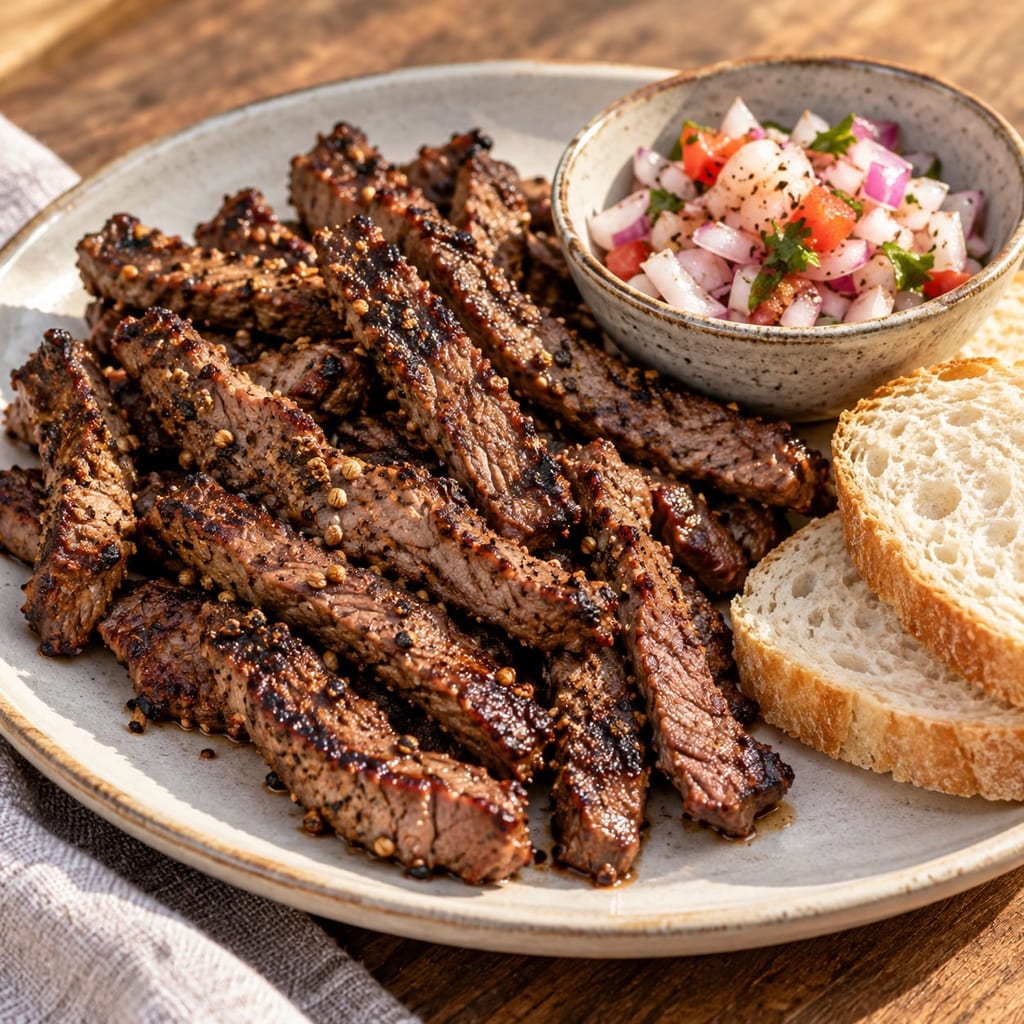
Beef rump takes vinegar, toasted coriander and pepper from the flavour family of tassal, then meets a thermometer-checked braai fire as a fresh-cooked meal.
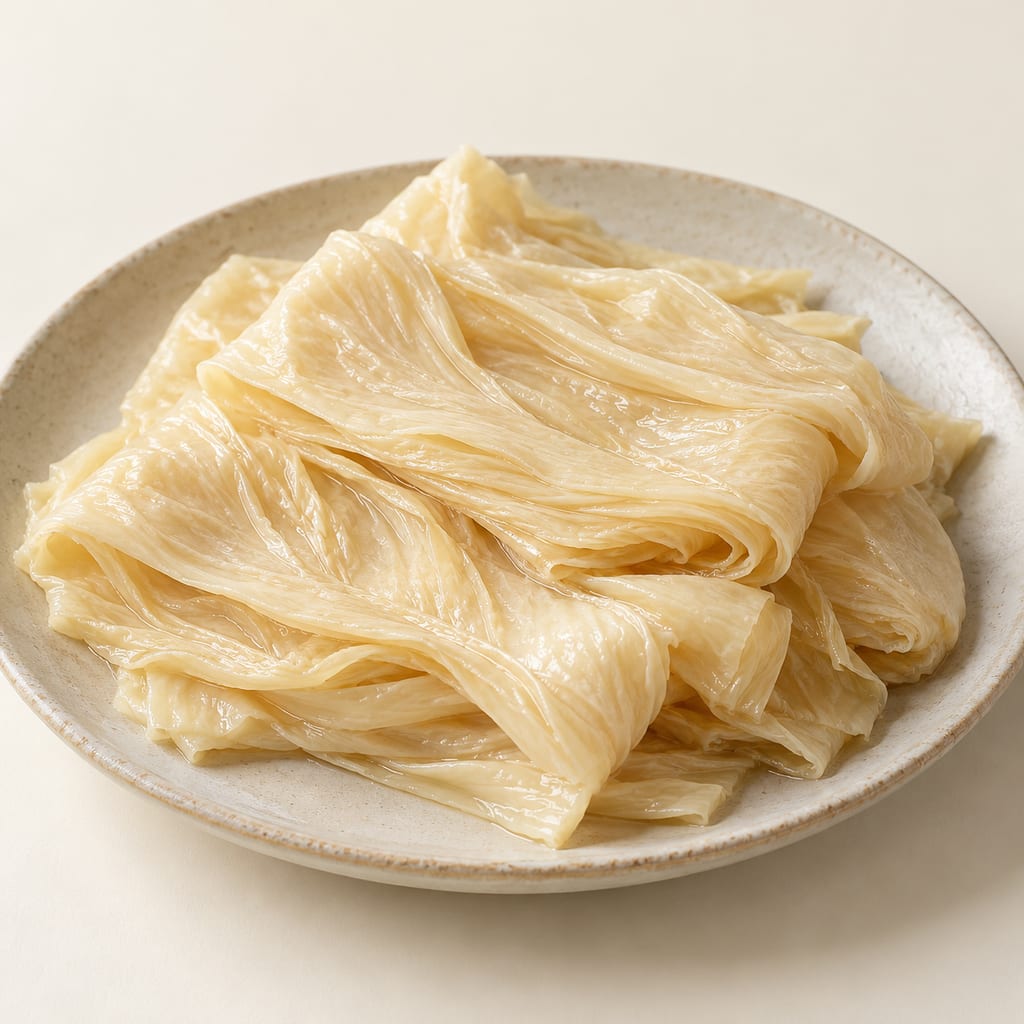
The protein-lipid film that forms on hot soy milk, lifted sheet by sheet from a wide shallow pan; eaten fresh, or dried for later use.
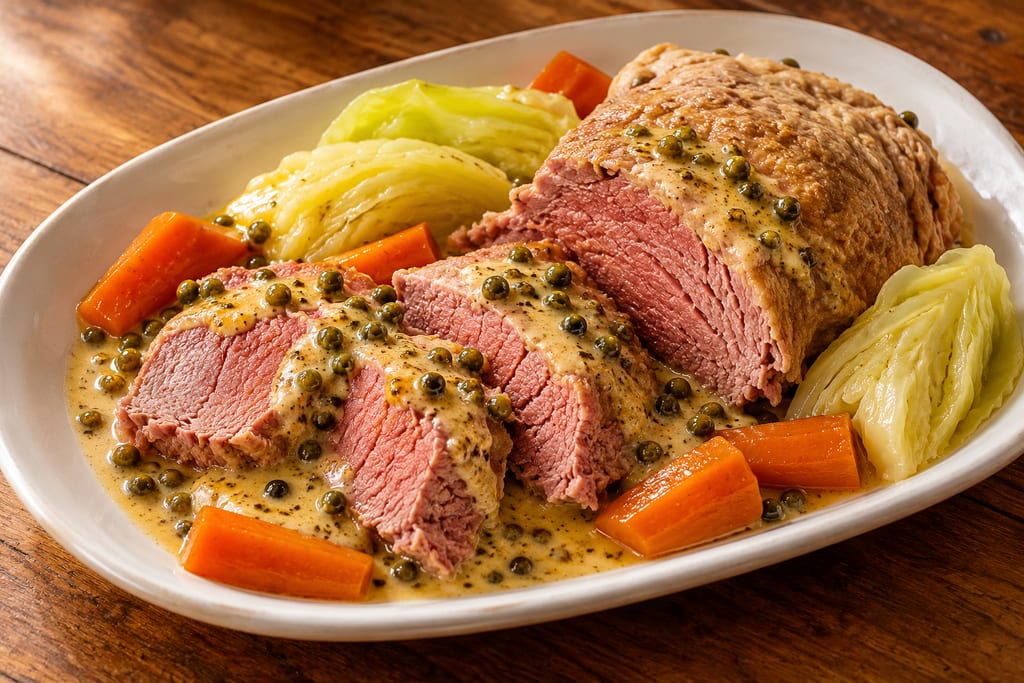
A Karoo-style festive dish of already cured salt beef simmered with vegetables and aromatics, served with a cream sauce of brined green peppercorns and wholegrain mustard.
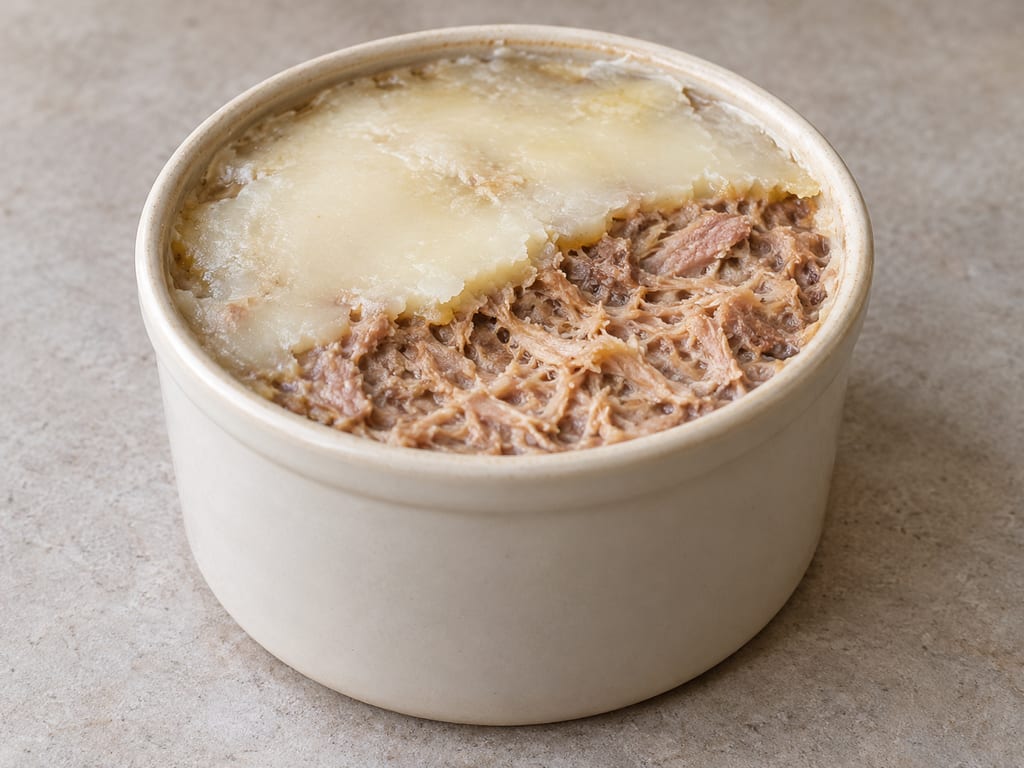
Cooked meat or fish shredded or pounded, packed into pots and covered with fat. Heat, salt, moisture reduction and the fat cover work together, and the texture separates rillettes from whole-piece confit.

A four-serving cep ohaw recipe from the former Ainu Museum café in Shiraoi, documented in 2015.
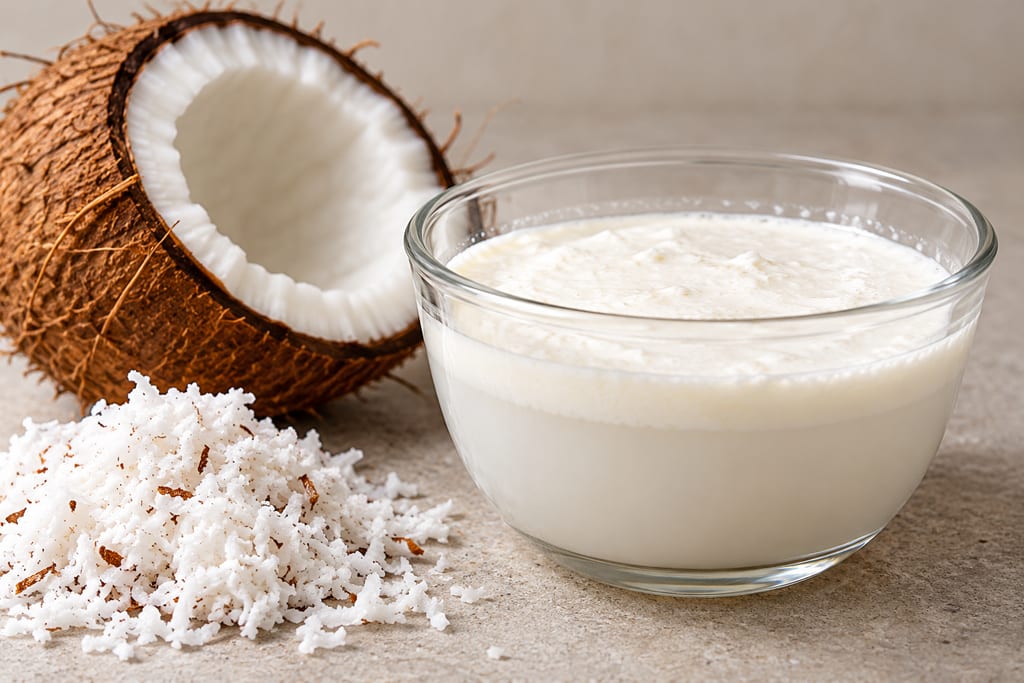
Grated or shredded coconut extracted with water and squeezed or strained into a milky emulsion; left to stand, it separates into cream and a watery layer.
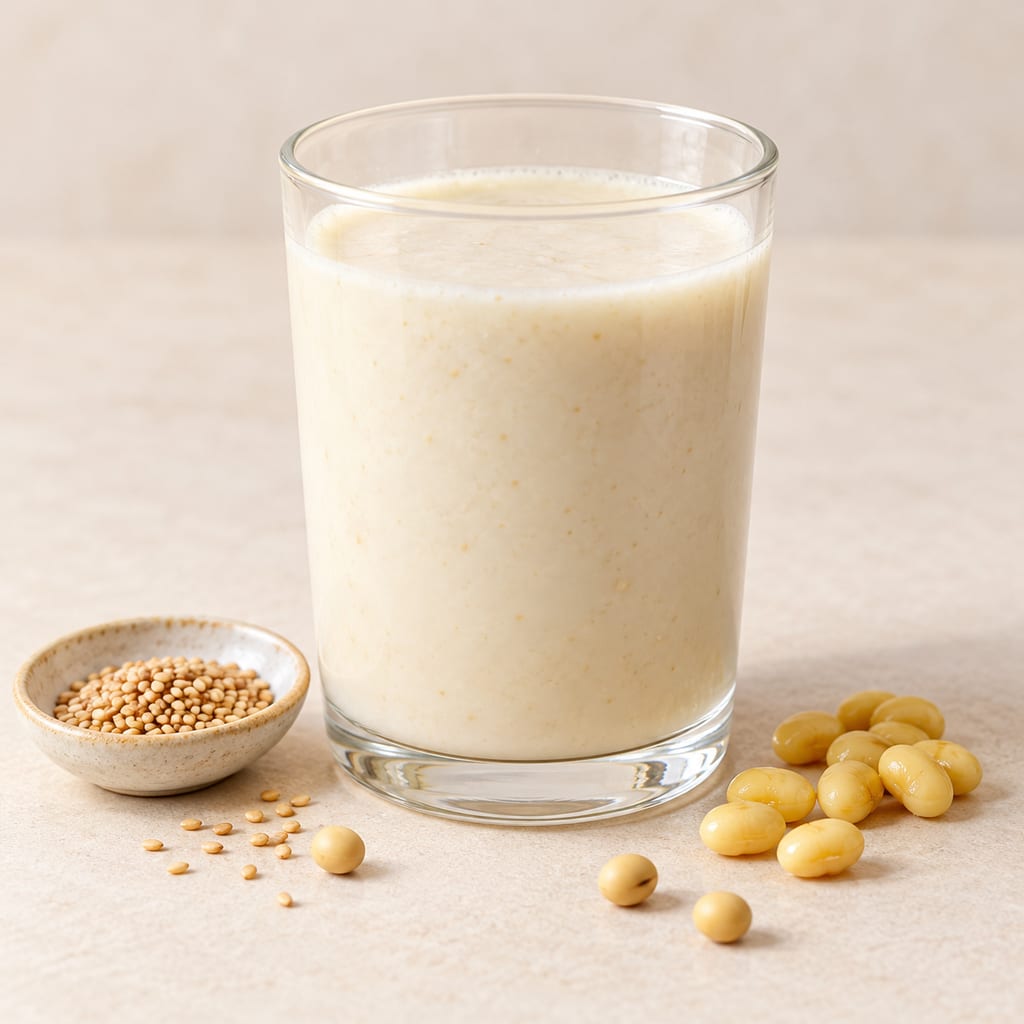
A Korean-style soy drink of cooked whole soybeans blended with cold water, sesame and salt and served at once; tofu-making soy milk is a different, filtered milk.
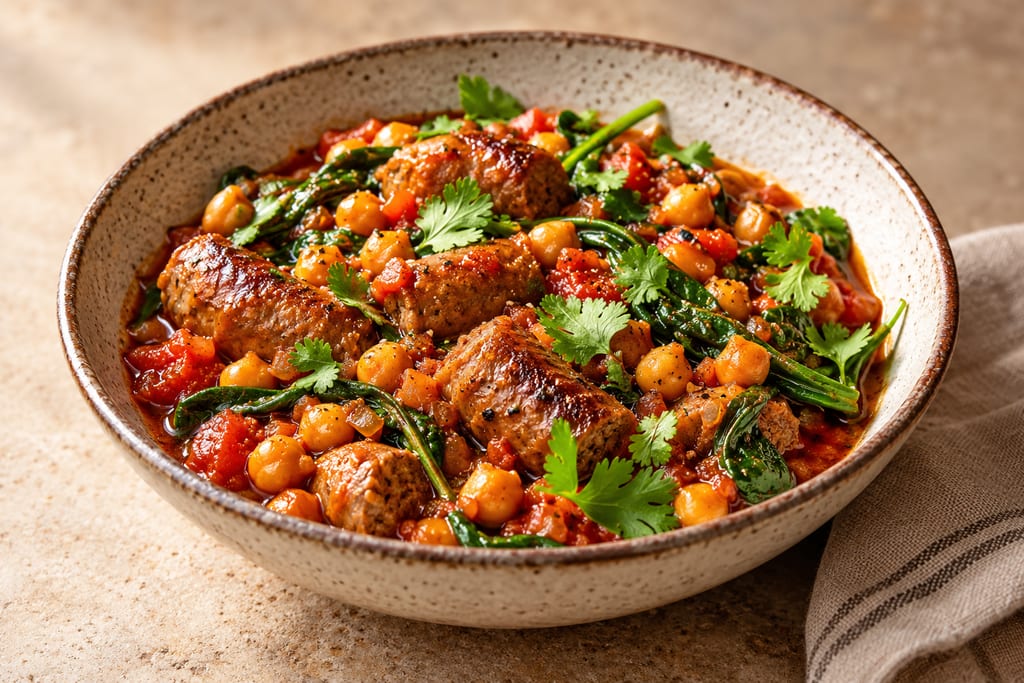
Lesego Semenya’s contemporary South African stew combines browned boerewors, chickpeas, tomato, spinach and warm spices.
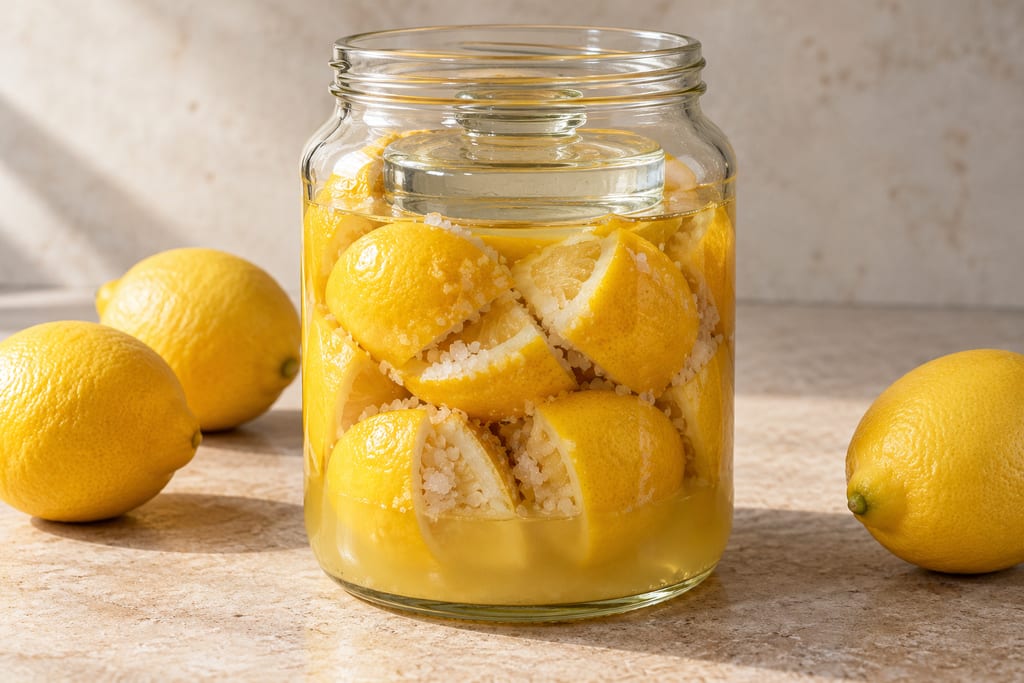
Preserved lemon is salted lemon packed in a jar until it releases its own juice. The sources give no fermentation duration, salt amount or measured endpoint.

A chocolate and hot cream emulsion in a one-to-two ratio by weight, thin enough to pour, dip or drizzle, with cream and chocolate combined by whisking.

Peanut butter is a paste of ground roasted peanuts, usually with salt. Smooth and granular versions come from the same method, differing in how finely the nuts are ground.
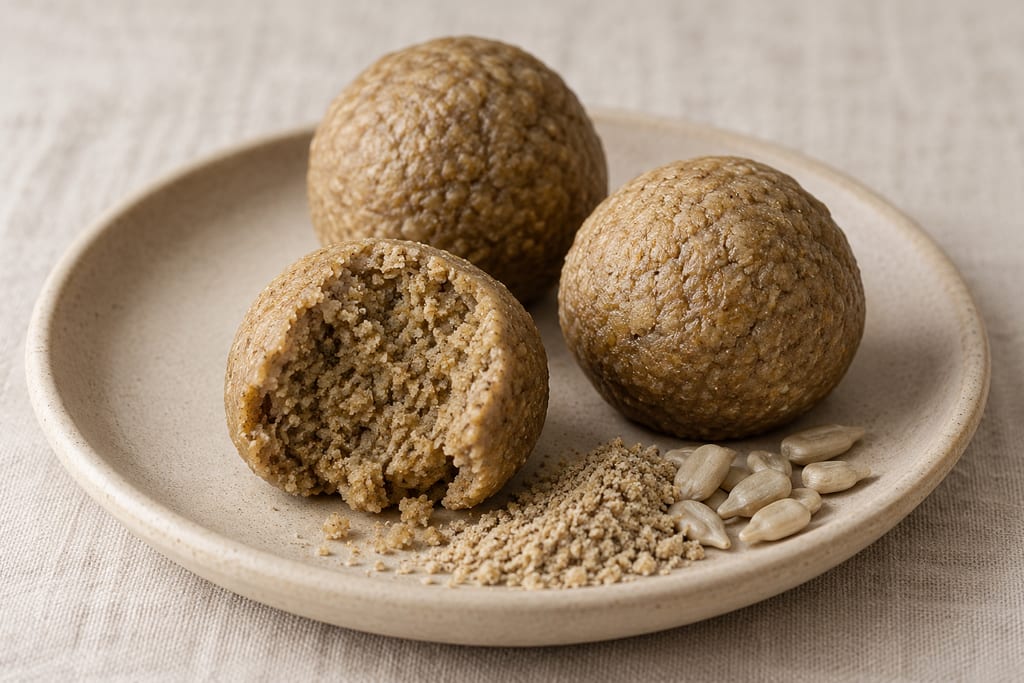
Mapi' are Hidatsa sunflower-seed balls formed from parched meal. This modern, untested kitchen adaptation uses toasted kernels and keeps the historical method distinct.
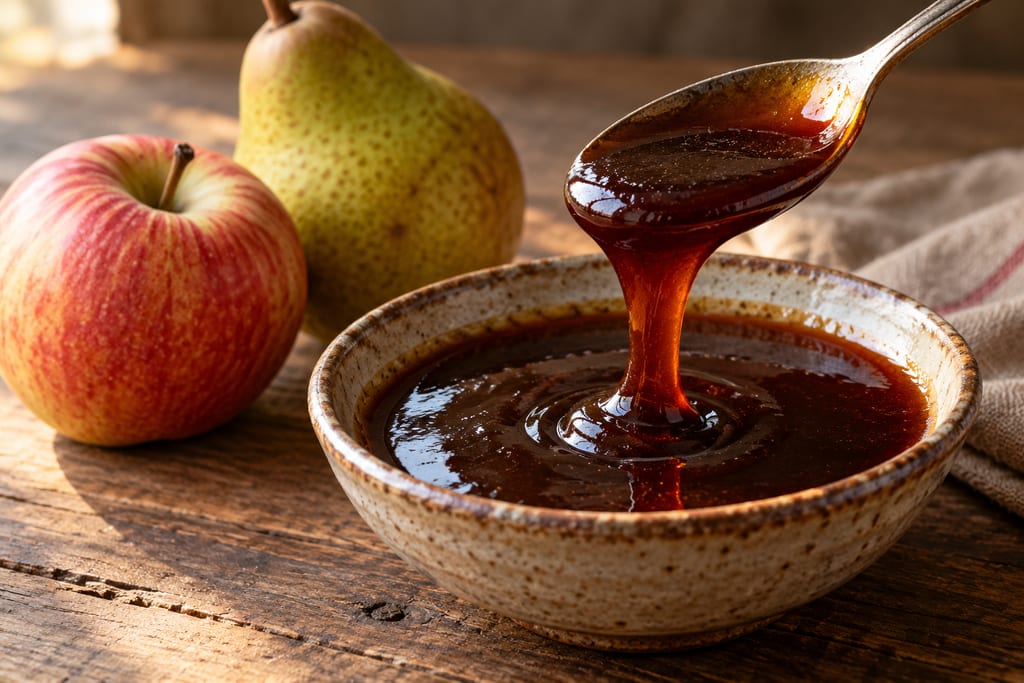
Limburgse stroop is a regional family of cooked fruit syrups from Dutch and Belgian Limburg. Producers blend apples, pears and beet differently, so no single formula exists.
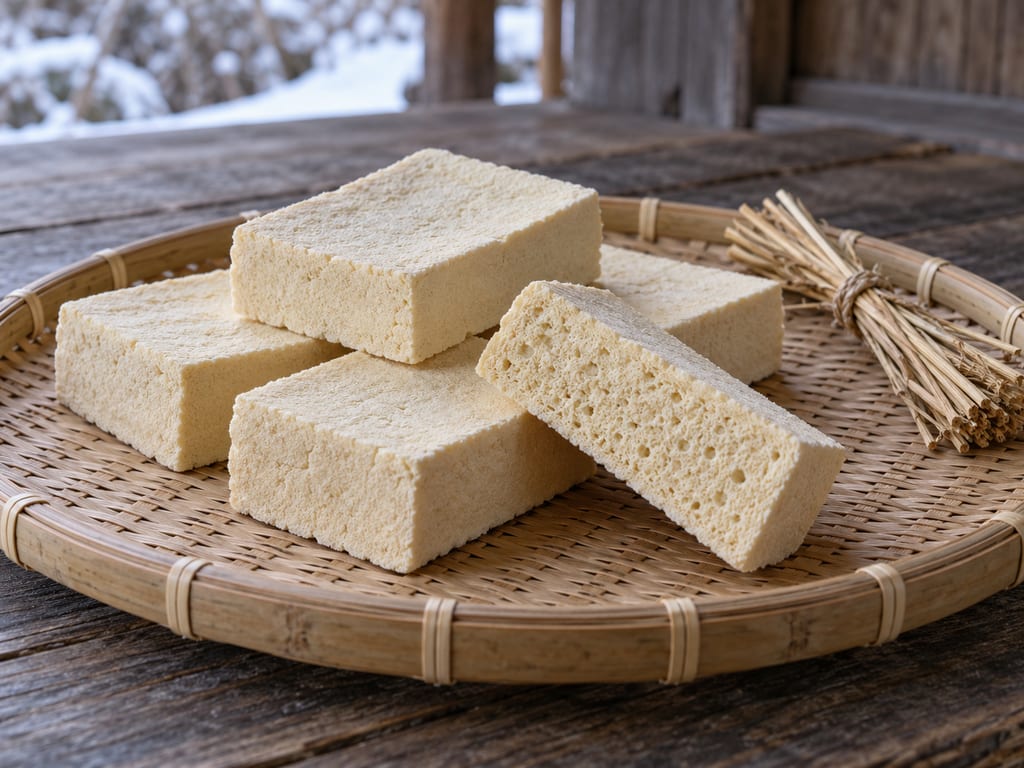
Tofu frozen, thawed, pressed and dried into a porous, durable soybean food; Japanese sources trace the tradition to the late Kamakura period.
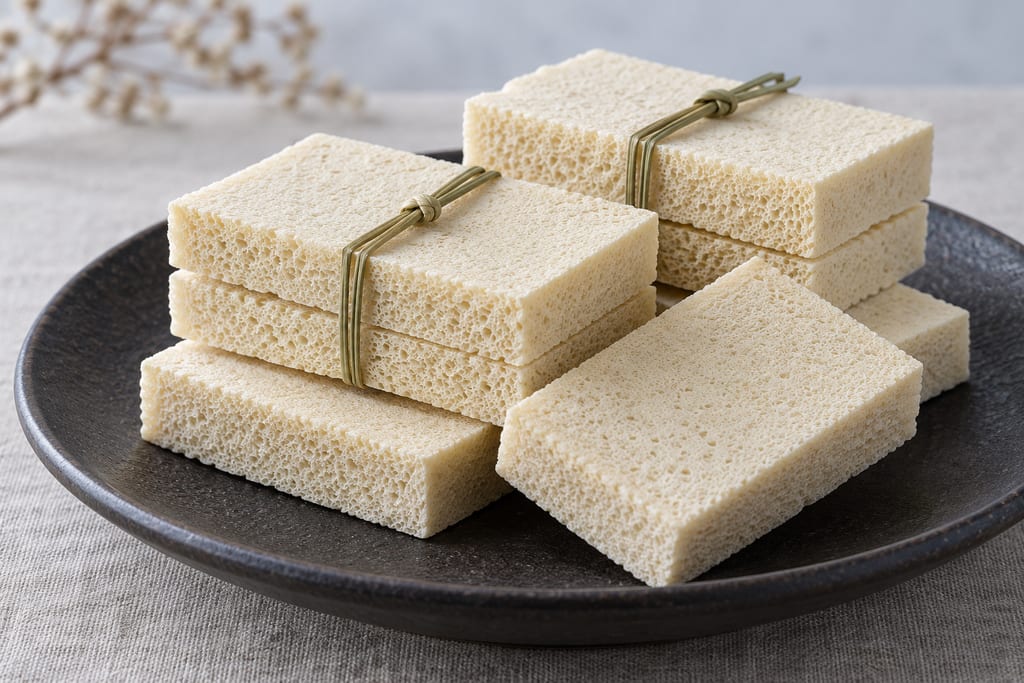
Japanese tofu frozen, aged below freezing, thawed and dried to a light sponge that is simmered in dashi; Iwadeyama makes it in winter air.

A coarse South African farmhouse sausage of beef with pork or mutton fat, defined by its coriander seasoning and cooked fresh over coals rather than preserved.
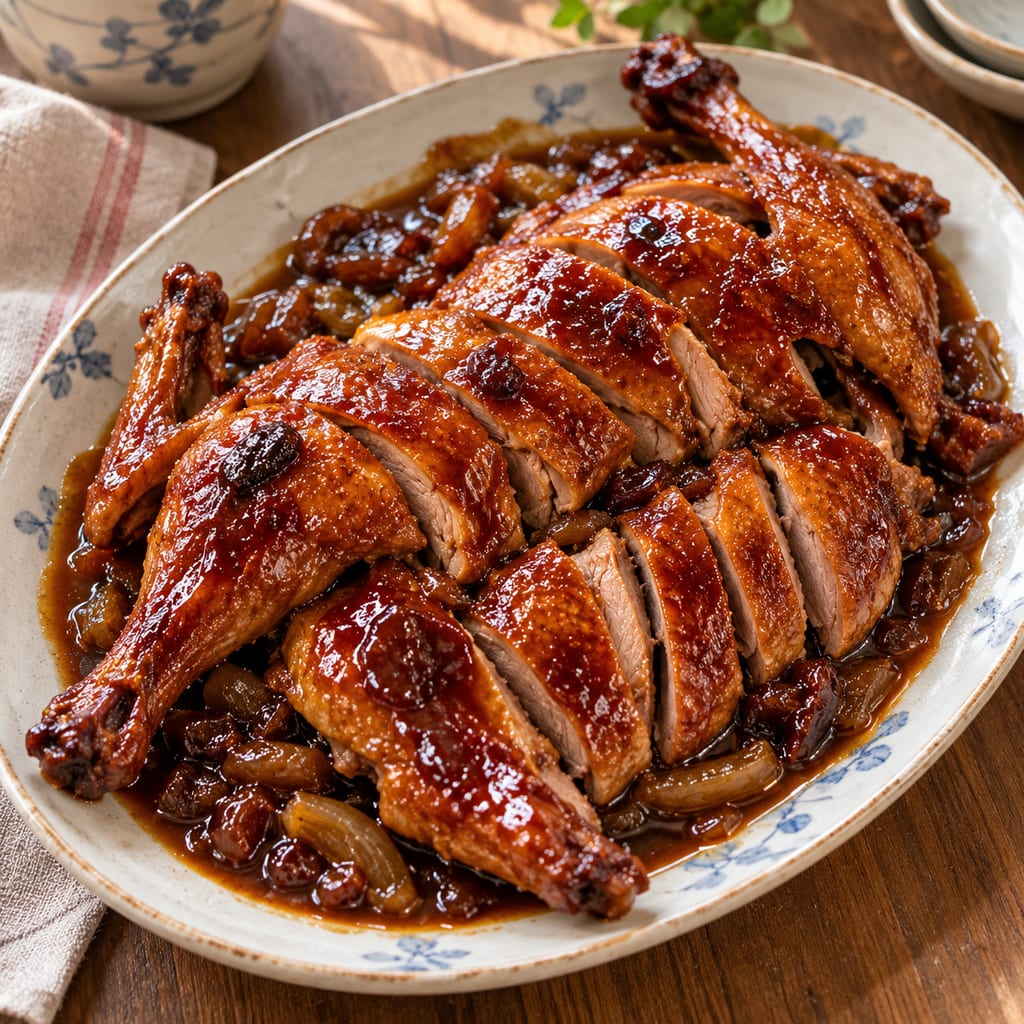
A whole duck braised on onions with pickled plums and Chinese plum sauce until the sauce turns into a thick onion marmalade, a Hakka family dish for Chinese New Year.
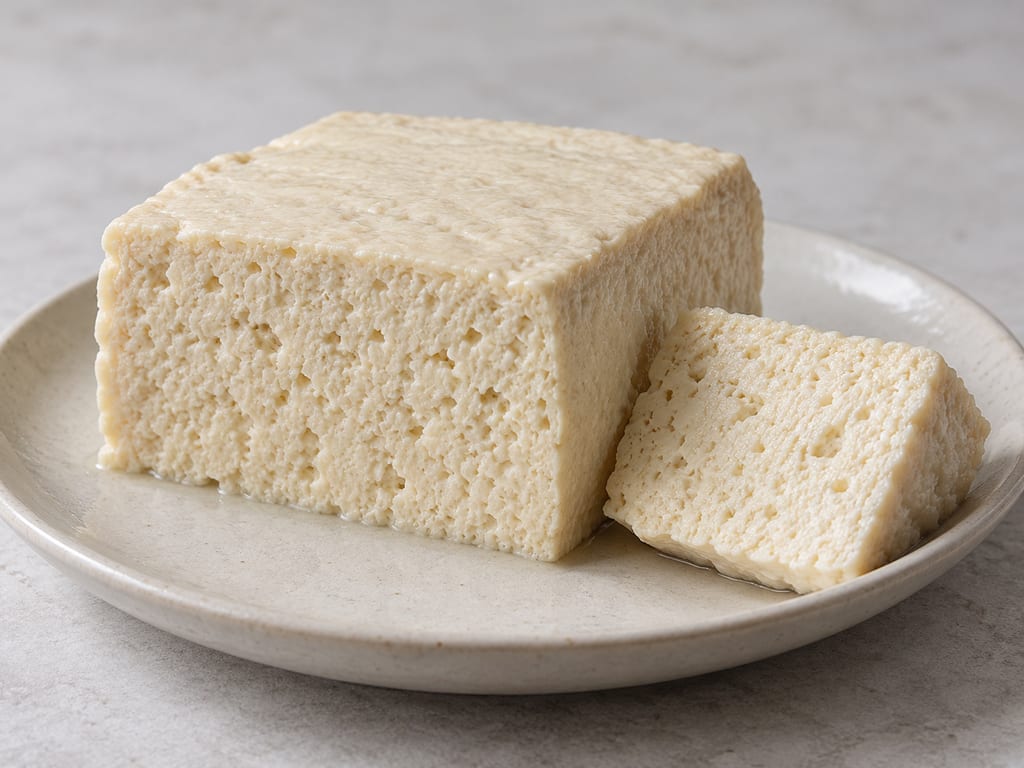
Drained firm tofu frozen in a home freezer so that ice reshapes the curd into a firmer, spongy, porous block for cooking; not the dried kori-dofu.
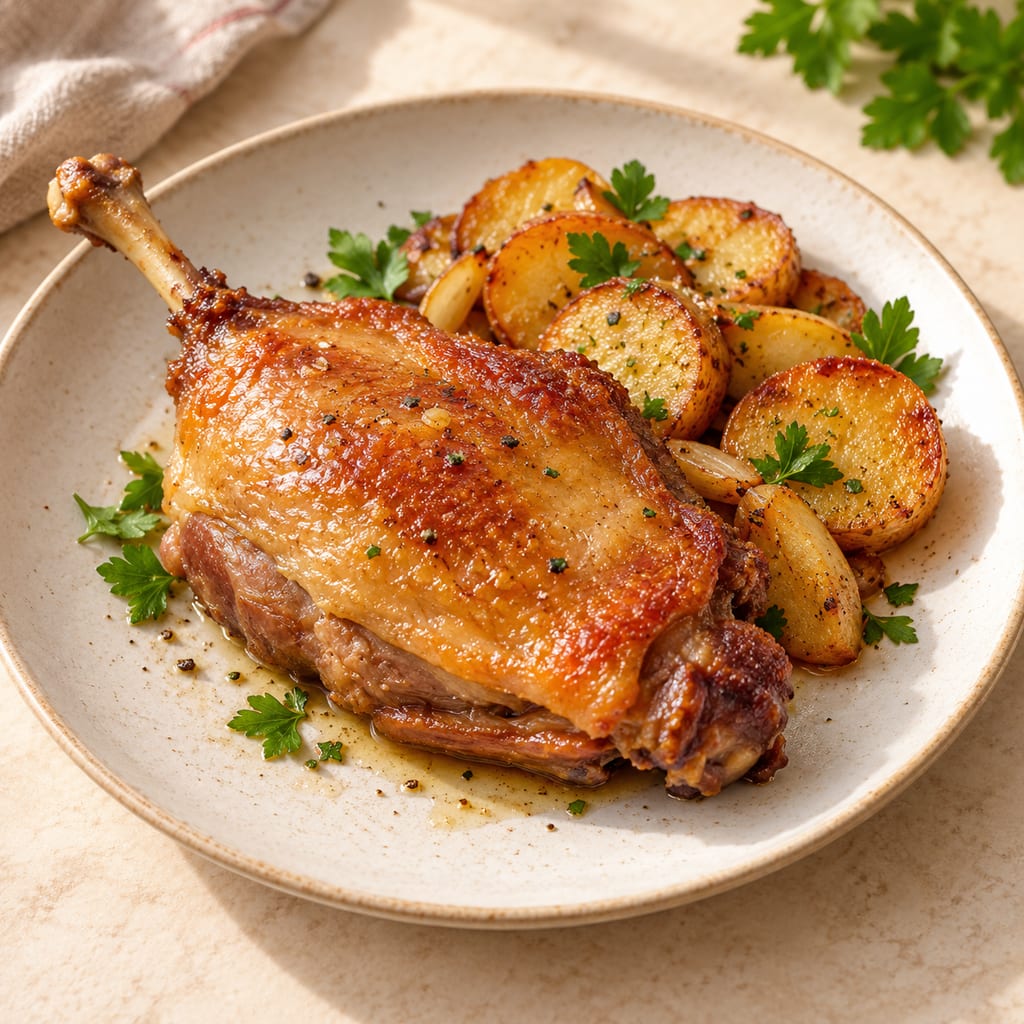
Meat salted, slowly cooked in its own fat and kept under a covering of that fat. The fat cap limits air but does not acidify or sterilise, so home confit needs refrigeration or freezing.

Chuño negro is a source-documented Andean potato-preservation practice. This entry records producer tradition; it is not a validated household process for making potentially toxic bitter potatoes safe.
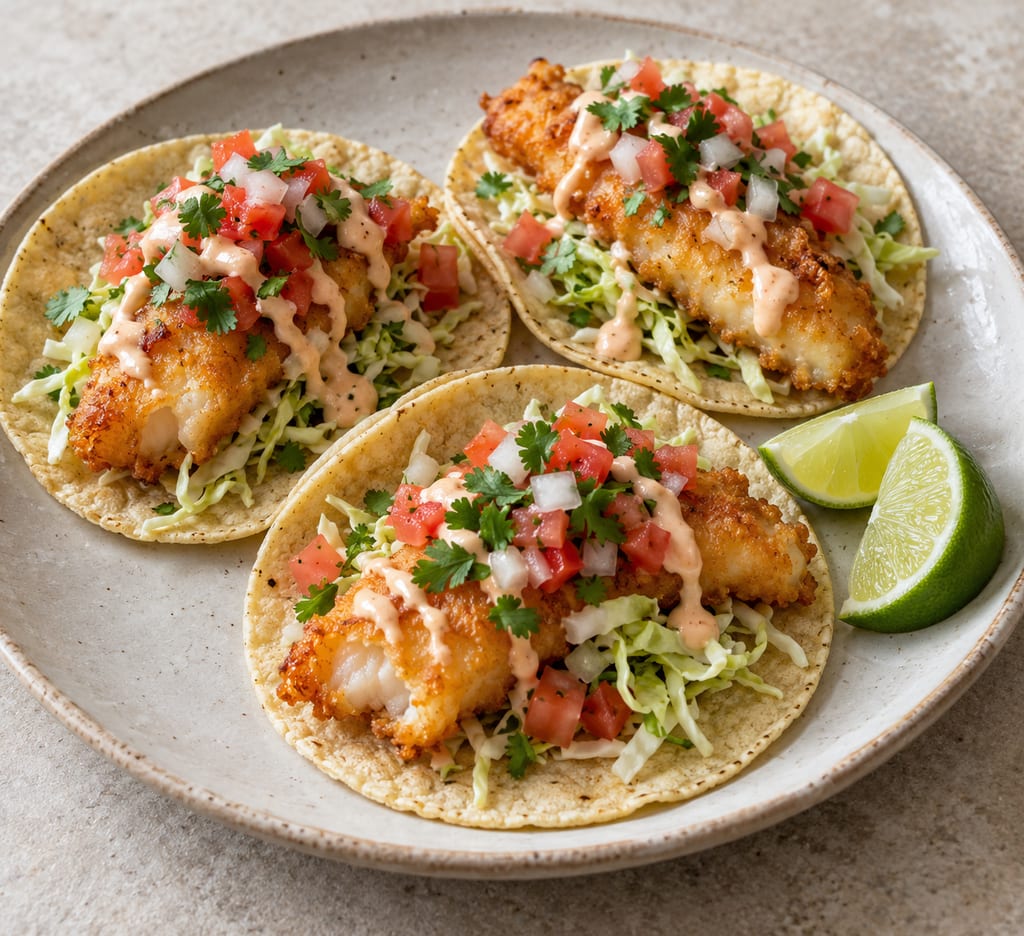
Crisp battered white fish in warm corn tortillas with shredded cabbage, lime and fresh salsa. This home version draws on the Ensenada style without claiming to be a definitive historic formula.

Omani celebration dish of spiced meat wrapped in leaves, sewn into palm-fibre bags and cooked in a sealed pit of embers for up to a day.
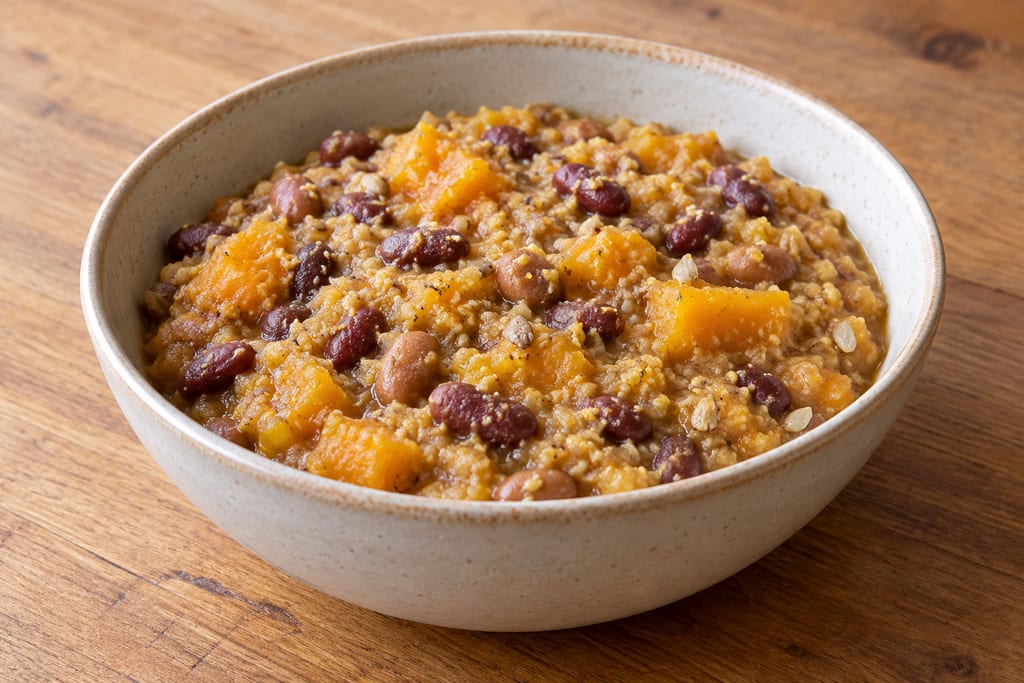
Do´patsa-makihi´kĕ, or four-vegetables-mixed, combines beans, dried squash, corn meal and sunflower meal in a Hidatsa winter dish. This entry keeps a modern, untested adaptation separate from the historical account.
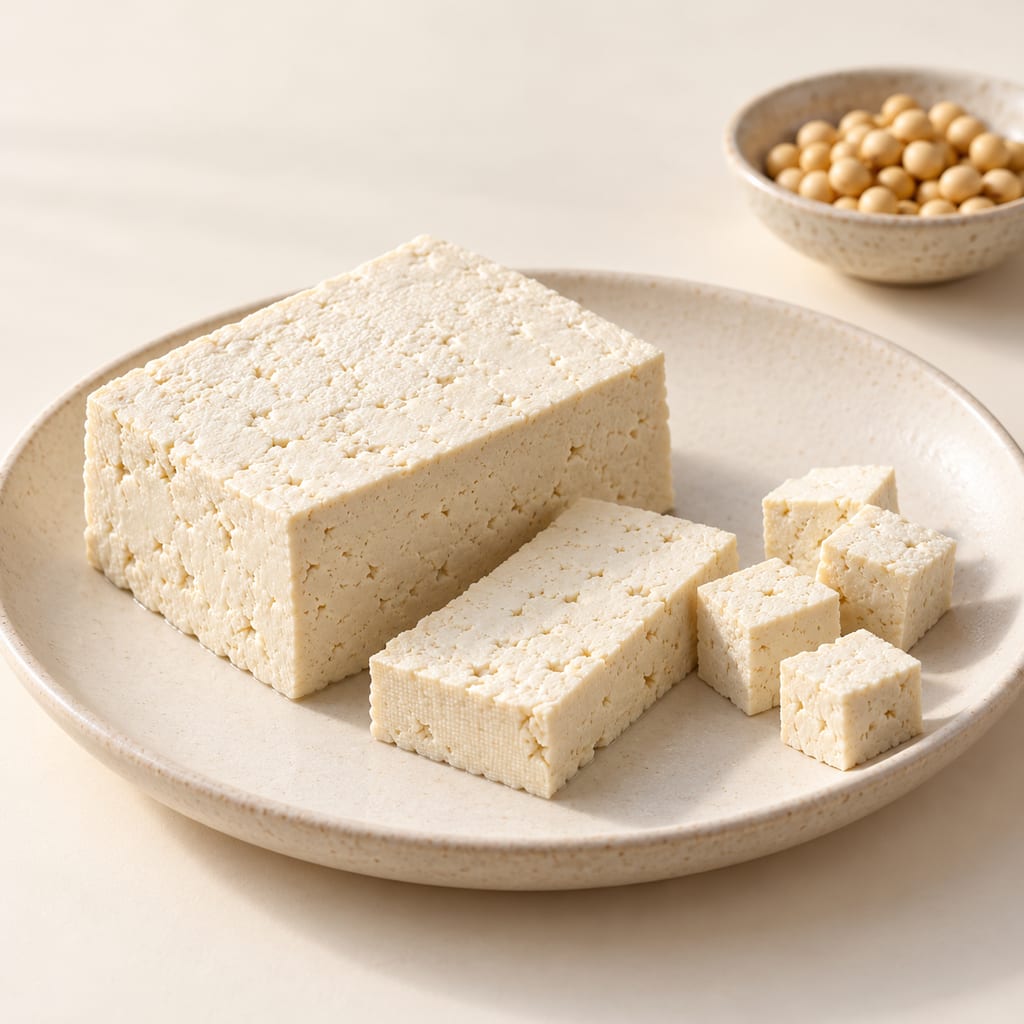
Fresh firm tofu is made by coagulating cooked soybean milk, then draining and pressing the curds into a sliceable block. This version follows a published nigari method and traces tofu’s varied, contested history.
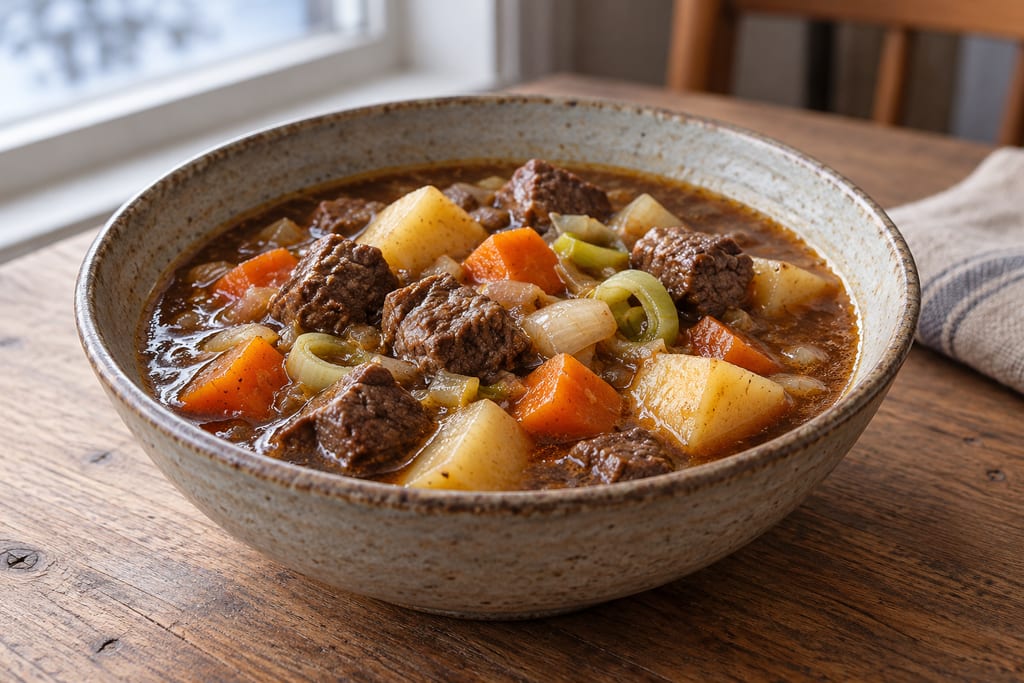
Ann-Kristine Bongo's four-serving bidus from Sami Siida in Alta is a contemporary, festive reindeer stew simmered with onion, carrots and potatoes.
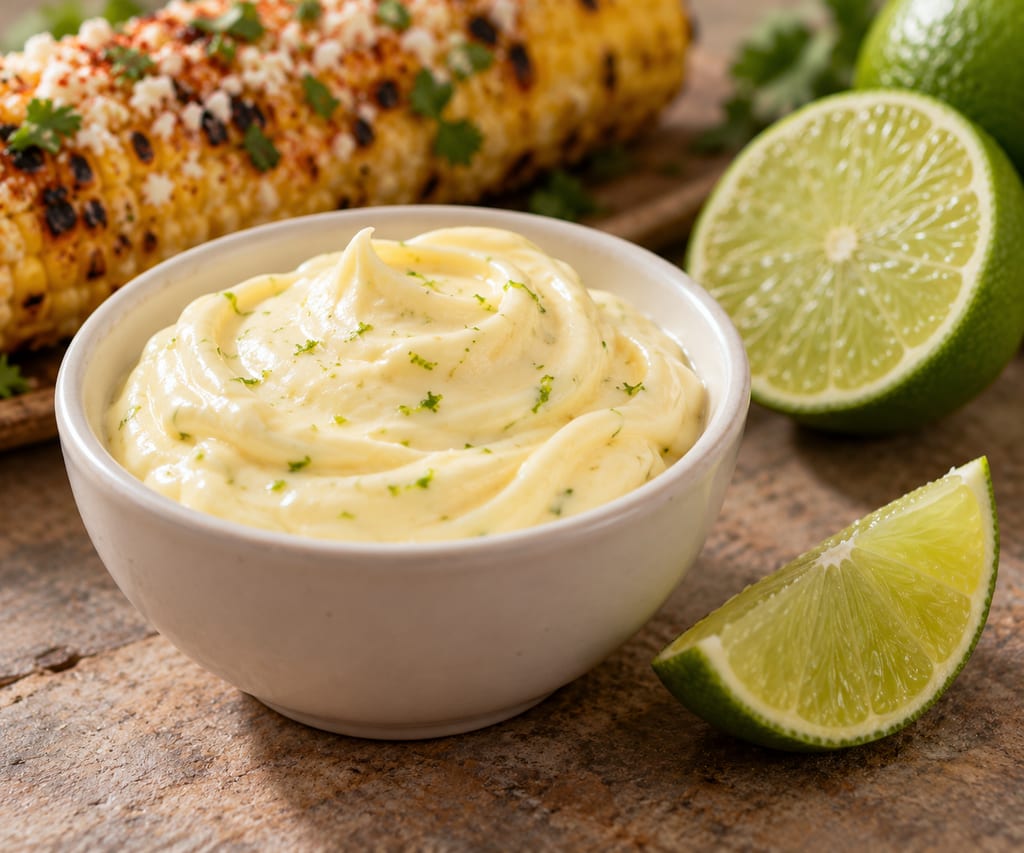
An untested mayonnaise variation that replaces part of a neutral base’s vinegar with lime juice and finishes with optional lime zest.
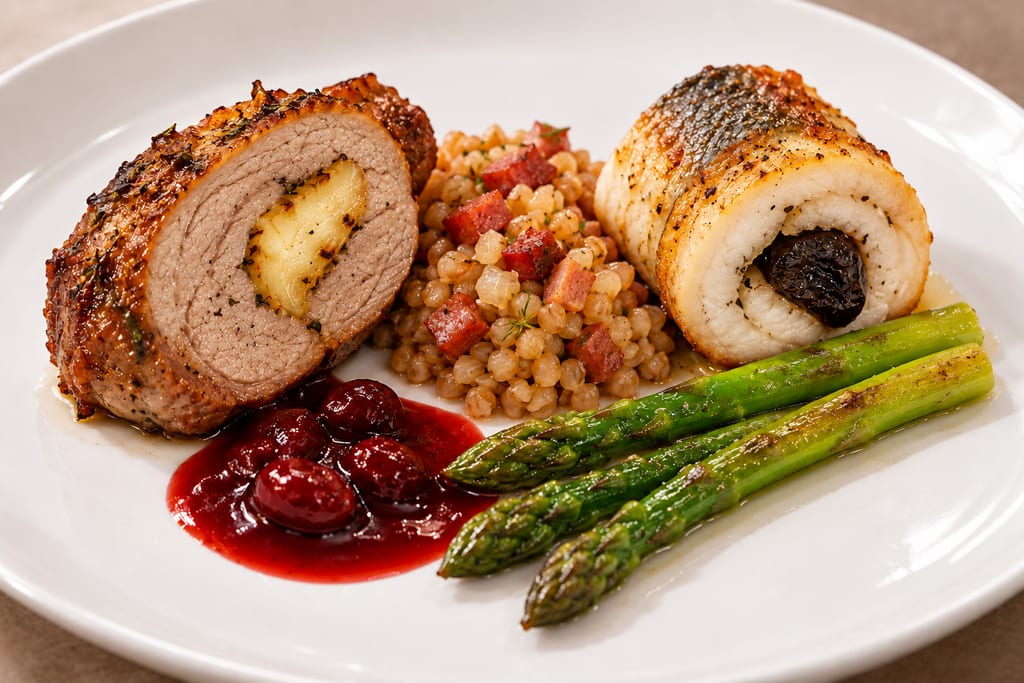
A student cookbook pairs lamb stuffed with Oscypek and zander with suska, then serves wheat groats with a small amount of kiełbasa lisiecka.
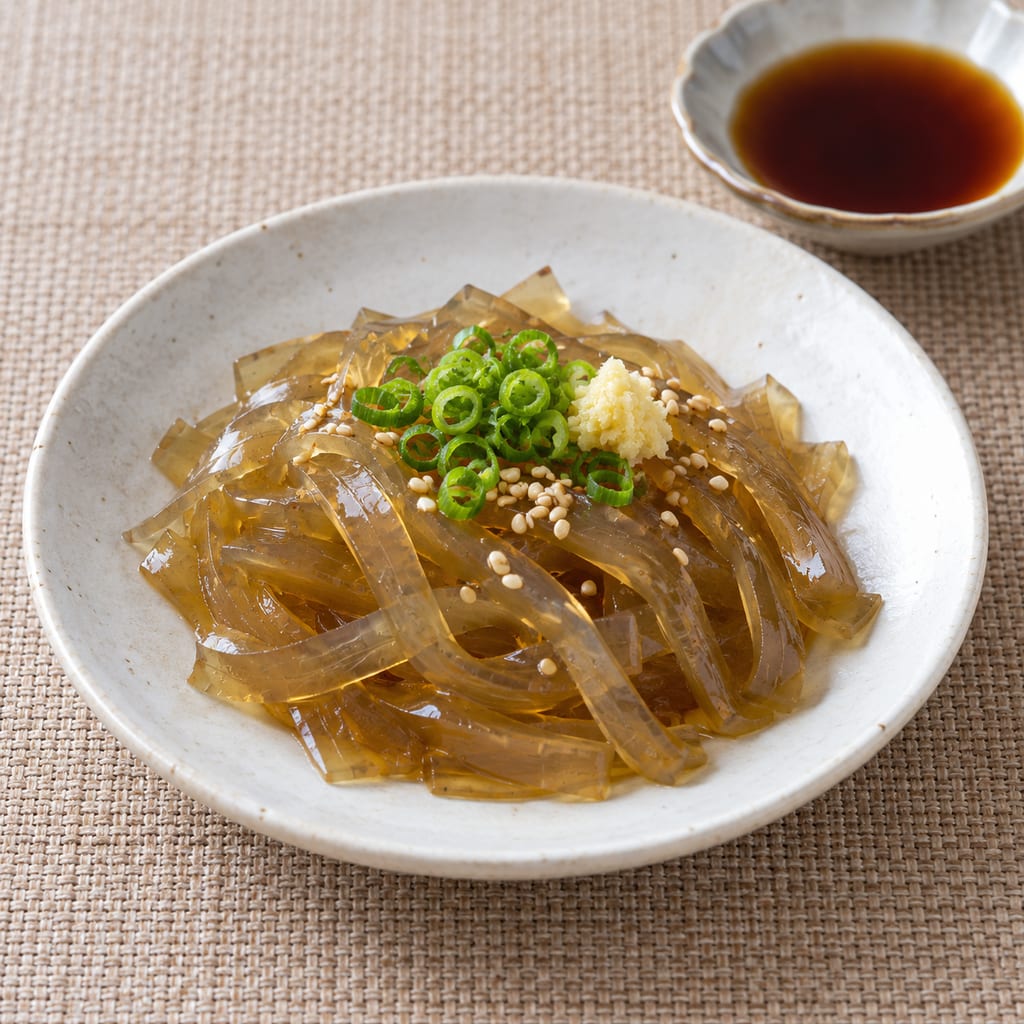
A traditional Fukuoka seaweed jelly made by boiling dried egonori, sometimes with igisu, until it forms a thick extract that sets into soft sheets, eaten cold with soy sauce, vinegar and aromatic condiments.
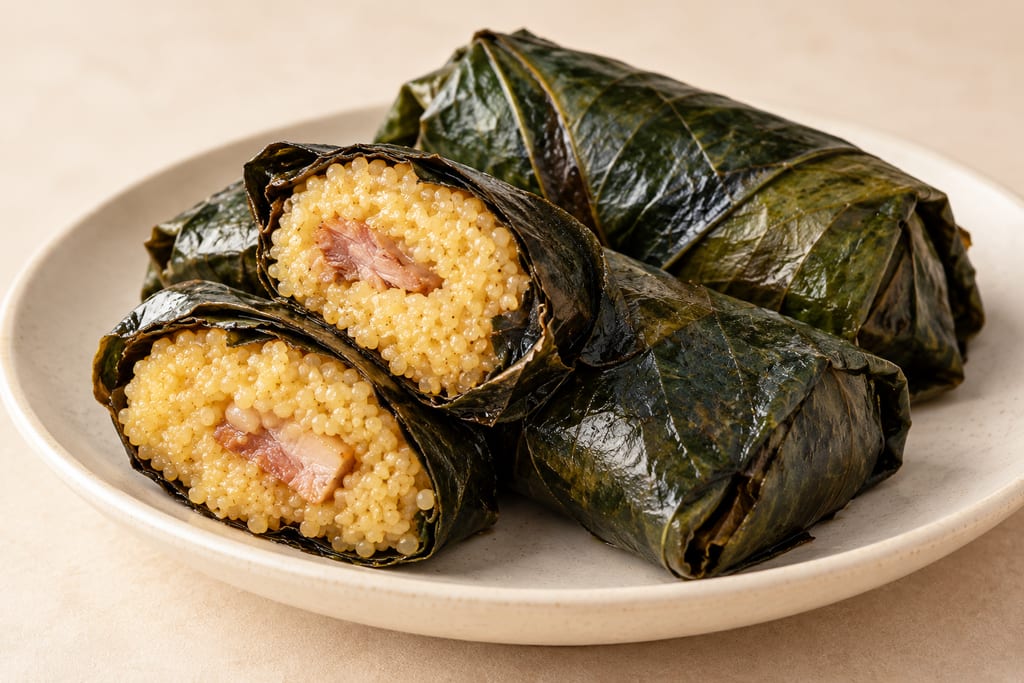
Cinavu is a Paiwan leaf-wrapped parcel built around millet or taro, meat and locally gathered leaves. It belongs to a food culture of harvest, hospitality and shared work, with village recipes differing in both filling and cooking time.
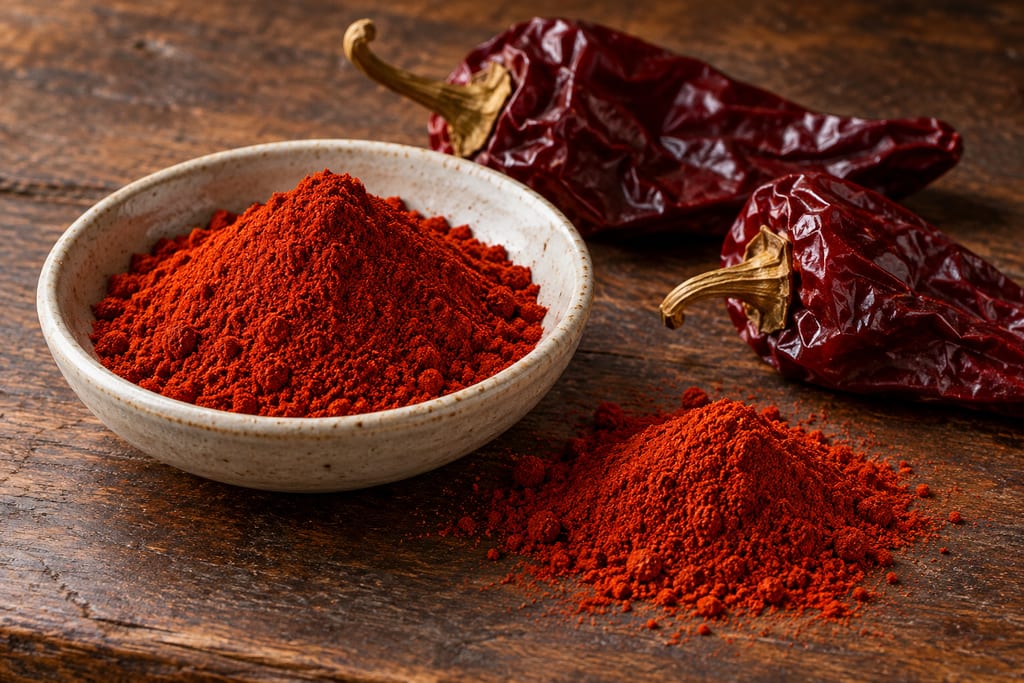
Spanish smoked paprika from Capsicum peppers dried over oak or holm-oak smoke in a dryer called a secadero, then ground. Protected by a designation of origin in La Vera.
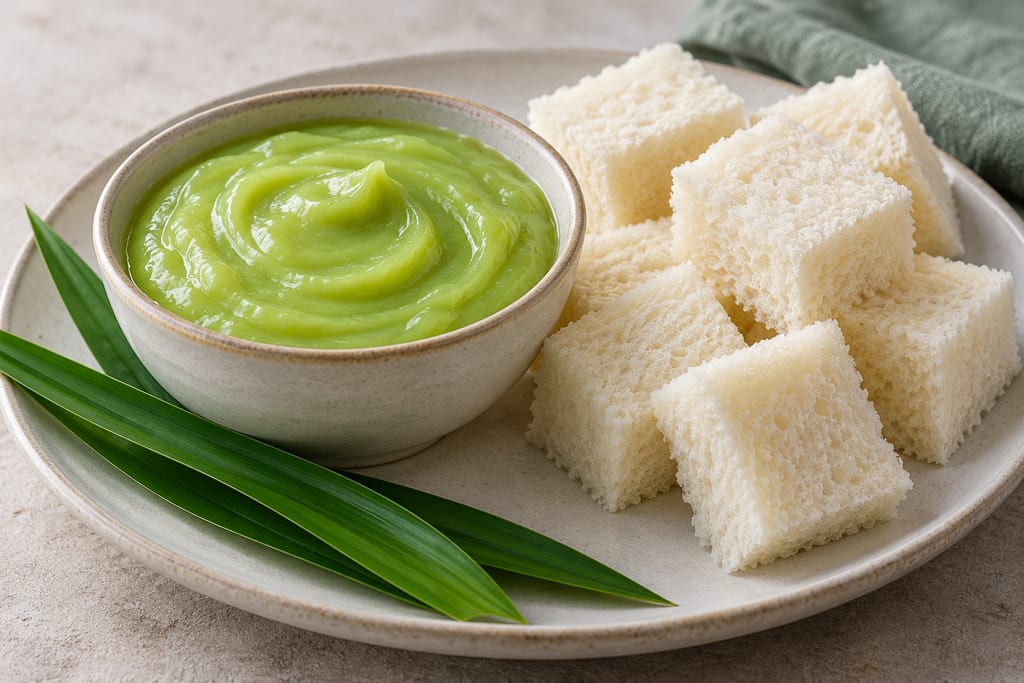
A green Thai custard of pandan juice, coconut milk, egg yolks and sugar, cooked over a water bath until it coats a spoon and served for dipping soft bread, toast or sticky rice.
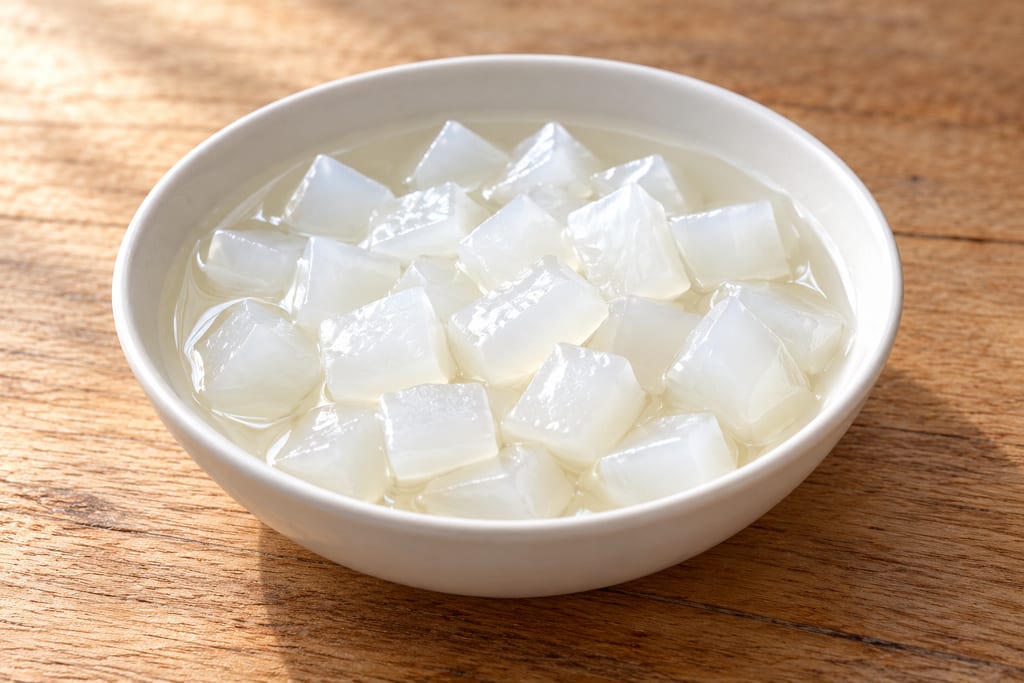
Nata de coco is a chewy, translucent dessert gel. It is cut from a cellulose pellicle that acetic acid bacteria grow on the surface of mature coconut water, then cleaned, boiled and usually stored in syrup.
Kaya is a sweet Malay-rooted spread of eggs, coconut milk and sugar, scented with pandan and stirred over gentle heat until it thickens. In Singapore it is the filling of kaya toast.
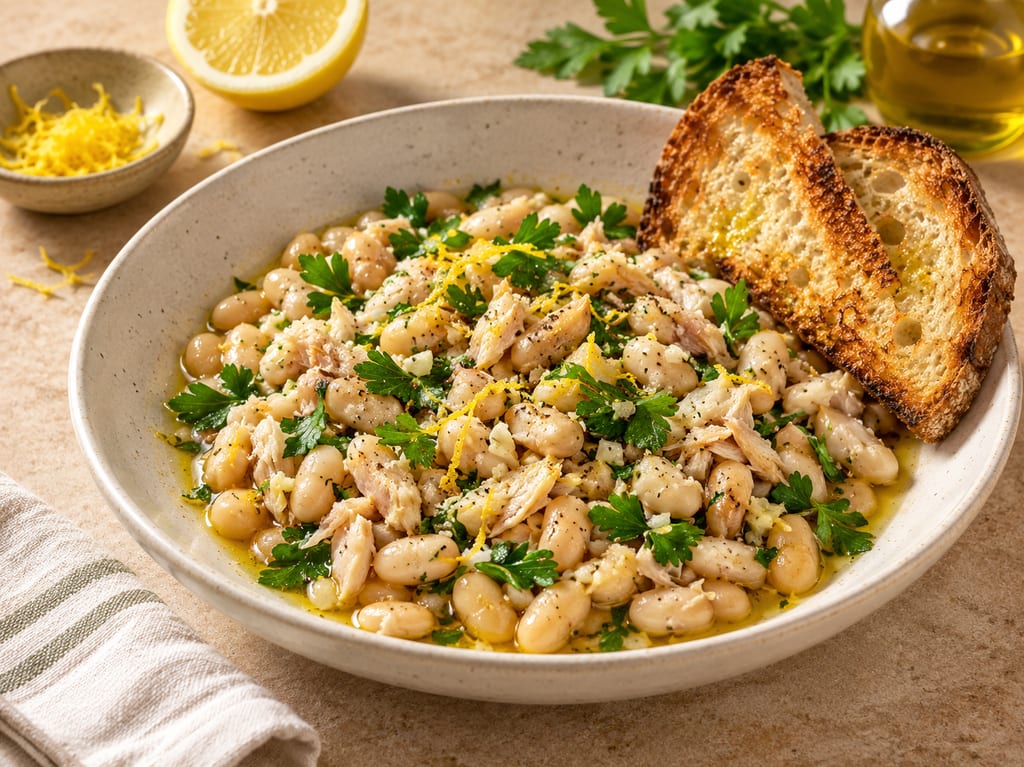
Cooked white beans warm gently with a little deboned, ready-to-eat commercial bokkom flesh, garlic, lemon and parsley. This is a contemporary serving adaptation, not a documented inherited Cape dish.
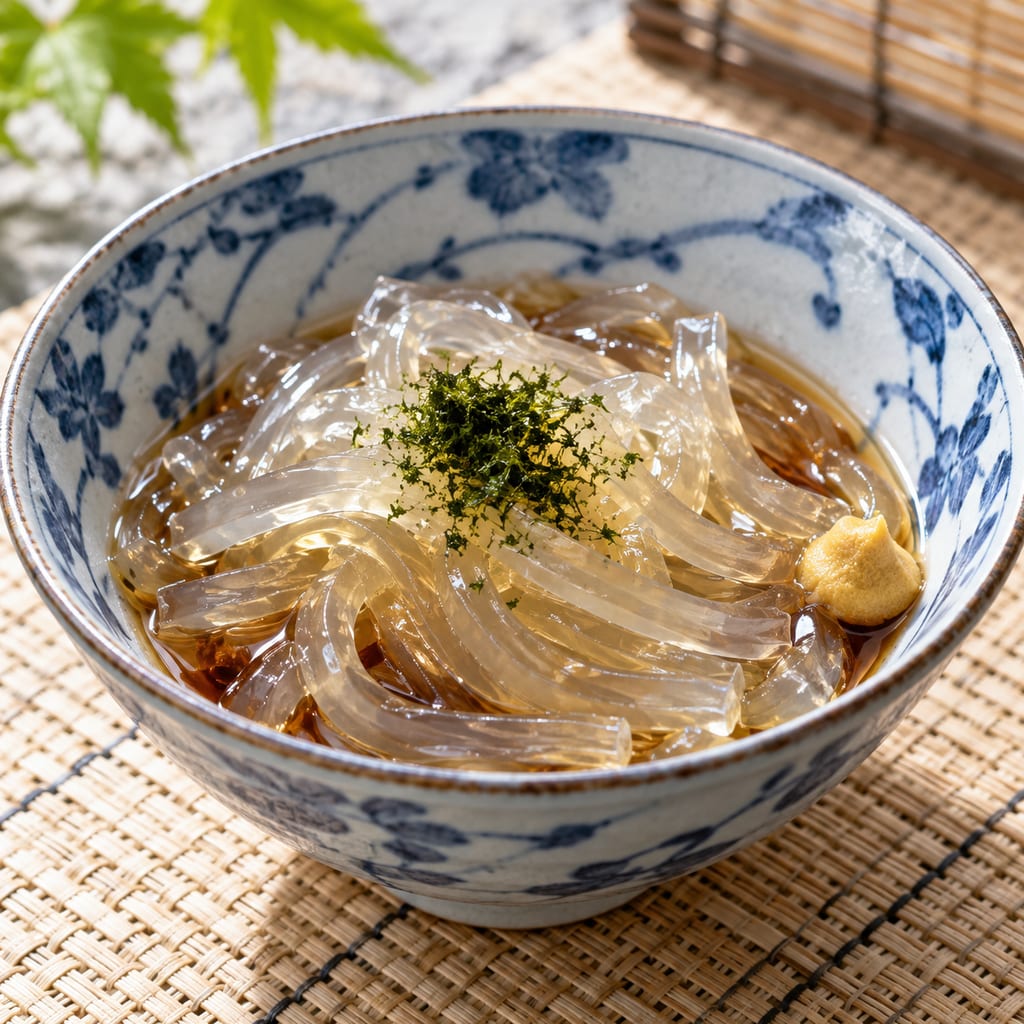
A Japanese jelly made by boiling agar-rich red seaweed, straining the extract and letting it set, then pressing it into strands served with vinegar-soy sauce or sweet syrup.
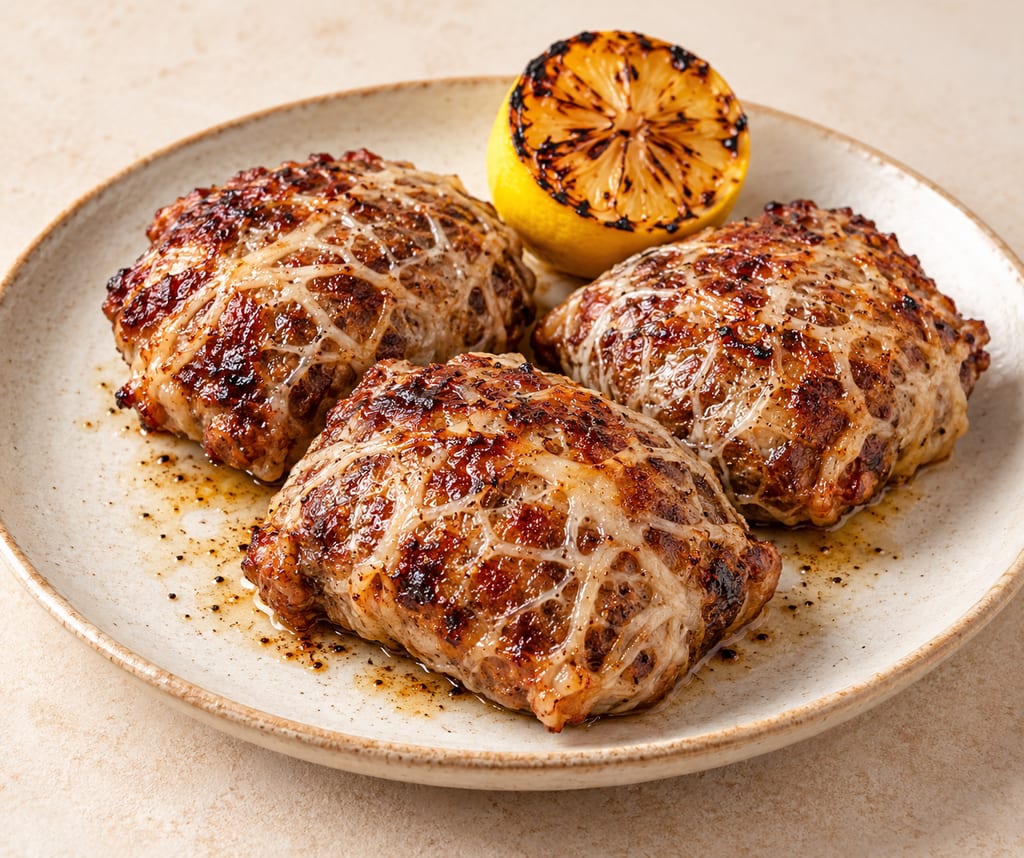
South African braai parcels of seasoned lamb liver wrapped in caul fat (netvet), which crisps and renders as the filling cooks.