High risk
Tarhana and related dried fermented soup bases
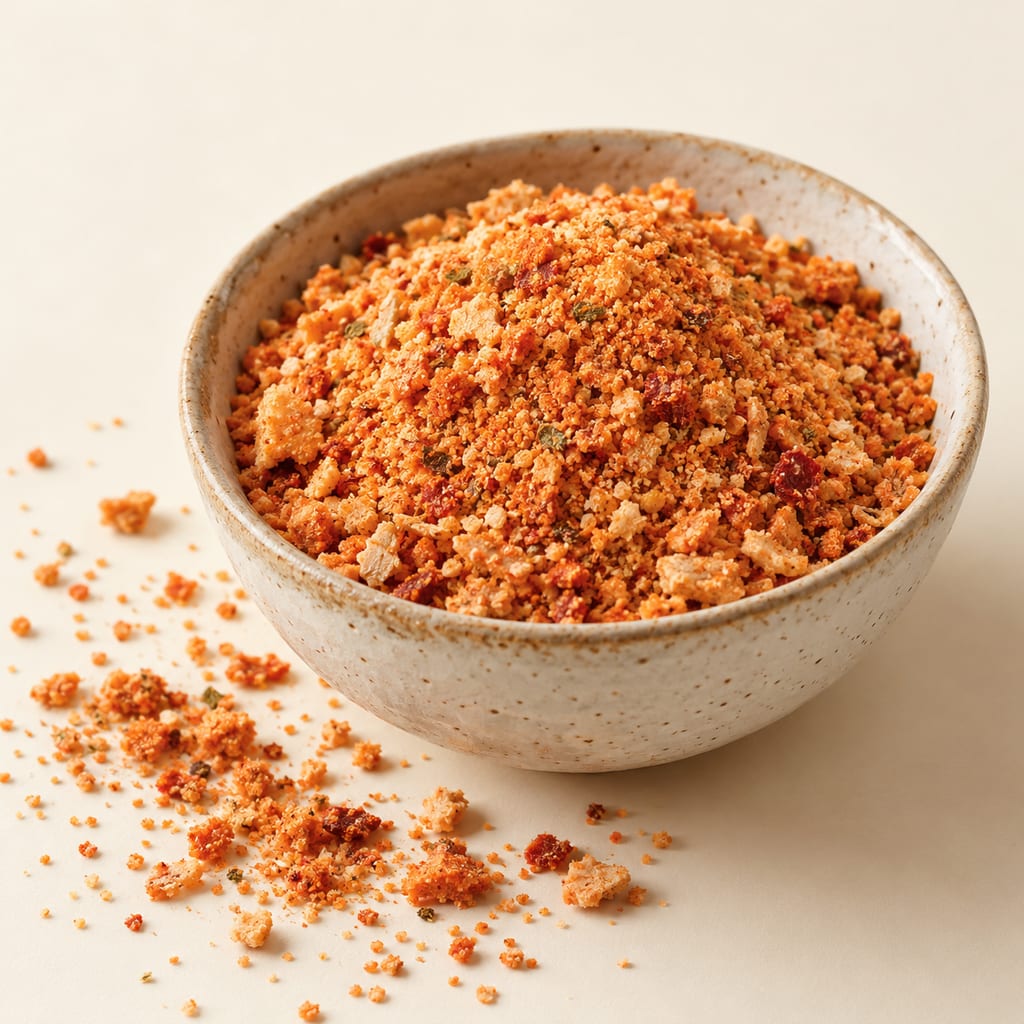
Tarhana is a Turkish soup base: yoghurt, flour or semolina and usually onion, tomato and red pepper, fermented as a dough for days, rubbed into grains and dried.
 FermenteaWhere food goes to change
1504 records with their sources, across 11 categories.
Tarhana is a Turkish soup base: yoghurt, flour or semolina and usually onion, tomato and red pepper, fermented as a dough for days, rubbed into grains and dried.
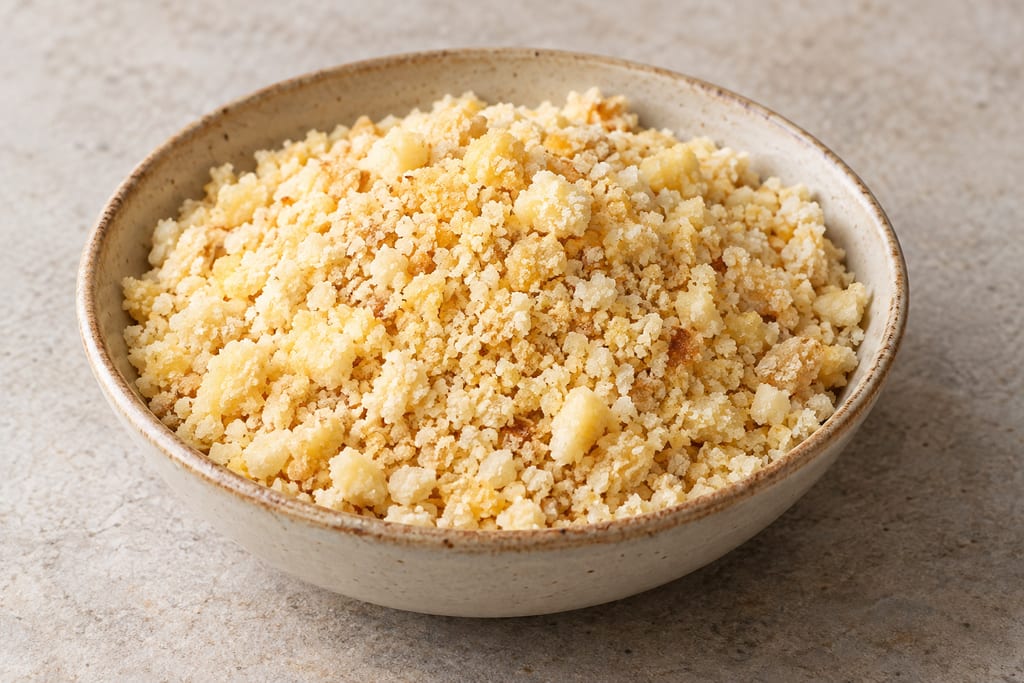
Farinha d’água is a coarse cassava flour associated with Brazil's Amazon and Pará. This page documents one published experiment; it is not a household recipe or validated safety guide.
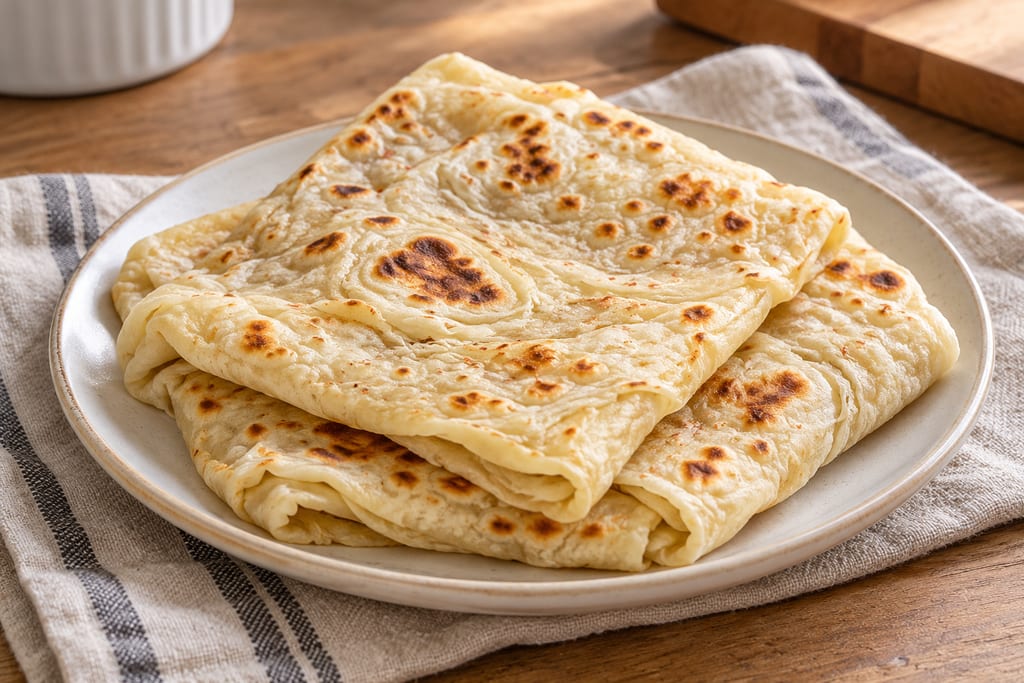
Teenuja Dahari’s oil-free Mauritian farata uses hot-water wheat dough, folded square parcels and a tawa to make six soft, layered flatbreads.

Pit-fermented bamboo shoots from Arunachal Pradesh, cut smaller and sun-dried for five to ten days, used in curries.
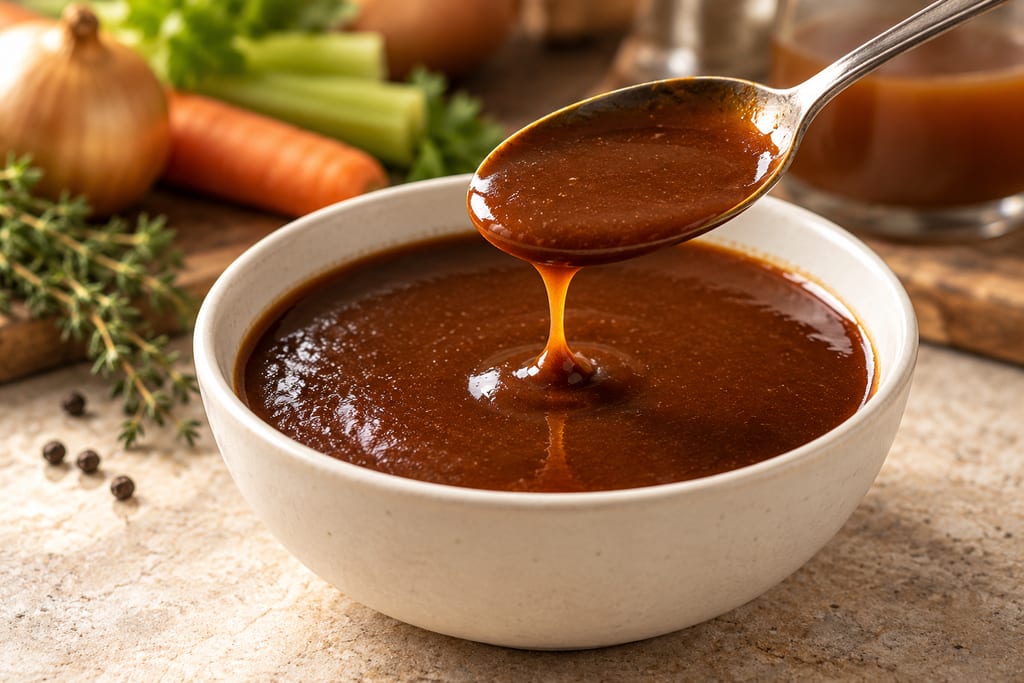
Espagnole is a brown mother sauce built on a dark roux, brown veal or beef stock and tomato, the base from which demi-glace and many brown sauces are made.
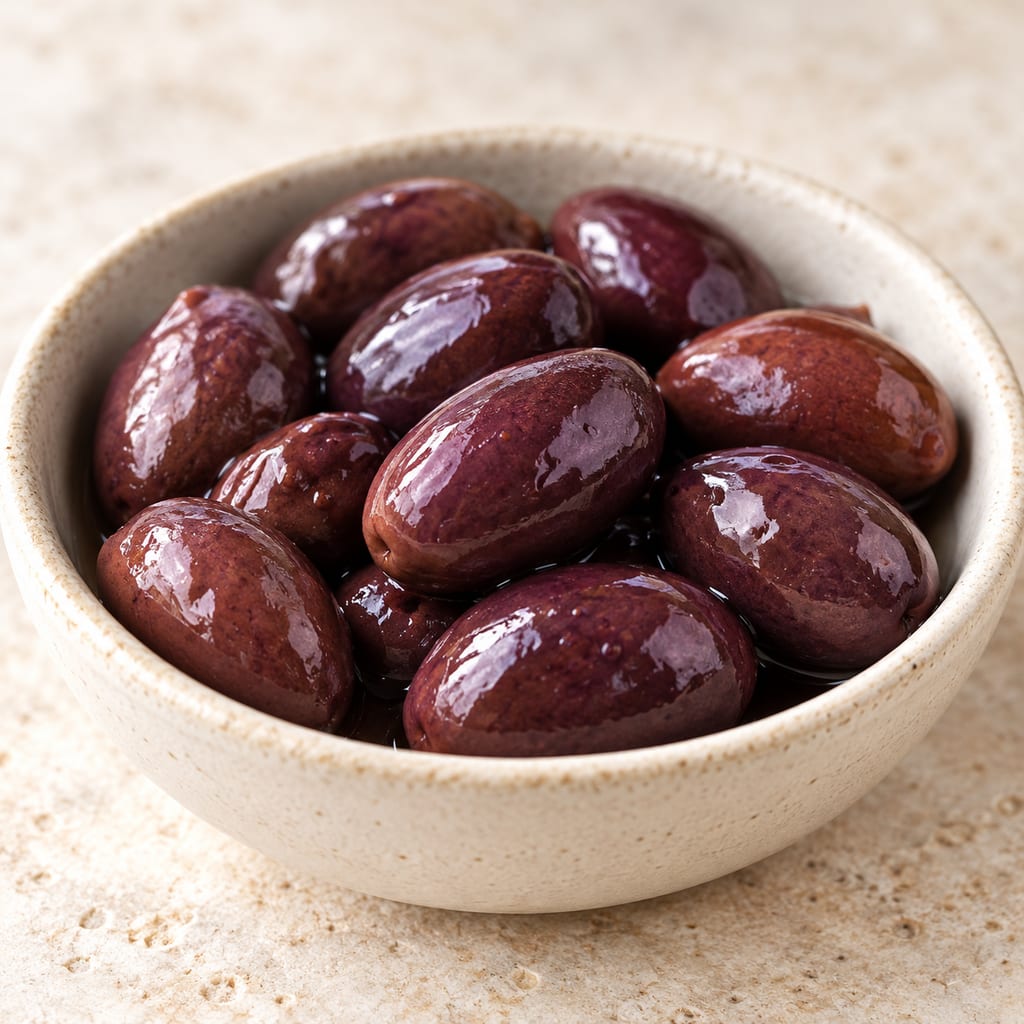
Elia Kalamatas is a Messinia table olive of the Kalamon variety, picked before full ripeness and fermented in brine for six to nine months; it is a PDO product, not a generic black olive.
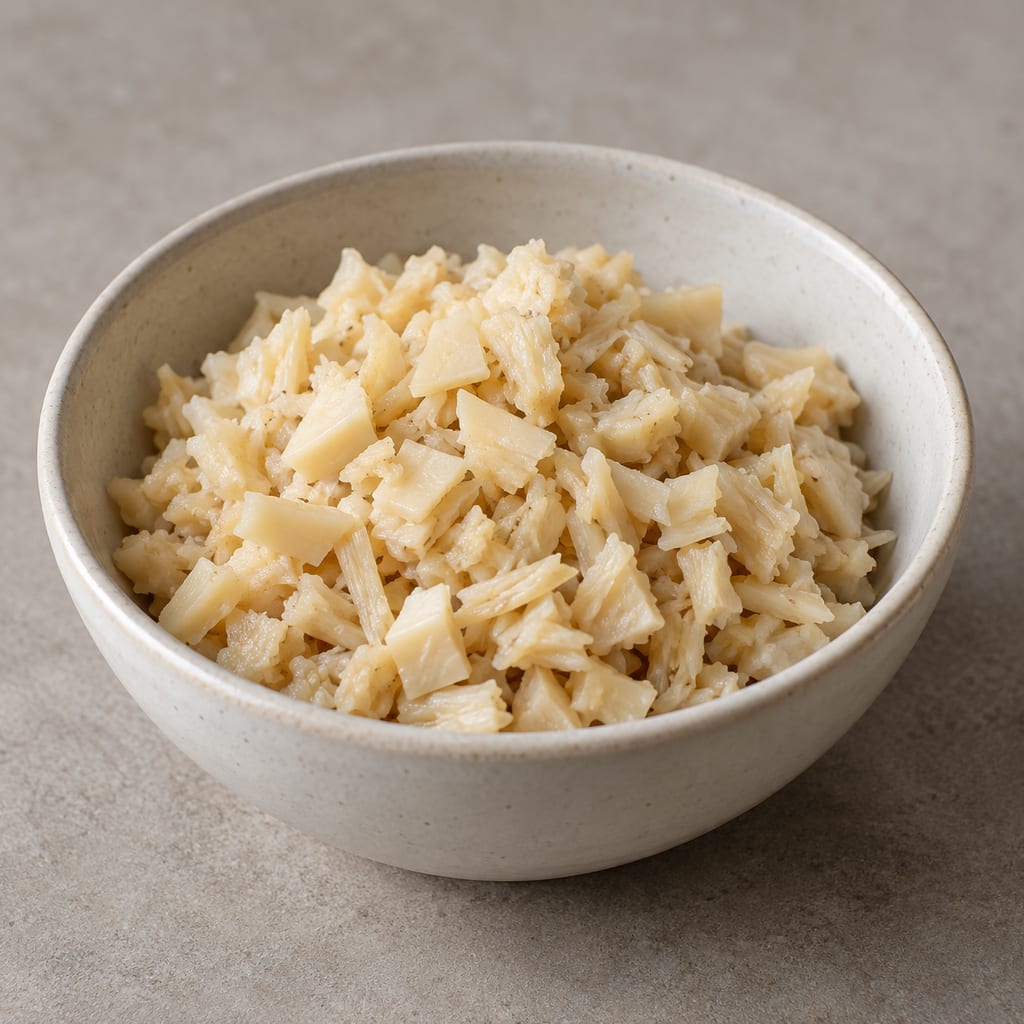
Finely chopped young bamboo shoots packed in leaf-lined baskets, sealed in a forest pit and weighted for one to three months, from Arunachal Pradesh.

Eba is a West African dish of cooked gari, stirred into hot water until it forms a thick paste. It is a cooking stage with no new fermentation, served with soup.
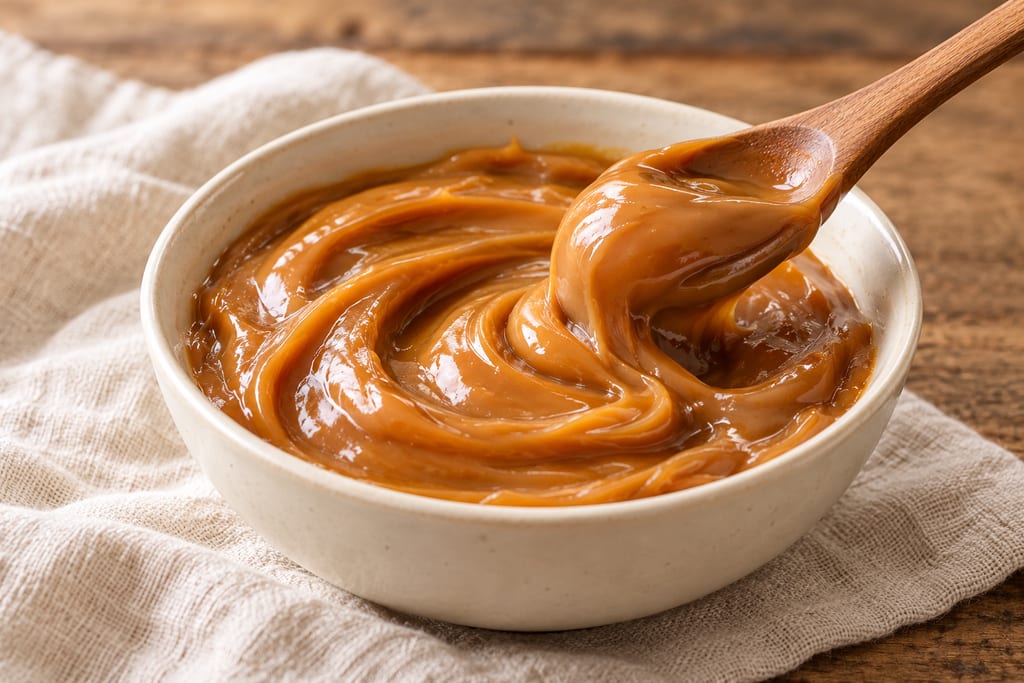
Dulce de leche and its relatives, including Mexican cajeta from goat's milk, are milk and sugar cooked slowly until thick and brown. The name changes across Latin America, and the browning gives each its character.
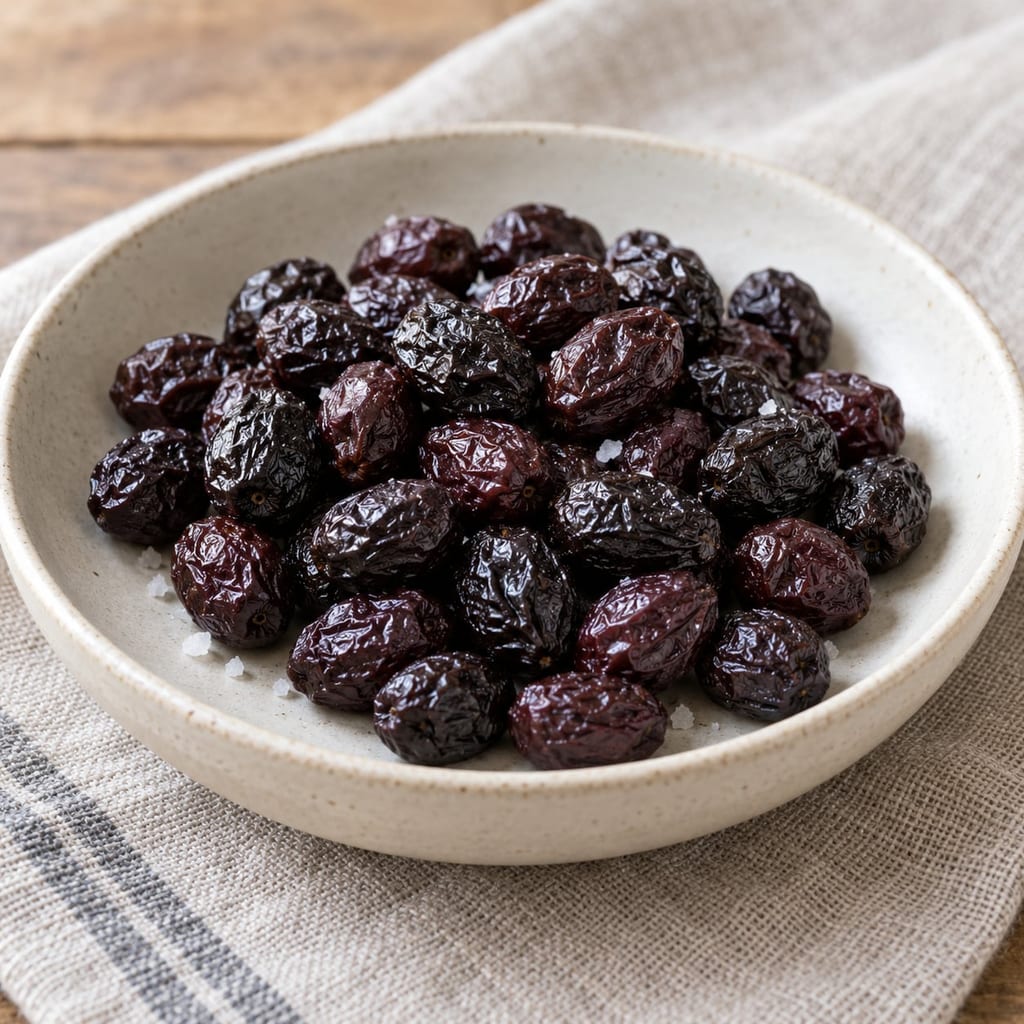
Fully ripe dark olives are mixed with salt and turned weekly as salt draws out moisture. Distinct from existing brine-fermented and lye-treated olives.
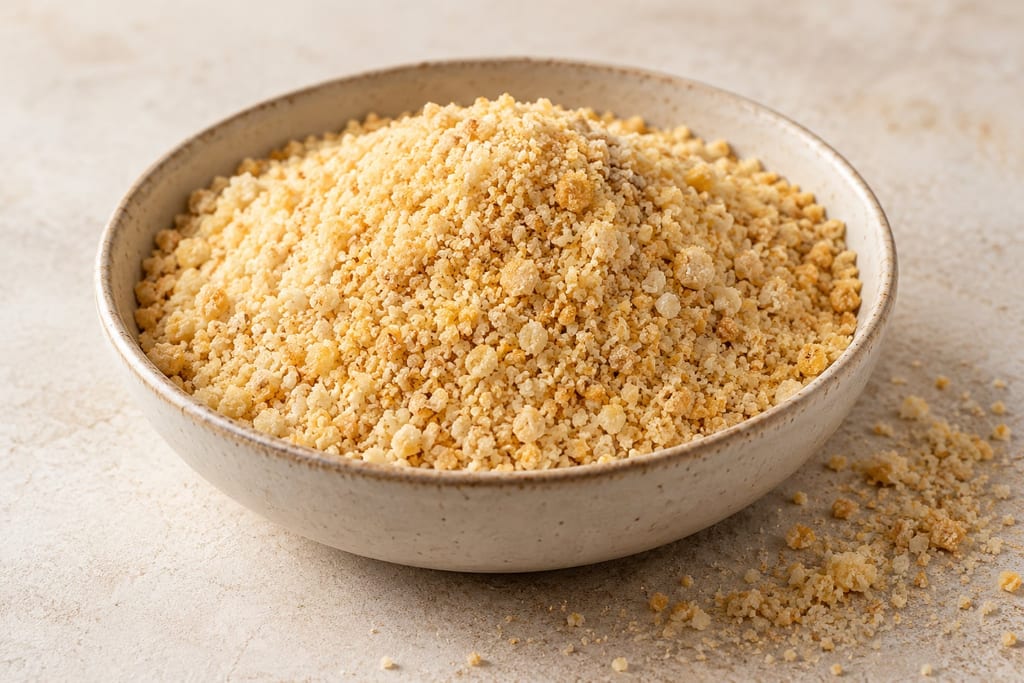
Farinha is a coarse, durable cassava meal made by grating, pressing, sifting and roasting or drying cassava. Processing is used to reduce cyanogenic compounds, but this account is not a validated detoxification procedure.
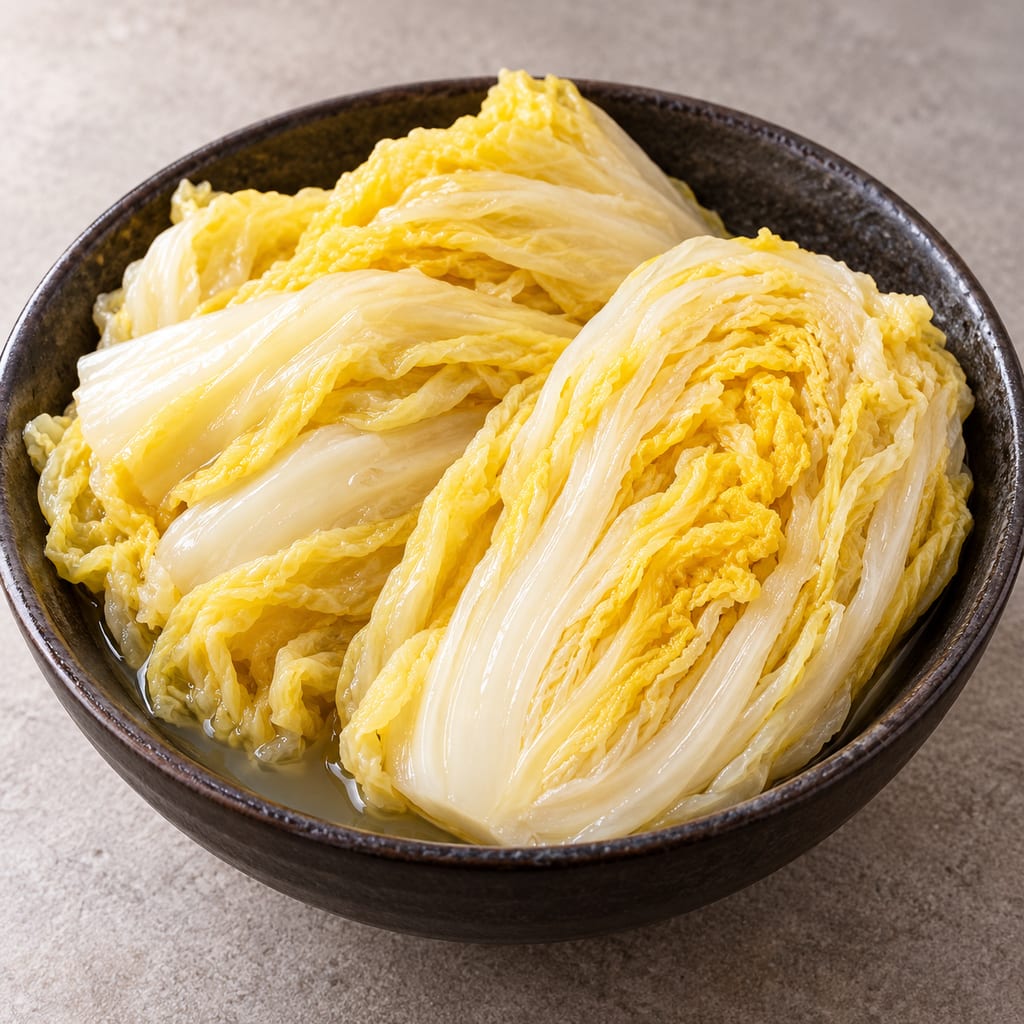
Napa cabbage fermented in a salt brine in Northeast China, traditionally in large ceramic or glass jars, until it turns sour.

A soft Dominican Christmas loaf enriched with egg and butter, scented with optional anise, and shaped with two rolled ridges around a central seam.
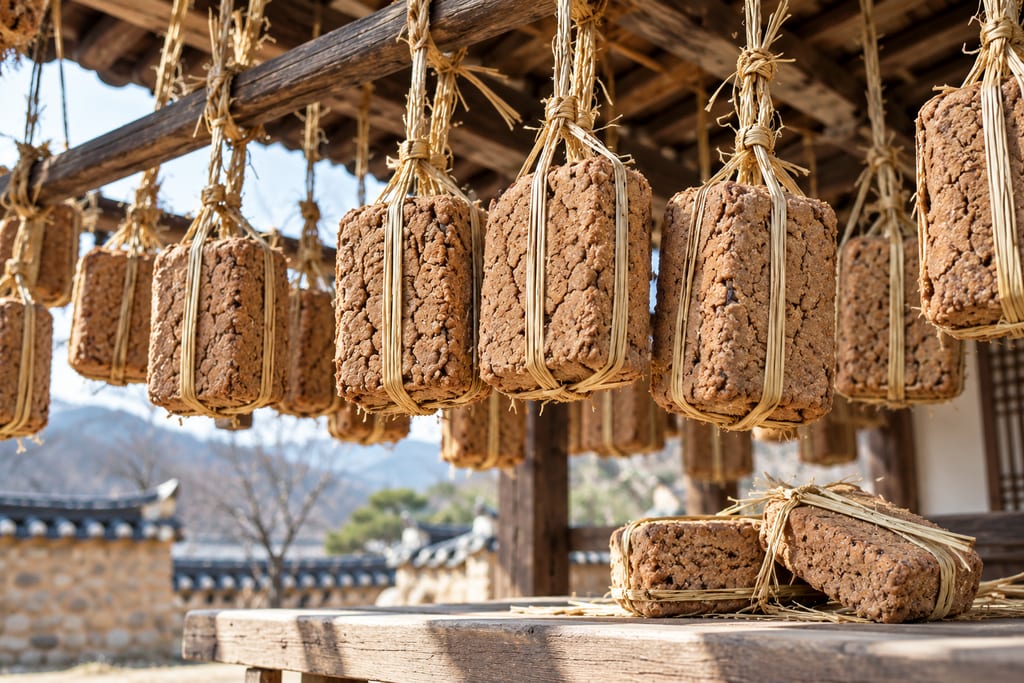
A cooked soybean brick, shaped and dried, that is fermented as a solid and later brined to make the Korean soy paste doenjang and the soy sauce ganjang.
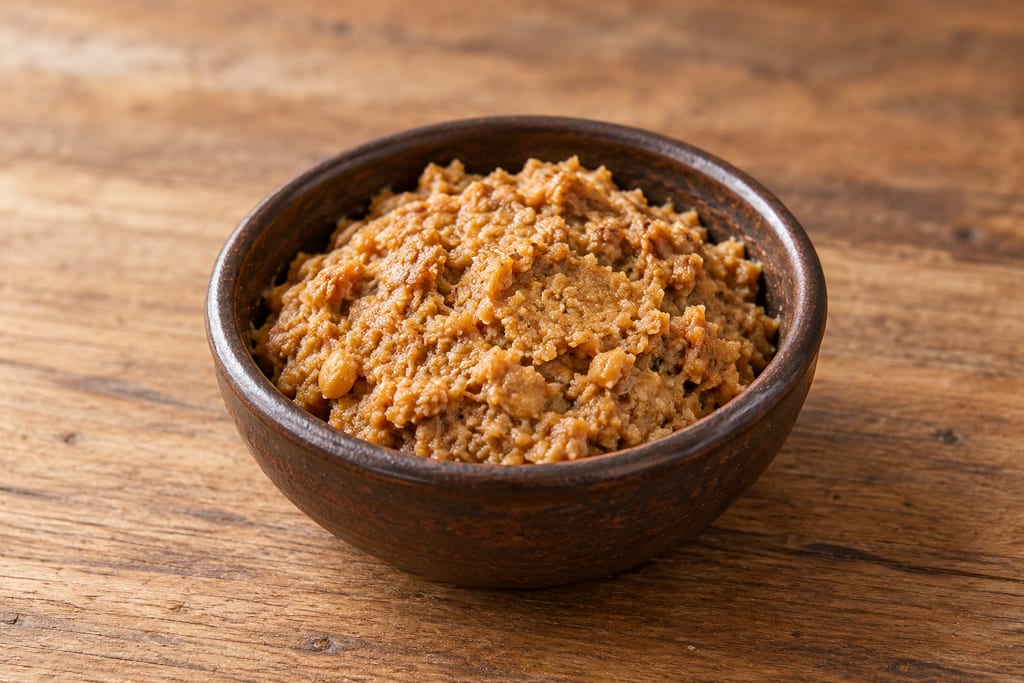
Doenjang (된장) is a Korean fermented soybean paste made by brining meju, separating ganjang, then mashing and aging the solids. This recipe follows one documented Sunchang processing study.
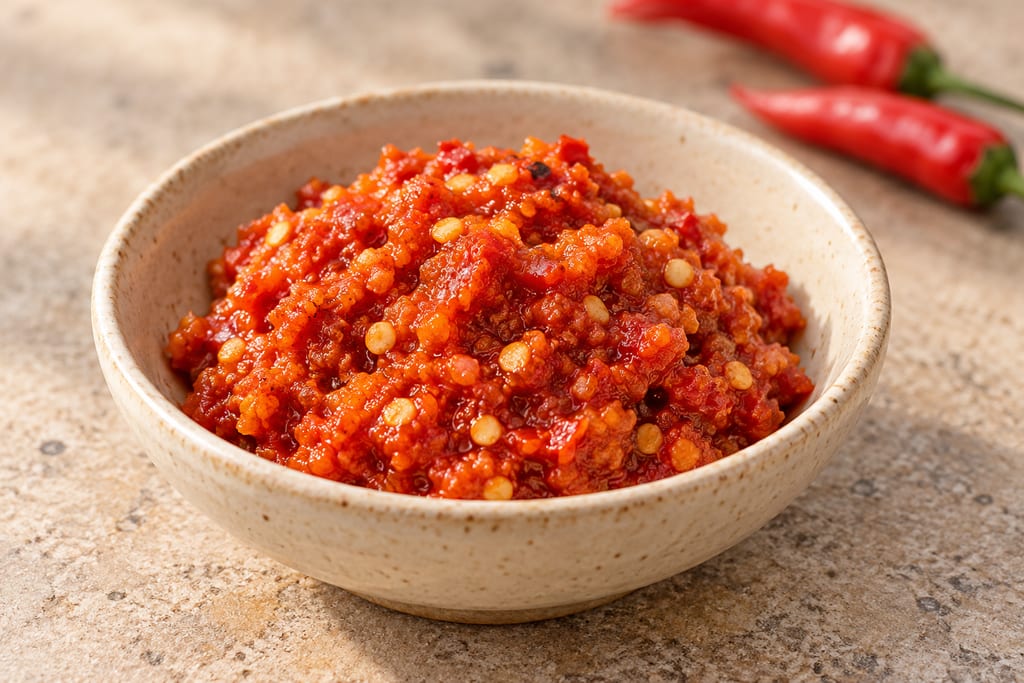
Dinanche, or donne' dinanche, is a Chamorro hot pepper paste of crushed chillies that Guam cooks use on its own or stir into fina'denne'. Its versions range from pepper alone to ones with eggplant, miso or coconut milk.
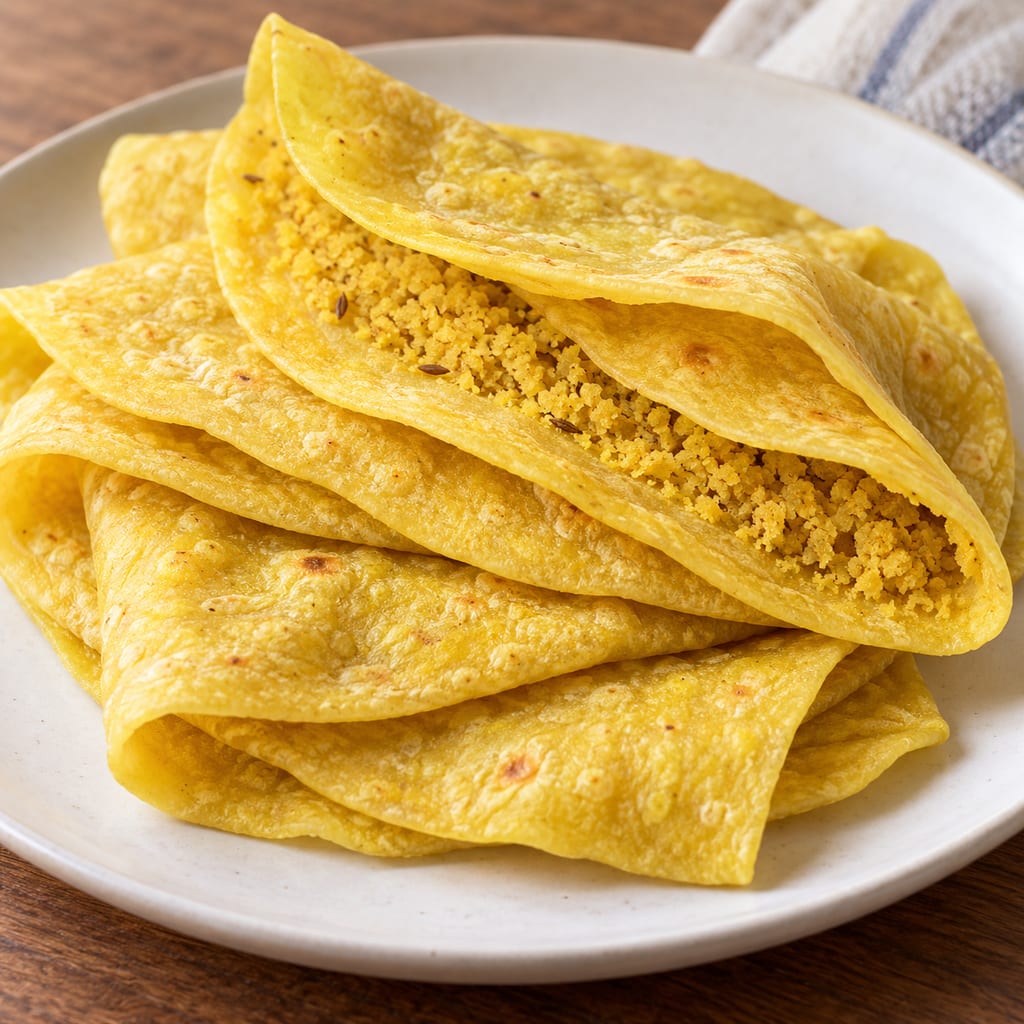
Kavi Hurrydoss’s Mauritian dholl puri encloses finely ground cumin-seasoned yellow split peas in wheat dough, then rolls and griddle-cooks each filled bread.

Demi-glace is a rich brown sauce of French cookery, classically made by reducing equal parts espagnole sauce and brown stock by half. It is used on its own or as a base for other sauces.
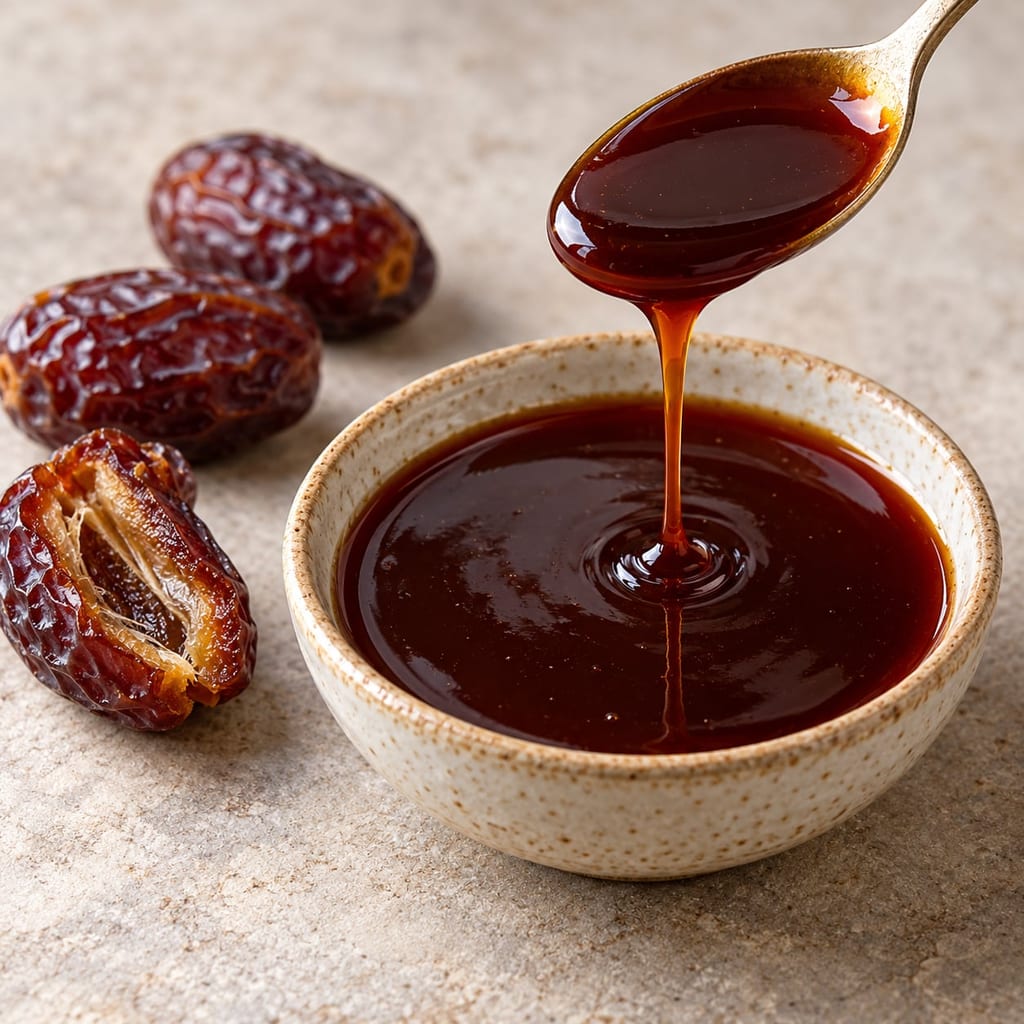
A thick, dark, very sweet syrup made from dates, known as dibs, rub, silan or date molasses. It sweetens tahini and desserts and glazes or sauces savoury dishes across the Middle East and North Africa.
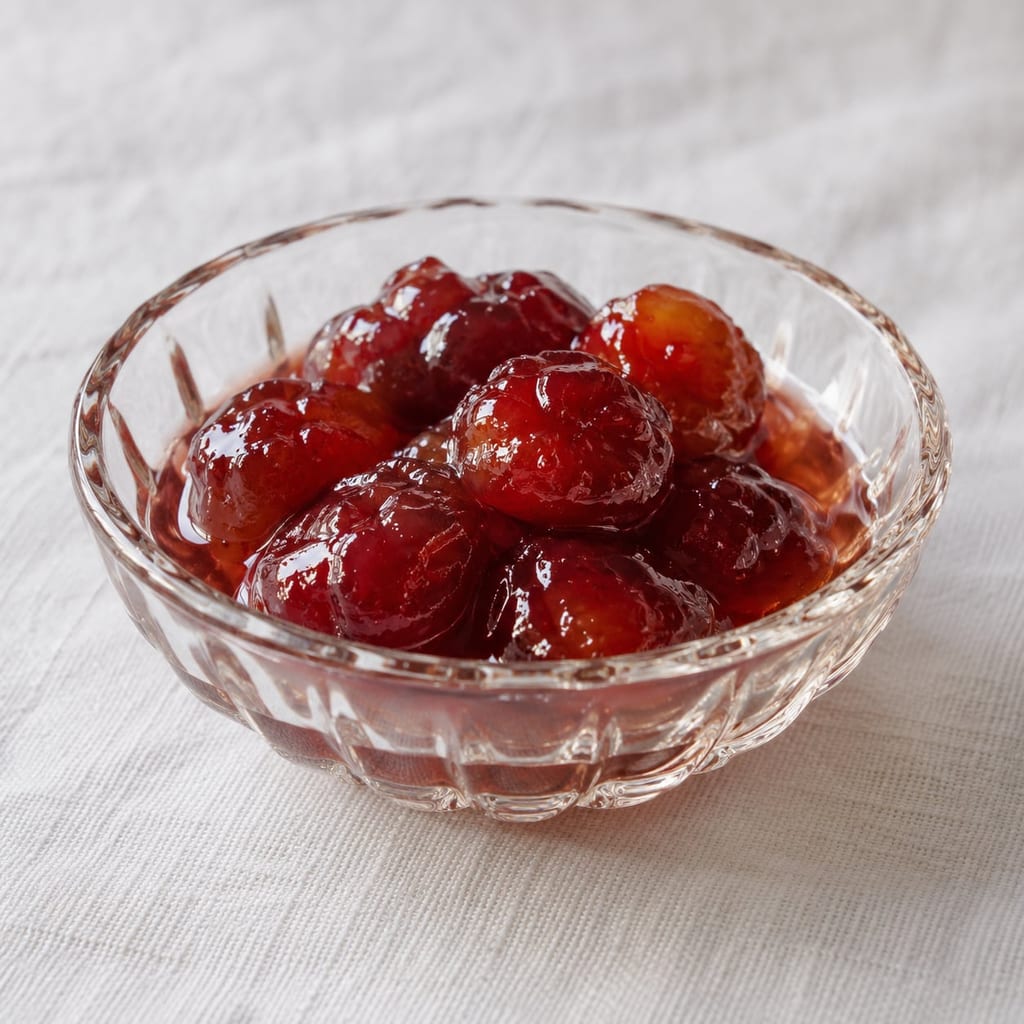
Cypriot cherry glyka made by layering firm pitted cherries with sugar, briefly boiling them, chilling overnight, and boiling again to concentrate the syrup. This version is refrigerated and has no shelf-stable canning process.

Pork belly receives a measured salt-and-sugar cure with coffee and spices, then is refrigerated before cooking or hot smoking.
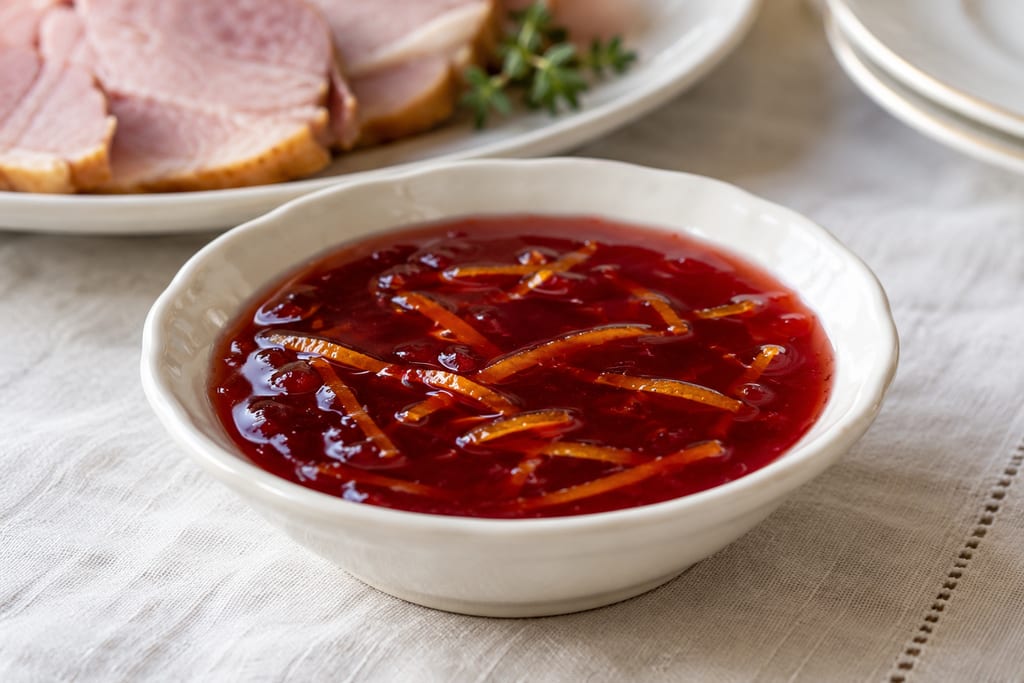
Cumberland sauce is a British condiment of redcurrant jelly, mustard, blanched orange peel and port, traditionally served cold with ham, game and cold meats.
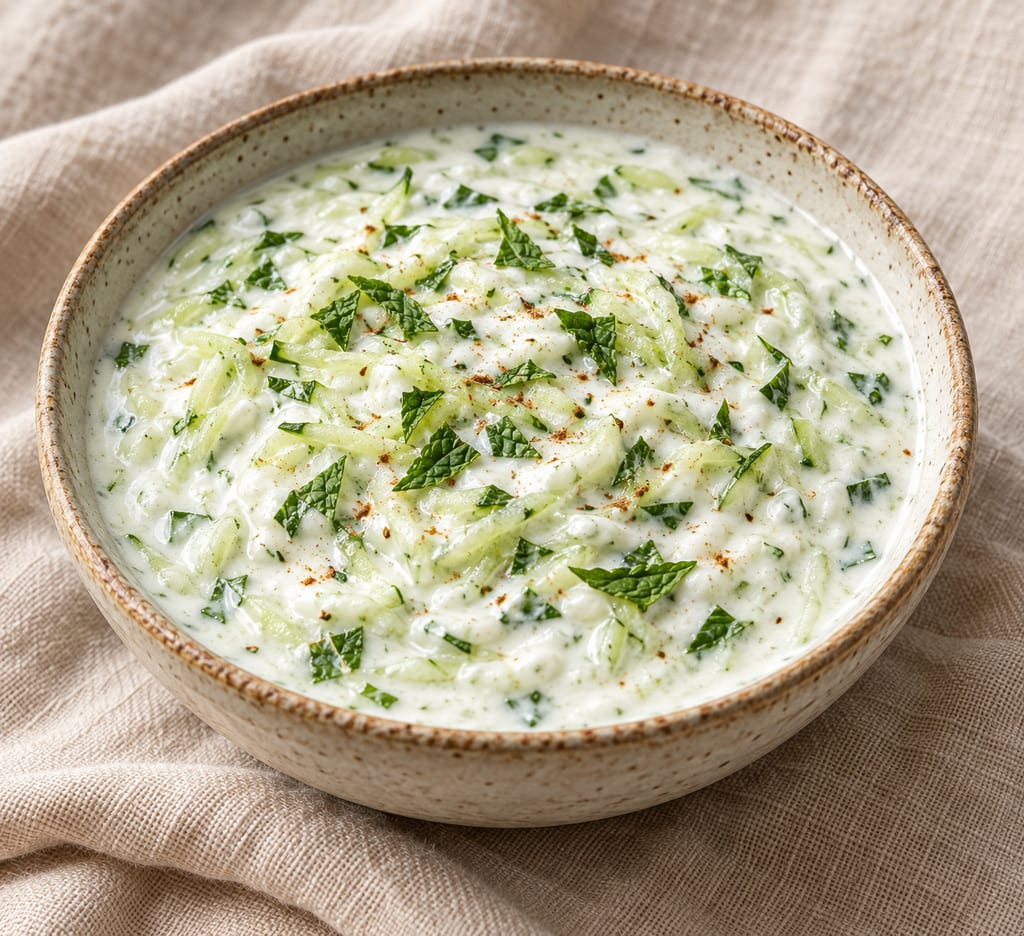
Cucumber and chopped herbs are folded into plain yoghurt with salt and roasted cumin for a cool South Asian accompaniment to spiced food.
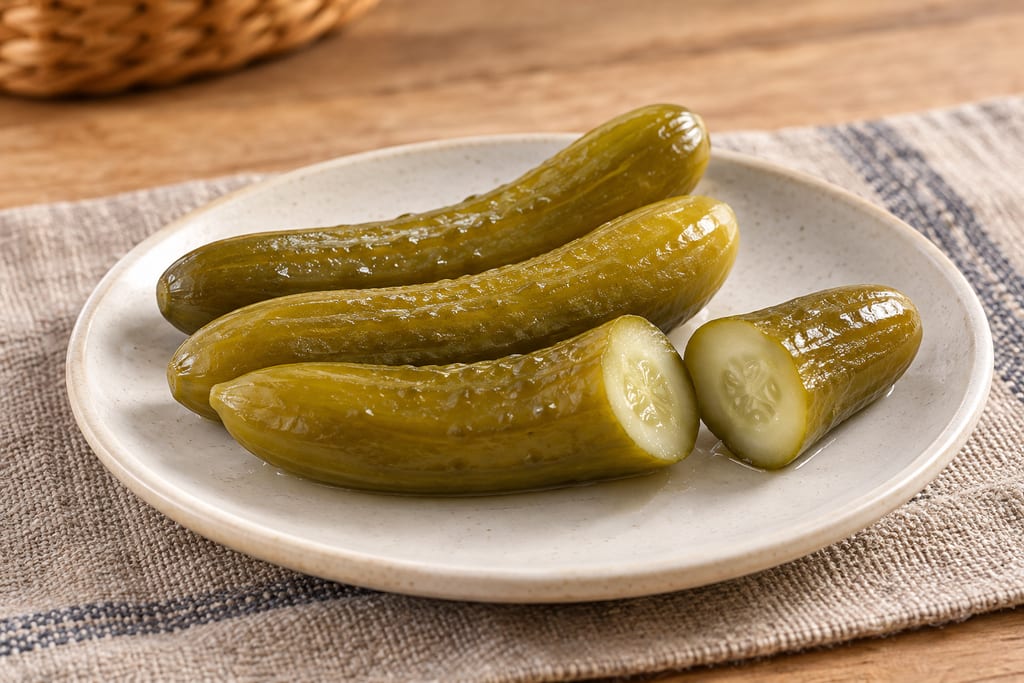
Çubuk turşusu is a registered pickle from Çubuk district in Ankara. Its cucumber variant is sold as Salatalık Turşusu, and a commercial specification sets its brine and room-temperature period.
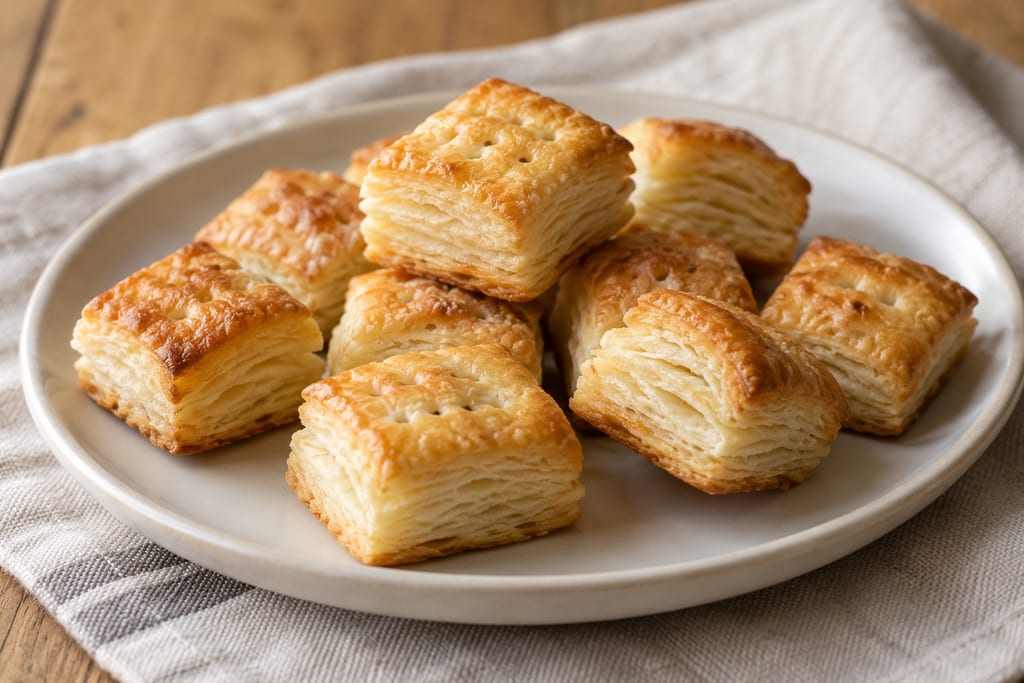
Small Argentine laminated bread bites made with wheat dough, yeast and beef fat or pork lard; this version follows a 40-piece home recipe.
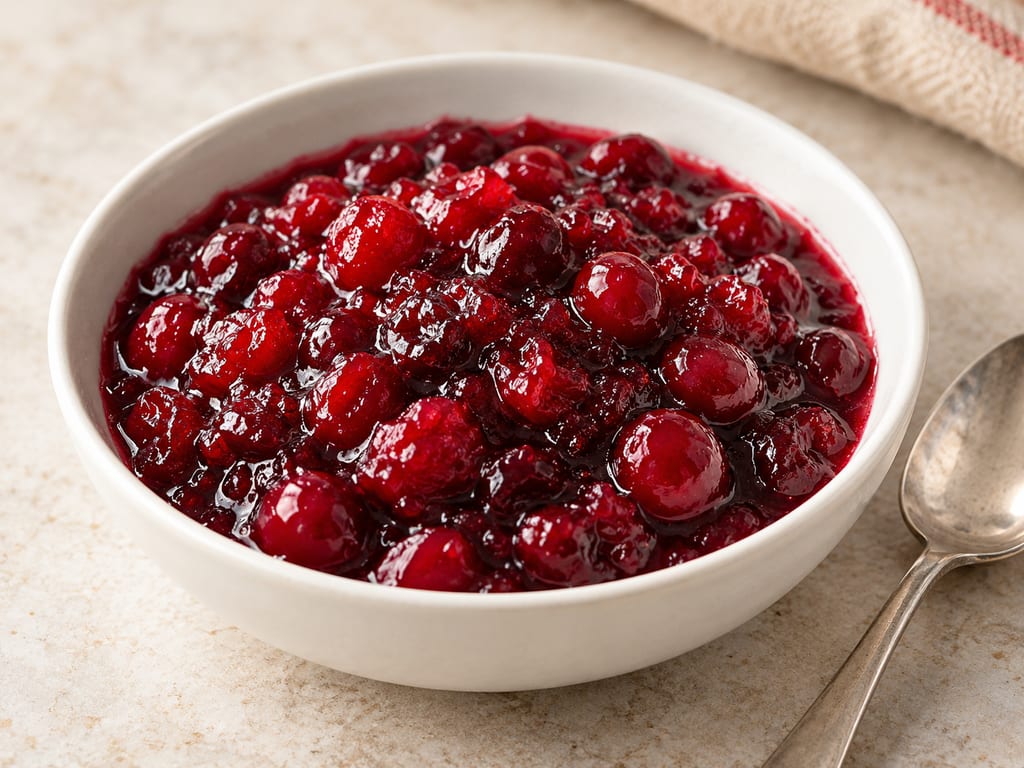
Cranberry sauce is a sauce of cranberries cooked in sugar syrup until the berries burst and thicken, served with roast turkey, pork, chicken and ham.
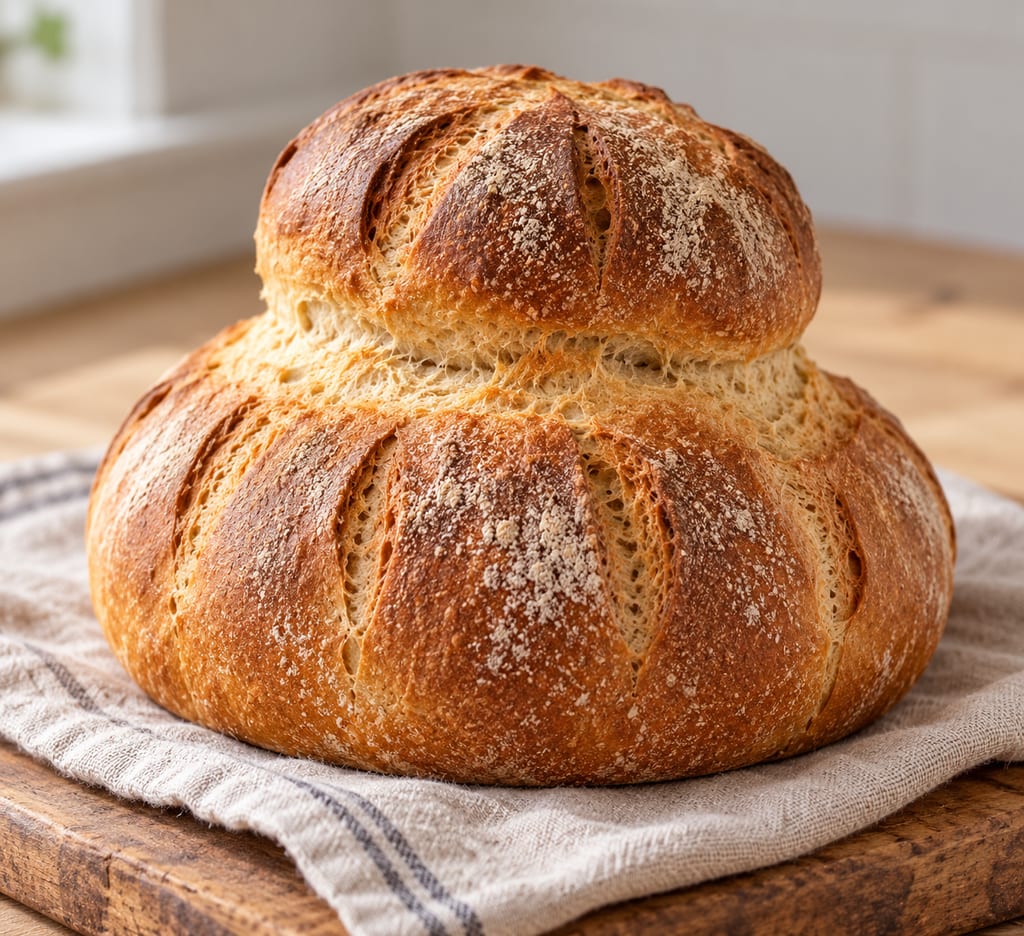
A large English cottage loaf with a smaller round joined atop a larger one. This slow-rise version uses white wheat flour with small portions of wholemeal wheat and rye, and bakes on a hot stone or tray.
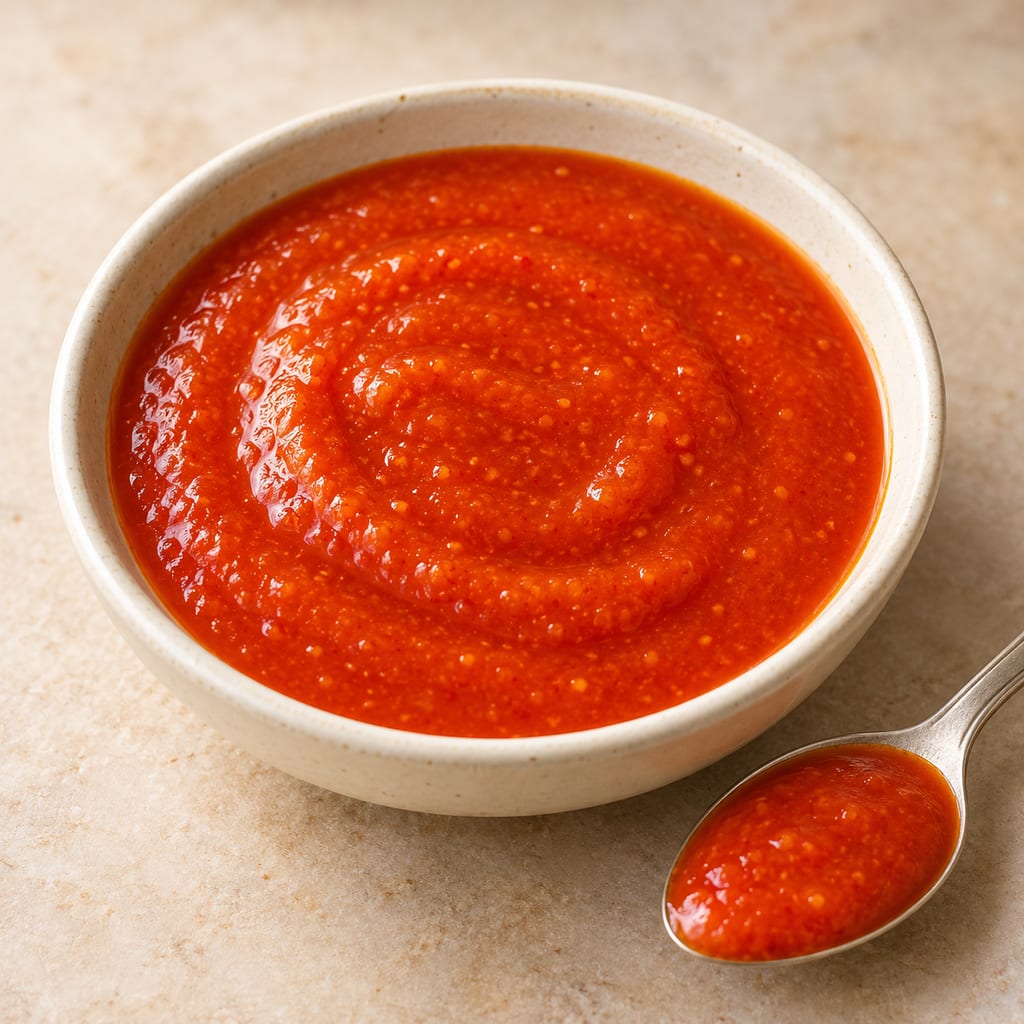
Ripe red chillies, garlic, labelled 5% vinegar, sugar, water and salt are blended, simmered and blended smooth into a cooked chilli sauce.
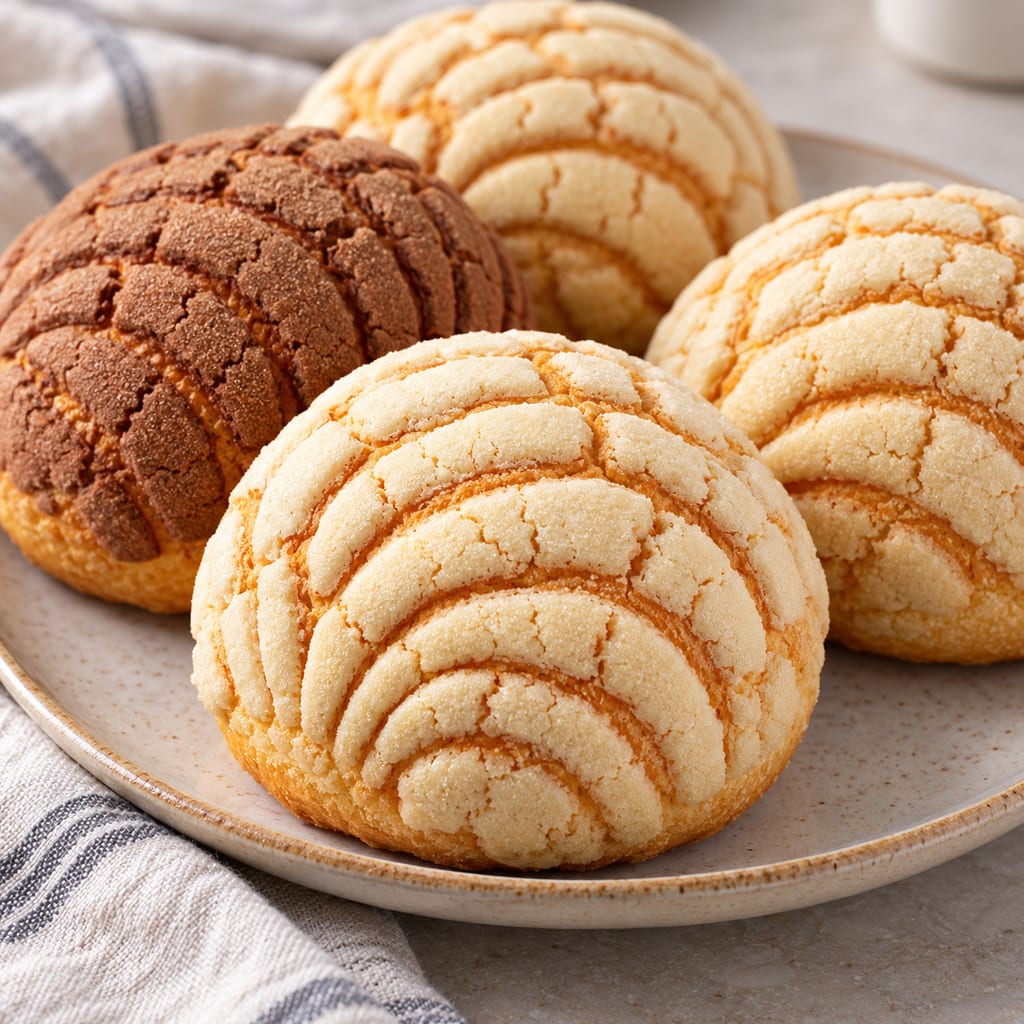
Mexican sweet rolls with a soft enriched yeast dough and a separate scored sugar-flour topping shaped like a shell. This version makes 15 rolls and uses a chilled dough rest before final proofing.
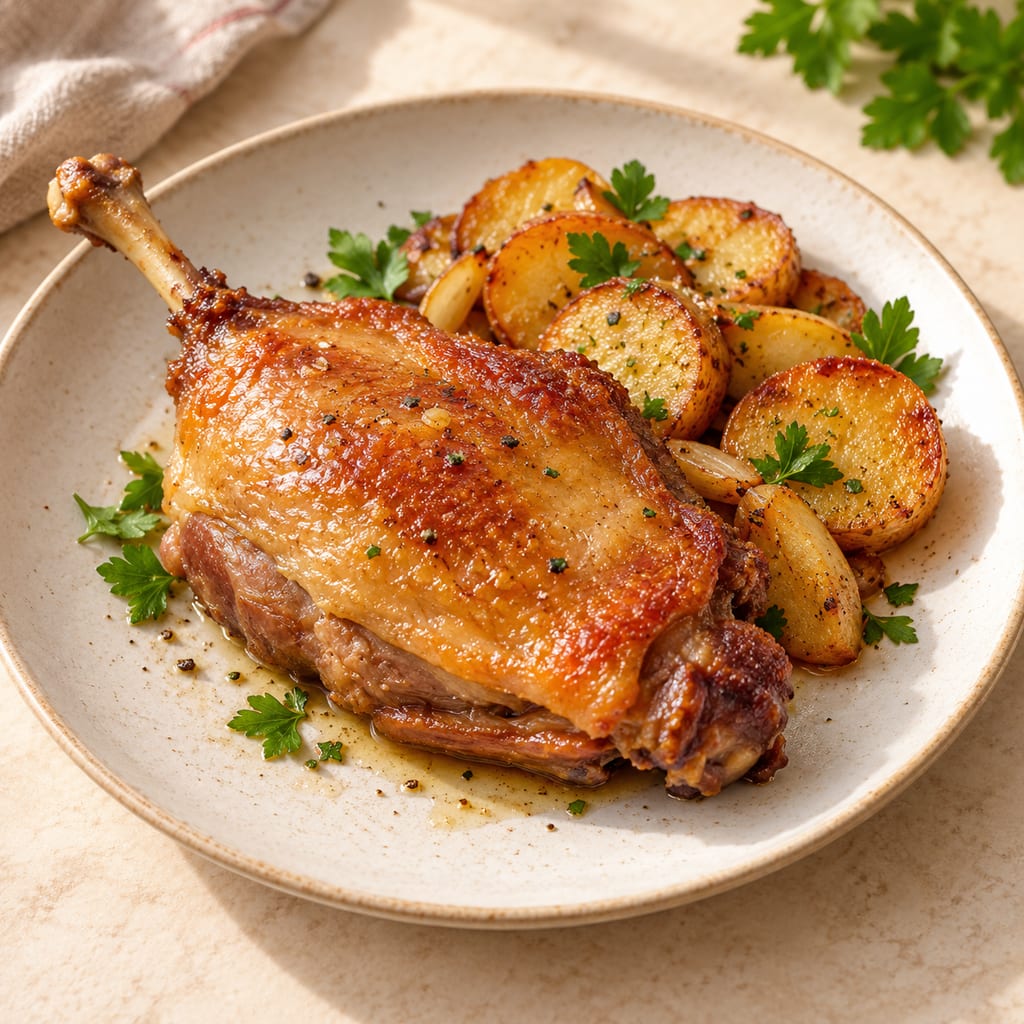
Meat salted, slowly cooked in its own fat and kept under a covering of that fat. The fat cap limits air but does not acidify or sterilise, so home confit needs refrigeration or freezing.
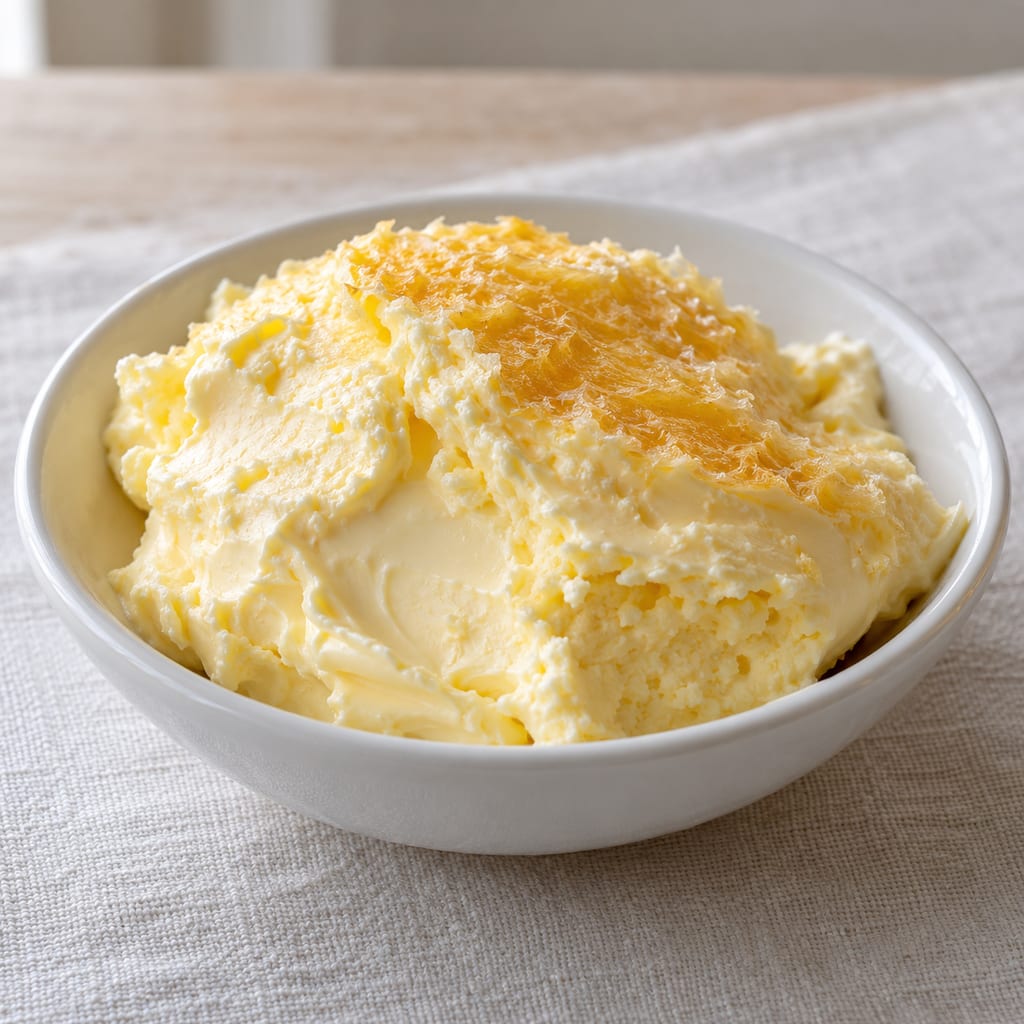
High-fat cream scalded below boiling for at least an hour until a thick crust forms, then cooled hard so the crust sets and the cream beneath thickens.

Chuño negro is a source-documented Andean potato-preservation practice. This entry records producer tradition; it is not a validated household process for making potentially toxic bitter potatoes safe.
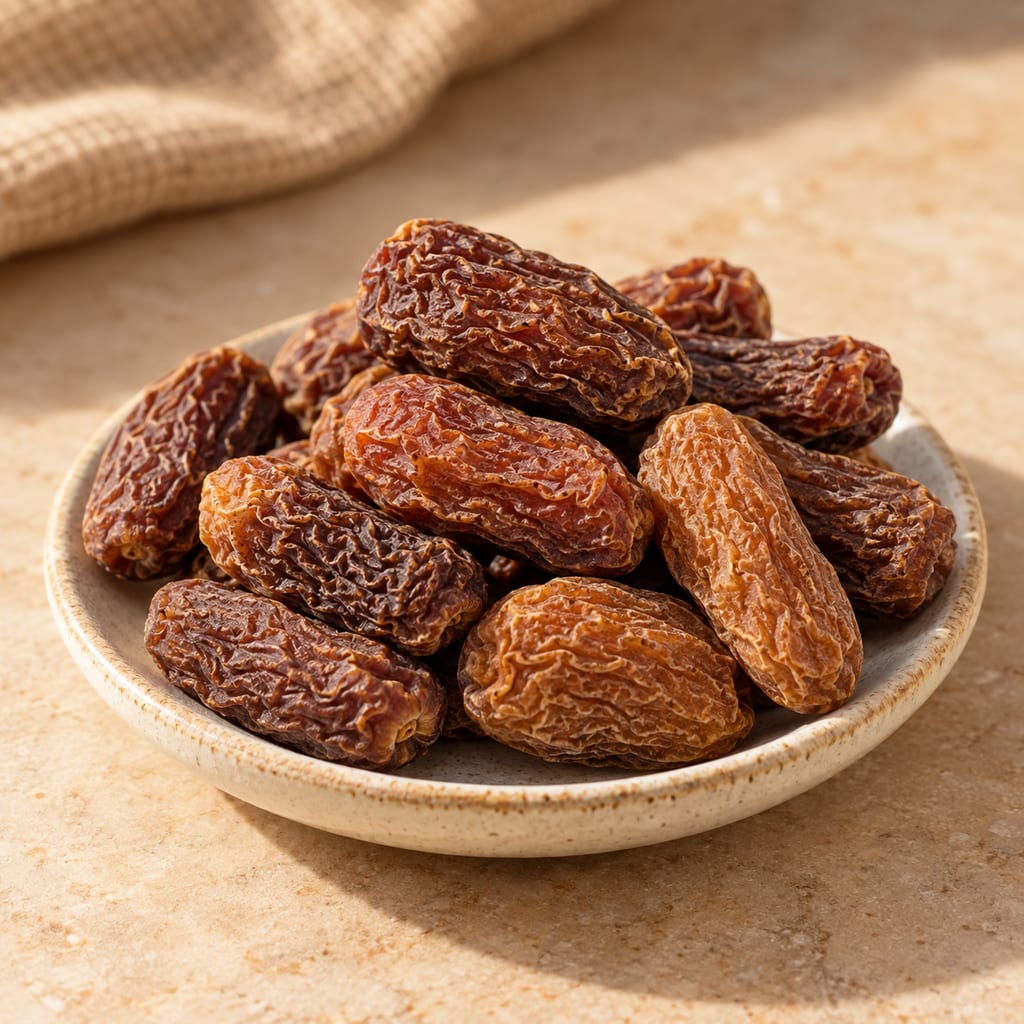
Chuhara is a processed dried-date product named in Pakistani date-production studies, distinct from other dried dates. Its household method is not established.
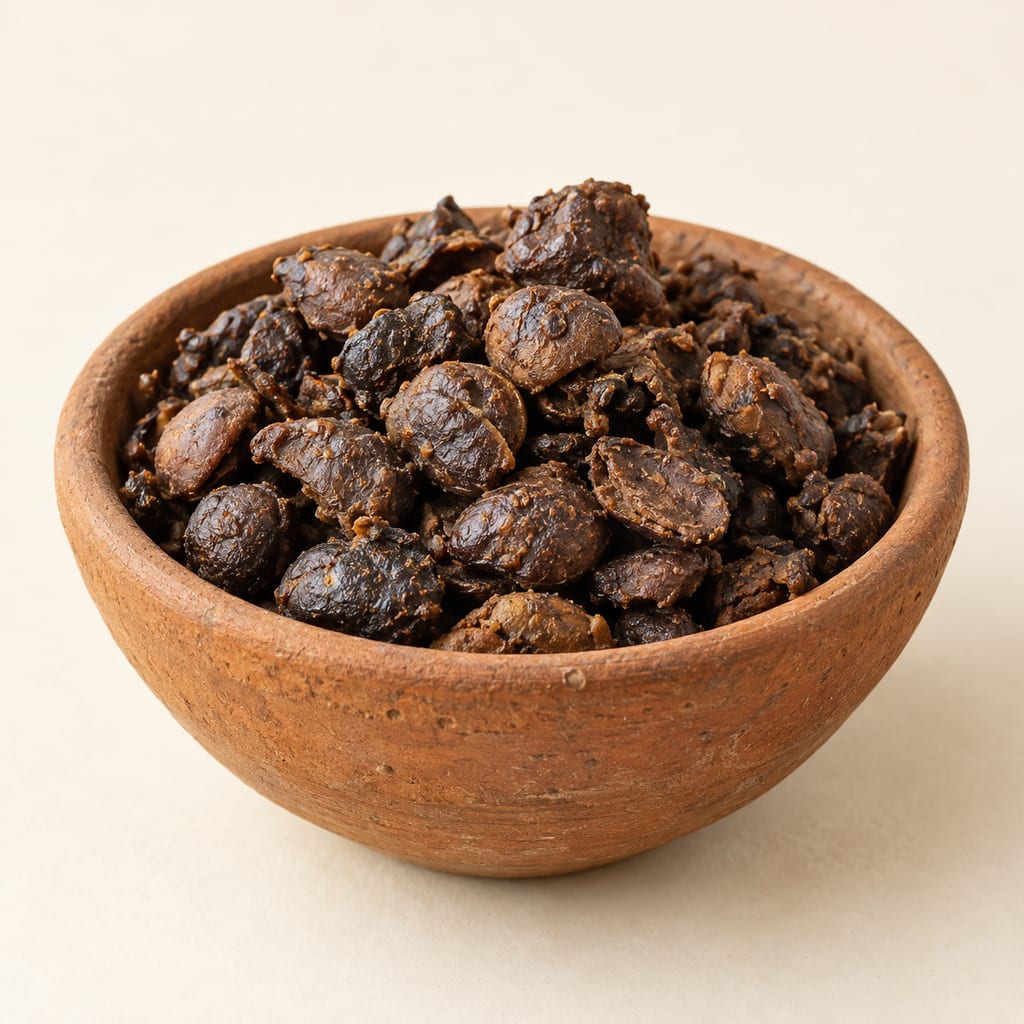
A Burkina Faso alkaline fermentation of African locust bean seeds (Parkia biglobosa), used to season sauces and cooked grain dishes. Local process details vary, and the sources do not give a measured household batch.
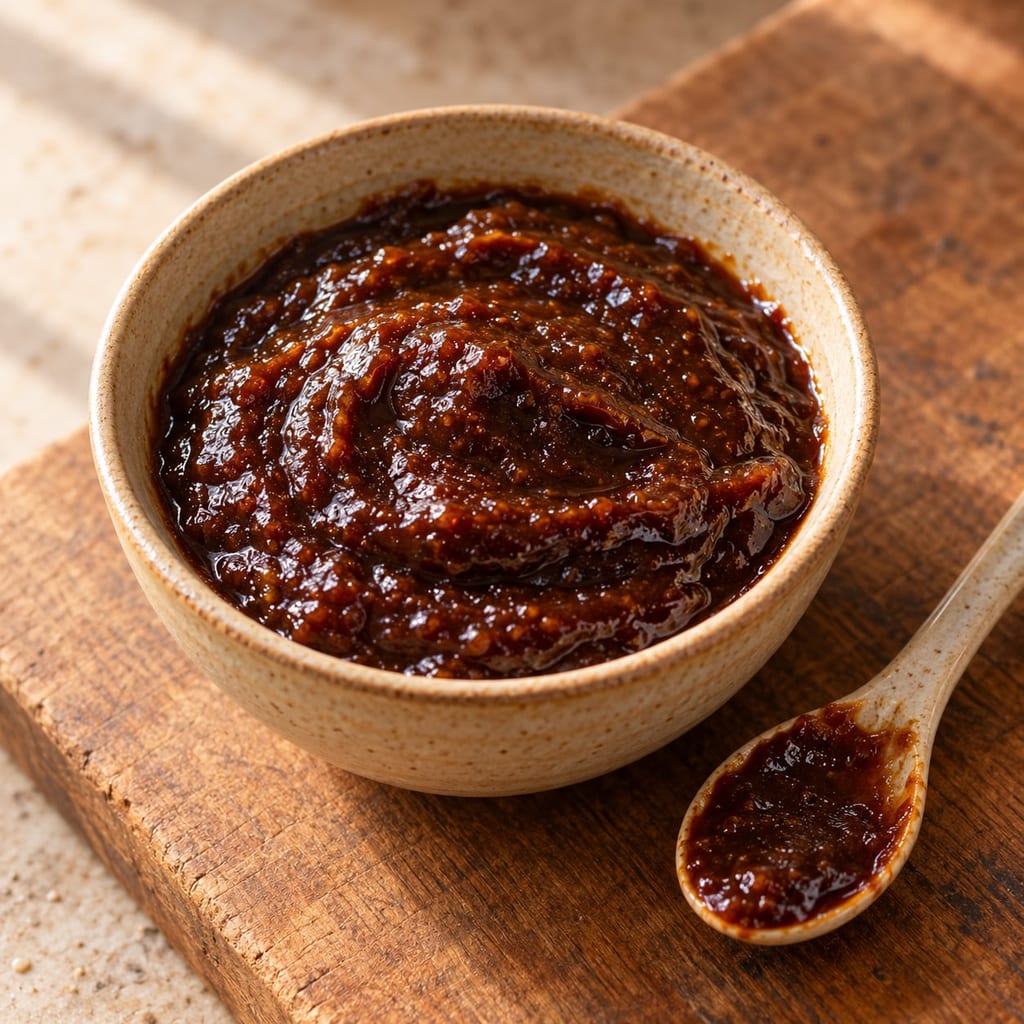
Chu hou is a sweet, savoury Cantonese paste of fermented soybeans, fermented bean curd, garlic, ginger and sesame, used mainly to braise meat.
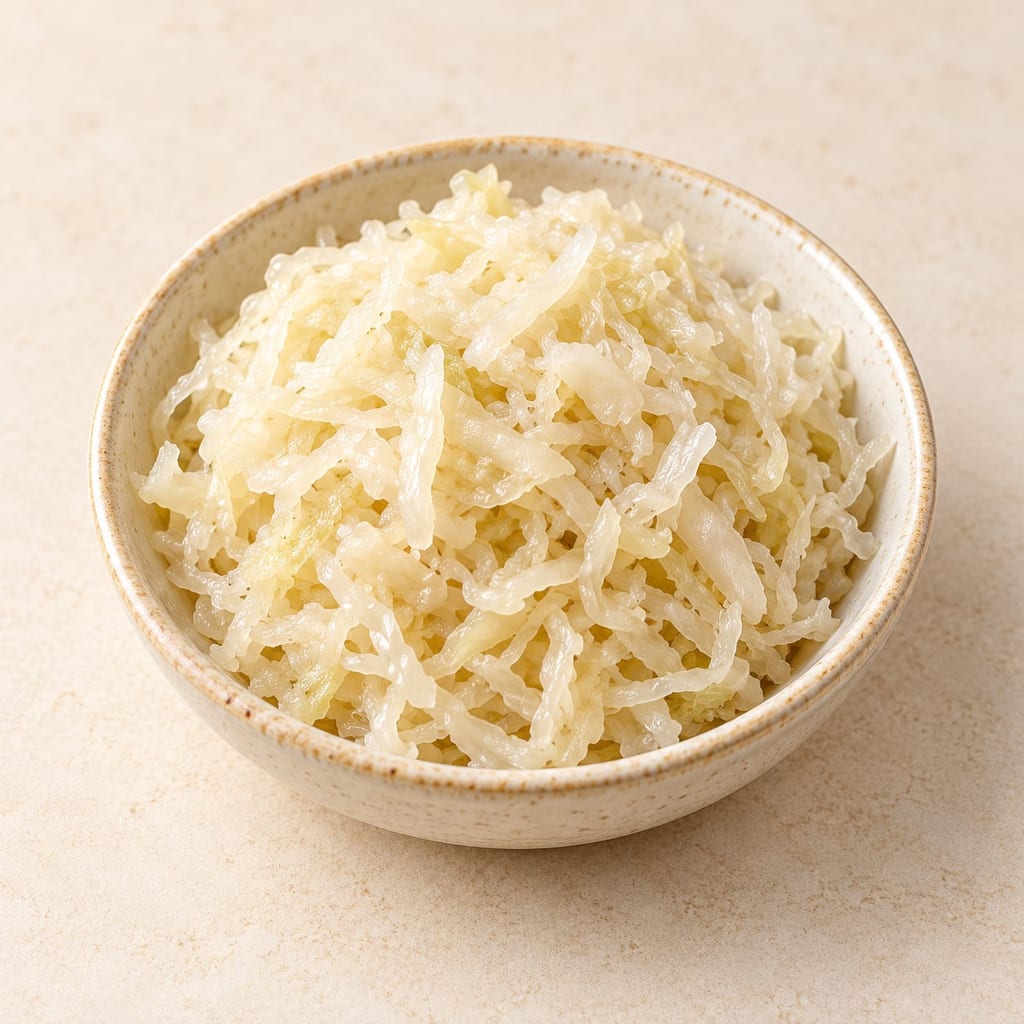
Finely cut cabbage fermented with salt in vats by natural lactic fermentation, a protected Alsatian product sold raw or cooked after fermentation.
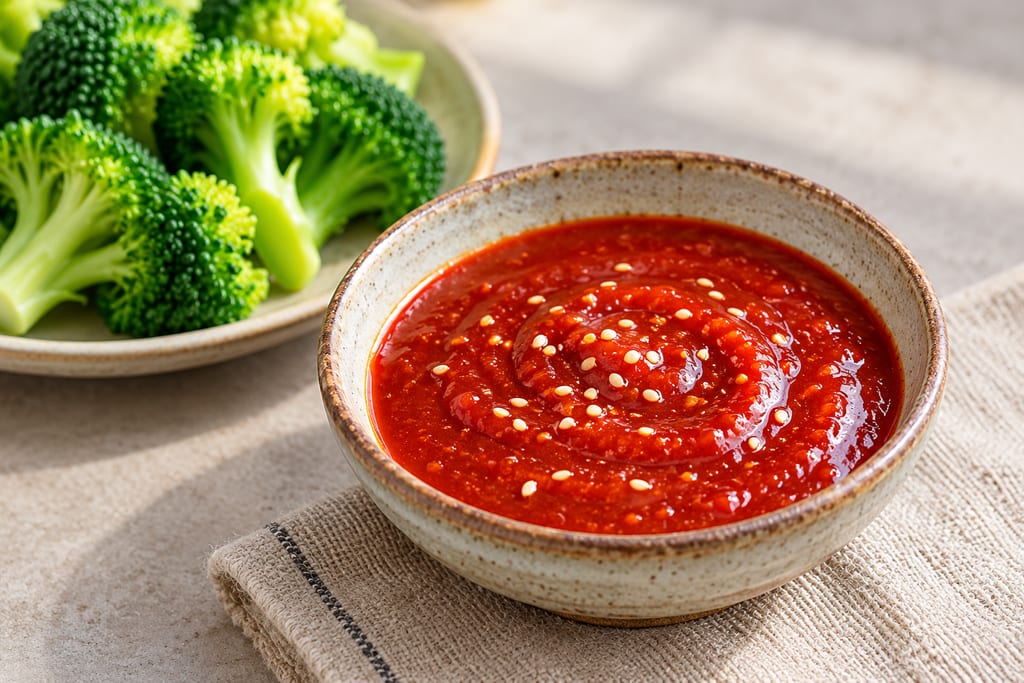
Chogochujang is a Korean sweet-sour sauce made by seasoning gochujang with vinegar and sugar. This development batch adds water and toasted sesame seeds, with optional garlic for the portion being served.
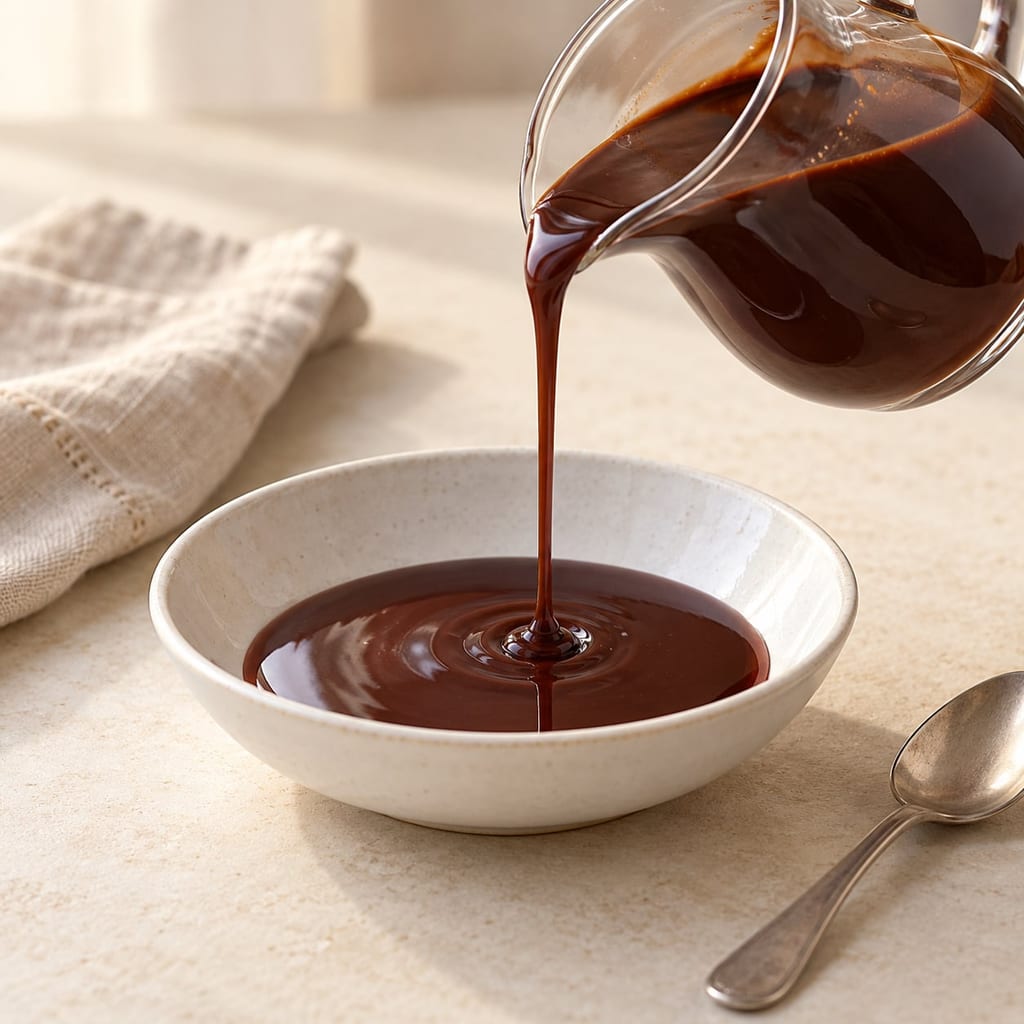
A pourable dessert sauce of cocoa powder, sugar and water, boiled briefly and finished with salt and vanilla. It is a water-based sauce, not the cream or milk emulsion of ganache.
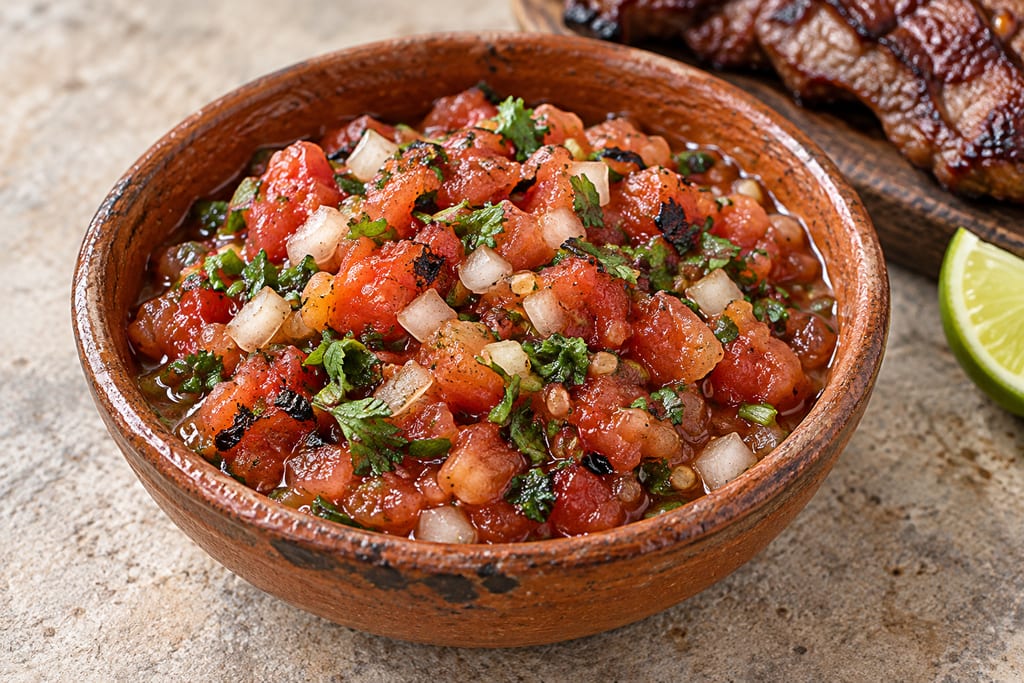
Chirmol is a Guatemalan salsa of charred tomatoes with onion, cilantro and lime, served with grilled meat and toasted chiles.
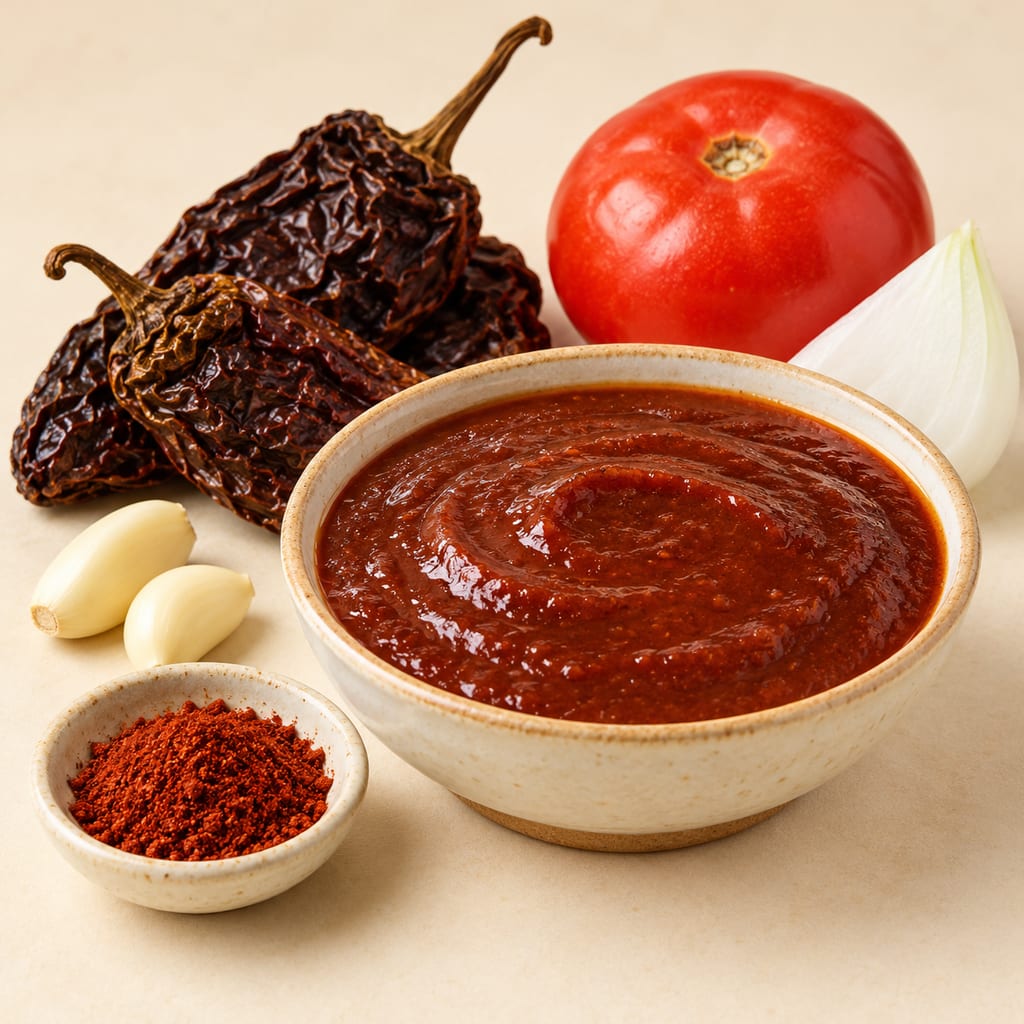
Chipotle adobo is a cooked sauce of smoked chipotle chiles, tomato, onion, garlic, dried chile powder, spices and vinegar, the form in which chipotles are most often sold in the United States.
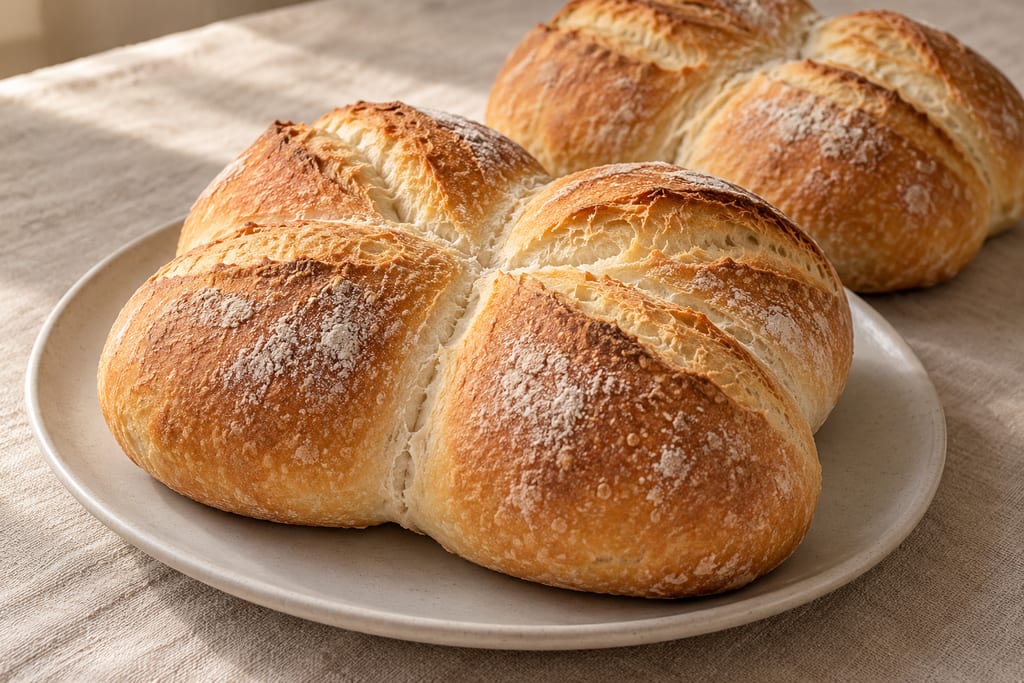
A lean Chilean wheat loaf shaped as two joined lobes, chilled overnight, then baked with steam for a crisp, deeply browned crust.
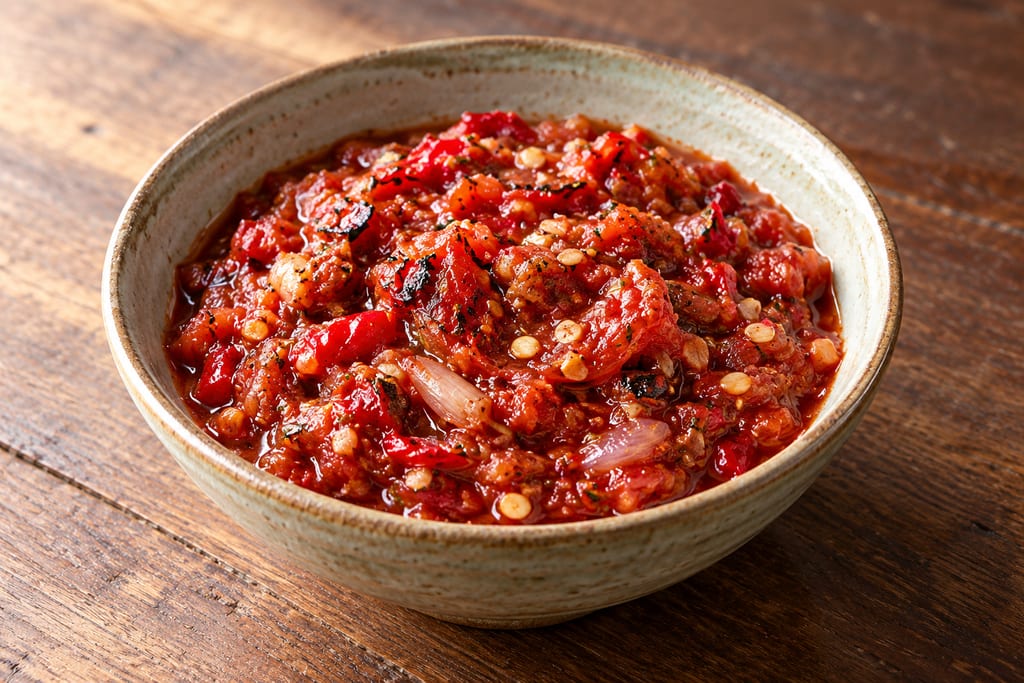
A Lao tomato-and-chile dip made by roasting tomatoes, chiles, garlic and shallots over gentle coals, then pounding and seasoning them. This four-person serving batch has no measured ingredient quantities or validated storage period.
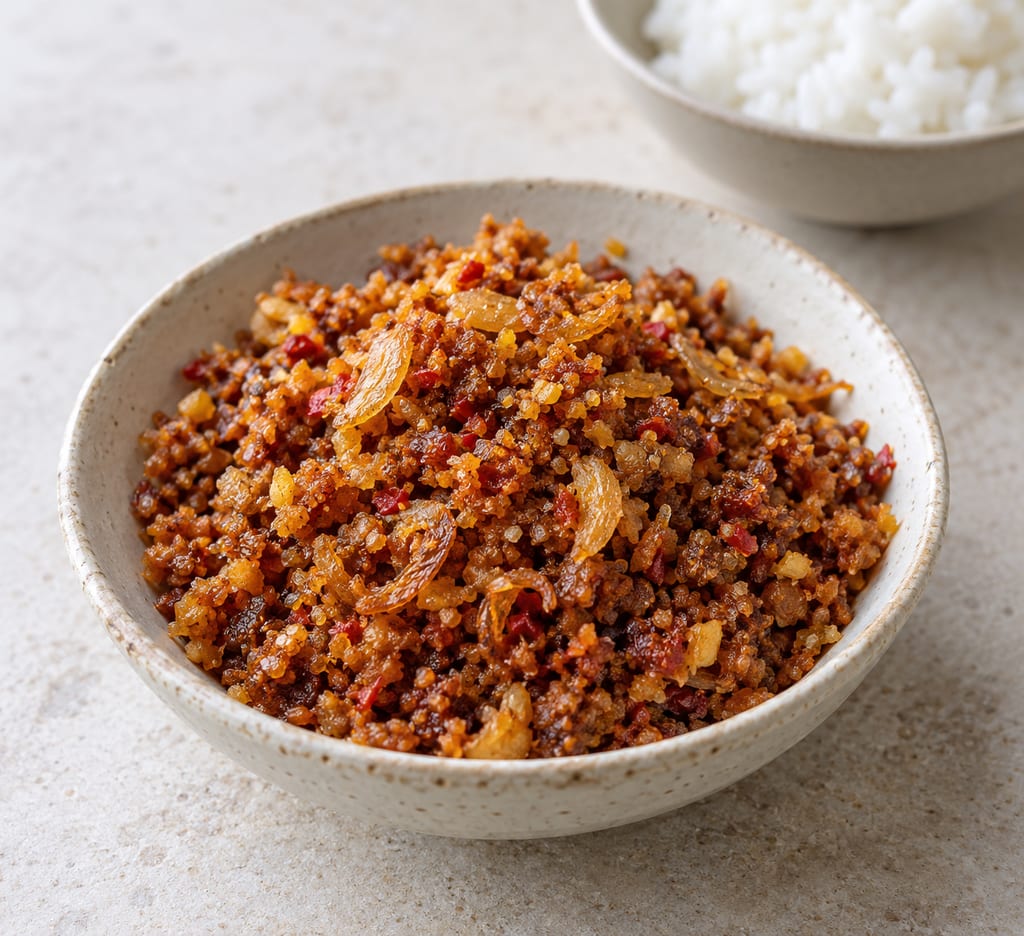
A Myanmar relish of dried shrimp, fried eschalot and garlic, chilli, turmeric, tamarind and ngapi. Naomi Duguid’s published recipe makes about 1 cup; it contains crustacean shellfish.

A preserve of pezik and other non-sugar beet stalks from Sivas Province, blanched, salted and acidified with lemon juice and vinegar, then held for one to three weeks as the registered specification directs.
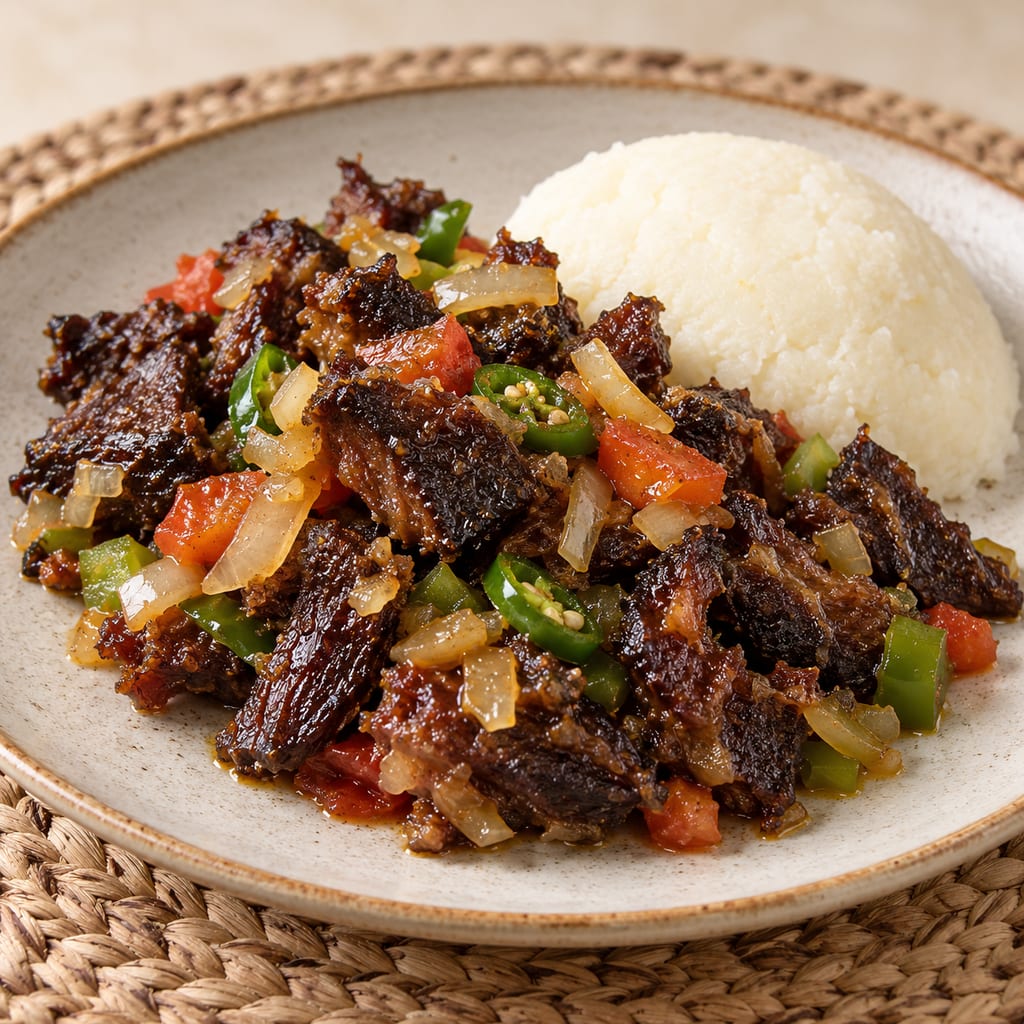
Alina Magano Johannes’s Oondhingu is a family dish from Onyaanya, Oshikoto, in northern Namibia: softened dried beef fried with vegetables and served with pap.

Crisp battered white fish in warm corn tortillas with shredded cabbage, lime and fresh salsa. This home version draws on the Ensenada style without claiming to be a definitive historic formula.
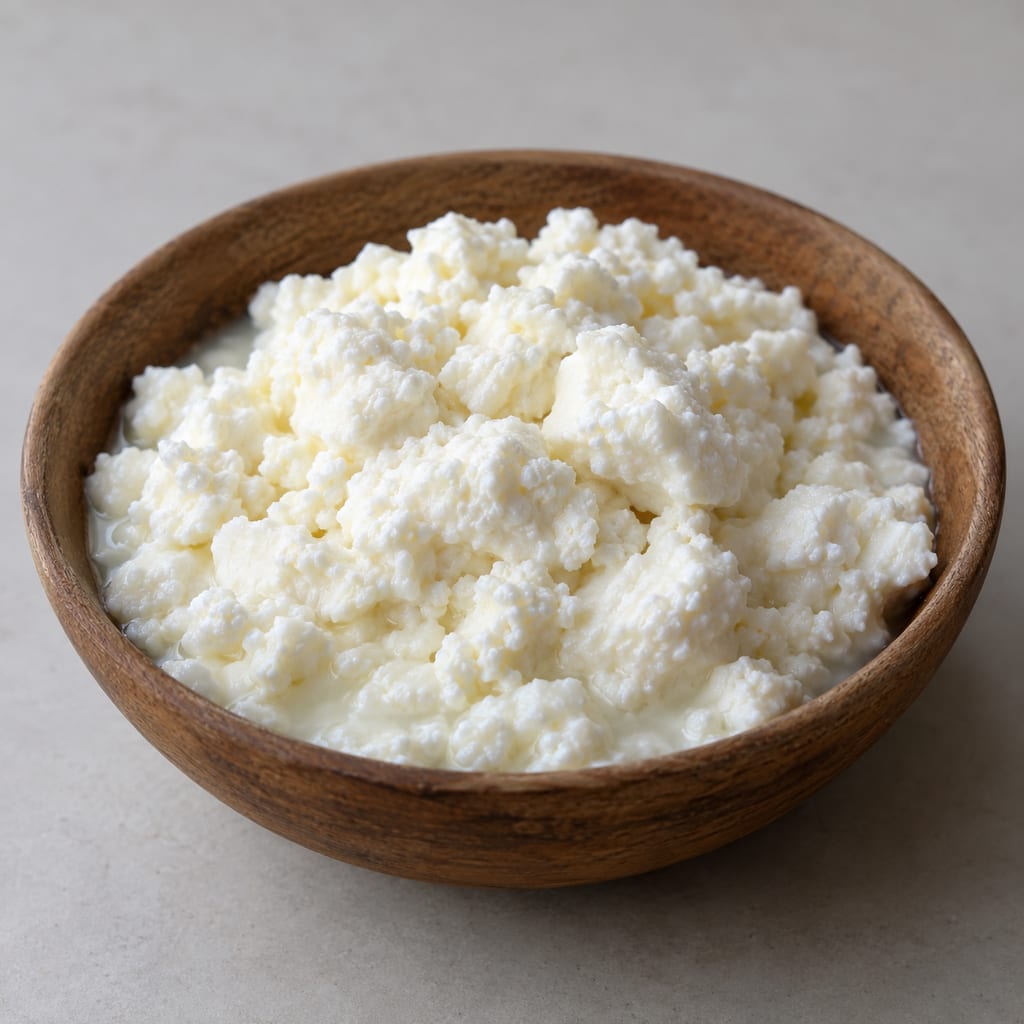
Aarts is a soft Mongolian curd made by draining boiled fermented yogurt; it remains wet, unlike aaruul, which is dried.

Omani celebration dish of spiced meat wrapped in leaves, sewn into palm-fibre bags and cooked in a sealed pit of embers for up to a day.
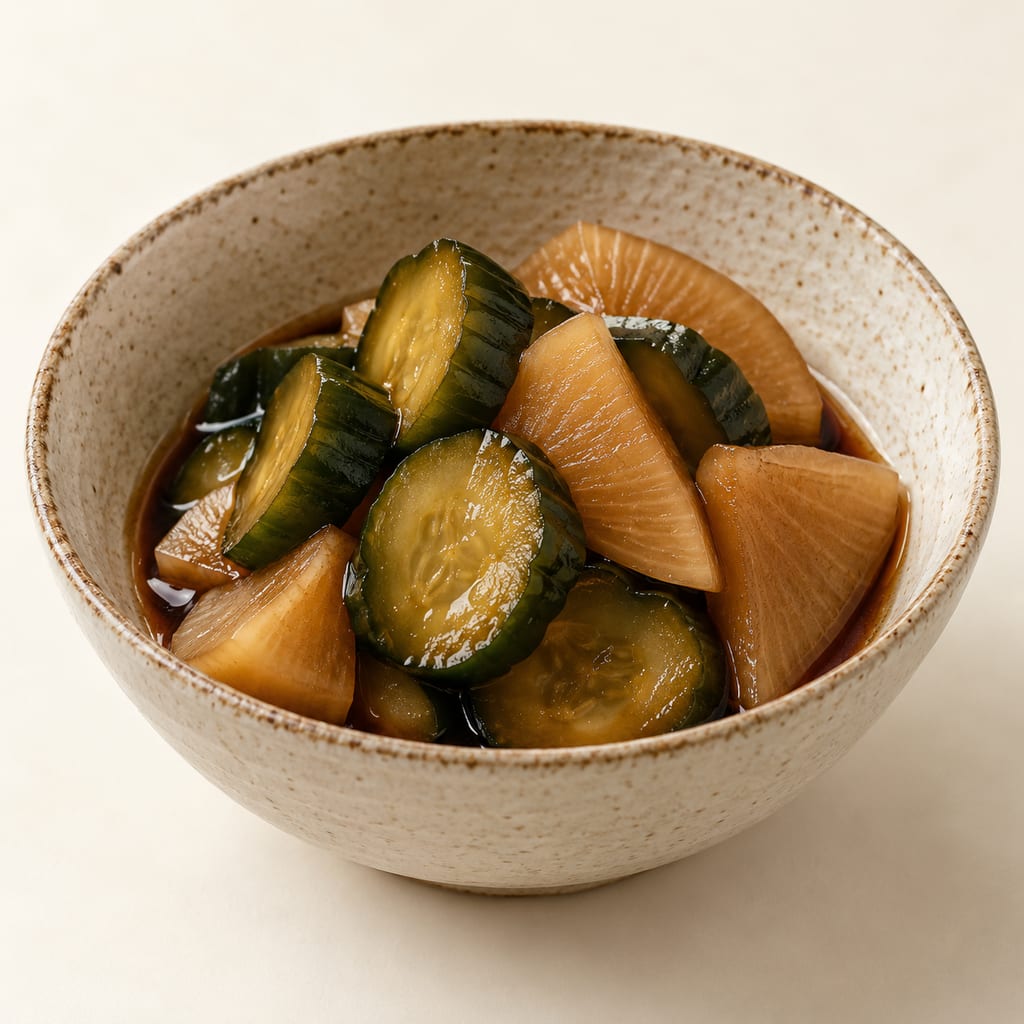
Foods steeped in soy sauce, a salty fermented seasoning liquid that transfers salt and fermentation products into them; shoyuzuke uses a transformed liquid medium rather than a fresh brine.
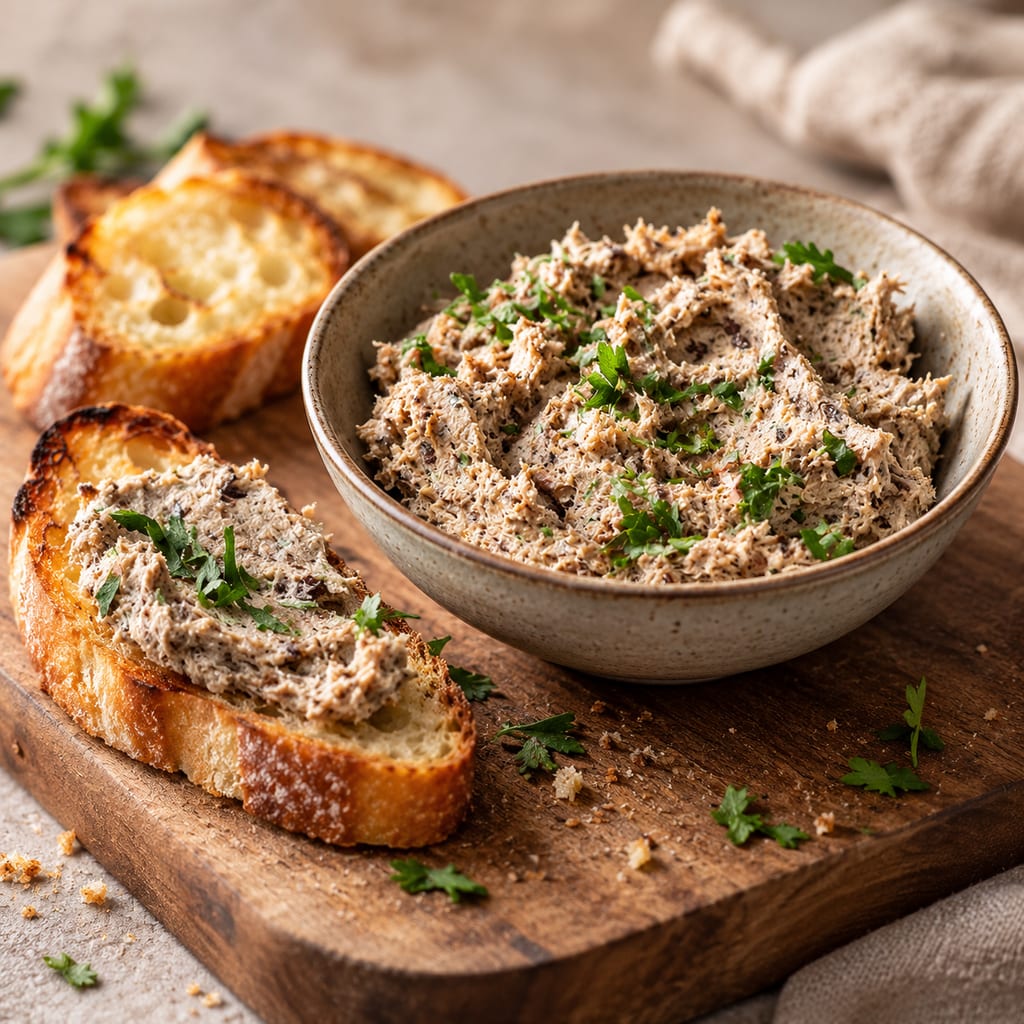
A cold biltong spread with sour cream, mayonnaise, mustard, lemon and herbs; serve it with crackers, crostini or bread.